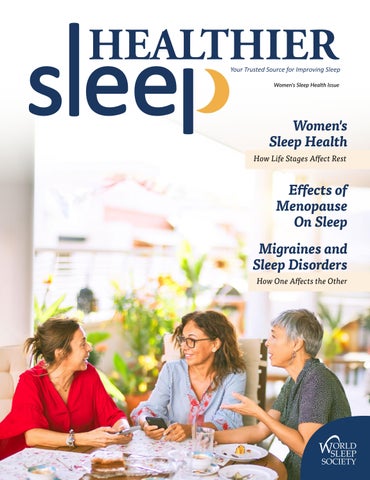
Women's Sleep Health Issue
Women's Sleep Health How Life Stages Affect Rest
Effects of Menopause On Sleep Migraines and Sleep Disorders How One Affects the Other
Healthier Sleep A publication of World Sleep Society Your Trusted Source for Improving Sleep Publisher World Sleep Society
ABOUT Healthier Sleep is published up to four times per year by World Sleep Society, 3270 19th Street NW, Suite 109, Rochester, MN 55901 and distributed to sleep medicine and research professionals as well as the public. No part of this publication may be reprinted or reproduced without written permission. Healthier Sleep does not necessarily endorse the claims or content of advertising or editorial materials. All advertisements and editorial material included represents the opinions of the respective authors. World Sleep Society/Healthier Sleep Magazine does not provide or offer medical advice. All content within the magazine, such as text, graphics, information obtained from sleep experts, and other material, is for informational purposes only. The content is not intended to be a substitute for medical diagnosis, advice or treatment. Relying on information provided by World Sleep Society and/or any of its employees, experts within the material, or, other writers is solely at your own risk. For advertising or editorial contact information, email healthiersleep@worldsleepsociety.org or visit healthiersleepmag.com for current rates. ©2026 World Sleep Society. All rights reserved.
2 | Healthier Sleep | Women's Sleep Health Issue
Editor Amy Larson Copy Editor Emily Neville Design Brook Lanz Issue Reviewers Tarun Amalnerkar, MPT Matteo Cesari, PhD Ravindra (Ravi) Chandrashekhar, MD Melissa Lipford, MD Maya Ramagopal, MD Issue Contributors Bei Bei, PhD Diane Boivin, MD, PhD Maria Bonsignore, PhD Sana Kausar Habiya, BMedSci, MPH Venkatesh Krishnamurthy, MD Maristella Lucchini, PhD Jessica Mong, PhD Kathy Sexton-Radek, PhD, CBSM, DBSM Kin Yuen, MD, MS World Sleep Society Staff Sales Manager healthiersleep@worldsleepsociety.org healthiersleepmag.com
CONTENTS Women's Sleep Health Issue
|4|
| 18 |
| 26 |
Women's Sleep Health
Effects of Menopause on Sleep
Migraines and Sleep Disorders
How Life Stages Affect Rest
6
Is it Depression or Hypersomnolence?
8
Why Can’t I Sleep? Insomnia and Menopause
12
Pregnancy and Sleep: Why It Changes and What You Can Do
16
Sleeping with the Job: Shift Work and Sleep
20
How One Affects the Other
In Every Issue
The Connection Between Sleep and Mental Health
23
Advocacy Organization Highlight: International Menopause Society
24
Obstructive Sleep Apnea in Women
28
Spotlight On Research: How Common Are Sleep Problems Among Women Before, During, and After Menopause?
Bedtime Reads Page 11
The Women’s Guide to Overcoming Insomnia
Right Now in Sleep Science
Page 15
Regularly Sleeping Seven to Eight Hours Per Night May Be More Important Than You Think
The BuZZZ About Sleep
Page 22
Your Latest Buzzword: Sleep Efficiency
Women's Sleep Health Issue supported by Bayer Consumer Care AG 3 | healthiersleepmag.com
Women's Sleep Health How Life Stages Affect Rest By World Sleep Society Staff
During the 2025 World Sleep Congress, Bei Bei, PhD, a research lead and clinical psychologist at Monash University Health Sleep Clinic in Australia, delivered a keynote presentation highlighting the unique challenges for women with insomnia and the need for cognitive behavioral therapy for insomnia (CBT-I) tailored specifically to women. Sleep problems are common, and some tend to affect women more often than men. About one in four women have insomnia, compared to one in five men. Around 17% of women say they have trouble sleeping, while 12% of men report the same. Women also have more trouble staying asleep—21% compared to 15% of men.
4 | Healthier Sleep | Women's Sleep Health Issue
How Life Stages Affect Sleep
What is Insomnia?
During the menstrual cycle, hormone changes can make sleep harder. Many women sleep worse right before and at the beginning of their period because of cramps, mood changes, or feeling too warm.
Insomnia means having trouble falling asleep, staying asleep, or waking up too early, even when there’s time to rest. For women, sleep problems often change during different stages of life. Periods, pregnancy, new motherhood, and menopause can all affect sleep. Hormone changes, body discomfort, and stress can make it harder to rest. Over time, poor sleep can lead to negative thoughts and habits that keep insomnia going.
Pregnancy
Cognitive Behavioral Therapy for Insomnia (CBT-I)
Menstrual Cycle
Pregnancy can be a tough time for sleep. In late pregnancy, many women wake up often because of discomfort or needing to use the bathroom. After giving birth, new mothers often face total or partial sleep loss from caring for their baby. This can lead to long-term sleep problems if unhealthy sleep habits or worries about sleep develop.
Postpartum After childbirth, sleep is often broken up by nighttime feedings and baby care. Hormonal changes and lack of support can make things worse. Even if this isn’t always true insomnia, it still causes tiredness and stress.
Menopause During menopause, hot flashes and night sweats can wake women up often. These changes can lead to poor sleep, low energy, and mood swings.
Cognitive behavioral therapy for insomnia (CBT-I) is a proven way to treat long-term sleep problems. It helps people change unhelpful thoughts and habits about sleep. Studies show that CBT-I works well for both women and men. When CBT-I is designed especially for women, it works particularly well to address their specific concerns. In menopausal transition, CBT-I helps women feel less bothered by hot flashes; in pregnancy, it reduces insomnia and helps women sleep better, and in the postpartum period it improves sleep quality, reduces daytime fatigue, and improved mood.
Why Tailored Treatments Matter
Because women’s sleep problems are often connected to life changes and hormones, treatments that focus on these issues can work better. Teaching women about how their bodies affect sleep, helping new mothers manage sleep loss, and supporting women through menopause can make CBT-I more effective. Women face unique sleep challenges throughout life. Hormones, pregnancy, and menopause all play a role in how well they rest. CBT-I is a strong, science-based treatment that can help women and men sleep better. When it’s adjusted to fit women’s needs, it can improve sleep, mood, and overall health. Understanding how life stages affect sleep is key to helping women get the rest they need. 5 | healthiersleepmag.com
Is it Depression or Hypersomnolence? By Venkatesh B. Krishnamurthy, MD
H
ypersomnolence is a medical condition in which people sleep for long hours at night yet struggle to stay awake during the day. People with hypersomnolence experience mental fog and feel unrefreshed, no matter how long they sleep. This is not laziness or poor motivation. Hypersomnolence is a biological condition involving the brain’s regulation of sleep and wakefulness. It can occur on its own or as part of a sleep, medical, or psychiatric disorder. It often interferes with work, relationships, and quality of life.
Hypersomnolence Can Look Different in Women and Men
Hypersomnolence does not look the same for everyone. Women and men often experience it differently. Men are more likely to experience “sleep attacks” during which they suddenly fall asleep at work, while watching TV, or even during conversations. Women often describe their symptoms in less obvious ways. They report feeling tired all the time, having brain fog, having trouble focusing, or feeling emotionally overwhelmed. Women are also more likely to push through sleepiness while taking care of work and family2. Women complain more of being exhausted rather than being unable to stay awake.
6 | Healthier Sleep | Women's Sleep Health Issue
Is it Hypersomnolence or Depression?
Your doctor may interpret hypersomnolence as depression for the following reasons:
•
Depression and hypersomnolence share the same symptoms like tiredness, low energy, trouble concentrating, and low motivation.
•
Depression with hypersomnolence is more frequent in women than men.3
•
Feeling sleepy or tired all of the time can also be part of a type of depression called atypical depression, which is present more often in women than men3.
Hypersomnolence greatly affects a person’s quality of life and relationships, making them feel sad, and it may be mistaken as primary depression. The same brain chemicals that affect mood, such as dopamine and norepinephrine, can be low in both conditions. Women are also more likely to describe their physical symptoms such as sleepiness in emotional terms. So, when a woman reports feeling very sleepy and feeling down, depression may seem like the most obvious diagnosis.
Symptoms of Depression and Hypersomnolence
Depression and hypersomnolence often occur together. Some symptoms are common to both. Understanding the symptoms may help in recognizing each condition. This can be the first step to finding appropriate treatment options. An important clue is that if antidepressant medication helps your mood, but you still feel very sleepy during the day, there may be a separate sleep disorder that you and your health care provider need to investigate together.
Getting the Correct Diagnosis
If you are a woman who feels very sleepy during the day and has depression, it is important to speak up for yourself. Try keeping a sleep diary to make sure you are getting enough sleep and are not just sleep-deprived. Not getting enough sleep can lead to or worsen daytime sleepiness.
Common symptoms between depression and hypersomnolence • Low energy • Trouble concentrating • Decreased productivity and quality of life • Social withdrawal
Major differences between depression and hypersomnolence Hypersomnolence symptoms
• Extended periods of nighttime sleep are not refreshing • Uncontrollable daytime sleepiness • Naps are long and not refreshing • Mood may be normal with adequate treatment Depression symptoms
• Sleep may increase or decrease • Loss of interest in pleasurable activities • Feelings of guilt and hopelessness
If your depression is under control but you still sleep long hours, feel a strong need to nap, or have trouble waking up, ask your health care provider if you might have a separate sleep disorder that causes too much sleepiness. It is also important to talk about whether other sleep problems, medical conditions, or medications might contribute to your sleepiness. If needed, you can ask for a referral to a sleep specialist. When daytime sleepiness is assumed to be related to depression, women may feel unheard or misdiagnosed for years. Getting the correct diagnosis can lead to better treatment, school or work support, and simple strategies that can improve quality of life. *Citations available on healthiersleepmag.com
.................................................................. Venkatesh Krishnamurthy, MD, is a psychiatrist and sleep medicine specialist certified by the American Board of Psychiatry and Neurology. He is an Associate Professor of Medicine at the University of Pittsburgh School of Medicine and Medical Director of the outpatient Sleep Clinics at Oakland and Monroeville. 7 | healthiersleepmag.com
Why Can’t I Sleep? Insomnia and Menopause By Jessica Mong, PhD
Women go through many changes during their lifespan. One of the more significant changes comes at the end of their reproductive years, known as menopause. Many physical changes occur during this transition, including changes in sleep patterns that can lead to insomnia.
8 | Healthier Sleep | Women's Sleep Health Issue
What is Happening?
During menopause, ovaries gradually stop functioning. They no longer release mature eggs, ovulate, or produce the hormones estrogen and progesterone in a rhythmic, cyclical way. This process usually begins with perimenopause which may begin several years before menopause. During perimenopause, ovarian function becomes less predictable and ovulation becomes more irregular, causing hormone production to vary. The hormone progesterone depends on ovulation for production, so it declines earlier than estrogen which may drop or surge during perimenopause. Erratic hormone changes during perimenopause may help explain why women often experience irregular periods, hot flashes, night sweats, mood changes, and disrupted sleep. The primary role of estrogen and progesterone is to prepare the female body for successful reproduction. However, it has been shown that estrogen and progesterone also have a significant effect on the brain and other bodily systems. After 12 months without a period, a woman is considered menopausal. When this occurs, ovaries no longer cycle in the same way, resulting in consistently low hormone production. The lower estrogen and progesterone levels contribute to many of the symptoms and longer-
term changes associated with menopause including hot flashes, night sweats, vaginal dryness, sleep problems, mood changes, loss of bone density, and shifts in heart and metabolic health.
How do These Changes Affect Sleep?
Disrupted sleep is one of the most common symptoms reported by women during perimenopause and menopause. Sleep problems often motivate women to seek treatment. Clinical evidence shows that sleep problems among menopausal women are closely linked to the loss and fluctuation of ovarian hormones. These hormonal changes can affect brain systems involved in sleep, body temperature, and mood. Symptoms such as hot flashes and night sweats result from estrogen affecting the temperatureregulating areas of the brain. These symptoms can repeatedly interrupt sleep through the night, sometimes without a woman fully realizing it. Mood symptoms, including anxiety and depression, can further worsen sleep. Many
women report that sleep feels lighter, more fragmented, and less restorative during this transition. Furthermore, midlife also brings a higher likelihood of other sleep problems, including sleep apnea and restless legs syndrome. These factors can all add to sleep disruption.
Increased Insomnia After Menopause
Insomnia after menopause is usually caused by more than one factor. Insomnia often develops due to a combination of physical symptoms like hot flashes and emotional ones like anxiety and depression. Hot flashes and night sweats may trigger awakenings, and anxiety may make it difficult to fall asleep. Over time, repeated disruptions can turn into a more persistent pattern of insomnia. Signs of insomnia may include dreading bedtime or spending more time awake in bed. If these signs occur, it is important that you don’t unintentionally worsen sleep.
Hormone changes may help explain why women often experience irregular periods, hot flashes, night sweats, mood changes, and disrupted sleep.
Continued on page 10
>
9 | healthiersleepmag.com
> Insomnia continued from page 9
Researchers have tested CBT-I specifically with perimenopausal and postmenopausal women, and the results show that the method can work well. Sleep medications may have a short-term benefit in selected cases, but generally they are not the best long-term solution. For women whose sleep problems are impacted by hot flashes and night sweats, hormone therapy under the guidance of a physician can be very effective. Good sleep habits are helpful, but they are often not enough once insomnia has become chronic. Other treatments may also be available. For example, scrolling on a phone while lying awake in bed will only make it more difficult to sleep. If you find you cannot sleep, leave your bed and go to another space to do calming activities. Other problems that become more common in midlife, including sleep apnea, chronic pain, certain medications, and other medical conditions can add to the problem.
Long-term Effects of Chronic Insomnia
growing evidence linking chronic insomnia to cognitive decline and increased risk of dementia. Beyond the brain, chronic insomnia is associated with an increased risk of cardiovascular disease, high blood pressure, and metabolic problems such as obesity, insulin resistance, type two diabetes, and metabolic syndrome.
What Can be Done?
There are tested, effective ways to address insomnia. The first step is to identify what is driving the Chronic insomnia is more than problem. For chronic insomnia, a nighttime problem. Over time, the treatment with the strongest chronic insomnia can affect mood, thinking, daily functioning, evidence is called cognitive behavioral therapy for insomnia and physical health. Chronic (CBT-I). CBT-I is a structured insomnia is strongly associated with anxiety and depression and program that may help change the thoughts and behaviors can impair attention, memory, that keep insomnia going. and concentration. There is also
10 | Healthier Sleep | Women's Sleep Health Issue
Each woman experiences menopause differently. It may take months or years for a woman to reach a new baseline where hormone levels stabilize and symptoms improve. If menopause is disrupting your sleep, consult a sleep specialist to learn how you can address it.
................................................................ Jessica Mong, PhD, is a professor in the Department of Pharmacology and Physiology at the University of Maryland School of Medicine and the Associate Dean of Graduate and PostDoctoral scholars. She leads a research lab studying how ovarian hormones affect brain function with a particular focus on sleep. She has been working in this area for more than 25 years.
In Every Issue
Bedtime Reads Looking to learn even more? In each issue, we highlight a book about sleep.
The Women’s Guide to Overcoming Insomnia
Up to 60% of women have trouble sleeping— which isn't surprising, as they have a higher risk of developing insomnia. by Shelby Harris, PsyD Addressing this issue can be more nuanced for women than for men; pregnancy and menopause are just two factors that add complexity to an already difficult problem. At the risk of jeopardizing work, parenting, relationships, or overall health, no woman can afford to deal with sleep deprivation and insomnia on her own. The Women's Guide to Overcoming Insomnia is a roadmap for those who experience anything from occasional bad nights to chronic insomnia. It outlines several methods to overcome these issues while improving physical and emotional well-being. From medical sleep aids to nonmedical approaches, the book looks beyond the basics of sleep hygiene, helping women to retrain their bodies and minds for a good night's sleep every night. Keep in mind that there are numerous treatable medical disorders that impact sleep. If clear, sustained, and adequate improvements don’t occur after following suggestions in this book, or in severe insomnia cases, seek medical advice with a sleep specialist. As with most medical conditions, the sooner the better. 11 | healthiersleepmag.com
Pregnancy and Sleep Why It Changes and What You Can Do By Maristella Lucchini, PhD
First Trimester
P
regnancy is a special time full of excitement and change. But one of the biggest changes women notice is how they sleep. Even if you’re someone who usually sleeps well, pregnancy can make it harder to fall asleep, stay asleep, or feel rested in the morning.
Weeks 1 – 13 So Tired, Yet Hard to Sleep
Why does this happen?
The first trimester (weeks 1 – 13) often brings extreme tiredness. Even if you're getting enough sleep, you may still feel drowsy during the day. That’s because of a hormone called progesterone, which increases early in pregnancy to help support your growing baby. One of progesterone’s side effects? It makes you feel drowsy.
Let’s break it down by trimester.
At the same time, many women deal with nausea, especially in the mornings (but it can happen any time of day). Some also need to pee more often, including at night. All of this can interrupt your sleep, leaving you low on energy.
The short answer is that a lot is going on in your body and mind. Sleep is affected by physical, hormonal, and emotional changes, and these can look different depending on what stage of pregnancy you're in.
12 | Healthier Sleep | Women's Sleep Health Issue
Third Trimester Weeks 28 – 40 The Sleep Struggle is Real
Second Trimester Weeks 14 – 27 The Sweet Spot
The second trimester (weeks 14 – 27) is often called the “honeymoon phase” of pregnancy. Energy levels usually go up, nausea tends to ease, and many women find it easier to sleep again. However, some people still wake up in the night or struggle with vivid dreams. Hormones are still changing, and your body is continuing to adjust. Still, compared to the first and third trimesters, the second tends to be the most restful time.
The third trimester (weeks 28 – 40) can be the most challenging time for sleep. By now, your belly has grown a lot, which can make it tough to find a comfortable sleep position. Getting used to sleeping on your side can be tough, especially if you're someone who normally sleeps on your belly or back. Additionally, your growing uterus presses on your bladder, making nighttime bathroom trips more frequent. It can also cause back pain and leg cramps, especially as you get closer to delivery. Another common problem in the third trimester is snoring or breathing problems during sleep. Some women develop a condition called sleep-disordered breathing, which can include snoring and even sleep apneas, which are brief pauses in breathing while you sleep. This can happen because of changes in body composition, mostly due to weight gain, hormonal changes and fluid retention (swelling), followed by the narrowing of the upper airway and snoring. MHT continued on page XX
>
Continued on page 14
>
13 | healthiersleepmag.com
> Pregnancy continued from page 13 Why Sleep During Pregnancy Matters
It is normal for sleep to change during pregnancy, but poor sleep every night should not be ignored. Getting enough quality sleep is important for your health and your baby’s health. Research shows that not sleeping well during pregnancy may raise the risk for many complications including: Gestational diabetes High blood pressure Preterm labor Depression
What You Can Do
The good news is there are safe and effective ways to improve sleep during pregnancy. Stick to a routine Try to go to bed and wake up at the same time each day. Use pillows for support Sleeping on your side with a pillow between your knees or under your belly can make you more comfortable. Stay active With your healthcare provider’s approval, light exercise like walking can help you sleep better, but avoid working out too close to bedtime. Watch what you drink Cut back on caffeine and drink less water in the evening to reduce bathroom trips at night. Avoid reflux Eat at least two hours before going to bed. Try relaxation techniques Breathing exercises, gentle stretching, or listening to calming music can help your body wind down. 14 | Healthier Sleep | Women's Sleep Health Issue
If you snore loudly, feel very sleepy during the day, or are worried about your sleep, talk to your healthcare provider. In some cases, you might be referred for a sleep study to check for conditions like sleep apnea. If anxiety or racing thoughts are keeping you awake, cognitive behavioral therapy for insomnia (CBT-I) can be helpful. This type of therapy is safe during pregnancy and has been proven to improve sleep without medication. Working on sleep during pregnancy can make a big difference, not only for your health now, but also during the postpartum period. Sleep changes are a normal part of pregnancy, caused by physical discomfort, shifting hormones, and the emotional ups and downs of becoming a parent. These changes show in different ways throughout each trimester. While you might not sleep like you used to, there are steps you can take to get better rest. If sleep becomes a serious issue, don’t wait to get help; reach out to your healthcare provider.
............................................................................................... Maristella Lucchini, PhD attended Politecnico di Milano in Italy where she obtained a PhD in Biomedical Engineering. Her research has focused on sleep in the perinatal period, both investigating upstream determinants of optimal sleep in this period and the downstream effect of poor sleep for maternal and infant health outcomes.” She was selected for the AASM Young Investigator Research Forum and awarded the AASM Focused Projects Grant for Junior Investigators.
In Every Issue
Right Now in Sleep Science Regularly Sleeping Seven to Eight Hours Per Night May Be More Important Than You Think Many elements work together to determine how long you will live: genetics, lifestyle choices, and environment all play a role. While we can’t control all of these factors, the number of hours you sleep each night is manageable. Recently researchers in the United States and Canada studied sleep duration and mortality in women, measuring the effects of aging and menopause¹. This study showed that short sleep (fewer than six to seven hours per night) and long sleep (more than nine to ten hours per night) were both associated with greater mortality risk compared to sleeping the recommended seven to eight hours. Young and middle-aged women reported regularly sleeping fewer than seven hours per night and, on average, for shorter durations than men. This could be due to a variety of social pressures that women face, including competing demands from career, childcare, home management, and other social expectations.
Sleeping more than ten hours per night was also associated with higher mortality risk. One possible reason was that longer sleep may be an indicator of underlying health issues. One way the body recovers is through sleep; if something is not functioning well, sleepiness may be your body warning you. Sleep quantity, quality, and regularity all add up to healthy sleep which is an important part of overall health. Consider discussing your sleep patterns with your healthcare provider. Healthy sleep should be a core part of women’s preventative care; aim to sleep seven to eight hours each night to promote longevity. 1. Ji, M., Full, K. M., Laratta, C. R., & Malhotra, A. (2026). Sleep duration and mortality in women. Sleep Medicine Clinics, 21(2), 241–250. https://doi.org/10.1016/j.jsmc.2026.02.008
15 | healthiersleepmag.com
Sleeping with the Job Shift Work and Sleep By World Sleep Society Staff
Many jobs require work at irregular times through the night, conflicting with many workers’ natural circadian rhythm. Healthier Sleep spoke with Dr. Diane B. Boivin, a Professor of Psychiatry at the Faculty of Medicine of McGill University whose research focuses on shift work and circadian rhythms. How Does Shift Work Affect Sleep?
Defined as any work shift that infringes on the traditional sleep period, shift work forces people to sleep when they would rather be awake and perform when they would rather sleep. Shift work creates a misalignment between the sleep schedule and the circadian system, somewhat like internal jetlag. Night shift work carries the most impact on sleep because it requires inverted living where the person is active at night and sleeps during the day. Early morning start times and rotating shifts can also be difficult for many people. Any schedule that requires a person to sleep outside of their natural biological time can disrupt sleep and wakefulness. Because people have different chronotypes (“early birds” or “night owls,” for example), they react differently to shift work. An early schedule may not affect an early bird very much, and the night owl may more easily adapt to a late schedule. Research has shown that morning chronotypes sleep longer than evening chronotypes when working a day shift. The reverse was also true, that evening chronotypes sleep longer when working evening shifts. Adapting to a schedule closer to your biological pattern or chronotype is easier. 16 | Healthier Sleep | Women's Sleep Health Issue
What Happens Physically When the Body is Misaligned or Out of Step With Your Schedule? The circadian system (or biological clock) coordinates most of the rhythms throughout the body and brain. For example, the circadian clock signals your body to secrete melatonin at night or when it gets dark. One of the effects of melatonin is to make you sleepy. But if you are working at night and can’t sleep, melatonin secretion becomes mistimed. The biological clock can work against you on the wakeful side as well. Imagine you are exhausted after a night shift and immediately fall asleep. Your biological clock starts with daylight, waking you prematurely and preventing sleep. Quite often, shift workers sleep less and have more fragmented or disturbed sleep because they are unable to sleep according to their biology. One of the first symptoms of a circadian misalignment is sleepwake disturbances. There is much more to circadian rhythms than sleep and waking, such as your metabolic health. You probably don’t eat for at least eight hours each night while sleeping. But if you don’t eat for eight hours during the day, you will be very hungry and uncomfortable. Now think about shifting your schedule where you eat at night during the traditional sleeping period. You would think the body would adapt, but generally it doesn’t. The body is not ready to receive or process food at night. If you eat a meal rich in carbohydrates late in the evening – or worse, in the middle of the night – your risk for pre-diabetes increases. If fatty food is consumed, lipid levels in the blood may increase, which can increase the risk of cardiometabolic problems.
How Does Shift Work Affect Women?
Hormones play a significant role in circadian function, which may affect how women respond to shift work. In one study, women reported feeling more fatigue and sleepier than their male counterparts. The women who reported the most fatigue and sleepiness were also taking hormonal contraceptives. Researchers are still studying why shift work affects women differently than men. This is a topic where more research is needed. There are also social reasons for gender differences in shift workers. Women are often primary caregivers. This is an important consideration especially when it comes to sleeping after a night shift. Daytime commitments as well as daytime sounds and activity put daytime sleep at risk particularly for individuals with family responsibilities.
What are the Short-Term and Long-Term Effects of Misaligned Sleep?
One important and immediate risk of shift work is daytime sleepiness and fatigue that may lead to work-related accidents. Also, mood is often affected with more irritability and quicker tempers. Lastly, it may be difficult to maintain healthy lifestyle habits while doing shift work. Finding healthy food options at night can be challenging. A poor diet on top of poor sleep can lead to a cycle of poor health habits, headaches, and digestive problems. Long-term effects of disturbed sleep may include increased mood disorders such as anxiety and depression, cardiovascular problems, or endocrine problems like type 2 diabetes, and weight gain. A poor diet in addition to poor sleep may also contribute to some of these issues.
Suggested Sleep Practices While Doing Shift Work • Schedule in naps when you feel sleepy, especially if your main sleep is cut short. • Create a sleep-friendly environment, one that is cool, dark, and quiet. • Educate family members to respect your sleep by being quiet and reducing activity while you sleep. • Create a “sleep anchor.” Try to sleep at about the same time each day and adopt a schedule that is halfway between your rest and workdays. • Do not drive while sleepy. If necessary, take a short nap prior to leaving work.
Other Factors That May Influence Sleep • Create a healthy lifestyle, and when working nights, eat small meals in the late evening and early night. Reserve your larger meals for the afternoon hours. • Stay physically active. • If you have a choice, rotating shifts may work better with you than straight night shifts. • If you’re transitioning to a night shift and have the flexibility, select a work schedule that moves forward, not back, such that you have more rest time between shifts. Even if you work nights, your circadian clock will likely remain on a day-oriented schedule, staying misaligned with your sleep-wake cycle. However, after returning to rest days or daytime/evening shifts, it may be easier to re-align your schedule with your circadian clock to return to normal functioning. 17 | healthiersleepmag.com
Effects of Menopause on Sleep By Kin Yuen, MD, MS
Women are at risk for sleep issues throughout life. Some of these issues can be traced to hormonal changes during perimenopause, menopause, and post-menopause. Symptoms of menopause that affect sleep can include night sweats, urination, inflammation, restless legs, insomnia, and obstructive sleep apnea. Symptoms of menopause begin at a different time for each individual. For some, the onset of hot flashes, night sweats, less mental acuity, restlessness, daytime “fogginess,” and nighttime insomnia may precede menopause by months or years. For others, the time may be much shorter. Furthermore, not every woman experiences the entire spectrum of symptoms.
Night Sweats
Hot flashes – or the feeling of warmth and the sweat that follows – can differ in intensity and body reactions. The feeling of warmth and flushing of the body and face can be uncomfortable, especially when followed by excessive sweating to cool the body. When this occurs at night, bed clothes may be soaked to the point of causing awakening from sleep. These episodes may occur rarely or they may occur frequently, even multiple times a night. The frequency and intensity of night sweats and hot flashes often follow other female family members’ histories of menopause. A new class of medication that does not require hormonal supplementation is available to treat hot flashes. However, monitoring blood work for liver function is recommended. Seek out a medical professional to learn more.
Frequent Urination
Frequent urination is one more symptom of menopause that can disrupt sleep. There are numerous possibilities why this may be. It may be a direct result of change in hormonal input into urinary bladder function or prior vaginal birth that alters the pelvic anatomy. It could be an effect of a breathing disorder that causes more abdominal pressure swings, medication that can induce more urine production, or abdominal obesity that puts more pressure on the abdomen. 18 | Healthier Sleep | Women's Sleep Health Issue
If urination occurs more than once per night, it disrupts sleep. Urination at night disrupts sleep for more than 50% of adults who are over the age of 50. If this is a sleep disruptor for you, an evaluation of the underlying cause can be important.
Inflammation
Inflammatory disorders can become more common after menopause. This may contribute to higher pain levels for those with autoimmune syndromes such as arthritis, neuropathies, or chronic pain syndromes. Inflammation can also contribute to the accumulation of cholesterol and lipids in those with genetic factors. As heart disease remains the number one killer of women, awareness of menopause changes can be critical. Discussing any new developments with your healthcare provider is crucial for overall health and wellbeing.
Restless Legs Syndrome (RLS)
RLS, an indescribable sensation affecting the feet, legs, or even the whole trunk, generally improves after menses stop. Some women may develop restless legs after several pregnancies. RLS often impairs the ability to fall asleep or fall back to sleep after awakening. Iron has been shown to improve the symptoms of restless legs. If you are affected, make sure your diet includes sufficient iron and vitamin B12. Keep in mind that chronic use of antacids may prevent absorption of oral iron.
Insomnia
Menopause may bring a return of depression, anxiety, and insomnia to those who have had these symptoms before. Estrogen metabolizes into serotonin. Lower levels of estrogen will produce less serotonin, which helps mood stability. With less progesterone, sleep becomes more easily interrupted, and women are more likely to have trouble staying asleep. Waking up repeatedly can prime the brain to wake up prematurely. Longer periods of insomnia can reprogram the brain to awaken even when there is no stress. Cognitive behavior therapy with a trained psychologist can help reduce the brain’s hyperactivity leading to better sleep.
Obstructive Sleep Apnea (OSA)
Hormonal fluctuations and weight gain may also affect the airway opening. Some women that never had symptoms of sleep breathing disorder may begin to experience them after menopause. Regardless of hormonal replacement, the longer a woman is from date of menopause, the more likely she is to have breathing abnormalities such as obstructive sleep apnea (OSA). Hormonal
replacement may slow down this process, but currently it cannot reverse it. For those that begin to snore or experience breathing pauses during sleep, it is important to consult your healthcare provider and rule out OSA due to its known clinical consequences.
Good Sleep is Good Medicine
Though menopause is a time of transition, proper awareness, exercise, and diet can support healthier sleep. If problems persist, it is important to speak with your medical provider. ............................................................................................. Kin Yuen, MD, MS is an associate physician diplomate at University of California at San Francisco and adjunct faculty member at Stanford University School of Medicine. Dr. Yuen has been a principal investigator in clinical research of cardiac arrhythmia, medical devices, and has coauthored articles on health economic evaluations, women, and sleep disorders. 19 | healthiersleepmag.com
The Connection Between Sleep and Mental Health By World Sleep Society Staff
Q
uality sleep leads to better mental health. Whether or not you struggle with mental health issues quality sleep can improve the way you think and perform.
Healthier Sleep spoke with Kathy Sexton-Radek, PhD, CBSM, DBSM, a Psychology professor at Elmhurst College about sleep and how it impacts mental health and how to get quality sleep so you can be at your best.
20 | Healthier Sleep | Women's Sleep Health Issue
Effects of Sleep on Mental Health
Some of the positive effects of quality sleep on your mental health include increased energy, alertness, creativity, innovation, and cognition. When we wake up rested and ready for the day, feelings of motivation and positivity follow. However, poor sleep can lead to brain fog, low energy, reduced abilities, and irritability. The good news is that poor sleep is reversible. Even if you’ve had nights of poor sleep, establishing good sleep habits can turn it around.
Effects of Mental Health on Sleep
Some conditions like anxiety and post-traumatic stress disorder reliably disrupt sleep making it lighter and shorter, causing insomnia and awakenings. Overall, this sleep is unrefreshing. Depression is more complicated. Many people with depression experience insomnia, including early morning awakenings or hypersomnia which means sleeping too much. Some treatments of depression can also cause insomnia, including some antidepressants. Someone with depression may experience hypersomnia along with weight gain and increased eating as a result of seasonal depression, which often occurs during the long dark days of winter.
Poor Sleep Outcomes
Loss of sleep can complicate mental health issues. If you wake up sluggish with little motivation or energy, it may be difficult get out of bed and do things that promote positive mental health. Mental health issues are complicated and may require multiple treatments. But one thing people can do to improve their mental health is to regulate their sleep. Regulating sleep provides a better long-term solution than drinking the third or fourth cup of coffee to stay awake. While there is no one treatment to cure mental illness, small steps in the right direction will help. It is empowering to know that you are making the difference. Each day can be a victory.
We all have the occasional day where we have difficulty concentrating on a task or having the energy to do what needs to be done. When this happens, Dr. Sexton-Radek suggests taking a small mental break. It may be as simple as stretching for a minute or listening to a favorite song. Perhaps a “power nap” would be beneficial. However, just as you wouldn’t eat a snack prior to a large meal, taking a nap close to bedtime detracts from the main event of sleep. If you choose to take a nap, make it fewer than 30 minutes before 4:00pm so you don’t disrupt your night of sleep.
Steps to Quality Sleep
Quality sleep is achieved through consistent practices. While some factors may be difficult to change, there are actions you can take to improve your sleep. Consider your sleeping environment. Is it dark, cool, and quiet? Is your bed, pillow, and bedding comfortable? If you answer yes to these questions and are still having difficulty sleeping, you may want to try using a weighted blanket. Studies suggest1,2 that weighted blankets may reduce the time to fall asleep, and ratings were very positive for feelings of readiness for the day. Weighted blankets provide a deep pressure touch that can quiet erratic patterns of nerve firings, providing an overall calming effect. Regulate your sleep with a consistent sleep schedule. The body runs on a 24-hour clock sometimes referred to as circadian rhythm. This clock works best when it is consistent. To keep it on track, go to bed at the same time and wake up at the same time each day, aiming for seven to nine hours of sleep each night. Create a relaxing bedtime ritual to relax the body and clear the mind to prepare for sleep. Turn off screens one hour prior to sleep. Not only because the blue light signals daytime, but emotions linked to what is being viewed can Continued on page 22
>
21 | healthiersleepmag.com
> Mental Health continued from page 21 delay sleep. Upon waking seek out natural light to “turn off” sleep. This tells your body it is time to be alert. Getting natural light during the day, appropriate timing of meals, and exercise will also help keep your clock on track. Dr. Sexton-Radek also suggests wearable devices as a motivating way to track sleep. If you have a wearable device, it can give insight into how you are doing with your sleep. It can be used to see where you can improve, but don’t obsess about it. That can be counterproductive and keep you awake at night.
Better Sleep, Better Mental Health
Sleep can have a positive impact on your mental health. It can promote creativity, innovation, initiative, energy, and alertness.
Sleep is one of the three pillars of health along with diet and exercise. Choose one thing you can do to improve your sleep to promote mental health. *Citations available on healthiersleepmag.com
In Every Issue
The BuZZZ About Sleep Your Latest Buzzword is Sleep Efficiency Have you ever had one of those nights when you just can’t fall asleep? Whether you realize it or not, those minutes or hours of lying in bed tossing and turning are affecting your sleep efficiency. “Sleep efficiency” is one of many measurements that sleep specialists consider. It is calculated by dividing “total sleep time” by “total time in bed.” A person’s “sleep efficiency” on a given night includes both the time it takes to fall asleep and any time later spent awake in bed. One way to improve your sleep efficiency and overall sleep quality is to avoid using your bed as a place to relax, work, scroll on a phone, or simply 22 | Healthier Sleep | Women's Sleep Health Issue
“hang out.” Using the bed only for sleep signals to your body that when you go to bed, it is time for sleep. Individual needs and situations vary, but a typical sleep efficiency for a healthy night of sleep is 85% or above, meaning the person spent at least 85% of their time in bed asleep. Normal sleep efficiency percentages may decrease with age, and it takes everyone a few minutes to fall asleep, so no score will be 100%. If you become concerned about spending too much time awake in bed, it may be time to consult a sleep specialist.
Advocacy Organization Highlight
Promoting Education and Research on Midlife Women's Health
T
he International Menopause Society (IMS) is a global organization dedicated to easy and equitable access to evidencebased knowledge and health care for women worldwide. It was founded in 1978 by a group of medical professionals specializing in the study of menopause. IMS has grown from 150 delegates at the original 1978 congress to over 2,500 delegates in 2024. Their mission is to work globally to promote and support access to best practice health care for women through their menopause transition and post-reproductive years, helping them achieve optimal health and well-being. With a goal to empower women to make informed midlife health choices. They do this with a variety of resources and events. IMS founded World Menopause Day held annually on October 18th. Each year IMS determines a theme around menopause and offers resources based on the theme. For example, to promote the theme of lifestyle medicine, IMS created six factsheets to provide verified information on healthy eating, physical activity, mental wellbeing, avoiding risky substances, restorative sleep, and nurturing healthy relationships. Scan the QR code below to view the six factsheets on restorative sleep and other topics.
IMS also provides information for women about menopause and mid-life health online at menopauseinfo.org. Here you can find many resources including videos, podcasts, factsheets, and leaflets. Videos in multiple languages explain menopause symptoms and treatments along with podcasts with the world’s leading experts on various topics. Additional International Menopause Society activities include: • Supporting and promoting ongoing research into all aspects of the menopause and aging in women
• Providing multi-lingual, culturally sensitive
health information to the global community, health care professionals, and policy makers
• Disseminating evidence-based information
to doctors and health care professionals all over the world through educational resources, programs and events including the World Menopause Congress
• Development of evidence-based guidelines
and position statements on issues related to the menopause and post-reproductive health
• Facilitating collaboration and information
exchange between health care professionals, medical societies, and organizations with shared interests and goals
International Menopause Society works to give women throughout the world the tools and information they need to make educated choices about their mid-life health and beyond. If you are experiencing menopause, or any of its stages, you can find helpful information through the International Menopause Society.
For more information, visit imsociety.org 23 | healthiersleepmag.com
Obstructive Sleep Apnea in Women By Maria Bonsignore, PhD
M
en have an increased risk of developing obstructive sleep apnea (OSA). However, that does not mean that women are not affected by this disorder or its consequences. It's important for women’s overall health to recognize the symptoms and seek treatment if it is present.
Prevalence of OSA in Women
Prevalence of OSA is lower in women than in men, especially earlier in life. However, in postmenopausal women, the prevalence of OSA is similar to that of men. A study in Switzerland of the general population estimated OSA (assessed as greater than 15 respiratory events per hour of sleep) at 23.4% in adult women and 49.7% in adult men.
Risk Factors for OSA in Women
There are a variety of risk factors for OSA. Some apply to women specifically such as menopause, age, pregnancy, and polyendocrine metabolic ovarian syndrome (PMOS). However, obesity and upper airway alterations are risk factors for OSA in both men and women. OSA is especially frequent in people with a predominant distribution of fat in the abdomen and neck. Women are more likely to have fat distributed around the hips and thighs, so they are relatively protected compared to men for OSA due to excess fat. OSA is usually less severe in premenopausal women than in men because of other functional factors including fat-distribution patterns, sexhormone effects, ventilatory control, and lower 24 | Healthier Sleep | Women's Sleep Health Issue
While snoring is the most frequent symptom of OSA independent of sex, women complain more about tiredness, fatigue, and depression than about sleepiness.
upper-airway collapsibility. In post-menopause, the distribution of fat in women becomes more central, hormones change, and airway collapsibility increases, contributing to an increased risk for women to develop OSA.
OSA Symptoms in Women vs. Men
It is becoming clear that the “male model” of OSA does not apply to women. The cause for OSA underdiagnosis in women is likely the difference in reported symptoms. While snoring is the most frequent symptom of OSA independent of sex, women complain more about tiredness, fatigue, and depression than about sleepiness. Insomnia is more frequent in women, and OSA symptoms may be interpreted as secondary to poor sleep quality and insomnia. The consequences are that OSA is underdiagnosed in women.
increasing the chances of treatment acceptance. In severe OSA cases CPAP remains the treatment of choice. If obesity is severe, bariatric surgery or treatment with anti-obesity drugs may limit the need of CPAP treatment. However, even if other interventions are planned or initiated, CPAP use should begin and continue until substantial weight loss and OSA remission are achieved. In patients with mild OSA, making lifestyle changes (e.g., increasing exercise and controlling weight), using positional treatment (e.g., avoiding the supine position which can cause respiratory issues), or using a mandibular advancement device may be an alternative to CPAP, especially in women.
Impact of OSA on Women’s Health
Is it Menopause or OSA?
Menopause may cause sleep-related symptoms, but they only partially overlap with the symptoms of OSA. Insomnia, frequent waking, hot flashes, night sweats, and early morning awakening are frequent sleep symptoms in women during the menopausal transition. If you experience some or all of these symptoms as well as weight gain, snoring, and/or fatigue, it may be time to ask your health care provider about the possibility of OSA.
OSA Treatments for Women
Many women do not adequately adhere to treatment with continuous positive airway pressure (CPAP) and consequently show a high rate of quitting CPAP treatment over time. When CPAP is the recommended treatment, care should be taken to choose light masks and/or algorithms especially developed for women to optimize comfort. Psychological support may help to
Although OSA in women is typically less severe with a lower number of respiratory events and/ or lower degree of oxygen desaturation during sleep than in men, OSA can significantly impact women’s health. This apparent contradiction can be explained by several factors. First, the underdiagnosis and the delayed start of treatment compared to the management of OSA in men. Women also show a higher burden of additional medical conditions compared to men. Second, health care needs decreased after CPAP treatment in men but not in women. Finally, symptoms of disturbed sleep are more common in women than in men with OSA, and poor sleep quality may also negatively affect health. The available data on cardiovascular risk and mortality associated with OSA does not show a clear picture. Some studies underline the higher risk in men, while other studies reported a higher risk in women. This is currently an area of intense clinical research. ............................................................................................. Maria Bonsignore, PhD is a specialist in Cardiology and Respiratory Medicine. She is a full professor in Respiratory Medicine at the University of Palermo, Italy with over 200 academic publications. Her main research fields are sleep apnea, respiratory failure, and exercise.
25 | healthiersleepmag.com
Migraines and Sleep Disorders How One Affects the Other
M
By Sana Kausar Habiya, BMedSci, MPH
igraines are a type of unilateral (one-sided) episodic headache that usually lasts from four to 72 hours and are often associated with nausea, vomiting, and sensitivity to light and noise. The headaches that characterize migraines typically present as a recurring attack of pulsating pain on one side of the head or behind the eye. Migraines affect all sexes but are more common in females1. Studies have also shown that poor sleep quality and sleep disorders can worsen migraine attacks2.
How Sleep Disorders/ Poor Sleep Can Trigger Migraines
Many people have trouble sleeping with a headache, especially a migraine. The majority of people with migraines also have insomnia, which means they struggle to fall or stay asleep. This also leads to daytime sleepiness. People who struggle with migraines and insomnia also may have more frequent headaches2. Other migraine sufferers may sleepwalk or have recurring 26 | Healthier Sleep | Women's Sleep Health
nightmares. These sleep issues can cause them to become more fatigued and stressed, which may trigger more migraine attacks. A different condition linked with migraines is restless legs syndrome (RLS). The most common sleep-related movement disorder, RLS makes your legs feel uncomfortable or restless, especially in the evening. While RLS affects about 5 – 10% of people, it's much more common in those who experience migraines. Like migraines, RLS is more common in women2. People who experience both migraines and RLS also have more problems with light and noise sensitivity, dizziness, ringing in the ears (tinnitus), and neck pain. Some migraine sufferers may also experience abnormal sleep behaviors, referred to as parasomnias. These behaviors can include acting out dreams, sleepwalking, and nightmares. Studies have shown that migraine patients are more prone to acting out their dreams or sleepwalking, especially if both started in childhood3. These sleep disturbances are associated with poor sleep quality and aggravation of headaches. Scientists believe that this may be a consequence of changes in brain chemicals like serotonin, which controls sleep and pain3. Abnormal sleep behaviors disturb restful sleep and can also be dangerous. Migraines and sleep disorders often occur together with one condition worsening the other. The good news is that improving your sleeping patterns may reduce migraines and their intensity. By maintaining a regular sleep schedule, a restful bedtime setting, and healthy lifestyle behaviors, you can work toward better sleep and fewer headaches. *Citations available on healthiersleepmag.com
Tips on How to Sleep Better and Have Fewer Migraines Stick to a consistent sleep schedule. Migraines are often triggered by disrupting the daily sleep routine. Going to bed and waking up at the same time will help your body adapt to the sleep-wake cycle timings. On average, a person should have seven to eight hours of quality sleep. Create a sleep-friendly environment. Keep your room dark, quiet, and cool. Avoid screen time at least one to two hours before bed. Limit food and drink before bedtime. Avoid eating big meals late at night and try to have dinner at least three hours before bedtime. Limit caffeine intake and try to avoid drinking caffeine in the afternoon and evening. Limit alcohol and nicotine use, especially at bedtime. Track your recurrent migraine headaches. Make a note of your migraine episodes and sleep habits. This can be useful for you and your healthcare provider to track the triggers of migraines. Adopt positive lifestyle habits. Meditation, physical activity, a healthy diet, and staying hydrated have shown to improve sleep quality and overall health. Regularly practicing mindfulness has been strongly associated with improving sleep quality and preventing headaches. Consult your healthcare provider. If you think you have a sleep disorder or more frequent migraine episodes, you should talk to your healthcare provider. Medications or additional diagnostic tests may help you understand and control symptoms.
Sana Kausar Habiya, BMedSci, MPH is a medical physician from India with over three years of clinical experience. She received a Master of Public Health MPH from Northern Illinois and is currently a research assistant. Her research focuses on student health and well-being, with particular interest in sleep quality, circadian rhythms, substance use, and mental health among college students. 27 | healthiersleepmag.com
SPOTLIGHT ON RESEARCH
THE STUDY
In the United States, over 1000 women were surveyed across 20 years to collect information about their health over time. A group of sleep researchers analyzed these survey results to examine how women’s sleep changes before, during, and after menopause.
WHAT THEY FOUND
The researchers found evidence that sleep problems are increasingly common among women during and after menopause. • Four years before menopause, about 27% of women reported sleep problems • Four years after menopause, about 46% of women reported sleep problems • This means that reported sleep problems almost doubled during the menopause transition! Many women already know this is true in their own experience. Now scientific data makes it clear: it’s not an individual problem for each person – it’s a common trend around the menopause transition.
Percentage of women reporting sleep problems.
How Common Are Sleep Problems Among Women Before, During, and After Menopause?
60
50
40
30
20
10
-10
-8
-6
-4
-2
0
2
4
6
8
10
Years before and after final menstrual period.
Explore the Research
Seven researchers in women’s health collaborated to analyze these data. See all the data and their detailed analysis. Kravitz HM, Janssen I, Bromberger JT, Matthews KA, Hall MH, Ruppert K, Joffe H. Sleep Trajectories Before and After the Final Menstrual Period in The Study of Women's Health Across the Nation (SWAN). Curr Sleep Med Rep. 2017 Sep;3(3):235-250. doi: 10.1007/ s40675-017-0084-1. Epub 2017 Aug 5. PMID: 28944165; PMCID: PMC5604858.