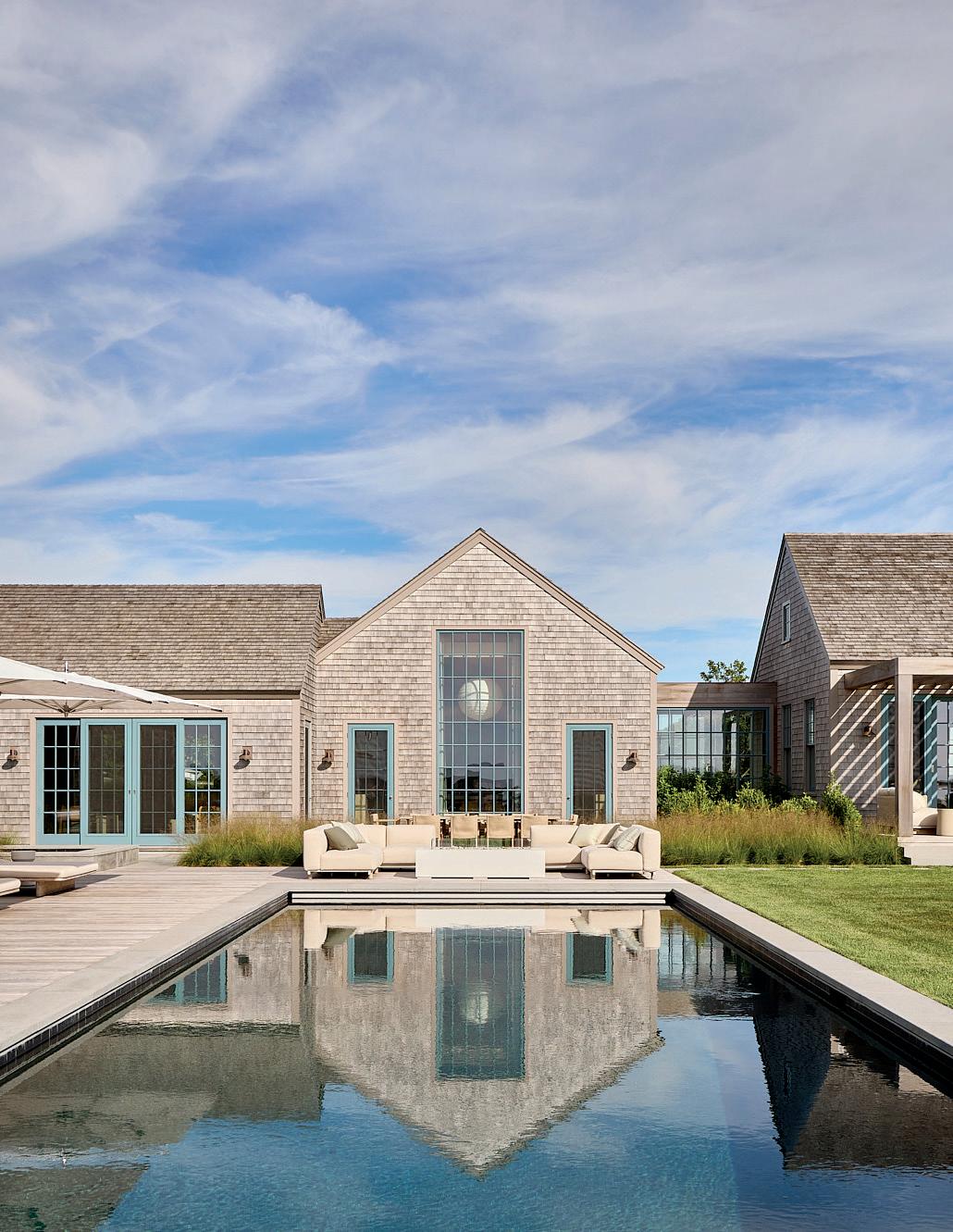
RESIDENTIAL PRACTICE
SINGLE FAMILY HOME
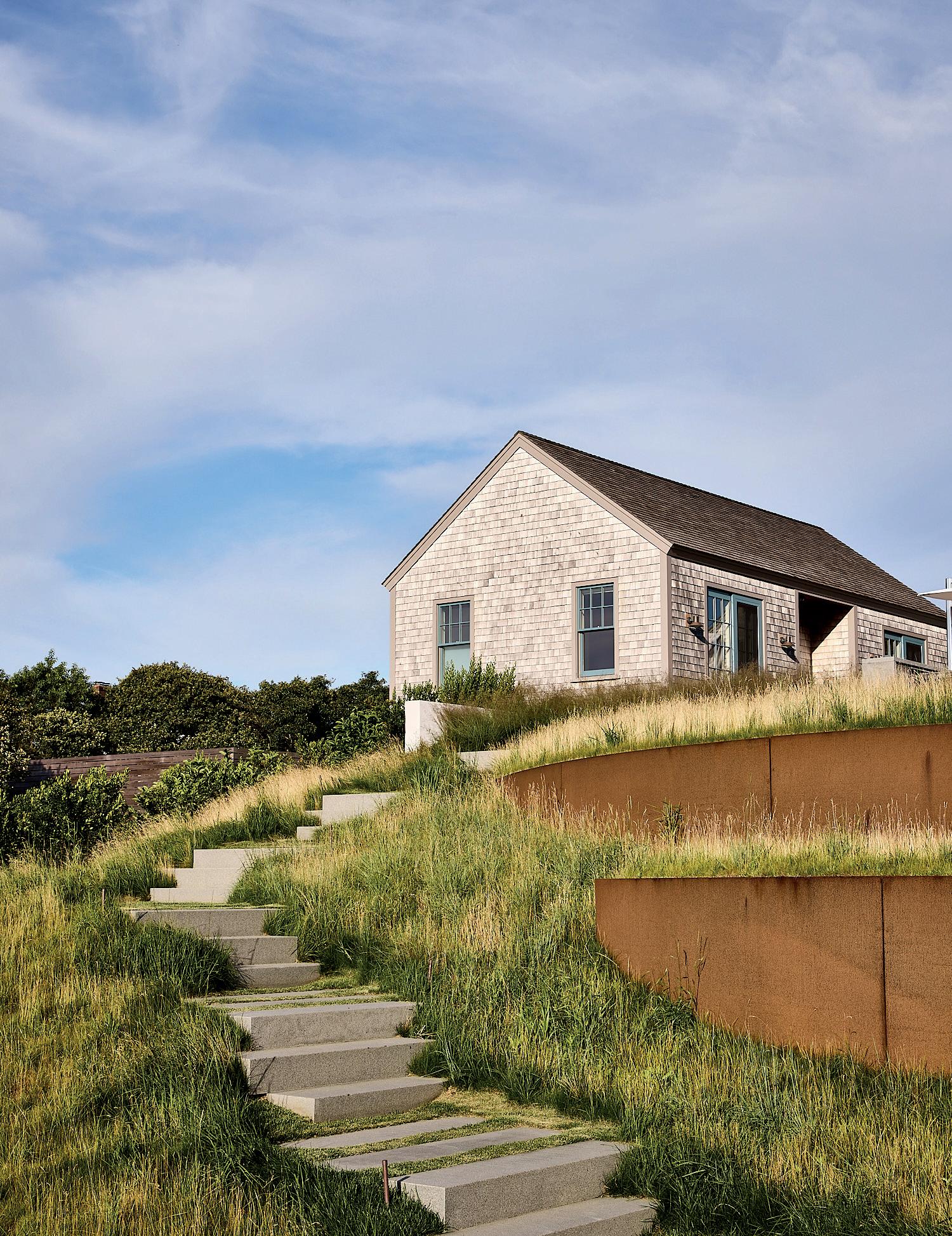
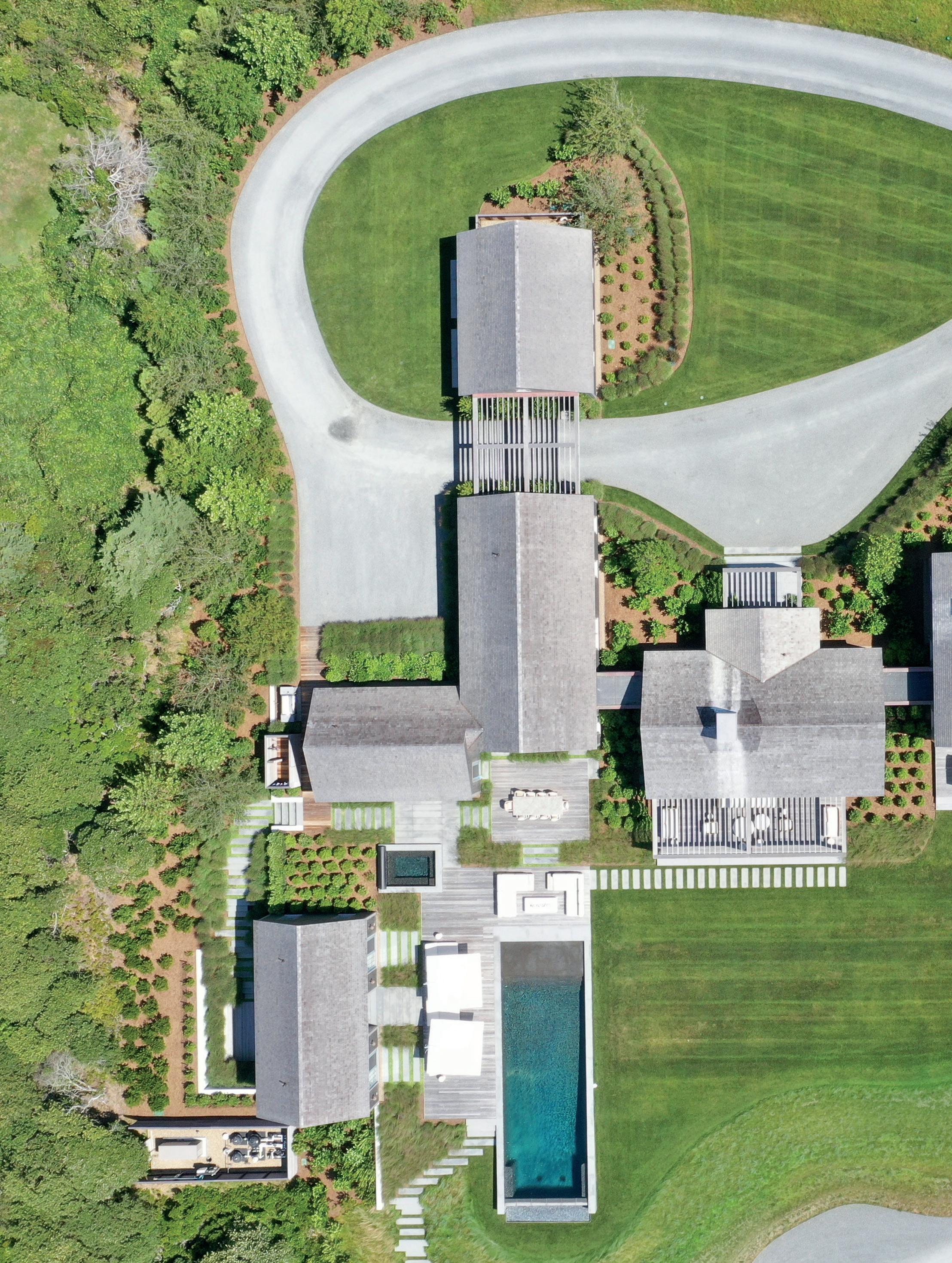
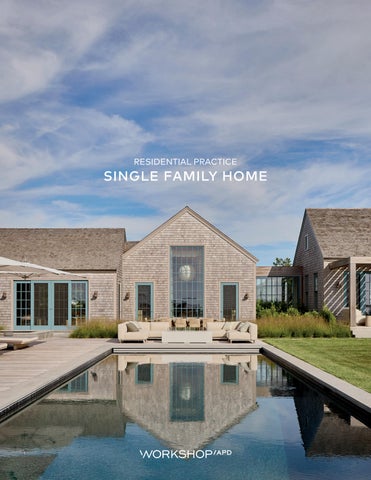
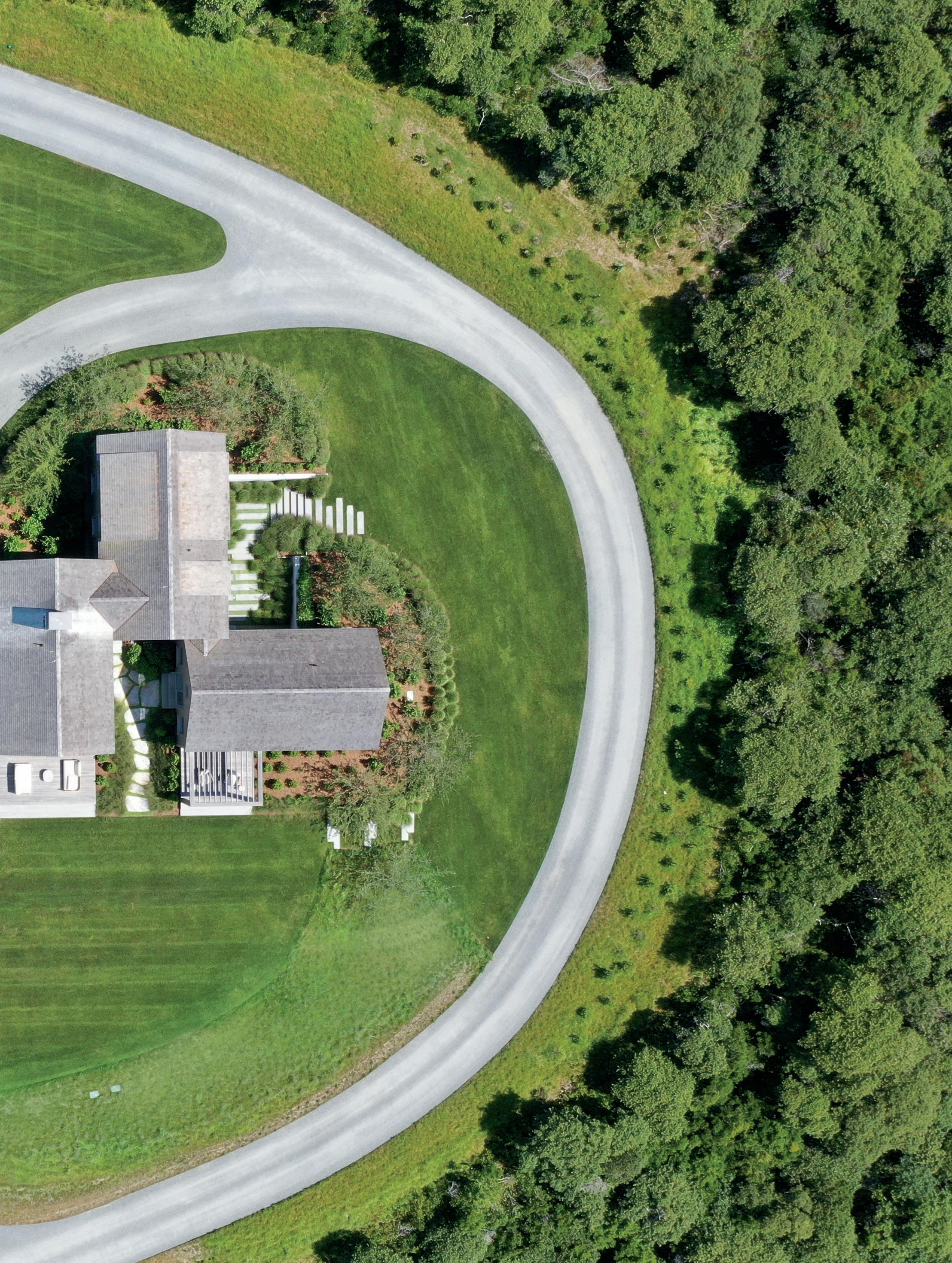
Our architectural process is a rigorous and detaildriven approach that transforms vision into built form. From initial concept to final execution, we refine spatial organization, structural systems, and material selections to ensure cohesion and precision Throughout construction, we remain deeply involved, safeguarding the integrity of the design. The phases of this work consist of the following:
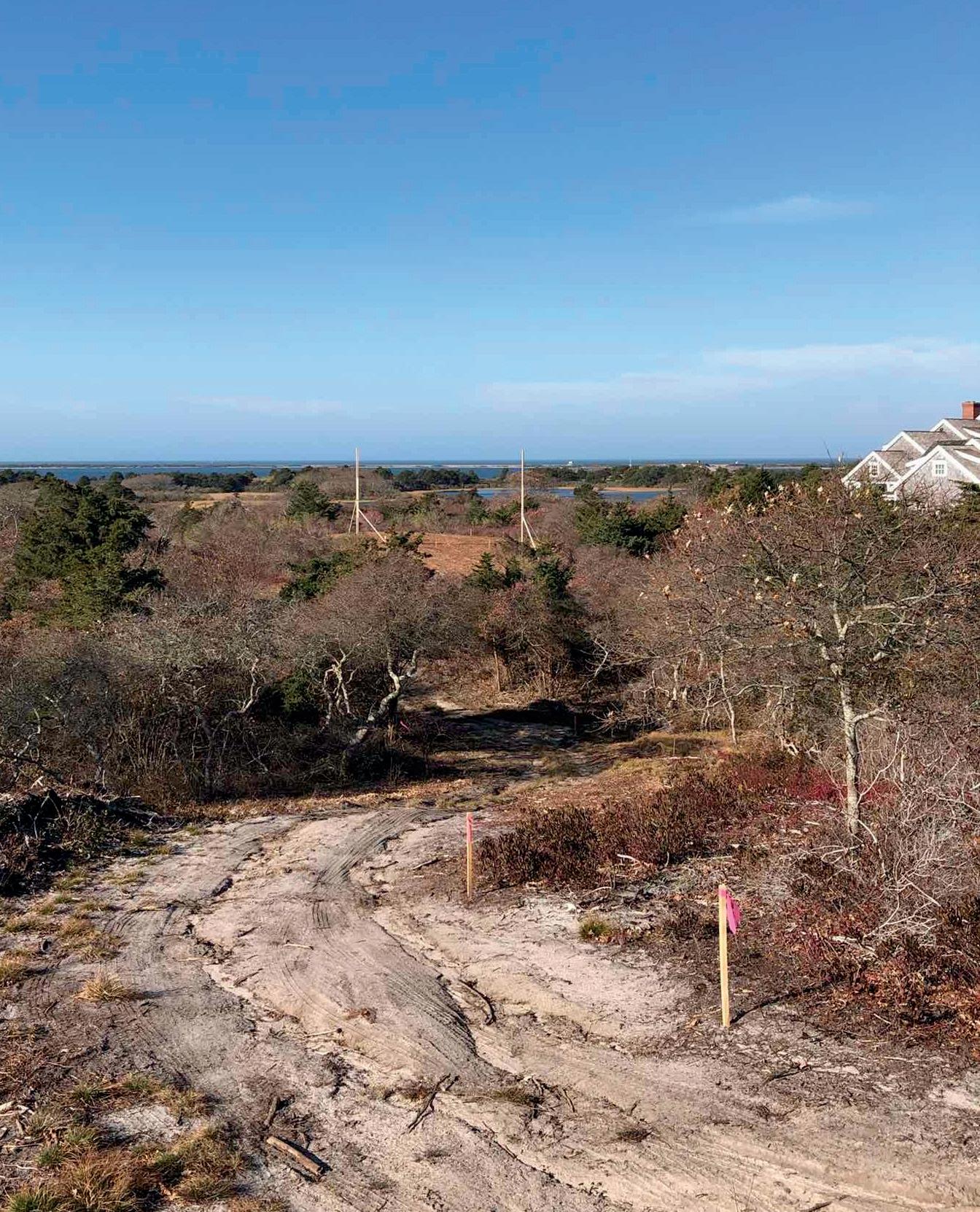
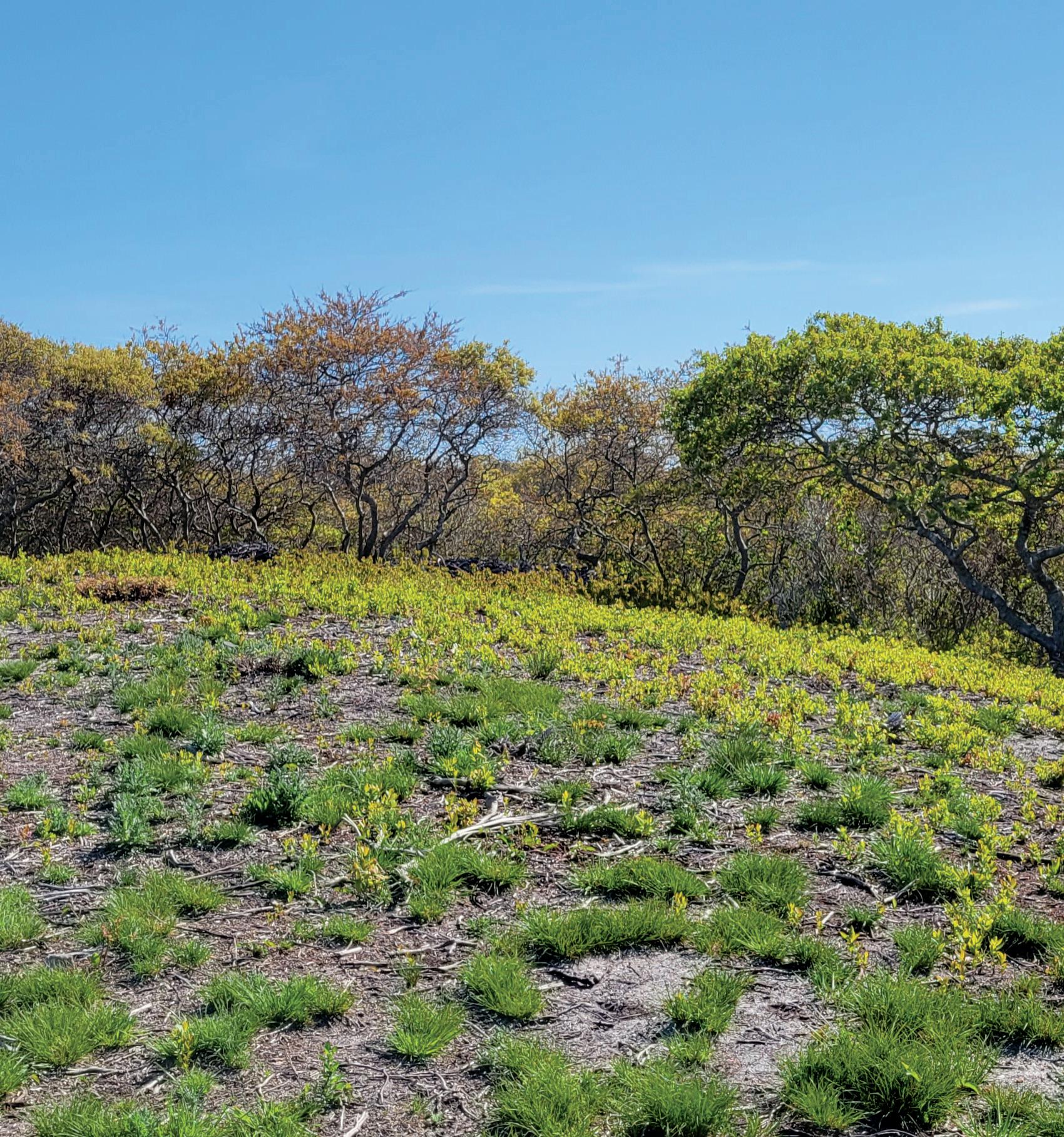
→ Form & Massing Inspiration
This is the research phase of the project where we gather information that will be the foundation for the design phases to follow. The main goal is to learn about the project site and program, as well as your goals and space requirements Clients should expect to be very involved and ready to answer personal questions during this phase.
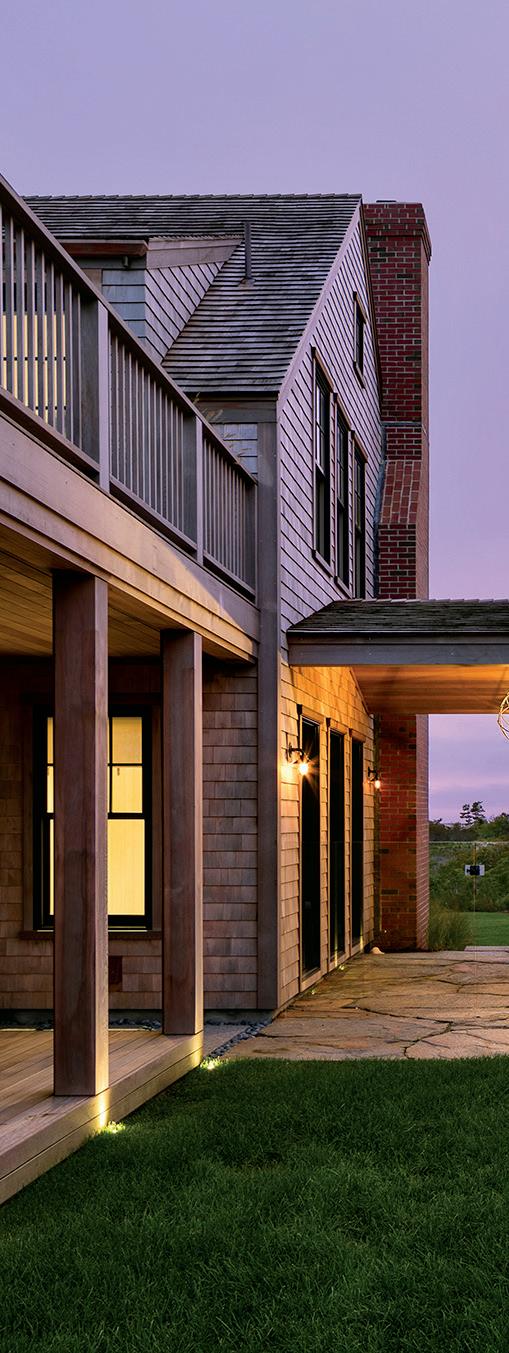
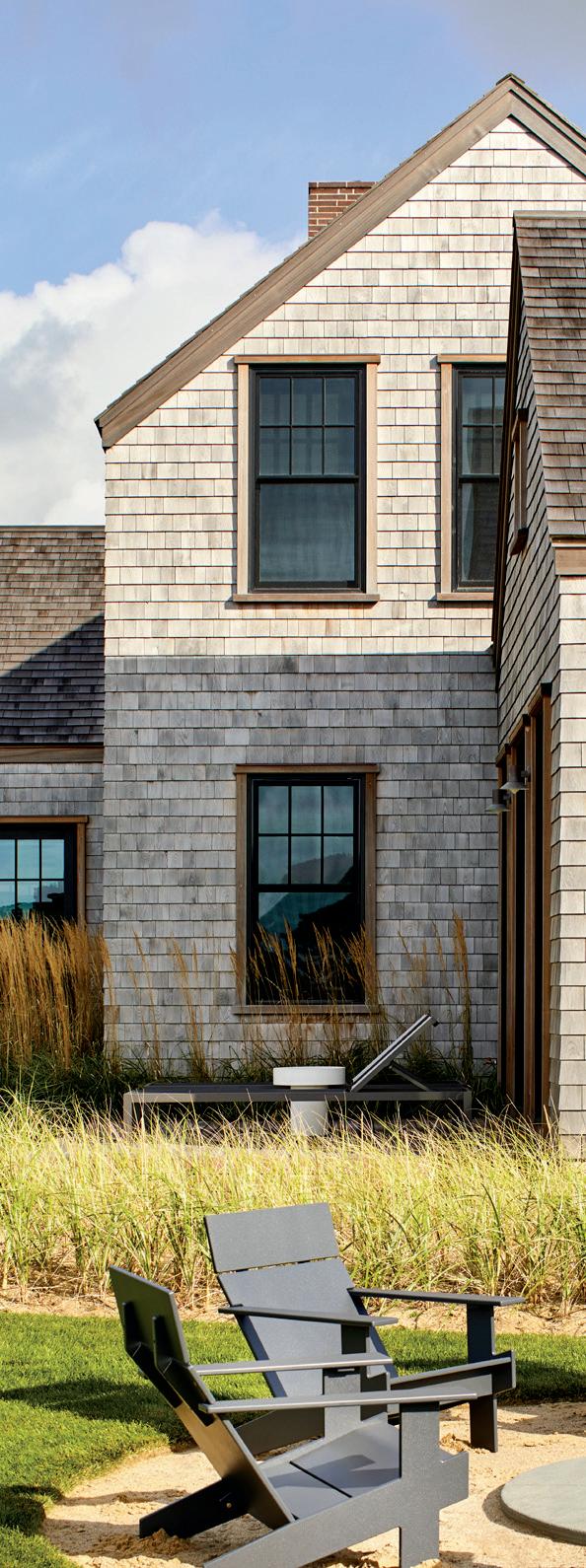
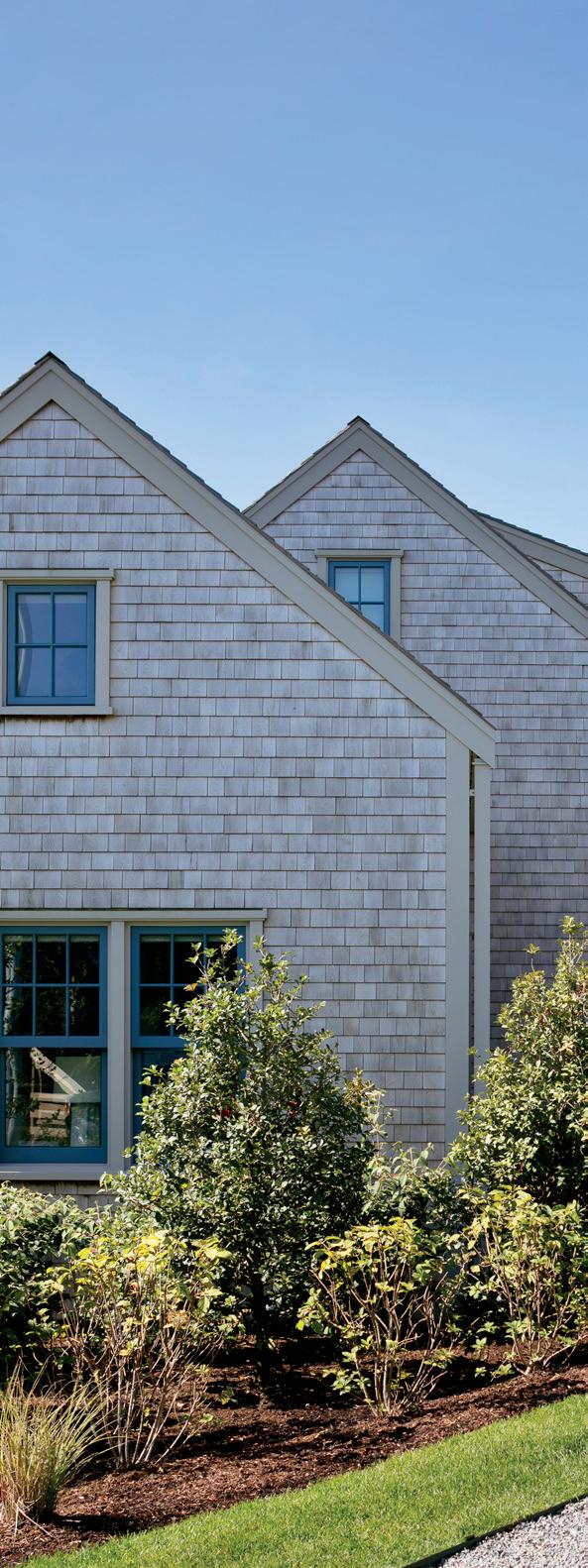

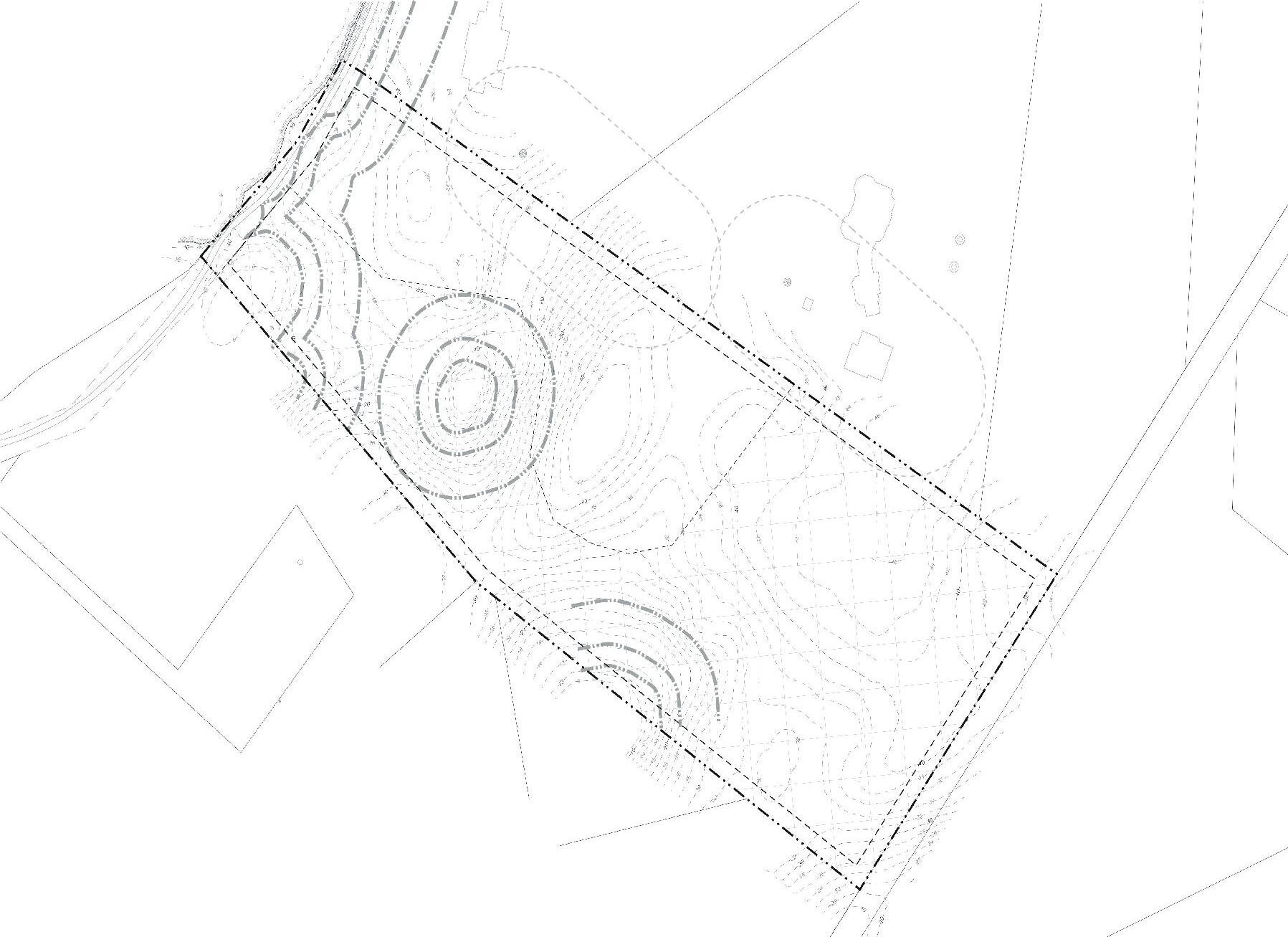
Project Summary Seasonal family beach home located at 64-66 Baxter Road The Property consists of two abutting lots of approximately 20k SF each. An evaluation of buildable area, the number of structures desired and existing site constraints will determine if the lots should remain separately built out, or combined The house should feel comfortable for a family of 6 with additonal space for guests.
Site Characteristics
• Views: The site has ocean views across Baxter Road. Provide western sunset and Sankaty lighthouse views where possible.
Topography: the site is primarily flat
The site has a neighboring property on the north side. Approved Order of Conditions for combined lots was recorded 09/2023 w/ConCom.
Project Budget Construction budget: TBD
• FF&E budget: TBD
On Site Utilities
Municipal water
Municipal sewer
Generator TBD; Geothermal approved, No Solar at this time. Strong preference for Propane for cooking.
Project Character Home to embody the character and charm of Siasconset. To be transitional with touches of modern mixed in.
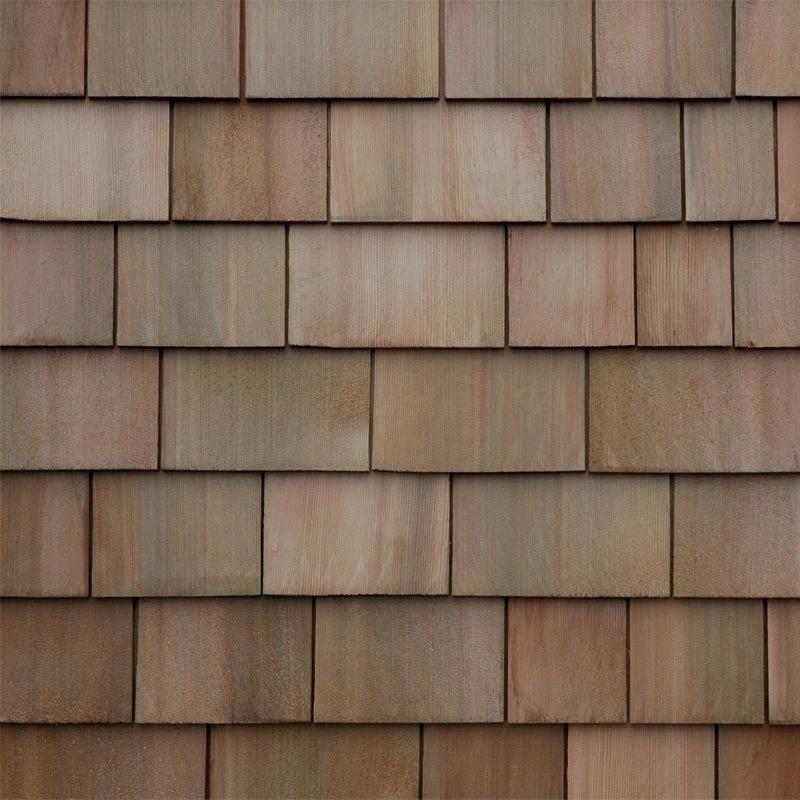
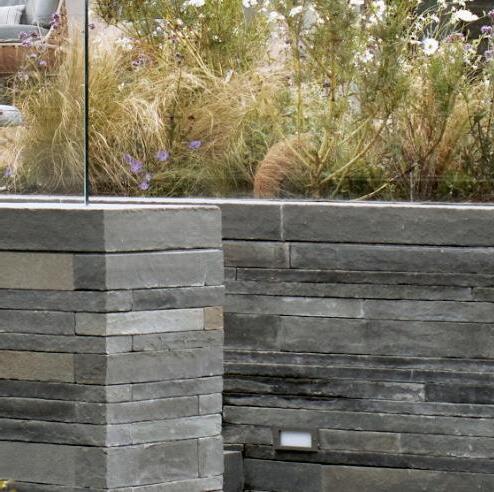
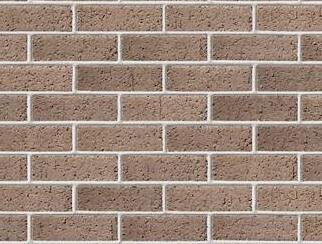
Materials: Natural materials - stone & cedar
Large windows to allow light and views
High ceilings in select spaces. Typical height ok in cozy rooms. Consider accessibility and age-in-place. No elevator
↑ Project Program
Outdoor / Communal Spaces Gardens and Lawn (kid friendly) with mix of sunny and shady spaces. Small pool size appropriate for young family with sensitivity towards neighboring community. Consider adjacent family pool house as well. Provide ample storage for pool toys, sunscreen, etc. Simple grill area w/beverage drawer, icemaker, dining table, and grill.
Screened porch w/ wood-burning fireplace. Explore dual sided to living room. Provide for dining & cocktail use as well as comfortable seating. (i.e. Sofa) Explore bug screen optionspermanent, removable, or roller.
Exterior deck with sunset western views including lighthouse if possible.
Multiple outdoor showers. Dispersed on site or clustered ok. Firepit optional
Main House First Floor: - Entry foyer + stairs (see notes on 2nd floor access)
Powder + Coat closet
Sunroom
Living Room
Fireplace - wood burning.
Explore dual-sided to screened porch - Kitchen Eat-in
Dual sided island with seating on both sides
Appliances:
Required to Begin Work
• Executed contract and deposit
• Detailed Topographic Site Survey & Engineering Reports
• All Background documentation (if available).
Pre-Design Milestones
• Site Visit: Become familiar with the site and the existing conditions
• Programming: Establish the program (list of wants/needs), the preliminary project schedule, the overall budget targets (if known at this stage).
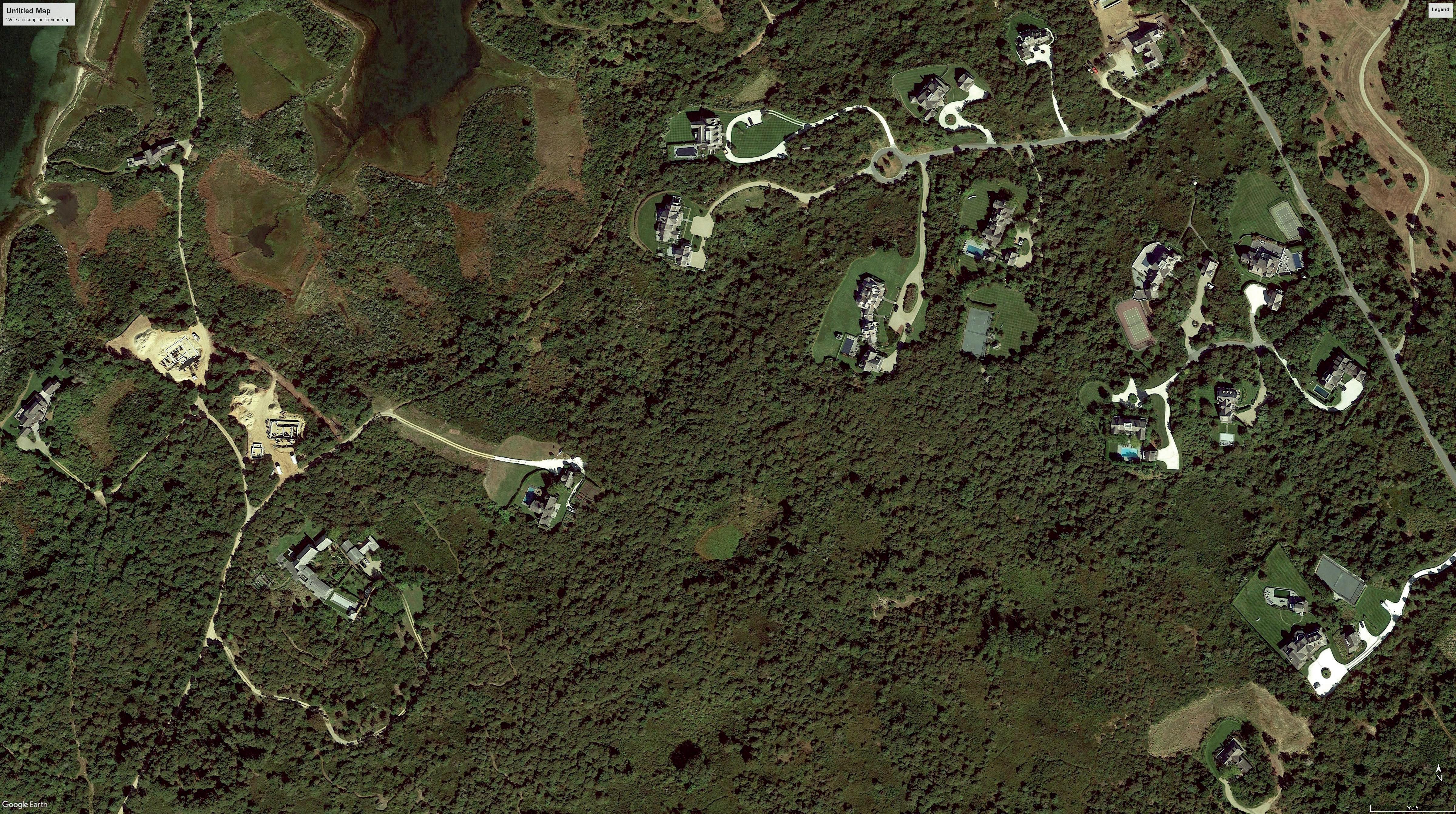
• Site Strategy: Review macro level site strategies and building locations related to local zoning, views, access strategies, privacy concerns, sun orientation, climate, site topography, existing vegetation, existing structures, etc.
• Space Planning & Concept Narrative: Review bubble/blocking diagrams and adjacencies overlaid on the plan, finalize the arrangement and relationship of the program elements, and review imagery/text that sets the tone and mood for the project.
In this phase, we become familiar with the site and its existing conditions - with an eye towards identifying potential constraints and opportunities, we conduct site studies, we establish a program based on your needs and preferences, we review space planning options that correspond with your program needs, and we develop the concept narrative, through imagery and text, resulting in a presentation that sets the tone and mood for the project.
Once approved, the program and concept are used as the basis for all aspects



• Program listing required spaces, functions, and approximate square footage
• Preliminary project schedule
• Preliminary high/low construction budget based on current local cost-per-square foot data
• Preliminary zoning and code analysis/ summary
• Milestones and filing strategies for the permitting process with the local building department and other required municipal/ community entities
• Site studies, general space planning & adjacency diagrams
• Design narrative presentation (concept imagery and vision boards)
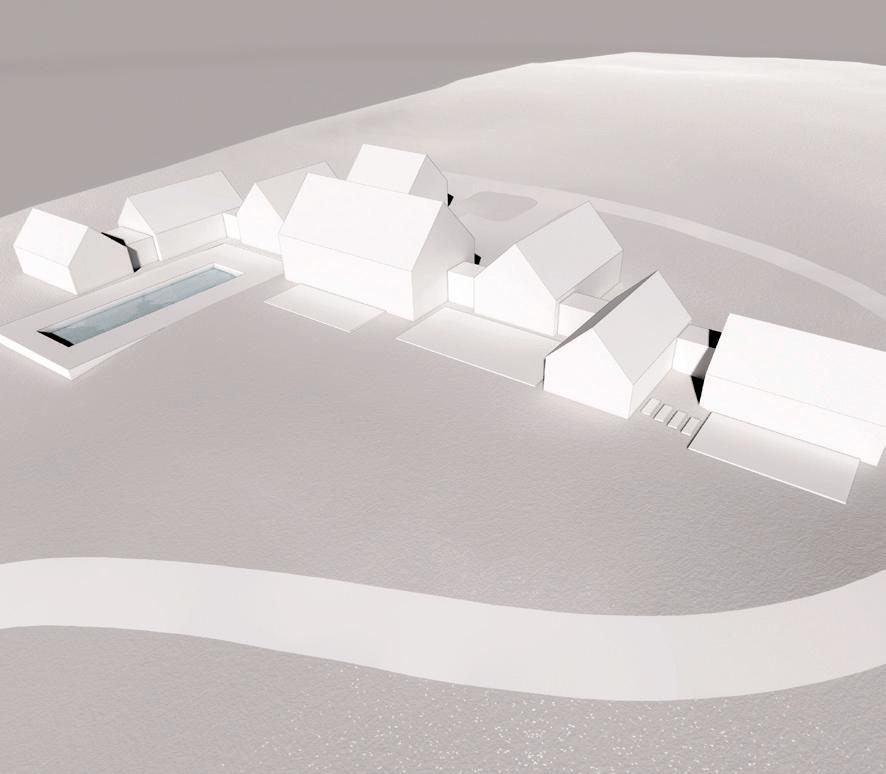
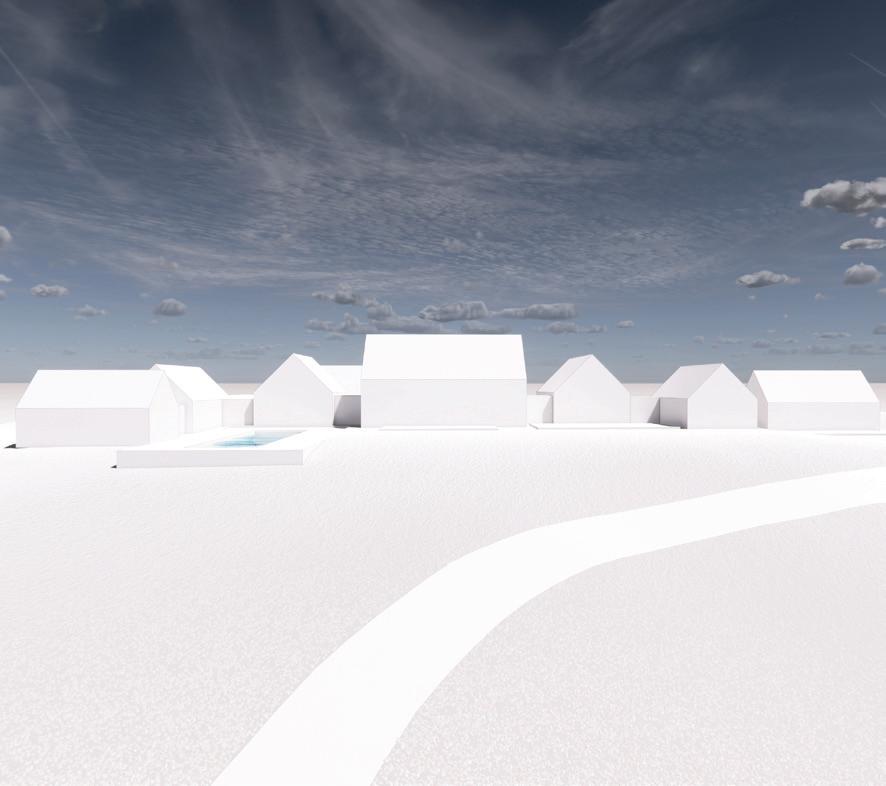
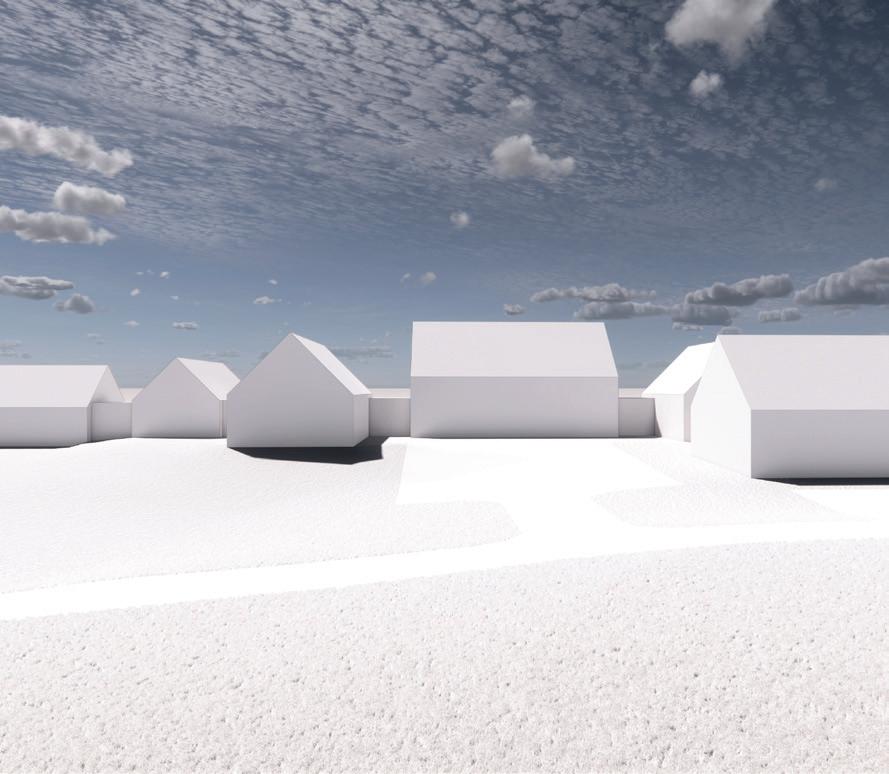
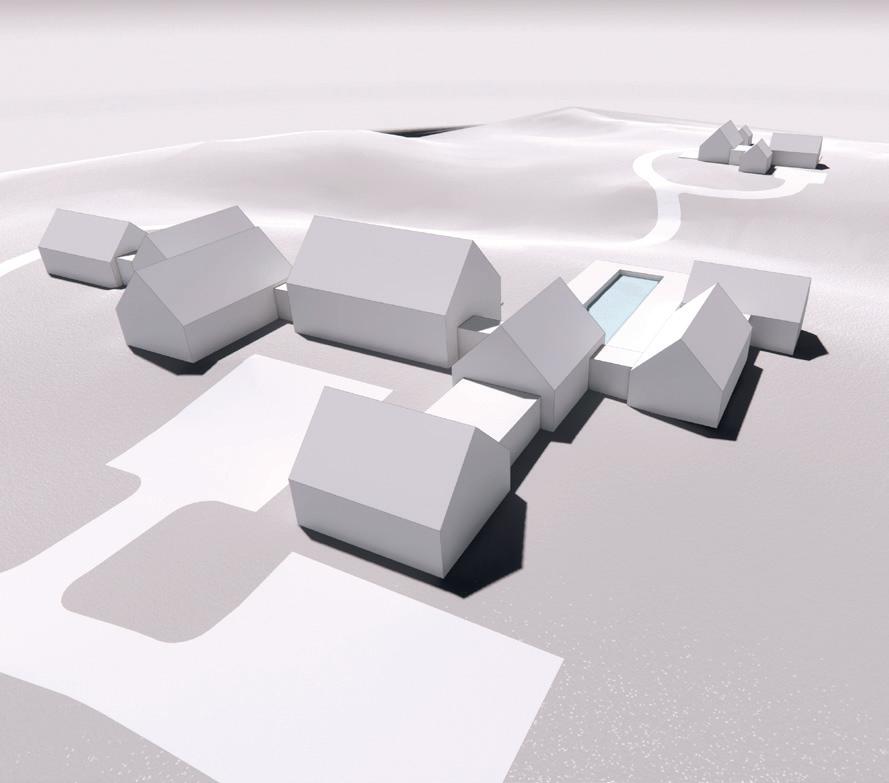
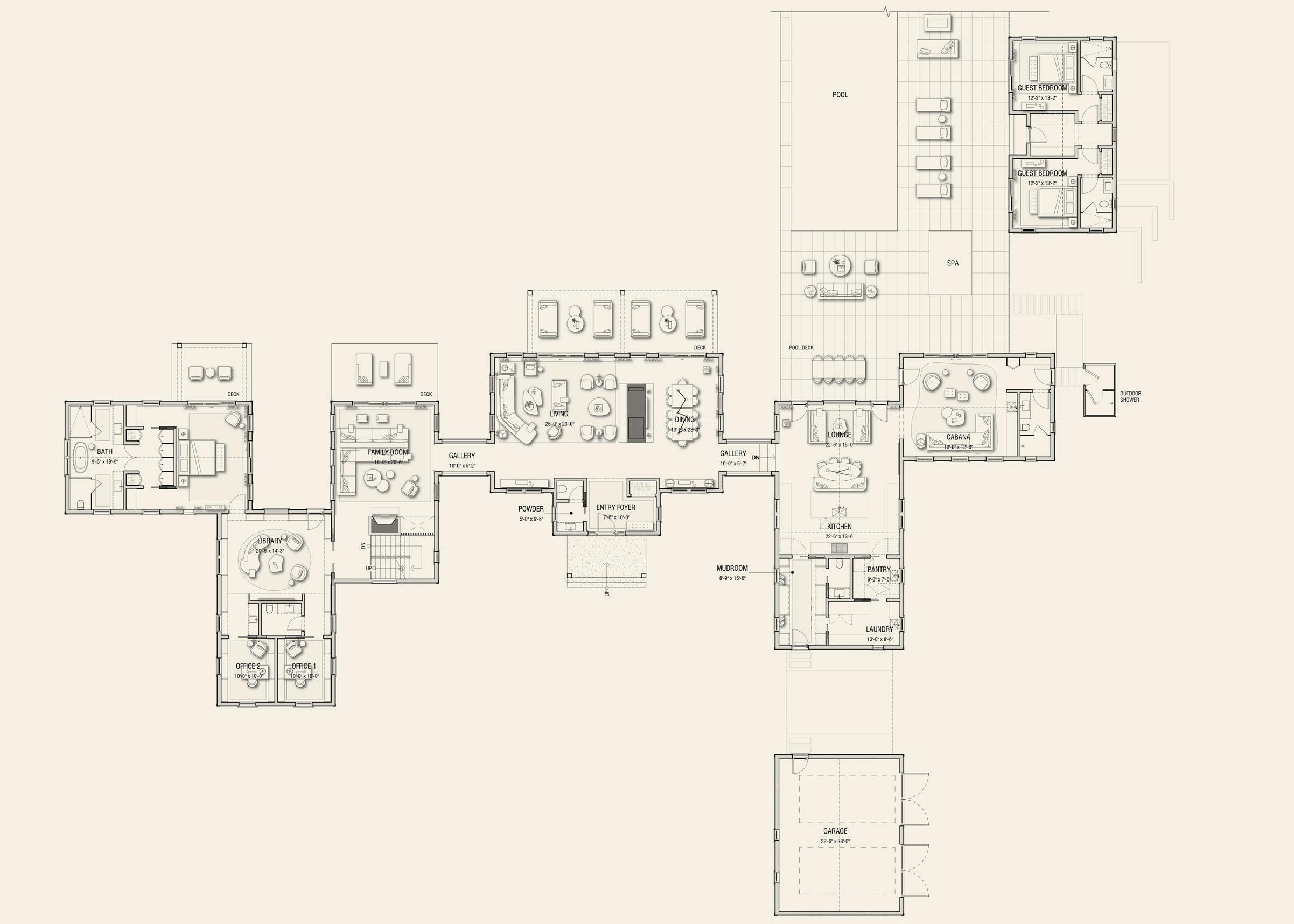
The purpose of Schematic Design is to translate the client-approved program, space planning, and imagery concepts into an efficient project design. In this phase, Workshop/APD will prepare and present a preliminary design illustrating the scale and relationship of the Project components. By the end of this phase, we will have final floor plans and preliminary selections for fixtures & finishes.
Required to Begin Work
• Client Approval of Pre-Design Phase
Schematic Design Milestones
• Initial Schematic Design: Review preliminary site plan, preliminary 3D massing/envelope options (based on approved program and design strategy), preliminary floor plans, and preliminary exterior materials palette.
• Final Schematic Design: Review revised 3D views and/or rendered elevations of the exterior, revised floor plans, and revised exterior materials.
Schematic Design Deliverables
• Final site plan
• Schematic 3D massing/envelope options (3D views and/or rendered elevations of the exterior to convey design intent)
• Final floor plans
• Schematic exterior materials palette
• Identification of critical path items (items that have extended lead times or that may be problematic)
• Updated construction budget
• Confirmed project and documentation schedule
• Preliminary coordination & kick-off meetings with applicable consultants: Review a list of consultants whose services will be necessary (or recommended) as the project progresses and proposals will be requested at appropriate milestones in subsequent phases. Coordination of applicable consultants, as required.
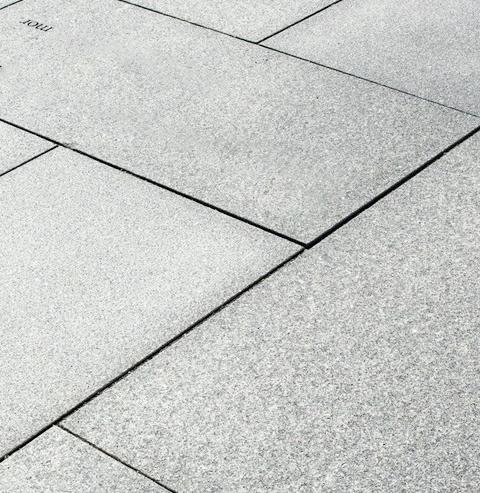
→ Exterior Palette
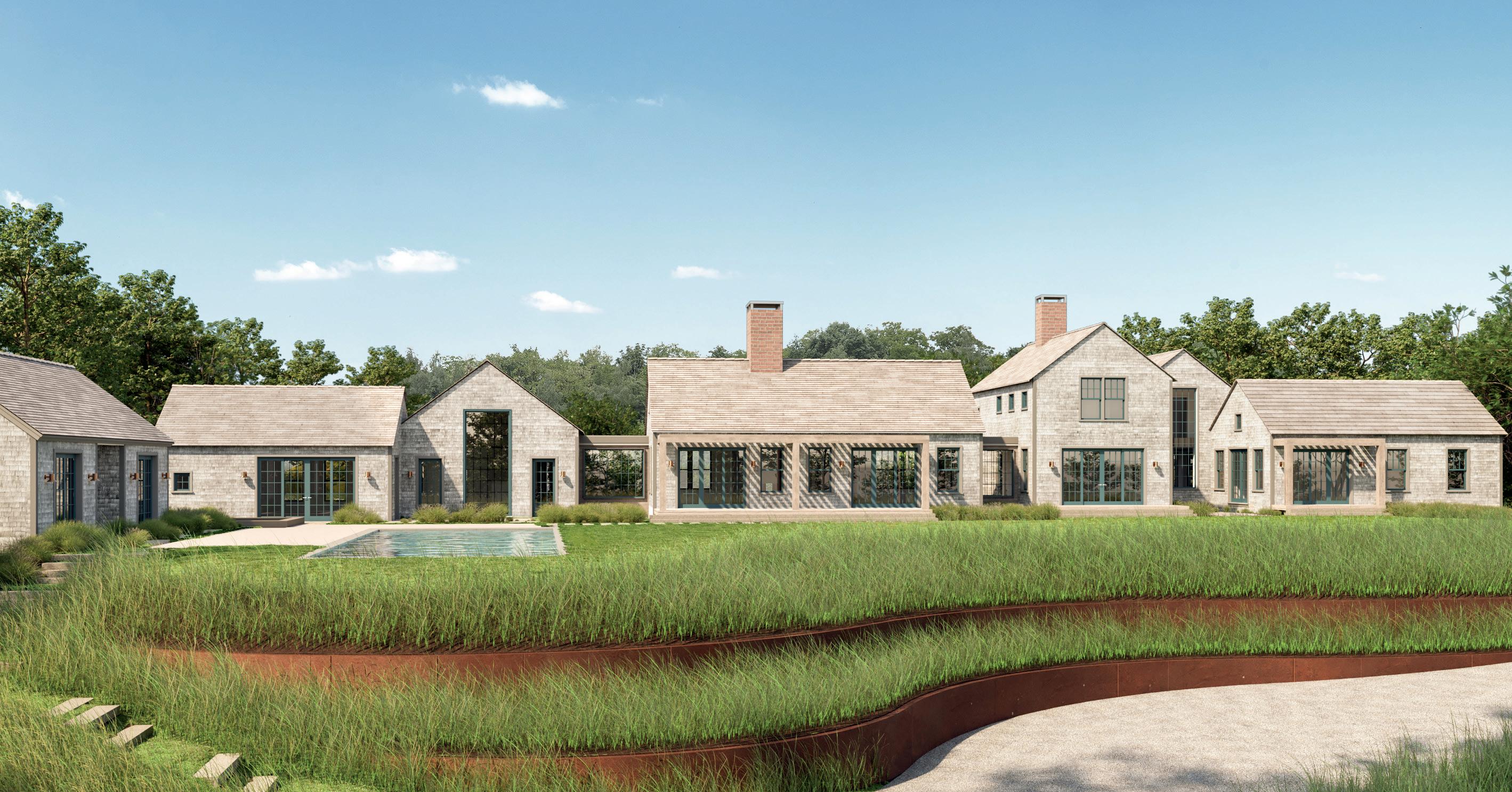
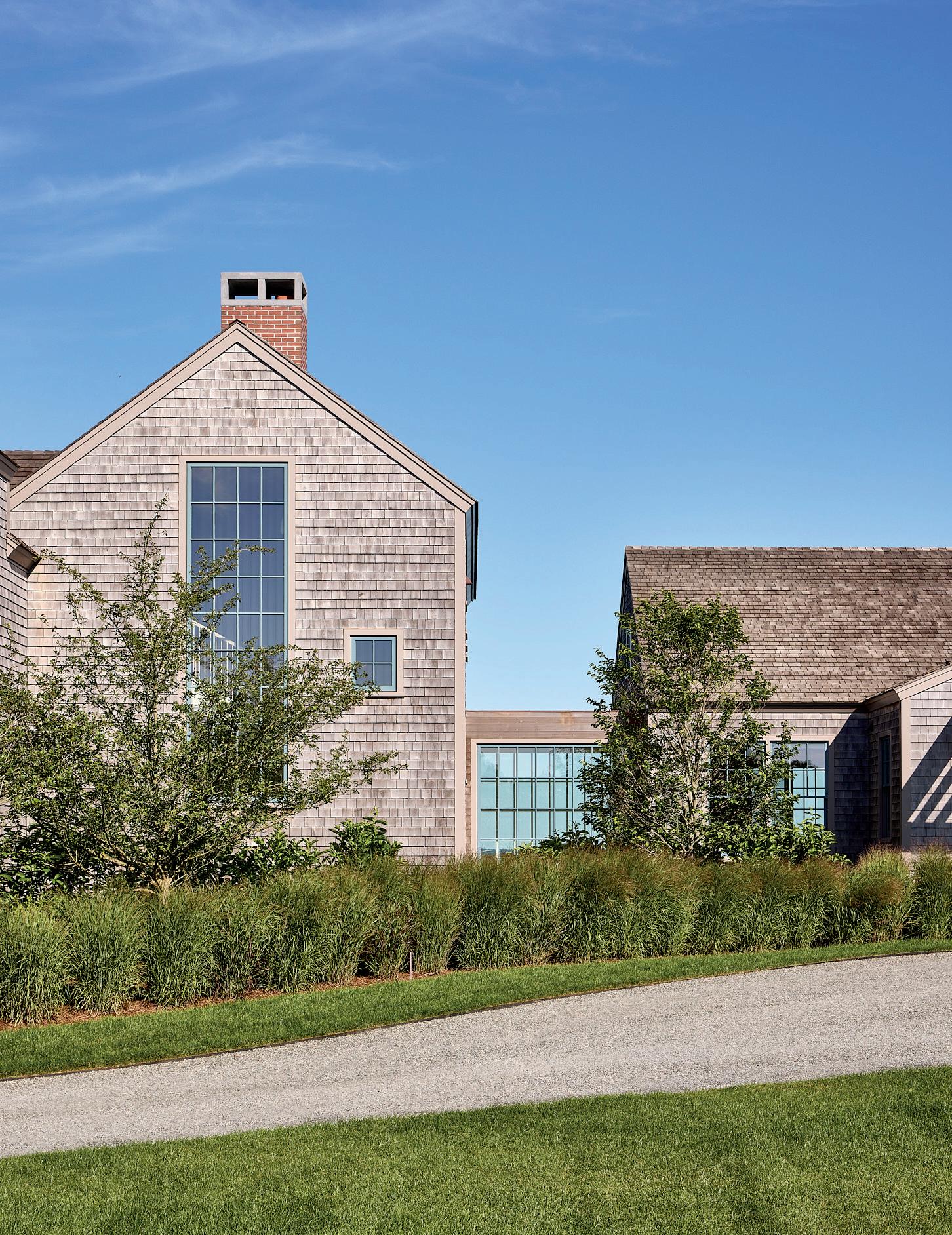
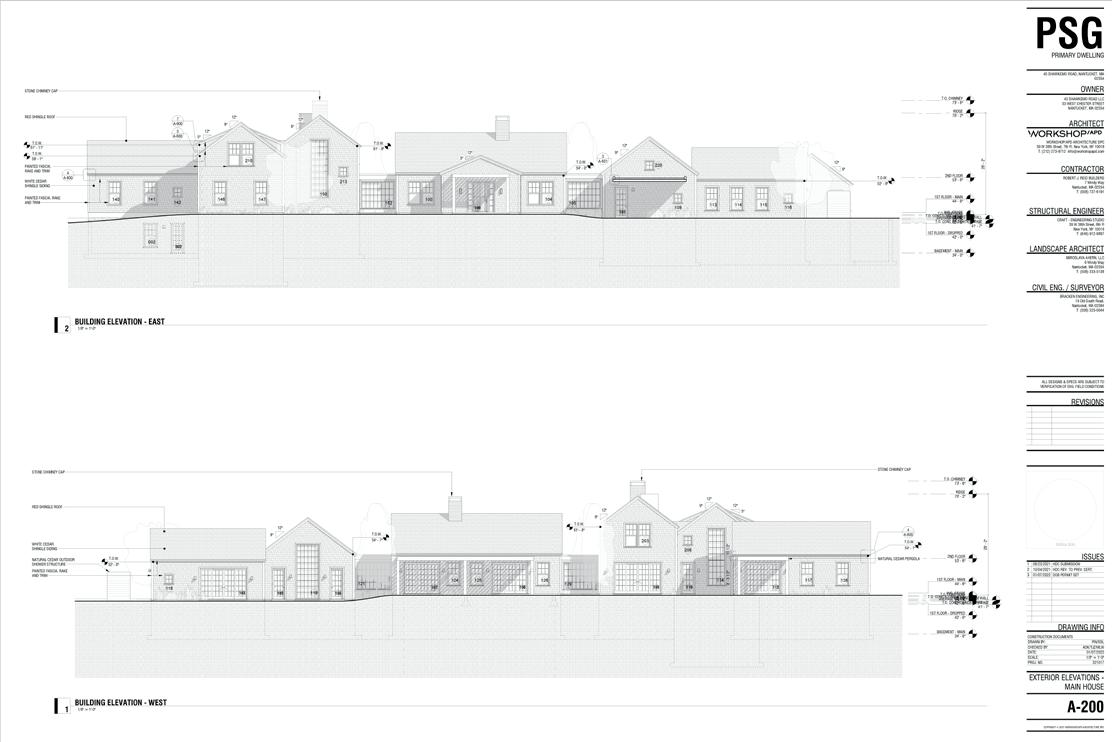
Upon final confirmation of the final massing and elevation drawings in schematic design, the team will create highly detailed renderings to better understand every aspect of design. Building on the detailed perspective massing renderings, professional renderings are created for an accurate understanding of what the future residence will look like.






↓ Exterior Elevations
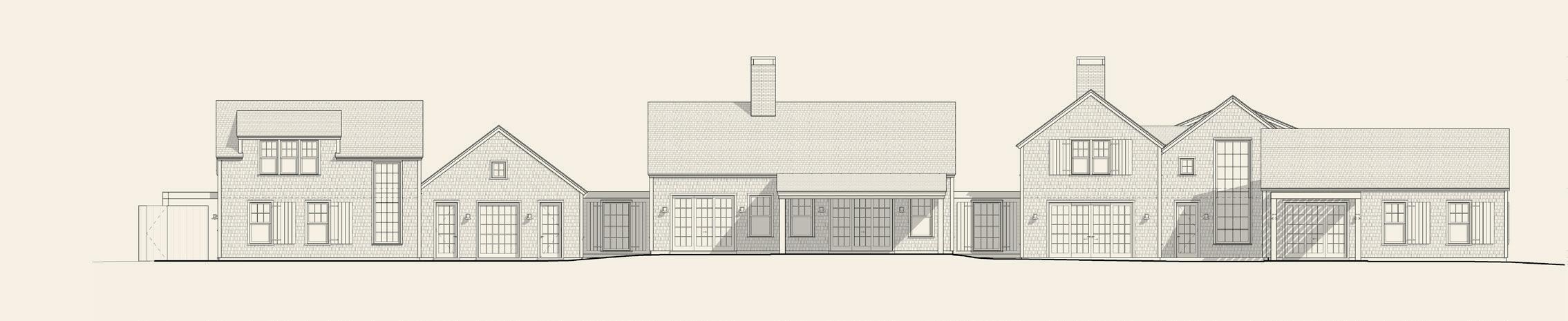
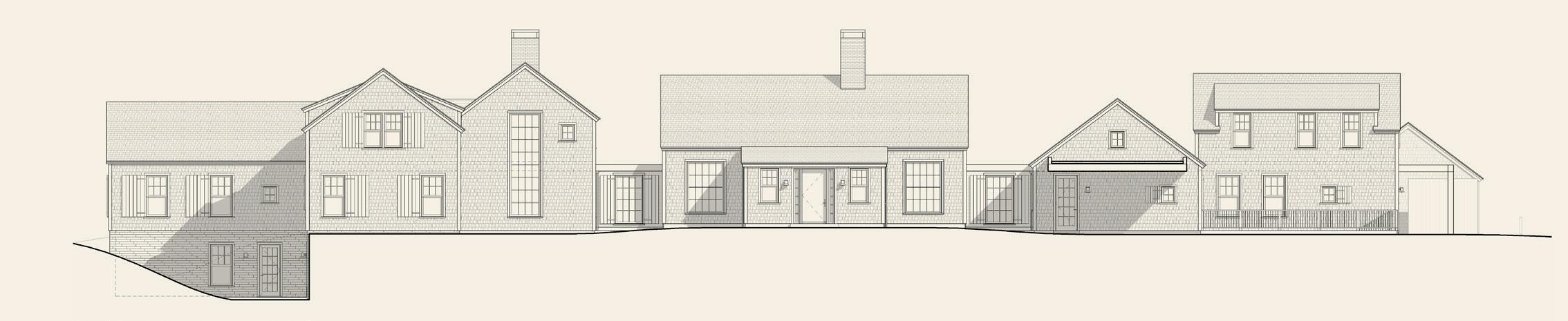
↓ Exterior Renderings
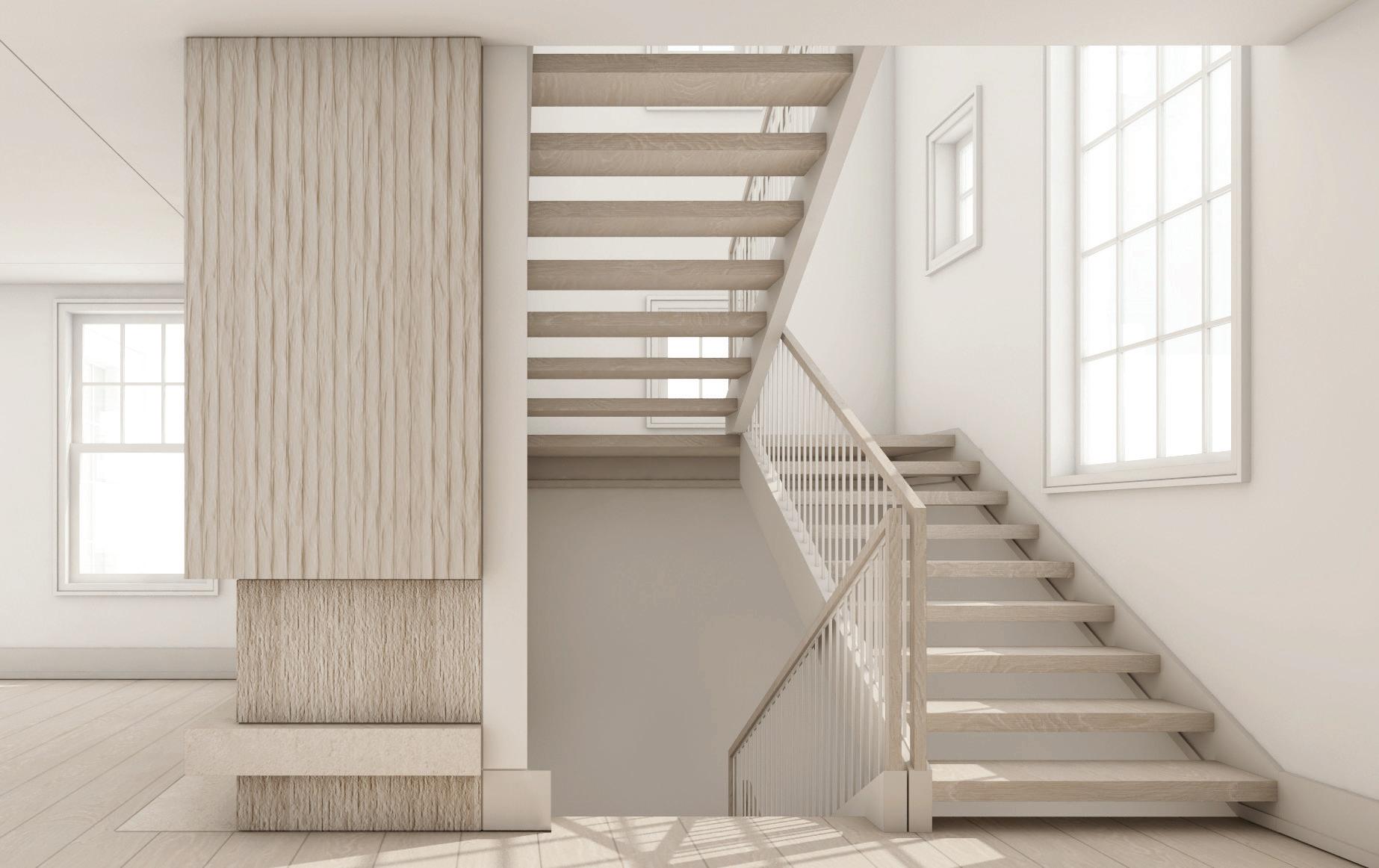
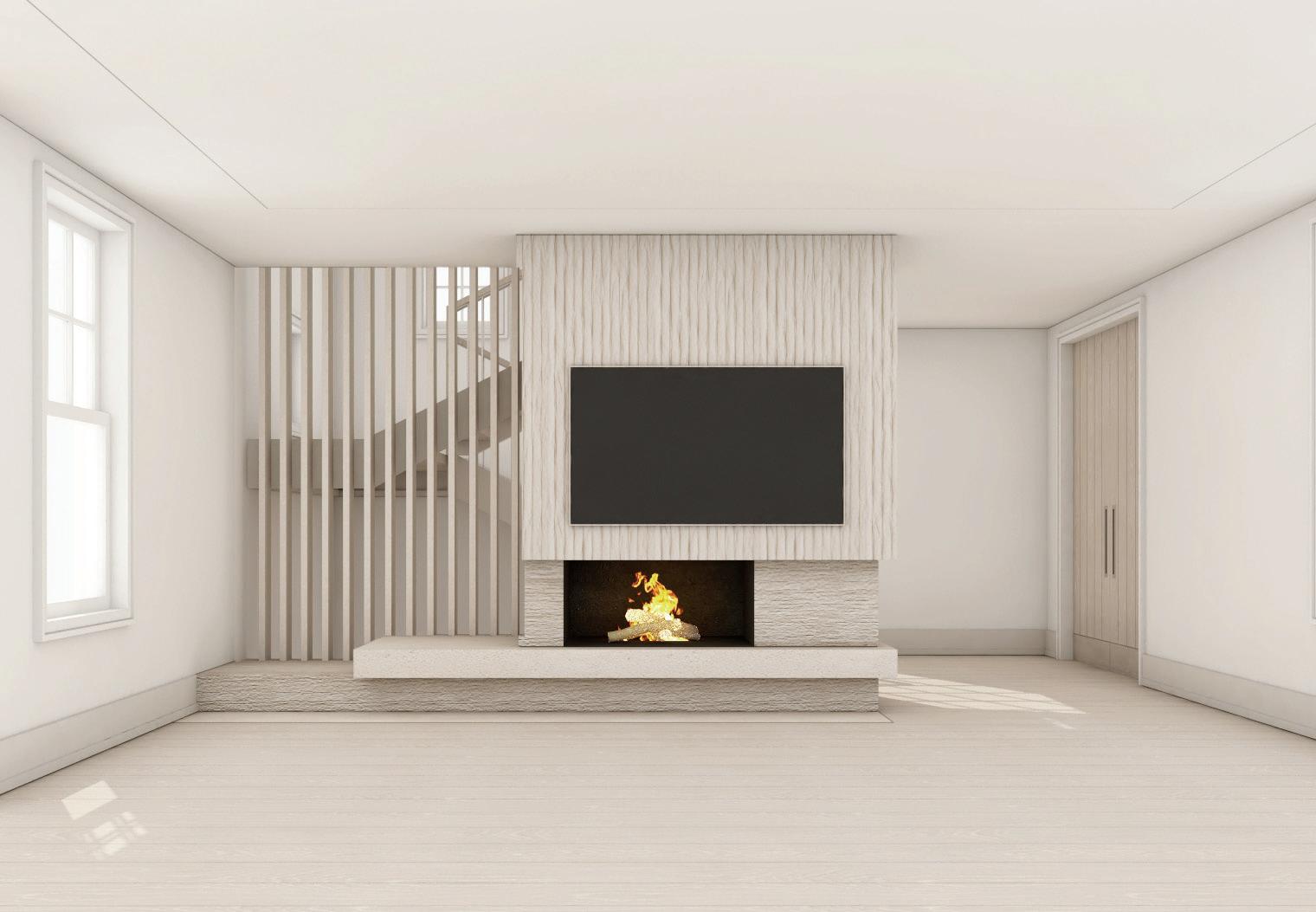
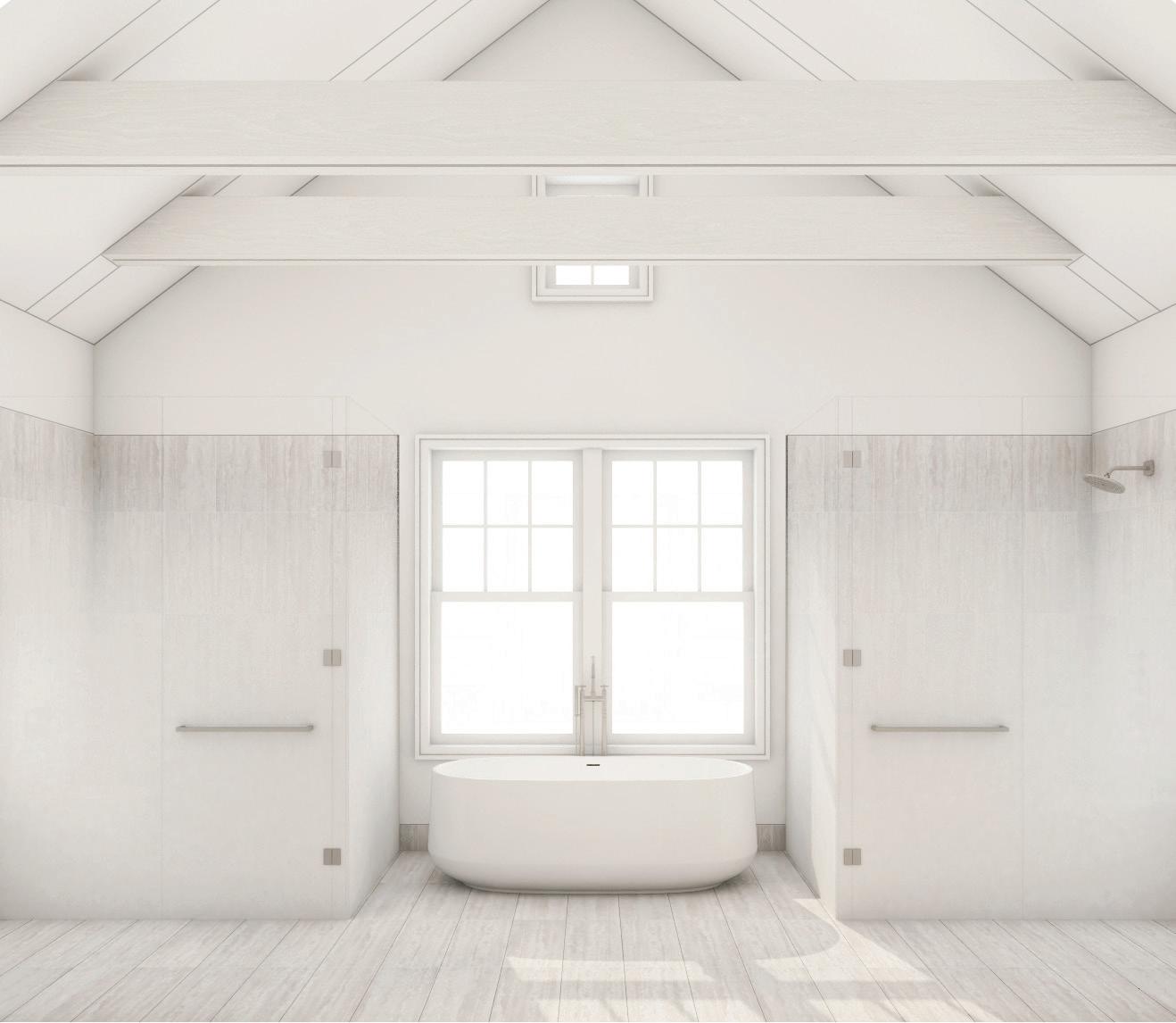
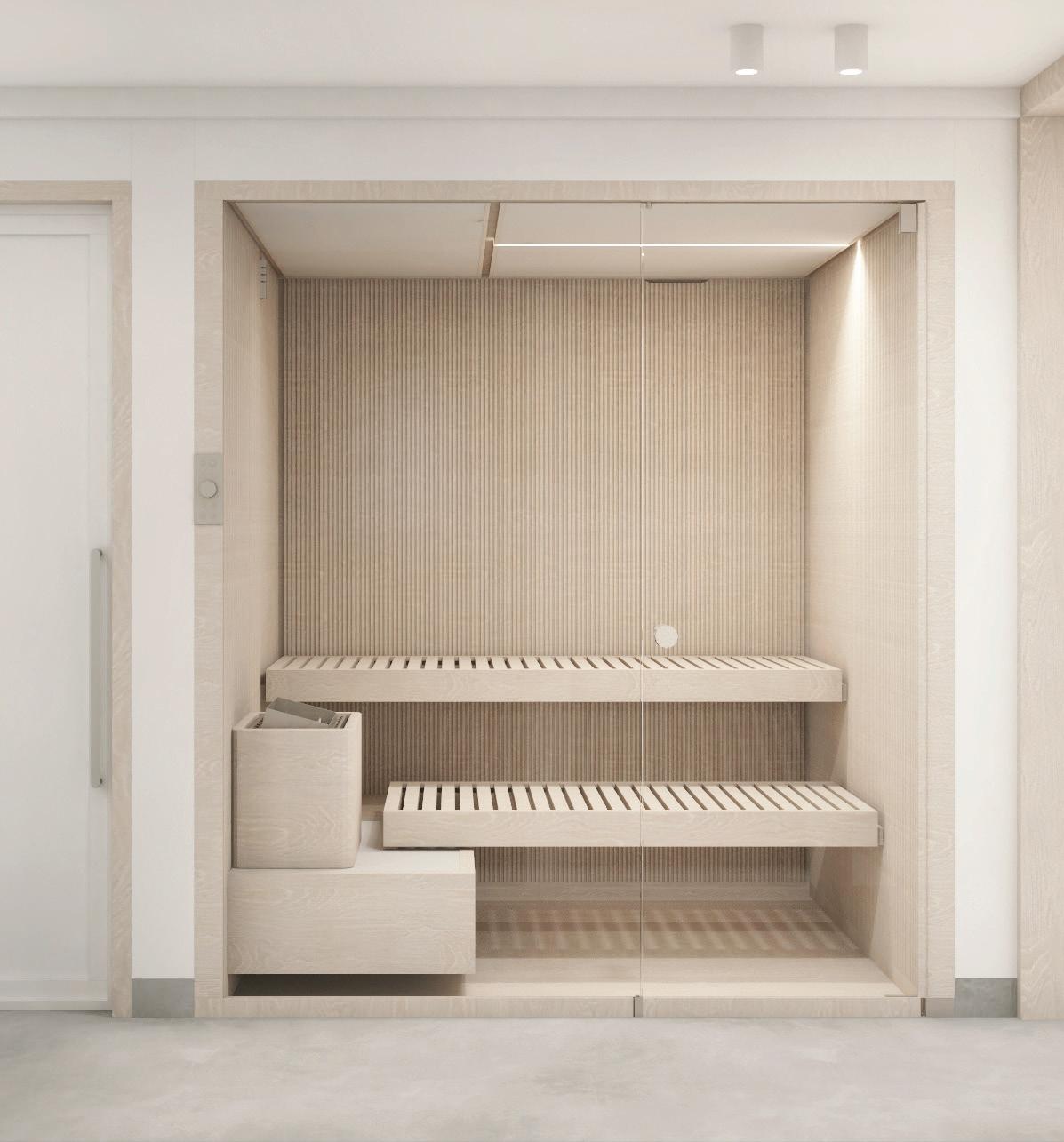
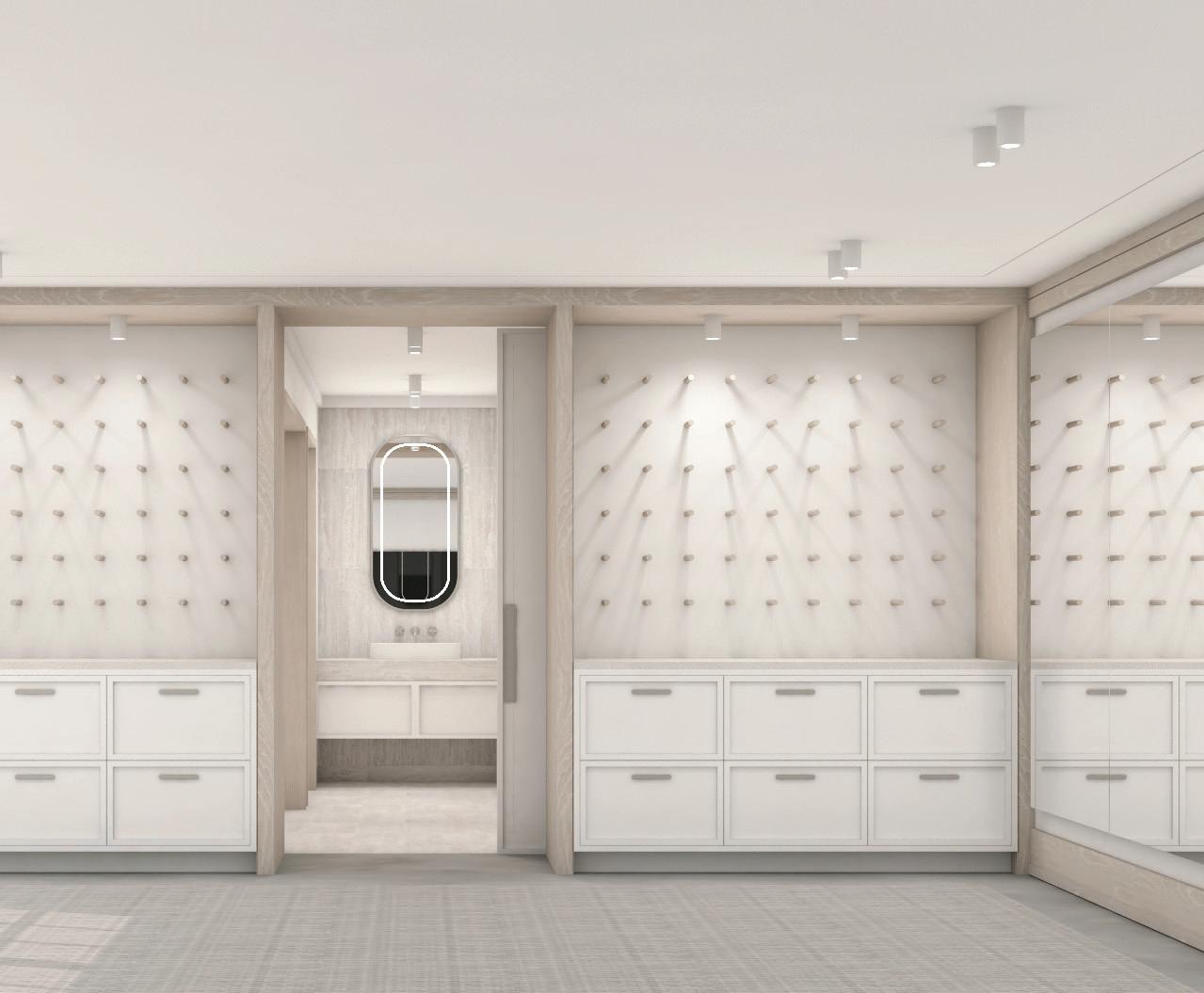
The purpose of Design Development is to develop major elements and details based upon approved Schematic Design Documents. By the end of this phase, the unit and interior will be fully designed, the interior layout completed, dimensions of all spaces finalized, and all materials and products selected. Client should be prepared to make all decisions during this phase. Interior Design & Decoration will also commence and run concurrently with this and future phases.









• Client approval of Schematic Design deliverables (specifically floor plans & budget)
• Present and develop drawings and/or renderings (3D views/rendered 2D elevations) for select primary and secondary interior spaces so that client can make an informed decision and see what options look like in the completed spaces. Materials, finish options and products will also be presented at this time.
• Consultant Coordination Meetings, as required: Further analysis of sitespecific environmental, zoning, and code requirements. Confirmation and development of the proposed structural systems and preliminary MEP/HVAC shaft and duct

coordination via development of plans and building sections for MEP space requirements.
• Drawings and/or renderings for select primary and secondary interior spaces sufficient for use in refining the project budget and engaging additional consultants, vendors, etc. as needed.
• A set of drawings that communicates the overall project: Interior material and finish selections, product selections, including appliances, plumbing fixtures, and hardware, fixture and device selections, lighting, electrical, and floor-finish plans, major millwork elements, and door & trim details.
• Project budget updated to reflect Design Development documents.
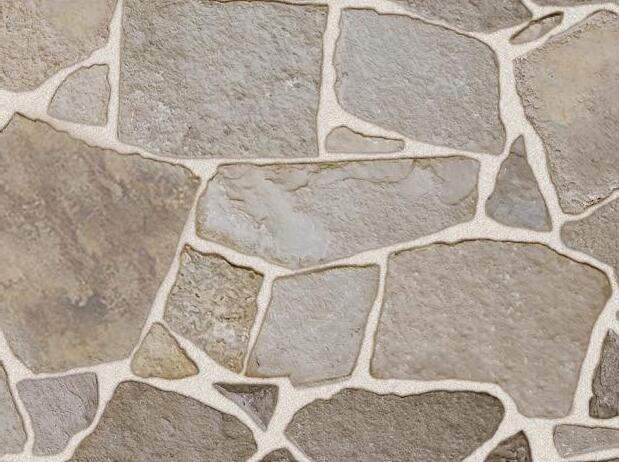
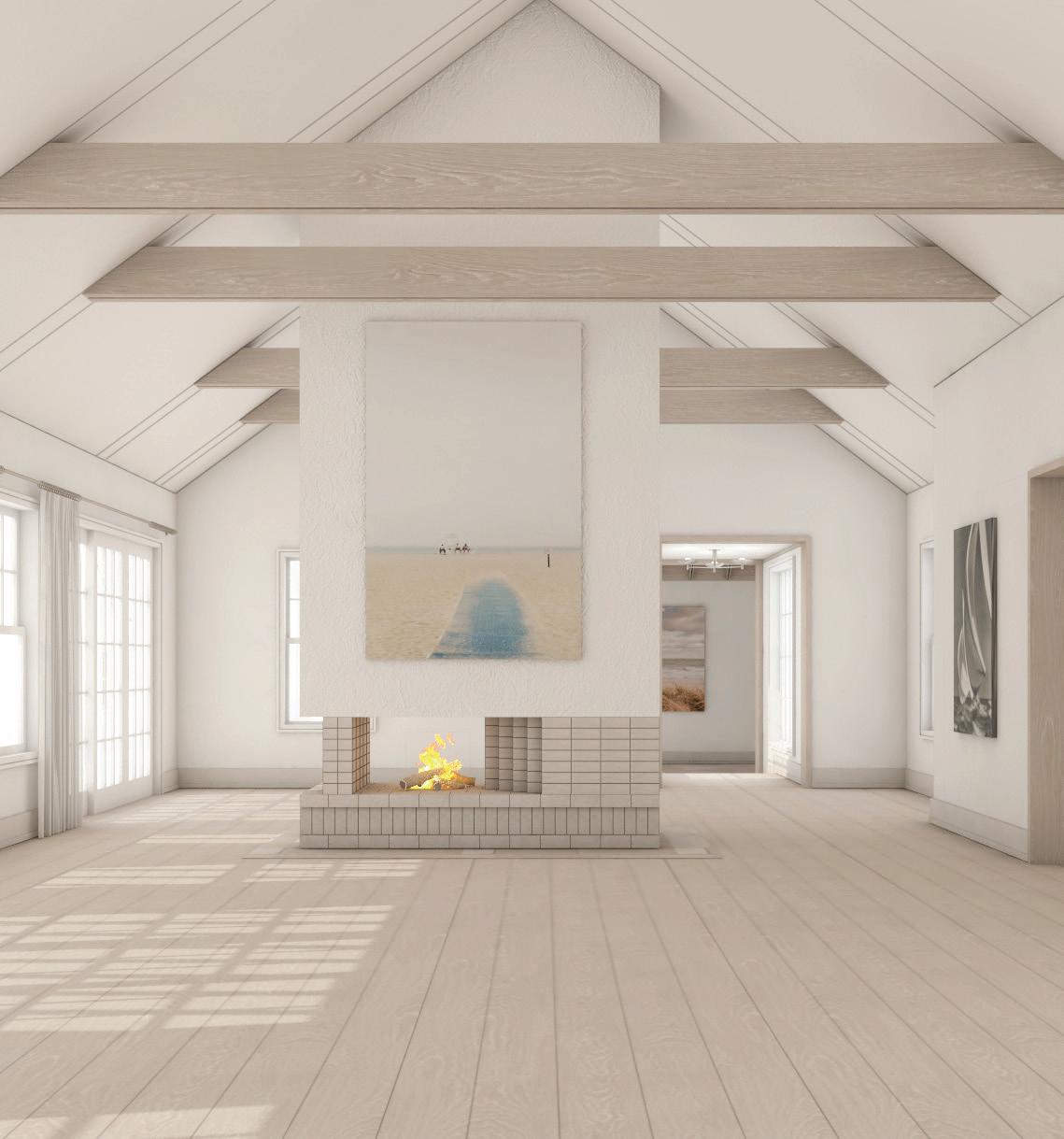
→ Floor Inspiration
→ Floor Rendering
Drawings and/or renderings for select primary and secondary interior spaces sufficient for use in refining the project budget and engaging additional consultants, vendors, etc. as needed.
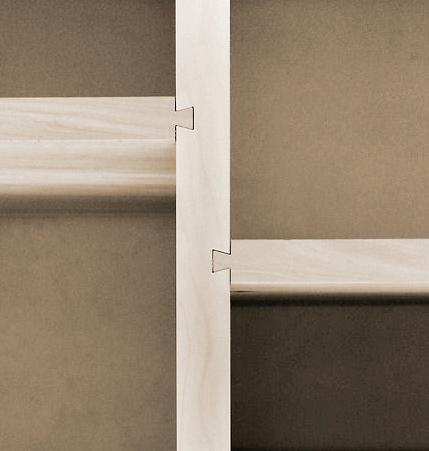
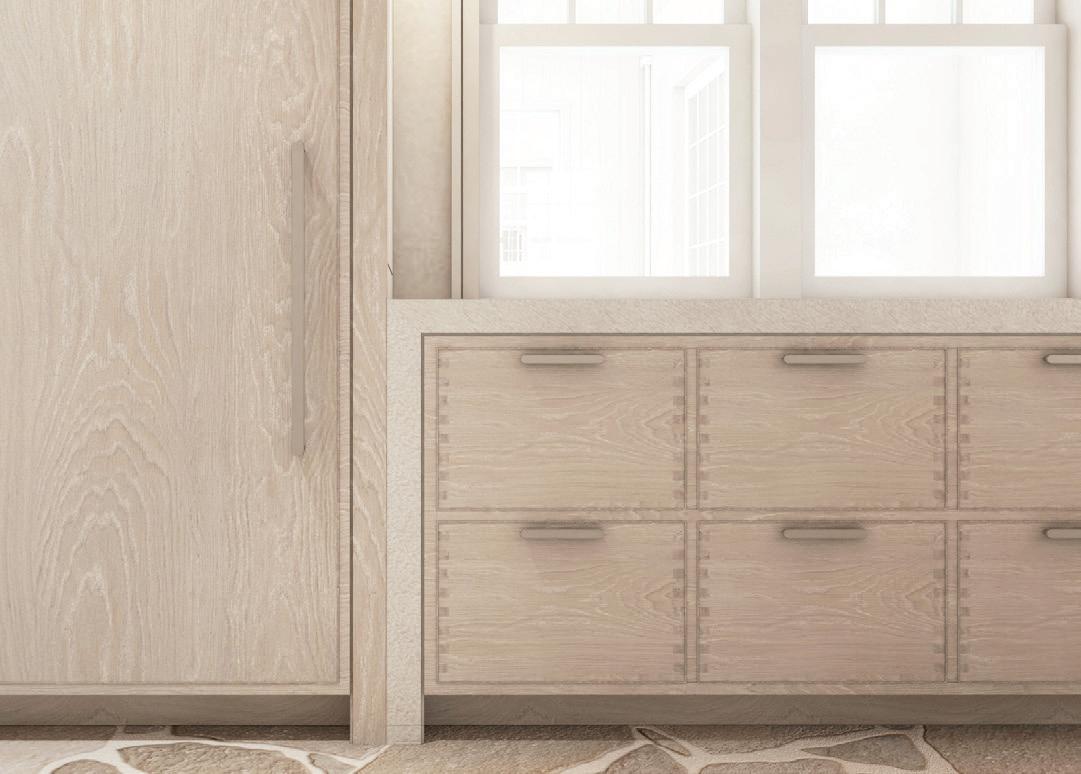
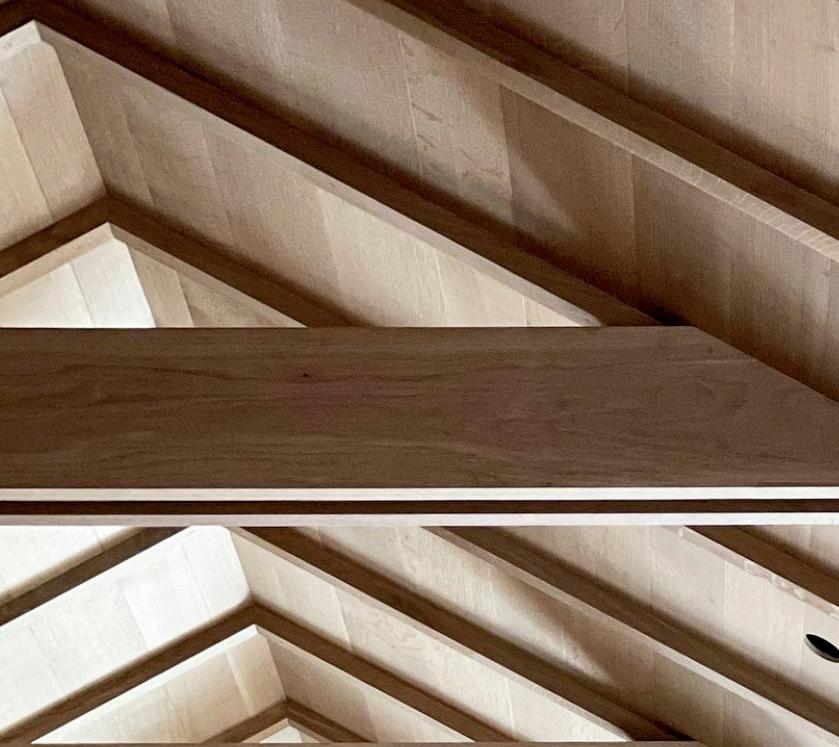
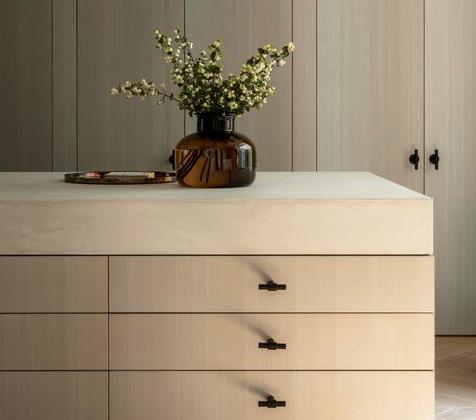
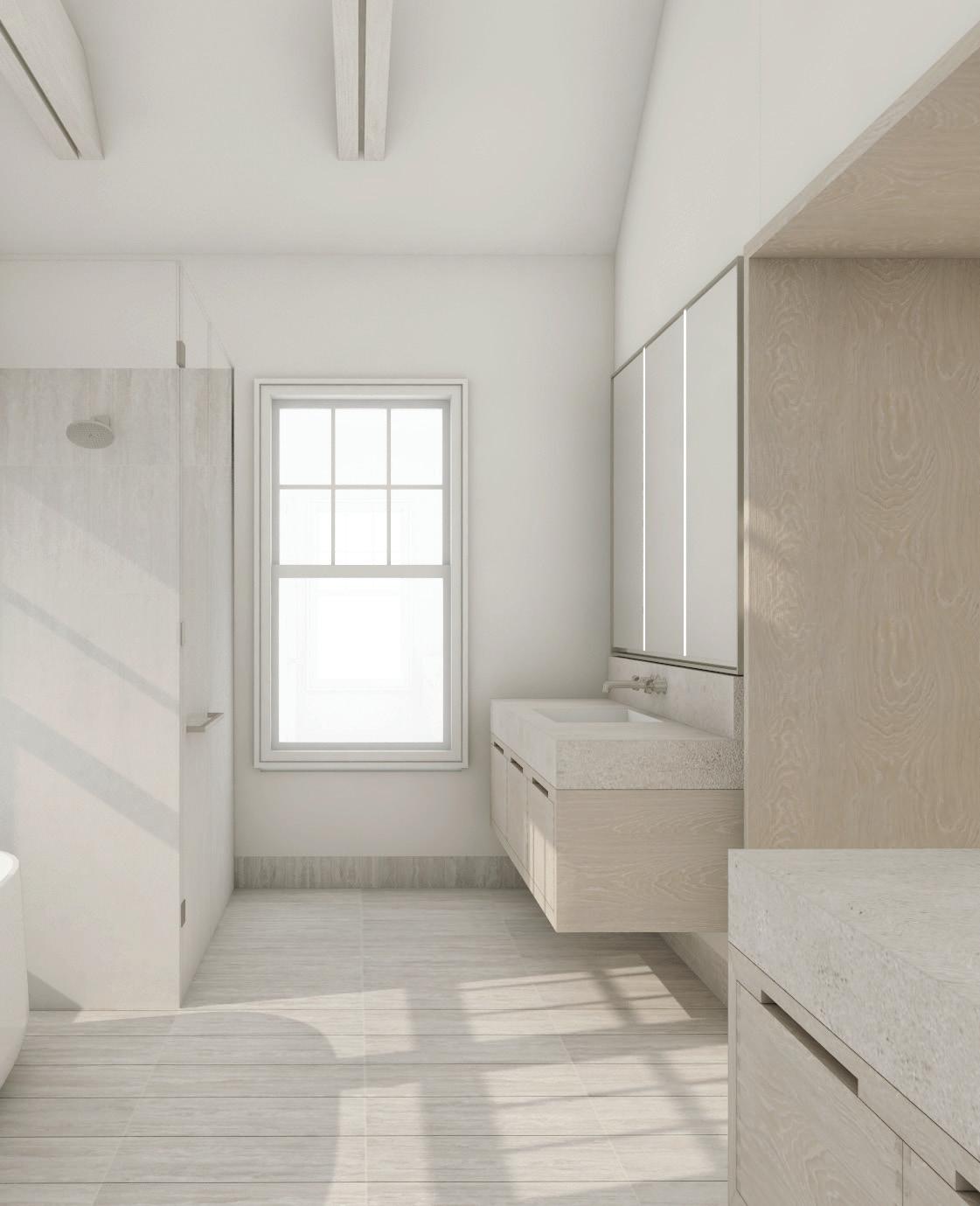
→ Millwork Inspiration
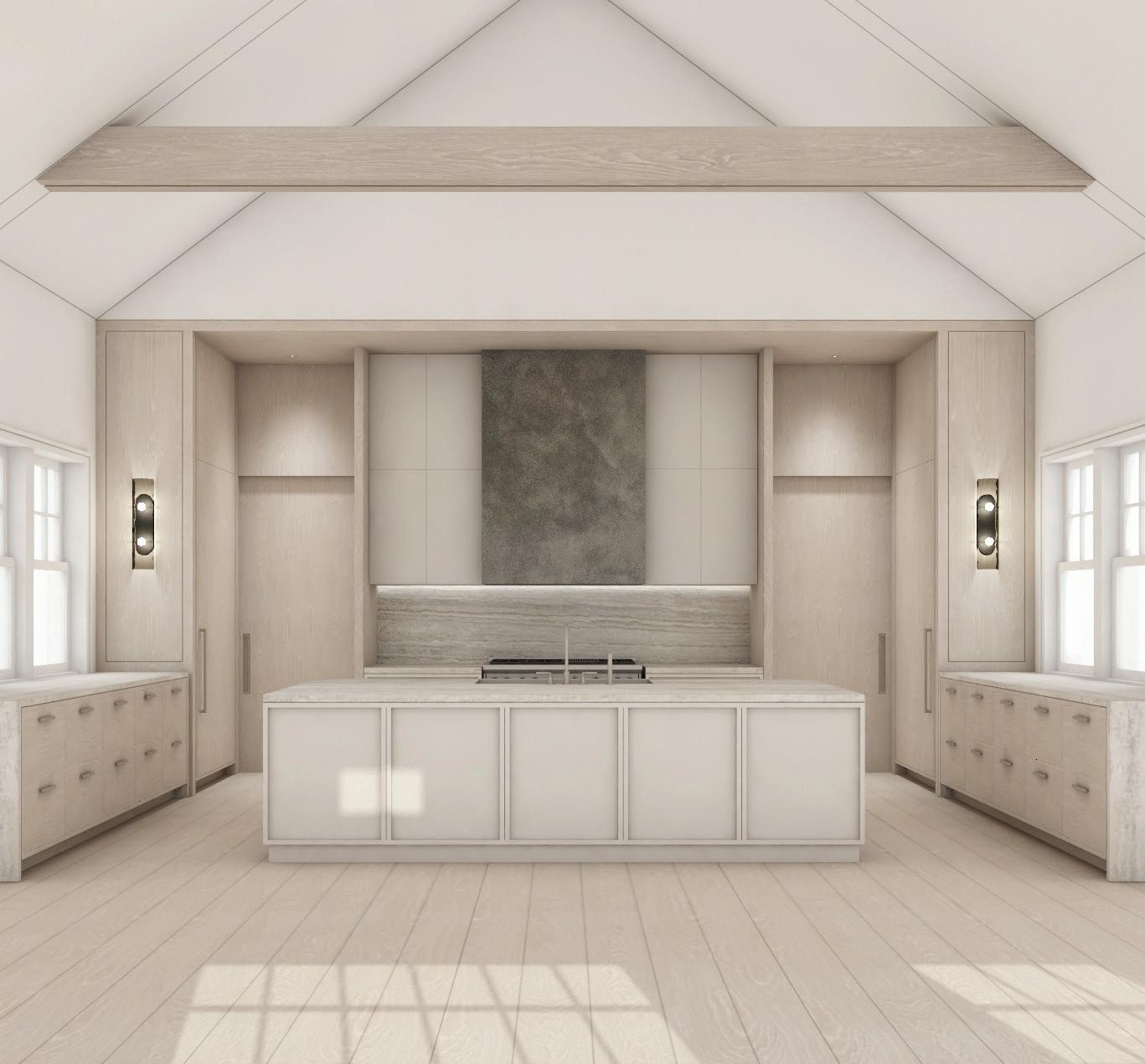
→ Millwork Rendering


• A set of drawings that communicates the overall project
• Interior material and finish selections
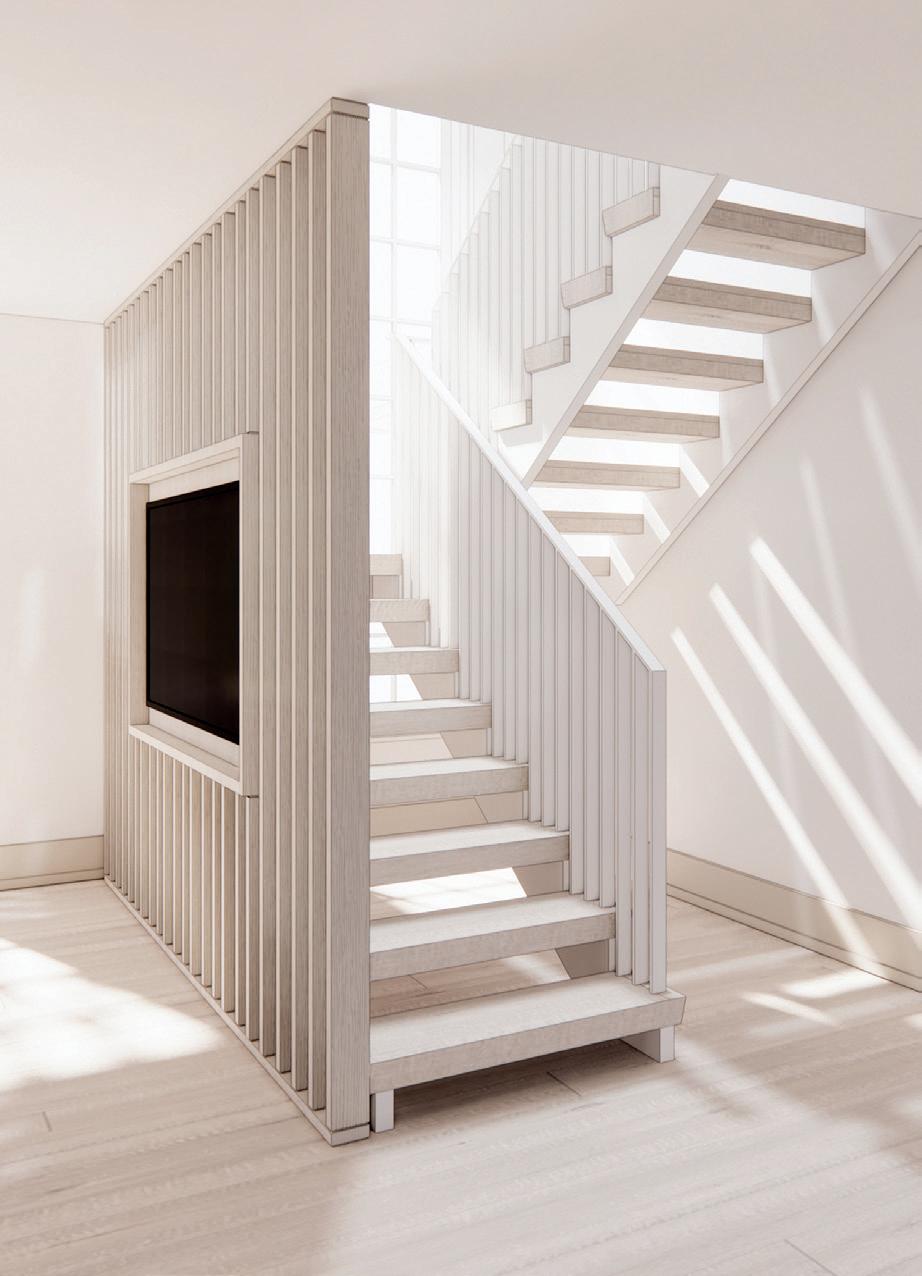
• Major millwork elements
• Door & Trim Details
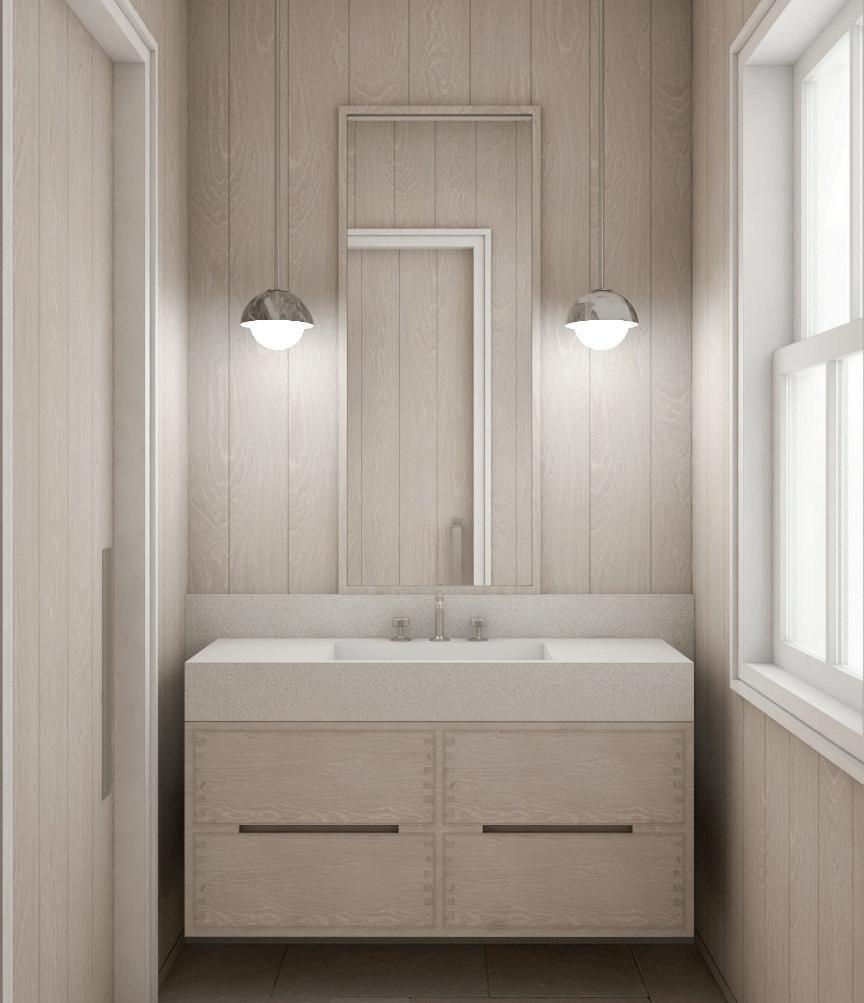
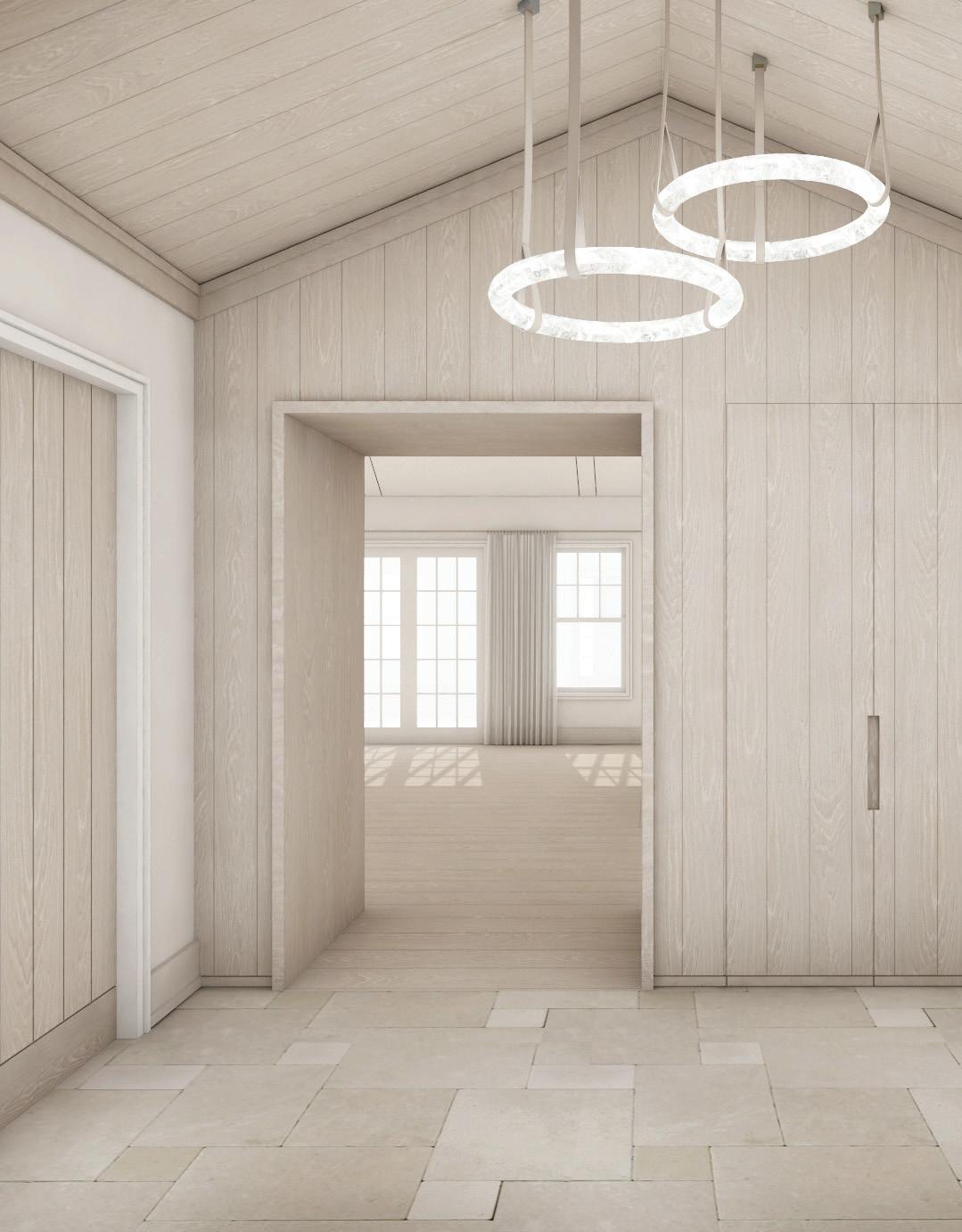
→ Entry Powder Selections
Drawings and/or renderings for select primary and secondary interior spaces sufficient for use in refining the project budget and engaging additional consultants, vendors, etc as needed.
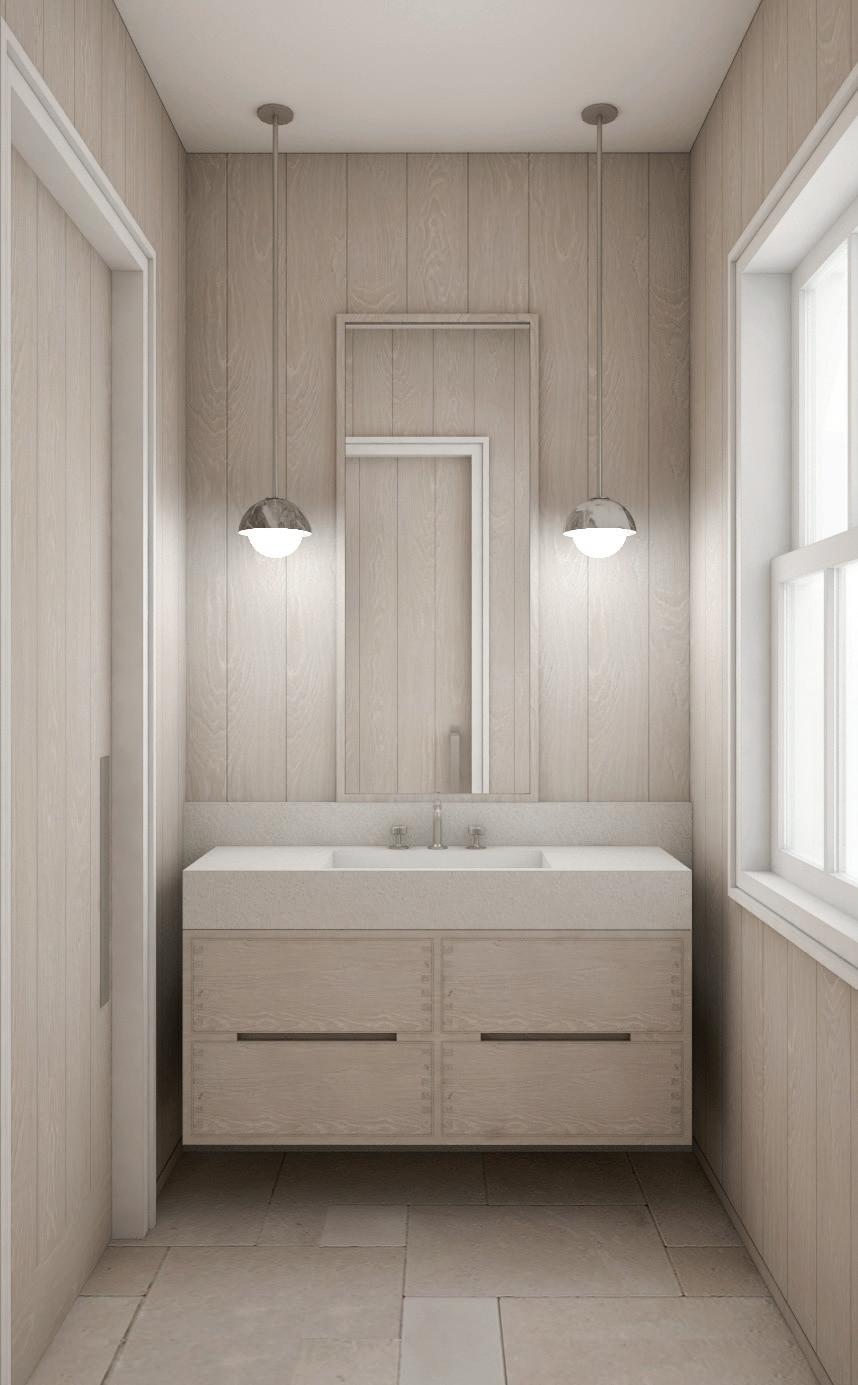

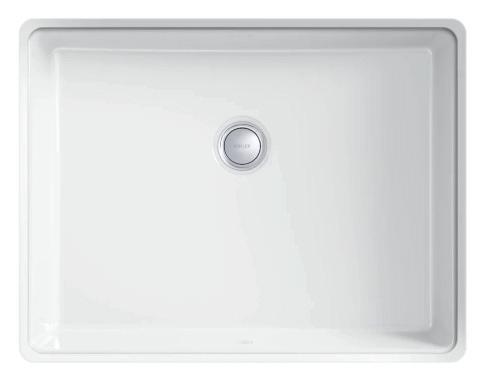

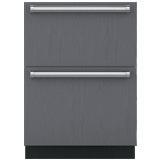
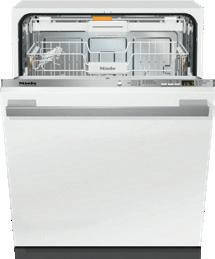
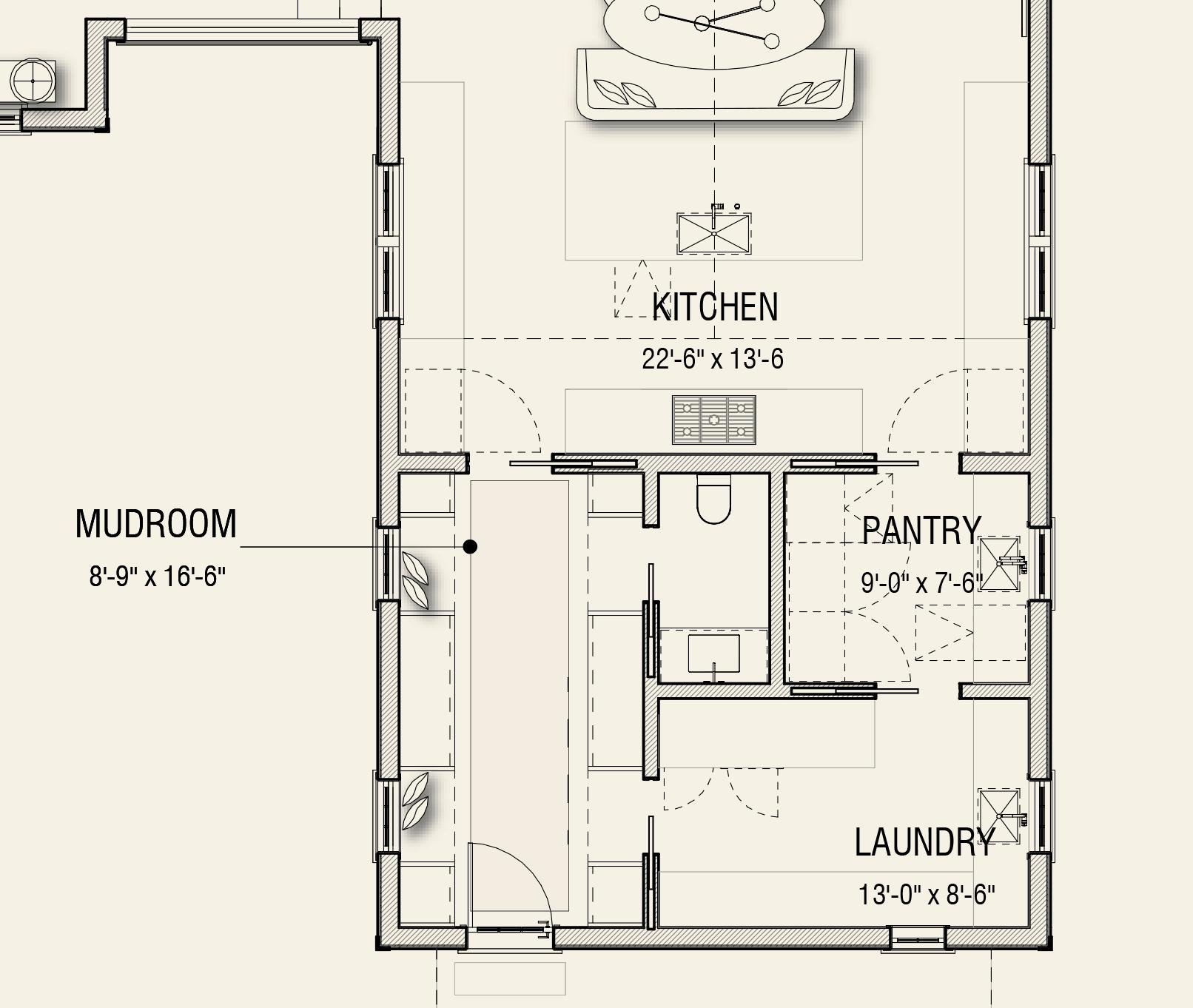
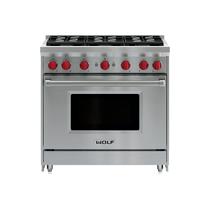
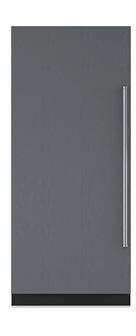
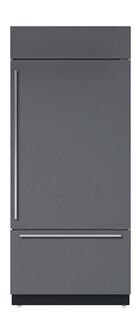
• Product selections, including appliances, plumbing fixtures, and hardware
• Fixture and device selections
• Lighting, electrical, and floor-finish plans
The Permitting phase may run concurrently with the Schematic Design, Design Development and/or Construction Documents Phases.
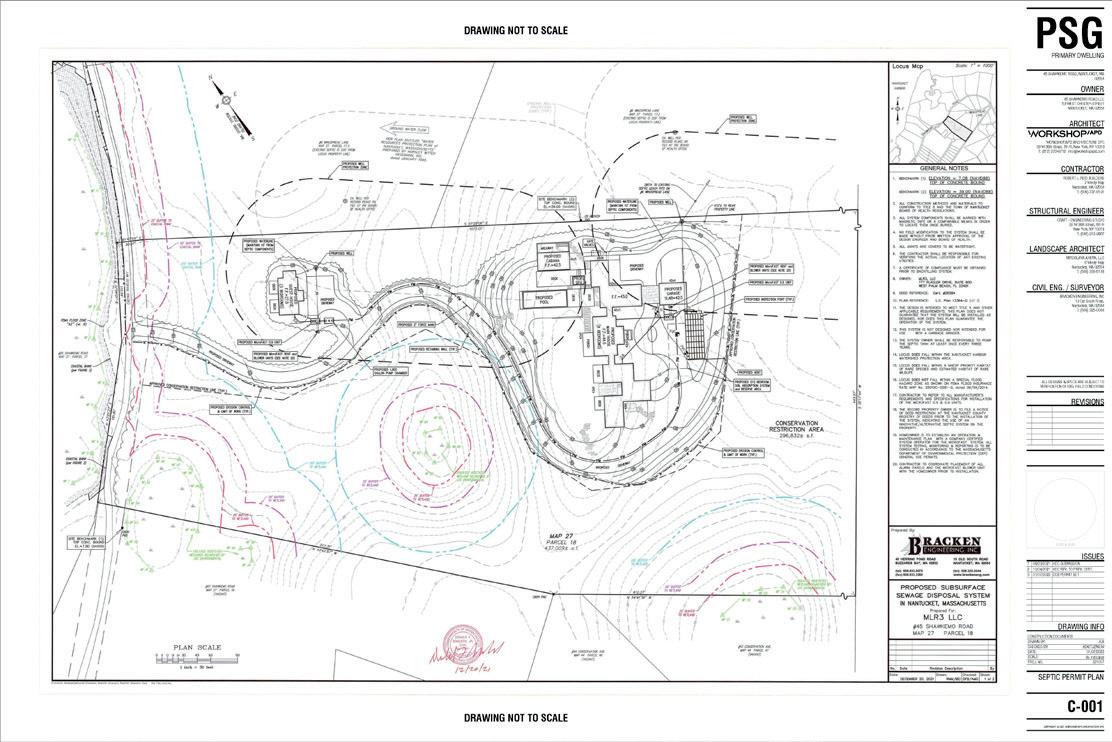
In this phase, the client-approved construction drawings, along with any additional information required to get a building permit are submitted to the local department of buildings and other municipal entities & community associations with jurisdiction over the project.
• Client approval of Schematic Design
• Consultants established and retained
Permitting Milestones
• Consultant Coordination Meetings, as required: Coordination of zoning and code requirements, structural systems, and MEP/HVAC systems.
• Submittals related to municipal entities & community associations with jurisdiction over the project
• Permit package, including drawings coordinated with consultants
• Permit paperwork coordinated with client and general contractor
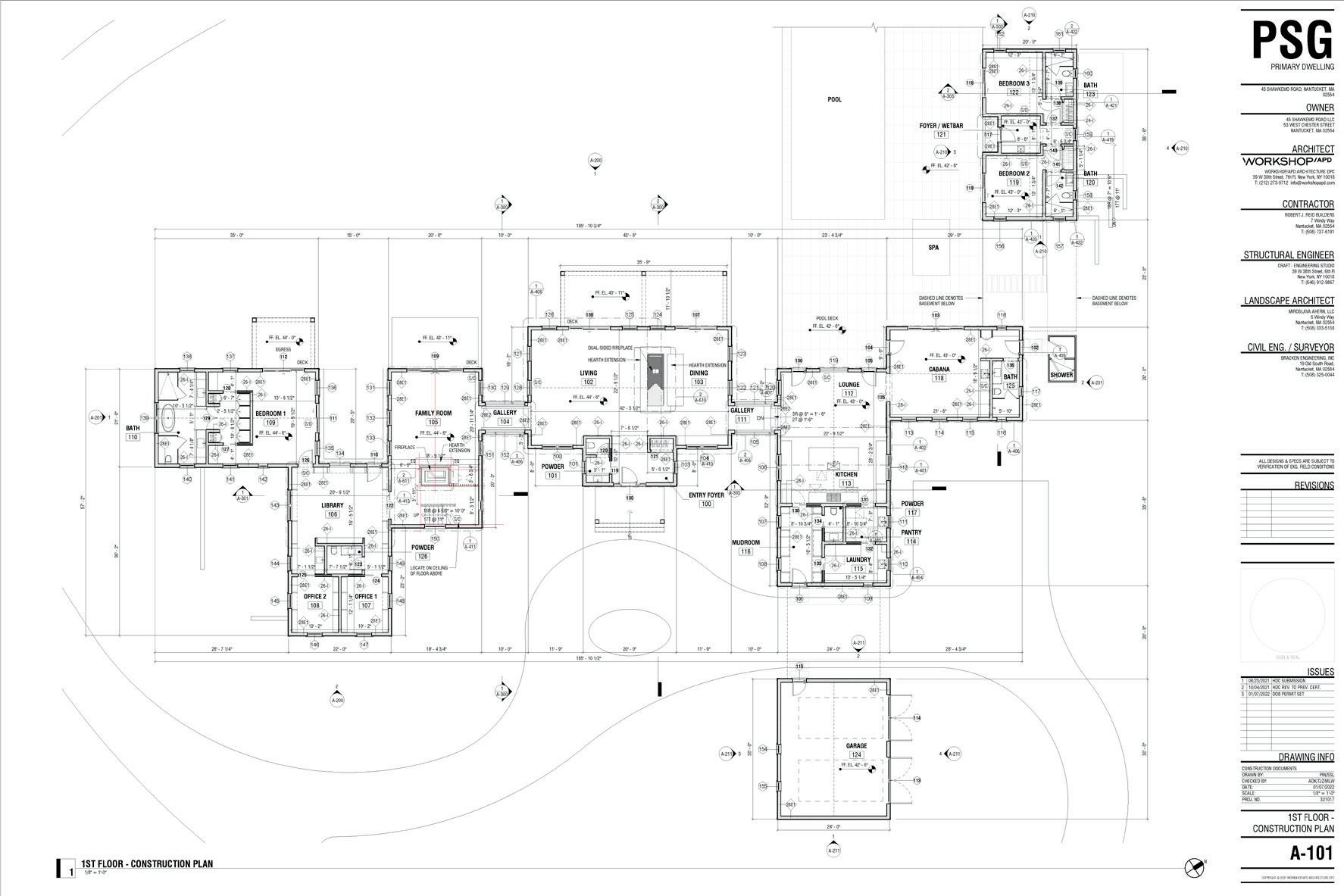
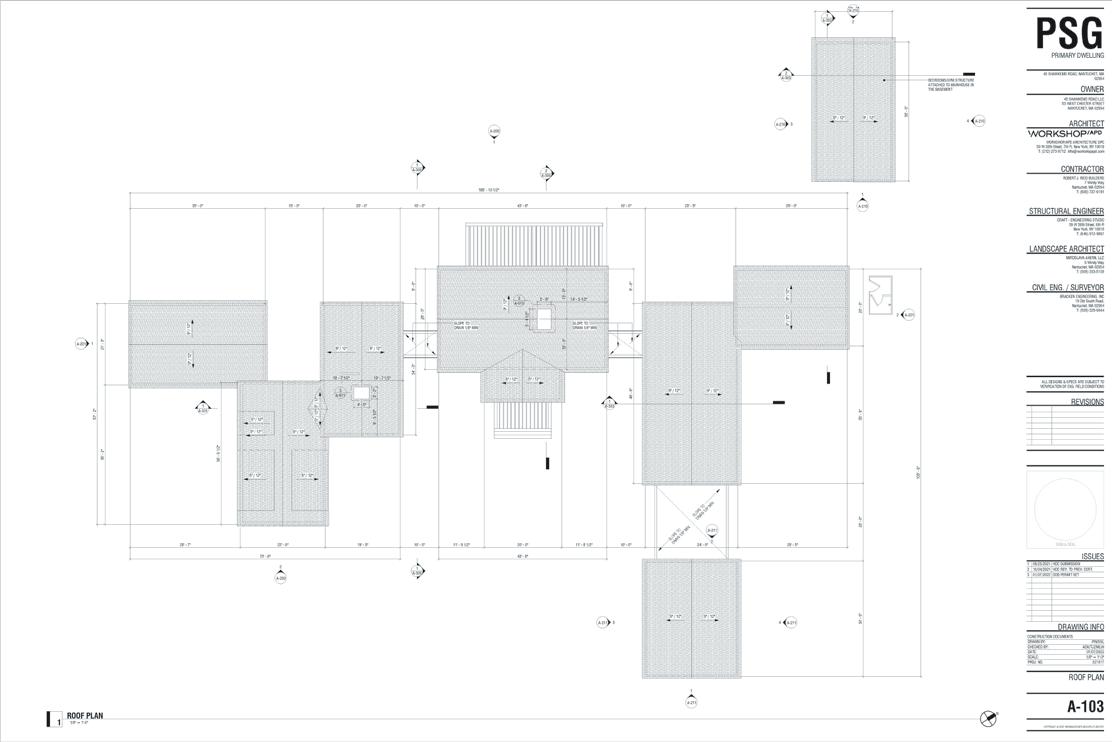
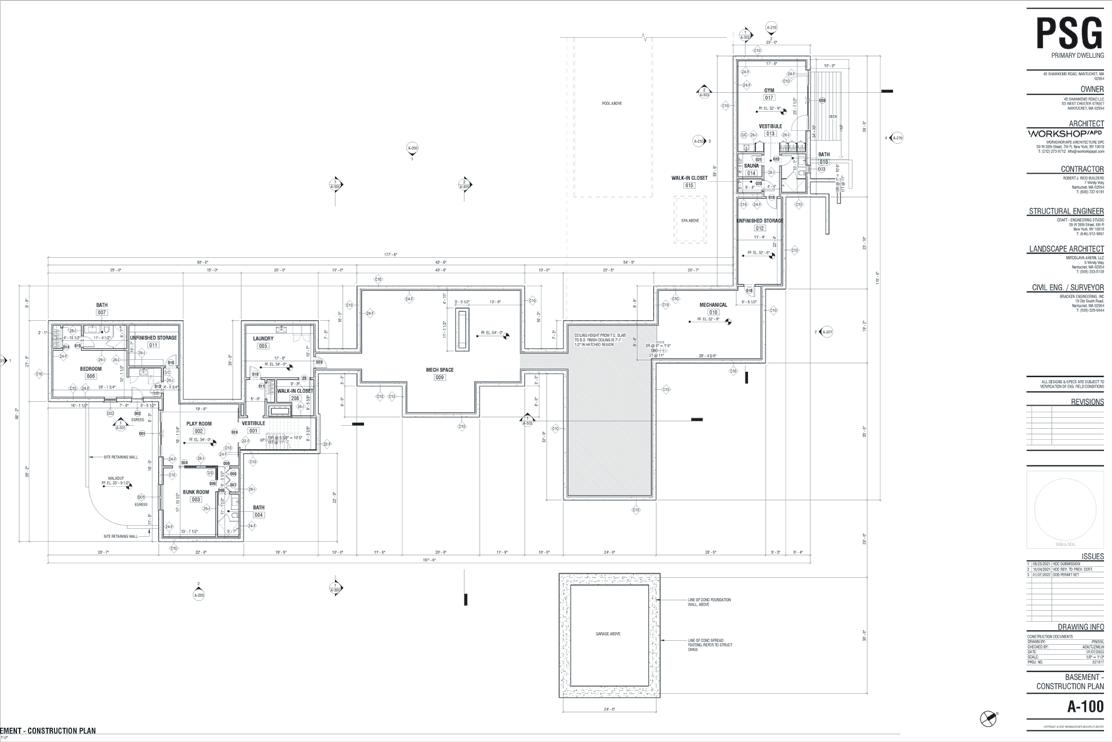
The client-approved Design Development Documents are developed into a set of drawings and specifications containing all of the information necessary to communicate the design to a general contractor and build the project. Any remaining design decisions must be made early in this phase.
Concurrent with this phase all FF&E items will be sourced and, if approved, prepared for purchase (see Interior Design & Decoration phases). → Construction Documents
• Client approval of Design Development deliverables and authorization to proceed
• Review construction and pricing documents prior to full completion and issuance (typically around 25%) to finalize any open items and outstanding selections from the Design Development phase.
• Familiarize the client with the Construction Documents package.
• Coordination with consultants, as required.
• Issuance of construction floorplans, RCP, floor finish, electrical plans, elevations, architectural details, schedules, and finish details
• Final finish & fixture schedules
• Final material and finish samples
During this phase, bidding information will be prepared and tendered to facilitate the award of the Project contract for construction.
The Bidding & Negotiation phase may run concurrently with the other phases. A general contractor may be engaged early in the process, before full documentation is completed, to provide pre-construction services, including feasibility, estimating and scheduling.
Required
• Written Client approval of bid documents and authorization to proceed
Bidding and Negotiation Milestones
• Bidding Review with General Contractor(s): Typically all bidding meeting are held on the same day at the jobsite.
• Bid Review with Client: Review and compare submitted bids with client and identify any necessary cost evaluation measures.
Bidding and Negotiation Deliverables
• Identify, evaluate, and interview potential bidders
• Prepare and issue a Bid Package (including drawings and specifications)
• Upon receipt of bids, prepare bid analysis spreadsheet and cost evaluation
• Assist the client with awarding a contract for construction
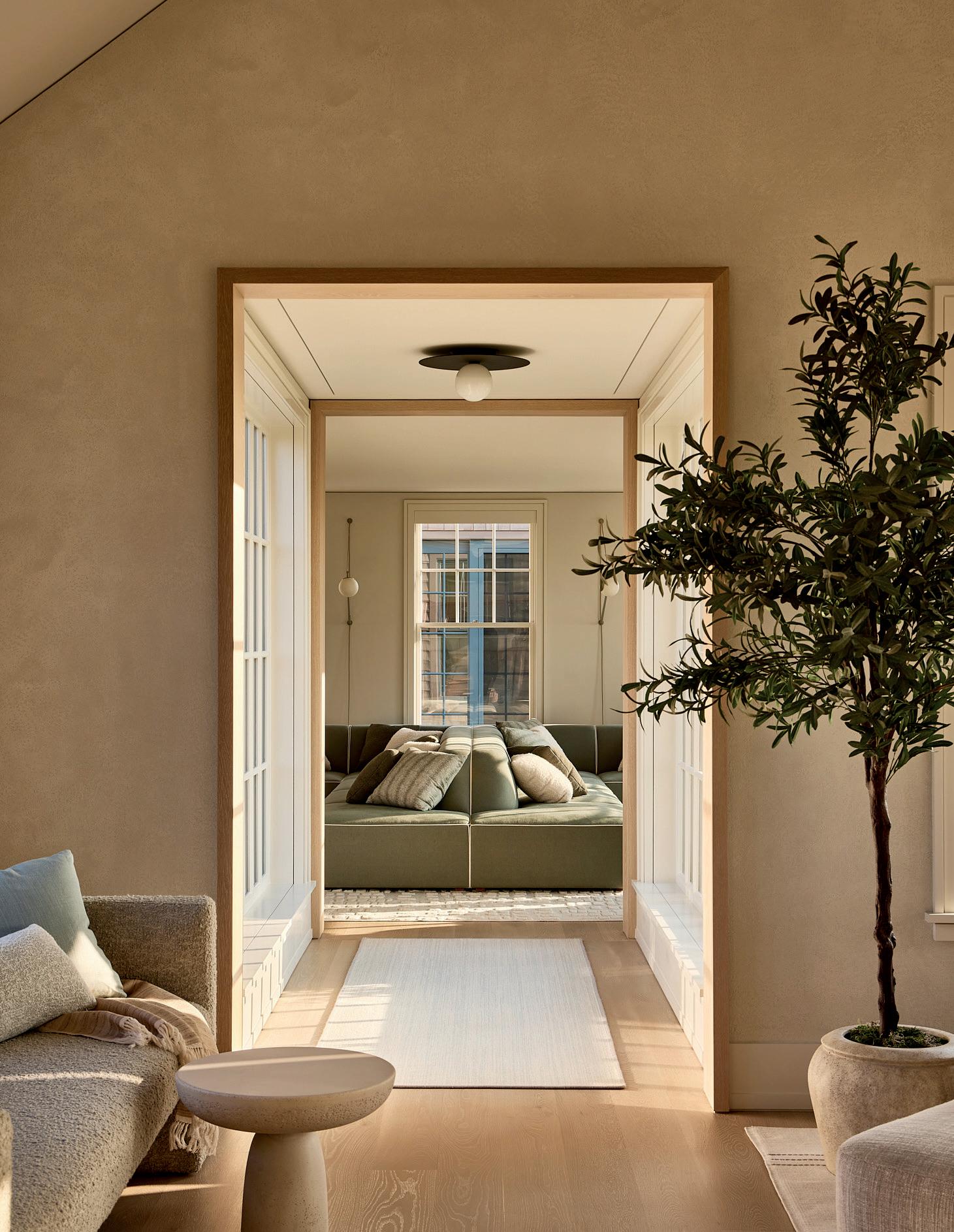
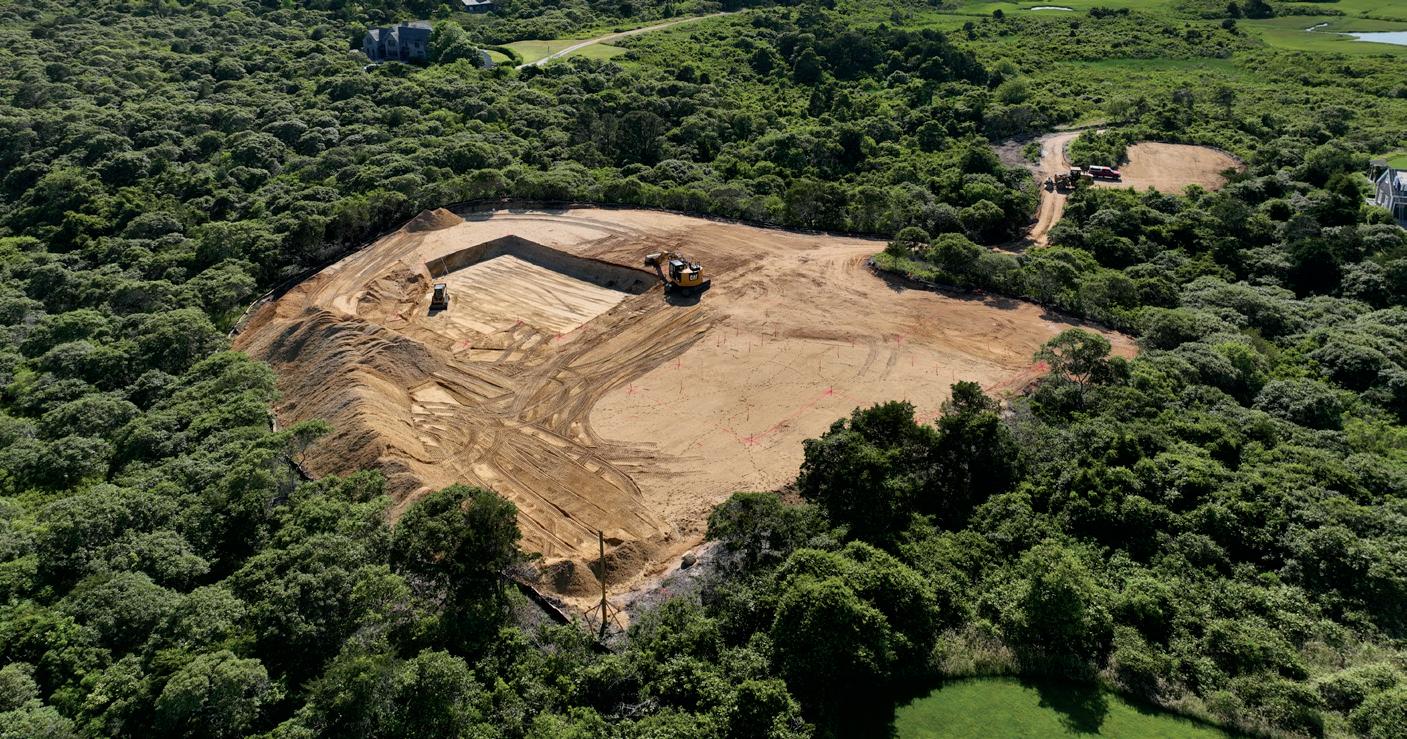
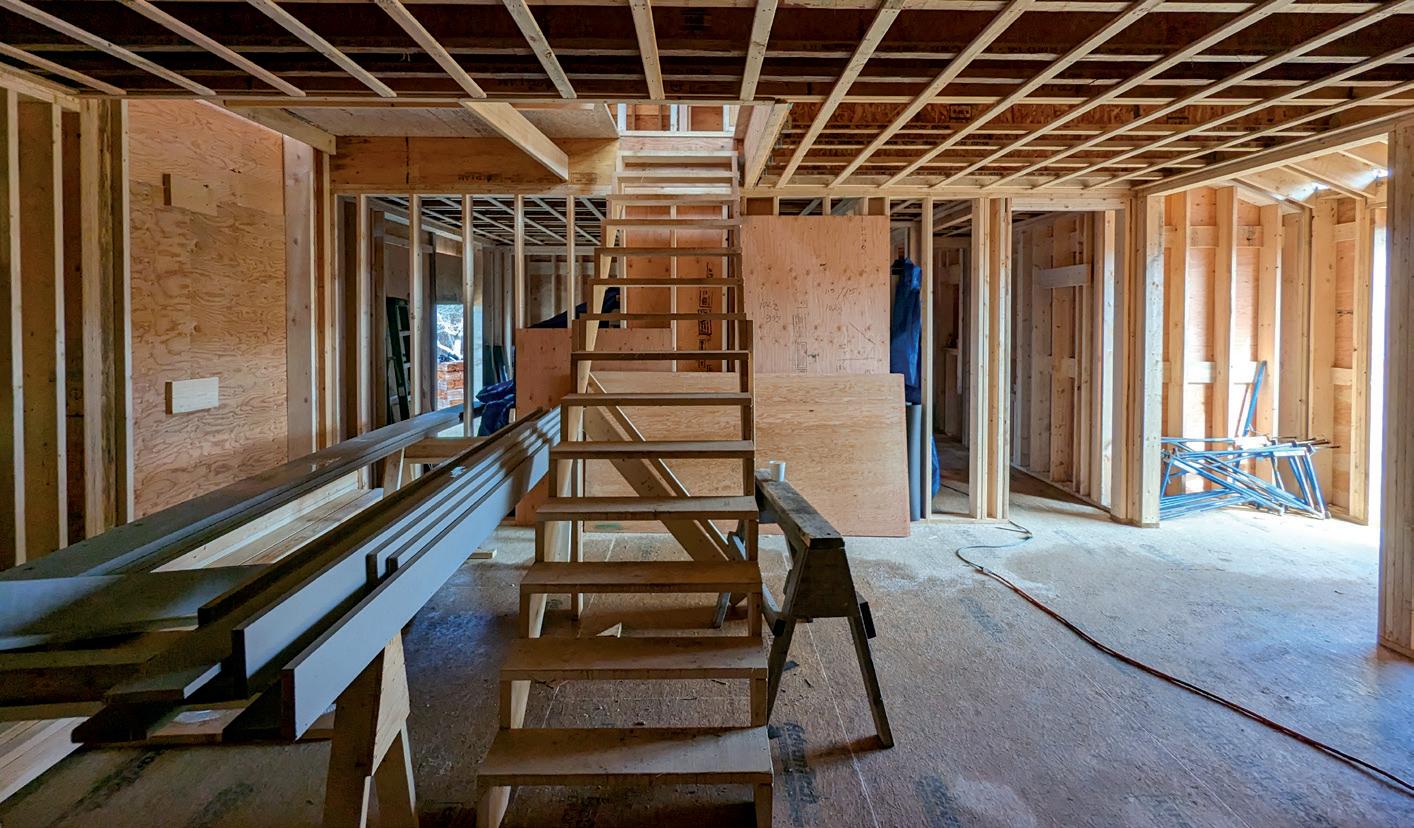
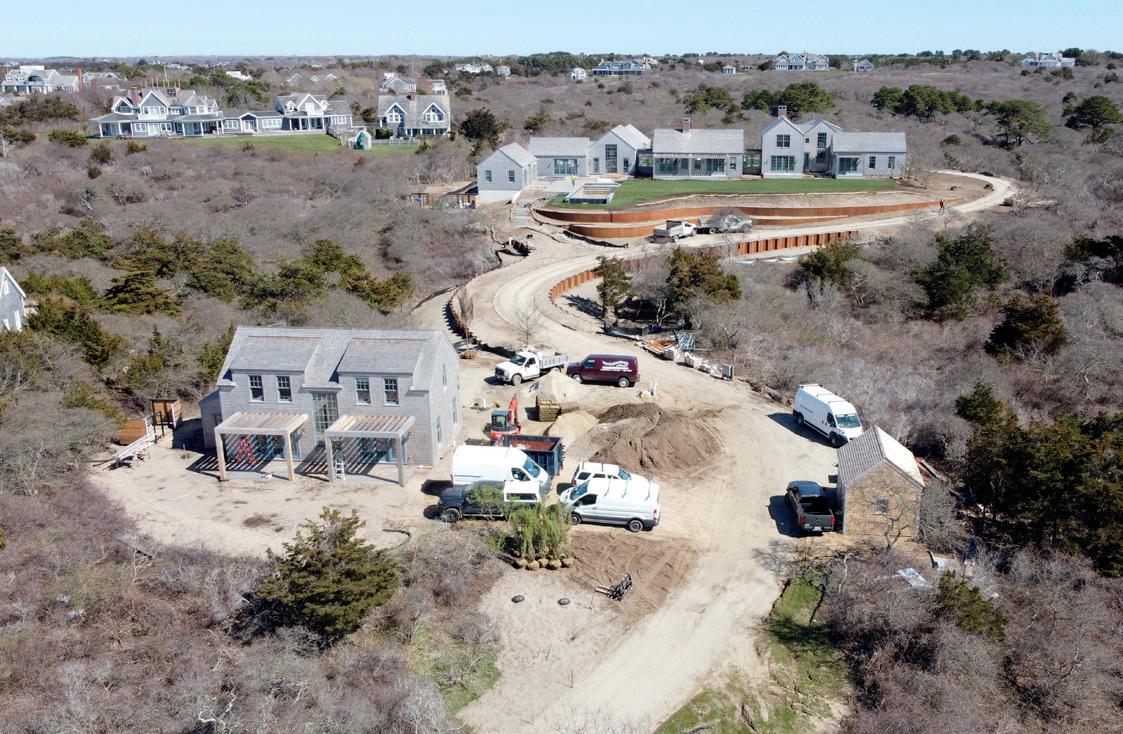
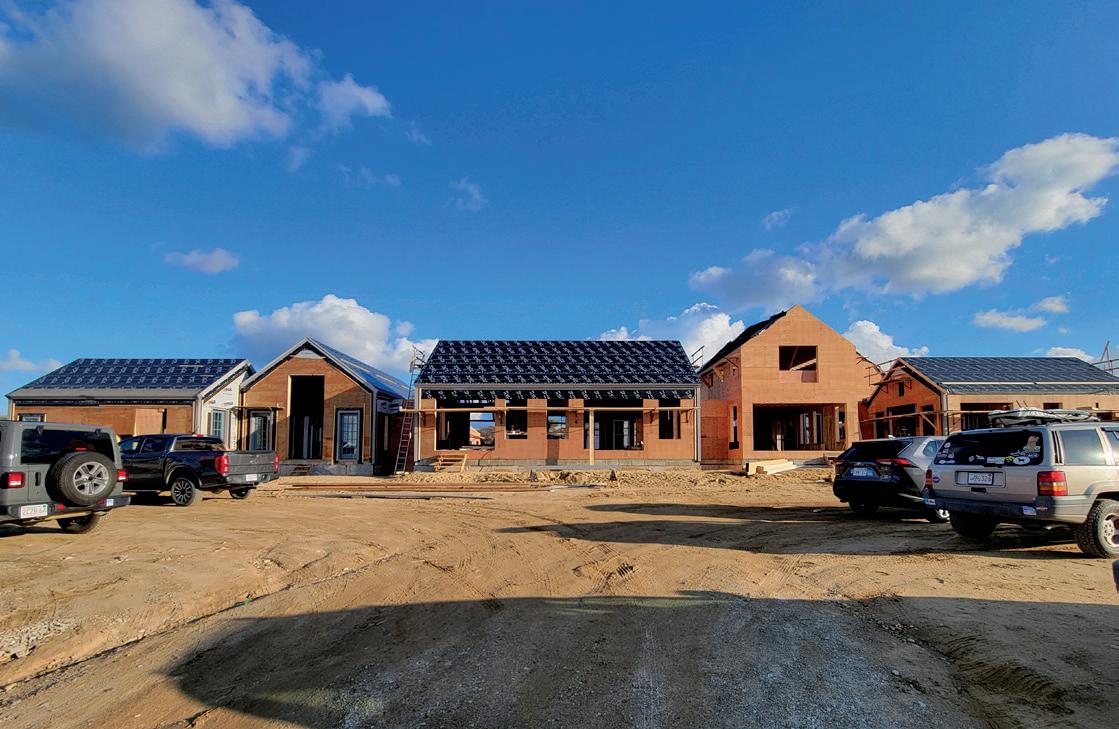
→ Site Construction
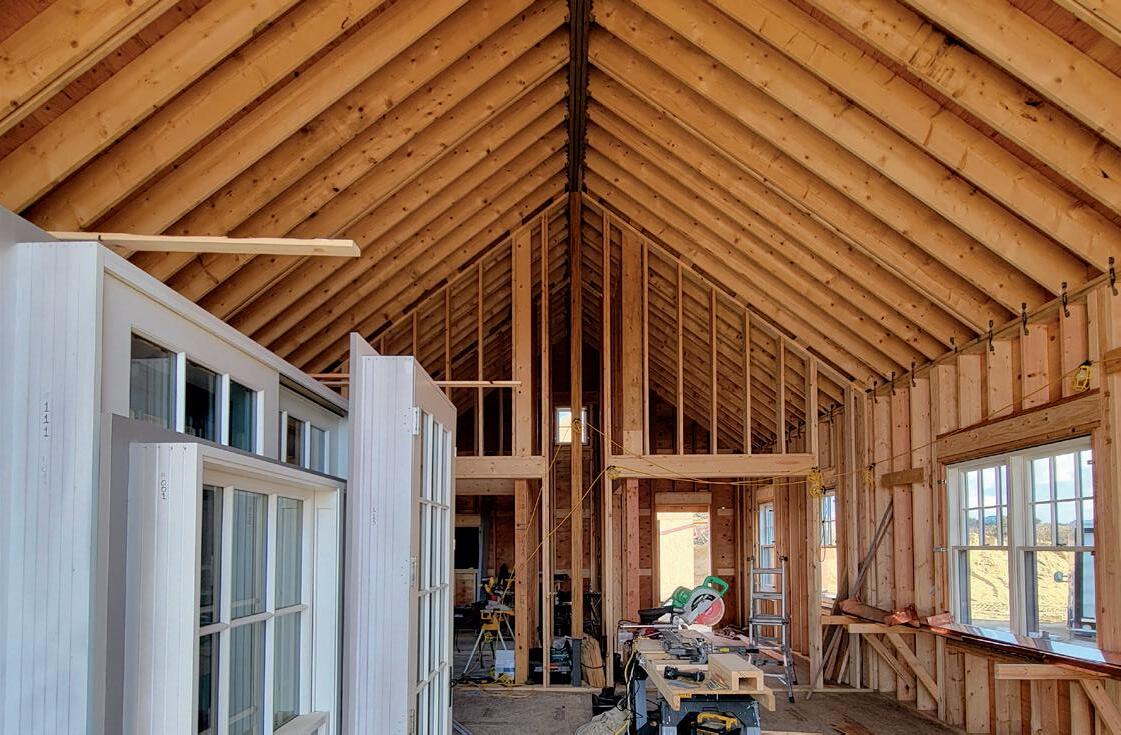
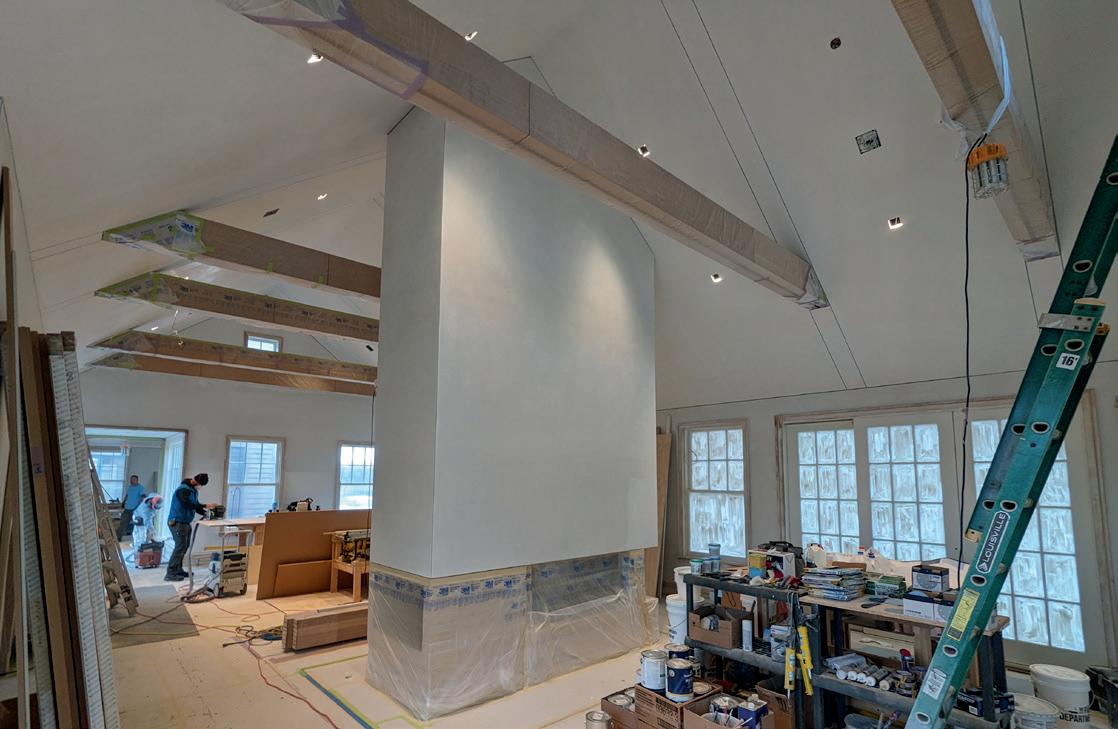
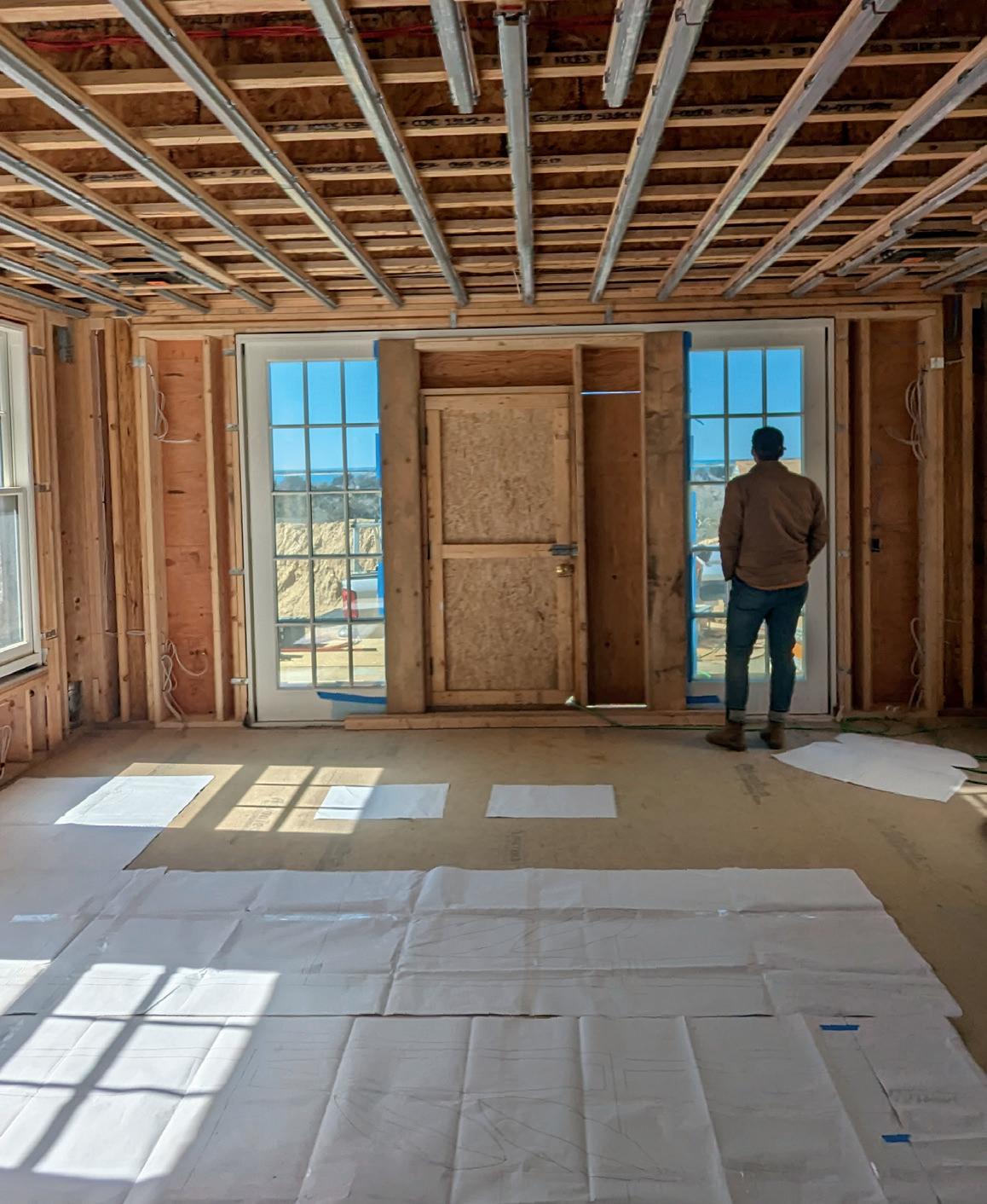
In this phase, we communicate with the contractor and visit the job site at regular intervals to answer questions from the builder with an eye toward maintaining the integrity and quality of the design intent.
Required to begin work
• Selection of general contractor, vendors, fabricators, and specialty trades.
↑ Construction Photos submittals for adherence to design intent and Construction Documentation.
• Approval of Construction Documents
Construction Administration Milestones
• The number, frequency, and length of site visits will be determined once a construction schedule has been established.
Construction Administration Deliverables
• Correspond with the general contractor, subcontractors, and other manufacturers to clarify the design intent.
• Correspond with consultants accordingly, as required.
• Review shop drawings, mockups, and
• Issue clarification sketches to the field as required.
• Prepare site observation reports and a project punch list, as required. Review and correct such reports if issued by contractor.
• Review and advise client as to potential value engineering solutions and potential warranty issues
• Review and certify contractor applications for payment based on our evaluation of the work performed and to the best of our knowledge
• Approve final certificate of payment to contractor based upon final inspection
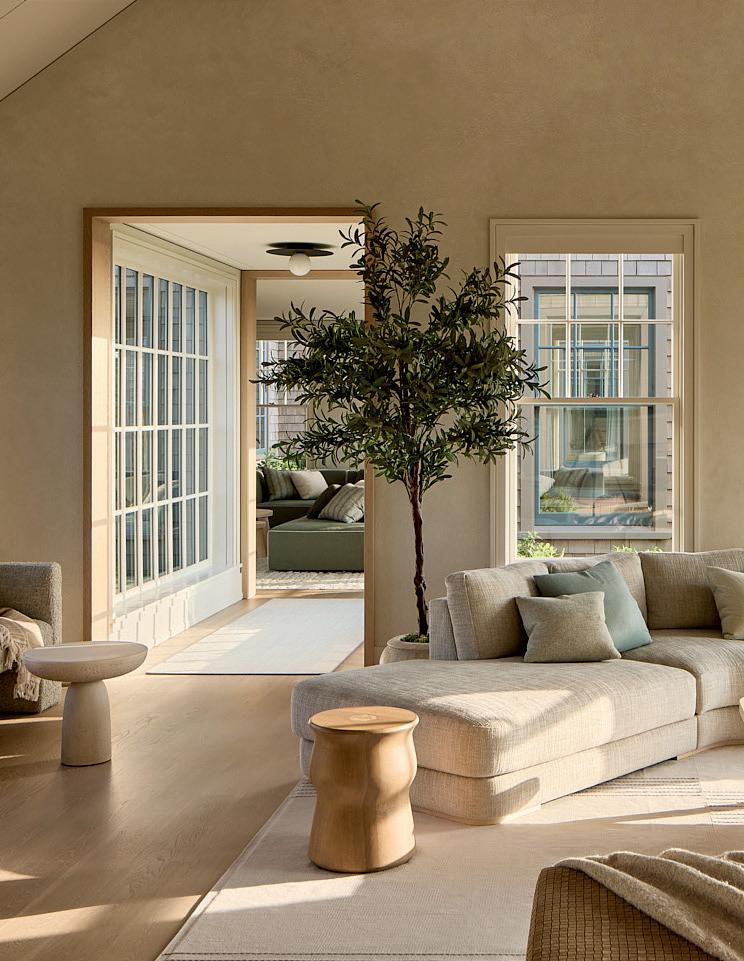
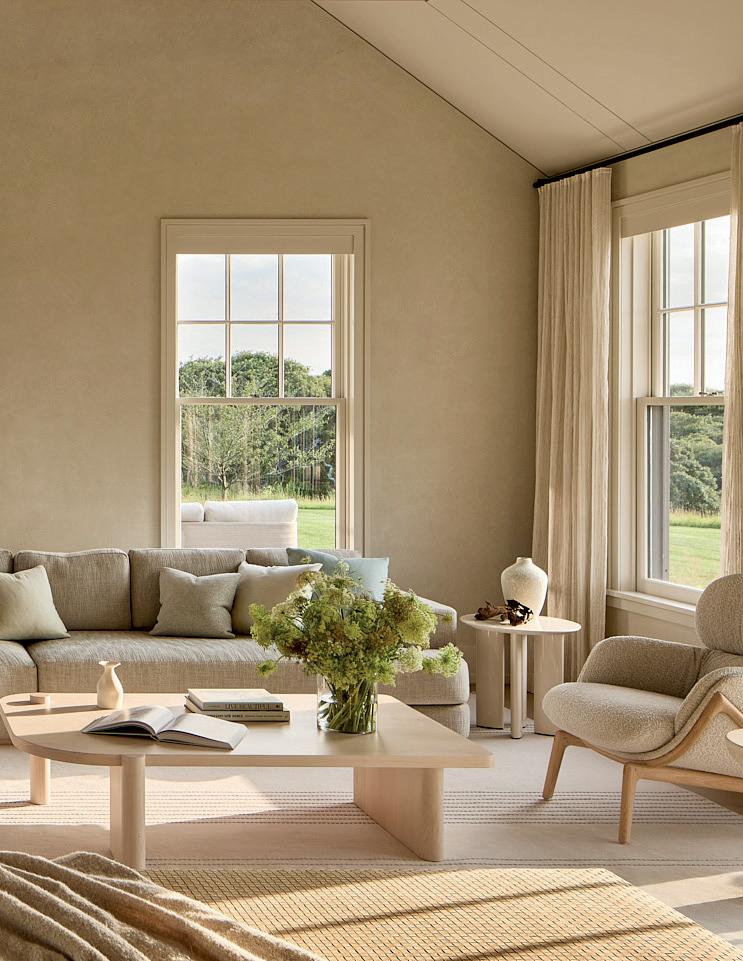
The Interior Design and Decoration process will begin in earnest once the Design Development Phase above is underway. This will include the sourcing and selection of all furniture, fixtures and equipment (FF&E). FF&E includes all movable furniture or other equipment that has no permanent connection to the structure. Examples of this are upholstery, case goods, decorative wall finishes, decorative lighting, rugs/carpeting, window treatments, accessories, and art. The phases of this work consist of the following:
The purpose of this phase is to develop the concept for the furnishings, through imagery and text, resulting in a presentation that sets the mood and tone for the project. Once approved, this concept is applied to all other areas of the Project.



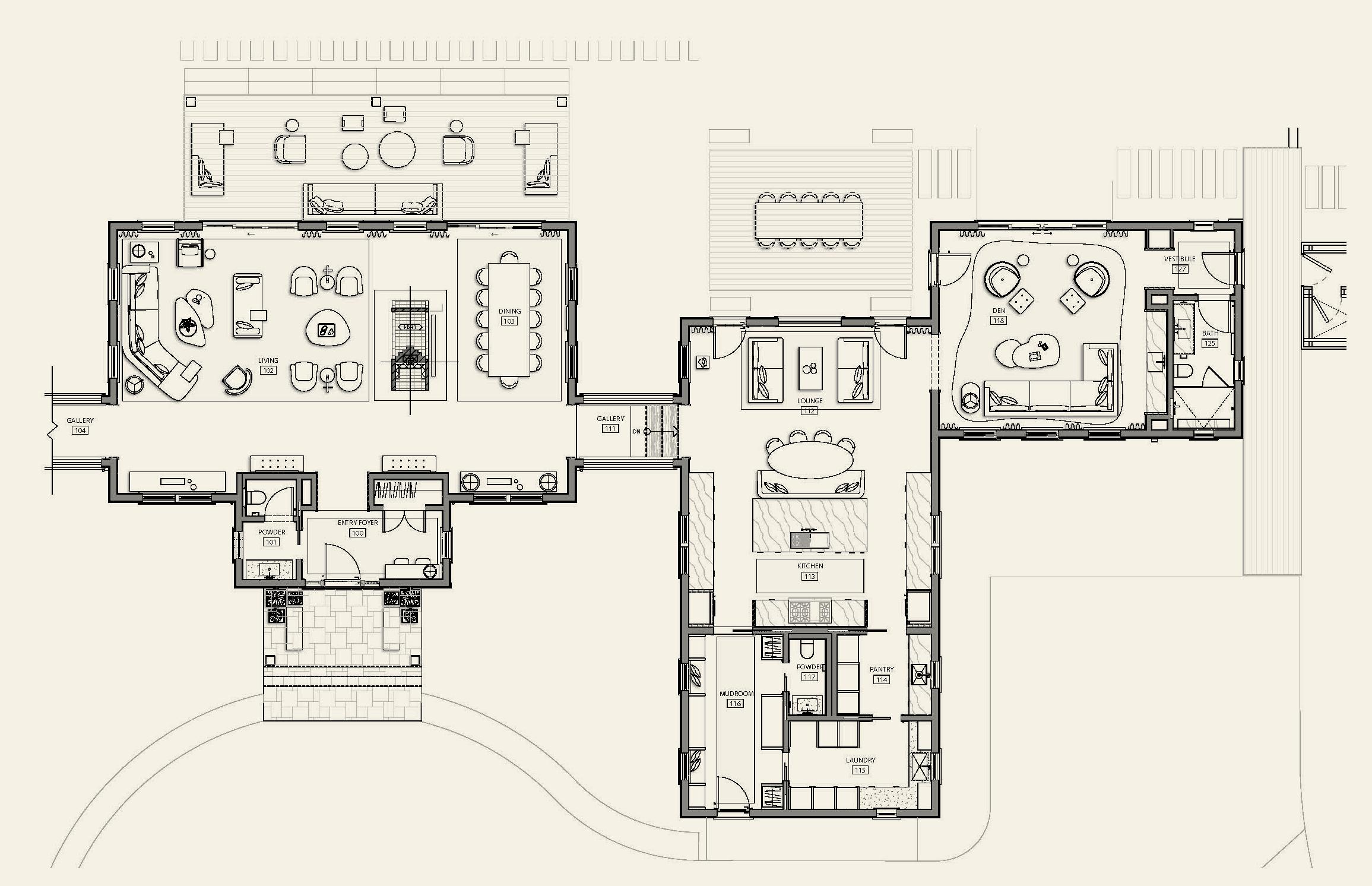
• Written client approval of the Schematic Design Plans
• Kick-off meeting with clients to discuss furnishings preferences, programming requirements, and any other special considerations
• Review preliminary furniture plans and corresponding concept imagery that sets the tone and mood for the home’s furnishings, a budget range will also be reviewed.
• Precedent “mood” images that define the desired look and feel of certain primary spaces or individual pieces of furniture
• Detailed furniture plan for all rooms in the home that clearly identifies options for the scale and placement of primary and secondary pieces.
• Preliminary FF&E budget that includes all of the upholstery, case goods, decorative wall finishes, decorative lighting, rugs/carpeting, window treatments, and accessories
• List of any existing client-owned pieces that may be reused.
• Preliminary palette of fabrics and finishes that define the desired look and feel of the home.
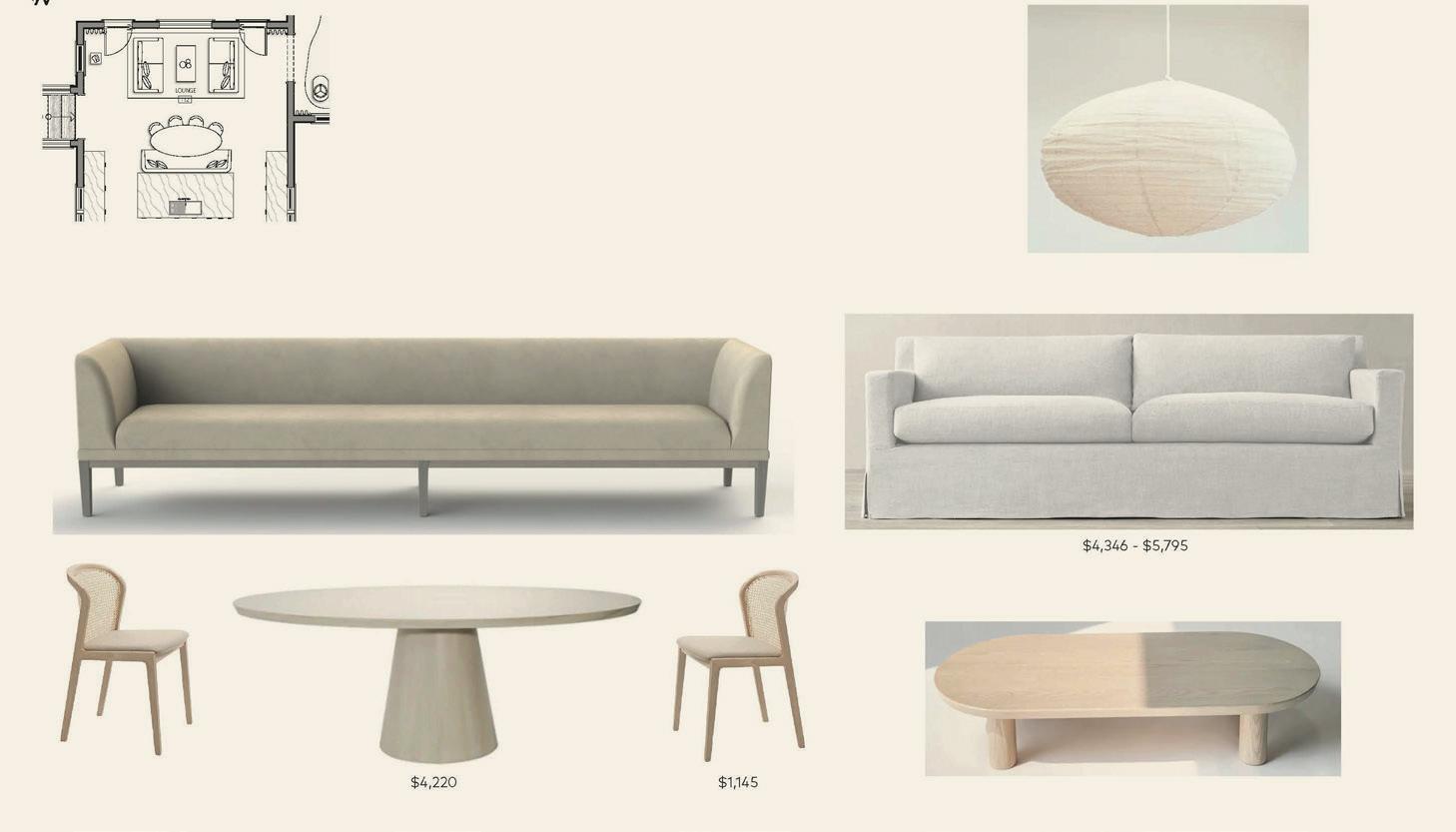
→ Kitchen and Lounge Selections
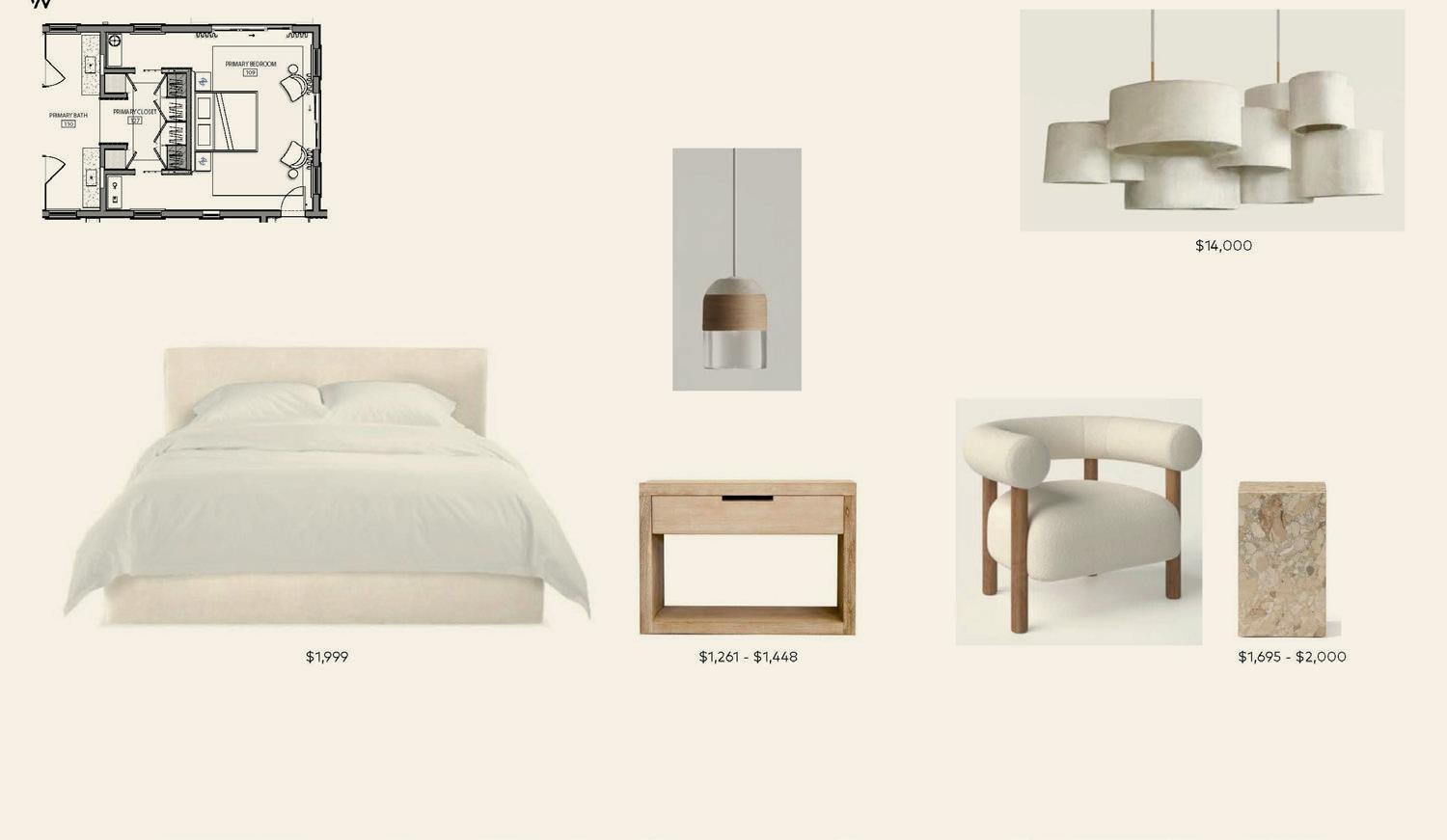
The purpose of this phase is to apply the approved concept to the design of each room of the home. We will present each of the FF&E items in conjunction with the furniture plan and budget for approval. This phase typically runs concurrently with the Construction Documents phase. Client is expected to make timely decisions during this phase.
→ Primary Bed Selections
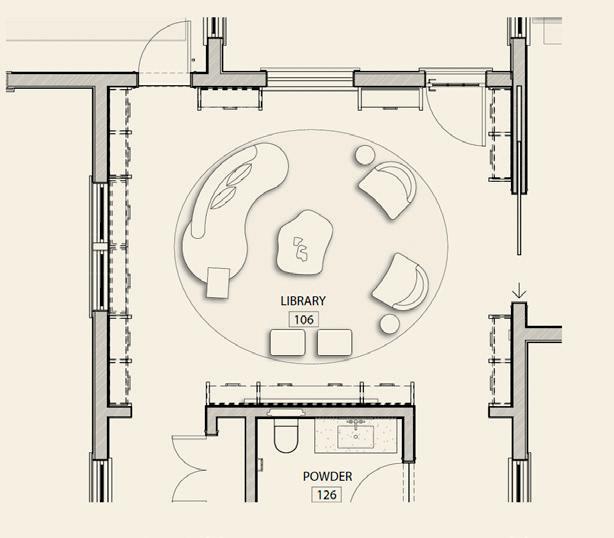
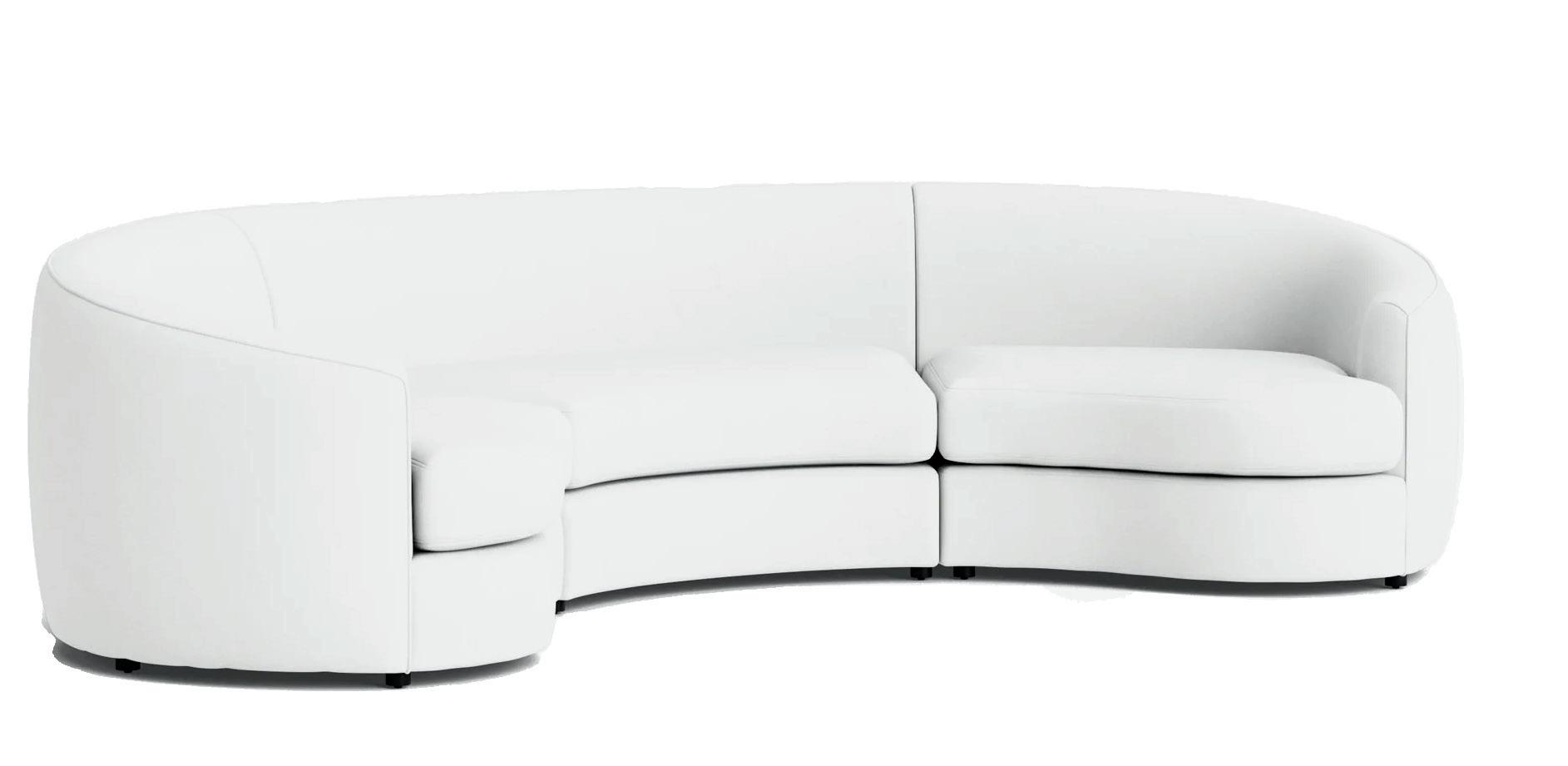
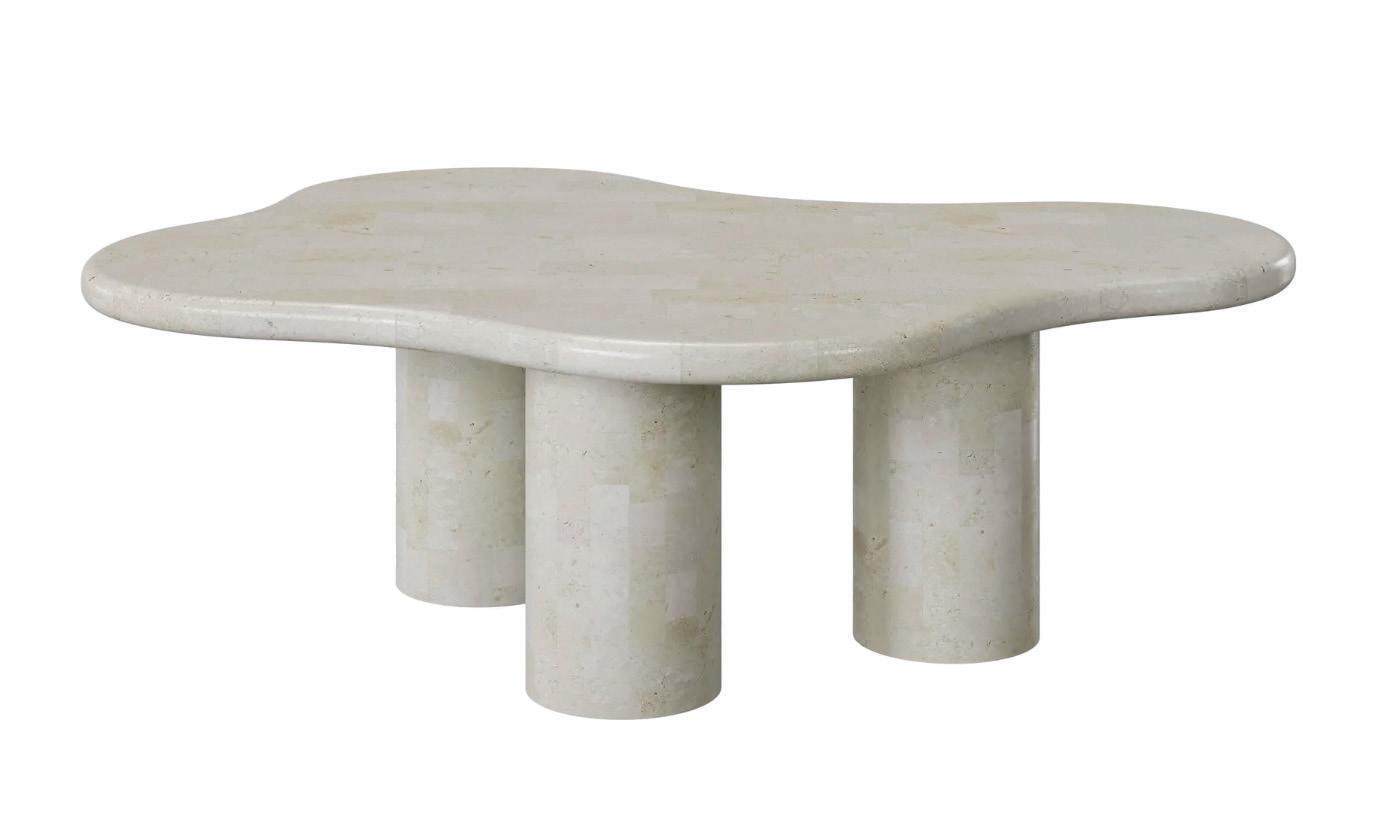
↑ Library Furniture Selections
• Written client approval of the ID Concept Design, furniture plan, and FF&E budget
• Confirmation of meeting and approval cadence with client and ID team
• Review selection options per item that are in line with the Concept Design and FF&E Budget

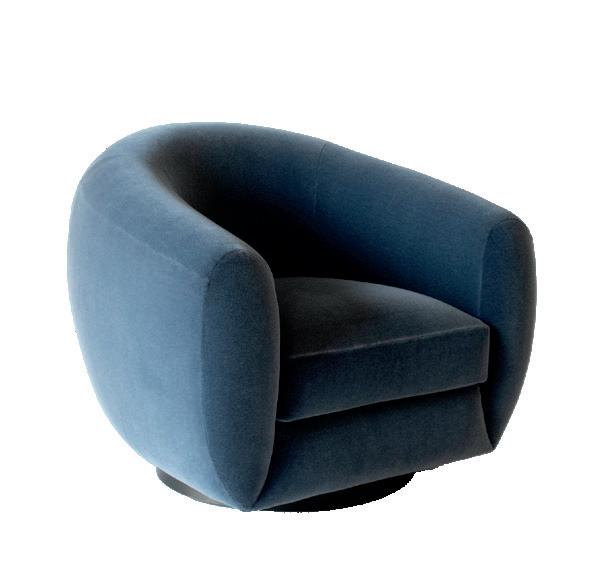
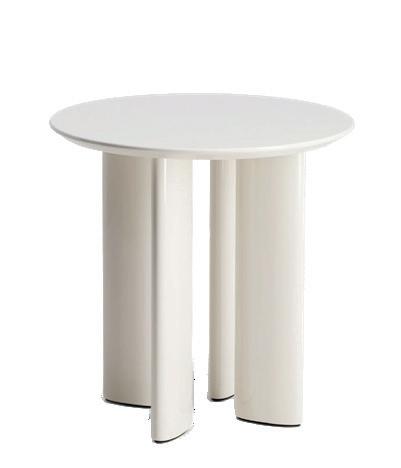

• Updated furniture plan
• Options of the following for each room: Specific furniture pieces (broken out by room) and/or custom furnishing designed by Workshop/APD, fabrics, rugs, window & wall treatments, & decorative lighting for rooms
• Updated FF&E budget, in accordance with selections
• Proposal from consolidator/warehouse partner for receiving and storage
During ID Pricing, Proposals & Purchasing, all items are submitted to client for final approval and payment. Orders are placed and tracked through to delivery and installation. Any delays in approval and/or payment will result in extension of schedule.
• Written client approval of furniture plan and FF&E budget
• Signed Proposals and full payment for individual pieces
• Retained (signed agreement and deposit paid) consolidator/moving company for receiving, storage and delivery.
ID Pricing, Proposals, & Purchasing
Milestones
• Review proposals & confirm payment with client
• Order approved items for delivery to consolidator/moving company
ID Pricing, Proposals, & Purchasing
Deliverables
• Proposals for individual pieces
• Budget update
• Routine updates on all purchased items via weekly project report
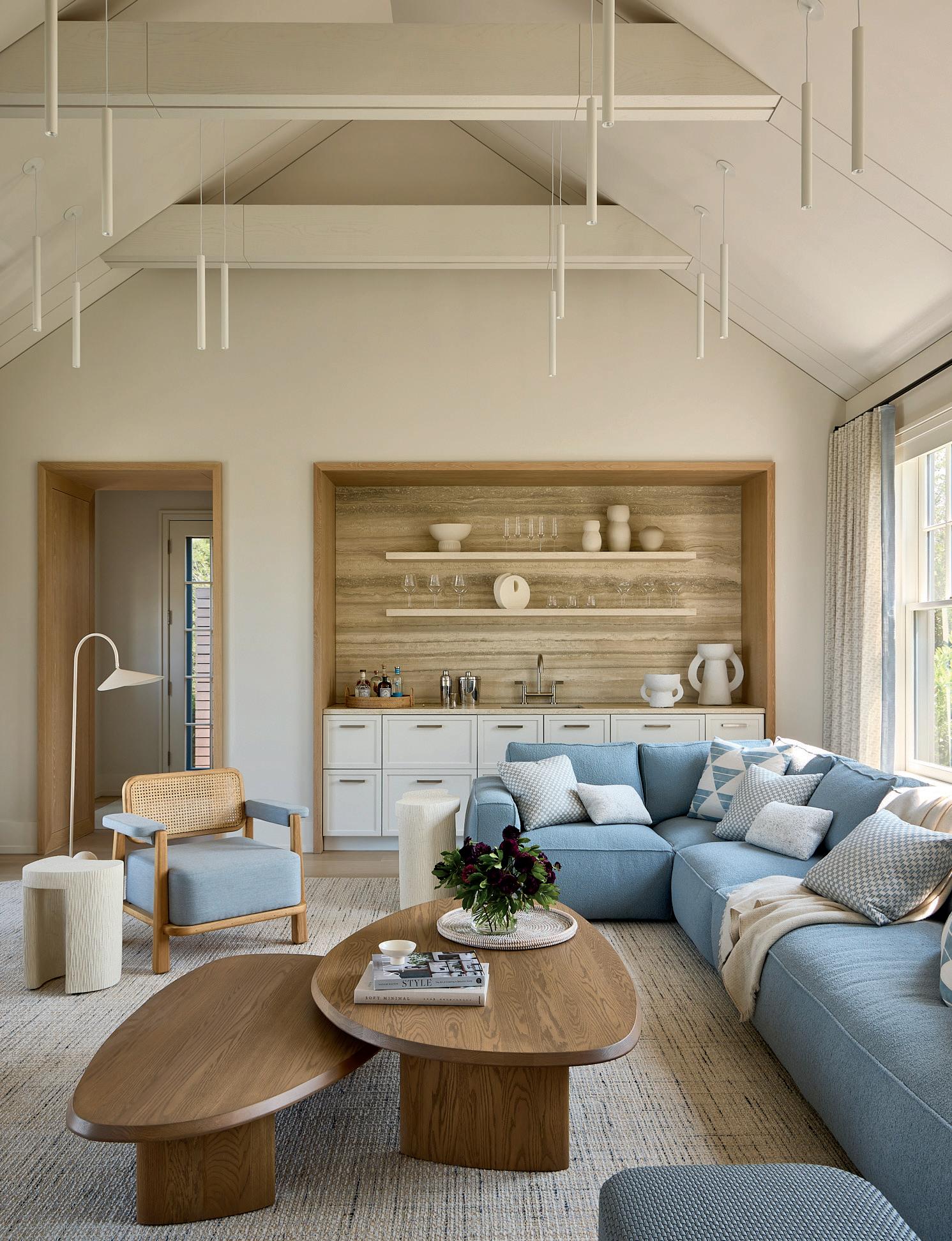
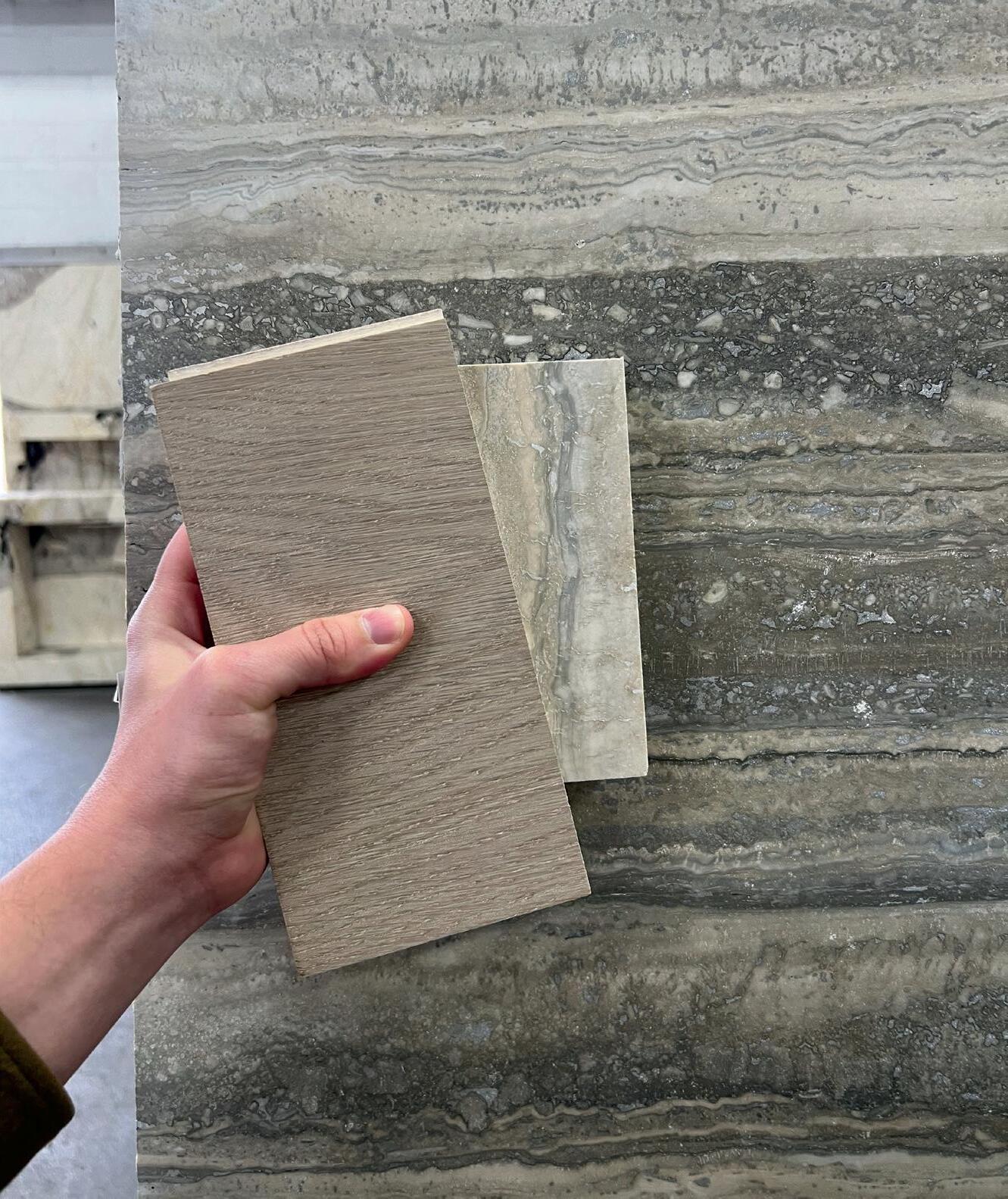
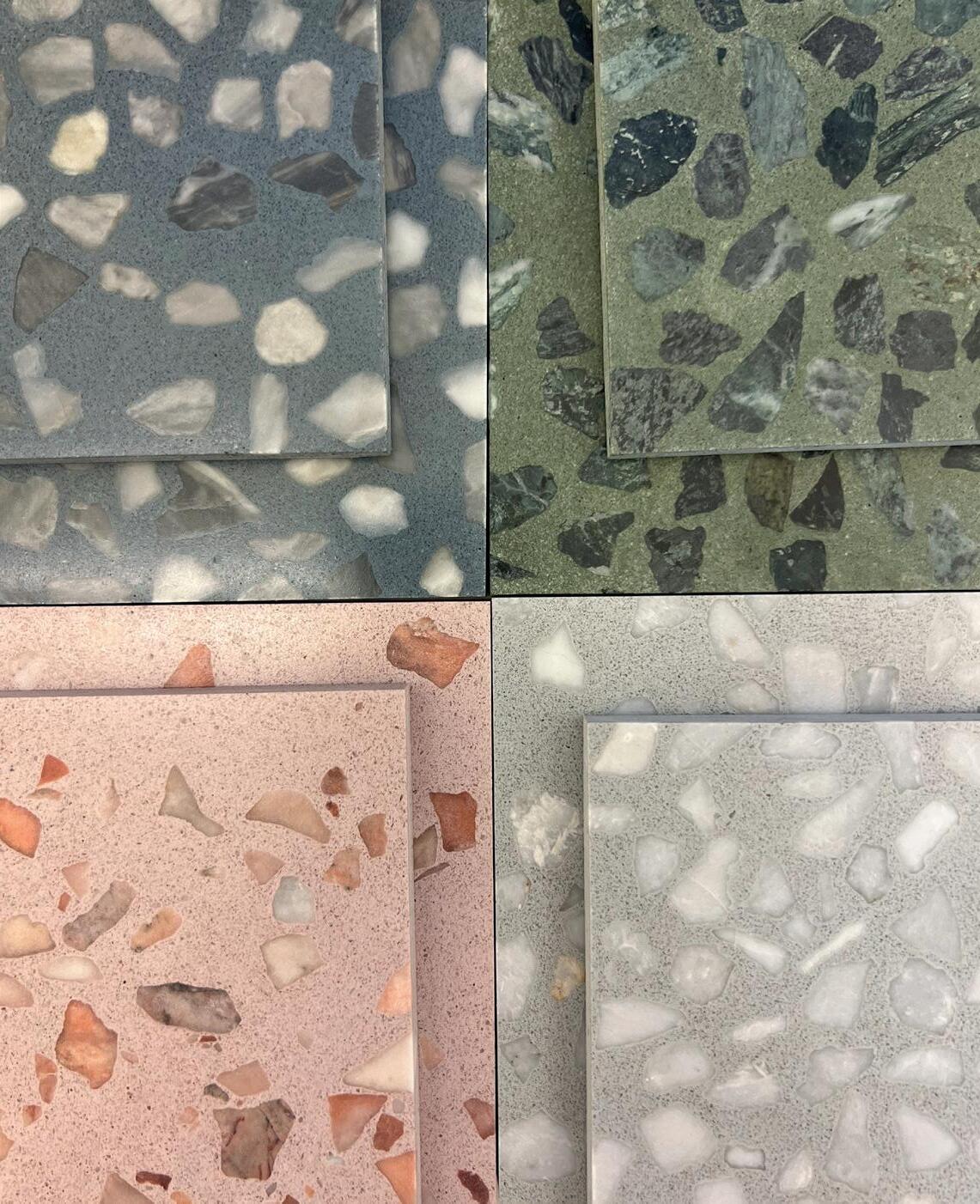
→ Approved Samples
During this phase Workshop/APD will provide project administration to ensure all interior design and decoration project components will be ready for installation upon construction completion. This administration work may run concurrently with the other Interior Design & Decoration phases.
• Written client approval of all interior design work from previous phases and payment of all approved proposals
• Coordination with the project team including all vendors, fabricators, contractors, installers, etc.
• Confirmation of all onsite conditions in collaboration with the project team and general contractor
• Coordination of all custom furnishings including shop drawing reviewed, samples, strike-offs, showroom/workroom visits, in accordance with client approved selections from previous phases
• Coordination, sign-off, and approval of all custom products, including millwork, furnishings, rugs, window & wall treatments, etc.
• Updated delivery & installation schedule
• Coordination of all custom furnishings including shop drawing reviewed, samples, strike-offs, showroom/workroom visits, in accordance with client approved selections from previous phases
During this Phase, all items will be received and installed. We will review all items to ensure that they match what was specified. → Art Install
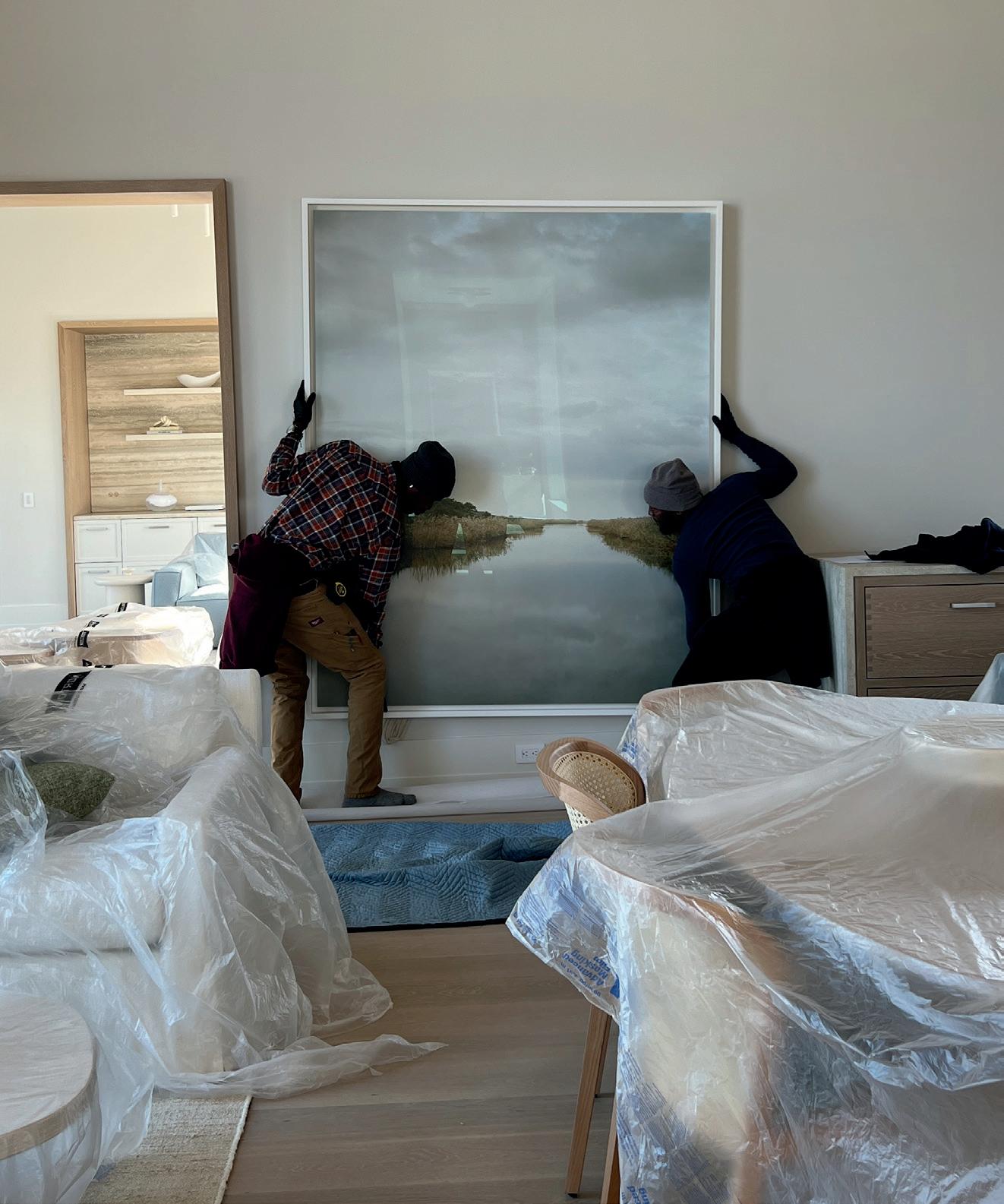
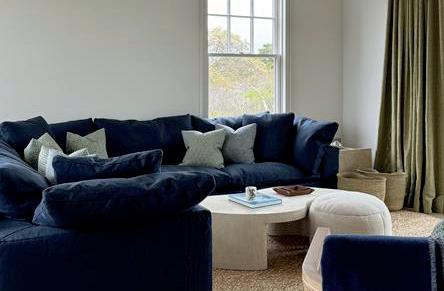
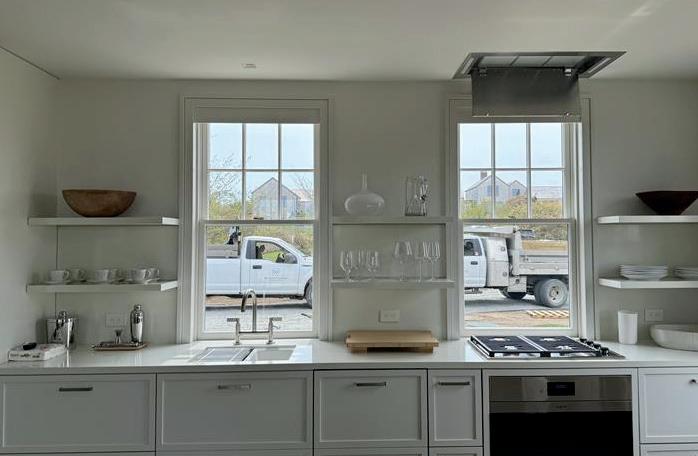
• Sufficient portion of FF&E items received in storage and ready for delivery
• Completion of construction by all construction trades
• Professional post-construction cleaning by a licensed cleaning crew that specializes in postconstruction cleanup
• Cleaner shall be retained to also provide professional cleaning following the install of FF&E
• “The Big Reveal” at the completion of installation as well as a client walkthrough to address any open issues.
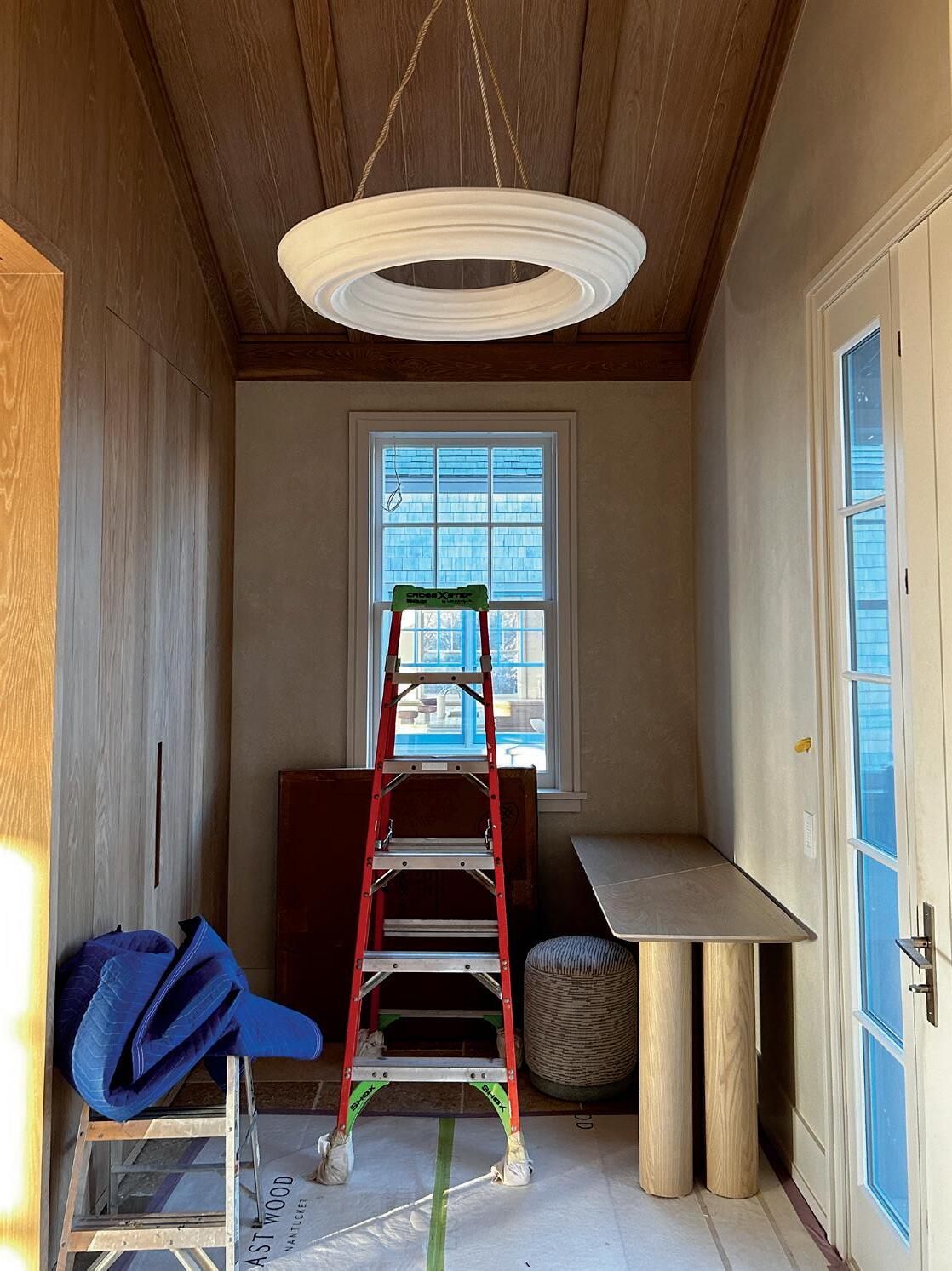
• Workshop/APD shall coordinate the delivery, installation and setup of all products purchased for the project in the previous phases
• Workshop/APD shall provide on-site oversight of the installation of all furniture, lighting, carpets, drapery, etc. into the home by the consolidator/moving company
• Workshop/APD to provide final styling & accessorizing (including bed making, set up, incorporation of personal/existing furnishings & accessories)
During this phase Workshop/APD will identify any outstanding issues or items to be resolved with the project team. Any new or additional scope items requested by client to be addressed and incorporated into project punch list.
Required to Begin Work
• Completion of the Installation & Acceptance phase
• Client walkthrough to document and address any open issues
The following milestones and deliverables are part of the ID Project Punch list & Closeout Phase:
ID Project Punch list & Closeout Milestones
• Development of Punch list
• Coordination with the project team including all vendors, fabricators, contractors, installers, etc.
• Confirmation with client on resolutions for open issues
• Confirmation of any additional scope items
ID Project Punch list & Closeout Deliverables
• Documented punch list including photos where applicable outlining open issues
• Resolution & execution plan coordinated with the general contractor and other consultants as required
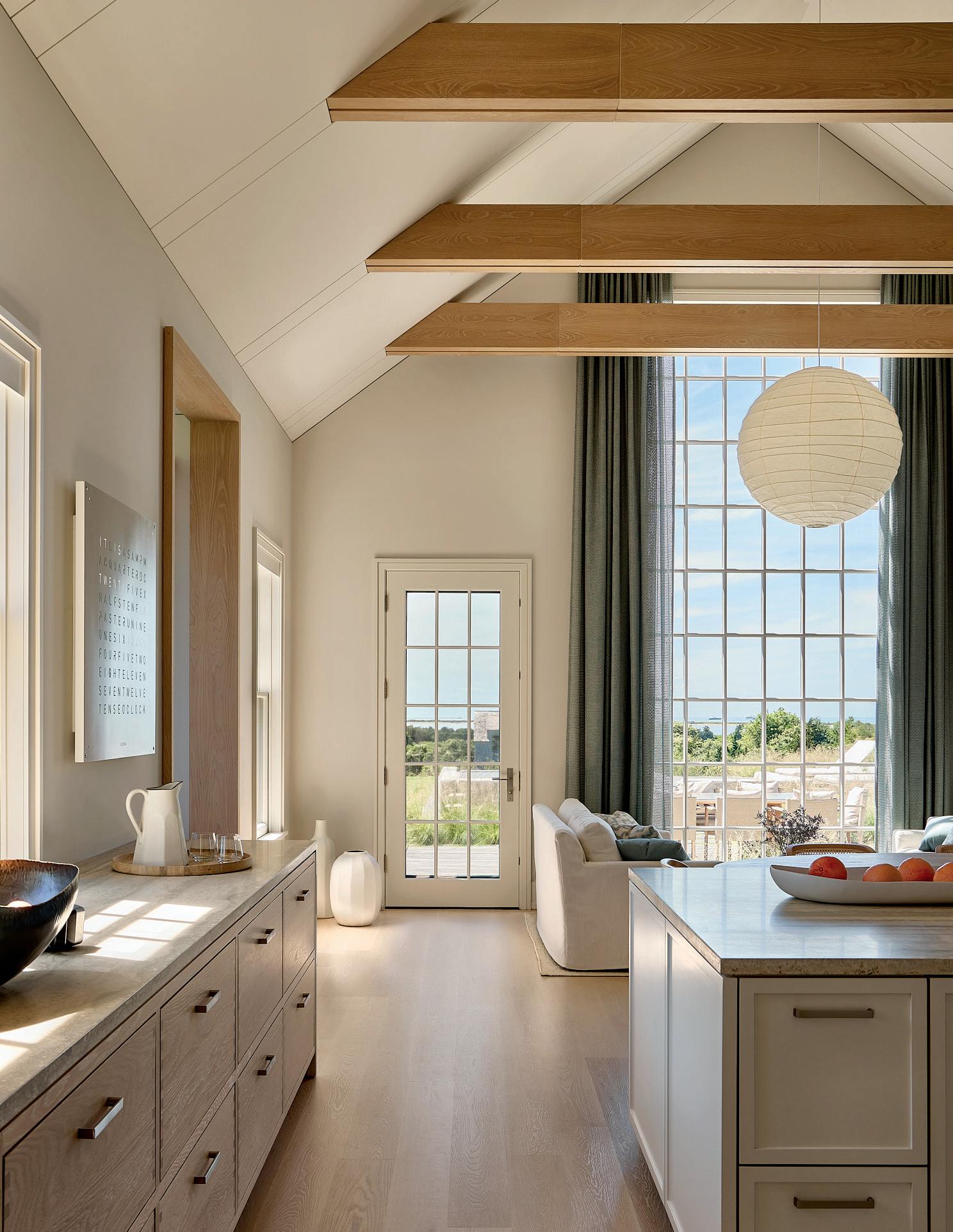
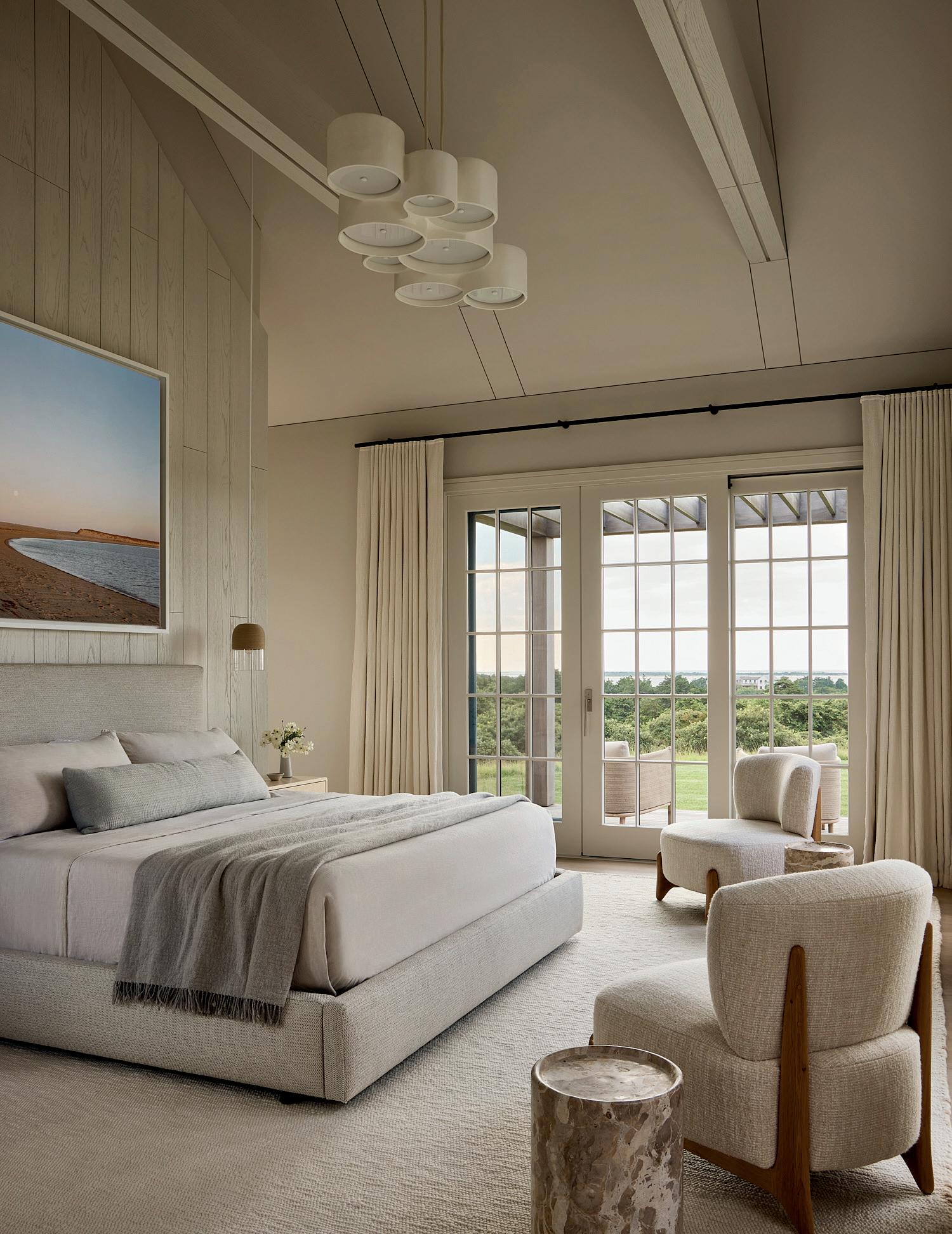
Workshop/APD staffs a team of Interior Designers who work alongside the architects to develop the interior design and decorations of the homes we create. We feel this integrated, in-house approach allows for a more cohesive end-product and holistic design