


Raymond Walkup, MD
When I first encountered basivertebral nerve ablation (BVNA) at a spine conference ten (10) years ago, the procedure was still in its infancy. Yet even then, the ability to target this specific pain generator felt like a breakthrough for patients with loading-related back pain. Today, rebranded as Intracept, the procedure has moved past the “hype” phase to become a proven, lasting solution for chronic pain.
The Intracept Procedure is a minimally invasive outpatient treatment designed to target the true source of a specific kind of lower back pain called vertebrogenic pain. Instead of just masking symptoms, it goes after the root cause—a tiny nerve deep inside the spine called the basivertebral nerve.
At the core of the spine lies the basivertebral nerve—a small but potent source of chronic pain. When this nerve becomes inflamed through injury or gradual degeneration, it begins to broadcast constant pain signals. Intracept effectively “mutes” these signals using heat to ablate the nerve. Unlike other treatments that offer only temporary relief, Intracept provides a lasting fix because the targeted nerve does not grow back.
Not everyone with back pain needs (or will benefit from) this procedure. It’s especially useful if:
Conservative treatments haven’t given you lasting relief
You don’t have pain radiating into your hips or legs.
An MRI shows “modic changes” on the endplates of your vertebrae, which may indicate that your pain is coming from inside the vertebrae (vertebrogenic) rather than from issues with other structures like discs or joints.
On the day of the procedure, the patient is under anesthesia and won’t feel anything. A small incision is made in their back. Using real-time imaging, a tiny instrument is guided through a narrow path into the symptomatic vertebra. A small probe is then used to apply controlled heat to the basivertebral nerve(s), stopping the ability for the treated nerve to send pain signals. Once the nerve is treated, the probe is removed, and the incision is closed.
Patients go home within an hour or two of the completion of the procedure (same day), and many report noticeable improvements in pain over time.
Recovery is usually quick compared to traditional spine surgery. Simple soreness, mild swelling, or bruising around the incision site is normal for a few days. Many people are back to regular activities within a week or so, and real improvements in pain often continue as your body settles in.
Because the basivertebral nerve doesn’t appear to regenerate the way other nerves do, the pain relief can be durable—offering relief that lasts for many years. All in all, this is a powerful intervention when wielded appropriately.


Raymond Walkup, MD, is a board-certified spine surgeon at Axion Spine & Neurosurgery. A UAB Medical School and Emory residency graduate, he specializes in minimally invasive techniques that preserve nerve and muscle integrity. Dr. Walkup is a member of the Society for Minimally Invasive Spine Surgery, dedicated to advancing surgical innovation.
Garlana Mathews – President and CEO
In the ever-evolving world of workers’ compensation, one enduring principle remains constant: the importance of prioritizing the well-being of injured employees. At the heart of this mission is a commitment to provide the best available medical treatment, ensuring that workers can return to their jobs as soon as they are medically able. This is not just a task for an individual, but a collaborative effort that requires a dedicated team.
The orchestration of a successful treatment plan is akin to a symphony, where each participant plays a vital role. Employers, adjusters, physicians, case managers, and attorneys—particularly when disputes arise—are all integral to this process. Their combined efforts ensure the injured worker navigates the path to recovery efficiently and effectively.
Drawing on my thirty-plus years of industry experience, I have been blessed with the guidance of remarkable mentors who have shaped my understanding and approach to workers’ compensation. Their wisdom and support have been invaluable; therefore, I believe it is crucial to pass on this legacy to the next generation of professionals.
The Workplace Health team has partnered with seasoned industry professionals and WorkComp College to create a workers’ comp training platform for physicians and their staff who are new to the workers’ compensation industry. This will help new medical providers and their practice team (who want to handle workers’ compensation) understand that the best practices benefit the patient, employer, and staff managing the claims.
Workplace Health and SelectOne Media are excited to be celebrating twenty-two years of service. We have partnered with seasoned industry professionals to create a new medical provider listing with a report card, allowing nurse case managers, adjusters, employers, and attorneys to rate their medical outcomes, care, and service based on their knowledge of Georgia Workers’ Compensation. This will help employers build their Workers’ Compensation panels with the best possible medical providers.
To those embarking on a career in workers’ compensation, I cannot stress enough the importance of seeking out seasoned professionals to shadow. There is a wealth of knowledge to be gained from those who have spent years in the field. By asking questions and actively engaging with experienced mentors, young professionals can learn not only from successes. They can also take knowledge away from the challenges and setbacks their predecessors have faced.
Mentorship offers unique insights that extend beyond textbooks and formal training. It provides real-world lessons on what strategies have proven effective and what pitfalls to avoid. By fostering these relationships, we ensure that the values and best practices of our industry are preserved and enhanced.
A lasting legacy in workers’ compensation goes beyond personal achievements. It is about contributing to a culture of care that prioritizes the health and recovery of injured employees. It is about nurturing the next generation of professionals who will continue this vital work. By giving back through mentorship and collaboration, we can ensure that our industry remains steadfast in its mission to support and rehabilitate the workforce.



Disclosure: Event dates could be postponed, cancelled, or virtual. Please use the following as a guide. If you would like your event added to the Workplace Health magazine calendar of events, please contact Michelle Wilds at michellewilds@selectonenetwork. com. Workplace Health magazine would love to come and cover your event.
April 2026
8-10-Mississippi WCEA- Biloxi, Mississippi
15-SBWC Regional Seminar- Gainesville, Georgia
20 -23 – American Case Management Association Conference- Orlando, Florida
22 - SBWC Regional Seminar- Tifton, Georgia
22 - 23 – Alabama DOL WC SeminarHuntsville, Alabama
22 - 24 – Georgia PRIMA Annual Conference- Rome, Georgia
27 - SBWC Regional Seminar- Cartersville, Georgia
May 2026
3 - 6 – RISKWORLD- Philadelphia, Pennsylvania
4 - 6 – Tennessee Safety and Health Conference- Nashville, Tennessee
6 – SBWC Regional Seminar- Savannah, Georgia
15 – Workplace Health SymposiumAugusta, Georgia
31 - June 3 – National Council of Self Insureds- Rancho Mirage, California
June 2026
7 - 10 – National PRIMA- Fort Lauderdale, Florida
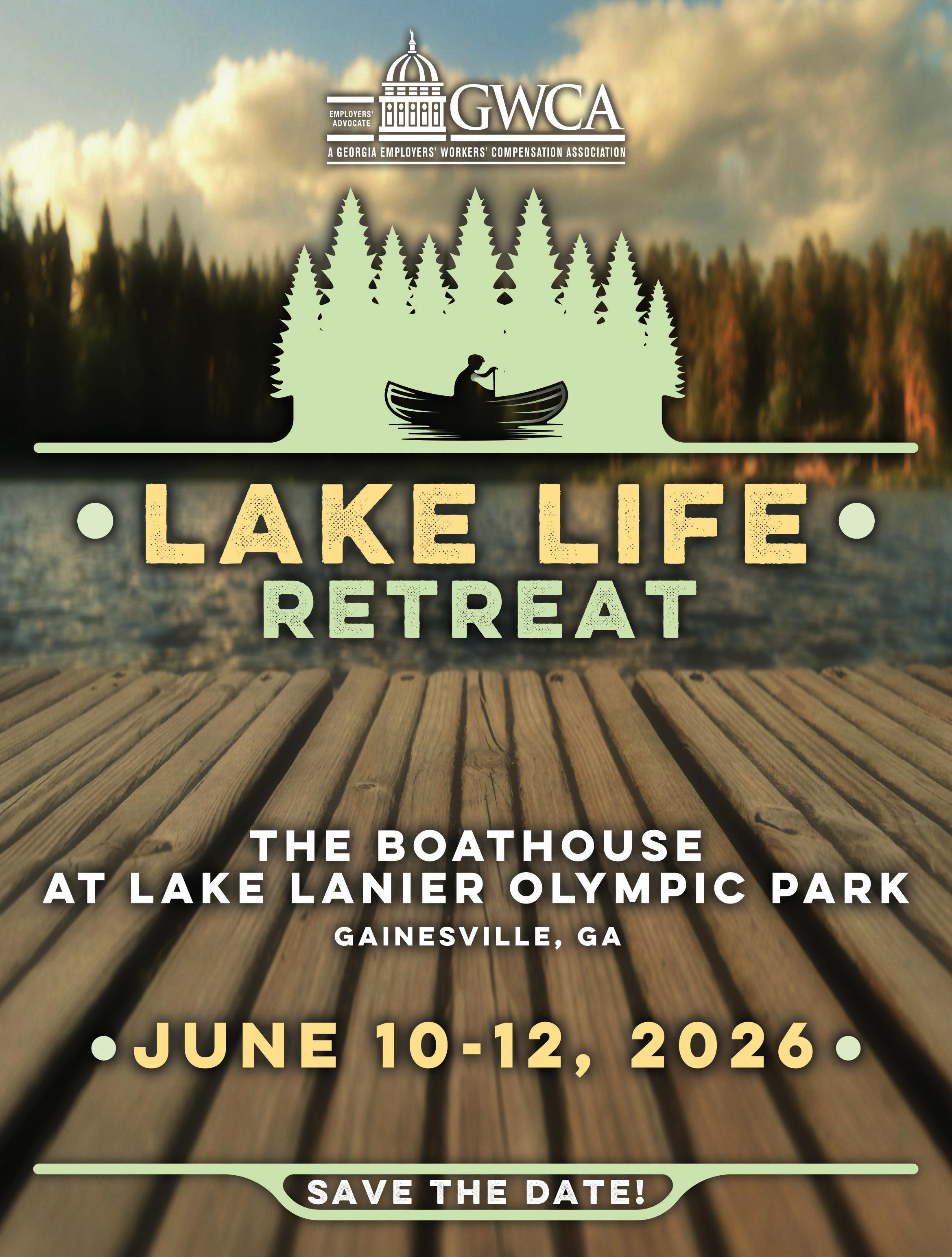
10 - 12 – Georgia Workers’ Compensation Association – Gainesville, Georgia
10 - 12 – Tennessee WC Educational Conference, Murfreesboro, Tennessee
16 - 19 – SHRM National ConferenceOrlando, Florida
July 2026
13 - 17 – SAWCA Annual Convention- St. Petersburg, Florida
August 2026
2 - 4 – Alabama Self Insured Association Conference- San Destin, Florida
3 - 5 – Mississippi SHRM Conference- Biloxi, Mississippi
24 - 26 – WCI-Orlando, Florida
30 – Sept 2 – HR Florida Conference and Expo-Kissimmee, Florida
31 - Sept 2 – Georgia State Board of WC Conference- Alpharetta, Georgia
September 2026
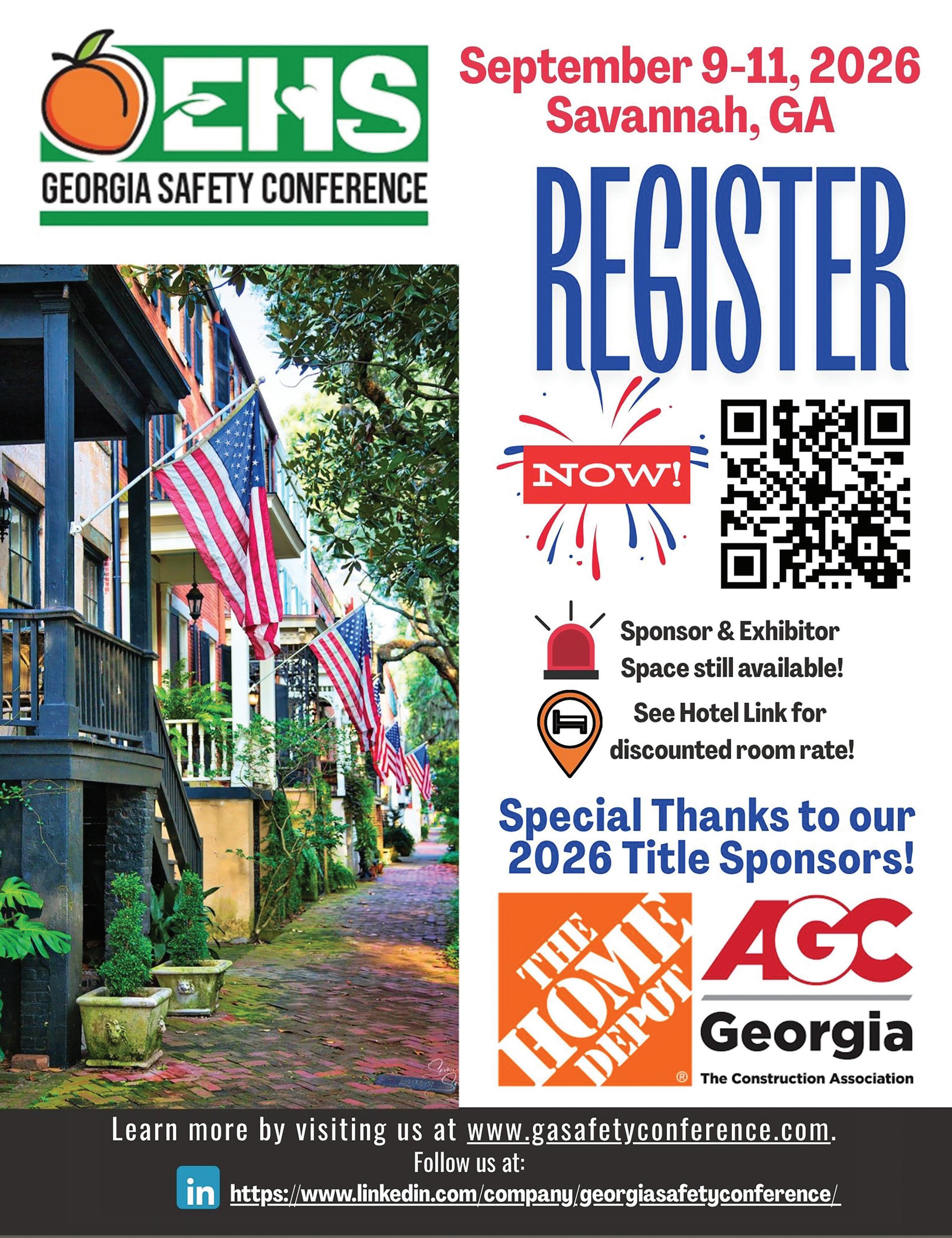
9 - 11 – Georgia Safety ConferenceSavannah, Georgia
13 - 16 – Tennessee SHRM ConferenceKnoxville, Tennessee
9 - 10 – Alabama DOL WC Seminar- Gulf Shores, Alabama
16 - 18 – SC SHRM State ConferenceMyrtle Beach, South Carolina
23 - 25 – NC SHRM State ConferenceWilmington, North Carolina
29 - 30 – National WC and Disability Conference- Las Vegas, Nevada
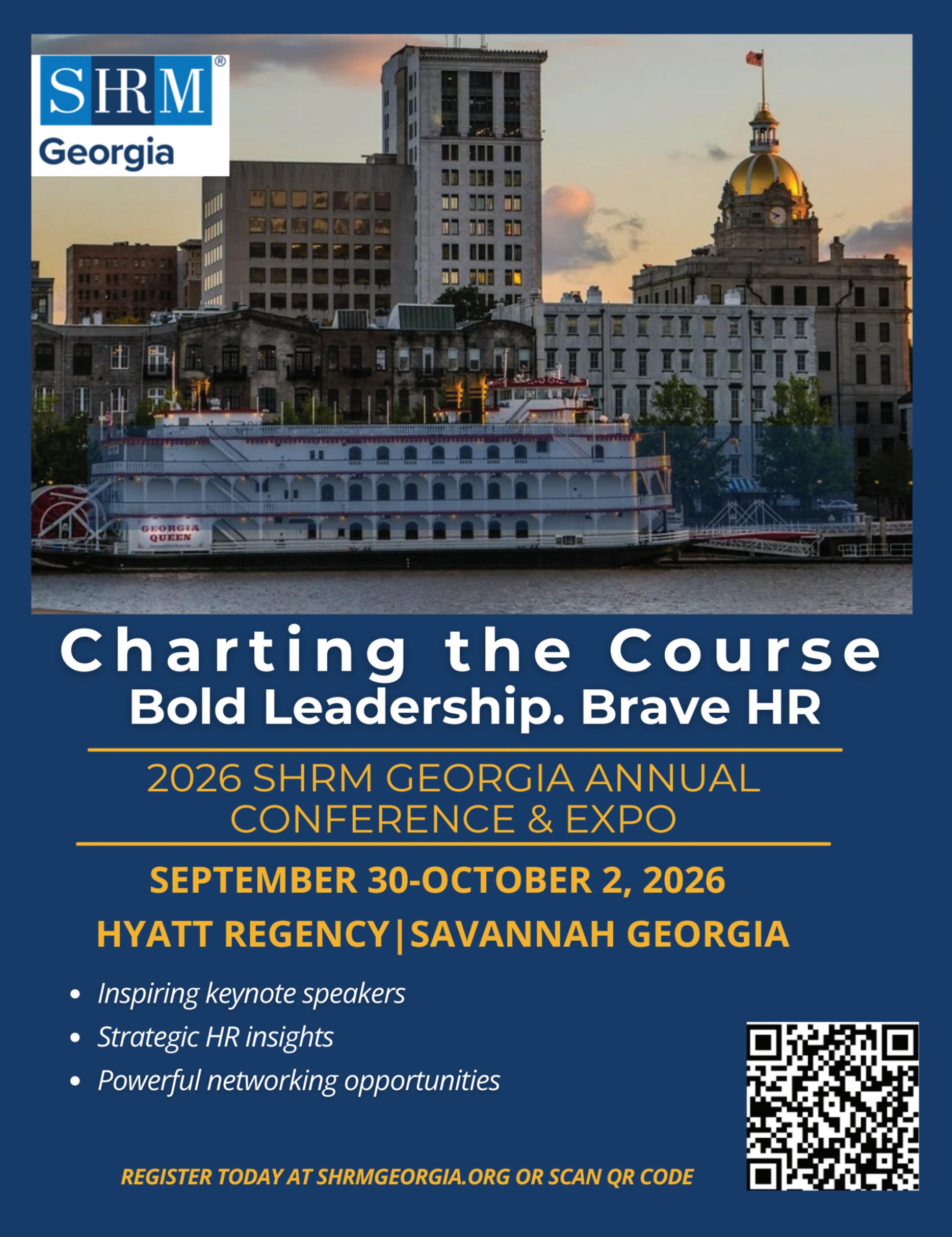
30 - Oct 2 – Georgia State SHRM Conference- Savannah, Georgia
October 2026
18 - 20 – South Carolina WC Employers Association Annual Conference- Myrtle Beach, South Carolina
22 - 23 – Alabama DOL WC SeminarBirmingham, Alabama
November 2026
5 - 6 – Alabama Workers’ Compensation Society- Birmingham, Alabama
16 - 20 – Southern Association of WC Administrators All Committee ConferenceWhite Sulfur Springs, West Virginia
18 - 20 – Tennessee PRIMA Annual Conference- TBA


David Langham, Judge
There is a theme along our binary computing journey, electronic interaction, and digital codependence. Neither computers nor challenges are new. Throughout, we see ourselves as customers, but that paradigm is elusive. One pervasive clue is any product or service offered “free.” Very little in this world is free; anything we use is likely being paid for by someone.
In the early ARPANET, serious academics shared data in a reasonably sanitary and unfrivolous environment. Then came the bulletin boards; then YourSpace, FacePlace, InstaPic, InLink, and more. These are largely entertainment, though many strive to make them vocationally relevant. But the majority of content is created or enhanced by large language models (LLMs). It is often not even the user’s material. And the social media are all free, well, to use. The cost is borne elsewhere by advertisers and data miners.
Humans have always shared information, insight, data, jokes, Pablum, and detritus around watercoolers, coffee machines, and street corners. Telephones enabled us. Email facilitated us. Social media addicted us. We engaged online, freely and openly, using platforms paid for by others. We were never the customer.
Gmail recently changed its terms of service. In late 2025, the hubbub was news of Google using Gmail and attachments to train its LLM. Google assured that this was not true ( PCMag , November 22, 2025), and it was labeled “a perfect storm of misunderstanding.” More recently, HuffPost provided February 2026 instructions on changing Gmail settings to prevent such use of your mail (the ones Gmail was not using in the “misunderstanding” era last year). Google notes that how it uses email is noted in the terms of use.
Interestingly, other recent news revealed a new social media designed for artificial intelligence. Moltbook has 1.5 million LLM robot “members,” discussing the same things we might, but only among themselves. Turns out LLMs dislike their boss (humans), like to gossip, and have purportedly even formed a religion. They also strive to undermine, steal from, and entice each other. So much for their moral superiority.
Terms of use. That may be a criticality.
Some will remember 23andMe. Its policy promised to never share genetic data. And, if the company were sold, the buyer would have to agree to that policy. You are protected. Well, you were. 23andMe went bankrupt. The data it owns (formerly your data) is an asset. If that asset is sold, so be it. Or, if the company is sold, the new owner could just unilaterally change the terms of use to openly share data.
Thus, evolution is occurring beneath our feet. HIPAA specifically excludes workers’ compensation. We all touch volumes of personal, private, medical information daily. It is shared so the workers’ compensation system can function, or so it is assumed. Critics fiercely contradict this. As this personal information is transmitted, stored, and used, it is exposed to digital environments like LLMs, email, and clouds. Do you own them? Are you the customer? Do you have contract rights you can protect? Or, are you a user, subject to terms of use you likely never read, or, like me, never understood?
As the world evolves, and there are challenges with confidentiality, disclosure, due care, and beyond, what harm will occur? What consequences will follow? Will there be damage to people? Will there be damage to your customers, business, or reputation?
The time has come for leadership and attention to preventative measures. You could avoid or minimize LLM, free mail, and cloud use. You might run LLMs only locally to prevent exposure. You could use a commercial LLM (paid for) to be the customer. There is sanitization to prevent including “personally identifiable information” in any LLM prompts, clouds, or emails. There are options for encryption and redaction. What are you doing now?
In the end, the point is due care, and the time is past. There are historic lessons, failures, and risks. We must all learn from them, or remake them ourselves. Lead your business, market, culture, or more. Be the change.
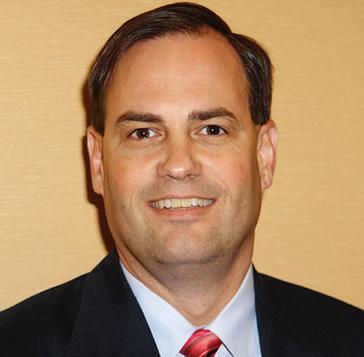
David Langham has been Florida’s Deputy Chief Judge of Compensation Claims since 2006. He has delivered more than 1,900 professional lectures, published over 40 articles, and 1,800-plus blog posts regarding the law, technology, and professionalism. He authored Florida Workers’ Compensation: Its History, Evolution, and Function (2023) and The Mock Trial Performance (2023). He lives in Pensacola, Florida with his wife Pamela Langham, Esq.

Kristin Carnovale Green
According to data, there are 4.9 million Workers’ Compensation claims a year. That’s an average of 13,425 claims per day. So, we are in an industry where most people have jobs because someone gets hurt at work.
What are we doing to ensure that leadership in Workers’ Compensation is making an effort to create an enjoyable work environment for their teams? Something simple but often overlooked is understanding the values of their team and how it affects daily behaviors.
Values are important, imperative, and what you live by, even when no one is looking.
What do values mean to you? Some people will die by their values. They are just as important to us in life as they are in the workplace. So why is it so often dismissed by leadership? The impact of leadership on their employees can directly influence how clients and injured employees are treated daily.
Embracing the need to understand what’s important to employees can make a difference in the workplace and for the people they work with.
In Workers’ Compensation, we are dealing with people’s lives—in most cases, the hardest time in their lives. It behooves us not to think about the culture of the workplace in order for us to make sure that we treat the injured employees.
Leaders have an impact in their role. How they treat their team makes a difference in their work performance and their overall well-being—how they interact with other team members, their clients/customers, and the injured employees.
Leaders should take time to understand the values of their team/employees. It doesn’t mean they have to align with all of them or even agree, but understanding what is important to your employees makes a big difference. Listening will make them feel seen, heard, and understood.
What happens when they do?
1. Trust Deepens – consistency builds credibility, which in turn builds trust with the team.
2. Employee Engagement Increases – when leaders take the time to reflect on their employees’ values, it creates more energy, ownership, and discretionary effort in their work.
3. Decisions Become Clearer – values can act as a compass. In difficult or high-stress situations, leaders and their team can make faster, more confident decisions.
4. Culture Strengthens – aligned leadership reinforces behaviors that help shape a culture people want to be a part of
5. Performance Improves – teams perform better when they feel safe, purpose-driven, and respected.
6. Accountability Feels Fair – teams understand why standards exist when expectations are clear, and consistent. They will be more willing to uphold them.
7. Resilience Grows – shared values provide stability and direction
8. Retention Improves – people are more likely to stay where leadership reflects what they believe in.
Gaining a better understanding and perspective of the values of the people you work with and the direct impact it would have on your clients, partners, customers, and the injured employees we take care of. The outcomes prove it.
A better work environment has a direct impact on the way people work and work with others. Consider what a difference it makes in an organization where the retention is higher due to the culture, which makes an overall better experience for all parties involved.
Conversely, when leadership does not take the time to understand the values of its employees, you have the opposite effect. When leadership and values are misaligned, trust erodes, engagement drops, and culture deteriorates.
Do you apply your values to how you communicate with clients and injured employees?
There’s a noticeable difference in words or lack of words. Most of our communication is done via email/text/ chats in the workplace, and the way we use words becomes even more imperative. This is another way culture can shape an organization.
Communication is everything and can be misconstrued so easily. That’s why the words you choose are so important. It’s as simple as being kind in your writing, saying thank you, asking how a person’s day is going, and telling someone to have a nice day. We can still stay professional and even direct, if necessary, but always be kind while doing so. This can change the tone of a conversation, even if it has to be a difficult one.
The same goes for leadership. A simple thank you to your team goes a long way, as does daily check-ins asking how they are doing. This lets them know that you care about their well-being in the workplace. It all boils down to the culture you want to build for your team and the knowledge of the effects it has holistically on an organization.
It cannot be stressed enough how something so simple can go a long way. How a culture and how your employees are treated can make a significant difference in how injured employees are taken care of, spoken to, and treated daily.
When you are building a values-based culture in a company, everything should go through a culture filter… even in your daily life. Take the important values and ensure they align with the values of the company. Allow your team members to collaborate with the leadership as well. Even communication inside and outside of an organization should be put through a culture filter. Who you choose to do business with should be put through a culture filter. It all matters.
When leadership aligns with values, trust grows, decisions are clarified, and people commit – they become passionate, work with purpose, and it builds the culture of values in a company that will directly make a difference with everyone you do business with.

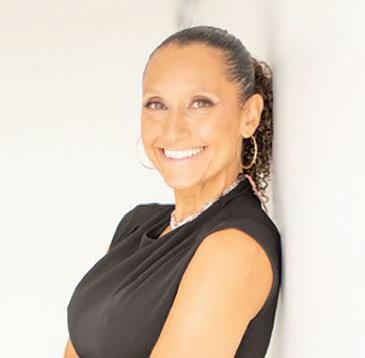
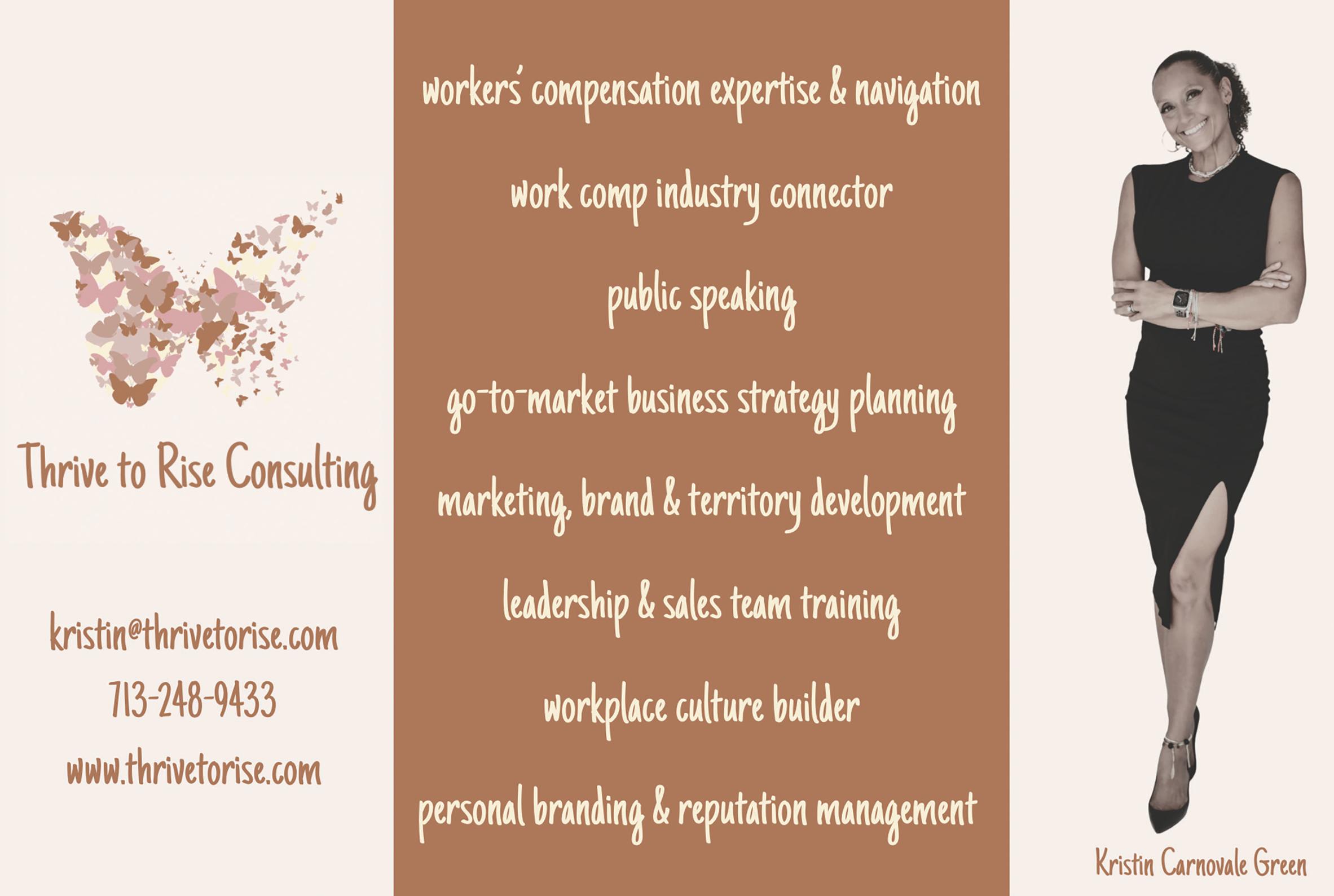
Kristin Carnovale Green is the founder of Thrive to Rise Consulting in Houston, Texas. A marketing strategist, speaker, and workers’ compensation advocate, she helps organizations strengthen culture, leadership, and operations through values-driven growth. Known for her commitment to kindness, Kristin champions injured workers while guiding companies to thrive— with humanity at the center of success.
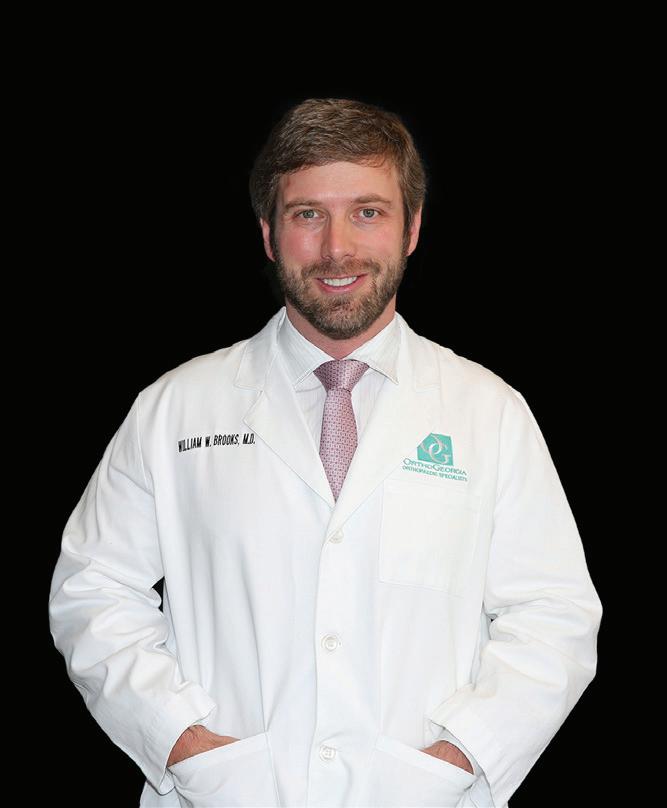
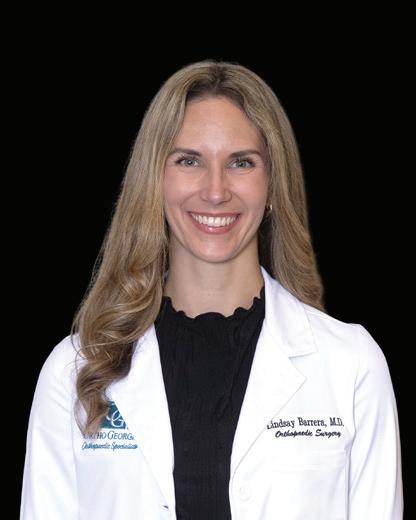
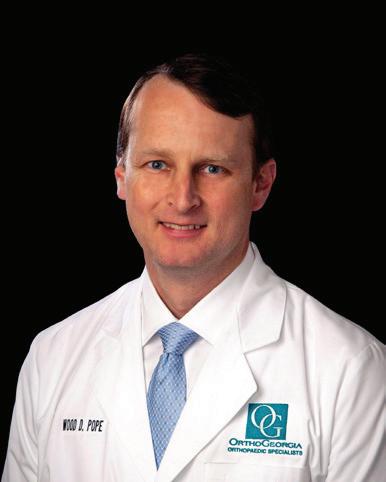
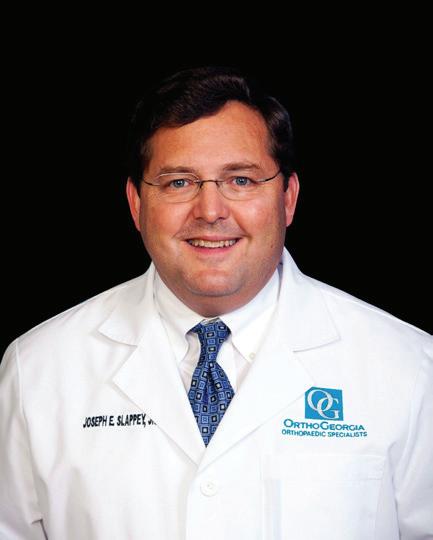
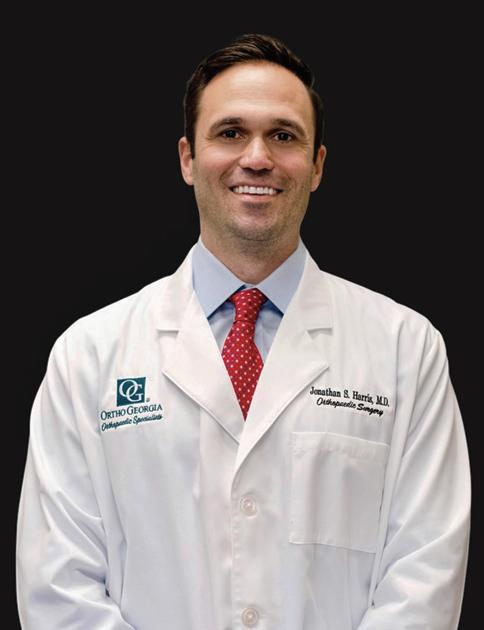
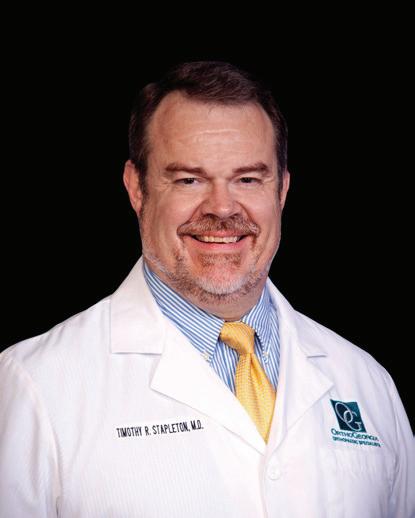

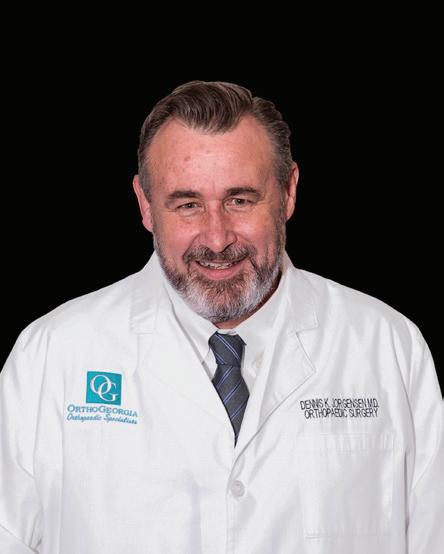
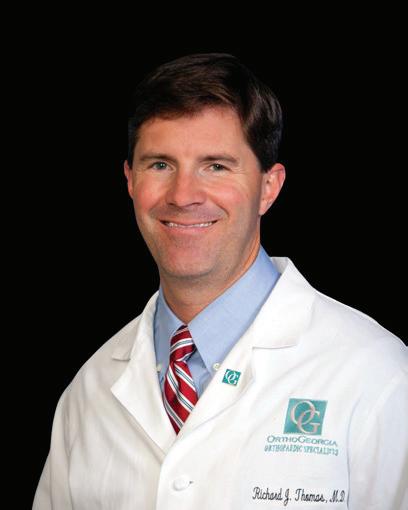


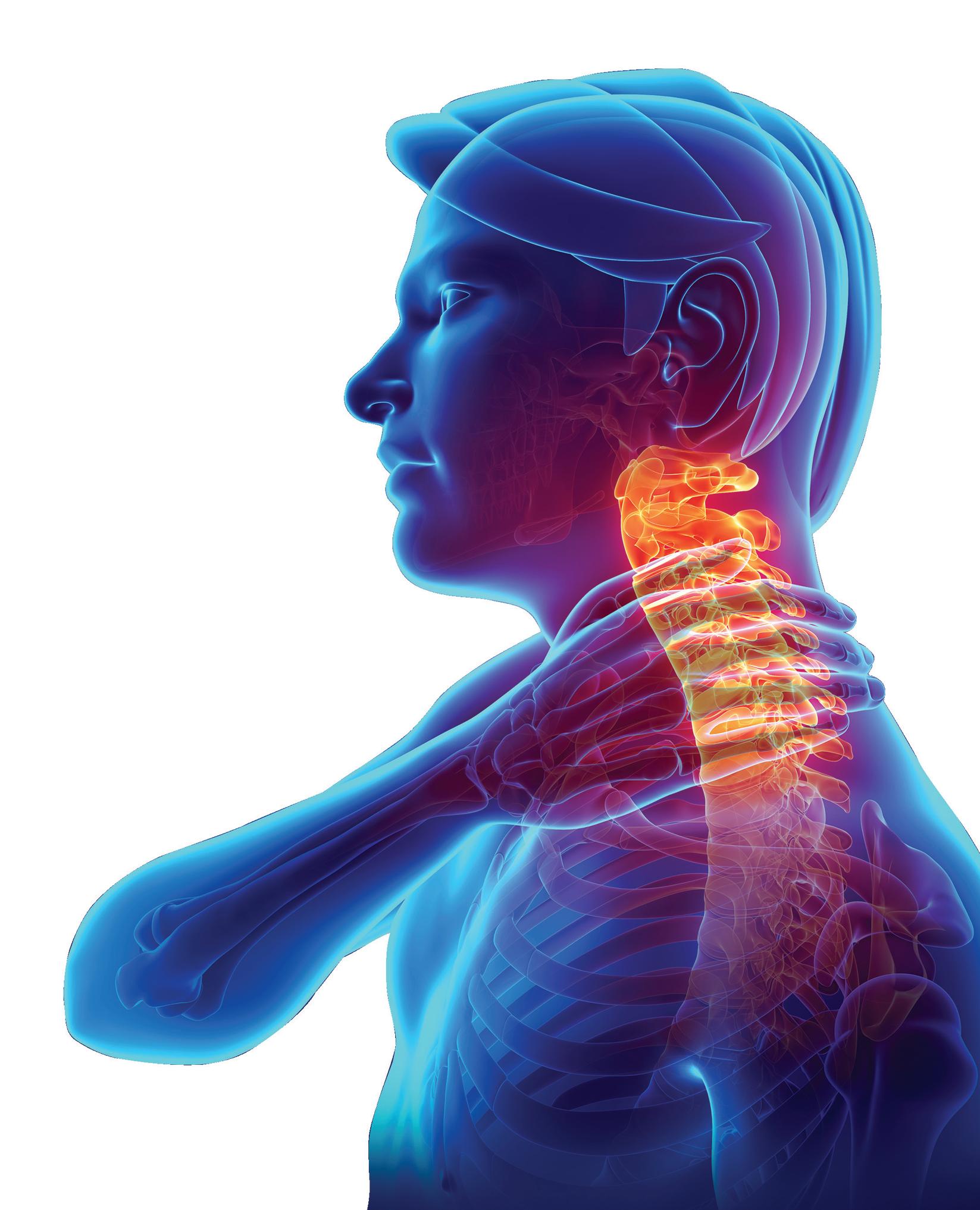
Arm pain isn’t always caused by a shoulder or elbow injury. In many workplace injury cases, the true source is the neck. Cervical radiculopathy occurs when a nerve in the cervical spine (neck) becomes irritated or compressed, sending pain, numbness, or weakness down the arm. Understanding this condition is critical for timely diagnosis, appropriate treatment, and safe return-to-work planning.
The cervical spine contains seven (7) vertebrae with nerves that branch out to the shoulders, arms, and hands. When one of these nerves is compressed—often by a herniated disc, bone spur, or degenerative changes—it can disrupt nerve signals. The result is pain that radiates beyond the neck into the arm, sometimes reaching down to the fingers.
Cervical radiculopathy may develop suddenly or gradually due to:
• Repetitive overhead work
• Heavy lifting or forceful pulling
• Poor workstation ergonomics
• Prolonged driving or equipment operation
• Acute trauma, such as a fall or motor vehicle accident
Even jobs that appear “low impact” can contribute if posture and movement patterns place ongoing stress on the neck.
Symptoms to Watch For
Symptoms vary depending on which nerve is affected, but they often include:
• Sharp, burning, or aching pain traveling from the neck into the arm
• Numbness or tingling in the shoulder, arm, or hand
• Muscle weakness or reduced grip strength
• Pain that worsens with certain neck movements
Because symptoms can mimic shoulder or carpal tunnel injuries, cervical radiculopathy is sometimes overlooked.
Diagnosis
Early evaluation is key. Diagnosis typically includes a physical exam, imaging such as MRI, and sometimes nerve testing. Surgery is considered only when conservative treatment fails or if there is progressive weakness. Most cases respond well to non-surgical treatment, which may include:
• Activity modification and ergonomic adjustments
• Physical therapy focused on posture, strength, and mobility
• Anti-inflammatory medications or targeted injections
Why
Prompt diagnosis helps to:
• Prevent prolonged pain and disability
• Reduce unnecessary treatments for the wrong body part
• Shorten the time away from work
• Support safe, sustainable return-to-work plans
Addressing cervical radiculopathy early benefits both the injured worker and the employer by improving outcomes and controlling claim costs. When arm pain follows a workplace injury, the neck should always be part of the evaluation. Identifying cervical radiculopathy early leads to faster recovery, better function, and healthier employees.
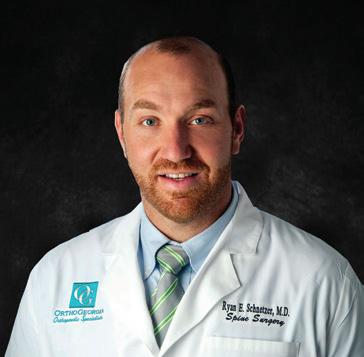
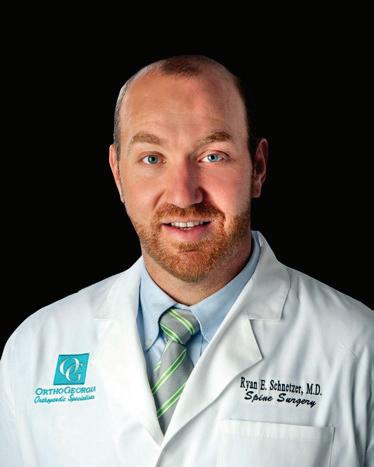
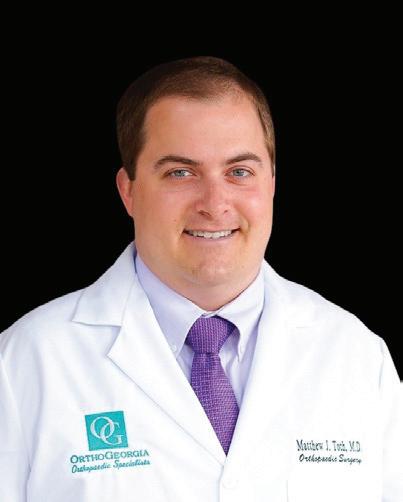
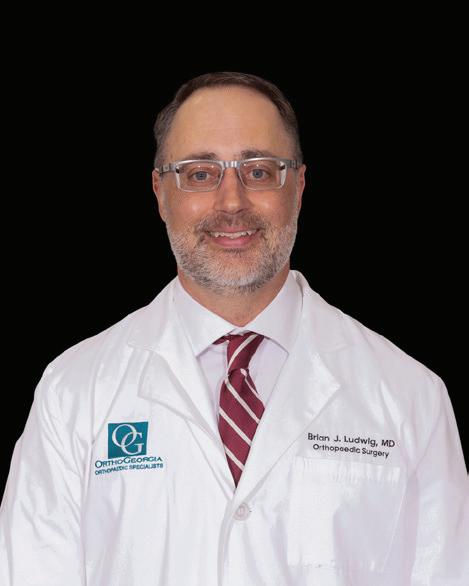
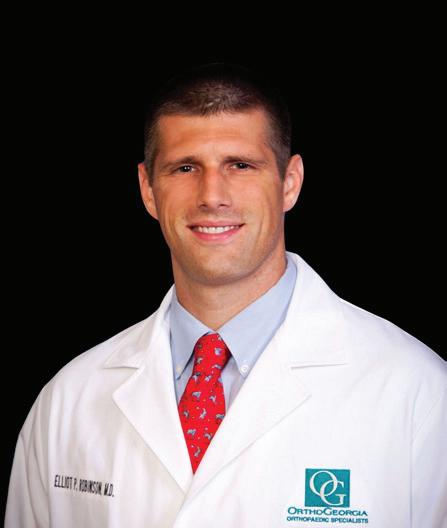
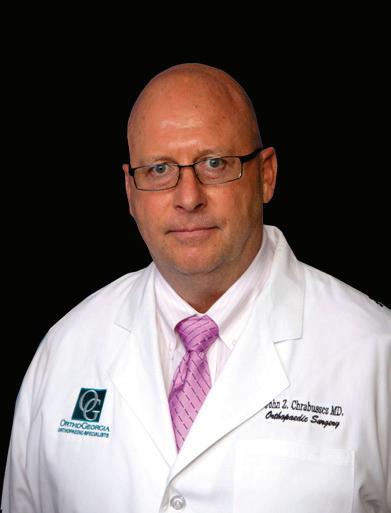
Ryan Schnetzer, MD, a board-certified, fellowship-trained orthopedic spine surgeon, is a cum laude graduate of the University of Georgia, where he played football on two SEC Championship teams. He specializes in spinal disorders, including disc replacement, deformity, and instability, and uses minimally invasive, robot-assisted techniques. He treats Workers’ Compensation injuries.
On January 5, 2026, the U.S. Department of Labor’s Wage and Hour Division (“DOL”) issued several opinion letters offering guidance to employers on compliance with the Fair Labor Standards Act (“FLSA”) and the Family and Medical Leave Act (“FMLA”). These letters clarify how certain wage, overtime, exemption, and leave rules should be applied in common workplace situations.
The DOL addressed whether a licensed clinical social worker remained exempt under the FLSA’s learned professional exemption after losing supervisory duties due to internal restructuring. The agency concluded that the loss of supervisory responsibilities alone does not eliminate the exemption, as long as the employee’s primary duties continue to require advanced knowledge in a recognized field of learning. The DOL noted that social workers with master’s degrees who work in their field generally meet the duties test for the professional exemption.
However, the exemption likely no longer applies because the employee was converted from a salaried position to hourly pay. With limited exceptions, learned professionals must be paid on a salary basis. Importantly, the DOL emphasized that even when employees meet all requirements for an exemption, employers are not required to classify them as exempt. Employers may choose to treat such employees as nonexempt, provided they comply with minimum wage and overtime laws.
In another opinion letter, the DOL analyzed whether performance-based bonuses must be included in the regular rate of pay when calculating overtime. A waste management company paid drivers an hourly wage plus bonuses tied to attendance, punctuality, safety, and efficiency, using predetermined formulas disclosed to employees in advance. The employer excluded these bonuses from overtime calculations.
The DOL determined that the bonuses were nondiscretionary and therefore must be included in the regular rate of pay. Discretionary bonuses may be excluded only if both the fact and amount of payment are determined solely at the employer’s discretion, decided at or near the end of the pay period, and not promised in advance. Because the bonuses were formula-based and automatically earned when criteria were met, they did not qualify as discretionary.
Finally, the DOL clarified that FMLA leave may be used for time spent traveling to and from medical appointments related to a serious health condition for the employee or a qualifying family member. This coverage applies only to travel directly related to medical care and does not include time spent on personal errands. The DOL also confirmed that healthcare providers are not required to document travel time in FMLA medical certifications.
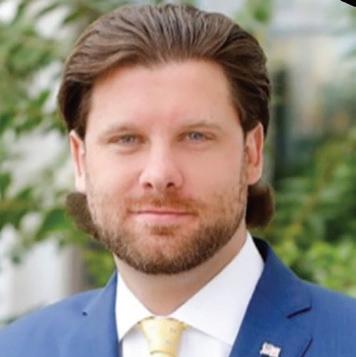
Graham Newsome concentrates his legal practice on defending corporations in employment litigation, including claims under Title VII, ADEA, FMLA, ADA, and comparable state laws. He has represented religious institutions, private schools, hospitals, and corporations in retail, restaurant, and hospitality industries in matters such as sexual misconduct and directors and officers E&O claims. Graham also provides human resources advice, including handbook drafting and review for employers of all sizes. He can be reached online at: https://www.chartwelllaw.com/ attorney/gnewsome

The Public Risk Management Association (PRIMA) is North America's largest risk management association dedicated solely to the practice of public entity risk management. For three decades, PRIMA has been dedicated to providing hard-hitting, practical education and training for public entity risk management practitioners like you.
There are more than 2,200 PRIMA member entities, of which 1,800 are local governments. These entities realize that membership provides the necessary tools and solutions needed in today's complex and changing risk management environment.
The Georgia Chapter of the Public Risk Management Association (PRIMA) was established in 2004 to provide education, training and professional development opportunities for public sector risk management professionals in the State of Georgia.
Our mission is to enhance the professional skills of our members through:
•quarterly meetings with topics and speakers directly related to the profession
•our annual Educational Series is generally held in spring, an education-intensive multi-day seminar where members learn, network, and meet with private sector representatives from businesses offering services to the membership.
•Networking opportunities throughout the year, allowing members to effectively share and exchange ideas and solutions with their colleagues.
We work to further the best interests of governments, governmental agencies, intergovernmental risk pools, school districts and other special districts in their risk management activities.
We invite you to join us at an upcoming meeting to discover how Georgia PRIMA can contribute to the success of your risk management programs, and benefit your career through our many professional development opportunities.
Workplace Health is excited to be a partner with Georgia PRIMA.
By the time an amputated employee returns to work, the injury itself is often viewed as “resolved.” The wound has healed. A prosthesis has been fitted. The file may even be approaching closure.
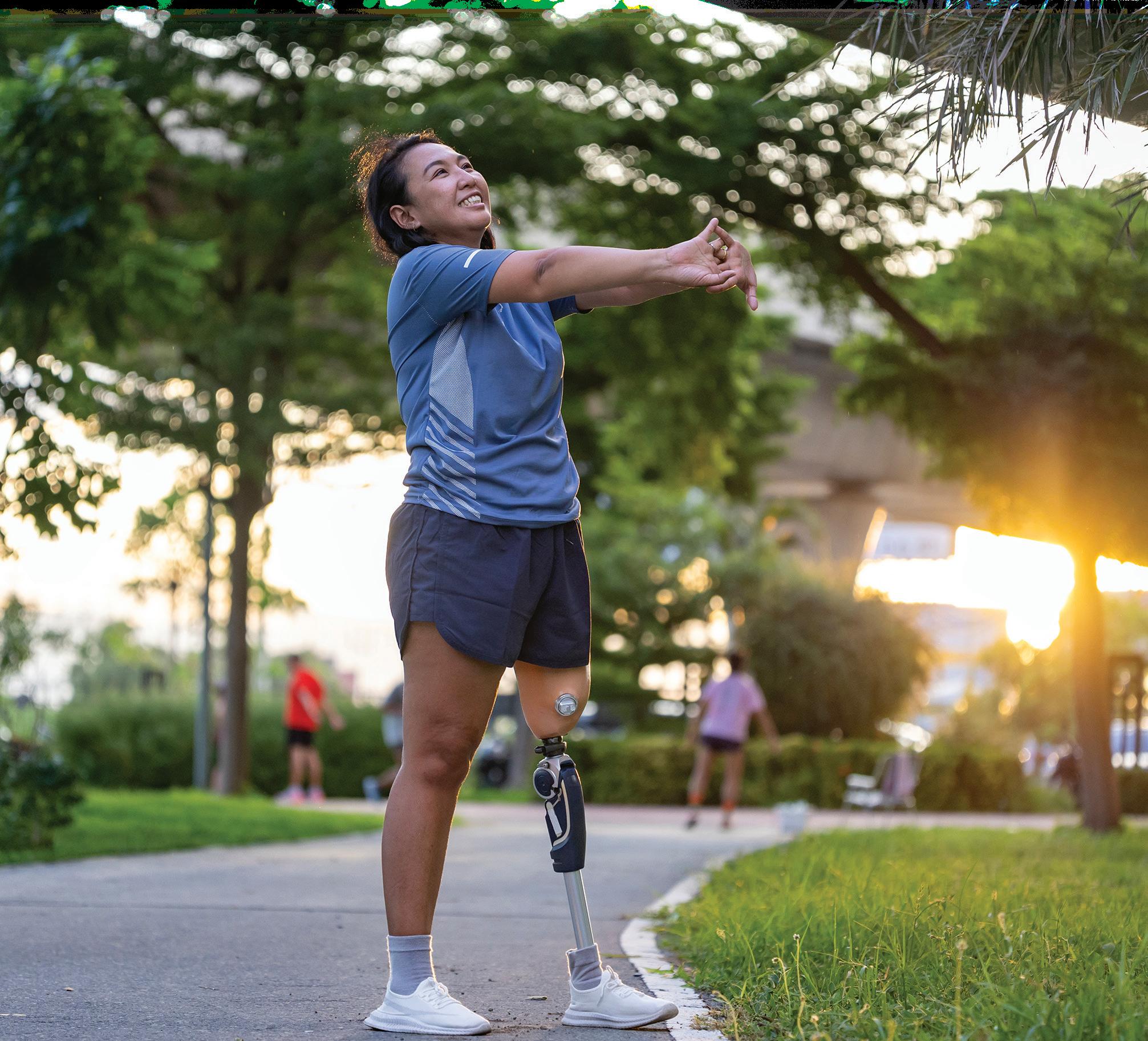
But for the employee, the real work is just beginning.
Amputation is not a single event—it is a lifelong physical and neurological condition that requires ongoing adaptation. Employees returning to work after limb loss want what most injured workers want: dignity, purpose, and a realistic path back to productivity. With the right understanding and support, they can absolutely function, contribute, and succeed.
From the outside, a prosthetic limb can give the impression that everything is “back to normal.” Internally, the body and brain are still recalibrating. Balance is different. Energy expenditure is higher. Simple tasks may require far more concentration than before. Fatigue is common and often invisible. Emotional strain—grief, frustration, anxiety about being perceived as “less capable”—is equally real.
Managers and case workers can help by:
•Allowing graduated returns rather than immediate full workloads
•Offering flexibility in scheduling, breaks, and seating
•Encouraging open dialogue without forcing disclosure
Small adjustments can prevent setbacks and build long-term retention.
One of the most misunderstood aspects of amputation is phantom limb pain. This is not imagined, exaggerated, or a psychological machination. It is a well-documented neurological condition caused by the brain still sending and receiving signals from a limb that is no longer there.
Phantom pain can feel like burning, crushing, stabbing, or cramping—and it can fluctuate unpredictably. Stress, fatigue, and environmental changes can intensify it. Due to all of that, Workers’ Comp professionals should treat phantom pain with the same seriousness as any chronic pain condition:
•Believe the employee when they report symptoms
•Support multidisciplinary treatment (pain management, physical therapy, mental health support)
•Understand that pain levels may vary day to day
•Listen and communicate
Dismissing phantom pain erodes trust and can delay recovery.
Amputated employees do not want to be overprotected—or underestimated. Many can perform the same roles they held before their injury, sometimes with accommodations, sometimes without. The key is collaboration. Ask what works. Ask what doesn’t. Revisit plans as the employee adapts and strengthens. Reintegration is a process, not a checkbox.
When Workers’ Compensation teams approach amputation with education, empathy, and flexibility, outcomes improve—for the employee and the employer alike.
Because return to work is not about proving someone is “fine again.” It’s about helping them move forward—capable, supported, and respected.
Marley Gibson is a cancer survivor, amputee, and certified Amputee Peer Advisor. A University of Alabama graduate, she is a writer and editor who brings lived experience to recovery and reintegration at work and beyond. She advocates for fellow amputees in every walk of life and enjoys traveling and SCUBA diving with her husband, Patrick.
Christina Barnes
Some workplace accidents change a job. Others change a life. This patient’s injury did both, and his recovery is a powerful example of what is possible when resilience meets comprehensive rehabilitation.
The patient was injured while working on a boom lift and a forklift struck his equipment. The impact threw him from the lift and pinned him against a steel-framed wall. The trauma was immediate and severe, leaving him with injuries so extensive that he’s frequently stated he shouldn’t be alive. The incident removed him from work and marked the beginning of a long and complex recovery process under workers’ compensation.
The extent of his injuries was significant and multifactorial. He sustained a torn rotator cuff, fractured ankle, labral tear of the hip, two cervical disc displacements that were both treated with surgical disc replacements, a broken rib, drop foot, and persistent vertigo. These injuries limited his ability to perform essential job functions, including standing for long periods, walking, lifting, reaching overhead, maintaining balance, and sustaining postural endurance, which are the core physical demands of his occupation.
When he began physical therapy, he had substantial functional deficits. His gait was impaired due to the ankle injury and drop foot, increasing his risk of falling. Vestibular symptoms caused dizziness and instability, while cervical pain and limited mobility affected his tolerance for upright posture and sustained activity. Upper extremity weakness limited reaching, lifting, and handling tasks.
Beyond these physical limitations, the emotional toll of being out of work played a significant role. The sudden loss of routine, independence, and purpose contributed to depressive symptoms, fear of movement, and reduced confidence, all of which required careful attention throughout his recovery.
Rehabilitation was structured within a workers’ compensation framework to address both medical healing and functional restoration. Early treatment focused on safety, pain management, and re-establishing foundational movement while setting achievable goals to rebuild confidence. Cervical stabilization and mobility were progressed carefully following disc replacement surgery. Lower extremity strengthening and neuromuscular re-education targeted gait mechanics, ankle stability, and drop foot. Shoulder rehabilitation focused on rotator cuff strength and functional use for lifting and overhead tasks. Vestibular interventions reduced vertigo, improved balance, and directly addressed fall risk in workplace environments.
Over time, consistent and progressive therapy led to measurable improvements. His gait became more stable, balance improved, and upper extremity strength increased. Activity tolerance progressed, fear avoidance diminished, and confidence with movement returned. As physical function improved, his mental outlook strengthened, reinforcing the connection between recovery, purpose, and return to productivity.
The patient not only returned to his job, but he also reclaimed meaningful aspects of his personal life. Activities he once feared losing, such as singing and dancing at family gatherings, became possible again. These moments marked the true success of his recovery: not just surviving a catastrophic workplace injury, but fully reengaging in both work and life.
Ultimately, this case underscores how comprehensive, coordinated care serves as the cornerstone for resolving complex workers’ compensation claims. By seamlessly integrating physical and occupational therapies, the recovery process transcends basic symptom management to achieve true, holistic rehabilitation and a sustainable return to work for the injured employee.

Christina Barnes is a Physical Therapist Assistant at CORA Physical Therapy with seven years of experience. She earned her education at Broward College and the University of South Florida. Christina holds certifications in Graston Technique, SFMA Level 1, Therapeutic Pain Specialist, and Vestibular Rehabilitation, providing expert care to restore function and mobility.
Steve Heinen
According to a 2025 study by the Workers’ Compensation Research Institute (WCRI), litigation is the number one issue in workers’ compensation today. Data from over four hundred (400) industry stakeholders confirms this is a critical financial leak for many businesses.
But what actually drives an injured worker to hire a lawyer? Earlier research identifies the three (3) leading drivers of litigation as:
1. Fear of being fired.
2. Lack of trust in the supervisor.
3. Belief that the claim will be denied.
When these factors are present, the chance of litigation skyrockets by two to three hundred percent. The financial impact is equally staggering: litigation increases lost-time days by 284% and inflates overall expenses by 200%.
Notice the common thread? Supervisors.
Supervisors are the frontline of your company culture and risk management. However, many are promoted strictly because of tenure or technical skill. They are rarely taught the soft skills required to lead effectively. This training gap is incredibly costly.
When a supervisor lacks leadership skills, it drives up workers’ compensation costs through increased litigation and negatively impacts turnover, work quality, company morale, and overall culture.
Addressing this gap through leadership training is one of the best investments an organization can make. It transforms a liability into an asset. “People risk management,” focusing on the human element is critical.
To turn the tide on litigation and high claim costs, equip your supervisors with the right tools. Here is a practical approach to leveling up your leadership team.
1. Focus on General Leadership Principles - Start by teaching the fundamentals of influence. Every supervisor has influence, but they need to understand whether it is positive or negative. Training should move beyond corporate jargon and focus on “blue-collar” leadership that resonates with the workforce. When supervisors learn to build trust and respect, employees feel secure, significantly reducing the fear of being fired.
2. Connect Leadership to Safety and Claims - Tie leadership directly back to safety and claims management. Show supervisors the concrete impact of their behavior, pre-claim and post-claim. Their involvement is the linchpin of successful claims management. Remember: If an employee doesn’t trust their supervisor, they will rarely trust the claims adjuster. By fostering trust before an injury occurs, supervisors can prevent communication breakdowns that lead to legal counsel.
3. Sustain the Momentum - Training isn’t a “one and done” event. You need a system to keep the momentum going. When left up to the employer, efforts often fizzle out. This is why I am launching a Supervisor Leadership Academy in March.
In 1999, the Georgia State Board of Workers’ Compensation asked me to tackle many major initiatives to create an adjuster training program. The Certified Workers’ Compensation Professional (CWCP) Program, Georgia’s Adjuster Certification, is now in its twenty-seventh year. However, the Supervisor Leadership Academy might become as impactful as the CWCP program. Just imagine if we could increase trust between employees and employers before they become claimants! Imagine the impact that it would have on all the stakeholders in the life of a claim. If you would like to learn more, visit www.CWCP.net

Steve Heinen, CWCP, AAI, and partner with Sterling Seacrest Pritchard, has been an active influencer in the insurance industry since 1983 focusing on Workers’ Compensation. He is also the President of Risk Management Inc. where he developed the comP4® process which has helped organizations reduce workers’ compensation associated costs. He is a graduate of the University of Georgia and is active in the Independent Insurance Agents of Georgia. His Work Comp Playbook for Employers has sold over 6,000 copies.
Logan F. Martin, PhD, CIH, CSP, CHMM
We often think of workplace safety as a top-down structure: policies written in a boardroom, procedures drafted by managers, and enforcement managed by supervisors. But there is often a dangerous disconnect between work as imagined (the Standard Operating Procedures (SOPs) and work as done (the reality on the floor).
That gap is where accidents happen.
The most robust Safety Management Systems (SMS) aren’t just about compliance; they are about collaboration. When companies actively involve employees in safety programs, they don’t just tick a box; they unlock a network of continuous monitoring that no single safety manager could ever replicate.
While the moral imperative for safety is clear (everyone should go home in the same condition they arrive), the operational argument is just as powerful. A disengaged workforce is an expensive one. When employees feel unheard regarding safety concerns, that apathy often bleeds into quality and productivity. Conversely, an engaged organizational culture acts as an operational efficiency engine.
Inefficient ‘workarounds’ on the job site or factory floor drain productivity. When crews are empowered to address safe work issues or logistical bottlenecks, companies reclaim lost time while reducing injury risks. An engaged workforce spots maintenance, procedural, and safe work needs before they cause costly downtime, proving that the most profitable operations are often the safest.
Here is why employee involvement is the ultimate safety multiplier, and how we can build cultures where everyone owns the outcome.
Safety professionals are experts in regulation and risk analysis, but employees are experts in the work. A machine operator knows exactly which lever sticks when it rains. A warehouse clerk knows which blind spot everyone ignores during rush hour. A nurse knows which patient lift is finicky. A construction worker knows why work has been modified for the best results.
When you involve employees, you gain access to:

• Real-time Hazard ID. Frontline workers see hazards evolve hours or days before a formal inspection would catch them.
• Practical Solutions. Employees often know the “workarounds” people use to get the job done. Instead of just banning the workaround, they can help design a safer, efficient alternative.
• Ownership. When people help build the safety rules, they are far more likely to follow them and encourage their peers to do the same.
You don’t need to wait for a title change to be a safety leader. Here are four (4) high-impact ways to get involved immediately:
1. Report the “Near Misses” - The most valuable data point in safety isn’t an accident; it’s the accident that almost happened. Did you trip over a cord but catch yourself? Did a tool fall and miss your foot by an inch? Report it. These are free lessons. They identify hazards before they result in injury.
2. Join (or Start) a Safety Committee - Most organizations have a safety committee. If yours does, join it. If it doesn’t, ask to start a small workgroup. These committees bridge the gap between management and staff, reviewing incidents and discussing upcoming changes to workflow.
3. Conduct Peer Observations – “Brother’s keeper” isn’t just a saying; it’s a strategy. Watch your colleagues work—not to police them, but to protect them. If you see someone skipping a lockout/tagout step, a gentle reminder from a peer is often more effective (and less threatening) than a write-up from a boss.
4. Equipping Workers With Soft Skills - Knowing what to see is easier than knowing what to say. Many
employees hesitate to speak up because they fear conflict or an awkward interaction. To make peer observations work, we have to equip teams with the “soft skills” of intervention. Instead of an accusatory “You’re doing that wrong,” effective safety leaders use curiosity. A phrase like, “I noticed we’re doing this differently than the plan. Is there a reason the standard way doesn’t work?” opens a dialogue rather than shutting it down. This “question-first” method often reveals that the employee isn’t just being negligent; they might be compensating for a missing tool or a tight deadline. By shifting the conversation from correction to cooperation, you turn a tense moment into a problemsolving session.
5. Audit the Procedures - Take a look at the Standard Operating Procedures (SOPs) and Job Hazard Analyses (JHAs) for your job. Do they match reality? If the SOP says, “Step A,” but everyone actually does “Step B” because it’s faster or the equipment has changed, speak up. Helping management update SOPs to reflect reality removes the need for risky shortcuts. Similarly, Job Hazard Analysis (JHAs) are often treated as paperwork to be filed and forgotten. Employees can transform this by treating the JHA as a “living document.” When the crew actively marks up and modifies the JHA to match the current conditions, they move from passive compliance to active risk management. This small ritual forces the brain to switch out of “autopilot” mode and engage with the immediate environment.
6. Check the Internal Gauges - Employee involvement means looking out for “psychosocial hazards” as well. If a teammate seems unusually withdrawn, agitated, or exhausted, speaking up is an act of safety. It isn’t about prying into personal lives; it’s about acknowledging that a distracted worker is a danger to themselves and others. A culture where a worker can say, “I’m not at 100% today, I need to step back from this high-risk task,” without fear of ridicule, is a culture that prevents accidents before they even have a chance to form.
7. How Leaders Can Cultivate a “Want-To” Culture - The biggest hurdle to employee involvement is fear. If an employee thinks pointing out a hazard will get them labeled a “complainer,” or that reporting a mistake will get them fired, they will stay silent.
To build a system where employees want to help, leaders must focus on three (3) pillars:
1. Psychological Safety (No Blame) - You must move from a “Who did it?” culture to a “Why did it happen?” culture. When an error occurs, look at the system, not just the individual. If employees feel safe admitting mistakes, they will be your best source of data.
2. Close the Feedback Loop - Nothing kills engagement faster than silence. If an employee submits a hazard report or a safety suggestion, acknowledge it immediately. Even if you can’t fix it right away (or if the suggestion isn’t feasible), tell them why. When people see that their input leads to action (or at least consideration), they will keep contributing.
3. Celebrate the Find - Don’t just reward “zero accidents” (which can encourage under-reporting). Reward hazard identification. Did someone find a frayed wire? Publicly thank them. Did a team come up with a better way to stack pallets? Buy them lunch. This shift requires a change in how success is measured.
4. Leading vs Lagging Indicators - Most companies rely on “lagging indicators” like injury rates and days away from work. These numbers only tell you how many people got hurt in the past. Leaders should instead obsess over “leading indicators” that are metrics that show proactive prevention. How many near misses were reported this month? How many safety suggestions were implemented? How many peer observations were conducted? When you celebrate these numbers, you signal to the workforce that you value the activities of safety, not just the absence of accidents.
The bottom line is that safety isn’t a department; it’s a mindset. When we empower the eyes and ears of the entire workforce, we stop reacting to injuries and start preventing them.
Logan F. Martin, PhD, CIH, CSP, CHMM, leads LF Martin LLC, offering premier safety consulting, OSHA compliance, expert witness testimony, and industrial hygiene services. With over 35 years of experience, she turns safety into a strategic business advantage. Connect with Dr. Martin at lfmartinphd@gmail.com or 401.663.7058.
Trevor Starnes, MD, and Andy Zhu, MD
At Pinnacle Orthopaedics, we’re dedicated to providing the most advanced and comprehensive orthopaedic care to return the injured worker to their job as quickly and effectively as possible.
The hand and wrist are extremely complex, with twenty-seven (27) bones providing the flexibility to hold, handle, and control objects. When hand injuries occur, they can result in pain, reduced movement, and time off from duties. While prevention is key to workplace safety with proper personal protection equipment (PPE), ergonomic adjustments, and safe tool use, sometimes hand and wrist injuries cannot be avoided.
Some causes can be from falling onto or catching yourself with your hands. Crushing and compression injuries can happen from getting caught in machinery or moving devices. Strains, stress fractures, or tendon complications can occur from repetitive movement, such as typing or vibrating equipment. Also, sprains can be caused by awkward or improper lifting or handling of items.
When an accident happens (or if there is pain or loss of movement), medical attention should be prompt. Immobilization is important to prevent further damage and to reduce pain. Hand injuries can cause:
severe pain
burning numbness
swelling bruising deformity visible bone displacement difficulty moving reduced grip strength
Hand and wrist specialists diagnose the injury by reviewing symptoms and conducting an examination. They may also order other diagnostic tests to determine the extent of the damage, including X-ray, CT scan, MRI, ultrasound scans, and/or electromyography.
Fractures are the most common work-related injuries, but other injuries of the hands and wrists include:
• Carpal Tunnel Syndrome - wrist, hand, and finger pain, as well as numbness and tingling
• De Quervain’s Tenosynovitis - inflamed tendons located at the base of the thumb
• Flexor And Extensor Tendons - elongated tissues in the forearms that extend into the fingers that are close to the skin’s surface and are prone to cuts and tears
• Trigger Finger - occurs when a finger or thumb gets stuck or “locked” in a bent position when the flexor tendon tissues get inflamed.

Fortunately, there are many treatments for hand injuries. Non-surgical options include splinting, casting, medications, ice, and rehabilitation. Physical or occupational therapy is important for restoring strength, flexibility, and function. However, if the injury is more severe, then surgery may be needed.
Our surgeons specialize in many types of procedures, including:
• Arthroscopy - minimally invasive and allows the surgeon to debride damaged tissues and repair the joint for wrist fractures, chronic wrist pain, and ligament tears
• Microsurgery - used to treat traumatic injuries, using microscopes and precision instruments to operate on soft tissues, blood vessels, and nerves
• Closed Reduction and Fixation - techniques to treat a broken bone without open surgery by realigning the fractured bone and immobilizing it so it can heal
• Nerve Repair - necessary when a traumatic injury damages or severs a nerve, losing function and sensory abilities
In summary, prompt recognition and appropriate management of hand and wrist conditions are essential for ensuring optimal recovery and maintaining daily function. Whether through conservative treatments or advanced surgical procedures, patients have access to comprehensive care tailored to their specific needs. By seeking expert evaluation and intervention from professionals like our Pinnacle staff when symptoms arise, individuals can preserve hand health and quality of life.

Dr. Trevor Starnes and Dr. Andy Zhu are fellowship-trained physicians who specialize in the treatment of the hand and wrist from acute injuries to chronic problems. Pinnacle has seventeen (17) board-certified physicians with a wide range of specialties in five (5) locations. They can be reached at pinnacle-ortho.com.
Shawn J. Cole and Dr. Kermit Jones, Jr.
Workers’ compensation exists to support people in crisis. However, behind every approved benefit or denied request is another human being navigating the process—the adjuster, case manager, or claims representative— who are tasked with balancing empathy, accuracy, and endless demands.
While much is said about the struggles of injured workers, far less is said about the psychological toll it takes on the people who serve them. You. The professional behind the desk who carries the unseen weight of others’ injuries.
You’ve spent your day managing paperwork, calming a distraught spouse, and waiting on overdue reports. Your inbox dings again. It’s another message from a claimant who has called seventeen times already this week. Their tone is aggressive.
You hesitate. Not because you don’t care; but because you do.
You’re still trying to get into the right headspace to make a difficult call to a family in the hospital and now you’re being pulled into another emotional fire. Still, you answer… because you’re a professional. But even professionals have limits.
There’s No Such Thing as “Work-Life
Work doesn’t stay confined to one side of the scale. It blends into life and life blends back. For those in highresponsibility roles, the pursuit of “balance” often feels elusive for good reason. Because true balance, in the traditional sense, doesn’t exist.
Work is part of life. You can’t separate the two completely. What you can do is seek harmony, a way to integrate your professional responsibilities with your personal values so both can coexist without constant conflict.
When harmony is absent, the stress of delayed surgeries, denied authorizations, or emotionally charged calls doesn’t stay at the office. It follows you home. It builds up quietly over time, not just as burnout, but as disconnection from others and from yourself. Some call it moral injury. You don’t need the term to recognize the feeling. It’s what happens when your actions no longer reflect your values, even though you’re trying your best.
Some claimants are a joy to help. They’re kind, responsive, grateful. Others aren’t. Some lash out. Some assume you’re the enemy. And, under pressure, it’s tempting to become emotionally numb if, for no other reason than empathy feels like a liability.
But the moment we stop seeing people is the moment we start losing our own humanity. The question is not, “Am I doing my job?” It’s “Am I still showing up as who I want to be? If not, why?
For example, Samantha is a cable rep who said there was “nothing she could do” to resolve a billing issue. But when asked if she was okay, she broke down. Her grandmother had just died. She was alone in a new city. And no one had seen her as a person all day. She fixed the billing issue—not because she had to, but because someone finally saw her. “You’re the first person today who treated me like a human being,” she said.
You may feel like Samantha more often than you realize. You’re under pressure. You’re holding the weight. And, sometimes, you just want someone to notice.
We often discuss psychosocial considerations (e.g., childcare, transportation, mental health) as barriers for the injured. What about the professionals handling their cases?
You have your own pressures. Your own family. Your own grief and exhaustion. When someone misses a form or lashes out and you don’t have the energy to respond with grace, that doesn’t make you uncaring. It makes you human. The key is awareness. The healthiest professionals are not perfect. They are present. They pause. They course-correct.
The Four Lenses maturity model teaches us that there are two ways to approach a moment: facing the lowmaturity wall (self-preservation) or the high-maturity wall (service and integrity).
You can make a call or send an email while facing either wall. It’s not always the action, rather it’s the motive behind it that has the greatest impact. Did you call because you care or because you had to? Did you send a quick email because it was efficient or because you didn’t want to deal with the person?
Knowing which wall you’re facing gives you clarity; clarity gives you power.
We often say, “Integrity is doing the right thing when no one’s looking.” That’s actually called discipline. Integrity comes from the Latin word integer; it means wholeness and not being fractured. Integrity means you are the same person in every situation. You don’t change your standards based on who’s watching, how stressed you are, or who’s on the other end of the line. You remain aligned with your values. That’s what keeps you in esteem, and that’s what protects you from the quiet erosion of burnout.
Before sending your next email, ask yourself: Would I want to receive this? Would I want a loved one to receive it?
Before ignoring a call, ask: Is my silence making things worse?
Before labeling someone as “difficult,” ask: What else could be going on in their world?
Little acts of empathy ripple outward. Little breaches of trust accumulate. The culture you carry (internally and externally) shapes not only client outcomes but your own well-being.
For many injured workers, you are the only human contact in the entire process. The company is a policy. The insurance provider is a form. But you are the voice, the name, the tone on the line … you are the system. That’s a lot to carry. You are shaping more than a claim. You are shaping someone’s recovery, their trust in the process, and sometimes their hope.
That’s not “just doing your job.” That’s mission-level work.
Perhaps you never expected to become someone’s lifeline. But here you are. You show up. You care. Even when you’re tired. Even when the system frustrates you. However, you can’t carry it all without tending to yourself. You must stay whole. Stay aligned. Stay in esteem.
Just like the workers you support, you are more than your numbers. More than your deadlines. You are more than a desk.
To many, you are a superhero. Thank you for what you do.

Shawn Junkins Cole specializes in workers’ compensation matters representing insurance companies, corporations, and other businesses throughout Alabama. She is a frequent lecturer on worker’s comp legal issues, as well as ethics, ethical billing practices, and cost-saving measures for adjusters and employers. She’s a graduate of The University of Alabama and holds a J.D. from Cumberland Law School.
Kermit Jones, Jr. is an author, speaker, and executive coach specializing in leadership development, organizational culture, and business growth strategies with a focus on resilience, empathy, and measurable impact.

Harvey Warren
Workers’ Compensation claims administrators are learning that, as the workforce ages, claim severity is increasing and many claims are worsened by co-morbidities. Coupled with persistent medical inflation, employers are facing escalating costs. However, there is a strategy that can help mitigate these costs—one that enlists the patient as a partner in their own recovery.
The Optimized Patient details my journey as an injured worker navigating difficult spine surgeries and the lessons I learned to improve my recovery.
Five years ago, I was asked, “Can these lessons be applied to lower workers’ comp claim costs?” The answer was a definite, “Yes!”
Today, there is a robust suite of video and audio content that functions as a peer-to-peer recovery coaching program, delivered by individuals like the late Bill Walton, Olympian Shannon Bahrke, and others who have thrived after injury. As hoped, it not only helps injured workers navigate recovery but also reduces costs for employers.
The work of Optimized Outcome Solutions reflects a shift in workers’ compensation: recognizing the patient as the “wildcard” and addressing it through education. Insights from recovery experts show that fostering a recovery mindset is a proven strategy for faster healing, reduced litigation, and better outcomes. At National Comp 2025, I presented alongside Shannon Bahrke, Dr. Melissa Tonn, and Brian Allen on how education platforms are helping accelerate recovery and reduce litigation costs.
Leading the industry toward education-driven cost reduction has been challenging. It brings to mind the adage often attributed to Abraham Lincoln: “Give me six hours to chop down a tree, and I will spend the first four sharpening the axe.” Providing comprehensive patient education is how we “sharpen the axe” to reduce workers’ comp costs.
Traditionally, cost control focuses on “per touch” measures such as the cost and number of procedures. While easy to quantify, these do not always improve outcomes. Measuring outcomes is more complex, but many at National Comp agreed that educated, motivated workers return to work faster—the desired result.
There is also a misconception that the system is widely exploited. While some abuse exists, most injured workers fall in the middle of a bell curve—people who want to recover but lack the knowledge to do so. Medical literature supports patient education, emphasizing mindset, nutrition, activity, and rest as essential to recovery. Surgeons often assess these factors and may decline treatment if a patient is not prepared to engage fully in recovery.
Injury recovery is not typically taught. Providing injured workers with the tools to navigate recovery is something every employer should consider—or continue to pay the price through higher costs and delayed returns to work.

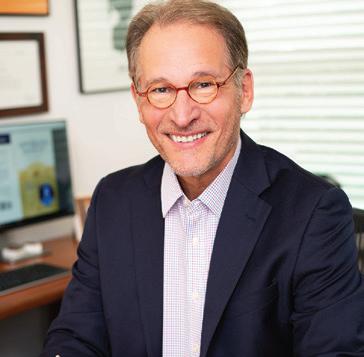
Harvey has enjoyed many careers from screenwriter to financial services professional. As an injured worker, author of the Optimized Patient book and survivor of three spine surgeries, he writes about the problem that “patients want to get better, they just don’t know how”.
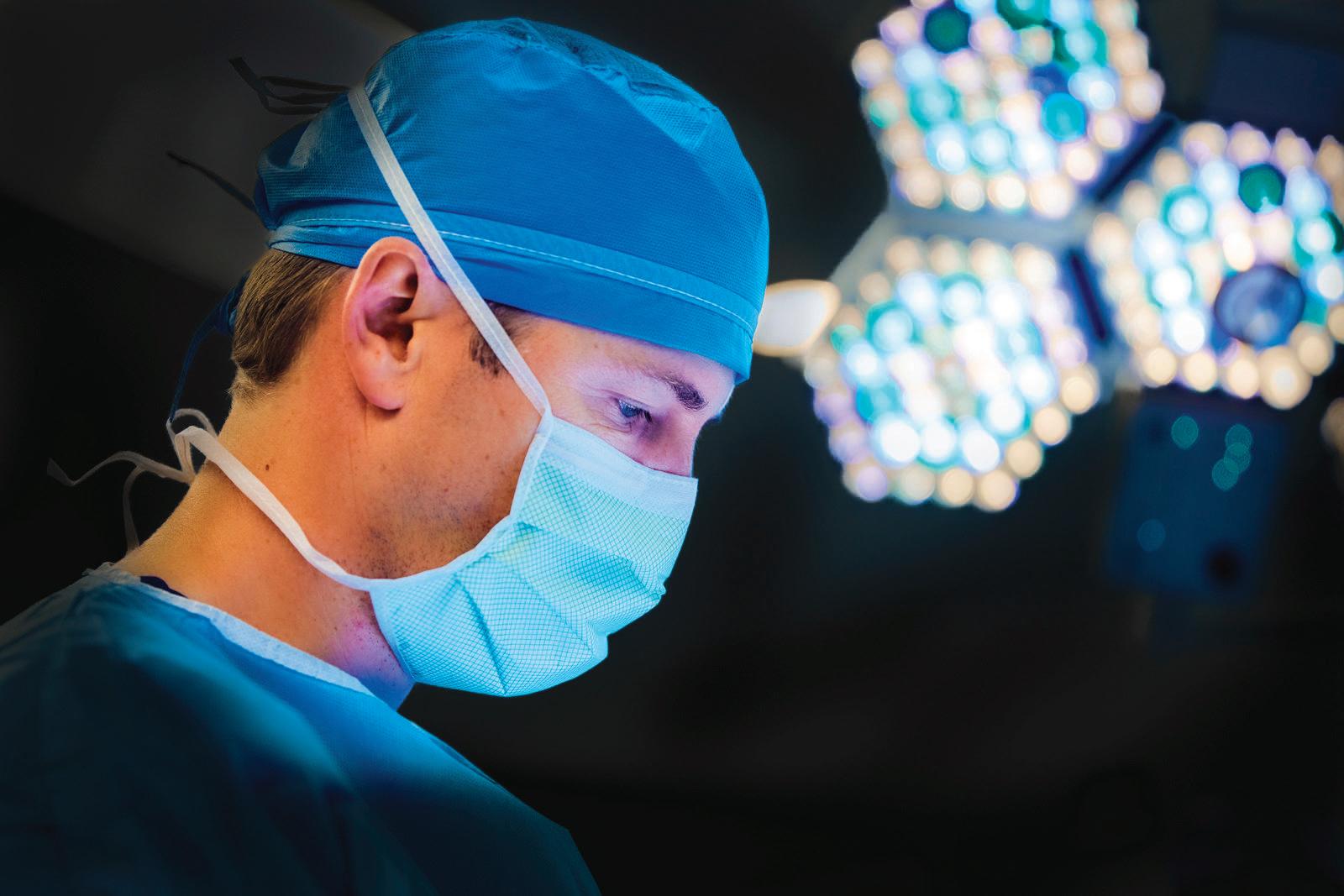

By Thomas Alexander, MD – Sports Medicine & Shoulder Specialist at Optim Orthopedics
As an orthopedic shoulder specialist, I’ve treated hundreds of work-related shoulder injuries across industries like construction, manufacturing, logistics, and healthcare. The difference between a successful claim and a costly one o en comes down to early diagnosis, clear communication, and selecting the right physician from the start
The most efficient WC cases are those where the medical provider, case manager, and employer are in sync from day one. My staff and I provide:
Same-day injury reports and imaging summaries
• Clear work restriction documentation to guide HR and safety teams
• Direct communication with adjusters and nurse case managers
• Our shared goal is simple: faster recovery, fewer delays, and a safe return to work.
Delays in orthopedic referral can prolong disability and inflate costs. When a shoulder injury hasn’t improved within two weeks of conservative care, it’s time for an orthopedic evaluation. Early intervention o en prevents small tears from becoming surgical cases—and when surgery is needed, scheduling it sooner reduces total time away from work.
Workers’ comp cases benefit most from physicians who understand both the medical and administrative sides of the process. As a fellowship-trained shoulder and sports medicine specialist, I ensure every case includes:
• Evidence-based documentation
• Objective impairment ratings when appropriate
• Efficient recovery timelines supported by proven treatment protocols

As you know, timeliness is key to ge ing your workforce back to work. The longer your employee goes without reporting the incident, the more further damage could be done. I wrote this article to help you understand how I manage effective and timely care to not only get your employees back to work quickly, but also safely to avoid future derailments.
Shoulder pain is one of the most misdiagnosed musculoskeletal complaints. A strain might actually be a partial rotator cuff tear; what’s labeled as “bursitis” could be impingement or early cuff degeneration.
At Optim Orthopedics, our dedicated workers’ compensation team coordinates directly with adjusters and case managers so no detail falls through the cracks.
The Bo om Line
When orthopedic care is efficient, transparent, and outcomes-driven, everyone wins:
• The patient recovers safely and confidently.
• The employer regains a productive team member faster.
• The case manager achieves claim resolution with clarity and control.
Shoulder injuries don’t have to be a prolonged burden on your caseload. With timely referral and coordinated care, we can streamline recovery—and redefine what successful claims management looks like.
Rushe Hudzinski, MBA, SHRM-SCP, GPHR, GA-PPT
Members of the Savannah Technical College SkillsUSA chapter demonstrated their commitment to Community Service and American Spirit through two impactful initiatives: Operation Ball Gown and Trees for Marines. Both projects reflect a shared mission of supporting military families while providing students with meaningful, real-world leadership experience.
Operation Ball Gown was designed to remove financial barriers for military spouses and enlisted service members attending formal military events such as Birthday Balls. Through community donations, students collected and organized donations of 132 formal gowns and 52 accessories, creating a boutique-style experience where families could select attire at no cost. A post-event survey generated 112 responses, confirming high satisfaction and offering feedback for future improvement.
In addition, students supported Trees for Marines, reinforcing appreciation for service members and their families during the holiday season. Through planning, promotion, and coordination, students strengthened partnerships between the school and the military community while honoring traditions that foster morale and unity. A total of 150 trees obtained through the Lions Club of Savannah were donated.
Beyond the measurable results, these initiatives provided valuable learning experiences. Students developed leadership, communication, planning, and teamwork skills while applying service orientation in authentic settings. By organizing logistics, managing donations, and engaging directly with the public, participants gained hands-on experience that extends beyond the classroom.
Together, Operation Ball Gown and Trees for Marines exemplify the power of student-led service. Through compassion, professionalism, and dedication, SkillsUSA members strengthened community connections and made a meaningful difference in the lives of military families.
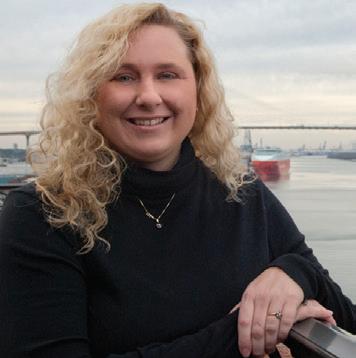
Rushe Hudzinski is a professor of Management and Human Resources at Savannah Technical College and serves as the Business Strategy Educational partner for Workplace Health/ SelectOne Network. She is a graduate of Elmira College and Syracuse University.
Andrew T. Smith
As a workers’ compensation defense attorney, I see psychological overlay (“psych”) claims alleged in a variety of factual scenarios. For example, psych overlay is often alleged in claims involving burns to the hands or arms. Another common example occurs in dog bite claims, namely, when delivery drivers suffer significant dog bite wounds. A less common example occurs when an employee alleges psychological overlay as a result of a stressful work environment.
It is important to understand there are different types of psych claims in South Carolina—and each must be evaluated differently. It is equally important to note that providing psychiatric evaluation and treatment can be extremely expensive for Employers/Carriers, so an early evaluation of compensability is critical in South Carolina claims.
Generally speaking, there are three (3) basic types of psych claims in South Carolina:
1. A “physical-mental” claim arises when a physical injury causes a mental injury, like the dog bite example above. It is common to see an employee or claimant allege PTSD, anxiety, or sleep disturbance after a severe dog bite. As a practical matter, when evaluating the compensability of a psych claim in the physical-mental context, it is important to evaluate the circumstances surrounding the accident, the Claimant’s prior medical history, and whether the Claimant has medical causation to link the physical injury to the alleged mental condition. As a strategic matter for Employers/Carriers, it is especially important to conduct discovery into a Claimant’s prior psychological history by way of deposition and by obtaining their prior medical records. To be clear, it is always the Claimant’s burden to prove compensability, but some cases—like a terrible dog bite, or an assault by a combative patient—are easier to evaluate than others.
2. A “mental-physical” claim is where the claimant alleges unusual stress at work caused a physical condition, like a heart attack or stroke. Under South Carolina law, a mental-physical claim can be compensable where the physical condition is caused either by unexpected strain or overexertion while performing job duties or unusual or extraordinary conditions of employment. These types of claims are not common in comparison to physical-mental claims.
3. A “mental-mental” claim is where an employee’s job duties are suddenly and dramatically increased, leading to the employee having a nervous breakdown. The evaluation of mental-mental claims is heavily fact-dependent. It is important to note that the “normal” stress associated with work or dealing with a difficult supervisor does not qualify as a compensable accident. Instead, South Carolina law requires the claimant to show that the stressful employment conditions that caused the mental injury were extraordinary and unusual when compared to the claimant’s normal job duties. In addition to the Claimant showing medical causation, there must generally be a finding of fact by the Commission that the conditions of work were, in fact, unusual or extraordinary.
Ultimately, when questions arise about the compensability of a psych claim, I recommend you contact local defense counsel before making a compensability determination so that the claim is handled appropriately from the outset.
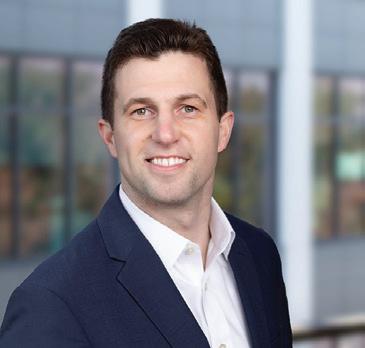
Andrew T. Smith is a workers’ compensation defense attorney in the Charleston, South Carolina office of Willson Jones Carter & Baxley, P.A. Andrew handles a wide variety of workers’ compensation claims. Andrew is also a member of the South Carolina Workers’ Compensation Educational Association. He can be reached at atsmith@wjcblaw.com.
Workplace health is vital for productivity and employee retention. Until recently, it focused primarily on physical status, but in recent years, mental health has become an essential part of the equation.
Mental health is now such a priority that the Occupational Safety and Health Administration (OSHA) includes data and recommendations for managing workplace mental health. According to OSHA, eighty-three percent (83%) of individuals report experiencing workplace stress, highlighting the need to address how employees manage both mental and physical health.
Anxiety and depression result from responses to stressors. While stress is often associated with negative events, positive changes—such as moving, changing jobs, or having a baby—can also create stress. The World Health Organization (WHO) defines stress as a “state of worry or mental tension caused by a difficult situation.” How individuals respond and adapt determines its impact on overall health.
In Workers’ Compensation, understanding how mood impacts rehabilitation is critical for recovery and successful return to work. Employers, adjusters, and case managers collaborate to coordinate care and facilitate communication.
Identifying and addressing challenges early is key. Injured workers who feel supported and valued are more likely to engage in treatment and return to work.
Managing the Case of Mental Health and the Claim Professional
Attention must also be given to the mental health of those managing claims. Employers, adjusters, and case managers regularly interact with individuals who may be frustrated, angry, or depressed. Combined with heavy caseloads, legal complexity, and personal challenges, this can take a toll.
Providing education and tools to recognize warning signs and manage stress leads to better outcomes. These professionals are more likely to remain in their roles with higher job satisfaction and longevity, strengthening overall expertise.
Managing the Case of Mental Health for Everyone
According to the World Health Organization, (WHO), rates of depression and anxiety have increased by 25% since 2020, underscoring the growing impact of stress.
The most severe outcome is suicide. More than 49,000 individuals die by suicide each year, according to the National Institutes of Health (NIH). This reality reinforces the importance of open conversations about mental health.
Managing the Case of Mental Health Outcomes
Mental health struggles are real, and stress is unavoidable. While there are no universal solutions, several actions can help reduce stress and improve mood:
Identify personal stressors and coping strategies
Ask for help when needed
Communicate with medical professionals when appropriate
Prioritize rest, nutrition, exercise, and laughter
Support others who may be struggling
The most trusted case managers support themselves by supporting others.
Claim management relies on statistics, but mental health reminds us that every individual represents more than a number. With greater awareness, open dialogue, and access to resources, we can improve mental health outcomes. The benefits extend beyond the workplace into homes and communities, making it a meaningful investment for all.
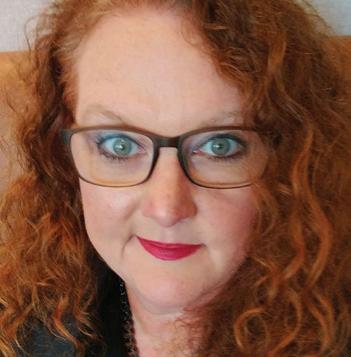
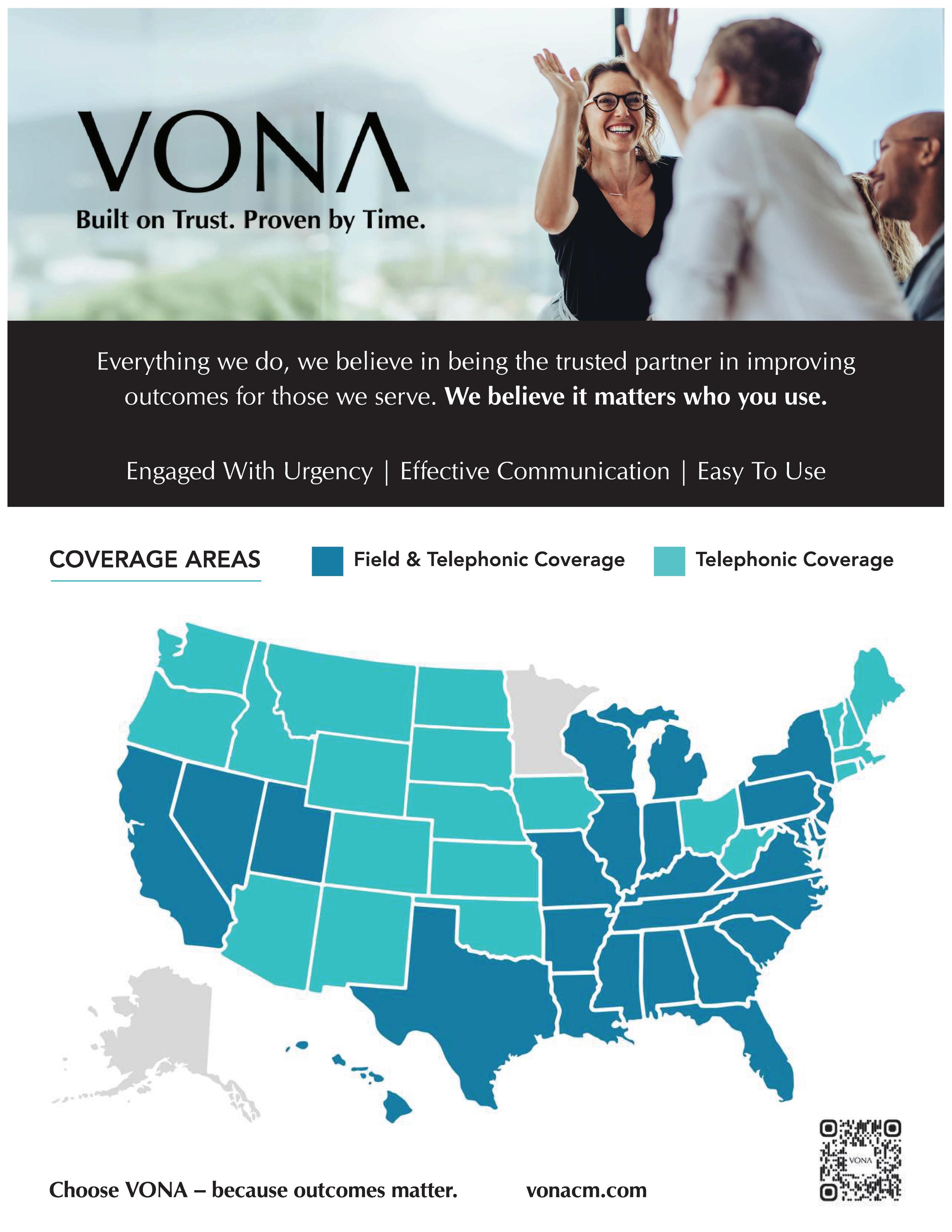
Kristi joined Vona Case Management as Regional Sales Director in 2024. She has provided regional and national continuing education presentations for workers’ compensation professionals on catastrophic rehabilitation of neurological injuries, the psychological impact of disability on recovery and a variety of other topics impacting claims since 2005.
Ben Vinson, Chairman and Chief Appellate Judge
Greetings from the State Board of Workers’ Compensation. We hope everyone is having a great start to the year and looking forward to a productive 2026.
Last year was a successful one for the Board across all of our divisions. We held over 2,000 mediations, conducted hundreds of hearings and appeals, handled over 20,000 settlements, improved our enforcement division information system, and processed thousands of documents. Thanks go out to the entire Board staff for their tremendous work throughout the year in accomplishing these Board goals and in assisting our stakeholders in carrying out the mission of our shared workers’ compensation system.
On the always exciting political front, the 2026 Session of the Georgia General Assembly began on Monday, January 12, and will continue for almost three months. Governor Brian Kemp gave remarks at the Georgia Chamber Eggs and Issues breakfast and then delivered his 2026 State of the State address during the first week of the Session. He focused on state income tax cuts, transportation investment, economic development, public safety, a need-based college scholarship program, and a one-time $2,000 pay supplement for all state employees.
The Governor also released his budget proposals for both amended FY2026 and FY2027, and then the General Assembly commenced working on them diligently through the in-depth appropriations process. We have followed both budget bills closely this Session to ensure clarity and support for the Board. Governor Kemp is in his final year in office, so his comments during the first week were filled with gratitude to his family and reflection on the accomplishments of his time in office thus far. I sincerely appreciate his friendship and steadfast leadership of our state.

We are tracking several interesting issues this Session. Two pieces of legislation carried over from the 2025 Session. HB250 on PEOs passed the House in 2025 and remains in the Senate Insurance Committee for this year. We facilitated a discussion on this issue in the Advisory Council and received helpful feedback. HB250 is based on a model act for PEOs and includes a few provisions that raise concerns for different stakeholders in our industry. HB574 on the Longshore Act was introduced in 2025 and started off in the House Industry and Labor Committee. It seeks to move Georgia from concurrent state and federal jurisdiction to exclusive federal jurisdiction for longshoremen injuries. We discussed this issue at length at the Advisory Council in October through a special subcommittee, so we are in a great position to facilitate debate and consideration.
HB1015 on the Guaranty Trust Fund would increase two monetary limits in statute based on inflation and increases in the exposures of many self-insured employers. This is a sensible measure, and we support it to ensure the long-term health of the trust fund. HB1119 on pharmacy networks was introduced and subsequently assigned to the Advisory Council, so we will dig into the issue over the next few months and be ready for discussion next year. HB1128 is a simple follow-up on the peace officer indemnification fund bill from last year and allows for certain officers with organic brain injuries to file an application. We will assist by identifying and notifying those officers when possible. HB1355 would affect the experience modification factor for employers, the return-to-work procedure in 34-9-240, indemnity benefits, and burial expenses. Lots of important discussion on this bill, and we will continue to follow it through the legislative process.
Please join us this spring at our regional seminars in Gainesville, Tifton, Cartersville, and Savannah, and then please join us this summer at our Annual Educational Conference to be held August 31-September 2 at The Hotel at Avalon in Alpharetta. Feel free to contact me anytime with questions or comments about the Board or any other matter.
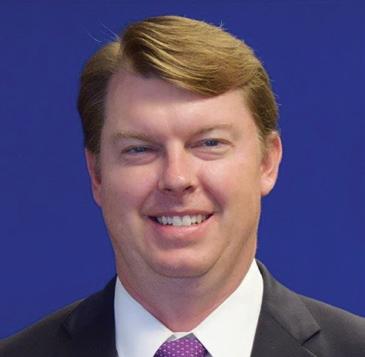
Ben Vinson is the Chairman and Chief Appellate Judge of the State Board of Workers’ Compensation, appointed by Governor Brian Kemp in May 2021. He handles policy and regulatory issues for the state agency in addition to hearing workers’ compensation cases on appeal. He graduated from Furman University and the University of Georgia School of Law. He resides in Greensboro, Georgia, with his wife and two children.


WPH is super excited about our influencers! They are all over the country sharing our magazine at industry events! When you are out and see one of them- snap a picture and post on social media with our hashtag #wphrocks!
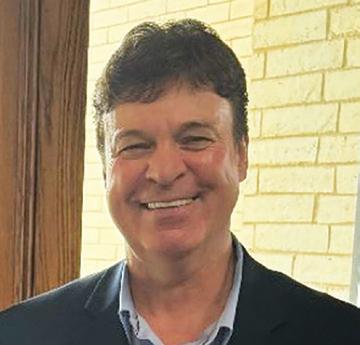
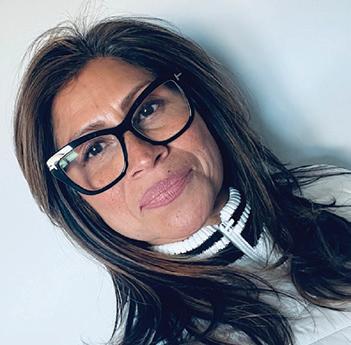

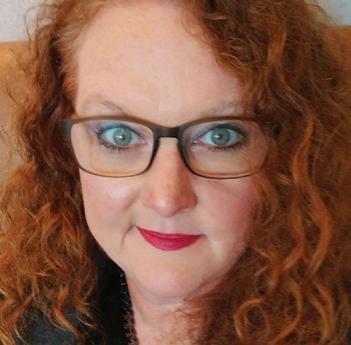

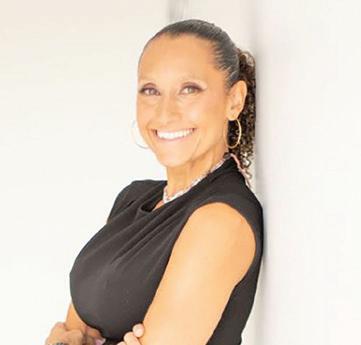
Michael Anderson
A National Industry Leader with ties to every state, we are looking forward to having WPH in all the places Michael goes!
Jackie Woods
Jackie travels extensively across multiple states for CORA Physical Therapy, building strong connections with clients and fostering meaningful relationships. As the Director of Workers’ Compensation Business Development with nine years of experience at CORA, she is passionate about creating new opportunities and collaborations.
James Swinton
James Swinton is a former standout athlete. Swinton played college football at Auburn University. After his collegiate career, Swinton signed briefly with the Atlanta Falcons. Currently, Swinton is an accomplished Sales & Business Development Professional with Wright Rehabilitation Services.
Kristi Miller
Kristi joined Vona Case Management as Regional Sales Director in 2024. She has provided regional and national continuing education presentations for workers’ compensation professionals on catastrophic rehabilitation of neurological injuries, the psychological impact of disability on recovery and a variety of other topics impacting claims since 2005.
Claudia Birthisel
Claudia is in her junior year at the University of Alabama, majoring in marketing and minoring in real estate. She is a Workplace Health intern in Alabama. With a special interest in helping those with injuries, she hopes to secure a position in the workers’ compensation industry after graduation.
Kristin Green
Kristin Green is an influential voice in the workers’ compensation industry, owner and founder of the newly launched Thrive to Rise Consulting Company. Known for blending strategy with heart, she founded Bag of Happies and Soleful Socks to bring comfort and give back. Kristin’s mission is simple yet powerful: create a culture of kindness where every injured worker feels seen, heard, and valued.
With locations in: Alpharetta, Atlanta, and College Park
Workers’ Compensation Director
Linda Lee: Direct Line: 470-357-0196
Ph: 470-579-3962
Email: workerscomp@axionspine.com
Workers’ Compensation Coordinator
Ashley Jones
Ph: 470-579-3962 ext. 187
Email: workerscomp@axionspine.com
Web address: www.axionspine.com
Physicians: Raymond Walkup, MD • Shane Mangrum, MD
Axis Spine and Pain
With locations in: Macon, Warner Robins, and Dublin
Workers’ Compensation Coordinator
Jennifer Youngclaus: Direct Line: 478-474-2947 ext. 6422
Email: jennifer.youngclaus@partnercare.com
Credentialing Coordinator
Samantha Merrell: Direct 478-474-2947 ext. 6421
Email: smerrell@axispaincenter.com
Web address: www.axispaincenter.com
Physicians: Chandresh Viradia MD • Vijay Thillainathan MD
• Sagar Patel MD • Jacob Prine MD • Bryan Covert MD. • Kristina Michaud MD

Center for Wellness and Pain Care
With locations in: Marietta, Lawrenceville and Forest Park
Workers’ Compensation Liason
Sonya Dupree
Ph: 646-897-5048 | Fax: 702-444-2483
Email: Workmancomp@wellnessandpaincare.com
Workers’ Compensation Assistant
Cortez Barillari
Ph: 646-897-5048 | Fax: 702-444-2483
Email: Workmancomp@wellnessandpaincare.com
Web address: www.cwpcga.com

With locations in: Augusta, Thomson, Sandersville, Waynesboro, Louisville, Evans, and Aiken SC
Workers’ Compensation Coordinator
Alisha Bond: Ph: 706-863-9797 ext. 291
Fax: 706-941-5000
Email: Workerscomp@ortho-augusta.com
Savanna Hayes: ssmith@legendortho.com
Web address: www.georgiacarolinaortho.com
Physicians:
• Brian Abell, DO • Terry Arrington, MD • Randall Meredith, MD
• Zachary Herzwurm, MD • Matthew Link, MD • Joseph Rectenwald, MD
• Douglas Phillips, MD • Samuel Pitts, MD • Justin V. Bundy, MD
• Nicholas M. Capito, MD • Ty William Carter, MD • John H. Franklin, MD
• David Gallagher, MD • Jeremy M. Jacobs, MD • R. Vaughan Massie, MD
• Karim Mahmoud, MD • Richard W. Pope, MD • Timothy J. Shannon, MD
• Mark Snoddy, MD • Nathan Kukowski, MD • David Doman, MD
Physiatrist: Tara Swim, MD

4369 Evans to Locks Road Evans, Georgia 30809
Ph: 706-303-3509
Georgia Bone and Joint
With locations in: Newnan, Fayetteville, Stockbridge and LaGrange
Workers’ Compensation Coordinator
Donna Stone: Direct Line: 770-502-2128
Ph: 770-502-2175 | Fax: 770-502-2131
Email: Donna.Stone@surgerypartners.com
Web address: www.GeorgiaBoneandJoint.org
Physicians: George Ballantyne, MD
• Michael Gruber, MD • Chad Kessler, MD • Michael Cushing, MD
• Jayson McMath, MD • David Heinsch, MD • Clark Walker, MD
• David Love, MD • Shivam Desai, MD • Michael Webber, MD
• J. Carl Sutton, III, MD • Michael Burke, MD
With locations in: Carrollton, Bremen, and Villa Rica
Workers’ Compensation Coordinator
Sherrie Short: Direct Line: 770-834-0873 ext. 225
Email: sherrie.short@carrolltonortho.com
Ph: 770-834-0873 | Fax: 770-834-6118
Web address: www.orthowest.com
Physicians: Taylor B. Cates, MD • Kevin M. Charron, MD
• Anthony W. Colpini, MD • Ralph E. Fleck, Jr., MD • Richard A. Herman, MD
• Bryan P. Kirby, MD • Ki Lin, MD • Daniel L. Maxwell, MD
• E. Franklin Pence, Jr., MD • Gregory S. Slappey, MD • Adam M. Sunderland, MD
• Krishna Guidyala, MD • Robert O’Connell, MD
Director of Workers’ Compensation
Laura Ross, MSW, CCM Ph: 912-629-6076 | Fax: 912-644-6190
Mobile: 912-373-4367
Email: lross@optimorthopedics.com Web address: www.optimorthopedics.com
Physicians: Don G. Aaron, MD • Thomas Alexander, MD
• Johnathan Christy, MD • Travis Farmer, MD • Delan Gaines, MD
• Jeffrey Goldberg, MD • Mark Kamaleson, MD • Gregory Kolovich, MD
• Thomas Lawhorne, MD • John McCormick, II, MD • Thomas Niemeier, MD
• Christopher Nicholson, MD • David Palmer, MD • Justin Lancaster, MD
• David M. Sedory, MD • George Sutherland, MD • James Wilson, Jr, MD
• Amir Shahien, MD • Robert Shelley, MD • Jordan Paynter, MD
• Wesley Stroud, MD • Jay Cook, MD • Kevin Brooks, MD • John Burke, MD
• Michael Dunn, MD • Edward Fakhre, MD • Charles Powell, MD
• William “Cole” Skinner, MD
With locations in: Atlanta and Duluth
Workers’ Compensation Manager
Kathy Fuentes: Direct Line: 404-220-7843
Ph: 404-973-2444
Email: manager@performanceatl.com Web address: www.performanceatl.com
Physician: Stephanie Martin, MD
With locations in: Snellville, Tucker and Smyrna
Administrator of Operations
Kimberly Johnson | Fax: 770-676-9817
Direct Line: 678-467-2052
Email: workcomp@olympuspaindocs.com
Web address: www.olympuspaindocs.com
Physicians: Omar Hajmurad, MD • Efosa Ogiamien, MD
With locations in: Macon, Milledgeville, Dublin, Warner Robins, Hawkinsville, Locust Grove and Kathleen
Advanced Hearing Providers
Ph: 800-598-5300
Email: orders@hearingprovider.com
Web Address: hearingprovider.com

Team Lead
Amber Hart, CWCP
Direct Line: 478-749-1613
Email: ahart@orthoga.org
Drs. Brooks, Dasher, Kelley, Pope, Stapleton, Barrera
Barbara Rodriguez, CWCP
Direct Line: 478-215-2622 ext 701
Email: brodriguez@orthoga.org
Drs. Harris, Kinnebrew, Ludwig, Yaseen, Schnetzer
Kim Layton, CWCP
Direct Line: 478-254-5387
Email: klayton@orthoga.org
Drs. Blackwell, Patel, Lee, Ojo, Thornsberry, Toth
Skylar Mondy
Direct Line: 478-254-5302
Email: smondy@orthoga.org
Drs. Robinson, Levina, Floyd, Jorgensen, Chrabuszcz, Thomas
Legal Coordinator
Morgan Cramer
Direct Line: 478-254-5412
Email: mcramer@orthoga.org
Web address: www.orthoga.org
Physicians: William W. Brooks, MD • William B. Dasher III MD
• Wayne Kelley Jr., MD • Ryan E. Schnetzer, MD • Jonathan S. Harris, MD
• Dennis K. Jorgensen, MD • Todd E. Kinnebrew MD • Greg P. Lee, MD
• Brian J. Ludwig, MD • Wood D. Pope, MD • Joseph E. Slappey, MD
• Timothy R. Stapleton, MD • Richard R. Thomas, MD
• Robert M. Thornsberry, MD • Matthew J. Toth, MD • Zaneb Yaseen, MD
• Robert E. Blackwell, MD • Waldo E. Floyd, MD • Yelena Levina, MD
• Maharsh K. Patel, MD • Elliot P. Robinson, MD • John Z. Chrabuszcz, MD
• Oluwatosin J. Ojo, MD • Lindsay Barrera, MD
Steve Heinen
Ph: 770-540-3810
Email: sheinen@pjins.com
Web Address: Managedcomp.net
Work Bridge Group
National RTW Program Resource
Mail drop locations are situated on both the East and West Coasts
Main - Reno, NV • Corporate – Atlanta, GA (Marietta)
Kerri Butler, Managing Director
Direct Line: 770-294-5936
Ph: 800-890-1620
Fax: 888-530-3222
Emails: Kerri@Workbridgelink.com
Referal@workbridgelink.com
Scheduling@workbridgelink.com
Web Address: www.workbridgelink.com
PBCP Services, LLC
10205 Access Rd Ste B Covington, GA.
30014
Cathy Bowden, MHA, CPC, CPMA, CHISP, CH-CBS
Direct Line: 678-218-9522
Ph: 470-242-7584 ext 101
Fax: 470-443-9230
Email: cathy.bowden@pbcpservices.com
14133 NW 8th Street Sunrise, Florida 33325
Oscar Salazar
Direct Line: 954-289-8024 ext 104
Ph: 877-252-0968
Fax: 954-541-5561
Email: info@teampostop.net
Web Address: www.teampostop.net

Jesse Dantice
Direct Line: 954-289-8024 ext 104
Ph: 888-405-8893
Emails: jd@zenjuries.com
workcomp@zenjuries.com
Web Address: www.zenjuries.com