
Building Compliance Culture: The Power of Lockout Tagout Stations
In industrial plants, safety is often framed as a matter of compliancemeeting OSHA standards, passing audits, and avoiding penalties. Yet true safety goes beyond regulations. It requires building a culture where every worker understands and embraces their responsibility to control hazardous energy. Lockout Tagout stations are one of the most effective tools for bridging compliance requirements with cultural transformation. By centralizing devices and making safety visible, they help organizations move from rule following to genuine ownership of safety.
What are LOTO Stations?
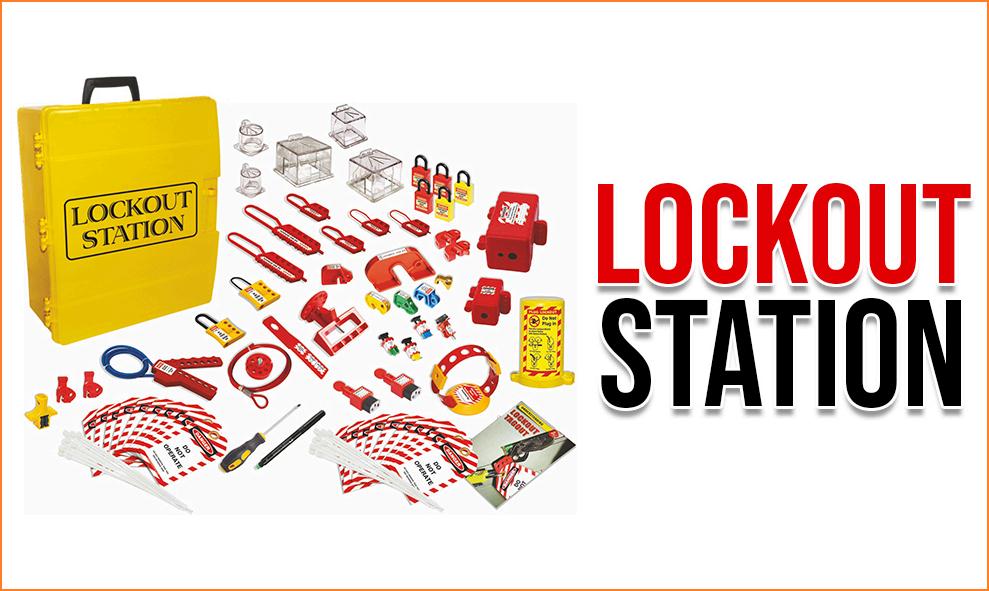
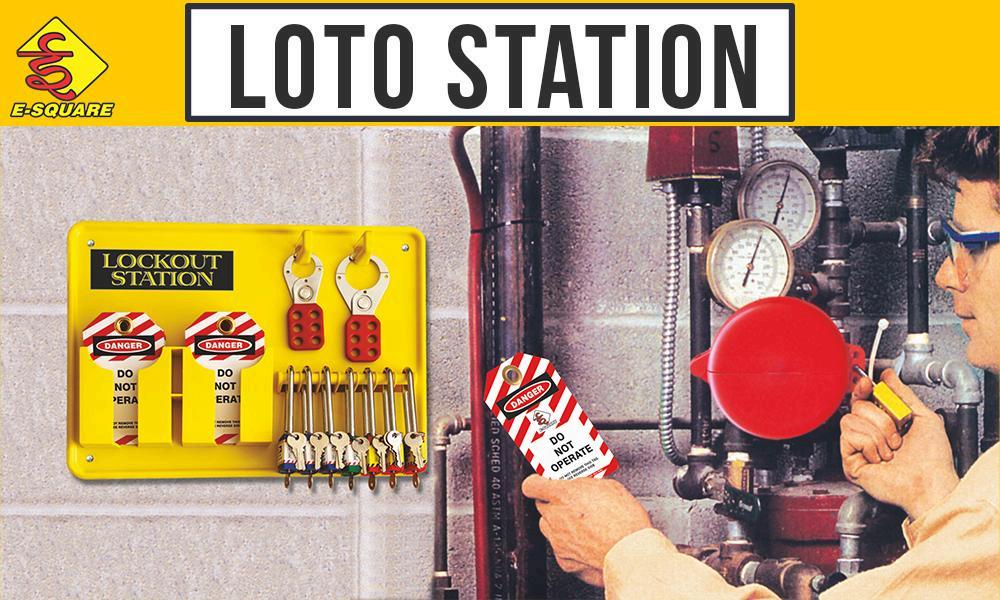
LOTO stations are centralized hubs that store all essential Lockout Tagout equipment - padlocks, hasps, valve lockouts, tags, and more - in one organized, accessible location. Mounted on walls or placed strategically in work areas, these stations ensure that workers always have the right tools at hand. More than storage, they serve as a constant reminder of the importance of hazardous energy control.
OSHA Requirements and the Role of LOTO Stations:
OSHA’s standards for the control of hazardous energy (29 CFR 1910.147) require employers to establish procedures, provide devices, and train employees to prevent accidental energization. LOTO stations directly support these requirements by:
● Ensuring devices are standardized and compliant.
● Making equipment readily available, reducing excuses for bypassing procedures.
● Providing visibility during audits, demonstrating that safety tools are in place and actively used.
By aligning daily practice with OSHA expectations, stations help safety officers maintain compliance while reinforcing worker accountability.
Standardization Across Sites:
For organizations with multiple plants or global operations, inconsistency is a major challenge. Different sites may use different devices or procedures, leading to confusion and gaps in protection. LOTO stations solve this problem by standardizing equipment and practices across locations. When
every site uses the same stations stocked with the same devices, workers know exactly what to expect. This uniformity reduces errors, speeds up audits, and strengthens the overall compliance culture.
Padlocks and Valve Lockouts: Core Tools in the Station
At the heart of every LOTO station are padlocks and valve lockouts.
● Padlocks and Hasps: Padlocks are the foundation of accountability. Each worker applies their own lock, ensuring machinery cannot be restarted until all locks are removed. Hasps extend this protection by allowing multiple padlocks on a single energy source, making team based maintenance safe and coordinated.
● Valve Lockouts: Pressurized systems such as steam, gas, or chemicals require specialized protection. Valve lockouts physically block valve movement, preventing accidental release of hazardous energy. Whether gate, ball, or butterfly valves, these devices provide tailored protection that padlocks alone cannot achieve.
By ensuring these critical tools are always accessible, stations make compliance practical and effective.
Building a Compliance Culture Through Visibility:
LOTO stations are more than functional - they are symbolic. Their presence in the workplace sends a clear message: safety is non‑negotiable. Workers see them daily, reinforcing the habit of using proper devices. Safety officers can use stations as training tools, demonstrating correct procedures and
emphasizing accountability. Over time, stations help embed safety into the culture, turning compliance from a checklist into a shared value.
Practical Benefits for Safety Officers:
For safety officers, LOTO stations deliver tangible advantages:
● Efficiency: Devices are organized and ready, saving time during maintenance.
● Error Reduction: Centralized storage reduces the risk of missing steps or using incorrect devices.
● Audit Readiness: Inspectors can easily verify compliance by observing stations in use.
● Accountability: Workers know where to find and return devices, reinforcing responsibility.
These benefits make stations indispensable for both compliance management and cultural development.
Conclusion: Stations as Symbols of Safety
Lockout Tagout stations are not just storage units - they are anchors of compliance culture. By centralizing devices, standardizing practices, and reinforcing accountability, they help organizations meet OSHA requirements while building a workplace where safety is lived, not just enforced.
Padlocks and valve lockouts, housed within these stations, provide the practical tools that make hazardous energy control possible. Together, they protect workers, strengthen compliance, and symbolize an organization’s commitment to safety.
For safety officers, investing in well designed LOTO stations is more than a regulatory necessity - it is a strategic step toward building a culture where compliance and safety are inseparable.