

Belinda Millard Technical Manager











Alyssa Dooley
Merchandise Manager Fruit

Dr Sukhvinder Pal (SP)
Singh
Senior Research Scientist,
NSW Department of Primary Industries

Sukhvinder Pal (SP) Singh, PhD
Senior Research Scientist & Adjunct Associate Professor
Fresh Produce Safety and Traceability Program
NSW Department of Primary Industries and Regional Development sp.singh@dpird.nsw.gov.au;

• Leafy veg
• Berries
• Sprouts
• Rockmelons
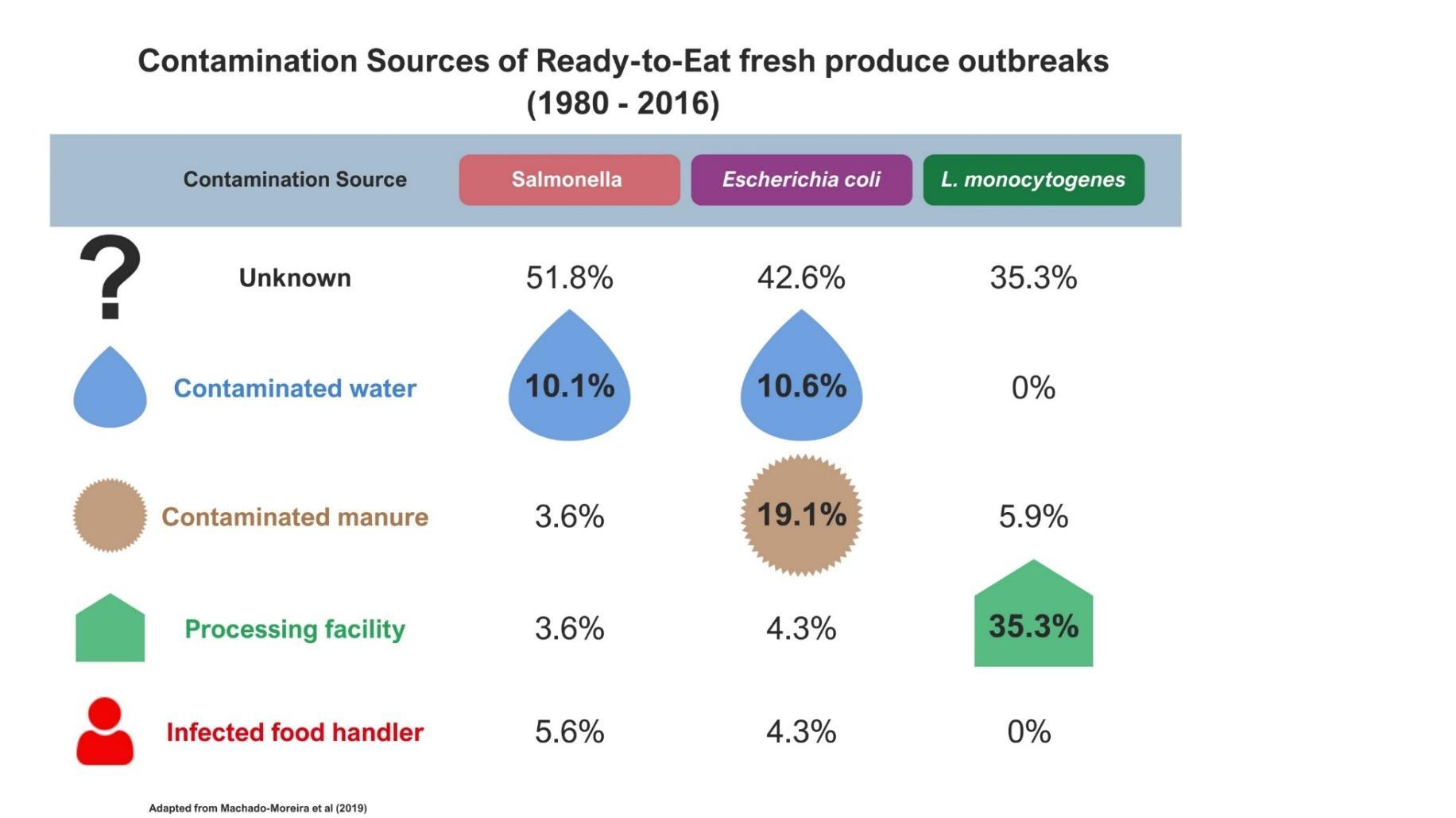
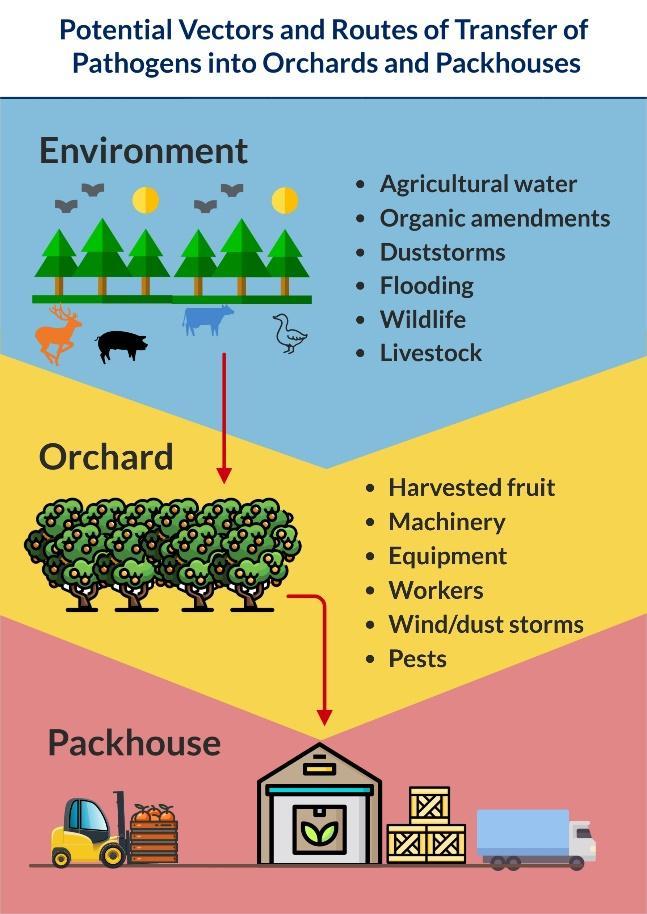
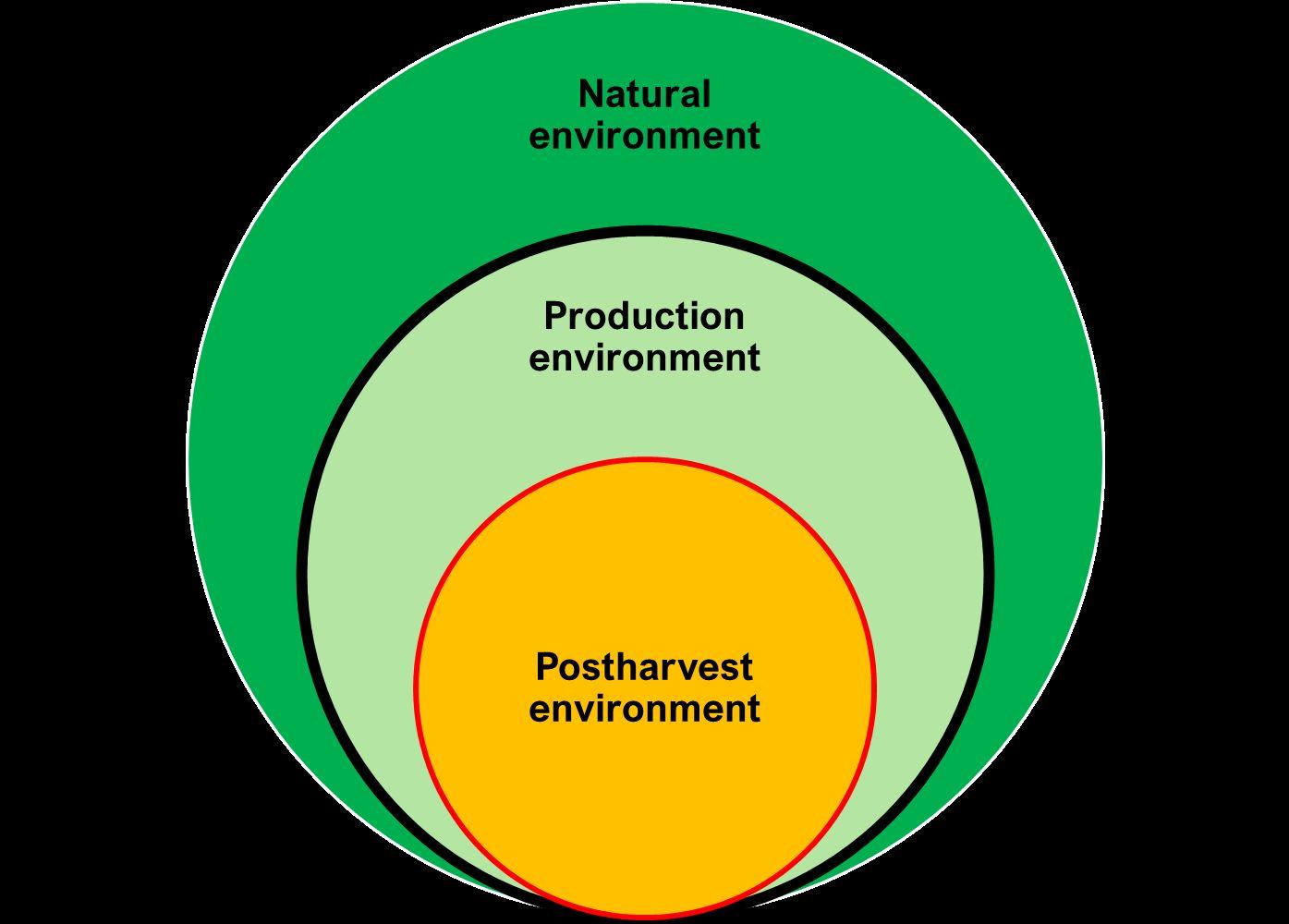
Adapted from Machado-Moreira et al., 2019
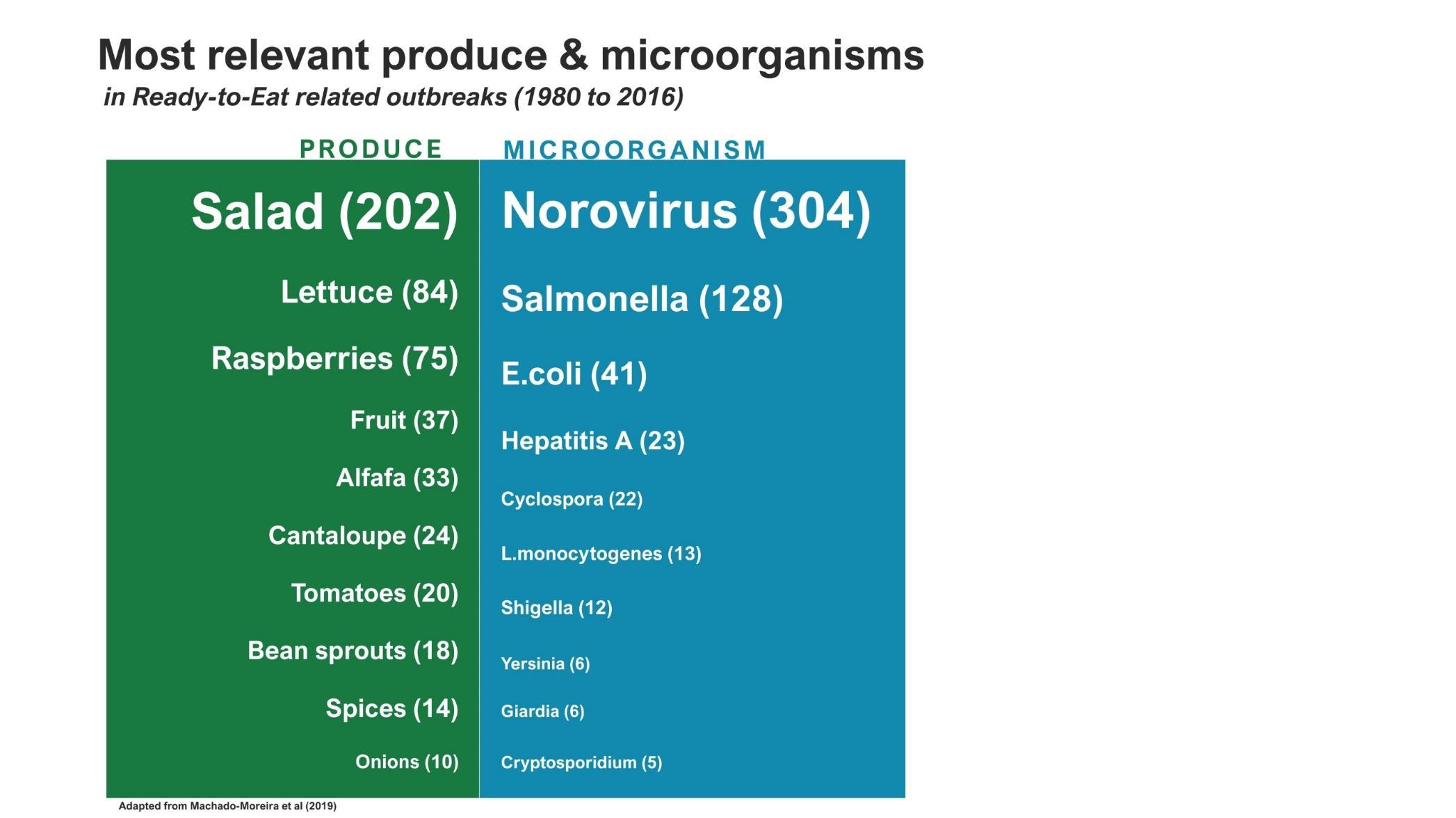
"Those that fail to learn from history, are doomed to repeat it”
Winston Churchill

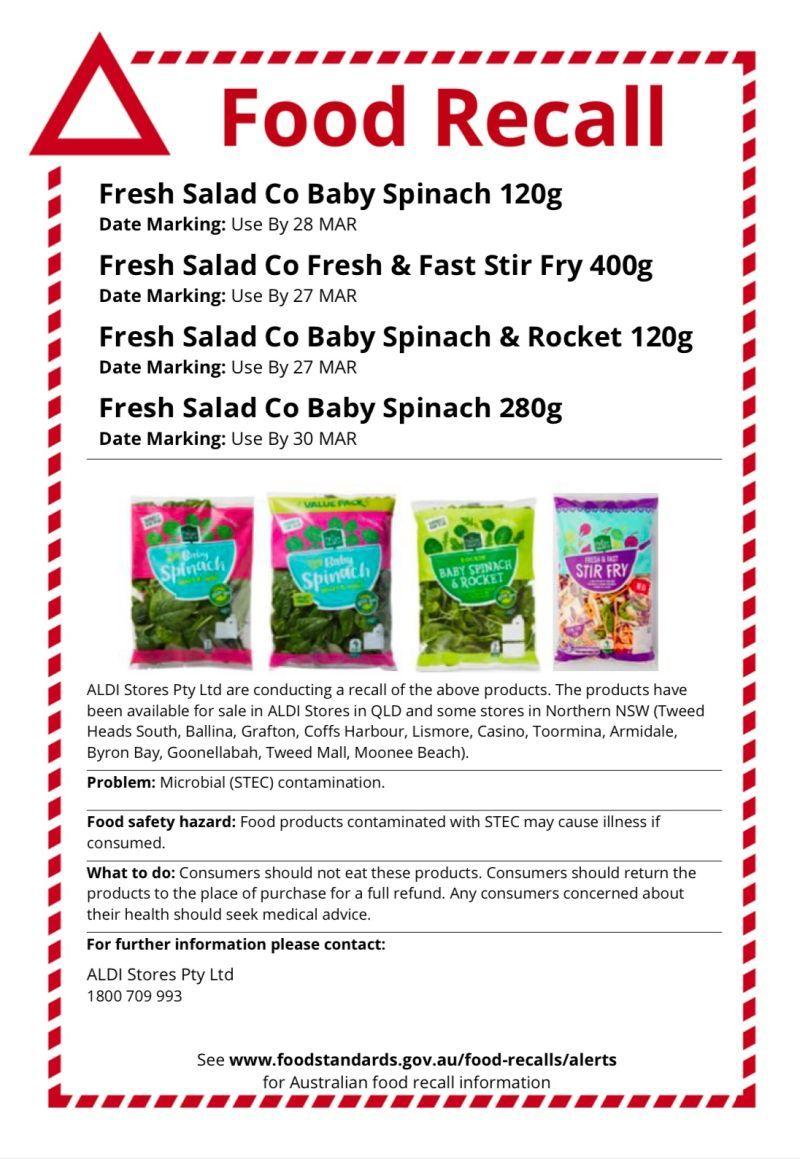
Fruits, vegetables and herbs- the third most recalled food category (2020-2024)
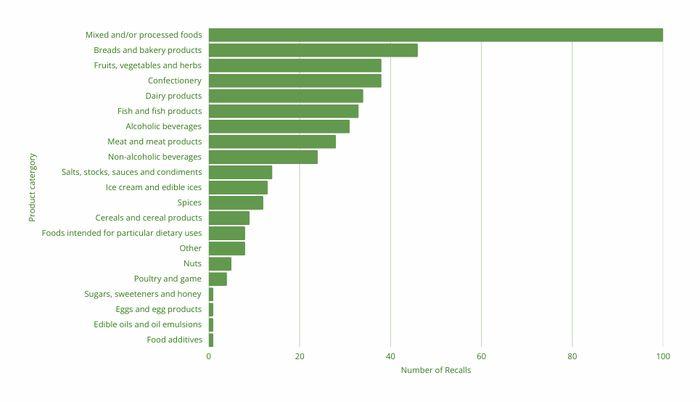
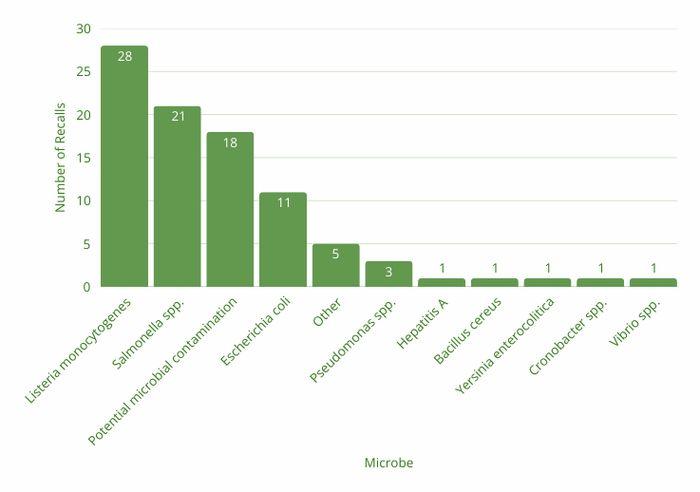
Source: https://www.foodstandards.gov.au/food-recalls/recallstats

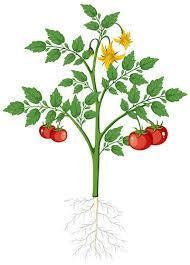
• Proximity to ground/soil
• Raw consumption
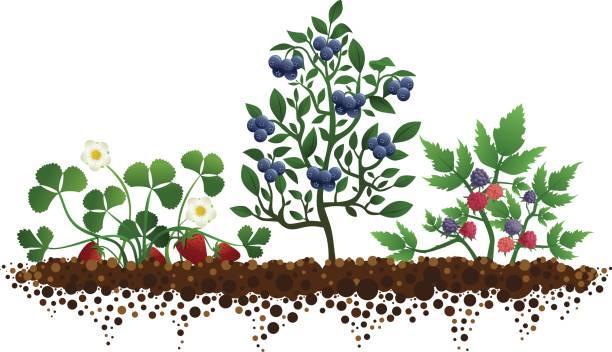
Microbial food safety risks


Volunteer QA programs Australian supermarkets Regulators


Food safety schemes (FSS), Retailers QA programs (Basic FSS+ bolt on)
Primary Production and Primary Production and Processing (PPP) Standards (leafy vegetables, melons and berries)

Research, Development and Extension

Mitigate food safety risks to consumers and industry











Our team members and growers’ network across all major horticultural production hubs
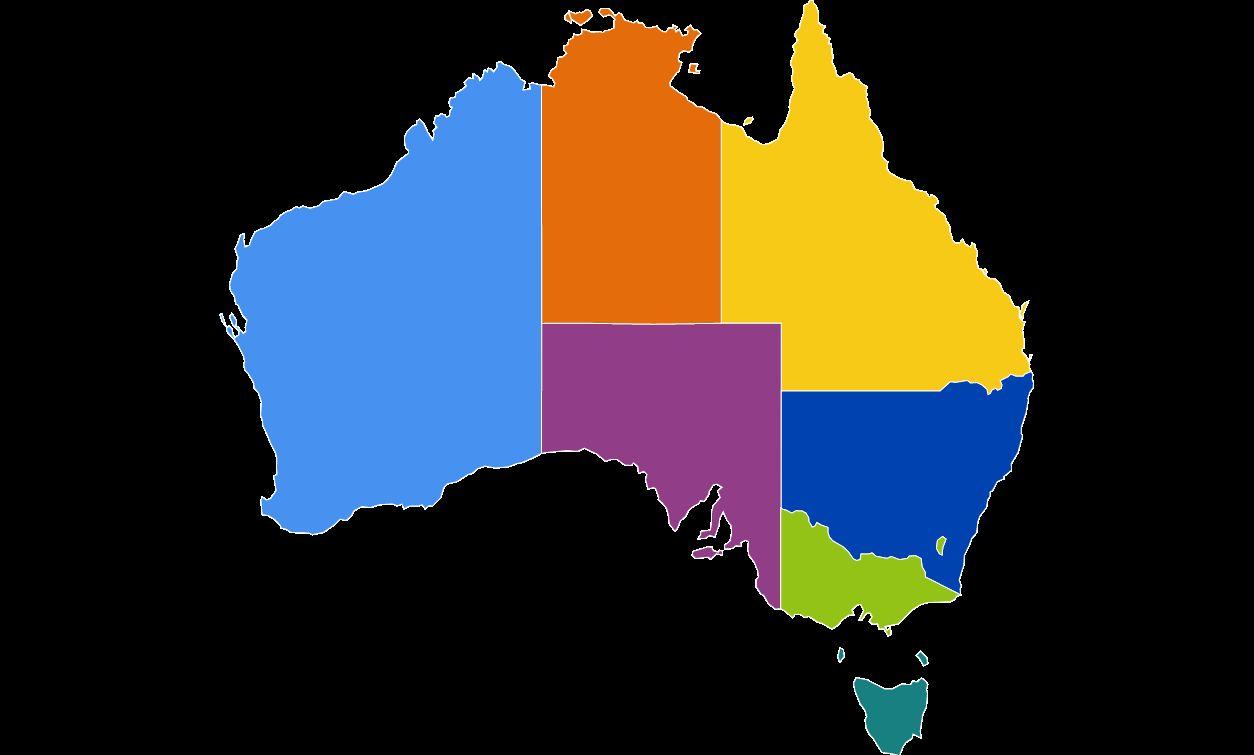
Lockyer valley
○ Water quality- preharvest and postharvest
○ Shiga-toxigenic E. coli (STEC) risks
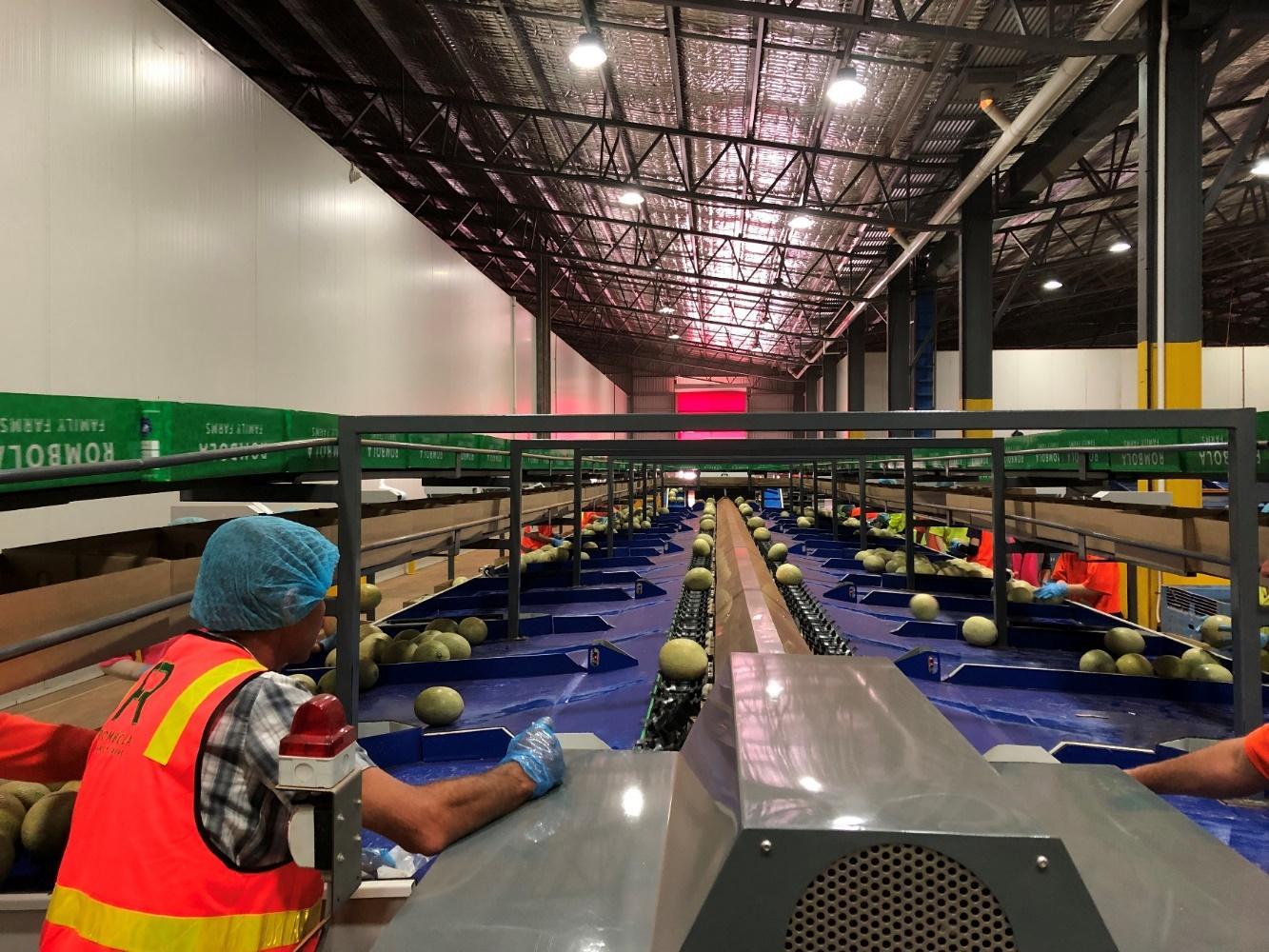
○ Packhouse environmental management
○ Rapid risk scan

• Rivers, creeks and lakes
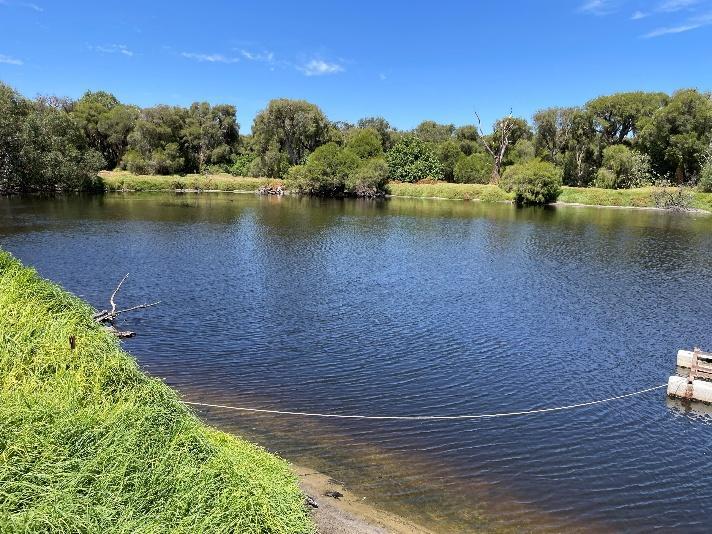
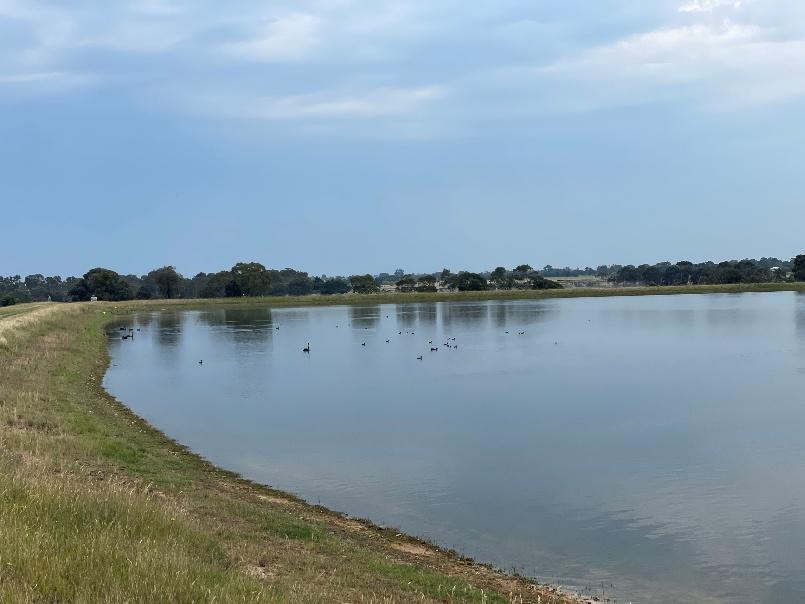
• Farm ponds
• River/creek
• Groundwater
• Farm catchment run-off
• River + groundwater
• Suburban runoff
• Spring water/soaks
• Recycled class A
• Rainwater from roofs
• Groundwater
• Tailwater-irrigation run-off
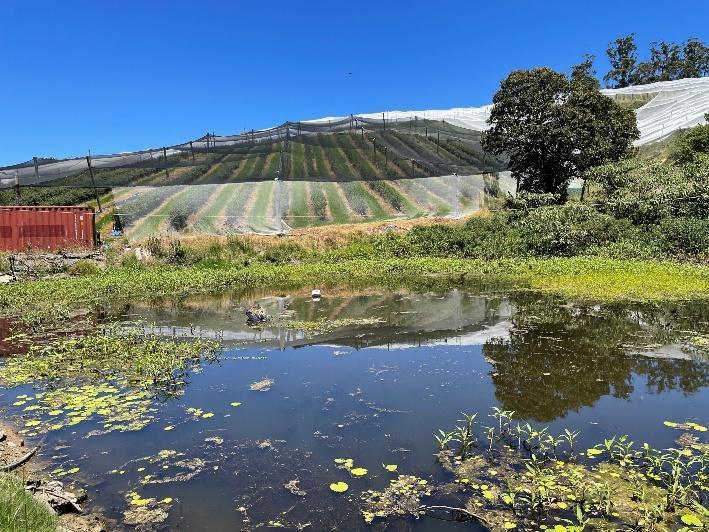
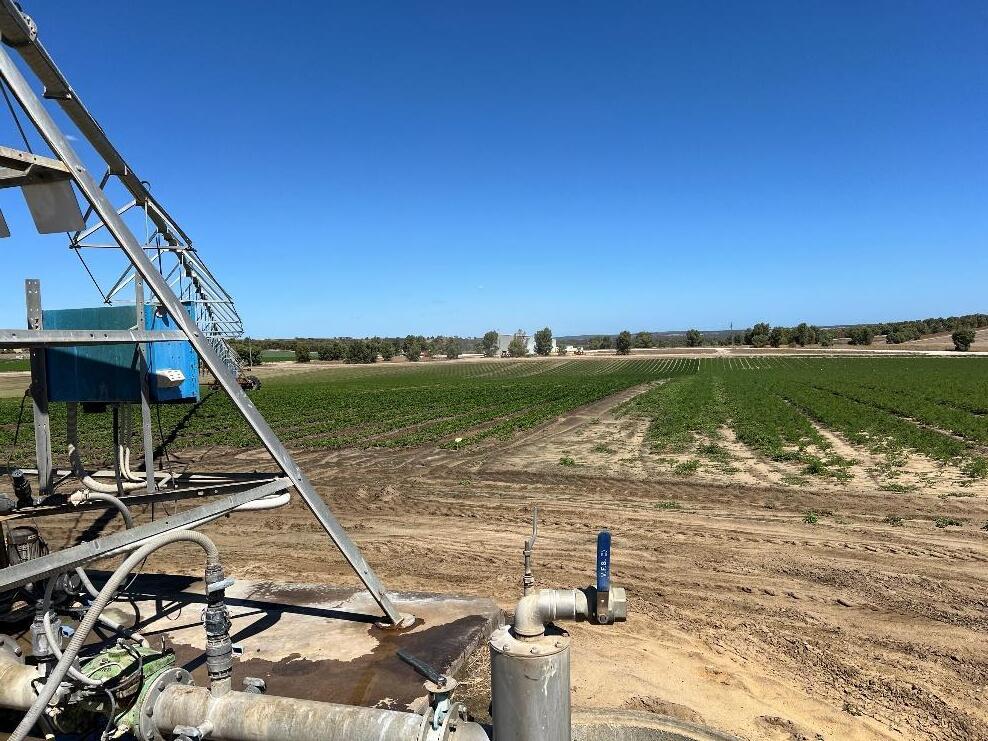
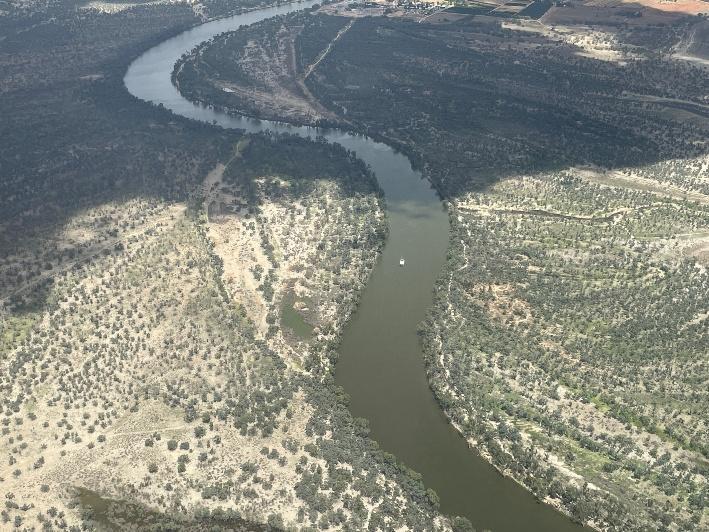
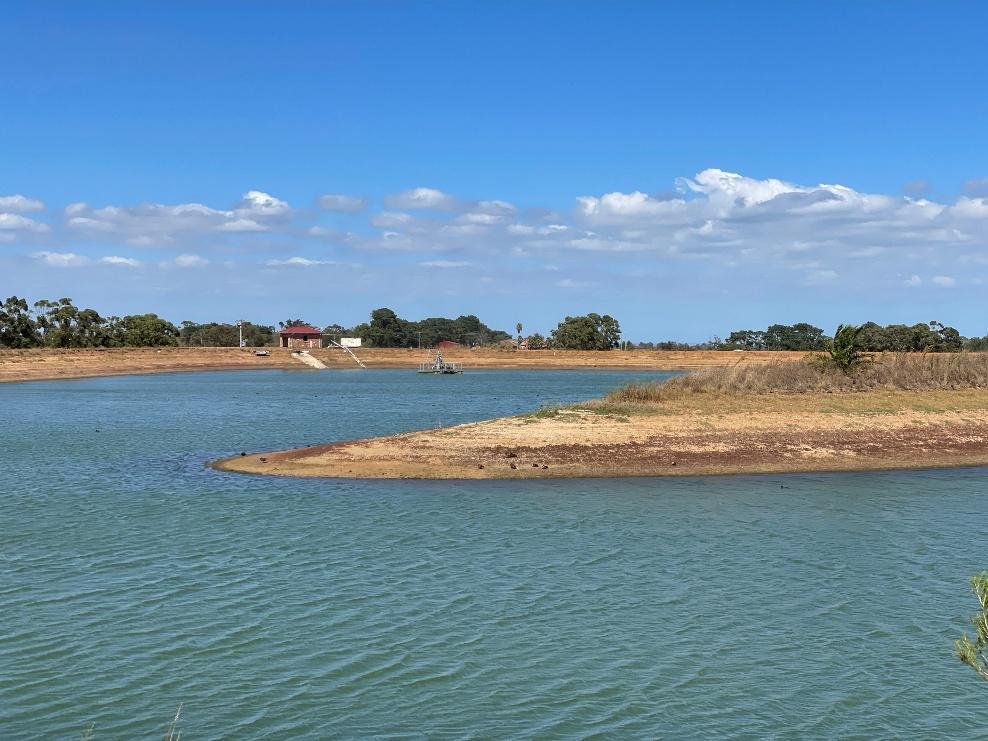
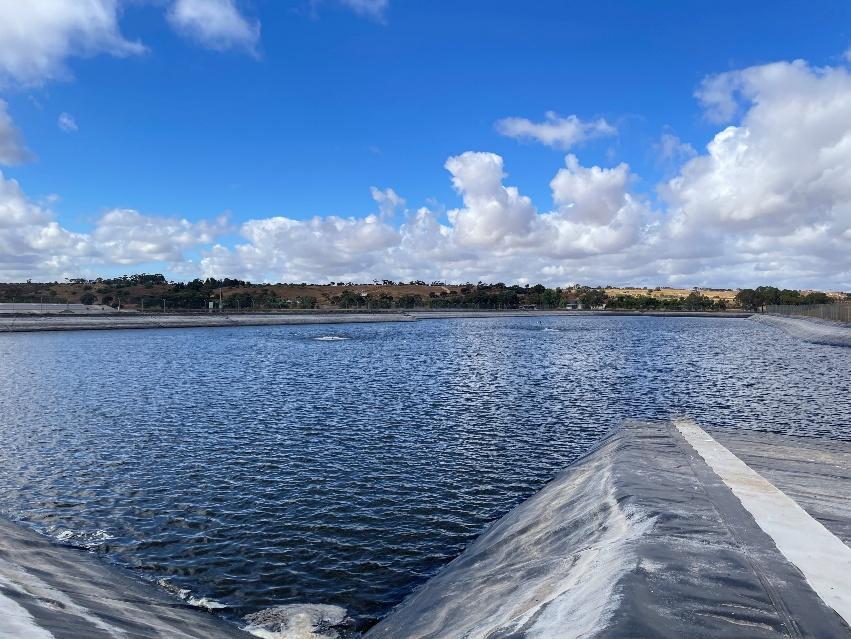
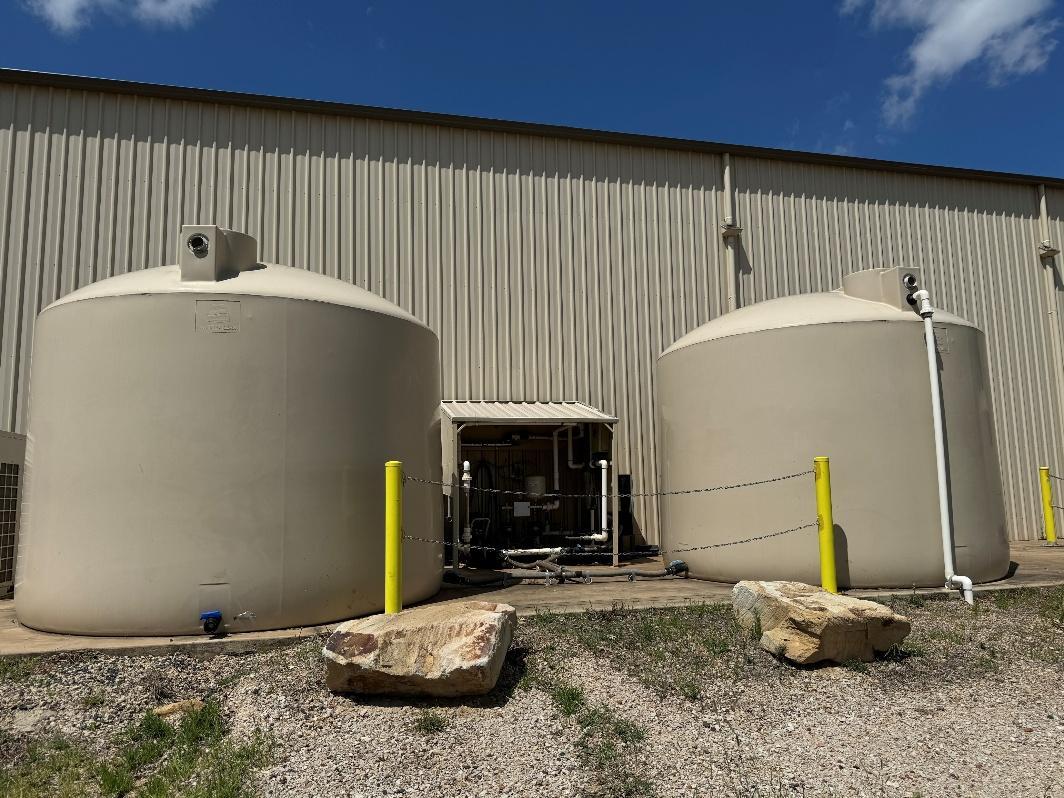
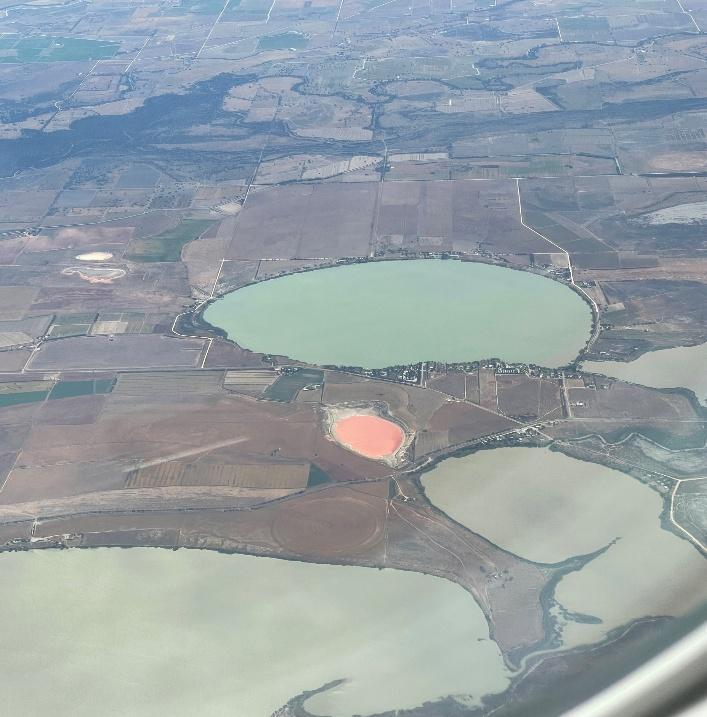
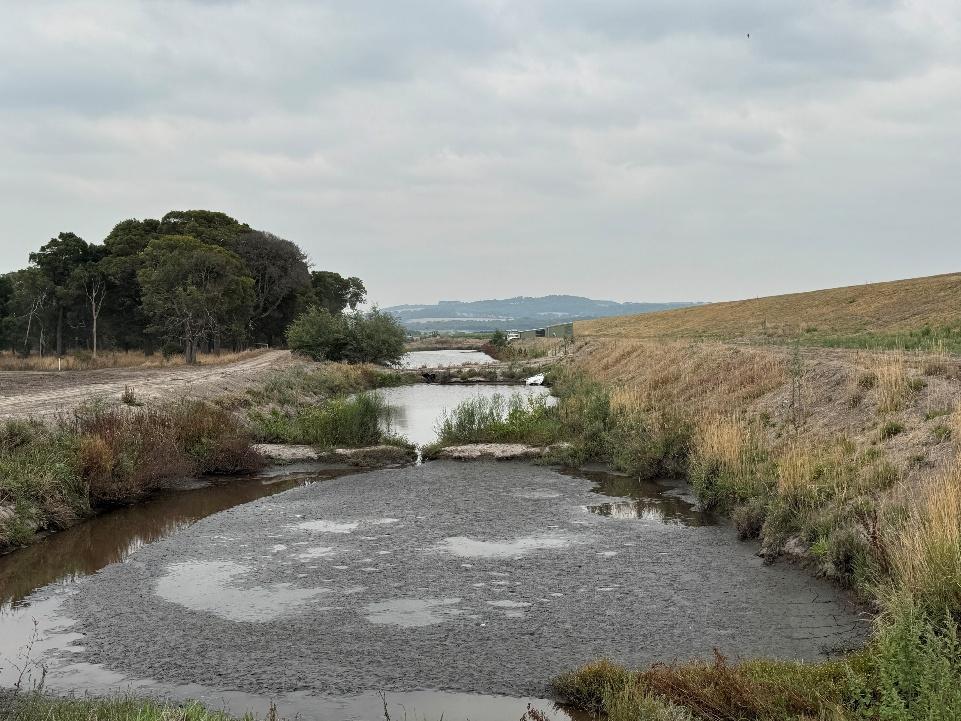
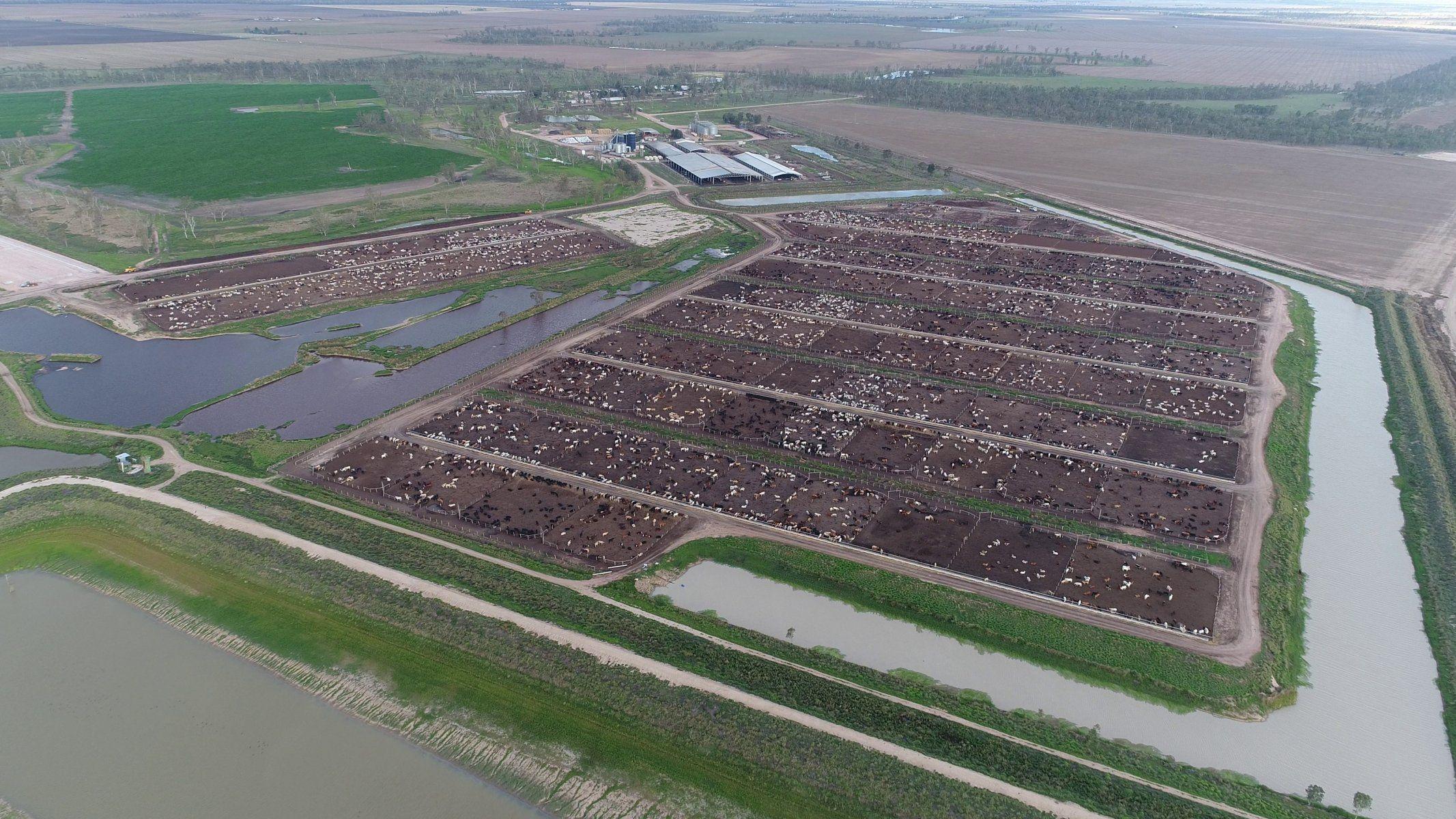
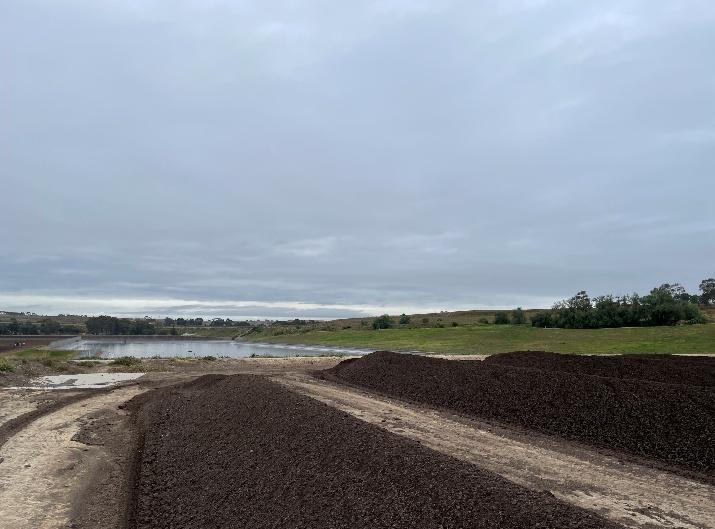
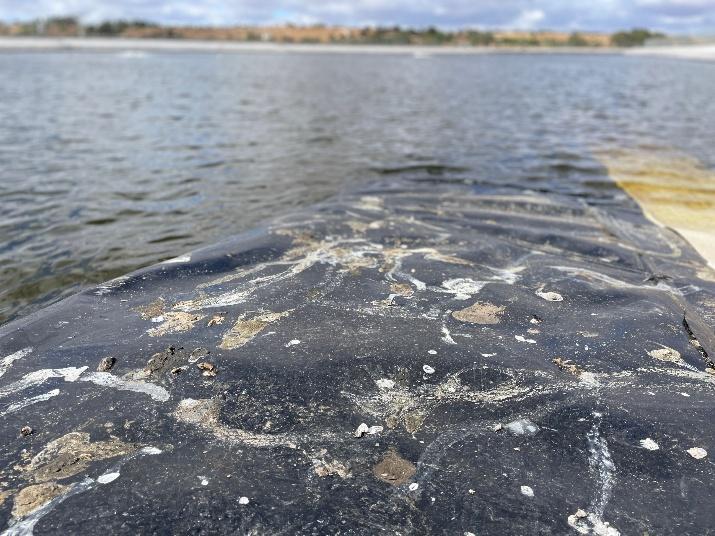
• Proximity to livestock and associated operations
• Upstream livestock
• Proximity to wildlife
• Extreme weather events (drought, floods, bushfires and dust storms)
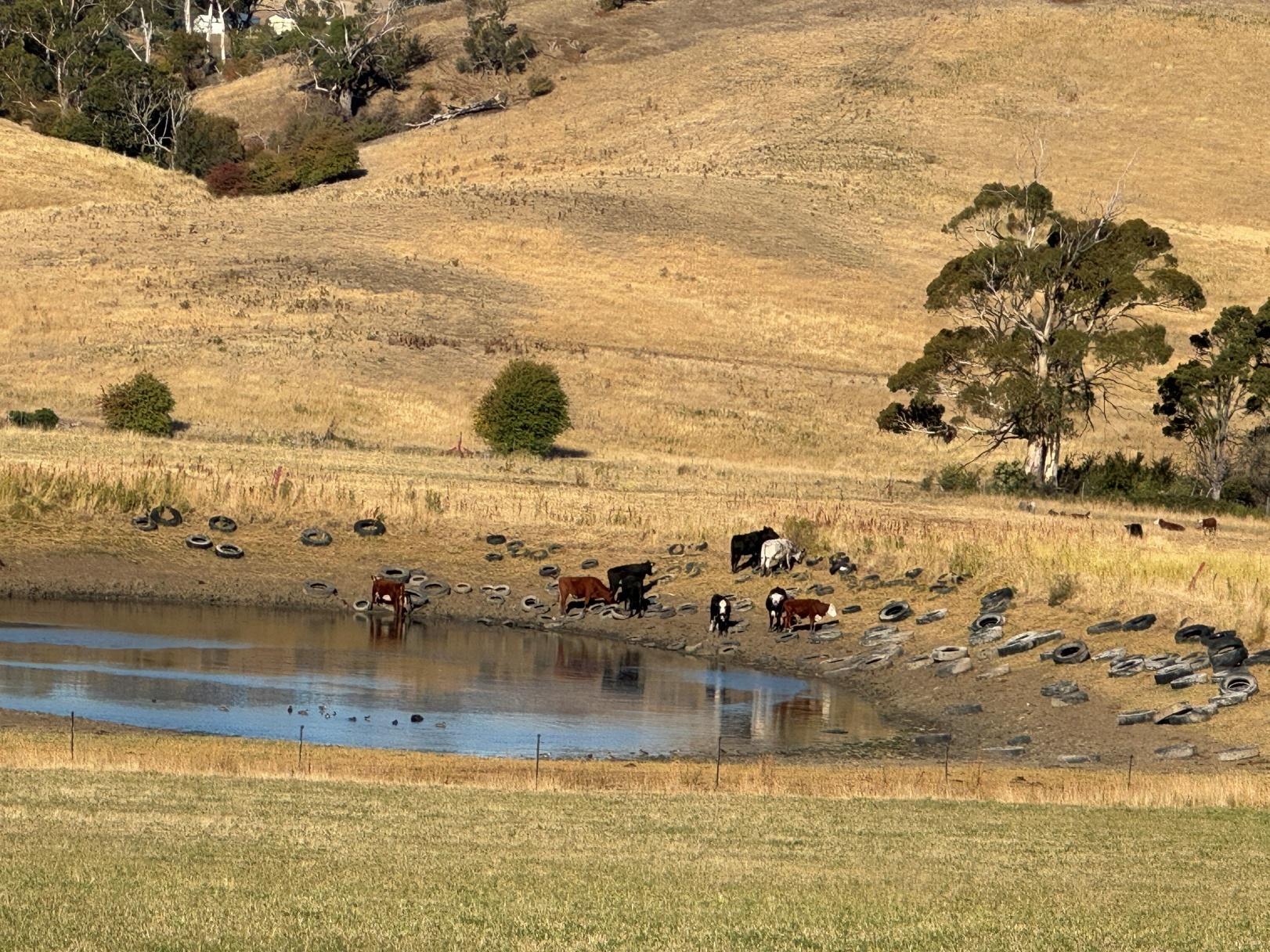
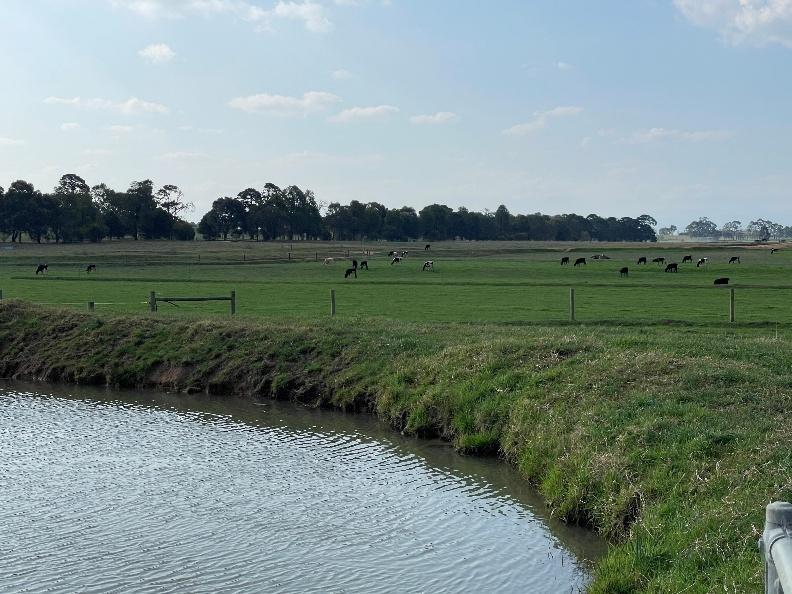
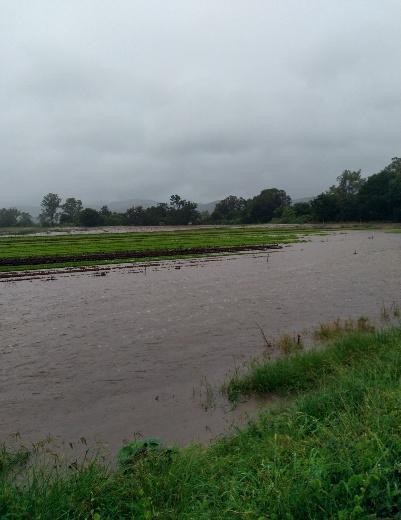

• Water source
• Surface
• Ground
• Irrigation method
• Drip
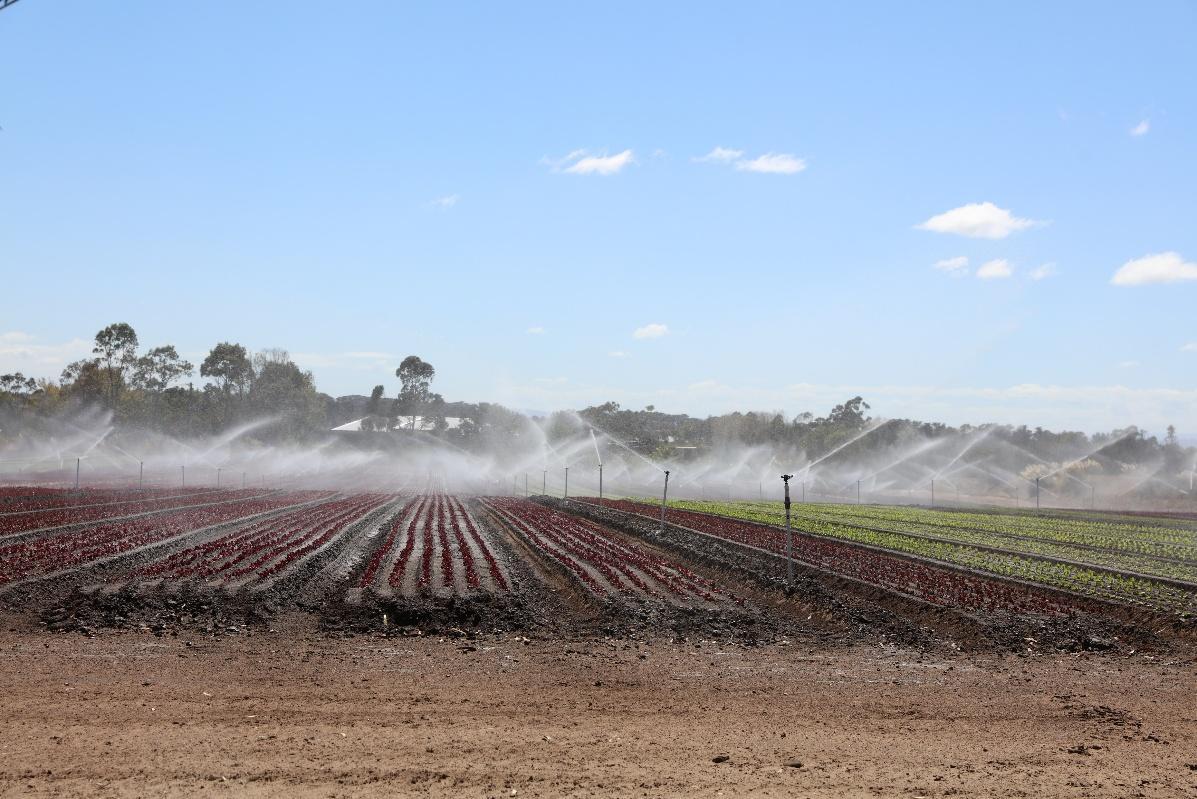
• Overhead
• Crops
• Edible part consumed raw
• Whole/peeled


“For growing crops, water used for irrigation and for applying fertilisers, pesticides and other agricultural chemicals should not contain levels of microorganisms that would make the produce unsafe”

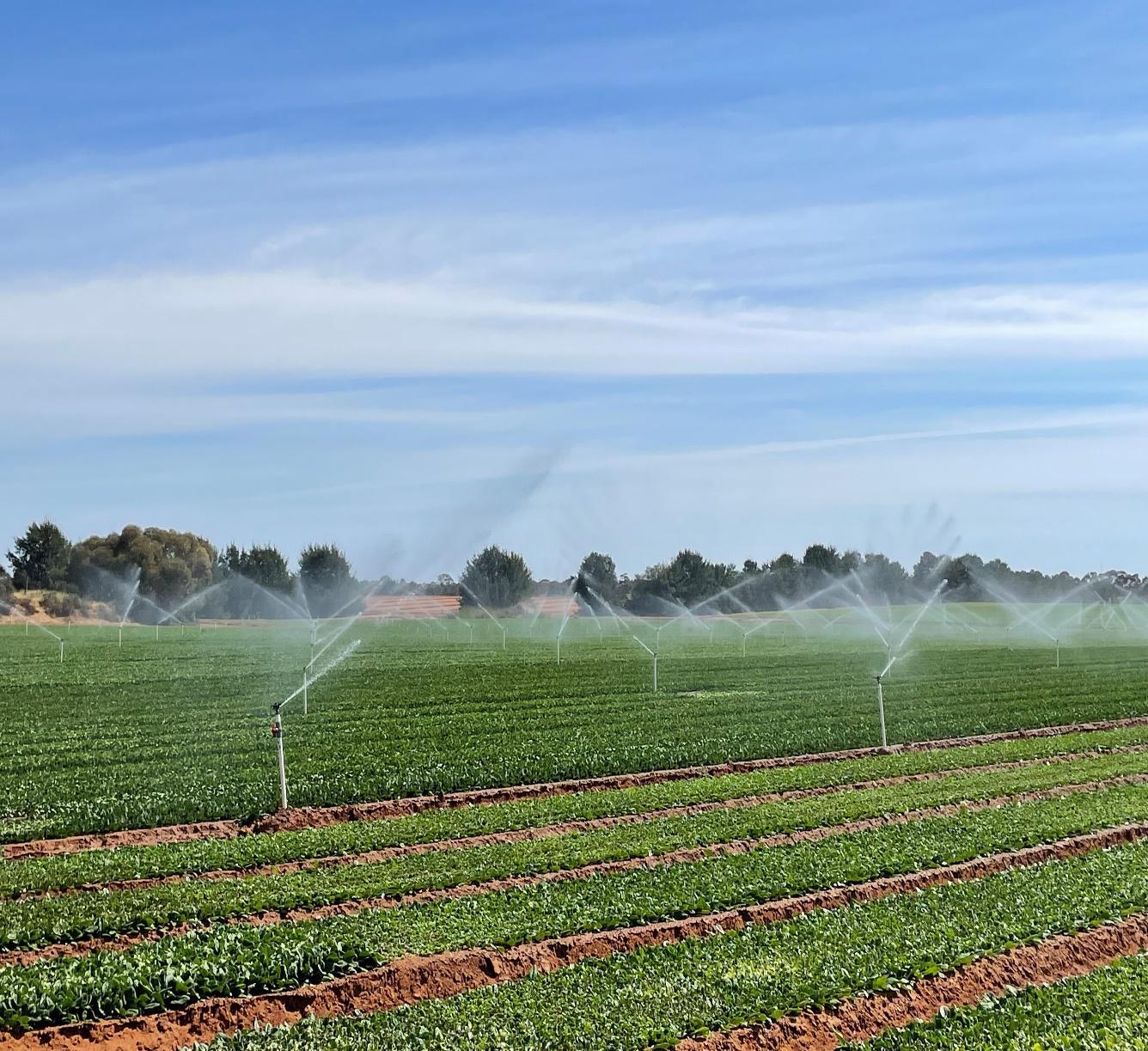
• E. coli <100 CFU/100mL for irrigation
• E. coli <1 CFU/100 mL for overhead irrigation within 48 hours of harvest and for postharvest purposes


N = ~1,000
Production
• Preharvest water
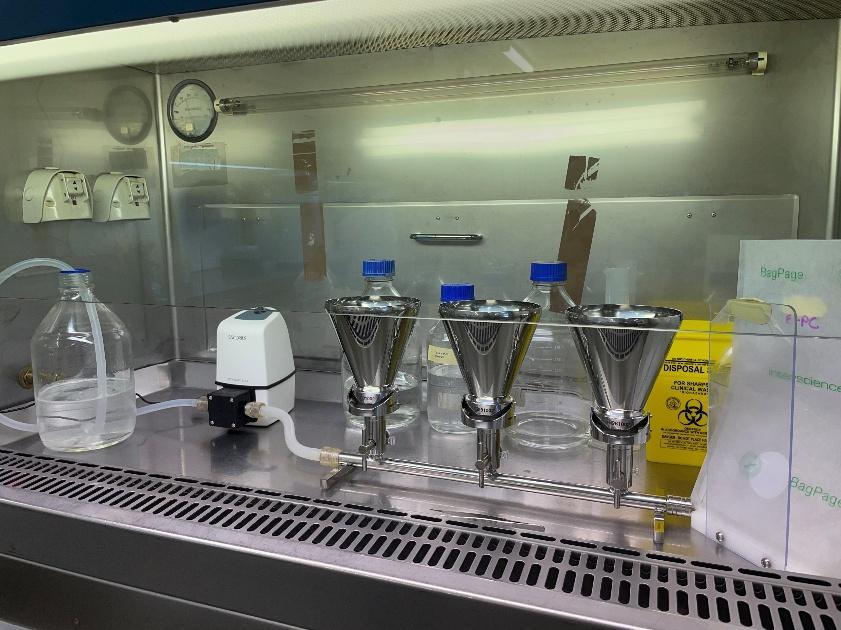
• E. coli count
• Coliforms count
• Pathogen detection
• Salmonella species
• Listeria monocytogenes
Processing
• Postharvest water
• Pathogenic E. coli
Detection and ID
• Real-time PCR

• MALDI-TOF
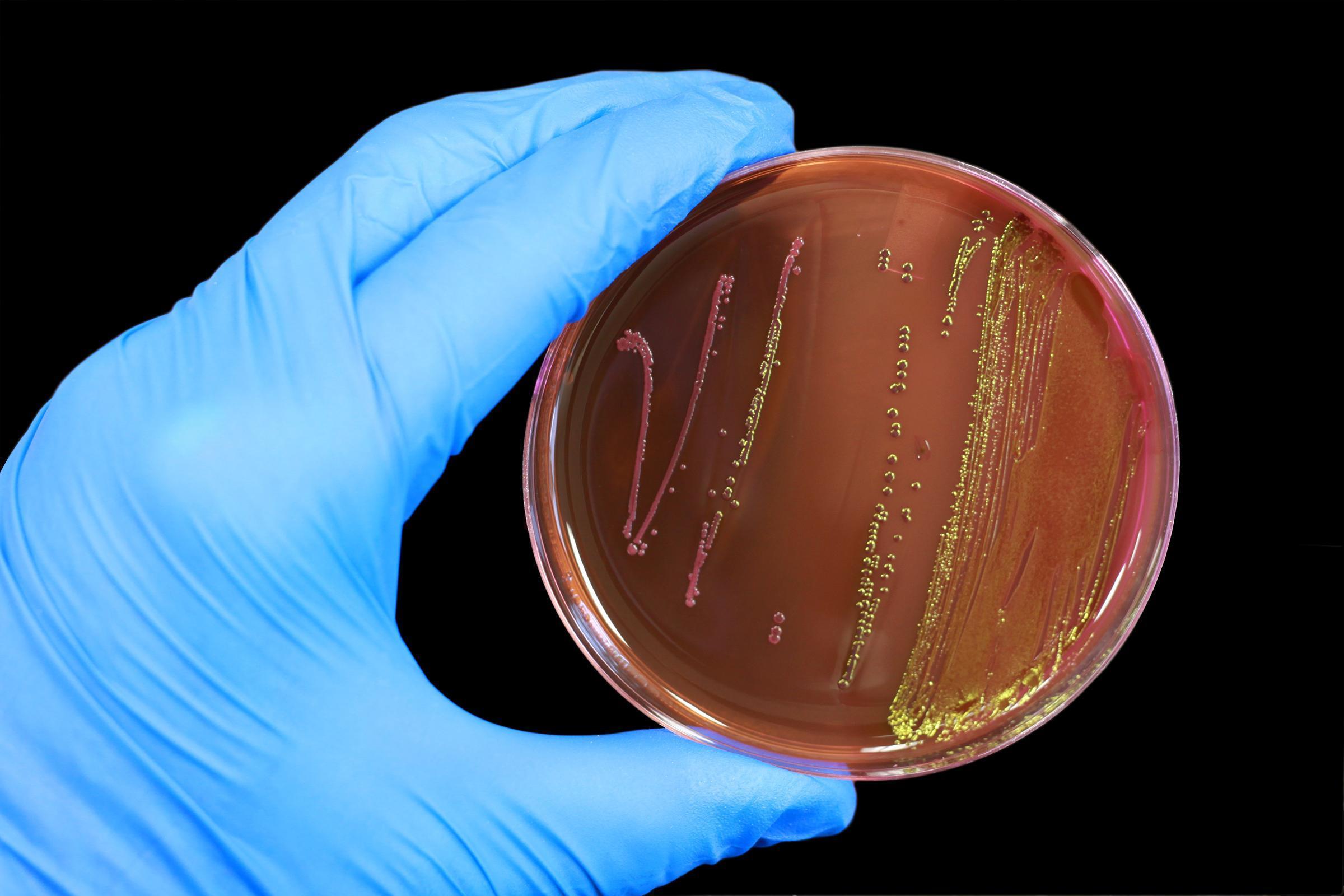
• Selective media
• Whole-genome sequencing
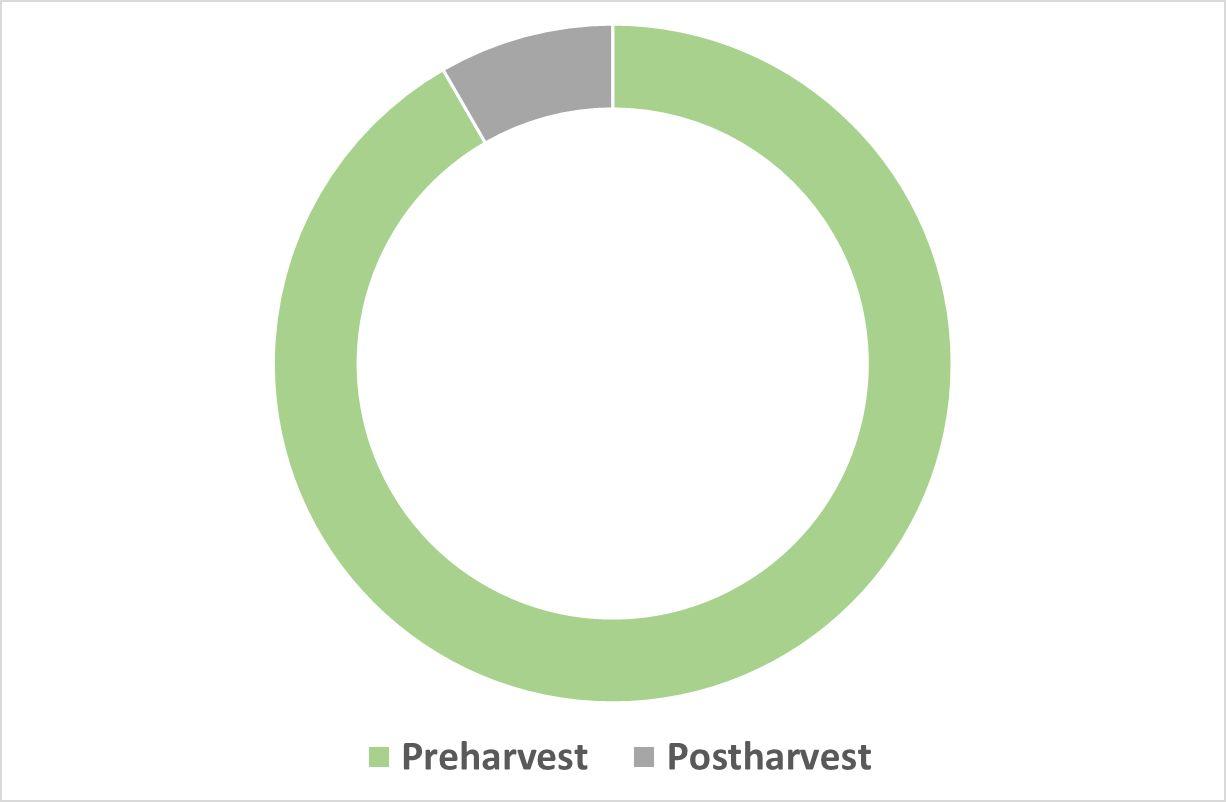
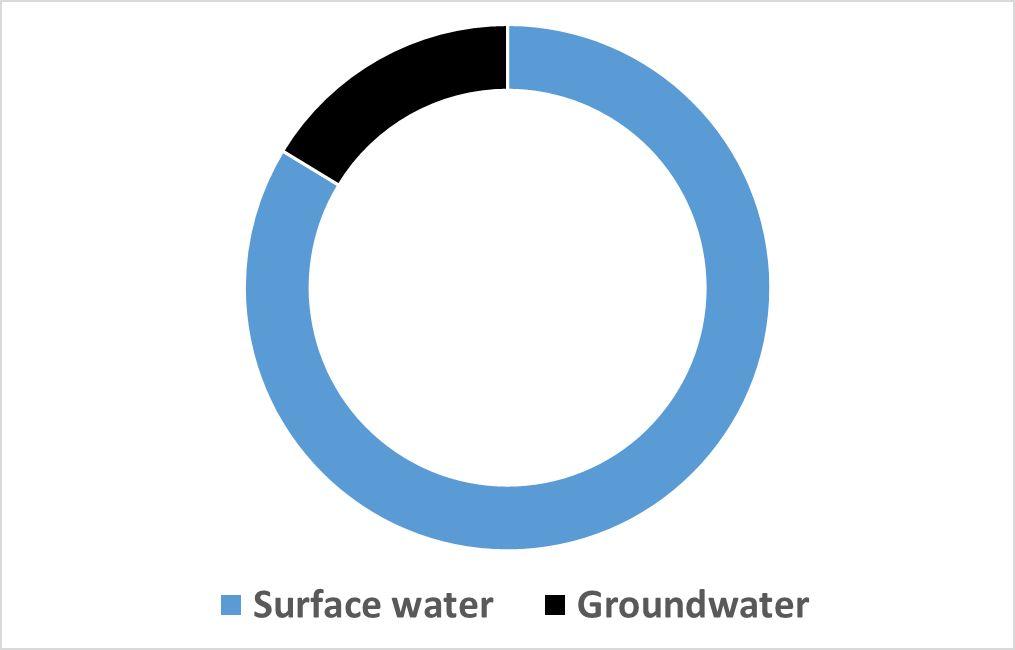


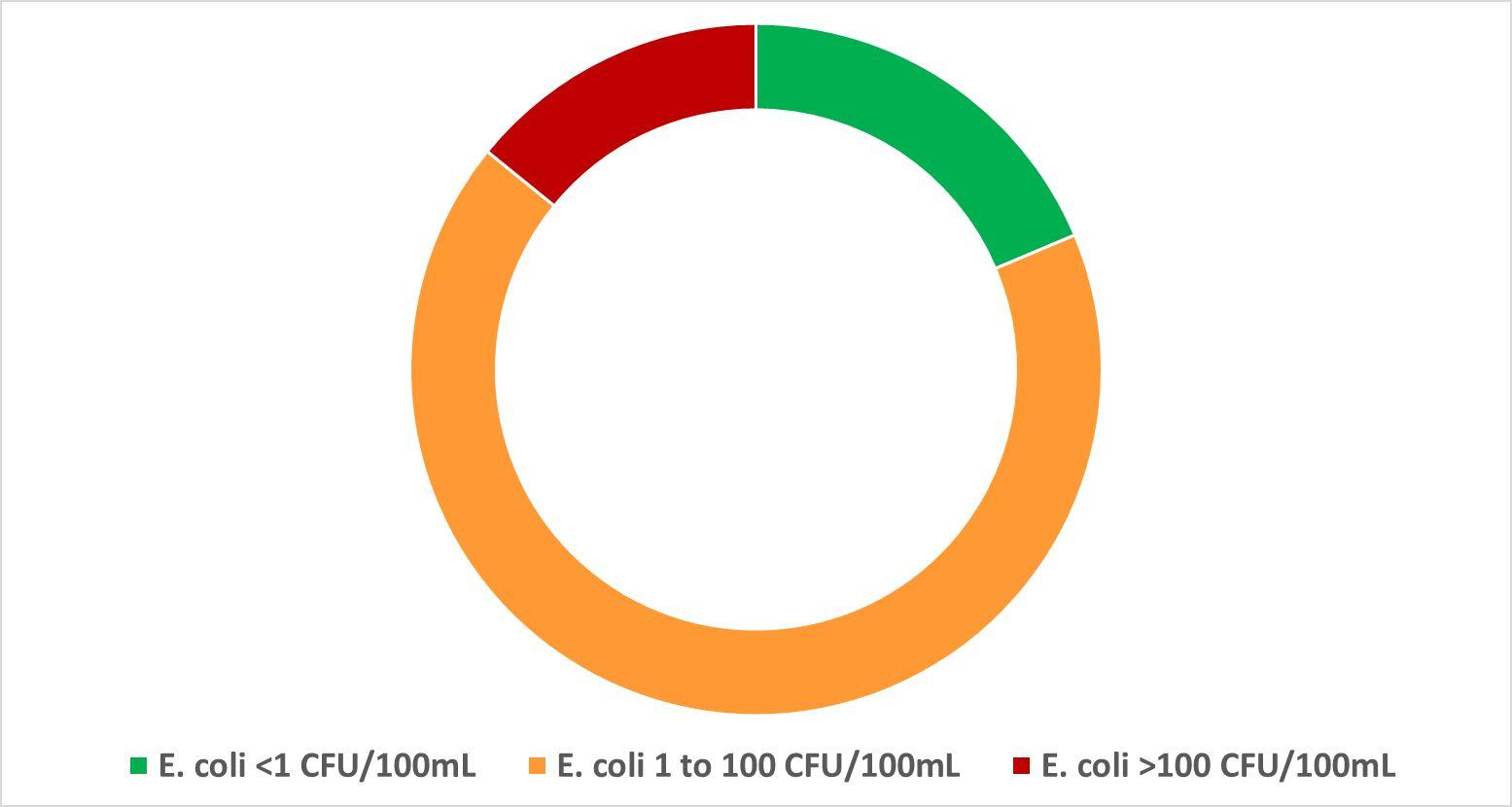
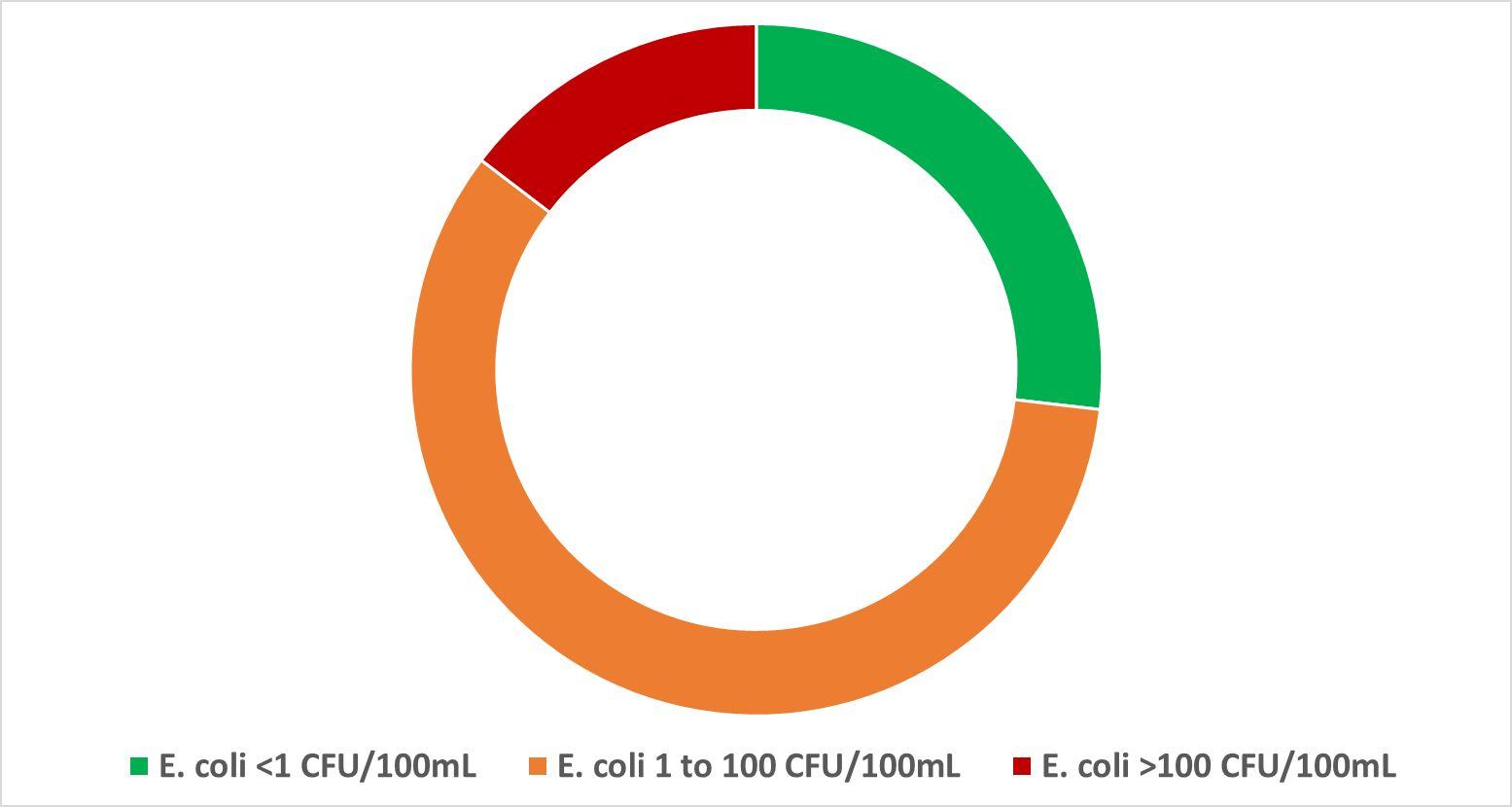
When E. coli population in water exceeds 100 CFU/100mL, the probability of detecting pathogens is higher

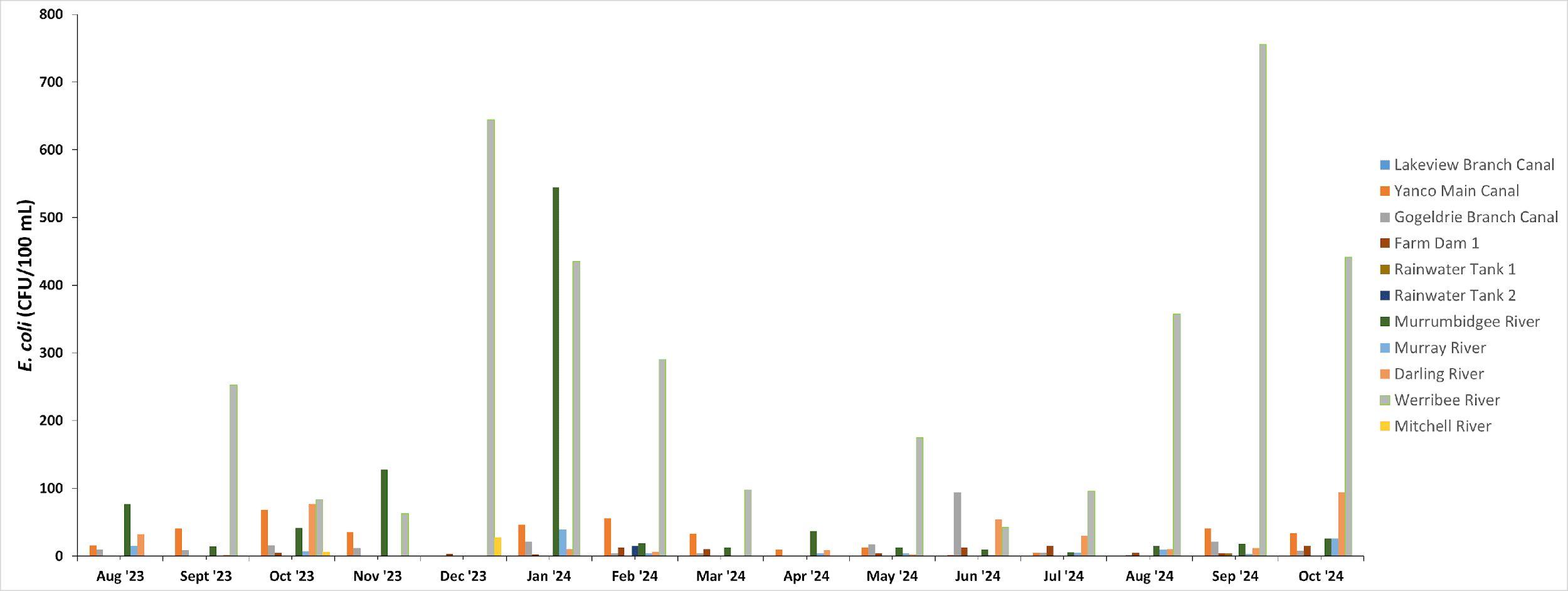
Microbial quality of surface water (e.g. rivers, creeks, dams) changes with season and weather conditions and deteriorates during summer months and after heavy rainfall/flooding
• Pump from the river and store in farm ponds
• Coarse filtration and frequent backflushing
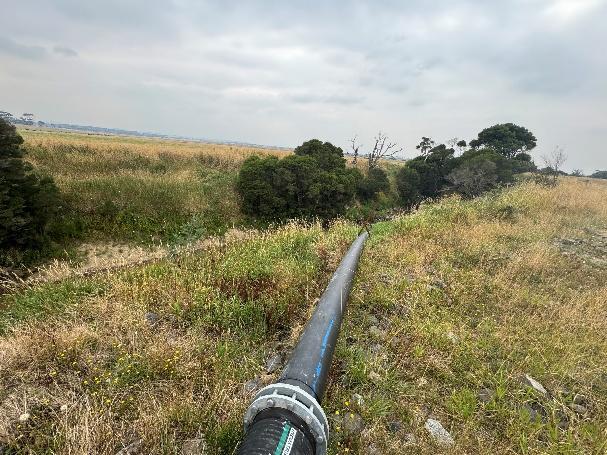
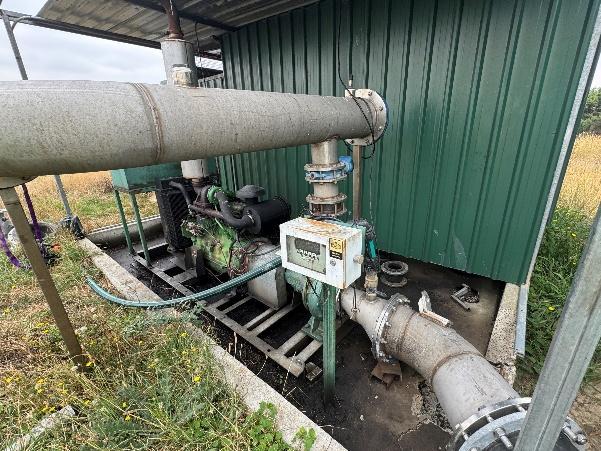
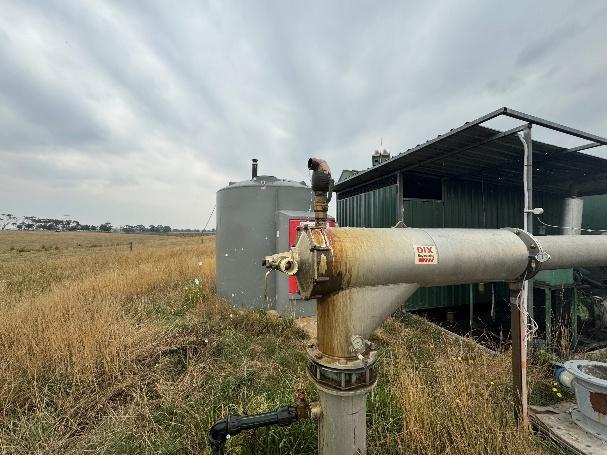
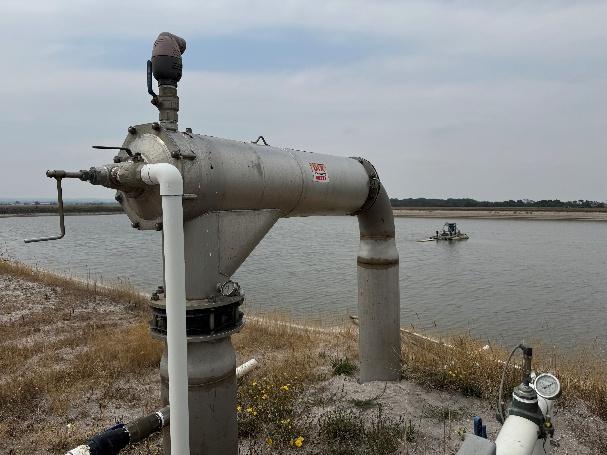
Pumping from river Sediment control and filtration (before and after storage in farm pond)







Seasonal variation in surface water quality is high, summer months and heavy rainfall events are worst scenarios
Best practice recommendations
○ Assess upstream water contamination risks
○ Water storage in ponds/dams for sediment management
○ Coarse filtration and frequent backflushing
○ Monthly water sampling and testing for generic E. coli count for year-around leafy production
○ Evaluate historical data trends
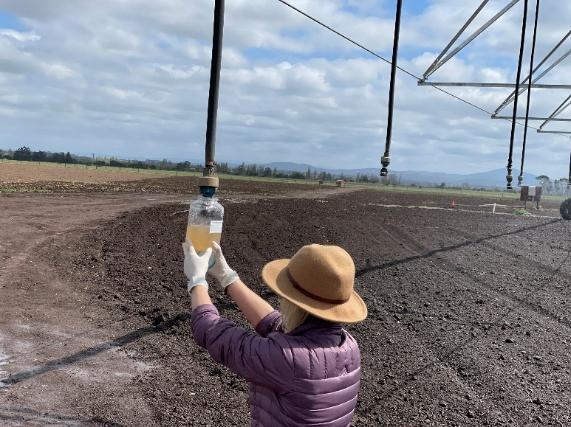
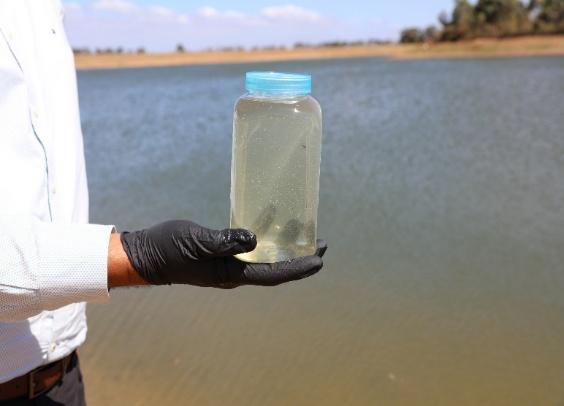


No detection of target pathogens in overhead sprinklers
E. coli (ND to <3 CFU/100 mL)
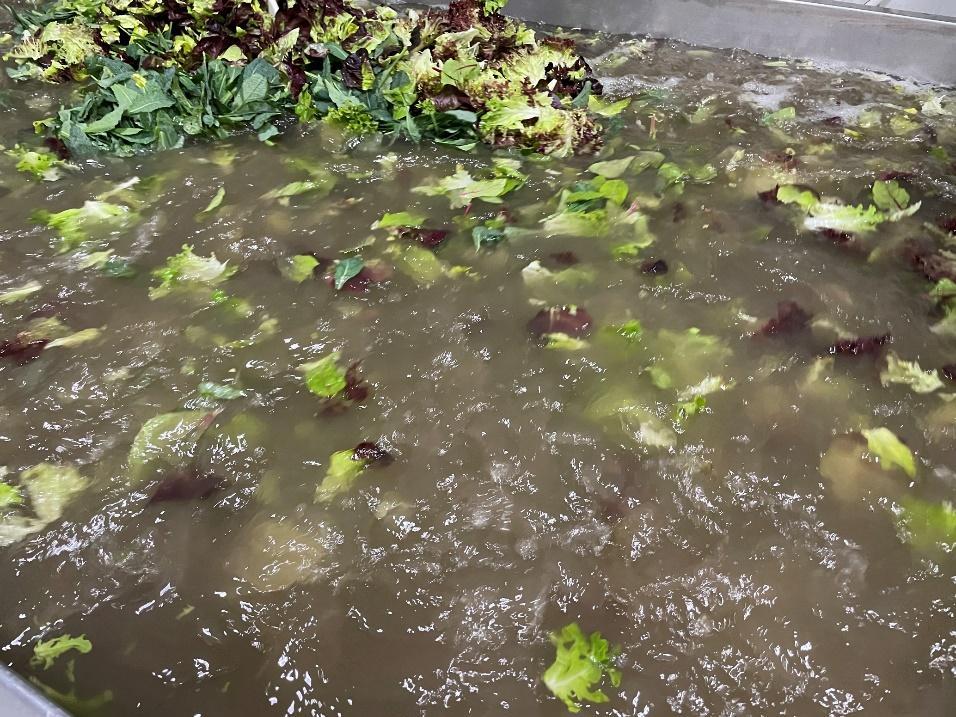
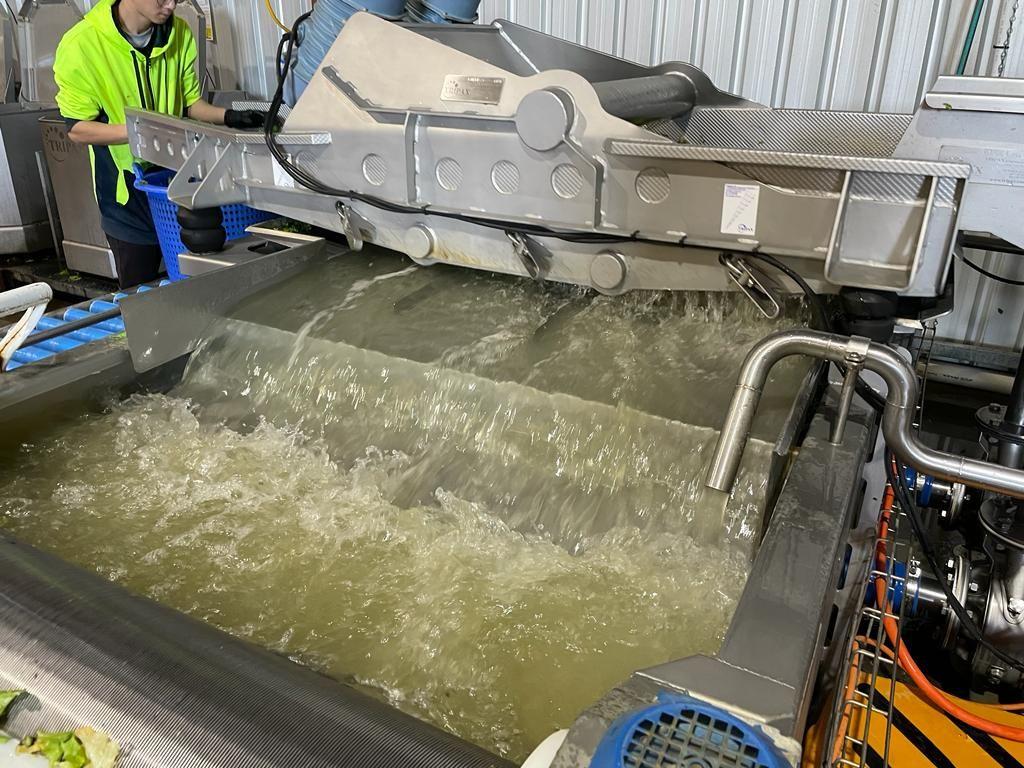
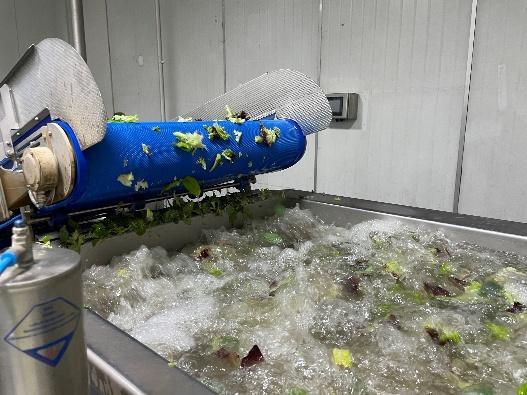
• Remove soil and debris
• Remove nutrient-rich exudates from cut ends
• Cooling and shelf-life
• Reduce microbial load on produce
• Surface sanitisation



• E. coli- too numerous to count
• Pathogenic E. coli and Listeria innocua
• Chlorine 0.2 ppm

• E. coli- not detected
• Pathogens- not detected
• Chlorine 19.0 ppm

• E. coli- not detected
• Pathogens- not detected
• Chlorine 22.0 ppm

• E. coli- not detected
• Pathogens- not detected
• PAA 70.0 ppm
• E. coli- not detected
• Pathogens- not detected
• PAA 55.0 ppm
• E. coli- not detected
• Pathogens- not detected
• PAA 37.0 ppm
To minimise organic load in wash tank
Pre-washing rinse




To minimise water replenishment in main wash tanks
To minimise sanitiser consumption (e.g. chlorine)
Run-to-wast
Rinsing is essential if chlorine is used, to minimise chloramines residue on produce

49 37 25 10 7 STEC outbreaks linked to leafy greens Leafy green type identified Traceback conducted Multiple farm investigations Single farm investigatio
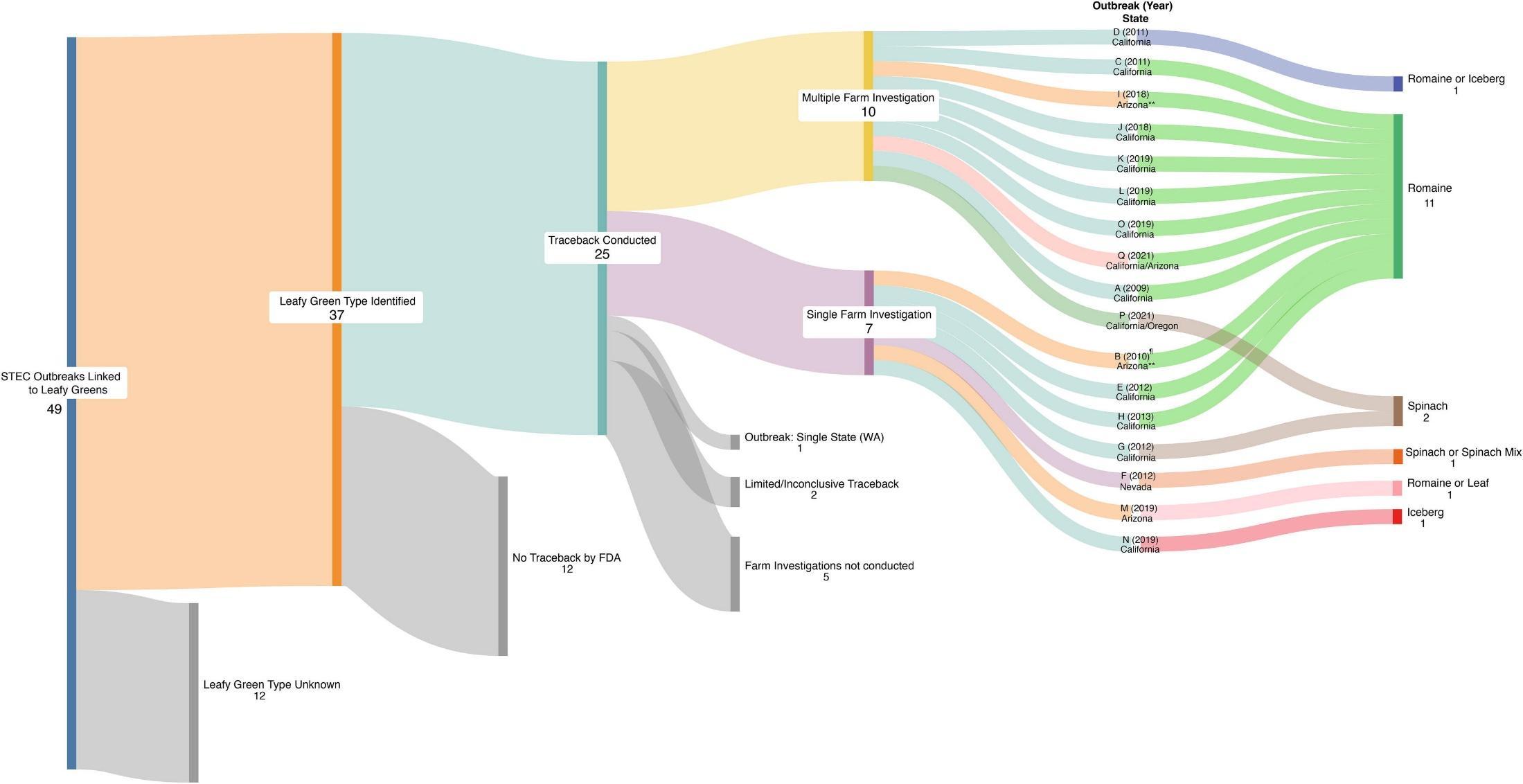
The outbreak strain identified in 6 of 17 investigations by genomic analysis.
Source: Viazis et al, 2025

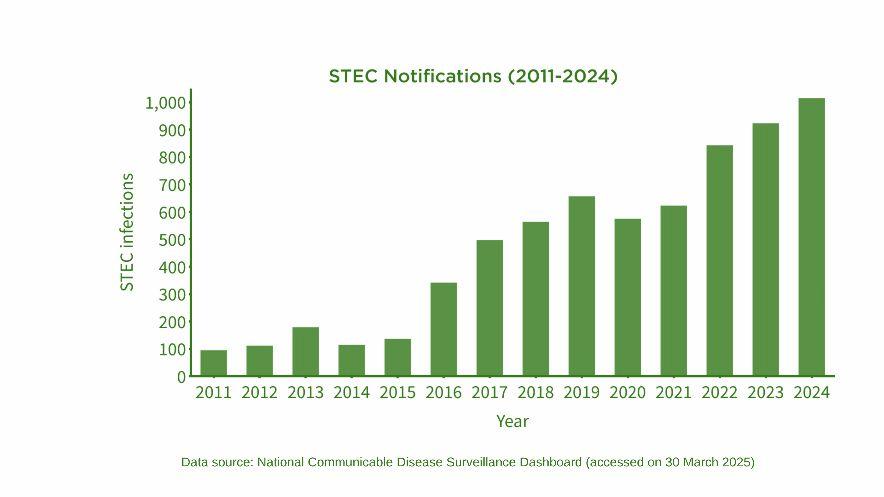
>100 serotypes commonly linked to human illnesses
Top-7 or Top 6 STEC serotypes
○ STEC O157-commonly linked to human illness worldwide
○ STEC Non-O157
○ O26, O45, O103, O111, O121, O145 (Top-6, USDA)
○ O26, O103, O91, O146 and O145 (Top-5, EFSA)
O157 is the most commonly linked to human illnesses in Australia, followed by O111 and O26.
No recent reports/history of foodborne STEC outbreaks in Australia
No STEC strain can be assumed non-pathogenic
Very low infective dose (10-100 cells)
○ Young children and elderly are more prone to STEC
100 to 1,000,000 STEC cells per g of cattle faeces.
Level Trait (gene) Potential for:
1 stx2a + eae or aggR
2 stx2d
3 stx2c + eae
4 stx1a + eae
5 Other stx subtypes
Reference: Food and Agriculture Organization of the United Nations & World Health Organization (2018). Shiga toxin-producing Escherichia coli (STEC) and food: Attribution, characterization and monitoring. FAO & WHO.
D = Mild non-bloody diarrhoea
BD = Bloody diarrhoea
HUS = Haemolytic uraemic syndrome (damages kidney blood vessels causing clotting and kidney failure)
While useful in epidemiology, serotyping (e.g. O157, O26) is not a reliable indicator for the disease severity caused by STEC with the best predictors being stx subtypes and the presence or absence of eae.


• Majority of Australian red meat STEC fall into lower risk levels of JEMRA classification that are less associated with severe human diseases.


Less severe STEC cases, top three STEC in humans
• O157 (>50% cases), O26, and O111
• 0157, O26 and O111 are major STEC with higher prevalence of stx1a
Common stx subtype: stx1a, in both “Top-7” and non-“Top-7” serotypes. HUS linked to either stx2a or stx2d
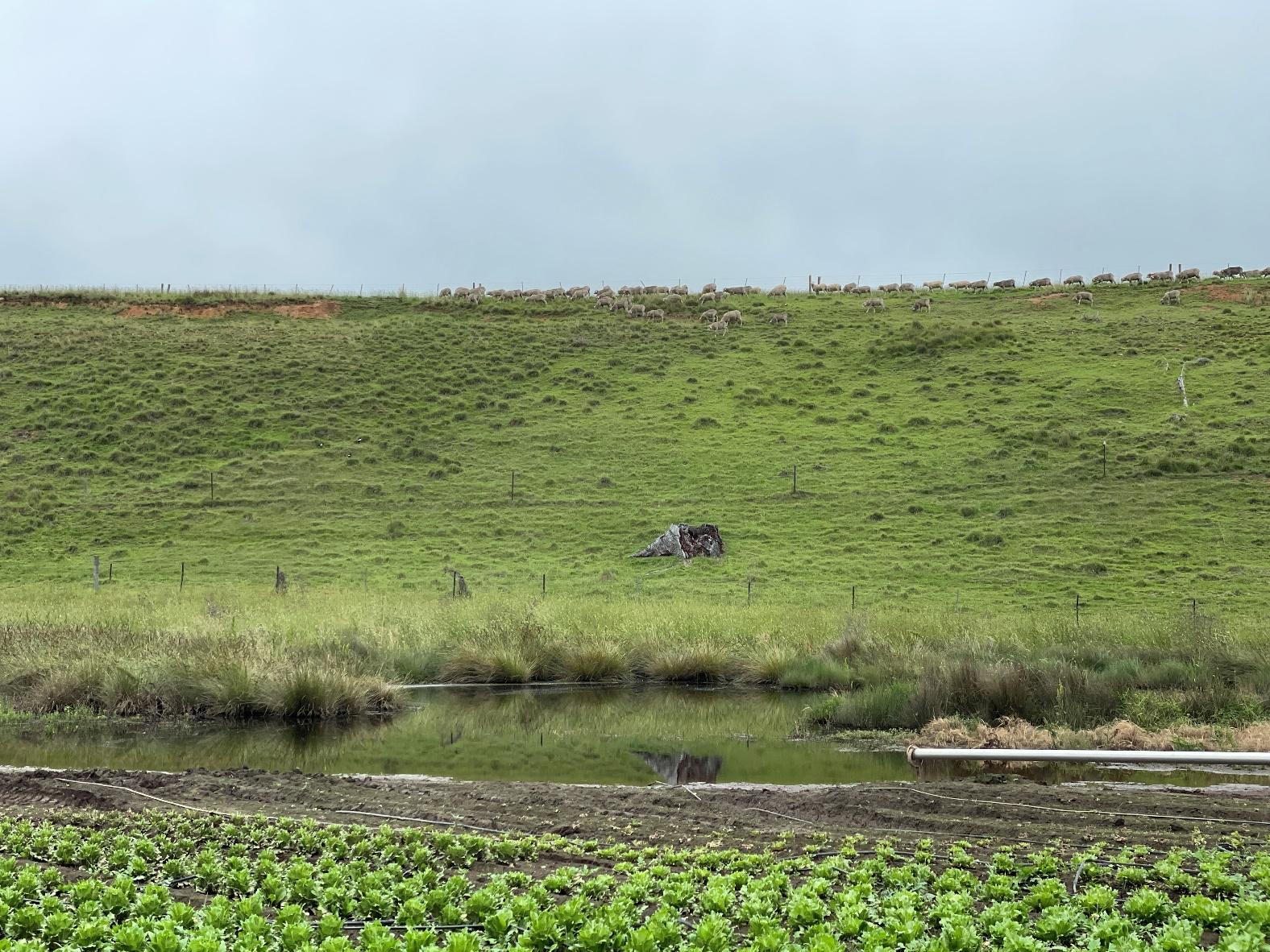
✔ Surface irrigation water used for overhead irrigation (E. coli >100 CFU/100mL)
✔ Proximity to cattle and sheep
✔ Heavy rainfall prior to harvest
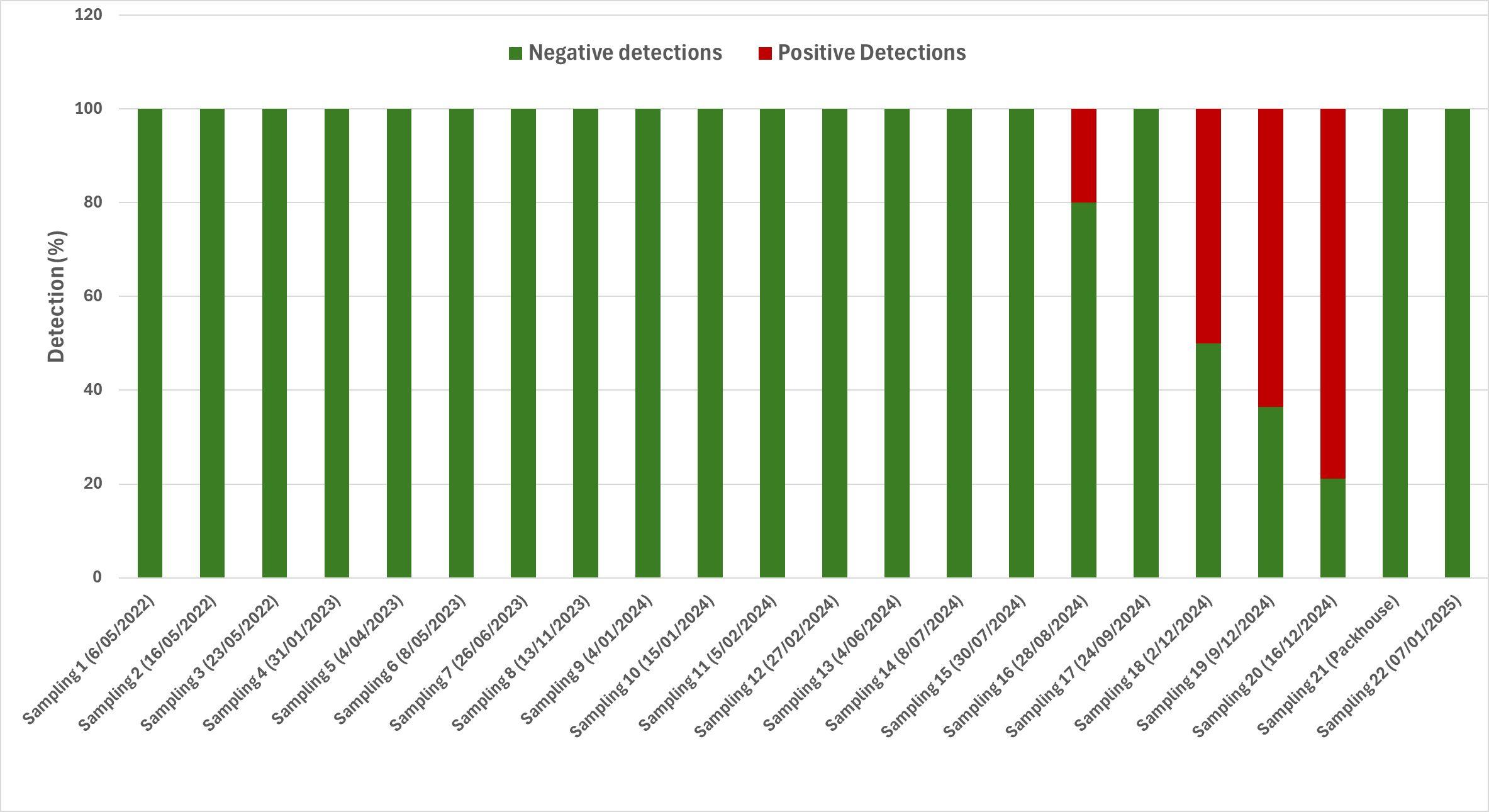
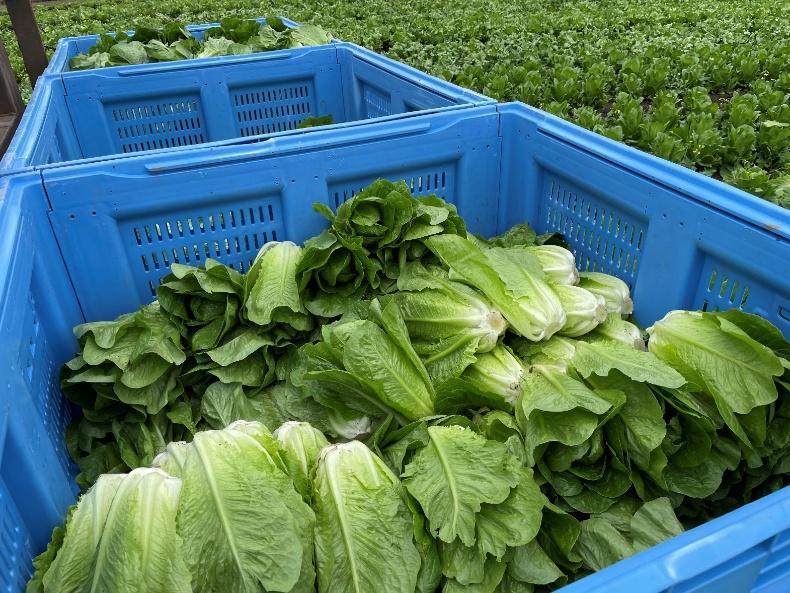
✔ Cross-contamination during postharvest washing
seeded in the field, amplified along the way
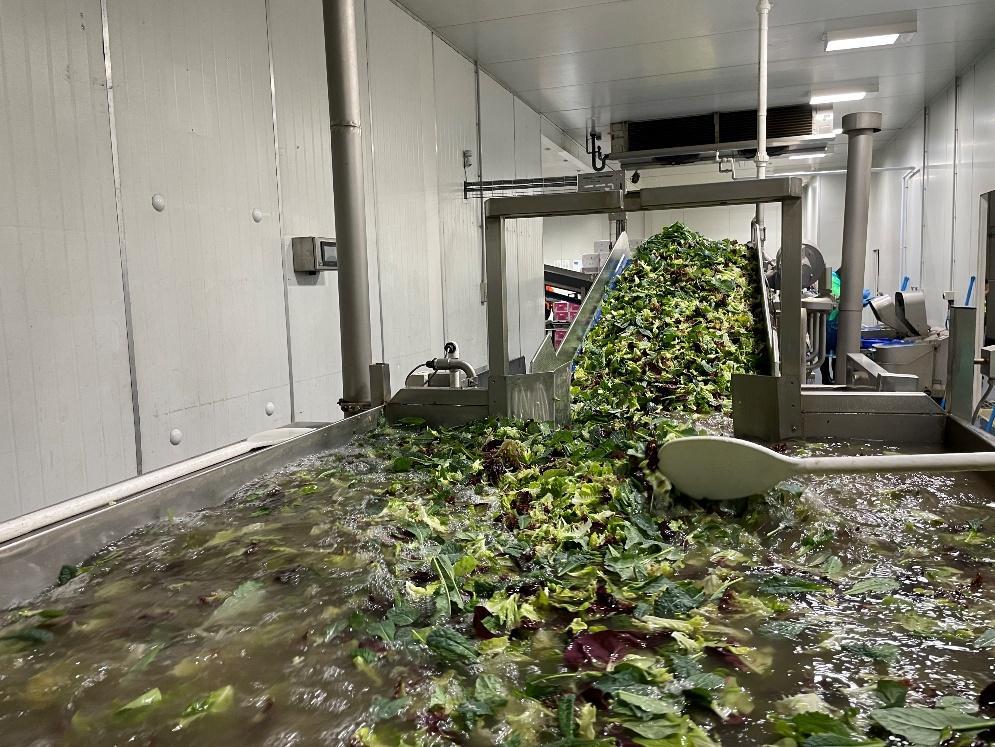
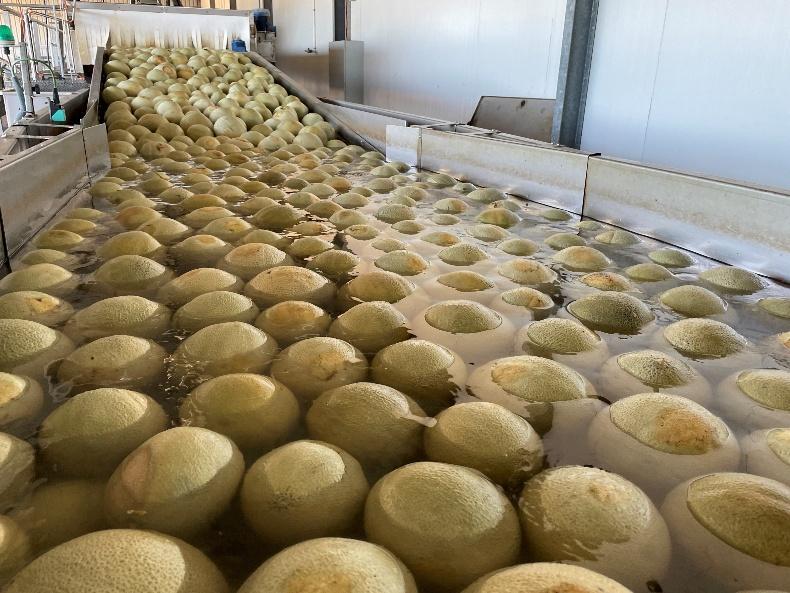
Pathogens will keep entering the packhouse, but don’t let them become the residents
Produce contaminated with Listeria
Contact surface contaminated with Listeria
1. Preventing transient pathogens from becoming entrenched (residents), forming biofilms and spreading
2. Verifying effectiveness of control measures
3. Detecting resident pathogens before they can spread
4. Determining and undertaking corrective actions
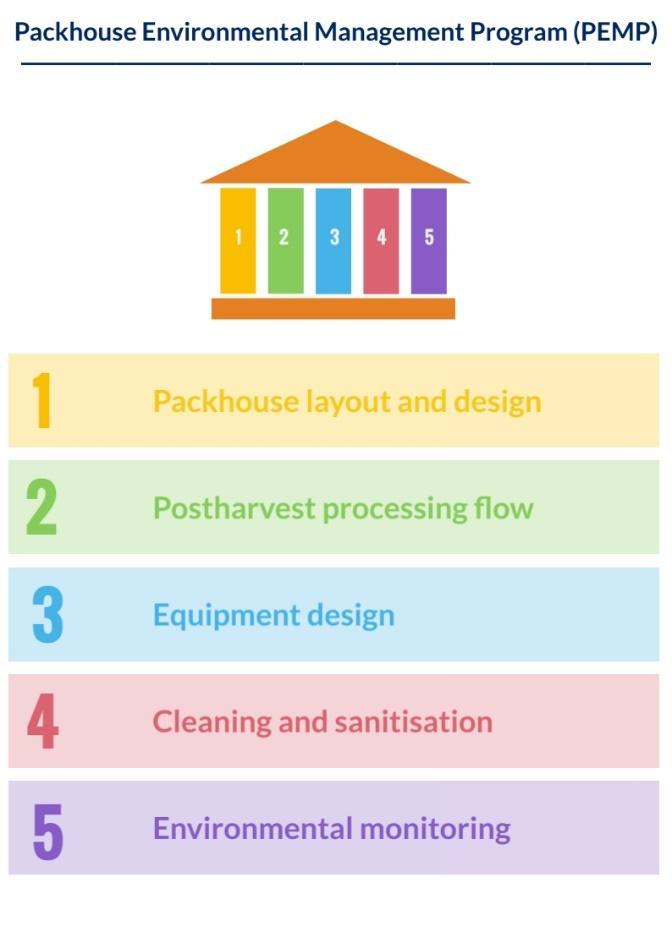
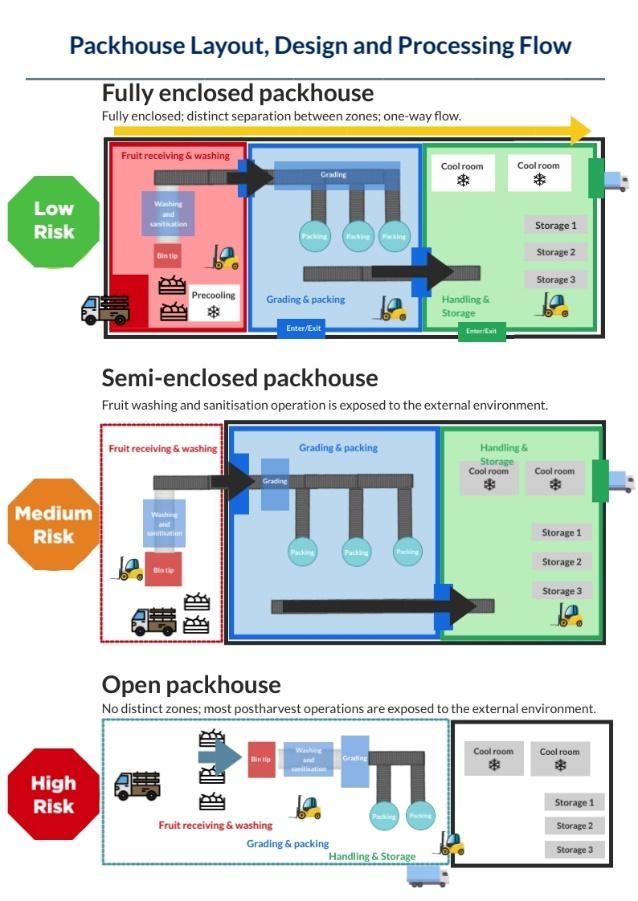
• Target pathogens?
• Where and how to sample?
• How frequent?
• Microbiological testing?
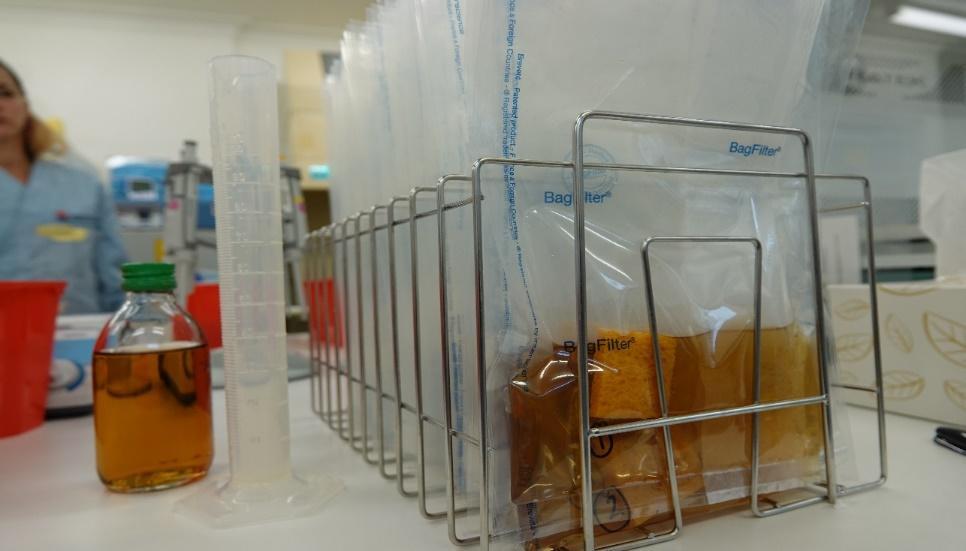
How many samples?
• Subjective question
• Trends & history
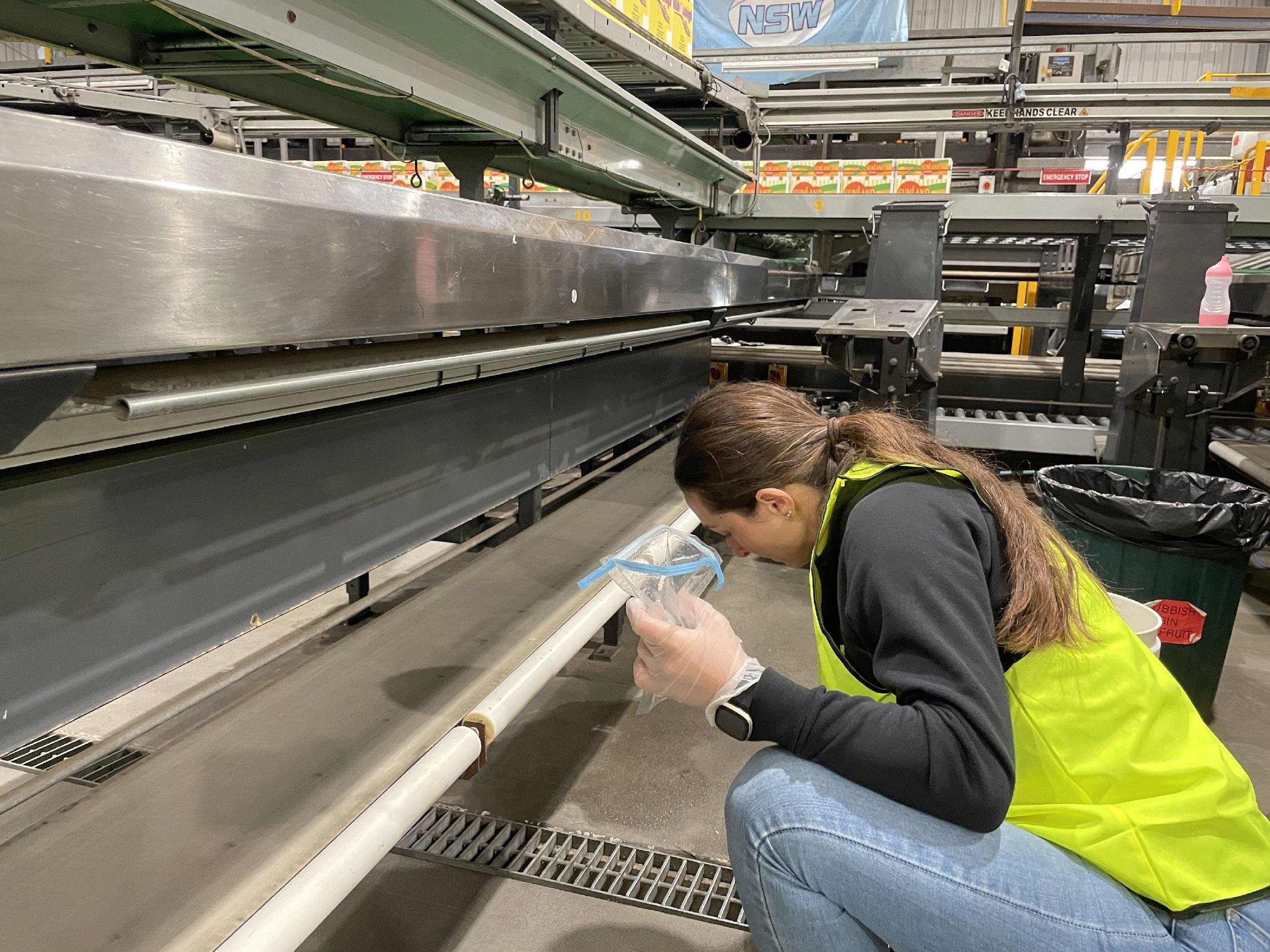
• Sampling spots
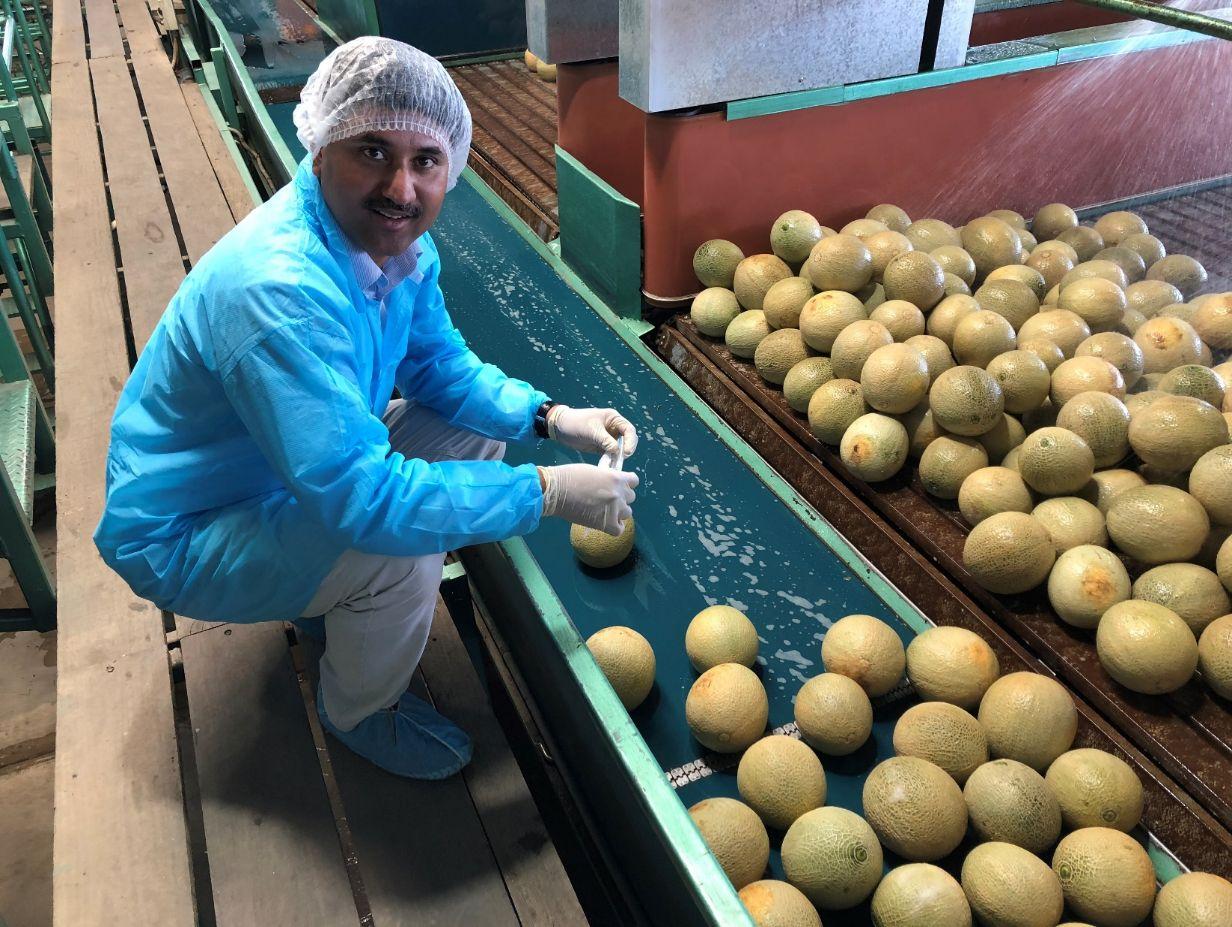
• 5-7 swabs from each zone
• 5 processed fruit samples
Outside packhouse area (e.g. loading docks, lunch rooms)
Non-fruit contact surfaces (e.g. Floors, walls, forklifts)
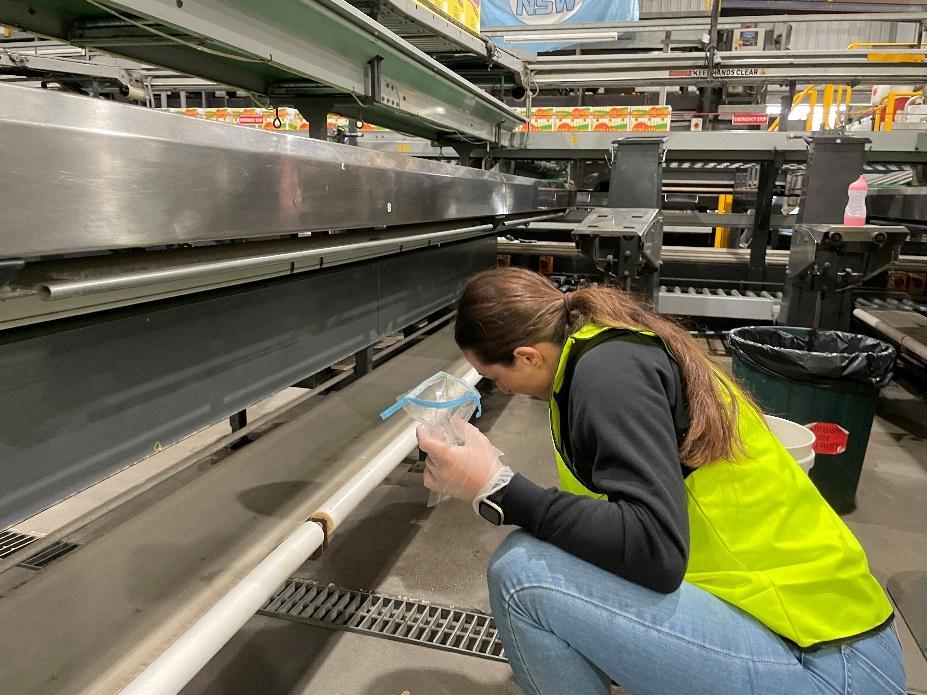
Near-fruit contact surfaces (e.g. underside of conveyor belts, hollow rollers)
Fruit contact surfaces (e.g. Brushes, conveyor belts and packing tables)
• One size does not fit all
• Produce volumes and packhouse risk history
• weekly testing for large operations (>20 tonnes/shift)
• fortnightly for medium scale (3-20 tonnes/shift)
• monthly for small packhouses (up to 3 tonnes/shift)
• Increase the frequency
• Positive detection
• Weather events (dust storms, flooding, cyclones)

Speed Accuracy
distribution
Number of fruit packers = 51 (N= 2,257)
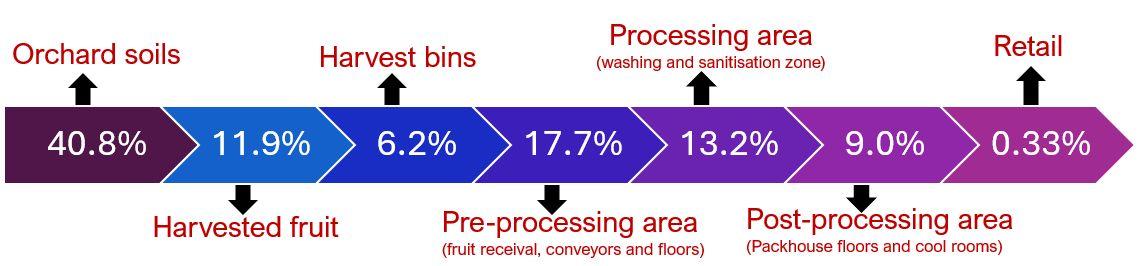
Source: Singh et al., 2025

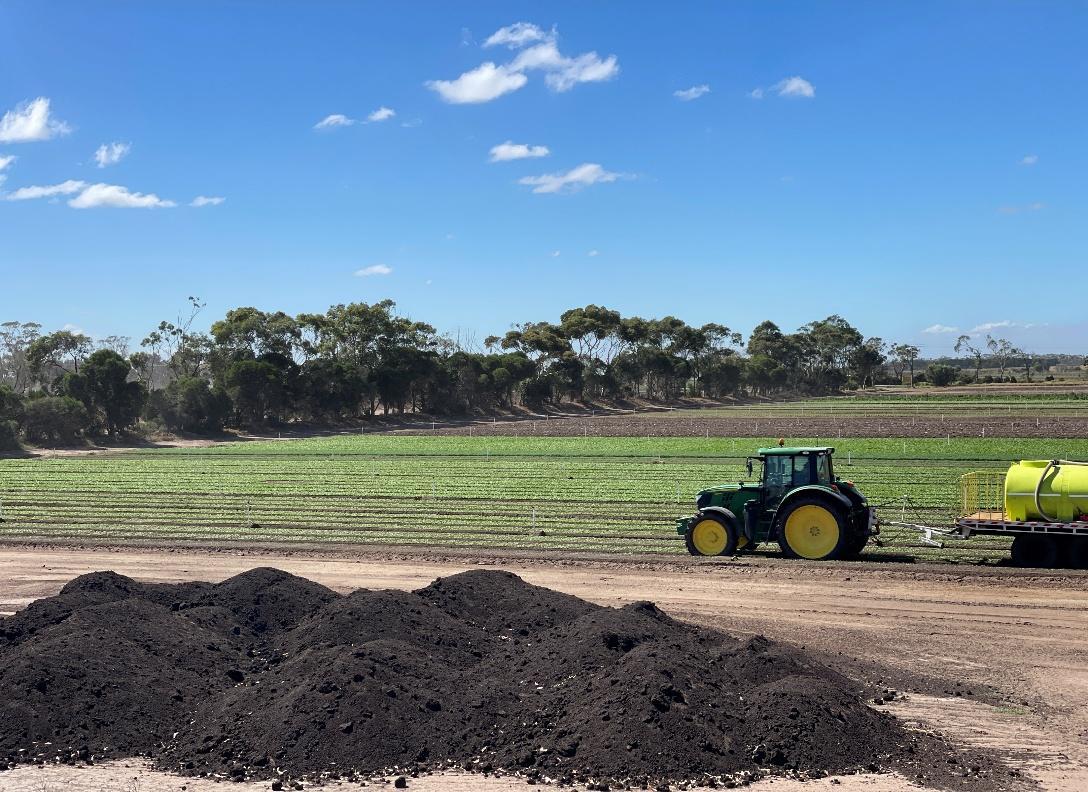
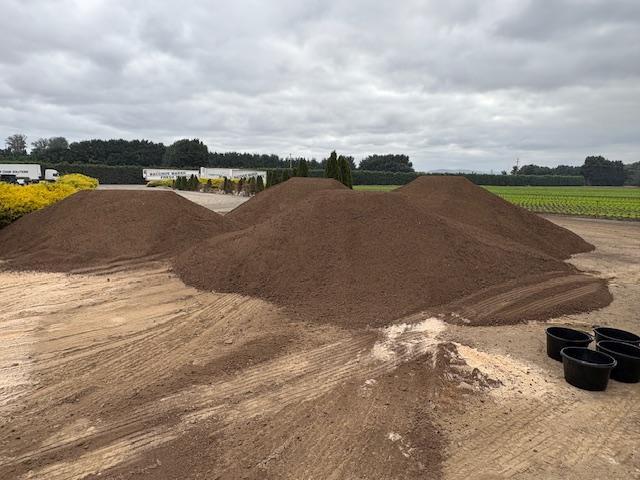
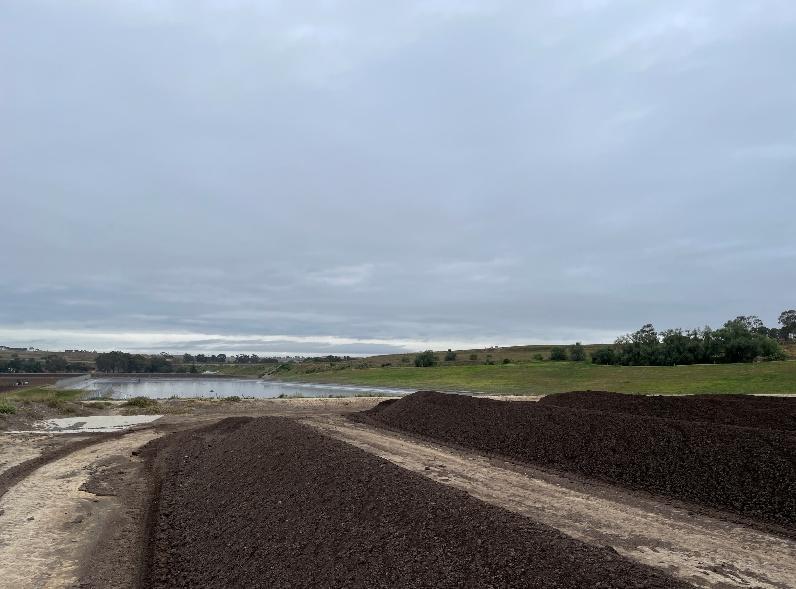
Field storage or holding of raw untreated organic amendments, particular in vicinity of crops near maturity


Salmonella Muenchen





Production field Packing shed
Salmonella Muenchen
Salmonella Muenchen
Location Specific location Salmonella serotype Salmonella ST
Production field Iceberg lettuce field Muenchen 82
Processing area drain Receivals shed drain Muenchen 82
Processing area drain Receivals shed drain Muenchen 82
Processing area drain Receivals shed drain Muenchen 82
Processing area drain Receivals shed drain Muenchen 82
Processing area drain Receivals shed drain Muenchen 82

Packing shed
Salmonella Rubislaw
Processing area floor Receivals shed floor swab Rubislaw
Processing area floor Receivals shed floor swab Rubislaw
Processing area floor Receivals shed floor swab Rubislaw
Hygiene of produce receival area determines the fate of packhouse environment.
Produce contact surfaces such as conveyor belts, brushes and rollers.
• “We have a QA scheme in place” - complacency over caution
• “We do microbiological testing” – overreliance on testing instead of prevention
• “We have passed multiple audits”- tick-box compliance
• Production over protection – speed prioritised over safety
• Normalisation of shortcuts – unsafe practices become routine
• Resistance to change – “we’ve always done it this way”
• Poor risk perception – underestimating contamination pathways
• Inconsistent leadership signals – safety said, but not shown
• Training without buy-in – knowledge without behaviour change
• Disconnect from consequences – forgetting the consumer
● History repeats itself, learn before it costs you. The lessons from past are not just stories; they are warnings. Use them to guide your decisions today.
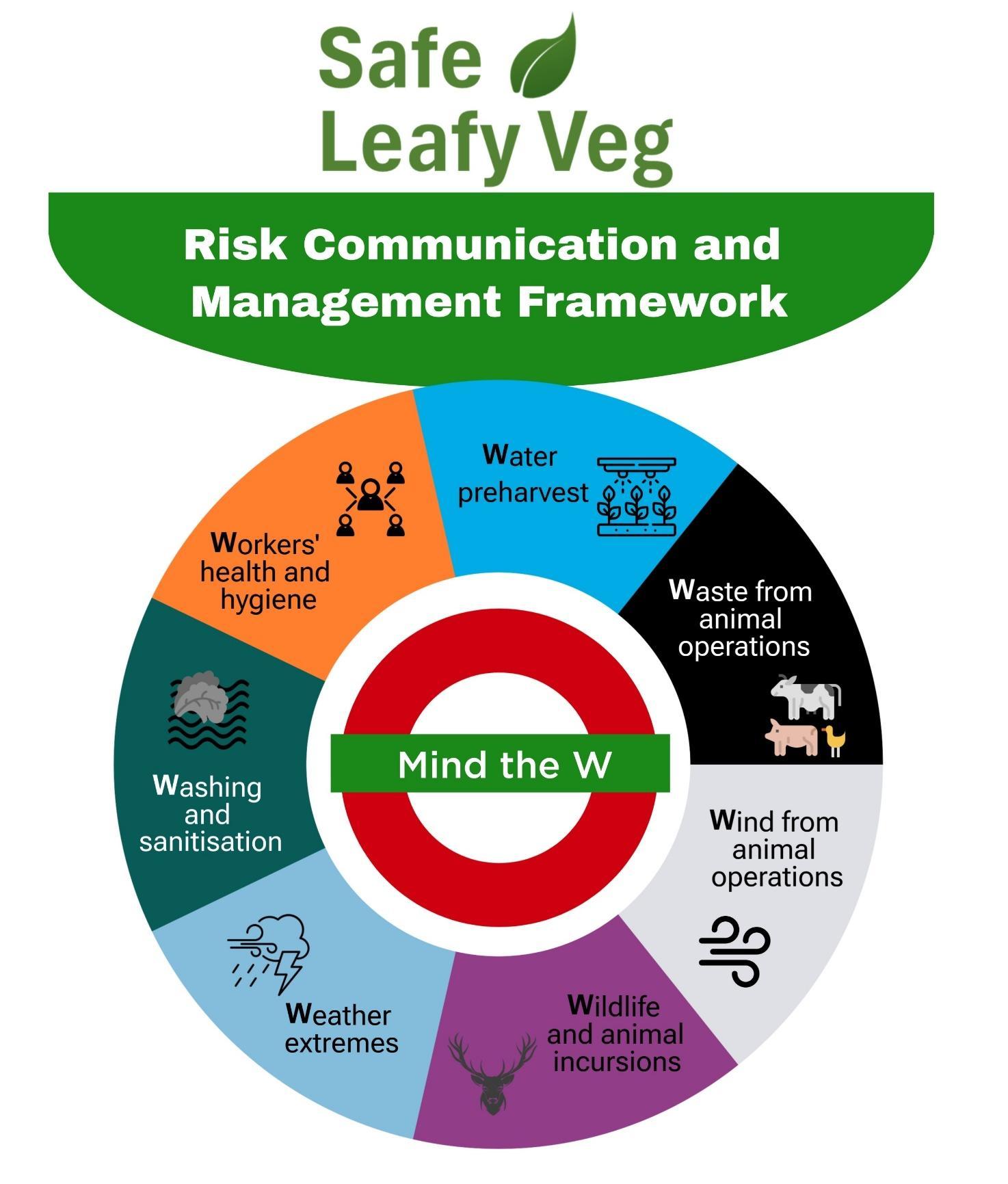
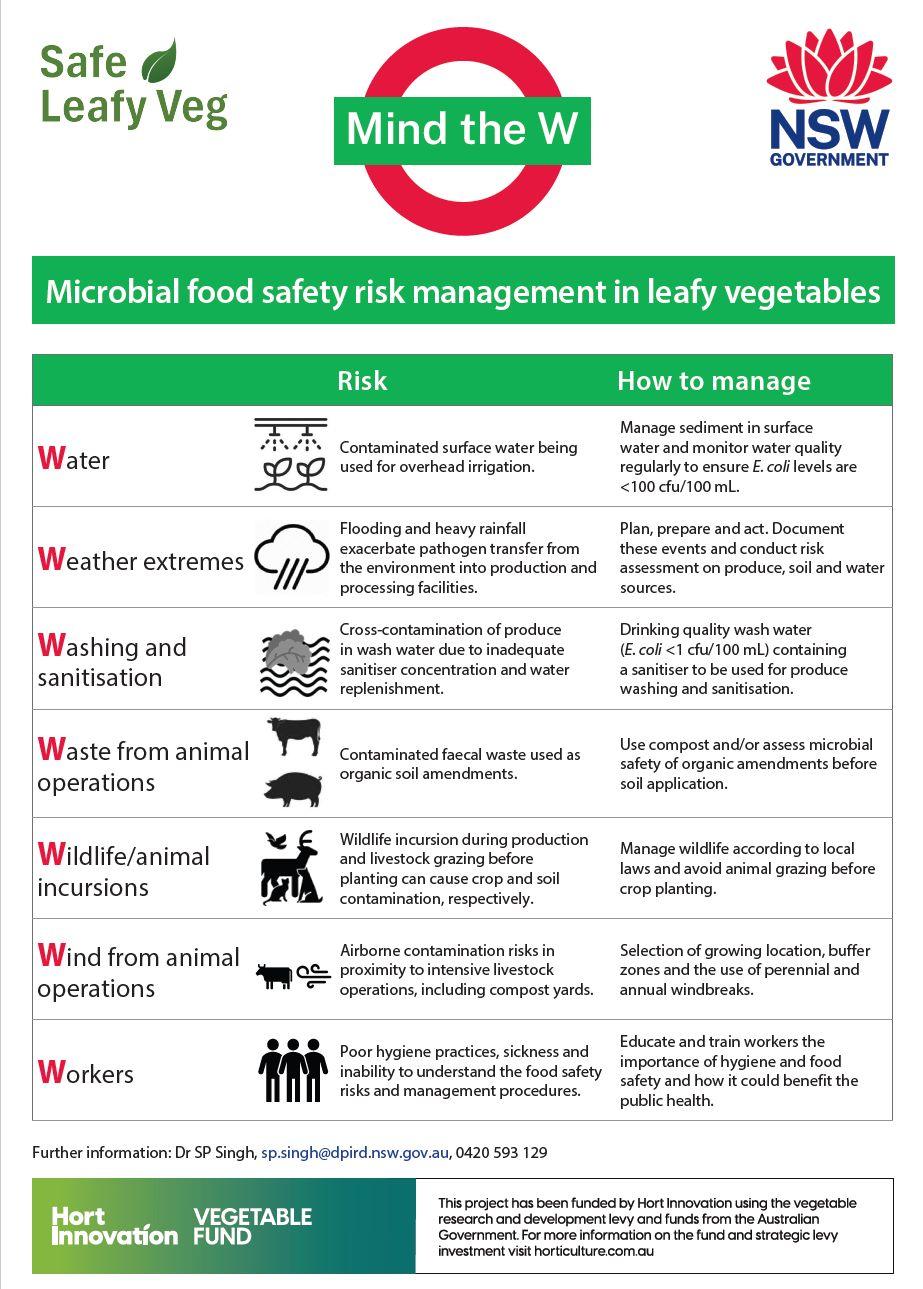
● Mind the “W” is a powerful tool for rapid risk assessment. It helps identify vulnerabilities before they become crises.
● Water is the most critical element in produce safety. From irrigation to washing, it can be a source of contamination if not managed carefully.
● Contamination is a spark (a few cases); cross-contamination is a wildfire (large scale outbreak).
● Our future in fresh produce safety depends on vigilance, proactive assessment, and learning from history.
Maisie Wen Technical Specialist

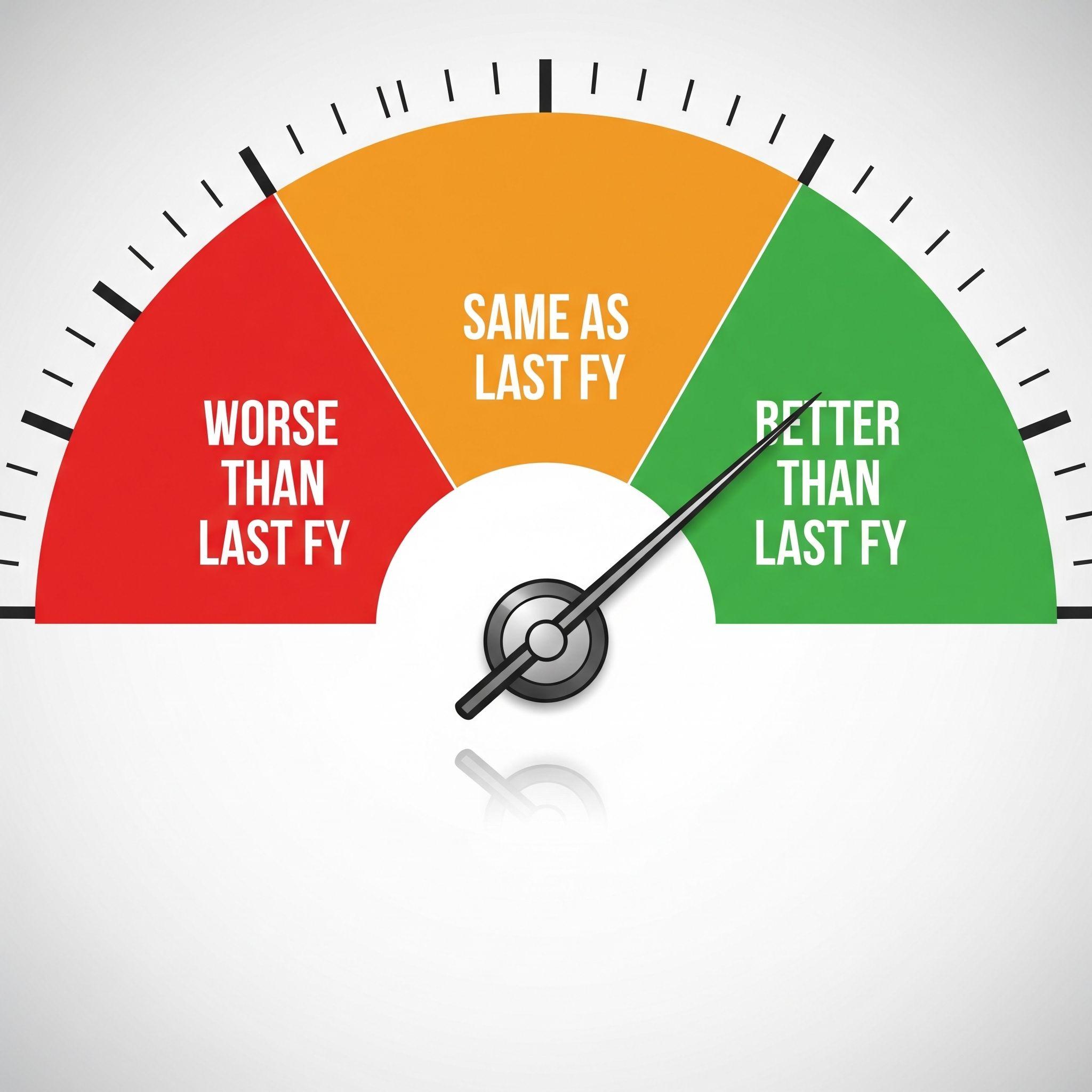
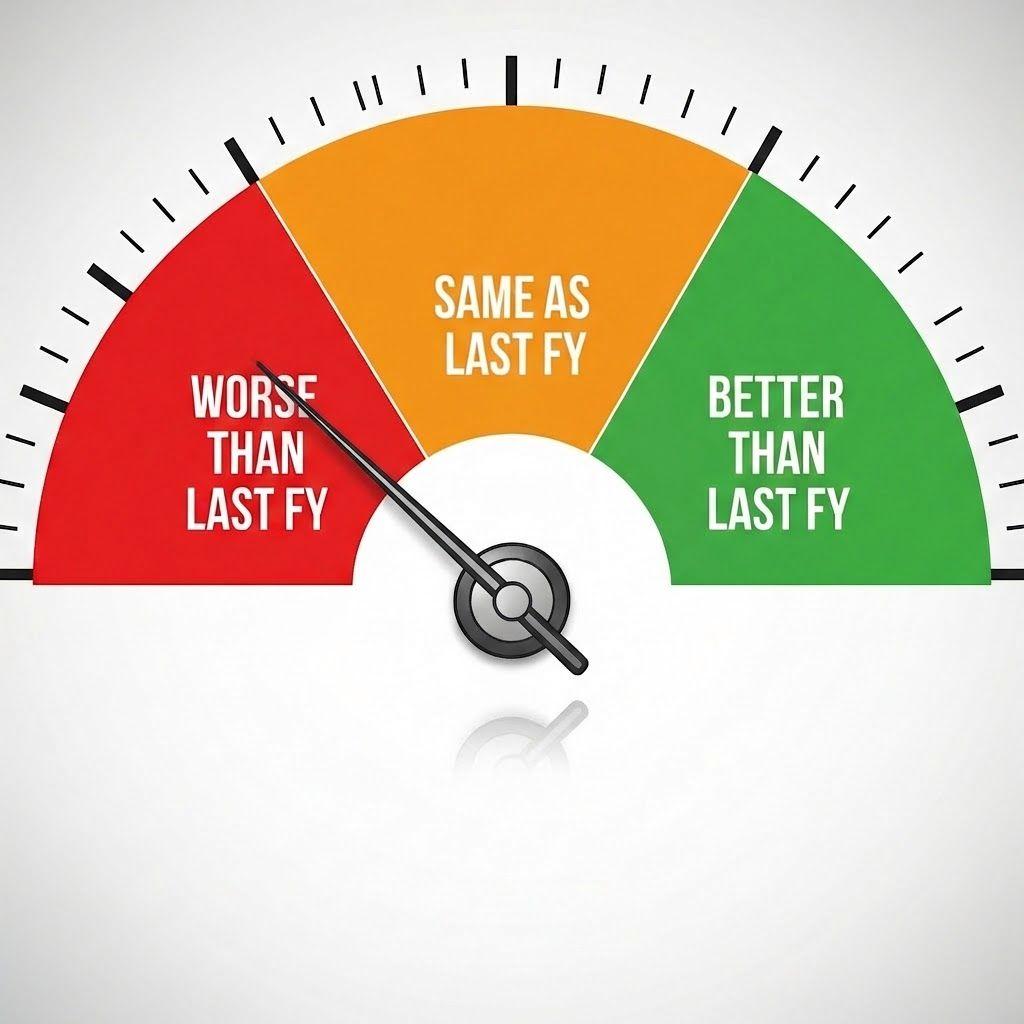
Severity 1 Complaints Severity 2 Complaints DC Rejections Withdrawals Recalls 1.55 Per million units 0.13 Per million units
Incidents 12 Incidents 0 Incidents


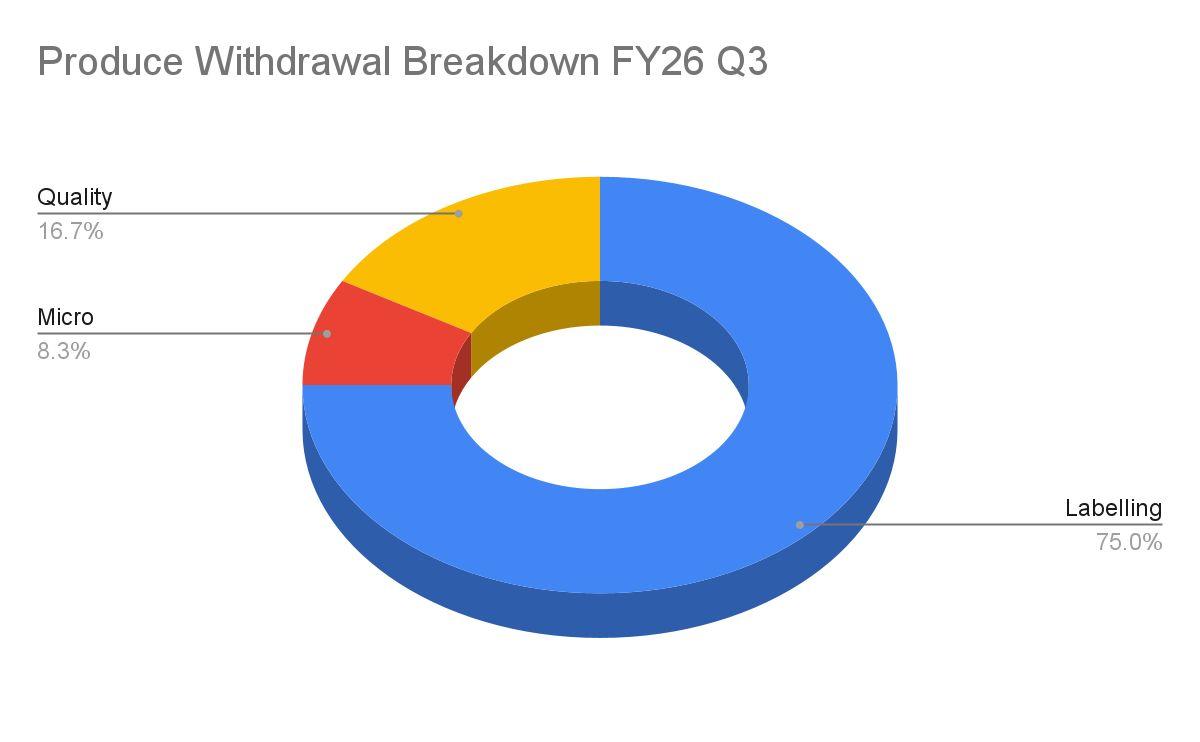
Main drivers for Labelling:
Incorrect label/product - 67%

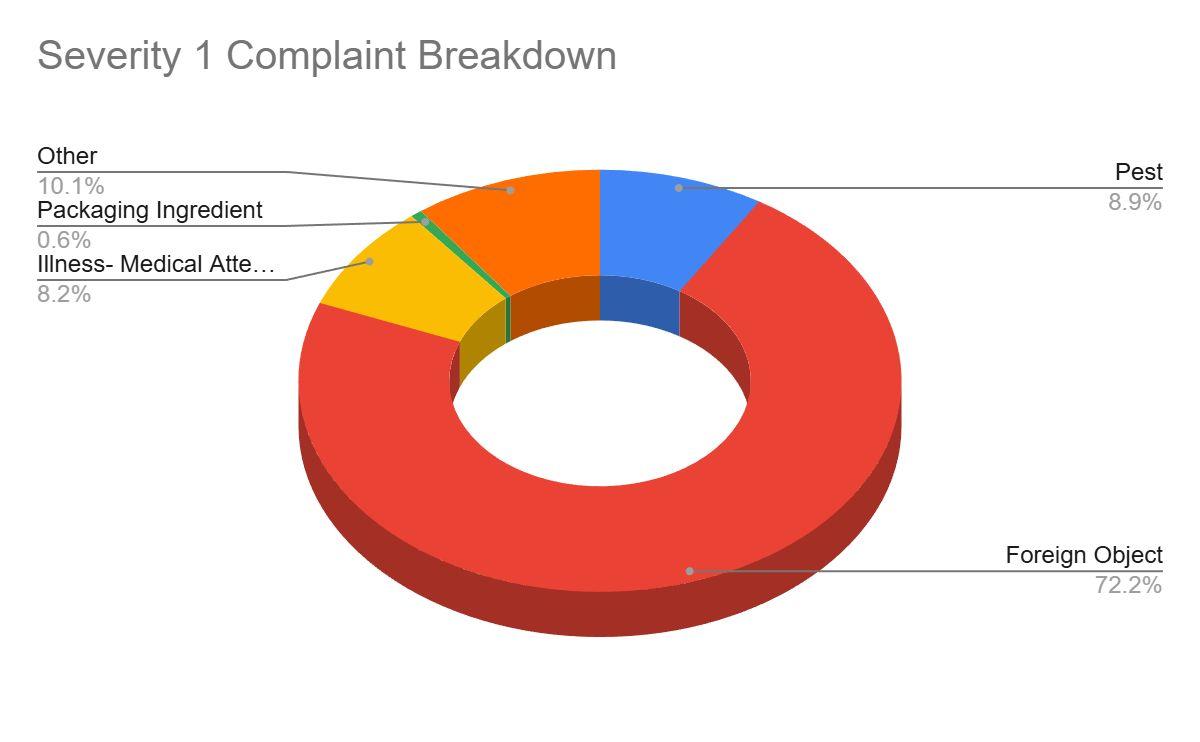
Main drivers for Foreign Objects: Hard Plastic - 35%; Metal - 30%

Failure Rate: 4.9%

Top 3 commodities
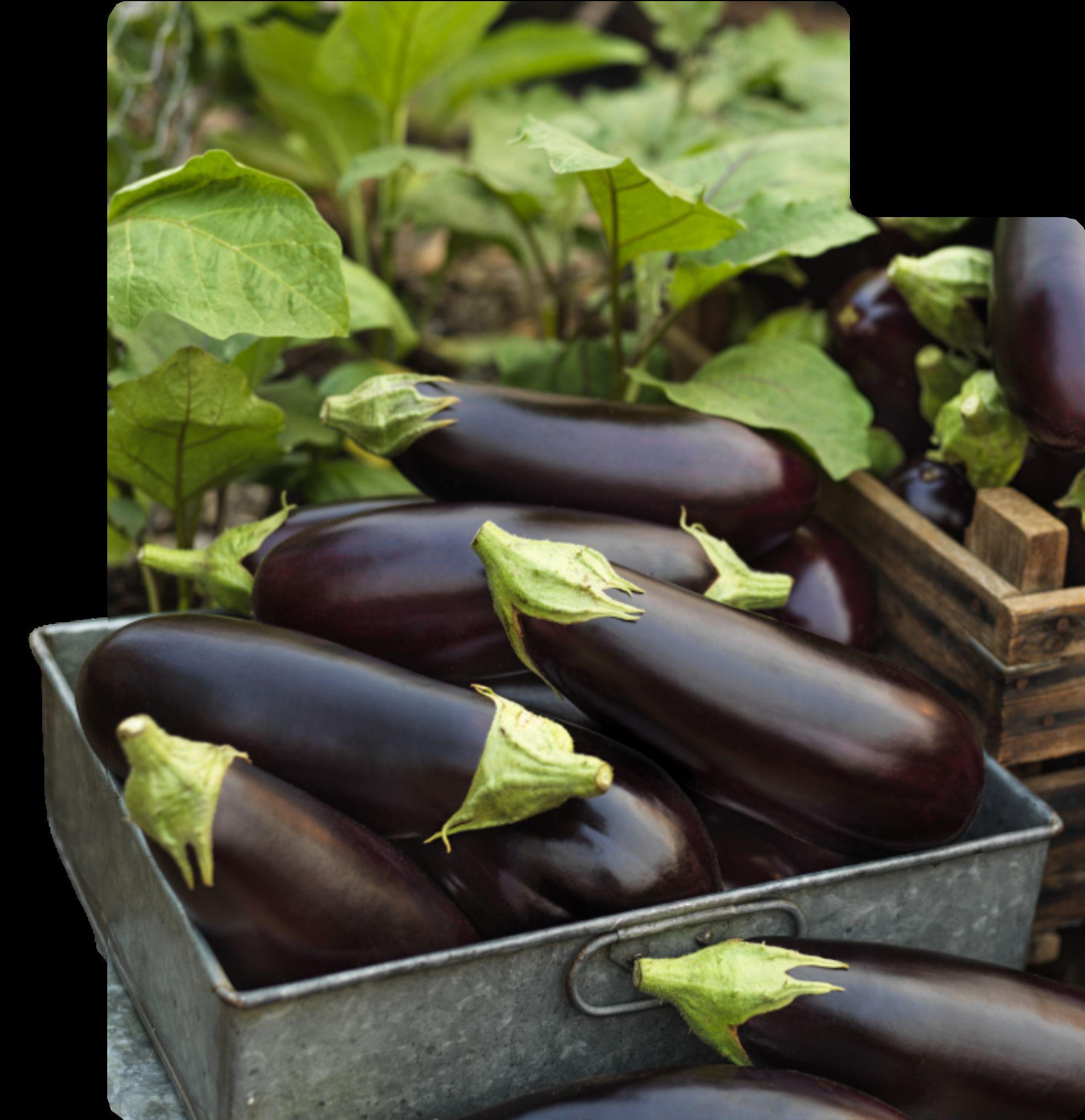
Eggplant (4), Cucumber (4) and Mint (3)

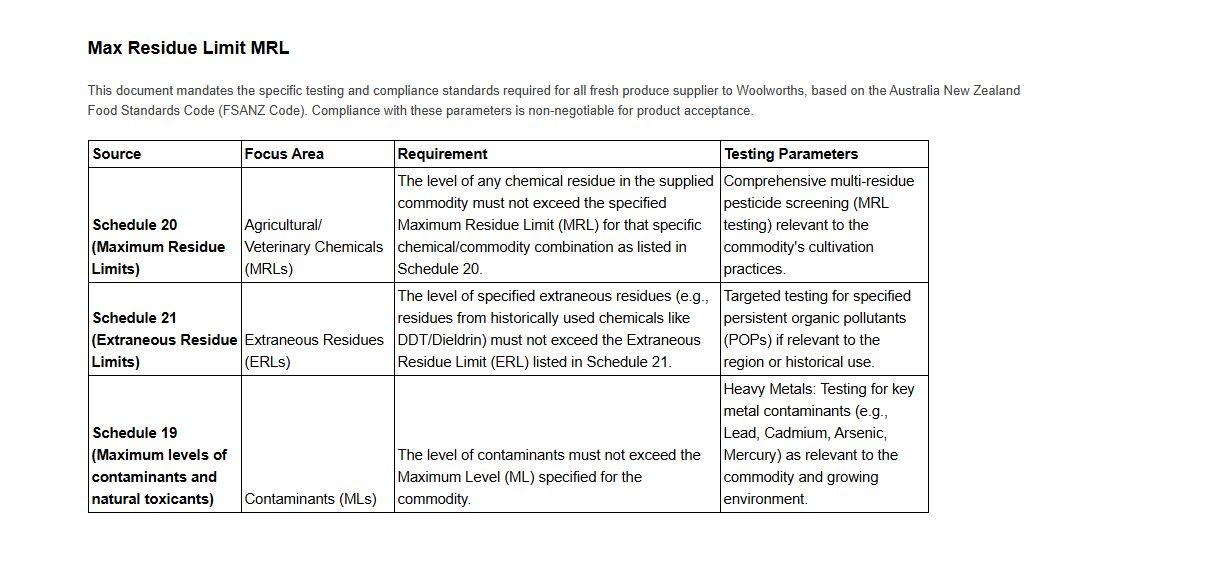
Non-Organic
Acephate


Failure Rate: 2.9%
Top commodity Sprouts / Shoots

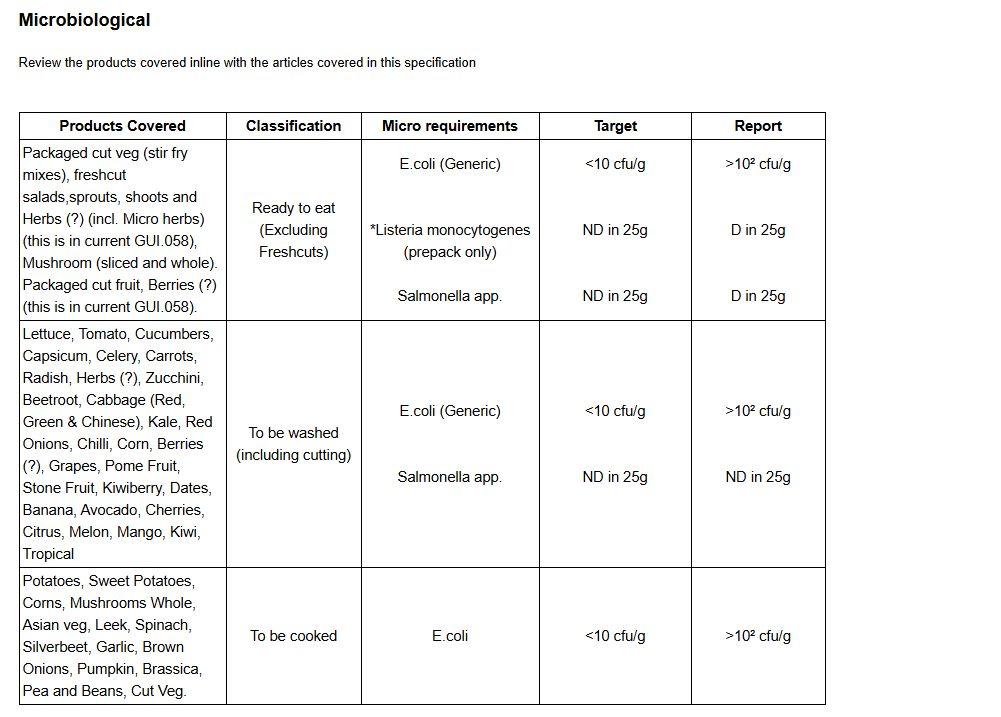
FY26 Detections
Thermotolerant Coliforms (4)
E. Coli (2) Salmonella (1)
Trending from last FY
Jess King
Quality Systems Manager


An isolated deviation from process that doesn’t pose a risk to customers



Product is removed from the supply chain (stores, DCs) for an issue that does not pose a safety risk.

Product is removed from customers and our supply chain due to a potential safety risk. It involves stopping sale and letting our customers know

An evolving wide-spread event that could significantly impact consumer health or environment.


1 Get in touch with us as soon as possible when an issue is identified
2 Our team will assess the issue to determine next steps. For this we need:

The t Consequence What is the potential impact to customer and / or brand?

Root Cause What has happened / suspected to have happened to cause this issue?
The ih Scope What batches are affected? Could other products be impacted?
The e e
Location

Where is the impacted stock now (i.e your site, third party, in transit, DC, store)




Have a written process and/or checklist that steps you through everything that needs to be done


Be clear who does what Utilise a team (you do not need to do it all yourself)

Know where / who you need to get information from (i.e. systems, third parties) & how long this will take


Having the pieces is not enough - you need to practice putting it all together.

Are your teams and the wider business aware of the various risks that can occur and how these may change?
Understanding Do your teams understand the impact of these risks to the business, your customer and the consumer?
How can you expose your wider teams to near misses, mock events or real events?

A recall / withdrawal is a process; readiness is a culture

Lydia Lanfear Technical Specialist

Before the exercise let's ensure everyone understands the severity of different events.
Task:
Each table has three sets of cards labelled near miss, withdrawal, recall
The challenge: Read out industry examples e.g. labelling errors vs a Listeria detection and have groups race to hold up the cards
1. Astrawberry grower realises a specific batch was harvested during a heatwave and is developing "soft rot" faster than expected
2. Salmonella is detected in a sample of pre-washed spinach during a routine test that accidentally got released
3. Asupervisor notices the "Best Before Date" on the label printer was accidentally set to a future date (post-dating).
TheTS has notified you have received 3 separate notifications from store feedback regarding 1kg Carrots with incorrect packaging (competitor brand)
The Challenge:Think about what information is needed so yourTS can make an informed decision and risk assessment
● The what
● The why
● The which
● The where
TheTS has decided to withdraw the stock from stores and DCs. Create your own checklist on what needs to actioned.
The Challenge: Create your own withdrawal checklist including the below
● The what
● The who
● The when
Teams understand what the different scenarios require including a near miss, withdrawal and recall from the bottom to the top
Every team has an understanding of what impact their role has on food safety and an understanding of compliance and the consequence of what happens when this is broken
Real life mock recalls so teams are actively exposed to situations to ensure your food safety systems are maintained effectively
Everybody understands the why behind the what
Gary Holzapfel
is delivering clearer, more consistent ways to manage quality ways of working for suppliers and our Woolworths teams.
We are:

Building on what already works today
Improving the tools and ways of working used to support quality decisions.
Reducing the amount of duplication and manual effort across the board
This is not about changing standards or replacing judgement, rather supporting clearer, consistent quality decisions
We are decommissioning Harvestmark and introducing Specright.
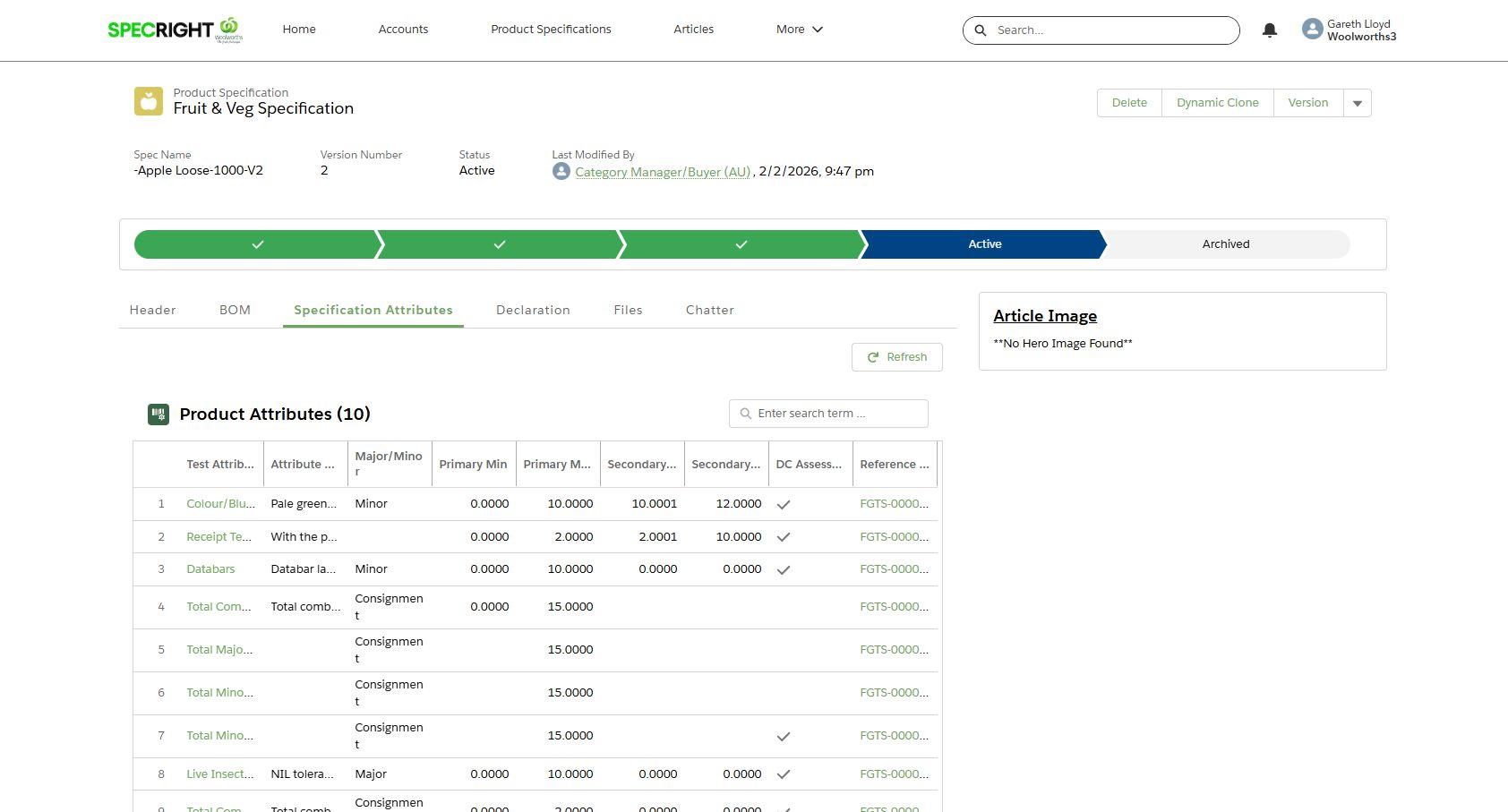
It is a new online application for Woolworths that brings the management of specifications and quality assessments into the one, connected application, so teams and suppliers are working from the same system.
Specright will help reduce manual effort, improve consistency, and support clearer, more informed conversations about quality.

Specification Management
View and print Fruit and Veg specifications with clearer, easier to read layouts.
No Build: Access Online
Use Specright on your phone, tablet, or computer with no setup required.
One Place for Variations
Request variations and review quality outcomes in one place.
Personalised Dashboard
Personalise your home screen so the information you need is easy to find.
Self Serve Site Info
Manage your site locations through simple self service.
Improved Collaboration
Use the ‘Chatter’ feature to connect
We are changing how Fruit and Veg specifications are accessed and shared as part of the move to Specright. This introduces a single place for viewing and printing specifications, aligned to the Product Quality and Integrity Project.

● Specifications for Fruit & Veg sit across multiple tools that were not built for how these products work.
● The UI is hard to use and printing is problematic
● Artwork and key details are managed in spreadsheets outside the system.
● Each article needs its own spec, even when products are almost the same.
● Teams re-enter the same information again and again, which slows setup and increases inconsistency.
● Quality assessments risk being done against outdated or incomplete specs.
● Specifications and quality assessment tasks are in one place.
● Shared attributes, defects, and quality criteria are set up once and reused across multiple specs.
● Those shared details link cleanly to both sellable and warehouse articles, keeping common information consistent while still allowing differences where needed.
● Changes are made once and flow through everywhere they apply.
● Collaboration happens in the tool, not in side spreadsheets or emails. Variations are visible and traceable.
● Quality assessments always use the current approved specification.
We bring science and safety expertise to help partners deliver safe, quality & compliant products
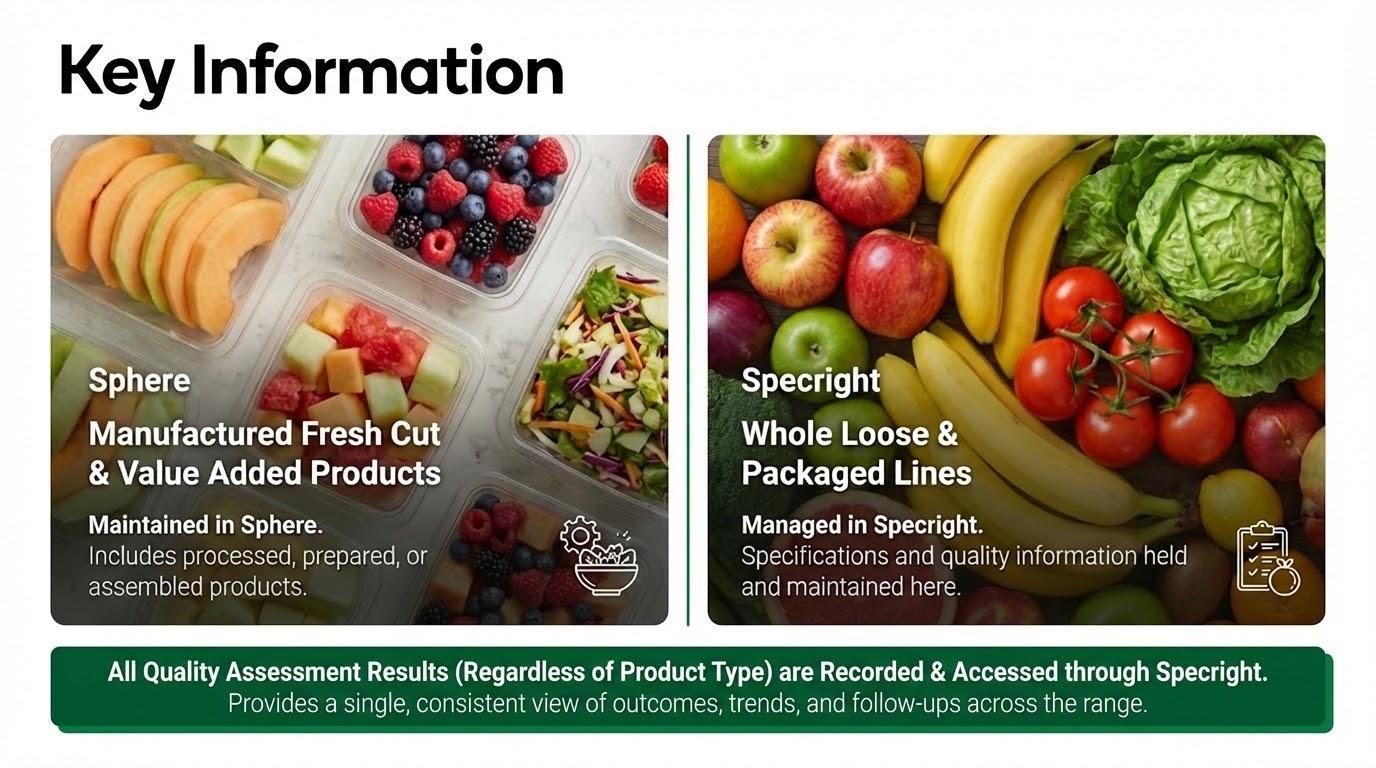
Link Specright Partner Hub Page

Marie Gallagher emailed all Trade partners on the 6th March, 2026 introducing Specright.
This included a request to update all Partner Hub contact details so information is correct
Follow Up comms have been sent to the Super User in Partner Hub

All DCs will move to Specright over May and June 2026.
We will be briefing and training your Super User in Partner Hub. They can nominate additional team members to attend.

WHAT WE NEED YOU TO DO IN MAY
1. Log into Specright and upload your basic Site Information
2. Start using Specright to manage quality activities with Woolworths
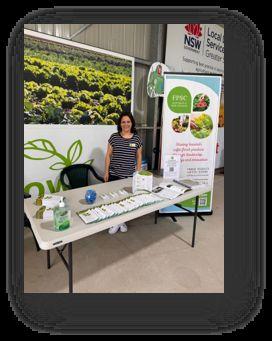
▪ Not-for-profit organisation

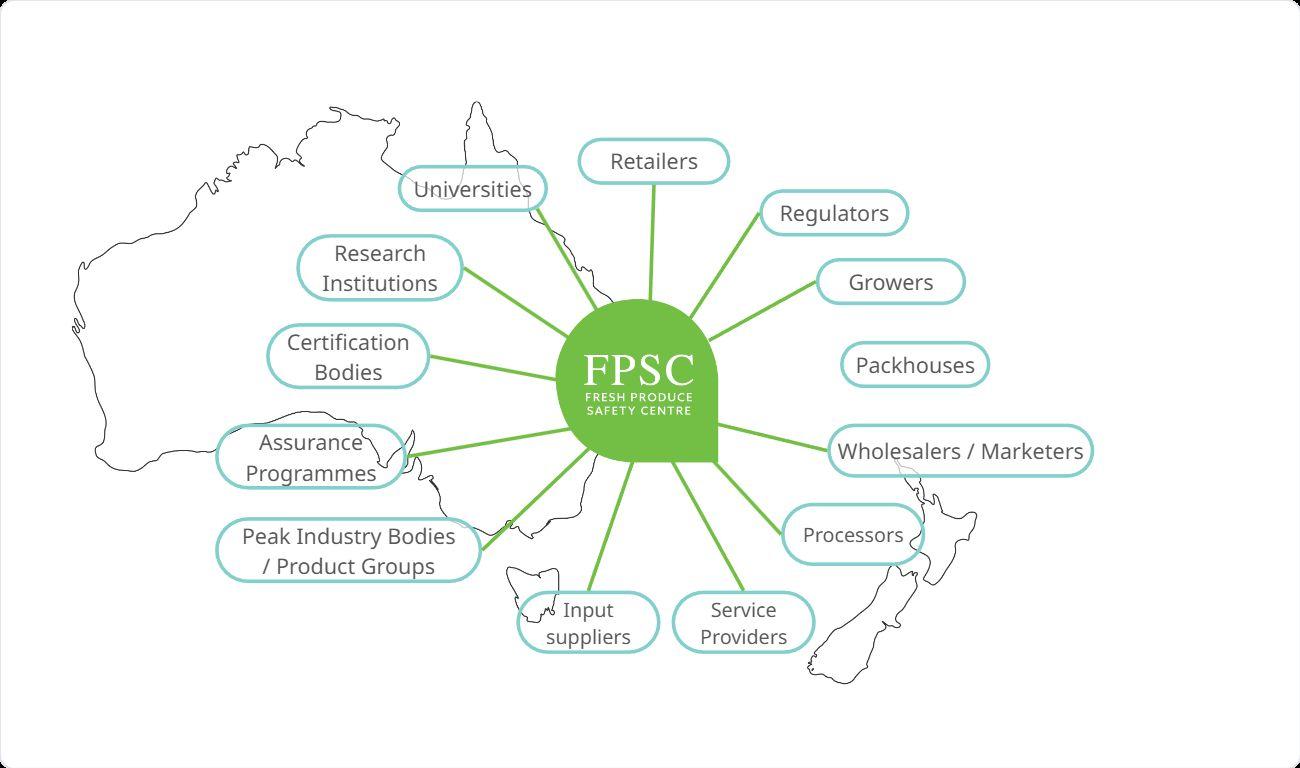
▪ Established in 2014 by PMA-ANZ (now IFPA) in partnership with University of Sydney
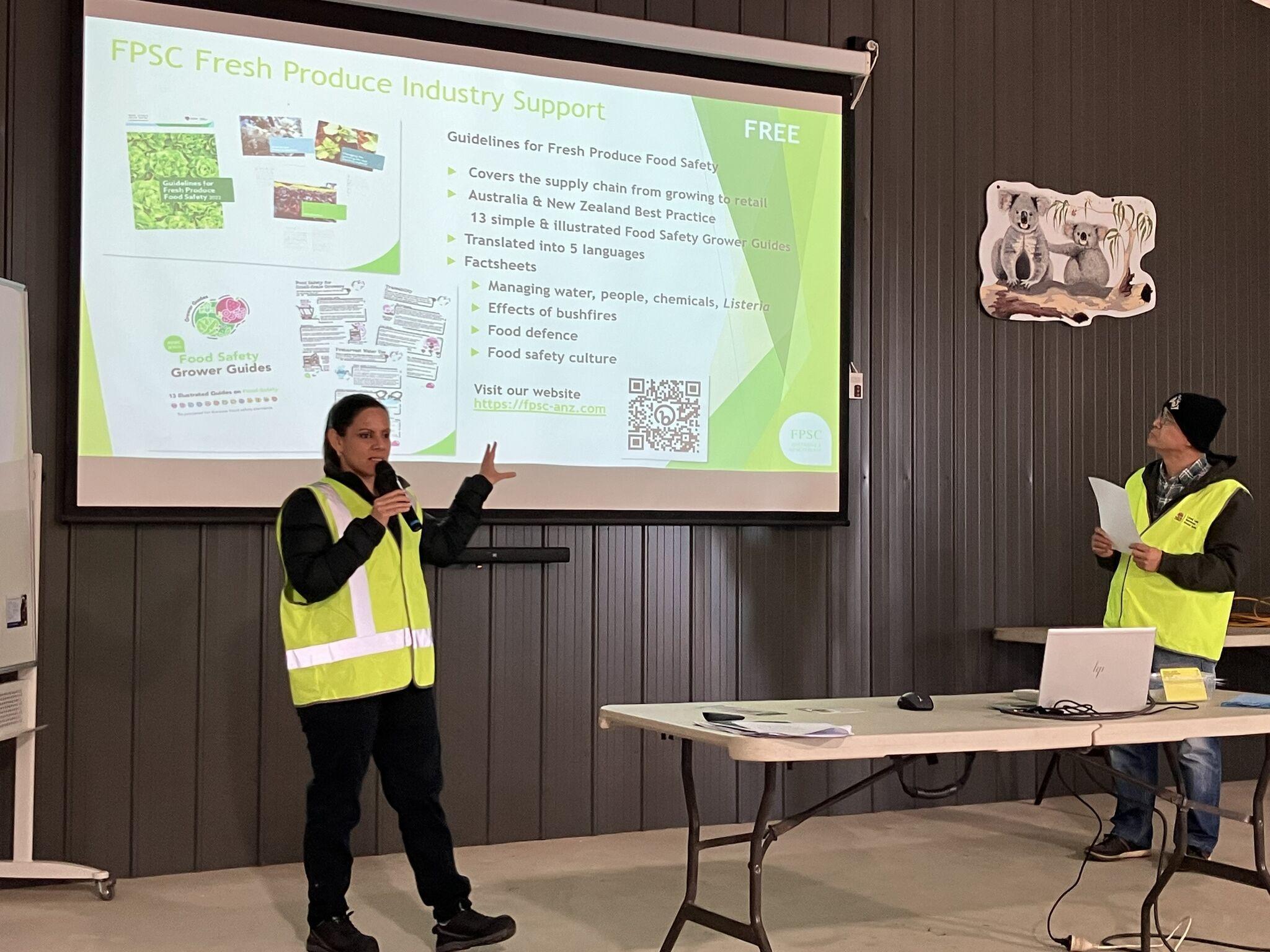
▪ Provide FREE food safety guidelines and resources
▪ Facilitate connections and collaboration to improve food safety knowledge in horticulture
▪ Host food safety events


▪ 3-year Project is divided into 5 Phases
▪ 11 co-funding partners
▪ Goal is to improve food safety standards for the ANZ fresh produce industry
▪ The Project aims to provide information, guidance and training for Australia & New Zealand


Phase 1
Project Start-up
Y1, Q1

Phase 2
Food Safety Information
Stocktake &
COP Establishment Y1, Q1-2

Phase 3
Industry Survey Y1, Q3-4

4
Delivery of Industry Engagement Plan
Outreach specific crops (melon, berries, leafy veg and kiwifruit)
Guidelines for fresh produce food safety review
Y2 & Y3, Q1-4

Horticulture Food Safety Implementation
Model & Project Evaluation
Launch of 2025
Fundamental guidelines for fresh produce food safety, extension materials
Y3, Q1-4

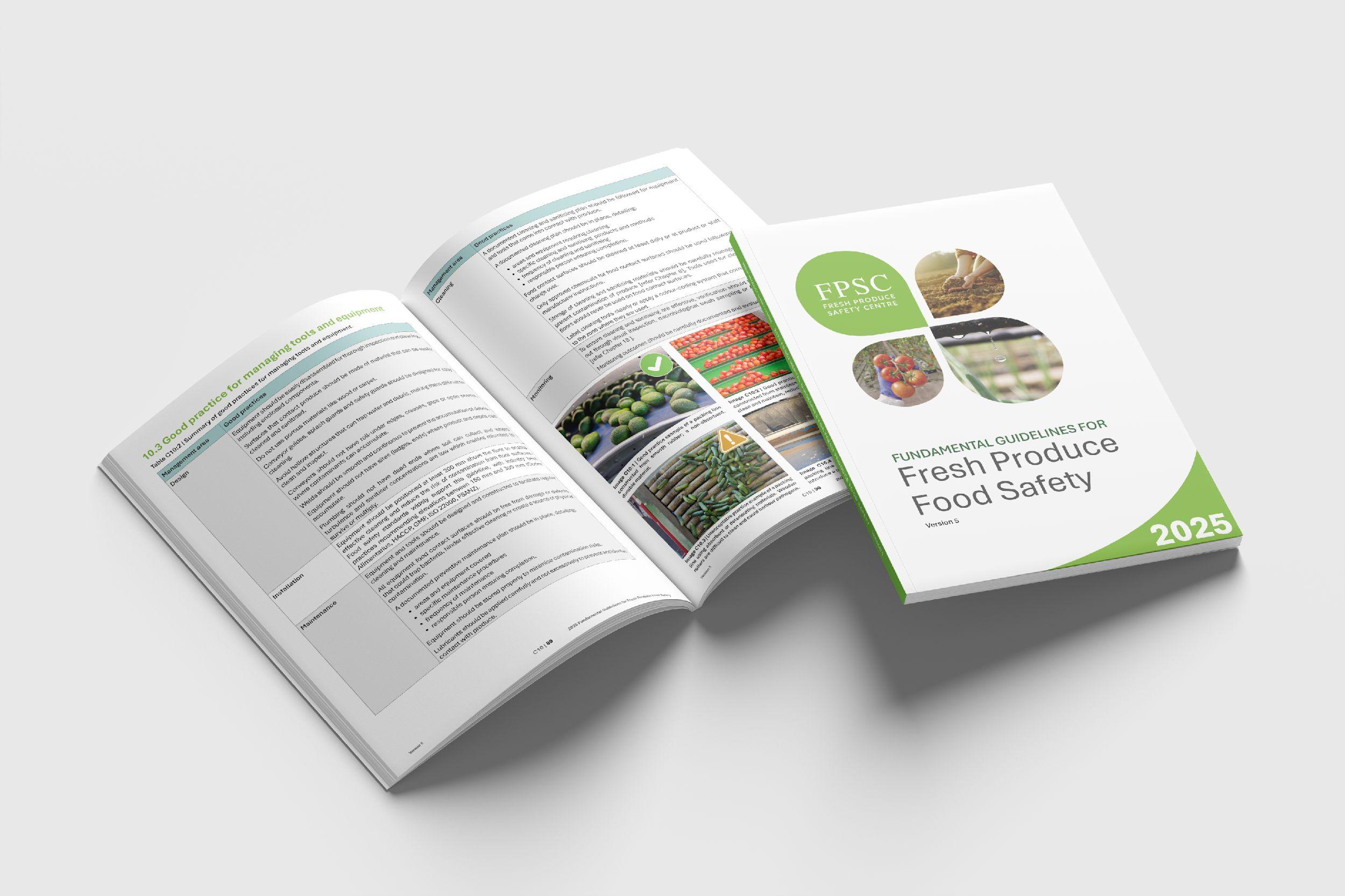
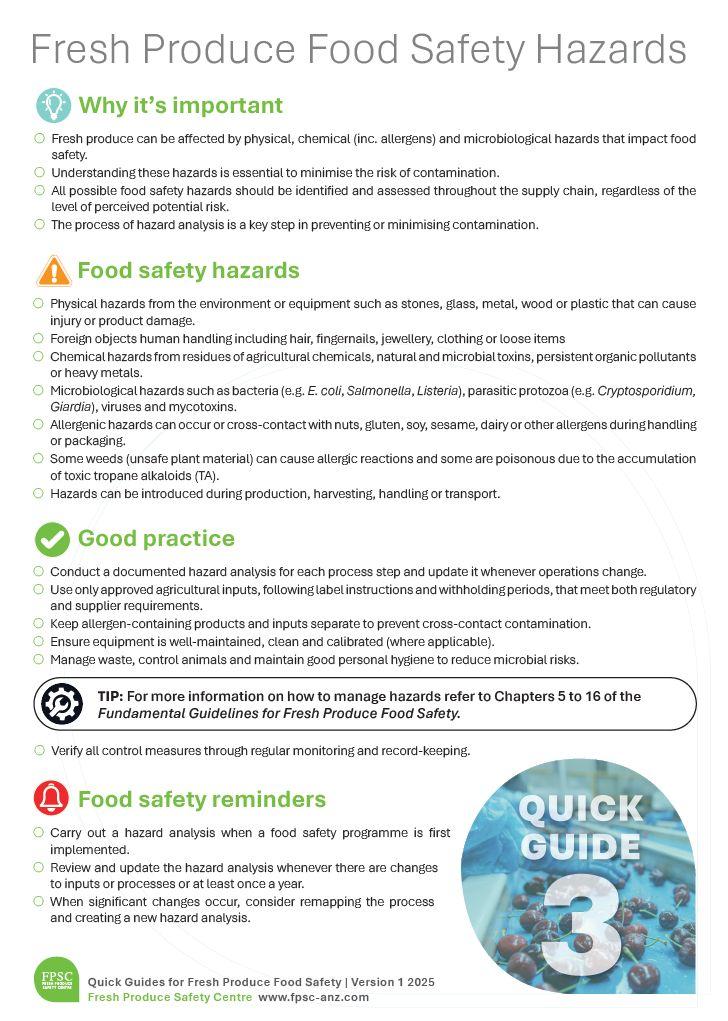


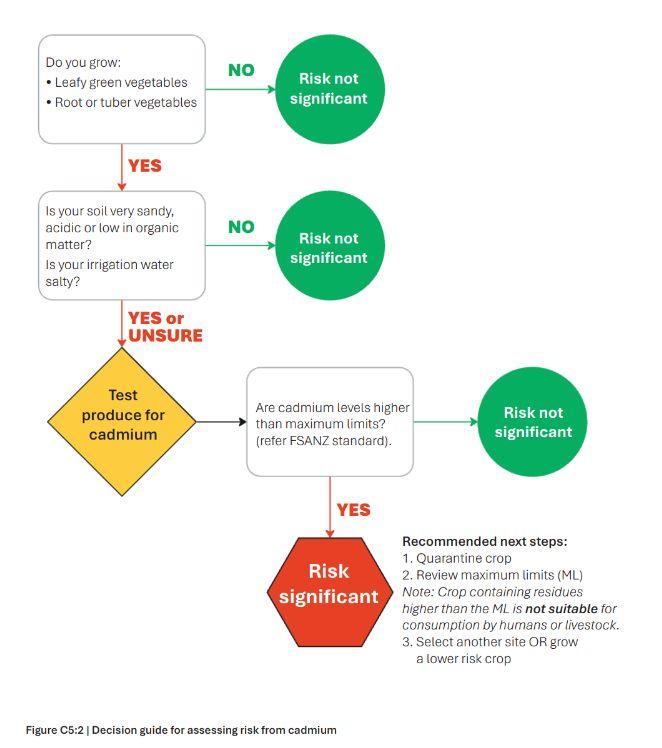
Simple to follow decision trees Follow the path, your food safety roadmap.

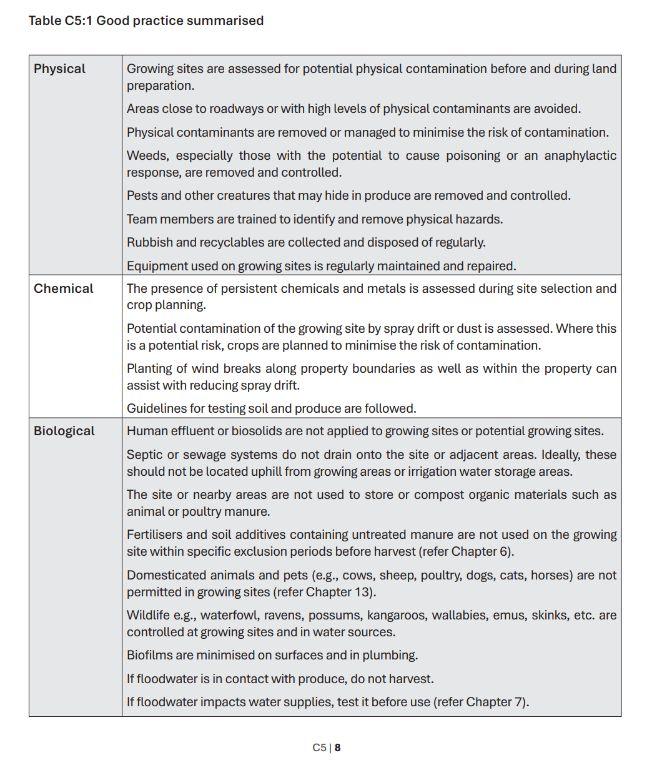

good practice at a glance.
picture says it all,
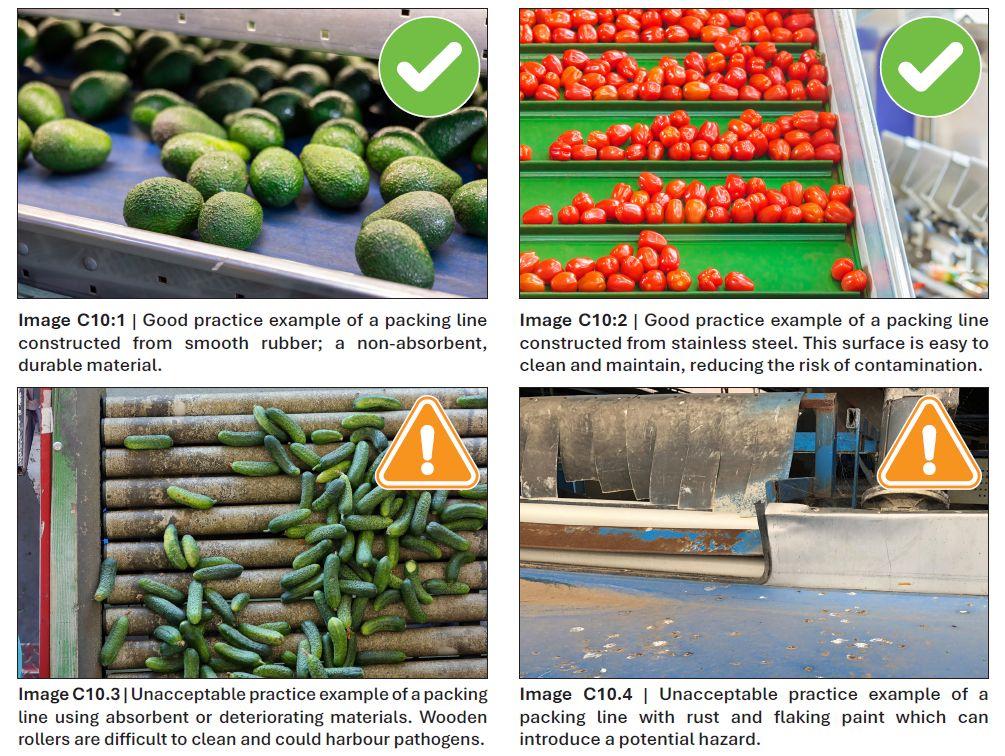












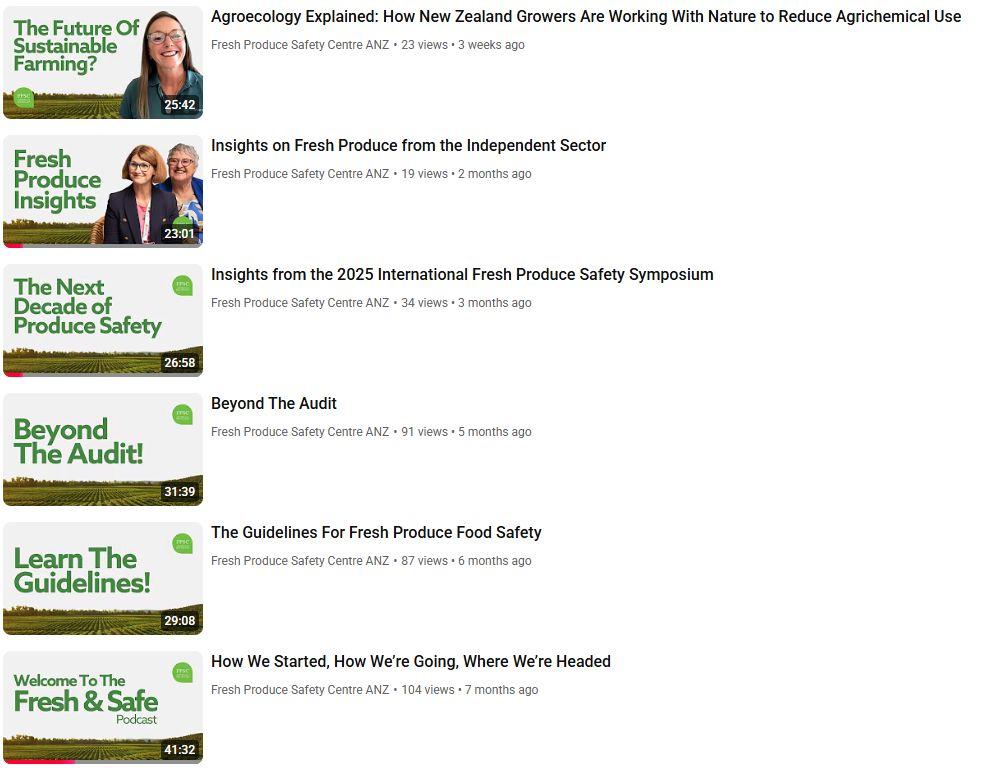

For more guidance on specific fresh produce food safety topics.

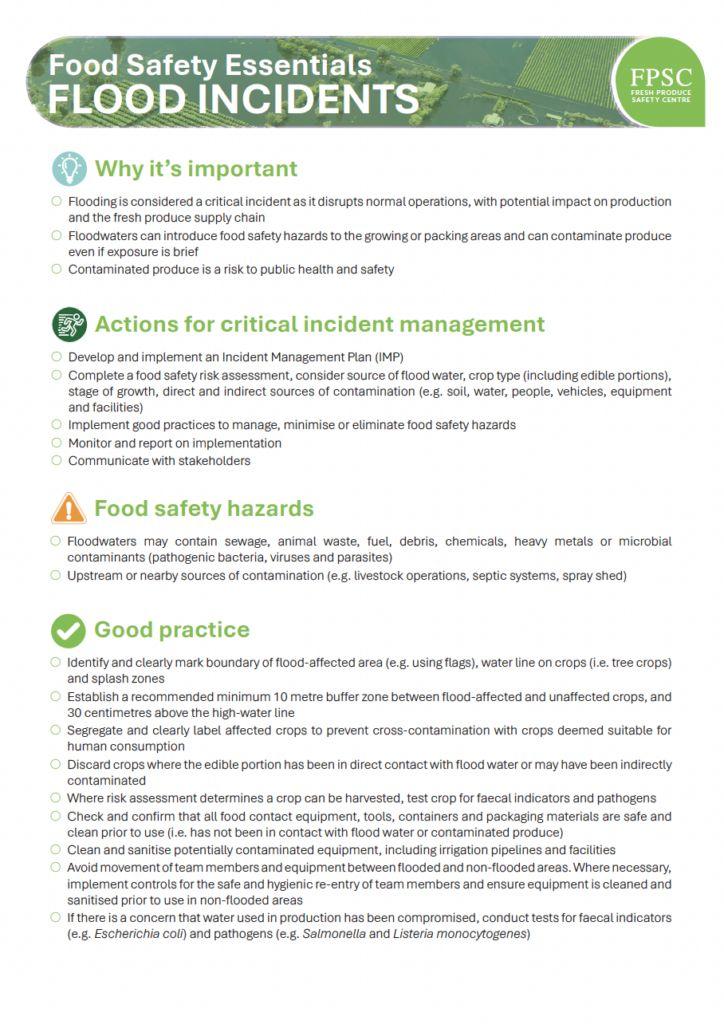
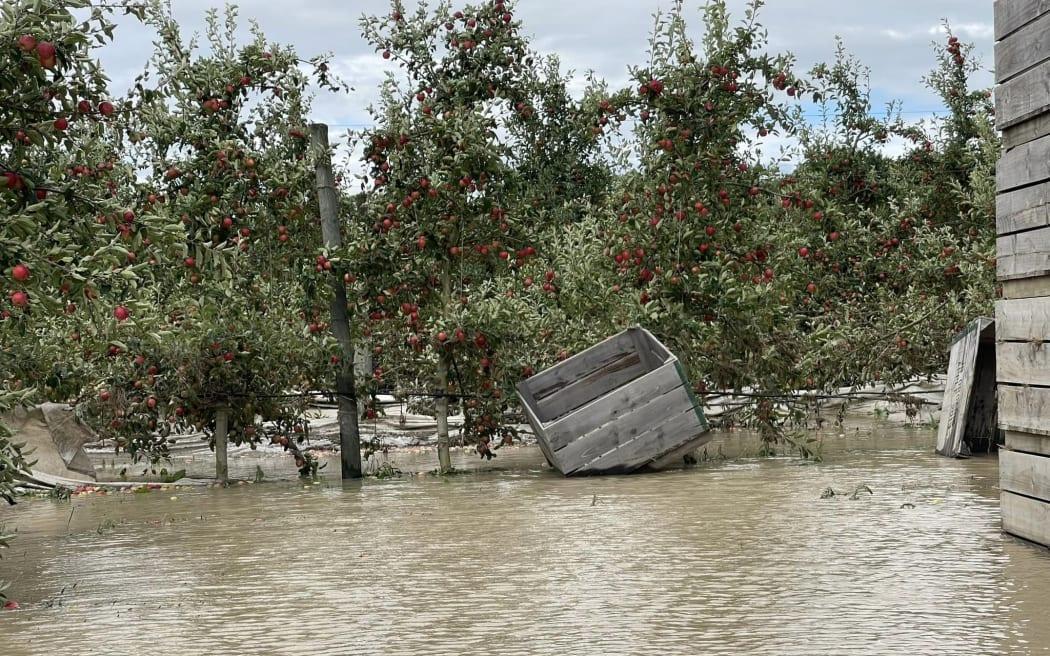
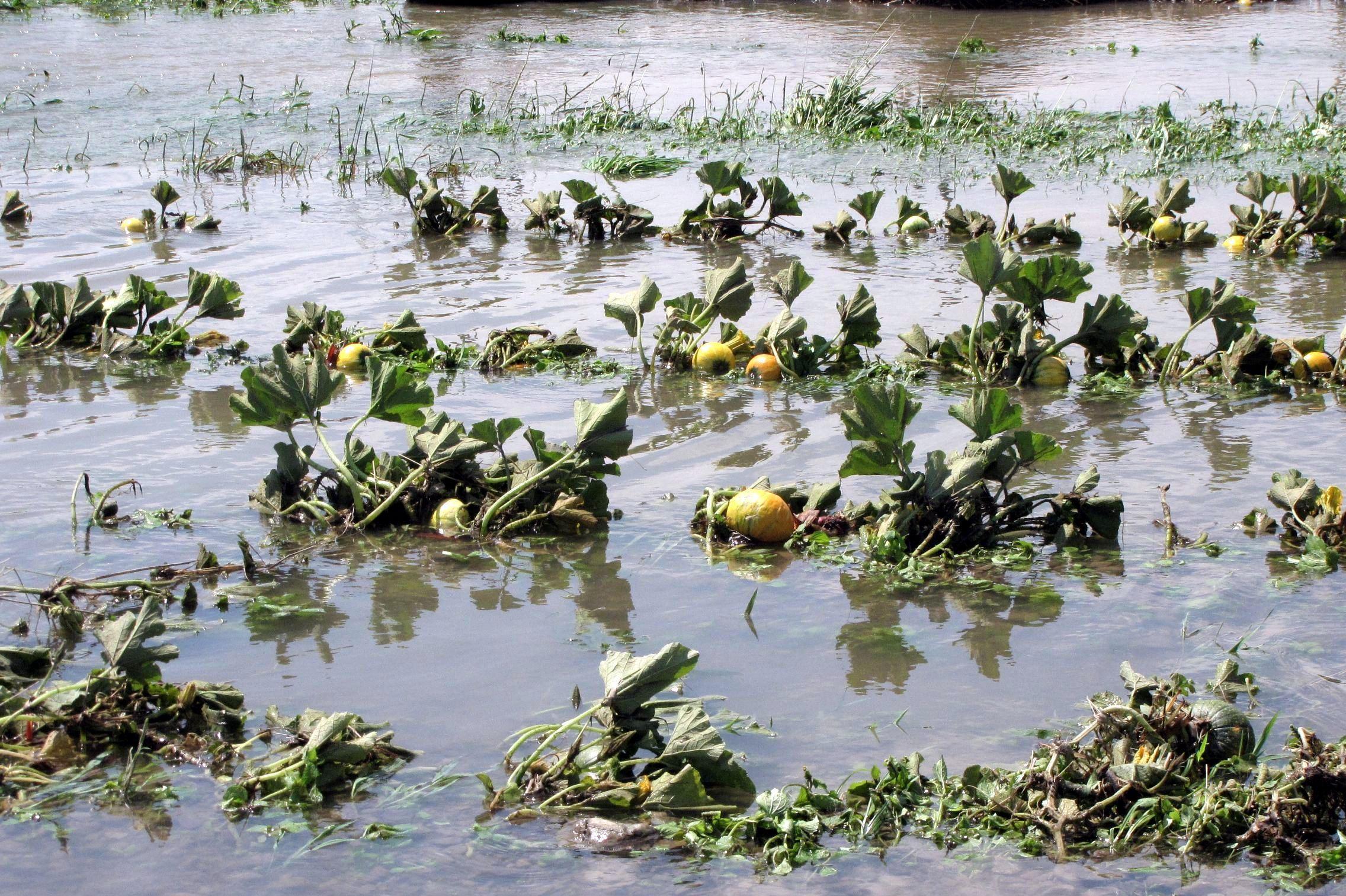
Floodwaters may contain:
§ Microbial hazards: E. coli, Salmonella monocytogenes, viruses, parasites
§ Chemical hazards: hydrocarbons, pesticides, heavy metals
§ Physical hazards: debris, sediments
Key contamination pathways:
§ Direct contact with edible portion Indirect contamination via soil, splash, irrigation systems, equipment
Risk classification:
§ Direct exposure = automatic exclusion from harvest*
§ Indirect exposure = requires risk assessment + controls
Your flood plan should include a structured, documented risk assessment framework considering:
Hazard identification:
§ Source of floodwater (river, runoff, sewage ingress)
§ Upstream contamination risks (livestock, septic, surrounding industry)
Contamination pathways:
§ Soil contamination and pathogen persistence
§ Water system impacts (dams, bores, irrigation lines)
§ Movement of people, vehicles, and equipment
Exposure assessment:
§ Crop type (leafy, tree, root)
§ Edible portion position (above/ below ground)
§ Growth stage (ready-to-harvest = highest risk)
§ Decision-making framework
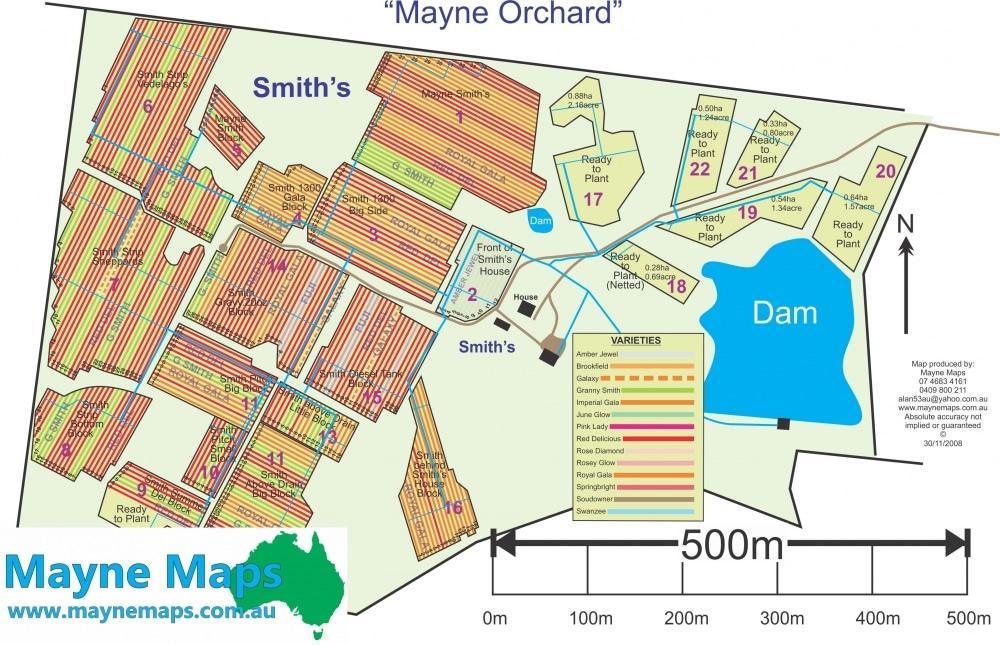
Zoning and mapping
§ Identify flood extent, water lines, and splash zones
§ Apply ≥ 10m buffer zones and vertical separation (≥ 30cm)
Product control
§ Segregate and label affected vs unaffected crops
§ Maintain traceability at block or lot level
Hygiene and sanitation
§ Clean and sanitise harvest equipment, bins, tools, food contact surfaces
§ Manage personnel movement (restrict access/ hygiene controls)
Water management
§ Assume water sources are contaminated until verified
§ Re-test irrigation and wash water before use
§ Microbiological verification
§ Indicator organisms: E. coli (faecal contamination)
§ Pathogens as required: Salmonella,
§ Role of testing
§ Provides supporting evidence only
§ Must align with risk assessment and observed conditions
§ Environmental recovery factors
§ Recommended waiting period (~60 days) for high-risk crops
§ Continuous Improvement
§ Conduct a post-incident review
§ What worked well, what could be improved?

The Horticulture Food Safety Initiative is funded through Hort Innovation (Hort Frontiers), with co-investment from FPSC-ANZ; University of Sydney; NSW Department of Primary Industries; Agriculture Victoria; South Australia Health; Coles; Zespri International; New Zealand Food Safety Science & Research Centre; Vegetable Research and Innovation Board; Hort NZ, Woolworths and in-kind contributions from University of Sydney; Food Standards Australia & New Zealand (FSANZ); Centre for Produce Safety (USA); New Zealand Food Safety Science & Research Centre (NZFSSRC); Agriculture Victoria; NZ Food Safety (MPI (Ministry for Primary Industries)); Zespri International; NZ Vegetable Industry Research Board; AUSVEG; Berries Australia, and contributions from the Australian Government.





Traceability is fundamental
Ensure complete visibility across the supply chain
Prepare your site and team for
Implement robust protocols and training
Root Cause Analysis to mitigate reoccurence Identify and address the underlying issues


Notify us early to mitigate impact
Proactive communication is crucial