

Staves: A Complete Guide to Their Uses, Craftsmanship, and Value
Have you ever admired the smooth curve of a whiskey barrel, wine cask, or rustic furniture piece and wondered what gives it that shape and strength? The secret lies in barrel staves the narrow strips of wood that form the body of a barrel Far more than simple wooden planks, barrel staves are carefully crafted, shaped, and assembled to create airtight containers that have been essential for aging spirits, storing goods, and even inspiring modern décor
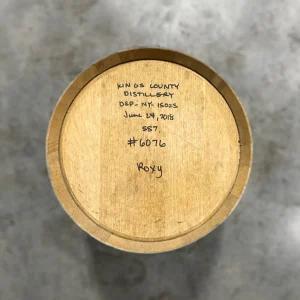
In this blog, we’ll dive into what barrel staves are, how they’re made, their role in whiskey and wine aging, and how you can repurpose them for creative projects.
What Are Barrel Staves?
Barrel staves are long, slightly curved wooden pieces that fit tightly together to form the body of a barrel They are typically made from oak, chosen for its durability, strength, and ability to enhance the flavors of aging spirits. When arranged in a circular formation and bound by metal hoops, staves create a watertight vessel without the need for nails or glue
The curvature of staves is what gives barrels their iconic rounded shape. Each stave is carefully tapered and precision-cut so that, when assembled, they create a tight seal capable of holding liquid for years
Why Oak Barrel Staves Are Essential
Not all wood is suitable for barrel making, but oak has been the preferred choice for centuries Here’s why oak barrel staves stand out:
● Durability: Oak is strong yet flexible, able to withstand pressure and changes in liquid volume.
● Flavor Enhancement: Whiskey and wine aged in oak barrels absorb flavors like vanilla, caramel, spice, and smoky notes from the wood.
● Breathability: The porous structure of oak allows micro-oxidation, softening the beverage while preventing spoilage
● Longevity: Oak barrels can last for decades when properly maintained
How Barrel Staves Are Crafted
The process of crafting barrel staves is as much an art as it is a science Traditional cooperage (barrel-making) involves several steps:
1. Selecting the Wood
○ High-quality oak is chosen for its grain and structure
2. Cutting the Staves
○ Barrel Logs are split and shaped into long planks, then seasoned outdoors for months to years
3 Curving the Staves
○ Heat and steam are applied to bend the wood into the necessary curved shape
4. Assembling the Barrel
○ Staves are fitted tightly together, bound with hoops, and toasted or charred (in whiskey barrels) to enhance flavor
Each stave is unique, and together they create a strong yet elegant barrel that holds both tradition and craftsmanship.
The Role of Barrel Staves in Whiskey and Wine Aging
The barrel stave plays a huge role in shaping the flavor and aroma of whiskey, bourbon, and wine Here’s how:
● Charring and Toasting: Whiskey barrels are often charred on the inside, caramelizing natural sugars in the wood This gives the spirit notes of vanilla, toffee, and smoke.
● Wine Barrels: Wine barrels use toasted staves to add subtle notes of spice, fruit, or nuttiness, depending on the level of toast
● Maturation: Over time, the interaction between the liquid and the staves develops complexity, smoothness, and depth of flavor
Without barrel staves, fine whiskey and wine simply wouldn’t exist in the form we love today
Creative Uses of Barrel Staves Beyond Spirits
While their primary role is in barrel-making, repurposed barrel staves have become a favorite for DIY projects, rustic furniture, and home décor Some popular uses include:
● Furniture Making: Staves can be crafted into chairs, stools, or benches
● Wall Art: Their natural curve makes them perfect for unique wall hangings or signs
● Home Décor: Use them as coat racks, wine holders, or rustic shelving
● Garden Projects: Turn staves into edging for flower beds or creative trellises
Because of their shape, strength, and history, barrel staves bring a touch of authenticity and charm to any project.