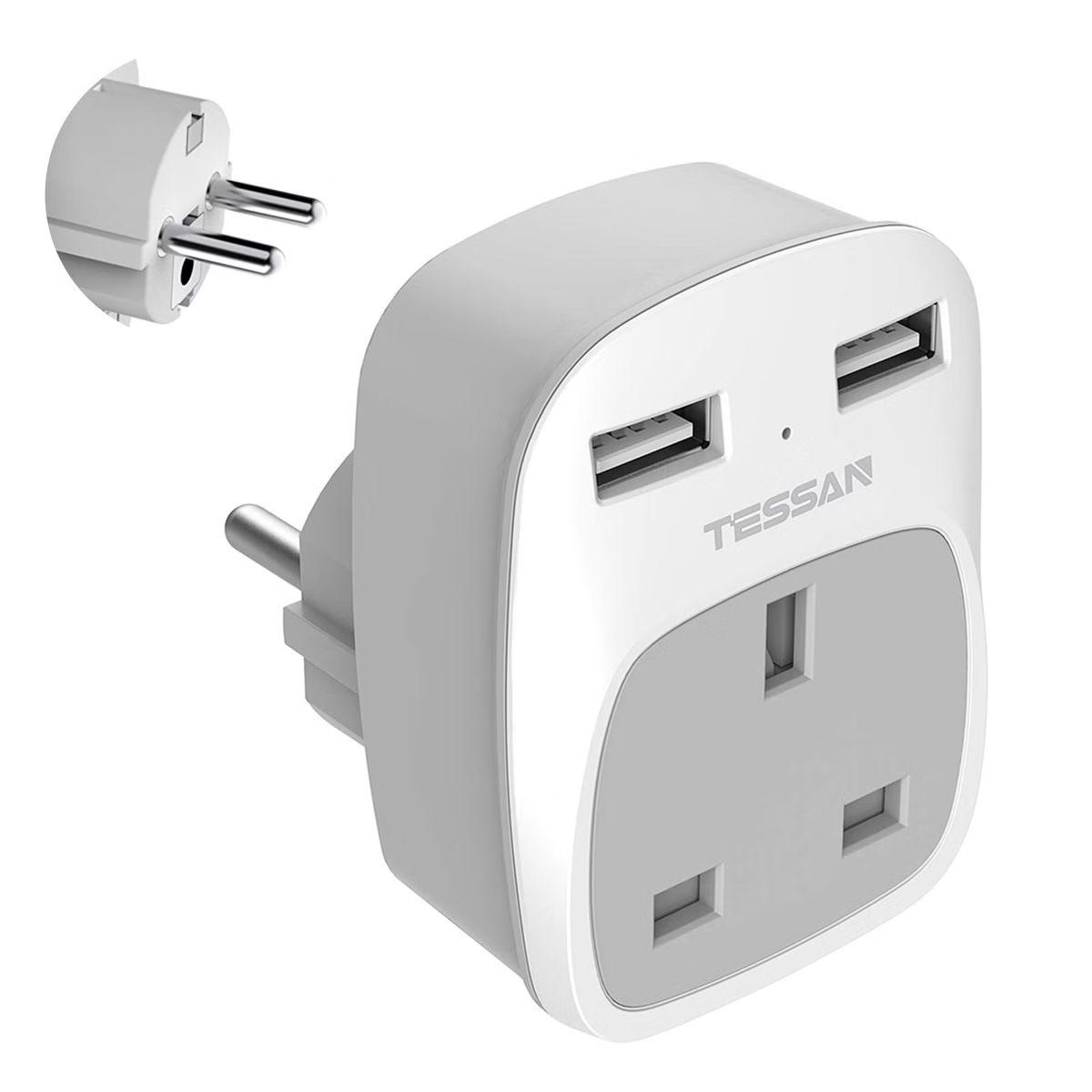
The European Converter Plug
Traveling to Europe can be an exciting adventure, filled with opportunities to explore new cultures and experiences. However, one practical aspect that can sometimes pose a challenge is the use of different electrical outlets and plugs. Unlike many countries that use standard two-prong outlets, Europe employs a system with two round prongs and a grounding pin. This means you'll need a converter plug to use your electronics safely and efficiently. This guide will provide you with the essential information you need to understand and navigate the use of European converter plugs, ensuring a smooth and enjoyable travel experience.




Types of Plugs in Europe
Type C
This plug has two round prongs and is the most common type in Europe. It's also used in many other countries, including Switzerland and Ukraine.
Type F
This plug is similar to Type C but has two additional grounding pins. It's often found in France and Belgium.
Type J
This plug is used in Switzerland and has three round prongs, with two larger prongs and a smaller, center prong.
Choosing the Right Converter
Voltage
Most electronic devices are designed to work with a voltage range of 100240V. However, some devices, such as hair dryers and electric shavers, may require a specific voltage. Make sure to check the voltage requirements of your devices before purchasing a converter.
Plug Type
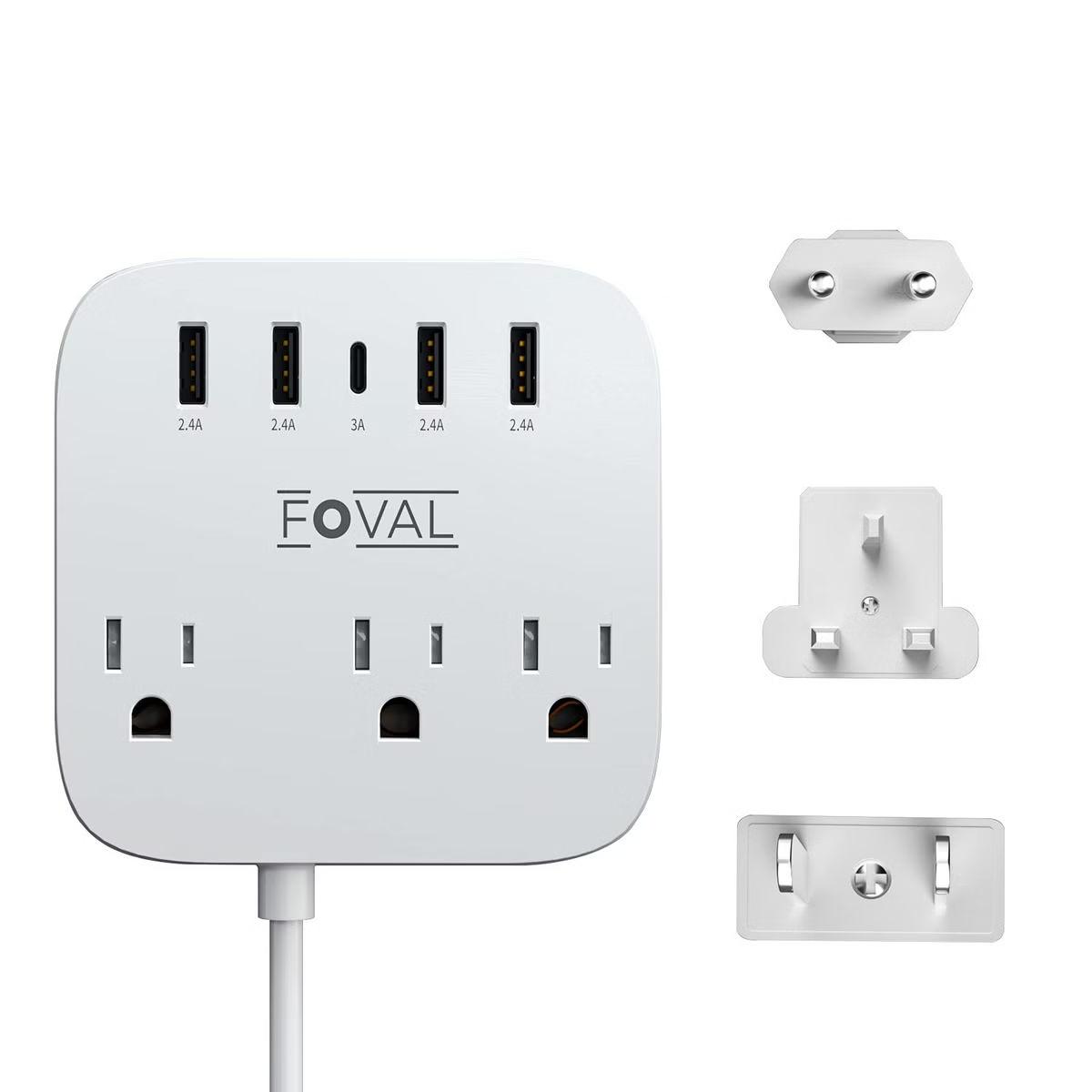
Ensure that the converter plug is compatible with the type of outlet you'll be using. A universal converter will have multiple adapter tips that fit various outlet types.
Wattage
Consider the wattage of the devices you plan to use. A higher wattage converter is needed for larger appliances like hair dryers or curling irons.


Safety Considerations
1 Overloading
Don't overload the converter by plugging in too many devices. Each converter has a maximum wattage rating, and exceeding it can lead to overheating and safety hazards.
3 Inspection
Before using any converter, check for signs of damage, such as frayed wires or broken plugs. If you see any damage, it's best to discard the converter and get a new one.
2 Grounding
Always use a converter with a grounding pin for devices that require it. This ensures that any electrical faults are safely directed to the ground, minimizing the risk of electric shock.
4 Supervision
Always supervise children when using electrical devices with a converter plug. Be cautious and avoid using converters near water or wet surfaces.


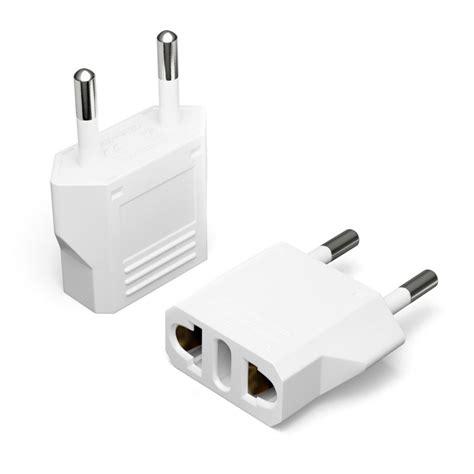
Traveling with a European Converter Plug
Pack Properly
Pack your converter plug in your carry-on bag. This ensures that you have it readily available upon arrival and prevents any potential loss or damage.
Use the Correct Outlet
2
3
Always double-check that you're using the correct outlet type for your converter. Some converters may have multiple adapter tips, so choose the one that fits the outlet.
Unplug When Not in Use
Unplug the converter when you're not using it. This helps prevent accidents and minimizes the risk of electrical hazards.
4 Adapter or Converter?
An adapter merely changes the plug shape, while a converter changes both the plug shape and the voltage. If you're traveling to a country with the same voltage as your home country, you only need an adapter. However, if the voltage is different, you need a converter.