Resourcing Resistance - An evaluation of Her Voice Fund's impact on feminist advocacy (2021-2024)
// Acknowledgements //
We extend our heartfelt gratitude to the 80 respondents from 37 Her Voice Fund (HVF) grantees across Ethiopia, Kenya, Nepal, Uganda, and Zimbabwe, who shared their insights and personal narratives with openness and trust.
Their contributions enriched this evaluation with authenticity and depth. We are deeply thankful to Womankind Worldwide’s team, particularly Faiza Ali, Jill Anami, Laura Brown, Hannah Coombes, Linda W. Kroeger, Kavinya Makau, Alex Webber, Fiona Wilks, Bethan Williams, and Mercy Otekra for their unwavering support, critical insights, and strategic guidance in this process.
We honor the courage of feminist activists and women’s rights advocates in the five focus countries, whose resilience in the face of adversity inspires this work. Special appreciation goes to the William and Flora Hewlett Foundation, Leri Charitable Trust, Stone Family Foundation, Evan Cornish, Alan and Babette Sainsbury Charitable Fund, and anonymous donors for their financial support, alongside Womankind’s individual donors.
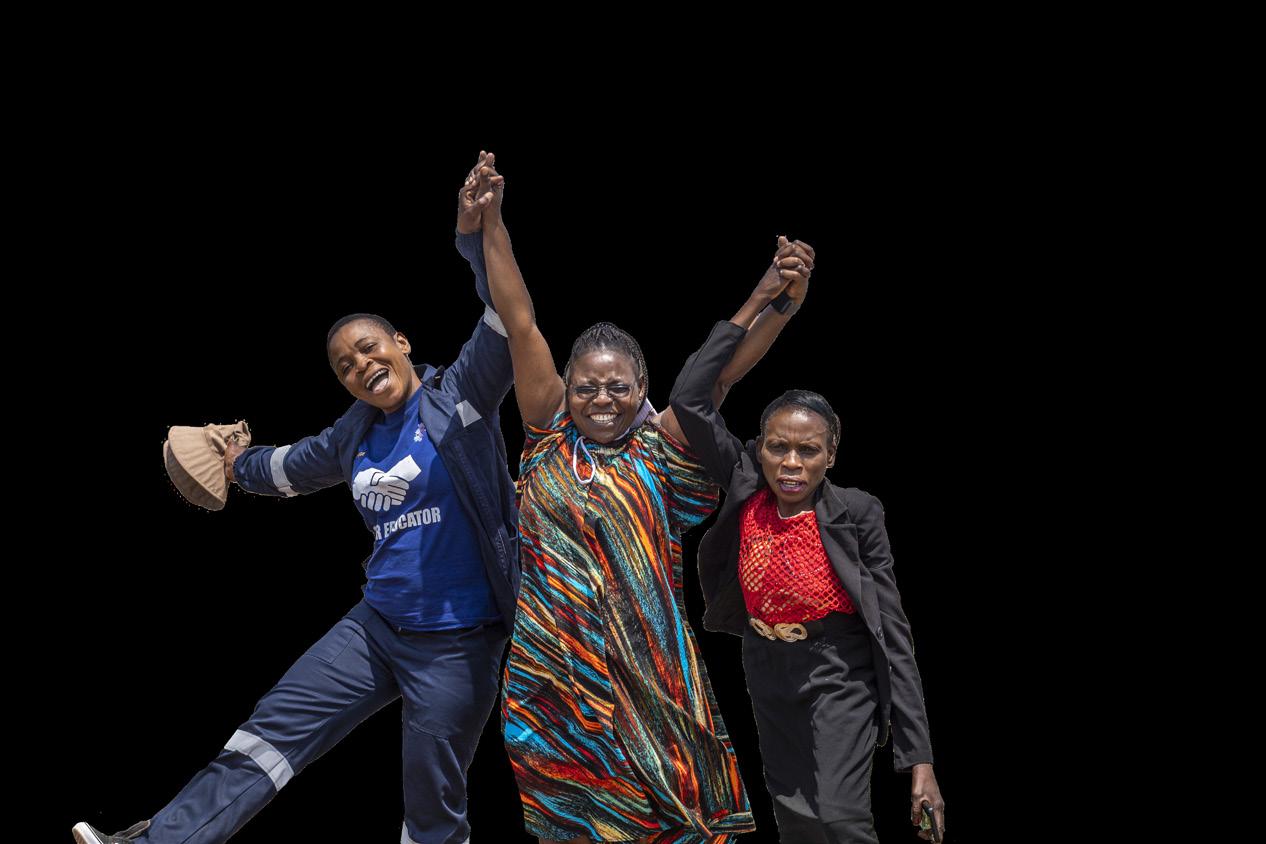
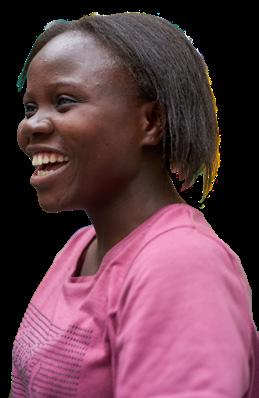
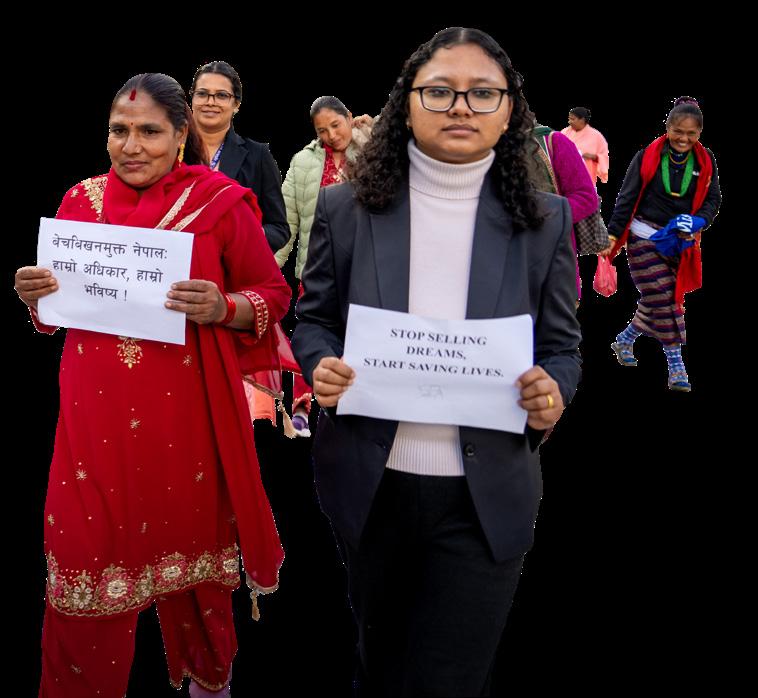
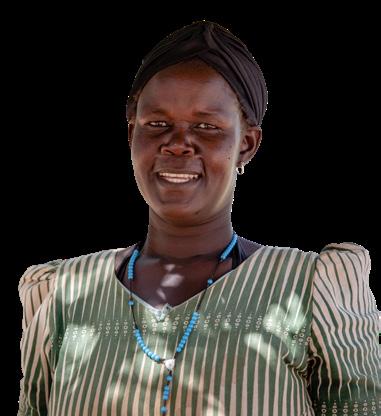
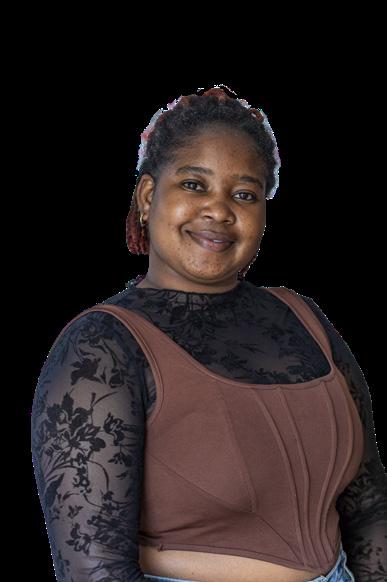
We acknowledge photographer Charmaine Chitate for her powerful visual documentation of feminist activism, drawn from her archival collection.
We honour Lee Webster and Dinah Musindarwezo for their visionary work that led to the conceptualisation of HVF.
Finally, we would like to express our heartfelt gratitude to Isabella Matambanadzo, Esther Svova, Abraham Magoto, and Rungano Muchetu from Balise Consultants for their dedication, care, and thoroughness in conducting this research across all our focus countries and synthesising findings, and to Her Voice Fund Manager, Mercy Otekra, for summarising these here.
// About Womankind & HVF //
Womankind Worldwide is an international feminist organisation and funder dedicated to ending gender inequality by working in partnership with women’s rights groups and movements, primarily in Africa and South Asia. For over 30 years, we have supported activists and organisations to challenge inequality in homes, communities, and workplaces through funding, advocacy, and movement strengthening.
Our work has helped influence policies to end violence against women, promote economic independence, and amplify women’s voices. Central to our mission is a commitment to decolonisation, anti-racism, and dismantling systems of oppression affecting women, girls, and people of all genders.
Her Voice Fund (HVF) provides flexible funding to women’s rights and feminist organisations and activists in the Global South with an intersectional focus, supporting them in their advocacy efforts to influence policy at local, national, regional and international levels.
Launched in 2021, the Fund has supported feminist groups and Women Rights Organisations in Ethiopia, Kenya, Nepal, Uganda, and Zimbabwe, leveraging a total of GBP 1,568,687 in 98 grants through five grant- making cycles. This has enabled advocacy addressing intersectional issues on gender-based violence, disability rights, LBQ inclusion, climate justice and land rights, women political participation and economic rights, driving transformative change in challenging and constantly shifting contexts across Africa and Asia.
This research focusing on the first 3 cycles of HVF, the distribution of funds across these 5 countries and the out of cycles grants, reflects Womankind’s broader approach of intentional, though varied, commitment to supporting feminist organising in diverse and often challenging contexts.
// Acronyms and Abbreviations //
AFF African Feminist Forum
AWDF African Women’s Development Fund
BFF Black Feminist Fund
CREAW Centre for Rights Education and Awareness
DWI Deaf Women Included Zimbabwe
EWDNA Ethiopian Women with Disabilities National Association
NAWAD National Association for Women’s Action in Development
PWDs Persons with Disabilities
RWA Rural Women’s Assembly
WAG Women’s Action Group Zimbabwe
WHRDs Women Human Rights Defenders
WLSA Women in Law in Southern Africa Zimbabwe
WLZ Women and Land in Zimbabwe
WROs Women’s Rights Organisations
YWLI Young Women Leadership Institute
ZWLA Zimbabwe Women Lawyers’ Association
// Table of Contents //
Acknowledgements
PAGE 2
About Womankind & HVF
PAGE 3
Acronyms and Abbreviations
PAGE 4
Foreword
PAGE 6
Background & Methodology
PAGE 7
Summary of Key Findings
PAGE 8
Recommendations
PAGE 18
Grantee Stories
PAGE 19 References
PAGE 23
// Foreword //
The Her Voice Fund (HVF) is far more than a funding mechanism for us at Womankind; it is a deliberate and intentional act of feminist solidarity. It is from our belief that resourcing feminist organising in the Global South must be grounded in trust, care, and a redistribution of power, HVF represents our commitment to transform not only what we fund but how we fund.
This summary report, covering HVF’s impact from 2021 to 2024 across cycles 1 to 3, captures powerful impact to the courage, creativity, and tenacity of our grantee partners in Ethiopia, Kenya, Nepal, Uganda, and Zimbabwe. The 80 feminist activists and advocates representing 37 organisations form the centre of this evaluation. Their reflections reflect truths we cannot ignore that feminist movements continue to push forward despite intensifying anti-gender backlash, democratic erosion, and widening inequalities often with limited resources and at immense personal risk of safety.
Yet what continues to emerge most clearly from this evaluation is what feminist movements have been telling us for a long time, when activists are resourced with flexible, rapid, and feminist funding, when they are trusted to set their priorities, shape their strategies, and lead their work, this is when transformative change takes root. HVF’s impact reinforces this truth that unrestricted, long-term funding is not a privilege; it is vital for sustaining resistance, nurturing collective care, and building futures grounded in justice.
These findings also challenge us to deepen our own practices. They call us to continuously examine how Womankind can redistribute power more effectively, disrupt entrenched and colonial philanthropic norms, and remain accountable to the movements we exist to serve.
We extend our immense gratitude to the to Balise Consultant commitment, and to our funding partners whose solidarity makes this work possible.
As we look ahead, we remain steadfast in championing feminist philanthropy that is anti-racist, decolonial, and rooted in collective solidarity and power.
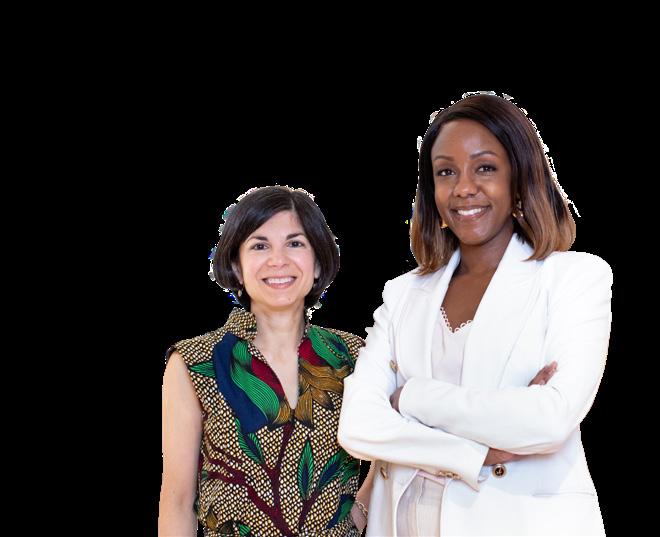
Co-CEOs-Womankind Worldwide.
// Background & Methodology //
Operating Context
The Her Voice Fund (HVF) operates in a complex global landscape marked by shrinking civic spaces, anti-gender backlash, and donor volatility, particularly following the 2025 U.S. funding cuts that destabilized WROs. In Ethiopia, Kenya, Nepal, Uganda, and Zimbabwe, feminist activists face patriarchal violence, surveillance, and resource scarcity, exacerbated by neo-liberal policies and colonial legacies.
Despite these challenges, HVF’s flexible funding has supported 46 grantees to advocate for gender justice, addressing issues like gender-based violence, disability rights, and LBQ inclusion. In 2024, Womankind Worldwide commissioned an evaluation of its grantmaking via HVF in Cycles 1-3. The evaluation conducted Balise Consultants from August 2024 to June 2025 captures how grantees navigated these adversities, highlighting the critical role of long-term, autonomous funding in sustaining feminist movements. This is a summary of the key insights highlighted.
Methodology Used
The evaluation adopted a decolonial feminist participatory qualitative approach, guided by Kimberlé Crenshaw’s intersectionality framework and Sylvia Tamale’s Afro-feminist decolonial lens. Data collection included a literature review of Womankind’s HVF records, 27 key informant interviews (KIIs), 11 focus group discussions (FGDs) with 80 respondents (65 grantees and Womankind staff, 15 feminist leaders), observation at advocacy events, and validation workshops.
The sample covered all 5 focus countries, with Zimbabwe (16 respondents) and Ethiopia (3 respondents) representing the highest and lowest participation, respectively. Consent was obtained from all participants, with accommodations for disabilities, ensuring ethical and inclusive data gathering.
// Summary of Key Findings //
The Her Voice Fund (HVF), launched by Womankind Worldwide in 2021, represents a groundbreaking commitment to feminist philanthropy, channeling flexible funding to women’s rights organisations (WROs) and feminist groups across Ethiopia, Kenya, Nepal, Uganda, and Zimbabwe.
Designed to strengthen grassroots advocacy in the Global Majority, HVF disbursed GBP 715,621.45 through 58 grants to 46 grantees over three cycles from 2021 to 2024, supporting transformative work on intersectional issues such as gender-based violence (GBV), disability rights, LBQ inclusion, land ownership, environmental justice, and sexual and reproductive health rights.
Operating in a global landscape marked by shrinking civic spaces, anti-gender backlash, and donor volatility, exacerbated by unprecedented events like the 2025 U.S. funding cuts, HVF’s model prioritises grantee autonomy, enabling agile responses to complex challenges like patriarchal violence, colonial legacies, and economic precarity.
This evaluation, conducted from August 2024 to June 2025, draws on a robust mixed-methods approach, integrating qualitative insights from 27 key informant interviews (KIIs) and 11 focus group discussions (FGDs) with 80 respondents, 65 grantees and Womankind staff, plus 15 feminist scholars, alongside quantitative data from HVF’s grant records.
Rooted in a decolonial feminist participatory framework, guided by Kimberlé Crenshaw’s intersectionality theory and Sylvia Tamale’s Afro-feminist lens, the evaluation highlights HVF’s role as a catalyst for systemic change, amplifying marginalised voices while navigating hostile contexts. It also identifies critical challenges, such as language barriers and activist burnout, and offers actionable lessons for sustaining inclusive, equitable feminist movements in an increasingly contested global environment.
// HVF Grant Distribution: Reach and Equity //
The grant-making framework of HVF was designed to deliver flexible funding to support advocacy by both registered women’s rights organisations and unregistered informal groups, marking a significant shift from traditional philanthropy that often prioritises established entities.
Over the three-year period, the fund awarded 58 grants to 46 grantees, totaling GBP 715,621.45. This included 56 grants across 3 cycles and two out-of-cycle grants to FEMNET, a pan-African feminist network, for multi-country advocacy at the Commission on the Status of Women.
The first cycle, spanning 2021 to 2022, distributed GBP 97,565.07 to address urgent needs during the COVID-19 pandemic, such as emergency support for survivors of gender-based violence and provision of personal protective equipment.
This first cycle supported initiatives addressing gender-based violence, economic justice, and women’s leadership and advocacy. Several partners also advanced work on sexual and reproductive health and rights (SRHR), alongside emerging priorities in climate justice, media and digital rights, and peacebuilding. Overall, this cycle established a strong foundation for intersectional feminist action across diverse contexts.
Work funded under cycle 1 included:
Women Coalition of Zimbabwe (WCoZ) advanced advocacy for stronger legal protections against sexual harassment through research, stakeholder engagement, and public awareness. Key achievements include drafting a comprehensive Sexual Harassment Model Bill, convening two CSO stakeholder meetings, and holding four advocacy engagements with policymakers to push for the ratification of ILO Convention 190.
The Kenyan Network Advocating for the Rights of Women and Girls with Disabilities (KNWGD) was able to strengthen its advocacy on sexual and gender-based violence (SGBV) and highlight its disproportionate impact on women and girls with disabilities while engaging duty bearers and non-duty bearers to build linkages between women with disabilities and key institutions such as government agencies, police, health services, and the judiciary. This work ultimately contributed to local advocacy, informed policy engagement, and strengthened the Network’s institutional capacity for sustained impact.
The second cycle, from 2022 to 2023, allocated GBP 138,393.70, expanding advocacy to regional and international platforms, including events hosted by the African Feminist Forum.
This cycle deepened focus on gender-based violence, economic empowerment, and feminist leadership and advocacy, while sustaining commitment to SRHR and health rights. There was continued investment in media and digital rights, especially for amplifying women’s voices and countering harmful narratives, as well as initiatives promoting peace and security in fragile contexts. The portfolio reflected greater consolidation and maturity in movement-led advocacy approaches.
Work funded under cycle 2 included:
In Nepal, Saathi was able to address the decline in women’s meaningful representation and the continued marginalization of Dalit and other disadvantaged women in local governance, with a Movement Building Convening organised, bringing together 60 newly elected Dalit and marginalised representatives from 29 ward committees in Lalitpur Metropolitan City. The convening enhanced participants’ understanding of local governance processes, advocacy, communication, and social media engagement, while also strengthening their knowledge of gender and social inclusion frameworks and international instruments such as CEDAW.
Deaf Women Included (DWI) advanced advocacy for a gender-responsive disability law in Zimbabwe through a series of consultations, research, and stakeholder engagements. Three initial consultative meetings with women and girls with disabilities, policymakers, women’s rights organisations, and lawyers informed the development of a groundbreaking report titled “Women and Girls with Disability: The Case for a Gender-Responsive Law in Zimbabwe,” which served as the foundation for the project’s advocacy efforts.
The third cycle, from 2023 to 2024, saw a substantial increase, with GBP 479,662.68 distributed, reflecting the fund’s growing ambition and capacity, alongside extended implementation timelines of up to two years to foster deeper impact.
The cycle maintained emphasis on gender-based violence, economic justice, leadership, and SRHR, while reintroducing stronger engagement in climate and environmental justice advocacy. Several grantees also advanced work in digital rights, storytelling, and community resilience, linking feminist organising to broader struggles for peace and sustainability. This cycle demonstrated a more interconnected and intersectional approach to funding feminist movements. It was also the first time Womankind funded informal group grantees directly.
Work funded under cycle 3 included:
The grant supported Synergy Action for Ethiopia (SAFE)’s advocacy to advance gender equality and eliminate discrimination in Ethiopia’s laws by promoting legal provisions for women’s representation in elected and appointed positions and revising criminal laws to strengthen protection against violence. Through the grant, SAFE developed advocacy messages and organised workshops with the Ministry of Women and Social Affairs, engaging 30 key officials. The ministry acknowledged existing legal gaps and appointed six staff to collaborate with SAFE, UN Women, Ethiopian Women Lawyer’s Association (EWLA), and Siiqqee Women’s Development Association (SWDA) in influencing higher-level policymakers.
Innovators 4 Climate Action (ICA’s) were able to strengthen their climate justice advocacy and engagement with LBQ and non-binary communities in Kenya through climate literacy sessions in Mombasa, Kilifi, Kwale, and Kisumu, fostering understanding of the climate crisis and co-creating resilience strategies. A pre-COP 29 webinar amplified LBQ voices in global climate discussions, highlighting the need for inclusive policies. On World Environment Day, they planted 250 mangrove seedlings in Kilifi County, promoting environmental conservation and community healing while advancing collective climate action.
Geographic Distribution
Geographically, the distribution of grants varied across the five focus countries, revealing both the fund’s extensive reach and areas where access could be improved. Zimbabwe received the highest number of grants, with 17 awards to 13 grantees, driven by robust feminist networks and effective outreach by Womankind.
Kenya followed closely, with 16 grants to 15 grantees, reflecting strong application pipelines and widespread awareness of HVF opportunities. Uganda received 11 grants for 9 grantees, with advocacy efforts focusing on environmental justice and the rights of LGBTIQ communities.
Nepal received 7 grants to 6 grantees, addressing issues such as human trafficking and genderbased violence, while Ethiopia, with 5 grants to 5 grantees, primarily supported initiatives centered on disability rights and gender equality. Additionally, two multi-country grants supported FEMNET’s pan-African advocacy, amplifying the fund’s regional impact.
A defining feature of HVF’s approach was its commitment to inclusivity, achieving near parity in funding between registered organisations, such as the Zimbabwe Women Lawyers’ Association in Zimbabwe, and unregistered informal groups, like Sunita in Nepal.
This approach supported grassroots organisations often excluded from mainstream funding, enabling them to advocate for marginalised communities, including LBQ women. However, the lower number of grants in Ethiopia and Nepal suggests barriers to access, such as language constraints or limited outreach, highlighting the need for targeted strategies to ensure equitable distribution across all focus countries.
Read more about HVF cycle 1-3 grantee partners work across the 5 focus countries here.
// Key Thematic Trends & Impact //
The evaluation revealed several thematic areas, including women’s economic rights, women’s participation and leadership, LBQ rights, climate justice and land rights, where HVF’s flexible funding model catalysed transformative advocacy, reshaping how grantees operate and engage with their communities.
Rapid Response to Emergent Needs
The absence of rigid application or reporting requirements allowed grantees to respond swiftly to emergent needs, particularly during the COVID-19 pandemic.
For instance, Zimbabwe Women Lawyers Association (ZWLA) shared how the first cycle enabled the organisation to provide personal protective equipment and sustain legal aid for survivors of gender-based violence when courts were closed.
“Because the court was closed, the police were closed. Women were asked, bring your perpetrator, find your way to court. But with all the restrictions that were around travel, that was impossible. So, what we were able to do was to set up an emergency legal response unit using her voice fund where we would apply for emergency protection on behalf of the woman.”
– Abigail Mastvayi, ZWLA.
Similarly, FRESH International in Nepal described HVF as their first formal funding source, transitioning their work from volunteer-driven efforts to structured advocacy on human trafficking.
“When we approached Her Voice Fund for funding, we didn’t have any kind of funding before. We’ve been doing [our work] through individual donations from friends who contributed money, our own money and then doing work probono.”
- Sipe Kaphle, FRESH International, Nepal.
This flexibility enabled grantees to prioritise context-specific issues, ensuring relevance and impact across diverse challenges, from disability rights to LBQ women inclusion.
Inclusive & Intersectional Feminist Movement Strengthening
Grantees embraced expansive, intersectional definitions of advocacy, reflecting their feminist principles and journeys. Kisumu Feminist Forum in Kenya articulated advocacy as a collaborative effort with stakeholders to reduce gender-based violence against LGBTIQ+ individuals, emphasising community-driven solutions.
“Advocacy is being able to work with different actors with the hopes of achieving a particular result. In this case, trying to reduce cases of genderbased violence against LGBTQ+ people in Kisumu.”
- Afri Ka-KFS
Women and Land in Zimbabwe (WLZ) highlighted the strategic importance of timing and scale, noting that effective advocacy requires identifying the right moment and engaging the right people.
“Advocacy is a game of numbers. For advocacy to be effective, you need to find the right time.”
- Thandiwe Chidavarume, WLZ.
This diversity enabled grantees to address intersecting forms of discrimination, building inclusive feminist movements that center women with disabilities, LBQ women and young feminists.
Inclusivity and intergenerational feminism were central to HVF’s approach, prioritising advocacy for women with disability, LBQ women, and young feminists.
In Ethiopia for example, Tarkanfi Sustainable Development supported high school girls’ clubs with media tools to advocate for gender equality, fostering intergenerational feminist movements. In Kenya, The Young Women Leadership Institute created girls-only spaces for discussions on sexual and reproductive health rights, supporting young women to assert body autonomy. This intergenerational approach engaged younger generations, ensuring the sustainability and relevance of feminist movements.
// Amplifying Marginalised Voices in Advocacy Spaces //
Access to national, regional, and international advocacy platforms was a significant facet of HVF’s support that led to amplified marginalised voices in global discourse.
WLZ’s Rural Women’s Assembly, conducted “Land for Her” campaigns across ten districts, supporting over 5,000 rural women to claim land ownership rights.
In Kenya, Polycom Girls organised a side event at the sixty-seventh session of CSW, titled “Accelerating GEF Commitments to End All Forms of GBV and FGM,” elevating grassroots perspectives in global policy spaces. Pakasipiti in Zimbabwe used HVF funds to advocate for LBQ inclusion, challenging discrimination within feminist movements and broader society, demonstrating the fund’s role in centering marginalised communities.
Sustaining Advocacy Gains
The third cycle included repeat grants to organisations such as the Young Women Leadership Institute and Polycom Girls in Kenya, the National Association of Professional Environmentalists and Freedom and Roam Uganda in Uganda, and the Women’s Coalition of Zimbabwe, Pakasipiti, Deaf Women Included, Women’s Action Group, and Women and Land in Zimbabwe.
Grantees reported that these grants provided continuity, enabling them to build on prior successes.
Additionally, the extension of implementation timelines from one to two years in the third cycle was widely praised, allowing for deeper engagement and more robust outcomes.
Bridging the Gap between Communities & Institutions
Partnerships between grantees and public service providers were a cornerstone of HVF’s impact, bridging gaps between communities and institutions.
In Zimbabwe, the Women’s Action Group (WAG) collaborated with Apostolic churches and the Legal Resources Foundation to educate communities about the Marriages Act, addressing child marriage and gender-based violence.
The Zimbabwe Blind Women Trust partnered with the Ministry of Primary and Secondary Education to advocate for inclusive education, providing braille slates and training for visually impaired learners. These partnerships amplified advocacy outcomes, fostering systemic change by connecting communities with essential services.
Peter Gichuki / Womankind. Polycom Girls supports girls like Velma across counties in Kenya.
Safe Spaces to Enhance Access to Justice & Support Services
Safe spaces were another critical outcome of HVF’s support, providing platforms for survivors to seek justice and support.
The Women’s Action Group (WAG) in Zimbabwe established Peace Huts within Apostolic churches, serving as one-stop centers for survivors of gender-based violence to access psychosocial support and referral services.
In Nepal, Saathi’s shelter services offered safe havens for survivors, reinforcing community trust and advocacy impact. These spaces were vital in environments often marked by patriarchal resistance, enabling community-level advocacy.
The flexibility of HVF encouraged innovative advocacy approaches, moving beyond traditional methods, enhancing community ownership and amplified advocacy outcomes, demonstrating the power of flexible funding.
Challenges and Barriers
Despite its transformative impact over the last 4 years, HVF grantees faced significant challenges that highlight systemic issues in feminist advocacy and funding.
Anti-gender backlash and shrinking civic spaces posed persistent threats, particularly in Uganda, where NAPE described government surveillance and community fears of attending advocacy meetings due to potential targeting.
“Another challenge was the shrinking civic space here in Uganda. Our government now sees NGOs as opponents. So, whenever you go to the field to organize a meeting, they start asking questions. What are you going to talk about? Why are you meeting? You have to explain yourself sometimes. Even those communities we are trying to meet. They sometimes fear to come for the meetings because they might fight. They fear they can be targets for the government officials. Security always stays around them. To hold a meeting was a bit tricky’’
- Betty Ninsiima- NAPE
In Kenya, there’s a lack of political goodwill, with backlash undermining gains on sexual and reproductive health rights and gender-based violence.
“Challenges persist. Of course, the big one is our backlash. But despite the gains, we continue to see backlash in different places, both from a political perspective with a lack of sufficient political goodwill to support advances in advocacy work.”
- Angelina Cikanda, CREAW
The global rise of anti-gender movements, fueled by conservative actors, threatened progress on LGBTIQ rights and abortion access, necessitating strategic countermeasures to protect advocacy gains.
Donor volatility, particularly the 2025 U.S. funding cuts from agencies like USAID, destabilised many women’s rights organisations. SUNITA Foundation described the closure of their shelter due to funding shortages, noting that these cuts made it nearly impossible to sustain critical services.
“It’s been difficult for us. We are trying to approach other donors to fund us. To receive training so that at least if we are strong we can survive. Many organisations have been shutting down because of that USAID fund cutting and we don’t know when everything will be normal.”
WCOZ highlighted how global funding reductions forced organisations to pool limited resources, compromising the scale and impact of advocacy efforts. This volatility underscores the urgent need for long-term, autonomous funding to sustain feminist movements in the face of unpredictable donor and philanthropy landscapes.
“If we look at what is happening in the world currently, you have USAID retreating and you have other funders in the EU also cutting down budgets to do with gender. It sort of leaves us feeling neglected in terms of conducting our advocacy work. The current funding landscape really is not doing enough to cover for the resources of community champions as well as women’s rights organisations in terms of conducting advocacy work. We are forced to mitigate these issues through partnerships where we now have to say, if one has $5 and $2 and $7, let’s just come together and ensure that we converge”
- Mitchelle Bonzo, WCOZ.
The well-being of feminist activists emerged as a critical concern, with the evaluation revealing a significant gap in funding for care and mental health support. WAG emphasised the burnout faced by activists, stating that discussions of self-care were undermined by staff exhaustion at year-end.
“The issue of caring for the carer. The organization that is implementing all
those activities. We can’t be talking about self-care yet at the end of the year the staff members are burnt out.”
- Clara Mhlaba,
WAG
The deaths of prominent feminists, such as Sunita Danuwar in Nepal and Sheila Mwale in Zimbabwe, underscored the physical and psychological toll of advocacy work, exacerbated by weak social protection systems in grantee countries. This gap risks destabilising organisations and highlights the urgency of prioritising activist care as a feminist imperative.
Language and administrative barriers further complicated grantees’ engagement with HVF. The dominance of English in application, reporting, and communication processes posed challenges for grantees in Ethiopia and Nepal, where English is not a primary language. Administrative hurdles, such as visa delays for evaluators traveling to these countries and unreliable internet connectivity, hindered participation and data collection.
These barriers highlight the need for language pluralism and streamlined administrative processes to enhance accessibility and inclusivity.
The value of HVF grants, while flexible, was often insufficient to meet grantees’ advocacy needs, particularly in the context of inflation and exchange rate losses. Kisumu Feminist Forum in Kenya noted that a grant of GBP 10,000 was inadequate to cover both programmatic activities and staff salaries effectively.
“The thing with feminist organisations is the majority of us are overworked and underfunded. We do a lot of advocacy work that is targeted towards attitude change, engaging policymakers, activism and so many other things. Yet we don’t get a lot of resources to keep this work going. Like for example, if you are a new organization you’d be given 10000 GBP per year for two years I think. Honestly speaking with how inflation is 10000 is very little when it comes to being able to run your activities successfully and also pay your staff. That is if you have staff.”
- Afri Ka- Kisumu Feminist Forum.
This limitation highlights the need for larger grants that align with the real budgetary needs of grantees to ensure sustainable advocacy efforts.
Lessons Learned
i. The evaluation offers critical insights to guide the future of HVF and feminist philanthropy. Long-term funding emerged as a key pillar of effective advocacy, as short-term grants limit the ability to achieve systemic change.
ii. Funding cycles of at least three years ensure sustainable outcomes, allowing organisations to plan and execute advocacy with greater depth.
iii. A participatory grant-making model, incorporating grantee input through mechanisms like a reference group, could enhance accountability and impact, fostering a sense of ownership among those directly affected by funding decisions.
iv. The well-being of feminist activists must be prioritized as a feminist imperative, with a dedicated fund for care and mental health support to prevent burnout and sustain organisations.
v. Advocacy for marginalised groups, such as women with disabilities, incurs higher costs for accommodations like interpretation, necessitating tailored budget allocations to ensure inclusivity.
vi. Advancing decolonial practices requires language justice to accommodate nonEnglish-speaking grantees and recognition of grantees’ intellectual property rights, ensuring their contributions are valued and protected. These lessons provide a roadmap for strengthening HVF’s impact and aligning with Womankind’s antiracist and decolonial commitments.
Therefore, the Her Voice Fund has been a vital catalyst for feminist advocacy, supporting grantee partners to challenge patriarchal norms, amplify marginalised voices, and foster inclusive movements across Ethiopia, Kenya, Nepal, Uganda, and Zimbabwe.
Its flexible funding model has enabled rapid responses to crises, innovative advocacy approaches, and impactful partnerships that bridge communities and institutions. However, challenges such as anti-gender backlash, donor volatility, and insufficient support for activist well-being highlight the need for long-term, autonomous funding and decolonial practices.
The evaluation’s findings offer a clear path forward for Womankind to strengthen HVF, ensuring that feminist movements in the Global Majority continue to thrive in their pursuit of justice, equality, and dignity for all.
// Recommendations //
The evaluation of the Her Voice Fund (HVF) highlights its timely and transformative role in nurturing feminist advocacy across focus countries, while identifying critical opportunities to enhance and strengthen its impact and sustainability.
For Womankind Worldwide and its funders, the following recommendations provide a clear roadmap to strengthen HVF, ensuring feminist movements thrive in pursuit of equity and justice.
i. Extend funding cycles to at least three years to enable grantees to pursue systemic change, as short-term grants limit advocacy depth on issues like gender-based violence and land rights.
ii. Increase grant values to address inflation, exchange rate losses, and higher costs of inclusive advocacy, such as accommodations for women with disabilities, ensuring sustainable operations.
iii. Adopt a participatory grant-making model with a grantee-led reference group to foster accountability and align funding with community priorities.
iv. Prioritise feminist care by establishing a dedicated fund for activist well-being to address burnout and the psychological toll of advocacy in hostile contexts.
v. Enhance accessibility by offering application and reporting materials in local languages for non-English-speaking grantees in Ethiopia and Nepal.
vi. Improve data management systems to eliminate inconsistencies, such as duplicate grant entries, ensuring transparency and reliability in tracking allocations.
vii. Deepen decolonial practices by recognizing grantees’ intellectual property rights and amplifying their voices in global feminist discourse, aligning with Womankind’s antiracist commitments.
Ultimately, funders should strive to commit to long-term, flexible funding to support these changes, supporting feminist movements across the Global Majority to achieve lasting impact.
// Grantee Stories //
The Her Voice Fund (HVF) has supported women’s rights organisations and feminist groups across Ethiopia, Kenya, Nepal, Uganda, and Zimbabwe to drive transformative advocacy.
The following stories, one from each focus country, illustrate the impact of HVF’s flexible funding, highlighting grantees’ resilience, innovation, and commitment to gender justice in challenging contexts.
Each narrative reflects the voices of activists navigating systemic barriers, from anti-gender backlash to donor volatility, while advancing intersectional advocacy for marginalised communities.
Ethiopia: Ethiopian Women with Disabilities National Association (EWDNA)
Ethiopian Women with Disabilities National Association (EWDNA) is a feminist, women-led organisation founded in 2002 that supports over 12,500 women with disabilities across 11 cities in Ethiopia. Through multiple Her Voice Fund (HVF) cycles, EWDNA has advanced inclusive development, peacebuilding, and intersectional sexual and reproductive health and rights (SRHR) for women and girls with disabilities.
HVF support enabled EWDNA to conduct evidence-based advocacy assessing disability inclusion across health, education, employment, and justice sectors, resulting in policy briefs that highlighted systemic gaps and informed stakeholder engagement.
The funding strengthened EWDNA’s national presence, expanded operations into additional cities, improved internal capacity, and contributed to shifting community attitudes toward disability inclusion. HVF also supported EWDNA’s participation in high-level international advocacy spaces, including the Commission on the Status of Women, amplifying the voices of women with disabilities in peacebuilding and national dialogue processes.
Key learnings underscore persistent data gaps on women with disabilities, shrinking civic space, and ongoing tokenism within feminist movements with opportunities including dedicated funding for women-with-disabilities-led organisations, longer grant timelines, and stronger commitments to meaningful intersectional inclusion in feminist advocacy and decision-making spaces.
Read more about EWDNA’s story here.
Kenya: Kiengu Eastern Region Network of Women with Disability (Kiengu)
Kiengu is an informal feminist group in Kenya advocating for the rights and economic empowerment of women and girls with disabilities across Meru and Tharaka Nithi counties. Through a Her Voice Fund (HVF) Cycle 2 grant, Kiengu focused on improving access to Kenya’s Access to Government Procurement Opportunities (AGPO) framework for women and youth with disabilities.
Using policy advocacy, evidence-based research, and capacity-building, Kiengu supported women with disabilities engaged in small businesses to navigate government procurement systems. The project strengthened relationships with county procurement departments, improved accountability, and enabled women with disabilities to access tenders and secure sustainable income opportunities. A baseline study on AGPO uptake by women with disabilities became a key advocacy tool, informing policymakers and attracting additional year-long funding from a new donor.
Their work highlights the effectiveness of evidence-based advocacy, the economic potential of women with disabilities when systemic barriers are removed, and the need for more direct funding to informal groups, with opportunities expanded infrastructure advocacy for disability inclusion and scaling successful procurement-focused economic empowerment initiatives.
Read more about Kiengu’s story here.
Nepal: Feminist Dalit Organisation (FEDO)
Feminist Dalit Organisation (FEDO) is a national Dalit women-led organisation in Nepal, established in 1994 to address the exclusion of Dalit women and girls.
Through a Her Voice Fund (HVF) Cycle 2 grant, FEDO implemented the Dalit Women Empowerment Campaign in Makawanpur District to strengthen Dalit women’s participation in local governance and decision-making.
Using participatory approaches, capacity-building trainings, and engagement with policymakers, FEDO strengthened frontline leadership and human rights knowledge among Dalit women. As a result, Dalit women were elected into local decision-making bodies, gained direct access to local government authorities, influenced budget consultations, and secured public funds for livelihood initiatives such as goat and poultry farming, improving economic and food security.
Key learnings highlight that systemic change requires sustained engagement beyond short grant cycles, trust-building with government actors, and continued accompaniment from funders. Opportunities include longer funding cycles, peer learning exchanges across regions, and advocacy grounded in the lived realities and leadership of Dalit women themselves.
Read more about FEDO’s story here.
Uganda: National Association of Professional Environmentalists (NAPE)
National Association of Professional Environmentalists (NAPE) is a Ugandan eco-feminist organisation founded in 1997 that advances gender justice, environmental protection, and human rights. Through Her Voice Fund (HVF) support across Cycles 1 and 3, NAPE focused on localising global climate advocacy and amplifying the voices of women, particularly indigenous women and women with disabilities, in energy, climate, and environmental justice spaces.
HVF funding enabled NAPE to organise a Women, Energy and Climate Change Assembly, localising COP26 discussions in Uganda and fostering peer learning, collective organising, and gender-responsive climate action.
NAPE also used media advocacy through its community radio to amplify women’s voices in local languages. Feminist trainings strengthened women’s knowledge of land rights, GBV response pathways, and legal protections, resulting in women securing land titles, accessing restorative justice related to EACOP displacement, and establishing safer reporting mechanisms for GBV survivors. The project also promoted disability inclusion by recognising and amplifying the talents of women with disabilities as advocates and community leaders.
Their work highlights persistent patriarchal resistance, to extractive industry advocacy, surveillance, language barriers around legal rights, and the importance of women-only safe spaces. They see opportunities around longer-term and increased advocacy funding, deeper follow-up on EACOP impacts, strengthened partnerships with traditional leaders, and sustained protection and support for women and GBV survivors in hostile environments.
Read more about NAPE’s story here.
Esther Ruth Mbabazi / Womankind. Adubayo Jackline is a member of NAPE’s grassroots women’s movement in the Buliisa district of Uganda.
Zimbabwe: Pakasipiti
Pakasipiti is a feminist organisation in Zimbabwe supporting and organising lesbian, bisexual, and queer (LBQ) women through narrative-led and embodied advocacy that challenges societal norms and amplifies marginalised voices. With support from the Her Voice Fund across two grant cycles, Pakasipiti expanded LBQ representation within women’s rights and policy spaces and advanced demands for an inclusive 2030 Agenda.
HVF funding enabled the development of the Lalela LBQ Charter, a key advocacy tool used across women’s rights spaces and by young activists, as well as the production of shadow reports linked to the SDGs, Beijing 30+, and the UPR, elevating LBQ issues in national and international advocacy arenas.
Pakasipiti operates in a highly hostile environment marked by shrinking funding, tokenistic partnerships, anti-gender backlash, security risks, and online harassment.
Despite these challenges, Womankind Worldwide’s accompaniment strengthened Pakasipiti’s advocacy capacity, reporting, and access to further funding. Key opportunities include meaningful allyship, emergency and core funding, peer learning among grantees, and greater inclusion of young LBQ feminist voices.
Read more about Pakasipiti’s story here.
// References //
1) Agarwal, B. (1997). “Bargaining” and Gender Relations: Within and Beyond the Household. Feminist Economics, 3(1), 1–51.
2) AWID. (2021). Where is the Money for Feminist Organising? Data Snapshots and a Call to Action. AWID.org.
3) Beijing Platform for Action. (1995). UN Women. https://www.un.org/womenwatch/daw/ beijing/pdf/BDPfA%20E.pdf
4) Crenshaw, K. (1991). Mapping the Margins: Intersectionality, Identity Politics, and Violence against Women of Color. Stanford Law Review, 43(6), 1241–1299.
5) Gqola, P. D. (2021). Female Fear Factory. Melinda Ferguson Books.
6) Hakim, C. (1996). The Sexual Division of Labour and Women’s Heterogeneity. The British Journal of Sociology, 47(1), 178–188.
7) Just Associates Southern Africa (JASS). Feminist Movement Builders’ Dictionary.
8) Kabeer, N. (1999). Resources, Agency, Achievements: Reflections on the Measurement of Women’s Empowerment. Development and Change, 30(3), 435–464.
9) Lugones, M. (2007). Heterosexualism and the Colonial/Modern Gender System. Hypatia, 22(1), 186–219.
10) Matambanadzo, B., & Muchetu, R. (2025). Flexible Feminist Funding for Women’s Food Security, Seed Sovereignty, and Leadership. https://www.womankind.org.uk/flexiblefeminist-funding-for-womens-food-security-seed-sovereignty-and-leadership/
11) Morse, M., & Anderson, G. (2020). The Shadow Pandemic: How the COVID-19 Crisis is Exacerbating Gender Inequality. UN Foundation. https://unfoundation.org/blog/post/ shadow-pandemic-how-covid19-crisis-exacerbating-gender-inequality
12) Oxfam Canada, Oxfam America, & Oxfam International. (2021). Global Survey on the Impact of COVID-19 on Women’s Rights Organisations.
13) Tamale, S. (2020). Decolonization and Afro-Feminism. Daraja Press.
14) UN Women. (2024). Gender Snapshot 2024. https://www.unwomen.org/sites/default/ files/2024-09/progress-on-the-sustainable-development-goals-the-gender-snapshot2024-en.pdf
15) United Nations. (2024). There Are ‘Alarming Signs Multilateralism Has Run Out of Steam.’ Meetings Coverage, General Assembly - Seventy Ninth Session, GA/DIS/3740. https:// press.un.org/en/2024/gadis3740.doc.htm
16) Womankind Worldwide. (2021–2024). Her Voice Fund Internal Reports: Maendeleo Ya Wanawake, JEWLA, Deaf Women Included, FEDO, She Matters, VOWM, Polycom Development Project, Kiengu, FOWODE, NAPE, NAWAD, Pakasipiti Zimbabwe, WCoZ, WLZ, Cycle 1–3 Reports, and Final Report 2023.