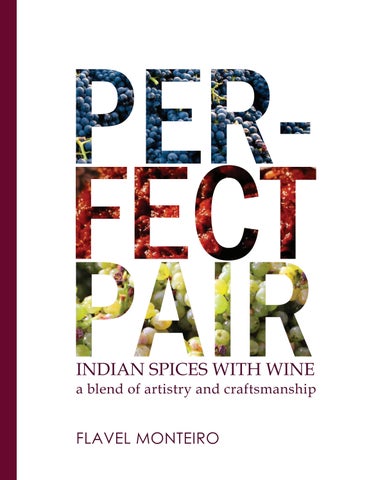
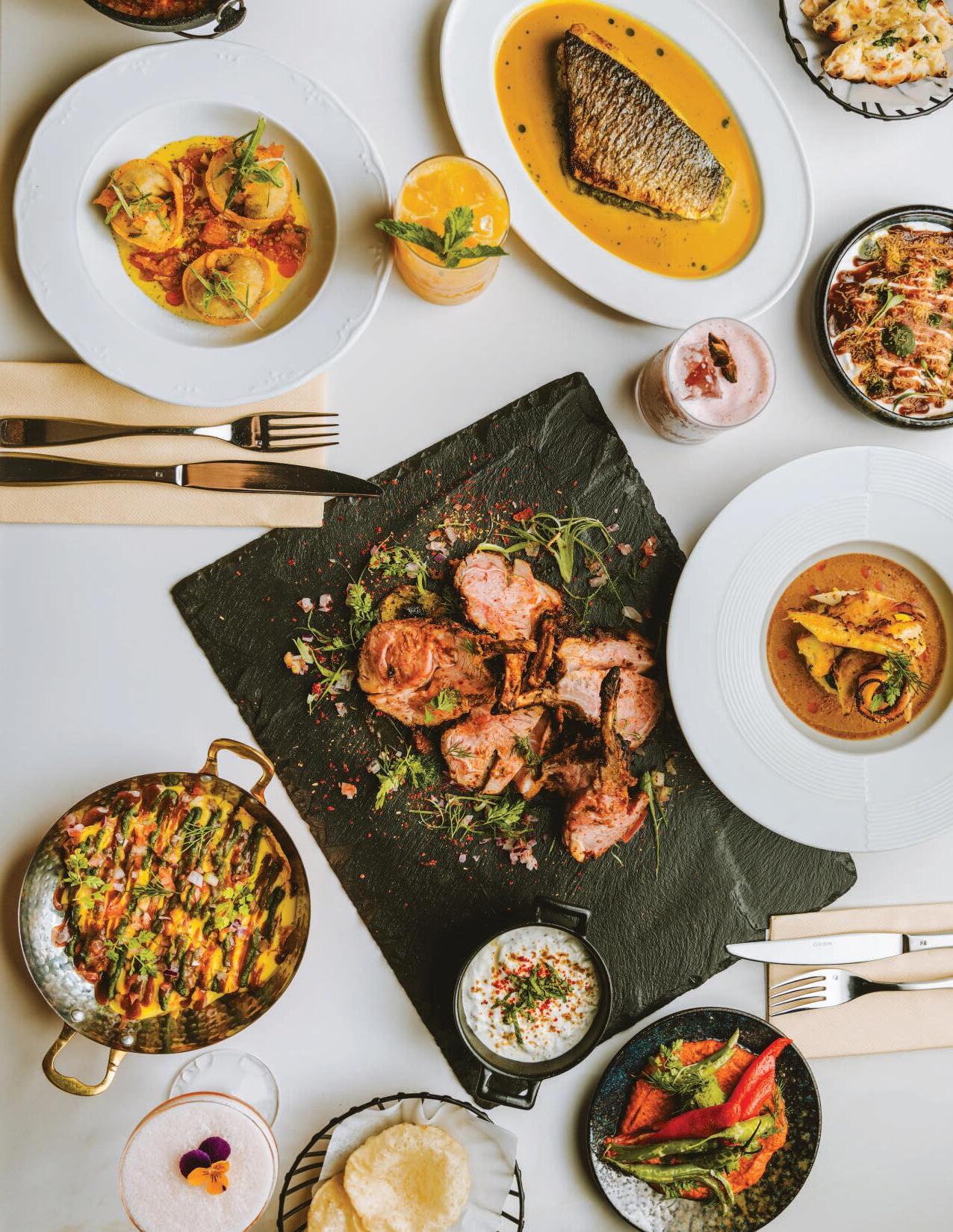
Perfect Pair - Indian Spices With Wine by Flavel Monteiro
INDIAN
WITH WINE
This book is dedicated to Edouard Cointreau, whose steadfast support, encouragement, and inspiration have guided and enriched my journey from the very beginning. Your motivating presence ignited my passion and became the cornerstone of this creative adventure—one that began with Coffee Absolute Gastronomy and now reaches its conclusion with my final book, The Goan Kitchen, coming later this year.
This is more than just a pairing; it’s a bridge between cultures, where wine and spice illuminate the hidden poetry of the other. Wine doesn’t merely accompany Indian food—it completes the entire experience.
Thinking of you...
José Esbelto deCastro Monteiro, Philomena Julia de Noronha, Hanan Jozaih Shafair, Maya Cointreau, Nikolai Shashirin, Baron Wolman, Claire Parr, Prachi Sumit Sharma, Ryan Largo-Afonso and Caesar. You all have touched and made a difference in people’s lives.
INDIAN SPICES WITH WINE
a blend of artistry and craftsmanship
Award-Winning Author
FLAVEL MONTEIRO
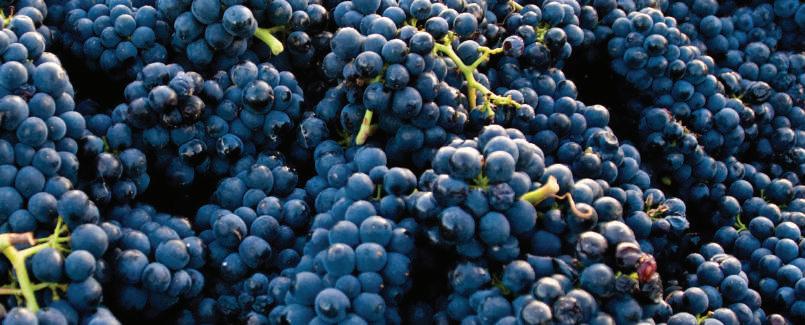
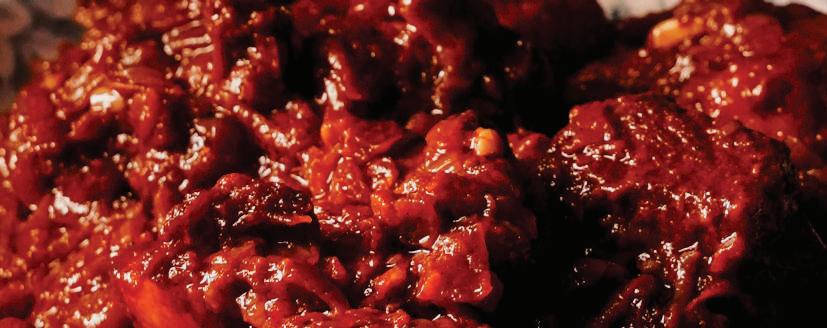
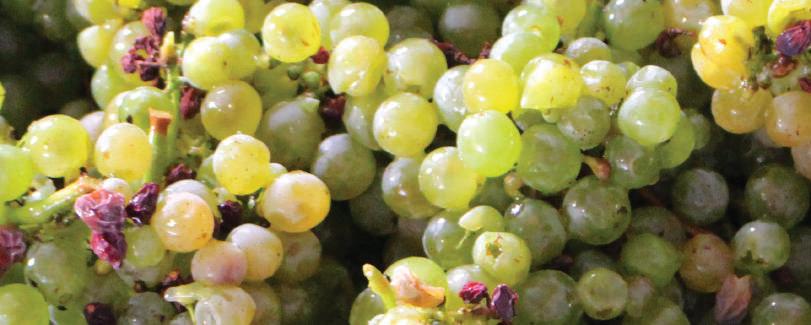
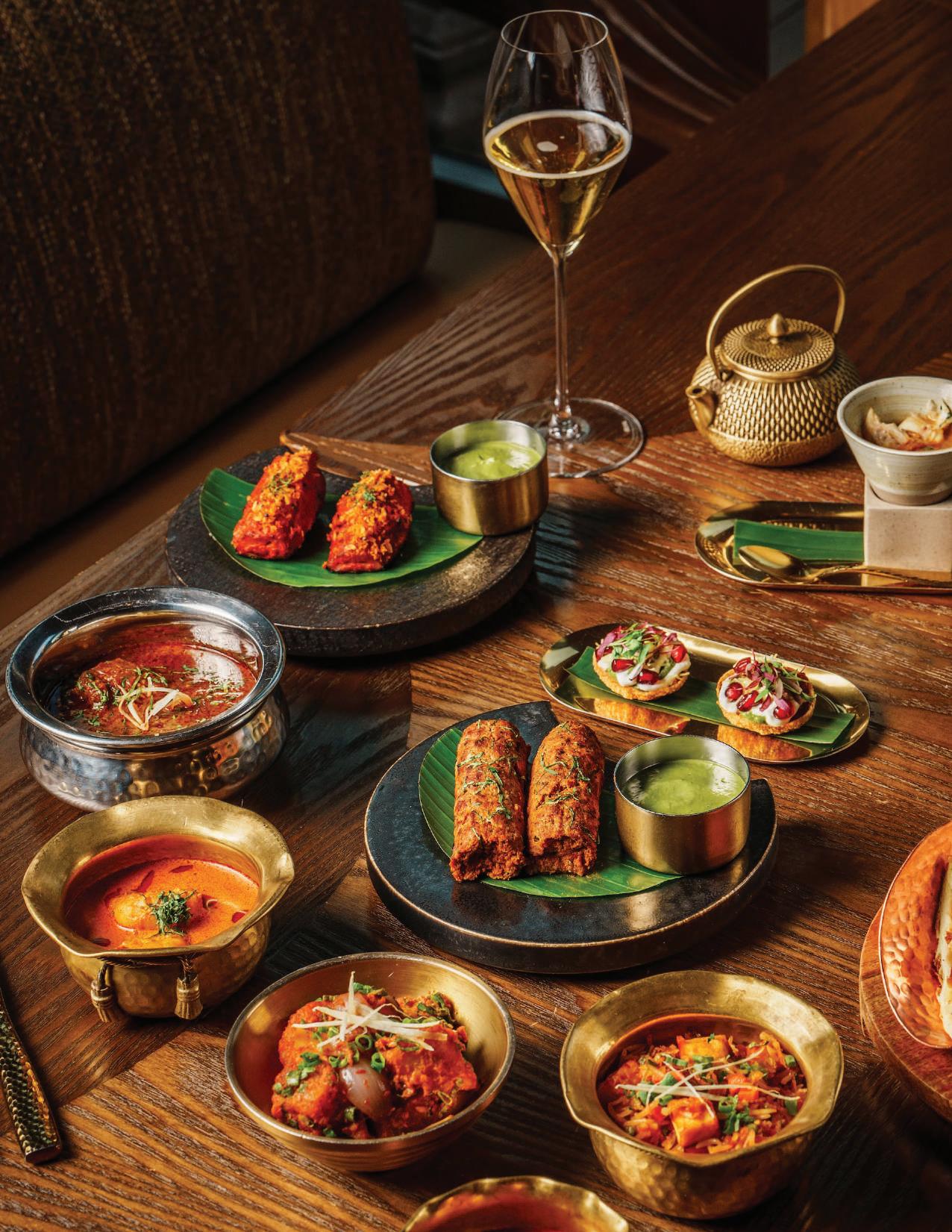
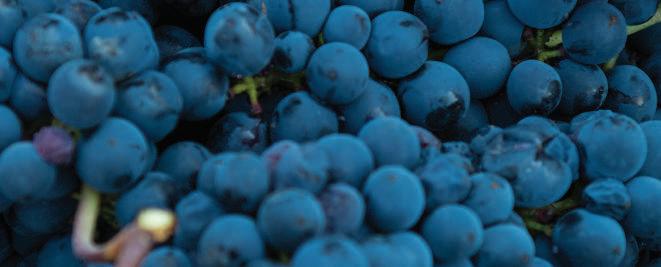
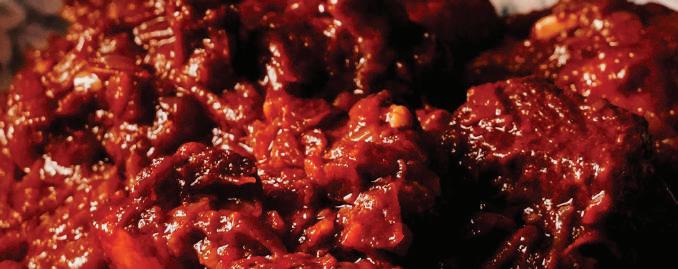
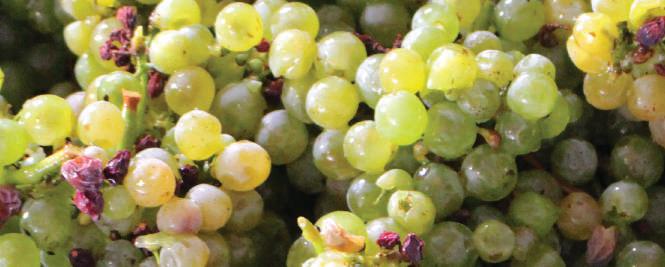
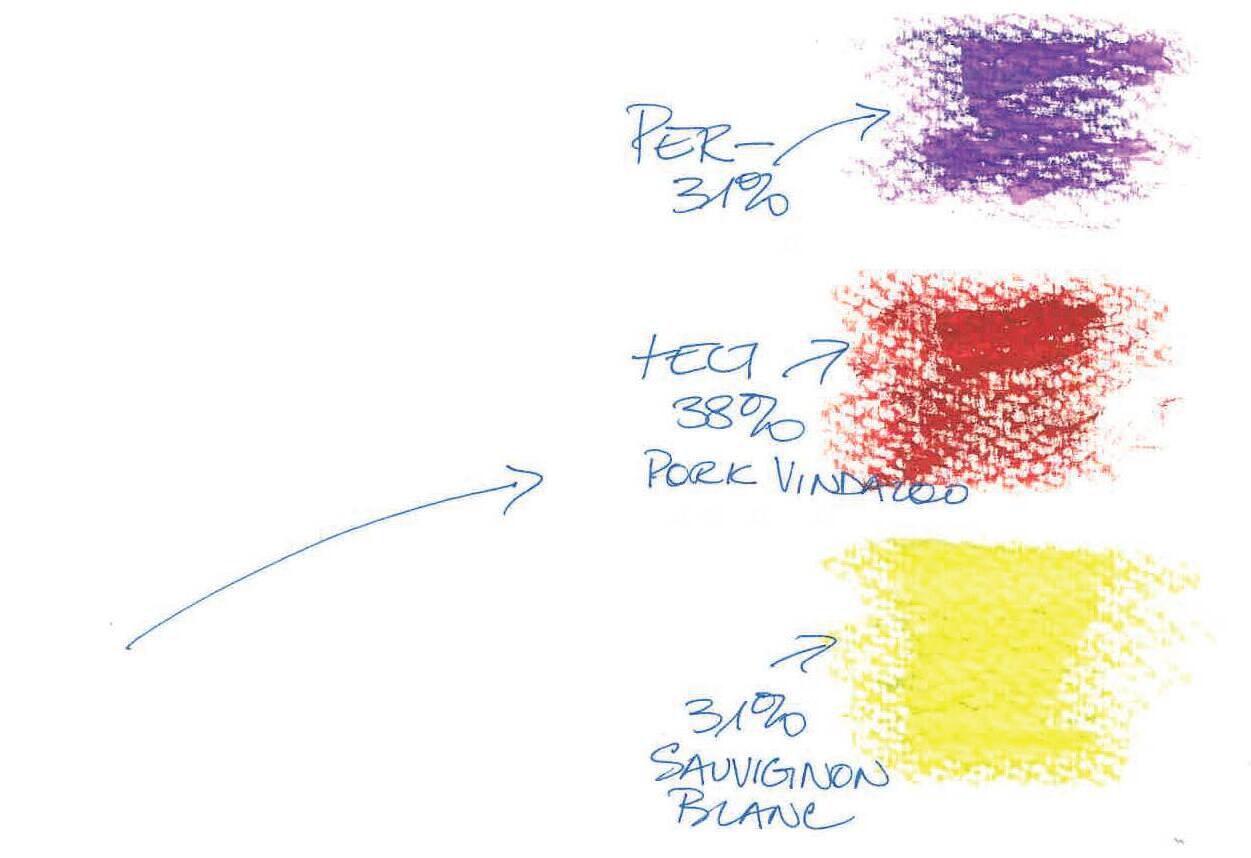
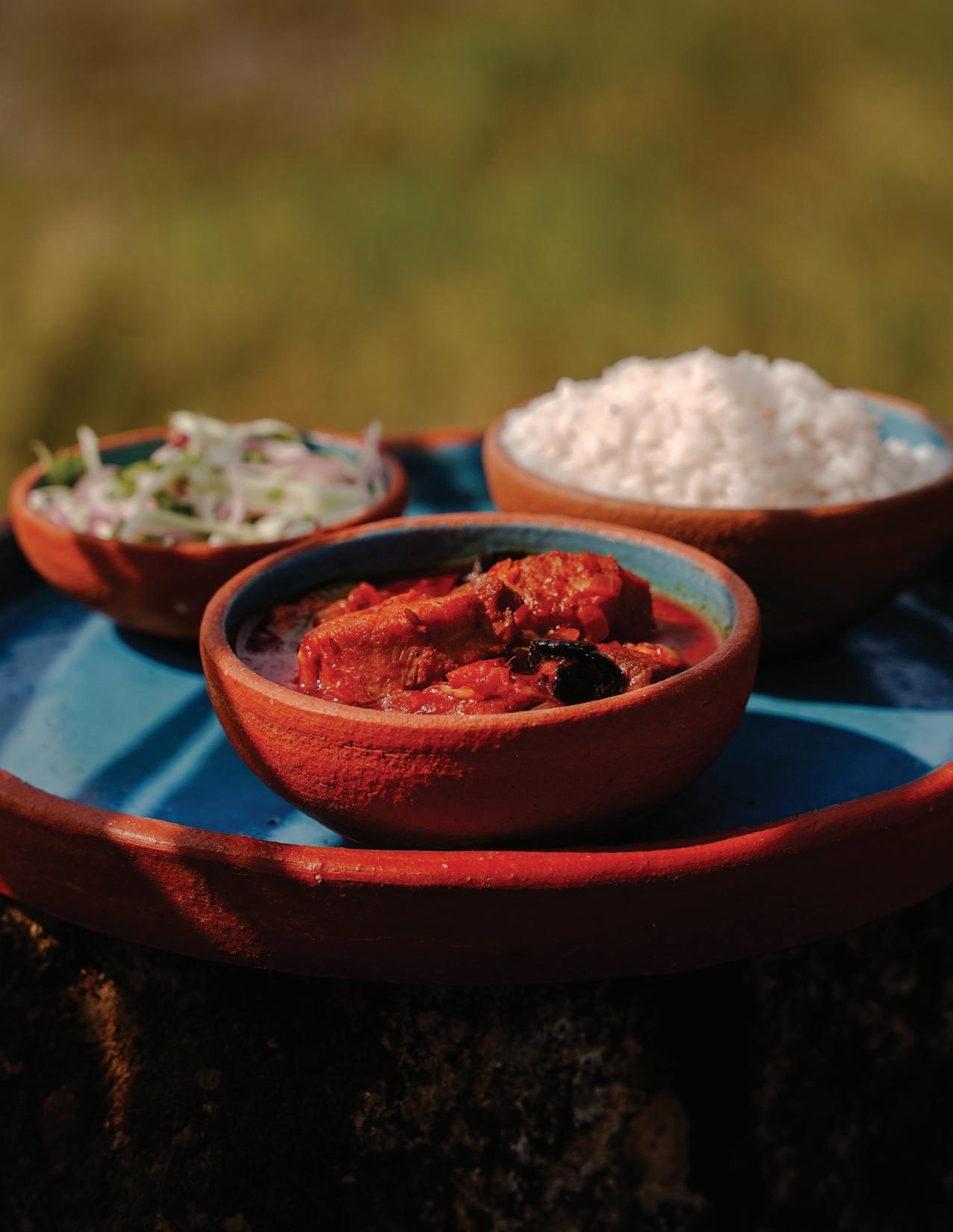
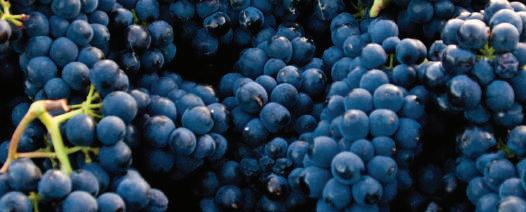
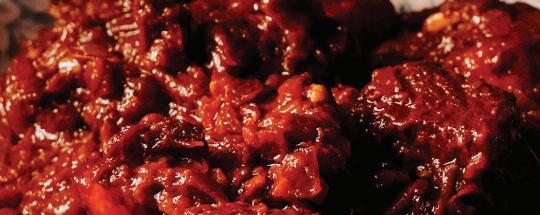
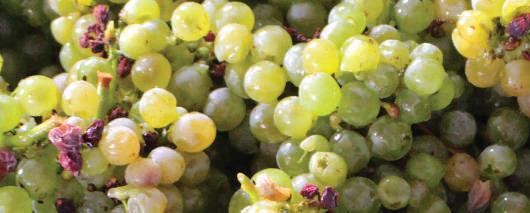
“The concept behind the cover image design was to seamlessly integrate the vibrant flavors of spice and wine into a ‘Perfect Pair.’ By incorporating the characteristics of Pinot Noir: 31%, Pork Vindaloo Masala: 38%, and Sauvignon Blanc: 31%, the design captures the essence of this culinary wine pairing publication, rather than merely presenting food in conjunction with glasses of wine.”
While an author’s name typically headlines the cover of a publication; it’s the collective effort of many talented individuals that truly brings it to life.
Beyond these pages, the finest and exceptional culinary and wine professionals have made it possible for me to just make this perfect—
Dr. Chef Manjit Gill, Sonal C Holland, MW, Raaj Sanghvi, Doug Singer, Cameron Douglas MS, Rosario Scarpato and Harry Hakuei Kosato with their forewords and introductions.
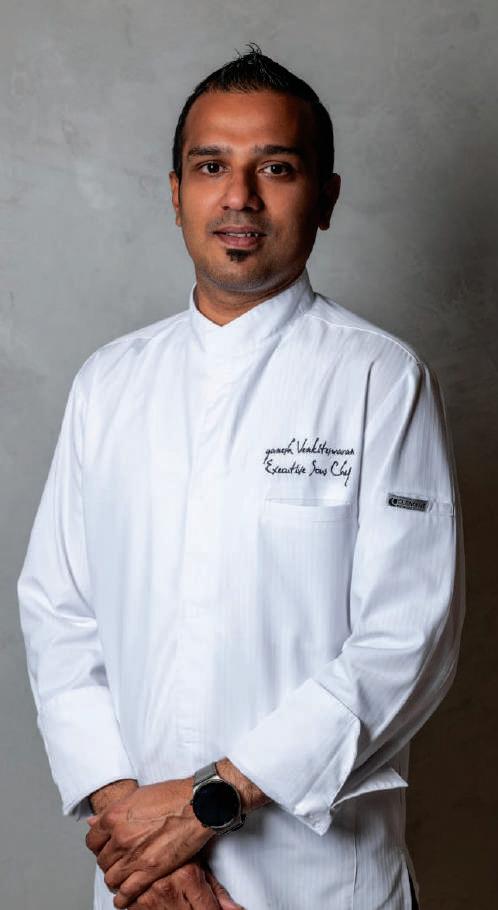
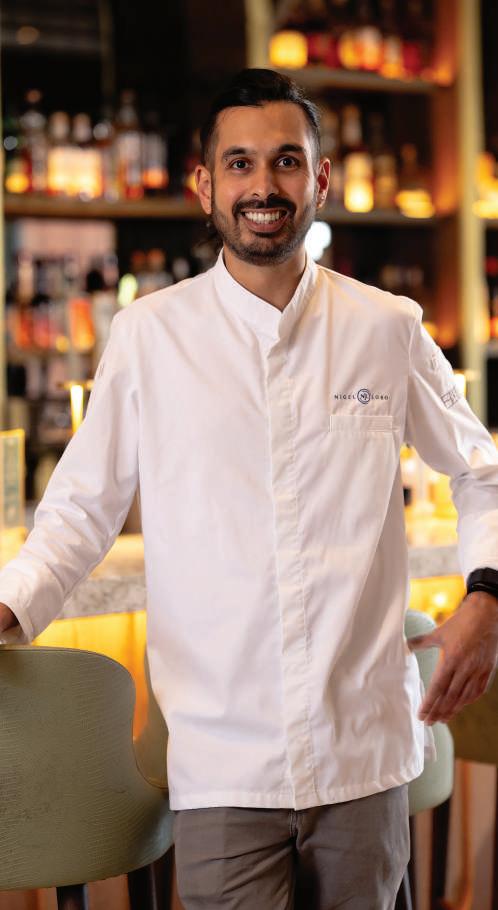
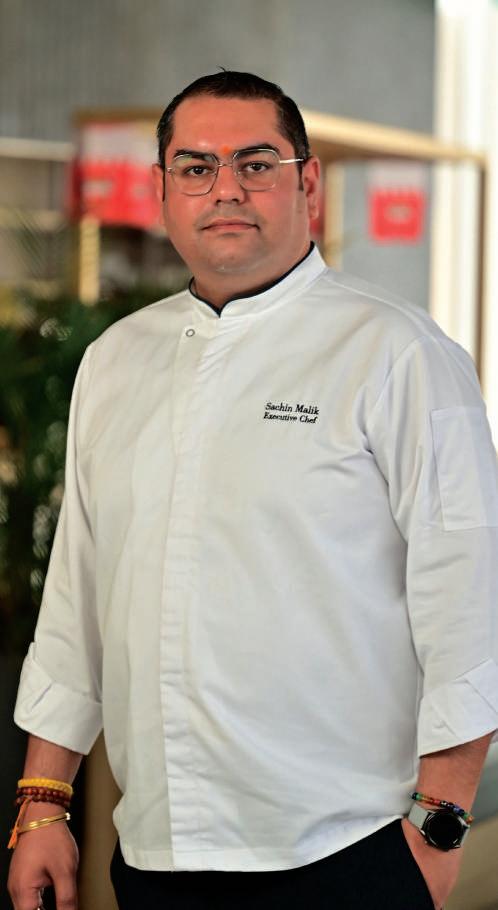
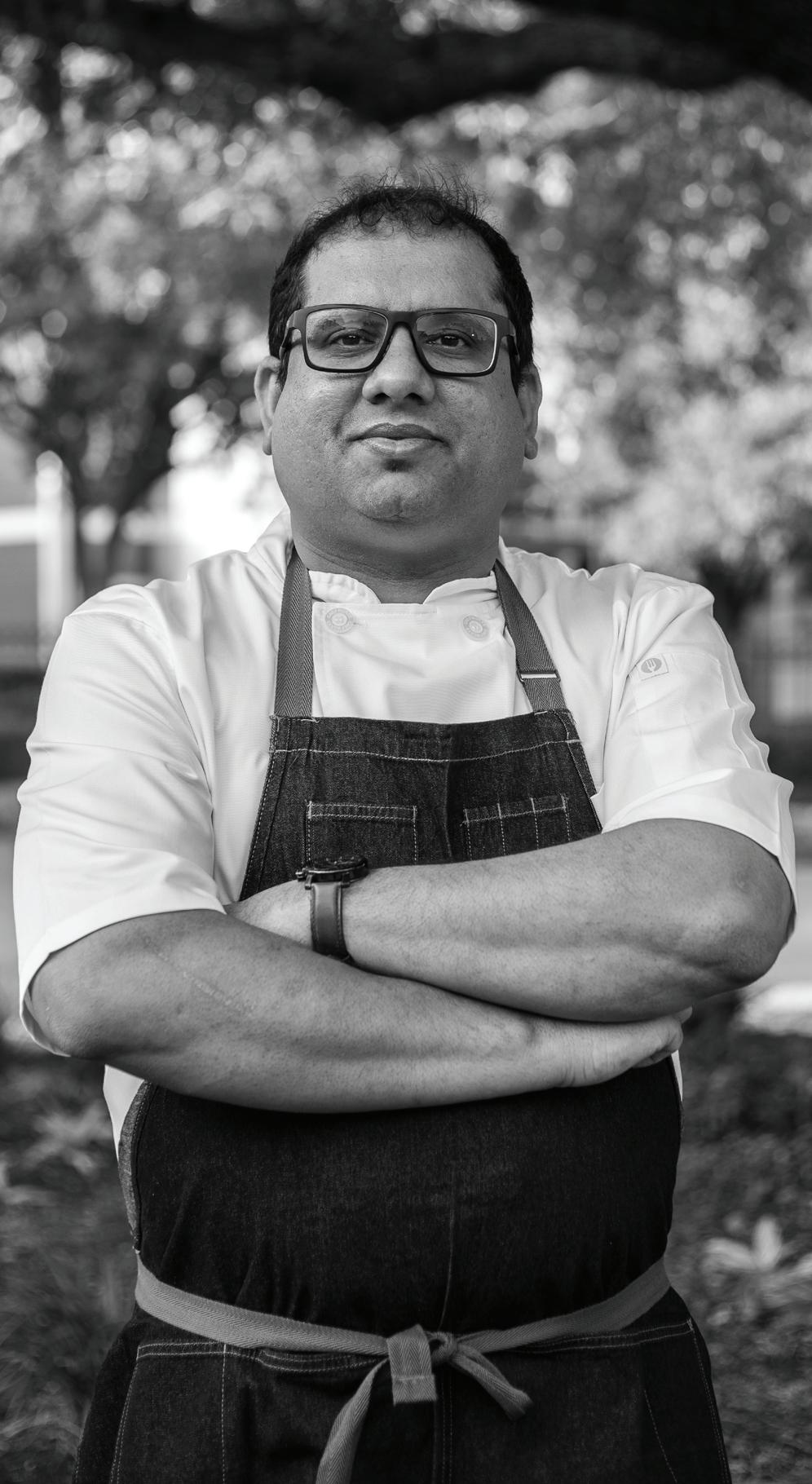
My sincere appreciation to the finest Indian chefs—Rohit Ghai, Manish Mehrotra, Hari Nayak, Sriram Aylur, Varun Totlani, Manav Tuli, Manoj Sharma, Palash Mitra, Altamsh Patel, Sujoy Gupta, Ajay Negi, Koyel
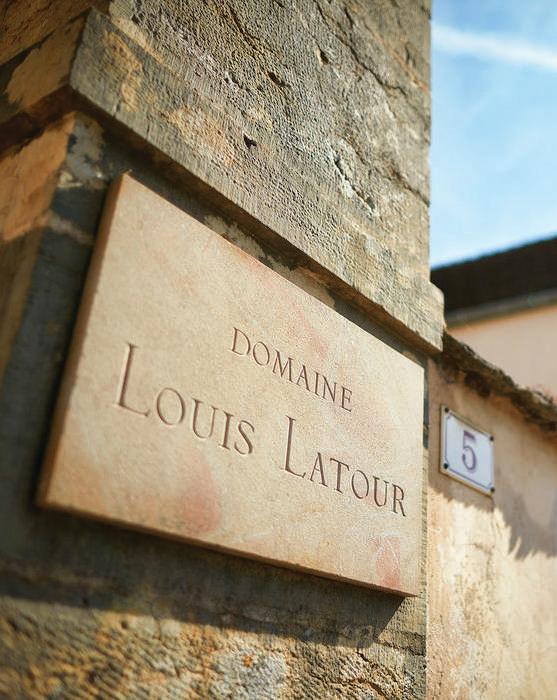
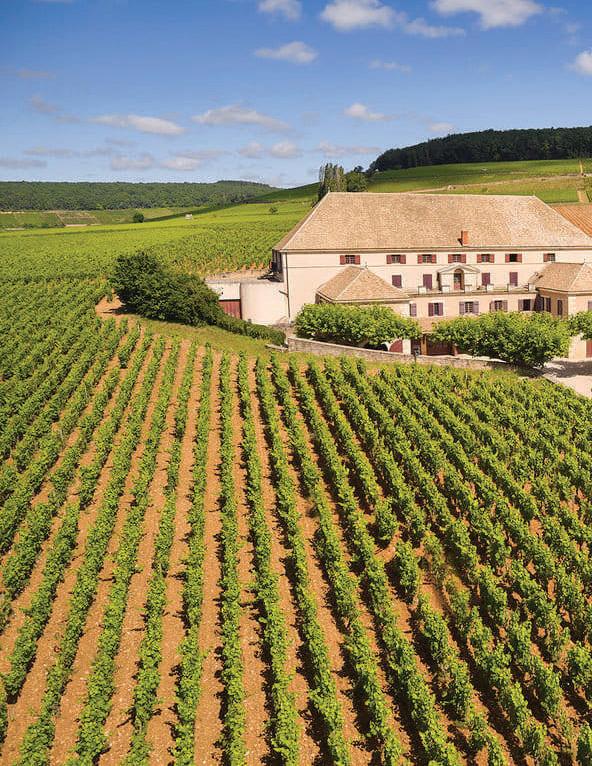
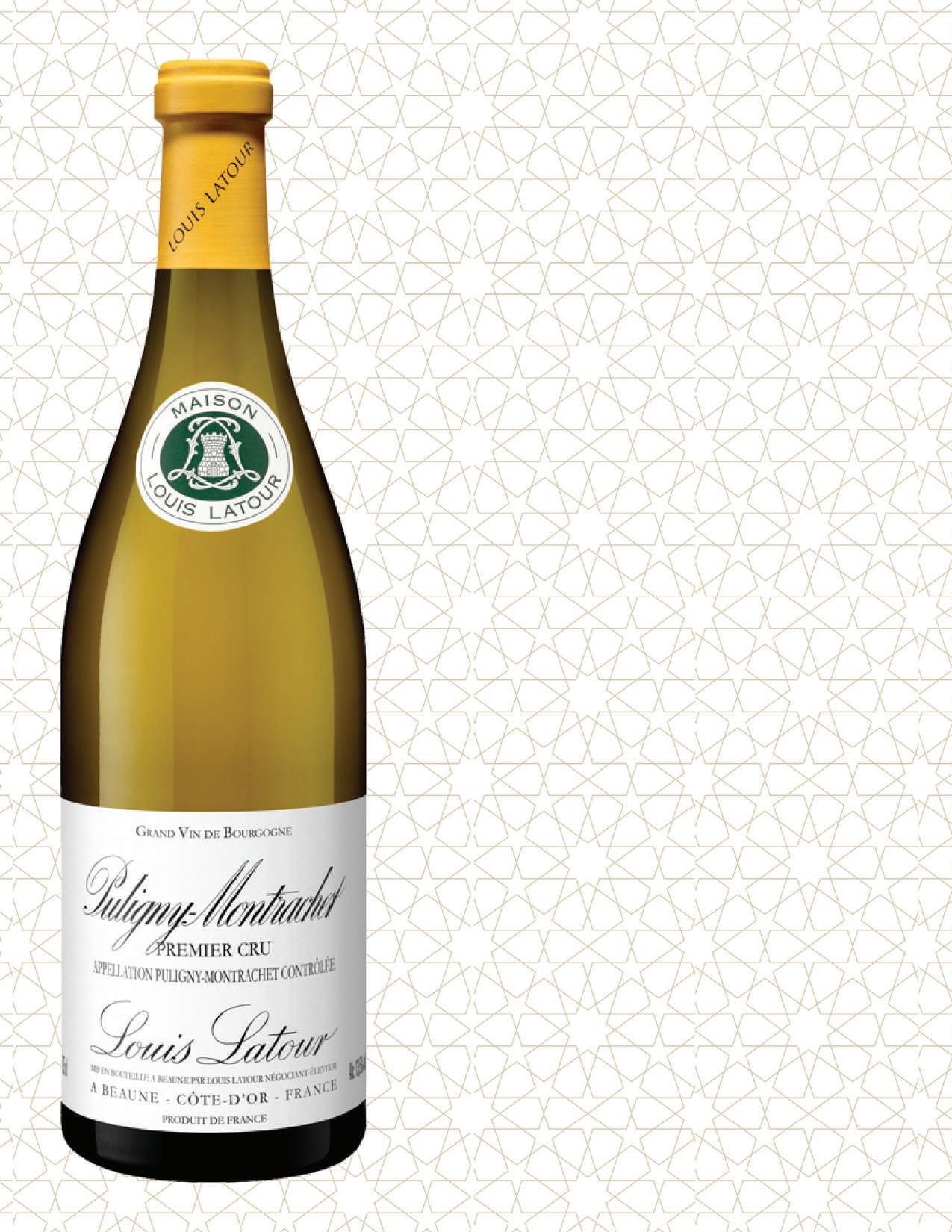
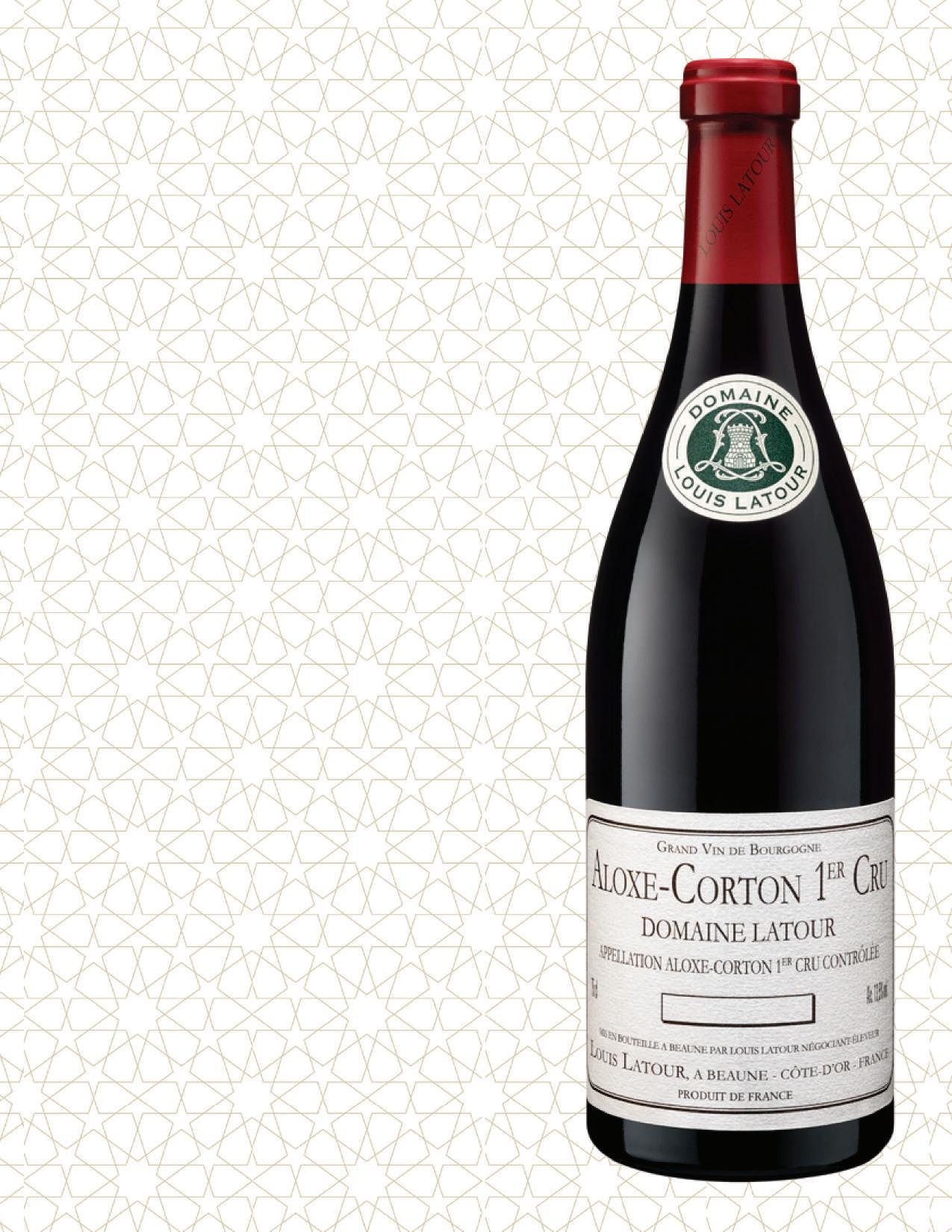
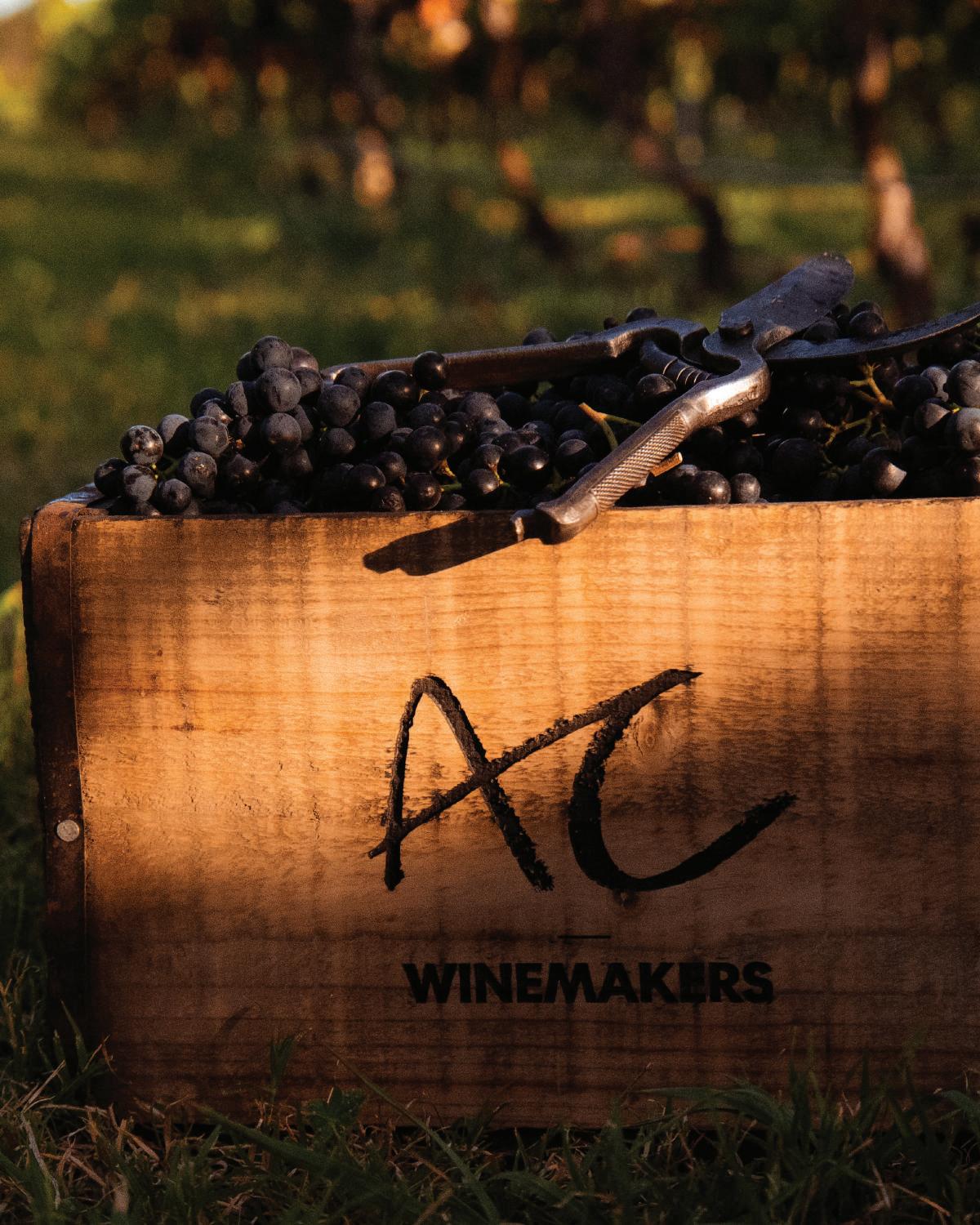
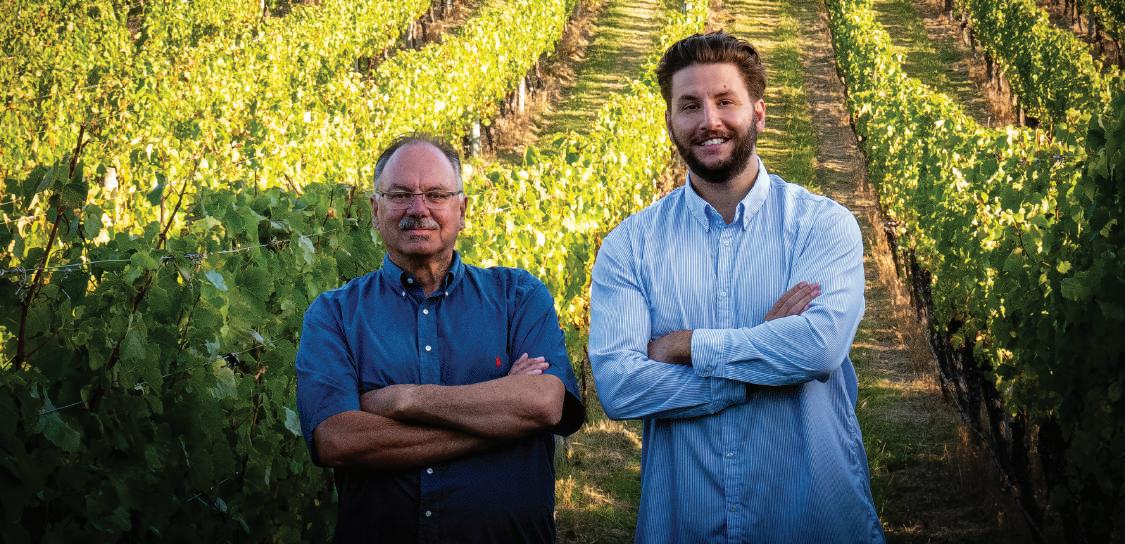
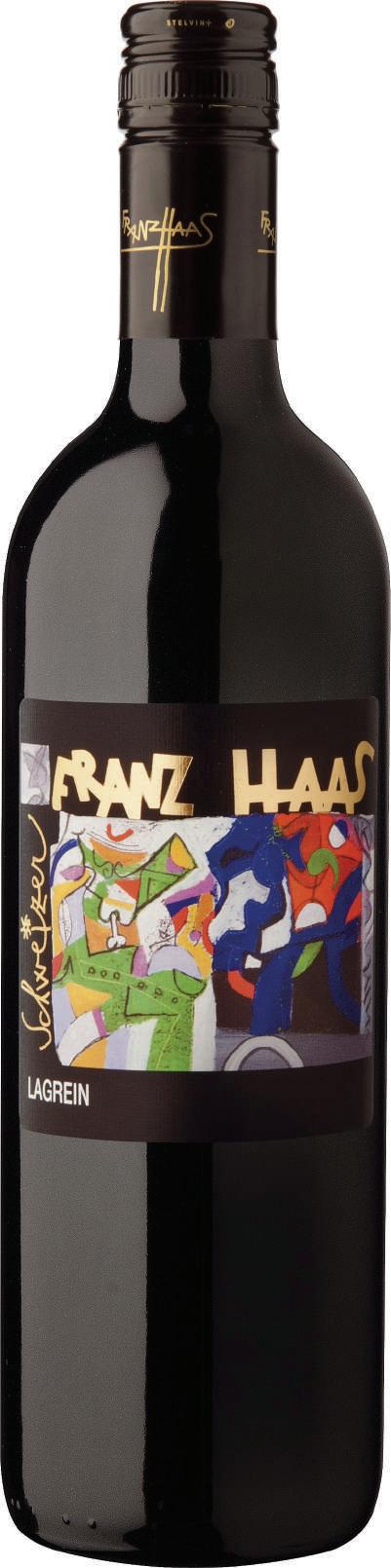
I would like to extend my sincere gratitude to Felicity Turner and Juliana Foster from New Zealand Wine, Eve Gueydon-Mercadieu from Baron Philippe de Rothschild, Alexandre Vacante from Domaine Famille Bourgeois, Anne Charpin and Dannytza Rodriguez from Maison Louis Latour, Liz Aquilino from Three Cheers, Peggy De Matos from Château Cheval Blanc, Abraham Corban from AC Wine, Matthew McFetridge from Franz Haas, Stephan Walliser of FROMM Winery, Xavier Martin and Florence Cointreau for their support.
Finally, my gratitude goes to my dedicated editorial and creative teams at WG along with the talented photographers who captured the essence of these recipes. A special thanks to Mukta Kapoor, Yamini Pustake, Nikhila Palat, Pooja, Jeel Shah, Savita Ridlan, and Sukesh PM.
Together, we have created something truly remarkable—THANK YOU.
IZZY Media has asserted its right under the Copyright Designs and Patents Act 1988 to be identified as the author of this work.
All rights reserved. No part of this publication may be reproduced, stored in a retrieval system or transmitted in any form or by any means, electronic or mechanical, recording or otherwise, without the prior permission in writing from the copyright owner.
From the beginning, I envisioned creating a book that embodies the seamless blend of fashion and cuisine, especially with the iconic Debbie Dickinson, the legendary supermodel of the 70s and 80s. This aspiration culminated in “Culinary Creativity”, a celebration of our partnership that intertwines gastronomy and artistry. Before that, I co-authored and published the groundbreaking eBook, “Home Comforts - Simple Lockdown Recipes from the World’s Best Chefs and Bartenders.” It featured what the world’s best chefs cook at home and it was paired with cocktails, a collaboration with The World’s 50 Best Restaurants.
As coming to an end with my book writing, I wanted to explore something different, something with Indian cuisine: pairing Indian spice with wine. Initially, my idea was to focus on pasta paired with Italian wine. However, in January 2026, during a wine roadshow, my concept evolved to pairing Italian wines with Indian cuisine. Unfortunately, the support I anticipated proved to be mere talk without follow-through.
However, I refused to be discouraged. I decided to immerse myself in the art of harmonizing Indian cuisine with exceptional wines from around the world, to create a dining experience and elevate culinary possibilities.
In today’s culinary landscape, wine pairing with Indian cuisine is an opportunity waiting to be explored. For years, the spotlight has been on spirits, beers, and, more recently, exquisite cocktails. These drinks often take centre stage before the meal and accompany each course until the very end.
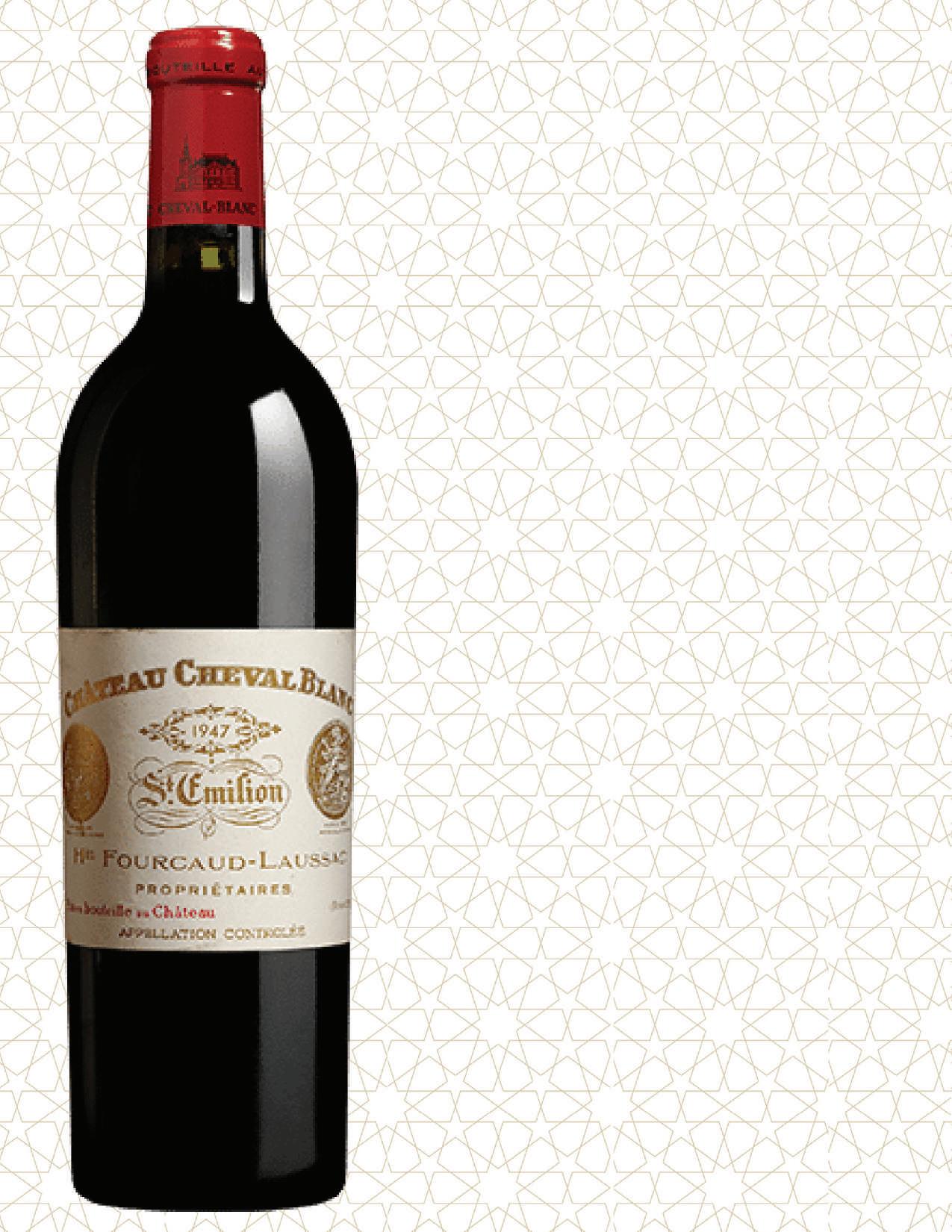
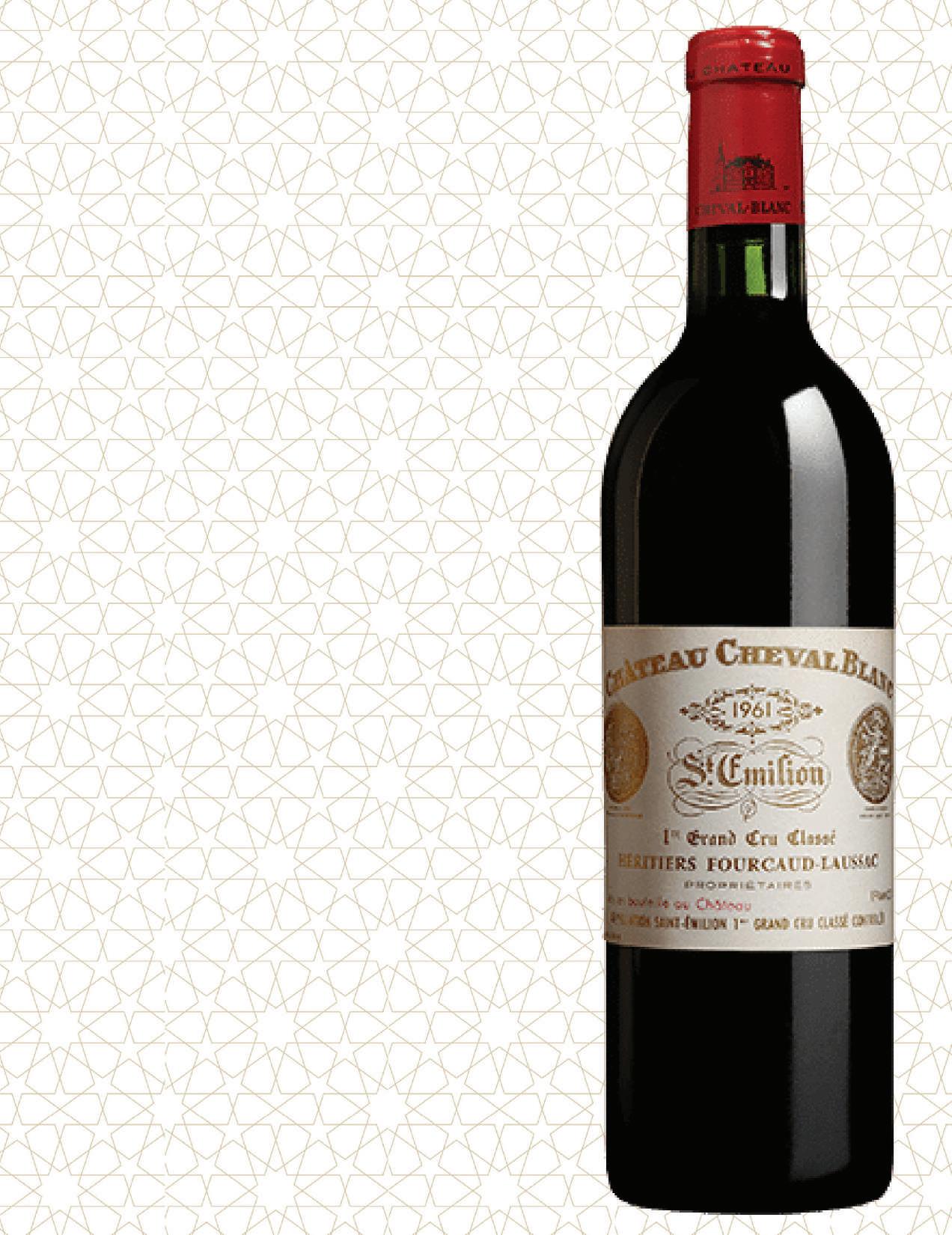
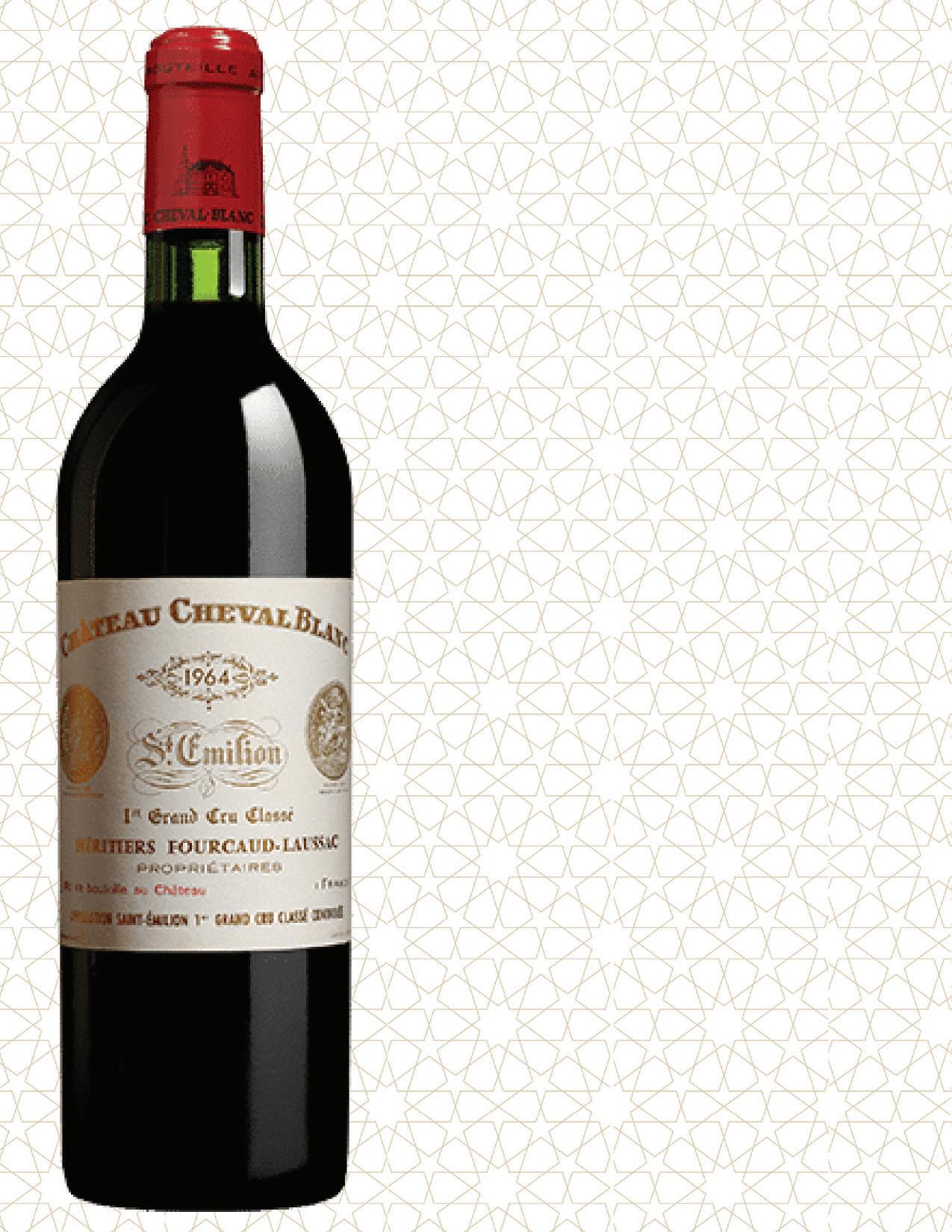
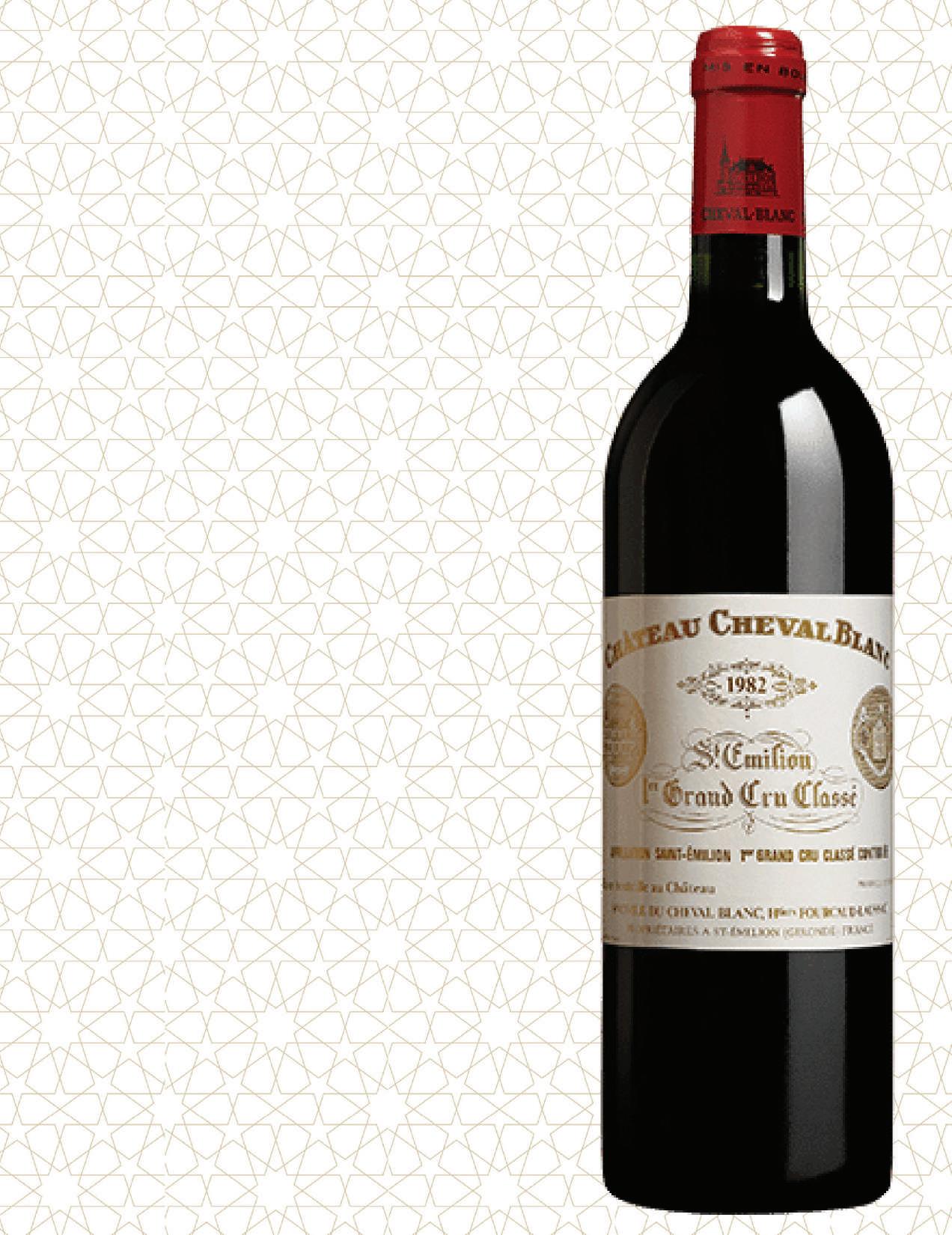
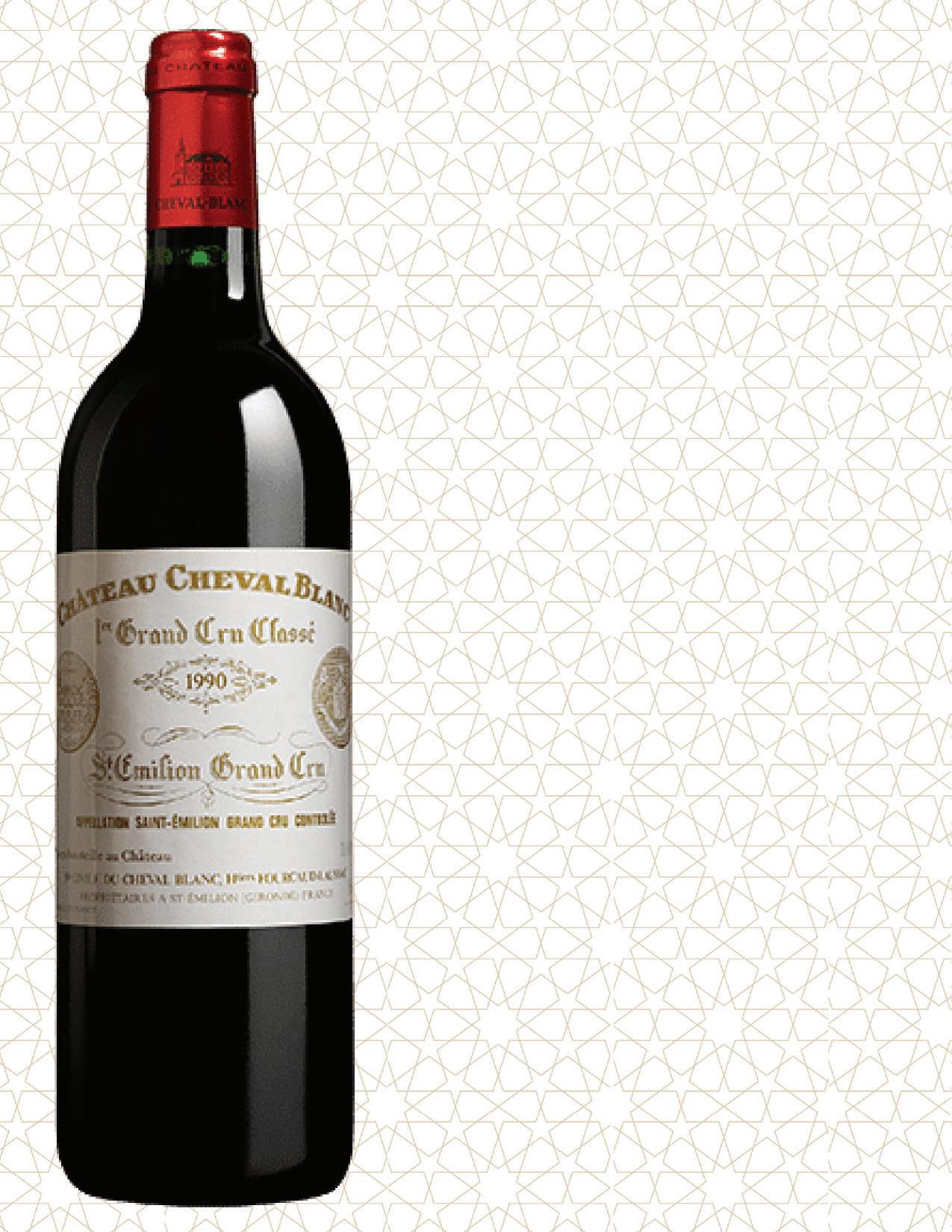
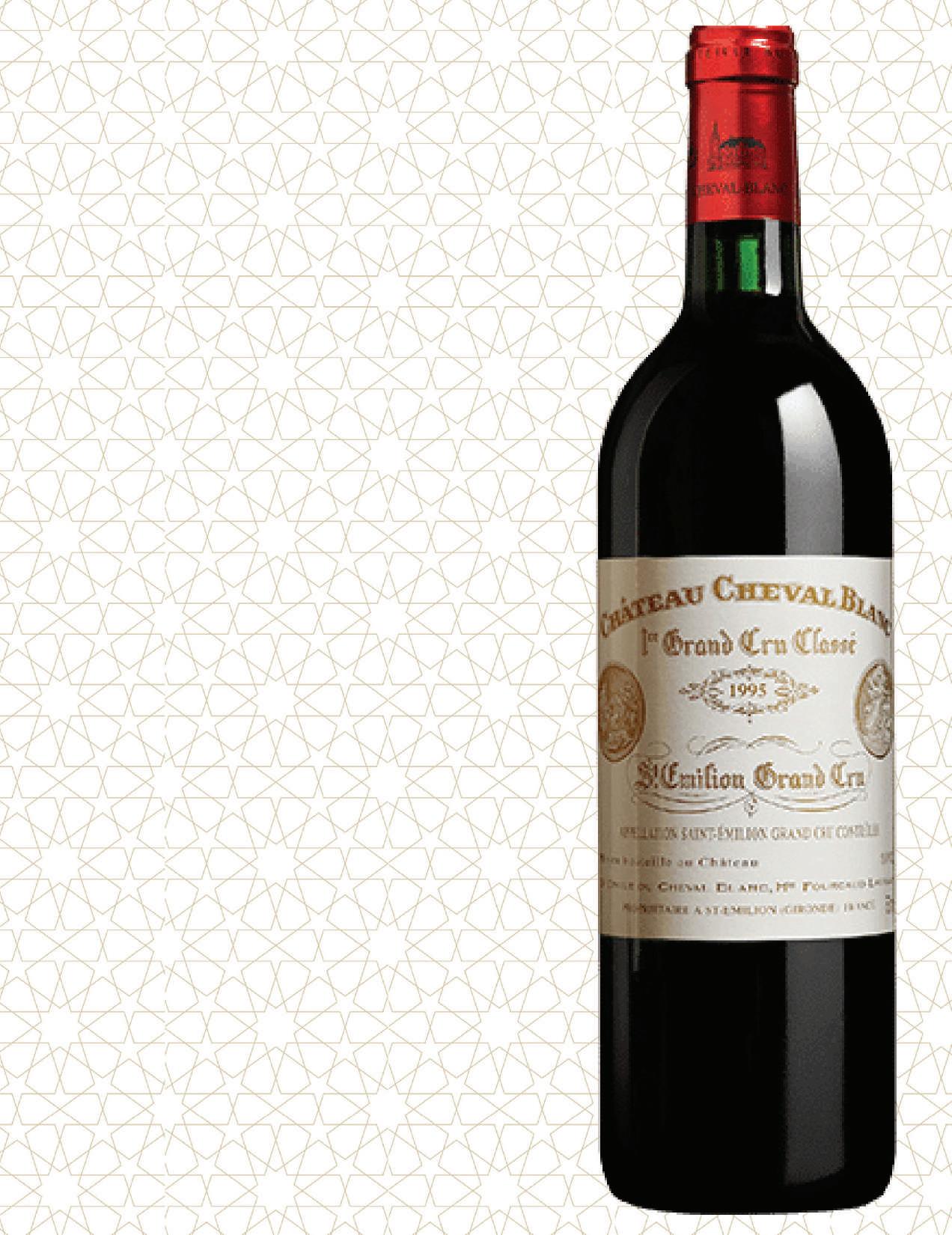
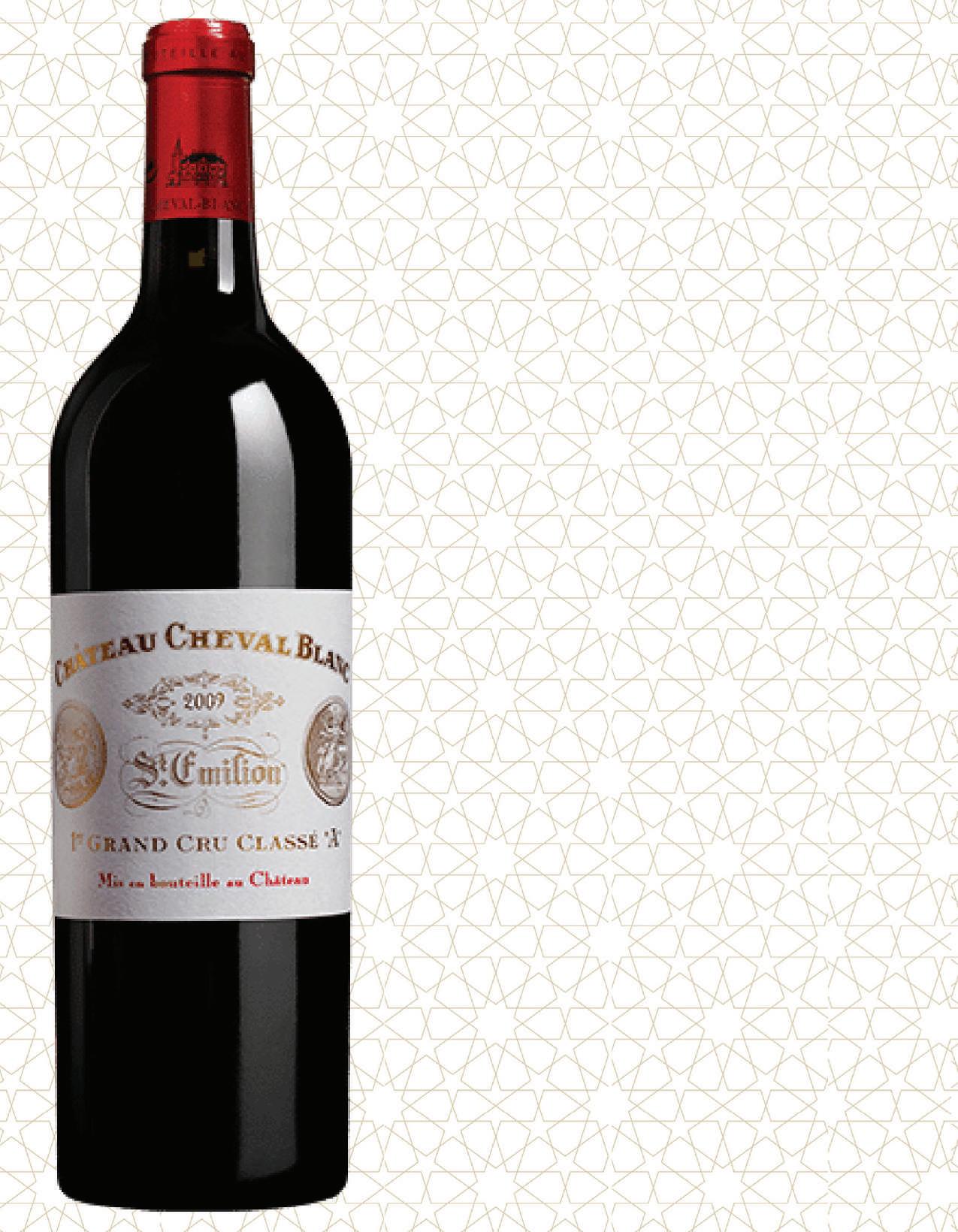
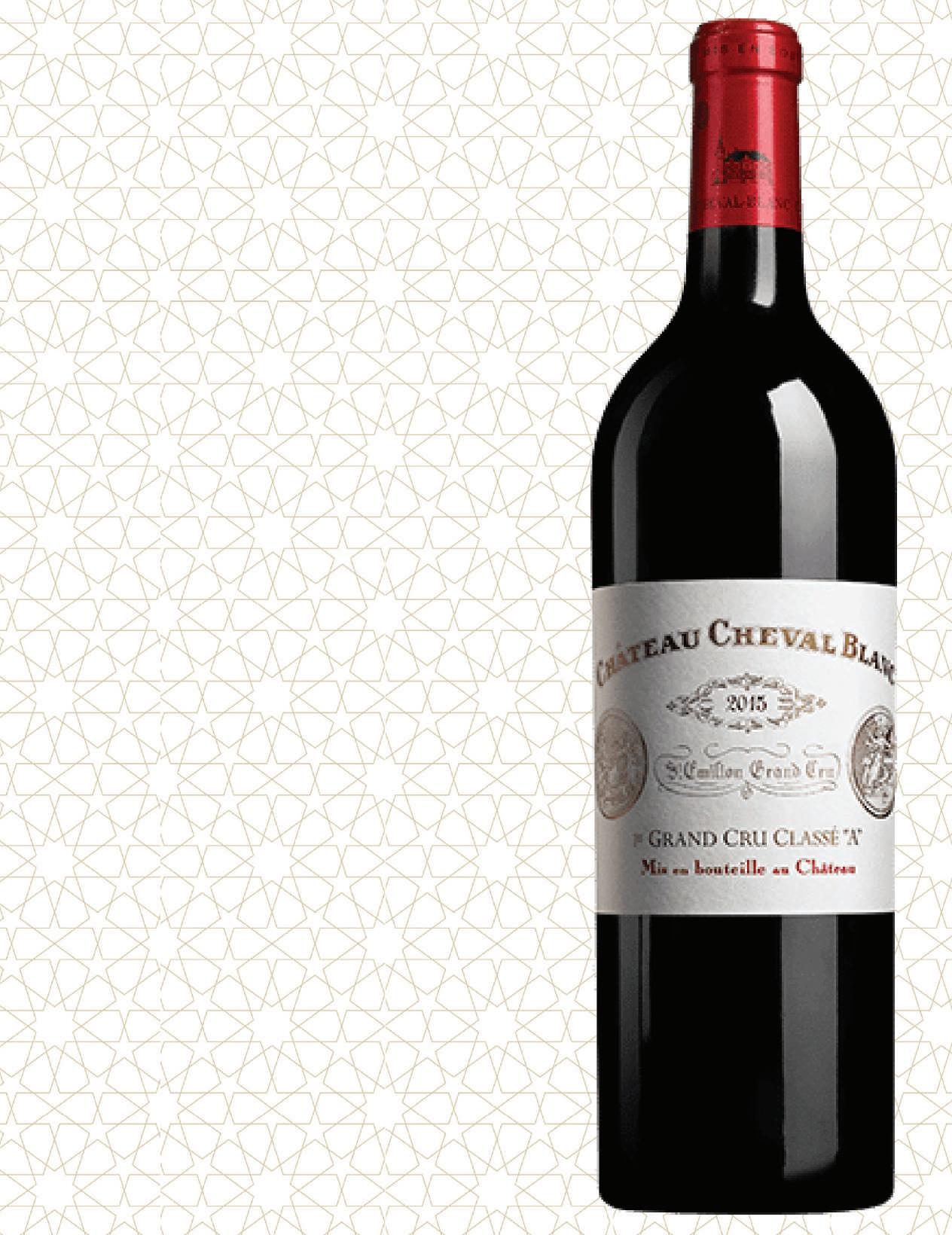
Perfect Pair starts with exceptional vintages; the extraordinary wines from Château Cheval Blanc, including 1947, 1961, 1964, 1982, 1990, 1995, 2009, and 2015, it sets the standard for excellence. These remarkable wines are complemented by the culinary artistry of the finest Indian chefs from North America to Australia.
“To fully savor your food experience, embrace the moment without pretension or fear, and let go of rigid plans. Similarly, to enjoy a wine to its fullest, immerse yourself in its identity, story, and history. This deep connection enhances every sip and bite, transforming your dining into a remarkable journey.”
- Flavel Monteiro
Now, imagine the harmonious blend of wine with Indian food. This cuisine boasts a remarkable range of regional flavors, where skilfully layered spices narrate tales of tradition and innovation. Each dish achieves a delicate balance of heat, sweetness, acidity, and earthiness. When paired with wine, the unique characteristics of different grape varieties and terroir—shaped by the interplay of soil, climate, and the artisans behind the bottle—bring forth an incredible depth and character to the experience. This is where the magic happens, creating a “ Perfect Pair” that elevates the meal to new heights.
Indian cuisine is a rich tapestry of flavors and traditions. From indulgently creamy gravies to bright, coconut-infused, and fiery curries, the diverse array of regional specialties—each boasting its own unique masalas—creates a symphony of aroma and taste, offering a dining experience that is at once comforting and exhilarating.
Immerse yourself in a bold symphony where the unexpected finds perfect harmony— wine. The landscape, a vibrant tapestry from foothills to volcanic soils and sun-soaked hills, reflects this diversity. Here, winemakers artfully blend timeless traditions with innovative approaches, crafting an array of expressions: crisp, mineral whites that slice through richness; juicy reds that refresh with bright cherry notes and a gentle lift. Fullerbodied options deliver a fruit-forward warmth and acidity that stand up to robust curries, transforming potential clashes into seamless harmony.
This intriguing pairing—India’s spice artistry meeting the world’s terroir-driven elegance— reveals a profound connection: both celebrate their origins, passion, and the joy of gathering around a table. The bright acidity of a wine marries beautifully with fiery spices; subtle fruit notes in a red echo the warmth of cardamom or clove. exquisite wines from the scenic vineyards of North America to the lush landscapes of Australasia.
Flavel Monteiro
It is a culinary tradition shaped by inquiry, adaptation, and profound knowledge. India has always welcomed new ingredients, techniques, and influences— not by imitation, but through understanding. Every element entering the Indian kitchen is examined, interpreted, and refined using skill, philosophy, and lived wisdom. What emerges is not excess, but balance; not confusion, but clarity.
At the foundation of Indian gastronomy lies the principle of Shad Rasa—the six tastes: sweet, sour, salty, bitter, pungent, and astringent. These are not flavours assembled by chance, but a carefully calibrated system designed to nourish the body, steady the mind, and awaken the senses. This philosophy governs how ingredients are chosen, how spices are layered, and how dishes are structured. Taste, in Indian cuisine, is inseparable from wellbeing and memory.
Across the subcontinent, thousands of regional cuisines give this philosophy distinct expression—each shaped by landscape, climate, culture, and community. There is no single Indian flavour. There are many truths, each precise and contextual. Indian gastronomy is a living body of knowledge, carried forward through generations by observation, discipline, and craft.
This publication honours that depth through a thoughtful four-course framework—Chaat, Small Plates, Mains, and Dessert—presenting vegetarian, fish and seafood, and meat preparations within each. It reflects the true nature of Indian dining: layered, inclusive, and guided by purpose rather than trend.
The dialogue this book creates with wines from around the world is both natural and compelling.
Wines, rooted in terroir, speaks of soil, climate, and time. With its remarkable diversity of native grape varieties and centuries of craftsmanship, the world mirrors India’s reverence for place and process. Both traditions value restraint, balance, and authenticity. Both understand that true expression emerges when knowledge guides creativity.
“When Indian cuisine meets wines from around the world, the encounter is intui-tive.
Acidity, structure, and subtle fruit interact seamlessly with India’s layered flavors, allowing the six tastes to unfold with greater clarity.”
Spice is not softened—it is articulated. Complexity is not challenged—it is refined. Wine becomes not an accompaniment, but a continuation of the story.
This is how Indian gastronomy has always engaged with the world—adventurous, confident, and intelligent. Through knowledge and skill, India has transformed influences into harmony, making its cuisine both deeply rooted and globally resonant.
To chefs and sommeliers: these pages invite you to look beyond conventions. Taste with sensitivity. Pair with respect for balance rather than contrast. Recognise that Indian cuisine is not something to be adjusted for the world—it is something the world is ready to understand. This is an invitation to share a table where tradition meets craftsmanship, and where great culinary cultures speak a common language—of place, passion, and purpose.
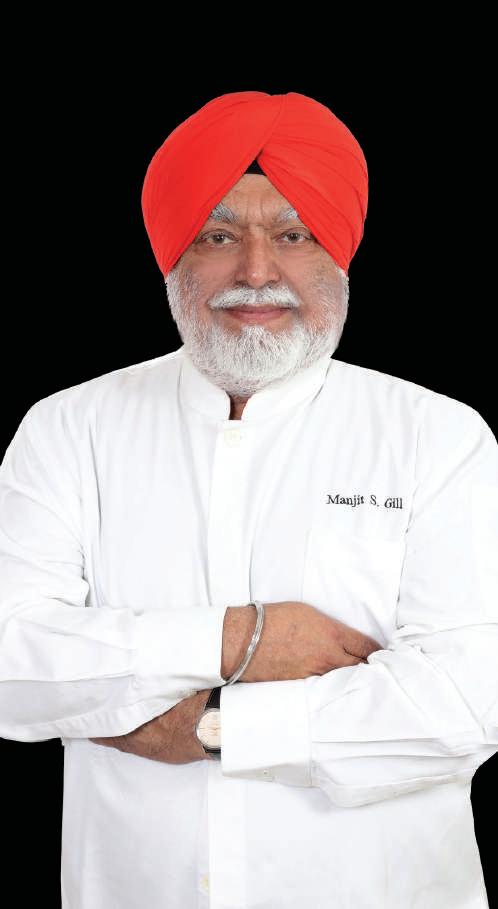
DR. CHEF MANJIT GILL President - Indian Federation of Culinary Associations
WINE AND INDIAN CUISINE: AN EXCITING WORLD OF ENDLESS POSSIBILITIES
SONAL C HOLLAND, MW
Wine is food’s most effortless companion. Yet our understanding of pairing the two often stops at a European template. As wine’s popularity grows in India, enthusiasts are eager to explore it with Indian cuisine, but don’t know where to begin. The good news? It’s simpler than you think.
The first thing you must do is to forget the Western approach of pairing white wine with white meat and red wine with red meat. Indian cuisine doesn’t work that way. Here, sauces, spices, and ingredients shape a dish’s flavour profile and determine the pairing.
Here’s another secret you need to know: food changes how wine tastes far more than wine changes how food tastes. So the question isn’t “which wine goes with this curry?” but “which curry will elevate the taste of this wine?”
You don’t need to be a wine expert to answer this question. Just mastering a few fundamental principles unlocks endless possibilities. Sour ingredients like tomatoes and
tamarind make wines taste richer and fruitier. Salty flavours soften the tannins in bold reds. Sweet dishes need equally sweet or sweeter wines; pair them with a dry one, and it’ll taste bitter. Not just Indian cuisine, these basics will help you pair wines with any food.
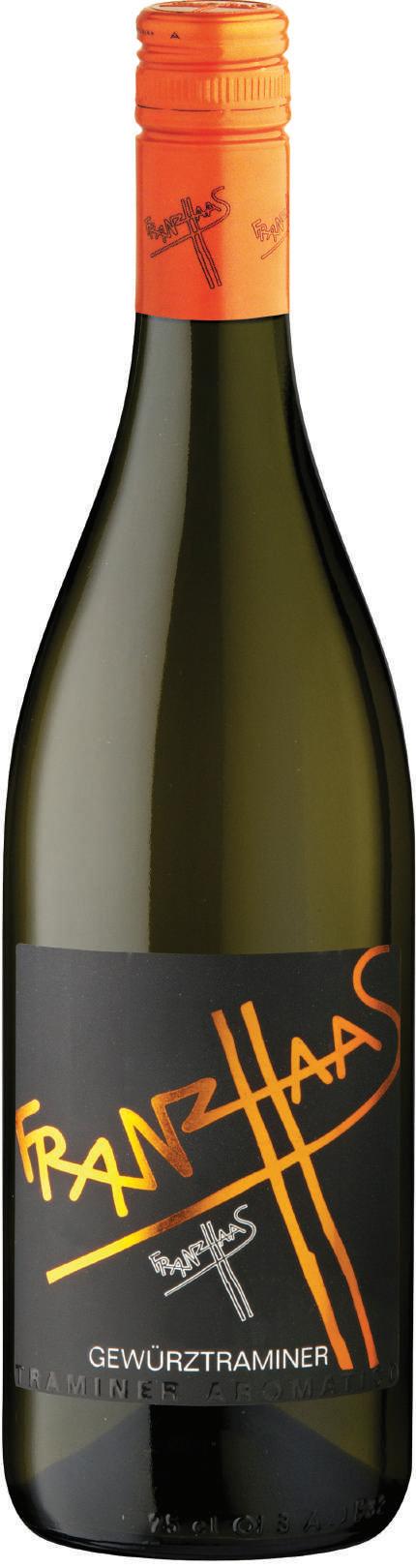
A great concern while pairing Indian food with wines is the heat from the spices. The easiest remedy for this is to never pair wine with overtly spicy dishes. In case of dishes with moderate levels of heat, always go with sweeter wines with lesser alcohol, such as German Riesling or Gewürztraminer; higher alcohol levels will only enhance the burning sensation, and sweetness will soothe the palate.
Wine pairing should make your meals more enjoyable, not stressful. As you read through this book, treat every suggestion as a starting point to experiment and discover what works for your palate. Remember, the best pairing, after all, is the one that brings a smile to your face.
Cheers!
For years, the conventional wisdom was that Indian food was difficult to pair with wine. The argument was familiar and, in many ways, outdated: too much spice, too many flavours, too much complexity. How could a great wine possibly stand up to it? Why waste an expensive bottle on Indian food?
As a result, many diners defaulted to beer, cocktails or whisky, while wine pairing remained something largely associated with European cuisine.
I have always felt this view misunderstood both wine and Indian food.
In much of Europe, wine pairings are often built around the protein. White wine with fish. Red wine with meat. Indian food does not always follow those rules. Here, the sauce and preparation often matter more than the protein itself. A fish swimming in a rich Goan curry may require a completely different wine from a delicately steamed Bengali fish preparation. The same ingredient can behave very differently depending on the spices, acidity, texture and cooking method surrounding it.
The challenge was never that Indian food could not be paired with wine. The challenge was that it required a different way of thinking. What has changed dramatically over the last decade is the sophistication of the conversation. Indian chefs today are among the most travelled and globally exposed they have ever been. Many have spent time dining at and working with some of the world’s finest restaurants. They understand wine better, build menus with pairings in mind
and increasingly collaborate with sommeliers to create complete dining experiences.
Take Himanshu Saini at Trèsind Studio in Dubai, the world’s only three Michelin-starred Indian restaurant. His restaurant offers multiple pairing options at different price points and has worked extensively with leading sommeliers and winemakers. Interestingly, one of those pairings includes J’NOON, demonstrating that Indian wines can now confidently sit alongside some of the world’s most respected producers.
At a private charity dinner in Mumbai last month, ten vintages from Domaine de la Romanée-Conti were paired with a tencourse menu. The food selected was Indian and three top chefs from Mumbai restaurants were asked to create dishes specifically designed to complement these sought-after wines. A decade ago, such a dinner would have seemed unimaginable. today, it feels entirely natural.
Across India, chefs and restaurants are taking wine pairing more seriously than ever before. I suspect this trend will only accelerate in the years ahead. The question is no longer whether Indian food works with wine. It clearly does. The more interesting question is how far that conversation can go.
As Indian cuisine continues its rise on the global stage, wine will become an increasingly important part of the experience. Not because it is fashionable or pretentious, but because great wine and great food ultimately share the same purpose: to create pleasure, provoke conversation and leave a lasting memory long after the meal has ended.
“The question is no longer whether Indian food works with wine. The real shift is understanding that in India, the sauce often matters more than the protein.”
RAAJ SANGHVI CEO, CULINARY CULTURE
DOUG SINGER Award-Wining Culinary Author
In the world of gastronomy, few marriages are as thrilling—or as seemingly improbable—as the union of India’s explosive, spice-layered cuisine with the nuanced elegance of fine wine. Perfect Pair celebrates this bold harmony with rare depth and authority. Curated with passion by Flavel Monteiro, this book reveals why he has earned the moniker “the chef whisperer,” bringing together 38 masterful Indian chefs and 83 distinctive dishes, each thoughtfully paired with exceptional wines sourced from the world’s most compelling wine regions.
Indian cooking is a symphony of contrasts — creamy butter gravies, fiery coconut curries, smoky tandoori, and those beloved masalas layered with cumin, cardamom, turmeric, and tamarind. These are the bold, soulful flavors we know and love, passed down through generations, comforting yet exciting, simple yet deeply complex. They challenge the palate in the most wonderful ways. And yet, as this book so beautifully shows, they harmonize beautifully with the right glass of wine.
Perfect Pair dives deep into the art of pairing, revealing how bright, high-acid whites refresh and cleanse the palate beside rich,
coconut-laced, or fiery coastal dishes; how mineral-driven and elegantly structured wines embrace the silky depth of creamy North Indian gravies; how reds with vibrant fruit and savory nuance harmonize with the smoky char of tandoori spices; and how bold, well-structured reds provide the perfect counterpoint to the most intensely spiced and complex preparations. Each pairing is an act of discovery—acidity tames heat, fruit echoes aromatics, tannins temper richness, and what might have been a clash transforms into a seamless, joyful conversation between plate and glass.
Perfect Pair is both a revelation and an invitation. An invitation to pour generously, to taste adventurously, and to experience Indian cuisine not merely as comfort or tradition, but as a living, evolving art form that finds its most luminous expression alongside the world’s finest wines.
Through these pages, you are welcomed into kitchens and vineyards where chefs and winemakers pour their hearts into every creation, proving that the most memorable meals are those that bridge cultures, ignite curiosity, and celebrate the shared language of flavor.
SPICES, INDIAN CUISINE, AND ITALIAN WINE
PAIRINGS BETWEEN HISTORY, MEMORIES, AND THE FUTURE
Spices, Indian cuisine, and wine—Italian wine—for me is a journey into the future. Because I begin in 2003: this topic was almost taboo for the Italian producers and market, while India had just started its first true wine revolution. Everything was still in its infancy. Today, in 2026, in the future, Gemini, Google’s AI assistant, takes just 35 seconds to provide me with a slew of pairings, some of them accurate, of Italian wines with Indian spices and dishes. But back then, my article, published by Gambero Rosso in April 2002, was perhaps the first ever article on pairing Italian wines with Indian cuisines to appear in Italy.
I immediately notice that Gemini’s selection doesn’t include the Dolcetto d’Alba, which I had suggested in my article as ideal for pairing with curry and garam masala. Gemini doesn’t convince me, and I firmly stand by that opinion. So, for a Rogan Jash, the Kashmiri slow-cooked lamb curry with chilies, ginger, cloves, and asafoetida, I’d rather drink Pio Cesare’s Dolcetto than a Primitivo (Puglia), no matter how young, as the AI suggests.
My article on Gambero Rosso came out just as Ben Giliberti, a prominent Washington Post wine writer, had just declared that “Italian wines shouldn’t be served only with Italian cuisine”: in Italy, the era of wine-culinary analogy was coming to an end. The myth of gustatory harmony, according to which pairing food and wine from the same region strengthens the character of both, was falling apart.
But those were also revolutionary years in India. A few years earlier, the first major opening to wine had occurred in the media. Soon, the photo (by Indranil Mukherjee) of the jaunty Indian girls crashing grapes at the Chateau Indage Angsana Wine Festival (December 2003) would go viral. I
had already been to India often in those years, from Australia, but I returned several more times perhaps also for that photo, and for Gambero Rosso’s Rai Sat TV channel. I was lucky to speak about pairing Indian cuisine and spices with Italian wine with great chefs and some of the future protagonists of the wine revolution in India
From discussions on those trips, I grew convinced that Moscato d’Asti Spumante (DOCG), unjustifiably snubbed in some circles, with its natural sweetness and spry acidity, is a natural counterpoint to the heat of chili, and its subtle effervescence is ideal for clearing the palate of heavy spices like cumin, cardamom, and garam masala.
I visited the then new Sula winery in Nashik. It was with Ajoy Shaw, the winemaker, who was as young as me, that I had the most interesting discussion. “Most Indians drink wine before meals; therefore, you need something suaver than wines with pronounced tannins,” he told me. Ajoy hadn’t yet become the first Indian to earn a Diploma in Wines and Spirits from WSET London, and I don’t remember if we talked about Moscato d’Asti. International sommelier gurus of those years, however, unabashedly recommended it, starting with Evan Goldstein at Square One in San Francisco, who paired it with curries made by his mother, Joyce, the much-celebrated chef and owner of the restaurant. Curries were a kind of Mariana Trench, in whose ominous vortex all pairings foundered.
The residual sugar in Moscato d’Asti cools the burn, while the acidity prevents it from tasting cloying in dishes like Chicken Tikka Masala or Madras Railway Curry, which can overpower most wines. But this wine also works very well also with Shahi paneer— cheese cubes cooked in a sauce of cashew, milk,
tomato, chili, ginger, and onions.
I don’t know if it’s a coincidence that Gemini, in 2026, which represents the future—doesn’t mention Moscato d’Asti at all among its pairing suggestions. For the record, a few years later, Sula pioneered India’s first Moscato Bianco grapes in Nashik (The Source Moscato), working in collaboration with Italian wine consultants, and imported them from Italy, along with Prosecco (another winning pairing with Indian cuisine).
Today, a book on pairing spices and Indian dishes with wine is mainstream, but at the beginning of the 21st century, nothing was a given; in fact, wine and Indian cuisine, especially in India, were almost always a no-go.
Beer with Indian cuisine and spices works indeed because the carbonation and ice-cold temperature cools the fire, physically cuts through the heavy fats (ghee, cream, and butter) and lifts the lingering spice off your tastebuds. A pale lager is a neutral palate cleanser. It doesn’t try to compete with the complex masalas; it simply steps in, cools the fire, and gets out of the way.
The challenge was pairing with wines. There was a school of thought in those years, even in India, that advocated reducing spices in Indian cuisine to facilitate its marriage with wine. “Why should we make it less spicy?” thundered Hemant Oberoi, whom I met when he was still executive chef at the Taj Mahal Hotel in Mumbai.“
I’ll end this gallop with a quote that’s stayed with me over the years: “People should differentiate between spicy and chili, and then everything would be clearer,” Sourish Bhattacharyya, who would become one of India’s most authoritative food writers, told me.
And Gemini? I still prefer my taste buds.
ROSAIRO SCARPATO
ARGOS Star CEO
“New Zealand wine pairs beautifully with Indian cuisine, complementing its spice, texture and depth with harmony and contrast.”
DOUGLAS MS
CAMERON
New Zealand is renowned for producing distinctive, refreshing, world-class wines: pungent, steely Sauvignon Blanc, including barrel-fermented expressions; elegant Pinot Noir; robust, weighty red blends; pure-fruited, floral Syrah; textured, Provençalinspired Rosé; Chardonnay spanning taut and modern to fullbodied; dynamic Riesling and Pinot Gris; and a growing cast of emerging varieties, such as Albariño and Chenin Blanc. Our Méthode Traditionnelle, too, can rival its Champagne counterparts. But can these styles sit comfortably alongside the layered spice, creamy sauces, buttery gravies, coconut, fruit, and fiery heat of traditional Indian cuisine without overwhelming the palate? Absolutely, they can and do. Traditional and modern Indian fare has been woven into the food landscape of New Zealand over many decades, with our wines finding harmonies through contrast, balance, and thoughtfully considered pairing.
I find the best matches come from understanding where fruit, spice and heat build on the palate, and how to layer in the wine. Murgh Makhani for example is excellent when paired with an off-dry barrel-aged Pinot Gris from Gisborne or Marlborough, while a bold, fruit-centric Malbec from Hawke’s Bay can be equally compelling. Fragrant dishes such as biryani are especially well suited to Gewurztraminer from North Canterbury or Hawke’s Bay, and are also delicious with a Rosé Méthode Traditionnelle or a lighter-weighted Pinot Noir. Dishes featuring spinach or cheese lend themselves beautifully to Pinot Noir from Central Otago or Marlborough, while those with a more assertive heat can be richly rewarding alongside a generous, ripe red blend or Syrah.
WINE’S JOURNEY EAST
Wine pairing is gaining remarkable momentum across Asia, propelled by the region’s increasingly sophisticated fine dining culture and a growing appetite for pairing wines with local cuisines.
The story begins far back in history. The oldest known evidence of grape wine-making was discovered in what is now Georgia, dating back many millennia. The Caucasus region later became a vital crossroads on the Silk Road, linking East and West — and with commerce came culture, including wine. Over time, that culture spread across Europe, the Near East, and beyond.
A few years ago, I was fortunate to visit Tbilisi, Georgia’s charming capital, and wander through its main food market. The shelves were lined with locally produced — often home-pressed — wines sold in PET bottles at strikingly affordable prices. Yes, PET bottles. And yet the wines were absolutely delicious. I still remember sipping from a freshly purchased bottle while marvelling at the city’s beauty. From those deep roots, wine’s evolution has been truly remarkable.
When I lived in the United Kingdom — and briefly in Canada some thirty years ago — Bulgarian wines were a genuine discovery: high quality, delicious, and a welcome alternative to the more mainstream French and Italian labels of
the era. Today, wine from the New World has firmly established itself on the global stage. South America has emerged as a major force, and countries across Asia — including Japan and India — have developed increasingly sophisticated wine industries of their own. In India, producers such as Sula Vineyards are clearly building for a growing and discerning audience.
So what is driving the acceleration of wine consumption across Asia?
A major factor is the rise of fine dining throughout the region, where great food and great wine are increasingly understood as inseparable. Over the past two decades especially, some of the world’s leading chefs have elevated Asian cuisine to new levels of creativity and refinement — and exceptional wine has followed.
Today, wine is being paired not only with French and Italian fare, but with Indian, Thai, Korean, Chinese, and Japanese dishes, among many others. And those wines come not only from France, Italy, the United States, Australia, New Zealand, and Chile, but increasingly from Japan, India, and producers across the region.
Asian wines paired with exceptional Asian food — the world has indeed changed.
One compelling example: Kikkoman, globally renowned for its naturally brewed soy sauce and a heritage spanning more than 350 years, has also been producing award-winning wines in Japan for over half a century through its Manns Wines business. Its Solaris range, long cherished by discerning wine lovers in Japan, is now attracting growing international attention. This reflects a broader shift — wine culture in Japan has expanded significantly alongside traditional beverages such as sake, beer, and shochu, mirroring deeper changes in consumer tastes and dining culture.
Wine pairing with exceptional food continues to evolve across Asia, and the momentum shows no sign of slowing.
Perhaps one day, in many restaurants across Europe, Solaris wines from Japan will be served routinely alongside a traditional French meal instead of French wines. Who knows? The world evolves, tastes evolve — and I look forward to discovering the delicious experiences still being created across the globe. Much of that excitement, I suspect, will increasingly be found right here in Asia.
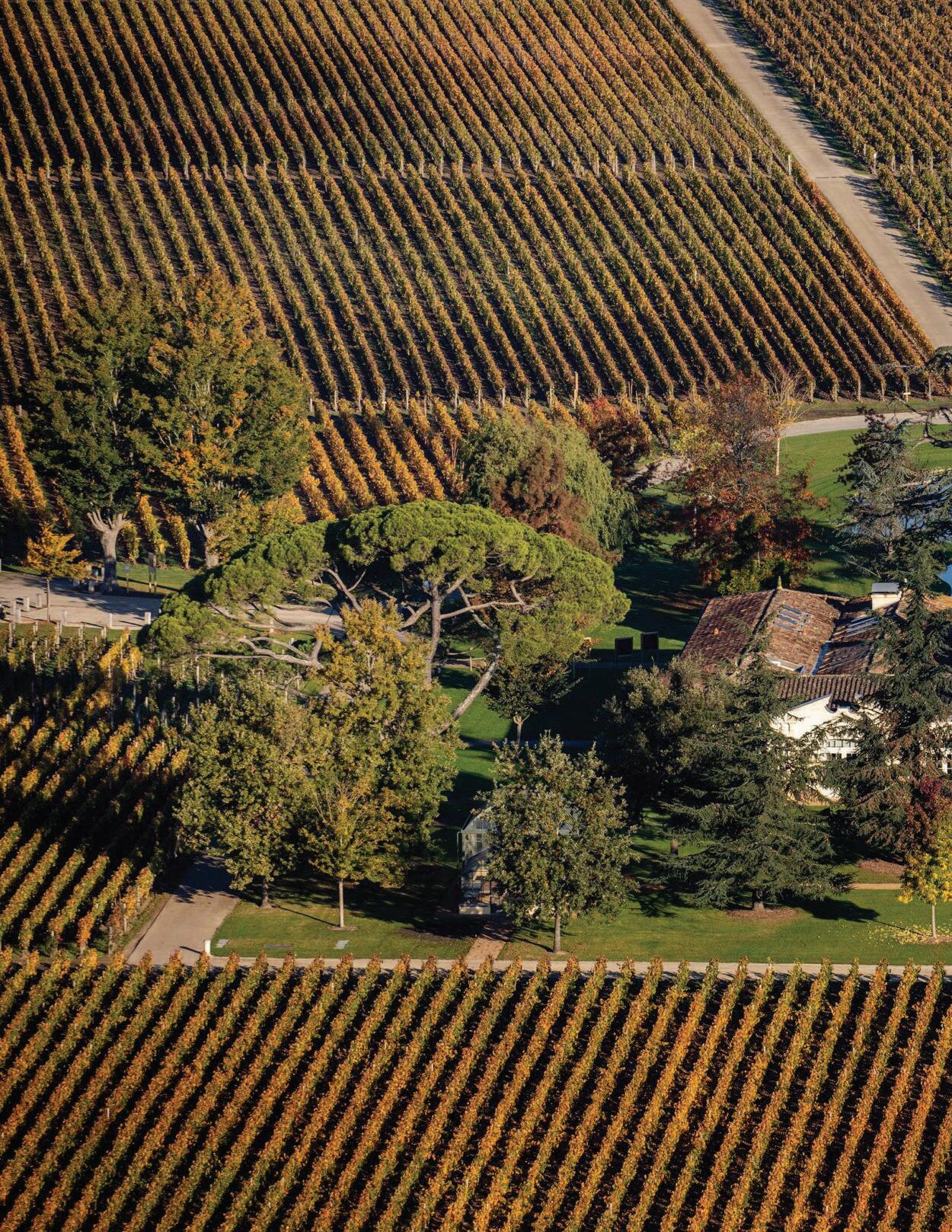
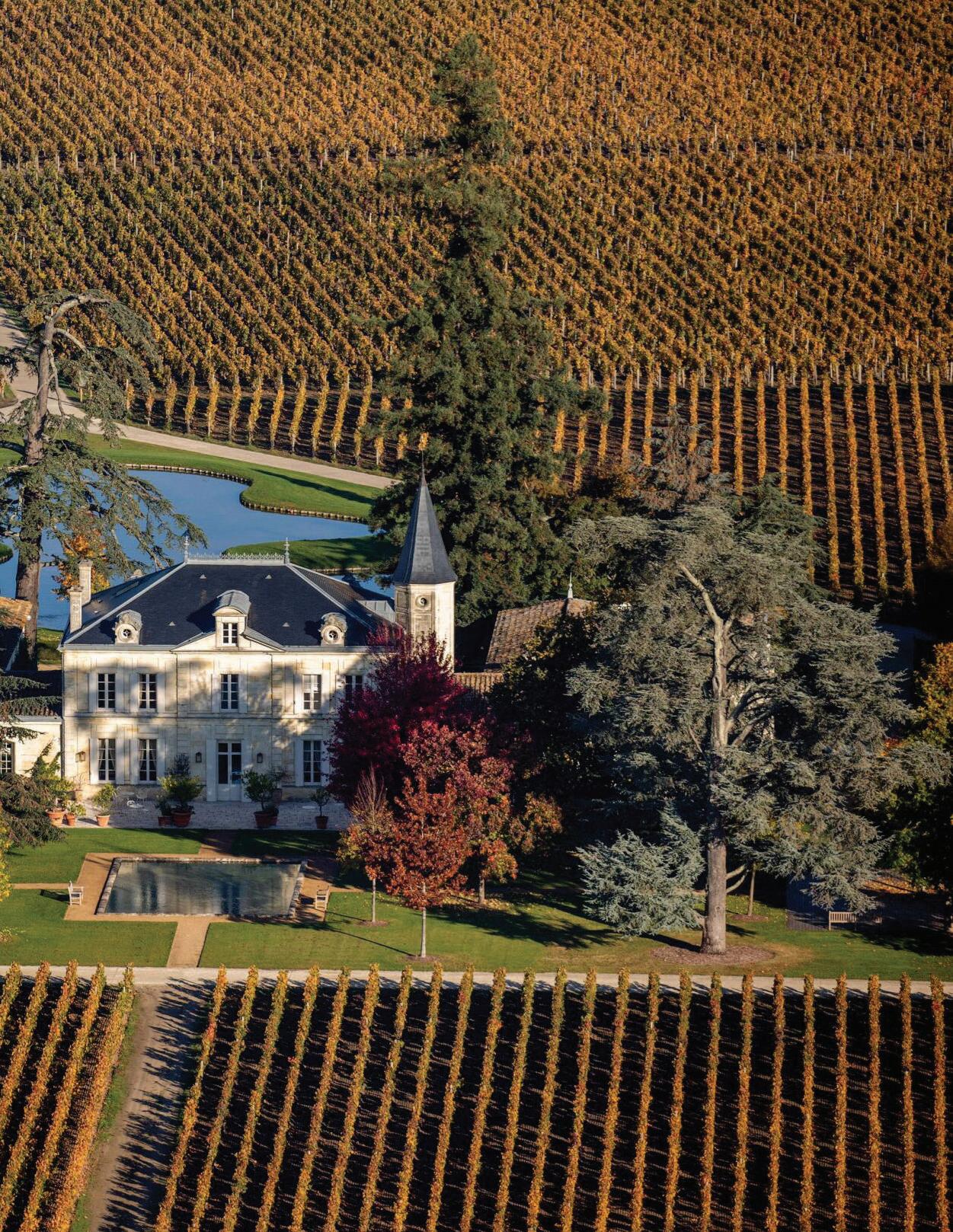
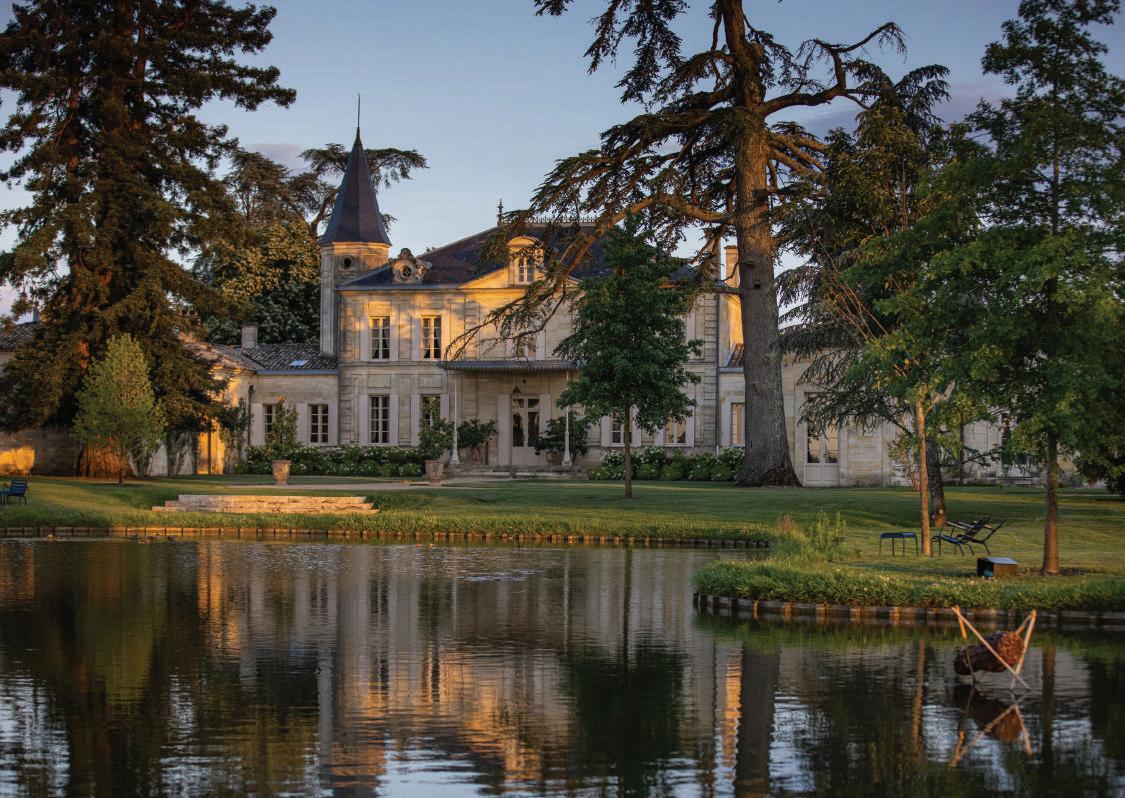
For six centuries, the distinguished winemakers of Cheval Blanc have cultivated land rich in history, where vines have been planted for over 2,000 years. The estate’s layout dates back to the mid-14th century, and with only one change of ownership in the past 150 years, it has achieved remarkable stability, ensuring the preservation of its exceptional vineyards.
While the exact beginnings of viticulture in Bordeaux are unclear, opulent estates emerged around Saint-Émilion during the Roman era, notably including one by Ausone, a renowned poet and winegrower. The vineyards flourished through the Middle Ages, particularly with the port at Libourne, built during the 12th century, facilitating trade and enhancing the reputation of these fine wines across Europe. By then, Saint-
“Saint-Emilion, famously known as the ‘hill of a thousand châteaux’, boasts a rich history shaped by passionate wine enthusiasts and expert vintners. Their dedication and vision have played a crucial role in establishing the time-honored prestige of these remarkable vineyards.”
Émilion was celebrated for its “honourable” wines, cherished for their quality and aging potential, often served to distinguished figures and monarchs. Cheval Blanc embodies a legacy of excellence that continues to enchant wine lovers worldwide. Located at the confluence of the Isle and Dordogne rivers, the Appellation d’Origine Contrôlée (AOC) Saint-Émilion is a remarkable region to the east of Libourne, encompassing the historic town of Saint-Émilion on its limestone plateau. Château Cheval Blanc is unique; unlike other prestigious Saint-Émilion estates that sit atop Tertiary-era limestone, it rests on Quaternary alluvium from the Isle River, sharing beneficial noncalcareous soils with Pomerol’s top vineyards.
Cheval Blanc’s rich history dates back to the 15th century, evidenced by archives from 1546 that show a landowner transferring vineyard responsibilities to a tenant farmer. A contract from 1587 indicates the farmer’s dedication to protecting the harvest, while a smallholding named ‘Au Cheval-Blanc’ was sold in the 17th century for an impressive sum of 1,400 pounds. By the French Revolution, two committed winegrowers lived at Cheval Blanc, highlighting the exceptional quality of its terroir that continues to inspire wine lovers today.
The marriage of Henriette Ducasse, the owner’s daughter, to Jean Laussac-Fourcaud, a forwardthinking wine merchant from Libourne, initiated a remarkable transformation at Cheval Blanc. After inheriting the estate, her husband modernized the domain by creating a network of covered, walled drains to manage hydric stress and enhance wine quality.
Recognizing Cheval Blanc’s exceptional terroir, Jean Laussac-Fourcaud replanted parts of the property in the mid-1860s, blending half Merlot—the prominent Right Bank variety—with half Cabernet Franc. By 1871, these innovative plantings were complete. In 1852, the previously sold ‘Figeac wines’ were first marketed under the Cheval Blanc name, marking the beginning of a distinguished legacy that continues to enchant wine lovers today.
For over 30 years, Jean Laussac-Fourcaud devoted himself to a vision: elevating his wine to the heights of Saint-Emilion winemaking and enhancing its reputation. In 1862, Cheval Blanc won its first medal at the Universal Exhibition in London, a bronze that appears on its labels today. In 1878, the Château earned a gold medal at the Universal Exhibition in Paris, which is also featured on its label, followed by a second gold at the 1886 Antwerp exhibition.
The creation of the Château at the estate’s centre symbolized this commitment to excellence. The 1880s ushered in a new era for Cheval Blanc, recognized as one of the finest wines alongside the great growths of the Médoc, such as Margaux and Lafite, at prestigious auctions in Paris and London. Its growing prestige made it a staple at official events and a must-have at presidential receptions and dinners.
When Jean Laussac-Fourcaud died in 1888, his widow inherited the estate and passed it to their son, Albert. He changed the family name to Fourcaud-Laussac and installed twelve wooden vats, which lasted until 1966, demonstrating his commitment to their legacy. Albert invested significantly in the unique vineyards he inherited, hand-selecting each for its potential.
The illustrious legacy of Cheval Blanc began in 1832, when Jean-Jacques Ducasse, the esteemed president of the Tribunal Court of Libourne, acquired the heart of the estate. In the two decades that followed, he meticulously expanded the domain by securing parcels of land and establishing the 39-hectare expanse that defines Cheval Blanc today—a symbol of excellence and tradition.
His sons, Jacques and Joseph, continued this pursuit of excellence in winemaking, supported by cellarmaster Gaston Vaissière, who dedicated 44 years to the “magical” terroir of Cheval Blanc. In 1954, Cheval Blanc achieved remarkable recognition as a Premier Grand Cru Classé A in the first classification of Saint-Émilion wines. This prestigious status has been reaffirmed every decade, showcasing the estate’s unwavering excellence. Cheval Blanc also joined the elite “Club of Nine,” marking it as one of Bordeaux’s finest properties.
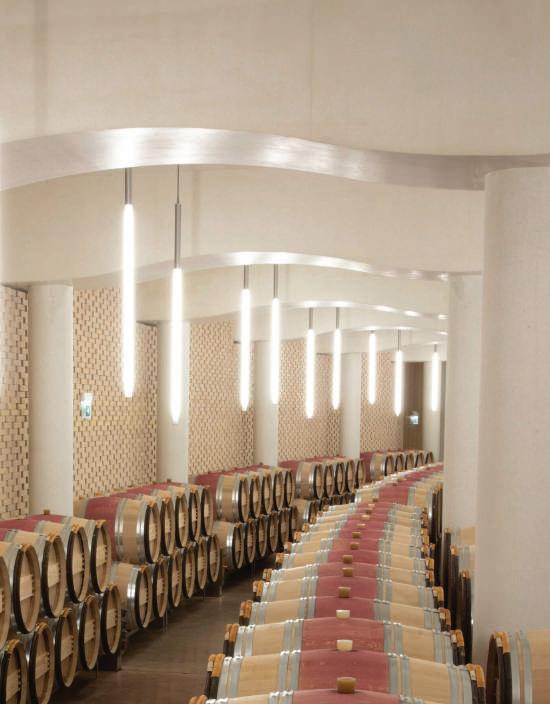
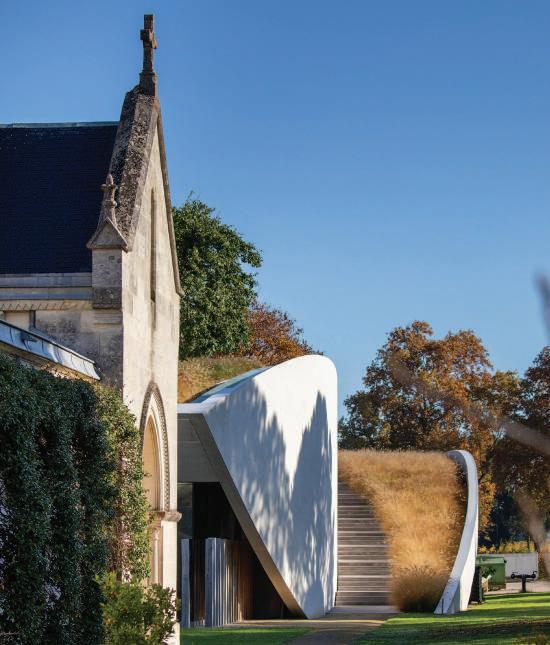
In the vibrant autumn of 1998, a significant moment unfolded as two esteemed friends and passionate wine connoisseurs, Bernard Arnault and Baron Albert Frère, united to secure a gem of Saint-Émilion. With their partnership, they not only rejuvenated the estate but also honoured its rich history and heritage, placing their unwavering trust in the dedicated team already in place. Their unwavering pursuit of exceptional quality is a fundamental aspect of their philosophy, seamlessly integrating meticulous attention to detail with an unrelenting quest for precision. This dynamic pursuit is pivotal to the future of Cheval Blanc. The winery, completed in June 2011 and designed by renowned architect Christian de Portzamparc as an extension of the Château, stands as a symbol of this commitment. Reflecting the vision of Baron Albert Frère and Bernard Arnault, this striking building seamlessly blends with its historic surroundings, a proud UNESCO World Heritage Site.
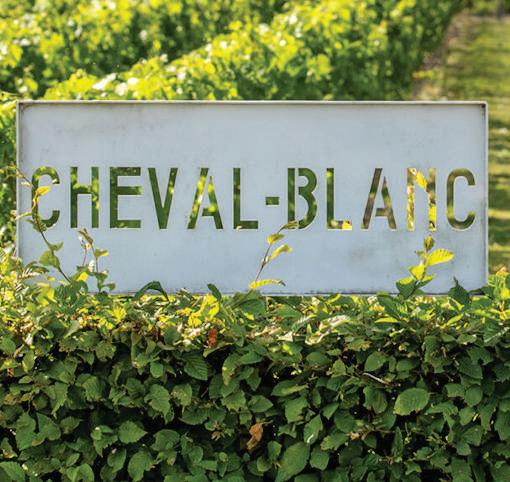
CHÂTEAU CHEVAL BLANC
A unique heritage, unconventional grape varieties.
The last few decades have also been marked by exciting advancements, including the introduction of a Bordeaux fine white wine: Petit Cheval Blanc. This journey began in 2006 with the acquisition of Château La Tour du Pin, a grand cru planted with Merlot and Cabernet Franc. In 2008, the first experiments with grafting Sauvignon Blanc were initiated to uncover the potential of the soil for producing white wine grapes. Soon after, a fruitful vineyard revealed Semillon, culminating in the proud unveiling of Petit Cheval Blanc 2014 by Château Cheval Blanc in September 2016. This blend of tradition and innovation sets us apart in the world of fine wines.
The beautiful landscape of La Tour du Pin has led to the rapid establishment of a nature sanctuary. In 2021, Château Cheval Blanc committed to agroforestry, creating a harmonious coexistence between vineyards, animals, vegetable gardens, orchards, flower gardens, and beehives. This sustainable approach thrives in unploughed soils and promotes polyculture and biodiversity at the heart of the estate.
In July 2021, Château Cheval Blanc made the bold decision to step away from the Premier Grand Cru Classé A classification. After careful reflection, it became clear that the evaluation criteria no longer aligned with the estate’s core values. Moving forward, the emphasis on terroir, wine, and history remains central to Château Cheval Blanc’s mission.
The 1947 vintage is celebrated as a miraculous gem, often hailed as the finest Cheval Blanc of the 20th century. This remarkable wine showcases an exceptional balance of power and elegance. With its high alcohol content and a touch of residual sugar, many connoisseurs view it as utterly extraordinary and unmatched in the wine world. Despite its age, it continues to impress, exhibiting a captivating allure.
Experience the allure of this legendary wine, where the nose captivates with a bold hint of alcohol. Its incredibly rich profile is reminiscent of kirsch, featuring enticing notes of pastry, macaron, almond, fig, cherry pit, and orange. You’ll be transported by aromas of orgeat and fruit macerated in brandy that evoke the delightful essence of bachelor’s jam. At the forefront, the complexity is truly exquisite, dominated by lush strawberry jam.
On the palate, this wine reveals a captivating thickness, with alcohol unapologetically present. It’s full-bodied and opulent, enveloping your senses in rich flavors. The essence of macerated fruits melds beautifully with hints of prune tart and a refreshing brightness that brings forth fresh figs, along with intense floral notes of wisteria and the delicate touch of acacia flowers. After aeration, indulge in layers of coffee, mocha, and cocoa that emerge, complemented by luscious acacia honey. The finish is nothing short of extraordinary—endless and intensely flavourful, making each sip memorable.
CHÂTEAU CHEVAL BLANC 1961
The year 1961 is widely regarded as an exceptional one in the realm of viticulture. A frost event occurring on May 29th resulted in a significant reduction in crop yield, limiting it to just 11 hectolitres per hectare. However, the subsequent dry and pleasant summer conditions facilitated optimal ripening of the grapes. The resultant wine is characterized by its concentration and sophistication, presenting distinguished tannins. The harvest was conducted from September 18th to September 27th, producing a mere 160 barrels of this outstanding vintage, which emphasizes quality rather than quantity. The château made the notable decision to procure new barrels for this exceptional vintage, a practice that was relatively uncommon at that time.
The wine exhibits a richness and ripeness that is both appealing and multifaceted. It offers intricate aromas that include black fruit, jam, warm milk, and caramel, alongside subtle notes of earthy peat, fresh soil, tobacco, and hay. On the palate, its sweetness reveals a remarkably rich and complex profile. The wine’s tannic structure is both dense and well-defined, elegantly balancing power and sophistication. This highly refined wine is notable for its extraordinary length, making a lasting impression.
CHÂTEAU CHEVAL BLANC 1964
The year 1964 marks a remarkable chapter in the story of Cheval Blanc, showcasing the exceptional quality that can arise from favorable weather conditions. With warm and dry climates prevailing, the Fourcaud-Laussac family—the owners at the time—sought the expertise of the esteemed Professor Emile Peynaud, widely known as the “father of modern oenology.” His invaluable insights guided them in crafting a wine that exudes elegance and refinement, despite the relatively modest technical resources available back then. This pivotal partnership laid the groundwork for future successes.
Significantly, 1964 was the last vintage to undergo full fermentation in oak vats. The challenges posed by the hot year demanded meticulous attention to temperature control throughout the fermentation process, ensuring the wine’s integrity.
The aromatic profile of this vintage is strikingly complex, beginning with a vibrant, minty base complemented by intoxicating floral notes of rose and lilac. Layers of flavor unfold, revealing hints of candied orange and an array of pastries including macarons, almonds, gingerbread, and marzipan. As the wine aerates, fresh and camphoraceous nuances emerge alongside peppery and fruity notes reminiscent of blackcurrant jam. Depth is added by tertiary undertones of undergrowth, lichen, and mushrooms, showcasing its intricate complexity. The distinctive aroma of honeyed tobacco stands out, further enhancing its appeal.
On the palate, this wine offers an inviting attack—both fresh and richly sweet—while maintaining a balance that is simultaneously dense, full-bodied, and refreshing. Long and generous, its flavor profile evokes memories of Port and strawberry jam. The wine’s elegant structure exudes class and remarkable density, culminating in a finish that lingers exquisitely, ensuring a memorable experience in every sip.
CHÂTEAU CHEVAL BLANC 1982
This year has been remarkable, showcasing a perfect blend of quality and quantity. The 1982 Cheval Blanc stands out as one of the most exceptional vintages of the latter half of the 20th century, both rich and complete.
The wine presents a medium-deep colour with an alluring hint of bricking around the rim. Its nose is captivating, powerfully concentrated, and layered with complexity, revealing a sophisticated combination of truffle, crème caramel, and prune aromas, along with a subtle smokiness. Swirling the wine in the glass enhances the bouquet, unveiling luscious roasted notes of coffee, cocoa, and chocolate, enriched with spices like cinnamon and the sweetness of praline.
On the palate, this wine greets you with a smooth, fresh, and luxurious experience. It is rich and concentrated yet remains fluid and perfectly balanced, never feeling heavy. The velvety tannins harmonize beautifully with flavors of cedar and blackcurrant, intertwined with delightful hints of blackberry and raspberry jam, culminating in an incredibly long and memorable finish. This extraordinary wine feels almost eternal, embodying the vibrant qualities of its youthful exuberance.
CHÂTEAU CHEVAL BLANC 1990
The year 1990 was characterized by exceptional heat and dryness, leading to early grape ripening. The resulting crop was perfectly ripe, yielding berries of remarkable richness. This vintage is both powerful and smooth, creating an alluring sweetness that captivates the palate.
At Cheval Blanc, 1990 is truly an irresistible vintage. Its deep, dark colour is highlighted by enticing brick-red tones. The nose is a complex and intensely aromatic experience, revealing layers of truffle, candied fruit, quince jam, very ripe grapes, and cocoa. With aeration, the aromas evolve to showcase fresh notes of caramel and vanilla, along with a hint of black pepper and earthy undertones of smoky leather and forest floor. This exotic bouquet strikes an impressive balance between power and elegance.
On the palate, the wine starts off rich and assertive, delivering flavors reminiscent of toasted bread, coffee, caramel, and cocoa beans, harmoniously interwoven with musky elements like leather and fur. The sturdy tannic structure is complemented by a rich, velvety texture that is incredibly fine-grained. A touch of liquorice enhances the warm, exceptionally long finish.
The 1990 Cheval Blanc stands as a remarkable achievement for the estate, perfectly complementing the celebrated 1989 vintage. It completes a trilogy that began in 1988, reminiscent of the legendary 1947-1949 series. This wine is a must-try: irresistibly delicious, currently at its peak, and poised to remain so for many more years to come. Don’t miss the opportunity to experience its greatness!
CHÂTEAU CHEVAL BLANC 1995
1995 was a remarkable year, characterized by warm conditions and an early harvest. September brought a refreshing coolness and generous rainfall, creating the perfect environment for an exceptional vintage at Cheval Blanc. This wine boasts a remarkable balance and a complex, delicious flavor profile that demands a bit more time to fully reach its potential.
Cheval Blanc took a hands-off approach during production, avoiding bleeding wine from fermentation vats and chaptalization. The 1995 vintage contains no press wine and has been aged exclusively in new oak barrels, ensuring purity and quality.
This vintage stands out for its richness and rich black fruit flavors. The wine presents a deep, ruby-red hue with subtle signs of aging at the rim. The abundant bouquet captivates with luscious aromas of ripe black fruits such as plum, blackcurrant, and blackberry, complemented by enticing roasted notes of coffee, praline, mocha, and caramel. With age, additional layers of leather and truffle harmonize beautifully, while hints of violet and notes of dried banana and coconut emerge, enhanced by well-integrated oak. The complex bouquet is a testament to the wine’s impressive freshness.
On the palate, it offers an elegant, rich, and concentrated experience. Full-bodied and vibrant, the wine features ripe fruit flavors that triumph over tertiary aromas from barrel aging, presenting a remarkable balance supported by opulent tannins. The finish is tight, extending exceptionally long. The 1995 vintage is not only gracious and rich but also promises enjoyment now and for many years to come—truly a wine lover’s dream.
CHÂTEAU CHEVAL BLANC 2009
The year 2009 brought a delightful warmth and moderate dryness, creating ideal conditions for grape ripening and resulting in a truly remarkable vintage of Château Cheval Blanc. This exceptional wine is renowned for its velvety smoothness and remarkable concentration, exuding a lavish richness that captivates the palate. It leaves an unforgettable impression that will evolve and delight for years to come.
The 2009 Château Cheval Blanc stands as a legendary Bordeaux blend hailing from the prestigious Saint-Émilion region. Its striking, deep hue immediately draws the eye, while its nose presents an astonishingly complex bouquet. As you inhale, you’re greeted with an orchestra of aromas— luscious notes of crushed banana and ripe grapes mingle with the sweetness of fresh figs, the deep richness of blackberries, the brightness of cherries and raspberries, and nuanced hints of violets and refreshing mint. This wine envelops the senses with its opulence, showcasing a stunning richness, volume, and density. Each sip reveals an impeccable balance, effortlessly weaving together power and delicacy, ripeness and freshness, ultimately delivering a harmonious experience that is simply unforgettable.
CHÂTEAU CHEVAL BLANC 2015
2015 was a dry vintage, warm at the beginning of the year and then cool during the period of maturation. Due to the exceptional homogeneity of the harvest, the Estate didn’t produce any Le Petit Cheval. The 2015 vintage is remarkably harmonious and well-balanced.
This legendary, highly collectible Saint-Émilion Bordeaux is renowned for its opulence and “weightless elegance,” In 2015, out of the Estate’s 39 hectares (52 plots), 31.6 ha were in production (41 plots), 4.7 ha lay fallow (6 plots) and 2.7 ha were planted with young vines (5 plots). The vineyards were planted with 47% Merlot, 49% Cabernet Franc and 4% Cabernet Sauvignon.
Initially discreet, the first nose quickly reveals its aromatic complexity. Notes of red and black fruit: cherry, raspberry, blackberry, blackcurrant. Floral notes abound too with violet, rose, peony and lilac.
As the wine opens up slightly caramelised notes with pepper and spices appear. A particularly vibrant and clean nose. A creamy, voluminous attack develops into a mid-palate with powerful, plush, round, rich and elegant tannins. The elegance of this wine with its persistent fresh and fruity finish are the result of the exquisite balance between the tannins and acidity. The aromatic intensity of this Cheval Blanc is impressive.
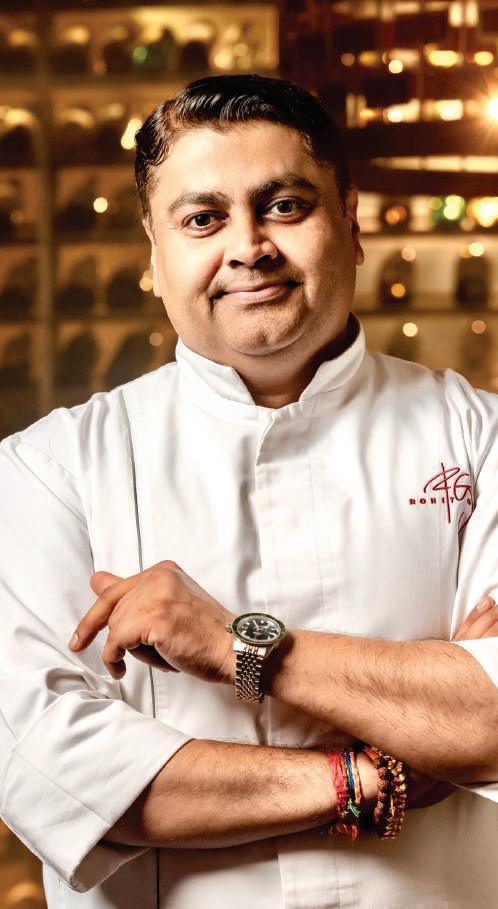
Rohit Ghai’s culinary journey began in his mother’s kitchen in Madhya Pradesh, where his passion for cooking first ignited. Born into a Punjabi family, he pursued his studies in Indian cuisine at the Institute of Hotel Management in New Delhi and refined his skills at top hotel groups like Oberoi and Taj. After moving to the UK, he excelled in renowned Indian restaurants such as Benares, Trishna, and Gymkhana. His dedication earned him an invitation from the Government of India to attend the World Food 2017 event, inaugurated by Prime Minister Narendra Modi.
In late 2018, Rohit opened Kutir in Chelsea, showcasing his innovative dishes. He adapted during the 2020 pandemic by offering online Masterclasses, sharing his culinary expertise with a global audience. In 2021, he launched Iksha 360 in Doha and is set to open Manthan in Mayfair.
In 2025, Rohit was awarded Celebrity Chef of the Year at the Hotelier India Awards, recognizing his contributions to London’s dining scene and his latest venture, Zarqash, at The Ritz-Carlton Bangalore. Rohit Ghai continues to shine as a remarkable culinary talent.
Manish Mehrotra is a leading figure in contemporary Indian cuisine, celebrated for his innovative take on traditional flavors with clarity and a modern twist. His impressive career includes pivotal roles at acclaimed restaurants like Indian Accent and Comorin, as well as cofounding Manish Mehrotra Culinary Arts (MMCA). His culinary philosophy combines meticulous research and a deep respect for everyday Indian food traditions, which he brings to life at Nisaba, his first independent restaurant located at the Humayun’s Tomb Museum Complex in New Delhi. Named after the ancient goddess of grain and writing, Nisaba reflects the essence of homecooked meals, drawing inspiration from kitchens across India.
Regarded as one of the most exciting modern Indian chefs in the world, Manish began his journey at the Taj in Mumbai before joining Old World Hospitality in 2000, where he has opened multiple restaurants. His passion for cooking and extensive knowledge of ingredients set him apart in the culinary landscape. Discover the artistry of Indian cuisine through Manish’s unique vision.
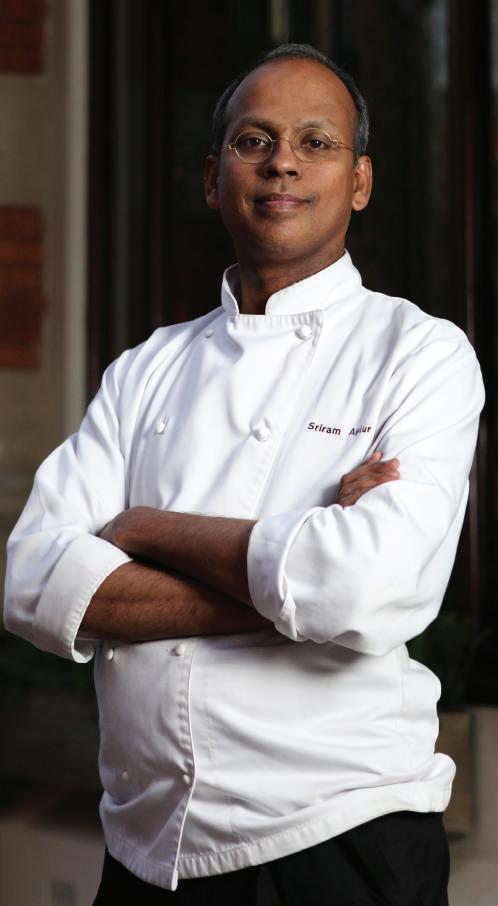
Sriram Aylur stands as an internationally celebrated chef and a passionate ambassador for Indian cuisine on the global stage. For more than 16 years, he has showcased his culinary expertise at Quilon in London, the sole Southern Indian restaurant in the world to earn a Michelin star.
His culinary journey began with a diploma from India’s esteemed Institute of Hotel Management in Hyderabad in 1987, followed by a post-graduate degree in food production in Mumbai. He enhanced his skills through training at prestigious establishments like the Taj Mahal Hotel and the Shangri-La Hotel in Singapore, mastering Indian cuisine along with Sri Lankan, Malaysian, and Singaporean dishes.
At Quilon, he innovatively presents Indian cuisine, skilfully balancing traditional flavors with modern techniques and exquisite ingredients. Sriram leads operations at Bombay Brasserie, a prestigious London restaurant, and has made a significant mark in the culinary world. He has had the honor of serving exquisite Indian cuisine to prominent figures, including former Prime Ministers, celebrities and has been the only Indian chef at the World Economic Forum in Davos for the past ten years, proudly showcasing India’s rich culinary heritage.
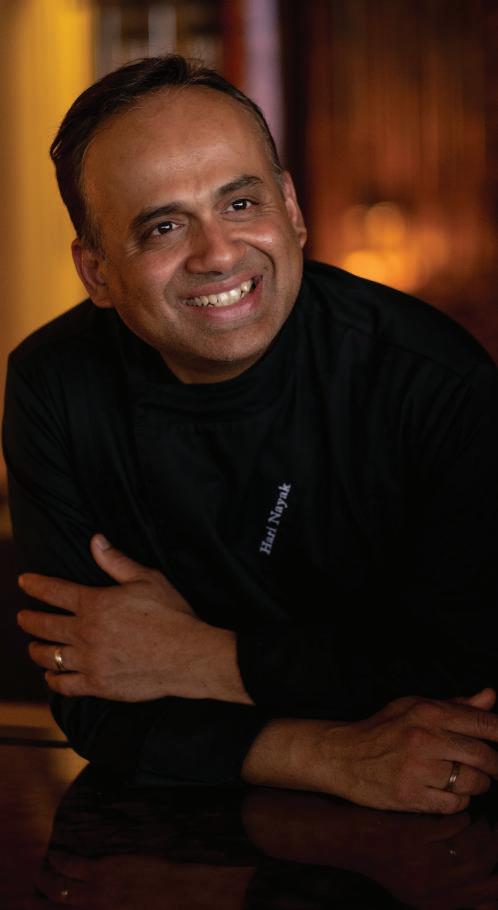
Hari Nayak is a celebrated Indian chef, restaurateur, and cookbook author known for his dedication to regional authenticity and storytelling through food. Growing up in Udupi on India’s southwest coast, he was deeply influenced by the vibrant traditions of coastal cuisine. After formal training in India and graduating from the Culinary Institute of America in New York, he refined his skills in prestigious kitchens alongside renowned chefs like Daniel Boulud and Marcus Samuelsson. Hari has successfully established restaurants across the United States, the Middle East, and Southeast Asia, always emphasizing local techniques and ingredients. His notable restaurant, Jhol, recognized by the Michelin Guide, has become a vital advocate for regional Indian cuisine with locations in Bangkok and Kuala Lumpur, showcasing the rich flavors of India’s coastline. As an accomplished author, Hari has written influential cookbooks such as “Modern Indian Cooking,” helping others explore the depths of Indian culinary traditions. His philosophy is clear: Indian cuisine should be experienced as it is meant to be—bold, nuanced, and deeply rooted in culture, inviting all to discover its extraordinary flavors.
HARI NAYAK JHOL, BANGKOK AND KUALA LUMPUR
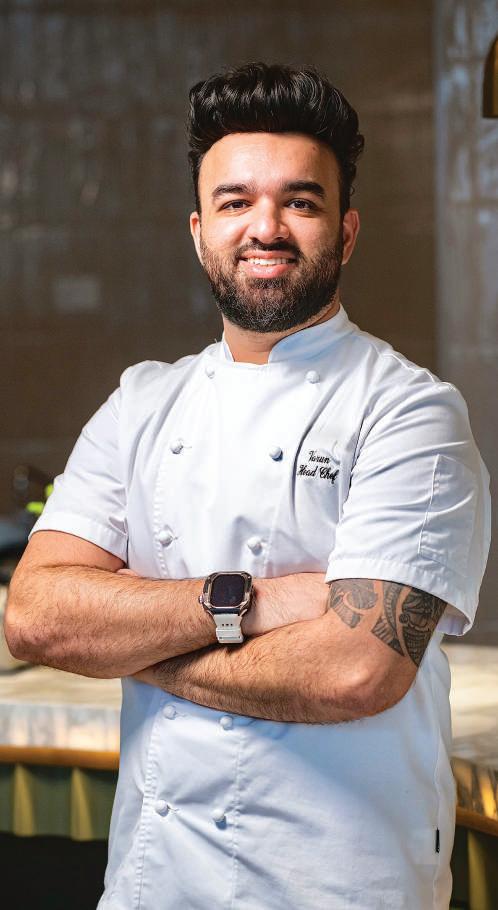
Varun Totlani’s culinary journey began in Mumbai, where his childhood fascination with cooking shows inspired him to take charge in the kitchen. This passion led him to graduate from The Culinary Institute of America in New York, after which he returned to Mumbai and joined the founding team of Masque team in 2016 as a commis chef. Rising quickly through the ranks, he became Head Chef in 2022 and now also leads the kitchen at Bar Paradox.
Under Varun’s guidance, Masque has garnered significant international recognition, #16 on Asia’s Best Restaurant list in 2023, securing the title of Best Restaurant in India for four consecutive years and climbed to #68 on The World’s 50 Best Restaurants list for 2025.
At Masque, modern Indian cuisine transcends traditional recipes; it reimagines heritage cooking through innovative techniques and locally sourced ingredients. Varun’s vision not only challenges misconceptions of Indian food but also showcases its rich diversity to the global palate.
In 2025, he was named ‘Chef of the Year’, and ‘Most Influential Young Indians’ by GQ, and The Best Chef Awards 2025 recognised Varun with ‘One Knife’ or an ‘Excellent’ rating.
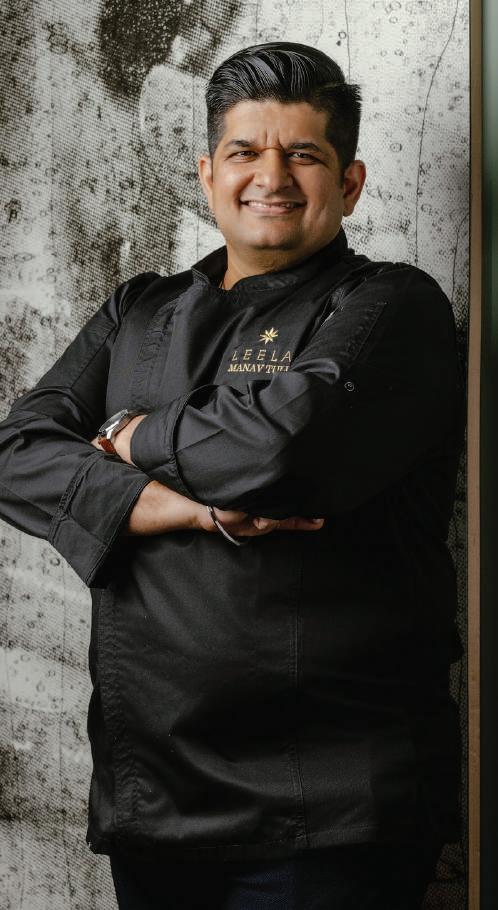
With an illustrious career spanning over 18 years in premier kitchens across London and India, Manav Tuli brings a compelling culinary vision to his new restaurant, Leela. Hailing from Kerala, Tuli’s passion for Southern Indian cuisine blossomed early, leading him to refine his skills at The Oberoi in Rajasthan, where he expertly mastered the region’s bold and vibrant flavors.
As executive chef and co-owner of Leela, Manav combines tradition with modern flair, creating innovative Indian cuisine that captivates the palate. His dishes showcase a stunning interplay of regional diversity, utilizing local, organic ingredients to craft meals that honor authentic recipes while embracing contemporary techniques. His remarkable journey includes roles in Mauritius and London, where he went from sous chef at Chutney Mary Chelsea in 2011 to head chef at Chutney Mary St. James in 2015. In 2018, he reopened Tamarind, London’s first Michelin-starred Indian restaurant, enhancing his reputation. From 2020 to 2023, he transformed CHAAT at Rosewood Hong Kong into a culinary gem, earning a Michelin star and multiple accolades, including the SCMP 100 Top Tables 2021 Rising Star and Tatler Dining Awards 2022 Chef of the Year.
KONG
MANAV TULI LEELA,
HONG
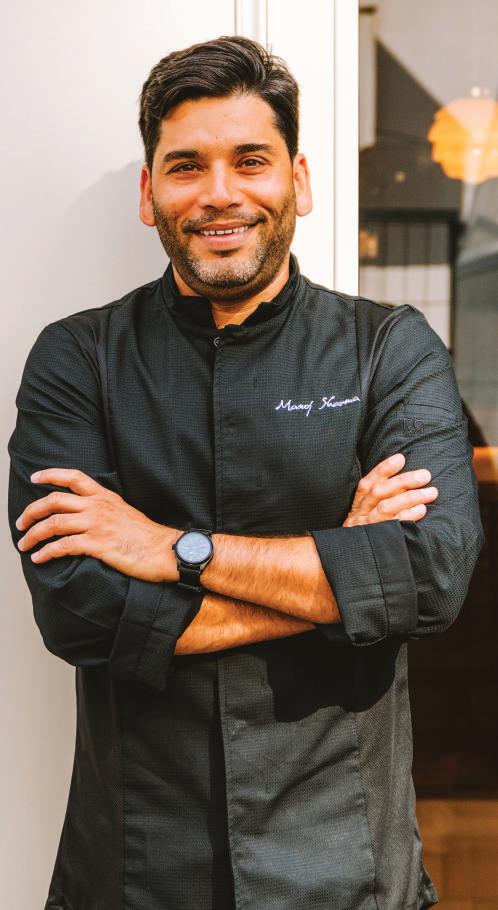
Growing up in Chandni Chowk, the oldest and most vibrant part of Delhi, profoundly shaped Manoj Sharma’s culinary journey. With a mother who cooked delicious meals, the enticing street food just a step away, and the bustling Khari Baoli—India’s largest spice market—next door, food has been an integral part of Manoj’s life since childhood.
Drawing inspiration from treasured family recipes gathered during his travels throughout India, Manoj invites Parisians to experience a cuisine that is warm, generous, and authentic. At SharmaJi, spices are used with finesse to create flavourful, healthy dishes, where every bite tells a story. It is more than just a restaurant; it’s a heartfelt tribute to Manoj’s roots and the diverse culinary heritage of India. He offers diners not just food but a tapestry of stories, cherished memories, and cultural traditions infused with the vibrant flavors. Manoj focuses on authenticity, with each dish crafted to evoke emotion and nostalgia. The only Western influence lies in the elegant plating, adding a modern touch while honouring traditional Indian recipes. When in Paris, reserve a seat at SharmaJi for a memorable culinary experience that celebrates the true essence of India.
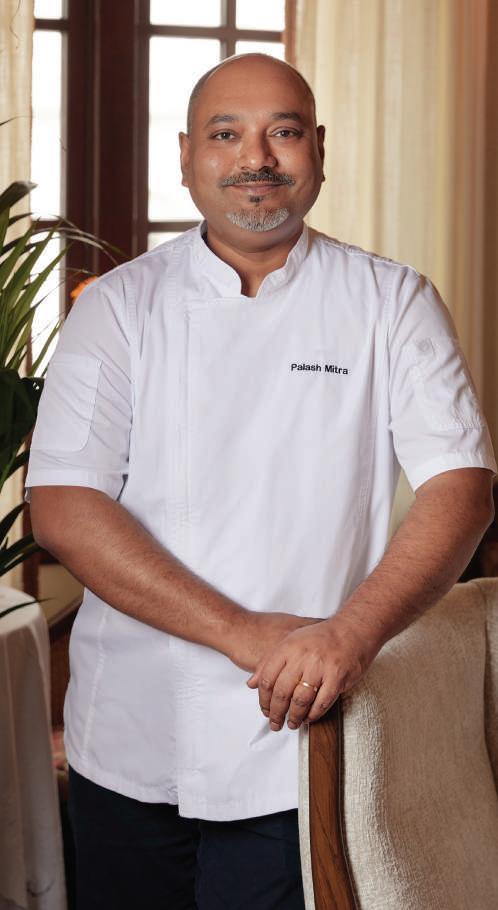
Palash Mitra is the Culinary Director for South Asian Cuisines at Black Sheep Restaurants, celebrated for his exceptional culinary skills and engaging humour. With a strong connection to the culture and history of the Indian subcontinent, Palash infuses his cooking with authenticity, skilfully weaving the rich narratives of South Asian cuisine into every dish. Under his exceptional leadership and in 2019 New Punjab Club received the prestigious Michelin Star—the first ever received by a Punjabi restaurant.
Palash masterfully brings the rich heritage of princely India to life through his exquisite dishes at Prince and the Peacock; he believes that there are no secrets in his cooking.
Growing up in Bengal and Gujarat, he was inspired by his mother and grandmother to pursue culinary education, earning a degree in Nutrition and Catering Technology. He honed his skills at The Oberoi Rajvilas, mastering the tandoor oven essential for Punjabi cuisine. A stint at The Oberoi New Delhi’s Northwest Frontier Specialty kitchen shaped his culinary vision. He has since built a distinguished reputation at The Cinnamon Club, Scarfes Bar, Gymkhana, and Veda, establishing himself as a maestro of South Asian cuisine.
PALASH MITRA BLACK SHEEP RESTAURANTS, HONG KONG
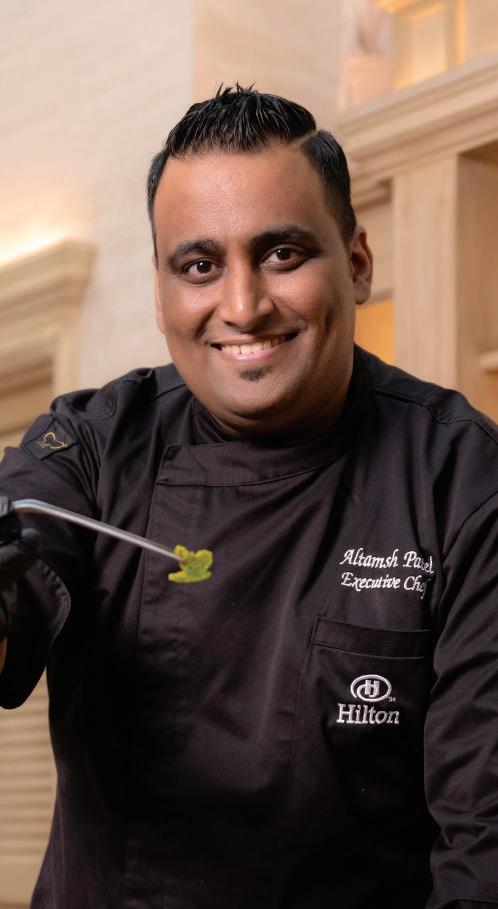
Altamsh Patel is a prominent leader in the culinary world, with 16 years of impressive achievements fuelled by a deep passion for gastronomy. His innovative style has earned him prestigious accolades like the Young Chef of the Year Award from the Western India Culinary Association and the Star Chef of India National Award. Notably, he became one of the youngest Executive Chefs at a five-star hotel at just 28.
As the Director of Culinary at Hilton Mumbai, Altamsh is celebrated for his dedication to quality ingredients and exquisite execution. His dishes are a vibrant fusion of bold flavors and artistic presentation, providing unforgettable dining experiences.
With a strong background at prestigious establishments such as the Taj Group of Hotels and The Park Hotels, he has transformed flight catering and played a key role in launching luxury hotels and restaurants. His visionary leadership has garnered numerous awards, solidifying his influence in the industry.
His unwavering commitment to culinary mastery and mentorship firmly establishes Altamsh Patel as a trailblazer in fine dining and hospitality.
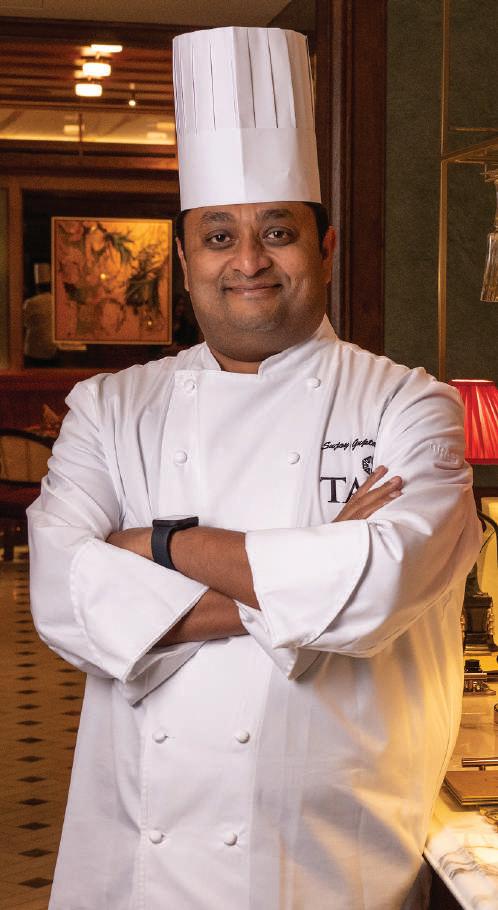
Sujoy Gupta, the Executive Chef at St. James’ Court and Taj 51 Buckingham Gate in London, is a culinary visionary who has revolutionized the dining experience. With over 20 years of experience, he helmed the kitchens at Taj Bengal and Taj Umaid Bhawan Palace for a decade, where he was responsible for managing high-profile events, including the unforgettable wedding of Nick Jonas and Priyanka Chopra. For Sujoy, the art of culinary creation lies in achieving a delicate balance. It’s not just about picking ingredients; he masterfully blends traditional spices and methods with innovative techniques, crafting exquisite dishes that not only please the palate but also evoke deep emotions. Sujoy’s cuisine is a testament to purity and simplicity. He passionately believes that extraordinary food should be both simple and refined, allowing the natural flavors of each ingredient to shine. By prioritizing seasonal and sustainable produce, he introduces fresh, vibrant textures that enhance the dining experience. Sujoy artfully combines traditional spices and techniques with innovative approaches, crafting dishes that aren’t just cohesive but also evoke powerful emotions.
& wines
Bebinca
Rose and Almond Kulfi
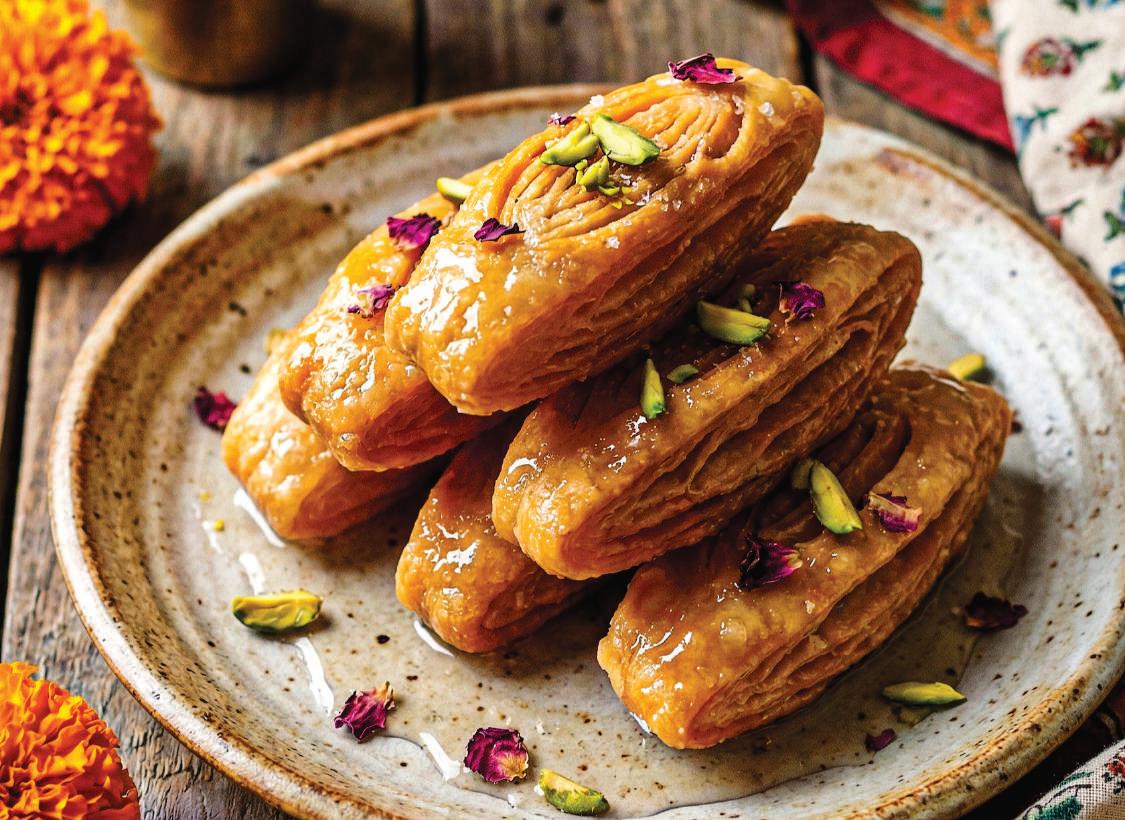
Madatha Kaja
Ilaneer Payasam
Pistachio Kheer
Makha Sandesh
Port - Goa, India
Prosecco DOC Brut Rosé - Italy
Botrytis Semillon - Australia
Brut Rosé Champagne - France
Moscato d’Asti - Italy
Moscato - Italy
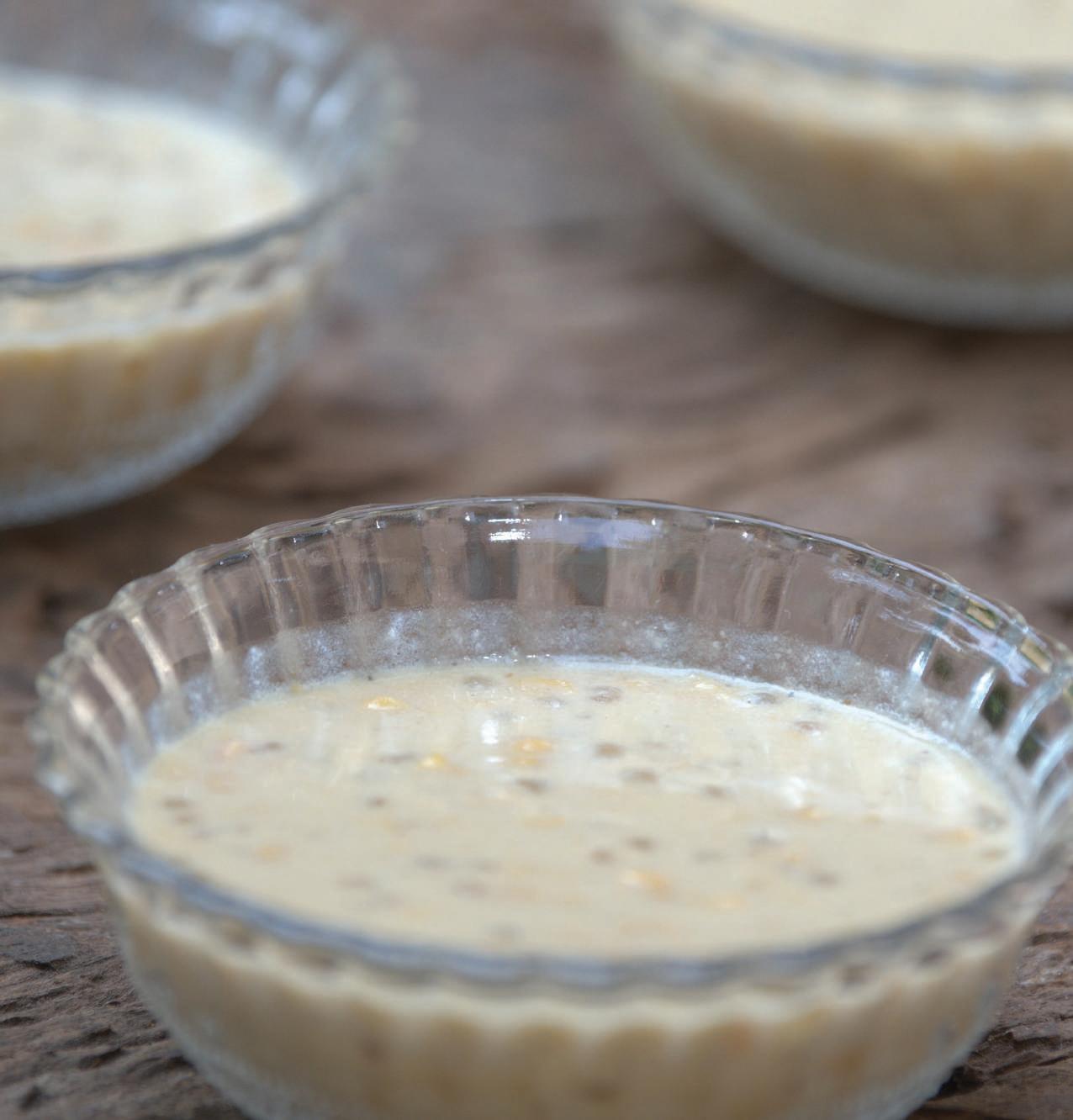
Mangne is an exquisite and indulgent sweet dish that truly shines during festivals, religious ceremonies, and celebrations in Goa. Crafted with luscious thick coconut milk and the delightful sweetness of sugarcane jaggery, it is beautifully flavored with aromatic cardamom. To elevate its texture and richness, a variety of ingredients such as split Bengal gram, sago, and crunchy cashew nuts are often included. Whether enjoyed warm or cold.
CRESCY BAPTISTA
BEBINCA
OLIVER FERNANDES
THE GOAN KITCHEN, GOA
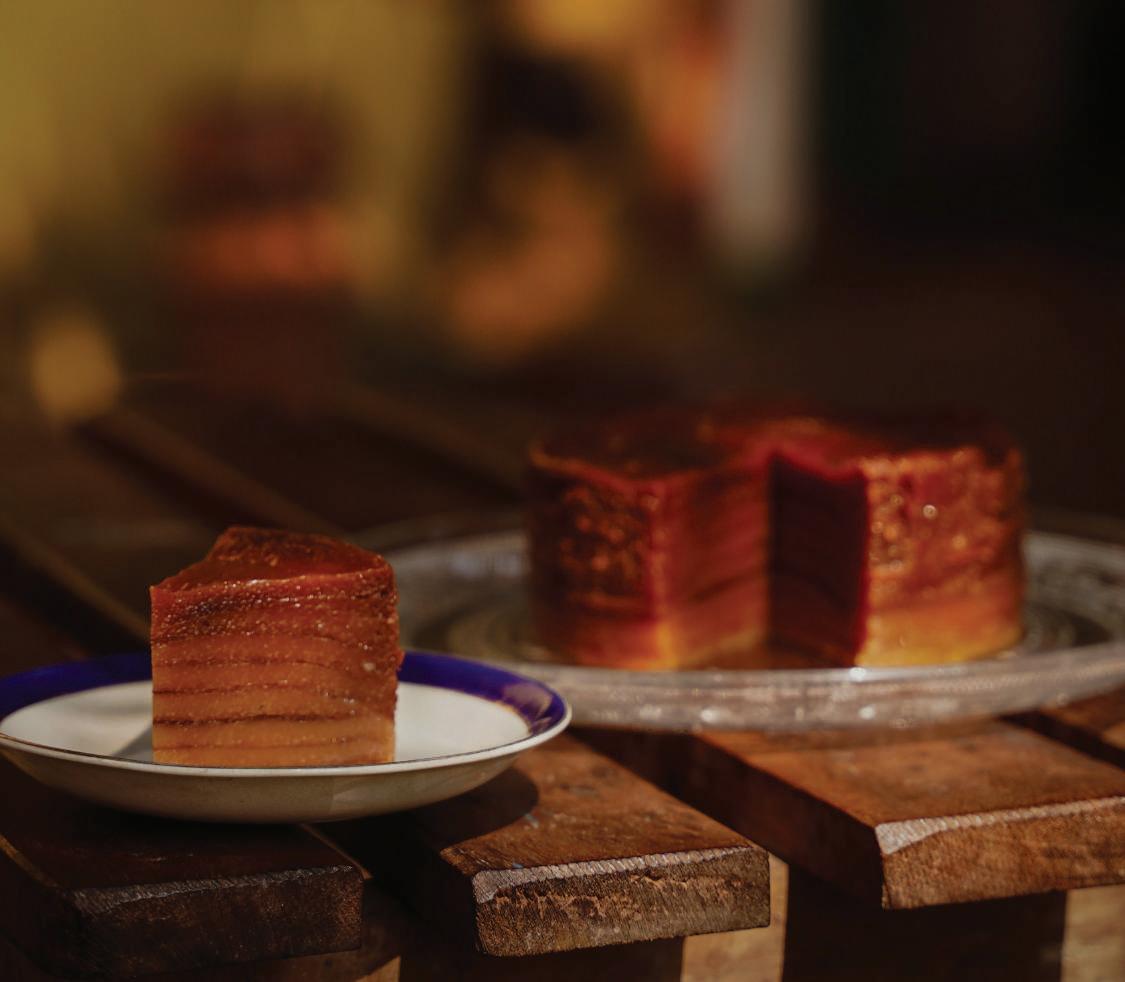
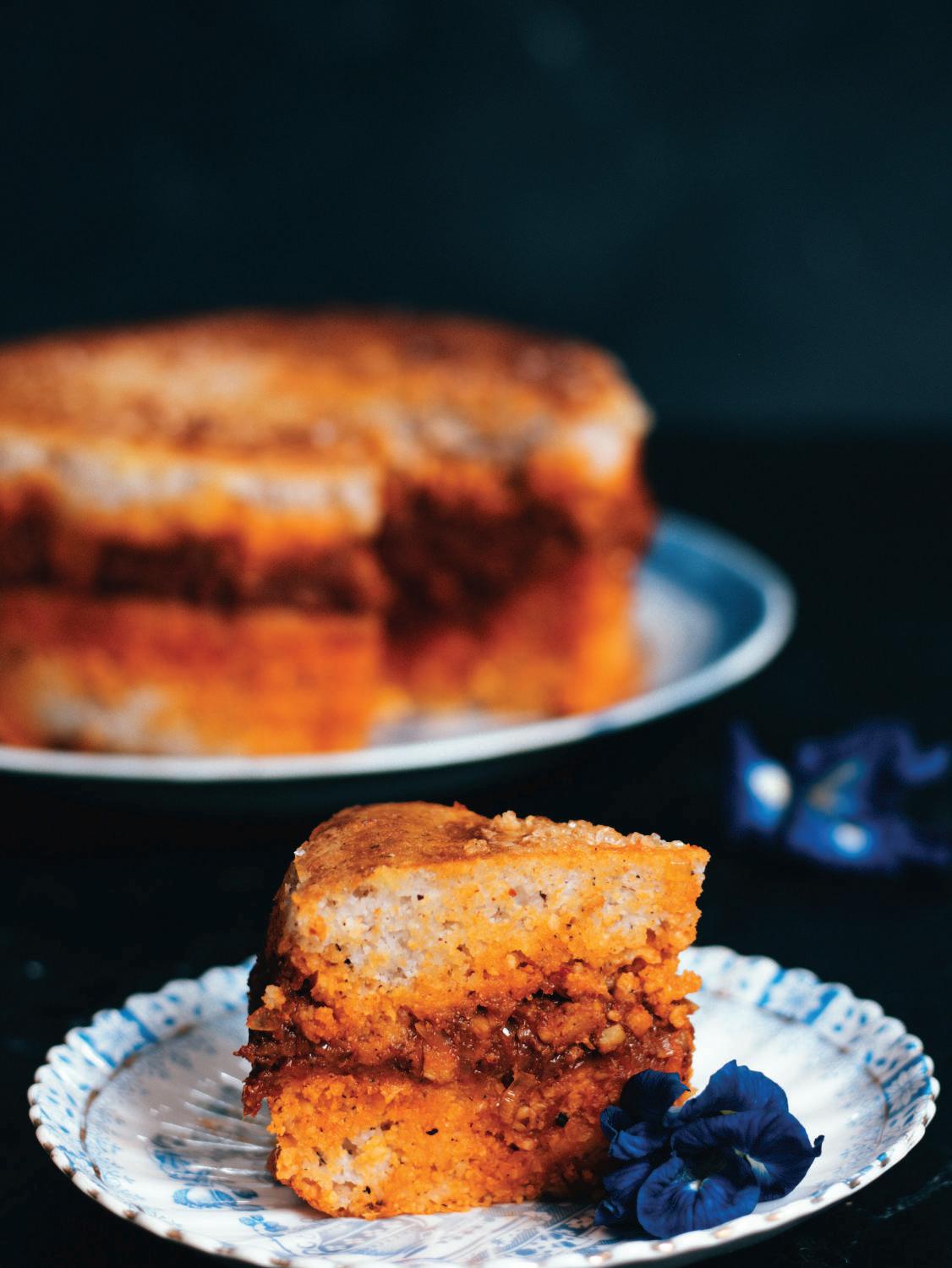
Bebinca, known as bibik or bebinka, is often called the “Queen of Goan Desserts.” This exquisite layered cake from Goa, India, showcases Indo-Portuguese cuisine. It takes over three hours to prepare and is traditionally baked in a clay pot oven, using coconut husk heat for a delightful smokiness. With its rich, creamy texture, Bebinca is a cherished dessert at any celebration, making it an irresistible treat.
The intriguing origin of Bebinca adds to its charm. Legends suggest this delightful dessert was created by Portuguese nuns in the 17th century, alongside other convent delicacies. What distinguishes Bebinca is its use of egg yolks instead of the typical egg whites. This tradition arose because colonizers often used egg whites for starching clothes, leaving nuns at the Santa Monica Convent with an excess of yolks. Consequently, Bebinca was
Ingredients
2 coconuts scraped / 150 g all-purpose flour / 9 egg yolks / 400 g sugar / 1g salt / 1g nutmeg / 2 tbsp sugar caramel / 130g pure ghee for baking
Method
Grind the coconut with water to a paste and extract juice. Strain the juice.
Add to the juice, flour, sugar, egg yolks, salt, nutmeg and caramel and mix everything well.
Strain the mixture
In a baking dish heat 2 tablespoons of ghee on a stove-top.
Once hot put 100 ml of the mixture and cook till edges are golden.
Put the vessel in a pre-heated oven at 180C with top heating and bake till the mixture is golden. Add a teaspoon of ghee. Bake till golden brown and black spots appear.
Repeat with another layer (you can do 7 or go upto 16 layers) of 100 ml mixture. Continue baking with ghee on every later till the batter is over.
invented as a delicious way to utilize these leftovers, showcasing the nuns’ creativity and contributing to the region’s rich culinary heritage.
According to fascinating accounts from historians, an extraordinary nun at the Santa Monica Convent, Bebiana, made history with her seven-layer pudding, crafted from leftover egg yolks. Each layer symbolized one of the seven hills of Goa and Lisbon, creating a connection to cultural heritage. She shared this delightful dessert with the priests at the nearby Convent of St. Augustine, who suggested that seven layers were not enough and encouraged her to add more. Today, this masterpiece, known as Bebinca, features anywhere from seven to an impressive sixteen layers. Indulging in Bebinca is not just a treat for the taste buds but an experience that connects us to a rich tradition.
Cool. Demould and enjoy at room temperature or warm.
Indulging in Goan Port wine alongside Bebinca is an iconic Indo-Portuguese experience. The rich, fruity, and caramel tones of the fortified Port perfectly complement the indulgent, gheerich, and multi-layered sweetness of Bebinca. This harmony allows the Port’s acidity and deep fruitiness to act as a refreshing palate cleanser, ensuring that the decadent, buttery Bebinca remains enjoyable rather than overwhelming.
While this underrated Port lacks the complex, oaky characteristics of traditional Portuguese varieties— thanks to the use of Indian table grapes—it shines with prominent notes of dark berries, ripe plums, and sometimes raisins. Despite its simpler profile, it delivers a robust punch, culminating in a bold, spicy finish that offers a sharp, throat-warming sensation due to the fortification. Don’t miss the chance to savor this delightful pairing!
ROSE AND ALMOND KULFI
PALASH MITRA PRINCE AND THE PEACOCK
HONG KONG
Ingredients
1000 ml full-fat milk
240g evaporated milk
230ml almond milk
½ cup sugar
1 tsp rose water
1 tsp dried rose powder
¼ cup chopped almonds
1 tsp cardamom powder
1 tsp stabilizer
Method
In a heavy bottomed pan, bring the milk to a boil. Lower the heat and simmer the milk until it reduces to half its quantity, stirring occasionally to prevent sticking.
Add sugar and the evaporated milk and continue to cook until the milk thickens and reaches a custard-like consistency.
Remove the pan from heat and let it cool down slightly. Slowly add in the stabilizer to avoid the formation of lumps and whisk in the almond milk.
Stir in the rose water, chopped almonds cardamom powder
Pour the mixture into silicon rose moulds and in katoris (small stainless-steel or silver bowls).
Place the moulds in the freezer and let it freeze for at least 6 hours or overnight.
To serve, demould the kulfi off the silica mould and place it on the kulfi in the katoris (small stainlesssteel or silver serving bowls).
Pairing a Prosecco DOC Brut Rosé from Treviso with Rose and Almond Kulfi is an exceptional choice that elevates both the wine and the dessert. The wine’s vibrant acidity expertly cuts through the rich creaminess of the kulfi, while its delicate red berry and floral notes enhance the aromatic rose and nutty almond flavors of the dessert, creating a harmonious experience for your palate.
This sparkling wine is a delightful blend of Glera and Pinot Noir grapes, showcasing enticing aromas of wild strawberry, apple, and citrus, accompanied by subtle floral hints that entice the senses.
The wine dazzles with a bright, pale peach pink colour that captivates the eye. Its bubbles are moderately fine, lively, and persistent, making every sip a celebration. The nose invites you in with soft fragrances of red berry, stone fruit, orange, and creamy lees. On the palate, you’ll discover a medium-light body bursting with red berry, complemented by nectarines, orange zest, and a layer of creamy complexity. This Prosecco Rosé is elegantly crafted, delivering a dry, refreshing palate and a subtly creamy mouthfeel that lingers delightfully.
With its lightly salmon pink hue, this wine offers more than just taste; it brings crisp notes of red apples and bright raspberries upfront. On the palate, you’ll savor wild strawberries and cream, culminating in a crisp, fresh experience characterized by fine bubbles and a long, elegant finish.
An exquisite pairing with an Australian dessert wine, particularly the renowned Botrytis Semillon, with Tapeswaram Madatha Kaja, a beloved traditional Andhra sweet. This harmonious combination enhances the palate by complementing the dessert’s intense sweetness, rich ghee, and delicate fried texture, creating a delightful experience that never overwhelms. These esteemed sweet wines are celebrated for their vibrant fruit profiles and easy drinkability in
THE ARCHITECT OF LAYERS: TAPESWARAM MADATHA KAJA
their youth, showcasing enticing flavors of citrus, melon, and green apple. Thanks to New South Wales’ warm climate, these wines develop a richer and more generous character. Over time, they reveal a sophisticated array of notes, including honey, toast, and nutty complexity, along with subtle hints of honey and citrus marmalade. On the palate it features a rich, complex, and opulent quality, cementing Semillon’s reputation among dessert wines.
SWETHA
SYDNEY, AUSTRALIA
The crown jewel of Andhra pastry work, the Madatha Kaja is a study in lamination. Unlike its cousin from Kakinada, the Tapeswaram style is defined by its crisp, distinct “folds” (Madatha) that bloom in the fryer to create a honeycomb of channels perfect for trapping aromatic syrup.
Ingredients
The Pastry
2 cups all-purpose flour
3 tbsp ghee, melted and hot
1/4 tsp baking soda
1 pinch salt
Water, as needed for a stiff dough
The Paste
2 tbsp rice flour
2 tbsp ghee
The Syrup
2 cups sugar
1 cup water
1/2 tsp cardamom powder
1 tsp lemon juice
Method
Mix the flour, salt, and baking soda. Pour the hot ghee over the mixture and rub it in until it feels like sand. Gradually add water and knead into a stiff, smooth dough. Let it rest for 30 minutes.
Roll the dough into a very thin, large rectangle. Spread an even layer of the Rice Flour Paste across the surface. This creates the separation needed for the flaky layers.
Roll the sheet tightly into a long log. Slice the log into 1-inch pieces. Take each piece and gently flatten it with a rolling pin so the layers are pressed but still visible.
Boil the sugar and water until it reaches a “onestring” consistency. Stir in the cardamom and lemon juice. Keep this syrup warm on the side.
Heat oil on low-medium heat. Fry the pieces slowly. They should float to the top and the layers should “bloom” open. Once they are golden brown and crisp, remove them from the oil.
Drop the hot fried pastries immediately into the warm syrup. Let them soak for about 3 minutes so the centres absorb the sweetness. Drain on a wire rack before serving.
ILANEER PAYASAM
Ingredients
A
600g tender coconut meat
200 ml tender coconut water
100 ml coconut milk
100 ml condensed milk
2 cardamon pods
1g salt
20g sugar
B
7.5g super agar
200 ml water
20g sugar
Odavashakka - Semi Dried Banana
2 Nendran bananas
C
5 cardamon pods, crushed
10 black pepper corns, crushed
5g dried ginger powder
250g sugar
250 ml water
D
100g cashew nuts
100g ghee
Method
Combine ingredients (A) and blend into a smooth purée, strain through a fine sieve and adjust the sweetness as required.
Remove 400 grams of the purée and set it aside for the coconut jelly.
Pour the remaining purée into a siphon. Charge
VINU RAVEENDRAN KIDILUM, NEW YORK
the siphon with three N2O cartridges, shake well, and refrigerate.
Add ingredients (B) to a pan and blend well using a hand blender.
Bring the agar mixture to a gentle simmer, then add the reserved 400 grams of coconut purée.
Bring the mixture to a rolling boil, stirring continuously, and simmer for 2 minutes.
To create artificial coconut meat, refrigerate the coconut shell in advance.
Remove the coconut shell from the refrigerator, pour the hot puree into the shells and coat the interior evenly.
Pour out the excess purée, clean the edges of the shells, and return them to the refrigerator to set.
To prepare Odavashakka, dehydrate or sun-dry ripe bananas for 2 days.
Open the bananas, remove the seeds, and dry them for an additional day.
Combine ingredients (C) in a pan, bring to a boil, then simmer for 5 minutes. Strain the syrup.
Dip the dried bananas in the syrup for one minute, remove, and dry again for another day. Store in airtight containers.
Fry the cashew nuts in ghee and pat dry.
Chop the cashews into small pieces and dice one dried banana into small cubes. Mix together and set aside.
To assemble the dish, Remove a coconut shell from the refrigerator and place one tablespoon of the cashew banana mixture in the centre.
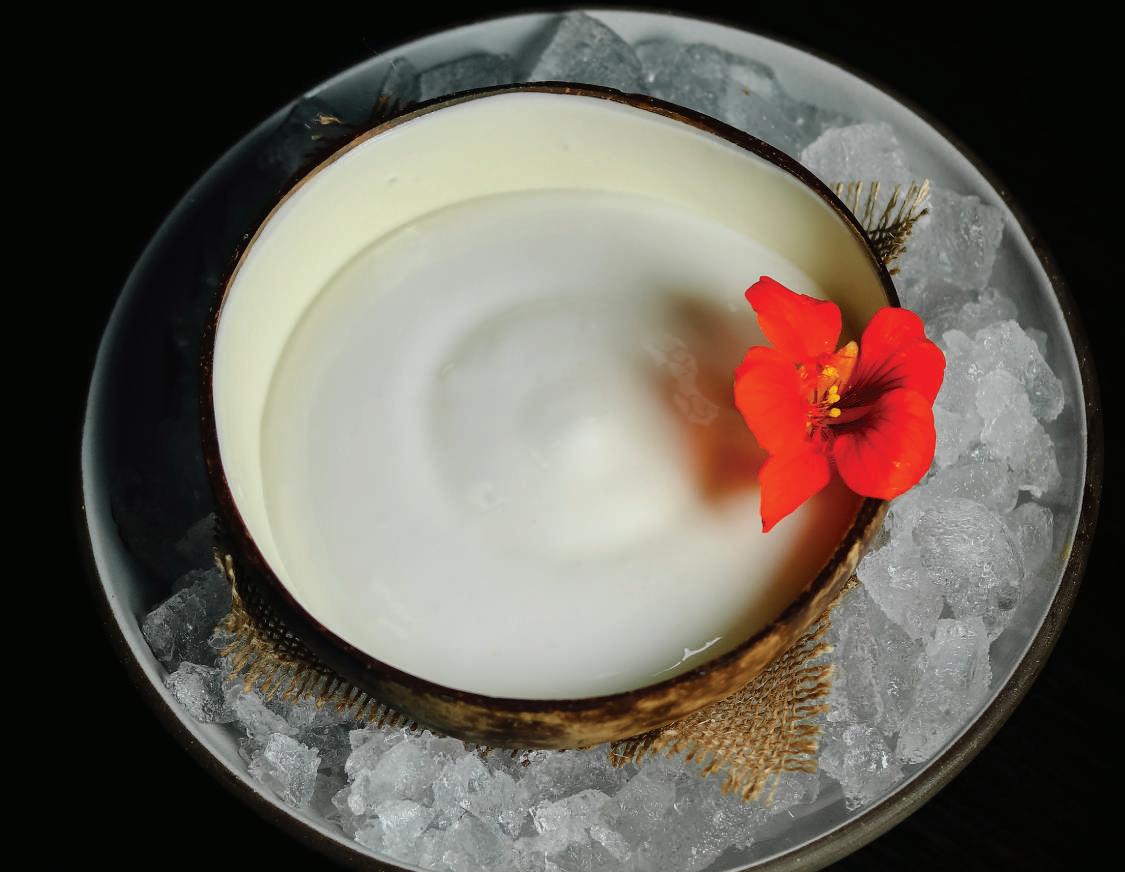
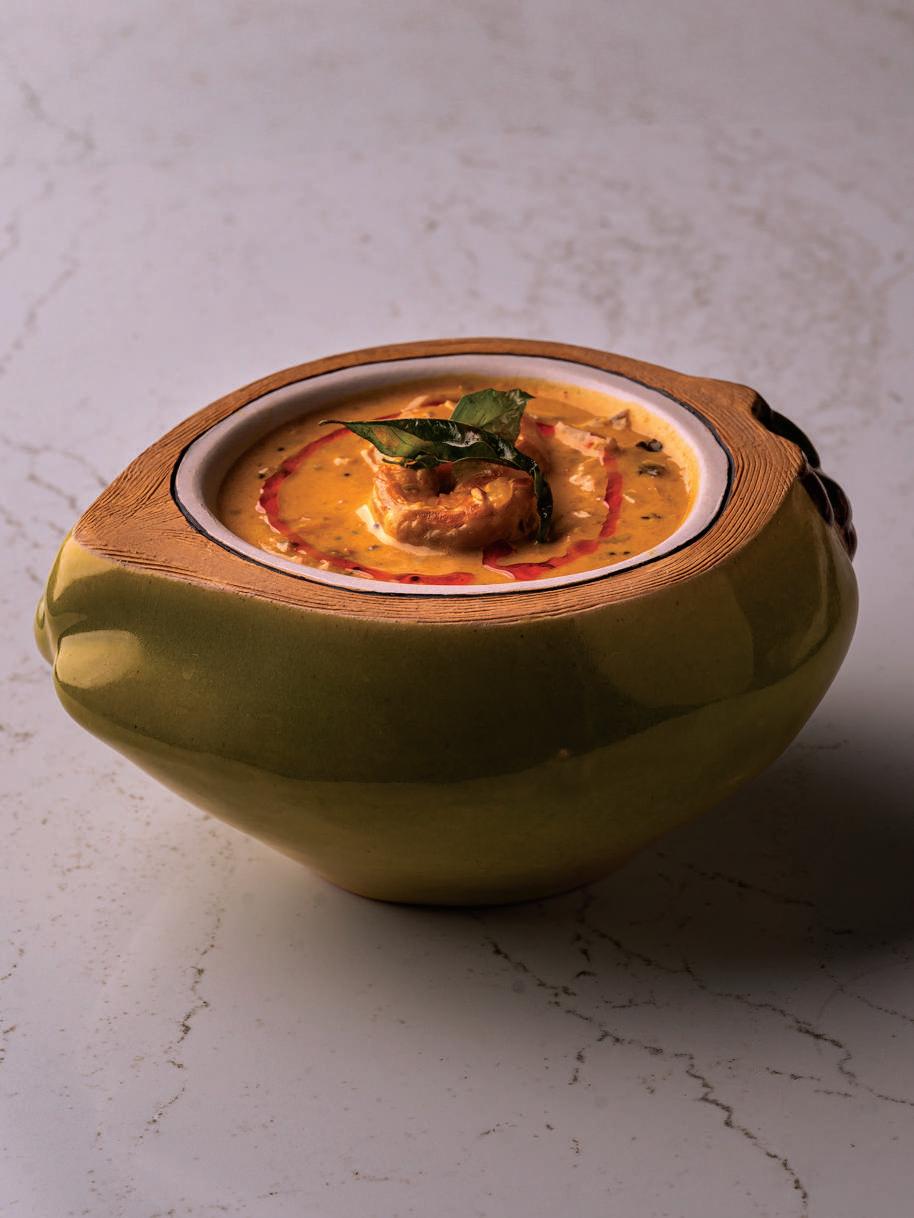
Cover the mixture with coconut foam and serve chilled on an ice bed.
Experience the perfect pairing of Brut Rosé Champagne and Ilaneer Payasam, where the creamy sophistication of South Indian flavors meets the vibrant effervescence of French tradition. The crisp bubbles cut through the richness of condensed milk, while delicate berry and floral notes elevate the mouthwatering tastes of tender coconut and aromatic cardamom.
Allow yourself to be enchanted by this captivating rosé champagne, with its eye-catching pink peppercorn hue and a graceful stream of bubbles that dance in your glass. The bouquet is
a delightful mix of red fruits and summer berries, beckoning you to enjoy a sip. As you taste, revel in the invigorating burst of wild strawberry, which elegantly transitions into creamy richness, enhanced by a whisper of vanilla.
Let the wine breathe, and discover enticing layers of citrus that culminate in a bright grapefruit finish that lingers delightfully. This champagne boasts a linear structure and exceptional finesse, only rivaled by its dynamic intensity of flavor. Treat yourself to a rosé that truly embodies sophistication and charm—you won’t be disappointed.
PISTACHIO KHEER
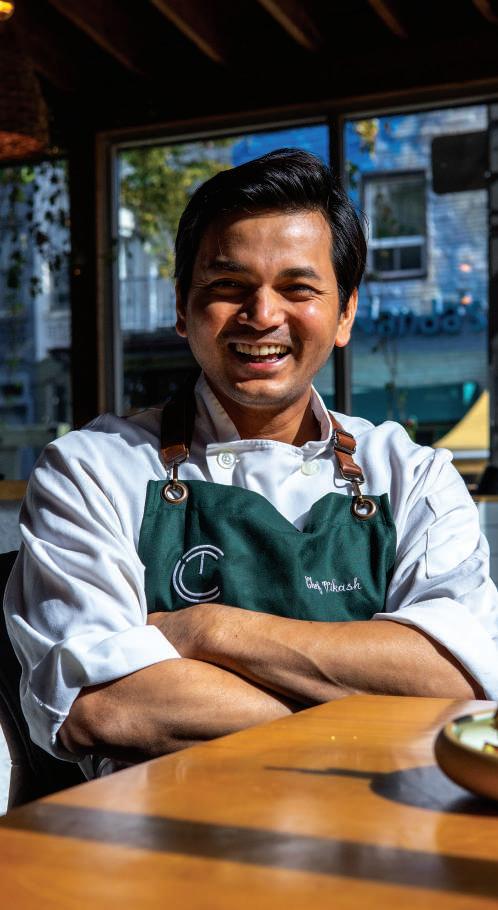
VIKASH CHHETRI
THE COTTAGE CHEESE, TORONTO
Ingredients
1000 ml full fat milk
basmati rice, soaked in water for 20 minutes
40g sugar
90g pistachios, unsalted)
60g cardamom powder
½ tsp saffron, few strands
1 tbsp milk powder
Pistachio Base
40g pistachios
4 tbsp warm milk
Blend to coarse paste.
Method
To make the rice base, add soaked rice to simmering milk. Stir on low flame and cook till milk reduces by 25%. By this stage the rice should be soft.
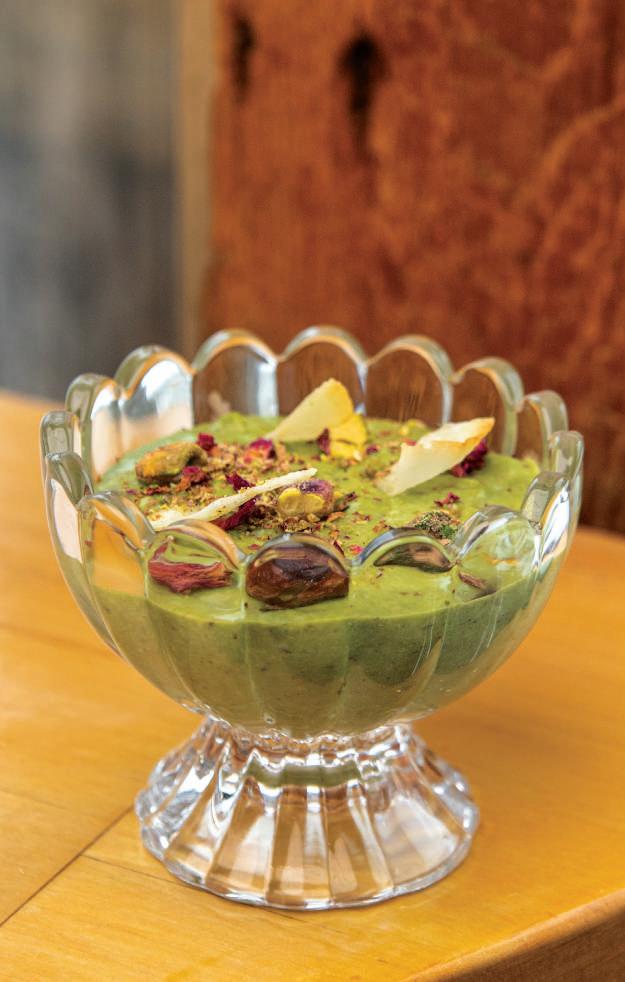
For the pistachio, add pistachio paste and saffron strands, stir to combine. Add sugar, milk powder and cardamom. Mix well until the sugar dissolves. Simmer until thick, creamy, spoon-coating. Rest and cool slightly as pistachio flavor intensifies. Garnish it with dry rose petals and crushed almonds and serve warm or chilled.
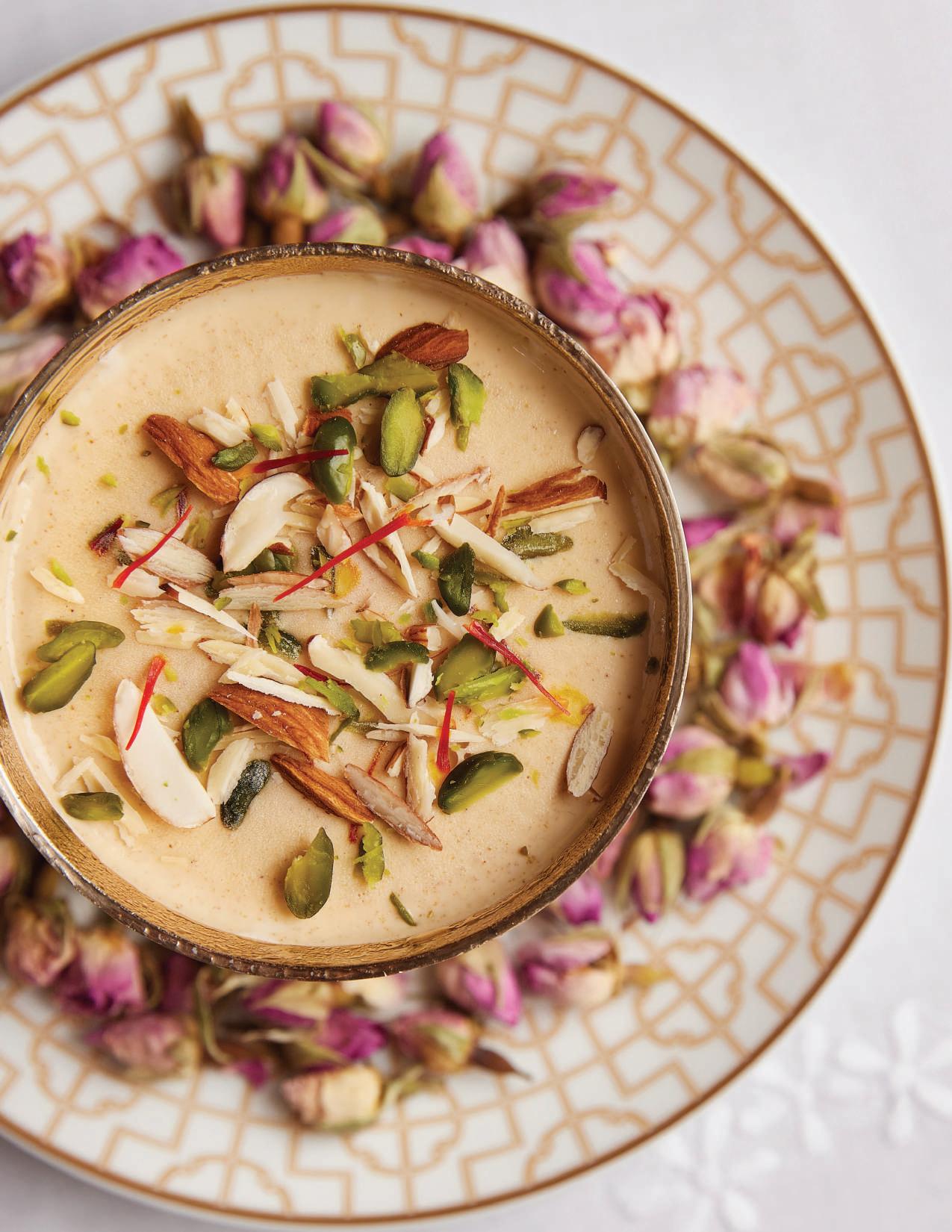
Pistachio Kheer, known for its creamy texture and nutty pistachio flavor, features aromatic notes of cardamom and rose. It pairs exceptionally well with Moscato d’Asti, a low-alcohol wine that offers subtle sweetness and refreshing bubbles. The wine’s flavors of apricot and floral notes beautifully complement the creamy kheer and the spice of cardamom.
Expect a captivating, musky aroma alongside flavors reminiscent of wisteria, tilia, peach, and apricot, with delicate hints of lemon and orange blossom. Every sip reveals a full-bodied, vigorous, and elegant taste, leaving a harmonious and refreshing finish that’s subtly sweet and thoroughly engaging, all thanks to its gentle acidity. It offers an intoxicating bouquet with fruity intensity.
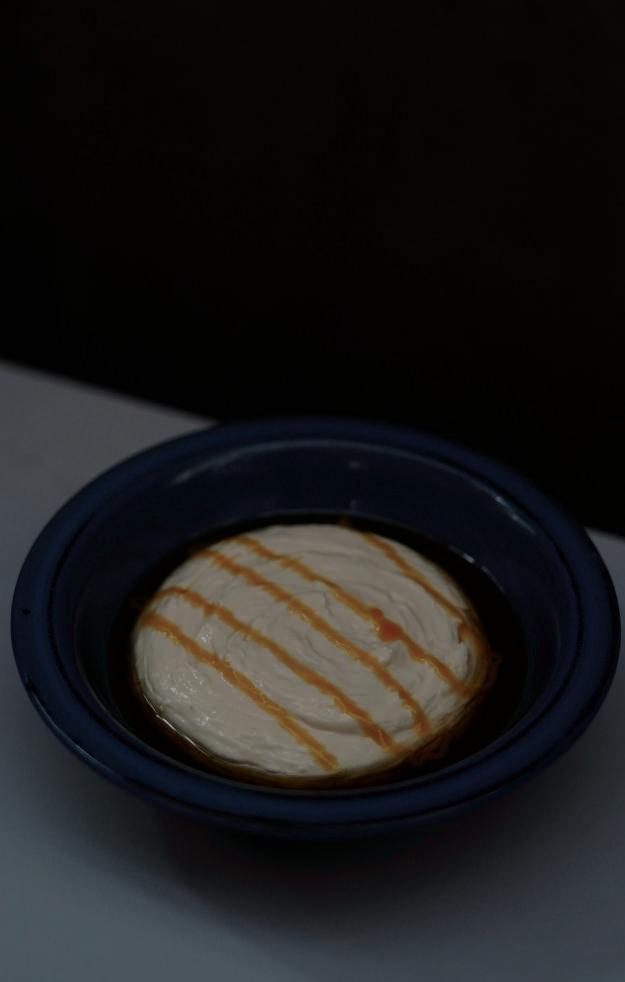
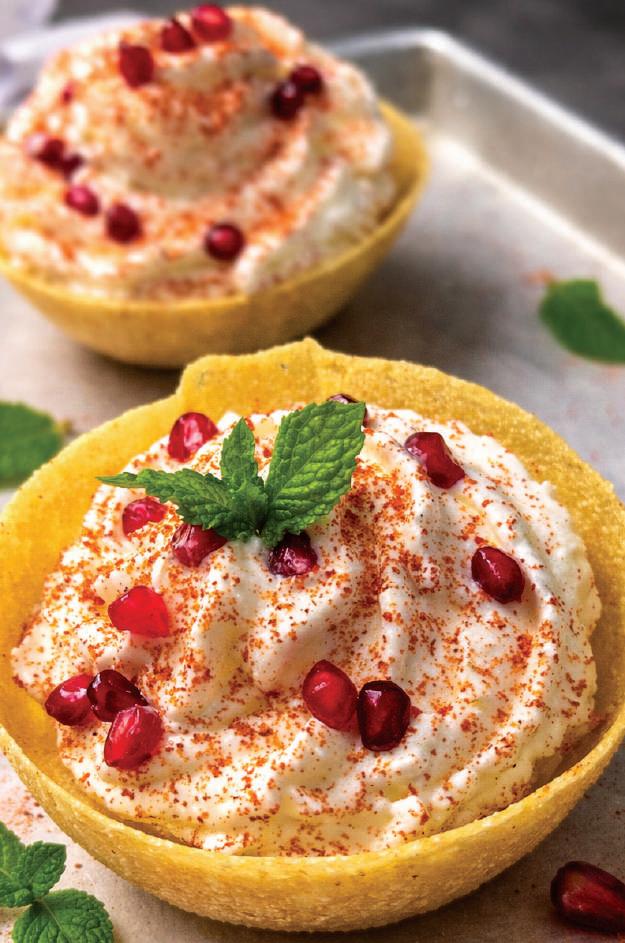
Our take on a Bengali classic Makha literally means mashed, referring to the hand-mixing of fresh ricotta, while Sandesh is a traditional Bengali sweet made from chhena (cottage cheese). And paired with komla kheer, a citrusy interpretation of the traditional milk pudding.
Ingredients
Makha Sandesh
500g ricotta cheese
5g salt
25g castor sugar
Method
Strain the ricotta thoroughly to remove excess moisture. Transfer the strained ricotta to a bowl. Add salt and castor sugar. Whip the mixture until smooth, light, and creamy. Keep chilled until ready to serve.
Komla Kheer
1000 ml fresh orange juice
150g sugar
10g salt
100g coconut powder
Method
In a heavy-bottomed pan, combine orange juice, sugar, and salt. Reduce gently over low heat until it reaches a thick, gel-like consistency. Allow the mixture to cool completely. Once cooled, fold in the coconut powder until evenly incorporated.
A luxurious combination of soft, creamy texture of Makha Sandesh and the refreshing citrusy notes of Komla Kheer, perfectly complemented by a glass of Moscato. This delightful wine enhances the richness of both dishes with its aromatic and sweet, citrus-friendly profile. With notes of orange blossom, peach, and lychee that resonate with the essence of komla.
Moscato’s high acidity beautifully cuts through the creamy kheer while its sweetness aligns seamlessly with the Sandesh. Elevate your culinary experience with this exceptional pairing that tantalizes the palate.
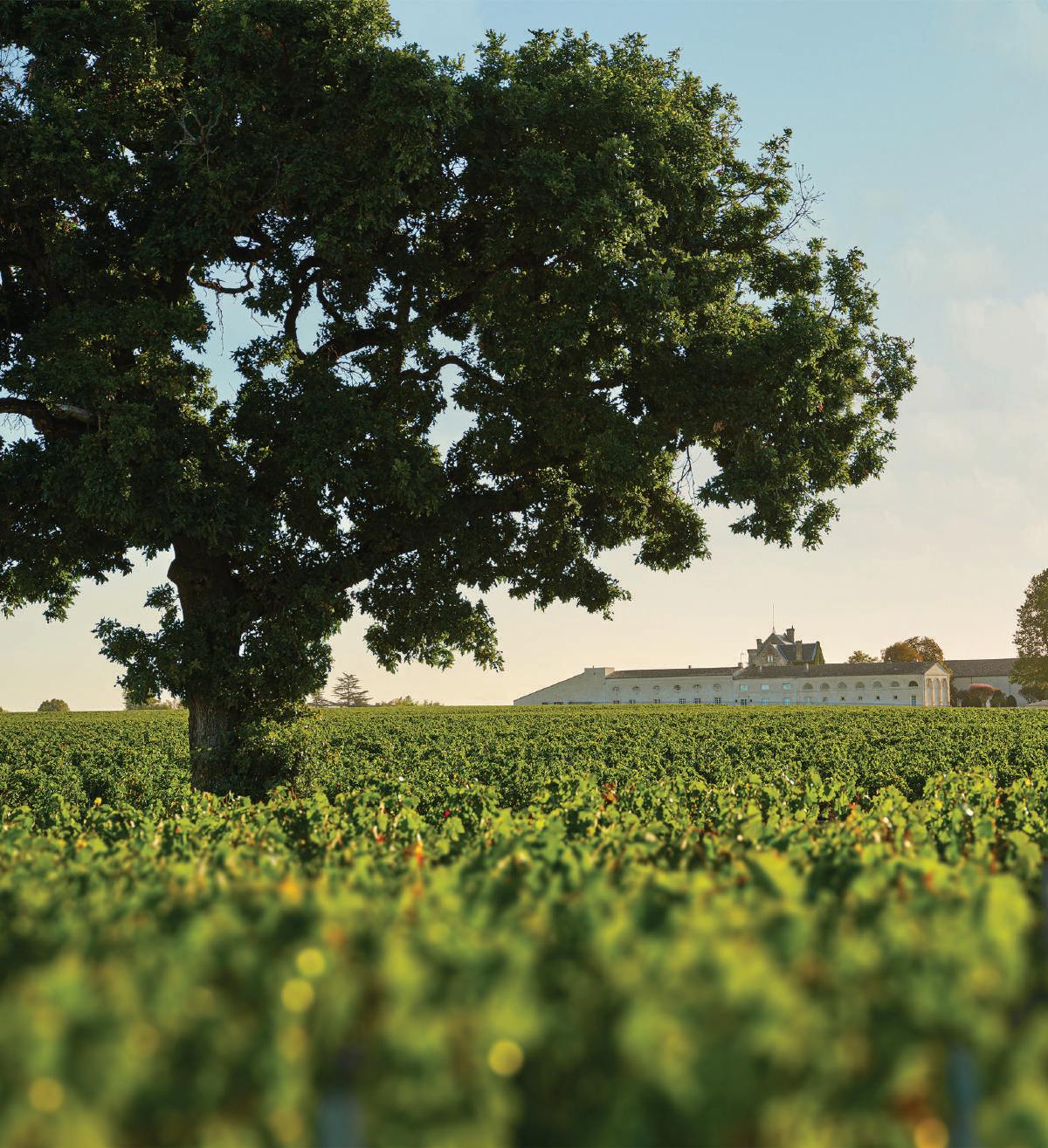
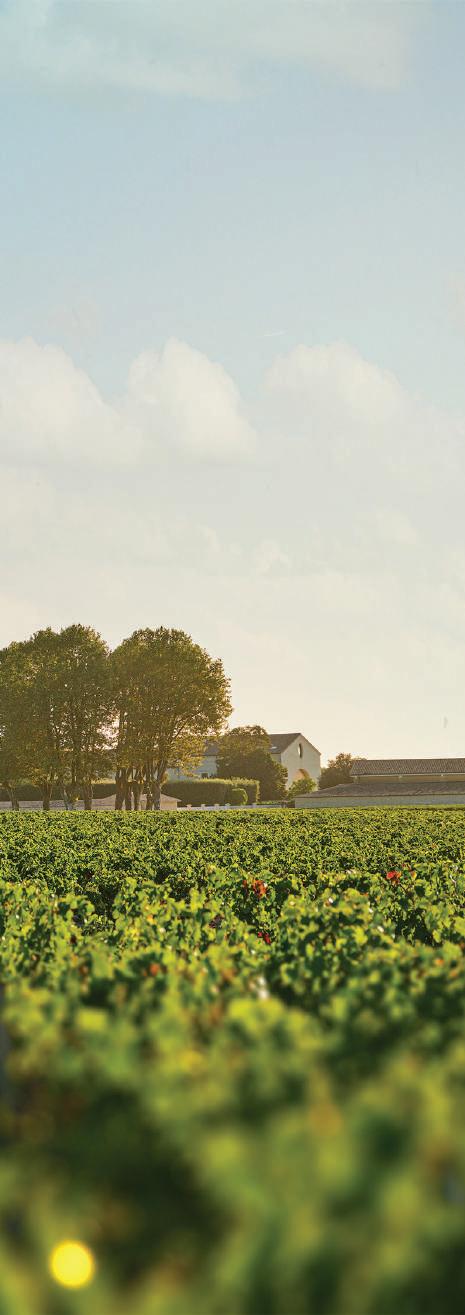
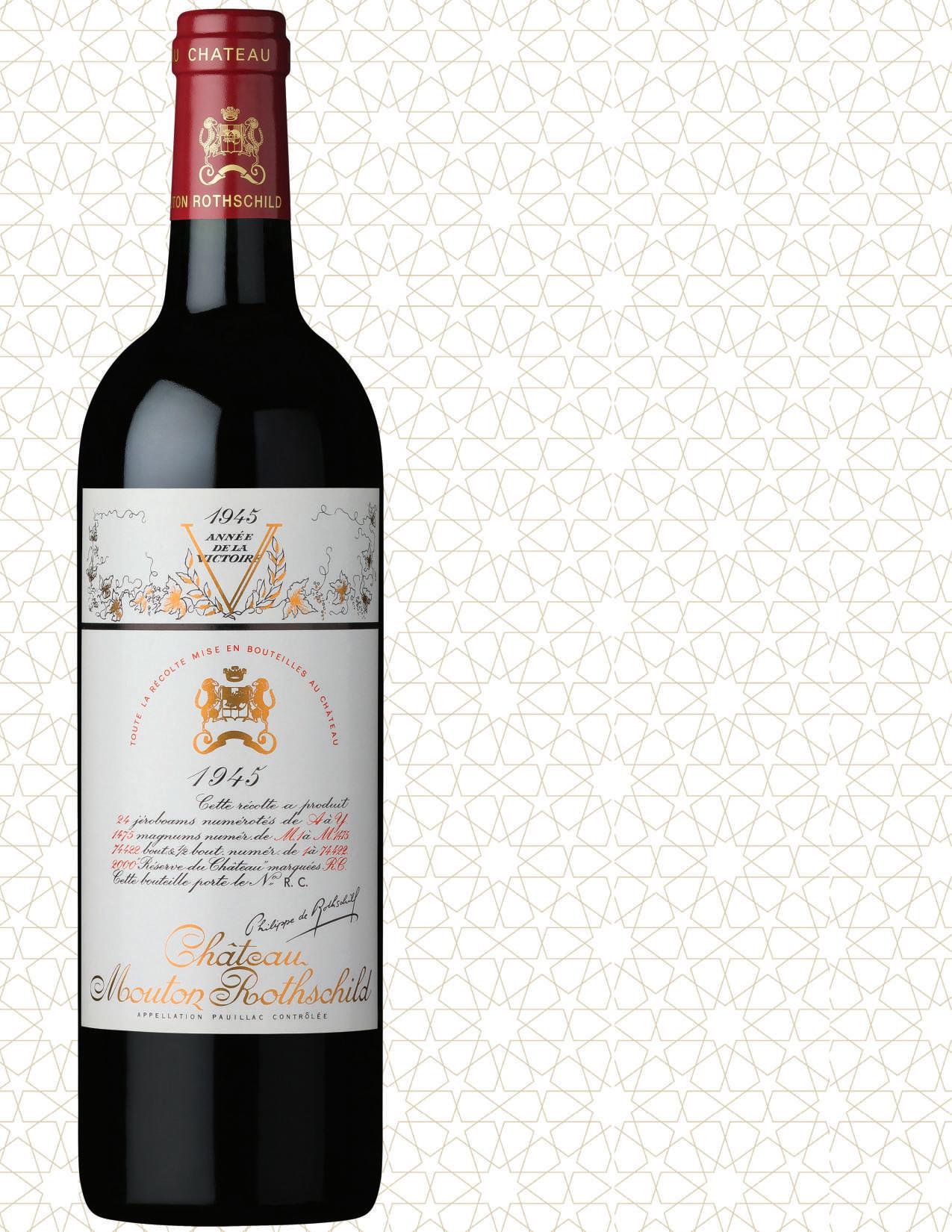
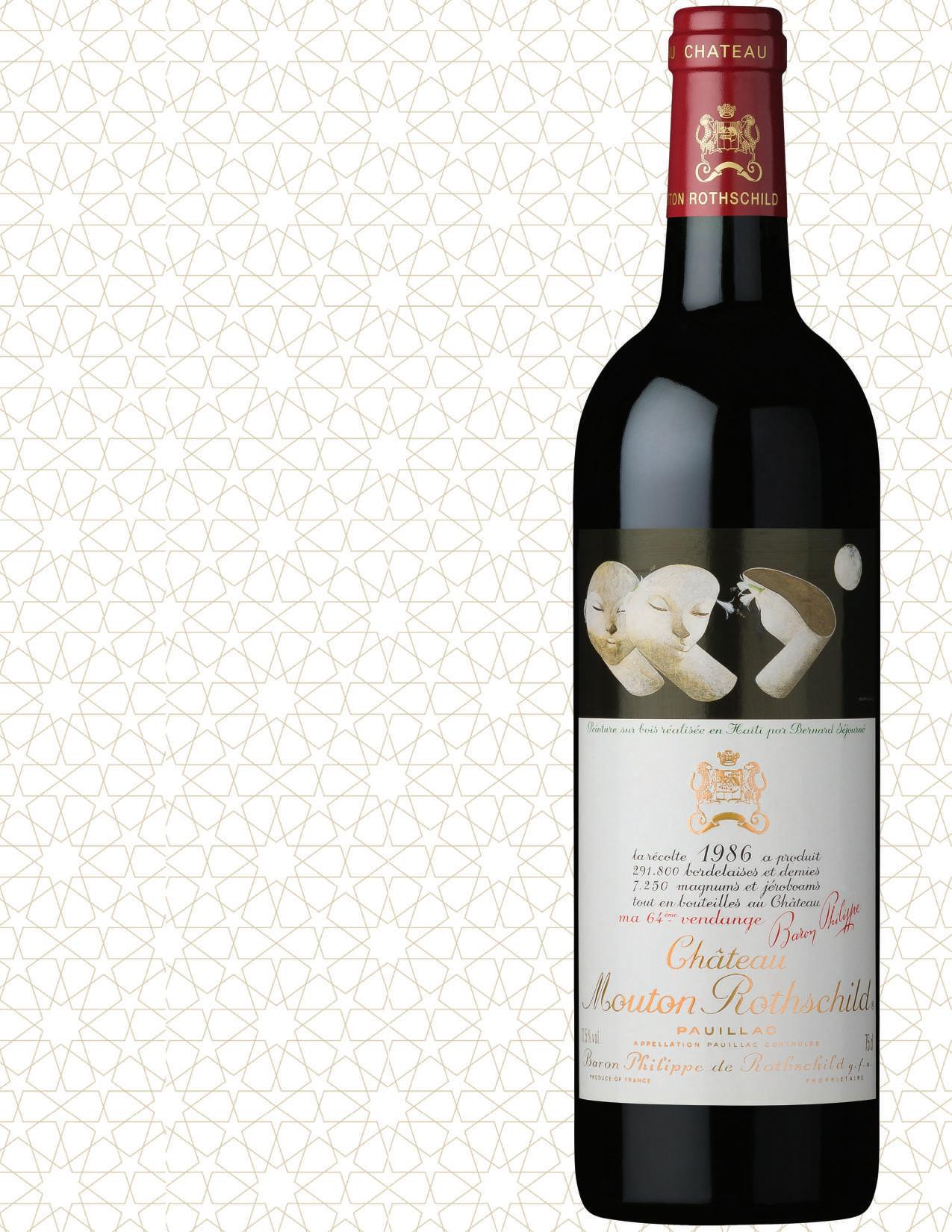
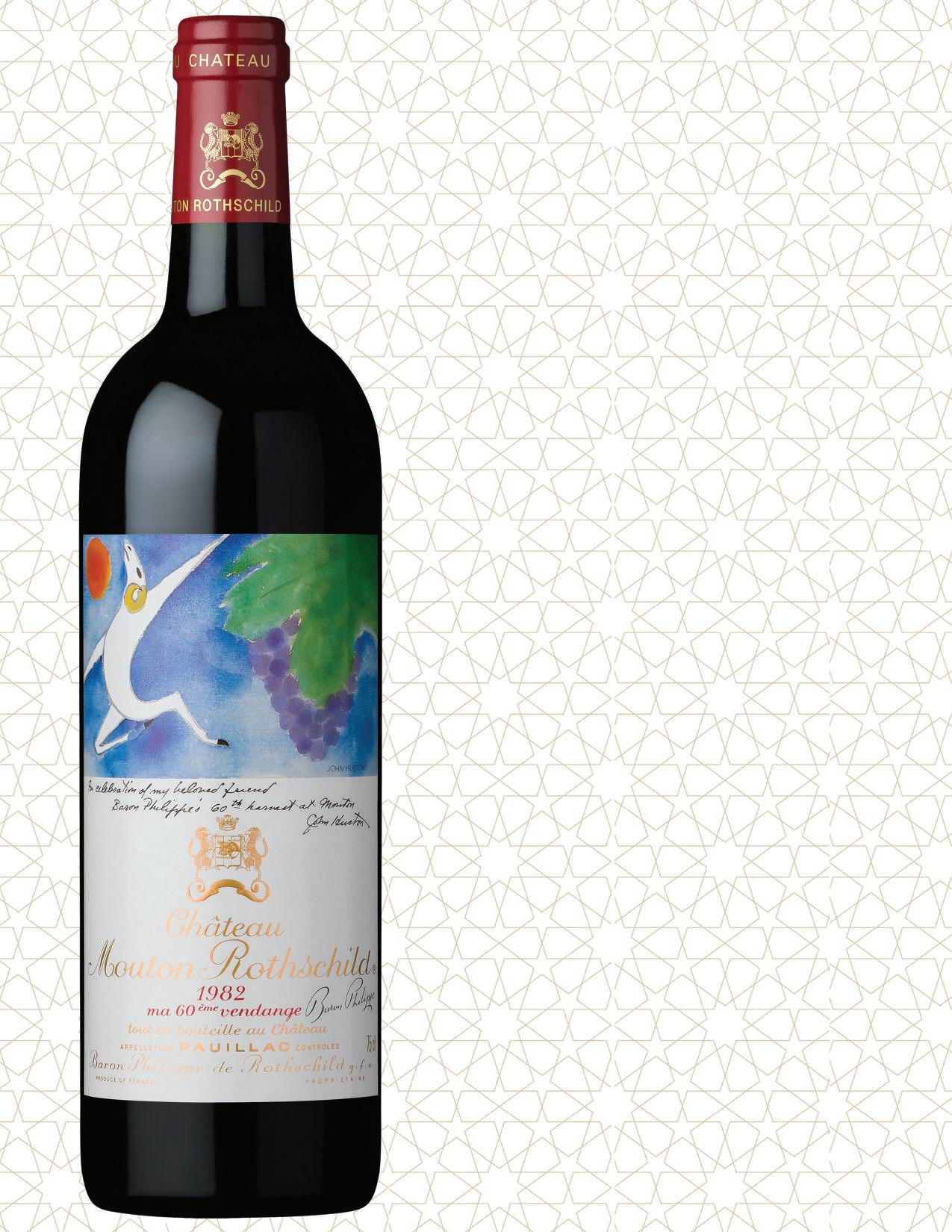
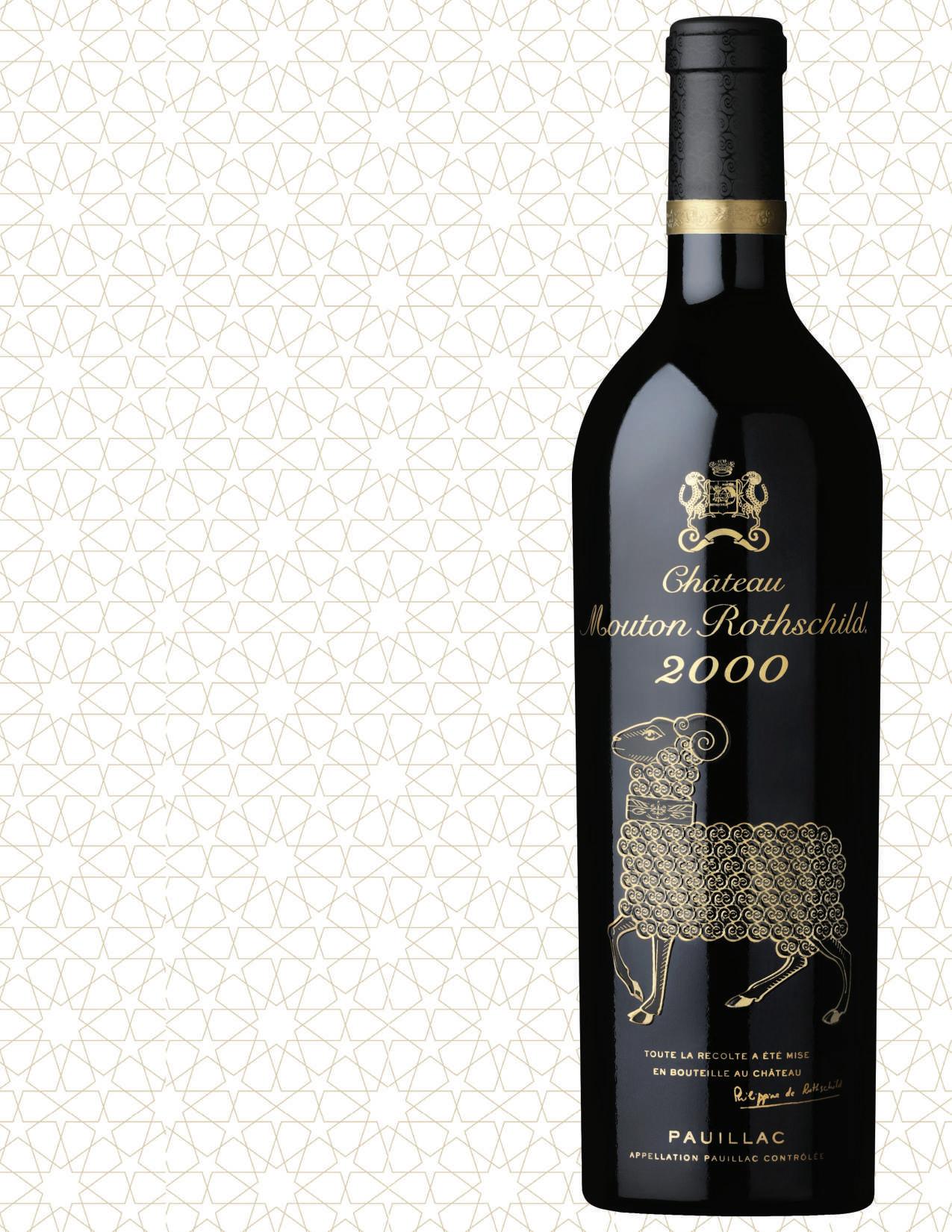
Nestled on the enchanting “Plateau de Mouton,” the Château Mouton Rothschild vineyard stands proudly 27 meters above sea level, in deep, gravelly soil that is perfect for producing worldclass wines. Here, the grape varieties that define the region flourish: Cabernet Sauvignon: 79%, Merlot: 17%, Cabernet Franc: 3% and Petit Verdot: 1%. While these percentages contribute to a splendid foundation, the unique character of each vintage influences the final blend. Cabernet Sauvignon always takes the lead, delivering rich tannins and a wealth of captivating aromas and flavors, ensuring unforgettable aging potential. Merlot complements this, adding roundness and a remarkable length that elevates the experience. Reflecting the excellence of top Médoc wines, the vineyard boasts a dense planting of 10,000 vines per hectare with an impressive average vine age of 65 years, truly exemplifying the artistry and dedication behind every bottle of Château Mouton Rothschild.
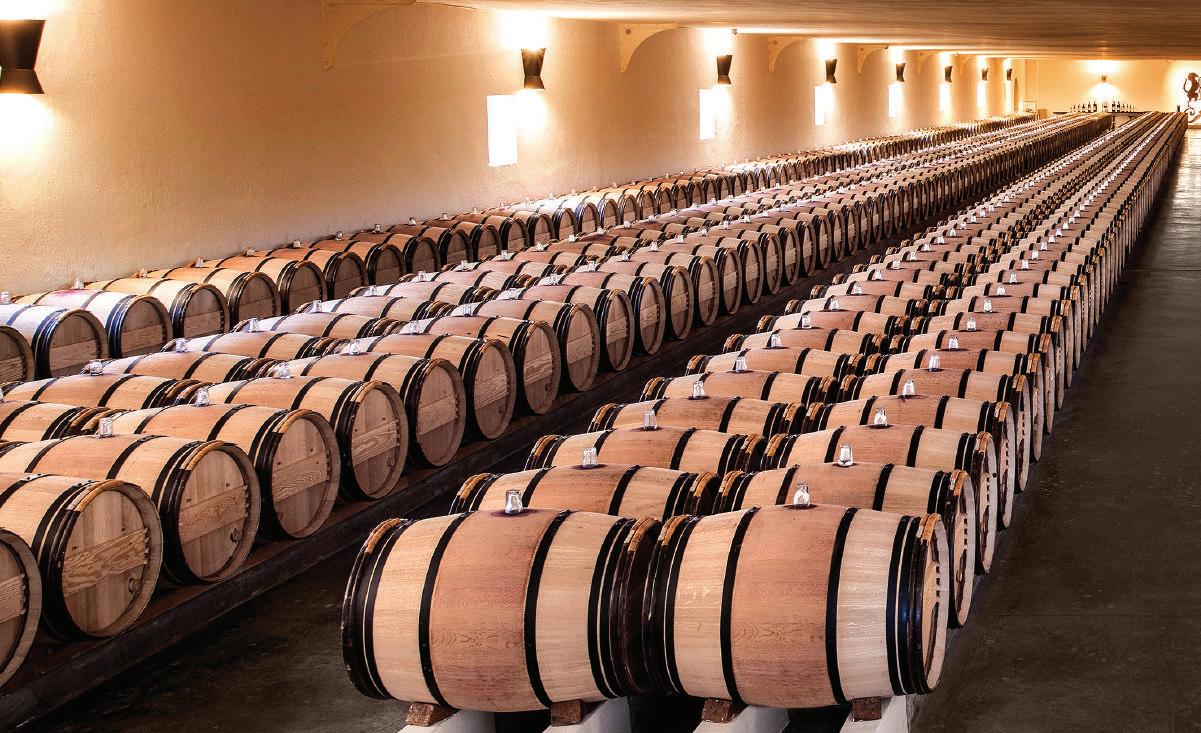
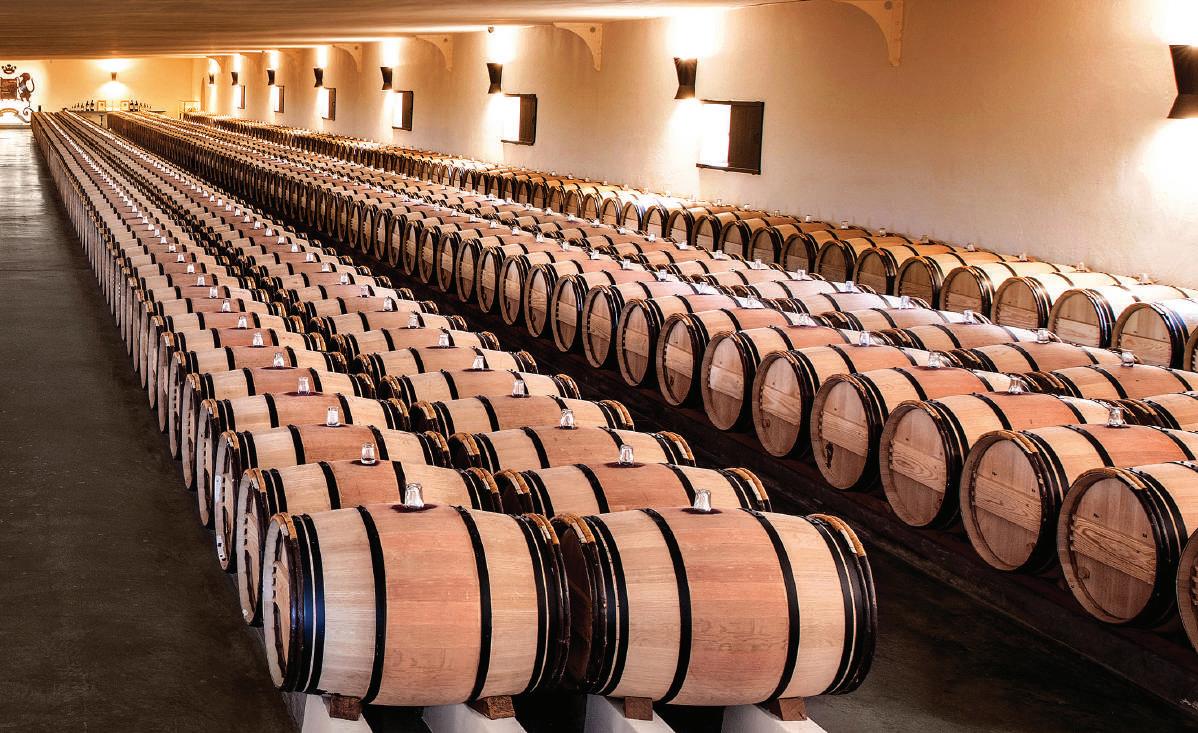
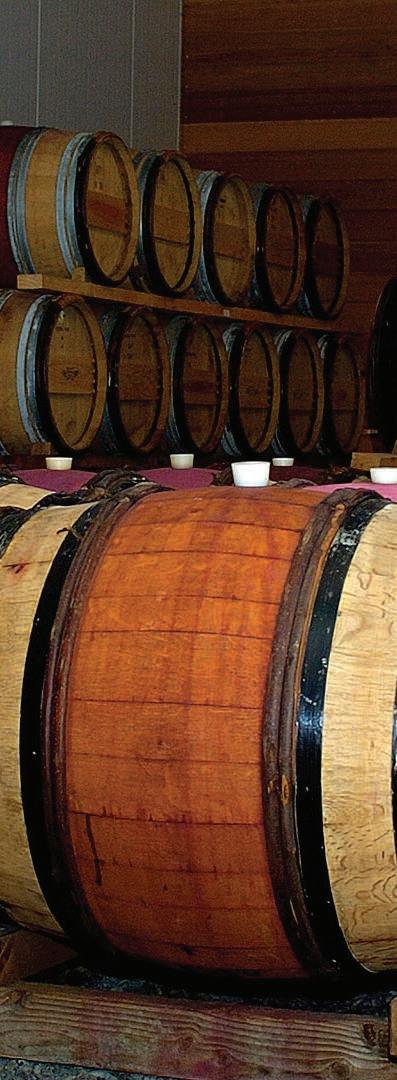
the Grand Chai
Nestled in the heart of Mouton, the Grand Chai, or Great Barrel Hall, is an architectural marvel that was completed in 1926, designed by the talented architect Charles Siclis. This impressive structure stretches a remarkable 100 meters in length and 25 meters in width, showcasing an avant-garde design that can accommodate up to 1,000 oak casks in a single, expansive level. The atmostphere within the Grand Chai is meticulously controlled to optimize the winemaking process. With its unique East-West orientation, the barrel hall features strategically placed small windows that invite a gentle flow of cool air, facilitating the natural precipitation of sediment
suspended within the wine. After six months of aging in the first-year barrel hall, the carefully selected casks are gracefully moved to the second-year cellars, where they are allowed to mature for another year.
“The Grand Chai and its precious casks.”
In the barrel hall, three key operations enhance our wine: topping up, fining with egg whites, and racking. Topping up occurs three times a week to maintain the wine’s level, Fining with egg whites clarifies the wine. Racking involves carefully at the very beginning of ageing, transferring the wine from one cask to another, separating it from the sediment or lees. This process not only enhances clarity but also allows the wine to breathe, producing a stunningly brilliant final product.
from the Médoc…
Château Mouton Rothschild spans 82 hectares (203 acres) of expertly tended vines in the prestigious Médoc peninsula in northwest Bordeaux. The name Médoc, meaning “in the middle of the waters,” reflects its location between the Gironde estuary and the Atlantic Ocean. This historic vineyard dates back to Roman times and currently covers about 16,500 hectares (41,000 acres). The vines are arranged along an 80-kilometer strip of land that benefits from river irrigation and a temperate oceanic climate, shielded from extreme weather. This ideal environment influence fosters the production of exceptional wines.
to Pauillac…
In every esteemed winegrowing region, the interaction of geology and microclimate brings forth a variety of wine styles and qualities. While some wines carry generic labels like Médoc or Bordeaux, the finest are found in celebrated appellations such as Margaux and Saint-Julien. Pauillac, in particular, stands out for producing exceptional Cabernet Sauvignon, first cultivated in the early 19th century. Covering about 1,200 hectares (3,000 acres), Pauillac is home to three of the five prestigious “Premiers Crus Classés du Médoc et de Graves”: Lafite, Latour, and Mouton Rothschild, along with 15 other estates recognized in the revered 1855 classification. Pauillac truly serves as a vital destination for wine enthusiasts and scholars, showcasing a rich legacy of excellence.
The 1945 Château Mouton Rothschild is not just a wine; it’s a treasure of the 20th century, hailed as one of the greatest vintages ever produced. Hailing from Bordeaux’s prestigious Pauillac region, this “Victory Vintage” boasts a striking label featuring a bold “V” in celebration of the end of World War II, adding to its historical allure.
The year 1945 posed significant challenges, with severe frosts impacting the growing season. However, the tiny yield from mature, ungrafted vines resulted in extraordinarily high-quality grapes, producing a wine with remarkable structure and exceptional longevity. With its dark garnet-brick hue, this vintage captivates the senses, offering tantalizing notes of star anise, dried roses, leather, and kirsch, layered over a rich foundation of blackberry and cassis. Given its immense historical relevance, rarity, and impeccable reputation, the 1945 Château Mouton Rothschild is a must-have for any serious wine collector. It consistently earns a perfect score of 100 points and even garnered an unprecedented 6 stars out of 5 from esteemed wine writer Michael Broadbent, who proclaimed, “There is simply no other wine like it.”
The Label
In 1945, Baron Philippe de Rothschild sought to honor the Allied victory by enhancing the Mouton Rothschild label with meaningful artwork. He commissioned a talented young artist, Philippe Jullian (1921-1977), to create a design that symbolizes the return of peace. Jullian, who would later achieve success as a dramatist, crafted this label based on the iconic “V for Victory” symbol that Churchill famously used during the war to inspire hope and resilience. This beautiful artwork further enriches the legacy of a truly remarkable wine.
The 1986 Château Mouton Rothschild is a masterpiece, representing the pinnacle of First Growth Bordeaux from Pauillac and proudly stands as one of the finest wines of the 20th century.
The growing season began with a mild and wet January, followed by the perfect balance of cold and dry weather in February and March. Although the vegetation cycle commenced later than usual on April 30, it quickly caught up during an exceptional summer. Flowering unfolded evenly around June 18, and mid-veraison marked the path to an outstanding harvest, with grapes achieving remarkable ripeness, forming small bunches bursting with concentrated flavors.
With a dark, intense hue and a captivating ruby tint, this vintage entices the senses with a nose layered in aromas of nuts and prunes, beautifully enhanced by notes of toffee, rancio, peppery spice, and cedarwood.
Upon tasting, the wine reveals a rich, dense attack with forward, tightlyknit tannins. Its powerful and smooth presence showcases a symphony of jammy fruits, wild berries, and blackcurrant liqueur flavors, all leading to a luxurious finish adorned with toasty nuances.
The Label
This art is the work of Bernard Séjourné (1947-1994), born in Haiti to a family of planters. After studying painting and art history in Jamaica and the United States, he maintained a deep connection to his island roots. Séjourné’s creations are mysterious and sophisticated, standing apart from the naive styles of his contemporaries. His work resonates with echoes of ancient culture, depicting women with elegant necks and half-closed eyes, seashells, and tropical flowers in delicate pastel colours and smooth, wave-like forms.
His striking trio of masks, emerging from the darkness and embodying “white negritude” on the Mouton Rothschild 1986 label, is a breathtaking representation of his artistic brilliance. Experience the allure of this vintage and celebrate the union of exceptional wine and remarkable art.
CHÂTEAU MOUTON ROTHSCHILD 1986
CHÂTEAU MOUTON ROTHSCHILD 1982
The 1982 Château Mouton Rothschild is not just a wine; it’s an iconic masterpiece, celebrated worldwide as a First Growth Bordeaux of unparalleled repute.
The winter of 1982 set the stage with its unusually mild weather, as temperatures in January, February, and March rose above average and rainfall remained scarce. Budbreak occurred swiftly across the three red grape varieties on March 30, marking a promising start. The warm conditions of April and May were complemented by timely rains in June, creating an ideal environment for growth. Flowering took place between May 30 and June 3, nearly 12 days ahead of the norm, showcasing the vintage’s exceptional potential. Dry weather prevailed through July, though a dramatic storm on July 30 brought some much-needed relief. August maintained a fine climate, with gentle showers early in the month that greatly benefited the vines. Despite the early promise during flowering, high summer temperatures slightly slowed the maturation process. Early August, veraison had begun, the grapes emerged in outstanding condition, maturing beautifully and igniting enthusiasm for an extraordinary vintage.
Visually, the wine boasts a dense and deep colour with an alluring amber hue. Its aromatic profile unfolds with captivating scents of gingerbread, mint, overripe fruits, blackcurrant, and bilberry, infused with delightful hints of
cinnamon, toast, and mocha. On the palate, it opens with a firm yet silky attack, exhibiting an elegant tannic structure characterized by velvety, aristocratic tannins. The wine evolves into a full and round body, offering nuances of liquorice and caramel. Fresh, stylish, and irresistibly seductive, with rich notes of chocolate, this powerful wine promises an impressive length that lingers, ensuring a remarkable experience in every sip.
The Label
John Huston (1906-1987) was not only a distinguished film director but also a multifaceted individual—an accomplished boxer, passionate art lover, skilled writer, expert horse trainer, adventurous big-game hunter, and actor. From early on, he demonstrated remarkable talent as a painter. His heartfelt dedication, “In celebration of my beloved friend Baron Philippe’s sixtieth harvest at Mouton,” highlights both his deep affection for Philippe and his cherished connection to a place that captivated him.
Huston’s watercolour for the Mouton Rothschild 1982 label stands as one of his final masterpieces. It exudes sensuality and grace, utilizing rich, warm colours to convey a powerful message. This representational work revisits the theme of the Ram, joyfully leaping in a Dionysian spirit, accompanied by its inseparable companions: the sun and the vine. This piece is not just art; it’s a celebration of life and friendship that resonates deeply.
The 2000 Chateau Mouton Rothschild is an exceptional wine, masterfully crafted from a blend of 86% Cabernet Sauvignon and 14% Merlot, aged in new French oak barrels. Thanks to the estate’s gravelly soils, meticulous vineyard management, and unwavering focus on precision winemaking, this vintage embodies remarkable balance and impressive longevity. This wine stands as a testament to the power, opulence, and artistic flair that define this prestigious winery. Sourced from the heart of Pauillac, this wine promises an exquisite tasting experience.
The growing season began with a cold, dry January, but favourable weather patterns emerged in February, bringing higher-thanaverage temperatures and rainfall. By the end of March, budding commenced, and the mild weather continued through April. The warmth of May and June, along with average rainfall and some storms, set the stage for a fruitful harvest.
On May 23, the first flowers made their appearance, signalling a rapid and uniform flowering that bodes well for quality. Remarkably, mid-veraison was recorded 7 to 8 days ahead of the average for both Merlot and Cabernet Sauvignon, and 2 days earlier than the average for Cabernet Franc. This early indicator of excellence enhances the anticipation for what is sure to be a remarkable tasting experience.
In late July and early August, a few scorching days beautifully interrupted the growth of the vines, enhancing the concentration of sugar and phenolics in the berries. Thankfully, fine weather prevailed in September, with light
rain nurturing the grapes to their full maturity. The harvest unfolded under ideal conditions, blessed with abundant sunshine. The grapes emerged healthy, vibrantly coloured, tannic, and brimming with flavor.
This wine presents an enticing deep colour with a garnet hue, featuring a complex nose dominated by inviting notes of humus, fern, jammy fruit, and prunes. On the palate, it is bold and opulent, displaying a delightful substance that is elegantly supported by well-integrated, velvety tannins. As it evolves, rich roast coffee notes emerge, harmoniously intermingling with the earthy aromas that first greeted the nose.
The powerful, full-bodied finish lingers in a captivating way, articulating the essence and exceptional quality characteristic of great Mouton vintages. This richness and harmony distinctly recall the celebrated 1986 vintage.
The Label
As for the label, since 1945, Château Mouton Rothschild has brought art to wine by featuring a unique artwork from a leading artist for each vintage. This collaboration has united some of the most famous names in contemporary art, continually enriching a remarkable collection with exciting new works each year. Indulge in this exquisite experience—it’s not just wine; it’s a celebration of artistry and excellence.
In 2000, Baroness Philippine broke with tradition in a remarkable way by choosing not to commission a artist for the bottle design. Instead, the bottle itself has transformed into a coveted collector’s item, featuring exquisite glass adorned with a piece from the Museum of Wine in Art at Mouton: the “Augsburg Ram,”
a striking silver-gilt drinking vessel from around 1590, crafted by the esteemed German goldsmith Jakob Schenauer.
To faithfully reproduce the elegance and brilliance of the original work, the glassmaker B.S.N. devised a groundbreaking enamelling technique in relief after four months of meticulous research. This innovative process required custom tools and exceptional precision, culminating in a stunning texture that captures and refracts light like no other. A radiant golden ring encircles the black foil, echoing the design engraved on the ram’s collar and reflecting the intricate volutes of its form. Additionally, the arms, name, vintage, and owner’s signature are elegantly screen-printed in gold. The bottle, made from high-quality, heavy glass, features a refined shoulder design in the shape of a truncated cone. As a testament to its authenticity, the Château Mouton Rothschild name is elegantly engraved on the base.
With its unparalleled label artwork and storied heritage, the 2000 vintage is an essential acquisition for serious collectors, making it a true standout in any collection.
CHÂTEAU MOUTON ROTHSCHILD 2000
The 2010 Château Mouton Rothschild is truly a standout in the modern Bordeaux landscape. As a First Growth estate in Pauillac, Mouton Rothschild masterfully balances power and finesse, and the 2010 vintage exemplifies this synergy with astonishing depth, structure, and longevity. This release is widely celebrated as one of the estate’s most impressive expressions.
The blend features a dominant portion of Cabernet Sauvignon, supported by Merlot and small amounts of Cabernet Franc and Petit Verdot, all sourced from the estate’s rich gravel soils. Fermentation occurs in oak vats, followed by aging in new French oak barrels, which enhances its complexity. The
2010
CHÂTEAU MOUTON ROTHSCHILD
extraordinary growing season of 2010 ensured optimal ripeness and natural balance throughout Pauillac, setting the stage for excellence.
Renowned for its structure and aging potential, this vintage at Mouton Rothschild embodies grand scale married with exquisite precision. The weather in 2010 was characterized by dry and relatively cool conditions, benefiting from just the right amount of sunshine and well-timed showers in mid-June and early September. Following a dry and cool spring, the summer delivered dry conditions with a few intense heatwaves. Harvesting took
place in pristine conditions from September 28 to October 13. The grapes were naturally concentrated and small, yielding juice that was rich, vividly coloured, and displayed excellent acidity. Indulging in this wine will be a truly memorable experience.
The wine captivates with its deep, intense red hue accented by a subtle bluish tint. With Cabernet Sauvignon as its foundation, it reveals a rich tapestry of aromas. Initially, the bouquet hints at lightly toasted vanilla, which gracefully unfolds to showcase vibrant fruit notes, most notably blackcurrant and black cherry. The palate is a testament to craftsmanship, featuring powerful and beautifully integrated tannins that deliver exceptional depth and roundness, leading to a refreshing mineral finish.
Mouton Rothschild 2010 stands as a remarkable vintage—an embodiment of length, elegance, and harmony that solidifies its status as a worthy successor to the esteemed 2009!
The Label
To capture the essence of this vintage, Baroness Philippine de Rothschild commissioned renowned American sculptor Jeff Koons, a celebrated figure in contemporary art, born in York, Pennsylvania, in 1955. He honed his artistic skills in Baltimore and Chicago, where he discovered the world of Pop Art and the concept of the “ready-made.”
Relocating to New York in 1976, Koons began his dual career as a commodities broker and an emerging artist, gaining recognition with the support of influential gallery owners such as Daniel Weinberg and Ileana Sonnabend. He first captured the public’s imagination in
1986 with his striking stainless-steel sculpture, “Inflatable Rabbit.” This was just the beginning of a remarkable career characterized by bold statements, such as his “Luxury and Degradation” series, and the provocative “Made in Heaven” collection, created in collaboration with La Cicciolina, a daring Italian actress who was his partner from 1991 to 1994.
In 1997, his monumental floral sculpture, “Puppy,” was installed at the entrance of the Guggenheim Museum in Bilbao, further cementing his position as a contemporary art titan. Art collectors quickly sought out his iconic works, including the celebrated “Pink Panther” (1999) and “Split Rocker” (2000), an impressive creation made from over 100,000 flowers. His “Balloon Flower (Magenta)” in 2008 propelled him to the status of the world’s most expensive living artist at the time, while an exhibition showcasing 17 of his pieces at the prestigious Château de Versailles ignited widespread enthusiasm. He boldly asserted that it was “the proudest moment of my life.”
As a brilliant successor to Marcel Duchamp and Andy Warhol, Koons successfully merges the vibrant Pop Art tradition with a flair for kitsch. His work reflects a deep appreciation for familiar objects and cultural icons, employing an array of innovative techniques to enhance, distort, and reinvent them. In addition, he expertly revisits classical themes, as seen in his silver drawing inspired by the iconic “Birth of Venus” fresco from Pompeii. This piece, “Venus with Vessel,” evokes both the cup that holds exquisite wine and the ship that sails under a radiant sun, ready to transport the finest vintage.—certainly a Mouton Rothschild 2010!
The first half of 2018 presented a unique set of challenges and opportunities for our vineyard. Following heavy rainfall and severe hailstorms over the winter, we were greeted by a remarkably mild spring.
March’s cool temperatures transitioned into an unusually warm April, which created ideal conditions for rapid vegetation growth and prompted the vines to flower earlier than expected. This positive trend accelerated from June onward, as hot and sunny weather pushed the vine cycle ahead by five days compared to historical averages.
In July, high humidity and intense summer heat posed challenges for maintaining the health of our vines. However, our dedicated growers rose to the occasion, providing vigilant care that safeguarded the vineyard’s quality. Luckily, a shift to hot and dry weather over three months—with temperatures frequently surpassing 30°C—effectively mitigated mildew concerns.
Though the early part of the year may not have hinted at a bountiful harvest, the subsequent record temperatures, minimal rainfall, and relative drought transformed our prospects. The resulting grapes, albeit small, emerged with impressive richness in both sugar and tannins.
The accelerated vine cycle and the sun-
drenched summer, ther harvest commenced earlier than usual, beginning with white grapes in late August and red grapes in early September. At Château Mouton-Rothschild, they kicked off the picking of the Aile d’Argent parcels from August 30 to September 5, followed by the red grape harvest from September 10 to October 3. The season promised exceptional quality, and they were excited to share the fruits of their labour.
The wines are intensely coloured and have excellent tannic structures, remarkably dense and smooth, with a rare concentration of aroma and flavour. Yields were smaller because of the drought, but the vintage can already be reckoned one of our great successes.
The wine captivates with its intense, deep black colour, inviting you to experience its rich character. The nose bursts with exquisite aromas of ripe fruit and nutmeg, harmoniously accentuated by refreshing hints of mint.
On the palate, the wine delivers an ample, fullbodied experience that unfolds with luscious blackberry and cherry flavors, elevated by a subtle touch of spice. The generous, creamy tannins provide a luxurious foundation for the candied notes, creating a delightful sensation of succulence that entices the senses.
A perfect balance between vibrant fruit and refined tannins, an impressively elegant finish.
The Label
Owners Philippe Sereys de Rothschild, Camille Sereys de Rothschild, and Julien de Beaumarchais de Rothschild took artistry to new heights by commissioning renowned Chinese artist Xu Bing (b. 1955) to design the label for the 2018 vintage.
This label reflects Xu Bing’s exploration of the captivating illusion of appearances through his innovative Square Word Calligraphy, which resembles traditional Chinese characters but is crafted from Latin letters. His creativity intertwines cultures, presenting a unique script where the beauty of language merges with the essence of traditional Chinese art.
The 2018 vintage label proudly displays the words “Mouton Rothschild,” inviting you to savor a wine that embodies both elegance and sophistication.
CHÂTEAU MOUTON ROTHSCHILD 2018
The year commenced with an unusually warm and dry winter, reaching a remarkable 24.7°C on February 27. This exceptional weather set the stage for an early start to the vine cycle, although progress slowed as a cooler spring brought lower-than-average temperatures. Ultimately, flowering occurred right on schedule.
June presented a dramatic shift in conditions, with a late cold snap and heavy rainfall giving way to an early heatwave. However, the weather in July was spectacular, marked by bright sunshine and warmth that left the vines in impeccable condition just before harvest. A few beneficial showers in July and August eased any concerns about dehydration, ensuring the vines remained healthy.
2019
CHÂTEAU MOUTON ROTHSCHILD
Harvesting kicked off with the white varieties on September 5, resulting in a fast and fruitful collection that showcased outstanding Semillon grapes. By September 11, all the Aile d’Argent vines had been successfully harvested.
At Château Mouton Rothschild, the picking of red varieties took place from September 18 to October 5. Despite a few raindrops during this time, the overall conditions remained excellent, leading to grapes of exceptional quality.
Echoing the generosity of nature in 2019, the resulting wines are rich, deeply coloured, and possess impressive alcohol content. The finely woven, satin-smooth tannins indicate that this is poised to be a truly exceptional vintage. Experience the allure of this wine, showcased in an intense garnet red hue with a captivating purplish tint. With a nose that is both fresh and precisely expressive, it unveils a delightful bouquet of blackberry, black cherry, and liquorice, all accentuated by a subtle mineral note.
On the palate, this wine offers a smooth and opulent experience, characterized by an attractive sweetness that gracefully wraps around expertly crafted, rounded, and powerful tannins. Its richness is unmatched, leading to a sophisticated, succulent, and harmonious finish that lingers and impresses.
The Label
The Solar Iris of Mouton label, designed by renowned artist Olafur Eliasson for Château Mouton Rothschild, is a visual masterpiece that encapsulates the essence of its location. It artfully divides the design: a shimmering gold strip at the top represents the vibrancy of daytime, while a rich midnight blue at the bottom evokes the mystery of night.
At the heart of the label is a circular cut-out, inviting you to gaze upon the exquisite wine within. A series of ellipses encircle this cut-out, depicting the sun’s trajectory in relation to Château Mouton Rothschild in Pauillac. The white arcs above the dividing line symbolize the lengths of the days, with the lowest arc marking the shortest day and the highest the longest. Below, the sun dips beneath the horizon, beautifully illustrated against the dark
background—an homage to the vineyard’s enchanting setting.
At the top of the solar diagram, elongated figure-eight shapes intersect the arcs at regular intervals. These captivating shapes, known as analemmas, vividly illustrate the sun’s path as observed from a single point throughout the year. Historically significant, they were essential in astronomy and sundials, enhancing the accuracy of timekeeping. The sun’s shifting position in the sky reflects the Earth’s orbit around it and its axial rotation. This interplay of movement and time is beautifully represented in the analemma’s shape.
For centuries, artists have found inspiration in sun charts, astronomical phenomena, and navigational instruments, with Eliasson notably capturing a stunning photographic image of an analemma by documenting the sky at the same time daily for an entire year in 2009.
Eliasson remarks: “The Solar Iris of Mouton is a compelling map of all the sunrises and sunsets at Château Mouton Rothschild throughout a year. It reveals each hour of daylight and night contributing to grape growth, effectively serving as a signature for the vineyard. This artwork communicates vital information about the conditions under which the wine was cultivated, emphasizing the intimate bond between the wine and its origin. When we taste the wine, we connect deeply with the local environment—its soil, weather, seasons, and unique lighting.
Through the eye-like oculus at the centre of the label, the wine encompasses the golden sun, the earth, and the sky; it embodies locality while simultaneously holding a trace of the celestial.”
The 2023 Château Mouton Rothschild stands out as a remarkable and “ultra-classic” vintage from the prestigious First Growth estate in Pauillac, Bordeaux. Comprising 93% Cabernet Sauvignon and 7% Merlot, this exquisite red wine is not only rich and powerful but also impeccably balanced, making it a prime candidate for cellaring over the next 30 to 40 years.
Following a dry 2022, the mild and wet winter of 2023 rejuvenated the soil’s water reserves, setting the stage for a promising vine growth cycle that began in early April. Despite an early cold snap, the vines thrived in favourable conditions, and the spring’s mild weather and near-normal rainfall fuelled significant growth. This led to exceptional flowering in late May, arriving five days ahead of the usual schedule.
June brought unprecedented heat, marking the hottest month since records began in 1962, which underscored the climatic trends affecting the region. The vines continued their development at an accelerated pace, well ahead of average timelines. Throughout the summer, although France experienced multiple heatwaves, the Bordeaux vineyards only faced two intense heat spells in late August and early September, the latter signalling the start of the vital harvest.
The picking period was marked by dynamic weather, with hot, sunny days interspersed with stormy intervals. This variability allowed the grapes to ripen beautifully during optimal moments, while the rain helped refine their skins and temper sugar levels. Consequently, the harvest concluded in the last week of September, perfectly timed with warm
sunshine and ideal conditions, ensuring the quality of this extraordinary vintage.
This wine captivates with its radiant garnet red colour, accentuated by a striking crimson hue. Right from the first glance, its refinement and precision shine through, revealing enticing aromas of ripe blackberry fruit. Subtle undertones of pastry, candy, and rich dark chocolate create a harmonious interplay between freshness and indulgence. With a smooth, full-bodied character, the wine’s powerful and elegantly integrated tannins provide a captivating energy that invites you to savor every sip.
Complex layers of lead pencil and smoky, charred notes offer remarkable depth, while delicate hints of toasted hazelnut and cocoa beans linger enticingly on the finish, making each experience unforgettable.
The Label
Celebrated for her monumental and vibrant installations, Joana Vasconcelos took on the inspiring challenge of designing a wine label. Her artwork centres around a cluster of grapes, vividly illustrating the essential elements that come together to craft an exceptional wine: the earth and water, the sun’s warmth, and the cool nighttime air, all harmonized with the dedication of human hands depicted by the apex of a triangle—symbolizing a positive influence on nature’s cycle.
Each component, like pieces of a jigsaw puzzle, boasts its unique shape and colour while playing a vital and complementary role. The vine stands at the heart of this masterpiece, flourishing in the “Paraíso” of the Château Mouton Rothschild terroir, where
the soil, sunlight, and water have nurtured exceptional grapes throughout history.
True to her bright and colourful style, the artist has skilfully leveraged her graphic arts expertise to craft the stunning illustration for the label of the 2023 vintage.
Joana Vasconcelos passionately shares the inspiration behind her original artwork: The motivation for the label springs from the beauty of grapes and vines, reflecting the natural essence of Mouton Rothschild. ‘Paraíso’ (Paradise) embodies the pursuit of perfection, luxury, the harmonious relationship between nature and humanity.
“Vasconcelos masterfully utilizes everyday materials such as embroidery and crochet to craft artworks that engage with contemporary themes like feminism in a grand, baroque, and sometimes provocative manner. She elegantly bridges Portugal’s rich craft heritage with modern artistic expression. This synergy of art and craftsmanship resonates deeply with Château Mouton Rothschild, where highlevel artistry meets the uniqueness of each vintage—rare and precious,” states Julien de Beaumarchais de Rothschild, co-owner of Château Mouton Rothschild, and the driving force behind the estate’s artistic and cultural endeavours, fostering connections with talented artists.
CHÂTEAU MOUTON ROTHSCHILD 2023
KOYEL ROY NANDY & AVINANDAN KUNDUL
At Sienna, they celebrate the vibrant culture of Bengal through our food, using local ingredients and traditional techniques, we honor the culinary diversity of both ‘epar’ and ‘opar’ Bengal, moving beyond the stereotypes of bhapa and kosha. The bajaar, essential to Bengali life, inspires Koyel, Avinandan, and the team daily, enriching the menus with authentic flavors, stories, and a sense of community.
Koyel Roy Nandy has been a valued member of Sienna for five years, starting as a sous chef and evolving into a key presence in our kitchen. After training at The Oberoi in Kolkata and working with Ritu Dalmia at Café Diva in Delhi, she returned to her roots to represent the culture she loves. Now Co-Head Chef, she aims to elevate Sienna’s Bengal-forward menus and spark engaging conversations.
Avinandan Kundu began his career in law but was irresistibly drawn to the culinary arts. He honed his skills across Europe, with stints at Frenchie and Ellsworth in Paris and Kadeau in Denmark, before returning to Kolkata in 2019. As Co-Head Chef at Sienna, he fosters a positive kitchen environment that celebrates Bengal while pursuing culinary excellence.
The Goan Kitchen is a vibrant culinary hub committed to preserving the rich traditions of Goan cuisine. Led by Oliver Fernandes and Crescy Baptista, along with a talented team of local women, it’s located in the charming village of Loutolim, with a café and store in Margao, Goa. Goa’s culinary history blends Hindu Goan, IndoPortuguese, and tribal influences, reflecting the region’s diverse legacy. The Goan Kitchen remains dedicated to preserving the essence of Goan cuisine and takes pride in offering an authentic taste of Goan heritage beyond typical commercial dishes.
At the helm of this kitchen is Crescy Baptista, a rare talent in the realm of Goan culinary arts, whose hands are capable of crafting a genuine Goan feast. Each day, she and her team of 15 skilled women create delightful dishes, from traditional bebinca baked in a clay oven to mouthwatering specialities.
Crescy believes that authentic traditional food is best prepared by mothers and daughters, which is why her team is comprised entirely of women. She attributes her culinary prowess to her motherin-law, Elisa Menezes Baptista, who imparted her wisdom and skills.
Bilkis Khan, from Shillong, India, proudly represents her distinguished Sufi Bengali Muslim heritage, championing the rich culinary traditions of Bengali Muslim food, including Sufi, Rarhi, Nawabi, and Murshidabadi gastronomy.
Her passion for cooking began at nine, inspired by her family’s colonial-style bakery and Kolkata’s cabin culture, where she enjoyed nostalgic flavors like bakarkhani and cream buns. After launching her career with Taj Hotels, personal challenges temporarily sidelined her am-bitions.
The pandemic reignited Bilkis’ passion for becoming a successful chef. She is committed to preserving family recipes and celebrating her culinary heritage. Deeply connected to her Sufi roots, she aims to revive forgotten dishes and uplift the voices of women whose stories en-rich every meal.
Her culinary journey includes training in Heritage Thai cuisine at Thailand’s Blue Elephant under MasterChef Nooror Somany Steppe. Recently featured in a Switz documentary as one of India’s leading self-taught chefs, she hosts pop-up events at five-star hotels and runs inti-mate supper clubs through her brand, Gòlpoh.
Bilkis believes that food transcends mere taste; it embodies energy, tradition, and memory.
Swetha is a purpose-driven culinary professional and influential leader, recognized as one of the youngest female executive chefs in India. With extensive global training and operational expertise, she champions the belief that food can serve as a powerful tool for inclusion, dignity, and sustainable livelihoods. Her multifaceted journey traverse’s European cuisine, patisserie, and largescale culinary operations, always focused on nurturing talent alongside products. Now based in Sydney, Swetha is passionately engaged with an Intellectual Disability Foundation that empowers individuals with intellectual disabilities through structured culinary training. In her role, Swetha designs and implements engaging culinary programs that guide participants in exploring various aspects of food production, including baking, confectionery, and packaged goods. This hands-on experience allows them to uncover their passions and strengths. The core emphasis is on fostering choice, building confidence, and maintaining consistency. For Swetha, her work is not just about teaching culinary skills; it is about creating systems that recognize individual talent and ensure that everyone—irrespective of their ability—has the opportunity to craft a future.
SWETHA SYDNEY
The Cottage Cheese was born from a vision: to elevate Indian cuisine to a prominent stage that honors its rich regional diversity, culinary artistry, and the contemporary global palate. Founded by restaurateur Pratik Parmar, this innovative establishment is guided by Vikash Chhetri, whose culinary philosophy exemplifies both precision and restraint.
Vikash embraces a plant and seafood-centric approach, meticulously balancing textural contrasts and acidity, while embracing the regional nuances that define Indian cooking beyond its well-known stereotypes. For him, a chaat transcends mere snacking; it becomes an experience of fun, structure, and balance. His menus reflect a belief that Indian cuisine can boldly explore new horizons without sacrificing authenticity.
Pratik and Vikash have crafted a remarkable culinary language that truly reflects the spirit of Indian culture. Their efforts highlight the vibrant diversity and profound depth of India’s culinary traditions. The inclusion of their restaurant in the Michelin Guide stands as a powerful testament to their belief.
Ajay Negi is a renowned culinary artist and a leader in modern Indian cuisine, bringing over two decades of global experience as Executive Chef at INDIBAR in Scottsdale, Arizona. He focuses on refined techniques and cultural authenticity, transforming Indian gastronomy in the United States.
His journey began at the Radisson in Punjab, India, and includes prestigious roles with hospitality giants like The Oberoi Group and IHG Hotels & Resorts. Notably, he was part of the opening team at the Armani Hotel in Burj Khalifa and led operations at the acclaimed Patiala restaurant in Dubai.
In 2015, as Chef de Cuisine at Bombay Brasserie in Taj Dubai, he gained acclaim for blending traditional Indian flavors with modern techniques. His innovative approach has earned multiple industry awards and solidified his status in progressive Indian fine dining. With a philosophy of balance and creativity, Ajay has positioned INDIBAR as a premier dining destination, recognized with local and regional honors, including a James Beard Award semifinalist nomination. Experience his culinary mastery for an unforgettable dining experience.
Vinu Raveendran is a culinary visionary whose passion for food and creativity is truly unmatched. From his early years, he has dedicated himself to the culinary arts, earning acclaim for his exceptional talent and numerous achievements. Having mastered the art of mixology, skillfully blending flavors and crafting innovative dishes that captivate diners. His relentless pursuit of knowledge and expertise in diverse cuisines have taken him on a remarkable journey, collaborating with some of the most renowned chefs in the world.
With his invaluable experience and understanding of culinary arts, Vinu begins a new chapter at Kidilum in New York, where he will focus on reimagining the cuisine from his hometown in a contemporary and postmodern context. He envisions leading a dynamic R&D kitchen, a space where he can push the boundaries of culinary exploration and experiment with food and beverages.
With his remarkable skill set, Vinu aims to reimagine his hometown cuisine in a contemporary way. He envisions leading a dynamic R&D kitchen where he can experiment with food and beverages, fearlessly introducing unique ingredients and innovative techniques.
Prashant Chipkar, hailing from Goa, India, has been immersed in the food and beverage industry since childhood. His aunt’s hotel in Mahabaleshwar, a picturesque hill station, ignited his culinary passion during his frequent visits. This early exposure motivated him to pursue a career in hotel management, where he honed his skills under the guidance of culinary legends like Vineet Bhatia, Hari Nayak, and Hemant Oberoi. These mentors imparted invaluable knowledge in advanced techniques, flavor mastery, independent thinking, and the art of running a world-class kitchen.
As a culinary innovator, Prashant has consistently brought Indian cuisine to the forefront of the global culinary scene. His expertise has been instrumental in kitchens that have achieved Michelin Stars, Gault & Millau toques, and prestigious rankings in the World’s 50 Best Restaurants.
Prashant’s unique cooking style embodies “progressive evolution,” skilfully merging traditional flavors with modern global tastes. His relentless pursuit of excellence has positioned him as a leading figure in the Middle Eastern hospitality industry. Renowned for his talent in fusing local ingredients with international influences and crafting dishes that respect Indian heritage.
Osama Jalali is a celebrated veteran food writer, researcher, consultant, and celebrity master chef, recognized as a leading ambassador for the revival of regional Indian cuisine. With a focused mission to unveil the hidden culinary treasures of our nation’s rich heritage, he passionately advocates for these flavors to take centre stage. Raised in the historic by lanes of Old Delhi, Osama’s ancestral roots trace back to the princely estate of Rampur in Uttar Pradesh, famed for its unique Rampuri cuisine. His rich heritage shapes his culinary identity and fuels his passion for preserving heirloom recipes. He explores the magnificent traditions of the Mughal emperors and the refined tastes of the Nawabs, ensuring these exquisite flavors are preserved for future generations. Working alongside his wife, Begum Nazia Khan, and his mother, Ammi Jalali, Osama has orchestrated acclaimed festivals for esteemed hotel chains like The Oberoi, JW Marriott, and Ritz-Carlton. His signature dishes and celebrated research culminate in his flagship menu, “The Mughal Plate.” Through these endeavours, Osama Jalali adeptly connects the past with contemporary dining, powerfully reminding us that the heart of Indian gastronomy resides in its ancestral kitchens.
Mohammad Tarique Khan’s culinary journey is a heartfelt tribute to family, culture, and purpose. Inspired by his childhood in Hyderabad, where he watched his mother and sisters cook with love, he learned that food is both an art and a tradition. After moving to the U.S., he became a corporate chef for a South Indian restaurant group, launching nearly 21 establishments across nine states. This experience instilled in him the values of scale, consistency, and discipline. he moved to New York, where he refined his skills at Sona under Chef Hari Nayak and later reached new heights at Eleven Madison Park, a place where he grasped the significance of precision, discipline, and excellence with working alongside renowned chefs Dominique Roy and Daniel Humm taught him the importance of leading with humility. Alongside his brothers and partners, Mohammad envisioned an affordable Indian restaurant serving the community daily. Today, Hyderabadi Zaiqa proudly operates in Hell’s Kitchen and Murray Hill, with plans to open a new space on 9th Avenue. He believes food is more than nourishment; it represents the dedication of everyone involved in its creation. His mission is to spread positivity through food and unite communities at the table.
Varun Kinger, from Bangalore, India, embodies a captivating mix of wit and charm that reflects the rich, complex flavors of Indian spices. His vibrant personality bursts forth with flair and a boundless imagination, exhibiting traits that are engaging, spontaneous, and a bit mischievous.
Varun’s culinary journey began at the young age of 12. Growing up, he watched his grandmother and mother express their love in the kitchen, where food was the centerpiece of every family gathering and celebration. It instilled in him a passionate belief that food has the power to unite people. While his reasons for cooking are many, the intricacies can sometimes feel overwhelming. For him, food symbolizes a profound and sacred connection to life. The idea that we eat to survive elevates his profession to something truly meaningful. The process of plating a dish brings him unparalleled joy; no feeling compares to completing a plate that aligns perfectly with his vision, with every element in harmony. Moreover, he believes that the act of preparing food fosters an intimate bond between people. This intricate relationship is what sets Varun apart as a chef— his unwavering passion for the culinary arts shines through in everything he does.
Soohan Bisht is revolutionizing contemporary Indian cuisine in Vietnam, infusing each dish with a sense of refined luxury and character. As the Founder and Head Chef of RANG in Da Nang, he seamlessly blends the heartfelt warmth of Indian home cooking with precise Mediterranean techniques, crafting an experience that is not only intimate and polished Hailing from the Himalayan region of North India, Soohan refined his skills in prestigious international hotels across the Middle East, Europe, Asia, and luxury cruise lines. With over two decades of experience, he has developed a unique culinary style—rooted in Indian flavors yet globally inspired. He is recognized as Vietnam’s only Disciples Escoffier–inducted Indian cuisine chef, leading a restaurant celebrated for its innovative offerings. At RANG, Soohan’s philosophy flourishes in a vibrant fusion of Indian and Mediterranean influences. The menus are rich with layered spices and subtle nuances, offering more than just heat— slow-cooked curries, charcoal-grilled specialties, and street-food-inspired plates, complemented by coastal notes from Da Nang. With options for vegan, vegetarian, Jain, and halal diets, he delivers an elevated dining experience.
Sandeep Gouniyal, a culinary maestro born in the lush landscapes of Uttarakhand and nurtured in the vibrant streets of Delhi, India, now resides in the city of Coquitlam, British Columbia, Canada. With an impressive career spanning over 15 years, he has played a transformative role in the culinary world, crafting exceptional dining experiences at esteemed restaurants across the globe. His journey features collaborations with some of the most prestigious hospitality brands, including Le Méridien, ITC Hotels, The Oberoi Hotels, and The Leela Palace, alongside innovative ventures like Anya Hotels Design Property and The Curry House at InterContinental Doha – The City, as well as Chacha’s Tandoor & Grill in Surrey, Canada. Currently, Sandeep showcases his culinary artistry at The Naan Club Modern Indian Bistro in Coquitlam. Here, he skilfully marries the rich heritage of traditional Indian cooking with contemporary culinary techniques, creating flavourful dishes. Each plate is a celebration of authentic spices and ingredients, meticulously curated to elevate the dining experience. Through his creative vision, Sandeep is dedicated to redefining modern Indian cuisine, inviting guests to embark on a memorable gastronomic journey.
At the heart of Eve Bombay’s culinary artistry is Sanket More, a visionary who transforms each dish into a memorable experience. He doesn’t just cook; he creates stories by blending flavors, cultures, and emotions with the creativity of an artist and the precision of a scientist. With a Bachelor’s degree in Culinary Arts from Manipal University and a Diploma in International Cuisine from B.H.M.S. in Switzerland, Sanket merges art and science seamlessly in his dishes. His global culinary journey includes prestigious kitchens like Dusit Thani in Dubai, Park Hotel Waldheim in Switzerland, and Bombay Canteen in Mumbai. Each experience has taught him to celebrate the essence of ingredients, enhance flavors through technique, and prioritize the diner’s experience.
For Sanket, cooking transcends mere preparation; it is a captivating form of storytelling. His menus artfully combine innovation and comfort, celebrating the richness of local produce while embracing global culinary traditions. With each seasonal creation and tailored culinary event, he seeks to inspire joy and forge unforgettable memories, inviting guests to indulge in exceptional flavors and cherished moments of connection.
FAMILLE BOURGEOIS
The Bourgeois family history is first and foremost a story of passion and dedication to winemaking, deeply rooted in the village of Chavignol. Since 1696, through ten generations, winegrowing has evolved into more than just a profession; it’s a legacy of artistry and tradition, meticulously passed down and enriched by each generation.
The estate’s modern era was transformed under the visionary leadership of Henri Bourgeois and his wife, Solange. Henri, with his deep love for the soil, recognized early that the Sancerre vineyard’s potential resided in its diverse terroirs. At a time when many crafted blends, he boldly chose to work with each plot individually, laying the groundwork for a philosophy that defines the estate today. This approach birthed the first vintages, which captured the family’s essence: wines that authentically express their origins, rather than adhering to a uniform style.
In the 1960s, Henri’s sons, Rémi and Jean-Marie, built upon this solid foundation. They expanded the vineyard, sought out new hillsides, and cultivated an impressive range of wines that highlighted the uniqueness of the Sancerre region. Their drive and exceptional communication skills took them across France and beyond, helping to elevate the Bourgeois name as a premier brand recognized within the appellation.
Today, the Bourgeois family thrives under the leadership of two brothers, Arnaud and Lionel, along with their cousin, Jean-Christophe Bourgeois. This dynamic trio not only honors the rich history of their family but also pioneers exciting new directions for their legacy.
At the forefront is Lionel, whose dedication to the vineyard is unmatched. With his team, he cultivates each vine and plot with meticulous care, drawing on an intimate knowledge of the soil’s nuances. Their focused approach allows the terroir to express itself authentically, creating a wine profile that is both precise and vibrant—
exemplifying the finest qualities of Sancerre and Pouilly-Fumé.
Jean-Christophe, as the cellar master, artfully transforms these exceptional grapes into terroirdriven wines that are undeniably refined. His expertise in single-vineyard winemaking allows him to adapt the aging process, skillfully balancing the purity of the fruit with the unique characteristics of the soil and maximizing aging potential.
Arnaud, the vital link between the estate and the global market, champions the family’s vision. He oversees the development of their wines across 80 markets, nurtures relationships with industry professionals and journalists, and ensures that the unmistakable heritage of the Bourgeois family is consistently represented in their offerings and image.
All three individuals passionately uphold the legacy of their predecessors, ensuring the highest standards and meticulous attention to detail while making the terroir the focal point of their project. This family adventure is a remarkable journey that continually evolves, driven by unique personalities united by a common vision.
In the past two decades, the estate has achieved significant milestones. From establishing Clos Henri in New Zealand to constructing an innovative gravity-fed winery in Chavignol, and enhancing wine tourism through a thoughtfully designed tasting area and a hotel-restaurant, every step taken reflects a commitment to excellence. These initiatives are all aimed at creating a seamless connection between terroir, winemaking, and the art of transmission. The culmination of this dynamic quest is noteworthy, as the 2023 vintage proudly becomes the first certified organic vintage for Domaine Henri Bourgeois, setting a new standard for the future.
Henri et Solange Bourgeois at the Sens Wine Fair in 1954
In the heart of Sancerre, Domaine Henri Bourgeois made a foundational decision that defines its identity: to cultivate vines and produce wine on a plot-by-plot basis. While many producers rely on blending to achieve consistency, the Bourgeois family embraced a more challenging methodology rooted in careful soil observation and precision in winemaking. Each vineyard plot is meticulously monitored, harvested at peak maturity, and vinified separately. This dedicated approach allows them to recognize the unique potential of every locality, capturing the essence of its origin in each wine. The choices made are significant—some plots will yield distinctive vintages, while others are blended to create harmonious wines that maintain their individual character and respect for the terroir.
In the cellar, this philosophy is further exemplified through gentle, controlled vinification. The gravity-fed winery minimizes handling, enabling the grapes and their juices to be processed
“The
Bourgeois family has poured heart and soul into their vineyards, blending tradition and innovation to create wines that reflect their distinct personalities.”
smoothly and with care, ensuring that their vibrant energy and aromatic clarity remain intact.
This plot-by-plot philosophy, established in the estate’s early days, has become the cornerstone of the Bourgeois style. It empowers the creation of a cohesive range of wines that highlight the rich diversity found within Sancerre’s terroirs, all while aligning with the family’s vision: to craft exquisite wines that reflect their origins and possess exceptional aging potential.
The Domaine Henri Bourgeois collection is a curated journey through the vineyard. Each wine serves as a unique portal into the varied terroirs of Sancerre, from accessible offerings to more complex vintages, all connected by an unwavering commitment to precision and authenticity. Embrace this exploration, and discover the remarkable wines that Sancerre has to offer.
LA CÔTE DES MONTS DAMNÉS SANCERRE BLANC
From the 11th century onward, the pursuit of land ownership became a fierce competition among lords and nobles, each striving to acquire the most prestigious plots.
At the heart of this esteemed rivalry lies La Côte des Monts Damnés, a magnificent hillside in Sancerre that gracefully overlooks the historic village of Chavignol, the birthplace of Domaine Henri Bourgeois. The vines flourish in Côte des Monts Damnés, which has been cultivated since the 10th century. This exceptional cuvée is crafted from Kimmeridgian marls, identifiable by the thousands of small, comma-shaped oyster shells (Ostrea virgula) found in the celebrated Côte de Chavignol, an area renowned for its stellar sun exposure.
To achieve pinnacle grape quality, meticulous practices are employed: low yields, strategic cover cropping, organic fertilizers, and limited interventions. The result is a wine that is dense, concentrated, and exquisitely balanced—an authentic Sauvignon Blanc that embodies remarkable aging potential. With its delicate and subtly exotic aromas, a clear reflection of perfectly ripened grapes, this wine delivers a pristine, mineral-driven palate marked by an understated fruitiness, showcasing the best of vineyards within the appellation. Best enjoyed at 10-12°C, this concentrated delight expresses a vivacious personality, and after 3-5 years in the bottle, it evolves into a richer, more complex experience.
This intriguing wine captivates with its aromas of blood orange and a breath of sea air, while its generous character is highlighted by a juicy palate interlaced with mango notes, concluding with a mineral-like chalky finish that positions it as a gastronomic treasure from Sancerre.
LES RUCHONS SANCERRE BLANC
This exceptional single-vineyard wine captivates with its enticing and fresh aromas of eucalyptus and flint. Its vibrant attack bursts forth with “stony” notes and bright lemon, leading to a finish that elegantly surprises with hints of caramel and gunflint.
With a striking pale golden hue, the wine’s first impression reveals fresh citrus scents, delightful notes of ripe orange, and appealing smoky nuances reminiscent of stone fruits and freshly polished pebbles. On the palate, the initial freshness is complemented by a remarkable amplitude, accentuated by an expressive minerality. The gentle presence of fine oak tannins adds a sophisticated structure, while the finish lingers impressively, showcasing caramel and “gun stones,” characteristic of the unique flint terroir.
Cultivated since 1970 on the distinguished flint soils of “Fontenay,” in the charming village of Saint-Satur, this wine features 100% Sauvignon Blanc grapes, which are meticulously hand-harvested at their peak ripeness after careful berry tasting in the vineyard.
This remarkable wine displays a gleaming golden colour and an aromatic profile that opens with vibrant citrus notes, ripe orange, and refined mineral accents from its flinty origins. The attack is both fresh and full-bodied, with a mid-palate grounded in flinty minerality. The structure is further elevated by a subtle thread of oak tannin, leading to a finish that is long and refreshing, marked by delectable notes of caramel and gunflint. Indulge in this exquisite experience that perfectly reflects its terroir and craftsmanship.
SANCERRE BLANC HENRI BOURGEOIS
Discover the exceptional qualities of this Sancerre blanc, a true reflection of the renowned appellation and the distinctive style of Domaine Henri Bourgeois. Subtle yet powerful, this wine captivates with its impressive persistence and harmonious character, beautifully rooted in the terroir’s richness. Take in the delightful crispness and vibrant fruitiness, characterized by alluring aromas of lime, apple, and gunflint, perfectly balanced with ripe tropical and yellow orchard fruits. The unique hills and ridges that separate Chavignol from Sancerre are a blend of 65% clay and 35% chalk, creating a terroir that produces wines brimming with fruitiness and vivacity. This Sancerre blanc proudly showcases the hallmark varietal aromas of ripe citrus fruits and delicate white flowers, offering a taste experience like no other.
Experience the precision and dynamism of this remarkable wine, where the crisp notes of Sauvignon Blanc meld seamlessly with the elegant essence of its Sancerre origins.
The delicate nose, featuring enticing aromas of whitefleshed fruits and citrus alongside a soft mineral touch, perfectly captures the spirit of the Sancerre appellation and the unique style of Domaine Henri Bourgeois.
Delight in the expressive bouquet of citrus and pineapple, leading to a luscious, vibrant palate with hints of eucalyptus, culminating in a refreshingly mineral finish that epitomizes the essence of Sancerre. This is not just a wine; it is an experience waiting to be savored.
SANCERRE ROUGE HENRI BOURGEOIS
This exquisite Sancerre rouge is crafted from Pinot Noir vines thriving in the region’s unique chalky-clay soils. To truly showcase its finesse and aromatic complexity, specific production conditions are essential due to the grape’s inherent delicacy. The ideal climate—neither too hot nor too cold—combined with the well-drained soil found in Sancerre, sets the stage for this exceptional wine.
As a quintessential representation of the elegant Pinot Noir wines from this appellation, this fine red Sancerre boasts a captivating range of aromas, including alluring notes of Morello cherries and strawberries, alongside delicate hints of oak.
The captivating bouquet is marked by lush Morello cherry, enchanting violet, and subtle wood notes. With time, this wine evolves to reveal sophisticated aromas of game, truffle, and cherries in brandy. On the palate, it offers a lovely roundness and a gentle, pleasant astringency from the grape tannins and the oak barrels, ensuring aging potential of 8 to 10 years.
This remarkable Pinot Noir achieves a harmonious balance between the refreshing influence of the Loire River and the classic characteristics of Burgundy’s finest grapes. Luscious, round, and beautifully textured, this Sancerre allows the Pinot Noir to shine with remarkable depth and charm. With its strong aromatic profile of Morello cherries and strawberries, enhanced by subtle oak nuances, this wine’s structure and acidity promise an enjoyable aging experience for 5 to 6 years.
SANCERRE ROSÉ HENRI BOURGEOIS
Discover the exquisite Sancerre rosé, a remarkable bled rosé crafted by “bleeding” vats of 48-hour cold macerated Pinot Noir juice. This meticulous process ensures the juice’s vibrancy, followed by alcoholic fermentation in thermoregulated stainless steel tanks between 16-18C. The magic continues with 4 to 5 months of maturation on fine lees, enhancing the wine’s intense aromas and depth.
Experience the refreshing brilliance of this Pinot Noir rosé that captures the very essence of its terroir and grape. Its charming floral finish makes it a delightful choice for your spring and summer gatherings, perfectly complementing any occasion.
This inviting rosé will entice you with its luscious bouquet of ripe red fruits, providing a pleasurable and easydrinking experience that is beautifully balanced.
Pinot Noir, known for being a delicate and demanding grape variety, flourishes on the well-drained, chalkyclay slopes of Sancerre. This environment, combined with our skilled care, yields an enviable rosé that brings joy and elegance in every sip.
Enjoy the harmonious balance and fresh vibrancy of this 100% Pinot Noir rosé. It boasts surprising length and embodies a vibrant style reminiscent of the region’s finest white wines. With a nuanced bouquet that marries floral and peppery notes, the palate reveals enticing hints of tangerine and wild strawberries, making it a must-try for any wine enthusiast.
POUILLY-FUMÉ
JS-150
Crafted from a meticulous selection of the finest Sauvignon grapes, “JS-150” is harvested from the prestigious Kimmeridgian marls of Saint-Laurent l’Abbaye—the birthplace of this AOC. This unique terroir bestows a wonderful roundness, depth, and impressive longevity to the wines.
The “JS-150” Pouilly-Fumé captivates with a stunning floral bouquet, featuring delicate hints of acacia alongside intriguing marine notes. On the palate, it intertwines the sweetness of ripe tangerine with indulgent pastry undertones, finishing with a mouthwatering iodine that highlights its complexity.
Much like a “Grand Cru,” the Pouilly terroir offers unparalleled richness and an intricate aromatic profile. The lively acidity and mineral characteristics—chalky and flinty—perfectly balance the vibrant flavors of citrus, pear, quince, and green plum, while also showcasing nuances of white flowers and a hint of white pepper. The wine’s finish lingers delightfully, making it a memorable experience. With its well-structured body, “JS-150” has the potential to age gracefully for 8 to 10 years.
Living up to its name, this wine exemplifies the pure and elegant expression of Sauvignon Blanc. With a radiant golden hue, the JS-150 Pouilly-Fumé hails from Superior Jurassic soils (150 million years old, inspiring its name) and reveals a captivating floral bouquet infused with acacia and marine hints. The palate is a sophisticated blend of ripe tangerine and luscious pastry notes, culminating in a complex, iodine-inflected finish that pays tribute to one of the most esteemed terroirs of its appellation. Experience the allure of “JS-150” and elevate your wine collection today.
Palak Patra
Rajma
Aloo Ghugni Chaat
Chowk ki Tikki
Ker Sangri Sabji
Aloo Salad
Safed Mattar Chaat
Kashmiri Gucchi
Bharwan Aloo Tikki
Dal Kachori Chaat
Palak Patta
Anda Ghotala
Pav Bhaji
Ambadde Sansav
Baked VadaPav
Ross Omelete
Ennai Kathirikai
Burrata Chaat
Sweet Potato Chaat
Bombay Bhel
Jhalmuri Makhana
Dahi Malai Sooji Tokri
Tofra e Noor
Saag Paneer
Sweet Potato Gnocchi
Saag Paneer Lasagna
Dal Makhani
Crémant de Bourgogne - France
Barbera d’Alba - Italy
Vouvray - France
Prosecco - Italy
Chenin Blanc - India
Riesling - New Zealand
Franciacorta - Italy
Chardonnay - Napa
Sancerre - French
Chenin Blanc - South Africa
Soave Classico - Italy
Cava - Spain
Rosado Rosé - Spain
Alentejo White - Portugal
Muscadet Loire - France
Pinot Grigio - Italy
Beaujolais Gamay - France
Ribolla Gialla - Italy
Alsace Gewürztraminer - France
Blanc de Noirs - France
Verdicchio - Italy
Encruzado - Portugal
California Sauvignon Blanc - Napa
Grüner Veltliner - Slovakia
Verdejo - Spain
Frappato - Italian
Cabernet Sauvignon - Chile
Recheado Bhende is a cherished dish from Goa that features tender okra (also known as bhende or lady’s finger). The okra is slit open and stuffed with a spicy, tangy Goan Recheado masala paste. The term “Recheado,” which means “stuffed” in Portuguese, refers to the vibrant red paste that gives this dish its distinctive bold colour and intense flavor. After being stuffed, the okra is shallow-fried until it becomes crisp. Recheado Bhende is typically served as a savory appetizer or as a flavourful side dish. PERFECT
For Palak Patta Chaat—an irresistible blend of crispy, fried goodness enriched with tangy tamarind and yogurt, and a hint of spice—pair it with an exquisite French sparkling wine like Crémant de Bourgogne. This delightful wine cuts through the richness of the dish, providing a refreshing acidity that cleanses the palate and perfectly complements the intricate flavors.
Crémant de Bourgogne is bursting with youthful energy and audacious character, qualities that are widely celebrated. With age, it transforms, gaining the sophistication of a truly great wine. The Brut style captures its lively and crisp essence, while the demi-sec or sec varieties introduce a smoothness that unveils a subtle sweetness.
Crafted from grapes grown in a variety of soils across the Bourgogne region, the base wines of Crémant de Bourgogne showcase vibrant aromas of lemon, green apple, white peach, and acacia. On the palate, you’ll experience a creamy, mineral-driven texture, with delightful hints of brioche, honey, and toasted bread, making it the ideal companion for your culinary adventure.
PALAK PATTA CHAAT
SRIRAM AYLUR BOMBAY BRASSERIE, LONDON
Ingredients
200g baby spinach leaves washed
20g gram flour
1 tsp turmeric powder
Salt for seasoning
5 tbsp water oil for deep frying
50 ml yogurt
3 tsp sugar
1 tsp black chat masala
1 tsp roasted jeera powder
10g onion chopped
10g tomato deseeded & chopped
Method
Mix the gram flour, water, spices and salt to make a thick batter.
Mix washed spinach with batter to lightly coat. Heat the oil and when hot drop a few leaves at a time into the hot oil. Fry until golden brown, remove and drain on absorbent paper. Repeat for the remaining spinach leaves.
Arrange in a platter and sprinkle black chat masala and roasted jeera powder.
Separately whisk the yoghurt and sugar together. Drizzle the sweet yogurt and date & tamarind chutney on the fried spinach.
Finally sprinkle onion, tomato and garnish with pomegranate.
Date and Tamarind Chutney
30g tamarind pulp
20g jaggery
20g sugar
30g dates, pitted
1 tsp red chilli powder
black salt
1 tsp dry mango powder, amchur
1 tsp dry ginger powder
Method
Simmer 2 cups of water with dates, tamarind pulp, sugar and Jaggery for 25 minutes for the date and tamarind chutney. Strain.
Whisk in black salt, mango powder ginger powder and chilli powder.
This is one of my favourite recipes made with kidney beans. My mother used to make it specially on Sunday to celebrate the weekend. It is most delicious and flavourful. In India legumes are eaten regularly, as they are the main source of protein and fibre. Dal Tadka, Chana Masala, Dal Makhani and Rajma Masala are some of the most popular legume preparations from North India, and are always included on Indian restaurant menus or made in most households regularly. I prefer to serve this dish with plain boiled rice alongside lachha (sliced onions) and lime wedges.
Ingredients
3 tbsp rapeseed or canola oil
½ tsp cumin seeds
1 small bay leaf
250g onions, chopped
1½ tsp ginger garlic paste
50g plain yoghurt mixed with 3tbsp water
1 tsp hot chili powder
1 tsp garam masala
1 tsp ground coriander
½ tsp Kashmiri chili powder
½ tsp dried mango powder, amchur
½ tsp ground turmeric
100g tomato purée or tomato concentrate
2 x 400g tins of kidney beans, drained and rinsed
400ml water, plus extra if needed
1 tsp fresh root ginger, julienned
2 fresh tomatoes, diced
2 green chillies, slit
1 tsp dried fenugreek leaves, crushed
Salt for seasoning
Garnish
2 tbsp coriander or cilantro leaves, chopped
Sliced red onions and lemon wedges
Method
Heat the oil in a large pan (that has a lid) over medium heat, and sauté the cumin seeds and bay leaf until they sizzle. Add the chopped onions and cook until just starts to turn golden brown, then add the ginger garlic paste and cook until the raw smell goes away.
In a small bowl, mix the watered-down yoghurt with the ground spices and a good pinch of salt to make a paste. Add this mixture to the pan and sauté until the oil begins to separate.
Stir in the tomato purée and cook until the raw smell vanishes. Add the kidney beans, pour in the measured water and stir. Add the ginger, diced tomatoes and slit green chilies, then cover and simmer over a low heat for 10 to 15 minutes, adding extra water if the mixture gets too dry. After this time, check whether the kidney beans are completely cooked by mashing a bean – it must be soft. When done, stir in the crushed fenugreek leaves. Taste and season with salt. Garnish with chopped coriander or cilantro, with sliced onions and lime wedges on the side. Best eaten with plain rice or chapatis.
RAJMA RASILA ROHIT GHAI
Rajma Rasila, a delightful dish featuring kidney beans in a rich tomato-onion gravy, finds its perfect companion in Barbera d’Alba. This medium-bodied red wine is characterized by high acidity, low tannins, and fruit-forward notes, all of which beautifully counterbalance the dish’s spicy profile.
As a staple of Piedmontese tradition, Barbera d’Alba offers a well-rounded and sincere experience that is simply unmatched for this dish. Its structural qualities enhance the bold, earthy, and spiced flavors of Rajma Rasila, creating an unparalleled pairing.
Barbera is not only elegant and sweet, but it also captivates with its refreshing nature and high acidity. This acidity serves as a palate cleanser, cutting through the richness of the curry and revitalizing your taste buds between bites of the flavourful beans.
With a bouquet of dark cherries, blackberries, and plums, Barbera’s fruity notes align perfectly with the kidney beans’ earthy essence, ensuring that the spices never overpower but rather harmonize beautifully.
Described as “soft yet present” and “soft and well-balanced,” this vinous and savory red complements the robust and savory qualities of this North Indian classic, making it an essential pairing for any dining experience. Choosing Barbera d’Alba with Rajma Rasila is not just a meal—it’s an exquisite culinary journey.
A Vouvray from the Loire Valley is a remarkable pairing for the savory and tangy dish of aloo ghugni chaat, as its subtle spices elevate the entire dining experience. This exceptional white wine excels in balancing heat and spice, offering delightful fruity notes that perfectly complement the vibrant flavors of the ghugni.
Originating from the idyllic Loire Valley in France, Vouvray is a wonderfully versatile white wine made from the Chenin Blanc grape. With its high acidity and a range of styles—from bone-dry to luxuriously sweet and sparkling—it has become a beloved choice among wine enthusiasts.
ALOO GHUGNI CHAAT
In its youthful form, Vouvray captivates with enticing aromas of acacia, rose, and citrus. As it ages, it unfolds a rich tapestry of candied and stewed fruits, including apricots, quince, pear, and apple, accompanied by hints of floral honey. The aged or sweeter varieties develop intricate flavors of honey, ginger, and beeswax, often resulting from the effects of noble rot. This impressive flavor spectrum ranges from crisp, dry, and mineral to sumptuous and sweet, depending on the style.
Dry Vouvrays are rich and memorable, those with higher sugar content provide a tender, sensual experience that is both full-bodied and opulent.
VARUN KINGER MUSAAFER, HOUSTON
Ingredients
Boiling White Peas
330g white peas soaked
Water – as required
½ tsp salt
½ tsp turmeric
Ghugni
2 tbsp mustard oil
1 tsp jeera
5 cloves
2black cardamoms
2 bay leaves
5g cinnamon
1 dry red chilli
2 tbsp ginger green chilli paste
20g onion paste
20g tomato paste
1 tsp salt
½ tsp turmeric
1 tsp red chilli powder
1 tsp coriander powder
10 ml water
Boiled white peas with water
150g boiled diced potato
½ tsp garam masala
Topping
Chopped green chillies
Chopped onions
Chopped tomatoes
Cilantro chutney
Tamarind chutney
Lemon juice
Coriander chopped
Method
Soak the white peas overnight in plenty of water.
The next day, drain, rinse, and add them to a pressure cooker or pot with fresh water, salt, and turmeric.
Cook until the peas are tender but not mushy. Keep both the cooked peas and some of their
cooking liquid aside, as they will form the base of the dish.
Heat mustard oil in a kadhai until it smokes slightly, which removes its raw flavor. Reduce the heat, add cumin seeds, cloves, black cardamom, bay leaves, cinnamon stick, and dry red chilli.
Allow these whole spices to sizzle and release their aroma, creating a fragrant tempering that sets the foundation of the curry.
Add ginger green chilli paste to the tempered oil and sauté well until the raw smell disappears. Stir in the onion paste and cook until it turns golden brown and begins to release oil from the sides. Add the tomato paste and continue cooking until the mixture thickens and separates from the oil, giving a rich and flavourful base.
Sprinkle turmeric powder, red chilli powder, coriander powder, and a little salt into the masala.
Roast the spices gently, adding a splash of water if needed to prevent sticking or burning. This roasting step enhances the depth of flavor and balances the sharpness of the mustard oil.
Add the boiled white peas and potatoes along with some of their cooking water. Mix thoroughly so that the masala coats each pea evenly. Simmer on low heat for a few minutes until the flavors come together, and the gravy reaches a thick yet pourable consistency.
Finish with a pinch of garam masala for aroma and depth.
Spoon a portion of the hot ghugni into a serving plate or bowl. Add the toppings—chopped onions, tomatoes, and green chillies for crunch and freshness. Drizzle over green chutney for tang, saunth chutney for sweetness, and squeeze some lemon juice for zest.
Serve the ghugni chaat hot. Each bite should be a balance of soft peas, spiced masala, tangy chutneys, fresh toppings. It makes a wholesome snack or a light meal that captures the soul of Indian street food.
An Indian Street food, Chowk Ki Tikki is inspired by my mother’s recipes, this dish recalls Chandni Chowk, the iconic neighbourhood in Delhi where I grew up. This recipe embodies a true taste of my childhood, a heartfelt cuisine full of memories and emotions, which I generously share with my guests, offering a unique, flavourful, and authentic experience.
Ingredients
2 potatoes, medium size
100g green peas
500ml vegetable oil, for frying
2tbsp cornstarch
½ lemon, for lemon juice
Salt & pepper for seasoning
1g asafoetida, hing
1tsp fresh ginger, finely chopped
10 fresh mint leaves, finely chopped
1tsp fresh green chili, finely chopped
1tsp fennel seeds
½ tsp coriander seeds
½ tsp cumin seeds
Fresh seasonal herbs, for garnish
Method
Blanch the potatoes and green peas in advance.
Do not overcook; they should remain slightly firm.
Once the potatoes have cooled, grate them into a bowl. Add cornstarch and salt to taste, and mix well.
Heat vegetable oil in a pan. Lightly crush the
fennel, coriander, and cumin seeds, then add them to the hot oil to release their aromas.
Add chopped ginger, green chili, and mint, and sauté briefly. Add the green peas and gently mash them until the mixture becomes drier. Season with salt and pepper.
Assembling the Patties
Take a portion of the potato mixture in your hand and flatten it. Place the spiced green peas in the centre. Cover with another portion of potato mixture and seal the edges to form a patty.
Cooking the Patties
Heat a small amount of oil in a pan. Cook the potato patties until lightly golden on both sides, until they develop a beautiful golden colour.
Finishing and Serving
Drizzle with fresh lemon juice and sprinkle with seasonal fresh herbs.
Serve hot with a sauce of your choice with fresh herbs sauce or a yogurt sauce, or tamarind chutney.
CHOWK KI TIKKI
When enjoying a dish like Chowk ki Tikki—a spiced, crispy, potato-based street food served with zesty chutneys—you need a wine that can enhance its intricate flavors and counterbalance its acidity and heat, all while refreshing the palate.
A Prosecco with high acidity is an ideal choice, expertly cleansing the palate after each bite of crispy, fried potato while its fruity notes offset the dish’s spices perfectly. This fresh, aromatic sparkling wine bursts with fruity characteristics, especially ripe pear and green apple, and its subtle bubbles create a delightful mouthfeel. Hints of floral aromas add a sweet and inviting touch that will elevate your experience.
Crafted primarily from Glera grapes using the tank method, this sparkling wine dazzles with its fine, lively bubbles and vibrant straw-yellow color, featuring beautiful greenish reflections. You’ll love its enticing aromas, which include ripe pineapples, peaches, and Rennet apples, alongside delicate floral notes. The finish is not only bright and dry but also sweet on the palate, creating a harmonious balance.
Though it is somewhat sweeter than traditional champagne, this wine successfully combines the best of both worlds—delightfully sweet, bursting with flavor, and refreshingly light on bubbles. Treat yourself and enhance your Chowk ki Tikki experience with this perfect pairing!
MANOJ SHARMA SHARMAJI, PARIS
KER SANGRI SABJI
PRATAP SINGH
JAISALMER MARRIOTT RESORT & SPA
Ingredients
50g dry ker
100g dry sangri
40 ml oil or ghee
5 g cumin seeds
1g hing (asafoetida)
5g dry red chilli
3g turmeric powder
5g red chilli powder
10g coriander powder
8g amchur, dry mango powder
Salt for seasoning
100g curd, whisked
Water – as required
Method
Soak the ker and sangri overnight. Boil till tender, drain and rinse well.
Heat oil in pan, add cumin, hing and dry red chilli. Add dry spices, sauté briefly on low flame. Add boiled ker and sangri, salt and whisked curd, mix well. Cover and cook on low heat for 8–10 minutes.
Finish with amchur, Mathaniya chilli, fresh coriander, adjust seasoning and serve.
Ker Sangri is a captivating traditional Rajasthani dish, celebrated for its intense, tangy, and dry spice profile, featuring vibrant dried red chili and the distinct flavor of mango powder (aamchur). This savory and spicy culinary delight strikes a perfect balance between sweet and sour, making it an exquisite pairing a Chenin Blanc from India. The wine’s remarkable acidity and inherent sweetness beautifully enhance the dish’s tanginess, creating an unforgettable dining experience.
It’s nearly impossible not to fall in love with Chenin Blanc. Its versatility in style and sweetness allows it to cater to a broad spectrum of palates. Known for its vibrant, fruit-forward, and mineral-driven character, Chenin Blanc often showcases an array of tasting notes, including tart pear, green apple, quince, citrus zest, and hints of chamomile.
Ingredients
70g smoked sweet potato
20g papaya slaw
20g carrot pickle
20g sweet potato pickle
15g thecha condiment
25g charred borboti (yardlong beans)
5g pumpkin seeds
5g kulti dal
20g salad dressing
10g herbs
12g sweet potato chips
Method
Toss the smoked sweet potato with charred and crushed garlic, green chilli, and mustard oil.
Add the papaya slaw, carrot pickle, sweet potato pickle, thecha, herbs, and charred borboti. Mix gently. Add the salad dressing and toss to combine. Finish with pumpkin seeds, kulti dal, and sweet potato chips on top.
If you’re looking to enhance your Smoked Ranga Aloo Salad (smoked red sweet potato salad) with a perfect wine pairing, consider the harmonious blend of flavors that will elevate the experience. The key is to find a wine that balances the salad’s creamy, smoky, and subtly sweet-earthy notes.
A New Zealand off-dry Riesling stands out as the quintessential choice, offering exceptional food compatibility. Its vibrant acidity effortlessly cuts through the starchiness of the potatoes, while a slightly off-dry version beautifully complements the inherent sweetness of Ranga Aloo (sweet potatoes).
With a captivating aromatic profile, this wine delivers a delightful “juicy kiss” of residual sugar, featuring enticing flavors of peach, apricot, green apple, and citrus, all underscored by bright acidity and mineral undertones. This vibrant, aromatic white wine bridges sweet and dry, presenting a light body enriched with lively fruitiness.
SMOKED RANGA ALOO SALAD
AVINANDAN KUNDU
KOYEL ROY NANDY SIENNA CALCUTTA
SAFED MATTAR KI TIKKI CHAAT
MANISH MEHROTRA NISABA, NEW DELHI
For an unforgettable dining experience, pair the savory, tangy, and moderately spiced Safed Matar ki Tikki Chaat with a crisp Italian Franciacorta. This exquisite sparkling wine perfectly complements the complex flavors of Indian cuisine, balancing the spices while cutting through the richness of the tikki and chutney toppings.
Franciacorta boasts a prestigious DOCG status, representing Italy’s highest quality wine classification. Crafted using the traditional method, it features high acidity and a mesmerizing strawyellow hue with golden highlights, all crowned by a fine, persistent creamy sparkle. You’ll find complex aromas ranging from freshly baked bread and yeast to delicate notes of citrus and white fruits like peaches, apples, and pears, along with hints of dried nuts such as almonds and hazelnuts, and sumptuous dried fruits like figs. On the palate, this wine is savory, zesty, and exceptionally wellbalanced.
Created from Chardonnay and/or Pinot Nero, with the potential addition of Pinot Bianco and Erbamat, Franciacorta undergoes a second fermentation in the bottle and spends at least 18 months maturing on the lees, achieving a bottle pressure of 5–6 atmospheres.
Nestled in a rich historical region, Franciacorta comprises 19 charming villages in Brescia, Lombardy. Its winemaking roots run deep, dating back to 1277, when monks cultivated the initial still wines of “Franzacurta,” revered in the duty-free trade area “curtes-francae” between Brescia and Lake Iseo. By the 1800s, frothy wines unique to the area were already gaining recognition. However, it was in 1961 that oenologist Franco Ziliani produced the first traditional method bottle of Franciacorta, igniting the modern era of this remarkable sparkling wine.
Ingredients
Safed Matter Tikki
230g safed matter, dried white peas
3 tbsp desi ghee
1 tsp cumin
¼ tsp hing
2 tsp chop ginger
1 tsp chop green chili
2 tsp chop coriander
¼ tsp black salt
Salt for seasoning
1 tsp cumin powder
1 tsp garam masala
1 tsp chaat masala
Saunth Chutney
460g seedless tamarind
180g jaggery
¼ tsp red chilli powder
½ tsp saunf powder
½ tsp dry ginger powder (saunth)
½ tsp cumin powder
¼ tsp garam masala
¼ tsp black salt
1-inch cinnamon stick
Mint Chutney
460g fresh coriander, chopped
230g mint, chopped
1 tsp fresh ginger, chopped
1 tsp garlic, chopped
1 tsp green chilies, chopped
1 tsp chaat masala
2 tsp lemon juice
1 tsp olive oil
Salt for seasoning for sweet curd
230g hung curd
1 tsp fine sugar
2 tsp cooking cream
Method
For Matter Tikki
Soak the safed matar over-night.
Pressure cook the matar with 1 tbsp salt+ coriander leaves and a bottle of water for 15-20 minutes.
Now when it is cooked, take a kadahi, add in the ghee.
When the ghee gets heated up put add in the cumin seeds, hing, chop ginger, chop green chili.
Fry for some time and then add in the safed matar which you have pressure cooked, stirring continuously.
Roast it well, if required add in more ghee. But it has to be cooked really well. The matar should turn light brown in colour.
Add rest of the masala, chop coriander.
Transfer it to tray to cool the mixture.
Bring the mixture together with firm hand.
Give it a patty shape.
Take a non-stick pan and grill the patty on both side till golden brown in color.
Serve it drizzled with sweet curd, sounth chutney and mint chutney.
For Sounth Chutney
Wash tamarind well.
Then soak it in water for 25-30 min.
Place the soaked tamarind with water on fire and bring it to a boil.
Strain it through fine mesh.
Add rest of the ingredients and simmer till a saucy consistency is achieved.
For Coriander Chutney
Place all the ingredients in a blender and blend it to smooth paste.
Adjust the seasoning and chill it thoroughly.
For Sweet Curd
Whisk all the ingredients together. Make sure it is flowing consistency.
The Bharwan Kashmiri Gucchi is a deeply personal dish for me, rooted in my passion for mushrooms, especially morels. This iconic ingredient embodies rich, earthy flavors that evoke memories of nature and connect me to my culinary journey.
Morels, or “Gucchi” in Kashmir, are a symbol of rarity and luxury, with the region producing some of the world’s finest. In this dish, I honor Kashmir’s culinary heritage with
a contemporary twist. The morels are stuffed with creamed yoghurt, reduced milk, nuts, and spices, showcasing the region’s warmth.
A drizzle of truffle oil adds refinement, while the innovative Nachni Walnut Soil grounds the dish with its earthy richness. This dish is a tribute to my love for mushrooms, the beauty of Kashmir, and the art of culinary storytelling—offering a harmonious blend of past and present flavors.
A PERSONAL JOURNEY THROUGH MUSHROOMS AND HERITAGE
Ingredients
Stuffed Morel
6 Kashmiri morel mushrooms, soaked in water
2 tbsp creamed yoghurt
1 tbsp reduced milk
2 tbsp cashews, almonds & walnuts, finely chopped
½ Kashmiri red chili
¼ ground cumin
¼ garam masala
Salt and black pepper for seasoning
1 tsp truffle oil, finishing
Method
Gently clean the Kashmiri morels by soaking them in water for 10 minutes to remove any dirt. After soaking, carefully dry them, ensuring they remain intact for use.
In a small bowl, combine the creamed yoghurt, reduced milk, chopped nuts, ground Kashmiri red chili, cumin, garam masala, salt, and pepper. Mix well until you get a smooth paste. Carefully stuff the morels with the mixture, ensuring that the filling stays intact and doesn’t spill out. Cook the stuffed morels in the tandoor for 5 minutes.
Nachni Walnut Soil
1 tbsp nachni flour (finger millet flour)
1 tbsp walnut, ground
½ tbsp ghee
Method
In a small pan, heat the ghee over low heat. Add the Nachni flour and lightly toast it for 2-3 minutes until it turns golden and fragrant. Be cautious not to burn it.
Add the chopped walnut to the pan and continue to toast for another 1-2 minutes. Season with a pinch of salt.
Remove from heat and let the soil cool slightly, giving it a crumbly texture.
Assemble
On your serving plate, spread a generous portion of the Nachni walnut soil to create a base.
Gently place the stuffed Kashmiri morels on top of the walnut soil.
Drizzle a few drops of truffle oil over the morels and sprinkle with extra chopped walnuts and fresh coriander leaves if desired for added crunch and freshness.
Drizzle truffle oil around the plate for an aromatic finish.
Indulging in the iconic, acid-driven Napa Valley Chardonnay paired with the rich, earthy Indian delicacy of Bharwan Kashmiri Gucchi (stuffed wild morel mushrooms) offers an exquisite and sophisticated culinary experience.
This beautifully balanced wine captivates the palate with its signature bright acidity, careful cultivation of oak, and remarkable fruit purity. It artfully melds the grandeur of California with the refined minerality of Old-World wines.
In the glass, this Chardonnay presents a brilliant gold hue and opens with an enchanting bouquet of green apple, honeysuckle, and orange blossom. The citrus notes stand out. A subtle touch of fresh
BHARWAN KASHMIRI GUCCHI
wood and vanilla adds complexity, elevating the wine’s exquisite character.
As you progress to the midpalate, the citrus evolves into tropical flavors like starfruit and pineapple while retaining the crispness of green apple. The texture and juiciness of Asian pear contribute to its complexity and depth. The consistent acidity weaves through, enhancing the wine’s texture and balancing the richness from the barrel aging.
Due to its youthful dynamism, this Chardonnay bursts with flavors of lemon curd and pie crust, accompanied by hints of chalk and fresh apricot. The length of this wine is nothing short of remarkable, leaving a lasting impression.
ALTAMSH PATEL HILTON MUMBAI INTERNATIONAL AIRPORT
BHARWAN ALOO TIKKI
RANJAN ANURAG VERANDA. HOUSTON
For a dish like Bharwan Aloo Tikki (stuffed potato patties)—crispy, savory, and typically paired with tangy tamarind or spicy green chutney—you need a French wine that cuts through the richness of the potatoes, just as the chutney balances the spice. The ideal pairing is Sancerre from the Loire Valley, a Sauvignon Blanc that elevates the dining experience.
Sancerre is celebrated for its vibrant acidity and captivating aromas. Known as the benchmark for Sauvignon Blanc, it promises a bright and precise tasting journey. Yet, no two bottles are the same; each reflects the unique character of its vineyard. Variations in soil, sunlight, and microclimate impart subtle differences, making every sip a delightful surprise.
Sancerre assures a refreshing experience— clean, lively, and utterly enjoyable. However, to fully appreciate its allure, one must dive into the region’s terroir. Understanding the interplay of soil, climate, and thoughtful winemaking reveals the distinctive character of Sancerre. This exploration uncovers why two bottles can taste remarkably different and how each vineyard tells its unique story. The rich diversity of soils is at the heart of this complexity. While white Sancerre is solely produced from Sauvignon Blanc, the grape’s expression varies significantly based on its growing location. Each soil type in the region adds another layer of uniqueness to this exceptional wine.
Ingredients
Potato Mixture
300g potato
2 tsp ginger, finely chopped
1 green chili
2 tsp fresh coriander leaves, finely chopped
2 tbsp roasted Bengal gram powder
½ tsp whole cumin seeds, roasted
½ tsp chaat masala
Salt for seasoning
300 ml oil, for shallow frying
Stuffing
50g chana dal, split Bengal gram
230 ml water
30g cashew nuts
⅛ tsp shahi jeera
1 tsp ginger, finely chopped
½ green chilies
1 tsp fresh coriander leaves, finely chopped
½ tsp turmeric powder
½ tsp fennel powder
1 tsp chaat masala
¼ lemon juice
Salt for seasoning
20 ml oil
Yogurt
50g whole milk yogurt
black salt, to taste
1 tsp sugar
½ tsp roasted cumin powder
2 tbsp mint chutney
2 tbsp tamarind chutney
1 tbsp nylon sev
Method
Potato Mixture
Clean and wash the potatoes. Bring the potatoes in a pot and cover with water. Add a little salt and let it cook thoroughly. Once the potato is cooked, let it cool completely before using it. Once it is cooled, peel the potatoes and grate the potatoes finely.
In a saucepan lightly roast the cumin seeds and make a powder of it. Add roasted gram flour, finely chopped ginger, finely chopped green chillies and coriander to grated potatoes. Add chat masala and salt. Mix it well until it forms a dough.
Stuffing
Soak the dal for an hour.
In a sauce pot, add the soaked chana dal, turmeric powder and a few drops of oil, water and cover it. Let it cook until dal is cooked but not mushy.
Drain off the excess water from dal and let it cool. Heat a sauté pan, add oil. Once the oil is hot add the cashew nuts and roast them till light golden brown colour. Remove from the pan and let it cool.
Take another sauté pan, add oil. Once the oil is hot, add shahi jeera, finely chopped ginger, chilli. Add turmeric powder, fennel powder and salt. Add boiled chana dal and sauté for a minute. Transfer the dal mixture in a bowl. Add roasted cashew nuts, finely chopped coriander, chat masala and lemon juice. Mix it well. Let the mixture cool completely.
Tikki
First make a ball of potato mixture. Size of the ball depends on how big or small the tikki you want to make. Flatten the potato ball slightly. Place the chana dal mixture in the centre of the flattened potato mixture. Now close it from all the sides by bringing it together. Make a ball, now flatten the tikki by pressing them between your palms. Shape the tikki by using the back of the knife.
In a saucepan, heat oil. Add enough oil so tikki can be shallow fried well. Put the tikki in the pan and shallow fry them on both the sides until it turns golden brown and crispy. Put them on absorbent paper to remove excess oil.
Serve hot with saunth chutney, mint chutney and yogurt dip. Garnish it with some nylon sev.
Established in 1797, Maison Louis Latour has not only withstood the test of time but has also become a revered guardian of Burgundy’s rich traditions.
Proudly independent and authentically familyowned, the House has consistently prioritized its legacy, with each generation committed to preserving its unique heritage while embracing an ambitious vision for the future.
With a steadfast commitment to excellence, Maison Louis Latour has mastered the art of winemaking over centuries. Each year, they carefully craft over 100 distinct appellations, revealing the remarkable complexity of their wines. While they incorporate cutting-edge technology, their winemaking philosophy remains deeply entrenched in tradition, ensuring a harmonious blend of nature’s gifts and skilled craftsmanship. By respecting the natural rhythms of the vines, they produce wines that truly express the elegance and character of Burgundy’s extraordinary terroirs.
At Maison Louis Latour, each bottle tells a captivating story. Their red wines stand as a testament to refinement and sophistication, painstakingly crafted to achieve a perfect balance between fruit and tannins, highlighting the delicate nuances of Pinot Noir. In contrast, their white wines exemplify richness and structure, showcasing the strength of Chardonnay while maintaining a refreshing acidity that elevates the aromatic profile. Their unwavering dedication to achieving perfection in these wines ensures an unparalleled drinking experience.
Many of their outstanding wines exhibit an extraordinary capacity for aging, inviting those who appreciate the finer things in life to embark on an enchanting aromatic journey that unfolds and deepens with each passing year. Immerse yourself in the artistry of Maison Louis Latour, where you can explore wines that not only tantalize the senses but also possess the remarkable ability to mature gracefully over time, revealing layers of complexity and character.
DOMAINE LOUIS LATOUR
2014 CORTON-CHARLEMAGNE GRAND CRU
The 2014 Corton-Charlemagne Grand Cru stands out as a remarkable and enduring white Burgundy, truly worthy of your attention. Renowned for its rich Chardonnay profile, this wine masterfully balances vibrant citrus, luscious baked apple, and enticing honeyed notes with striking minerality that captivates the palate.
In the wake of the phylloxera epidemic that devastated vineyards in the late 19th century, the Latour family took a visionary step—removing the dying Aligoté and Pinot Noir vines to plant Chardonnay. This courageous decision paved the way for one of Burgundy’s most prestigious white wines, showcasing their commitment to excellence. Today, the Latour family proudly owns 10.5 hectares, making them the largest proprietor in the appellation. Their Corton-Charlemagne vineyards are ideally located on a prime section of the Corton hillside, benefiting from a south-easterly aspect that guarantees maximum sun exposure. They harvest the grapes as late as possible to ensure optimal ripeness, resulting in an extraordinary wine.
With a stunning pale-yellow hue, the CortonCharlemagne Grand Cru 2014 presents an intense and complex nose of grilled almond interlaced with subtle smoky notes. Aromas of almond paste harmonize beautifully with flinty undertones. The mouthfeel is powerful, generous, and direct, revealing more grilled notes and fresh almond aromas. This wine offers exquisite length and impressive minerality, making it an unforgettable experience you won’t want to miss.
2016 CHÂTEAU CORTON GRANCEY GRAND CRU
Experience the exceptional 2016 Château Corton Grancey Grand Cru, a prestigious full-bodied red Pinot Noir from the renowned Burgundy region of France, crafted by the esteemed Maison Louis Latour. The name “Grancey” honors the last owners of the château located on the route to Corton, which the Latour family acquired in 1891. This wine stands out for its exclusivity and uniqueness, resulting from a meticulous blend of five select areas within the Domaine Latour Corton Grand Cru: Bressandes, Perrières, Grèves, Clos du Roi, and Chaumes. Each vintage varies in proportions, showcasing the skilful artistry behind its creation, with vines averaging over 40 years old.
Only the finest barrels are utilized after individual aging, culminating in the creation of the Château Corton Grancey. This exquisite wine is crafted only when grapes achieve perfect maturity, ensuring that lesser vintages are systematically declassified, guaranteeing the highest quality.
The 2016 vintage captivates the eye with its deep garnet red hue. On the nose, it exudes a complex bouquet of vibrant strawberry and delicate floral notes. The palate reveals a harmonious blend of full-bodied elegance, enriched with subtle hints of morello cherry and liquorice, and promises a beautifully lengthy finish. This is a wine that deserves a place in your collection.
2013 BIENVENUES-BÂTARDMONTRACHET GRAND CRU
Discover the exceptional 2013 Bienvenues-BâtardMontrachet Grand Cru, a luxury white Burgundy from the prestigious Côte de Beaune region of France. Crafted from 100% Chardonnay, this vintage is a masterclass in finesse, boasting invigorating acidity, captivating minerality, and a harmonious blend of citrus, white flowers, and toasted almond notes.
Nestled near the renowned Le Montrachet, Bienvenues-Bâtard-Montrachet is celebrated for being part of the elite lineage of white Burgundies. Surrounded on two sides by the esteemed BâtardMontrachet vineyard, it stands as the second smallest Grand Cru in Burgundy, encompassing just 3.68 hectares. Historically, this vineyard was gifted by lords to their servants, earning the charming name “Welcome.” The soil here rivals that of Le Montrachet, albeit with a slightly heavier character.
The 2013 Bienvenues-Bâtard-Montrachet Grand Cru presents a stunning pale gold hue. On the nose, it reveals a bouquet of yellow fruits, Mirabelle plum, and subtle vanilla notes. The palate offers a lush, elegant experience, accentuated by white flowers and an exquisite, ethereal finish that lingers. Indulge in this exceptional wine, and elevate your collection with a true gem from Burgundy.
2019 ROMANÉE-SAINT-VIVANT GRAND CRU
“LES QUATRE JOURNAUX”
Experience the 2019 Louis Latour RomanéeSaint-Vivant Grand Cru “Les Quatre Journaux,” a remarkable and celebrated red Burgundy crafted exclusively from Pinot Noir. Sourced from a historic parcel adjacent to the prestigious RomanéeConti vineyard, this wine embodies elegance and sophistication.
The Latour family has proudly owned a portion of Romanée-Saint-Vivant since December 1898. “Les Quatre Journaux” represents a treasured plot located in the southwest region of Romanée-Saint-Vivant, just a stone’s throw from the illustrious Romanée-Conti.
A “Journal” is an old Burgundian measurement equivalent to approximately 0.4 hectares. While the Latours initially secured the entire plot, they later sold half. Today, Maison Louis Latour takes pride in its ownership of 0.8 hectares of this renowned vineyard. The resulting wine is exquisitely aromatic, boasts a luxurious velvety texture, and concludes with a longlasting, powerful finish. It stands out as one of our most extraordinary red wines.
With its deep ruby colour and garnet hue, our Romanée-Saint-Vivant “Les Quatre Journaux” 2019 enchants the senses with a bouquet of pepper, liquorice, and blackcurrant bud aromas. This wine is both generous and vibrant, featuring silky tannins that invite exploration. On the palate, it reveals delightful notes of black cherry and liquorice, complemented by a subtle toasted hint. The finish is impressively long, leaving a lasting impression. Indulge in this exceptional wine and elevate your collection.
2020 CHABLIS GRAND CRU “LES CLOS”
The 2020 Chablis Grand Cru “Les Clos” is an exceptional and powerful white Burgundy that embodies sophistication and depth. Sourced from the prestigious Grand Cru vineyard in Chablis, this wine presents a captivating blend of citrus and orchard fruits, underpinned by a remarkable saline minerality that sets it apart.
Despite its expansive vineyard area, Chablis now produces less than 5% of its output from a century ago. This dramatic decrease, coupled with modern viticultural practices, has elevated the quality of the wines, making them a cherished choice for connoisseurs. “Les Clos,” with its southeast to southwest exposure, is the largest Grand Cru in Chablis, often hailed as the crown jewel of the Grand Crus appellation. This rich and luscious wine boasts an impressive complexity, making it an ideal choice for aging.
The 2020 Chablis Grand Cru “Les Clos” dazzles with a pale-yellow hue and glimmers of green reflections. Its enticing nose features aromas of almond paste and ripe yellow peach. The palate is generous and rounded, revealing layers of vanilla and brioche, leading to a stunning mineral and saline finish that lingers delightfully. Indulge in this timeless treasure and elevate your wine experience.
2016 NUITS-SAINT-GEORGES
1ER CRU
“LES CROTS”
Indulge in the 2016 Nuits-Saint-Georges 1er Cru “Les Crots,” an exquisite and structured Pinot Noir that embodies the charm of a challenging yet classic Burgundy vintage. With its captivating deep red colour, this wine boasts aromatic notes of luscious red and black cherries, intriguing earthy undertones, and firm tannins that have matured beautifully over the years.
Nestled between Dijon and Beaune, Nuits-SaintGeorges proudly names the Côte de Nuits. The “Les Crots” vineyard, situated top of an escarpment and facing due east, employs a terraced growing system that enhances the character of its wines. The soil is uniquely shallow and stony, contributing to the distinctive quality of Nuits-Saint-Georges wines, celebrated for their remarkable structure and ageworthiness—qualities that “Les Crots” exemplifies beautifully.
Admire the glistening deep red hue of this wine as it reveals an enticing bouquet of small red and black fruits, such as cherry and blackcurrant, evolving into complex layers of leather, truffle, and spices, with delightful hints of liquorice and macerated prunes. While young, the assertive tannins provide structure and depth, but with age, they soften, allowing the wine to develop a smooth elegance. This is truly a wine to savor!
The Nuits-Saint-Georges 1er Cru 2016 offers an enchanting deep ruby-red colour paired with alluring aromas of almond, coffee, and blackcurrant. On the palate, this exceptional wine showcases a beautiful length and refined tannins, with captivating flavors of liquorice, mocha, and blackcurrant that seamlessly flow into a refreshing and pleasurable finish.
2019 MEURSAULT 1ER CRU “PORUZOTS”
Experience the exquisite 2019 Meursault 1er Cru “Poruzots,” a highly lauded white Burgundy that stands out for its rich complexity and elegant finesse. This remarkable wine achieves the perfect harmony between ripe orchard fruits, including luscious pear and crisp green apple, complemented by delightful buttery brioche and a signature chalky, saline minerality that elevates its profile.
Nestled just south of Volnay and Pommard in the renowned Côte de Beaune, Meursault is distinguished as the southernmost white wine commune in the Côte-d’Or. Remarkably, there are no Grand Cru designations here, yet the superior quality of its Premier Cru vineyards more than compensates for this lack. The Poruzots vineyard benefits from ideal southerly exposure and Jurassic limestone-rich soil, fostering the growth of beautifully ripe and flavorful clusters. This wine enchants with its rich, nutty, and buttery bouquet, followed by an abundance of mouth-filling fruit flavors and a lingering finish. The name “Poruzots,” which translates to “stony place,” perfectly captures the essence of the vineyard’s terroir.
The 2019 Meursault 1er Cru “Poruzots” dazzles with its pale-yellow hue and golden highlights. It unveils captivating aromas of white pear intertwined with subtle notes of underbrush. On the palate, this wine is wonderfully round and generous, showcasing impressive aromatic persistence that will leave you craving more. Don’t miss the chance to savor this exceptional vintage!
2019 POMMARD 1ER CRU “LES ARVELETS”
The 2019 Pommard 1er Cru “Les Arvelets” is a coveted Pinot Noir from the esteemed Burgundy region of France. Lauded for its elegance and distinctive charm, this wine offers a departure from traditional rustic tannins, embracing a refined, fruitforward character filled with luscious red cherries, forest berries, and refreshing mineral acidity.
Pommard is celebrated globally for its luxurious red wines. Of the 120 hectares designated as Premiers Crus in Pommard, “Les Arvelets” claims a mere 8 hectares, making it a true treasure. The name reflects its origin—planted at the bottom of a small valley, this vineyard benefits from a south-facing slope situated about 270 meters above sea level, with rich claylimestone soils that enhance the wine’s remarkable quality.
The 2019 Pommard 1er Cru “Les Arvelets” captivates with its intense ruby colour. The inviting nose features aromatic notes of cherry, liquorice, and a touch of pepper. On the palate, it delivers velvety tannins and beautifully integrated oak. This wine embodies balance and sophistication, making it an extraordinary choice for any wine enthusiast.
2014 PULIGNY-MONTRACHET 1ER CRU
The 2014 Puligny-Montrachet 1er Cru is a standout white Burgundy that embodies elegance and sophistication. With vibrant citrus flavors, hints of toasted hazelnut, and a distinctive flinty minerality, this vintage achieves a remarkable harmony of high acidity and a rich, creamy texture.
Despite facing challenges, the 2014 vintage ended up being immensely rewarding. A warm, dry spring gave way to a summer hailstorm, yet the subsequent exceptional late-season conditions resulted in wines that boast extraordinary purity, tension, and remarkable aging potential.
Puligny-Montrachet is home to some of the world’s most celebrated Chardonnays, including the illustrious Montrachet, Chevalier-Montrachet, and Bâtard-Montrachet. This 216-hectare region lies between Meursault to the north and ChassagneMontrachet to the south. Importantly, many of the Premier Cru vineyards share the same soil and exposure as their esteemed Grand Cru counterparts, making them worthy of your attention. Maison Latour meticulously selects Premier Cru wines for this blend, ensuring only those that exhibit maturity and consistency over the years are included.
This wine is remarkably concentrated, offering a captivating synergy of exotic fruits, minerals, and floral aromas. It is beautifully balanced by refreshing acidity, culminating in a smooth finish and an impressive aging capacity that makes it a musthave for any wine lover.
2015 ALOXE-CORTON 1ER CRU “DOMAINE LATOUR”
The 2015 Aloxe-Corton 1er Cru “Domaine Latour” is an extraordinary Pinot Noir hailing from the prestigious Burgundy region of France, masterfully crafted by the historic Maison Louis Latour. This wine captivates with its intense fruit concentration, silkysmooth tannins, and remarkable aging potential, making it an essential addition to any discerning wine collection.
Aloxe-Corton is not just a name; it is a storied village that has been the heart and soul of the Latour family for generations. Nestled in the northern part of Côte de Beaune, this charming village sits on a stony hillside at the base of the formidable Corton hill, which lends character to the surrounding vineyards. In 1862, the revered name “Corton” was officially added to Aloxe, weaving another thread into the rich tapestry of its history. The vineyards that envelop this iconic village produce wines that are quintessential representations of the Aloxe-Corton terroir.
Pouring this wine reveals a brilliant red garnet colour that glimmers in the glass. The nose is enchanting, offering subtle notes of liquorice intertwined with earthy undertones of undergrowth. On the palate, the experience is both fresh and inviting, featuring vibrant flavors of luscious blackcurrant, indulgent mocha, and a hint of chlorophyll, all harmonizing beautifully. The finish is predominantly mineral, leaving a lasting impression that is both elegant and refreshing—a true delight for the senses!
Ingredients
230g yellow split peas (chana dal) / 230g allpurpose flour / 1 tsp salt / 1 tsp red chili powder / 1 tsp turmeric powder / 1 tsp cumin seeds / 1 tsp coriander powder / oil for frying
Garnish
Chopped onions, tomatoes, green chilies, cilantro and sev (crispy chickpea noodles)
Topping
Tamarind chutney and mint chutney topping and 1 tbs ghoogni and yogurt
Method
Soak the yellow split peas in water for at least 2 hours, drain and rinse.
In a food processor, grind the split peas into a coarse paste, without adding any water. In a mixing bowl, combine the ground split peas with the all-purpose flour, salt, red chili powder, turmeric powder, cumin seeds, and coriander powder. Mix well to form a dough.
Divide the dough into small balls and flatten them into circles.
Heat oil in a deep fryer or large frying pan. Fry the kachoris until they are golden brown and crispy. Drain on paper towels to remove excess oil. To assemble the chaat, place the fried kachoris in a serving plate. Spoon over the ghoogni and the yoghurt.
Top them with chopped onions, tomatoes, green chilies, and cilantro.
Drizzle tamarind chutney and mint chutney over the kachoris. Sprinkle sev on top for added crunch. Serve the dal kachori chaat hot, with springs of fresh coriander and chervil .
Mint Chutney
230g fresh mint leaves / 120g cup fresh coriander leaves / 1 inch piece of ginger, peeled / 3 green chilies / 1 tbsp lemon juice / salt for seasoning / ½ tsp roasted cumin powder / 120 ml water
Method
In a blender, combine mint leaves, coriander leaves, ginger, green chilies, lemon juice, salt, and roasted cumin powder. Add water and blend until you get a smooth paste. Adjust seasoning as needed and transfer the chutney to a bowl.
Tamarind Chutney
230g tamarind pulp / 120g jaggery / 1 tsp roasted cumin powder / ½ tsp red chili powder / salt for seasoning / ½ tsp black salt / 230 ml cup water
Method
In a saucepan, combine tamarind pulp, jaggery, roasted cumin powder, red chili powder, salt, black salt, and water. Bring to a boil, then reduce heat and simmer for 10-15 minutes, stirring occasionally. Once the chutney has thickened, remove from heat and let it cool. Store in the refrigerator. Serve with chaat, samosas, or any Indian snacks.
Ghooghni
230g white peas (soaked overnight) / 1 tbsp oil / 1 tsp cumin seeds / 1 onion, finely chopped / 1 tomato, chopped / 1 tsp ginger-garlic paste / ½ tsp turmeric powder / 1 tsp red chili powder /1 tsp coriander powder / salt for seasoning
Garnish
Chopped coriander leaves
Serving lemon wedges
Method
Heat oil in a pressure cooker and add cumin seeds.Add chopped onions and sauté until they turn translucent.
Add ginger-garlic paste, turmeric powder, red chili powder, coriander powder, and salt. Mix well. Add soaked white peas and water. Pressure cook for 3-4 whistles or until peas are cooked.
Once cooked, garnish with chopped coriander leaves and serve hot with the Dal kachori.
Known in South Africa as ‘Steen’, this is arguably the best match for the Dal Kachori Chaat—which is fried, savory, and topped with spicy and sweet chutneys—is a crisp, fruity Chenin Blanc. The bright acidity cuts through the fried richness of the kachori while the pear and lemon notes balance the rich chaat, while its fruity character complements the chutneys.
It’s nearly impossible not to fall in love with Chenin Blanc. Its versatility in style and sweetness allows it to cater to a broad spectrum of palates. Known for its vibrant, fruit-forward, and mineral-driven character, Chenin Blanc often showcases an array of tasting notes, including tart pear, green apple, quince, citrus zest, and hints of chamomile. In warmer climates, tropical tones add an enticing layer to its complexity.
Each bottle of Chenin Blanc tells a unique story, with its taste influenced by the style, region’s terroir, and winemaking techniques. The wine presents a wonderful bouquet of floral aromas, including acacia and honeysuckle, complemented by fruity notes of apple, pear, and stone fruit. For instance, Chenin Blanc from Durbanville epitomizes these traits, offering subtle minerality that adds both depth and elegance to the profile.
More than just a versatile white wine, Chenin Blanc carries a rich history and tradition, reflecting its remarkable journey across continents. With roots in France’s Loire Valley and a flourishing presence in South African winemaking, Chenin Blanc stands out as a true masterpiece worthy of exploration and enjoyment.
DAL KACHORI CHAAT
PALASH MITRA
PRINCE AND THE PEACOCK HONG KONG
Ingredients
12 to 15 palak leaves, large
100g besan, gram flour
30g cornflour
20g rice flour
½ tsp red chilli powder
¼ tsp turmeric powder
1g carom seeds, ajwain salt for seasoning water as required oil for deep frying
1 medium potato, boiled and cubed
100g chickpeas, boiled
3 tbsp sweet tamarind chutney
2 tbsp green chutney
100g yogurt, whisked
5g chaat masala
5g roasted cumin powder
Garnish
Nylon sev
Pomegranate seeds
Method
Wash the palak leaves thoroughly and pat dry completely.
Prepare a smooth batter using besan, cornflour, rice flour, spices, salt, and water.
Heat oil to medium-hot. Dip palak leaves into batter and fry until crisp and golden.
Drain on absorbent paper and keep aside.
Arrange crispy palak on a serving plate.
Top with potatoes, chickpeas, yogurt, green chutney, and tamarind chutney.
Sprinkle chaat masala and roasted cumin powder.
Garnish with nylon sev and pomegranate seeds. Serve immediately.
PALAK PATTA CHAAT
JAVED AHAMAD CHOTE MIYA, NEW YORK
Experience the delightful flavors of Palak Patta Chaat, featuring crispy fried spinach, tangy yogurt, chutneys, and a blend of savory spices. To truly elevate this dish, pair it with an Italian wine that boasts high acidity, which effortlessly cuts through the fried texture, while its fruit-forward notes harmonize with the spices. Consider the Soave Classico as your ideal companion for Palak Patta Chaat.
This exceptional wine comes from the renowned hillside vineyards between Soave and Monteforte d’Alpone in the picturesque Veneto region of Italy. Predominantly crafted from Garganega grapes, often blended with Trebbiano di Soave, Soave Classico is celebrated for its crispness, vibrant acidity, and enticing fruity notes of pear, citrus, and almond.
Named after the historic town of Soave—founded by the Lombards and also known as Suaves—this wine holds a prestigious place in Italian viticulture. It was among the first to have its production area legally defined in 1931 and is recognized as the first DOC (Denominazione di Origine Controllata) in Veneto, with “Soave Superiore” being a notable acknowledgment. The term “Classico” signifies that this exceptional Soave comes from its original and most historic vineyards in the hills of Soave and Monteforte.
Ingredients
Anda Ghotala
Fats And Aromatics
1 tsp oil
2 tbsp butter
½ medium onion, chopped
¼ cup green garlic, chopped
1 small handful fresh cilantro, chopped
1 tsp green chili paste
powdered spices:
1 pinch turmeric powder
½ tsp coriander powder
½ tsp cumin powder
1 pinch garam masala
1 tsp red chili powder
Salt and black pepper powder for seasoning
Eggs and Seasoning
2 boiled eggs, grated
Salt for seasoning
Hot water, as required
1 fresh egg (for finishing)
Fresh black truffle for garnish, optional
Method
Masala Base
Heat oil and butter in a pan. Add onions, green garlic, cilantro, and green chili paste. Sauté for 1-2 minutes until onions soften.
Spices
Lower heat. Add turmeric, coriander, cumin, garam masala, red chili powder, and black pepper.
Add hot water and cook on high heat for 1 minute.
Egg Masala
Mash the masala with a potato masher. Grate in boiled eggs. Add salt. Stir and cook, adjusting with hot water until soft and spoonable.
Final Egg
Heat oil in a small pan. Crack in one egg. Season with salt, red chili powder, pepper, and coriander.
Keep the yolk runny.
Finish
Add the fried egg to the masala. Gently mix without overcooking. Top with shaved truffle if using.
Chili Cheese Toast
2 bread slices
2 tsp garlic, finely chopped
2 tbsp soft butter
Chopped green chilies, to taste
2 slices yellow cheddar, torn
½ cup white cheddar, grated
1 tbsp red bell pepper, chopped
1 tbsp green bell pepper, chopped
1 tbsp onion, chopped
Cilantro, for garnish
Assemble and Serving
Mix garlic into butter and spread on both sides of bread. Place on a board, top with grated and sliced cheese.
Add peppers, onion, chilies, and cilantro. Toast on a pan over low heat, covered, until the cheese melts and bottom is crisp.
Plate the hot Anda Ghotala with crispy chili cheese toast. Garnish and serve immediately.
ANDA GHOTALA WITH CHILI CHEESE TOAST
To truly enhance the experience of Anda Ghotala, with its spicy, buttery, and eggy essence, alongside the heat and indulgence of chili cheese toast, you need a wine that not only cuts through the richness, the heat and complements the vibrant masala spices.
The Spanish sparkling Cave works wonders with these bold flavors. Its effervescence refreshingly cuts through the creamy yolk and melted cheese, while the chilled temperature and bright fruit notes cleanse your palate from the heat of the spices.
Cava is celebrated for its bright, savory, and citrusforward character, crafted using the traditional method. Expect crisp flavors of lemon, lime, green apple, pear, and quince, all beautifully balanced with a distinct nutty richness, fine bubbles, and a refreshing high acidity.
The alluring bready quality of Cava comes from a production method akin to Champagne, where dissolved carbon dioxide is trapped inside the bottle, creating delightful bubbles.
While those bubbles form in just weeks, the true enchantment unfolds during autolysis. This process, where enzymes from dead yeast cells (referred to as “lees”) enrich the wine, introduces savory elements like fresh bread dough, white chocolate, and marzipan. The longer the autolysis, the deeper and more complex these flavors become.
Most Cava undergoes at least nine months of lees aging. When Cava ages longer, it can reveal complex savory notes such as brioche, almond skin, toasted hazelnut, or smoke.
HARI NAYAK JHOL BANGKOK AND KUALA LUMPUR
PAV BHAJI
JAVED AHAMAD
. CHOTE MIYA, NEW YORK
Ingredients
3 potatoes, boiled and mashed / 200g cauliflower, boiled and mashed / 100g carrots, boiled and mashed / 100g green peas, boiled / 2 onions, finely chopped / 3 tomatoes, finely chopped and puréed / 1½ tbsp ginger garlic paste / 100g green capsicum, finely chopped / 1 green chilli, finely chopped / 2 tbsp pav bhaji masala / 1 tsp Kashmiri chilli powder / 4 tsp butter / 1 tbsp oil / ¼ tsp turmeric powder / salt for seasoning / water as required / 10g fresh coriander, chopped / 2 lemon wedges, for serving / 2 pav, bread buns / 2tbsp butter, for toasting pav
Method
Heat oil and butter on a wide pan or tawa. Add onions and sauté until soft and light golden. Add green chilli and ginger-garlic paste; cook till aromatic. Add capsicum and cook for 2–3 minutes. Add tomatoes, turmeric, chilli powder and salt. Cook till the oil separates. Add pav bhaji masala and all boiled vegetables. Mash well, add water as required, and simmer 6–8 minutes.
Finish with butter, coriander, and lemon juice. Toast the pav with butter on a hot tawa and serve hot with bhaji.
For a rich, buttery, and mildly spicy dish like Pav Bhaji, a young Spanish Dry Rosado Rosé from Navarra is a perfect match. This vibrant, deeply colored wine, primarily made from Garnacha (Grenache) using the traditional saignée method, offers intense aromas of wild strawberries, red currants, and raspberries.
Its stunning pink hue captivates from the start, while the nose features ripe berry notes with hints of citrus and cherry. On the palate, the wine is rounded and supple, balancing strawberry and raspberry flavors with refreshing lemon acidity. With its invigorating freshness and versatile character, this rosé is an excellent choice to elevate your meal.
Ingredients
10 ambadde peeled
1 coconut, scraped
8 red chillies
½ tsp turmeric powder
10g sugarcane jaggery
10g tamarind
1 tsp mustard
¼ tsp asafoetida
½ tsp salt
Water Method
Apply salt to the peeled ambadde and keep aside.
Grind the coconut, chillies, turmeric and tamarind to a fine paste.
In a vessel put mustard and dry roast till it pops then add the asafoetida, a cup of water, jaggery and the ambadde and mix well.
Cook on slow fire till cooked. Then add the ground spice paste and bring to a boil. Adjust the salt and jaggery to your taste.
Experience the vibrant flavors of Ambade Sansav, a Goan hog plum curry that combines sweet, tangy, and spicy notes in a rich coconut gravy, accented by the bold pungency of mustard seeds. Pair it with a white wine from the renowned Portuguese Alentejo region. Alentejo White, crafted from Antão Vaz or Arinto grapes, this wine features high acidity and fruity undertones that balance the curry’s sweetness while complementing its spices.
With an inviting aromatic profile, Alentejo White offers zesty citrus (lemon and grapefruit), tropical fruits (passion fruit, pineapple, and peach), and delicate floral notes, often enhanced by a mineral quality. Some variations, especially those aged on lees or in oak, provide a creamy texture and fuller body. Enjoy the explosion of flavors that range from light and crisp to rich and complex, with hints of juicy yellow fruits, kiwi, and peach cobbler.
AMBADDE SANSAV HOG PLUM
CRESCY BAPTISTA
OLIVER FERNANDES THE GOAN KITCHEN, GOA
Ingredients
Dough
700g all-purpose flour
300g pullish dough
7g gluten powder
20g salt
15g yeast
400 ml water
120 ml oil
Method
In a mixing bowl, add all-purpose flour, yeast, and salt. Add oil and mix well into the flour. Gradually add water and knead into a soft, smooth dough. Cover the dough with a damp cloth or lid. Rest the dough for 20 minutes. Ensure that the dough is soft and elastic, not hard.
Potato Stuffing
1kg potatoes
40g garlic
40g ginger
10g mustard seeds
4 curry leaves
100 ml sunflower oil
5g coriander leaves
20g salt
15g turmeric
30g green chillies
10g jeera powder
10g coriander powder
Method
Mash the boiled potatoes and keep aside. Heat oil in a pan on medium flame. Add mustard seeds and allow them to splutter. Add ginger and garlic and sauté well until the raw smell disappears. Add the mashed potatoes and mix properly. Add turmeric powder, salt, coriander powder, jeera powder, and chopped green chilli. Cook and sauté the mixture for 2–3 minutes. Turn off the flame and add fresh chopped coriander leaves. Allow the stuffing to cool completely before using. Ensure the stuffing is dry.
BAKED VADA PAV SANKET MORE EVE, MUMBAI
Baked Vada Pav, with its deliciously spicy, garlicky, and oily components, finds its ideal match in a crisp Muscadet from the Loire Valley. This exceptional wine cuts through the richness of the snack, providing a refreshing contrast while harmonizing with its bold flavors.
Muscadet is a bone-dry, light-bodied white wine hailing from the westernmost part of the Loire Valley, near Nantes, France. Renowned for its high acidity and mineral-driven profile, it also exhibits a unique maritime influence. Crafted from the neutral Melon de Bourgogne grape, Muscadet delivers a distinct palate often described as possessing “mouthwatering tension,” shaped by its exceptional soils and the critical aging process known as sur lie.
For those who prefer wines beyond the fruity spectrum, Muscadet is a revelation. Lean and green, it showcases a captivating, almost saline quality. The vineyards closer to the sea benefit from salty sea breezes, enhancing this characteristic. Muscadet wines are frequently aged on the lees—dead yeast particles suspended in the wine—which imparts an intriguing, lager-like flavor, complemented by a creamy texture and subtle yeastiness. The longer the aging, the richer the texture; many producers select their finest wines to age for 2 to 3 years in this method. Expect to discover tantalizing hints of pithy citrus and delicate unripe apple or pear flavors, making each sip a delightful experience.
Ingredients
Ross - Gravy
30ml oil, preferably coconut oil
1 onion, fine brunoise
1 tomato, fine brunoise
1 tsp ginger garlic paste
1 tsp red chili powder
1/2 tsp turmeric powder
1 tsp garam masala
125 ml fresh coconut, grated
125 ml cup water
Salt for seasoning
Omelette
4 eggs
1 onion, fine brunoise
1 green chili, fine brunoise
1 tbsp of coriander chiffonade
1 tsp salt
10 ml oil for frying
Plating
Raw onion, fine brunoise
Fresh coriander sprigs
Lemon wedges
Goan Poee or croissant
Method
Ross - Gravy
Heat oil in a pan. Sauté the onions until translucent. Add ginger garlic paste and sauté for a minute. Add the tomatoes, turmeric powder, red chili powder, and salt. Cook until the tomatoes are tender and mushy. Add the grated coconut and garam masala. Sauté for 2-3 minutes until fragrant. Add 80ml of water. Let it simmer on low heat for 6 minutes. Adjust the seasoning.
Omelette
In a bowl, crack the eggs and add fine brunoised onion, green chilies, coriander, and salt. Whisk well until frothy.
Heat 1-2 teaspoon of oil in a non-stick pan. Pour the egg mixture and cook on medium heat. Flip the omelette once the bottom is golden brown. Fold it into a half-moon shape and cook until done.
Plating
Place the hot omelette in a serving bowl or plate. Pour the hot ross (gravy) over the omelette.
Add a squeeze of lime, a coriander sprig, and garnish with raw onions. Serve with a toasted croissant or Goan poee.
GOAN ROSS OMELETTE
A crisp, high-acid Italian white wine like Pinot Grigio is an exceptional pairing for a Goan Ross Omelette. Its bright acidity beautifully cuts through the rich, coconut-based gravy, while enhancing the fluffy egg texture and the dish’s spicy, aromatic flavors. This refreshing balance makes every bite and sip a delightful experience.
Known in France as Pinot Gris, this grape owes its name to the distinctive colour of its grapes, which can vary from bluish grey to a striking coppery pink. In Italy, Pinot Grigio flourishes mainly in the north-eastern regions of Friuli-Venezia Giulia, Trentino-Alto Adige, and Veneto, but it is also gaining popularity in Central and Southern Italy.
Renowned for its freshness and lightness, Pinot Grigio often features an aromatic bouquet filled with notes of citrus, green apple, and pear, complemented by subtle hints of almond, white blossoms, or nectarine. The wine’s structure varies by region, with those from Trentino-Alto Adige showing heightened acidity, while Veneto wines tend to be softer and rounder. Overall, Pinot Grigio is typically dry, leaving a clean and refreshing finish that lingers on the palate.
As one of the world’s most beloved grape varieties, Pinot Grigio has truly found its ideal home in Italy, establishing itself as a hallmark of the country’s exceptional winemaking tradition. Indulging in a glass of this exquisite wine not only enhances your dining experience but also celebrates Italy’s rich culinary heritage.
MANOJ SINGH MALARA
TAJ HOLIDAY VILLAGE, GOA
ENNAI KATHIRIKAI
VINU RAVEENDRAN KIDILUM, NEW YORK
A light-bodied, fruity red wine like Beaujolais is the perfect complement to Ennai Kathirikai, which is rich, oily, and tangy. Consider pairing it with a Gamay-based wine like Fleurie or Morgon; these options enhance spiced vegetable dishes without overwhelming their flavors.
Beaujolais Gamay stands out as a light-tomedium-bodied, vibrant red wine celebrated for its high acidity, low tannins, and vibrant aromas of red fruits such as strawberry, cherry, and raspberry. Produced through carbonic maceration, it offers deliciously juicy, easy-drinking flavors, often featuring intriguing notes of banana or bubblegum, and concludes with a subtle earthy or stony finish.
Similar in taste to Pinot Noir, Gamay descends from both Pinot Noir and the lesser-known Gouais grape, both hailing from the Burgundy region of France. It is widely believed to have originated in the village of Gamay in the southern Côte de Beaune, alongside Pinot Noir.
Following the Plague in the Middle Ages, many vineyard workers were lost, allowing Gamay to flourish due to its low maintenance requirements— it thrived while Pinot Noir struggled. Though once considered a lesser grape associated with peasants, the Burgundian Duke Philip II the Bold famously tried to banish it from Burgundy’s vineyards in 1395. Yet, it was the Dukes of Beaujeu who ultimately elevated these wines to prominence, making Gamay a stylish and worthy choice for today’s discerning palates.
Ingredients
A
100g gingelly oil
10g cumin seeds
10gcoriander seeds
5g fenugreek
20g green chillies
50g peanuts
50g chana dal, roasted
50g white sesame seeds
B
50g garlic, chopped
50g ginger, chopped
200g onions, sliced
C
20g red chili powder
10g hing, asafoetida
D
1kg tomatoes
200g tomato concentrate
100g ketchup
E
50g tamarind
2 l water
50g jaggery
Salt for seasoning
F
300g yoghurt
50g sugar
G
200g coriander leaves
2 ml lemon juice
Salt for seasoning
H
200g tamarind
200g jaggery
Salt for seasoning
I
1kg long Chinese eggplant
Tempura flour for dusting
Oil for deep frying
Method
In a pan, fry all the ingredients (A). allow to cool, then grind into a fine paste.
Sauté ingredients (B), add ingredients (C), and cook over low heat. Add ingredients (D) and cook until the oil separates.
Add ingredients (E) and the prepared ingredients (A) paste. Cook on low heat and adjust the consistency as required.
Blend the mixture into a smooth paste and strain through a fine sieve. Adjust seasoning.
For the sweet yogurt- blend ingredients (F), strain through a fine sieve, and reserve.
For the coriander paste- grind ingredients (G) together, season with salt, strain through a fine sieve, and transfer to a squeeze bottle.
For the tamarind sauce- boil ingredients (H) together over low heat, strain through a fine sieve, adjust consistency, and transfer to a squeeze bottle.
Top the fried eggplant with ingredients (F, G, and H).
Spoon a pool of curry onto the plate, place the eggplant on top, and serve hot.
Ingredients
120g burrata
8 cherry tomatoes
30g onions, chopped
30g tomatoes, chopped
2tbsp siracha sauce
50g fine sev
Garnish
10g coriander leaves, chopped
1tbps chaat masala
10g pomegranate seeds
2rbsp tamarind chutney
1tbsp mint chutney
2 crunchy crisp kale leaves, fried
Tamarind chutney
500ml tamarind pulp
300g jaggery
40g red chilli powder
25g broiled cumin
Method
In a pan, boil the tamarind pulp and jaggery.
Add the red chilli powder and boil till the mixture reduces to half. Strain to achieve a smooth texture.
Finish with the broiled cumin powder, Mint Chutney
75g mint leaves
40g coriander leaves
3 green chilies
10g ginger
10ml lemon juice
Salt for seasoning Method
Wash the mint and the coriander leaves. In a mixer grinder add the leaves with fresh ginger and green chilies, Grind to a coarse texture paste. Season with salt and lemon juice.
Crunchy Crisp Kale
2 kale leaves
20g rice flout
50ml water
2g salt
Refined oil for frying Method
Clean, wash and dry the kale.
In a mixing bowl add the water, salt and flour. Mix well to make a batter.
Heat oil in a shallow pan, dip the kale leaves in the batter and fry crispy.
Assemble the Burrata Kale Chaat
Make a mixture with the chopped onions, tomatoes and siracha sauce. Place the mixture at the base of a plate and crumb the side with the fine sev.
Place the burrata ball on the mixture of onions and tomatoes.
Pour tamarind chutney on top of the burrata and top up with mint chutney. Sprinkle the chaat masala on top of the burrata, garnish with coriander leaves and pomegranate seeds. Add the crunchy crispy kale on top of the burrata.
BURRATA KALE CHAAT
When it comes to pairing the intricate dish of Burrata Kale Chaat—featuring a blend of creamy cheese, bitter kale, and vibrant Indian street food spices—choose Italian wines that boast high acidity, bright fruit, and impressive minerality. These characteristics not only cut through the richness of the cheese but also beautifully complement the dish’s spices.
Consider Ribolla Gialla, an esteemed native grape with a rich history dating back centuries. Gaining prominence since the Middle Ages and the Renaissance, this crisp white wine from FriuliVenezia Giulia, Italy, is celebrated for its lively citrus notes of lemon and lime, coupled with refreshing green apple. With its distinct floral, saline, and mineral attributes, Ribolla Gialla is typically lightbodied, dry, and unoaked, offering a refreshing “steely” palate with enticing herbaceous hints of thyme or dandelion.
Visually striking, it boasts an intense canary yellow hue. The nose is alluring and fresh, showcasing aromas of Granny Smith apple, Williams pear, and white melon alongside vibrant citrus fragrances of lemon zest, lemongrass, and grapefruit. Notes of dandelion, thyme, and hawthorn lead to delightful balsamic sensations. On the palate, the wine is refreshing and dynamic, revealing nuances of cedar, green apple pulp, and licorice, while saline notes create a lasting, minerally finish. This wine is the perfect companion for your Burrata Kale Chaat, elevating your dining experience to new heights.
The purity of flavour you encounter in New Zealand wine owes much to the industry’s focus on protecting the environment in which the fruit is grown.
Four varieties (Sauvignon Blanc, Pinot Noir, Chardonnay and Pinot Gris) account for over 90% of production, but New Zealand also excels in the production of an increasing range of popular styles and varieties – with Riesling, Syrah, and Bordeaux Blends leading the way, and everything from Albariño to Zinfandel also being explored across New Zealand’s diverse wine regions.
The production of sparkling wines from New Zealand is small but critically renowned. High quality Méthode Traditionelle wines display nutty, biscuity aromas that are often balanced with fresh acidity and fruit undertones, delivering complex and elegant wines.
In addition, New Zealand produces Rosé which exhibits fresh red berry aromas with gentle acidity and a luscious creamy texture on the palate. Made with Merlot and Cabernets in the north, and Pinot Noir in the south, the varietal character shines through in these wines.
In 1975, as Marlborough’s first Sauvignon Blanc vines were being planted, no one could have predicted that this variety would attain superstar status within a couple of decades.
The explosive flavours of New Zealand Sauvignon Blanc have dazzled wine critics throughout the world, setting the international benchmark for the style. Pungently aromatic, New Zealand Sauvignon Blanc assails the senses with red capsicum (bell pepper) and gooseberry characters through lush passionfruit and tropical fruit overtones. Other notes include fresh cut grass, tomato stalks, grapefruit or limes.
In addition, there is increasing diversity of styles, some arising from site and yield variations but others achieved through use of wild ferments, degrees of lees contact, as well as fermentation and/or aging in oak, both old and new. As part of this diversity of styles, and in response to changing lifestyle needs, lower alcohol Sauvignon Blanc is also being produced, with the ultimate goal of naturally moderating alcohol and calories while retaining the varietal and quality characteristics that New Zealand is famous for.
Wine & Food Matching
DISH
Seafood I Salad & raw vegetables
SAUCE
Citrus & vinaigrette I Tomato
FLAVOUR
Savoury
Sauvignon Blanc’s ‘zing’ is a delightful complement to the fresh flavours of seafood. Enhance the effect with citrus or garlic-based sauces.
Summer salads resonate with the flavours of Sauvignon Blanc, and tangy foods, such as tomatoes and vinegar-based dressings, are other sympathetic matches. On its own, Sauvignon Blanc is a mouthwatering aperitif.
The more robust, bolder oak and lees influenced wines partner happily with chicken, veal and pasta dishes, including those with creamy sauces. A wide range of smoked seafoods are also great matches - just add salsa verde!
SPARKLING
SOPHISTICATED, FRESH, ELEGANT
New Zealand’s cool climate and plentiful sunshine have been aligned with traditional sparkling winemaking techniques to produce impressively high-quality sparkling wine.
Balanced, well-structured wines can be found across a wide range of styles. With precise fruit expression, naturally high acidity and mouth filling palates, New Zealand’s sparkling wines have become renowned for their depth, finesse and drinking pleasure.
Marlborough produces a significant portion of New Zealand sparkling, though diverse styles are produced the country’s length and breadth. A wide range of styles are produced in New Zealand, predominantly Méthode Traditionnelle from the classic varieties of Pinot Noir and Chardonnay.
While New Zealand Sparkling exports only represent a minute percentage of total annual exports, the quality and character of these wines have ensured the establishment of a solid reputation.
Wine & Food Matching
DISH
Seafood I Poultry I Cheese
SAUCE
Citrus & vinaigrette I Cream
FLAVOUR
Savoury I Sweet
New Zealand sparkling wine’s high acidity makes it an excellent companion to food, so look beyond its usual role as a celebratory wine. It is a particularly brilliant partner for seafood, and not just the classic match with oysters... Smoked salmon, caviar and fresh sashimi will also shine.
Sparkling wines cut through the richness of pork and will partner many Chinese dishes very well. Sweeter styles (Demi-Sec or Doux) can be excellent partners to lighter fruit-based desserts or used as palate cleansers between the main and dessert courses.
Most sparkling wines are ready to drink upon purchase and even the most premium New Zealand wines offer remarkably good value when compared to their French equivalents.
The South Island’s bright days, cool nights and long, dry autumns create the perfect climate for Riesling. Styles range from bone dry to lushly sweet. You’ll find stone fruit and spice characters from sunny Nelson; lemon and lime from Marlborough; and green apples, minerality and citrus from the cooler North Canterbury and Central Otago regions.
Though present in the 1800s, it is only since the 1980s that Riesling began to be planted in volume, rising to the fourth most popular white variety planted. Approximately 95% of Riesling is grown in the South Island, where the climate is ideally suited with cool, long, dry, sunny autumns, large diurnal variance and low humidity.
Wine & Food Matching
DISH
Seafood I Salad & raw vegetables I Pork I Cheese
SAUCE
Citrus & vinaigrette I Garlic I Cream
FLAVOUR
Savoury I Sweet I Spicy
New Zealand Riesling’s combination of fruit intensity, citrus notes and refreshing acidity complements the subtle flavours of Japanese tempura.
Enjoy the drier styles with salads and light seafood or chicken dishes, and the sweeter styles with spicy Thai and other Asian foods.
PINOT GRIS MOUTH FILLING, RICH, RESHING
Grown throughout the country, New Zealand Pinot Gris is more akin to Alsace in style than the drier Pinot Grigio, with notes of apple, pear, honeysuckle, spice and bread.
The warmer North Island climate tends to create ripe, rounder, oily styles whilst the cooler South Island produces tighter wines with great structure. Much New Zealand Pinot Gris undergoes a small amount of barrel ageing, with wild yeasts and lees stirring for complexity.
With the first serious plantings only appearing in the early 1990s, Pinot Gris has enjoyed a dramatic rise to fame and is now the third most planted white variety.
Much winemaking effort with New Zealand Pinot Gris is focused on building texture, mouth feel and complexity.
Wine & Food Matching
DISH
Seafood I Poultry I Pasta I Pork I Cheese
SAUCE
Garlic I Cream
FLAVOUR
Savoury I Spicy
The gentle acidity and marked fruitiness of a wellbalanced Pinot Gris perfectly complements roast pork with a stewed pear sauce, or match with creamy pastas, poultry and seafood.
Look for apples, pears, honeysuckle, spice and bread flavours.
Voluptuous in breadth and weight, with a smooth texture and subtle acidity, New Zealand Gewurztraminer is extremely fragrant, with rose petals, lychee, cinnamon and ginger typically expressed, alongside palates rich in ripe stone fruit, sweet citrus and quince characters. Volumes are tiny; it is grown throughout the country by a handful of dedicated and passionate producers in styles that can vary in dryness from bone dry to a sweet late harvest, though typically New Zealand Gewurztraminer is made in a dry to off-dry style.
Despite its heady aromatics and bold personality, Gewurztraminer is a wonderfully food friendly wine, suiting a wide range of cuisines. As a naturally lower acid variety, Gewurztraminer appreciates New Zealand’s overall cooler climate and freedraining soils, while the plentiful sunshine and significant diurnal shifts emphasize the aromatic purity and fruit richness of the variety. Most New Zealand Gewurztraminers are best enjoyed within two years of vintage but top examples are capable of aging five years or more, developing further layers of complexity.
GEWURZTRAMINER
FRAGRANT,
LUSH, DEFINED
Wine & Food Matching
DISH
Seafood I Poultry I Pasta I Pork I Cheese
SAUCE
Garlic I Cream
FLAVOUR
Savoury I Spicy
Gewurztraminer is renowned for its heady, spicy aromatics but it can also be a surprisingly versatile food wine. Its strong personality allows it to partner richly flavoured hard cheeses, poultry and pork as well as seafood such as crab and shrimp. When made into off-dry and sweeter styles, it can be a great foil for spicier Asian and Middle Eastern dishes, and at its sweetest and most decadent, is a wonderful match for cheeses and fruit-based desserts.
CHARDONNAY BALANCED, FRUIT LADEN, CONCENTRATED
Wine & Food Matching
Elegant and fruit-driven, the classic New Zealand Chardonnay is mouth filling, with concentrated citrus and tropical fruit. A crisp acidity balances the flavours, which are often perfectly rounded with oak.
Its versatility makes Chardonnay a perfect canvas for viticulturists and winemakers eager to craft a masterpiece. A range of Chardonnays are produced in New Zealand from fruit-driven, unoaked styles to concentrated Burgundian styles. During the 1990s, plantings of this internationally fashionable variety exceeded those of every other grape. Chardonnay remains planted in every region. As a wine, Chardonnay strongly reflects New Zealand’s unique terroir and the huge diversity within its regions.
DISH
Seafood I Poultry I Cheese
SAUCE
Citrus & vinaigrette I Cream I Garlic
FLAVOUR
Savoury I Sweet
A young or unoaked Chardonnay is fabulous with seafood. Mature New Zealand Chardonnays are richer and more complex with stronger toast and nut flavours; they complement full flavoured savoury dishes such as chicken, veal and rabbit with creamy, garlic or lemon flavoured sauces.
The creamy, fruit-driven flavours of mature New Zealand Chardonnay are sublime alongside a dessert of poached pears.
New Zealand makes a wide array of Rosé, from fresh and fruity to savoury and textural. Typically, they’re light-bodied, fruit-focused and dry to just off-dry in style, made to be enjoyed within a year from vintage, lightly chilled to set off their refreshing crispness and vibrant berry fruit.
The majority of New Zealand’s Rosés are made from Pinot Noir, though a diverse array of other varieties are employed throughout the various regions.
Rosés come in a rainbow of pink hues, from palest salmon to deepest watermelon. There’s a Rosé to suit most food types and occasions, and while well suited to frivolity, they also offer substance and sophistication.
New Zealand Rosés range from bone dry to off-dry, though there are the odd examples that are sweet enough to enjoy with light fruit-based puddings. Rosé is a surprisingly versatile wine style, straddling as it does red and white wine characteristics, making it a popular option for consumers.
New Zealand makes both still and sparkling Rosé, providing delicious aromas and flavours of ripe strawberries, raspberries and crushed cherries, sweet citrus, watermelon, honeydew melon, spices and fresh herbs.
ROSÉ DIVERSE, FRESH, ELEGANT
Wine & Food Matching
DISH
Seafood I Cheese
SAUCE
Citrus & vinaigrette
FLAVOUR
Savoury I Sweet I Spicy
Rosé is great on its own as an aperitif or you can simply add canapés - smoked salmon blinis, fresh sashimi or goat cheese tartlets are especially good matches. Rosés suit savoury tapas, light pasta dishes and will happily partner many Thai, Indian and Mediterranean-style dishes. Salad Niçoise is a classic match and Rosé works well with many seafoods, particularly salmon. Rosé with a touch of sweetness can be a lovely way to finish off a meal, paired with a selection of perfectly ripe summer fruit.
Native to Burgundy and notoriously fickle (it is world class only in cool-climate regions), the Pinot Noir grape has found in New Zealand a home away from home.
New Zealand’s winemakers tease a tantalising array of distinctive regional and terroir-driven styles from the land. Common to all, however, are Old World structure and elegance overlaying New World power and fruit driven intensity.
Predominantly grown in the cooler southerly regions Pinot Noir’s diversity in climates and soils enables a wide range of styles from New Zealand’s Pinot producing regions.
Since the 1990s, plantings have expanded throughout all regions in the South Island and also selected sites in the North Island.
Pinot Noir is now second only to Sauvignon Blanc in production volume, with major plantings in six key regions.
PINOT NOIR INTENSE, EXPRESSIVE, FRUITDRIVEN
Wine & Food Matching
DISH
Pork I Game birds I Red meat, game & salmon
SAUCE
Garlic I Tomato I Cream
FLAVOUR Savoury
The supple richness of New Zealand Pinot Noir complements a range of savoury dishes. Try it alongside game birds such as quail, turkey, and duck; with a fillet of New Zealand salmon; or equally with pork, veal, lamb or venison.
A long history in New Zealand, dating back to the mid-1800s, today approximately 90% of plantings are found in Hawke’s Bay and Auckland.
Distinguished by its bright, spicy flavours and elegant texture, you’ll instantly appreciate the intense varietal distinctiveness of New Zealand Syrah, akin to the elegant Northern Rhône style, crammed full of plum and savoury black pepper flavours, and sometimes even a hint of violets.
Wine & Food Matching
DISH
Game birds I Red meat, game & salmon
SAUCE
Garlic I Tomato I Cream
FLAVOUR
Savoury
Very few wines can stand up to the powerful flavours of Peking Duck like a fruit pure, beautifully scented New Zealand Syrah.
Also brilliant with barbecued meats and beef served with a full flavoured sauce, or with tomatobased dishes such as pizza or bolognese.
Similar to Syrah plantings, Cabernet Sauvignon and Merlot blends have a long history in New Zealand, dating back to the mid-1800s. Cabernet Sauvignon emerged as a major red variety in New Zealand in the late 1960s/early 1970s with Merlot emerging much later, in the 1980s and 1990s. Today over 90% of plantings are found in Hawke’s Bay and Auckland.
By augmenting the structure and finesse of Cabernet Sauvignon with the vibrant, ripe fruit of Merlot, winemakers in New Zealand’s warmer northerly regions are creating elegant, yet powerfully intense red wine blends. Increasingly Merlot dominant and notable for their purity of fruit expression, these blends are exciting and approachable when enjoyed young, but are also worth holding onto as they acquire complexity with age.
Wine & Food Matching
DISH
Game birds I Red meat, game & salmon I Cheese
SAUCE
Garlic I Tomato
FLAVOUR
Savoury
A superb food wine, these blends are notable for their purity of fruit expression.
Approachable when young, complex, leathery and gamey with age.
Delicious partnered with red meats and game or winter casseroles, and sumptuous with a strong cheese.
Sweet Potato Chaat is a vibrant dish that brilliantly combines natural sweetness with spicy masala, tangy tamarind chutney, and creamy yogurt. To elevate this culinary experience, a medium-dry Alsace Gewürztraminer is the perfect wine pairing. Its aromatic richness and inherent sweetness harmonize beautifully with the heat and bold flavors of the chaat, enhancing your dining pleasure.
Consider Gewürztraminer as a refined version of Moscato. This grape is intensely aromatic and diverse in its styles. Many Gewürztraminer wines present sweet-smelling notes from their tropical fruits and floral characteristics, while others are dry with minimal sugar, making them extremely versatile.
The wine offers enticing aromas of lychee and rose, complemented by hints of ginger, orange blossom, honey, and gentle spice, all of which can vary based on the presence of noble rot in the grapes.
On the palate, Gewürztraminer is typically fullbodied and can have a rich, oily texture, often featuring elevated alcohol levels due to its quick ripening. The acidity varies from moderate to low, yet the finest examples deliver a fresh and balanced taste experience. You can find Gewürztraminer across a spectrum of styles, from dry to sweet.
This remarkable wine comes from a pink-hued grape that flourishes in various regions, particularly in Alsace, France. The unique pink colour and high natural sugar levels of the grape allow for a delightful range of both dry and sweet wines, making Gewürztraminer an outstanding choice for pairing with Sweet Potato Chaat.
Ingredients
Sweet Potato Patty
1 sweet potato, boiled & mashed
¼ tsp turmeric powder
¼ tsp red chilli powder
1 green chilli, finely chopped
1 tsp corn starch
Salt for seasoning
Topping - Spiced Chickpeas
50g boiled chickpeas
¼ tsp red chilli powder
¼ tsp cumin powder
¼ tsp garam masala
2g black salt
Tamarind Chaat Sauce
50g tamarind
100g jaggery
2g black salt
2g fennel powder
2g dry ginger powder
Mint Chutney
50g fresh mint leaves
50g fresh cilantro
1 green chilli
½ tsp ginger
1 tsp lemon juice
1 tsp curd
Salt for seasoning
Sweet Curd
50g fresh curd
25g sugar
Garnish pickled onion microgreens
nylon sev
Method
Mix boiled sweet potato with turmeric, chilli powder, chopped green chilli, corn starch, and salt. Shape into small patties and shallow fry on medium heat until golden and crisp on both sides. Heat a pan, add boiled chickpeas with chilli powder, cumin powder, garam masala, and black salt. Toss well and keep aside. Boil tamarind with water until soft. Strain pulp, add jaggery, black salt, fennel powder, and dry ginger powder. Cook till thick and glossy. Cool completely.
Blend mint, cilantro, green chilli, ginger, lemon juice, curd, and salt into a smooth chutney. Whisk curd and sugar until smooth and lightly sweet.
Plating
Place sweet potato patties on a plate. Top with spiced chickpeas, tamarind sauce, mint chutney, and sweet curd. Garnish with pickled onion, microgreens, and nylon sev. Serve immediately.
BOMBAY BHEL
VIKASH CHHETRI
THE COTTAGE CHEESE, TORONTO
Mumbai Bhel is the iconic street chaat of Bombay crisp puffed rice tossed with chutneys, onions, and spices that balance sweet, tangy, and spicy in one bite. Born from the city’s seaside stalls, it’s fast, bright, and addictive the true flavour of Mumbai’s streets.
Ingredients
460g puffed rice (murmura)
½ cup sev, thin
¼ cup papdi broken into medium pieces
2 tbsp roasted peanuts, optional
1 tbsp masala chana dal, optional
½ small red onion, finely chopped, rinse briefly to remove sharpness
1 small tomato, deseeded, small dice
1 small boiled potato, peeled and small dice
Method
In a mixing bowl all the dry ingredients and then add the onions, tomato and boiled potato. Mix well, add green mint and tamarind chutney.
Indulging in a young Blanc de Noirs Champagne is a fantastic choice when enjoying Bombay Bhel. The effervescence of the bubbles cuts through the bold flavors of tamarind and green chutneys, while the wine’s bright acidity enhances the satisfying crunch of fried puffed rice and potatoes.
Blanc de Noirs is a luxurious Champagne crafted solely from black grape varieties, such as Pinot Noir and/or Meunier. Its full-bodied character delivers a remarkable sense of density and roundness on the palate, along with a rich, structured profile elegantly highlighted by a golden hue.
This captivating Champagne features a blend of flavors, including white and yellow fruits (peaches and apricots), red fruits (strawberries and cherries), and black fruits (blackberries). Citrus notes (mandarins), exotic fruits (mangos), and floral hints (roses) add complexity, while aging can reveal flavors of coffee, cocoa, and leather.
Ingredients
30g makhana / 20g salted peanuts / 20g tomatoes 20g onions / 4g chaat masala / 25g honey / 10g coriander leaves / 2g black pepper / 15g jhalmuti masala / 20 ml mustard oil / 10g raw mango / 10g pomegranate seeds / 5g red chilli powder
Method
Heat a pan on low flame and dry roast the makhana for 5–7 minutes until they become crisp. Let them cool completely. Finely chop the onions, tomatoes (remove watery seeds), and raw mango. Add the roasted makhana to the bowl with chopped onions, tomatoes, and raw mango. Sprinkle jhalmuri masala, black pepper, and red chilli powder over the mixture. Drizzle honey and mustard oil on top. Add pomegranate seeds and chopped coriander leaves. Toss everything well so the spices and oil coat the makhana evenly. Serve immediately for best crunch.
For a spicy, crunchy street food, Jhalmuri Makhana (puffed foxnuts), you want a wine that can handle spice, offer a refreshing contrast to the oil/masala, and keep the pairing light. Pairing Verdicchio is an excellent choice, as the wine’s mineral structure will cut through the intense, oily, and spicy nature of this dish.
Verdicchio is known for its versatility and longevity. Its name derives from the yellowish-green colour of the grapes, which maintain greenish hues even when fully ripe. Verdicchio wines are characterised by floral and fruity notes, with hints of honey, aromatic herbs and a characteristic almond aftertaste. Thanks to its high natural acidity, Verdicchio lends wines freshness and longevity, making it suitable for different vinification methods, from still white wines to classic method sparkling wines and passito. Known for its exceptional flavor that beautifully showcases the unique terroir of the Marche region.
JHALMURI MAKHANA
SANKET MORE EVE, MUMBAI
DAHI MALAI SOOJI TOKRI JAVED AHAMAD . CHOTE MIYA,
NEW YORK
Dahi Malai Sooji Tokri is a truly exquisite dish that combines delicate creaminess with mild savory notes. To elevate your dining experience, you should choose a wine that not only has the acidity to balance the richness but also offers subtle fruity or floral hints to enhance the dish’s intricate flavors. The Portuguese Encruzado from Dão is an ideal choice—a premium white wine crafted from the Encruzado grape. Known for its high acidity and a touch of creamy texture, it harmonizes beautifully with the creamy yogurt of the dish.
This age-worthy wine is celebrated for its vibrant acidity, full body, and remarkable mineral complexity. With aromas of lemon, grapefruit, pear, white flowers, and even pine resin, it frequently draws comparisons to white Burgundy. When aged in oak, it reveals a creamy, waxy, and slightly nutty texture that adds depth to the experience.
Encruzado delights the senses with lush aromas of ripe tropical fruits and fragrant white flowers. On the palate, it offers a complex profile with citrus notes, ripe stone fruits, and occasionally a hint of hazelnut. If aged in oak, you might even detect delicate notes of vanilla, making this wine an exceptional match for Dahi Malai Sooji Tokri. Indulge in this pairing for an unforgettable culinary experience!
Ingredients
Sooji Tokri - Semolina Baskets
150g sooji, rava (fine semolina)
2 tbsp maida (all-purpose flour)
2 tbsp oil or ghee
¼ tsp salt
120ml warm water, as required
oil for deep frying (or shallow frying), as needed
Dahi Malai Filling
400g hung curd or thick yogurt
120g fresh malai or heavy cream
4 tbsp powdered sugar
¼ tsp cardamom powder
½ tsp rose water
Salt for seasoning
Garnish
120g pomegranate pearls
5 mint leaves
pinch of roasted cumin powder or chaat masala
2g Kashmiri red chilli powder
1 tbsp crushed pistachio and almonds
Method
Tokri Dough
In a bowl, mix sooji, maida, and salt. Add oil or
ghee and rub well. Add warm water little by little and make a semi-stiff dough. Cover and rest for 10 minutes.
Shape the Tokri
Divide dough into equal balls. Roll each ball into a thin disc (like poori).
Fry and Mold
Heat oil on medium flame.
Fry each disc until light golden and crisp.
Immediately place the hot disc over an inverted small katori and press gently to form a basket shape. old for a few seconds until it sets, then cool completely.
Dahi Malai Cream
Whisk hung curd until smooth.
Add malai (cream), powdered sugar, cardamom and rose water.
Whip until creamy and glossy. Chill for best piping texture.
Assemble and Serve
Fill each tokri with dahi malai cream.
Sprinkle roasted cumin, chaat masala and a touch of chilli powder. Top with pomegranate and mint. Serve immediately so the basket stays crisp.
TOHFA-E-NOOR
SHAEEM MOHAMMAD QURAISHI QURAISHI HOSPITALITY, LUCKNOW
Ingredients
400g cottage cheese, cut into thin slices
1 cup hung curd
½ tsp saffron strands (soaked in warm milk)
1 tbsp ginger garlic paste
2 tbsp roasted gram flour (besan)
50ml fresh cream
10g cardamom powder
Salt and pepper for seasoning
Stuffing
¼ cup grated khoya (mawa) or cheese
20g chopped nuts, cashews/almonds
Method
Soak saffron strands in 2 teaspoons of warm milk for at least 15 minutes to release its colour and aroma.
In a small bowl, mix the grated khoya or cheese with finely chopped nuts and a pinch of salt. Whisk the hung curd, cream, roasted gram flour, ginger-garlic paste, saffron milk, and spices until smooth.
Gently coat the stuffed paneer with the marinade.
Refrigerate for at least 30 to 60 minutes.
Preheat the oven to 200C, bake for 10–12 minutes, basting with butter halfway through until golden. Sprinkle with chaat masala and a squeeze of lemon. Serve hot with mint chutney and onion rings.
For an exceptional dining experience that perfectly balances creamy, savory, and subtly sweet flavors, look no further than a California Sauvignon Blanc from Napa. This stunning wine not only boasts refreshing acidity to cut through richness but also offers the depth and fruit intensity necessary to elevate the delicate sweetness of dairy elements.
Renowned for its vibrant and expressive character, Napa Valley Sauvignon Blanc is a true reflection of its terroir, showcasing fragrant notes of Meyer lemon, white peach, orange blossom, and enticing pineapple, along with nuanced oak accents of brioche toast and marzipan. The palate delivers a captivating mouthfeel, bursting with ripe citrus fruits, and provides a lingering finish that is both round and rich, revealing a luscious core of depth and vibrancy.
This Sauvignon Blanc is exceptionally wellbalanced and utterly delightful. With its crisp and lively nature, it invites you to savor each sip, making it the ideal choice to elevate your meal and leave a lasting impression.
SAAG PANEER
VIKASH CHHETRI
THE COTTAGE CHEESE, TORONTO
A countryside staple born from seasonal mustard greens and fresh paneer, cooked low and slow. Rustic, wholesome, and quietly luxurious and crowd favourite across global Indian restaurants.
Ingredients
400g fresh spinach
75g methi
250g paneer cubes
10g garlic, minced
10g ginger, minced
1 green chili, finely chopped
50g ghee or butter
5g salt
2 tsp coriander powder
1 lemon, juice
1 tsp cumin powder
10g burnt garlic crumbs for crumble
Method
Blanch the spinach and methi for 30 seconds, remove and put it in ice water, drain and keep aside.
Blend the blanched greens with the ginger and green chilli. Add water and blend until smooth. In a pan, lightly fry the paneer in ghee until soft and golden, season with salt.
In a pan, add butter or ghee, add the garlic and cook until its crunchy and golden brown, Warm the ghee and add the cumin and let it temper, add the spinach purée, a few drops of lemon and season with salt.
Serve the saag in a bowl with the paneer and garnish with burnt garlic.
A Slovakian Grüner Veltliner is the perfect companion for a saag paneer, as its high acidity cuts through the richness of the cream, while its herbal and peppery notes enhance the flavors of the spinach and spices. This lively, dry white wine, cultivated on volcanic slopes, boasts zesty acidity and a unique terroir. Grown extensively along the Danube River and the Small Carpathian Mountains, these wines are typically fuller-bodied, showcasing layers of tropical citrus alongside distinct, stony minerality.
On the palate, it is crisp and refreshing, delivering a delightful tingle of lively acidity. You’ll discover a medley of lime, grapefruit, and tart orchard fruits, intertwined with herbal, peppery, and subtle hints of radish or celery. With no noticeable tannins, the finish is remarkably clean and dry, often reflecting the volcanic minerality of Slovakian soil. This wine is not just a drink; it’s an experience that elevates your meal and delights the senses.
SWEET POTATO GNOCCHI CHAAT
SOOHAN S BISHT RANG, DA NANG, VIETNAM
Discover the exceptional versatility of Verdejo, the aromatic white wine from Rueda, Spain. This remarkable wine pairs beautifully with Sweet Potato Gnocchi Chaat, enhancing the dish’s rich, spicy, and sweet-sour flavor profile with its own refreshing notes.
Verdejo grapes produce young wines that are easily identifiable by their pale yellow-green color and a balanced, lively taste. With a medium alcohol content and a pleasing acidity, these wines are celebrated for their fruity and savory qualities, as well as their distinct aroma featuring a delicate touch of bitterness.
When it comes to aroma, Verdejo wines stand out with their intense and captivating scent, combining herbaceous undertones with hints of white flowers and just a whisper of bitterness. Beyond young wines, Verdejo grapes are also crafted into barrelaged varieties and sparkling wines that evolve beautifully over time, developing a rich texture and complex flavors, all while maintaining their lively acidity. Their robust structure allows for both fermentation and aging in barrels.
The magic of Verdejo lies in its ability to enhance food pairings. Its bright acidity and gentle bitterness refresh the palate, making every bite of your meal even more enjoyable.
Ingredients
500g sweet potatoes
2 tbsp oil, plus more for shallow frying
1 small onion, finely chopped
1 tsp ginger, finely chopped
½ tsp garlic, finely chopped
¼ tsp turmeric powder
1 tsp coriander powder
½ tsp red chili powder
½ tsp cumin powder
Salt and black pepper for seasoning
3–4 tbsp chickpea flour (besan)
1 egg yolk
2–3 tbsp grated Parmesan cheese
1–2 tsp chaat masala
½ cup thick yogurt, lightly sweetened
1 tomato, finely chopped
Garnish
Mint, coriander leaves and pomegranate seeds
Mint chutney
Blend mint, coriander, green chili, lemon juice, salt and a little water until smooth.
Tamarind chutney
In a pot, simmer tamarind pulp with jaggery, cumin powder, chili powder, salt and add water until slightly thick.
Method
Wrap sweet potatoes in foil and bake until soft. Cool slightly, scoop out and mash.
In a pan, sauté onions until soft, add ginger and garlic, turmeric, coriander, chili and cumin powders. Stir in mashed sweet potato and cook 2–3 minutes. Cool completely, season with salt and pepper.
Mix in besan, egg yolk and Parmesan to form a soft, shapeable dough. Roll into logs and cut into small gnocchi pieces; chill briefly. Shallow-fry the gnocchi until golden and crisp, then toss with chaat masala and some chopped tomato.
To plate, spread sweetened yogurt on the base, arrange hot gnocchi on top, drizzle mint and tamarind chutneys, and finish with fresh herbs, remaining tomato and pomegranate.
Ingredients
2.5kg paneer
5g salt
3g black pepper crushed
1g chili flakes
15g shredded mozzarella cheese
Spinach Purée
3kg spinach
1lt water
500g ice
Saag
35ml oil
8g cumin seed
30g chop garlic
125g chop onion
20g chop ginger
12g chop green chilli
13g salt
15g kasuri methi
18g coriander powder
15g cumin powder
2kg spinach purée
45g cooking cream
60g unsalted butter
Method
Roast the paneer at 160C for 15 minutes each side.
Then cool it down and slice the paneer in gravity slicer of 3mm.then arrange it properly.
Saag
Heat oil in a pan, add cumin seed, garlic, onion, ginger and green chili sauté. Then add coriander powder, spinach purée and mix well and cook for 5min. Then add cumin powder, salt, kasuri methi, cream and butter. Mix well and set aside.
Assemble
Take one slice of paneer sprinkle salt and black pepper on the paneer then evenly spread the mixture of saag on each layer one after the other. Make a 10-layer lasagna and cut it evenly from all
sides 7cm x 6cm.
Sprinkle mozzarella cheese and chili flakes. Roast the lasagna in the oven at 180C for 6 minutes.
Plating
Heat the coconut lime sauce and put onto the centre of the plate. Then place the roasted lasagna on top of the sauce. Then put the tomato chutney quenelle on top of lasagna and garnish with broccoli cress.
Coconut Lime Sauce
85ml oil
30g garlic
20g ginger
150g onion
210g chilli garlic sauce
8g lemongrass
4g kaffir lime leaves
300g tomato purée
150ml coconut milk
100ml water
Tomato Chutney
125g chop tomato
15ml oil
20g chili garlic sauce
1g salt
10g honey
Coconut Lime Sauce
Heat oil in a pan, add crushed garlic, ginger, lemongrass and kaffir lime leaves. Add chop onion and sauté. Add chili garlic sauce and tomato purée cook for 20 minutes on low heat then add coconut milk and mix well. Then remove kaffir lime and lemongrass and grind into fine paste and strain through fine strainer.
Tomato Chutney
Heat oil in a pan, add chop tomato and cook for 10 minutes on low flame. Add chili garlic sauce and salt cook for another 5 minutes then add honey and cool the mixture.
SAAG PANEER LASAGNA PRASHANT CHIPKAR DUBAI
Pairing wine with Saag Paneer Lasagna is an art that balances the earthy bitterness of spinach and mustard greens, the rich creaminess of the cheese and béchamel, and the warmth of Indian spices. The perfect match is a Sicilian red wine known as ‘Frappato.’ This wine is delicately floral and effortlessly complements the creamy texture while elevating the earthy flavors of the dish.
Although Frappato may not be the most widely known grape in Sicily, it stands out as one of the region’s unique and rare red wine varieties. Once predominantly used in Marsala, it has now gained recognition as a refined, dry red. This light-bodied, aromatic wine bursts with energy, showcasing high acidity, low tannins, and vibrant red fruit notes, often enriched by hints of savory white pepper and floral aromas. It’s a refreshing, “fruttato” (fruity) wine that delights the palate.
With its translucent appearance, Frappato offers enticing aromas of candied red fruit and subtle spiced undertones. What truly sets it apart as distinctly Sicilian are the earthy dried tobacco notes, adding depth to what could easily be dismissed as a simple fruit-forward red. Expect a light body, low tannins, and a fruity, refreshing taste that will elevate your Saag Paneer Lasagna experience to new heights.
DAL MAKHANI
ARINDAM MALLICK TURACO NUNGWI RESORT, A MARRIOTT TRIBUTE PORTFOLIO HOTEL, TANZANIA
Ingredients
230g whole black lentils, urad dal
65g red kidney beans, rajma
1 onion, finely chopped
225g tomato purée
1 tbsp ginger garlic paste
1 green chilli, finely chopped
2 tbsp butter
3 tbsp fresh cream
1 tsp garam masala
1 tsp cumin seeds
½ tsp turmeric
1 tsp red chilli powder
Salt for seasoning
5g coriander leaves, for garnish
Method
Soak the lentils and kidney beans overnight.
Pressure cook the lentils and kidney beans with turmeric and salt until very soft.
In a pan, heat butter and add cumin seeds. Add onions and sauté until golden. Add ginger garlic paste and green chilli.
Add tomato purée, chilli powder, and cook until the oil separates.
Add the cooked dal, mix well, and simmer on low heat for 20–25 minutes.
Add cream and garam masala, cook for further 5 minutes.
Garnish with coriander leaves and serve hot.
A rich, creamy delight of Dal Makhani, paired with a Chilean Cabernet Sauvignon. This exquisite wine is celebrated for its ability to harmonize bold, fruit-forward flavors with savory, herbal notes and low-to-medium tannins. Often regarded as a remarkable blend of Napa Valley richness and Bordeaux elegance, it enhances the creamy tomato gravy without overwhelming the spices. Chilean Cabernet Sauvignon stands as a shining example of Chile’s thriving wine industry. Flourishing in diverse landscapes, this varietal has discovered its sweet spot, leading to wines that are bursting with character and uniqueness.
Experience the perfect symphony of flavors with Chilean Cabernet Sauvignon. As you swirl your glass, you’ll unveil enticing notes of blackcurrant, plum, and black cherry, accented by intriguing hints of green bell pepper, mint, eucalyptus, and cedar. Its structured tannins, balanced acidity, and a lingering finish make Chilean Cabernet Sauvignon an irresistible pleasure that will captivate your senses.
A LEGACY OF WINEMAKING:
AC WINEMAKERS
For 125 years, the Corban family has played a defining role in shaping New Zealand’s wine industry. Today the fourth and fifth generations, father-and-son team Alwyn and Abraham Corban build on their heritage at AC Winemakers.
Their wine roots run deep. When Assid Abraham Corban arrived in New Zealand in 1892, he brought more than 300 years of knowledge and tradition from Lebanon, one of the world’s oldest wine-producing cultures. He quickly became the largest producer and commercialised the industry. Alwyn’s father, Alex Corban, was a visionary widely credited with gaining a foothold for New Zealand in the world of fine wine. He led the nation’s transition from fortified to premium table wines during the 1950s and 1960s and secured the country’s first enduring wine exports of scale.
Alwyn is a highly regarded Hawke’s Bay winemaker whose career spans more than 55 years. He studied in California and worked across Australia, France, Germany and New Zealand, before establishing the Ngatarawa vineyard and winery, pioneering the renowned Bridge Pa Triangle sub-region in 1981. His achievements include winning Best New Zealand Chardonnay and Best New Zealand White Wine trophies at the prestigious International Wine Challenge (IWC) in London in 2010 and again in 2012.
AC Winemakers are based in Hawke’s Bay - which is recognised as one of 11 Great Wine Capitals of the World. The warm climate and diverse terroir produce exceptional Chardonnay, Merlot, Cabernet blends and Syrah, varieties that form the heart of the AC portfolio.
AC Centennial Vineyard Syrah is a tribute wine made from vines planted in 2002 by four generations of the Corban family to mark the centenary of Assid Abraham Corban planting his first vineyard. Fragrant and full-bodied, it has a rich array of plum, boysenberry, raspberry and spice flavours, excellent complexity, and a sustained, very finely textured finish. Still unfolding and likely to be long-lived.
AC Reserve wines are an ultra-premium collection of elegant, small-batch wines made with meticulous attention to detail. The 2023 Reserves were hand-picked from an elevated limestone site on the western slopes of Te Mata Peak - the iconic landmark of Hawke’s Bay.
The Chardonnay is immensely complex and inviting on the nose, showing golden peach, vanilla pod, roasted hazelnut, and almond meal characters. The concentrated palate delivers outstanding weight and depth, creamy texture and finely balanced acidity, leading to an impressively long finish.
Alwyn and Abraham Corban
The Viognier is gorgeously expressive. The bouquet of ripe apricot, mango, vanilla, cashew, and subtle spice aromas, leads to a wonderfully weighted palate, offering plush texture backed by beautifully pitched acidity. Alongside these wines is VINYA - Premium New Zealand Wines Crafted for India. A contemporary range created specifically for Indian cuisine, celebrations and modern dining occasions. Fruit-forward, vibrant and approachable, VINYA wines pair beautifully with rich spices and layered flavours while showcasing the purity of New Zealand winemaking.
The Chardonnays are a natural companion to creamy Indian dishes. The texture and freshness of Chardonnay complement aromatic spice while balancing richness and warmth. AC Merlot and Cabernet blends offer plush dark fruit & berry notes, fine tannins and savoury depth, making them ideal for slow-cooked dishes, smoky tandoori cuisine and robust curries. Their structure stands up to warming spices while retaining finesse and harmony. Syrah, another one of Hawke’s Bay’s signature varietals, pairs exceptionally well with spice-led Indian cuisine. From rogan josh to richly seasoned vegetarian dishes, these spectacular Syrahs deliver both concentration and vibrancy.
From family tradition to modern international wine culture, AC Winemakers represent a rare blend of heritage, experience, innovation and craft. A special story that continues to evolve with every vintage.
Corban Family at Vintage
MALLICK
Arindam Mallick is a distinguished Indian culinary professional from Kolkata, a city known for its rich food culture. His passion for cooking began in childhood, inspired by his mother and grandmother, who taught him the importance of instinct and love in the kitchen.
With formal education in hotel management, Arindam has over two decades of experience in the culinary and hospitality industry, working across four continents. He has collaborated with leading luxury brands like Hyatt, Marriott–Sheraton, Conrad–Hilton, IHG, Relais & Châ-teaux, and European Luxury Cruise Lines, honing his skills in global cuisines and high culinary standards. Despite his international experience, his heart is rooted in Indian cuisine. He believes true culinary excellence comes from simplicity—choosing fresh ingredients and respecting tradi-tional techniques, with love as the key ingredient.
Arindam views food as a powerful expression of tradition, culture, and emotion. His culinary creations honor this heritage while presenting it in a modern style, masterfully combining tradition with innovation to create memorable dining experiences.
As the Executive Sous Chef at Conrad Abu Dhabi Etihad Towers, Ganesh Venkiteswaran leads the culinary operations of 12 diverse F&B outlets, managing a talented team of 170 chefs. His dedication to consistency, creativity, and operational excellence significantly enhances the culinary experience at the property.
Ganesh graduated in Hospitality and Hotel Administration from IHM Goa and started his career as a Management Trainee at The Leela Palace Goa. His journey took him to Dubai, where he worked at Al Qasr, Madinat Jumeirah, gaining invaluable exposure to international cuisines under renowned chefs.
Instrumental in establishing award-winning venues at Jumeirah Emirates Towers before joining the pre-opening team at the Waldorf Astoria Ras Al Khaimah. He played a key role in launching the Waldorf Astoria DIFC and successfully oversaw the outlets at the Conrad Dubai.
Throughout his career, Ganesh’s culinary philosophy remains the same: keep the food simple, let the ingredients shine, and elevate every dish through thoughtful technique and personal expression.
MANOJ SINGH MALARA
Manoj Singh Malara’s culinary journey reflects the rich traditions of Uttarakhand, where geography and a respect for ingredients foster a unique food culture. This background shapes his disciplined approach, emphasizing the importance of understanding a dish’s origins and using techniques that enhance clarity and balance.
His career highlights a commitment to thoughtful learning rather than a rushed ascent. In esteemed hospitality venues, he has built a reputation for reliability, operational excellence, and masterful flavor precision—qualities crucial in high-pressure kitchens. Manoj’s extensive experience, including international celebrations and large events, has honed his planning skills and ability to deliver exceptional quality.
Central to his philosophy is the belief that authenticity transcends replication; it embodies integrity. Manoj views Indian cuisine as a vibrant narrative that should evolve while honouring its cultural roots.
As part of a new generation of culinary professionals, Manoj is deeply respectful of tradition, technically skilled, and embodies a quiet confidence that forgoes theatricality, paving the way for a dynamic culinary future.
Nigel Lobo is an acclaimed chef celebrated for blending modern culinary techniques with rich cultural narratives. He began his career in his late teens and has since built an impressive résumé with key roles across the Middle East, including Group Executive Chef in the UAE and Chef de Cuisine at The Eloquent Elephant in Taj Dubai, and currently as Chef Partner with Masti Hospitality.
A graduate of the Oberoi Centre for Learning and Development, Nigel honed his skills in prestigious kitchens across Spain, Australia, Germany, and Europe. His rapid rise in the culinary world earned him recognition as a San Pellegrino Young Chef semifinalist and numerous industry awards. Additionally, he authored *Insight*, a respected guide for chefs, and created a professional cookware line.
As the driving force behind INDIBAR, a contemporary Indian restaurant, Nigel reinterprets regional flavors with a modern approach. The restaurant received a James Beard Award nomination for Best New Restaurant, highlighting its status as one of the most exciting culinary destinations in the U.S. Nigel continues to elevate Indian cuisine, honoring its roots while shaping its future—one thoughtful plate at a time.
The kitchen at TAT is expertly led by Mukesh Dhoundiyal, who brings over 12 years of culinary mastery to the table. Having worked with prestigious hospitality brands and renowned restaurants, Mukesh’s experience spans a wide array of Indian, South Indian, tandoor, and Thai cuisines. This diverse background equips him with a profound understanding of regional flavors, traditional cooking techniques, and the nuances of large-scale kitchen operations.
Mukesh’s culinary philosophy is grounded in authenticity, consistency, and sincere flavors. His hands-on experience has refined his skills, as he has immersed himself in regional recipes and traditional preparations that celebrate the rich tapestry of Indian cuisine.
His commitment to preserving the essence of regional Indian food shines through in every dish, as he presents it in an inviting and thoughtful manner. By prioritizing flavor, comfort, and tradition, Mukesh ensures each dish evokes a sense of warmth and nostalgia, creating memorable experiences for our guests.
Mukesh believes that at TAT, food is a powerful form of storytelling, and recipes are deeply rooted in tradition, crafted with ingredients
Sachin Malik, originally from Haryana, India, is a talented chef renowned for his innovative fusion cooking. His impressive career includes stints in some of the finest kitchens, such as Melia Hotels & Resorts in Doha, Zone by The Park, Signature by Sanjeev Kapoor in the UAE, Wyndham Hotel Group in Bahrain, Radisson MBD Noida, and Hyatt Centric New Delhi. Each experience contributed to his unique culinary style and respect for ingredients. For Sachin, cooking transcends mere profession; it is a heartfelt way to connect with others, bringing joy through delightful flavors and weaving narratives with every plate. At Together & Co. in Hilton Garden Inn Bahrain Bay, he is focused on a simple yet powerful mission: to create dishes that evoke smiles, offer comfort, and perhaps even provide an element of surprise. He thrives on merging the rich, vibrant spices of Indian cuisine with innovative techniques and flavors he has encountered during his travels and culinary journey.
A passionate chef with a discerning palate, Sachin is recognized for his signature dishes that leave a lasting impression. His exceptional cooking skills consistently exceed expectations, making him a valuable asset to any kitchen.
Ranjan Anurag, a culinary maestro born in northern India and honed in the southern regions, has a wealth of experience working across southern and western India. Now based in Houston, USA, as an executive chef and culinary trainer, he is dedicated to sharing the richness of Indian cuisine with the world. A graduate of the prestigious Institute of Hotel Management in Bangalore, Anurag has built an impressive career with esteemed establishments, including the Taj Group of Hotels and Marriott Hotels and Resorts. Currently, he is the driving force behind VERANDA, an award-winning flagship restaurant by Beyond Curry’s LLC in Houston, where fine dining meets authentic Indian flavors.
Ranjan’s zest for travel brought him to the US in 2012, igniting his mission to elevate Indian culture and cuisine on the global stage. While many mistakenly associate Indian foods solely with curries, Ranjan is on a quest to highlight the extraordinary versatility, depth, and elegance of this diverse cuisine. By blending modern cooking techniques with traditional recipes, he not only preserves the authenticity of Indian flavors but redefines how they are presented.
Savio Fernandes is a distinguished culinary professional whose dishes resonate with the vibrant and diverse legacy of Goan cuisine. Originating from Mapusa, Goa, his culinary journey commenced in his mother’s kitchen, where he first embraced the principles of traditional Goan home cooking—an influence that remains central to his culinary philosophy today.
Since joining Taj Holiday Village Resort & Spa in 2005, Savio has gained nearly two decades of experience within the Taj portfolio. His significant growth came from training under the legendary Chef Rego, whose expertise in Goan cuisine profoundly shaped Savio’s respect for authenticity and technique.
Rooted in Goan and Indian traditions, Savio’s culinary style is characterized by meticulous execution and intentional flavor pairings. He emphasizes sourcing the freshest seasonal produce and seafood from local markets, collaborating with regional farmers and fishermen to ensure quality.
Through his exceptional dishes, Savio honors Goa’s culinary traditions while presenting them in a refined, modern context that captivates diners.
DWIPEN GOSWAMI
Dwipen Goswami is a distinguished chef with over 20 years of experience in the culinary arts, having worked in prestigious star hotels and catering companies across India. His innovative approach combines a keen focus on flavor with artistry, resulting in dishes that are both visually stunning and delicious.
Deeply inspired by his mother’s home-cooked meals, Goswami champions authentic Indian cuisine, skilfully infusing traditional flavors and age-old techniques into every creation. He is passionate about highlighting the rich tapestry of Indian culinary heritage, often incorporating local ingredients and time-honored recipes into his menus.
Goswami’s commitment to culinary creativity is matched only by his dedication to high standards in the hospitality sector. His 15 years with The Taj Group of hotels have allowed him to serve noteworthy dignitaries, heads of state, and foreign diplomats, including the Indian Prime Minister and the Presidents of Russia and China.
As the Executive Chef of Vivanta Goa Panaji, Goswami is focused on delivering exceptional service and creating memorable dining experiences that leave a lasting impression.
Steeped in tradition and refined through exceptional craftsmanship, Pratap Singh, the Executive Sous Chef at Jaisalmer Marriott Resort & Spa, embodies the property’s distinguished culinary identity. Located in the heart of the “Golden City,” he has created a gastronomic haven where the stunning Thar Desert meets the luxurious standards of global fine dining.
Pratap’s vision comes alive through a blend of flavors, from timeless Rajasthani classics like Lal Maas and Ker Sangri to innovative global dishes, his passion transforms every meal into an unforgettable experience. By using indigenous spices and locally sourced ingredients, he preserves the authenticity of regional flavors with a modern, artistic touch.
Dining at Jaisalmer Kitchen showcases Pratap’s commitment to excellence. Whether orchestrating a lavish buffet or a private dinner under the desert stars, his attention to detail ensures a perfect fusion of taste and ambiance. Under his guidance, the restaurant has become a sought-after destination for travelers seeking a rich cultural experience. Pratap Singh goes beyond cooking; he crafts lasting memories, ensuring that the warmth of Rajasthani culture is felt in every bite.
From the temple town of Puri, Odisha to the tasting rooms of California, Rohit Kumar Behera’s journey is a tribute to what happens when heritage meets heart, and when culinary devotion finds its place on the global stage.
Growing up near the esteemed Lord Jagannath’s temple, he savored the divine Maha Prasadam, instilling in him a profound appreciation for food as more than just sustenance. For Rohit, food embodies offering, memory, kindness, and connection, and he ardently believes in its power to unite people and enrich communities.
Refining his craft with brands like Hyatt, Marriott, Oberoi, and Taj, he now leads JAKS Authentic Indian Restaurant in Santa Clara, California, bringing modern Indian fusion to the local culinary scene. His mission is to showcase Indian food and heritage globally, sharing the stories behind each dish. The JAKS menu features at least one signature dish from each Indian state, skillfully refined with local ingredients, ensuring every guest connects with the flavors.
Rohit’s menus convey more than just culinary technique; they tell the rich legacy and narratives behind each creation—that honors tradition while embracing innovation.
Shaeem Quraishi, hailing from the esteemed City of Nawabs, Lucknow, embodies a rich culinary tradition. With a degree from Lucknow University, a diploma from Kohinoor Catering College, and an MBA from Annamalai University, he combines education with passion.
Starting his culinary journey at just 13 years old under the guidance of his father, Mohammad Naeem Quraishi—an esteemed authority in the realm of luxury weddings—Shaeem has mastered the art of cooking through years of dedication in professional kitchens. His commitment to discipline and excellence is evident in every dish he creates. His career took off at The Ashok (ITDC) in New Delhi, followed by notable roles in the Middle East with Marriott and Copthorne. Upon returning to India, he worked with ITC Fortune and Radisson. Today, as the founder of Quraishi Hospitality Services in Lucknow, he brings over 20 years of luxury hospitality experience.
A fervent advocate for India’s culinary heritage, Shaeem diligently travels the country to curate unique food festivals and spearhead the opening of signature restaurants that celebrate refined North Indian cuisine and artisanal kebabs. He ensures that the rich legacy of Indian cuisine.
Ganesh Moolya is a pivotal figure in contemporary wellness cuisine; Ganesh masterfully integrates timeless Indian food wisdom with innovative culinary techniques. With over 21 years of extensive experience across international cruise lines and prestigious brands such as ITC, Grand Hyatt, Royal Orchid, and Radisson, he has a wealth of knowledge that sets him apart in the industry.
Now the Executive Chef at Swaswara – CGH Earth, Ganesh has carved out a distinct niche in Ayurveda- and naturopathy-based cuisine. His menus are carefully designed not just to tantalize the taste buds but also to enhance digestion, foster vitality, and promote lasting well-being through a focus on balance and seasonality. With a specialization in plant-forward, vegan, gluten-free, and therapeutic cooking, Ganesh represents a new generation of chefs who are transforming luxury wellness dining. He is also set to release an upcoming cookbook dedicated to healing and mindful eating, which promises to further enrich the culinary landscape. Embracing the philosophy that food is the first medicine, Ganesh Moolya is pioneering the future of global wellness gastronomy.
Javed Ahamad is a highly accomplished Indian chef with over two decades of culinary mastery, showcasing his talents across India, Singapore, and the United States. Starting his journey at just 19, he has transformed into a leading authority in modern Indian cuisine through unwavering dedication and innovative approaches.
As a proud recipient of prestigious awards, including the Nestlé Young Star of the Year –Gold Award and dual recognition as the Asian Cuisine Chef of the Year by the World Gourmet Summit Awards, Javed has trained with some of the culinary industry’s finest, including legends like Frank Fuller, Vineet Bhatia, Jiggs Kalra, Milind Somani, and Gurpreet Singh.
After perfecting his craft in India, Javed ventured to Singapore, where he revolutionized the dining experience by introducing ground-breaking Indian concepts that creatively rein-terpret traditional flavors.
Now leading Chote Miya in Chelsea Market, New York, he offers bold, authentic Indian street food with a modern twist. Chote Miya brings the vibrant essence of India’s streets to New York, blending regional recipes and creating soulful meals.
Eight generations of unwavering commitment to excellence and perfection.
Franz Haas was founded in 1880 in the picturesque village of Montagna, nestled in the breathtaking landscapes of Alto Adige (South Tyrol). This esteemed winery has been lovingly crafted over eight generations, with the legacy continuing as each first born son is named Franz—an enduring tribute to family honor and tradition. Today, the estate is guided by the passionate Franz Haas VIII and his mother, Maria Luisa Manna, both of whom embody a genuine warmth and hospitality that invite visitors to experience the rich heritage of their vineyards. It was the visionary Franz VII, Franz VIII’s father, who elevated Alto Adige Pinot Nero to a prestigious benchmark, earning profound respect and admiration from aficionados and critics worldwide, establishing it as a true icon of quality.
In the contemporary wine scene, Franz Haas has become a hallmark of Italian Pinot Nero prowess. For over three decades, Franz VII dedicated himself to the intricate art of vinifying 592 unique clones, driven by an unyielding quest for what he describes as the perfect wine. While he humbly admits that he has yet to create it, his determination is evident. By his side has always been Maria Luisa, a dynamic force who, during the 1990s, meticulously established the Italian sales network from the ground up, at a time when most South Tyrolean producers were primarily looking to Germany.
Franz Haas is more than just a winery; it is a pioneering spirit in the Alto Adige wine landscape, marked by innovative approaches to Pinot Nero production, exceptional viticulture techniques, and a forward-thinking vision. Over 25 years ago, responding to the challenges posed by rising valley temperatures, the family looked to the majestic alpine peaks for solutions, where the climatic conditions evoke the pristine environment of a century ago—untouched nature, pure air, and grape clusters kissed by the soft, angled light that only the mountains can provide.
Franz Haas—the legend of South Tyrolean Pinot Noir
Today, Franz Haas proudly operates the highest-planted vineyard in the Alto Adige DOC—Viti in Vetta, or “vines at the summit.” This remarkable example of heroic viticulture is not for the faint-hearted; it demands courage and diligence, yet the exquisite fruits born from this elevation are results the family finds simply irresistible, making their commitment to this unique heritage unwavering.
The pioneering spirit of this esteemed estate extends impressively beyond conventional boundaries. Franz Haas was an innovative leader in embracing alternative closures in Alto Adige, a thoughtful decision designed to preserve the purity and excellence of their exquisite cool-climate, high-altitude wines. Each label on their bottles is a stunning artwork, crafted by the talented Riccardo Schweizer, an acclaimed Italian artist whose impressive portfolio includes collaborations with artistic giants such as Picasso, Le Corbusier, and Chagall. This estate proudly stands as a founding member of Grandi Cru d’Italia, and their exceptional wines have found their way into more than 50 countries worldwide, embodying the essence of a truly family-owned and family-run establishment with a remarkable global impact.
Central to this storied legacy is a philosophy that has endured across eight generations: while the rigor of science and precise calculations play a vital role, it is ultimately the love, passion, and unyielding determination that infuse each wine with its distinctive character, creating an experience that resonates deeply with every sip.
Franz Haas—junior and senior
PINOT GRIGIO
Pinot Grigio grapes flourish in the meticulously cultivated Guyot system, set against the breathtaking backdrop of the Alto Adige and Trentino vineyards, which rise gracefully between 300 and 800 meters above sea level. This stunning region is characterized by its exceptionally rich, deep soil, infused with clay and dolomitic limestone that has naturally formed from the gradual erosion of the imposing mountains. The vineyards, with their exposures angled from south to southwest, bask in the warm sunlight, creating the perfect environment for cultivating exceptional grapes.
The winemaking process begins with fermentation, carried out at precisely controlled temperatures in pristine stainlesssteel tanks, with a select portion experiencing the elegance of aging in barriques. Following fermentation, the wine embarks on a journey of maturation for four months on its lees, a process that not only enriches its flavor profile but also bestows it with remarkable structure and depth.
The 2024 vintage is a visual treat, showcasing an intense straw-yellow hue that glows with promise. Its aromatic bouquet is a symphony of fragrances, weaving together delicate floral notes of acacia, the earthiness of sage, the warmth of hay, the sweetness of almonds, and the exotic touch of sandalwood. On the palate, this Pinot Grigio offers an enchanting experience, blending finesse and elegance with a refreshing richness and a tapestry of complex flavors that linger beautifully. Best enjoyed after three to four months of bottle aging, this exquisite Pinot Grigio is not just a wine; it is a captivating experience, inviting every wine enthusiast to savor its brilliance.
SAUVIGNON
Immerse yourself in the extraordinary world of Sauvignon Blanc, where every vine is nurtured with meticulous care using the traditional Guyot system, flourishing majestically at altitudes ranging from 400 to 800 meters above sea level. These exceptional vineyards, with their unique terroir, are enriched by soils that have been sculpted through the natural erosion of the stunning Dolomites. Bathed in sunlight from the south and southwest, the grapes bask in optimal conditions, developing their distinctive flavors.
The winemaker begins with a thoughtful night of lowtemperature maceration, allowing the grapes to gently release their essence. Following this, the grapes are delicately pressed, ensuring that every drop captures their fullest flavor potential. We then introduce a harmonious dual fermentation approach: a portion of the must is transformed in stainless steel tanks to preserve its vibrant freshness, while the remainder is refined in barriques, adding layers of complexity. Afterward, the wine undergoes an eight-month aging period, enriching it with depth and character while remaining in contact with the fine lees.
The 2023 vintage is visually captivating, featuring a pale straw-yellow colour that shimmer with greenish tints. The nose is greeted with an enchanting bouquet, bursting with the floral notes of elderflowers, the succulent sweetness of white peaches, and subtle hints of dried fruits intertwined with exotic Asian spices. Upon tasting, an invigorating rush of crisp acidity dances on the palate, underpinned by a refreshing mineral backbone that adds depth to each sip. The finish is impressively prolonged and stimulating, revealing a sublime balance of richness and elegance. This wine is a celebration of its terroir, inviting you to savor its story in every glass!
MANNA
Discover the captivating cuvée that artfully combines Riesling and Chardonnay, enhanced by a touch of Gewürztraminer and a hint of Sauvignon Blanc. Since the 2013 vintage, we’ve embraced the addition of Kerner, skilfully balancing the proportions of Riesling and Gewürztraminer. The grapes thrive in five exceptional vineyards perched at altitudes between 350 and 800 meters above sea level. Each vineyard’s unique soil—ranging from dolomite and porphyry to sandy and marble—benefits from optimal southwest exposure.
The meticulous harvest process ensures that each grape variety is processed at its peak ripeness. Chardonnay and Sauvignon Blanc find their depth during fermentation in barriques, while Riesling, Gewürztraminer, and Kerner are carefully fermented in stainless steel tanks. After fermentation, the young wines are blended to create a harmonious fusion of their aromatic elements. Following ten months of aging, the wine is bottled and refined for several months, nurturing its character.
The 2023 vintage is truly exceptional, a tribute from Franz to Maria Luisa, and has roots dating back to 1995. Freshly poured, it reveals luminous yellow-golden hues that deepen to a striking golden tone with age. Manna enchants with a complex bouquet, revealing notes of elderflowers, pistachios, and rose petals, captivating the senses. Its remarkable complexity and concentration are perfectly balanced by a soft elegance and mineral backbone. Manna is not just a wine; it’s an evolving experience. The interplay of grape varieties adds layers of flavor, while the predominant Riesling ensures it remains vibrant and lively for years to come. Don’t miss the chance to indulge in this enchanting journey of flavor and sophistication.
GEWÜRZTRAMINER
Discover the extraordinary Gewürztraminer, a wine that embodies the art of meticulous cultivation through the celebrated Guyot method. Grown in deep clay soils, rich with textured pebbles and stones, these vines flourish at altitudes between 350 and 650 meters. Their strategic southwest orientation invites an abundance of sunlight, creating an ideal environment for the grapes to ripen to their fullest potential.
The winemaking journey begins with a brief yet impactful period of skin contact, where the grape skins gently release their vibrant flavors into the must. Following this, fermentation occurs in pristine stainless-steel tanks at controlled low temperatures, which preserves the wine’s fresh and fruity essence. Once fermentation is complete, the wine matures gracefully on its lees for approximately six months. During this time, thoughtful bâtonnage is conducted to stir the sediment, enhancing the wine’s texture and complexity, resulting in a truly refined final product.
The 2024 vintage captivates the eye with its striking, intense golden-yellow colour, reminiscent of sunlight filtering through a canopy of autumn leaves. Its aromatic bouquet is a delightful symphony of fragrances, featuring enticing notes of luscious lychee, zesty orange peel, fragrant cloves, warm nutmeg, and delicate rose petals, all harmonizing beautifully. For the fullest expression of its aromas, allow the wine to breathe in the glass.
On the palate, this Gewürztraminer presents a robust and invigorating structure, delivering a refreshing burst of acidity that dances on your tongue. Its taste journey is complemented by a subtle bitterness, culminating in a longlasting, persistent finish that entices you to take another sip. This wine truly comes into its own after several months of careful aging in the bottle, revealing its layered complexities and potential for a truly exquisite tasting experience.
MOSCATO GIALLO
Immerse yourself in the captivating world of Moscato Giallo, a varietal cultivated with exceptional care using the Guyot system. These remarkable vines flourish in picturesque vineyards perched at an altitude of 400 to 450 meters, basking in the warm sun from the south and southwest. The soil, a harmonious blend of sand and clay, provides the perfect foundation for the grapes to develop their unique character.
Following a brief maceration that facilitates the release of their aromatic potential, the destemmed grapes are gently pressed, extracting their pure essence. The resulting must is fermented at meticulously controlled temperatures, ensuring that the vibrant flavors are preserved and enhanced. Before bottling, the wine undergoes a maturation period of approximately five months on its yeast in pristine stainless-steel tanks, which amplifies its aromatic profile and complexity.
The 2024 vintage of this dry wine presents itself with a mesmerizing, slightly yellowish-gold hue that sparkles in the glass. On the palate, you are greeted with an enticing medley of flavors—bright citrus notes intertwine with the sweetness of ripe white peach, the gentle herbal qualities of melissa, and the floral hints of elderberry. These fresh elements are beautifully complemented by layers of nutmeg and sweet spices, creating a rich tapestry of taste. The wine’s strong acidity and subtle mineral structure provide an invigorating freshness, making each sip a delightful experience that lingers long after the glass is empty.
PINOT NERO PÒNKLER
Discover the exceptional “Pònkler,” crafted from Pinot Nero vines planted in 2000 following the esteemed Guyot method. Nestled at an impressive elevation of 750 meters above sea level, this single vineyard benefits from a unique selection of French clones that thrive in high-altitude conditions. The combination of high planting density and low yield ensures that only the finest-quality grapes are harvested from predominantly weathered volcanic porphyry soil, with south and southwest exposures that maximize sunlight.
A meticulous fermentation process takes place in open-top stainless-steel tanks, where the floating cap of grape skins is skilfully plunged to draw out rich colour and flavor. Once fermentation is complete, the wine undergoes malolactic fermentation in a barrique, allowing it to mature gracefully for 12 months. This aging process, followed by several years in the bottle, transforms the wine into a masterpiece. The altitude imparts delightful notes of ripe fruits, making the 2019 vintage a standout. On the nose, it is intensely aromatic with remarkable depth, showcasing enticing aromas of ripe red and black berries, enriched by nuances of star anise and leather. On the palate, you’ll experience complex flavors of cinchona bark, all backed by a full body, evolving tannins, and an outstanding richness that culminates in a long-lasting finish. Embrace the allure of “Pònkler”—a wine that exemplifies dedication to quality and craftsmanship.
PINOT NERO
Immerse yourself in the enchanting world of Pinot Nero, where the vines thrive at breathtaking altitudes between 350 and 900 meters above sea level, nestled on a patchwork of diverse terrains. This high-density planting technique, expertly employed, ensures that only the finest, most vibrant grapes are harvested. By selecting low-yield clones, we secure a remarkable consistency in the qualitative evolution of these exceptional grapes.
The fermentation process is an art form in itself, taking place in open-top stainless-steel tanks that allow for an intimate interaction between the grapes and their environment. During this delicate phase, the floating cap of grape skins is carefully plunged, releasing a cascade of vivid colours and deep flavors into the fermenting juice. After this transformative process, the wine patiently matures for a full year in barrique, followed by several months of refinement in the bottle, allowing its character to develop fully.
This remarkable 2023 vintage from Franz Haas, affectionately dubbed “the white among the reds.” Depending on the vintage, the wine showcases a captivating spectrum of colours, ranging from a gentle light ruby red to a striking intense ruby hue. The bouquet is a symphony of aromas, opening with enticing notes of maraschino cherries and ripe raspberries, elegantly layered with the sweet allure of marzipan and plum jam, and spiced with hints of cloves and cinnamon. Subtle undertones of underbrush weave through this aromatic tapestry, adding depth and complexity. On the palate, this wine leaps to life with a refreshing vibrancy, bursting with flavor and rounded by elegant tannins. Each sip offers an inviting and harmonious experience, making this Pinot Nero a perfect choice for savouring on any occasion. Discover the beauty and craftsmanship behind each bottle, and let your senses revel in its expressive character.
ISTANTE
The grapes that go into this exquisite blend are primarily Cabernet Sauvignon and Petit Verdot, with a touch of Merlot and Cabernet Franc yielding a complex profile. These grapes are nurtured in vineyards that rise gracefully between 250 and 500 meters above sea level, where the Guyot method of cultivation ensures optimal growth. The sandy soils, found in exceptionally hot microclimates, are kissed by sunlight from the south and southwest, allowing the grapes to develop rich, concentrated flavors.
The winemaking process begins with a meticulous selection of the finest grapes, which are carefully handled and fermented in open-top stainless-steel vats. During fermentation, the cap of grape skins floats at the top and is gently submerged to extract the vibrant color, aromatic compounds, and rich tannins. Once alcoholic fermentation is complete, the wine gracefully transitions into barriques, where it undergoes malolactic fermentation. It then matures in these oak barrels for 18 months, followed by an additional year of aging in the bottle, allowing the flavors to harmonize and evolve.
The 2022 vintage dazzles with an intense garnet red colour that catches the eye. On the nose, it offers a captivating bouquet of aromas, melding dried blackberries, plums, figs, and dates, with subtle hints of green tea and bark that invite exploration. These aromatic layers persist over time, enhancing the wine’s complexity and depth. On the palate, this vintage may not overpower with its intensity, but it enchants with a tapestry of elegance and refinement. The texture is velvety and sophisticated, featuring complex and tightly woven tannins that gracefully culminate in a prolonged, memorable finish. This is a wine crafted for both immediate enjoyment and long-term aging, promising delightful experiences with each sip.
MERLOT
Immerse yourself in the world of Merlot vines, which flourish at altitudes ranging from 250 to 300 meters above sea level. The vineyard is nestled among picturesque hills, where the soil, rich in erosive porphyry derived from the slow decomposition of ancient rocks, nurtures the grapes with its mineral complexity. With its generous south to southwest exposure, vineyard basks in sunlight, allowing the grapes to ripen perfectly under the warm embrace of nature.
A meticulous winemaking process begins in opentop stainless-steel tanks, where the grapes undergo fermentation. This method allows for gentle and frequent plunging of the floating cap of grape skins, ensuring the extraction of rich flavors and vibrant colour. Once the primary fermentation has completed, the wine transitions to traditional barriques for malolactic fermentation, where it undergoes a transformative aging process. After 18 months in these fine oak barrels, the wine is bottled, where it continues to evolve for an additional year, deepening its character and complexity.
The 2022 vintage greets you with its stunning garnet red hue, gleaming with potential. As you swirl the glass, the aroma unfolds, showcasing luscious notes of elderberries, ripe berries, and dried figs intertwined with enticing spices of freshly ground pepper and fragrant star anise. On the palate, this wine captivates with a vibrant freshness and a beautifully structured body. The firm, velvety tannins reveal layers of roasted nuances and sweet vanilla, leading to an impressively long finish that lingers on the senses. Experience the artistry of this exquisite wine, perfect for enhancing any cherished moment.
LAGREIN
Immerse yourself in the world of our Merlot vines, which flourish at altitudes ranging from 250 to 300 meters above sea level. The vineyard is nestled among picturesque hills, where the soil, rich in erosive porphyry derived from the slow decomposition of ancient rocks, nurtures the grapes with its mineral complexity. With its generous south to southwest exposure, our vineyard basks in sunlight, allowing the grapes to ripen perfectly under the warm embrace of nature.
A meticulous winemaking process begins in opentop stainless-steel tanks, where the grapes undergo fermentation. This method allows for gentle and frequent plunging of the floating cap of grape skins, ensuring the extraction of rich flavors and vibrant colour. Once the primary fermentation has completed, the wine transitions to traditional barriques for malolactic fermentation, where it undergoes a transformative aging process. After 18 months in these fine oak barrels, the wine is bottled, where it continues to evolve for an additional year, deepening its character and complexity.
The 2022 vintage greets you with its stunning garnet red hue, gleaming with potential. As you swirl the glass, the aroma unfolds, showcasing luscious notes of elderberries, ripe berries, and dried figs intertwined with enticing spices of freshly ground pepper and fragrant star anise. On the palate, this wine captivates with a vibrant freshness and a beautifully structured body. The firm, velvety tannins reveal layers of roasted nuances and sweet vanilla, leading to an impressively long finish that lingers on the senses. Experience the artistry of this exquisite wine, perfect for enhancing any cherished moment.
seafood & wines
Kabiraji Fish Cutlet
Allepy Fish Curry
Coast to Coast
Meen Pollichathu
Shorshe Salmon
Meen Manga Curry
Masor Tenga
Shorshe Ilish
Apollo Fish
Clams and Karandi
Tandoori Chuney Squid
Apa de Camarão
Prawn Alleppey Curry
Chingri Malao Kari
Prawn Curry
Jhinga Mehr-un-Nisa
Grilled Tiger Prawns
Guntur Chili Prawns
Prawn Ghee Roast
Nandu Curry
Crab Claw Porichettu
Lump Crab Coconut Curry
Côtes de Provence Rosé - France
Grüner Veltliner - Austria
Sauvignon Blanc - New Zealand
Vermentino - Italy
Pouilly-Fumé - France
Pinot Noir - France
Vinho Verde - Portugal
Semillon - Australia
Condrieu - France
Sauvignon Blanc - Chile
Ksara Blanc de Blancs - Lebanon
Alvarinho - Portugal
Gewürztraminer - Germany
Viognier - Australia
Tavel - France
Mâcon-Villages - France
Albariño - Spain
Sauvignon Blanc - France
Pinot Gris - France
Riesling Off-Dry - Germany
Chablis - France
Fiano - Iraly
The name “Ambotik” translates literally from Konkani to “sour-spicy,” and it’s a must-try among Goa’s culinary delights. This curry, made without coconut, reflects the resourcefulness of the working class who traditionally couldn’t afford coconuts. With a perfect balance of sourness from kokum and heat from red chilies, this dish tantalizes the taste buds. While sweetwater fish or small fish were once the favorites, the Shark Ambotik has become a beloved choice today, showcasing the rich flavors of coastal cuisine.
KABIRAJI FISH CUTLET
Côtes de Provence Rosé is a splendid choice when paired with a Kabiraji Fish Cutlet—a delectable Bengali dish of fried fish enveloped in a light, airy egg net. The wine effortlessly cuts through the richness of the spiced batter, enhancing the overall dining experience. The wine’s signature pale salmon-pink hue makes it visually appealing, while its refreshing high acidity and crisp finish create the perfect balance
Known for its bone-dry taste profile, Côtes de Provence Rosé displays light to very light, brilliant colours that captivate the eye. Its aromas evoke the essence of fresh flowers (particularly rose), yellow fruits (melon and peach), and red fruits (strawberry, raspberry, and cherry), accented
BILKIS KHAN GÒLPOH, MUMBAI
by subtle hints of citrus zest, tropical fruits, and marshmallow. On the palate, the wine offers a supple, rounded feel, complemented by a crispness that varies with the vineyard location. With a harmonious blend of generous flavors and a vibrant freshness, each sip leads to a lasting finish filled with abundant fruitiness.
The terroir of the Côtes de Provence appellation is as captivating as its wines. The complex sub-soil, rich in diverse geology, nurtures exceptional vines. Here, two prominent geological areas coexist: a calcareous region to the north and west, and a crystalline zone to the south and east, together creating an ideal environment for producing outstanding rosé.
Ingredients
Fish
6 pieces bhetki fillet - Asian sea bass
W Marinade
1 onion
1½ cups coriander leaves
1 cup mint leaves
2 green chillies
12 garlic cloves
2g ginger
Salt for seasoning
½ tsp Bengali garam masala
1 tsp sugar
½ tsp freshly crushed pepper
2 tsp lime juice
Egg Lace Coating
3 eggs, for batter
2 eggs, for egg wash
1 tbsp all-purpose flour
1½ tbsp cornstarch peppercorns, crushed
Salt for seasoning
2 tbsp coriander leaves, finely chopped
Vegetable oil for deep frying
Coating the Fish
Breadcrumbs or panko crumbs, as required
Method
Make a smooth paste of onion, coriander leaves, mint leaves, green chillies, garlic, ginger, salt, Bengali garam masala, sugar, pepper, and lime juice.
Coat the fish fillets evenly with the marinade and allow them to rest for 30 to 40 minutes.
Remove the fillets from the marinade and coat them lightly with breadcrumbs or panko crumbs.
Shape the edges neatly with a knife for an even cutlet finish.
Reserve 1 tablespoon of the green marinade paste.
In a bowl, beat 3 eggs with the reserved marinade
paste and a pinch of chilli and pepper powder. Whisk until the mixture becomes thin and slightly airy. Rest for 15 to 20 minutes.
In a separate bowl, mix all-purpose flour and cornstarch adding a few tablespoons of the egg mixture and whisking into a smooth slurry. Pour this slurry back into the remaining egg mixture and whisk again until completely smooth. This is the batter used for creating the egg lace.
In another bowl, beat 2 eggs with salt, crushed pepper, a pinch of chilli powder, and a touch of Bengali garam masala. Keep ready for dipping the fried cutlets.
Heat 2 wide, flat pans and pour enough oil for deep frying.
Once the oil reaches 180C, fry the fish cutlets and simultaneously, in another kadhai make the egg lace, for egg lace dip your fingers into the kabiraji batter and gently wave your hand back and forth over the hot oil to create fine strands of egg. Continue layering until a light, rectangular web is formed.
Sprinkle finely chopped coriander and green chillies over the lace while it is still frying.
Dip a fried fish cutlet into the prepared egg wash. Place the cutlet on one edge of the egg web and carefully roll it, wrapping the fish in multiple layers of crisp egg lace. Seal neatly using two ladles for support.
Fry briefly until the lace turns golden and crisp. Remove and drain on paper towels for one minute. Serve hot with kasundi, onion rings, cucumber salad, and a wedge of lemon.
For a smoother pairing, serve with kasundi coconut dip.
Kasundi Coconut Dip
Whisk all ingredients together until smooth and creamy.
6 tbsp kasundi sauce
3 tbsp coconut cream
1 tbsp mint and coriander paste
2g rock salt
Ingredients
750g Chilean seabass
120g ginger garlic paste
15g salt
30ml lemon juice
12g white pepper powder
Method
Cut the fish in to 150g steaks. Marinate the fish with ginger garlic paste, lemon juice, salt, white pepper powder. Cook in the tandoor for 10 to 12 minutes. You can also pan-fry the fish and or bake it in the oven.
Raw Mango Coconut Curry
50ml oil
15g mustard seed
4g curry leaves
25g garlic
30g ginger
170g onion sliced
240g tomato chop
35g red chilli powder
30g turmeric powder
50g coriander powder
400ml water
300g raw mango sliced
4g coriander roots
150ml coconut milk
20ml lemon juice
Method
Heat oil in pan, add mustard seed, curry leaves then put garlic, onion and ginger cook for 5 minutes. Add turmeric powder, chilli powder and coriander powder, mix all together. Add raw mango, tomato and mix well. Add water and further cook for 10 minutes. Add coriander roots and strain. Finish with coconut milk, lemon juice and salt.
Raw Mango Gremolata
80g soft butter
8g chop parsley
4g chop raw mango
1g lemon zest
2ml lemon juice
Method
In a bowl, add soft butter, chopped parsley, raw mango, lemon juice and lemon zest and mix all together.
Broccoli Khichdi
30g broccoli
20g baby asparagus
4g mustard seed
20g oil
25g onions, chopped fine
2g curry leaves, chopped fine
15g ginger, chopped fine
150g arborio rice
25ml cooking cream
30g spinach purée
10g butter
12g salt
4ml lemon juice
Method
Heat oil in a pan, add mustard seed, curry leaves, onions, ginger and sauté for a few minutes. Add the broccoli and asparagus, cook for 1min then add the rice, cooking cream and spinach purée, cook for 3 minutes. Finish with salt, butter and lemon juice.
Garnish
100g sliced fennel roots
30g green apple
3ml lemon juice
5pc kikuna leaves
Plating
Take a round cutter and place the cutter in the centre of the pate place broccoli khichdi in the bottom. Add raw mango coconut curry around the rice. Place raw mango gremolata on the top of the fish. Place the fish on top of broccoli khichdi. Mix and place the garnish ingredients on top.
If you’re looking to elevate your dining experience with Alleppey Fish Curry—a sumptuous, coconutbased dish hailing from Kerala that features tender white fish, mustard seeds, and aromatic curry leaves—you’ll want to pair it with the perfect wine. A Grüner Veltliner stands out as an exceptional companion, thanks to its vibrant acidity and aromatic intensity that cut through the richness of the coconut, enhancing every bite.
Renowned for its high acidity and bone-dry profile, this Austrian white wine captivates with its distinct white pepper spice. It combines the zestful characteristics of Sauvignon Blanc with the structure found in Riesling, creating a delightful balance. The palate is adorned with ripe, fruitforward layers of green apple, lime, and stone fruit, all wrapped in a rich yet velvety texture. The lime-driven acidity adds a burst of brightness that elevates the wine’s sumptuous mouthfeel, leading to a clean, mineral finish that impresses. This Grüner Veltliner is not only complex but also approachable, effortlessly marrying freshness with richness—making it a remarkable expression of both the grape and its unique terroir.
Grüner Veltliner offers flavors of lime, lemon, and grapefruit, along with a green, herbal character, and its signature white pepper note. In warmer regions of Austria, you may find riper fruit flavors such as peach and nectarine.
Grüner Veltliner, referring to both the grape and its wine, may be unfamiliar to some, yet it has quickly emerged as a top choice among cool-climate wines. Its name originates from “green grape from the village of Veltlin” and traces back to its roots in the Alpine foothills, where the cool climate shapes its structure and acidity.
ALLEPPEY FISH CURRY PRASHANT CHIPKAR
COAST TO COAST ROASTED WHOLE FISH WITH RED CHILI AND MUSTARD MASALA
HARI NAYAK JHOL BANGKOK AND KUALA LUMPUR
Pairing a wine with a roasted whole fish seasoned with red chili and mustard masala, look no further than a New Zealand Sauvignon Blanc. This delightful wine perfectly balances the intense heat of the chili, complements the bold flavors of mustard, and cuts through the fish’s natural oils for an exceptional dining experience.
The Sauvignon Blanc from New Zealand is distinguished by its vibrant green citrus flavors and high acidity, making it an ideal match for grilled or roasted fish. Renowned for its thrilling aromatic profile, this wine typically showcases explosive notes of passionfruit, grapefruit, gooseberry, and freshly cut grass—all wrapped in crisp acidity.
Predominantly sourced from Marlborough, New Zealand’s Sauvignon Blanc is vibrant and lively. The cooler South Island regions deliver sharper, herbaceous styles, while the warmer North Island options offer tropical fruit richness that enhances any meal.
On the nose, expect captivating aromas ranging from freshly cut grass and peas to tropical fruit like passionfruit and mango, creating an enticing prelude to the tasting experience. On the palate, the wine is light-bodied, with refreshing acidity and moderate alcohol that invite further exploration.
Since the first Sauvignon Blanc grapes were planted in Marlborough in 1975 by visionary winemaker Frank Yukich, the region has become a trailblazer in producing this beloved varietal.
Ingredients
Kerala Red Chili Masala
8 dried Kashmiri red chilies, soaked
1 tsp black peppercorns
1 tsp fennel seeds
½ tsp fenugreek seeds
4 garlic cloves
1 inch ginger
6 shallots
1 medium tomato, chopped
1 sprig curry leaves
1 tbsp tamarind pulp
2 tbsp coconut oil
½ tsp turmeric
Salt for seasoning
Method
Dry roast pepper, fennel and fenugreek lightly until aromatic.
Grind soaked chilies, roasted spices, garlic, ginger, shallots and tomato into a thick paste with minimal water.
Heat coconut oil, add curry leaves, then cook the paste on medium heat. Add turmeric, tamarind and salt.
Cook until the masala thickens and oil begins to separate.
It should be intense, brick red, and spreadable.
Bengali Kasundi Mustard Masala
3 tbsp yellow mustard seeds
1 tbsp black mustard seeds
3 green chilies
4 garlic cloves
1tbsp white vinegar or lemon juice
½ tsp turmeric
2 tbsp mustard oil
Salt for seasoning
Method
Soak mustard seeds 30 minutes. Drain. Grind with green chilies, garlic, turmeric and vinegar into a smooth but slightly textured paste. Finish with raw mustard oil and salt. The flavor should be sharp, pungent and bright.
Fish
2 whole large snappers or any white fish, butterflied and deboned
Salt
Mustard oil or coconut oil for brushing
Assembly and Cooking
Pat fish dry. Lightly score flesh.
Season with salt.
Spread Kerala masala on one half of each fish. Spread kasundi marinade on the other half. Keep the line clean and visible for presentation. Marinate 20–30 minutes.
Grill skin-side down over medium heat, or roast at 220°C until just cooked through.
Finish with a light brush of coconut oil on the red side and a drizzle of raw mustard oil on the kasundi side.
Serve with Steamed red matta rice or short grain
Gobindobhog rice. Light cucumber and onion kachumber. Fried curry leaves and lime wedges.
Ingredients
Fish Marinade
2 kg sea bass
2 tsp turmeric powder
3 tbsp red chili powder
Salt for seasoning
4 tbsp lemon juice
4 tbsp coconut oil, for shallow frying
2 tbsp cumin powder
4 tbsp ginger-garlic paste
Masala
100 ml coconut oil
2 tsp mustard seeds
2 sprigs curry leaves
1tbsp cumin seed
500g onions, chopped
100g ginger-garlic paste
8 green chilies, slit
500g tomatoes, chopped
1 tsp turmeric powder
2 tbsp red chili powder
3 tbsp coriander powder
2 tsp garam masala
4 tbsp tamarind pulp, adjust to taste
Salt for seasoning
Other Ingredients
8 large pieces banana leaves, washed and wilted over low flame to make pliable coconut oil, for greasing and sealing the banana leaves
Method
Clean the fish and pat it dry. Prepare a marinade using turmeric powder, red
chili powder, salt, coconut oil, cumin powder, ginger-garlic paste, and lemon juice. Coat the fish pieces evenly.
Let the fish marinate for 30 minutes.
Heat coconut oil in a pan over medium heat. Add mustard seeds and let them splutter
Add curry leaves, chopped onions, and green chilies. Sauté until the onions turn golden brown.
Add ginger-garlic paste and sauté until the raw smell disappears.
Add turmeric powder, red chili powder, coriander powder, and garam masala. Mix well and cook for a minute.
Add the chopped tomatoes and cook until the mixture turns soft and the oil separates.
Add tamarind pulp, salt, and a splash of water if needed. Cook until the masala is thick and aromatic.
Place a banana leaf on a flat surface and grease it with a bit of coconut oil.
Spread a portion of the prepared masala on the leaf.
Place a piece of fish over the masala and top it with another layer of masala
Fold the banana leaf to form a secure parcel.
Heat a tawa (flat griddle) or a large non-stick pan.
Place the wrapped parcels on the tawa and cook on medium heat for 6-8 minutes per side. The banana leaf will char slightly, adding a smoky aroma to the fish.
Remove the parcels from the tawa and serve them hot, still wrapped in the banana leaves. Let guests unwrap the parcels at the table for an aromatic experience.
MEEN POLLICHATTHU
Meen Pollichathu, a delightful Kerala-style dish featuring fish wrapped in banana leaves, calls for an exceptional wine pairing that can elevate the dining experience. Vermentino from Sardinia is the perfect choice. This lively white wine not only complements the spicy, tangy, and creamy coconut flavors of the dish but also enhances the fresh taste of the fish.
What makes Vermentino particularly exciting is its remarkable complexity. Similar to the renowned Sauvignon Blanc, it possesses high acidity, refreshing citrus notes, and a minerality that beautifully harmonizes with seafood.
Despite being typically light-bodied, Vermentino reveals a depth of flavor that captivates the palate. Its higher levels of phenols introduce a subtle bitterness on the finish—a trait reminiscent of green almond that adds to its allure.
A glass of classic Sardinian Vermentino entices you with vibrant aromas of pear, white peach, lime, and pink grapefruit, accompanied by hints of crushed rocks and citrus zest. On the palate, it is predominantly dry and slightly oily, offering flavors of grapefruit and citrus, paired with a mineral quality and a touch of saltiness. The finish can be refreshingly snappy, with a delightful grapefruit pith bitterness, or, if it leans toward riper fruit, the enticing essence of fresh almond. This combination makes Vermentino an outstanding choice to elevate your Meen Pollichathu experience.
NIGEL J LOBO INDIBAR,SCOTTSDALE, ARIZONA
Shorshe Salmon with Coconut Milk is a modern Bengali-style dish where the richness of salmon blends beautifully with the bold sharpness of mustard gravy. The sweetness of coconut milk softens the pungency of Shorshe and creates a smooth, creamy texture, making the curry balanced, luxurious, and comforting. It’s a perfect fusion of traditional Bengali flavours of the classic Shorshe Ilish with an elegant contemporary touch, ideal for premium dining and plated presentation.
Ingredients
Marinating the Fish
2 salmon steaks, 120g to 150g
3g chilli powder
3g black pepper, crushed
3g salt
Searing
2 tbsp butter
2 salmon steaks
Gravy Paste
30 grams of Shorshe (mustard seeds)
1 green chilli
4 garlic ccloves
Gravy
3 tbsp mustard oil
6 tbsp coconut milk
Salt for seasoning
Garnishing
1 chopped green chilli
Sprinkle of Korean red chilli flakes
Sprinkle of chopped fresh coriander
Tulie, made of rice flour, coconut milk, garlic and salt
Edible flowers for decoration
Method
First, marinate the fish and keep it aside for 15 to 20 minutes.
Make the gravy paste keep aside.
Heat butter in a frying pan and sear the fish from both sides lightly to bring crispiness and golden colour to the outer skin.
Heat 3 tbsp of mustard oil in a kadhai. Add the mustard gravy paste. Sauté for 2 to 3 minutes until the raw smell is gone and the masala separates from the oil. Add 1 cup of warm water and bring to a boil. Add salt and place the fish gently into the gravy.
Cover and cook on a low flame for 2 to 3 minutes on each side. Add coconut milk and blend it properly with the gravy. Cover and cook over low flame for another 2 to 3 minutes.
SHORSHE SALMON WITH COCONUT MILK
BILKIS KHAN GÒLPOH, MUMBAI
Pouilly-Fumé, a stunning Sauvignon Blanc from the Loire Valley, is a quintessential choice to complement this Bengali-style Shorshe Salmon (mustard salmon) with coconut milk. It’s refreshing acidity seamlessly balances the richness of coconut, while accentuating the sharp, vibrant flavors of mustard, making each bite and sip a delightful experience.
Renowned for its polished and expressive nature, Pouilly-Fumé boasts a bright fruity profile, with its signature smoky “gunflint” aroma standing out, especially in wines crafted from grapes grown in limestone-rich soils. This distinctive flavor originates from the Sauvignon grapes of Pouilly-sur-Loire, a celebrated region in Nivernais.
On the palate, expect to be tantalized by zesty citrus notes like grapefruit, paired with subtle hints of green fruit such as gooseberry. The vibrant acidity and notable minerality truly distinguish it from other Sauvignon Blancs. This unique character is a product of the region’s limestone and flint soils, resulting in a wine that is not only crisp and refreshing but also incredibly easy to enjoy.
With its deep-rooted history as a wine-producing area stretching back nearly two millennia to the Roman era, Pouilly-Fumé stands as a testament to classic winemaking. Be sure not to confuse it with Pouilly-Fuissé, as they are distinct; the latter is a Chardonnay-based wine from southern Burgundy. Indulge in Pouilly-Fumé for a sophisticated yet approachable wine experience.
Ingredients
5 Hamachi fish collar
300g raw mango, sliced
100 ml coconut oil
5g mustard seeds
5g fenugreek seeds
200g shallots chopped
50g ginger, chopped
50 g garlic, chopped
20g green chillies
10g curry leaves
20g Kashmiri chilli powder
5g turmeric powder
1½ ltr coconut milk
100g curry leaves
Salt for seasoning
Method
Heat coconut oil in an earthen pot. Add the mustard seeds until it splutters.
Add fenugreek seeds, shallots, ginger, garlic, green chilies, and curry leaves, Sauté until soft and aromatic, do not brown.
Lower the heat, add turmeric, Kashmiri chili powder and sauté gently until the oil separates and spices smell cooked. Add the raw mango, salt, and water for a thick gravy. Bring to a boil and cook 5 minutes until mango softens. Add the coconut milk and bring to a boil, season with salt and add the fish, bring to aboil, simmer and cook for 10 minutes.
Drizzle 2 tablespoons of coconut oil, add fresh curry leaves, cover and let it rest for 30 minutes before serving as the flavors settle beautifully.
Spread the curry leaves evenly on a flat dinner plate and microwave them in short intervals until completely dry. Allow them to cool, Grind the curry leaves in a spice grinder, strain grind until it is smooth and has a delicate matcha like texture. Pass the powder through a fine sieve.
Carefully remove the fish from the curry and strain the sauce through a fine sieve to achieve a smooth texture.
MEEN MANGA CURRY
VINU RAVEENDRAN KIDILUM, NEW YORK
Experience the delightful pairing of a delicate Côte des Roses Pinot Noir with a vibrant, tangy Meen Manga Curry—this combination offers a bold yet harmonious contrast. The wine’s bright red fruit cuts through the richness of the coconut milk, while its subtle earthiness beautifully enhances the roasted spices and raw mango, creating a culinary sensation.
This light, fruit-driven French red wine hails from the renowned Pays d’Oc region and is celebrated for its unique rose-shaped bottle base. With aromas of fresh Morello cherry, wild raspberry, and a hint of spice, it’s a feast for the senses. On the palate, the wine delivers a velvety texture paired with silky tannins, culminating in an elegant, well-balanced finish that lingers pleasantly.
Côte des Roses encapsulates the essence of the Mediterranean lifestyle, with the Languedoc appellation stretching gracefully along the Mediterranean coast. The diverse soils—ranging from hard limestone to schist, alongside gravel carried by local rivers—contribute to the wine’s exceptional character.
Grapes are harvested in late September at their peak ripeness, with controlled yields ensuring concentrated flavors and refined tannins. After destemming, the grapes undergo maceration in vats, while partial maturation for several months develops aromatic complexity, preserving the fruitiness and elegance that define this exquisite grape variety.
MASOR TENGA
ARINDAM MALLICK
Ingredients
500g fresh river fish
2 tomatoes, chopped
2 tbsp lemon juice
2 tbsp mustard oil
½ tsp turmeric
2 green chilies
Salt for seasoning
Method
In a pan, heat mustard oil and fry the fish lightly. Remove.
In same oil, sauté tomatoes and turmeric.
Add water and bring to boil.
Add fried fish and simmer for 5 minutes. Add lemon juice and green chillies.
Serve with steamed rice.
When it comes to pairing wine with Masor Tenga (Assamese tangy fish curry), you simply cannot go wrong with a bottle of Vinho Verde from Portugal. This vibrant wine is perfectly suited to handle the dish’s high acidity from tomatoes and lemon, all while complementing the subtle spices and mustard oil.
Vinho Verde is a delightful, light-bodied wine with low alcohol content that offers a crisp, slightly sparkling finish and an aromatic profile. Expect refreshing notes of lime and lemon zest, green apple and pear, white flowers, and fresh herbs, along with a gentle mineral touch. These qualities expertly balance the mustard’s pungency, enhancing the delicate flavors of the fish without overpowering them.
Located in northern Portugal, the Vinho Verde region faces the Atlantic Ocean and produces an array of grape varieties. The white Vinho Verde typically features a blend of Alvarinho, Arinto, Azal, Avesso, Loureiro, and Trajadura. While these grape names may be unfamiliar, they represent a rich heritage in Portugal’s winemaking tradition.
Ingredients
4 pcs hilsa fish
2 tbsp mustard paste
2 green chillies
2 tbsp mustard oil
½ tsp turmeric
Salt for seasoning
Method
Marinate the fish with turmeric and salt. Mix mustard paste with green chilli and a little water. In a pan, heat the mustard oil on medium heat. Add the fish and cook lightly. Add mustard mixture, cover and cook on low heat for 8–10 minutes. Serve hot with rice.
An aromatic, high-acid Australian white wine like the citrus-driven Hunter Valley Semillon is the perfect accompaniment for Shorshe Ilish. This extraordinary wine not only balances the intense, pungent mustard sauce but also brings a bright, lemony zest that enhances the delicate, fatty flavor of Hilsa fish.
Semillon, a white grape variety that originated in France, has truly found its ideal expression in Australia, especially in the Hunter Valley. This unoaked white wine is celebrated for its exceptional longevity, starting as a crisp, lowalcohol wine with high acidity. The journey of flavor in Semillon is nothing short of thrilling. When young, Hunter Valley Semillon dazzles with crisp acidity, fresh citrus notes (lime, lemon, grapefruit), and hints of green apple and lemongrass, all wrapped in a light body with a refreshing finish.
As it matures, Semillon undergoes an extraordinary transformation. Aged Semillon reveals rich aromas of honey and toasted brioche, alongside nutty and buttered toast characteristics, flavors of beeswax and marmalade, and a fuller, more rounded mouthfeel, making it an exciting choice for any wine lover seeking depth and complexity.
SHORSHE ILISH
ARINDAM MALLICK
Georg Fromm, a fifth-generation master winemaker hailing from the picturesque village of Malans, Switzerland, made a life-changing decision in the late 1980s. Driven by his passion for viticulture, he relocated to the stunning landscapes of New Zealand, where he established the FROMM Winery. In 1992, the winery proudly celebrated its inaugural harvest, marking the beginning of its journey dedicated to crafting exquisite red wines. Since then, FROMM Winery has cultivated an extraordinary international reputation, known for producing a remarkable selection of wines that beautifully fuse the sophistication of European winemaking with the adventurous spirit of New Zealand.
In 2008, the Fromm family returned to their Swiss roots, but the winery’s talented team still passionately creates Pinot Noirs that vividly express the unique characteristics of the region’s soil. They skillfully produce Syrah co-fermented with Viognier, adding layers of complexity to the palate, and they take pride in having the oldest single vineyard Malbec in all of New Zealand. To complement their red offerings, a range of delightful white wines is crafted, including luscious Riesling Spätlese, vibrant Pinot Gris, and elegant Chardonnay.
Today, the legacy of FROMM Winery continues to thrive under the careful guidance of Pol Lenzinger, a longtime family friend, along with the Walliser family, who now proudly own the winery. Meanwhile, Georg Fromm has shifted his focus back to his family winery in Malans, Switzerland, ensuring that both legacies of craftsmanship continue to inspire wine enthusiasts around the world.
At FROMM Winery, they embrace a philosophy that cherishes the unique characteristics of their land above all else. They celebrate terroir over technology, focusing intently on the quality of the grapes rather than merely striving for high yields. Their commitment to crafting wines that are rich in flavor and character results in intense, concentrated expressions that delight the senses, with a perfect balance of texture and drinkability that invites exploration.
Since 2011, they have held steadfast to a 100% organic certification, a testament to their dedication to sustainable viticulture practices. By carefully managing the crop sizes and adhering to organic principles, they unlock the true potential of the terroir, allowing each wine to tell its own story—one that is deeply rooted in the unique landscape from which it emerges.
Choosing to pursue organic practices has always stemmed for excellence rather than market demands. They are passionate about producing remarkable wines that convey a profound sense of place and time, and being organic is a gratifying benefit for both themselves and the wine lovers who appreciate their creations.
From the very beginning, they have nurtured their vineyards with meticulous care, motivated not by commercial success or publicity but by a heartfelt commitment to the health of the land, the flora that grows there, the ecosystem, and the well-being of their dedicated team. They firmly believe that organic wines—crafted free from artificial chemicals like herbicides and pesticides— embody a purer essence, providing an authentic reflection of both the terroir and the vintage.
Their winemaking philosophy is elegantly straightforward: they see themselves as gentle guides, facilitating the natural journey of the wines from vineyard to bottle. In their view, the key to producing extraordinary wines lies in starting with exceptional, organically grown grapes, ensuring that each bottle resonates with the integrity and artistry of their craft.
APOLLO FISH
MOHAMMAD TARIQUE KHAN HYDERABADI ZAIQA, NEW YORK
Experience the perfect pairing of a full-bodied white wine that boasts aromatic intensity and weight, complementing the vibrant spices, curry leaves, and yogurt-based masala of Apollo Fish.
A classic Condrieu, crafted exclusively from 100% Viognier, stands out as a bold but spectacular choice. Its lush texture, dynamic stone fruit flavors, and exotic spice notes not only enhance the dish’s richness but also skilfully balance its heat.
Condrieu is one of the most exotic and distinctive wines in the world, renowned as the premier white wine-producing appellation in the Northern
Ingredients
Fish Marinade
250g boneless fish (basa or tilapia or king fish)
1 tsp ginger garlic paste
½ tsp red chilli powder
¼ tsp black pepper powder
1 tsp lemon juice
2 tbsp corn starch
1 tbsp all-purpose flour
1 egg white (optional)
Salt for seasoning
Oil for deep frying
Apollo Signature Curd Sauce
100g curd, whisked
50g chilli garlic sauce
½ tsp mustard seeds
½ tsp cumin seeds
2 tsp garlic, chopped
2 tsp Kashmiri chilli paste
8 curry leaves
2 tbsp oil
Salt for seasoning
Rhône Valley, Condrieu is celebrated for its lush, aromatic profile that captivates the senses with explosive aromas of stone fruit and white flowers.
Remarkably rich and unctuous, this wine features a pale to medium golden-straw hue, often radiating a bright, luminous shine and a viscous texture. It offers enticing notes of apricot, white peach, and fresh tangerine, layered with delicate white floral aromas like acacia, jasmine, and violet, alongside hints of honey and exotic baking spices. Each sip delivers a beautifully textured palate that culminates in a truly captivating finish.
Method
Cut fish into medium cubes. In a bowl, mix ginger garlic paste, red chilli powder, pepper, lemon juice, corn starch, flour, egg white, and salt. Coat fish evenly and rest for 10–15 minutes.
Heat oil on medium flame. Deep fry the marinated fish until golden and crispy. Remove and keep aside.
Heat oil in a pan. Add mustard seeds and let them crackle.
Add cumin seeds, chopped garlic, and curry leaves. Sauté till aromatic.
Add Kashmiri chilli paste and sauté on low flame until oil separates. Reduce flame, add whisked curd slowly, stirring continuously to avoid splitting. Add chilli garlic sauce and salt. Cook on low flame till the sauce becomes smooth, glossy, and lightly thick.
Add fried fish to the sauce. Toss gently on mediumhigh flame until well coated.
Garnish with fried dry red chillies and crisp fried curry leaves. Serve hot.
Ingredients
80 ml sunflower oil
1 kg chopped onions
200g ginger garlic paste
130g goda masala
30g koli masala
100g fresh cream
50g chopped coriander
20 ml lemon juice
Salt for seasoning
Method
Heat the sunflower oil in a pan and add the chopped onion. Once the onion is caramelised, add in the ginger garlic paste. Let it cook till the raw smell goes away.
Next, add in the goda masala, koli masala and salt. Cook the onions completely till the oil separates. Add fresh cream and lemon juice. Garnish with chopped coriander. Keep aside.
Clams
150g clam meat
15 pieces clam shells
80 ml sunflower oil
100g parsley
150g coriander
20g chives
20g garlic
30 ml lemon juice
Salt for seasoning
Method
Clean the clam meat thoroughly in running water. Heat oil in a pan and add clam meat. Cook it completely.
Next, make a chimichurri by coarsely blending parsley, coriander, garlic and green chilli. Add oil gradually while blending. Season the sauce with salt and lemon juice.
Mix the cooked clams and chimichurri. Stuff the shells with the marinated clam meat. Make sure to cover the clam shells with the sauce completely.
Cheese Koli Masala
200g chopped onions
60 ml sunflower oil
70g koli masala
30g fresh cream
60g grated pecorino cheese
Salt for seasoning
Method
Heat oil in a pan and add the chopped onions. Add salt and let the onions caramelise completely. Add koli masala, stir and turn off the heat. Allow the onions to cool down.
Add the fresh cream and grated pecorino cheese. Stir them in thoroughly.
Spread this mix over the stuffed clams.
Karandi Lonche
120 ml sunflower oil
400g karandi, baby shrimp
40g garlic
25g turmeric powder
60 ml white wine vinegar
75 ml koli masala
Salt for seasoning
Method
Clean the karandi thoroughly under running water. Marinate it with turmeric and salt for 15 minutes
Next, heat oil in a pan. Add garlic and cook it till turns golden.
Add in the marinated karandi and cook it completely.
Mix in the koli masala and season with salt and white wine vinegar. Stir and turn off the heat in two minutes.
Plating
Pour the goda masala gravy at the base. Mould in the karandi lonche at the centre of the gravy.
Place the clams on the side.
Garnish with chopped chives.
Serve with ladi pav.
Pairing a refreshing Chilean Sauvignon Blanc with Karandi (tiny dried shrimp) cooked in a rich Goda Masala Gravy is a remarkable blend of flavors that you simply must try. The bright, high-acid profile of the wine beautifully cuts through the creamy coconut-sesame sauce and the warming spices of the masala, ensuring that the complex gravy feels light and invigorating.
Sourced from the coastal terroir of Chile’s San Antonio Valley, the Cartagena Sauvignon Blanc is crafted from grapes grown in the highest vineyard plots, basking in the direct sunlight of the Pacific Ocean. This exquisite wine is a blend of 85%
Sauvignon Blanc and 15% Sauvignon Gris, with each variety fermented separately to enhance its distinct characteristics before being expertly blended and bottled.
On the nose, you’ll discover enticing saline aromas, along with the vibrant scents of grapefruit and ripe citrus. The wine also features delightful hints of fresh herbs, asparagus, and green mango. With its bright acidity and oceanic salinity, this wine delivers a complex and beautifully balanced experience, culminating in a crisp and refreshing finish, enriched by luscious tropical and orchard fruit notes on the palate.
CLAMS AND KARANDI IN GODA MASALA GRAVY VARUN
TOLANI MASQUE, MUMBAI
Experience the perfect pairing of Tandoori Peanut Chutney Squid with Lebanese Ksara Blanc de Blancs, a wine that stands out due to its high acidity, vibrant fruit notes, and sufficient body to elevate the smoky richness of the tandoor and creamy peanut chutney.
This exceptional wine hails from the Bekaa Valley and boasts a delightful blend of Sauvignon Blanc, Semillon, and Chardonnay. Its invigorating citrus notes beautifully enhance seafood dishes while seamlessly tackling spice. With a harmonious balance of citrus and stone fruits, complemented
TANDOORI PEANUT CHUNEY SQUID
by the creamy texture from oak-aged Chardonnay, subtle herbaceous hints, and a sophisticated nutty, mineral finish, it truly impresses.
Versatile and full of character, this enchanting wine is not only perfect as an aperitif but shines alongside a meal as well. With its lively acidity, abundant fruit, and a well-rounded body, the oakaged Chardonnay brings structure, elegance, and finesse, while the Sauvignon Blanc delivers a refreshing zest and the Semillon ensures a rich mouthfeel that lingers on the palate. Indulge in this exquisite wine to elevate your dining experience.
MANAV TULI LEELA, HONG KONG
Ingredients
1000g whole fresh squid
1 tbsp salt
1 tbsp green chilli paste
230 ml mustard oil
½ tbsp ginger paste
1 tbsp garlic paste
1 tbsp lemon juice
Tandoori Marinade
120g Greek yoghurt
1tbsp mustard oil
½ tbsp ginger garlic paste
1 tsp kasoori methi powder
1 tbsp Kashmiri chilli paste
¼ tsp garam masala
1tsp salt
½ tsp sugar
2 tbsp melted clarified butter
1 tbsp lemon juice fresh
Dry Peanut Chutney Powder
460g toasted peanuts (skin off)
6 big garlic, peeled
12 g curry leaves
8 red whole chilli, seedless
1tsp rock salt
2 tsp cumin seeds
1 pinch asafoetida
1tsp mustard seeds
½ tsp toasted urad dal
Method
Marinate the squid with salt, ginger and garlic paste, mustard oil and lemon juice and let it rest for 20 minutes.
Make the yoghurt marinade by mixing all the ingredients and keeping them in a bowl. Take the dry peanut chutney ingredients and grind them to a fine powder without adding water; keep in an airtight container
Wash the squid in running water and blanch the squid in boiling water for 30 seconds. Remove immediately and shock ice water.
Skewer the squid, apply the tandoori yoghurt marinade on the squid evenly with the help of a brush.
Cook the squid in the oven for 1 minute; take out of the skewer, generously pour melted butter and lemon juice.
Sprinkle dry peanut chutney powder with the help of a dredger and serve immediately.
Ingredients
Apa Mixture
230g rice, soaked overnight
120 ml toddy
½ coconut, scraped
1 tbsp sugar
Salt for seasoning
Prawn mixture
230g prawns shelled and deveined
2 large onions
1 tbsp oil
5 dry red chillies
¼ tsp turmeric
½ inch piece
5-6 cloves garlic
½ tsp black pepper
¼ tsp cumin
¼ inch piece cinnamon
6 cloves
50 ml vinegar
1 tbsp sugar
Salt for seasoning
egg yolk with ¼ tsp sugar and 2 tsp milk to glaze
Method
Grind the rice to a paste with coconut and toddy.
Add salt and sugar and keep it aside till it starts fermenting and bubbling.
Then put it in a double boiler and cook it till it’s a moist dough and cool it completely.
Cut the onions fine, cut the prawn into pieces. Grind all the spices to a fine paste with salt sugar and vinegar.
Fry the onions in oil till golden then add prawns and spice paste. Season with salt and cook till prawns are done.
Grease a baking dish. Divide the rice paste into 2 portions. Spread the first into the baking dish then put in prawn mixture on top and cover with the remaining portion of rice paste.
Glaze with the egg mixture and bake in a preheated oven at 170C for 20 minutes or till golden brown.
APA DE CAMARÃO
CRESCY BAPTISTA OLIVER FERNANDES THE GOAN KITCHEN, GOA
Apa de Camarão is a delicacy which only a few know how to prepare today. It is usually made in a round shape. Toddy-fermented rice and coconut batter is baked with a mildly spiced prawn layer in between. It can be served as a main course or snack.
For a dish as rich, spicy, and delightful as Apa de Camarão, the Goan/Portuguese prawn cake that indulges the senses with its creamy coconut and vibrant spices, nothing pairs better than a glass of Portuguese Alvarinho.
Celebrated as one of Portugal’s top white grape varieties, Alvarinho enchants with its expressive aromas and crisp acidity, beautifully reflecting its unique terroir. This wine is typically dry with a light to medium body, presenting captivating notes of nectarine, lime, and grapefruit, alongside delicate hints of honeysuckle and occasional beeswax. With its lively mid-weight and refreshing acidity, Alvarinho concludes with a charming salinity and a subtle bitter hint reminiscent of green almond or citrus pith. Choosing this wine enhances not just your meal, but your entire dining experience, creating a perfect harmony that is truly unforgettable.
Ingredients
500g prawns, peeled and deveined
200g green mangoes, peeled, deseeded and sliced
230 ml coconut milk
½ tsp turmeric powder
1 tsp red chili powder
3 green chilies, slit
1 tbsp ginger, grated or finely chopped
1 tsp garlic
1 onion
2 tomatoes
½ tsp cumin seeds
10 curry leaves
1 tsp mustard seeds
¼ tsp fenugreek seeds
2 tbsp coconut oil
Salt for seasoning
Method
In a pot, add green mango slices, turmeric powder, red chili powder, green chilies, ginger, garlic, onion, tomatoes, cumin seeds, salt, and ½ cup water.
Cook on medium heat until the mangoes are soft but not mushy. Add the prawns and cook gently until they just turn pink.
Lower the heat and stir in the coconut milk. Simmer gently for 5–7 minutes. Do not boil.
Heat coconut oil in a small pan. Add mustard seeds and let them splutter. Add fenugreek seeds and curry leaves; sauté briefly until aromatic. Pour the tempering over the curry, stir gently, and remove from heat.
PRAWN ALLEPPEY CURRY
AJAY NEGI
INDIBAR, SCOTTSDALE, ARIZONA
The Prawn Alleppey Curry is creamy, coconutbased, and tangy with mango, pairing it with a Gewürztraminer is ideal because its floral and lychee notes complement and balances the coconut milk without being overpowered by spices.
The first thing that greets you is the smell, and it is powerful. The floral, lychee notes are the hallmark of this wine. These tasting notes create a truly memorable wine profile.
The acidity is typically on the lower side. This is important because it means the wine feels smoother and less sharp than something like a high-acid Sauvignon Blanc or Pinot Blanc. This makes it feel lush and round on your palate.
This iconic Bengali curry of black tiger prawns/ shrimp or freshwater prawns cooked in a subtle, creamy coconut milk sauce is very quick and easy to make, it’s versatile too – yoi can swap out the prawns for white fish, if you prefer.
Ingredients
20-24 tiger or freshwater prawns or shrimps, shelled and deveined with the tails left on
1 tsp ground turmeric
200g onions, roughly chopped
100ml mustard oil
2 tbsp ghee
1-3 dried red chillies
1 bay leaf
4 green cardamon pods
4-6 cloves
1cm cinnamon stick
1 tbsp sugar
20g ginger paste
1 tsp Kashmiri chili powder
6green chilies, slit
300ml coconut milk
75g plain yoghurt
½ tsp Bengali garam masala
Handful of coriander or cilantro leaves, chopped
Salt for seasoning
Method
Place the prawns in a bowl along with ½ teaspoon salt and ½ teaspoon of ground turmeric. Set aside to marinate.
Place the onions in a food processor along with a splash of water and blitz to a fine paste. Set aside. Heat the mustard oil in a large pan over medium heat. Add the marinated prawns and sauté briefly for 1 to 2 minutes. Remove from the pan with a slotted spoon and set aside.
Add the ghee to the same pan, then add the dried red chillies, bay leaf, cardamom, cloves and cinnamon, and sauté briefly.
Add the onion paste along with the sugar and fry for about 10 to 15 minutes until the onion paste turns brown.
Add the ginger paste and fry for another 3 to 4 minutes until the raw aroma goes away, then add the remaining ½ teaspoon of ground turmeric along with the Kashmiri chilli powder, green chillies and ½ teaspoon salt.
Cook, stirring occasionally, so that the onion and spices don’t stick to the bottom of the pan – if they do, add a splash of coconut milk.
Once the oil starts to separating from the spices, remove the pan from the heat and stir in the yoghurt, stirring vigorously to prevent the yoghurt from splitting.
Put the pan back on the heat and cook for 3 to 4 minutes.
Add the coconut milk and simmer for about 5 minutes. Add the prawns and simmer for a final 5 minutes.
Sprinklle garam masala and chopped coriander or cilantro.
Serve hot with boiled rice.
For a luxurious, creamy, and subtly sweet dish like Chingri Malao Kari (Bengali Prawn Malai Curry), selecting the right wine is crucial to enhance its flavors. Viognier is the perfect match, harmonizing beautifully with the richness of coconut milk while letting the delicate notes of the prawns’ shine through. The wine’s enticing apricot and honeysuckle aromas complement the sweetness of the prawns, making for a truly delightful pairing. Among the best choices is Australian Viognier. This highly aromatic, full-bodied white wine is celebrated for its rich stone fruit flavors, captivating floral aromas, and velvety texture. While it may have a sweet, fruity fragrance, it is primarily crafted as a dry wine, showcasing low to medium acidity and a generous alcohol content that enhances its mouthfeel.
The bouquet opens with enticing notes of apricot and peach, accented by hints of honeysuckle, jasmine, and occasionally a whisper of mandarin peel or ginger. Warmer Australian regions yield ripe stone fruits and hints of mango, while cooler areas focus on white peach, nectarine, and vibrant floral expressions. When oak is used, it is cleverly integrated—older barrels can impart subtle notes of vanilla, almond, or baking spice without overpowering the fruit. The result is a wine that is both generous and expressive, fragrant yet perfectly balanced.
On the palate, Viognier delivers a smooth and plush experience, thanks to its naturally low to moderate acidity and a touch of glycerol that adds weight. Expect a medium to full-bodied character with a delicate pithy or spicy note on the finish—think of the intriguing bitterness of apricot kernels or the warmth of ginger—adding depth and keeping the wine from feeling too heavy.
CHINGRI MALAO KARI
ROHIT GHAI
Ingredients
20 medium prawns shelled, deveined, apply salt and keep aside
1 large coconut, scraped
5 dry red chillies
1 onion
5 cloves garlic
½ inch piece ginger
1 tsp cumin
1 tbsp coriander
10g tamarind
¼ tsp turmeric powder
2 green chillies
1 tbsp oil
Salt for seasoning
Water to grind coconut
Method
Grind the coconut with enough water and extract thick juice. Add more water and extract a thin juice. Keep both juices separate. Cut the onions fine, slit the green chilies, make paste of the ginger garlic. Keep aside. Grind the red chillies, cumin, coriander, tamarind and turmeric to a fine paste
In a vessel put oil, onion, green chillies and ginger garlic paste and fry till golden brown. Then fry the ground paste and prawns. Once well fried and an aroma comes add the thin juice and cook till prawns are done. Lastly add the thick juice and bring to boil. Simmer for 5 minutes. Season with salt. Discover the essence of Goa through its iconic curry, where creamy coconut milk harmonizes with fiery red chilies and tangy kokum. A staple throughout the state, this dish features various preparations that reflect local traditions. During the rainy season, dried prawns are often used, while a delightful vegetarian version is also available. You might encounter the luxurious rossa hooman with its silky texture or the hearty soi-mirem made with coconut paste. No matter the variation, this beloved curry is a cherished daily meal in Goan homes.
GOAN COCONUT PRAWN CURRY
CRESCY BAPTISTA OLIVER
FERNANDES THE GOAN KITCHEN, GOA
Tavel, renowned as the king of rosés from the Southern Rhône, is the ultimate companion for the rich and aromatic Goan coconut prawn curry. This versatile wine perfectly balances the dish’s spicy, creamy, and tangy flavors with its delightful fruitiness and vibrant acidity.
What truly sets Tavel apart is its distinctive, dry, fullbodied character, characterized by a captivating deep pink or salmon hue and a higher alcohol content that gives it the allure of a light red wine. Each sip reveals an intricate blend of strawberries, raspberries, cherries, kirsch, and Provençal herbs (garrigue), along with a touch of white pepper and a prominent mineral quality.
Its captivating nose, filled with the essence of small red berries, leads to a palate that boasts incredible balance and a lingering finish. The wine’s bright acidity provides a crisp finale, showcasing its remarkable complexity, freshness, and elegance. The aromatic profile of Tavel evolves beautifully over time, transitioning from vivid red and white fruit notes to softer, subtler hints of spices and stone fruits, all while developing an iridescent colour with amber reflections. Tavel is truly a rosé that embodies excellence.
The vineyards, situated in the sunny southern Côtes du Rhône, boast a blend of hillsides and ancient alluvial terraces. They thrive on three types of light, filtering calcareous soils, contributing to the exceptional quality of this remarkable rosé.
JHINGA MEHR-UNNISA
SHAEEM MOHAMMAD QURAISHI
QURAISHI HOSPITALITY, LUCKNOW
Ingredients
10 jumbo prawns, cleaned and deveined, tails on
First Marination
1 tbsp lemon juice
1 tsp ginger garlic paste
½ tsp salt
Second Marination - The “Royal” Blend
3 tbsp hung curd
2 tsp Kashmiri red chili powder
1 tsp garam masala
½ tsp toasted kasuri methi, dried fenugreek leaves
1 tbsp mustard oil, for a traditional smoky pungency 1 tsp cashew nut paste or cream for a richer Mehrun-Nisa style finish
Method
Rub the cleaned prawns with lemon juice, salt, and ginger garlic paste. Let them rest for 15–20 minutes to tenderize the meat.
In a separate bowl, whisk the hung curd with all the dry spices and mustard oil until smooth. Coat the prawns thoroughly and refrigerate for at least 30–60 minutes.
Skewer the prawns and cook for 5–8 minutes in a tandoor until charred and cooked through. In the oven - preheat the oven to 250C or 480F. Arrange the prawns on a baking tray and bake for 8–10 minutes.
You can pan-sear the prawns, heat oil in a skillet on high heat and sear each side for 2–3 minutes until pink and opaque.
Brush with melted butter and a sprinkle of chaat masala. Serve with mint chutney and laccha onions.
Pairing a Mâcon-Villages white wine with Jhinga Mehr-un-Nisa—a rich and aromatic Awadhi prawn delicacy—creates an extraordinary dining experience. This crisp, un-oaked white Burgundy, crafted from 100% Chardonnay grapes, is renowned for its refreshing profile. The bright fruit notes elevate the dish’s flavors, enhancing your palate without overshadowing it.
Mâconnais white wines exhibit colours from white to yellow gold and often have silvery or greenish highlights. Their aromas feature broom, white roses, acacia, honeysuckle, lemongrass, and citrus fruits like grapefruit and mandarin oranges.
On the palate, you’ll find a captivating finish of pine, quince, and fennel, with the taste reflecting the unique terroir of each village. These wines are fresh, luscious, and well-balanced, promising an elevated culinary adventure.
GRILLED TIGER PRAWNS WITH RED SPINACH BHAJI
Ingredients
Grilled Tiger Prawns
5 tiger prawns / 2 tbsp lemon juice / 30g garlic, finely chopped / ½ tsp black pepper / salt for seasoning / 1 tbsp oil
Method
Clean and devein the tiger prawns thoroughly. Marinate the prawns with lemon juice, chopped garlic, black pepper, salt and oil. Allow the prawns to rest for 15 minutes to absorb the flavours. Grill or pan-sear the prawns on medium heat until they turn pink and are cooked through, ensuring a light char without overcooking. Remove from heat and keep aside.
Red Spinach Bhaji
460g red spinach, washed and chopped / 50g onion, finely chopped / 1 tsp cumin powder / ½ tsp turmeric powder / 1 tsp red chilli powder / 20g garlic, finely chopped / salt for seasoning / 2 tbsp oil / 2 tbsp freshly grated coconut
Method
Heat oil in a pan over medium heat. Add chopped garlic and onions; sauté until soft and lightly translucent. Add turmeric powder, red chilli powder, cumin powder and salt. Stir well to bloom the spices. Add the chopped red spinach and cook, stirring occasionally, until the leaves wilt and the mixture thickens into a bhaji-style consistency. Finish with freshly grated coconut and mix gently. Remove from heat.
Arrange the grilled tiger prawns. Spoon the red spinach bhaji into the centre of the plate. Serve hot with traditional Goan breads on the side.
SAVIO FERNANDES BEACH HOUSE, TAJ HOLIDAY VILLAGE RESORT & SPA
Imagine a dish that combines sweet, charred seafood with earthy, spicy greens. Choosing the right pairing is crucial, and high acidity plays a vital role, cutting through richness while complementing the delicate prawns.
Albariño from Spain is the ideal partner for grilled seafood. Its vibrant acidity, refreshing citrus notes, and hint of saline minerality elevate both the prawns and the bold flavors of spicy bhaji.
This crisp, dry white wine from Rías Baixas features lively acidity and stone fruit flavors, with a unique saline quality reminiscent of “sea spray.” It offers enticing aromas of peach, lemon, lime, and white flowers.
Albariño’s aromatic complexity is impressive, with rich terpenes providing scents of nectarine, lime, and grapefruit. Choosing Albariño enhances your dish and transforms the meal into a memorable experience.
GUNTUR CHILLI
TANDOORI PRAWNS
SACHIN MALIK
TOGETHER & CO., HILTON
GARDEN
INN BAHRAIN BAY
Experience the exhilarating contrast of T’Air d’Oc Sauvignon Blanc, a bright, citrus-forward wine that refreshingly offsets the fiery heat of Guntur chilli and the sumptuous richness of tandoori prawns. Its enticing tropical fruit notes enhance the seafood’s natural sweetness, creating a perfect culinary harmony.
With its appealing pale-yellow hue and shimmering silver and golden highlights, this wine captivates with its brilliant clarity. The lively and refreshing nose opens up with vibrant aromas of grapefruit
Ingredients
Tandoori Prawns
1 tsp garam masala
½ tsp ground cinnamon
1 tsp chilli powder
1 tsp ground cumin
2 garlic cloves, crushed
5g fresh ginger, finely grated
200 ml plain yoghurt
500g large tiger prawns, deveined, tails left on
2 lemons, halved
Guntur Chilli Sauce
50g butter
1 red onion, finely chopped
2 garlic cloves, finely chopped
1 tsp ground cumin
1 Guntur chilli, finely chopped
3 ripe tomatoes, roughly chopped
200ml double cream
5cm piece fresh ginger, roughly chopped
2 tbsp roughly chopped fresh coriander leaves
Salt and ground black pepper for seasoning
and lime zest, complemented by delicate acacia notes and a hint of fresh greenery.
On the palate, it offers a generous Mediterranean expression: the initial freshness gives way to a mid-palate bursting with exotic flavors of fresh pineapple, green apple, lemon, and grapefruit. The masterful balance between roundness and acidity leads to a refreshing, mouth-watering finish. This Sauvignon is not just a wine; it is a vibrant and sunny experience that celebrates precision and elegance in every sip.
Method
In a bowl, combine all the tandoori marinade ingredients, except the prawns and lemons, and mix until smooth. Add the prawns and stir until fully coated. Cover and refrigerate for at least 20 minutes, preferably overnight.
Prepare the barbecue about 30 minutes before cooking. Allow the flames to flare up and die down until the coals are glowing.
Melt the butter in a frying pan over medium heat. Add the red onions and cook for 1–2 minutes, or until softened. Stir in the garlic, cumin, and the Guntur chilli, and cook for a further 1–2 minutes. Add the tomatoes, cream, and ginger. Bring to the boil, reduce the heat and simmer for 4–5 minutes, or until slightly thickened and the tomatoes have broken down. Stir in the coriander and season with salt and freshly ground black pepper.
Remove the prawns from the marinade, shaking off any excess, and thread onto four metal skewers. Grill for 2–3 minutes on each side. Arrange the prawn skewers on serving plates with a lemon half. Serve with Guntur chilli butter sauce.
Prawn Ghee Roast is a standout dish from Karnataka’s coastal Mangalore-Udupi region, where seafood is integral to local cuisine. This savory delight features slow-roasted spices in ghee, traditionally prepared during festivals and fishing season when fresh prawns thrive. Initially made in homes with homemade ghee and sun-dried chilies, it gained popularity in seafood eateries of Mangalore, becoming a cherished menu item. Today, Prawn Ghee Roast is celebrated as one of the finest seafood dishes in Karavali cuisine, known for its rich flavors and indulgent taste. Don’t miss the chance to savor this delicious representation of the region’s culinary heritage!
Ingredients
Marination
500g medium-sized prawns, deveined, tail on
¼ tsp turmeric powder
Salt for seasoning
1 tbsp lemon juice
Ghee Roast Masala
10 byadgi red chillies, soaked in hot water
1½ tbsp coriander seeds
1 tsp cumin seeds
¾ tsp black peppercorns
¼ tsp fenugreek seeds
4 cloves
10 garlic cloves
Tamarind – small marble-sized piece
Roasting
5 tbsp pure desi ghee
1 onion, small finely chopped
1 sprig curry leaves
Method
Toss the prawns with turmeric, salt, and lemon juice.
Rest for 10–15 minutes (do not over-marinate).
Dry roast coriander seeds, cumin, pepper, fenugreek, and cloves on low flame until aromatic. Grind with soaked red chillies, garlic, and tamarind into a thick, smooth paste.
Heat ghee in a heavy-bottom pan.
Add curry leaves and finely chopped onion (if using) and sauté till soft.
Add the ground masala and roast slowly until the ghee separates and the masala turns deep red. Add the marinated prawns and gently mix to coat evenly.
Cook on medium flame for 3–4 minutes until the prawns’ curl and turn opaque.
Lower flame and roast for another 2–3 minutes, stirring gently, until the masala thickens and clings to the prawns with a glossy finish.
Switch off heat and let the dish rest for 3–4 minutes before serving.
Chef’s Tips
Do not overcook prawns—they turn rubbery. Always use Byadgi chillies for authentic colour and aroma.
Ghee roast must be dry, not saucy, with visible ghee gloss.
Mangalorean Prawn Ghee Roast is a captivating dish that promises a rich, tangy, and fiery experience, thanks to its intricate blend of ghee, tamarind, and intense spices. To elevate this extraordinary dish, consider pairing it with a medium-bodied Pinot Gris (not Pinot Grigio). This exceptional wine is robust enough to withstand the bold flavors, making it an ideal match that cuts through the dish’s richness while enhancing its complexity.
Pinot Gris is a fascinating white wine, derived from a color-variant of Pinot Noir, showcasing remarkable versatility. It spans a spectrum from light-bodied and crisp—often reflecting Italian style—to fullbodied, oily, and aromatic, characteristic of Alsatian wine. With common tasting notes of pear, apple, white peach, honeysuckle, and warm spices like ginger, it brings moderate acidity and a palate that ranges from dry to off-dry, making it appealing to a broad audience.
Originating from the prestigious Burgundy region of France, Pinot Gris has found a home across the globe, thriving in diverse climates and terroirs. Italy stands out as the largest producer, celebrated for its renowned Pinot Grigio, while distinct expressions are crafted in Alsace, Oregon, and Germany. Despite its global reach, Pinot Gris remains a staple in the wine community, cherished for its adaptability and a range of delightful styles.
An intriguing twist is the rosé version called Ramato, which utilizes the grape’s pale pink skin to create a stunning pale copper hue.
The combination of a German Off-Dry Riesling with a spicy, rich crab curry is nothing short of spectacular. This wine’s vibrant citrus and stone fruit notes not only complement the heat but also enhance the overall dining experience. Its residual sweetness and lively acidity expertly cut through the richness of the crab meat, creating a harmonious balance that elevates both the dish and the wine.
When considering slightly off-dry Riesling (Feinherb), you encounter the ultimate example of this delightful style. This classic Mosel Riesling showcases an exquisite balance between natural
NANDU CURRY
sweetness and bright acidity that captivates the palate. It brilliantly cools the fiery spices found in a typical Nandu curry, ensuring the chili’s heat doesn’t overpower your taste buds.
As you sip, the delicate aromas of ripe peaches and apricots greet your nose. On the palate, the refreshing Mosel acidity dances alongside the residual sugar, revealing layers of ripe yellow fruit and a hint of grapefruit on the finish. The slate minerality invigorates this light Riesling, making it exceptionally refreshing. It is a standout choice that highlights the renowned steep slate terroir of the Mosel Valley, making any meal unforgettable.
VINU RAVEENDRAN KIDILUM, NEW YORK
Ingredients
A
100g coconut oil
1kg grated coconut
20g fennel seeds
10g cinnamon sticks
10g green cardamon
5g mace
20g black pepper
5g clove
5g star anise
5g bay leaves
50g ginger, chopped
50g garlic, chopped
100g shallots, chopped
50g red chillies
10g curry leaves
20g coriander seeds
B
5g turmeric powder
20g coriander powder
20g chilli powder
C
50g coconut oil
50g ginger, chopped
10g curry leaves
500g onions, chopped
300g tomatoes, diced
D
1kg blue crabs
10g green chillies
1 ltr water
1 ltr coconut milk
E
20g tamarind pulp
10g sugar
Salt for seasoning
F
20g coconut oil
20g ginger, chopped
20g garlic, chopped
100g white onions, diced
100g bell peppers, diced
10g fresh coriander, chopped
5g black pepper, crushed
500g crab meat
Salt for seasoning
Method
In a thick bottom pan, mix ingredients (A) and fry until golden brown.
Reduce the heat, add ingredients (B) and sauté for a few minutes.
Allow it to cool and blend into a smooth paste.
Sauté ingredients (C) until tender, add the paste and 1 litre of water, bring to a boil and simmer gently.
Clean the crabs and roast in the oven for 10 minutes until it turns red. Reserve the shells.
Add the crabs with ingredients (D) and (E) and simmer for 20 minutes. Strain the curry through a fine sieve and season with salt.
Separate the crab meat from the crabs.
In a pan, sauté ingredients (F). Add the crab meat and stir-fry lightly.
Place a round mould in the centre of the plate and place the stir-fried carb in the mould. Pour the curry around the mould.
Remove the mould and place the crab shell as seen in the image.
Serve with rice or appam.
CRAB CLAW PORICHETTU
PALASH MITRA PRINCE AND THE PEACOCK
HONG KONG
Ingredients
6 Japanese crab claws
1 mud crab, cleaned and cooked
300 ml coconut milk
2 tbsp shallots, chopped
1 tsp turmeric powder
1 tsp red chili powder
Sprig of curry leaves
Salt for seasoning
Oil for frying
Method
In a large mixing bowl, combine the turmeric powder, red chili powder, and salt.
Add the crab claws and mud crab pieces to the bowl and mix well, ensuring the spices coat the seafood evenly. Let the seafood marinate for about 30 minutes.
Heat oil in a large skillet over medium heat. Add the chopped shallots and sauté until golden brown.
Add the marinated crab claws and mud crab pieces to the skillet and fry until they turn golden brown, about 3 minutes.
Once the seafood is cooked, add the coconut milk to the skillet along with the washed curry leaves and stir well to combine. Let the curry simmer for another 10-15 minutes, allowing the flavours to meld together.
Serve the crab claw and mud crab Porichettu hot with rice or paratha.
Experience the perfect pairing: a 100% Chardonnay white wine from northern Burgundy that complements Crab Claw Porichettu beautifully. The crisp acidity, vibrant citrus notes, and unique mineral character of a Chablis (an unoaked Chardonnay) create a delightful contrast with the rich coconut and spiced gravy of the porichettu. This wine not only enhances the natural sweetness of the crab meat but also respects the dish’s delicate flavors, creating an unforgettable dining experience.
On the nose, this exquisite wine unveils aromas of Meyer lemon and green apple, gracefully transitioning to floral notes of apple blossom, wet stone, and a hint of gunpowder-like flintiness. This aromatic tension is a direct reflection of the limestone soils that support the vines. Bright and zesty at first sip, the mid-palate introduces refreshing green pear and lemon pith, all buoyed by medium-plus acidity. A tightly woven texture reveals layers of white peach and nectarine, emphasizing a pronounced mineral backbone that keeps the wine focused and elegant. The finish is mouthwatering and invigorating, inviting you to savor every sip once more.
Crafted from village-level Chablis, this wine is made from handpicked grapes sourced from vineyards rich in Kimmeridgian limestone — ancient seabed deposits from the Jurassic period that deliver the signature flinty minerality for which the appellation is renowned. After gentle pressing, the juice undergoes fermentation without artificial temperature control and ages solely in stainless steel tanks. This intentional choice preserves the wine’s purity, crisp acidity, and transparent terroir character, ensuring that you enjoy a refined experience free from oak influence.
LUMP CRAB COCONUT CURRY
SOOHAN S BISHT RANG, DA NANG, VIETNAM
If you’re looking for the perfect wine to enhance a complex, creamy, and potentially spicy dish like Lump Crab Coconut Curry, you can’t go wrong with an Italian Fiano. This exceptional white wine stands out for its structured, aromatic profile, marrying high acidity with a luxurious, waxy mouthfeel. The richness of Fiano not only complements the coconut sauce but also beautifully highlights the delicate sweetness of the crab meat.
Fiano’s flavor spectrum is impressively broad, thanks to the grape’s remarkable adaptability to various growing conditions, resulting in diverse and captivating expressions. In its home territory of Avellino, Italy, Fiano wines often exhibit a vibrant and racy character, showcasing the volcanic tufa soil along with invigorating citrus and pear aromas. As these wines evolve, you’ll discover riper pear notes accompanied by honey, nuts, and bright orange-skin citrus flavors. In warmer climates, the wine delights with hints of stone fruit and tropical aromas, with the ripest examples revealing an exotic richness while still maintaining a vibrant acidity and a distinct smoky, mineral quality from the volcanic soils. This combination often leads to a savory and nutty finish that lingers beautifully on the palate.
With a history that stretches back to the days of the Roman Empire, Fiano is believed to be associated with the treasured Roman wine known as Apianum. Proudly claimed by the Campania region, the most prestigious Fiano production area is Irpinia, around the town of Avellino, which accounts for nearly half of the entire Campanian plantings.
Ingredients
800 g lump crab meat, picked
3 cleaned crab shells (for serving)
3 tbsp coconut oil, plus extra to finish
2 tsp black mustard seeds
1 tsp cumin seeds
¼ tsp fenugreek seeds
15 curry leaves
2–3 green chilies, slit
3 medium onions, thinly sliced
5g ginger
4 cloves garlic
2 tomatoes,finely chopped
1½ tsp turmeric
2 tsp ground coriander
2 tsp Kashmiri chili powder
150 g grated coconut
500 ml thick coconut milk
200–300 ml water or light stock
2 tbsp palm sugar or jaggery
1 tsp garam masala
Salt, lime, fresh coriander
Method
Season crab lightly with salt and a squeeze of lime; chill.
Heat coconut oil, add mustard, cumin, fenugreek; when they crackle, add curry leaves and chilies. Add onions; cook until golden. Add ginger and garlic, then tomatoes; cook to a thick masala.
Stir in turmeric, coriander, and Kashmiri chili; toast briefly.
Lightly toast grated coconut, blend with a little water to a paste, and add to the pan.
Pour in coconut milk and water/stock; simmer 10–15 minutes, season with salt and palm sugar.
Lower the heat, gently fold in lump crab and warm 2–3 minutes without breaking the pieces.
Finish with garam masala and a drizzle of coconut oil.
Spoon crab and curry into warmed crab shells set in shallow bowls, garnish with coriander and serve.
“If the truth is in the wine, wine is created by the winemaker, then the winemaker is the creator of truth”
Born in Angers, Xavier Martin embarked on a remarkable journey that transformed his life. In 2010, he moved to Saint Aubin de Luigné, where he brilliantly renovated a 16th-century winery into a stunning bioclimatic habitat. During this renovation, he uncovered the inscription “VERITATIS FABRICATOR” on the wall, a name that would later become synonymous with his estate.
Starting his career in 2012, Xavier began working at various esteemed wineries in the region. His training included notable estates such as Juchepie, Terre de l’Élu, Les Vignes de Babass, Domaine Mosse, and Domaine Belargus. These experiences took him through a perfect triangle of viticulture: Saint Aubin de Luigné, Rochefort-sur-Loire, and Saint Lambert-du-Lattay, with a brief but impactful stint in Faye d’Anjou. He developed a profound understanding of the Anjou Noir terroirs, especially around the Layon River, and mastered essential skills such as pruning, disbudding, trellising, harvesting, bottling, and cellar management.
In 2019, driven by a passion for creating exceptional wines, Xavier founded his own estate and named it Veritatis Fabricator. This Latin phrase translates to “Creator of Truth,” encapsulating his philosophy in winemaking. It resonates with the familiar saying, “In vino veritas,” prompting a deeper reflection on the nature of truth itself. Xavier’s journey is not
just about wine; it’s a pursuit of authenticity and excellence that truly sets his vision apart. For Xavier, authenticity is woven into the very fabric of his work, grounded in a profound respect for nature. He passionately nurtures his Chenin and Cabernet Franc grapes, each vine a testament to his commitment to crafting exquisite natural wines. These wines emerge from a meticulously maintained ecosystem free of synthetic chemicals, allowing the true character of the grapes to shine through. By harnessing the power of indigenous yeasts for fermentation and eschewing additives, Xavier creates wines that truly reflect their origin.
His journey, however, is fraught with challenges: unpredictable late frosts, oppressive heatwaves, and the ever-shifting landscape of climate change test his resolve. Yet, in listening to the rhythms of nature and adapting his methods accordingly, he proves that success is possible. Mastery, for Xavier, is not just a goal but a continuous practice, honed through countless hours spent in the sun-drenched vineyards, during the intricate winemaking process, and in the cool, silent cellar where his creations mature.
Today, the fruits of his labour can be savoured at the Veritatis Fabricator winery, set within the enchanting Château de la Genaiserie, a historic gem in the serene Saint Aubin de Luigné, nestled in the picturesque Layon Valley. Every bottle tells a story of dedication, passion, and a deep connection to the land.
Indulge in the exquisite Ixem 2022 White, expertly crafted by Xavier Martin at the renowned Veritatis Fabricator estate in the Loire Valley, France. This wine captivates the palate with its remarkable balance, delivering a rich, round texture and an impressive depth of complexity, finishing with a long, sharply defined, mineral-driven note that lingers enticingly.
What sets this natural wine producer apart is their creation of two unique micro-productions under the “Ixem 2022” label, meaning the experience varies dramatically between the white and red offerings:
Ixem 2022 Blanc - 100% Chenin Blanc
Experience striking balance in this white wine. It opens with a textured, rounded mouthfeel that is beautifully countered by a refreshing acidity. The layered flavors of crisp green apple, juicy pear, and vibrant citrus are enhanced by rich notes of brioche and toasty elements. Sourced from the exceptional Anjou Noir terroir of schist and quartz soils, this wine leaves a long-lasting, sharp, and intensely mineral finish. With only 450 bottles available, this ultra-rare gem is a must-have.
Rouge d’Ixem 2022 - 100% Cabernet Franc
Experience the allure of this approachable red wine, which offers a satisfyingly indulgent tasting journey. It presents an elegant, finely textured structure, avoiding the heavy rusticity that often characterizes Cabernet Franc. This finesse is achieved through delicate whole-bunch processing and short maceration, resulting in a wine that is gracious yet vibrant. Your palate will delight in the pure, crunchy red fruit flavors, which burst forth with freshness, while distinct notes of spice, pepper, and herbal undertones weave through the profile, characteristic of the natural expression of Loire’s Cabernet Franc. This is a wine that invites exploration and enjoyment, making it a must-try for those seeking something truly special.
Kozhi Cutlet
Tikka Bruschetta
Kozhi Rasam
Chicken Tikka Makhani
Malai Chicken
Karuveppilai Chicken Fry
Feijoada
Mangsher Ghugni Phuchka
Angus Beef Skewer
Chapli kebab
Mutton Galouti Kebab
Tandoori Hariyali Lamb Chops
Pistachio Lamb Chops
Spiced Barrah Chops
Chinta Chiguru Mamsam
Adraki Lamb Chops
Panchporan Hiran Ki Champey
Champaran Mutton
Dilli Ki Nihari
Zafrani Nalli
Vella Korma
Saoji Lamb Shank
Nawabi Gosht Qorma
Hyderabadi Lamb Haleem
Hyderabadi Goat Dum Biryani
Ghost Dum Nihari
Assyrtiko - Greece
Primitivo -Italy
Riesling - Germany
Torrontés - Argentina
Chateau Musar Jeune Rosé - Lebanon
Chardonnay - Argentina
Douro - Portugal
Mouton Cadet Bordeaux Blanc - France
Malbec - Argentinia
Escudo Rojo - Chile
Merlot - Napa Valley
Syrah - Australia
Saint-Émilion - France
Pinot Noir - USA
Pinotage - South Africa
Bandol Red Mourvèdre - France
Northern Rhône Syrah - France
Margaux - France
Gamay - France
Chianti Classico - Italy
Marlborough Riesling - New Zealand
Carménère - Chile
Châteauneuf-du-Pape - France
White Zinfandel - USA
Tarapacá Reserva Pinot Noir - Chile
Syrah - Chile
Pork Vindaloo is a tantalizing Goan adaptation of the classic Portuguese dish carne de vinho e alhos, meaning meat marinated in wine, vinegar, and garlic. What sets this dish apart in Goa are its unique ingredients, such as tangy toddy vinegar and fiery red chilies, paired with a harmonious blend of spices that create an unforgettable depth of flavor. Perfectly suited for celebrations, Pork Vindaloo reaches new heights of deliciousness when served with sannas, the soft and fluffy steamed rice bread.
KOZHI CUTLET
VINU RAVEENDRAN KIDILUM, NEW YORK
When it comes to pairing a fried and savory dish like kozhi cutlet, nothing complements it better than a glass of versatile Greek Assyrtiko white wine. This remarkable wine stands out for its vibrant high acidity and intense mineral-driven character, often evoking sensations of saltiness or a unique “volcanic” essence. With its typically bone-dry finish and medium-bodied texture, Assyrtiko delivers a surprisingly full mouthfeel that culminates in a long, smoky or citrus-infused aftertaste. It’s refreshing crispness beautifully cuts through the richness of fried cutlets, making it an ideal match.
Coming from the breathtaking island of Santorini, the Assyrtiko grape flourishes in the island’s harsh, arid volcanic soils. This distinct terroir imparts a signature saline and mineral backdrop, allowing every sip to evoke the essence of the Aegean Sea. Often compared to a “zinc-y” Sauvignon Blanc, but with greater texture, or a bone-dry Riesling, Assyrtiko delights the palate with bright acidity that conjures images of sun-drenched beaches and the mineral qualities of oyster shells and pebbles.
Assyrtiko is renowned for its pronounced acidity, which gives it a sharp, mouthwatering profile that defines this exceptional grape. Rather than relying on overt fruitiness, Assyrtiko’s charm lies in its expression of mineral, saline, and smoky notes that dominate both its aroma and taste, ensuring a wine experience that is both captivating and unforgettable.
Ingredients
A
1kg whole chicken
20ml oil
Salt for seasoning
B
100g coconut oil
200g onions, chopped
50g ginger, chopped
50g garlic, chopped
20g green chilies
10g curry leaves
C
5g turmeric powder
15g black pepper
10g red chillies, crushed
D
200g potatoes, boiled
E
5g fennel powder
5g garam masala
10g coriander leaves
15ml lemon juice
2g sugar
Salt for seasoning
F
500g bread crumbs
10 eggs
500g refined flour
G
200g tamarind
200g jaggery
500ml water
20g salt
200g curry leaves
H
Oil for frying
Method
Separate the chicken into four pieces. Marinate with salt and oil.
In a preheated oven, roast the chicken until it is fully cooked through. Remove from the oven, allow to cool, then shred the meat. Discard the skin and bones.
Sauté ingredients (B) until golden. Add ingredients (C)and sauté well.
Add the shredded chicken and stir thoroughly. Add ingredients (D) and mix well. Add ingredients (E) season with salt and mix until evenly combined. Allow the mixture to cool. Divide into equal portions and shape into small balls.
Refrigerate the chicken dumplings until firm, Crumb them using the bread crumbs.
Fermented Tamarind- Bring ingredients (G) to a boil, allow to cool, and ferment.
Curry Leaf Powder-Spread curry leaves evenly on a flat dinner plate. Microwave in short intervals until completely dry. Allow to cool completely. Grind the dried curry leaves in a spice grinder. Strain through a fine sieve to obtain a fine, matcha-like powder.
Fry the chicken cutlets until golden and crisp, Dust with curry leaf powder and serve with fermented tamarind.
Ingredients
60g chicken leg boneless
10g ginger garlic paste
10 ml mustard oil
2g Kashmiri chili powder
5g salt
5g chat masala
5g kasuri methi
½ lime juice
2 sliced baguettes
50g coriander
51g mint
30 ml eggless mayo
1 green chilli
½ tomato
6 bocconcini baby micro cress, for garnish
2 tsp greek yoghurt
Method
Marinate chicken with salt, lime juice and ginger garlic paste.
Mix chilli powder, kasuri methi, chat masala, mustard oil with yoghurt, smear the chicken pieces and coat really well, leave for 12 hours.
Cook in a preheated oven at 180C for 14 minutes.
Meanwhile blend together mint, coriander, salt, green chili and lime juice and mix with eggless mayo to create mint mayo.
Toast baguettes and apply the mint mayo, slice the cooked chicken tikka into julienne, slice tomatoes nice and thin.
Arrange chicken tikka slices, tomato and bocconcini on baguette, drizzle mint mayo from top as well, garnish with micro cress.
For the perfect pairing with Tikka Bocconcini Bruschetta, which artfully combines the vibrant acidity of tomatoes, the creamy richness of mozzarella (bocconcini), and the bold, smoky flavors of Indian tikka spices, reach for an Italian Primitivo. This wine strikes the ideal balance between freshness and the robust personality needed to complement the dish’s flavors.
Primitivo, a full-bodied red wine hailing from Southern Italy, primarily Puglia, is celebrated for its deep, inviting color, high alcohol content, moderate acidity, and smooth, low tannins. Its aromatic profile features an enticing blend of very ripe black fruits such as plum, candied cherry, and blackberry. You may also notice hints of dried fig and enticing sweet spices like licorice or cocoa. When aged in oak barrels, Primitivo reveals subtle notes of vanilla and wood that beautifully enhance its fruity characteristics.
On the palate, Primitivo delivers a luxurious, velvety texture with soft yet present tannins. Its rich concentration and roundness make it an incredibly versatile wine that appeals to both fans of lighter reds as well as those who appreciate more structured, indulgent options. Choose Primitivo for a wine experience that elevates your meal to new heights.
TIKKA BOCCONCINI BRUSCHETTA
SUJOY GUPTA ST JAMES COURT TAJ LONDON
KOZHI RASAM REFINED INTERPRETATION
GANESH VENKITESWARAN
CONRAD ABU DHABI ETIHAD TOWERS
When you think of spices, think of Riesling. Its sweetness and acidity beautifully balance the peppery heat and the tangy tomato base, making it the perfect pairing for Kozhi Rasam.
Riesling is a highly aromatic, light-to-mediumbodied white wine celebrated for its strikingly high acidity and incredible versatility, with styles ranging from bone-dry to intensely sweet.
Despite its qualities, Riesling is often misunderstood. Many people assume it refers to sweet, inexpensive wine. However, the truth is that Riesling produces some of the world’s most sophisticated, ageworthy, and versatile wines. It can cater to nearly every palate and pairs with more foods than almost any other wine.
This white grape variety originated in Germany’s Rhine Valley and was first documented in 1435 at Rüsselsheim in the Rheingau region. It is related to Gouais Blanc, making it a distant cousin of Chardonnay. Unlike many white grapes that require oak aging or special techniques to shine, Riesling stands out on its own, thanks to its naturally high acidity and aromatic intensity.
Only a select few grape varieties earn the designation of “noble,” and Riesling undoubtedly deserves this honor. It captures the essence of its terroir like few other white varieties, allowing you to truly taste the distinctive qualities of its birthplace. Embrace the allure of Riesling—it’s time to explore its complexity and enjoy the exceptional experiences it offers.
Kozhi Rasam is a South Indian chicken broth that sits between a soup and a light curry. Originating in Tamil Nadu—particularly the Chettinad region, where rasam is a daily ritual—it draws its character from freshly ground pepper, cumin, garlic, and tamarind. Kozhi means chicken, and rasam refers to a spiced, tangy broth known for its clarity, warmth, and restorative qualities.
Traditionally served as a comforting, aromatic tonic, Kozhi Rasam embodies flavourful simplicity: a clear broth layered with heat,
Ingredients
Kozhi Rasam
Simmer 250 g chicken breast with 10 g shallots, 1 chopped tomato, ½ tsp turmeric, ½ tsp red chilli powder and 5 cups water until tender. Remove chicken, shred and reserve.
Grind 1 tsp each peppercorn, cumin, fennel and coriander seeds with 1 dried red chilli, 4 garlic cloves and 2 shallots. Add to broth and simmer 10 minutes.
Temper 1 tsp coconut oil with ½ tsp mustard seeds, ½ tsp cumin seeds and curry leaves; pour over Rassam. Adjust seasoning.
Ghee Rice
Soak 1 cup brown basmati rice for 45 minutes.
Heat 1 tsp ghee, bloom 1 cinnamon stick, 1 bay leaf, 2 cardamom, 2 cloves and 2 peppercorns.
Sauté 1 thinly sliced onion until golden. Add drained rice, 2 cups water and salt.
Cover and cook on low for 25 minutes. Rest, fluff, and fold in 8 toasted cashews and 2 tsp raisins.
Chicken Roulade
Butterfly and flatten 2 chicken breasts; season with salt and black pepper.
acidity, and the natural sweetness of slow cooked chicken. It aids digestion, boosts immunity, and warms the body, making it both nourishing and deeply satisfying.
My interpretation stays true to the soul of the dish while allowing the ingredients to speak for themselves. Through thoughtful cooking techniques, contrasting textures, and clean, focused flavours, the aim is to honour its heritage while presenting it with subtle refinement—simple, honest, and rooted in its origins.
Spread 1 cup prepared ghee rice evenly, roll tightly and secure. Sous vide at 64°C for 45 minutes.
Sear in 1 tbsp ghee until golden. Rest and slice.
Vegetable Confit
Warm 1 cup ghee on low with 1 tsp cumin seeds, 1 tsp black peppercorns, 1 tsp turmeric, 8 curry leaves, 4 garlic cloves and 2 dried red chillies.
Add winged beans, Hisar Rasi carrot, Arka Chandan pumpkin and Malabar cucumber in stages, starting with the firmest.
Cook gently for 25 minutes until tender. Season with salt.
Ghee Roast Dosa
Soak 1 cup rice, ¼ cup urad dal, 2 tbsp poha and ½ tsp fenugreek for 4 hours.
Grind smooth, ferment 8 hours. Spread thin on hot tawa, drizzle ghee and cook until crisp.
Plating
Plate sliced chicken roulade at the centre, arrange confit vegetables around it, and insert crisp dosa shards for height and texture.
Garnish with coriander cress and serve hot Kozhi Rasam separately poured tableside.
This Chicken Tikka Makhani pairs well with an aromatic white wine that has bright acidity, which helps cut through the cream and yogurt while complementing the fragrant spices. The best choice is Argentinian Torrontés, known for its floral aromas and high acidity, making it a perfect match for the creamy, spiced tomato sauce.
Torrontés is Argentina’s signature white wine, celebrated for its vibrant aromas and refreshing profile. It features floral and fruity notes often described as aromatic and slightly tropical, with hints of peach, apricot, and citrus. This wine is ideal for those who enjoy a lively, fresh white with an exotic character.
Typically, light to medium-bodied, Torrontés has a bright acidity that adds refreshment. Its floral and fruit-forward aromas, reminiscent of jasmine and rose, combine beautifully with flavors of stone fruits and tropical hints such as mango and lychee. The wine is usually dry or slightly off-dry, providing a delightful balance between its enticing aromas and crisp, refreshing palate.
Ingredients
400g chicken leg meat cut into 2 ½ inch cubes
Marinade for the Chicken
1tsp Kashmiri chilli paste or powder
½ tsp garam masala powder
1tbsp lemon juice
1tsp ginger garlic paste
½ tsp kasoori meth (dried fenugreek leaves)
1tbsp double cream
1tbsp yogurt
Salt for seasoning
Makhani Sauce
600g tomatoes cut into halves
20g ginger, roughly chopped
20g garlic, roughly chopped
8g kasoori methi leaves
4 Kashmiri red chillies
150g tomato paste
60g butter
20 ml honey
Garnish
5g kasoori methi powder
75 ml fresh double cream
Salt for seasoning
Method
Wash and dry the chicken in a kitchen towel. Marinate the chicken with the chicken marinade ingredients and keep aside.
Boil tomatoes, ginger, garlic, red chilli, kasoori methi for 40-50 minutes.
Make a purée of it and strain it. Add tomato paste, butter, honey and simmer for another 20 minutes. Cook the chicken in a hot tandoor or oven for 6 minutes. (If cooking at home, cook the chicken in the oven and use a smoker to infuse the smoke flavour).
Add the chicken to the boiling sauce and stir. Cook covered for 4-5 minutes and finish with cream, kasoori methi powder and seasoning. Bring it to boil and serve hot.
CHICKEN TIKKA
MAKHANI
SRIRAM AYLUR BOMBAY BRASSERIE, LONDON
CORONATION MALAI CHICKEN
Ingredients
120g chicken thigh morsels
250 ml double cream
15g celery and red jalapeno peppers, chopped
1 bay leaf
2 tsp English mustard
1 tsp sweet mango chutney paste
Herb oil
5g salt
Marinate
40g Philadelphia cheese
10g ginger garlic paste
5g cardamon powder
5g chilli, ginger, coriander roots, chopped
1g caraway seeds
25g butter
Method
Marinate the chicken with ginger garlic paste, salt and keep aside for 30 minutes. Mix the marinate ingredients and add 50 ml of double cream.
Coat the chicken into the marinade, cook in tandoor till done, basting often with butter. For the sauce, sauté bay leaf, chopped celery and red jalapeno peppers for 2 minutes. Add the balance double cream, bring to a boil, put on simmer. Add English mustard and sweet mango chutney paste, cook on simmer till desired consistency, strain and keep aside.
Ganish with a drizzle of herb oil and lime juice.
SUJOY GUPTA ST JAMES COURT TAJ LONDON
For an unforgettable dining experience with Coronation Malai Chicken—a dish that is both creamy and aromatic—a vibrant Lebanese Dry Rosé is the ultimate pairing. This wine perfectly balances the rich, spiced sauce, effortlessly cutting through the creamy mayo-based elements without overwhelming the delicate flavors of the chicken.
Chateau Musar Jeune Rosé stands out with its unoaked profile, typically crafted from Cinsault and Mourvèdre grapes. Its pale salmon-pink hue and fresh Mediterranean character make it a delightful choice. With enticing aromas of strawberry, raspberry, almond, and orange blossom, this wine features a rounded, textured palate enriched by crisp notes of red apple and hints of Mediterranean herbs.
The nose is a captivating blend of raspberry, red apple skin, and pomegranate, complemented by layers of almond, rosehip, and delicate Mediterranean herb undertones. A gentle savory warmth provides a structure that elevates it beyond an ordinary fruit-led rosé.
On the palate, the Cinsault imparts a soft, redfruited lift, while the Mourvèdre adds a subtle grip and savory depth, leading to a firmer mid-palate shape. The unoaked approach ensures a direct fruit expression, while fermentation in cement vats preserves both texture and freshness.
Discover the refreshing vibrancy of a crisp, unoaked Argentine Chardonnay from Mendoza, which dazzles with its lively notes of bright green apple, citrus, and tropical fruits. This wine is an impeccable match for Karuveppilai Chicken Fry, its zesty acidity and tropical fruit flavors beautifully cut through the rich, peppery, and fried textures of the chicken. The delightful fruity undertones also enhance and balance the robust, spiced curry leaf flavors, creating an unforgettable dining experience.
This Chardonnay is not only refreshing but also showcases a captivating, aromatic style. Its bright yellow color, with hints of green, is just the beginning. On the nose, it entices with aromas of ripe tropical fruits like pineapple and mango,
Ingredients
500g chicken thigh boneless, strips
2 tbsp ginger garlic paste
1 tsp turmeric powder
2 tsp red chili powder
1 tsp coriander powder
1 tsp masala powder
½ tsp fennel powder
½ tsp black pepper powder
2 tbsp fresh lemon juice
1 tbsp gram flour, for coating
3 tbsp corn flour
Salt for seasoning
10g curry leaves, chopped
10g coriander, chopped
Oil for deep frying
Method
In a mixing bowl, add the chicken pieces, ginger garlic paste, turmeric powder, red chili powder, coriander powder, kitchen king masala powder, lemon juice, and salt. Mix well until all pieces are evenly coated.
Cover and let it marinate for at least 1 hour or overnight in the refrigerator for deeper flavor. Lightly coat the marinated chicken in gram flour
along with subtle undertones of vanilla. On the palate, you’ll find a medium-bodied wine with perfectly balanced acidity, presenting flavors of citrus and stone fruits that lead to a lingering and elegant finish.
Sourced from the renowned high-altitude vineyards of Mendoza, hand-harvested Chardonnay captures only the finest grapes in every bottle. This exquisite wine not only highlights the unique characteristics of its region but also promises a memorable tasting experience. Thanks to the exceptional microclimate, with warm days and cool nights, the grapes achieve perfect ripeness, resulting in a richly flavored wine with perfect acidity. Experience the true essence of Mendoza with each delightful sip!
and corn flour for extra crunch. Heat oil in a deep pan or kadai over medium-high heat.
Carefully add the chicken pieces to the hot oil in small batches to avoid overcrowding.
Fry until the chicken turns golden brown and is cooked through, allow 8-10 minutes per batch. Remove the fried chicken and place it on a paper towel to drain excess oil.
In the same pan, fry curry leaves until crisp. Toss them over the fried chicken for added aroma and garnish.
Garnish
Masala Aioli - take 1 cup of mayonnaise, add 2 teaspoons chili powder,1 teaspoon chaat masala and 1 teaspoon cumin powder. Mix all together.
2 pickle onions
100g red shallots
60 ml white vinegar or apple cider vinegar
60 ml water
1 tsp sugar
½ tsp salt
1 beetroot, diced
3 banana chips, thin sliced raw bananas, fry and sprinkle with salt and chaat masala.
KARUVEPPILAI
CHICKEN FRY
ROHIT KUMAR BEHERA JAKS AUTHENTIC INDIAN RESTAURANT, SANTA CLARA
During my visit to Chennai, I discovered a street vendor frying chicken that delivered an incredible aroma. One taste—crispy, spicy, and utterly unforgettable—and I knew I had to replicate it. Back in my kitchen, I dedicated myself to perfecting this recipe, resulting in a spicy, crispy chicken fry that bursts with the bold flavors reminiscent of that incredible street-side experience.
FEIJOADA
CRESCY BAPTISTA
OLIVER FERNANDES
THE GOAN KITCHEN, GOA
Ingredients
500g Goa pork sausages
500g onions
250g soaked feijão
250g tomatoes
½ inch piece ginger
10 red chillies
10 flakes garlic
1 inch piece of cinnamon
½ tsp cumin
20 pepper corns
12 cloves
1 tsp turmeric powder
120 ml toddy vinegar
50ml oil
1 tsp sugar
1 tsp salt
Method
Soak the feijão overnight and pressure cook with water and salt till done (about 3 whistles)
Clean the pork sausages and keep aside.
Cut onions and tomatoes fine.
Grind the chillies and remaining spices with vinegar. Use a little water if needed to make a thick paste.
Put oil in a vessel and fry the onions and tomatoes till pulpy. Add the sausages and fry well. Add the spice paste and then the boiled feijão. Mix well. Add sugar. Adjust salt as per taste. Simmer on slow fire for about 20 minutes.
Feijoada, a sumptuous and hearty stew, is best enjoyed with a fine Portuguese Douro Red. The wine’s savory notes and bright acidity effortlessly cut through the richness of the dish, beautifully complementing the intensity of the smoked meats, particularly in Feijoada à Transmontana.
These young versatile, ruby-colored wines from this area burst with aromas of cherry and raspberry, making them immediately enjoyable upon release. When savored young, they present delightful notes of black fruit, chocolate, violet, and subtle wood. With a bit of age, these wines evolve into softer, more complex expressions that captivate the palate. Renowned for their deep color, generous fruitiness, and impressive structure, Douro wines often delight with intense aromas of ripe black fruits like blackberry and plum, alongside hints of violet, wild herbs, and balsamic nuances.
Imagine the delightful fusion of a French Mouton Cadet Bordeaux Blanc paired with the bold flavors of Mangsher Ghugni Phuchka. This pairing brilliantly combines the rich, slow-cooked goodness of Bengali street food with the crisp, citrusy elegance of a classic European white blend, creating an extraordinary culinary experience.
Mouton Cadet Bordeaux Blanc is an aromatic white blend, typically featuring Sauvignon Blanc, Sémillon, and Muscadelle. Its vibrant bouquet of citrus and white flowers captivates the senses, leading to a mouth-watering palate that bursts
with fresh, zesty flavors. Bright citrus notes like lime, kumquat, and grapefruit zest leap forward, transitioning smoothly into a round and full-bodied core infused with notes of white peach, apricot, and delicate hints of coriander. The tasting experience is rounded off with a clean, zesty finish that lingers in the background.
This wine strikes the perfect balance between refreshing acidity and intense citrus notes characteristic of Sauvignon Blanc, enhanced by a distinct mineral touch from the unique Bordeaux clay and limestone soils.
KOLKATA STREET-STYLE MANGSHER GHUGNI PHUCHKA
BILKIS KHAN GÒLPOH, MUMBAI
A Kolkata-style phuchka filled with spicy mangsho keema ghugni and served with chilled tamarind water—bold, tangy, and full of street-side nostalgia.
Ingredients
Ghugni
300g yellow dried peas
1 tsp salt
½ tsp turmeric
Keema Masala
300g mutton keema
3 tbsp mustard oil
2 tbsp ghee
2 dried red chillies
1 bay leaf
4 cardamoms
3 cloves
1 cinnamon stick
1 onion, finely chopped
2 green chillies
1 tbsp ginger garlic paste
1 tomato
1 tsp coriander powder
1½ tsp cumin powder
1tsp red chilli powder
½ tsp turmeric
½ tsp Kolkata garam masala
½ tsp bhaja masala
2 tbsp chopped fresh coriander
Tamarind Water
20g tamarind
1 ltr cold water
300g mint leaves
150g coriander leaves
2 green chillies
5g black salt
½ tsp roasted cumin powder
1 tsp chaat masala
1 tsp gondhoraj lemon juice
Method
Soak the yellow peas overnight, then pressurecook with salt and turmeric until soft. Remove floating skins for a smoother texture.
Heat mustard oil and ghee in a kadhai. Temper dried red chillies, bay leaf, cardamom, cinnamon, and cloves. Sauté onions until golden. Add ginger garlic paste and sauté for 2 minutes. Add the powdered spices, and splash in a little water until the masala glistens.
Add chopped tomato and cook until softened. Fold in the mutton keema, then sauté until evenly coated with the spices. Cover and cook gently until tender.
Mix the cooked ghugni with the keema masala and simmer. Finish with Kolkata garam masala, bhaja masala, and fresh coriander.
For the tamarind water, extract tamarind pulp and blend with mint, coriander, green chilli, spices, and chilled water. Rest for at least two hours before serving.
Fill crisp phuchkas (water balls) with the hot mangsher ghugni, dip in chilled tamarind water, and serve immediately for the authentic Kolkatastyle experience.
ANGUS BEEF SKEWER
Ingredients
500g angus beef, 100g per portion
Jerk Spice
25g whole coriander
15g chilli flakes
35g black pepper
6g fennel seed
6g cumin seed
Lemon Pepper Sauce
25g oil
40g garlic
30g brown sugar
40g lee kum kee black pepper sauce
3g mustard seed
2g curry leaves chopped
10g ginger chopped
1g lemon zest
5ml lemon juice
15g soya sauce
20ml water
Garnish
5g spring onion
15gs shoestring
25g pomegranate
Method
Roast all the jerk spices and crush. Then mix all together.
Marinate the beef with sea salt and jerk spice cook on charcoal grill for 3 minutes on each side at 180C. Cut into 4 cubes and skewer them. Heat oil in a pan, add mustard seed, curry leaves, garlic, brown sugar mix well then add black pepper sauce, ginger, water, soya sauce, lemon juice and lemon zest. Mix well and set aside..
PRASHANT CHIPKAR DUBAI
Angus beef skewers, a culinary delight renowned for their charred, smoky richness. These skewers deserve nothing less than a bold Argentinian Malbec, a wine that effortlessly complements the luscious fat of the beef. With its full-bodied nature, Malbec offers plush, velvety tannins and a captivating deep purple color. Relish in its intense, fruit-forward symphony of ripe blackberry, black cherry, and plum, gracefully enhanced by smooth tannins and subtle notes of violet, cocoa, and sweet tobacco, culminating in a delightful hint of smoky spice.
Malbec is truly a heavyweight among red wines, boasting a robust body brimming with ripe fruit. Its signature dark purple hue, often opaque due to the thick skin, reflects the need for ample sun and heat for optimal maturity. This varietal typically presents a wonderfully complex mix of black, red, and blue fruit that can elevate any dining experience.
In recent decades, Malbec has experienced an impressive evolution, showcasing its remarkable adaptability to diverse climates, altitudes, and soils across Argentina. This grape varietal thrives particularly well in Mendoza’s sunny mountain environment, making it a true gem. Recognized as one of the five Bordeaux varietals, alongside Merlot, Cabernet Sauvignon, Cabernet Franc, and Petit Verdot, Malbec is exceptional both as a single varietal and in blends. It captures the deep, ripe flavors and aromas of its esteemed French relatives while delivering an unmatched richness and smoothness on the palate that will leave you wanting more. Don’t miss the chance to savor this extraordinary wine!
CHAPLI KEBAB WITH HOT GREEN TOMATO CHUTNEY
PALASH MITRA
PRINCE AND THE PEACOCK
HONG KONG
Pairing Escudo Rojo—a bold Bordeaux-style Chilean red blend—with a spicy Chapli Kebab and zesty tomato chutney is an exhilarating culinary experience. The wine’s rich dark fruit profile and smooth tannins effortlessly counter the kebab’s richness, while the chutney’s acidity accentuates the wine’s vibrant freshness, creating an unforgettable flavor explosion.
Made from sustainably cultivated grapes in the renowned Maipo Valley, Escudo Rojo is a luxurious, full-bodied blend that captures the essence of its terroir. It offers alluring aromas of ripe blackcurrant, bramble leaves, and mocha, intricately laced with hints of flinty minerality. On the palate, the wine is harmonious and rich, boasting a lingering finish of dark berries enriched by velvety tannins.
Each bottle of Escudo Rojo embodies a unique fusion of French heritage and Chilean spirit. The name “Escudo Rojo,” meaning “Red Shield,” pays homage to the Rothschild family coat of arms. Founded by Baron Philippe de Rothschild’s daughter, the late Baroness Philippine, this distinctive brand symbolizes the connection between the Old World and the New.
In the 1990s, the Rothschild family recognized the immense potential of Chile—a stunning land graced by ample sunshine, refreshing sea breezes, and the majestic Andes. This favourable climate is ideal for the cultivation of Cabernet Sauvignon and Carmenère, both of which flourish in Chile’s Maipo Valley.
Escudo Rojo wines beautifully blend French precision with vibrant Chilean character. They are elegantly structured yet generous, refined yet full of life. Every sip reflects the Rothschild ethos: a commitment to respecting the vineyard and crafting balanced, expressive blends that delight the senses.
Ingredients
500g ground lamb
1 onion, finely chopped
2 green chilies, finely chopped
120g coriander, finely chopped
60g mint, chopped
2 tbsp ginger garlic paste
1 tsp garam masala
1 tsp cumin powder
1 tsp coriander powder
1 tsp red chili powder
Salt for seasoning
1 egg Oil for frying
Method
In a large bowl, mix the ground lamb, onion, green chilies, coriander, mint, ginger garlic paste, garam masala, cumin powder, coriander powder, red chili powder, and salt.
Add the egg and mix well to combine all the ingredients.
Shape the mixture into small patties and flatten them slightly.
Heat oil in a pan over medium heat and fry the kebabs until cooked through and golden brown on both sides.
Serve hot with chutney and salad.
Pickled Onions and Heritage Tomatoes Salad with Tandoori Chillies
1 onion, quartered
1 tomato, quartered
3 tandoori chillies, halves
60 ml white vinegar
60 ml cup water
2 tbsp sugar
Salt for seasoning
10g mint leaves, chopped for garnish
Method
In a small saucepan, combine white vinegar, water, sugar, and salt. Bring to a boil and stir until the sugar is dissolved.
Place the onions and tandoori chillies in a bowl.
Pour the hot vinegar mixture over the vegetables and stir to combine. Cover and refrigerate for at least 1 hour to marinate.
Toss rest of the ingredients together, spoon in some of the onion and chillies without the brining liquid and served as a refreshing accompaniment.
Green Tomato Chutney
4 tomatoes
3 green chillies, finely chopped
60g coriander leaves, chopped
1 tsp cumin powder
1 tsp coriander powder
1 tsp turmeric powder
1 tsp red chili powder
½tsp garam masala
½ cup plain yogurt
1 tbsp lemon juice
2 tbsp oil
Method
Preheat the oven to 200C or 400F.
Wash and dry the tomatoes. Cut them into quarters, leaving them attached at the base.
In a bowl, mix the yogurt, cumin powder, coriander powder, turmeric powder, red chili powder, garam masala, lemon juice, and season with salt.
Spread a little of the yogurt mixture inside each tomato and on the outside.
Place the tomatoes in a baking dish and drizzle with oil. Bake in the preheated oven for 20-25 minutes, until the tomatoes are soft and slightly charred.
Remove from the oven and sprinkle with chopped green chillies and coriander leaves.
A luxurious combination of a Napa Valley Merlot and a rich, melt-in-your-mouth Mutton Galouti Kebab. This exquisite pairing brings together the best of East and West, creating a delightful fusion that is sure to impress. The wine’s lush dark fruit and silky tannins perfectly balance the kebab’s intense and aromatic Awadhi spices, elevating the entire dining experience.
This medium-bodied Merlot from the Columbia Valley is celebrated for its luxurious dark fruit flavors and velvety tannins. Each sip delivers an exceptionally smooth and rich palate, boasting vibrant notes of black cherry, ripe plum, and raspberry. Enhanced by delectable layers of cocoa, mocha, and subtle hints of baking spices, this wine concludes with well-integrated tannins and a long, elegant finish, making it the perfect companion for a memorable meal.
Method
Ingredients
400g mutton mince
100g brown onion
100g cashew nut
50g ginger
60g garlic
60g coriander root
25g deggi chilli powder
20g coriander powder
20g garam masala
15g kasthuri methi
10g white pepper
10g cardamom powder
10g cinnamon powder
10g rose water
10g kewra water
50g ghee
5 g papaya paste
5g nutmeg
Grind the mutton mince, brown onion, cashew nuts, ginger, garlic, and coriander roots into a very fine, smooth paste. Transfer the ground mixture into a bowl
Add the deggi chilli powder, coriander powder, garam masala, white pepper, cardamom powder, cinnamon powder, nutmeg powder, kasuri methi, salt, ghee, and papaya paste.
Mix gently until the mixture becomes soft, smooth, and well combined. Add rose water and kewra water and fold lightly. Rest the mixture under refrigeration for 30–40 minutes.
Heat ghee on a heavy tawa on low flame.
Shape soft, flat kebabs with wet hands and place gently on the tawa.
Shallow fry on slow heat until golden on both sides, turning carefully.
Remove and serve hot with pickle onions and chutney.
MUTTON GALOUTI KEBAB
DWIPEN GOSWAMI VIVANTA GOA, PANAJI
The Galouti, or Gilawati, kebab is a culinary marvel that hails from the majestic kitchens of Lucknow. This exquisite delicacy was specially crafted for an aging Nawab who, despite losing his teeth, was unwilling to part with the joy of savouring succulent meat. The resourceful chef rose to the challenge, creating a secret mix of spices that resulted in kebabs so incredibly tender, soft, and silky that they melt on the tongue, ensuring an unforgettable tasting experience.
TANDOORI HARIYALI LAMB CHOPS
NIGEL J LOBO AJAY NEGI
INDIBAR,SCOTTSDALE, ARIZONA
The Tandoori Hariyali Lamb Chops offer a culinary experience defined by vibrant green herbs— coriander and mint—combined with tangy yogurt, ginger-garlic, and rich, smoky tandoori flavors. To truly elevate this dish, a Syrah wine is an ideal match. Its robust character balances the succulence of the lamb while enhancing the fresh, herby, and spicy notes, ensuring that none are overpowered. The harmonious blend of pepper and spice in a Syrah complements the tandoori’s smoky char, while its tannins effortlessly cut through the richness of the meat.
With a tasting profile that is both complex and enticing, Syrah is a full-bodied, dry red wine recognized for its depth and character. Dark fruit flavors like blackberry, blueberry, and plum take center stage, while delicate hints of cherry and currant add layers of complexity. But it doesn’t stop there; the wine also incorporates savory components that elevate its profile. A subtle spiciness, derived from the aging process, deepens its appeal, and the strong tannin structure contributes to its powerful, full-bodied essence.
The region in which the grapes are cultivated greatly impacts the tasting experience of Syrah. From its aromatic complexity to the diverse spectrum of flavors, each region offers unique characteristics that are further shaped by specific winemaking techniques. The Syrah enhances the dining experience and enjoy a wine that mirrors the richness of your meal.
Ingredients
2000g lamb chops
Marinade
4 tbs fresh ginger
2000g lamb chops, bone-in
230g fresh cilantro
120g fresh mint leaves
4 green chilies
2 tbsp ginger-garlic paste
3 tbsp lemon juice
230g yogurt, thick, unsweetened yogurt
1 tsp cumin powder
1 tsp coriander powder
1 tsp garam masala
1 ½ chili powder
100g spinach paste
Salt for seasoning
½ tsp black pepper powder
1 tbsp tandoori masala, optional
2 tbsp mustard oil, for a smoky flavor, but you can substitute with vegetable oil
100g mint chutney
Method
Lamb Chops
If the lamb chops are not already prepared, trim excess fat (if you prefer) but leave a little fat for flavor. You can also make small cuts between the bones for better marinade absorption. Wash the lamb chops and pat them dry using paper towels to remove any excess moisture.
Hare Masala Marinade
In a blender or food processor, add coriander leaves, mint leaves, green chilies and ginger-garlic paste to make the green masala. Add water if needed but the masala should be thick.
In a large mixing bowl, combine the following ingredients: the green masala paste you just made, yogurt, lemon juice, cumin powder, coriander powder, garam masala, chili powder, turmeric powder, salt, black pepper powder, tandoori masala, kasuri methi and mustard oil.
Marinate the Lamb Chops
Add the lamb chops into the marinade, making sure they are evenly coated with the mixture. Massage the marinade into the chops for the best flavor absorption.
Cover the bowl and let the lamb chops marinate in the refrigerator for at least 2–4 hours, ideally overnight for maximum flavor. The longer they marinate, the more flavorful and tender they will be.
Grilling the Lamb Chops
Preheat your grill to medium-high heat. Lightly oil the grill rack to prevent the lamb from sticking. Place the marinated lamb chops on the grill. Grill for 4–6 minutes per side, turning them halfway, until they are cooked to your desired level of doneness (generally about 10–12 minutes for medium-rare).
Optionally, baste the lamb chops with butter or ghee for added flavor and moisture while grilling.
Pan-Frying the Lamb Chops
Heat a couple of tablespoons of oil in a large skillet over medium-high heat.
Add the marinated lamb chops in batches (do not overcrowd the pan). Fry for about 4–5 minutes on each side, or until they develop a nice sear and are cooked through. Make sure to cook them in batches to avoid overcrowding the pan.
Optionally, baste with butter or ghee during the last minute of cooking for a richer flavor.
PISTACHIO LAMB CHOPS
ROHIT KUMAR BEHERA
JAKS AUTHENTIC INDIAN RESTAURANT, SANTA CLARA
Ingredients
Lamb Marinade
6–8 lamb chops
1 tbsp ginger paste
1 tbsp garlic paste
1 tsp Kashmiri red chili powder
1 tbsp lemon juice or malt vinegar
Salt for seasoning
Pistachio Marinade
120g cup pistachios, soaked and peeled
3 tbsp hung curd
½ tbsp kasundi
1 tbsp green chili paste
1 tsp ginger garlic paste
1 tsp garam masala
1 tsp cardamom powder
½ tsp white pepper
1 tbsp melted ghee
pinch of saffron
2 tsp keora
Salt for seasoning
Finishing
1 tbsp pistachio powder, melted ghee for brushing and chaat masala.
Method
Begin by massaging the lamb chops with ginger, garlic, chili powder, lemon juice or malt vinegar, and salt. This first layer, let it rest for 30 minutes. Blend the soaked pistachios into a smooth paste. Fold in hung curd, cream, kasundi, green chili paste, and then spices (garam masala & white Pepper), and slightly aromatic from the cardamom.
Coat the pre marinated chops generously with the pistachio mixture. Let them rest for at least 4 hours,
Whether you choose a tandoor, grill, or oven, the goal is the same: a smoky char that contrasts the creamy marinade.
Grill: On high heat to seal, medium heat to finish.
Oven: Roast at 220C / 425F for 12–15 minutes, then broil for a final kiss of colour.
Brush with melted ghee as they cook for that signature gloss and aroma.
Dust with pistachio powder, brush with warm ghee, a pinch of chaat masala for brightness. Then sprinkle pistachio powder to give extra flavors and richness to it
Clean 12 brussels sprouts, add salt, crushed pepper, garlic powder and olive oil, bake or grill on medium heat.
Serving
These chops shine when paired with a cool, tangy element. A mint yogurt or smoked labneh works beautifully. You can add pickled onions or charred lemon wedges for acidity and contrast.
Mouton Cadet Saint-Émilion is an exceptional choice for pairing with pistachio-crusted lamb chops. This remarkable red wine boasts supple, enveloping tannins that bring out vibrant notes of ripe red and black fruits, along with subtle hints of violet. It perfectly complements the rich gaminess of the lamb and elevates the nutty sweetness and herbaceous nuances of the pistachio crust.
The wine’s aroma invites you in with a generous bouquet of red and black fruits, accentuated by a touch of sweet spices. On the palate, the experience begins with a beautiful display of ripe red fruits, reinforced by a rich and fleshy texture. As you move to the mid-palate, the round and smooth profile reveals luscious black fruit flavors, concluding with a velvety finish that leaves a delicate trace of sweet spices.
SPICED BARRAH CHOPS
Ingredients
Barrah Chops
8 lamb chops
3 tbsp mustard oil
2 tsp roasted ground cumin
1 tbsp roasted ground coriander
½ tsp nutmeg powder
2 tsp turmeric
2 tsp deggi mirch, to taste
½ tsp ground cardamom
1 tsp finely grounded ginger garlic paste
Salt for seasoning
1 tsp ground black pepper
Lettuce Onion Salad lettuce leaf roughly tear
1 red onion, thinly sliced
1 tbsp lemon juice
1 tsp sugar
Salt and ground black pepper for seasoning
Method
Lettuce and Onion Salad
In a medium bowl, combine the lettuce and red onion.
In a small bowl, dissolve the sugar in the lemon juice. Season with salt and pepper.
Pour the dressing over the lettuce and onions. Toss it gently before serving.
Lamb Chops
In a small bowl, mix all the spices, grounded garlic and ginger, and mustard oil to form a paste.
Rub the spice mixture evenly over both sides of the lamb chops.
Cook the lamb chops in tandoor until it cooks properly.
Remove and allow the chops to rest for 5 minutes before serving.
Plate the spiced lamb chops with lettuce salad.
SANDEEP GOUNIYAL NAAN CLUB MODERN INDIAN BISTRO, COQUITLAM, CANADA
Pinot Noir from Oregon is an excellent, sophisticated pairing for this spiced Barrah (lamb) chops, creating a sophisticated combination. The wine’s bright cherry notes, high acidity, and earthy undertones provide a refreshing contrast to the richness of the lamb, while its delicate, lower tannins ensure that the spices are not overwhelmed.
The unique profile of Pinot Noir is primarily shaped by aroma compounds known as esters, which contribute to a complex array of flavors. These can range from ripe cherry and raspberry to intriguing notes of forest floor, tea leaves, and sometimes even clove.
On the nose, Pinot Noir offers a symphony of vibrant red fruit aromas while revealing deeper layers of earthiness and spice. When aged in oak, it can present gentle hints of vanilla and smoke.
On the palate, Pinot Noir is characterized by its light to medium body, showcasing lower tannins due to its thin skins and elevated acidity. This results in a wine that is both graceful and subtle.
Pinot Noir is the sixth most widely planted red grape variety in the world. It thrives in intermediate climates with long, cool growing seasons. This grape is quite temperamental and can exhibit a wide range of flavors depending on the vintage and the specific location where it is grown.
No other grape expresses its terroir quite like this one, offering flavors that range from earthy and rustic to silky and refined. Though difficult to cultivate, the reward is pure magic in a glass.
This rustic and flavorful dish from the Andhra region of India celebrates the unique, tart flavor of tender young tamarind leaves (chinta chiguru). The fresh leaves not only add a delightful tang that cuts through the richness of the mutton but also contribute to a beautiful, earthy gravy. It’s a seasonal delicacy that is best enjoyed with steamed rice or warm rotis.
Gently wash the tender tamarind leaves in a colander.
Pick through them to remove any tough stems or twigs, keeping only the soft, young leaves. Set aside to drain.
Wash the mutton pieces thoroughly and drain excess water.
Heat the oil in a pressure cooker over medium heat. Add the finely sliced onions and slit green chilies. Sauté patiently until the onions turn a deep golden brown.
Stir in the ginger garlic paste and cook for 1-2 minutes until the raw aroma disappears. Add the washed mutton pieces to the cooker.
Increase the heat to medium-high and sear the meat with turmeric and chilli powder for 5-7 minutes, stirring occasionally, until it changes color and browns slightly.
Lower the heat. Stir in the chopped tomato, and salt. Sauté for 3-4 minutes until the tomatoes soften and the oil begins to separate from the masala. Pour in about 1 to 1 ½ cups of water and give it a good stir.
Close the lid of the pressure cooker. Cook on medium heat for 4-5 whistles, or until the mutton is tender (cooking time may vary depending on the quality of the meat). Turn off the heat and let the pressure release naturally.
Open the cooker and place it back on medium heat. Add the reserved fresh tamarind leaves and mix well. The leaves will wilt almost instantly. Bring the curry to a simmer.
Continue to simmer uncovered for another 5-8 minutes, stirring occasionally, until the gravy thickens to your desired consistency and the flavors meld. The leaves should be cooked but still retain some of their vibrant green color. Serve hot garnished with finely chopped coriander leaves.
Cook’s Note: The key to this dish is using the freshest, youngest tamarind leaves, which are pale green and very tender. They provide the best sourness and texture.
CHINTA CHIGURU MAMSAM SWETHA SYDNEY, AUSTRALIA
Chinta Chiguru Mamsam, a delightful mutton dish cooked with tender tamarind leaves, offers a tantalizing balance of tanginess, sourness, and spice that is quintessentially Andhra. To elevate this culinary experience, consider pairing it with a medium-bodied South African Pinotage. This wine not only withstands the heat of the dish but also complements the delicate, tangy leaves beautifully. Its vibrant acidity aligns perfectly with the tamarind, while the smoky, robust, and fruitforward characteristics enhance the savory and rustic spices alongside the rich mutton.
Pinotage is a remarkable grape, a creative cross between Cinsault and Pinot Noir that presents a spectrum of styles, ranging from youthful and fruitforward to robust, age-worthy expressions. While it may have begun with a reputation for rubbery aromas, top-quality examples truly reveal the grape’s impressive finesse and complexity.
In cooler climates, Pinotage dazzles with a medley of fresh red fruits, evolving into rich, jammy dark fruits in warmer areas. Exceptional oak-aged bottles unveil layers of vanilla and spice, while those with age can surprise you with deeper nuances of leather, smoked meat, and chocolate. On the palate, Pinotage is typically full-bodied and tannic. In warmer climates, you’ll find its tannins growing silkier, as alcohol levels climb and the body expands. Additionally, many innovative producers are exploring lighter styles that echo the elegance of its parent, Pinot Noir.
ADRAKI LAMB CHOPS
SRIRAM AYLUR BOMBAY BRASSERIE, LONDON
If you’re looking to elevate your dining experience, Adraki lamb chops—infused with ginger flavor— deserve the unmistakable pairing with a mediumto-full-bodied French Bandol Red Mourvèdre. This exceptional wine effortlessly complements the rich, savory intensity and ginger spice of the meat, enhancing every bite.
For those who appreciate powerful and intricate red wines, Bandol red is an indispensable choice. It’s an adventurous pairing that offers a bold and rustic flavor profile, perfectly capable of matching the charred and spicy notes of ginger preparations. Renowned for its intense dark fruit flavors like blackberry and blackcurrant, along
Ingredients
Lamb
8 lamb chops (best-end/rib chops), trimmed and slightly flattened
Butter or ghee for basting
First Marinade
2 tbsp ginger paste
1 tbsp garlic paste
1 tbsp lemon juice
1 tsp salt
Second Marinade
½ cup hung yogurt (thick yogurt/yogurt drained of water)
1 tbsp ginger juice (grate ginger and squeeze)
1 tbsp ginger, finely julienned (extra for garnish)
1 tsp red chilli powder
1 tsp garam masala
1 tsp cumin powder
1 tsp kasuri methi (dried fenugreek leaves)
1 tbsp vegetable oil
Method
Clean and pat dry the lamb chops. Using a meat tenderizer, lightly flatten them to ensure even cooking.
with meaty, gamey notes and the aromatic herbs of the garrigue region, Bandol red is highly regarded for its firm tannins, earthy undertones, and remarkable aging potential. As it matures, this wine evolves beautifully, revealing complex layers of prune, leather, and humus that will tantalize your palate.
As the signature wine of its appellation, Bandol red is primarily crafted from Mourvèdre and is often blended with Grenache and Cinsault. This delightful blend captivates the senses and will surely elevate your meal to new heights. Don’t miss the chance to experience this extraordinary wine with your Adraki lamb chops!
Combine all second marinade ingredients (yogurt, ginger juice, spices, oil) in a bowl. Add the marinated chops to this mixture, ensuring they are well coated. Marinate for another 1-2 hours (stored in fridge) in the fridge.
Cooking (In Tandoor)
Keep tandoor ready for service and keep preheated to manage temperature.
Skewer the meat on tandoor skewers.
Maintain pre-heated tandoor temperature at 200°C (400°F)
Grill in tandoor for 10-12 minutes, turning once, until cooked to your liking (medium is recommended for tenderness).
Basting and Finishing
Remove the chops and generously baste them with melted butter or ghee.
Return to the tandoor for another 2-3 minutes to get a smoky, charred finish.
Serving
Garnish with fresh ginger juliennes and serve hot with mint chutney.
Mix all first arinade ingredients (ginger, garlic, salt, lemon) and rub thoroughly into the chops. Let them rest for 1-3 hours in the refrigerator. This step is crucial for tenderizing.
Ingredients
4 venison chops, 75g to 100g each
Method
Wash and clean venison chops. Pat dry with absorbent paper. Keep, it aside.
Marination
1 tsp ginger-garlic paste
40 ml refined oil
¼ tsp fennel seed
¼ tsp nigella (kalonji) seed
¼ tsp cumin seed
¼ tsp mustard seed
¼ tsp fenugreek seed
¼ tsp crushed coriander seed
¼ tsp malt vinegar
¼ tsp deghi mirch powder
Salt for seasoning
Method
Take a mixing bowl, add refined oil, ginger garlic paste, fennel seed, nigella (kalonji), cumin seed, mustard seed, fenugreek seed, crushed coriander seed, malt vinegar, deghi mirch powder and salt. Mix all the ingredients well with a spoon. Add the venison chops to the prepared marination. Rub the marination around the chops and let it marinated for 10 minutes.
Pre heat the tandoor oven at 250 to 270 C. Skewer the venison chops in tandoor skewers. Cook the chops in tandoor for 10- 12 min. ensuring it is
cooked through. You can also pan grilled or grill the venison chops.
Sauce
2tbsp brown onion paste
½ tsp ginger garlic paste
1 tbsp tomato purée
¼ tsp coriander powder
¼ tsp fennel powder
¼ tsp ginger powder
¼ tsp Kashmiri chilli powder
Salt for seasoning
¼ tsp garam masala powder
5g butter
Method
Heat refined oil in a sauce pan. Add ginger garlic paste. Let it cook until the raw flavour goes off. Add coriander powder, fennel powder, ginger powder, Kashmiri chilli powder and salt. Let it cook for a minute on slow flame.
Add tomato purée and brown onion paste. Add some water. Let it simmer for 10 minutes, remove the sauce off the fire and blend the sauce with a stick blender.
Strain the sauce with a fine strainer in another sauce pan. On medium heat let it cook until it reaches to a sauce consistency. Finish the sauce with garam masala powder and butter. Adjust the seasoning.
Serve the cooked venison chops with the sauce.
Consider pairing a medium-bodied red wine with moderate tannins—a Northern Rhône Syrah from Saint-Joseph, to be specific. This delightful wine showcases inherent peppery flavors alongside rich dark fruit and nuanced spice notes, making it the perfect match for gamey venison and a fivespice blend without risking overpowering the dish.
Northern Rhône Syrah from Saint-Joseph is highly esteemed for its elegance and aromatic complexity. Its spicy notes of black olive and black pepper create a flavor profile that is both rich and captivating, drawing comparisons to the more complex wines of Côte Rôtie and Hermitage. Although the Northern Rhône may not be the original home of the Syrah vine, it has undoubtedly become the gold standard for Syrah wines worldwide. Here, the grape reaches its pinnacle, delivering full-bodied, savory, and elegantly crafted wines that impress even the most discerning palates.
Exploring this region is a rewarding adventure. Beyond Syrah, you’ll find three other outstanding grape varieties: Viognier, Marsanne, and Roussanne. The diversity in the region’s wines is largely influenced by the quality of its producers. In the northern vineyards, you’ll find clay-granite soils akin to those in Condrieu or Château Grillet. The vineyard’s slope or valley position relative to the Rhône River is key; after all, “French Syrah likes a view.” Wines from sloped vineyards are consistently excellent choices. Meanwhile, the southern part of Saint-Joseph, south of Sarras, features thinner soils of marl and acidic granite, producing wines that are spicier, fresher, and often more floral, with intriguing hints of black peppercorn. Seeking out older vintages from this area can uncover truly exceptional finds.
PANCHPORAN HIRAN KI CHAMPEY
INDIAN 5-SPICED
CHARGRILLED VENISON CHOPS
RANJAN ANURAG VERANDA. HOUSTON, USA
CHAMPARAN MUTTON
MUKESH DHOUNDIYAL TAT, MUMBAI
Ingredients
Mutton
1.2 kg bone in mutton, curry cut
4 tbsp mustard oil
2 1/2 tsp salt l
1 tbsp lemon juice or vinegar
Spices and Aromatics
2 tbsp ginger paste
2 tbsp garlic paste
6 green chillies, slit
6 dry red chillies
1 ½ tsp broken black peppercorns, crushed
10 cloves
8 green cardamoms
2 black cardamoms
2g cinnamon
3 bay leaves
2 tsp cumin seeds
2 tbsp coriander powder
1 ½ tsp red chilli powder
1 tsp turmeric powder
100g fresh coriander, stems and leaves
50g mint leaves
3 onions, thick sliced
Method
In a heavy bottom pot, add mutton and all ingredients together. Mix well by hand. Rest for 30 minutes.
Cover with a tight lid and seal the edges with atta dough.
Cook on very low heat for 90 minutes without opening.
Check tenderness. If required, add a little hot water, reseal, and cook another 30 to 45 minutes.
Pairing a young, full-bodied Cabernet Sauvignondominated wine from Margaux with Champaran Mutton (Ahuna) is a match made in culinary heaven. Margaux wines are celebrated for their elegance and perfumed qualities, exuding a “feminine” charm characterized by silky tannins and high aromatic intensity. With notes of violets, cassis, and red fruits, they strike a perfect balance between finesse and structure, often revealing beautiful hints of earth, cedar, and tobacco, all while showcasing remarkable aging potential.
As the largest commune appellation in the Médoc, Margaux’s terroir is wonderfully diverse. Some regions boast Garonne gravels that impart a powerful structure to the wine, while others have silt, clay, and limestone, resulting in more aromatic and perfumed Cabernets.
The remarkable aging capability of Margaux wines is a testament to the quality of its terroir and its challenging soils. Each wine proudly expresses its individuality, sharing a common profile yet standing out through its unique character and multifaceted aromas. Elevate your dining experience by indulging in the distinctive allure of Margaux wines.
DILLI NUKKAD NIHARI OSAMA JALALI
Ingredients
300g oil
350g onion, sliced
3 tbsp ginger garlic paste
40ml fresh tomato purée
1000g mutton, curry cut
Salt for seasoning
2½ tbsp noori nihari masala
1 tbsp red chilli powder
2 tsp ginger powder
2 tsp fennel powder
120g all-purpose flour
230ml water
Garnish
Green chili, chopped, ginger julienne, coriander
sprigs
Method
Heat oil in a lagan and fry the onions till golden brown.
Add ginger garlic paste and sauté for 5 minutes. Add fresh tomato purée, mutton, salt, nihari masala, red chilli powder and sauté till it leaves oil.
Add water and cook till the meat is well done.
In a bowl, mix the flour, ginger, fennel powder, add water to make a slurry. Add the slurry to the curry and cook for 15 minutes on a low flame.
Garnish and plate the Nihari.
When it comes to pairing wine with the rich, gelatinous, and slow-cooked spices of Dilli Nukkad Nihari, you need a wine that can both handle the heat and complement the deep flavors. Enter Beaujolais, the French Gamay stands out as a perfect match. This light, fruity red wine can be lightly chilled, making it an excellent choice to balance the robust spices in the dish.
One of the standout features of Gamay is its captivating aroma, which is best enjoyed in a large, globe-shaped Burgundy glass. Just imagine immersing yourself in the delightful scents of freshcut violets, iris, and peony, blended with notes of cherry, raspberry, and plum, all underpinned by subtle hints of potting soil.
On the palate, Gamay delivers a light body with high acidity, providing a refreshing tartness that plays beautifully with the rich dish. It’s remarkably similar to Pinot Noir, as they’re family relatives, and it thrives in the Beaujolais region. With its delicate floral notes and earthy undertones, Gamay is an incredibly versatile wine that pairs well with an extensive range of foods. With Gamay, you’re guaranteed a delightful dining experience—it’s hard to go wrong!
ZAFRANI NALLI SAFFRON LAMB SHANK
ALTAMSH PATEL HILTON MUMBAI INTERNATIONAL AIRPORT
Pairing a Chianti Classico with saffron lamb shank is an excellent choice that highlights the Tuscan tradition of matching structured, high-acid red wines with rich, savory meats. The Chianti Classico, typically Sangiovese-based, offers flavors of sour cherry, strawberries, and sweet spices, with subtle hints of thyme or leather, which complement the aromatic nature of saffron.
The wine’s medium-to-full body and firm, supple tannins is capable of cutting through the rich fat of the lamb, while its high acidity balances the heavy, savory braising liquid. The savory, herbal notes of the lamb and saffron complement the wine’s red fruit profile and hints of leather or earthy spice.
This pairing is an example of matching by “concordance,” where the aromatic and taste components of the food blend with the wine, enhancing the overall experience.
Zafrani Nalli is more than just a dish for me; it’s a memory woven in flavor. I grew up savouring the bold, earthy taste of Ajmeri lamb, its richness unmatched, always reminding me of family feasts and winter kitchens back home.
Kashmiri saffron, with its golden hue and haunting aroma, was a rare treasure brought out only for the most special meals. As a chef, bringing these two ingredients together feels like telling my own story on a plate rooted in tradition, elevated with care.
Ingredients
2 large lamb shanks
250g thick curd (yogurt), whisked
½ tsp turmeric powder
Salt for seasoning
1½ tbsp ginger-garlic paste
2 onions, thinly sliced
3 tbsp ghee or oil
1 bay leaf
3 to 4 cloves
2 green cardamoms
1 cinnamon stick
1 tsp coriander powder
½ tsp white or black pepper powder
¼ tsp cardamom powder
½ tsp garam masala powder
8 to10 strands saffron
2 tbsp warm milk, for the soaking saffron
Water, as required
Ganish
Fresh coriander or mint
Fried onions
Fresh cream or ghee
Method
Marinate the lamb shanks with yogurt, turmeric, salt, and 1 tbsp ginger-garlic paste. Mix well, cover, and let it rest for at least 2 hours (overnight is best for deeper flavor).
Soak the saffron in 2 tbsp warm milk. Let it infuse while you cook.
In a heavy-bottomed pot or pressure cooker, heat 3 tbsp ghee or oil. Add bay leaf, cloves, green cardamoms, and cinnamon stick. Let them sizzle for a few seconds.
Add sliced onions and sauté until golden brown. This can take 10–12 minutes. Remove half of the fried onions and set aside for garnish (optional). Add the marinated lamb shanks (with the marinade) to the pot. Sear them for 6–8 minutes until they start browning and releasing aroma. Stir in coriander powder and white pepper powder. Mix well. Add a splash of water (½ to 1 cup) and lower the heat.
Cook the shanks: Cover and simmer on low heat for 30mins, checking and stirring occasionally until the lamb is fork-tender.
Once the meat is cooked and the gravy has thickened, add the saffron milk, garam masala & cardamom powder. Stir gently and simmer uncovered for 5–10 minutes to absorb the flavors. Taste and adjust salt. Finish with a few drops of cream or ghee if desired. Garnish with the reserved fried onions and fresh coriander or mint.
Serve with Saffron rice, jeera rice, sheermal, naan, or tandoori roti.
The New Zealand’s Marlborough Riesling is the perfect companion for a rich, creamy Vella Korma (White Korma). The lively acidity of this wine cuts through the heaviness of the cashew and yogurtbased gravy, while its natural off-dry sweetness enhances the mild spices and delicate aromatic notes of the dish, creating a truly delightful dining experience.
Sourced from the diverse terroirs of Marlborough, including the clay soils of the upper Waihopai Valley, the river terraces in the mid-Wairau Valley, and the cooler Awatere Valley, this Riesling offers bright citrus flavors of lemon and lime,
Ingredients
A
1kg lamb shanks
200g ginger garlic paste
Salt for seasoning
20g green chili
20g coconut oil
10g curry leaves
3 l water
B
100g cashew nuts
200g onions, sliced
C
Salt for seasoning
10g sugar
10ml lemon juice
50gfresh coriander stem
5g white pepper powder
D
5g fennel powder
2g green cardamom powder
1g mace powder
50g cooking cream
5g garam masala
complemented by zesty acidity. It is a versatile wine that can be enjoyed when young or aged for several years to reveal softer, honeyed characteristics.
Opening with tantalizing aromas reminiscent of spring, this wine showcases white florals along with fresh lemon and lime that leap from the glass. The palate is light and crisp, featuring juicy mandarin and lime flavors with a touch of slate-like minerality on the finish. This off-dry style of Riesling strikes a perfect balance between luscious fruit sweetness and zesty, sherbet-like acidity, making it an exceptional choice for your next meal.
E
20g garlic, chopped fine 150ml coconut oil
Method
In a pot, add the water and all ingredients (A). Cook until the lamb shanks are tender. Strain and remove the shanks. Bring the stock back to a boil.
In a pan, take the ingredients (B) and fry it until golden brown. Drain out any oil and allow to cool. Add water and blend to a smooth paste. To the boiling stock, add the paste and ingredients (C). Simmer for 10 minutes and adjust the consistency of the sauce required, Add the ingredients (D), season with salt and cook for a few minutes and strain through a fine sieve. Add ingredients (E) to a pan and cook on low heat until the garlic turns brown and get an aromatic smell.
Plating
Arrange the lamb shank on a plate. Put the sauce over it and drizzle with burnt garlic oil.
Garnish with edible flowers. Serve with rice or Malabari paratha or pathiri.
VELLA KORMA
VINU RAVEENDRAN KIDILUM, NEW YORK
Ingredients
Sauté Masala
1 tbsp oil
1 star anise
5 cloves
½ nutmeg
1 green cardamom
15 black pepper
1 cinnamon
1 tsp fennel seeds
1 black cardamom
1 tsp dagad phool
2 bay leaf
Dry Masala Powder
60g coriander seeds
60g dark roasted khopra powder
1 tsp poppy seeds
8 byadegi whole chilli
½ chana dal
½ sorghum flour
½ toasted raw rice
100g ginger
180g garlic peeled
230g fresh coriander
120 ml oil
2 lamb shank, 400g each
Salt for seasoning
Method
Sauté all the spices in oil and keep aside.
Dry roast all the spices well until they get dark brown and keep with sauteed spices.
Mix the sautéed spices, dry roasted spices, ginger, garlic, coriander fresh and grind them to a fine paste, adding water when required.
Put oil in a pan and sauté the chop onions until slightly golden. Add salt and the lamb shanks.
Sauté the lamb shanks till all the sides of meat are seared.
Add the masala paste and simmer for 10 minutes. If using a pressure cooker or a slow cooker, seal it and cook until the lamb shanks are tender. Remove the lamb shanks from the pan and put it
on the serving dish.
Strain the curry, adjust the seasoning, add fresh chop coriander and finish with a squeeze of lemon juice and then pour it on the lamb shank. Serve with rice or chapati.
SAOJI LAMB SHANK
MANAV TULI LEELA, HONG KONG
For an unforgettable pairing with spicy and intense Saoji Lamb Shank, look no further than a Chilean Carménère. This wine’s structured tannins perfectly balance the rich, fatty lamb, while its spicy and dark fruit notes enhance the bold, peppery spices characteristic of Saoji cuisine.
Carménère entices the senses with an array of enticing aromas, including ripe black fruits like blackberry and blackcurrant, alongside vibrant red fruits such as cherry and strawberry jam. You’ll also discover intriguing hints of spices, liquorice, and the occasional touch of menthol. The wine may reveal subtle notes of pepper, as well as earthy aromas reminiscent of undergrowth, damp soil, or even mushrooms.
With a smooth and generous profile, Carménère seduces with its delightful blend of fruity, spicy, and herbal flavors. Its tannins are typically soft and approachable, making it a pleasure to drink. The best examples strike a perfect balance, showcasing a fleshy, fruit-forward nature that keeps you coming back for more.
Most Carménère is cultivated in the Central Valley of Chile, the country’s largest wine-producing region, celebrated for its exceptional Carménère offerings. Expect ripe flavors of red and black fruits, complemented by lively green bell pepper notes, fine tannins, and refreshing acidity. Experience the purity of fruit in these wines; it truly stands out from the rest.
Ingredients
1 kg lamb or mutton
4 tbsp oil
4 tbsp ghee
Salt as required
2 onion paste
1 tbsp ginger paste
1 1/2 tbsp garlic paste
2 tbsp raw papaya paste
1 tbsp Kashmiri chilli powder
1 tsp Kolkata garam masala powder
1/2 cup beaten curd
2 pinches saffron strands
1 tbsp green chilli paste
2 tbsp birista paste
2 tbsp cashew paste
1 tbsp charmagach (melon seeds) paste
1 tbsp khas khas (poppy seeds) paste
1 tsp rose water
2 - 3 drops tsp kewra water
Method
Combine the lamb or mutton with onion paste, ginger garlic paste, raw papaya paste, red chilli powder, green chilli paste, birista paste, salt and garam masala powder
In a separate bowl, mix curd with saffron strands and pour it into the mutton.
Mix everything well and massage the meat for 15 to 20 minutes so the flavours absorb deeply. Marinate for 2 hours.
Heat oil and ghee in a heavy-bottom pot. Add the mutton and sauté on medium heat until the meat starts browning. Lower the flame and cook slowly, stirring occasionally, until the mutton becomes tender. Add the cashew, melon seed and poppy seed paste, stirring well until fully incorporated. Slow-cook until the mutton becomes tender, juicy and coated in the luxurious qorma masala. Finish with the rest of the garam masala, rose water and kewra water
Allow it to rest for 5 minutes before serving. Serve with naan, aratha, pulao or steamed rice.
Pairing Châteauneuf-du-Pape with Nawabi Gosht Korma is a remarkable choice, offering a rich and luxurious dining experience that delights the senses. The robust structure of the wine enhances and complements the complex, slow-cooked flavors of the korma, creating a harmonious balance on the palate.
Originating from southern Rhône, Châteauneufdu-Pape is a powerful red that possesses the body necessary to stand up to the weight of the korma, ensuring that neither is overshadowed. The French term “garrigue” beautifully captures the earthy and herby characteristics found in these wines, evoking the essence of the low-lying, dry brush and scrubland typical of Provence.
Blended from Grenache, Syrah, and Mourvèdre, Châteauneuf-du-Pape tantalizes with notes of ripe raspberries, plums, cherries, leather, and a hint of white pepper, all complemented by firm, velvety tannins. With slightly higher alcohol content and just a whisper of residual sugar, the wine boasts added body without overwhelming sweetness, thanks to its moderate acidity.
Renowned for its exceptional red wines, Châteauneuf-du-Pape primarily features Grenache as the dominant grape, shaping its distinctive flavor profiles. Rich and inviting, Châteauneuf-du-Pape not only satisfies but also serves as an exceptional gateway into the enchanting world of wine.
NAWABI GOSHT QORMA
BILKIS KHAN
GÒLPOH, MUMBAI
HYDERABADI LAMB
HALEEM
MOHAMMAD TARIQUE KHAN
HYDERABADI ZAIQA, NEW YORK
Pairing a California White Zinfandel with Hyderabadi Lamb Haleem is not just a choice— it’s an experience that elevates both the dish and the wine. This perfect match enhances the earthy spices and rich texture of Haleem, as the wine’s bright berry notes seamlessly offset the complex flavors. Its crisp acidity cuts through the slow-cooked richness of the mutton, creating a harmonious balance.
Ingredients
Lamb and Grains
750g lamb, bone-in
100g whole wheat, broken
50g barley
50g chana dal
30g moong dal
30g urad dal
30g rice
Water, as required
Salt for seasoning
Haleem
4 tbsp ghee
3 onions, thinly sliced
2 tbsp ginger garlic paste
2 green chillies, crushed
½ tsp turmeric powder
1 tsp red chilli powder
1 tsp coriander powder
1 tsp cumin powder
1 tsp garam masala
1½ tbsp haleem masala
2 tbsp fresh mint, chopped
2 tbsp fresh cilantro, chopped
1 tbsp lemon juice
The White Zinfandel captivates with its beautiful pale pink colour and inviting aromas of sun-ripened berries. On the palate, indulge in the delightful fusion of creamy strawberry and refreshing melon flavors, paired with a hint of vanilla. The crisp, refreshing finish rounds out this lightly sweet wine, making it an exceptional companion for a wide range of dishes. Serve it well-chilled to fully appreciate its charm and versatility!
Garnish
Fried onions, fresh mint leaves, fresh cilantro, ginger juliennes, lemon wedges and ghee.
Method
Wash wheat, barley, rice, and all lentils together. Soak for at least 6–8 hours or overnight. Heat ghee in a heavy-bottom pot. Add sliced onions and fry till deep golden brown. Add ginger garlic paste and green chillies, sauté well. Add turmeric, red chilli, coriander, cumin, garam masala, and haleem masala. Add lamb pieces and sauté till well coated and slightly browned. Add enough water, cover, and slow-cook until lamb is very tender and falling off the bone. Remove bones and shred the meat finely. Pressure cook soaked grains and lentils with water and salt until completely mushy. Blend lightly for smooth texture (traditional haleem consistency). Add the lamb to the grain mixture. Cook on low flame, stirring continuously in one direction for 30–45 minutes until thick, rich, and glossy. Add chopped mint, cilantro, lemon juice, and adjust salt. Finish with ghee and slow dum for 10 minutes. Garnish with fried onions, mint, cilantro, ginger juliennes, lemon wedge and a drizzle of ghee.
Pairing the Tarapacá Reserva Pinot Noir from Chile’s Casablanca Valley with Hyderabadi Goat
Dum Biryani is a truly inspired and unconventional choice that elevates your dining experience. The wine’s bright acidity and silky tannins effortlessly cut through the rich, heavy spices of the goat, enhancing rather than overpowering the nuanced flavors of the basmati rice.
On the palate, this light-to-medium-bodied and vibrant wine delivers a delightful experience, showcasing juicy notes of red cherries and
Ingredients
1kg goat meat, bone-in
250g thick curd
2 tbsp ginger garlic paste
1½ tsp red chilli powder
½ tsp turmeric powder
1 tsp garam masala
3 green chillies, slit
230g fried onions
120g fresh mint leaves
120g fresh cilantro
2 tbsp lemon juice
Salt for seasoning
Rice
750g basmati rice
Water, as required
2 bay leaves
4 green cardamoms
4 cloves
1 stick cinnamon
1 tsp shahi jeera
Salt for seasoning
Dum
1g saffron – a pinch soaked in ¼ cup warm milk
4 tbsp ghee
raspberries, accented by subtle hints of spice. Its silky, delicate tannins and balanced, refreshing acidity make it a standout option.
The wine presents flavors of sour cherry, strawberry, and red berries, complemented by elegant touches of toasted oak and vanilla that add depth. The mouthfeel is soft and creamy, perfectly balanced by a well-structured framework, leading to a lingering finish that highlights its freshness and quality. This pairing promises an unforgettable culinary adventure.
Method
In a large bowl, mix curd, ginger-garlic paste, red chilli powder, turmeric powder, garam masala, green chillies, fried onions, mint, cilantro, lemon juice, and salt.
Add goat meat and mix well. Marinate for a minimum of 8 hours or overnight for best results. Wash and soak basmati rice for 30 minutes. Boil water with whole spices and salt.
Add the rice and cook till 70% done. Drain and keep aside.
In a heavy-bottom pot, spread the marinated goat at the bottom.
Layer partially cooked rice over it. Sprinkle fried onions, mint, cilantro, ghee, and saffron milk evenly.
Seal the pot tightly with dough or a tight-fitting lid. Cook on high flame for 5 minutes, then reduce to very low flame and cook for 35–40 minutes until goat is tender and biryani is aromatic. Turn the off heat and allow the biryani to rest for 10 minutes before opening the seal.
Gently mix from the bottom and serve with mirchi ka salan and raita.
HYDERABADI GOAT DUM BIRYANI
MOHAMMAD TARIQUE KHAN HYDERABADI ZAIQA, NEW YORK
ROHIT KUMAR BEHERA
GHOST DUM NIHARI
JAKS AUTHENTIC INDIAN
RESTAURANT, SANTA CLARA
A Chilean Syrah is an exceptional match for Gosht Dum Nihari. Its dark fruit notes, robust body, and distinctive peppery finish act as the perfect palate cleanser, beautifully cutting through the rich, marrow-laden gravy of the slow-cooked meat. This wine masterfully balances the intense spices, enhancing the dish without being overpowered.
This Syrah elegantly showcases the San Antonio terroir with its full-bodied character and vibrant flavors. The dark hue reflects its bold personality,
Ingredients
Nihari Masala
2 tbsp coriander seeds
2 tbsp fennel seeds
1 tsp cumin seeds
1 tsp black peppercorns
5 green cardamoms
2 black cardamoms
5 cloves
1mace, small blade
1g cinnamon stick
1 bay leaf
½ tsp nutmeg powder
1 tsp stone flower, dagad phool
½ tsp khas-khas ki jad, poppy root
½ tsp paan ki gad, betel root
Curry
1kg lamb shanks, nalli ghost
2 onions, thinly sliced
2 tbsp ginger garlic paste
150g ghee
2 tsp red chili powder
1 tsp turmeric powder
Salt for seasoning
2 tbsp wheat flour, atta - mixed with water for slurry
1½ ltr water
Garnish
Chilli threads
Fried onions
Edible Flowers
while aromas align with the palate’s experience. Structured tannins provide a firm backbone, leading to a smooth finish. You’ll enjoy a spicy bouquet, herbal tones, and cool-climate characteristics like cracked black and white pepper and elegant floral notes.
This Syrah saturates the palate, delivering refined acidity without harshness.without harshness, saturating your palate and showcasing its refined, elegant, and firm acidity.
In the Nawabi kitchens of Lucknow, Ghost Dum Nihari transcended mere nourishment; it was a sacred ritual. Prepared overnight in sealed pots, it was revealed at dawn, symbolizing patience, indulgence, and devotion. This exquisite version resurrects the lost roots and spices—stone flower (dagad phool), poppy root (khas-khas ki jad), and betel root (paan ki gad)—that historically lent Nihari its healing qualities and rich, earthy fragrance. Experience the rich heritage in every mouthful!
Method
Dry roast all the spices (Nihari Masala), including stone flower, poppy root, and betel root, until aromatic. Cool and grind to a fine powder. Heat ghee in a heavy pot. Fry onions until golden reserve half for garnish.
Add ginger garlic paste, sauté. Add the lamb shanks, sear lightly. sprinkle turmeric, chili powder, and 3 tablespoons of Nihari masala.
Pour in water or mutton/lamb stock preferable. Cover the pot and seal edges with wheat dough. Cook on the lowest flame for 6–8 hours. Traditionally, this was left overnight.
Stir in wheat flour slurry, simmer for 30 minutes until velvety.
Garnish with fried onions, chilli thread and edible flower. Best with Goji berry pulao and charred asparagus.
the
author
Flavel Monteiro, an acclaimed author and the 2021 Specialized Cookbook Publisher Awarded Best in the World by the Gourmand Awards, has been a prominent figure in the food and beverage hospitality industry since 1991. His publishing journey began with the “Millionaire Magazine” in Scandinavia, followed by a Filipino magazine “Pinoy World” in the Middle East. In 2014, he launched WG Magazine, featuring dining experiences with Michelin-starred restaurants and culinary elites worldwide.
In 2018, Flavel partnered with Chef Alfredo Russo of Dolce Stil Novo in Turin, Italy, to create EX.IT—Extraordinary Italian. Flavel received the 2019 Independent Publishers Award for “Coffee: Absolute Gastronomy”, also winning the Gourmand Award for Best Book in the World for “Coffee:
dubbed the
“chef’s whisperer”
Absolute Gastronomy” and “Legacy”.
In 2020, he released six cookbooks, including “Come Together: The World’s Finest Chefs” on Easter Sunday, the aim at bringing smiles to peoples faces. He also launched the eBook “Home Comforts” with The World’s 50 Best Restaurants & Bars and “Cuisinero: Taste The Philippines”, which focuses on educating and feeding children in the Philippines. Flavel earned the 2021 Best in the World award by the Gourmand Awards for five of his six books, solidifying his influence in the culinary world. In 2021, Flavel made waves in the culinary
scene with the release of “The Best of Dubai: A Dining Destination” and “Come Together For India”, a vibrant gathering of top Indian chefs.
“Back To Our Roots” emerged from a pivotal conversation between Vikas Khanna and Flavel. It went on to win the 2022 Future Foods award at the Gourmand Awards in Sweden, along with recognition as Best Specialized Cook Publisher for 25 years of the Gourmand Awards.
Flavel showcased his expertise at Expo 2020 Dubai, curating an event with 70 of the best chefs at The Jubilee Gastronomy and organizing a Cartier gala for 700 guests featuring one of France’s culinary icons. On World Food Day, October 16, 2022, he partnered with Dubai Cares to launch the “Dine. Feed. Educate” initiative, aimed at supporting the education of underprivileged children. He released “Dine. Feed. Educate: 7 Chefs, 7 Restaurants, 1 Initiative” and “The Great Indian Khichdi”, highlighting unique take on this beloved dish from 50 exceptional chefs.
In November 2023, Flavel was honoured at the Gourmand Awards in Riyadh, Saudi Arabia, for “The Best of Dubai” in the Food Tourism category, further cementing his influence in the culinary world.
In November 2024, Flavel was honoured with the Media Award at the Indian Food & Beverage Awards. He subsequently released “Culinary Creativity: Expressions of Food by the World’s Best Chefs” which was selected by Le Cordon Bleu as a vital resource for Superior Cuisine students. French photo artist Denis Nidos praised it as “A Masterpiece.”
“Flavel Monteiro’s Extraordinary 2025: Four Gourmand World Titles, Two “Best of the Best” in 30 Years, and a Burrata Book.”
If you follow the world of food books even casually, you’ll know that the Gourmand World Cookbook Awards—often called the “Oscars of gastronomic literature”— are brutally competitive. Thousands of titles from more than 100 countries are submitted every year. Winning “Best in the World” in any category is rare. Winning it twice in one year is almost unheard of. Being named “Best of the Best” over the entire thirty-year history of the awards (1995–2025) is the kind of honor that happens once or twice a decade, if at all.
Flavel Monteiro, the Dubai and Goa-based author, the renowned “Chef Whisperer,” just did all of the above—in the same calendar year.
June 2025 – Cascais, Portugal: At the Cascais World Food Summit, two of his books stepped onto the stage:
Savor Goa – The Best Restaurants was crowned Best Food Tourism Book in the World.
Coffee Absolute Gastronomy was selected as one of the Best of the Best titles of the past three decades.
Edouard Cointreau, founder and president of the Gourmand Awards, shares: “Flavel Monteiro’s passion for elevating culinary voices continues to inspire and set a new standard for food writing and tourism. Now in Goa, the Pearl of the Orient with Savor Goa. And as we celebrate 30 years of Gourmand Awards, his book Coffee Absolute Gastronomy is among the most important books of the past 30 years.”
November 2025 – Riyadh, Saudi Arabia Five months later, at the Riyadh Food Festival, Monteiro walked away with two more trophies: Burrata – 100 Years Celebration (co-authored
with Doug Singer and Sumit Govind Sharma) took Best Italian Food Culture Book in the World.
Savor Goa – The Best Restaurants returned to the podium, this time earning its own Best of the Best 30 Years accolade—making it one of the very few books ever to be named both current-year champion and three-decade champion.
Cointreau, clearly delighted, in regard to Savor Goa, remarked: “Flavel Monteiro—visionary author, culinary curator, and renowned ‘Chef Whisperer’—with your deep connection to the world of chefs and your unique ability to share their stories with authenticity and heart, you have created a splendid celebration of Goa’s diverse culinary identity.”
Cointreau saved his highest praise for Burrata: “Flavel’s creation has become the world’s definitive book on burrata. The tribute to Lorenzo Bianchino is captivating, revealing how burrata grew to be a cherished symbol of comfort and family gatherings over the years. Through this work, you honor the cheesemakers of Andria, Puglia, whose passion and craftsmanship embody ‘the very soul of Italian culinary tradition.”
The book behind the buzz Savor Goa – The Best Restaurants began as a frustrated diner’s question: “Where can I actually get a good meal in Goa without falling for paid influencer posts?” Monteiro’s answer was a free, nosponsorship, no-advertising guide that cuts through the hype and spotlights on the best restaurants—that are genuinely worth your time and money. It became officially the planet’s best food-tourism book, twice over.