

John Williams composer
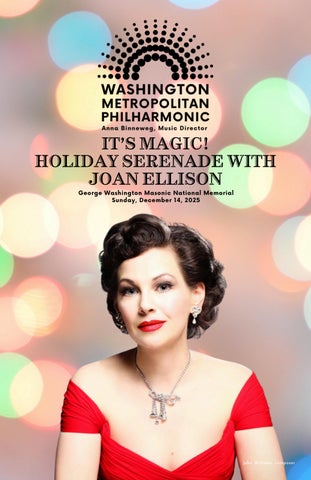
We welcome you to this afternoon’s concert, It’s Magic: Holiday Serenade with Joan Ellison! As our season unfolds, we continue our subscription series with a strong sense of pride and commitment to our community through the power of live orchestral music.
We’ll open with Tchaikovsky’s First Symphony which captures the fresh, poetic imagination of the 26-year-old composer at the time The subtitle “Winter Daydreams” reflects the work’s evocative atmosphere: a wistful winter journey in the opening movement and a mist-shrouded, lyrical slow movement. A light, dancing scherzo follows, and the finale rises from a dark introduction into spirited, folk-tinged energy Though Tchaikovsky later composed symphonies on a much grander scale, this early work glows with youthful charm and the unmistakable voice of a composer coming into his own.
For the second half of the program, we’ll slip into a timeless holiday soundscape – a warm and nostalgic pops performance led by the extraordinary vocalist Joan Ellison Drawing on her deep connection to the Golden Age of American popular song, Ellison brings to life beloved Christmas classics made famous by icons like Judy Garland, Ella Fitzgerald, Peggy Lee, and more. Backed by lush, original symphonic arrangements, she delivers graceful renditions of “Have Yourself a Merry Little Christmas,” “White Christmas,” “The Christmas Waltz,” “My Favorite Things,” and other cherished favorites We hope you enjoy this shimmering journey through the festive magic of mid-century elegance.
Whether this is your first concert with Washington Metropolitan Philharmonic, or your hundredth (!), we’re excited to bring you music that captures the wonderful spirit and sounds of the season
From all of us here at WMPA, we wish you and your families a joyous and peaceful holiday season!
Please join us for our post-concert reception AfterChats with Anna!

JOIN US IN THE CONFERENCE ROOM AFTER THE CONCERT!
AfterChats with Anna are relaxed, post-concert conversations with Music Director/Conductor Anna Binneweg, moderated by Executive & Artistic Planning Director Caroline Mousset Grab a glass of bubbly, bring your questions, and join us for these engaging sessions. You'll gain insight into the music you've just experienced and have the chance to meet the artists. Best of all, AfterChats are free for all ticket holders
PIOTR ILYICH TCHAIKOVSKY:
Symphony No. 1 in G minor, Op. 13 'Winter Daydreams'
I. Dreams of a Winter Journey Allegro tranquillo
II. Land of Desolation, Land of Mists
Adagio cantabile ma non troppo
III Scherzo: Allegro scherzando giocoso
Trio: Moderato semplice
IV: Finale: Andante lugubre Allegro moderato
HOLIDAY SERENADE WITH JOAN ELLISON:

“It’s the Most Wonderful Time of the Year” Andy Williams (Edward Pola & George Wyle, arr. Johnny Mandel)
“The Christmas Waltz” Peggy Lee (Sammy Cahn & June Stone, arr. unknown)
“I’ve Got My Love to Keep Me Warm” Ella Fitzgerald (Irving Berlin, arr Paul Weston)
“White Christmas” Eydie Gormé, (Irving Berlin, arr Glenn Osser)
“Sleigh Ride” Eydie Gormé (Leroy Anderson & Mitchell Parish, arr. Al Cohn)
ÉMILE WALDTEUFEL:
Les Patineurs Valse (‘Skater's Waltz’), Op. 183
“Let It Snow! Let It Snow! Let It Snow!” Lena Horne (Sammy Cahn & June Styne, arr. Jack Parnell)
“My Favorite Things” Eydie Gormé (Richard Rodgers & Oscar Hammerstein II, arr. Don Costa)
“Have Yourself a Merry Little Christmas” Judy Garland (Hugh Martin & Ralph Blane, arr Conrad Salinger)
“Santa Claus Is Coming to Town” Ella Fitzgerald (Haven Gillespie & J Fred Coots, arr. Frank DeVol)
Thanks to the Judy Garland Heirs Trust, the family of Peggy Lee, and The Songbook Foundation
No flash photography or video recording permitted during performance. Thank you.
BornMay7,1840inKamsko-Votkinsk,VyatkaProvince,Russia
DiedNovember6,1893,inSt Petersburg,Russia
This work was premiered on February 15, 1868, by the Russian MusicalSocietyinMoscowconductedbyNikolaiRubinstein Itis
scored for piccolo, two flutes, two oboes, two clarinets, two bassoon f p tuba,timpani,percussion,andstrings
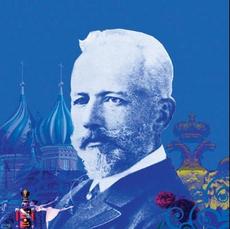
In the late 1860s, Piotr Ilyich Tchaikovsky was a young composer with few accomplishments to his credit He had already earned a law degree, but left the profession to pursue music After graduating from the St Petersburg Conservatory, he was hired as one of the original faculty members of the Russian Musical Society, which later became the Moscow Conservatory The director of the Society was Nikolai Rubinstein, the brother of Anton Rubinstein who taught at Tchaikovsky’s alma mater. Both brothers believed in the young composer’s talents and tried to aid him in developing a lucrative career. However, their approach often involved brutal criticism – a type of tough love that they thought would make him a stronger composer. There is no doubt that this approach made Tchaikovsky a better composer, but it also helped to fuel a lifelong bout with depressionthateventuallyledtohisdeathattheageoffifty-three.
Shortly after joining the faculty in Moscow in 1866, Nikolai Rubinstein convinced the young composer that it was time for him to write a full-length symphony Since composing a symphony was viewed as an important rite of passage for a fledgling composer, the offer proved irresistible Tchaikovsky would write the music and the illustrious Rubinstein would premiere the work on a high-profile concert of the Russian Musical Society Theopportunityseemedtoogoodtobetrue
Nikolai understood the complications involved with writing such an important work To make the task easier, he premiered the symphony one movement at a time – the scherzo was heard in December of 1866 and the two middle movements were first played together in February of 1867 One year later, the completed work had its premiere However, Tchaikovsky was not satisfied He revised the piece two more times, eventually resultinginthethird1874versionthathasbecomethestandardversion
Although Rubinstein believed in Tchaikovsky’s abilities, he also was a virulent critic. He found errors in the young composer’s music and was often tactless in his explanation of these flaws. Tchaikovsky was forced to recompose sections of the work multiple times in order to satisfy his mentor. Although the experience undoubtedly made him a better composer, the stress of writing this work took its toll on Tchaikovsky. His brother,Modest,wrote:
“No other work cost him such effort and suffering. ... Despite painstaking and arduous work, its composition was fraught with difficulty, and while pressing ahead with the symphony, Piotr Ilyich’s nerves became more and more frayed As a result of this exceptionally hard work he began to suffer from insomnia, and the sleepless nights paralyzed his creative energies At the end of July [1866], all this erupted into a terrible nervous attack, the like of which he never experienced again during his lifetime ... The most distressing symptoms of this illness were dreadful hallucinations, which were so frightening that they resulted in a feeling of complete numbness in all his extremities.”
The premiere at a Moscow concert on February 15, 1868, was conducted by Rubinstein Audiences loved the symphony and critics gave warm reviews, as they rarely did with new composers at the time. Inexplicably, the work would not be performed again until fifteen years later.
Tchaikovsky titled the symphony “Zimnie grëzy, ” which is translated as “Winter Daydreams” despite many appearances of the title as simply “Winter Dreams” or “Winter Reveries ” Although the title makes the listener expect a detailed programmatic tale to accompany the symphony, Tchaikovsky provided nothing of the sort, except for titles he attached to the first two movements
”Daydreams of a Winter Journey,” the Allegro tranquillo first movement, opens with no introduction, but plunges headlong into the subdued first theme played by the solo flute and bassoon. The music becomes quite chromatic and animated in the typically dramatic Tchaikovsky style After several climaxes, the work ends with a short coda that is essentially a quiet restatement of the opening material
“Land of Gloom, Land of Mists” is the title Tchaikovsky assigned to the lovely Adagio cantabile ma non troppo monothematic second movement. It is more sentimental than gloomy, boasting a theme of bittersweet beauty that is entrusted to the doleful voice of the cello section. Tchaikovsky’s scherzo, Allegro scherzando giocoso, is a joyous romp whose first section is built upon repetitions of a surging rhythm that impart an impatient and breathless character to the music The trio section is a swirling grand waltz akin to the ballet scores he would compose over the next decade As expected, the opening section returns to round out the movement
Tchaikovsky’s finale begins introspectively with a brooding introduction, Andante lugubre. From the lowest reaches of the orchestra, we hear dire and urgent music. However, the movement soon erupts with a Russian folk song entitled “The Gardens Bloomed, ” which transforms the lugubrious theme of the introduction into festive and triumphant music After a segmented development section, the triumphant music returns to end this dazzling symphony and takes winter away in a blazing flurry of brass-tinged orchestral glory
Born December 9, 1837, in Strasbourg, Alsace, France
Died February 12, 1915, in Paris, France
This work was premiered in 1882. It is scored for piccolo, flute, two oboes, two clarinets, two bassoons, four horns, two trumpets, three trombones, tuba, timpani, percussion, and strings.
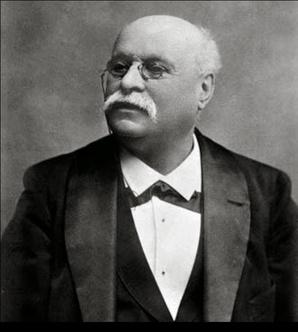
Émile Waldteufel was the pen name of Charles Émile Lévy, a French composer of light music. Born to a Jewish musical family, his father was a well-known orchestra conductor, while his mother had studied with Johann Nepomuk Hummel Émile’s brother, Léon, was a violinist who studied at the Paris Conservatoire, but also led an orchestra under the name Waldteufel. Émile adopted the surname when his opportunity arose.
Émile studied with his father but soon went to the Paris Conservatoire He ended up leaving his studies to help provide for his family by working in a piano factory His big break came at age 27 when he was hired as pianist for Empress Eugenie, the wife of Napoleon III. From there he soon led Napoleon III’s orchestra until the Franco-Prussian War arose, in which he enlisted. An even more substantial opportunity came in 1874 when the future King Edward VIII introduced Waldteufel’s music to Queen Victoria His fame spread throughout the UK and then conquered the European continent, rivaling that of the Strauss family
By the time Waldteufel died in 1915, he had amassed over 250 published works with dozens still unpublished. His most famous work in undoubtedly “The Skaters’ Waltz ” Composed in 1882, it was inspired by a skating rink at the Bois de Boulogne in Paris During the piece, there are four separate waltzes, each in 3 sections, plus an introduction and a coda. The introduction features quick scales that could represent the icy winter
winds. Waltz No. 1 is the familiar melody that most everyone has heard. Waltz No. 2 features leaping arpeggios and wide downward leaps (perhaps representing slipping and landing), which gives way to the long notes in Waltz No. 3. Waltz No. 4 is charming with a second section mimicking a music box. The coda repeats Waltz No. 1, but combines it with other music from elsewhere in the piece
“It’stheMostWonderfulTimeoftheYear”wasmadefamousbyAndyWilliams.Herecordedthesongin1963 withanarrangementbyJohnnyMandel.Itwasnotreleasedasasingleuntilafewyearslater.
“TheChristmasWaltz”wascomposedforFrankSinatratosing,butmanyothershaverecordedit Theversion heardhereisPeggyLee’s1960versionarrangedbyBillyMay
“I’ve Got My Love to Keep Me Warm” by Irving Berlin is another widely recorded song. Paul Weston’s arrangementforEllaFitzgeraldisheardtoday.
“White Christmas,” also by Berlin, was written for the 1942 film “Holiday Inn” and is perhaps the Christmas song The singer is in Los Angeles and bemoans the heat wave they are having, and dreams of a white Christmas
“Sleigh Ride” by Leroy Anderson, composed in 1948, was originally an orchestral work It was recorded by ArthurFiedlerandtheBostonPopsthenextyearandbecameasensation In1950MillsMusic,thepublisher, askedMitchellParishtowritethewordsweknowtoday.
“Let It Snow! Let It Snow! Let It Snow!” by Sammy Cahn and Jule Styne was another song about a heatwave wherethesingeristryingtostaycool.Althoughithasbecomeaseasonalfavorite,thereisnomentionofa holidayinthelyrics
“My Favorite Things” by Rodgers and Hammerstein is a latecomer to the holiday songbook From the 1959 Broadwayshow“TheSoundofMusic,”itdepictsanannycalmingchildrenwhoareafraidofathunderstorm Thelyricspaintvividportraitsofsomeverybeautifulthings
“HaveYourselfaMerryLittleChristmas”datesfrom1944whenHughMartinandRalphBlanecomposeditfor thefilm“MeetMeinSt.Louis.”Thislovelysongisfromoneofthesaddestscenesinthemovie.Itisasongof hopethathelpsthecharactersgetthroughtroubledtimes.
©2025OrpheusMusicProse&CraigDoolin wwworpheusnotescom

...Rare combination of artist, archivist, and arranger... Michael Feinstein
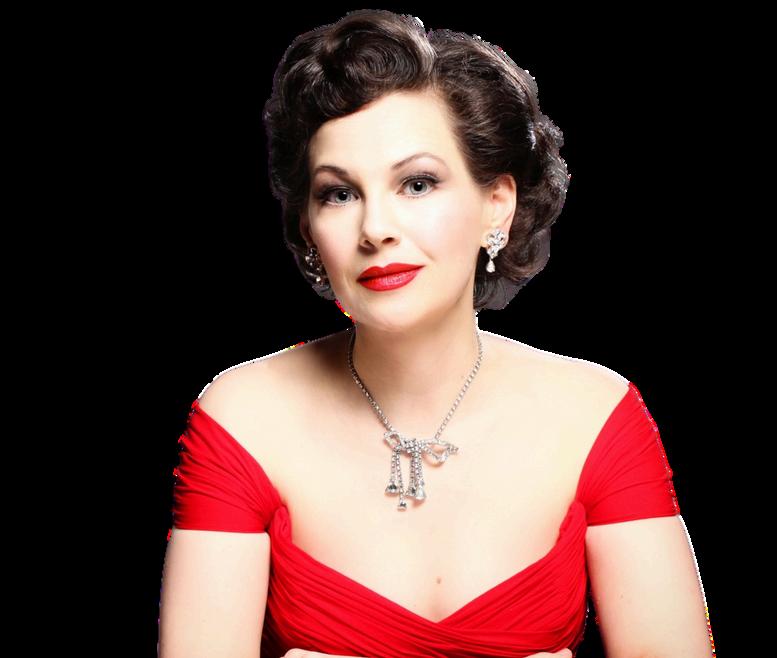
JOAN ELLISON recently made her professional European debut, performing Get Happy! A Judy Garland Celebration at the National Concert Hall in Dublin and the National Opera House in Wexford with the Niall Kinsella Orchestra. Other recent engagements of Get Happy! include the Symphonies of Jacksonville, Portland, New Haven, Toledo, Springfield, Tuscaloosa, Holland, Paducah, Punta Gorda, and Hilton Head
Recen daugh High F Evans Indian Wash Symp perfo
Joan p well a conce Assoc was fe
In 20 invita Trust the Ra Teach
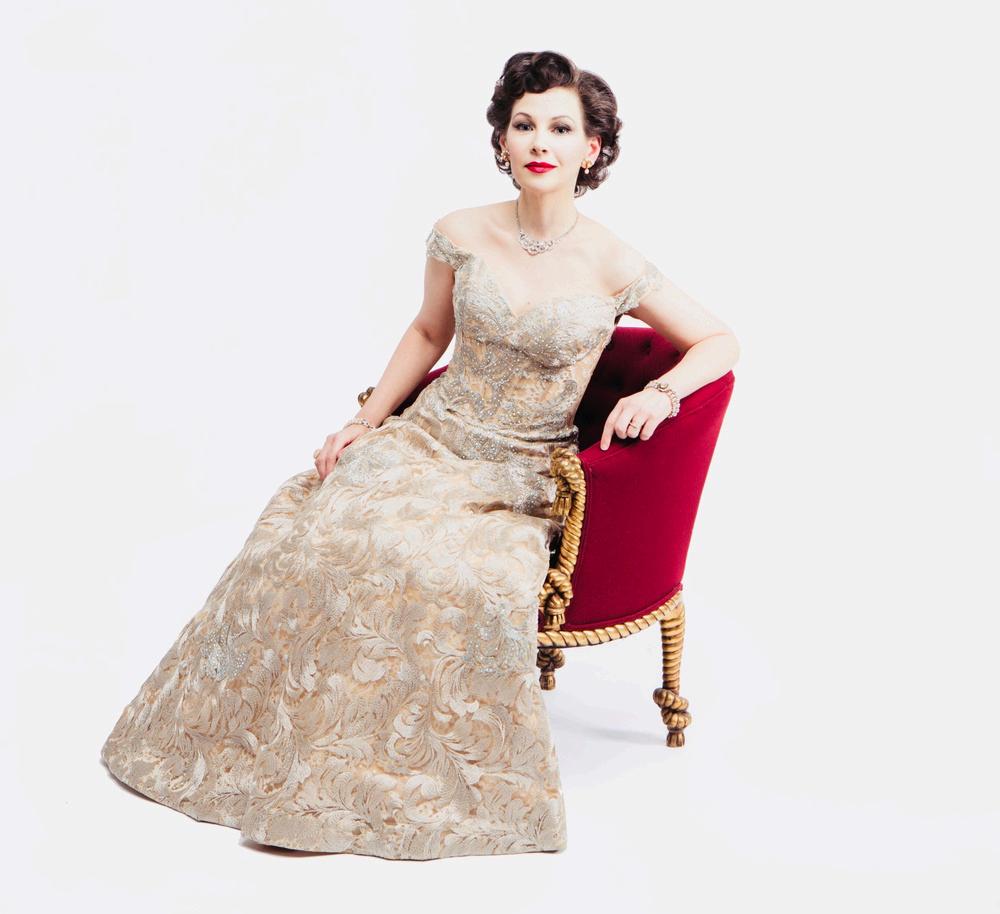
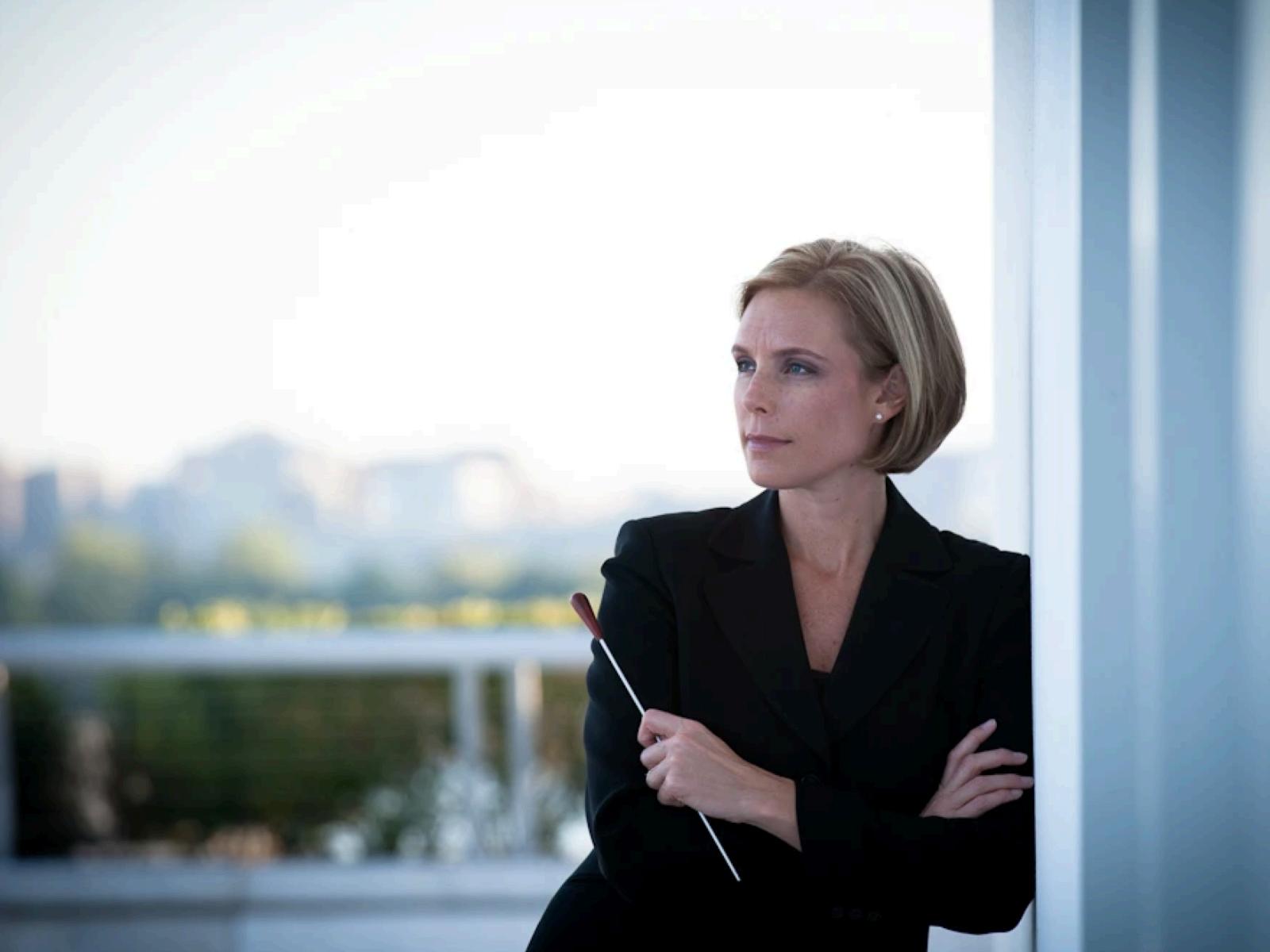
As Music Director/Conductor of the Washington Metropolitan Philharmonic, the Naptown Philharmonic Orchestra (Annapolis MD), the AACC Symphony Orchestra at Anne Arundel Community College (Arnold MD) and a frequent guest conductor on the national and international scene, ANNA BINNEWEG repeatedly captures audiences with her enthusiasm and passion for music Her orchestras’ shared focus and energy makes orchestral music sound new, fresh, and exciting Her programs and performances
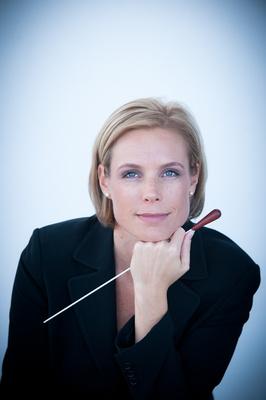
are alluring, engaging and attract audiences of all ages, particularly making classical music more appealing to younger generations Over the course of her career, Binneweg has performed in some of the nation’s most reputable concert venues including The Kennedy Center’s Concert Hall, the Meyerhoff Symphony Hall (Baltimore MD) and the Walt Disney Concert Hall (Los Angeles CA). Her international conducting experiences include tours to Austria and Spain and guest appearances with the Chernihiv Philharmonic (Ukraine), Lviv Virtuosi (Ukraine) and the Minsk Conservatory Orchestra (Belarus) A committed music educator, Binneweg’s youth orchestra experience includes appointments with the Houston Youth Symphony (Houston TX) and the San Luis Obispo Youth Symphony (San Luis Obispo CA) In addition to her guest conducting appearances with colleges and universities throughout the United States, she has served as guest conductor for prestigious AllState festivals such as Maryland and Vermont in recent seasons. She is in frequent demand as an orchestra clinician and adjudicator throughout the Mid-Atlantic region and served on the national executive board of directors for the College Orchestra Directors Association (CODA) from 2014-2018 She has worked with conducting mentors such as Leonard Slatkin, Daniel Barenboim, Robert Spano, James Paul, Michael Morgan, Duaine Wolfe, Nurhan Arman and David Effron through various engagements sponsored by the League of American Orchestras, the Conductors Institute of New York and the Royal Conservatory of Music in Toronto Most recently, Binneweg was elected to the board of directors of the International Conductors Guild (2021) where she advocates for women conductors in the field.
Earning a doctorate degree of music in orchestral conducting from Northwestern University where she studied with Victor Yampolsky, she has also served on the conducting faculties at Loyola University (Chicago, IL), the Sherwood Conservatory of Music (Chicago IL), and American University (Washington DC) Binneweg is the recipient of the 2015 Annie Award for the Performing Arts awarded by the Arts Council of Anne Arundel County. As an active conductor, she remains committed to igniting passion and unity in her community through live performance. Learn more about Anna at annabinneweg.com
VIOLIN I
Sonya Hayes, Concertmaster
Howard van der Sluis, Assoc. Concertmaster
Sophie Bouwsma
Rosan Choi
Sophia Hoagland
Joe Keum
Timothy Kidder
Lynn Rovelli
Cheryl Stickley
VIOLIN II
Slavica Ilic, Principal
Eugene Liu, Assistant Principal
Anne Anderson
Rebecca Edelstein
Claire Randall
Sarah Taylor
Jane Thell
Hannah Villa
Marisa Wright
VIOLAS
Brian Shoop, Principal
JR Jeerakul, Assistant Principal
Claire Bradfuhrer
James Ling
Sanaa Lucas
Gabriella Wheeler
Kelley Williams
CELLOS
Samuel Runolfson, Principal
Eddie Adams, Assistant Principal
David Bates
Alex Cooper
Alix Gates
Soren Johnson
John Matzner
Amy Medearis
BASSES
Robyn Ambrose, Principal
Scott Freeman
Greg Ondo
FLUTES
Crystal Lee, Principal
Julia Amadee
Rachel Minto
OBOES
Laurel Kuxhaus, Principal
Alicia McMahan
CLARINETS
Brittany Pemberton, Principal
Chris Epinger
Alisha Coleman, bass clarinet
BASSOONS
Walter Wynn III, Principal
Hilary Burchuk
HORNS
Aaron Meitz, Principal
Elliott Mihelic
Eric Moore
Jon Ohmart
TRUMPETS
Joshua Silva, Principal
Chieko Reaves
Andy Schuller
TROMBONES
David Gonzalez, Principal
Robb McDonald, bass trombone
Chris Thackery
TUBA
Karl Hovey, Principal
TIMPANI
Bruce Davies, Principal
PERCUSSION
Randy Eyles, Principal
Aubrey Adams
HARP
Wendy Willis
JAZZ ENSEMBLE
Vaughn Ambrose, saxophone
Ben Turner, guitar
Wes Biles, bass
Aleks Izotov, piano
* Local Business Partner ** Washington Metropolitan Philharmonic musician ^ The Ulysses James Legacy Fund
WMPAwouldliketoexpressitswarmestgratitudetoourgrowingfamilyofdonorswhohavehave demonstratedacommitmenttotheperformingartsandimprovingourcommunity.Thefollowing reflectsgiftsreceivedfromNovember1,2024throughDecember3,2025FriendlevelshonorAmerican composerswhoseworksfeatureinourconcerts
LEONARDBERNSTEIN$25,000+
Margaret M Ballard
PHILIPGLASS$15,000-$24,999
Galena Yorktown Foundation
Lawrence & Lynn Ries
SAMUELBARBER$10,000-$14,999
Anonymous In honor of pianist and piano
instructor Stella Terrill Stover
Alexandria Commission for the Arts
FLORENCEPRICE$5,000-$9,999
Gordon & Sheila Soper
Warren Zwicky
JENNIFERHIGDON$2,500-$4,999
Helenmarie Anderson Corcoran
John Kean^
Gary & Phoebe Mallard
Robb McDonald** & Brittany Pemberton**
Donna J Reuss
Margaret Ann Roddy
Virginia Commission for the Arts
AARONCOPLAND$1,000-$2,499
Anna Binneweg**
Samuel & Patricia Boglio
Bruce Davies**
Inés Garcia
Karl Hovey**
Ulysses James
Joseph Keum**
Pediatric Associates of Alexandria* In honor of WMPA Youth Orchestras
Deidre Pistochini In honor of Sandra Hall
Carole A Pyle
David & Suzanne Schwark
Nancy West
WILLIAMGRANTSTILL$500-$999
Anonymous
Gary Bravy
Philip Corcoran
The Flute Section of WashMetPhil**
Thomas Helinski In honor of Robert W Miller
The Kirby Family
Joan Leonard
Mick & Brooks McCorcle
William McDaniel
Dennis Murphy**
Ralph & Nancy Schuetz
Phillip & Eileen Thompson
Patricia Williamson
JESSIEMONTGOMERY$250-$499
Reinaldo Luis Andujar
Suzana Basaric Ilic In honor of Slavica Ilic
Grazina Blekaitis
Charles Carron
Richard & Kathleen Fonda
Sallie Forman
Julie Gershunskaya
Phyllis Gron
Kay and David Green In honor of Caroline
Mousset
David Jourdan In memory of my dear wife,
Kathy
David Labovitz
Jennifer Ngai Lavallee
Amy Medearis**
Kristen Race
Mary Reed
Cheryl Stickley**
Mark Whitmire
CAROLINESHAW$100-$249
Anonymous (x3)
Anonymous In honor of Ann Houpt
Annemarie Anderson** In honor of
Joe Anderson
Kacey Baker In honor of the WMPA
musicians
Richard Baker
Susan Bardenhagen
Kacy Barker
David Bates**
Stephanie Bisson
Bernadette Borja
Thomas Boudreau
Susan Brook
Richard Brook
Carter Bryan, II
Hillary Burchuk
Kathleen Burns
Marie Carr
Margie Chadwick
Rosan Choi**
Adrienne G Cannon
Bryan Cook
Kristin Dillon
John Sutherland Earle In honor of
Ulysses James
Maravene Edelstein
Christopher Epinger**
Randall Eyles**
Kathleen Farrell In honor of the dedication of all young musicians
Rita Frank
Melissa Franger
Gay Gardner
Eliot Girsang
Robert Goler^**
Carol Goodloe
Roger Gram
Julia Greenway
June Hajjar
Barbara Haley
Gregory Hammond
Gary & Christel Hignett
Joshua Heit
S & J Hosfelt
Ann Houpt
Anthony Iannaccone
Charles & Gail Irish
Noel Kaupinen
Carol Anne Kelly
The Kisthardt Shinkle Family In honor of WMYO
Linda Kosich
Cathy and Will Kunz
John & Vivian Lieb
Kathleen Litchfield
Barbara R Lowrey
John Matzner**
Carol & Robert McGinnis
Robert Mikulak
James Moody^
Lisa Motley
Lynn Mueller**
George and Jean Parks
Joanne Parker-Braxton In honor of
Sophia Bouwsma**
Chuck Pemberton & Dolly Oliva
Barbara Polhemus
Gail Richmond In honor of Ulysses James
Bill Rojas
Nancy Sage
Marilyn Schimpf
Lee & Deena Smith In honor of C aroline Mousset
Sherri Stephan
(continued)
GregoryStolp
JaneThell**InHonor&Memoryof
ShirleyMcNeely
Stu&RuthTucker
AmyVilela
PatriciaWashington
JaimieWhiteInhonorof
UlyssesJames
Gayle&JoeWhite
Sheri&RaymondWolfe
JeannetteWong
KatherineWood
MarisaWright**
JaquelineZins
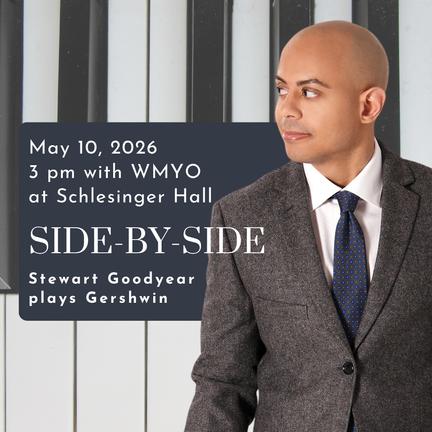
Program funding provided by our donors, and in part by:


Washington Metropolitan Philharmonic: an adult orchestra for local professional, semi-professional, and dedicated amateur musicians
Washington Metropolitan Youth Orchestra: an inclusive youth orchestra for grades 9-12
Washington Metropolitan Concert Orchestra: a beginner’s orchestra for grades 6-9
Lyceum Chamber Series: a summer series of weekly chamber music concerts at the Alexandria History Museum at the Lyceum
Community Concerts: Presented in underserved communities featuring members of the Washington Metropolitan Philharmonic
WMPA’s PURPOSE is to unite and uplift our community through classical music. Our VISION is to create the audience of the future for classical music. Our MISSION is to provide programs to:
Educate and engage students through our Youth Orchestras
Perform and promote orchestral music through the Washington Metropolitan Philharmonic Connect and communicate chamber music through our summer Lyceum Series
Expand and enlighten newcomers to classical music through our Community Concerts


WMPA STAFF
ANNABINNEWEG, MUSIC DIRECTOR/CONDUCTOR
ANGELA STOVER ANDERSON, PHOTOGRAPHER
ZOË BOCKMAN, DEVELOPMENT & COMMUNICATIONS ASSOCIATE
MARTIN GARFIELD-LEVINE, WMCO MUSIC DIRECTOR
ROBERT KATZ, WMYO ASST. MUSIC DIRECTOR
JOHN KEAN, SOUND ENGINEER
CAROLINE MOUSSET, EXECUTIVE & ARTISTIC
PLANNING DIRECTOR
ALBERTO RODRIGUEZ, WMYO MUSIC DIRECTOR
JOSHUA SILVA, ORCHESTRA LIBRARIAN
JOSHUA VILLA, STAGE MANAGER
KELLEY WILLIAMS, PERSONNEL MANAGER

BOARD OF DIRECTORS
MARGARET BALLARD, PRESIDENT LAWRENCE RIES, TREASURER
DONNA REUSS, SECRETARY/VOLUNTEER COORDINATOR
ANNA BINNEWEG, MUSIC DIRECTOR/CONDUCTOR
JOHN SUTHERLAND EARLE, LYCEUM CHAMBER SERIES
MARTIN GARFIELD-LEVINE, WMCO MUSIC DIRECTOR
BRITTANY PEMBERTON, ORCHESTRA REPRESENTATIVE ULYSSES JAMES, MUSIC DIRECTOR LAUREATE

ALBERTO RODRIGUEZ, WMYO MUSIC DIRECTOR WARREN ZWICKY