California’s 20-Year Master Plan Reflects a New Carceral System
Off-site Construction Options Provide Modern Correctional Solutions
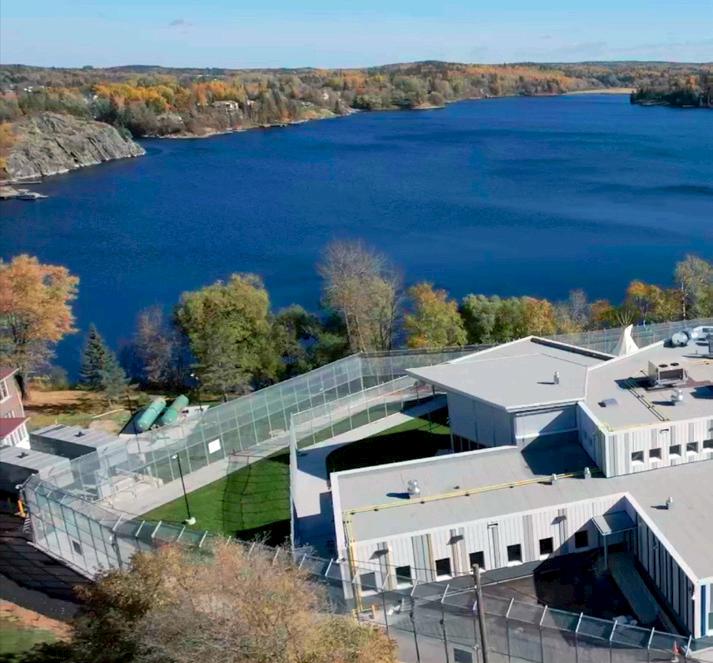
Jackson County Detention Center is the New Cutting Edge of Corrections
12 5
26
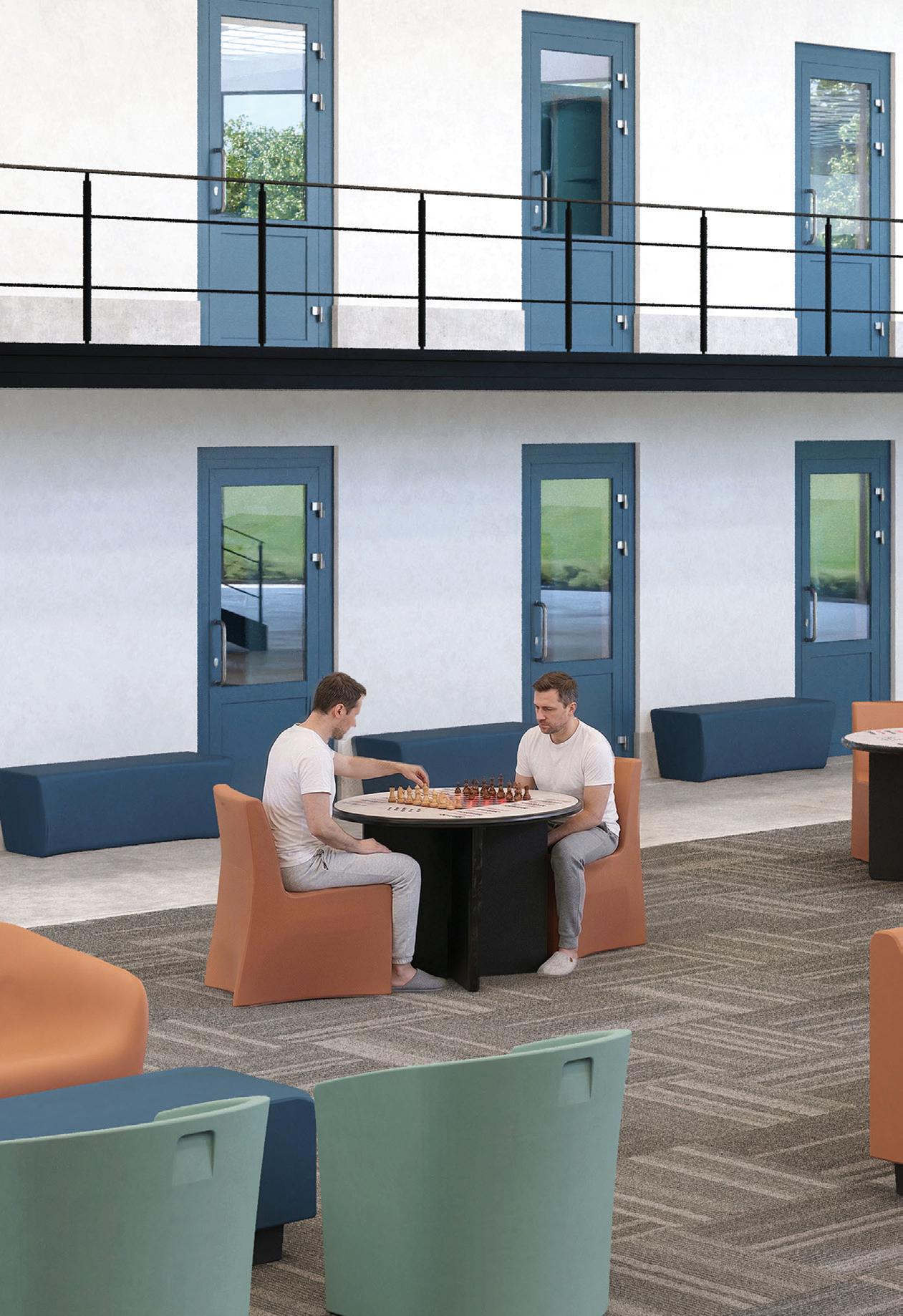
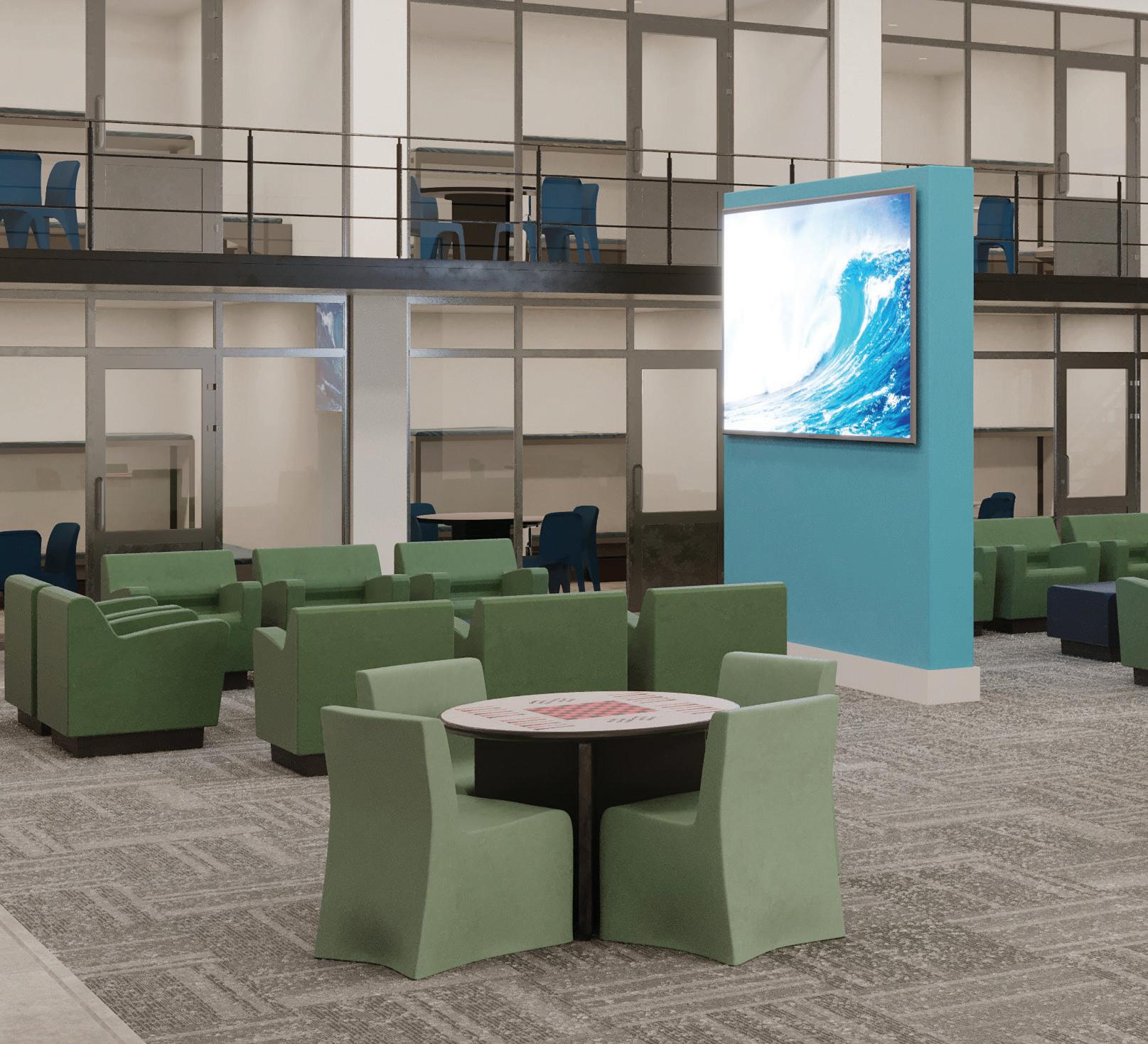
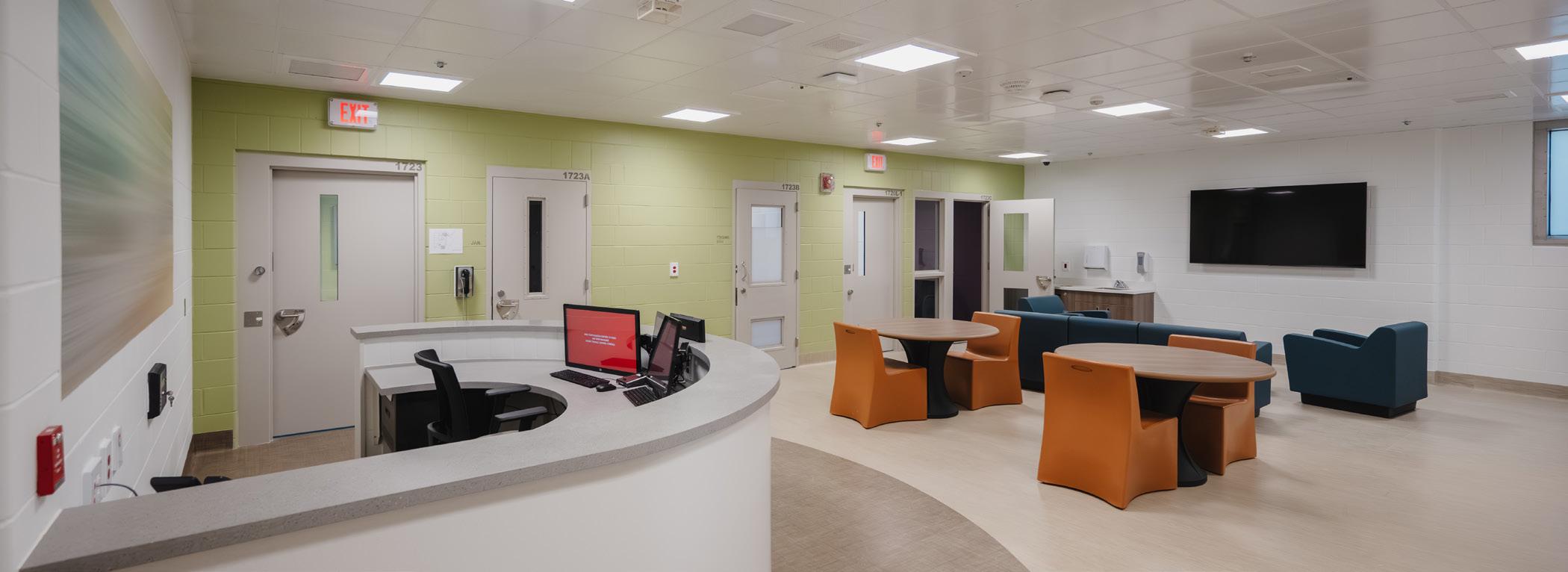
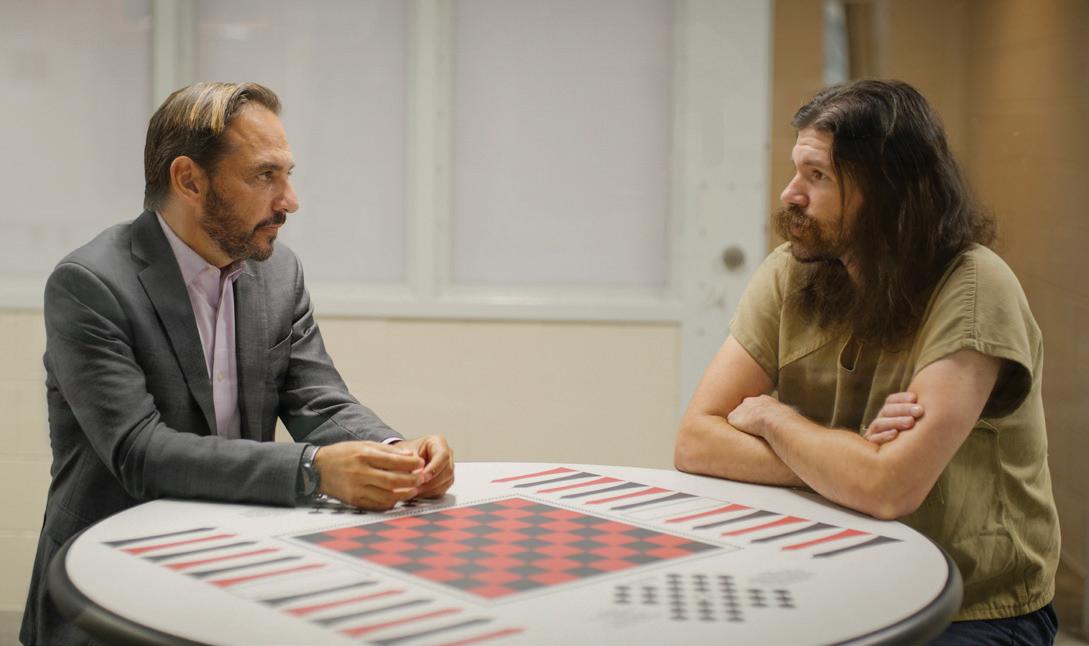
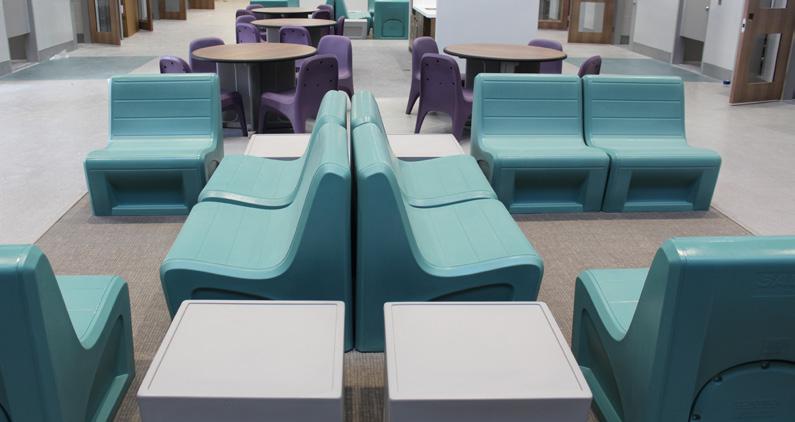
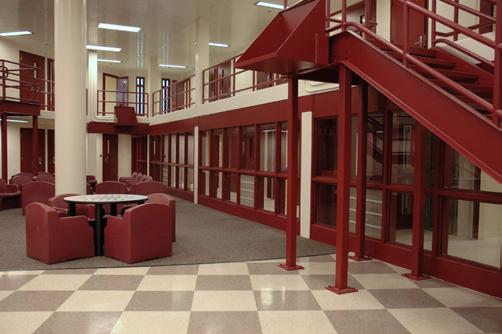
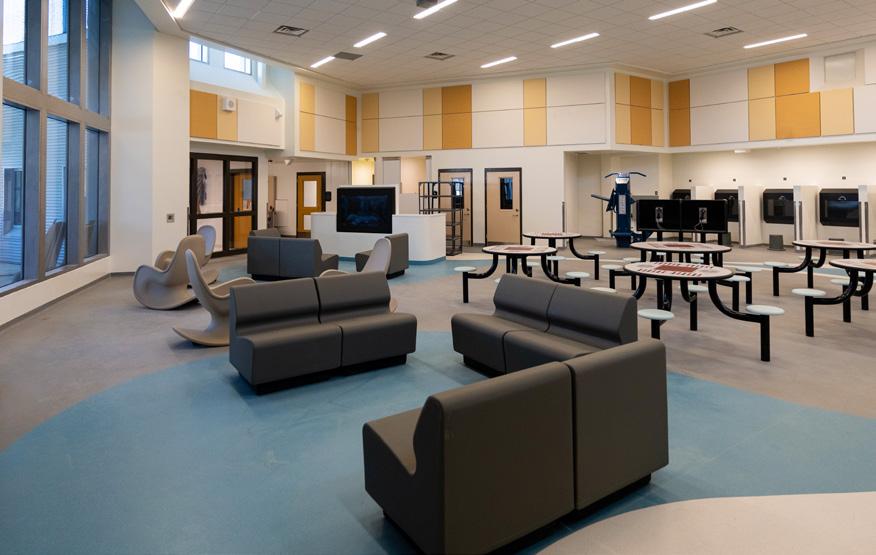
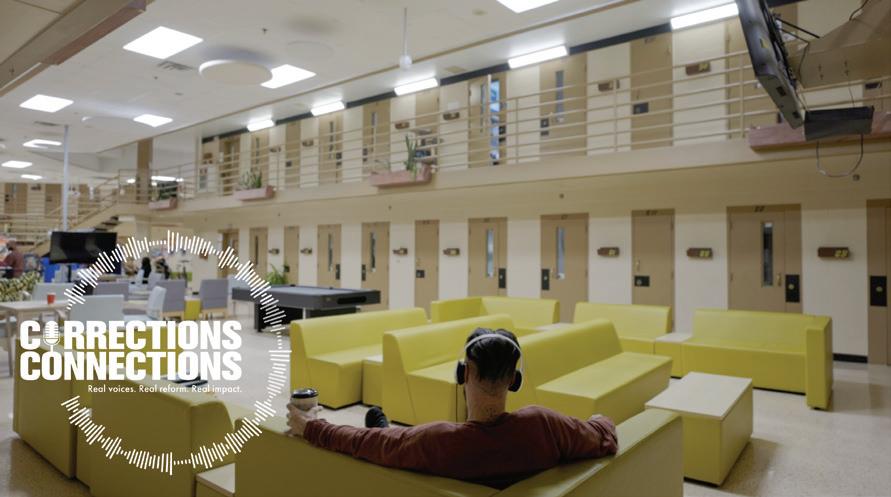
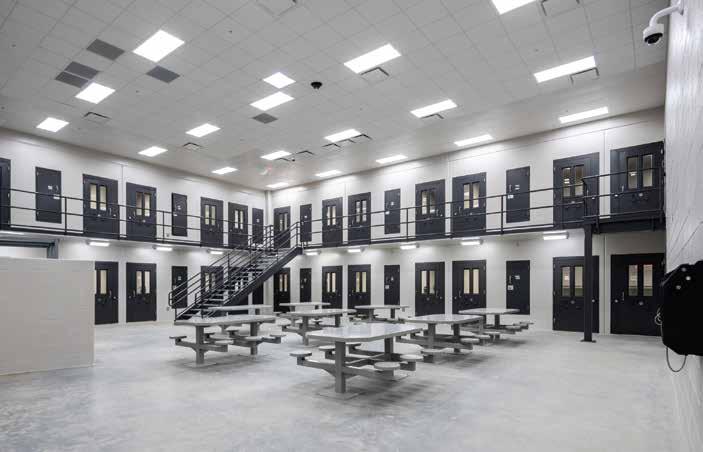
“The dayroom is where everyone mingles. Personalities, culture, even the way someone speaks can contribute to conflict. The room either helps you manage that or it works against you.”
—
Josh Carey, Corrections Officer, State of Indiana (28 years)
The Vision Behind Ohio’s Juvenile Justice System Transformation
Next Edition:
Healthcare: September 2026
Editorial Deadline: 8/10/2026
COVER
Amy L. Ast
Jeff Beard, Ph.D.
Bryan Collier
Nicholas Deml
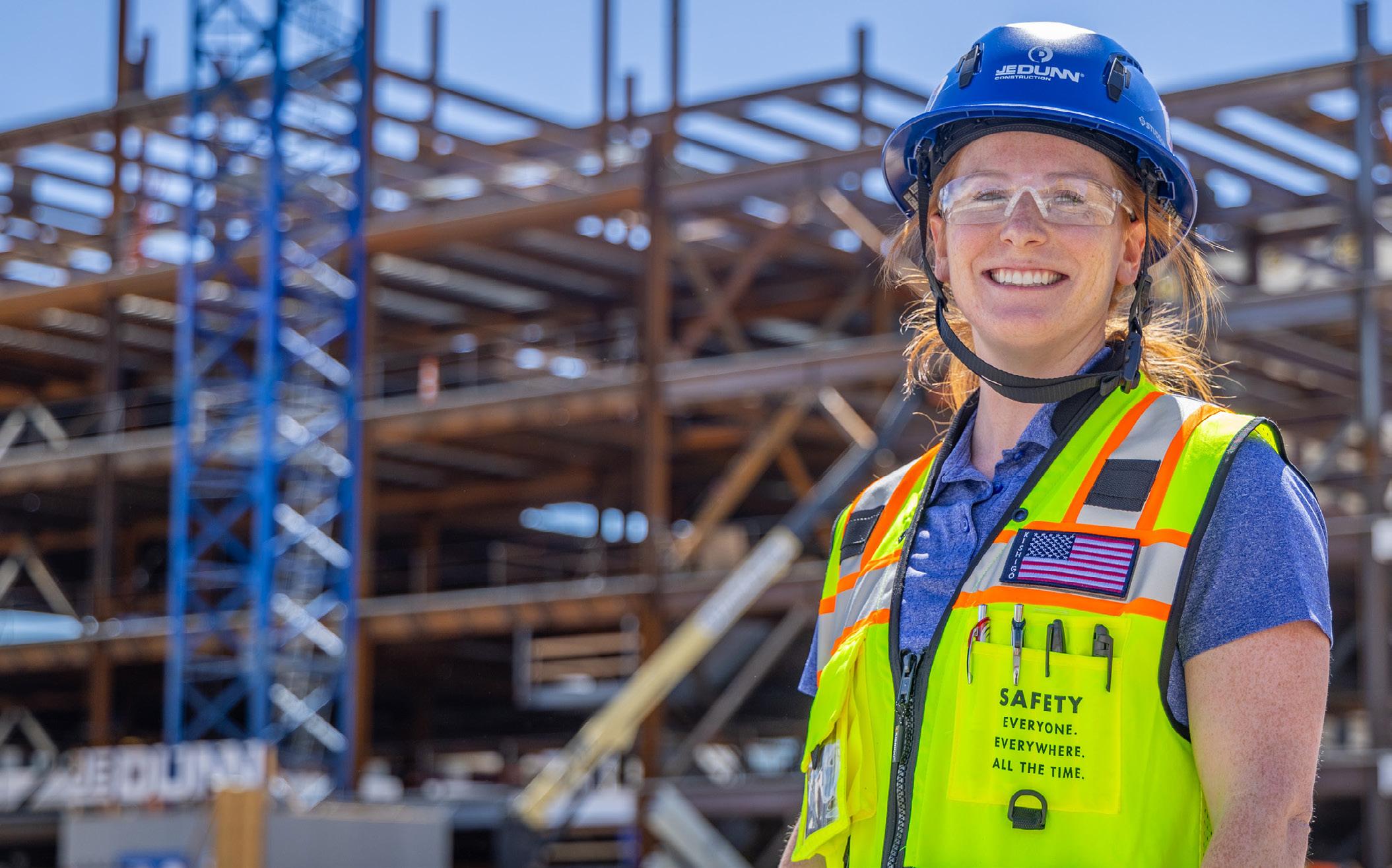
Jeff Dunn
Jared Garcia
Helen Hanks
Todd Ishee
Ad Deadline: 8/31/2026
Contact: sarah@wmhmedia.com
Director, Ohio Department of Youth Services
Former Secretary of Corrections for California and Pennsylvania
Former Executive Director, Texas Department of Criminal Justice
Former Commissioner, Vermont Department of Corrections
Former Commissioner, Alabama Department of Corrections
Executive Director, Utah Department of Corrections
Former Commissioner, New Hampshire Department of Corrections
Former Secretary, North Carolina Department of Adult Correction
Edwardo Jackson Captain, Travis County, Texas, Sheriff’s Office
Rob Jeffreys Director, Nebraska Department of Correctional Services
Patrick “Pat” Labat Sheriff, Fulton County, Ga.
Shawn Laughlin
Former Commander, Broomfield Detention Center
Marc Levin Chief Policy Counsel, Council on Criminal Justice
Brian Lovins, Ph.D. Principal, Justice System Partners
Tyrone Oliver Commissioner, Georgia Department of Corrections
Wayne Salisbury Director, Rhode Island Department of Corrections
Cory Salzillo Managing Partner, WPSS Group
Shawanda Reynolds-Cobb Commissioner, Georgia Department of Juvenile Justice
Josh Tewalt
Daniel F. Martuscello III...............................................Commissioner, N.Y. State Dept. of Corrections & Community Supervision
Nneka Jones Tapia, Psy.D. Managing Director for Justice Initiatives, Chicago Beyond
Former Director, Idaho Department of Correction
Felice Upton Former Asst. Secretary, Juvenile Rehabilitation, Washington DCYF
President
Torrey Sims
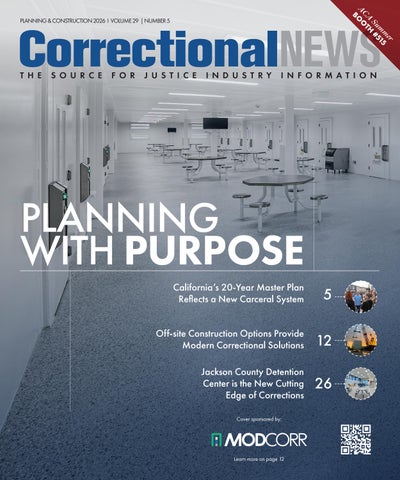
Photo Credit: Courtesy of ModCorr STAFF CONTACT
Tim Ward Former Commissioner, Georgia Department of Corrections 2026
Vice President of Sales and Marketing
Sarah Clow
Sales
Sarah Clow
Vice President of Sales and Marketing
sarah@wmhmedia.com
Editorial
Charlie Lange, Reporter charlie@wmhmedia.com
PEOPLE IN THE NEWS DIRECTOR’S REPORT BOARD MEMBER SPOTLIGHT PREFAB & MODULAR AI TRENDS JUVENILE FACILITIES TECHNOLOGY EXPERT INSIGHTS INDUSTRY LEADERSHIP FACILITY OF THE MONTH DESIGN & CONSTRUCTION CONTRABAND CONTROL STANDOUT PRODUCTS JUVENILE JUSTICE UPDATE INNOVATION CORNER FEASIBILITY STUDIES INTERNATIONAL FOCUS HEALTHCARE PLANNING ACA STANDARDS TRENDSPOTTING INDUSTRY AWARDS
Editorial Director Lindsey Coulter Reporter Charlie Lange Production Heidi Warstler
Subscription Information billing@wmhmedia.com
For reprints, PDFs and plaques, please contact: Jeremy Ellis, ReprintPros (949) 702 5390 Jeremy@ReprintPros.com
Director of Operations Amara Krugel
ReprintPros: www.reprintpros.com
Request a quote: www.reprintpros.com/index.php/ request-a-quote
EDITORIAL ADVISORY BOARD
Correctional News is pleased to announce the addition of Shawanda Reynolds-Cobb, Commissioner of the Georgia Department of Juvenile Justice (Georgia DJJ), to its Editorial Advisory Board.
Reynolds-Cobb has 32 years of experience in government service and was appointed Commissioner of the Georgia DJJ in 2023, where she is responsible for the daily operation of more than 2,600 funded employee positions across probation supervision and secure detention.
Reynolds-Cobb began her career with the State of Georgia at the Criminal Justice Coordinating Council in 1993. In 2011, she joined the Georgia DJJ as Deputy Commissioner of Administrative Services. In 2022, Reynolds-Cobb was named Assistant Commissioner/Chief of Staff to the DJJ Commissioner, overseeing the operational aspects of DJJ, including the Division of Administrative Services, the Division of Community Services, the Division of Secure Facilities, the Division of Treatment and Care, and the Office of Professional Development and Standards.
During her tenure as Commissioner, ReynoldsCobb has served on the Board of the Council of Juvenile Justice Administrators and was appointed Vice President of the organization in July 2025.
A/E/C
Dewberry has named Robert “Bob” Williams, PE, LEED AP, President of its national design-build practice, adding a veteran engineering executive to a leadership role that spans commercial, federal, state and local work. Based in Dewberry’s Raleigh, N.C., office, Williams will oversee nearly 50 professionals and guide the firm’s growing portfolio of design-build and construction projects.
Williams joins Dewberry with more than 35 years of engineering-industry experience, including more than 20 years leading design-build, construction and alternative delivery functions. Williams has managed multimillion-dollar projects that include design, strategic planning and community engagement. Before joining Dewberry, Williams served as Executive Vice President and Region Leader for Messer Construction Co., launching the firm’s Raleigh practice in 2018 and helping grow its operations to $60 million in annual revenue by 2025.
Skanska has hired Ivi Gabales as Senior Director – Business Development Strategist in the firm’s Seattle office. Gabales brings nearly two decades of experience in the architecture, engineering and construction industry, including work in architecture, marketing and business development. She previously held roles with Rice Fergus Miller,
Glumac and BCRA, and she led her own AEC consulting practice.
In her new role, Gabales will focus on strategic business development, client relationships, market opportunities and long-term growth across key Pacific Northwest sectors. She brings deep relationships and an established network throughout Washington State, including across tribal communities, along with market insight and industry perspective that will support Skanska’s continued growth in the region.
CORRECTIONS AND LAW ENFORCEMENT
Richard Comerford has been appointed Secretary of the Florida Department of Corrections (FDC), taking over the role from former FDC Secretary Ricky Dixon, who retired on June 30 after 30 years of dedicated service to the state.
the role of Chief Executive Officer, where she will continue to guide TMG’s mission, strategic direction and impact across the field.
Moss founded TMG in 2002 after a career in state and federal government, including serving as a program manager with the National Institute of Corrections. She is currently serving as an expert advisor for the Council on Criminal Justice, Women’s Justice Commission, is the past-chair for the ACA Women Working in Corrections Committee, and is a founding member and past President of the Association of Women Executives in Corrections.
Secretary Comerford has more than 40 years of correctional experience, most recently serving as FDC’s Deputy Secretary. He began his career with FDC in 1986 as a correctional officer and has held a broad range of roles throughout his career, including Assistant Deputy Secretary of Institutions and multiple warden and assistant warden assignments across the state. He is an active member of the American Correctional Association, Florida Sheriffs Association and North American Association of Wardens & Superintendents.
The company also announced that Mara Dodson will be promoted to President. Dodson was previously TMG’s Vice President of Strategy and Growth, a role she held since June 2025. She joined TMG in 2008 and has worked across organizational functions including client delivery, business development, partnerships, business operations and growth planning for the organization.
The Virginia Department of Corrections (VADOC) has selected Gene Beasley as its next Deputy Director for Institutions. Beasley will oversee executive leadership for VADOC’s 38 correctional facilities and the correctional professionals who operate them across the Commonwealth.
Beasley brings more than three decades of correctional and publicsafety experience to the position. After joining the Federal Bureau of Prisons as a correctional officer, he advanced to Deputy Director, the agency’s secondhighest post. He also served as Western Regional Director, Deputy Regional Director, Complex Warden, Associate Warden and Regional Human Resource Administrator. Since relocating to Virginia in 2024, Beasley has served as Director of Adult Detention for the City of Danville.
COMPANY NEWS
Criminal justice and public safety consulting company
The Moss Group (TMG) has announced that founder Anadora Moss will step into
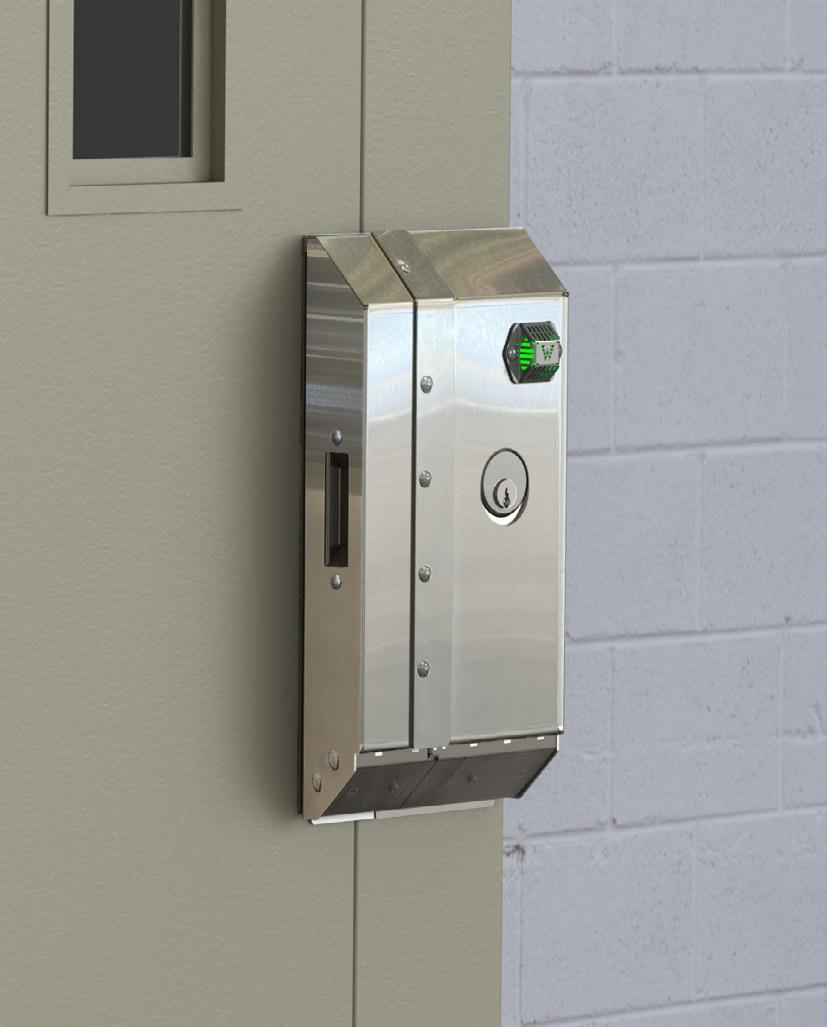
Willo Products Company LLC announced the promotion of Brian Foss to Chief Product Officer. In this role, Foss will oversee new product innovation and accelerate development efforts across the company’s growing portfolio of correctional locking and safety solutions. Foss has served as the company’s Vice President of Product Development since 2023 and has helped drive many of Willo Products’ most successful innovations, including the Willo Wedge®. Throughout his tenure, Foss has led the development of several patented product advancements in tamper-resistant lock security.
Reynolds-Cobb
Williams
Gabales
Beasley
Dixon
Comerford
Moss
Foss
Dodson
DIRECTOR’S REPORT DIRECTOR’S REPORT
STATEOF CALIFORNIA
Modernizing to Reflect a New Carceral System
California Department of Corrections and Rehabilitation’s 20-year master plan plots a progressive path forward
By Jeff Macomber
The California Department of Corrections and Rehabilitation (CDCR) is at a transformational moment in corrections and rehabilitation work. Just this year, CDCR opened the innovative San Quentin Learning Center and demonstrated to the world the future of corrections.
will require significant capital investment over the next 20 years. As CDCR undertakes these repairs and replacements, it will seek to align projects with the modernized vision exemplified by SQRC to include appropriate rehabilitation space and less reliance on overcrowding.
Located at the San Quentin Rehabilitation Center (SQRC), the 80,000-square-foot Learning Center enables the expansion of award-winning initiatives like San Quentin News and increases opportunities for incarcerated people to gain employable skills through programs such as The Last Mile — partnerships that will extend to additional CDCR institutions. Designed to enhance the lives and working conditions of both staff and incarcerated people, the Learning Center supports a more effective justice system that ultimately strengthens community safety.
Even as CDCR showcases modern rehabilitation at San Quentin, most institutions across our 30-prison system continue to operate in facilities built for a different era — structures strained by age, overuse and outdated design. CDCR has now developed an adaptive 20-Year Master Plan that will serve as a strategic roadmap for the rest of the system. With aging prisons stretching throughout the state, CDCR recognizes the critical need to modernize and address the infrastructure, operational, programmatic and healthcare needs. The department is focused on providing a healthy working and living environment for staff and incarcerated individuals both now and in the future.
The
Challenge and the Opportunity
Rehabilitating and rethinking the nation’s second-largest corrections system is not an easy task. Much of the infrastructure is reaching, or has reached, the end of its useful life. Many of these institutions were not originally built for current correctional needs, such as rehabilitation, family reunification, societal reintegration, or the physical and mental health of staff and the incarcerated population.
Our institutions require modern infrastructure, including new technology, natural light, green space, climate control and security grade community standard finishes. As a result, CDCR is facing nearly $73 billion in infrastructure repair and replacement costs.
Using a Phased Approach to Tackle the Work
CDCR is planning a phased approach to meet the current and future infrastructure needs of the department at institutions statewide. This effort
Using San Quentin as an example, buildings should be placed to optimize views and encourage positive interactions between staff and incarcerated people — a concept known as dynamic security. The project builds on important concepts for culture change, including normalization. The more life in prison resembles life in the community, the easier it will be for people to transition and adjust to life in the community upon release.
CDCR’s plan is designed to be updated over time, adapting to state needs and resources. Future proposed investments include:
· A five-year plan to significantly rebuild the California Medical Facility to provide a modern standard of service and care for incarcerated individuals with significant healthcare needs.
· A plan for significant investments to continue modernization efforts at four other institutions.
· The expansion of correctional community reentry program sites to provide additional rehabilitative services in a community-based environment to support family relationships, help inmates develop life skills and reduce recidivism, with potential future expansion at state-owned facilities.
· Increased investment in critical infrastructure including lifecycle-based roof replacements, insulation and cooling, Americans with Disabilities Act accessibility needs, mentalhealth treatment, educational opportunities and general facility maintenance.
All capital projects will be developed using the standards set forth in the 20-Year Master Plan, including a focus on health and safety, normalization, staff and incarcerated person wellness, and progression. Initial projects will serve as prototypes for future projects.
Commitment to Rehabilitation and Reentry
CDCR has made a significant investment in rehabilitation. More than 11% of the department’s overall budget is dedicated to providing databacked, proven programming. Nowhere is this more evident than in its higher education programs.
CDCR has built historic partnerships with the
state’s community college system, California State University and the University of California. Faceto-face college instruction is now available in 29 institutions, with some 10,000 students enrolled in spring 2026. The master plan envisions a system that allows expanded access for all educational needs — adult basic education, high school/GED preparation as well college courses.
The department has robust vocational offerings and seeks to enhance those opportunities in the next two decades. San Quentin Learning Center expanded its one-of-a-kind media center, with spaces that replicate real-world A/V working situations. The new, multi-level space, with donated state-of-the-art equipment, provides additional space to enable incarcerated people to obtain employable skills through training in journalism, video production and other media as they earn vital employment skills.
With the understanding that some 95% of incarcerated people will eventually be released into communities, CDCR plans to expand its successful Community Reentry Program as part of the 20-year plan. Approved participants serve the end of their sentences in the community, in lieu of confinement in a state prison. They receive important guidance, support and healthcare services and can participate in recovery groups and obtain housing.
Breaking the Cycle and Protecting Communities
The latest data reinforces a growing body of evidence that rehabilitative programming works. CDCR’s most recent recidivism report found that individuals who participate in rehabilitative programming while incarcerated are significantly more likely to remain conviction-free after release. Outcomes were even stronger for individuals who completed specific rehabilitation programs — 76.7% of those who earned Educational Merit Credits and 81.5% of those who earned Rehabilitation Achievement Credits remained conviction-free three years after release.
Nearly 80% of women and 74% of men who participated in enhanced alternative custody programs did not recidivate after release from the programs in fiscal year 2019-20. For women, this rate is nearly 15 percentage points lower than for women who did not participate, and nearly 14 percentage points lower for the men.
The 20-year plan’s goal is clear — invest in rehabilitation, and public safety improves.
Jeff Macomber is the Secretary of the California Department of Corrections and Rehabilitation.
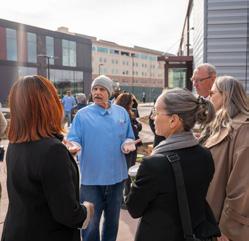
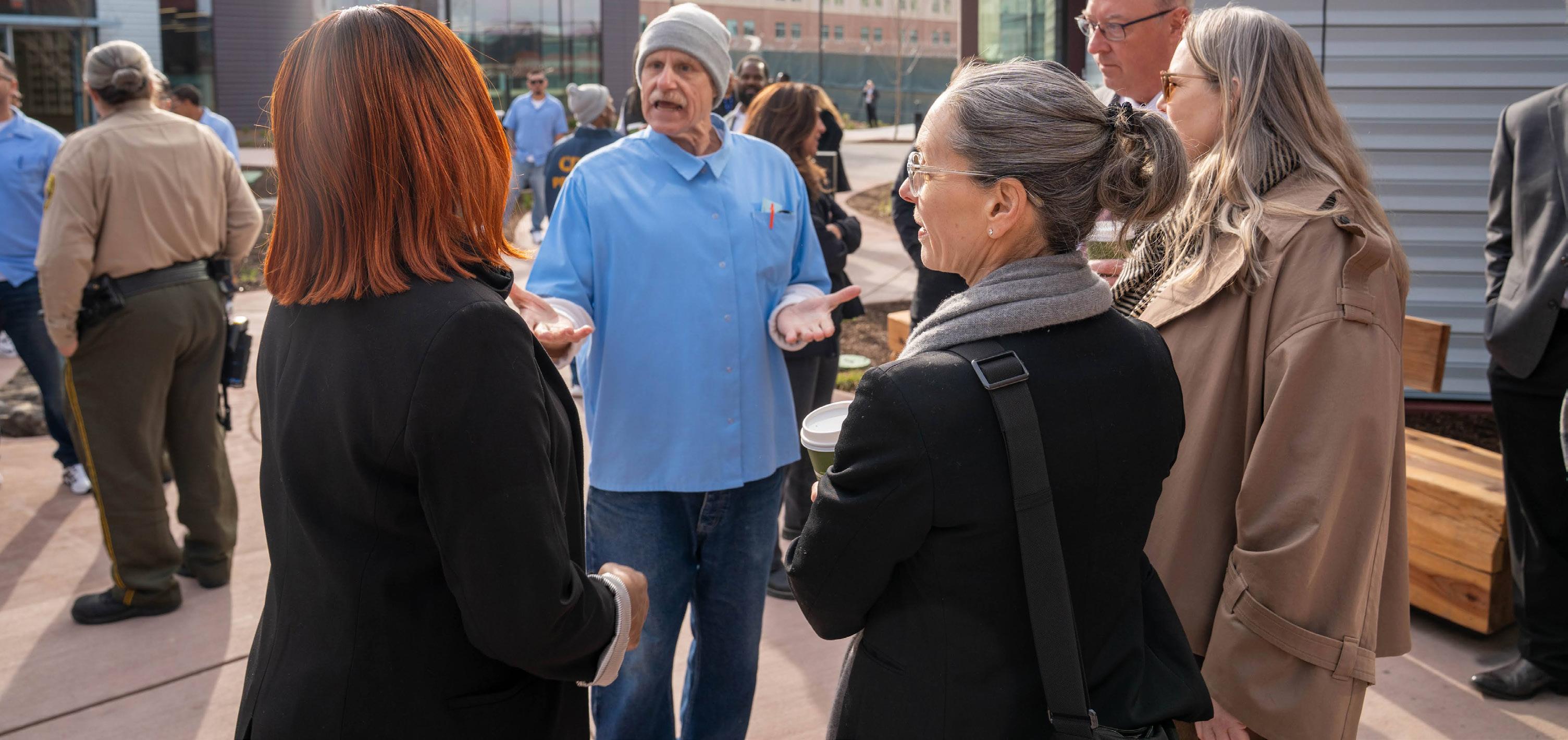
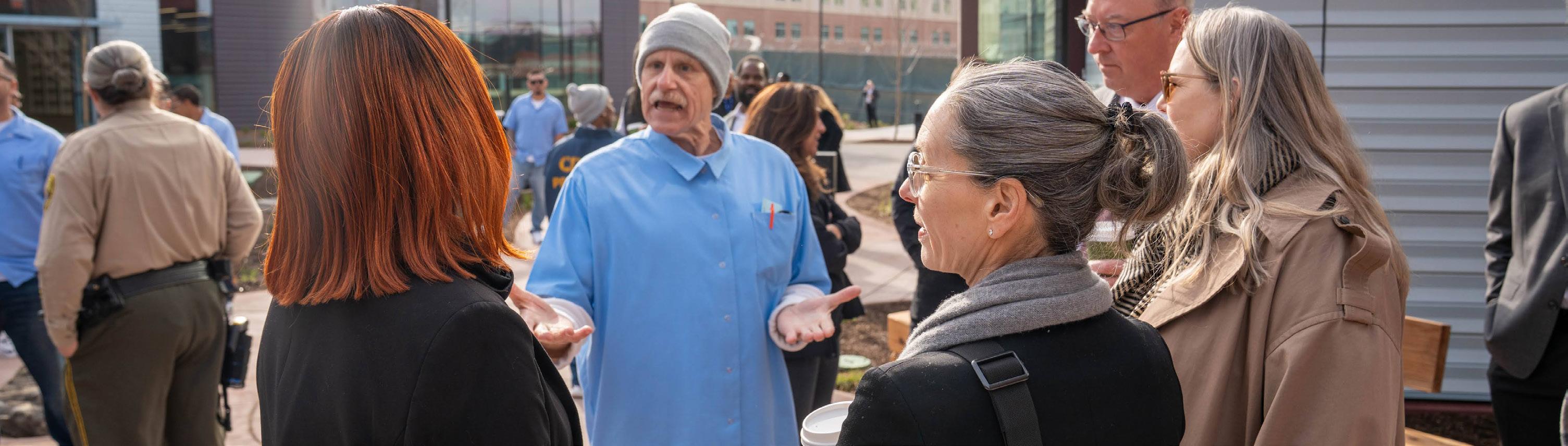
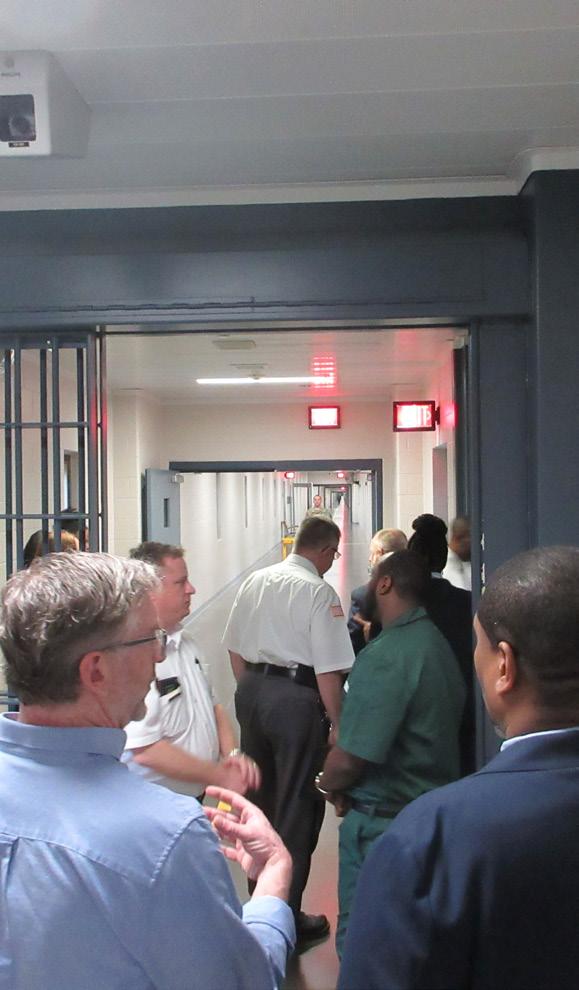
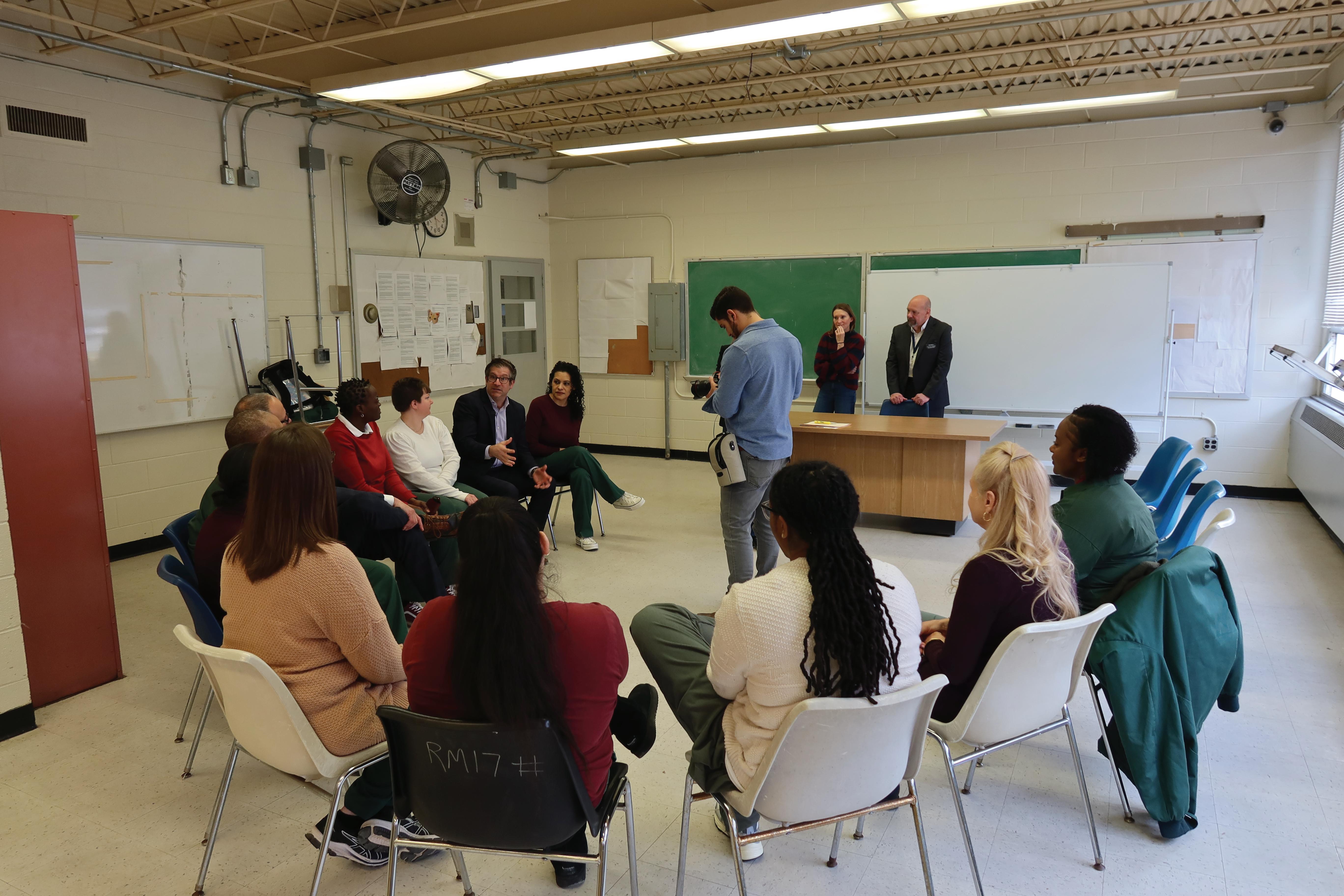
State officials and community stakeholders spoke with incarcerated individuals during a recent event at the new San Quentin Learning Center.
Photo Credit: CDCR
Culture is the Safety Strategy
By Nneka Jones Tapia, Psy.D., and NYSDOCCS Commissioner Daniel F. Martuscello III
Across the country, correctional leaders are being asked to do more with fewer resources and under increasingly difficult conditions. Staffing shortages, rising mental health needs, persistent violence, burnout and growing operational complexity have forced many administrators to confront a difficult question: how can safety
be improved when many of the traditional approaches to safety are not producing the outcomes needed?
For decades, correctional systems have largely defined safety through control and have measured success by what is prevented, such as assaults, contraband, disturbances and recidivism. While those measures are important, many correctional leaders have come to believe that preventing
Defining Durability since 1947.
harm is only part of the equation. If sustainable improvements in safety are to be made, equal attention must be paid to the conditions that make safety possible in the first place. The answer begins with culture.
Crisis Can Become Opportunity
In recent years, the New York State Department of Corrections and Community Supervision (NYSDOCCS) has faced extraordinary challenges, including murders of incarcerated individuals at the hands of correctional officers, a prolonged correctional officer strike, staffing shortages and operational disruptions that continue to impact facilities across the state.
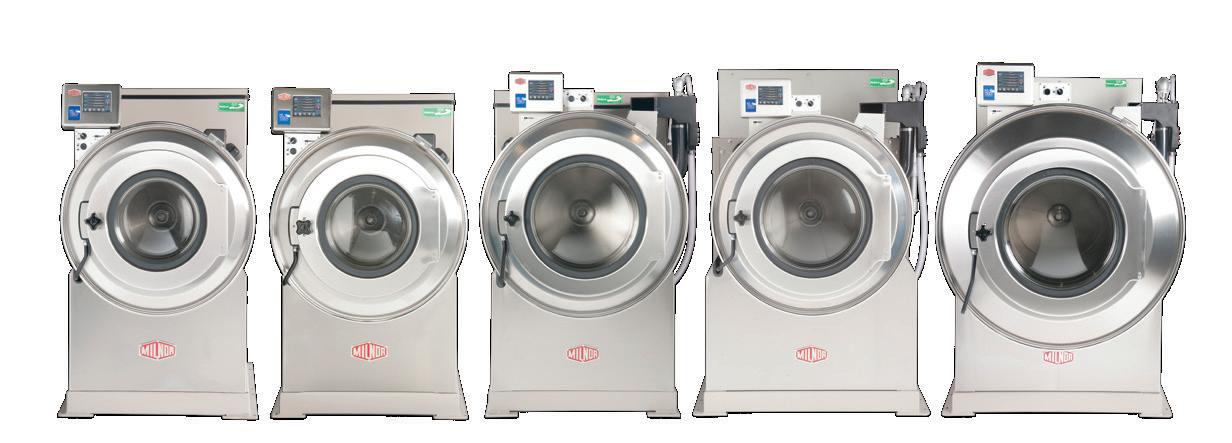
Milnor’s V-Series open-pocket cylinder Washer-Extractors range from 40-160 lb capacities.
Times have changed since Milnor built its first commercial laundry machine, but Milnor’s dedication to quality construction and durability hasn’t. Our washer-extractors are built with high-quality components designed to last. Plus, each model design is tested in a significant out-of-balance state for over 1,000 hours at maximum extraction speed, which is why you see so many Milnor machines working for decades in laundries around the world. And that’s why you will continue to see machines bought today working well in the future. Find out more at milnor.com.
Chicago Beyond representatives recently toured New York State Department of Corrections and Community
Those events challenged long-held assumptions about accountability, leadership and organizational culture. Yet, they also created an opportunity.
The department acknowledges that while these events revealed some of the worst aspects of human behavior, they also forced the department to engage in a level of self-examination that might not otherwise have occurred. That process led to partnerships with multiple external organizations to conduct independent assessments and provide recommendations for sustained reform. These efforts reinforced a critical lesson: meaningful culture change requires leaders who are willing to scrutinize not only what they know, but also what they may be missing.
Supervision facilities.
Photo Credit: NYSDOCCS
That lesson is equally relevant for correctional systems across the country.
Holistic Safety: A Framework for Culture Change
One of NYSDOCCS’ external partners, Chicago Beyond, developed the Holistic Safety Framework based on a simple but transformative premise: safety is not merely the absence of violence, but is the presence of wellness, accountability and human connection. This distinction matters because it changes where leaders focus their attention.
with
heard. Staff and incarcerated individuals need opportunities to express their perspectives, including dissenting opinions, without fear. Open communication is essential to building cultures rooted in dignity and wellness.
Second, leaders must identify and prioritize the culture changes that matter most. Culture change cannot be everything at once. Instead, leaders must clearly define their priorities, align resources, establish measurable goals and hold themselves accountable for progress.
PARTNERSHIP PARTNERSHIP PARTNERSHIP BUILT ON BUILT ON BUILT ON EXPERTISE EXPERTISE EXPERTISE
First, people must feel
NYSDOCCS leaders partnered
Chicago Beyond to reimagine how they listened to and engaged with staff as well as incarcerated people.
Photo Credit: Chicago Beyond
Third, culture change requires long-term commitment. Lasting transformation does not occur in a month or even a year. It requires consistency, transparency and accountability from leadership over time.
Fourth, leaders should actively seek external perspectives. Many correctional professionals spend decades in the field, developing expertise that is invaluable. Yet, that expertise can also create blind spots. External partners often bring fresh perspectives that strengthen leadership
Innovative Secure Facility Development
Our Capabilities:
• We deliver secure, efficient facility designs that support operational performance and modern correctional standards.
• We provide high quality, compliant construction solutions built for durability, security, and on time activation.
• We offer full scope development services from concept through commissioning to ensure mission ready facilities.
A focus group on the Holistic Safety Framework was held at NYSDOCCS’ Mohawk Correctional Facility. Photo Credit: Chicago Beyond
Durability Meets Normalization.
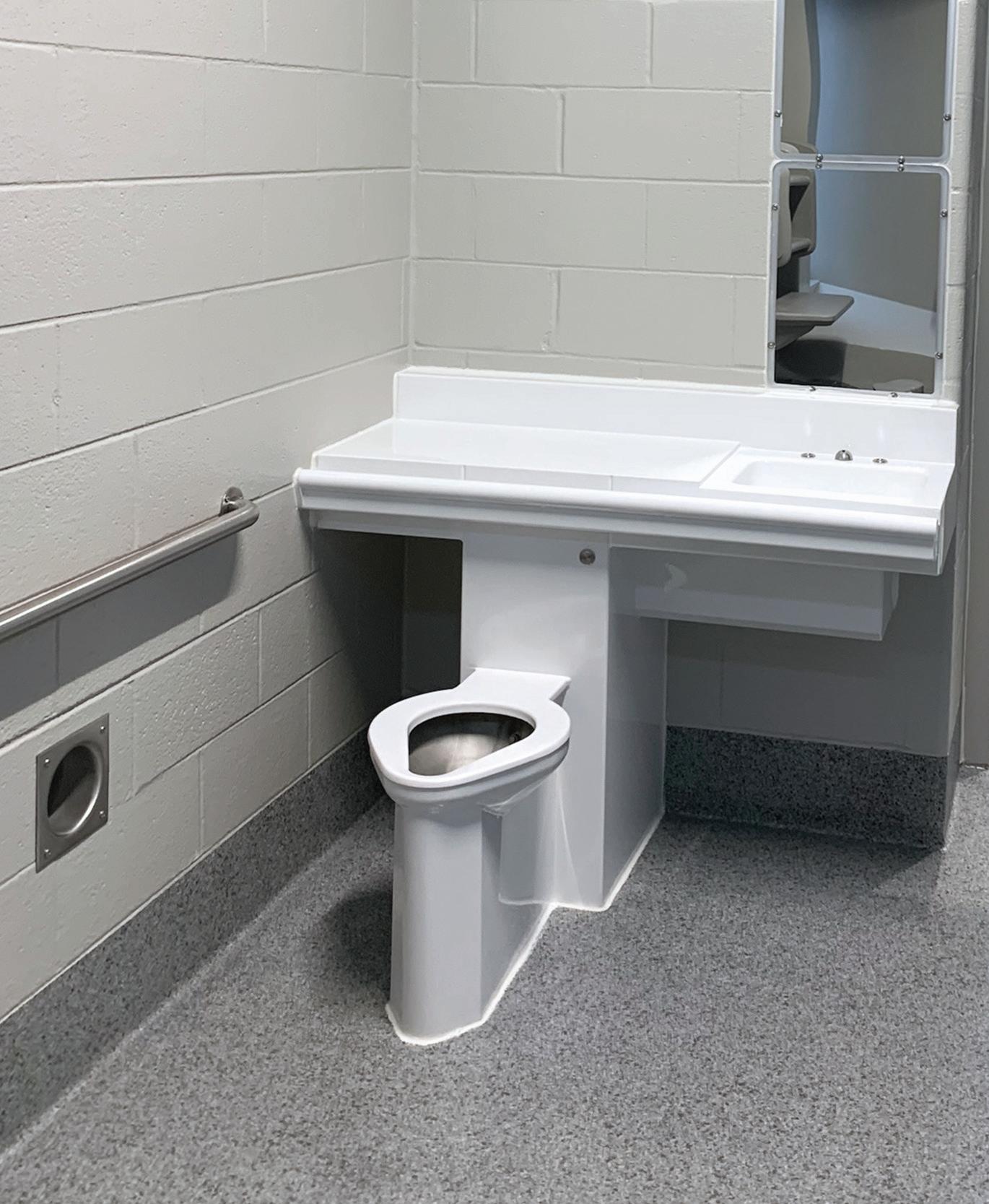
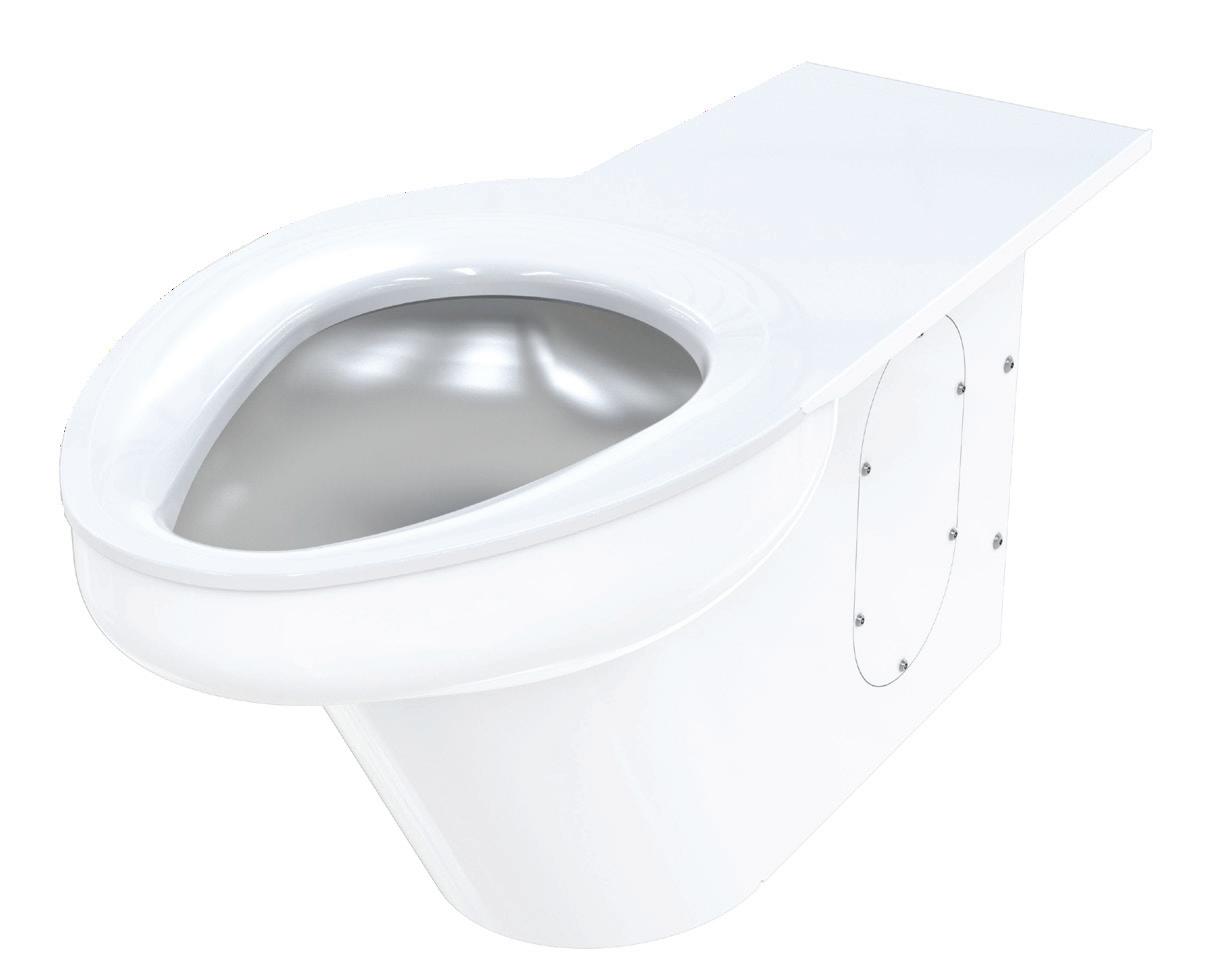
Powder-coated stainless steel fixtures support safer, more normalized therapeutic environments while delivering the durability and long-term performance secure facilities require.
Explore behavioral health-compatible solutions, including product specs, finish options, and installation details. phone 463.314.1043 website www.willoughby-ind.com
Factory Built, Field Approved
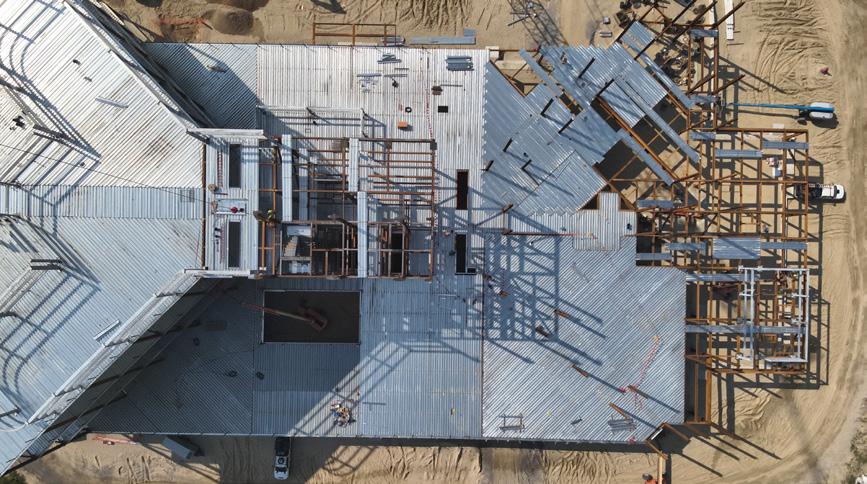
ModCorr’s off-site construction options provide modern correctional solutions at a full-facility scale
By Charlie Lange
Time is a valuable resource — and for correctional agencies in need of new facilities to meet the immediate and ever-expanding demands within their in-custody populations, it’s often the resource most lacking.
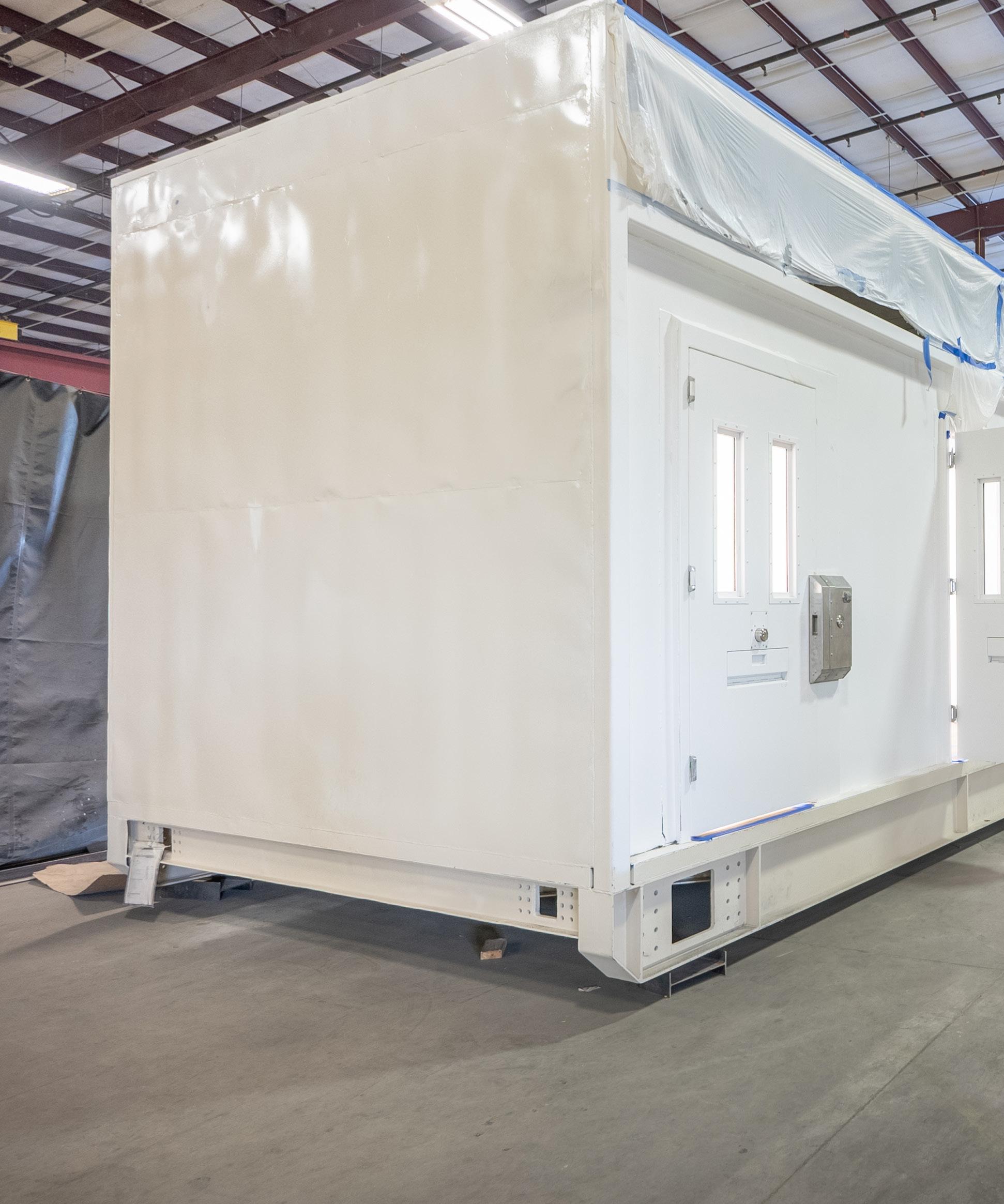
electrical and plumbing components, security electronics and detention equipment, and finishes installed with the same security and structural stability as traditional stick-built facilities.
“What’s critical to understand is that there’s no difference between
“Once you can lock in the design and move forward, it’s a very predictable process. You know the costs; you know the schedule — and hardly any traditional projects work that way.” – Tom Hardiman, Executive Director, Modular Building Institute
In recent years, departments have capitalized on the use of modular components such as steel, precast cells and purpose-built rooms to speed project timelines and manage budgets.
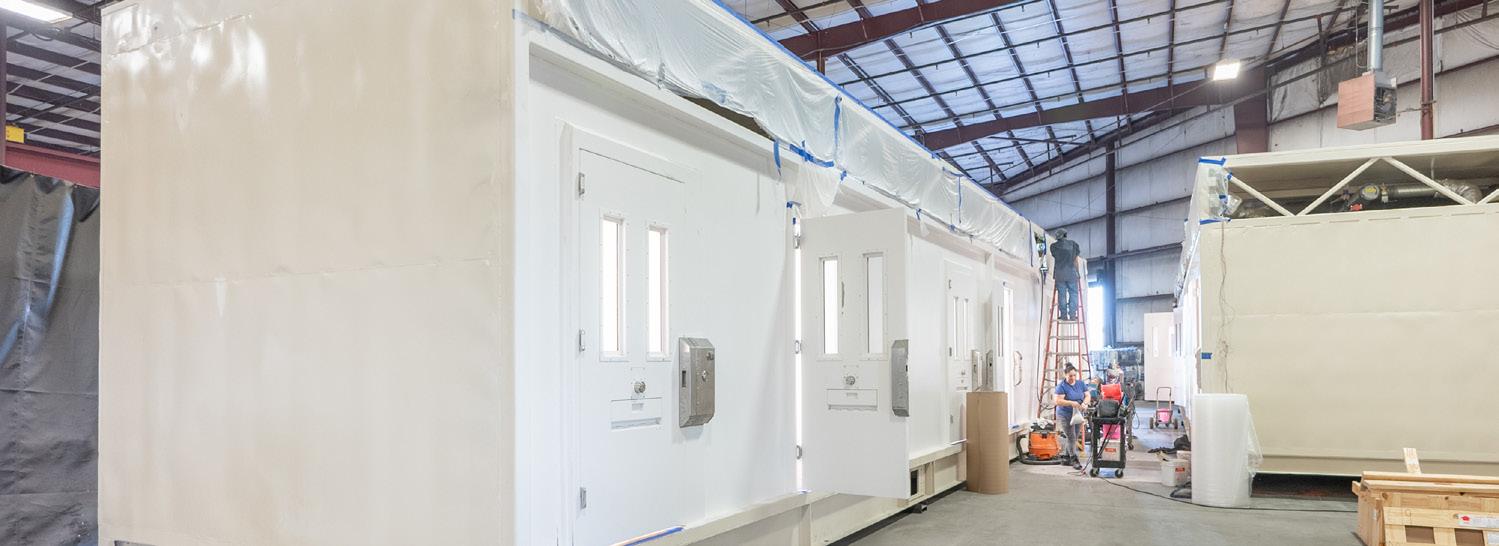
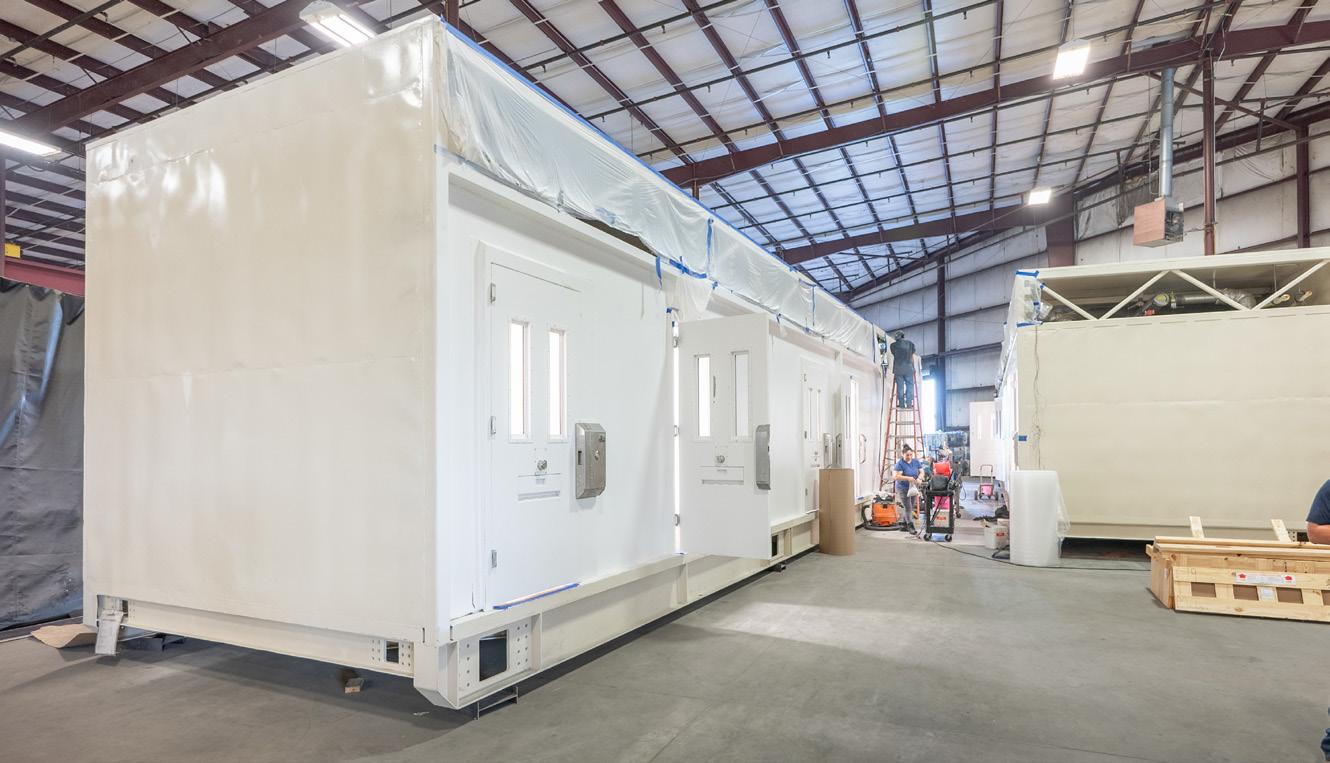
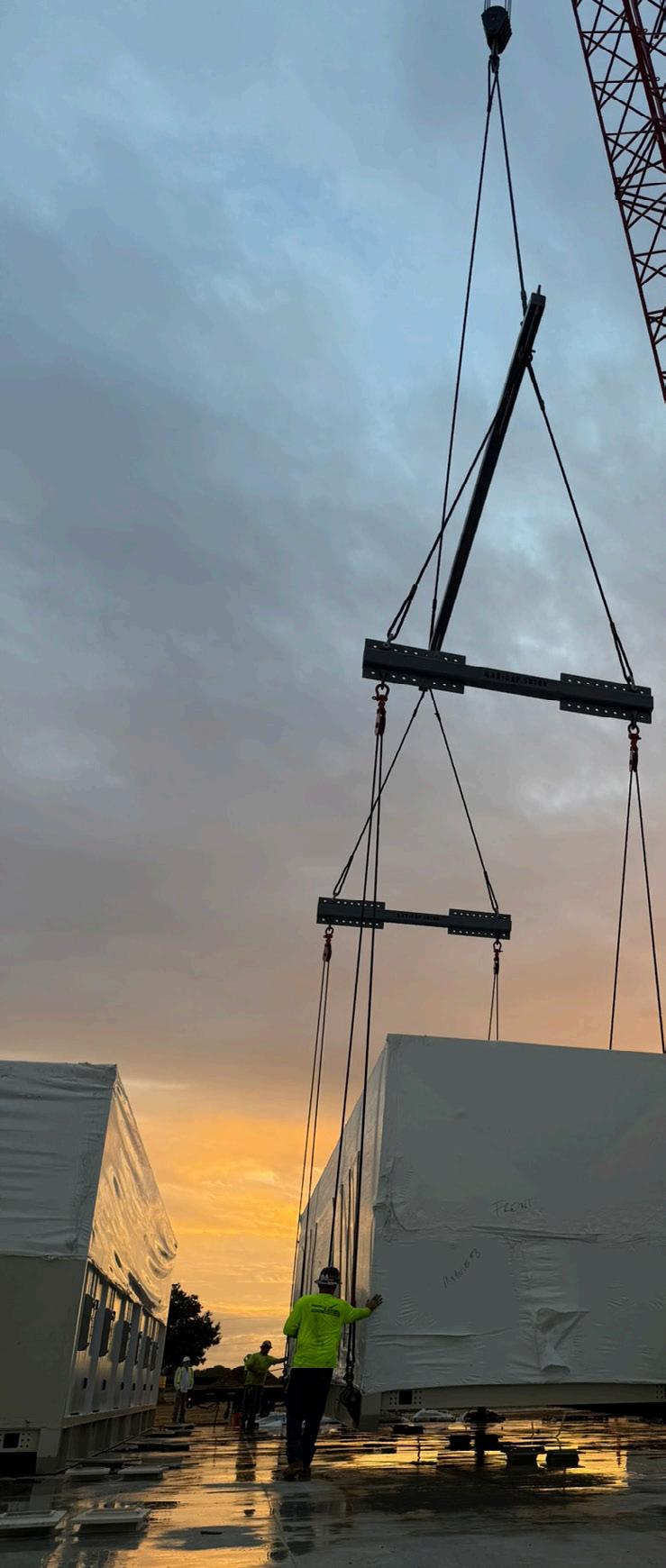
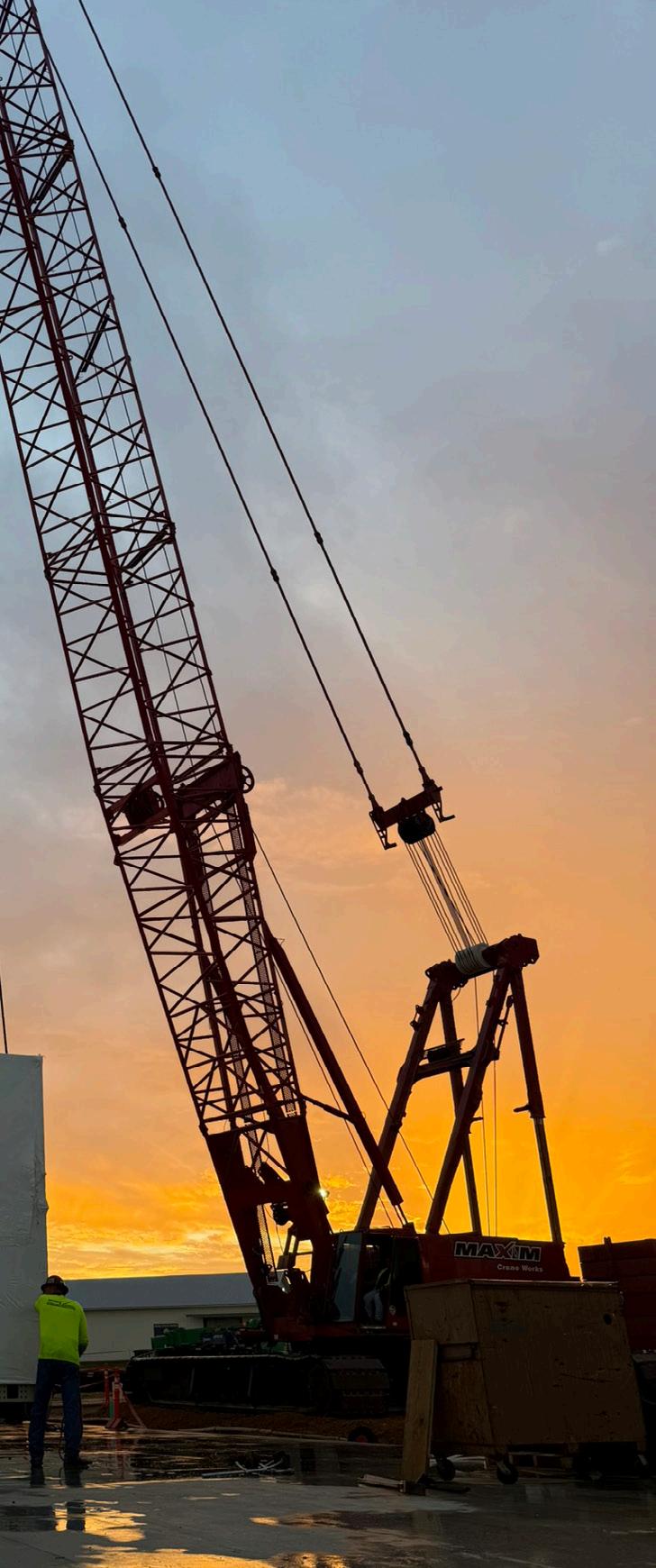
But today, companies like Modern Correctional Solutions (ModCorr) are offering full-scale, off-site construction solutions, where entire detentiongrade buildings — not just cells — are fabricated in a factory and arrive at job sites ready to install. These buildings come complete with mechanical,
modular off-site construction and on-site construction,” said Buddy Johns, President of ModCorr. “The end product is of the same quality — it’s just a different way of getting there that is more efficient in terms of cost, quality and time.”
These solutions have already been utilized or are in development on a diverse set of projects for the Georgia Department of Corrections and the Florida Department of Corrections, and the lessons learned and benefits realized from applying these novel off-site construction methods are expected to be adopted by other agencies and projects in the future.
Driven by Industry Expertise
Design of these offsite buildings is determined by the needs of the agency, as the operational leadership presents their requirements to the manufacturer’s architectural and engineering consultants, who then facilitate a collaborative decision-making process that covers selection of safety and security systems, MEP fixtures and finishes. In ModCorr’s case, the company has mobilized a team of in-house industry experts with decades of combined experience to lead product development and work directly with designers, architects and engineers to custom-build facilities.
That setup enables a more predictable and smooth-running jobsite, according to Tom Hardiman, Executive Director of the Modular Building Institute, an international non-profit trade association representing the modular construction industry.
“Making those decisions on the front end can prevent change orders down the line, which are what causes delays and cost increases,” said Hardiman. “Once you can lock in the design and move forward, it’s a very predictable process. You know the costs;
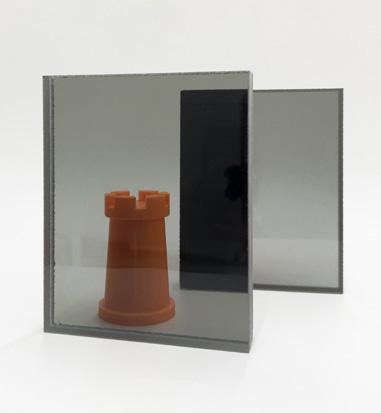
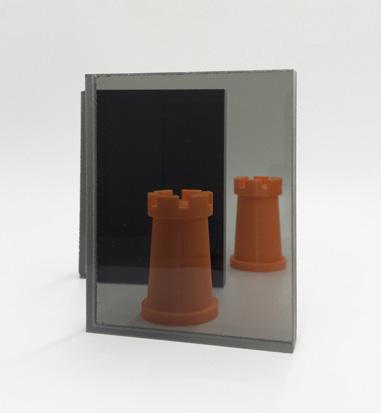
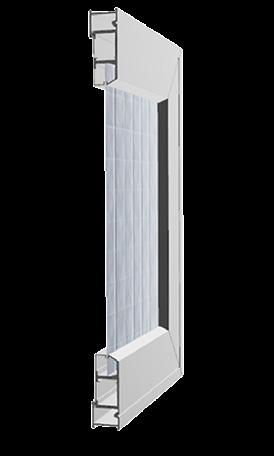
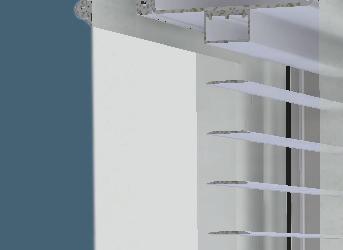
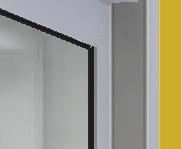
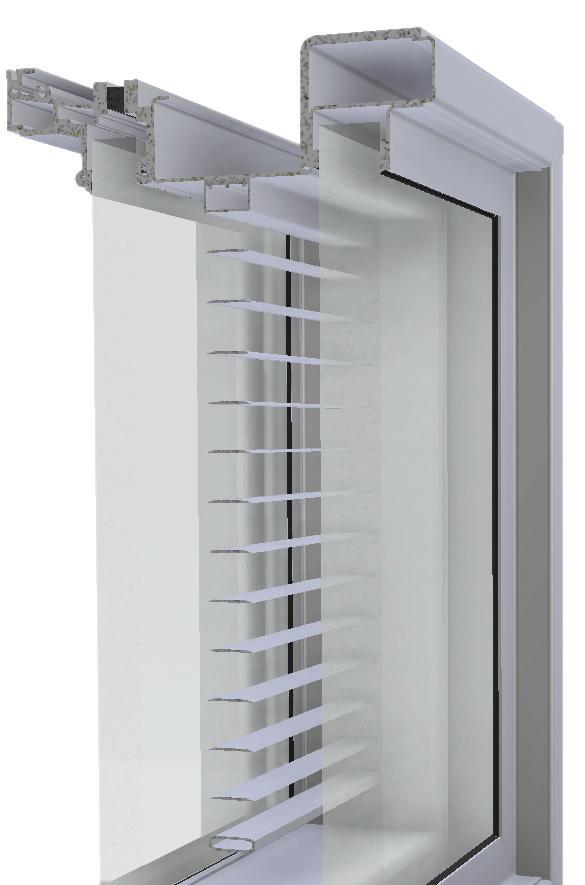
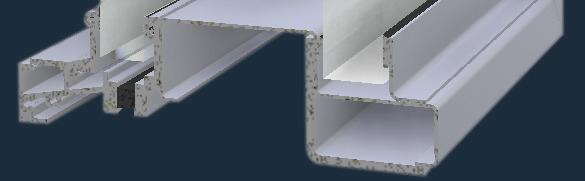
Advanced Interlayers create sight separation through spaces, while maintaining vision between opposing areas.
• Viewing through one panel provides directional vision comparable to tinted glazing
• Viewing through two aligned panels results in full visual obstruction (opaque black)
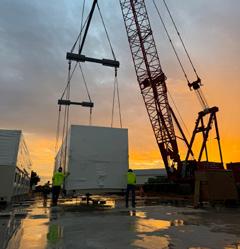
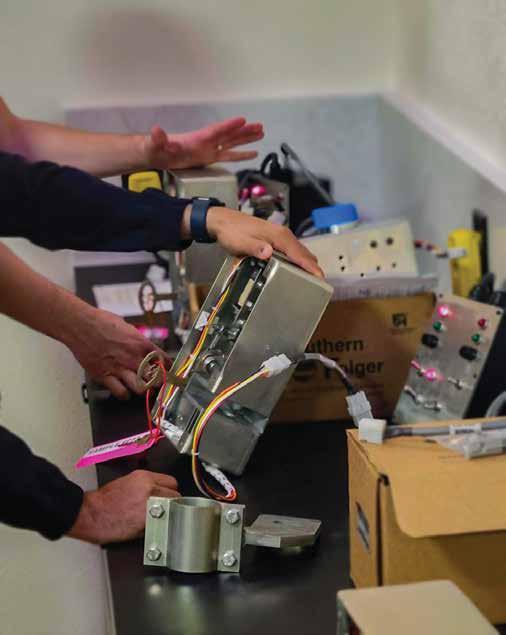
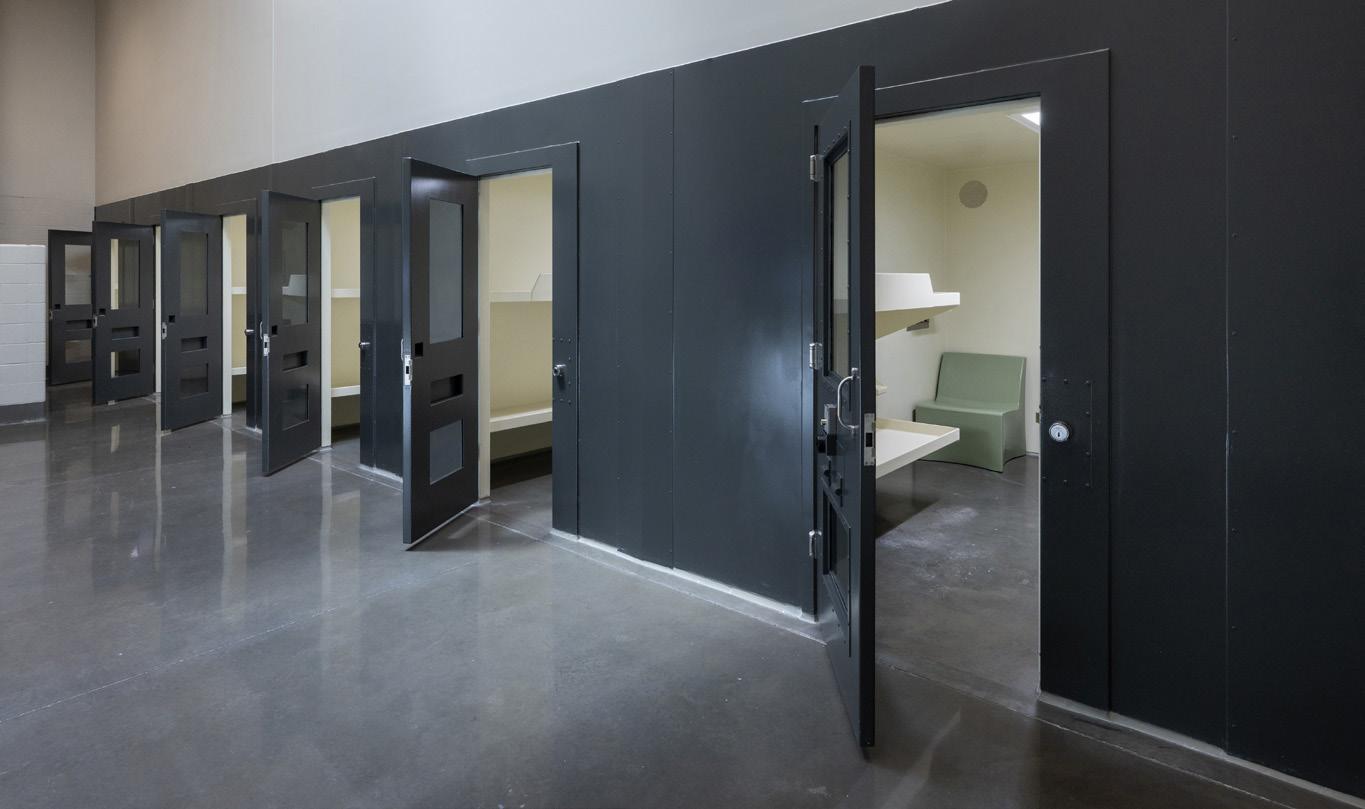
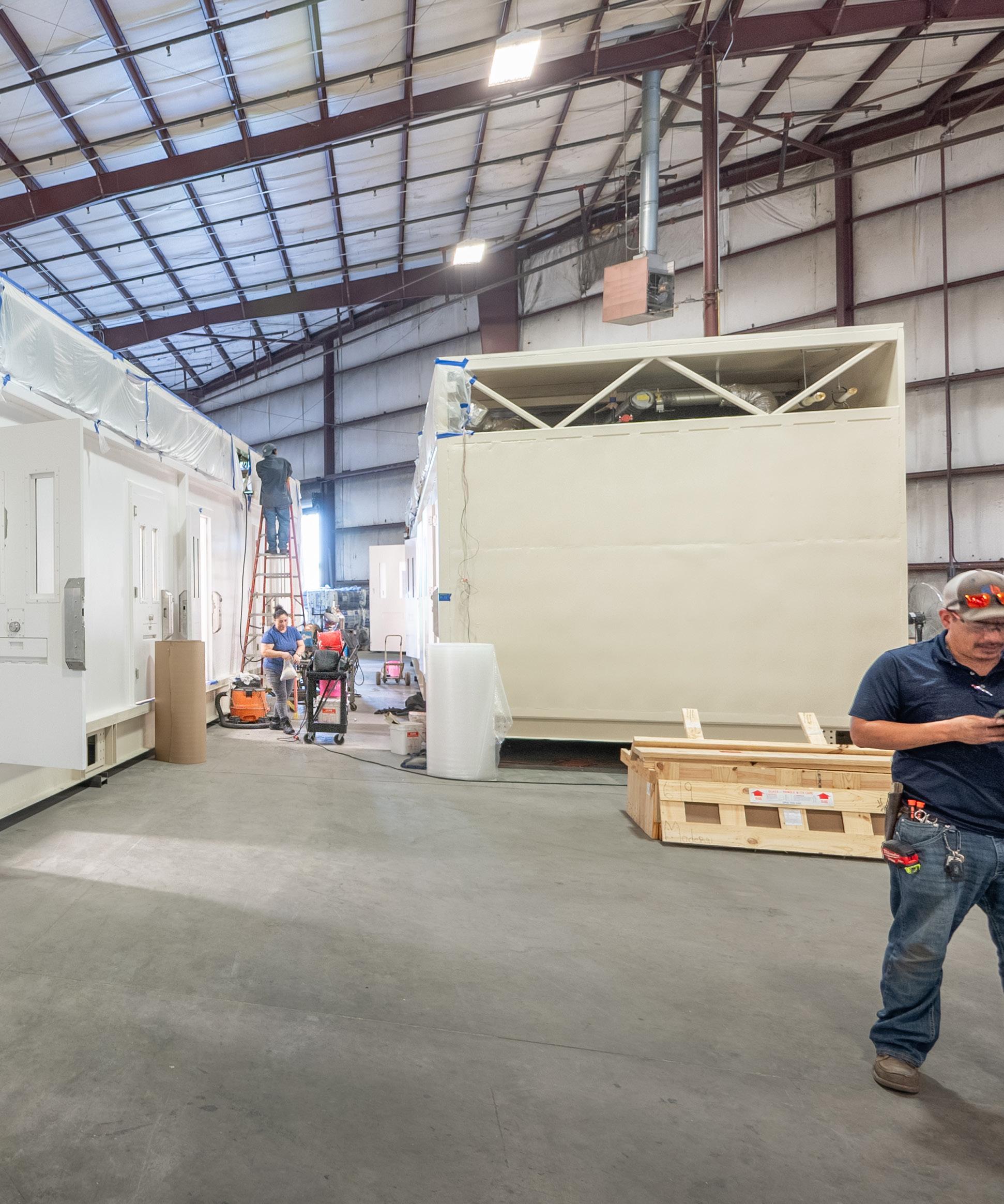
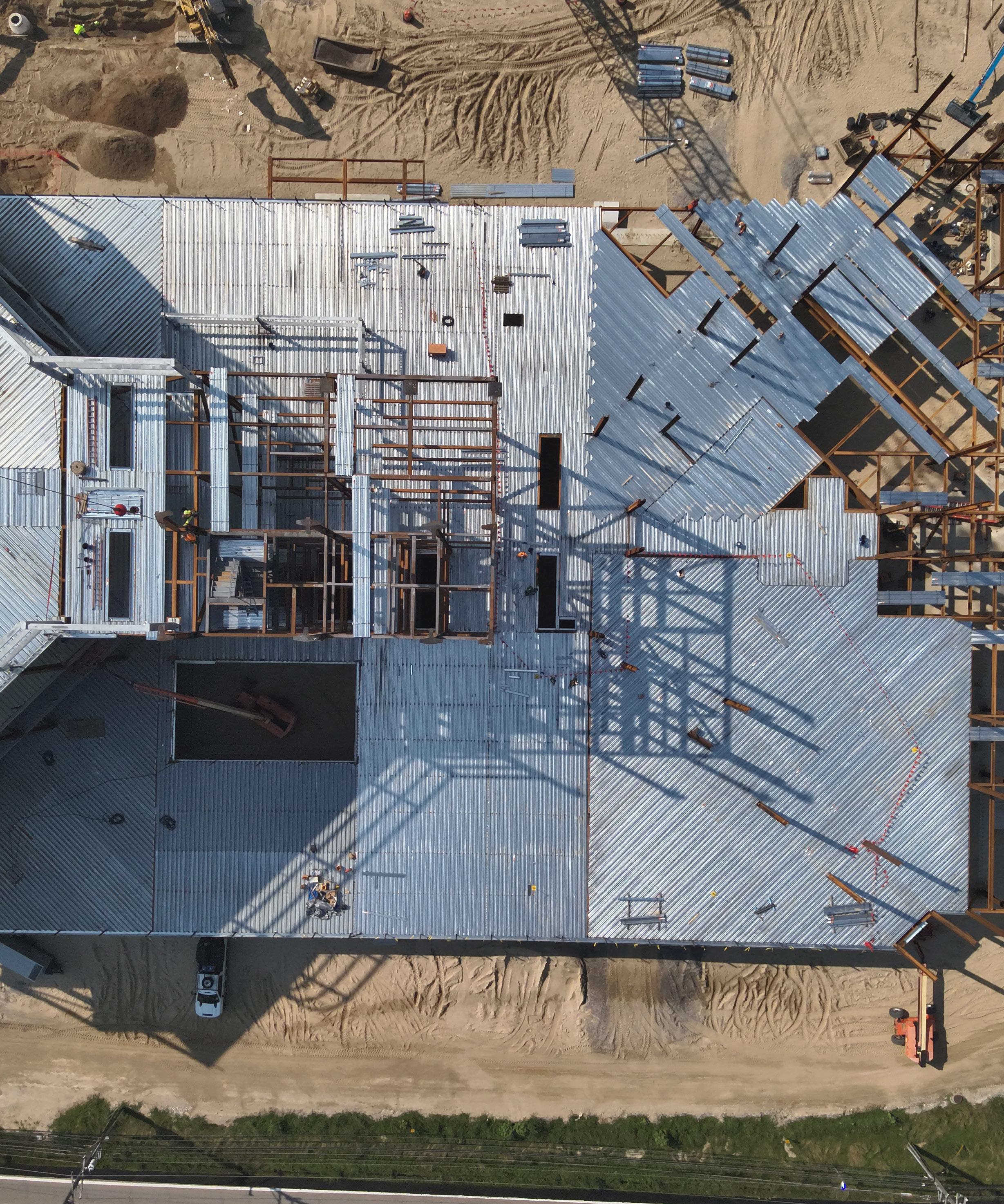
Off-site built facilities have all MEP fixtures, security electronics and finishes installed in the factory. | Photo Credit (all): ModCorr
for agencies on tight budgets and timelines.
“You can essentially double your workspace across two jobsites, where the site work is being completed while the building is constructed in the factory,” said Hardiman. “Once that building is prefabricated, it is transported to site, and you have a building in days or weeks instead of months or years.”
Meeting Florida’s Medical Demands
Seeing the benefits of speed, quality and budget, off-site construction options recently offered a creative and timely solution to address healthcare needs within the Florida Department of Corrections’ (FDC) facilities.
Recently retired FDC Secretary Ricky Dixon noted the exorbitant staffing costs and security considerations that accompany transporting incarcerated individuals outside of secure perimeters for treatment, and the savings that could be realized by providing on-site treatment spaces instead.
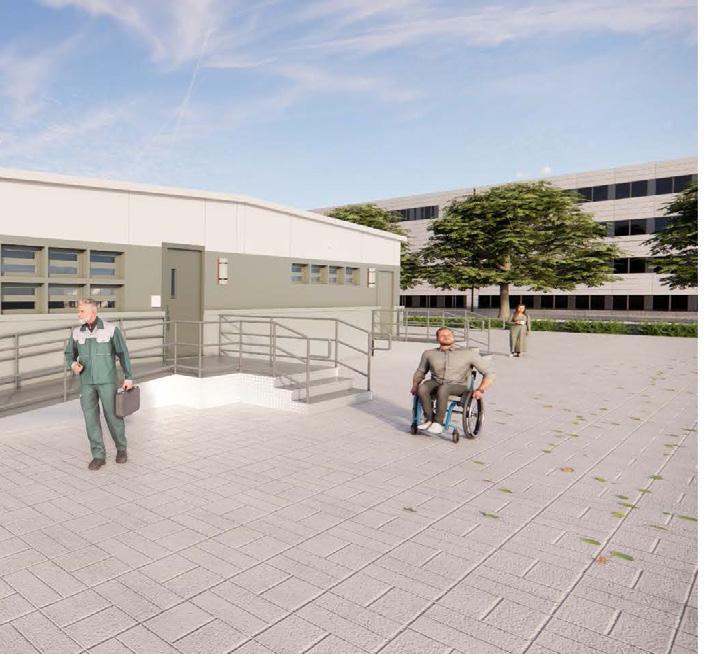
FDC is building two new 12,500-square-foot medical treatment facilities, known as MedMods, working with the ModCorr team, lead designer Urbahn Architects and general contractor Balfour Beatty. The units comprise three distinct, but attached components, including a clinic for outpatient and pre-surgery exams, tests, labs and diagnostics; a Level III surgical suite; and infirmary units comprising approximately 40 beds for observation and treatment.
FDC Secretary Richard Comerford said the original intention was to create an ambulatory surgical center, but plans evolved as discussions progressed with the design
Architects, who is the lead architect for Florida’s MedMod buildings, calls the units “a huge breakthrough” and commended the collaboration between all the parties involved in achieving a design that balanced FDC’s unique custody needs with the requirement to provide compassionate healthcare services.
“The balance is struck by working with both correctional and healthcare leaders, who each lay out their needs, and we see where the intersections take place,” said Henry. “As we went through the process, further needs were identified, and design evolved as we continued to communicate and discuss the project.”
The project broke ground on July 22 of and is expected to be operational by August 2027. Secretary Comerford says staffing has been planned for, and
additional funding has been provided by the Legislature for their opening next year, with licensing provided by Florida’s Agency for Health Care Administration.
“FDC’s partnership with ModCorr and Balfour Beatty has helped us to rapidly meet this growing necessity to provide adequate healthcare within our facilities,” said Dixon. “These units provide solutions that we and other state correctional agencies need to meet this growing healthcare challenge.”
Health Services staff, including Director Clayton Weiss and Deputy Director Grady Enlow, for collaborating with the design team to envision a truly bespoke final product that will meet FDC’s needs on an expedited timeline.
LOCKS THAT STAY LOCKED.
“If other state corrections leaders need facilities quicker than standard construction can provide, we would recommend they consider this type of option,” said Secretary Comerford.
Just like in Florida, Georgia also had a pressing need for additional space and turned to fast-tracked modular buildings to address the challenge. Recent installations of off-site-built facilities have increased the Georgia Department of Corrections’ (GDC) maximum-security housing capacity, as well as added a new modular medical clinic that will enable GDC to meet similar healthcare needs that Florida’s MedMod units will provide.
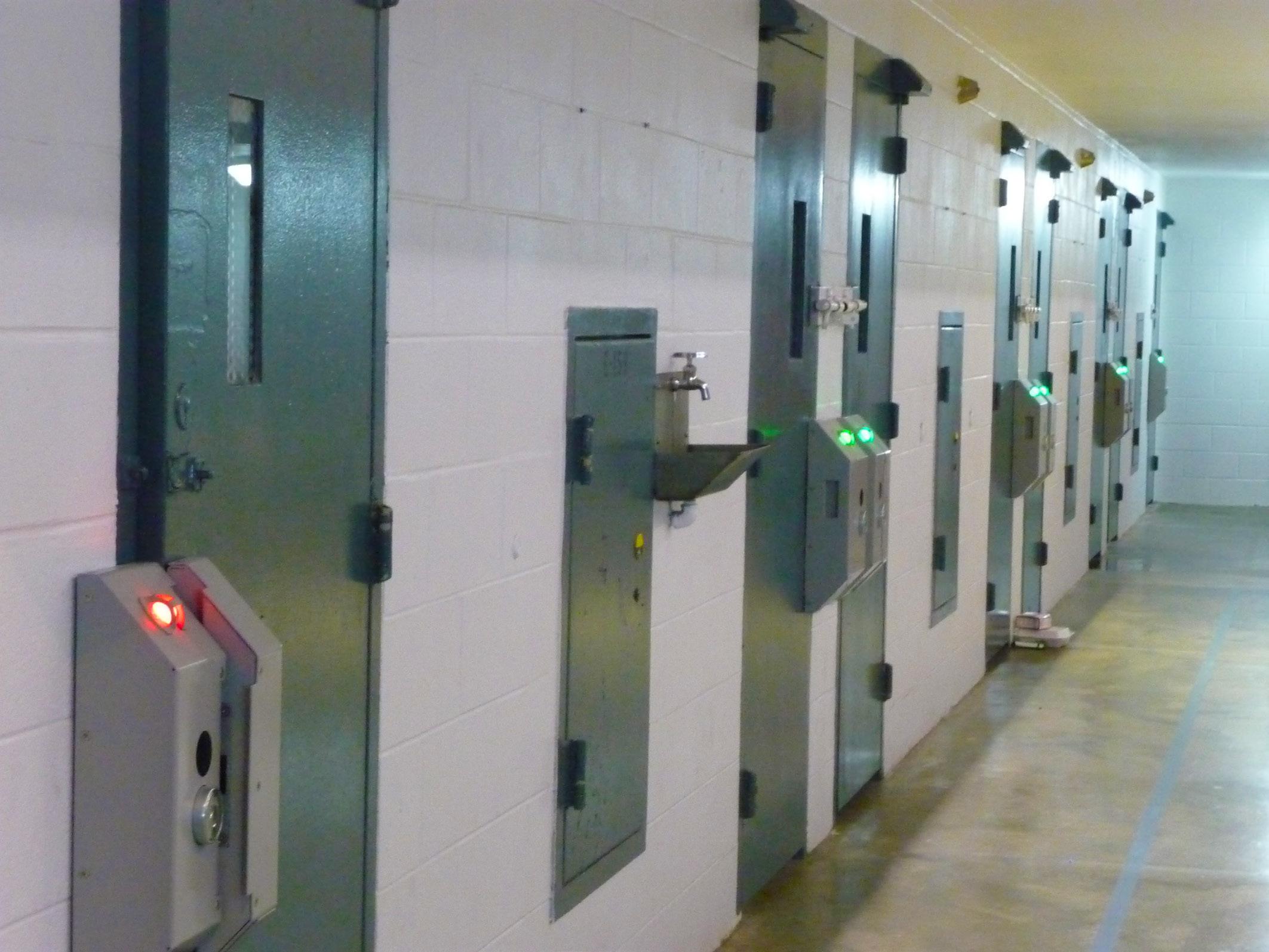
Aging infrastructure, frequent use, and tampering all put pressure on your facility’s door and lock systems. When those systems become unreliable, the risk extends beyond maintenance. It affects daily operations, staff safety, and overall control.
Willo Products helps correctional facilities restore and maintain dependable door and locking systems through upgrades, retrofits, and ongoing service. Our team works with your existing infrastructure whenever possible, reducing downtime and avoiding full system replacement.
How Willo Supports Your Facility
LOCKING SYSTEMS
• Maximum Security for Retrofits & New Construction
• Swinging & Sliding Door Systems
• Control Panel Upgrades & Replacements INSTALLATION & COMPONENTS
• Detention Hollow Metal Installation
• Door Hardware & Secure Glazing
• Replacement Parts and Keys ONGOING SUPPORT
• Inspections & Preventative Maintenance
• Repair Services & On-Site Assessments
• Maintenance Training Programs
From sliding and swinging door locking systems to hard-wired control panels, Willo provides equipment built to perform under the demands of daily use. Our retrofit approach allows facilities
Earlier this year, ModCorr delivered the first high-security MaxMod units at GDC’s Dodge State Prison, totaling more than 18,000 square feet of space and adding 126 beds between two units, along with a control room, sallyport and staff bathroom. Plumbing, electrical wiring, HVAC and security electronics and detention equipment were fully assembled in ModCorr’s factory before the units were installed at the Dodge facility.
The Dodge installations were part of a larger offsite construction project developed by ModCorr that included installing additional MaxMod units at three other GDC facilities, totaling 504 beds across eight separate buildings, assembled and installed in just 12 months. ModCorr also built a new Medical Intensive Infirmary (MII) unit at the
Johnson State Prison, which was delivered to GDC in July of 2026 to serve as a new medical treatment clinic.
GDC Commissioner Tyrone Oliver expects these off-siteconstructed units to continue to be utilized as the state’s incustody population grows.
“We anticipate modular construction playing a vital role in Georgia’s capital-planning efforts,” said Commissioner Oliver. “Because of their accelerated delivery timeline, these modular units allow us to address immediate needs while advancing long-term infrastructure goals statewide.”
New MedMod units will provide the with on-site medical
Karen Sicner, AIA, the Civic & Justice Studio Director at NELSON Worldwide, was the Architect of Record for Georgia’s MaxMod units as well as the Johnson facility’s MII. Sicner sees off-site construction being more widely adapted within the industry, especially as labor availability and material cost issues persist.
site construction expanding within the industry, as initial reluctance from developers and architects gives way to positivity once more benefits are realized from successful projects.
“If other state corrections leaders need facilities quicker than standard construction can provide, we would recommend they consider this type of option.” – Richard Comerford, Secretary, Florida Department of Corrections
“These units offer the ability to integrate all the electronics and security systems, locks, glazing and other components in the factory, which from a design and quality standpoint is a huge plus,” said Sicner. “If this can be done off-site without impacting the construction schedule, it will make everything better, from scheduling to quality.”
She also cites customization as a key benefit. “One of the questions I get from clients is: how customizable is it? And the answer is as customizable as they want,” said Sicner.
Off-Site Options Gaining Ground
While the need for expansive, traditionally built correctional facilities isn’t going away any time soon, in the short term, these off-site methods can effectively and efficiently provide specialized solutions.
“In the long-term, constructing large-scale,
dedicated medical buildings will surely occur,” said Dixon. “But with the current demands we’re facing, these off-site construction options put us in position to expedite physical plant space needs in a rapid manner.”
Johns adds that off-site construction methods represents a major shift in industry dynamics, allowing for rapid deployment in a historically slow to market industry. “With these new design methods and off-site construction capabilities, our market is able to adapt faster and be nimbler than ever,” he said.
Hardiman also sees off-
“In the past, we were trying to convince them to use modular. Now they’re not just convinced, they’re champions,” said Hardiman. “When you get those teams together on second, third and fourth projects, that’s when you really see the benefits and efficiencies.”
Actall builds real-time locating systems for the most complex, high-security, unpredictable, multipath-heavy environments in the world.
Our systems are designed to maximize value for YOUR operations with a variety of hardware options that feed to the HubSens API.
HubSens supports ATLAS, Sentry, PALS 9K and Bosch Security Escort - from one interface.
Experience MATTERS
Visit https://actall.net/demo
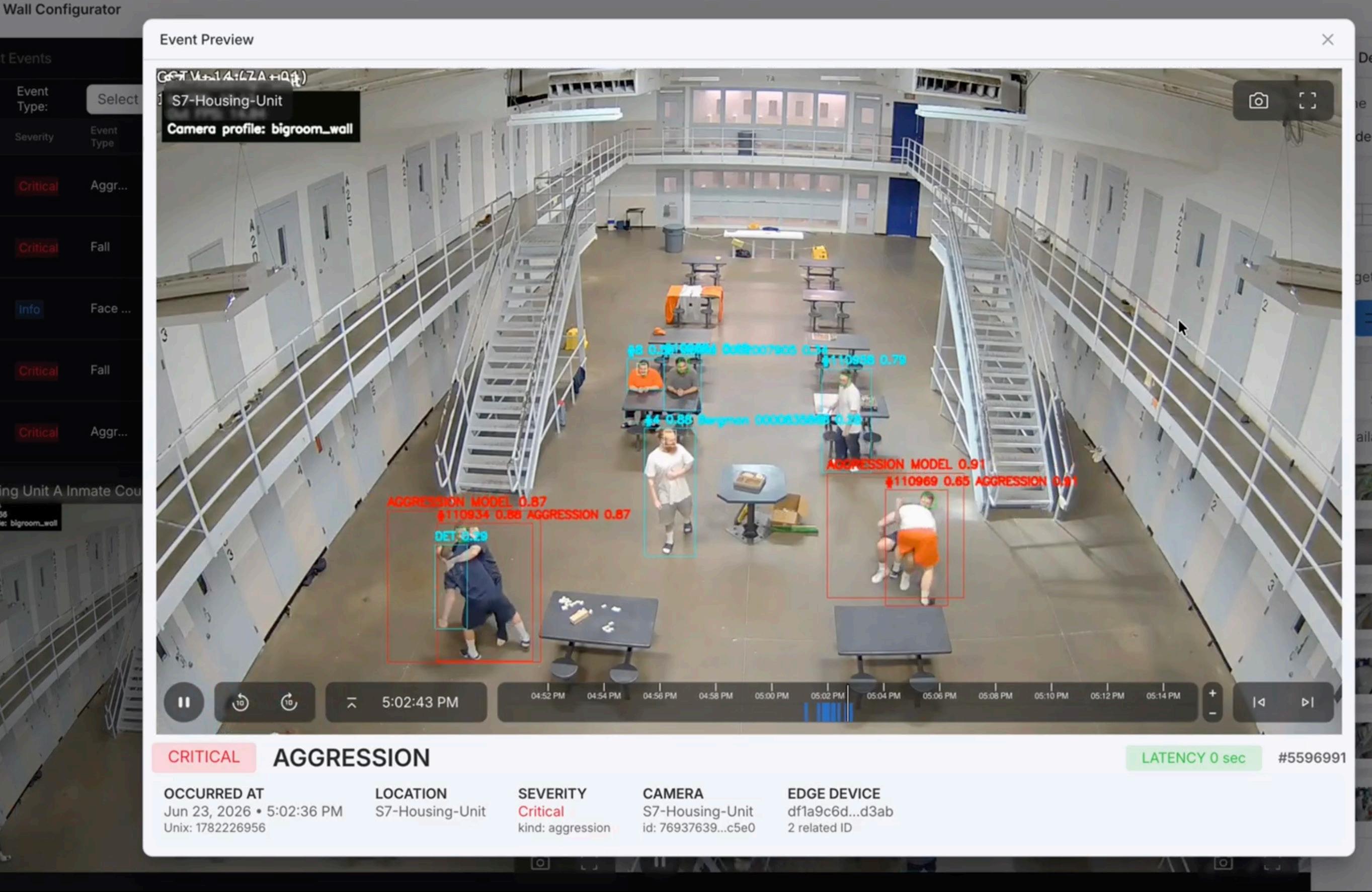
The Verus Platform: How AI Is Reshaping America’s Correctional Facilities
By Lindsey Coulter
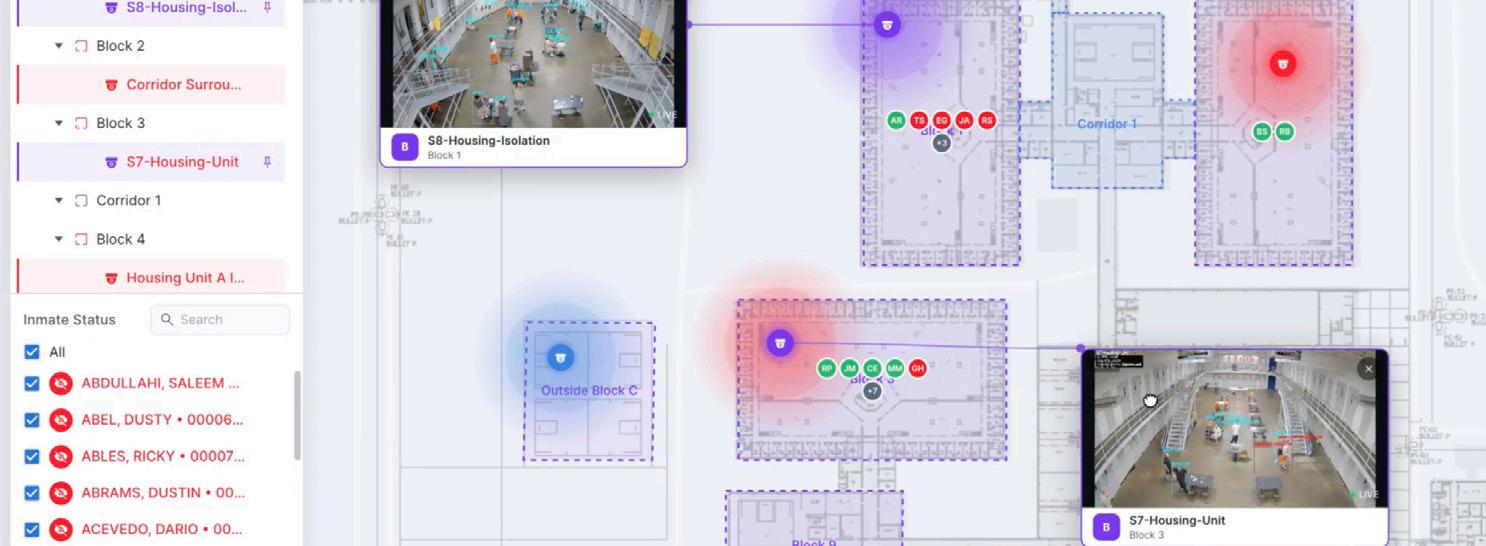
When correctional leaders face unprecedented staffing shortages, aging infrastructure and the relentless pressure to maintain safety while supporting rehabilitation, technology is no longer a luxury — it is a lifeline. One company, Leo Technologies, is stepping forward with a suite of AI-powered tools that promise to improve how a facility responds. The company’s Verus platform — encompassing Verus ION, Verus Vision AI and Verus Voice AI — is gaining traction as a comprehensive solution designed by people who understand the unique demands of corrections.
Correctional officers often spend countless hours on manual inmate counts that are prone to human error. Investigators sift through mountains of recorded communications, combing for threats buried in slang, code or languages other than English, a task that grows harder as call volumes rise. Facility leaders struggle to connect disparate data sources (from video feeds to phone records to offender management systems), creating dangerous information silos. In too many institutions, staff respond to incidents rather than preventing them.
Leo Technologies is changing that. Headquartered in Austin, Texas, the company has developed an agentic AI ecosystem purpose-built for public safety. Unlike traditional AI systems that simply analyze data, agentic AI continuously identifies relationships across disparate records, prioritizes potential risks and surfaces actionable intelligence for human operators. Rather than offering isolated point solutions, Leo Technologies has created an integrated platform that transforms existing infrastructure into intelligent, operationally aware systems. Early adopters report improvements in investigative efficiency, enhanced situational awareness and a meaningful shift toward intelligenceled operations.
Verus Vision AI: Turning Passive Cameras into Active Intelligence
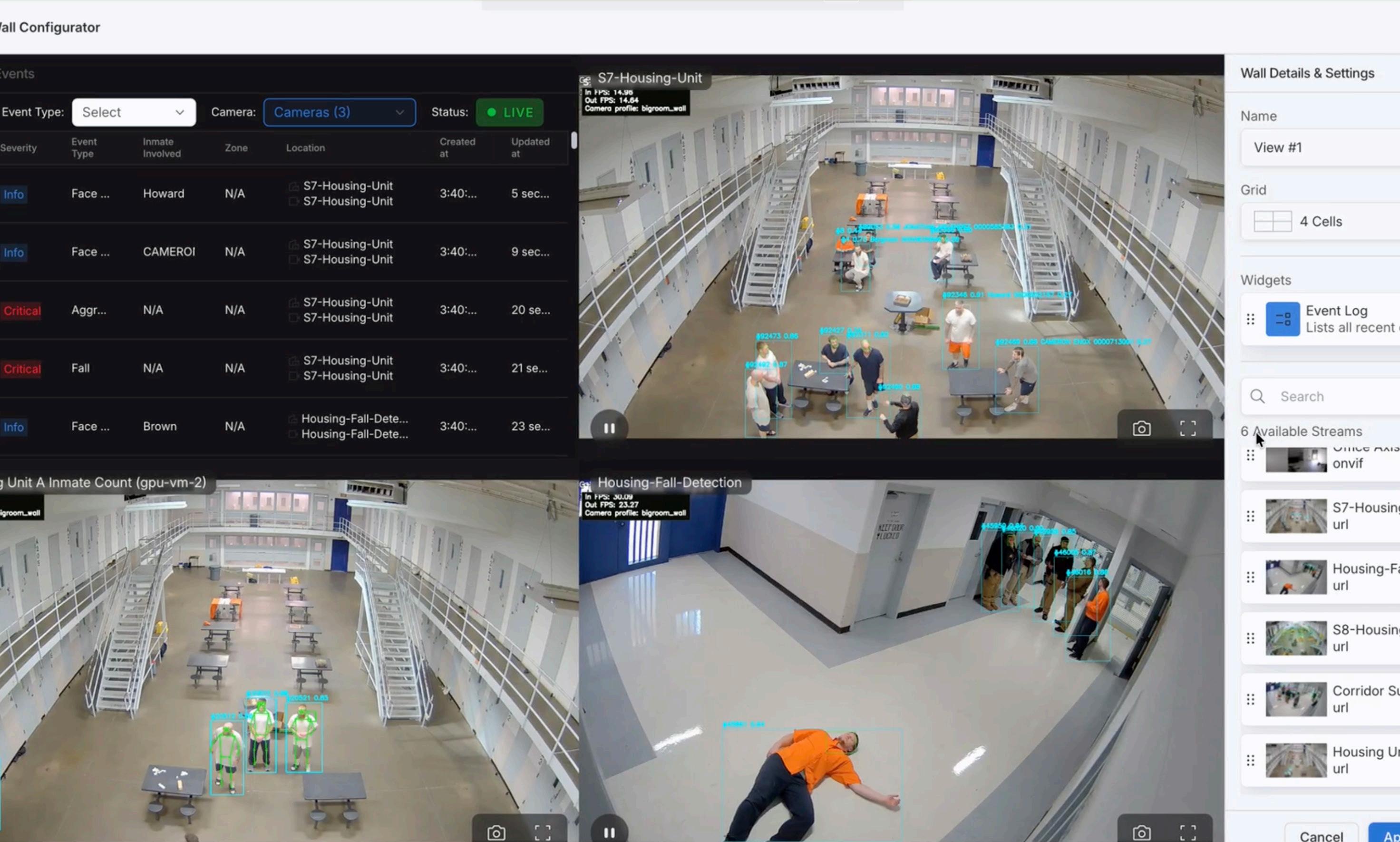
At the heart of daily facility operations is video surveillance. Yet for decades, cameras have primarily served as tools for after-the-fact review. Verus Vision AI changes that by drawing on existing camera infrastructure to deliver real-time insights that were previously impossible without significant additional staffing.
The platform automates inmate counts with impressive accuracy, freeing officers from a labor-intensive process that can consume hours each day.
“The goal is not to replace correctional professionals; the goal is creating capacity to perform the law enforcement functions that drive illegal contraband out of the facilities while keeping staff and inmates safe,” said Steve Harpe, Chief Product and Technology Officer for Leo Technologies.
Verus goes far beyond counting heads. It identifies behavioral risks, including signs of isolation, escalating tensions or unusual movement that might precede a conflict, alerting staff before situations spiral.
“Every administrator wants to prevent the incident before it happens,” said Ricky Myrick, former Chief of Staff for the Georgia Department of Corrections. “Earlier visibility into movement, tension or behavioral changes can materially improve how a facility responds.”
Perimeter monitoring, environmental awareness and detailed interaction analysis add depth that helps correctional professionals understand facility dynamics at a granular level.
Post-incident reviews also benefit significantly. Objective AI analysis of use-of-force events provides clear, data-driven documentation that supports accountability, training and legal defense. Correctional leaders using the platform report recovering millions of labor hours that can be redirected toward direct supervision and programming — a workforce multiplier needed amid national staffing crises.
Verus Voice AI: Uncovering Hidden Threats in Communications
Communication monitoring has long been a cornerstone of institutional intelligence, but the volume and complexity of inmate calls have overwhelmed traditional methods. Verus Voice AI brings proprietary voice biometrics and advanced analytics to the task, transforming raw audio into searchable, actionable intelligence.
The tool identifies specific voices across vast datasets, detects Personal Identification Number (PIN) swapping and identity fraud, and matches known individuals even when they attempt to conceal their identities. Multilingual transcription and contextual understanding allow investigators to cut through slang, coded language and conversations in various languages that might otherwise hide contraband networks or coordinated criminal activity extending beyond facility walls.
“PIN abuse is one of largest threats that enable criminal logistics to run out of jails and prisons,” said John Hamm, former Commissioner of the Alabama Department of Corrections. “Having the technology to identify abuse and automatically surface alerts to our staff is a true game changer.”
By flagging concerning language in real time, the platform also supports wellness and suicide-prevention efforts, enabling timely interventions. This dual focus on security and humanity reflects a maturing approach in corrections technology that treats safety and rehabilitation as complementary goals.
Verus ION: The Intelligence Hub that Ties it All Together
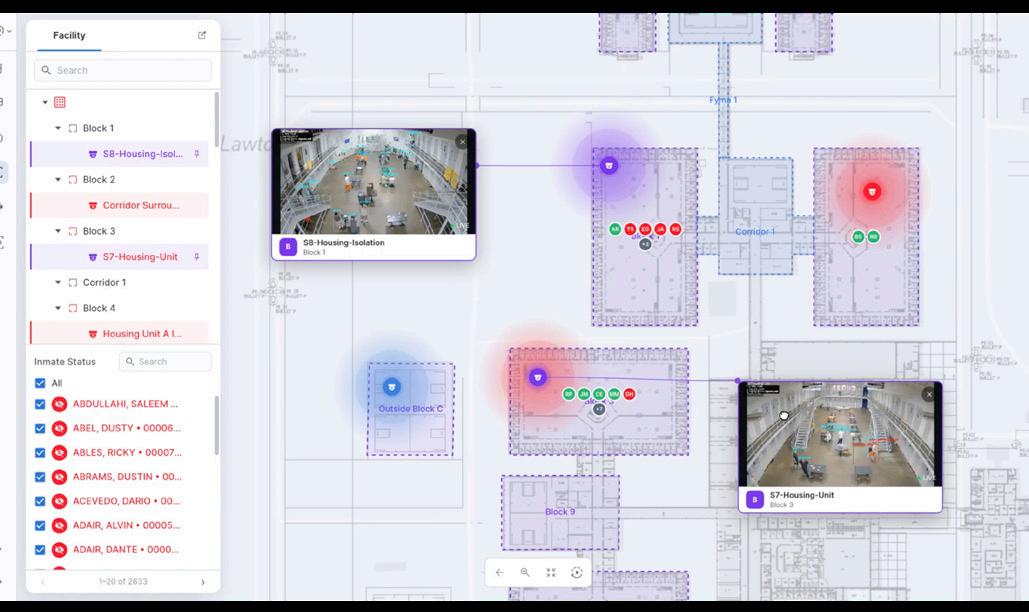
The true power of Leo Technologies’ offering emerges when these capabilities converge in Verus ION. This unified intelligence dashboard fuses data from video analytics, voice communications, offender management systems, healthcare records, financial transactions and investigative files. Correctional leaders no longer need to toggle between multiple disconnected systems. A single query can surface connections that might have taken weeks to uncover manually.
“Corrections systems have historically operated in silos,” said Jeremy Turner, Chief AI and Data Officer at Leo Technologies. “Verus ION was designed to unify operational, investigative and intelligence data into a single operational picture for decision-makers.”
Equipped with Verus ION, facilities can anticipate and prevent incidents rather than react to them, connecting a suspicious phone conversation, unusual movement on camera or an anomalous financial transaction into a coherent risk picture.
Leading Through Innovation
What sets Leo Technologies apart is its focus on practical deployment. The platform integrates with existing infrastructure, minimizing costly overhauls while delivering immediate returns. Early implementations, including partnerships with the Oklahoma Department of Corrections, demonstrate improvements in investigative efficiency and operational capacity without adding headcount. The company’s recent five-year contract with the Federal Bureau of Prisons, valued at more than $106 million, also reflects growing confidence in these solutions at the highest levels of the corrections system. As federal and state facilities navigate the legacy of the First Step Act and ongoing reform efforts, tools like Verus are providing the operational backbone needed to turn policy into practice.
Critics of increased technology in corrections rightly raise concerns about privacy, bias and over-reliance on automation. Leo Technologies addresses these issues by positioning its AI as a decision-support tool rather than a replacement for human judgment. The systems are designed with transparency and auditability, keeping correctional professionals in control.
As America’s correctional system pursues greater efficiency, safety and humanity, companies like Leo Technologies are proving that innovation can serve both security and rehabilitation. By solving some of the most persistent operational challenges facing today’s leaders, from staffing strains to information overload, the Verus platform is helping write a new chapter in corrections management. The facilities that embrace these tools today may well become the models for the smarter, safer institutions of tomorrow. In an industry long constrained by outdated methods, Leo Technologies is showing that a better path forward is within reach.
Leo Technologies has created an integrated platform that transforms existing infrastructure into intelligent, operationally aware systems. | Photo Credit: Courtesy of Leo Technologies
The Vision Behind Ohio’s Juvenile Justice System Transformation
By Amy L. Ast
In late 2023, Ohio Gov. Mike DeWine established the Juvenile Justice Working Group (JJWG) to conduct a thorough and holistic review of the state’s juvenile justice system. Composed of an esteemed panel of experts, judges, community advocates and juvenile-justice professionals, the working group was given a clear mandate: examine what is working, confront what is not and chart a path toward a safer, more effective future for Ohio’s youth and communities.
vast majority of the youth committed to DYS arrive with complex, significant histories of trauma
— challenges that have only intensified in the post-pandemic era. When high-risk, high-needs,
Those efforts delivered a definitive call to action with 26 recommendations, including the first recommendation calling for a sweeping “system transformation.” The data and research reviewed by the JJWG point to an unmistakable truth: the massive, congregate-care institutional facilities of the past are no longer aligned with what science and experience tell us about helping justiceinvolved youth achieve their full potential. To truly transform and save lives of these young people, the Ohio Department of Youth Services (DYS) must shift away from an institutional framework and move decisively toward a smaller, safer and more therapeutic model of care.
The Catalyst for System Transformation
For decades, the physical layout of juvenile corrections has leaned heavily on large, centralized facilities. Take, for example, the roughly 30,000-square-foot DYS Cuyahoga Hills Juvenile Correctional Facility, which was built more than 50 years ago with an open-bay setting that was common in adult prisons at the time. Throughout Cuyahoga Hills’ long history, the understanding of adolescent brain development and behavioral health has profoundly evolved. We now know that the physical environment itself plays a monumental role in service delivery and youth outcomes. Large, institutional structures can inadvertently escalate tension, create bureaucratic distance and complicate safety management. Additionally, a
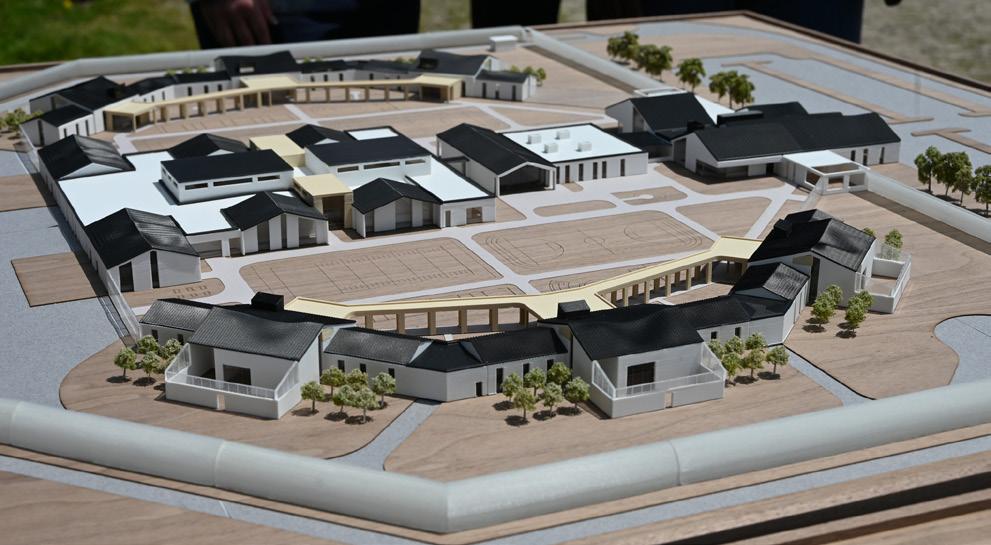
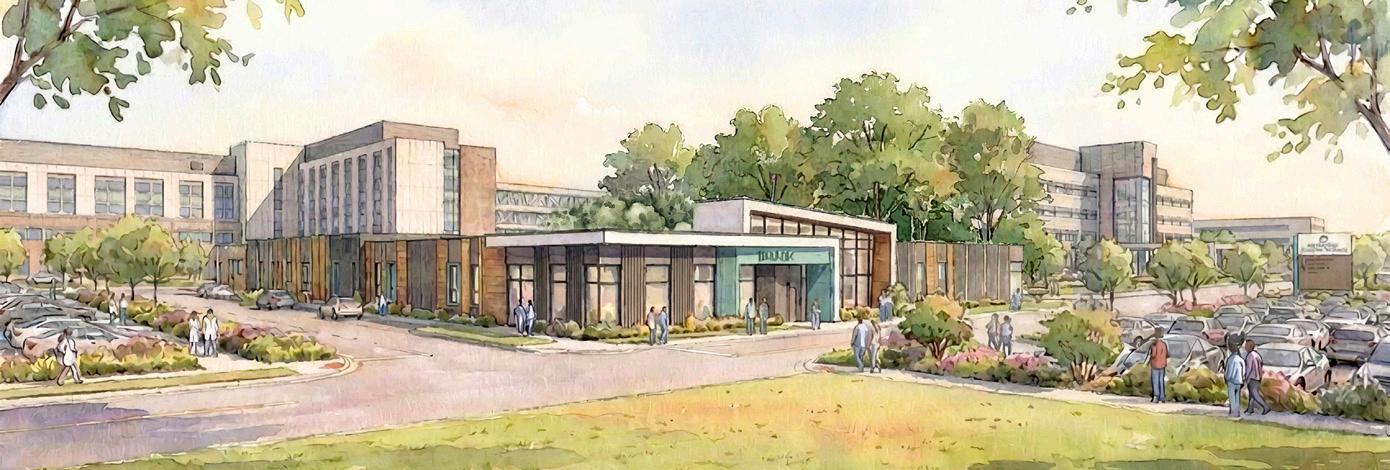
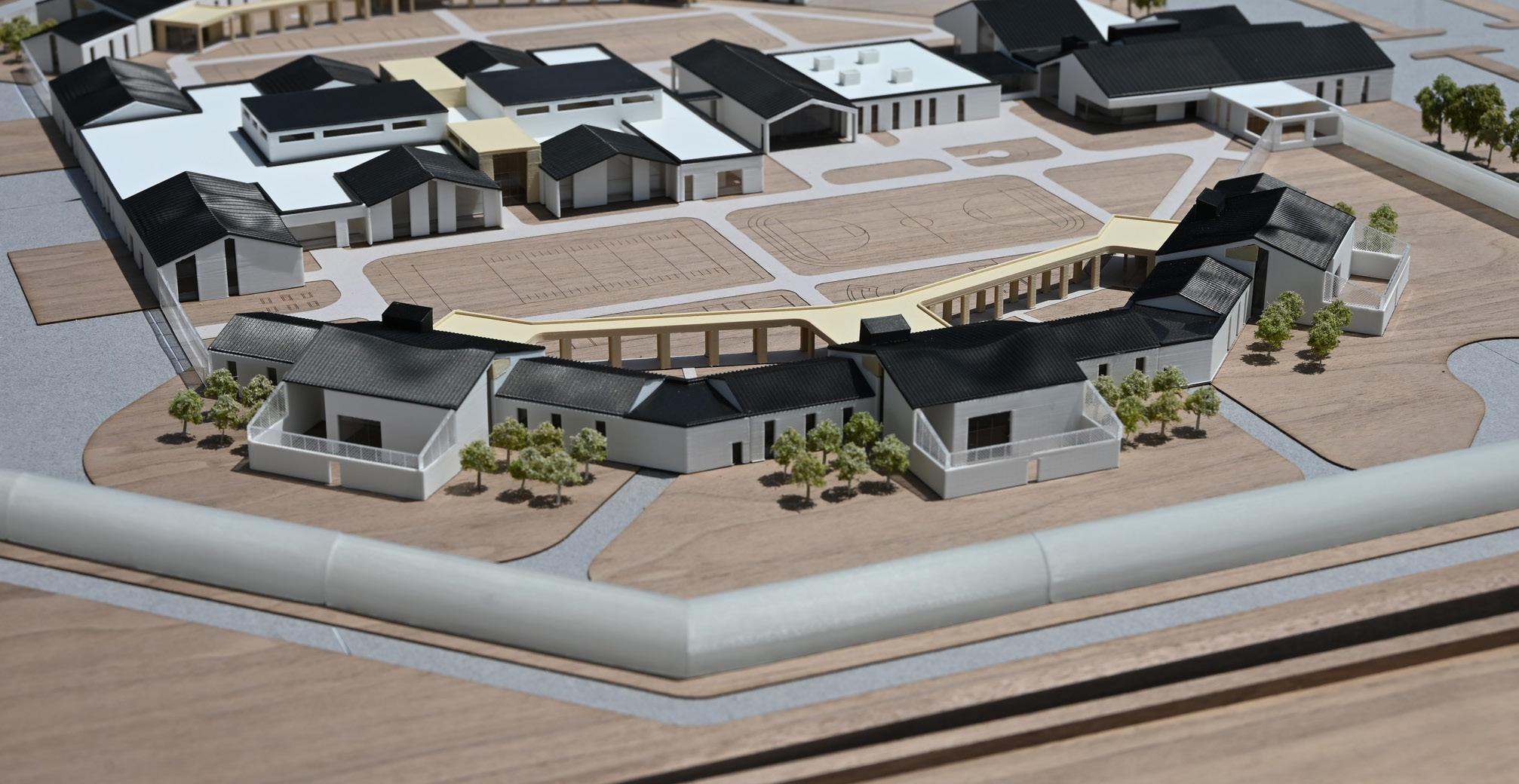
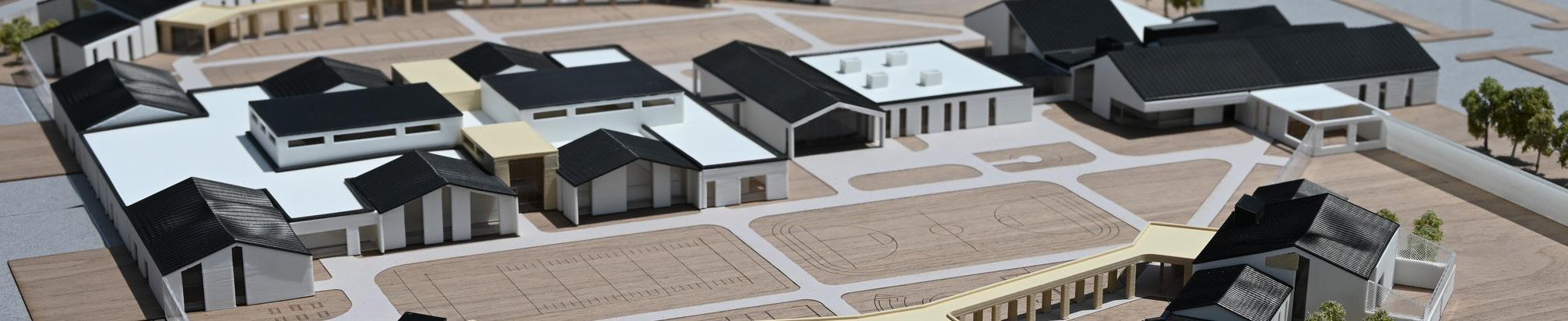
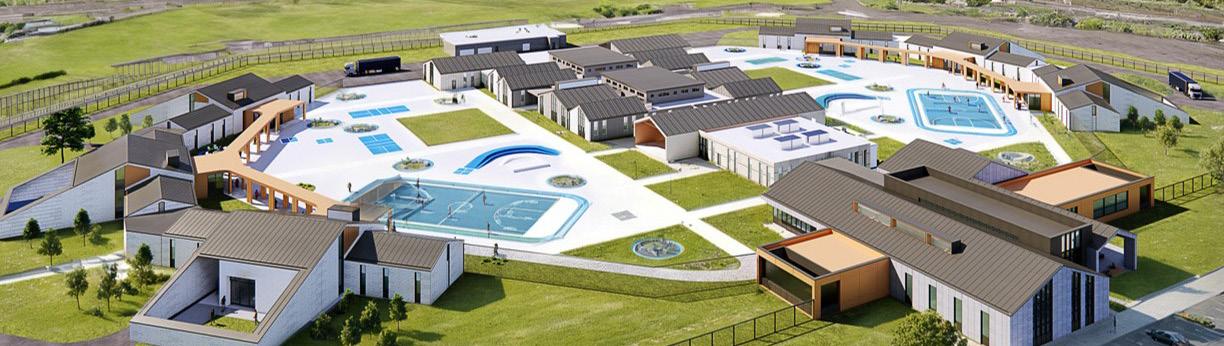
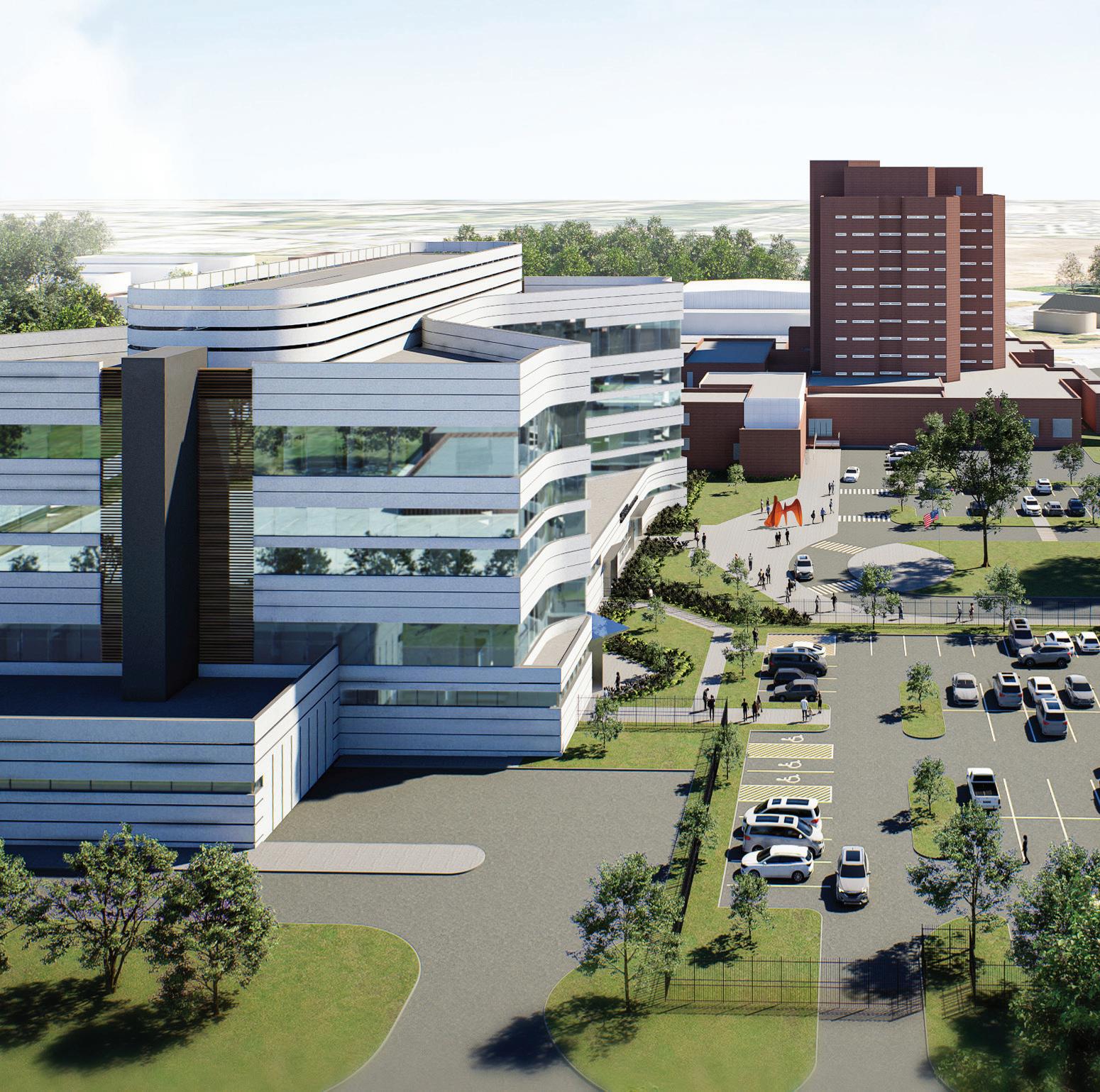
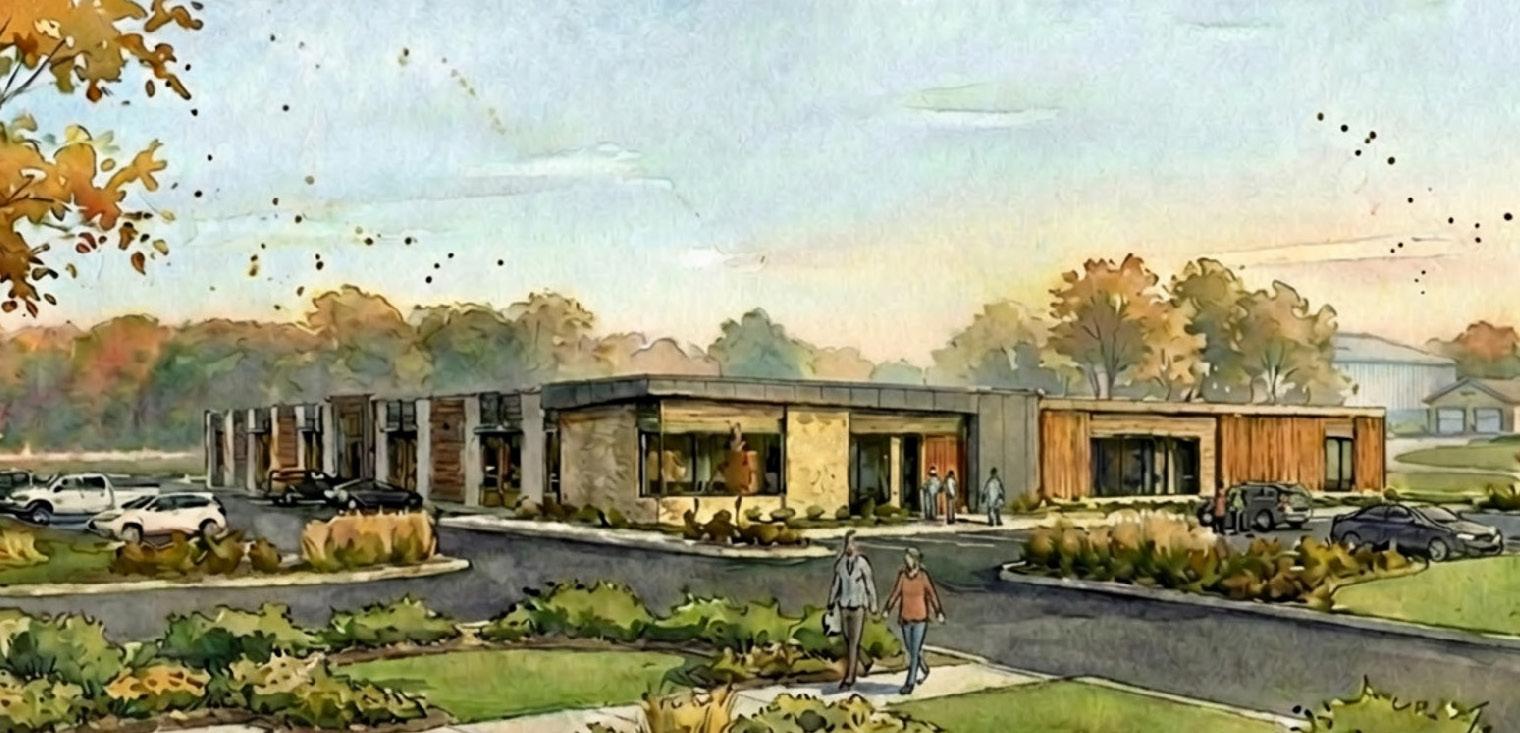
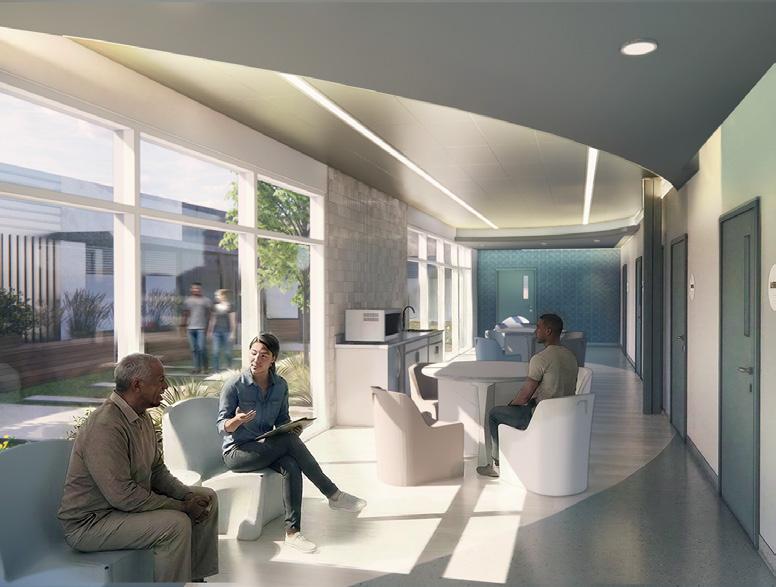
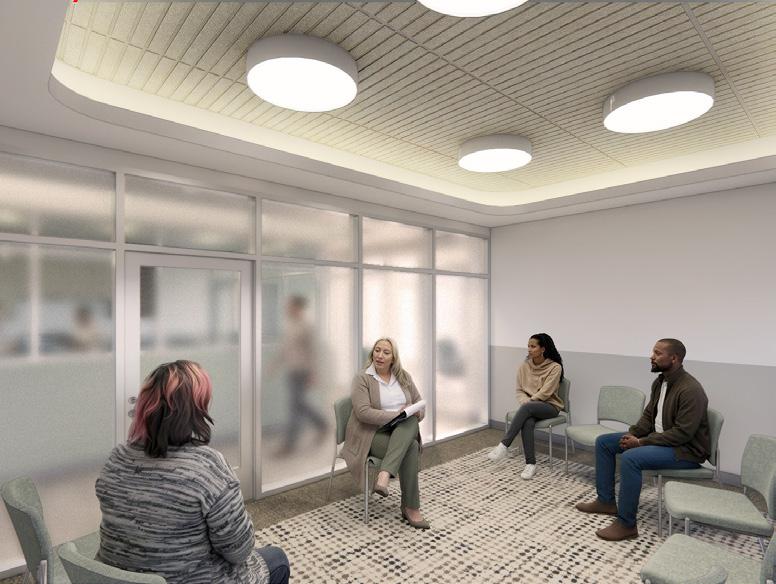
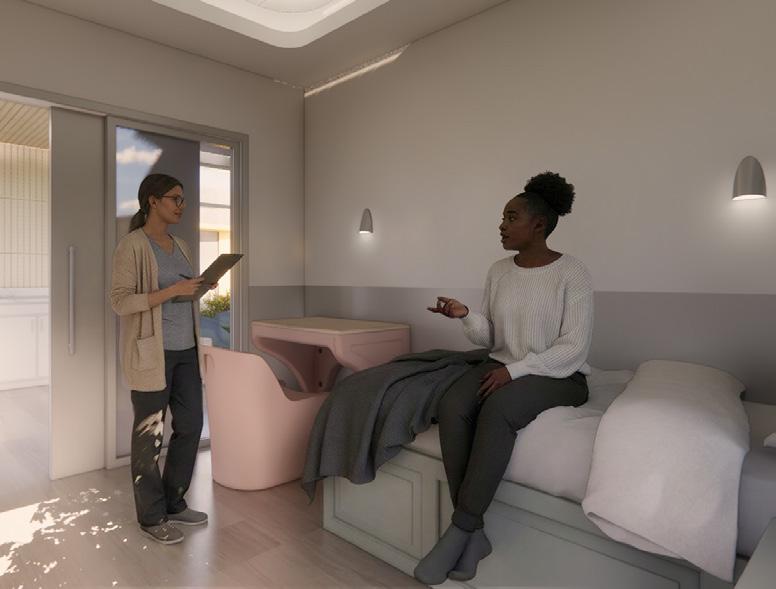
A rendering of one of the new juvenile facilities in Grafton, intended to hold up to 36 youth.
Photo Credit (all): HDR
violent young people are placed in massive, crowded environments, treatment disruptions and behavioral conflicts become far more difficult to manage — especially if a facility is facing staffing shortages.
True system transformation means recognizing that juvenile justice is distinct from adult corrections. Our mission is not merely confinement; it is habilitation, education and healing. To accomplish this, we are fundamentally shifting the relationship between our physical
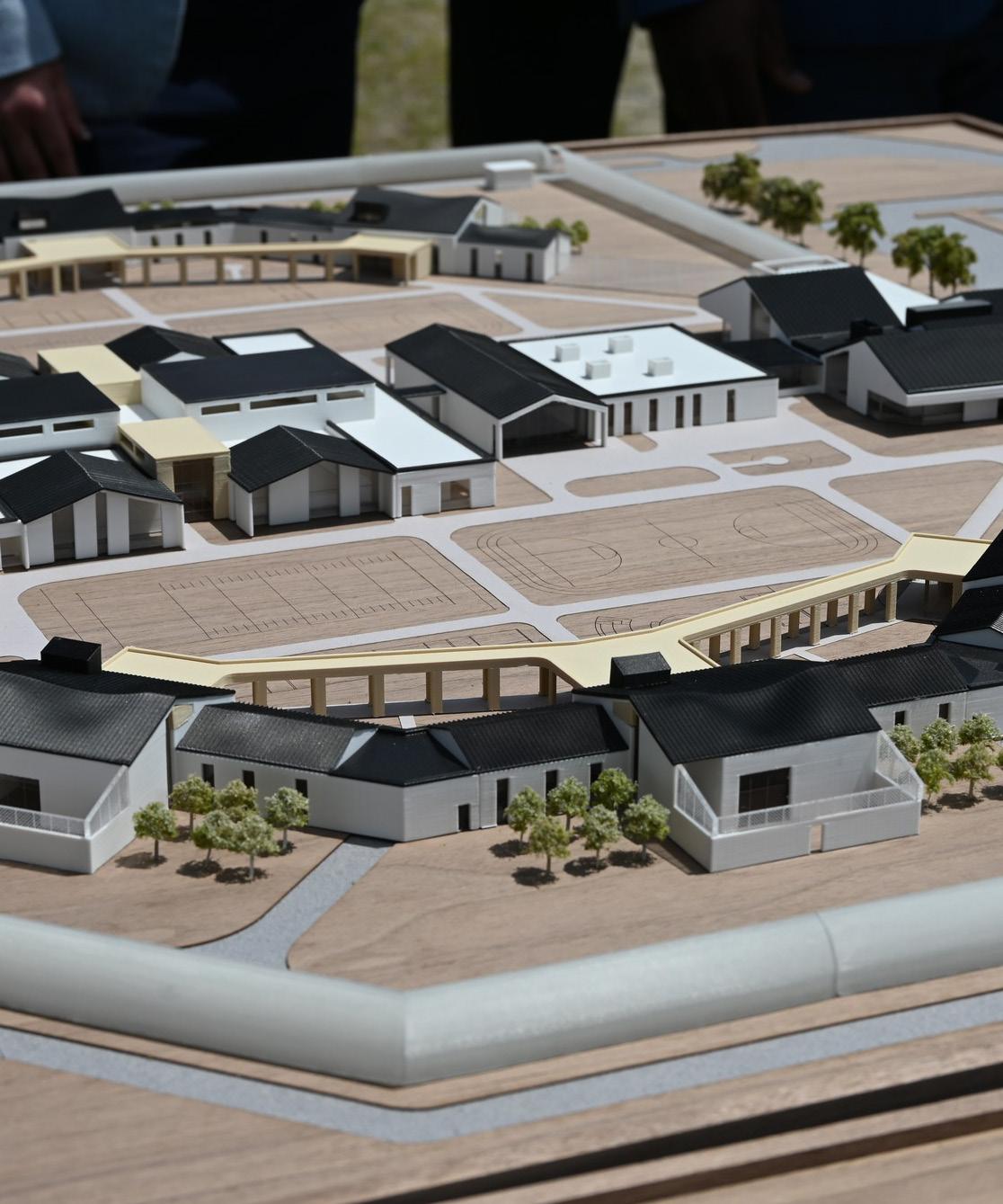
plants and our treatment practices. We are moving away from environments that are institutional in character and design, replacing them with smaller, campus-style environments intentionally structured to facilitate traumainformed and trauma-responsive care.
Why Smaller is Safer and More Effective
The core priority driving this transformation is simple yet supported by overwhelming evidence: smaller is safer. Moving to a decentralized footprint of smaller facilities allows us to completely reengineer the daily dynamics of a secure care environment.
First and foremost, smaller facilities establish a dramatically lower ratio of youth to staff. In a scaled-down setting, juvenile corrections officers can move past a posture of simple supervision and engage in high-level mentoring and personal interaction. This lower ratio allows for positively targeted interactions tailored to each youth’s specific case plan, behavioral needs and educational requirements. When staff and youth can build healthy, respectful and authentic relationships, more of the underlying triggers of institutional violence are significantly diminished. Additionally, smaller environments minimize the risk of large-group conflicts and treatment disruptions. Staff can maintain a clearer line of sight, recognize escalating behaviors early and intervene using deescalation tactics before a crisis occurs.
Beyond youth dynamics, smaller models optimize facility operations by reducing rigid bureaucratic hierarchies. Facility leaders and supervisors become highly visible and responsive to frontline staff, driving a unified institutional culture centered on staff wellness and programming structure. Simply put, when
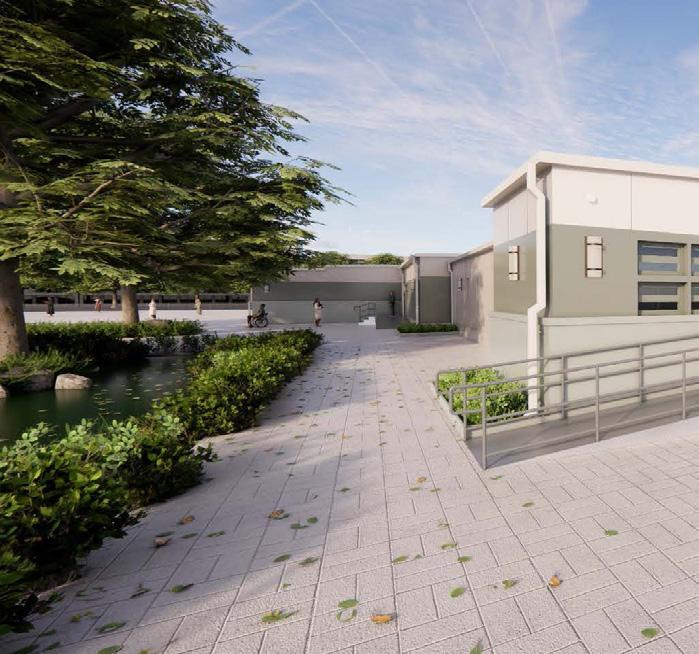
The new Grafton facilities will feature smaller housing units and expansive outdoor recreation areas.
Translating Clinical and Operational Excellence for Secure Facilities
Since 2017, Falcon experts have supported the planning and design of more than 30 projects in the justice architecture space. Each Falcon team brings decades of experience in the delivery, supervision, administration, and operation of correctional practice and healthcare.
• Collaborating with industry experts to create holistic solutions for correctional facility challenges.
• Developing policies tailored to correctional environments.
• Conducting staffing analyses to ensure clinical and operational efficiency.
• Translating clinical and operational needs into architectural programs for purpose-built facilities.
• Applying evidence-based approaches in all aspects of facility planning and design.
Real Experts. Real Solutions. Real Results.
2025 Facility of the Year Nominee: Franklin County James A. Karnes Corrections Center COLUMBUS, OH
Correctional agencies across the country are facing one of the most persistent threats in modern corrections: contraband cell phones and unauthorized wireless communications. Unauthorized communications are now tied to organized crime, drug trafficking, witness intimidation, extortion, fraud, staff corruption and threats beyond prison walls.
The Georgia Department of Corrections (GDC) is addressing that threat through a statewide strategy focused on technology, intelligence and long-term security. In partnership with SDF, GDC has implemented the largest correctional cellular interdiction deployments in North America, using SDF’s PROscan (Prison Roaming Operator and Secure Cellular Authentication Network) technology to identify, control and disable unauthorized wireless communications.
The deployment is operational at 18 GDC correctional facilities, with additional sites planned through 2026. Since implementation, the system has helped identify and deny service to more than 13,000 unauthorized wireless devices, with hundreds more being identified and addressed each month as new facilities become operational.
“Contraband phones are not just isolated devices anymore,” said GDC Commissioner Tyrone Oliver. “They are connected to organized criminal activity both inside and outside the facility. When agencies gain the ability to identify those devices, analyze communication patterns and respond in real time by using technology like SDF’s PROscan, it changes the entire security equation.”
Facilities are also confronting drone-assisted deliveries of drugs, weapons, cell phones and other prohibited items. Traditional searches, investigations, mail screening and perimeter security remain important, but unauthorized wireless communications require a continuous, technology-based response.
Investing in a Smarter Security Infrastructure
GDC officials began researching and piloting cellular interdiction technologies as part of a broader effort to improve operational efficiency and strengthen facility security. After evaluating multiple providers, the department moved forward with an initial order of six systems before later expanding the deployment statewide. Today, the PROscan system has been installed at 18 correctional sites, with expansion planned for more facilities.
The scale of deployment reflects growing confidence in the operational value of wireless intelligence and communications control.
That distinction is critical. Facilities must stop illicit communications without disrupting legitimate users, staff operations, emergency calls or lawful communications outside the facility. PROscan gives agencies a precise way to identify unauthorized devices, isolate them and deny service while maintaining critical communications that must remain operational.
“Our Secure Cellular Authentication Network was designed specifically for the correctional industry,” said Oren Pelleg, Chief Executive Officer of SDF. “We are proud to support GDC and to work closely with AT&T, T-Mobile and Verizon to deliver a secure, effective and scalable solution for correctional facilities.”
It is critical for correctional agencies seeking to balance security operations with public safety requirements. Signal jammers are prohibited by law, and they create problems because they disrupt critical communications and emergency communications. Agencies from small to large, like GDC, are looking at intelligent systems like PROscan that can identify unauthorized devices, isolate them and deny service without negatively impacting legitimate operations.
GDC has also incorporated collected contraband device data into broader intelligence and fusion-center operations, with support from GHOST by VIA Science, allowing wireless activity to be evaluated alongside other correctional intelligence sources creating actionable intelligence and improving public safety.
“Wireless interdiction is no longer just about stopping a phone call,” Commissioner Oliver said. “The intelligence value becomes equally important. Agencies can use the information provided by tools like PROscan to proactively identify criminal networks, investigate staff corruption
concerns and better understand operational risks that may otherwise stay hidden.”
Each disabled contraband phone can disrupt criminal communications, limit illegal coordination, reduce intimidation efforts, interfere with trafficking operations and provide intelligence that helps officials understand larger threat patterns. The deployment also helps GDC move from a reactive search-and-seizure model to a proactive model based on visibility, trend analysis and faster response.
Planning for Long-Term Facility Security
As correctional systems modernize aging infrastructure and develop new facilities, wireless communications management is increasingly being considered alongside cameras, perimeter controls, access control, fire alarms and emergency communications systems.
“Any new prison or jail project needs to evaluate wireless interdiction the same way it evaluates cameras, gates or fire alarm systems,” Commissioner Oliver said. “Wireless communications are part of the operational environment now. If facilities are not planning for that during design and construction, they are going to face more difficult and more expensive challenges later.”
The GDC deployment required facility coordination related to power and equipment placement. Facilities generally require multiple tower and antenna installations at each site. For project teams, that coordination creates additional considerations related to infrastructure planning, equipment hardening and long-term operational scalability.
Partnership and Operational Support
The GDC project demonstrates that successful interdiction programs require more than equipment. They require provider and carrier coordination, installation support, training, data reporting, system maintenance and ongoing operational engagement.
“Correctional agencies need partners like SDF, that are willing to invest time and resources into the relationship,” Commissioner Oliver said. “Technology deployments in corrections are not one-time events. Facilities evolve, threats evolve and operational needs evolve. The vendor relationship has to evolve with them.”
While large-scale deployments often receive the most attention, many agencies continue to face budget limitations that complicate technology adoption. To address those concerns, SDF has developed multiple solutions, including temporary and fixed assessment systems, which can be acquired via service agreement or direct purchase, supporting an agency with varying operational needs and funding structures.
“Contraband phones remain one of the most significant security threats facing correctional agencies today,” said David Gittelson, Vice President of Business Development at SDF.
“After over 15 years of working in the industry, it is exciting to see the progress SDF has made in less than 24 months helping agencies identify, control and disable unauthorized wireless communications.”
From assessment-based deployments to full PROscan implementations, Gittelson says that SDF’s goal is to provide every agency with a practical path toward improved security, regardless of facility size or budget. “As the only fully vertically integrated provider of cellular interdiction solutions, SDF is uniquely positioned to support that mission,” Gittelson said.
“As the industry moves forward, correctional facilities are going to become increasingly technology-driven,” added Commissioner Oliver. “The goal is not simply to add more technology, but to create safer environments for staff, inmates and communities through smarter and more connected systems.”
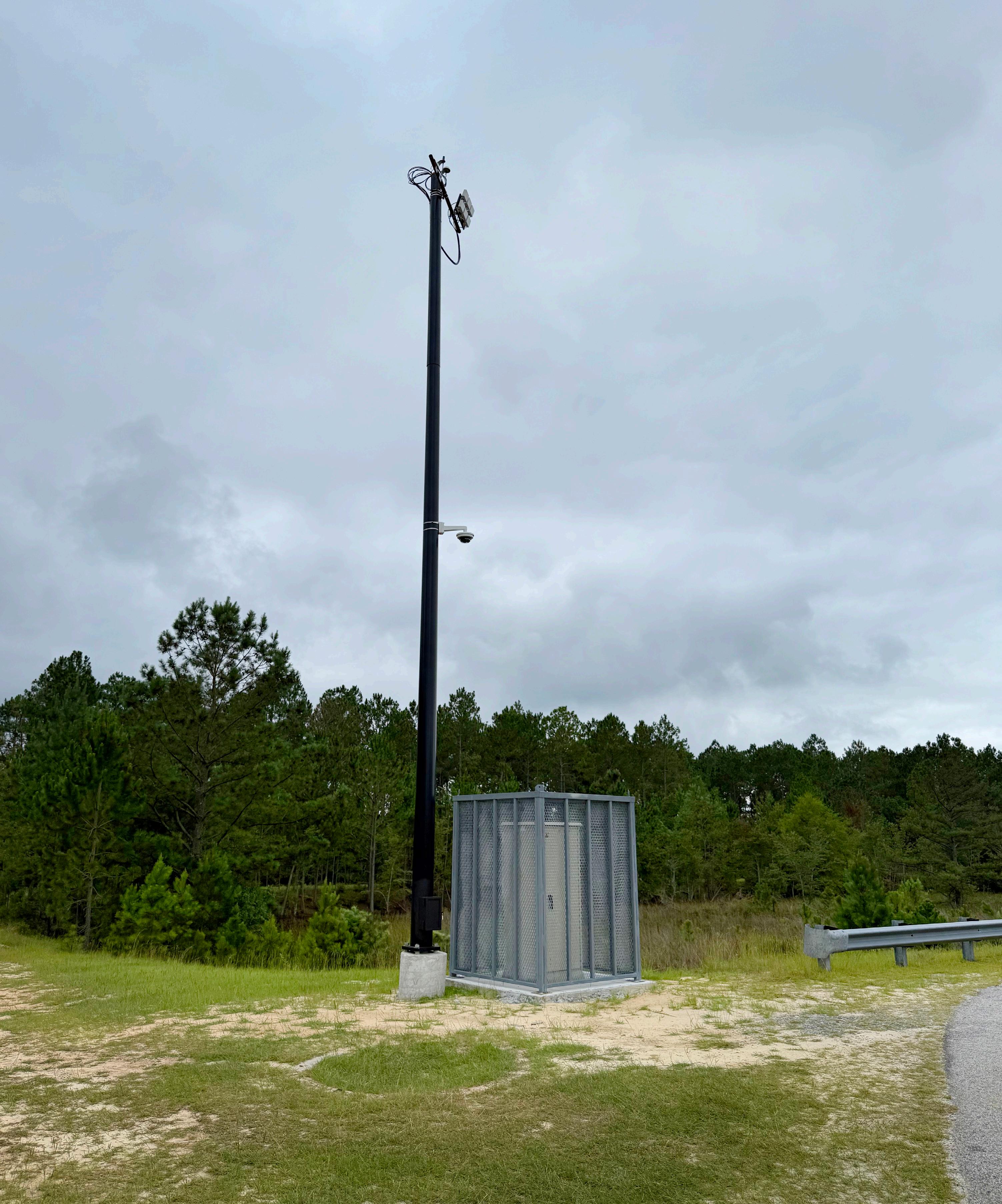
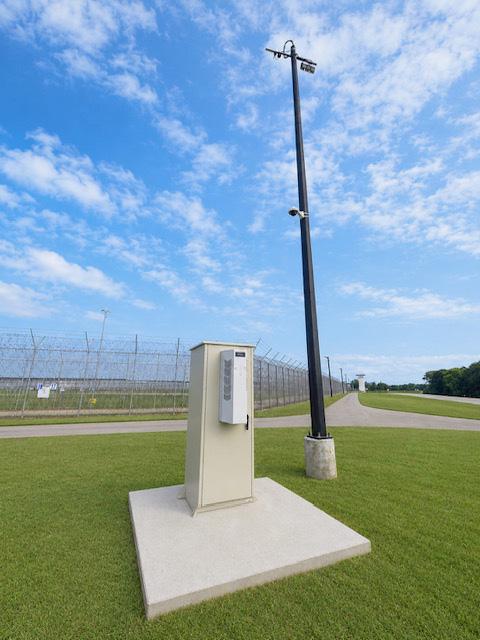
PROscan technology identifies, controls and disables unauthorized wireless communications.
Photo Credit (all): Courtesy of SDF
New Priorities Shape Correctional Construction Projects
Contractors discuss market pressures, modular methods and digital tools impacting justice facility jobsites
By Charlie Lange
As existing correctional facilities age and needs around rehabilitation, healthcare and staff wellness evolve, the demand for new or extensively renovated facilities that can accommodate these services has increased considerably.
Additionally, today’s facilities include more dedicated spaces for educational and vocational programming, along with enhanced safety features such as security mesh on upper-mezzanine levels instead of railings and walls between housing cells. Increased access to natural daylight,
improved staff break areas, fitness and training facilities, and other dedicated wellness resources continue to be major trends.
“Over the past several decades, safety has expanded beyond traditional security measures to address evolving inmate populations, behavioral
Correctional News spoke with Todd Butler, Project Director with Granger Construction, who leads the company’s Public Sector Market; and John Wilke, Senior Vice President and Regional Director for White Construction, to learn how advances in technology, materials, and delivery methods are enhancing correctional construction and enabling agencies to build facilities that meet modern demands faster, even amid market pressures.
Aging Infrastructure Driving Demand
Butler and Wilke point to existing facilities nearing the end of their lifecycles pushing the need for new and renovated facilities. As many such facilities have already been renovated once, or even multiple times, agencies face the question of whether to invest in further renovations or replace facilities altogether.
“It seems everyone wants a new jail these days due to aging infrastructure and needing more space or updated facilities,” said Wilke.
As population requirements and industry best practices continue to evolve, Butler says that building new facilities for long-term flexibility is more critical than ever.
“Older facilities were often built with systems that make renovations and expansions difficult and costly,” said Butler. “Because most owners will only build a new correctional facility once in their careers, there’s a strong focus on creating facilities that can adapt over time. We are seeing greater emphasis on accessible building systems, planned expansion areas and construction methods that make future modifications more practical.”
Butler
Wilke
health challenges, and the wellbeing of both staff and incarcerated individuals,” Butler said.
Market Pressures Affecting Projects
Even as supply-chain challenges have cooled since the peak of the COVID-19 pandemic, rising construction costs and unpredictable material availability continue to impact the market.
“Escalation is forcing owners to make decisions earlier, prioritize needs more carefully, and focus on investments that will provide long-term value,” said Butler.
Some components that are critical to correctional projects, such as security systems, are supplied by a relatively small group of manufacturers, and new vendors that enter the market during periods of growth may not have the longevity to continue supplying projects during market downturns. In response, construction companies cultivate strong relationships with established manufacturers and vendors to stay ahead of the supply curve.
“We understand the importance of monitoring market trends, evaluating vendor stability and planning procurement strategies early in the process,” said Butler. “That proactive approach helps reduce risk, avoid delays and improve longterm project outcomes.”
Civic + Justice
DESIGNING A NEW FACILITY?
Whatever the circumstance may be, we want you to feel confident in your purchasing decisions. As part of our Furniture Pilot Program, we now offer clients a complimentary, commitment-free opportunity to install and experience the benefits of Cortech products firsthand. Available in a Wide Range of Colors!
CONTACT US TODAY! (800) 571-0770 info@cortechusa.com
Wilke agrees, adding that garnering community support and securing funding also remains a constant hurdle for projects within the corrections and justice markets.
“Funding constraints — in conjunction with labor shortages — cause extended schedules and drive up costs, requiring design and construction teams to work closely together to minimize challenges,” said Wilke. Planning ahead and getting a clear picture of actual construction costs can also keep projects on track. “Owners are balancing aging infrastructure, operational needs, public expectations and other community priorities, making early planning and reliable cost information more important than ever,” said Butler.
Modular Solutions
With demand high, and budgets and timelines tight, contractors are also incorporating new building methods and materials, including modular components, to deliver new facilities faster.
“Projects can benefit by manufacturing products offsite while construction is proceeding, allowing for justin-time delivery,” said Wilke.
Butler agrees that modular options can lend predictability to a traditionally unstable process and help accelerate schedules and add to ease of maintenance down the line. However, he cautions that they are not a one-size-fits-all solution, and that the benefits as well as the limitations must be evaluated equally.
“We evaluate each project individually, considering operational needs and market conditions, to determine the most effective and economical solution for the owner,” said Butler.
Correctional Furnishings for the Normative Environment™
Nashville Davidson Justice Center • Nashville, Tennessee
Digital tools have enabled more efficient facility construction projects.
Photo Credit: Granger Construction
Stainless Steel Reigns Supreme
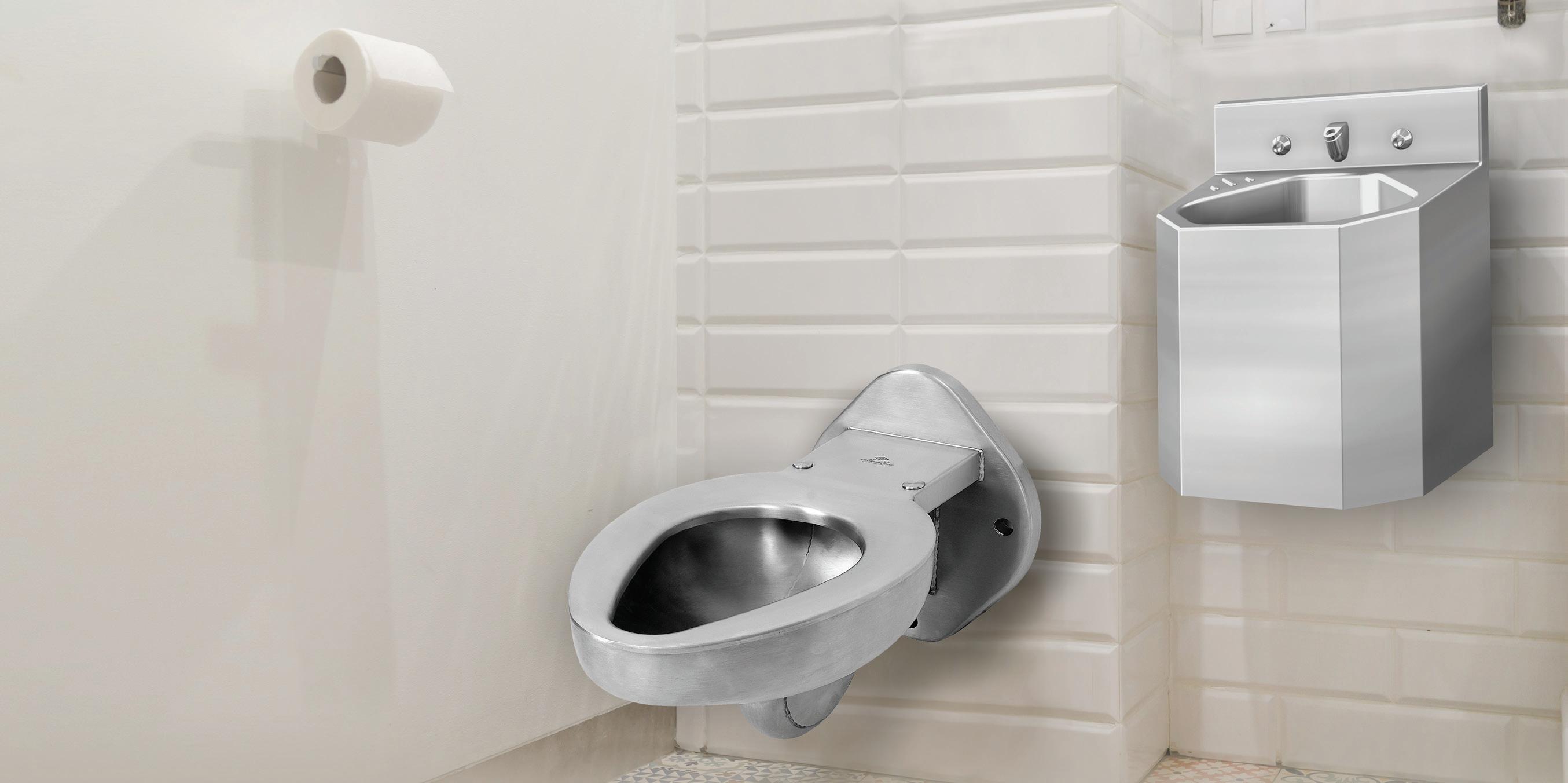
Durable. Vandal Resistant. Anti-Microbial*.
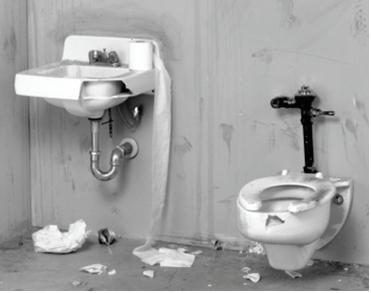
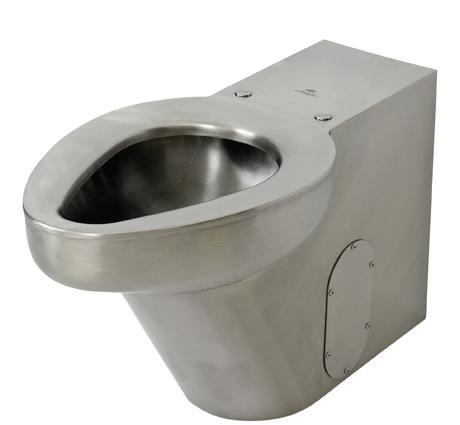
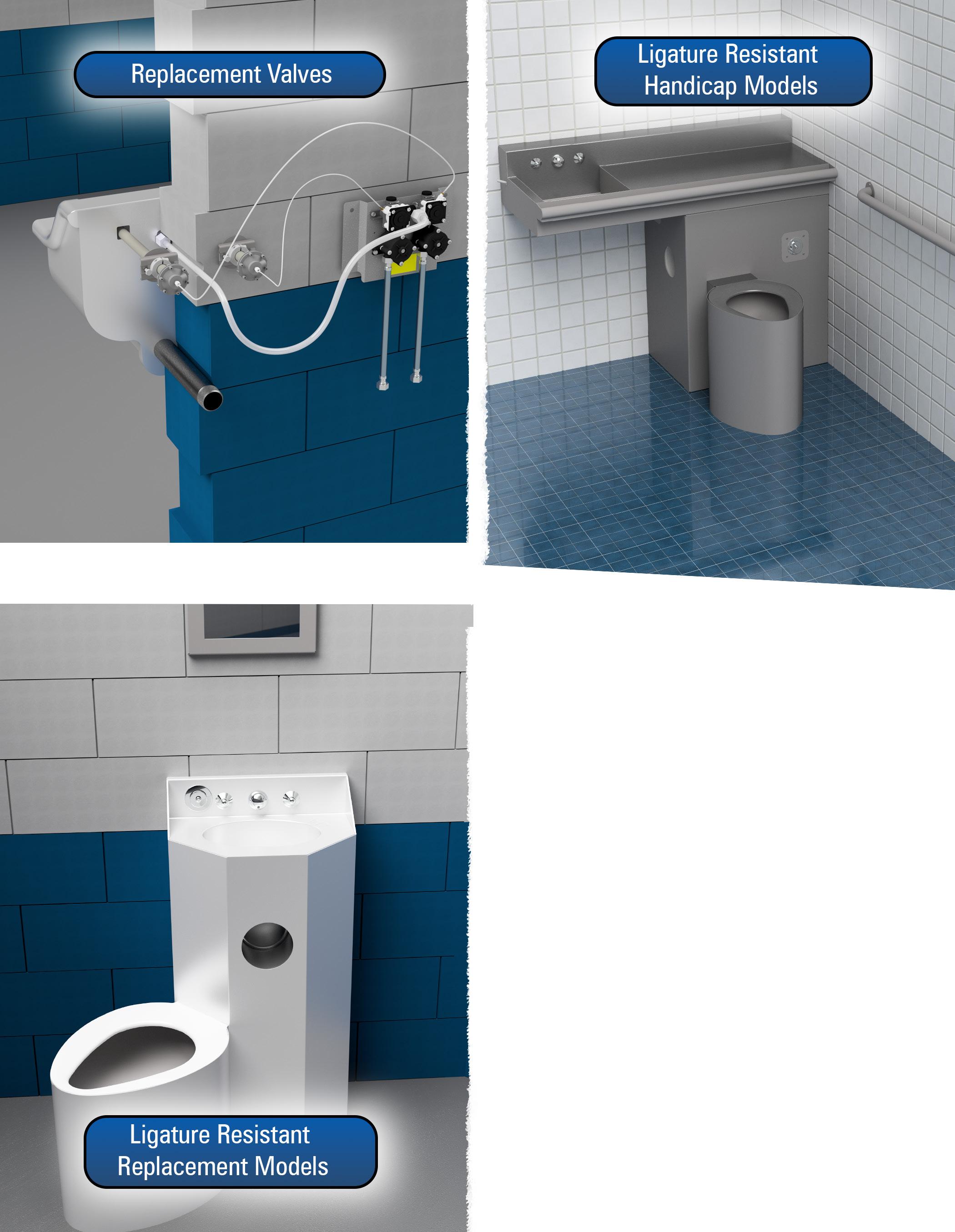
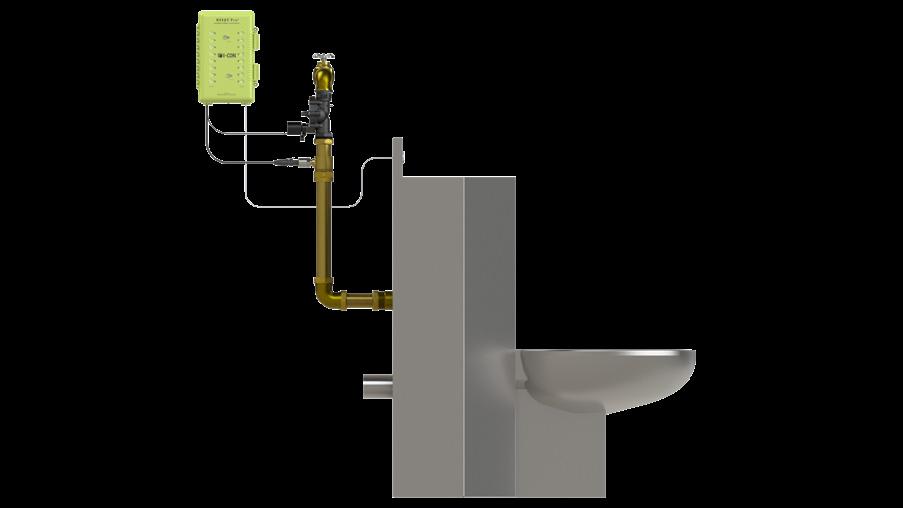
STAINLESS STEEL SECURITY LAVATORY MODEL NO. 3325 BEFORE
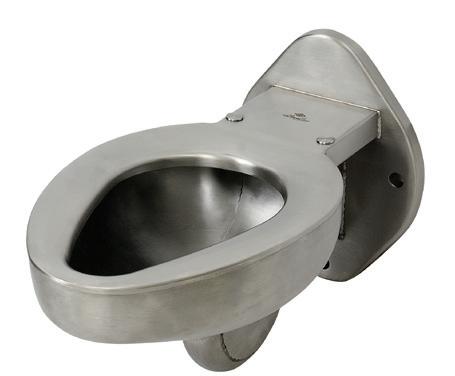
OFF-FLOOR BLOWOUT JET STAINLESS STEEL TOILET MODEL NO. R 2100
REPLACE-WARE® FIXTURES
Featuring an anti-microbial powder coat and no-touch foot button, these replacements are not only superior in terms of durability—they’re more hygienic as well.
Benefits
• Higher durability
• Easy replacement
• Touchless
• Anti-Microbial
• Cost Saving
• Labor Saving
Powder coat, anti-microbial additive, and foot button are optional.
OFF-FLOOR BLOWOUT JET
STAINLESS STEEL TOILET
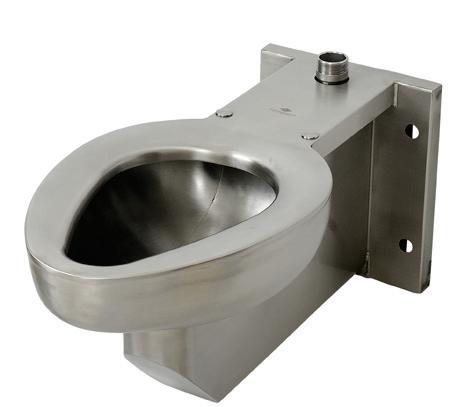
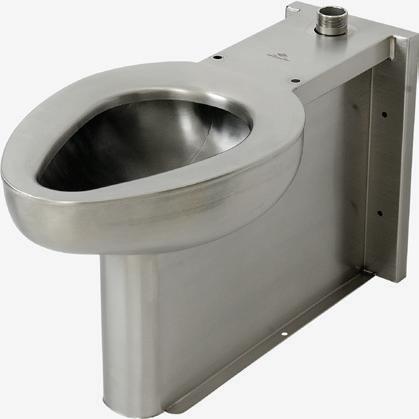
OFF-FLOOR SIPHON JET STAINLESS STEEL TOILET MODEL NO. R2105-T-1
JET STAINLESS SIPHON JET STAINLESS STEEL TOILET WITH WALL WASTE MODEL NO. R2115-T-2
SIPHON
Building Better ... One Relationship at a Time
From detention centers to juvenile justice campuses, BELL Construction prioritizes communication, flexibility and operational outcomes
By Lindsey Coulter
The most successful justice projects rarely follow a straight line.
Operational requirements and stakeholder priorities shift, challenging correctional and juvenile justice project teams to adapt throughout design and construction. Success increasingly depends on the ability to collaborate early, communicate often and help owners navigate complex decisions long before construction begins.
That reality is playing out on projects across BELL Construction’s growing portfolio of correctional and justice work. Whether delivering county detention centers, replacement facilities or juvenile justice campuses, the company has built its approach around flexibility and partnership.
A construction leader in the Southeast, BELL provides general contracting, design-build, and construction management services. Since its founding more than 50 years ago, the Brentwood, Tenn., company has led more than 1,000 construction projects.
tailored to their jurisdictions and budgets.
Corrections remains one of the more specialized construction sectors, requiring teams
Supporting Rehabilitation
Many agencies are rethinking how the built environment can support staff, improve safety and contribute to rehabilitative outcomes.
The Value of Early Engagement
As correctional projects become larger and more sophisticated, project teams are being asked to provide cost and schedule certainty earlier.
Rick Bruining, BELL Construction’s Director of Justice, said the evolution of project delivery methods has required contractors to expand their capabilities well before groundbreaking. As a result, BELL has invested in preconstruction expertise to serve owners. For correctional agencies, which often rely on taxpayer funding and public oversight, realistic budgets from the outset can significantly influence project outcomes.
That was the case on the Putnam County Jail project in Tennessee. BELL’s experience established trust, and its long-term relationships helped secure the construction managerat-risk contract based on only six pages of planning documents. Despite the limited initial information, the project exceeded expectations.
Alex Roten, Senior Project Manager with BELL, credited the outcome to the company’s specialized corrections experience.
“With our experience in the space and understanding how to give the client what they needed, we were able to work with stakeholders and our subcontractors to make the [Putnam County] project more efficient, which ultimately enabled us to give money back to the county,” Roten said.
Experience Matters in a Specialized Market
The ability to compare multiple delivery and construction strategies has become increasingly valuable as correctional owners seek solutions
to balance security, operational efficiency, staff wellness and sophisticated technology systems. Roten believes one of BELL’s advantages stems from its deep, hands-on experience with multiple construction methodologies, from CMU to prefabricated steel, metal wall panels and precast concrete cells.
“We don’t approach a project saying ‘We did that type of construction 15 years ago.’ That diversity-based relevance separates us from some of our competitors,” Roten said.
Building Relationships
While technology and construction techniques evolve, BELL leaders emphasize that successful projects remain rooted in relationships and listening to the client. Bruining believes effective communication is particularly important in corrections, where many owners may be taking on the first or biggest construction project of their careers.
“We have to listen more than we talk,” he said. “We have to listen to the client’s needs and understand them.”
Tara Runion, PMP, Senior Project Manager at BELL, echoed that sentiment: “Our mission statement is, ‘Building better, one relationship at a time.’ We value those long-term partnerships with our clients, our trade partners and our team. We approach every project with a collaborative mindset.”
Those relationships often extend beyond a single project. BELL recently secured a major replacement detention facility project in Davidson County, Tenn., after previously completing work for the same client. According to Bruining, repeat work serves as one of the strongest indicators of project success.
Bruining has worked on more than 240 correctional facilities throughout his career, and said one of the most rewarding aspects of the work is replacing outdated facilities with environments better suited to contemporary operations.
“I’ve seen and walked through some of the facilities we’re replacing,”
Bruining said. “A new facility that’s brighter, cleaner, filled with natural light, and better organized can improve life for staff and incarcerated individuals.”
That philosophy is evident in BELL’s work on the Nashville Youth Campus for Empowerment project, which Runion sees as an opportunity to support broader community goals.
“The whole purpose is to break the cycle for these youth,” she said. “If we can create a safe space that provides counseling and support, I’m really proud of that for Nashville.”
Roten also emphasized the responsibility that comes with managing public-sector projects, where elected officials are often leading the first major construction project of their careers.
“I feel a deep personal responsibility to be a good steward of each project and deliver something the client can be proud of,” Roten said. “Something they can bring to their staff and community that supports safety and creates better environments for the people who work there every day.”
Investing in the Next Generation
Over the past several years, BELL has expanded its justice team, intentionally pairing experienced leaders with emerging professionals. The goal is to ensure that decades of specialized knowledge is passed to the next generation of project managers, estimators and field leaders who will guide justice projects in the years ahead.
Mentorship has become increasingly important as correctional construction grows more intricate. Professionals must understand the technical demands of preconstruction, advanced security technologies, alternative delivery methods and changing operational expectations, while addressing the needs of each justice client.
That commitment reflects BELL’s focus on building the experience, leadership and long-term capacity justice owners need going forward.
“We’re focused on the future,” Runion said. “We’re continuously investing in people, innovation, operational excellence and delivering the highest-quality justice projects.” This article was sponsored by BELL Construction. To learn more, visit www.bellconstructioncompany.com.
The Nashville Youth Campus for Empowerment, built by BELL, will foster safety, rehabilitation and community.
Photo Credit: DLR Group, Courtesy of BELL Construction
Justice with Dignity
Designed to serve the community for decades to come, Kansas City’s Jackson County Detention Center is the new cutting edge of corrections
By Lindsey Coulter
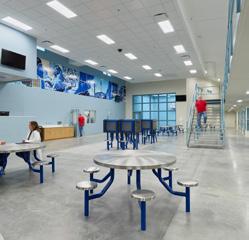
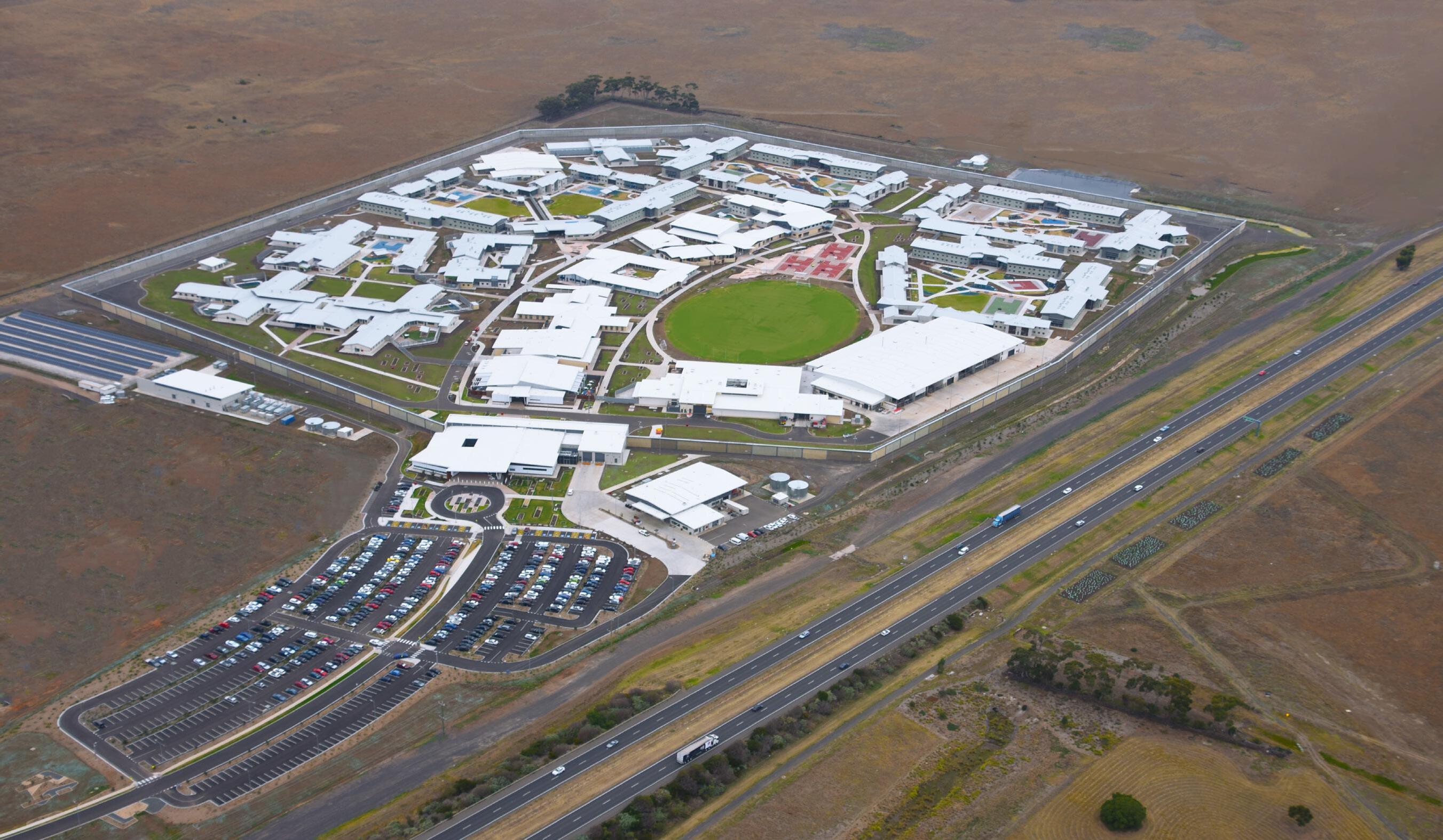
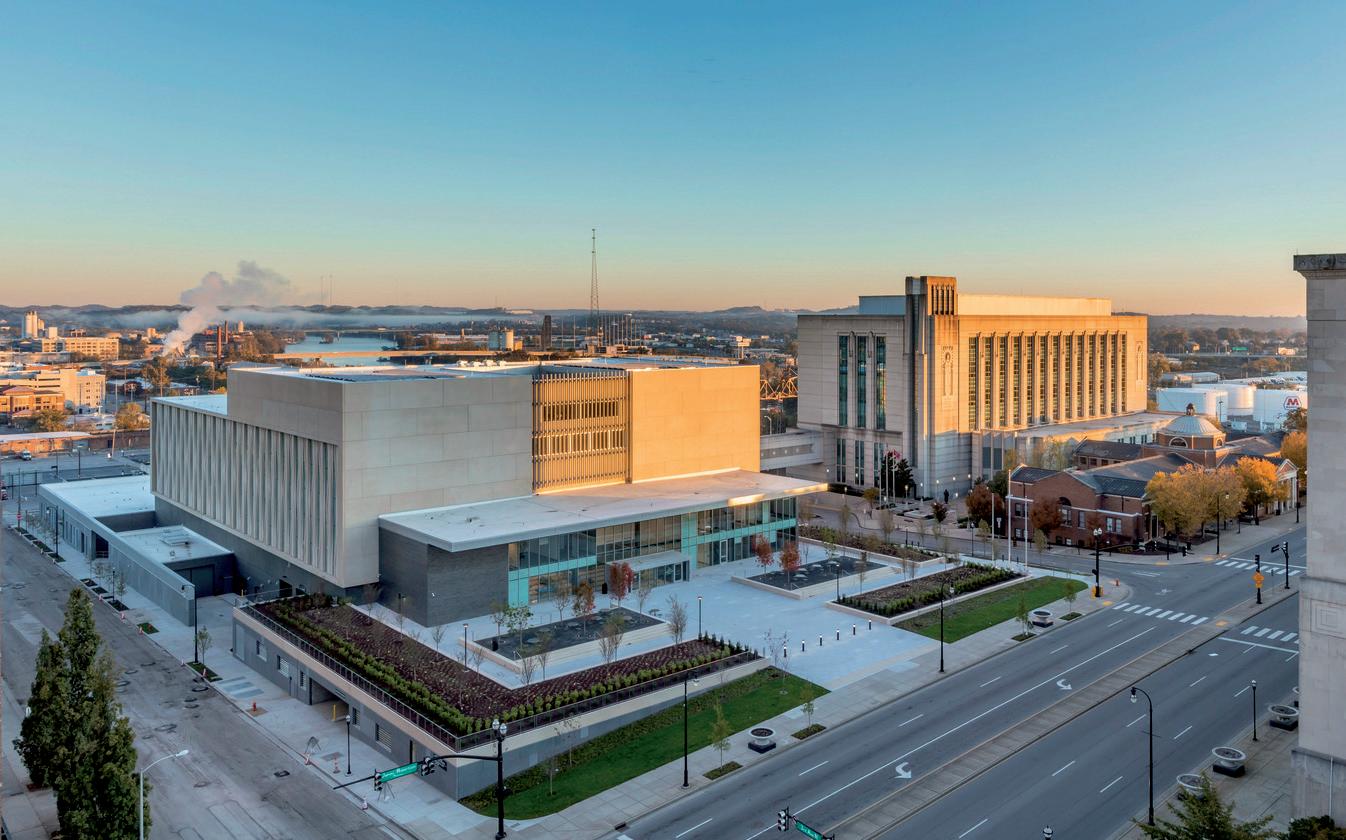
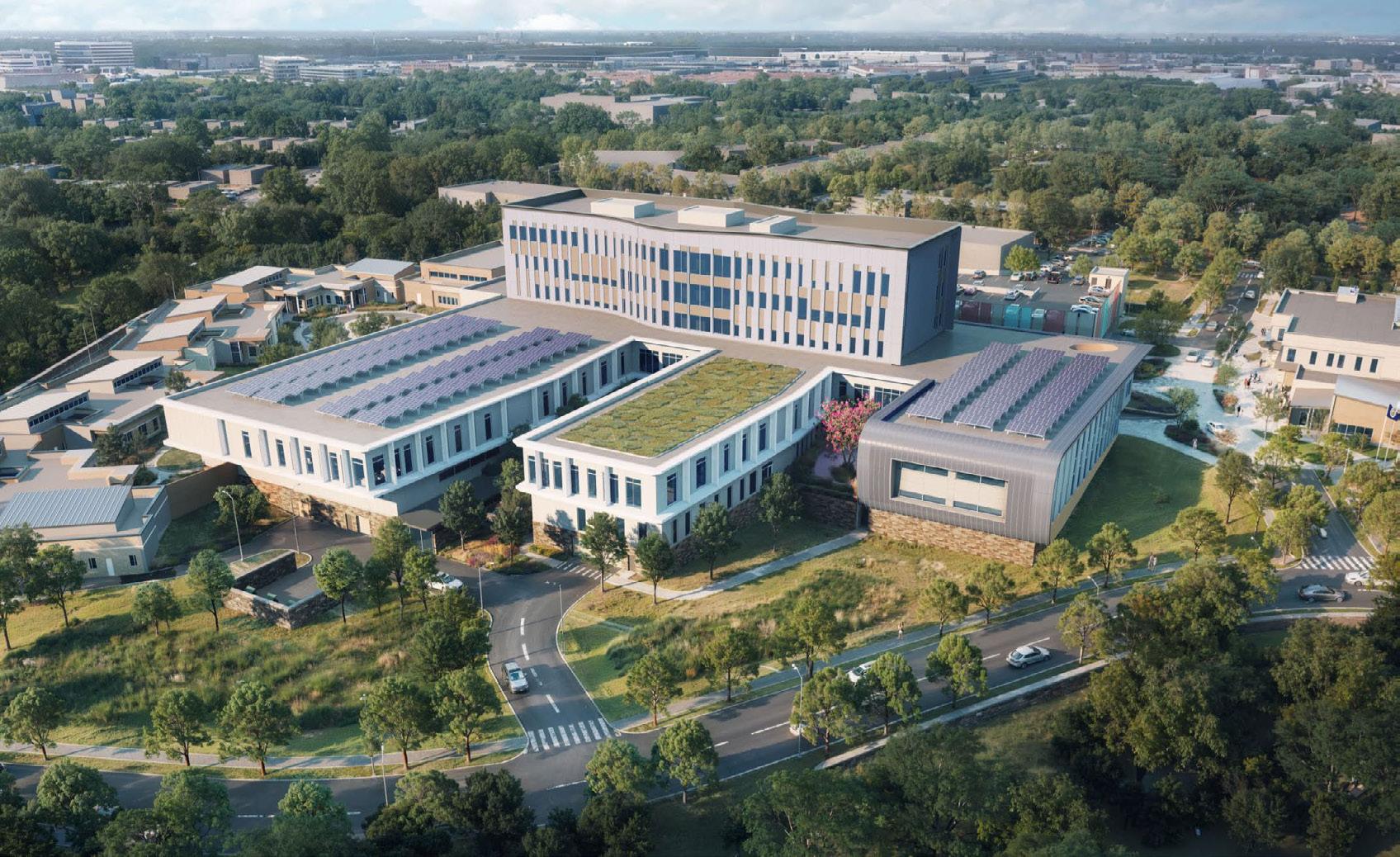
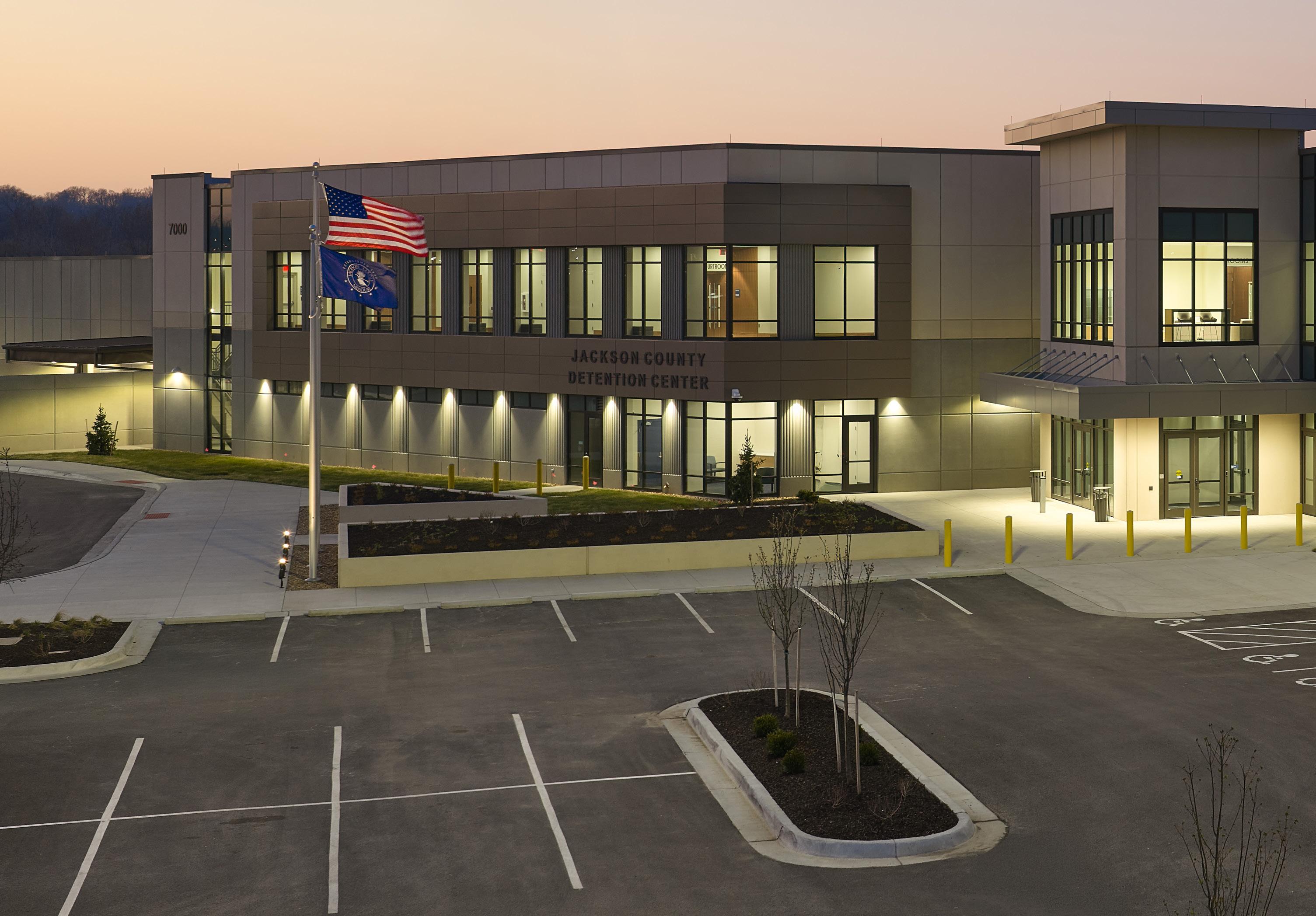
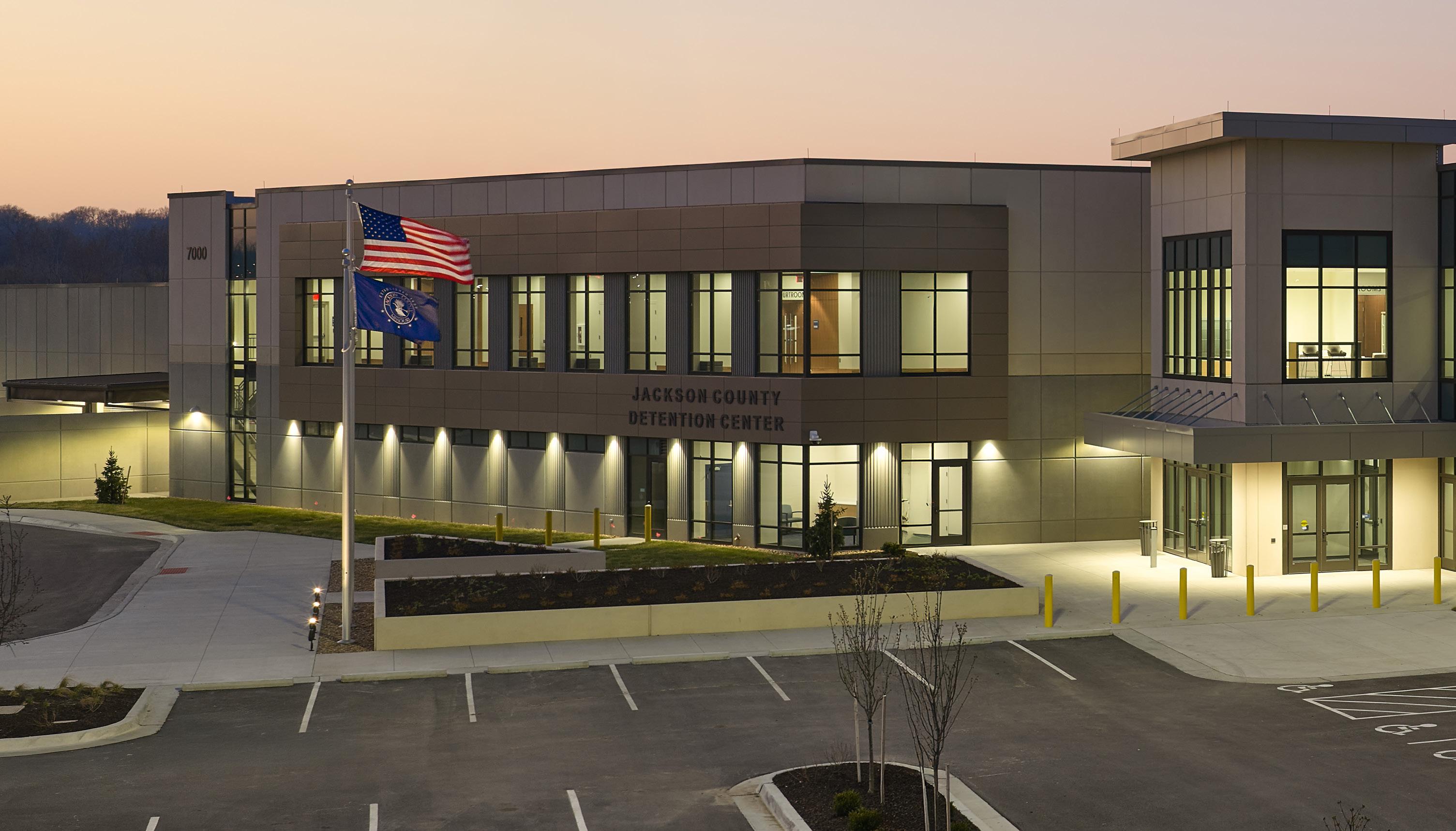
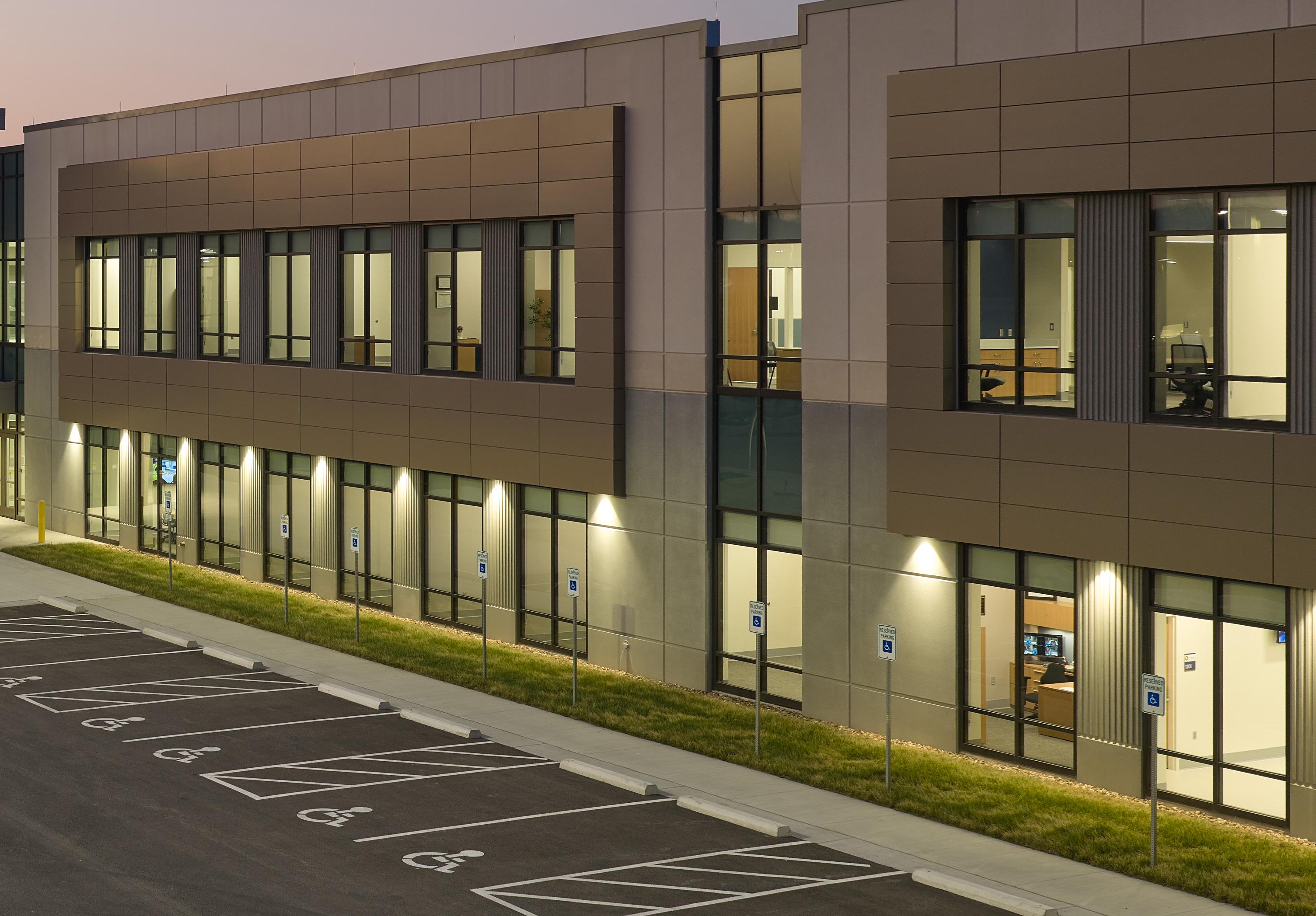
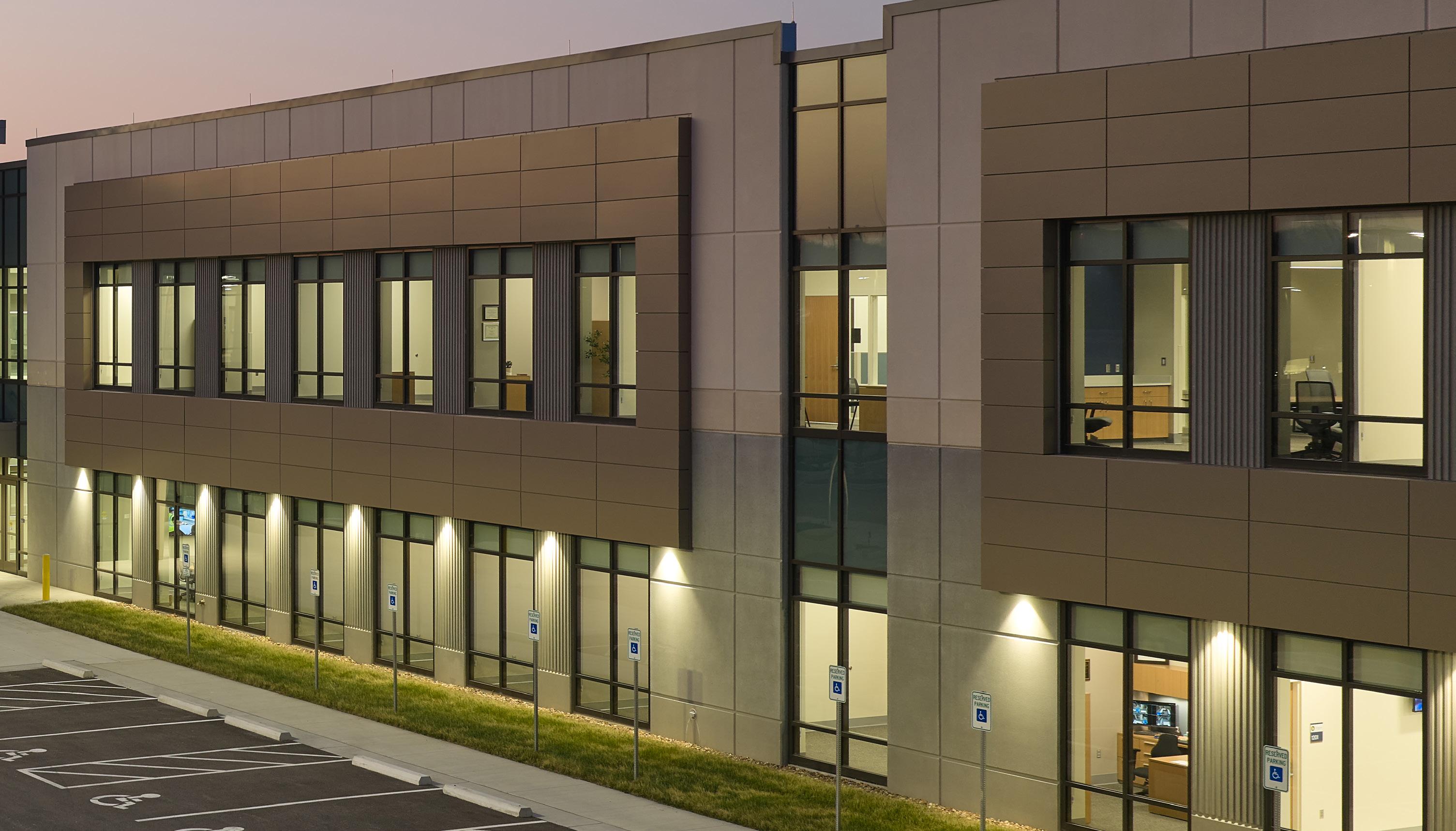
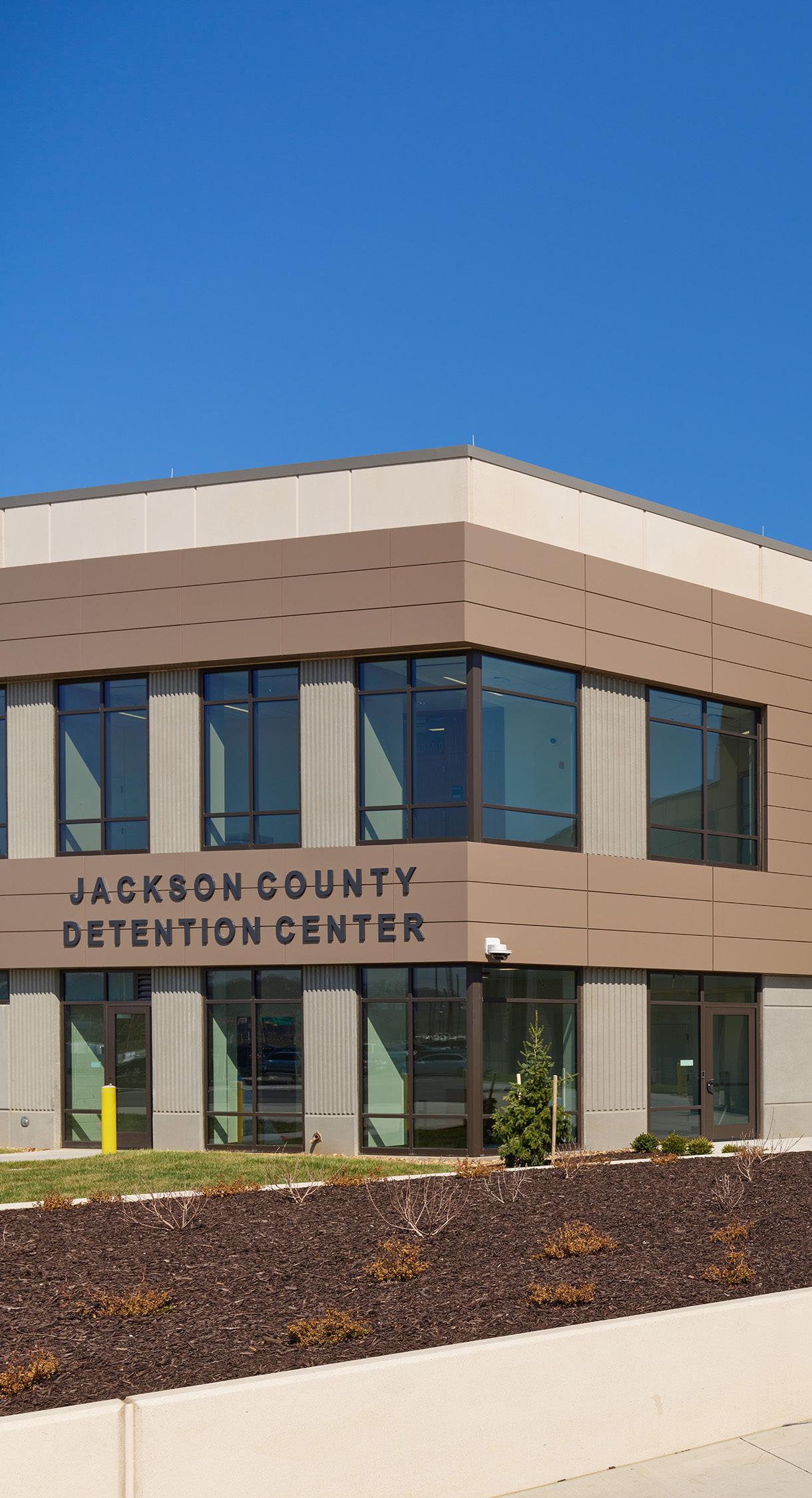
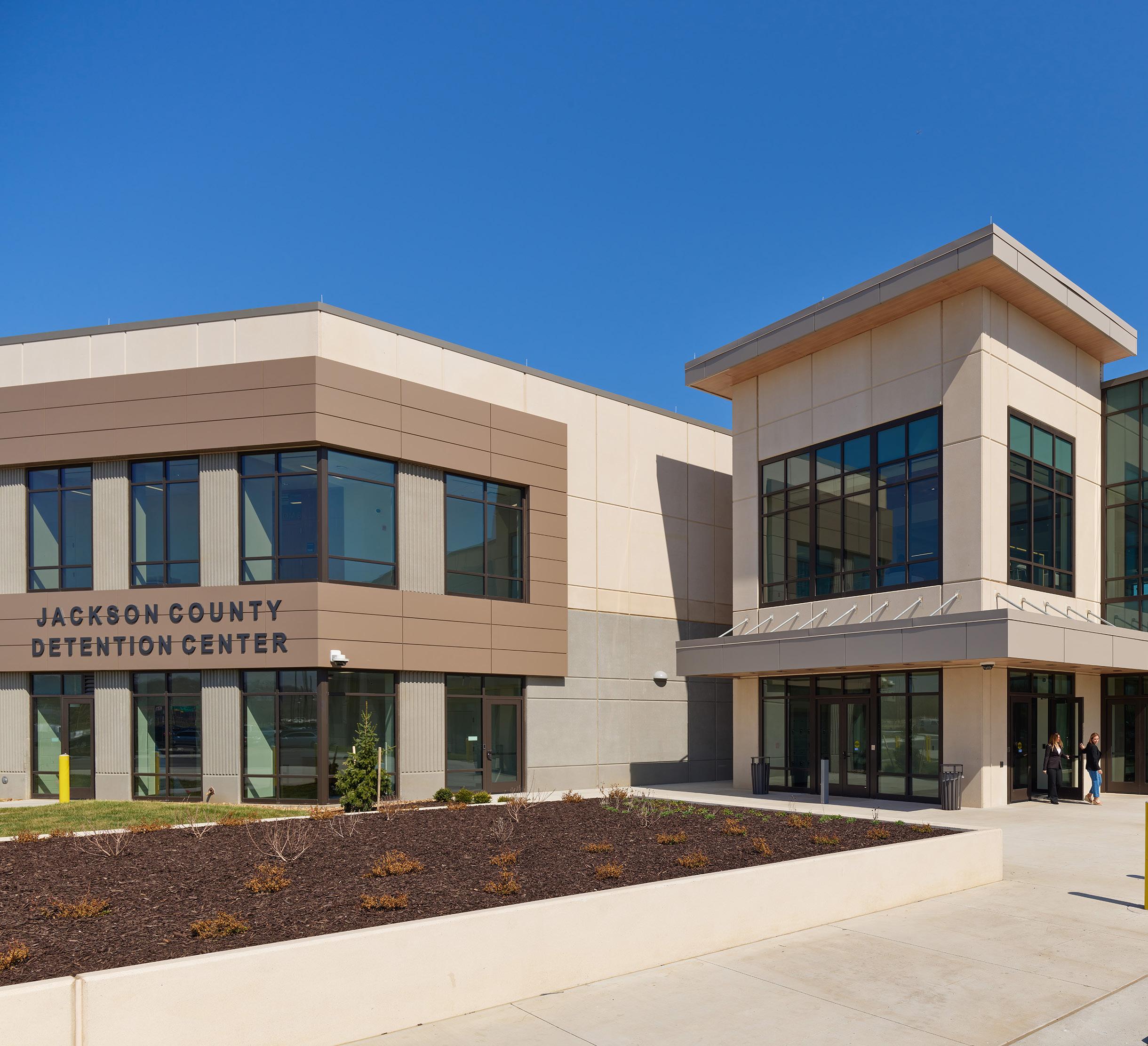
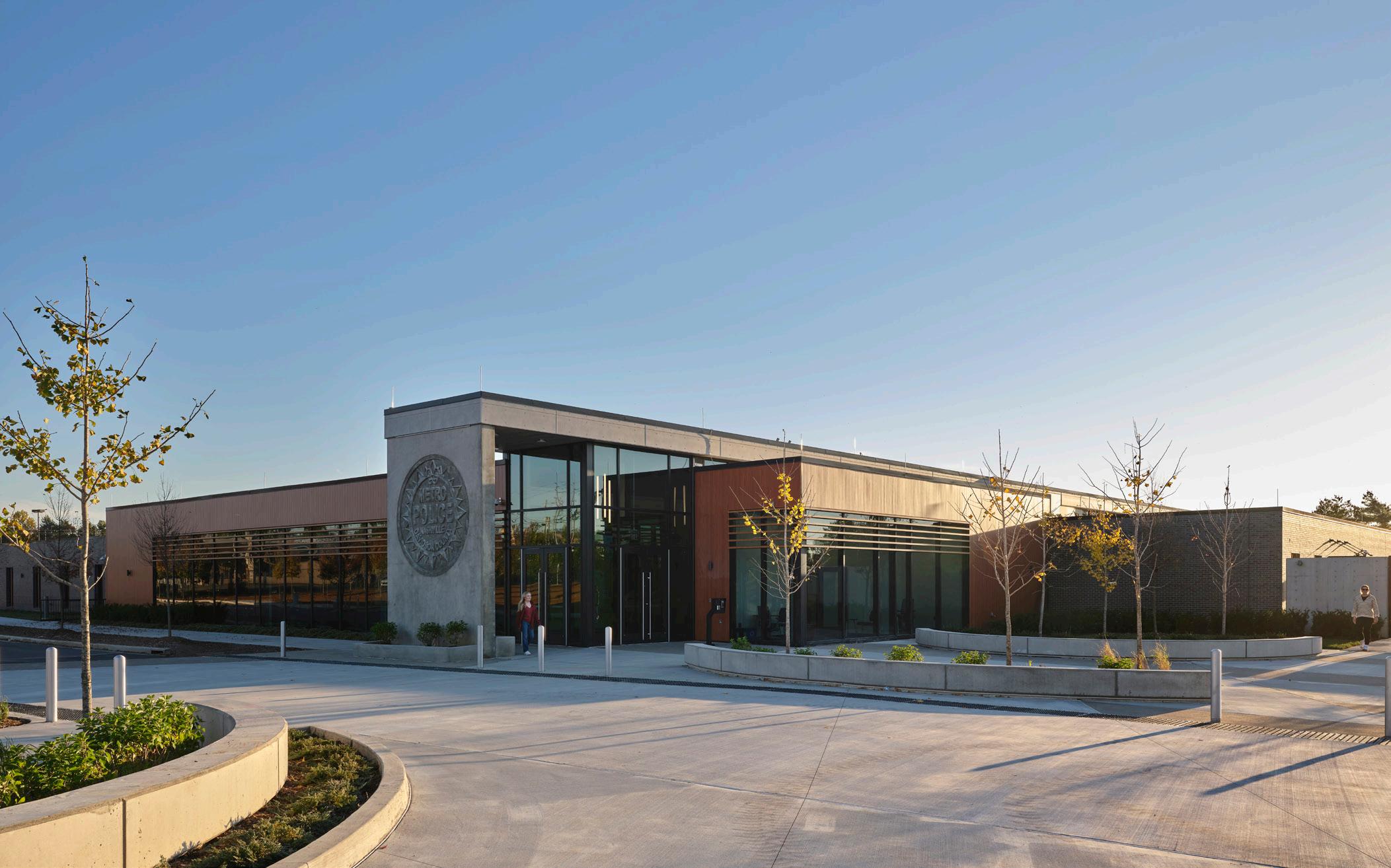
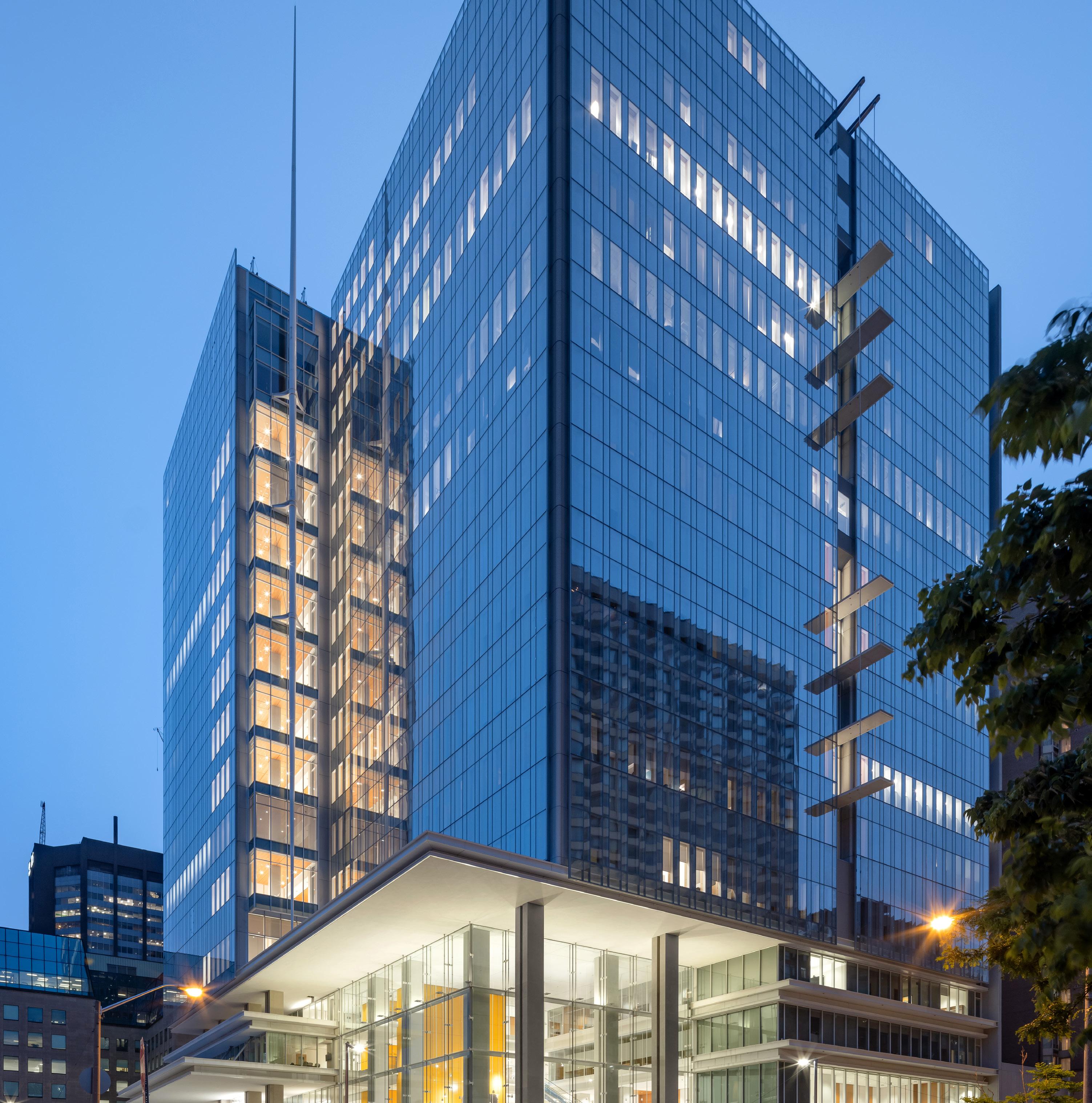
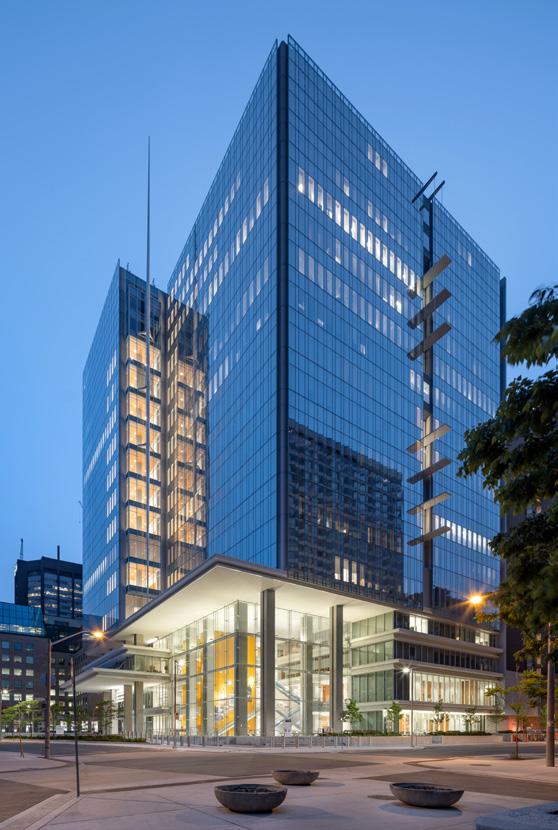
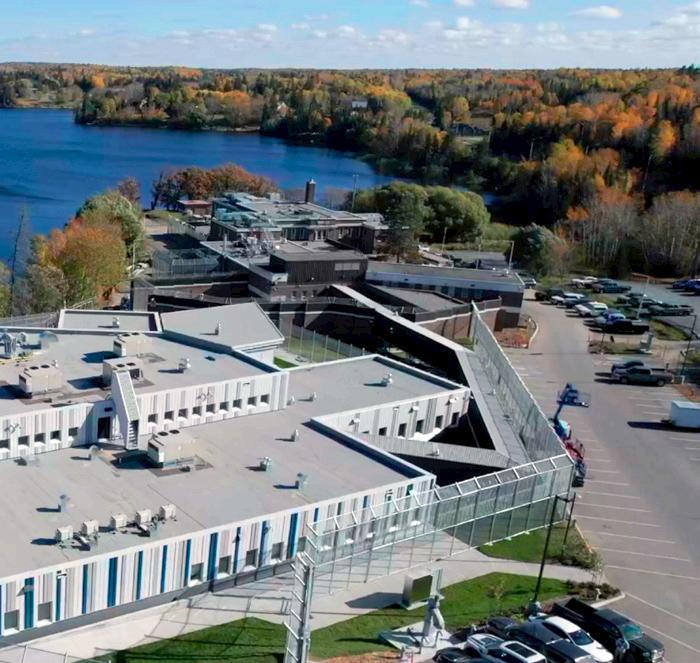
WhenJackson County, Mo., leaders cut the ribbon on the new Jackson County Detention Center in Kansas City in March 2026, the moment represented far more than the completion of a public building. The 470,000-square-foot facility was a landmark project, reflecting years of planning, collaboration and operational rethinking centered on a guiding principle repeated throughout the project’s development: justice with dignity.
The project was delivered through a partnership led by JCDC Partners — a collaborative partnership of owner’s representative CGL Companies, Newmark Zimmer, LINK, Hardwick Law, Novella Brandhouse, CMR, Preferred Building Solutions and Custom Engineering — as well as the design team of DLR Group and Wellner Architects Inc., and the joint venture of JE Dunn Construction and Axiom Construction. At a cost of approximately $317 million, the 1,000-bed detention center replaces an aging and overcrowded facility that had served the county for more than six decades. The new facility consolidates detention operations, behavioral health services, medical care, educational programming and courtroom functions into a modern campus intentionally designed for safety, operational efficiency and long-term adaptability.
For correctional and justice professionals, the project also serves as a case study in how counties can modernize detention infrastructure while balancing fiscal realities, evolving operational models and changing expectations around detainee care.
Early collaboration and a commitment to transparency helped position the project for success, as the project opened slightly ahead of schedule and under budget, an outcome stakeholders attributed to extensive coordination between county leadership, the owner’s representative team and the designbuild partners.
Replacing an Outdated Facility with a Modern Operational Model
County leaders began evaluating the need for a replacement detention facility nearly a decade ago as overcrowding, aging infrastructure and operational inefficiencies at the previous jail became increasingly difficult to address through incremental renovations alone.
Rather than pursue a traditional expansion or renovation approach, the county opted for a new facility that could support both current operational
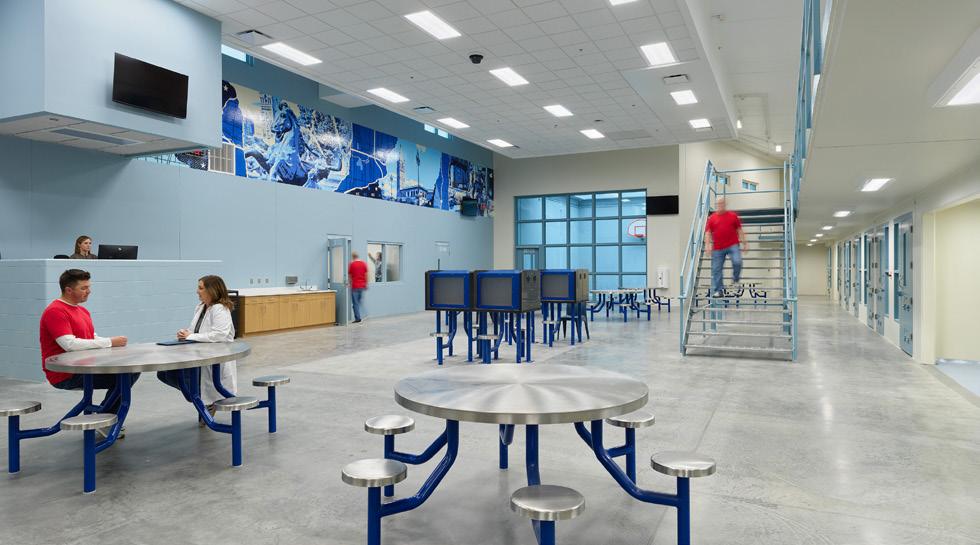
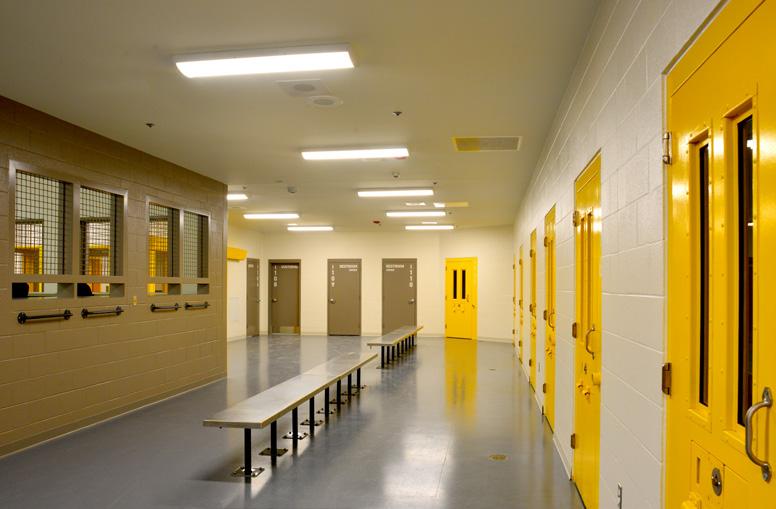
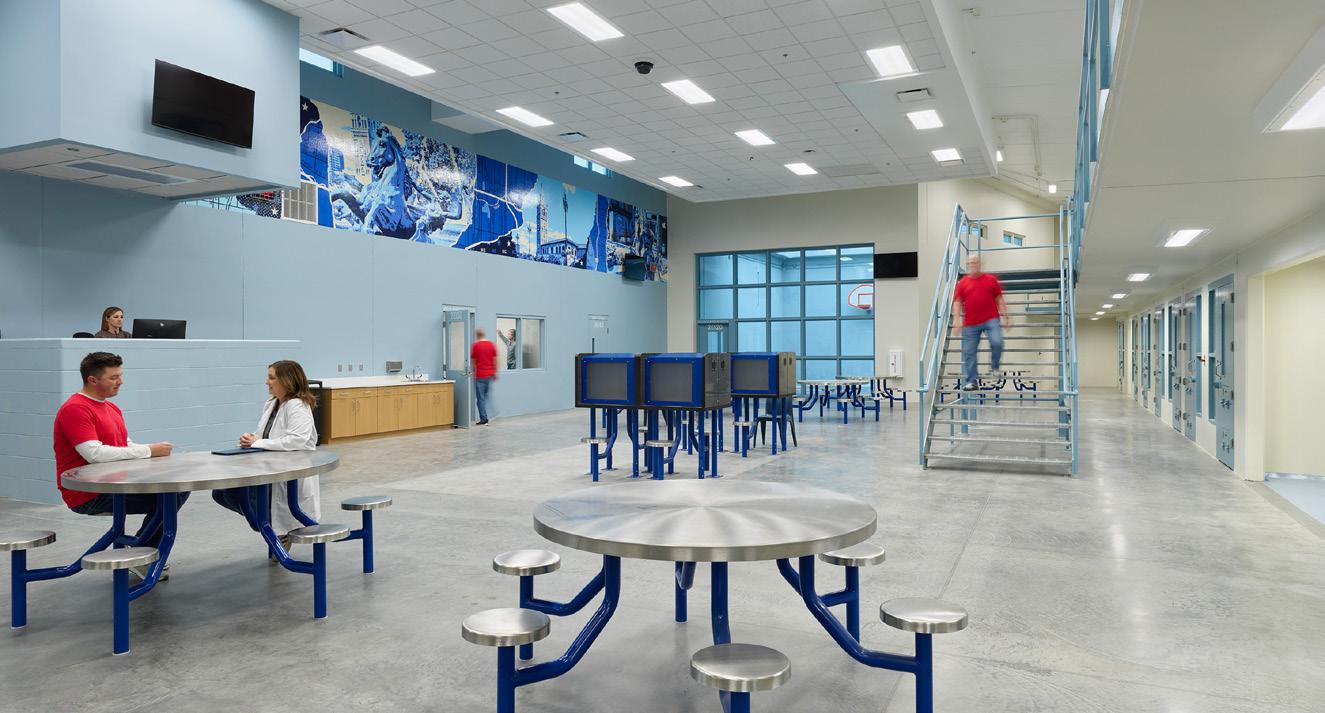
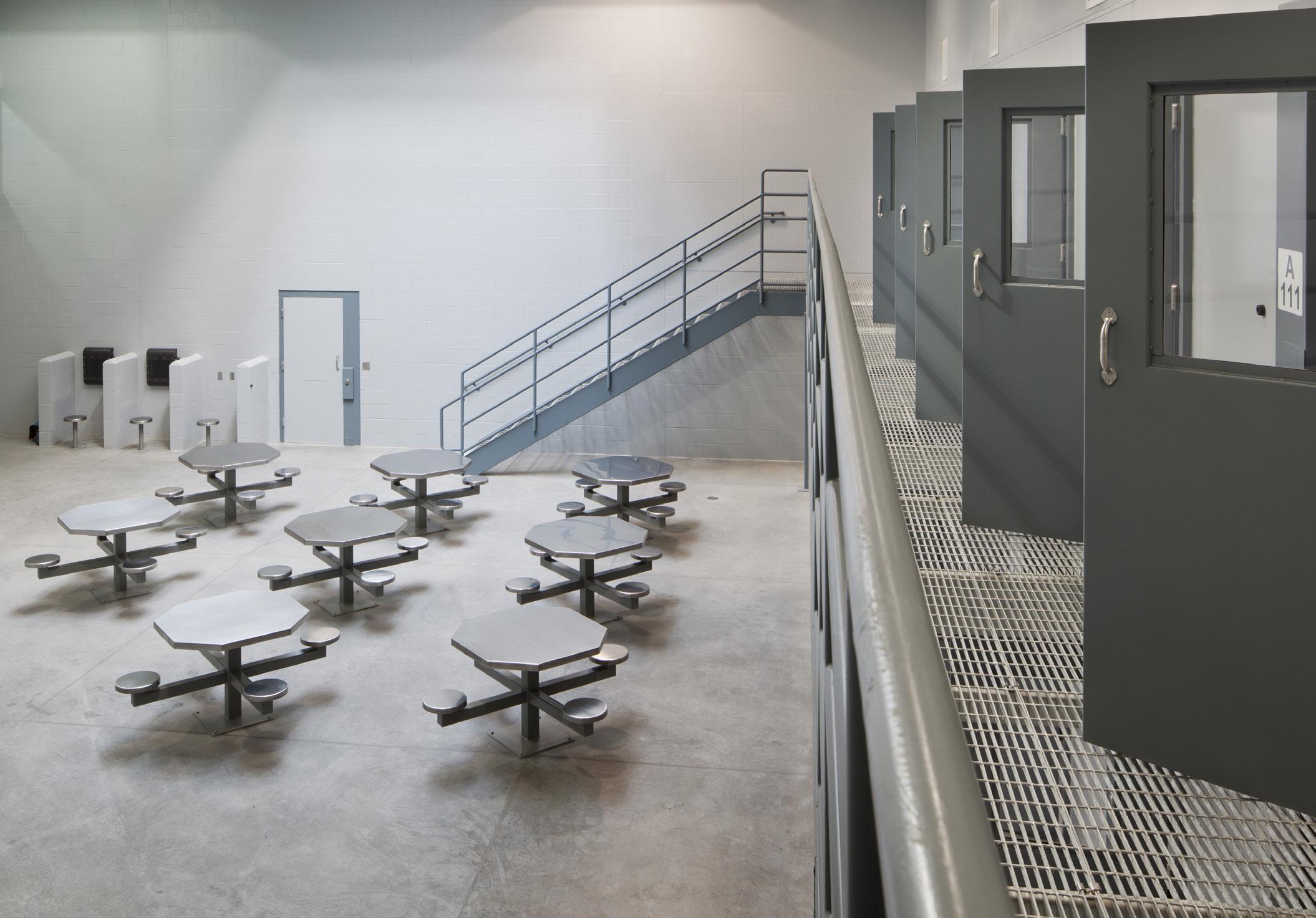
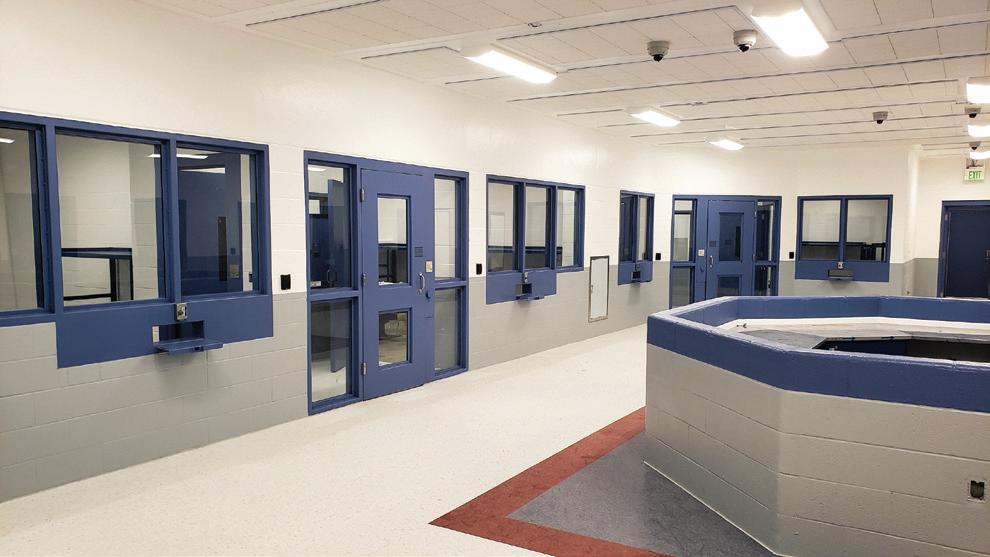
needs and future system demands. The resulting campus was designed around direct-supervision principles and incorporates enhanced sightlines, improved circulation patterns and centralized services intended to improve both staff efficiency and detainee management.
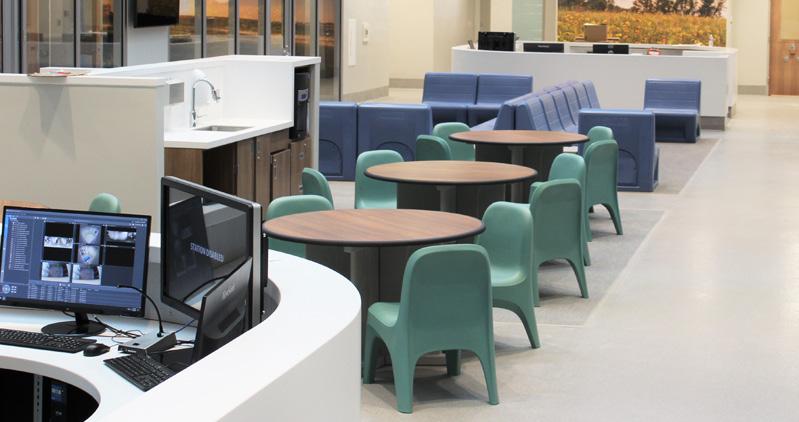
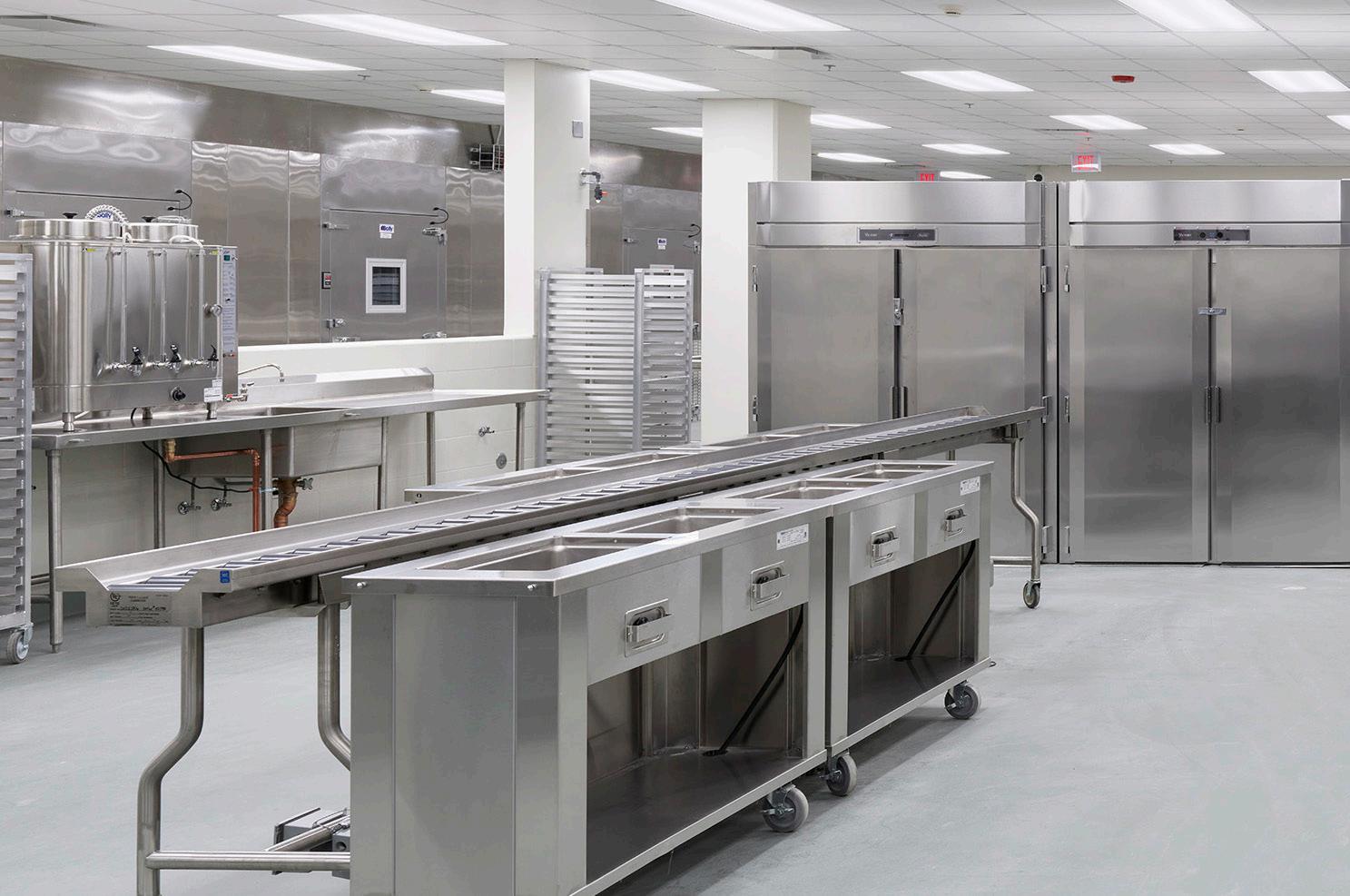
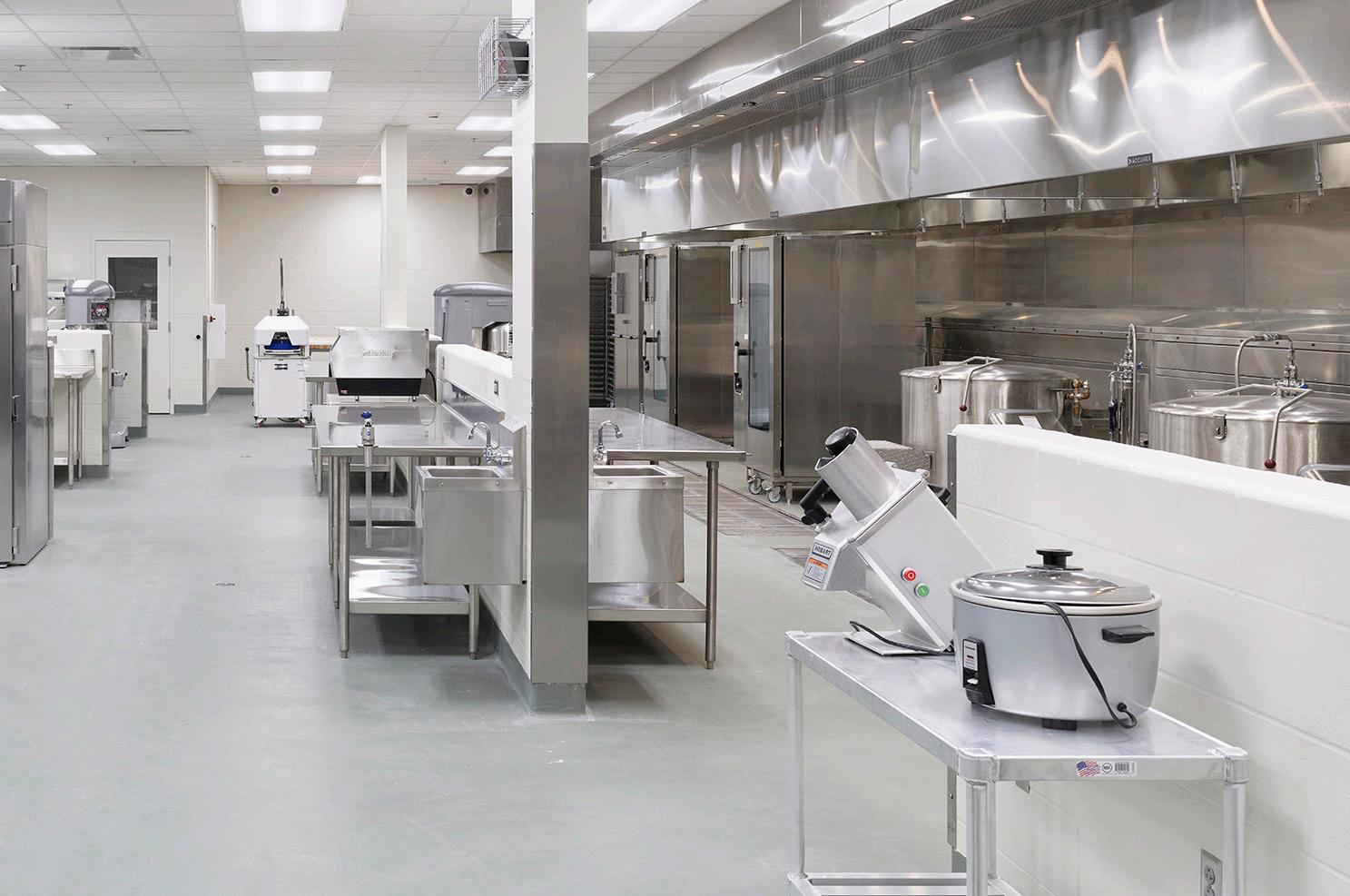
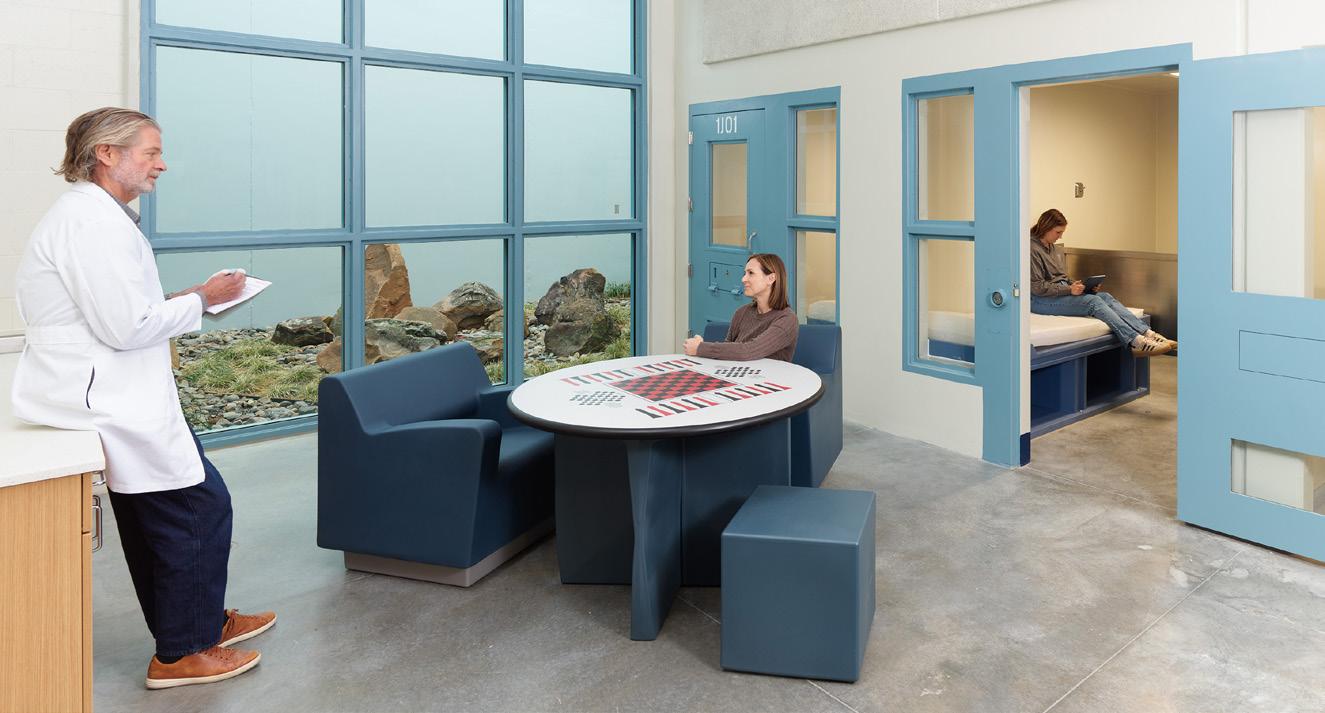
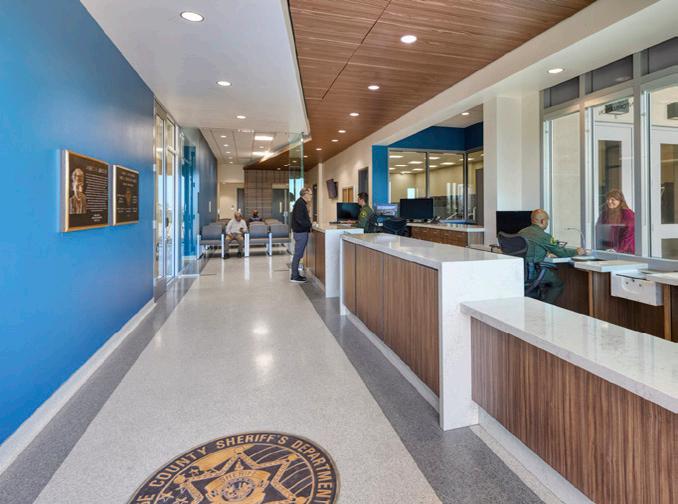
The facility also includes dedicated medical and behavioral health spaces, educational and program areas, indoor and outdoor recreation opportunities and two courtrooms, reducing the need for detainee transport between facilities.
The “Justice with Dignity” philosophy served as a unifying commitment to designing a facility that is safe, secure and efficient while also respecting the humanity of detained individuals through evidence-based treatment and training opportunities.
Jeff Jenkins, Vice President at JE Dunn, said the county’s willingness to embrace modern correctional practices played a significant role in shaping the project.
“The county did a good job bringing in an owner’s representative team that helped educate everyone on current trends and best practices in detention operations,” Jenkins said. “The way they operated for the last 50 years in the previous facility is very different from how they’ll operate in the new building.”
Jackson County established a multi-phase plan to support the planning, design, construction and activation of a new jail facility. The most significant
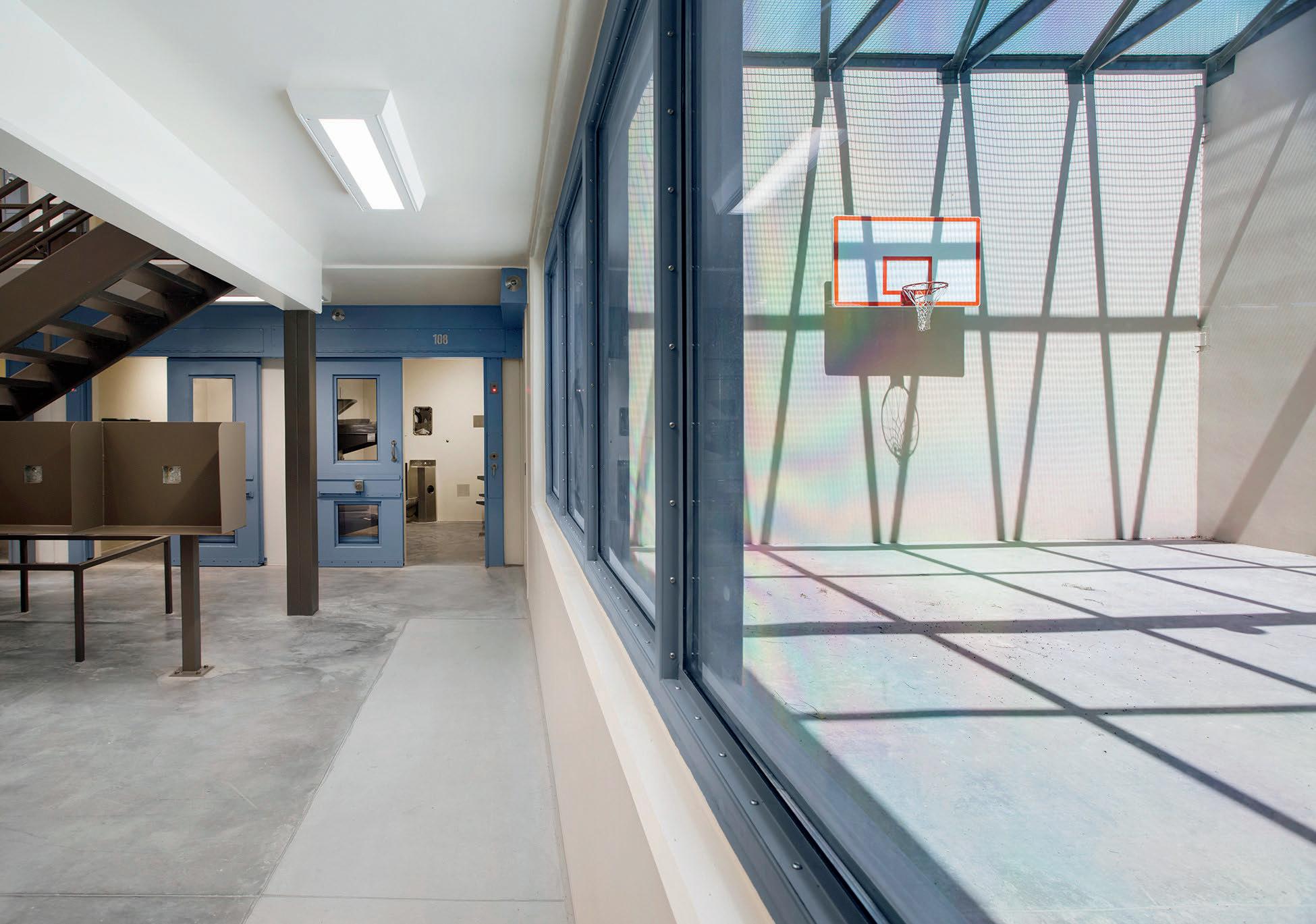
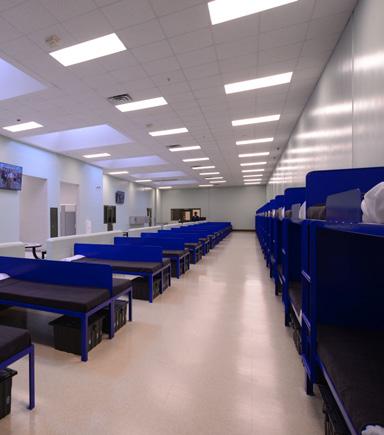
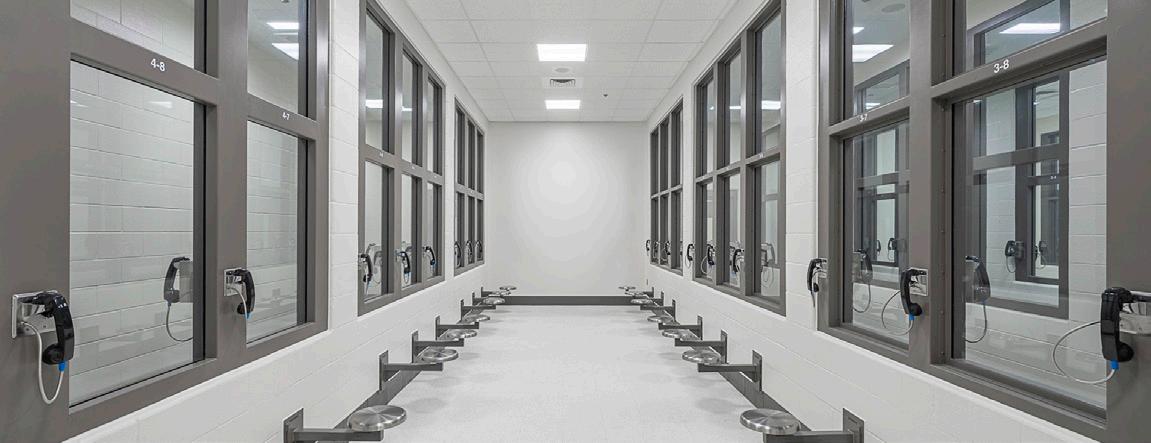
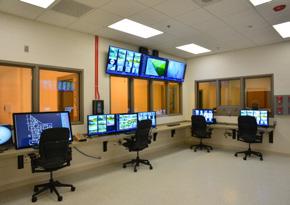
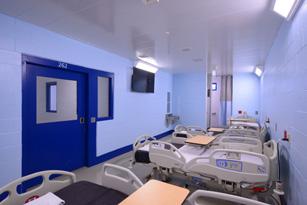
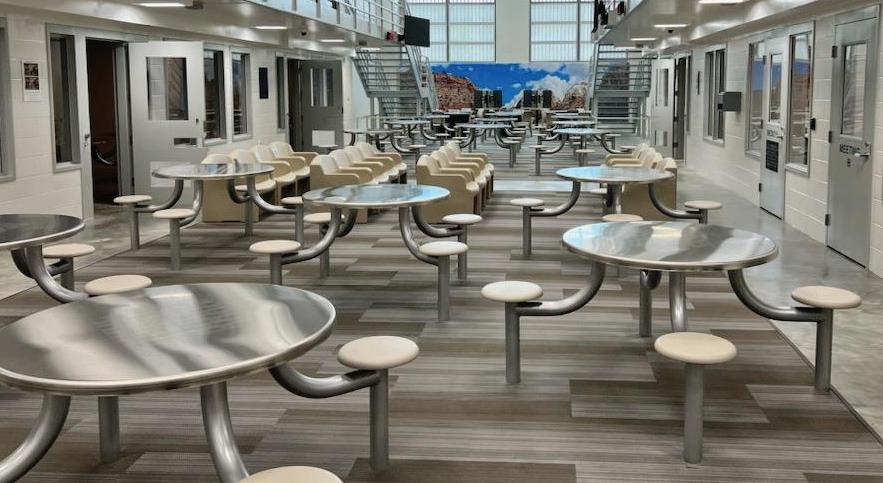
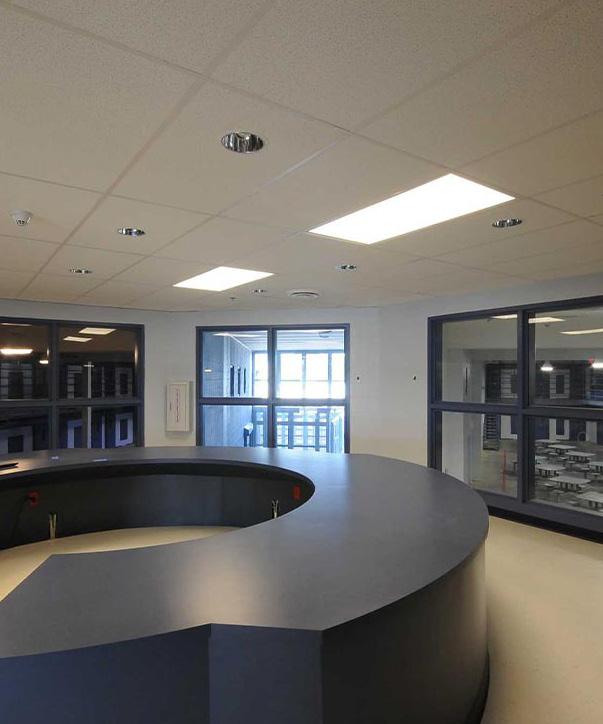
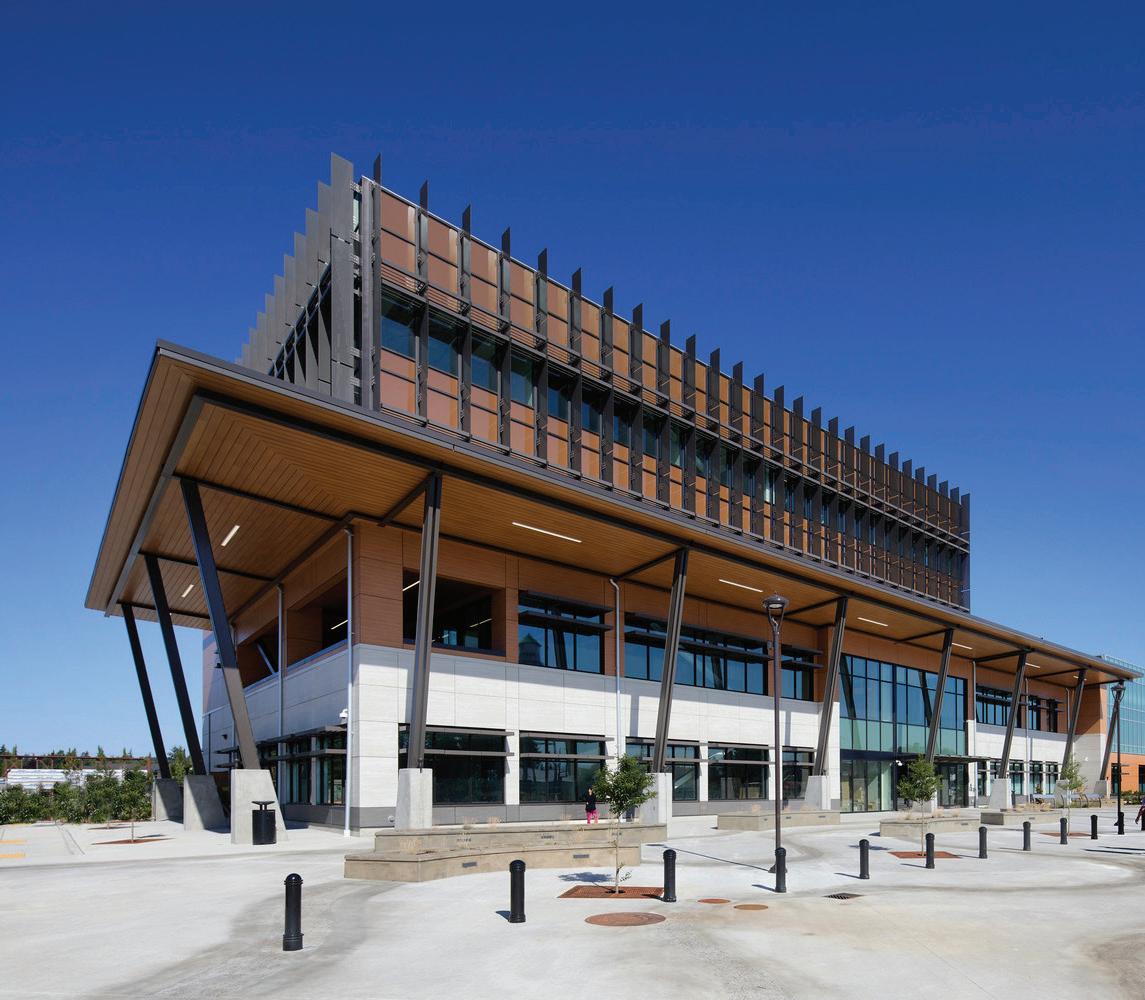
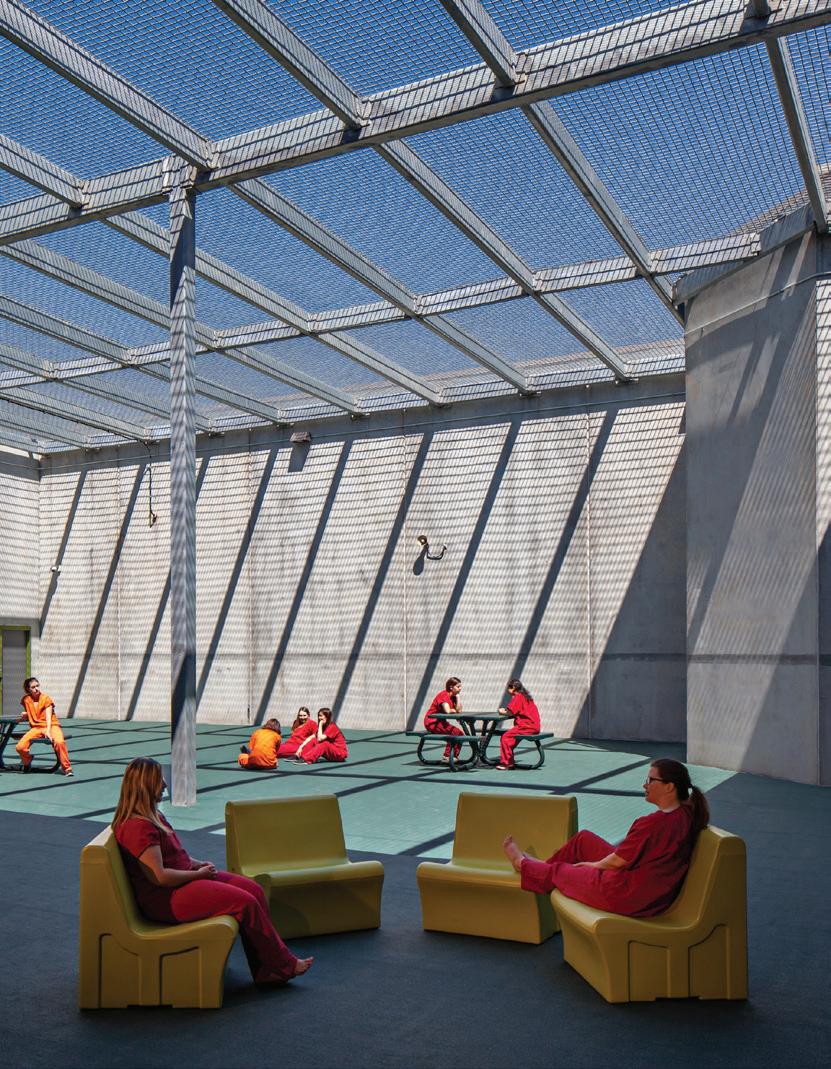
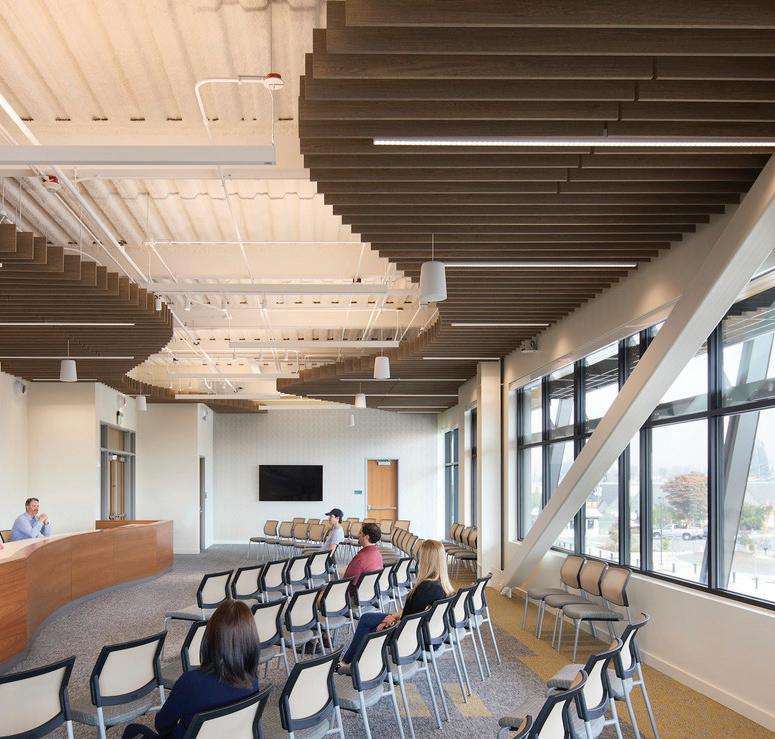
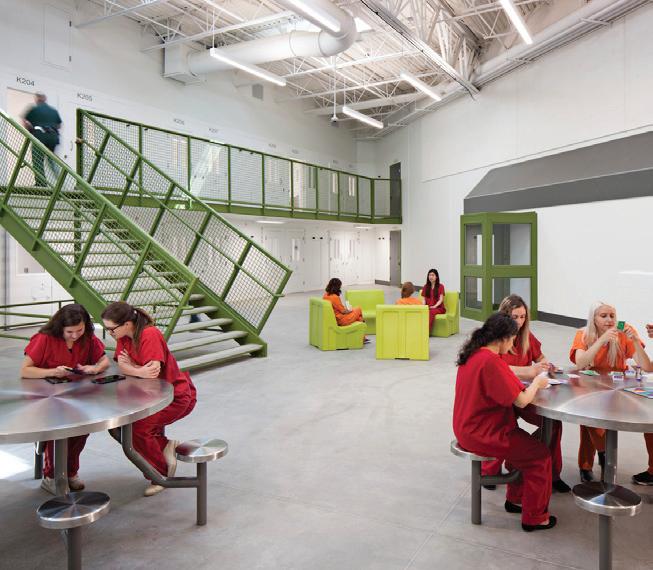
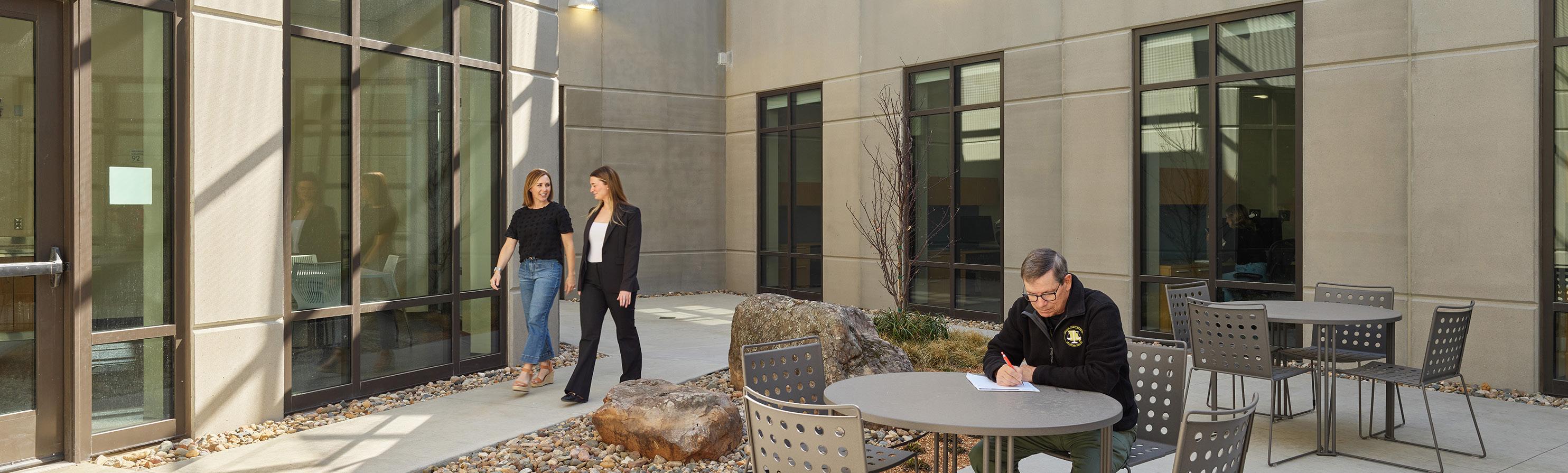
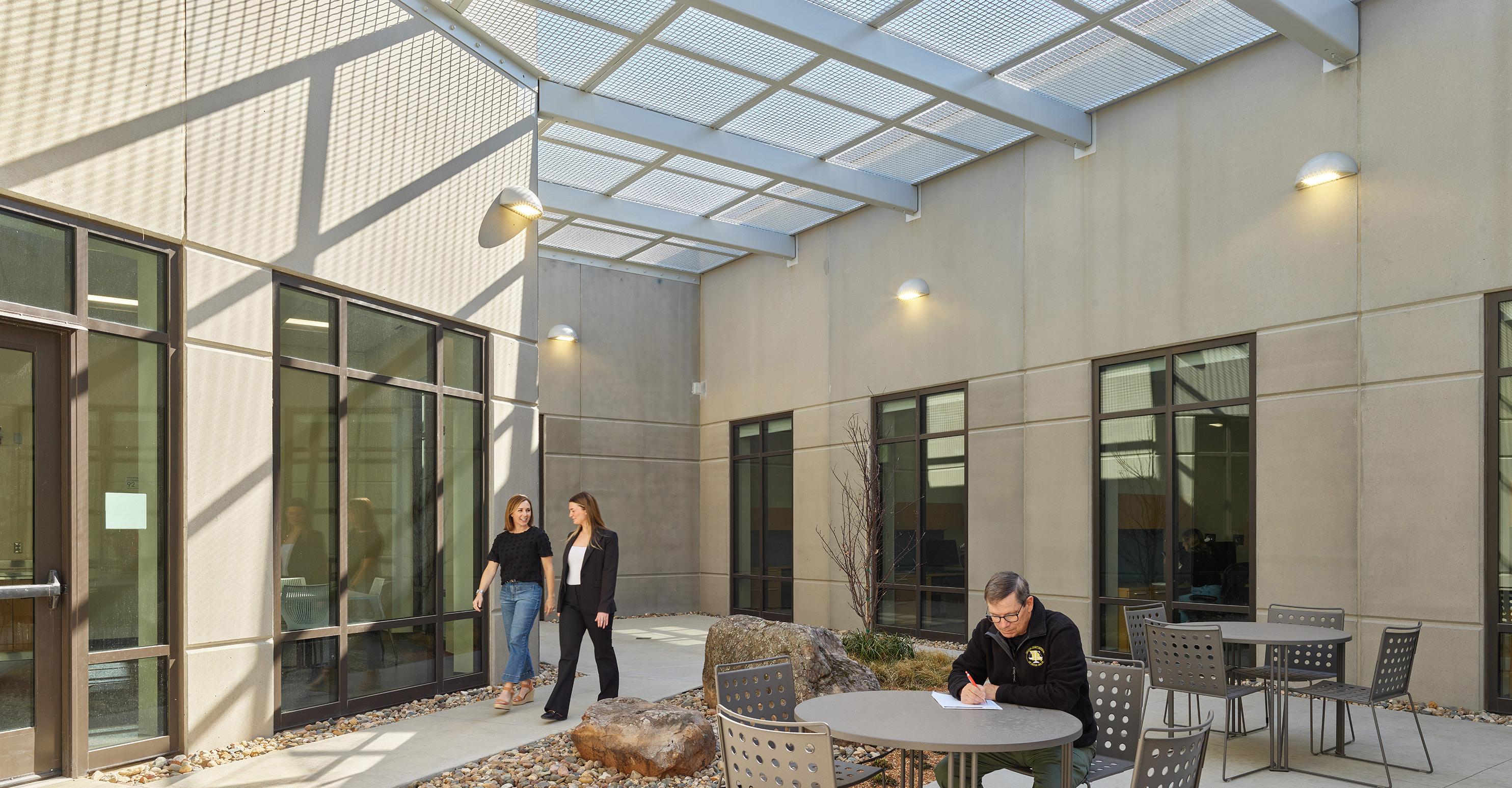
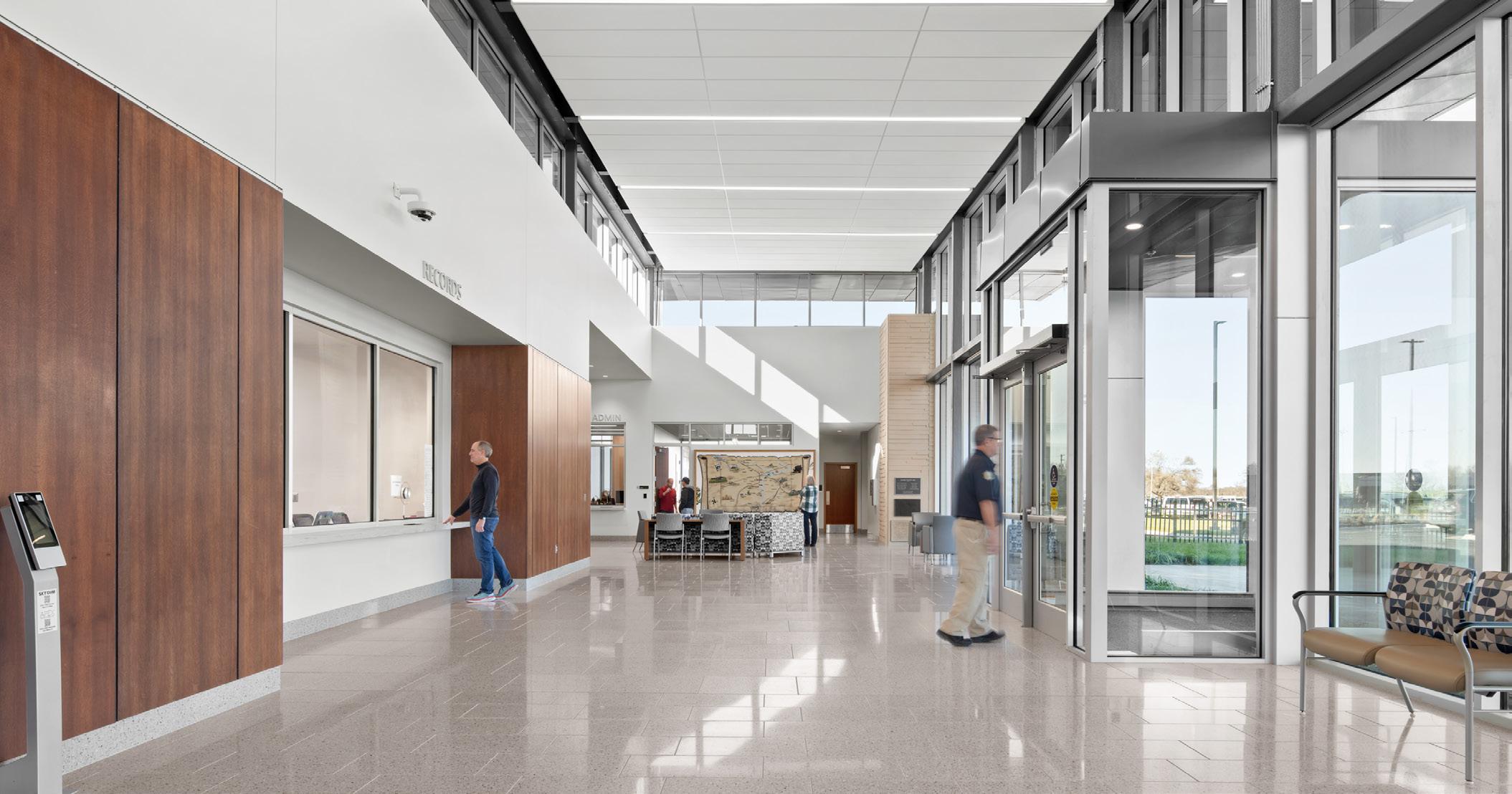
The facility includes dedicated medical and behavioral health spaces, educational and program areas, indoor and outdoor recreation opportunities and two courtrooms, reducing the need for inmate transport between facilities.
Photo Credit (all): Alistair Tutton
Project Data:
Owner: Jackson County, Mo.
Location: Kansas City, Mo.
Cost: $317 million
Size: 470,000 square feet
Current Capacity: 1,000 beds
Delivery Method: Design-Build
Architect: DLR Group and Wellner Architects Inc.
General Contractor: JE Dunn Construction-Axiom: A Joint Venture
Key Project Partners: JCDC Partners LLC
Owner’s Represetative: CGL Companies
Local Owner’s Representative: Newmark Zimmer
Local Communications and Public Engagement: LINK
Development Attorney: Hardwick Law
Brand and Website Development: Novella Brandhouse
Cost Estimating: CMR
Mechanical, Electrical and Plumbing Engineering: Preferred
Building Solutions
Commissioning Firm: Custom Engineering
Commissioning Agent: Burns & McDonnell
Structural Engineer: DLR Group and KH Engineering Group
Security Systems Designer: R&N Systems Design
Fire Protection Engineer: FSC Inc.
outcome was the Steering Committee’s theme of ‘Justice with Dignity.’ That philosophy served as a unifying commitment to creating a facility that is safe, secure, and efficient while also respecting the humanity of detained individuals through evidence-based treatment and training opportunities. For the construction team, that philosophy extended beyond programming alone.
“’Justice with Dignity’ applies to everyone in the building,” Jenkins said. “It’s about creating a safe environment not only for ... everyone who interacts with the facility. That mindset absolutely influenced how we approached construction and the level of attention we brought to the project.”
Design-Build Delivery Accelerated Decision-Making
Project stakeholders selected a design-build delivery model early in the planning process, citing schedule certainty, collaboration and cost management as key advantages. Under the model, JE Dunn, Axiom Construction and DLR Group worked alongside county officials and JCDC Partners throughout planning, design and construction.
The team first provided a population forecast, followed by CGL conducting a detailed operational analysis and spatial programming, which set the size and relationships of all spaces. Those elements formed the basis for the design, construction and transition phases that followed.
“The advantage of a ‘design-to-budget’ design-build delivery approach is the fact that the responsibility to achieve the budget is placed on a single contracting entity: the design-builder,” explained Karl Becker, Executive Vice President of Justice Services with CGL. “The risk in this approach is that the budget can become the controlling design criterion in lieu of operational and long-term performance requirements.”
CGL was able to mitigate this by developing a detailed Owner Criteria Package which determined the absolute project requirements and became part of the project’s owner/design-builder contract.
“Throughout the planning and design phases, operational staff participated in scheduled reviews, walkthroughs and coordination meetings to provide context on daily needs and functional requirements,” said Jackson County Sheriff Darryl Forté. “This collaboration allowed the design and construction teams to align building systems, workflow patterns and operational considerations with the realities of detention operations.”
The project’s integrated structure also allowed the team to continuously evaluate scope, schedule and budget simultaneously instead of waiting for fully completed construction documents before beginning work. Additionally, the team structure fosters continuous estimating and collaborative problem-solving, which became especially important as the project moved through the post-pandemic construction environment.
Security Plumbing Fixtures: Willoughby Industries Inc.
“When we came on board, the county already had an established budget, and immediately we had to reconcile that budget with the realities of the market,” Jenkins said. “The advantage of a design-build approach is that it gives everyone visibility into those pressures early. Because of this, we were able provide options, identify where adjustments might be needed, and still protect the project’s overall mission and scope.”
One of the most significant design priorities for the project was long-term adaptability. Rather than designing strictly for immediate population needs, the detention center was planned in a modular fashion to support future expansion without requiring major disruptions to the kitchen, laundry and other infrastructure systems.
The design developed by DLR Group relies on direct-supervision housing
units with treatment and educational spaces directly adjacent in the housing areas.
“Early planning and the ongoing intent of this project have always emphasized restorative justice and to protect the health, safety, and welfare for those within the facility, whether they’re a detainee or the staff that support them,” said Gary Retel, Principal and Justice + Civic Design Leader for DLR Group. “The vision for a safer community is to help the justiceinvolved and often most vulnerable individuals with medical, behavioral health treatment and rehabilitation.”
According to Retel, that meant introducing abundant natural light, direct access to outdoors, views to nature, good acoustics and normative interior
design. This treatment-driven environment is beneficial for those in custody, while also improving conditions for staff members.
The project also incorporated advanced security and operational systems intended to support modern detention operations, including centralized control systems, extensive electronic security integration and improved movement management. Incorporating the direct-supervision housing model significantly improves visibility and communication compared with the county’s previous facility.
The project team also navigated complex site-development conditions, including the relocation of an existing mobile home park. According to Clay Anderson, General Superintendent at JE Dunn, the site rose above more than 40 others that were evaluated but still presented unique engineering challenges due to its location within a 500-year floodplain.
“We had to conduct extensive site fill operations and get strategic as well as creative about how to reduce future flood impacts,” Anderson said. “There was a tremendous amount of coordination on the front end to make sure we had all the engineering and settlement work completed correctly before we put a shovel in the ground.”
Labor availability created another challenge during construction, as major manufacturing, battery plant and data center developments competed for the same skilled trades across the Kansas City region. Despite those market conditions, the team maintained a strong schedule by coordinating with local subcontractors and trade partners to proactively staff and sequence.
“Electrical manpower, in particular, was stretched very thin because of the amount of data center and industrial work happening at the same time in the region,” Anderson said. “Corrections projects have extensive electrical and low-voltage infrastructure requirements, so that definitely required additional coordination from the field teams.”
Community Impact and Workforce Inclusion
Beyond operational improvements, the detention center project was also positioned as a broader community investment. County officials emphasized local participation, workforce inclusion and community partnerships throughout the procurement and construction process.
“The county had very specific workforce participation requirements related to women-, minority- and veteran-owned involvement, and we successfully met those goals,” Anderson said. “That’s something the entire team is very proud of because it created opportunities within the local community while still delivering a very complex project successfully.”
Jenkins added that the project reflects JE Dunn’s broader philosophy of long-term client and community partnerships.
“One unique aspect of this project is the two-year warranty period, which is longer than most construction projects,” Jenkins said. “But beyond that, this is our hometown. We’re right here in Jackson County. We’re proud to have the ability to support the county, answer questions and help them move forward, even after the formal construction lifecycle is complete.”
That long-term support structure is especially important for complex detention environments where facility staff continue adapting to new technologies, operational workflows and building systems after occupancy. As such, extensive training was provided to operational staff leading up to the transition into the new facility.
Brian Gaddie, Jackson County Director of Facilities Management, noted that operational systems received substantial testing and training prior to inmate transition.
“Staff members have had massive amounts of instruction on how to operate master control,” Gaddie said. “Cornerstone was there for months working alongside staff every day. The systems fundamentally worked, and the team invested a tremendous amount of effort into making sure operations were prepared for occupancy.”
A Model for Future Justice Infrastructure
Modern detention environments increasingly emphasize behavioral health access, staff wellness, operational efficiency, adaptability and human-centered design alongside traditional security priorities.
“This project moves justice architecture in the direction of treatment and care,” Retel said. “With step-down medical and behavioral health treatment and housing, along with connection to the community through visitation and re-entry services, this facility is a model for a new paradigm of justice design.”
Meanwhile, the project also demonstrates the growing role of integrated planning and early collaboration. According to Jenkins, one of its greatest strengths was the team’s alignment throughout the process.
“We had all the key stakeholders in the room making decisions together,” Jenkins said. “When you have the owner, designers and construction team aligned early, you create a high level of certainty around schedule, budget and overall project outcomes.”
The facility combines operational flexibility, expanded programming space and future-ready infrastructure to support the county for decades, while remaining adaptable as detention practices evolve. For justice-sector leaders evaluating future detention investments, the Jackson County Detention Center is an example of how modern correctional infrastructure can balance operational performance, long-term resilience and a more human-centered approach to detention design.
“I’m proud of what the team accomplished,” Anderson said. “There were complicated site conditions, labor challenges and a lot of moving parts, but the collaboration remained strong. At the end of the day, the county now has a facility that’s going to serve the community well for many years to come.”
The facility emphasizes behavioral health access, staff wellness, operational efficiency, adaptability and human-centered design alongside traditional security priorities.
A secure interior courtyard helps introduce natural daylight into the interior and provides a respite area for facility staff.
Care Inside.
In one of healthcare’s most demanding environments, our teams choose to serve with integrity, respect, and compassionelevating correctional health into a foundation for a better future.
Design + Construction
Status Updates on Three 2026 Projects to Watch
By Lindsey Coulter
Significant justice and correctional projects are underway that will improve safety and outcomes across local, state and federal facilities.
Throughout 2026, Correctional News is following these and other notable projects through planning, design, construction and occupancy.
Here we check-in on a collection of current ‘projects to watch’ that have experienced
View all 2026 Projects to Watch.
meaningful milestones and progress updates in recent months.
Learning Center at the San Quentin Rehabilitation Center COMPLETED
CONCRETE SOLUTIONS
San Quentin, Calif.
Owner: California Department of Corrections and Rehabilitation
California Gov. Gavin Newsom and other state officials convened on Feb. 20 to open the new Learning Center at the San Quentin Rehabilitation Center, framing the facility as a cornerstone of the state’s push to prioritize education, rehabilitation and successful reentry for incarcerated residents. The complex — composed of three interconnected buildings intended to create a campusstyle environment — nearly triples available classroom and programming space at San Quentin. The 18-month progressive design-build project was completed on time and on budget at $239 million and funded through a lease revenue bond.
California Department of Corrections and Rehabilitation Secretary Jeff Macomber said the project is meant to strengthen public safety by expanding evidence-backed interventions.
“This historic initiative is aimed at making communities safer by creating change, using data-backed, proven measures to break cycles of crime for the incarcerated population, while improving workplace conditions for institution staff,” said Secretary Macomber.
Learn more about the project on page 5.
Duval County Jail PLANNING
Jacksonville, Fla.
Owner: Duval County, Fla.
Cost: $1 billion
Size: TBD
Project Team: CGL Phase: Planning, feasibility study
Estimated completion: TBD
Jacksonville is planning a replacement for its aging Duval County jail, driven by structural issues, overcrowding, and concerns about health and safety at the current John E. Goode Pre-Trial Detention Facility. The most recent concept envisions a campus-style detention facility that offers improved living conditions, dedicated mental health treatment spaces, separate housing for women and juveniles, and classroom and visitation areas. The coalition of Sustainability Partners, Ajax Building Company and HOK submitted an unsolicited plan that would cover site selection, feasibility, design, construction and potential long-term leasing arrangements, though a competitive RFP process is expected to determine the project team.
The project is now in the phase of gathering information needed to identify options, such as site selection, which will be critical given the need to move from downtown and out of a high-rise facility. Onsite healthcare and mental health services are key goals for city leaders, who say they want a facility that will serve the community for 50 years. Preliminary discussions have addressed the possibility of a campus-style detention facility that offers improved living conditions; dedicated mental health treatment spaces; separate housing for women and juveniles; and classroom and visitation areas.
CGL currently is interviewing key stakeholders to define the criteria for site evaluation. Site selection will include variables such as how far the new jail will be from the courthouse and sheriff’s office, and whether utility requirements can be met.
CGL is tasked with casting a wide net in terms of site options, then narrowing down the top three for the city to consider. After a site is selected, the county will explore preliminary estimates on cost and schedule, followed by a Request for Proposal process to determine the project team. The site selected will house the jail first, with adequate space to add the misdemeanor prison and juvenile facility. After the variables are addressed, CGL will host several listening sessions to gather input on how the community views specific types of sites.
Westville State Prison IN CONSTRUCTION
Westville, Ind.
Owner: Indiana Department of Corrections
Cost: $1.2 billion
Size: 1.4 million square feet
Project Team: Elevatus
Architecture, Build Westville Joint Venture (Garmong Construction Services, Granger Construction, and F.A. Wilhelm Construction), MH Group, Pauly Jail Building Company, Accurate Controls
Phase: In construction
Estimated completion: 2027
The new Westville State Prison will house approximately 4,200 inmates across maximum-, medium- and minimum-security units. The campus layout includes 28 buildings encompassing
inmate housing, administrative spaces, program and vocational training areas, medical and mentalhealth facilities (including dedicated mentalhealth beds), security operations, food services, recreation and support facilities. Programmatic design emphasizes enhanced safety, expanded educational and vocational training, and modernized security systems. Funded entirely by cash reserves to avoid borrowing, WSP is set to open in early 2027 — on time and on budget.
See Design & Construction, page 42→
AIDA is Vant4ge's patent-pending agentic AI assessor for corrections. Trained on motivational interviewing techniques, it conducts consistent, accurate interviews at scale, automatically populates assessments, and delivers a confidence interval score and full transcript for every session. Every decision is traceable. Every result is defensible.
Refurbishment & Repair Services
Our teams can improve the safety and quality of life for everyone in your facility.
• Full Cell Upgrades, Regardless of Manufacturer
• Refurbish Surfaces for Best Sanitary Environment
• Repairs to Interior Cells
• Creation of Anti-Slip Surface
Explore
Quality Replacement Parts
We can recommend and provide replacement parts from top USA-based manufacturers.
Examples include:
•Plumbing Parts and Accessories
•Water Conservation Controls
•Security Mirrors & Detention Accessories
•LED Lighting
•Detention Locks & Hardware
SteelCell moves the justice industry for ward by delivering custom, long-lasting, and easy- to-maintain security solutions on time and within budget. We are guided by the principles of excellence, integrity, efficiency, and safety.
Secure Technology Value Solutions Celebrates 10 Years Advancing Contraband Detection in Corrections
By Lindsey Coulter
For the past decade, Secure Technology Value Solutions (STVS) has been dedicated to one mission: helping correctional agencies create safer environments through advanced contraband detection technology, industry-leading service and a firsthand understanding of the realities corrections professionals face every day.
What began as a company founded by corrections and law enforcement professionals has
evolved into a nationally recognized provider of contraband detection solutions across the United States and beyond. In 2026, STVS proudly celebrates 10 years in business — a milestone marked not only by growth, but by relationships, innovation and an unwavering commitment to the corrections industry.
A Decade of Sustained Success
Since 2016, STVS has installed nearly 300 systems across 34 states and two countries, supporting agencies ranging from county jails to large state correctional systems. As the industry has evolved from pat-downs and metal detectors to integrated contraband-detection technologies, the company has remained focused on providing practical, real-world solutions designed specifically for correctional operations.
Leveraging more than 15 years of corrections, law enforcement and security experience, Chief Executive Officer James V. Turco’s own career path reflects the company’s culture of dedication and operational experience.
Turco originally entered the organization as a training officer, working directly with correctional staff and agencies in the field. Over the years, he advanced through nearly every level of the company from training to sales — serving as Sales Director, Vice President and, ultimately, CEO. That progression gives Turco a unique perspective on every aspect of the organization and the challenges customers face daily.
“You can’t fully understand corrections from behind a desk,” Turco said. “You need to
understand the pressures officers, supervisors and administrators face every day. Many of us at STVS have lived that experience, and it shapes every product we recommend, every installation we complete and every customer relationship we build.”
A Full-Service Approach
That operational understanding has become one of STVS’ defining characteristics. Unlike many technology providers that outsource critical portions of the customer experience, STVS prides itself on offering the entire process in-house. Products, sales, installation, training, service and warranty support are all managed directly by the dedicated and experienced STVS team.
This full-service approach allows agencies to collaborate with a single partner from initial planning through long-term support. Whether coordinating installation logistics, training staff, handling service calls or assisting with regulatory requirements, STVS emphasizes continuity and accountability throughout the lifecycle of every system deployed.
The company’s customer-first philosophy has helped it establish long-term relationships throughout the corrections industry. Many
agencies solve problems and protect their facilities, staff and inmates.”
The Future is Secure
As STVS enters its second decade, the company continues to invest in growth, infrastructure and innovation. Recent expansion efforts include larger warehouse and showroom
operations, increased inventory capabilities, expanded service resources and continued nationwide deployment support.
The company also remains committed to maintaining the service standards that helped define its reputation over the last 10 years —
“[STVS’] technology and service consistently enable us to screen for contraband quickly and accurately while safeguarding our residents, staff and visitors.” – Denise M. Robinson, President and Chief Executive Officer, Alvis Inc.
agencies that initially deployed a single scanner or detection system have since expanded into multi-facility implementations, relying on STVS not only for equipment, but also for guidance on policy development, operational workflows and evolving contraband trends.
Denise M. Robinson, President and Chief Executive Officer for nonprofit human services agency Alvis Inc., said the company has been a trusted partner in helping maintain safe and secure facilities.
“Its technology and service consistently enable us to screen for contraband quickly and accurately while safeguarding our residents, staff and visitors,” she said.
Anticipating, Not Just Adapting
Over the past 10 years, the corrections landscape has changed dramatically. Agencies now face increasingly sophisticated methods of contraband smuggling, including narcotics, cellphones, weapons and other prohibited items entering facilities through inmates, visitors, mail systems and even staff. STVS has continued to anticipate and adapt to those challenges, expanding its technology offerings while focusing heavily on service and support.
That combination of technology and operational experience remains central to the company’s mission. According to leaders, this is why STVS places such a big emphasis on service.
“Having all customers know that STVS will be there — not just to sell them something — is central to demonstrating that the partnership matters more,” Turco said. “The goal is to help
including in-house support, rapid response times and long-term customer relationships built on trust and reliability.
For the STVS team, the 10-year milestone is both a celebration and a starting point. STVS intends to remain focused on what has driven its success since day one: understanding the mission,
supporting the people behind it and helping facilities stay one step ahead in the fight against contraband.
“Ten years is an incredible accomplishment, and we’re proud of what our team has built,” Turco said. “But we are far from finished. We plan to continue growing, continue innovating and continue serving the corrections industry with the same passion and operational mindset that started this company in the first place.”
The company also remains committed to maintaining the service standards that helped define its reputation over the last 10 years — including in-house support, rapid response times, and long-term customer relationships built on trust and reliability.
Photo Credit (all): Courtesy of STVS
Since 2016, STVS has installed nearly 300 systems across 34 states and two countries, supporting agencies ranging from county jails to large state correctional systems.
Visit the STVS booth at the upcoming ACA 156th Congress of Correction in Pittsburgh.
STANDOUTPRODUCTS
Ceiling-Mounted Fan-Forced Heater
The EFF Series of ceiling-mounted fan-forced heating units from Marley Engineered Products’ QMark brand are designed to work as a comfort solution in detention environments, hallways, lobbies or restrooms. With a temperature range between 40 and 90 degrees Fahrenheit, the unit’s automatic fan delay eliminates cold drafts on start-up and discharges residual heat from the heater body during shut down. It has the ability to accommodate pneumatic/electric or low-voltage controls commonly used with BMS Systems and a built-in power on/off switch. With multiple mounting options, including recessed, surface or T-Bar, and a heavy-duty 14-gauge louvered front cover grille with tamper-resistant screws, the heating unit is placed out of the way and out of reach.
Marley Engineered Products
www.marleymep.com
Maximum-Security Window Screens
Specialized Security Glazing
LEXGARD® laminated polycarbonates from ISOCLIMA set the standard in security glazing with their exceptional ability to withstand severe physical attacks and provide ballistic protection and attack resistance with durable, abrasion-resistant surfaces. Specifically engineered for high-risk environments such as detention centers, government buildings and secure facilities, LEXGARD® offers a robust defense mechanism. The unique laminated structure combines multiple layers of polycarbonate with a special interlayer to absorb impact and prevent penetration, enhancing both durability and clarity. This makes LEXGARD® an ideal choice for areas requiring stringent security measures without compromising visibility.
ISOCLIMA
www.isoclimagroup.com
Unifoot Sandal
The Type AAA Maximum Security Detention Screen from Sherwood Windows Group offers a costefficient, low-maintenance window screen solution with superior strength. Constructed using 6063-T5 aluminum with concealed extra-heavy aluminum hinges with stainless steel pins, it includes a maximumsecurity deadbolt multi-point lock, with the ability for screens to be keyed alike. Its shock-distributing bars embedded in shock-absorbing yolks create a load breaking point of 1,470 pounds. With flexible design and exterior finishes and resistance to scratching, vandalism and corrosion, the screens offer best-in-class performance with a one- to five-year warranty, as specified.
Sherwood Windows Group
www.sherwoodwindows.com
Multipurpose Tables
The ModuMaxx Cluster Tables from ModuForm are purpose-built for heavy-use, high-traffic environments, delivering durability and safety in critical spaces. Whether for dining, day rooms, visitation or medical purposes, the tables are designed to excel in demanding conditions while maintaining ease of maintenance and functionality. The 3-inch diameter powder-coated steel legs are through-bolted to the tabletop and seats with tamper-resistant hardware. Tabletops feature high-pressure laminate for exceptional resilience and customization, and seats are constructed from melamine resin with molded-in threaded inserts. Customers can choose from heavy-duty adjustable glides or floor-mounting kits to suit specific stability needs.
ModuForm
www.moduform.com
With a unique design that is interchangeable to fit the right or left foot comfortably, the Pair-It EVA unifoot sandal from Bob Barker Company helps simplify inventory while maintaining comfort and durability. The sandal fits low or high instep while hugging the foot, with insole cupping to prevent forward foot motion and decrease the chances of tripping or slipping. Its slope design alleviates cracking, and its lightweight, water-resistant 100% ethyl vinyl acetate (EVA) material reduces the risk of being used as a weapon. With size identification in three locations, it allows for easy bulk storage and quick distribution. The sandal is available in black and orange colors, in sizes from Small to 3XLarge.
Bob Barker Company www.bobbarker.com
Seamless Shower Coating
The Decofloor Seamless Shower System (DFL-950) is an aggregate broadcast, slip-resistant coating system that combines a decorative appearance with chemical, stain and wear resistance. Unlike traditional coating systems, this solvent-free polyurethane system contains no harmful volatile organic compounds (VOCs), and more than 35% of the coating system uses a “green chemistry” formula that includes modified vegetable oil as a renewable raw material, as opposed to standard petroleum-based materials. The Decofloor Seamless Shower System can be used in both new construction as well as in renovation projects.
Decofloor www.thedecofloor.com
CJJA to Host Juvenile Justice Exchange at Summer Meeting
The event in Pittsburgh aims to equip leaders with data, clinical insights and frameworks to drive systemic reform
By Mike Dempsey
Juvenile justice administrators, detention directors and facility leaders face an increasingly complex operational landscape. Balancing immediate compliance and safety demands with the overarching mission of rehabilitation requires specialized knowledge, adaptive leadership and robust workforce management.
Responding directly to feedback calling for enhanced, juvenile-specific programming, the Council of Juvenile Justice Administrators (CJJA) will host the Juvenile Justice Exchange in Pittsburgh on Aug. 1, concurrently with CJJA’s Summer Juvenile Justice Leadership Forum and the American Correctional Association’s Congress of Correction.
Designed by a dedicated planning committee and the CJJA Board of Directors, this event moves beyond generalized corrections theory to provide practical, research-supported strategies for the unique challenges facing juvenile justice professionals today. Comprising four core sessions led by national experts focusing on clinical care, adaptive leadership, labor compliance and developmental science, the event is open to all ACA and CJJA attendees.
Clinical Innovation
Managing specialized populations within juvenile facilities requires evidence-based frameworks that prioritize both community safety and youth rehabilitation. Dr. Bret White, Ph.D., MSW, Chief Executive Officer of Abel Screening, will lead a session dedicated to assessing the needs of and treating young people with problematic sexual behavior. Dr. White’s session will focus on developmentally informed, research-supported approaches to evaluating risk, trauma history and family context. It will highlight treatment modalities that emphasize skillbuilding, personal accountability and healthy sexual development. It will explore the central role caregivers play in securing long-term behavior change; examine strategies for delivering community-based, leastrestrictive treatments that yield strong outcomes; and provide leaders with actionable practices that strengthen emotional regulation, prosocial behavior
and safe decision-making in high-risk youth.
Adaptive Leadership
True reform in juvenile justice requires navigating evolving political climates, managing agency resistance and leading staff through deep cultural shifts. Simon Gonsoulin, M.Ed., a CJJA Associate Member and seasoned consultant, will anchor a session titled “Leadership in the Middle: Managing Change Across Agencies, Politics and People,” offering practical leadership tools tailored
for professionals charged with implementing reform without holding absolute statutory authority. Key touchpoints include balancing strict regulatory compliance with care and innovation, preventing staff burnout and utilizing data-driven storytelling to influence executive decisionmakers. Crucially, the session tackles the realities of managing a modern juvenile population marked by acute mental- and behavioral-health needs. Leaders will discuss innovative ways to incentivize positive behavior among youth, build environments rooted in trust rather than fear and
Designing for Healing, Equity, and Transformation
hire the right personnel capable of thriving in high-pressure, restorative environments.
Human Resources and Labor Relations
A facility’s success is entirely dependent on its workforce, yet staffing shortages, complex labor relations and strict regulatory requirements present constant operational friction. Teresa Abreu, J.D., a CJJA Associate Member and labor consultant, will lead a comprehensive technical session designed to strengthen workforce management practices within a structured, legally sound framework.
Abreu will guide administrators through the legalities of collective bargaining agreements, navigating employee leave and maintaining safe, compliant staffing levels. The session will dive deep into procedural requirements, including the proper implementation of progressive employee discipline, understanding Weingarten rights during employee representation, and managing formal grievance and arbitration procedures, as well as best practices for conducting internal investigations, preparing legally defensible investigatory documentation and using data to make informed operational decisions.
Supporting Emerging Adulthood
The transition from adolescence to independent adulthood is a distinct developmental phase, yet traditional justice systems frequently rely on a rigid legal cutoff at age 18. Tanya Washington, J.D., Senior Associate with the Annie E. Casey Foundation, will facilitate “Beyond Age 18: Understanding & Responding to Emerging Adulthood in Juvenile Justice,” a session exploring the unique developmental needs of young people ages 18 to 25, and highlighting the stark gaps between what science dictates these individuals need and how justice systems typically respond. Washington will challenge leaders to rethink system impacts on older youth and identify concrete strategies to improve the continuity of care across transitional periods. By applying developmentally appropriate approaches, administrators can better support emerging adults as they transition out of the justice system, ultimately reducing recidivism and improving longterm success.
CJJA members and administrators met at the Council’s 2026 Winter Business meeting in Long Beach, Calif.
Photo Credit: CJJA
BEHIND GLASS BLINDS
A SHERWOOD EXCLUSIVE
Introducing Sherwood’s DSW 6280 Series composite construction Detention Security Window with blinds for shading/privacy control – the first choice of owners, DECs and architects for cost-effective, maintenance-free detention security glazing.
DESIGN
• Stainless-steel/aluminum construction
• 2B stainless finish
• Fully thermally broken frame
• Lockable secure blinds
• Manual or electric operation
PERFORMANCE
• Maximum security
• Improved energy efficiency
• Superior strength & weather resistance
• Damage proof & wear-free surfaces
• Long-life, low-maintenance
• 2-year standard warranty
• Best-in-class performance
For 65 years, The Sherwood Windows Group has been North America’s premier manufacturer of custom designed security window systems. From small projects to the complete design of new maximum detention facilities including cell windows, entrances and/or curtain walls, our team will work with you to ensure that all security and aesthetic requirements are not only met but exceeded.
Axon’s Ecosystem for Corrections From Detection to Resolution
Connect facility video, devices, AI, and work ows into one platform that helps you detect risks earlier, coordinate response in real time and dramatically reduce the time spent on investigations and reporting. This can help your agency operate safely and e ciently, even with fewer sta
Designing Correctional Facilities for Technologies of Tomorrow
By Julie van der Hoop, Ph.D., and Robin Timme, Psy.D., ABPP, CCHP-A
The Oklahoma State Penitentiary, built in 1908, was never designed for drone-detection arrays. The technology, let alone the security threat, was inconceivable. Regardless, facilities of all ages and eras now need to respond to technologies that didn’t exist when the concrete was poured, often through costly, decade-long replacement efforts or through disruptive retrofits — if
do we want to deploy? Today, the response might be AI-assisted monitoring, integrated sensor networks, biometric access or real-time health records. Those are reasonable, current answers that will look completely different in 10 years.
The better question, and what should shape design and construction decisions, is “What kind of building can accept an answer we don’t yet know?”
“It is incumbent on design professionals to provide leadership to their clients in considering the ‘what ifs’ for the future, the technologies we can’t yet anticipate, and the treatment practices that will keep changing around them." – Andy Cupples, FAIA, Justice & Civic Design Leader, DLR Group
they’re even possible.
The buildings being designed today will still be in operation in 2075. This is not speculation; it’s the demonstrated lifecycle of correctional infrastructure. The honest goal isn’t to design a “smart prison” but to design a building that can accommodate technologies that haven’t yet been invented.
“Correctional facilities across this country were built for a different era,” said Jason Sparks, Chief of Operations for the Oklahoma Department of Corrections. “The challenge today is finding ways to integrate modern security technology in infrastructure that was never designed to support it, while continuing to protect staff, inmates and the public.”
Looking to Hospitals
Healthcare design offers a useful model for corrections and justice projects — and an increasingly direct parallel. Hospitals are built with change in mind: walls can be opened, systems can be upgraded, and infrastructure is sized for equipment that does not yet exist. The building is treated from the start as something that will be upgraded.
That same logic is becoming relevant in corrections, especially as agencies seek to approach hospital-grade care within secure perimeters. Traditional jails and prisons were not designed to support the systems that modern care requires, and their underlying structure restricts what they can become.
The limits of traditional prison design aren’t just architectural; they’re operational. When agencies began rolling out electronic health records,
Instead of predicting what technology will be needed, designers should create conditions in which any technology can be accommodated.
Concrete Masonry Unit (CMU) block walls that define most traditional prisons were virtually impenetrable to Wi-Fi. The technology existed, the clinical need existed, but the building structure was the problem. In some cases, the only solution was designing systems to operate offline with a periodic sync, which added cost, complexity and risk to something as consequential as patient care.
The Question Isn’t ‘What Technology Do We Need?’
When correctional agencies approach technology, they tend to ask: what
That shift in framing changes what correctional leaders invest in. Technology depreciates. Infrastructure endures. The correctional facilities that will serve their jurisdictions best over the next half-century won’t necessarily have the most sophisticated systems on opening day. They’ll be the ones whose bones were designed to carry whatever comes next.
DESIGN ELEMENTS FOR ADAPTABLE FACILITIES
· Every institution needs robust technological infrastructure built into its design, not bolted on afterward. This is not expensive at the construction stage, but it becomes prohibitive (and often physically impossible) once the building is complete. CMU block is nearly impossible to retrofit with new wiring, and what can’t be wired can’t be connected. Building in a genuine technology backbone means aggressive conduit sizing, distributed power capacity at the pod and unit level, and network infrastructure that reaches the building’s extremities. During construction, investment is modest. As an afterthought, through hardened walls and occupied facilities, it is often impossible.
· The Operable Skin: What happens when the building needs to change? As Andy Cupples, FAIA, Justice & Civic Design Leader for DLR Group and one of the preeminent justice architects practicing today, describes it: “One promising approach is drywall partitions with mesh or metal back-up that can be constructed to meet ASTM 20-, 40-, or 60-minute standards.” These systems look and feel like residential drywall but carry full fire ratings and meet maximum-security standards. These panels can be removed for future retrofit or technology upgrades and replaced without compromising structural integrity. Paired with a strong technology backbone, an operable skin means a building constructed in 2026 can be meaningfully updated in 2045 — without reconstruction.
These two elements reframe the design problem. Instead of predicting what technology will be needed, designers create conditions in which any technology can be accommodated.
Building for What We Don’t Yet Know
There are technologies on the horizon that planners can already anticipate. But the more important commitment is to technologies that don’t even exist.
“It is incumbent on design professionals to provide leadership to their clients in considering the ‘what ifs’ for the future: the technologies we can’t yet anticipate, and the treatment practices that will keep changing around them,” says Cupples.
The most responsible thing designers and agencies can do today is refuse to lock in assumptions — building for flexibility, for access and for the capacity to change — so that facility managers in 2050 inherit opportunity rather than a constraint.
Inc. Learn more at www.falconinc.com.
Julie van der Hoop, Ph.D., is Lead Product Manager for Falcon Technologies. Robin Timme, Psy.D., ABPP, CCHP-A, is Vice President & Senior Expert for Falcon Correctional and Community Services. This article is sponsored by Falcon Technologies,
Photo Credit: Shutterstock
Tips for Successful Master Planning
By Erin Persky and Meg Bower
Master planning is not as well-defined as traditional architectural services. When entered into a search engine, the term “Master Planning” produces an infinite list of master plans, examples of master plans and firms that do master plans. Each of them has a different scope, a different
context and a different set of challenges to solve — and all of them claim to be the best at what they do. They may all be right.
A master plan, per Merriam Webster, is simply “a plan giving overall guidance.” Any plan can meet that definition; however, some master plans are more helpful than others in answering questions and solving problems, particularly
within the highly complex and changing criminal justice industry.
There isn’t any single correct path to developing a plan that is of high value to a jurisdiction, but excellent master plans share common elements. Here are some lessons learned about those elements from two professionals with a combined 45 years of experience doing master plans designed to help owners and operators start well, do the work well and finish well.
Start Well
The best master plan is the one that fits a client’s specific and unique needs. A well-designed scope of services communicates goals and provides a clear path for a vendor to follow. Don’t rely on the vendor to identify the criteria for the plan’s success in their proposal — develop the scope to specify the problems the master plan needs to explore and let the vendor(s) explain their process for getting there. The clearer the goals, the better the proposals. Here are some typical processes used to establish a clear scope:
· Conduct a separate Needs Assessment as Phase I. Then, after Phase I is complete, the Phase II planning work can be scoped based on recommendations in Phase I. This approach has been used by the U.S. General Services Administration for years.
· Establish a set of jurisdictional agencies or services to include. A criminal-justice master plan, for example, might include law enforcement, courts, detention and sentenced housing from one jurisdiction. The Navajo Nation did a full Criminal Justice System Master Plan in 2007 to determine police, jail and court needs based on service demands across the Navajo nation.
· Frame the plan around a geographic area — the
The new Denver detention center, across
downtown master plan or a campus master plan — and convene a group of jurisdictional leaders to establish the specific goals for the plan. Morris County, N.J., leaders did this when they solicited a master plan for all General Government and Courts in Morristown. Their goals were to meet future needs while improving conditions within owned space in Morristown.
· Frame the problem around a building or buildings — a jail system with multiple facilities, for example, or one complicated building with many needs (space, security, technology, staffing, deferred maintenance and/ or diversion). The City and County of Denver concentrated on courthouses in a comprehensive courts master plan, which included Municipal, County and District Courts, spread across five facilities.
· Remember to keep the scope manageable and meaningful — too large will be unwieldy, but too narrow will limit creativity. In 2005, the State of California embarked on a statewide court master plan with multiple contractors. A year later, state leaders had 58 different master plans, each with its own format, analytical approach and prioritization of need. The breadth and disparity of output made it difficult to prioritize the needs statewide. In 2019, California leaders updated the statewide Master Plan. Three teams were hired, and the
committee to guide big decisions. This committee should include decision-makers from all agencies involved, and they should be prepared to stay engaged and attend all sessions throughout the process.
· When it comes to stakeholder input, include everybody — agency and community representatives. Get broad input to avoid blind spots and unintended consequences, and to strengthen the solutions. Strive for stakeholders who will commit for the long haul.
· Establish a common vision. Write it down so it can guide all follow-on efforts. Mission statements and guiding principles are common ways of establishing and reinforcing the collective vision.
· Set regular meetings to keep momentum and engagement. A monthly cadence is usually sufficient, plus as-needed meetings.
Denver Justice Center will include a court building, center, parking structure and a U.S. Post office two-and-a-half blocks in downtown Denver.
methodologies, scoring and deliverables were synchronized, yielding internally reliable results that have been used successfully for capital project prioritization. Diligent, intentional scope development will pay off in an efficient planning process.
Do the Work Well
This is where creativity lies. There are infinite approaches to master planning, but there are components that can ensure the work is done well. They include the following:
· Establish a leadership
Built for Your Reality.
In corrections, every furniture decision carries long-term consequences. Durability, security, maintenance, supervision, and day-to-day operations all matter. ModuMaxx Café and X-Base Tables are engineered to meet those demands with proven performance and contemporary design that stands up to the realities of today's correctional environments.
Photo Credit: Reilly Johnson Architecture
FEASIBILITY STUDIES
· Provide vendors with supporting context as early as possible. Information may include previous studies, inventories and descriptions of facilities, requested statistical data, projects currently underway or forthcoming, and anticipated funding or policy changes that will impact the project.
· Spend time on existing conditions. The
The planning team will need time to assemble a baseline for this effort.
· Seek a project champion. This person may be a stakeholder or a leader, but they should also be a person who has passion and wisdom, who is well respected and who can help energize the team.
is easy to follow. This is the implementation plan — structured, practical and action-oriented steps to translate the vision and recommendations into reality. The implementation plan may include recommended projects with scope, sequencing and schedule. It may also include operational changes. This plan should identify any required precursor/successor relationships, to establish the sequencing required.
Design & Construction, from page 31
“We’re immensely proud of the partnerships that have made this possible,” Indiana Department of Correction Commissioner Lloyd Arnold said. “Westville is a state-of-the-art facility designed to meet the needs of Indiana’s incarcerated individuals — all with the goal of reducing recidivism.”
The massive new facility is designed to ease overcrowding and provide educational, vocational, and life skills needed to reduce recidivism — all with an emphasis on rehabilitation. The new campus layout of 28 buildings over roughly 90 acres for incarcerated individuals’ housing, administrative space, program and vocational training areas, medical and mental-health facilities, security operations, food services, recreation, and support also was designed to lessen recidivism.
The Mental Health Wellness Addition will provide tailored, comprehensive programming through new and redesigned space, with 240 beds dedicated to mental health and addiction recovery; a step-down treatment unit; and a holistic environmental design that includes sounddampening dayrooms to reduce agitation. Other details include central security stations and the ability to secure units individually. Steel modular cells manufactured by SteelCell of North America, state-of-the-art security electronics, and an efficient central utility plant support multiple buildings.
“Westville State Prison is setting the standard for what is possible in corrections,” Arnold said. “We are confident that corrections professionals nationwide will be looking to Indiana as they determine how to meet the needs of their own incarcerated populations.”
Canadian Corrections
Capacity pressures, rehabilitation goals shape recent investments in justice infrastructure
By Lindsey Coulter
Like their U.S. counterparts, Canadian justice leaders are navigating a delicate balancing act: expanding correctional capacity while preserving commitments to rehabilitation, wellness and community reintegration. According to sector subjectmatter experts at NORR — a global architecture and engineering firm with active justice projects on both sides of the Canada/U.S. border — trends shaping correctional design today are not confined to buildings alone. Rather, they reflect broader changes occurring across an interconnected justice ecosystem of police facilities, courthouses and correctional institutions. That systems-level perspective increasingly informs how Canadian jurisdictions are planning and investing in justice infrastructure.
Capacity Expansion Meets Rehabilitation Goals
Across Canada, correctional agencies are confronting rising demand for detention space driven by demographic, social and policy factors.
“Aging facilities remain a major issue, but we are also seeing growing remand populations and female offenders, more complex mental health and addiction needs, an aging population in custody, and new contraband challenges involving drugs, drones and technology,” said Jonathan Hughes, Chief Operating Officer and Acting VP, Justice, at NORR.
Those pressures have intensified in Ontario, which is adding more than 2,500 permanent jail beds (both new construction and renovation) over the next decade, a $3 billion investment that will ensure the system can keep pace with tougher bail and sentencing laws while increasing hiring and staff resources. The plan includes adding up to 255 permanent new beds across 12 existing institutions by November 2026, revising the design and scope of projects currently in the pipeline to bring up to 1,703 beds online and adding up to 610 beds through rapid builds at existing institutions. As announced in
the 2026 Budget, the government is supporting this increased capacity by hiring more than 700 new correctional officers, nurses and support
workers and strengthening safety protocols. “We’re seeing projects that have rapid deployment, accelerated schedules, [and are
Metcraft Industries has been providing high quality stainless steel fixtures for over 40 years. We offer a wide variety of fixtures including Ligature Resistant options and direct replacements of existing Stainless or Vitreous China.
Toronto’s Ontario Court of Justice is an example of innovation occurring north of the border.
Photo Credit: Scott Norsworthy
designed to] expand an existing facility by adding one or two housing units,” said Memo Terres, Justice Principal at NORR.
Yet designers face growing pressure to ensure those expansions do not sacrifice the rehabilitative principles that have increasingly shaped Canadian corrections.
“We cannot move away from the fundamentals that support rehabilitation,” Terres said. “Natural light, access to programs and education, outdoor spaces, direct supervision and meaningful interaction all remain essential. As facilities
evolve, the principles of restorative justice must continue to inform the way correctional environments are planned and designed.”
Designing for Staff Retention
While correctional design often centers on incarcerated populations, staff recruitment and retention are among the most pressing challenges as correctional agencies compete for talent with law enforcement and related professions. As a result, many facilities are experiencing workforce turnover as employees pursue alternative career
opportunities. Designers are responding by rethinking the workplace experience inside correctional facilities, putting greater emphasis on fitness spaces, outdoor courtyards, break rooms, natural light and wellness-focused environments designed specifically for employees.
Security Challenges Evolve Beyond Traditional Hardening
Even as facilities become more rehabilitationfocused, security concerns remain a central consideration. Unlike previous generations of correctional infrastructure, however, today’s challenges are increasingly tied to contraband, substance use and emerging technologies rather than traditional perimeter defense alone.
Transforming justice facilities
David Clusiau, Vice President of Design at NORR, points specifically to the impact of fentanyl and methamphetamine throughout the justice system, and the need to improve full-body scanning and similar technologies to reduce the introduction of harmful substances.
Those concerns extend beyond corrections into policing and court operations as agencies seek new ways to manage contraband and
The Foundation of Facility Security
Even as technology evolves, the need for strong, dependable physical security remains constant.
As the cutting edge of detention hollow metal manufacturing, Titan serves as the backbone of correctional facilities across America, delivering durability and consistency where it matters most.
emerging threats. At the same time, designers are increasingly applying Crime Prevention Through Environmental Design, or CPTED, principles to balance openness and security.
“The public face of the facility, the principal entrance, needs to connect with its community, needs to achieve
www.treanor.design
Saline County Kansas Justice Center
Conventional and modular construction solutions expanding the Thunder Bay and Kenora facilities.
Photo Credit: Chondon Photography
NORR, with Renzo Piano Building Workshop as part of the EllisDon Infrastructure Team, designed the Ontario Court of Justice – Toronto.
Photo Credit: Scott Norsworthy
this civic presence, needs to be welcoming and transparent,” Terres said.
Rather than relying exclusively on extensive fencing and fortress-like architecture, designers are using the civicstyle technique of designing buildings that can also serve as secure perimeters. The approach allows for the creation of outdoor courtyards and programming spaces while maintaining a secure exterior and minimizing the visual impact of security infrastructure.
The Sir Robert Peel Centre Redevelopment in Brampton, Ontario, is an example of contemporary public-safety infrastructure that has evolved beyond traditional secure facilities into integrated civic justice buildings. The design team developed a welcoming campus that still maintains clear separation between public, operational and secure zones through architecture, landscaping and site planning. The campus consolidates previously distributed inmate holding facilities across the region into a single, centralized structure located across the street from the courthouse.
“In addition to increasing efficiency, the development’s expanded operational policing division, multi-bay regional forensic facility, and state-ofthe-art training and recruiting facilities reflect the growing need for added sophistication in processes and increased training requirements,” said Clusiau.
Different Systems, Shared Lessons
As Canadian and American correctional systems share many design priorities,
NORR’s leaders caution against simplistic comparisons. While Canada has emerged as a leader in purpose-built problem-solving courts and Indigenous-informed justice environments, there are common priorities emerging around direct supervision, healing environments, Indigenous and spiritual spaces, staff wellness and advancements in security technology. Clusiau points to Toronto’s Ontario Court of Justice as another example of innovation occurring north of the border, highlighting purpose-built spaces for mental health, drug and Indigenous-focused
It’s not just about what we build. It’s about how we build it — side by side, every step of the way.
WE’RE HERE FOR THE JOURNEY.
courts. For NORR, however, the future of correctional design will depend less on any single building type or rehabilitative goal and more on the ability of justice infrastructure to adapt to changing needs.
“The most important correctional design innovation is the ability to respond to policy change without losing sight of long-term reform,” Hughes said.
As both countries continue investing in corrections infrastructure, that adaptability may define the next generation of justice facilities.
The two projects feature a 50-bed medium security correctional facility at each site with multi-use spaces, yard space and a cultural area to support multiple programs and educational opportunities.
Photo Credit: Chondon Photography
How Correctional Administrators Can Prepare Themselves, and Their Healthcare Projects, For Success
By Dave Redemske
One of the many issues correctional administrators face today is the provision of more complex health interventions within the facility walls. This creates numerous issues and concerns, as most correctional facilities were never intended to be healthcare facilities. However, because of the requirement to provide the “community standard of care,” that’s exactly what they are becoming. Many correctional administrators are facing the need for capital projects to create an appropriate facility to provide the expected level of healthcare. This creates a lot of questions and concerns,
RAPID, SECURE ON-SITE HEALTHCARE.
as most correctional administrators have never been involved with designing or operating a correctional healthcare facility. The following will highlight how to design and plan a correctional healthcare facility and what questions correctional administrators should consider during the process. Most patients do not enter correctional facilities with just one physical ailment but instead suffer a comorbidity of physical and mental healthcare needs. There is also a difference in the provision of care within jails vs. prisons, due to the difference in the duration of stay. This article considers general correctional healthcare as a whole and does not differentiate between jails and prisons or the more nuanced clinical and traumaresponsive needs of women and transgender patients.
The other important issue to clarify is the language used to reference these spaces and the people who use them. Healthcare architects generally use the term “patients” to describe the people who will be seen in correctional healthcare spaces. This terminology sets an expectation for the level of care that will be provided and an expectation that the patient will receive care that is similar to what they might experience in a community health facility.
Foundational Questions and Considerations
Before the project begins, correctional administrators must consider a simple but foundational question: what do you want your healthcare facility to be? Is the answer a hospital with security, or is it a correctional facility that provides healthcare? Though that sounds like semantics, those are very different facilities.
In the early conversation stages, there are a number of key additional questions that should be answered before visioning, programming or design begin. These questions include:
· Who are your partners?
The project should include a multidisciplinary team that represents all aspects of the facility. As a baseline, this group should include stakeholders from operations, facilities, administration, healthcare and custody.
· What is your data?
To determine the services a facility needs to provide and the
amount of space required, consider:
· Current services provided on site
· Current services being provided by a community provider
· Number of monthly sick calls
· Number of monthly medical appointments listed by specialty
· Number of monthly transfers to community health facilities and average length of stay
· Monthly census in the infirmary (if applicable) and average length of stay
· A list of services provided by a community health provider that the team would like to see provided within the facility
· Additional services that would be valuable to offer
Some advanced clinical services such as dialysis, infusion therapy, or procedures may require a higher level of clinical licensure, which may require an amendment of the contract with the medical provider.
Begin With the Vision
Once the data has been analyzed, the multidisciplinary team can begin the design process. This should begin with a visioning session where teams set goals and create vision and mission statements. At this stage, stakeholders begin to look at potential sites for the project, whether that be new construction or renovation, and set expectations for the look and feel of the new facility.
Define the Program
Next, a functional and operational space program should be created. The design consultant, in conjunction with the multidisciplinary stakeholder team, will develop a roomby-room space list as well as functional and operational narratives that describe in detail the size and operations of the facility, including the number of staff required. The design consultant may reference different codes and guidelines to determine the required size of certain spaces. Though the ACA guidelines are used for jail and prison construction, owners may also want to reference the Facilities Guidelines Institute standards, which are the main space standards used in community healthcare facilities. These standards require larger spaces, more support areas, more natural light and more acoustic control. However, that decision is based on treatment
and outcomes goals, trauma-informed approaches, and the needs of staff as well as patients.
Move to Schematic Design
Next, the design consultant (in conjunction with the multidisciplinary stakeholder team) can develop the schematic design. This preliminary design will focus on key adjacencies; movements
manager can use the program and schematic design to provide a project preliminary cost.
Embarking on a healthcare project within a correctional facility can seem daunting, but by using data and engaging key stakeholders, a contemporary and forward-thinking facility can be created that can not only improve clinical outcomes but also helps recruit and retain staff.
Dave Redemske is an architect and correctional healthcare consultant.
Juvenile Facilities, from page 18
the environment is more manageable, the entire ecosystem becomes safer for staff and youth alike.
Groundbreaking Progress: From Blueprint to Reality
This transformation is actively taking place in Ohio. DYS is systematically moving forward with a master plan to replace its large-scale facilities,
starting directly with the replacement of the oldest site, Cuyahoga Hills.
The state has fully funded and approved a new approach consisting of four standalone, 36-bed centers located in Grafton and Bedford. This design by HDR allows us to maintain the necessary security infrastructure of a locked facility while segmenting the population into specialized, therapeutic housing units based on age, developmental maturity and specific courtordered treatment needs.
In May 2026, we marked a momentous milestone in this journey with the official groundbreaking ceremony for the two new youth centers in Grafton. This event represents the dawn of DYS’ system transformation. The Grafton facilities will serve as the premier blueprint for the future of Ohio’s juvenile justice network, completely replacing the traditional, institutional character of old facilities with campus-like, trauma-responsive environments designed explicitly for rehabilitation.
The strategic plan is to replicate this smaller-facility model in future state budgets for the remaining two juvenile correctional facilities. Replacing antiquated institutions with modern, smaller facilities ensures that our system will have some of the most advanced, evidence-based secure care environments available.
A Safer Ohio, One Community at a Time
Every step we take toward smaller facilities is designed to support a larger ecosystem of care. True habilitation begins at intake but must extend seamlessly into the community. By utilizing smaller footprints, we can keep youth closer to their home communities, making it substantially easier to involve families in the treatment process and coordinate directly with local behavioral health systems, courts and reentry partners.
DYS is incredibly grateful for the leadership of Gov. DeWine and the detailed insights provided by members of the JJWG. Their recommendations gave DYS the opportunity to be bold, to innovate and to challenge decades of status-quo correctional design.
The Grafton groundbreaking proves that Ohio remains a national leader in juvenile justice reform and that public safety and youth habilitation are not competing priorities — they are completely interdependent. Creating environments where staff are supported and youth can truly work on their needs and relationships will help break down barriers for better outcomes. Ultimately, as a result, we are fulfilling the agency’s mission and purpose: to transform and save the lives of young people where they can contribute to creating a stronger, safer Ohio.
Amy L. Ast is the Director of the Ohio Department of Youth Services and a member of Correctional News’ Editorial Advisory Board.
BEHIND THE WALLS.
BEYOND THE HEADLINES.
Original reporting, field coverage, video storytelling and podcast industry updates from the team at Correctional News . Dive deeper with the Media Center.
DOCUSERIES: CORRECTIONS CONNECTIONS
EPISODE ONE
People-Centered Prog ress
Inside Bedford Hills Correctional Facilit y New York State DOCCS
EPISODE TWO
Changing Minds, Changing Lives
Inside Lit tle Scandinavia, SCI Chester Pennsylvania DOC
EVENT COVERAGE: CLA ON THE HILL CONFERENCE
EPISODE THREE A Path Forward
COMING SOON
Inside Vista Detention Facility San Diego County Sheriff's Office
“The opportunity for us not only to stabilize people when they come into our custody and assist them with their withdrawal, but also help them manage their substance use disorder with medication when they transition back into the community, we can continue that.”
- Sheri Kelly Martinez, San Diego County
WATCH. LISTEN. STAY CONNECTED.
"It's so important to retain sta , and we can do that through o cer pay, wellness and benefits, but a more positive story on corrections will help us. I appreciate what Correctional News is doing because I think it will have that impact."
- Frank Strada, Commissioner, Tennessee Department of Correction
Accreditation in Action
Training, hearings and auditor certification will shape programming at the 156th Congress of Correction
By David Haasenritter
The American Correctional Association’s 156th Congress of Correction will convene in Pittsburgh July 30 to Aug. 2, bringing together correctional professionals, agency leaders, accreditation managers, auditors and practitioners
from across the field. The Congress will offer professional development, networking, committee engagement, educational workshops, emergingtechnology demonstrations, and the presentation of the E.R. Cass Award to Certified Correctional Executive, and retired U.S. Army Military Police
Corps Lieutenant Colonel Peter Grande, as well as former Commissioner of the Tennessee Department of Correction, Tony Parker.
As correctional agencies continue to strengthen operations, demonstrate accountability and advance professional practice, accreditation remains one of the most important measures of quality in the field. At the 156th Congress of Correction, the Commission on Accreditation for Corrections and the ACA Standards and Accreditation Department will present programs designed to inform, prepare and recognize the professionals who support that work. For agencies committed to accreditation, these activities are an essential part of the ACA experience.
Schedule for Training and Accreditation Hearings
On July 30, four major accreditation activities will highlight recent strides.
Accreditation Manager Refresher Training, conducted from 8 a.m. to 12 p.m., will provide updates, best practices and practical guidance to assist accreditation managers in achieving and sustaining accreditation in the field.
The Committee on Performance-Based Standards will meet from 9 a.m. to 12 p.m. to review proposed revisions, consider new expected practices submitted from the field, and examine recommendations from committees and working groups addressing the Juvenile Detention Facility Manual and the Performance-Based Standards for Correctional Industries Manual.
From 1 p.m. to 5 p.m., Auditor Refresher Training will provide presentations from audit chairs, healthcare auditors, accreditation managers, and the Commission on Accreditation for Corrections and ACA staff on effective audit practices. Accreditation Panel Hearings will be conducted from 1 p.m. to 5 p.m., representing the final step for facilities seeking accreditation or reaccreditation. Facilities beginning the accreditation process are encouraged to consult their ACA accreditation specialist about observing a panel hearing for a comparable facility as part of their preparation.
On July 31, the Commission on Accreditation for Corrections will also conduct panel hearings from 10 a.m. to 4 p.m. Agencies
appearing before a panel can use this opportunity to engage with other accredited facilities, commissioners and ACA staff. The Commission will also conduct panel hearings Aug. 1 from 8 a.m. to 11 a.m.
Accreditation Luncheon Returns
A highlight of the Congress will be the return of the Accreditation Luncheon, Aug. 1 from 12 p.m. to 2 p.m., where facilities receiving initial accreditation or reaccreditation will be recognized. During the luncheon, ACA and the Commission on Accreditation for Corrections will present the Lucy B. Hayes Award to the Ohio Department of Youth Services for achieving both Prison Rape Elimination Act (PREA) compliance and ACA accreditation for all programs within its jurisdiction. The department previously received the Global Eagle Award for maintaining ACA accreditation for all programs.
The Walter Dunbar Award and the Keohane Award will also be presented during the luncheon. These awards are presented annually at the summer Congress of Correction
in recognition of superior contributions, professionalism, commitment and leadership in the auditing and accreditation process.
The featured luncheon speaker will be Richard Stalder, whose longstanding leadership and commitment to correctional standards have influenced systems nationally and internationally. His work contributed to the evolving of ACA standards into Performance-Based Standards and Expected Practices, strengthening the framework by which agencies measure professionalism, accountability and operational performance. Attendees are encouraged to secure a ticket.
Certifying New Auditors
Service as an ACA auditor offers professionals the opportunity to broaden their knowledge, observe effective practices from around the world and contribute to the continued integrity of the
accreditation process. On Aug. 2, the Commission on Accreditation for Corrections and the ACA Standards and Accreditation Department will conduct New Auditor Training from 8 a.m. to 4 p.m. This training is required for individuals seeking to become ACA auditors and will address the accreditation process, the role of the auditor and techniques for conducting ACA audits.
Strengthening Accreditation Across Corrections
The 156th Congress of Correction will offer meaningful opportunities for training, professional
engagement, recognition and continued growth. The sessions and events led by the Commission on Accreditation for Corrections and the ACA Standards and Accreditation Department will be especially valuable for accreditation managers, auditors, agency leaders and professionals preparing for future accreditation responsibilities. Participants will have the opportunity to deepen their understanding of accreditation, strengthen professional relationships and support the continued advancement of correctional standards and expected practices.
Designing for Positive Outcomes
As leaders in justice design, we stand committed to using the design process to promote meaningful restorative justice and human dignity.
Your vision to create meaningful change starts here. Contact HDRjustice@hdrinc.com
James A. Musick Correctional Facility | Irvine, CA
Photo Credit:
The Role of Planning in Reducing Drug Use in Our Nation’s Prisons
By Stephen Carter, AICP
By the time this edition of Correctional News hits mailboxes, the United States will be at a peak celebration of the 250th anniversary of the Declaration of Independence. Media of all types have documented what independence means and for whom, how well we have used this gift, what the future of independence might hold and the price to maintain it.
To state the understatement, we would never have achieved our independence in the first place had plans not existed — and we certainly would not have sustained it had we not been willing to conceive, modify, abandon and re-imagine our future through plans. That is the nature of planning from the beginning of time. Planning just might actually be the oldest profession.
Architectural planning, like all professions, requires annual completion of continuing education units (CEUs) to continue practicing through licensure or certification that protects the public health and welfare. Usually there is a rush towards the end of the prescribed timeframe to complete the required supplemental education units. I am no exception.
Each profession has mandatory topics that must be completed to maintain a practicing status. Ethics and law are generally two of those required
Drugs and Crime has identified 1,440 new psychoactive substances have been identified. They are so much more dangerous to the user and far easier to conceal — as simple as spraying or dropping the substance onto a piece of paper.
The Cook County Jail in Chicago may have recorded the first death in 2023 from an inmate smoking a piece paper that had been sprayed with nitazene or a derivative. The paper entered the jail as letter, book or photograph. Authorities report that a single piece of “treated” paper can sell for thousands of dollars. The medical and mental health reactions to smoking a strip include breathing problems, elevated heart rate, agitation, psychosis and violence.
The Bureau of Justice Statistics (BJS) reports that between 2022 and 2024, 15,000 inmates died in custody. The percentage that died from drug overdose is a small fraction of this number (approximately 100 per year). So, is this a problem?
The cost of an inmate overdose death is disproportional to the cost of natural death. The single greatest cost is lawsuits. A single prison death can cost taxpayers anywhere from hundreds of thousands to several million dollars, with the national total reaching tens or hundreds of millions annually. The total economic impact that includes emergency medical, investigations,
Ultimately, the plans we develop serve as a declaration of our dependence on ethics and the rule of law.
courses. This year, I took a deeper dive into how ethics and laws are impacting the correctional community’s response to cultural changes and how ethics and laws should impact planning for the ever-changing future.
Illicit drug use in society has impacted ethics and laws in enormous ways. Ethically, four decades ago we suggested “just say no” while we implemented laws requiring three strikes and you’re out (or, when speaking about jails and prisons, in) for life. Every aspect of our daily lives has been impacted, whether the size of police forces, the budgets for interdiction and treatment, or street lighting to be granular. A lot of planning went into sustaining that interpretation of our ethics and our laws.
Within the prison community, this era had massive and costly influence on planning an appropriate response. For decades our planning (physical and operational) was focused on keeping heroin and marijuana out of the hands of inmates. Drug dogs, unannounced urine tests, more CCTV surveillance, mechanical systems, and many more operational and physical plant interventions became parts of the plan to control drugs in prisons.
Then the drugs of choice shifted to synthetics (mainly fentanyl) that are deadlier and easier to conceal.
In 2023, in the U.S. general population there were 72,776 deaths reported by the CDC from fentanyl overdose, mostly in the 18 to 44 years age cohort. Remarkably, in 2024, this number reduced to approximately 48,400. The U.S. government launched many interdiction plans to curb the flow of fentanyl through the country’s borders but as a manufactured substance, flow control is immensely challenging.
As a side bar, I want to remind readers that President Eisenhower is reported to have said that “plans are useless, but planning is essential.” This could not be more applicable than in our planning attempts to control drugs coming into prisons. As soon as we develop a plan that limits the availability of drugs in prisons, another new substance becomes available on the streets and works its way into correctional facilities.
The latest is nitazene, which will not be new for long, as rogue chemists are constantly creating new synthetic drugs. Since 2013, the United Nations Office on
family loss and opportunity costs is approximately $1 million per death in custody, according to data from BJS and other sources.
Unfortunately, people frequently die from overdoses in prisons — so is this just another symptom of a much larger problem? Is it just another cost to be absorbed into budgetary planning? Are there ethical and legal obstacles to developing more effective plans to combat a proliferation of synthetic substances within prisons?
From an ethical perspective, our societal values determine two basic approaches to incarceration: punitive or rehabilitative. The choice has a major impact on planning. Legally, the codification of these values underpins how we operate prisons and influences how we plan them. Ultimately, the plans we develop serve as a declaration of our dependence on ethics and the rule of law. We are left to determine how our plans will respond.
Nominations Close Aug. 31 for 2026 Industry Awards
Four new award categories celebrate correctional leaders, design teams, outstanding products and more
By Lindsey Coulter
Correctional News opened nominations July 1 for its 2026 Industry Awards program, recognizing the facilities, products, organizations and professionals driving innovation and excellence across the corrections and justice industry. Nominations are open through Aug. 31, providing industry leaders, colleagues and peers an opportunity to highlight the projects and people making a lasting impact on operations, facility development, public
safety and rehabilitation efforts. The awards program builds on Correctional News’ commitment to recognizing achievement throughout the corrections ecosystem — from facility owners and operators to architects, engineers, contractors, manufacturers and technology providers. In addition to the Lifetime Achievement Award, Emerging Leaders Award and Facility of the Year, the 2026 recognition program includes new award categories designed to honor excellence in leadership, innovation, project delivery and operational performance.
Wexford Health has been implementing, staffing, and managing successful correctional health care programs for more than three decades. Our clients trust us to maintain quality of care, generate positive patient outcomes, minimize lawsuits, avoid negative publicity, and stay within budget.
To learn why Wexford Health should be your correctional health care team, scan the QR code.
T O TA L P R E C A S T
Correctional Leader of the Year
This new award recognizes an executive, administrator or agency leader whose vision and leadership have significantly influenced correctional operations, policy, facility development or organizational culture.
Eligible nominees may include department directors, sheriffs, wardens, commissioners and other senior leaders who have advanced the profession through innovation, collaboration and a commitment to excellence.
Correctional Staff Member of the Year
This new award honors an individual whose dedication, professionalism, and service have positively influenced their agency, facility or community. Nominees may include correctional officers, healthcare professionals, counselors, educators, supervisors or support staff whose work exemplifies excellence in corrections. The award recognizes the individuals who often work behind the scenes to maintain safe, secure and effective correctional environments while supporting rehabilitation and reentry efforts.
Design Firm of the Year
The Design Firm of the Year Award recognizes an architecture, engineering or planning firm that has demonstrated exceptional leadership and impact within the justice and corrections sector.
Evaluation criteria include project quality, innovation, client service, industry involvement and contributions to advancing correctional facility design. The award honors firms that are helping shape the future of justice environments through evidencebased planning, operational
efficiency and human-centered design strategies.
Product of the Year
One of the program’s newest categories, the Product of the Year Award recognizes a product, technology or system that has significantly improved correctional operations, safety, security or facility performance. Eligible nominations may
The award highlights the solutions that help modernize correctional environments and improve outcomes for staff and incarcerated populations.
Facility of the Year
The Facility of the Year Award recognizes a correctional, detention, juvenile justice or public safety facility that demonstrates excellence in
from across architecture, engineering, construction, manufacturing, technology and corrections operations, including Ashley Oddo, Deputy Director of the Arizona Department of Corrections, Rehabilitation & Reentry, and Nick Tuggle, Senior Project Manager with JE Dunn.
Nominations are open through Aug. 31. Industry professionals may nominate themselves, colleagues, organizations, facilities or products for consideration. Winners will be selected based on the number of nominations while demonstrating excellence, innovation, leadership and measurable impact. Winners will be announced at the 2026 Corrections Summit and featured in a future edition of Correctional News.
BEHAVIORAL HEALTH UNITS
NEW UNITS DESIGNED FOR HEALING, BUILT FOR TREATMENT.
Developed with direct input from psychiatric and mental health professionals, ModCorr’s behavioral health environments support healing, safety, and care delivery. Thoughtful design strategies prioritize dignity, clinician wellbeing, and positive outcomes across every space.
TRAUMA-INFORMED DESIGN AND
NORMATIVE
ENVIRONMENTS
Staff- or building-controlled designs that promote safety and autonomy
Design elements that reduce overstimulation and support regulation
Spaces that reinforce dignity through normalcy and choice
THOUGHTFULLY DESIGNED CLINICIAN SPACES
Enhance patient care with spaces that foster focus, privacy, and connection
Flexible configurations that adapt to evolving care models
Supporting better outcomes through smarter environments
FLEXIBLE SOLUTIONS FOR DIVERSE CARE NEEDS
Varying levels of resident control to suit your operational needs
Support both community-based, noncarceral models and secure care settings
Adaptable environments designed for diverse populations and levels of care