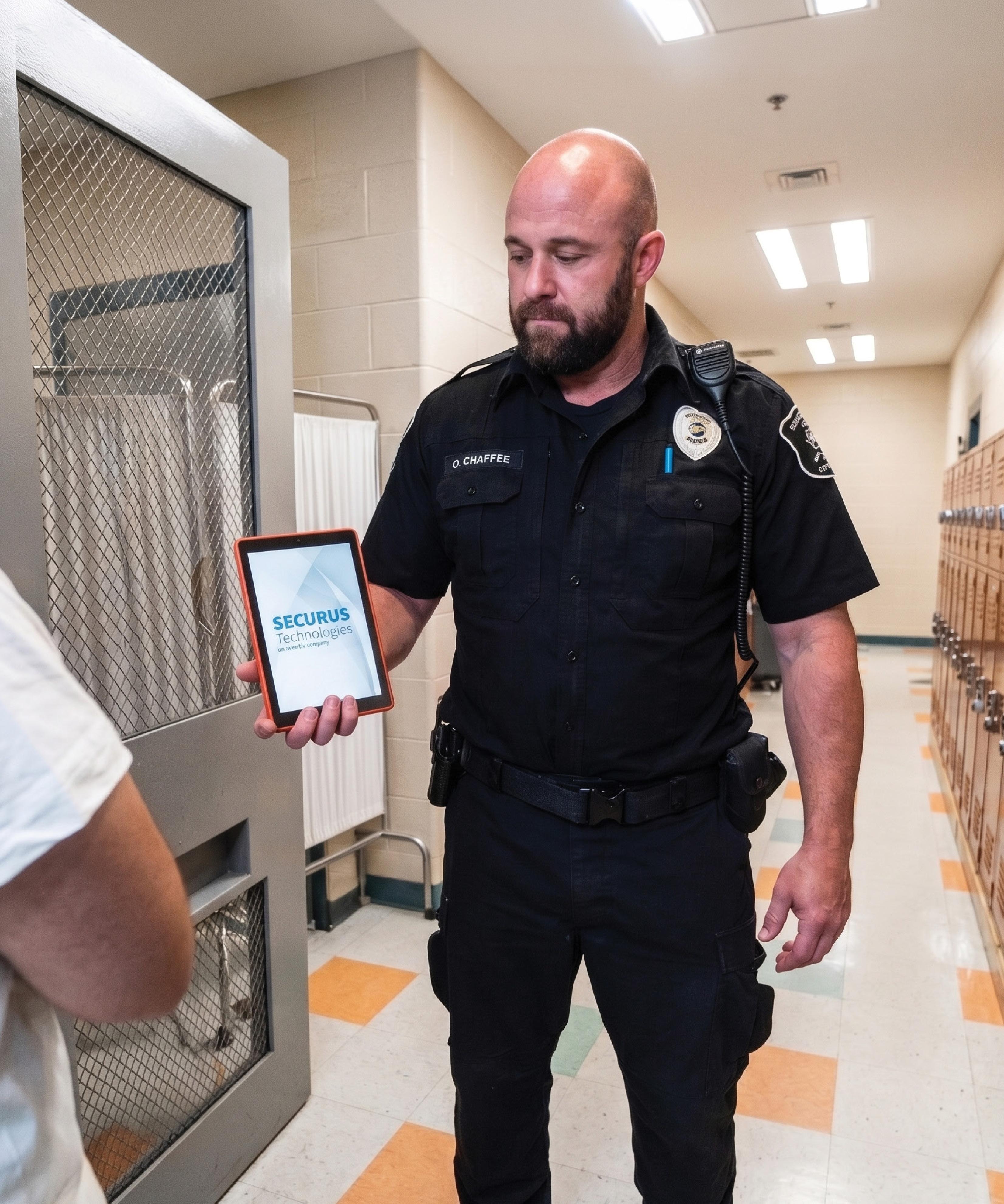
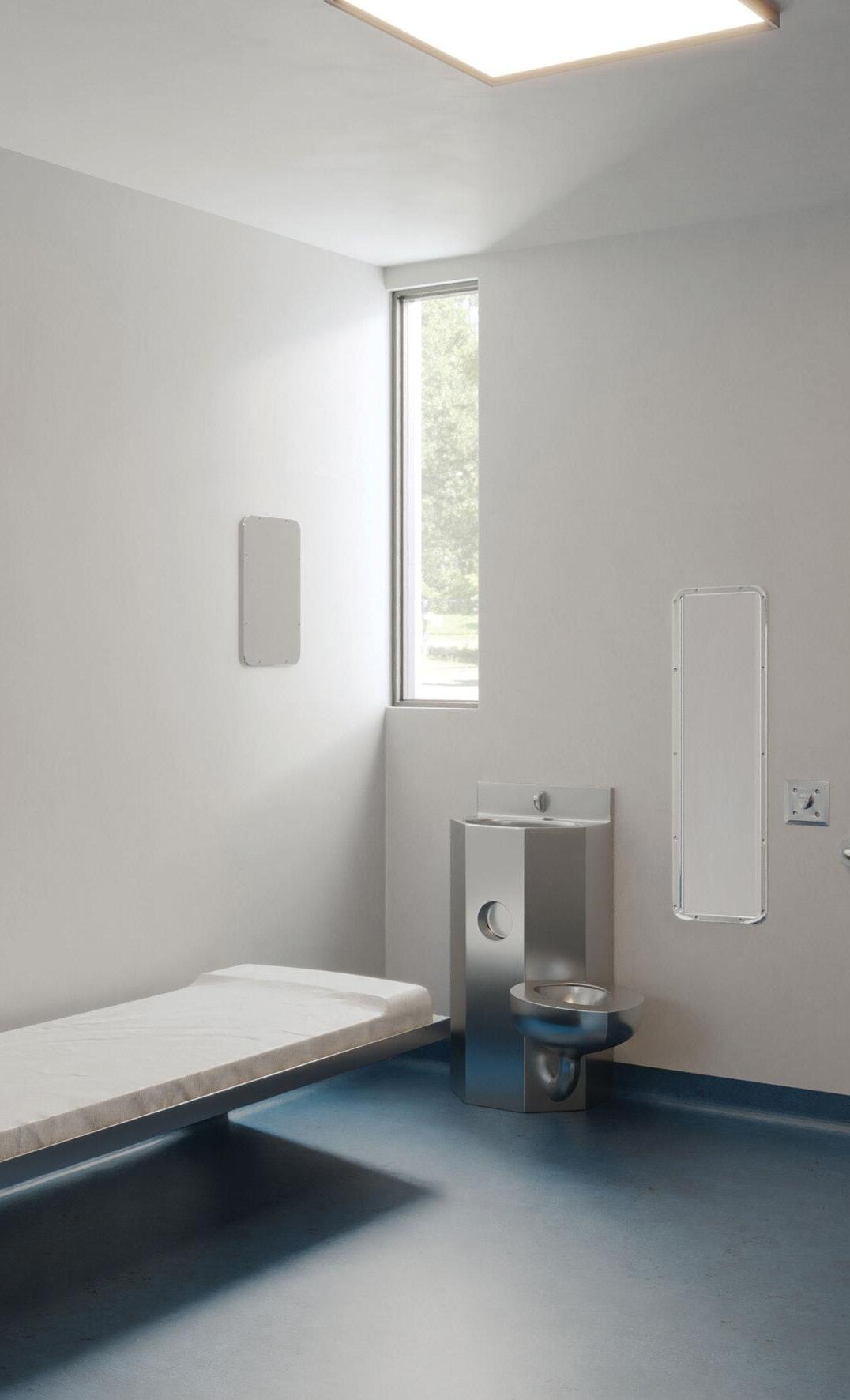
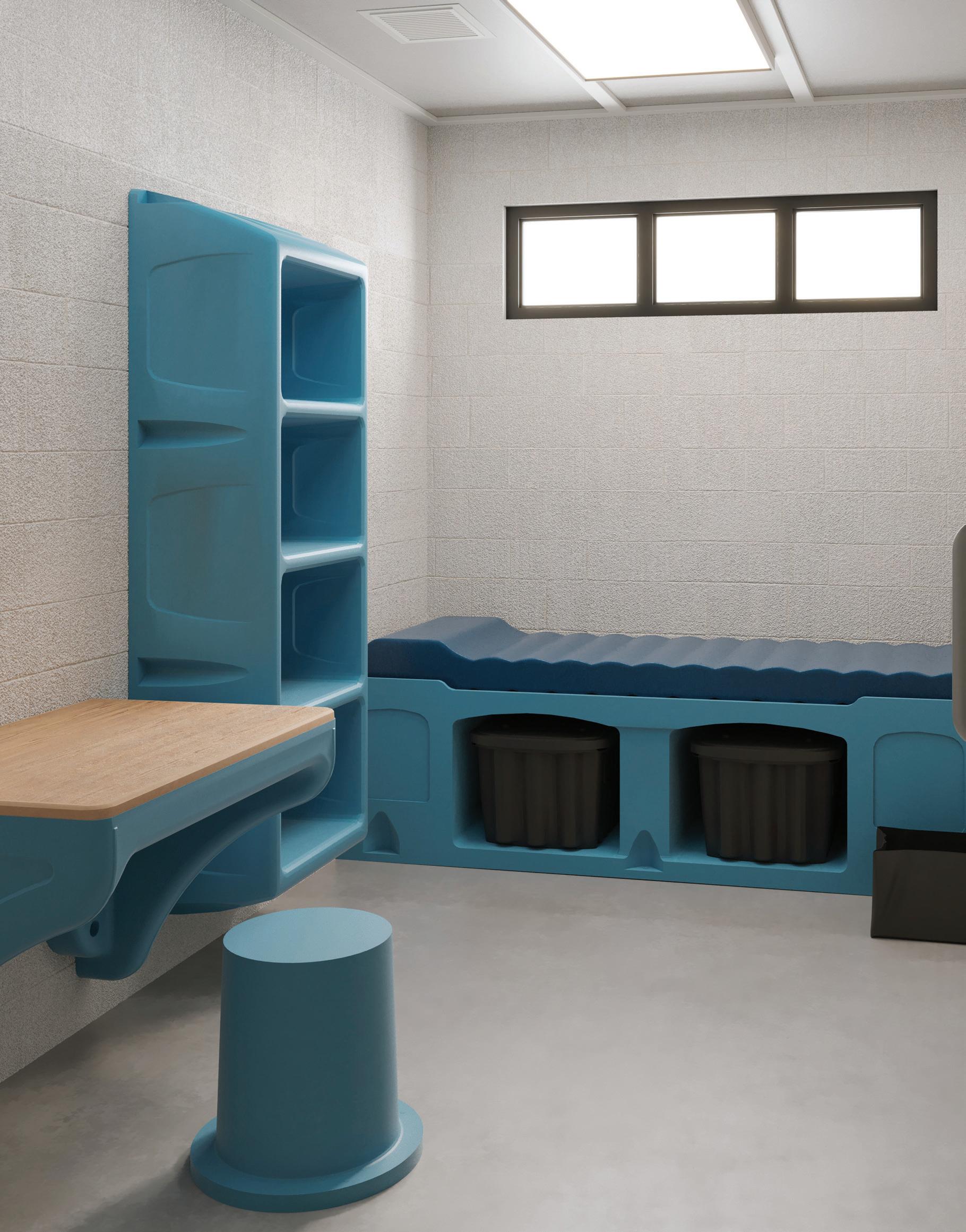
A guide to picking rural correctional facility sites for long-term operational efficiency
Facility of the Month
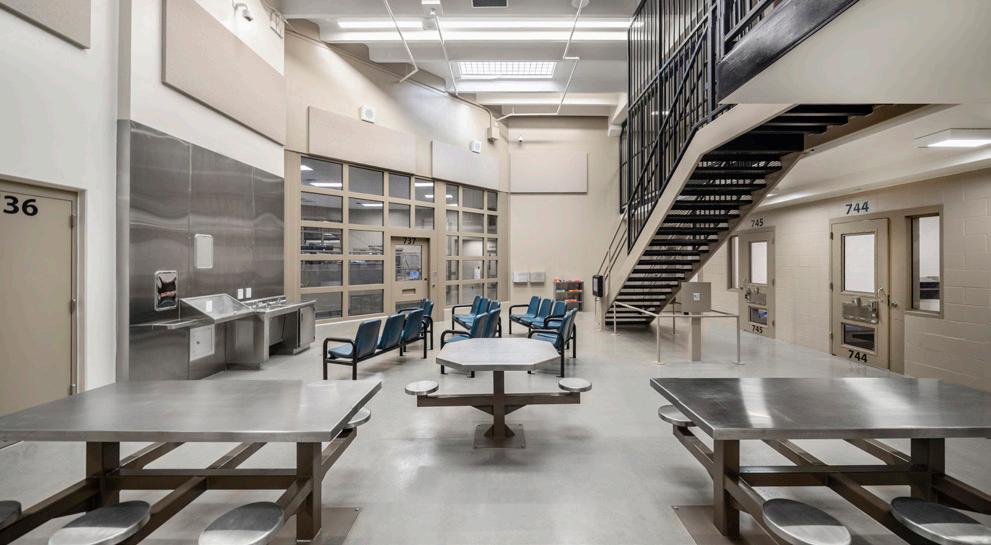
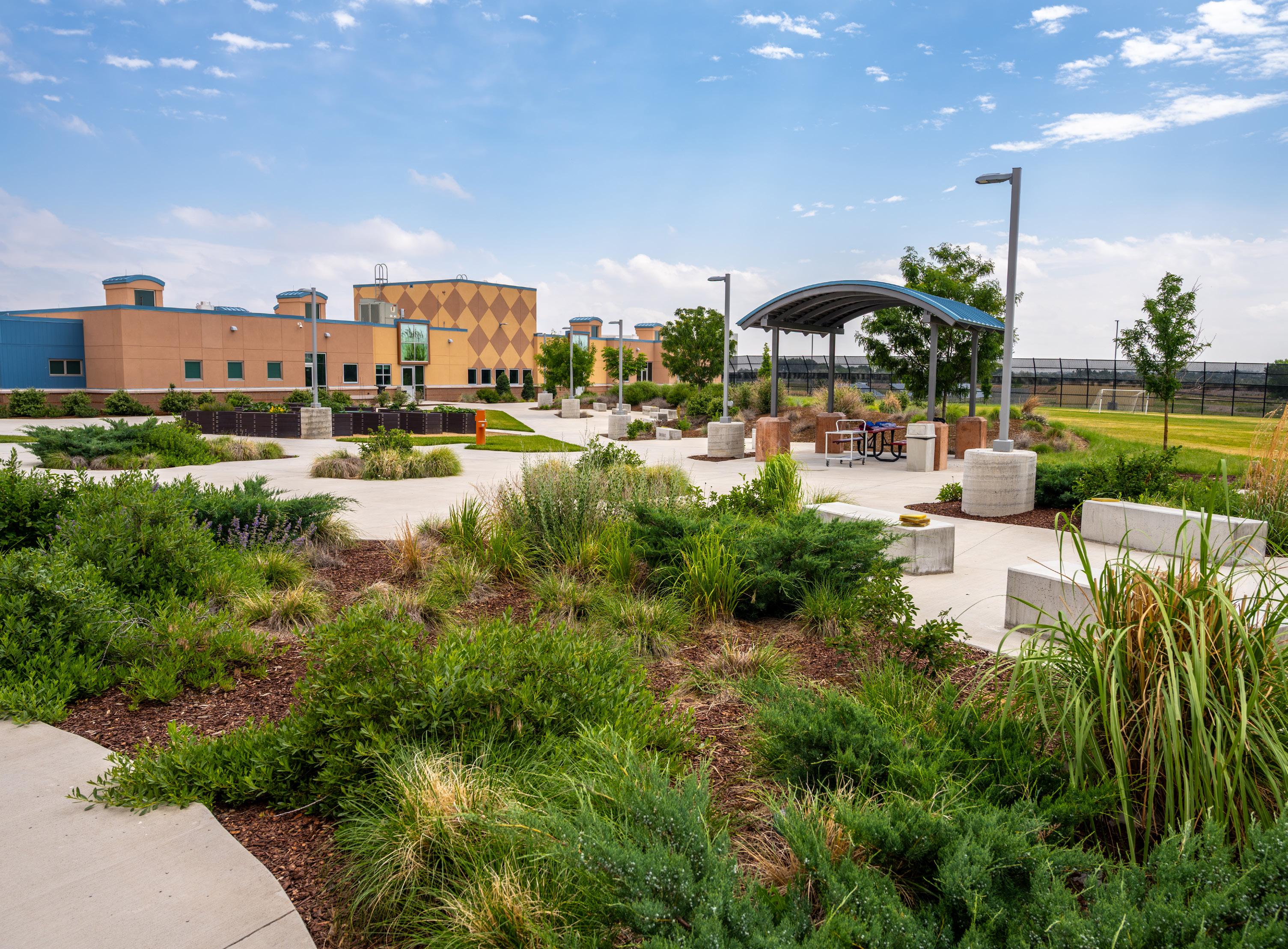
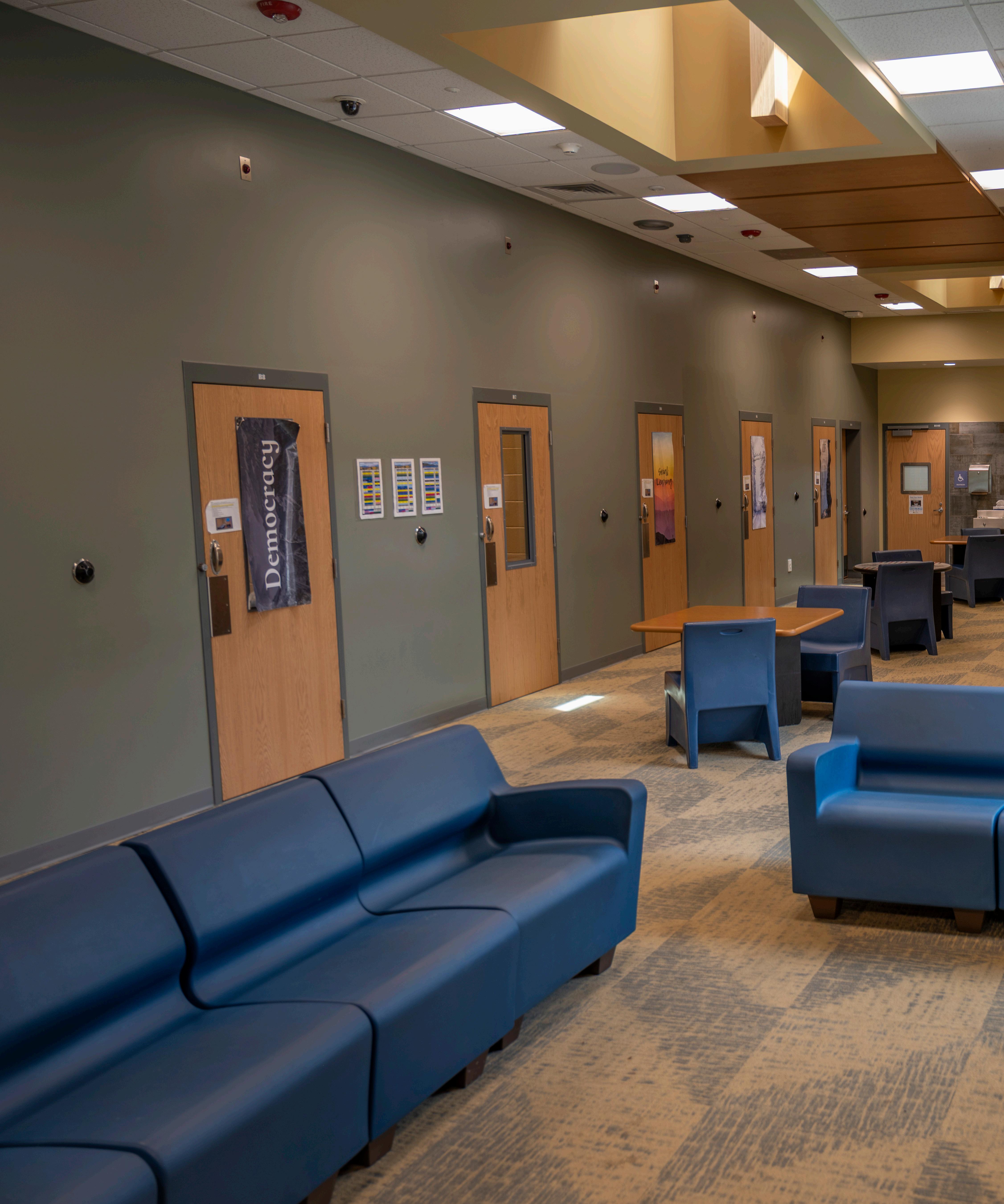
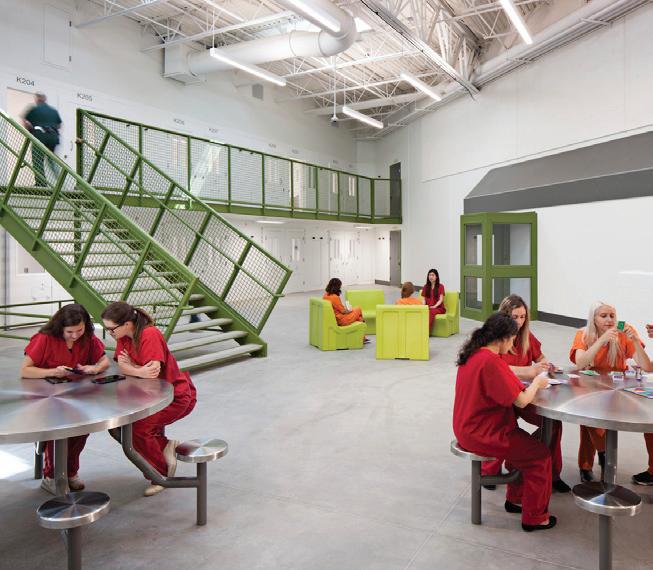
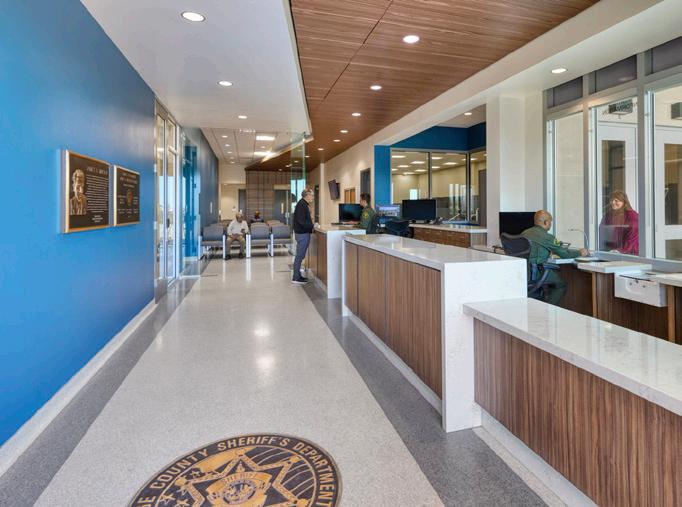
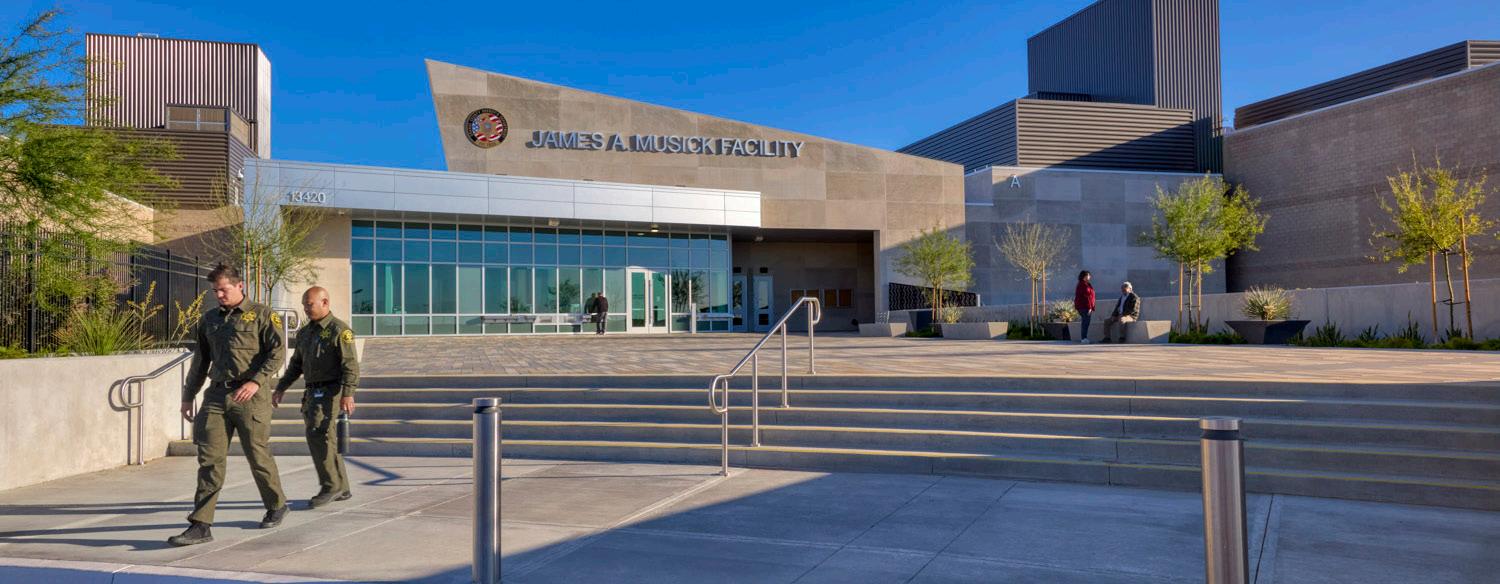
South Placer Jail aligns capital design with therapeutic intent
Critical Infrastructure
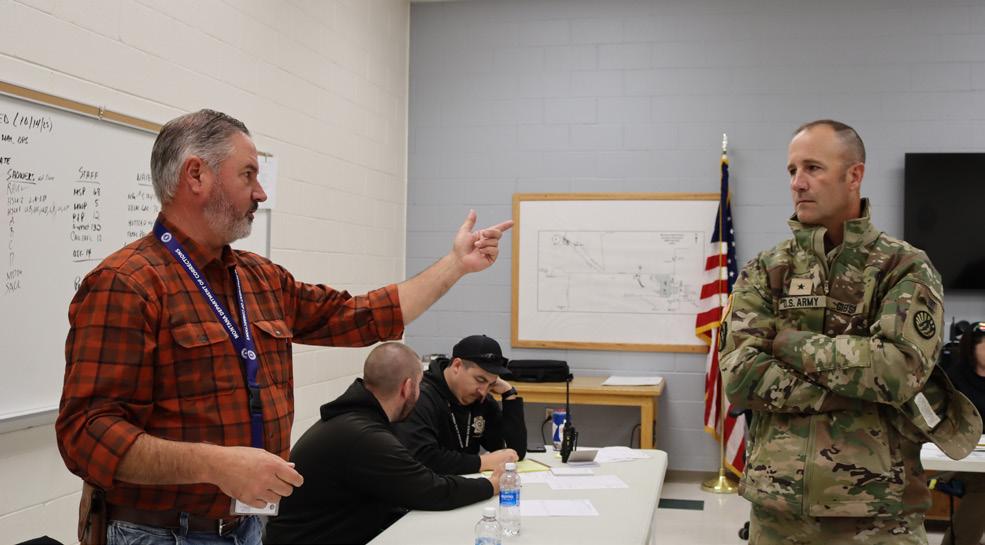
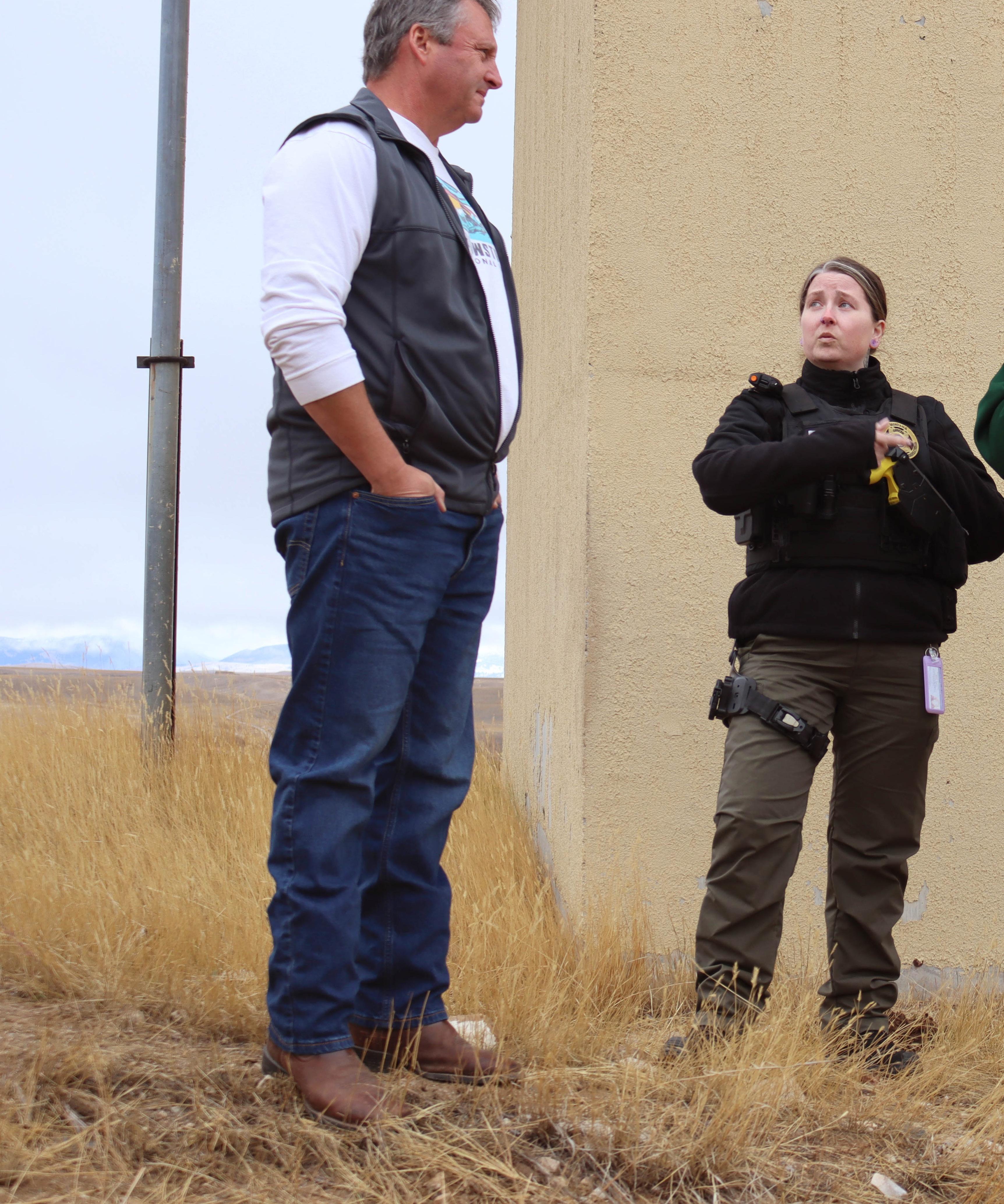
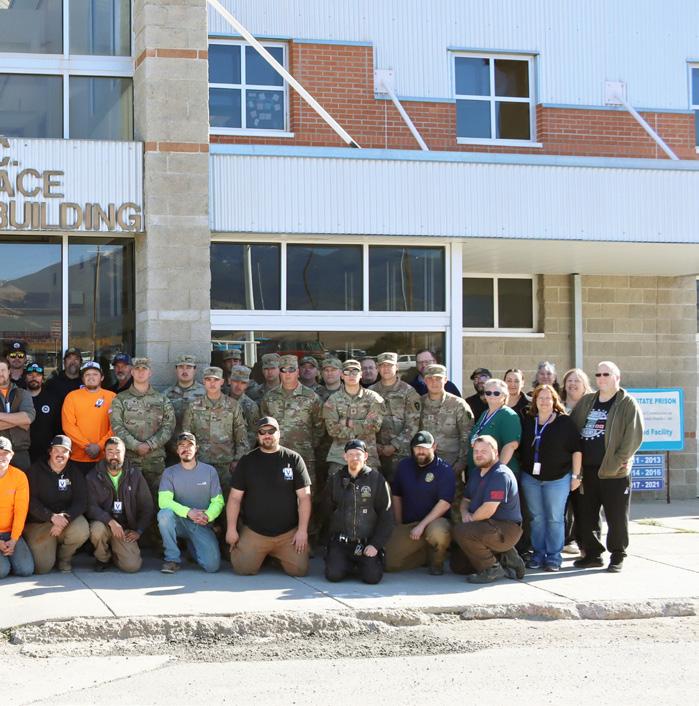
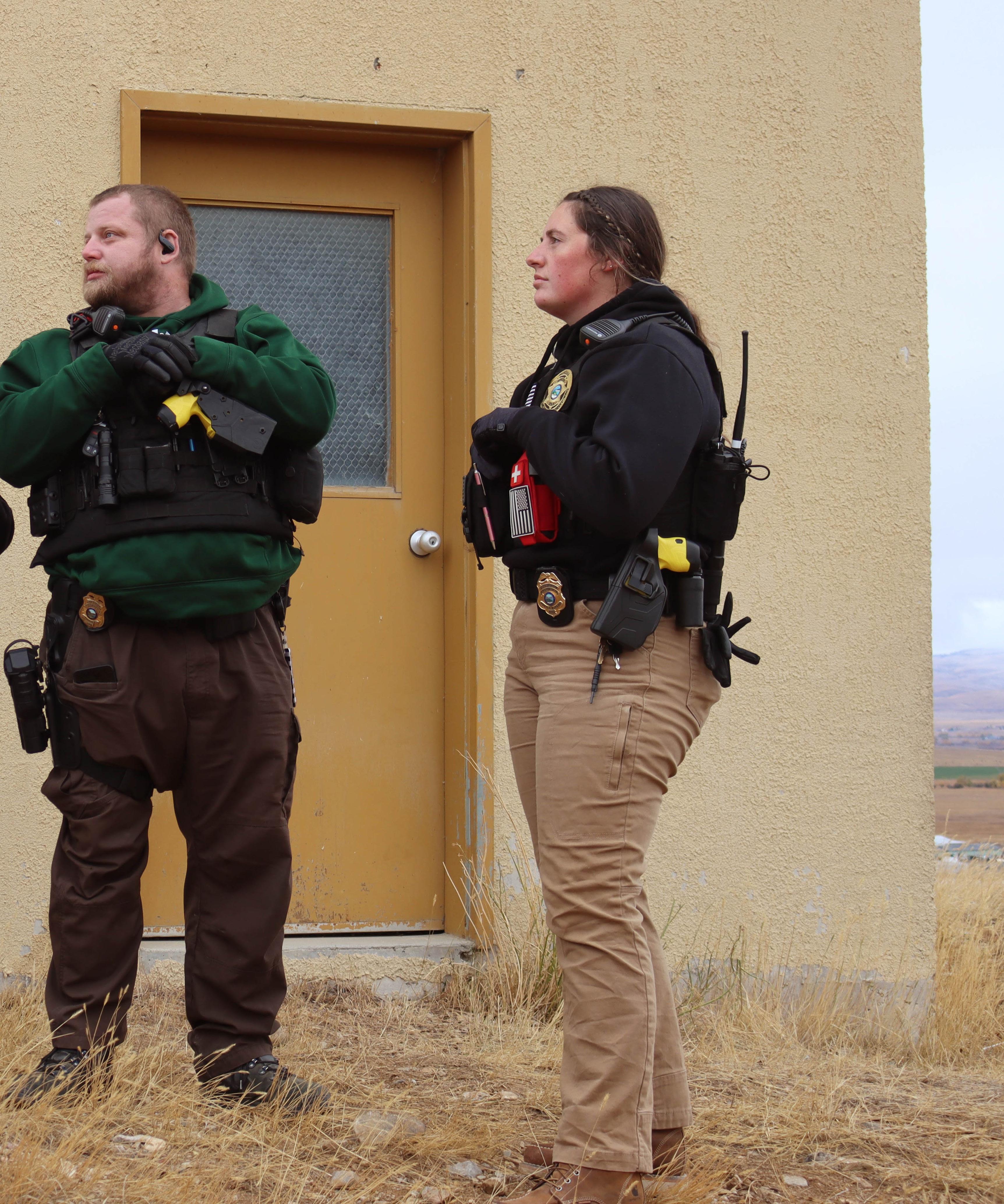
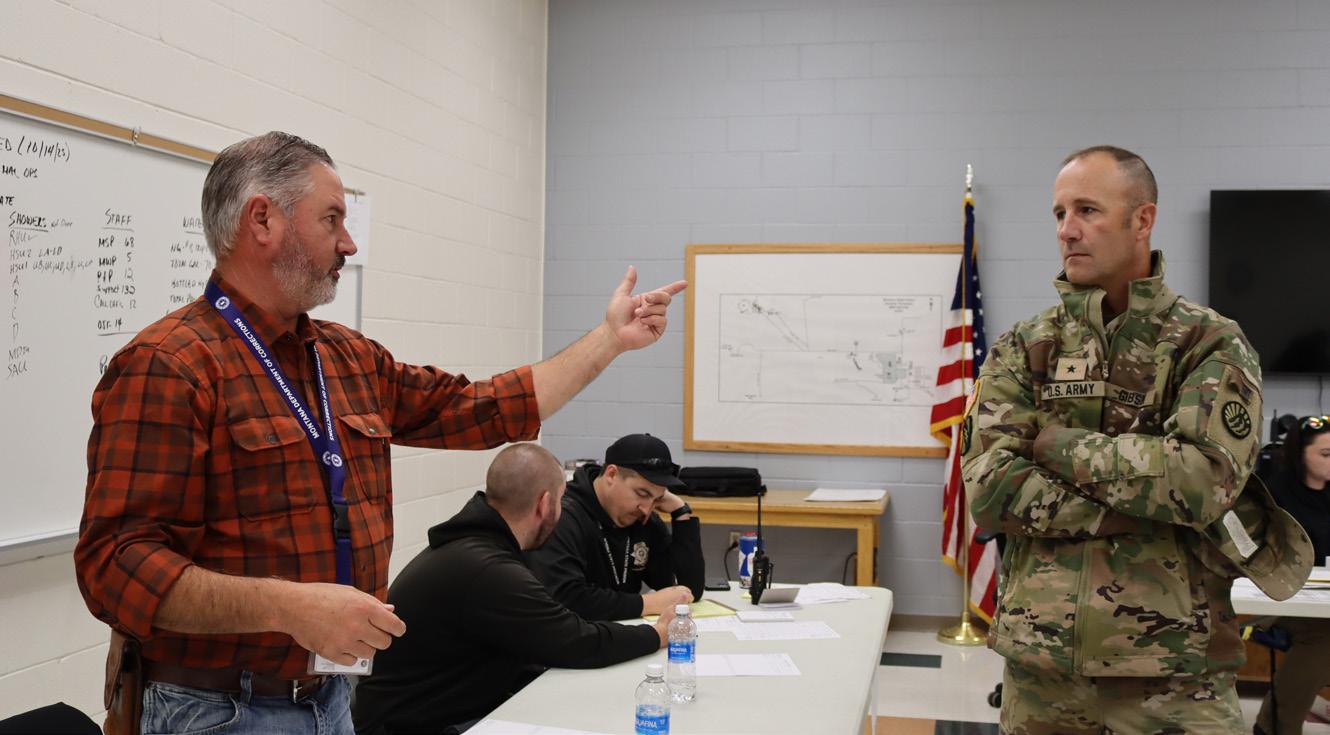
Water system failure at Montana State Prison highlights importance of maintenance planning
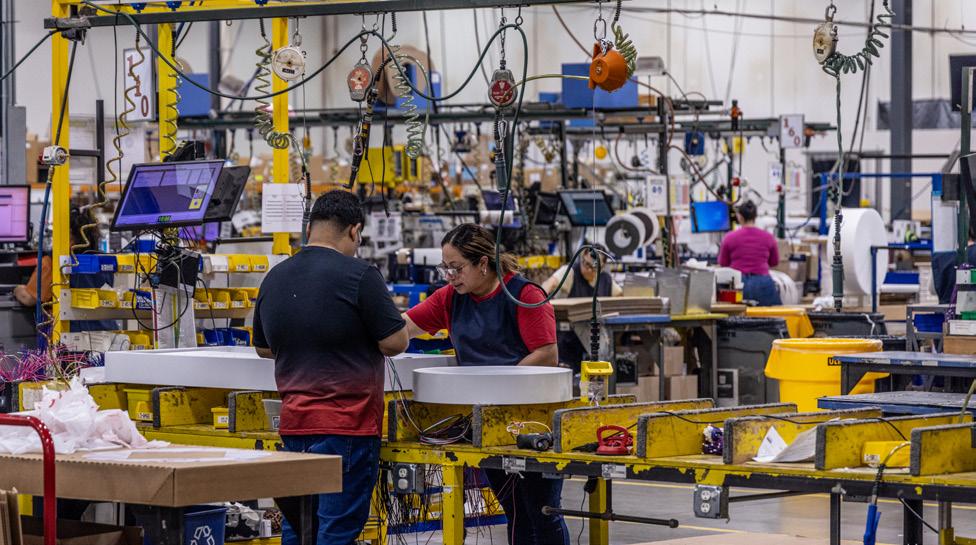
MAINTAINING VITAL OPERATIONS
Cover sponsored by:
“When every shift demands more, connected systems give staff clearer visibility, faster insight, and more confidence in every decision.” –Jessica Lust, Chief Product Officer, Securus Technologies
correctional spaces are evolving.
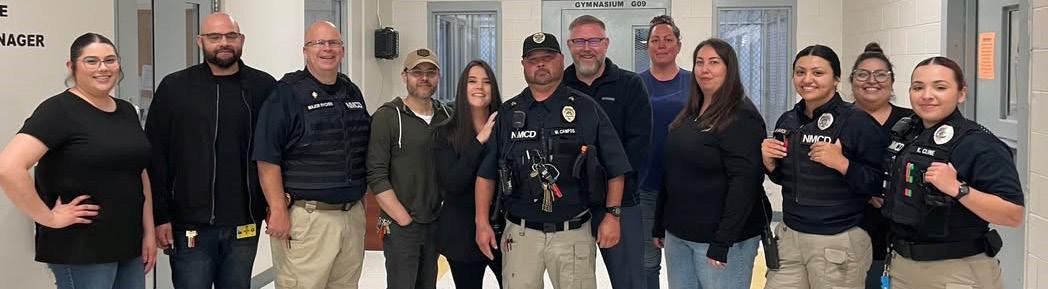
Director’s Report: Helping the New Mexico Corrections Department
Facility of the Month: California’s South Placer Jail Aligns Capital Design, Therapeutic Intent
Next Edition:
Planning & Construction: July 2026
Ad Deadline: 6/15/2026
Contact: sarah@wmhmedia.com COVER IMAGE:
Securus | Photo Credit: Courtesy of Securus Technologies
Tyrone Oliver Commissioner, Georgia Department of Corrections
Wayne Salisbury Director, Rhode Island Department of Corrections
Cory Salzillo Managing Partner, WPSS Group
Nneka Jones Tapia, Psy.D. Managing Director for Justice Initiatives, Chicago Beyond
Josh Tewalt Former Director, Idaho Department of Correction
Felice Upton Former Asst. Secretary, Juvenile Rehabilitation, Washington DCYF
Tim Ward Former Commissioner, Georgia Department of Corrections
President
Torrey Sims
STAFF CONTACT
Sales
Sarah Clow
Vice President of Sales and Marketing
Sarah Clow
Vice President of Sales and Marketing sarah@wmhmedia.com
Editorial Charlie Lange, Reporter charlie@wmhmedia.com
Editorial Director Lindsey Coulter Reporter Charlie Lange
Subscription Information billing@wmhmedia.com
For reprints, PDFs and plaques, please contact: Jeremy Ellis, ReprintPros (949) 702 5390 Jeremy@ReprintPros.com
ReprintPros: www.reprintpros.com
Request a quote: www.reprintpros.com/index.php/ request-a-quote
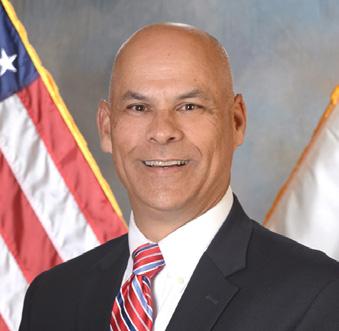
McMillan Pazdan Smith has welcomed Brad Ewing, AIA, RID, NCARB, LEED AP, as a Regional Practice Leader. Ewing will bring more than 25 years of civic and public-sector design experience to the firm. His background includes work on courthouses, emergency operations centers, correctional and detention facilities, and municipal buildings across the southeastearn U.S. and nationally.
In his new role, Ewing will support design leadership and client collaboration for McMillan Pazdan Smith, which is based in the Southeast and works across complex civic and public-sector markets. His experience includes adaptive reuse and renovation projects, as well as the delivery of high-performing, technology-ready environments. Ewing also served in the U.S. Coast Guard, bringing an additional operational perspective to client relationships and public-sector work.
of Commissioner Angel Quiros from the state agency.
Carlos has worked at the Connecticut DOC since the mid-2000s as a Substance Abuse Counselor, Counselor Supervisor, Deputy Warden, Warden and District Administrator. In December 2020, she was appointed as the agency’s deputy commissioner of administration in a role that requires her to oversee its administrative functions and operations within the state’s correctional facilities. In recent years, she has stepped in several times to serve as acting Commissioner when it has been needed.
Prior to joining the Connecticut DOC, Carlos worked as a Substance Abuse Counselor for the Southeastern Council on Alcoholism and Drug Dependency in Lebanon, Conn.
She holds a master’s degree in public administration from the University of New Haven, Henry C. Lee College of Criminal Justice and Forensic Sciences, and a bachelor’s degree in human development and family studies from Mitchell College.
tasked with coordinating the closure of Rikers Island and the transition to borough-based jail facilities. Kaplan will oversee efforts to reduce the jail population, advance construction of borough-based facilities and coordinate the safe transfer of people in custody off the island.
Kaplan brings more than two decades of experience in criminal justice reform, including as a senior advisor to the Independent Rikers Commission. She also served as Director of Justice Reform at the National Institute for Criminal Justice Reform, and most recently was director of the social impact campaign for the Oscar-nominated film “The Alabama Solution,” focused on reforming Alabama’s state prison system. She joined the Mayor’s Office of Criminal Justice in 2014 and served for eight years, including as Deputy Director of the Close Rikers and Justice Initiatives.
Kaplan is a recipient of the John Gardner Fellowship for Public Service from the University of California, Berkeley. She also holds a master’s degree from the City University of New York.
Mark Kohles has joined Treanor as a Director of Project Delivery in the firm’s Lawrence, Kan., office. Kohles has more than 36 years of architectural experience and has served as a Project Manager, Project Architect and Quality Assurance Director. Over the course of his career, he has developed various training and quality assurance procedures to help facilitate firms’ growth strategies and improve processes. Prior to joining Treanor, he was a Senior Director with Pulse Design Group in Kansas City, and previously held roles with Hoefer Welker, Burns & McDonnell, Gould Evans and BNIM Architects. He holds a Bachelor of Science in architecture from the University of Kansas.
CORRECTIONAL PROFESSIONALS
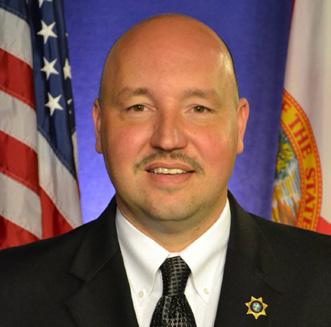
Florida Department of Correction (FDC) Secretary Ricky Dixon retired on June 30 after 30 years of dedicated service to the state. Secretary Dixon began his career in 1996 as a Correctional Officer at Lancaster Correctional Institution. He advanced through the ranks to lead the thirdlargest state correctional system in the nation after being appointed to the leadership role by Gov. Ron DeSantis in 2021. He is also President of the American Correctional Association. During his tenure, Secretary Dixon was responsible for operational management and leadership of the FDC’s $4 billion budget, 24,000 employees, approximately 90,000 inmates and more than 144,000 offenders on community supervision. In his announcement, Dixon said that it has been “the honor of a lifetime” to serve alongside fellow FDC employees.
Connecticut Gov. Ned Lamont named former Deputy Commissioner Sharonda Carlos to serve as Interim Commissioner of the Connecticut Department of Correction effective May 1, 2026, following the retirement
Alabama Gov. Kay Ivey announced the retirement of Alabama Department of Corrections (ADOC) Commissioner John Hamm, describing his time in office as a “successful and transformative tenure.” Hamm took the helm as Commissioner of ADOC in January 2022 after more than 35 years of law enforcement experience, starting as a police service dispatcher and eventually being elected Sheriff of Barbour County, Ala. He also held several prominent leadership roles over seven years with the Alabama Law Enforcement Agency, including Deputy Secretary and head of the State Bureau of Investigation.
Hamm oversaw several departmental improvements during his tenure, including initiating construction of two new men’s prisons, expanding correctional officer recruitment and retention efforts, and instituting a zero-tolerance policy for misbehavior and violence among both the inmates and ADOC staff.
Ivey has appointed Greg Lovelace as Commissioner for the remainder of Hamm’s term. Lovelace has more than 50 years of service in law enforcement and corrections, including extensive experience in prison operations, infrastructure, construction and maintenance. During his 26 years with the ADOC, he has served in key leadership capacities under six commissioners.
Prior to his most recent appointment, Lovelace served as Chief Deputy Commissioner, a role he has held since 2022, overseeing the department’s operations, administrative divisions and statewide prison system functions. In that capacity, he played a key leadership role in major initiatives, including the development and construction of new correctional facilities and system-wide operational improvements.
He has long been involved in planning and executing large-scale projects across Alabama’s correctional system and is recognized for his expertise in managing complex, multilayered challenges within corrections.
New York City Mayor Zohran Mamdani has named Dana Kaplan as the city’s Close Rikers Czar, a new role
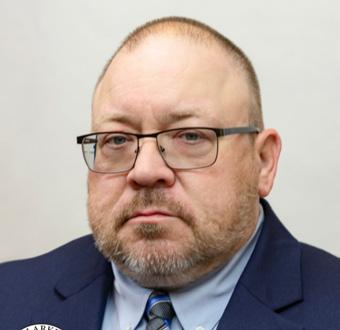
Charles Mason is the new Warden and Corrections Department Director for Athens-Clarke County Unified Government (ACCGov) in Georgia. Mason had previously served as the ACCGov Deputy Warden since August 2015 and as ACCGov Interim Warden since February 2026. He has also served in separate ACCGov Interim Warden capacities for several months in 2024 and 2025.
Prior to joining Athens-Clarke County, Mason served in several roles at the Muscogee County Prison in Columbus, Ga., from 1997 until 2015. Mason holds a bachelor’s degree in criminal science and a Master of Public Administration from Columbus State University in Columbus, Ga. He is a graduate of the Georgia Law Enforcement Command College and the Combined Deputy Warden’s Academy. He holds a Georgia Peace Officer Standards & Training Council supervisory, intermediate, managerial and advanced certificate.
CALENDAR
CLA on the Hill
June 22–25 | Washington, D.C.
CLA Western Region Meeting
July 13–16 | Cle Elum, Wash.
NCCHC Correctional Mental Health Conference 2026
July 18–20 | Austin, Texas
NOBLE 50th Annual Training Conference
July 24–28 | Dallas
CLA Summer Conference
July 29–Aug. 2 | Pittsburgh
ACA 156th Congress of Correction
July 30–Aug. 2 | Pittsburgh
CJJA Summer Meeting
July 30–Aug. 2 | Pittsburgh
Kohles
Ewing
Carlos
Hamm Kaplan
Lovelace
Mason Dixon
STATEOF NEW MEXICO
DIRECTOR’S REPORT
Grounding pay equity in performance, capability, fairness and consistency has made an impact operationally and culturally.
Building a Stronger New Mexico
How Secretary Alisha Tafoya Lucero is leading health, communication, public safety and staff equity efforts
By Alisha Tafoya Lucero
When I became Cabinet Secretary of the New Mexico Corrections Department (NMCD) in 2019, I had already spent nearly two decades with the department, serving as a caseworker, probation and parole officer, unit manager, deputy warden and warden. I understood the realities of corrections work, the pressures staff face every day and the complexity of trying to improve a system that people often only see at its worst.
Like correctional agencies across the country, we faced staffing shortages, rising behavioral-health needs, persistent recidivism, public skepticism, and the challenge of managing through the pandemic and its lasting impacts. At times, the work felt incredibly heavy, but those challenges pushed us to think differently about what public safety really means and how corrections can better serve both the people in our facilities and the communities to which they eventually return.
I believe that the most effective correctional systems are built on the understanding that people respond to the expectations and opportunities placed before them. When staff are treated with respect, supported and empowered to make a difference, they create safer environments and stronger organizations. Institutional safety and public safety depend on more than security protocols, policies and infrastructure. They also depend on how time is spent inside.
When the people in our custody spend their time learning, working, building skills, addressing challenges and contributing in meaningful ways, they are less likely to engage in behaviors that undermine safety, and they are more likely to leave prison better prepared to succeed than when they entered. That belief has guided the work we have done over the past several years.
Corrections is public safety. The work we do inside our prisons directly influences what happens in our communities. The more productive and meaningful a person’s time in custody is, the better prepared they will be to succeed when they return home.
Investing in Staff Equity
One of my earliest priorities as Cabinet Secretary was addressing pay equity across the department. I have always believed that people need to know they are being treated fairly. When compensation decisions are inconsistent, particularly around promotions, it creates frustration, undermines trust and can make people question whether their work is truly valued.
We took a hard look at how compensation decisions were being made and worked to create a more consistent, transparent approach. Today, promotional pay is tied to the responsibilities of the position and applied uniformly across the department. Employees should be able to focus on doing their best work, not wondering whether similar jobs are being compensated differently. That work has had a meaningful impact on recruitment and retention. People are more willing
to pursue advancement opportunities and commit to a long-term career when they understand what is expected of them and trust that decisions will be made fairly. In a profession that asks so much of its workforce, that trust matters.
When expectations are clear and opportunities are based on performance, capability and commitment, talented people step forward. Today, we have strong leaders serving throughout our department who bring different experiences, perspectives, and strengths to the table. That benefits the organization, because better ideas emerge when leadership is drawn from the broadest possible pool of talent.
For me, pay equity was never just about compensation. It was about creating a workplace where people know they will be treated fairly, where advancement is earned, and where employees can see a future for themselves within the department. Those principles strengthen organizations, support staff retention and ultimately help us better serve the public.
Reentry as a Public Safety Strategy
When I became Cabinet Secretary, I wanted rehabilitation and reentry to be treated as essential parts of our public safety mission, not as programs operating on the margins of that mission. One of the first steps toward that goal was establishing the department’s Reentry Division and working with the legislature to create a dedicated funding stream for reentry initiatives. It was important to me that this work become a permanent part of the agency’s mission and not something dependent on a particular administration or leadership team.
Approximately 96% of the people in our custody today will eventually return to our communities. That reality requires us to think beyond confinement and focus on what people need to succeed when they leave our facilities. Public safety is strengthened when people return home with education, job skills, treatment, support and a realistic path forward.
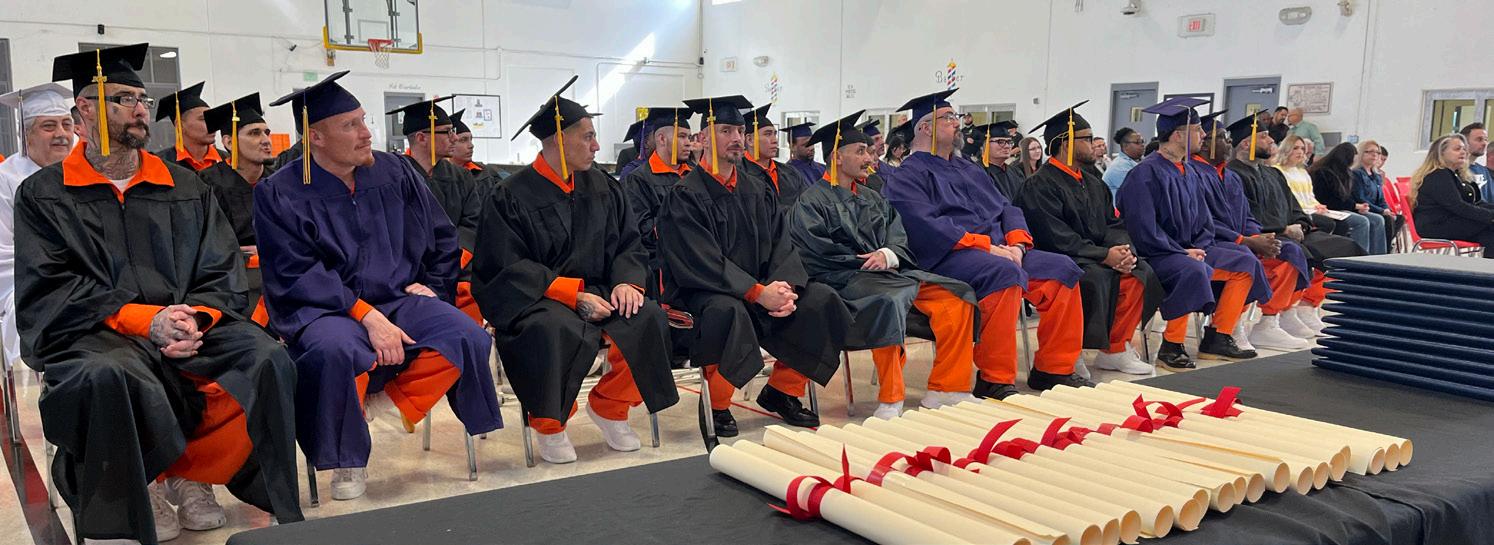
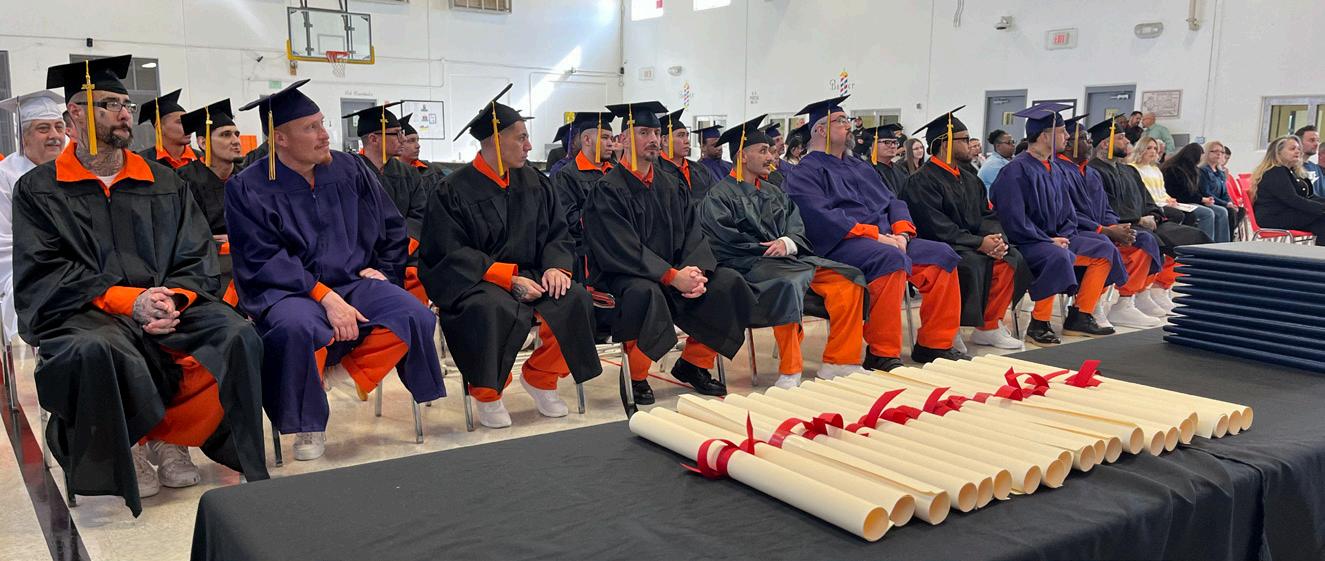
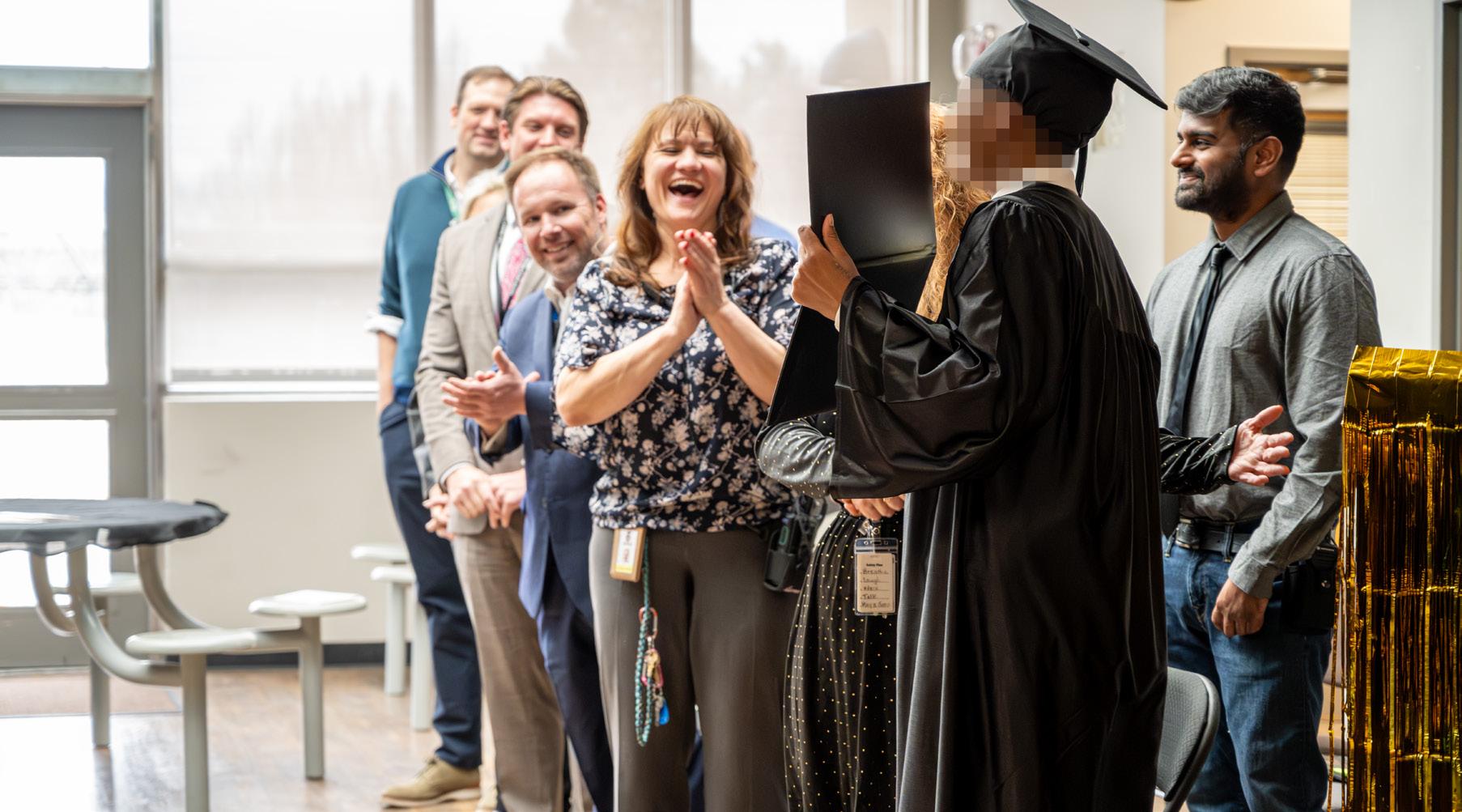
Education has been one of the cornerstones of that effort. Today, the NMCD has led all adult learning institutions in the state in high school equivalency completions for three consecutive years and is on pace to do so again. We have also expanded partnerships with colleges and universities throughout New Mexico, creating opportunities that range from workforce certificates to advanced degrees. At the same time, we have worked to ensure that every facility offers meaningful vocational training aligned with workforce needs. Individuals can earn certifications and develop skills in areas such as HVAC, welding, construction, CDL, heavy equipment operation, culinary arts, woodworking and other trades that provide opportunities for stable employment after release.
We have also placed a strong emphasis on peer mentorship. Some of the most effective encouragement and accountability comes from people who have faced similar challenges and successfully navigated them. Over the past several years, we have expanded peer mentorship in our facilities and developed one of the nation’s first post-release peer mentorship programs, helping individuals transition back into their communities with guidance and support from people who understand the obstacles they face.
The department has also looked for new ways to connect people with information and resources. Through initiatives such as the Inside Voices podcast and reentry-focused publications available on facility tablets, individuals can learn about programming opportunities, community resources and the practical realities of returning home, long before their release date arrives.
We recognize that successful reentry involves more than employment and education alone. Many of the people in our system are working to overcome addiction, trauma, mental health challenges and patterns of behavior that often extend across generations. Through substance-use treatment, cognitive behavioral programming, family-focused initiatives, peer support and strong community partnerships, we are working to address those underlying challenges while helping people build healthier and more productive lives.
The progress we have seen has not come from any single program or initiative.
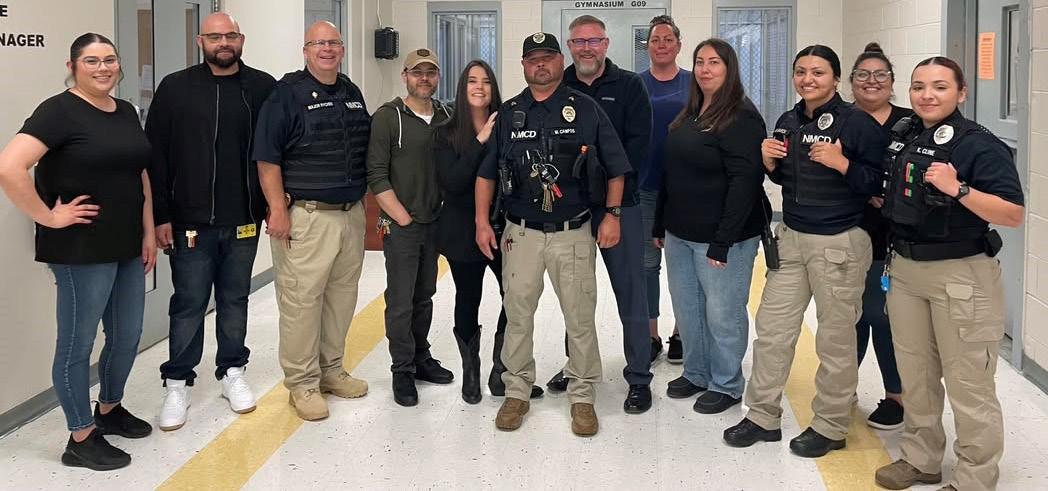
The NMCD has achieved the most high-school equivalency credentials for adult learners in the state for three consecutive years.
Photo Credit (all): NMCD
It has come from a sustained commitment to preparing people for success, both during incarceration and after release. We have seen more people successfully remain in the community, support their families, and move forward without returning to the criminal justice system. That is good for the individual, for families and ultimately for public safety.
Enhancing Public Engagement and Communication
Historically, corrections has not done a particularly good job of telling its story. Much of our work takes place behind secure walls, and when people cannot see that work, it is easy for misconceptions to fill the gap. Over the past several years, we have made a deliberate effort to be more transparent about who
we are, what we do and the challenges we face. Through social media, videos, podcasts, publications and community outreach, we have provided a clearer view into the daily work of the department and the people who carry it out.
That transparency matters for several reasons. It helps the public better understand the role corrections plays in public safety. It also helps legislators, community partners and stakeholders see the progress being made. Just as important, it gives us an opportunity to recognize the professionalism and dedication of our staff, whose work often goes unseen.
We also share stories of individuals who have taken advantage of educational opportunities, vocational training, treatment programs and reentry services to build successful lives after incarceration. Those stories are important, because they demonstrate the value of accountability paired with opportunity, and they remind people that positive change is possible.
One of the most encouraging shifts I have seen is in conversations with legislators and community members. Early in my tenure, many people told me they had little understanding of what happened inside our facilities. Today, those same conversations are often informed by a much clearer picture of our work, our challenges, and our progress. Transparency does not solve every problem, but it does build trust, and trust is essential to moving this work forward.
Improving Healthcare Outcomes
Providing safe, effective healthcare is an important part of our responsibility to those in our custody. Over the last several years, we have worked to improve access to care and address long-standing health challenges within our system. One of the most significant accomplishments has been our work to combat Hepatitis C. New Mexico has historically had one of the highest rates of Hepatitis C in the nation, and our prison population reflected that reality. When I became Cabinet Secretary, only about 4% were receiving the treatment they needed. Today, we are reaching approximately 76% of those who need treatment, and the number of individuals requiring treatment has been reduced by more than half, despite new admissions arriving with the disease each year.
This progress was made possible through significant investments, expanded screening, strong clinical partnerships and a commitment to treating the disease rather than simply managing the symptoms. The result is a healthier population, lower long-term healthcare costs and better outcomes for the communities to which most individuals will eventually return.
Alisha Tafoya Lucero is the Secretary of the New Mexico Corrections Department.
Justice Reaching New Heights
Site limitations, utility placement and other factors guide design of vertical facilities in urban settings
By Charlie Lange
From the perspective of the general public, corrections often operates out of sight and out of mind, with facilities placed on the outskirts of town or in far-flung rural areas away from major population centers. But in cities and towns across the U.S., the push to streamline operations and locate correctional and justice facilities closer to administrative buildings, transportation hubs and public services within city centers has resulted in an increasing number of urban justice facilities.
That often requires building on sites with tight footprints surrounded by adjacent buildings, with close neighbors and existing utilities and infrastructure to accommodate. In many cases, the solution is to build facilities up, rather than out.
Correctional News spoke with Industry Knowledge Council member Jeff Goodale, AIA, NCARB, Director of Civic + Justice of HOK, about several recent vertical and urban justice projects that reflect this growing trend to understand what it takes to build from the ground up.
Navigating Site Constraints
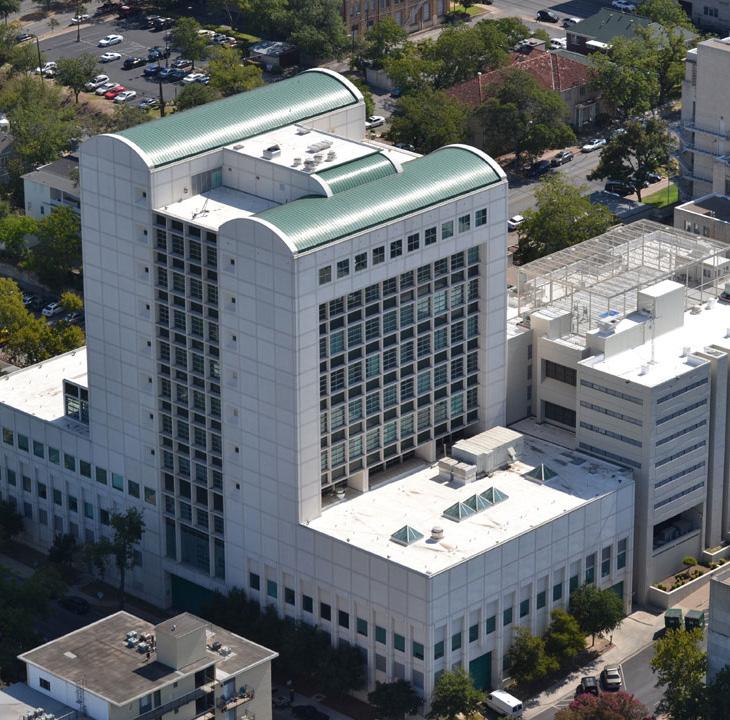
Site selection and the overall facility footprint is one of the first factors that influences facility design. Such was the case with the recently completed Osvaldo N. Soto Miami-Dade Justice Center project, a 23-story, 474-foot-tall courthouse in downtown Miami. The 620,000-square-foot LEED Silver-certified facility contains 46 jury courtrooms and a shell floor that can accommodate four more courtrooms in the future.
Goodale said careful planning was required to fit all of those functions within the small site, which the city had chosen for the project in advance of the design process. Bundling four courtrooms on each floor drove the vertical design, and some of the spaces outside of the courtrooms (such as electrical
and IT data rooms) had to be placed on a mezzanine level above the office spaces to fit everything onto the floor plate.
While the project involved civil-court proceedings that didn’t necessitate detention or holding areas, stacking the various judicial functions still presented challenges.
“Even in a civil or probate court, you’ve got paternity court, family court and other types of courts,” Goodale said. “They might take a different shape and have different configurations, but they still have to fit within that universal boundary.”
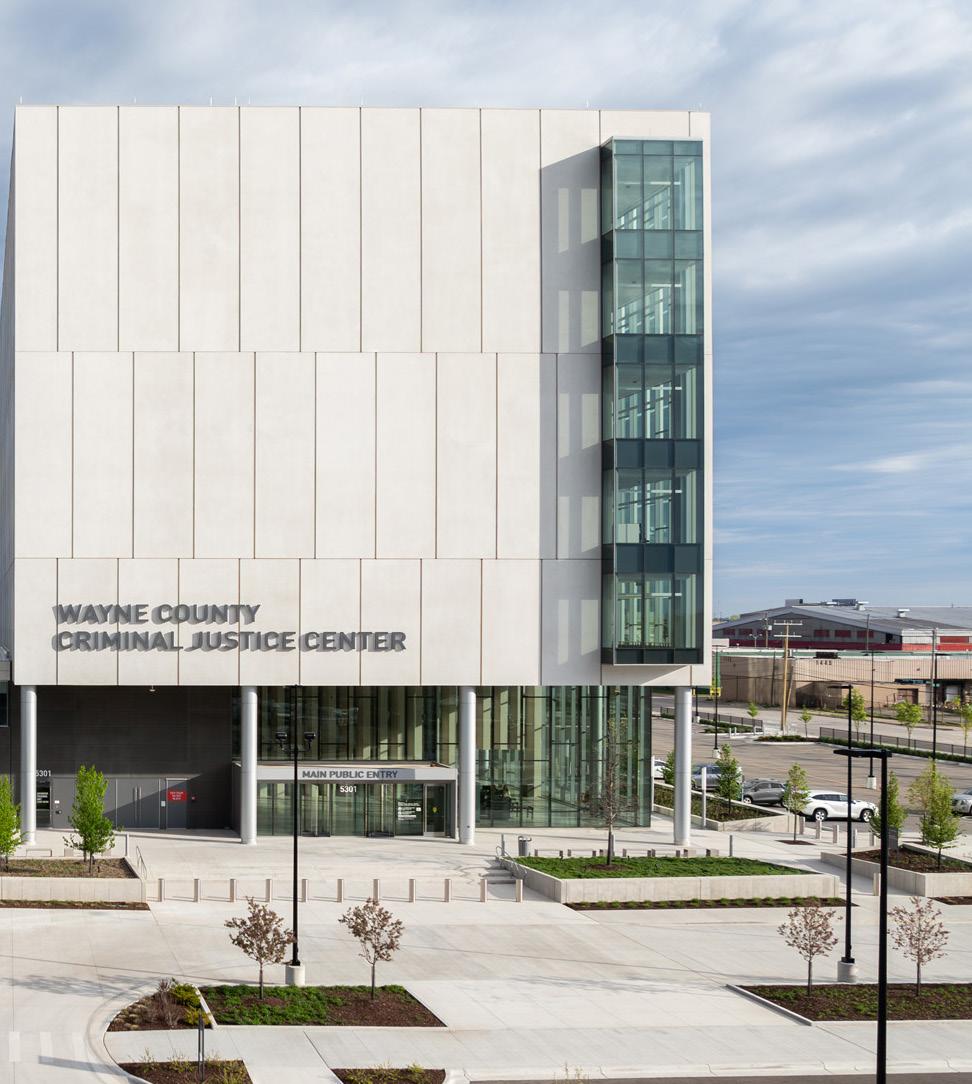
Goodale also cited the seven-story Wayne County Justice Center in Detroit and the 12-story Indianapolis-Marion County Community Justice Center in Indianapolis, where site constraints necessitated vertical construction — with the added layer of detention-related security concerns.
Courtroom, Housing Layout
In contrast to courtrooms housing strictly judicial proceedings, jails and detention centers present their own space challenges. Due to the larger size of housing units as opposed to courtrooms, Goodale said jails and prisons require a larger footprint.
The 762-bed Davidson County Downtown Detention Center in Nashville is an example where functional space was stacked on one side of the facility, and housing was stacked vertically on the other, so that layouts and functions could match.
“Once we start putting housing units together, they’re much bigger than courtrooms. So how those functions get grouped together, based on the circulation of the building, is important,” said Goodale.
In contrast to the Wayne County and Marion County projects, Goodale said the Nashville design stacked housing vertically on top of support spaces, configured along the spine of a central elevator. In the end, the number of floors needed for housing depends on whether the layout is based on a cell-style or dormitory
with the number of beds per floor driving the size, shape and height of each.
Walking Distance & Elevator Concerns
Another urban project in development in Cleveland, the $894 million, 1,886-bed
design,
The Osvaldo N. Soto Miami-Dade Justice Center soars 23 stories in downtown Miami.
Photo Credit (all): Courtesy of HOK
The seven-story Wayne County Justice Center in Detroit combines court and detention functions.
Cuyahoga County Central Services Campus building, has a bit more space to work with in the Garfield Heights neighborhood outside of the downtown area. There, considerations about walking distance within the facility factored into design decisions.
“We’ve had feedback from staff at other facilities that their buildings are too flat. People complain about how much they have to walk within the facility,” said Goodale.
Even though building up instead of out can reduce some of those concerns, a balance is needed, as an over-dependence on elevators can present its own issues and maintenance challenges. While some officials on the Cuyahoga County project advocated for designing housing all on one level, others pushed for as many as six stories. Ultimately, the design team chose a solution in the middle.
“With the elevator capacity we wanted, we ended up settling on three double-tier levels,” said Goodale.
Other facility operators, such as leaders at the Oklahoma County Jail project in downtown Oklahoma City, have opted to design their urban facilities on one level to avoid elevator concerns.
Structural Materials
Building materials are another major factor guiding design choices and how high a building can go.
For detention facilities, concrete construction can necessitate a large number of support columns, which is less than ideal for the configuration of housing areas and day rooms. Steel construction can accommodate larger spans, but materials costs and availability
often prohibit its use.
Goodale said the market where the project is located is often a determining factor in material choice. For example, the Borough-Based Jail projects in New York City utilize steel, while the Davidson County project in Nashville was constructed entirely with concrete.
The 12-story Indianapolis-Marion County Community Justice Center was built on a former industrial site.
“There isn’t a one-size-fits-all answer,” said Goodale. “You have to factor in the size of spans, fire protection and economic factors from the market that you’re in.”
Accounting for Life Safety
The taller the facility, the more life-safety and occupancy concerns also factor into the equation. Goodale said that while vertical courthouses URBAN &
See Urban & Vertical Design, page 42→
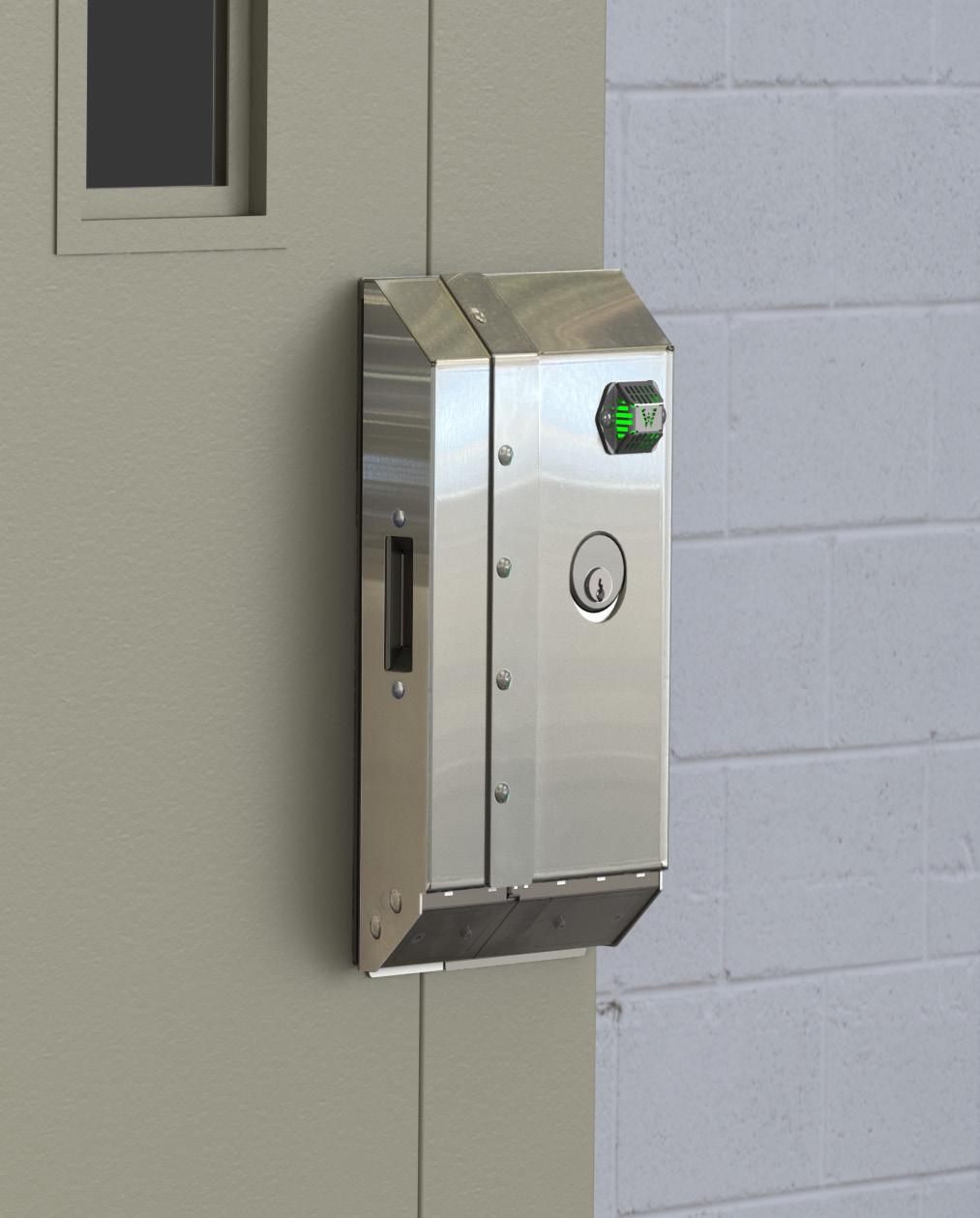
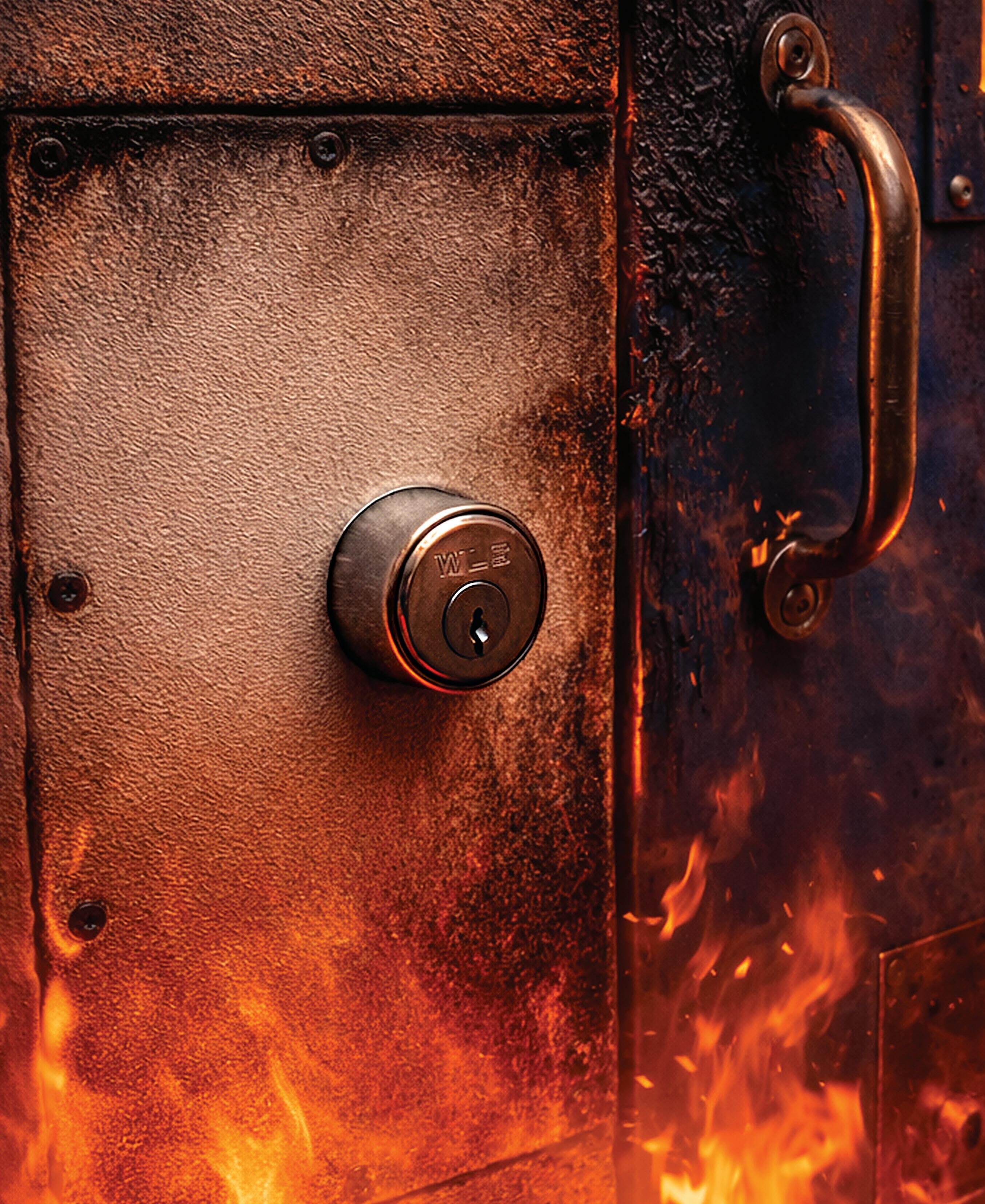
LOCKS THAT STAY LOCKED.
Aging infrastructure, frequent use, and tampering all put pressure on your facility’s door and lock systems. When those systems become unreliable, the risk extends beyond maintenance. It affects daily operations, staff safety, and overall control.
Willo Products helps correctional facilities restore and maintain dependable door and locking systems through upgrades, retrofits, and ongoing service. Our team works with your existing infrastructure whenever possible, reducing downtime and avoiding full system replacement.
From sliding and swinging door locking systems to hard-wired control panels, Willo provides equipment built to perform under the demands of daily use. Our retrofit approach allows facilities
45 Years of Service.
1 Mission.
Where to Build Matters
A guide to picking the right rural correctional facility site for long-term operational efficiency
By Tim DeBuse, AIA, NCARB, LEED GA
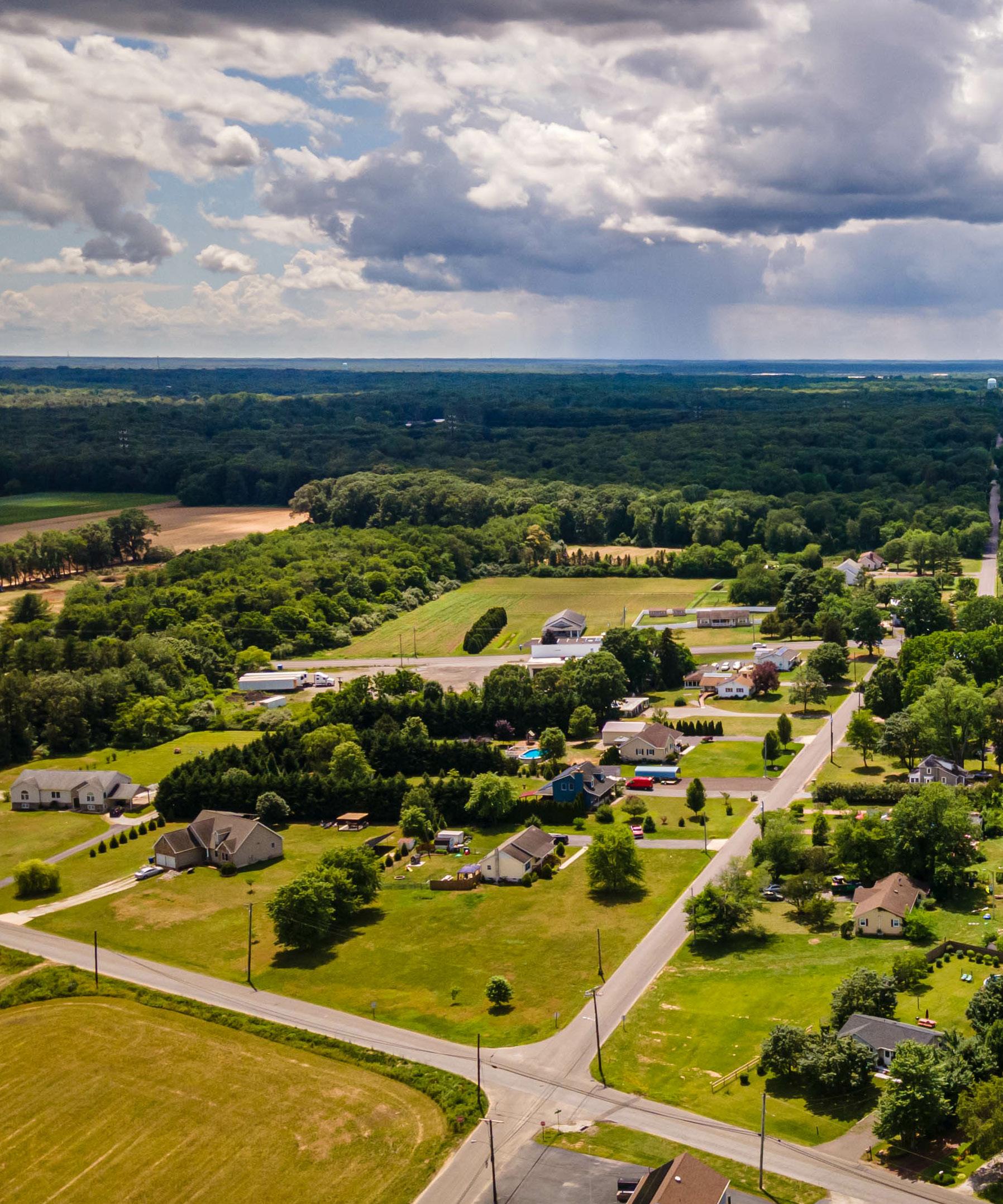
Designing a correctional facility on a rural site involves far more than just selecting a parcel of land and enclosing it with a secure perimeter. Site selection is a foundational decision that shapes everything from operational efficiency and long-term costs to staff recruitment, inmate well-being and community relations. Rural locations offer clear advantages, but they also can present challenges that must be carefully evaluated. A thoughtful approach to site selection is critical when considering a rural site for a correctional facility.
Reviewing Location and Accessibility
One of the first challenges in rural site selection is balancing remoteness with accessibility. While correctional facilities benefit from being removed from dense urban centers, they cannot be functionally isolated. Staff, visitors, service providers and emergency responders must all be able to reach the site efficiently. A site that is 80 miles from the nearest community can pose a real challenge.
Distance to hospitals and medical services is crucial. Long travel times for inmate transport or medical emergencies can introduce operational risks and increase costs. Staff and inmates need to have access to critical care, if needed. A rural site that appears ideal on paper may prove impractical if it adds hours to necessary and routine logistics.
It is also vital to evaluate the site’s proximity to a main road or major roadways, ensuring that the infrastructure can handle the daily traffic volumes that the facility will create. A site on or near a main road is a major upside for staff, visitors and others who will be regularly entering and exiting the facility.
The land surrounding the site and its context also bears a significant weight. Adjacent land uses should be compatible with the facility and security needs. Agricultural land or undeveloped areas are generally preferable to industrial zones with high traffic or transient populations.
Ideal Physical Site Characteristics
Another characteristic of the site that cannot be overlooked is the land itself. The ground the correctional facility is built on should fit a few requirements. For example, flat or gently sloping terrain is typically preferred for construction and long-term security because it simplifies grading, reduces construction costs and allows for clear sightlines. The soil type is essential as well. Poor soil conditions may require remediation, further increasing project costs.
The size of the land also must be considered. Typically, rural jails are large and require a substantial footprint. In addition to needing ample space for the facility and the programming that will take place inside, there must also be enough land to include a buffer zone. Necessary buffer zone sizes vary by facility type, but a 100-foot buffer zone (at minimum) makes for an ideal security perimeter around the site.
Correctional facilities are also long-term investments, expected to operate optimally for decades. A rural site should be evaluated not just for current
needs, but for its capacity to accommodate future expansion or programmatic changes. This includes space for additional housing units, support buildings and facility upgrades. The site layout should allow for phased development without disrupting ongoing operations.
Evaluating Utilities and Infrastructure
Another issue that often arises with rural sites is a lack of utilities and infrastructure. Sites that have utilities or can easily allow for utilities to be established are key. Water, sewer, power and gas infrastructure are necessary for everyday life and especially for a corrections facility. Rural sites often lack the robust infrastructure found in urban environments, making this a critical evaluation category. The cost of extending utilities to a remote site can quickly offset any savings from low land prices, making early coordination with utility providers essential.
Not only do these sites need basic power services, but reliable power is also non-negotiable for prisons. Due to demand and security, corrections facilities require redundant systems, meaning backup generators and potentially supplementary strategies to ensure uninterrupted operation.
In addition, telecommunications infrastructure is increasingly important, supporting security systems, administrative functions and controlled inmatecommunication technologies. Especially as technology continues to evolve, sites will need to be able to adapt and have the necessary capacity to manage threats. Ensuring robust and adaptable infrastructure is essential for rural facilities to operate safely, efficiently and in step with modern standards.
Community and Operational Factors
Last, but certainly not least to be considered, are the community and operational aspects of a rural site. In some instances, these factors may present the most challenges, but with the proper strategies in place, community members can understand the benefits and the economic impact of a correctional project. Correctional facilities can often face opposition due to concerns about safety, property values and environmental impact. Early engagement with local stakeholders is key and can help address these concerns and build support Additionally, rural areas can be difficult locations from which to recruit the necessary workforce. To combat this, consider the quality of life for both for the people who will be building the facility and for those who will eventually work on the site. There must be access to housing and public services. Having housing, schools, healthcare and retail services in the general proximity of the site is essential to ensuring a strong and accessible workforce.
Selecting a rural site for a correctional facility is a complex process that requires balancing many independent factors. A rural site may seem like it’s nothing more than an isolated plot of land, but it’s much more than that. It is a transformative piece of land that shapes every aspect of the future facility’s design and operations. By carefully evaluating location, accessibility, infrastructure, security and community context, designers and other decision-makers can help to ensure that rural correctional facilities are not only secure and efficient but also adaptable and responsible components of their broader environments.
Tim DeBuse is a Senior Architect with Goodwyn Mills Cawood. This article is sponsored by Goodwyn Mills Cawood. For further information, visit www.gmcnetwork.com.
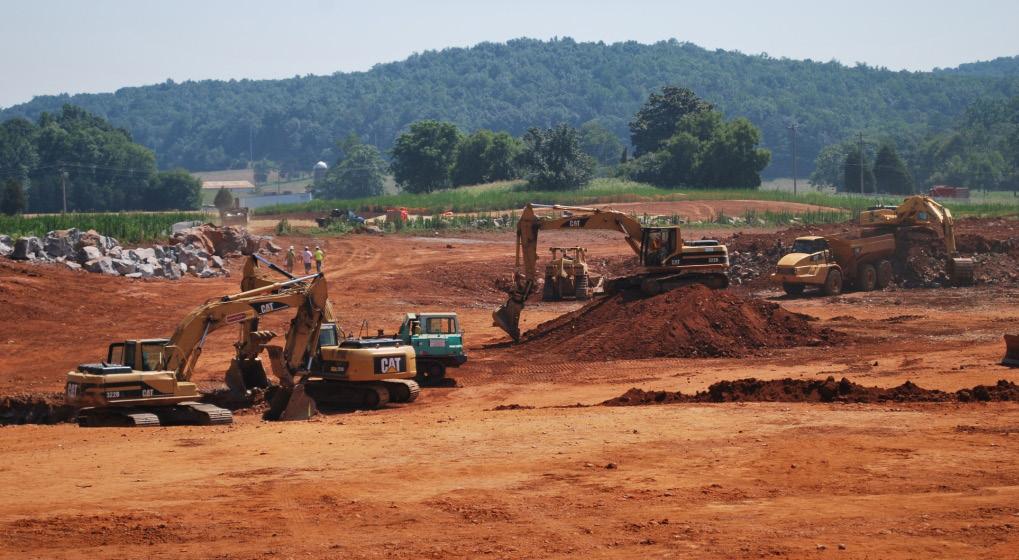
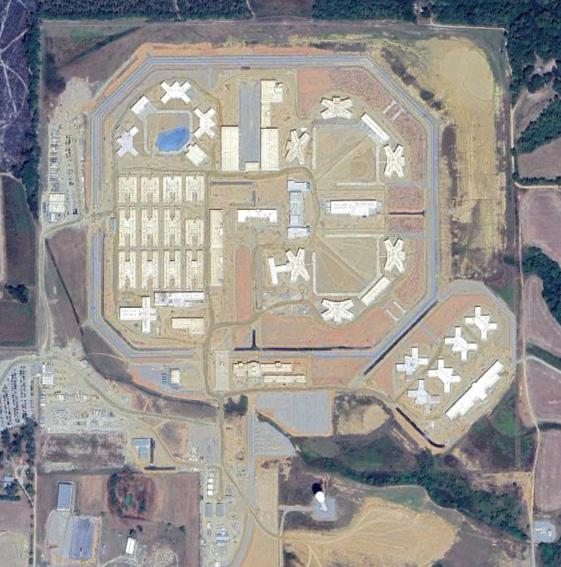
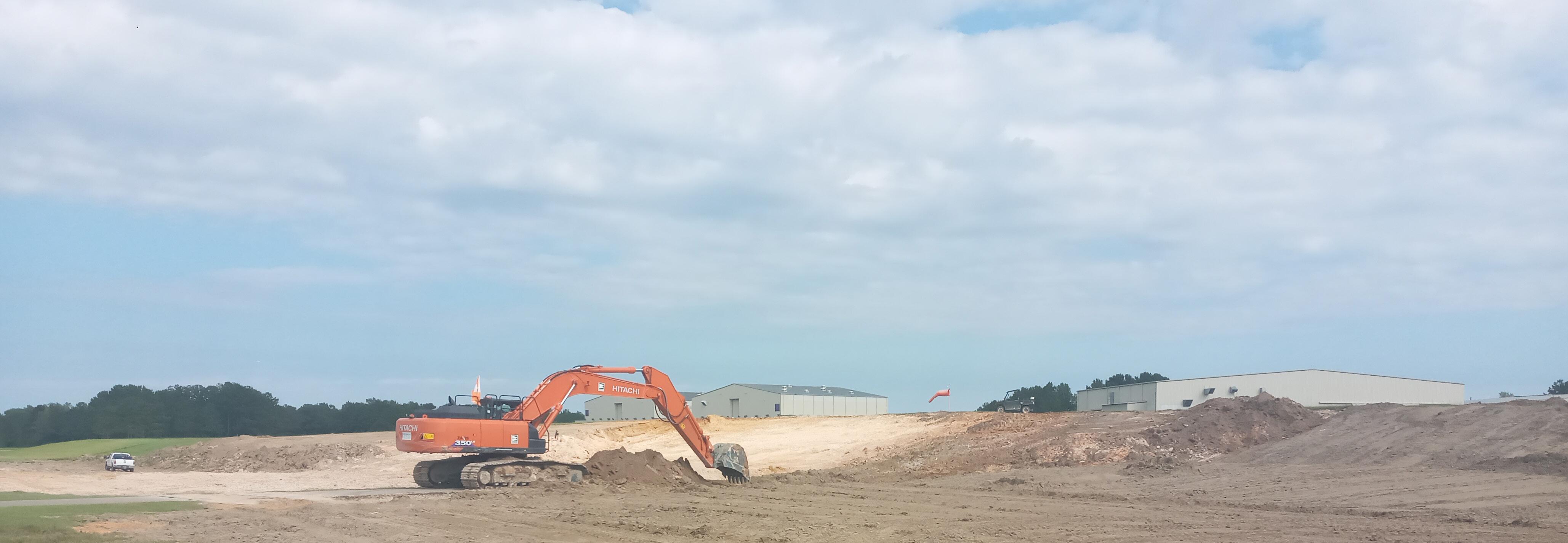
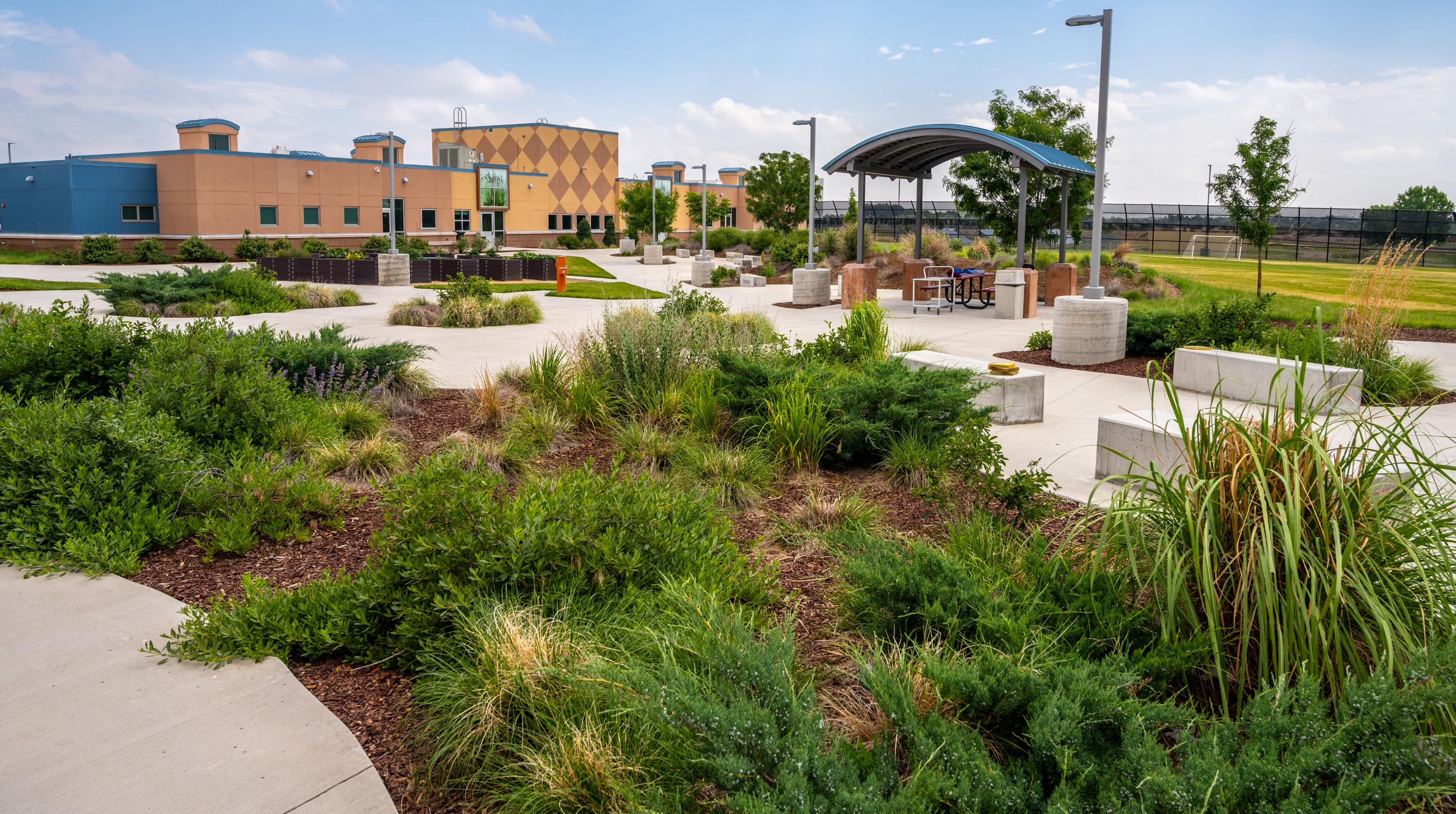
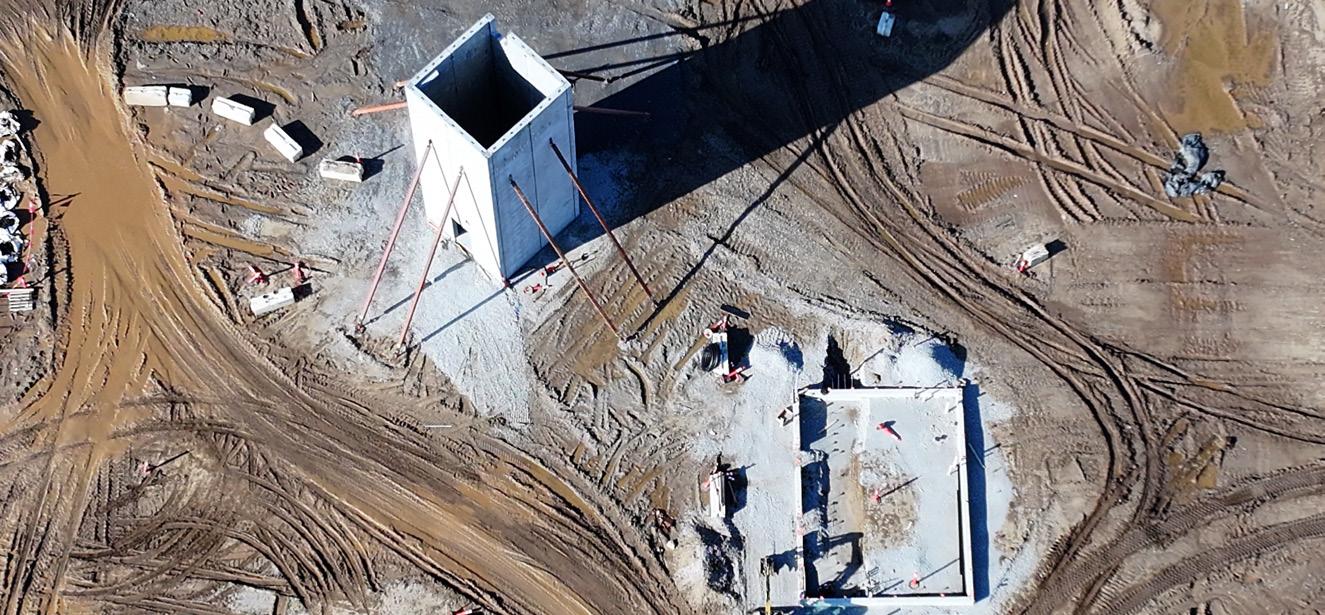
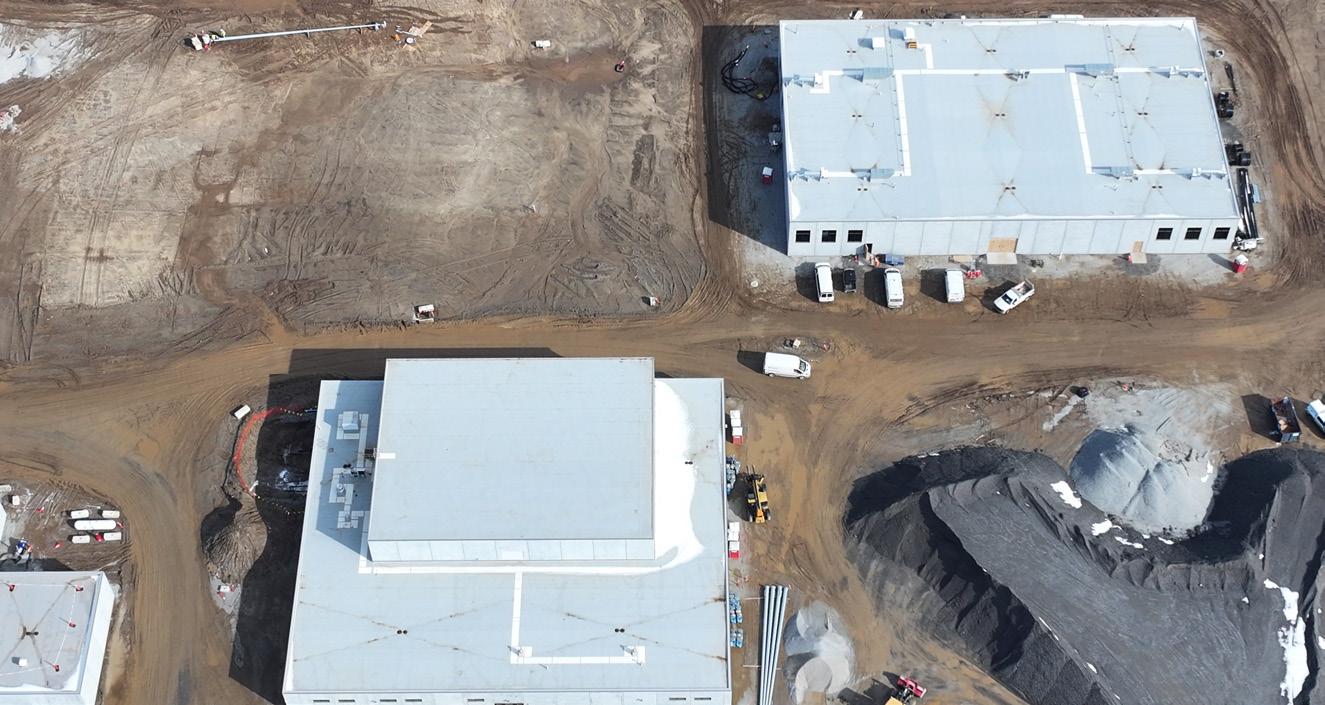
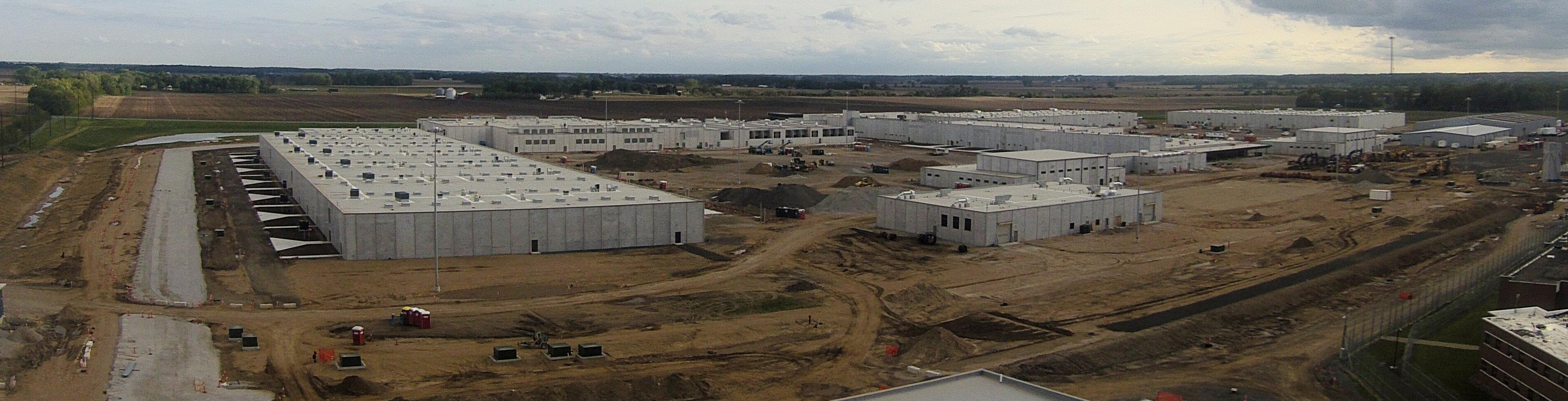
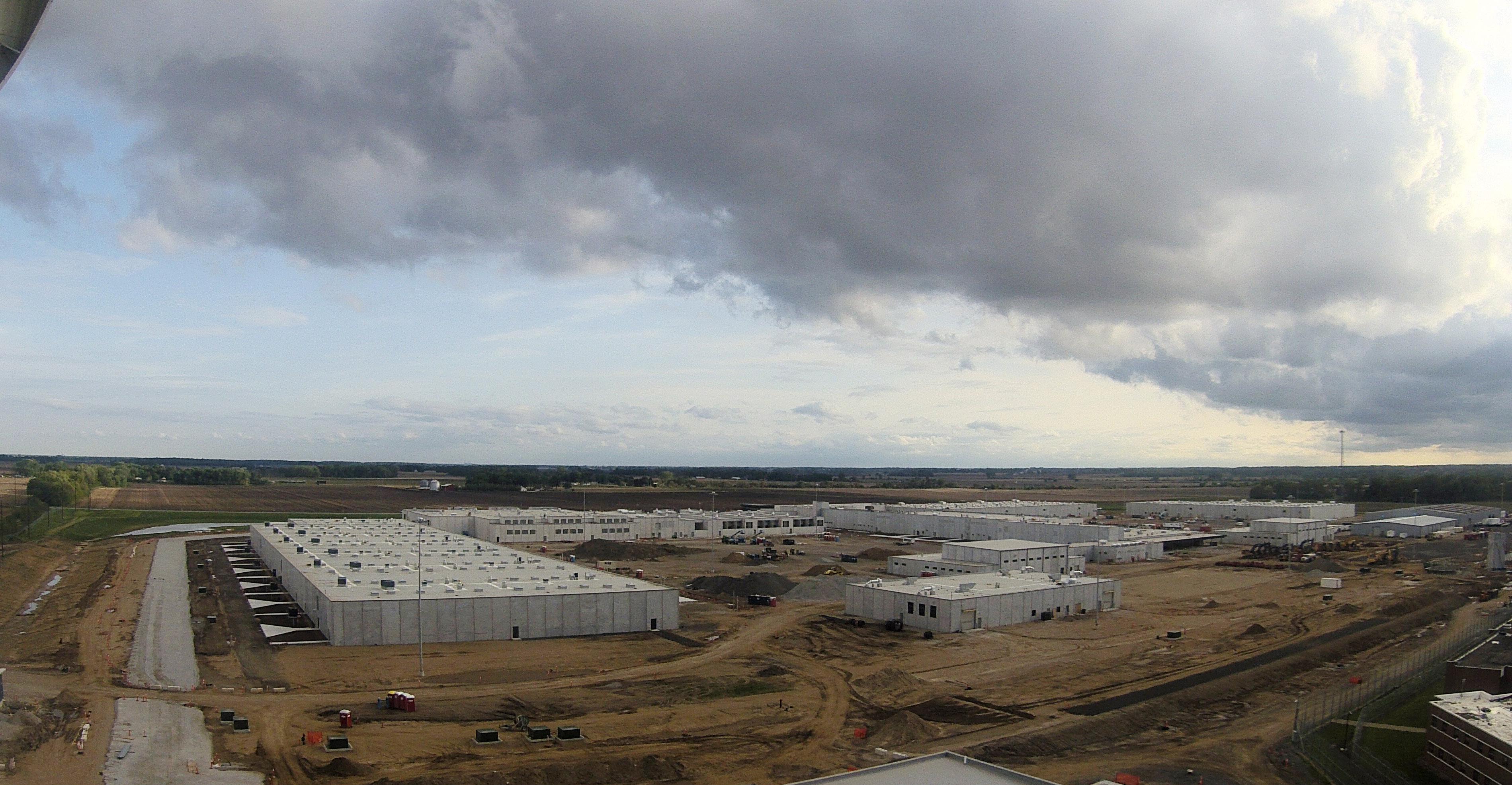
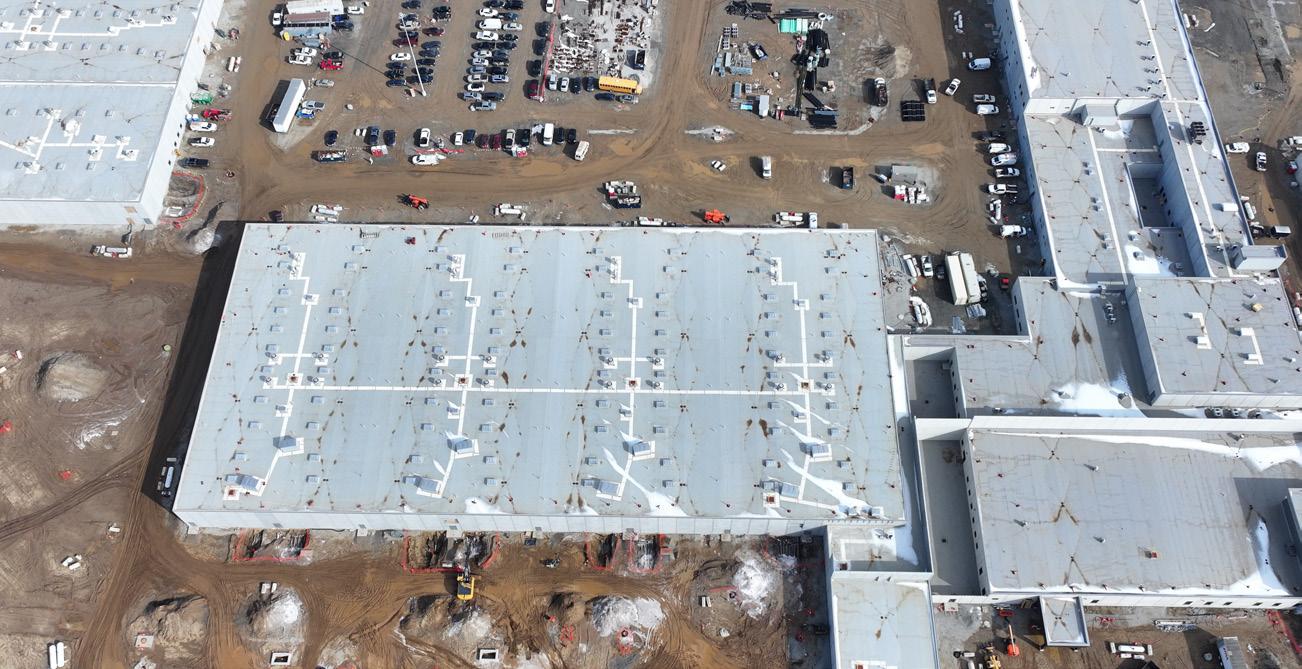
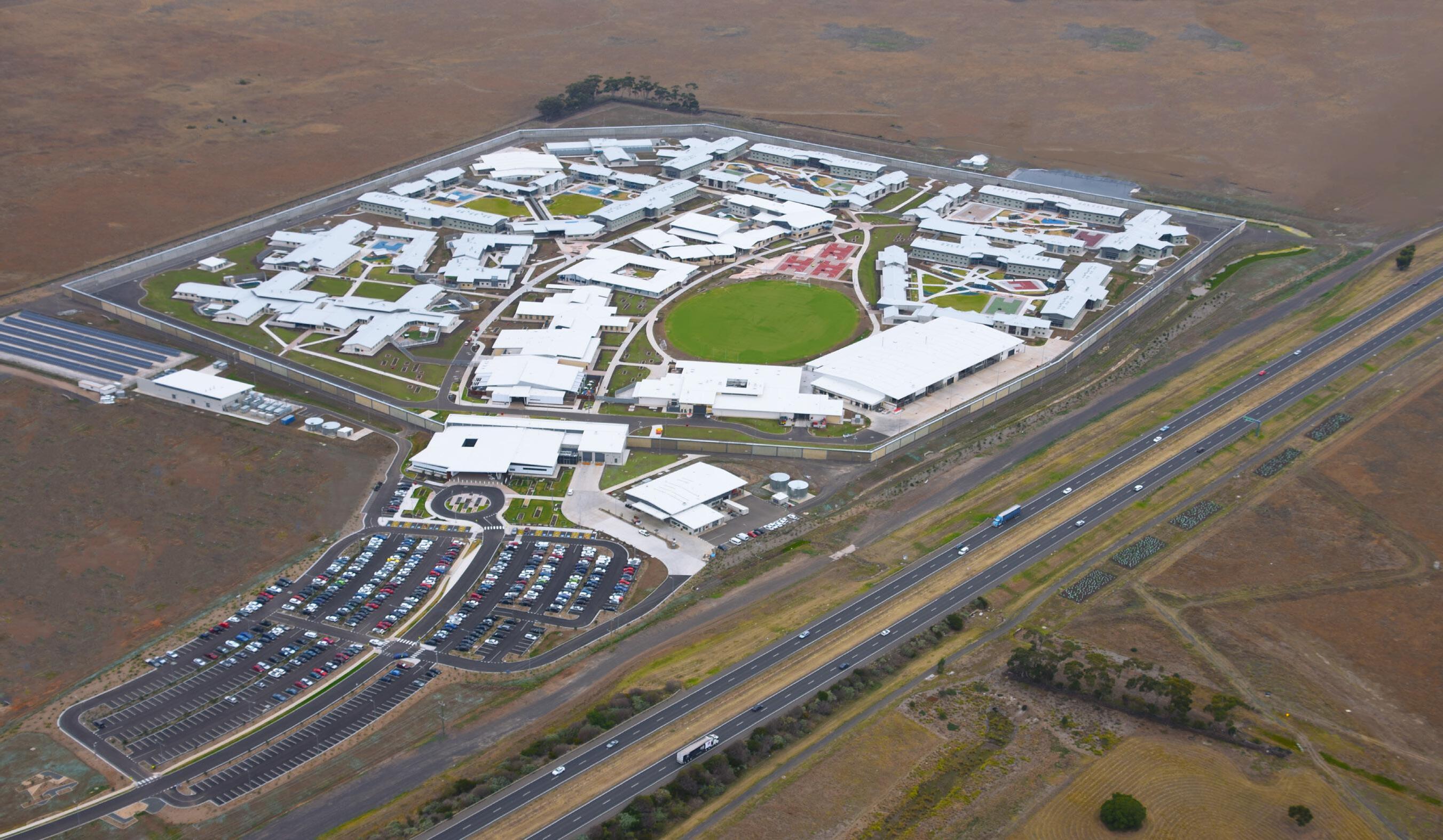
Choosing the right rural site for a correctional facility requires teams to evaluate the land and location from many angles.
Photo Credit (all): Courtesy of Goodwyn Mills Cawood
Rural facilities often require a substantial footprint, with different facilities spread over a large area.
A site that has access to nearby roads, utilities and other infrastructure is ideal for a rural correctional facility.
Maintenance Never Sleeps
The Travis County, Texas, Sheriff’s Office Maintenance Department refines systems,
communications to stay on top of facility needs
By Edwardo Jackson and Tim Freteluco
The Travis County, Texas, Sheriff’s Office (TCSO) Maintenance Department works behind the scenes and around the clock to keep facilities safe, secure and operating efficiently. From routine repairs to emergency responses, the Maintenance and Marketable Skills teams play a critical role in supporting daily operations.
The department is responsible for maintenance operations in TCSO’s detention facilities, which house both male and female inmates in maximum-, medium- and minimum-security housing locations. Those facilities include the Travis County Jail and Central Booking Facility in downtown Austin, which houses more than 300 inmates and is primarily utilized for short-term housing and classification purposes. While it is the smaller of TCSO’s two detention facilities, the building is one of the department’s more established facilities and requires ongoing maintenance and infrastructure support to ensure continued operational efficiency.
& Family Courts Facility. While those spaces don’t carry the same security considerations as TCSO’s detention facilities, their operations are an important piece of the county’s justice administration, and maintenance to keep those operations running uninterrupted is just as important.
Although much of the team’s work happens behind the scenes, the Maintenance Department is essential to keeping the TCSO operating safely and efficiently.
Proactive Maintenance Planning
A major part of the department’s success comes from planning ahead. Staff members schedule and perform regular preventive maintenance to inspect and service critical systems before issues occur. This includes servicing HVAC systems, cooling towers, emergency power generators, control panels, water softeners, boilers, security gates and kitchen equipment.
The department also provides maintenance services for the Travis County Correctional Complex, a campus-style facility comprised of six housing and support buildings situated across 130 acres in the eastern, rural area of Travis County in Del Valle. With a capacity of more than 2,400 beds, this large-scale facility presents a broad range of maintenance and operational support needs.
Other facilities under the TCSO Maintenance Department’s purview include an evidence warehouse and a portion of the Travis County Civil
By proactively maintaining these essential systems, the department helps prevent unexpected failures, reduces downtime and ensures operations continue running as smoothly as possible, all while maintaining compliance with applicable jail standards and regulatory requirements.
Clear communication is essential. The department keeps facility leadership and
staff informed about outages, repairs and estimated completion times so they can adjust operations as needed.
Prioritizing Repairs, Addressing Emergencies
Unfortunately, unexpected issues arise. When they do, the Maintenance Department coordinates closely with the TCSO Finance Department to respond quickly and effectively. The Maintenance Department prioritizes urgent repairs according to impact on safety, security, jail compliance and facility operations. When multiple critical issues arise simultaneously, some repairs are addressed in-house, while others require outside contractors for specialized support.
Through an emergency purchase-order system, the department can expedite the necessary parts, equipment, contractor support and services after hours or on weekends, ensuring critical repairs are addressed in a way that minimizes downtime and maintains facility operations.
The Maintenance Department also uses a work-order system to track repair requests, assign tasks and document completed work. This system helps staff stay organized, improves accountability and identifies recurring issues that may require long-term solutions. Plumbing issues are the most common maintenance problems identified through the work-order system. To minimize operational impacts, priority is placed on keeping inmate housing units open and reducing closed cells.
Staffing challenges can make longterm resolution difficult, so personnel from other departments are utilized when needed to help meet facility demands.
In addition, infrastructure improvements and operational controls have been implemented to help reduce plumbing issues and limit damaging items being introduced into the facilities’ plumbing systems.
The Project Pipeline
In addition to daily repairs, the Maintenance Department plans for future needs by identifying aging equipment and recommending capital improvements to enhance safety and reliability. Once funding is approved, the Maintenance Department collaborates with contractors and vendors on capital-improvement projects and larger-scale repairs to support the ongoing reliability of facility operations.
Although many capital improvement projects have recently been completed, the most recent initiative underway is
The Travis County Jail and Central Booking Facility holds more than 300 detainees. Photo Credit: TCSO
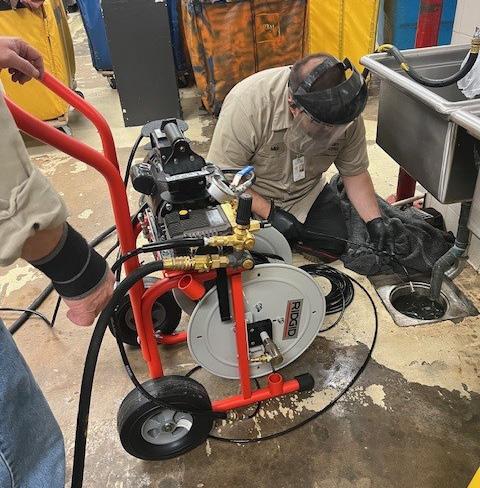
TCSO maintenance staff perform proactive maintenance to address unforeseen issues.
Hands-On
Locksmith Training
Directly from the Manufacturer.
Southern Folger has reopened its newly upgraded training center in San Antonio, Texas.
Train directly with the teams who manufacture Southern Steel™, Folger Adam™, & RR Brink™ products every day. Experience real-world operations, maintenance, troubleshooting, & hands-on training designed specifically for detention facilities, locksmiths, & end users Register Now! www.southernfolger.com
A New Compass for Juvenile Justice
How Colorado is strengthening safety, stability and positive youth outcomes
By Alex Stojsavljevic
The work of juvenile justice carries a responsibility unlike any other: protecting public safety while cultivating positive outcomes for justice-involved youth.
In the Centennial State, the Colorado Department of Human Services Division of Youth Services (DYS) is a key part of this vital work. Through a continuum of services guided by trauma-informed care, DYS provides preadjudicated and adjudicated youth with comprehensive educational, behavioral, medical and career services within its 12 statewide youth centers.
A career in juvenile justice is a noble pursuit, giving our staff the opportunity to transform the lives of Colorado’s most vulnerable young people. However, we also confront the same challenges experienced by agencies across the nation: staffing crises, growing populations with more acute needs and violent tendencies, and evolving practices around working with justice-involved youth.
Across every stage of this work, the mission is clear: to promote public safety and provide youth with effective care that ensures accountability and supports success.
Community First: Prevention and Diversion
Crucially, this responsibility begins long before a young person ever enters a facility. A cornerstone of our prevention efforts is the Colorado Youth Detention Continuum (CYDC), which provides local jurisdictions with the structure and funding to keep youth in their communities and out of secure detention whenever safely possible. Across the state’s 23 judicial districts, local teams — including judges, law enforcement, child
With this feedback in hand, DYS leadership began developing a new business plan to transform the division. The new business plan focuses on core priorities
The Prairie Vista facility includes normalized, human-centered design features.
The Prairie Vista Youth Services Center is one of 12 DYS facilities across the state.
Photo Credit (all): DYS
heard from all of our stakeholders, including improving staffing, strengthening security and compliance, and creating greater division-wide consistency through a policy-driven culture and standardization.
To align the business plan with DYS’ mission, the division established core tenets: safety, quality and innovation (in that order). At the heart of every decision to change, we must first ensure that the change is improving the safety
irrelevant if an organization lacks the high-quality, dedicated staff required to operate them.
For this reason, DYS reprioritized how it recruits, retains and develops staff. For too long, juvenile justice agencies have searched for the “perfect candidate” who brings a blend of safety and security experience with behavioral health or social services experience mixed in. Unfortunately, these individuals are few and far between and are difficult to recruit to our workforce. That is why a core component of our business plan targets outreach to the criminal justice, public safety, behavioral health and social services fields, while ensuring the division does a better job of cross-training our partners in the unique work of juvenile justice.
of our staff, our youth or the communities we serve. Once that foundation of safety is established, our focus shifts to quality. We must create metrics to hold ourselves accountable and monitor our implementation efforts to ensure we are improving outcomes. Finally, we look toward innovation, exploring how we can utilize technology and bold, innovative practices to streamline work for staff and youth.
Investing in Our People
One of the most critical components of any organization is its staff. Like many juvenile correction organizations, staff are the daily drivers of safety, structure and positive youth development. Facilities, budgets and innovative services become
In addition, the business plan is building clearer job expectations and career paths for individuals who are interested in safety and security, social services or leadership and administration roles. By defining these career paths from day one, DYS empowers its staff members to build rewarding, long-term careers in juvenile justice.
Building a Policy-Driven Culture
The business plan is also greatly focused on building a policy-driven culture that provides standardization for DYS staff and youth. With 12 youth centers and a state the size of New Zealand, it can become easy for the individual youth centers to interpret and implement policies and practices differently.
No matter where a youth is housed or where a staff member works, the expectations, responsibilities and practices should be the same. That is why we are building detailed, granular policies so both staff and youth have a clear understanding. We know that when our staff feel confident in their roles and responsibilities, they will succeed; and when our staff succeed, they can truly transform the lives of the young people we serve.
Modernizing Through Technology
Lastly, our business plan is focused on technology and modernization. Like many state agencies, DYS has technology that can sometimes seem to work against our staff rather than for them. We are working together to identify the right technology, tools and resources to help reduce the workload for staff, better connect youth to services, and improve overall quality and transparency. A prime example of harnessing technology is the division’s implementation of a body-worn camera pilot program. Created through House Bill 25-1146, the pilot is underway at two youth centers from 2026 to 2028. Early feedback suggests that the cameras are helping support both youth and staff by providing clearer, more accurate documentation of incidents through video and audio. While anecdotal, staff and youth have shared positive feedback about increased accountability, and staff report fewer behavioral concerns from youth.
The division’s strategic direction is rooted in the belief that juvenile justice is vital to protecting the public while also helping young people move towards better outcomes. By investing in its workforce, service delivery, modernization of systems and technological advances, DYS is working to build a stronger, safer and more accountable future for Colorado.
Alex Stojsavljevic is the Director of the Colorado Department of Human Services Division of Youth Services.
Investing in education for DYS-involved youth has been a top priority for Colorado.
From Phone Provider to Strategic Partner
Why corrections leaders are demanding more from technology
By Deb Alderson
Corrections leaders today are being asked to do more with less — and to do it more transparently than ever before. Across the country, facilities face a perfect storm: ongoing staffing shortages, high levels of recidivism and growing expectations for rehabilitative programming that truly changes lives. At the same time, agencies must uphold safety and security, comply with evolving regulations and manage aging infrastructure that was never designed for a digital era.
In this environment, many agencies are exploring how technology can move beyond individual services toward more coordinated, mission-aligned support. Technology must be a strategic asset tied to safety, efficiency and improved reentry outcomes.
Over the last decade, corrections agencies have redefined what technology they use and how they partner to deploy it. The shift from basic phone provider relationships to integrated technology partnerships is reshaping what’s possible within facilities — for staff members, incarcerated individuals, families and communities.
ViaPath Technologies has seen this transformation up close. The company’s shift from a traditional telecommunications provider to a comprehensive corrections technology partner mirrors the evolution underway nationwide. When technology is aligned with an agency’s mission — not just its hardware needs — it can drive safer operations, stronger outcomes and more efficient workflows.
Beyond Dial Tone: Why Legacy Models Fall Short
The first chapter of corrections technology was about phones: secure, recorded calls that protected the public and supported investigative work.
That foundation is still essential, but today’s challenges are broader. Leaders are expected to curb contraband, stabilize a strained workforce and reduce recidivism levels, all while improving transparency. Standalone tools simply cannot keep pace with that mandate.
When phones, tablets, video visitation, and learning and reentry platforms all operate on separate systems, staff are left managing fragmented contracts, logins and data sets. This fragmentation drives up cost, slows decision-making and obscures the link between technology and outcomes. With every dollar and decision under the microscope, a patchwork of disconnected systems is no longer viable.
From Vendor to Strategic Partner
Agencies are shifting from transactional vendor
relationships to long-term technology partnerships. The goal is not more tools, but technology aligned with organizational strategy. A true strategic partner should:
· Support the Full Mission: Reliable communications, uncompromised security, greater efficiency, and clear pathways through education, reentry and family connection.
· Integrate Systems and Data: Ensuring facilities see the full picture of an individual’s journey, not isolated touchpoints.
· Co-Design Solutions: Working with administrators, officers and program staff to fit each facility’s population, policies and constraints.
· Share Risk and Accountability: Tying success to safety and security metrics, efficiency gains and rehabilitative outcomes.
This approach has guided ViaPath’s evolution. The company began as a secure phone provider and now delivers a comprehensive platform for digital communication, security, intelligence and telehealth — improving access while reducing staffing and transportation demands. ViaPath’s evidence-based programming supports education, vocational training and reentry services in a secure, compliant, analyticsdriven environment.
ViaPath starts by listening and asking: What are your staffing realities? Where are your security pain points? How are you measured on successful reentry? Only then do ViaPath experts configure tools and workflows — never a one-size-fits-all product stack.
Security -Centered Technology for Rehabilitation and Family Connection
In corrections, any expansion of education, reentry or family connection must start with security. Technology adds value only when it operates within strict controls that protect staff and incarcerated individuals while supporting compliance.
Within that secure framework, digital tools expand access to programming once limited by space, schedules and staffing. Secure tablets and controlled learning platforms now deliver accredited courses, vocational training, cognitive-behavioral curricula and life-skills content directly to individuals — with appropriate permissions, monitoring and oversight.
For staff, a security-first digital model also improves efficiency. Programming is more consistent, records are captured automatically, and educators and case managers spend less time on logistics and more on coaching and assessment. When digital access is integrated with case management systems and behavioral incentives, programming supports order, accountability and reentry goals.
The same is true for family connection. Strong family ties are linked to better conduct and improved reentry outcomes, yet distance and facility constraints often limit in-person visits. Secure video visitation and digital messaging help bridge these gaps while maintaining control. Many facilities expanded these tools during the pandemic and are now working to sustain the benefits while ensuring security, fairness, affordability and compliance.
An integrated platform brings these elements together — managing communications, education and reentry services through a single, secure backbone. Centralized permissions, monitoring and investigative tools reduce complexity for staff while preserving visibility and control.
Questions for Correctional Leaders Evaluating Technology Partners
When correctional leaders evaluate potential technology partners, the conversation usually comes down to a few core areas and questions:
MISSION AND OUTCOMES
Does this technology directly support the outcomes you’re accountable for? Does it help reduce incidents, improve staff efficiency and retention, expand access to programming and support rehabilitation? Can the partner clearly link their technology to these results — not just to usage statistics?
FIT WITH EXISTING SYSTEMS
How will this technology work with what you have today? Will communications, education and program data come together, or are you just creating another silo? Will staff gain real visibility into behavior, engagement and risk? And will your agency own and be able to analyze its own data?
IMPACT ON STAFF
How are officers, educators and program staff involved from the start? Is there a phased rollout, meaningful training and ongoing support — or are staff expected to adapt on their own?
DURABILITY AND EVOLUTION
As regulations, expectations and operational realities change, will this technology evolve with you? Is there a real commitment to research, development and sustained support in correctional environments?
ALIGNMENT AND TRUST
The right technology partnership can simultaneously strengthen security, ease operational pressure and support rehabilitation. Ask: Is the partner transparent about pricing, performance and outcomes? Do their incentives align with your priorities for safety, rehabilitation and responsible use of public funds?
Looking Ahead: A Modern Corrections Ecosystem
Even in highly regulated, highly scrutinized environments, correctional leaders are rethinking how they use technology. They are asking harder questions: What actually works? Where should scarce dollars go? How can technology make the system safer, more humane and more effective?
The move from phone vendor to strategic technology partner is central to this broader modernization of corrections as a critical public-safety and public-service function. When done well, the results are clear: safer environments for staff, more efficient operations, meaningful preparation for life after release, and stronger connections between facilities, families and communities.
The dial tone was just the beginning. The real work now is building an integrated, intelligent, people-centered corrections technology ecosystem — one that protects the public, supports staff and gives every individual a better chance at successful reentry.
Deb Alderson is the President and Chief Executive Officer of ViaPath Technologies. This article is sponsored by ViaPath Technologies. To learn more, visit www.viapath.com.
ViaPath’s Inspire® Tablet helps facilities expand access to programming previously limited by space, schedules and staffing.
Photo Credit: Courtesy of ViaPath
Beyond the Sentence: Why Rehabilitation Still Matters Behind Maximum-Security Walls
By Wayne Salisbury
In the public imagination, maximum-security prisons are places defined by finality. Steel doors close with a sense of permanence. The people inside are often serving long-term sentences — sometimes for life. The prevailing assumption is simple: if
release is unlikely, rehabilitation is irrelevant.
That assumption is not just flawed, it’s operationally dangerous.
Rehabilitative programming in maximum-security facilities is not a luxury or a misplaced ideal. It is a foundational component of institutional safety, professional corrections practice and humane
custody. Whether someone leaves in five years or never walks free again, what happens inside those walls matters to staff, to incarcerated individuals, and to the broader system tasked with maintaining order, legitimacy and control.
Safety Is Built, Not Enforced
OUTCOMES
WHEN TIME MATTERS AND SECURITY IS A PRIORITY.
At its core, rehabilitation in a maximum-security setting is about behavior. Facilities are not made safer solely by higher fences, more restrictive housing or stricter controls; they are made safer by influencing how people think, cope and interact under pressure. Programming that addresses anger management, cognitive restructuring, trauma, substance use and conflict resolution equips individuals with tools that reduce impulsivity and violence.
This is not an abstract theory but a daily practice. When
individuals have structured opportunities to engage in meaningful programming, idle time decreases, tensions are diffused and the frequency of disciplinary incidents often drops. Predictability replaces volatility. Staff are not just reacting to crises, but rather are working in an environment where fewer crises develop in the first place.
For correctional officers and administrators, this translates directly into safer working conditions. Every prevented assault, every de-escalated conflict, every individual who chooses restraint over reaction contributes to a facility that runs with greater consistency and professionalism. Safety becomes something built through engagement, not just enforced through response.
Culture Is Contagious
Maximum-security prisons develop their own internal cultures. These cultures can tilt
Pictured Above: Milwaukee County Secure Residential Care Centers for Children and Youth, Milwaukee, WI
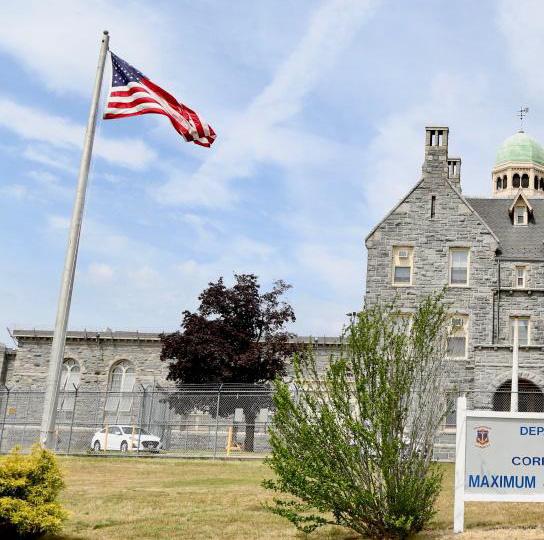
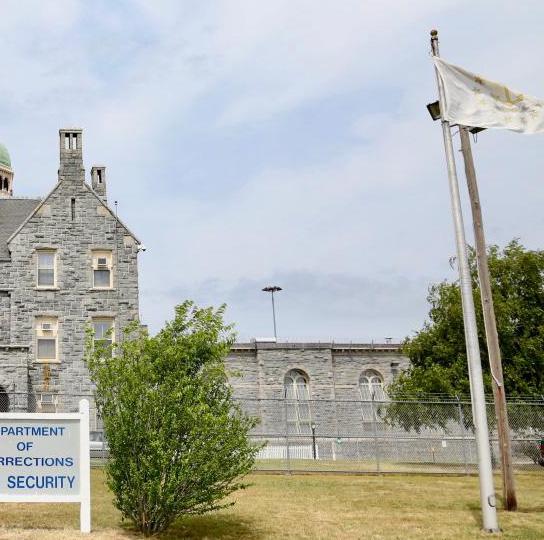
At Rhode Island’s Maximum Security classification to lesser securities through and jobs in areas such as the kitchen, laundry,
Photo Credit: Rhode Island
toward volatility and distrust, or toward stability and mutual respect. Rehabilitative programming plays a decisive role in which direction that culture moves.
When programming is consistent, credible and supported by leadership, it sends a clear institutional message: behavior matters, effort is recognized and growth — however incremental — is possible. Participants often become informal influencers within the population. They model different ways of responding to authority, stress and interpersonal conflict. Over time, this creates a ripple effect that extends far beyond the classroom or program space.
A facility culture shaped by engagement rather than pure enforcement reduces the “us vs. them” dynamic that can undermine operations. Staff interactions become less adversarial and more purposeful. Communication improves. Compliance is earned more often than it is forced, which reduces the need for escalation and enhances overall control.
This does not mean lowering standards or compromising security. It means aligning security with legitimacy — where rules are enforced consistently, expectations are clear, and
individuals understand both the boundaries and the opportunities within them.
Purpose in a Place Defined by Limits
For individuals serving long or indeterminate sentences, the psychological landscape can be stark. Without purpose, hopelessness can take hold. Hopelessness, in turn, is a breeding ground for misconduct, self-harm and institutional disruption.
Rehabilitative programming introduces structure and meaning into that environment. Educational courses, vocational training, therapeutic groups and peer-led initiatives give individuals a reason to invest in their daily lives. Even when release is uncertain, personal development remains relevant. People still seek dignity, competence and a sense of contribution.
Rather than viewing purpose
as a soft concept, leaders can view it as a stabilizing force. A person engaged in a program, working toward a goal or mentoring others is less likely to destabilize the unit. That engagement redirects energy that might otherwise manifest in negative or destructive ways. In a maximum-security setting, redirection has tangible safety implications.
Professionalism Behind the Badge
There is also a less discussed but equally critical impact: rehabilitative programming strengthens the
professionalism of correctional staff.
Officers working in environments where programming is active and respected often experience a greater sense of control and job satisfaction. Their roles expand beyond enforcement to include facilitation, observation and influence. They are better positioned to anticipate issues, build rapport where appropriate and recognize early signs of conflict.
This shift does not dilute authority but rather refines it. Authority grounded in fairness, consistency, and the possibility of improvement
Security Facility, inmates are prepared for participation in rehabilitative programs laundry, barber shop, library and others. Department of Corrections
carries more weight than authority based solely on coercion. It reinforces the idea that corrections is not just about containment; it is about management, influence and accountability at every level of the institution.
A System That Reflects Its Values
Even in cases where people may never be released, the question remains: what kind of system do we choose to operate?
A system that abandons rehabilitation in
maximum-security settings implicitly accepts perpetual volatility as the norm. It relies more heavily on force, isolation and reaction. It increases stress on staff, raises the likelihood of critical incidents and, ultimately, undermines long-term stability.
A system that invests in rehabilitation recognizes that every individual in custody still shapes the environment. It acknowledges that safety is dynamic not static. And it affirms that correctional institutions can uphold both security and human dignity without contradiction.
The Bottom Line
Rehabilitative programming in maximum-security prisons is not about optimism detached from reality. It is about pragmatic safety, effective management and institutional integrity.
People may serve long sentences. Some may never leave. But they live, interact and influence others every day inside those facilities. Ignoring that reality does not make prisons safer. In reality, it makes them harder to manage.
Rehabilitation, even behind the most secure walls, is not a concession. It is a strategy — one that protects staff, stabilizes populations and strengthens the culture of the institution itself.
Board Member Spotlight, from page 12
the upgrade of detention door locks. Transitioning away from antiquated locking mechanisms to a modern wedge-style system will significantly improve the safety of employees and inmates while strengthening overall security operations across TCSO facilities.
The continued replacement of aging HVAC systems will improve facility reliability by reducing equipment failures, maintaining proper air quality and temperature control, and supporting jail compliance standards, as well as improving energy efficiency and reducing emergency maintenance needs.
TCSO has made significant progress replacing and upgrading emergency power generator systems in several inmate housing units, and will continue replacing these systems throughout the facility. These improvements will ensure reliable backup power during outages and emergencies, helping maintain critical operations such as security systems, lighting, communications and life safety equipment while improving overall emergency preparedness and reliability.
Wayne Salisbury is Director of the Rhode Island Department of Corrections and a member of the Correctional News Editorial Advisory Board.
Edwardo Jackson is a Captain with the Travis County Sheriff’s Office in Texas. He is a member of the Correctional News Editorial Advisory Board.
Tim Freteluco is the Building Maintenance Division Manager with the Travis County Sheriff’s Office.
Aligning Capital Design with Therapeutic Intent
Mental health and vocational additions at California’s South Placer Jail model rehabilitative and workforce reentry design
By Charlie Lange
When the Placer County Sheriff’s Office in Northern California sought to provide new spaces for mental health treatment and vocational programming for its incarcerated population, leaders weren’t looking to start from scratch at a new site. Instead, they wanted to blend new capabilities into the existing South Placer Jail in Roseville.
County leaders identified the need for an on-site acute mental health unit as well as space to treat individuals who are incompetent to stand trial, rather than using off-site housing or managing these detainees in the general population. Additionally, the county sought to help incarcerated individuals increase their employability upon reentry through facilities that were explicitly designed to teach marketable trades.
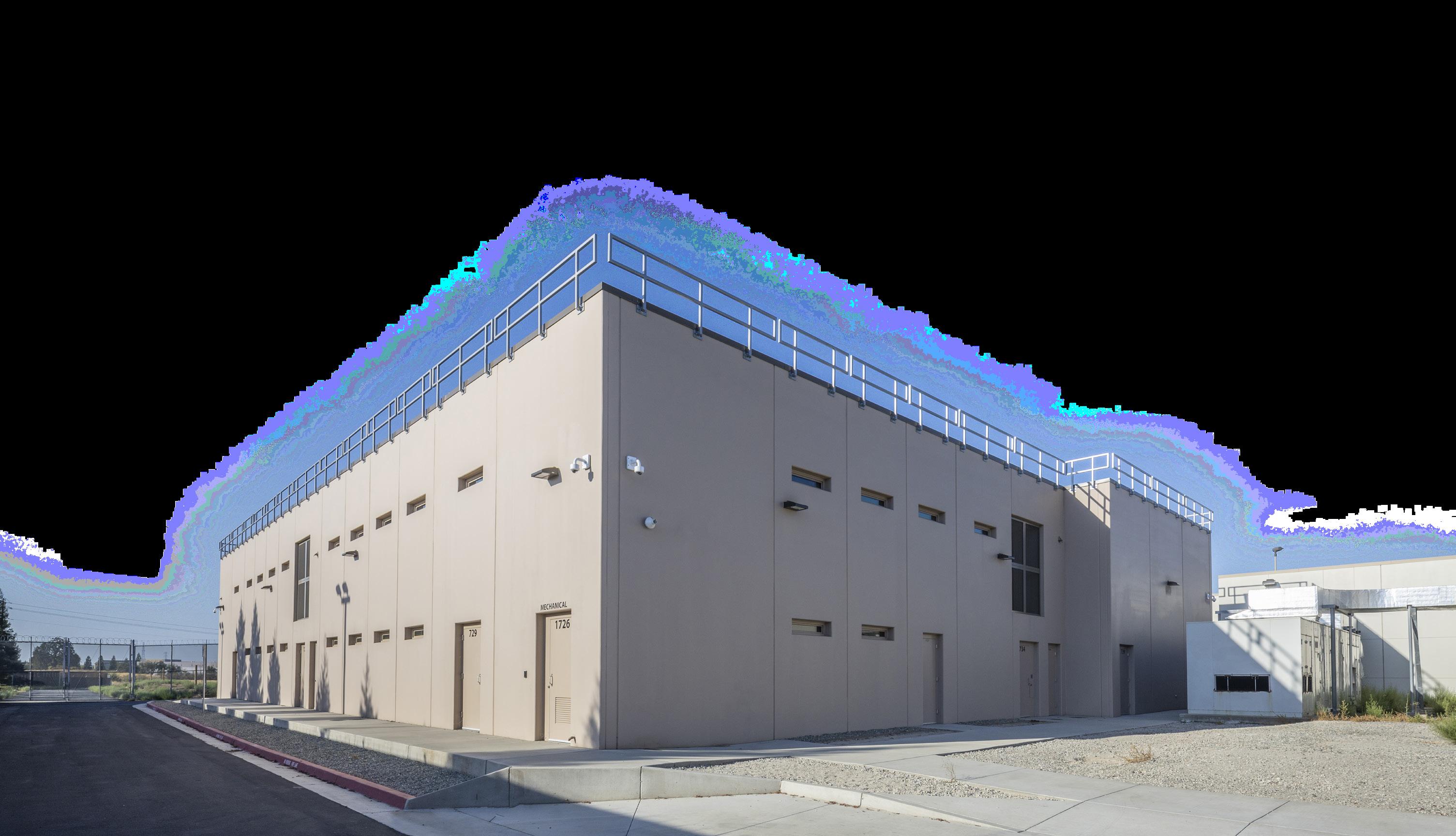
To achieve these various goals, the county enlisted Arrington Watkins Architects and the joint venture of contractors Clark/Sullivan Construction and Broward Builders on a $56 million design-build project to construct two new purpose-built facilities across 55,000 square feet. The project resulted in the new 45-bed Mental Health Facility and a nearly 39,000-square-foot Medium-Security Vocational Training Facility with 120 beds.
With these new facilities seamlessly integrated into the campus, the county is better equipped to reduce recidivism and shift the emphasis of incarceration toward treatment, skills training and safer operations.
Meeting Mental Health Needs
The single-story, 16,300-square-foot mental health facility was
16,300-square-foot
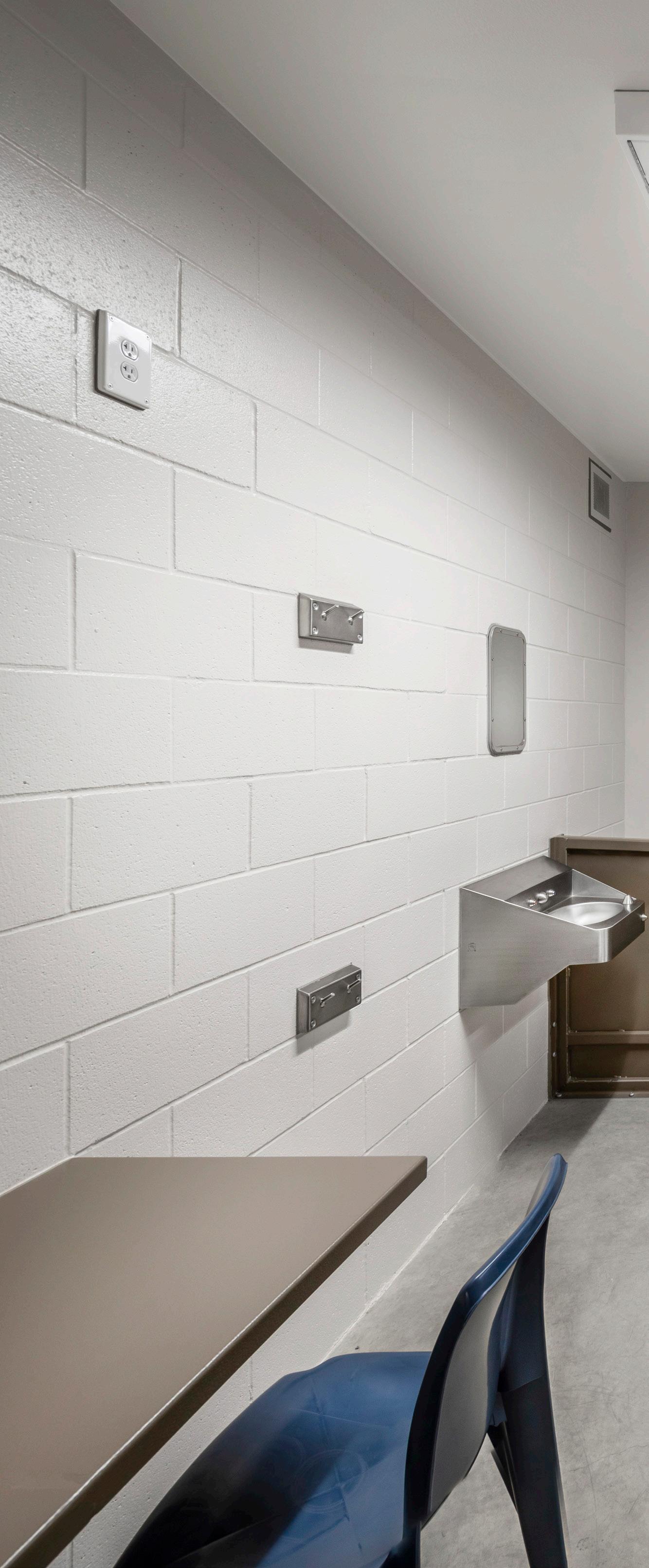
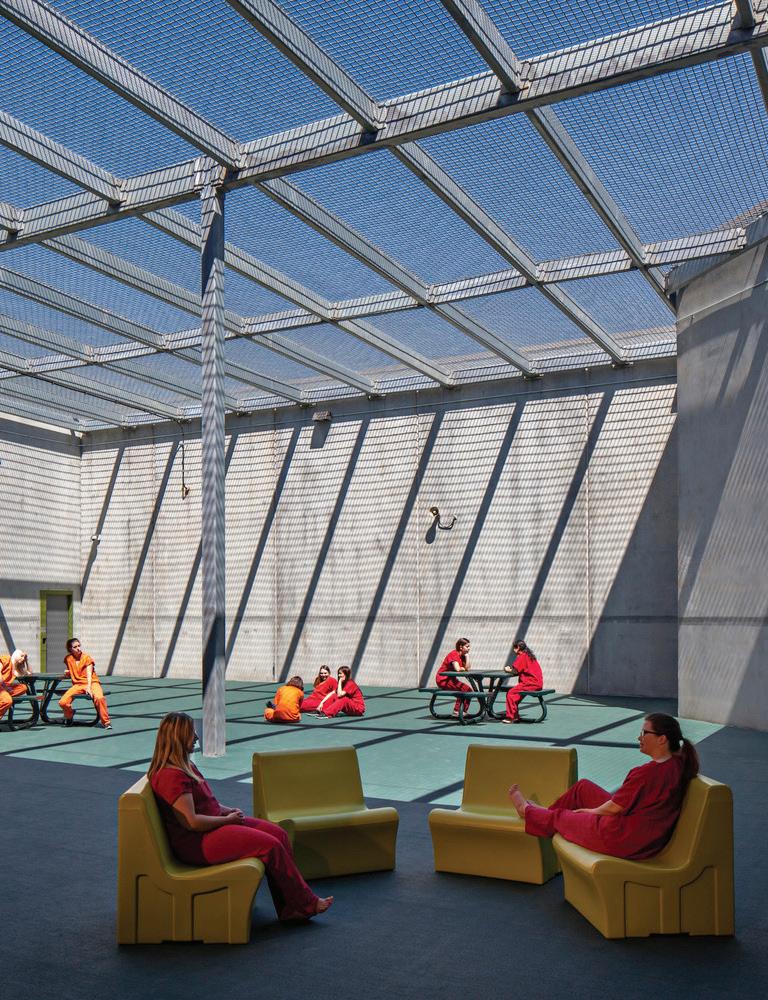
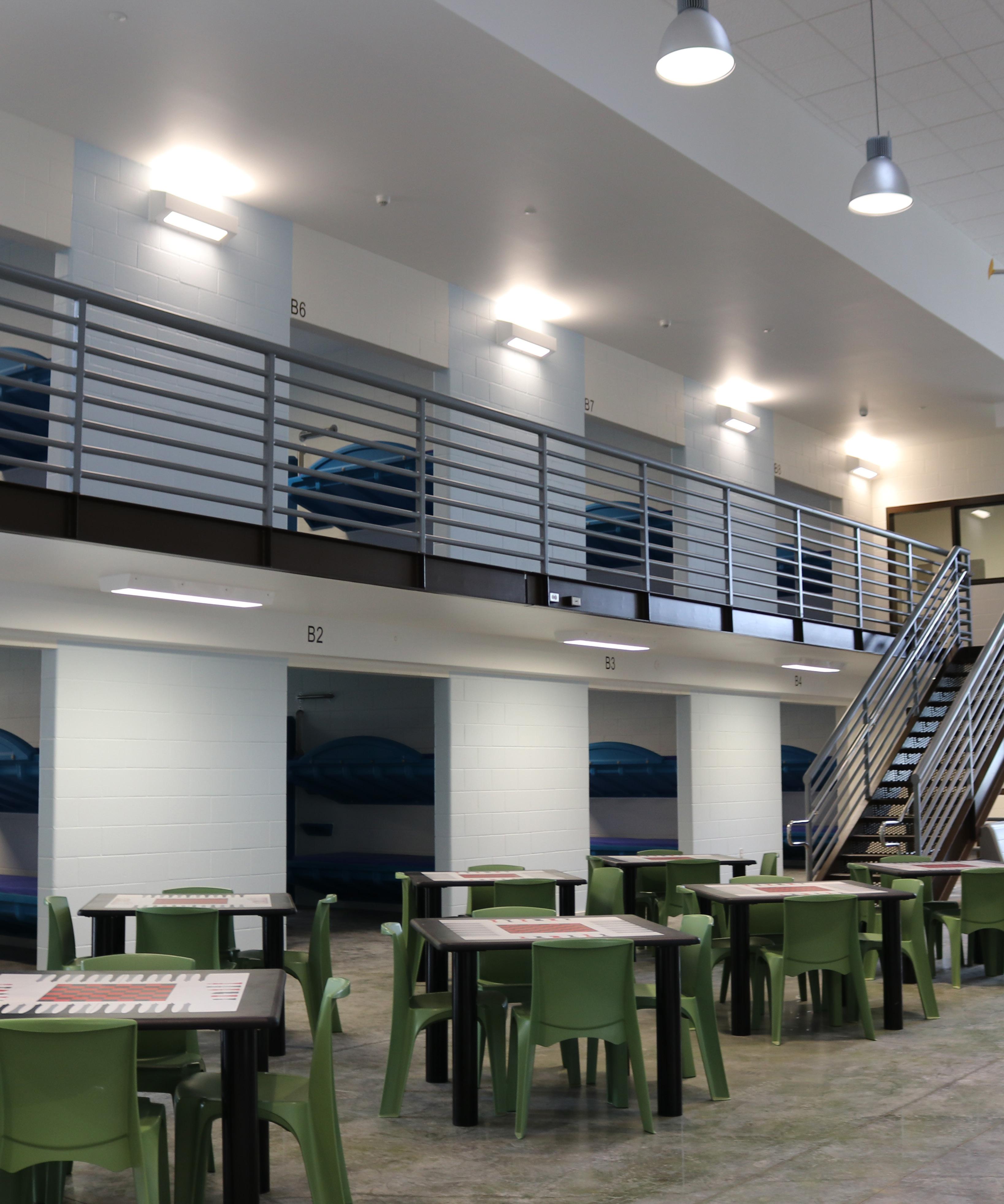
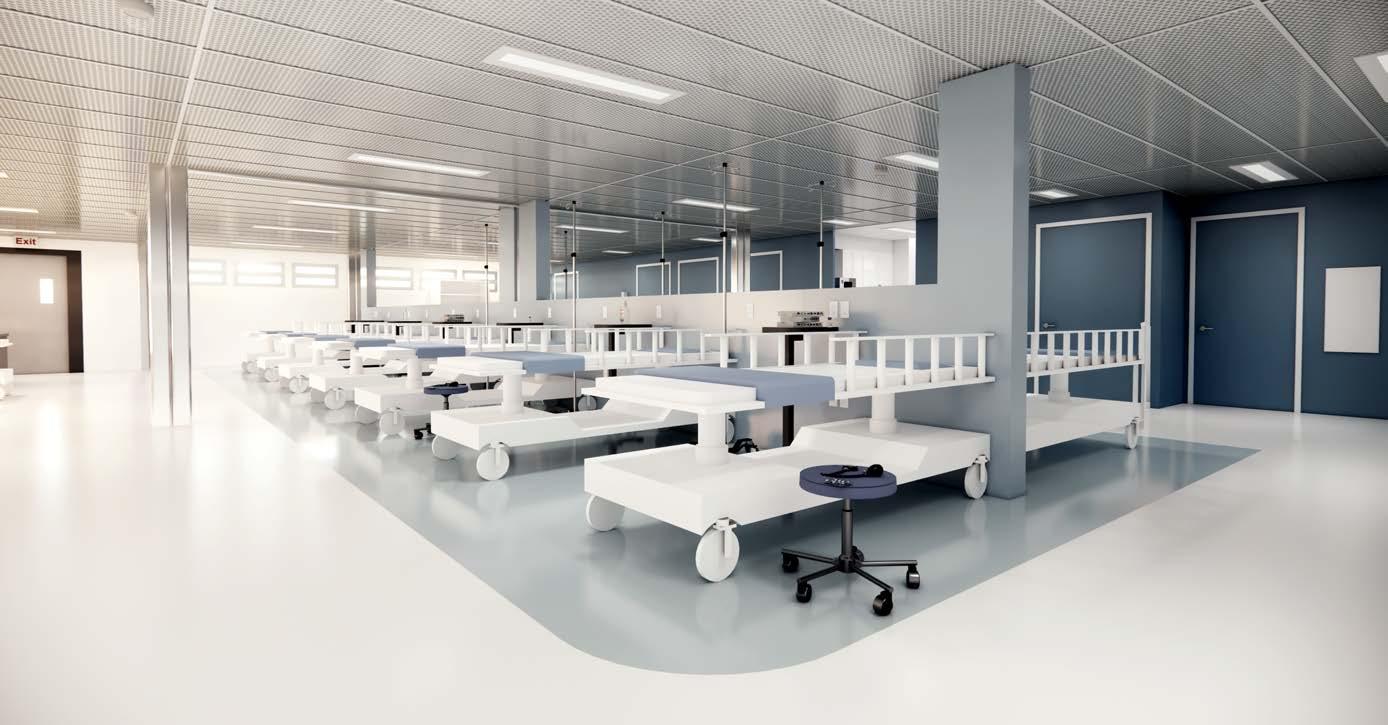
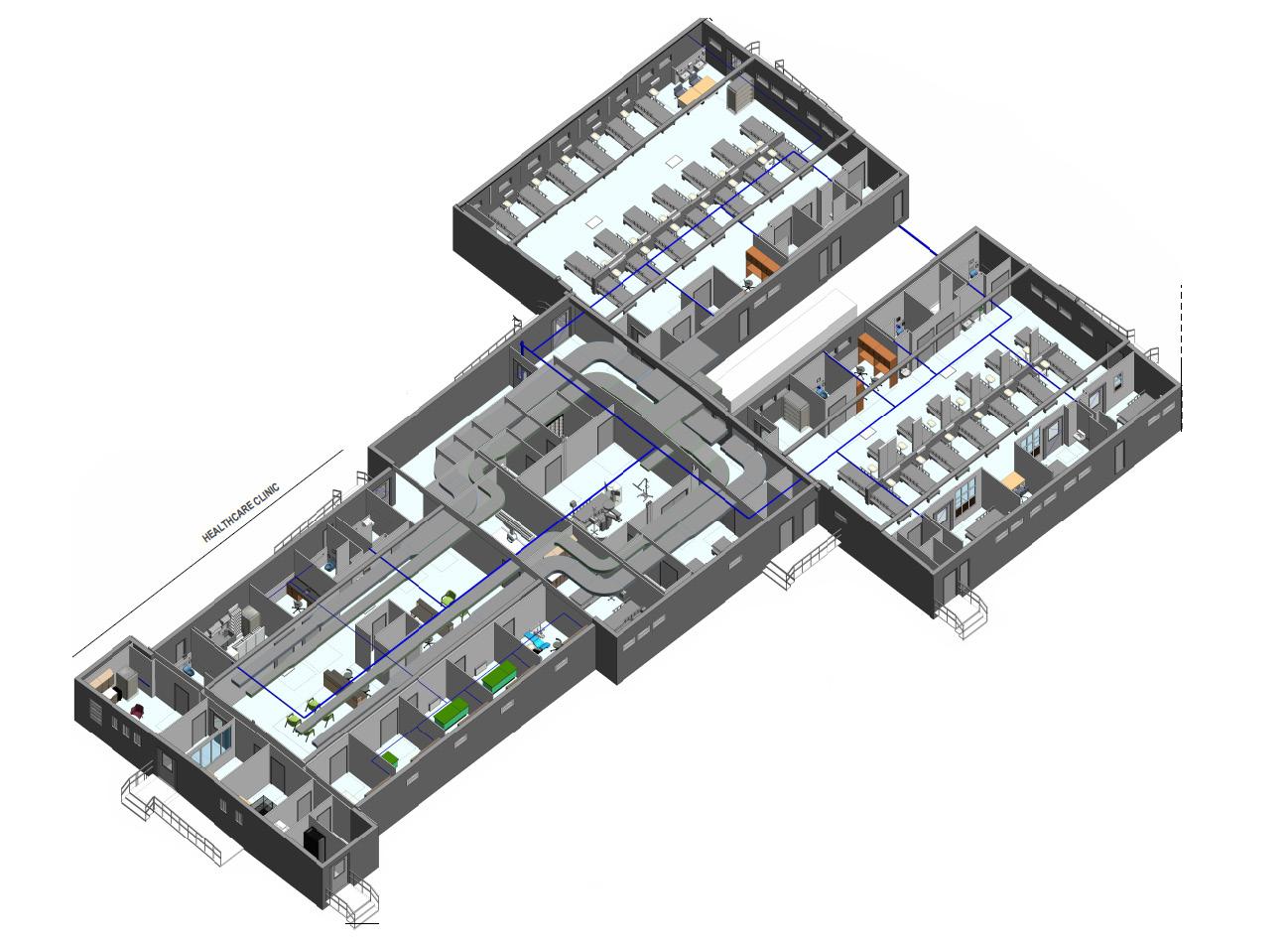
designed with three 15-bed pods for different mental health acuities, with one designated for the highest-acuity needs and the other two units serving as step-down spaces. The building includes individual cells, a dayroom, exam and counseling rooms, and a dedicated recreation yard. A secure corridor connects the new units directly to the existing jail footprint, ensuring efficient and secure clinical movement.
Mike Conder, LEED AP, NCARB, Criminal Justice Sector Leader and Managing Principal with Arrington Watkins Architects, said that having the mental health treatment spaces tied directly into the housing units allows for safer and more beneficial movement between the units.
“When somebody’s arrested, you don’t always know what their mental state is,” said Conder. “The benefit of having mental health treatment within the housing unit is that if we realize there’s an issue with an inmate in standard housing, they can go to the acute pod or move back and forth. It’s all right there as they’re diagnosed, and then if their conditions improve, they can go to the step-down area.”
Lisa James, the county’s project manager, also points to co-location of services as a key feature of the new mental health unit.
“The mental health facility’s proximity and direct connection to medical and professional staff is a benefit to both the inmates and staff,” she said.
Vocational Training for Better Outcomes
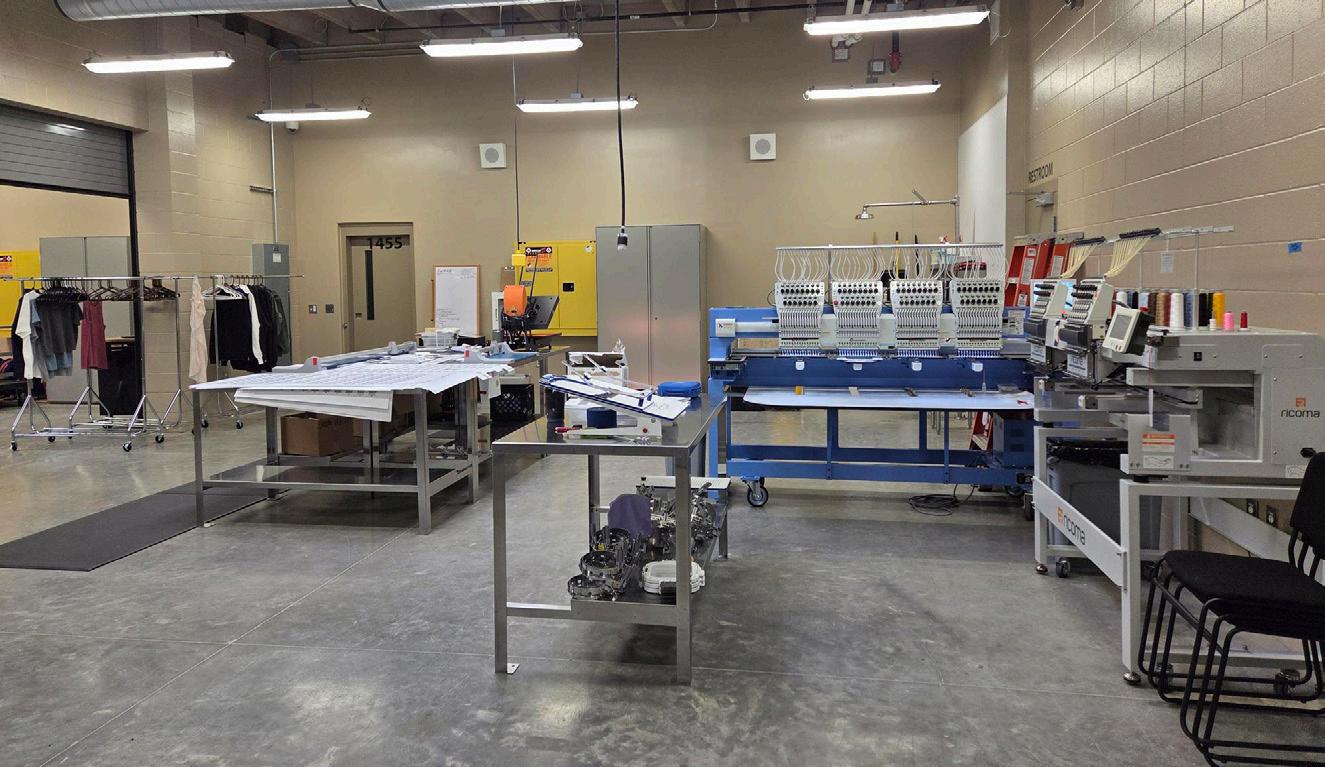
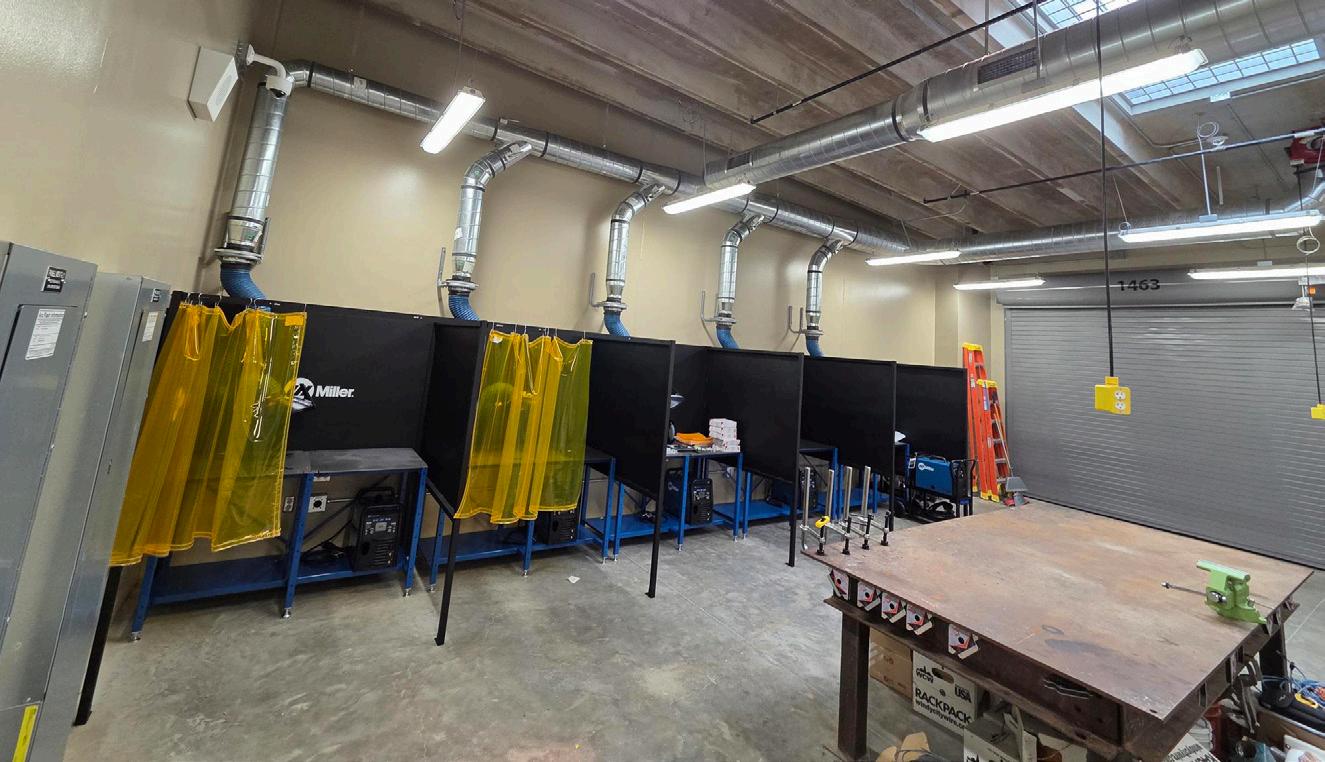
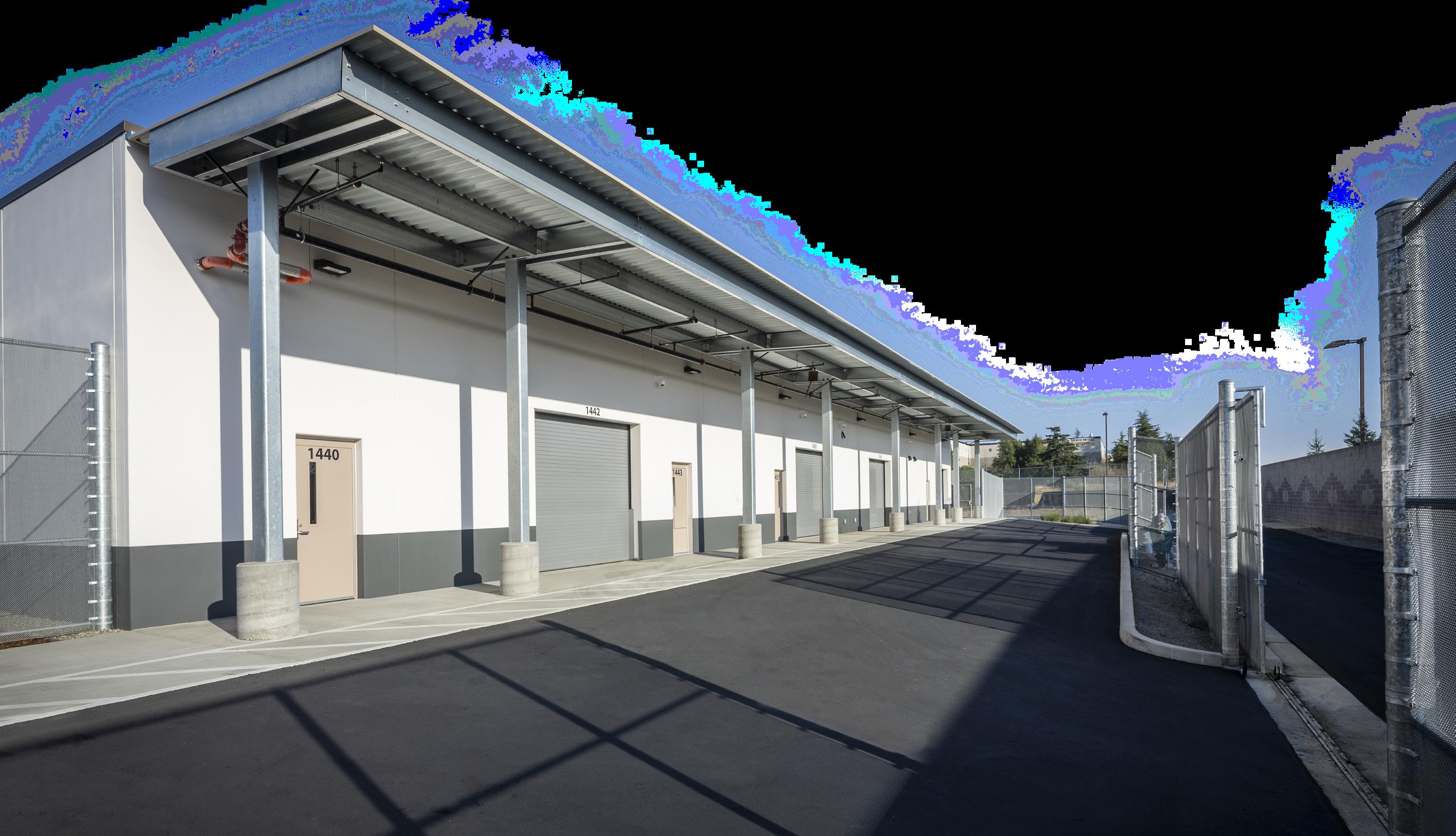
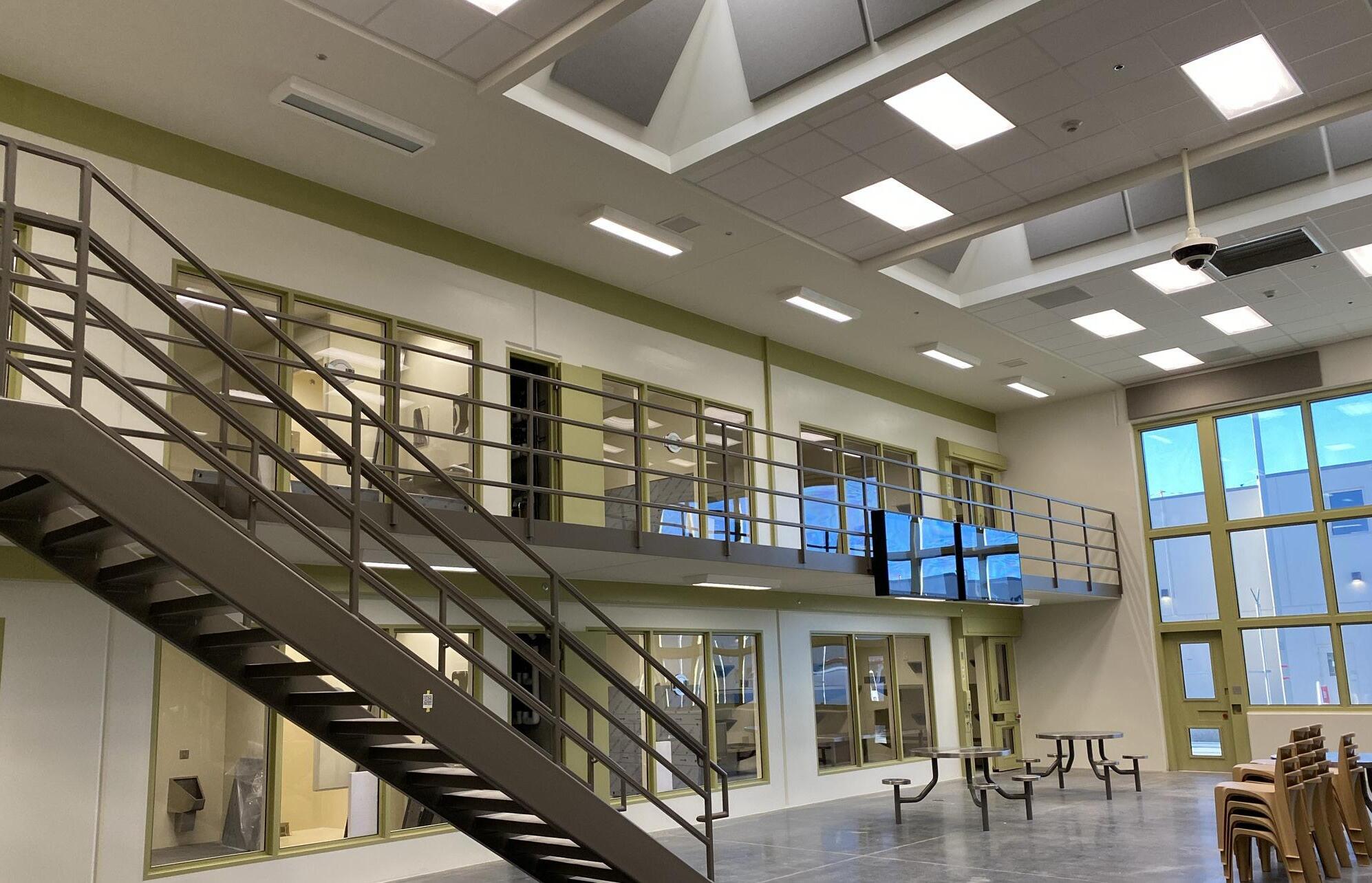
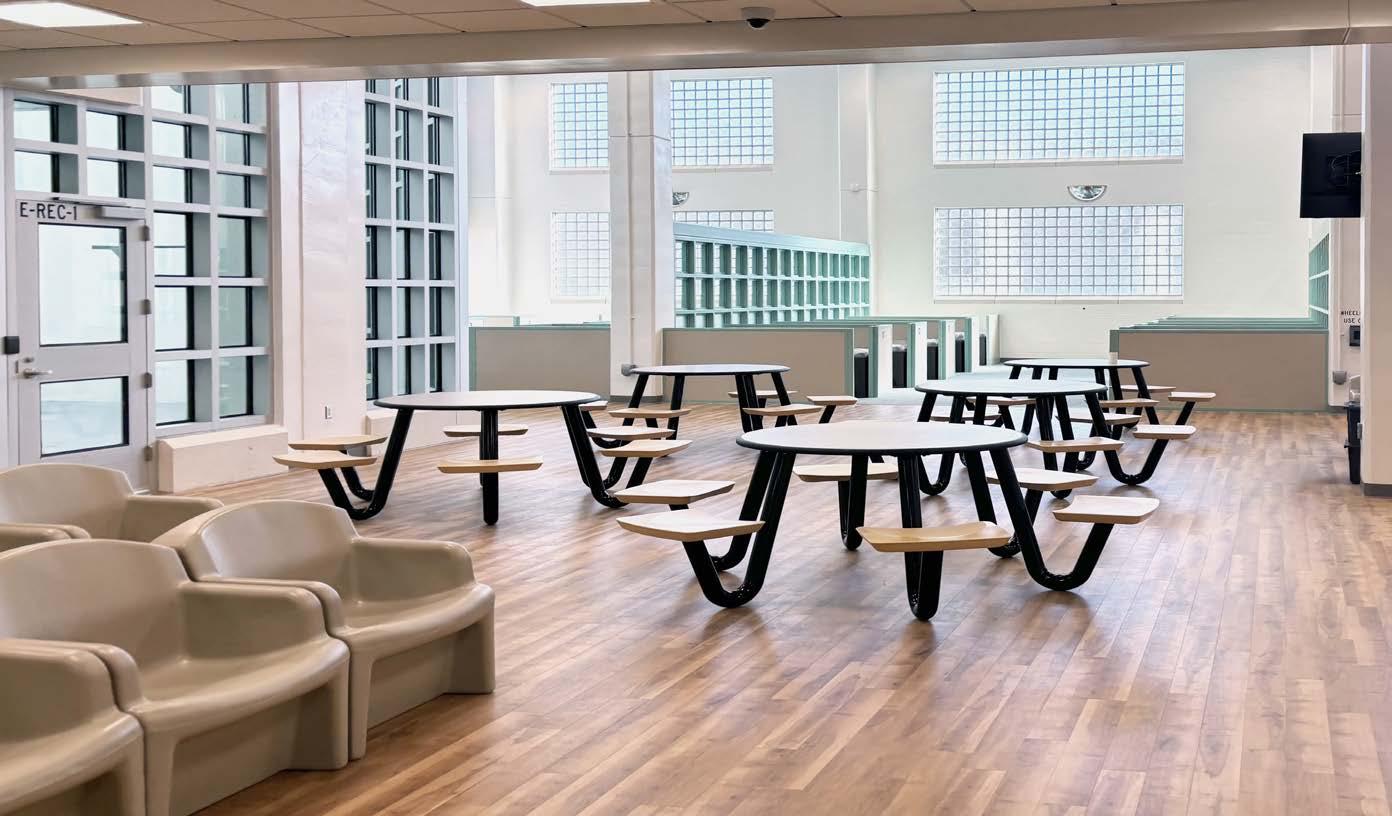
At the new 39,000-square-foot Medium-Security Vocational Training Facility, detainees within the two 120-bed housing units have access to classrooms and dedicated vocational shops that offer training in welding, vinyl printing, embroidery and construction trades. Through in-person
The mental health facility was designed to be in close proximity to medical treatment spaces.
Photo Credit (all): Placer County Facilities Management
The new
mental health facility contains three 15-bed housing pods.
and virtual instruction from program partners, inmates can receive training and certification that align with local labor-market demands.
“The Medium-Security and Vocational Training Facility will help with housing inmates that have higher-level of offenses and have been sentenced to a longer period of time, allowing those who qualify the opportunity to potentially learn a trade and skills that may assist with employment once they are released,” said James.
The training facility’s main corridor was designed to provide staff with
The county’s experience shows that when rehabilitation and safety are clear and equal priorities throughout the procurement and contracting processes, the resulting facilities support operations rather than forcing operations to adapt to the buildings.
good sightlines, but also to reduce inmate visibility between classifications and genders. Training spaces are also large and flexible, as training needs will likely evolve over time. The space includes a storage room and a secure roll-up door and outdoor area where vehicles can bring in equipment and materials — and load finished materials including metals, masonry and wood products — to be used outside of the facility.
“While a lot of this facility is specifically for training, there is also a fairly robust programming element,” said Conder.
Accounting for Operations
To further improve operations, classrooms were located next to shops, and counseling rooms were placed near housing pods to reduce movement and support therapeutic and educational schedules. Lt. Greg McKenzie of the Placer County Sheriff’s Office said that placing the lobby and visitation areas adjacent to the vocational shops and classrooms also highlights the county’s commitment to external partnerships with employers, colleges and workforce boards.
According to Conder, establishing a connection to the existing jail that enhanced existing operations was also paramount to the project.
“Designing it to meet the operational needs was 100% the main focus,” said Conder. “Connectivity was important so that the mental health and vocational
facilities connected to the existing jail. The administration stayed the same — existing laundry, existing kitchen. That’s critical because that’s where the officers will go back and forth, and where the food and laundry carts are brought in.”
Lt. McKenzie said that defining desired outcomes first and then crafting the building plan was key. The county’s programmatic brief prioritized clinical access and reentry metrics before architectural plans were finalized, which ensured that square footage and material choices aligned with measurable goals of rehabilitation and recidivism reduction, rather than simply aesthetics.
Intentional Design and Material Choices
Using precast, insulated concrete panels for the facilities’ walls and roofs proved to be a game-changer for both construction and security. The precast spans, especially on the roof, allowed the project to incorporate fewer structural columns, which aids in dayroom design, as columns in such a space can present visibility, security and access challenges.
“The nice thing about precast is that the big concrete wall panels were cast offsite in a shop. It’s a little easier to ensure quality when it’s done offsite versus onsite,” said Conder.
PROJECT DATA
Location: Roseville, Calif.
Cost: $56,090,366
Size:
Vocational – 38,837 square feet
Mental Health – 16,272 square feet
Total – 55,109 square feet
Capacity:
Vocational – 120 beds
Mental Health – 45 beds
Delivery Method: Design-Build
Architect: Arrington Watkins Architects
General Contractor: Clark/Sullivan Construction, Broward
Builders
Owner’s Representatives: Jake Mucher, Jake Mucher
Consulting; and Lisa James, Placer County Facilities Services
Commissioning Agent: 3QC
Cost Estimator: Clark/Sullivan Construction
Structural Engineer: Buehler
Mechanical and Plumbing Engineer: Airco
Electrical Engineer: LSW Engineers
Interior Designer: Arrington Watkins Architects
Security Systems Designer: Security Design Consulting
Building Automation and Controls: Johnson Controls
Detention Accessories: Viking
Digital Fire Alarm: Notifier
Exterior, Precast Concrete: CTS Precast
Fire Sprinkler Installation: Marquee Fire Protection
HVAC Power Ventilator: Greenheck
Rooftop Units: York
Security Plumbing Fixtures: Acorn Engineering
Doors, Frames and Finish Hardware: Discovery Door
Vinyl printing and embroidery equipment is available to those housed in the MediumSecurity Vocational Training Facility.
FACILITY OF THE MONTH
The use of precast panels also improved the project’s timeline, as panels can be craned and welded into place more efficiently. Conder further highlighted the durability of concrete as an additional security feature.
Another material feature that benefited construction was the use of quad tees as opposed to double tees on the precast roof. This allowed for shallower structural components that minimize the height of the structure. The county said that the single-structure facility achieved through these methods simplifies
“The mental health facility’s
circulation and ultimately helped to improve security sightlines.
These material choices are just another example of the project team’s thoughtful efforts to balance performance and security with costs. “Every time we design a project, we look at the most economical and secure solutions,” said Conder.
Collaboration Throughout the Process
Meeting the project’s goals required careful and continuous collaboration with the architect and contractor. Using a best-value procurement approach enabled a balance of price and technical qualifications, and a phased, collaborative design process prioritized constructability and operational input.
“We had weekly owner, architect and contractor meetings, with regular follow-up on outstanding issues that were critical to keep the project moving forward,” said James. “There was direct communication between the county and the architect throughout the project to efficiently address any issues that were brought to the county’s attention during the course of construction.”
Conder agreed, saying the design-build method was preferable in getting critical decisions settled early in the process.
“We’re able to make decisions together right in the beginning,” said Conder. “It’s much better to get a clear direction that’s going to be the best option in the end. It minimizes substitutions and redesign.”
The county also engaged with custody supervisors and mental-health clinicians throughout the process so that inmate movement and observation, staffing sightlines and clinical access requirements were embedded in the design
Lessons Learned
Now that new mental health and vocational training facilities are open and
operational, the county can assess the benefits achieved through this carefully considered project.
James said that using the design-build delivery model shortened the feedback loop between architect, contractor and operator and allowed for practical choices that both lowered cost risk and enhanced daily operations. Involving clinicians and custody staff early in the process also ensured that rooms and layouts support therapy without creating security blind spots.
proximity and direct connection to medical and professional staff is a benefit to both the inmates and staff.”
— Lisa James, Project Manager, Placer County
Conder seconded those notions: “There are so many decisions to make as we’re going through the design process. Our goal is to present options that make it very easy to make those decisions, and the county’s team was phenomenal to work with.”
Lt. McKenzie said the county also committed to public transparency throughout the budgeting and development processes, recording decisions and staging approvals with the Board of Supervisors, and publicly reporting on the project status via county releases and local media to achieve community buy-in.
James said that the new additions don’t just add square footage and beds; they exemplify how aligning capital design with therapeutic intent and workforce reentry results in facilities that do more than just house people, but also treat them, train them and return them to the community with stronger prospects.
Overall, Placer County’s experience shows that when rehabilitation and safety are clear and equal priorities throughout the procurement and contracting processes, the resulting facilities support operations rather than forcing operations to adapt to the buildings.
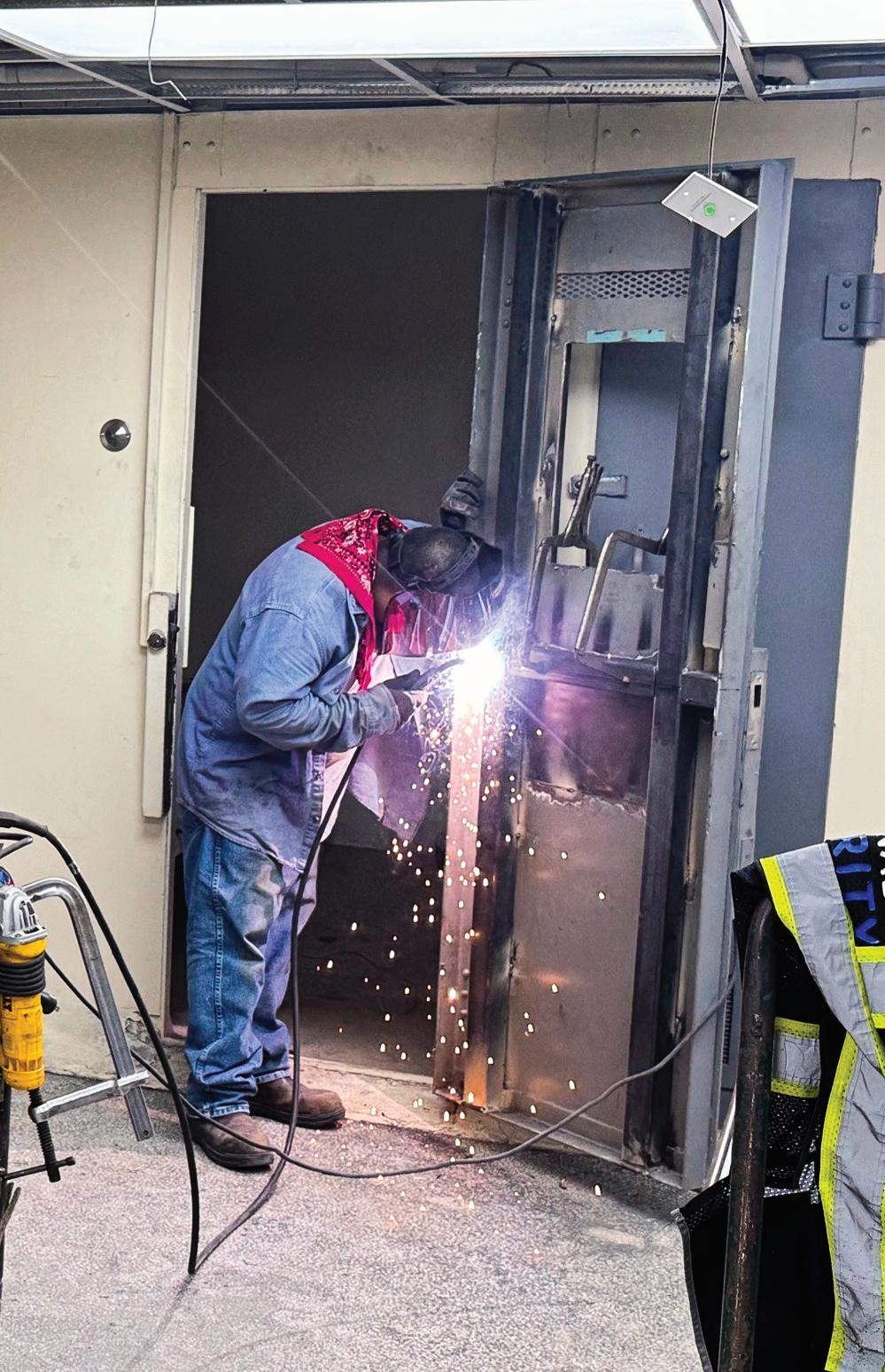
The vocational training facility features welding equipment to help incarcerated individuals obtain workforce certifications.
The Raw Material Problem Why corrections can’t afford to stay on paper
By Dr. Julie van der Hoop
Walk into many correctional facilities today and you’ll find something that looks almost unchanged from 30 years ago: filing cabinets, paper case files, handwritten logs, forms shuffled between departments. It works — in the sense that information gets recorded and decisions get made. But it doesn’t work in a deeper sense that corrections leaders are increasingly recognizing: paper is a dead end for intelligence.
Digital transformation in corrections is often framed around efficiency. Go paperless and staff spend less time on paperwork, files don’t get lost, and storage costs drop. Yes, these are real benefits. But they dramatically undersell what’s actually at stake.
Data is the raw material for every analytical, predictive and intelligent capability that modern corrections needs. And as long as information lives on paper, none of those capabilities are possible.
What Paper Actually Costs
Consider what a paper-based system cannot do. It cannot tell you that individuals with a particular combination of risk factors, program history and prior violations look statistically similar to a cohort that went on to reoffend. It cannot show you that the average time between sentencing and intake is fourteen days, and that three of those days are consistently lost waiting for a single signature from a single department. It cannot surface whether a mental health intervention is reducing incidents, or whether it’s having no measurable difference at all.
The consequences are significant. Corrections systems that run on paper are, in an important sense, flying blind. Programs run for years without anyone knowing whether they work. Resources get allocated based on instinct rather than evidence. Warning signs go undetected until they become crises.
Digital as Raw Material, Not Just Recordkeeping
The framing that matters here isn’t “paperless” — it’s “raw material.” Just as a factory cannot produce steel without iron ore, analytics and AI tools cannot function without underlying digital data. The sophisticated capabilities that corrections leaders increasingly want — predictive risk tools, outcome measurement, resource optimization, cross-agency coordination — all require the same prerequisite: clean, structured, digital information.
This is why the question of digital transformation in corrections is not primarily a technology question. It is a strategic question about what kind of decisions an agency wants to be able to make, and whether its information infrastructure can support them.
The agencies that have moved furthest down this path are already seeing what becomes possible. When intake data flows automatically into case plans, when behavior logs sync with treatment records, when supervision data connects to program outcomes, something fundamentally changes: the system starts to learn. Patterns emerge. Feedback loops form. Leaders can ask questions they never could before — and get answers grounded in evidence rather than anecdote.
“In an environment where resources are limited and risks are high; data is one of the most reliable
A case officer working from paper files might notice something about an individual. But no human mind can hold thousands of cases simultaneously and surface patterns across them. That requires a digital foundation — structured, queryable, connected data — that paper simply cannot provide.
“Modern correctional leadership requires modern tools. Moving from paper to digital isn’t just an upgrade, it’s a necessary shift toward safer, smarter and more efficient operations.” said Todd Ishee,
former Secretary of the
North Carolina Department of Adult Correction.
The Transition Is Hard — But the Alternative Is Harder
None of this is to minimize the challenge of getting there. The barriers are real: budget constraints, aging infrastructure, staff resistance to change, and the sheer volume of legacy paper records that need to be converted. The Illinois
Department of Corrections estimated $250 million for comprehensive records digitization across its system — a figure that reflects the scale of the problem many large agencies face.
Paper Based Systems
Detect patterns across thousands of cases
Measure program effectiveness
Predict risk or outcomes
Identify bottlenecks in workflows
Data Systems
Identify risk cohorts
Track outcomes over time
Support predictive tools
Reveal process delays and inefficiencies
But the agencies that have navigated this transition successfully share a common lesson: start with the highest-volume, highest-impact workflows first. Intake processing, case plan updates, incident reporting — these are the areas where digitization delivers the fastest returns and builds organizational confidence for what comes next. Pilot with a small cohort, prove the model, then scale.
The harder challenge is often cultural. Digital transformation in corrections is not just about installing new software. It requires rethinking how information flows, how decisions get made, and how staff at every level relate to data. That takes leadership, not just procurement.
“Data is not just numbers; it is the story of operations, behavior and outcomes. Leaders who understand that story make decisions that are safer, smarter and more accountable,” said Ishee.
The Window Is Now
Corrections leaders who have not yet begun this journey are not just behind on technology. They are operating without the raw material that the next generation of correctional management will depend on. As AI-driven tools, predictive analytics, and cross-agency data sharing become standard capabilities in peer systems, the gap between digitized and paper-based agencies will widen — in outcomes, in accountability, and in the ability to make the case to policymakers and the public that corrections is working.
The goal is not digital transformation for its own sake. It is the ability to ask better questions, make better decisions, and ultimately serve public safety more effectively. Paper cannot get you there. Digital data can.
tools a leader has to allocate effort where it will make the greatest impact,” said Ishee.
Julie van der Hoop, Ph.D., is the Lead Product Manager for Falcon Technologies, Inc. She holds a doctorate from MIT. This article is sponsored by Falcon Technologies, Inc. Learn more at www.falconinc.com.
When intake data flows automatically into case plans, when behavior logs sync with treatment records, when supervision data connects to program outcomes, something fundamentally changes: the system starts to learn.
Photo Credit: ChatGPT Thinking v. 5.5
Refurbishment & Repair Ser vices
Our teams can improve the safety and quality of life for everyone in your facility.
• Full Cell Upgrades, Regardless of Manufacturer
• Refurbish Surfaces for Best Sanitary Environment
• Repairs to Interior Cells
• Creation of Anti-Slip Surface
Explore how our refurbishment and repair solutions can help extend the life of your facility.
Quality Replacement Par ts
We can recommend and provide replacement par ts from top USA-based manufacturers.
Examples include:
• Plumbing Par ts and Accessories
• Water Conservation Controls
• Security Mirrors & Detention Accessories
• LED Lighting
• Detention Locks & Hardware
SteelCell moves the justice industry for ward by delivering custom, long-lasting, and easy- to-maintain security solutions on time and within budget. We are guided by the principles of excellence, integrity, efficiency, and safety.
Water System Failure Serves as a Wake-Up Call
Outage
at Montana State Prison highlights the critical need to anticipate and plan for regular maintenance
By Eric Strauss
Imagine being in a town of approximately 2,000 people and, suddenly, you have no water. That’s exactly what it felt like inside the Montana State Prison, located in Deer Lodge, in October 2025 when the water system failed on a Friday morning before most people had even poured their first cup of coffee.
As the director of a correctional department, you prepare for emergencies, you
drill and you run through potential scenarios. However, nothing quite matches the moment that an entire compound loses water and you have 1,600 people depending on you to respond quickly, clearly and decisively.
That Friday, the water levels in the Montana State Prison’s main tank indicated a failure had occurred somewhere in the system. Within minutes, it became clear that this wasn’t a minor issue or an isolated break. The prison’s pipes, some laid more than 50 years ago, began failing in succession. Each attempt to isolate one break simply shifted pressure to the next vulnerable
spot. Before long we were looking at a full-scale, system-wide failure. Sinks, toilets, showers and everything else went offline. It felt as though our entire infrastructure had given out all at once — and in a sense, it had.
The Immediate Response
The first challenge wasn’t just technical, it was human. Water isn’t optional in a secure facility. You can work around a lot of
things, but not a lack of sanitation and not the inability for people to drink, wash or flush a toilet.
As reports came in from every corner of the compound, we had two responsibilities running in
Plumbing crews worked around the clock to restore service.
Photo Credit (all): Montana DOC
Montana Department of Corrections staff, outside contractors worked to restore
parallel. First, we had to stabilize conditions for the people living and working inside. Second, we had to quickly diagnose exactly what had failed under our feet.
Stabilizing the Situation
Within hours, we activated the department’s emergency operations plan. By the end of the day, Gov. Greg Gianforte authorized the Montana National Guard to assist, and we had convoys hauling tens of thousands of gallons of water into the main tank just to maintain minimum pressure. Inside the fence, portable
and proactive planning. At the prison, that means a complete replacement of the underground system, from pipe networks and valves to redundancy features that will isolate future breaks instead of shutting down the entire facility. Statewide, it reinforced the need for regular assessments, emergency drills and realistic funding for maintenance, not just reactive fixes.
When I look back on those two weeks, I’m proud of how our team responded. Everyone, from maintenance crews and corrections officers to engineers, contractors and the National Guard, set aside fatigue, frustration and the strain of operating under public scrutiny to focus on one goal: restoring safe water to the people in our care.
A crisis of this scale and urgency changes how you think about operations. It sharpens your understanding of vulnerabilities, exposes outdated assumptions and forces clarity about what must be fixed.
toilets and mobile showers were brought in and staged across the grounds. We distributed bottled water constantly, ensuring everyone had what they needed for drinking and basic hygiene. It wasn’t ideal, but it was necessary, and our staff handled the situation with resilience and professionalism under immense pressure.
Diagnosing the Problem
While the immediate response stabilized the compound, the more difficult work was figuring out what exactly had happened underground. Our maintenance teams, alongside leak-detection specialists that were brought in from across the state, mapped out every break and pressure drop. It became clear that the system wasn’t failing at one or two points — it was failing everywhere. It was the kind of cascading failure you hope you never see in your career.
Fortunately, the legislature had previously approved $21 million for watersystem and infrastructure upgrades. Unfortunately, those projects were only in the design phase at the time of the system failure. We had to find interim solutions to provide some stability for the system as those large projects matured.
Solving the Problem
Over the next two weeks, our crews worked around the clock repairing what they could, isolating sections, disinfecting lines and testing water quality. Every day brought small steps forward. On Oct. 27, about two weeks after the initial failure, we fully restored water to all housing units. Even then, we kept bottled water, portable restrooms and mobile showers available as we monitored water quality and ensured that the system was safe for full use.
Walking through the facility that day, hearing sinks running and seeing showers operating again, was a powerful reminder of just how essential water is to daily life and how hard our people had worked to get us back to normal conditions.
Learning from the Experience
Despite having the issue behind us, the larger lesson was unmistakable. This crisis didn’t happen overnight, and it can’t be fixed overnight. The
system we had inherited had finally exceeded its lifespan. We needed not just repairs but a long-term, statewide commitment to maintenance, modernization
A crisis of this scale and urgency changes how you think about operations. It sharpens your understanding of vulnerabilities, exposes outdated assumptions and forces clarity about what must be fixed. In the end, the experience didn’t
just push us to rebuild a water system. It pushed us to rethink how we plan, how we maintain critical infrastructure and how we prepare for the unexpected across the entire department. That’s the part of the story I hope others in this field take forward.
staff, Montana National Guard troops and water at the Montana State Prison.
Eric Strauss is the Director of the Montana Department of Corrections.
The Montana National Guard was brought in to assist with water distribution.
Manufacturing Spotlight
From Durability to Dignity
Kenall blends end-user feedback, progressive industry trends into product development and manufacturing processes
By Charlie Lange
Founded outside of Chicago in 1963, lightingfixture manufacturer Kenall’s roots grew out of the city’s public housing sector, where the company provided lighting products in developments throughout the city’s south side neighborhoods. One of the first manufacturers to furnish injection-molded polycarbonate fixtures, Kenall’s high-abuse lighting products offered a reliable alternative to the primarily acrylic products of the time.
By the 1980s and 1990s, the company broadened its scope to provide solutions in the corrections market, along with healthcare, cleanrooms, containment, education and transportation sectors. Those sectors remain at the heart of Kenall’s offerings today.
While each segment has its own unique considerations, Frank Gonzales, Kenall’s Director of Channel Management, says that all its product offerings are designed for durability — to withstand either physical abuse or demanding environmental conditions. In the corrections market specifically, Kenall strives to provide tamper-resistant products that aid in safety and security, while also contributing to an environment that promotes rehabilitation.
Vertically Integrated Manufacturing
Gonzales touts Kenall as a tried-and-true manufacturer as opposed to just a components assembler. Today, Kenall’s manufacturing operations take place in its 350,000-square-foot facility in Kenosha, Wis., where employees transform raw materials into finished products that are ultimately installed into facilities nationwide.
“From raw materials to the finished products, we run a very vertically integrated manufacturing operation,” said Gonzales.
“For the luminaires and other fixtures that we engineer and manufacture, the light they produce is almost secondary. Really, it’s how our fixtures integrate into that built-in space,” said Gonzales.
Inside the facility, Kenall’s capabilities include cutting, forming and welding sheets of cold-rolled stainless steel, along with a 24-hour powder-coating line. Kenall’s manufacturing and engineering teams, many who have been with the company for decades, perform in-house LED and circuit-board configuration, design controls and driver systems, and other assemblies.
Kenall’s facility also features its own testing laboratory, where products are put up to IP and IK, impact-resistance, moisture- and dust-resistance, thermal, photometric and a score of other testing procedures. To ensure that its products are equipped for the intense challenges within correctional facilities, Kenall staff ratchet up testing procedures well beyond standard thresholds, such as drop testing to 350 joules as opposed to the 20-joules stipulated for less
demanding segments.
“We seek standards that we can test our fixtures against to make sure that they can stand the test of time in these types of environments,” said Tim Stevens, Kenall’s Product Marketing Manager.
Driven by Field Input
To push the product development process, Gonzales, Stevens and the rest of the Kenall team travel to correctional facilities across the U.S., as well as industry gatherings like the American Correctional Association conferences, seeking input from owners, operators, architects, engineers, wardens and correctional staff on the issues they’re facing in the field.
Stevens pointed to one example from the Cook County Jail in Illinois, where a detainee was able to detach a lighting fixture from another manufacturer and start a fire, or another example where fixtures from other providers were disassembled and used to hide contraband. From those product failures, Kenall experts gain important insights to better tailor their own products to withstand challenges.
“That’s how we engineer and manufacture — we hear these stories from the field, and we address them with improvements,” said Stevens.
While product performance is essential, security becomes the foremost concern in correctional facilities. Product development must strike a careful balance, Gonzales and Stevens said, as each product tweak creates new considerations to account for. For example, larger fixtures built with thicker, more durable materials have more surface area to be tampered with and weigh more than smaller fixtures.
Gonzales mentioned some emerging technologies that aid in security and safety, including door-less designs that conventional tools cannot be used to open, longer-life LED lights that don’t require the same service frequency as legacy fluorescent technologies, and electrical drivers installed in the chase of cells instead of in the actual luminaire, cutting down on the risks maintenance personnel need to take when replacing components.
Gonzales said leaders of the newly underway Eddy County Jail project in New Mexico built such technology into their lighting specification, citing the project as an example of how a product
The manufacturing facility contains assembly lines and testing laboratories.
Photo Credit (all):
Courtesy of Kenall
Kenall engineers manufactures and vandal-resistant luminaires.
evolves from a concept to placement in the field.
“The evolution of design comes down to how we can think about the benefits of the technology being used for lighting, and then how we can create the fixtures that adapt to that,” said Gonzales.
Human-Centered Lighting Trends
While the Kenall team acknowledges that durability and performance of their products are most critical, they also recognize industry-wide efforts to create more normalized environments within correctional facilities — and design their fixtures accordingly.
“One aspect of designing a better light fixture is making sure it lasts a long time and that it’s abuse resistant. But we’re also seeing the desire to make the fixtures look a little less institutional, or less imposing in the space,” said Gonzales.
Gonzales and Stevens called out adjustable dimmable lighting systems, such as those specified for the ongoing Northwest Indiana Correctional Facility project as well as the BoroughBased Jail projects in New York City, which give incarcerated individuals a sense of control and agency. They also mentioned night lights inside cells that could replace always-on overhead lighting (while still allowing officers to perform critical bed checks) and alternative colors that could be utilized therapeutically as other technologies that could progress in the near future — especially in mental and behavioral health settings.
Industry-Spanning Influence
Kenall’s history of engineering and manufacturing lighting fixtures across multiple markets informs its ability to develop corrections-specific solutions.
“Having the diversity of lighting solutions in different markets, we have the ability to see what’s happening in one market and how we can potentially bring some of those technologies or fixture designs here into corrections,” said Stevens.
The team said that while each industry segment has its own unique considerations, some standards
and trends have informed other markets over the years. For example, insights from cleanroom and containment fixtures have influenced the design of healthcare and correctional fixture developments.
The company will continue to explore novel materials and finishes to meet market challenges and further develop cutting-edge solutions.
“Since the company introduced the industry’s first impact- and vandal-resistant luminaires, we continue to engineer and manufacture innovative products to meet those very challenging environments,” said Gonzales.
These new technologies, such as dimmable, warmer temperature white light in general population areas, can benefit staff as well, which Stevens said aids in keeping correctional officers alert during the day. This lighting also can be adjusted to promote better sleep patterns, which can help reduce agitation and decrease violent incidents.
Gonzales and Stevens admit that progress in corrections can take time, and that investment of public dollars in emerging technologies is often met with resistance.
They highlight that the industry’s acceptance of LED lighting, which took years due to the stigma of the upfront cost of replacements, but that energy savings and other benefits achieved have more than justified that switch. They view some of these human-centric lighting developments through that same lens.
“It costs more when you start adding these types of features but understanding that you’re trying to rehabilitate people and address their needs, it’s worth the investment,” said Gonzales.
Sculptural Shape. Continuous Comfort.
Cocoon was shaped as a single, continuous form. The headboard wasn’t added afterward. It was designed as part of the overall silhouette from the very beginning. No seams. No abrupt transitions. Nothing added that doesn’t need to be there. Just a quieter, more controlled presence, designed to perform and built to last.
STANDOUTPRODUCTS
Ligature-Resistant Floor Drain
The Ligature-Resistant Floor Drain (LRFD) from Willoughby Industries is designed to provide a solution for in-floor drain applications while maintaining ligatureresistance in security and behavioral environments. The LRFD Series is fabricated using 7-gauge, Type 304 stainless steel strainers and utilizes an industry standard cast iron drain body with a clamping collar. Willoughby’s designers consulted with behavioral healthcare professionals to create these drains to include an adjustable housing and a drain cover secured with stainless steel and Pin Torx security screws. Available in models with round and square strainers, each drain cover has been designed on the underside to minimize tie-off points for a person in a behavioral-type facility.
Willougby Industries
www.willoughby-ind.com
Heavy-Duty Food Transport Carts
Heavy-duty correctional food-transport carts from Carter-Hoffman provide heated tray service and bulk food-pan transport to deliver meals safely and reliably, even under the harshest conditions. Built for security and durability, the carts feature tamperproof fasteners, heater and tray-rack hold downs, welded stainless steel construction, thermometer protector covers and welded push handles. Models come equipped with either top- or bottom-mounted convection heating components, and its largest cart can hold up to 15 18-inch-by-26-inch sheet pans, or up to 30 12-inchby-20-inch steam table pans. These heavy-duty carts have all the necessary features to deliver three meals a day in correctional facilities.
Carter-Hoffman
www.carter-hoffmann.com
Behavioral Health Dining Chair
The Ryno® Dining Chair 2.0 from Pineapple is the next evolution of the company’s seating designed specifically for mental health environments. The design combines proven durability with enhanced comfort and safety, with subtle sensory detail on the side panels. It offers a wider seat for improved long-term wellbeing while incorporating a wall-saver feature to protect surfaces from damage. Strength- and stability-tested for severe contact use, the product is water-resistant, easily cleanable and compliant with flammability standard UL94 HB.
Pineapple
www.pineapplecontracts.com
Security Control Software
ECC’s IMPERIUM® is a Software-asa-Service (SaaS) product that provides intelligent correctional and jail control from a touchscreen integrated directly into a facility’s workflow. It is designed to automate and simplify security operations by integrating core communication and security systems. The system shows an entire floor plan, with the ability to easily change between floors. It can also integrate with security cameras and intercom system to display the associated camera when an intercom button is pressed on the touch screen. Users can switch between compact and detailed graphic screens. The system includes a one-button emergency gang-release and lockdown function.
ECC
www.eccoinc.com
Detention Key Cabinet
The KryptoMax® stainless steel detention key cabinet is fully customizable to provide a secure, tamper-proof key-storage solution that exactly matches client requirements for key counts, key/lock types and mounting configuration. Designed and built for intensive use, the detention key cabinet features 16-gauge stainless steel construction throughout with an attractive #4 polished finish, and the door is attached with a continuous, tamper-proof, stainless steel piano hinge. The cabinets can include one or more swing-out panels to store hundreds of keys. The cabinets can also be designed and configured for mounting to countertops, floors, walls or insets for flush mounting into wall with trim flange.
KryptoMax www.kryptomax.com
Tamper-Resistant Soap Dispenser
The Vandal Proof Soap Dispenser by OPS is a patented industrial stainless steel soap dispenser that is indestructible, ligatureresistant, impenetrable and securely locked on the wall with the OPS mounting system. The mounting system uses a patented eyebrow to completely prevent the metal dispensers from being torn off the wall. Its ultra-high-yield cartridges offer 2,500 pumps per refill, which cannot be contaminated, including soaps, hand sanitizers and an all-in-one soap, shave cream and conditioner. OPS www.vandalproof.org
FAA Proposal Could Give Prisons New Tool to Combat Unauthorized Drone Activity
By Lindsey Coulter
WASHINGTON — State prisons and large correctional facilities could gain a new mechanism to deter unauthorized drone activity under a proposed Federal Aviation Administration rule that would allow certain critical infrastructure operators to seek restrictions on unmanned aircraft flights over their properties.
The proposed rule, released May 6, would establish a process for eligible facilities to petition the FAA for what the agency calls an Unmanned Aircraft Flight Restriction (UAFR). The designation would create defined airspace boundaries where drone operations would be restricted for safety and security reasons.
For correctional leaders, the proposal represents a potentially significant development in the ongoing effort to address drone-related security threats, including contraband deliveries, unauthorized surveillance and other activities that have challenged prisons and jails nationwide.
The FAA said the rule is intended to address the rapid growth in drone operations and the risks they may pose to sensitive facilities while balancing security concerns with public and commercial use of the national airspace system. The proposal also fulfills a longstanding congressional directive to establish a formal process for restricting drone operations near critical infrastructure.
Under the proposal, state prisons and correctional facilities capable of housing 500 or more inmates would be eligible to apply for flight restrictions.
The facilities fall within the emergency services sector, one of 16 critical infrastructure sectors identified by federal policymakers as potentially eligible for protection under the rule.
If approved, a UAFR would function as a legally recognized no-fly zone for drones operating within designated boundaries. The FAA describes the restriction as a regulatory tool that limits drone activity within specified vertical and lateral dimensions over an approved facility. The agency emphasizes that the designation would not constitute a physical barrier or electronic countermeasure.
Importantly for correctional administrators, the proposal does not expand a facility’s authority to detect, jam, seize or
disable drones. Instead, it establishes a framework under which drone operators would be prohibited from entering restricted airspace unless specifically authorized.
The FAA is accepting public comments on the
proposed rule through July 6 before determining whether to finalize the framework. Agency officials are seeking feedback on eligibility requirements, application procedures and other aspects of the proposed program.
Design + Construction
A New Era of Corrections in Indiana
An update on the people-centered $1.2 billion Westville State Prison project
By Dena Sattler
A $1.2 billion project spanning 1.4 million square feet, the new Westville State Prison (WSP) is the most ambitious state building project ever in Indiana. Funded entirely by cash reserves to avoid borrowing, WSP is set to open in early 2027 — on time and on budget.
“We’re immensely proud of the partnerships that have made this possible,” Indiana Department of Correction (IDOC) Commissioner Lloyd Arnold said. “Westville is a state-of-the-art facility designed to meet the needs of Indiana’s incarcerated individuals — all with the goal of reducing recidivism.”
IDOC data shows 36.52% of offenders were recommitted within three years. Most had substance abuse problems.
“The need for addiction recovery services across the incarcerated population is clear,” Arnold said. “Westville State Prison is designed to meet that need, with 240 beds dedicated to incarcerated individuals battling mental health or addiction issues. This is one of the most important steps we can take in reducing recidivism — making sure people have access to the treatment they need before release.”
The massive new facility is designed to ease overcrowding, and provide educational, vocational, and life skills needed to reduce recidivism — all with an emphasis on rehabilitation.
Correctional Facility property to be shuttered. But with a rising prison population due to recent policy changes, IDOC now plans to keep using Indiana State Prison with nearly 2,500 beds for an undetermined length of time after the opening of the new facility, which will have 4,200 beds.
“This [model] can be scaled and reproduced for any size of project that’s coming up in the future.”
— Keith Ivkovich, Senior Project Manager, Granger Construction
Maximum-security space is needed in the corrections system. IDOC reported its male maximum-security facilities at more than 90 percent occupied since at least 2019, with 95 percent operating just below full capacity.
Initial plans for the new, larger prison called for both the outdated Indiana State Prison in Michigan City, Ind., and current, 1950s-era Westville
The new campus layout of 28 buildings over roughly 90 acres for incarcerated individuals’ housing, administrative space, program and vocational training areas, medical and mental-health facilities, security operations, food services, recreation and support also was designed to lessen recidivism.
IDOC data from 2024 shows of those offenders released in 2021, 36.52% were recommitted to the IDOC within three years. Most, by far, had substance abuse problems. According to IDOC, 80% of the incarcerated population needs access to mental health and/or addiction recovery services.
With that in mind, Keith Ivkovich — Senior Project Manager with Granger Construction and Project Director for the new Westville State Prison — said the Mental Health Wellness Addition will provide tailored, comprehensive programming through new and redesigned space, with 240 beds dedicated to mental health and addiction recovery; a step-down treatment unit; and a holistic environmental design that includes sound-dampening dayrooms to reduce agitation.
“You just look nationally — there’s a serious mental health crisis in the United States. It’s even more prevalent in the corrections industry, as corrections now has been historically being used as almost the rehabilitation service that the states offer,” Ivkovich said, adding the goal is “having facilities that can actually treat offenders, get them the help they need, and step them down so that as they get out of the system they’ve dealt with those issues.”
The design by Elevatus Architecture emphasized streamlined movement of incarcerated individuals, better staff sightlines and improved oversight. For
The “Build Westville” joint venture of Garmong Construction Services, Granger Construction and F.A. Wilhelm Construction is leading the project.
The new Westville State Prison is expected to open in 2027.
Photo Credit (all): IDOC
The campus will feature steel modular cells, state-of-the-art security electronics and an efficient central utility plant.
Details:
· Budget: $1.2 billion
· Beds: 4,200
· Special Units: 420 high-security cells, 242 mental health beds
· Timeline: Design initiated in 2021; groundbreaking in 2023; expected move-in by 2027
Key Partners:
· Owner: Indiana Department of Correction
· Owner’s Representative: MH Group
· Architect: Elevatus Architecture
· Contractor(s): “Build Westville” joint venture (Garmong Construction Services of Terre Haute, Ind.; Granger Construction based in Lansing, Mich.; and F.A. Wilhelm Construction of Indianapolis, Ind.)
· DEC: The Pauly Jail Building Company and CML Security
· SEC: Accurate Controls and Security Automation Systems
· Modular Steel Cell Provider: SteelCell of North America
example, no building is higher than two stories to reduce operational challenges and enhance security.
“With incarcerated individual movement, those are all things that correctional officers can be a little nervous about. It puts everybody at a little bit of a risk,” Craig Armstrong, Lead Architect, Partner and Department Leader at Elevatus, said. “Considering that in our design — how people maneuver and move through spaces — was kind of a challenge in something this large because so many services are offered in different buildings in different parts of the campus.”
Other safety-minded details include central security stations so no officer works alone, and the ability to secure units individually as needed. Modern steel modular cells manufactured by SteelCell of North America, state-of-the-art security electronics and a highly efficient central utility plant support multiple buildings across the campus.
Developing a Unified Approach
The massive project known as “Build Westville” has combined the strengths of three core contractors: Garmong Construction Services, Granger Construction and F.A. Wilhelm Construction. Along with Elevatus Architecture and ancillary firms, they function as one team.
“We share a similar vision of how we wanted this project to be executed,” Ivkovich said. “That’s really the key to our success, that when we go shields up, we’re not going shields up against each other. We’re going shields up against the problem as a collective group.”
Company logos are scarce on a work site where employees instead wear gear emblazoned with the “Build Westville” brand. “It’s not that we’re embarrassed of where we come from,” Ivkovich said. “We wanted to become one group. So [Build Westville] is really our ethos.”
Armstrong echoed the sentiment. “It starts at the onset,” he said. “You build and establish a layer of trust with all of the team members early, and then the project goes a lot smoother.”
Ivkovich notes there’s always room for improvement. One lesson learned, he said, was that connectivity could have been “a little more cohesive.”
“If we were to go back and do it again, it would be sort of how we interface the connections from the central utility plant into the
buildings, making sure that the individual buildings know when they’re going to be getting their power,” he said. “It hasn’t been damaging to the project, but it could have been more seamless.”
The new campus developing alongside the current facility does have plenty for other states looking at new prisons to consider.
“Westville State Prison is setting the standard for what is possible in corrections,” Arnold said. “We are confident that corrections professionals nationwide will be looking to Indiana as they determine how to meet the needs of their own incarcerated populations.”
“We do feel that the model that we have implemented here at this particular facility certainly has its advantages,” Armstrong said. “It all comes down to the operations, the specific operations at the specific facilities on how they want their buildings and project organized.”
For other states considering a comparable venture, Ivkovich said: “This is not a one-off, what we’re accomplishing here. This can be scaled and reproduced for
any size project that’s coming up in the future. I think that’s important to note because there’s so many projects that just linger in the news about ‘years overdue’ and millions and millions and millions of dollars over budget, you know, or a facility’s not getting the operational things that they need — so it’s important that they know that this can be reproduced.”
Editor’s Note: An earlier version of this article incorrectly identified the project as the Northwest Indiana Correctional Facility and excluded comments provided by IDOC and members of the project team. It also incorrectly listed the cell type as precast modular. The cells were steel modular cells provided by SteelCell of North America. The corrected article was republished on July 1. Correctional News regrets the errors.
Construction on the new $1.2 billion facility began in 2023.
Beyond Cleaning: Why Correctional Systems Are Adopting a FullSystem Sanitation Model
By Lindsey Coulter
Maintaining clean, safe and compliant correctional facilities requires managing complex operational variables: chemical control, inventory accountability, training consistency, staffing limitations, facility preservation, infection prevention and budget oversight — all within environments where safety and predictability are critical. However, in many departments, individual facilities have adopted different products, procedures and purchasing habits. Training on how to use products can vary greatly by institution, supervision level and staffing availability. The result is often an operational patchwork that has made consistency difficult to achieve across an entire department of corrections.
That broader operational reality is what CorrectPac by PortionPac is designed to address.
An Eco-Friendly Approach for the Entire Correctional Ecosystem
While PortionPac Chemical Corporation is commonly described as a cleaning-products company, correctional leaders who have implemented the CorrectPac program often describe it as a department-wide operational system focused on standardization, safety, accountability and long-term sustainability.
Rather than selling individual cleaning chemicals facility by facility, the company implements a fully standardized sanitation program across an entire correctional system through correctional industries partnerships. The model integrates premeasured cleaning products, centralized inventory control, staff and resident-worker training, operational benchmarking and workforce-development programming into a single department-wide framework.
The company has been implementing the model in correctional systems since 1982 and still works with its first customer today. Over time, the company’s data has shown consistent outcomes across multiple states and administrations: measurable cost reductions, improved chemical safety, stronger compliance performance, standardized operations and expanded workforce-development opportunities.
The operational philosophy behind the model is rooted in one core idea: sanitation in corrections functions as an ecosystem, not an isolated maintenance task. Cleaning practices affect facility preservation. Inventory management affects budgets and accountability. Chemical control affects safety and compliance. Training consistency affects operational reliability. Workforce development affects long-term reentry opportunities.
Why Standardization Matters
That system-wide approach also explains why CorrectPac pushes for full departmental implementation rather than isolated facility adoption. Partial implementation often leaves legacy chemicals and inconsistent practices in circulation, undermining safety controls, training consistency and accountability. Before implementation, many departments operate with dozens — or even hundreds — of cleaning products spread across facilities. CorrectPac replaces those fragmented systems with standardized, premeasured cleaning products designed specifically for correctional environments. One pouch produces a specific quantity of cleaning solution, eliminating dilution variability and reducing opportunities for misuse.
The shift fundamentally changes facility operations. Because the products are premeasured and formulated without OSHA hazard classifications commonly associated with legacy chemicals, facilities can reduce direct supervision requirements while increasing cleaning frequency. Inventory becomes centralized and measurable. Product usage becomes predictable. Ordering becomes traceable.
Building Buy-In Through Pilot Programs
Correctional systems are often cautious about large-scale operational change. The company acknowledges that hesitation directly, and its feasibility-study
process addresses one of the industry’s most persistent barriers: institutional skepticism.
CorrectPac uses intensive pilot implementations designed to generate measurable operational data before departments commit to full rollout. The company’s recent Utah implementation illustrates that process.
During the pilot, entire dorms transitioned fully to the standardized system over a period of approximately 70 days. Existing products were fully replaced. Staff and resident workers received hands-on training followed by recurring reinforcement visits every two to three weeks. Usage patterns were tracked through the premeasured pouch system, allowing facilities to compare previous spending against new per-resident, per-day operating costs. Comment cards and operational feedback were collected throughout the process. Inventory trends were monitored closely. Training gaps were identified and corrected in real time.
Additionally, CorrectPac teams remain engaged throughout implementation, retraining, troubleshooting, validating inventory patterns and reinforcing operational consistency until the system stabilizes. That hands-on involvement is designed to reduce transition risk while building department-wide confidence in measurable outcomes.
Long-Term Operational and Financial Outcomes
According to company data collected across multiple departments of correction over more than 15 years, mature systems typically achieve long-term cost reductions ranging from 15% to 40%, with some exceeding those figures.
Importantly, the savings are not generated by reducing cleaning performance. Instead, they come from eliminating waste, over-ordering, duplicate inventory and inconsistent practices.
During early implementation phases, some departments temporarily experience increased costs as facilities shift from under-cleaning or improperly diluted chemicals to proper sanitation procedures. However, as ordering behavior stabilizes and staff better understand product longevity, purchasing volume declines.
“As efficiency, knowledge and cleanliness improve, overall purchasing
declines,” said Caryn Gilliam, Chief Strategy Officer of PortionPac Chemical Corporation.
The operational benefits also support compliance and audit readiness. According to company records, no facility implementing the program has failed an ACA or state audit related to chemical usage and control.
Workforce Development and Reentry Preparation
Beyond sanitation and budgeting, CorrectPac’s model also incorporates workforce-development programming through correctional industries partnerships. Once demand and distribution become standardized, facilities can expand into manufacturing, packaging, inventory management, fulfillment and quality-control operations.
Resident workers receive repeated instruction, process accountability and certifications tied to cleaning and disinfection practices — skills that align with ongoing labor demand outside correctional settings. That workforce-development component broadens the program’s value proposition significantly. What might otherwise be viewed strictly as a facilities-management initiative becomes connected to rehabilitation, vocational development and reentry preparation.
For Shane Welch, Director of Utah Correctional Industries (UCI), that longterm employability component is central to evaluating any potential industry partner. Welch began his career with the Utah Department of Corrections in
Resident workers receive repeated instruction, process accountability and certifications tied to cleaning and disinfection practices — skills that align with ongoing labor demand outside correctional settings.
Photo Credit (all): Courtesy of PortionPac Chemical Corporation
One pouch produces a specific quantity of cleaning solution, eliminating dilution variability and reducing opportunities for misuse.
2003 as a Correctional Officer and joined UCI in 2007. He was appointed Director in 2022. Part of his role is to evaluate prospective partners, ensuring the companies can offer inmates valuable knowledge, skills and work experiences that will actually translate to sustainable success upon their return to their communities.
Additionally, Welch does his research, evaluating prospective partners and often talking with fellow correctional industries leaders across the country to understand what a company promises and what it actually delivers. In the case of CorrectPac, Welch was impressed with the company’s customer service from the outset. He also viewed the pilot-program approach as a significant differentiator, particularly in an industry where many vendors offer limited implementation
pressures, aging infrastructure, compliance expectations and budget scrutiny, PortionPac Chemical Corporation positions CorrectPac as a scalable operational framework built around consistency, partnership and measurable performance over time.
After more than 40 years in correctional systems, the company’s message remains straightforward: sustainable sanitation improvement requires full-system commitment, ongoing collaboration and operational standardization — not simply better chemicals.
This article is sponsored by PortionPac Chemical Corporation. To learn more, visit www.portionpac.com/ solutions/correctpac/about/.
Because the products are pre-measured and formulated, facilities can reduce direct supervision requirements while increasing cleaning frequency.
Innovative Secure Facility Development
• We offer full scope development services from concept through commissioning to ensure mission ready facilities. Our Capabilities:
• We deliver secure, efficient facility designs that support operational performance and modern correctional standards.
• We provide high quality, compliant construction solutions built for durability, security, and on time activation.
geogroup.com
Smarter Systems for Stronger Food Service Operations: How Aramark’s Propel360 Is Redefining Correctional Food Service Consulting
With rising costs, supply-chain pressure and shrinking budgets, corrections administrators need more than good intentions — and Aramark’s Propel360 Consultative Services offer the tools, technology and expertise to drive real, measurable change
By Julia Livesey
Correctional food service has never operated under more pressure. Inflation has reshaped procurement budgets. Supply-chain disruptions have made consistency harder to guarantee. All the while, administrators are expected to maintain quality, compliance and accountability for the thousands of people in their care with fewer resources and less margin for error.
For the corrections professionals navigating this new reality, the question is no longer whether to seek outside expertise. It’s whether the expertise engaged actually delivers.
Aramark’s answer is Propel360 Consulting: a structured, technology-enabled partnership designed to help organizations solve complex operational challenges. Unlike a traditional vendor relationship or one-off consulting engagement, Propel360 functions as an embedded operational partner bringing Aramark’s enterprise resources, data infrastructure and hands-on expertise directly into a facility’s day-to-day operations.
“Correctional operations will keep changing,” said Tim Barttrum, Chief Executive Officer of Aramark Correctional Services. “Propel360 gives our partners a proven, scalable way to stay ahead by connecting expertise, technology and partnership for results that matter.”
Built on Supply-Chain Strength
Ask any correctional food-service director what keeps them up at night and the answer often includes
procurement. Every purchasing decision — which vendor, which product, which quantity — has downstream consequences for cost, compliance and kitchen performance. Doing it well requires strategic insight and operational discipline that most facility teams lack the bandwidth to sustain alone.
This is where Propel360 starts delivering value. Clients gain immediate access to Aramark’s $19 billion-plus purchasing network, a supplychain infrastructure representing thousands of strategic supplier partnerships built over decades of enterprise-level operations. That buying power translates into more competitively priced products and a more resilient supply chain at the site level.
“Menu analysis is a major selling point,” said one correctional administrator. “Small product substitutions can generate substantial savings, and we never would have found them on our own.”
Supply-chain value in Propel360 goes beyond purchasing leverage. Site-specific forecasting tools align procurement decisions with real population data and meal demand, eliminating the overpurchasing and under-ordering cycles that quietly drain food budgets.
“Supply-chain excellence is the foundation every other operational improvement is built on,” said Phil Saylor, Vice President of Aramark US Supply Chain. “When you connect a partner to the right purchasing infrastructure and give their team the tools to use it intelligently, you change the entire cost trajectory of that operation.”
The results across Propel360 partner sites reflect that foundation. In one multi-year state partnership, menu optimization and procurement discipline delivered multi-million-dollar savings over just a few years, even as the facility contended with inflation pressures hitting the broader corrections industry far harder. Spend held flat, and in some years declined, despite a growing population and rising market costs.
Technology That Turns Data into Decisions
Another defining pillar of Propel360 is its technology platform, a suite of connected, AIenabled tools designed not for corporate dashboards but for the practical realities of correctional food service environments.
Aramark’s menu-optimization engine ingests real-time data on population, pricing, nutritional requirements and supply availability to produce dynamic menu recommendations that balance cost, compliance and variety simultaneously. For administrators managing complex dietary requirements across multiple facilities, this kind of intelligent menu engineering is transformative.
“I can see all of our institutions in real time,”
said one correctional administrator. “That level of visibility used to be impossible.”
That real-time visibility extends across operations. IT solutions integrated into the platform monitor refrigeration systems, track production activity and capture behavioral data on serving lines, giving facility managers early warning on equipment issues
and operational inefficiencies before they become compliance problems or budget surprises.
Aramark’s meal-verification technology illustrates the platform’s practical power. At one partner facility, the program manages dietary identification and classification for a large inmate population with thousands on specialized diets. Processes that once consumed hours of daily manual staff time now run automatically, with accuracy and audit-readiness built in freeing staff to focus on higher-value operational work.
“We have data at our fingertips — what’s being served, what’s being ordered and where issues are happening,” noted one administrator. “It’s changed how we make decisions every single day.”
“We built this technology to solve real operational problems, not to add complexity,” said Vince Miller, Chief Information Officer of Aramark US Food & Facilities. “Our goal is for a food-service manager to open their shift with better information than they had yesterday and close it knowing exactly what they accomplished and what to prepare for tomorrow.”
What Propel360 Actually Does
Propel360 is not a software subscription or a traditional management contract. It is a consultative services model in which Aramark experts work alongside a client’s operation to provide guidance,
Another defining pillar of Propel360 is its technology platform: a suite of connected, AI-enabled tools.
Photo Credit (all): Courtesy of Aramark
Aramark’s menu-optimization engine ingests real-time data on population, pricing and nutritional requirements.
Clients gain immediate access to Aramark’s $19 billion-plus purchasing network, a supply-chain infrastructure representing thousands of strategic supplier partnerships.
process improvement, training and support.
The model is structured around four operational domains: purchasing and inventory management; menu and dietary planning; production and waste reduction; and performance management. Within each domain, Propel360 consultants assess current practices, identify gaps and implement improvements working alongside facility teams — not above them.
An engagement might begin with a detailed costand-spend analysis, followed by a menu-engineering initiative that restructures purchasing patterns and reduces per-meal cost. It includes hands-on training for kitchen supervisors on production workflows, waste tracking, compliance documentation and operational best practices. It also includes ongoing performance reviews that hold both parties accountable for results against defined benchmarks.
“Operationally, we’re able to focus on efficiencies and fundamentals — it’s made our jobs easier from top to bottom,” said one correctional administrator. “Propel360 doesn’t just tell you what to do, they’re in the kitchen with you figuring it out.”
The Propel360 model also includes a workforce development component that sets it apart.
IN2WORK, Aramark’s culinary and food-safety training programs, delivered within correctional facilities, has equipped more than 21,000 graduates with careerready credentials, nationally recognized certification pathways and the practical skills needed for successful workforce re-entry. For administrators, the benefit is dual: a more capable kitchen workforce and a meaningful rehabilitation programming asset.
A Different Kind of Partnership
The outcomes across Propel360 partner sites — reduced food costs, improved inventory discipline, streamlined compliance and stronger operational performance — are meaningful. But administrators often point to something harder to quantify: the experience of having a partner that is genuinely invested in the outcome.
In one long-term state engagement, sustained collaboration through menu revamps and procurement discipline delivered compounding
year-over-year savings beginning with a measurable reduction in overall spending in the first year, growing further in year two, and resulting in a projected reduction of more than 25% by year four through menu engineering alone.
In another state partnership,
the same dynamic played out against a backdrop of sustained inflation. While the corrections industry broadly absorbed cost increases, the Propel360 partnership held spending flat and, in some years, reduced it even as population grew. Deliberate, datadriven collaboration on menu strategy, procurement and operational process made the difference.
“The best partnerships we build are the ones where our success is completely tied to theirs,” said Barttrum. “Propel360 was designed so that the only way we win is if our partners win. That accountability drives everything we do.”
As correctional agencies continue to face budget, compliance and operational performance pressures, the need for accountable, technology-enabled, supply-chain-grounded partnership will only grow. Propel360 is Aramark’s commitment to meeting that need with proven processes, enterprise infrastructure and the expertise to put both to work.
Julia Livesey is the Marketing Communications Manager for Aramark Correctional Services. This article is sponsored by Aramark Correctional Services. Learn more at www.aramark.com.
Right-Sizing Rural Justice
Selecting
tailored design and material solutions for security, sustainability and operational efficiency
By Charlie Lange
Rural communities may have lower populations than most urban centers in the U.S., but their public-safety and justice needs remain the same, even if on a smaller scale.
Whether in a rural or urban setting, designing public safety, justice and correctional facilities requires an emphasis on sustainability, operational efficiency and cost savings to taxpayers.
Two recent examples of facilities in rural locations highlight the importance of those design considerations, and how — regardless of zip code or inmate population size — the needs and results ultimately must align.
Montrose County Jail Renovation
was a key consideration on the project, particularly for the security electronic components.
“We were careful about selecting materials, finishes and equipment that could easily be serviced by county staff,” said LaLone. “We didn’t want to create additional stress for the county to get maintenance in the future.”
Situated on the western side of the Rocky Mountains in southwestern Colorado, Montrose County is located far from the major population centers on the state’s front range, such as Denver, Fort Collins, Colorado Springs and Pueblo. While development near the county’s seat city of Montrose has taken off in recent years, the region’s remote location can put a strain clients looking to complete construction projects with higher relative costs and a smaller pool of experienced general and specialty contractors nearby.
When the Montrose County Jail, which opened in 1998 with a 149-bed capacity, needed upgrades to address modern medical, mental health and rehabilitative needs, the county partnered with Wold Architects and Engineers and FCI Constructors to overcome location-related challenges. By establishing clear guiding principles and design criteria while maintaining continuous, secure operations throughout construction, the team was able to modernize the jail through a strategic planning and phased-implementation process that prioritized safety, operational efficiency, durability and long-term value.
Wold Government Practice Leader Aimee LaLone said the design-bid-build project included renovations and additions to address critical needs. These included enhanced booking and intake areas, expanded medical support spaces, kitchen and service upgrades, a dedicated video courtroom with appropriate acoustic separation, program and chapel space, and improved secure vehicle movement through sallyport and loading dock enhancements. Essential maintenance priorities were also addressed, including a roof replacement over core operational areas and replacement of aging kitchen refrigeration equipment. Due to the jail’s relatively remote location, LaLone said providing features that the jail staff could maintain on their own
The completed project, which covered approximately 6,000 square feet of renovations and a 5,000-squarefoot addition, delivered a more efficient, secure and futureready facility that supports staff operations while improving safety and service delivery. The project started in 2022 and was completed in 2025 at a total project cost of $7.3 million — below the estimated $8 million budget.
City of Virginia Public Safety Facility
Similarly, the city of Virginia, located in northeastern Minnesota, is home to roughly 8,200 residents and is situated within the commercial center of the state’s Iron Range within the larger St. Louis County area.
Like many rural areas, the city was challenged in providing public-safety services across its 600-square-mile jurisdiction — most notably because, until recently, the Virginia Fire Department and Police Department were housed in buildings that were more than 100 years old and could no longer meet the needs of the departments or support modern fire and police operations.
The city’s original fire station was built in 1895, and while it had been modified over the years, it presented signs of structural problems. The city’s police department was also headquartered in the historic city hall and courthouse building, which proved inadequate for the department’s modern needs.
Many small communities struggle to find the funds to build new facilities, and in Virginia, building two separate facilities would not only have been cost prohibitive, but would have created duplicate functions and overlap between the two buildings. As such, the city hired Wold Architects and Engineers in 2023 to design a new replacement facility that would combine fire and police operations into one shared public safety building, with onsite training capabilities.
Wold’s designers, led by Government Practice Leader John McNamara, worked with construction manager Kraus Anderson Construction to deliver a new 61,000-square-foot space that includes an open and accessible shared lobby
The Montrose County jail project covered almost 12,000 square feet of renovations and expansion.
Photo Credit (all): Courtesy of Wold Architects and Engineers
The City of Virginia Public Safety Facility has space for training and operaions.
Enhanced booking and intake areas were included in the Montrose County jail project.
for public interactions, shared fitness and training spaces, decontamination space for fire operations, and appropriately sized garage spaces for modern equipment. The facility also includes a training tower for ladder rescue, confined space and repelling opportunities from the mezzanine, and sprinkler and hose training within the tower, as well as a “splash” pad and hydrant on site.
safety and well-being of the community.”
Built with a construction budget of $33 million, the project was completed in 2024 and now serves as an adequate modern headquarters for the city’s public safety services.
ACTALL
Site selection proved to be a key feature of the project, as the city chose a blighted twosquare-block site near a primary thoroughfare to redevelop, with sustainability as a guiding principle. Funded partially through a $9.5 million rural public safety grant from the State of Minnesota, along with additional grant funding for rural development from the U.S. Department of Agriculture, the design incorporated an extensive solar array, increased insulation, brownfield-site redevelopment, and efficient water and daylight-harvesting systems all promoting energy efficiency and environmental responsibility. With those features, the new facility met Minnesota’s Buildings Benchmarks and Beyond (B3) sustainability guidelines.
McNamara said the facility was also designed with longevity in mind and was constructed using precast concrete, metal architectural panels and brick to seamlessly blend in with the surrounding community. Built with a construction budget of $33 million, the project was completed in 2024 and now serves as an modern, consolidated headquarters for the city’s publicsafety services.
McNamara said that combining those services under one roof resulted in multiple operational efficiencies. This helped garner public support for the project, which is critical in a rural community like Virginia.
“Getting the community engaged with the project was important to the city council, and we spent quite a bit of time in the early planning stages to make sure we were distributing information about the project so that broad public support could be achieved,” said McNamara.
The result is a new, publicfacing facility in a revamped, highly visible section of town, where the community can safely engage with the city’s essential services.
“This building is not just a replacement, but an investment,” said City of Virginia Police Chief Nicole Mattson. “It will solidify Virginia as a regional hub for the
Actall builds real-time locating systems for the most complex, high-security, unpredictable, multipath-heavy environments in the world.
Our systems are designed to maximize value for YOUR operations with a variety of hardware options that feed to the HubSens API.
HubSens supports ATLAS, Sentry, PALS 9K and Bosch Security Escort - from one interface.
Experience MATTERS
Visit https://actall.net/demo to learn more.
INNOVATIVE SOLUTIONS.
Off-site prefab construction that delivers secure, adaptable solutions for evolving facility needs.
URBAN & VERTICAL DESIGN
present similar emergency egress challenges to a typical office building and are relatively easy to account for. In vertical detention centers, emergencies that would necessitate moving incarcerated persons from their housing units present unique security challenges.
secure area until the emergency has been managed.
In the case of a smoke or fire emergency, sourcing water for a sprinkler system becomes more of a challenge the higher a building rises. Instead of pressurized water moving from the bottom of a facility to the top, the water source often needs to be placed higher and move down through the building once a facility reaches a certain number of stories.
“You have to work closely with the utility
facility is in New York or Nashville, each locality has its own unique environment, and fitting a facility into that environment is a guiding principle for urban and vertical design.
“We want to make sure that our building fits within that urban fabric,” said Goodale.
Nashville’s Davidson County Downtown Detention Center stacked support services and detention on opposite sides of the facility.
Stainless Steel Reigns Supreme
Durable. Vandal Resistant. Anti-Microbial*.
STAINLESS STEEL SECURITY LAVATORY MODEL NO. 3325 BEFORE
OFF-FLOOR BLOWOUT JET STAINLESS STEEL TOILET MODEL NO. R 2100
REPLACE-WARE® FIXTURES
Featuring an anti-microbial powder coat and no-touch foot button, these replacements are not only superior in terms of durability—they’re more hygienic as well.
Benefits
• Higher durability
• Easy replacement
• Touchless
• Anti-Microbial
• Cost Saving
• Labor Saving
OFF-FLOOR BLOWOUT JET STAINLESS STEEL TOILET
OFF-FLOOR SIPHON JET STAINLESS STEEL TOILET MODEL NO. R2105-T-1
JET STAINLESS SIPHON JET STAINLESS STEEL TOILET WITH WALL WASTE
MODEL NO. R2115-T-2
SIPHON
Powder coat, anti-microbial additive, and foot button are optional.
Plans to Close Rikers Island Progress with Brooklyn Jail Topping Out, Opening of New Therapeutic Housing Unit
NEW YORK — Efforts to close the Rikers Island jail facility in New York City have advanced as major projects contributing to the closure plans reached significant milestones.
On April 22, city officials and project team members gathered for a toppingout ceremony at the site of the new Brooklyn Borough-Based Jail, where the last piece of structural steel was placed atop the 15-story facility.
The project is one of four new detention facilities the city is building as part of its plan to replace Rikers Island, with other sites in the Bronx, Queens and Manhattan.
The Brooklyn jail will include 1,040 beds across 712,150 square feet of zoning floor area, including more than 30,000 square feet designated as community space, with separate entrances fronting Atlantic Avenue. Designed by HOK and constructed by Tutor Perini Corporation, with a projected budget of $2.959 billion, construction began in November 2024. The city expects substantial completion in spring 2029.
PEACE OF MIND FOR PEACE OF MIND FOR PEACE OF MIND FOR YOUR FACILITY YOUR FACILITY YOUR FACILITY
Peace of mind means more than mind more Peace of more than installing the right systems. It the right systems. It installing the right means properly ser vicing and means ser vicing and means properly ser and maintaining them over time. maintaining them over time. maintaining them over Through fully customizable ser vice Through ser Through fully customizable ser vice agreements and a 24/7 support line, agreements 24/7 support line, agreements and a 24/7 CML is here to help you do just that. is here to help just CML is help you just that. ser
Work Continues on Other Correctional Projects
The Borough-Based Jails at the Bronx and Queens sites are slated for turnover in 2031, with the Manhattan site opening projected for 2032, according to the NYC Department of Design and Construction (DDC).
NYC Department of Correction Commissioner Stanley Richards said the city is working to move away from the design and operations of facilities “built decades ago,” emphasizing access to lawyers, loved ones and therapeutic programs.
“Every day, the city moves closer to a future off Rikers Island and toward a more modern, supportive system that uses design to uplift the people it serves,” said Richards in a statement.
The design approach was developed over several years through community design workshops and meetings with justice-involved community members, with principles that include residential-style spaces and supportive environments.
DDC also said the building is intended to meet and exceed green building standards — and that ground-floor areas are planned to include visiting spaces and uses that serve the surrounding neighborhood.
DDC Acting Commissioner Eduardo del Valle said the agency has continued holding workshops with communities and stakeholders as the projects advance, describing design elements intended to emphasize natural lighting, onsite healthcare, legal services and visitation, as well as exterior and community spaces.
Mayor’s Office of Criminal Justice Director Deanna Logan framed the topping-out as progress toward “a safer, more humane criminal legal system,” and said the city is continuing work intended to reduce
unnecessary incarceration and support people returning to their communities.
“Today’s milestone brings us one step closer to closing Rikers Island and providing facilities with better conditions for both those in custody and the staff who work there,” said Logan.
New Therapeutic Housing Investment
Earlier that month, New York City Mayor Zohran Mamdani also announced a new 104-bed therapeutic housing unit at NYC Health + Hospitals/Bellevue that will house people in custody with complex medical needs.
The Outposted Therapeutic Housing Unit — the first of three planned units — is intended to transfer clinically vulnerable detainees from Rikers Island into a hospital-campus setting with closer access to specialty care.
The city said the Bellevue unit will serve people with serious conditions such as cancer and congestive heart failure who do not require hospitalization but face heightened risks in a traditional jail setting. Located on the Bellevue campus, the unit provides direct access to specialty services including oncology, cardiology and neurology. Correctional Health Services clinicians will deliver care onsite, with additional monitoring and support in a therapeutic environment.
“Opening this new clinical facility at Bellevue Hospital is how we begin to close Rikers Island — not with promises, but with action,” said Mamdani. “For too long, people with serious medical needs have been left to suffer in a system that was never designed to care for them. Today, we are building something different: a system that delivers real care, treats people with dignity and makes our city safer for everyone — incarcerated people, corrections officers and all New Yorkers.”
The Mayor’s Office described the project as a shift away from a correctional
healthcare model “defined by delays” toward one focused on “dignity, access and prevention.”
Under the operating plan described in the mayor’s announcement, Correctional Health Services remains the primary provider of clinical care and will coordinate with Bellevue specialists. The Mayor’s Office said the New York City Department of Correction will provide security, custody management and programming, and that the unit meets standards set by the city and state correction oversight bodies.
Defining Durability since 1947.
V-Series open-pocket cylinder Washer-Extractors range from 40-160 lb capacities.
In addition to the Bellevue site, the mayor’s office said the administration plans to open two more outposted therapeutic housing units: a 144-bed unit at NYC Health + Hospitals/Woodhull and a 92-bed unit at North Central Bronx. Those locations are expected to primarily serve patients with significant mental health needs, according to the announcement. Times have changed since Milnor built its first commercial laundry machine, but Milnor’s dedication to quality construction and durability hasn’t. Our washer-extractors are built with high-quality components designed to last. Plus, each model design is tested in a significant out-of-balance state for over 1,000 hours at maximum extraction speed, which is why you see so many Milnor machines working for decades in laundries around the world. And that’s why you will continue to see machines bought today working well in the future. Find out more at milnor.com.
New York City Mayor Zohran Mamdani speaks during the opening of the new Outposted Therapeutic Housing Unit.
Photo Credit: Office of the Mayor, City of New York
Why NCCHC Resources Is An Essential Support for Modern Correctional Facility Operations
The commission’s evidence-based standards can improve patient care and operational performance
By Charlie Lange
As correctional systems nationwide confront rising mental health needs, aging populations, staffing shortages and increasing operational scrutiny, the
work of the National Commission on Correctional Health (NCCHC) has become increasingly central to how facilities approach healthcare delivery and risk management.
The organization divides its mission across
accreditation, certification and education, designed to standardize and improve correctional healthcare practices nationwide. The NCCHC Foundation serves as the organization’s fundraising arm, supporting research, scholarships, workforce development and reentry initiatives.
NCCHC Resources operates as the Commission’s nonprofit consulting subsidiary. Working directly inside jails, prisons and juvenile detention facilities, the group partners with custody leaders, healthcare professionals and administrators to apply NCCHC standards operationally in the field.
That work has become increasingly timely as correctional systems navigate growing behavioral health demands, increased suicide prevention responsibilities and more medically complex incarcerated populations.
Bringing Standards into Daily Operations
Designing for Positive Outcomes
As leaders in justice design, we stand committed to using the design process to promote meaningful restorative justice and human dignity.
Your vision to create meaningful change starts here. Contact HDRjustice@hdrinc.com
NCCHC Resources consultants conduct on-site operational reviews, perform root-cause analyses and identify gaps in care and procedures that may contribute to preventable incidents or operational inefficiencies. The organization also helps facilities prepare to pursue accreditation and supports leadership teams in standardizing processes around medical, dental and mental healthcare delivery.
James A. Musick Correctional Facility | Irvine, CA
For Fred Meyer, managing director of NCCHC Resources, the mission is deeply personal and
Fred Meyer, Managing Director, NCCHC Resources
rooted in decades spent working in corrections.
Meyer is an NCCHC Certified Correctional
NCCHC Resources distinguishes itself through its nonprofit, operationally focused approach. Meyer
delivering detached recommendations from afar.
“We’re the only non-profit that does this kind of
“A lot of folks — not only the custody side, but on the medical and mental health side as well — end up loving the career and staying for a long period of time, because it’s one of the last places that you can go where you’re truly focused on providing care for some of the people that need it the most.” — Fred Meyer, Managing Director, NCCHC Resources
Health Professional and Certified Jail Manager through the American Jail Association. Before joining NCCHC Resources in 2022, he spent nearly three decades on the custody side of corrections, including leading the jail system for the Las Vegas Metropolitan Police Department. He also became involved with the Commission’s Accreditation and Standards Committee in 2018.
“I can tell you candidly that very few of us working for the Commission are on our first career,” Meyer said. “Corrections gets in your heart somehow.”
That operational background shapes how Meyer approaches the work of NCCHC Resources today. The organization focuses on improving day-to-day facility operations, staff safety and patient outcomes.
“Running that large jail system [in Las Vegas], I came to understand the importance and value of the standards, and [the department] was able to get additional accreditations while I was there,” Meyer said. “I saw not only the difference that having effective medical, dental and mental healthcare made for the individuals in custody, but also the impact that it has on correctional and healthcare staff as well. When people are getting effective treatment, they’re less likely to act out. It reduces agitation, especially in folks with mental health challenges.”
Addressing Complex Healthcare and Facility Needs
The work frequently extends beyond healthcare operations alone. Meyer noted that facility design, medical infrastructure and behavioral health accommodations increasingly intersect with correctional healthcare delivery.
“On the consulting side, we’re always going over the operational challenges that are happening in facilities,” Meyer said. “I ran a large jail renovation in Las Vegas before I retired and saw firsthand how the design process is critically important. Nowadays, you see a lot of prisons that have geriatric units, or even some hospice services. A lot of facilities are building separate wings specifically for medical or mental health services, and we’re involved in a lot of the applied aspects of that.”
said the organization works directly with facility administrators and staff at all levels rather than
See Healthcare, page 54→
1150
YEARS
Your security system is only as good as the people behind it—and ours brings unmatched experience. The ACI team boasts an impressive 1150 years of combined experience with Accurate Controls.
Our expertise is recognized throughout the industry but so is our dedication and support. We continually strive to earn the trust of our customers by building the best products in the industry and doing it with honesty and integrity.
YOUR EXPERTS IN NON-PROPRIETARY SECURITY SOLUTIONS
Connected Justice: How Technology Providers Are Responding to Public Safety’s Operational Challenges
By Charlie Lange
For correctional officers, probation personnel and law enforcement agencies, the operational challenges of modern public safety rarely stem from a single issue. Instead, pressure builds through thousands of
small inefficiencies: disconnected records systems, delayed information sharing, repetitive administrative work and limited visibility into rapidly changing situations in the field.
As agencies continue balancing staffing shortages, rising caseloads and growing demands for accountability, technology providers are increasingly being asked to move beyond simple record-keeping tools and deliver systems that actively support operational decision-making. That evolution is reshaping how courts, corrections agencies and law enforcement departments manage information, supervise individuals and coordinate across jurisdictions.
For Tyler Technologies, the focus has increasingly
centered on integration — connecting courts, corrections and community supervision agencies through centralized platforms designed to improve efficiency and provide officers with more immediate access to actionable information. The company’s courts and public safety platforms are now used by agencies nationwide, with the company emphasizing cloud-based systems that support collaboration across justice partners.
“Public safety officers, particularly correctional staff and probation or parole officers, consistently face challenges centered around fragmented data, manual processes and limited real-time visibility,” said Charles Thomas, Strategic Client Development Executive for Enterprise Corrections-DOC-Partners at Tyler Technologies. “In the field, officers often rely on multiple disconnected systems for case notes, offender history, warrants and compliance tracking, which creates inefficiencies and increases the risk of missed critical information.”
Agencies are also struggling with the amount of time personnel spend on repetitive administrative responsibilities rather than on active operational duties. Entering notes after the fact, duplicating data across systems, and generating reports takes away from time that should be spent on supervision, engagement and intervention, according to Thomas.
Moving Toward Integrated Operations
The broader public-safety technology market has increasingly shifted toward integrated operational models that connect corrections, courts and supervision systems through centralized platforms. Tyler’s courts and justice solutions are designed to allow agencies to share information among courts, prosecutors, public defenders, jails and law enforcement entities while reducing redundancies and minimizing errors.
Within corrections specifically, Tyler’s Enterprise
Corrections suite focuses on cloud-based systems intended to support administration, communications, financial management and reentry operations across jail and prison environments. The company’s corrections platforms are installed in more than 500 jail and correctional facilities nationwide.
Thomas said the operational goal is not simply automation for its own sake but giving officers and supervisors more actionable information in real time.
“We focus on delivering solutions that unify data into a single operational view, giving officers access to offender profiles, supervision conditions, alerts and history in real time — whether in the office or in the field,” Thomas said. “The goal is to reduce administrative burden while improving situational awareness and decision-making in the field.”
That operational visibility increasingly depends on mobile technologies, which have become central to modern supervision and field operations.
“Mobile-first capabilities allow officers to capture notes, complete check-ins and update case activity directly from a tablet or phone,” Thomas said. “Automated workflows and alerts reduce reliance on manual tracking while dashboards and analytics help supervisors prioritize high-risk individuals and allocate resources more effectively.”
Efficiency and Accountability
For many agencies, the push toward modernization is also tied directly to fiscal realities. Publicsafety departments are being asked to improve outcomes while operating within constrained budgets and persistent staffing shortages. Operational efficiency ultimately affects both community safety and taxpayer value.
“Efficiency in public safety operations directly translates to better outcomes at a lower cost,” Thomas said. “When officers spend less time navigating systems and more time engaging with individuals under supervision, agencies can increase caseload effectiveness without increasing headcount and respond more quickly to risks and violations.”
Streamlined systems also
Cloud-based tools can reduce administrative burden.
Photo Credit (all): Tyler Technologies
Cloud-based justice platforms emphasize scalability, cybersecurity protections and accessibility.
reduce the risks associated with manual data entry and disconnected processes, particularly when agencies are managing sensitive or time-critical information.
“From a taxpayer perspective, these efficiencies lower operational costs through automation and reduced administrative overhead,” Thomas said. “They also reduce incarceration and re-incarceration costs by enabling early intervention and smarter supervision strategies. Ultimately, it’s about doing more with the same, or fewer resources, while improving public safety outcomes.”
Cloud-based justice platforms have become a major component of that strategy.
Tyler’s Software-as-a-Service offerings emphasize scalability, cybersecurity protections and remote accessibility for justice agencies while reducing the need for extensive local IT infrastructure.
Modernizing Evidence Management
Evidence and property management has emerged as another major focus area for law enforcement technology providers, particularly as agencies manage growing volumes of digital evidence from body-worn cameras, surveillance systems and mobile devices.
Agencies are increasingly seeking technologies that improve accountability while simplifying evidence-handling procedures.
“Evidence and property management is evolving rapidly, with a strong focus on accountability, automation and digital transformation,” Thomas said. “End-to-end chain-ofcustody tracking using bar code and RFID scanning ensures every movement of evidence is logged in real time with full auditability.”
Digital evidence-management systems are also changing how agencies store and share information during investigations and prosecutions.
“Digital evidence management integrates body-worn camera footage, photos and documents into a centralized system with secure access and sharing capabilities,” Thomas said.
“Automated retention and disposition workflows help ensure compliance with legal requirements while reducing backlog and storage costs.”
Advanced search and analytics capabilities are also helping agencies locate evidence more quickly and identify investigative patterns more effectively. These technologies not only improve operational efficiency but also strengthen transparency, compliance and courtroom readiness.
Building Technology Around the User
While technology providers
continue developing increasingly sophisticated platforms, Thomas emphasized that long-term success still depends on how closely systems align with real-world operational practices.
According to Thomas, Tyler relies heavily on ongoing engagement with agencies and officers to refine its technology offerings.
“Continuous improvement is driven by direct engagement with the officers and agencies using the system every day,” Thomas said. “User groups and advisory boards made up of correctional and community supervision professionals provide input on priorities, challenges and emerging needs.”
That feedback process extends beyond formal meetings and includes onsite engagement with agencies in operational environments.
“Regular field engagement, including on-site visits and ride-alongs, allows us to observe real-world workflows and identify gaps between policy and practice,” Thomas said.
This collaborative approach ensures that technology is not built in isolation but rather aligned with how law enforcement, probation and parole, and correctional officers actually work in the field, resulting in higher adoption, better usability and more meaningful impact.
Measuring What Matters in Youth Justice
Why states are turning to the Center for Improving Youth Justice for data-driven reform, operational support and youth-centered accountability
By Lindsey Coulter
For decades, juvenile justice agencies have faced mounting pressure to improve conditions, reduce harm and better support young people preparing to return to their communities. Yet for many systems, identifying where problems exist — and how to fix them — has remained one of the greatest challenges.
The Center for Improving Youth Justice (CIYJ) has built its mission around answering those questions with data, accountability and direct operational support.
Working nationally and partnering with juvenile justice agencies, residential programs and tribal nations, CIYJ uses performance-based standards, youth climate surveys and expert coaching to help agencies improve facility operations, strengthen programming and create safer, more rehabilitative environments for youth.
For Tim Baymon, Chief Executive Officer and Executive Director of CIYJ, the work goes well beyond data collection. It’s about meeting agencies where they are and staying with them through the hard work of transformation.
“We want to make sure that we’re supporting young people on the continuum,” said Baymon. “This is not a transactional relationship. We’re serve as a true thought partner, walking alongside agencies, helping them interpret what the data is telling them, and working together to drive meaningful, lasting change for the youth in their care.”
From Corrections to Rehabilitation
“When Performance-based Standards were established, it was a direct response to a national call for improvement,” Baymon said. ‘There was a recognition across the field that facilities needed better tools, better data, and better support to
deliver on the full promise of what juvenile justice could be. The opportunity that time in a facility presents to connect young people to education, mental health services, skill-building and family is profound. CIYJ exists to help agencies seize that opportunity and make the most of every interaction with a young person.”
Over time, the organization expanded beyond secure juvenile facilities into community supervision (probation) and community residential. CIYJ is also exploring expanded work within child welfare systems, recognizing the overlap between youth
involved in foster care, residential placements and juvenile justice systems. That broader systems perspective is informed, in part, by Baymon’s own professional and personal background.
Before leading CIYJ, he worked in juvenile detention facilities and group homes and spent two years as a correctional officer for the state of Connecticut. Those experiences reinforced the importance of intervention before youth enter adult systems.
“I witnessed three generations of one family in the same prison,” Baymon said, recalling his time as a corrections officer. “It was disheartening, and it opened my eyes to going back into a youthdevelopment space, so I could be more proactive in supporting young people — as opposed to being reactive in the adult setting.”
Turning Youth Voice into Actionable Data
Central to CIYJ’s model is its Performancebased Standards (PbS) framework and extensive longitudinal database, which Baymon describes as one of the largest and longest-running juvenile justice data systems in the country.
The organization collects anonymous feedback from youth, staff and families through digital climate surveys administered via onsite kiosks. Those surveys evaluate a range of factors that mirror the nine core areas of the PbS blueprint: safety, order, security, health, behavioral health, programming, justice, reintegration, and family and social supports — providing a comprehensive picture of conditions of confinement and quality of life inside each facility.
“Young people tell a story,” Baymon said. “The data gives facility leaders a real-time window into what’s working and where there are opportunities to grow. That’s the power of this work: it moves the conversation from assumption to evidence.”
The data collected does not simply sit in reports. All PbS participants are assigned a coach that is specially selected. These experienced juvenile justice leaders are available year-round to provide guidance, answer questions on policies and best practices, and connect agencies with the resources and individuals they need. Many of these coaches have previously served as juvenile justice directors, commissioners, or facility superintendents, bringing firsthand operational credibility to every engagement.
Built to Protect. Made to Endure.
From fabrication to final install, Titan Steel Door builds detention hollow metal with one mission in mind: dependable protection for the people who rely on it every day. And always, proudly made in America.
Using the analysis of the data, participants work with their coach to develop a Facility Improvement Plan — setting the targets for change and identifying the strategy and individuals responsible for achieving them. Those plans are grounded in outcome measures that track critical indicators across educational achievement, mental health services and reintegration planning, giving leaders a clear, structured roadmap for sustainable improvement.
“We retrieve all of the information from the surveys, and our coaches sit down with those leaders to build improvement plans that drive continuous progress,” Baymon said. “Whether it’s strengthening operations, expanding mental health services, enhancing programming, or deepening educational opportunities, our coaches work side-by-side with administrators as true partners in that process.”
Because participating agencies contribute to a national database, systems can also benchmark their performance against peer
The Maricopa County Juvenile Detention Center Durango won CIYJ’s 2025 Barbara Allen-Hagen Award.
Photo Credit (all): Courtesy of CIYJ
facilities around the country. That ability to compare operations trends and outcomes has become increasingly valuable for agencies navigating staffing shortages, litigation concerns and public scrutiny.
Supporting Youth Beyond the Facility
While data and operational improvement remain foundational to the organization’s work, CIYJ also directly supports young people through scholarships, reentry funding and programming initiatives. Among its offerings is the Russ Jennings Scholarship, which provides up to $15,000 toward post-secondary education costs for justiceinvolved youth. The organization also funds books, housing support and other essentials — and operates the national “Kids Got Talent” competition and a Pencil and Palette contest for poetry, visual art and short stories created by youth in partner agencies.
The organization is now expanding further into reentry support and workforce development. Baymon said CIYJ is piloting new partnerships in three states, focused on job placement, vocational training and career exploration for youth transitioning back into communities.
“We’re evolving into a space where, when they come out, we’ll be a support for job placement
and career exploration,”Baymon said.“That’s going to be a huge benefit that could be replicated across the U.S., because we’re going to remove financial barriers for young people.”
Why States Are Seeking Outside Partners
Many agencies face chronic staff shortages, limited resources and increasing expectations to improve outcomes while reducing incidents, litigation and recidivism. CIYJ’s combination of external evaluation, data benchmarking and operational coaching provides a framework many agencies cannot build internally on their own.
“You want to use data to make informed decisions on how you run your operation,” Baymon
said. “Our organization is a significant and credible partner in that light, and we’re the longest-standing organization that provides that service.”
CIYJ also understands that inviting their experts in requires the organization to build trust and credibility, something the team doesn’t take lightly.
“What we’ve found is that the agencies that are willing to lean into the process are the ones that see the greatest gains not just in their data, but in their culture,” Baymon said. “When young people are placed in our partner agencies, our collective responsibility is to make sure they are safe, supported, and leaving better prepared to reenter
their communities as productive, purposeful citizens. That’s a goal every agency we work with shares, and PbS give them the framework to achieve it.”
For Baymon, the also work remains deeply personal.
“As a person of color who grew up in the same circumstances as many of the young people involved in the juvenile justice system, this role is personal to me,” he said.“I can identify with the challenges, and I was able to navigate different spaces to get where I am now. I want young people to know there are opportunities beyond the circumstances they were born into.”
JUSTICE FACILITY EXPERTS
Civic + Justice
Places in support of community
Osvaldo N. Soto Miami-Dade Justice Center • Miami, Florida
The organization also operates a national “Kids Got Talent” competition.
Maintenance, Readiness and ACA Accreditation
How standardizing preventive maintenance policies ensures safety, security and efficiency in correctional facilities
By David Haasenritter
In a correctional facility, maintenance is never merely about fixing what is broken. A malfunctioning door, a leaking pipe or a failed ventilation system can quickly become more than a routine repair issue. What may begin as a single maintenance deficiency can escalate into a broader operational concern with direct implications for safety, security and institutional stability. For that reason, proper maintenance is not a secondary support function, but a critical component of effective correctional management.
safely and effectively when critical infrastructure is unreliable.
Promoting Healthy Environments
The American Correctional Association’s (ACA’s) standards are designed to promote sound correctional management and to safeguard the life, health and safety of staff and inmates. A well-maintained facility reflects those principles in daily practice while also protecting infrastructure and extending the useful life of the institution.
The ACA accreditation process strengthens maintenance by requiring correctional facilities to manage the physical plant, keys and equipment through a structured, preventive and well-documented system — rather than a purely reactive one. Within the ACA framework, this process supports a facility’s ability to meet nationally recognized standards related to the physical plant, safety, emergency preparedness, sanitation and overall conditions of confinement.
Maintaining Life Safety and Security
ACA standards address maintenance through requirements tied to buildingand fire-code compliance, systems testing, sanitation and health-code compliance, and a written preventive-maintenance plan. In practice, this means facilities are expected to identify deficiencies early, conduct regular inspections, document repairs and testing, and demonstrate that critical systems are maintained before failures disrupt operations.
Proper maintenance is essential to preserving the secure environment on which correctional operations depend. Doors, locks, keys, perimeter fencing, lighting, surveillance equipment, fire-suppression systems, plumbing and HVAC systems all contribute to the stability of the institution. When these systems are not properly maintained, the result is not merely inconvenience; it can create vulnerabilities that compromise security, increase tension within the population and place staff at greater risk.
ACA accreditation emphasizes the importance of maintaining a safe and functional physical plant, because a correctional environment cannot operate
PRO BLEMS?
Maintenance also has a direct effect on sanitation, health, and quality of life for the incarcerated populations and the staff members working inside facilities daily. Leaking pipes, broken fixtures, inadequate ventilation, damaged flooring, mold, faulty drainage and deferred repairs can quickly create unhealthy living and working conditions. In correctional settings, where large numbers of people live and work within a controlled environment, even small maintenance failures can escalate into broader operational and health concerns.
ACA standards address sanitation and environmental conditions because clean, functional and livable facilities are fundamental to humane treatment and professional correctional practice, including compliance with applicable health codes through inspection and documented corrective action.
Documenting Best Practices
From an accreditation perspective, maintenance is not judged solely by whether problems are eventually repaired. It is evaluated through the facility’s ability to demonstrate a reliable, organized and repeatable process for protecting the physical plant and sustaining safe operations over time.
ACA’s performance-based framework places emphasis on documented compliance, written policy and procedure, regular inspections and reviews, and evidence that expected practices are being carried out consistently. In many of the ACA standards manuals, this includes requirements related to building- and fire-code compliance, internal and external inspections, emergency-equipment testing, security-device inspection and a written preventive-maintenance plan that includes provisions for emergency repairs or replacement in life-threatening situations. In other words, accreditation looks not only at the condition of the facility, but at the management system behind that condition.
Maintenance should therefore be understood as part of the broader culture of readiness within a correctional facility. Accreditation is not achieved through policy alone; it requires facilities to translate standards into daily practice. When administrators, maintenance staff, security personnel and department heads work together to keep the physical plant safe and functional, they reinforce the operational discipline that ACA accreditation is designed to promote.
Preventive maintenance, timely repair, regular inspection and clear documentation all signal that the institution is being managed with intention, consistency and professionalism.
A Worthy Investment
Ultimately, maintenance is inseparable from correctional excellence. In an ACA-accredited environment, the condition of the facility reflects the quality of its leadership, the strength of its systems, and its commitment to safe, secure and humane operations.
Investing in maintenance is not simply about preserving buildings but about protecting people, supporting staff performance, sustaining compliance and ensuring that facilities remain safe, functional and serviceable throughout their intended life cycle. Proper maintenance is not a secondary support function, but a visible measure of institutional readiness and professional correctional practice.
Honoring Correctional Officers Through Communication and Design Inclusivity
By Stephen Carter, AICP
The corrections community recently celebrated National Correctional Officers Week in May, as we should. The estimated number of correctional officers in the U.S. varies from 363,000 (according to the Center for Disease Control) to 433,000 (according to the Department of Labor). More than 60% of these employees are older than 40, and a few short years ago the median annual salary for a correctional officer was $49,610. Thankfully, this has increased, but only marginally.
I asked AI to describe the profile of the ideal correctional officer. It described a person who “blends emotional intelligence, communication skills, ethical judgment and the ability to maintain safety without escalating conflict.” The AI tool went on to suggest that the best officers are not defined by physical dominance but by relational authority, clarity and the ability to remain calm under pressure. All of that for about $50,000 a year.
In my five decades in this industry, across which I have seen about 1,000 prisons in the U.S. and in 30 or so foreign countries that easily employed 500,000 total correctional officers, I have gained more than a healthy respect for the job they are asked to consistently perform each day. Of the many lessons I have learned, the criteria of ethical consistency and communication competency intrigue me most regarding their potential impact on environmental design.
The ability to apply one’s moral principles reliably across situations, people and time is a working definition of ethical consistency — and is something people expect from their co-workers and certainly their children. Our decisions and behavior reflect that value even when it’s inconvenient, costly or unnoticed.
Inclusivity in Design
One could argue that prisons are vast communities of ethical inconsistency, and society expects correctional officers to exercise their emotional intelligence, communication skills and ethical judgment while maintaining safety without escalating conflict. We strive for endurance in the spaces and systems that are created, but we fail to choose sustainable processes and materials due to initial capital costs.
The design profession recognizes the importance of ethical consistency in supporting the role of the correctional officer, beginning with the development of the design brief. Including their voices, concerns and aspirations — even while a site is selected and a budget is discussed — is paramount, because inclusion is the pillar of ethical consistency.
The continuity of ethical practices becomes evident in the application of codes to ensure safety, the promotion of personal wellness through dedicated spaces and natural light, and a nod towards future-proofing through flexibility in technology.
The mission of a
correctional facility cannot be achieved without an uncompromised commitment to ethical consistency by the correctional officers. Design offers the spatial framework to support the officer in this endeavor.
Enabling Competent Communication
A second, more obvious support for officer competency is communication. For brevity, let us focus on direct person-to-person communication. Few public facilities manage noise as poorly as prisons. This concern is codified in ACA standards addressing noise levels (measured in decibels) and echo (measured by reverberation time). Incorporation of these metrics in the ACA standards took years to achieve and are still inappropriate to promote effective communication.
Regardless of the building type, every individual knows that the ability to communicate with another person is, for most people, dependent on being able to hear. Behavior is directly influenced by communication, which is supported by the design of spaces. Anyone who has ever experienced a traditional prison housing unit can readily understand the stress levels that are attendant to the officer’s work environment.
The ACA standards are a starting point but are not enough. Improving the ability to verbally communicate through normal means involves the configuration of space, floor-ceiling-wall materials, paging systems, door selection, mechanical systems, inmate management and officer training.
Since the early 1970s, design pioneers such as Fred Moyer of the Clearinghouse for Corrections and Jim Webster and Gary Mote of the Federal Bureau of Prisons promoted a housing-unit design that removed barriers to officer-inmate communication. This concept was called “direct supervision” and transformed the design of correctional facilities for five decades in America.
As more inmates exhibit declining mental stability, the challenge now is to broaden the definition of direct supervision to be far more specific about reducing noise levels through design as an essential method of improving the ability of officers to communicate. The ramifications are vast: better classification systems, smaller housing units, fewer dormitories, better acoustical choices, and quieter mechanical and ventilation systems, among numerous others.
A Small Piece of the Solution
None of what I have discussed will increase the number and pay grade of correctional officers, which is approaching the point of desperation in many jurisdictions. Retaining and re-training staff should be priority No. 1. A much higher focus on improving the ethical consistency and communications support for staff through design is achievable if we are willing to educate ourselves, our officers, our influencers and our decision-makers.
At the end of the day, correctional officers go home feeling competent — or perhaps incompetent — about their contribution to community safety and welfare. I doubt the thought of emotional intelligence, communication skill or ethical judgment is foremost in their mind. I don’t want it to be because the community that supports them is working to ensure that what we do in our various jobs make these and other characteristics of a competent correctional officer more natural and transferable.
Stephen Carter, AICP, is the Executive Vice President and Global Strategic Development Officer of CGL Companies and a member of Correctional News’ Industry Knowledge Council.
Healthcare, from page 47
work operationally in the field,” Meyer said. “When we’re on site doing an evaluation, we work one-onone with the administrators and other stakeholders.”
That collaboration can produce measurable results. Meyer recalled one East Coast facility that experienced multiple completed suicides before engaging NCCHC Resources for a comprehensive evaluation.
“We visited, did a root-cause analysis, offered more than 25 different recommendations and talked to health and custody leaders about training and auditing,” Meyer said. “After implementing the things that we recommended, that facility went almost four years without a single completed suicide.”
Why Accreditation and Outside Review Matter
For correctional leaders that are hesitant about outside review processes, Meyer understands the concern. However, he believes accreditation and standardized healthcare operations are increasingly essential for modern facilities seeking to reduce risk and improve outcomes.
“As a former jail administrator, I can tell you that there is no reason why any jail in this nation should not be accredited,” Meyer said. “I understand the resistance to having someone come into your facility and review the operations. It’s never easy to have someone look at you a bit critically, but a jail administrator or health-services administrator should be pushing for that.”
He added that standardized practices benefit both healthcare and custody staff by ensuring everyone
operates from the same expectations and procedures.
“That outside perspective is going to provide a better environment for the facility’s medical, mental health and dental staff, because then everybody is working off the same standards,” Meyer said.
Part of Meyer’s focus has also been increasing engagement between custody leadership and correctional healthcare education. One of the things he is most proud of having done in his role is getting more custody leaders to become certified correctional healthcare professionals.
“We’ve made significant progress in getting them engaged to where they understand the standards and how they reduce risk when applied,” Meyer said.
Changing Perceptions Around Correctional Healthcare
Meyer also believes public perceptions around correctional healthcare often fail to recognize both the complexity of the work and the level of care many facilities provide. For example, there are challenges to providing care to a population that is more frequently in need of serious medical, mental health and dental care when compared to the public. There’s also often a potential gap in continuity of care when people return to the community.
“If you’re a non-incarcerated person trying to get a psychiatry appointment in the next 30, 60 or 90 days, it’s tough,” Meyer said. “People in custody, however, can often get mental health evaluation, treatment and resources almost immediately.”
He acknowledged that continuity of care after release remains one of the field’s greatest challenges. In custody, incarcerated people have someone providing medication every day, checking up on them. When that person returns to the community, however, that doesn’t always happen.
The perception issue still persists with healthcare professionals as well. Meyer notes that many people who enter correctional healthcare discover unexpected value and purpose in the mission-driven career path and the opportunity to focus on serving vulnerable populations with significant medical and behavioral health needs.
“Some of the perceptions about providing correctional healthcare are changing,” Meyer said. “A lot of folks — not only the custody side, but on the medical and mental health side as well — that end up loving the career and staying for a long period of time, because it’s one of the last places that you can go where you’re truly focused on providing care for some of the people that need it the most.”
For Meyer, that mission is ultimately what makes the work of NCCHC and NCCHC Resources matter.
“It’s such a complex field and there are so many needs,” Meyer said. “That’s one of the reasons why I love working for the Commission. It truly makes a difference.”
Meyer (far left) presented the NCCHC Pinnacle Award to staff of the Middlesex County (N.J.) Office of Adult Corrections & Youth Services.