First Friday Letter
The World Methodist Council
Greetings from the General Secretary
Greetings to all,
“O for a trumpet voice On all the world to call, To bid their hearts rejoice In him who died for all! For all my Lord was crucified, For all, for all my Saviour died” (Charles Wesley)
I gave a lecture this week to the London Society for the Study of Religion entitled: “For all for all: do Methodists really mean it?”. I concluded it saying that: “Yes, they do. And if they don’t. They should.” The LSSR is a historic, private interfaith discussion group founded in 1904 by Catholic intellectual Baron Friedrich von Hügel and Jewish scholar Claude Montefiore. It was established as a pioneering forum for sharing rather than proselytising. The lecture was well received and generated many searching questions, including from Muslim and Jewish scholars present. What an opportunity to share about Methodism’s emphasis on salvation for all. As formulated in early 20th century: “All need to be saved, All can be saved, and All can know they are saved, All can be saved to the uttermost.”
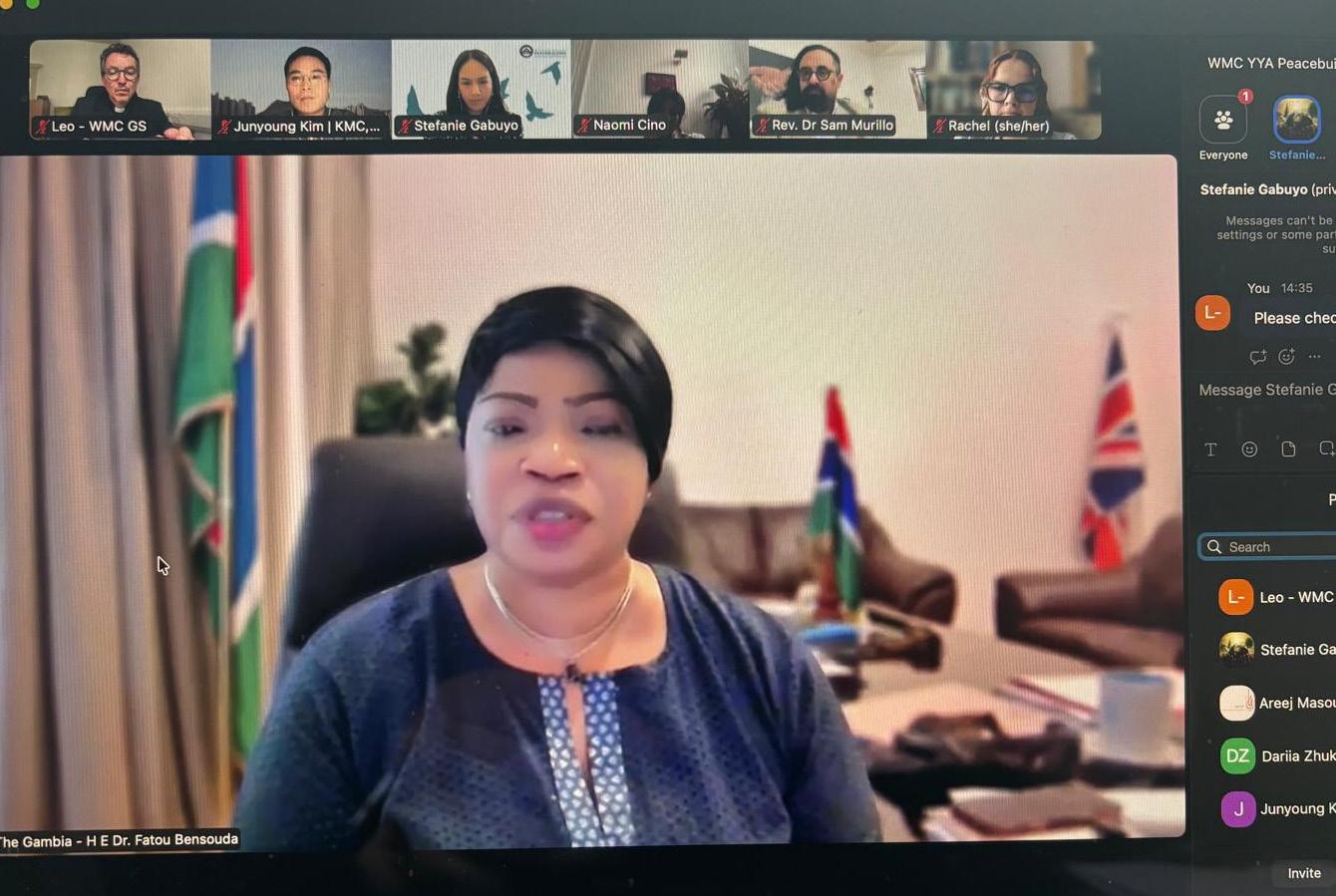
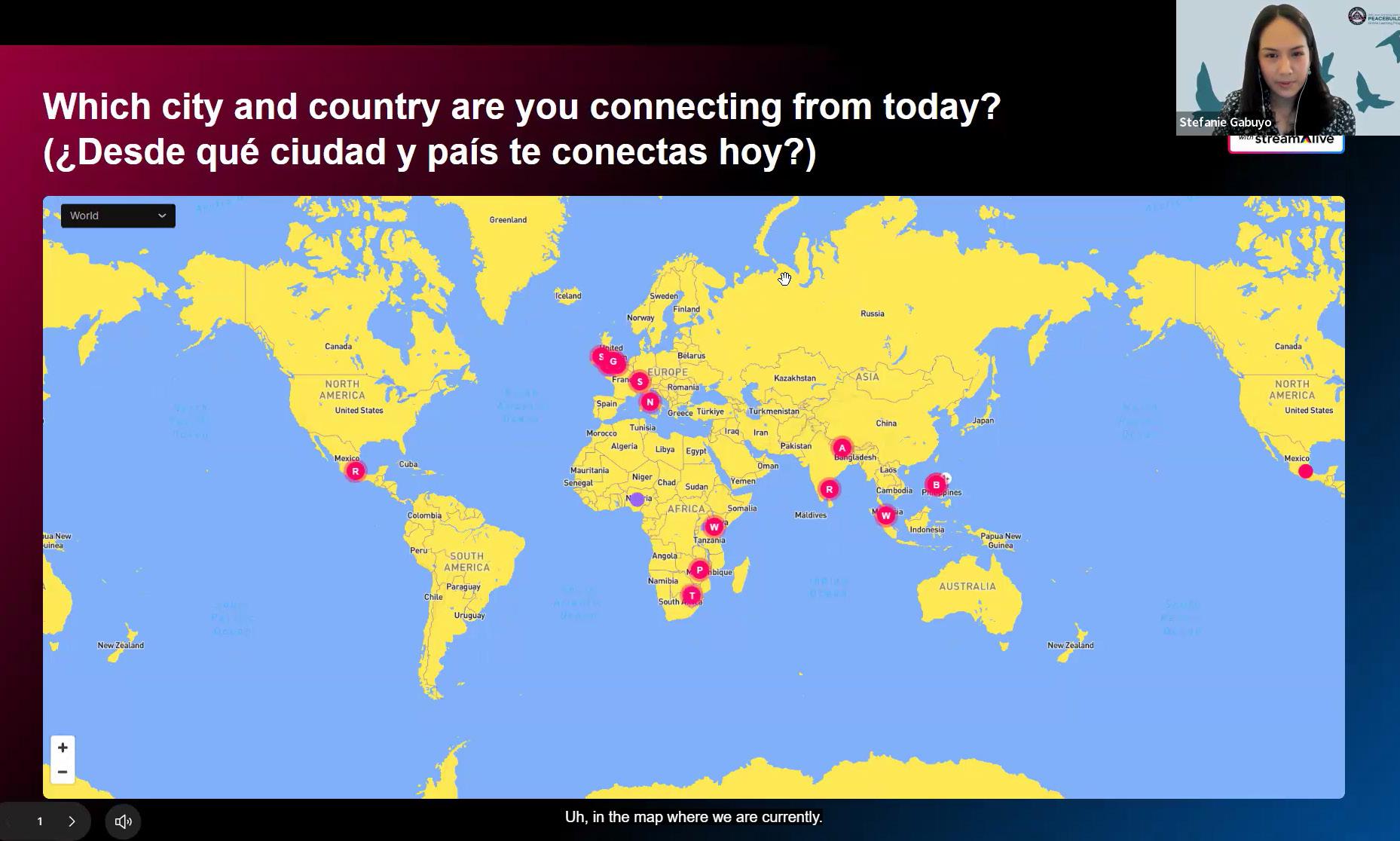
That day I was already elated because of the remote learning and sharing session that the WMC Youth and Young Adults team organised with Dr Fatou Bensouda, the WMC 2025 Peace Award Laureate, on the importance of respecting International Law for achieving peace in the world. Stefanie Gabuyo organised it in a way that we could see where participants were from and all had a chance to contribute. They came for example, from Nepal and Sudan, from South Korea and Germany. We heard two longer testimonies, one from Areej Masoud from Bethlehem in the West Bank and the other from Dariia Zhukovska from Ukraine, and a theological reflection with Sam Murillo, YYA President speaking from Mexico. This was a particularly happy moment for me who had dreamed of extending the Peace Award to include opportunities for learning and formation linked with the Laureates’ work and expertise. You can read more about this inside this FFL.
This weekend, the first in June, will be the last opportunity for delegates to express their views on the Vision, Mission for the World Methodist Council. The number of responses has been encouraging so far. But the Working Group decided to extend the deadline in order to give a last push and hear from other delegates. If you have not yet contributed by responding to the questionnaire, please note the link in the last call for responses. You will find it on page
June 2026
4 of this First Friday Letter. When we gather together in El Salvador for the Council meeting, there will be a chance to receive, discuss and work on the responses received.
Let’s continue to pray for the situations of conflict in many parts of the world. Reporting and reflection on the ecumenical visit to Cuba continues in this FFL. This was a solidarity visit to them and in opposition to the blockade imposed by the USA on the Island. The World Council of Churches organised the visit. It was reported in last month’s First Friday Letter. In the middle of great struggle, there is a theology of resistance, that refuses to submit, being forged in particular amongst theologically educated young people.
Last but not least is the current invitation to come and participate in the in-person meeting of the Council to take place in El Salvador. Please encourage your Church to send delegates to it. Methodism is made up of those whose lives are dedicated to God in the context of the church.
Those whose faith can sing: “Love, like death, has all destroyed, Rendered all distinctions void; Names, and sects, and parties fall: Thou, O Christ, art all in all.” (CW)
Rev. Dr. Reynaldo Ferreira Leão Neto (Léo) General Secretary
H.E. Dr Fatou Bensouda, the WMC 2025 Peace Award Laureate, speaking on respecting International Law for Peace in the world.
Young People, Faith, and the Pursuit of Peace
WMC Youth and Young Adults Launch Peacebuilding Online Learning Programme
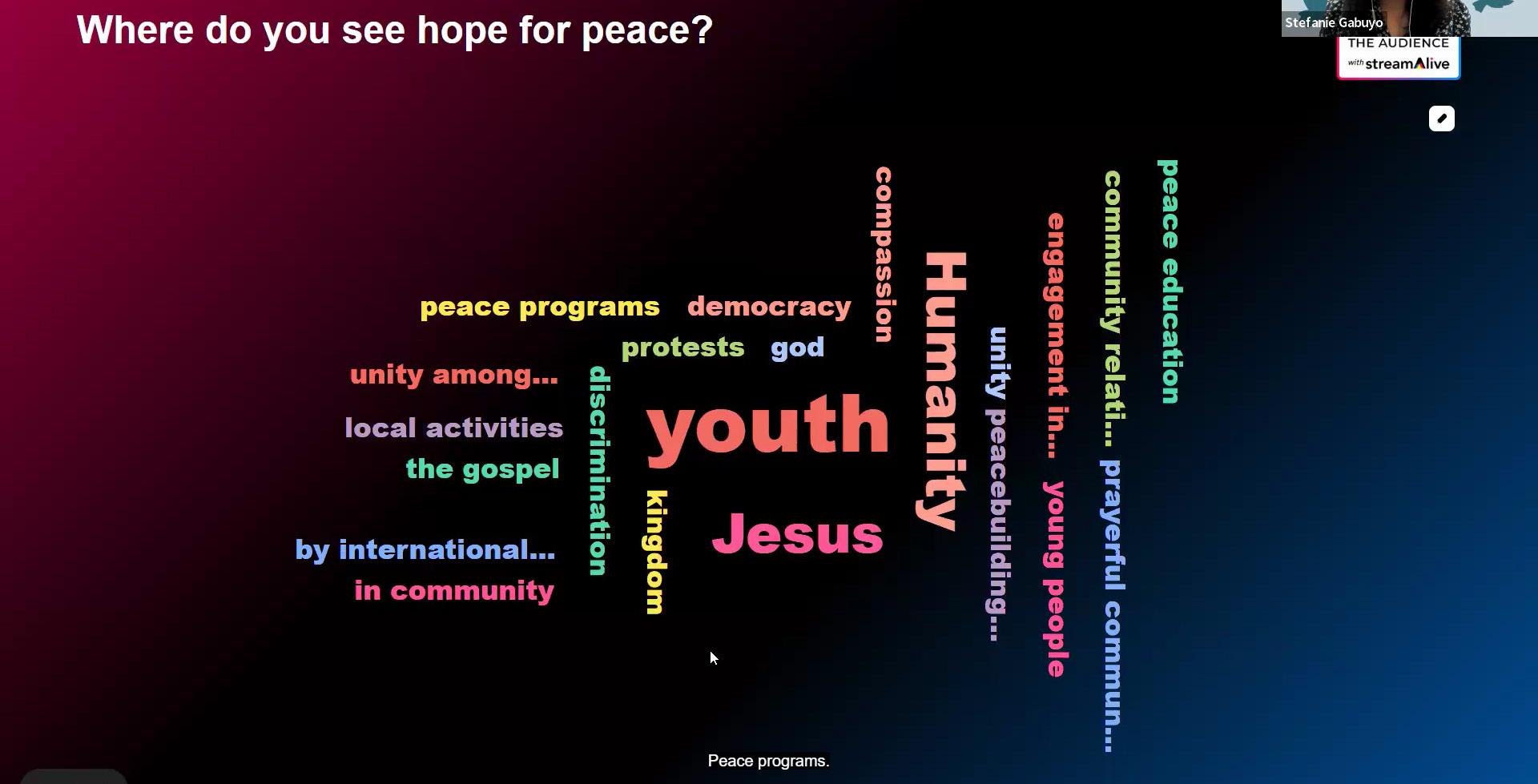
On Tuesday, 2nd June 2026, under the theme “International Law as a Foundation for Peace: Faith, Justice, and Global Responsibility,” youth and young adults from the World Methodist Council (WMC), joined by ecumenical and interfaith communities, including the Programme for Christian-Muslim Relations in Africa (PROCMURA), gathered virtually for the launch of the WMC Youth and Young Adults Peacebuilding Online Learning Programme - a new space for learning, reflection, and shared commitment to peace, justice, and reconciliation.
Bishop Debra Wallace-Padgett, President of the WMC, offered greetings and words of encouragement, setting a tone of hope and shared commitment. The launch then moved into conversation with Her Excellency Dr. Fatou Bensouda, the 2025 WMC Peace Award Laureate, former Prosecutor of the International Criminal Court (ICC), and The Gambia’s High Commissioner to the Court of St James’s, in a programme conceived, structured, coordinated, and moderated by Stefanie Gabuyo, Chair (Co-ordinator) of the WMC Youth and Young Adults Committee.
In her keynote address, Dr. Bensouda emphasised the integral role of international law in serving human purposes, urging young individuals to perceive it not merely as a remote or technical discipline but as an essential framework for protecting human dignity, restraining violence, and strengthening accountability. “Peace is often described as the absence of war,” Dr. Bensouda said, “yet those who have lived through conflict know that peace must mean more.” Peace, she reminded the young people gathered, must include dignity, protection, justice, accountability, and the assurance that human beings are not reduced to statistics or collateral damage.
This understanding of peace shaped the whole conversation. Dr. Bensouda described international law as a shield for civilians, a deterrent for perpetrators, and a promise to those who have suffered. She also acknowledged the weaknesses of the international system, including the painful reality that justice is often perceived, and sometimes experienced, as selective. Yet she warned against allowing disappointment to turn into cynicism. The answer, she suggested, is not to abandon international law, but to strengthen it through consistency, transparency, local ownership, and renewed commitment to accountability wherever grave crimes occur.
These concerns were taken further in the moderated conversation, where questions from young people touched on the credibility of international law, the relationship between justice and reconciliation, the role of young people and churches, and the courage needed to speak for peace in contexts of fear. Dr. Bensouda’s response was both realistic and deeply encouraging. “I cannot tell you to be fearless,” she said, “because to fear is human.” Courage, she reminded them, is not the absence of fear, but the decision that something else is more important than fear. She encouraged young people to seek truth, refuse hatred, build networks of solidarity, and begin where they are, allowing their commitment to dignity to take shape in everyday choices and public witness. “Everyone can teach a child that all people have dignity,” she said.
From there, the conversation moved from the framework of international law to the realities of communities living with the consequences of conflict. Areej Masoud, Founding Director of Khayari Women’s Leadership and Economic Empowerment Organization in Bethlehem, offered a powerful reflection from the Palestinian context. She spoke of daily life under occupation, of restriction and fragmentation, and of the longing for justice, dignity, and peace. Her words brought the conversation back to a simple but demanding truth: peace cannot be separated from justice, and faith cannot remain neutral when people are suffering. Areej offered one of the most memorable images of the launch: peace as a mosaic. Each person, she suggested, carries a piece — a colour, a shape, a story, a gift. Peace is created when those pieces are brought together with intention and hope. In that image, peace was not presented as something passive or sentimental, but as something carefully, courageously, and collectively made.
The same longing for peace, though voiced from another wounded landscape, was heard in the reflection of Dariia Zhukovska, who is a member at St John’s United Methodist Church in Lviv and the Executive Committee of the European Methodist Council. Speaking from the Ukrainian context, Dariia shared a reflection marked by honesty, grief, and faith. She spoke of the importance of naming war truthfully, and described daily life shaped by air raid sirens, emergency bags, children studying in shelters, families waiting for news, and communities living with uncertainty. Dariia also shared to the role of the church in Ukraine as more than a place of worship.
Continued on next page...
Young People, Faith, and the Pursuit of Peace continued...
In the midst of war, churches have become places of refuge, care, humanitarian support, pastoral accompaniment, and prayer. Her reflection deepened the conversation by reminding young people that peacebuilding is not only the work of international institutions. It is also found in the daily faithfulness of communities who continue to serve when life is fragile.
As the gathering moved towards its close, Rev. Dr. Samuel Murillo, WMC Youth and Young Adults Officer-President, offered a brief theological reflection, bringing a Mexican Methodist voice to the conversation and helping connect the themes of justice, dignity, and peace with Christian ethics. The launch concluded with closing remarks and prayer from Rev. Dr. Reynaldo Ferreira Leão Neto, General Secretary of the WMC.
The initial gathering of the Peacebuilding Online Learning Programme did not provide easy answers. Instead, it created a space for young people to listen intently, pose challenging questions, and recognise one another as companions in the pursuit of peace. What emerged was not a straightforward conclusion but a shared conviction: peacebuilding
begins when people refuse to lose their humanity, and when faith is transformed into courage, truth, compassion, and hope. It is not simply a programme theme; it resonates in the song and prayer of a community called to seek God’s healing in a troubled world.
Further sessions of the WMC Youth and Young Adults Peacebuilding Online Learning Programme will be scheduled in September/October 2026 and December 2026. Youth and Young Adults across the World Methodist Council, together with friends from the wider ecumenical and interfaith communities, are invited to stay tuned for these sessions and for many other opportunities for engagement, learning, and shared witness in the coming months.
As this journey continues, the call before us is to practise peace with courage, humility, and truth. Peacebuilding begins in how we listen, how we resist hatred, how we stand with those whose dignity is threatened, and how we allow our faith to become action.
Ms. Stefanie Gabuyo WMC YYA Committee Chair (Co-ordinator)
Listening exercise on WMC Vision, Mission & Strategy Questionnaire
The Steering Committee launched a survey on 16th April this year to listen to the voices of the worldwide membership of the Council about how we see our future. The questionnaire asks us to offer our thoughts on the vision and mission of the Council and how important we see our various areas of the work for the future.
We have received 48 responses to the Questionnaire so far and we are committed to having as many responses as we can. To that end the survey will remain open through this weekend (6th and 7th June 2026) and will close on Monday 8th June at 0900 GMT.
Please take the time to offer us your views so that the Task Group can offer back to the Council in August the fullest picture we can of how we all see the work, mission and ministry of the Council.
Complete the survey for the Vision, Mission and Strategy group using this link: WMC Vision, Strategy Working Group: Listening Exercise Questionnaire
Thank you!
Mr. Doug Godfrey-Swanney WMC European Regional Representative
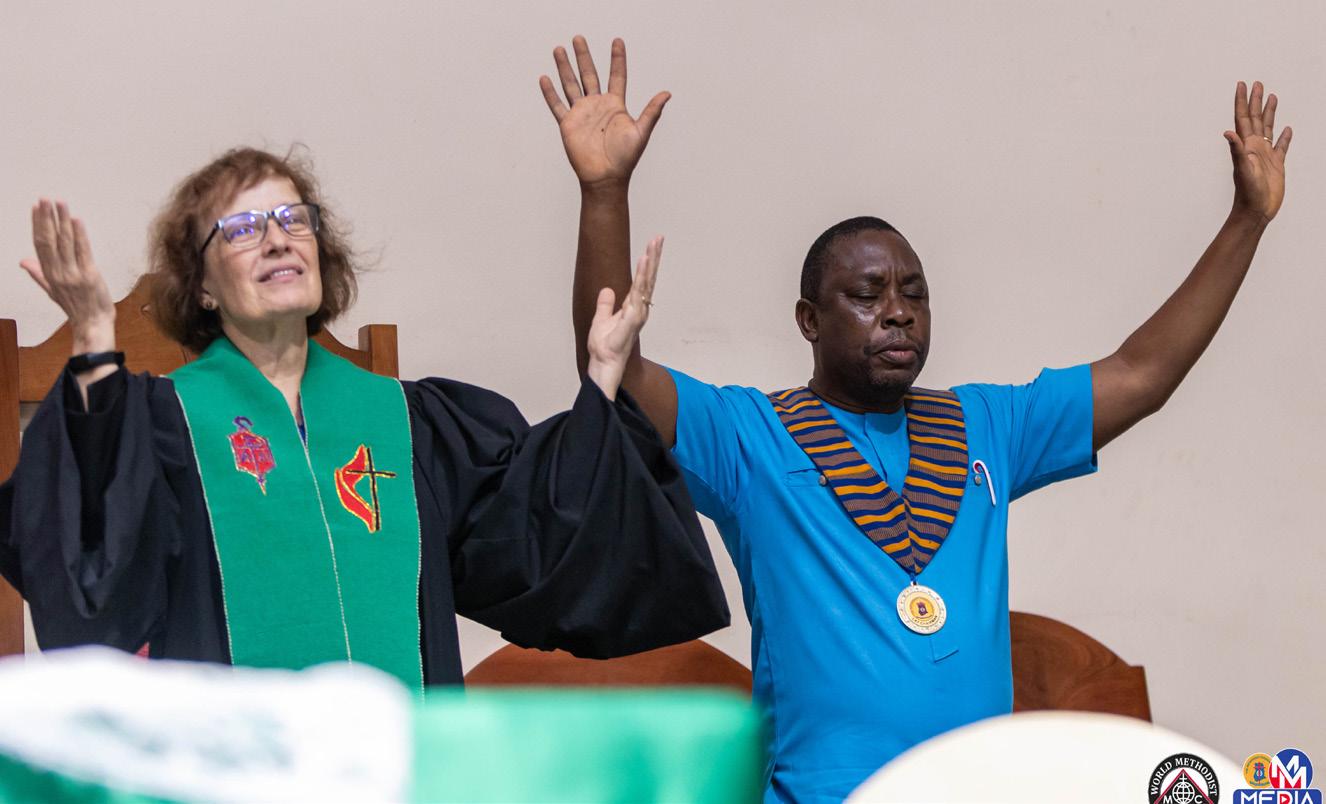
President of the World Methodist Council, Bishop Debra Wallace Padgett during an opening worship service in Ghana.
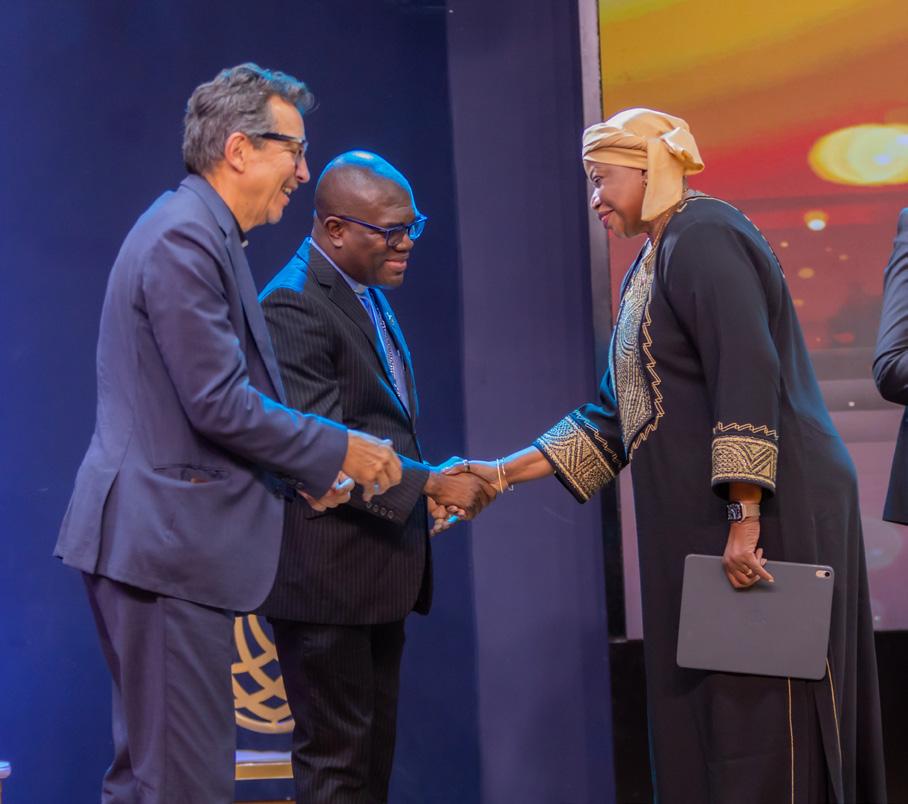
General Secretary of the World Methodist Council, Rev. Dr. Reynaldo Ferreira Leão Neto (Léo) congratulating 2025 Peace Award Recipient H.E. Dr. Fatou Bensouda.
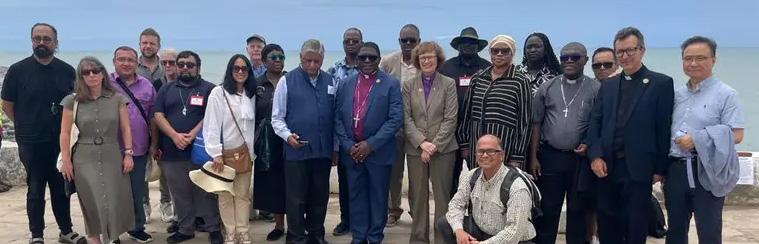
2024-2029 World Methodist Council Steering Committee pictured together during their last meeting in Accra, Ghana.
The World Methodist Council – On the Move in Latin America
The World Methodist Council celebrates strengthening regional engagement and support according to each context’s needs and priorities. The Steering Committee, in collaboration with the General Secretary, is committed to this continuous dialogue and process with national and regional bodies within our communion and in extended ecumenical and interreligious efforts towards justice, peace and reconciliation. Hence, from July 22nd to 24th, the Youth and Young Adult leadership within the WMC will lead a delegation comprised of youth and young adults to the 2nd International Congress on Human Mobility in Panama City. The congress is organised through multilateral efforts by religious, government and NGO agencies in response to current challenges of displacement, migration and mobility across the Latin American region. If you are interested in engaging, participating or supporting this relevant regional event, please find the invitation extended from the Faculty of Sciences of Religion – Universidad del Centro Educativo Latinoamericano (UCEL, Argentina):
Presentation
The Faculty of Religious Sciences of the University of the Latin American Educational Centre (UCEL), in alliance with universities, churches, faith-based organisations, and international organisations, convenes the 2nd International Congress on Human Mobility, to be held in Panama City from July 22nd to 24th, 2026.
This Congress is a continuation of the one held in Argentina in 2024, where key actors from Latin America and the Caribbean met to foster fruitful dialogue between theology and human rights from a gender perspective. During 2025, through efforts in Panama and Mexico, institutional alliances, endorsements, and participation commitments from universities, churches, NGOs and international organisations were consolidated, with these organisations expressing their support through institutional backing, the sending of representatives, and the contribution of speakers.
Human mobility – in its multiple expressions of forced migration, displacement, refuge, and irregular transit – represents one of the greatest ethical and pastoral challenges of our time. This Congress seeks to be a meeting space among faith, research, and transformative action, generating concrete and sustainable responses in hospitality and justice.
Scriptural reference: “When a foreigner resides with you in your land, do not oppress him. The foreigner who lives among you will be treated like one born among you. You will love him as yourself, because you were foreigners in the land of Egypt.” Leviticus 19:33-34
General Objective
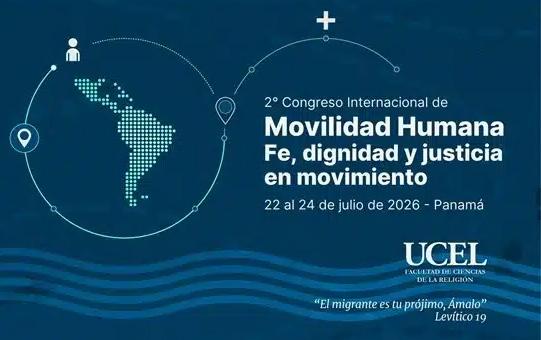
Contribute to the reflection, articulation, and joint action among actors in academic, ecclesial, social, and international cooperation, strengthening comprehensive responses that promote the dignity, rights, and inclusion of migrants from a perspective of faith, justice, and hospitality.
For further information: https://www.ucel.edu.ar/courses/2-congreso-internacional-de-movilidad-humana/?srsltid=AfmBOoq-DOZqO93QECN5-lBWndfN6S4T09J8ce975R6MPCkc6Ha4W4BM
For registration and participation: https://docs.google.com/forms/d/e/1FAIpQLSe25WZ56lbJKL4AniMKEX697kOj1OUajlmhjO9gV8auzyLz4A/viewform
Location of the event: https://maps.app.goo.gl/gHTQz9VZnLvETnjL6
It is important to note that the whole event will happen in Spanish.
Por el bien de todos, primero los pobres
The World Methodist Council celebrates the ongoing process towards an annual peace formation programme for youth and young adults across our communion of Methodist, Wesleyan, United, and Uniting Churches. In 2025, the pilot programme for a Youth and Young Adults Peace Pilgrimage (YAPP) was held in the Korean Peninsula. Participants were exposed to and confronted with the long-term democratisation process in the peninsula; the ongoing harm caused by warfare and intervention; as a formative encounter in community, it provoked our theological imagination in the present and towards the future, engaging directly in the responsibility from which we can respond as faith communities across the world in intergenerational and intercultural ways. 1 We celebrate such efforts in collaboration and mutual partnership with the General Board of Global Ministries and the Korean Methodist Church.
In 2026, the YAPP will be held in Colombia from June 27th to July 2nd , with the additional partnership with the local national church. The aim is to expose the selected 45 participants from the mentioned collaborative bodies to the challenges and difficulties of faith communities’ engagement with pacification in the context of prolonged warfare stemming from domestic and international interventions in the country and region. Ecumenical national and international agencies have contributed extensively to dialogue, promoting peace-making rooted in the realities of those who suffer the consequences of violence.
Extensively, the YAPP cohort will provide mutual witnessing in prayer and deep solidarity to our sister communities and wider Colombian society while in pilgrimage with them, in light of the current electoral process Colombia is going through, with the 2nd round of the national presidential election on Sunday, 21st of June.
But why Colombia? What is the relevance today? Current President Gustavo Petro has clearly extended the outcry of many: What do we do with our more than one million victims murdered? This was inflicted by the public policy referred to as the war against drugs (from Nixon to our time). The outcry from Colombia is the outcry of many decades of interventionist logic from the USA across the region; clearly documented internationally by the Monroe Doctrine, the Condor Military Operations, the School of the Americas (in support of dictatorships), and, lately, by the present administration, with what has been referred to as the
Donroe Doctrine. All of it is characterised by an interest in natural resources (the case in Venezuela, Cuba and Iran) and territorial expansion with geopolitical interest in control through warfare (hence, Christian Zionism and the apartheid regime supported by almost all the north-west establishment within government and institutional religion).
In recent years, centre- and social-democratic elected governments in the region have proposed different approaches to deepening understanding of peacebuilding and reconciliation, centring memory in public policy (such is the demand of Mexican mothers in search of the disappeared all the way from Mexico to Argentina). Colombia is a visible example of such efforts, given the domestic development in public policy and public institutions in managing multilateral efforts towards memory, peace, and reconciliation. 2 Towards international impact, Colombia hosted the Latin American and Caribbean Conference on Drugs: Towards Life, Peace and Development in 2023. The history of Colombia and Mexico is parallel in how violence intersects with markets and international demand for consumption of drugs. At such a conference, both presidents, Andrés Manuel López Obrador and Gustavo Petro, called for different answers than warfare. 3 Petro insisted in his speech: isn’t it in the core of the understanding of capital that the market cannot be eradicated while there is a strong demand? Then, why is the social challenge of the consumption of drugs addressed with warfare and international conferences of Defence and Security (or currently referred to as the Secretariat of War), instead of global efforts of health and wellbeing? Petro confronts us as faith communities in radical ways, as he insists and resonates with Pope Leo’s voice today: we need less technology and consumerism and wider senses of community in radical love with and for one another. He concludes that only sociological references to strong support for community- and health-oriented policies will bring about lower demand (along with less traffic in arms and capital) within today’s huge international market and consumption.
Interventionism and warfare today are the main threat to regional and global stability with justice and peace, more so when considering the Donroe Doctrine that practically refers to the Americas as a continent claimed in geopolitical control only and exclusively by the needs and colonial interests of one country.
1 See: https://umcmission.org/story/pilgrims-feel-the-pain-of-division-on-the-korean-peninsula
2 Congress and Gustavo Petro sent a letter to the recent WCC Assembly in Karlsruhe recognising the need for the accompaniment from the global ecumenical movement in support of domestic ecumenical efforts that has been providing dialogue, encounter and possible ways of mutual listening between parties.
3 See full speech here: https://www.youtube.com/watch?v=piMqGvrGIwQ&t=1275s
Continued on next page...
Por el bien de todos, primero los pobres continued...
The instrumentalisation of religion in justifying such policies within superficial and incoherent efforts, 4 together with the use of warfare machinery (despite violating international law): the intervention in Venezuela, the continuous financial and resource blockade on Cuba, the continuous bombing of dozens of fishing ships across the region (with the argument of drug smugglers, as if that could justify impunity in assassination of human beings in the middle of the sea), with extreme pressure on ideological aligned governments such as El Salvador, Ecuador, Chile, Argentina, etc. through the Shield of the Americas. 5 A recent example was the bombing of a farm on the border of Ecuador and Colombia with US warfare supplies. 6 Recently, Honduras Gate revealed millions in financial support in media and algorithmic efforts to destabilise democratically elected governments not aligned with the submissive demands of giving up territories and resources, mainly: Mexico, Colombia and Brazil.
The current electoral process goes beyond the challenges of perception or ideological freedom. On one side, as a Colombian youth has expressed from the streets after the first electoral round, the unthinkable in front of us means having 43% of the population voting for a candidate who proposes to eradicate, with immediate warfare as needed, a similar percentage of the Colombian population. This is the far-right fascist response as a necropolitical proposal of ‘living’: to eradicate all difference that does not fit with the white, patriarchal and colonial understanding of the world. The far-right presidential candidate has been clear in recent statements: if I do not win the presidency, I will return to live in the USA or Europe with my dual citizenship. On the other hand, continuity with a government that identifies with the land, the people and its memory of suffering by providing all the possible attempts from the state towards healing and reconciliation in understanding the mysteries of the healing power of forgiveness. 7 This certainly is less fashionable to the late capitalistic consumerism of the world: it is easier to kill than to abide in
long-term conversations of healing. Donroe Doctrine answers schizophrenically: Communism! Radical left! Woke culture! Kill them all! 8
Finally, we just held the first lecture of the WMC YYA Peacebuilding Online Learning Programme with our Peace Laureate, Her Excellency Dr Bensouda (former ICC prosecutor). She reminded us, resonating with Bonhoeffer, Mandela, Kim Eui-ki, 9 Mendez Arceo, Romero, Ellacuría, and many other witnesses, that neutrality is impossible and becomes cynical when it means silence in the face of the wider suffering of our crucified people. Dr. Bensouda insisted:
Reform does not come from despair. Faith reminds us that hope is not the same as optimism; optimism depends on circumstances; hope is a discipline of the spirit. Even when institutions disappoint, hope is not naïve; hope is courageous. The people gathered here are part of a conversation about the future of peace; you come from different cultural backgrounds. What does responsibility require of us now? At this moment, responsibility calls us to defend human dignity whenever it is displaced.
As Dr Bensouda has issued a concrete and prophetic call, we, the YYA leadership of the WMC, reaffirm our commitment to intergenerational efforts towards peace and reconciliation in places of conflict. This is the relevance of a continuous process of exposure and radical engagement in solidarity and diakonia for the world. In such a process and continuous formation programme, the presence of the YYAPP as a dynamic movement brings deep transformation to many within and beyond, as we remember and reaffirm the resonating gospel as public policy, all the way from Mexico to Colombia: por el bien de todos, primero los pobres.
Revd. Dr. Samuel E. Murillo Torres WMC Youth and Young Adult President
4 Such as the 2026 Report by the Task Force to Eradicate Anti-Christian Bias: “Eradicating Anti-Christian Bias within the Federal Government, see: https://www.justice.gov/opa/media/1438506/dl
5 See: https://www.federalregister.gov/documents/2026/03/12/2026-04924/commitment-to-countering-cartel-criminal-activity
6 Not surprising as warfare technology has continuously been provided by the alliance Israel-USA to regional dictatorial and military regimes. For example, the first ‘flight of the death’ in the region departed from the coasts of Mexico with Israeli airplanes. The ‘flights of the death’ was a method implemented across the region, which consisted in throwing political dissidents and prisoners alive to the sea.
7 Such as the efforts of the Judicial Special Colombian jurisdiction for Peace, see: https://www.instagram.com/ reel/DWXRS-agR5S/?igsh=cHZxYXBrdDY2OWE= , also see: https://www.instagram.com/reel/DWUsB7EgVc5/?igsh=MTVrZ2U5ZTltcXNwYw==
8 See: https://acleddata.com/report/us-donroe-doctrine-reshaping-conflicts-latin-america-and-caribbean
9 We visited his grave and learnt of his martyrdom as a methodist youth in the struggle of the democratisation of the Korean Peninsula: https://en.namu.wiki/w/%EA%B9%80%EC%9D%98%EA%B8%B0
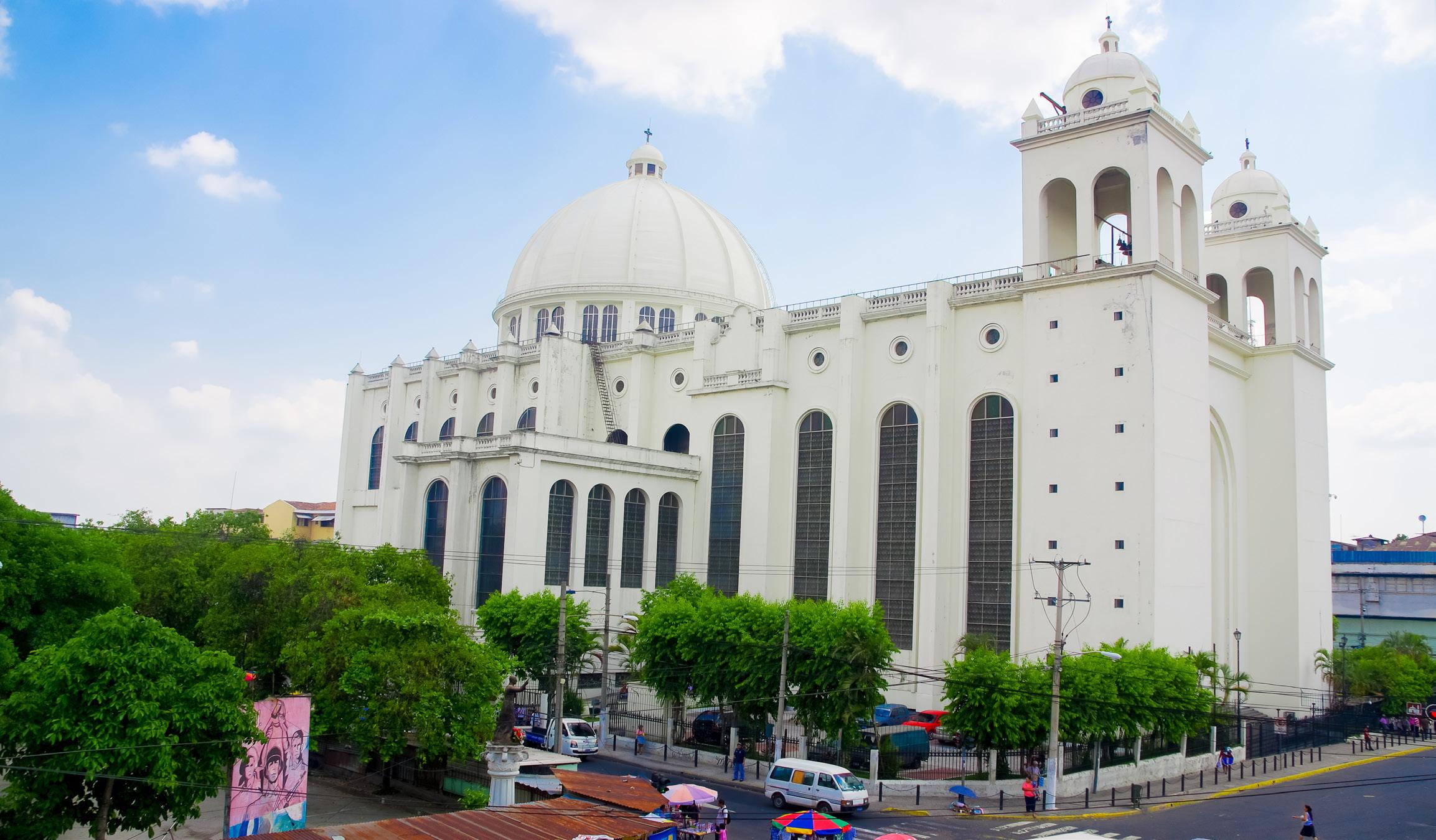
Upcoming World Methodist Council Meeting in El Salvador
The 2026 World Methodist Council Meeting will be held at the Hilton San Salvador Hotel. Meetings will start on the afternoon of 13th August, and end with lunch on 17th August. Please reach out to mbryson@worldmethodistcouncil.org for a list of additional hotel options.
You will fly into El Salvador International Airport (SAL), also known as Monseñor Óscar Arnulfo Romero International Airport, which is located about 45 kilometers (27–28 miles) from downtown San Salvador.
All travel expenses and hotel accommodations must be covered by the respective member church, delegate representative, or outside organization. The WMC will not cover these costs.
If you are planning to stay a few extra days after the meeting, El Salvador offers beautiful opportunities for local tourism. Participants may enjoy hiking in natural parks, visiting beaches along the Pacific coast, exploring volcanoes, and experiencing the rich culture and cuisine of the country. Click here to book through El Salvador Xpedition where you can find tours with information and pricing. Please contact xpeditionsv@gmail.com with any questions.
A second tour option is from Positive Tours in El Salvador, click here to find out more about pricing and the extraordinary places you can explore. If you have any questions regarding these tours please contact info@elsalvadorpositivetours.com.
Registration cost will remain $100, please register by August 1st! https://www.surveymonkey.com/r/NNXN3YW
Geneva Secretary Job Opportunity
The World Methodist Council is seeking a Geneva Secretary for the term of August 2026 - August 2029. This is not a salaried position. Expenses relating to performing the duties of the Geneva Secretary will be covered. Expression of interest accompanied by a CV and the contact details for a referee should be sent to communications email at communications@worldmethodistcouncil.org.
For further information contact the chair of personnel committee Rev. Dr. Jonathan Hustler at hustlerj@methodistchurch.org.uk or the WMC General Secretary at leo@worldmethodistcouncil. org.
Applications should be in by the end of June to be considered at the upcoming World Methodist Council Meeting in August 2026.
Aims:
- To develop and maintain important relationships between the WMC, the WCC, the Lutheran World Federation (currently based in Geneva) and the World Communion of Reformed Churches (currently based in Hannover, Germany)
- To intensify the connection within the World Methodist Council by fostering unity amongst the member churches and by exploring new ways how the “ecumenical spirit” expresses itself in bringing Christians together “though that the world may believe”.
- To strengthen the witness of the WMC and its member churches through intensified cooperation with ecumenical partners in the current changes in the world and in the religious landscape.
Tasks:
- To assist the General Secretary in his work to connect the WMC with its member churches and with the ecumenical partners, namely the World Council of Churches, the Global Christian Forum, the Lutheran World Federation and the and the World Communion of Reformed Churches.
- To interpret the work of the WMC to the WCC and related ecumenical bodies and vice versa to interpret the work of the WCC and others to the members and member churches of the WMC.
- To intensify the cooperation with the WCC
through regular contacts to the General Secretary, the staff and particularly to Methodists serving as staff as well as to Methodist members in the Central Committee and the Executive Committee of the WCC.
- To report regularly to the WMC and its member churches on developments in the fields of “faith and order” and “life and work” as well as in the Pilgrimage of Justice, Reconciliation and Unity.
- To cooperate with the chairs of the Committees of the WMC, particularly with the Committees on Ecumenical Relationships, Interreligious Relationships and Social and International Affairs.
- To connect regularly with the Rome Office and Methodist Liaison Office in Jerusalem.
Scope:
- The work is currently described as to a quarter of a fulltime position
- Regular presence in Geneva about 4-6 times a year 3-4 days, if possible when meetings of teams etc. take place.
- Attendance at the meetings of the WCC Central Committee and other meetings upon consultation with the General Secretary
- Attendance of meetings of the WMC and regional Methodist Councils and assisting the General Secretary in preparation for the meetings.
- Regular communication with the WMC General Secretary, Officers and Standing Committee Chairs.
Obituary for Jione Havea
‘First, a prayer: May the ancestors receive the parents and grandparents, sisters and brothers, orphans and widows, lovers and strangers, homeless and neighbours, who passed on… They no longer breathe, but each one of them was named—may their names be said and remembered in the hearts, lives and actions of survivors and grievers. And may we who can still breathe say and do something…may we who can still breathe do more than simply say “amen”’
Jione Havea. ‘New but Old: Go and Do Likewise’. In Doing Theology in the New Normal: Global Perspectives, p.1.
Jione Havea
22 July 1965 – 29 April 2026
The world’s oceans were his Parish
Jione, with a “J” was born Sione with an “S”. However, as his brother, T’évita Havea (the President of the Free Wesleyan Church of Tonga) explained, he wanted to follow in the heritage of his grandfather, who was also a Jione with a “J”. Jione always wanted to be known by this name rather than by his many titles: he was a Rev Professor Dr who taught extensively globally, was based primarily at Charles Sturt University (United Theological College, Sydney) and Trinity College (Auckland).
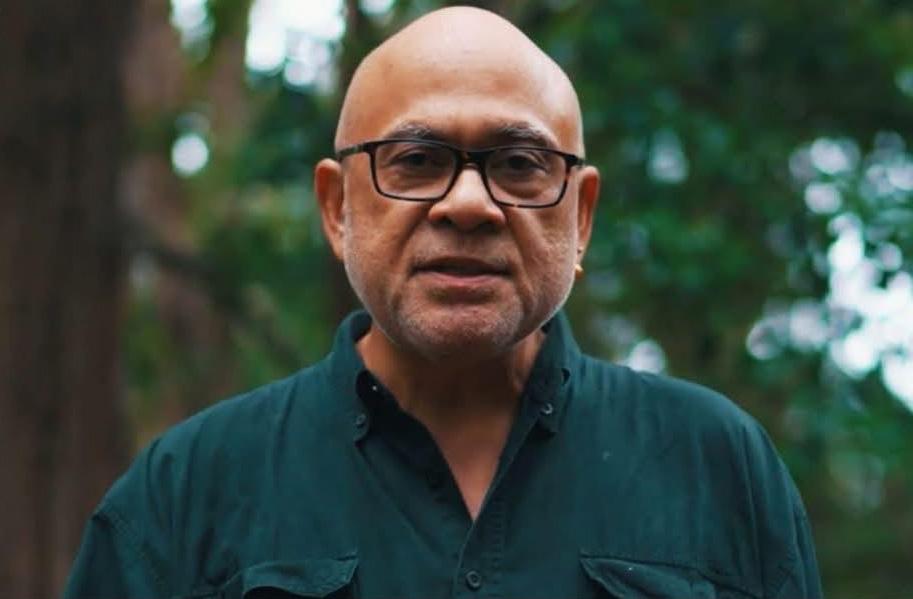
He was one of the founding luminaries of the Council for World Mission’s Discipleship and Radical Engagement programmes (Conferences and numerous publication) and initiator of the Pacifica Talanoa Gatherings. Leading the way in developing biblically grounded contextual post-colonial theology. He led Bible Studies for the World Council of Churches, the World Communion of Reformed Churches and the Society for Biblical Literature. He was often introduced as the Prophet from the Pacific. A Minister of the Wesleyan Church of Tonga, seconded to the Uniting Church in Australia, with students around the world, he was one of the best-known and loved Methodist biblical scholars of our times.
Jione enjoyed people. He liked to sit at tables of young people, affirming their contributions and encouraging them to expand their thinking. He liked to explore the etymology of words in different languages with old men and incorporate the learnings in the recontextualization of the scriptures in the next day’s studies. He was unapologetically provocative and challenging. Whenever someone came out with a good idea, he would say, “so what are you going to do about it?”
Throughout his life in ministry, Jione retained his connexion with the Church in Tonga, while embodying humble service in the rest of the world. He wagged faculty meetings to spend time in prison small groups. He preferred coffee shops to classrooms and stories to abstractions. He edited generously and wrote profoundly.
His mastery of language makes his monographs a delight to read, but he spent just as much time and energy in the often frustrating work of editing and nurturing emerging voices. Many of today’s Pasifika scholars were first published as a result of his shepherding.
Jione was sometimes described as a dissident Methodist, especially by other dissident Methodists! He happily gathered thoughtful troublemakers together, pushing people to live out their articulated values. In a tribute by SCM authors, it is clear people felt better for being with him. He was a truth teller and hope bearer. He encouraged us to be better.
The World Methodist Council extends our deep condolences to his widow, Rev Dr Monica Melanchthon, and their beloved polycultural daughter, Diya Lakai.
Written by: Rev. Dr.
Amelia Koh-Butler
African Methodist Council Heads of Conferences Summit Statement
AFRICA METHODIST COUNCIL HEADS OF CONFERENCES SUMMIT STATEMENT ISSUED ON MAY 16, 2026 AFTER THE HEADS OF CONFERENCES SUMMIT HELD FROM 13-17 MAY 2026 IN LOME TOGO.
The Africa Methodist Council (AMC). a Pan-African association of Methodists, Wesleyan, and related Uniting and United Churches, which confess the Lord Jesus Christ as God and Saviour, met for the Heads of Conferences Summit in Lome, Togo from the 13 - 17 May 2026 under the theme: “Called to Transform the Sociopolitical and Economic Landscape of Africa’’.
This statement crafted by the 55 delegates from 13 African countries and partner organisations emanated from the summit deliberations.
We give thanks to Almighty God for His grace, guidance and sustaining presence throughout our deliberations. We express deep appreciation to the Methodist Church of Togo, the Government and people of Togo, and all partners who contributed to the success of this historic gathering.
The summit deliberations centered on youth unemployment, migration issues, and the underutilization of technology for mission and service, which pose significant challenges to Africa’s socioeconomic development. We also recognize the growing realities of poverty, corruption, armed conflict, unconstitutional changes of government, insecurity, religious extremism, environmental degradation, gender injustice, moral decline and the widening gap between the rich and the poor.
The Summit therefore declares that the Church in Africa cannot remain silent while the dignity of God’s people is threated. The Gospel of Jesus Christ calls the Church not only to preach salvation but also to stand prophetically for justice, peace, truth and holistic human dignity.
The deliberations celebrated the impact of Methodism in Africa in areas of healthcare, education, infrastructure, spiritual and ecclesiastical development. As leaders we therefore agreed to the following:
Call to Action:
1. We commit to becoming a prophetic voice against injustice, inequality, corruption, violence, exploitation, moral decay and nurturing principled leaders who will transform society.
2. We commit ourselves to shaping values-driven young people through service initiatives, mentorship, entrepreneurship clubs, leadership camps, digital learning platforms, and peer accountability
systems that nurture integrity, discipline and purpose.
3. We commit ourselves to move from analogue ministry to digital mission, embracing technology and innovation as tools for evangelism, advocacy, education. discipleship and transformative impact in an increasingly connected world.
4. We commit to gender inclusivity and the promotion of women’s leadership in Africa.
5. We commit to moving from dependence to sustainability by promoting entrepreneurship, financial literacy, job creation, and economic inclusion that restore dignity and empower communities.
6. We commit to protect creation through eco-justice, environmental stewardship and sustainability as our collective responsibility to future generations.
7. We commit to exploring ways to deepen our bond of fellowship by embracing unity, diversity, and inclusion.
In conclusion, we reaffirm that the Church’s mission is both spiritual and social and that the transforming power of the Gospel must touch every dimension of human life. The Church must, therefore, rise with courage, wisdom and prophetic conviction to help shape a continent that is characterized by justice, peace, integrity and shared prosperity.
Signed
Revd. Dr. Martin Mujinga, General Secretary of the Africa Methodist Council
Most Revd. Dr. Paul K. Boafo, President of the Africa Methodist Council
WesleyMen 25th Anniversary Souvenir Program
Dear Sisters & Brothers in Christ,
Warm greetings in the Name of our Risen Savior!
The World Fellowship of Methodist & Uniting Church Men or WesleyMen will be celebrating its 25th Anniversary during the 2026 World Methodist Council Meeting (August 13-17, 2026) in El Salvador.
WesleyMen is the global connecting point of men’s ministry for Wesleyan, Methodist, and Uniting denominations. An affiliate organization of the World Methodist Council, our mission is to lead men in Christian fellowship with a foundation rooted in the actions and words of Jesus Christ.
The WesleyMen intend to document this memorable historic gathering and grow our vital mission and priorities with an Anniversary Souvenir Program. It will serve as a collective narrative of the WesleyMen and also a venue for acknowledging individuals, churches and organizations who are with us in our journey of faith and generously share their prayers, presence, gifts, service and witness.
We, therefore, would like to request you to please be one of our advertisers or sponsors. Let your generosity flow from faith, grace, peace, joy, hope and love.
$100 – WesleyMen Faith (Inside Quarter Page)
$500 – WesleyMen Grace (Inside Half Page)
$1,000 – WesleyMen Peace (Inside Full Page)
$2,500 – WesleyMen Joy (Inside Front Page)
$5,000 – WesleyMen Hope (Inside Back Page)
$10,000* – WesleyMen Love (Outside Back Page)
*A gift of $10,000 or more allows an individual or organization to name a fund in their honor or in memory of a loved one.
Please send payment with major credit card by going to the link: https://wesleymen.org/. You may also mail a check to: WesleyMen, Inc. 3701 Hillsboro Pike, Nashville, TN 37215.
We are deeply grateful for your partnership as we seek your prayers and support for the success of the WesleyMen 25th Anniversary Celebration.
With gratitude,
Reverend Edgar De Jesus – World President, WesleyMen
Very Reverend Dr. William Allotey-Pappoe – World Secretary, WesleyMen
Andy Morris – Treasurer, WesleyMen
New ‘Feast of Creation in Christ’ is adopted by Common Lectionary
The Consultation on Common Texts (CCT) has officially adopted the festival of ‘Creation in Christ’, also known as ‘Feast of Creation’, by adding it to the Revised Common Lectionary (RCL) for a three- year period of trial use. As the lectionary shaping the liturgical calendar of many Protestant churches, this is a historic breakthrough in Christian ecumenism given its inspiration in the Eastern tradition.
This observance, which will begin to be celebrated in September 2026, is the fruit of a theological process with the participation of various Christian global bodies in recent years. The announcement marks the first addition of a new feast to the common lectionary since its release in 1983, when two new observances were adopted — the festivals of the Baptism of the Lord and Christ the King, also known as Reign of Christ — inspired by Roman Catholic practice.
This new festival of ‘Creation in Christ’ is inspired by another tradition: that of the Eastern Orthodox church, for whom September 1st is a liturgical feast since the 8th century. Given its ancient symbolism as the day marking God’s creation of the world, the Eastern Orthodox invited “the entire Christian world” in 1989 to celebrate this observance together in view of the ecological crisis. Since then, various churches have observed ‘Creation Day’ as it is also known, with many churches also adopting the Season of Creation from the first Sunday of September through to the Feast of St Francis of Assisi.
The festival’s title, grounded in the expression “Creation in Christ”, signals that Christ’s role in the act of creation is the starting point for this celebration in line with the Christological nature of liturgical calendars of Christian traditions. This central Christian doctrine is iconically expressed by the opening lines of the Gospel of John: “In the beginning was the Word... All things came into being through him.” The new festival translates the foundational place of this tenet into adequate expression in the liturgical year, reverting its prior absence and enriching the calendar’s Christological span.
This announcement is the fruit of several years of ecumenical collaboration and academic conferences in Assisi with liturgical scholars, theologians from other disciplines, and church leaders exploring the potential of this ancient feast and seeking to restore the centrality of creation theology in the Christian tradition. The process was anchored in and inspired by the recent commemorations of the 1700th anniversary of the Council of Nicaea.
Observed annually on the first Sunday of September, celebrations of the festival of Creation in Christ will be aided by the RCL lectionary readings and various materials published at the website www. FeastOfCreation.com
The World Methodist Council has been represented in the ecumenical process for the development of this new Feast.
Written by: Rev. Tony Franklin-Ross
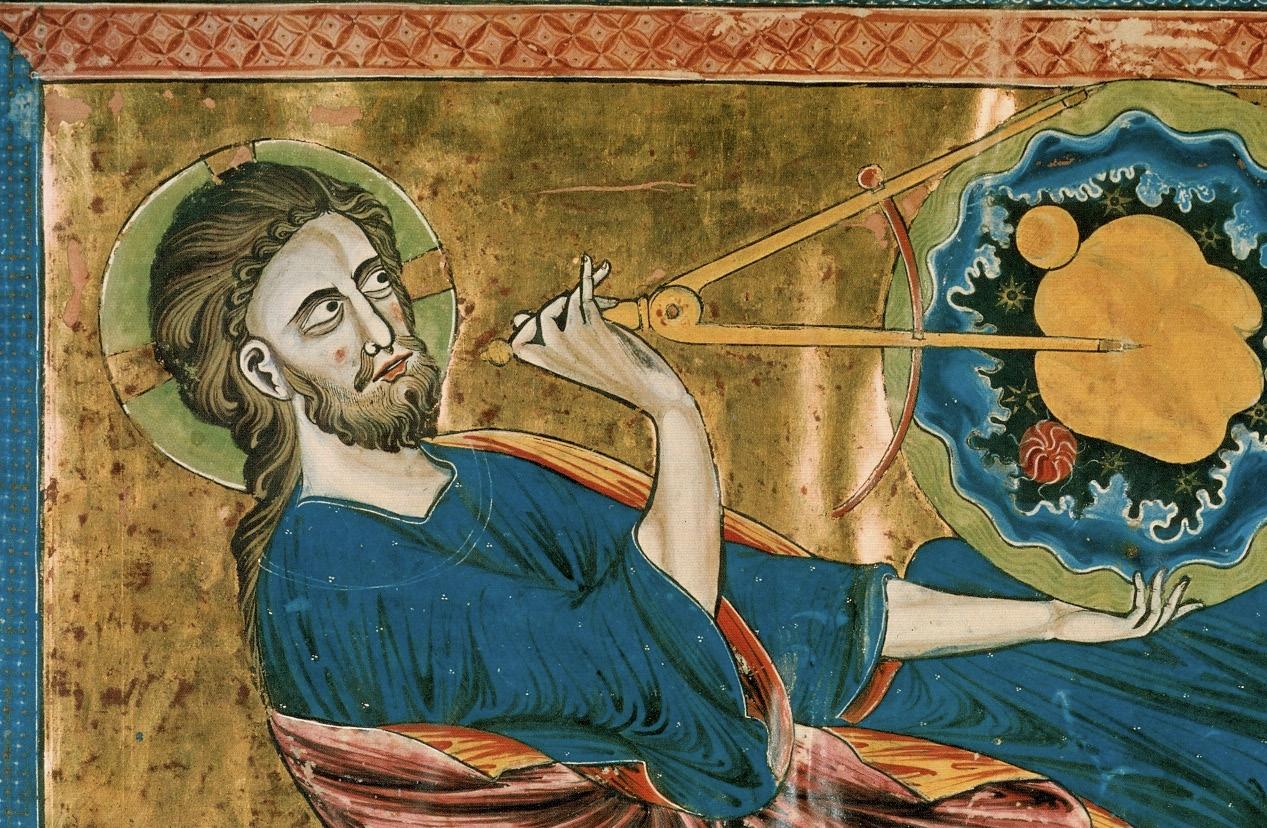
Creation of the world in 13th-century Bible Moralisée (Codex Vindobonensis 2554).
Credit: Wikimedia, Österreichische Nationalbibliothek.
Long Read: From the Diary of the General Secretary
In solidarity with Cuba
An ecumenical visit for an end of the USA blockade and embargo on Cuba
I was part of an ecumenical visit of solidarity to Cuba as mentioned in the April First Friday Letter in this column, now with a longer look. We celebrated Palm Sunday in Havana. Professor Jerry Pillay, the General Secretary of the World Council of Churches and I arrived almost at the same time at the Havana International Airport, José Marti. This was a day later than other colleagues, the General Secretaries of the World Communion of Reformed Churches and the Anglican Communion, the Presbyterian Church of the USA and the United Church of Canada. At the top of the ramp that exits the airplane there were two figures waiting for me. We recognised each other without the need of any written signs. I was warmly welcomed. They represented the Government of Cuba and the Communist Party of Cuba. They were two women, one of whom I learned had played an important part in helping Cuba to change from an atheist Government to a secular society where freedom of religion and belief are part of the Constitution and encouraged by two departments, one of the Government and the other of the Party itself.
They took me to a VIP room, asked for my passport and luggage ticket. Both retrieved but not before we had been served coffee and cake and plenty of time for a first chat whiles waiting for Jerry Pillay. The conversation flowed easily. They wanted to know why it was my first time in Cuba? We have so many Brazilian people involved in the solidarity movement, not least, Frei Beto, who had interviewed Fidel Castro and published the famous book: Fidel and Religion. Nevertheless, they were so glad that I was there representing the World Methodist Council. They felt encouraged. They reported that the situation in the country was dire because of the USA blockade against Cuba. Others joined us and in the feverish and joyful conversation a very familiar atmosphere developed. Or maybe it was just my feeling of belonging to a Latin American family.
The initial economic blockade of Cuba started in October 1960 under the Eisenhower administration following Cuba’s nationalisation of North American-owned properties, and it was expanded into a full, near-total embargo by President John F. Kennedy in February 1962. The already difficult situation was made worse by the targeted energy blockade - which has crippled the Island’s electrical grid - which deepened severely at the end of January 2026. The naval blockade imposed by the Trump administration came also with verbal threats of military attacks and regime change.
The ecumenical solidarity visit was not an ideological anachronistic throwback to the Cold War period. Rather it was a pastoral response to the aggressive posturing of their neighbour to the North. While energy infrastructure was broadly affected by decades of sanctions, now an aggressive, explicit energy and fuel blockade deployed by the USA is a collective punishment of the Cuban people leaving them in a difficult situation. For example, the maternity hospital that attends to difficult births reported that the rate of survival for mothers and children declined from over 80% to around 60%.
Latin American solidarity has been more than just a feeling of belonging. Mexico rushed to help. But the USA government launched an intensive campaign targeting Cuba’s oil supply. This included intercepting Caribbean shipping vessels, cutting off Mexico as well as Venezuelan crude oil, and threatening heavy secondary tariffs on countries like Mexico if they continued supplying fuel to Havana. There was though a sigh of relief while we were in Cuba, as a Russian tanker with crude oil docked. Cuba produces some petrol itself, and has increased production, but it is not quite enough for its needs. It has also made a monumental effort to import solar voltaic cells panels. Early in May the USA enacted strict secondary sanctions to fully block global oil transactions with Cuba. This specific targeting of fuel has caused Cuba’s national electrical grid to repeatedly collapse, leaving major parts of the country facing blackouts for hours or days. This of course includes lack of secure internet connection.
All of this came out in the initial conversations. Later in the visit, we would hear this being articulated by many people wherever we went. When Jerry Pillay arrived although the language changed to English still the immediate sense of belonging continued the same. They all knew each other as Jerry had been there a year ago. This time the visit was more on tenterhooks, as it followed the abduction of the Venezuelan President, Nicolas Maduro and his wife on the 3rd of January 2026, and the Israeli/USA bombardment of Iran that started on the 28th of February. The event in Caracas had cost the lives of 32 Cuban soldiers who were killed during the USA raid. In contrast to initial reports by the international media, there were also 23 Venezuelan soldiers killed in the intense battle with the USA troops. Given this, the Cubans were preparing for the worst and understandably very worried and afraid.
Continued on next page...
Long Read: From the Diary of the General Secretary continued...
The son of one of the two women welcoming us, is 19 years old and is doing his military service asa conscript. I asked how she felt about the situation. She was worried but confident that Cuba has a strategy for resisting invasion and any attempt at occupation. For many years preparedness has gone down to the level of the Districts and local communities. She said she trusts their plans for resisting North American attacks. But is worried that the energy and economic strangulation of the country is also dividing the population: “some Cubans have turned their backs on the Island and are looking elsewhere for solutions.”
We showed solidarity wherever we went. We gave a national press audience offering our sincere sympathy, prayers, understanding and support for the Cuban people. The trip produced a Would Council of Churches Statement on the situation condemning the blockade, this was co-signed by ecumenical partners in the trip.
We left Cuba after only 5 days. A sense of unfinished business remains with me. Not least because I only managed to be with one of the member-churches of the WMC in Cuba, the Nazarenes. I would like to be back to visit the Methodist Church of Cuba. It boasts an impressive history and presence in the country.
It is the only Protestant denomination present in every municipality. It was instrumental and at the centre of the ecumenical movement in Cuba decades ago. It has now removed itself from the Na-
tional Council of Churches of Cuba. Nonetheless I heard how dear the Methodist people are to the people I engaged with. Fidel spoke at the Methodist Church in Havana when Jesse Jackson was there. The Government donated land in the centre of Cuba for the Methodist Church to build a retreat centre. It has done so.
The visit was hosted by the Council of Churches of Cuba. We visited churches, community initiatives, governmental departments and even the palace to meet the President of the country. I found the people we met very impressive in their ability to describe and analyse the situation they find themselves in; be it people in the Hostel where we stayed, in the communities, churches and of course also the officials from the Government. We travelled in the Council of Churches’s retro-mini bus fortunately there was enough petrol for that. Although we had some energy blackouts during the short visit.
The reception for the ecumenical guests was at the Grand Hotel of Havana. This is an imponent venue, frozen in time, where the powerful, rich and gangsters used to frequent Havana’s most famous casino; that was before the Revolution of 1959. Many photos of famous celebrities of the 1950’s still decorate the walls of the bar. Representatives of the churches in Cuba mingled with ecumenical people even when language was a barrier, someone around would always offer to help with translation.
Continued on next page...
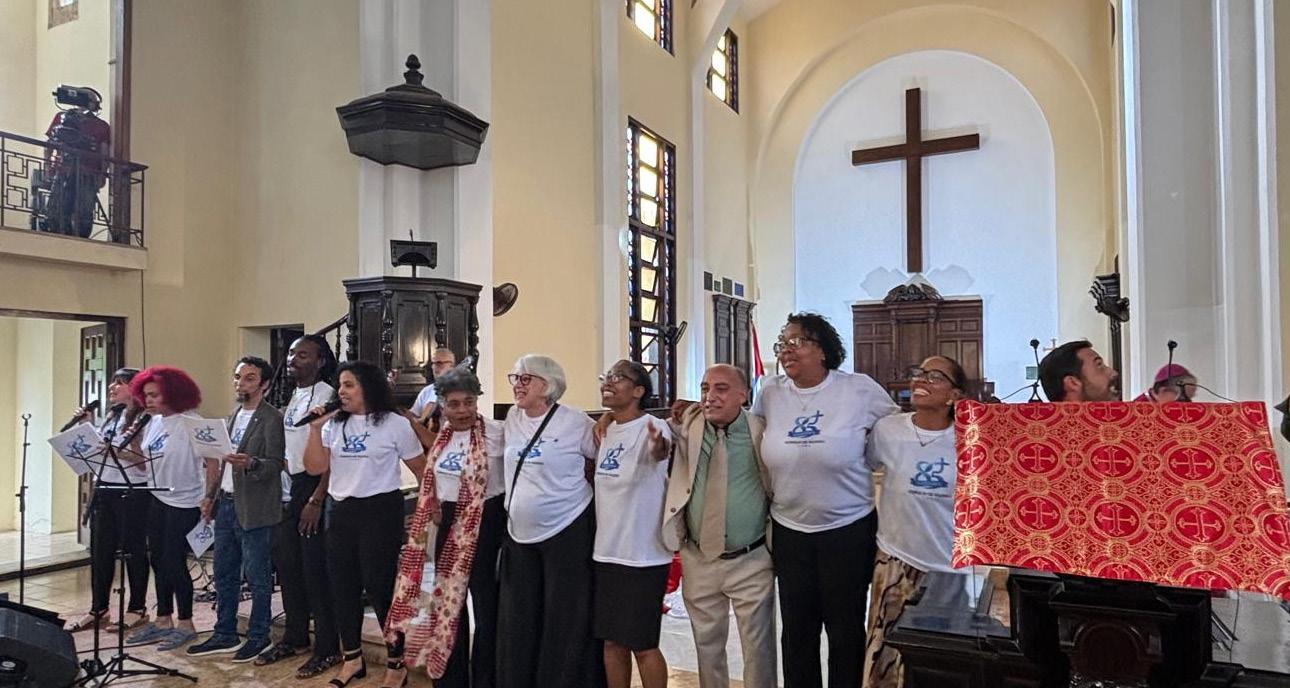
Service in Havana closing the WCC led ecumenical visit. In the front is the team from the Cuban Council of Churches that led the service.
Long Read: From the Diary of the General Secretary continued...
I had the privilege to listen to many of them. I was touched by the testimony of the Minister of the Nazarene Church in Havana, Rev Alain. I heard about his ministry with the Nazarene Church. I also heard about his work with the Bible Society of Cuba. How they ran a campaign to distribute one million bibles to the population in 2024/25. Since 1983, the Cuban Bible Commission has operated on the Island. In 2023 the United Bible Society was established. The campaign which distributed the Bibles to churches and the population at large throughout Cuba seems to me a testimony to the changes brought by the secular Cuba to freedom of religion and belief.
The head of the department for Religion in the Communist Party, Caridad, explained to me that after the fall of the Berlin Wall, Fidel Castro led a re-evaluation of the premises of the Revolution regarding Freedom of Religion. This process brought changes to the Cuban Constitution in 1992 when Cuba became a secular Government rather than an atheist one. Over time other changes also furthered this journey. Churches have grown a great deal in response to these changes.
Later on in the visit we went to the Martin Luther King Jr Centre for Popular Education. I was surprised to be in a big circle with around 40 people who introduced themselves as Popular Educators, Theologians and Activists. They tended to qualify their credentials by linking Popular Education to Paulo Freire’s methodology of conscientisation. That is a methodology for teaching reading that the Brazilian educator developed in the Northeast of Brasil. The method helped adult people, once illiterate, learn to read not only words and phrases but their reality. In this way they learned to read very quickly. Starting with words of great significance for them: land, bricks, house, seeds, etc. I asked if that was necessary in Cuba where one assumed people even the campesinos were already able to read and conscientised regarding their social and economic reality. The young project workers smiled at my naivety.
They also qualified their introduction by saying which kind of theologian they were. A feminist theologian; a queer one. I asked how they managed to make a living in that area of work. Simply because there is support from churches abroad although they sounded fiercely independent. The Centre has been operating for 40 years. The former Director was in the meeting. Later when I had a chance, I asked the present Director, a woman, if the presence of the previous one bothered her. She said that she knows how to deal with him. I understood that she is not a woman who would easily be swayed.
We met later in the visit, the Diplomat responsible for the bilateral negotiations under way with
the USA. These are high-level contacts leading to intense, direct talks that brought to Havana the Director of the CIA in May. He explained that Cuba is willing to talk, that Cuba is prepared to negotiate on any area of commerce or strategic issues. But drew a clear and firm red-line on giving up on its sovereignty. That was at the Ministry of Foreign Affairs. The diplomat had been a lecturer in South Africa. He was speaking in English as confidently as a Professor would, proud of the diplomatic achievements of Cuba from the war with the Apartheid regime of South Africa to the doctors programme in Central and Latin America.
We met the President of the Country, Miguel Diaz-Canel, who personally thanked us for the visit, explained how difficult the blockade has been for Cuba, that Cuban people are generous and welcoming and that they have no interest in entering into a war or conflict with the USA. He also reaffirmed that Cuba is not willing to accept the USA’s demand for regime change in exchange for an end to the blockade. He was accompanied by senior Ministers of State. We had already met some other ministers of State when we met the Vice-President at the Anglican Bishop’s episcopal house. They all showed great appreciation for the role of the churches in Cuba and their gratitude for the solidarity visit.
I met a people who smile, who are positive against a gloomy situation, who are generous and willing to share with us their low supplies. My plane was heading to Mexico City, but due to a shortage of fuel had to stop in the first airport on the continent, Cancun. It went off the tarmac onto a bumpy stretch to refuel. I made it to my connexion, and was the last to enter the airplane heading to Madrid. From where there are direct flights to Havana. Well, there were in March 2026. Now I am not so sure.
Reynaldo Ferreira Leão Neto (Léo) General Secretary World Methodist Council
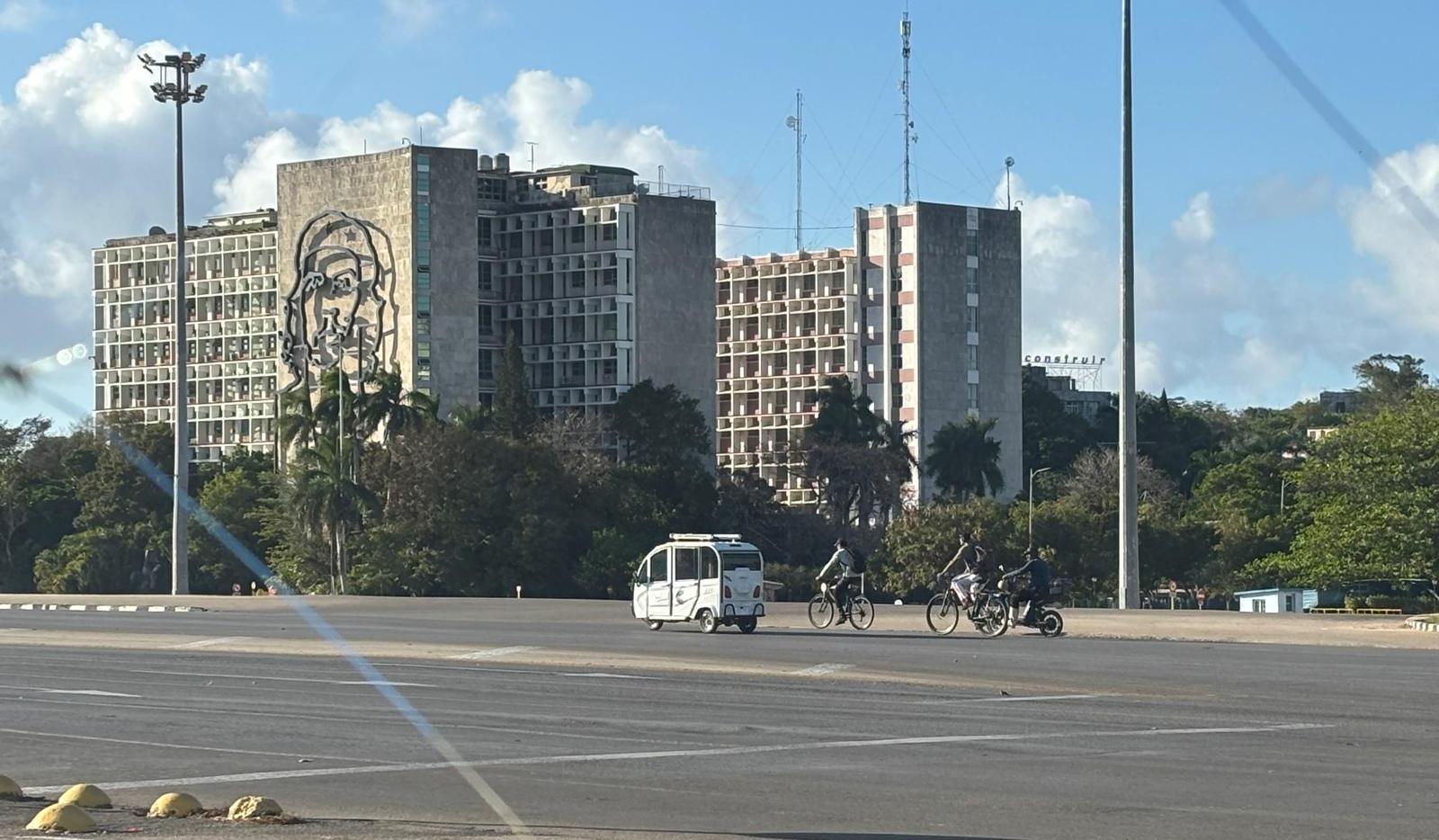
Pictured is an empty avenue in Havana as a result of the blockade on oil tankers destined to reach the island
Please send press releases, articles and resources! Submissions should be a page around 500 words, edited and ready to publish. Contact us by Monday, 22 June at mbryson@worldmethodistcouncil.org if you would like your story to be included in the July edition of the First Friday Letter.
On the Web
This and past First Friday Letters can be found online at FirstFridayLetter.worldmethodistcouncil.org.
The World Methodist Council’s website may be found at worldmethodistcouncil.org.
To subscribe to this newsletter, please email communications@worldmethodistcouncil.org
About the First Friday Letter
The First Friday Newsletter is a monthly publication of the World Methodist Council.
Publisher: Rev. Dr. Reynaldo F. Leão Neto, General Secretary Layout Design, Art, and Graphics: Mrs. Michaela Bryson, Staff
All stories and photos, unless otherwise stated, are protected by their respective copyrights. Please do not copy without expressed written permission from the Council.
@worldmethodistcouncil
Methodist Council
Photo from the Peacebuilding Online Learning Programme