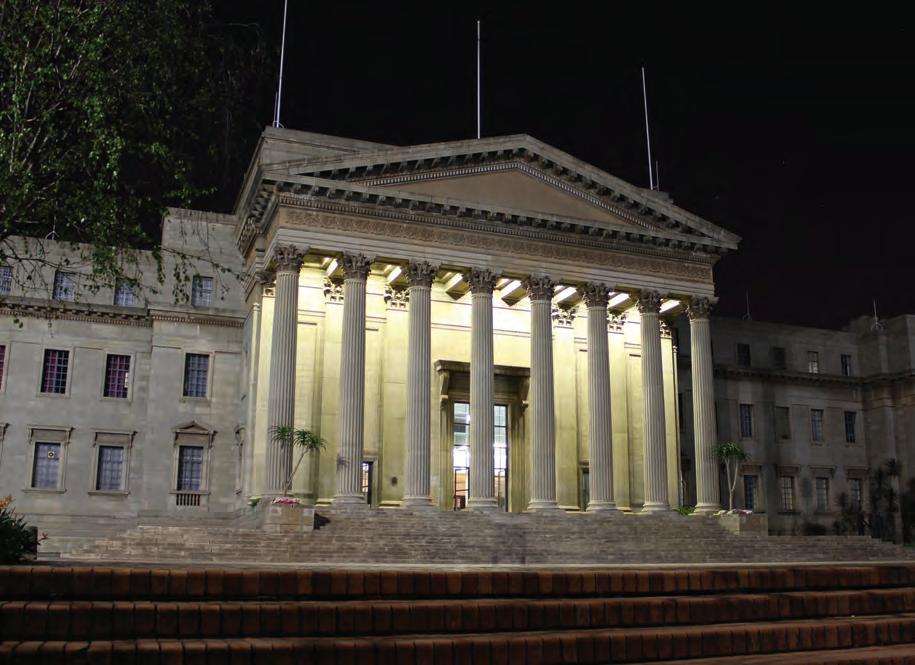


Thursday, 09 July 2020 l 14:30

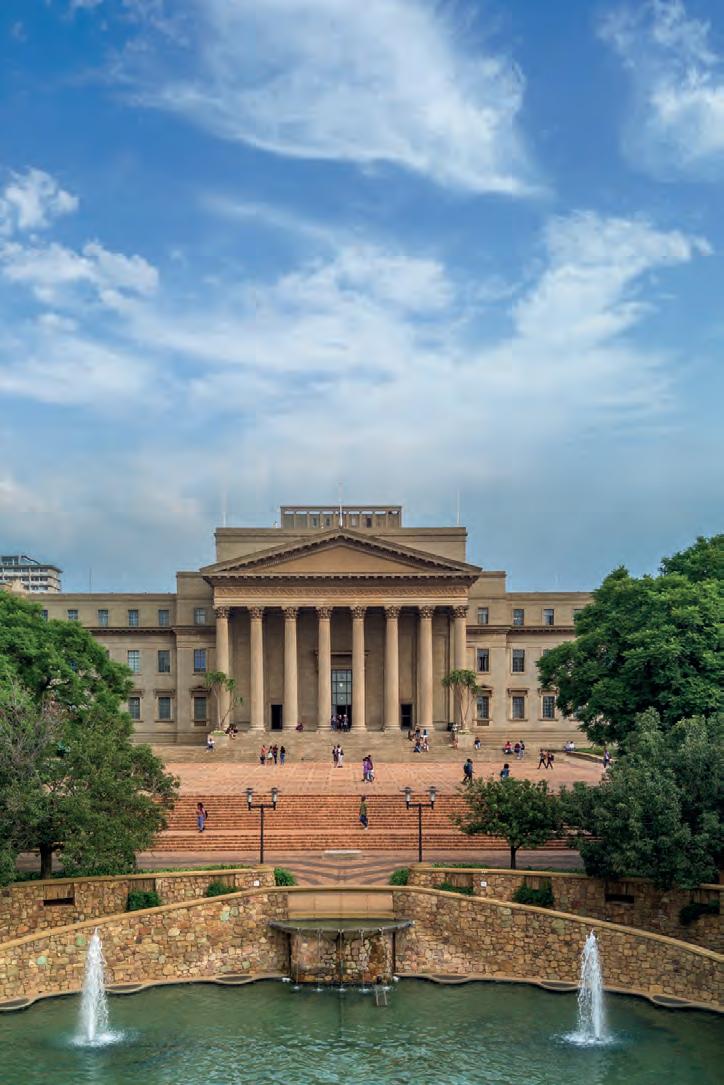




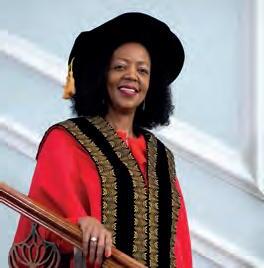






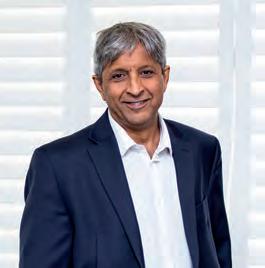




09 JULY 2020 AT 14:30
The audience will rise as the academic procession enters the hall and will remain standing until the Chancellor is in place
The Wits Choir will perform
The Chancellor will constitute the congregation
The Chancellor will welcome the graduands and diplomates
Conferment of an Honorary degree on Emeritus Professor Isidor Segal (in absentia)
Professor Isidor Segal will address the congregation (recorded message)
Conferment of degrees and granting of diplomas
The President of Convocation will address the graduates and diplomates
The Chancellor will dissolve the congregation
The audience will stand while Ihele is played
Members of the audience are requested to stand while the academic procession leaves the hall and not to leave the hall before the end of the ceremony.
In the event of load-shedding or power cuts, the Great Hall may become totally dark until the generator comes into operation.
DEAN: PROFESSOR MG VELLER MBBCh MMed(Surg)(Witwatersrand) FCS(SA)
ROSSLEE, Frauke Renate
RESEARCH REPORT: Critical care assistants opinions of the HPCSA Register closure and change in clinical practice guidelines
VAN TONDER, Tanya
RESEARCH REPORT: A description of Pre-hospital educator knowledge of the educational theories and methods defining simulation based education
BASSON, Carla Paediatrics and Child Health RESEARCH REPORT: Coeliac disease in a South African paediatric type 1 Diabetes mellitus clinic
BERMAN, Ryan Evan Internal Medicine
RESEARCH REPORT: A comparison of lung cancer in HIV-positive and HIV-negative populations
BEZUIDENHOUT, Emily Mathilda Anaesthesia
RESEARCH REPORT: Effect of pre-warming on paediatric patients presenting for magnetic resonance imaging under general anaesthesia
BROMFIELD, Michael Jared Anatomical Pathology Research Report: Alterations in immunohistochemical biologic markers following neoadjuvant chemotherapy in breast carcinoma
COETZER, Susan Franci Internal Medicine
RESEARCH REPORT: The impact of frailty on the outcome of hospitalised older people in Johannesburg, South Africa
DADOO, Faaizah Anaesthesia RESEARCH REPORT: Total intravenous anaesthesia: practices and training in an anaesthesiology department
DAL LAGO, Alexa Joslin Anaesthesia
RESEARCH REPORT: Anaesthetists' knowledge regarding the 2015 resuscitation guidelines at three academic hospitals in Johannesburg
DEBISING, Mohith Internal Medicine
RESEARCH REPORT: An analysis of cytogenetic and molecular abnormalities in patients with acute myelogenous leukaemia at the Charlotte Maxeke Johannesburg Academic Hospital (2013-2016)
DICKINSON, Gwyneth-Ashley Orthopaedic Surgery
RESEARCH REPORT: The profile of orthopaedic injured patients among gunshot victims at Chris Hani Baragwanath Academic Hospital
DILLON, Bronwyn Sheena
Medical Genetics
RESEARCH REPORT: Endocrine profiling in black South African fanconi anaemia patients, homozygous for a FANCG founder mutation
DUNGA, Babalwa Public Health Medicine
RESEARCH REPORT: Intentional Organophosphate Poisoning: a study in three hospitals in Johannesburg
EGHAN, Amanda Ama
Anatomical Pathology
Research Report: The effect of antiretroviral therapy on fine needle aspiration of salivary gland masses in HIV-infected patients
GEORGE, Talita
Diagnostic Radiology
RESEARCH REPORT: Breast tissue density estimation using automated volumetric breast density compared to Radiologists' visual assessment by breast imaging reporting and data system (BIRADS)at Charlotte Maxeke Johannesburg Academic Hospital, South Africa
GNANAPRAGASAM, Uthayachandhiran
Ophthalmology
RESEARCH REPORT: Satisfaction in ocular prosthesis wearers: a comparison between stock eyes and custom eyes at the artificial eye centre, Krugersdorp
GREEFF, Wessel
Orthopaedic Surgery
RESEARCH REPORT: A radiographic assessment of the change in metatarsal length following the modified Lapidus procedure
JAHRANI, Hatem Saleh Mabruk
RESEARCH REPORT: Anaesthetists' knowledge of neonatal resuscitation
Anaesthesia
KAFTEL, Steven Internal Medicine
RESEARCH REPORT: Adherence to gold guidelines in COPD patients a tertiary hospital
KHOHOMELA, Rambelani
Neurological Surgery
RESEARCH REPORT: Presentation and outcomes of primary spontaneous intracerebral haemorrhage at Charlotte Maxeke Johannesburg Academic Hospital
LESHOELE, Lefu
Diagnostic Radiology
RESEARCH REPORT: Patterns of referrals of trauma patients for Pan-Scan at Chris Hani Baragwanath Academic Hospital (CHBAH)
MANJOORAN, Grace Rajan
RESEARCH REPORT: Career choice of anaesthetists in a department of anaesthesiology
Anaesthesia
MANYANGADZE, George Surgery
RESEARCH REPORT: Efficacy of the Faxitron Biovision X-ray machine in intra - operative determination of metastatic foci in a sentinel lymph node
MAYNARD, Fiona Psychiatry
RESEARCH REPORT: An audit of the Integrated Treatment Unit at Sterkfontein Psychiatric Hospital
MOKWATSI, Maria Lerato Psychiatry
RESEARCH REPORT: Substance use prevalence and outcomes in a psychiatric outpatient population in Southern Gauteng
MUDAU, Lerato Patience Ophthalmology
RESEARCH REPORT: An investigation into the differences in outcomes between the use of the limbal technique and the scleral technique in cataract surgery at St John's Eye Hospital
MUDINI, Washington
Anatomical Pathology
Research Report: Human papilloma virus genotypes in invasive cervical carcinoma in HIV SERO-positive and HIV SERO-Negative women in Zimbabwe
MURFIN, Tarryn-Lee
Diagnostic Radiology RESEARCH REPORT: An audit of the spectrum of male breast pathology imaged at CMJAH breast imaging department
MUYA, Sikudhani Radiation Oncology RESEARCH REPORT: Epidemiological patterns of skin cancer among patients presenting the Department of Radiation Oncology at Charlotte Maxeke Johannesburg Academic hospital between 2006 - 2011
NDHLOVU, Lesego
Paediatrics and Child Health RESEARCH REPORT: Introducing a new nutritional risk screening tool in a South African Hospital
NDLELA, Sibusisiwe Simangele
Orthopaedic Surgery RESEARCH REPORT: How concordant are the assessments of impairment by the plaintiff and the defence (Road Accident Fund) experts in patients that sustained Orthopaedic Injuries, renewed from January 2015 - January 2016
NDOU, Wofhatwa Solomon
Orthopaedic Surgery RESEARCH REPORT: The use of GeneXpert MTB/RIF® compared to microscopy culture and sensitivity for the diagnosis of hand and wrist Tuberculosis
NETSHIONGOLWE, Thendo Tshisikhawe
Plastic and Reconstructive Surgery RESEARCH REPORT: Comparison of use of diathermy to surgical blade for pedicle deepithelialization in breast reduction
NGCOBO, Princess
Paediatrics and Child Health RESEARCH REPORT: The age at which adult height is achieved during adolescence in the birth to twenty cohort, Johannesburg, South Africa
NG'ENY, Jaqueline Chengeno
Paediatrics and Child Health RESEARCH REPORT: Hypothermia among neonates admitted to the neonatal unit at a teaching hospital in South Africa
NGWENYA, Sharol Philile
Anatomical Pathology Research Report: The prevalence of K-RAS mutation in pancreatic adenocarcinoma at the Johannesburg academic hospitals
ODUNTAN, Akinola Olumide
Neurological Surgery RESEARCH REPORT: Frequency of Paediatric brain tumours at two tertiary referral centres in Johannesburg
PALLIAM, Sashriqua Luscenda
Emergency Medicine RESEARCH REPORT: Learning in the Digital Era- An audit of the most popular free open access medical education blogs used by Emergency Medicine Doctors in Johannesburg, South Africa
PALWENI, Sechaba Thabo Surgery RESEARCH REPORT: Clinical presentation of complicated gallbladder disease in HIV positive patients at Chris Hani Baragwanath Academic Hospital
PEGU, Kylesh Devnarain
Anaesthesia RESEARCH REPORT: Microbial contamination of hands of healthcare providers in the operating theatre of a central hospital
PHELP, Juliette Jane
Obstetrics and Gynaecology RESEARCH REPORT: The association between maternal HIV infection and low birth weight at Chris Hani Baragwanath Academic Hospital
PHUKUBYE, Phyllis Mabotse
Anaesthesia RESEARCH REPORT: Operating theatre room temperatures and relative humidity levels at a central hospital
PILLAY, Prinitha
Radiation Oncology
RESEARCH REPORT: Incidence of severe late toxicities and quality of life in patients with locally advanced cervical cancer treated with concurrent chemoradiotherapy at Charlotte Maxeke Johannesburg Academic Hospital South Africa, 2014-2017
QUVANE, Pearl Diagnostic Radiology
RESEARCH REPORT: Discrepancy rates in afterhours preliminary computed tomography reports at Chris Hani Baragwanath Academic Hospital: a mixed methods study
RABE, Mareike Family Medicine
Research Report: Characteristics and treatment outcomes of elderly people on antiretroviral therapy at two community health centres and a primary care facility, Potchefstroom, South Africa
RAHMANI, Abdul Basit
Nuclear Medicine
RESEARCH REPORT: The value of the flow phase in a three phase bone scintigraphy performed with Technetium-99m methyl diphosphonate (99mTc-MDP) in a patient being worked up for infection involving the musculoskeletal system
RAMKISSON, Ushira
Anaesthesia
RESEARCH REPORT: The influence of a play intervention on pre-operative anxiety in children at an academic hospital: a pilot study
SEHLAPELO, Mathabe
Anaesthesia
RESEARCH REPORT: Comparison between two epidural analgesia maintenance techniques at a regional hospital
SIMPSON, Rebecca Claire
Paediatrics and Child Health
RESEARCH REPORT: A review of neonatal outcomes to discharge, of perinatal asphyxia and the use of induced hypothermia as a treatment modality, at a tertiary centre in South Africa
SIRALARALA, Akhona
Paediatrics and Child Health
RESEARCH REPORT: Audit of DXA scans during bisphosphonate therapy in patients with osteogenesis imperfect at Chris Hani Baragwanath Academic Hospital
SOBAZILE, Loyiso
Internal Medicine
RESEARCH REPORT: Prevalence of malignancies in inflammatory bowel disease patients on immunosupressants
TSELAPEDI-SEKEITTO, Boipelo
Otorhinolaryngology
RESEARCH REPORT: Prevalance and predictors of laryngotracheal stenosis at Chris Hani Baragwanath Academic Hospital
TSIKOANE, Mpho Bridgette
Psychiatry
RESEARCH REPORT: The use of the cultural formulation interview at Helen Joseph Hospital Psychiatric Unit
MUKUCHA, Gabriel Shawn
Anaesthesia RESEARCH REPORT: Anaesthestists' knowledge of central venous catheters in a department of anaesthesiology
BANGALEE, Avania Virology
RESEARCH REPORT: Feasibility and clinical relevance of genotyping samples with low-level viremia in a cohort of HIV infected South African patients of HAART
PARAK, Azraa
DISSERTATION: The effect of various chemical modifications on the physicomechanical properties of 3-D bioprinted scaffolds for tissue engineering
DIVALA, Priscilla Kalongosola Rural Health RESEARCH REPORT: Community perceptions on maternal health services in rural areas in Dedza District in Malawi
KHWELA, Phumlani Terrence
Social and Behaviour Change Communication RESEARCH REPORT: Access to non-sugar and sugar sweetened beverages: pricing and promotion in large and small retail stores in Umlazi, KwaZulu-Natal
MAJIJA, Luyanda
Social and Behaviour Change Communication RESEARCH REPORT: Exploring young women's perceptions of the vaginal microbicide ring for preventing HIV in Johannesburg
MOKOATLE, Paulus Mann Occupational Hygiene RESEARCH REPORT: Self-reported occupational skin disorders (OSD) in an agricultural research facility
PILUSA, Mapula Cathrine Health Systems and Policy RESEARCH REPORT: Retention and attrition of adult patients on antiretroviral therapy in Bojanala District, North West Province, South Africa, 2009-2014
STEWART-BUCHANAN, Angela Jocelyn
Social and Behaviour Change Communication RESEARCH REPORT: Messages influencing infant feeding decisions made by mothers utilising private health care facilities in Johannesburg, South Africa
THEUNISSEN, Johanna Leigh
Social and Behaviour Change Communication RESEARCH REPORT: Antiretroviral therapy adherence counselling practice in primary healthcare facilities in the City of Tshwane, Gauteng, South Africa
ALUTENI, Moses David
RESEARCH REPORT: Caries prevalence amongst pre-school children in Windhoek, Namibia
GOLELE, Sagwati
RESEARCH REPORT: An audit of oral lesions associated with HPV Infection in the Oral Pathology Department, Wits Oral Health Centre
HARILAL, Sonal Rajendra
RESEARCH REPORT: Assessment of treatment difficulty of patients managed by Orthodontic Registrars at Wits, using the American board of Orthodontic Discrepancy index
KARUMA, Cliff Mirirai
RESEARCH REPORT: Clinicopathological evaluation of focal reactive lesions of the gingiva
MOODLEY, Krystle L'Oreal
RESEARCH REPORT: Cross contamination between the clinic and laboratory during denture fabrication
DE BONI, Liesl
Field Epidemiology
RESEARCH REPORT: A serological survey: Q fever among abattoir workers in Free State and Northern Cape, South Africa, 2018
ERASMUS, Linda Kathleen
Biostatistics and Epidemiology
RESEARCH REPORT: Evaluation of case definitions to detect Bordetella Pertussis infections in hospitalised individuals in South Africa, 2015-2017
HUNT, Gillian Mary
Biostatistics and Epidemiology
RESEARCH REPORT: Rates of initial virological suppression in patients with resistance to Antiretroviral therapy
LONGOLONGO, Kibonge Raymond Infectious Diseases Epidemiology
RESEARCH REPORT: Factors associated with acceptance of HIV testing among adolescents in the City of Johannesburg, South Africa
MABHIKWA, Mellisa Nothando (with Distinction)
Biostatistics and Epidemiology RESEARCH REPORT: Causes of death stratified by HIV status in the post-ART era
METEKOUA TEMDEMNOU, Carole Public Health Informatics
RESEARCH REPORT: An investigation of the presence of cervical Schistosomiasis in patients with cervical cancer and pre-cancer lesions: A text mining approach
MOKGETHI, Nomcebo Oratile (with Distinction)
Biostatistics and Epidemiology RESEARCH REPORT: Quality of life and associated factors among people living with HIV receiving second line therapy in Johannesburg over 48 weeks
MUDARA, Caroline
Biostatistics and Epidemiology RESEARCH REPORT: Factors associated with inconsistent participation in the 'Rise Young Women's clubs' Social and Behaviour Change Communication Programme
NDLOVU, Babongile Confidence
Field Epidemiology
RESEARCH REPORT: Skin cancer risk factors in black South Africans, the Johannesburg cancer study: 19952016
BIRDSEY, Bianca Caren (with Distinction)
Child Health Neurodevelopment RESEARCH REPORT: The lived experiences with paediatric hearing loss - Medical doctors as parents of deaf children
CAMPBELL, Lisa Amy (with Distinction)
Haematology and Molecular Medicine DISSERTATION: Recombinant production and activity assessment of growth stimulatory proteins in the resuscitation of Mycobacterium tuberculosis
CHULU, Noel Jacob
Bioethics and Health Law RESEARCH REPORT: An ethical and regulatory inquiry into organ donation in Zambia
EISENBERG, Micaela Tanya (with Distinction) Human Genetics DISSERTATION: Investigation of the OCA2 gene control regions and their possible role in normal pigment variation
ETSEBETH, Chantelle (with Distinction) Biokinetics DISSERTATION: A descriptive study investigating cervical spine injuries, cervical muscle weakness, posture and establishing norms for senior rugby players in Gauteng
FOURIE, Serena Skye
Physiology
DISSERTATION: The effects of TNF-alpha blocker and IL-6 blocker therapy on vascular function in a collagen induced arthritis rat model
GALLICHAN, Sarah Ann (with Distinction)
Clinical Microbiology & Infectious Diseases
DISSERTATION: Snapshot of South African salmonella: development of a sensitive tool to investigate the distribution of Salmonella enteritidis clades in 2012 and 2013
GOBA, Lihle Ayanda
Physiology
DISSERTATION: Does curcumin administered in the early post-weaning period have long lasting beneficial effects in rats on a high fructose diet?
JAYE, Tamara Heidi Child Health Neurodevelopment RESEARCH REPORT: Perceptions and understanding of Attention Deficit Hyperactivity Disorder amongst Foundation Phase Teachers at Independent Schools in Johannesburg
LE ROUX, Regina (with Distinction)
Physiology DISSERTATION: Biologic disease modifying anti-rheumatic treatment effects on cardiac geometry and function in collagen induced arthritis
LOTTERING, Tamara Leigh Anatomical Sciences DISSERTATION: Sex and ancestry estimation of South African crania using 3D-ID
MAHLANGU, Boitshoko
Immunology DISSERTATION: Identification of virulence genes from non-typeable Haemophilus influenzae isolates recovered from pneumonia cases and community controls
MAJAVIE, Liezl Heather
Pharmacotherapy RESEARCH REPORT: Utilization of colistin in an academic tertiary hospital in Johannesburg
MALAN, Antonetta Cecilia
Genetic Counselling RESEARCH REPORT: The quality of life of mothers who have children with developmental disorders
MAPFUMO, Masiline
Physiology DISSERTATION: Effects of hydroethanolic Moringa Oleifera Lam, seed extract on high-fructose diet-fed Growing Sprague-Dawley rats
MASEME, Mantombi Rebecca Bioethics and Health Law RESEARCH REPORT: Sharing of biomaterials and data for biobank use in exchange for funding in South Africa in international collaborative health research: an ethico-legal analysis.
MASHONGANYIKA, Tadiwa Melinda
Paediatrics and Child Health DISSERTATION: Dads matter too: the role of paternal factors on birth outcomes
MHOSVA, Yvonne Physiology DISSERTATION: Effects of crude ficus thonningii stem bark extracts on high-fructose diet fed growing Sprague dawley rats
MOTSHOANE, Kgomotso Cathrine
Physiology DISSERTATION: The prophylactic effect of 4-hydroxyisoleucine derived from fenugreek seeds against high fructose diet induced metabolic dysfunction in growing rats
MUHAMMAD, Jelani
Physiology DISSERTATION: Serum maternal cytokine concentrations as predictors of Group B Streptococcus colonization at delivery
MURPHY, Susan Margaret (with Distinction)
Bioethics and Health Law RESEARCH REPORT: Extracorporeal membrane oxygenation (ECMO) therapy in Intensive Care Units (ICU) in South African State Hospitals: a normative study
NKERA- GUTABARA, Claudine Kanyana Human Genetics DISSERTATION: Infant feeding practices and the gut microbiome: impact on infant growth and development in South Africa
SHABAN, Siham Ibrahim Ahmad
Clinical Microbiology & Infectious Diseases DISSERTATION: Identification of virulence factors in Candida auris and antifungal activity of monoterpene phenols against this pathogen
SHINGWENYANA, Matsakale Barry
Genetic Counselling RESEARCH REPORT: Assessing patient recall, understanding, and vocabulary of genetic concepts, in a South African setting
SIBIYA, Bongiwe Haematology and Molecular Medicine DISSERTATION: Adapting the Staphylococcus Aureus CRISPR/Cas9 gene editing system to target hepatitis B virus
SLOANE, Natalie Grace Forensic Medicine DISSERTATION: The potential of algae as indicators of Post Mortem Submersion Interval in a standing body of freshwater
SOPHER, Gary Mark Bioethics and Health Law RESEARCH REPORT: The ethics of smart pills in South Africa
THOM, Jamey Emma
Genetic Counselling RESEARCH REPORT: Awareness of genetic counselling services amongst allied-healthcare professionals.
VEIGA, Gabriela Nicolaci
Sports Medicine DISSERTATION: Association of the acute:chronic workload ratio and incidence of injury in premier league, male hockey players
ZULU, Abigail Zamazulu
Physiology DISSERTATION: Effects of hydroalcoholic opuntia ficus-indica cladode extract on high-fructose high-fat diet-fed growing Sprague-Dawley rats
DUBE, Elizabeth Lerato
DISSERTATION: Challenges faced by Gauteng nephrology nurses regarding implementing evidence based practice
MABULA, Lizzie Nomasonto RESEARCH REPORT: Fall prevention in a dementia care centre in Gauteng
ROBINSON, Rowan Paula (with Distinction) DISSERTATION: An investigation into pain in cancer patients
TSHIKANDA, Nakedi Daphney RESEARCH REPORT: Best practices of teaching and assessment of the affective domain in Nursing: an Integrative Literature Review
BERELOWITZ, Sharna Pnina
RESEARCH REPORT: Visual perceptual deficits in different types of cerebral palsy
DACRE, Susan Margaret
RESEARCH REPORT: The use of occupational therapy groups as a treatment modality with primaryschool learners
JOSHI, Shruti
RESEARCH REPORT: Factors affecting the implementation of occupational therapy home programmes for children with learning difficulties in Gauteng
MONARENG, Luther Lebogang
DISSERTATION: The activity participation profile of self-employed individuals in informal micro-enterprises in a low resourced community
SEWARD, Caroline Claire
RESEARCH REPORT: Psychometric properties of the Self-Care Inventory for children with Cerebral Palsy in a resource-constrained urban South African context
SWEET, Nikita Ann
RESEARCH REPORT: Evaluation of the use of the cerebral visual impairment motor questionnaire in the South African context
TEMBE, Sthembiso Charles
DISSERTATION: The Health Related quality of life in children admitted for cancer management and their families
ANGELOU, Irene Katherine
Master of Science in Physiotherapy RESEARCH REPORT: Factors that influence the recovery of physical function of adult patients with major burn injuries
COETZEE, Anna Christina
Master of Science in Physiotherapy RESEARCH REPORT: The prevalence and intrinsic risk factors for hamstring injuries among field hockey players at a hockey club in Pretoria, South Africa
GISSING, Cary-Anne
RESEARCH REPORT: Ventilation kinematics of adult patients with a median sternotomy incision following cardiothoracic surgery
LEEFERINK, Samantha Jane
DISSERTATION: Hip Arthroscopy outcomes: a longitudinal study
MORGAN, Amy Jessica
Master of Science in Physiotherapy RESEARCH REPORT: The relationship between the risk of falls and perceived balance in patients with chronic stroke in Johannesburg
MUDARIKI, Debra
RESEARCH REPORT: Clubfoot patients' demographic profile and outcomes of using the Ponseti method at three selected hospitals in Zimbabwe
NEMETH, Tim
DISSERTATION: Policy analysis of legislative framework relating to physiotherapy in Belgium and South Africa
STEPHEN, Sarah Elizabeth
DISSERTATION: The relationship between neck pain and dysfunction, and breathing outcomes
WEINBERG, Beverley Joan (with Distinction)
DISSERTATION: The effects of non-pharmacological therapeutic interventions on pain and physical function in adults with rib fractures: a systematic review
Bachelor of Health Sciences Honours
KHAN, Zahraa
MANENZHE, Radzilani
MASHELE, Thembi
MTHIMKHULU, Sicelo Samuel
Biokinetics
Anatomical Pathology
Anatomical Pathology
Bioethics & Health Law
SITABULE, Rotondwa Blessing (with Distinction) Human Genetics
Bachelor of Dental Science
BIDLA, Zizikazi Nomxolisi
MAKADA, Ahmed
Bachelor of Medicine and Bachelor of Surgery
ANDERSON, Claire-Louise
ANDERSON, Tamsyn Jane
BAMIGBOYE, Akintomiwa
BARNARD, Lukas Marthinus
COLLINS, Claire Theresa
DLAMINI, Nomalungelo Sebenzile
FAKIR, Muneer Yunus
ISHAKA, Yolanda
KANYIKA, Mutepa
LESAME, Lebogang Koketso
LETSOALO, Priscilla Karabo
MABASA, Nicole
MASILELA, Samuel Karabo
MOODLEY, Loshnee Luvendrie
NAIDOO, Sirashen
NAIDU, Prajna
PADIACHY, Kiana
PUNNOOSE, Davis Andrews
RAMKILAWAN, Avatara
SCHIEDMAYER, Etienne Luca
SISHI, Kwanele Phakeme
SOEKER, Abdul Muhaimin
STAPLES, Eve
THUPAE, Gontse Tlotlo
VALIALLAH, Azhar
VOLSCHENK, Elaine
WILLIAMS, Gavin Robert
Bachelor of Pharmacy
MBALI, Avumile Olwethu
ZUMA, Zamazuma Nkosingiphile Sinethemba
Bachelor of Science in Occupational Therapy
ANDRESEN, Christine Emma
SWART, Sonja
Bachelor of Science in Physiotherapy
NAIDU, Keshay
Bachelor of Clinical Medical Practice
HEMRAJ, Avesh
KOTANE, Retshidisitswe Makgokolotso
Bachelor of Health Sciences
CHAUKE, Bradley Tshepo
CHEHORE, Rukudzo Tinotenda, Zandile
LOMBARD, Palesa
MERCHANT, Benazir Imran (with Distinction)
MOKALE, Reabetswe
WEBBER, Melanie Caitlyne
MAHOLE, Mannuku Kekhethile Ellen
MONKWE, Aobakwe
NEKHAVHAMBE, Nthabeleng
NONJOLA, Siphesihle Cassandra
PILLAY, Demaythan
Bachelor of Oral Health Sciences (Oral Hygiene)
GOVENDER, Sevara Keroshnee
PHIRI, Karabo
ZONDO, Lindokuhle (with Distinction)
Diploma in Advanced Nursing
DJUMA, Hulda Kakonde Oncology and Palliative Care
Emeritus Professor Isidor Segal - known to many as Issy - was born in Johannesburg on 7 July 1933. He was one of eight children.
After graduating from the University of the Witwatersrand with a MBBCh in 1962, he worked in Soweto as a GP, or general practitioner, for seven years. This was a time in South Africa when very few people from his background chose to work among the needy in Soweto. It was a decision which changed the direction of his life and his work, the lives of many black South Africans and ultimately, a particular discipline of medicine in Africa. While treating his patients, he noticed trends related to their digestive systems. This was both in terms of disorders they had and those they didn't. He decided to pursue this further by specialising as a gastroenterologist.
He went on to establish the first Gastroenterology Unit at what was then Baragwanath Hospital. This was in 1975, a time when specialised academic units of this type didn't exist, least of all in Africa. Dr Segal was director of the unit until 2002 during which he did extensive, ground breaking research that resulted in a proliferation of academic papers about gastrointestinal diseases in people living in Soweto. He led the research with a team that included international researcher Dr Alex Walker of the Wits School of Pathology. They looked at cancer of the oesophagus which had gone from a rare disease among black South African men to their commonest cancer. Published in 1984, the research focused on the sociological contributory risk factors in the urban black population of Soweto. It had previously been noted that smoking pipe tobacco was a risk factor. Their research reinforced this. It also showed that the consumption of traditional beer was a major risk factor.
Other research of Segal's in the 1980s revealed black South African men were diagnosed with oesophagul cancer a decade earlier than their White counterparts, who also lived twice as long after diagnosis. He also researched the connection between appendicitis and the level of dietary fibre intake; hepatocellular carcinoma, or cancer that starts in the liver, and how it relates to oral iron overload; as well as the low incidence of colonic polyps in the South African black population. Besides working with the likes of Walker, he also published his research in collaboration with British surgeon Denis Burkitt, a pioneer in showing how high fibre diets help protect against colon cancer.
Professor Segal 's innovative research was not onlyto explore the differences between gastroenterological diseases in Black and White South Africans. It was also to ensure these conditions were appropriately and successfully managed in the underserved populations of Soweto and beyond.
Wits recognized his contributions to the field of gastroenterology by promoting him to associate professorship in 1981 and subsequently to full professorship in 1991. In 1992 Prof Segal founded the African Institute of Digestive Diseases with training centres at two of Wits's teaching hospitals, Baragwanath and the then Johannesburg General. Its aim was to promote gastroenterological education, training and research in south, central and northern Africa. More importantly, however, was the Institute's aim to ameliorate gastrointestinal disease in Africa, improve standards of health care and education and to inspire confidence that Africa can contribute to finding solutions to the continent's health problems. This venture was conducted without government financial support.
Professor Segal said that the ''the ideals and philosophy of the African Institute go far beyond the frontiers of gastroenterology and endoscopy''. It provided ''an opportunity to break down artificial borders and cultural barriers and to pool the African continent's rich resources of talented people to enhance the level of care given to our patients.'' Through his work in Soweto and subsequently his African advocacy role, Issy Segal's national and international profile resulted in many international invitations to share his knowledge and insights, with its particular focus on the African continent and other regions of the developing world.
He served on the World Gastroenterology Organisation's Education and Training Committee for Africa and the Middle East. He was also on the Scientific Advisory Committee for the World Congress of Gastroenterology in 1998. His peers recognised his contribution and he was made president of the South African Gastroenterology Society, SAGES, from 1987 to 1988 and Honorary Life-President in 2001. The Faculty of Health Sciences presented him with an exceptional service medal in 1998. In 2009 he was named a Master of the World Gastroenterology Organisation. The highest honour the organisation can bestow on a member granted for outstanding dedication to the mission of the organisation and to those who have achieved distinction in areas as scholarly research, teaching, and service to the community at large. Recipients may use the title of "Master of the WGO", or World Gastroenterology Organisation, and the letters "MWGO" in conjunction with their name.
Issy Segal has not let his octogenarian status affect his output. At 86 he is still a force to be reckoned with. The most recent of his three textbooks, Digestive Diseases in Sub-Saharan Africa: Changes and Challenges, was published in October last year. It provides evidence of the changes in digestive disease in Sub-Saharan Africa due to Westernisation and shows the influence of factors such as urbanisation, upward mobility and the availability of natural resources.
His extensive publications include a very personal one, a 132-page volume published in 2016, titled Diary of a Slumboy: Selected Poems. He has referred to as snapshots of Soweto and Baragwanath Hospital, which reinforce for him ''the poverty, sadness and despair that is the lot of most of the inhabitants of Soweto''. In light of all his extraordinary achievements, it is therefore befitting that the University of the Witwatersrand, Johannesburg, bestow an honorary doctorate degree on Isidor Segal.
As I stand here today, with 87 years of life in me, I encourage you all to take a moment to appreciate your wonderful present, but also to look back at your years as students, and glance forward to your bright futures. I am honoured to be standing here with you as a fellow alumnus of this wonderful university as you start your journey into your professional lives. Actually, I am delighted just to be standing at all!
The great South African poet Mongane Wally Serote wrote a poem: “for sisters and brothers who may be weary”. He said “so you keep looking back even when the darkness is so thick it could touch your eyeballs… … don't you hear the songs they can live in the present if we let them these songs have a prowess of our mother's back and the eloquence of our grandmother's foresight
child
feel the wall while you walk and hold, hold glue your eye into the distance and keep walking move, child, move . . .”
This poem is about listening to the past, staying in the present and moving into the future. Which is where I meet you today, at the precipice of one part of your lives ending and one beginning. It is a daunting task to inspire you with the lessons I have learnt through a long life, but I will attempt to do that today as I take you through my journey. Wits University’s motto is Scientia et Labore, Knowledge and Work, two pillars that I have strived to embody throughout my life.
I grew up in a poverty-stricken mixed-race suburb at the edge of the Johannesburg’s Central Business District. My father died when I was a young teenager and my mother raised as us as a solo parent, making sure that we were spared from being taken to the local orphanage. Although we were disadvantaged, we had firm friends, and neighbours always helped each other. A small percent of us completed Matriculation, which I managed to do with some luck and my older brother’s cheat notes.
University education was never taken for granted and the idea that I would do something as rigorous and ambitious as Medicine seemed preposterous, but I was determined, largely because, the longest course available at that time also came with the longest holidays. So I started off in first year, a few years older than the other students, and with a lot less education.
To supplement my studies, I worked as a commercial-traveller, selling pharmaceutical products – one of which was the then taboo “French letter” – now knowns as a condom - in small country towns. Having the door slammed in my face by country wives, only to be met at the back door by their husbands who bought boxes of condoms from me, helped me learn that if you can’t get in the front door, the back door is always an option. That may have sparked my love of the medical version of the back door, which is why I later chose gastroenterology. (laugh)
During the university holidays I met a girl playing tennis and invited her to join our game of mixed doubles. She was a great sport, friendly with a buoyant personality and a serious streak. I was immediately attracted to this fascinating girl. In order to impress her I took her to plays, dance, theatre, art exhibitions, cinemas and any activity that was unusual and interesting. We established a mutual bond that quickly developed into love, lasting our entire lifetime. My wife Arlene is here today as we enjoy our 60th year of marriage. She is a walking lesson in patience and perseverance. So students, if you can find your Arlene, your path forward is going to be a lot smoother.
The only downside of my new lovesick state was that I missed lectures and didn’t follow up on papers. I had oxytocin, who needed more chemistry? My results that term were 13% for Anatomy and 11% for Physiology! The poor boy had done what everyone expected and failed spectacularly. I was called to the Dean’s office and advised to give up Medicine.
I knew it was time for immediate action! So I put Arlene and my best friend on the task. He took notes for me, Arlene hand- copied the notes, passed them on to me to study and I began attending lectures. Lesson number two – build a team around you. Medicine is a challenging, collaborative career so we need the support and respect of our colleagues. Your classmates today are your future colleagues. Treasure them, nurture your relationships with them. If you work for the government, buy them a beer, or if you work privately, buy them a car.
My new work regime involved 17-hour days studying, with breaks to eat and take a short run or go to the gym. My third lesson was to look after my body and exercise, a habit that helped me survive the stress of hospital life.
After the end of year’s exam, I was running up the steps of the Old Medical School in Hospital Hill to see the results and Prof. Tobias spotted me saying ‘Whoa slow down Segal’ ... a sign I had passed into third year medicine
After graduating in 1962, I became General Practitioner [GP] in a small ramshackle consulting room, close to the railway line,in Kliptown. Each time a train passed by, the whole room shuddered and my nurse, my patient and myself; held our breaths’, relieved when the train passed and the room was still standing!
My practise in Kliptown was often regarded as a place of refuge. We heard that there was an impending police raid for the dreaded passes; carried by adult African males that embodied, racism and bigotry. Anyone without a valid pass would be jailed. The residents of Kliptown soon got wind of the raid and hid themselves. Many men managed to squeeze into myconsulting room standing closely erect: the small room was jam-packed! The police approached and shouted... ‘Hey! What’s happening here?
‘Careful [I replied]... we’ve got a seriously contagious and rare epidemic underway.’ Save yourselves! The policemen turned around and ran off, and the men packed like sardines laughed loudly on them as they went.
In 1969 I was accepted for specialist training, as a Physician at Chris Hani Baragwanath Hospital. Why did I choose gastroenterology? A Professor of mine suggested that I was so adept at speaking “crap’ that a career involving examining “crap” would most suit me.
At Baragwanath, I found the second love of my life. The hospital in Soweto is where I spent the core of my life, almost 40 years at the hospital. I loved working with the doctors and patients; who were courageous, trusting and cheerful often with a deep sense of irony and appreciative of the humour of life, despite difficult circumstances.
With approximately 6000 beds it was the largest hospital in the world at that time and stood strong in the fight against apartheid. Soweto and surrounding informal shanty towns filled the hospital to capacity and informal arrangements had to be made to deal with overcrowding. As there were insufficient beds patients had to sleep on the floor or underneath beds for very sick patients.
Ward rounds were difficult because of the large daily intakes. People walked in complaining of headaches, which made sense when you noticed they had a giant knife wedged into their heads Baragwanath was unique and ahead of it’s time in its ability to integrate Western with Traditional medicine. Part of my work involved having a consultant sangoma in appointments with patients who did not want surgery,bowel resections, or any organs taken out as they wanted to be returned to their ancestors in with their bodies intact. To alleviate their concerns, sangomas negotiated with patients to have the surgery that was necessary..
We went through two critical periods - the 1976 protest against apartheid and in the early 1980’s the spread of HIV to epidemic proportions.
In the 1976 riots, staff were inundated with casualties resembling a war zone. Police and troops were hunting down young African protestors and the medical and surgical teams worked long hours to cope with the damage. During this dangerous time staff dealt as best, with the perilous conditions, upholding the principles of the Hippocratic oath i.e. I will respect the hard-won scientific gains of those physicians in whose steps I walk, and gladly share such knowledge as is mine with those who are to follow.
The AIDS epidemic was recognised once patients arrived at the Admissions Unit with bizarre symptoms and signs found in the late stage of the disease. The hospital offered no treatment, except compassion and Bara doctors were prohibited from using drugs, under threat of dismissal. Here lies my fourth lesson. When you have no access to medicine, keep fighting, keep humanising your patients and treating them with the care and respect, and also, keep yourself safe. We are no use to others if we are sick too.
Baragwanath is an incredible frontline learning hospital and I soon saw there was a need for a specialised unit for Gastroenterology. In 1973, I established the Gastroenterology Unit. During this period, the apartheid Government enacted a decree in which education of Africans was aimed at training the children for the manual labour and menial jobs that the Government deemed suitable for Africans.should not be taught Maths and Science as they were not capable of doing these subjects. In order to counter this absurd and xenophobic decree we established the African Institute of Digestive Diseases, with the key purpose being to train African Doctors of Colour to specialise in digestive diseases.
We invited Doctors of Colour from all over Africa to train at the Institute. We provided Board, Lodging and Tuition. The governments of the trainees payed their airfares, so trainees had no financial barriers to becoming world class specialists. The response was delightfully overwhelming. Doctors came from the Ivory Coast, Kenya, Uganda, Zambia, Zimbabwe and Maputo. It was a symbiotic learning experience for the visitors and our own doctors who thoroughly benefitted from the interaction. The program had a positive domino as when the trainees returned to their respective countries they then trained their doctors in GIT Diseases and a learning succession plan was created. We wanted knowledge to spread in the way we had seen viruses spread, and we took great joy at seeing the seeds we had planted growing all over Africa.
The World Organisation of Gastroenterology recognised what we were doing and used the Soweto Model as a Train
The Trainers Programme, a project that is still spreading knowledge to this day. What started as an exploratory outreach into Africa gained in momentum. Research, both clinical and investigational has mushroomed in sub-Saharan Africa. To date there are 24 units in all parts of the world, including: The Middle East, North Africa, South America, Europe and Asia. Trainees not only gained clinical skills but also achieved academic success in research. The unit published over 300 seminal publications.
Yes, As I stand here today, with 87 years of life in me, I am so delighted to look out at you with your many years of life still ahead of you. I encourage you all to take a moment to appreciate your wonderful present – look around at this hall, these colleagues who surround you, the teachers and mentors who have guided you. Look back at your years as students, and glance forward to your bright futures.
My experience has shown that from humble beginnings it is determination which separates the impossible from the possible. My final lesson to you is you have the ability and opportunity to achieve anything you want in life. As our great President Nelson Mandela said: It is through education that the daughter of a peasant can become a doctor; that the son of a mineworker can become the head of the mine; that a child of farm workers can become the president of a great nation. It is what we make of what we have , not that we are given, that separates one person from another Congratulations to all our graduands and your families for your hard work and perseverance. You stand on the threshold of an exciting life. Live, explore, find an Arlene and discover.
And remember the words of the great South African poet Mongane Wally Serote that entreat you to stay present and keep progressing:
“feel the wall while you walk and hold, hold glue your eye into the distance and keep walking move, child, move…
Prizes to be presented at the Faculty’s prize giving ceremony
Dean's Merit List Bachelor of Health Sciences Year 3:
Citation for achieving an average of 75% in the third year of study for the degree of Bachelor of Health Sciences. Benazir Imran Merchant
Dean's Merit List Bachelor of Oral Health Sciences (Oral Hygiene) Year 3:
In recognition of excellence in academic endeavours, students who obtain an average of 75% or more will be recognised on the Dean’s List for excellence. This will be in the form of a certificate. Sevara Keroshnee Govender Lindokuhle Zondo
Chancellor
DR NJ DLAMINI MBChB (Natal) DBL (Unisa) MBA (Witwatersrand) IEC (USA)
Vice-Chancellor and Principal
PROFESSOR A HABIB BA Hons (Witwatersrand) MA (Natal) MPhil PhD (City University of New York)
Chairman of Council
MR I SHONGWE BA (Wesleyan) MPhil(Oxford)
Vice-Principal and Deputy Vice-Chancellor (Research and Postgraduate Affairs)
PROFESSOR Z VILAKAZI BSc (Manchester) MSc PhD (Witwatersrand) MASSAf FAAS
Deputy Vice-Chancellor (Academic)
PROFESSOR R OSMAN BA (Witwatersrand) HDipEd BEd (Unisa) MEd PhD (Witwatersrand) MASSAf
Registrar
MS CG CROSLEY BA HDipEd (Witwatersrand) BEd (Hons) (Unisa) MEd (Witwatersrand)
Chief Operating Officer
MR F SIBANYONI BSc(Eng) (Natal) MBA (Cape Town) PrEng SMICMEESA
Chief Financial Officer
MR PC DESAI BCom (University of Durban, Westville) BCompt. (Hons) (Unisa) CA (SA)
Dean of Student Affairs
MR JAP SEPTEMBER BA MPhil (Cape Town)
DEANS OF THE FACULTIES
Faculty of Commerce, Law and Management
PROFESSOR I VALODIA BCom (Unisa) BCom Hons (Natal) MSc (Lancaster) DEcon (KwaZulu-Natal)
Faculty of Engineering and the Built Environment
PROFESSOR IR JANDRELL BSc(Eng) GDE PhD (Witwatersrand) IntPE(SA) PrEng FSAAE FSAIEE SMIEEE
Faculty of Health Sciences
PROFESSOR MG VELLER MBBCh MMed(Surg)(Witwatersrand) FCS(SA)
Faculty of Humanities
PROFESSOR G STEVENS BA (Cape Town) BA Psych (Hons) MPsych (Western Cape) DLitt et Phil (UNISA)
Faculty of Science
PROFESSOR N CHETTY BSc Hons (Natal) MS PhD (Urbana-Champaign) MSAIP MASSAf
President of Convocation
MS S BOLON BA Hons MA (Witwatersrand)
As a Health Professional graduand of the University of the Witwatersrand, I solemnly pledge that:
- I will dedicate my life to the service of humanity;
- I will exercise my profession to the best of my knowledge and ability in accordance with sound health practices and with compassion, conscience, integrity and humility;
- The health and well-being of all persons entrusted to my care and the well-being of the community will be my first consideration;
- I will respect the autonomy and dignity of my patient and will not knowingly do anything to their detriment or prejudice;
- I will not permit consideration of age, religion, nationality, politics, race, gender, sexual orientation, disability, disease, lifestyle, economic status, social standing or any other factor to interfere with my duty to my patient;
- I will not improperly divulge anything I have learned in my professional capacity;
- I will uphold and defend my professional independence;
- I will advocate for human rights and will not violate such rights and civil liberties, even under threat;
- I will conduct research on patients only in accordance with sound ethical principles and with the approval of a formally constituted ethics committee;
- I will embrace life-long learning to improve my professional knowledge and skills and will share my knowledge for the benefit of patients and the advancement of healthcare;
- In my relations with patients, colleagues and others, I will conduct myself as becomes a member of an honourable profession.
I make this pledge solemnly, freely and upon my honour.