

INTEGRATED REPORT 2021
APPROVED BY COUNCIL
Date: 09 June 2022 Mr Isaac Shongwe

1. ABOUT THIS REPORT
Wits University produces an annual Integrated Report to demonstrate how it has created value in the core areas of research, teaching and learning and engagement with society in the preceding year. Whilst 2021 was a year marked by the Covid-19 pandemic and changes in leadership, the University remained focussed on the 2022 Vision and achieved excellence in its strategic priorities. The University of the Witwatersrand welcomes your feedback on the relevance and usefulness of this report. Please email our Registrar, Ms Carol Crosley on registrar@wits.ac.za
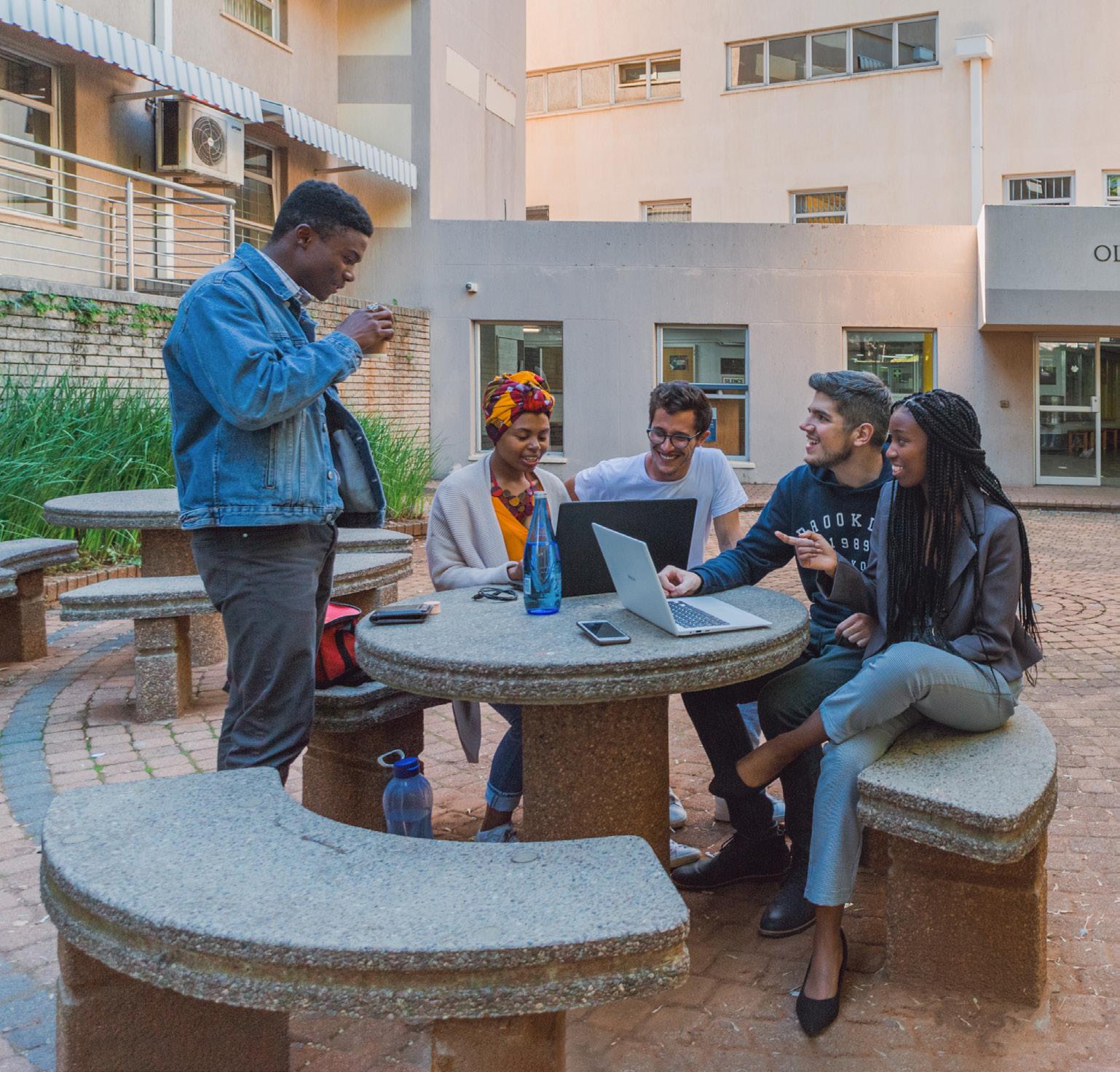

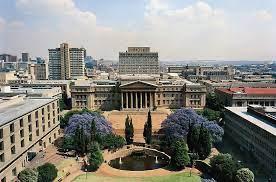
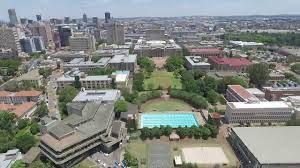
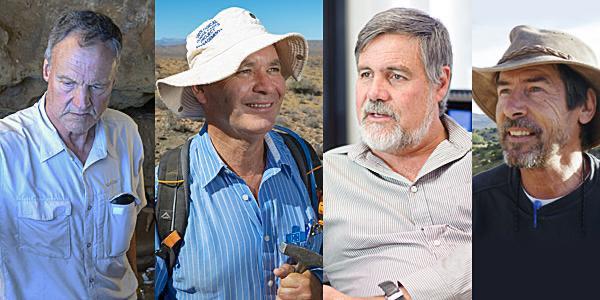

The University of the Witwatersrand is a proudly African institution that is internationally distinguished for its excellence in research, its high academic standards and its commitment to social justice. Wits draws on these to grow and develop the country’s knowledge base and to offer solutions to both African and global challenges.


18 Residences house a fifth of Wits students • Wits has
400 acres of Campuses (Braamfontein & Parktown combined)
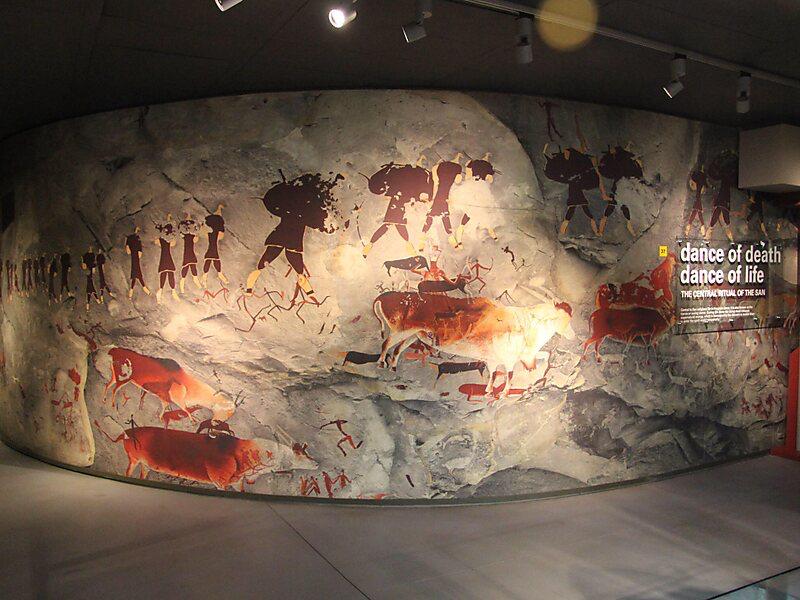
1. Sterkfontein Caves in the Cradle of Humankind World Heritage site
Mpumalanga (top right)
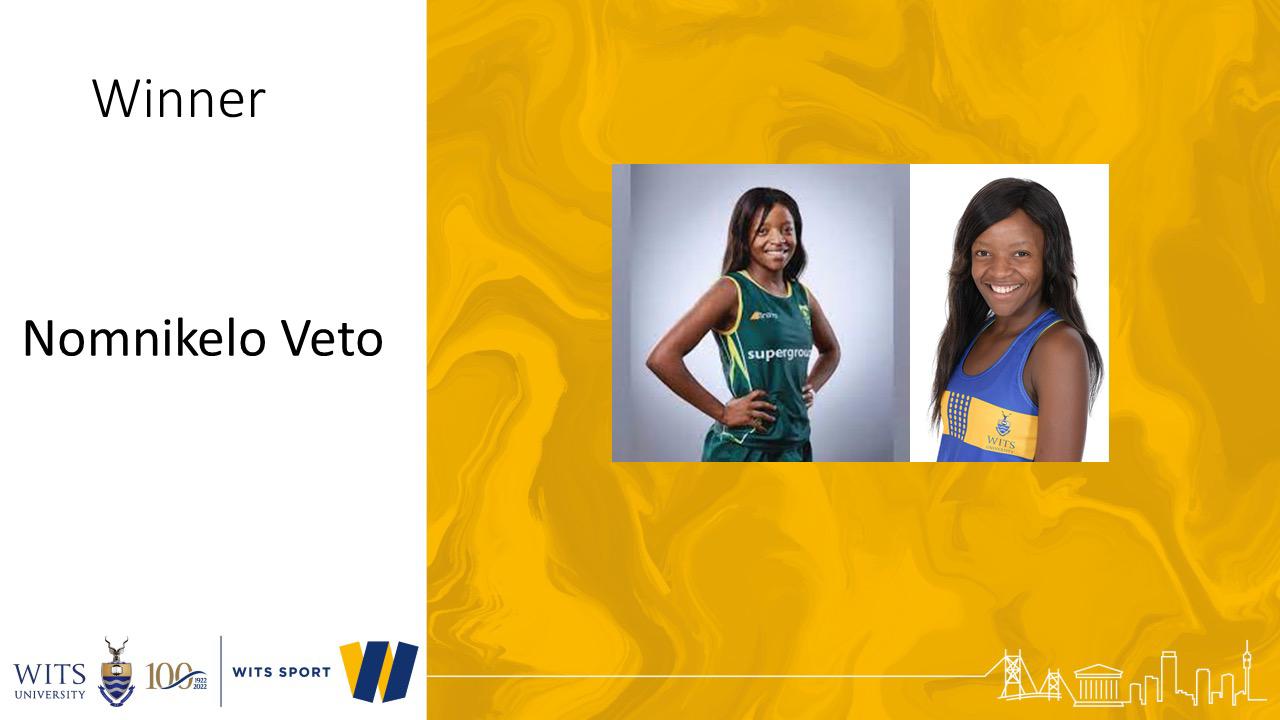
1. Wits Sportswoman of 2021 Intellectual capital
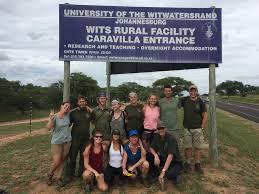
3. Pullen Farm
2.1.2. Our Vision, Mission and Values
The University of the Witwatersrand aspires to be a leading world-class research-intensive University firmly embedded among international top league universities by 2022.
MISSION VISION
The mission of the University of the Witwatersrand is to grow its global stature as a leading research-intensive University and a gateway to research engagement and intellectual achievement in Africa. This it will achieve by building on the principles of intellectual excellence, international competitiveness and local relevance. As an institution built on principles of intellectual excellence, we are committed to providing high-quality, internationally competitive education, founded on high academic standards, cutting-edge research, public engagement, and productive partnerships with leading institutions throughout the world.
The legacy of the University’s successes is founded on values that we are not willing to compromise on. These are:



ACADEMIC FREEDOM AND INSTITUTIONAL AUTONOMY ACCOUNTABILITY COLLEGIALITY


DEBATE AND CRITICAL ENGAGEMENT DIVERSITY

INTELLECTUAL EXCELLENCE AND INTEGRITY
INTERNATIONAL ENGAGEMENT
INDEPENDENT ENQUIRY AND TRUST

SOCIAL ENGAGEMENT AND RESPONSIVENESS
2.1.3. Brief History




The origins of the University of the Witwatersrand lie in the South African School of Mines. The School of Mines was established in Kimberley in 1896 and transferred to Johannesburg as the Transvaal Technical Institute in 1904, becoming the Transvaal University College in 1906 and renamed the South African School of Mines and Technology four years later. Other departments were added as Johannesburg grew and in 1920, the name was changed to the University College, Johannesburg. Over the years, the University grew both in number of student enrolments and physical expansion into the Braamfontein area. Throughout its history, Wits has always adopted a policy of non-discrimination – on race or any other grounds. This has seen its community involved in protests over apartheid. With the dismantling of apartheid and the election of a democratic government, the role of Wits as a resource became increasingly important. Staff members and researchers are approached daily by the media, commerce and industry to give their expert knowledge and opinion on a wide variety of topics.








2.2. Our Strategic Priorities
The seven strategic priorities of the Wits Vision which is now drawing to a close in 2022 are:
1) The Wits Experience
Wits commits itself to providing a distinct, intellectually stimulating, challenging and rewarding research and educational experience to all its students, staff, alumni, partners and guests, and all organisations that are associated with the University. By pursuing this ambition, Wits will position itself as a gateway to research and intellectual engagement in Africa and a preferred destination for talented students, staff and scholars from around the world who share our values. Wits commits itself to providing a vibrant intellectual experience that allows students and staff to analyse, critique and understand the cultural, social, political and economic contexts in which their knowledge generation and acquisition are located.


Wits seeks to uphold values enshrined in the South African Constitution and the Bill of Rights in teaching, research, service and social engagement, and in campus life. The Wits experience has three pillars: the intellectual project, student centredness and institutional culture. Wits wants to be vaunted for creating an intellectually vibrant, socially embracing and culturally diverse teaching and learning environment.
Student centredness at the University does not only focus on provision of facilities that are sensitive to student needs but also on the use of pedagogies that respond appropriately to the learning needs of all students. It includes the creation of a conducive environment, inclusive institutional culture, explicit concern and support for student development, and the promotion of student responsibility for the quality and effectiveness of their learning. It is a given reality that these values cannot be achieved without coordinated and transformative programmes informed by rigorous intellectual debate and critique in a research-intensive metropolitan university like Wits.

2) Research and Knowledge Leadership
Our commitment to a vibrant and stimulating balance among the pure sciences, applied sciences, social sciences and the liberal arts remains unshakeable, and Wits will sustain the leadership position it currently occupies in a number of these fields. Wits will continue to build on our established trackrecord of multidisciplinary research groups and thrusts. The University will, on a continuing basis, seek opportunities to support and advance strong existing teaching and research areas, and identify emergent areas, with a view to sustaining leading positions in these niche fields of study.
Our distinctive capabilities have contributed to the global research and development agenda through leading-edge scholarship, and we have produced global citizens who are passionate about intellectual and social engagement. We aim aggressively to build on this reputation by intensifying our efforts to create an environment conducive to elevating the standard and impact of research using the prestigious institutes approach.
3) Innovation and Social Leadership
We believe that our capacity to alter the social and economic conditions of the present and influence our chances for the future depends on our capacity for innovation. Our ability to bring different forms of knowledge together in order to do things differently requires a synthesis of academic fields, but sometimes it also requires contributions from different actors in society. The ‘science of complexity’ and ‘innovation’ is quintessentially cross-boundary, and involves hybrid knowledges and knowledge transfer projects. Wits will provide high level support for a selected number of local public-good imperatives as part of its contribution to the national innovation system. It will also promote public engagement, and support socio-economic development through its top-quality research, teaching and critical debate.
The University will put in place systems and mechanisms to encourage a balanced advancement of both commercial and public-good innovation. The ‘institutes’ strategy will be one avenue through which innovation is generated and rooted in social practices. To this end, the institutes, as an integral component of the University, will explore mechanisms to grow funding streams and support systems for researchers to concentrate on research, publishing and other forms of dissemination, infusing into and connecting with the economy and society.
4) Networking and Partnerships
Partnerships enable a combination of the distinctive aptitudes and resources of multiple actors to be brought to bear on common projects for shared purposes. Our capacity for innovation in a complex world depends on the degree to which we can reach across boundaries to address goals that ultimately are predicated on the public good. The success of our academic projects and our financial sustainability is likely to come about as a consequence of, among other things, resilient strategic partnerships. The purpose is to grow a limited number of focussed partnerships with local and international collaborators, arising mostly from our research priorities and our contextual opportunities.
Among other purposes motivating the selected number of such partnerships will be the intention to fulfil the needs of our multidisciplinary research projects, our partnerships in Africa and our city-region location. In order to advance our declared purposes - and often to give effect to them - Wits collaborates in increasingly planned and systematic relationships with other social partners, whether these are in the private sector, government or civil society. Such partnerships enable the combination of the distinctive aptitudes and resources of the partners to be brought to bear on common projects for shared purposes. To this end, natural partners include other universities, the various layers of government, parastatals, industry groupings, the media and civil-society groupings.
These relationships require a sustained investment over a longer-term but promise considerable dividends for both the partners and the wider society. Wits is positioned to participate in economic growth and social-development agendas, both here and elsewhere on the continent. It is through extensive networks and partnerships (for example, through our
Pan-African University Partnerships strategy) that the University seeks to pursue its international excellence in research and teaching, and in student and staff recruitment. The purpose is to grow a limited number of focussed partnerships, including those with an international focus, and make these resilient and optimally productive.
5) Excellence in Governance
It is common knowledge that the survival of world-class universities is determined by their ability to generate wealth, allocate resources and use business systems to support the academic enterprise. Scholarship and intellectual leadership skills are no longer the sole requirements for running higher education institutions, but efficient management, networking and fundraising are equally important. Universities need their own ‘business models’ that address the very specific demands placed on them by the society they serve. Wits will position itself within this reality as a research-intensive University supported by visionary leadership, and sophisticated administrative and world-class business systems.
6) An IT-Savvy University
Wits will position itself as an IT-savvy university that uses technology to enhance all its core processes, including providing new and innovative ways of engaging students and staff in academic activities. This includes making the University accessible through mobile technologies irrespective of time and place. While remaining committed to the tutorial-based approach to learning, teaching and learning processes will be reinforced through the application of technology-enhanced pedagogy to address some of the key challenges that we face as a predominantly contact institution. Wits researchers will be supported by technology to enable them to carry out cutting-edge research as befits a research-intensive university environment,

Professor Zeblon Vilakazi
Vice-Chancellor and Principal
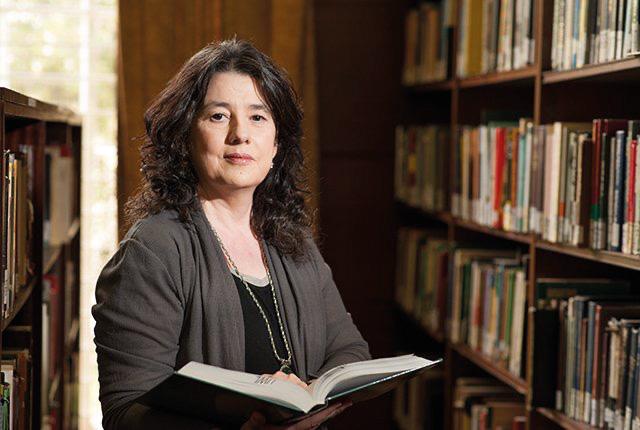
Vice-Chancellor: Academic

Professor Ian Jandrell
Deputy Vice-Chancellor: Systems and Operations (from 1 August 2021)
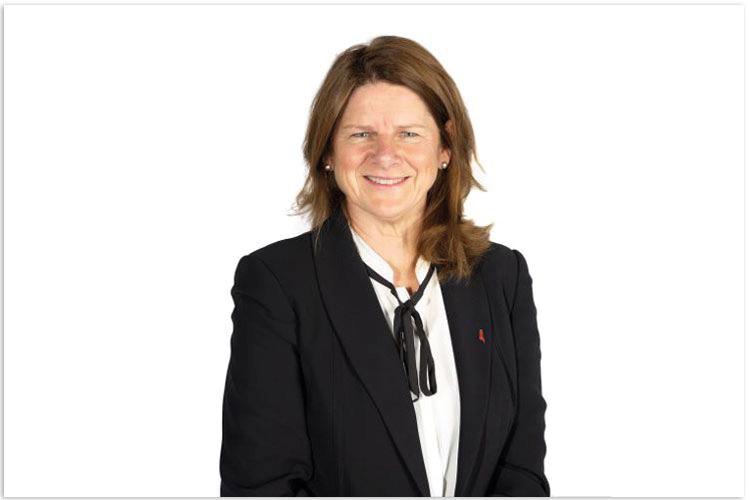
Deputy Vice-Chancellor: Research and Innovation (from 1 April 2021)
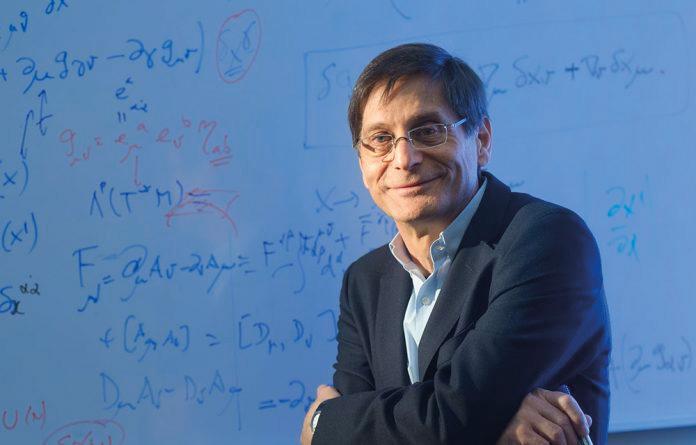
Acting-DVC: Research and Post Graduate Affairs

Dean: Comme Law and Mana

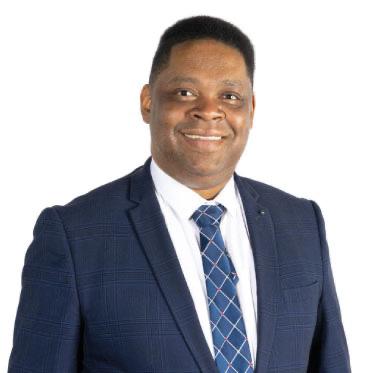
Mr Jerome September

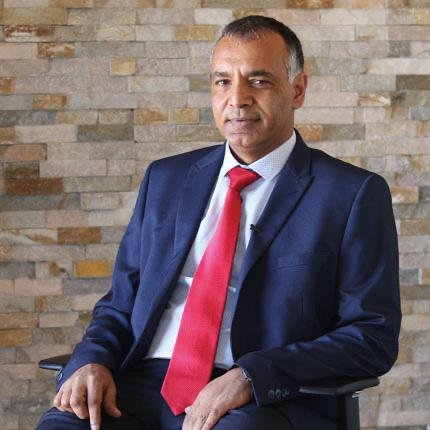
Mr Fana Sibayoni Chief Operating O

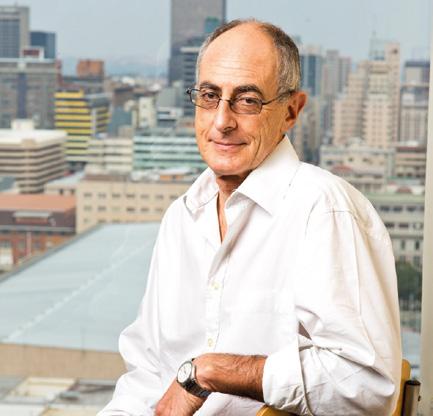
Mr Taffy Adler Director: Re-imagining Wits Properties Project (RWPP)
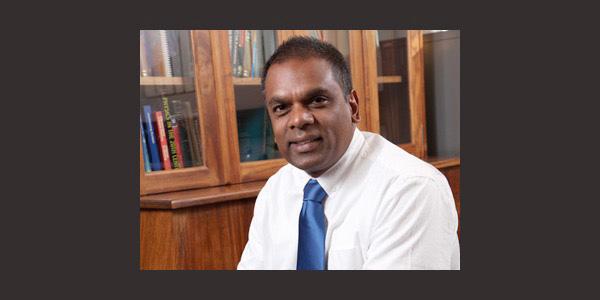

Professor Thokozani Majozi Dean: Engineering and the Built Environment (01 November 2021)
Chief Financial Officer (until 31 August 2021)

Financial Officer (from 1 Augustr 2021)
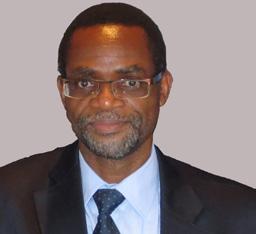
Acting Dean: Faculty of Engineering and the Built Environment (01 Aug 2021 – 31 Oct 2021)
Professor Cuthbert Musingwini
2.4. Academic Structure, Changes, Faculties and Schools
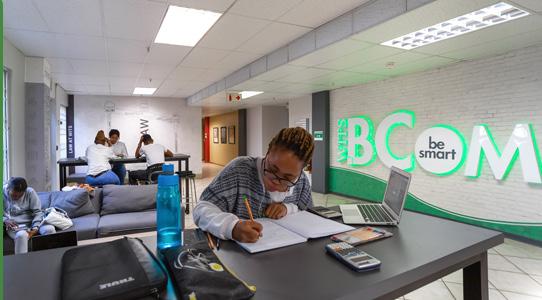
Graduate School of Business Administration (Wits Business School)
School of Economics and Finance
School of Governance
School of Accountancy
School of Business Sciences
School of Law
School of Anatomical Sciences
School of Clinical Medicine
School of Oral Health Sciences
School of Pathology
School of Physiology
School of Public Health
School of Therapeutic Sciences
Wits School of Education
School of Human and Community Development
School of Literature, Language and Media
School of Social Sciences
Wits School of Arts

School of Architecture and Planning
School of Chemical and Metallurgical Engineering
School of Civil and Environmental Engineering
School of Construction Economics and Management
School of Electrical and Information Engineering
School of Mechanical, Industrial and Aeronautical Engineering
School of Mining Engineering
School of Animal, Plant and Environmental Sciences
School of Molecular and Cell Biology
School of Mathematics
School of Computer Science and Applied Mathematics
School of Statistics and Actuarial Science
School of Physics
School of Chemistry
School of Geography, Archaeology and Environmental Studies
School of Geosciences

2.4.2. Wits Plus
The Wits Centre for Part-time Studies (Wits Plus) offers selected undergraduate and postgraduate programmes, and a suite of short courses on a part-time and after-hours basis. During 2021 there were 6759 degrees offered for student course enrolments in 179 courses. Four of the five Faculties participated with the Faculty of Humanities contributing 53.5%, and the Faculty of Commerce, Law and Management contributing 29.3% of the student enrolments. The average number of students per course was 37.8.
For this Covid-19 affected academic year, the average course pass rate was 75.1% - it was a 4% decrease over the 2020 performance. 258 students qualified in 2021 – which is an increase of 8 more students, than in 2020. The following students will receive Wits Plus prizes for the best performance in a selected number of courses:
Wits Plus Centre for Part-Time Studies – BA/BA for the World of Work
For the most outstanding student currently enrolled for the BA/BA for the World of Work (Part-time) and who is on the final year of study, awarded to: Adams, Mathew Constantunus
Wits Plus Centre for Part-Time Studies – Psychology
For the most outstanding third year student in
Psychology in the Wits Plus BA/BA for the World of Work Programme, awarded to: Strydom, Erika Wits Plus Centre for Part-Time Studies – International Relations
For the most outstanding third year student in International Relations in the Wits Plus BA/BA for the World of Work Programme, awarded to: Naidoo, Sashin
Wits Plus Centre for Part-Time Studies – Sociology
For the most outstanding third year student in Sociology in the Wits Plus BA/BA for the World of Work Programme, awarded to: Edom, Requal Doreen
Wits Plus Centre for Part-Time Studies – Political Studies
For the most outstanding third year student in Political Studies in the Wits Plus BA/BA for the World of Work Programme, awarded to: Mogadube, Mpapi Alpheus
Wits Plus Centre for Part-Time Studies – Bachelor of Commerce Programme
For the student who has graduated with the highest average overall mark in the BCom degree and who has completed the degree in the shortest period, awarded to: Lerios, Paul
2.4.3. Changes in Academic Structure
In line with the thinking of the new Vice Chancellor and the restructured Senior Executive Team (SET), where there was a renewed emphasis on the leadership of research with impact, the rebranded Deputy Vice Chancellor, Research, and Innovation’s portfolio led to changes in the academic structure. After a faculty wide assessment, a realignment of organizational positions saw some units being centralised under the umbrella of the faculty- for example, the Faculty of Health Sciences embarked on relocating all school research entities to the Faculty of Health Sciences Research Office. This exercise will be completed in 2022.
In other faculties, the relocation transferred from the Central Research Office to the Faculty of Science. One such example is The Global Change Institute (GCI). Two new Centres were also created: The Department of Wits Journalism, which has become a leading provider of quality postgraduate teaching, thought leadership and practical engagement with the changing world of journalism, became a Centre. With this move it has repurposed itself for the next phase of growth, with a greater focus on research output, particularly in digital media and innovation, and an expanded role on the African continent.
The School of Physics became host to the newly approved Wits Centre for Astrophysics whose members carry out leading research across the electromagnetic spectrum, as well as multi-messenger astronomy, including gravitational wave and neutrino astrophysics, and dark matter direct detection. Members of the Centre are active users of several Southern African facilities, including MeerKAT, SALT, HESS, and the nearby Hart RAO radio observatory, including the 26-metre radio telescope which is part of the European VLBI Network. Members have extensive formal links with local and international collaborations, Large Survey Projects, SKA Science Working Groups, the Event Horizon Telescope Collaboration, and AGILE, amongst others.
2.4.4. Changes in Administrative Structure
In the course of 2021, the Council approved a restructuring of the Senior Executive Team (SET). This followed the Senior Appointment Selections Committee’s recommendation, for the roles and responsibilities of the Vice-Principal to be reviewed by the SET. It was recognized that the role of the Vice-Principal, as originally envisaged by the SET, needed to be reconsidered to align with Wits’ specific institutional needs at present. Numerous factors were considered, including the importance of ensuring that the strategic and operational arm of the University effectively supports the academic project, as well as ensures that there is executive oversight and stewardship of the financial function of the University. It was in this context that the SET made the following changes:
· The appointment of the current Deputy Vice-Chancellor: Academic, Professor Osman, as a Senior Deputy Vice-Chancellor.
The appointment of Professor Jandrell as Deputy Vice-Chancellor: Systems and Operations
· The appointment and refocused title of Professor Lynn Morris from Deputy Vice-Chancellor: Research & Postgraduate Affairs to Deputy Vice-Chancellor: Research and Innovation
These changes led to a reorganisation of various portfolios with roles and responsibilities that have shifted. The creation of the Systems and Operations Division impacted the Operational Health and Safety (OHSE) Unit, which moved to this portfolio (from HR). It further led to the realigning of various academic units being centralised.
One other change to note is that there was a change of name to the University’s Sexual Harassment Advisory Committee (SHAC) to the Gender Equity Advisory Committee (GEAC).
2.4.5. Significant Academic Developments
Registration of online programmes
In line with the University’s strategy contained in the Teaching and Learning Plan 2020-2024 to increase the number of fully online academic programmes, the University is developing several online (distance) learning programmes which are currently in various stages of internal and external (DHET, CHE and SAQA) academic development processes as stipulated in the tables below.
SAQA registered qualifications
During the period January to December 2021 the following qualifications were accredited by the Council on Higher Education (CHE) and registered on the National Qualifications Framework (NQF) by the South African Qualifications Authority (SAQA).
CHE Accredited programmes
The table below highlights a list of programmes that are accredited by the Council on Higher Education (CHE). The University is awaiting registration of these programmes on the National Qualifications Framework (NQF) by the South African Qualifications Authority (SAQA).
1.Postgraduate Diploma in Energy Leadership (Contact)
2.Postgraduate Diploma in Digital Business (Online)
3. Postgraduate Diploma in Accountancy (Online)
1. Bachelor of Health Sciences (in Nursing Systems Science) (Online)
2. Postgraduate Diploma
(Contact)
New applications submitted to the CHE
The following learning programmes have received Senate and DHET PQM approval and have been submitted to the Council on Higher Education for accreditation. DHET PQM approval
The following programme has received PQM clearance from the Department of Higher Education and Training (DHET) and will be submitted in the new combined CHE/SAQA form. PQM approval of the programme was previously held back by the DHET pending the accreditation of the cognate Postgraduate Diploma in Energy Leadership at NQF level 8 which is now accredited by the CHE and registered on the NQF with SAQA.
3. VIEW FROM LEADERSHIP
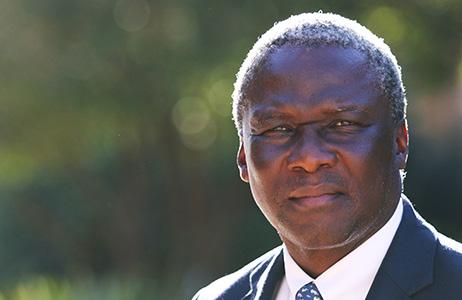
3.1. Chair of Council’s Report
3.1.1 Strategic Matters
The year 2021 started with many transitions – the change of leadership, the inception of a new strategic plan, a move from remote emergency teaching to blended learning, the counting of research units, and the acceleration of a major fundraising campaign. I am pleased to report that progress was steadily made as the year unfolded, and that all these major developments were well-entrenched in the University’s fabric by December.
Leadership Transition - Significant but Seamless
There has been a significant but seamless leadership transition in 2021. Professor Zeblon Vilakazi stepped into the Vice-Chancellor’s role in January, was inaugurated in April, and was firmly embedded as the head of the institution
by year-end. By December, he had consolidated the Senior Executive Team, with all but one appointment outstanding. His vision for Wits titled “Wits’ moonshot moment” was widely welcomed by the Wits community and broader society.
The Senior Executive Team was also reorganised to ensure better coordination between the strategic, academic, and operational arms of the University, whilst ensuring its financial sustainability. The appointment of Professor Ruksana Osman as the Senior Deputy ViceChancellor: Academic, Professor Lynn Morris as the Deputy Vice-Chancellor: Research and Innovation, and Professor Ian Jandrell as the Deputy Vice-Chancellor: Operations and Systems enabled this integration.
Professor Thokozani Majozi was appointed as the Dean of the Faculty of Engineering and the Built
Environment and Ms Maureen Manyama as the Chief Financial Officer. The recruitment and selection process for the appointment of a Deputy Vice-Chancellor: Human Resources, Transformation and Finance will be initiated in 2022. Professor Imraan Valodia was redeployed to serve as the Pro ViceChancellor for Climate, Sustainability, and Inequality to enable the University to lead a multifaceted and coordinated approach to address these challenges as part of a just transition to a green and sustainable economy. Professor Jason Cohen will serve as the Acting Dean of the Faculty of Commerce, Law and Management in the interim.
The academic stature of the senior executive members has reinforced Wits’ standing as a leading academic institution and provided sound leadership and certainty this year.
Wits’ 2033 Strategic Framework Approved
The Wits 2033 Strategic Framework was approved at the last meeting of Council, which positions Wits as a global knowledge leader located in the Global South. The Framework covers Wits’ Identity; Academic Excellence; Social Impact; and Sustainability, together with the University’s new purpose, vision, and value statements. An implementation plan will be developed, for enactment from 2023.
From Emergency Online Teaching to Blended Learning
The University has successfully pivoted from remote emergency online teaching in 2020 to blended teaching and learning, giving Wits a significant advantage in this area. Academics have developed new pedagogies, created appropriate content, adopted the latest technologies, reviewed assessment methods, and delivered a comprehensive online teaching and learning programme, in line with Wits’ Teaching and Learning Plan.
Wits Exceeds Research Targets
Wits has exceeded its research targets for 2021, with over 2 000 DHET research units submitted (up 4% from 2020), and with most publications still featuring in high impact journals. There were several initiatives launched, including an innovation strategy, the Wits Quantum initiative (an African first), and the Earth Sciences cluster. Our academics, researchers and scholars continue to achieve phenomenally both at the national and global levels, as detailed in this report, with more than 15 major discoveries announced this year, all characterised by excellent scholarship.
Centenary Campaign Launched
Despite the challenging financial environment and the pandemic, Wits has raised almost two thirds of the R3 billion that we seek to raise as part of the Centenary Campaign, to support the academic project, infrastructure, and students. We have identified eight priority themes and associated projects as part of this campaign, which includes projects in the fields of digital transformation, global health and sustainability, entrepreneurship and innovation, governance and social justice, future proofing our national treasures, funding the next generation of staff and students and engaging our global alumni.
dollar donation from alumnus Natie Kirsch to support ‘missing middle’ students; a commitment from alumnus Dr Patrick SoonShiong to invest in cancer and vaccine research at Wits; R54 million for research and academic activities in the Faculty of Engineering and the Built Environment from Sibanye-Stillwater; R16 million for a bespoke student endowment from Mark Lamberti; R70 million from the Roy McAlpine Charitable Foundation for a new state of the art burns unit at the Chris Hani Baragwanath Academic Hospital; R15 million from the Oppenheimer Memorial Trust towards the African Future Studies Initiative; and R15,7 million from the Claude Leon Foundation for two research chairs and a research programme to tackle South Africa’s water crisis. A new laboratory at the Sydney Brenner Institute for Molecular Biosciences was also opened this year, as was the R60 million Wits Surgical Skills Laboratory. A former SRC President donated 100 000 dollars towards student support and Jack Ginsberg donated an invaluable book collection to the Wits Art Museum.
We urge staff, students, alumni, stakeholders, and friends of the University to get involved in the Centenary Campaign in 2022, at any level, to celebrate this milestone, but also to help craft Wits’ next 100 years. The Centenary Campaign will be a focal point for me, for the Foundation, for the executive, management, and related structures in 2022.
Mandatory Vaccination Policy Passed

Some of the major donations that have come in for this campaign to date include a multimillion
The University passed a mandatory COVID19 vaccination policy, to be implemented from 1 January 2022, although members of the Wits community have until 1 March 2022 to get vaccinated or to apply for reasonable accommodation.
Transformation
Transformation is a core element of the University’s institutional
mandate and is central to all aspects of its operations. To this end, the University adopted a transformation agenda framed by the national development goals, equity legislation, the United Nations Millennium Declaration and Wits’ location on the African continent. At the heart of the process of transformation are the values enshrined in the South African Bill of Rights, the Constitution, and a Wits experience driven by a culture of human rights and inclusivity.
Wits adopted an accelerated transformation programme in 2015 which outlined the commitment of the University to eight transformation priority areas. In 2021, upon review, they were adjusted to five priorities, given the successes achieved in insourcing, access to higher education, and creating an inclusive environment. The current priorities are diversifying the academy; curriculum reform; institutional culture; institutional naming and language.
In terms of diversifying the academy, the number of Black academic staff increased from 39.97% in 2013 to 49.25% in 2021 and moved from 50.58% male and 49.42% female academic staff in 2013 to 45.47% male and 52.11% female in 2021 respectively, thanks to planned interventions. The programmes that seek to diversify the academy continue. The Diversifying the Academy Programme was successfully reviewed, and further funding of R30 million was secured from the Carnegie Foundation to extend this Programme. The Female Academic Leadership Fellowship was also launched by Wits’ Chancellor, Dr Judy Dlamini to strengthen female leadership in academia.

For professional and administrative staff (PAS), race and gender targets have been exceeded. In 2013, 80.98% of PAS staff were Black - this has grown to 89.65% in 2021. Just over 50% of PAS staff identify as female in 2021, in most grades. A focus on employing staff living
with disabilities must be prioritised in these areas. The student body continues to transform. In 2021, 85.43% were Black, with 56.50% of females enrolled.
However, aggregate statistics provide only one measure by which to gauge diversity of the academy. It will remain our responsibility to retain oversight of the transformation project through the monitoring and evaluation of equity profiles and targets within specific contexts, for example in the PAS category.
The Transformation and Employment Equity Office has also continued to strengthen transformation committees across the University, with clear, tailored social justice programmes designed for respective entities. Transformation committees and a Transformation Community of Practice was established in 2020. In 2021, a range of social justice programmes were introduced including three TCoP forums, 40 social justice workshops and many awareness programmes to promote an inclusive culture within the University.
Current and Future Challenges
Wits has made steady progress on all fronts in recent years, in an environment that has been conducive to growth. However, based on current indicators, and the uncertainties that we face as a society, we must brace for strong headwinds in the coming years. These unknowns include the political and socioeconomic climate, the financial outlook for the country, and its implications for the funding of the higher education sector, including Wits. These issues, coupled with the persevering challenges of poverty, unemployment, and inequality, will undoubtedly impact on the future of higher education, and this institution. It will take our collective efforts, robust leadership, resilience, the effective and efficient use of resources, and bold strategic plans to overcome these difficulties, to ensure that Wits continues to deliver excellent scholarship in the years to come.
Some of the other challenges that came our way this year included student protests, protracted labour negotiations, and a detrimental fire at the Charlotte Maxeke Johannesburg Academic Hospital, which impacted on the teaching, learning and service of our health sciences students, and the displacement of our dental students. Whilst some hurdles were overcome, and relationships with the public and private sectors have been renewed, there are still protracted agreements that need to be put in place, particularly around aspects involving our health sciences training platforms.
3.1.2 Investments in Infrastructure
The past year was challenging for all due to the global pandemic and the University’s capital works programme was significantly impacted as a consequence. Commercial construction work was prohibited for the three (3) months of the imposed national lockdown which commenced in March 2020, with construction related restrictions finally lifted from June 2020. However, the lifting of restrictions resulted in a compromised resumption of the programme.
The lockdown restrictions had a lasting impact on the industry, with many contractors having to downscale, or close their doors. The direct impact on the University includes:

• effective construction delays in excess of six months despite only three months prohibition;
• construction standing time costs for projects in construction stage;
• increased construction overhead costs relating to COVID-19 health and safety requirements;
• material supply shortages both locally and international, resulting in delays and price uncertainty;
• delays on imported materials / equipment due to international border restrictions, resulting in delays and price uncertainty where the price is ROE linked; and
• delays on City Council responses and approvals due significant backlog accumulated from capacity shortfalls arising from staff rotations.
Some of the above listed impacts are still being felt across the industry today and the University is proactively managing the risks. Despite the challenges, the University managed to continue with planning and design for the capital works programme on a remote basis. This allowed us to progress the preparations for many projects and has enabled the acceleration of the construction commencement dates for these projects.
The achievements are further highlighted by the conclusion of the appointment of two (2) framework construction contractors as required for the capital works programme over the next three (3) years which was approved by Council EXCO on 30 October 2021.
These framework appointments enable Wits to streamline the award of construction packages and build a mutually beneficial relationship with appointed construction partners who will each be delivering multiple projects across the University’s campuses.
The outlook for 2021 was positive, and the benefits of the preparation undertaken in the past year with the continued planning and preparation for
many projects are being realised. The framework professional services and construction contractor appointments enable us to efficiently continue the capital programme, with many ongoing projects due for completion in the coming year, and many new projects starting. 20 projects were completed during 2020, 12 project were ongoing and due for completion in 2021 and nine projects were planned for commencement in 2021.
3.1.3 Statement on the effectiveness of the financial controls
Going Concern
The annual financial statements as at 31 December 2021 have been prepared on the going concern basis.
In terms of the Companies Act 71 of 2008, the existence and sustainability of the organisation is determined using solvency and liquidity testing. We have used these tests, and additional specific assessments considering the ongoing COVID19 Pandemic, to support the assertion that Wits University is a going concern as at 31 December 2021.
The going concern basis presumes that funds will be available to fund/finance future operations in the ordinary course of business and the realisation of assets and settlement of liabilities, contingent obligations and commitments will occur for the foreseeable future. There is an adequate investment base and cash flows available to cover short term obligations for at least the next 12 months.
In conclusion:
a) Assets fairly valued exceeded liabilities.
b) There is sufficient liquidity to meet short term liabilities.
c) Management is confident that the cash reserves of the entity will be sufficient to enable the University to meet its short-term obligations in the normal course of business.
d) The University is a going concern.
The Senior Executive Team (SET) together with Council, has assessed the potential impact of the University’s ability to continue as a going concern, given the nature of the University operations in the social front, Council believes it will be able to continue as a going concern into the foreseeable future.
Whilst the on-going COVID-19 pandemic potential impact have been considered, it should be noted that these issues are pervasive factors that impact all global and national economic participants in different ways, and Council and SET accordingly continues to monitor and manage the situation and impact along with all the key stakeholders.
Audit, Finance and Risk Management
Council has established several governance sub- committees to assist with its responsibilities regarding audit, finance and risk management. The subcommittees include:
a) Council Audit Committee;
b) Finance Committee of Council (FINCO) and
c) Council Risk Committee
Council Audit Committee
The overall purpose and objective of the Audit Committee is to assist Council in fulfilling its oversight responsibilities with respect to financial reporting, internal control and management of financial risks, the audit process and the University’s process for monitoring compliance with laws and regulations, its predetermined objectives and own code of business conduct.
The Audit Committee is a non-executive body accountable directly to Council for all matters pertaining to the audit of the University’s financial affairs and any matters connected therewith. Both the internal and external auditors have unrestricted access to the Audit Committee, including periodic meetings with the Chairperson of the Committee, which ensures that the University of the Witwatersrand’s independence is in no way compromised and that appropriate financial procedures and management are practiced.
As part of the duties assigned by Council, the Committee fulfils an oversight role regarding the University’s Annual Report and the reporting process, including the system of internal financial control. It is responsible for ensuring that the University’s internal audit function, which is outsourced, has the necessary resources, standing and authority within the organisation to enable it to effectively discharge its duties. Furthermore, the Committee oversees cooperation between the internal and external auditors and serves as a link between Council and these functions.
The Committee has recommended, for approval by Council, Deloitte, as the external auditor and Mr S Tyranes as the designated auditor for statutory reporting to the Department of Higher Education and Training for the 2021 financial year.
Ernst & Young Advisory Services (EY), the Universities outsourced internal auditors’ current contract has been extended by a further 7 months and will now expire in December 2021. Sizwe Ntsaluba Gobodo – Grant Thornton (SNG-GT), continues to provide the services of grant auditors and enterprise-wide risk management services (EWRM).
Council has approved the Committee’s recommendation for approval to Council, the University’s group external audit plan for the 2021 financial year as well as the internal audit plan for 2022 and the three-year internal audit rolling plan.
Finance Committee of Council (FINCO)
FINCO is directly accountable to Council for all matters pertaining to the financial affairs of the University and the Group, apart from audit matters. Council expects FINCO to address the following matters, amongst others, in detail and to make appropriate recommendations for approval:
a) annual estimates of revenue and expenditure (budgets);
b) review of the quarterly reports of revenue and expenditure;
c) adoption of the annual statement of comprehensive income and expenditure and the statement of financial position and cash flows and
d) determination of the fees to be paid by students, in line with the recommendations by the Department of Higher Education and Training.
Council Risk Committee
Risk assessment and risk management at the University is addressed through the Council Risk Committee (sub-committee of Council) and the Risk Management Committee.
The Council Risk Committee oversees the risk management activities on behalf of Council and provides Council with formal and scheduled feedback on the status of key risks and management’s responses. The Committee considers material issues of risk, asset [protection, security, legal and corporate governance.
SNG-GT has been appointed to provide advisory services for EWRM. Reporting into the Committee is the Risk Management Committee.
The three Committees, together with the other governance committees, provide assurance to Council that there is a framework for the design and implementation of the requisite internal financial controls to safeguard the assets of the University. The University and its associate entities seek to maintain systems of control over financial reporting and the safeguarding of assets against unauthorised acquisition, use or disposal.
Such systems are designed to provide reasonable assurance to the University and the Council regarding an operational environment that promotes the safeguarding of University assets and the preparation and communication of reliable financial and other information.
Council understands and appreciates that there are inherent limitations to the effectiveness of any system of internal control, including the possibility of human error and the circumvention or overriding of controls.
Accordingly, even an effective internal control system can provide only reasonable assurance with respect to financial statement preparation and the safeguarding of assets. Furthermore, the effectiveness of an internal control system can change with circumstances. Council assessed its internal control system as at 31 December 2021 in relation to its financial reporting strategies in the light of formal reports received from both the University’s internal and external auditors and risk advisors.
Tenders Adjudicated in the Year
A formal tender process was followed for tenders in 2021 with the continuation of an electronic submission protocol. A tender committee portal was implemented on the Wits intranet, which is accessible via the governance portal. The delegation of authority and procurement policy were updated which impacted the remit of the Tender committee. The Tender committee remit changed to align with these policy changes. This included the revision of the tender threshold which was adjusted to two (2) million rand. The Tender committee quorate rules were also revised. Tender committee membership adjustments were made due to resignations and alignment with the new Senior Executive structures.
Key tenders that were concluded in 2021 include the award of the following tenders: a Library Management system, Unified Communications, External Audit Services, a Managed print solution, supply and maintenance of physical security equipment and projects (including perimeter access management services), Oracle-ERP upgrade, Specialized cleaning services, ICT security operations managed service and a framework tender for HVAC supply and maintenance. Key capital construction framework
allocation awards included the refurbishment of the Flower Hall, the Health Science teaching and student resource centre, the Built Environment expansion and redevelopment, Gate House building works and the Wits Research animal facility works.
The Tender Committee constituents in 2021 included:
• The Chair appointed by the Senior Executive Team, namely Professor Ian Jandrell (Dean of a Faculty) until July 2021; thereafter, replaced by an interim chair: the acting CFO, namely Ms Amanda Kort from August 2021
• Three Faculty representatives (CLM: Professor Thabang Mokoaleli-Mokoteli, Engineering and the Built Environment: Professor David Root and Health Sciences: Professor William Daniels);
• The CFO: Mr Prakash Desai until July 2021;
• The COO: Mr Fana Sibanyoni until July 2021; thereafter, replaced by the DVC (System & Operations): Professor Ian Jandrell;
• The Director of Research: Dr Robin Drennan;
• The Head of Legal (represented by Legal Advisors: Mrs Natacha Searle until March 2021; thereafter, replaced by Ms S Morar); and
• The Manager of the Procurement Office (Ms Zarina Hassim).
In Conclusion
Wits has made tremendous strides in 2021 and ended the year in a position of strength. As we move into our next century, we must harness the talent and the resources that we have within our community to craft a new future for Wits and our country, to create hope in society, and to use our centennial year to change the lives of people, for good. The Wits 2033 Strategic Framework will also go a long way towards helping us realise these ambitions.
Finally, I would like to thank every member of the Wits community including our academic and professional and administrative staff, Heads of Schools, students, and student leaders, alumni, donors, and friends of Wits, for your commitment to this leading university, and for helping us to accomplish our major goals for the year. To Wits’ trusted Council members, I express my heartfelt appreciation to you for giving of your time, intellect, advice, expertise, and experience, for no reason other than to make Wits, our country, and our society a better place for all. You give of yourself with no expectation of a monetary reward and no compensation. It is through you that our world will become a better place for all.
Thank you!
Mr Isaac Shongwe Chairperson of the Council University of the Witwatersrand
3.1. Vice-Chancellor’s Review
(The performance of the Vice-Chancellor and Principal in 2021 must be assessed in terms of the success of the collective executive management in driving the University’s strategic initiatives.)
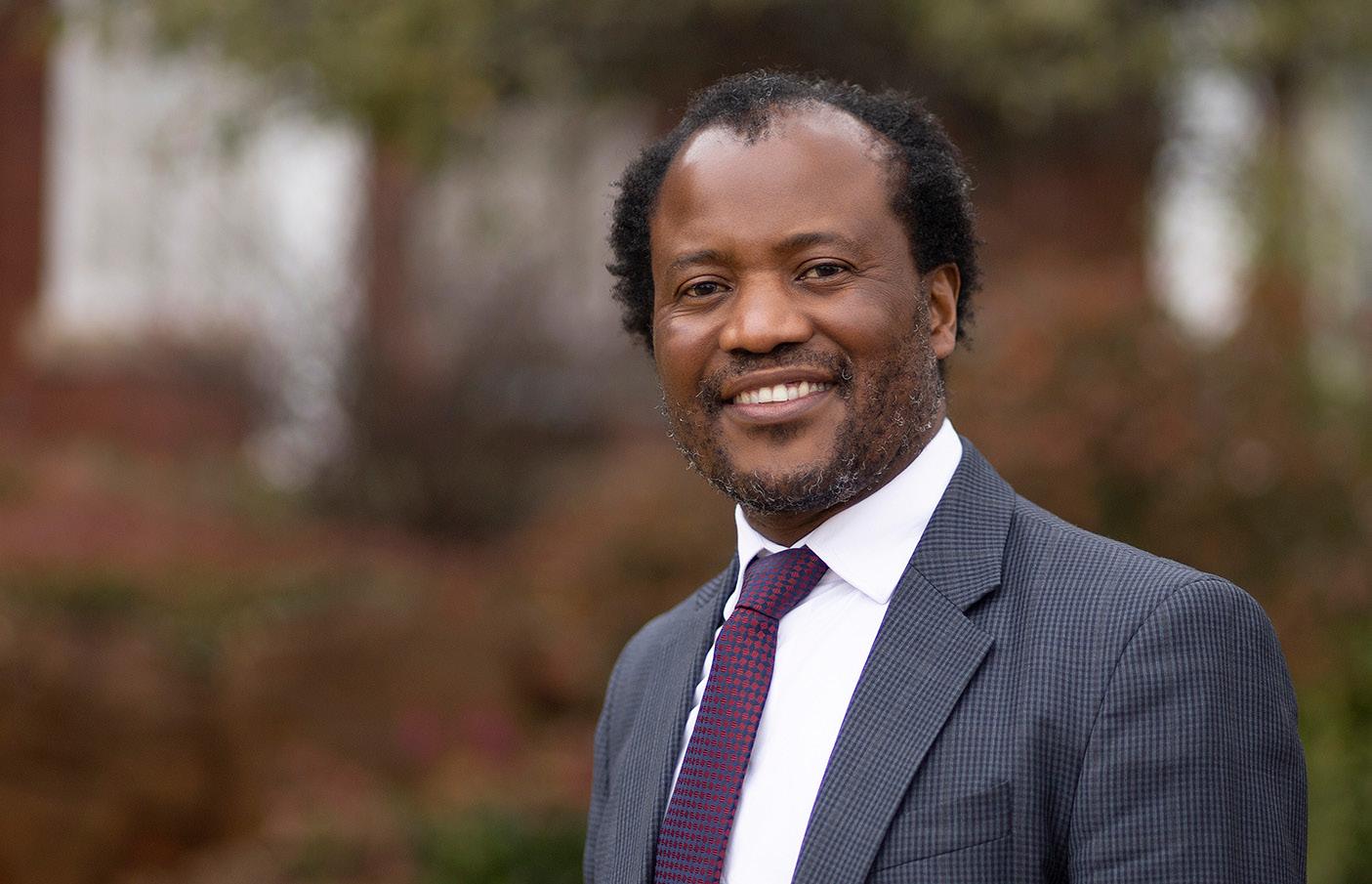
I commenced my tenure as the Vice-Chancellor and Principal of the University of the Witwatersrand, Johannesburg in January 2021, at a time when the world was still contending with the pandemic. It was therefore not business as usual when I took office. The proverbial ‘First 100 Days’ of my tenure as the Vice-Chancellor were accordingly exciting but also challenging given the evolving nature of the pandemic and the state of the higher education sector at the time. Notwithstanding, these challenges and through the collective efforts of staff and students we were able to successfully complete the academic year, once again as we did in 2020.
As the pandemic eased, we enabled a measured return to contact classes on campus without compromising the academic project or the health and safety of students and staff. In developing the 2021 Return to Campus Plan, the Senior Executive Team (SET) was careful in finding the appropriate balance between the academic and social justice needs of students, operational efficiencies, the spatial configuration of campus and the health and safety of staff and students while on campus. Faculty Deans were required to identify select cohorts of students who required face to face engagement and access to campus to conduct practical work, which included clinical and experiential training, laboratory and fieldwork. We also successfully enabled the staggered and phased return of staff to campus.
In the early part of the year, I convened meetings with academics and professional and administrative staff across campus to share my vision for the University with them and to garner their thoughts around this vision, which was ultimately woven into engagements around a new Strategic Plan for the University. I also focused on re-organising the SET to better fulfil the mandate of the University and meet our strategic imperatives. Professor Ruksana Osman was appointed as the Senior Deputy Vice-Chancellor and Professor Ian Jandrell as the Deputy Vice-Chancellor: Systems and Operations. These positions and incumbents enable more effective strategic coordination between the academic and operational functions of the University. Professor Lynn Morris was appointed as the Deputy Vice-Chancellor: Research and Innovation, whose focus it is to drive, facilitate and enable improved research output and innovation with impact within the University. Professor Thokozani Majozi was appointed as the new Dean of Engineering and the Built Environment. Professor Imraan Valodia was redeployed in his capacity as the Dean of the Faculty of Engineering and the Built Environment to the Pro Vice-Chancellor: Climate, Sustainability and Inequality post towards the end of 2021. The Pro-VC will facilitate academic and organisational coordination that crosses faculties, and functional units in the University administration to foster co-operation between individuals, groupings, research centres, schools and faculties engaged in initiatives to address the twin challenges of climate sustainability and inequality.
Staff and student wellness remained a priority in 2021 with holistic support being offered to the University community in both an online medium and in-person. I also stewarded the development and approval of the University’s Mandatory Vaccination Policy in November 2021, which was one of the first of its kind and which balances the University’s obligation to ensure a healthy and safe environment for staff and students, while recognising the right of individuals to elect not to vaccinate on medical and constitutional grounds. Those who elected not to vaccinate are required to follow additional Covid-19 protocols to protect the health and safety of the broader University Community.
In terms of stakeholder relations - engagement between the SET and the Student Representative Council (SRC), while initially strained, improved significantly as the year progressed and collectively we were able to ensure that qualifying and deserving students were assisted to register for the 2021 year and where appropriate were assisted with accommodation costs, amongst other things.
While it took longer than anticipated, we were also able to reach agreement with Organised Labour around salary increases. The agreement reached is fair, takes into account the general economic conditions and the financial position of the institution, thereby ensuring the overall financial sustainability of the University.
I also spent a significant amount of time engaging with the Premier and the senior leadership in the Provincial and National Department of Health to re-configure the University’s relationship with the Province in respect of Academic Health Complexes and to explore ways in which the University could assist the Hospital in their efforts to re-open the Charlotte Maxeke Johannesburg Academic Hospital following a fire on site in April 2021. This engagement lead to the tabling of an MoA with the Gauteng Department of Health (GDoH) which enables a more collaborative mode of engagement with the Department around the delivery of tertiary healthcare services to the public. In addition, we are now the lead academic partner of the Nelson Mandela Children’s Hospital, which was established as a lasting legacy of Madiba and is one of Africa’s first dedicated tertiary and quaternary pediatric referral facilities. The importance of our relationship with the Charlotte Maxeke Johannesburg Academic Hospital and the Chris Hani Baragwanath Hospital cannot be understated. These public hospitals serve as the primary quaternary academic hospitals where we train cohort after cohort of medical practitioners from South Africa and elsewhere.
The University also met its enrolment targets in 2021, as it continued to make steady progress towards achieving one of its key strategic objectives of having 45% of its student body comprising of postgraduate students. This goal speaks to the objectives of the National Development Plan, and other national priorities, which require specialised experts to contribute to the global knowledge economy and to tackle the
challenges of the 21st Century, some of which are still unknown. In 2021, postgraduate students made up 40.06% of the overall student body. Research output grew exponentially in 2021, both in terms of quantity and quality. Using the Department of Higher Education and Training (DHET) metric of research units that are based on fractional author counts of published articles, books, chapters and conference proceedings over 2 350 units will be submitted to the Department for 2021. This is 15% more than that submitted in 2020 (1 997 units). Relying on the 5-year average approval rate for publications submitted, we expect about 2 272 units to be approved. This is the largest amount ever produced by Wits. As in previous years, it is pleasing to note that 96% of Wits’ research output that was submitted was published in international journals. According to the Web of Science, 43 of the journal articles published in 2021, were regarded as ‘Highly Cited’. This means that these publications were considered as falling within the top 1% of global publications, separated by the number of citations received and 16 were considered as ‘Hot Papers’, placing these publications within the top 0.1%. In 2021, we also saw an unprecedented number of Wits authored journal articles being published in three key broad-discipline journals of high ranking, namely in Science (five articles), Nature (three) and the New England Journal of Medicine (one).
Witsies also continued to report major discoveries emanating from research. The awards received by academics of the University in 2021 in particular has made the University community immensely proud. These are just too many to mention and much of the research conducted by Wits academics continues to have societal impact.
In terms of macro finances, the Senior Executive Team, continued to strive to raise third stream income and manage expenditure appropriately in order to ensure the long term financial stability and sustainability of the University. The University remains a going concern and has a Council approved breakeven budget for 2022, notwithstanding the challenges brought about by the pandemic. Moreover and according to
the Times Higher Education rankings, and as a result of the performance of Wits Health Consortium (a whollyowned Wits subsidiary) Wits is the number one University in the world, capable of raising third stream income against the number of academic staff employed by the University. I also increased the intensity of engagement with potential major gift donors across all key geographies in an effort to drive fundraising under the auspices of the Centenary Campaign.
In terms of governance, Wits continues to be a well governed institution. We have a strong Council which is made up of a number of leaders from corporate South Africa, Government and Civil Society, all of whom bring their expertise to bear in stewarding Wits into the next century. Our Audit, Risk, Financial and Investment Sub-Committees of Council, pay careful attention to the University’s finances, investments and spend.
We continued to grow our international partnerships in 2021, establishing new partnerships with York University in Toronto and the University of Edinburgh. Of course, being members of the Association of Commonwealth Universities (ACU) and the African Research Universities Alliance (ARUA) remains critical to ensure that Wits and other member Universities can collectively lead from the Global South.
There has also been reinvigorated engagement with our local and global fundraising offices in the US, the UK and Australia, to improve our efforts to reach out to major gift donors. These offices are run by influential alumni who volunteer their time and expertise to assist Wits in its efforts.
Overall, Wits’ transformation has been phenomenal in the last two decades. It continues to be one of the most demographically representative research-intensive universities. In terms of diversifying the academy, the number of Black academic staff increased from 39.97% in 2013 to 49.25% in 2021, and moved from 50.58% male and 49.42% female academic staff in 2013 to 45.47% male and 52.11% female in 2021 respectively, thanks to planned interventions. This change still remains low at the professoriate level but initiatives have put in place to enable growth on this front. Targeted interventions such as enabling grants, the New Generation of Academics Programme and the VC’s Equity Fund have proven successful and will continue to assist in increasing these numbers in the future. To date, 44 appointments have been made and 71 enabling grants worth R16.4 million have been awarded to academics across all five Faculties.

Twenty-two academics have been promoted through the enabling grant plan across all Faculties. Since 2013, we have met and exceeded our targets both in terms of race and gender in our professional and administrative staff domain. Just over 50% of PAS staff identify as female in 2021, in most grades. In addition, more than 47% of Wits’ student population are first generation university students, and 40% of first year students in the Faculty of Health Sciences come from rural and quintile 1 and 2 schools whose students come from the most socially disadvantaged communities.
The Wits 2033 Strategic Framework which will replace the Wits Vision 2022 Strategic Framework, has been in development and aims to reinvigorate Wits and to entrench its identity as a global academic leader in the south, to ensure that it continues to produce excellent research that translates into innovation in its broadest sense for the good of humanity. It is about Wits continuing to advocate for social justice, for serving as the fourth estate, for speaking truth to power, and for creating hope. It is with this in mind that I stewarded the establishment of a diverse Task Team who engaged with the University Community and who have developed a Strategic Framework Narrative towards the end of 2021, which will culminate into the development of a Strategic Plan by the end of 2022.
Overall, the 2021 year has been good. The University’s business was not interrupted, teaching and learning continued successfully, research output has improved, and we have maintained the overall financial sustainability of the institution. Advancement activities also started picking up after July as the pandemic eased and we managed to continue to raise funding under the Centenary Campaign. There also appears to be a general sense of creativity and energy within the University community, as we enter our Centenary year.
Professor Zeblon Vilakazi Vice-Chancellor and Principal University of the Witwatersrand
4. PERFORMANCE REVIEW
4.1. The Scorecard: Key Performance Indicators
INSTITUTIONAL SCORECARD 2021-Update where applicable, as at 11 May 2022, to complete the cycle.
1. ENROLMENT AND TEACHING & LEARNING SUCCESS (30% WEIGHT)
The Senior Executive Team, after consultation with various constituencies within the University and with the approval of Council, determined Key Performance Indicators as set out below. The Scorecard gives form and specificity to the objectives in the Strategic Plan for the current year, and also includes Council objectives and operational milestones. The success of a strategy depends on three components: description of the strategy, measurement of the strategy, and management of the strategy (Kaplan & Norton, 2004). Part of The Institutional Scorecard ‘s use is to improve the accountability of the Senior Executive Team in driving excellence and improvement by measuring and managing the identified indicators below.
Quantitative data is drawn from Business Intelligence (unless otherwise stated)
Previous years’ attrition rate 9%. 2021 cancellation rate much lower. To manage lower attrition rates and following the SET Retreat, Deans have been tasked to establish if and to what extent the University can achieve and maintain a 45/55 UG/PG split.
Graduation numbers as per EGO office for October 3 cohorts in April, June, Dec. End of year achievement with Dec targets just short of year end target.
1.3 Post Graduate EnrolmentHonours, Masters and PhD + PG Diplomas at NQF Level 8. All PG Dips excluding the PGCE (NQF7)
1.5 Post Graduate graduationshonours, Masters and PhD completion of degrees Excludes all PG Dips
The Online Programmes enrolled 83% more students in
than in
The number of new students increased by
A number of interdisciplinary and innovative online programmes have also been rolled out.
On line conferrals to date :
Dec grads still to be finalised anticipate reaching year end target
1. ENROLMENT AND TEACHING & LEARNING SUCCESS (30% WEIGHT)
and Objectives
1.5.1
Average time in years for completion for the Masters by research degrees beyond the expected 2 years
1.5.2
Average time in years for completion for the Masters by research degrees beyond the expected 2 years
1.6 Science, Engineering and Technology Profile (SET) in relation to the enrolment for the year
Average time has become shorter. New interventions in place to reduce even more to achieve a 2 years Masters completion period. This calculation is at the November 2021 period. Cohort analysis is for 2018 (The year student commences degree)
Average time has become shorter. New interventions in place to reduce even more to achieve a 3.5-4 years completion period. This calculation is at the November 2021 period. Cohort analysis is for 2018 (The year student commences degree)
More focussed interventions in this area are planned for 2022.
2.
2.1
Research Output (measured in DHET units)
Research and Innovation –Provided by DHET in
2021 which will reflect the 2020 publications
2.2
2005
This is the number of units submitted in May 2021 for publications in 2020. The final DHET report will arrive in December 2021. Based on historic conversion rates, the approved figure may stand at 1 937.
Drawn on 1 Nov 2021. Projecting using a linear growth assumption the year-end total will be close to 3 407 journal articles. (Source: Web of Science)
Performance as at: [11 May 2021]
2005
This is the number of units submitted in May 2021 for publications in 2020. The final DHET report arrived in April 2022 and the approved DHET units of the 2005 submitted for 2020 is 1 924, which is a 96% approval rate and an improvement from the 1918 in 2019
3 357 articles were recorded in the Web of Science. Data extracted from Web of Science tool.
3. TECHNOLOGY AND INFRASTRUCTURE (10% WEIGHT) Score
Indicator / performance driver
Source Objectives
3.1
Deliver ICT projects to enable Digital Learning
DVC Systems & Operations
3.2
Stabilization of network and services offered by Wits ICT
DVC Systems & Operations
a Implementation of the Unified Communications Project
b Implementation of Canvas
c Cybersecurity risk management
d Expansion of Wits internet access to all teaching sites
3.3
Manage the multiyear prioritised maintenance and compliance programme within the timelines determined.
DVC Systems & Operations
a Ensure optimum achievement of network performance
b Ensure appropriate and adequate management of services
Performance as at: [25 October 2021]
a On track for completion by 31 December 2021.
b Completed.
c The Cyber security roadmap is on track for completions by 31 December 2021. Cyber awareness and prevention of attacks in place and ongoing.
d In progress. Awaiting outcome of funding application from the DHET 6th cycle.
a Completed as per strategies planned.
b Completed as per strategies planned.
c In progress. Awaiting outcome of funding application from the DHET 6th cycle.
Explanation / Notes Performance as at: [11 May 2022]
Completed on time
The Cyber security roadmap was completed in December 2021. Cyber awareness and prevention of attacks in place and ongoing.
d) In progressa &b
a Undertake projects to replace identified HVAC systems
b Ensure electrical compliance projects for identified buildings.
c Undertake structural / waterproofing projects.
a Completed as per strategies planned.
b Completed as per strategies planned.
c In progress. On track for completion by 15 December 2021.
d In progress. On track for completion by 15 December 2021.
a) Completed as per strategies planned.
c) In progress.
Completed as per strategies planned
a Activate the remainder of the Wits DHET IEG 5th cycle projects for construction completion by end 2022.
a Completed as per strategies planned.
3.4
Manage the DHETfunded Macro infrastructure projects
DVC Systems & Operations
b Submit funding in response to DHET 6th Cycle IEG funding application by due date.
c Adhere to DHET quarterly and annual reporting requirements.
d Progress 50% compliance on DHET 17-point asset and infrastructure compliance matrix.
b Completed as per strategies planned.
c On track and ongoing.
d In progress. On track for completion by 15 December 2021.
a ) In progress b, c and d - Completed
3.5 Implement Green initiatives
DVC Systems & Operations
a Develop design performance standards and philosophy for the possible retrofitting of green infrastructure to existing building, in support for the Wits Infrastructure Sustainability Strategy.
b Facilitate and support the development of the Environmental Sustainability Plan.
c Implement waste recycling Initiatives.
d Promote and protect indigenous plans.
a Strategy and activities under revision.
b In progress.
c Completed as per strategies planned.
d Completed as per strategies planned.
Completed as per strategies planned.
4. FINANCE (10% WEIGHT)
4.2
Provide continuity to the strategic finance plan to deliver sustainability presented at Council Retreat.
Propose and obtain approval at Finco and Council for, a break-even result for the 2022 Council Controlled budget, a Residences budget in line with the longterm break-even plan, and a zero-result budget for restricted income.
The Business, Commercial and Efficiency responses proposed to be followed through with initiatives in 2021/2022.
Break even budget to be proposed to SET, FINCO and Council for approval.
Done and approved during the November 2021 governance meetings (SET, FINCO and Council)
Mr P Desai has been appointed and is engaging actively on these specific initiatives.
New CFO is engaging on these initiatives. 4.3
Deliver to DOHET, an unqualified by auditors, set of Financial Statements on the due date, and all grant audits on the deadline date.
5. FUNDRAISING (5 % WEIGHT)
Unqualified Annual Financial Statements for 2020 and Grant Audits submitted by due date to DOHET.
The strategic initiatives to follow in second half of the year.
Annual Financial Statements for 2021 and Grant Audits to be submitted by due date to DOHET. The external audit process is underway and Deloitte will express an opinion upon finalisation.
The strategic initiatives to follow
There are still a number of large pledges to come through that should bring this figure closer to the year-end target
Indicator / performance driver Source Objectives
Performance as at: [25 October 2021]
Explanation / Notes
Performance as at: [11 May 2022]
a) Ensure the safety and security of the university community and assets
b) Modernisation of technical security systems in support of safety and security
a) Response times improved.
b) On track.
a) Implement management support programme
b) Implement the Policy on Eradication of Bullying
c) Maintain the online and physical wellness interventions by Kaelo
d) Annual wellness weeks in conjunction with Medical Aid Schemes and Brokers
1. Five management support services were implemented in the period between January and September 2021
2. Senate approved Interim Guidelines in the July/August meeting and a draft Policy will be presented for consideration in the November 2021 meeting
3. 308 individuals had received counselling between January and September 2021
4. Consultations regarding implementation modalities for the annual wellness weeks are underway with Brokers.
Braamfontein improvement strategy working well and engagement with the city on the smart city initiative working well.
Completed as per strategies planned.
• Kaelo Lifestyle ran workshops on manager support programme during 2021;
• Council approved a Policy to eradicate bullying and is being implemented;
• The agreement between the University and Kaelo Lifestyle has been extended and the services are ongoing;
• Wellness weeks had been conducted under the auspices of the Faculty of Health Sciences, but a University-wide programme is being planned for September 2022.
Dean
Implementation of the student mental wellness strategy, with emphasis on the provision of mental wellness services and support in a blended format
a Mental Health and Wellness
Counselling services have been provided to students based on the Hybrid model
There has been a significant increase in the numbers of students attending therapy compared with the same period in 2020.
The most prominent issues presented by students for therapy included: Family concerns; Anxiety; Depression; Relationship issues; Academic stress and concerns Personal growth issues; Stress and Bereavement Referrals to Campus Health Psychiatric services continue to be a critically important resource, in the support and referral of students requiring psychiatric assessment and intervention.
b The Wits Student Crisis Line/App : According to the reports received for January-July, 1,465 calls were answered from students. From the calls and texts, 823 Counselling Cases were opened inclusive of 49 where the high risk /suicidality of the students was managed.
The top areas for which students utilize the line/ APP include: relationship difficulties; stress issues, mental health issues; personal development concerns, information and resources queries; loss
c The Mental Wellness Strategy stakeholder updates
Following the stakeholder meeting, follow on workshop /series of workshops with stakeholders, also to include more student representatives, toward the review and updating of the Mental Wellness Strategy.
[11 May 2022]
a) Mental Health and Wellness On Going
The majority of issues to date include Family; Anxiety; Depression; Bereavement; Stress; Relationship Issues.
The increase in suicidality continues to require ,collaborative efforts by the Wits community in destigmatizing mental health; and encourage help seeking
There has been a significant increase in the numbers of therapy groups facilitated on pertinent mental health themes to offer support to increasing numbers of students requesting counselling.
Advocacy programmes by trained student peer advocates were well a range of topics such as : Grief; Mental Health ;Gender and LGBTQIA+ Extensive Advocacy Programmes, Campaigns and initiatives continue toward prevention, mental health awareness raising Workshops and presentations continue to be facilitated. on ;emotional wellness and emotional intelligence, “Resilience and bouncing back”; Depression and Suicidality and prevention Services ,campaigns by and Collaborative initiatives with CHWC; Res Life; WCCO; DLU; OSS; GEO; Transformation; Diversity; DRU; Academic support co-ordinators have been critical to the delivery of services and programmes to support and empower students.
b) Wits Student Crisis Line and App
The Wits Student Crisis Line and App have continued to be well utilized by students for a range of mental health and related issues. The majority of calls and texts from students included the following areas: Relationship issues, followed by mental health concerns, Personal Development. Support for students at risk continues to be an essential service Lifestyle /Health issues and Harassment/Discrimination issues were also presenting issues .
6.3 Student wellness
of Students
6.
Indicator / performance driver Source Objectives Performance as at: [25 October 2021] Explanation/ Notes Performance as at: [11 May 2022]
a) Residence Academic Advisor appointments 127 RAA’s have been appointed to support first year student
b) First Year Support Initiatives Orientation
• Campus tour
• Welcome dinner for first year students, residencebased due to Covid-19 protocols
• Introductions to wardens and RAAs
• “Know your house committee”
• Outdoor adventures (movies and picnics)
c) Academic Support
• Study skills sessions for first year students
• Managing stress
• Preparing for examinations
• CCDU sessions on mental wellness
• Interviews of first year students on mid-year results
d) Residence Life Programmes
(Many physical programmes did not take place due to COVID19 restrictions)
• GBV Talks
• Cyber Bullying And Harassment
• Mjolo Talks
• Several online dialogues Level one lockdown has allowed for more physical events including academic dinners
a) RAA appointments and placement: Campus Housing and Residence Life has assigned 127 Residence Academic Advisors to 2928 first year undergraduate students
b) Residence Life Programmes
• GBV Talks (although in the plans, GBV talks have not taken place in a scale anticipated to date. The shift in academic term has necessitated similar programs to be moved to the second half of the year)
• Cyber Bullying And Harassment (this was only presented to house committee members during training and has not necessarily been cascaded down to general residence members)
• Mjolo Talks (done in all female residences, with participation by male residences)
6.5 First year enrolments
The policy requiring 50% of residence beds be allocated to first year students by 2021, be amended and postponed to 2022. This is as a result of the impact of Covid-19 and the ongoing uncertainties in this respect.
For 2021, the target will be 40%
a Residence placement policy sent to all current residents students as well as notice of the full implementation of the 50% for first years.
b All first year applicants made an academic offer and have indicated a need for residence are made a residence offer. Those that have not made an indication are followed up with in collaboration with SENC.
40% target for 2021 met.
Change
6.4 Campus Housing and Residence Dean of Students Implement residence life and support programmes with an emphasis on first year students
in residences Dean of Students
7. TRANSFORMATION (5
7.1
7.2
Staffing - race
Includes all staff on person type employee. Permanent cohort. Excludes SET members, academic co-ordinator, trainee, visiting and honorary, attorney and senior attorney, interns, professor emeriti, teaching and research assistants, external persons, psychologists, inhouse counsellor and postdoctoral fellows.
Staffing – gender / race
Same note as above. Furthermore, the Carnegie research project, which is underway, will allow us to better understand the barriers and drivers to addressing the effectiveness and sustainability of equity interventions. Once this has been understood, increased targets would be considered.
7.4 Number of Staff with Doctoral degrees. Includes new appointments with PhD's (permanent and temporary). Appointments are subject to vacancies
academic employees as per HEMIS definition, including DTech as at 28 October 2021
Targets and Objectives
Indicator
Enhance the quality and currency of curriculum design and delivery to provide relevant and flexible learning opportunities for diverse students
Performance as at: [25 October 2021]
Explanation/ Notes Performance as at: [11 May 2022
Three new staff members were appointed to the QAPO in 2021, bringing the total staff complement to 6. Every faculty has a Teaching and Learning Unit that now provides facultyspecific support to both staff and students. The MOOC team at CLTD has been repositioned to provide support for online course development, as the MOOC project will end in 2021, to be replaced by our own online offerings.
EBE
Organise and facilitate training workshops on online teaching approaches and assessments for the Faculty of Engineering and Built Environment lecturers and teaching assistance.
Organise and run online tutoring training workshops for effective synchronous and asynchronous tutorials at the faculty of Engineering and Built environment
The Faculty of Engineering and Built Environment (EBE), Academic Development Unit (ADU) with support from the CLTD and schools in the faculty has run several online teaching and assessments training workshops. The workshops have been geared toward of tailoring/adapting the teaching pedagogy and curriculum towards effective teaching and online assessments in the Wits context.
Additionally, effectiveness of online tutorials has been a big challenge since 2020. Thus, EBE through the ADU has developed interactive online tutorials approaches and has trained several tutors in the faculty the carry out these tutorials.
Faculty T&L units and CLTD have staff support sites on ulwazi, with Faculty and Wits context-specific self-help resources, short online learning programmes and webinar programmes.
A Community of Practice (CoP) for Learning and Teaching Support, with an online MS Teams site, was established at the beginning of 2021. The CoP now has 50 members from all faculties, CLTD and ICT and meets monthly, as well as sharing resources and information on the Teams site regularly.
Faculty T&L units and CLTD have staff support sites on ulwazi, with Faculty and Wits context-specific self-help resources, short online learning programmes and webinar programmes.
A Community of Practice (CoP) for Learning and Teaching Support, with an online MS Teams site, was established at the beginning of 2021. The CoP now has 50 members from all faculties, CLTD and ICT and meets monthly, as well as sharing resources and information on the Teams site regularly.
CLM
CLM offers a number of fully online programmes at the PG Dip level in Wits Business School and Wits School of Governance with combined enrolments at 1024, as at end May 2022.
Health Sciences
Several staff development initiatives completed through CLTD and CHSE, with primary focus on enhancing quality teaching and learning through blended learning QQR for Schools of Oral Health Sciences, Public Health and Clinical Medicine completed in 2021. School of Clinical Medicine QQR report adopted at Senate T & L committee. QQR process for School of Therapeutic Sciences underway, report to Senate T & L committee planned for October 2022.
Internal curriculum review process initiated in 2021 to be completed in 2022
8.
Indicator / performance driver
Source Objectives
8.1 Research impact SET
a) Increase number of publications in the top twenty identified research journals by impact factor in all research focus areas.
b) Increase number of patents.
c) Increase number of grants with Industry and other external bodies.
d) Increase number of book chapters and books with reputable publishing houses.
e) Track citations of journal articles, book chapters and books.
Manage and coordinate the Wits Group more tightly as entities with impact on society
Performance as at: [25 October 2021]
Science
a) Recruitment, probation and promotion guidelines have been developed in the Faculty of Science to take into account quality of journals and quality of journal articles rather than simply quantity.
b) A monthly university-wide seminar series on Science, Society and Innovation has been established.
c) A part-time Research Administrator has been appointed in the Faculty of Science.
Humanities
Book publishing strategy in place and generating an increase in book chapters and books; administrative support for research and grant-writing increased in several Schools and the Faculty more broadly.
Health Science
582,19 verified Units, 252,36 to be verified, and capturing onto ROCS not complete yet.
HSRO staff have re-captured the outstanding 2020 publications onto ROCS, and are working collaboratively with the Schools to load the 2021 publications. There is already an increase in the Department of Higher Education and Training (DoHET) publication Units from the Faculty of Health Sciences for 2021
EBE
(1) As of 30 October the research outputs verified by the Research Office for FEBE is 40.23 units. More research outputs by different schools are yet to be verified by the Research Office. As of 30 October the verified research outs from other faculties is as follows: CLM (5.00), FHS (47.11), FH (95.31), FS (104.41), AND Central Institutes (1.65). This gives 293.71 units in total for the whole university.
(2) Each school has been requested via the Assistant Dean for research and innovation to identify its top 5 research journals by impact factor and encourage researchers to publish in these journals. It must be noted here that the faculty comprises of 7 schools, and the data from each school will be collated to identify journals that cover different disciplines within the faculty.
Items 1 and 2 are work in progress. However, once item 2 is completed, periodic reports will be obtained from library personnel pertaining to top twenty research journals in the faculty (or schools) and citations of research articles
Explanation / Notes
Performance as at: [11 May 2022]
Item b: Currently developing an innovation strategy for Wits and getting WIC approved through Senate Nov 21.
Item d: working closely with Faculty of Humanities and Wits University Press on publishing books.
Item e: The use of the Web of Science’s; InCites tool can provide information about citations, books, journals, and chapters
CLM CLM achieved a Faculty record with over 300 publication units in 2021. Securing high quality publications are included as confirmation, promotion and sabbatical requirements at all academic staff levels. The Faculty recognises quantity and quality of research through a number of Faculty research excellence awards. Research entities, including SCIS and CLEAR-AA, are making increased contributions to overall Faculty research output.
/
Source Objectives Performance as at: [25 October 2021] Explanation / Notes Performance as at: [11 May 2022]
a) Develop Roadmap for development of a new Strategic Plan by April 2021
b) After Stakeholder consultation, draft new Strategic Plan by Nov 2021
2023-2033 Strategic Framework to be presented to Council 25 Nov. Consultation process included university wide engagements, position papers, meetings with specific governance groups and individuals. Sign off by SET
Track number of graduates who find meaningful employment within 6 months of graduating and leaving Wits (not continuing with studies or postdoc).
Surveys at Grads record employability of graduates – 2021 finalisation delayed due to Covid
Faculties
-Centenary Champs have been appointed in all Schools in the Faculty of Science; a part of their tasks is to seek out successful alumni for academic and fund-raising purposes.
-In Humanities, Dean has engaged Alumni Office and DFO to track and trace alumni, and to consider how to leverage this in the service of the Centenary Campaign.
- EBE-The ADU with support from the faculty schools and Alumni run an online 8-part Industry readiness programme for final years and Postgraduate students. The programme was run for a period of 2 months geared towards not just making our students employable, but how they can grow in their careers and make meaningful contributions to society.
The student’s industrial readiness programme exposed the students to a range of topics from the local and international future of Engineering and Build Environment, Job readiness, financial management, Innovation and start-ups to entrepreneurship, sustainability, and wellness. This was done in collaboration with Wits Alumni and guests from Industry
-Health Sciences and CLM active and vibrant Alumni relations and activities well bedded down
School Centenary plans developed, supported financially through Faculty and institutional disbursements, and underway

Indicator / performance driver Source Objectives
8.4 Cohesion SET a) Student Affairs and GEO campus wide campaign in blended format on gender-based violence
b) Begin curriculum development for part-time, blended PGDip or MSc in Innovation that can be taken simultaneously with a PhD in any discipline at Wits.
c) Coordinate research across different Schools and Faculties through Deans’ Select Committees.
d) Actively develop shared research spaces to facilitate transdisciplinary activities.
Performance as at: [25 October 2021]
Science
a) A Curriculum for the PGDip(Innovation) is under construction; engagements with CHE underway on the PhD+PGDip (Innovation) dual qualification.
Dean’s Select Committees in Innovation, Material Science, the Green Economy and Sustainable Development, the Earth Sciences Cluster have been established. University-wide coordination in Data Science and in Theoretical & Computational Sciences are underway.
Humanities
4 Participating in postgraduate curriculum developments on Innovation; involved in shared crossfaculty programmes in Digital Arts and Data Science.
Health Science
Submitted an offer for the 27 Ridge Road, Parktown building to house the Wits Infectious Diseases Research Institute and new Oncology Centre.
a) Agreed to merge ID and Oncology, and change to Wits IDORI
b) Core lab facilities to include:
i) Receiving labs and patient sample processing,
ii) Biorepository
iii) Sequencing lab
iv) Flow cytometry lab
v) Biostats and bioinformatics
vi) Data core.
EBE
(1) The Assistant Dean for research and innovation is a member of the Dean’s Select Committees on Innovation comprising FEBE and FS.
(2) The Assistant Dean for research and innovation is a team member of the committee that is drafting the Wits Strategic Plan for Innovation
(3) Wits Innovation Centre recently approved by URIC will address curriculum development in innovation for postgraduate students
(4) On cohesion, Common First Year has been introduced as a means of drawing together all the engineering fields, not just pedagogically, but also setting up social bonds from the start of our students' academic journey. School of Architecture and Planning have also launched a joint course in their first year to draw the two branches closer.
Explanation / Notes Performance as at: [11 May 2022]
Science
WIC has been established to coordinate innovation initiatives. Engagements with new Pro VC on the Green Economy and Sustainable Development underway. Material Science Dean’s Select Committee established. Earth Sciences Cluster fully operational and meets quarterly. Monthly seminar on Data Science organised by the Research Office. Wits is bidding to host the National Institute for Theoretical and Computational Sciences.
9. OPERATIONAL EFFICIENCY AND EFFECTIVENESS (5 % WEIGHT)
Indicator / performance driver Source Objectives
Performance as at: [25 October 2021]
Score
Explanation / Notes
Performance as at: [11 May 2022]
9.1 Cleanliness and maintenance on campus DVC Systems & Operations
a) Improve campus cleanliness
b) Introduce use of technology to improve campus cleanliness
c) Enforce quality service delivery undertake planned and reactive maintenance on all activities under PIMD.
a Completed as per strategies planned.
b Ongoing and on track.
c Completed as per strategies planned .
d Ongoing and on track. Completed
9.2 Service Excellence in academic administration SET
Roll out of SOP ‘s for all student facing service units, centrally, and in faculties and schools.
Registrar’s Division SOP reviewed 2021 Completion of generic faculty SOP to be completed by end Nov 2021
Completion of SOP review and Faculty SOP
4.2. University Rankings
Wits continues to participate in the World University Rankings as part of its objective on Global Benchmarking and Positioning guided by the Wits 2022 Strategic Framework. The University’s performance in the key international rankings has remained consistent over the past 5 years as reflected in the table below. When compared to other South African universities, in 2021 Wits is ranked at either number 1 or 2 by all the major world University rankings agencies.
Total Student Enrolments
4.4. Student Graduates

4.5.
Student Affairs
4.5.1.
The Division of Student Affairs
The Division of Student Affairs is the central division responsible for the support, development and care of Wits students within a framework that enables an inclusive and empowering student experience. A holistic approach to student success is at the core of the division. Through its structuring and programming; the Division of Student Affairs is organized in ways that facilitates out-of-class or formal learning environments; co-curricular or extra-curricular learning activities delivered through lived experiences. The division consist of the following units: Campus Health and Wellness, Campus Housing and Residence Life, Counseling and Career Development Unit, Development and Leadership Unit, Student Governance, Wits Citizenship and Community Outreach, and Wits Sport.
2021 continued to be a difficult year amidst the Covid-19 pandemic under which the Division had to find innovative ways to engage Wits University community and its students, as the University continued to deliver teaching and learning in blended mode. The Division of Student Affairs and its Units are partners in enhancing student’s experience throughout the learning cycle of students starting from the point of their registration to their graduation at both undergraduate and postgraduate levels. The Division has the responsibility to work with interdependent professional and academic departments to provide student support services, which facilitate student psychosocial support, academic success and holistic development.
Postgraduate Experience
At the backdrop of increasing postgraduate student enrollments; a trend which is attributable to the University’s strategic thrust to become a research-intensive institution of higher learning; the Division of Student Affairs under the stewardship of the Dean of Student Affairs - Mr Jerome September identified a need for improved support for these cohort of students. Embarking on postgraduate studies brings several challenges much as the longterm benefits; it is for this reason taking on a postgraduate qualification is often said to be a lonely long journey. To this end, the Dean of Student Affairs saw it fit to develop a programmatic framework aimed at supporting postgraduate students. A benchmarking exercise was undertaken with selected institutions of higher learning inclusive of - University of Pretoria, University of Stellenbosch and Nelson Mandela University. Colleagues from Wits University were included to reflect on practices and interventions in these institutions geared at improving the postgraduate student experience. Following the benchmarking exercise, a framework encompassing a range of programs and activities were curated and these included - a Postgraduate Student Support Workshop, and a Postgraduate Book Club.
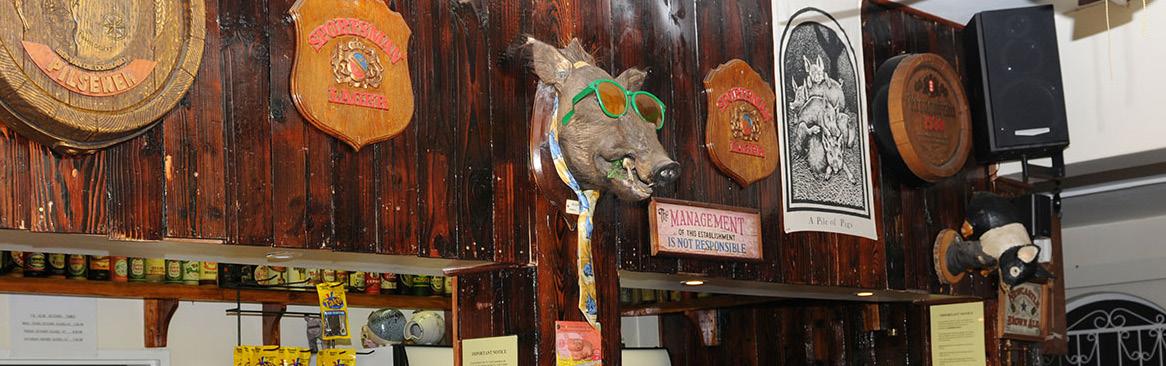
Postgraduate Student Support Workshop
The workshop sought to identify and establish a coherent postgraduate experience from a student support perspective, that would help enhance the students beyond the academic project, professionally and build a social cohesion. The workshop was mainly curated to help brainstorm through postgraduate support initiatives and projects; how gaps can be filled; and what can be strengthened for improvement. The focus was aimed on the Student Affairs’ role, but naturally also how coordination and collaboration can be attained to ensure a seamless postgraduate student experience within the University setting.
Postgraduate Book Club
The PG Book Club is an inaugural programme hosted through Student Affairs in an effort to enhance the outof-classroom experience. This is achieved through means of authentic literature exposure, creating a vibrant space for an exchange of ideas for postgraduate students, and encouraging them with a holistic social support and peer to peer learning experience. The format of the book club is one that allows for postgraduate students to form a panel that present an in-depth review and analysis of the recently released book. The session allows for debate and discourse between the panellists, the audience (made up of postgraduate students) and the author.
In 2021, two successful postgraduate book club sessions were hosted with authors:
1. Dr Sizwe Mpofu Walsh author of “The New Apartheid”
2. Prof Tshilidzi Marwala author of “Leadership lessons from books I have read”
Co-curricular Transcript
Following a benchmarking exercise with Nelson Mandela University, Stellenbosch University and the University of Edinburgh regarding the co-curricular record. It was undertaken, through the University Student Services Advisory Committee, that the co –curricular transcript be implemented during the 2022 academic year. The proposed framework for the transcript which met the Senate approval is meant to serve a formal recognition of student involvement and participation in co-curricular activities within the realms of leadership in structures of student governance, community and social impact projects, first-year mentorship and a range of other activities. The co-curricular activities will fall into one of the following categories: Meritorious Participation, Student Leadership, Community Service and Civic Engagement, Educational, Leadership and Entrepreneurship Activities, Workshops and Programs, Work Experience, Mentors and Peer Educators.
Dean of Student Affairs’ Leadership Conversations
As part of the Women’s Month celebrations, The Dean of Student Affairs hosted female ViceChancellors from three South African Universities, for a conversation on leadership and their roles in their respective Universities as outlined below:
1) Prof Sibongile Muthwa, Vice-Chancellor of Nelson Mandela University;
2) Prof Mamokgethi Phakeng, Vice-Chancellor of The University of Cape Town; and
3) Prof Puleng Lenka-Bula, Principal and ViceChancellor of the University of South Africa.
In the next series of leadership conversations in 2021 the Dean of Student Affairs hosted Pride Month Celebrations, which entailed the participation of LGBTQIA+ activists for an insightful discussion on the topic “Pride 2021: Understanding the context and lessons learnt from my leadership journey.” Invited guests included activists Phumi Mtetwa, Dr Sisanda Msekele and C. Anzio Jacobs.
Wits Student Leadership Awards
The Wits University Student Leadership Awards take place annually in honour of students at Wits University who demonstrated outstanding leadership through:
• Promotion of the Vision, Mission and Values of the University of the Witwatersrand (WITS);
• Promotion of a culture of learning both internally and externally;
• Social Responsibility, volunteering as well as care and consideration of the community;
• Exemplary Leadership Qualities, and;
• The promotion of Diversity, Inclusivity and Transformation.
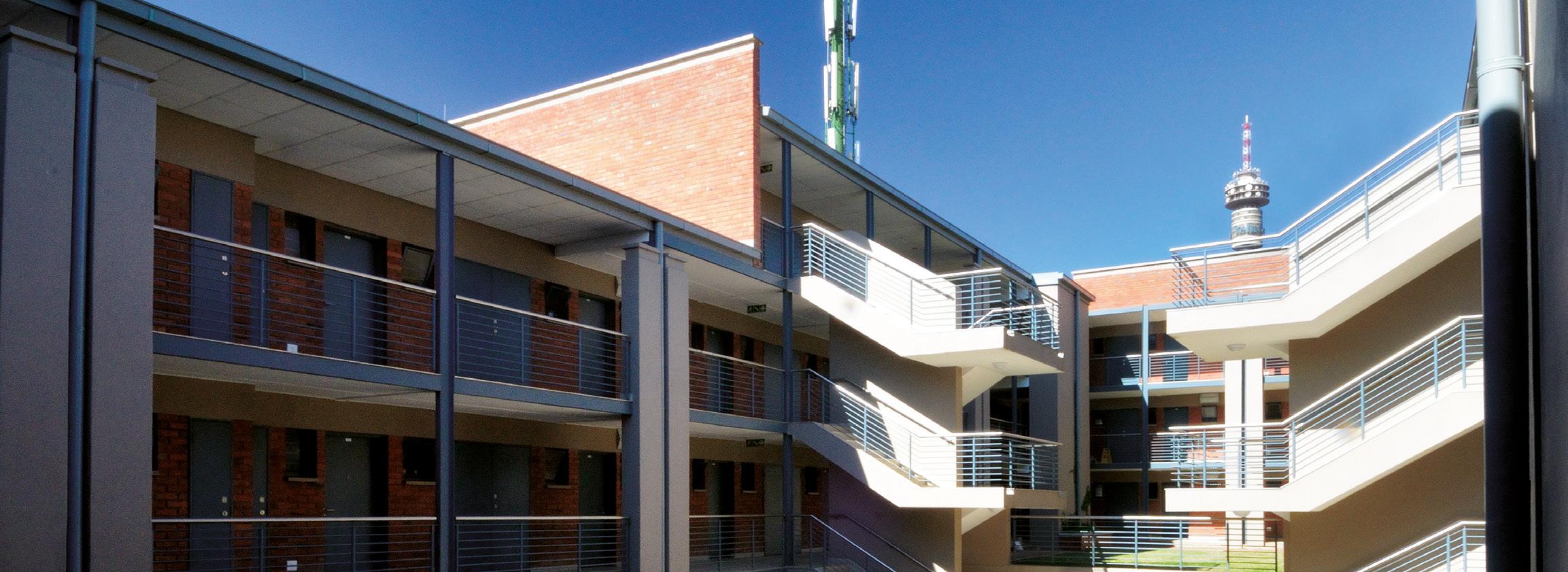
4.5.2. Campus Health and Wellness Centre (CHWC)
Campus Health & Wellness Centre (CHWC) provides a comprehensive primary health care service which enhances the wellbeing of the Wits community i.e. students, staff and their dependents. The operation of the centre was impacted by Covid-19 pandemic especially during the total lockdown period as low numbers of students were on campus thus using the centre’s services. Health care support was extended to the students who were learning remotely in all the provinces within the country through telephonic nursing consultations and referrals, with most of the referrals being to the public clinics and hospitals. Follow up care of students and staff who tested positive to Covid-19 and those that were admitted with Covid-19 related complications and screening and monitoring of symptomatic staff and student was done through Campus Health. During the 2020 academic year a total of 3102 consultations were recorded , this number rose to 5908 patients seen for various health care needs. A Pop-up Site Covid-19 vaccination site on basis of a partnership between Wits and Netcare Milpark was opened on Main Campus in Braamfontein 2021 for three weeks in support of other sites such as that of the Liberty. There was an increase in the number of students who needed mental health intervention (about 588) with medium to long term treatment, about 145 required hospitalisation.
4.5.3. Campus Housing and Residence Life (CH&RL)
The 2021 academic year saw challenges brought about by Covid-19 pandemic, the year started with the country placed on lock down level 3 and all academic and accommodation plans had to be in line with the regulations. Due to the pandemic, the University resolved that Wits residences needed to prioritise students who were “needed” by their academic faculties, followed by first year students and the rest of the students were returned purely by applications on social justice ticket. House committee members and Residence Academic Advisors from all residences were invited in the course of 2021 to offer leadership and academic support to students in residences in general and to first year students in particular. The 2021 house committees were not elected but were volunteers who were meant to serve their term in 2020 but due to Covid-19 pandemic, they left without having served their term of office. In June 2020 the University Council approved the Private Student Accommodation Policy, the policy full came into effect in 2021. With the approved Policy in hand, CH&RL moved to automate the accreditation processes to enable prospective private accommodation providers to interact with the University remotely.
The automated processes resulting from the new policy placed Wits University in a premier spot in the industry, considering that the accreditation processes had just been started in the same year. A total number of properties that were accredited in 2021 stood at 59 and provided University students with 18687 beds.
The Residence Academic Advisory (RAA) programme is CH&RL’s flagship initiative. In 2021 CH&RL continued with deployment of its resources to support first year students who were in Wits residences. RAA programme is led by a cohort of top performing senior students who are employed annually by CH&RL with the sole purpose of holding first year students by hands as they find their way in the university. Only 38% of all Wits residences beds were occupied by first year students in the 2021 academic year. A conducted survey amongst first year students indicates maximum satisfaction with the RAA programme which first year students found to be very beneficial to them. First year students are in the same residences with their allocated residential academic advisors and find it easy to seek help at any given point in time when they encountered academic challenges.



4.5.4. Counselling and Careers Development Unit (CCDU)
The CCDU team ensured that professional counselling, support, interventions and capacity building initiatives were provided through online platforms such as Zoom; MS Teams and the learning management system porta, that is, Ulwazi during 2021. Regular updated supportive psycho-educative resources inclusive of Mental Health, Wellness, Careers and Gender Based Violence themes were uploaded onto Ulwazi portal and the CCDU website as well as through the Wits’ social media platforms.
During 2021 there was a substantial increase in the numbers of therapeutic and counselling sessions provided to students compared to the 2020 academic year, with the majority of students being students in 3rd year of their academic programme. This was in contrast to previous years whereby the majority of students seen for sessions were first year students. The overall increase in students requesting counselling for mental health issues is in line with the global increase in mental health difficulties, in particular regarding anxiety and depression associated with the massive adverse impact of Covid 19 on all aspects of life. The majority of issues students presented for therapy were for anxiety, family and relationship issues and depression. Academic issues were significantly higher than in previous years, highlighting coping difficulties / adjustment challenges for many students with the adopted online teaching and learning mode. Group interventions continued to be successful and included supportive/psycho-educational groups, debriefing groups and therapy groups. There was a total of 99 groups in 2021 a substantive increase compared with 79 in 2020. Groups were facilitated by therapists on: Adjustment ; Dialectical Behaviour Therapy (DBT);Gender Based violence; Healthy Relationships; LGBTQIA+ support group; Mindfulness ;Reflections on Daddy & I; Self-care; Self-Esteem; Stress and Anxiety; Trauma Debriefing groups
CCDU is registered with the Health Professions Council of South Africa (HPCSA) as an accredited Internship site for the counselling psychology category and also is an internship site for social worker
4th year students to complete their year-long internship part time placements. The interns were conscientious in providing high standards of services to students, inclusive of therapy, mental health advocacy, psycho-education and career services to students in the endeavour to contribute meaningfully toward their support and empowerment. CCDU played a central facilitative role in the training of student mentors. Training was completed for around 560 students from both the First Year Experience (500) and Residences Academic Advisor (60) program. Training was conducted for the peer volunteer advocates as part of the JUMP Programme, in collaboration with the Gender Equity Office and Transformation Office. The peer advocates were very committed to the advocacy activities, which were facilitated online, due to the Lockdown. In terms of mental health strategy; a series of
meetings were held with a range of stakeholders in 2021 culminating to a very constructive workshop held in November 2021 in preparation for the review and planning of the strategy planned to be undertaken in 2022. The presentations from stakeholder service providers and subsequent discussions provided valuable insights and highlighted challenges and suggestions for enhancing the services. The strategic focus areas of the mental wellness strategy include the promotion of psychological and emotional wellbeing, enhancement of access to professional counselling services, enrichment of collaborative programmes and initiatives to promote a culture of support and belonging, alignment of the mental wellness strategy to the university vision and strategic priorities. The review of the mental wellness strategy with internal and external stakeholders will continue and be finalized in 2022.
The 24-hour Wits Student Crisis Line and App operated by ICAS were well utilised by students for a range of mental health issues. These have proved to be essential after hours services in complementing the counselling services available on campus for students.
The Career Counselling services at CCDU provides students with co-curricular support in respect of career decision making, graduate recruitment and world of work awareness through the Career Counselling Programme, Graduate Recruitment Programme [GRP] and Journey to Employability programme [JEM]. There was an increase in a careers counselling sessions in 2021, with the majority of students requesting career counselling for: decision making about their study options; admission information; curriculum planning; CV writing; job search skills The Graduate Recruitment Programme continued to be the primary service connecting students and prospective employers. The programme remains focused on building strategic partnerships with prospective employers to better prepare Wits students for the world of work post Covid.A total of 117 companies were registered to participate in the Graduate Recruitment Programme service offerings in 2021. In collaboration with Wits ICT and Human Resources; CCDU developed and launched a student employment portal in September 2021, for advertisement of part-time student employment opportunities by Wits departments and external prospective employers.
4.5.5. Student Governance Office
The Student Governance Office is responsible for ensuring ethical cooperative governance for all students’ statutory bodies and sub-structures within the Institution. Student formations breathe vibrancy in the university student life. The Covid-19 pandemic brought an unimagined and abrupt halt to student life activities that brings students together to promote social cohesion as well as an opportunity
to collectively address various adversities they face as students. It is important to note that the co-curricula activities proffered by these formations contribute towards a holistic development of students as it continuously strives to nurture and shape a well-rounded individual.
The SRC general elections were concluded successfully on the 8th of September with a 25.55% voter turn-out over a two-day polling process. The SRC was constituted on the 30th of September 2021 comprising 22 members; 13 of whom are directly elected by the student body and the remainder composed of members elected through various substructures, i.e. Postgraduates, Residences, Sports, Disability and International students.
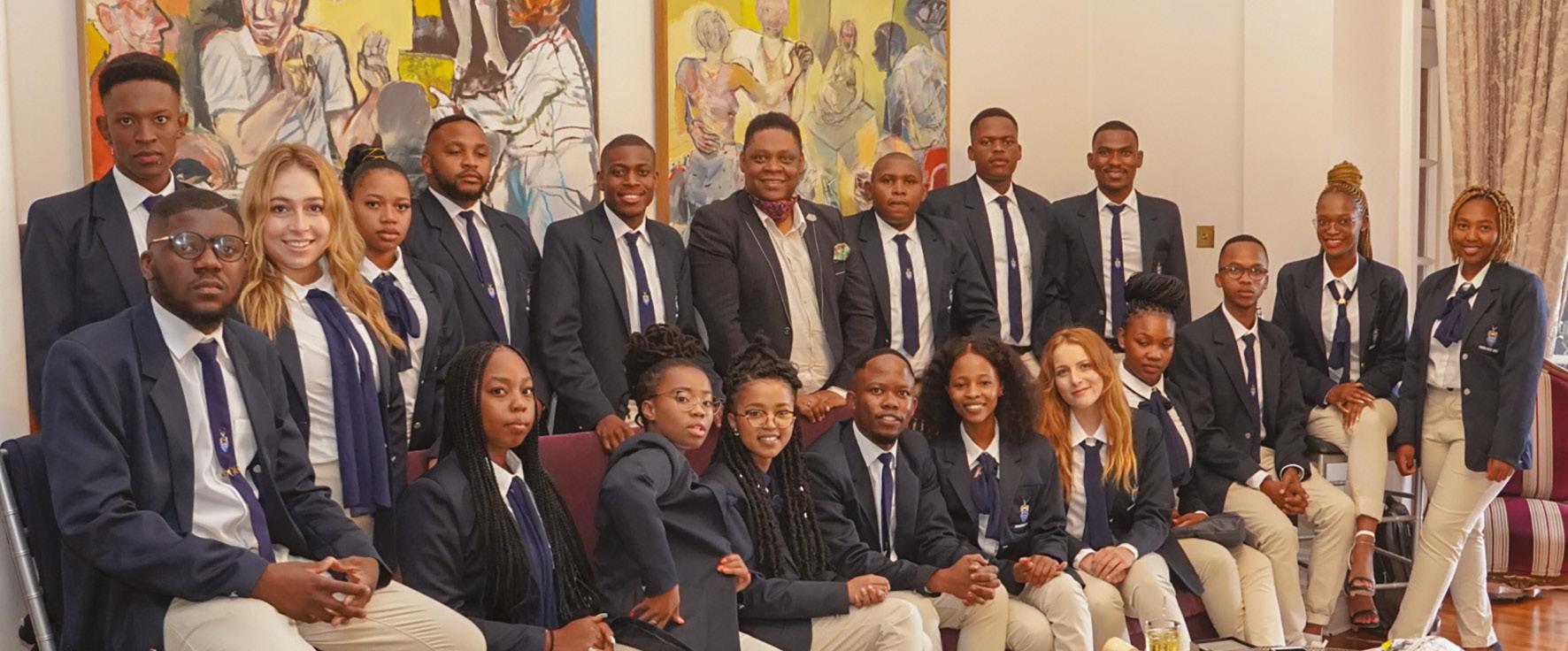
Clubs, Societies and Organizations commenced with the election of the new executive members in August 2021 and concluded the process at the end of September 2021. The nominations for the 35 student school councils opened on the 9th of September and closed on the 16th of September 2021. There was a huge improvement in terms of nominations received and voter turn-out in respective schools in comparison to previous years. All schools have established the student councils either through an election or a co-option process in situations where council members resigned or discontinued their studies. Nominations for house committee elections opened on 9th – 16th September 2021 and were extended to 21st of September 2021 due to an insufficient number of nominations received at the close of the process. There were teething problems as the entire election process was held online for the first time for the house committees as the online election portal was originally designed for the SRC elections as a result some of the aspects were not adequately modified for this constituency. However, the polling process was successfully held online from 5th - 6th October 2021.
Student Governance Office (SGO) and the SRC President hosted an online engagement with students living with disabilities; International students and colleagues from the international office as well as Disability Rights Unit to sensitise and kindle an interest on participating in student governance structures. These engagements were a successful and necessary process as they yielded a substantial number of nominations for the international students’ sub-council. However, did not yield the same for the disability constituency.
Student Affairs through SGO conducted an induction programme designed for newly elected SRC and its substructures to ascertain that they are oriented to the University structures and statutes. The programme includes development of theoretical skills in understanding the businesses’ processes and
protocols of the Institution. The SRC embarked on the fundraising campaign themed #21 million campaign aimed to raise R21 million to assist students who were in financial need. The campaign successfully fundraised just over R7 million and over 900 students benefitted from the campaign. Other high-level programmes and activities led by the SRC include hosting Dr Nkosazana Dlamini-Zuma, the minister of
COGTA who engaged students on the vision of the South African Government in relation to higher education. The SRC and the SGO also successfully hosted a training programme for 35 school councils; Inkundla Yamakhosikazi and She Leads! which was a programme spearheaded by the women in the SRC to create platforms for young women to come together and engage on issues that they face as a collective body.
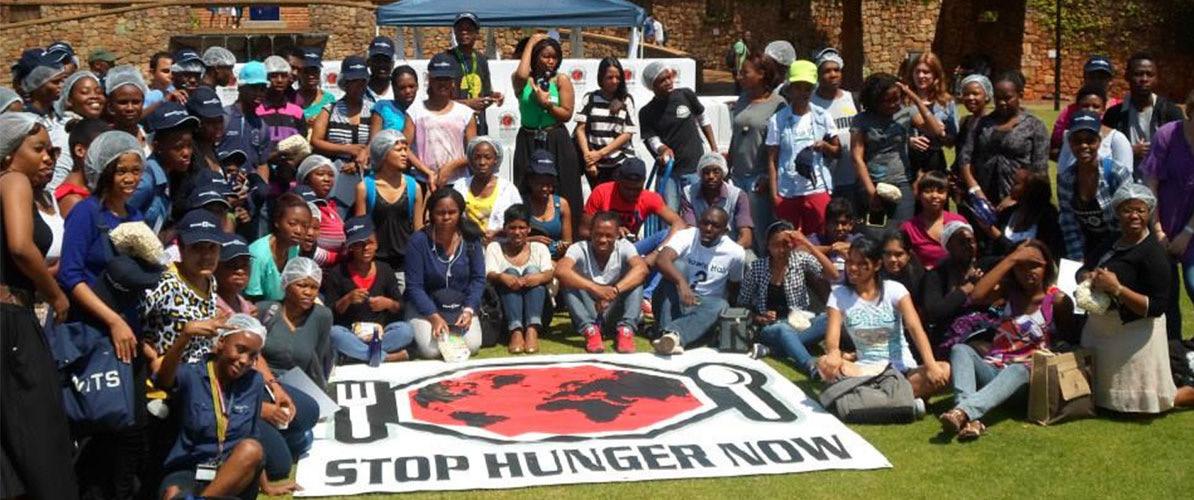
The Wits Citizenship and Community Outreach (WCCO) office promotes community engagement through student volunteerism. The work of the WCCO is to provide a range of opportunities for students to learn in real world contexts, through action and reflection. This allows students to engage in a meaningful way with relevant issues and challenges facing communities in South Africa and it encourages the development of personal social responsibility and social justice as a leadership quality.
In 2019, WCCO registered at least 32 new projects. However, in the past two years, much of what had been developed as sustainable volunteer interventions have been neglected. The Covid19 pandemic has had a devastating effect on student community projects. Students undertook an unprecedented online learning experience, which rendered all community projects
non-operational. The need for social distancing and hard lock downs drastically affected student volunteerism.
The Covid-19 pandemic has appeared to worsen the socio-economic difficulties of students. Recognising this and the overall economic downturn in South Africa, Wits, through the WCCO provides a campus-wide programme, to alleviate student hunger. The Wits Food Programme is a comprehensive, multi-pronged institutional response to approach to addressing student hunger on campus. The programme comprises three separate projects run by student volunteers: 1) The Wits Food Bank is a repository for non-perishable food collected through donations from the public and private sector. The Food Bank ordinarily opens twice per week to all students who seek assistance. Students are allowed one parcel per month while stock lasts. However,
4.5.6. Wits Citizenship and Community Outreach (WCCO)
the lockdowns during the pandemic necessitated that the food bank close. The Wits Food Bank re-opened in September 2021 and food parcels were delivered to most of the student residential facilities in the University precinct. Food parcels were also provided to 250 medical students at various sites in Gauteng. The WCCO assisted in excess of 1000 students with food parcels in 2021.
2) The Masidleni Daily Meal Project – which is meant to provide a hot meal to 1000 students per term day had to be halted in April 2021 due to COVID-19 and is anticipated to resume in April 2022.
3) Student Communal Kitchen – a fully equipped kitchen is available for students to organize themselves into groups to cook food particularly in the evenings when students stay late on campus at Libraries. This project has also been closed due to the pandemic and will be revived in 2022.
The lack of stable and secure accommodation for many students and its bearing on student health and academic success is addressed through the University’s Hardship Accommodation Fund. The Fund makes available funding to secure upwards of 300 beds from Wits residences and service providers in the Braamfontein area to accommodate that many students who have no financial means to pay for accommodation. Homelessness by its very nature represents a breadth of other challenges and for students; it poses a serious threat to achievement of their academic goals.
The WCCO aims to develop a generation of civic leaders who are aware of their personal and public responsibility to their communities and the world. This work is done through the following programmatic interventions: WCCO collaborated with the Auwal Social Research Institute (ASRI) to provide the week-long Civic Leadership Programme during the July winter recess in 2021. The purpose of the programme was to develop students’ understanding of civil society and government sectors for those aspiring to drive social change in South Africa. WCCO works with the Centre and Co-operative and Policy Alternative Centre (COPAC), to deliver a Climate Justice Education Programme. The programme is a climate literacy programme where students learned about the climate crisis as a social justice issue and explored climate change mitigation and adaptation. The programme was structured as a weekly session during 26 August to 18 September 2021, on a Thursday evening, between 18h00 and 19h30. Participants attended on the Microsoft teams meeting platform. The University of Cape Town (UCT) and Wits University collaborate to provide the Global Citizens 4 (GC4) programme, which is open to both UCT and Wits students. This programme provides a platform for students to explore what it means to be a social change agent. It explored student activism, student’s concepts of community engagement and activism. GC4 ran once per week over six weeks between
August and September 2021. The last session of the GC4 programme provided students an opportunity to engage with international students from the University of Toronto- Hart House Global Commons.
4.5.7. Development and Leadership Unit (DLU)
DLU aims to develop high and positive impact world leaders for a better society by creating a vibrant student life experience. The unit actively creates an environment that is enabling, empowering and one that allows the space for constructive debate, critical enquiry, civic engagement and challenging the status quo for the benefit of the students and society at large.
There are a variety of learning platforms that DLU develops students through such as: Leadership Camps, Roundtables, Training and Development, Journeys of Discover as well as Outdoor Experiential Related Learning. By creating a unique out-of-classroom environment, DLU maximise the opportunities for student personal growth and intense self-discovery through exciting and challenging co-curricular activities and student leadership training.
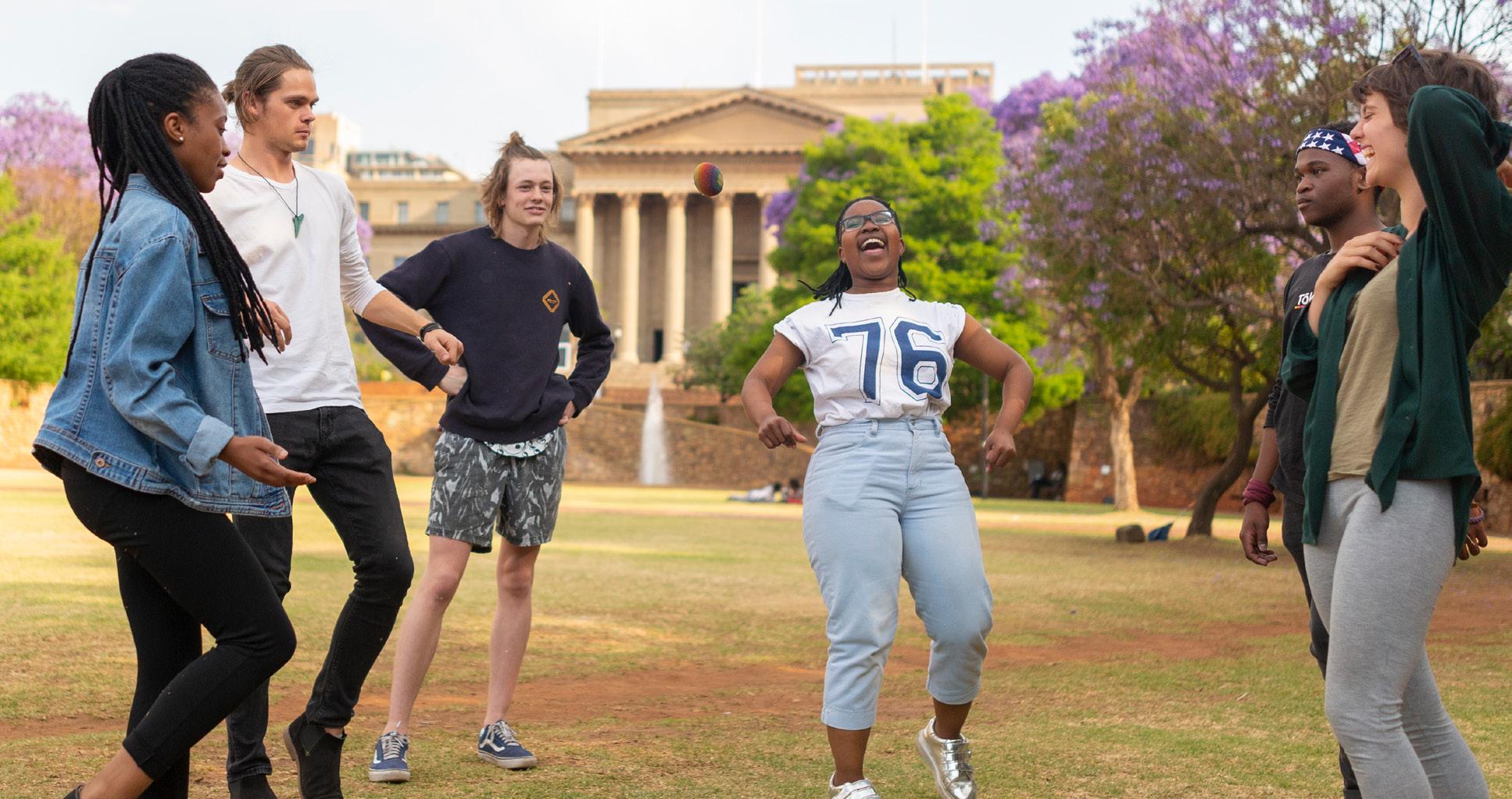
The main areas of strategic focus for DLU are:
• Leadership Development and Experiential Programmes
• First Year Experience (FYE) Programme
• Student Entrepreneurship and Innovation
• Diversity Programmes and Initiatives
The traditional face to face mode of program delivery was changed to online delivery in 2021 with the main platform which was utilised for all programme delivery being the Wits’ Learning Management System (LMS) and Microsoft Teams. All sessions and support resources were migrated to the LMS platform in order to allow for easy and seamless access to Wits content. In response to the spread of the Covid -19 pandemic, Student Affairs through DLU conceptualised, developed, and implemented an online orientation programme aimed at preparing students for entry into the university. The objective was to help first years find their feet and successfully make the transition to being a university student. Although not compulsory for students; the orientation week was highly recommended for all new first year students as it aimed to integrate academic content and student life activities. On completing the orientation, students would have the knowledge and skills to use the Wits LMS for their academic courses from Day 1 of the term, know their way around campus and where to get support; and get to know their assigned mentor.
First Year Experience
The First Year Experience (FYE) is a year-long programme for all first year Wits students. The FYE programme provides opportunities for personal growth and support, acquisition of important life skills, career development, community-building and expanding students’ horizons and experiences beyond their formal academic programmes. FYE is coordinated by the Development and Leadership Unit (DLU) in Student Affairs, which collaborates with other units across the university. FYE mentors who are central to the FYE programme are a select group of senior student dedicated to serving Wits University in the capacity of advocates for new students by fostering support in academic performance, achievement, and social development. FYE Mentors work as Orientation leaders during the Orientation Week programme and assist in promoting student activities, events for campus involvement.
Emerging Leaders Programme (ELP)
Emerging Leaders Programme (ELP) is a six month-long course aimed at capacitating and equipping student leaders with the necessary skills needed in enhancing their leadership qualities. EL is the primary flagship programme offered by the DLU, bringing together dynamic minds into a space which fosters opportunity-offering, growth and holistic development. The course has been deliberately set out in different modules, with each module focusing on a specific all-encompassing leadership topic in order to fully capacitate and engage with our participating leaders and change makers. The course provide participants with an opportunity to become leaders who lead without a title.
Bursary Support Overview
Wrap around support at the DLU focuses on assisting the marginalised students entering tertiary education with the skills and competencies they require in order to thrive in a rigorous and fastmoving education climate. There is an increasing need to not only have foresight regarding the challenges of the profile of bursary students, but to also respond proactively to their academic and psychosocial needs through the development of programmes and learning interventions that enhance the student’s learning experience, addresses their knowledge gaps, address the threat of “under-preparedness”, and equips the learner with graduate competencies that help them compete in the world beyond university. This is the value add that the DLU bursary wrap around support gives to each student. Since 2018, DLU has provided wrap around support to two Bursars namely: Ikusasa Student Financial Aid Programme (ISFAP) and the Energy Mobility Education Trust (EMET), formally known as the BBPSA Foundation totalling 192 students who the unit has taken guardianship of in effort to cultivate their ability to meaningfully engage in their learning.
Student Entrepreneurship
Student Affairs’ main objective on student entrepreneurial development is to synergize all key student entrepreneurial initiatives in the University to enable their alignment with the overall institutional innovation strategy and entrepreneurship ecosystem. To this end, Student Affairs offers through DLU : 1) Student consulting services - from pre start-up, ideation to commercialisation, 2) Programme development and facilitation, 3) Business Coaching, and 4)Facilitation and management of all internal and external aligned yearly programmes i.e. EDHE: Intervarsity Competition
The DLU in 2021 focused on developing the SEED programme which focuses on cultivating the entrepreneurial mindset amongst students across all faculties as part of student development through a combined provision of practical skills, organized knowledge and pro-active support for student entrepreneurs which will enable them to successfully transition their ventures into start-ups driving measurable venture impact.

4.5.8. Wits Sport
Like any other environment sport was hard hit by Covid-19, as the department overcame challenges and implemented tough protocol for staff and students. The positive Covid-19 infections were managed accordingly, to ensure student participation in all competitions for which qualification was achieved.
Highlights of Excellent Sporting Performances
• Basketball Men won the University South Africa Sports Championship in Gqeberha and Women came 3rd.
• Football Women made it to the first ever Varsity Football semi-final in the first year of participation they ended 4th. The Women placed 3rd in the Sasol League.
• Wits Mens Football–participated in the ABC league.
• Hockey comprised of representatives of past and current students, that represented South Africa at the Olympics.
• Wits Netball moved from the B section to the A Section and finished 7th in the tournament. Wits Netball also has 5 students playing in the highest netball league in the country.
• Wits cricket placed 3rd for the first time since 2006 in the Premier A League.
• Wits Sport and Health launched a series of webinars on various topics that were well attended.
Highlight
Rising Stars:
• Male: Setshaba Mokoena (Rugby Club)
• Female: Nthabiseng Ramaisa (Football Club)
Golden Oldie:
• Kevin Du Randt (Rugby Club) & Campbel Tiley (Yacht Club)
Student Sport Administrator of the Year:
• Hannah Sarakinsky (Ultimate Frisbee)
Mel Siff Sportspersonship:
• Siphamandla Qayiso (Tang Soo Do Club)
Social Media Presence:
• Wits Ultimate Frisbee Club
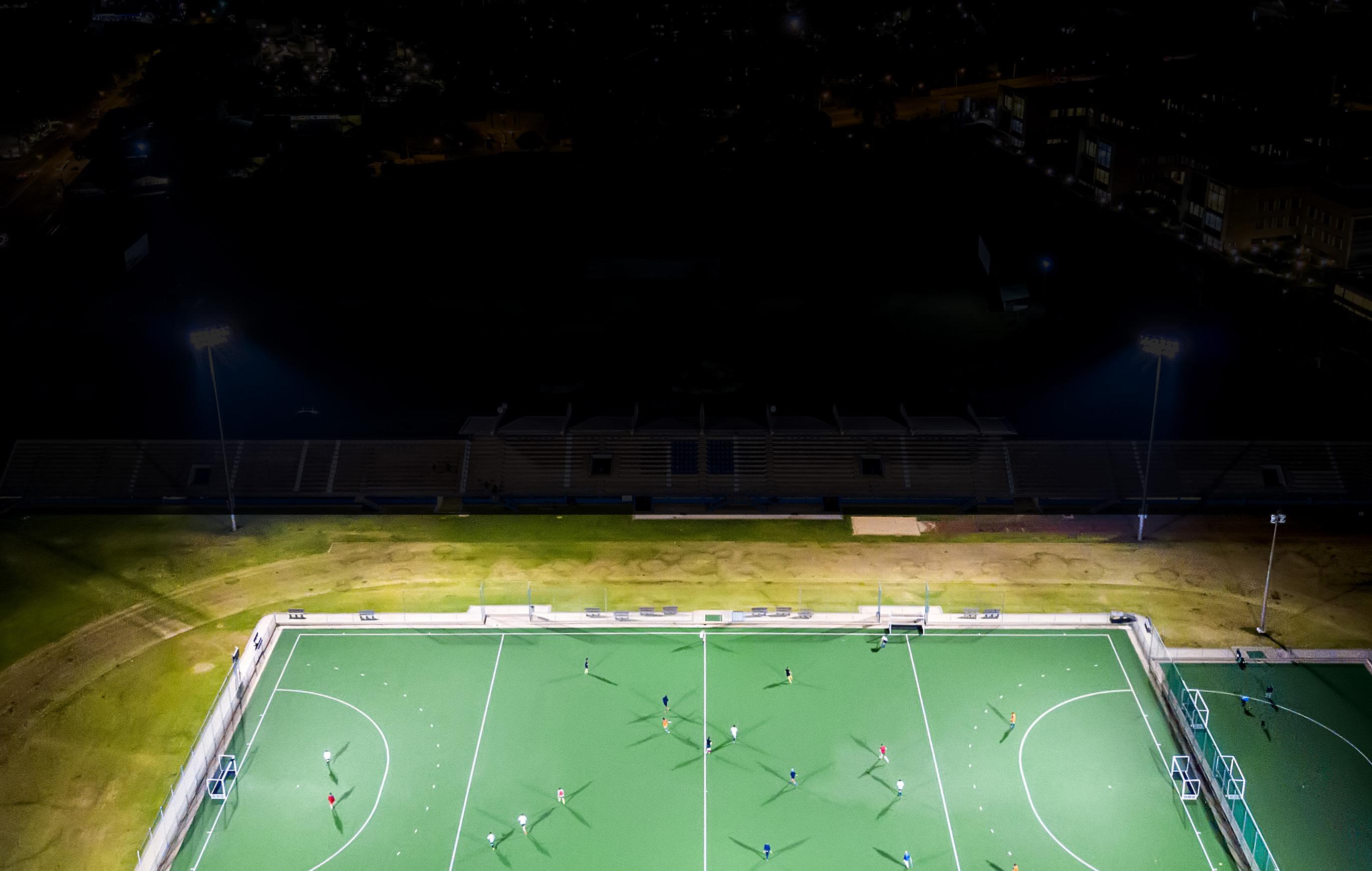
Half Blue Colours:
• Juan Landsberg (Cricket Club)
• Claudia Aggenbacht (Netball Club)
• Ashleigh Gray (Netball Club)
Full Blue Colours:
• Henco Van Wyk (Rugby Club)
• Sibusiso Shongwe (Rugby Club)
• Izan Estherhuizen (Rugby Club)
• Jordan Hendrikse (Rugby Club)
• Nico Steyn (Rugby Club)
• Benefactor Mokoena (Ultimate Frisbee)
Full Blue Cum Laude:
• Rusten Abrahams (Hockey Club)
• Nomnikelo Veto (Hockey Club)
Covid-19 Champions: Students
• Tshepo Thaela
• Lehlohonolo Motho
• Campbell Tiley
• Tumelo Ranoto Staff
• Sharmin Naidoo
• Kabungo Mubanga
• Jacques Durand
• Nandi Buthelezi
Sports Teams honoured for their performances in 2021 USSA Tournaments and Leagues:
• Wits Basketball - 2021 USSA Champions
• Wits Netball - Producing several Telkom Netball League players and placing 7th at USSA Netball
• Wits Women’s Football and Wits Cricket for League performances
Junior Sportsman of the Year:
• Jordan Hendriske
Junior Sportswoman of the Year:
• Panashe Chiranga
Sportsman of the Year:
• Rusten Abrahams
Sportswoman of the Year:
• Nomnikelo Veto
Sports Bursaries
There are currently 197 students on bursaries which vary on amounts. The following numbers include male and females with the following breakdown
• Male: 142
• Female: 55

RESEARCH
4.6. Research
4.6.1. Research and Innovation
In 2021 we saw a continuation of the unusual times established in early 2020 by the Covid-19 pandemic. Its impact has been felt in all corners of the economy, society and similarly in higher education. It has, however, been remarkable to see how education institutions across the country, including Wits, have responded swiftly to the need for online and later hybrid and even blended teaching processes. The response from the research community seems to be equally swift and complete.
Notably, scientists from many different knowledge fields combined their disciplinary strengths to tackle the problem of Covid-19. Immunologists, virologists and pathologists have worked seamlessly on the problem often pivoting from work on other viruses to focus on SARS-CoV-2. There have also been valuable inputs from physicists and applied mathematicians, modelling rates of infection; sociologists and economists sharing knowledge about the impact of lockdown on people and the economy; engineers in creating personal protective equipment, ventilators and hand sanitisers; and so forth. All these researchers come together in a collaborative way to manage the problem on behalf of our communities.
However, in some cases the various stages of ‘lock-down’ did disrupt field-based research in 2021. This includes ecological, archaeological and sociological activities as scientists were prevented from travelling to their research sites. It however also disrupted educational research in schools, underground mining research, and industrial research in manufacturing plants, to name a few other examples.

Thus, in summary, although the lock-down at first gave people space and time at home to write research that had been waiting in the ‘in-tray’, it soon prevented the progress of data gathering in existing projects and the start of new projects. Nonetheless, 2021 still yielded some interesting discoveries and advances in knowledge generation, as detailed below. A testament to the resilience of Wits academics.
The 2021 year also provided new opportunities for the understanding of research and its use at Wits. The new Vice-Chancellor, Prof Zeblon Vilakazi, has taken our long-standing understanding that research should have impact a step further by introducing innovation into our strategic vision. Since her arrival in April 2021 the new DVC for Research and Innovation, Prof Lynn Morris has undertaken a widely consultative process to garner a broad understanding of innovation at Wits. The Wits definition of innovation extends far beyond the commercialisation of knowledge. Indeed our understanding embraces all ways in which knowledge can be translated and used for good.
To enable this concept of innovation, Wits established late in 2021 the Wits Innovation Centre (WIC), which will act as a hub for innovation activities that are played out in the five faculties. The WIC will coordinate education in entrepreneurship as well as facilitate opportunities and spaces for students and academics to pursue their ideas for innovation. The Tshimologong digital innovation centre is an existing example of this type of activity. The aim is to replicate and magnify its impact in years to come. It is important also to reflect on how the University and its academics have responded to the goal of increasing the postgraduate cohort of the student body – a strategy initiated more than five years ago. Given the obvious growth of postgraduate students at Wits, much effort has been invested in understanding the changes needed to accommodate these increased numbers. Within the context of the strategic objective for postgraduate training, namely a swift, secure and stimulating experience, effort was invested in 2021 into understanding why we experience a fairly slow throughput rate of many of our postgraduate students. The University’s so called Milestones project used to monitor and manage progress of postgraduate student was one practical focus in this context. The solution for this development will be realised in 2022.
Other developments in 2021 related to postgraduate student training was the refocusing of University Research Office staff to include a focus firstly on student liaison, mainly through the PGA and the GOLD programme of student development, and secondly on strategy development. The need for the latter arose partly from the PhD assessment programme initiated by the Council for Higher Education (CHE) and the fact that the current Wits strategy for postgraduates expires naturally at the end of 2022. A think tank has been convened and will include a range of experienced academics who will reflect deeply on postgraduate student training and thereby give guidance to the development of plans for the next five years.
4.6.2. NRF Rated Researchers
One measure of research intensity is the number of NRF rated researchers in a university. The rating system is a peer review process that evaluates the impact on a discipline made by individual researchers.
The NRF runs an annual call for rating applications. These consist of a detailed CV and a motivation about one’s impact on a particular scholarly community. These applications are reviewed by up to six independent peer reviewers. Based on their assessments a specialist panel awards one of the following ratings: A (leading international scholar), B (internationally recognized scholar) or C (established researcher). There are also two ‘developmental’ ratings for early career academics, namely: Y (for young entrants) and P (prestigious young entrants).
The numbers of Wits academics, including joint appointees, with an NRF rating by Faculty and rating category are shown in Table 1.
Another indicator of quality of research other than counting the number of NRF rated researchers is the Clarivate Highly Cited Researchers list as it contains some of world’s leading scientific minds. Over three thousand researchers earned the distinction by writing the greatest numbers of reports officially designated by Essential Science Indicators℠ as Highly Cited Papers—ranking among the top 1% most cited for their subject field and year of publication, earning them the mark of exceptional impact. In 2021 Prof F Raal was acknowledged in the top 1% in his field.
Furthermore, the number of highly cited papers (in the top 10%) and hot papers (in the top 1%), as shown in Figure 1, indicates the quality of Wits publications.
FIGURE 1: Progress of publications regarded as highly cited and hot: 2015 - 2021
Research Achievements
In 2021, Wits announced 22 major discoveries in the public media. Such announcements are important as they are relevant to our notion of producing research with impact, where take-up is important. The discoveries had an accumulated advertising equivalent value of R 184.1 m. The advertising equivalent value gives some sense of the interest that the news media had in distributing this information and the public’s desire to consume the information. Other measures of the spread of this knowledge are the Twitter and Facebook impressions; 80 221 and 329 180, respectively.
However, nothing replaces the value of peer reviewed publications in the academic context. Wits affiliated authors once again made 2021 a good year for research publications. Figure 2 below shows a plot of publications from the Web of Science index (also called by its historic name, the ISI database)
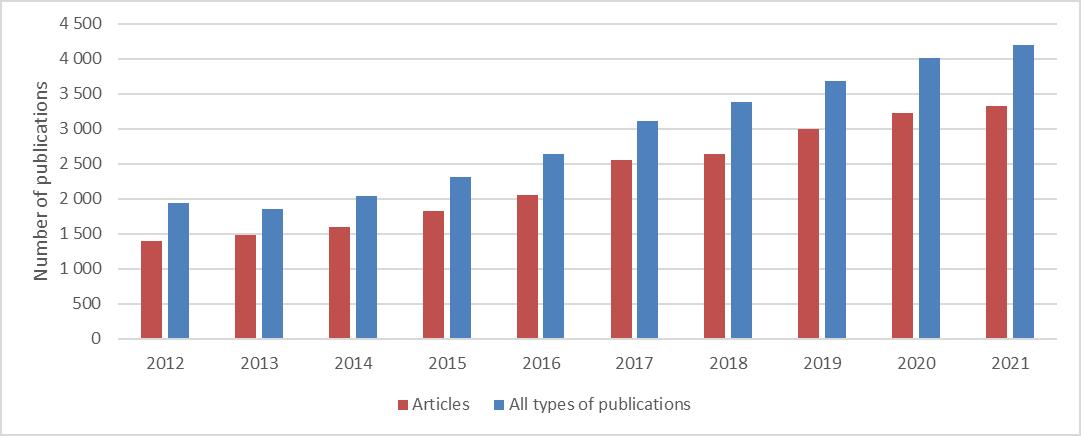
across the last decade. On average across this period the proportion of journal articles to the total number of all publications was 79%.
Out of the 3 329 journal articles from the ISI index published in 2021 by Wits authors, 43 were Highly Cited Papers. This means they received sufficient citations by the end of 2021 to place them in the top 1% of their academic field. Furthermore, 16 were Hot Papers. These received sufficient citations in 2021 to place them in the top 0.1% of papers in its academic fields. The history of this achievement over time is shown in Figure 3.
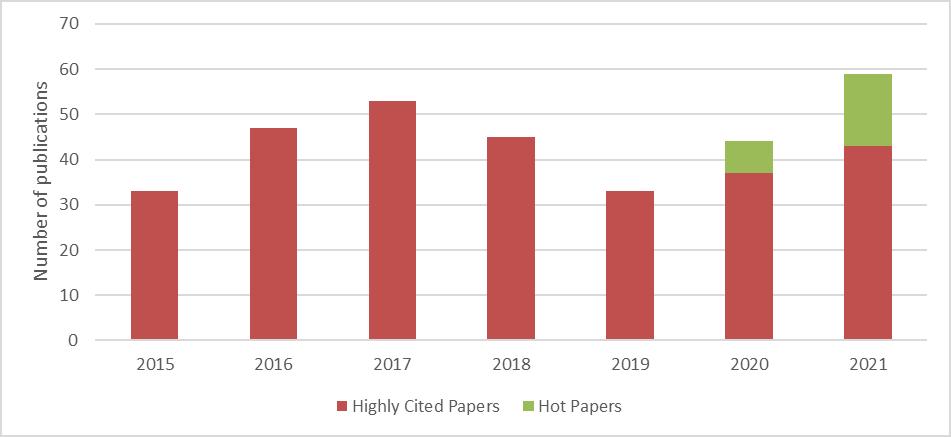
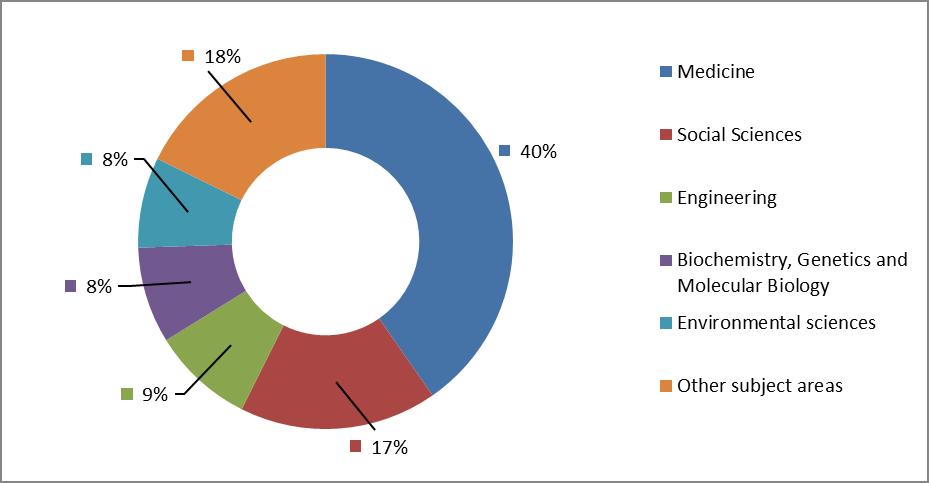
3:
4:
The Wits authored publications in the larger Scopus index in 2021 show the range of disciplines in Wits is active
Of the 3 329 ISI indexed journal articles published by Wits affiliated authors in 2021:
• 84 were published in SA Medical Journal (Impact Factor = 1.5);
• 85 were published in PLoS One (Impact Factor = 3.2);
• 64 were published in Journal of the International Aids Society (Impact Factor = 5.4);
• 46 were published in Journal of High Energy Physics (Impact Factor = 5.8);
• 6 were published in New England Journal of Medicine (Impact Factor = 91.2);
• 5 were published in Science (Impact Factor = 47.7); and
• 5 were published in Nature (Impact Factor = 50.0)
Publications in three high Impact Factor journals including Science, Nature, and the New England Journal of Medicine (NEJM) are shown in Figure 5.
Figure 3: ISI indexed research publications authored by Wits academics
Figure 4: Disciplinary distribution of the 2021 Scopus indexed publications
FIGURE
Highly Cited and Hot papers published over time: 2015 - 2021
FIGURE
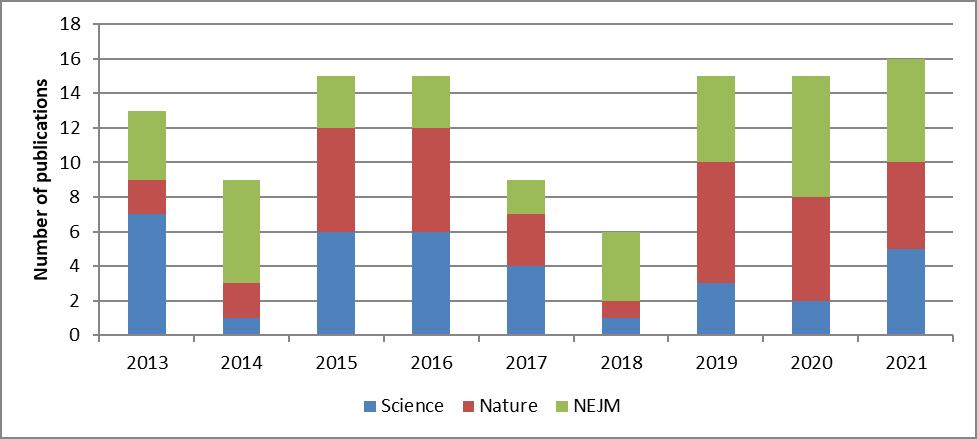
4.6.3 Research Awards
Internal Awards
The 2021 the VC Research Award was won by Professor Andrew Forbes (Science Faculty) for his sustained research excellence.
Reviewers recognised his contribution to physics as “truly exceptional” and noted that his work in the field quantum physics and structured light is “pioneering.” According to the Web of Science index he has published an impressive 418 peer reviewed articles of various types. These publications have attracted nearly 7 000 citations giving an h-index of 43 and median citation percentile[1] of 78.
The VC’s Innovation Award was activated for the first time in 2019 and awarded again in 2021. The award goes was bestowed on Professors Yahya Choonara and Pradeep Kumar, from the Faculty of Health Sciences, for their innovation entitled “WaferMatTM: Wafer Matrix Technology for Ultra-Fast Drug Release.”
The VC’s Social Impact Research Award was awarded for the first time in 2020 and in its second year went to Professor Bram Fleisch from the Faculty of Humanities. The award was based on two decades of work beginning with the design and implementation of the Gauteng Primary Literacy and Mathematics Strategy in 2010 and has had many highlights including the presidential recognition. The committee extended a strong message of congratulations and encouragement to Professor Fleisch.

External Awards


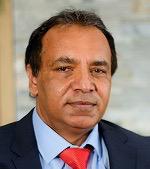
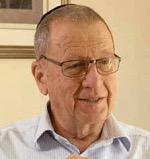



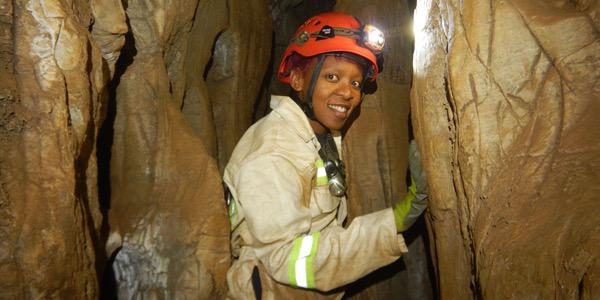

FIGURE 5: Wits authored journal articles in three top journals by Impact Factor: 2013 - 2021
The 2021 awards received by Wits’ academics are listed in the table below.
*This is a citation count normalised for field, type of publication and year of publication
Professors Shabir Madhi and Barry Schoub
ASSAf Gold Medal
Professor Linda Richter
NRF Lifetime Achievement Award
Endocrine Society 2020 Laureate Award
Professor Paul Ruff
AG OETTLé Memorial Award 2020
Professor Roy Shires
Gold medal for Wits Centre for Exercise Science and Sports Medicine (CESSM)
Professor Demitri Constantinou
Wits neuropsychologist awarded prestigious global scholarship - CIFAR
Professor Sahba Besharati
Professors Chris Henshilwood, Bruce Rubidge, *Bob Scholes and Roger Smith
Re-rated as NRF A-rated researchers
RoboCup 2021 "Best new team" award
Professor Benjamin Rosman
Wits Archaeologist named 2021 National Geographic Explorer
Professor Keneiloe Molopyane
South African Quantum Technology Initiative (SA QuTI)
Professor Andrew Forbes
Research is often best performed in cross-disciplinary collaborations. To this end, the University forms and recognises a number of research entities of different sizes and complexities. Below is a list of formally recognised research entities divided into units (focussed on a single senior academic), groups (consisting of a number of academics collaborating often across disciplines), Centres of Excellence (CoE) (which are groups with long-term external funders) and institutes (which are large organisational structures).
UNITS
Pulmonary Infections Research
Health Communication Research
Tsikinya-Chaka Centre for the Study of Shakespeare, Transnationalism and Multilingualism
Ancient Cognition and Culture in Africa
Ancient Cognition and Culture in Africa
Professor C Feldman Health Sciences
Professor J Watermeyer Humanities
Professor C Thurman Humanities
Associate Professor Y Sayed Science
Professor L Wadley Science
GROUPS
Entity
Southern Centre for Inequality Studies Professor E Webster Commerce, Law & Management
Centre in Water Research and Development Associate Professor C Sheridan Engineering & the Built Environment
Brain Function Research Professor A Fuller Health Sciences
Carbohydrate and Lipid Metabolism Research Professor F Raal Health Sciences
Cardiovascular Pathophysiology and Genomics
Research Professor G Norton Health Sciences
Effective Care Research
Professor GJ Hofmeyr Health Sciences
Empilweni Services and Research Professor AH Coovadia Health Sciences
Hepatitis Virus Diversity Research Professor A Kramvis Health Sciences
HIV Pathogenesis Research Professor M Papathanasopoulos Health Sciences
Human Variation and Identification Research Unit Professor M Steyn Health Sciences
Maternal, Adolescent and Child Health Research Professor J Smit Health Sciences
Wits Advanced Drug Delivery Institute Professor Y Choonara Health Sciences
Wits Research Institute in Malaria Professor M Coetzee Health Sciences
Wits Sport and Health Professor Benita Olivier Health Sciences
African Ecology and Conservation Biology Research Professor F Parrini Science
Economic Geology Research Institute Prof J Kinnaird Science
Materials Physics Research Institute Prof E Siderars-Haddad Science
Molecular Sciences Institute Prof D Brady Science
Rock Art Research Institute Dr S Challis Science
Wits Institute for Data Science Prof T Celik Engineering & the Built Environment
Wits LCT Hub Prof L Rusznyak Humanities
Mineral Resources Governance Research Group Prof N Mutemeri Engineering & the Built Environment
DSI-NRF Centre of Excellence in Human Development Professor S Norris DVC (Research)
DSI-NRF Centre of Excellence in Palaeosciences Professor B Rubidge DVC (Research)
DSI-NRF Centre of Excellence in Strong Materials Professor L Cornish DVC (Research)
Centre for High Voltage Engineering Professor C Gomes Engineering & the Built Environment
National Aerospace Centre Mr P Haupt Engineering & the Built Environment
Specialisation Centre for Combustion Engineering Dr J van Coller Engineering & the Built Environment
DST-NRF Centre of Excellence in Biomedical Tuberculosis Research Professor B Khana Health Sciences
MRC/Wits Antiviral Gene Therapy Research Unit Professor P Arbuthnot Health Sciences
MRC/Wits Developmental Pathways for Health Research Professor S Norris Health Sciences
MRC/Wits Priority Cost Effective Lessons for Systems Strengthening Professor K Hofman Health Sciences
MRC/Wits Vaccines & Infectious Diseases Analytics Professor S Madhi Health Sciences
MRC/Wits Rural Health in Transition Research Professor S Tollman Health Sciences
MRC/Wits/NHLS Antibody Immunity Research Unit Professor L Morris Health Sciences
Wits Advanced Drug Delivery Platform Professor V Pillay Health Sciences
African Centre for Migration and Society Professor J Vearey Humanities
African Centre for the Study of the United States Professor G Khadiagala Humanities
DSI-NRF Centre of Excellence for Integrated Mineral and Energy Resource Analysis
DSI-NRF Centre of Excellence in Mathematical and Statistical Sciences
Institute for Collider Particle Physics
Wits Centre for Journalism
Professor J Kinnaird Science
Professor F Mahomed Science
Professor B Mellado Science
Professor F Kruger Humanities
Global Change Institute *Professor B Scholes DVC (Research)
Mining Research Institute Professor F Cawood Engineering & the Built Environment
Wits Cities Institute Vacant Vacant
Clinical HIV Research Professor I Sanne Health Sciences
Perinatal HIV Research Professor N Martinson (Acting) Health Sciences
Sydney Brenner Institute for Molecular Biosciences Professor M Ramsay Health Sciences
Wits Reproductive Health and HIV Research Professor V Rees Health Sciences
Society, Work and Development Research Dr P Naidoo Humanities
Wits Social and Economic Research Professor S Nuttall Humanities
Evolutionary Studies Institute Professor M Bamford Science
Mandelstam Institute for Theoretical Physics Professor J Rodrigues Science
Wits Infectious Diseases Research Institute Professor M Papathanasopoulos Health Sciences
4.6.5. SARChI CHAIRS
The Department of Science and Innovation Technology and the National Research Foundation established the South African Research Chairs Initiative (SARChI) in 2006 to attract and retain, “Excellence in Research and Innovation” at South African public universities. The key objectives of SARCHI are to:
1. expand the scientific research and innovation capacity of South Africa
2. improve South Africa’s international research and innovation competitiveness while responding to internal social and economic challenges
3. increase the amount of master and doctoral graduates, and to
4. create research career pathways for young and mid-career researchers. Title
Research Chair in Equality, Law and Social Justice
Clean Coal Technology
Hydrometallurgy: Innovation and Sustainability
Professor C Albertyn
Dr S Bada
Professor S Ndlovu
Research Chair in Sustainable Process Engineering Professor T Majozi
Spatial Analysis and City Planning (Social Chair in Development Planning and Modelling)
Health Policy and Systems
HIV Vaccine Translational Research
Medical Entomology and Vector Control
Pharmaceutical Biomaterials & Polymer-Engineered Drug Delivery Technologies
Research on the Health Workforce for Equity and Quality
Vaccine Preventable Diseases
Virus-host dynamics for Public Health
Professor P Harrison
Commerce, Law & Management
Engineering & the Built Environment
Engineering & the Built Environment
Engineering & the Built Environment
Engineering & the Built Environment
Professor F Griffiths Health Sciences
Professor C Tiemessen Health Sciences
Professor L Koekemoer Health Sciences
Professor Y Choonara Health Sciences
Professor L Rispel Health Sciences
Associate Professor M Nunes Health Sciences
Associate Professor P Moore Health Sciences
Bioinformatics of African Populations Professor M Ramsay
Chair in Advancing African Languages for Social Inclusion and Success in Higher Education
Chair in Numeracy
Chair in Post-School Education and Training
Critical Diversity Studies
Sydney Brenner Institute for Molecular Biology
Professor L Makalela Humanities
Professor H Venkatakrishnan Humanities
Professor S Allais Humanities
Professor M Steyn Humanities
Mathematics Education
Mobility and the Politics of Difference
Local Histories & Present Realities
Associate Professor C Pournara Humanities
Professor L Landau Humanities
Professor N Nieftagodien Humanities
Political Theory Professor L Hamilton Humanities
Bio-inorganic Chemistry
Fundamental Physics and String Theory
Global Change and Systems Analysis
Professor O Munro Science
Professor R De Mello Koch Science
*Professor B Scholes Science
MMMMMMMM*PROFESSOR
BOB SCHOLES
MMMMMMMM
Passed away on the evening of Wednesday, 28 April 2021. As an A-rated scientist and Professor of Systems Ecology at Wits, he served as the Director of the Global Change Institute (GCI). He was among the top one percent of environmental scientists worldwide, based on citation frequency, and published widely in the fields of savanna ecology, global change, and earth observation. Professor Scholes has led several high-profile studies and held high profile positions in the fields of climate change and environmental studies globally. He has been one of the lead authors in the assessment reports of the Intergovernmental Panel on Climate Change (IPCC) on the present and future impacts of climate change and how we can adapt to or reduce it. He has also served as a member of the steering committees of several global earth observation bodies.
The Wits community is deeply saddened by the loss of Professor Scholes, but our institution is honoured to have interacted with him and gained from his shared knowledge as a prestigious Scientist of notable calibre. We may bid farewell however, the lasting impact Professor Scholes has made within Wits University and society at large, will continue to live on.
Protein Biochemistry and Structural Biology Dr Achilonu Science
Radio Astronomy
Research Chair in Energy Materials
Research Chair in Exploration, Earthquakes and Mining Seismology
Theoretical Particle Cosmology
Professor R Dean Science
Professor N Moloto Science
Professor R Durrheim Science
Professor V Jejjala Science
The Origins of Modern Human Behaviour Professor C Henshilwood Science

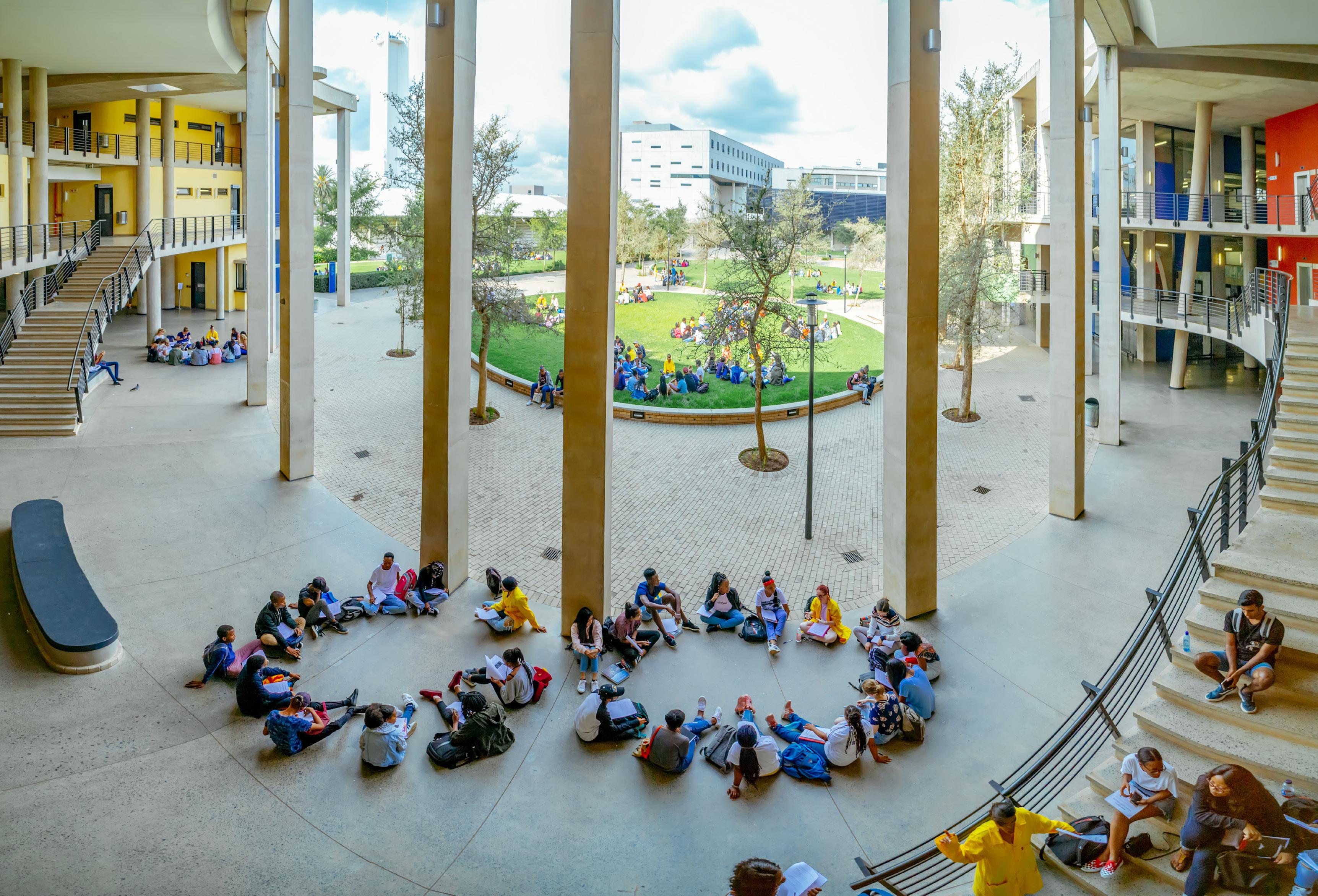
TECHNOLOGY & INFRASTRUCTURE
4.7 Technology and Infrastructure
4.7.1. 2021 Capital Works Programme
Overview
The impact of the 2019 – 2020 National lockdowns associated with the global Covid-19 pandemic, is still experienced within the overall supply chain of the construction and its associated industries at large, but specifically in relation to the import of steel components and electronics goods i.e. computer network equipment, CCTV, intruder alarms, audio visual and computer equipment required within the approved capital works programme. Early contractor involvement (enabled by the award of the two capital works construction framework contracts at the end of the 2020 financial year) has to a certain extent, enabled the University to proactively arrange the procurement of these items in advance.
Although, it is a fair and accurate statement to note that the approved Wits capital works programme had successfully been remobilised post the 2020 lock down, inclusive of the following projects completed in 2021:
a) Commerce, Law and Management Faculty Administration Building
The construction of the Commerce, Law and Management Faculty Administration Building (CLM FAB) aims to consolidate the following units in this new building:
• CLM Deanery;
• CLM Faculty Finance and Registrar Departments;
• CLM Student Learning Support Unit; and
• CLM Research and Institutes.
The construction package was allocated to one of the framework construction contractors that commenced operations in December 2020. The building was completed in January 2022, the furnishings were delivered and installed in March and the building was subsequently occupied by April. Minor landscaping work in the precinct is still ongoing and is set for completion by the end of June 2022.
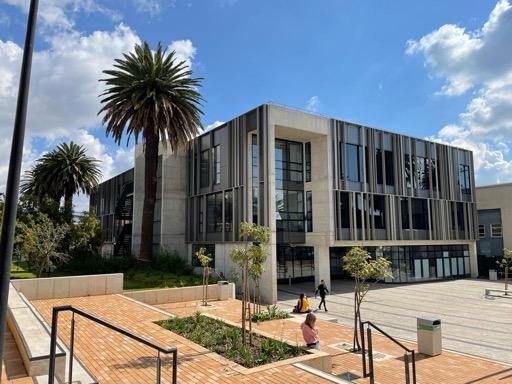
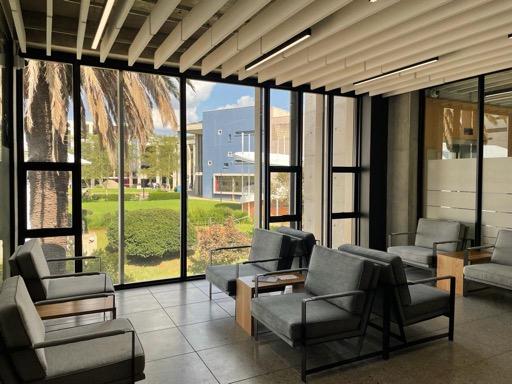
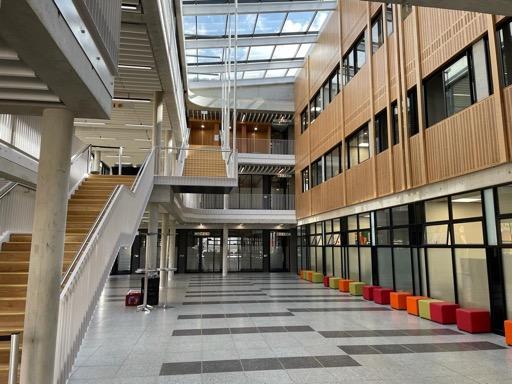
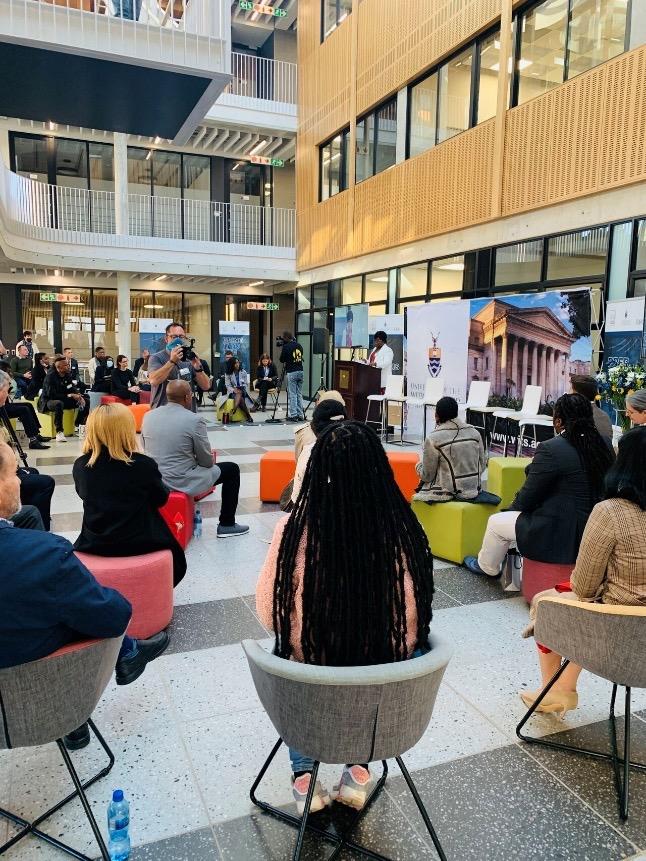
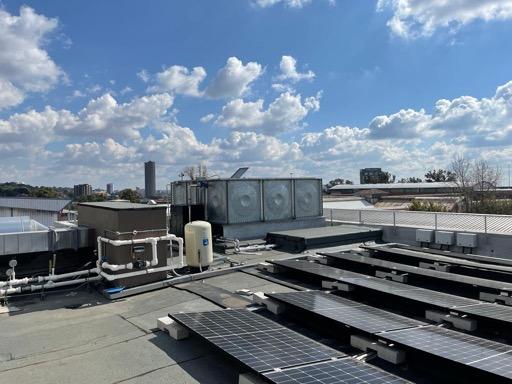
b) Wits School of Arts New Digital Arts Building and Chris Seabrooke Music Hall
The construction of the new Wits School of Arts (WSOA) Digital Arts Building and the adjacent WSOA Multipurpose Performance Venue (Wits Chris Seabrooke Music Hall) was completed in March 2021 and May 2021 respectively. The WSOA Digital Arts Department was able to commence with their academic programmes in the new facilities as depicted below.
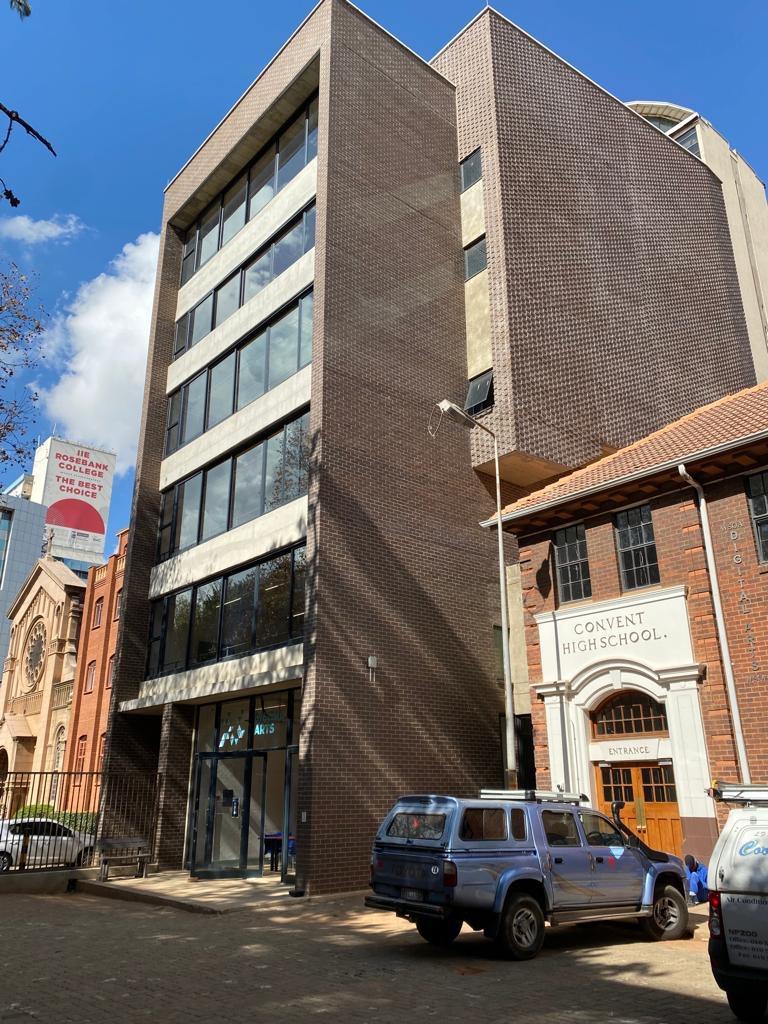
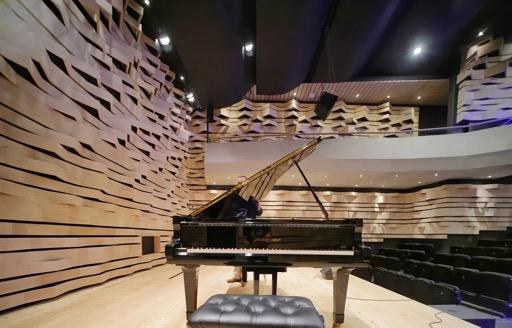
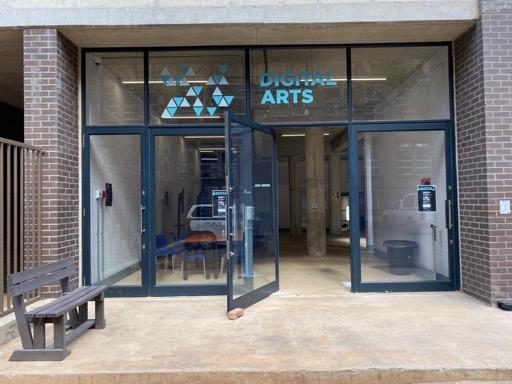
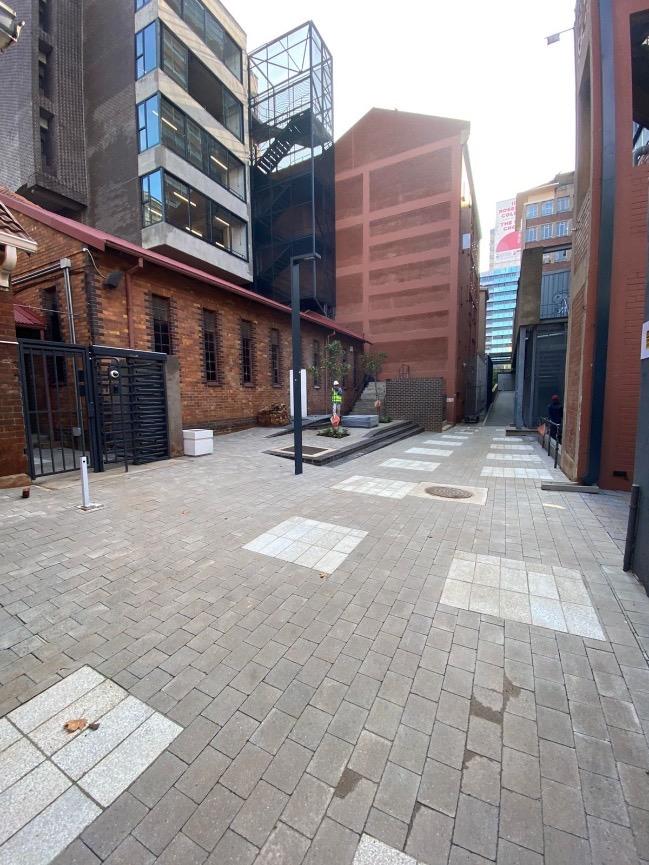
c) Solomon Mahlangu House West Wing Drawing Hall refurbishment
The redevelopment and furnishing of the current Solomon Mahlangu House West Wing Drawing Hall, aims to increase the venue’s test and examination seating capacity from the existing 270 seats to 440 seats. The scope further included the complete replacement and overall capacity increase of the current heat, ventilation and air-conditioning system (HVAC) in order to accommodate the additional seating capacity of the venue.
The construction package was awarded in two parts, with the HVAC portion of works awarded and completed in early 2021, followed by the building works package awarded in July 2021 and the works completed in March 2022.
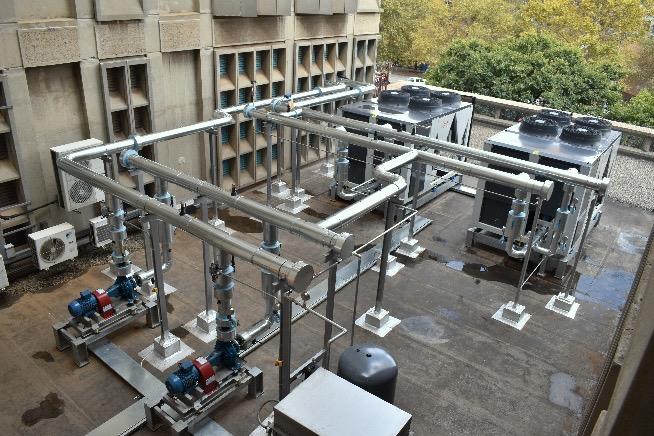
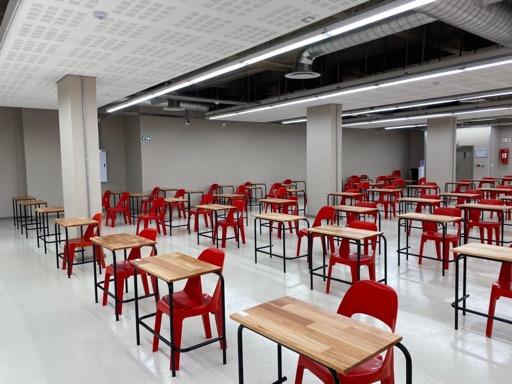
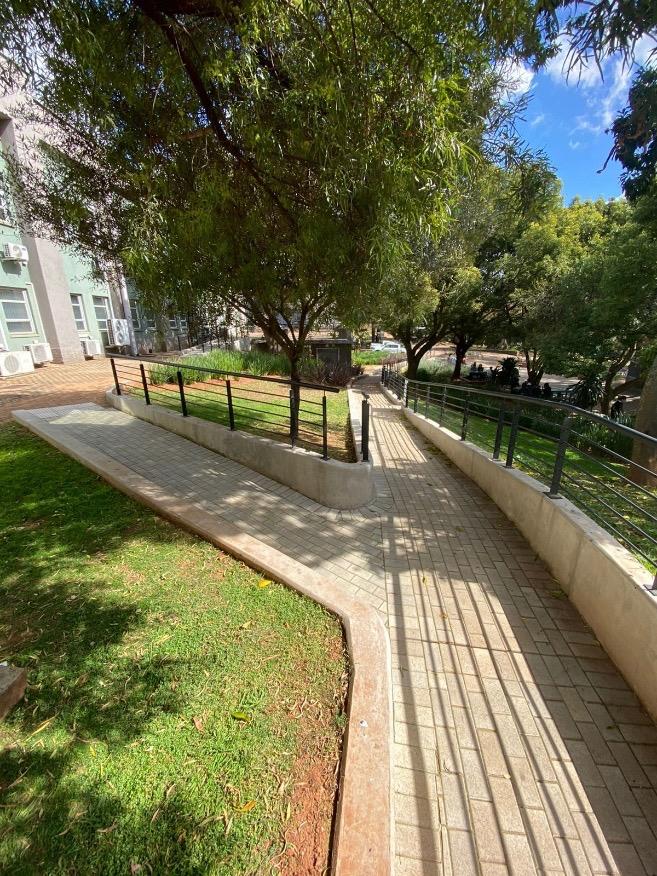
d) Residence hot water system upgrade project:
As part of an ongoing programme focusing on energy usage optimisation, combined solar gas hot water systems had successfully been installed and commissioned at the following three residences:
David Webster Residence
Barnato Hall of Residence
Highfield Residence cluster
e) Universal Access Improvements: Exterior Ramps and / or improvements
Continued from universal access improvements made and reported on in 2020, the final major universal access ramp on the Braamfontein West Campus had been constructed between the Commerce, Law and Management and Commerce Library buildings, completed in September 2021. Universal access is now fully enabled along the main central Braamfontein West pedestrian movement route, this will enable the reduction in pedestrian crossing on the vehicular ring road eliminating the unsafe pedestrian crossing.
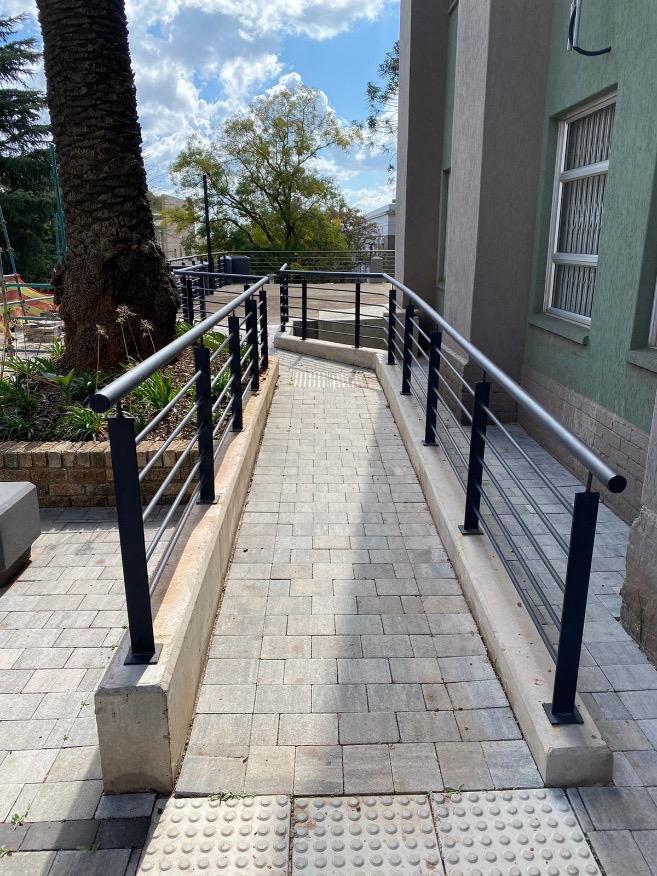
in phases; starting with construction of the CEM infill section, whilst preparing for the demolition of the earmarked sections in parallel. The programme had to take into consideration academic priorities and examination periods, which is an ongoing challenge experienced with projects taking place on an operational campus.
The CEM infill section was successfully completed in February 2022 and handed over to the academic schools for operation. However, the demolition preparations and ultimately the demolition application and approval were delayed significantly due to the vast number of undocumented services discovered underground, one of which was an unknown gas service. The demolition permit was finally secured on 01 March 2022, enabling the construction programme to fully resume. The target completion date for the project is 31 March 2023.
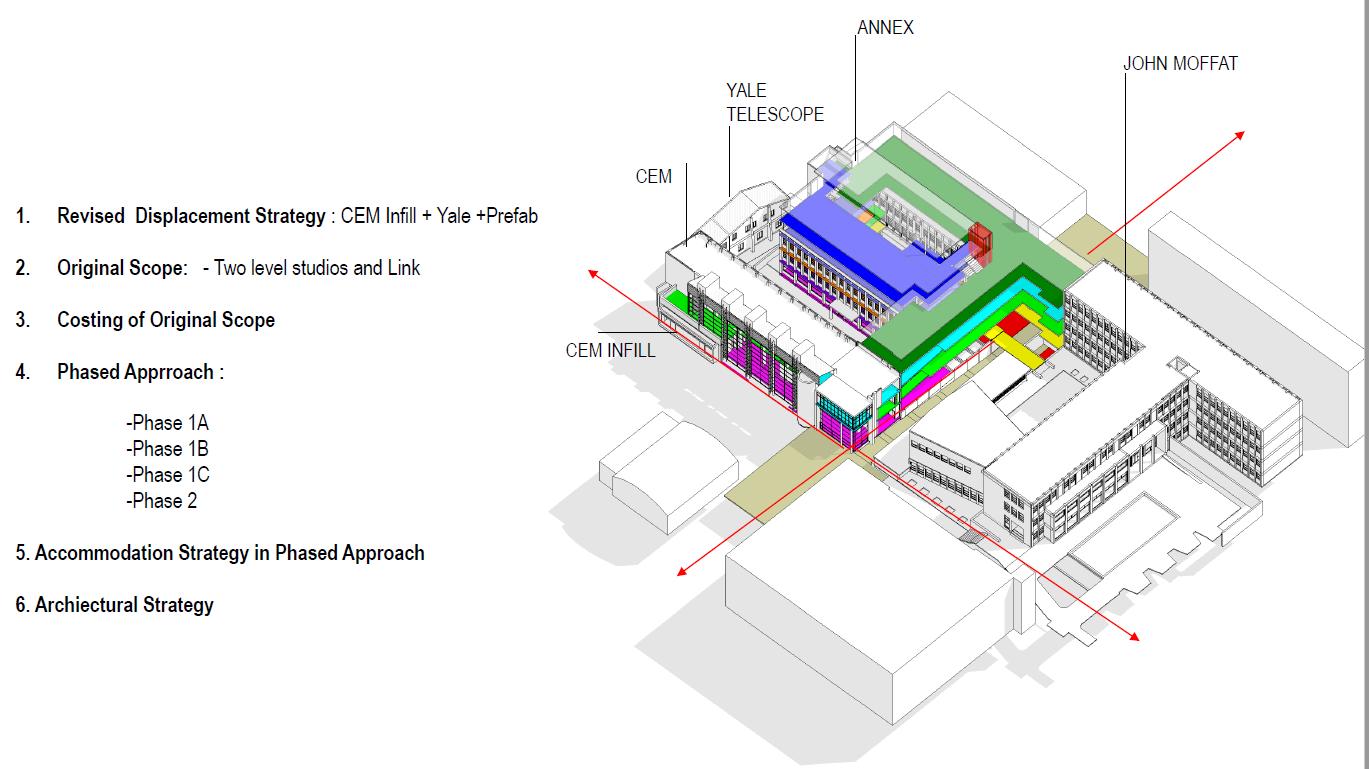
4.7.2. 2021 – 2023 Capital works programme work in progress
The following major capital projects commenced in 2021 and is scheduled for completion in 2022 and early 2023:
a) Built Environment Precicnt Expansion and Redevelopment:
The Built Environment Precinct expansion and redevelopment includes the extension of the Construction Economics and Management building (CEM) and the redevelopment of the John Moffat Studio building to provide postgraduate student accommodation and training facilities, additional offices and seminar rooms on a shared usage principle. The precinct redevelopment also facilitates the decommissioning and demolition of the existing prefabricated asbestos buildings. This project forms the 1st phase of the precinct expansion.
The construction package was allocated to one of the appointed framework construction contractors, with construction commencing on 05 July 2021. Given the extent of the project scope spread across the Built Environment Precinct, the construction was programmed
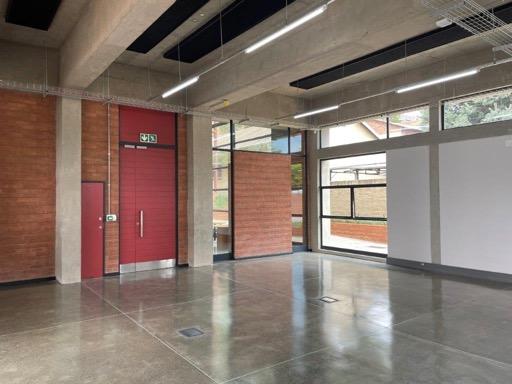
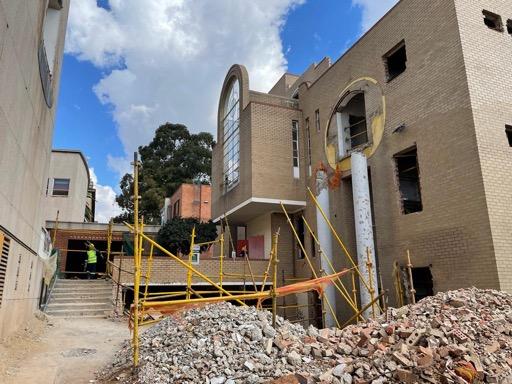
Completed CEM infill and John Moffat Studio demolition and construction in progress
b) Wits Agincourt Research Data and Analytics building
From donor funding a new Data and Analytics building had been developed at the Wits Agincourt Research Centre. This project will be ready for occupation by August 2022.
c) Leseding Block new computer laboratory
Construction works to the new 100-seater Leseding Block Computer laboratory was completed in late 2021. The delivery and installation of computer and audio-visual equipment are yet to be completed, resultant of the global smart chip shortage, delaying expected deliveries until July 2022.
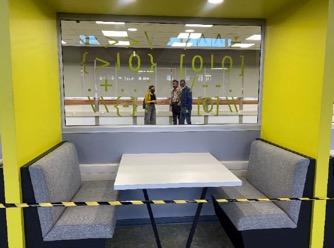
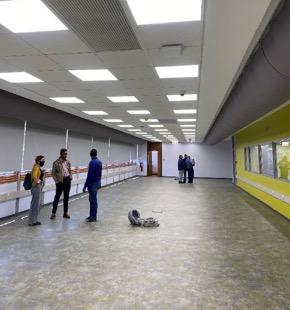
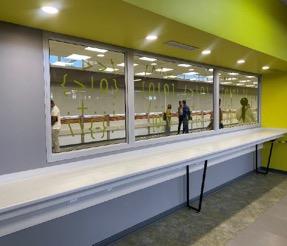
d) Faculty of Science Postgraduate Centre in Gatehouse Building
This project was originally planned as an infill to the existing Biology building and has now been revised as an infill to the Gatehouse building on the Braamfontein Campus East due to challenges and heritage restrictions arising with development of the Biology building. The Gatehouse Science Post graduate Centre aims to develop a range of teaching and research facilities across level LG to Level 3, in order to provide shared facilities in the BioPhy Precinct, aligned with the original scope and intent of what would have been available in the approved conceptual MMU infill building for the Biology Building.
The construction package was divided into two parts to optimize the implementation programme, with the first part being the smaller civil works package awarded in August 2021 for commencement in September 2021, followed by the larger building works package which was awarded in September 2021 for continuation of the works once the initial civil works was completed.
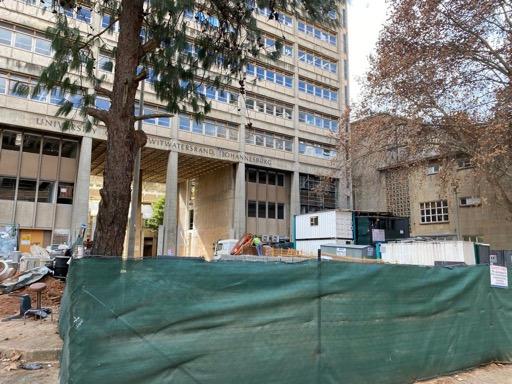
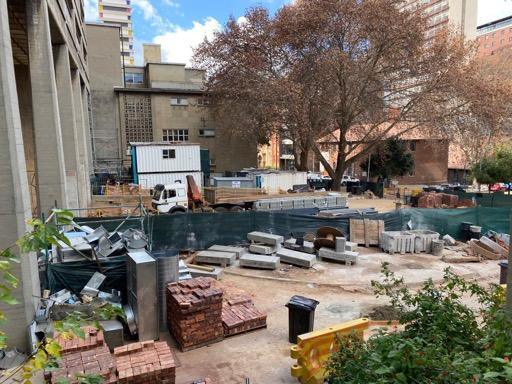
The project is progressing reasonably well despite notable delays in sections of the work due to structural steel supply delays experienced in the past three months, as a result of the recent international cycles of the Pandemic waves. Further adding to this along with the delays at local ports as a result of the recent severe flood in Kwa-Zulu Natal. The target completion date is 31 January 2023, for the new facilities ready for use in the 2023 academic year.
e) Zola Dental Clinic
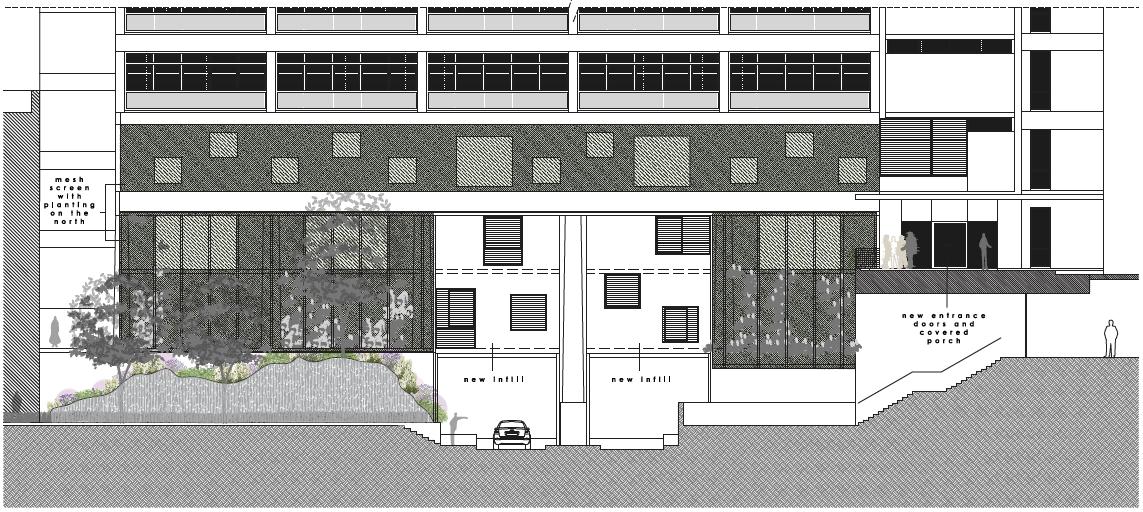
The Zola Dental Clinic at Zola Community Health Centre had been reconstructed and completed substantively towards the end of 2021, the installation of specialist dental equipment and dental chairs will be completed in 2022.
f) Health Sciences Campus 5th Floor Teaching and Resource centre
Health Sciences Campus 10th Pharmacy Research Laboratory
The development of the Medical School Building Level 5 rooftop area provides a teaching and student resource centre which includes:
• 7 x 150-seat flat floor lecture venues,
• 6 x 40-seat seminar rooms, and
• a dispersed 260-seat student resource / study centre.
The construction package was allocated to one of the framework construction contractors in May 2021, with the original construction commencement planned for 01 June 2021. However, this rooftop development is a lightweight steel structure, and as a result of the global steel supply shortages and continued price escalations, the project team together with the contractor agreed to rather prioritise expediting the design and specifications for the steel requirements on the project and placing all of the steel orders upfront. The project commencement would then be scheduled once the steel was received and ready for delivery. This collaborative planning has resulted in an optimal implementation programme, minimizing the risk of material shortages mid-programme which would have otherwise exposed the University to unnecessary delay related costs.
The construction finally commenced in November 2021 and is progressing well, with the new rooftop structure on track to be completed and enclosed by the end of June 2022. The target completion date for this project is 15 December 2022, with the facility to be ready for use in the 2023 academic year.
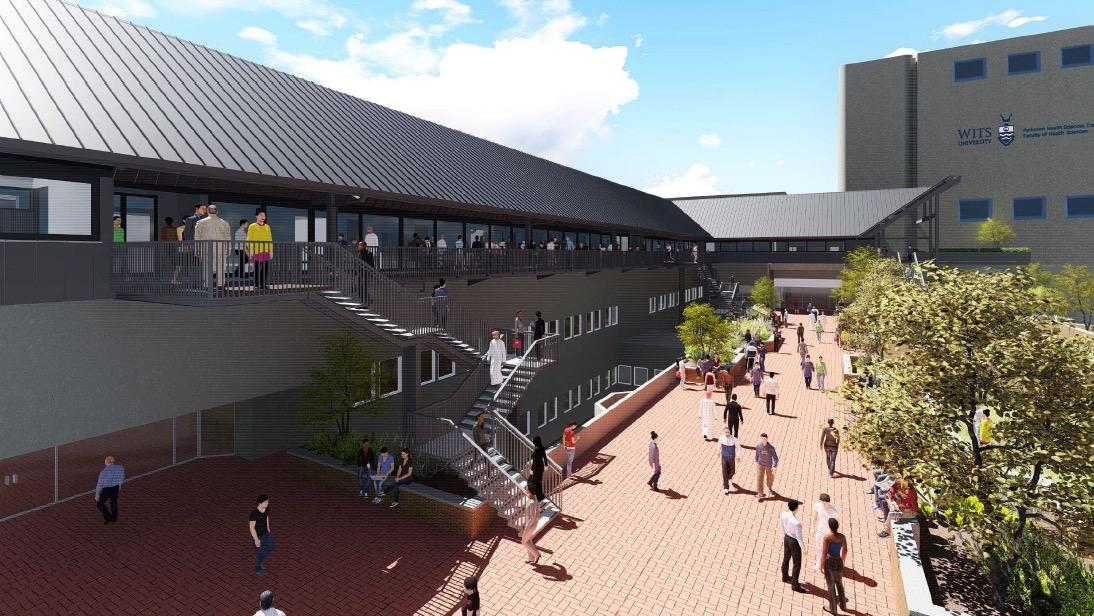
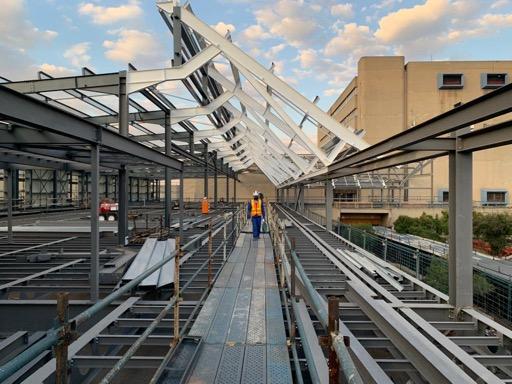
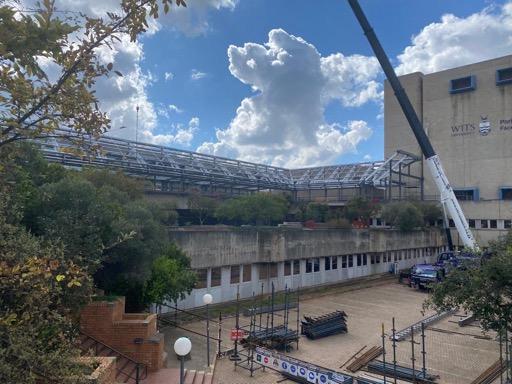
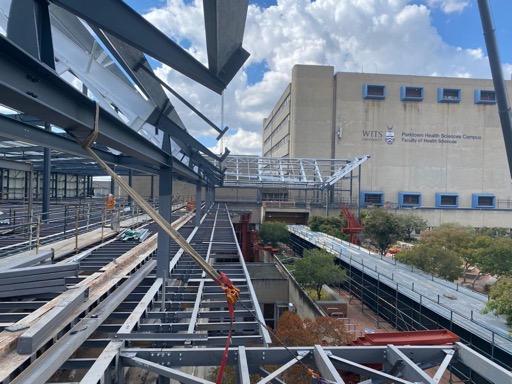
g) Knockando Hall of Residence Extension
The revised scheme for the Knockando Residence Extension now includes the construction of 67 new student beds and 1 new residence warden’s apartment as part of the extension to the Lighton Hall block.
The project has successfully secured all of the required council and heritage approvals to proceed with construction. The project commencement was dependent on the completion of the Highfield Dining Hall project, which was successfully completed and opened for service in March 2022. This dependency
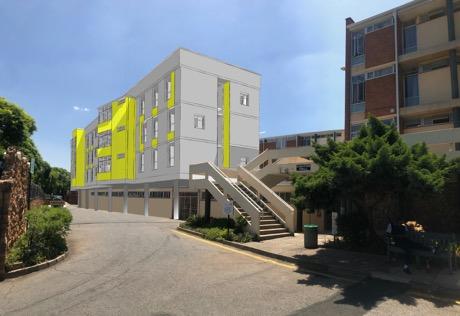
arose from the fact that the Knockando Residence extension project will require the decommissioning of the Knockando Dining Hall, and it was crucial to ensure that the University retains adequate dining hall capacity to service its residence students. Construction is now in progress and it is expected that the first student intake will be in February 2023.
h) Flower Hall Test and Examinations Centre
The Flower Hall currently serves as a mixed-use venue used for test and examinations and large events, and in its current form serves as a 510-seater test and examinations venue. The redevelopment of the Flower Hall as a dedicated test and examination centre and involves the construction of two mezzanine floors resulting in an increased seating capacity to 1020 and the necessary ablution facilities, and in addition provides 10 new offices.
Construction commenced on 01 June 2021, with the facility due to be fully completed by 31 July 2022. The contractors were tasked with prioritizing the completion of the new test and examinations section for it to be available for operation in April 2022, thereafter the balance of the new infill section and external works would be prioritized. We are pleased to report that the test and examinations section was successfully handed over for operations as planned for the mid-semester block tests, and mid-year exams soon thereafter.
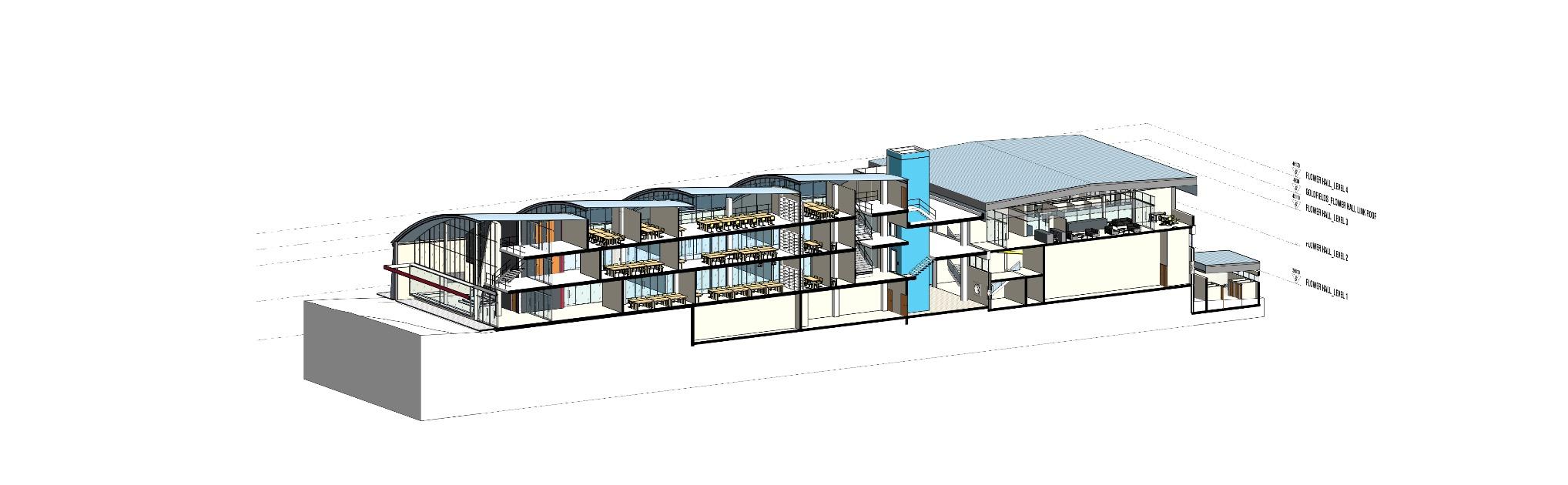
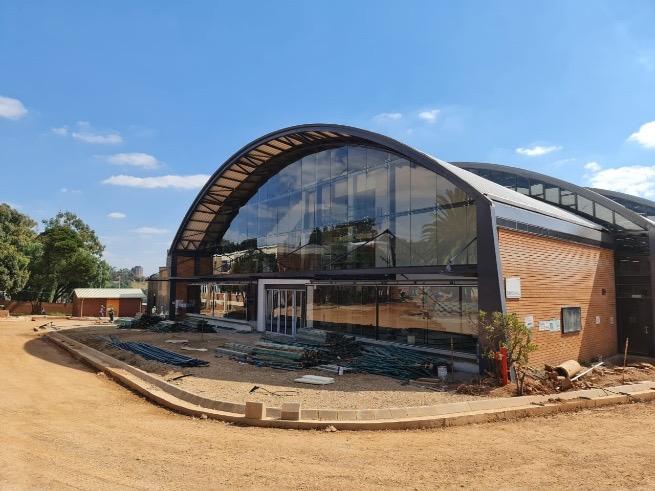
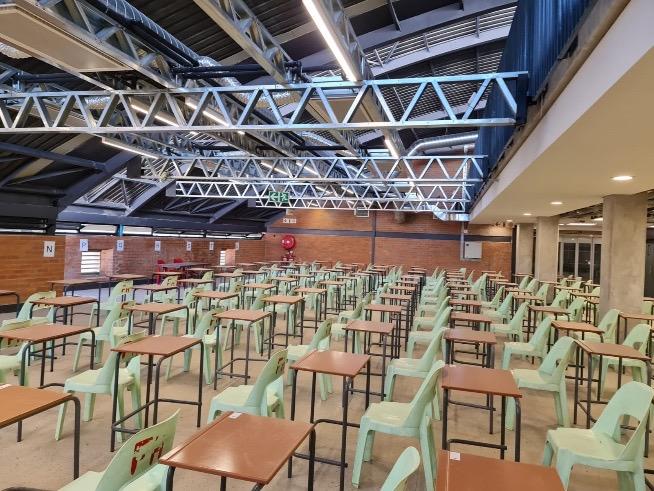
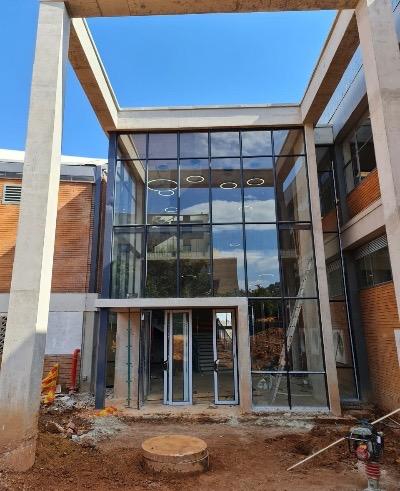
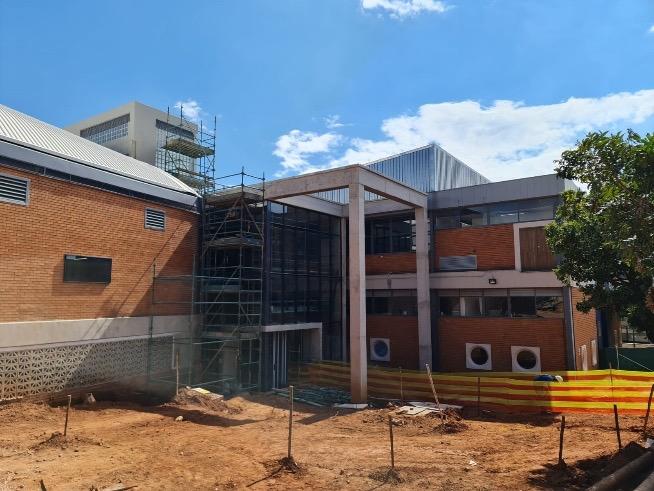
i) Wits Roy McAlpine Burns Unit at Chris Hani Baragwanath Academic Hospital
The Burns Unit at the Chris Hani Baragwanath Academic Hospital is currently being extended and redeveloped, from a generous donation in the amount of R 68.2 million received from the Roy McAlpine Charitable Foundation. On completion this project will yield twelve additional ICU beds for adult burn patients, a new operating theatre, academic offices and a research laboratory. The project is planned for completion in 2023.
j) JCI Archives Room at the Harold Holmes Library
The previously completed Barlow Archive Room at the Harold Holmes library is being extended from an R 8.5 million donation received from Anglo American to house and safeguard the donated JCI mining archives. This project will be completed in 2022, and the donated archive material moved into appropriate archive facilities.
4.7.3 Department of Higher Education and Training Infrastructure and Efficiency Grant Cycle 6 application
The University had successfully submitted both its 2021 Department of Higher Education and Training (DHET) Infrastructure and Efficiency Grant (IEG) Annual Report and new funding application in 2021, and continue eager awaits communication on its DHET IEG 6th Cycle application submitted. Other than own funding, the DHET IEG funding programme remains the largest investment in Wits infrastructure renewal programme, however with the negative impact on the national economy at large as an outcome of the COVID pandemic the continuation and quantum of this funding programme is to be considered at risk. The University will in its centenary year reach out to its alumni and donor partners to support the ongoing renewal and redevelopment of campus infrastructure in support of strategic academic and research objectives.
4.8. Wits for Environmental Sustainability
The climate crisis is an emergency and deserves the highest priority by individuals, cities, governments, corporates, civil society, the media and universities. Each one of us needs to own the climate emergency and act daily – we have the agency and the power to effect real change and to impact society now and for the benefit of future generations. As a leading university in Africa, Wits must lead by example and use its influence to transform society through its leadership, education, and research. The Talloires Declaration of 1990 – the first official statement made by university leaders of a commitment to environmental sustainability in higher education – recognises this responsibility. The statement raises concern “about the unprecedented scale and speed of environmental pollution and degradation, and the depletion of natural resources”. Universities have a significant role to play in achieving sustainable outcomes that benefit everyone.
Universities can address the climate emergency by prioritising sustainability and climate change through interdisciplinary research – the Wits Global Change Institute, with input from various faculties, leads in this respect; through empowering students, staff and individuals to tackle the emergency; through social leadership; and through building green campuses. We can use our intellectual prowess to develop critical thinkers who are cognisant of the effects of climate change and who can tackle the emergency with fervour. We have an opportunity to provide our communities with graduates who have the knowledge and skills necessary to transform society and to live as responsible local and global citizens.
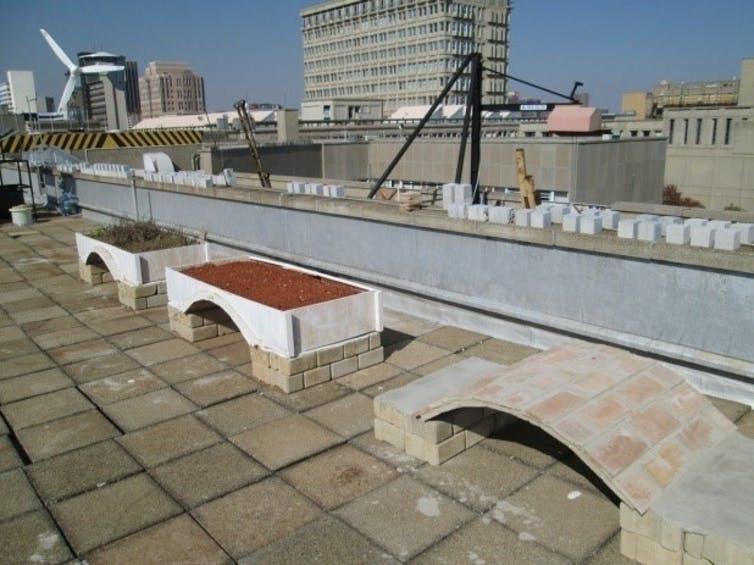
Indeed, many Wits academics, researchers, scholars and social activists are already leading the charge on this front. Our students have just developed a cost-effective, modular-based solar energy kit that reduces e-waste, and which can be used in un-serviced and under-serviced communities. Wits is also reimagining its physical and digital infrastructure to reduce its environmental impact, for
example, through adopting an energy efficiency strategy that includes the use of renewable energy, and through the introduction of new online digital offerings. Recently, Wits implemented efficiency programmes that include rooftop solar PV installations; green buildings; building management systems; indoor lighting retrofits; sustainable hot water systems for residences; water, storm water and wastewater assessments; food security; transport systems; green procurement policies; and effective land and waste management systems. In short, we do not have a choice. It is incumbent on each of us to tackle the climate emergency.
4.9. Collaboration and Partnerships
4.9.1. Global Engagement
Our partnerships with other universities and networks open global opportunities for both students and staff and are generally research lead. Collaboration increases the quality of our research, improves teaching and learning, and sparks innovation. Our participation in international networks connects us to like-minded universities around the world and ensures that we remain at the forefront of transnational research exchanges.
In this regard, the University is a full member of the following networks:
• African Research Universities Alliance;
• The BRICS Network University;
• Association of Commonwealth Universities;
• Association of African Universities;
• The European Association for International Education;
• NAFSA: Association of International Educators;
• International Education Association of South Africa
The regional breakdowns are as follows:
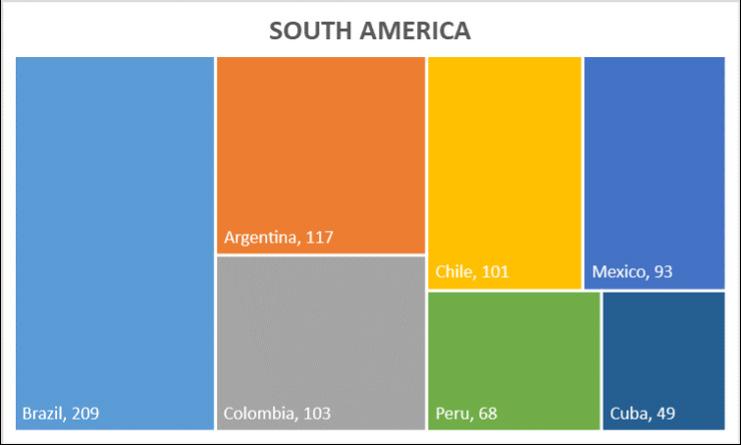
The scale models atop a building in Johannesburg. Courtesy of Prof. Anne Fitchett
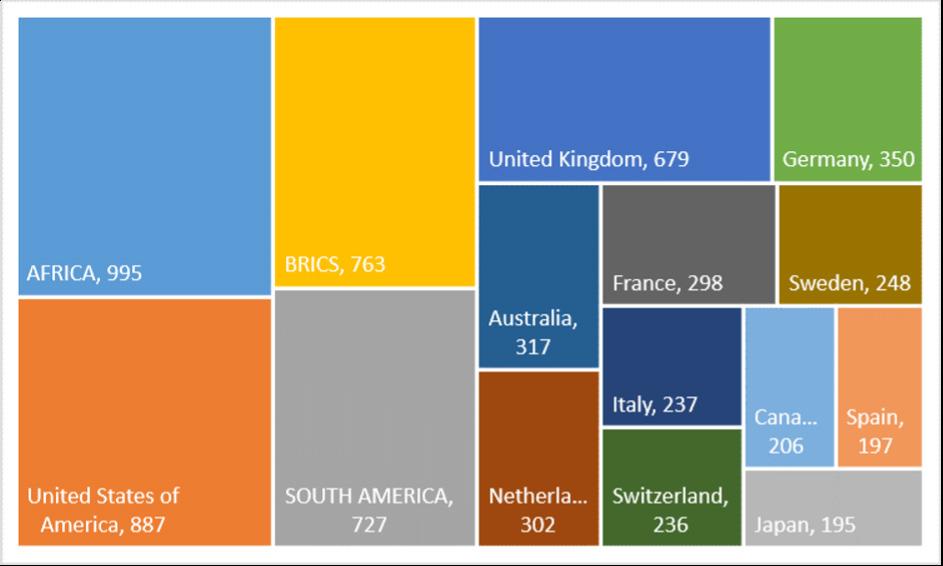
4.9.2. Agreements
The University has several academic cooperation agreements with universities and agencies around the world.
These are too many to list, however, we have 75 active agreements in Africa, 125 in Europe, 78 in Asia, 65 in North America and 8 in South America. These vary in nature from simple staff and student mobility agreements, to joint degrees and use of specialised equipment. We have identified some of these as being strategic and as such are dedicating more resources to this handful of partnerships. These partners are University College London (UK), University of Edinburgh (UK), Queen’s University Belfast (UK), Ryerson University (Canada), Massachusetts Institute of Technology (MIT from the USA), Emory University (USA), Vanderbilt University (from the USA) and the Universities of Limpopo and Venda (South Africa). This list is supplemented with the 15 other members of the African Research Universities Alliance.
We also have several cooperation agreements with various levels of government in South Africa which have an impact on policy developments. Most notable of these are our agreements with the City of Johannesburg and the Gauteng Province. We work very closely with the City of Johannesburg to conduct research for them in several areas. For the Gauteng government, we host the Gauteng City Region Observatory (GCRO) on campus and are partners in the Cradle of Humankind World Heritage Site.
Most of our mobility agreements are with universities in Europe, as the European Union is a generous funder of these. In 2021, this aspect of our work was again severely hampered by the COVID pandemic.
4.9.3. Joint Postgraduate Programmes
The University has embarked on several joint postgraduate programmes with international partners. This is in response to our fear of the potential “brain drain” that could occur when students undertake postgraduate studies at international universities. Our joint degree programmes, also known as “split site” programmes are in infancy, but we are encouraging academic departments to investigate possibilities. Again, the COVID pandemic has had a negative effect on the development of this programme.
We are continuing our use of synchrotron facilities at Grenoble (in France), Campinas (in Brazil) and Brookhaven National Laboratories (in the United States). In 2021 most of this has involved sending samples for analysis via courier, rather than Wits academics visiting the laboratories themselves. Even under the COVID environment, we still had researchers based at the CERN facility in Geneva (Switzerland). We saw a very drastic reduction in the number of Wits researchers who worked in laboratories at universities around the word, specifically in the United States, the United Kingdom, Russia, China and Germany. At the same time, we also had very few internationally renowned researchers coming to Wits to conduct research in our research facilities.
Many of our researchers who participate in large research projects that involve hundreds of researchers from around the world were still able to do so as data is portable. The notable ones are our paleoscientists, physicists, health scientists and climate change scientists.
4.9.4. Conferences
Wits was the co-host of the ARUA Biennial Conference which was held at the Future Africa campus of the University of Pretoria. This was a blended conference held from the 18th to the 20th of November. The theme of the conference was “Global Public Health Challenges: Facing Them in Africa”.
4.10 Development and Fundraising
The Wits Development and Fundraising Office (DFO) provides strategic development and fundraising advice and assistance to executive leadership and academics across all five Wits faculties, as well as professional administrative departments. Depending on the priority assigned to a project, assistance can be provided from project conceptualisation, proposal writing and prospect research through to working with key University executives and academics on implementing fundraising plans and approaches to prospects.
2021 marked the fourth year of the Wits Centenary (Wits100) Campaign – and the second year of the global pandemic. It was also the first-year under the leadership of the new Vice Chancellor and his substantially changed Senior Executive Team. To this end, considerable work was put in to ensure that the vision of the new leadership was incorporated into the repositioning of the Campaign in terms of strategic priority themes and projects. The new Wits100 Case for Support – WitsForGood – the next 100 years – details the eight priority themes (digital transformation; innovation; health; solving global challenges; society, governance and justice; future proofing our national treasures; developing the next generation of leaders and energising our broad alumni base) that form the basis of the repositioned Wits100 campaign. Each theme builds on a solid base of ‘notable achievements’ upon which a range of ‘priority flagship fundraising projects’ has been crafted. Bespoke ‘Case for Supports’ are also being crafted for specific professional Schools – two of whom, the Wits Business School and the Wits Law School, also have new leadership at the helm.
Despite still being in the midst of the global Covid-19 pandemic, a detailed programme of Centenary fundraising and development activities, events, activations, collateral and communications continued
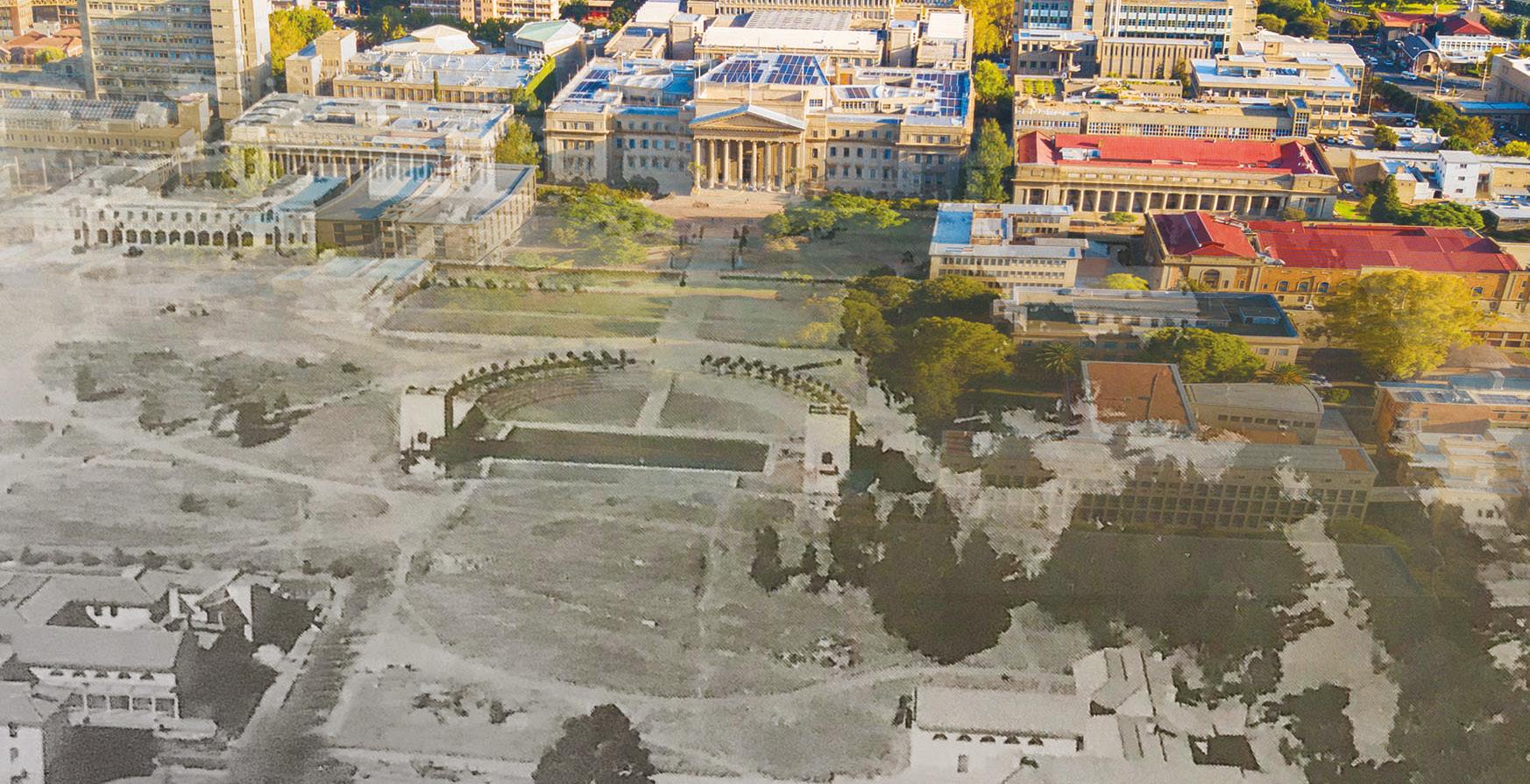
to be implemented in line with the revised Case for Support and campaign plan. This included:
• Building on the positive ‘major gift’ donations and pledges already received from wealthy alumni and “friends” of the University since the onset of the Campaign, approaches to potential major gift donors are being stepped up across all of Wits ‘global’ fundraising offices and there are positive indications that a suitable, though limited, number may gain traction during the campaign
• Similarly scaling-up up interactions with a range of CEOs across the mining, ICT/ telecommunications/ media, financial services and other key sectors to profile relevant aspects of the Case for Support themes and projects and to elicit their input and support.
• The active support of significantly expanded and enhanced fundraising structures has assisted with considerably amplified development and fundraising activities at all three global Wits offices in the United States, United Kingdom and Australia.
• The commencement of a series of global appeals to the broad base of over 100 000 alumni on 4 October, Wits 99th ‘Birthday’.
• Detailed planning for the Centenary Year.
Some of the new projects that received significant funding during the year included: a new R50 million Chair in Innovation generously funded by Dr David Fine which will from an integral part of the new Wits Innovation Centre; R70 million from the Roy McAlpine Foundation to transform the Burns Unit at Chris Hani Baragwanath Hospital into a world-class burns treatment facility; a R50 million endowment for student support and research in the Faculty of Engineering and the Built Environment funded through a generous sponsorship by Sibanye Stillwater to rename the erstwhile Amic Deck the Sibanye Stillwater Infinity Bridge; a new R25 million Surgical Skills Lab to train specialists and subspecialists in health sciences; a generous contribution for the building of the Wits Chris Seabrooke Music Hall, two generously funded student endowments (the Steve Kearney and Reinheimer endowments) and R1,5 million for student support from former SRC President Rex Heinke.
Existing Chairs, Centres and research projects that continued to elicit considerable funding include the Wits African Centre on Philanthropy and Social Investment, Wits Southern Centre for Inequality Studies, the Wits Donald Gordon Medical Centre, the Wits Sibanye Stillwater Digimine, the Wits CHIETA African Energy Leadership Centre and the INSETA Chair in Insurance.
All cash donations, gifts-in-kind and associated sponsorships received since the beginning of 2018, as well as future pledges of support within the Campaign period, are counted in the campaign income. The Campaign met its first income target of R1,1 billion at the end of July 2018 and, despite the considerably changed external circumstances, had collected R2,1 billion by the end of 2021.
Total donor and sponsor income into Wits in 2021 was on par with the income received in 2020 – at around R400 million. Wits is fortunate to receive generous support from a wide range of corporate, foundation, government and individual donors - including bequests from alumni and others.
To date in the Wits100 Campaign academic projects have received around 47% of the income and annual student support projects around 33%. In addition, long term student endowment funds have received around 13% of the income and infrastructure projects make up the balance of 9%. Student support projects comprise largely of scholarships for the most needy students which make an important contribution towards alleviating the student funding crisis. The majority of the income comes from corporate and corporate foundations (28%), however a very encouraging trend has been the substantial increase in income received from individuals and family foundations (26%) followed by international trusts and foundations (14%). The majority of the funding coming from South Africa (67%) followed by the United States (16%) and the United Kingdom (14%).
5. GOVERNANCE
5.1. Governance
5.1.1. Higher Education Act
The governance of the University is regulated by the Higher Education Act, (No. 101 of 1997), as amended, the Institutional Statute of 2002, as amended, and is a bicameral system of the lay-dominated Council on the one hand and the academic sector, Senate and faculty boards on the other. Added to these structures is the statutory advisory committee or University Forum that includes management, academic staff, professional and administrative staff and students, which must be consulted with regard to major policy decisions. Management of policy in the University is the responsibility of the Vice-Chancellor and Principal and the Senior Executive Team (SET). The affairs of the University’s alumni are governed through the Executive Committee of Convocation. The application of pertinent legislative requirements is as follows: a) Management of the University (as in Governance) is in the hands of the Council (s27 HEA) b) Academic and research functions are performed by Senate (s28 HEA) c) The Vice-Chancellor and Principal and SET (s30 HEA read with s26(2)(g)) d) Relationship between the structures: Council and Vice-Chancellor and Principal - Council and ViceChancellor and Principal: (s34 HEA 20(2)(h) (Stat); Vice-Chancellor and Principal is accountable to Council (7) (4) (Stat) - Senate and Vice-Chancellor and Principal: ViceChancellor and Principal is chairperson of the Senate (s26(4) (a) HEA) - Council and Senate: Senate is accountable to Council (s28 HEA) - University Forum and Council: University Forum must advise Council on certain issues (s31 (1)(a) HEA) and University Forum must perform such functions as determined by Council (s31(1) (b) HEA) - SET and Vice-Chancellor and Principal, Council and Senate – not provided for in Act or Statute, andVice-Chancellor and Principal and
5.1.2. The Council and its Members

Governance and Vice-Chancellor’s Advisory bodies and their standing committees

The University of the Witwatersrand’s Council comprises academic and non-academic persons appointed in terms of the Statute of the University of the Witwatersrand, the majority of whom are non-executive. Sixty percent of the members of the Council are persons who are not employed by, or are students of, the University of the Witwatersrand. The role of chairperson of the Council is separated from the role of the University of the Witwatersrand’s Chief Executive Officer, the Vice-Chancellor and Principal. Matters especially reserved to the Council for decision-making are set out in the Statute of the University of the Witwatersrand, by custom and under the Higher Education Act, (No. 101 of 1997), as amended. The Council is responsible for the ongoing strategic direction of the University of the Witwatersrand, approval of major developments and the receipt of regular reports from Executive Officers on the day-to-day operations of its business. The Council ordinarily meets four times a year and has several standing committees, including an Executive, Finance, Audit, Remuneration, Risk, Information, Communications and Technology, and the Board of Residences committees. All the committees are formally constituted with terms of reference and comprise mainly lay members of Council. Council and Senate have a set of joint committees, including: a Nominations, Honorary Degrees, University Research, Naming, Human Resources and a Student Services Advisory committees. Council met four times during 2021.
University Office-Bearers
Category Incumbent Other positions / achievements Term
Chair
Mr Isaac Shongwe BA Hons (Economics & Politics) (Wesleyan, USA, P. Phil (Oxford)
Chair: Letsema Holdings
Vice-Chair
Secretary to the Council
Mr Sipho Nkosi Com (Hons)(Econ) (UNISA), MBA (MASS), OAMLP (OXFORD)
Ms Carol Crosley University Registrar BA (Witwatersrand) H Dip.Ed (Witwatersrand) Honours (Unisa) MEd (Witwatersrand)
Independent nonExecutive Director: Sasol Board
14 June 2017 – 13 June 2019 (Term extended to 31 December 2022)
1 June 2017 - 30 June 2019 (Term extended to 31 December 2022)
University Registrar Ex-officio
Members of Council (External)
Entity Incumbent Other positions / achievements Term
Ms Nasima Badsha MSc (Natal), Graduate Certificate in Education (Leeds), BSc (Hons) (London)
Members appointed by the Minister of Higher Education and Training
Dr Mlungisi Cele PhD (UWC), MPHIL (UCT), PGDip (UKZN), BEd (Hons), BA
Former Deputy Director General in the Department of Education, Former CEO: Cape Higher Education Consortium
01 September 2018 –
30 December 2020 (Term extended to 31 December 2023)
Acting CEO of the National Advisory Council of the Innovation (NACI). Previous positions: Director, Strategy and Planning, Deputy Director Policy and Research: Human Capital and Knowledge System, Deputy Director Policy and Research: Office of the Director General (DG). Leadership roles: Member of the African Union (AU)-European-Union (EU) High-level Policy Dialogue STI; Member of the Technical Committee: ANC NEC Subcommittee on Education, Health, Science & Technology; South Africa Representative of the OECD Committee of Science, Technology and Innovation Policy; Co-Chair-Global Forum of National Advisory Councils; Member of OECD Technology Innovation Policy; Member of Board of Higher Education Quality Committee (HEQC), Council on Higher Education (CHE)
Professor Glenda Gray MBBCH, FCPaed(SA), DSc (Honoris causa
President & CEO of the South African Medical Research Council. Research Professor of Pediatrics at the University of the Witwatersrand. Director at the Perinatal HIV Research Unit in Soweto. Co-PI of the HVTN and Director of HVTN Africa Programs. Member of the Vaccine and Infectious Disease Division at the Fred
Ms Basani Maluleke B Com, LLB (UCT), MBA (Kellogg)
Mr Sipho Maseko BA degree (Witwatersrand), LLB (UKZN)
Ms Stacey-Lee Bolon BA (Wits), BA (Hons) General Psych (Wits), BA (Hons) Industrial Psych (Wits), MA Industrial Psych (Wits)
Elected by the Executive of Convocation
Dr Maurice Goodman MB BCh, MBA (Witwatersrand) (Acting President of Convocation)
Executive Officer African Bank Ltd, 2018-2021,
25 October 2021 – 31 December 2023
Appointed by the Premier of Gauteng
Ms Mahlengi Bhengu-Motsiri B.Admin (UKZN), PGDip Econ (SCA), King III Corporate Governance Training (D&T); Integrated Performance Management System (Trideco); Strategic and Annual Performance Planning (AFReC); Monitoring and Evaluation Applied Fiscal Research Centre (AFReC); Project Management (RBS); Risk Management (RBS); Leadership Development (Franklin Covey SA); Conflict Resolution (IPT)
at Telkom Group. Board member at Gyros Restaurant
and
Innovations Manager (FNB). MD Early is Best. Director: Venture Network
(Term extended to 31 December 2023)
Chief Medical Officer (Discovery Health). Trustee: Discovery Foundation and Discovery Fund Committee: SAMA Human Rights, Law and Ethics
Chairperson of the South African Youth Commission. Executive Director: Core Business. Board member of the Gauteng Partnership Fund (GPF), and OR Tambo School of Leadership, Former Board Member of the South African National Literacy Initiative (SANLI), Joint Education Trust (JET)
Elected by Donors
Dr Jonathan Broomberg MBBCh (Witwatersrand); MA (Oxon); MSc (London), PHD (London)
CEO: Discovery Health, Founding Director of Praxis Capital and Director of the Soul City Institute for Health Communications 1 September 2013 –31 August 2017 1 September 2017 –31 August –2022 (reappointed)
Professor Michael Katz
BCom (Wits) LLB (Wits) LLM (HLS) LLD (honoris causa) Witwatersrand)
Admitted Attorney (High Court of SA)
Honorary Degree: Doctor of Laws (Wits)
Course director, Advanced Company Law (Wits)
Honorary Professor (Wits)
Mr Mosa Mabuza BSc Hon (Geol, Wits), PDM (Wits Business School
Chairperson: ENSafrica; Member of the Board of Governors (HUJ), Member of the King Committee on Corporate Governance, trustee of numerous trusts: Nelson Mandela Children’s Fund, Constitution Hill Trust, Legal Resources Trust, Constitutional Court Trust, Donald Gordon Foundation, and South African Holocaust and Genocide Foundation
November 2019 –
December 2022
Appointed by business and labour organizations
CEO: Council for Geoscience; Deputy Director-General: Department of Mineral Resources 1 November 2018 –31 December 2019 (Term extended to 31 December 2022)
Mr Isaac Shongwe BA Hons (Economics & Politics) (Wesleyan, USA, P.Phil (Oxford)
Members elected by Council
Ms Lusanda Kgakololo Bachelor of Science Honours.
Bachelor of Science (Microbiology with Distinction)
Chair: Letsema Holdings
1 June 2015 - 31 May 2017
1 June 201731 May 2019 (reappointed)
Well established in the market as a Strategist and has assisted many companies to develop, implement and measure implementation of their strategies against set goals. Her experience spans a wide variety of sectors including utilities, banking, aviation, energy, telecommunications, transport, broadcasting, FMCG, postal services, as well as public sector. Ms Kgakolol has advanced leadership, change management and senior executive engagement skills
Ms Nothando Ndebele MBA (Oxford, UK) MSc (Oxford, UK) (BA) in Economics and Women’s Studies (Harvard, USA)
Mr Sipho Nkosi Com (Hons)(Econ) (UNISA), MBA (MASS), OAMLP (OXFORD)
Chief Financial Officer: Bayport Financial Services; Former Head: Financial Institutions Group: ABSA
Dr Len Sizani Dip.Dent.Ther., BChD (Medunsa)
Mr Gavin Hartford (Bachelor of Social Science Hons in Industrial Sociology)
Members of Council (External)
Vice-Chancellor and Principal
Member of the Executive Management appointed by the Vice- Chancellor and Principal
Professor Zeblon Vilakazi BSc (Univ of Manchester) MSc (Wits); PhD (Wits)
Professor Ruksana Osman BA, HDipEd, BEd, MEd, PhD
Independent non-Executive Director: Sasol Board
1 April 201731 December 2019 (Term extended to 31 December 2022)
1 June 2017 - 30 June 2019 (Term extended to 31 December 2022)
General Dental Private Practitioner
1 June 2016 - 31 May 2020 (Term extended to 31 December 2021)
An industrial sociologist and labour relation and stakeholder strategy specialist 31 December 2023
Senior Deputy Vice-Chancellor: Academic Ex-officio
1 June 2021 - 31 May 2024
Professor Sharon Fonn
MBBCh, DOH, DEpi, FFCH(SA), PhD, MASSAf
Professor Joao Rodrigues BSc (Wits), BScHons (Wits), MS (Brown), PhD (Brown), FRSSAf
Awarded a South African Ministry of Science and Technology’s Distinguished Scientist Award for contributions to the quality of life of women (2005) Co- director of the Consortium for Advanced Research Training in Africa (CARTA).
01 November 2017 – 31 October 2022 (Term extended to 31 December 2022)
Head of School of Physics
Chair: Theoretical Physics
01 January 2017 – 31 December 2022 (Term extended to 31 December 2022)
VElected by the Senate
Elected by the Deans of the faculties
Professor Thokozani Majozi BScEng (Natal), MScEng (Natal), PhD (UMIST)
Elected by the academic staff
Professor Cathi Albertyn BA LLB (UCT), M. Phil (Cambridge), PhD (Cambridge)
School of Animal, Plant and Environmental Sciences, University of the Witwatersrand
Professor Imraan Valodia BCom, BComHons, MSC (International Trade and Finance), DEcon
School of Law University of the Witwatersrand
01 November 2017 – 31 October 2022 (Term extended to 31 December 2022)
01 November 2017 - 31 August 2022 (Term extended to 31 December 2022)
Dean: Faculty of Commerce, Law and Management
01 January 2019 – 31 December 2021 (Term extended to 31 December 2024)
Elected by the Non- Academic Staff
Dr Victor de Andrade BA (Speech and Hearing Therapy), MA, PhD (Wits)
School of Human and Community Development
SRC President
Mr Tumishi Madihlaba Diploma, BA Politics and Management (Wits), PG Dip in Public Management (Wits)
Mr Cebolenkosi Khumalo Student
IT Technician (Wits University)
01 May 2019 - 31 December 2021 (Term extended to 31 December 2024)
01 September 2017 - 31 August 2021 (Term extended to 31 December 2022)
01 September 2021 - 30 September 2022
PGA Chairperson
Mr Thando Dlamini Student
01 September 2021 - 30 September 2022
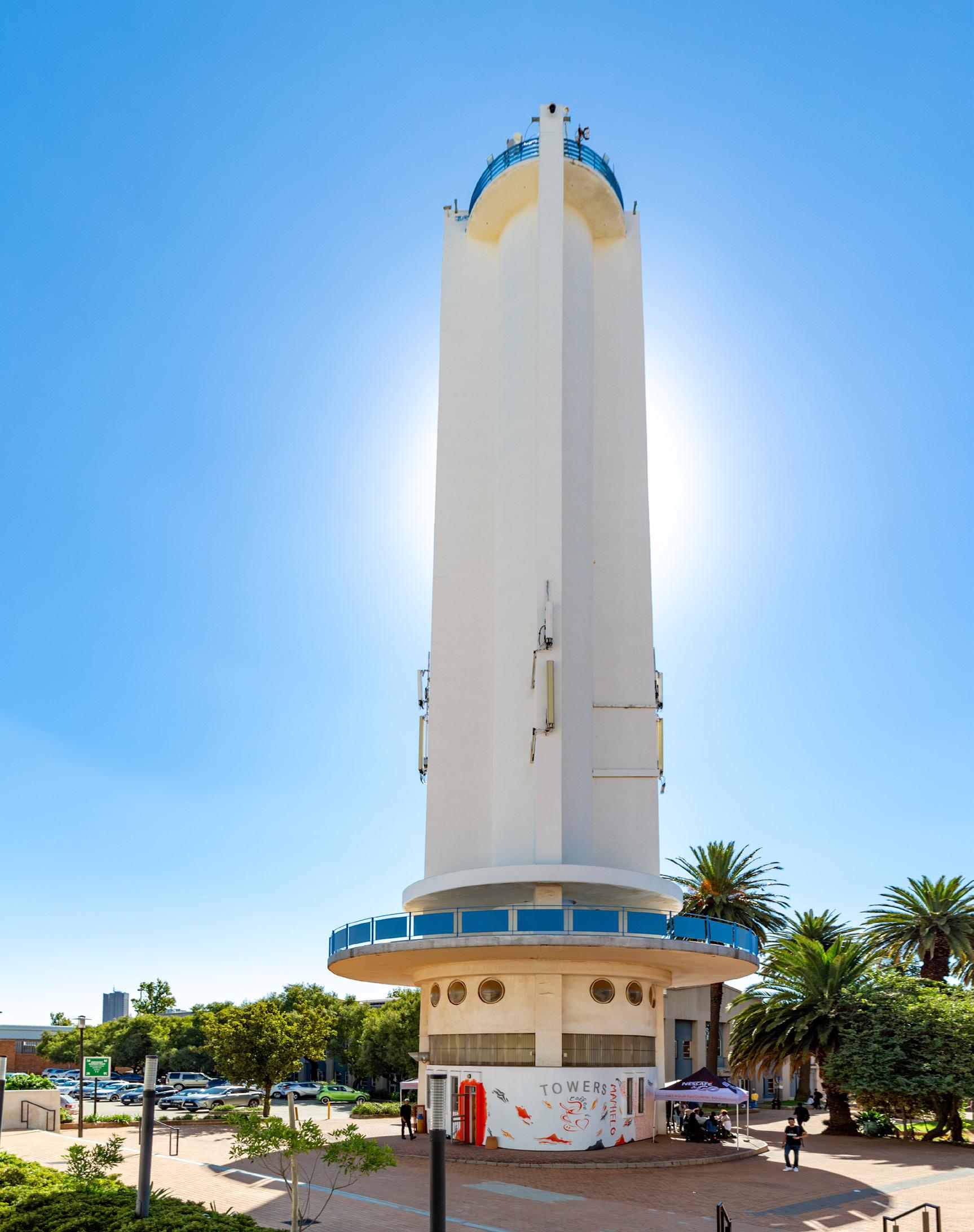
5.1.3. Matters of significance considered by Council during 2021
In view of the Council’s responsibility to govern the University and to provide ongoing strategic direction of the University, Council considered various matters during the year and received regular reports from the executive officers on the day-to-day stewarding of the University.
Institutional Rules
The Council noted the revised Institutional Rules. The changes were instituted with immediate effect.
2020 Council Self-Assessment
Council approved the recommended 2020 Self-Assessment conducted by the Council Executive Committee for submission to the Department of Higher Education, Science and Innovation by 30 June 2021. The assessment was done in line with the new guidelines of the Department for all institutions. During the process the Council deliberated on the responses received and reflected on the challenges, shortcomings and improvements.
Teaching and Learning Plan 2022
Council noted the Teaching and Learning Plan for 2022 for the next five years approved in 2019 with a focus on seven specific areas. The Plan provided the broad Framework within which the annual teaching and learning plans were developed at both institutional and faculty level. The 2022 planning was well underway with the aim of moving towards blended learning. The council commended the Teaching and Learning Plan for 2022.
Quarterly Enrolments Planning Reports
Council noted the quarterly enrolments planning reports in all faculties and as at 10 September 2021 the figures were as follows:
• The new first-years enrolments targets excluding the returning students was 5182, and the actual enrolment was 5535.
• The Postgraduate target was 16027 and the actual enrolment was 16253; and
• The total enrolments for Postgraduate and Undergraduate studies were 40796.
2021 Salary Agreement
Council noted that an agreement had finally been reached between the University Management and Organised Labour (ALTSA, ASAWU and NUMSA) pertaining to the 2021 salary increases which ranged between 3.4%-3.7% depending on the grades of staff members. Eventually, consensus was reached with the Wits NEHAWU leadership, who had elected to refer the matter to private arbitration.
Renaming Wits’ Places and Spaces
Council approved the renaming of three spaces:
Old Name New Name
School of Electrical and Information Engineering Wits Tika Ceeri Fabrication Laboratory Music Hall – Faculty of Humanities Chris Seabrooke Music Hall
AMIC Deck Wits Sibanye Stillwater Infinity Bridge
Property and Infrastructure Development
The council noted the approval by the Executive Committee of Council of the renewal of the Agriviro lease for a further two years in accordance with the Delegation of Authority Document (DOAD).
Council approved the extension of the Contract of the Director of the Re-Imagining Wits Properties for a further two years.
Council received an update on Wits’ property developments on the progress of the Property Programmes at Frankenwald and in Braamfontein.
Appointments and Reappointment of Senior Executives
Council approved the recommendation of the Senior Appointments Selection Committee for the appointment of Professor Ian Jandrell as the Deputy Vice-Chancellor, Operations and Systems; Professor Thokozani Majozi as the Dean of the Faculty of Engineering and the Built Environment; Ms Maureen Manyama as the Chief Financial Officer of the University of the Witwatersrand with effect from 1 March 2022. Council deliberated on the procedural document for the appointment of a Vice-Chancellor and Principal and Deputy Vice-Chancellors, and it was agreed that the revised policy will be considered at a later stage. Furthermore, Council approved a review of the role and the advertisement for the post of the Vice-Principal by the incoming Vice-Chancellor.
Honorary Degrees
Council approved the proposal for honorary degrees to be bestowed on: Father Trevor Huddleston Noah (Doctor of Philosophy);
· Professor Molefi Kete Asante (Doctor of Literature);
· Mr Kaizer Motaung (Doctor of Commerce); Mr Navi Pillay (Doctor of Laws).
Wits Protection of Personal Information Act (POPIA)
Council noted the POPIA that would come into effect on 30 June 2021 for all institutions. After that, an external service provider was commissioned to assist with an implementation plan which was presented to Council. The Wits POPIA Act was approved by Council on 25 November 2021
Centenary Campaign
Council noted the timely progress in fundraising efforts that have been recalibrated in rolling out the Centenary Campaign plans which included ensuring close collaboration across all the ‘global’ Wits fundraising offices. Several introductory meetings had been held with Global Major Gift Prospects. Further meetings were being systematically planned and cultivated over the next few months. In addition, some Schools, like Wits Business School (WBS) were running bespoke fundraising campaigns and were making excellent progress on this front.
Strategic Plan Framework 2033
· Council noted the considerable amount of time spent on the development of the framework for the 2033 Strategic Plan which would become a more tangible vision, mission and high-level plan for the University. The Framework was approved by Council on 25 November 2021.
Finance Update
The Chief Financial Officer presented to Council that the 2020-2025 Enrolment Plan and the 2020 Ministerial Statement had been used as a base for the 2022 Budget as well as a provision for a risk adjustment. Several key factors were taken into consideration including possible cuts in the NSFAS funding as well as the Government subsidy and support for the postgraduate initiative. A further assumption was made in respect of the 2022 salary increment as negotiations would only commence in January 2022 for the next collective bargaining cycle. A further factor taken into consideration was the impact of the blended hybrid approach to the academic project in 2022 which would affect expenditure.
Risk Management
The following matters were duly noted by Council as some of the major risks that affected the higher education sector and the University: Instability in South Africa and Higher Education Funding Crises; Institutional finances; Research funding framework challenges; Regulatory and Relationship challenges; Labour relations environment and disputes; Teaching and Learning risk; Impact of online teaching on students and staff; Infrastructure and Technology risk; Challenge with the Centenary Campaign execution; The impact of the coronavirus pandemic and its impact; and Transformation challenges and changes to the institutional culture
Student Matters
Student Representative Council Council noted that the 2021/22 Students’ Representative Council (SRC) election took place online from 7– 8 September 2021, with a voter turnout of 25.5%. Many students relied on food parcels from the University’s food bank. During the recent, adjusted Level 4 Lockdown in particular, more individuals, student groups and members of the public contacted the Wits Citizenship and Community Outreach (WCCO) to donate food and funding for use by the food bank.
Council approved the following policies, as new and amended:
· Policy on Academic Appointments;
· Procedure for the Appointment of an Adjunct
Professor, Associate Professor and Professor;
Policy: Adjunct Academic Appointments;
· Policy: Terms and Conditions of a Head of School;
· Policy: Terms and Conditions of Service for Senior Executives appointed on underlying Contracts;
· Space Management Policy; Staff Plagiarism Policy;
· Policy on Declaration of Interest;
· Policy on Delegation of Authority; Naming Policy;
· Policy and Disciplinary Procedure on Sexual and Gender Related Misconduct (Reviewed);
· Policy on the Eradication of Bullying within the University;
· Deferred Retirement A-Rated Researchers Policy (Reviewed); Distinguished Professor Policy (Reviewed); Research Incentives Policy (Reviewed);
· Research Data Management Policy; Dual and Joint Masters/PhD Degree DHET Internationalization Policy,; Updated Procurement Policy;
· Wits Protection of Personal Information Act Policy;
· Probation Policy and Procedure; Policy on the Workplace Inclusion of Employees with Disabilities and; Mandatory Vaccination Policy.
5.1.4. Excellence in Governance, Management and Support
The office of the University Registrar is charged with the responsibility of the University’s governance activities related to general institutional supervision with a view to, inter alia, ensure compliance with the provisions of the Higher Education Act, regulatory compliance, institutional governance, student administration and maintenance of University records. The University’s governance practices are continually being reviewed and improved by benchmarking against internationally accepted best practices and King III/IV. We recognise that the primary goal of the University is to educate and develop research and to be at the cutting-edge of thinking. To do this, Wits must ensure it has efficient administration and a service orientation towards supporting these goals. The University has developed appropriate systems, policies, and procedures that are both responsive to our community as well as being compliant with regulatory requirements. This translates to: - simple and just policies, rules, and standing orders - Interdepartmental collegiality within the administration - clarity of ownership of processes and responsibilities (particularly in a devolved structure like the one at Wits) - a solid relationship between academics and the administration - service orientation towards students - administrative
staff who are knowledgeable, professional, flexible and firm - regular post-mortem exercises after each major administrative activity, with the intention of improving business processes; and - a culture of mutual respect towards colleagues (particularly in the presence of students). The events in the higher education environment over the past few years have necessitated that administrative departments and staff not only become agile and responsive to the needs of its stakeholders in this changing environment, but also, more often than not, required revised and enhanced administrative processes. This has enhanced engagements between staff to enable students to gain a thoughtful and clear understanding of the University rules and processes, which included reporting lines and authority structures, and how these related to them in their everyday lives. Excellence in all spheres of service delivery within the University is recognised as one of its key performance indicators. Attention is given to both internal and external service delivery areas. The University hosts an Integrity Hotline which deals with issues of fraud, whilst internally a multitude of platforms are used to measure performance, particularly with regards to student services. These include a compliments and complaints hotline; and feedback devices placed in strategic offices such Fees Office and the Student Enrolment Centre.
5.2. Institutional Transformation and Workplace Equity
The accelerated transformation programme was adopted in 2015 which outlined eight priority areas. The programme was reviewed intermittently throughout the implementation phase and some structural adjustments were made in recent years. This included the re-establishment and training of transformation committees at the School, Faculty and Divisional levels and the determination of their respective mandates. During 2021 new partnerships with the University of Cape Town and Stellenbosch University were initiated in addition to work in the Transformation Management Forum which is a national structure through which experiences in Transformation work is shared for institutional and system wide learning.
During 2021 the Transformation Pillars were reviewed and adjusted from 8 to 5 pillars, as follows:
1. Diversifying the Academy
2. Curriculum Reform
3. Institutional Culture
4. Institutional Naming
5. Language
The pillars that have matured and so removed from the Transformation Pillars are:
• Insourcing
• Promoting a Diverse and Cosmopolitan Residence Life Experience
• Access to Higher Education
Given that the Institutional Naming and Language Pillars have now matured strategically. Their strategic development has remained as is for 2021. Work in this area is focused on operational level implementation.
Institutional Naming
A new naming policy has been adopted and a revitalised Institutional Naming Committee with extended representation from a range of stakeholders has been active in renaming Wits’ places and spaces. In response to several calls to name or rename Wits’ buildings, spaces and places, several names were changed. Emphasis was placed on calling for submissions to name or rename after symbolic events and/or evocative descriptions of a particular place, after women who have played key roles in academia and after women who were involved in the struggle for gender equality.
Curriculum Reform
One of the focus areas of the Wits Learning and Teaching Plan 2020-2024 is ‘Strengthening institutional capacity for curriculum development and renewal’. When the COVID-19 pandemic began in March 2020, a site was activated for each course on the online Learning Management System (LMS), which was Sakai at the time. At the beginning of 2021 the University transitioned to a new LMS, Canvas, which Wits calls ‘Ulwazi’. The design of Ulwazi is informed by sound research
and practice in online education, which has facilitated better course design and pedagogy, contributing significantly to curriculum reform at Wits. The move to Ulwazi has encouraged lecturers to rethink what is taught, how to better engage students and how to appropriately and effectively assess student learning. It has supported the gradual move away from Emergency Remote Teaching, the pedagogy that was adopted in 2020 out of necessity, towards more established and effective online teaching approaches. Despite the impact of the pandemic, the University continued with its responsibility to implemented various curriculum reforms to ensure the currency and competitiveness of our courses and qualifications. To this end, a number of new courses were proposed and approved by Senate. A few examples of these new courses include a new course in Information Systems & Data Analytics which was introduced by the School of Accountancy introduced in the 2nd year of the Bachelor of Accounting Science. The introduction of this new course is in line with industry expectations such as the Institute of Management Accountants who have listed data extraction and data analysis as one of the six vital skills needed for future accountants. The course covers important aspects of the digital acumen competencies which will ensure that the qualification remains relevant and competitive in the market and will provide students with skills that are required to handle the challenges of advancing technologies in the work environment. One of the new curricular introduced by the School of Economics and Science in 2021 include a Master of Commerce (in the field of Inequality) which is an emerging field within the social sciences. Its emergence is partly informed by rising inequality around the world, and particularly in the global South and secondly, because a range of increasingly sophisticated tools for analysing and investigating inequality have been developed. There has, (as yet) been no attempt to consolidate the theory and methods of inequality studies, and the broad literature, into a single qualification. It is envisaged the introduction this curricular in Inequality Studies will offer students a rigorous and interdisciplinary opportunity to develop their skills to address one of the world’s
most pressing socio-economic problems. On the other hand, Wits School of Arts introduced a Bachelor of Arts (in Arts and Global Citizenship) during the same period. A major in “Arts and Global Citizenship” locates itself in the critical debates that face the global community in the 21st century. It is a major that will provide a context, through the arts, for students to grapple with core 21st century issues and dilemmas pertaining to identity, migration, human rights and social justice, health and wellness, and the challenge to education as we have known it, and as we currently practice it, with the advent of artificial intelligence (AI) and the rise in youth unemployment and violence across the globe.
Lastly, the School of Electrical and Information Engineering introduced a Master of Science in Engineering by Research (in the field of Artificial Intelligence Engineering). The new curriculum aims to prepare students in the Engineering, Science, Computer Science, Statistics, Mathematics and related disciplines for the growing areas of Artificial Intelligence Engineering affected by advances in cyberinfrastructure (machine learning/AI; large scale computers/networks; data analytics/visualisation; data collection and storage, etc.) This will contribute to national and international priorities such as 4IR, improving service delivery and developing a competitive knowledge economy, and it will create opportunities for graduates as professional researchers in academia and the public and private sectors. These are just few (not only) examples of curriculum reforms that were implemented in 2021.
Language Policy
Inevitably the global Covid-19 pandemic impeded and slowed down the advocacy work carried out so successfully in 2018 and 2019, nonetheless the situation in 2020 accelerated the integration of the language policy implementation within core University activities as reflected below.
Phase 1 - multilingual linguistic landscape and branding –falls under the portfolios of the Property and Infrastructure Management Division (PIMD) and Marketing, Communications and Events. Line managers across the University are responsible for submitting requests or proposals for multilingual/branding changes to these two divisions. Related costs need to be integrated into the budgets of the various parties.
Phase 2 – teaching materials and resources for the teaching of isiZulu, Sesotho, and South African Sign Language (SASL) – is the responsibility of the teaching departments as is the continuous updating and extension of such materials and resources.
Phase 2 – teaching materials and resources for the teaching of isiZulu, Sesotho, and South African Sign Language (SASL) – is the responsibility of the teaching departments as is the continuous updating and extension of such materials and resources.
Phase 3 – development of the linguistic abilities of staff and students in English, isiZulu, Sesotho and SASL – continued in 2020. Wits Language School (WLS) is responsible for the staff language courses. Some 207 members of staff have completed WLS courses. To date, the Language Policy budget has covered the cost of the course fees. Henceforth, it is recommended that individual administrative and academic divisions make provision in their budgets for staff development related to the implementation of the language policy. Responsibility for developing the linguistic abilities of students rests with each faculty and is a curricular matter. The Language Policy requires students to follow two semester courses in an African language (including SASL). The progress made by the faculties of Engineering and the Built Environment, Health Sciences and the Humanities in this regard has been reported on previously. The remaining two faculties need to ensure that they comply with the Language Policy stipulations either within or outside the curriculum. The development of students’ linguistic abilities in English has always been the responsibility of each faculty and has been address- ed by each faculty in accordance with its assessment of the needs of students. However, the adoption of the 2015 Language Policy led to intensified efforts in this regard. All faculties provide various forms of academic support and continue to roll out discipline-based writing intensive courses.
Phase 4 – development of the isiZulu, Sesotho and SASL as LOLTs alongside English (in appropriate and feasible contexts) – remains a critical implementation area. In 2020, language policy implementation continued to focus on creating multilingual teaching spaces through translanguaging[1] and terminology development within disciplines. Although isiZulu, Sesotho and SASL are used as LOLTs with the language disciplines, there is little likelihood of them being used as LOLTs in other disciplines without heavy investment in the development of specific disciplinary terminology and textbooks in these languages. The University’s role in producing graduates and professionals able to compete internationally suggests that English will remain the principal LOLT of the University. Nonetheless, multilingual training will give Wits graduates and professionals the edge on the local market.
In 2020, Professor Leketi Makalela ran several translanguaging workshops in the faculties of Commerce, Law and Management and of the Humanities. However, acceleration in this area was impeded by Covid-19 restrictions. This needs to be the focus of language policy implementation going forward and responsibility for this rests with Teaching & Learning. All faculties are now required to report on language policy implementation to the Senate Teaching & Learning Committee. Given the phasing out of the position of Language Policy Advisor and the integration of language policy activities into core responsibilities, it is essential that language policy implementation become a standing item on all (academic and administrative) agendas with ultimate oversight provided by the SET.
Institutional Culture
The global Covid-19 pandemic had a very notable impact on the institutional culture of the University as a whole. Many people felt isolated and struggled to adjust under the pressure of their workload and increased responsibility at home. From conversations, interventions and workshops our office facilitated it became evident that more support was required for staff and students to help them adjust to the new reality and cope with ongoing grieving due to the impact of the virus. These engagements were widespread across the University community, from support staff to students and academics. The Transformation and Employment Equity office facilitated comprehensive engagements focusing on the following themes:
• Power and privilege
• Social Justice policies
• Social justice facilitation
• anti-racism and discrimination
• Diversity and inclusion
• Transformation and institutional culture at Wits
• gender based discrimination
• Ruptures and remedies
• Cyber-bullying and harassment
• Capacity development of transformation committees and management
A safe space was created where staff and students felt held and were able to speak about the issues and barriers they were facing while also being informed about how we all can work together to create a more inclusive, safe and empowering institutional culture for all. Some themes of interest that emerged from our outreach work indicate that more work needs to be done around mental wellness, gender-based violence, bullying and cyberbullying, building collegiality, trust, creating safe space to confront racism, discrimination and inequality. The engagements were met with heart-warming responses however, more sustained interventions need to be done to deepen the work and take it further.
2021 brought a marked improvement of contact support services to LGBTIAQ+ students. Under worse conditions in the COVID-19 pandemic thus far, the programme support services ran through online platforms alone. In 2021, the SOGI Advocacy Programmes were able to reopen face to face services, providing students in need with immediate access to a dedicated Safe Zones@Wits office providing students in need with safer sex material, informative resources, access to a clothing bank, training resources, books, and a referral point to other University partners. An innovative gain for the clothing bank included donation of 21 binders in two lengths available to transgender students unable to afford their own, donated by Genderwear, leading to greater engagement with the transgender University community. External donors also contributed used binders to the Queer Clothing Bank. Each of the donated binders was distributed with a safety brief, and students were given the option of signing up for the ‘Be True 2 Me’ - Wits transgender support group. The Be True 2 Me support group remains a critical support service for the transgender Wits community. The Wits SOGI Advocacy Programmes also hold a seat on the Wits RHI Trans Clinic Community Advisory Board, and the Wits University Forum, both representing the LGBTIAQ+ Wits community.
The Gender Equity Office
The Gender Equity Office (the GEO) was established as a holistic and integrated office dealing with all aspects of gender
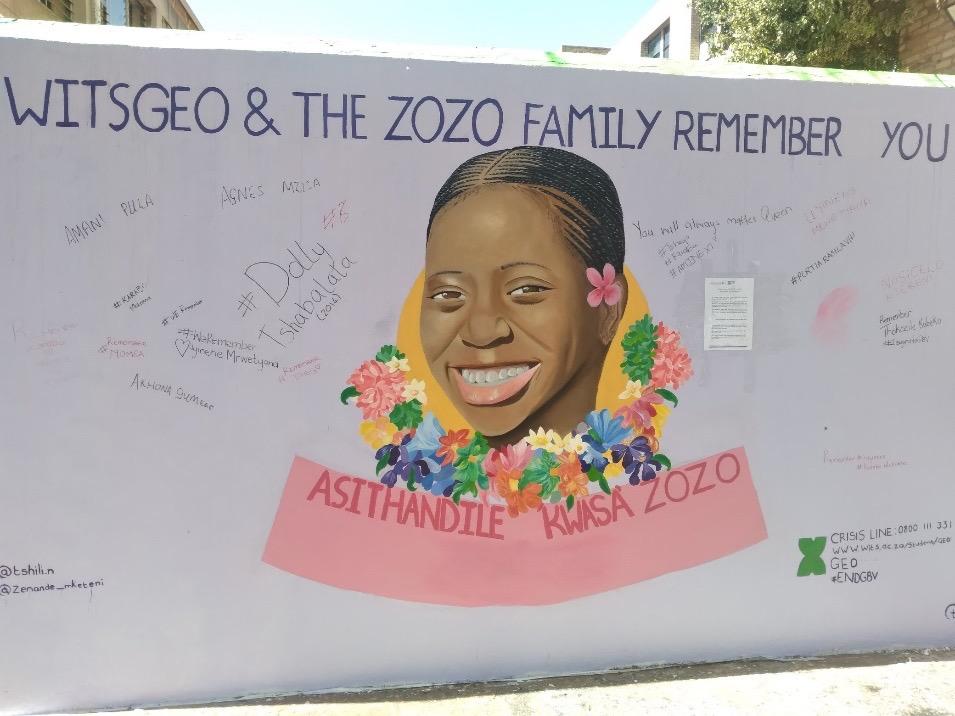
Memorial painted on Wits West Campus wall in memory of Wits student, Asithandile Zozo, who was murdered in an act of gender-violence.
The office functions as a “one-stop-office” providing psychosocial, legal and advocacy support. The services of the GEO are offered to the University of the Witwatersrand (the University) community members at large. The office serves both the student and staff community.
Throughout the past year, the office has strengthened its staff component, adding an additional lawyer, social worker as well as a dedicated advocacy officer to the team. With the additional staff, the office has grown its advocacy and education reach as well as its psychosocial support. The office has trained over 80 student volunteers who work closely with the office in providing training and relevant engagement with staff across campus.
Over the past year, the office has established counselling support groups, streamlined disciplinary processes and reviewed the policy governing the process; as well as having extended and strengthened its gender sensitivity training offering. In addition to this, we work closely with the Sexual Orientation and Gender Identity programmer to provide training to students, staff and external campus partners.
As at 10 June 2021, the Hardship Committee had assessed 1483 applications from students for assistance during the 2021 registration period. The R10m allocated towards the Hardship Fund to assist qualifying students who were experiencing financial hardship was supplemented by the Vice-Chancellor’s COVID-Relief fund of R10m. The Wits Citizenship and Community Outreach Unit had also been administering student applications for hardship accommodation. Approximately 244 students were assisted to access accommodation through this facility by the middle of May 2021. Other cohorts of students were able to secure accommodation through National Students Financial Aid Scheme (NSFAS). Council noted the efforts made by the Student Affairs Division to assist students who qualify for assistance with accommodation which included engagement with external accommodation providers to sponsor beds. The #21Million in 2021 campaign launched by the SRC aimed to raise R21 million to assist students who were in financial need. The campaign successfully fundraised just over R7 million, and over 900 students benefitted from the campaign.
To create strengthened relationships between gender offices across South African universities, the office formed a community of practitioners against gender-based violence. The community currently has twenty universities represented,
Access to Higher Education
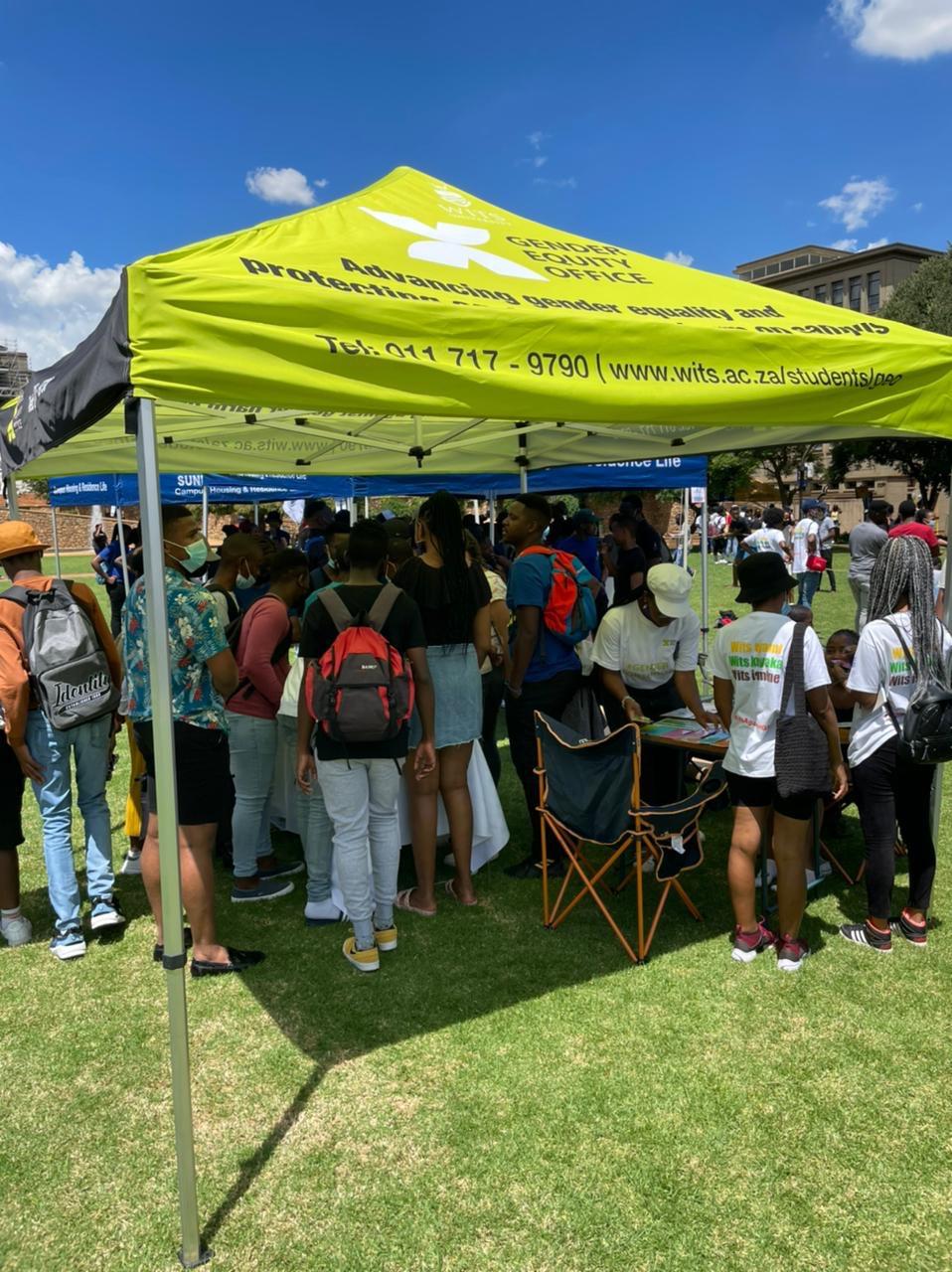
Council noted the challenges with the NSFAS decision to discontinue funding a certain cohort of students who were enrolled in the Faculty of Health Sciences (GEMP students) and would no longer be funded by NSFAS. The Vice-Chancellor and the Dean of the Faculty had written to NSFAS in this regard, noting that GEMP provides opportunities for students whose first choice was MBBCH but were not accepted due to the high demand for the programme to still pursue a qualification
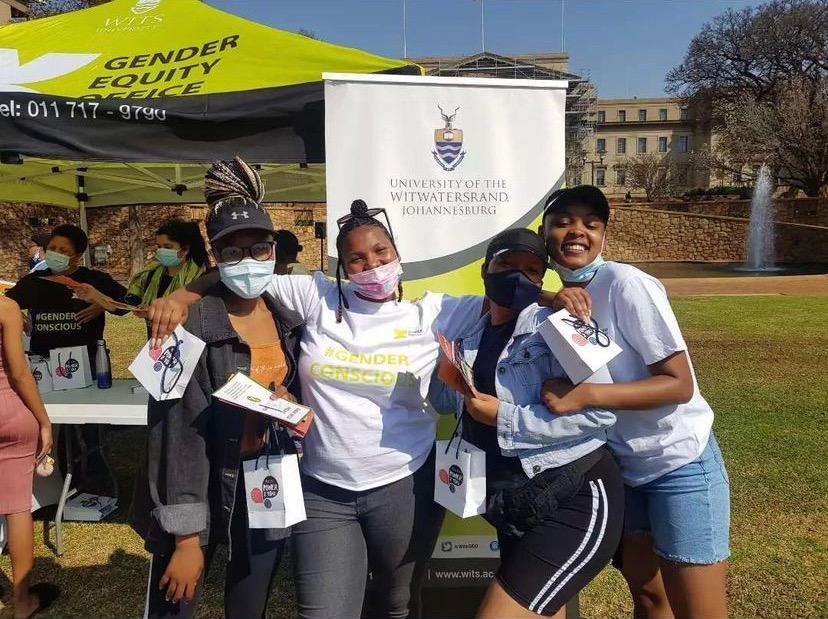
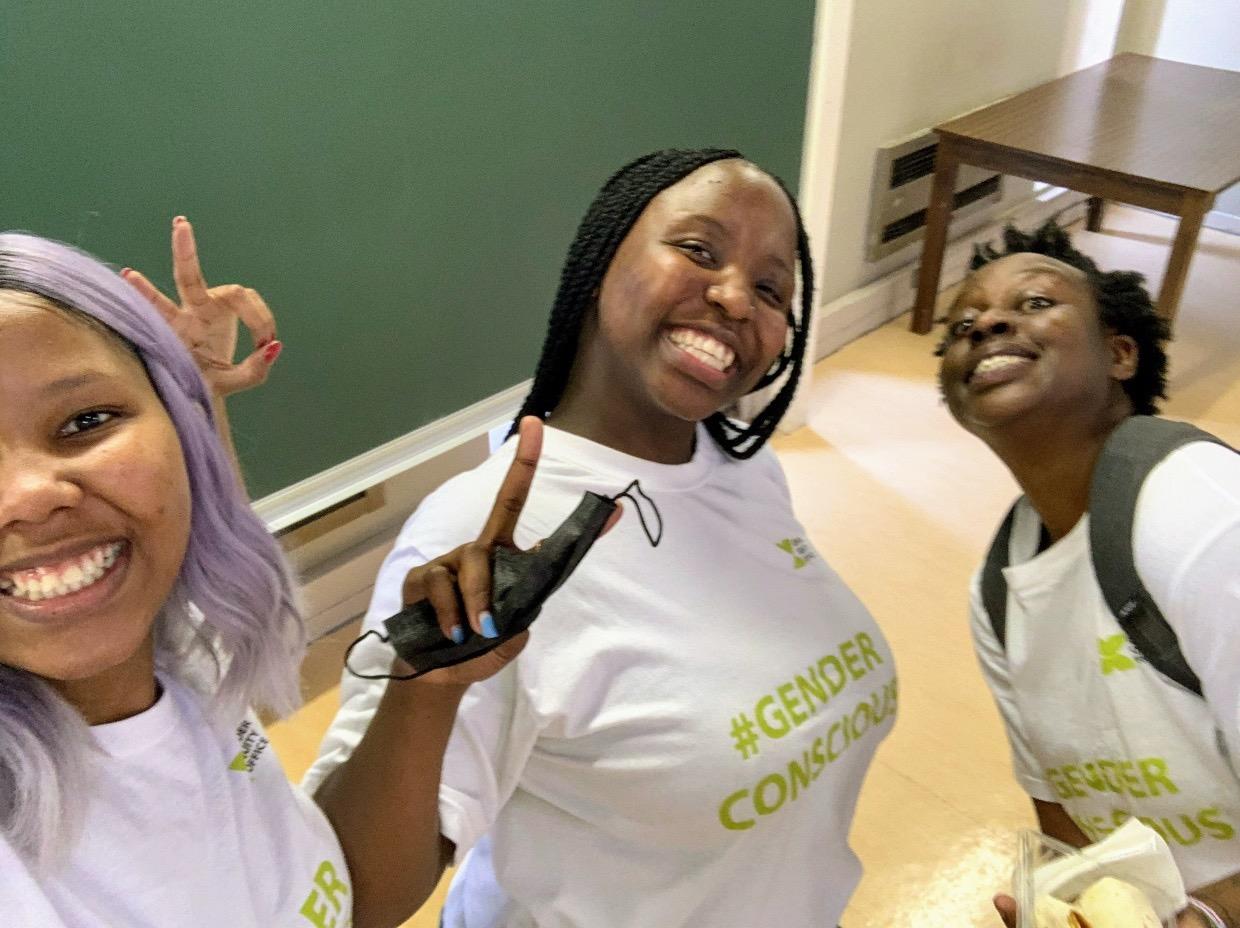
Whilst Wits seeks to become more of a postgraduate institution, it remains committed to increasing access for students. Despite the transformation of the University’s demographics, which are in line with national norms, funding and the lack of accommodation remain significant challenges. Wits has made several concessions over the last three years, which has enabled a greater number of students to register. The University administers over R1 billion in financial aid, scholarships and bursaries annually. On 16 December 2017, the Presidency announced that free education would be phased in over five years from January 2018. This translates into free education for students who come from homes that have a collective annual household income of R350 000 or below, which applies to about one fifth of Wits’ students.
in medicine by creating an alternative route into medicine. Wits had appealed to NSFAS to reconsider its decision noting that the programme enables wider access to medicine and assists in addressing the shortage of medical skills needed in the country. A response was awaited.
In addition to this, the Council agreed to the proposal that the University once again places a moratorium on charging interest on academic charges, charged for the academic year of 2021. Interest to be charged on historical debt incurred prior to 2021 after taking into consideration that during the 2020 academic year, students were not charged interest on outstanding fees for 2020 academic charges. University management implemented this concession based on hardship and being in the best interest of the students during the Covid-19 pandemic.
GEO pop-up activation to introduce students to the office and the services offered through the GEO.
GEO student volunteers interacting with Wits students during an event.
GEO advocacy team members Lindelwa Mhlakaza, Qhama Qwesha and Thenjiwe Mswane

5.3. Occupational Health and Safety
Significant OHS&E interventions carried out by the OHS&E Directorate during 2021 included:
• COVID-19 Protocols: The OHS&E Directorate developed, implemented and checked adherence to numerous COVID-19 Protocols during 2021.
• OHS&E Training & Awareness: 7 OHS&E training and awareness courses were converted to online training format.
• University-wide risk assessment: A University-wide COVID-19 Risk Assessment was carried out which underwent numerous reviews / updates during 2021. A risk mitigation plan was developed / implemented to minimise COVID-19 risk. University entities were guided by OHS&E staff in carrying out entity risk assessments. Interventions were implemented to address identified OHS&E / COVID-19 risks. A Vaccine Risk Assessment was also carried out.
• Occupation Risk Exposure Categorisation: The OHS&E Directorate carried out a University-wide ‘Occupation COVID-19 Risk Exposure Categorisation’ to establish levels of COVID-19 exposure risk per occupation type.
• OHS&E & Fire Protection Inspections: Numerous entity OHS&E / COVID-19 compliance inspections and Fire Risk Inspections were carried out by the OHS&E Officers and the Emergency Response Coordinator.
• Reporting of Injuries / Illnesses in terms of the COID Act: Employee work related illnesses / injuries were reported to the Compensation Commissioner in terms of the COID Act requirements.
• COVID-19 Investigation Guideline: The OHS&E Directorate developed a ‘COVID-19 Investigation Guideline’ and provided assistance to University entities to investigate infections. Arising from such investigations various preventative interventions were identified that assisted to prevent further COVID-19 infections from occurring.
• Staff / Student Infection Registers: A COVID-19 Infection Register for Staff and Students was developed, implemented and kept updated.
• Covid-19 Committee / Liaison: The OHS&E Directorate actively participated on the ‘Covid-19 Emergency Response Committee’, the ‘Return to Campus Faculty Task Team Forum’ as well as the ‘COVID-19 Technical Committee’ to deliberate, liaise and synergize on matters regarding the return to Campus plans as well as to discuss and make
recommendations on many significant issues that support the University’s COVID-19 preventative endeavors.
• University’s Covid-19 Intranet Webpage: The OHS&E Directorate provided input to the COVID-19 Webpage that was established by the Communications Division to keep the Wits Community appraised of pandemic matters.
• Return to Campus Plan: The OHS&E Directorate helped develop and regularly updated the ‘Return to Campus Plan’ which addressed a broad variety of interventions to achieve a state of readiness / preparedness for staff / students.
• University-wide COVID-19 Emergency Response Plan: The OHS&E Directorate developed and kept updated a Covid-19 Emergency Response Plan (i.e. Including actions when someone experiences COVID-19 symptoms).
• Mandatory Vaccination Policy: The OHS&E Directorate assisted with the development / implementation of the University’s Mandatory Vaccination Policy.
• COVID-19 Regulatory Compliance Audits: The OHS&E Directorate developed a ‘COVID-19 Regulatory Audit Checklist’ and conducted monthly regulatory COVID-19 compliance audits to establish the University’s level of legislative compliance with COVID-19 protocols.
• COVID-19 Symptom Screening Tool: A COVID-19 Symptom Screening Tool was developed / implemented requiring persons entering Wits to undergo symptom self-screening. The OHS&E Directorate developed the original version and assisted with subsequent reviews / updates.
External Stakeholder Liaison: Ongoing contact was kept with governmental as well as other external institutions to keep abreast with Covid-19 related developments as the pandemic has evolved.
The above-mentioned initiatives and interventions have assisted the University to:
(a). Create a safer and healthier environment in which to work and learn;
(b). Decrease the University’s risk potential for incurring fatalities, injuries, accidents and loss; and,
(c) Ensure ongoing legal compliance in accordance with the provisions of the OHS Act, COID Act and the various COVID-19 related Government Protocols.
SET Risk Dashboard – 5 October 2021
SET Risk Dashboard – 5 October 2021
5
3
2
1
1
Instability in South Africa and Higher Education Funding Crises National political and socio-economic issues impact on universities. Public finances dwindling, subsidy stagnant, research funds cut, and fees capped. Inefficient administration at NSFAS and students being defunded. Higher education funding is a national issue that remains a perennial problem, needs a national solution. Missing middle are particularly affected.
Instability in South Africa and Higher Education Funding Crises National political and socio-economic issues impact on universities. Public finances dwindling, subsidy stagnant, research funds cut, and fees capped. Inefficient administration at NSFAS and students being defunded. Higher education funding is a national issue that remains a perennial problem, needs a national solution. Missing middle are particularly affected.
Institutional finances The approximate 90% plus reliance on subsidy and fees income will from 2021 challenge the teaching and learning and research model being sustained. Strategic responses of a business review, commercial income streams and efficiency initiatives have been identified. The implementation of these strategic responses is key to the constant delivery of our model. The risk is in the timing and fullness of implementation. COVID-19 has impacted on corporates and donations to the University, and income from investments as well as individual families/ caregivers that are now unable to pay fees.
2
Institutional finances The approximate 90% plus reliance on subsidy and fees income will from 2021 challenge the teaching and learning and research model being sustained. Strategic responses of a business review, commercial income streams and efficiency initiatives have been identified. The implementation of these strategic responses is key to the constant delivery of our model. The risk is in the timing and fullness of implementation. COVID-19 has impacted on corporates and donations to the University, and income from investments as well as individual families/ caregivers that are now unable to pay fees.
Research funding framework challenges Covid-19 impacting the security of funding. Changes to the NRF Funding Framework - changing patterns in NRF funding impacts research indicators, including rating. Potential variance in research productivity (output by staff and students). Changing research culture globally and its threats and opportunities for cutting -edge knowledge production. Risk that the university is distracted from its focus on research goals due to the Covid -19 challenges, Higher Education crises and funding.
3
Research funding framework challenges Covid-19 impacting the security of funding. Changes to the NRF Funding Framework - changing patterns in NRF funding impacts research indicators, including rating. Potential variance in research productivity (output by staff and students). Changing research culture globally and its threats and opportunities for cutting -edge knowledge production. Risk that the university is distracted from its focus on research goals due to the Covid -19 challenges, Higher Education crises and funding.
Post Covid-19 transition Socio-economic inequalities are highlighted by Covid-19 restrictions. Continued restricted movement on campus, business interruption and management of a phased and coordinated return of staff and students. Covid-19 also impacted on the mental health of both students and staff. Roll out of vaccine program should reduce the risk and support business continuity post covid.
4
Post Covid-19 transition Socio-economic inequalities are highlighted by Covid-19 restrictions. Continued restricted movement on campus, business interruption and management of a phased and coordinated return of staff and students. Covid-19 also impacted on the mental health of both students and staff. Roll out of vaccine program should reduce the risk and support business continuity post covid.
Regulatory and Relationship challenges Challenging interactions with all tiers of Government, Province, and the City impact on Wits’ delivery of high quality education etc. Uncertainty about government’s higher education policy and regulatory environment. Perceived encroaching of government policies on autonomy of Universities. Transitioning to a hybrid teaching and learning model impact on accreditation.
5
Regulatory and Relationship challenges Challenging interactions with all tiers of Government, Province, and the City impact on Wits’ delivery of high quality education etc. Uncertainty about government’s higher education policy and regulatory environment. Perceived encroaching of government policies on autonomy of Universities. Transitioning to a hybrid teaching and learning model impact on accreditation.
DVC Research and Innovation, Deans
DVC Research and Innovation, Deans
Vice-Chancellor & Principal, Registrar, Deans
SET Risk Dashboard
SET Risk Dashboard
6
Labour relations environment and disputes The impact of labour disputes on the continuity of University activities, which could be influenced by sectoral and national issues and constraints. The potential of disruption and strikes arising out of unresolved University issues
Labour relations environment and disputes The impact of labour disputes on the continuity of University activities, which could be influenced by sectoral and national issues and constraints. The potential of disruption and strikes arising out of unresolved University issues
Teaching and Learning risk Impact of online teaching on students and staff. Assessments have been negatively impacted due to the nature of limited online testing. Practical, lab and field-based learning has been impacted which could impact on quality of qualifications. Health risk for staff and students. Quality of teaching platforms, especially government controlled facilities affecting quality of education and service. Uneven throughput of undergraduate degrees. Throughput of PG degrees (number and time to complete). Quality of Teaching and Learning programmes. Curriculum transformation.
7
Teaching and Learning risk Impact of online teaching on students and staff. Assessments have been negatively impacted due to the nature of limited online testing. Practical, lab and field-based learning has been impacted which could impact on quality of qualifications. Health risk for staff and students. Quality of teaching platforms, especially government controlled facilities affecting quality of education and service. Uneven throughput of undergraduate degrees. Throughput of PG degrees (number and time to complete). Quality of Teaching and Learning programmes. Curriculum transformation.
Infrastructure and Technology risk Cyber security, campus sustainability strategy and reduced reliance on external utilities are key. Legacy IT infrastructure and capacity of ICT and learning systems for the online environment. Wi-Fi and internet access for teaching platforms not stable. Digital transformation, including how and what we teach, how and where students learn and how and what we research as well as our management and administrative processes . Inappropriate infrastructure to support strategic plan pertaining to PG ambitions. Inefficient use of infrastructure. Project execution and governance risk.
8
Infrastructure and Technology risk Cyber security, campus sustainability strategy and reduced reliance on external utilities are key. Legacy IT infrastructure and capacity of ICT and learning systems for the online environment. Wi-Fi and internet access for teaching platforms not stable. Digital transformation, including how and what we teach, how and where students learn and how and what we research as well as our management and administrative processes Inappropriate infrastructure to support strategic plan pertaining to PG ambitions. Inefficient use of infrastructure. Project execution and governance risk.
Challenge with the Centenary Campaign execution The impact of the coronavirus pandemic and its impact on the economy and the ability of donors to contribute towards the Wits Centenary Campaign puts the fundraising campaign at risk of not achieving its R3 billion target by the end of 2022. A total of R1.7 billion had been collected by the end of December 2020. 2021 results showing a decline in year to date income. 9
9
Challenge with the Centenary Campaign execution The impact of the coronavirus pandemic and its impact on the economy and the ability of donors to contribute towards the Wits Centenary Campaign puts the fundraising campaign at risk of not achieving its R3 billion target by the end of 2022. A total of R1.7 billion had been collected by the end of December 2020. 2021 results showing a decline in year to date income.
Transformation challenges and changes to the institutional culture Slow evolution of the institution’s cosmopolitan character and its ability to achieve diversity of race, class, gender, international. Competition from Government and Higher Education institutions for talented black staff. Challenges to attract and retain staff (academics). Volatile political climate and confrontations between students and university. Student leadership issues. Lack of social cohesion as a result of student unrest.
10
Transformation challenges and changes to the institutional culture Slow evolution of the institution’s cosmopolitan character and its ability to achieve diversity of race, class, gender, international. Competition from Government and Higher Education institutions for talented black staff. Challenges to attract and retain staff (academics). Volatile political climate and confrontations between students and university. Student leadership issues. Lack of social cohesion as a result of student unrest.
DVC (Systems and Operations)
& Principal
Vice-Chancellor, Deans, Dean of Students and Registrar
Vice-Chancellor
Vice-Chancellor, Deans, Dean of Students and Registrar
Vice-Chancellor
6. Finance Going Concern
The annual financial statements as at 31 December 2021 have been prepared on the going concern basis. In terms of the Companies Act 71 of 2008, the existence and sustainability of the University is determined mainly by using solvency and liquidity testing. We have used these tests, and additional specific assessments, to support the assertion that Wits University is a going concern as at 31 December 2021.
The going concern assumption is a fundamental principle in the preparation of financial statements. Under the going concern assumption, an entity is ordinarily viewed as continuing in business for the foreseeable future with neither the intention nor the necessity of liquidation, ceasing trading or seeking protection from creditors pursuant to laws or regulations. Accordingly, assets and liabilities are recorded on the basis that the entity will be able to realize its assets and discharge its liabilities in the normal course of business. This going concern basis presumes that funds will be available to fund/finance future operations and that the realisation of assets and settlement of liabilities, contingent obligations and commitments will occur in the ordinary course of business and that there is an adequate asset base available to cover short term obligations for 12 months after approval of the annual financial statements.
• There are no fixed-term borrowings approaching maturity that do not have a realistic prospect of renewal or repayment; nor is there an excessive reliance on short-term borrowings to finance long-term assets. Cash and cash equivalents exceed substantially interest-bearing borrowings.
• There has been no withdrawal of financial support by any creditors.
• There are no negative operating cash flows indicated by historical or prospective financial forecasts.
• There has been no experience during the financial year of an inability to pay creditors on due dates.
• There were no operating losses or significant deterioration in the value of assets reported in any month over the financial year.
• The University has the ability to meet its short-term obligations i.e. the ability to pay its debts within a 12 month period of year end.
• There were no experiences for non- compliance with the terms of loan agreements.
• There were no changes from credit to cash-on-delivery transactions with suppliers.
In conclusion the fair value of total assets exceeds the fair value of total liabilities of the University, the current liquidity and solvency ratios are all within industry norm and are favourable, the University therefore continues to adopt the going concern basis in preparing its annual consolidated and separate financial statements.
The Senior Executive Team (SET) together with Council, has assessed the potential impact of the University’s ability to continue as a going concern, given the nature of the University operations in the social front, Council is of the opinion that it will be able to continue as a going concern into the foreseeable future.
Whilst the on-going COVID-19 pandemic potential impact have been considered, it should be noted that these issues are pervasive factors that impact all global and national economic participants in different ways, and Council and SET accordingly continue to monitor and manage the situation and impact along with all the key stakeholders.
Audit, Finance and Risk Management
Council has established a number of governance sub-committees to assist Council with its responsibilities regarding audit, finance and risk management. These include:
a. Council Audit Committee.
b. Finance Committee of Council (FINCO) and c. Council Risk Committee
Council Audit Committee
The overall purpose and objective of the Audit Committee is to assist Council in fulfilling its oversight responsibilities with respect to financial reporting, internal control and management of financial risks, the audit process and the University’s process for monitoring compliance with laws and regulations, its predetermined objectives and own code of business conduct.
The Audit Committee is a non-executive body accountable directly to Council for all matters pertaining to the audit of the University’s financial affairs and any matters connected therewith. Both the internal and external auditors have unrestricted access to the Audit Committee, including periodic meetings with the Chairperson of the Committee, which ensures that the University of the Witwatersrand’s independence is in no way compromised and that appropriate financial procedures and management are practiced.
As part of the duties assigned by Council, the Committee fulfils an oversight role regarding the University’s Annual Report and the reporting process, including the system of internal financial control. It is responsible for ensuring that the University’s internal audit function, which is outsourced, has the necessary resources, standing and authority within the organisation to enable it to effectively discharge its duties. Furthermore, the Committee oversees cooperation between the internal and external auditors and serves as a link between Council and these functions.
The Committee has recommended, for approval by Council, Deloitte, as the external auditor and Mr. S Tyranes as the designated auditor for statutory reporting to the Department of Higher Education and Training for the 2021 financial year.
Ernst & Young Advisory Services (EY), the Universities outsourced internal auditors’ current contract has been extended by a further 7 months and will now expire in December 2021. Sizwe Ntsaluba Gobodo – Grant Thornton (SNG-GT), continues to provide the services of grant auditors and enterprise-wide risk management services (EWRM).
Council has approved, the Committee’s recommendation for approval to Council, the University’s group external audit plan for the 2021 financial year as well as the internal audit plan for 2022 and the three-year internal audit rolling plan.
Finance Committee of Council (FINCO)
FINCO is directly accountable to Council for all matters pertaining to the financial affairs of the University and the Group, apart from audit matters. Council expects FINCO to address the following matters, amongst others, in detail and to make appropriate recommendations for approval:
a) annual estimates of revenue and expenditure (budgets);
b) review of the quarterly reports of revenue and expenditure;
c) adoption of the annual statement of comprehensive income and expenditure and the statement of financial position and cash flows and
d) determination of the fees to be paid by students, in line with the recommendations by the Department of Higher Education and Training.
Council
Risk Committee
Risk assessment and risk management at the University is addressed through the Council Risk Committee (sub-committee of Council) and the Risk Management Committee.
The Council Risk Committee oversees the risk management activities on behalf of Council and provides Council with formal and scheduled feedback on the status of key risks and management’s responses. The Committee considers material issues of risk, asset [protection, security, legal and corporate governance.
SNG-GT has been appointed to provide advisory services for EWRM. Reporting into the Committee is the Risk Management Committee.
The three Committees, together with the other governance committees, provide assurance to Council that there is a framework for the design and implementation of the requisite internal financial controls to safeguard the assets of the University. The University and its associate entities seek to maintain systems of control over financial reporting and the safeguarding of assets against unauthorised acquisition, use or disposal.
Such systems are designed to provide reasonable assurance to the University and the Council regarding an operational environment that promotes the safeguarding of University assets and the preparation and communication of reliable financial and other information.
Council understands and appreciates that there are inherent limitations to the effectiveness of any system of internal control, including the possibility of human error and the circumvention or overriding of controls.
Accordingly, even an effective internal control system can provide only reasonable assurance with respect to financial statement preparation and the safeguarding of assets. Furthermore, the effectiveness of an internal control system can change with circumstances. Council assessed its internal control system as at 31 December 2021 in relation to its financial reporting strategies in the light of formal reports received from both the University’s internal and external auditors and risk advisors.
Consolidated and Separate Annual Financial Statements
For the year ended 31 December 2021
COUNCIL’S STATEMENT OF RESPONSIBILITY FOR THE CONSOLIDATED AND SEPARATE ANNUAL FINANCIAL STATEMENTS
The Council is responsible for the preparation, integrity and fair presentation of the consolidated and separate annual financial statements of the University of the Witwatersrand, Johannesburg.
The consolidated and separate annual financial statements, presented on pages 138 to 145, have been prepared in accordance with International Financial Reporting Standards and in the manner required by the Minister of Higher Education and Training in the regulations in terms of the Higher Education Act, 1997 (Act No. 101 of 1997), as amended, and include amounts based on judgements and estimates made by management. The Council has also prepared the other information included in the annual report and is responsible for both its accuracy and consistency with the annual financial statements.
The going concern basis has been adopted in preparing the consolidated and separate annual financial statements. The Council has no reason to believe that the University of the Witwatersrand, Johannesburg together with its related entities will not be a going concern in the foreseeable future, based on forecasts and available cash resources. The viability of the institution is supported by the content of the financial statements.
The consolidated and separate annual financial statements have been audited by the independent auditing firm, Deloitte, who were given unrestricted access to all financial records and related data, including minutes of meetings of the Council and all its committees. The Council believes that all representations made to the independent auditors during the University of the Witwatersrand, Johannesburg’s group audit are valid and appropriate.
STATEMENT OF CASH FLOWS

7. THE WAY FORWARD
The year 2021 started with many transitions – the change of leadership, the inception of a new strategic plan, a move from remote emergency teaching to blended learning, the counting of research units, and the acceleration of a major fundraising campaign. As the 2022 Strategic Framework prepares to draw to a close; the 2033 Strategic Framework will be enacted from 2023, entering Wits University into its next century on a sustainable trajectory. The higher education landscape has changed rapidly in recent years, and so we need to be ready to adapt and embrace change to be ahead of the curve, positioning our institution into the cutting-edge of excellence.
CONTACT US
University of the Witwatersrand, Johannesburg
Jan Smuts Avenue, Braamfontein, Johannesburg, 2000, South Africa
Private Bag 3 | WITS 2050 | South Africa
Tel: +27 (0)11 717 1000
ADMISSION ENQUIRIES
Tel: +27 (0)11 717 1888 | www.wits.ac.za/askwits
FEES
feesoffice.finance@wits.ac.za
FUNDING
info.finaid@wits.ac.za
INTERNATIONAL STUDENT ENQUIRIES
Tel: +27 (0)11 717 1054/5 | studysa.international@wits.ac.za
WITS INTEGRITY HOTLINE
Report improper, unethical or illegal conduct or activities related to the University without fear of victimisation. Tel: +27 82 938 4559/69 | wits.integrity@wits.ac.za
MAILING LIST
Should you wish to be placed on a mailing list to receive regular email updates about Wits, please send an email to: witsnews@wits.ac.za
FEEDBACK AND QUERIES
Please direct any queries regarding this report to registrar@wits.ac.za