a guide for POSTGRADUATE APPLICANTS
A
WELCOME
POSTGRADUATE
POSTGRADUATE RESOURCES
RESEARCH

A
WELCOME
POSTGRADUATE
POSTGRADUATE RESOURCES
RESEARCH
Internationally recognised for academic excellence, the University of the Witwatersrand remains one of the top universities in Africa, particularly for postgraduate students looking to further their studies and make a positive impact on society.
At Wits, 37% of our student body is made up of postgraduate students and in 2019 we produced more graduates than at any other time in our history. By 2022, we hope to have 45% of our student body made up of postgraduate students.
Located in the centre of Johannesburg, the economic heartbeat of Africa, Wits gives you the opportunity to produce innovative, impactful research. Research that changes disciplinary thinking, influences policy and generates economic activity.
As a researcher at Wits, you will create new knowledge to address 21st century challenges. You’ll inspire talented young students to shape our shared future.
You may even help to inform policies on sugar tax, national health insurance or the national minimum wage.
Perhaps you will collaborate with the best physicists in the world at CERN, or work with other leading researchers to find solutions to deep-level mining problems in Africa. Or maybe you will work with the team that performed the world’s first intentional liver transplant from a mother living with HIV to her HIV-negative child.
At Wits you will find an environment that nurtures the freedom of expression, protects academic liberty and encourages intellectual debate. We empower our staff and postgraduate students to push the boundaries of knowledge and to tackle fundamental research questions. At Wits we produce publications of the highest quality and we work hard to sustain the interplay between teaching and research.
Push the boundaries of knowledge. Tackle fundamental research questions. Produce publications of the highest quality. Blend teaching and research.
We are proud of the leaders who have emerged from Wits, and the roles that some of our students have assumed, both pre- and post-graduation.
We look forward to welcoming a new generation of postgraduates to Wits!
Become globally competitive and locally relevant with a postgraduate qualification from one of Africa’s leading universities.
The 21st century is a period of extraordinary change. New information is generated on an unprecedented scale and the world of work is changing rapidly. More careers are becoming multidisciplinary, requiring jobseekers to continuously adapt and learn new skillsets. And lifelong learning has become imperative.
In this changing job market, postgraduate study can open more doors and enrich your employment prospects – while satisfying your natural intellectual desire.
Not only does a postgraduate degree from Wits provide you with a greater understanding of your chosen field of study, it also equips you with other highly valued professional skills. These include critical thinking skills, creativity, collaboration and above all, the ability to be a lifelong learner.
1. Wits is renowned for our high-calibre graduates, academic standing and research capabilities.
2. Wits challenges you to develop original thinking, which is the cornerstone of intellectual growth.
3. Wits University has been ranked among the top 200 universities in the world according to the Times Higher Word University rankings 2020 as well as attaining the highest research score among universities in Africa, based on its research output and its reputation for producing research that moves society forward.
4. According to the Shanghai Ranking Consultancy, Wits is among the top 500 universities in the world in 15 subject areas–a proud achievement for an institution that will celebrate its centenary in 2022.
5. Our focus on producing research with impact ensures that Wits students and staff operate at the leading edge of their disciplines.
6. Our research output achieved historic highs in 2018, standing at just over 2 000 units.
7. Over a third of our student body is made up of postgraduate students.
8. We provide quality training to postgraduate students, while at the same time enriching the University’s undergraduate teaching.
9. We stimulate debate and cultivate open-mindedness, critical thinking, creativity, ethics and a strong sense of social responsibility through teaching activities that promote meaningful learning.
10. According to the latest Global Employability Survey and Ranking, directors and recruiters consider Wits graduates to be some of the most employable in South Africa.
Kick-start your postgraduate career with an Honours degree from Wits
Build your current skillset. Increase your knowledge base. Hone your critical thinking skills. Show prospective employers that you have a higher capacity for independent learning and research.
This is all possible with an Honours degree from Wits.
An undergraduate degree is important for laying the groundwork, but a postgraduate qualification takes your knowledge and skills to the next level. With a more in-depth approach to your specialisation, you’ll gain an entirely new perspective on your industry. And with so many voices vying to be heard in the graduate job market, an Honours degree will help you to stand above the rest and be noticed.
Wits offers a comprehensive choice of Honours programmes across five faculties; intellectually stimulating research areas; and excellent supervision and research support. We also offer funding for meritorious students and those in financial need. Honours degrees run over a year of full-time study or two years on a part-time basis.
www.wits.ac.za/sbs/ www.wits.ac.za/sef/ www.wits.ac.za/science/honours/ www.wits.ac.za/humanities/postgraduate-programmes/ FIND OUT MORE
Different students have different reasons for studying their Masters or PhD.
Some do so in the hope that a Masters or PhD will improve their career prospects, because many employers view a Masters or PhD as an indication of a person’s character and capabilities. Other students enjoy the chance to pursue their undergraduate subject at a more advanced level. Whichever your motivation, Wits remains the perfect institution to give you what you’re looking for.
http://www.wits.ac.za/postgraduate/ FIND OUT MORE

At Wits, we understand that support and development are key to the success and wellbeing of our postgraduate students. This is why we offer a variety of services ranging from a health and wellness centre to a postgraduate students’ association that will support your academic and professional development.
Here are some of the services available to our postgrad students:
This is a cross-faculty, cross-discipline centre for postgraduate researchers that improves the overall quality of the postgraduate experience across all five faculties.
The roles of the Postgraduate Affairs Office include:
Increasing recruitment and success of postgraduate students
Formulating policy on graduate studies
Facilitating and hosting the annual Postgraduate Cross-Faculty Symposium
Designing and implementing generic courses and research workshops
Organising writing retreats
Promoting postgraduate studies at Wits
Increasing awareness of postgraduate needs on campus
FIND OUT MORE
www.wits.ac.za/students/academic-matters/ postgraduate-affairs-office
This, the PGA, is a student representative body for postgraduate students at Wits. Its mission is to:
Promote and enhance the interests of postgraduate students
Interact with the postgraduate student body and University management
Uphold academic excellence and integrity
Facilitate the allocation of relevant resources for postgraduate research
Enhance access of resources to postgraduate students
FIND OUT MORE
www.wits.ac.za/pga
The Research Development Directorate is grouped into three areas with initiatives focused on:
1. The new generation of researchers
2. Emerging researchers
3. Established researchers
Research development opportunities for postgraduate students cover:
Mentoring/coaching - One-on-one discussions with experienced researchers
Skills enhancement - Training in the ‘art and craft’ of conducting research
Recognition - Recognising achievements
Exploiting networks - Linking researchers with appropriate funders
www.wits.ac.za/research/about-our-research/researchdevelopment FIND OUT MORE
The Wits Library consists of two main libraries (Wartenweiler and William Cullen), as well as 14 branch libraries where students have access to over one million book volumes, 400,000 journal titles and 46,000 updated electronic resources.
Visit the Library and be awed by the beautiful collections of incunabula, early printed books and rare manuscripts. Browse through the Africana Collection, which contains exquisitely illustrated volumes on the flora, fauna and exploration of the southern half of the continent of Africa.
And while you’re at it, take some time to explore the Historical and Literary Papers department, which is home to material documenting the early days of trade unions, political trials and apartheid.
FIND OUT MORE
www.wits.ac.za/library
All registered students at Wits have access to resources including the Campus Health and Wellness Centre, the Disability Rights Unit and the Counselling and Careers Development Unit. Postgraduate students also have full access to various sports facilities through the Wits Sport associations.
FIND OUT MORE
www.wits.ac.za/students/health-and-wellbeing

So far, Wits has produced:
4 4 Nobel Laureates
91 Rhodes Scholars
Home to exceptional researchers, academics, professional, administrative and support staff, and students
A wealth of sightseeing and educational opportunities
32 Mandela Rhodes Scholars Chief Justices of the Constitutional Court
2 National Planning Commissioners who helped shape the future of South Africa who have been awarded prestigious National Orders by the Presidency since 1994 50Alumni
Wits is home to lauded A-rated scientists, award-winning researchers and internationally recognised academics.
In recent years, we appointed 16 distinguished scholars who excel in their respective and diverse fields of expertise.
40 Wits alumni, students and staff members were included in Mail and Guardian’s 2019 Top 200, which profiles dynamic young South Africans under the age of 35.
More than 200 000 Wits graduates have made and continue to make their mark in the world, including illustrious artists, renowned lawyers, politicians, business leaders, accountants and highly rated scientists.
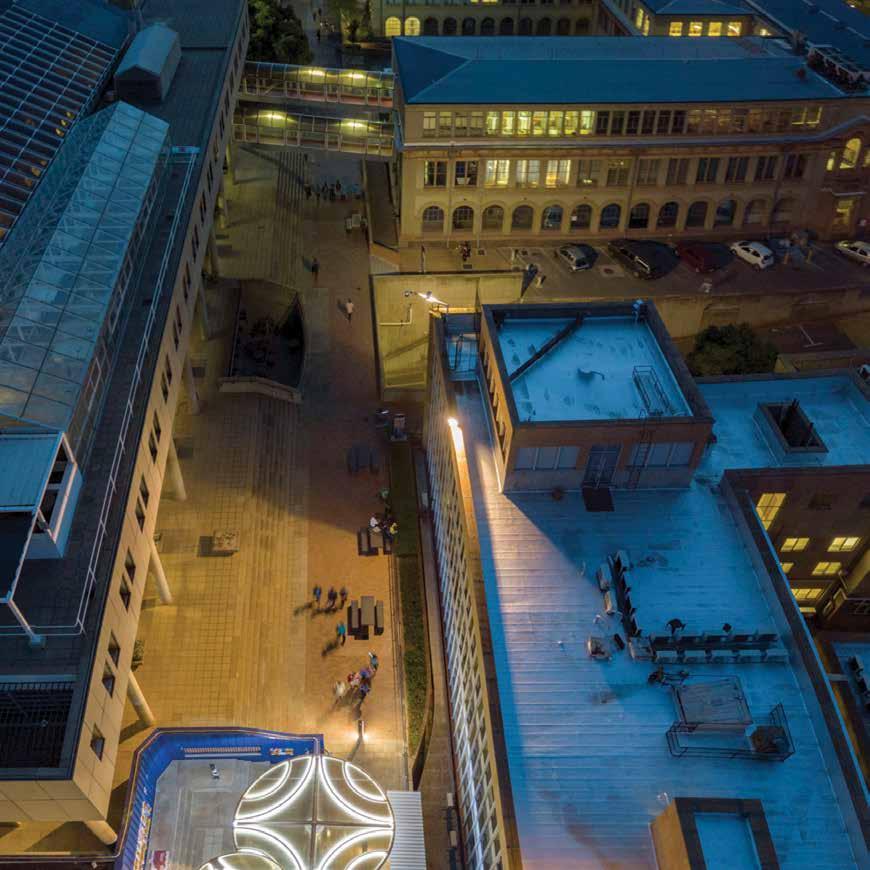
Our physical reach extends from Sterkfontein in the Cradle of Humankind to the Wits Rural Facility in Mpumalanga. Spread over 400 hectares, our campuses in Braamfontein and Parktown are home to a mix of cosmopolitan and energetic students, academics and young professionals.
Our campuses provide students with rich sightseeing and educational opportunities. Science enthusiasts can visit the Planetarium, the Origins Centre, the Bleloch Geological Museum, the Life Sciences Museum and Biodiversity Centre or the James Kitching Gallery in the Palaeosciences Centre.
The Fossil Vault and undergraduate chamber hold some of the world’s most precious faunal, floral and hominid palaeo treasures. Students studying health sciences will be captivated by the Adler Museum of Medicine, or they may fancy a visit to the Brebner Museum, the Hunterian Museum of Anatomy or the Museum of Obstetrics and Gynaecology.
A proud history of producing top quality sportsmen and sportswomen
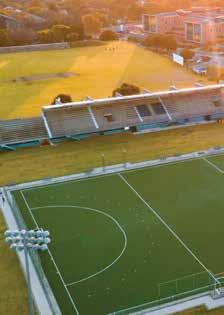
Wits is South Africa’s only official ‘Elite Athlete Friendly’ university, with 30+ sports codes.
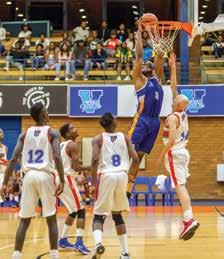
At Wits, we see health, fitness and physical activity as a way of life. This is why we’re known for the prowess and success of our sportsmen and sportswomen, as well as for our vibrant sports culture.
Wits Sport enables students, staff and alumni to participate in a range of sporting codes, whether high-performance, competitive or recreational. We also offer bursaries to top student athletes who meet the necessary academic requirements.
Where a vibrant social and cultural life is the norm
There’s always something exciting happening at Wits. With seminars, art events, exhibitions, and student-run productions, you’ll find something new to experience and enjoy.
The Wits Theatre Complex explores experimental work, side by side with the best professional talent on the continent. The Wits Art Museum(WAM), situated close to the Nelson Mandela Bridge in Braamfontein, is home to over 9 000 collections of extraordinary art, generated over seven decades. WAM run regular educational workshops open to the public and host evenings such as First Thursdays. The Fassler Gallery and the Anthropology Museum are also worth a visit.
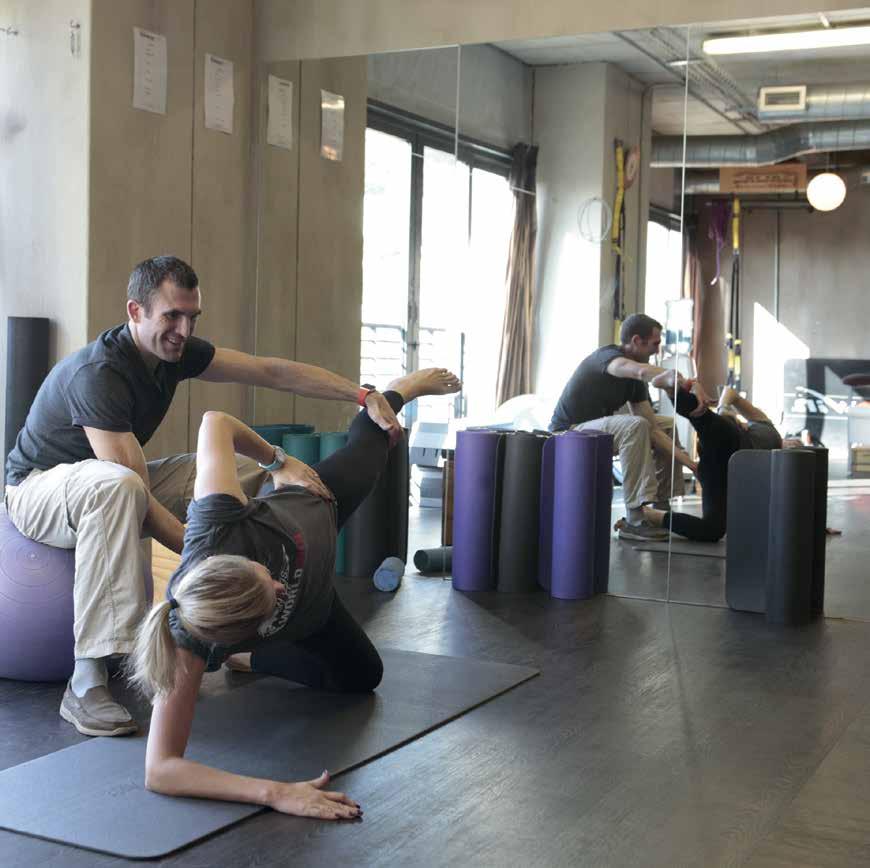
Enhancing the peak performance of athletes through sport training programmes and rehabilitation
Wits Sport and Health (WISH) is aimed at enhancing the lives of athletes by offering sport and exercise medicine programmes to aid in peak performance and rehabilitation through high calibre, internationally recognised training programmes and by unifying the public and private services.
FIND
https://www.wits.ac.za/wish/
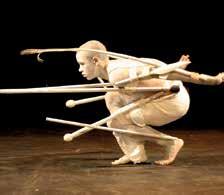
We created an ICT division, eResearch, which provides dedicated support to researchers and caters for big data requirements.
We launched the Smart Classroom Project to create a more technology-driven learning environment.
We are developing the Learning Innovation Centre in the Wartenweiler Library as part of efforts to provide state-of-the-art library services.
We launched the Scilinx Research Laboratory and the Scilinx Studio, to re-think how big data and advanced analytics impact operational processes within organisations.
We launched DigiMine, a 21st century state-of-the-art mining lab, which aims to use digital technologies to make mining safer and more sustainable.
The Wits Business School established the first ever Chair in Digital Business in Africa, to help South African businesses to thrive in the digital era.
The Fourth Industrial Revolution (4IR), fuelled by technologies like artificial intelligence (AI) and big data, has the potential to shape future societies and drive innovation in both academia and industry.
At Wits, we understand the potential impact of the 4IR in Africa and that’s why we’re building a new AI research operation in partnership with the Cirrus Initiative.
We have a number of highly skilled AI and machine learning (ML) researchers at Wits. In fact, we’re the only university in Africa to regularly publish at all major international AI, ML and robotics conferences.
Wits is also making major strides in the field of quantum computing, recently becoming the first African partner on the IBM Q Network. This will enable African researchers to keep up with cutting-edge developments in this field.
Africans should be the contributors, shapers and owners of coming advances in artificial intelligence and machine learning.
-
Professor Zeblon Vilakazi
We’re working hard to transform Braamfontein into a young, vibrant precinct known for a tech-savvy, innovative community of movers and shakers, and, together with our partners in Government, business and industry, launched the Tshimologong Digital Innovation Precinct in Braam which now exists.
Setswana for ‘new beginnings’, Tshimologong is Johannesburg’s
newest high-tech address – home to the incubation of start-ups, the commercialisation of research, and the development of high-level digital skills for students, working professionals and unemployed youth. AI and ML technologies are key drivers in the Tshimologong Digital Innovation Precinct.
AI/ML and Data Science are 2 of our 15 areas of research excellence.
Over the last five years, our research output has increased by almost 80%, with over 96% of research published in quality academic journals.
Wits has a proud history of research excellence dating back to its origins as a School of Mining in 1922. Over the years, research activities have evolved to include the fields of humanities, social sciences and health sciences.
More recently, we have encouraged a blended, interdisciplinary approach to research at Wits. This puts us in the right place to grapple with the complexities of the Fourth Industrial Revolution, while producing world-class research that transforms and impacts society in multiple ways.
Research highlights:
Research productivity exceeded the 2 000 units barrier for the first time against a target of 1 952 units, completing 10 years of year-on-year growth
30 South African Research Initiative Chairs, including 2 new Chairs and
19 major discoveries including:
- An Alzheimer’s breakthrough
- Haemophilia studies
- How the flu vaccine protects pregnant women against pertussis
- Digital reconstruction of the Massospondylus Skull
- The realisation that cold-blooded pythons make for caring moms
- The discovery of a 73 000 year-old multimedia graphic design
Clarivate Analytics Data found that Wits research between 2013 and 2017 outperformed in engineering and technology, humanities, medical and health science, natural sciences and social sciences fields, compared to the global average.
In the same period Wits authors published 11,012 peer reviewed research publications in Web of Science (ISI)-indexed journals or books, attracting 61,549 citations.
In a 37-year period (1980 to 2017)
Wits produced over 41,888 Web of Science publications. These have been cited more than 563,498 times.
NRF*-rated researchers
*National Research Foundation
29 Researchers
86% research output published in the Web of Science (ISI) accredited journals in 2018 Highly Cited and within the top 1% of global publications
journal articles published
4 HOSTED
2 CO-HOSTED
Centres of Excellence (CoE) established in 2018
Turning cashew nut shells into sunscreen
A team of chemists from Wits, together with researchers from universities in Germany, Malawi and Tanzania, are exploring ways to produce useful compounds from wood and other non-edible plant waste. The team has discovered that cashew nut shells produce aromatic compounds that absorb UVA and UVB rays. This can be applied to protect humans, livestock, and other polymers and coatings from the harmful rays of the sun.
A team of scientists, led by PhD student Kimberley Chapelle, discovered a new dinosaur species in the University’s vaults. The team learned that the dinosaur, which was misidentified over 30 years ago, was not only a new species of sauropodomorph, but also an entirely new genus. The findings will help scientists to better understand the transition between the Triassic and Jurassic periods, which occurred around 200 million years ago.
Interpreting brainwaves to give amputees a hand
Biomedical engineers at Wits are researching how brainwaves can be used to control a robotic prosthetic hand. This is known as a brain computer interface (BCI) and it will enable amputees and people with motor impairments to regain a measure of hand mobility.
If you are a recent PhD graduate, we encourage you to complete your postdoctoral fellowship at Wits. This will greatly assist your professional development and prepare you for a career in academia. Consider it a two-year academic ‘apprenticeship’ or internship.

Claude Leon Research Fellow at the Protein Structure Function Research Unit (PSFRU)
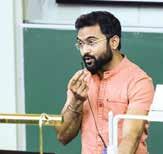
Dr Mathura is excavating the hidden potential of chloride intracellular channel (CLIC) proteins in the human body commonly associated with vertebrates and found within most vital organs. Under certain conditions CLIC proteins can change their state from soluble to insoluble, enabling them to oscillate between the cytoplasm of a cell and the cell membrane.
Mathura’s project focuses on the human CLIC4 protein and the remarkable implications it may hold for the treatment of various diseases precipitated by cell death and toxicity, such as cancer, Alzheimer’s and Parkinson’s.
Postdoctoral Fellow
School of Molecular and Cell Biology
Dr Sourav is working on a new cholesterol-depleting compound called KS-01 that can be used to treat breast cancer.
Cholesterol accumulation is found in various malignancies. Dr Sourav is investigating how this new cholesterol-depleting compound can reduce the size of breast cancer tumours with no side effects. His research suggests that KS-01 prevents cholesterol accumulation in breast cancer cells. This is a promising new development for cancer research.
Wits offers a large number of Postdoctoral Fellowships annually and our goal is to grow the number of Postdoctoral Fellows to more than 200.
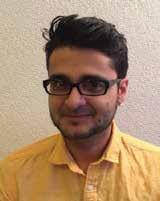
Dr Simões de Araújo is exploring the history of race and decolonisation in the Global South, particularly by looking at the internationalist policies of India, Brazil and South Africa towards Portuguese Africa.
The research shows that Brazil, India and South Africa, rather than simply adapting to the Cold War arena, had their own agendas for what they saw as viable solutions to the Portuguese colonial problem.
The Wits Reproductive Health and HIV Institute found that dolutegravir-containing regimens perform as well as the current efavirenz-containing regimens that are used for first-line antiretroviral treatment (ART) in Africa. This significant discovery has the potential to improve wellbeing, decrease the use of more toxic second-line drugs, and save money.
A team of Wits physicists created a tiny superconducting circuit that mimics the quantum mechanical process in which an atom absorbs or emits light. The advantage of an artificial device like this one is that it can mimic other strongly interacting systems. For example, the device can be used to simulate the quantum phenomena that occur inside a lump of metal –which was previously impossible.
Biomedical engineers at Wits are connecting a human brain to the internet in real time. The project, known as Brainternet, involves streaming brainwaves onto the internet such that the brain becomes an Internet of Things (IoT) node on the web. The aim of the project is to simplify a person’s understanding of their own brain, and the brains of others, through continuous monitoring of brain activity.
Did you know there are 6 million trees in Johannesburg, making it the world’s largest manmade forest?
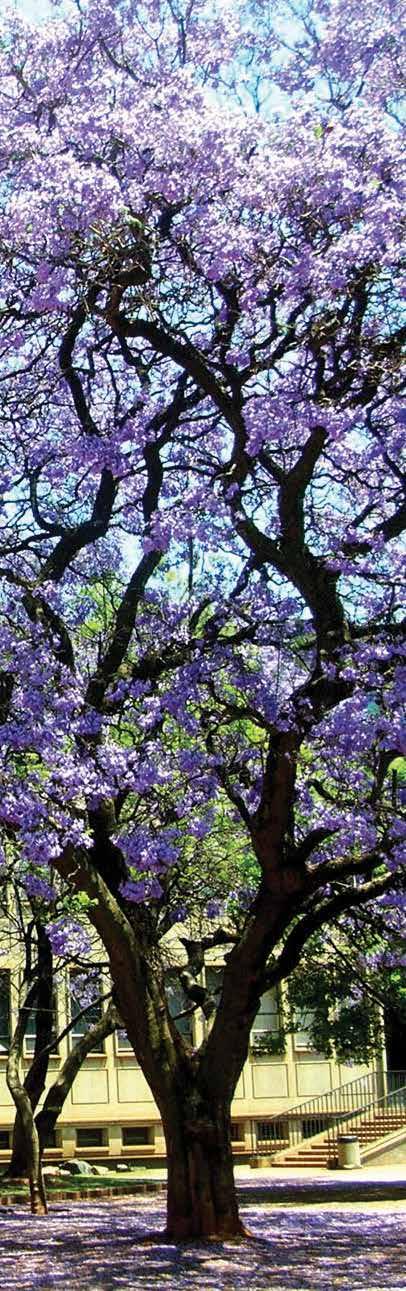
It’s affordable and offers students a great quality of life.
It has some of the world’s friendliest people. Meeting new people and making friends is easy in a city like Johannesburg. 1 2 3 4 5
According to the latest survey by international consultancy, QS Quacquarelli Symonds, Joburg is Africa’s best city for students. The annual Best Student Cities Ranking compares 120 cities around the globe according to how student-friendly they are. One of the biggest reasons Johannesburg did so well in the rankings is because it’s one of Africa’s most affordable major cities, offering students a great quality of life and relatively cheap standard of living.
It has an eclectic and cosmopolitan mix of people and cultures.
A large number of residents from all corners of the world call Joburg home. Our city also plays host to a number of mosques, churches and synagogues. Johannesburg truly is a melting pot of different people, cultures and religions.
It has breath-taking nature, weather and parks and recreation.
Johannesburg is a city of contrasts where skyscrapers live side by side with 19th century buildings, markets, bazaars and spaza shops. But Johannesburg is also the perfect city for nature-lovers and outdoor enthusiasts. From hiking or mountain biking through the ancient Magaliesberg mountain range to picnicking in the gorgeous Roodepoort botanical gardens, there is no shortage of activities for those who love the outdoors.
It has a vibrant and bustling social scene.
Joburg has it all, from hipster cocktail spots and high-octane dance clubs to historic pubs and bar districts. Beautiful weather and sunny skies bring event-goers to rooftop bars like the Living Room in Maboneng. Other inner-city attractions include 1 Fox Precinct, a dynamic cultural hub that was once a mining camp when gold was discovered in Johannesburg in the 1880s.

Schools and Research Entities
School of Accountancy (SOA)
School of Business Sciences
School of Economics & Finance
African Microeconomic Research
Umbrella (AMERU)
Institutions and Political Economy Group (IPEG)
Strategic Foresight Research Group (SFRG)
School of Law
Centre for Applied Legal Studies (CALS)
Mandela Institute
NRF SARChI Chair on ‘Equality, Law and Social Justice’
Wits School of Governance (WSG)
Centre for Defence and Security Management
Graduate School of Business Administration – Wits Business School (WBS)
African Energy Leadership Centre
BCX Chair in Digital Business
African Centre on Philanthropy and Social Investment
Research pursued by the Faculty of Commerce, Law and Management impacts how South Africa does business and how it practises law and economics. We influence public policy, help to build the public sector, and think deeply about economic and social challenges with strategic thinkers in industry, commerce, and society.
Our research is also applied to our own curriculum, keeping you relevant and current in a fast-moving profession.
These are some of the exciting research opportunities available to you:
The Centre for Learning on Evaluation and Results builds the capacity of people and institutions to plan, measure, and report on the project – a process referred to as Monitoring and Evaluation (M&E). CLEAR-AA’s work in supporting and improving M&E contributes to better governance and improved development outcomes across the continent.
The Southern Centre for Inequality Studies focuses on the understanding and inequality of the global south.
South African and African researchers come together under the African Microeconomic Research Umbrella to research African microeconomic issues related to firms and labour markets.
The Institutions and Political Economy Group (IPEG) studies the relationships between institutions, organisations, and markets, and how they impact long-term economic performance.
The Strategic Foresight Research Group combines the fields of accounting and management science in strategic projects that study risk and crisis management, education, tax and accounting systems, social responsibility, and business sustainability.
The Centre for Applied Legal Studies researches broader political and legal struggles for social justice. Projects include socioeconomic rights related to housing and basic services, the right to education, gender-based research, and labour law.
The Faculty consults with academics, researchers, top students, and leaders in the public and private sectors on its teaching, learning, and research offerings. Choose from a range of postgraduate degrees and diplomas, on a full- or part-time basis, and by coursework or through research-based programmes.
In 2018, our Faculty research footprint included over 200 journal articles and contributions to over 45 scholarly books, as well as numerous local and international conference proceedings. Nearly 50% of our permanent staff members have PhDs. We have over 50 NRF-rated researchers.
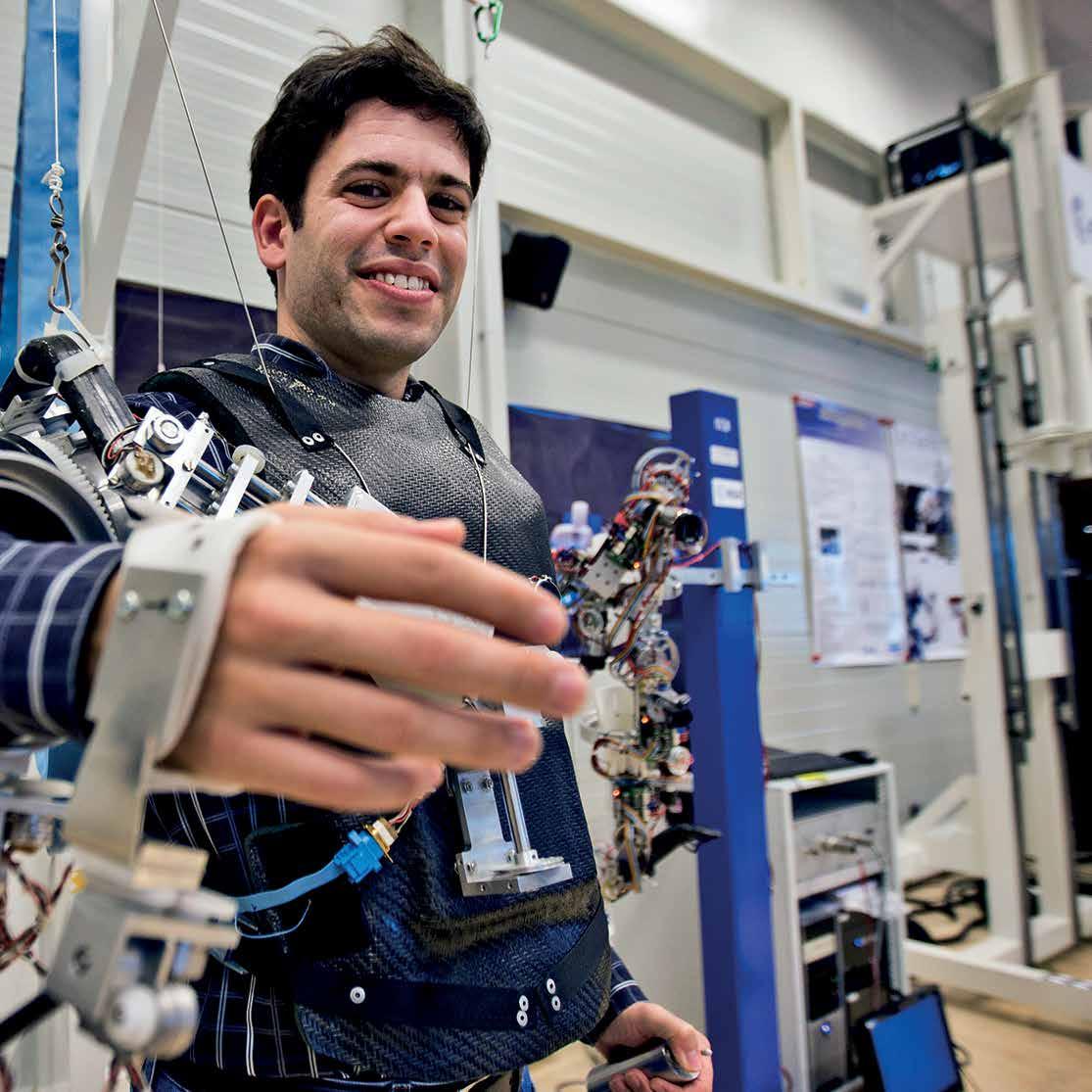
Access these internationally funded research centres:
The National Aerospace Centre
The Centre for Urbanised and Built Environment Studies
The DSI-NRF Centre of Excellence in Strong Materials
The Centre for Sustainability in Mining and Industry
The Joburg Centre for Software Engineering
The Transnet Centre for Systems Engineering
The Faculty also hosts the Wits City Institute as well as the Wits Mining Institute, www.wits.ac.za/wmi/
The Faculty of Engineering and the Built Environment works with the public and private sectors to tackle national problems like energy generation, deep-level mining, mining safety, water purification systems, transport, and urban development.
Recently, we combined multidisciplinary research in water from a number of schools and faculties at Wits into a single research centre: the Water Research and Development Centre (CiWARD).
The Faculty has the highest number of endowed professorships or chairs at Wits and strong relationships with industry. It often conducts contract research for local and international companies aimed at addressing South Africa’s social, spatial, and infrastructural needs.
You will start your research project at Honours level and can progress to Masters and PhD level. The relevant professional body accredits all of our programmes and the Engineering Council of South Africa (ECSA) accredits all engineering programmes.
With high-calibre academic and support staff and purpose-built laboratories, computing, and library facilities, you have everything you need to build your skills in specialist areas.
Choose between various Postgraduate Diplomas, Honours, Masters and Doctoral degrees.
Science graduates can also study engineering at a postgraduate level, to prepare themselves for leadership roles in technology and related fields.
The School of Architecture and Planning and the School of Construction Economics and Management are known for researching creative responses to societal challenges. These include climate change, sustainability when designing cities and buildings, the delivery of affordable housing, and the creation of more inclusive cities.
Examine, develop, and test proposals to shape inner cities in live city studios, or dig deeper into everything from declining towns and informal settlements, to street traders and provincial and metropolitan policies.
The Digital Mining Incubator will serve as a hub that enables development of SA’s next generation of digital mining experts.
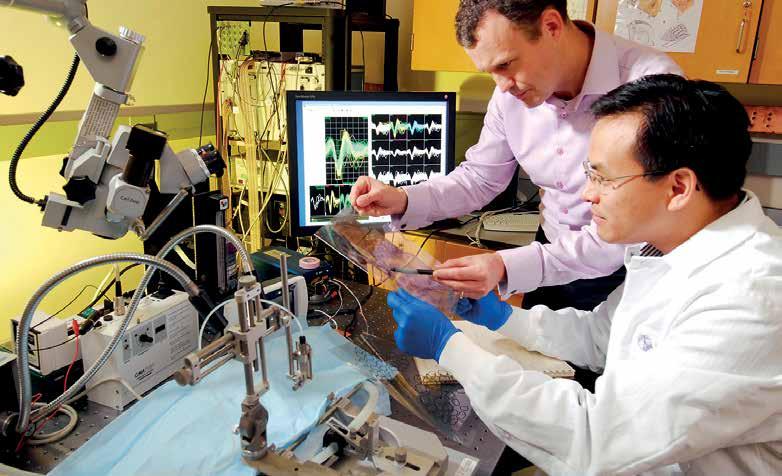
The Faculty is home to:
2
Department of Science and Innovation / National Research Foundation Centres of Excellence
7
2 Department of Science and Innovation / National Research Foundation
South African Research Chairs
African Network for Drug and Diagnostics Innovation Centres (ANDI)
21research entities
2 Research Thrusts
(Diseases of Lifestyle and Molecular Biosciences)
The Wits Faculty of Health Sciences pioneers African and global research that improves and saves lives.
HIV/Aids, tuberculosis and malaria, diabetes, hypertension and heart disease are some of the serious health issues affecting South African communities. As a postgraduate student of the Faculty of Health Sciences, you can help to develop new treatments and vaccines in these areas, as well as in oral health sciences, therapeutic sciences, and drug delivery. Our Faculty is the largest of its kind on the continent and we have trained more specialists and sub-specialists – including global thought leaders – than any other university in southern Africa. The quality of our research output is among the best in the country and is respected internationally. It has influenced national policy, informed our clinical work, and enabled us to produce well-rounded healthcare professionals.
Choose from a wide range of postgraduate degrees and diplomas of fered through our seven Schools:
Anatomical Sciences
Clinical Medicine
Oral Health Sciences
Pathology
Physiology
Public Health
Therapeutic Sciences
Our postgraduate supervisors are seasoned researchers in clinical, applied, and basic sciences and can guide you through your research project. What’s more, our extensive clinical training programme gives you access to experts at institutions like the Wits Donald Gordon Medical Centre.
Choose from a selection of courses on research methodology, scientific writing skills, and biostatistics, and join a thriving research community by attending monthly informative talks, the biennial Research Day, and the Postgraduate Expo.
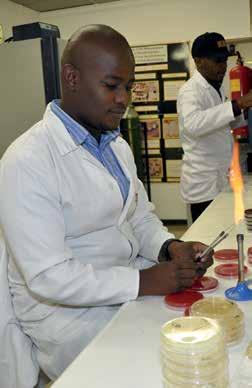
Master of Science in Dentistry by coursework and research report in the fields of:
Aesthetic Dentistry
Community Dentistry
Cranio-Mandibular
Dysfunction
Implantology
Endodontics
Prosthodontics
Maxillo-Facial Radiology Oral Pathology
Medicine
Maxillo-Facial Oral Surgery
Master of Science in Medicine by coursework and research report in the fields of:
Bioethics and Health Law
Child Health Comm
Paediatrics
Child Health Neurodevelopment
Master of Science in Occupational Therapy by coursework and research report in the fields of:
Disorders
Master of Science in Physiotherapy
Master of Science in Nursing in the fields of: Child Nursing
Infection Control
Intensive Care Nursing
Nephrology Nursing
Nursing Education
Master of Science in Epidemiology by coursework and research report in the fields of:
Biostatistics/Epidemiology Epidemiology and Biostatistics Implementation Sciences
Master of Public Health in the fields of:
Occupational Hygiene
Master of Medicine in the Speciality of:
Anaesthesia
Anatomical Pathology
Cardio-Thoracic Surgery
Chemical Pathology
Clinical Pathology
Dermatology
Diagnostic Radiology
Emergency Medicine
Family Medicine
Forensic Pathology
Haematology
Internal Medicine
Medical Genetics
Microbiology
Neurosurgery
Neurology
Nuclear Medicine
Obstetrics and Gynaecology
Occupational Health Medicine
Ophthalmology
Orthopaedic Surgery
Otorhinolaryngology
Paediatric Surgery
Paediatrics
Plastic and Reconstructive Surgery
Psychiatry
Public Health Medicine
Radiation Oncology
Surgery
Urology
Virology Bachelor of Clinical Medical Practice with Honours in the field of: Emergency Medicine
Master of Dentistry in the fields of:
Community Dentistry
Prosthodontics
Maxillo Facial Radiology
Oral Pathology
Oral Medicine
Maxillo Facial and Oral Surgery
Orthodontics
Periodontics
Bachelor of Health Sciences with Honours in the fields of:
Anatomical Pathology
Bioethics and Health Law
Biokinetics
Chemical Pathology
Clinical Microbiology and infectious Diseases
Forensic Sciences
Doctor of Philosophy in the fields of (continued):
Surgery
Virology
Medicine
track)
Human Biology Human Genetics Medical Cell Biology
Sciences track)
Master of Science in Physiotherapy by dissertation 1 2 Master of Science in Occupational
Bioethics and Health Law
Public Health
Microbiology
Biokinetics
Material Science
Oral Biology Health Sciences
Wits Reproductive and HIV Institute
Medicine
Informatics and Translational
Doctor of Philosophy in the fields of:
Anaesthesia
Anatomical Pathology
Anatomical Sciences
Chemical Pathology
Clin Micro and Infect
Diseases
Community Dentistry
Conservative Dentistry
Experimental Odontology
Family Medicine
Forensic Medicine
Haem and Molecular
Medicine
Human Genetics
Immunology
Internal Medicine
Neurosurgery
Nursing
Obstetrics and Gynaecology
Occupational Therapy
Oral Pathology
Ophthalmology
Oral Medicine and Periodontology
Orthodontics
Orthopaedic Surgery Pharmacy Paediatrics
Master of Science in Medicine by dissertation in the fields of:
Anaesthetics
Anatomical Pathology
Anatomical Sciences
Biokinetics
Bioethics and Health Law
Chemical Pathology
Clinical Microbiology and Infectious Diseases
Community Health
Critical Care
Diagnostic Radiology
Exposure Science
Emergency Medicine
Family Medicine
Forensic Medicine
Haem and Molecular
Medicine
Health Science Education
Human Genetics
Immunology
Internal Medicine
Microbiology
Material Science
Nursing
Obstetrics and Gynaecology
Nuclear Medicine
Neuro Surgery
Occupational Therapy
Oral Pathology
Ophthalmology
Oral Biology
Orthopaedic Surgery
Pharmacy
Paediatrics
Paediatric Cardiology
Paediatric Radiology
Pharmacology
Physiology
Psychiatry Physiotherapy
Radiation Oncology
Rural Health
Surgery Virology
+27 (0)11 717 2075/6
anna.muronga@wits.ac.za modie.maumela@wits.ac.za owen.naicker@wits.ac.za
www.wits.ac.za/health
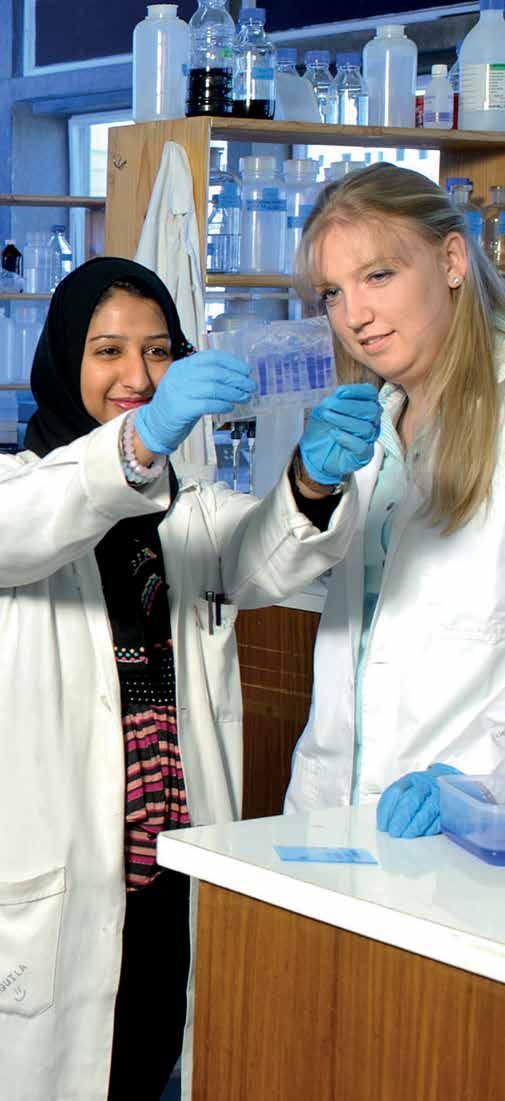
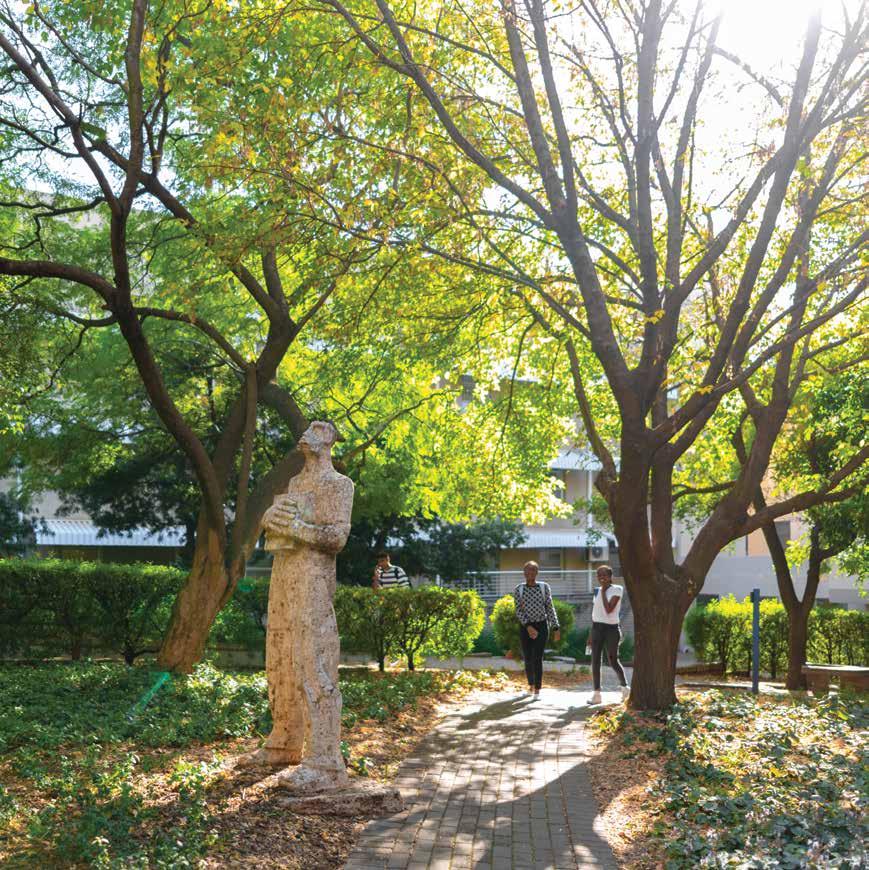
Critical thinking, debating and creative problem-solving are taught in the humanities. This kind of critical orientation allows students to explore the complex human-to-human relations and the human to robotic relations that we are already encountering and that will become ever more common.

The Faculty of Humanities links the arts, social and natural sciences, law, and management to allow you to creatively and critically engage in your chosen field.
Learn from leading academics and collaborate on research with scholars in Africa, Asia, Europe, North America, and the Middle East.
Explore Johannesburg’s dynamic political, social, economic, and cultural links to Africa and the world, and become part of a diverse, stimulating community of multicultural, multidisciplinary researchers.
Choose from vocationally oriented programmes that prepare you with the theoretical and practical knowledge and skills to pursue a specific career, or strengthen your research and analytical skills to unlock a range of career opportunities.
Our thriving research entities add to our vibrant culture and have a significant impact on our research into issues confronting South Africa and the world.
They include:
The Society, Work and Development Institute (SWOP)
The Wits Institute for Social and Economic Research (WiSER)
The Researching Education and Labour Centre (REAL)
The Wits Centre for Diversity Studies (WiCDS)
The Wits Centre for Ethics (WiCE)
The Centre for Indian Studies in Africa (CISA)
The African Centre for Migration and Society (ACMS)
The Learning, Information, Networking, Knowledge Centre (LINK)
The History Research Group (HRG)
The Health Communication Research Unit (HCRU)
The African Centre for the Study of the United States
Wits is ranked 1st in Africa in the area of Art and Humanities in the latest Times Higher Education rankings
The Faculty has 7 research chairs, 4 A-rated researchers and 23 B-rated researchers.
Preparing PhDs for an academic black doctoral fellows. Preference is given
http://www.wits.ac.za/humanities/ faculites/services/centre
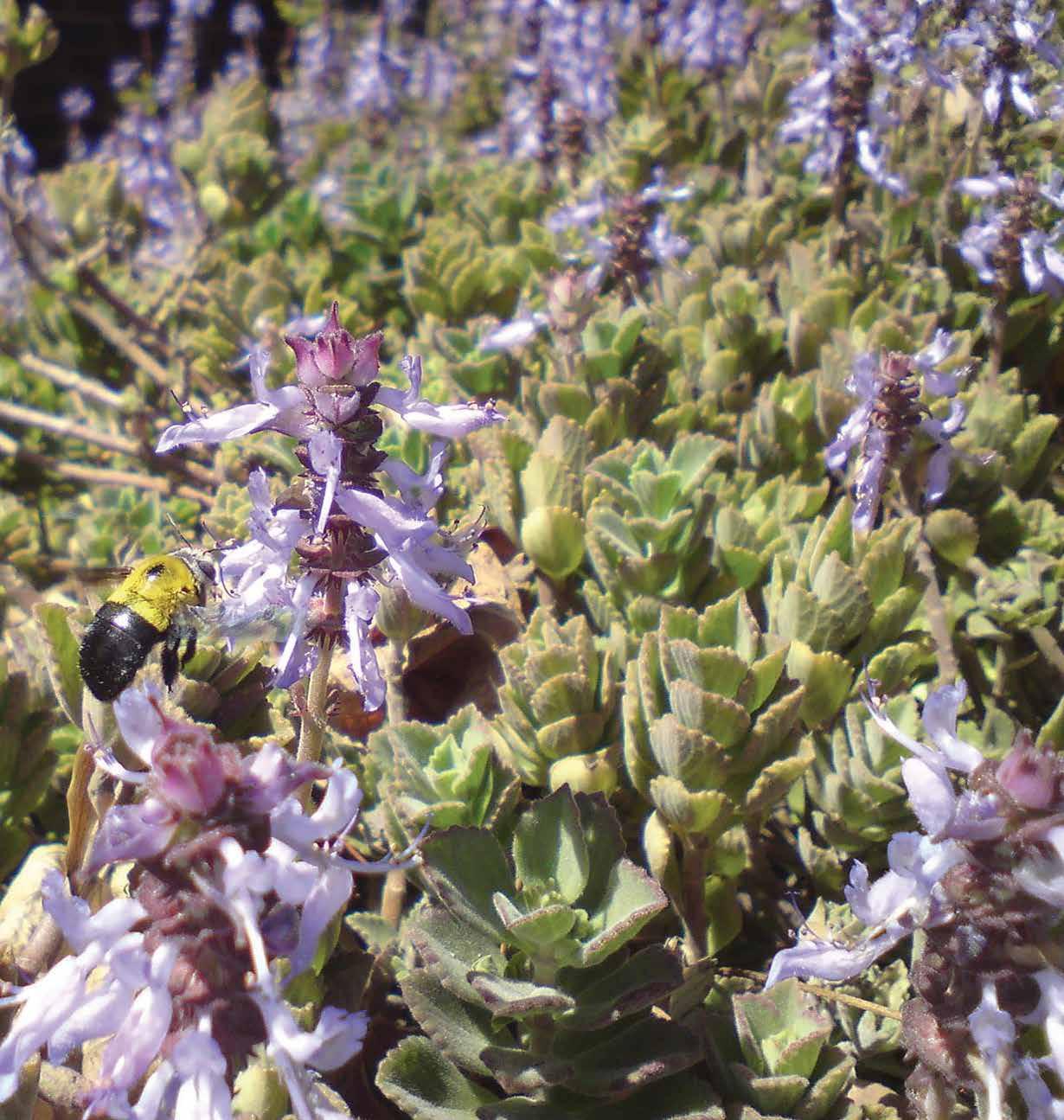
The School of Social Sciences (SOSS) strives to understand all aspects of society in order to improve livelihoods. With research and teaching at its core, SOSS also plays a critical role in facilitating public debates on policy formulation and implementation.
SOSS is committed to:
Imparting critical and usable skills through excellent teaching methods
Promoting research that broadens knowledge
Deepening engagement within the disciplines to create interdisciplinary synergies
Promoting partnerships with international institutions, particularly across Africa
Positioning itself at the centre of public debates and dialogue that foster societal understanding and contribute to knowledge that informs public policy
Disciplines:
Anthropology
Demography and Population Studies
Development Studies
History
International Relations
Labour and Economic Sociology
Labour Policy and Globalisation
Migration and Displacement
Organisational and Institutional Studies
Philosophy
Political Studies
Sociology
African Centre for Migration and Society
Centre for African International Relations
Global Labour University
History Workshop
NRF Chair in Local Histories and Present Realities
NRF Chair in Critical Diversity Studies
NRF Chair on Mobility and the Politics of Difference
Wits Centre for Ethics
Wits Centre for Diversity Studies (WiCDS)
http://www.wits.ac.za/socialsciences/ FIND
The Wits School of Education (WSOE) offers one of the highest quality postgraduate programmes in education studies in South Africa. Join a thriving local and international community and benefit from expert tuition and supervision.
First Rand Foundation Mathematics
Education Chair
SA Numeracy Chair
UNESCO Chair in Teacher Education for Diversity and Development
The WSOE offers postgraduate research degrees in key areas, including:
Curriculum, pedagogy and assessment
Educational leadership and policy studies
Science and mathematics education
Languages and literacy education
Higher education
Human rights education
Inclusive education
Deaf education
Educational technology education
Labour market rural education
https://www.wits.ac.za/education/ FIND OUT MORE
Choose from a range of professional postgraduate degree programmes in clinical psychology, community-based counselling, organisational and educational psychology, speech pathology and audiology, and social work.
Research design
Our research programmes include:
Narrative theory and methodologies
Organisational change and development
Quantitative and qualitative methodologies
Violence and trauma
Health psychology
Employee health and wellness programmes
Psychoanalytic theories and therapies
Cognitive neuroscience
Psychosocial studies
Language and thought
Mothering and infant health
Employment equity and transformation
Child protection (policy and practice)
Apartheid studies
Disability studies
Youth identities
Race, racialisation and racism
Gender and sexualities
Health communication
Rural health and development
Social justice and social protection
Migration and mobility
Spirituality and healthcare
Social development
Social policy
LGBTI studies
Learning-teaching and transformation
Women’s studies
Critical childhood studies
Occupational social work
https://www.wits.ac.za/shcd/
Choose from a range of disciplines, including:
Learn the art and endless possibilities of animation through seminars, viewings, and workshops. Hone your skills on Softimage XSI, Adobe After Effects, and Photoshop; learn how to design, model, light, and animate 3D characters; and develop strong production management skills. Past students work at highly regarded and cutting-edge animation studios in South Africa.
Wits Film and Television produces trailblazing filmmakers who challenge and redefine filmmaking processes. Through our established filmmaking programmes, you’ll develop conceptual creativity, intellectual rigour, and strong practical filmmaking capabilities. MA offered by dissertation or by creative work and dissertation.
Master a range of practical skills that form the core of Heritage Studies and Arts and Culture Management and participate in debates around policy and conceptual issues. Leverage our relationships with museums and archives in the City of Johannesburg, art networks and organisations, and other Wits departments.
The Theatre and Performance programme aims to produce informed and critically aware practitioners and consumers of the arts, who are conscious of their cultural and social environment. It draws on diverse surroundings, a committed staff of artist-scholars, and a dynamic student body to promote creative and socially productive engagement through a range of degree programmes.
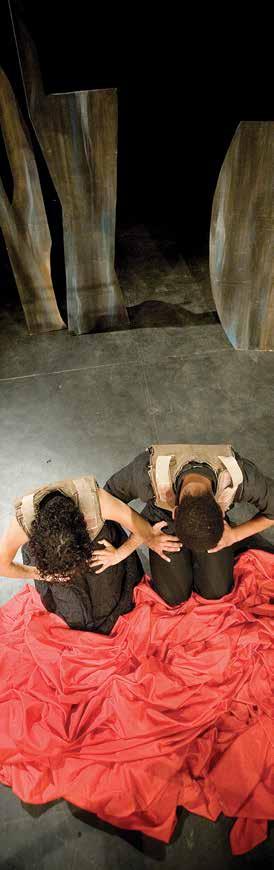
Drama for Life educates professional artists, therapists, facilitators, and educators in the power of drama to drive social transformation. It’s designed for professionals who are research-active; embody and execute ethical practice; and understand, harness, and implement effective arts interventions in education, development, and health.
The Interactive Digital Media programme is designed for students from an arts and design background who want to explore the creative possibilities of interactive digital media technologies. It’s also suited to students from engineering or science and technology backgrounds who want to develop their creativity in these areas. The Masters programme brings together passionate individuals from diverse creative and technology/science backgrounds to explore and develop new and exciting interactive media.
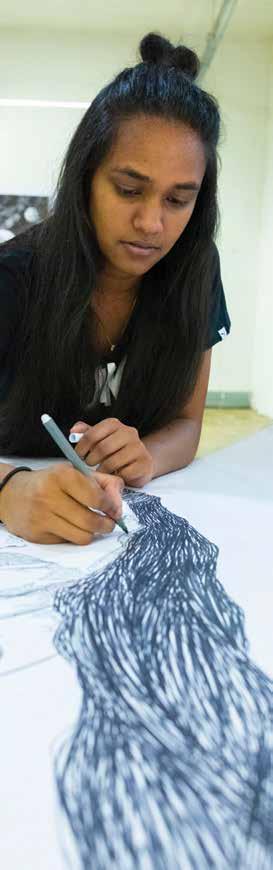
Fine Arts combines technical training in artistic production with conceptual and creative thinking. Our location in Johannesburg gives us the freedom to incorporate exciting site-specific components and a dynamic exhibitions programme into the course.
The History of Art programme places a dual emphasis on the condition of our postcoloniality and curatorial practices as core components of the construction of knowledge in the discipline. Students regularly go on to successful careers in curating, museums, galleries, filmmaking, fine arts, advertising, auction houses, filmmaking and journalism.
Wits Music is one of South Africa’s most innovative higher education music departments, preparing students for diverse musical careers in the contemporary world.
Explore the implications of social and cultural diversity through the study of language, literature, writing, media studies, policy and regulation in electronic communications.
The SLLM provides prestigious programmes in African and world literature, an extensive language offering, and an expanding Media Studies programme. It contributes to the vibrant literary and intellectual life of the city of Johannesburg and offers the premier graduate programme in Journalism in Africa.
As well as academic postgraduate programmes, the SLLM serves Johannesburg’s writing community through professional postgraduate programmes in creative writing, journalism, publishing, and translation and interpreting. It also hosts public events aimed at facilitating engagement with the broader academic community and public culture institutions.
https://www.wits.ac.za/sllm/ FIND
African Languages
African language literature
South African Black Film, television and media studies
African popular culture
Orality studies
Onomastics
Terminology development
Formal and computational linguistics
Sociolinguistics
Language policy and planning
MA students register for a 2-year programme which involves writing a dissertation. PhD candidates are expected to produce a creative project that may take the form of a performance and/or a body of creative work (a novel, a collection of stories or essays, etc.) plus a dissertation that defends the originality of the work and contextualises it in terms of its genre, form and subject.
African Literature
East, West and southern African literature
Black intellectual traditions
African drama and film
African popular culture
Indian Ocean literatures
Critical race theory
Slavery and post-slavery
African feminist literary criticism
Postcolonial queer theory
Oral literature and performance
Book history and print culture
Phonology, especially Optimality Theory approaches to African languages
Syntax and Morphology
Historical Linguistics
Psycholinguistics, especially gestures and second language acquisition
Critical Discourse Analysis, including visual analysis
Discourse, Gender and Sexuality
English
Renaissance poetry, prose and drama
Eighteenth-century literature, especially poetry
Romanticism, especially poetry
Nineteenth-century poetry, fiction and drama
Modernism
Postmodern and contemporary writing
Postcolonial writing
American literature
South African and Zimbabwean literature
Theories of literature, including feminism, queer theory and eco-criticism
Relations between literature and economics, history, philosophy or religion
Travel writing
Fiction writing
Media Studies
Multiple aspects of popular and consumer cultures
Democracy
Policy and decoloniality
Digital media
Interactivity and internet practices
Comparative Anglophone-Francophone literature
Sub-Saharan African and diasporic literature in both French and English Négritude and/or Négritudinists
Caribbean Francophone literature
Afropean literature and Afripolitanism in literature
Multilingualism and Francophone in South Africa
Feminist literary criticism
Literary translation
The writing of J M G le Clézio, Léopold Sédar Senghor and Milan Kundera
Disciplinary paradigms, identities and imaginaries
Didactics of literature in foreign language teaching/learning contexts
Fiction writing
Language use for learning in instructional texts; editing for specific purposes; case studies in particular publishing contexts.
Goethe and his period (including Jean Paul, Kleist, Herder, etc.)
Contemporary German literature
GDR literature (Anna Seghers, Monika Maron, Jürgen Fuchs, etc.)
Comparative literature (Nietzsche and Musil, Thomas Mann, etc.)
Che Austrian novel
Literary theory, especially Roland Barthes
Literature and philosophy
Women’s writing/gender studies
Interculturalism and transnationalism
Disciplinary paradigms, identities and imaginaries
Didactics of literature in foreign language teaching/learning contexts
Fiction writing
Journalism
A career entry route for graduates who want to become journalists, or a mid career route for working journalists who wish to develop their skills and knowledge, are both offered.
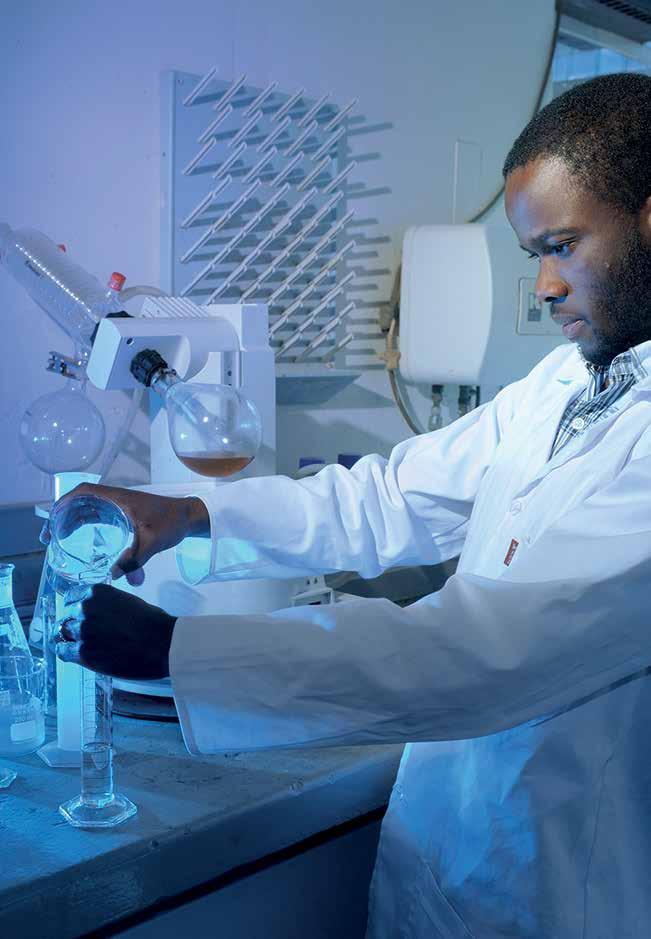

The Faculty of Science is among the top 1% of global institutions for research citations, in everything from geosciences, environmental studies and ecology, to chemistry, plant and animal sciences, and physics.
Our research institutes in Global Change, Evolutionary Sciences, and Molecular Biosciences – as well as our globally recognised qualifications – make ours a leading science research and teaching facility.
Our goal is to stay at the forefront of the latest scientific developments, and we pride ourselves on the partnerships and academic staff that enable this.
Our programmes equip students with various research techniques and prepare them to pursue research at the highest levels in experimental, theoretical, computational, and applied sciences.
Pursue an Honours degree, Masters degree by dissertation or coursework and research report, or Doctoral degree by thesis across diverse subject areas, and support your research with state-of-the-art analytical facilities in the Microscopy and Microanalysis Unit and other schools at Wits.
Learn from internationally respected scientists, get support through world-class supervision and research programmes, and attend national and international conferences that prepare you to publish your research in leading international journals.
Wits, as part of a consortium of six universities, is leading a drive to develop local e-Science (data science) research skills and capabilities. To this end, we implemented the National e-Science Postgraduate Teaching and Training Platform (NEPTTP), a DSI-CSIR initiative aimed at advancing training in e-Science fields.
With the relevant data science skills and knowledge, you could work on exciting projects, like the South African Research Infrastructure Roadmap (SARIR) and the Square Kilometre Array (SKA) telescope.
www.wits.ac.za/machine-learning-ai-robotics
13 of the 29 A-rated researchers at Wits are from the Faculty of Science.
Our researchers are members of large multinational collaborations, including the ATLAS Collaboration at the Large Hadron Collider (LHC) at CERN, the SKA project, and the High Energy Stereoscopic System (HESS).
The School of Physics hosts the High-Throughput Electronics Laboratory, which deals exclusively with big data projects. You can study the origin, distribution, and character of Earth’s mineral and fossil energy resource systems at the DSI-NRF Centre of Excellence for Integrated Mineral and Energy Resource Analysis (Cimera).
Engage with 14 institutions across the country on how pure and applied mathematics, statistics, and computer science can address issues like rhino poaching, climate change, and big data, at the DSI-NRF Centre of Excellence in Mathematical and Statistical Sciences.
Access South Africa’s leading protein structure research group, the Protein Structure-Function Research Unit (PSFRU).
The Mandelstam Institute conducts research in Theoretical High Energy Physics, Cosmology and Quantum Matter and is widely regarded as the leading university-based theoretical physics research group in Africa. It also hosts the Gauteng node of the National Institute for Theoretical Physics.
Our academic staff and researchers have made game-changing discoveries, including:
- The most complete early hominin fossils, new species of early human ancestors, and a new species of human relative, Homo naledi
- A breakthrough in the field of Alzheimer’s disease and therapeutic tools for the treatment of metastatic cancer types
- Overturning ideas about how some mountain landscapes are formed
- Reporting the first evidence of a comet fragment found on Earth The Faculty hosts the Centre of Excellence in Strong Materials and Catalysis.
Doctor of Philosophy in the fields of:
Animal Plant and Environmental Sciences
Archaeology
Chemistry
Computational and Applied Mathematics
Computer Science
Geography and Environmental Studies
Statistics
Master of Science by coursework and research report in the fields of:
Archaeological Heritage
Management
Artificial Intelligence
Astro Physics
Computational & Applied Mathematics
Computer Science
Data Science
Environmental Sciences
Economic Geology
e-Science
Geographical Information Systems (GIS) and Remote
Sensing Hydrogeology
Hydrogeology
Interdisciplinary Global Change Studies
Mathematics
Mathematical Sciences
Mathematical Statistics
Radiation Protection
Resource Conservation
Biology
Robotics
Bachelor of Science Honours in the following:
Actuarial Science
Animal, Plant and Environmental Sciences
Applied Bioinformatics
Archaeology
Big Data Analytics
Biochemistry and Cell Biology
Chemistry
Computational and Applied Mathematics
Computer Science
Genetics and Developmental Biology
Bachelor of Science Honours in the following (continued):
Mathematical Sciences
Mathematical Statistics
Mathematics
Microbiology and Biotechnology Palaeontology Palaeontology and Geology
Master of Science by dissertation in the fields of: Actuarial Science
Animal Plant and Environmental Sciences
Archaeology
Chemistry
Computational and Applied Mathematics
Computer Science
Geography and Environmental Studies
Geology
Geophysics Mathematics Mathematical Statistics Molecular and Cell Biology
Postgraduate Enquiries
MSc Enquiries
PhD Enquiries
Archaeology
science.pg@wits.ac.za
science.msc@wits.ac.za
science.phd@wits.ac.za
www.wits.ac.za/science/postgraduate
Postdoctoral Fellowships usually extend over two years and allow you to take your independent research to a new level.
www.wits.ac.za/research/postdoctoral-fellows FIND OUT MORE
ALL YOU NEED TO KNOW ON HOW TO APPLY
PLEASE NOTE
Unless special permission is obtained from the Senate, no person may be registered as a student of Wits University while he/she is registered as a student of another university. The permission of the Senate is also required to register for more than one degree or diploma in the same Faculty in the same academic year.
No person may register as a student in more than one Faculty in the same academic year, unless the written authority of the Dean/s is obtained. We make every effort to ensure that the information published here is accurate, but we reserve the right to make changes to:
The programmes on offer
The curricula programme
The offering schedule and calendar
The requirements below are only a guideline. Final selection is based on availability of places, academic results and other entry requirements where applicable.
Doctorate: The candidate must have a Masters level degree.
Senior Doctorate: The candidate is required to apply directly to the relevant Faculty. An ad hoc committee of the Faculty board will ascertain whether a prima facie case exists for admission of the candidate.
Masters: The candidate must have an appropriate qualification taken over a minimum of four years of study.
Honours: The candidate must be a graduate with an appropriate qualification. Postgraduate diploma or certificate: The candidate must be a graduate with an appropriate qualification.
1
Use the course finder on www.wits. ac.za/postgraduate to confirm the entry requirements and closing dates for your programme of study.
2
Complete an online application form at: www.wits.ac.za/applications/
3
Certain programmes require additional departmental forms. Complete and return these forms within the timeframes for submission. The University will withdraw incomplete applications.
4
Please note that for all pure research applicants, before being admitted to a research degree, a candidate needs to approach the HOD for the particular school or department to discuss choice of research topic and availability/suitability of a supervisor. This has to be done before an application can be made.
5 Upload supporting documents (certified within the last three months) via the self-service portal:
https://self-service.wits.ac.za/
6
Due to the current Coronavirus lockdown, successful applicants will be able to accept an offer without submitting certified hard copies of academic qualifications. However, the University will verify any information/ documents submitted and immediately cancel your registration, record such action against your record, and take necessary legal action in the event that any fraudulent document/s and/or other misrepresentation has been provided.
7
Pay the application fee of R200. Current Wits students who apply online do not need to pay this fee.
Application fee bank account details:
8
Once your application is complete, it is referred to the relevant School for assessment. Each application is considered individually. There is no set time frame for decision-making. Most Schools make a final decision at the end of the academic year or at the beginning of the new academic calendar.
9 47%
You can monitor the progress of your application on the self-service portal.
https://self-service.wits.ac.za/
1. Certified copies of all degree certificates and a full academic transcript covering all periods of registration
This must include details of the courses you took and the marks you obtained, and feature an original Commissioner of Oaths’ stamp and signature. A sworn translator must translate any documents not in English. However applicants are required to submit both ie the original as well as the sworn translation. Statement of Credit and Credit certificates are not acceptable. Applicants who are currently studying are required to upload their final academic record only once their final results become available towards the end of the academic year.
2. Curriculum vitae (CV)
This must showcase your work experience, educational background and skills.
3. A short outline (no more than one typed page) of your intended research area for Masters (by research) and PhD applicants only. Please note that this not a requirement for Health Sciences. If you are applying for a Master of Arts programme, you must provide a sample of your research work or a long essay written in or translated into English.
4. Proof of evaluation of your qualification
If you hold a foreign qualification, you must submit proof of evaluation of your qualification by the South African Qualifications Authority (SAQA).
Contact SAQA:
+27 12 431 5070
saqainfo@saqa.org.za
5. Proof of English language proficiency
If your qualification is not from an English medium institution, you must submit proof (a letter from your institution) of English language proficiency. Wits accepts the IELTS as well as Cambridge English Language Assessment.
The International Students Office liaises with foreign representatives in South Africa as well the Department of Home Affairs, various medical aid providers, the SA Medical Schemes Council, the Matriculation Board, Universities South Africa (USAf) and the South African Qualifications Authority (SAQA). It ensures that all international students comply with University and Government requirements prior to registration.
The International Students Office also provides these non-academic services:
Provides information about Wits, and studying and living in South Africa
Gives guidance on obtaining a Matriculation exemption
Offers advice on immigration issues as well as guidance on how to apply for and renew study visas
Provides information on South African approved medical aid service providers
Facilitates the semester Study Abroad, in cooperation with the Strategic Partnerships Office (SPO)
1. All postgraduate international students when applying to Wits must:
- pay R200 application fee
- show proof of English proficiency
- provide the South African Qualifications Authority (SAQA) Certificate for the evaluation of foreign qualifications www.saqa.org.za
2. Before being permitted to register at Wits, international students must show proof of:
- a valid visa
- South African medical aid cover
- proof of payment of fees (fees include tuition fees and annual International Registration Fee (IRF) and if applicable, on-campus accommodation fees).
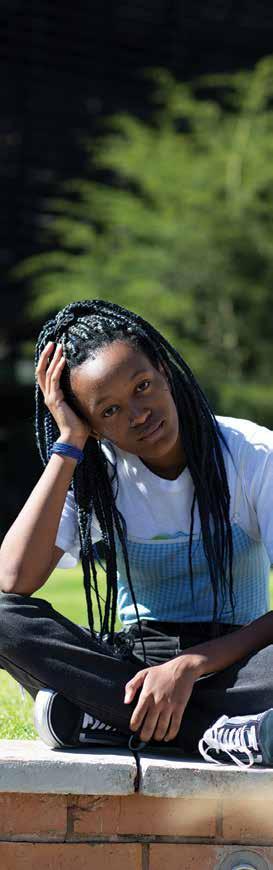
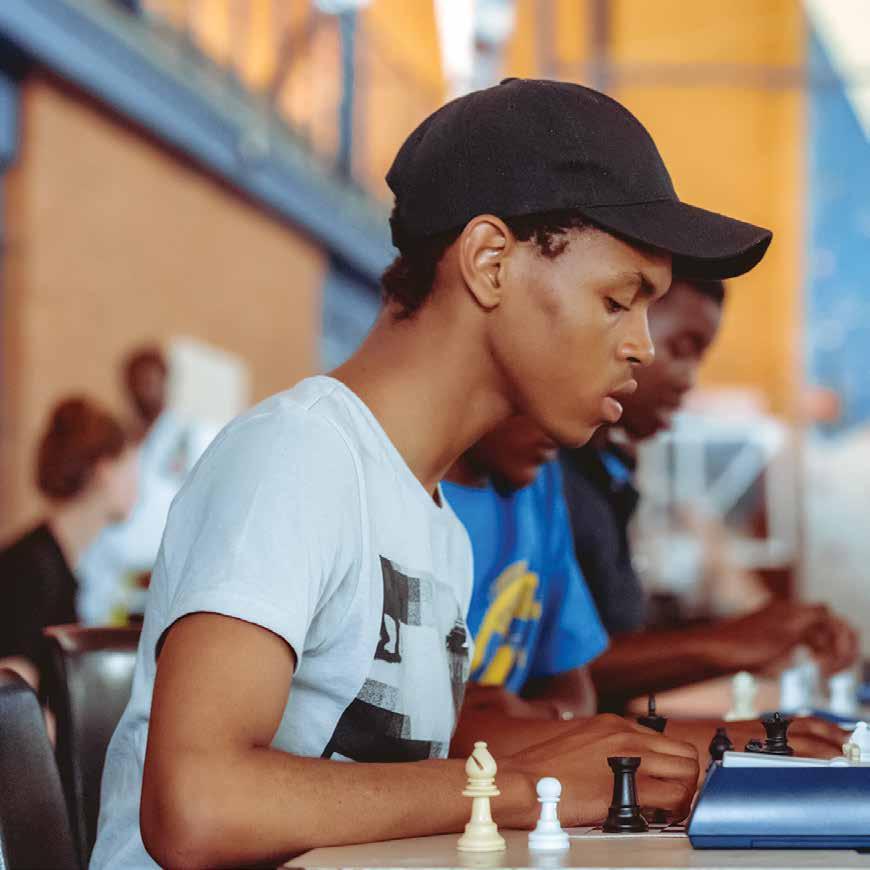
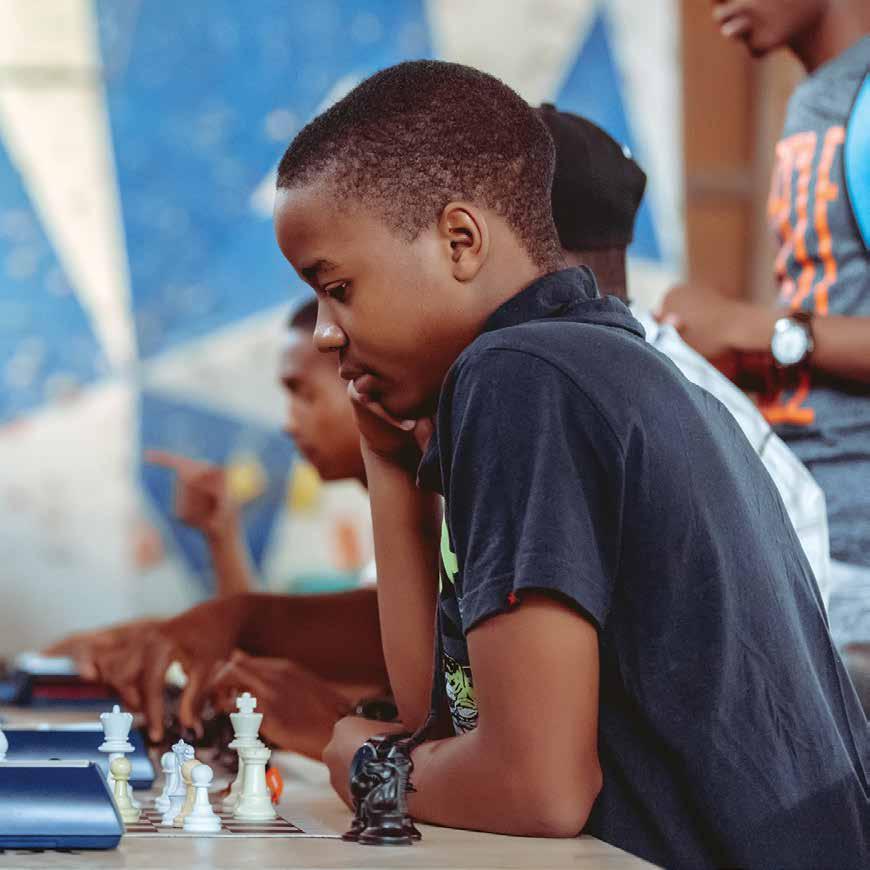
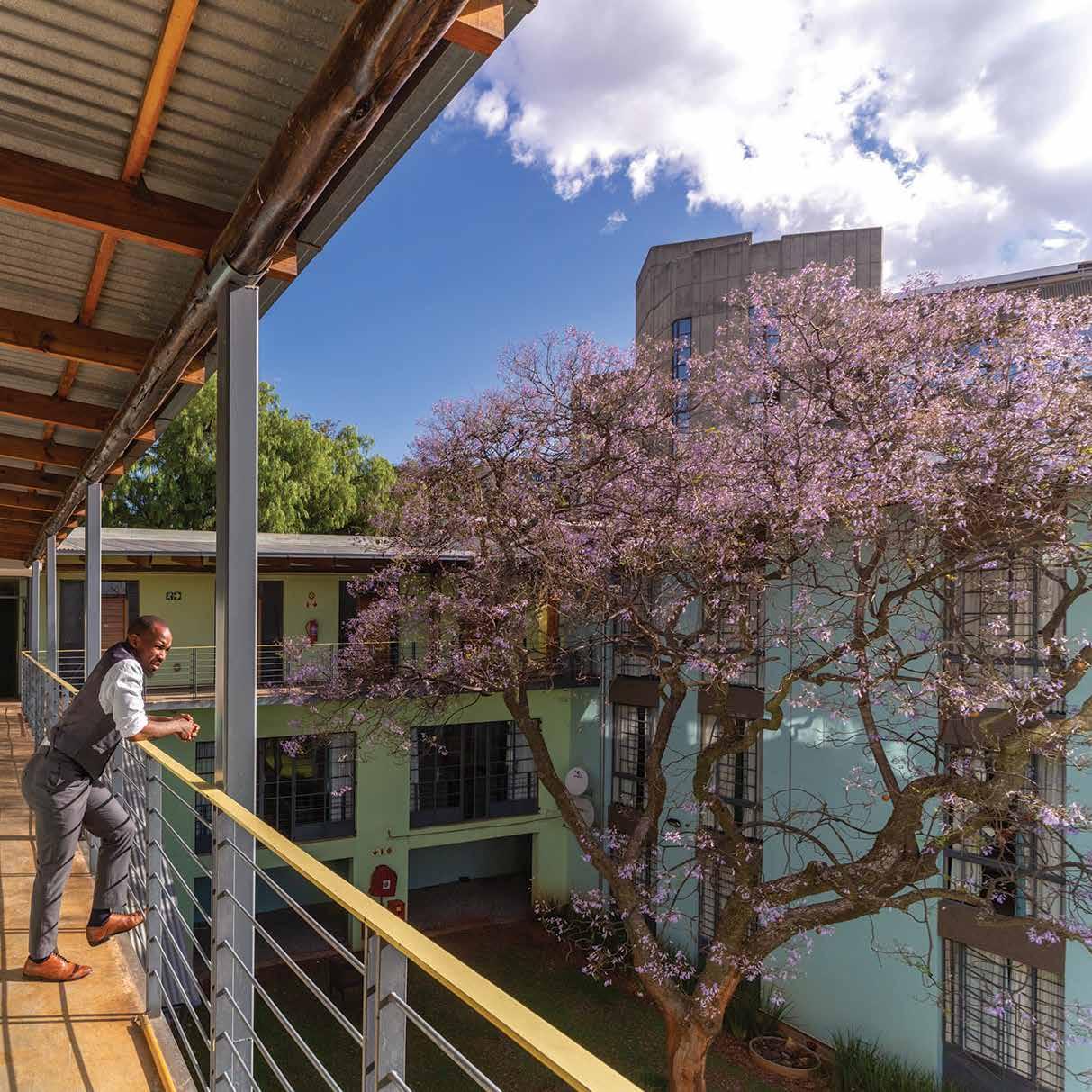
Wits residences are living and learning centres that promote the holistic development of students in a residential environment. We offer mixed-gender residences and self-catered residences.
Campus Housing and Residence Life oversees all aspects of the University’s residence programme. This includes accommodation, meals, and the provision of recreational facilities. The Central Accommodation Office on the Ground Floor of Solomon Mahlangu House deals with all enquiries regarding student accommodation. This office is also responsible for limited staff and visitor accommodation, as well as conference information.
New students or first-time residence applicants:
1. After submitting your academic application log into the self service portal and click the Residence tile to apply. https://self-service.wits.ac.za/
2. If you are offered University accommodation, please accept your residence offer on the self-service portal and pay the deposit of R990 to confirm your acceptance of a place in residence, within the stipulated time. All applicants must pay the deposit regardless of whether or not they have a bursary.
3. Once you have been placed in a residence, an upfront registration fee of R 10 000 is payable before residence registration and check-in.
4. Please upload proof of payment on your self-service portal, by selecting the Student Centre tile and go to manage documents.
5. Alternatively you may bring proof of your payment on the day of check-in.
6. International students must pay 75% of residence fees for the year before admission to a residence. The balance must be paid by 31 March.
7. If you have been awarded a bursary, please provide proof of your bursary by uploading a copy on the self-service portal. Alternatively you may bring it with you on the day of registration.
8. The letter must stipulate that your bursary will cover accommodation costs.
This award helps graduates to complete their Honours, Masters or PhD degrees by research or by a combination of course work and research – on both full- and part-time bases. A maximum of R53 800 in tuition fees is awarded to qualifying students.
Please note:
This award does not fund undergraduate professional degrees including LLB, MBBCH, BSc Eng, and BEd, as well as postgraduate diplomas, advanced diplomas or postgraduate certificates.
This award does not cover accommodation, international registration fees, clubs and societies or parking.
The postgraduate merit award is based purely on academic merit and the availability of funds. No application is necessary.
https://www.wits.ac.za/study-at-wits/ fees-and-funding/financial-aid-andscholarships-office/postgraduatefunding/schedule-of-awards-andassistance/
This scholarship is available to all full-time Masters and PhD students studying in the English field. A special committee decides on the amount awarded to qualifying candidates. Applications are dependant on the availability of funds.
CLOSING DATE 31 March
Postgraduate students can apply for several of the following funding opportunities:
The NRF offers scholarships for Honours, Masters and PhD students.
The Free-standing, Innovation and Scarce Skills NRF scholarships are offered to full-time students who are South African citizens and permanent residents. A small percentage is awarded to non-South African citizens.
Apply online: https://nrfsubmission.nrf.ac.za
View NRF opportunities: http://www.nrf.ac.za/bursaries/ opportunities
2. NRF Square Kilometre Array (SKA)
The NRF SKA Scholarship is available for South African citizens who wish to study their Honours, Masters or PhD degree majoring in Astronomy and/or Astrophysics.
Apply online:
https://skagrants.nrf.ac.za
3. Mandela Rhodes Scholarship
The Mandela Rhodes Scholarship is available for full-time students who are citizens of African countries.
Registered Wits students under the age of 30 studying towards their Honours or Masters degrees can apply online at: www.mandelarhodes.org
. Contact the PG Funding Officer for closing dates on:
+27 11 717 1073
+27 11 717 1062
Honours
R38,460-R43,790
Postgraduate Diploma: Radiation Science R45,430
Postgraduate Diploma: Enterprise Risk Management R43,020
MSc by coursework and research report R36,750-R66,900 by research, full-time R23,910-R26,560 by research, full-time, second term R12,190-R13,490 by research, part-time R15,940-R17,710 by research, part-time, second term R8,130-R9,000
PhD by research, full-time R22,740-R25,470 by research, full-time, second term R11,370-R12,735 by research, part-time R15,160-R16,980 by research, part-time, second term R7,580-R8,490
*Registration with the Health Profession Council of South Africa (HPCSA)
It is compulsory for all students who are registering for the following programmes for the first time, to register with the HPCSA. The registration fee (in brackets) has to be paid into the account of the HPCSA directly, BEFORE registration. Proof of payment must be submitted to the Faculty on the day of registration, when you will also be required to complete the relevant registration form. For further information please consult the Faculty.
MSc (EngMan)
MSc Industrial Eng
TUITION FEE PER PROGRAMME
BAHons R34,850-R42,910
BA Hons in Translation – Interpreting R63,1180
BEd(Hons) R37,660
MA by coursework and research report
African Language and Linguistics
African Literature
Applied Drama: Theatre in Education
Anthropology
Applied Ethics for Professionals
R44,130
R66,770
Creative Writing R44,130
Contemporary Curatorial Practice R41,840
Critical Diversity Studies
Culture Policy and Management
Demography and Population Studies
Development Sociology
Development Studies
R44,130
Drama Therapy R44,190
e-Science R47,920
Film and Television
French and Francophone Studies
Gender Studies
German Studies
Global South
Health Demography
Health Sociology
History
History and Film Documentary
R44,130
International
Italian Studies
Journalism and Media Studies
Labour and Economic Sociology
Linguistics
Literary Theory and Crit Prac
Migration and Displacement
Modern and
Organisational
TUITION FEE PER PROGRAMME
MA(Heritage) R44,130
MA(Translation) (Interpreting) R78,300
MA(Translation) (Translation) R52,160
MA(Social Work) R49,460
MA(Speech Pathology) R38,400
MEd by coursework and research report (General) R33,950
MEd (Ed Psychology) R60,310
PGDA(Applied Drama and Theatre Studies) R31,150
PGDipIn-Interpreting R61,190
PGDipIn-Translation R31,650
PDE R29,150
PDE(Deaf Education) R31,000
PGCE FT R39,740
PGDip(HE) R31,000
Masters by research, full-time, per year R24,500 by research, full-time, second term R12,430 by research, part-time, per year R16,333 by research, part-time, second term R8,286
MEd by research, full-time, per year R25,330 by research, full-time, second term R12,890 by research, part-time, per year R16,886 by research, part-time, second term R8,593
PhD by research, full-time, per year R22,050-R24,260 by research, full-time, second term R11,200-R12,340 by research, part-time, per year R14,700-R16,173 by research, part-time, second term R7,466-R8,226