WITS HEALTH SCIENCES REVIEW

Message from the Dean
Highlights
High-Impact Research
Legacy, Excellence & Institutional Impact
Student News
Faculty Publications
Alumni
Recognition
Funding & Partnerships
Events
Appointees

Message from the Dean
Highlights
High-Impact Research
Legacy, Excellence & Institutional Impact
Student News
Faculty Publications
Alumni
Recognition
Funding & Partnerships
Events
Appointees
The release of this edition of Faculty of Health Sciences Review coincides with Wits proudly being ranked among the top 1% of Universities globally, as well as the top University in Africa by the Centre for World University Rankings The ranking of Wits as a top internationally recognized University is a testament to the Faculty members’ commitment to excellence in teaching, research and innovation. Hence, it is opportune to reflect on the work being done across our Faculty and the impact it continues to have locally, across the continent, and globally.
This edition reflects the Faculty’s commitment to advancing health across the lifespan, pioneering the innovations that will shape the future of medicine, and building the institutional legacy that ensures lasting impact for generations to come These themes capture much of what defines our work as a Faculty – improving health outcomes, advancing scientific discovery, and building institutions that will continue to shape health and science well into the future.
Across this edition, there is strong focus on wellness across the lifespan. From maternal and child health, to disease prevention, mental health, healthy ageing and strengthening public health systems, our researchers continue to address health challenges that affect communities at every stage of life. This work remains central to our purpose as a Faculty.
The future of medicine will increasingly be shaped by innovation, and it is encouraging to see the extent to which our researchers continue to contribute to this. This edition highlights important work in vaccine development, vaccine sovereignty, artificial intelligence, biotechnology and other emerging areas that will define the future of healthcare
Importantly, much of this work is being driven here in Africa, reinforcing the important role African institutions must play in shaping global scientific progress.
This edition also reminds us that strong institutions are built over time. This year we celebrate the centenary of our School of Oral Health Sciences, while also looking ahead to the operationlisation of the Brian and Dorothy Zylstra Sports Complex, an important investment in the future of our students and broader Faculty community Alongside this, we recognise important anniversaries reached by several of our research entities, reminding us that sustained excellence and long-term investment are what ultimately build lasting institutional impact.
As we move into the second half of the year, I would like to thank our staff, students, clinicians and researchers whose work continues to strengthen this Faculty. The work reflected in these pages reminds us that through science, innovation and sustained commitment, we continue to make meaningful contributions to improving health and advancing knowledge in the service of society.
There is much to be proud of, and much still to look forward to.

Shabir A. Madhi Dean: Faculty of Health Sciences
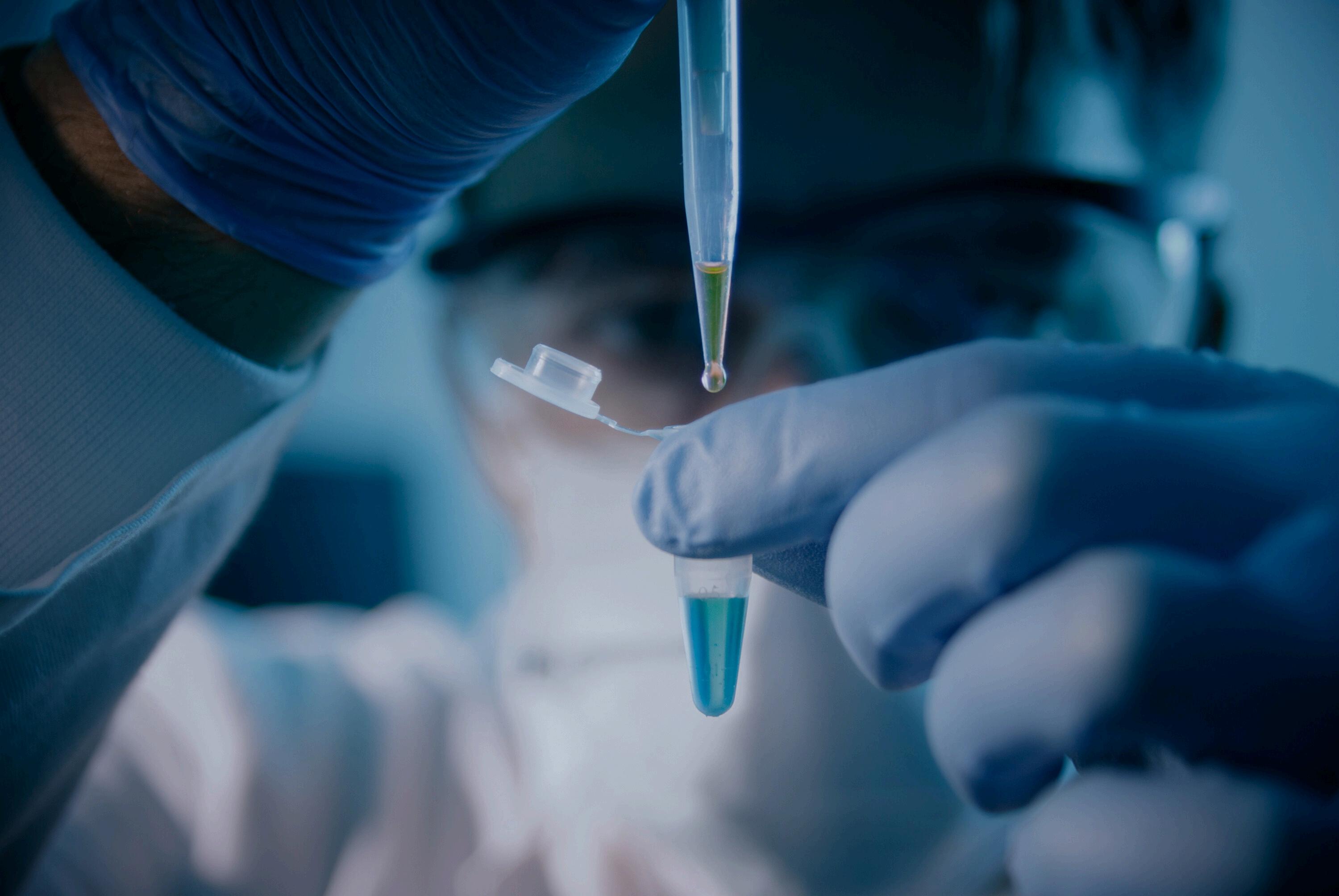
Health and wellbeing are shaped long before illness occurs From early childhood development and maternal health to mental wellbeing, disease prevention and healthy ageing, improving health outcomes requires understanding the complex factors that influence wellbeing at every stage of life. The research featured in this section reflects the Faculty’s continued commitment to advancing health across the lifespan while strengthening the systems that support healthier individuals, families and communities.
How gum disease and ageing may have shaped the human face
A study of ancient human jaws suggests that ageing and oral health may have quietly shaped human evolution. By examining fossils from early hominins, researchers found that later species showed more severe bone loss around the teeth, similar to modern gum disease.
This pattern points to a broader story. As early humans began living longer, age-related conditions such as chronic gum disease had more time to develop.
Professor Ugo Ripamonti, a researcher at the Wits Faculty of Health Sciences, says the team also assessed the approximate age of individuals at the time of death using dental development and wear patterns.
Importantly, the pattern of damage closely resembled modern gum disease, suggesting that oral inflammation may have affected these early populations in ways similar to humans today. These changes may have also been linked diet which changes the oral microbial environment over time.
Over generations, these pressures could have influenced how the human face evolved. Difficulty chewing and maintaining teeth could have favoured smaller jaws and teeth, linking everyday health and ageing to long term evolutionary change.
“In general, animals cannot survive without teeth to masticate,” say Prof Ripamonti, adding that these changes may also have created conditions that allowed for later brain expansion. Read more
Heavy menstrual bleeding (HMB) is not only a reproductive health issue but a broader wellness concern. Despite affecting about 30 percent of women globally, only around 20 percent are diagnosed or treated, leading to widespread anaemia, reduced productivity, and diminished quality of life.
Clinically, HMB is defined as excessive menstrual blood loss that interferes with a woman’s quality of life While a threshold of 80 ml per cycle is often used, this does not reflect many women’s lived experiences Pain, fatigue, and lifestyle disruption are now recognised as equally important for diagnosis and care.
Treatment is often limited, with many women receiving incomplete guidance on their options Levonorgestrelreleasing intrauterine devices are among the most effective treatments, yet uptake remains low in subSaharan Africa due to cost, availability, provider preference, and limited capacity for insertion.
HMB is also shaped by stigma Many women experience shame, fear of embarrassment, and decreased productivity due to exhaustion and discomfort. At the same time, healthcare providers frequently underuse screening tools and fail to conduct full diagnostic assessments
Behavioural approaches can help by reframing HMB as a medical condition, using trusted voices to reduce stigma, and integrating routine questions about menstrual health into care Read more
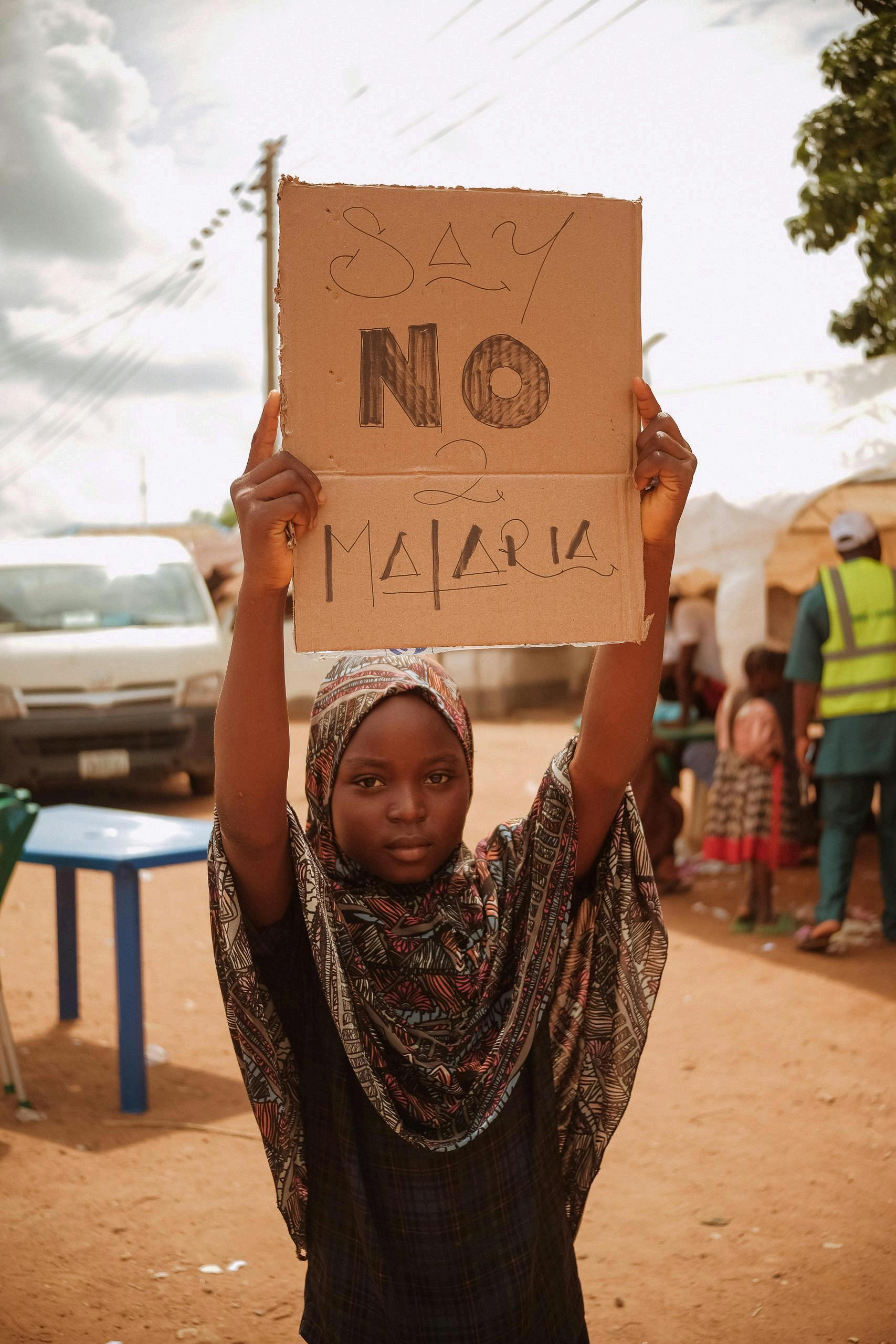
Malaria is often viewed as an acute infectious disease, but new research is highlighting its longterm impact on health across the lifespan. Repeated infections can influence physical development, immunity and overall health well beyond the immediate illness itself.
Children and pregnant women remain most vulnerable, particularly in sub Saharan Africa where transmission is highest While decades of control measures have reduced deaths, repeated infections are still common, and this ongoing exposure continues to undermine long-term health.
Prevention and treatment remain essential, but they are not enough on their own. New tools such as malaria vaccines offer added protection, especially for young children, by reducing severe disease and helping to limit repeated infections
Research is now focusing on how to strengthen this protection over time PhD fellow at the Wits School of Public Health, Evalyne Nyambura’s work examines how different malaria parasite variants affect immunity and infection patterns, with the aim of supporting the development of broader and longer-lasting protection.
“The goal is to move beyond vaccines that target specific parasite variants, towards those that offer broader protection,” she said.
Biostatistics plays a supporting role in this story by helping researchers use data more effectively to understand patterns of infection and immunity As Professor Tobias Chirwa notes, better use of data can improve not only disease control but also long term health outcomes
Taken together, this reflects a shift in how malaria is understood. It is not only a disease to treat in the moment, but one that influences health, development and wellbeing across a lifetime
The future of healthcare will increasingly be shaped by scientific innovation, emerging technologies and the ability to respond rapidly to new and evolving global health challenges. Across the Wits Faculty of Health Sciences, researchers are contributing to advances that are redefining how medicine is practiced, how diseases are prevented and how healthcare systems of the future will function.
This includes work in vaccine development, biotechnology, artificial intelligence and nextgeneration therapeutic technologies that are positioning the Faculty at the forefront of medical innovation on the continent
A particularly important area of focus is vaccine sovereignty. The COVID-19 pandemic exposed Africa’s vulnerability in relying heavily on imported vaccines and highlighted the urgent need for greater local scientific capacity, manufacturing capability and research independence Across the Faculty, researchers are contributing to efforts that move beyond simply using imported technologies towards building the scientific platforms, expertise and infrastructure needed to design, develop and ultimately produce vaccines locally
Together, the work highlighted in this section reflects a broader commitment to ensuring that the future of medicine is not simply shaped elsewhere, but increasingly driven by African science, African innovation and African-led solutions to global health challenges.
Scientists at the Wits Faculty of Health Sciences are helping build the upstream scientific capabilities Africa needs to move beyond fill-andfinish manufacturing and towards full vaccine production.
At the centre of this work is the Wits South African Medical Research Council Antiviral Gene Therapy Research Unit (AGTRU), which is developing vaccine platforms and delivery technologies that form part of a broader effort to strengthen vaccine manufacturing capacity across the continent
Africa’s vaccine demand is expected to rise to 2.7 billion doses by 2040, yet less than one percent of vaccines used on the continent are currently produced locally
“We saw during COVID-19 how vulnerable we were as a continent in terms of securing enough vaccines,” says Professor Abdullah Ely, Director of AGTRU. “Our research and development, testing systems, platform technologies and delivery materials are all vital parts of building the manufacturing ecosystem Africa needs ”
AGTRU is working on next-generation mRNA technologies, viral vector platforms and locally produced lipid nanoparticles – microscopic carriers that help deliver vaccines into cells
One particularly innovative area of research is the development of delivery materials from discarded cashew nutshells, creating a cheaper and more sustainable alternative to imported materials traditionally used in vaccine production
“We see how necessary locally sourced vaccineenabling materials are. Our ‘green’ lipids are also more sustainable and cheaper than traditional alternatives,” Ely explains
The unit is also developing viral vector systems for more institutions to participate in vaccine testing by reducing dependence This builds the scientific ecosystem needed for Africa to develop its own next generation vaccine technologies.
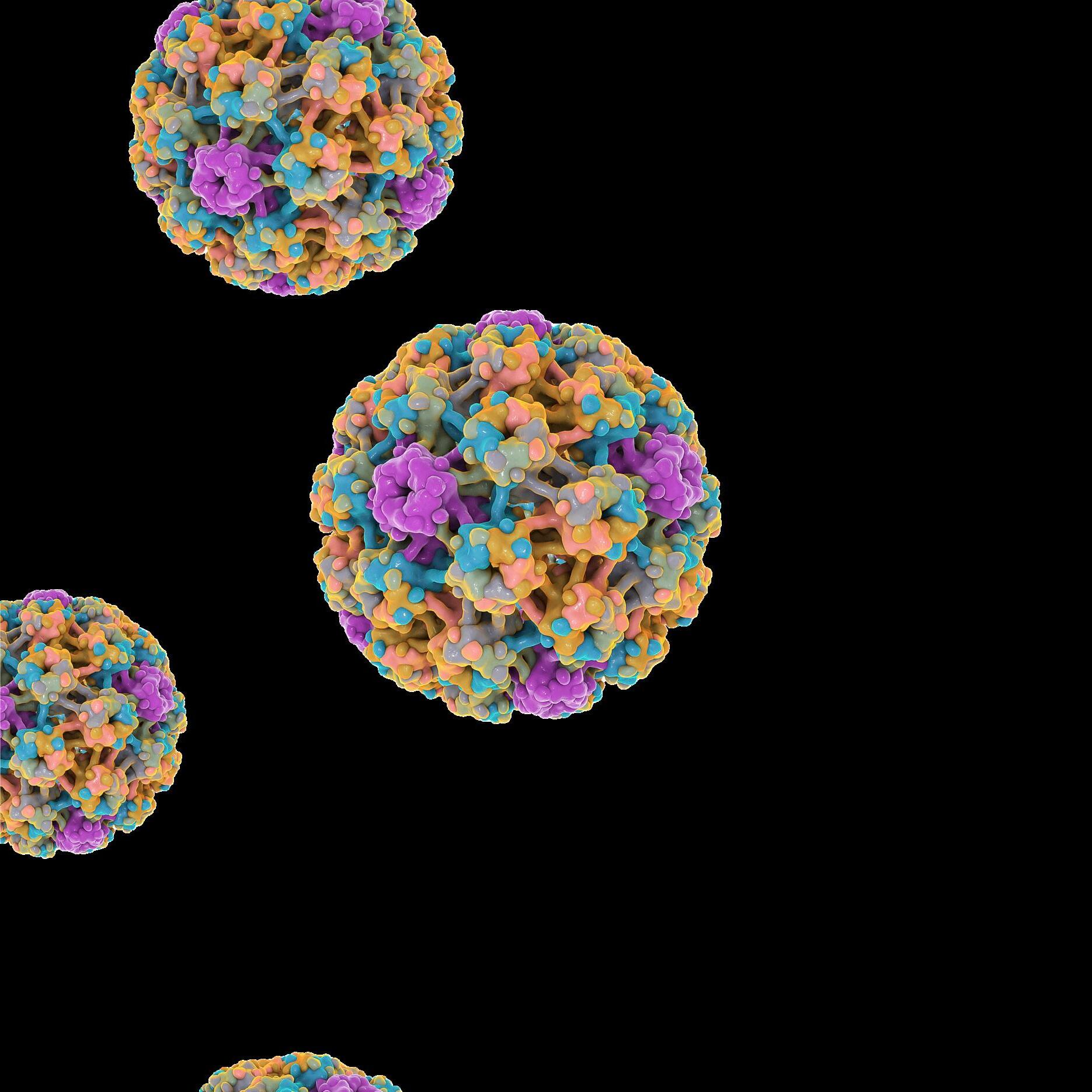
Researchers are developing a fungal-base production platform that could significant the cost of producing human papillomavir vaccines, the virus responsible for almost all cervical cancers.
Instead of relying on complex and expensive traditional manufacturing systems, the research team is using naturally occurring fungi to produce vaccine proteins more efficiently and at significantly lower cost.
This work forms part of broader efforts to develop more accessible vaccine technologies while strengthening local innovation in infectious disease prevention Current HPV vaccines are highly effective but expensive to produce and distribute, limiting access in many lowand middle-income countries
“We can produce high yields of protein in a short time, using simpler workflows and cheaper, animal-free growth media,” says Dr Kubendran Naidoo, a researcher at Wits
The research team believes this platform could reduce production costs dramatically, potentially bringing vaccine costs down to less than a dollar per dose
While South Africa has made significant progress with national HPV vaccination programmes, researchers say current vaccines do not fully cover all cancer-causing HPV strains commonly found locally.
Dr Rebecca van Dorsten explains that while current vaccines target the dominant strains, other high-risk variants remain a concern in South Africa The platform is already being tested for additional diseases, including Rift Valley fever, with early studies showing encouraging results
Researchers believe the platform could significantly reduce production costs and improve access, potentially lowering vaccine costs to less than a dollar per dose
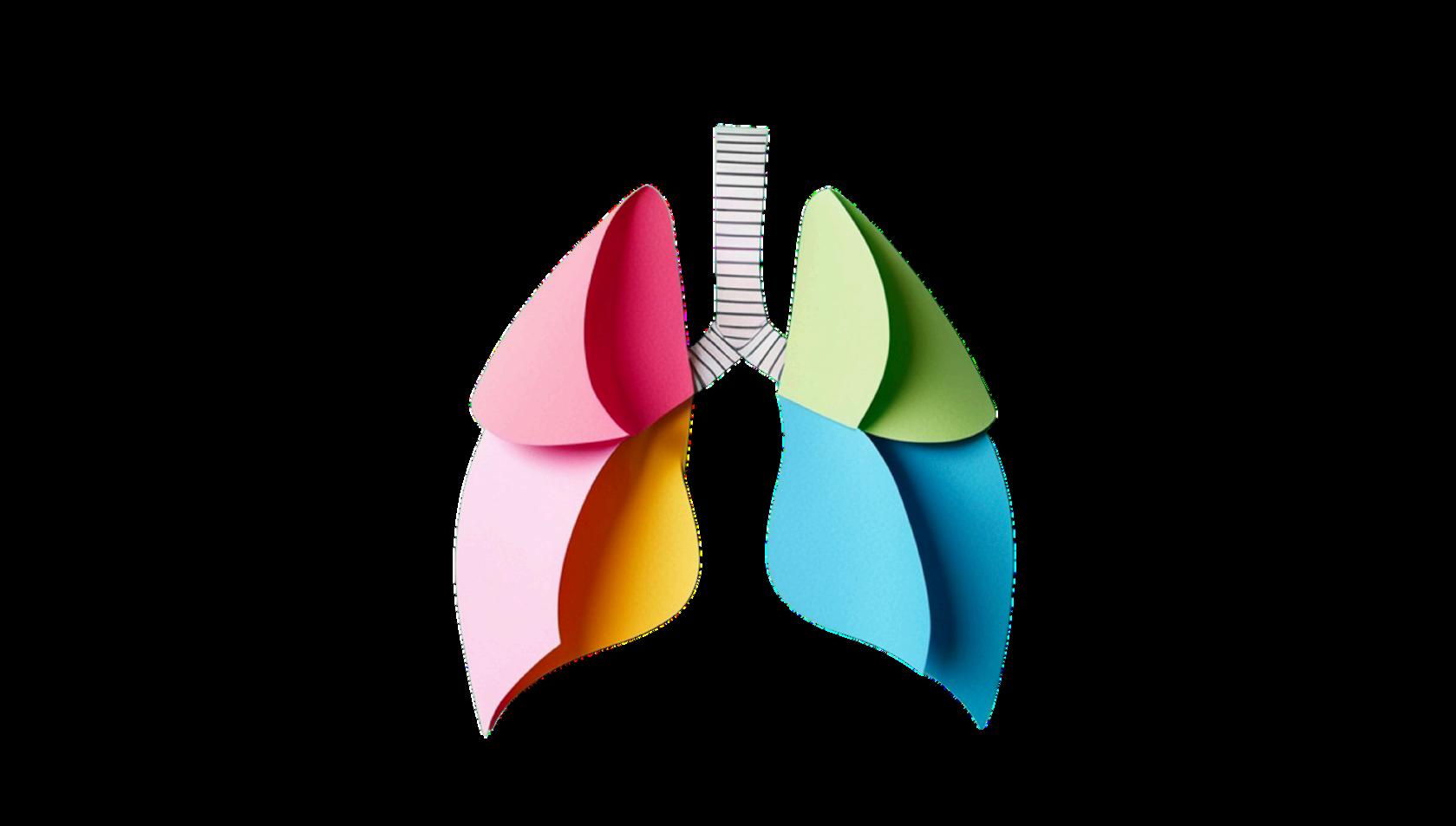
Researchers at the Wits Faculty of Health Sciences are contributing to global efforts to develop more effective tuberculosis vaccines by focusing on one of the body’s most important defence systems –immune cells that remain in the lungs and respond rapidly when infection occurs.
Scientists led by Dr Kristie Bloom are investigating whether next-generation mRNA vaccine technologies can generate specialised tissue-resident memory Tcells, which may help recognise tuberculosis infection early and trigger a faster immune response
“Our project is looking at new ways of generating vaccines for TB using mRNA technology,” says Bloom. “We are particularly interested in improving T-cell responses because they play a critical role in controlling tuberculosis infection.”
Tuberculosis remains one of the world’s deadliest infectious diseases, with South Africa continuing to carry one of the highest TB burdens globally While the century-old BCG vaccine remains important in protecting infants, its effectiveness against pulmonary TB in adolescents and adults remains inconsistent, creating urgent need for better vaccine approaches Bloom recently presented findings from this Wits-led research at an international conference in Belgium on next-generation mRNA vaccines against complex pathogens.
Early experimental studies have already shown promising T-cell responses and protection in mouse models,” says Bloom
Researchers are now focusing on further optimisation and safety studies as development continues The work forms part of broader efforts at Wits to develop adaptable vaccine platforms capable of responding to some of the world’s most complex infectious diseases
Healthcare innovation is not only about scientific discovery. Its greatest impact comes when breakthrough medicines move beyond the laboratory and become accessible to the communities who need them most. Increasingly, the future of medicine lies not only in developing new technologies, but in ensuring equitable access at scale.
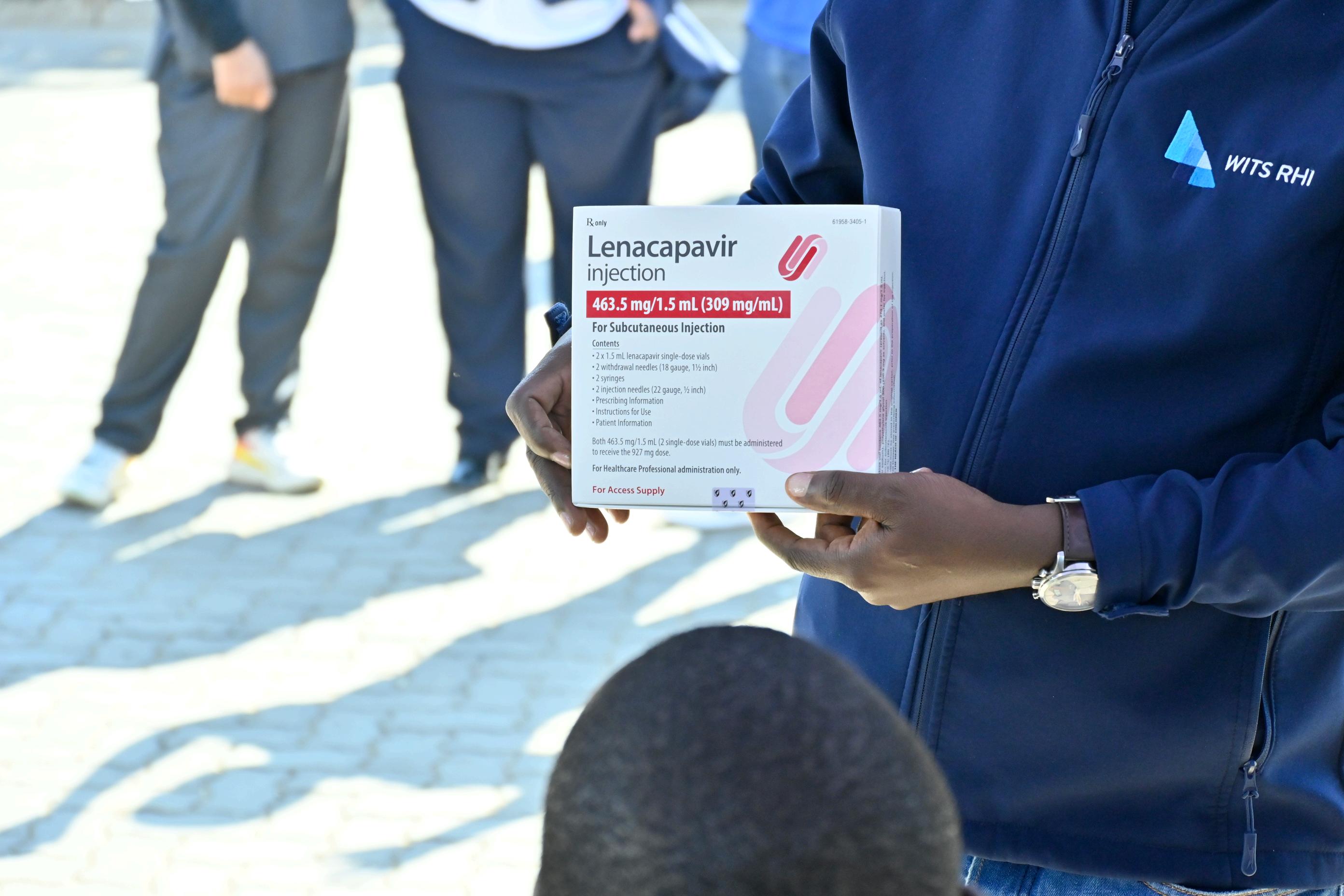
This journey from discovery to delivery is clearly illustrated through Wits RHI’s work on lenacapavir, a twice-yearly injectable HIV prevention option that represents one of the most significant recent advances in HIV prevention globally.
Following the landmark PURPOSE 1 and 2 trials led by Professor Thesla Palanee-Phillips, South Africa became the first African country to approve lenacapavir in October 2025. But beyond the science itself, Wits researchers have also played an important role in ensuring this innovation reaches the populations most affected by HIV.
In collaboration with Unitaid, CHAI and Dr Reddy’s Laboratories, Professor Saiqa Mullick helped secure a landmark agreement that will make lenacapavir available across 120 low- and middle-income countries at an affordable cost of US$40 per person per year from 2027. This represents one of the most significant recent advances in expanding equitable access to HIV prevention globally
research now focused on understanding how longacting HIV prevention options can be successfully integrated into routine healthcare systems and delivered at scale
Building on decades of leadership in HIV prevention research, Wits RHI is also supporting rollout readiness across nine African countries, working closely with health systems to ensure these advances translate into real-world impact.
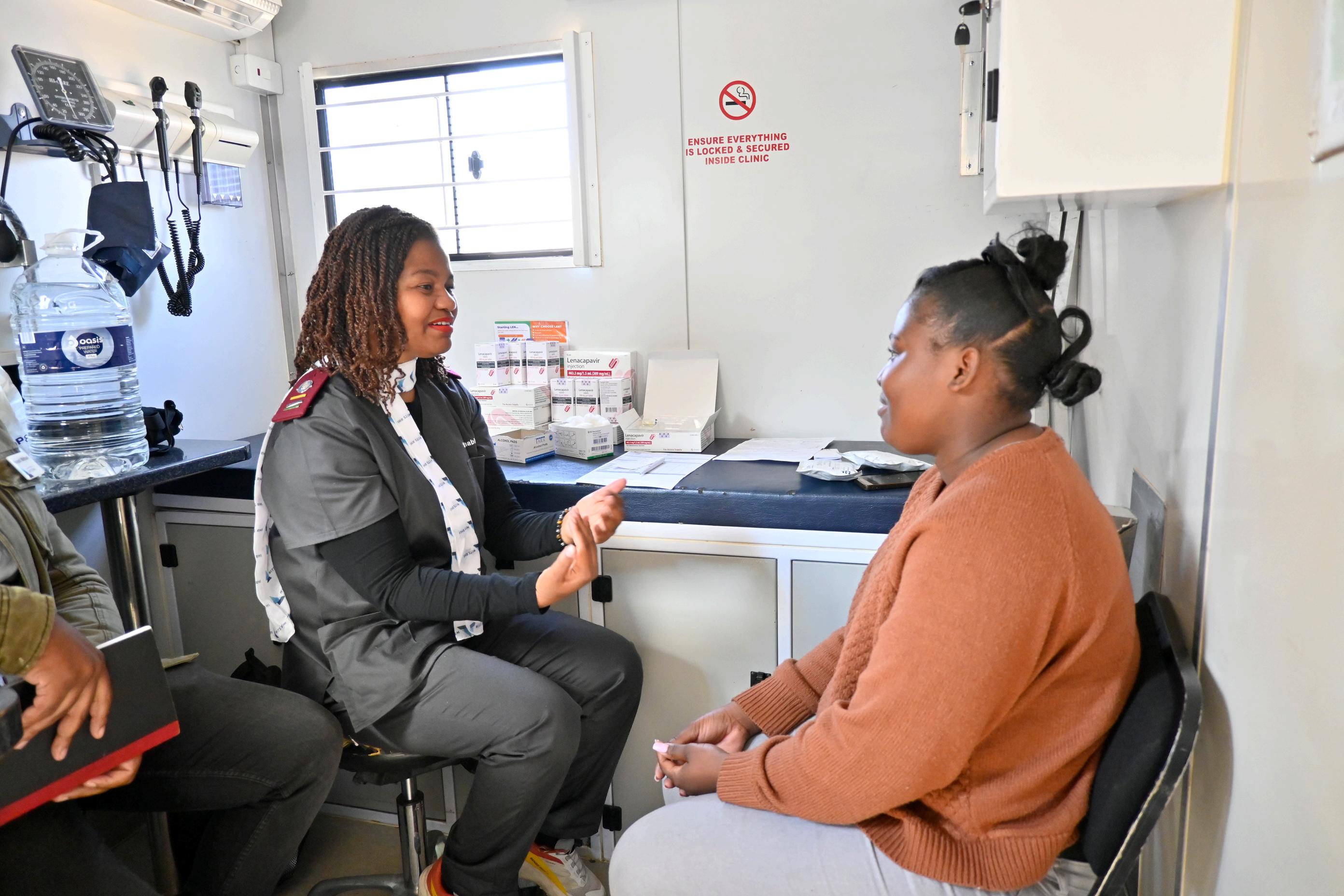
Caption: Wits RHI medical staff during a field consultation
This work demonstrates an increasingly important lesson in the future of medicine: innovation does not end with scientific discovery. Its true value lies in turning breakthrough science into accessible healthcare solutions that improve lives at scale
Wits RHI has now moved into the next critical phase: implementation science. South Africa recently saw the first real-world introduction of lenacapavir, with
“The future of healthcare innovation lies not only in discovery, but in ensuring scientific breakthroughs reach the communities that need them most.”
impact, and exponentially accelerate in a space evolving as rapidly as artificial intelligence?

By Dr Kirsten Smith
Artificial intelligence is already transforming healthcare, research and medical education globally. At Wits, a culture of scientific advancement and technological leadership has long been part of the institution’s identity, recently reinforced by the university being recognised as the number one university in Africa for innovation. Within the Faculty of Health Sciences, this leadership is already visible through a growing body of work exploring how AI and emerging technologies are shaping the future of healthcare.
Across the Faculty, researchers, clinicians and educators are already applying AI in exciting ways From machine learning models used in disease prediction and genomics research, to digital teaching tools, simulation-based learning, clinical decisionsupport systems and innovations in healthcare delivery, important work is already underway across multiple disciplines.
As part of ongoing work currently underway to better understand the scope of AI and innovation activity across the Faculty, one thing is becoming increasingly clear: there is already significant innovation happening across the institution, often in ways that are not yet fully visible or connected.
The question now is not whether innovation is happening, but how do we build on this momentum? How do we move from innovation to even greater
“The opportunity ahead is not simply to innovate, but to ensure the excellent work already happening is connected, supported and positioned to scale.”
1. Build on shared momentum, awareness and enablement
Across teaching, research and operations, exciting work is often happening in parallel. Creating stronger communities of practice allows innovators across the Faculty to share what is working, learn from one another and build on existing successes Sometimes the biggest barrier is simply not knowing what already exists
2. Turning promising ideas into real-world solutions
Some of the most promising innovation begins in individual projects, research environments or clinical settings The next challenge is ensuring ideas are supported early enough to move from promising concepts into scalable solutions with broader impact
“The challenge is not a lack of innovation It is making sure good ideas have the pathways needed to grow ”
3. Preparing graduates for an AI-enabled healthcare system
As healthcare systems evolve, tomorrow’s graduates will increasingly need to understand not only medicine, but also how digital systems, data and AI are influencing diagnosis, decision-making and patient care. Building these capabilities into training now will shape the healthcare leaders of the future
4. Scale innovation strategically
As more promising work emerges, stronger structures around ethics, data governance, collaboration and commercialisation will become increasingly important in ensuring innovation moves beyond isolated success stories and into broader healthcare impact.
The momentum already exists. The expertise already exists The opportunity now is to connect what is already happening, strengthen collaboration, and ensure that innovation happening across the Faculty continues to grow in both scale and impact

By Dr Caroline Govathson
Health systems across Africa remain underresourced and overburdened, strained by a heavy disease burden and the demands of a large and growing population. Against this backdrop, artificial intelligence (AI) is emerging as a powerful tool with the promise of improving service delivery, reducing inequalities and extending care to underserved areas.
Although AI offers enormous opportunities and can help address some of Africa's biggest healthcare challenges, there are also various factors that warrant careful consideration Understanding where the opportunities lie, how to mitigate the risks, and how to move these levers requires a multidisciplinary, community-centred and behaviourally informed approach. This is some of the work that Indlela, the behavioural insights unit based at the Health Economics and Epidemiology Research Office (HE RO), is currently doing 2
Bringing behavioural science into AI Behavioural science helps us understand how people behave, make decisions and respond to their environments We believe that if AI is going to change the world for the better, it must be informed by behavioural science and designed with an understanding of human behaviour and societal
dynamics. This is most important when AI tools are used in communities whose values and norms may be different from those of the communities whose data were used to build and inform the technology.
Since 2023, together with technology partner Audere and public health implementing partners including PSI, CHAPS and Shout-It-Now, we have co-designed and iteratively refined AI tools for use across the HIV testing, prevention and treatment cascade. To date, Indlela has led and collaborated on four projects and provided technical support to many others, answering important questions in this space.
Our journey began with “Your Choice”, an LLMpowered app that was created to mitigate the drawbacks faced by Health Care Providers (HCPs) discussing sensitive topics directly with clients. As a conversational agent, it was designed to engage people who have recently tested HIV negative and require personalised prevention recommendations in conversations about HIV, STIs and PrEP
The study, funded by the Gates Foundation Grand Challenges grant and published in Frontiers in Digital Health, enrolled 150 participants and provided two important insights: 1) AI could be empathetic, and 2) people were willing to have intimate conversations about their private lives with a chatbot Participants in our study said that the tool allowed them to have open, stigma-free discussions about sex, sexuality and HIV prevention Just as importantly, the work exposed some gaps in language and local slang, pointing to the need for vernacular languages, a lexicon of local terms, and text-to-audio capabilities. These learnings have been used in building later iterations of AI companions.
Learning through scale and adaptation
Building on this foundation, the next study, “Your Path”, funded by Grand Challenges South Africa (South African Medical Research Council), expanded the use case to HIV self-testing and information on linkage to appropriate care Among 100 community
members who completed a simulated self-testing session guided by the tool, 91% reported increased intention to access HIV services after a self-test; usability scores were again high; and HCPs who reviewed the conversation transcripts judged the tool’s summaries clinically appropriate.
Through these iterative processes, human-centred design workshops and contextual enquiry, we also learnt that a standalone app was not optimal. Users preferred WhatsApp because, for many, it’s a tool they are already familiar with and use daily, so our subsequent tools leveraged it.
Scaling through WhatsApp based platforms
The first example of this is the Self-Care from Anywhere (SCFA) platform, developed by Audere, which pairs a WhatsApp-based AI companion (called “Aimee” in this study) with a clinician-facing portal Here we worked closely with adolescent girls and boys from Shout-itNow and Higher Health, using contextual inquiry methods to understand what they wanted and preferred in an AI health companion.
With adults across KwaZulu-Natal and Gauteng, we evaluated PSI’s AI Coach chatbot, also powered by Audere’s SCFA platform, a virtual support tool that provides health information, advice and support to people living with or vulnerable to HIV and TB and people seeking sexual health and wellness information. Across these studies, participants consistently reported high usability, found the tools acceptable and stigmareducing, and expressed increased motivation to seek HIV prevention and treatment services Healthcare
providers viewed the tools as clinically appropriate and time-saving, though they also identified opportunities to strengthen the tool and the model to reduce implementation challenges
and insights
While there is strong appetite for AI-driven interventions among both care recipients and providers, our work also revealed concerns around digital literacy, accessibility, connectivity and trust. These point to an urgent need for broader research into real-world feasibility through AI implementation research, with a lens on equity and readiness for adoption of AI tools in LMIC contexts Our most recent work is starting to explore the AI and technology readiness of different populations We have also explored how behavioural traits shape responses to AI-enabled tools, knowledge we need to design more targeted and equitable digital interventions
A central enabling mechanism for this portfolio is the Indlela Behavioural Hub (B-Hub), a community research panel of >2,800 community members/care recipients and 150 healthcare workers who have consented to participate in formative research. The B-Hub allows us to maintain a research cohort of the South African population, allowing rapid, rigorous assessments, feedback from and iteration with a population of interest, critical when conducting research in a field which evolves as rapidly as the AI field. The B-Hub provides the opportunity for customised study design that may include co-design of behavioural interventions, usability and message testing prior to scaling up of interventions
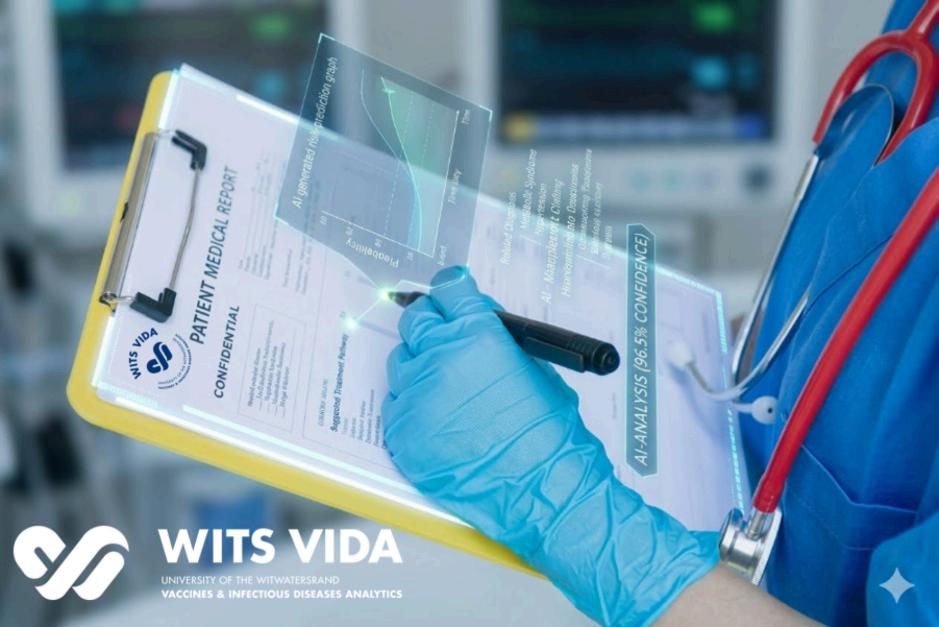
Artificial intelligence (AI) is moving quickly into healthcare AI large language models (LLMs) that once worked mainly with text have evolved into ones that can simultaneously process different kinds of information, such as text, images and videos They can summarise notes, suggest possible diagnoses and, increasingly, read and interpret scans accurately
But before these AI tools can be trusted in hospitals, one question has to be answered: do they understand the patients they are assessing?
Many AI systems in healthcare are built and tested on data from high-income countries, where facilities often have more resources, more complete records and easier access to diagnostic tests But Wits University researchers recognise that patients do not always present as neat, textbook conditions. In busy Johannesburg wards, clinicians often manage high patient volumes, delayed results, incomplete documentation and investigations that are not always readily available.
The VALID study, short for Validation of LLMs versus Doctors in Diagnosis, and led by the Wits Vaccine and Infectious Diseases Analytics (Wits VIDA) Research Unit, attempts to close that gap by investigating how well clinical LLMs perform when exposed to real patients, real records and real-world complexity AI is not meant to, and cannot, replace doctors. However, if AI is going to support healthcare, it must be tested on the kinds of patients and conditions clinicians actually see in South Africa
Building a South African benchmark
The VALID study, funded by the Gates Foundation, looked at 500 adult and paediatric cases from Chris Hani Baragwanath Academic Hospital Data collected included clinical histories, examination findings, blood results, radiological investigations (X-rays, CT scans, MRIs) and other investigations A subset of 300 cases was reviewed by expert clinician panels to establish reference diagnoses and clinical reasoning These clinicians were also presented with LLM-generated diagnoses and reasoning, which they assessed.
What were the findings
Initial findings were both encouraging and sobering Overall, LLMs performed well, producing plausible diagnoses and structured clinical reasoning, suggesting that AI may have a useful role as a support tool, helping clinicians organise information, consider alternative diagnoses and reflect on diagnostic possibilities However, in some cases, LLM outputs, as well as warddocumented diagnoses, raised potential patient safety concerns, reinforcing the need for careful and
contextual assessment of AI, before application in clinical practice
The study also highlighted a less glamorous but crucial part of healthcare: the importance of sound documentation. When LLMs and the ward-documented diagnoses were compared with the reference standard, all 10 selected LLMs outperformed the ward records. This does not mean that AI is better than doctors Rather, it points to a more nuanced reality: clinical documentation may not always capture everything considered, discussed or acted on in a busy ward environment. Reasoning and planning may occur during bedside discussions, handovers or consultant reviews, but may not be fully recorded.
The findings also showed why a single snapshot of a patient may not be enough Real clinical care unfolds over time. Diagnoses may evolve, new results may shift the clinical picture, and management decisions may change as the patient’s condition develops
That insight has shaped VALID 2 0, a new study which aims to follow the full inpatient journey of 3000 patients: admission, investigations, treatment decisions, complications and outcomes The VALID 2 0 dataset will allow LLM diagnostic and management capabilities to be evaluated dynamically over a patient’s journey. LLMs will be asked to make decisions sequentially based on the current patient record at critical events, just as doctors do
By testing how LLMs perform dynamically over a patient’s illness course in the South African context, VALID is helping to ensure that future AI tools will be safe, fair and useful in the settings where they may one day be used
At its core, VALID is not just about technology It is about patients, clinical judgement and equity, and ensuring that the rich South African clinical experience helps shape the future of medicine


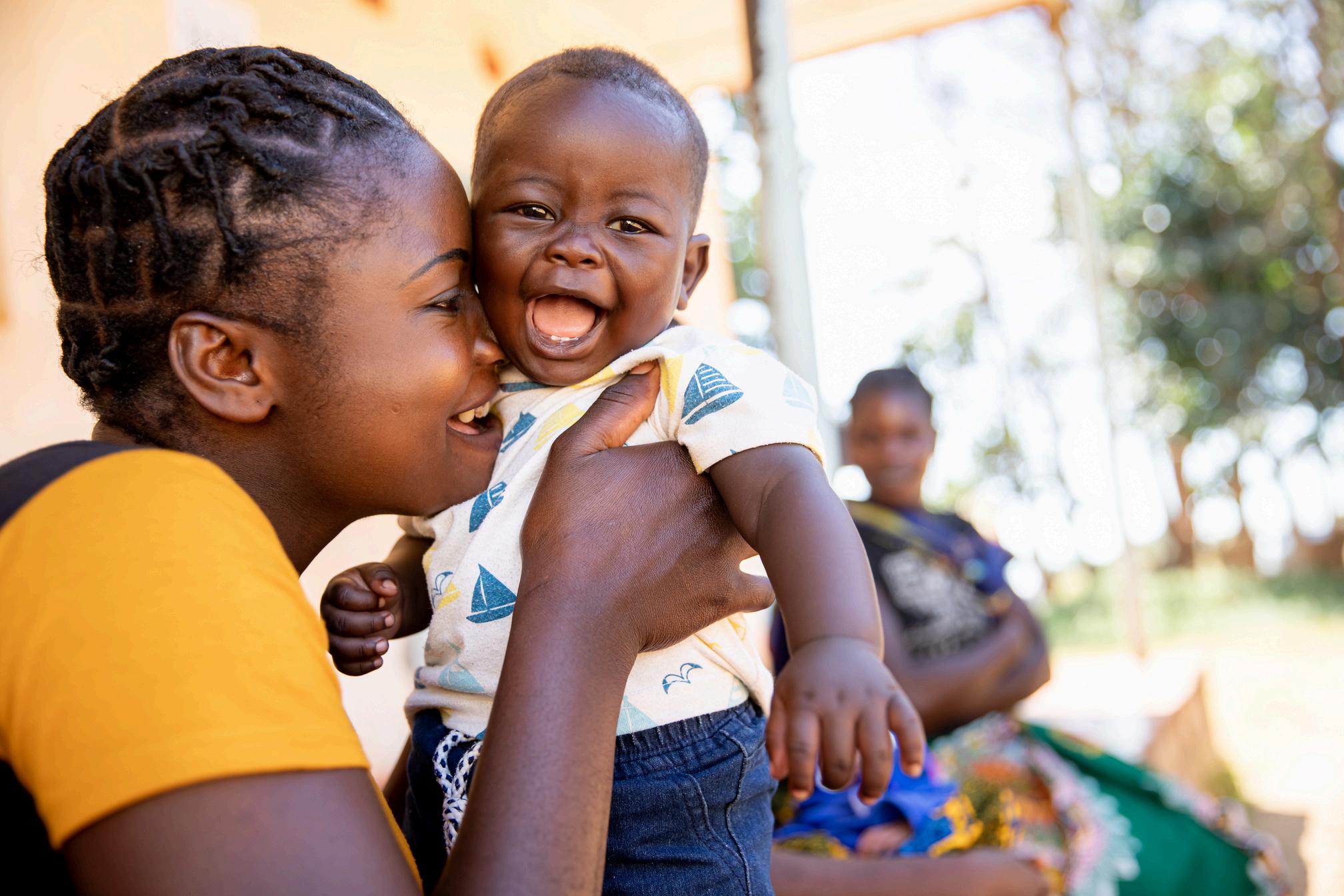
Caption: ©UNICEF/UN0663898S/Schermbrucker
Supporting caregiver wellbeing can significantly improve family wellbeing and long-term outcomes for children, according to new research published in The Lancet Global Health.
This multi-country study found that a UNICEFdeveloped counselling intervention, Caring for the Caregiver (CFC), led to significant improvements in caregiver mental health, reduced parenting stress and ncreased social support.
The study evaluated the intervention among more than 600 caregivers across six low- and middle-income countries and found that within three to six months, participants reported lower levels of depression and anxiety, alongside increased confidence and stronger social support networks.
Although South Africa was included in the study, the findings are highly relevant locally, given the social and economic pressures many families face. The researchers note that improving caregiver mental health has consistently been linked to better developmental outcomes for children over time.
Study shows over 80% of neonatal infection deaths are preventable
More than 80% of neonatal deaths caused by infections in South Africa and similar settings could be prevented with stronger clinical care and targeted interventions according to a study led by the Child Health and Mortality Prevention Surveillance (CHAMPS) Consortium.
Published in The Lancet Infectious Diseases, the study analysed more than 2,600 neonatal deaths across Africa and South Asia, including a key surveillance site in Soweto.
Researchers found that infections contributed to 44% of neonatal deaths, with the majority of these potentially preventable through improved hospital care, infection prevention measures and stronger maternal health services.
“These findings indicate an urgent need to review empirical antibiotic treatment for neonatal infections,” said Professor Shabir Madhi, lead author, Director of the South African Medical Research Council Vaccines
“We see the intervention as an important opportunity to improve the capacity of all frontline workers to deliver caregiver sensitive counselling, even if their role is not to deliver parenting or early child development programming, of which there are many excellent examples in South Africa,” says Stephanie Redinger, the lead author and a Postdoctoral Researcher at the DSI/NRF Centre of Excellence in Human Development (CoE-HUMAN). Read more and Infectious Diseases Analytics Research Unit.
The South African findings also raise concern about the growing threat of antimicrobial resistance, with some of the bacteria showing resistance to multiple existing antibiotic treatments.
Professor Madhi notes that “Alarmingly, some of these bacteria are resistant to all classes of antibiotics currently available,” he explains
The findings point to several clear opportunities for action Improvements in infection prevention, clinical care, antenatal services and updated antibiotic guidelines could significantly reduce neonatal deaths in high-burden settings.
CHAMPS South Africa continues to share its findings with the National Department of Health to support policy development and programme improvement The researchers reinforce that while neonatal infections remain a major cause of newborn deaths. Read more


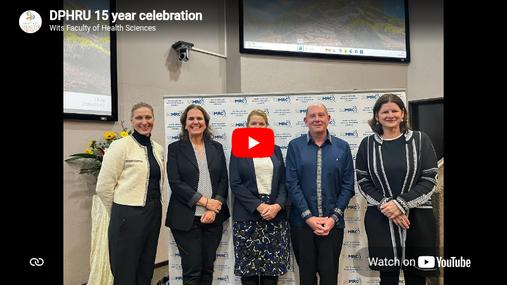
The MRC Wits Developmental Pathways for Health Research Unit (DPHRU) celebrated 15 years of advancing life course science and its impact in South Africa.
An anniversary event was held on 7 May 2026 at the Wits Faculty of Health Sciences campus It served both as a celebration and a reflection on a body of work that has reshaped how life expectancy, as well as maternal and child health, are understood in South Africa and beyond Its key areas of focus include early-life nutrition, obesity, metabolic health, cardiovascular risk, and, increasingly, ageing.
The evening opened with a harmonious welcome from the DPHRU staff choir, setting a warm and uplifting
From the outset, the DPHRU was described as a space where science, community engagement and long-term vision intersect to influence real-world outcomes. The unit is one of the flagship extramural research units of the South African Medical Research Council (SAMRC), based at Wits University
In her opening remarks, Professor Liesl Zühlke, VicePresident of the SAMRC, highlighted the unit’s broad relevance to clinicians, policymakers and the public. She said, “It is a unit that has consistently asked hard questions about how early biological, social, and environmental exposures shape growth, development, wellness, and health ”
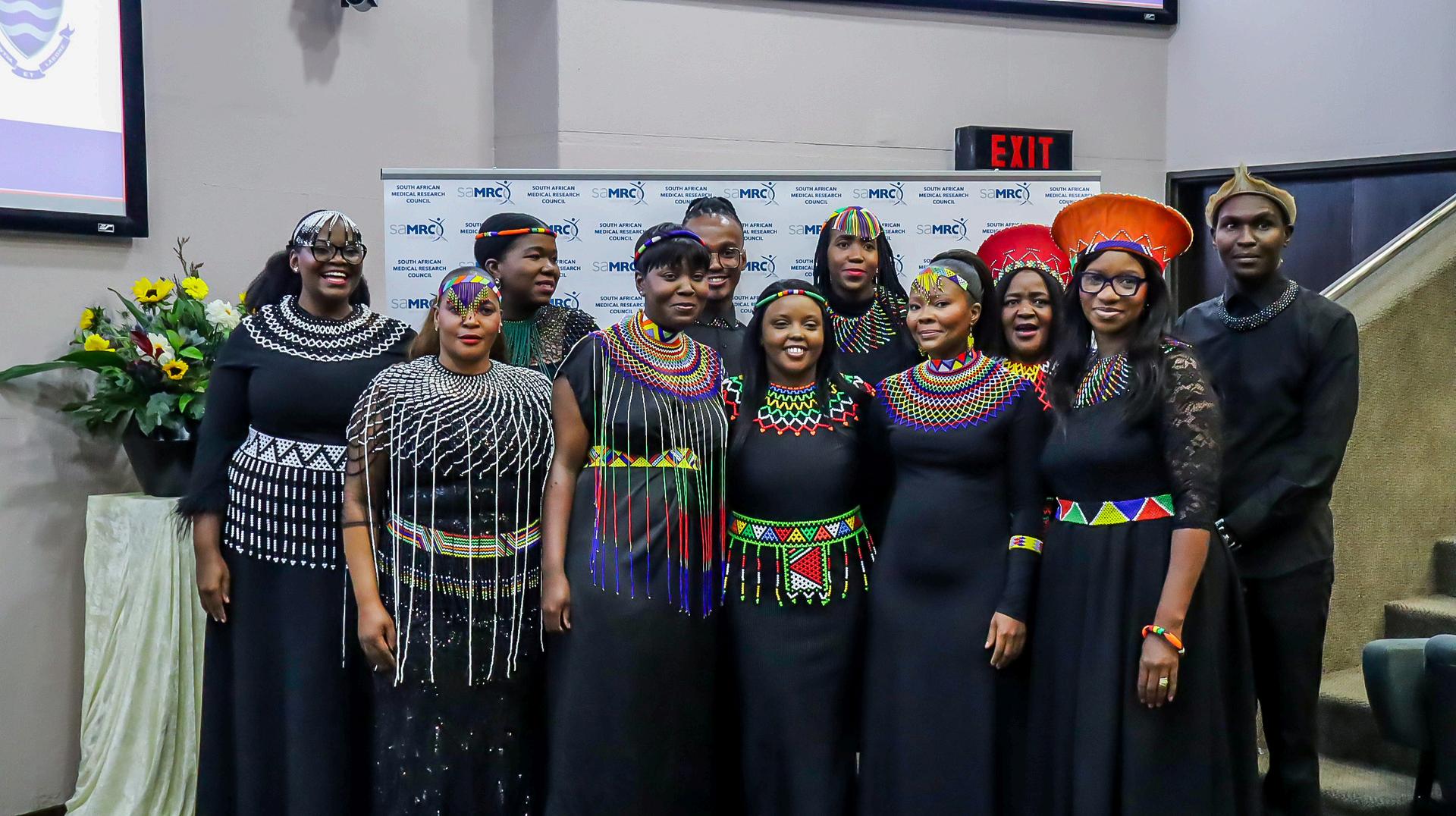
personal reflections that captured the essence of the unit’s work, grounded in a central insight: health is shaped over the course of one’s life.
Professor Liesl Zühlke, Vice-President of the
e DPHRU’s approach lies in its ability to shift attention from treatment to prevention, asking where risks originate and how early interventions can alter health trajectories.
The unit’s development over 15 years is rooted in earlier foundational work, particularly the Mineral Metabolism Research Unit and the Birth to Twenty cohort study From these beginnings, it has grown into a large, multidisciplinary research programme, developing multiple cohort studies, forging international collaborations and nurturing a strong research culture.
Professor Lynn Morris, Deputy Vice-Chancellor of Research and Innovation at Wits University, described the unit’s work as “science in the service of society” She noted that under the strategic leadership of the Director, Professor Shane Norris, the unit has built a legacy of long-term thinking that will endure.
Staff also reflected on how the organisation evolved from a small initiative into a “family” characterised by shared purpose and mutual support “Today, we look at this unit, and we don’t just see growth, but we see impact,” said Nomsa Thwala, the unit’s Project Manager
and implementation. Initially focused on understanding developmental trajectories, Professor Norris noted that the unit has gradually moved into designing and testing interventions.
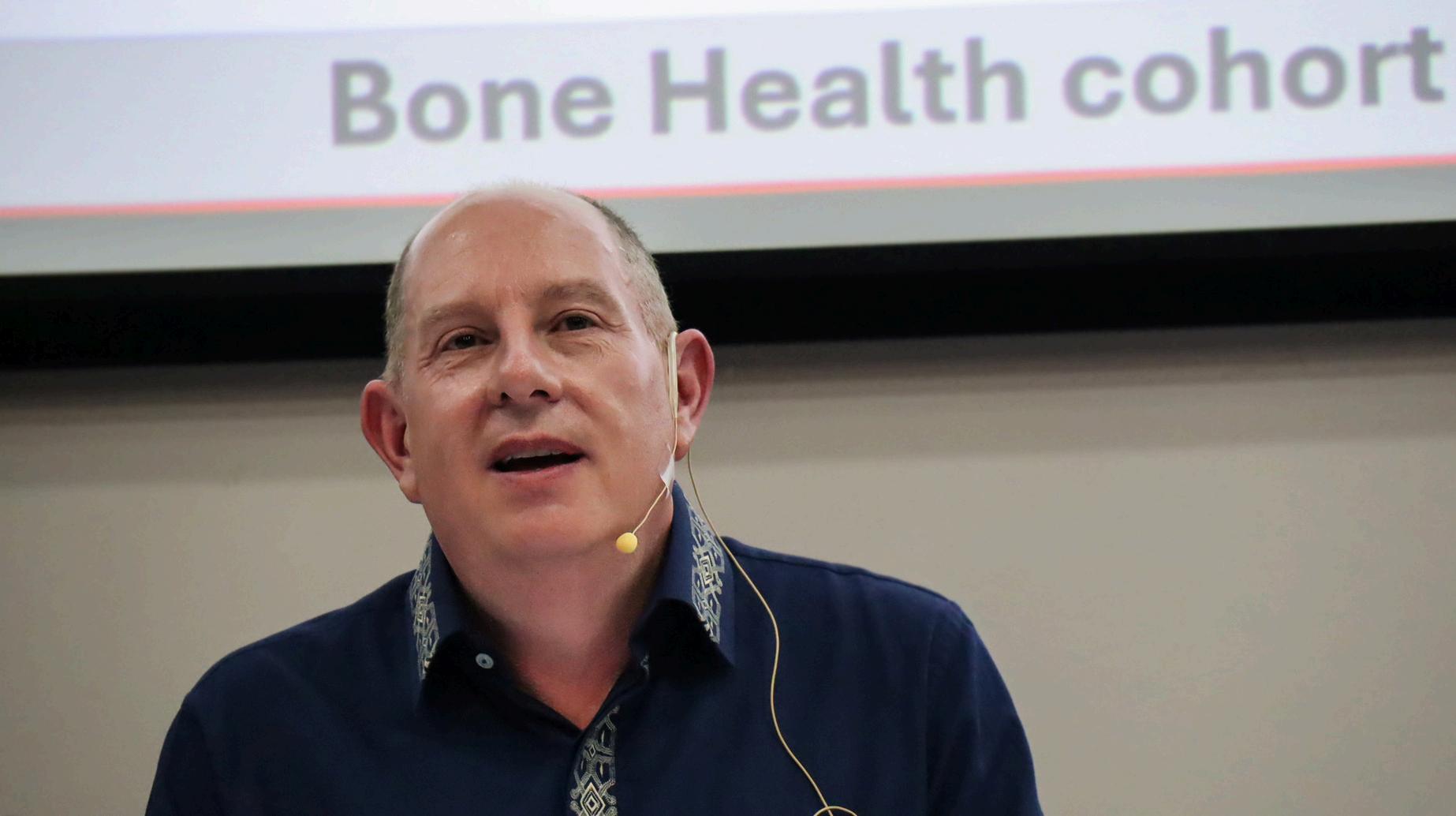
Caption: Professor Shane Norris, Director of DPHRU
“Our greatest impact has been showing that adult health is shaped early, and that if we are serious about disease prevention, we must prioritise intervention across the life course,” he said
The unit’s research has contributed to national and international policy discussions It has informed initiatives such as South Africa’s first 1,000 days strategy and contributed to global understanding of the developmental origins of health and disease.
Importantly, the DPHRU has bridged global scientific frameworks with local realities. Its work addresses challenges unique to low- and middle-income settings, including inequality, urbanisation and the coexistence of infectious and non-communicable diseases.
Over the past 15 years, the DPHRU has delivered substantial outputs:
More than 1,160 research publications
Over 46,000 participants involved in studies
Training of more than 43 postdoctoral fellows and over 100 postgraduate students
Employment for more than 650 staff members
While these figures illustrate the scale and reach of the unit’s work, its impact extends far beyond numbers.
A key scientific contribution of the DPHRU has been its progression from observational research to intervention
“These pressures demand research that can capture complexity over time and increase the urgency of that work,” said Professor Norris.
The anniversary also marked a transition The work of the DPHRU will continue into its next phase, focusing on ageing while maintaining its life course perspective In closing, Professor Norris emphasised the importance of continuity to sustain “really good science” alongside a clear scientific and social mission
Professor Lisa Micklesfield now takes forward the unit’s legacy as Director, ushering in its next chapter of research and impact.

The Wits Faculty of Health Sciences is celebrating 10 years of the Human Variation and Identification Research Unit (HVIRU), a research entity that has grown into one of Africa’s leading centres for biological anthropology, forensic science and human identification research.
Established in 2016 by Emeritus Professor Maryna Steyn, the Unit began as a platform for anatomical scientists conducting research in biological anthropology. Over the past decade, it has expanded significantly, building a strong reputation for highquality research, specialist training and meaningful contribution to both forensic science and society.
Reflecting on the Unit’s growth, Head of Anatomical Sciences Professor Amadi Ihunwo notes that what began as a small research initiative has developed into an internationally recognised centre of expertise. Today, HVIRU is one of the South African Police Service’s leading research and expertise partners and has become an important training hub for forensic anthropology across the continent.
Over the past 10 years, the Unit has made important contributions to advancing knowledge in human identification, skeletal biology and forensic anthropology. Through interdisciplinary collaboration, its work has informed both academic scholarship and practical responses to medico-legal and humanitarian challenges. The Unit has produced more than 160 peerreviewed publications, strengthening the global profileof South African research in this specialised field.
HVIRU has also played an important role in expanding forensic capacity across Africa Working closely with the South African Police Service, forensic pathology services and international humanitarian partners such as the International Committee of the Red Cross, researchers assist with skeletal trauma analysis, human identification and medico-legal investigations. The Unit has also become increasingly involved in supporting forensic anthropology training and expertise development in countries across Africa where specialist capacity remains limited.
A major part of the Unit’s legacy has been its contribution to training the next generation of researchers and practitioners Over the past decade, HVIRU has supervised the graduation of more than 20 MSc and 16 PhD candidates, while creating important opportunities for students to gain hands-on experience in forensic investigations, archaeological excavations and advanced skeletal analysis
These field-based training opportunities have allowed students to apply theoretical knowledge in real-world settings while contributing to important research projects that deepen understanding of South Africa’s historical and biological heritage.
Research within the Unit has also evolved significantly over time While the Unit originally focused on five core research areas, including forensic anthropology and craniofacial identification, its work now spans a broader range of disciplines including ethics, growth and development, facial image comparison and advanced genetic analysis through international collaborations.
Reflecting on the milestone, HVIRU Director Associate Professor Desiré Brits says the past decade has been a launchpad for the Unit’s future growth As the Unit looks ahead, its focus remains on new partnerships, innovative research questions and continued commitment to strengthening forensic science capacity in South Africa and across the continent.
Over just 10 years, HVIRU has built a remarkable legacy, through research excellence and specialist training that create a lasting impact beyond the university.
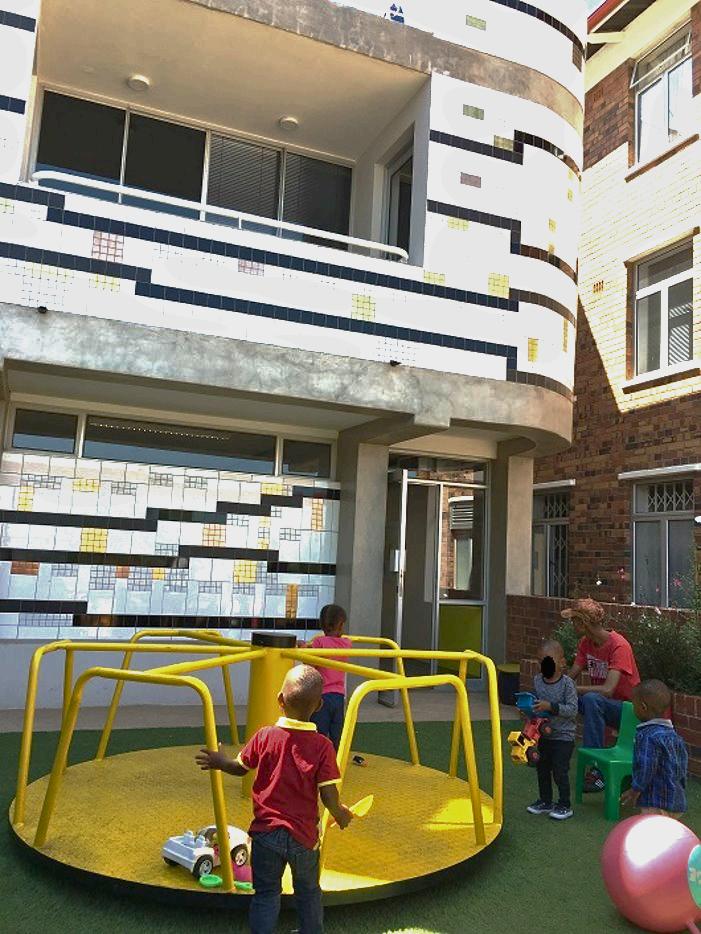
This year marks a significant milestone for the Wits Department of Paediatrics and Child Health, as the Nkanyezi Building at Rahima Moosa Mother and Child Hospital celebrates its 10th anniversary.
Over the past decade, the facility, home to the Wits VIDA Nkanyezi Research Unit, has become an important hub for paediatric and infectious diseases research, building a strong legacy of scientific excellence, training and improved patient care
Reflecting on this journey, Dr Renate Strehlau, the Deputy Director of VIDA Nkanyezi, notes that “the presence of this dedicated research facility has significantly strengthened both the scale and quality of research conducted at Rahima Moosa Mother and Child Hospital, while also positively influencing patient care and outcomes ”
Over the years, the facility has significantly expanded the scale and complexity of clinical research undertaken at the site, allowing researchers to contribute more meaningfully to both local and global health priorities.
The expanded space has enabled the Clinical Trials Unit to run larger clinical trials and enrol greater numbers of
participants, increasing the statistical strength and impact of studies undertaken at the site,” says Dr Strehlau.
The facility’s specialised infrastructure, including dedicated pharmacy and laboratory capacity, has allowed the unit to participate in more complex and internationally competitive studies while maintaining a strong focus on local health priorities
The building was also designed around patientcentred care, creating a more welcoming and childfriendly environment for young patients and their families According to Dr Strehlau, this has improved the research experience for participants and contributed to stronger long-term study retention
The impact of the Nkanyezi Building extends beyond research outcomes, with patients benefiting from earlier access to innovative therapies and improved standards of clinical care
Another defining aspect of the Nkanyezi Building’s legacy is its contribution to human capital development. Over the decade, it has become a hub for training and mentorship, supporting the growth of clinician-scientists and research professionals The expanded capacity has created meaningful pathways for career progression within the research workforce
Trainees and students benefit from exposure to the full spectrum of clinical research, from trials and laboratory work to operations and regulatory frameworks. This broad experience ensures that graduates are wellequipped to contribute to and lead future research initiatives
Collaboration has also been central to the building’s success The modern, integrated environment encourages interaction among multidisciplinary teams, particularly enabling junior staff and postgraduate students to learn alongside experienced investigators
As the Nkanyezi Building marks its 10-year anniversary, the impact of sustained investment in research infrastructure is clear The next decade now offers an opportunity to build on this strong foundation and continue advancing vaccines and infectious diseases research

The Wits Brian and Dorothy Zylstra Sports Complex champions a living legacy.
When Brian and Dorothy met at Wits in the 1950s, they could not have imagined how their love story would reshape South African sports science and exercise medicine.
Brian was an avid rugby player who earned a Wits Full Blue and played for Transvaal. Dorothy, an arts and literature graduate, also held qualifications in inclusive education. Their shared passion for human potential birthed the Skye Foundation, supporting sports, arts, and research at Wits and elsewhere for decades
This generational vision culminated in the R300-million Wits Brian and Dorothy Zylstra Sports Complex. Launched at a VIP preview on 30 May 2026 and opening to the public in September, it stands as an inclusive, world-class facility promoting physical activity, sporting excellence, and clinical training

The world-class Complex features a Centre of Excellence in cardio-metabolic rehabilitation, highperformance and rehab gyms, specialised labs (including Africa’s only World Anti-Doping Agency facility), and an Aquatics Centre with South Africa’s only flume pool
But the true legacy lies in its human impact. Sports bursaries support student-athletes, while new postgraduate degrees and data-driven research empower future scientists For athletes, it bridges the gap to Olympic podiums; for patients, it provides lifechanging ‘exercise-as-medicine ’
In decades to come, the Wits Zylstra Sports Complex will stand as the definitive southern African hub for sports science and exercise medicine.
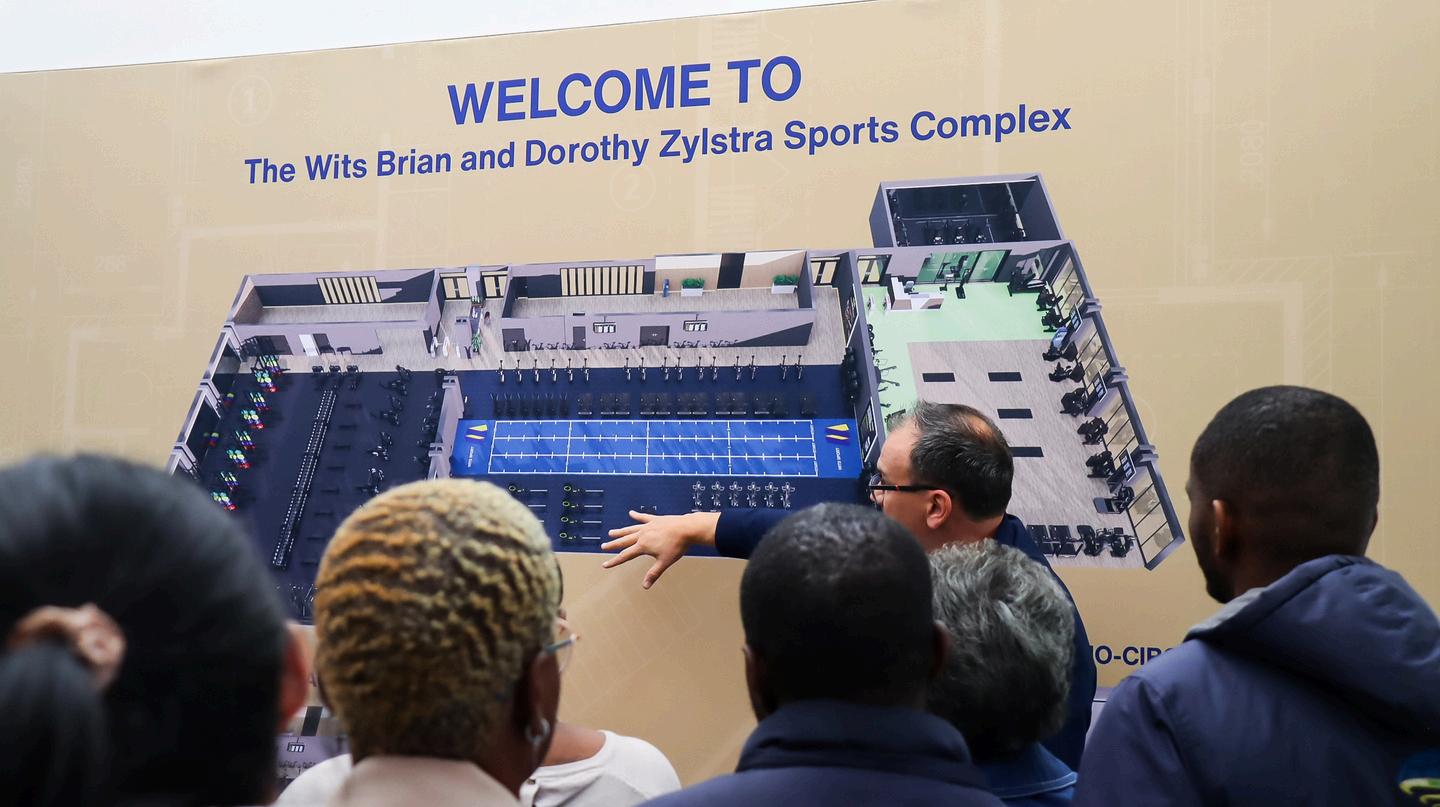
Caption: Showcase of the complex floor plan
Ultimately, it ensures that the legacy kicked off by Brian and Dorothy at Wits will continue to heal, train, and inspire athletes, clinicians, patients, and people in Johannesburg and South Africa for generations to come
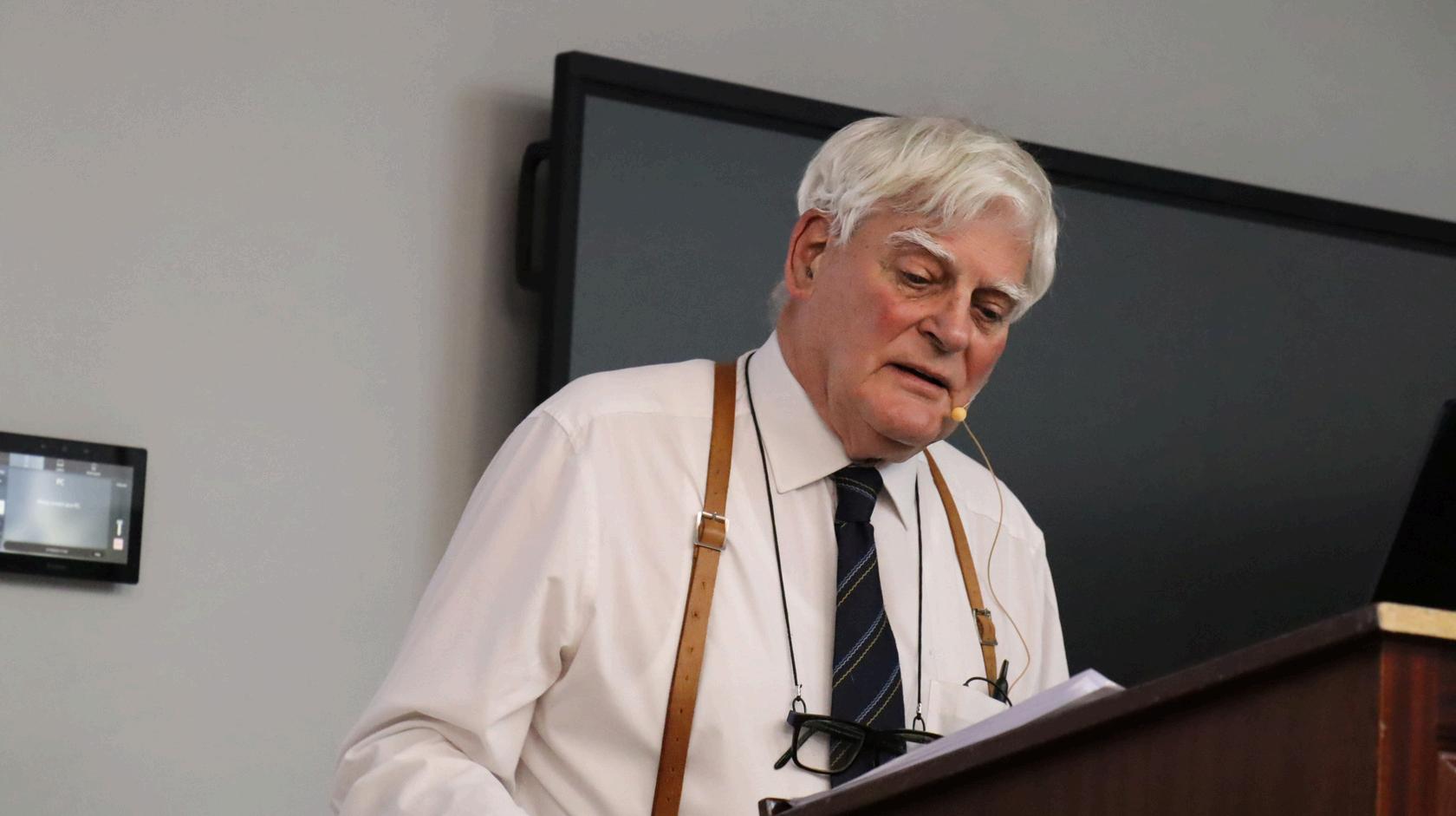
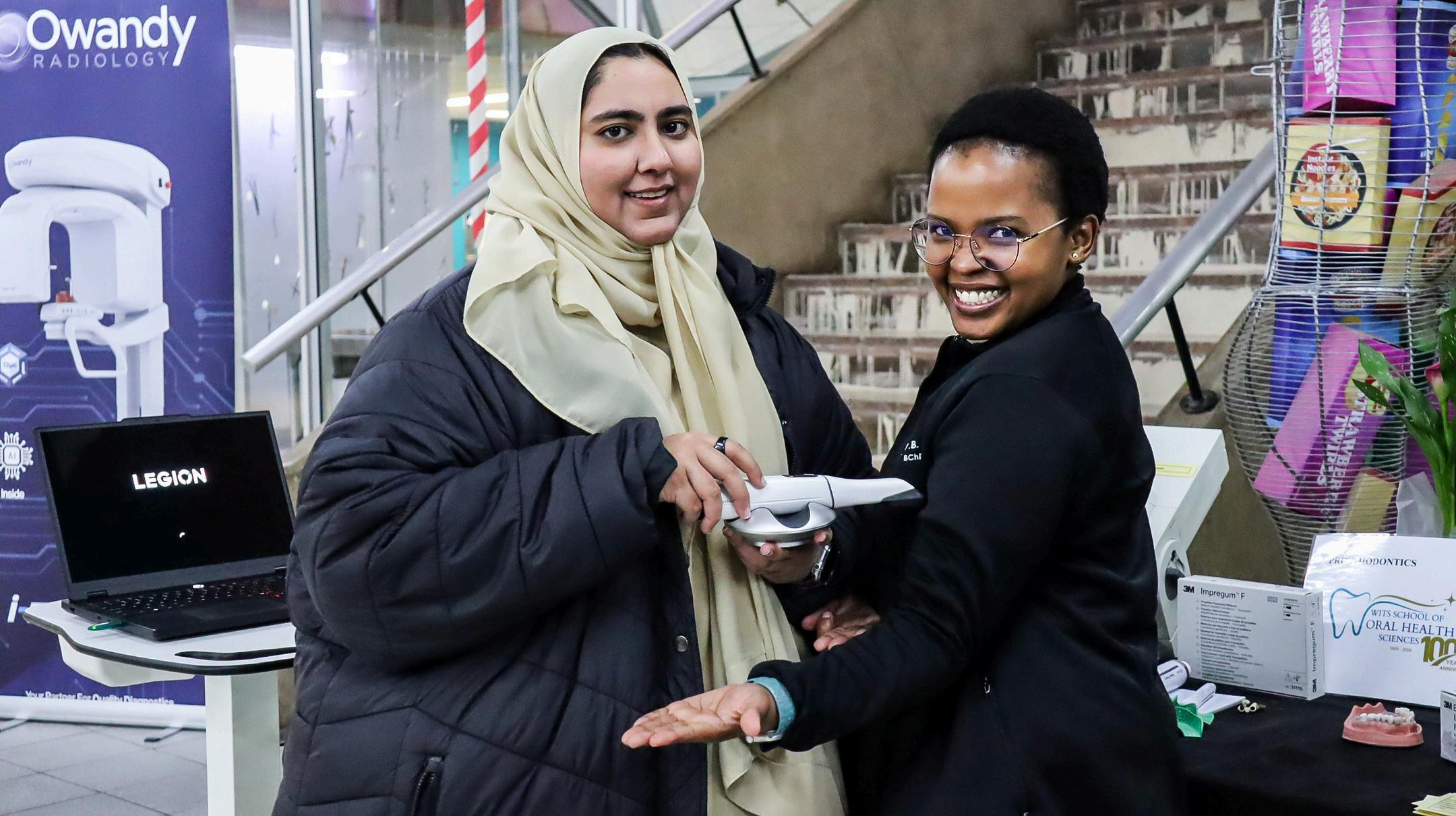
On the 14th May 2026, the School of Oral Health Sciences hosted its Memorial Lecture to mark the commencement of its centenary celebration. The event started with a curated exhibition at the Adler Museum of Medicine, showcasing the school’s history and heritage through vintage dental equipment alongside current technology, offering a glimpse into the future.
The Lecture took place at the Wits Faculty of Health Sciences Campus and was attended by staff, students and alumni, highlighting the school’s impact on oral health education, research, and service in South Africa.
In his welcome address, the Faculty Dean, Professor Shabir Madhi, lauded the school for its legacy as the oldest dental school in South Africa and on the African continent. He emphasised that the school continues to evolve in addressing inequality, strengthening training, and advancing research.
“This centenary is therefore not simply a celebration of the past; it is really a call for the future,” he declared.
The lecture, titled “The Active Statue A historical perspective of 100 years of dentistry at Wits”, was delivered by Professor Bill Evans, former Head of School and Faculty Deputy Dean. He highlighted the pioneering research undertaken over the decades and its contribution to global dental knowledge, including advancements in understanding jaw function and the introduction of dental implant technology in South Africa.
Dr Sello Matjila, CEO of the Wits Oral Health Centre, said the School represents a formidable legacy “ marked by achievement, resilience, and transformation.”
This is nice to end on. Majke sure to highlight the “what are we building” as this fits nicely into the legacy section.
Over 100 years, the school has produced thousands of dentists, specialists, and oral hygienists who have shaped dental education across South Africa and beyond.
The South African Dental Association President, Dr Paul Mathai, noted that in an era shaped by technologies such as artificial intelligence, the next century will require not only excellent clinicians, but also ethical, innovative, and compassionate leaders
Head of School Professor Londi Shangase said key priorities include expanding access, strengthening research, investing in infrastructure, and addressing inequalities in oral healthcare, with plans for a new school and dental hospital.
To meet these priorities, the Wits School of Oral Health and GDoH are pursuing the construction
Caption: Professor Bill Evans of a new school and dental hospital with modern, fit-for-purpose infrastructure
She called on alumni, industry stakeholders, and partners to support this vision for the next 100 years and beyond
Caption: Professor Londi Shangase

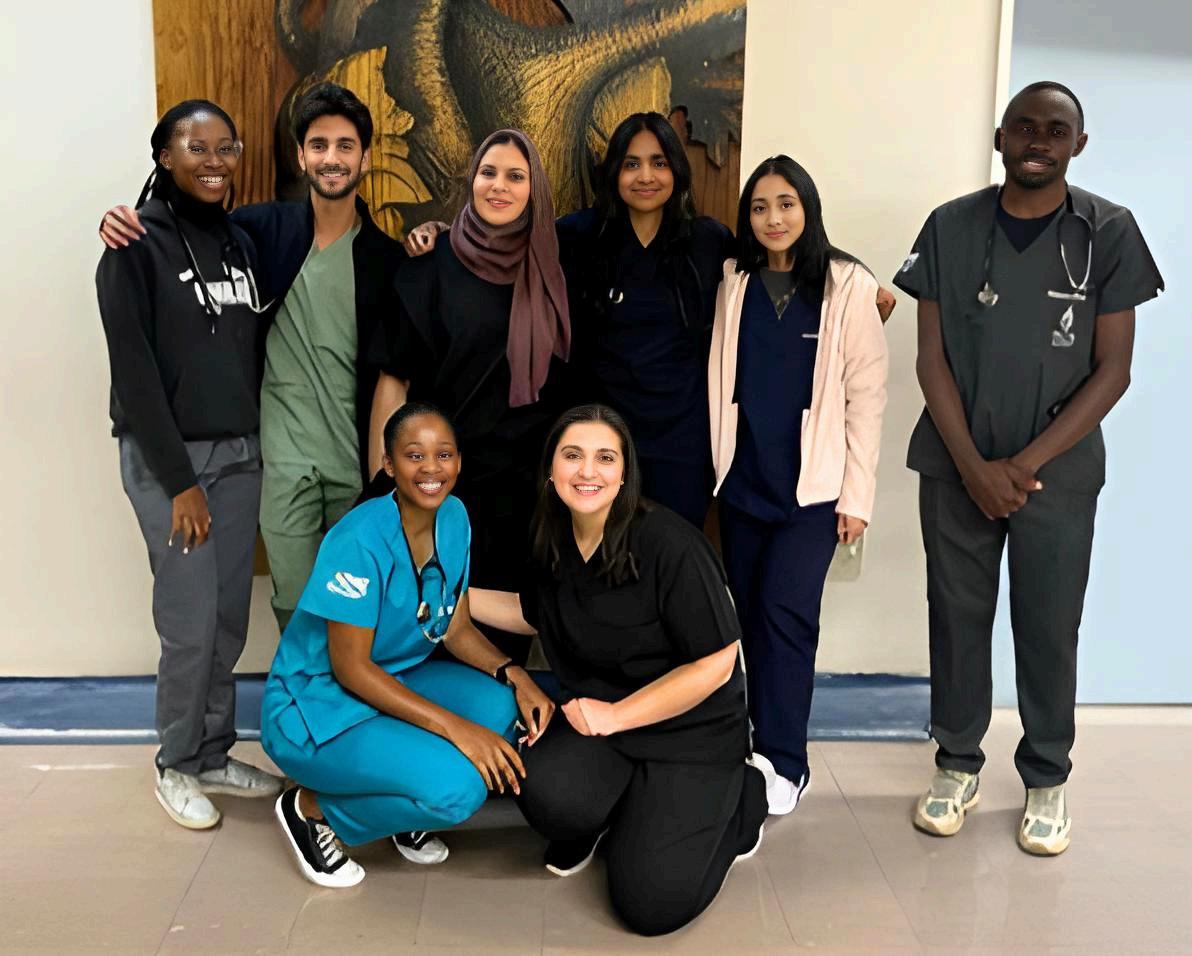
A team of Graduate Entry Medical Programme (GEMP) students has delivered an exceptional academic milestone, publishing their research in BMC Geriatrics and outperforming more advanced peers at a national congress, an achievement rarely seen at undergraduate level.
Their paper, The performance of a novel, diabetesspecific cognitive screening tool against the MoCA in older adults with type 2 diabetes, not only passed rigorous international peer review but also won Best Research Poster at the 2026 Physicians Update Congress, where they competed against master’s and PhD candidates. Together, these accomplishments highlight a level of scholarly rigour, originality and impact that sets them apart as emerging leaders in clinical research.
The students, Husnaa Choonara, Caitlyn Goncalves, Wakhile Mabuza, Mashienyane Mapatlare, Zainab Modan, Mbali Musundwa, Muzzammil Tayob and Azeemah Thokan, went beyond conventional undergraduate expectations by identifying a clinically significant gap and developing a practical, evidencebased solution. They designed and evaluated the Diabetic Cognitive Assessment Tool, a focused screening instrument tailored for older adults living with type 2 diabetes, a group at high risk of underrecognised cognitive decline.
Their findings demonstrated that the tool can effectively detect cognitive impairment, performing strongly against established methods while offering a faster, more targeted approach aligned to diabetesrelated cognitive changes The study also identified important clinical patterns, showing that poorer glycaemic control and depressive symptoms are linked to lower cognitive performance, while higher educational attainment is associated with better outcomes
For undergraduate students to deliver research of this calibre, with clear applicability in resourceconstrained healthcare settings, reflects advanced critical thinking, teamwork and scientific discipline. Their work positions them not only as high-performing students but as meaningful contributors to improving patient care.
As Muzzammil Tayob explains, the research addresses a gap often overlooked in practice, noting that “cognitive impairment is a common but often underrecognised complication of diabetes, particularly in ageing populations and resource-constrained clinical settings. Existing screening tools are not designed to capture the specific cognitive profile associated with diabetes-related vascular and metabolic changes ” He adds that the team’s innovation offers a practical solution, describing it as “a practical and efficient innovation that could be used in busy, resourceconstrained settings such as ours in South Africa”.
Reflecting on the experience, Tayob emphasises the transformative nature of their achievement, saying, “Approached with a growth mindset, undergraduate research can be a transformative experience that shapes the way you think, write and critically evaluate established norms.”
Their success extends beyond publication and awards. The work has been accepted for oral presentation at the 2026 SEMDSA Endocrine Congress, further validating its relevance and impact within the national medical community
Supported by Professor Farzahna Mohamed and Dr Anu Mathew, the team translated mentorship into measurable success, moving from concept to internationally recognised research Read more

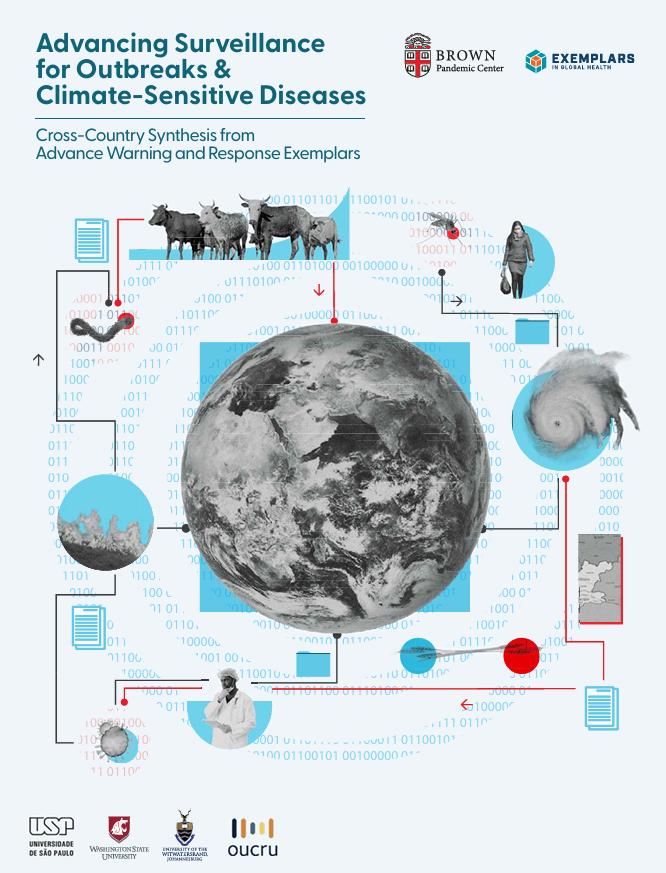
A global study led by the Brown University Pandemic Center has explored how countries can better detect and respond to infectious disease threats, particularly in low and middle income settings.
Professor Janan Dietrich, who led the South African component of the Advancing Surveillance for Outbreaks & Climate-Sensitive Diseases report says the research shows practical ways to strengthen how countries protect population health
Looking at experiences in Brazil, Kenya, South Africa, and Vietnam, the study highlights that earlier awareness of risks and stronger coordination can reduce the impact of outbreaks on communities It shows that countries can act sooner and more effectively when they bring together different types of information, including health, environmental and climate data.
At its core, the work focuses on a simple idea
Countries need to spot risks early, detect cases quickly, and respond in a coordinated way When these steps happen in a timely and connected way, outbreaks can be contained before they grow and cause widespread harm
Professor Dietrich explains that understanding environmental conditions such as rainfall, temperature, flooding and air quality can help identify when and where disease outbreaks are more likely This kind of insight allows governments and health services to act before cases escalate, rather than reacting after the fact.
Beyond the technical details, the broader public health message is clear. Stronger systems for early warning and response help save lives, protect health systems from being overwhelmed, and reduce the social and economic disruption caused by outbreaks They also support countries to prepare for climate related health risks, which are expected to become more frequent.
The study also stresses the importance of collaboration. When different sectors such as health, environment and research work together and share information, responses are faster and more effective
Clear communication and coordination between organisations are just as important as the data itself.
Importantly, the findings show that even though countries differ in resources and context, many of these lessons can be applied widely By strengthening how risks are identified and how responses are organised, countries can build more resilient health systems and better protect communities from emerging threats.
Overall, this work contributes to a global effort to improve public health preparedness. It points to a future where outbreaks are detected earlier, responses are quicker and more coordinated, and communities are better protected

Alumnus inducted into the American Academy of Otolaryngology
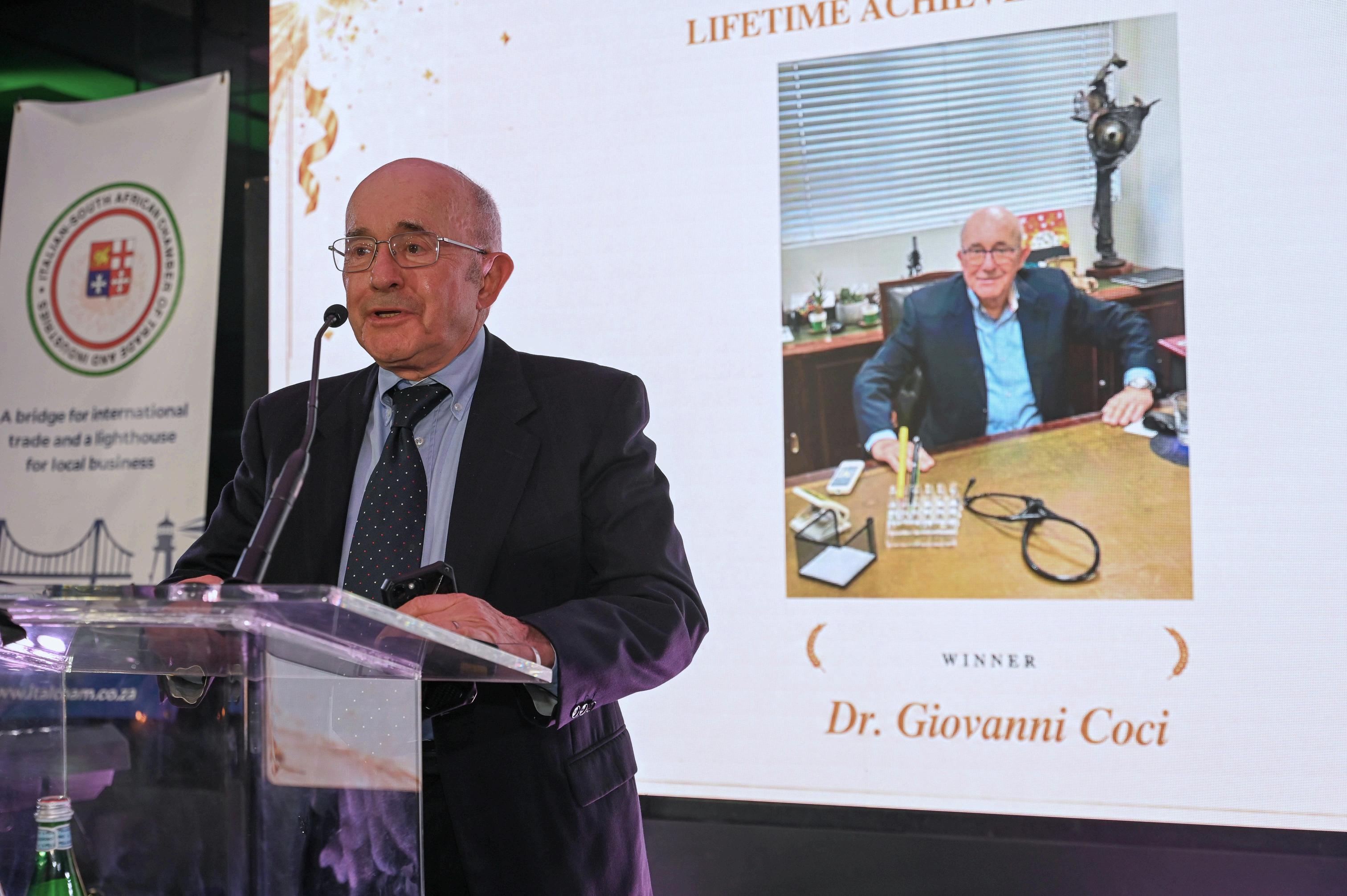
Dr Giovanni Coci (MBBCh 1968) received the Lifetime Achievement Award from the Italian South African Chamber of Trade and Industries at the 2026 ItalCham Business Excellence Awards. The recognition acknowledges his enduring influence in healthcare.
In 2022, he received the Knight of the Order of the Star of Italy This distinction highlights his role as an Italian national living abroad who has made a meaningful contribution to strengthening ties and service within the diaspora
Earlier in his career, he was part of the Department of Medicine at the Wits Faculty of Health Sciences, served in intensive care at Chris Hani Baragwanath Hospital and later joined the Wits Donald Gordon Medical Centre. Dr Coci maintained a strong connection with Wits, contributing to teaching and training at both undergraduate and postgraduate levels throughout his years in private practice
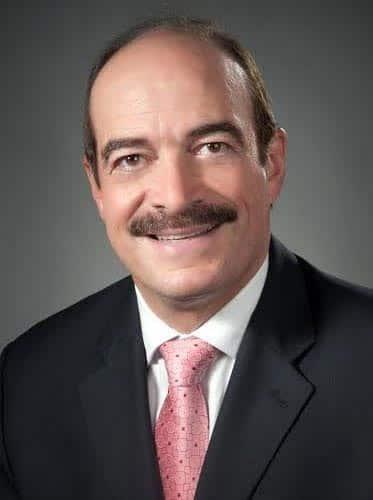
Professor Michael Setzen (MBBCh 1974) has been inducted into the American Academy of Otolaryngology, Head and Neck Surgery (AAO-HNS) Hall of Distinction
This is in recognition of his outstanding contributions to rhinology and the speciality. He is a Clinical Professor at Weill Cornell Medical College and Past President of the American Rhinologic Society.
His career has been marked by significant research contributions, with nearly 200 publications, including over 100 peer-reviewed articles, and more than 450 scientific presentations worldwide.
Alumnus earns leadership award for advancing research advocacy
Professor Arthur Rubenstein (MBBCh 1960) received the Herbert Pardes Family Award for National Leadership in Advocacy for Research contributions to diabetes research and medical education.
Wits Alumnus, Dr Wonderful Thabiso Khumalo (MBBCh 2024), was featured in the podcast series ‘Awakening Doctor’ where he shared his journey in medicine.
Currently a Rhodes Scholar PhD student at Oxford University, his research is based on gun violence in low-resource settings, with a specific focus on the epidemiology of gunshot fractures He says his interest in bone injuries began during his studies at Wits University. “Wits has many affiliated hospitals, so we got to circulate among those hospitals, and it was great to see the healthcare setting from different perspectives ”
He says his research also studies the mental and psychological challenges that gunshot victims face, having to go back to living in the same violent communities where the injuries were inflicted Listen to the full podcast


University’s position as the top-ranked university in the 2026 Center for World University Rankings (CWUR) was a significant moment of institutional pride. The CWUR rankings consider millions of data points making the assessment – that Wits ranks 200 globally out of 21 291 universities and therefore is in the top 1% of universities worldwide – robust.
th Wits’ strong performance in global rankings reflects contributions from across the university, with the Faculty of Health Sciences playing an important role as one of the institution’s largest contributors to research output. In 2025, the Faculty generated 637.75 Department of Higher Education and Training (DoHET) research units, representing approximately 30% of Wits’ total research output and 38% of its research article units, highlighting the significant contribution the Faculty continues to make to the university’s overall research performance This contribution forms an important part of the broader research ecosystem that continues to strengthen Wits’ position in global university rankings The Faculty’s role is especially important because the CWUR evaluates universities using measurable, outcome-based indicators across four key pillars: education, employability, faculty excellence and research performance
Quantity and quality together While the volume of output is impressive, the reach of this is equally important. 67% of the Faculty’s
publications involved international collaboration, while 13% were among the top 1-% most globally cited. This highlights the Faculty’s strong international research footprint and growing contribution to globally influential scientific networks
The Faculty is also strongly represented among Wits’ most productive researchers, with more than 50% of the university’s top 20 researchers by publication output based within Health Sciences, alongside a strong cohort of NRF-rated researchers across its schools, departments and research entities.
Underpinning this performance is a large and diverse ecosystem of recognised research entities These include units focused on infectious diseases, HIV, hepatitis, malaria, tuberculosis and vaccines; genomics, gene therapy, diagnostics and drug delivery; cardiovascular disease, metabolism, brain function and sports health; maternal, neonatal, child and adolescent health; rural public health, health systems, health policy and cost-effective care; as well as oncology, human identification, human development and the deep human journey.
Together, these research entities connect laboratory science, clinical care, public health, policy, innovation and community-based research, allowing the Faculty to produce research that is both globally visible and locally relevant
SAMRC Gold Awards: In recognised of substantial and sustained contributions to health research
Professor Glenda Gray honoured with multiple awards


Dr Simone Richardson
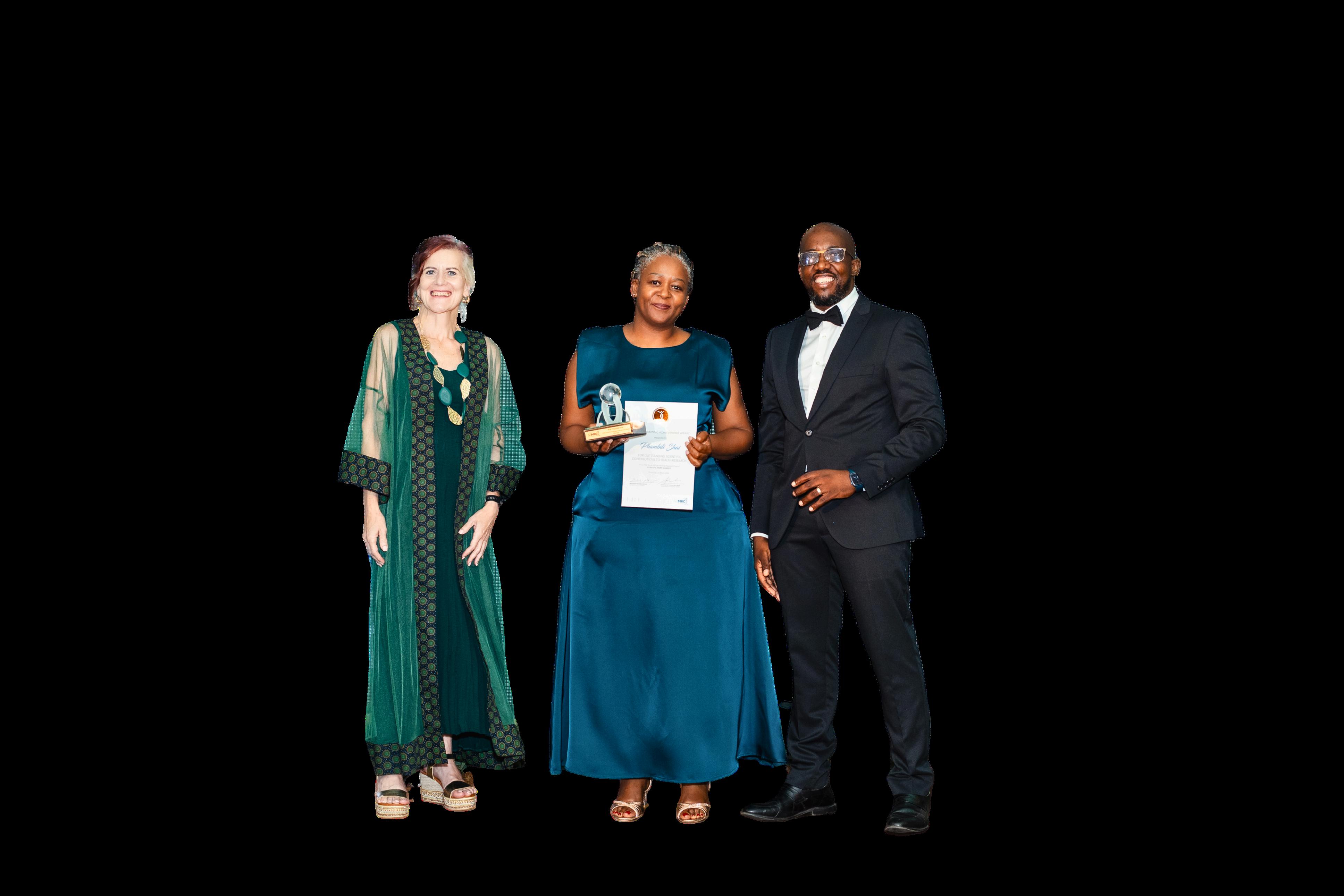
SAMRC Silver Award: In recognition of consistent productivity and growing recognition as a mid-career researcher
Assoc. Prof Phambili Nwabisa Jama Shai
SAMRC Presidential Award: In recognition of visionary leadership in promoting science in South Africa
SAMRC Platinum Scientific Achievement Award: In recognition of the excellence in research
Elected: Fellows of the Royal Society
Prof Clifford Woolf
SAMRC Bronze Award: In recognition of emerging scientists who have between 5 to 10 years post-PhD experience
Prof Helen Rees
Appointed: Chairperson of the International Vaccine Institute Board of Trustees
Prof Johnny Mahlangu
SAMRC President’s Award: In recognition of leadership at builds an environment that promotes scientific excellence.

Prof Shabir Madhi
NFID Maxwell Finland Award: In recognition of Scientific Excellence for outstanding contributions to the understanding of infectious diseases and public health
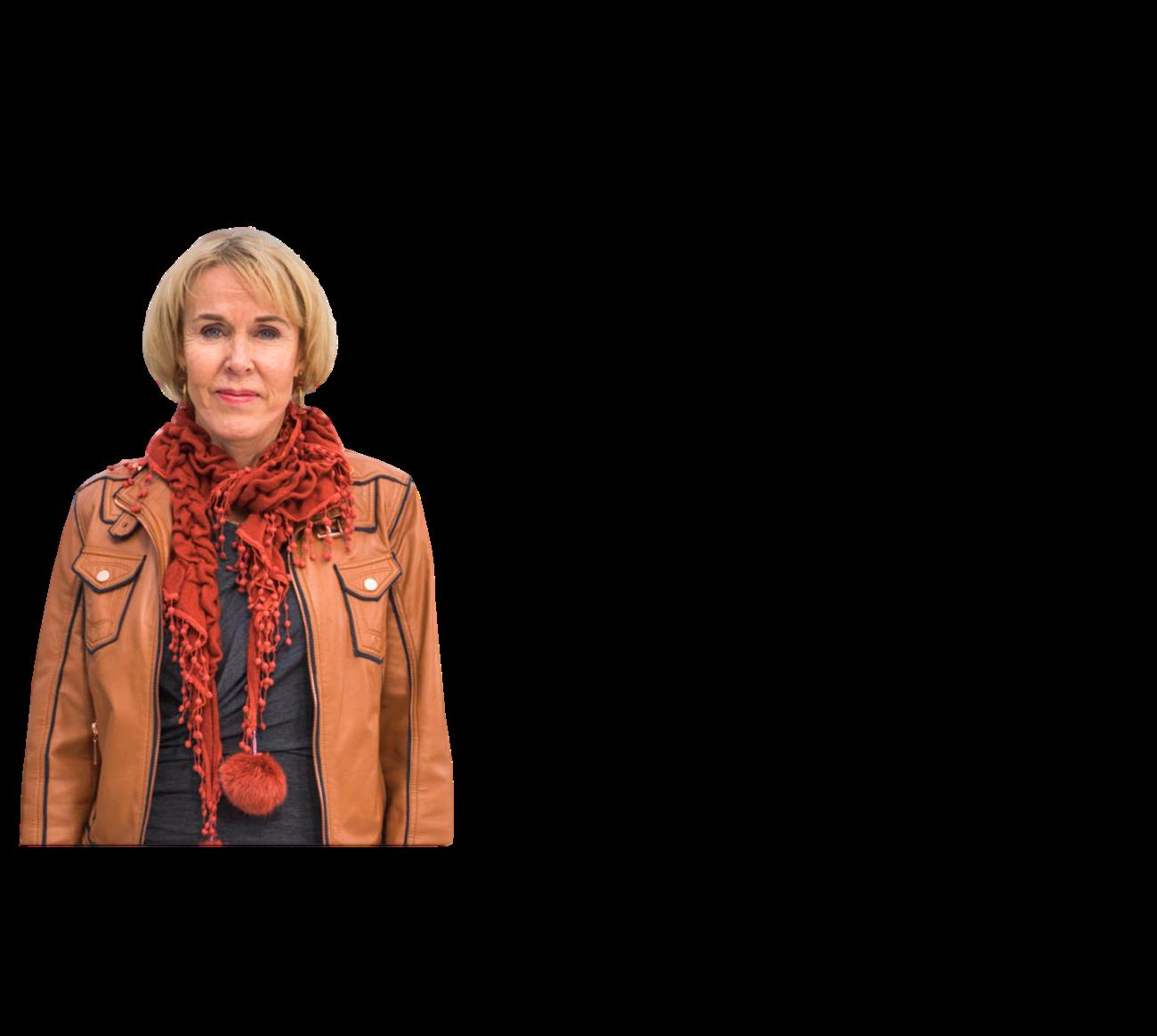
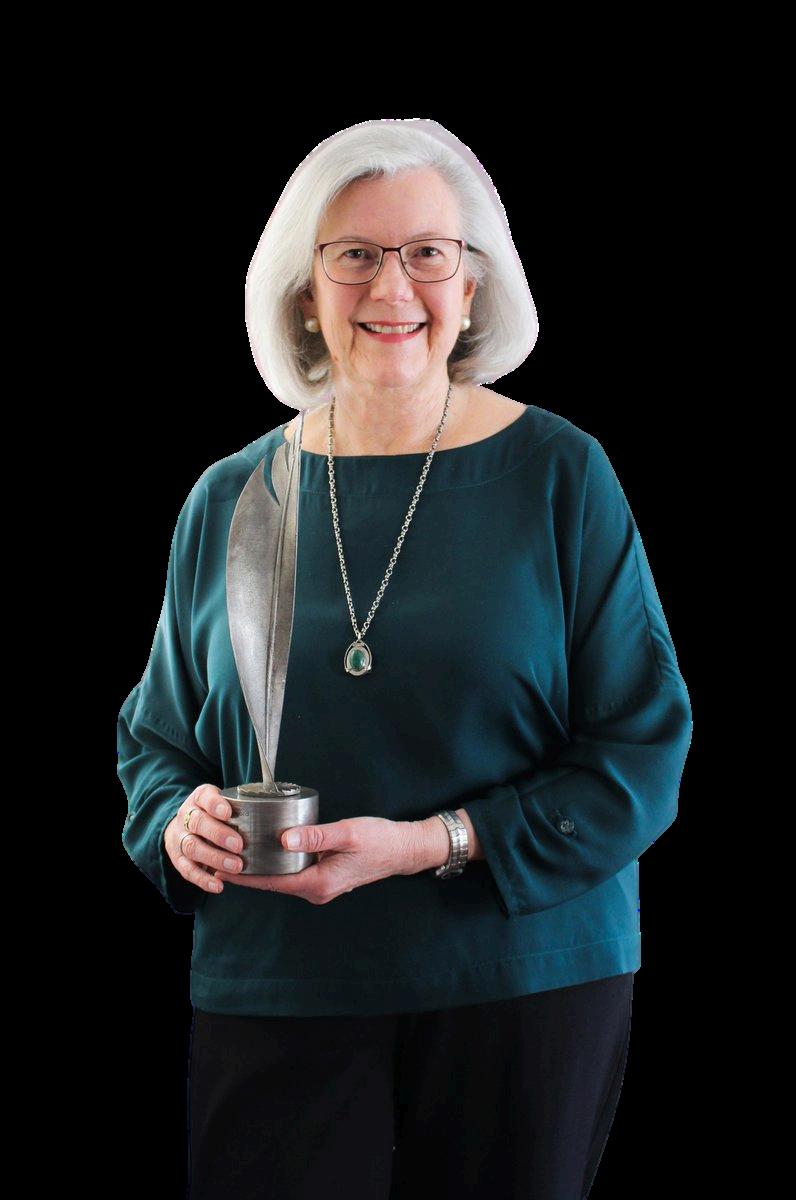
Prof Michèle Ramsay
Appointed: Co-chair of the Lancet Commission on Precision Health
Prof Corlia Brand
Appointed: Chairperson of the International Urogynaecology Association
There will always be a major healthcare burden during and after a war, and international cooperation in health is essential for recovery,” noted Dr Nicolaou.
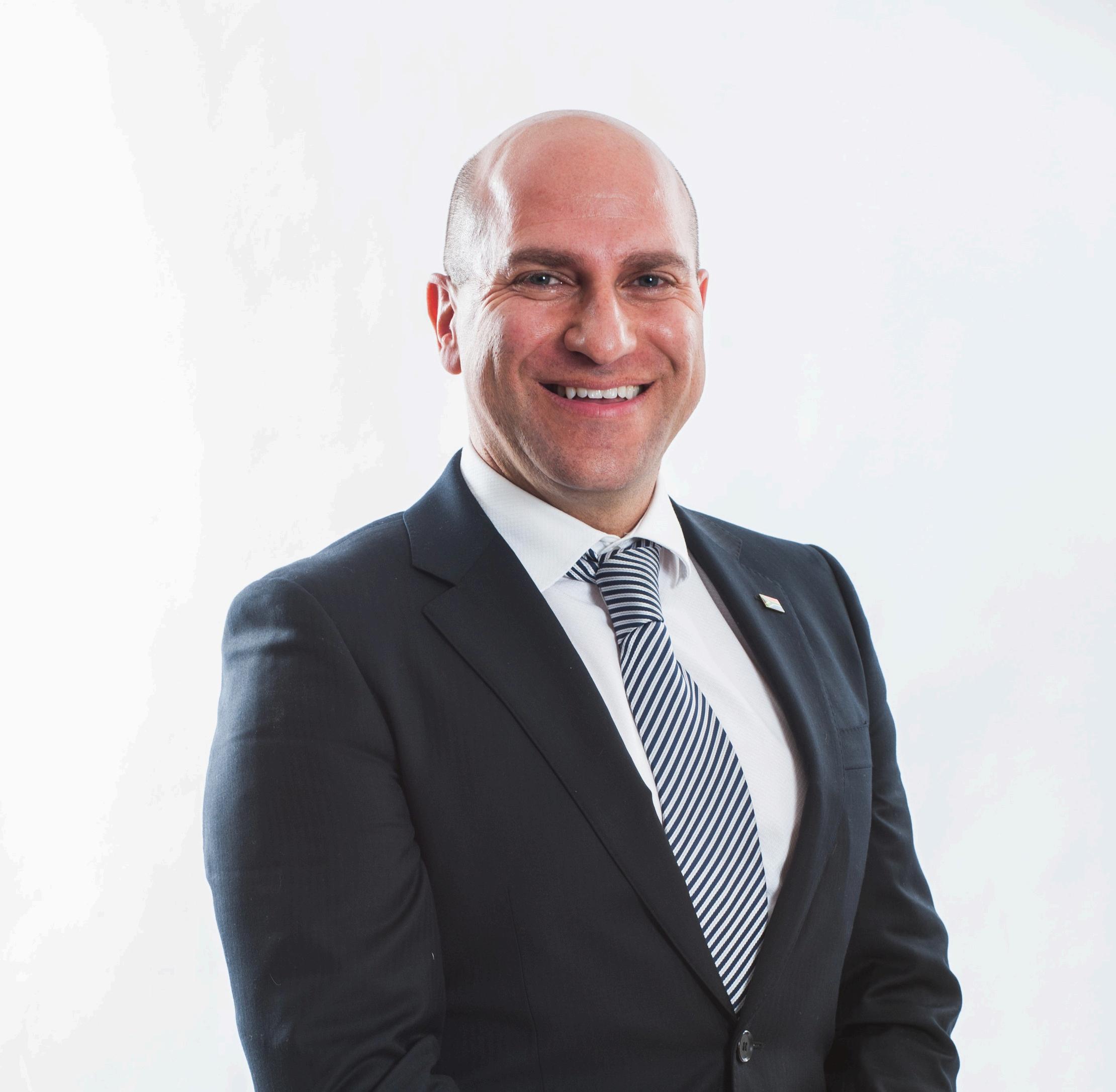
g y ( ) and the Wits Department of Pharmacy and Pharmacology congratulate honorary staff member, as well as Wits alumnus, Dr Stavros Nicolaou, on being awarded the Order of Merit (Third Degree) by the Ukrainian President Volodymyr Zelenskyy
The award recognises Dr Nicolaou’s “significant personal contribution to the strengthening of interstate cooperation, support of the sovereignty and territorial integrity of Ukraine, charitable activities, and the popularisation of the Ukrainian state internationally.”
Dr Nicolaou, the senior executive for strategic trade at Aspen Pharmacare, has played a key role in the company’s humanitarian medical support to Ukraine, particularly in the provision of essential and emergency medicines
“When there’s a critical humanitarian crisis anywhere in the world, it’s important to see the human beings affected rather than any politics behind a conflict.
Furthermore, Aspen supported the evacuation of South African medical students from Ukraine in early 2022.
Beyond his international humanitarian work and extensive business influence, Dr Nicolaou’s contribution to South African pharmacy and pharmaceutical science is deeply embedded at Wits University Aspen Pharmacare actively supports student training, research capacity development, and student career advancement
Dr Nicolaou is a strong advocate for the selfactualisation of pharmacy students, emphasising the role of industry-academia partnerships in developing globally competitive African scientists In 2024, he was awarded the Industrial Pharmacy Section Medal from the International Pharmaceutical Federation for leadership and outstanding contributions to the pharmacy profession.
WADDP is Africa’s first, largest, and only research entity dedicated to advancing industrial pharmacy by designing novel targeted drug delivery systems, including nanomedicine, functional biomaterials, and regenerative medicines
“Dr Nicolaou exemplifies how pharmaceutical science extends beyond the laboratory and into diplomacy, humanitarian action and the nurturing of future healthcare professionals, said Professor Yahya Choonara, WADDP Director.
The Wits Advanced Drug Delivery Platform (WADDP) and the Wits Department of Pharmacy and Pharmacology congratulate Wits University alumni Dr Stavros Nicolaou on being awarded the Order of Merit (Third Degree) by the Ukrainian President Volodymyr Zelenskyy
The award recognises Dr Nicolaou’s “significant personal contribution to the strengthening of interstate cooperation, support of the sovereignty and territorial integrity of Ukraine, charitable activities, and the popularisation of the Ukrainian state internationally.”

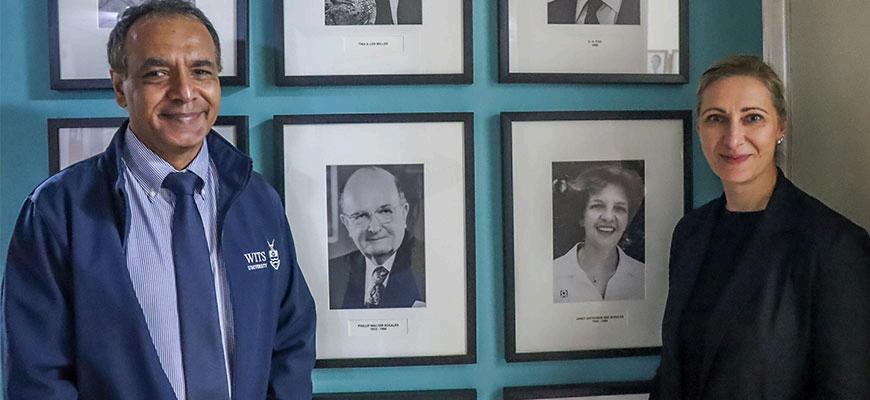
The endowment will support a wide range of breast cancer research conducted by experts in Wits University’s Faculty of Health Sciences, thanks to a donation from the Philip Sceales and Janet Antrobus Cancer Research Trust.
Breast cancer is, at 23.2%, the most diagnosed of all cancers in South African women, leading to 17% of female deaths from cancer, the second highest percentage after cervical cancer, according to Statistics South Africa It can also affect the breast tissue of men in rare cases.
The Philip Sceales and Janet Antrobus Cancer Research Trust has decided to entrust the majority of its assets, a sum of just over R 5 28 million, to the University of the Witwatersrand, Johannesburg, in order to create a perpetual endowment to fund breast cancer research Research methods and treatments for breast cancer have diversified since the establishment of the Trust four decades ago, and today the Wits Faculty of Health Sciences combines discipline-specific research, on the one hand, with cross-disciplinary approaches for achieving practical outcomes, on the other
Janet Antrobus died, aged 41, after a long battle with breast cancer. Wanting to ease the suffering of others afflicted with this cancer, she, and her father, Philip Sceales, who died not long after her, made bequests to establish a trust to fund breast cancer research. Over the four decades since their passing, researchers at Wits University and several other breast cancer organisations in South Africa have been supported by this legacy Now, the gifts of Janet Antrobus and Philip Sceales are entering a new phase at Wits, where the Philip Sceales and Janet Antrobus Breast Cancer Research Endowment Fund has been created.
“We are delighted that Wits has accepted the donation and established an endowment fund. This will ringfence the funds and ensure that they are used for the purpose for which the Trust was established” said Grahame Lindop, the Chairman of the Trust, and a Wits graduate
Commenting on this generous donation, Professor Shabir Madhi, Dean of the Wits Faculty of Health Sciences, said: “I wish to thank all the Trustees for entrusting this legacy to Wits University The Trust and the Faculty that I lead are both South African organisations that have worked over the decades to improve the lives and end the suffering of those with breast cancer Together, the endowment fund located in the Wits Foundation, and the Faculty of Health Sciences, will take forward the goal to find breast cancer breakthroughs through research, so that the result can be a fitting tribute to Janet Antrobus and Philip Sceales ”
Five of the six Schools in the Wits Faculty of Health Sciences (the exception being the School of Oral Health Sciences) conduct research which contributes to the broad spectrum of breast cancer care This is complemented by cross-disciplinary approaches such as those taken by the Infectious Diseases and Oncology Research Institute (IDORI), which integrates infectious disease and cancer research into goal-oriented programmes aiming to achieve practical, cost-effective solutions including rapid diagnostics and interventions suitable for use in Africa. In future, the interest accrued from the Philip Sceales and Janet Antrobus Breast Cancer Research Endowment Fund will be used to fund breast cancer research of all kinds conducted by researchers at the University of the Witwatersrand.

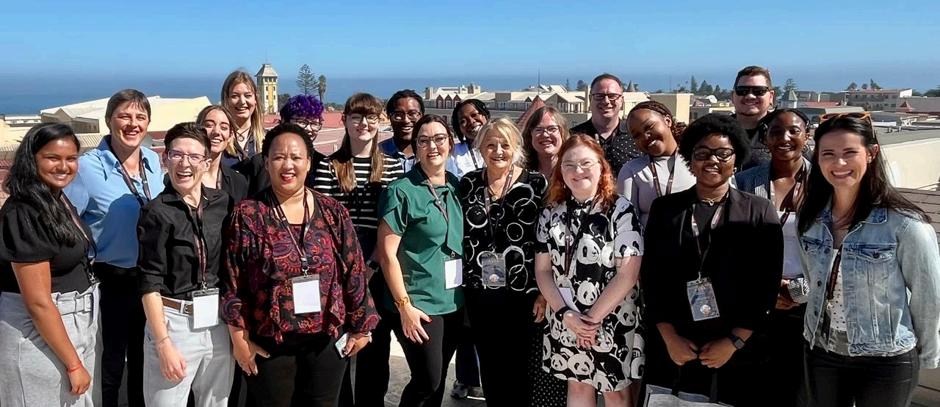
Staff and students from the Department of Anatomical Sciences at the Wits Faculty of Health Sciences were strongly represented at the 51st Annual Conference of the Anatomical Society of Southern Africa (ASSA).
The event took place from 12 to 15th April 2026 in Namibia, where a sizeable cohort of Wits delegates attended This included academic staff, postgraduate students, and postdoctoral fellows, whose active participation was evident in oral and poster presentations and in professional engagements th
The contributions of Wits representatives at the
WHO Technical Advisory Group Meeting on Klebsiella pneumoniae Vaccines Hosted in Johannesburg
Wits VIDA participated in the Meeting of the WHO Technical Advisory Group on vaccines against Klebsiella pneumoniae, held on 10–11 June 2026 at the Protea Fire and Ice Hotel in Johannesburg, South Africa.
Klebsiella pneumoniae causes infections including bloodstream disease, pneumonia and sepsis. Rising antimicrobial resistance, multidrug resistant and carbapenem resistant strains, increases urgency for prevention There are no licensed vaccines WHO convened the TAG to guide a global research roadmap to accelerate vaccine development and inform implementation for high risk populations
Experts reviewed gaps and set priority questions across epidemiology, basic science, clinical development, implementation and policy. Discussions covered strategies such as maternal immunisation and vaccination for other high risk groups, advancing collaboration on AMR and vaccines worldwide
conference reflected the depth and diversity of research and academic excellence within the institution. The contributions of Wits representatives at the conference reflected the depth and diversity of research and academic excellence within the institution
They received recognition across several competitive categories
Dr Devin Finaughty won the award for best young oral presentation, with Nicola Jackson achieving first runner-up in the same category.
Natasha Loubser secured second runner-up for best first-time oral presentation.
Palesa Budaki and Selloane Maboea were recognised as first and second runner-up, respectively, for best overall poster presentation by a first-time presenter
Quenth Chinenere achieved first runner-up in the medical education oral presentation category
Jessica Gavin won the award for best technical presentation
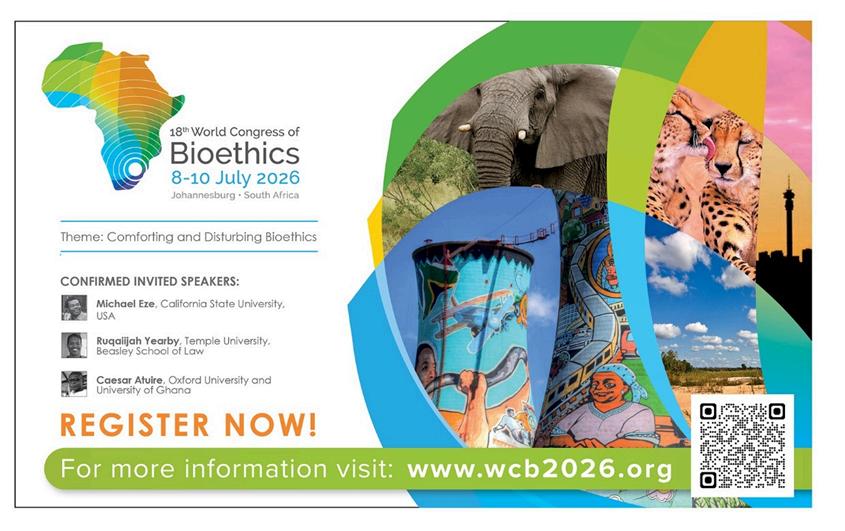
World Congress of Bioethics Register
Wits 17th Cross-Faculty PG Symposium 2026 Register
The symposium gives postgraduate students and their supervisors the opportunity to engage in high-level intellectual research exchanges with colleagues and students across the five Faculties Students will get to showcase their research in three different forms this year and will compete for prize money.



IMPORTANT DATES
31 July 2026
Completion of review process & feedback on outcomes to participants
21 August 2026
FRD registration closes


Academic Head of Division Paediatric Endocrinology
Adjunct Professor Kebashni Thandrayen
Professor Thandrayen is an Adjunct Professor in Paediatric Endocrinology at the Wits Faculty of Health Sciences She has served as the Head of the Metabolic Bone Clinic and the Head of Paediatric Endocrinology at CHBAH. Her long-term research interests pertain to metabolic bone disorders in children and bone health. She has first-authored and co-authored 26 peer-reviewed articles, mainly on metabolic bone disorders, and co-authored 5 book chapters. Professor Thandrayen also has substantial experience in clinical trials on Metabolic Bone disorders such as Osteogenesis Imperfecta.
Sydney Brenner Institute for Molecular Bioscience (SBIMB)
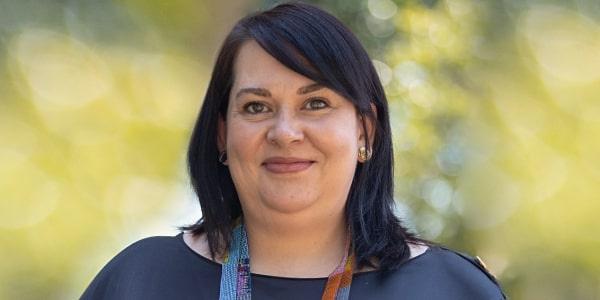
Professor Zané Lombard
A five-year appointment of Professor Zané Lombard will advance African-led genomics research, build clinical capacity, and train the next generation of scientists. She has been appointed as the inaugural Roche Research Chair for Precision Medicine and Genomics in Africa The five-year grant is designed to accelerate African-led genomics research, strengthen clinical translation, and build the scientific capacity needed to make precision medicine a practical reality on the continent.
Adjunct Professor Firdose L. Nakwa Academic Head of Division Neonatology
Professor Nakwa is a neonatologist. She is currently the Head of Neonatology at the Chris Hani Baragwanath Academic Hospital (CHBAH) and the Divisional Head of the Wits-affiliated hospitals. Her research interests include asphyxia, induced hypothermia and its interventions She heads the Induced Hypothermia (cooling) Programme at CHBAH and the Neurodevelopmental Follow-up Clinic She has a keen interest in Neonatal Neurology.
Executive Director: National Institute for Communicable Diseases of South Africa
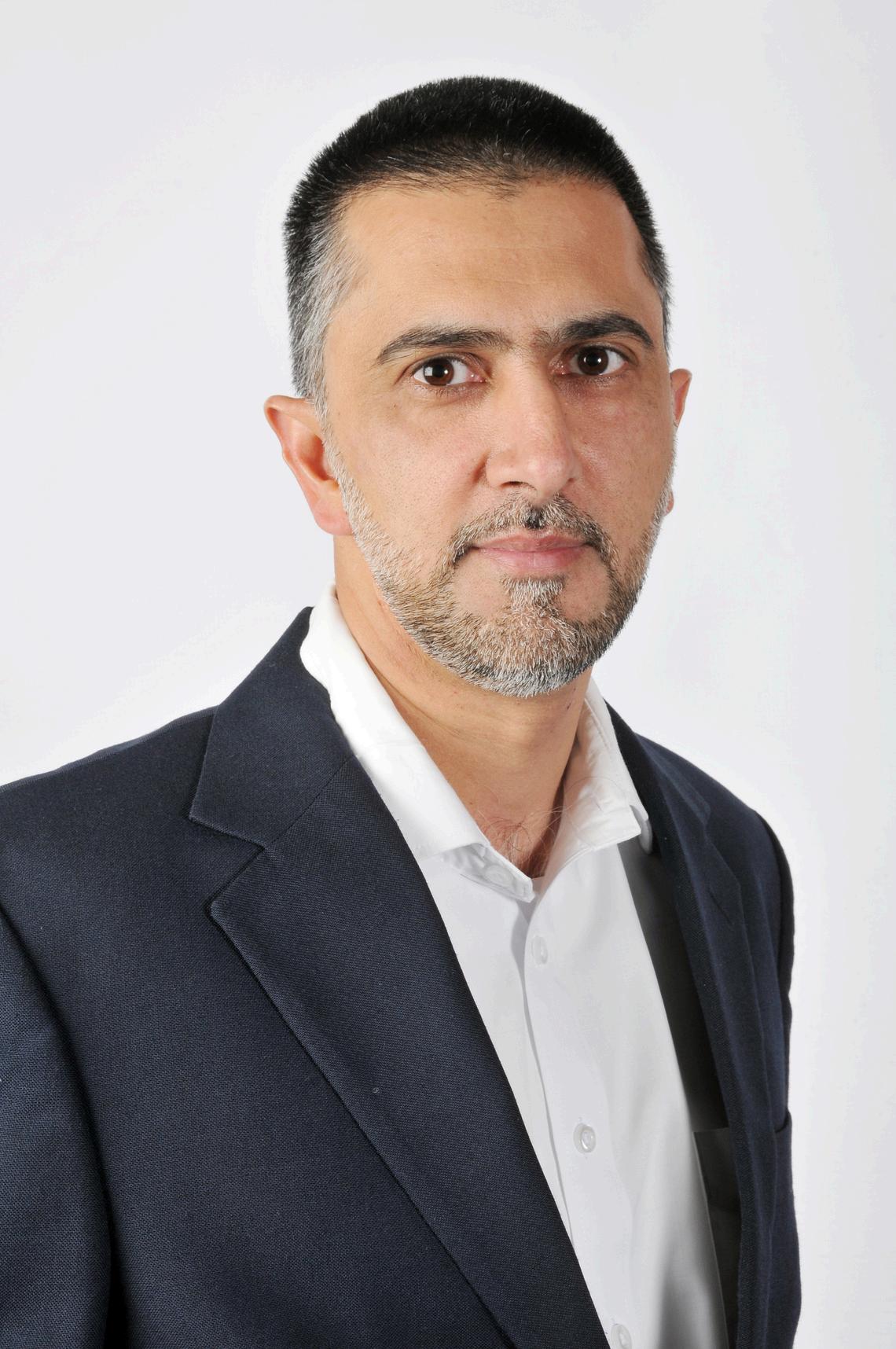
Professor Nazir Ismail
Professor Ismail is a clinical microbiologist and internationally recognised expert in tuberculosis diagnostics, drug resistance and genomic epidemiology, he previously led the Centre for Tuberculosis at the NICD and served as Head of Clinical Microbiology and Infectious Diseases at the Wits Faculty of Health Sciences. His leadership continues to strengthen research and response efforts in infectious diseases