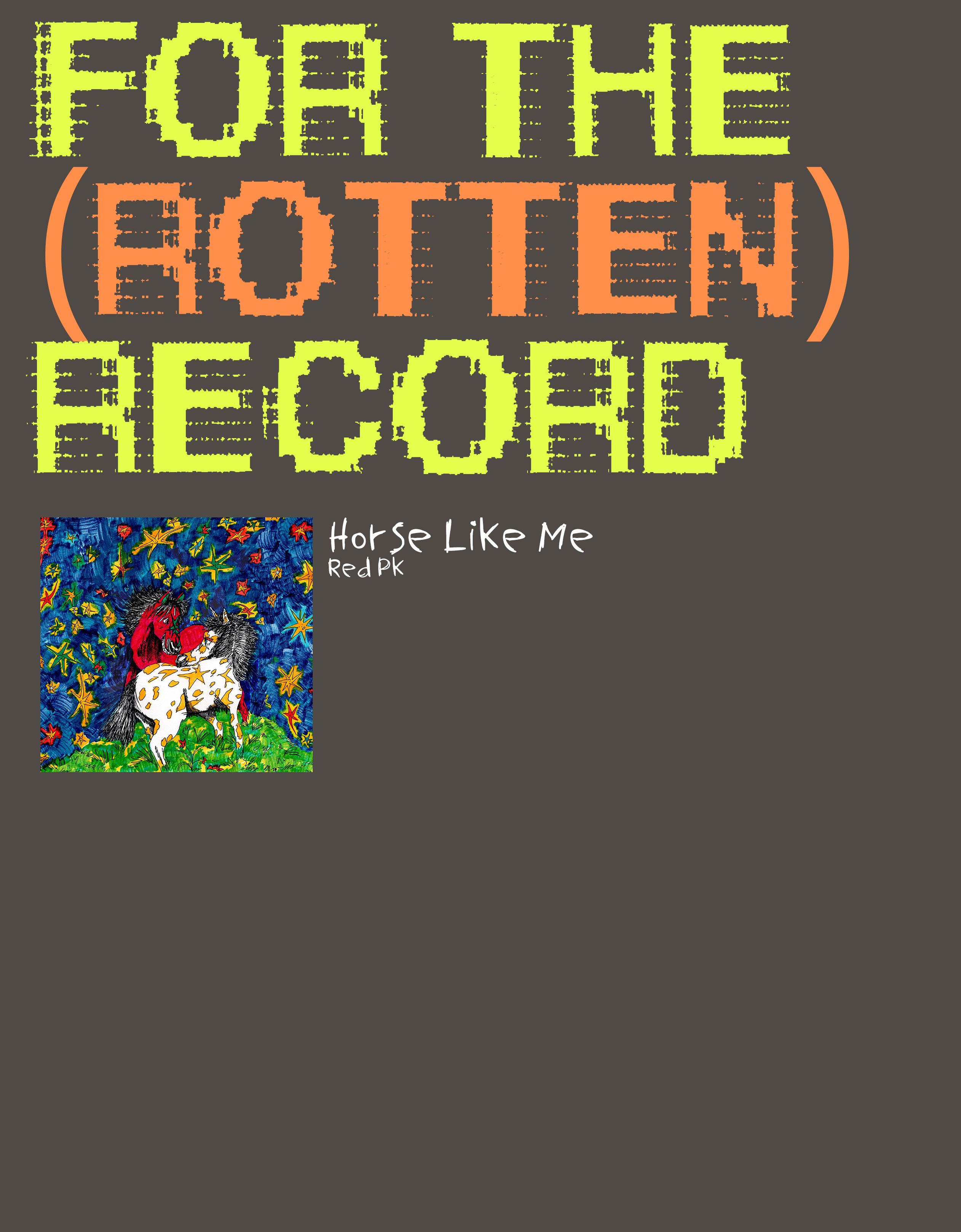
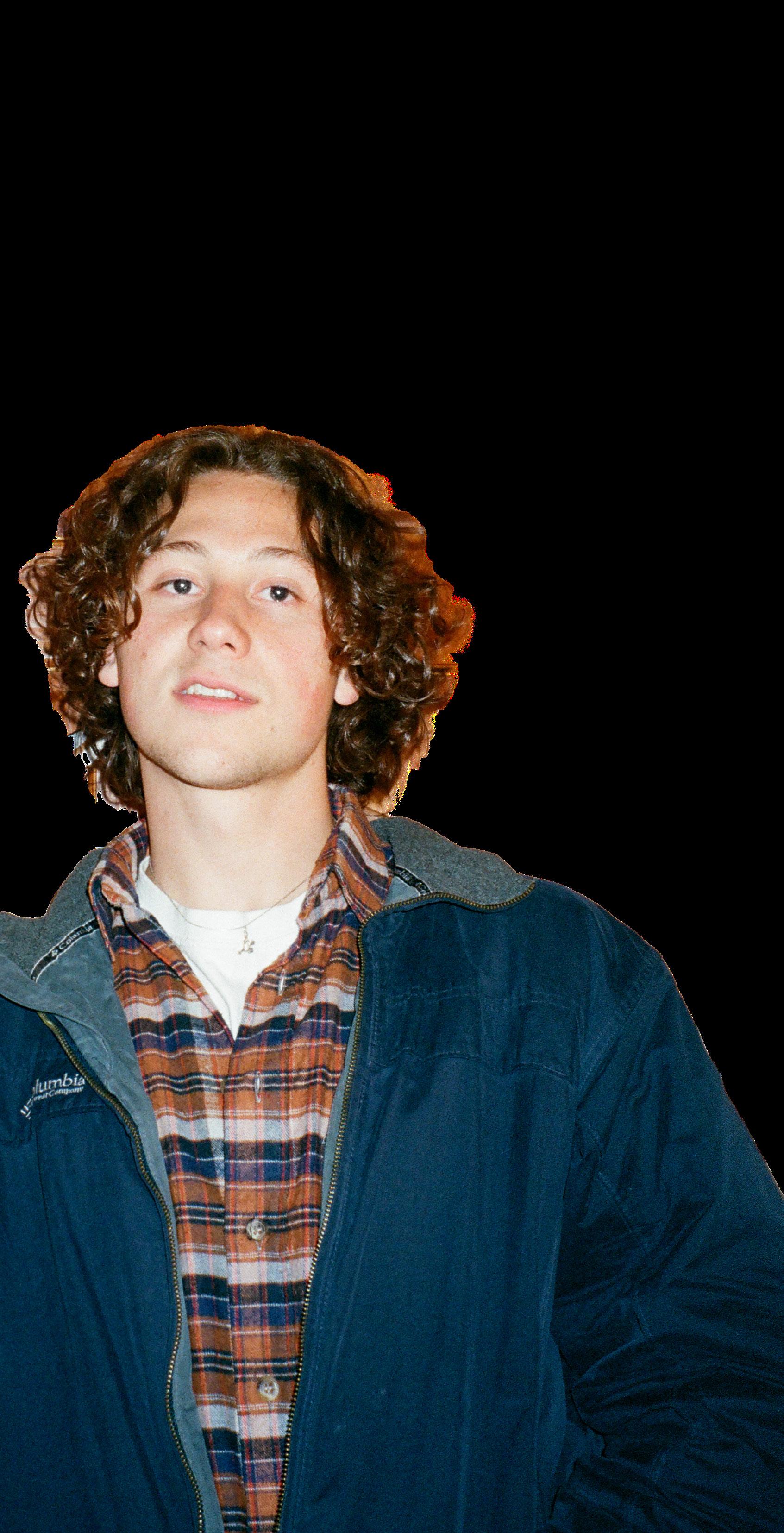
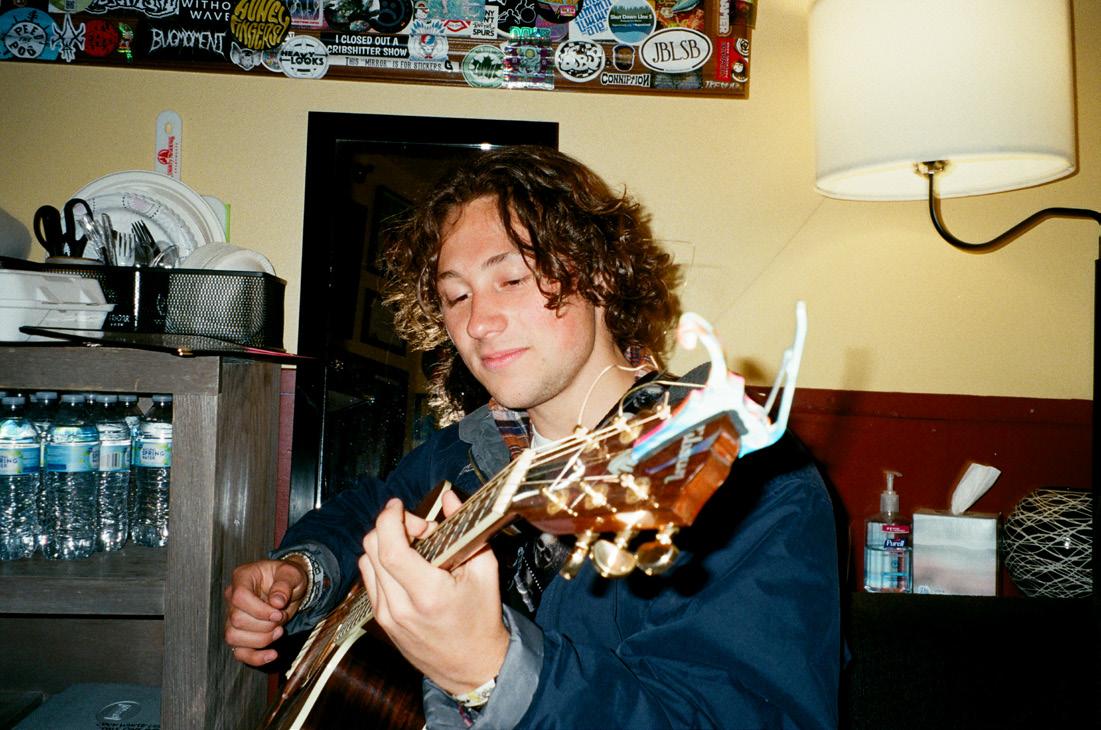
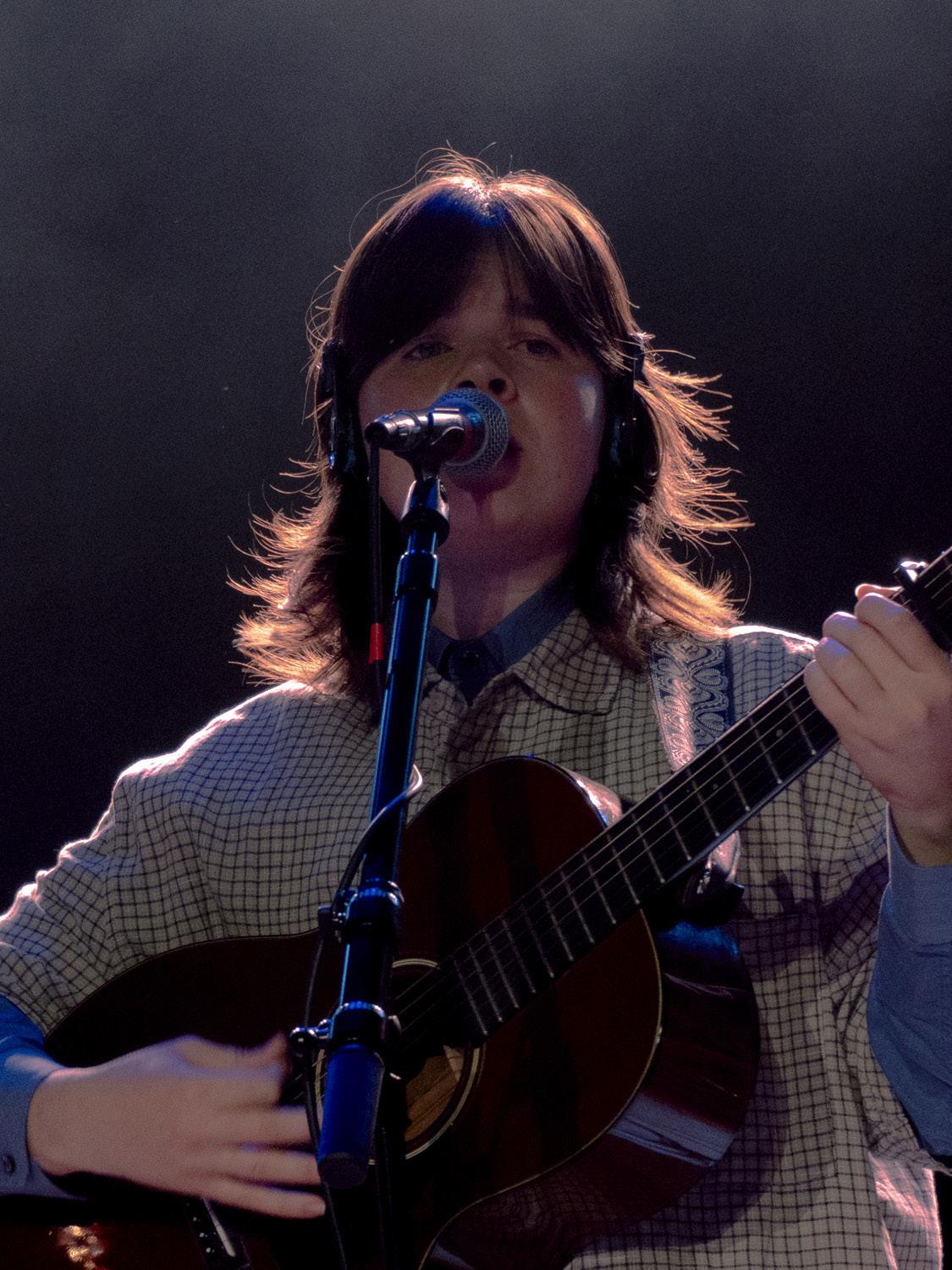
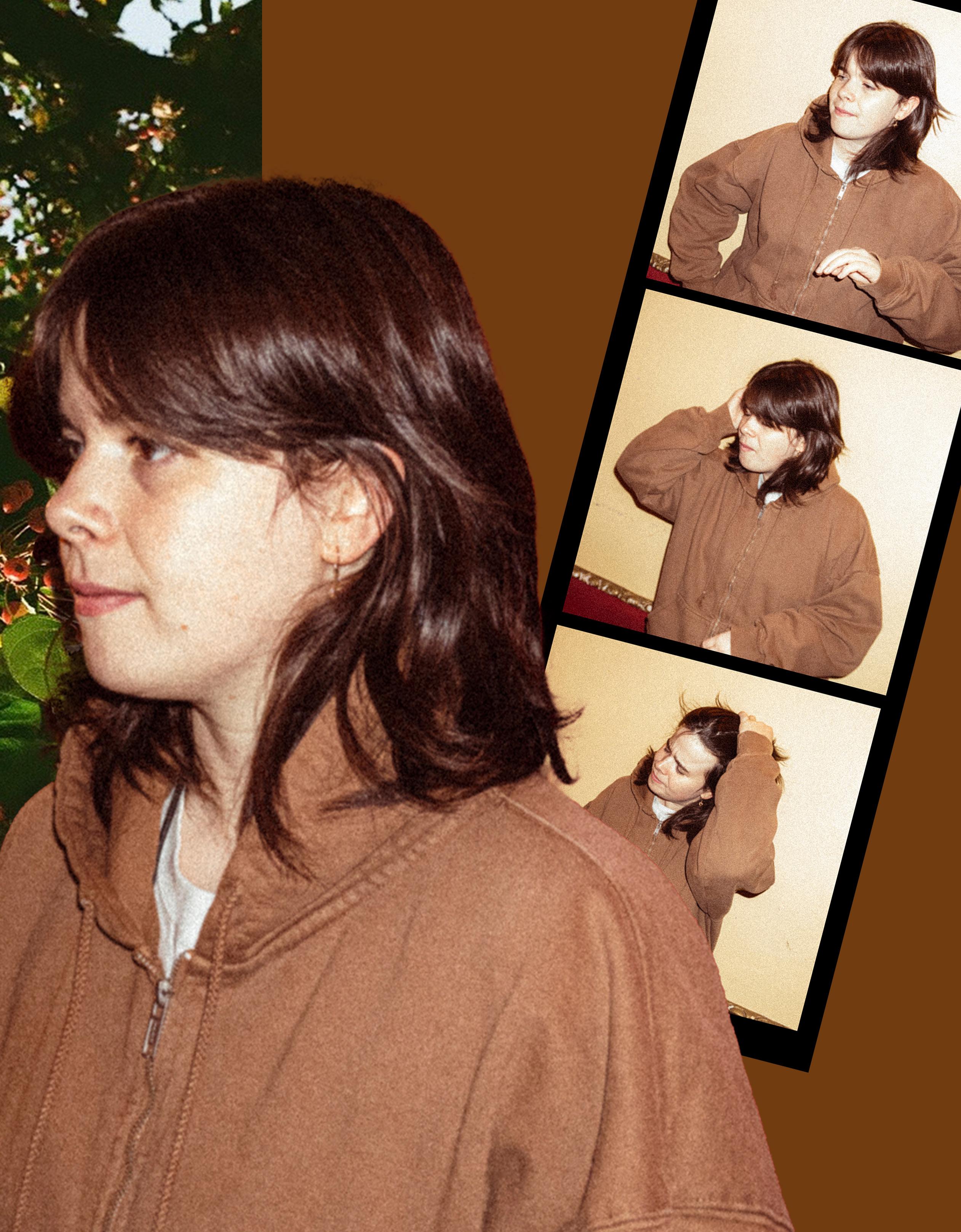
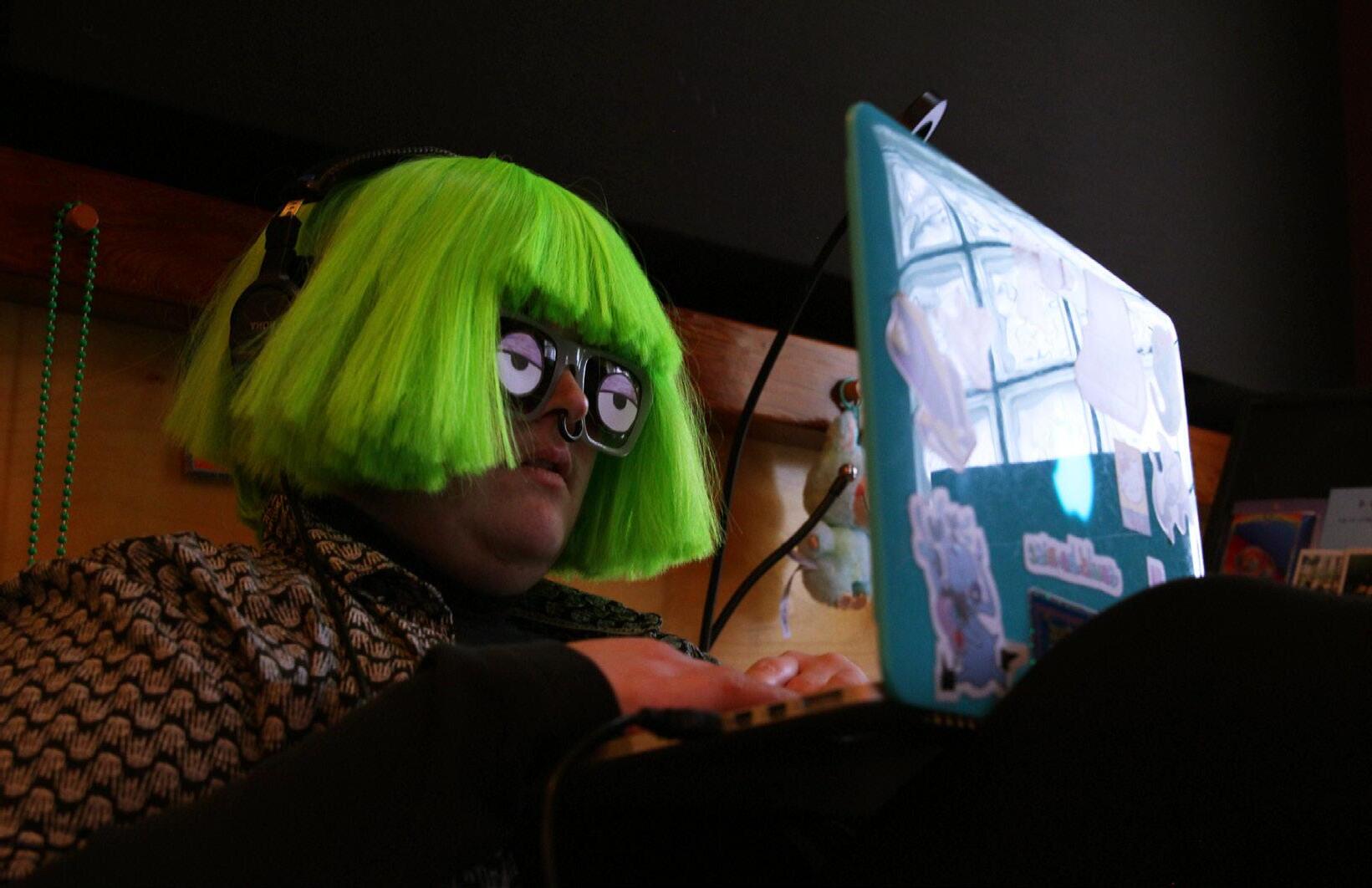
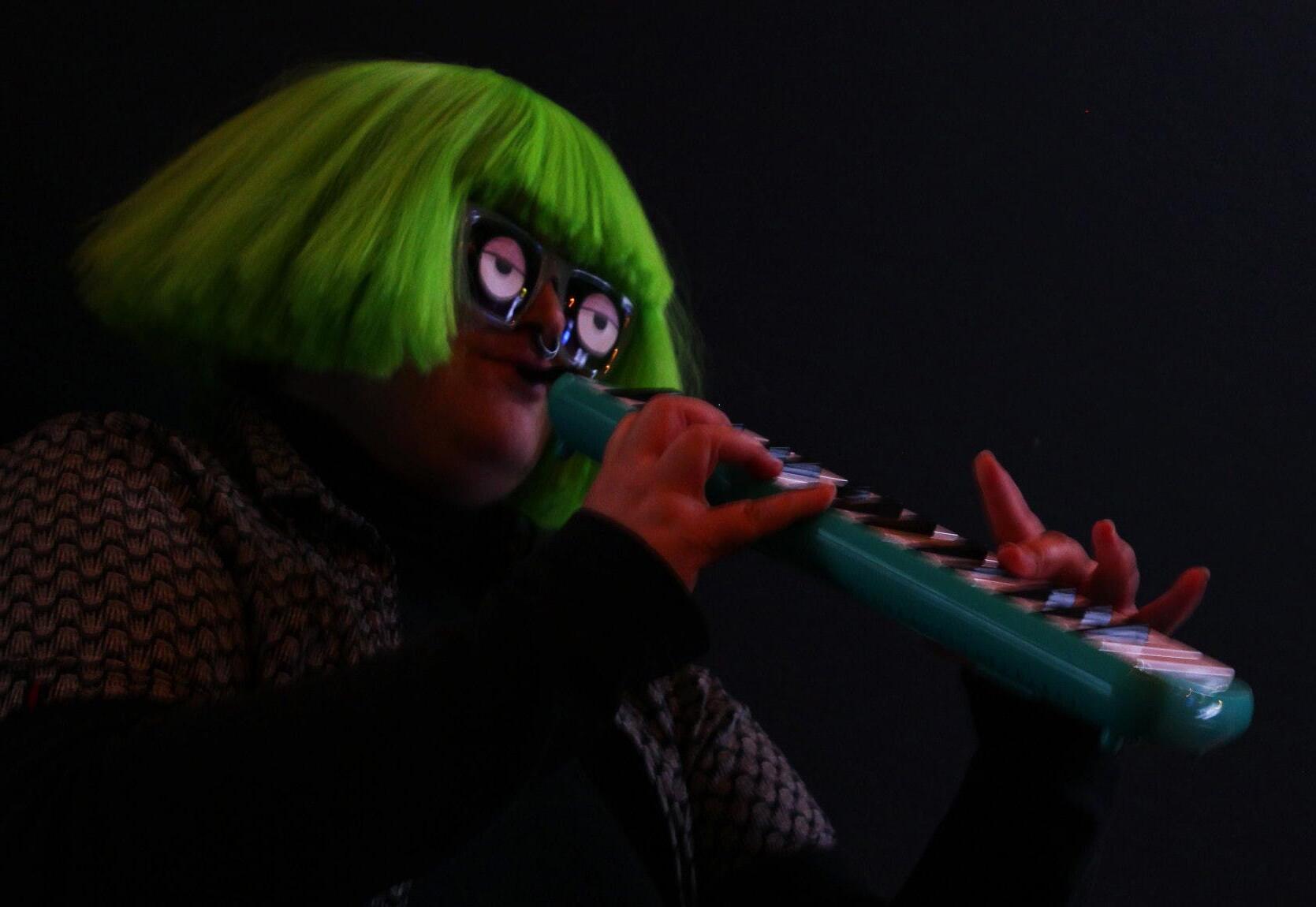
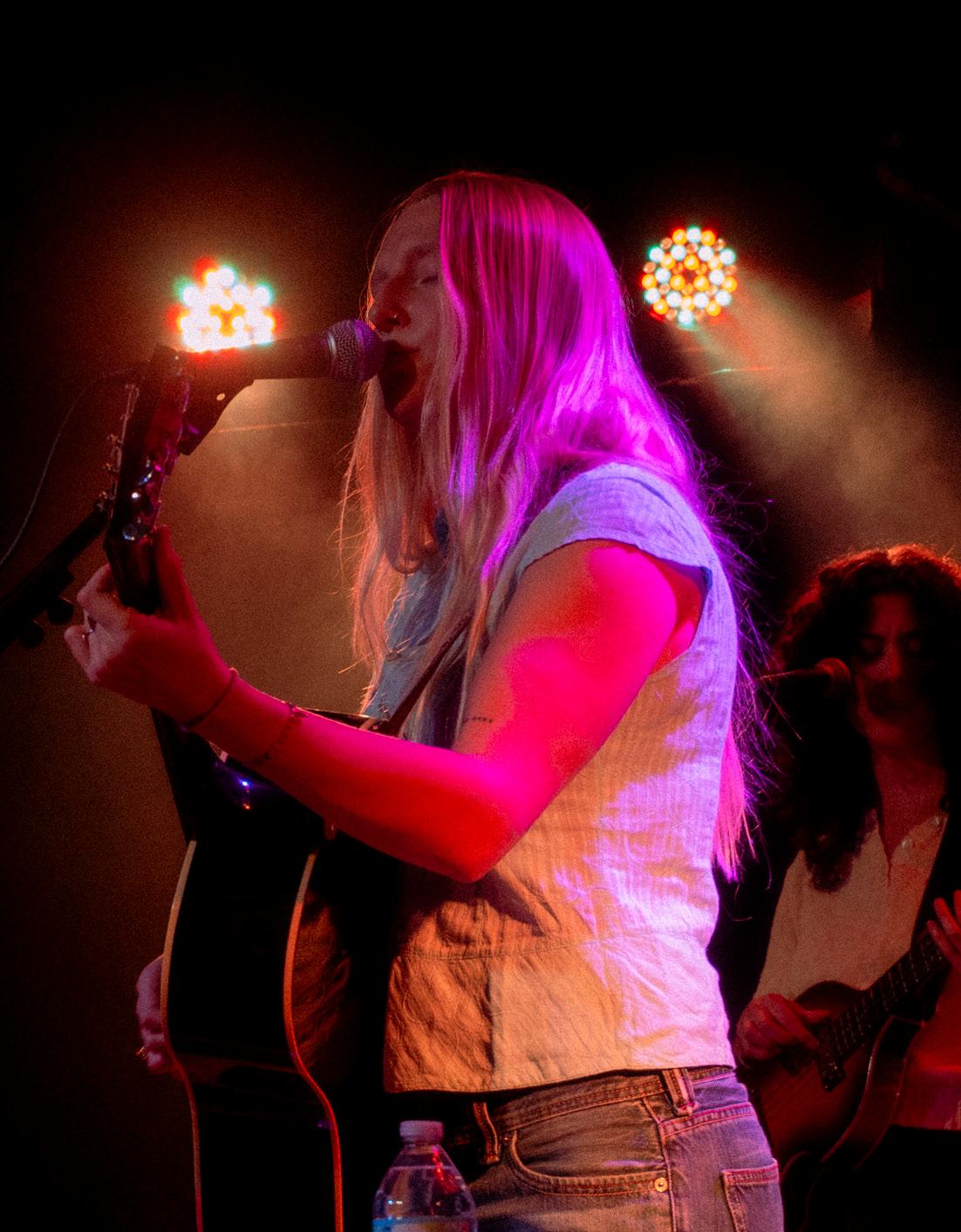
Andy PK, known professionally as Red PK, didn’t intend to make his debut album. What was originally a five-track EP turned into 33 minutes of nostalgic country folk from the Chicago-based singer-songwriter and multi-instrumentalist on his new record Horse Like Me.
From start to finish, the album is sonically earnest, from the charming pedal steel found on nearly every track to its catchy melodies. Andy’s writing style is the cherry on top, wearing his heart on his sleeve on each track.
“I talked like a river when I came down / I was on my back now I’m on my feet,” Andy sings on “Colder at Night.” Moments like these feel as though Andy is having a private songwriting session, and the listener happens to be outside the door, lucky to listen in.
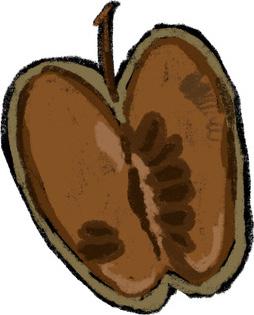
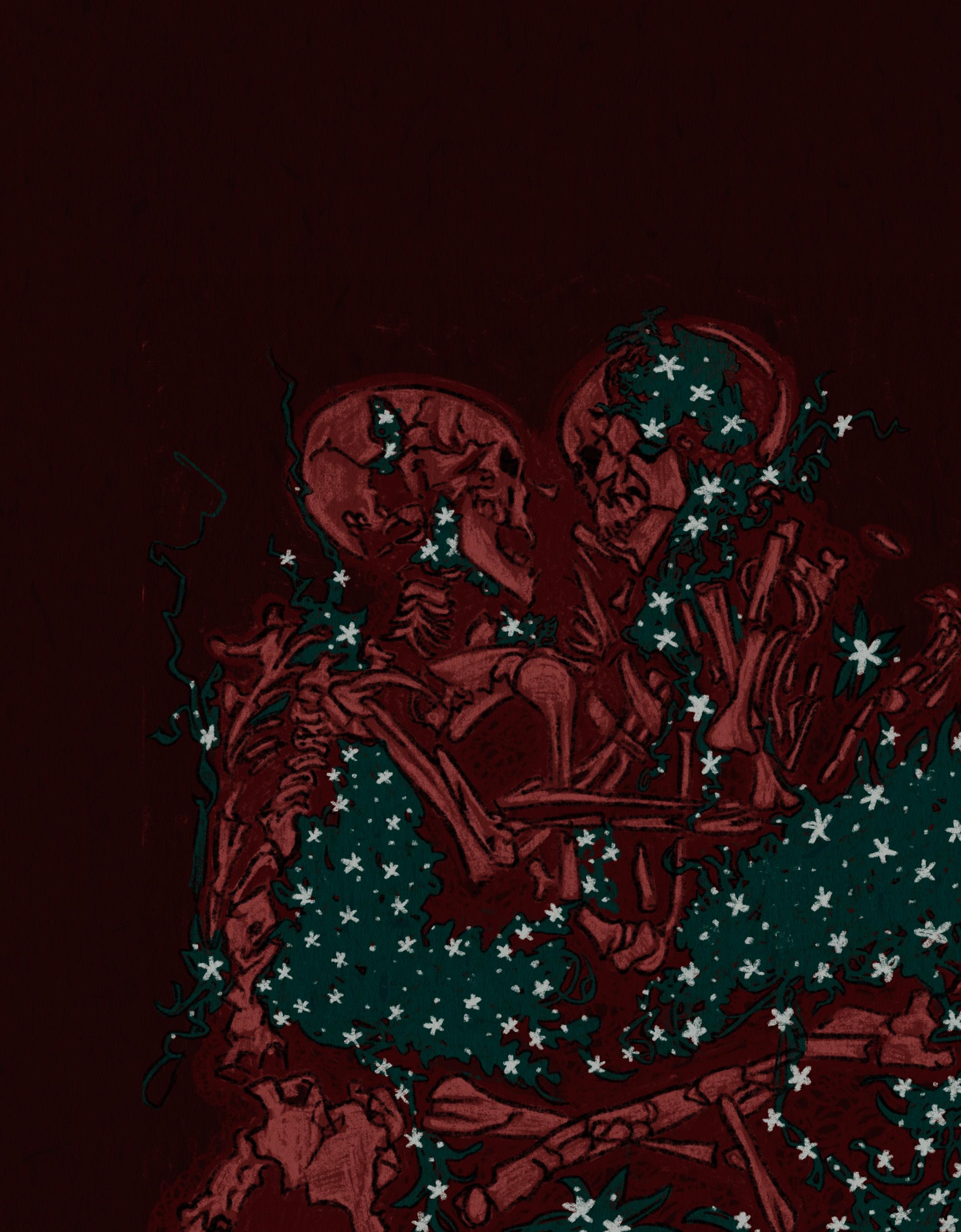
Made literal by the album’s hand-drawn cover, listening to Horse Like Me feels like looking through an artist’s sketchbook. Some pieces are made perfect in just 10 minutes while others are more detailed but equally as beautiful, as Andy sprinkles in bite-sized tracks alongside longer works. “Red” is an example of the former, a minute and a half punch of a song that could easily soundtrack a coming-of-age movie and is sure to be stuck in your head the second you hear it.
Andy’s vocal performance is part of this record’s magic. He sings in a soft — but never whispery — tone as he carries out effortless melodies. It makes for an infectious listen, as if Andy is holding in a smile that’s waiting to break out into a beaming grin. This careful restraint highlights more energetic songs like “Brother,” a track that sounds like if Alex G truly rocked out.
There’s a thread weaved through every track on the record as callbacks to prior songs make a treasure hunt out of subsequent listens. In a personal favorite that scratches my Pinegrove itch, “Hollow Body,” Andy sings “colder at night so I keep it moving,” a direct reference to “Colder at Night,” another song on the album.
The album’s melodies mirror each other as well, as the title track featuring Free Range (an artist Andy plays guitar for) is a sonic inverse of “Waverly,” placed right before it on the track list, twisting similar vocal notes into an adorable tune about two horses. It’s clear in tracks like “Horse Like Me” why Andy couldn’t stop writing songs past the initial five-track. You can hear how much fun he’s having playing in the studio with his friends who contribute to the instrumentation. It’s a love letter to the Chicago music scene and every listener’s sense of wonder.
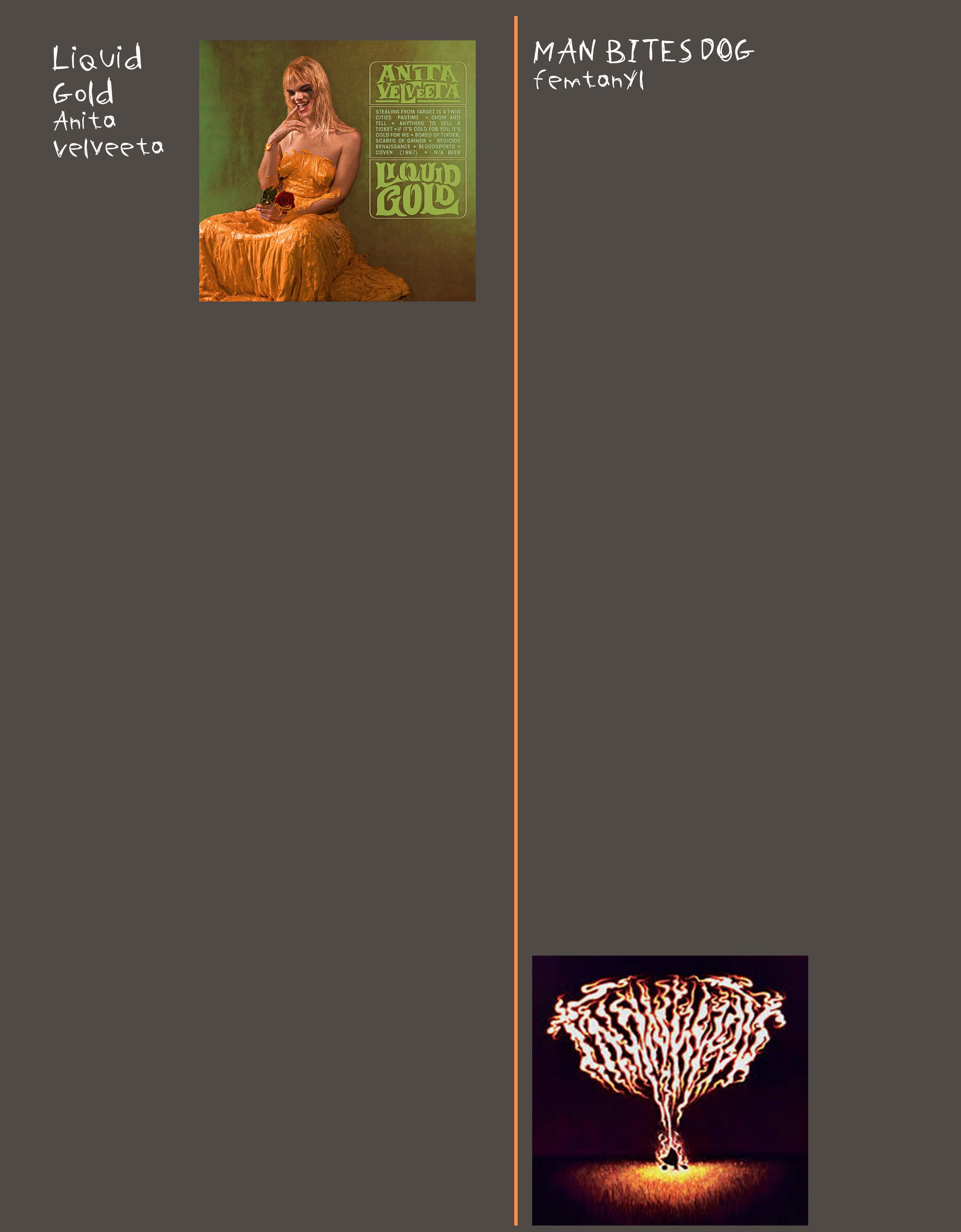
Anita Velveeta’s Liquid Gold is asking and pleading with you to stop fucking around and get violent. Gone are the slow acoustic
songs about love or growth that have previously peppered her albums. They are instead replaced with nine fast and angry tracks. Each song, through an eclectic mix of hardcore, hyperpop and punk, tells the story of the struggle of being trans in today’s America. And it fucking rips.
“612 FUCK OFF / Never trust a cop”
The first track, “Stealing from Target is a Twin Cities Pastime,” takes quick aim at the businesses bleeding money from Minneapolis. The song slows down and speeds up, switching between synthesizers, samples and instrumentals without warning. She switches between mocking and sneering vocals, but through every section the song feels perfectly cohesive. Through this title track, Velveeta introduces the listener to the protagonists and antagonists of the album: the Twin Cities Punks she calls her friends, and the system she calls on the listener to fight against.
This is quickly followed by “Show and Tell,” a song which reveals a second side of the album. It’s just as harsh, with maybe more hyperpop influence than the former, but now focuses on Velveeta’s struggles with relationships as a famous trans woman. The relationships with former friends, dating apps and chasers — the relationships that are required to stay alive, but can leave you open to abuse.
“Don’t wanna see another doll with that stupid shark / Where are all the girls carrying pepper spray and something sharp”
The standout song on Liquid Gold is “Bloodsports,” the goriest track on the album. To this point, each song followed a story, but now her only bounds are how loud she can yell and how fast she can move. Sonically it’s just as eclectic as the rest of the tracks, but the lyrics now turn to us, painting a picture (in blood of course) of how we need to start fighting back.
Throughout this album Anita screams, yells and kicks about navigating the rotten system she has found herself in. Anita’s music has always been for the trans community — she has cultivated her shows to allow queer punks to have their first experience in the community, to mosh, sing and be themselves. But as the American system of violence once again sets its eyes on the trans community, this album calls on those in it not to become complacent. It calls on everyone to bring that violence to the oppressors.
MAN BITES DOG is the first full album from femtanyl, a Canadian digital hardcore artist who has been making music, including two EPs, since 2023. However, across its 32-minute runtime the album fails to live up to the body of work that precedes it.
The opening track is “BODY THE PISTOL,” one of two lead singles on MAN BITES DOG. While the track has some of the charming intensity present in other femtanyl releases, the majority of the lyrics are just “body the pistol.” This leads to a repetitive sound, only broken up by vocals that end up muffled under the instrumental.
This focus on the instrumentation over the vocals in “BODY THE PISTOL” is unfortunately a trend that defines this album against other femtanyl projects. “VIDEO NASTY” feels sparse, but the song at least has a great screaming sound, echoing and cutting itself off again and again. “SICK OF IT” and “HELLTARGET” are both reminiscent of Death Grips’ Bottomless Pit
“CITY” has a better interplay between the instrumental and the lyrics, with its robotic vocals weaving beautifully together with more traditional femtanyl-sounding vocals to create an awesome harmony. This leads into “HEAD UP,” the other lead single and clear standout from MAN BITES DOG
While “MY HEAD HURTS” is a boring almost lo-fi instrumental track, “SHOW YOU THE WAY TO THE HIWAY” takes these joyous elements and uses them perfectly, hard and soft vocals playing off of each other.
The vocals on title track, “MAN BITES DOG,” lack punch, keeping it from being a standout on this album. It joins “BODY THE PISTOL” in doing little lyrically beyond repeating its own title. If nothing else, the first verse has a satisfying echo to it that makes it an original addition to femtanyl’s discography. That echo is brought into the final track “IS THIS IT,” which ends on a moan that works well as the conclusion to MAN BITES DOG
Overall, MAN BITES DOG is more underwhelming than anything else. While “HEAD UP” and “SHOW YOU THE WAY TO THE HIWAY” are both great, the rest of the album is decent or repetitive at best. MAN BITES DOG brings some new ideas to the table, but the core traits that made femtanyl’s music so special pay the price for these expanded horizons.
8,612/10,000
5,622/ 10,000
- OLIVER GERHARZ
2,825/10,000
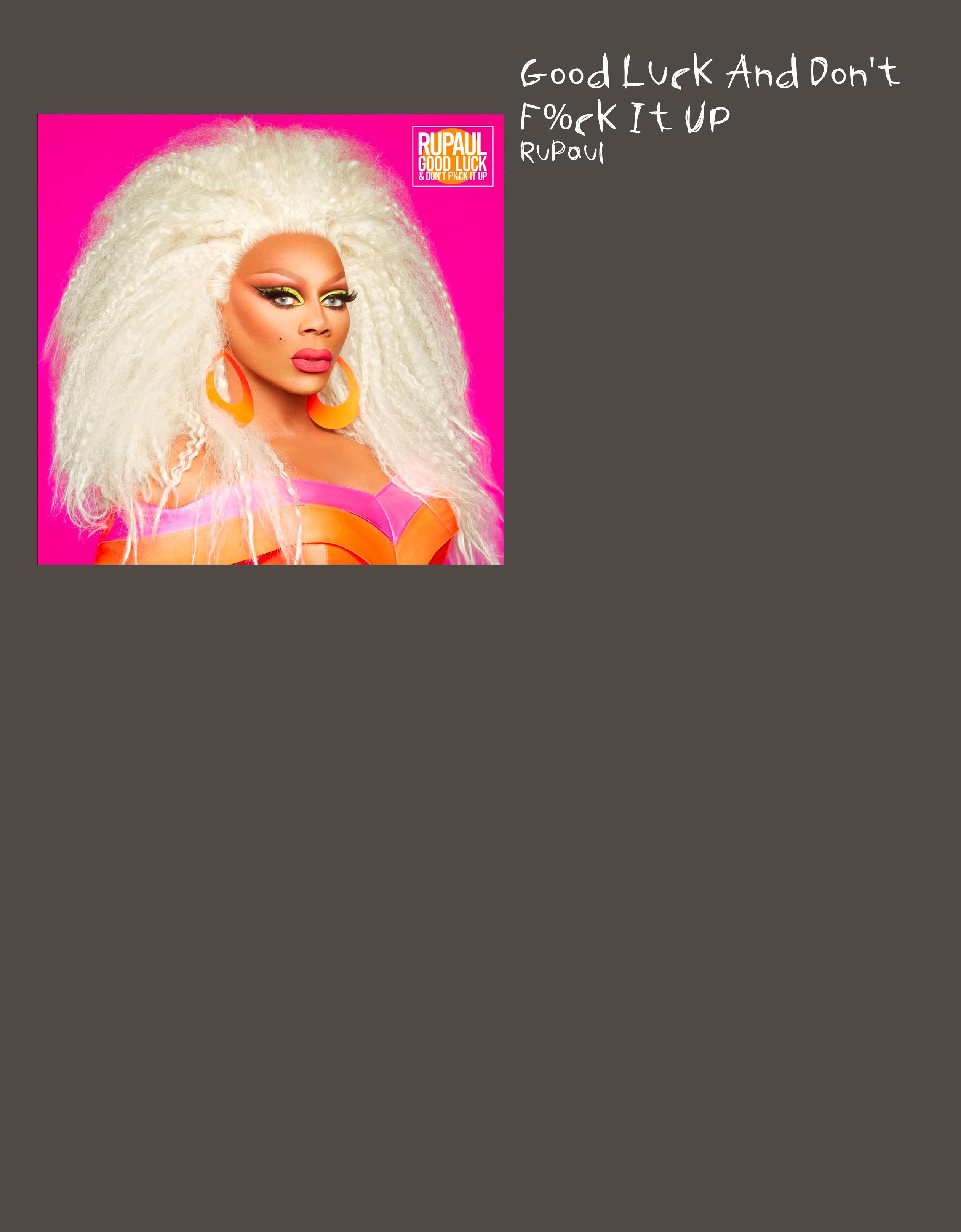
Every few seasons of “RuPaul’s Drag Race,” RuPaul makes her way to the studio to make music for the show’s end credits. As someone who cannot help but to capitalize off of everything they have ever said, this album is named after one of her most generic quotes: “Good luck, and don’t fuck it up!” It’s a staple in each episode that cues the start of the lip-sync battle between the bottom two contestants.
Title track “Good Luck and Don’t F%k It Up” is remixed twice over the album, once as the first track and again at the end. However, the three songs each sound so similar it’s unclear which remix was even chosen for the show. Truly, nothing would have been lost if these redundant songs were combined into one. Regardless of what the variations are, the purpose of a song like this in the context of RuPaul’s Drag Race is very important. It is played immediately after the eliminated drag queen leaves the stage. RuPaul understands that watching your friend sashay away can be a very sad or stressful experience, but the schmaltz really kills her vibe for the end credits. It usually works to lighten the mood.
Of course, in the grand tradition of profiting off of everything, “Starrbooty (That’s Who I Am)” and “Starrbooty Trailer” are fun and campy references to ancient 80s RuPaul lore. “Starrbooty” (or “Rupaul Is: Starrbooty”) was a series of movies written by and starring RuPaul about a supermodel and top-secret government agent. The “Starrbooty Trailer” is what it says on the tin. It is a campy audio-only trailer of what these films were about. The other track, “Starrbooty (That’s Who I Am),” is meant to encapsulate the strong and resilient energy of the character. With Starrbooty being from such an early point in RuPaul’s entertainment career during her genderfuck era, these songs behave more like a callback to her humble beginnings (to prove she still has a heart, despite the fracking of it all).
“The Queendom” is oddly similar to some of RuPaul’s other music, but it’s more intense. The initial sting of the song is jarring, then it becomes generic. Immediately following is the song “Pretty Gang,” it feels like a complete disconnect from the rest of the album stylistically, and it makes the previous songs seem more bearable to listen to. These songs in particular have a high-strung and tense energy, which is something that RuPaul seems to aim for if she plans on featuring them on RuPaul’s Drag Race during her own performances as the “musical guest” in the dreaded Saturday Night Live spoof, “RDR Live.” The songs feel so hyperactive just for RuPaul to give a low-energy two-step performance.
“Mother of the House,” “Suga Daddy,” “Every Time a Heartbeats” and “Fascination” are meant to give RuPaul a little oomph and are perfect for her oil themed DJ sets! Listen to “Freaky Money” instead of “Thicc Money.” They’re filler songs that are almost palatable.
These songs are about being a well-oiled machine, either sexually or monetarily, which appeals to her audience, but borders on boring. Out of 16 studio albums, this is a consistent theme throughout each one, it’s nothing new or unique for RuPaul. Overall, this album is lackluster, and it feels like just another stream of revenue for RuPaul. Individual songs can be fun, but they don’t compare to the songs she has made previously, nor will her later songs compare to these.
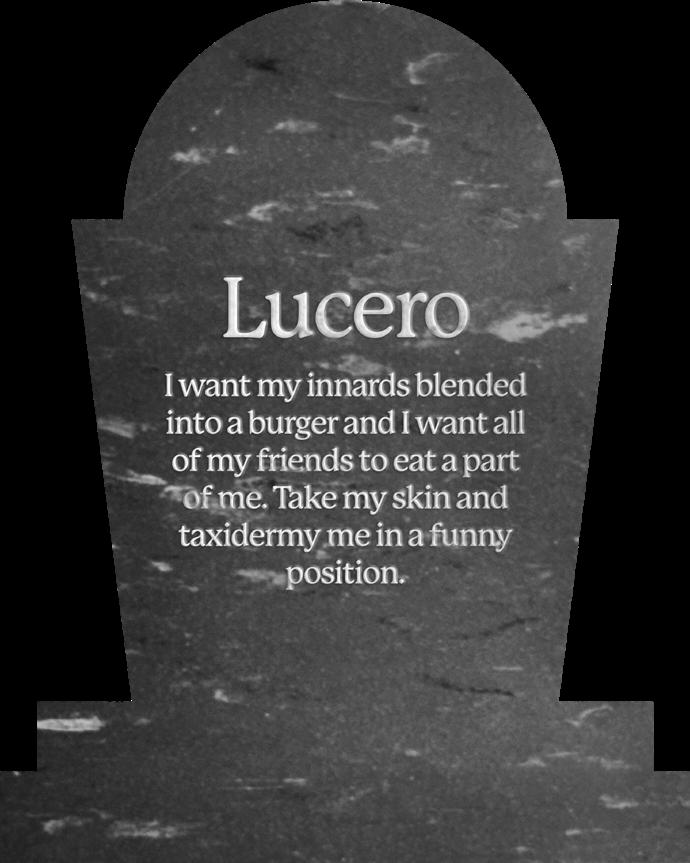
- LUCY STEBBINS
9,327/10,000
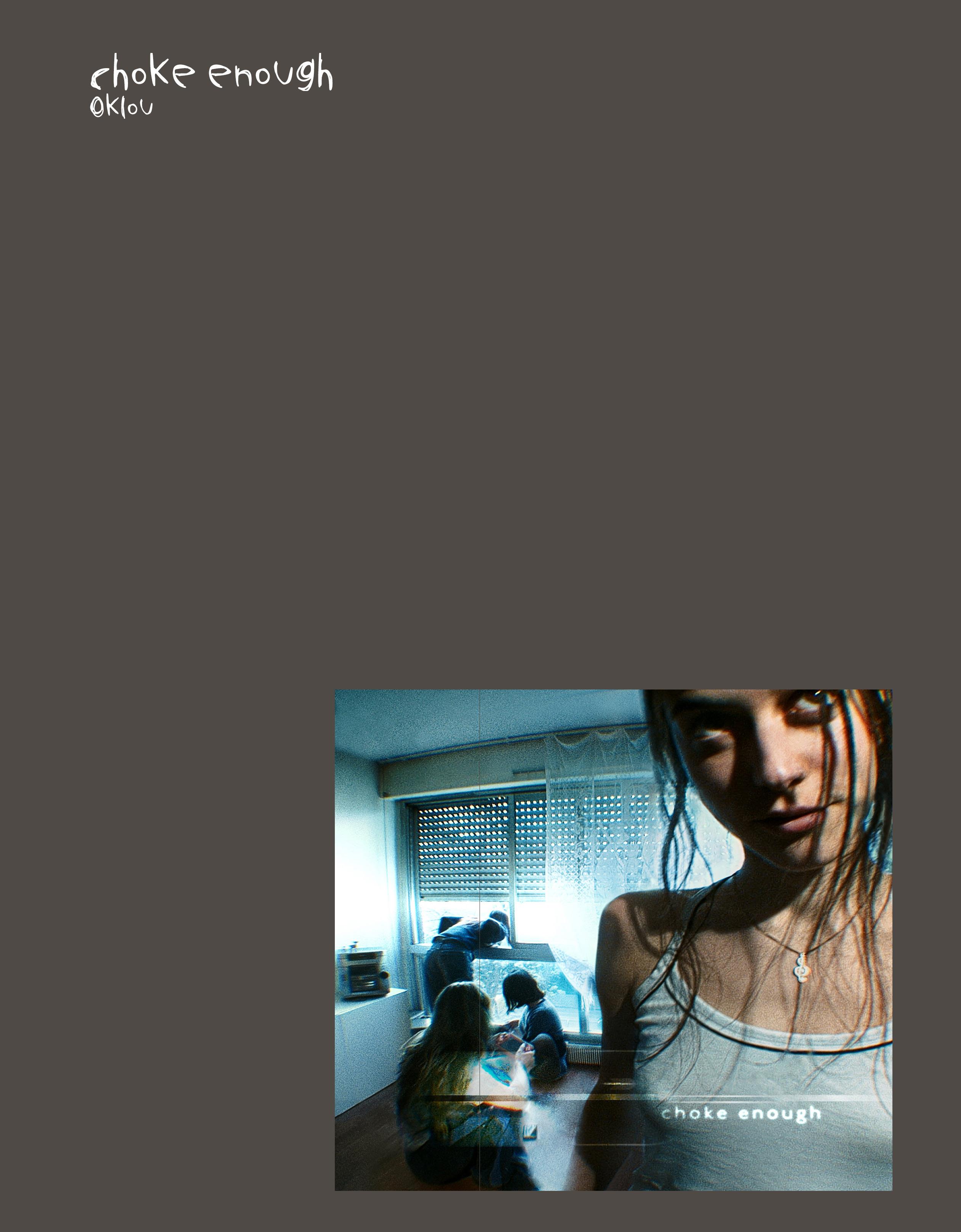
choke enough, the debut full-length project from Oklou, is an album about atmosphere more than anything else. It is both futuristic and nostalgic, two opposite forces that should pull the album apart, but instead mesh perfectly.
French artist Oklou has spent the better part of a decade releasing EPs and mixtapes under different names and groups, building a reputation within the hyperpop world. The fact that this album boasts features by both Bladee and underscores shows how embedded Oklou has been. With such a long wait before her first full-length project, there was a lot of pressure on this album to be perfect.
And thankfully, it’s pretty close to it. The time that Oklou has spent building up her skills really shows, because this album could only be successfully executed by someone with expertise and precision. She takes marimbas and guitars and casts a digital sheen over them, underscored with a synth beat, melding her classical conservatory music training with her love for the electronic. The album envelops listeners in a dreamy haze, and crafts an atmosphere akin to a Wong Kar-wai movie.
Trying to understand the lyrics on the album as a whole feels like trying to remember a dream. There is a fleeting sensation of emotion there that you can’t get back to, that only gets farther the harder you try to think about it. They add to the haze around the album, keeping it obscured from the listener just enough to create mystery. Part of this is the way that Oklou steers away from the usual phrases, instead choosing deliberately obscure imagery, like describing her emotional state as “sometimes I’m sitting on a rock,” or a dying relationship as “my blade is on the bird.”
Parts of the album lean deeper into eeriness, like the flutes in “family and friends” and the lyrics of “plague dogs,” but tracks like “ict” and “want to wanna come back” take the listener floating back into the clouds.
The only flaw of this album is that it stays on the same level the whole time energetically, with the one track that moves toward intensity being “harvest sky,” which makes it stand out a little too much. A better balance might have been struck with another song being pushed towards a more club-heavy sound, but then again, that might have shattered the ambiance of the project.
All in all, choke enough is a little triumph. It’s best listened to alone, in a weird liminal space like 1 a.m. or an airplane, when the world doesn’t quite have to make sense, when you’re in the mood to get pulled back to the past.
- AIDEEN GABBAI
6,900/10,000
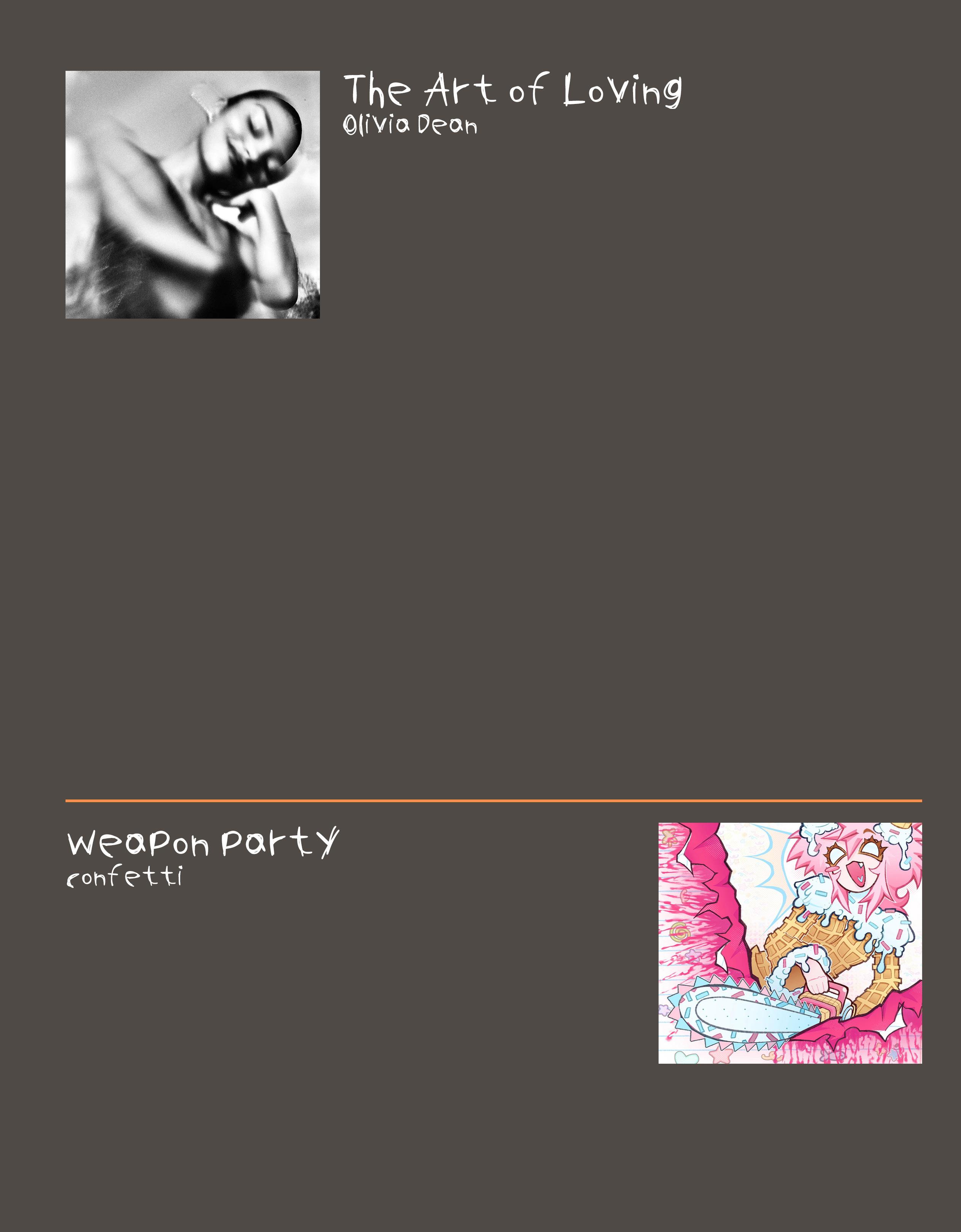
The name Olivia Dean has floated through musical discussions since the release of her first EP in 2019. Yet the release of her new album The Art of Loving feels like the arrival of a true star, cementing her in the pop conversation.
While the album’s reception was largely positive, some individuals have dismissed The Art of Loving as an uninvolved, at times overly cliché effort. While the album is immensely palatable and doesn’t stray far from its simple production, there’s a breadth of great writing and personality hidden inside The Art of Loving which is so often missing from mainstream pop.
Dean’s dynamic vocals drive this project, mixing a tried-and-true pop approach with flourishes of R&B and neo-soul.“A Couple Minutes” really embodies the Neo-Soul angle of the album, boasting a sample from Cleveland soul legend Lou Ragland and smooth, layered vocal riffs.
But it’s the hook writing that really brings it all together. The shuffling drums that align with Dean’s hook of “Tell me you got something to give, I want it,” on “Man I Need” could put a smile on the face of the most insufferable and pretentious music listener you know. Earworms like this are present throughout, with chorus-forward songwriting that feels reminiscent of a more pure era of pop now past. Again, none of this would be possible without Dean’s vocal performance which brings the perfect balance of warmth and charm to the album’s vibrant melodies.
While the melodic songwriting and vocal performance bring depth to the project, there is still an argument to be made for the lack of experimentation present. Lyrically, the album hovers around a few of the same themes of love and relationship trouble. Songs like “Close Up” and “Let Alone The One You Love” attempt to tackle love from a more interesting angle, but end up falling into the status quo of romantic writing. This approach gets a little tired and leaves the listener aching for a bit more of a personal touch.
The instrumentals supplement Dean’s performances well, and reach some satisfying grooves at times, with “So Easy (To Fall in Love)” standing out in that regard. Still, the neat, polished sounds eventually become just as monotonous and samey as the lyrical themes. With Dean’s voice being so dynamic and energetic, the album’s greatest wasted potential comes from not matching those strengths with equally expressive production.
With that said, the album clearly isn’t trying to be anything it’s not. It fills the role of a palatable, vocally interesting, endlessly catchy pop record perfectly. In an age of increasingly bland mainstream music, Olivia Dean reminds us that radio pop doesn’t have to suck.
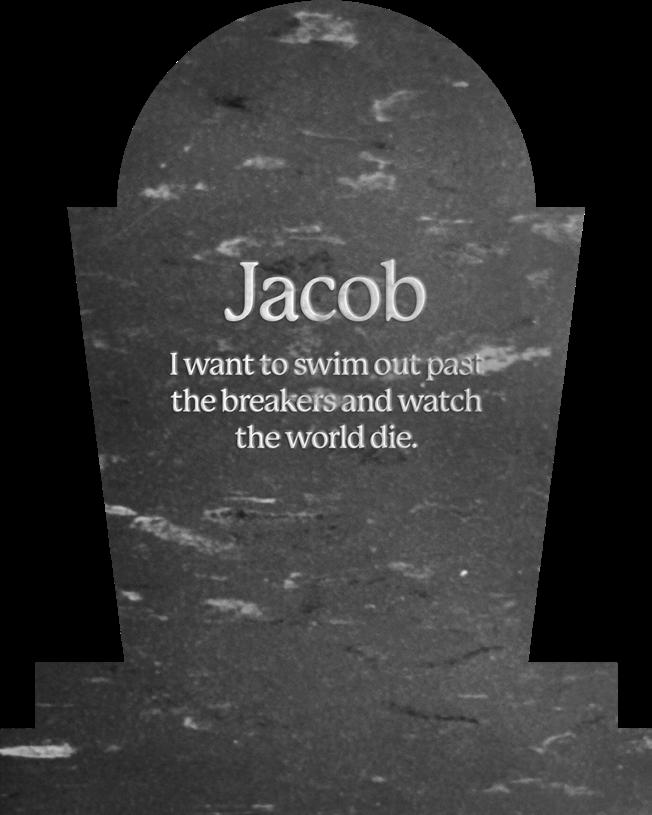
- JACOB WOOD
7,777/10,000
weapon party by confetti is a glittery rage album, inducing a sugar rush in the listener with bouncy, glitchy ear candy. Without using samples, confetti references the sound of surfing the web in the early 2010s through vibrant synths and orchestral crescendos — imagine traveling through space with Nyan Cat’s sparkly rainbow trailing behind you, fueled by the unbridled rage of Tac Nayn. Paired with the album art, this release screams Pinkie Pie from “My Little Pony”: colorful, high-energy and whimsical.
weapon party is confetti’s second album release, following music god, which he
released in September 2025. “Digicore,” “sigilkore” and “hyperpop” are all labels that listeners have applied to the musician’s work, but confetti prefers “charm.” The entire album falls just short of 23 minutes, spanning 13 songs, with “angel’s cry” coming in at 2 minutes and 20 seconds as the longest track. Every song has interesting beats and concepts, but some lack depth. The album contains strong tracks with incisive lyrics like “spirit power” featuring khel, and infectious melodies like “milkshake,” both of which performed well as singles.
The album’s promising start suggests a magical journey lies ahead. Beginning with “world’s end,” which sets the energetic tone of “weapon party,” followed by “marionette,” the best-performing non-single on this album. However, after “spirit power,” the seventh track, the album loses momentum.
A good six-minute chunk of this album becomes a complete blur thanks to the majority of the tracks being very similar sonically. confetti reels listeners back in with “a unicorn’s magical horn,” with instrumentals reminiscent of “Mario Kart” and other console racing games, and finishes the album off strong with the insanely catchy bonus track “milkshake.”
confetti’s vocals suit the instrumentals well; together they juxtapose the themes in his songwriting. It’s a shame that for the majority of this album, confetti’s lyrics are unintelligible. Although it is likely a stylistic choice, drowning out the vocals with instrumentals detracts from the charm of his rapping. A glance at the lyrics will lead any listener to realize he is in fact spitting for a significant portion of this album, with lyrics ranging from repetitive and catchy to enterprising and audacious.
This new release showcases confetti’s impressive musical talent and evolution. As he stated in “galore,” confetti believes his success is not due to luck, but rather fate. Although there are areas for improvement, weapon party proves the artist’s potential to become a prominent figure in his scene, perhaps it’s his destiny.
- MIA KIEFER
9,250/10,000
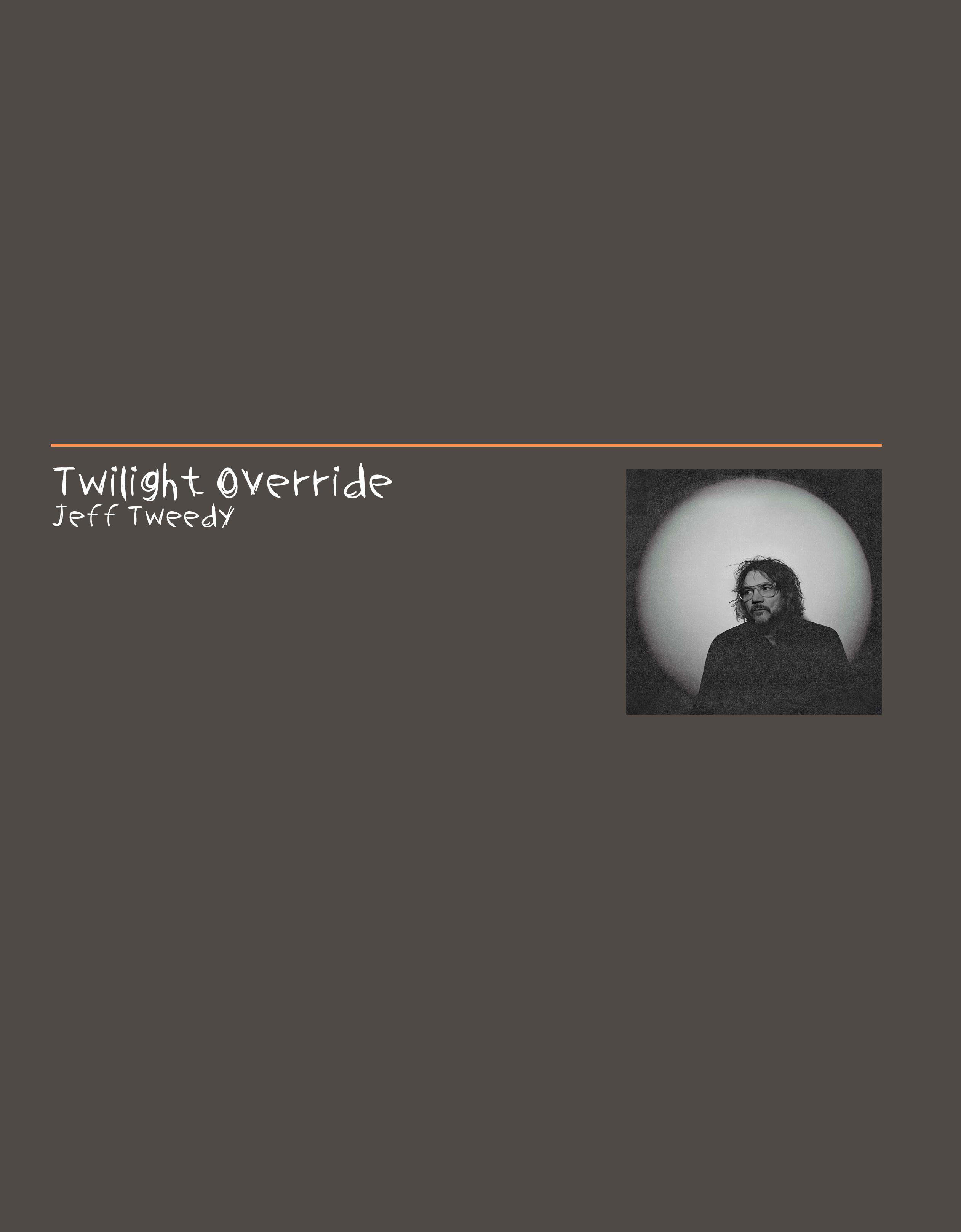
There’s an overt feeling of hope that emerges upon listening to the latest project from Wilco’s front man, Jeff Tweedy. Twilight Override, the ultra-rare triple album released via dBpm Records is, in many ways, a deeply personal unloading of Tweedy’s consciousness.
Across thirty tracks spanning nearly two hours, Tweedy explores youthful memories, love, loss and the beauty of mundanity. These themes create such a feeling of relatability for the listener that even on first enjoyment, the record feels familiar in the way tracks from our childhood may produce a warm sense of nostalgia and comfort.
While listening to the record, it is hard not to place oneself at dusk on the quiet, rolling Midwestern backroads that Tweedy — and so many of us — grew up on.
Twilight Override is rich in exploring Tweedy’s memories too. Such is the case on the third track of the first disc “Forever Never Ends,” in which Tweedy recounts crashing his father’s car on the way to prom under the shameful influence of peppermint Schnapps. Or, on “Stray Cats in Spain” where Tweedy recounts the tiger prints and perfumey pomade of Spanish streets.
At times, the consistently soft and restrained tone of the album can become expected and some tracks blend together. However, tracks like “Lou Reed Was My Babysitter” and “Betrayed” arrive unexpectedly and bring a new sense of wonder and playfulness to the album.
Tweedy does not shy away from pure instrumentation either. Tracks like “Love is for Love” and “New Orleans” employ extended periods of time in which Tweedy’s acoustic guitar, accompanied by soft drums, provides listeners with a chance to reflect on the lyricism of Tweedy. In the age of soullessly generated sped-up songs built for trending TikTok dances and Instagram outfit checks, Tweedy’s unabashed slowness and refusal to rush through any part of the album is a refreshing resistance to the sometimes all-consuming misery of these dire times.
The record’s hopefulness is not an accident and Tweedy attributes the title of the record, Twilight Override, to this very idea. In an interview with Stephen Colbert, Tweedy cites the growing feeling of “impending doom” that so many of us are coping with as his inspiration — the “twilight.” Tweedy says the record represents his escape from this feeling — his “override.” If there is one thing to take away from the album, it’s not a few more tracks to add to your “Liked Songs” — it’s a sense of courage to spend less time wallowing in the ever-present suffering of modern life, and more time doing the things we love. Twilight Override is not solely a moment of impending darkness, but a time of light on the horizon — a time of hope.
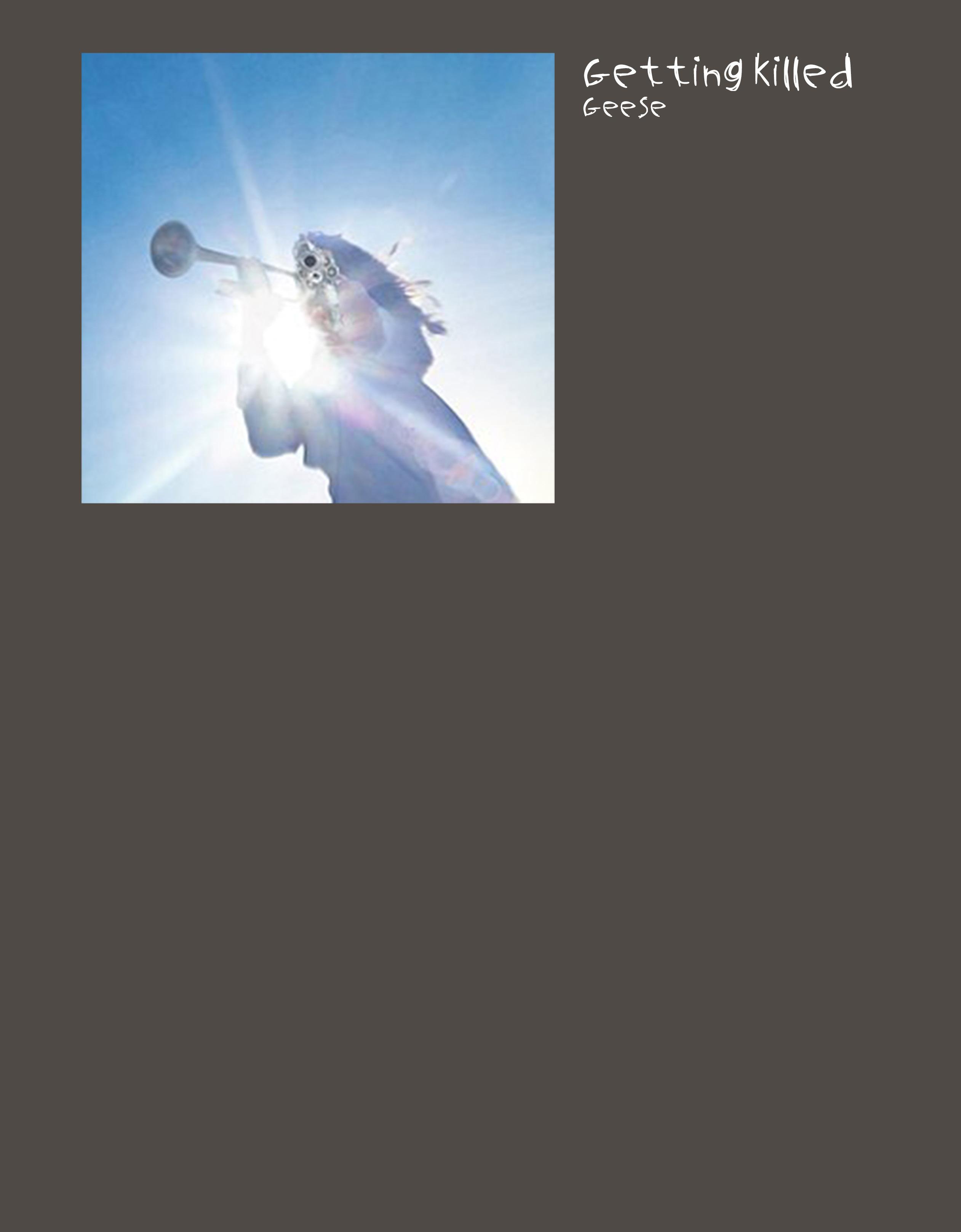
Your classmates know about Geese. Your coworkers know about Geese. Your dad’s high school friends know about Geese. They’re on SNL. They’re on the cover of New York magazine. GQ is writing think pieces about Cameron Winter’s hair. Everyone from Courtney Love to Zohran Mamdani is talking about them. Are they actually that good?
If you’ve been in any kind of vaguely music-related space for more than a few seconds in the last year, you’ve heard about Geese. Since the release of their third studio album Getting Killed and frontman Cameron Winter’s solo album Heavy Metal, the NYC rock band has exploded in popularity to a comical degree.
Getting Killed, released in September 2025, opens with “Trinidad,” an explosive song in 13/8 time whose jazzy verses are followed by a chorus
consisting of a repeated “there’s a bomb in my car!” from both vocalist Cameron Winter and featured artist JPEGMAFIA. “Trinidad” is a much better experience in Geese’s From the Basement session and in live performance (Kenny Beats’ mixing, overall well-done throughout the album, unfortunately does this song a disservice), but it’s a bold start for an album that constantly one-ups itself over its 11-track run.
One of Getting Killed’s strongest suits is its production. No song is over- or under-produced; each song (maybe barring “Trinidad”) lets every member of the band shine, from Max Bassin’s frenetic drumming on “Bow Down” to Emily Green’s infectious guitar leads on “Cobra” and “Au Pays du Cocaine.” One standout is the piano featured in the outros to “Taxes,” “Long Island City Here I Come” and “Au Pays du Cocaine.” Every time it appears, it perfectly complements the song without being overused.
This isn’t to say Getting Killed is without its low points. The outro to “Islands of Men,” otherwise an excellent song, lasts just a bit too long. On “Half Real” (a bit past the halfway point of the album), Winter’s languid vibrato starts to get grating, and the lyrics feel decidedly phoned in.
Fortunately, “Half Real” is directly followed by “Au Pays du Cocaine,” a standout song and sleeper hit. It’s a gorgeously arranged, almost lullaby-esque ballad. The plaintively delivered lyrics “you can stay with me and just pretend I’m not there” and “you can be free / just come home / please” are heartbreakingly simple and evocative, some of Winter’s best work. The outro of “Au Pays du Cocaine,” accompanied by a shuffling piano reminiscent of “Nina + Field of Cops” from Winter’s solo album, builds to a final “It’s fine / I’m alright” followed by a single note. It’s easily one of the most emotionally resonant performances on the album.
“Long Island City Here I Come” is about as close as you can get to a perfect album closer. Frenzied drums and guitar are overlaid with surreal anecdotes about Joan of Arc, Charlemagne and the prophet Joshua, as Winter declares “I have no idea where I’m going / here I come” and bassist Dominic DiGesu performs a killer solo. Getting Killed ends on a triumphant final note, concluding a surreal 45 minutes of music that, in all honesty, deserves most of the attention it’s been getting.
It’s a hard ask for any breakthrough rock band to live up to their hype. Over the last year, Geese have garnered a rabid fanbase, industry plant allegations and comparisons (positive and negative) to more bands than can be printed on this page in a readable font. Time will inevitably tell whether any of these are warranted, but if Getting Killed is any indicator, Geese are here to stay.
8,395/10,000
- ALLIE HOFFERT
4/10,000
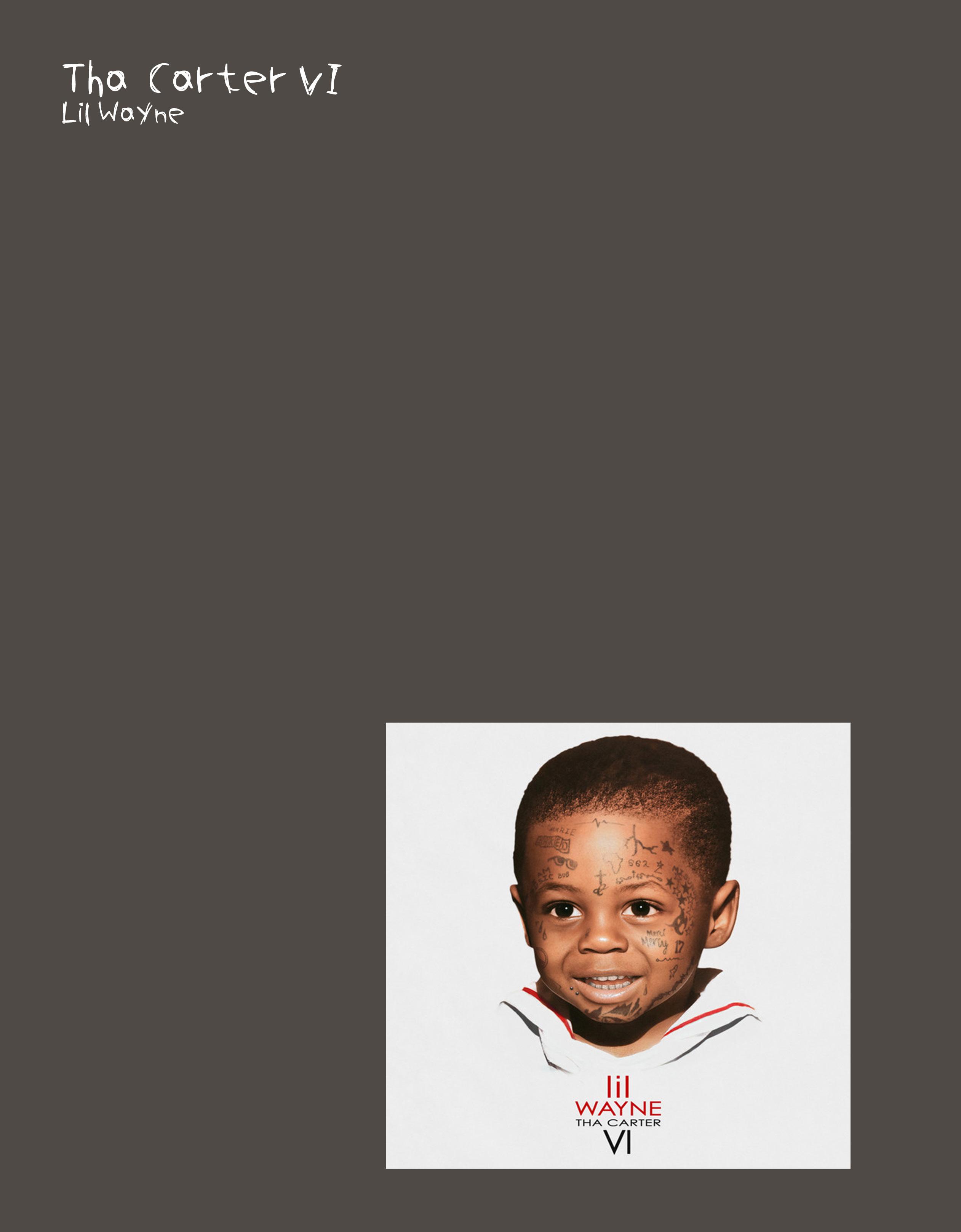
Most people went into this album with relatively low expectations given the string of shoddy projects Lil Wayne has released in the 2020’s, starting with Funeral. However, Wayne’s “Tha Carter” album series has always been a cut above his other album releases, so I was expecting, or maybe hoping, that this would carry over to Tha Carter VI Foolish. The quality of these tracks are some of the worst of Wayne’s career, but there is consistency in its ability to deliver a steady stream of garbage.
Lil Wayne is certainly no stranger to bad songs, which are inevitable given the sheer quantity of music he has put out. For every “Mr. Carter” and “Receipt” there is a “P***y Monster” or “Knockout.” What makes his previous bad songs tolerable is that many of them are attached to projects that are actually good, yet Tha Carter VI fails to deliver anything that comes close to his best work. This makes the several songs on here that are among the worst shit I have ever heard even worse than they already were.
Pointing out every terrible song on this album would be repetitive, so here’s a quick list of some all-time hall of shame nominees: “Island Holiday,” “If I Played Guitar,” “Peanuts 2 N Elephant” (shudder), “Maria” and “Mula Komin In.” Remember, this is just the worst of the worst. Listen if you dare.
A huge problem with this album is Lil Wayne’s obvious decline in creativity. At 43 years old, he is still rapping about the same stuff he was as a teenager, which has become frustratingly stale over the years. Hearing a middle aged man brag about his love for drugs and women is uncomfortable to listen to and provides enough second-hand embarrassment to turn off the album immediately. His attempts at recapturing his old wit and clever punchlines on Tha Carter VI are lazy, uninspired and sometimes downright offensive (“Eyes tight like my name wong ding ding dong”).
Listeners’ ears get a much needed break on track 16, “Bein Myself.” The lyrics touch on how Wayne will forever remain true to himself, and if he’s not, he’s “possessed.” While the song is the best on the album, the lyrics ring hollow given the heaping trash pile surrounding it. Ironic that this track finds itself on the album in which Lil Wayne sounds his least authentic.
Listening to Tha Carter VI feels like watching Celtics Shaq in 2010. Gone are Lil Wayne’s days of dominance. Now, all that remains is disappointment, leaving fans questioning whether he would be better off just hanging up his sneakers.
It doesn’t seem like Lil Wayne cares enough about the quality of his art anymore, and he hasn’t put out anything in recent years to prove that he is still capable of making a good project. For a sequel to a series that contains multiple fresh albums, Tha Carter VI is plain rotten.
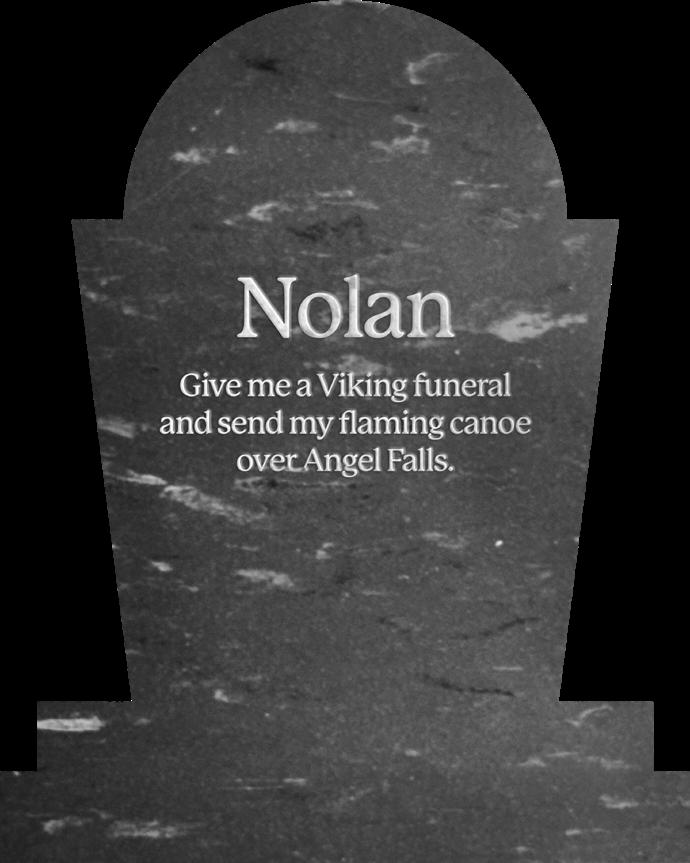
- NOLAN MAJEROWSKI
8,603/10,000
Many wish that they could be a fly on the wall in the studio during the recording of their favorite album, and on the Los Angeles singer-songwriter’s second studio album Baby, Dijon Duenas takes this phrase literally, providing an intimate listening experience that feels like a party in musical form.
The record acts as both a love letter to his wife, Joanie, and a diary of new fatherhood, soundtracked by synthand sample-driven instrumentals that are both a throwback and a sound of their own. This unique sound is dictated by the Elektron Octatrak AKII, an audio sampler used by the artist live on tour. A syncopated sample usage creates a unique atmosphere, most prevalently on “FIRE!” with Duenas’ yells from across the room and other room noises acting as a second layer of drums.
Compared to the lo-fi sound of his earlier works, the sound of the ‘80s dominates much of this record, most prevalently on “Yamaha,” a track reminiscent of a Prince or Janet Jackson hit. Melody is the driving force of the more pop-oriented tracks on Baby, as one can nearly hear Duenas smiling as he sings the album’s most infectious hooks. He ensures the listener can feel his excitement as all instrumentation cuts out except for the crowd vocals as he sings the words “all night” on “Another Baby!”
While the first half of Baby is loud and full of catchy melodies and synths, Duenas returns to the indie sound of his prior projects on “Rewind,” an emotional track similar to “Rodeo Clown” from his debut album Absolutely. “Will his love lack light like mine?” Duenas questions as he relays his anxieties for his fatherhood and if his son will share the same “patterns packed inside” him as he grows older. Distorted drums and synths take control of the track as his worries do, taking the song to its climax.
This “second act” of the record is a look into his deepest worries and wounds in both lyrical content and sound. “my man” details a conversation between the singer and an absent figure in his life where he asks, “would it shock you if I’ve given up?” On these tracks, his vulnerability spills out like pushed-down feelings after a long night, before returning to a faster tempo on the album’s closing tracks. “Automatic” is a standout, sampling a Wu Tang Clan freestyle to make a love song impossible not to dance to.
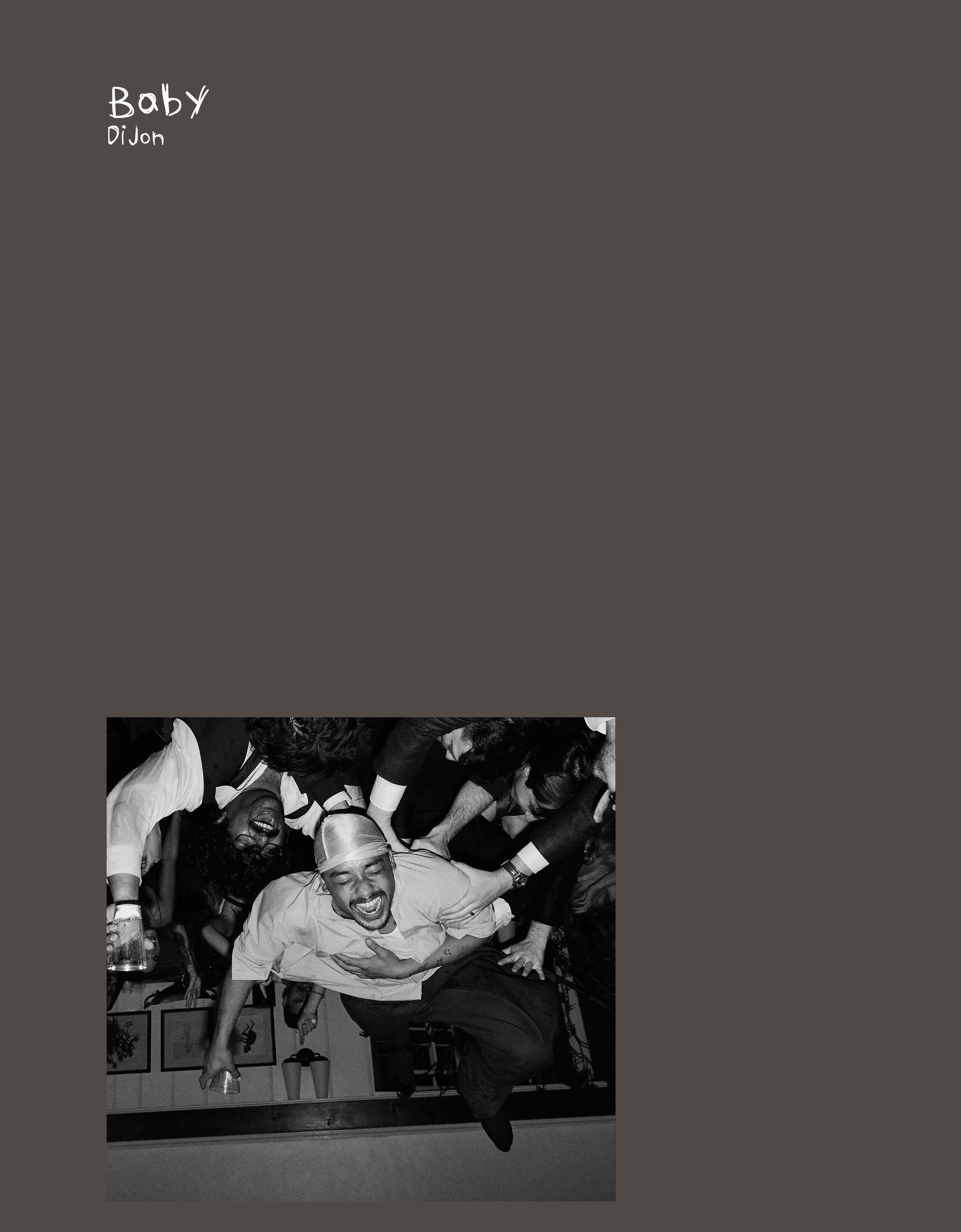
The love Duenas has for his wife and son, while personal in his confessional writing style, is made universal in its sound. The album cover, an upsidedown photo of Duenas crowd surfing at his wedding, illustrates the optimal listening experience of this album: surrounded by friends and letting the wave of a good melody carry you away.
- JAMES NORCROSS
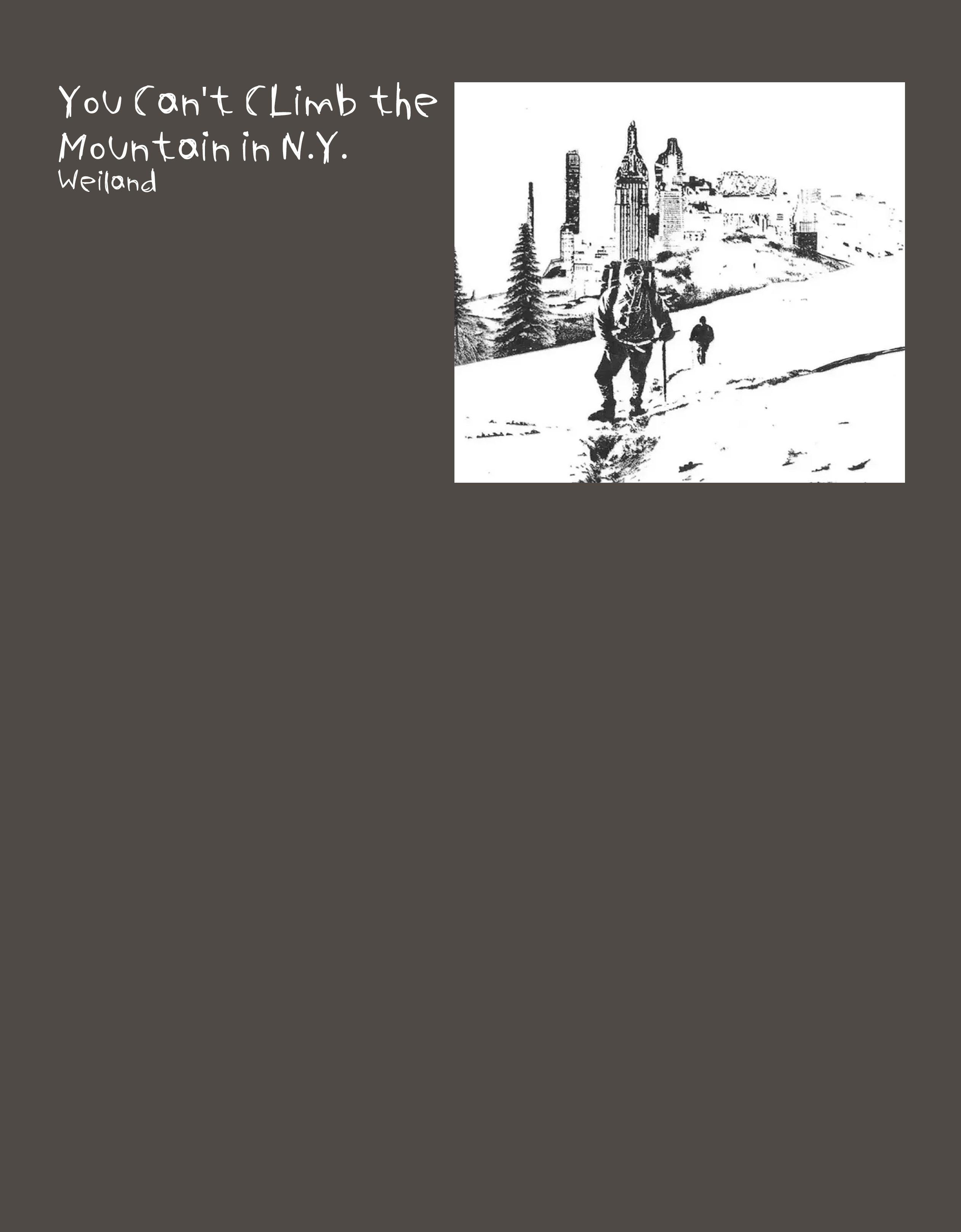
You Can’t Climb The Mountain In N.Y. is a special release from rapper and singer-songwriter Weiland. Another small taste of his sound following the release of his self titled album Weiland, this beautiful hypnagogic pop EP brings in bits and pieces of everything Weiland.
You Can’t Climb The Mountain In N.Y. nods to his old autotune-heavy trap sound while diving deep into this new melodic free-flowing sound. Weiland incorporates his synthpop textures from Vices, but implements bits of his hypnagogic sound of Opiate Sessions from his other alias, Alleen Plains. The whole EP embodies his new style— you can tell that Weiland has found a genre he excels in after going
through so many different sounds, from his heavy 808s and sparkly melodic plugg trap sounds on PACKRUNNER to Mike Dean-esque synth production on Vices. The first track “Let You Go” even pleases his fans from his PACKRUNNER era. The song blends his new hypnagogic style and rap subgenre PluggnB, and even features PluggnB godfather and former collaborator Summrs. This blend between hypnagogic pop and PluggnB autotune is rare, and here the execution was incredible.
Summrs and Weiland are known in the underground rap community as the people who perfected the use of autotune, Weiland teaching Yeat how to engineer his autotune settings to get his signature sound. This EP proves him and Summrs’ expertise in autotune, with the tool being used to its fullest as a part of a sound that has matured a long way in the last decade.
The EP’s hypnotic guitar and rhythmic bass mixed with notes from the synthesizer create a beautifully layered experience for the listener. Weiland has grown away from PluggnB producers like XanGang and Ginseng, and has gotten more into analog production and performing with a full band. Vices and You Can’t Climb The Mountain In N.Y. both have a sound that’s flowing and psychedelic. This genre and style of production promotes emotional expression much more than his previous sounds.
You Can’t Climb The Mountain In N.Y. was followed by Weiland’s random single releases on SoundCloud under his other alias Alleen Plains, which made the official release so much more special for die-hard fans, especially after not getting anything from Weiland other than Opiate Sessions and random singles since 2022. To the people who repeatedly request that Weiland’s old sound come back, this EP may not mean much, but to a Weiland fan that likes more than just trap and Pluggnb, this album is truly something unique and magical. Hopefully, a full album with a sound like this is around the corner for Weiland.
8,517/10,000 - LUCERO DUNSCOMBE
WORDS AND PHOTOS BY
JAMES NORCROSS
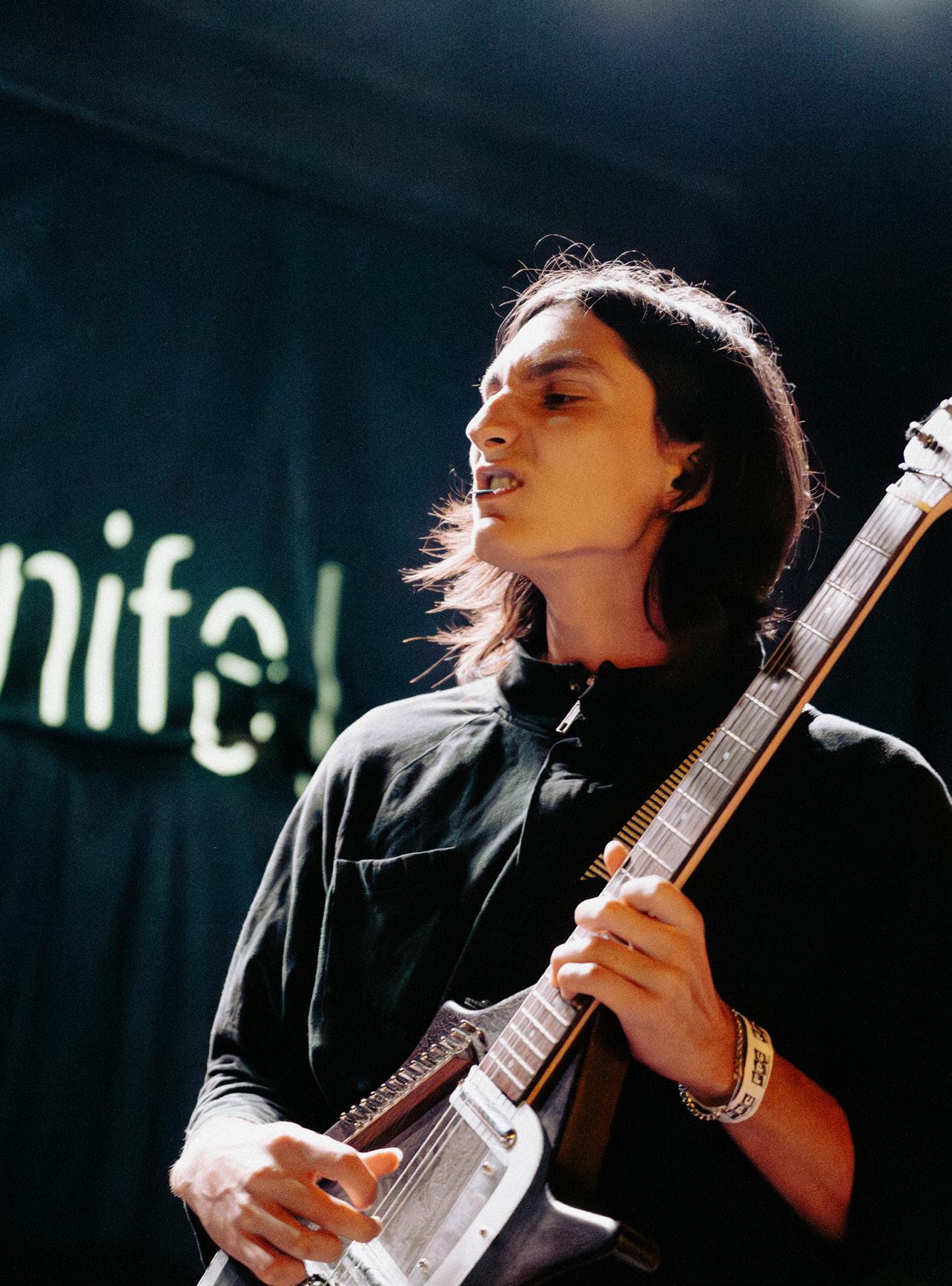
Before meeting Minch backstage at the High Noon Saloon, I watched from afar as he met fans for meet and greets. A few even handed him their own artwork, inspired by the drawings Minch posts online. His style resembles that of a classmate’s doodles on the margins of a notebook — doodles that are more than deserving of their own comic.
After performing a cover of Phoebe Bridgers’ “Chinese Satellite,” I walked into the back room with my camera. I was prepared for a quick photoshoot, but instead, Minch asked me to sit down on the couch and talk. As I got candid pictures of the singer-songwriter, we picked up from where we left off in our last interview just weeks prior, where he gave me insight into his creative process, musical friendships and drawings of Gracie Abrams.
“There’s art and then there’s the circus.”
Just a few minutes into our conversation, the New York based singersongwriter mentioned this quote he had read recently. On one hand is the quiet songwriting experience with just a guitar and voice memos app at hand. On the other hand is the spectacle made of this intimacy once the stage lights go up on tour and the audience crowds near the stage to sing along. As for Jake Minch, he’s trying to stay as close to the art as possible.
Minch has made a name in the music industry by simply being himself. Since he began posting on Tik Tok in 2021, he’s garnered an audience of over 100,000 followers and attention from the likes of Lizzy McAlpine and Paul Mescal. Minch’s videos appear as if they were uploaded straight from his camera roll, with the only added flair being the occasional text box for a song title or lyrics.
Earlier last year, Minch released his debut album, George, a record filled with lines that feel as if they were ripped from a journal, or more accurately, a napkin at a cafe.
“I’ve been trying to challenge myself to always have a pen with me,” Minch said.
The other day, he had been listening to a Song Exploder interview with MJ Lenderman where he talked about “going to a coffee shop and writing twenty phrases down.” The closing track on the album “Twice” is a great example of this lyrical methodology.
“Life was a clogged straw and you and me were sucking from both ends,” Minch sings. It’s one of many lines from Minch that stick with you long after the track has ended.
Minch worked with veteran producer Tony Berg, known best for his work with artists such as Phoebe Bridgers and Sarah McLaughlan, on the album. George falls in an adjacent soundscape to these artists, yet exists in a world of its own. With intimately recorded guitar and piano, it can feel as though Minch is playing a song just for the listener’s ears, even in the record’s loudest moments.
Minch recounted the first time that Berg heard “Unicef,” where the producer said: “Jake is not ready, but let me spend some time with him.”
Minch and Berg’s dynamic would go on to inform more than just the music on George. “ All my favorite artists are the funniest people you’ve ever met,” Minch said about a conversation they had when discussing the visuals for the album done by Pond Creative. It’s hard not to feel nostalgic when viewing the album’s photoshoot and two music videos, as their warm look feels as though you’re watching someone’s childhood shot on film. “You should make your title funny,” Berg had told him. Minch ended up titling the album his birth name, George. Though frequently serious in subject matter, the album’s title and lyric videos featuring what Minch calls “people doing bad karaoke” give the project a childlike flair.
While there are no officially featured artists on George, it’s a very collaborative album, with Mason Stoops and Alix Page adding guitar and backing vocals to various tracks. It was “total imposter syndrome” Minch said about working with these artists whom he admired so much. “It just feels like I have a crush.”
A lot has changed for Minch since he released his first EP, how many, in 2023. He now resides in New York City, but spent two years before in LA which “did not go well.” Looking back on this time, however, he feels grateful for it.
His 2024 single “jessie” marks a shift in his discography as growth spurt both vocals and instrumentally. Compared to the minimalistic drums of his debut single “handgun,” the soundscape of a high school marching band dominates the track as drums and horns bring the song’s angst to life in its cathartic final moments.
“That was the first time that I was using my voice,” he said about the song. “I’d been way into Paul Barbo to not use [it].” “It was one of those from the ether writings.”
The music world has shifted since 2023 as well. With TikTok
changing the way that artists create and promote their work, starting off in the industry is vastly different from even a few years ago. Reflecting on the current music scene, he said he sees “what happens when someone is willing to step on art to get what they want business wise.”However, amid this dizzying time, he thinks that “new ideas will stand the test of time,” noting the success of Geese as a hopeful example.
While his music has gained him an audience, Minch has a notso-secret weapon that has attracted many online: his drawings. These sketches, often of monkeys, are reminiscent of children’s book illustrations.
If I had asked him just a few days prior about his favorite mediums for visual art he would have said graphite and anything that he can play with physically, but recently, he was convinced by an art store employee in Warwick, New York to buy a fountain pen. He showed me a few pages from his sketchbook, which were filled head to toe with superhero-like depictions of Gracie Abrams that could easily belong in their own comic book, with gestural marks exaggerating her poofy top and huge pants.
Minch frequently hangs his artwork up in his bedroom, and showed me one of them, a sketch of a man staring creepily at the viewer. “I like living in the art,” he said, “I realize now that I have to stare at this dude in bed.”
From his visual art to his music, honesty is at the heart of Minch’s work. He often sends his songs in progress to his friends, asking, “did I lose the plot at the end?” This earnestness is evident in his songwriting as well. Many tracks on George feel like you’re listening to a kid recount their day at school beat for beat, and out of a desire to document every moment, they end up saying something profound beyond their years. In this sense, Minch gives a spotlight to the unintentional.
Childhood is a thematic throughline of the record, even when tackling topics of grief and addiction, most evidently on “Nostalgia Act,” the first song on the album. Minch takes the listener on a journey through his past, playing hide and seek along the way.
The candid man I spoke with in the green room was the same one who appeared on stage that night with his small but strong backing band. The musicians were illuminated by a few warm lamps that made the show feel as if the audience had stumbled upon him and his best friends having a jam session. The singers Daryl Rahn and Kate Stephenson joined him on stage for a few songs, including a cover of “Kyoto” by Phoebe Bridgers.
The warm energy on stage was a stark contrast from the emotionally charged album and recording process that he had explained. “I spent a long time angry,” he said. Songs such as “For Leaving” were written right after a breakup and its raw emotions come through in its loud, triumphant, outro. The vastness of loss is explored in both the record’s loudest and quietest moment, peeking into every area of the feeling you can hide in.
“I wrote an album that I was scared of,” Minch said, but he also said that while touring George, he learned to make it fun.
Battle for Britpop
From the Charts to the Pitch
WORDS BY NOLAN MAJEROWSKI, ART BY IAN HOFFMAN
Throughout the early 1990s britpop consistently topped the UK charts. Two bands, Oasis and Blur, stood atop the rest. Given their similarities, they were often compared to each other, competing for the same awards and attention. It’s hard to know for sure whether the rivalry between the two bands began as a product of overblown news stories, but their distaste for one another was well known thanks to tabloids and news headlines. Infamous moments like Oasis changing Blur’s lyrics from “Parklife” to “Shitelife” during an award speech caught the attention of millions, and helped mold the public sentiment that being a fan of one was being the enemy of the other.
Blur were said to have initially taken on the rivalry as more of a joke than the Gallagher brothers of Oasis, who, according to their manager, “actually f**king hated them at the time.” Even beyond the competitive music, Liam Gallagher despised Blur frontman Damon Albarn. The true reason to which was largely a mystery until 2019, when Noel Gallagher confirmed that — at the time — Albarn had been involved with Liam’s girlfriend. This made the Oasis frontman absolutely irate. He went in front of photographers and told Albarn to his face that his band was “full of sh*t,” which prompted Blur guitarist Graham Coxon to give Liam a smooch on the cheek. A fitting interaction given the stars’ differing attitudes toward the beef. After more jawing back and forth, it appeared that Blur started to get seriously fed up with Oasis and wanted to put them in their place.
In August of 1995, Oasis’ single “Roll with it” was scheduled to release on the 14th, while Blur’s “Country House” was set to debut on the 21st. Albarn was so sick of Liam that he moved the release date for “Country House” up one week, so that everyone could see who the best band was. The stage was set for the “Battle of Britpop.” Whoever claimed the top spot on the charts would be the winner.
Media extensively covered the competition leading up to the release date, and the event was so monumental, it is still widely considered the peak of the britpop genre. After a week, Blur was the winner, outselling Oasis by nearly sixty thousand copies, but the glory was short-lived.
Oasis won the next battle later in the year after their album (What’s the Story) Morning Glory? sold nearly one million more records than Blur’s The Great Escape and ended up winning the British Record Industry Trust (BRIT) award for best British album. Albarn has gone on to state that he dislikes “The Great Escape” due in part to his feeling that the band was trying too hard to repeat their previous success, yet the crushing loss to his rivals likely adds to his distaste for the album.
The success of (What’s the Story) Morning Glory? Appeared to go to Oasis’ heads, as the month after the chart battle, Noel commented “the bass player and the singer I hope the pair of them catch AIDS and die because I fucking hate them two.” He would go on to apologize for this statement, and a couple weeks later said “although not being a fan of their music, I wish both Damon and Alex a long and healthy life.” Needless to say, tensions were still high after August. Blur had won the battle, but the war was not over.
The “Battle of Britpop” was the climax of the beef between the bands, but the event that happened a year later is perhaps even more interesting. In another clash of the titans, Damon Albarn and Liam Gallagher duked it out on the soccer pitch at Mile End Stadium in London as a part of England’s Soccer Six Tournament.
The tagline for this tournament is “where the stars come out to play,” apt given the list of names that have competed. Early participants included Jarvis Cocker, Emma Bunton (Baby Spice) and Jay Kay of Jamiroquai. Classic rock legends from Def Leppard and Iron Maiden have laced up their cleats to compete, and where were you in 2000 when Rod Stewart scored a hat trick? Even non-musician celebrities like Jason Statham, Jude Law and KSI have competed in Soccer Six in front of thousands of fans eager to see a new side of their favorite celebrities. I have always been jealous of “football” culture in the UK. The fans are more loyal to the local clubs they are born into than anything else, with a passion that no American sport can come close to rivaling. No matter how badly someone’s favorite club performs, changing teams is not just frowned upon, it is sacreligious. There is no grace between fans of
opposing teams, as every match is a battle with the same ferocity that constituted the conflict between Blur and Oasis.
With the bands, the battle was about the music, but even moreso, a battle between North and South. Oasis, representing Manchester in the North, were more earnest, and made anthems that resonated with the hardmen from the north. Blur, representing London in the South, were the sarcastic “pretty boys” who made music that was viewed as “artsy.” This match was essentially Manchester City versus Chelsea, and it drew rabid fans that were foaming at the mouth to support their favorite band and their hometowns.
The soccer match drew a crowd of 6,000, well above the capacity of the stadium, which proved troublesome as many fans and streakers had to be held back by security after running onto the field. Antics continued throughout, especially from Liam, who stole the foam off of a reporter’s microphone while being asked a question after the match and splashed beer toward a photographer.
Albarn and Blur ended up on top, winning with a score of 2-0 but ultimately failing to advance far in the tournament. They got their revenge the following year, with a championship title helped by Steve Harris of Iron Maiden, who scored three goals in the final.
The match was a sort of symbolic truce between the two singers, who put their egos aside to participate in a tournament that raised money for Nordhoff-Robbins music therapy, a method of using music as a way to engage special education students. The two were videoed shaking hands, which probably seemed impossible at the time, but something that a friendly game of soccer allowed them to do.
After this moment, the rivalry between Albarn and Gallagher was mostly just carried out by fans and media members who still wanted to grab attention, as the two had reportedly made up. This one match’s legacy extends beyond the pitch. It shows that sometimes a rotten situation can be cured with a little bit of whimsy.
Feeble Little Horse by Lucero Dunscombe
Water From Your Eyes
by Bailey Krause
Sanguisugabogg
by Ian Hoffman
For decades, billions have heard his songs in the periphery of their online media, from Minecraft videos they binge on YouTube to the ads they skip by without a second thought.
Kevin MacLeod is the sole creator of hits like “Sneaky Snitch” and “Monkeys Spinning Monkeys” that have played an instrumental role in the sound of the internet. That’s because all of his music is provided free on his website Incompetech.com. This website sees millions of visitors each day and is one of the longest standing sites on the internet.
MacLeod may even be the most listened to artist of all time, yet few know his name. MacLeod sat down with EMMIE to unravel the secrets to his ubiquity.
Despite the unbelievable numbers MacLeod has pulled (upwards of 20 billion plays on TikTok), when asked about fame he responded, “If I wanted fame, I would have taken steps to be more present and taken credit for it. I don’t, I don’t want fame.” As a graduate from UW-Green Bay, MacLeod didn’t expect this kind of success: he was originally an electrical engineer before moving to New York to compose movie scores.
In 2001, the Creative Commons Corporation released a series of licences that allow creators to give full permission to use their work, while still retaining copyright. MacLeod saw the new license as perfect for the songs he had made as a film composer which hadn’t made the final film score. He began uploading these tracks online to his website, and
soon his music found its way into everything.
“Are you going to get paid? Probably not. That’s okay. But you’ve contributed to the world. And that’s where I’ve always come from,” MacLeod said.
MacLeod’s ethos towards the use of his work puts accessibility above all. MacLeod’s belief is that art is for the greater good, and believes his responsibility in making that art shouldn’t be hindered by copyright protection. This adoption of such an open license is undoubtedly a large part in the success of his music worldwide.
At the same time, this has led to MacLeod’s songs appearing in all sorts of unfavorable places. Just because one of MacLeod’s songs is used in content, doesn’t mean that he approves of it. “Has my music been used in things where I don’t like it? Yes. Do I care? No,” MacLeod said.
Now, MacLeod’s music is distributed under the CC BY 4.0 license, which only requires that users provide appropriate credit. He made this change because under previous licensing other users had claimed ownership of MacLeod’s songs and enforced copyright to profit off of them. “I don’t want other people making it harder to use the music,” MacLeod said.
In 2011, Martin Scorsese included MacLeod’s “Friendly Day” in his film “Hugo.” When the production team contacted MacLeod to negotiate rights for using the song without attribution, he charged only thirty dollars for it, the same price for any project looking to use his music. Despite his low prices for standard licenses, MacLeod doesn’t currently feature ads on his website —
although he once did. MacLeod used the income to fundraise for the local Green Bay Fringe Theater Festival, providing over $5,000 to the arts.
“It takes about an hour per minute to make a very-well made piece,” he said. Most of MacLeod’s music is made digitally, allowing him to use a massive array of instruments. His songs on Incompetech feature didgeridoo, cimbasso, celesta and plenty of other instruments.
Making music is both emotional and exploratory for MacLeod. Directors often ask him to make unfamiliar music from different cultures, leading MacLeod to spend time listening to “music that [he] doesn’t understand; that [he’s] never had formal schooling in.”
When asked if he’s ever tried making more experimental tracks, MacLeod said that he remembers “a time when [he] was really into Cryptopsy.” Although he hasn’t gone so dark as to follow in the footsteps of the classic death metal band, he added that some genres are less popular: “nobody asks me for country music.”
The same desire for accessibility that motivated the licensing of MacLeod’s songs has led him to advocate for artificial intelligence (AI), putting him at odds with a significant part of the creative industry. While many artists fear the encroachment of AI on human creativity, MacLeod remains an advocate for its potential to increase accessibility. He views AI as an option for creators who lack the massive budgets required by major record labels, “If you’re a creator and you don’t have $15,000 to pay Warner or Sony… you just type it in,” he said. No music created by AI is currently available on Incompetech.
Despite his immersion in digital music production, MacLeod maintains a profound respect for live performance. He recently moved to Florida and said he enjoys hearing live musicians multiple times per week.
“Live music is what people need,” he said, arguing that while recording has only existed for a century, the practice of live performance has been constant for thousands of years. He sees large-scale music festivals and local DIY basement shows as the true future (and past) of the medium.
MacLeod admitted he wasn’t prepared for the impact of his music, despite being pivotal in the lives of an entire generation on the internet. He noted how he receives emails from listeners who used his music to navigate everything from mundane life to profound grief. Despite many not knowing the name of the man imbuing emotions into the backgrounds of their games, videos and movies, the fact that his legacy echoes through billions of speakers for free is bigger than a single name.
Another odd interest of MacLeod is graph paper. “I was working on a D&D dungeon and I ran out,“ he said. Since stores were closed, he decided to program designs for graph paper to print. “Well if I needed this, then maybe somebody else needed it. So I put it up on my website.” Graph paper is still available today, twenty-nine years later, on Incompetech.
AND ART BY IAN HOFFMAN
WORDS
and the Revival of Straight Edge Culture
BY SANTIAGO FITZGIBBON
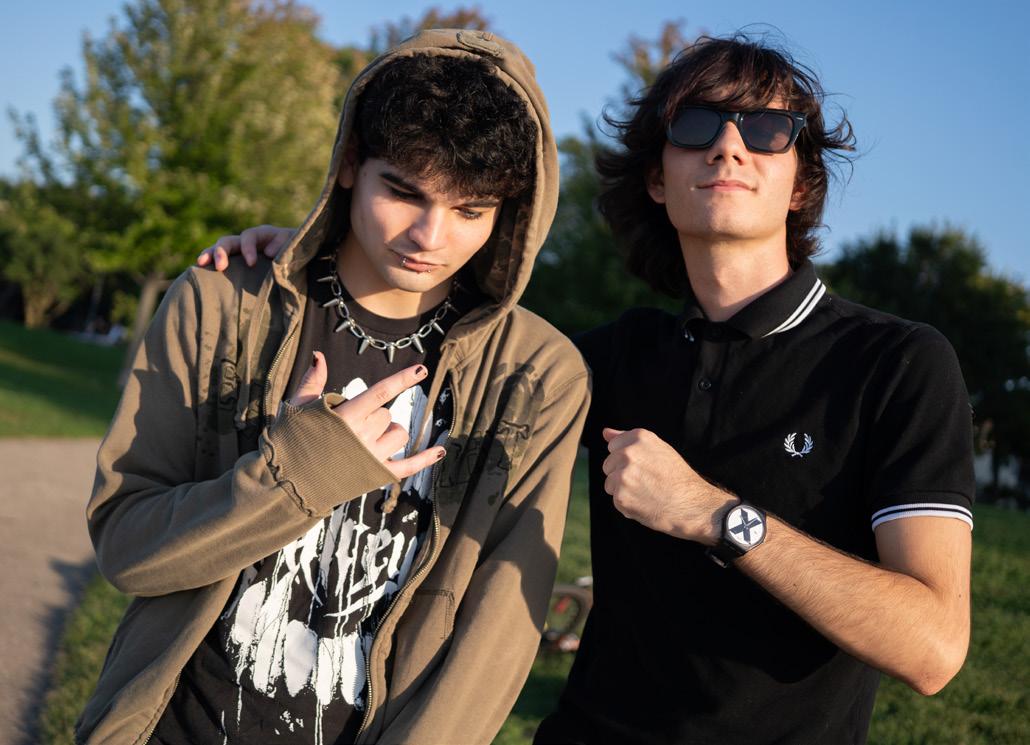
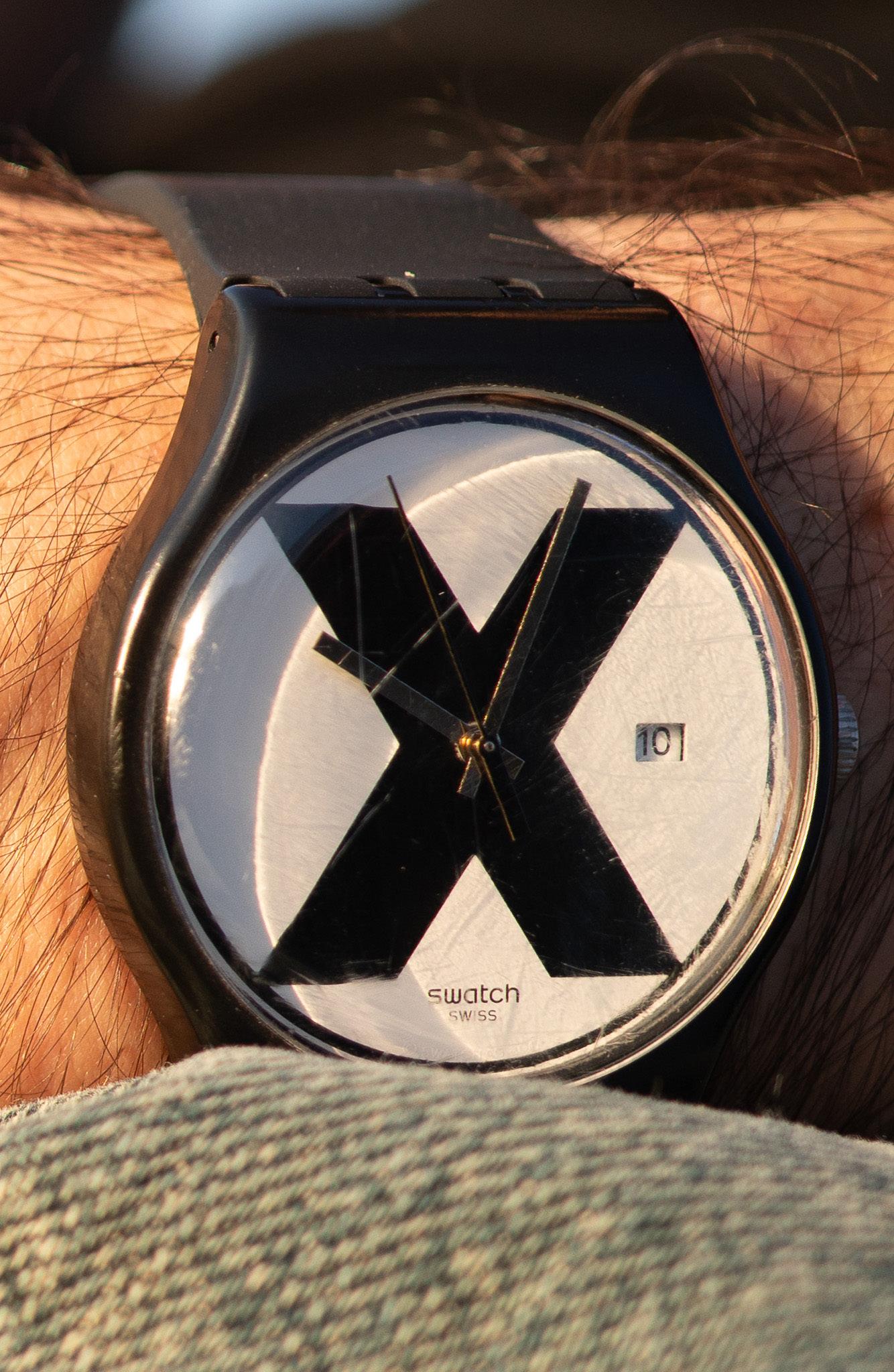
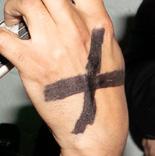
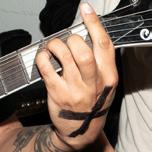
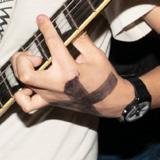
More and more X’s on hands, watches and on either side of names on local show flyers lead me to believe that Straight Edge is back! To understand this resurgence, I talked to my local straight edge friends, Santiago Fitzgibbon and Julian Cejas in the emocore band Clear The Gap about their thoughts on the straight edge hardcore punk rock culture as a whole, its proper definition, subgenres amongst the straight edge hardcore genre and its recent comeback amongst the hardcore community in Madison.
The term “Straight Edge” was coined in 1984, by Ian Mackaye of Minor Threat and Fugazi. It comes from their song “Straight Edge” on their first 7” EP self-titled Minor Threat. “Straight edge is a commitment to not intoxicating yourself with drugs and alcohol for the rest of your life. And there’s also more of a community aspect,” Santiago said. He stresses that being sober and being straight edge are different — sobriety is temporary and claiming edge is not. To claim edge or label yourself as straight edge is to vow that you will never take drugs, smoke or drink again.
Community is a lot of being straight edge — Santiago was influenced to claim edge shortly after he started going to shows at age 14. “At the time, Straight Edge was kind of just like a thing of the past almost.” Santiago said. After fully surrounding himself with the people and culture, “it really made me understand that you can be sober and have fun and have cool people around.” Santiago said. A large part of Julian claiming edge came from Santiago’s older brother Jimmy showing him the National Geographic documentary “Inside Straight
Edge” (2008). “I was already straight edge at that point, but that helped strengthen that resolve. Initially I’d see all my friends start getting into [alcohol], and I kind of thought it was a waste. So then I stopped,” Julian said.
So why is straight edge culture coming back? Did it ever die? “Well, I would say straight edge bands are forming because of straight edge people,” Santiago said. The culture’s devoted people are the reasons for its spread and presence in Madison. “[People in Madison] start to understand what straight edge actually means and what it’s about. Then they realize that being straight edge is for them, and then they claim edge,” Santiago said.
Those who start bands and claim edge have influenced others to do the same, giving straight edge culture a cyclical motion. People don’t rebel against their parents by doing drugs anymore. Since everybody does drugs, they rebel against everybody by claiming edge. A big part of punk rock culture is to rebel, and the straight edge community does that in a very unique way.
An optional but highly encouraged aspect of being straight edge is veganism or vegetarianism. Straight edge veganism was popularized by the band Earth Crisis during the early 90s. Earth Crisis and the vegan movement of the 90s is the movement that eventually popularized veganism outside of just the hardcore scene, and made veganism feel like less of a foreign concept. xHeartlandx is a prime and local example of a straight edge vegan band. The fact that they claim edge and are vegan displays the many layers of commitment to their lives and crafts, it shows they are devoted to living a healthy life and making music. xHeartlandx embodies the very uncommon subculture well, and offers a safe space for those who do fall into this very specific category. They are not just sober, they are also animal rights activists.
A lot like straight edge as a whole, a big part of the straight edge vegan community is the way that members influence one another. According to Julian, the community influenced his decision to be a vegetarian. “It was definitely just being surrounded by people who shared that ideology,” said Julian. Veganism is an additional form of rebellion, removing another vice to show a commitment to the culture and a belief that avoiding meat and animal products is good for themselves and others.
WORDS AND PHOTOS BY LUCERO DUNSCOMBE
ART
JULIAN AND SANTIAGO’S FAVORITE LOCAL SXE BANDS
xAblazex, Totaled and xHeartlandx.
LUCERO’S FAVORITE NONLOCAL SXE
BANDS
“Like if you did research and saw how corrupt this sort of industry was, enough to kind of make you sick just by thinking about it, then you would sort of follow that belief. But a lot of the time people do know and they just don’t really bother. So it’s all about the mindset,” Julian said. Let’s break down some more extreme subgenres of straight edge: hardline and militant straight edge. If you are hardline straight edge then you are against sex without the intention of conception. Hardline is also against abortion and homophobic. “I believe in abortion and that’s why I don’t like hardline. If you’re straight edge just for you, you shouldn’t force other people to do it. You shouldn’t force other people to not have an abortion. You shouldn’t force other people to not be gay or hate on them because they’re gay,” Julian said.
To be militantly straight edge is to be more outspoken about being straight edge, and to be less tolerant to drinking and drug use. Some militant straight edgers are violent towards drug and alcohol users. “I like it because I think it’s cool. Like, if you’re reading about it I think it’s interesting. But there’s no like militant straight edge people here in Madison. Like if you’re not straight edge, you can still come to straight edge shows and you’re not gonna get bullied. Nothing’s gonna happen. Like, you’re gonna be welcomed,” Santiago said.
The straight edge community in Madison is the biggest it has been in years. As long as there are straight edge people and bands making music, straight edge will never die. The community and their beliefs are a powerful example of how music can be much more than just music — it’s activism, and it can change people’s lives on a global level.
Q&A
Lucero: “What’s up next for your band, Clear The Gap?”
Santiago: “We just released an EP called The First Step to Healing is Knowing You’re Hurt (out on Spotify). We are in the process of writing new music and continuing booking shows. If you’re thinking about attending a show, you should! It’s a great time with amazing people.”
Lucero: “Anything else you guys want to say?”
Santiago: “Destroy Israel, free Palestine from the river to the sea.”
Julian: “Free Palestine.”
Santiago: “And fuck Charlie Kirk.”
In 2026, we are recovering a lost appreciation for physical media and listening to albums in full. People are bringing out their old iPods, wiping the dust off their walkmans, asking their parents for old CD players and buying $80 dollar record players they won’t use because they didn’t realize how overpriced vinyl is. It’s more critical now than ever to spread the word about the best physical media to invest in.
Don’t listen to these pretentious vinyl buffoons who think they can appreciate music better than the rest of us by spending hundreds on vinyl. It’s simple, go with the clearly more affordable, practical and durable option: CDs. When it comes to price, you don’t need to be a mathematician to understand that CDs are more affordable. My guess is that you die-hard vinyl users inherited a massive vinyl collection worth hundreds of dollars because your mommy was cool and got $3 vinyls in college. Congrats to you guys! But most people have to build their own collections and can’t go back in time to buy things at a reasonable price. Buying vinyl in 2026, especially as a broke college student, sucks! You have two choices: a $5 CD or a $20 vinyl. Yes, you did the math right. Four CDs for the price of one vinyl, four hours of music instead of one. And let’s not forget the booklet that comes with the CDs, many of which open to artwork even larger than vinyl covers. I know you only make $15 dollars an hour at your campus job so let’s be frank, CDs are the only thing that fits your budget.
These CDs are not only the most cost-effective option, but also the most practical. Let me set the scene: a cool person walks down State Street with their old wired earbuds, holding their light-blue Panasonic Discman, playing PJ Harvey. Then you look to the right and see another cool person — except this time they’re balancing a record player in their arms and talking about their scratched, limited edition Rolling Stones record that they could sell but won’t because of “history.” You can listen to CDs on your walk to school, in your boring lectures, when you’re around that one annoying friend, at the family dinner table when politics are brought up, and when your upstairs neighbors seem to be stomping on their floor. You can’t do any of this with vinyl.
“I know you only make $15 dollars an hour at your campus job so let’s be frank, CDs are the only thing that fits your budget.”
A delicate, easily broken vinyl can’t compare to a durable CD. With CDs, you can drop it, sit on it, touch it with dirty hands, get it covered in dust, throw it across the room, and yet — as long as you wipe it on your shirt before playing it — you’re golden! Vinyls, on the other hand, must be in pristine condition. A single speck of dust or a fingerprint will completely mess up the sound. So in the end, it doesn’t matter if vinyl sounds better than CDs, because that can only be the case if, and only if, you manage to keep the vinyl in perfect shape without a spec of dust in sight. But let’s face it, most of us live in cheap college houses where dust is endlessly dropping from the ugly drop ceiling tiles right above your record player. So don’t kid yourself — you don’t have the time, money, or cleanliness to take care of a vinyl collection effectively — CDs are the easy pick.
Now, I have saved the best reason for last: you can make your own CDs. You heard that correctly! You can have infinite CDs for $FREE.99 AND you can put whatever you want on them! Playlists, records you haven’t found in stores, your own music that you call garage rock but are just bad or embarrassing albums you don’t want to show up in your Spotify Wrapped. No need to search endlessly to find the perfect item at a record store, you can create a CD in a matter of minutes! The steps are simple: buy some blanks, get a CD drive, download music from the internet or other CDs, and burn it to your own disc. Can’t do that with vinyl!
Look, this is the age of physical media, and we know better than to listen to these snobby vinyl lovers. If you want to decide between vinyl and CD, you must ask yourself a few simple questions: Do you want to drain your bank account? Do you want to have to take care of a painfully fragile saucer-looking thing that gets ruined with one small scratch? Do you want to only be able to listen to music through an expensive setup in your living room? Are you genuinely insufferable and super pretentious for no valid reason? If you answered no to any of those questions, CDs are the right medium for you.
Seeing as we are nearly two decades removed from the big vinyl resurgence, it should come as no surprise that a large amount of contrarian hipster assholes are beginning to declare that CDs are the only physical format you need. However, by simple comparison it should be obvious to everyone that vinyl is the far more fun, versatile and overall superior format.
Let’s first focus on one of vinyl’s major pros: its superior sound quality. While yes, the claims of snobby audiophiles that vinyl sounds better than CDs is annoying (believe me, I want them to shut up as much as you CD lovers want them to), it’s backed by science; the analog sound waves of vinyl more faithfully recreate the waves of the original sound recorded than the compressed, digital sound waves of CDs. The warmth of vinyl in comparison to the lifeless sound of CDs makes vinyl the clear winner in sound quality every time.
Vinyl’s wide range in audio fidelity counters the format’s main issue: its cost. While vinyl can cost more than CDs, CD lovers have blown this issue totally out of proportion, as if new vinyl isn’t only $5 more than new CDs! Besides, when vinyl is more expensive, it’s for good reason. Whether it be the superior sound quality, rare vinyl that was never reissued on CD or the larger artwork, you are getting your money’s worth by investing in expensive vinyl. But hey, we’re all college students working minimum wage jobs and far from being able to drop hundreds of dollars on vinyl. Luckily, it’s easy to find classic albums on vinyl used for the same cost, if not cheaper, than their CD counterparts — you just have to know where to look and be patient for the right deal.
In addition to sounding better and being cheaper than CDs, vinyl is simply more fun. There’s nothing quite like the magic of dropping the stylus down onto a record and hearing the familiar crackle before being introduced to a whole new world as the music starts playing! The “inconvenient” process of listening to vinyl — namely having to get up and flip the record — forces the listener to form a relationship with the music they are listening to. While some lazy folk are more attracted to the convenience of the CD in comparison to vinyl, they are missing out on a stronger connection with their music.
Sure, CDs might be more portable — you can listen to them at home, while walking around campus, even while you’re pretending to listen to your pleading friends who say you need to stop listening to music and get a job — but do we really need to be listening to music at every waking moment? Absolutely not, and I argue that if we all waited until we were attentive enough to listen to our favorite music on vinyl, us awkward music nerds would finally learn some social skills, and maybe even make a friend or two out in the wild.
For those who are still skeptical, I’d like to elaborate on exactly how vinyl fosters this stronger connection between the listener and the music. I’ll use my copy of The Rolling Stones’ Beggars Banquet as a prime example. Imperfections — such as the abrasive series of pops and crackles that I am met with as Charlie Watts begins the legendary “Sympathy for the Devil” — greatly enhances the listening experience by making it feel so much more lived in. The experience of listening to this album on vinyl in all of its shitty dollar bin glory draws me in so much more than any digital version could.
Additionally, the physical wear of the album is a genuine history lesson in itself: each skip in the vinyl and the rings on the front cover from people placing their drinks on it tell me that it was well loved by its previous owner, a popular album at parties and social events. These physical imperfections speak volumes about what an album like Beggars Banquet meant to a generation of people. You simply don’t get invaluable history lessons like this while listening to your favorite albums on CD. As evident from the aforementioned process of digitally adding in vinyl crackle to CDs, we as humans want our media to feel lived in above anything else, and no format feels as human as vinyl.
So to all of you who skipped to the end to get the nitty gritty of my argument, I’ll leave you with this: with everyone hopping on the CD bandwagon, now is the time to get into vinyl collecting. Not only will you be more financially stable, socially adept, and way cooler than your friends who are stuck in 1998, you will be infinitely more connected to the music you listen to.
Bubbling groans and airy screams intersect with harsh noise — Irish noise. A merch table covered in illegible band logos and gory images of disease and prophylaxis. The rotten side of Ireland loves to hear goregrind.
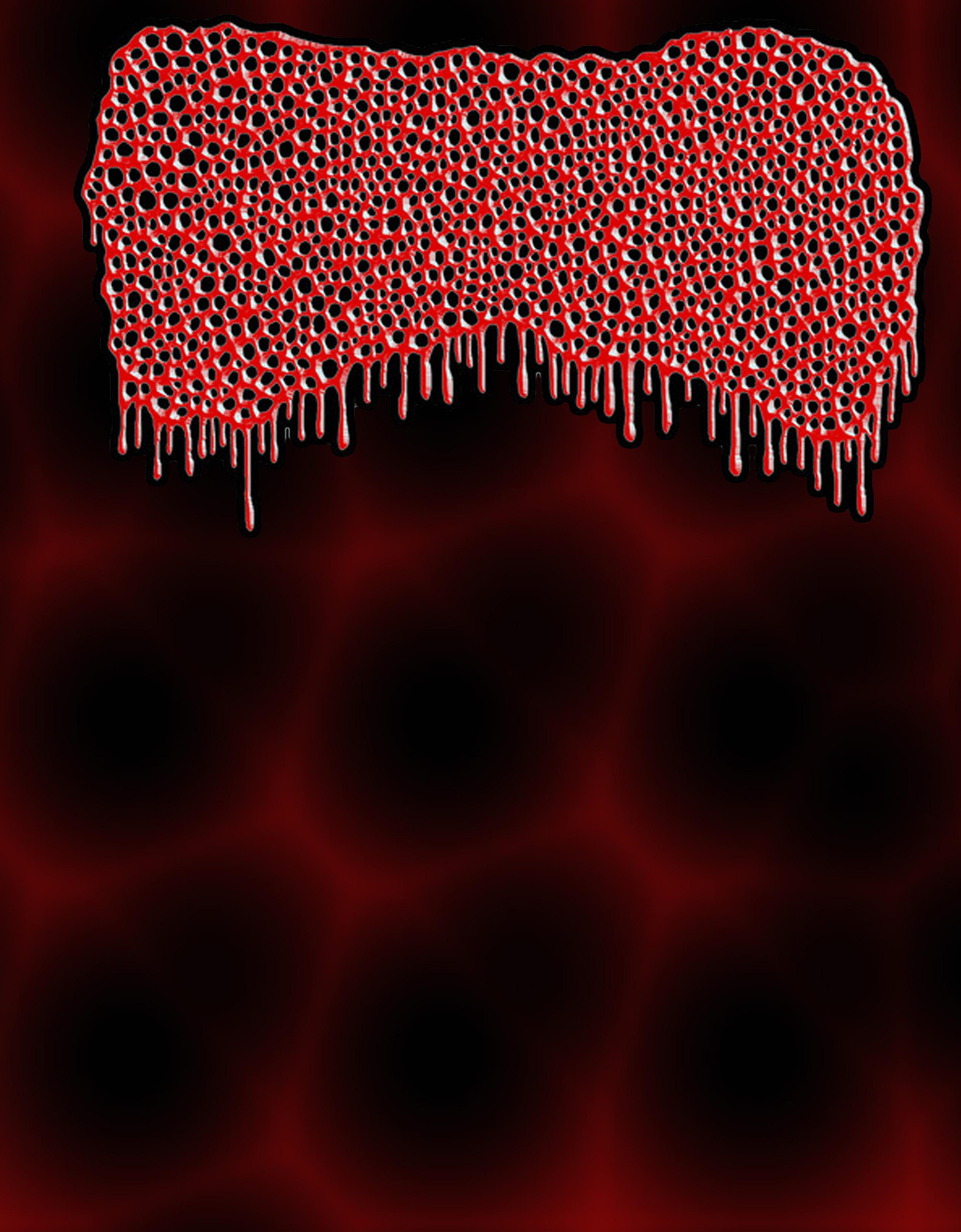
Lymphoedema (shown ?? abstractly in the logo seen right) is a one-man goregrind project hailing from Limerick, Ireland. For the uninitiated, goregrind is a fusion of grindcore and death metal characterized by extremely low vocals, fast tempos and a fascination with gore and pathology. Though the genre’s origins lie in 1980s Britain with the early work of Carcass, the experimental style is as popular as ever today.
To the untrained ear, goregrind is a sensory assault, but its rotten appeal lies in its fascination with the parts of the human experience we are taught to hide. Using low bubbling vocals and snare-ping drum tones that hearken back to industrial machinery, goregrind strips away the vanity of traditional metal. It celebrates decay and turns pathological textbooks and surgical nightmares into grotesque yet liberating stories. Goregrind offers catharsis in the strange, distorted beauty in the otherwise disgusting realities of life. Many goregrind releases feature real images of gore and otherwise shock listeners with unbelievably gruesome, though often unintelligible, lyrics. This outwardly edgy appearance lends itself to the limitless pursuit of brutal horror, akin to the Z-grade splatter film.
Lymphoedema has been making memorable goregrind tracks since late 2022 after adopting his bubbling logo. His music combines the staples of blastbeats, screaming guitar and gurgling vocals with a unique atmospheric noise that pushes his music over the edge. He has performed all across the Emerald Isle and frequents the extreme metal scenes of the greater United Kingdom as well.
Much of Lymphoedema’s merch and imagery includes the ‘noise not music’ logo, a movement that rejects traditional compositional techniques like rhythm and melody. Instead, artists emphasize discordant and uncomfortable soundscapes. This anti-music philosophy abandons the traditional expectations of music and encourages a more artistic appreciation of the extreme. Lymphoedema highlights how for much of his sound, it is a total reconstruction, “There’s some tracks that are actually guitar,” he said, “but for many it sounds like guitar but it’s secretly noise.”
WORDS & ART BY IAN HOFFMAN
(Lymphoedema)
Much of Lymphoedema’s discography is “splits,” records popular within DIY circles that include songs from two or more similar artists. He has collaborated with artists including Fupa Goddess, Prosthetic Urethra of a Savagely Kastrated Amputee, Shrunken Heads, Noose and many more. These collaborations, such as with the party-themed Fupa Goddess, allow him to combine his sound with the unique styles of global goregrind. The collaboration within the goregrind scene has assisted in the relative success of Lymphoedema in the genre, to the point where he now does festivals across Ireland and Europe including Offalfest 2026 and Goremaggadon.
“My biggest goal with Lymphoedema is to support Waking the Cadaver,” he added. Waking the Cadaver is a New Jersey slam death metal band; the overlap between fans of slam and goregrind is overwhelming, though the growing popularity of slam death metal has not transferred to goregrind. Lymphoedema noted that his vocals are inspired by many slam death metal bands and that despite this newfound popularity, “I don’t think any of us are in [it] for the money.”
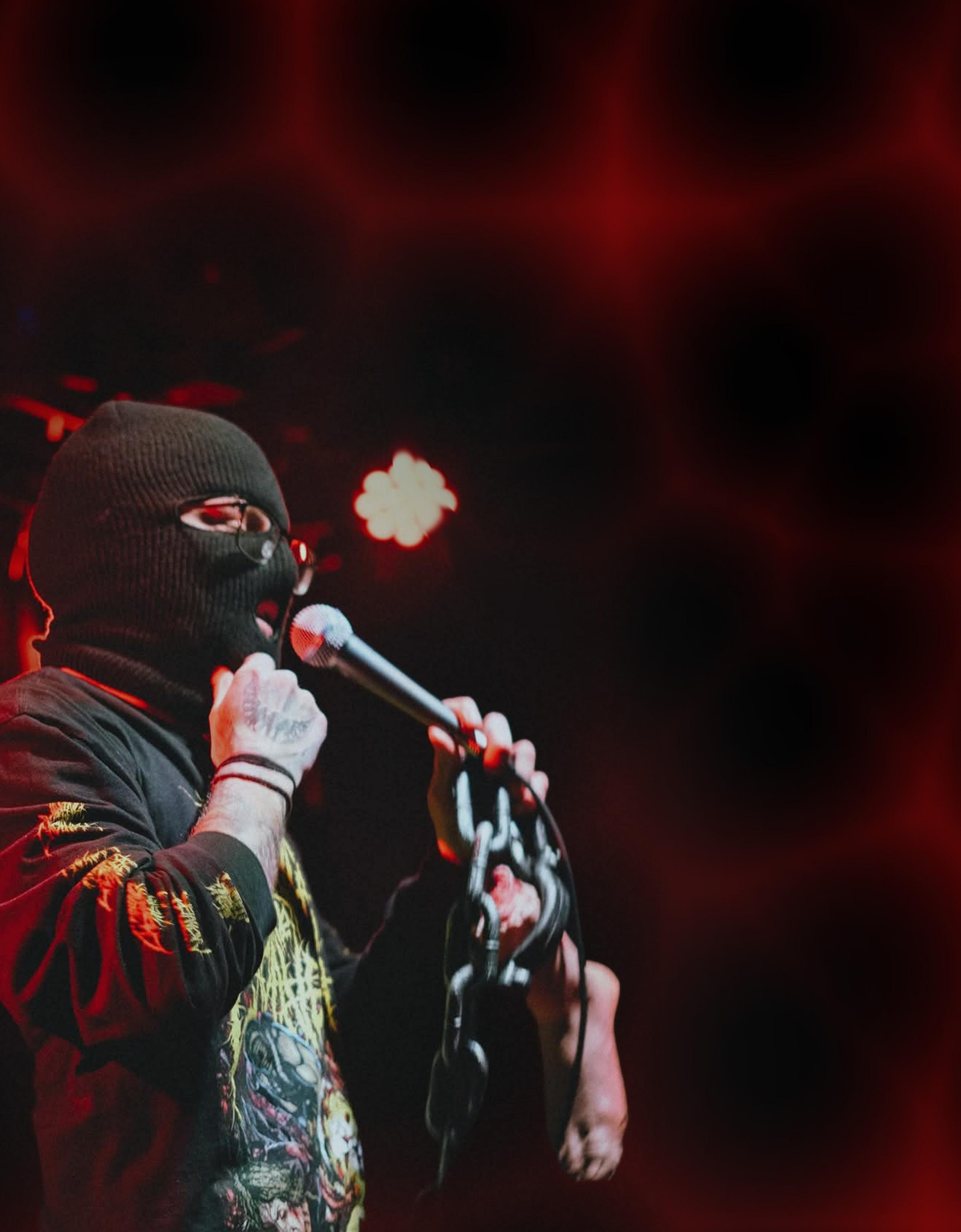
As a one-man project in the genre, Lymphoedema’s performances are undoubtedly unique. Lymphoedema wears a balaclava (an allusion to the provisional IRA) and grips a chain tied around a prop dismembered foot. “The mask makes it easier to get into a character of my music,” he added. For Lymphoedema, the raw heaviness of the music doesn’t require instruments —, pure noise can replace the guitars.
When performing, his live rig consists of only two pedals, both for his voice. A pitch shifter artificially lowers his vocals into a disgusting tone, while the instrumentals and noise are prerecorded. Much of Lymphoedema’s discography is gorenoise, another
subgenre that takes goregrind and fuses it with electronic noise to create harsh atonal atmospheres, still with roaring vocals. This includes standout albums like …Food For The Animals, a split with Michigan-based gorenoise project K9 Hemmorrhoids. The overwhelming sound produced by these artists additionally creates a visceral backdrop for the hammeringly fast drum pings.
Lymphoedema, since starting the project, has always been drawn to politics with one of his earliest releases subtitled “The Noisegore IRA.” While the artist operates out of the Republic, his work leans into the unresolved, and often violent, tensions of the North and the broader Republican push for Irish unification. Within Ireland’s small extreme metal scene, Lymphoedema utilizes his platform to champion Irish heritage as a living, often turbulent struggle against partition, frequently sharing other Irish metal musicians to showcase the creations of a nation still navigating its post-colonial identity.
The ridiculous fashion of extreme goregrind spares nothing to imagination because the freedom of shameless brutality can be inspiring. According to Lymphodema, the themes of gore and violence “help us deal with the real death and violence in the world; it’s a reflection of what’s happening in Iran and Palestine.” “Reality is horrendous,” he added.
Through the eyes of Lymphoedema, the line between art and atrocity becomes unclear. In a fervently DIY community, he is proving that extreme music doesn’t require a traditional ensemble to be brutal. Using roaring noise aided by bubbling screams, the Ireland project is as popular as ever. Even when war steals lives, the anti-music of Lymphoedema is a sanctuary from the human condition.
LEITH ROSS LEITH ROSS
ART, PHOTOS & WORDS
BY AIDEEN GABBAI
In a world of focus-group-tested music and lyrics that are broad and bland, Leith Ross excels at the personal. Their lyrics are diaristic and unflappably honest. Their album covers are unique collages made from their own photos. When they announced their departure from social media, they encouraged listeners to mail in CDs, letters and zines instead of sending DMs.
Ross is a Canadian folk artist based out of Winnipeg, Manitoba. Since they released their first EP Motherwell in 2020, they’ve evolved their music to combine elements of jazz, folk and rock, and have accrued a fanbase because of their devastating lyrics and openness online. After a couple of weeks of scheduling mishaps as the first leg of the tour was underway for their sophomore album, they sat down for an interview with EMMIE about their latest album I Can See The Future
Ross is constantly writing — over the course of a year they might write a 100 songs about whatever is at the top of their mind. “All my songs, all the lyrics, melodies and accompaniment all come out at once for me,” Ross said, “I have to just sit down and write a full song and it usually happens in like an hour or two.” And after they write a song, they rarely edit later. Their reasoning: they imbue full trust into the person they were when they were writing the song. They don’t want to modulate or dilute their emotions later, for fear of losing the feeling of that particular instant.
Maybe this in-the-moment ethos is why their songs have the uncanny ability to render intimate, crushing performances. The lyrics often center around an instant of emotion or transformation; learning to deal with change, grief and the emotions you never expected to feel.
Something about folk draws huge audiences on TikTok. Songs by folk icons like Labi Siffe, Joan Baez, and Vashti Bunyan trend every other month, and some unknown artist can be trusted to rise out of the digital ether with devastating lyrics and a guitar every once in a while.
Leith Ross was one of the first to find their audience this way when they started posting on TikTok during quarantine. They would upload videos of songs they were working on in a bid to keep their career going after the pandemic stopped them from playing live. The very first song that caught the algorithm in a big way was “Music Box,” an ethereal song about a surreal dream, then waking up to find the real world again.
“‘Music Box’ was more just like an interesting experience.” Ross said. “It was just fun. People were using it for their little get-ready-with-mes and their videos of their walks through the forest. It wasn’t until “We’ll Never Have Sex” blew up that […] I was like, oh, okay […] I think something is shifting.”
“We’ll Never Have Sex,” the song that really brought Ross their moment, is characteristic of their discography: devastatingly earnest lyrics, hyper-delicate instrumentals and unmistakable emotion seeping from the track. The song confesses a desire for a relationship that goes beyond transactional intimacy, saying “If I said you could never touch me/ you’d come over and say I looked lovely.”
This gut-wrenching honesty connected with a huge swathe of people, who are still fans two albums and four years later. At Ross’ Madison show in October, the energy of the crowd was electric and hyper. Truly, there might never have been a crowd so rabid for folk. When the band played the opening chords for the hit “You (On My Arm),” a girl in the crowd jumped at least 3 feet into the air.
Ross has leveraged the large following they’ve built for advocacy, donating part of merch sales to local charities at each tour stop, often with an emphasis on helping queer youth. They are vocal on social media promoting fundraisers or spreading information about political causes, like queer rights or speaking out about genocide in Palestine, encouraging their listeners to get involved. For example, when Spotify Wrapped was released, they posted a story thanking people for all the love and support, but went on to encourage people to find other routes of listening to music, because of the role that Spotify has played in preventing artists from being fairly compensated.
Speaking on the role artists play in the world of activism, they said “I think that everyone underestimates their own personal responsibility about being a good community member [...] It’s less my responsibility as an artist and more, how can I use my specific resources to take up the torch of my responsibility as a person?”
However, with the platform comes the pressure of the audience. When Ross posts a TikTok of a song they’re working on, it’s always accompanied by their guitar and nothing else. However, when they’ve gone to release fullyproduced tracks, adding other elements like synths, drums, and violins, they’ve received a lot of irritation from fans. In any video they post of what they’re working on, there are always a slew of people who say things along the lines of “don’t change anything” or “put this version on spotify noww!!!”
“I think that TikTok has kind of created this fascinating thing where people think that acoustic versions of songs are the song itself and that a fleshedout, arranged and produced version of this song is something different,” they reflected. They confessed that this reaction frustrated them at times, but that thankfully they found that most of their ride-or-die fans were happy to have the duality of both versions of their songs. The opinions of the online audience have thankfully not stopped Ross from adding those more complicated production elements, and that’s in fact one of the most integral parts of their new album.
Working with Vampire Weekend’s Rostam Batmanglij (better known as just Rostam) as a producer on I Can See The Future, Ross’ characteristic songwriting is newly framed by lusher, more expansive production. Where their debut album To Learn leaned into melancholy and folk, this album opens up to different genres and emotions. The album is a rock-jazz-folk meld that explores ideas of community, growth and the ever-changing nature of the past.
Compared with To Learn, which focused more on the growing pains of a young adult exploring the wider world, I Can See The Future expands outwards, looking past the self, and seeks to understand how Ross can be a better member of their community, both on the interpersonal level and more broadly. Despite the conceptual cohesiveness of both albums, Ross says this was more incidental than planned. “I have never written an album like a concept record. I’ve never written a set of songs that I knew were going to be on the same project where I wanted to talk about specific things.” They say that the reason the songs mesh together is simply because they encapsulate a particular phase of their life and the themes that were on their mind at the time.
As an album, I Can See The Future is infused with a radical optimism that feels almost impossible right now. It ushers the listener through heavy topics like grief and the singularity of consciousness, while also reminding the listener of how much power love and community hold to combat these forces.
The album starts on a song called “Grieving”, which isn’t as dour as it might sound at first. The song is guided by a beautiful violin, and expresses Ross’ desire to love the people in their life more fully, that if they can only find the courage to say all the things they wanted to say to someone while grieving, Ross has decided that “I’ll love after I’m dead, and I’ll grieve while I’m alive.”
As the album progresses, the theme that keeps coming up over and over is the ways that our care for each other deeply enriches our lives. The fourth track “Stay” is an ode to friendship and the uncompromising ways in which people come together. The song starts off slow and pensive, and halfway through, moves into a groovier beat with a steel guitar accompaniment. “I Will” and ““What Are You Thinking About”” sit next to each other in the tracklist, and while the former is about the paradox of still having a lot of love for someone who’s hurt you and hates you, and what you gained from that love, “What Are You Thinking About” is simpler, iterations of what Ross tells their partner when they ask the titular question, and even when the answer is unpleasant.
“It’s less my responsibility as an artist and more, how can I use my specific resources to take up the torch of my responsibility as a person?”
The title track and the final one on the album, “(I Can See) The Future,” talks about a utopian world in the future, where everyone in the current world is gone, and the world has transformed into something new. Accompanied with imagery in their lyrics of plants growing between the bricks of abandoned prisons and the still present arrival of winter, there’s a real kind of catharsis that comes when they sing “All the walls were just stone/ All the people came home/ It was so long ago.”
Upon the release of this first single, Ross wrote that the song “is about Land Back globally, it’s about the end of policing and prisons, it is about reparations and decolonization in ALL its forms.”
Part of the power of music and art in general is its ability to envision what people can’t for themselves. Accompanied by the ebbing and flowing instrumentals, culminating in an ecstatic crescendo of layered vocals and instrumentals at the end of the song, that future feels close and possible past all reasoning, and, as Ross said, “inspires you to do the work, everyday, to bring it about.”
When asked how they went about transforming all these difficult feelings or experiences in their songs to something that feels hopeful, they responded:
“Man, just in general, in my life, I’m obsessed with change. And sometimes it’s like, not obsessed in a good way, but there is no moral weight on that.
“So even when it’s bad and I’m terrified of it, I’m just still fascinated by it and how it affects our lives, and passionate about trying to find a way to experience it that feels good.”
“Man, just in general, in my life, I’m obsessed with change. And sometimes it’s like, not obsessed in a good way, but there is no moral weight on that.
WORDS BY OLIVER GERHARZ
PHOTOS BY ELIJAH PINES
With how much rotten slop there is online, it’s important to take note whenever you see something special on social media. So when a distorted edit of Outkast’s “Hey Ya!” with funny sounding chopped-up lyrics shows up on Twitter, it’s time to go to the house of the creator for an interview.
Dokpetra is one of Earth’s premiere Slurmers, the heroes chopping up classic songs in Ableton Live to create Slurmcore — a strange genre of remixes individually known as Slurms. Inspired by a 2017 Tumblr post (Mmmm Slurms) spoofing “I’m Gonna Be (500 Miles)” by The Proclaimers, Dokpetra has become a major figure in Slurm culture.
One of their videos titled “SLURMLORE” is a perfect guide to Slumcore, from an explanation of the iconic image of John Lennon walking silly that appeared in Mmmm Slurms, to a breakdown of how to make your own Slurms. Still, that edit of “Hey Ya!” was Dokpetra’s breakout hit. “I just lucked out with that one. I think it was the first one I tried,” Dokpetra said.
“To borrow a word from Devo, there’s something mildly devolutionary about Slurmcore,” Dokpetra said, “I think in this particular kind of watershed moment where generative AI has unfortunately entered the music conversation, it feels like a great time to throw up one’s hands and say, well, if that’s acceptable, then this should be too. And at least I actually did something with my human brain and hands.”
While the most popular videos on Dokpetra’s channel are all recent Slurms, a deeper look reveals two years of fascinating quirky music, the driving influences behind it and the overcoming of a perfectionist urge.
Dokpetra started releasing music shortly after turning 30, a birthday that acted as a “wake-up call.” Dokpetra said they came to a realization that “nobody’s going to do this for me. If I want to release music, I’m going to have to
learn to produce and I’m going to have to start writing it and putting it out there.” That was when they created the alter ego “Dokpetra” for Bandcamp and YouTube releases.
Before the Slurms came, Dokpetra’s primary project was four volumes of “Song-A-Day” releases, a “casual project” where each song would be completed in one 24-hour period. Dokpetra conceived of the project as a way to push through their perfectionist tendencies from their time as a theory composition major.
“I had so many nights where I would be sitting at the piano just hitting my head against the keys trying to get something to come out, but my standards for myself were so high, I just would throw every single thing out,” Dokpetra said.
The genre variety across the 42 songs is incredible, with individual tracks sounding like they come from different planets — even though everything is derived from one two-story studio in the Twin Cities. Throughout the project, and especially in volume four, a more electronic sound emerges, leading to Dokpetra trying on both “Indietronica” and “Electropop” as genre labels.
According to Dokpetra, funk music is part of the bedrock of what they do, especially because of the way it defined the music of Minneapolis. That inspiration is audible in every song and every Slurm that Dokpetra has put out. Geek Rock is another genre that has inspired Dokpetra, especially Devo and They Might Be Giants.
“I think that [Devo] are brilliant artists who are often mistaken just for goofballs doing some sort of absurd wacky weirdo thing,” said Dokpetra. According to Dokpetra, that humor is a part of Devo’s music but isn’t the core of things.“They’re actually really focused and have some really serious messages.”
Humor and goofiness plays a similar role in Dokpetra’s work, both when they join in on their favorite trends like Slurmcore and when they make songs like “I Like To Be Fat” from the fourth volume of the “Song-A- Day” project. The song features a variety of distorted vocals, like “I like that I’m warm most of the time even when it’s cold.” This song is obviously very silly, but the serious callout of the energy that people spend telling people not to be fat harkens back to Devo’s serious messages under silly music.
“I’ve just been seeing people be weird and mean about fat people my whole life. Something that’s important to me is you know, [...] that it’s fine if you’re fat,” Dokpetra said, “I know that I’m fat, and I like to be fat. So chill out.”
While all of their music has that same charm, Dokpetra’s main output the last couple of months has been Slurms. Dokpetra says they don’t create to get views, but notice that people do like and watch their Slurms. ”I’m not much of a trend follower, but if there is a trend happening that is relevant to my interests and that I think is fun, I like to jump in and contribute to the meme,” Dokpetra said.
In addition to music, Dokpetra enjoys making the intense visuals for both Slurms and their own music. This varies from pulsating edits of John Lennon to a pixel-art music video to piano performances in the dingy basement. “Visual art is the main thing I love in life besides music,” Dokpetra said, “If I ever get burnt out on music, which is very rare, I like to switch mediums and do something else.” Looking forward, Dokpeta is starting to put together their first official release. It will be a proper EP; something with more of a throughline — where each song gets more than a day. Thankfully, more Slurms are coming soon — Dokpetra says they’re “not sick of slurming yet.”
I sit down with Excuse Me, Who Are You? (EMWAY) in Brass Ring, a bar which serves as a pre- and post-show oasis for the musicians that visit the neighboring High Noon Saloon. The thrum of another band’s soundcheck bleeds through the walls; the click of cue balls will soon be swallowed by distorted guitar and amped screamo vocals.
It’s easy, in the bar, to read the group across from me as deliberately unserious, as they riff off each other and poke fun at their own music. When I invite them to play at a friend’s house next year, joking that it will be the worst venue in Madison, guitarist Stuart Benjamin replies, “That only makes us want to play it more. We’re the worst band in Madison.”
Onstage, however, that version of them is distilled into something more concentrated and much harder to read. Along with Stu on lead guitar, the band features Hayden Johnson on drums, Jackson Pertzborn on bass, and Kyle Kinney on vocals. EMWAY has been playing shows long before releasing anything full-length, cutting their teeth in beer-stained leaky basements, as is required of every budding Madison band.
Through the years, they’ve translated their offstage chemistry into something strikingly distinct and impossible for anyone tuned into the midwest emo circuit to turn a deaf ear to. That steady, word-of-mouth momentum accumulated into a devoted following who now pack into High Noon on a Sunday night, pressed right up against the stage, singing every word back to them.
Their debut album, Double Blind, is brimming with references to the 1997 Satoshi Kon film, “Perfect Blue,” which also provides the source of the band’s name (see track one: “EMWAY?”). Even beyond the many dialogue samples sown throughout the record, the shared themes between the two are hard to overlook.
“Perfect Blue” is obsessed with the fracture between who you are and who you present to the world. It continually blurs the line between what’s real and what’s performance, while exploring how those real parts of you can break down under pressure — or grief. EMWAY isn’t afraid to gnaw into the bruised and rotten core of these ideas, wearing romantic and familial loss unflinchingly.
Kyle mentions how the death of their father catalyzed an impossible range of emotions which drove much of the lyrical creation of the album. It’s hard to shake the thematic parallels from screenplay to lyrics: cyclonic life events spurring a splinter in self-identity, a warped perception of oneself and the world, and memories strong enough to destabilize the present.
The opening track reaches outward, asking “Will I find my rest like you?” and by the penultimate song on the record, that uncertainty has turned inward, the lyrics fragmented and piercing: “Sometimes I can’t tell if it’s you or me that’s dead,” and, finally, “What did I expect to find?”
Kyle explains, “I don’t know what else I would write about in an emo band, you know? Of course my lyrics will be about the shitty things that have happened to me. But it doesn’t have to be poetic – I want it to sound like I’m actually talking to someone.”
It forms an outline of their approach to composition as well as performance, particularly the embrace of emotion without exploitation. It’s easy to fall too far into analyzing the parallels to “Perfect Blue,” but the band’s creative process contradicts that kind of neat interpretation. Kyle says their approach to
sampling, especially for the “Half-Life” soundbites on their 2022 EP, involves a lot of Stu “throwing shit until it sticks.”
“I think putting samples in songs is akin to when you’re in middle school and you put pictures of your favorite things on your binder.” He explains, “And now it’s like, damn, maybe there was something profound in these.”
A lot of their musical composition seems to follow this more fluid approach. Guitar harmonies might be wrangled among them for a year until they reach a consensus and Hayden is able to work drums into the mix. Vocals and bass are usually the final additions, with Kyle and Jackson on occasion finding themselves writing up to the minute before recording.
EMWAY clarifies that they want to keep using samples, but they’re mostly done with the “Perfect Blue” and even the “Half-Life” references (if anyone can believe that). Their projects, at least so far, were never meant to be monumental, enigmatic concept albums. Even Meat Jelly, an earlier band that Stu and Jackson had belonged to, was built around being together and playing what they felt like.
“Mostly, we just wanted to get drunk and play music,” Stu says, with Kyle adding, “that hasn’t changed.”
It’s a reminder not to over-mythologize a band that has made such an impact locally — for all the way their sound has shifted, that core impulse remains; evolution is never presented as self-serious reinvention. Even as EMWAY’s sound grows more instrumentally complex or emotionally heavy, the band seems to approach it with a casual irreverence, more interested in the act of playing than building any fixed idea of what they’re supposed to be.
Still, authenticity is constantly put into question in music, especially so in the sphere of emo. Modern emo (or fifth wave, or post-emo, or wherever we are) may be one of the most derivative genres out there, maybe because of the clear lineage from its inception or from the heavily localized, communitydriven scene that allows for a kind of aesthetic inbreeding.
“Everything is derivative,” Stu tells me, “It’s just that our music is derivative of the right things.” He credits the line to a friend, but it feels patently his.
A lot of their technical and emotional roots can be traced back to Iowa three-piece Stars Hollow, heard in kindred lyrics grounded in morbidity and vulnerability, as well as their similar prowess to jump from twinkly picking patterns to sudden, full-bodied swells.
EMWAY themselves are the first to admit the influence on their sound, with Stu telling me, “Everything we do is rooted in what Stars Hollow has done in the past.”
“Yeah, all ripped off,” Kyle laughs.
Stu tells me the story of seeing Stars Hollow play a house show nearly ten years ago that cracked the basement floor open like a fault line.
“That night, I bought their cassette and went back to Madison and showed all my friends. I was like, ‘Dude, this is the coolest shit ever.’ And they were like, ‘Yeah, man, this is midwest emo.’”
A lot of what EMWAY is today seems to have grown from that night, rooted in the grounds of midwest emo, but always itching to branch beyond it as well. Stu didn’t know it then, but years later his band’s debut album would circle back to that moment, with Tyler Stodghill of Stars Hollow featured on the second track, “Maybe That Truck Hit Me… And This is All a Dream…”
While EMWAY are quick to point out the music and people that have shaped them, they’re just as quick to leave space around the individual songs. Twice throughout our conversation Stu references filmmaker David Lynch, who preached the philosophy of letting art speak for itself. The band’s resistance to overexplaining their music doesn’t come from an egoistic desire to maintain mystique, but rather a selfless aversion to adding or taking away from something already finished, something so many people connect with in their own way.
That openness, along with their kind of reckless ingenuity, has allowed listeners to find themselves within the music – especially those lucky enough to experience the voltaic intimacy of an EMWAY show. Every project and performance has reinforced that fan faith, carrying their success well beyond Madison.
EMWAY has thundered into a landscape that had already seemed so defined, carving a new channel within only a few years. While they’ve become a stubbornly recognizable, one-of-a-kind force on the local scene, I don’t expect a band named after a line that questions identity to wane in the spontaneity and fluidity of their sound.
By the end of the night, the room at The High Noon Saloon feels smaller than it did before, the distance between the band and the crowd nearly dissolved. The same guys trading jabs over drinks were now locked into a red-hot intensity – though they’ll still be sure to drop a complaint about the amps at some point, just to take it back because “yeah, who gives a shit.”
Everything they’ve built, from attending house shows to hosting their own to selling out locally renowned venues, seems to be less of a solid trajectory and more a continuous evolution; they’re a band carried forward by a tireless love of making music and a midwestern DIY ethos instilled in them all those years ago. EMWAY lives in a scene that thrives on the familiar, but through their unrestrained creativity, cutting vulnerability and a touch of flippancy, they always stay just off-center, just volatile enough to veer somewhere unexpected.
WORDS BY SOLEIL RUMPIT PHOTOS BY JOSEPH FREDERICK
If you’ve spent any time on music forums in the past decade, you’re bound to have encountered “Zamrock” before. Against all odds, Zamrock — the term used to describe the Zambian bands that merged British garage rock, traditional African rhythms and fuzzy psychedelia throughout the 1970s — is currently the most popular it has ever been.
Ever since its global rediscovery in the early 2010s, the Zamrock movement has finally received its flowers, with the genre’s pioneers being compared to the likes of The Beatles and The Rolling Stones. Zamrock has gotten more and more praise as time has gone on, with more information about the movement becoming widely available through reissues, documentaries and firsthand accounts from surviving musicians.
Through these sources, it has become increasingly obvious that aside from its unique musical influences, the biggest factor that led to Zamrock’s exciting inception and tragic demise was the political and economic climate of southern Africa throughout the late 20th century. Understanding the history of Zambia in tandem with the Zamrock genre not only helps us grasp the importance of the movement, but also the important role the genre plays in the current landscape of rock music.
The seeds for Zamrock were planted in the fall of 1964, when Zambia became independent from British rule. Kenneth Kaunda, Zambia’s first elected president, managed to gain control over their massive copper mining industry, resulting in rapid economic growth and modernization in ways
the country had never seen before. For the first time ever, young Zambians had enough money to take part in nightlife, buy records and participate in the culture around them.
While Zambians were enjoying their newfound independence, the Brits who stayed in Zambia began importing records from back home. These imported records, along with local radio stations and pub jukeboxes that played the UK Top 40 Hits of the era, resulted in an entire generation of Zambians who grew up listening to The Beatles, The Rolling Stones, Jimi Hendrix and Cliff Richard.
Infatuated by the spirit and energy of rock and roll, young Zambians frantically began forming groups of their own modeled after their favorite bands. Although most of the proto-Zamrock groups were straightforward cover bands, the excitement of young Zambians to spend their newfound wealth going to clubs to see these bands live resulted in a thriving music scene.
But of course, these bands couldn’t survive on British Invasion covers forever. At the dawn of the 1970s, many of these bands took inspiration from the overwhelming sense of patriotism surrounding them and began combining their Western-influenced garage rock with aspects of Zambian music.
After hearing the afro-rock of Osibisa, Musi-O-Tunya frontman Rikki Ililonga began writing original rock songs with traditional African rhythms. Other bands, such as W.I.T.C.H. and The Ngozi Family, began writing songs in local languages such as Bemba and Nyanja in addition
“Sunday Morning” by Amanaz
“Mpondolo” by Musi-O Tunya
to English. This shift in bands performing mostly covers to all original material marked the beginning of the golden age of Zamrock.
In 1972, the first true Zamrock album was released: Introduction by W.I.T.C.H. While only 300 copies were originally pressed (as that was all lead singer Emmanuel “Jagari” Chanda could carry in his suitcase from the pressing plant in Nairobi), its high demand established it as an immediate classic. The praise for Introduction, as well as President Kaunda’s law requiring local radio stations to play at least 90% Zambian music, incentivized other bands to record and release their own material.
Whether it be the fast-paced stadium rock of Salty Dog’s self-titled debut or the relaxed Velvet Underground-esque vibe of Amanaz’s Africa, the Zambian scene soon found itself with a distinctly unique psychedelic garage rock sound that differentiated itself from both Nigerian funk and Ethiopian jazz. At the genre’s peak in the mid-1970s, these Zamrock bands toured to neighboring countries to play stadium shows with thousands of attendees.
Due to a variety of reasons, the popularity of Zamrock began to wane by the end of the decade. The main reason was the global price of copper falling, which resulted in a major economic crisis in Zambia. While Zamrock musicians once were able to make a living solely playing in bands, they now had to find day jobs to continue to afford living their expensive lifestyles.
Additionally, President Kaunda’s public support for the revolutionaries who sought to end apartheid rule in neighboring countries resulted in Zambia becoming the target of frequent bombings and military raids at the hands of South Africa. In order to protect civilians from the war around them, Kaunda’s solution was to enforce a curfew between 6 p.m. and 6 a.m. This decision effectively left bands with nowhere to play, as venues that wanted to continue hosting shows were required to lock all attendees inside for the entire curfew. This curfew also contributed to disco and funk becoming the dominant genres in Zambia as it was easier for a DJ to play dance records for the entire curfew than it was for a band.
The final nail in the coffin was the HIV/AIDS epidemic, which reached Zambia in 1984 and killed about 13% of the adult population in just six years. Particularly susceptible were the Zamrock musicians who continued to lead indulgent lifestyles. Sadly, most pioneering Zamrock musicians eventually fell victim to aids, most notably Ngozi Family frontman Paul Ngozi and all of W.I.T.C.H. except for Jagari. With most musicians deceased and unable to look after their master tapes as well as people throwing out their vinyl records in favor of cassette tapes, Zamrock soon faded into obscurity.
But that’s not the end of the Zamrock story. Although the genre didn’t initially gain much traction outside of Africa, the interest of Western audiences was piqued in the early 2010s through the reissues of classic Zamrock albums released through Now-Again records. Similar to how they kicked off the first wave of Zamrock nearly half a century ago, W.I.T.C.H. has been the band driving the current wave of interest in the genre. With all of their original albums being reissued worldwide, a documentary, and a reunion tour and album with a new lineup, the Zamrock movement lives on through their music, refusing to be constrained by the tragedies that led to its downward spiral.
Today, Zamrock serves an important role in the rock music landscape. As the same few bands increasingly crowd the narrative surrounding rock music, the unparalleled history and distinguished sound of Zamrock provides listeners with an alternative. Whether it be its incorporation of traditional African rhythms or its combination of throbbing fuzz and chill kalindulan folk, Zamrock’s distinctive take on British rock makes the genre feel so incredibly authentic, fresh and novel nearly half a century later. As the reunited W.I.T.C.H. and Rikki Ililonga continue to make history as the first Zamrock artists to tour the world, it should serve as a reminder that there is more to the history of rock music than just The Beatles and The Rolling Stones.
“Lazy Bones” by W.I.T.C.H
“See
“Shebeen Queen” by Rikki Llilonga
WORDS BY COLE LAMPE
the Storm” by Salty Dog
Chanel Beads by Bailey Krause
Billie Marten by Aideen Gabbai
Against by Ian Hoffman
Núria Graham by Aideen Gabbai
Ned Russin by Lucero Dunscombe
Sanguisugabogg by Ian Hoffman
WORDS BY IAN HOFFMAN
ART BY LUCY STEBBINS
“kamala IS brat” is undoubtedly one of the most bizarre brandings for a presidential candidate in American history. The three-word tweet from British singer/songwriter Charli XCX garnered millions of views and left Americans confused over what this pop star was trying to say.
Overnight, Harris’ campaign leveraged this endorsement and embraced the Brat aesthetics, including a new lime green banner and profile picture on campaign accounts. The left-field endorsement from the most relevant musician of the summer brought on a new wave of support from young voters across the country.
Since Charli’s tweet, she has been a figurehead for Democrats that aim to be “on the right side of democracy, the right side of women’s rights,” as Charli told Vanity Fair magazine. However, the position of Charli as a music icon for this new liberal movement is not as it seems: Charli XCX might actually want to be on the right side of democracy.
“Mean girls,” the thirteenth track from Brat, was reportedly inspired by Dasha Nekrasova, according to The Face magazine. Nekrasova is best known for co-hosting the podcast “Red Scare” with Anna Khachiyan, and taking on roles in “Succession” and “Materialists.” Together, the bohemian layabout duo provide cultural and political commentary.
Originally, “Red Scare” was associated with dirtbag left ideology and support for Bernie Sanders. However, the podcast has become increasingly right-wing since they began their crusade of conservative posturing, from flirting with catholic aesthetics to indulging in “anti-woke” rhetoric, all for the sole purpose of grifting the right. Nekrasova supported Donald Trump for president in 2024 and was largely cancelled after featuring white supremacist Nick Fuentes in an objectively amicable interview on “Red Scare.”
Charli XCX has been friends with Nekrasova and remained publicly connected on social media until her unfollow spree in February (though Nekrasova still follows her on Instagram). Their friendship has highlighted the contrarian reality of Charli. She isn’t always honest about her life.
“And she’s kinda fucked up, but she’s still in Vogue”
“You said she’s problematic and the way you say it’s so fanatic”
“Think she already knows that you’re obsessed”
- “Mean Girls”
Another instance of Charli’s inconsistent beliefs is the disconnect between her public support for Palestine and her professional and personal circles. While she has posted numerous fundraisers to raise money for Gaza and reportedly signed her early Brat vinyls with “Free Palestine,” her creative team and close associates are deeply tied to Zionist or anti-Palestinian narratives. Her manager, Brandon Creed, follows pro-Israel accounts like StandWithUs and has liked content that smears aid efforts in Gaza.
Meanwhile, her friend Nekrasova has been photographed dressing up a target at a gun range with a keffiyah — a symbol of Palestinian resistance. Even if she has not personally defended the genocide in Gaza, Charli’s complacency with Zionist narratives cheapens her façade of activism.
A whim endorsement of Harris has rendered Brat nothing short of dangerous: if Charli wants to express interest in foreign politics, then her unbothered attitude will find itself manifested on the global stage. She can’t be blamed for Harris losing in 2024, but her tweet was wholly irresponsible without acknowledging the irony of being a liberal icon while staying close to the far-right.
Brat embraces messy vulnerability, unapologetic confidence and a curated sense of authenticity, but these attitudes have only landed us at
passivity towards the status quo. Many have felt hopeless about the future of endless wars and cultural schisms, but Brat teaches us, amidst this all, to not care what others think.
Over a year after the release of Brat, Charli’s movie “The Moment” was nothing more than a satire of the commercial pop-queen she claims she’s nothing like.
In a substack post from December 9th, 2025 she writes: “the rejection of commerciality ‘just because’ is such a boring and immature argument.” As she takes her art and lays it out as a commodity, Charli can’t seem to grasp the blemishes of fame in a consumer-culture, so her solution is a political grift.
Charli’s philosophy is what we all wanted, but not what we need: her reckless carelessness makes us complacent with the world around us. She says that we can be fine and have fun, so long as we have the privilege to do so.
The lime-colored glasses of Brat summer have allowed us to ignore how edginess and bigotry seep into the mainstream. The feminist hedonism Charli preaches can placate the anxiety of the modern age, but having the confidence to fight for your beliefs should never go out of vogue.
It’s our responsibility to understand that being unapologetic can’t lead to the apathy that Charli has turned to. If the apple is rotten right to the core, then we ought to be ready to plant the seeds for a new tree.
Even in a city known for its eclectic acts, Madison’s own Dad Bods stands out as one of its most unique offerings. Ever since their live debut back in 2022, the two-piece composed of bassist/vocalist Sean and drummer Chris have come to be known as one of the most exciting live bands around. From drunken shenanigans to amps catching fire, the unpredictability of Dad Bods’ live performances are synonymous with the unconventional nature of Madison’s DIY scene.
Like all good bands, the members of Dad Bods have a long and storied history not only with each other, but also the city they call home. Chris and Sean met when they were freshmen at Madison West High School through a social studies class and mutual friends. Since 2014, the two have played together in a wide array of rock and jazz groups. One of these jazz groups would regularly play at Café Coda, which is where they claimed to have developed their trademark improvisational abilities.
After the two graduated from West in 2017, they formed an indie rock band called Watermelon Collie with other musicians they
met through UW music programs. “Watermelon Collie got asked to play a show with a ton of my favorite local acts: EMWAY?, Shoobie, VomBom, Mission Trip,” Sean says. “And me being the excitable young man I was, I said yes without checking to see who was available. Turns out only two of us were available! So Chris and I had two weeks to figure out how to be a two-piece.”
For their first show as Dad Bods, Chris and Sean planned on playing songs from their high school band. After rehearsing the set and starting the show off strong, Sean’s equipment started to malfunction — “a sign of things to come for every Dad Bods show after that,” he jokes. “We could’ve said ‘oh no, this is a tragedy,’ but we said ‘fuck it,’ and we just kept playing and making shit up on the fly.” Relying on their jazz roots, the pair improvised a scorching end to their set that the audience went crazy for. “That show was kind of a go ahead for us to say ‘people like it when we just show up and play music without preparing anything, so let’s keep doing that.’”
Somehow, the second-ever Dad Bods show a week later was even more chaotic. “We were going to a DIY show at the Nottingham Co-Op as fans to watch Endswell, and one of the bands had some trouble on the road and they weren’t going to be able to play,” Sean recalls. “Our friend Arthur who was booking the show asked us if we could play a set in an hour, and we said ‘Okay, why not?’” These two shows established Dad Bods’ reputation as one of Madison’s most energetic and volatile live acts.
Part of this is simply the nature of two-piece bands. As Sean explains, the person in a two-piece band who’s playing notes “needs to do something to make it fill space, and every two-piece act I’ve met has done it in a different way. There’s a saying I like: ‘Limitation breeds creativity.’ I have never met a two-piece band that wasn’t creative. When you don’t have the tools to recreate the sounds you hear on the radio, you’ve got to think of something new, and every two-piece I’ve met has done something new.”
Dad Bods’ methods of filling space are particularly innovative. While drums are oftentimes delegated to being the backbone of a song, Chris’ inventive beats and artful fills lead the song, forcing the listener to think about the instrument in an entirely new way. Sean runs his bass through two channels, giving his tone its distinctive crunch. Sean’s microphone of choice, a strange sort of copper tube, is used to make his vocals as indiscernible as possible. “I like to write lyrics from the perspective of characters I create,” he explains. “And that always came off more earnest to me if it sounds like it’s coming from a non-professional space or if it sounds like a field recording in some way.”
But of course, the pair have their influences outside of their limitations as a band. When asked about their musical influences, Chris and Sean gave an eclectic range of answers: two-piece bands like Death From Above 1979, jazz pioneers like Pharoah Sanders and even the neo-soul of D’Angelo. “I love the idea of taking musical ideas from a place where it belongs and putting it somewhere else,” Sean states. “Like taking R&B behind-the-beat baselines and playing them loud as hell.” However, the band’s biggest influence comes from an unlikely place. “The audience is also an inspiration for us because we jam a lot based on the vibe we’re getting from the audience,” Chris specifies. “And that jam could turn into a song.”
Because the audience is one of the key inspirations of the Dad Bods sound, their songwriting style is incredibly unorthodox as a result. “Every single Dad Bods song that is currently released started as a space in a setlist where we didn’t have anything planned and we made something up,” Sean says. “The next time we have an improvisational space, we’ll remember that little riff or that drum fill we really liked from last time. And then we start from there, and then just follow the flow of the song to see where it takes us. Eventually if you do that enough, you’ll have finished the song, and the audience will have watched you finish the song.”
Although this style of writing can easily result in aimless songs, this is certainly not the case with Dad Bods’ material. The tracks showcased on their debut album Powerbelly combine the raw
WORDS BY COLE
LAMPE
PHOTOS BY LUCERO
DUNSCOMBE
“As weird as they are, I love the basement shows because you never know what to expect and the energy is always high,” Chris says.
fury of their live performances with carefully applied studio polish to create the most entertaining 19-minute album you will ever hear. Mixed and mastered by Sean himself, the recording of the album was unconventional, with the pair treating the recording process as the last step of the songwriting process. “For most of the songs, I start by recording only the bass part,” Sean clarifies. “Then I send it to Chris and I say ‘hey, is my understanding of the song the same as yours?’ Once we have a recording of the bass that we agree on, then we do the drums. After that’s done, then I rerecord the bass. Once it’s mastered and ready to go on the album, then we finally know what the song exists as.”
Most importantly, the incredible sound the duo achieved on Powerbelly using accessible equipment reinforces the DIY ethos of Dad Bods. A prime example of this is the vocals, which Sean recorded through an Audio Technica gaming headset plugged into the computer in order to “recreate the energy of a COD lobby.” The informal, rough-around-the-edges nature of Dad Bods, from their relaxed songwriting approach to their ability to harness creativity from their limitations, is perhaps the most enduring lesson we can learn from them.
“I don’t like the idea of making sounds that are so beautiful that they’re intimidating to other people,” Sean notes. “I want to make sounds that people hear and say ‘oh, I know how to make bricked-out bass-boosted sound files!’ And I want them to hear it and go ‘oh this actually sounds good, I can do this.’”
30 Years of Jagged Little Pill
WORDS BY ALLIE HOFFERT, ART BY LUCERO DUNSCOMBE
In June 1995, Canadian singer-songwriter Alanis Morissette released Jagged Little Pill. Through layers of alternative rock and grunge-pop, Morissette addressed tumultuous relationships, power dynamics, religious insecurity. Jagged Little Pill’s raw lyricism and infectious melodies made the album a massive hit, with four Grammy wins and 18 million copies sold by 1996. 30 years on, Jagged Little Pill has become an altrock classic, with tracks like “You Oughta Know” and “Head Over Feet” becoming some of the most iconic songs of the 1990’s.
In her new book “Alanis: 30 Years of Jagged Little Pill,” Chicago-based music journalist Selena Fragassi investigates the production history of Jagged Little Pill. The book also delves into Alanis Morrissette’s life, career and impacts on the music industry. Through an interview with EMMIE ahead of the Wisconsin Book Festival, Fragassi shared her writing process, the legacy of Jagged Little Pill and her thoughts on Alanis’ impact today.
Fragassi describes Jagged Little Pill as a “best friend,” an album she’s returned to at key moments in her life. “I wanted to know the story behind it,” she says, “why it made such an impact, how it was made, who Alanis really was before Jagged Little Pill, the origins of her story and her family life.”
Fragassi spent close to a year researching, gathering notes and writing for “Alanis.” Her sources include previous interviews from Alanis Morissette’s life, direct interviews with Morissette’s first manager and publicist and words from other music journalists. Fragassi says she especially tried to include the perspective of female journalists. “When this album was coming out, a lot of the critique was given by male music journalists,” Fragassi explains. “I’ve always written about women in music, and I’ve always wanted to give a space to talk about women artists, because up until recently, they
weren’t given the same space as male artists [...] even now, it’s not a hundred percent equitable.”
When Jagged Little Pill was initially released, Morrissette was “misjudged as being the ‘angry young woman,’” says Fragassi, referencing the November 1995 cover of Rolling Stone. [Link] “People listen to ‘You Oughta Know,’ which is very vitriolic, [...] but did they spend time with the rest of the album?” she asks. “There’s so many emotions. She talks about her own vulnerability and insecurities on a song like ‘Perfect.’ She talks about being in love on ‘Head Over Feet.’ There’s a whole dynamic of emotion on the album.”
“While she wasn’t the only person doing this music back in the 90’s, I think she opened the floodgates”, Fragassi says on Morissette’s legacy, citing Olivia Rodrigo and Meg Myers as artists following in Morissette’s footsteps. “The playing field has leveled”, she says about the modern response to female confessional-style singer-songwriters. “As time has gone on, there isn’t that same kind of one-dimensional scrutiny put on them”.
Fragassi cites Morissette’s emotional relatability and range as one of the key factors behind Jagged Little Pill’s success and continued legacy 30 years on. “It’s weird, because Alanis wrote this when she was literally 19 and 20 years old [...] to have this emotional intelligence was remarkable. She gets to very universal topics that people can come in at many different life stages [...] there’s all these different ways to keep coming back to this album, and I think that’s part of its legacy.”
“When Jagged Little Pill came out, the timing was really perfect,” says Fragassi about the album’s impact. “You had an album like Nevermind by Nirvana a few years prior – the whole zeitgeist changed because of that album. WhatJaggedLittle Pill did was bring forth a lot of feminist narratives.”
The openness Morrissette displayed on Jagged Little Pill was “unheard of at the time, on a commercial scale”, says Fragassi. “There were a lot of underground artists doing it, so Alanis opened up the floodgates for all these artists that came through. I don’t know that we would have a Taylor Swift or a Billie Eilish if Alanis hadn’t done it first and made so much money [...] for a lot of labels, the bottom line is the bottom line.” Fragassi explains. “Everyone was hunting for the new Alanis [after Jagged Little Pill], and so it kept spiraling.”
“I don’t know that [Jagged Little Pill], the way it is, could have come out in 2025”, Fragassi says, describing Morissette’s struggle for artistic self-determination: “Her label at the time gave her pushback. They were trying to get her to re-record her takes. She said, “Absolutely not, that’s me at my most emotional in that moment, I’m not going to manufacture it by doing it again”. I don’t know that many major labels would agree with that nowadays.”
“I hope people understand what Alanis gave to this album,” Fragassi says on her intended takeaway from “Alanis: 30 Years of Jagged Little Pill”. “It took her a lot to make this album, to get people to care, to find the right producing partner, to get a label to give her the time of day. She was so passionate about her work.”
“Anybody who’s creative”, Fragassi says, “take a cue from Alanis and don’t give up. Do what you love, and see the course with it.”
In 1954, at the Midtown Bar & Grill in Atlantic City, New Jersey, Eunice Kathleen Waymon was told her classical piano performances were becoming outdated, and that if she wanted to continue to play, she would have to sing the blues. She knew that singing ‘the devil’s music’ would disgrace her deeply religious family. So she took a stage name, and Nina Simone was born.
This identity change marks the beginning of the pattern of exploitation that would last Nina’s entire career, but at this point in the ‘50s the benefits of a landing record deal far outshined the potential risks. So that’s what she did, releasing her debut album Little Girl Blue through a smaller label with enough success to move to the more prestigious Philips records.
While at Philips, Nina recorded several of her most lasting works, notably “I Put A Spell on You,” which propelled her into the upper echelon of popular music. Backed by the label’s equitable execs, Nina was allowed to write with near complete creative control, a fact which allowed her to release more politically charged songs like the momentous “Mississippi Goddamn.” Though songs like these were often censored and removed from radio stations in the south, the boldness of her writing placed Nina at a focal point in the civil rights movement and furthered her popularity.
Even in this period, when Nina’s creativity was flourishing, the claustrophobia of the music industry was tangible. Critics would place her music in unwanted boxes, labeling her merely a ‘jazz singer’ or pushing racist and misogynistic narratives about the volatility of her singing. Still, the fame and notoriety Nina accumulated in this time made it possible for her to move to a larger record label, partnering with the massive RCA Victor records in 1966.
The switch to RCA was the financial initiative of Nina’s husband at the time, Andrew Stroud, who served as her manager and a massive piece of shit. Unlike Philips, RCA’s approach centered on a palletteable brand image
for their artists, a model that did not exactly align with the creative sporadicism which defined Nina’s career thus far. As a result, she faced the greatest creative restriction of her career, being barred from recording much of her political writing and often pressured to record pop and soul covers over originals altogether. She became disillusioned with the music industry, and America at large, as her artistry was placed in yet another box and the issues she fought so passionately against persisted.
Yet despite being repressed more than ever before, it was in this period that some of Nina’s most transcendent work was released. No album embodies this better than 1972’s Emergency Ward. This album appears, at first glance, to fit RCA’s cookie cutter vision for Nina perfectly: four songs, primarily covers of contemporary tracks thematically focused on love and reverence, partially recorded live back in New Jersey. However, listening to the album is a far different experience than the songs it covers.
Across the record Nina displays the power and dynamics of her voice in a way that transcends even her most popular works. She sings with such expression that lyrical themes hardly matter, her passion drags listeners into a detailed, woeful reality. Though each song on the album presents a very different theme and emotional pallette, the greatest display of expression on the project is undoubtedly her cover of George Harrison’s “Isn’t it a Pity”.
The cover is one of the true live recordings on the album, taken from a performance in Fort Dix, New Jersey. In it, Nina sits alone behind a piano with only a bass faintly outlining her playing. For a moment, it’s as though she’s back in Atlantic City, young and vying for a deal. Now she’s under the governance of one of the largest record companies in the country, and she sings with the grandeur to match. Over eleven minutes and several fully improvised verses, Nina takes what was a simple song about taking love for granted and transforms it into a devastating lament over the state of the world and of her life.
In 1974, Nina left RCA, her husband and the U.S. behind. Despite cementing her legacy as one of the greatest singers of all time, the financial and mental weight of the music industry haunted her until her death in 2003. In that time she gave many of her most iconic performances but never stopped having heated run-ins with record companies: at one point she tried to shoot and kill an exec in Switzerland for stealing her royalties.
Though Nina’s career gives insight into the unending exploitation of the music industry, what’s more profound is her method of fighting against those circumstances. During that odd stretch in the early ‘70s, in the face of the most exploitation and creative restriction of her career, when she was barred from releasing and recording any lyrically challenging material, Nina managed to express all of her disillusionment and emotion through the power of her voice alone. Nina’s story is a reminder that the systems which bind us are not always escapable, certainly not easily, but they’re not entirely impenetrable either. The capacity for change lies in one’s own initiative to fight within their accessible means.
ART BY OLIVER GERHARZ
by Bailey Krause
Cage The Elephant by Lucero Dunscombe
Her New Knife
Koyo by Ian Hoffman
ART BY AIDEEN GABBAI AND LUCY STEBBINS
Art Paul Schlosser (EMMIE Podcast):
I hope that when I die, or after I die, that people will remember me only for good things and not for bad things. I hope they forgive all the bad things if I did anything, and I hope they remember what good I did and I hope that if there’s anything I really said that was wise, that they’ll remember that too.
EMWAY? (Pg. 34):
Stuart: Not being an asshole.
Kyle: Good luck
Stu: One of the coolest things anyone who fucks with our music has ever said to me is, not even, like, “your music saved me” but just “going to DIY shows saved me.” And if we can be a part of that in anyone’s life, then I can die happy. I was in that boat at one point in my life as well. I think that’s part of the reason why all of us do this is just to care about other people. If we’re remembered for just making people have a good time… that’s all we need.
Clear The Gap (Pg. 20)
Being the hardest mosher of the Midwest. m.otherThing (EMMIE Podcast)
Helping institutionalize trans-girl maximalism in DIY music.
Lymphodema (Pg. 24):
When I die I want the noise to continue. I want my legacy to be the noise, it will live on longer than me. Someone who was passionate, compassionate and just genuine about what they do. We’re all here to feel something, I would just like to be remembered for the art that I’ve made and who I was.
Dad Bods (Pg. 42):
Chris: I’m fine not being remembered. I don’t know, maybe I can be remembered as the guy who did a lot of mushrooms and played drums really well.
Sean: I want to be remembered for being a chill guy who was friendly and nice to be around. And if I can make cool music along the way, I’ll love that. But if no one remembers me for anything musical, I’ll still be doing music.
Dokpetra (Pg. 32):
Dokpetra: I hope however long I am remembered for, that people remember that I helped — honestly it’s cheesy — I hope that people remember I helped bring them a smile in weird times. I don’t really care how many people remember what I do, but I always think I have kind of niche interests and tastes and I hope that it can reach people that are looking for something that speaks to their particular weirdness, and I hope there are some people that feel they find that in what I do.
Interviewer: What do you think your particular weirdness is?
Dokpetra: I think it has to do with being an only child, with being neurodivergent and queer and fat and just the way that you get side-eyed very quietly but consistently for that. Any time I don’t feel side-eyed for that is very welcome and can’t always be counted on. So I guess I’m trying to give other people that same feeling. No. Yeah. Me weird. You weird. It good.