9 minute read
Built For This: Two Rules Of Ecology Help Explain Some Whys Of Wisconsin Wildlife

Zach Wood
Zach Wood is a public information officer in the DNR’s Office of Communications.
Wisconsin's climate, particularly our cold winters, shapes so much of who we are and how we live. All sorts of things from our clothing and pastimes to our economy, food and traditions have been molded by the winter weather.
The same rings true for many of Wisconsin’s wildlife species, which have seen historically harsh winters influence their diets and mold their behaviors while shaping, well, their shapes — and their sizes.
You read that right. The shape and size of wildlife, particularly mammals, are often closely correlated with their respective climates.
This phenomenon is best explained through two established ecological principles: Bergmann’s Rule and Allen’s Rule.
Bergmann's Rule
Bergmann’s Rule, named after 19th-century German biologist Carl Bergmann, involves taxonomy, the way scientists classify animal species. It suggests that within a broadly distributed taxonomic group, size correlates with latitude, or distance from the equator, where climates are warmest.
In these taxonomic families, animals living further from the equator are, in general, simply bigger.
“Animals within the same family tend to be larger in colder climates,” said Randy Johnson, DNR large carnivore specialist. And there is a good explanation for this.
“Animals with greater body masses are better able to maintain their body heat,” Johnson said. “So it follows that many species get bigger as you go north — they need to in order to survive.”
Allen’s Rule
Like Bergmann’s Rule, another principle known as Allen’s Rule is all about regulating body heat.
Named for Joel Asaph Allen, an American zoologist active in the later 1800s and early 1900s, Allen’s Rule broadly states that animals adapted to colder climates tend to have shorter appendages than comparable species in warmer climates.
“Physical attributes like shorter legs, snouts and ears help an animal conserve body heat,” said Dani Deming, DNR assistant wolf specialist. “Warm-blooded animals, including humans, radiate heat away from our cores through the surface of our skin. It’s why we tend to sprawl out when we are hot and curl up when we’re cold.
“Smaller appendages generally mean less surface area, and the smaller an animal’s surface area, the less body heat is lost, and the warmer the animal stays.”
Get Big, Stay Warm
To summarize these two rules, as climates get colder at increasing latitudes away from the equator, maintaining body temperature becomes paramount. The animals best adapted to survive further from the equator are typically those with larger body masses combined with shorter appendages.
This combination yields lower ratios of body surface area to volume, which helps to conserve heat. In short, it’s survival of the thickest.
And there are examples all around us.
Bears
Across the animal kingdom, there may not be a better demonstration of Bergmann’s Rule than among the world’s bears — the taxonomic family Ursidae.
“Bears are often used to demonstrate Bergmann’s Rule,” Johnson said. “With only eight species across the globe, it becomes really easy to map each species’ respective ranges and then compare that to their size.
“As the rule would predict, the species that lives closest to the equator, the sun bear, is the smallest of the eight species. As you move further from the equator, the bears get progressively larger.”
After sun bears, there are sloth bears, then pandas a little further north of that, then Andean (or spectacled) bears, which are south of the equator but further from it than pandas. Each of these bear species is larger than the previous, Johnson noted.
“This trend continues through the Asiatic and American black bears,” Johnson said, “on to the brown bears of the northwestern United States, Canada, Russia and Scandinavia, and finally arriving at the largest of all living bears, the polar bear, native to the Arctic and adjacent areas.”
Patterns regarding bear appendages appear, too, Johnson added.
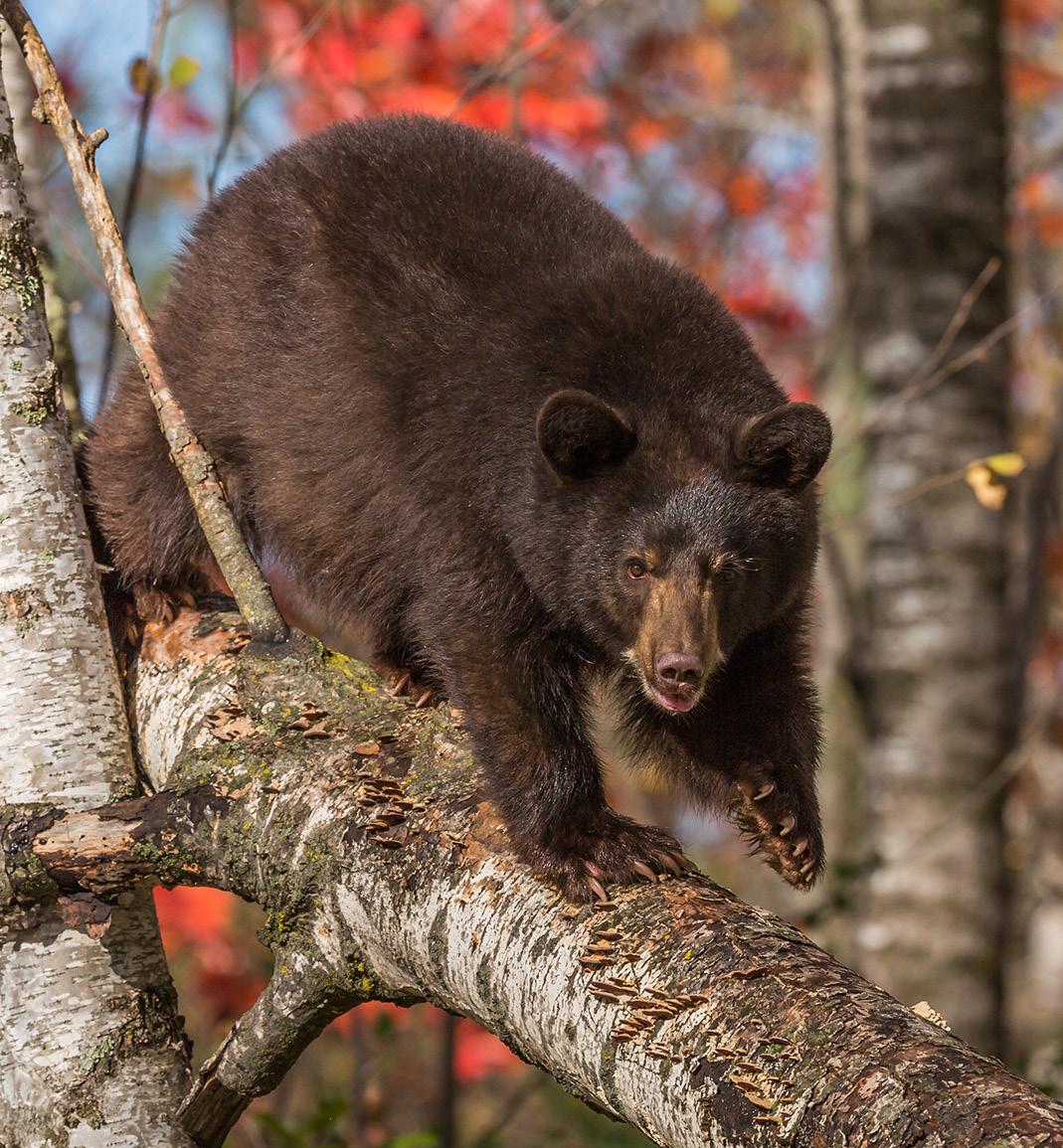
“A great example of Allen’s Rule within the bears of North America is the differences in their ears,” he noted. “American black bears have relatively large, pointed ears. Brown bear ears are slightly shorter and more rounded.
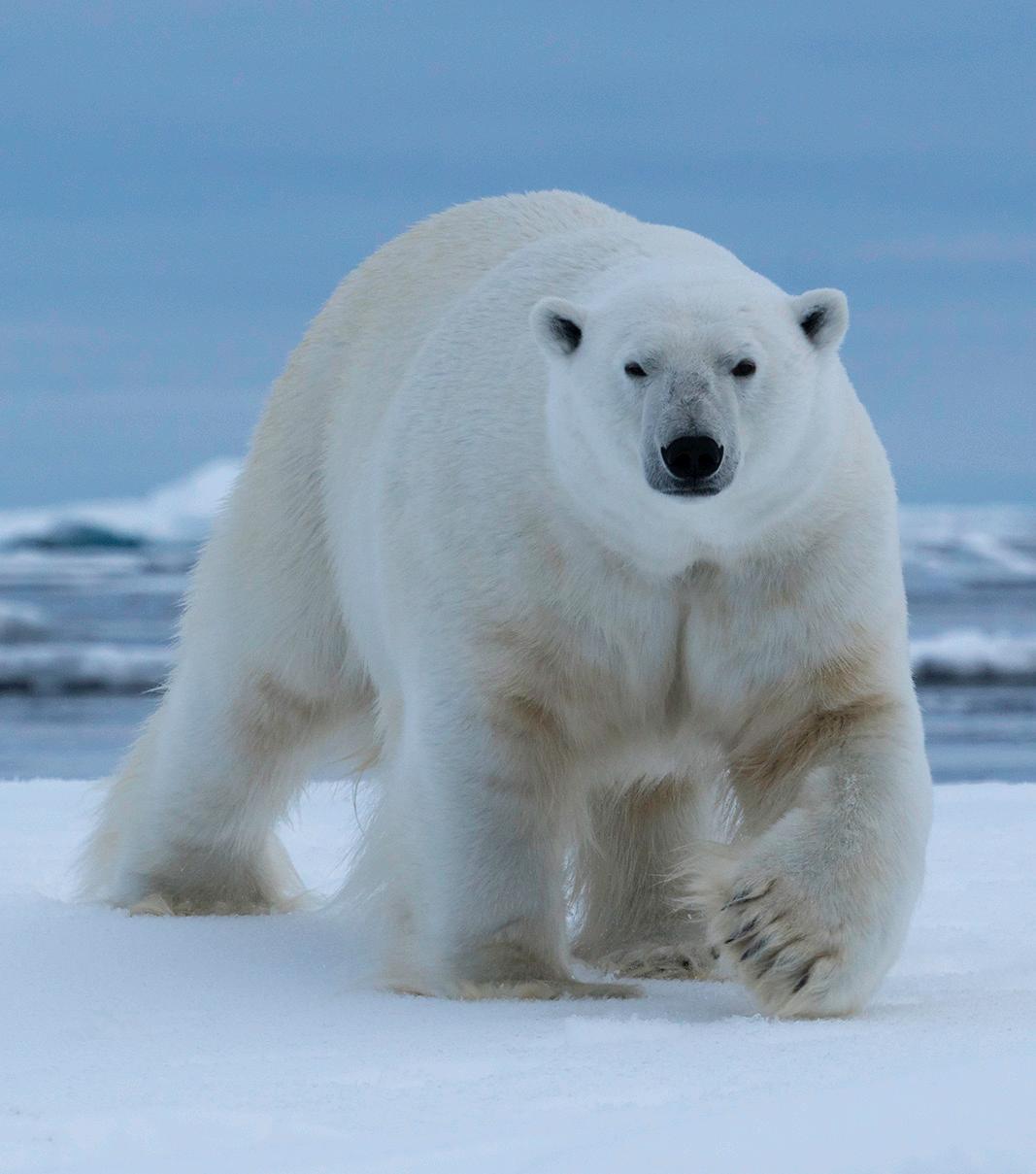
“Then there’s the polar bear’s ears, which are much smaller and very rounded.”
Anybody who’s been outside without a hat in the winter knows how much heat you can lose through your ears. The polar bear’s compact ears are adapted to minimize that.
The same goes for head shape and size. For the greatest contrast, Johnson compares the head of a sun bear, the smallest of the bears, to that of a polar bear, the largest bear species.
In actual size, a polar bear’s head is bigger than that of a sun bear, of course, but what matters is the head size relative to the rest of the body.
“The sun bear has this big, blocky head that’s almost as wide as its shoulders,” Johnson said. “On the other hand, the polar bear’s head is noticeably narrower, leaving less surface area through which it can lose body heat.”
Cervids
For another striking example of how size increases with latitude, consider various subspecies of white-tailed deer (Odocoileus virginianus) across the United States.
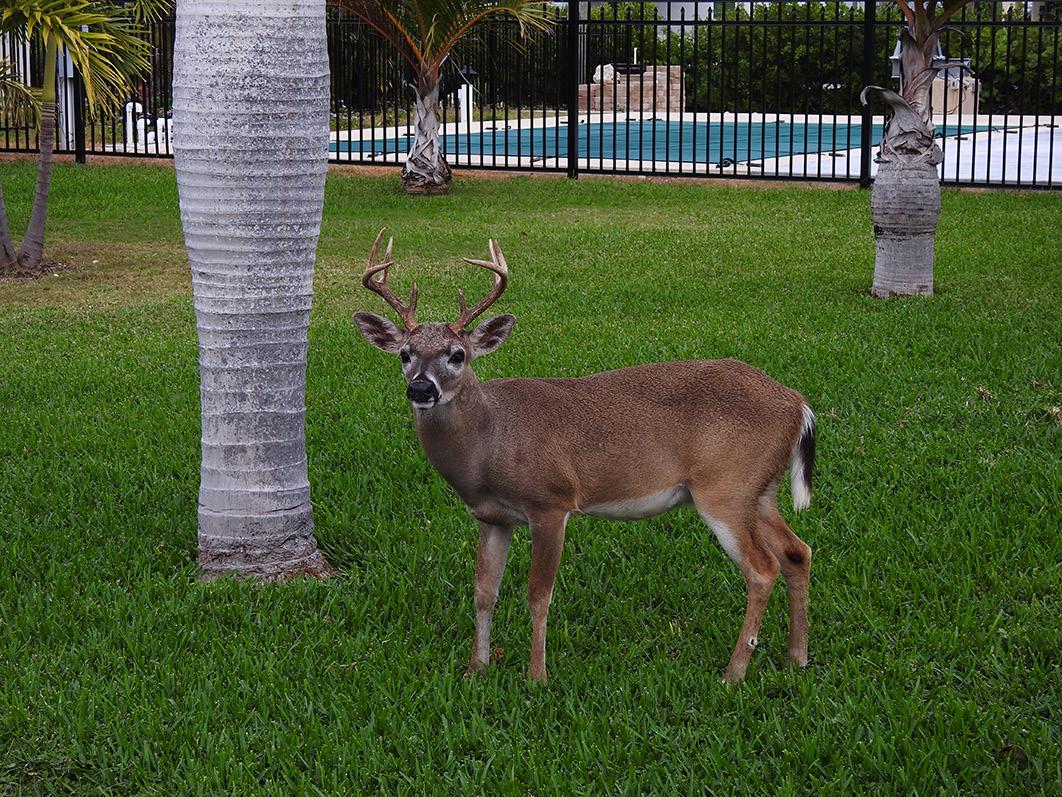
The Key deer, the smallest subspecies of white-tailed deer, is found only in the Florida Keys, famously the southernmost point in the country and, therefore, generally quite warm. The largest of these unique deer grow to less than 3 feet high at the shoulders and top out around 80 pounds.
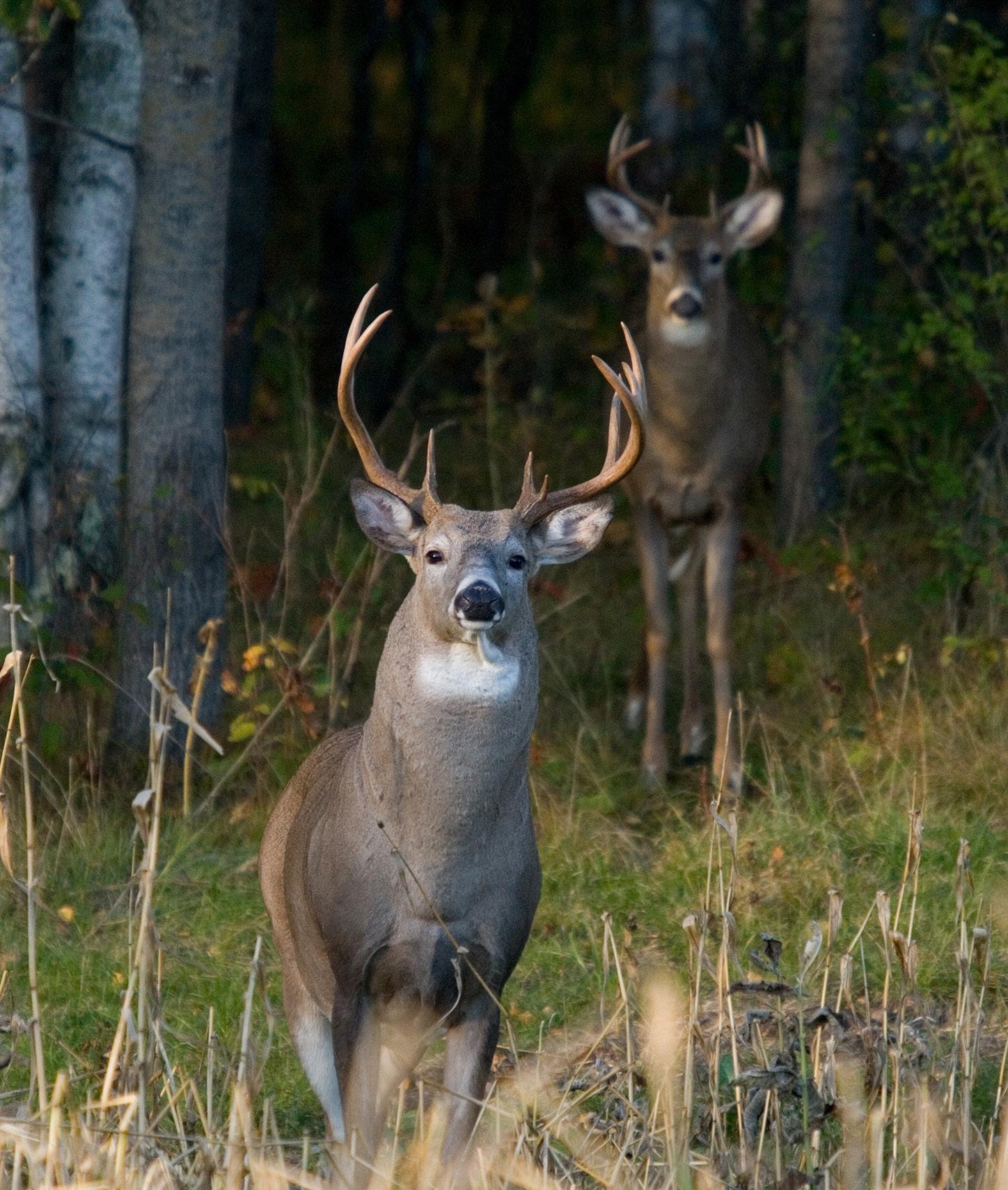
On the other end of the spectrum, the Great Lakes states and Canada have produced many of the largest white-tailed bucks on record, noted Brooke Van Handel, DNR assistant deer and elk specialist.
“No state has produced more Boone and Crocket record bucks than Wisconsin,” she said, “and several of the heaviest bucks on record have come from north of the U.S. border.”
This pattern is further reflected overall among cervids — members of the biological family Cervidae — and their comparative size on the landscape. This includes deer, elk and moose.
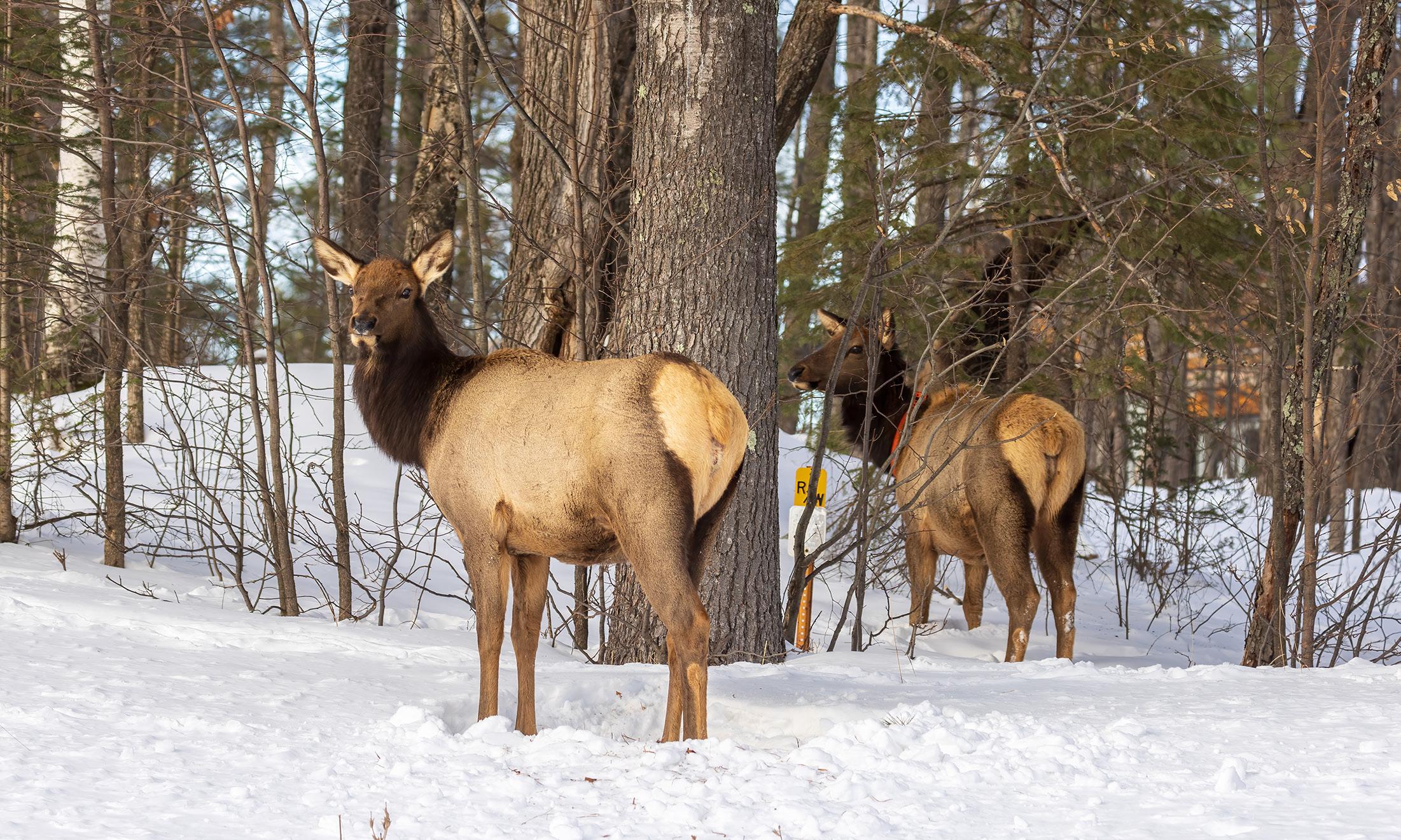
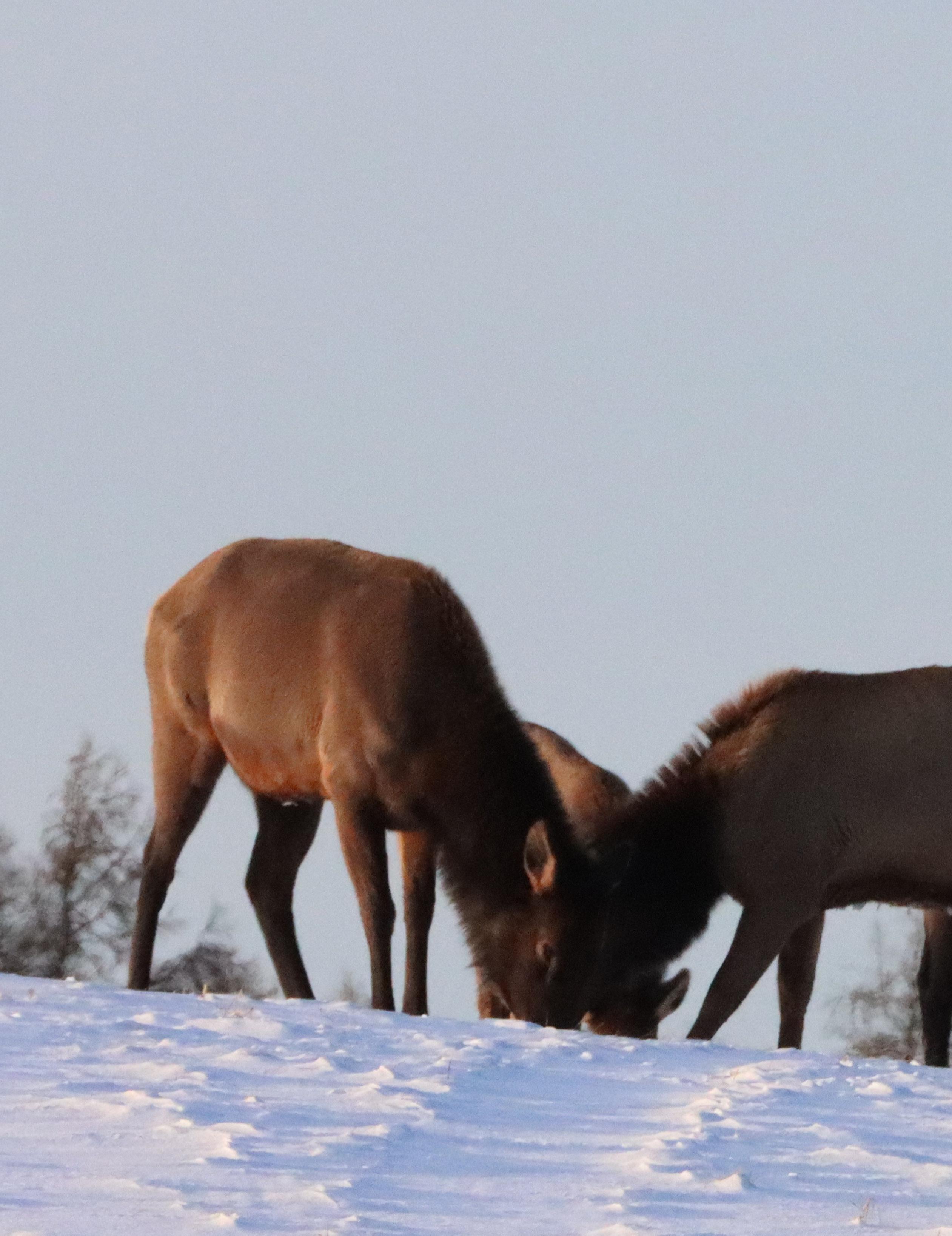
“Not only do the deer tend to get bigger as you move north across the U.S., but you will also start to see other, larger cervids,” VanHandel said. “Elk, including those in the Clam Lake and Black River herds, are much larger than whitetailed deer.
“Bigger still is the moose, the largest cervid on the planet, and still regularly spotted in Wisconsin’s Northwoods despite the species no longer maintaining a permanent presence in Wisconsin.”
The ranges of these cervids extend much further north than Wisconsin. And, as Bergmann’s Rule would suggest, the heaviest specimens of each are typically found towards the northern ends of their respective reaches.
Coyotes
For millennia, coyotes were restricted to their native range in the prairies and desert areas of Mexico and central North America, but things began to change in the early 1900s. As the United States expanded and became more developed, wolves and other top predators began disappearing from the landscape.
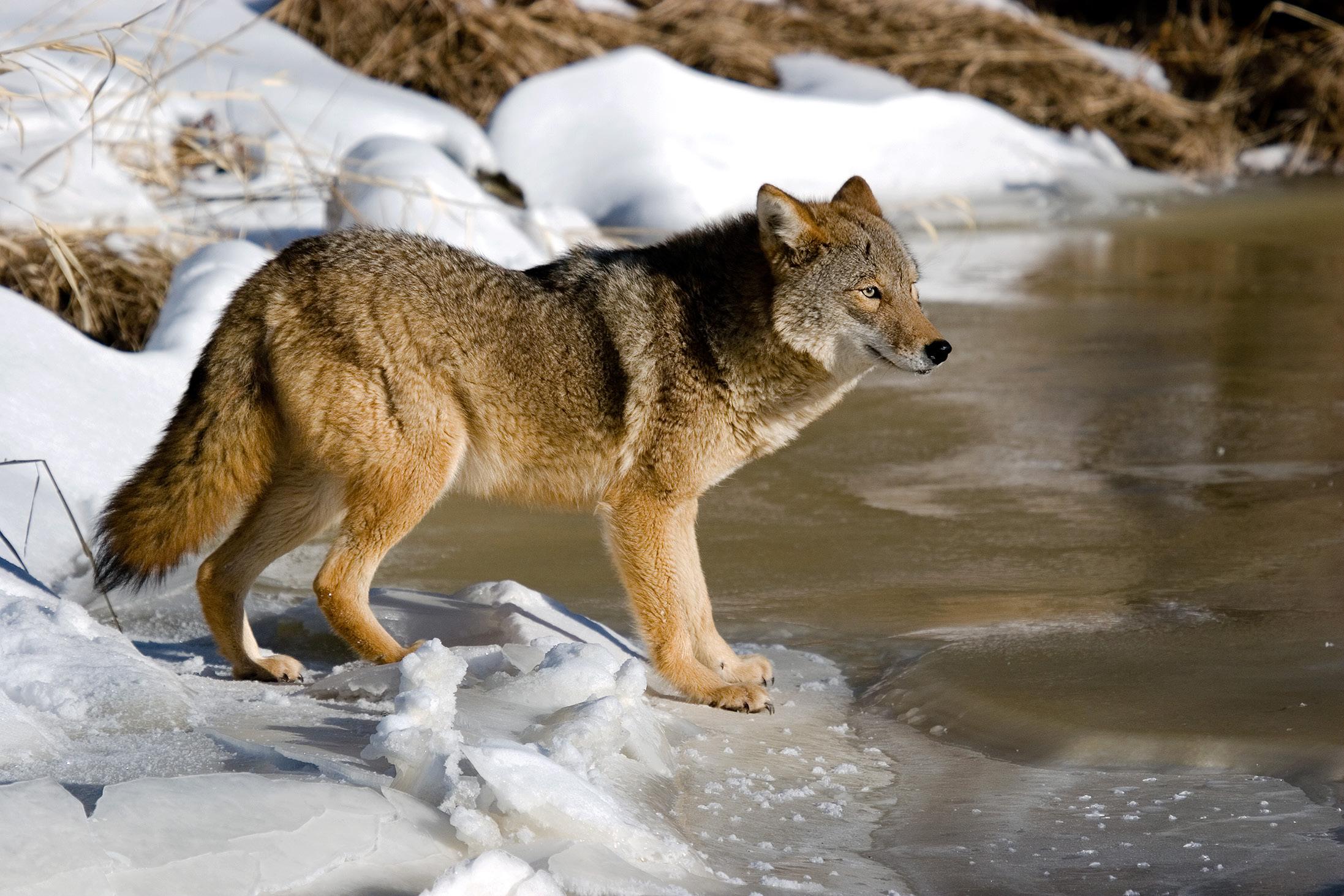
With wolves largely out of the picture, coyotes (Canis latrans) were able to move into the eastern and far northern parts of the country, even making it to Alaska. Although it’s only been about a century, the coyotes that now inhabit the colder parts of North America are already noticeably larger than their southern counterparts.
“A Wisconsin coyote might have 20 pounds on a coyote from the Mojave Desert or Texas,” Deming said.
As coyotes moved north and east, they interbred with wolves (Canis lupus) and domestic dogs, becoming bigger, more robust and better suited to the harsher winters. Being bigger also gave them the ability to go after the larger prey found in those areas (prey that was bigger to better handle those winters themselves).
“The recent history of the coyote really is a perfect example of Bergmann’s Rule,” Deming added. “What makes it unique, though, is that we can see it happening in real time as they continue to expand throughout North America.”
Notes And Exceptions
Latitude and temperature aren’t the only factors that influence wildlife size. Habitat and the variety and quality of food available play major roles, too.
For example, the famously enormous Kodiak brown bears of Kodiak Island in Alaska have ample access to high-protein and calorie-rich seafood like salmon, which fuels their growth more effectively than the more varied and plant-heavy diets of the smaller inland grizzlies at the same latitude, Johnson said.
Also, as already noted, Bergmann’s Rule and Allen’s Rule primarily apply to mammals, along with some birds. But they do not hold true for cold-blooded animals and other wildlife that rely on external factors for temperature regulation.
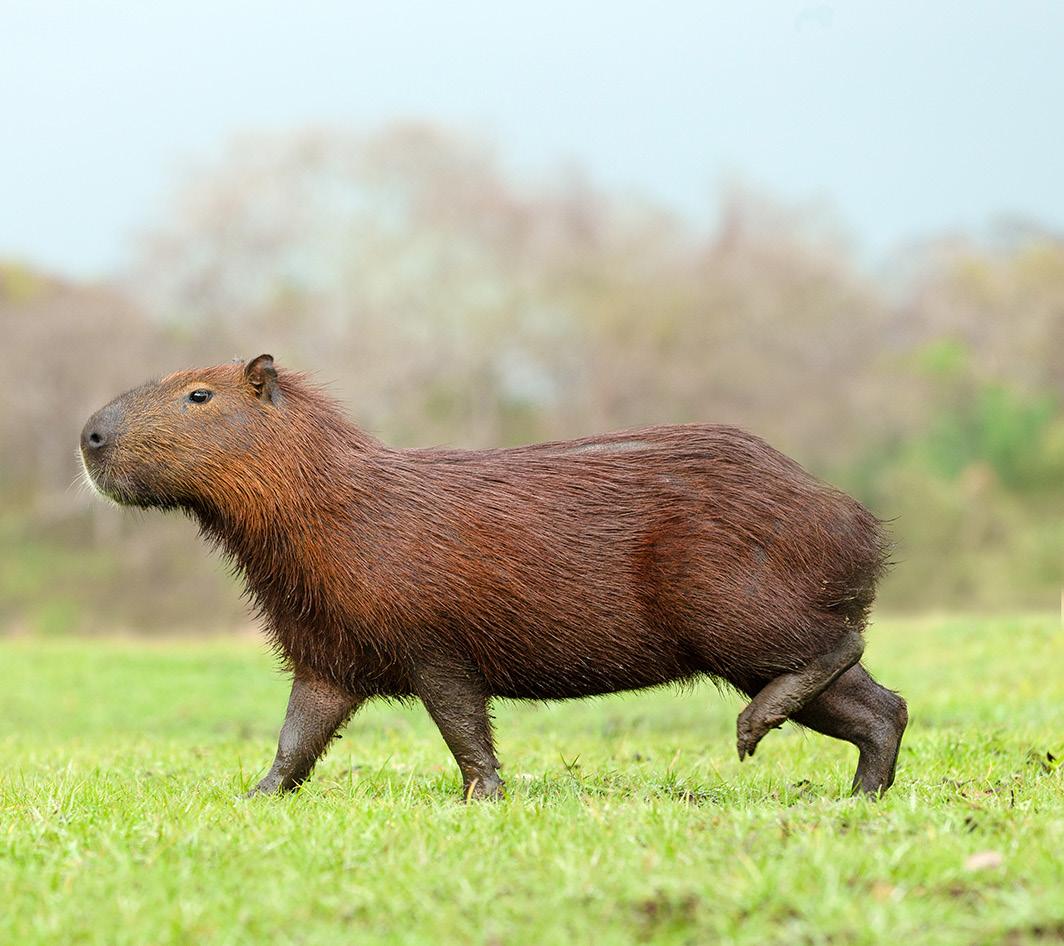
Furthermore, some mammals don’t follow these rules; several species of rodents have adapted to thrive in cold climates through behavioral changes, such as burrowing and nesting, and thus do not require the thermoregulatory benefits that come with a larger body or shorter limbs.
Although certainly not absolute or without exceptions, Bergmann’s Rule and Allen’s Rule remain essential pieces of our understanding of the world’s ecology. They provide a strong set of guidelines in helping us answer the eternal question, “Why is that thing the way it is?”