
5 minute read
Legacy And Future Of The Wisconsin Conservation Congress

Jonna Mayberry
Jonna Mayberry is a public information officer in the DNR’s Office of Communications.
The Wisconsin Conservation Congress has been protecting Wisconsin’s natural resources for decades, a role its members recognize and respect.
Unique to Wisconsin, the WCC is the only statutory body in the state where residents elect delegates to advise the Natural Resources Board and the DNR on how to responsibly manage Wisconsin’s natural resources for present and future generations.
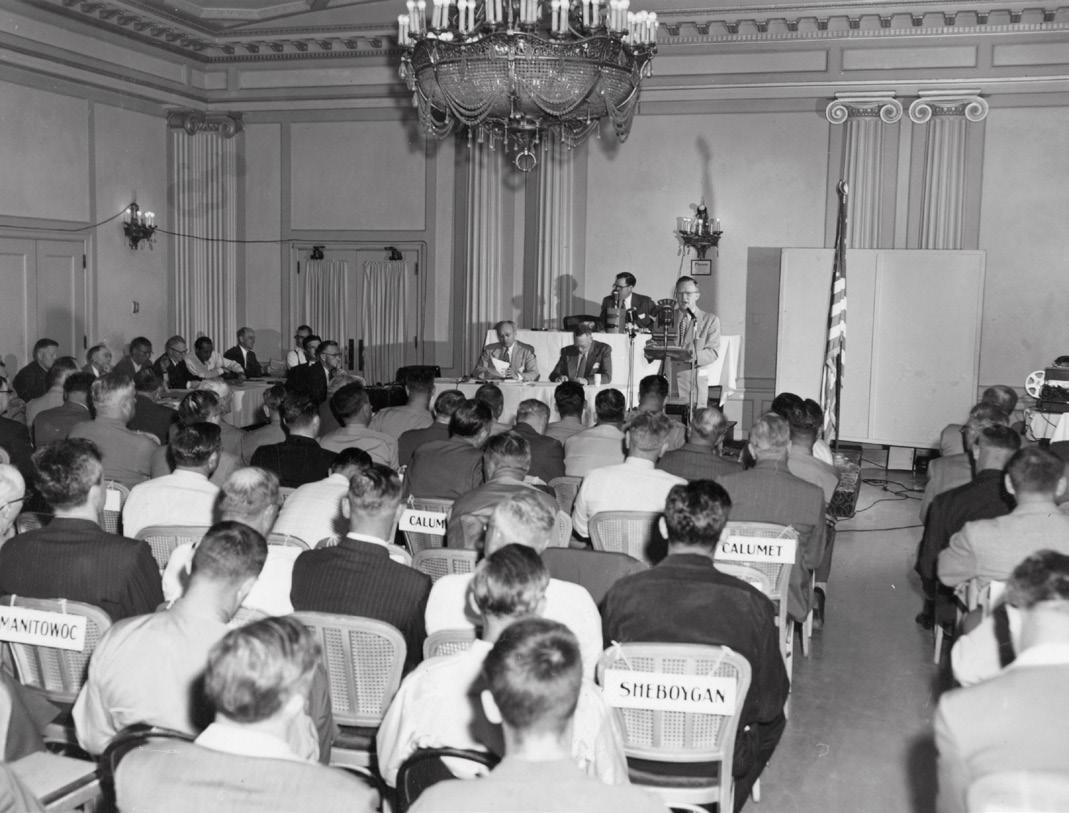
The WCC consists of five elected delegates from each of Wisconsin’s 72 counties, chosen during the DNR’s annual fish and wildlife Spring Hearings. Each group of county delegates then selects a chair and vice-chair.
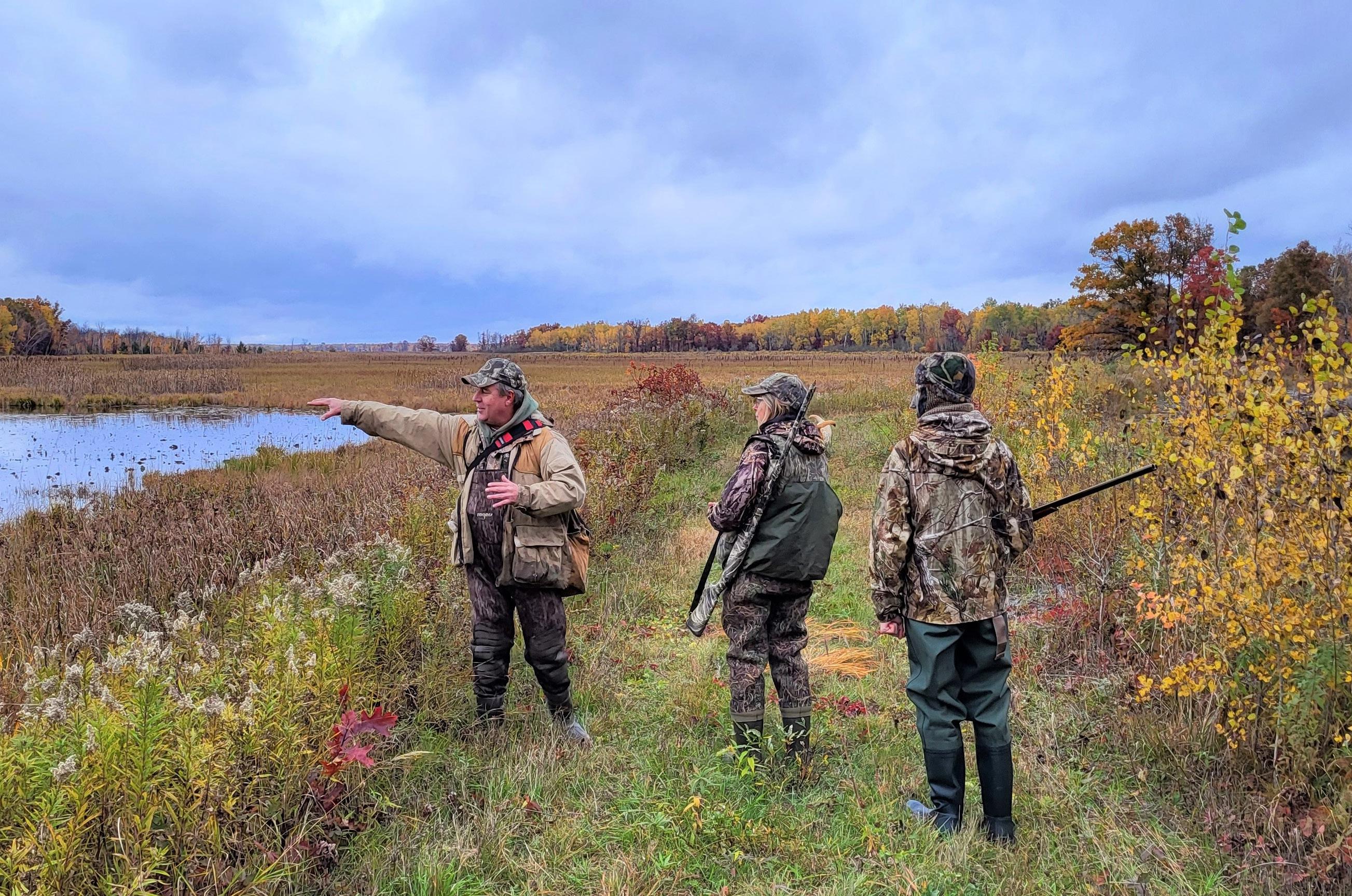
In addition, the WCC divides the state into 11 districts and fields a 22-person District Leadership Council. An overall Executive Committee is elected from among the leaders at the district level.
Finally, WCC delegates are assigned to serve on 20-plus advisory committees, working on a variety of fish and wildlife issues in an effort to listen, inform and advise.
“It's up to the WCC to connect the citizens and make sure that we, the delegates of the WCC, are capturing the voice of all the citizens of the state,” said Kevin Schanning, a 12-year WCC delegate and chair for Bayfield County.
Roots Of The WCC
Early industries, including lead mining, forestry and farming, depended on Wisconsin’s natural resources. The dawn of the Industrial Revolution in the late 1800s brought unprecedented levels of environmental degradation, necessitating the development of clear standards and rules to conserve our state’s land and natural resources.
“The whole notion of conservation sponsored by the government was new,” said Ed Harvey, who has served on the WCC for 47 years and is the chair for Sheboygan County. “And things were not working out very well.”
People began to realize that conservation policy is a three-part concept, Harvey said.
“First, you have the political side of it — that is where all of the money comes from. Then you have the science side of it,” he noted. “But none of those can be effective unless they are to the agreement and satisfaction of the public side of it.
“And the public side was missing at that point.”
To fill the void, the WCC began as an idea from Aldo Leopold and other conservationists, and in 1934, the State Conservation Commission, a predecessor to the Natural Resources Board, established it.
“(It was) the vision of Aldo Leopold to have the public have an impact; Aldo Leopold's vision was to protect,” said Mike Britton, a WCC delegate of 13 years and chair for Barron County. Britton’s father, Roger Britton, served as a past chair of the WCC.
Today, the WCC has institutionalized resident input and involvement in natural resources policy and management.
Big Wins
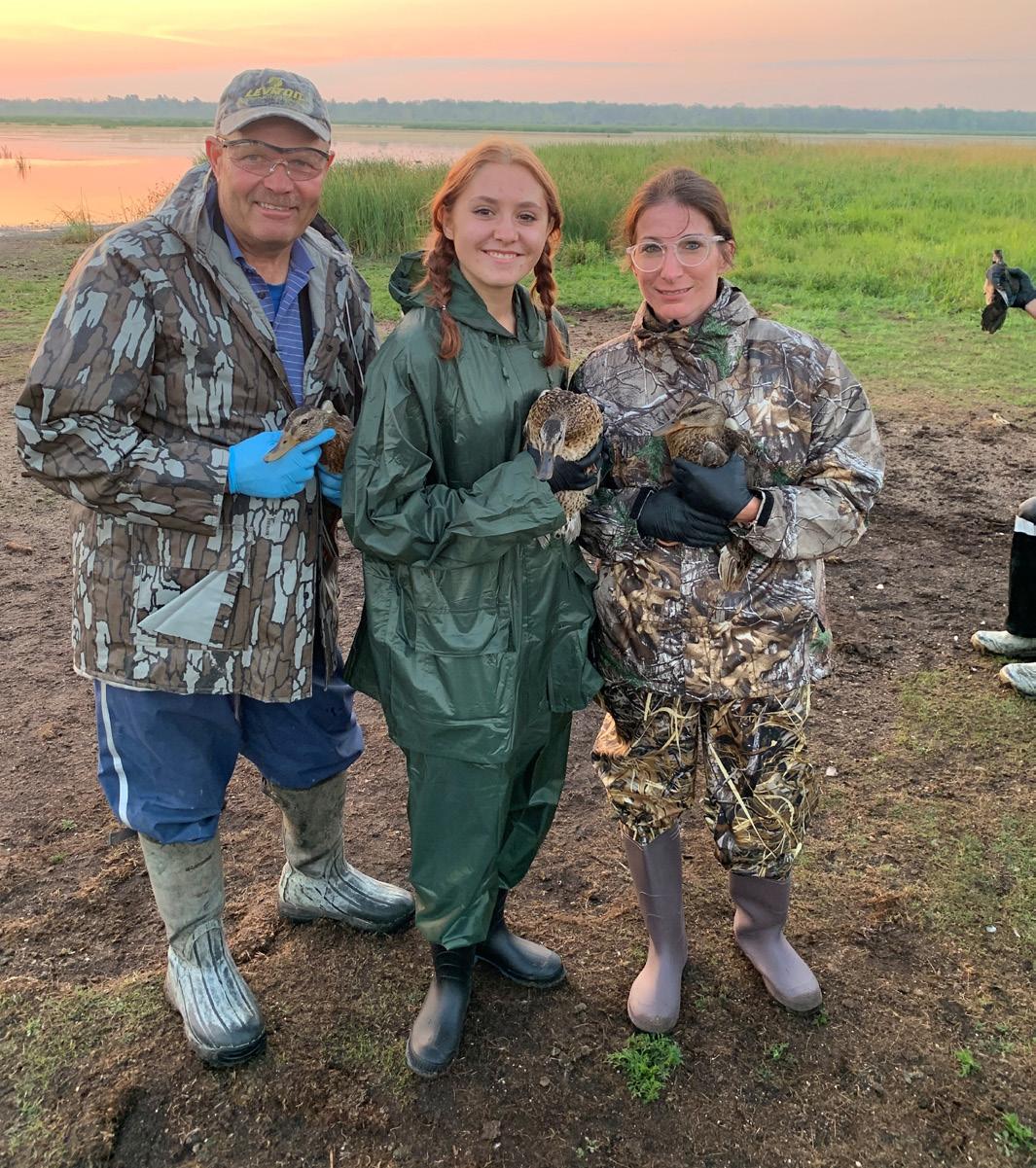
Since its inception, the WCC has supported advancements for natural resources across the state, including some we might not initially think of, like the reintroduction of turkeys in Wisconsin.
“That has been an incredible recovery program that has had the support of the WCC over the years,” Britton said.
The annual Spring Hearings (with input now collected in person and online) represent another win, inviting residents to submit and vote on resolutions each year to guide conservation policy. As the world evolves, broad environmental issues also have become an increasing part of the WCC’s vision.
“There are huge threats to the environment … and it's so important for the voice of Wisconsin's citizens to be heard,” Schanning said.
Mary Ellen O’Brien, a retired environmental scientist, has served on the WCC for eight years in Dane County and is the chair of the group’s Environmental Committee.
“The WCC had the wisdom and the foresight to recognize that environmental factors were pretty important, so they established an Environmental Committee,” she said.
The WCC must continue to “foster the broader conservation vision,” she added, understanding that “conservation involves more than just hunting, fishing and trapping quotas. Environmental factors are also critical in keeping our waters and ecosystems healthy and viable.”
As for the future of Wisconsin’s natural resources and related policy, the WCC will continue to play a critical role.
“The whole concept of the congress is lofty and high and something we need to work on and make sure we do not lose,” Harvey said. “We do this every year and have since 1934, and we will continue to do this, I hope, for a long, long time.”
Learn More
For details on the Wisconsin Conservation Congress, including how to connect with delegates in your county and become involved, visit the DNR's website.
