
3 minute read
Wisconsin Made: Create A Winter Wreath Using Foraged Materials

Jada Thur
Jada Thur is a communications specialist in the DNR’s Office of Communications.
A holiday wreath is more than decoration, it’s a way to bring the beauty of Wisconsin’s outdoors into your home. The best part? You can make one with materials collected from your own yard or a nearby woods.
With just a little effort, you’ll have a winter wreath that celebrates Wisconsin’s natural beauty, supports local ecosystems and reduces waste.

Gather Materials
Native evergreen branches
Spruce
Stiff needles that have a strong scent but dry out fast.
Good but short-lived.
Fir
Soft, flat needles that stay green the longest.
Best for long-lasting wreaths.
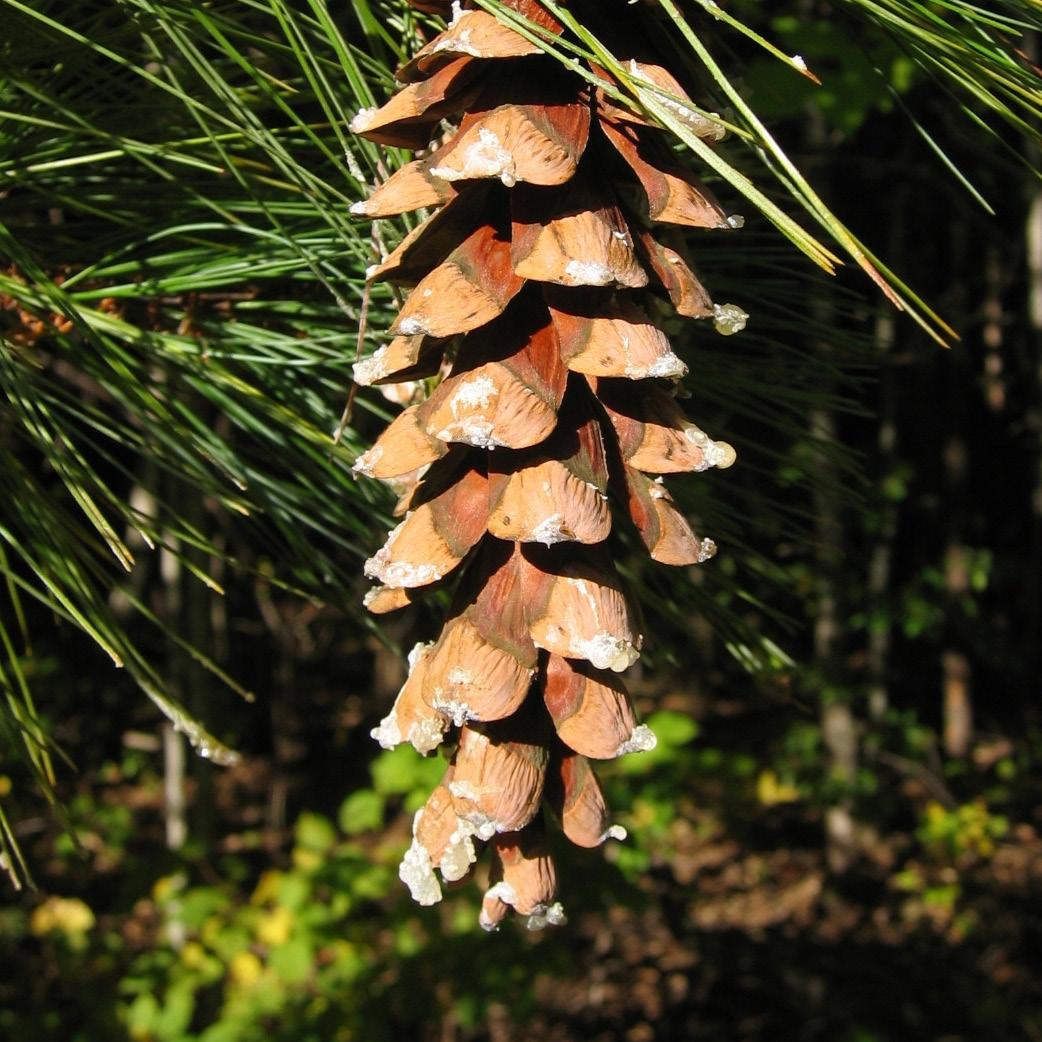
Pine
Long needles that give a fluffy appearance but shed easily.
Good but short-lived.
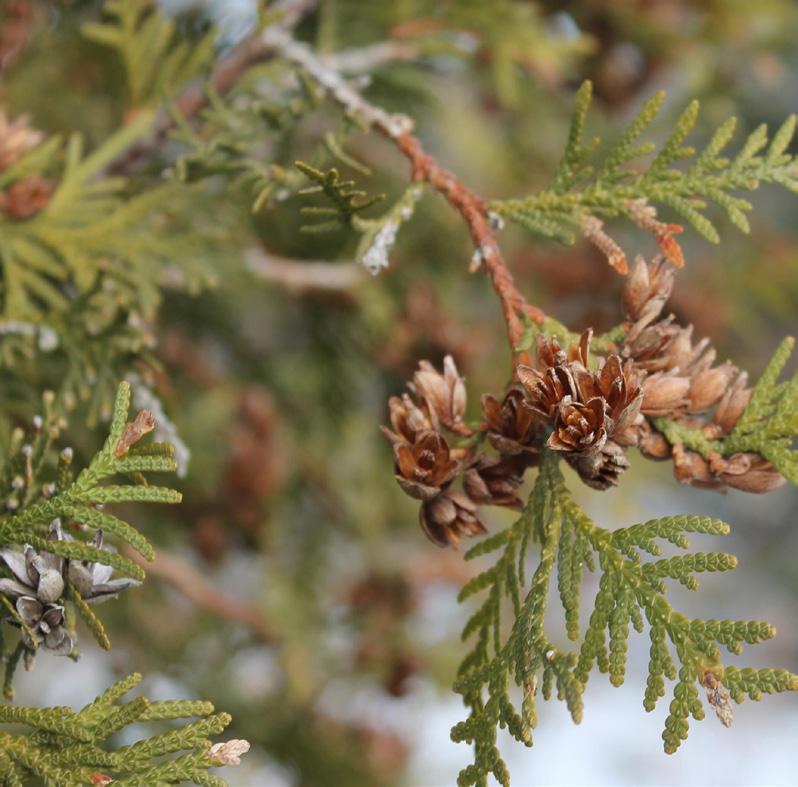
Cedar
Soft, dropping branches and very fragrant.
Best for long-lasting wreaths.
Native accents
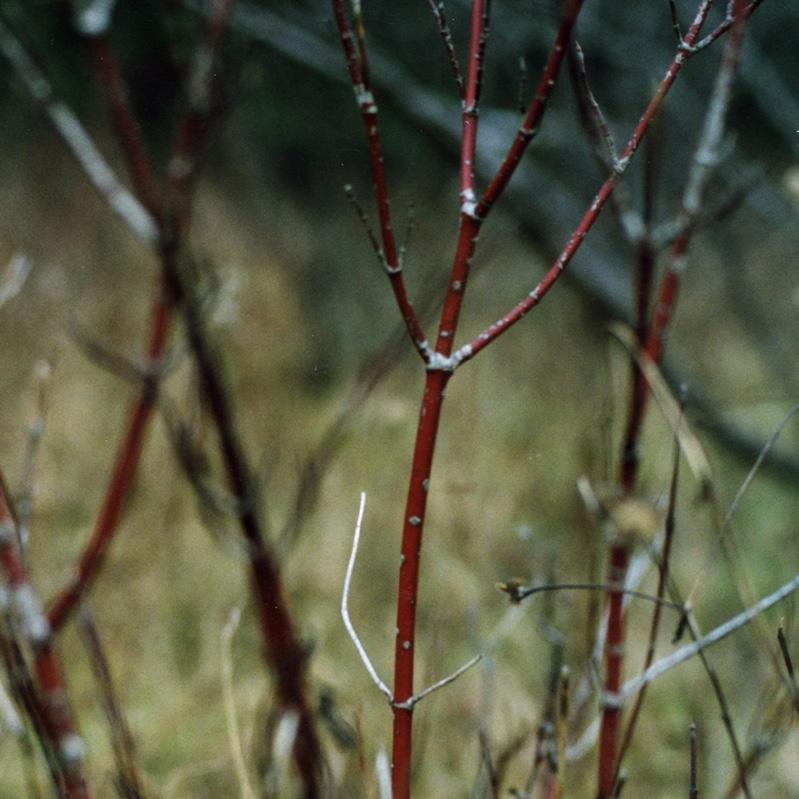
Red osier dogwood
Red bark, adds a burst of color and woody texture.
American bittersweet
Vibrant orange color.
Pine cones
Add texture and shape.
Cranberries
Bright pops of red and can be strung or glued in clusters.
Birch twigs
Rustic and sturdy.
Dried grasses, milkweed pods or wildflowers
Add variety and uniqueness.
Antler sheds
Prep The Greens
Harvest responsibly. Clip only small amounts from each tree. Never strip a branch bare, and never harvest illegally (i.e. with birch).
Tend to the stems. Lightly smash the cut ends with a hammer to help them drink water.
Soak the branches. Allow your cut greens to sit in water overnight to hydrate.
Store in a cool place. Keep your materials outside or in a garage until you build the wreath.
Assemble Your Wreath
1. Make a base
Use a wire or grapevine wreath form. You also can twist sturdy branches (willow or dogwood) or wild grapevine into a circle.
2. Layer the greens
Place small bundles of branches around the form, overlapping them like shingles.
Secure each bundle with floral wire or twine. Use natural twine instead of plastic ties or floral wire for a low-waste wreath.
3. Add texture
Tuck in pine cones, berries and twigs.
4. Finish strong
Tie on a fabric ribbon (upcycle old scarves or cloth scraps).
For indoor wreaths, mist with water every few days to keep the wreath fresh, aiming at the back where the cut stems are.
Sustainability Tips
Avoid invasive plants. This includes species such as multiflora rose, nonnative bittersweet, nonnative phragmites and grasses, and cut-leaved and common teasel.
Skip plastic decorations. Natural accents can be composted at the end of the season.
Avoid glitter and spray paint. These make your wreath noncompostable.
Reuse your base. Keep the wire or grapevine frame for next year.
Compost or mulch. When the season ends, return the branches to your yard or compost pile.
Learn More
Be aware that gathering in state parks, forests and other public-owned lands may be subject to specific rules. Find out more on the DNR website.
