
4 minute read
Cool Conifers

Andi Sedlacek
Andi Sedlacek is communications director for the DNR.
Conifers, evergreens, pine trees ... what's the difference?
Conifers are trees that bear their seeds in cones. Evergreens are trees that keep their needles and are never totally without leaves. “Pine” is an overall term for trees in the Pinus genus.
Here’s how they all fit together: All pines and evergreens are conifers, but not all conifers are pines or evergreens.
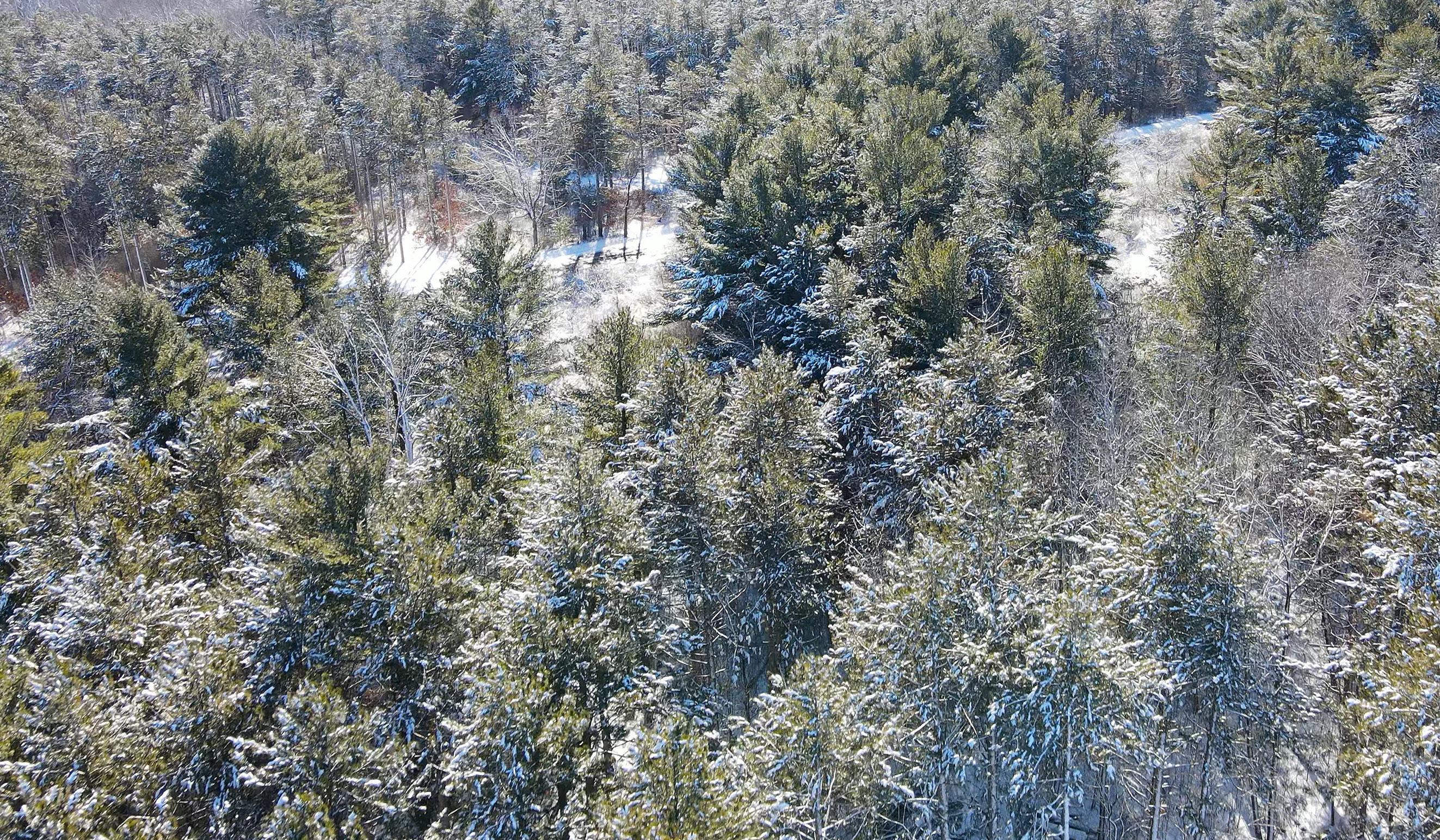
This time of year, with the exception of one species (the tamarack), conifers are the trees that offer up a little green in Wisconsin winters, breaking up a crisp and white snowy landscape or freshening up a dreary gray one.
Here’s a look at some of the cool conifers you’ll find in Wisconsin.
Talented Tamarack
As noted, not all conifers are evergreens — like the tamarack! It is the only conifer in Wisconsin that sheds its needles each fall, making it a deciduous conifer. In September and October, tamarack needles turn golden yellow just before falling, making them easy to spot in the fall and winter.
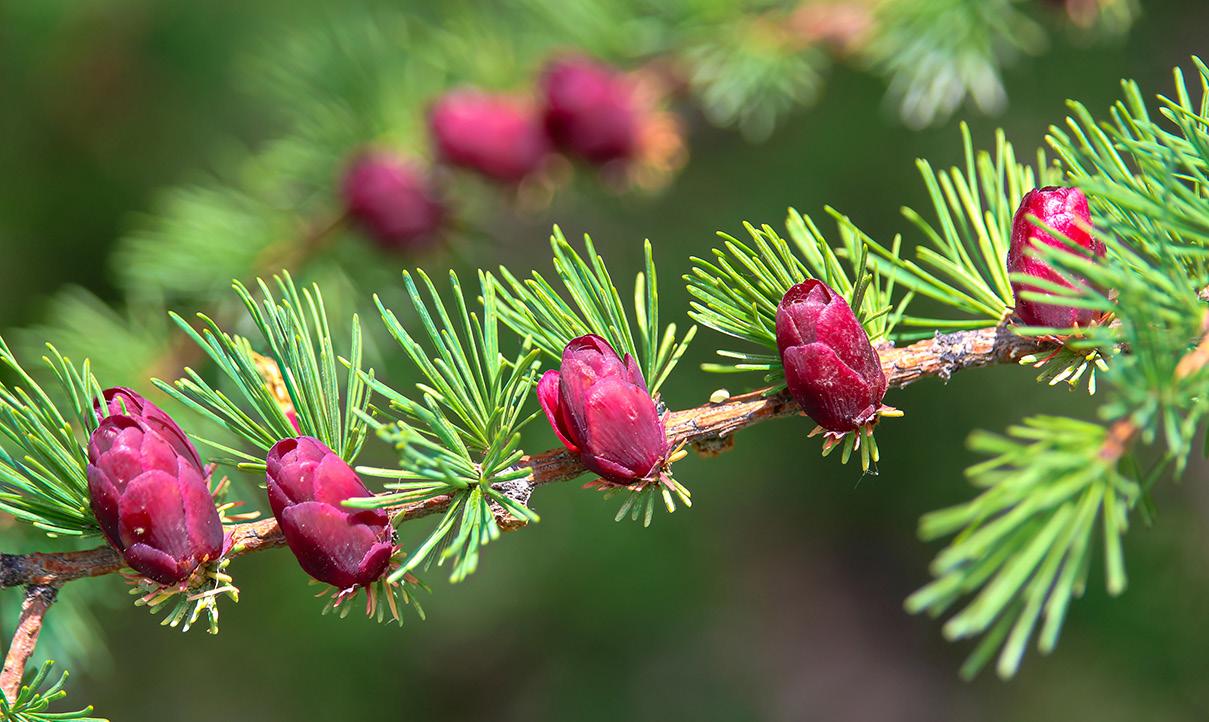
Another interesting thing about the tamarack is its fruit, which are small, round and hang on the tree for several years. In the spring, these small cones are a striking deep reddish-purple color.
Pining For Fire
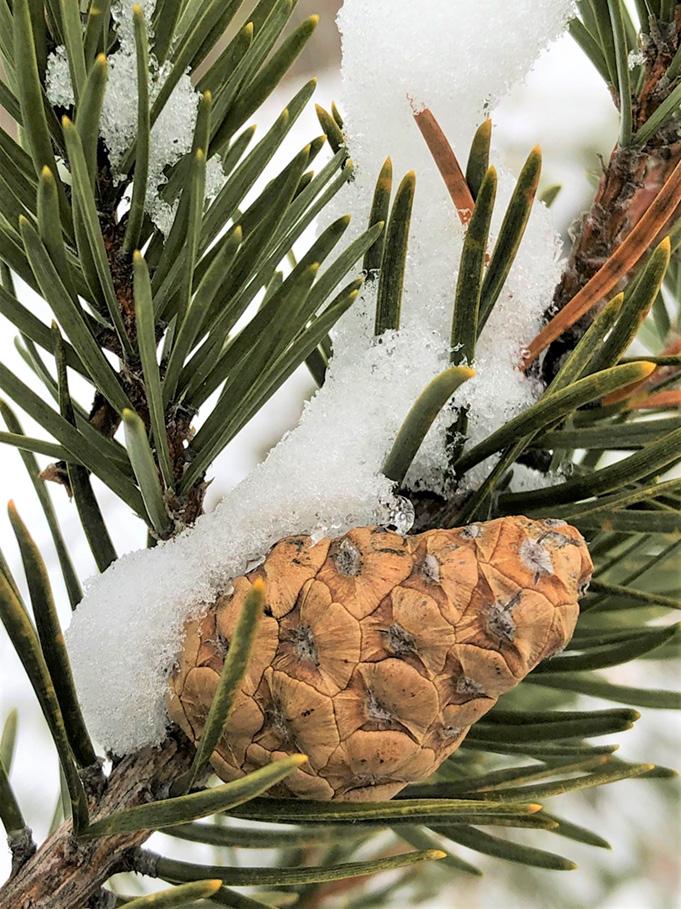
Jack pine protects its seeds from fire. While some of the cones on a jack pine tree open naturally, others stay tightly closed, sometimes for years. Then following a forest fire, these closed or serotinous cones will open from the heat and drop seeds on the freshly burned land, making it often one of the first tree species to occupy a site after a fire.
White Pine? Think 5
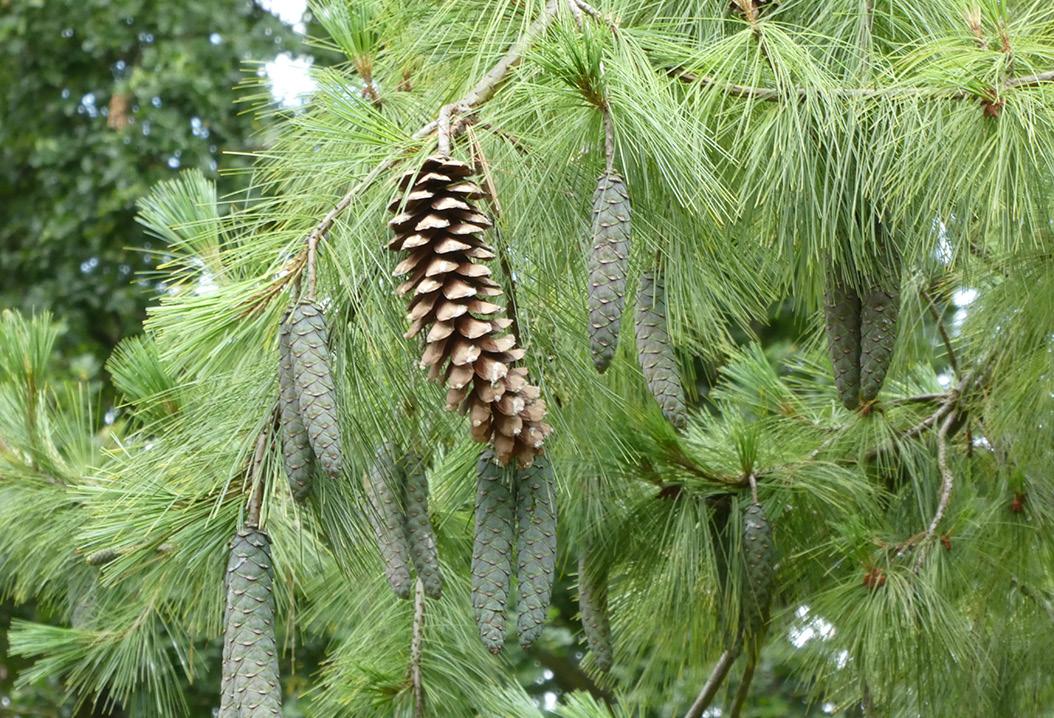
White pine needles occur in bundles of five, which distinguishes the trees from other native pines in Wisconsin. An easy way to remember and identify these conifers? The word “white” has five letters and white pine needles are in groups of five!
Rare Reproduction
Trees, both deciduous and coniferous, can reproduce by sprouting or by seed. Wisconsin also has a conifer that can reproduce vegetatively (a new plant grows from the parent plant) in a more unusual way — by a method known as layering.
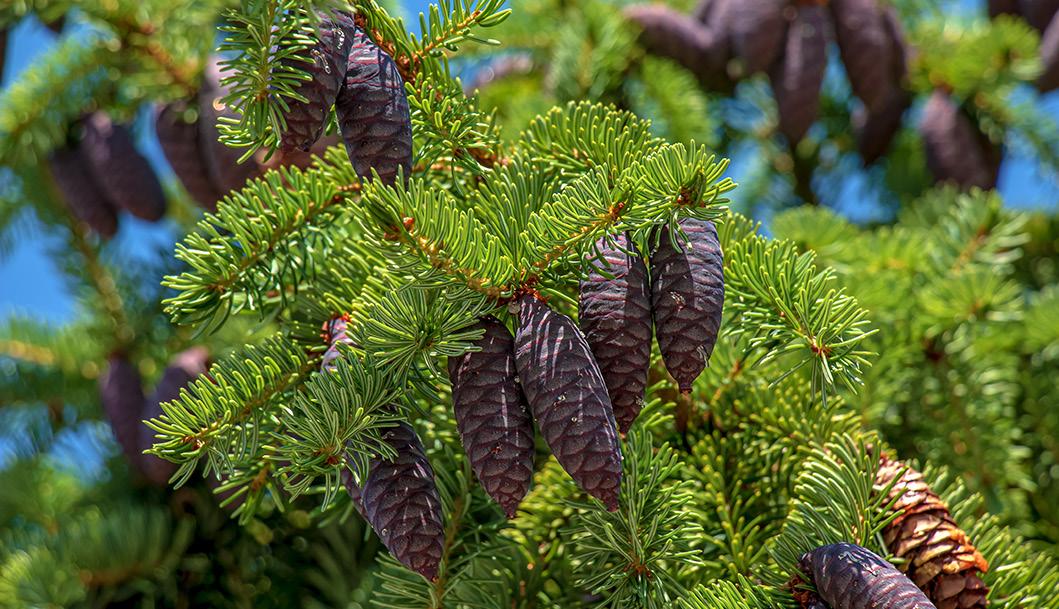
It’s common for lower limbs of the black spruce to touch the ground and then develop roots where moss grows over the limb. When that happens, the tip of the branch can become a new tree.
Food For Animal Friends
Conifers are important to wildlife, offering habitat and protection, but they’re also a key food source for many critters.
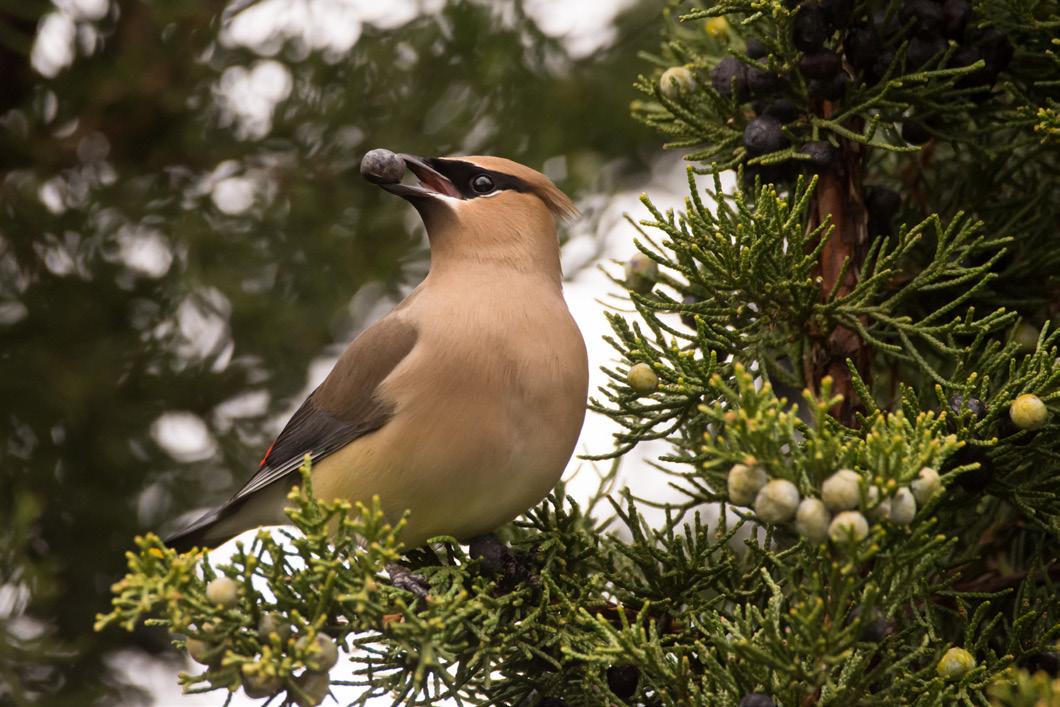
Northern white cedar (also called arbor vitae) is important for deer browse in the winter, as it’s one of their preferred meals. Other mammals like it, too: Porcupines snack on the thin cedar stems, and red squirrels nibble on the buds. Pileated woodpeckers will excavate large, oval holes in the sides of the white cedar in search of carpenter ants. Red cedar (or juniper) is a favorable winter food for some birds, like cedar waxwings, who love red cedar berries.
Learn More
For details about trees in Wisconsin, visit the DNR's Forestry webpage.
State Conifer Species
Wisconsin has 10 species of conifers native to the state.
Northern white cedar/arbor vitae (Thuja occidentalis)
Red cedar/juniper (Juniperus virginiana)
Balsam fir (Abies balsamea)
Hemlock (Tsuga canadensis)
Jack pine (Pinus banksiana)
Red pine/Norway pine (Pinus resinosa)
White pine (Pinus strobus)
Black spruce (Picea mariana)
White spruce (Picea glauca)
Tamarack/American larch (Larix laricina)
