3 minute read
Freeze To Thaw: Tips To Help Your Garden Handle Unpredictable Winters

Emma Macek
Emma Macek is a public information officer in the DNR’s Office of Communications.
Wisconsin's winters are shifting.
Experts are predicting we’ll have less white, fluffy snow and frigid days, and more rain and sleet in the coming years. And for now, we’re seeing lots of variability.
“Winter temperatures have been changing more than any other season in the long term, and there are some indications that winter may be the season in the future that changes the most,” said Steve Vavrus, state climatologist at UW-Madison.
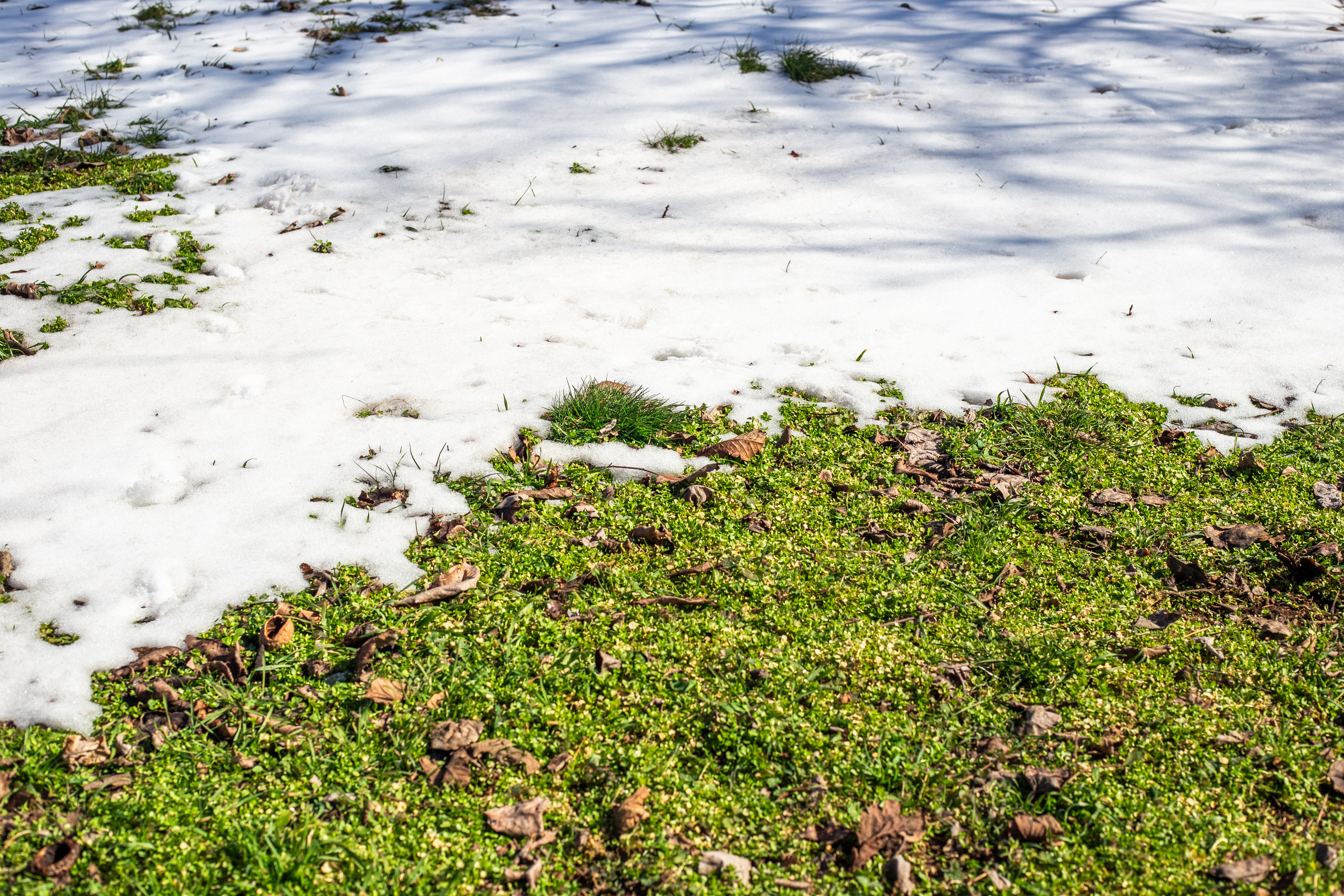
Winters with little to no snow can be tough on plants. Snow cover provides insulation for plants, protecting roots and other important features from weather fluctuations, freeze-and-thaw cycles and strong winds.
Here are a few tips to help your plants “weather” the changes and keep your garden beautiful in a changing climate.
Protect Your Plants
Without blankets of snow, plants can need extra protection from the winter elements. Applying a thick layer of mulch around perennials, shrubs and trees to insulate the roots can help. You can also leave leaves and plant material in your garden beds rather than cleaning them up to protect plants from sudden freezing.
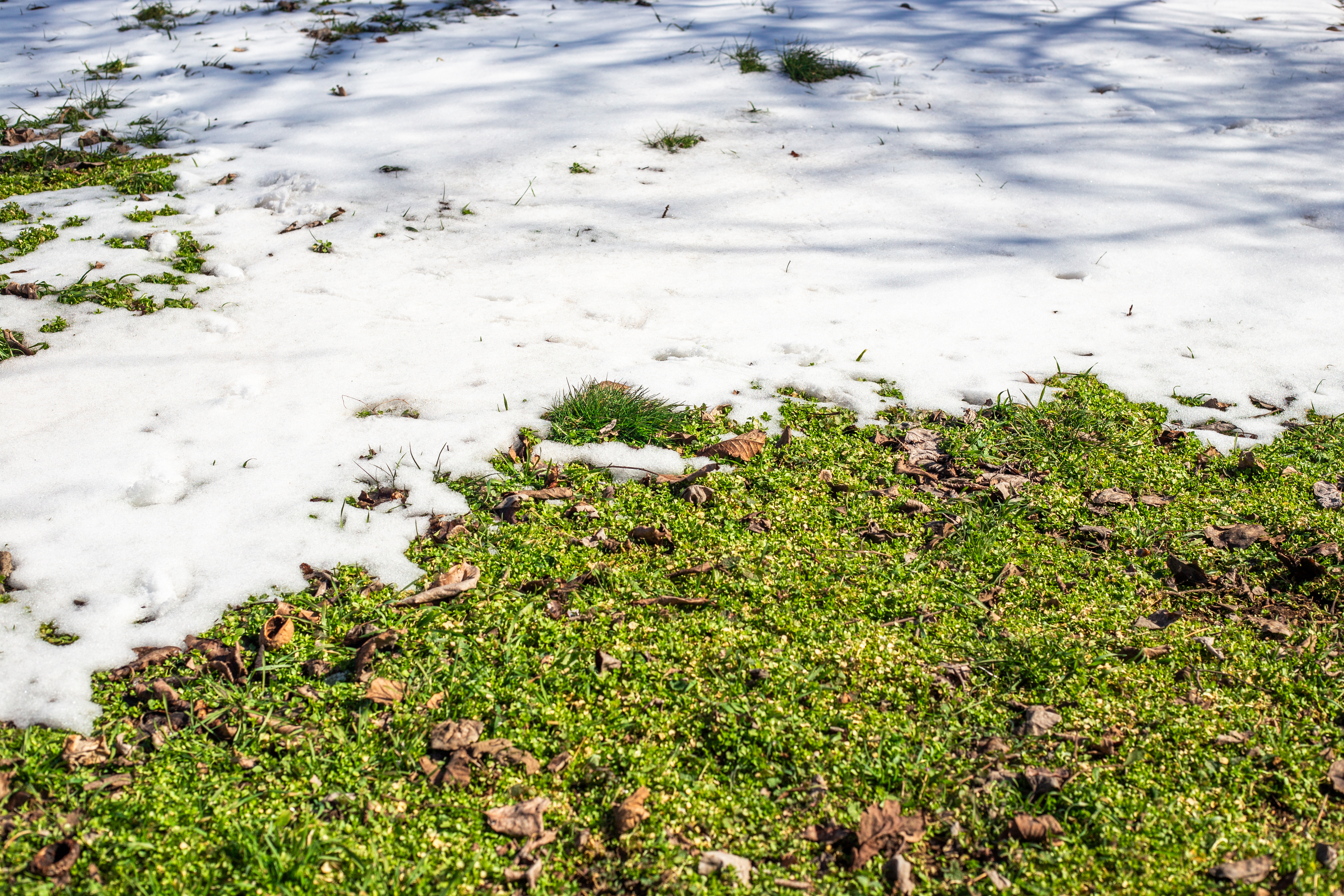
“Not only will it allow the garden beds to be protected by mulch, but it will save a whole lot of insects that are on leaf material,” said Lisa Johnson, UW-Extension horticulture educator.
You can also place evergreen branches and straw after the ground freezes to help keep it frozen and prevent thaws during the winter months.
Don't Plant Too Early
It can be exciting to see warm temperatures start popping up in the spring, but don’t be fooled. Temperatures can be unpredictable, and a late-spring frost is possible. Wait to start planting until no more frosts are expected for the year.
“Usually in the Madison area, I tell people to use May 20 as the last frost date,” Johnson said. That timing will vary slightly in other areas of the state.
If you plant earlier, make sure you have tools to protect your garden from late frosts. To help reduce frost damage, you can insulate beds with sheets, blankets, towels or straw.
You should also start your vegetable plants inside, if possible, especially those with a longer growing season such as peppers, basil and tomatoes.
Choose Climate-Resilient Plants
In addition to following the “right plant, right place” rule — where you select the best plantings for any given spot depending on sunlight and other conditions — it’s important to choose hardy plants that can withstand overall tough conditions.
Native plants are your best bet because they have a wider range of tolerance than nonnatives, Johnson said. “They're going to be much more resilient to weather.”
Native plants also require less maintenance, which is important when the weather isn’t ideal for yard work, and they support pollinators and other insects. There also are some great native cultivars, known as “nativars,” available in various sizes and colors.
To learn more about native plants, visit the DNR website.
Resilient Plants
Consider planting some of these durable species that can handle Wisconsin’s changing winters.
Woody Plants
Oaks
Native willows
Black cherry
Native crabapples (prairie or American)
Serviceberry
Pines
Maples
Perennials
Asters
Sunflowers
Joe pye weed
Rudebeckias
Shrubs
Red osier dogwood
Steeplebush spirea
Prairie willow
Bebb willow
American plum
