11 minute read
Looking Back, Forging Ahead: State Park System Gets Set For What's Ahead

Andrea Zani
Andrea Zani is managing editor of Wisconsin Natural Resources magazine.
“To justify the State of Wisconsin in establishing a system of State Parks, a clear and convincing statement should be presented as to their purposes and value, and the reasons for their acquisition at this time. No question before the American people today is of greater importance than the conservation of our natural resources.” - John Nolen
So begins "State Parks for Wisconsin," an early-1900s report from landscape architect John Nolen to Wisconsin’s newly appointed State Park Board.
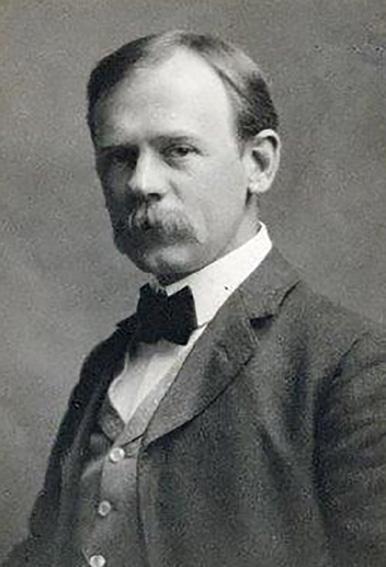
The report (from the same John Nolen so integral to Madison’s early city planning) is dated Jan. 9, 1909 — not quite a decade after Interstate in St. Croix Falls was established as Wisconsin’s first state park.
Completed at the request of the nascent park board, it was forwarded to then-Gov. James O. Davidson to bolster arguments in favor of setting aside additional lands for public enjoyment statewide.
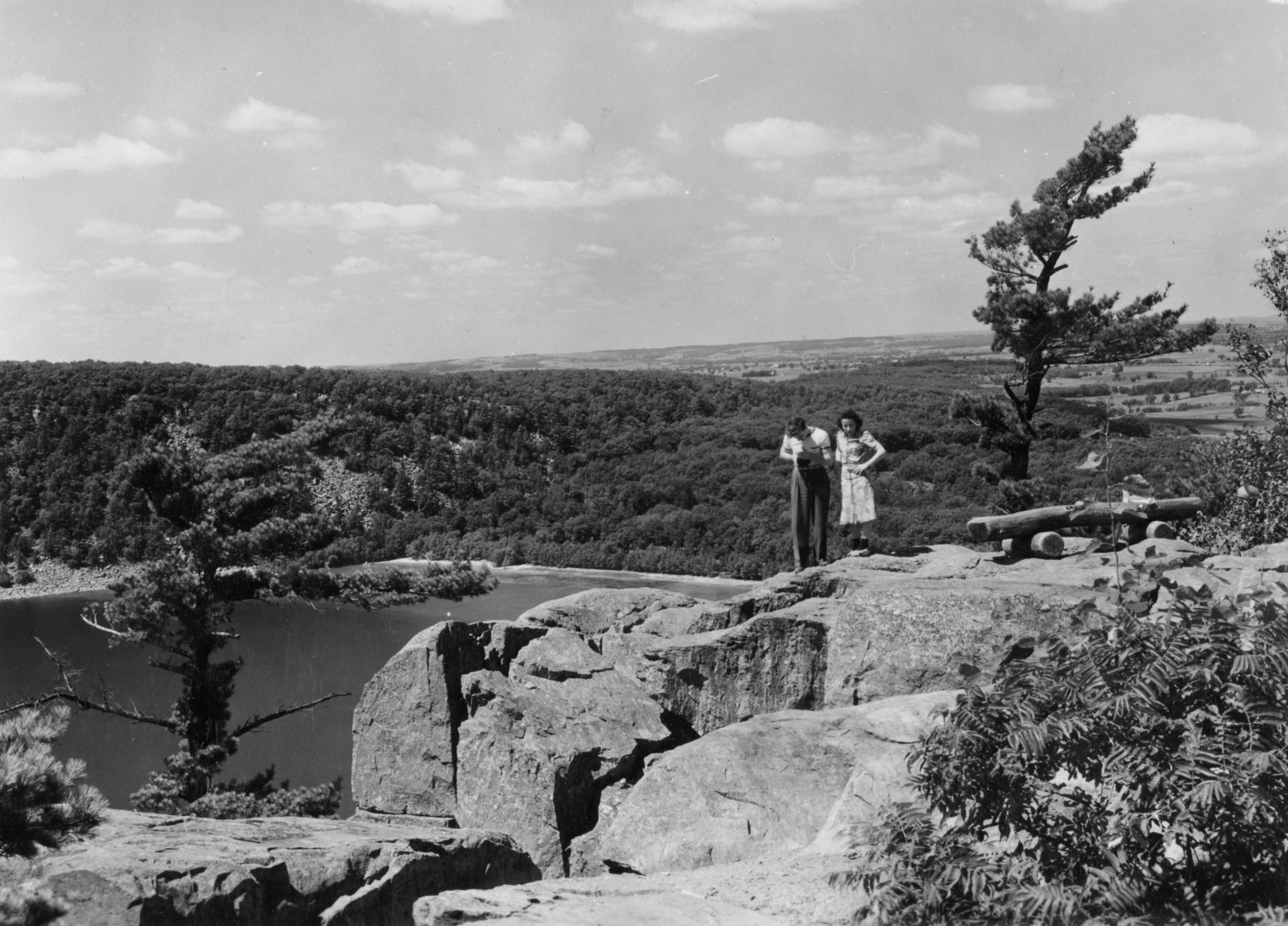
“The park board have attempted to sound the sentiment of the people of the state in regard to the establishment of state parks,” the board wrote to the governor when providing Nolen’s report.
What they found, board members concluded, was “a strong, abiding sentiment in favor of the state establishing parks and thus preserving the great natural beauties with which this state has been endowed.”
Welcome to the creation of the Wisconsin State Park System.
Today's Park System
Fast forward 125 years. The Wisconsin State Park System now boasts 50 state parks, 44 state trails, 15 state forests, eight state recreation areas and seven river and resource areas. Together, these properties span more than 790,000 acres of diverse and stunning landscape around the state.
Visits to the Wisconsin State Park System have continued to grow through the years, from 1.25 million in 1935 to over 16 times that today, when there are more than 20 million visits annually.
“Wisconsin is a recreation destination, and we are excited to provide a special experience to our visitors,” said Steve Schmelzer, parks and recreation management director for the DNR.
And that experience only continues to improve as investments are made in property facilities and infrastructure, with several priorities front and center.
Providing relevant recreation opportunities.
Making the outdoors welcoming to everyone regardless of ability or experience level.
Partnering with organizations to provide additional services.
Recruiting valuable volunteers.
Investing in staffing and needed resources for property operations.
As we look ahead to another 125 years for the state park system, it must be noted that Indigenous people have called these lands home for generations.
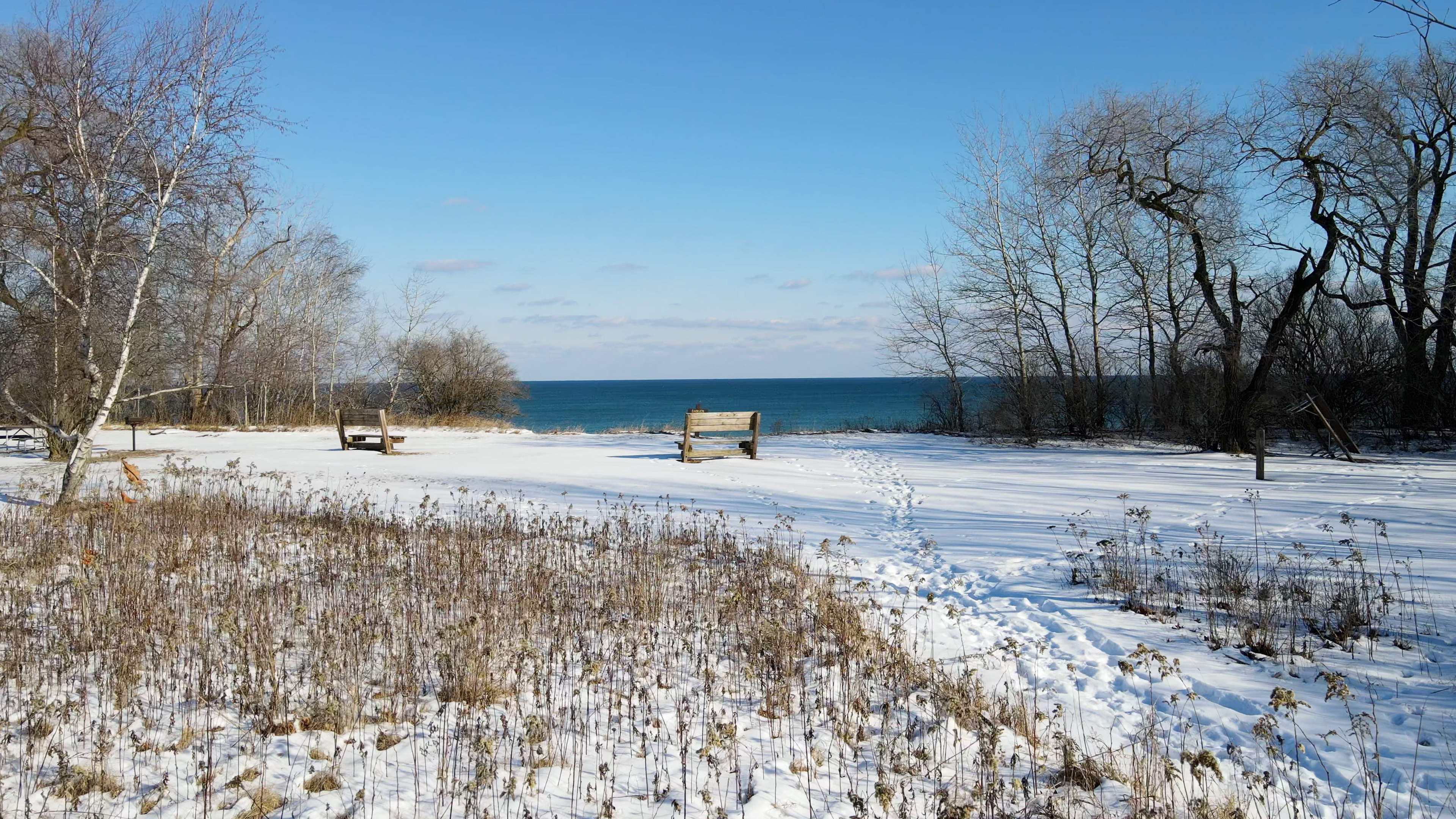
Wherever you are in Wisconsin, state park or otherwise, you are on the ancestral land of a tribal nation.
The DNR acknowledges and appreciates this history and reiterates its strong commitment to collaborate and partner with the sovereign tribal nations of Wisconsin.
Take a look at park system happenings through the years.
How Did We Get Here?
It’s safe to say Wisconsin has come a long way from the opening of Interstate Park more than a century ago to the wonderfully expansive state park system of today, and it’s fun to think about how it has all evolved. Here are some key players and developments in the life (so far) of the Wisconsin State Park System.
A State Park That Wasn't
A bit of Wisconsin State Park System trivia: Interstate Park became Wisconsin’s first state park after an attempt to create a park in far northern Wisconsin failed to materialize. In 1878, land was set aside in Lincoln, Iron, Vilas and Oneida counties, but no effort was made to develop it.
At the time, many Wisconsin residents still believed in the concept of a state park and in 1900, Interstate was established at the Dalles of the St. Croix River.
Next Up
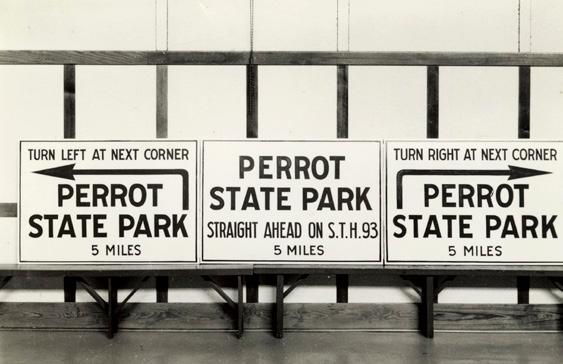
Once Interstate was in, it was time to consider what came next. In the ensuing two decades, a state forest was established — Brule River in 1907 — followed by five state parks.
Peninsula, 1910
Devil's Lake, 1911
Wyalusing, 1917
Perrot, 1918
Pattison, 1920
Early Leadership
As the Wisconsin State Park System continued to grow, leadership was needed. Enter C.L. (Neal) Harrington, who became the first state park superintendent in 1923.
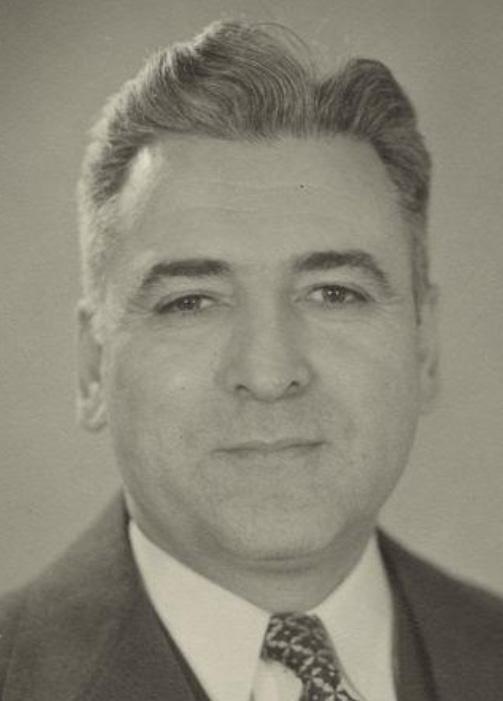
Born in Hurley in 1891, Harrington had attended the University of Wisconsin and ultimately earned a forestry degree from the University of Michigan. He began work as a forester in Wisconsin, among the state’s first, before taking the park superintendent position.
Harrington held the superintendent job until his retirement in 1958, dedicating his career to supporting a strong system of state parks, forests and more in Wisconsin, including properties of cultural significance. Harrington Beach State Park is named in his honor.
CCC Legacy
Established by President Roosevelt in 1933 to put young men to work during the Great Depression, the Civilian Conservation Corps became instrumental in many infrastructure building projects throughout the Wisconsin State Park System.
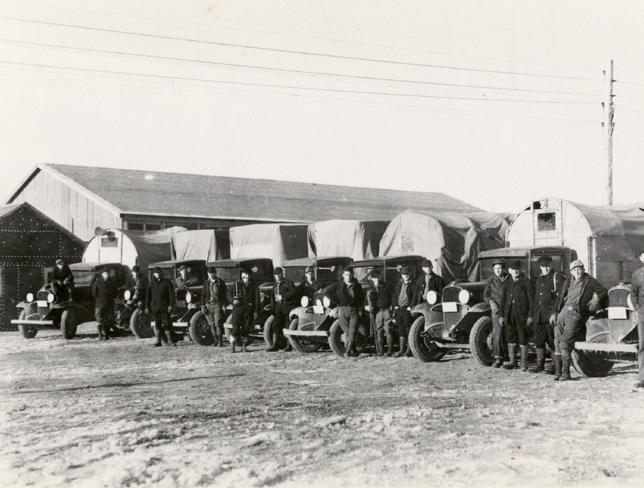
From the start of the CCC until 1942, when the U.S. was plunged into war, CCC camps operated in several Wisconsin state parks and forests, doing everything from planting trees and clearing properties for development to constructing trails and stairways and hauling sand to create beaches.
They laid lines for water, sewer and electricity and built pretty much anything that was needed — fire towers, bridges, benches, picnic tables — to make the outdoors more accessible for future generations. Much of their work is still visible at properties today.
Crucial Plan
By 1939, with growth coming fast and furious (after Pattison, 20 new properties were quickly added from 1922-1938), the state park system needed a plan. That year, the Wisconsin State Planning Board and Wisconsin Conservation Commission (precursor to the DNR), published a report titled “A Park, Parkway and Recreational Plan.”
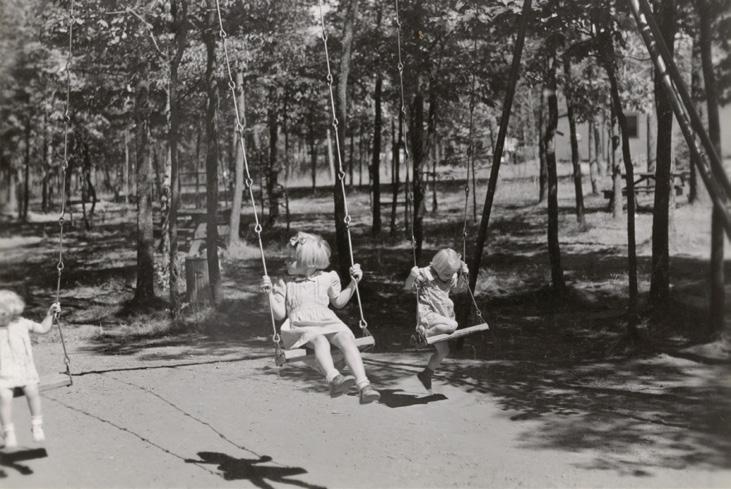
Like Nolen’s document 30 years earlier, this one served to identify important state lands and why they should be preserved, helping to guide the park system over the ensuing decades.
Post-War Room
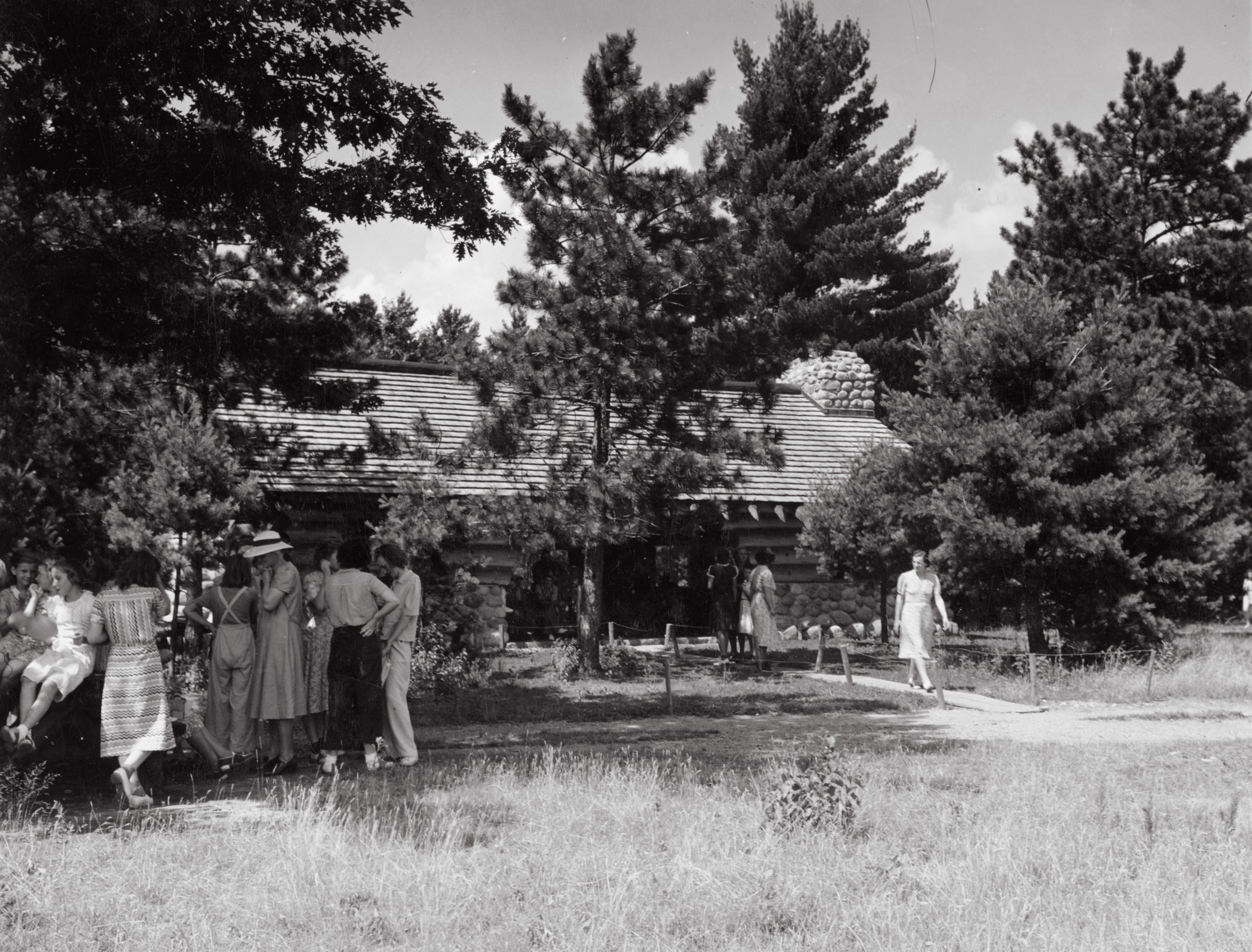
World War II, understandably, took the nation’s gaze and priorities elsewhere, but after the war ended, people were ready to have fun again. Outdoor recreation, especially camping, piqued the public’s interest, and visitation to the state park system skyrocketed.
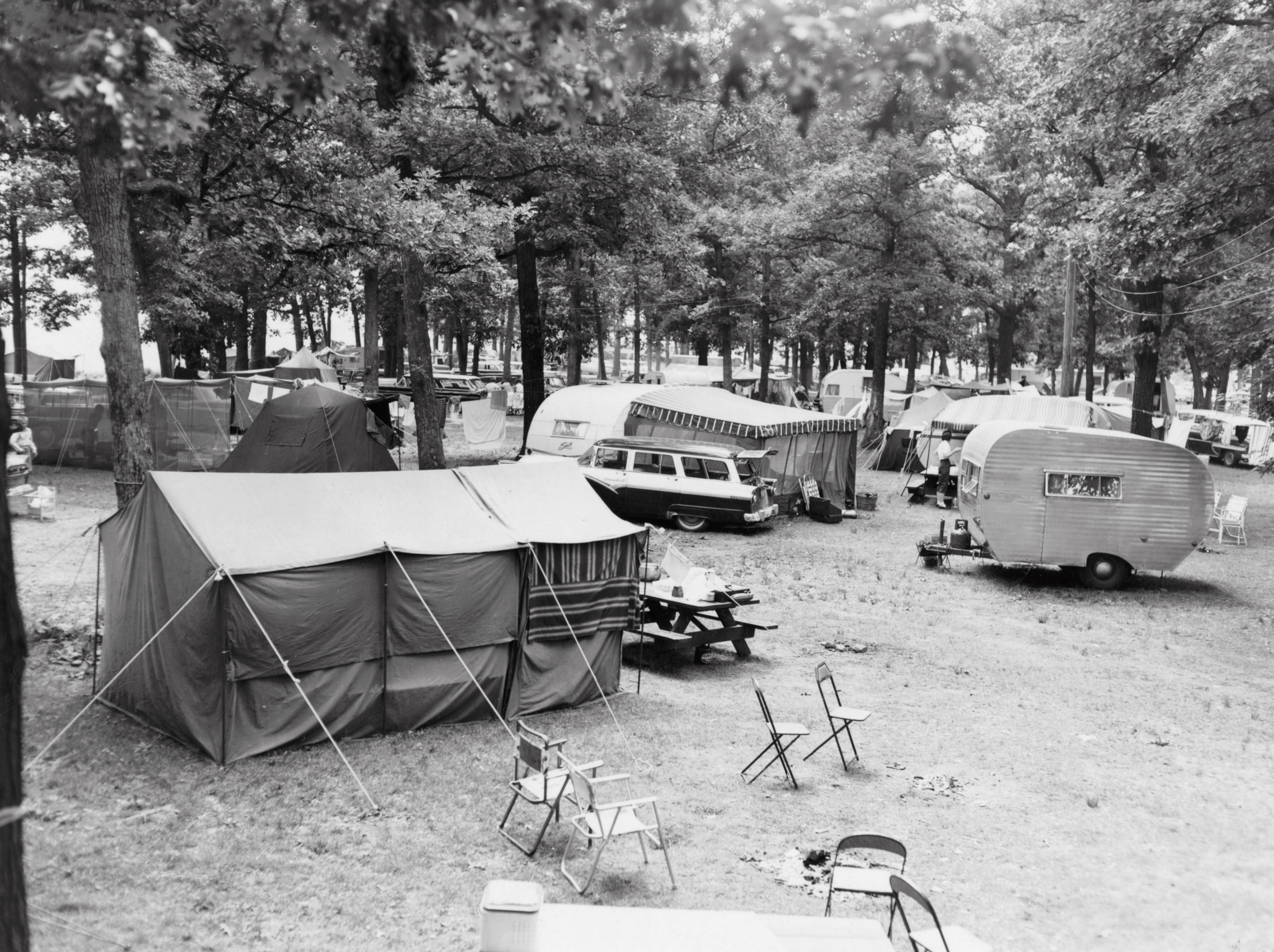
To accommodate the demand, development that had been paused during wartime kicked into high gear in the state park system, and 14 properties were added from 1947-1960.
That's The ORAP
As interest in and the need for public lands continued to increase, in 1961, Wisconsin enacted its Outdoor Recreation Act Program, supported by then-Gov. Gaylord Nelson — who later as U.S. senator would go on to found Earth Day.
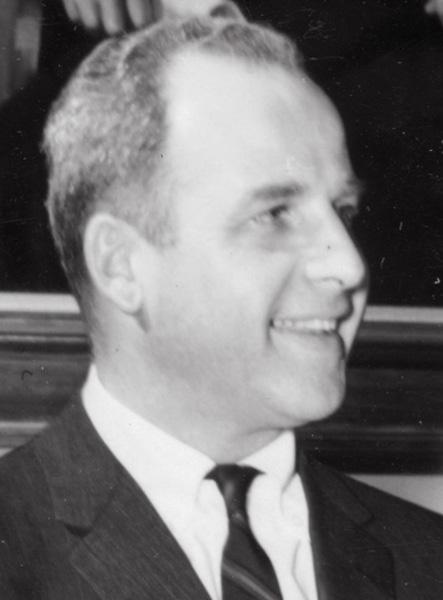
ORAP, which had bipartisan support, became a forerunner to Wisconsin’s current Knowles-Nelson Stewardship Program (named for Nelson and another former governor, Warren P. Knowles). Using money from a one-cent-per-pack cigarette tax, ORAP provided funds for the acquisition of public lands, including for use as parks, wetland and fish spawning preserves, hunting grounds, important habitat areas and more.
Finding Friends
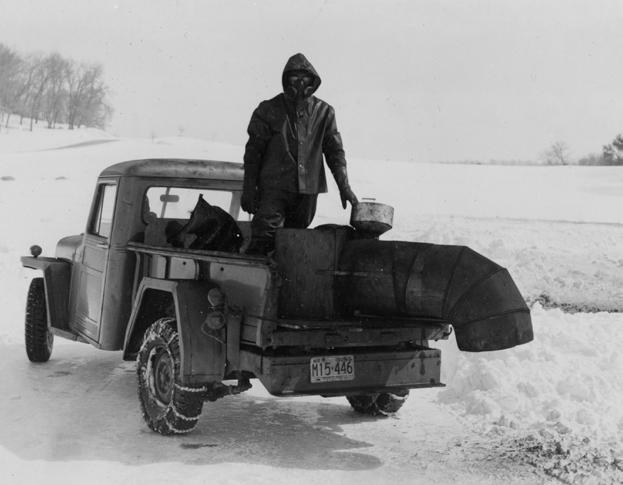
With park visitation on the rise and public acreage increasing, having partners to help carry the load could only help. In 1950, the Devil’s Lake Concession Corp., a nonprofit group, took over concessions at Devil’s Lake State Park, becoming the first partner to provide services in the state park system.
Additional groups soon followed at other properties; in 1996, the Friends of Wisconsin State Parks umbrella group was formed. Today, there are more than 60 local Friends Groups and hundreds of volunteers dedicating thousands of hours to support the state park system.
Reservations, Please
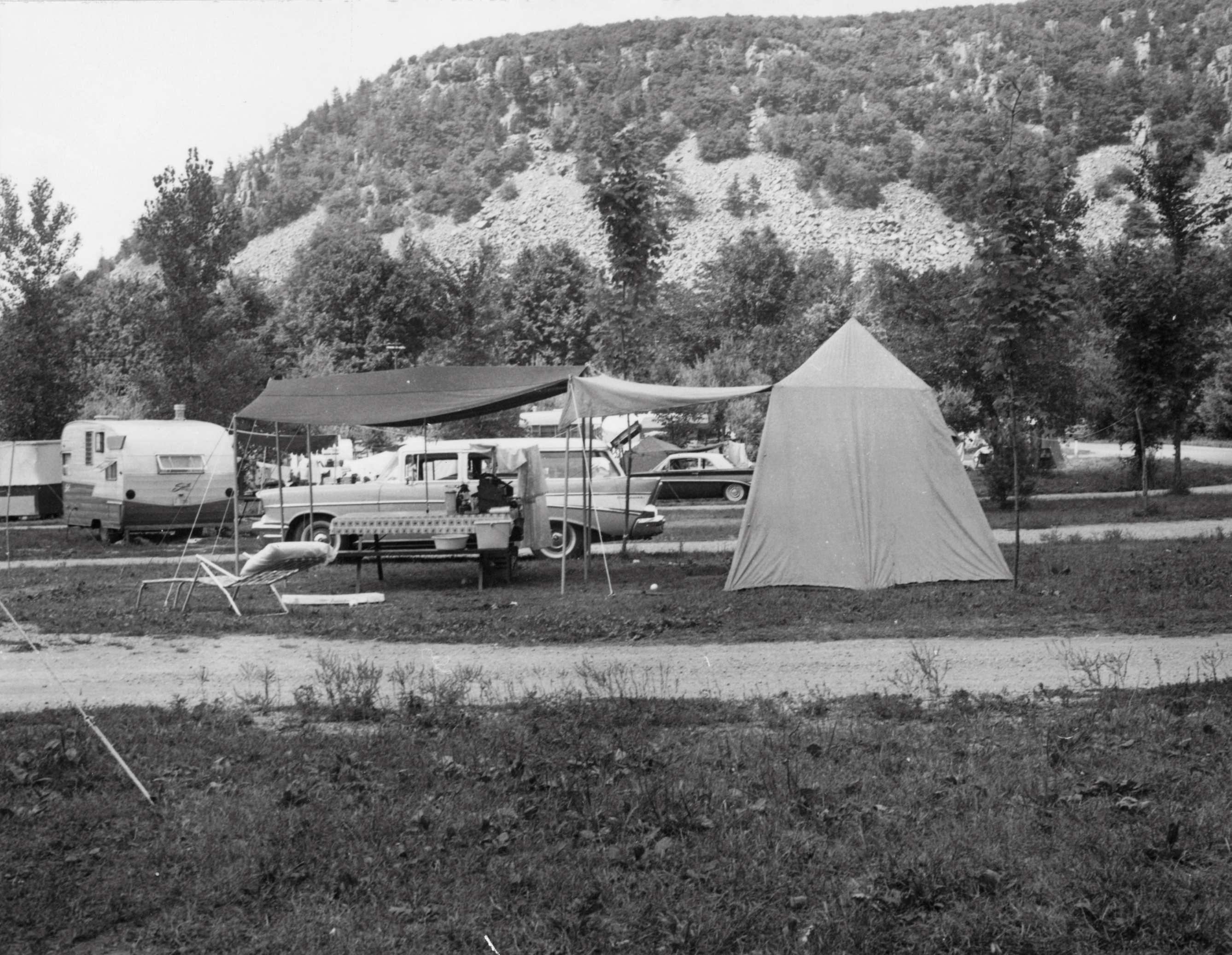
In the beginning and through the 1950s, no admission was charged for state parks, but with so many more visitors and an expanding list of properties to develop and maintain, it was necessary to find a steady funding source. In 1962, the first vehicle admission passes went into effect, costing 50 cents for a daily sticker and $2 for an annual pass.
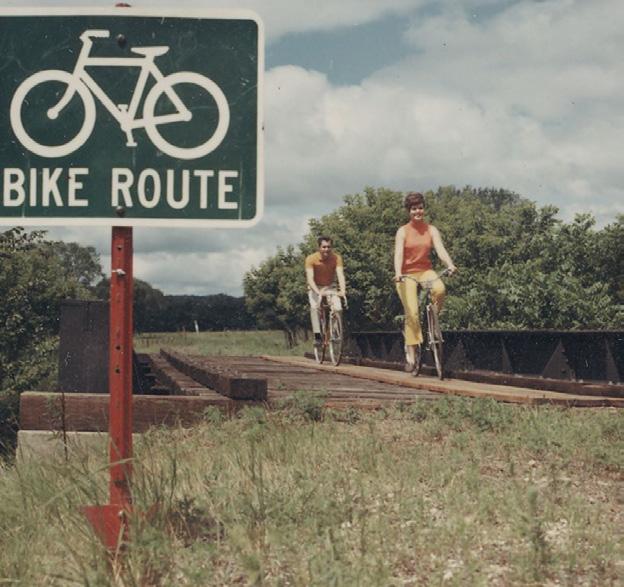
In 1974, with increased interest in camping, reservations became necessary for campsites at some state properties. And in 1978, state trail passes were instituted to help cover the cost of maintenance for Wisconsin’s growing trail system, including the Elroy-Sparta State Trail, which opened in the mid-1960s as the nation’s first rail-trail.
These days, vehicle admission pass sales, state trail passes and camping revenue continue to provide the main sources for Wisconsin State Park System funding.
Nature Education
From its earliest days, the Wisconsin State Park System has been a place not just for land preservation, but for conservation and nature learning. In 1966, the system’s first nature centers opened at Devil’s Lake and Peninsula state parks, with naturalists eventually hired to lead interpretive programs.
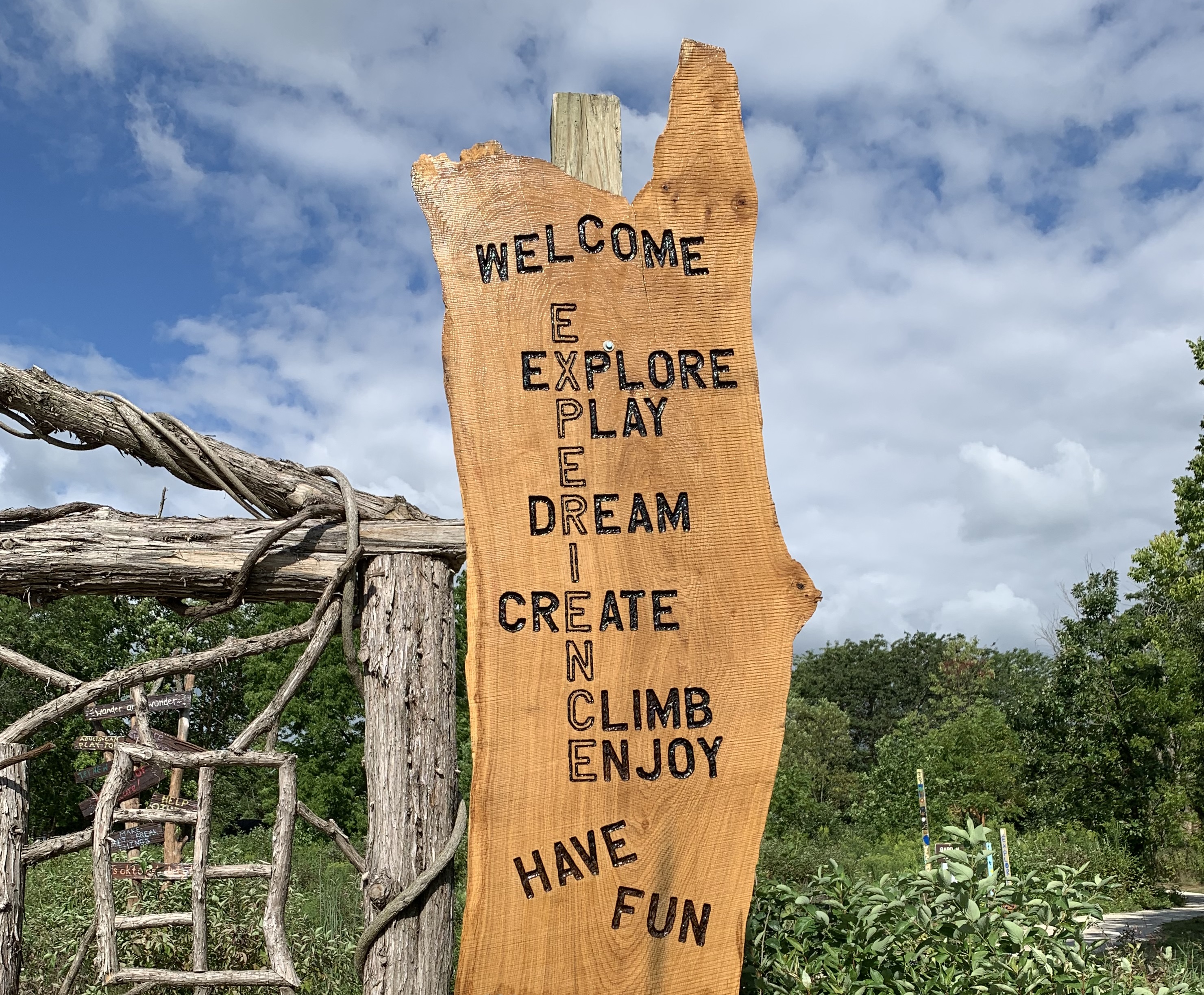
In 1985, the Wisconsin Junior Ranger Program was created to introduce young park visitors to the joys of nature. Its current version, the Wisconsin Explorer Program, continues to provide children with materials and lessons to help them explore the outdoors as education remains a pillar of the state park system.
Opening The Outdoors
The Wisconsin State Park System is for everyone, and the DNR is committed to making the outdoors accessible to people of all ages and abilities. The first accessible cabin, designed specifically for persons with disabilities, opened at Mirror Lake State Park in 1992. Today, there are 10 accessible cabins across the state park system.
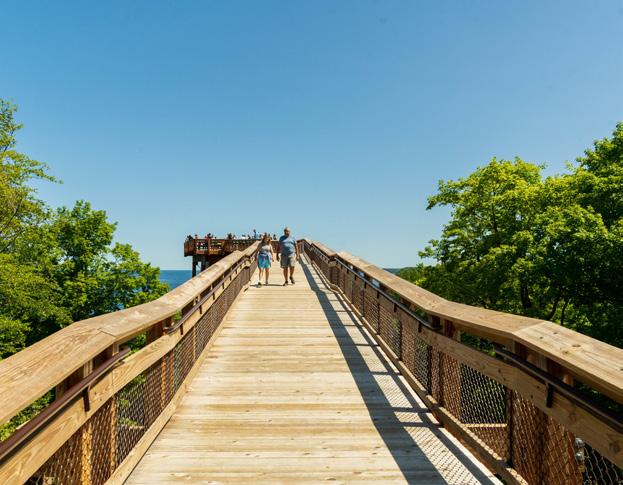
At Peninsula State Park, the historic Eagle Tower, with its panoramic views of the surrounding landscape and shorelines, was remade and reopened in 2021 as a fully accessible, 850-foot canopy walk winding above the trees.
Many properties throughout the park system offer accessible trails, beach wheelchairs and other equipment and features to open the outdoors to all.
Time For Technology
In 2000, to celebrate the 100th anniversary of the state park system, then-Gov. Tommy Thompson declared it the “Year of Wisconsin State Parks.” It was the start of a real digital era, with new technologies and practices enhancing the visitor experience.
2000: Camping reservations are moved online, allowing visitors to reserve campsites through the internet; wisconsin.goingtocamp.com.
2018: The first electronic sales kiosk is installed in the state park system.
2020: A new service launched during the COVID-19 pandemic allows visitors to purchase vehicle admission and state trail passes online; dnr.wi.gov/tiny/1256.
2021: DNR’s improved Find a Park online tool makes it easier to search for state properties to visit, sorting by property type, location, activities, accessible features, amenities and other information; dnr.wi.gov/tiny/801
2024: An update to the state park vehicle admission pass now means it is valid for 12 months from the time of purchase, rather than expiring at the end of the calendar year when it was bought.
Growing Guest List
Wisconsin State Park System attendance has seen tremendous growth over the years.
1935 — 1.25 million
1950 — 3 million
1995 — 13.25 million
2019 — 18 million
2021 — 21.5 million (record during pandemic)
2024 — 20 million
(For reference, the state population in 1935 was about 3 million; today, it’s about 6 million.)
Make Your Plans
There’s no time like now to start enjoying the next 125 years of the Wisconsin State Park System! Find all you need to plan a visit on the DNR's Find A Park webpage.
Source: “History and Timeline of the Wisconsin State Park System,” by DNR Bureau of Parks and Recreation staff. View the full story map.