
July | August 2026
Wisconsin Banker
WBA Fraud Summit Highlights Evolving Threats, Urgent Need for New Strategies
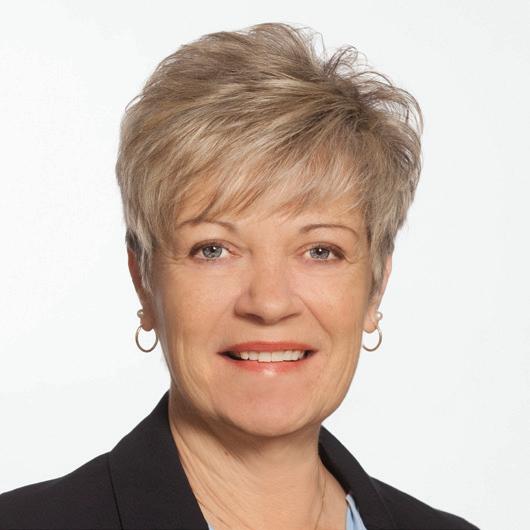
By Emily Torgerson
The second annual Wisconsin Bankers Association (WBA) Fraud Summit on June 3, 2026 in Wisconsin Dells brought together industry experts and banking professionals from across Wisconsin for a timely and thought-provoking look at the growing complexity of fraud, and what financial institutions must do to stay ahead. Throughout the event, one message was clear: fraud is evolving quickly, and banks must evolve with it.
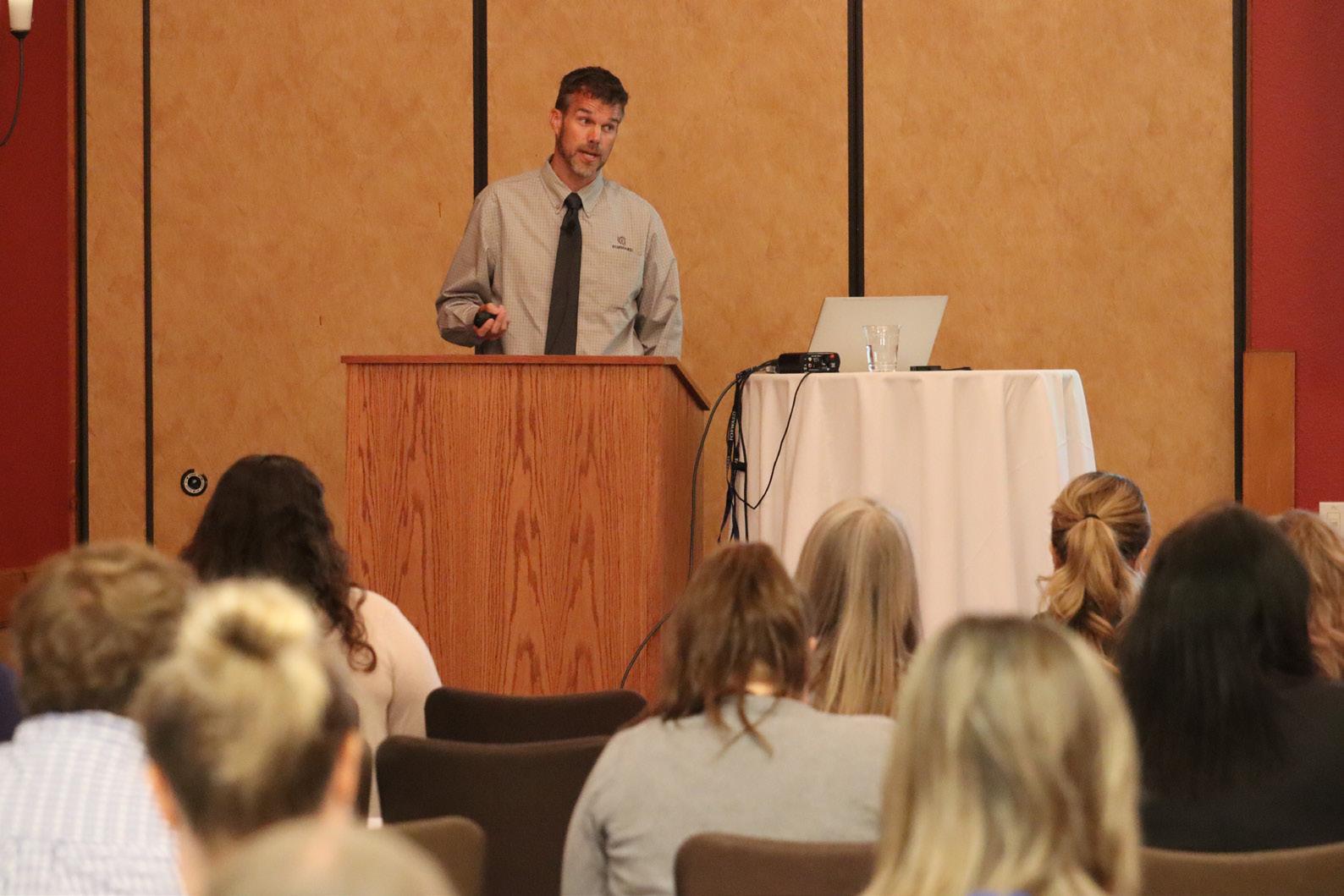
Kicking off the morning, Jim Rechel, president of Rechel Group, challenged attendees to rethink the root causes of fraud. Rather than focusing solely on controls and compliance, Rechel emphasized a broader societal shift. “Fraud does not rise solely because controls fail; it escalates when shared ethical norms weaken,” he said, underscoring the importance of organizational culture. Rechel urged banks to move from compliance-driven detection to culture-driven disruption, noting that “the old playbook is obsolete.” His session addressed how changing behavioral standards and the erosion of trust are contributing to modern fraud schemes, where criminals increasingly recruit willing participants rather than relying on secrecy or coercion. He encouraged institutions to rethink their approach, asking not just whether someone is a victim, but whether a transaction itself may be part of a larger scam. “The choice is not between fraud and no fraud,” he said. “It’s between institutions that are
Continued on pg. 8
A Week That Lasts a Year
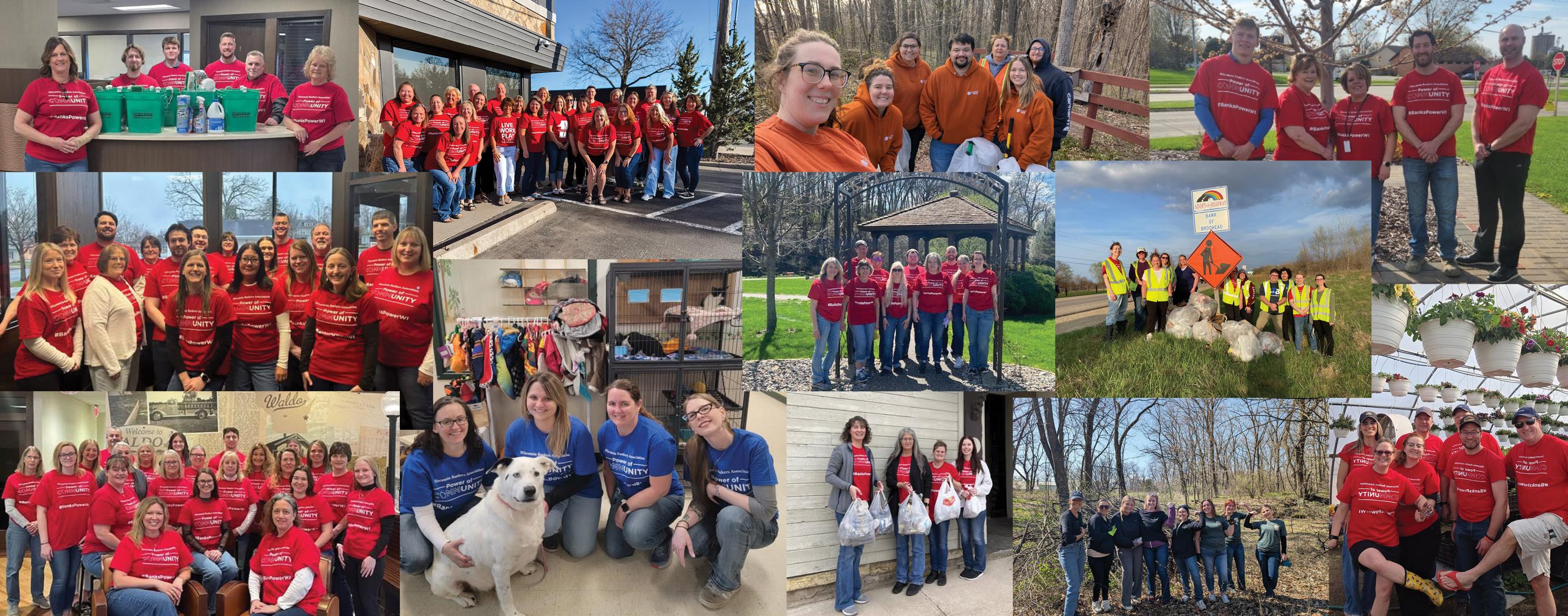
WBA Power of Community Week Spotlights
Bankers’ Year-Round Service By
Elizabeth Fenton
When major road construction disrupted local businesses in downtown Gillett this spring, The Peshtigo National Bank sprang into action. Bankers asked one important question: What does our community need most right now?
The answer led to a creative and unconventional project for Wisconsin Bankers Association’s (WBA’s) Power of Community Week. The bank purchased $600 worth of “Chamber Bucks” from the local chamber of commerce and distributed them to customers who shopped at businesses affected by the construction. The effort helped drive awareness and foot traffic into Gillett’s businesses that were experiencing a challenging season.
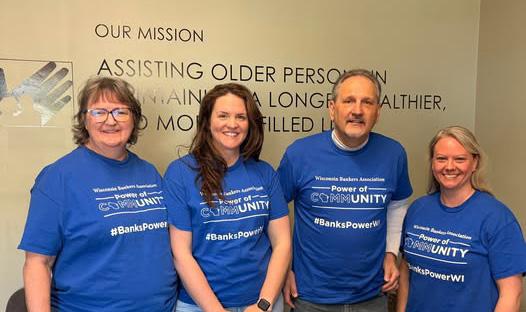
“Power of Community Week is all about giving back, and this year we approached it a little differently,” said Samantha Routheau, marketing communications specialist at The Peshtigo National Bank. “We focused on what our communities needed most and looked for simple ways to make a positive impact.” This spirit of service was on display across the state in spring. Wisconsin bankers came together for the WBA Power of Community Week, a statewide campaign dedicated to showcasing the industry’s involvement in their own communities. During the ninth annual campaign, held April 20–25, 2026, WBA-member banks, Associate Members,
Continued on pg. 9
Don't forget to turn in your Excellence in Financial Education forms by July 31, 2026! (more on pg. 23)
Amplifying the Strength of Wisconsin Banks
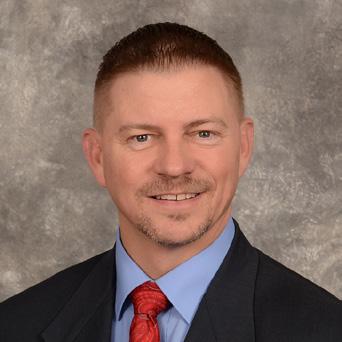
By Joe Peikert
It is hard to believe that I am already two months into my term as the Chair of WBA. I have spent considerable time reflecting on the tradition of WBA Chairs selecting a theme to advise their year of service. This exercise challenged me to really think about the value WBA brings to membership, and the role I hope to play in the months ahead.
After much contemplation, I am excited to announce my theme: amplify.
The dictionary defines amplify as “to make more powerful” or “to increase the strength of something.” The word captures what I hope to achieve as Chair and also reflects what WBA does every day on behalf of Wisconsin banks.
No bank needs to operate in isolation. We all face many of the same issues — from day-to-day challenges of protecting our customers from fraud, to addressing the competitive imbalance created by tax-exempt credit unions. We each have our individual voice that reflects our respective communities, and WBA works to unify our many voices and advocate for our industry.
I chose amplify for its breadth of meaning. While amplify describes how WBA heightens our collective voice, I also seek to
amplify the day-to-day stories of banks across our state. Banks remain the respected institution in our communities — we help customers purchase homes for their families, support the businesses that make our local economies thrive, and our bankers volunteer in countless ways, whether providing financial education or lending a hand with local non-profit organizations. Together, we can amplify the positive impact bankers make across Wisconsin.
During my six years of service on the WBA Board, I have witnessed firsthand the important work and meaningful change the Association brings to the industry. I continue to be grateful for the confidence placed in me by the Board and thankful for WBA’s excellent leadership team. I look forward to having conversations with many of you this year as we continue to amplify the strength of our banks.
Peikert is the CEO at Wolf River Community Bank, Hortonville, and the 2026–2027 WBA Chair.

International Services: A Growing Need
Cross-border payments are essential in today’s global economy. With most B2B payments moving through banks, financial institutions can strengthen their international capabilities to better support travel, commerce, and global growth.
Bankers’ Bank provides solutions that simplify cross-border complexity, increase efficiency, and enhance your value as a trusted financial partner.



Reminder: Wisconsin Consumer Act Right to Cure Requirements
By Scott Birrenkott
While there have been no changes to Wisconsin’s right to cure provisions under the Wisconsin Consumer Act (WCA), recent litigation makes this a good time to provide a reminder of those requirements. In summary, the WCA requires specific notice and procedures before a bank may act against a covered loan in default. This article will provide a summary of those requirements, as well as recap recent litigation in this area, including preemption and the interplay between Uniform Commercial Code (UCC) notices and the WCA.
The WCA governs consumer loans and credit sales made primarily for personal, family, or household purposes where the amount financed is $25,000 or less and the loan is not secured by a first lien or first lien equivalent real estate mortgage. Note that the $25,000 threshold will increase to $50,000 as of January 1, 2027. See the March 2026 "WBA Compliance Journal" for more information.
Default for purposes of the WCA is defined as a loan with an outstanding amount greater than one full payment, which remains unpaid for more than 10 days, if the interval between scheduled payments is two months or less. It also includes a failure to pay the first payment or the last payment, within 40 days of its scheduled or deferred due date. For loans where an interval between scheduled payments is more than two months, default is defined when all or any part of one scheduled payment remains unpaid for more than 60 days after its scheduled or deferred due date. Or, if the transaction is scheduled to be repaid in a single payment, to have all or any part of the payment unpaid for more than 40 days after its scheduled or deferred due date. The amount outstanding shall not include any
delinquency or deferral charges and shall be computed by applying each payment first to the installment most delinquent and then to subsequent installments in the order they come due.
Generally speaking, before a lender may take any action on the default, it must provide the customer a written notice of right to cure default. The specific notice must include the creditor’s name, address, and telephone number, a brief identification of the account, the nature of the alleged default, the total amount required to cure, with itemization of any delinquency charges, the exact date by which cure must occur, and contact information for where payment must be made. Notice is deemed given on the date of mailing.
Following notice, the customer has 15 days to cure the default by paying all past due installments plus any applicable charges. Curing the default restores the account to good standing as if no default occurred. Because a customer mailing payment on the fifteenth day satisfies the cure requirement, lenders should wait a reasonable period beyond the 15-day window before proceeding.
The WCA’s right to cure requirements are well-established, but recent litigation in this area is worth including with this reminder. In Bank of America, N.A. v. Jean-Pierre Riffard, the Wisconsin Court of Appeals concluded that the National Bank Act (NBA) does not preempt the WCA’s notice of right to cure default requirements. In this case, Bank of America filed small claims actions to collect on two defaulted credit card accounts, without first providing a WCA notice of right to cure. The borrower argued the complaints were barred as a result. The circuit court
ruled in the bank’s favor, concluding that the NBA preempts the WCA. The Court of Appeals reversed this decision, instead finding that the WCA applied. The decision means that nationally-chartered banks operating in Wisconsin must ensure they comply with the WCA notice requirements for covered consumer credit transactions, regardless of their federal charter. See the April 2025 "WBA Compliance Journal" for more information.
In a separate matter, the Court of Appeals addressed a WCA right to cure issue in Birges v. Simplicity Credit Union. There, a borrower challenged a credit union’s pre- and post-sale repossession notices (a UCC requirement which provides model language), arguing they were legally insufficient because they did not incorporate the WCA’s fair market value standard for calculating deficiencies. The Court disagreed, affirming that the UCC’s statutory safe-harbor notice language is legally sufficient on its own, and that the WCA’s deficiency judgment provision does not alter or supplement the UCC’s notice requirements. This case upheld longstanding understanding and practices regarding use of the UCC model notice and language and its interplay with the WCA. See the October 2025 "WBA Compliance Journal" for more information.
In conclusion, while there has been no change to the WCA or UCC in terms of right to cure requirements, recent litigation serves as a good reminder for banks to ensure they are properly meeting right to cure notice requirements for covered loans, reviewing policies and procedures, and utilizing model language where appropriate.
Birrenkott is the WBA director – legal.


Amplify Your Voice: Take Your Legislator to Work
By Tyler Foti
Amplify your connections that shape the banking industry by hosting one of WBA’s Take Your Legislator to Work Day (TYLTWD), a simple, yet powerful opportunity to engage directly with elected officials and advocate for Wisconsin’s banking industry.
At its heart, TYLTWD is about meaningful conversation. Participating banks host their legislators for a visit focused on three key objectives: building stronger relationships with elected officials, sharing real-world insights from your local marketplace, and discussing state and federal issues that impact your bank and customers.
By bringing legislators into your bank, you give them a firsthand look at the critical role financial institutions play in supporting economic growth and community development. These personal connections help policymakers better understand how their decisions affect Wisconsin businesses and families.
Getting involved is easy. The WBA government relations team coordinates all scheduling and logistics, and can even attend the meeting with you to help guide the discussion. This ensures your experience is seamless, productive, and impactful.
TYLTWD is one of the most effective grassroots advocacy tools available. It’s your opportunity to amplify your voice, highlight your community impact, and help shape the policies that matter most. Another way to amplify support of the industry’s advocacy efforts is
to attend WBA’s third annual Milford Hills Outing. This premier event supports Wisbankpac while bringing bankers together for an afternoon of connection and camaraderie.
Taking place on Wednesday, September 16, this exciting outing offers something for everyone, whether you’re an experienced shooter or simply looking to network with peers.
Participants can register as individuals or form a foursome, with a variety of sponsorship opportunities available.
Attendees are encouraged to contribute $100 or more to Wisbankpac, helping ensure the banking industry continues to have a strong and effective voice in Wisconsin’s legislative landscape. More than just a day at the range, the Milford Hills Outing is an investment in relationships across the industry and with the advocacy efforts that support it.
Register your spot, gather your team, and join us for a memorable day that makes a lasting impact.
Interested in hosting a TYLTWD or want to learn more about contributing to Wisbankpac? Contact Tyler Foti, WBA director –government relations, at tfoti@wisbank.com.
Foti is the WBA director – government relations.



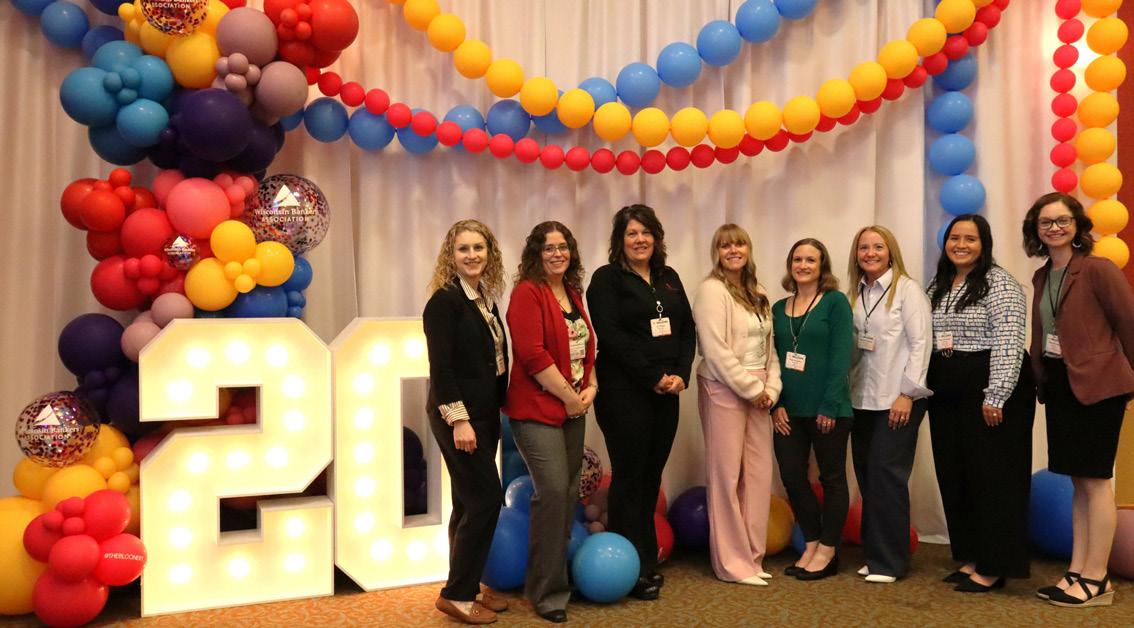
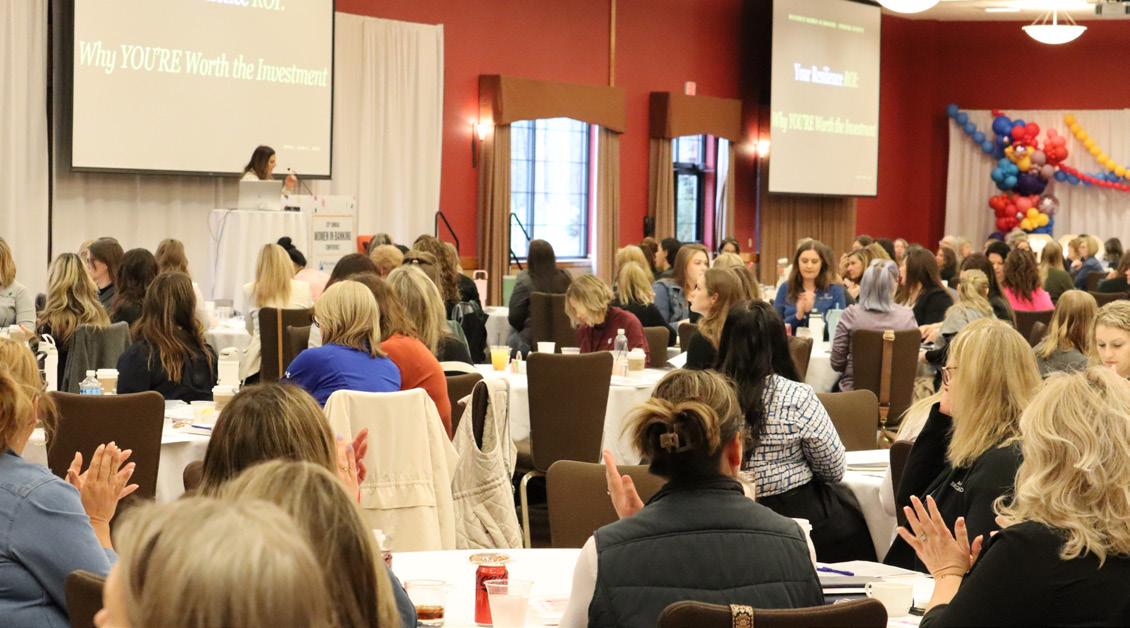
Over 320 Attendees Celebrate This Year’s WBA Women in Banking Conference
Over 320 attendees from across the state this April embarked on Wisconsin Dells for a day of ebullience, connection, and unforgettable moments celebrating 20 years of the WBA Women in Banking Conference.
WBA once again featured an incredible lineup of speakers. Leadership and workplace culture expert April Lewis, MBA, kicked the conference off with incredible energy, sharing powerful insights on resilience and the impact of women supporting women. A true winning strategy. A dynamic panel on self-advocacy was moderated by WBA’s own Rose Oswald Poels and featured Kirsten Sutton, EVP, congressional relations and legislative affairs with American Bankers Association, and Mary Usategui, founder, president & CEO at BankMiami,
who through heartfelt conversation shared practical advice and inspiration for attendees to use their own unique voice and to own one’s path. To close out the day, Shelley Brown, known as the Rebel in a Gown, delivered a powerful and thought-provoking message: what if you stopped leading the way you were taught and started leading the way you mean it? Brown’s message left attendees feeling motivated, empowered, and ready for what may lie ahead.
WBA thanks the following conference sponsors: FHLBank Chicago, Bankers’ Bank, Bell Bank, CRS Data, Graduate School at UW-Madison, ICBA, LERDAHL, Midwest Securities, and Wipfli LLP. Mark your calendars for next year’s event, April 27, 2027, in Wisconsin Dells.
HR Professionals Brought Together at the 2026 WBA Human Resources Conference
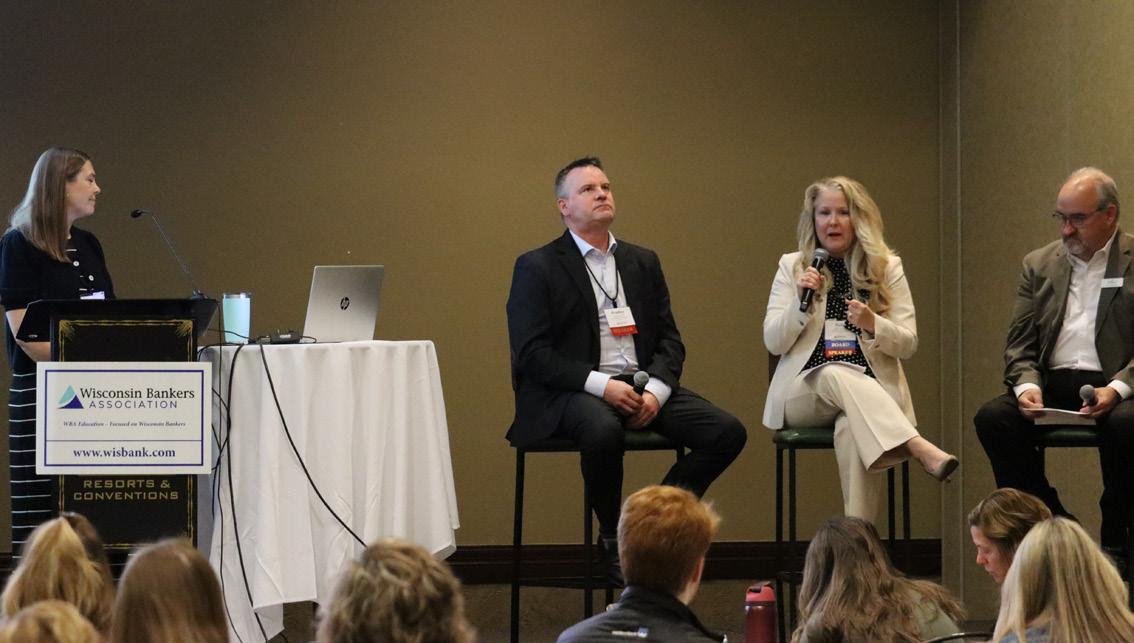
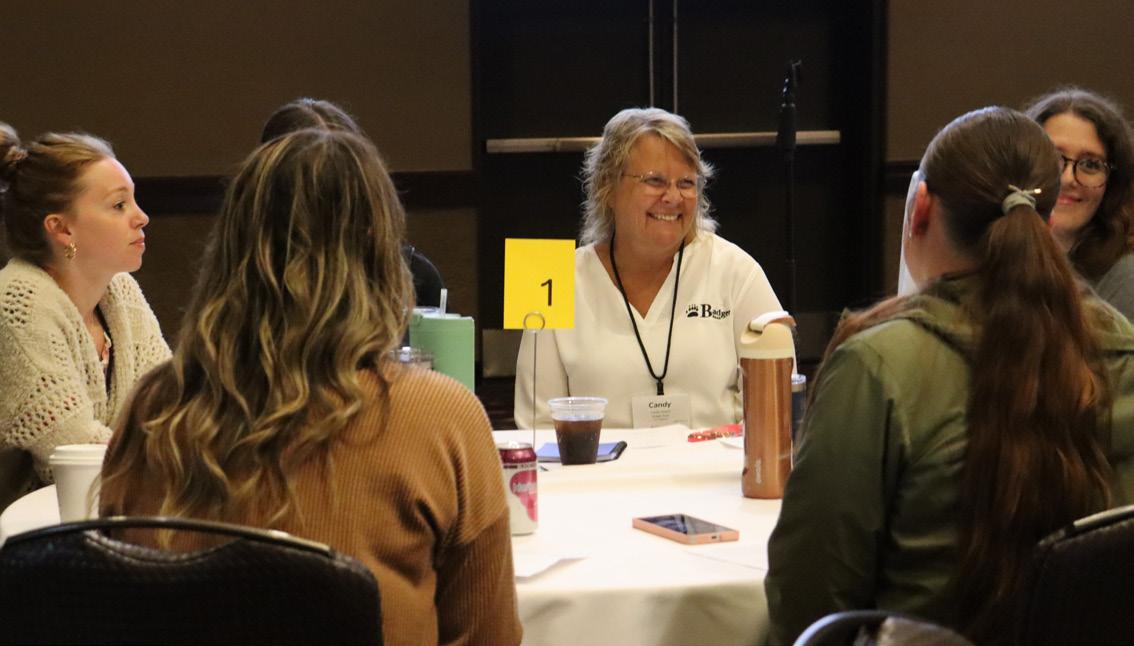
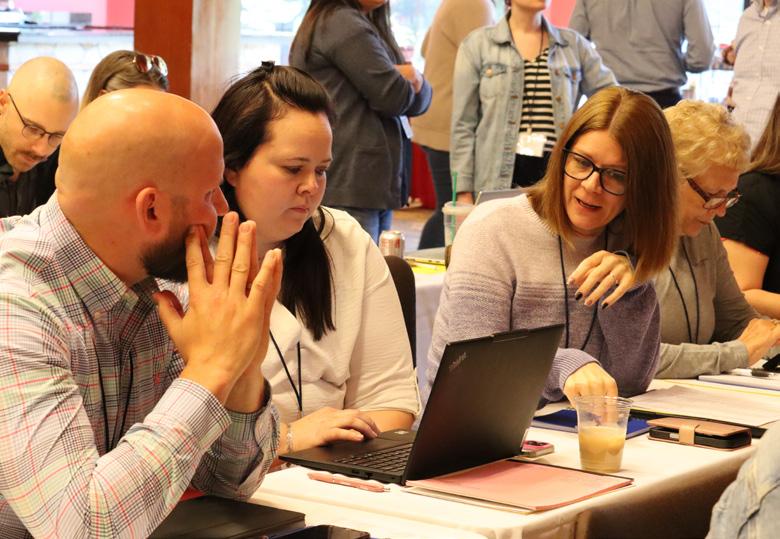
The 2026 WBA Human Resources Conference, recently held in Wisconsin Dells, brought human resources (HR) professionals together to gain fresh insights and explore emerging workplace trends. During the first day of the conference, attendees heard from nationally recognized speaker Steve Bench on how best to attract, retain, and manage millennial and generation Z employees, from Renee Peterson, vice president of people and culture with Horicon Bank, regarding talent management, and from Steph Llano, leadership coach and culture consultant, on accountability.
During day two, attendees were treated to a panel discussion with bank CEOs who shared what they value the most from HR leaders, received an employment law update from attorneys with WBA Associate Member Boardman & Clark law firm, and closed the conference out with keynote speaker and trainer Kim Rogne who shared practical strategies for reclaiming time, energy, and focus while reshaping one’s mindset to create sustainable success. The conference also allowed HR professionals time to exchange practical ideas and address real-time challenges through interactive roundtable discussions and networking. Special this year was the opportunity for attendees to thank longtime conference contributor Jennifer Mirus for all her support and information shared over the years as she steps into retirement. WBA wishes to thank conference sponsors for their generous support of the 2026 conference: UnitedHealthCare, The Perk, and WBA Employee Benefits Corporation.
WBA Fraud Summit Highlights Evolving Threats, Urgent Need for New Strategies
Continued from pg. 1
prepared — and those that are not.”
“Equipping our frontline staff, especially newer tellers, with strong fraud training is critical,” said Theresa Weckwerth, chief risk officer at Fortifi Bank. “They are often the first line of defense, and their ability to spot inconsistencies, verify identification, and question suspicious transactions can make all the difference in preventing check fraud before it occurs.”
Rochley Gross, fraud analyst at Forward Bank, built on this foundation by outlining a practical, multi-layered approach to fraud prevention centered on education, prevention, and investigation. Framing financial crime as a $4.4 trillion global battle, Gross highlighted the importance of proactive strategies, including identifying impersonation scams, taking down fraudulent websites, and leveraging open-source intelligence to protect customers. He also stressed the importance of collaboration, noting that fraud losses extend beyond individual institutions. “Any fraud that happens at one institution in Wisconsin is going to affect another,” Gross said. “That’s money taken out of our communities — it hurts all of us.” His message reinforced the value of strong public-private partnerships and ongoing communication between financial institutions.
“From the insurance side, we work with banks reviewing internal controls and provide best practices before and after fraud has occurred. In some cases unfortunately, losses can reach into the millions,” said Jeff Otteson, vice president of sales at Midwest Bankers Insurance Services. “That’s why events like this are so valuable. They give banks the opportunity to stay ahead of evolving fraud schemes, strengthen internal controls, and learn best practices that can
make a real difference in preventing loss before it happens.”
Carly Jacobson, manager at Wipfli Advisory LLC, then turned the focus inward, addressing the risks of occupational fraud, which is estimated to cost organizations approximately five percent of gross revenue. With economic uncertainty increasing pressure on employees, the risk of internal fraud is heightened. The session explored the “fraud triangle”: pressure, opportunity, and rationalization, and how these elements combine to create conditions for misconduct. She emphasized that even small, seemingly harmless actions can reflect broader vulnerabilities in workplace culture and accountability. Attendees were encouraged to strengthen internal controls while also addressing cultural factors that may allow unethical behavior to take root.
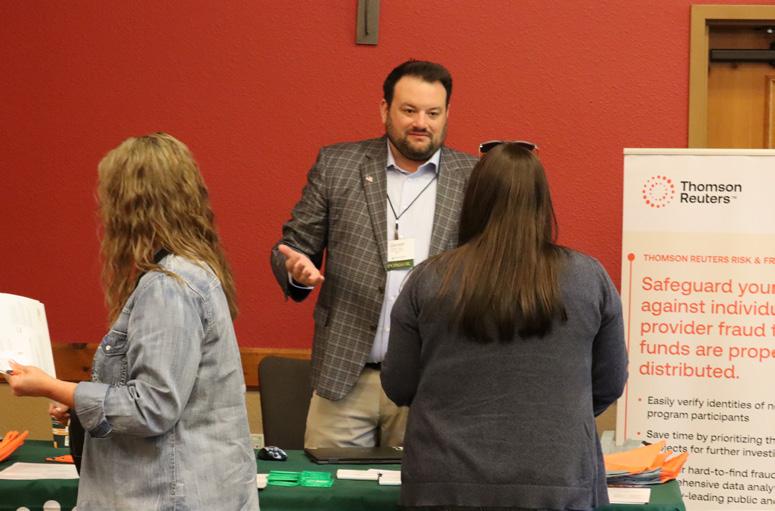
The afternoon concluded with a general session from Bob Sprague, managing director at Forvis Mazars, on fighting occupational fraud in the banking industry, which provided a data-driven overview of fraud trends and prevention strategies. Drawing on insights from the Association of Certified Fraud Examiners, he highlighted real-world examples of fraud perpetrated by bank employees and emphasized the importance of early detection and strong internal controls. The session also explored emerging tools such as continuous monitoring and data
analytics, as well as the dual role of artificial intelligence — both as a powerful defense mechanism and a growing area of risk as fraudsters adopt new technologies.
Across all sessions, a common theme emerged: combating fraud requires more than updated systems — it demands a shift in mindset. From strengthening ethical cultures within organizations to embracing innovation and collaboration, the WBA Fraud Summit reinforced that the future of fraud prevention will be shaped by those willing to adapt, think critically, and stay one step ahead.
Torgerson is the WBA writer/editor.
Fraud training is available for any staff member at your bank. Check out our on-demand series at
A Week That Lasts a Year
Continued from pg. 1
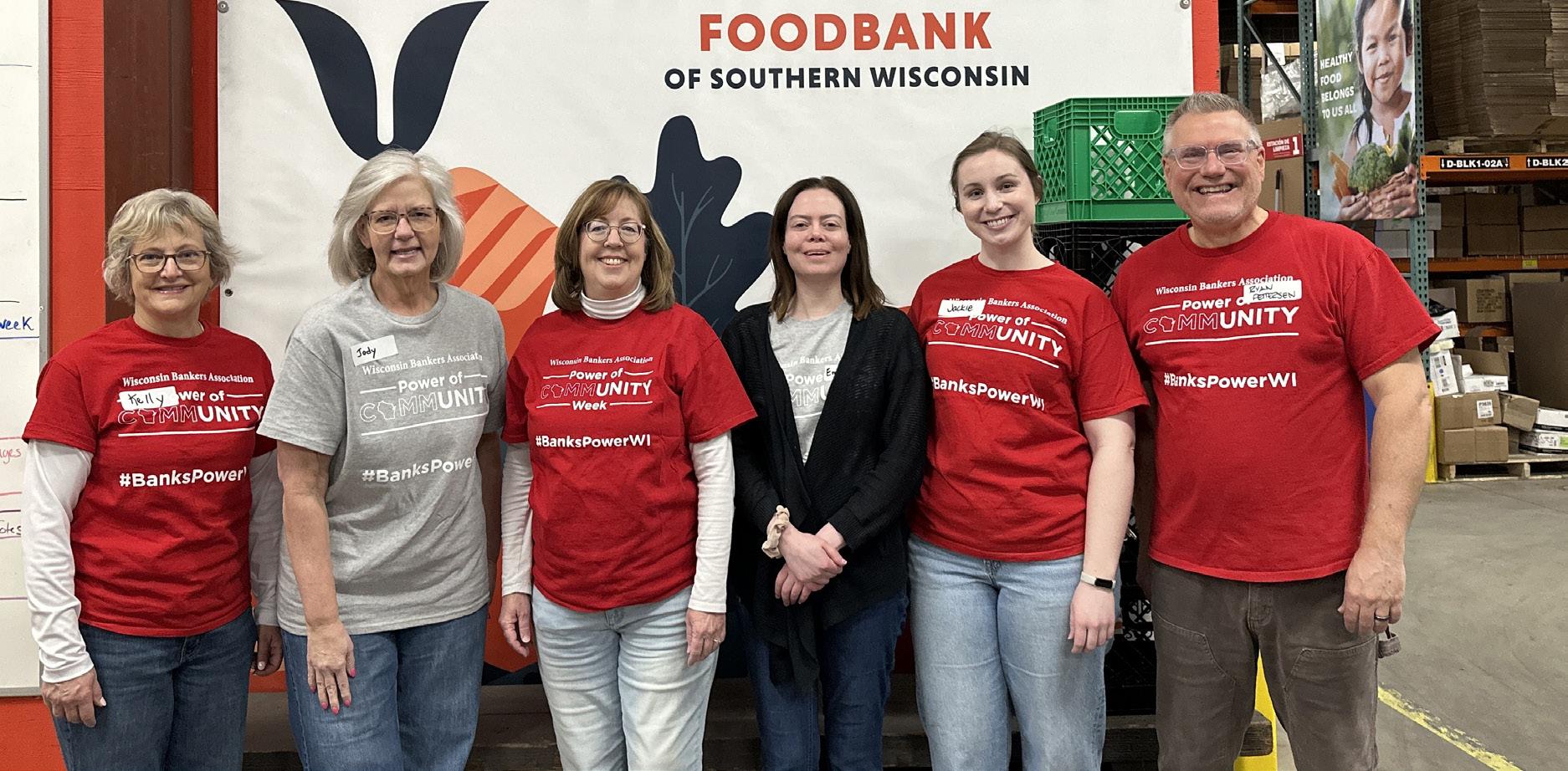
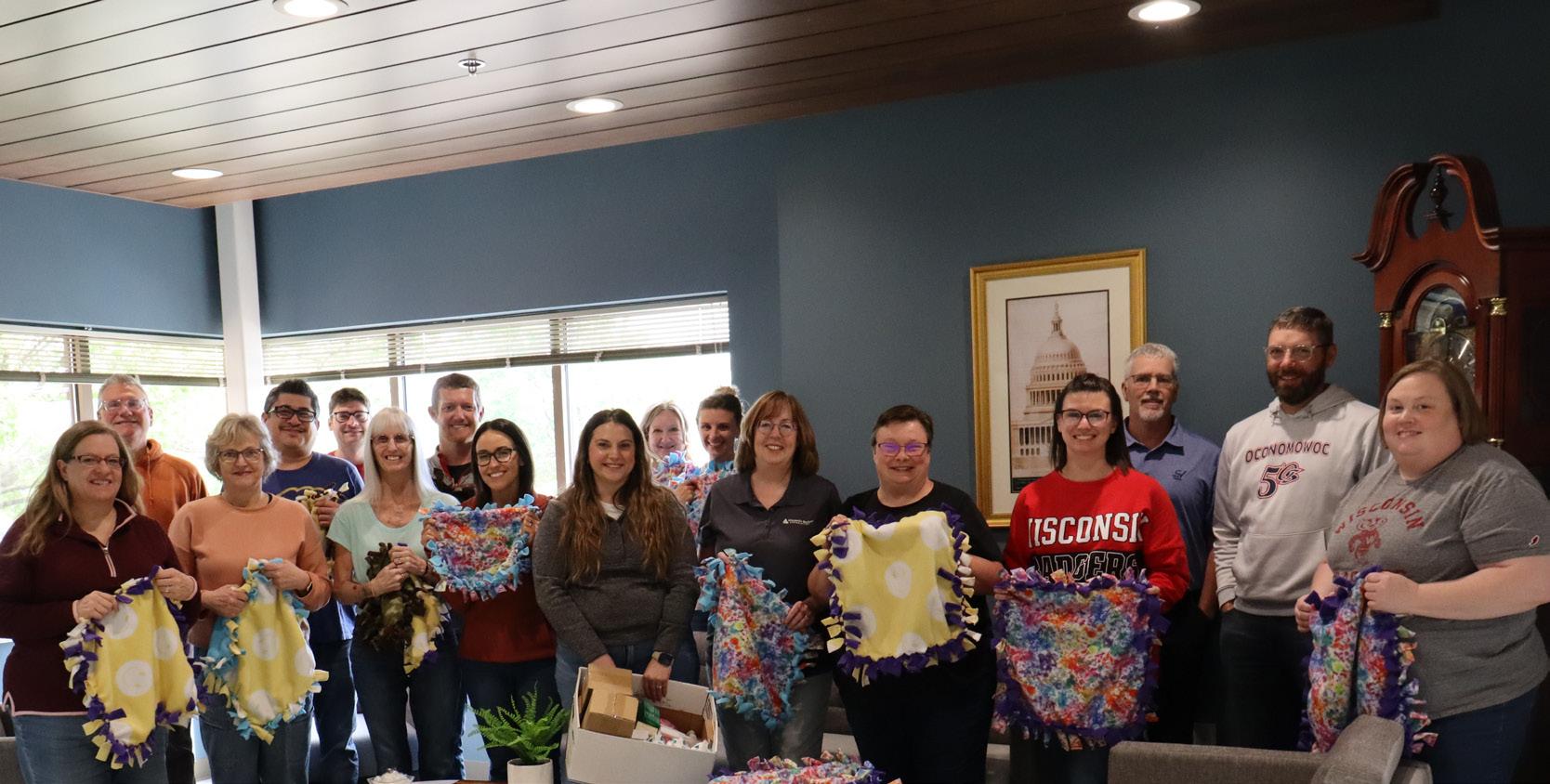
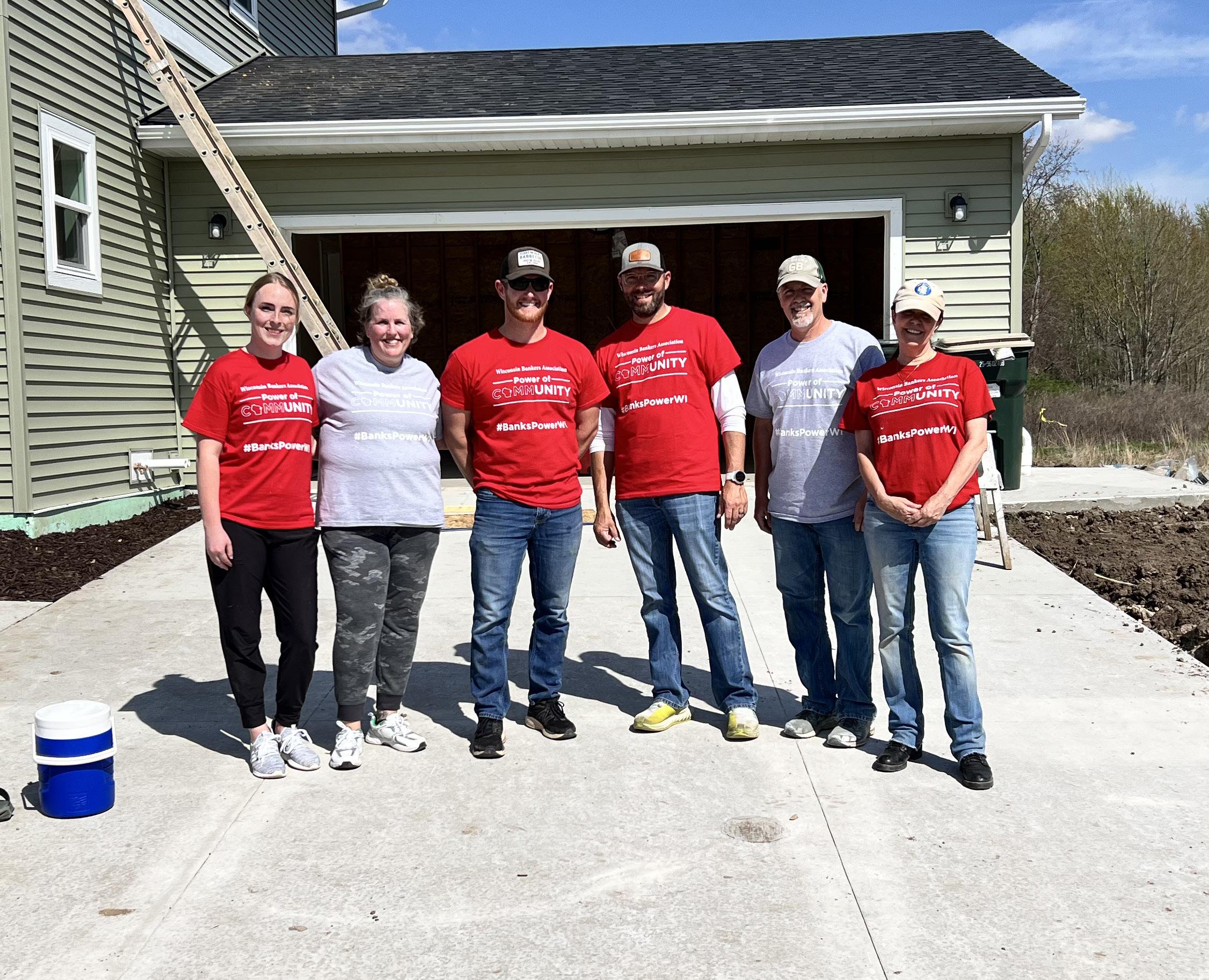
and WBA staff participated in volunteer projects to support local businesses and charities. Banks from every corner of the state shared their efforts, ranging from donating money to non-profit organizations in their neighborhoods, to food drives, to crafting blankets for animal shelters, and more. The week also coincides with National Teach Children to Save Day, observed on Thursday, April 23, when bankers made dedicated visits to classrooms to teach the fundamentals of money management.
WBA created an interactive map online to showcase the breadth of participation from large and small communities across the state. The map illustrated a statewide network of service stretching from the shores of Lake Michigan to communities along the Mississippi River, with each bank responding to the unique needs of their own residents.
For The Peshtigo National Bank, WBA Power of Community Week involved a mix of projects across their six branches. Employees lent their time at animal shelters, cleaned and landscaped community facilities, donated money to youth organizations, assisted elderly residents with yardwork, and celebrated community volunteers whose efforts often go unnoticed.
“We really looked at where there was a need,” Routheau explained.
The Peshtigo National Bank — a wellknown institution in their community — already had long-established ties with many charitable organizations and businesses in the area, and the bank habitually volunteers for the same initiatives year after year. Employees also recognize that community needs evolve over time. Routheau reached out to local mayors and community leaders months ahead of WBA Power of Community Week to identify projects
and organizations that could benefit from additional support.
“We don’t want to assume we know what every community needs,” Routheau said. “We try to listen first, have conversations with local leaders, and find ways to support the people and organizations making a difference. Our goal is to be a community partner that shows up where we’re needed most.”
One of the projects that left a strong impression on volunteers involved assisting elderly residents with yardwork and house maintenance. Beyond labor, many of these residents enjoyed the conversation and company.
“One of the most meaningful parts was the opportunity to connect with people who may not have a strong support system nearby,” Routheau said. “A few hours of help can make a difference, but so can a conversation and a friendly face.”
The Peshtigo National Bank’s commitment to community extends beyond its own workforce. As part of WBA Power of Community Week, the bank recognized local volunteers who consistently give their time to community organizations, surprising them with gift cards and handwritten notes of appreciation.
“We wanted to let those volunteers of our community know that they are supported, and we do appreciate the work they do,” Routheau said. “They keep our communities thriving.”
However, for banks across Wisconsin, community involvement is not limited to a single week in April. Throughout the year, bankers serve on nonprofit boards, coach sports teams, volunteer at local events, and provide financial education to children and adults alike. Many banks, including The Peshtigo National Bank, encourage their employees to get involved in an initiative that is meaningful to them by providing paid volunteer time.
“We want our employees to be engaged in the communities they care about,” Kelly Heroux, president & CEO at The Peshtigo National Bank, said. “Their involvement helps us better understand local needs, and when the bank can help support those efforts. It’s a win for the entire community.”
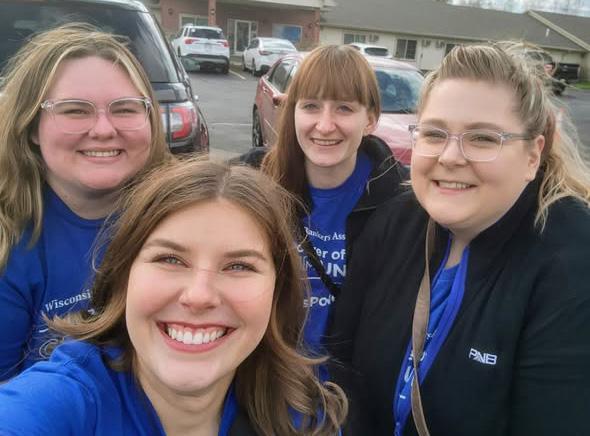
Whether teaching second graders about wants versus needs, helping firsttime homeowners understand the lending process, or spending an afternoon cleaning kennels at an animal shelter, Wisconsin bankers embody the spirit of civic leadership that inspired WBA Power of Community Week nearly a decade ago. Routheau captured the ethos of Wisconsin banking best: “It doesn’t stop for us.”
Fenton is the WBA communications coordinator.
WBA encourages banks to continue sharing their volunteer efforts throughout the year. Stories and participation data submitted by members helps spread the message about the positive impact of banks on their communities, and also serves an important advocacy purpose. WBA regularly uses volunteer, charitable giving, financial education, and community investment data when communicating with lawmakers, regulators, the media, and the public about the value of Wisconsin’s banking industry. Submit your information here: www.wisbank.com/community/ power-of-community-week/
WBA Installation Ceremony Ushers in New Board
The WBA hosted its annual installation ceremony on June 10 to formally welcome the newest members of the 2026–2027 Board of Directors. Held at the WBA offices in Madison, the Board, WBA staff, and guests gathered for the ceremony as members across Wisconsin tuned in remotely via livestream. WBA expressed thanks to all former and current Board members for their continued commitment and service to Wisconsin’s banking industry.
Joseph (Joe) Peikert, CEO of Wolf River Community Bank, Hortonville, formally received the chair’s gavel to serve as the 2026–2027 Board Chair. His tenure as chair officially began a few months earlier. Peikert joined Wolf River Community Bank in 2007 and became president/CEO in 2013, now serving solely as CEO. Peikert is a Certified Public Accountant and earned his bachelor’s degree in business administration with a finance emphasis and minor in accounting from UW-Platteville. He is an alumnus of the Graduate School of Banking at UW-Madison and has served on the Graduate School of Banking – Bankers Advisory Board.
Peikert is currently on the board of directors of the Hortonville Community Food Pantry and Central Wisconsin Trout Unlimited. He was previously board chair of the Fox West YMCA, president of the Fox West Chamber of Commerce, and has served on multiple committees for the Hortonville Area School District, the Village of Hortonville, and his church. He received the YMCA of the
Not
Fox Cities, Douglas A. Ogilvie Leadership Award as well as the Leadership Award of Excellence, Upper Midwest Alliance of YMCAs.
“We are excited to have Joe as Chair of the WBA Board,” said Rose Oswald Poels, WBA president and CEO. “His leadership, industry insight, and strategic perspective will help guide our Board and industry through evolving economic conditions and future opportunities.”
Also serving as officers on the WBA Board are Chair-Elect Greg Lundberg, president and CEO, Fortifi Bank, Berlin; Vice Chair Shay Horton, president and CEO, Cumberland Federal Bank; and Past Chair Alvaro (Al) Araque, SVP director of consumer and private banking, Johnson Financial Group, Racine.
Joining the Board for three-year terms are Scott Cattanach, president and CEO, Peoples State Bank, Wausau; Mark Oldenberg, president and CEO, Security Financial Bank, Eau Claire; and Kevin Ravenscroft, president and CEO, The Peoples Community Bank, Mazomanie.
Those continuing their terms on the Board are: Tina DeGustino, regional president, BMO US, Milwaukee; Jim Hartlieb, president and CEO, First Business Bank, Madison; Shane Ilstrup, president, Citizens First Bank, Trempealeau; Jimmy Kauffman, president and CEO, Bank of Sun Prairie; Todd Nagel, president and CEO, IncredibleBank, Wausau; Nathaniel (Nate) Parrish, president and CEO, First Citizens State Bank, Whitewater; Timothy (Tim) Schneider, president and CEO, Bank Five Nine, Oconomowoc; Lindsay Spitzer, president and CEO, Bluff View Bank, Galesville; and Eric Witczak; executive vice president and COO, Nicolet National Bank, Green Bay.
Board members who completed their terms in 2025–2026 are Kelly Heroux, president and CEO, The Peshtigo National Bank; and William (Bill) Sennholz, CEO, Forward Bank, Marshfield.
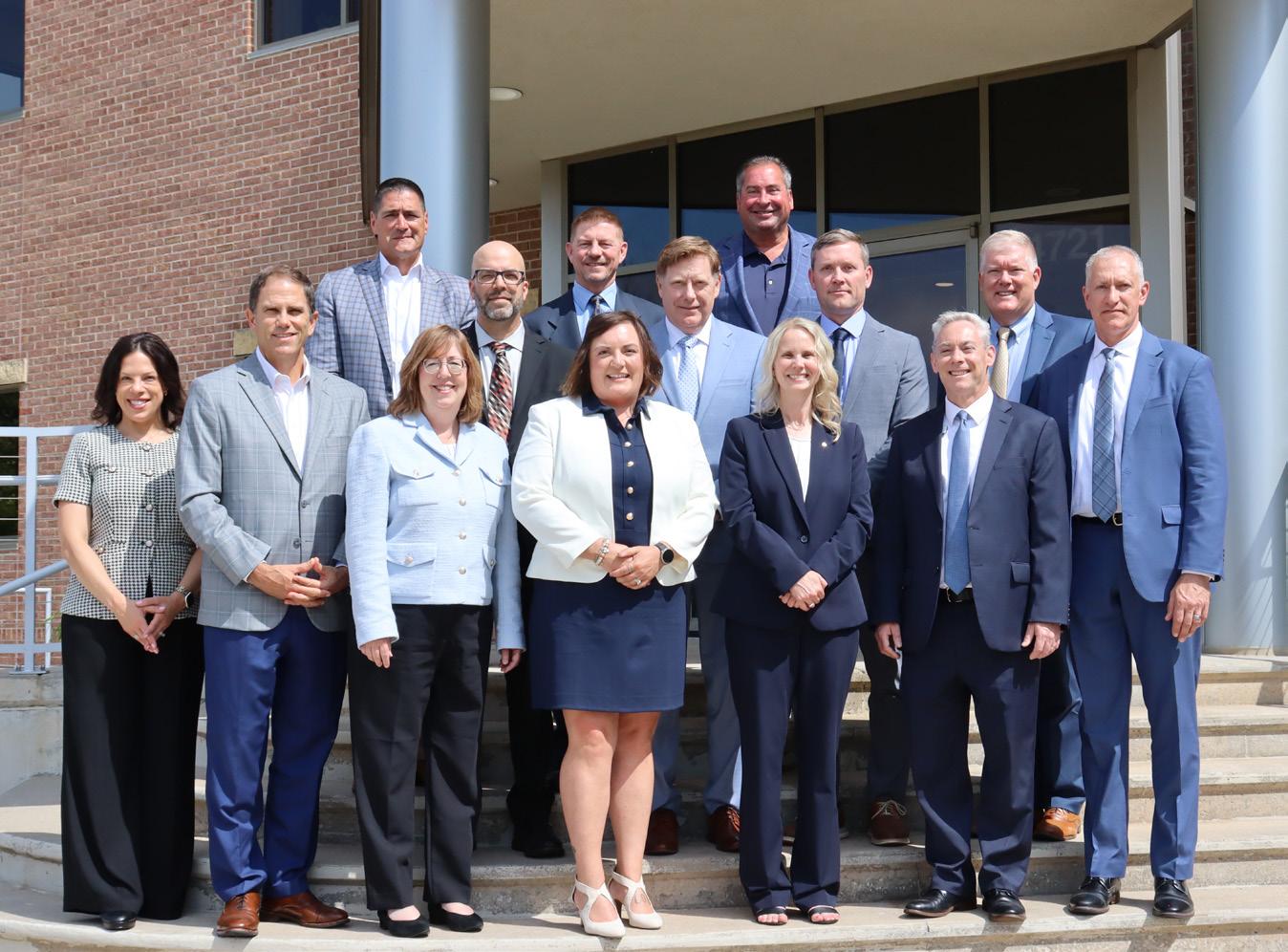
Pictured (left to right) Back Row: Tim Schneider, WBA Chair Joe Peikert, and Eric Witczak Middle Row: Kevin Ravenscroft, Nate Parrish, Shane Ilstrup, and WBA Chair-Elect Greg Lundberg. Front Row: Tina DeGustino, Jim Hartlieb, WBA President and CEO Rose Oswald Poels, WBA Vice Chair Shay Horton, Lindsay Spitzer, Scott Cattanach, and Mark Oldenberg.
Pictured: WBA Past Chair Al Araque, Jimmy Kauffman, and Todd Nagel.
Thank You for Your Passion and Stewardship
Each new fiscal year brings a change in leadership for WBA’s committees and sections. These groups of bankers play a critical role in helping identify issues affecting the industry, offer suggestions for new products and services, and share insightful ideas of how WBA can best help solve member needs. Each chair helps to facilitate those discussions and activities while also allowing members to connect with industry peers and resources. WBA wishes to thank the outgoing committee and section chairs for their passion and stewardship of the industry as the baton of leadership is passed on to others.
2025–2026 Outgoing Chairs
Agricultural Bankers Section Board
Nicholas J. Felder
MidWestOne, a division of Nicolet
National Bank
BOLT Section Board
Landon Turner
Oostburg State Bank
Financial Crimes Committee
Ken Schweiger
Community First Bank, Boscobel
FIPCO Users Committee
Kari L. Larson
Community First Bank, Milton
Government Relations Committee
Josh Marron
The Park Bank, Madison
Human Resources Committee
Lindsey Growette Stingle
National Bank of Commerce, Superior
Marketing Committee
Lauren Moran
Wolf River Community Bank, Hortonville
Mortgage Lending Committee
Kellie Wand
The Bank of Brodhead
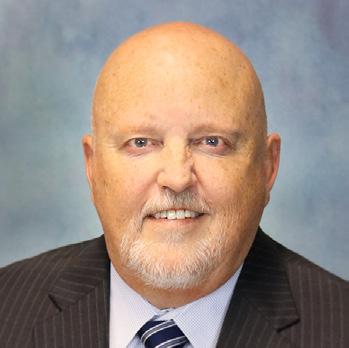
Jeff Otteson Vice President of Sales jeffo@mbisllc.com 608.217.5219
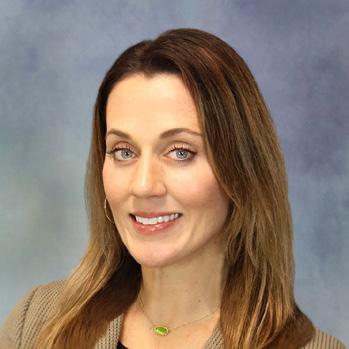
Melissa Noonan Account Manager melissan@mbisllc.com 608.441.1275
Retail Committee
Heather Mader
The Port Washington State Bank
Technology & Operations Committee
John White Jr.
Forward Bank, Marshfield
Trust Banking Section Board
Blake A. Barnes
Trust Point, La Crosse
Looking to join a WBA committee or section? The application period opens in January 2027.

And the Annual WBA Scenes of Wisconsin Photo Contest Winners Are…

The winning photographs for the WBA 2027 Scenes of Wisconsin calendar have been chosen! A panel of four judges reviewed more than 240 image submissions and selected 12 striking pictures to be featured each month and one photo for the cover of the calendar next year. Each photo submitted for the contest was captured in Wisconsin by a Wisconsin banker, their family member, or a bank customer. The winning photographers for the 2027 calendar are:
• Cover: Maureen McRaith, Eau Claire – Nicolet National Bank
• January: Bob Eastman, Reedsburg – JPMorgan Chase Bank
• February: Connie Higgins, Edgar – Peoples State Bank
• March: Ann Peters Boothe, Endeavor – Royal Bank
• April: Amy Van Bramer, Sturgeon Bay – Nicolet National Bank
• May: Amy Banaszak, Mayville – Horicon Bank
• June: Michael DeWitt, Ashland – Northern State Bank
• July: Lori Shilts, Oshkosh – Citizens Bank
• August: Marilyn Peckham, Richland Center – Community First Bank
• September: Deb Warren, Ferryville – Associated Bank
• October: Steve Lenz, De Pere – Associated Bank
• November: Erin Gibbs, Amherst Junction – Community First Bank
• December: Mindy Shoemaker, Mayville – Mayville Savings Bank
There’s Still Time to Order Your 2027 Calendars If you are looking to add some scenic views to your marketing lineup, consider placing an order for the high-quality, cost-effective WBA 2027 Scenes of Wisconsin calendar. You can learn more about the calendar and place your order at wisbank.com/scenesofwi. Orders are due August 15, 2026!






•




2025–2026
YEAR IN REVIEW
President’s Message:
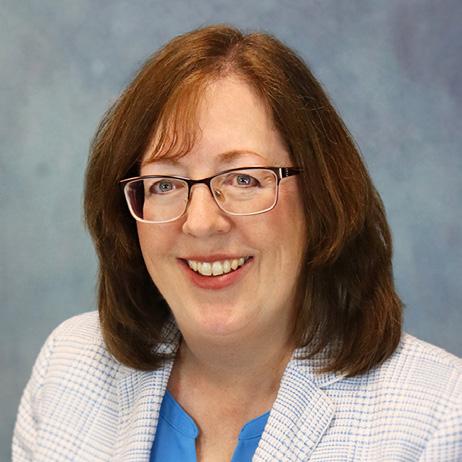
The WBA’s 2025–2026 fiscal year recently ended, and I am once again struck by all that WBA and its members have accomplished together to support a strong and resilient banking industry in Wisconsin. Like the pieces of a puzzle, each member contributes unique talents and efforts that help strengthen our association. When these interconnected pieces fit together, a clear and focused image emerges as one of collaboration and shared success. The 2025–2026 “Year in Review” is organized to reflect how engagement and action by WBA staff and the membership fit together to collectively fulfill board initiatives of WBA. I am grateful for the support and commitment of our members, whose contributions continue to help bring our collective vision into focus.
I also want to thank WBA Board Chair Joe Peikert who began his term a few months ago, Past Chair Paul Northway, the officers, and the rest of the 2025–2026 WBA Board, for their involved leadership. I am proud of what the membership, Board, and WBA staff have accomplished together for the benefit of the industry.
WBA Board Chair Message:
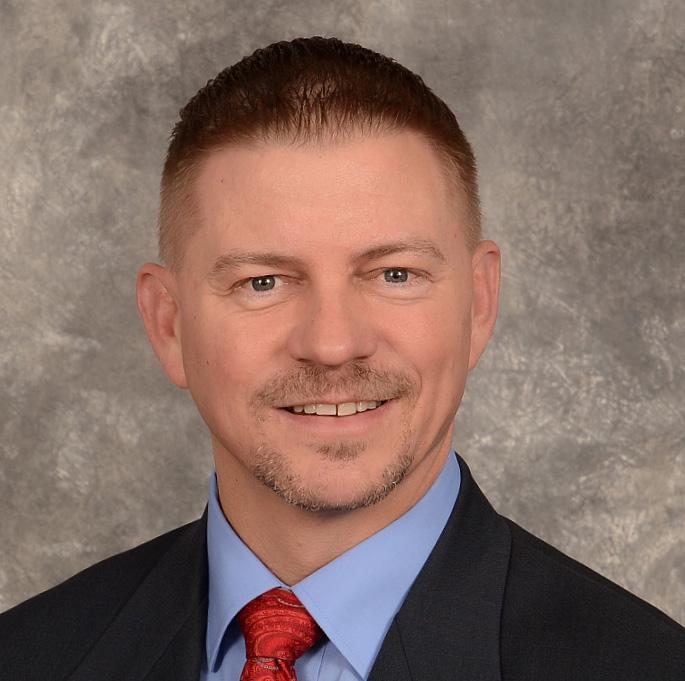
When looking back on WBA’s 2025–2026 fiscal year, I am reminded of a puzzle. Throughout the year, each member, committee or section member volunteer, Board member, and WBA staff contributed an important piece. Individually, those pieces represent unique strengths and perspectives; together, they form a complete picture of a strong, vibrant industry and Association. Thanks to your engagement in advocacy efforts, we amplified our collective voice and advanced issues that matter to our industry. Your participation in WBA programs and your continued use of the Association’s services further strengthened the foundation of a successful association. On behalf of the Board, thank you for being an essential part of the picture.
I also wish to thank Paul Northway for his leadership over the past year and for the foundation he left behind. As WBA enters a new fiscal year, I look forward to continuing to work alongside the membership to ensure that community banking remains a vital part of Wisconsin’s future.
Joe Peikert 2026–2027 WBA Chair and CEO at Wolf River Community Bank, Hortonville
The Unified Voice for Wisconsin Bankers:
• 58 banks earned WBA’s Gold Triangle Award, our highest level of recognition for bank fundraising, apportioned by bank asset size.
• 58 banks earned the Bankers Involved in Grassroots and Government Award (BIGG), WBA’s highest achievement level for bank involvement and advocacy.
• $304,295 in contributions given by WBA-member employees, directors, WBA staff, and others to WBA’s Wisbankpac and ABW political conduit.
• 25 bankers earned the Leadership Circle Award for contributing at least $3,000 to Wisbankpac, ABW, or issue advocacy funds.
• 98 bankers earned the Silver Triangle Award for contributing at least $1,000 to Wisbankpac, ABW, or issue advocacy funds.
• 173 banks designated Advocacy Officers.
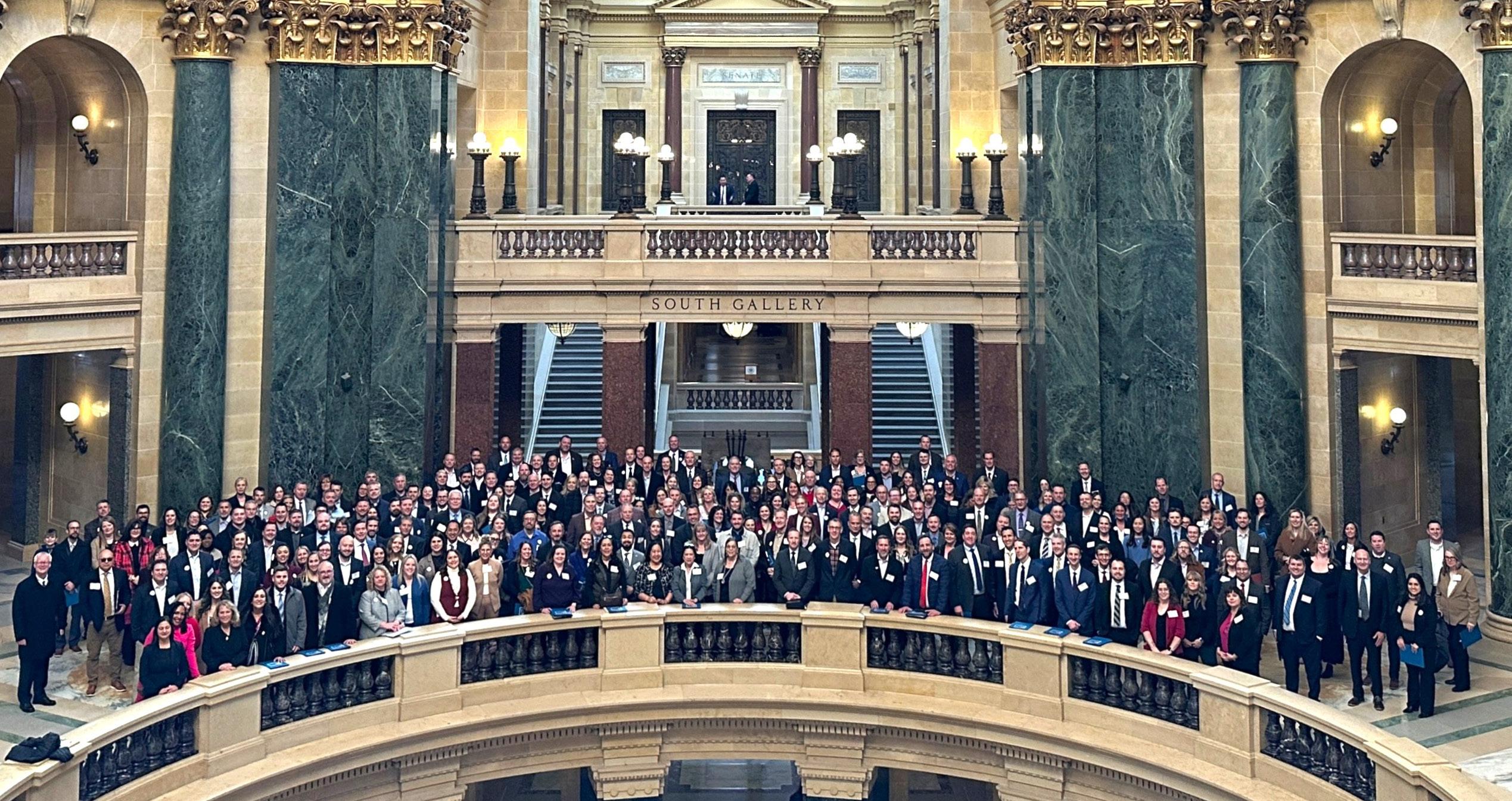
• 251 members attended WBA Capitol Day in Madison, and 43 attended a Washington, D.C. trip.
• 69 candidates and 4 legislative party candidate committees — on both sides of the aisle — at the state level received support from WBA political action funds.
• 42 bills tracked or monitored by WBA of 2,423 bills introduced during 2025–26 legislative session.
• 1 WBA legislative priority introduced and passed.
• 22 comment letters filed on behalf of the membership.
• 41 press releases issued.
• 50 “WBA Advocacy Reports” were emailed to members.
The Solution for Banking Education and Professional Development:
• 1,672 Legal Call Program calls answered.
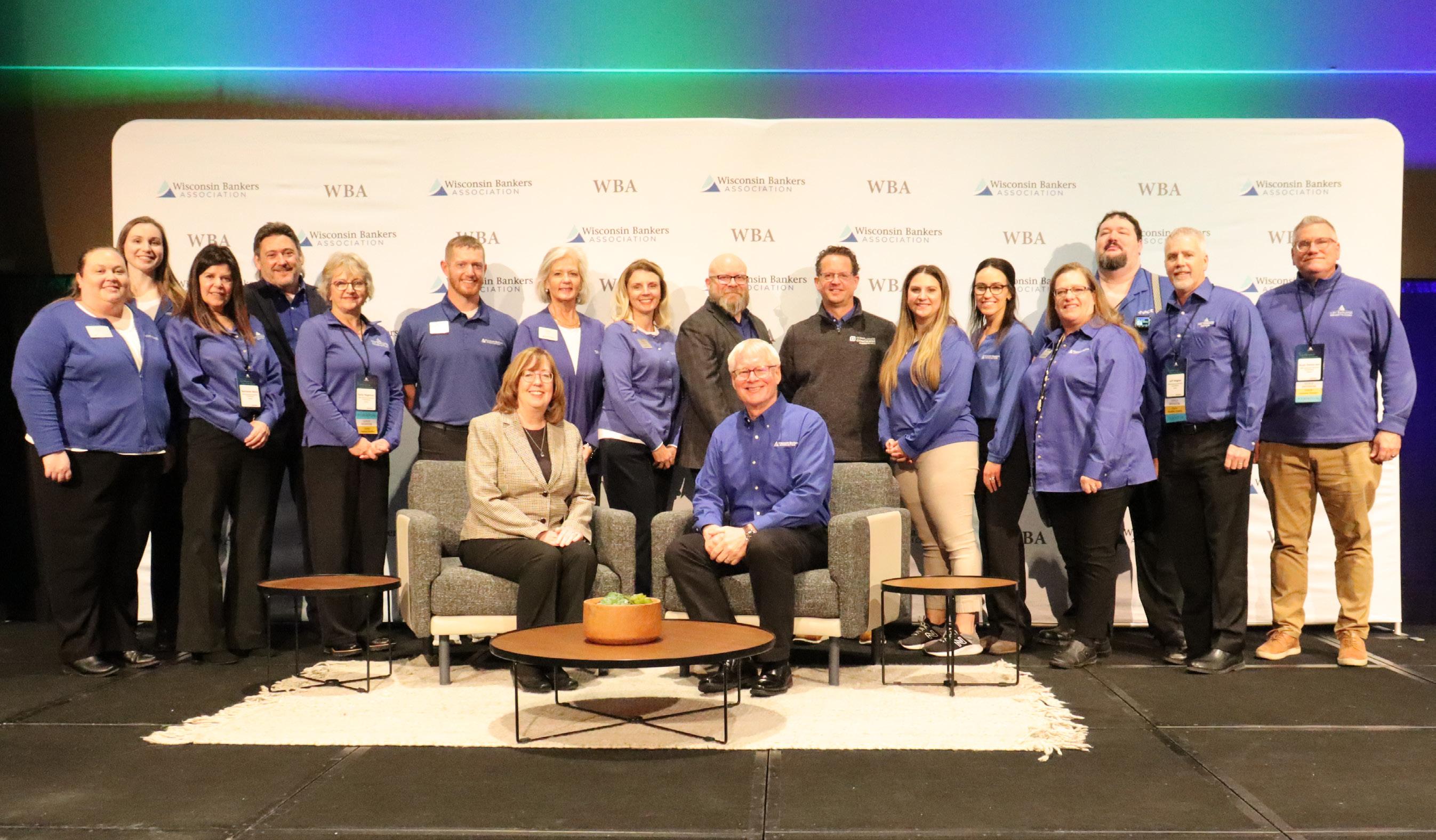
• Nearly 6,000 took part in WBA-hosted training events.
• 82 educational opportunities hosted by WBA.
• 556 bankers completed a multi-day WBA school or boot camp.
• More than 350 members participated live or on-demand for the 2 complimentary member webinars.
• 100+ bankers participated in each of 2 Legal Live events.
• 84 CEOnly/CFOnly questions facilitated.
• 6 free legal content pieces created and 11 FAQs added to a reformatted FAQ resource.
• 3 Consumer Content pieces were created for members’ use.
• 6 issues of “Wisconsin Banker” published.
• 253 issues of “Wisconsin Banker Daily” e-newsletter sent to 3,000+ subscribers.
• 94 Banconomics reports covering 7 Midwest states published by the Wisconsin Bankers Foundation in partnership with Navanta (formerly known as UFS).
• 19 videos produced.
• Nearly 100 students attended Careers in Banking events hosted at 4 UW campuses.
• 10 Agri-Banker updates, 12 CBC updates, and 11 Associate Member newsletters delivered.
Build a Culture to Grow and Retain Talent and to Create a Dynamic Infrastructure to Best Serve WBA Members:
• WBA named a Top Workplace by “Wisconsin State Journal” for third time in 3 years.
• WBA obtained Net Promoter Score of 29.
• All WBA staff participated in Career Potential DISC assessment, training, and given follow-up resources.
• Connected with all members and Associate Members to collect and update data for launch of new Fonteva data system.
• Built new Fonteva system with WBA data, importing data into the new system.

• Created portal for bankers to connect directly with WBA for education and resource materials.
Improved Engagement Across All Forms of Membership:
Wisconsin Bankers Association (WBA)
• 188 banks and savings institutions are members of WBA, representing 96% of banks in the state.
• 900+ members belong to the BOLT Section.
• 176 members served on a WBA section board, committee, or advisory group.
• 6,911 followers on LinkedIn, 1,975 on Facebook, and 2,125 on X.
• 286 branches of 44 banks participated in the WBA Power of Community Week, hosting service events across the state.
WBA Insurance Services: Employee Benefits Corporation, Inc (WBA-EBC) and Midwest Bankers Insurance Services (MBIS)
• $2.8 million in annual savings achieved with WBA Association Health Plan through United Healthcare.
• 110 banks completed over 4,000 benefit transactions through WBA-EBC benefits portal.
• 220 community banks helped by MBIS with complex insurance renewal negotiations, internal control guidance, best practices, coverage education, and policy placement.
Financial Institution Products Corporation (FIPCO)
• 2,894 loan applications totaling $321,800,000,000 submitted via FIPCO ConnectFI – a customer-facing digital lending SaaS that integrates with Compliance Concierge.
• 92 financial institutions utilize Compliance Concierge Loan, Mortgage, and Deposit software as part of their compliance management programs for loan origination and deposit account opening.
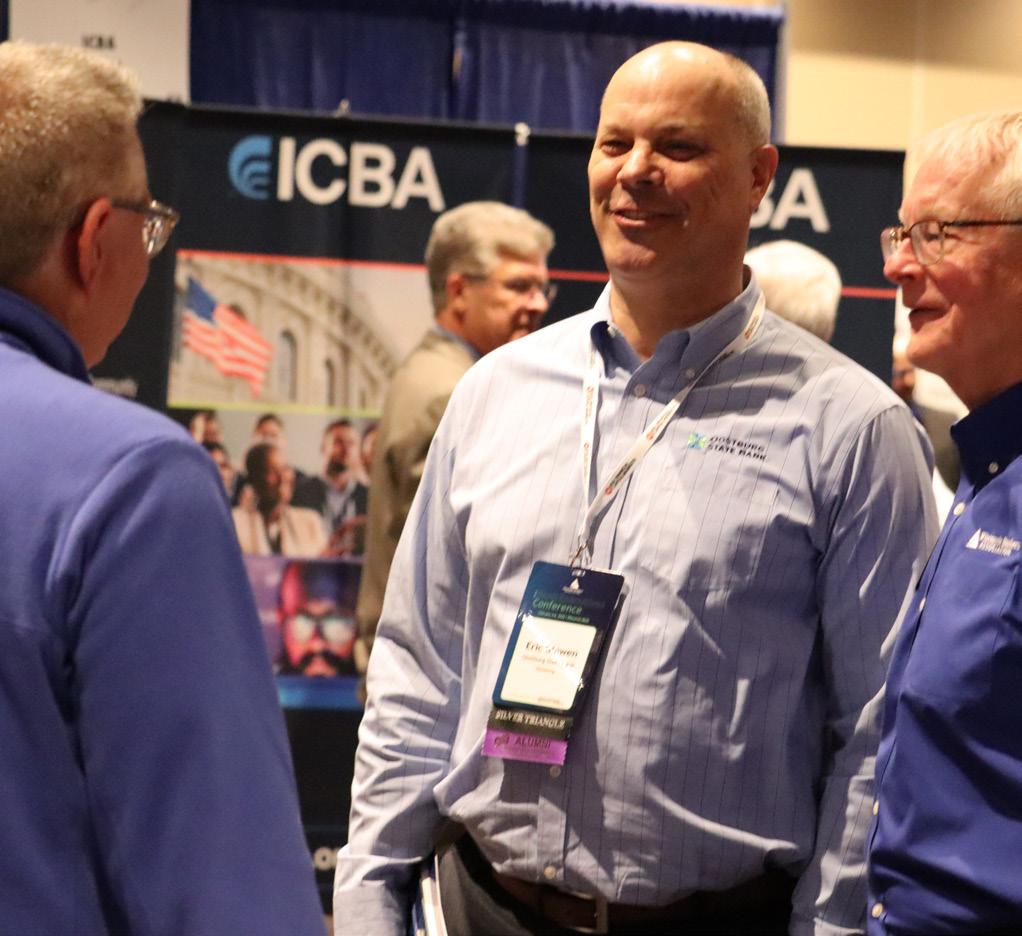
Associate Members
180 Associate Members provided quality products and services to WBA bank members and had a 94% retention rate and a 6% growth rate.
For a complete list, please visit www.wisbank.com/associates.
Platinum Associate Member FHLBank Chicago
• ShareFI provided services to 55 clients, representing over 122 engagements. Banks saved over $900,000 with ShareFI’s compliance officer (and other roles) services to reduce their personnel expenses. 12 banks improved and/or maintained CMS ratings with their primary regulator with ShareFI support.
• 39 clients benefited from FIPCO InfoSecurity and IT Audit engagement services, representing over 65 engagements. Expanded services to include Office 365 Audits.
• 35 banks participated in one or more FIPCO software training sessions.
Wisconsin Bankers Foundation (WBF)
• 100 banks participated in WBF’s Reading Raises Interest program.
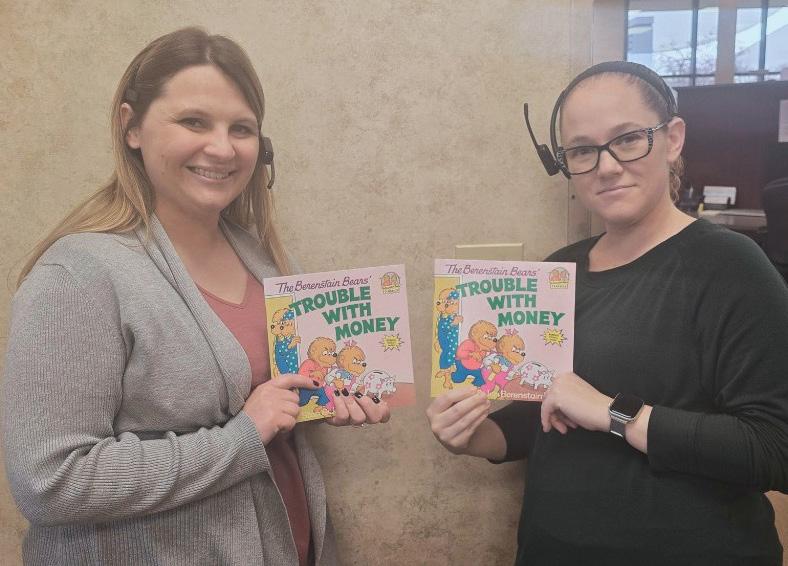
• 2,700+ copies of “The Berenstain Bear’s Trouble with Money” by Stan and Jan Berenstain donated by WBF.
• 51 applications submitted for WBF scholarships, and $11,000 awarded to 6 recipients.
• $30,500 in grants awarded to 7 nonprofit programs, including Asset Builders’ Finance and Investment Challenge Bowl, Economics Wisconsin, Eastbrook Academy, Faith Christian High School, Northwest Wisconsin Community Services Agency, Inc., and Wisconsin Women’s Business Initiative Corporation.
• 222 individuals and 47 organizations supported WBF in auctions and raffles at 3 WBA conferences collectively raising $18,202.
• $13,665 raised during the annual Foundation Gala.
Gold Associate Members
• Bankers’ Bank
• Bell Bank
• BMO — Correspondent Banking
• BOK Financial Capital Markets
• FIPCO
• Godfrey & Kahn
• ICBA Services Network
• Midwest Bankers Insurance Services
• WBA Employee Benefits Corporation, Inc.
Silver Associate Members
• Cinnaire
• Integris
• Midwestern Securities
• Performance Trust
• Navanta
Bronze Associate Members
• ADVANTAGE, powered by JMFA
• BHG Financial
• Boardman & Clark LLP
• Delta Dental of Wisconsin
• Eide Bailly LLP
• Executive Benefits Network (EBN)
• Forvis Mazars
• Hovde Group, LLC
• Jefferson Wells
• Locknet – An EO Johnson Company
• Northland Securities, Inc.
• Plante Moran
• Quad City Bank & Trust
• Reinhart Boerner Van Deuren S.C.
• SHAZAM
• The Baker Group
• Vibrancy Unlocked
• Wipfli
• Mergers & Acquisitions
• Strategic Planning
• Ownership Succession
• Securities Offerings
• Vendor Contracts
• Compensation Plans
• Commercial Lending
• Consumer Finance
• Workouts & Bankruptcy
• Privacy & Information Security
• Fintech



As a WBA Gold Associate Member, we prioritize our commitment to the Wisconsin banking industry. More depth, more expertise, better results.
“We trusted Godfrey & Kahn with the sale of our family’s most valuable asset...our bank. And we would do it again.”
— $50 Million Community Bank
“Godfrey & Kahn’s responsiveness, follow-up, teamwork and expertise exceed expectations.”
— $1 Billion+ Community Bank



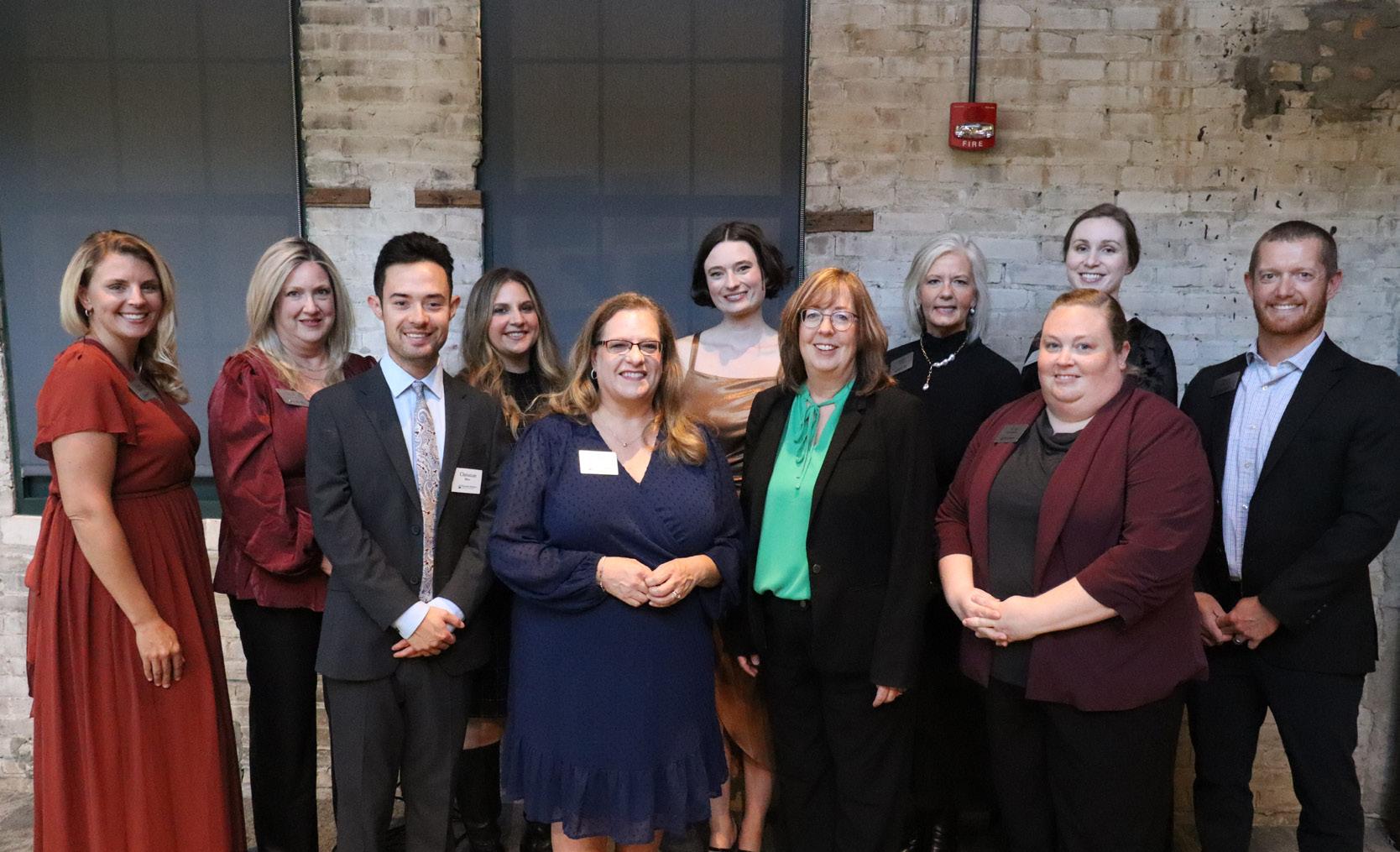
2025–2026 Class of WBA BOLT Leadership Academy Graduates
The Building Our Leaders of Tomorrow (BOLT) Leadership Academy is a program designed for highly motivated emerging bank leaders who have a desire to grow their leadership skills and industry knowledge, as well as foster a trusted network of community banking peers from across the state. The selected cohort members come from diverse business functions within the banking industry and various locations throughout Wisconsin.
“The mission of the Academy is about more than professional development. It’s about building confidence, strengthening relationships, and providing talented individuals with tools to lead with purpose,“ said Rose Oswald Poels, WBA president and CEO. “I am proud of what these bank leaders have accomplished and look forward to seeing the impact they will continue to make within their organizations, the industry, and the communities each serve.”


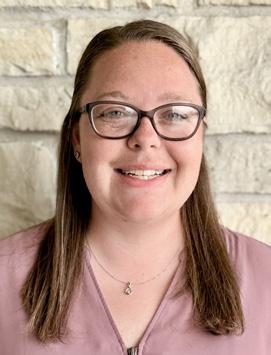
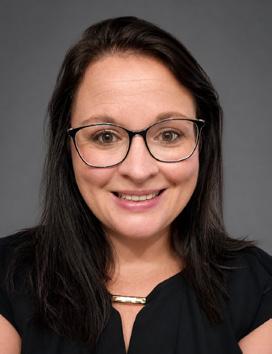


Jaimie Adamavich Prevail Bank, Medford

Christian Del Aguila Bank of Lake Mills

Tracy Allen National Bank of Commerce, Superior
Michaela Barribeau
The Stephenson National Bank & Trust, Marinette


Brittany Gallagher Waldo State Bank
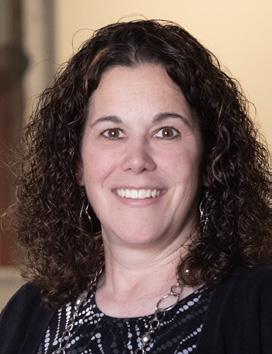

Melanie Gauger Citizens Bank, Mukwonago

Nicki Moline
Security Financial Bank, Durand

Sara Simonis
Fox Valley Savings Bank, Fond du Lac
Aubrie Bobholz Horicon Bank

Raymond Koepcke
The Park Bank, Madison

Ashley Burns
Community First Bank, Boscobel
Mollie Clapham Mound
City Bank, Platteville
Samantha Cochenet Nicolet
National Bank, Ashwaubenon
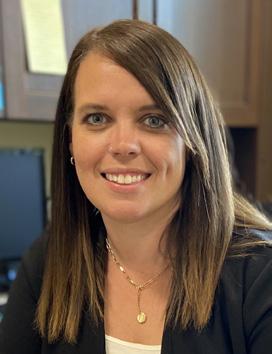

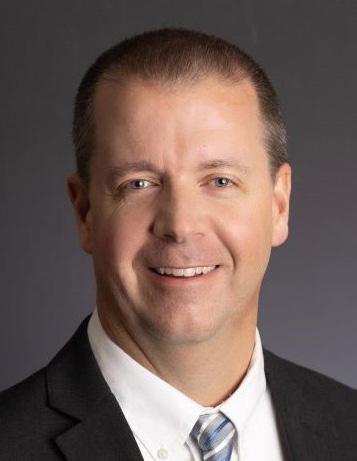
Ashley Lawrence Waldo State Bank

Lindsay Monacelli
Peoples State Bank, Wausau
Danyel Moyle
National Exchange Bank & Trust, Fond du Lac

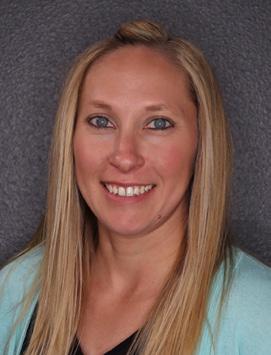
Megan Waksdahl
The Park Bank, Madison
Emily Weiler
Paper City Savings Bank, Wisconsin Rapids
Tyler Mustard
Security
Financial Bank, Eau Claire
Kendra
Nichols State Bank Financial, Sparta

Shor Yang
Lake Ridge Bank, Verona

Sharilyn Zimmerman Bank of Lake Mills
Jason Lindeman
Forward Bank, Colby
Todd Michek Mound
City Bank, Platteville

Matthew Peterson Horicon Bank

Kendell Rashid Fox Valley Savings Bank, Fond du Lac
The application period for the 2027–2028 cohort will open in January 2027.
Bulletin Board
News from Wisconsin Bankers Association Members
Promotions and New Hires
Bank First
• Announced the promotions of Brenda Haese, Alyssa Pethan, and Abby Krause, who were recognized for their leadership, expertise, and dedication to supporting employees, customers, and the communities they serve.
• Welcomed Michael Aschinger as physical security officer.
Bank of Prairie du Sac
• Announced the promotions of Dawn Kitto, Melissa Martinson, and Paul Jones to assistant vice president.
Capitol Bank
• Recently announced Jessica Duren has joined the organization as senior vice president director of private banking and mortgage lending.
Community First Bank
• Announced the transition of Dan Klahn from the dual role of president & chief executive officer to the dedicated role of chief executive officer and has appointed Kevin Raisbeck as the bank’s next president.
First Business Bank
• Brian Cohen joined the bank as vice president – accounts receivable financing.
• Dave Seiler, who served as president and COO of First Business Financial Services, Inc. since 2023 and COO since 2016, was named president and CEO.
• Announced Doug Heding, CPWA as president of its private wealth team across its offices in Madison, Appleton, Brookfield, and Kansas City.
• Welcomed Mike Jolly back to the organization as vice president –bank consulting.
• Patrick Brangle joined the bank as senior vice president –asset-based lending.
Celebrating a Lifetime of Service
First Federal Bank of Wisconsin
• Announced the promotion of Lukas Kreger to chief financial officer.
FVSBank
• Promoted Ryan Galligan to vice president and chief operations officer.
Horicon Bank
• Appointed Hannah Lockwood as branch manager of its Randolph location.
IncredibleBank
• Announced Peter Mouw will serve as executive vice president, chief revenue officer.
• Announced the promotion of Carrie Sukup to executive vice president, chief accounting and operations officer.
• Announced the promotion of Jenifer Zurfluh to executive vice president, chief risk officer.
• Announced the promotion of Mackenzie Heckendorf to senior vice president of loan operations.
CBI Bank & Trust
• Jennifer Medina joined the bank as assistant vice president, mortgage loan officer.
National Exchange Bank & Trust
• Maya Sutton joined the bank as a Bank Secrecy Act (BSA) officer.
• Announced two experienced members of its lending team — Mark Witt, AVP/ lending, and Monika Waisbrot, commercial loan officer — are now serving businesses in Kingston, Dalton, Markesan, and the surrounding area.
• Promoted Cassie Busalacchi to operations officer.
• Promoted Isaac Mueller to VP/ commercial lending.
• Promoted Jane Becker to operations officer.
• Promoted Josh Blatz to AVP/ag and commercial lending.
• Promoted Kris Sailberlich to AVP/ commercial lending.
North Shore Bank
• Announced Katie Presser has been promoted to north district manager; Caitlin Maloney will lead the Pulaski team; Emmeline KnightGuzman will head the HowardSuamico team; Aubrey Abrahamson will lead the Allouez branch; and Mariah Hintz will lead the Green Bay East team.
Oak Bank
• Welcomed Brittani Barker as a mortgage loan specialist.
One Community Bank
• Announced the promotion of Jonathan Schalow to senior vice president – client experience.
• Introduced Peter Moskal as senior vice president – commercial banking manager.
• Promoted Alexis Morales to AVP –vendor management officer.
• Welcomed Beth Malcook as business development treasury management.
• Welcomed Natalie Mendez as the director of consumer lending.
Oostburg State Bank
• Announced the promotions of Jonathan Gabrielse to marketing officer and Natali Espinoza to customer service officer.
Paper City Savings Bank
• Announced the appointment of Jeff Whitrock as president and CEO.
• Shared that Korbi Feltz stepped into the role of residential mortgage department manager.
Premier Community Bank
• Promoted Mandy Malueg to credit services officer.
PremierBank
• Welcomed Gale Price as commercial loan officer, serving customers and businesses from the bank’s Janesville location.
Prevail Bank
• Eau Claire branch announced Jennifer Bernal joined its team as branch manager and Julie James as relationship banker.
• Medford branch announced Esmeralda Valencia joined its team as relationship banker.
• Stevens Point branch announced Kaitlin Ladwig joined its team as relationship banker.
• Announced Andrew Balthazor accepted the position of mortgage loan originator, serving the Eau Claire and greater Chippewa Valley area.
• Announced the promotion of Kara Westrich to relationship banker at its Medford branch.
• Promoted Jaimie Adamavich to the leadership role of deposit operations manager/core administrator.
The Port Washington State Bank
• Announced Terry Kotsakis will join the bank as vice president and leader of treasury management, marking the formation of its new treasury management department.
• Announced Vince Cameranesi joined its commercial banking team as senior vice president/ business banking.
Waukesha State Bank
• Welcomed Eric Anderson as assistant vice president – commercial banking officer.
Wolf River Community Bank
• Announced Insight Publications named Miranda Schultz, executive vice president, chief financial officer, and chief operations officer, to its 2026 40 Under 40 class; Joe Peikert, CEO, has been named board chair of WBA; and Julia Treadwell has been promoted to retail banking manager for the bank’s Hortonville branch.
WBA is proud to recognize individuals who dedicate their service to our industry and their community. The 50- and 60-Year Clubs recognize bankers who have served in the banking industry for 50 and 60 years, respectively. Additionally, WBA’s Lifetime Service Awards recognize bankers who have served in the industry for between 30 and 49 years. To recognize a banker for this esteemed honor, please visit wisbank.com/ServiceAwards.
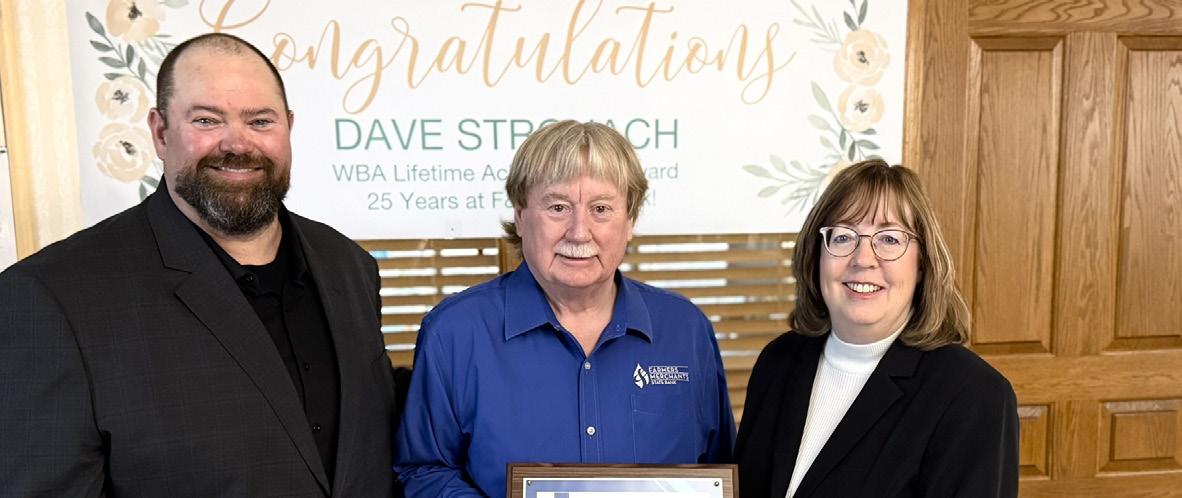
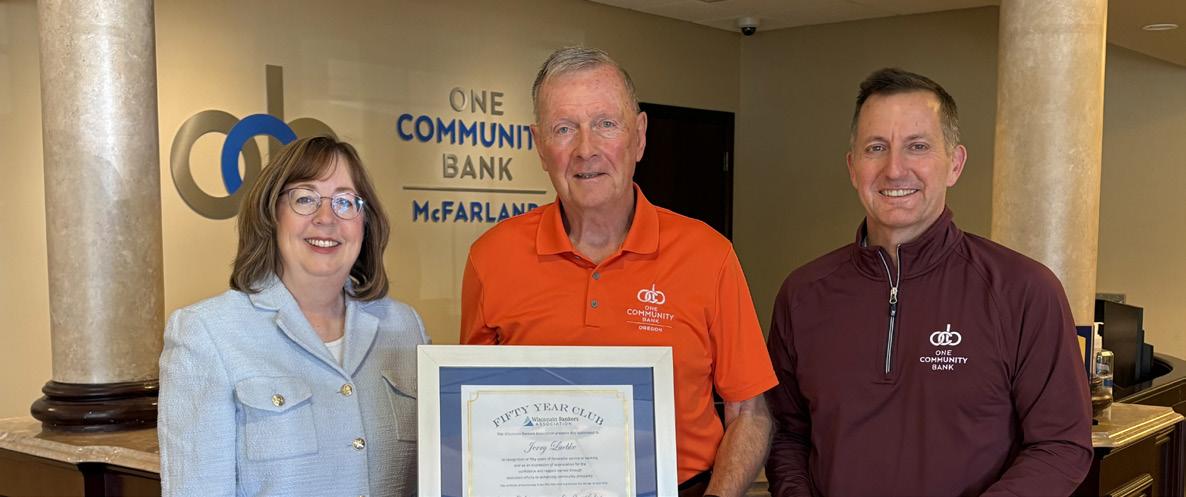
Farmers & Merchants State Bank
After an incredible 47 years in banking, the bank recognized and celebrated the career and impact of Dave Stronach by presenting him with a Lifetime Service Award.
One Community Bank
The bank honored Jerry Luebke, past president and current board member at the bank, for his impressive 50 years of dedication to the banking industry with a 50-Year Club plaque.
Bulletin Board
News from Wisconsin Bankers Association Members



Anniversaries
National Exchange Bank & Trust
• Debbi Johnson (pictured) celebrated 45 years of service.
Fortifi Bank
• Celebrating its 150th anniversary year. The milestone includes announcing President and CEO Greg Lundberg as Chairman of the Board succeeding longtime Chairman Russ Kuehn
Westbury Bank
• Celebrated its 100th anniversary. Throughout 2026, local branches will celebrate with customer appreciation events, business after-hours gatherings, shred days, and seminars focused on financial literacy and fraud awareness.
Retirements
First Business Financial Services, Inc.
• The parent company of First Business Bank announced Corey Chambas (pictured) retired as CEO after 32 years with the company and 20 years serving as its chief executive.
Hiawatha National Bank
• Bid farewell to Cyndy Tuttle (pictured) as she retired after 40 years of service.
National Exchange Bank & Trust
• Claire Krug (pictured), Jan Gross (pictured), and Linda Gage (pictured) have retired from the bank.
North Shore Bank
• Announced the retirement of Vice President and District Manager Kerri Collins and Area Manager Mickey Adams this spring.
Royal Bank
• Announced Barb Ewing’s (pictured) retirement after an outstanding 47 years in banking.
Good News
One Community Bank
• Welcomed Lindsey Lewitzke to the Wausau Advisory Committee.
• Welcomed Patrick France to the Wausau Advisory Committee.
Security Financial Bank
• Held a groundbreaking ceremony on a new 25,000-square-foot corporate office and future branch location on April 7 at 1610 Princeton Crossing, just off the Highway 53 Bypass in Eau Claire.


The Port Washington State Bank
• Received approval from the Village of Belgium Plan Commission to relocate its Belgium branch to a newly constructed, expanded facility, located at 115 S. Royal Avenue.
Community Involvement
Bank Five Nine
• The bank is proud to invest in Oconomowoc’s long-standing traditions by donating $5,000 in support of the city’s annual parade season and serving as the premier sponsor of the Independence Day, Halloween, and Christmas parades.
One Community Bank
• Hosted First-Time Homebuyer Seminars this spring.
Prevail Bank
• Baraboo High School’s Interact Club received $1,000 from the bank in support of its Food for Kidz program. The program packs meals for children and families in need; 95,000 meals were packaged this year.
• In April, eight professionals volunteered and taught, in collaboration with the classroom teachers, approximately 286 kids the value of saving to celebrate National Financial Literacy Month.
• Donated $5,000 to Habitat for Humanity of the Wisconsin River Area in support of its Home Repair Heros program.
• Donated $5,500 to The Owen Public Library to establish a Business Tech Center.
• Awarded $109,945 in charitable contributions to 25 nonprofit, educational, and community organizations across Wisconsin, reinforcing the bank’s longstanding commitment to strengthening the communities it serves.
• Planned nine free community shred day events and intends to donate $1 for every pound of paper shredded at each of its locations up to $1,000 each to a local nonprofit.
• Served as an official collection site for the 88.5 FM The Family — Help for the Homeless Hygiene Drive in 2026, helping gather essential items for individuals and families in need across the region.
The AbbyBank Foundation, Inc.
• Announced a $37,090 grant awarded to the School District of Abbotsford as part of its spring grant cycle.
Wolf River Community Bank
• Took action in response to the flooding in Wolf River to support residents, volunteers, and recovery efforts in New London, Shiocton, and surrounding areas, including launch of a Flood Relief Loan Program, $100,000 in local donations, and hands-on volunteer support.
Accolades
First Business Financial Services, Inc.
• The parent company of First Business Bank announced the bank was named to Forbes’ 2026 America’s Best Banks list, ranking among the 100 strongest banks in the nation.
Ixonia Bank
• Recognized by the U.S. Small Business Administration’s (SBA) Wisconsin District Office as a recipient of the 2025 Wisconsin SBA Volume Lender Award in the $500 Million to $1 Billion Asset Size category.
One Community Bank
• Named a Top Workplace by the Wisconsin State Journal.
Governor's Financial Literacy Awards
The 2025 Governor’s Financial Literacy Award recipients were recently announced, and WBA President & CEO Rose Oswald Poels was pleased to be on site to personally congratulate the individuals and organizations for elevating the financial literacy, capability, and financial inclusion of Wisconsinites. WBA extends a special congratulations to our bank member winners: Shernita Moates, BMO: individual category; FVSBank: organization category; Bank of Sun Prairie: legacy category; and First National Bank of River Falls: legacy category



WBA extends its heartfelt sympathies to the family, friends, and colleagues of Martin “Marty” Reinhart of Hudson. Marty’s career spanned over 50 years in the banking industry, serving as president at Associated Bank in Marshfield and Wausau, and later as president and CEO at Partners Bank in Marshfield. He was passionate about his work and served on the Board of Directors for the Community Bankers of Wisconsin as well as WBA. He was also very active in the communities he lived in and selflessly gave his time and leadership to many service organizations, non-profits, and foundations — too many to mention.

WBA extends our heartfelt sympathies to the family, friends, and colleagues of Thomas “Tom” Schiefelbein of Delafield. Tom began his career in banking in the Twin Cities and later returned to Wisconsin to join Security National Bank (now Security Financial Bank), where he retired as CEO and Chairman. During his 41-year banking career, Tom served on the WBA Board of Directors as Chair and contributed to the success of numerous committees, including committees at the American Bankers Association and the Minneapolis Federal Reserve. In addition to his professional accomplishments, Tom was a proud Eagle Scout, a Fourth-Degree member of the Knights of Columbus, and a proud member of St. Charles Church.

In Memoriam
Johnson Chambas Tuttle Krug Gross Gage Ewing
Four Wisconsin Students Earn the 2026 WBF Spring Scholarship
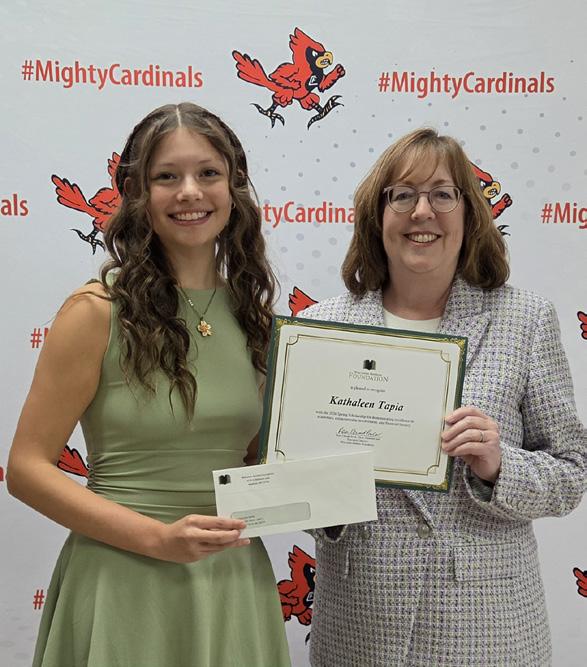
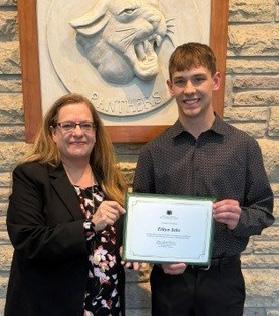
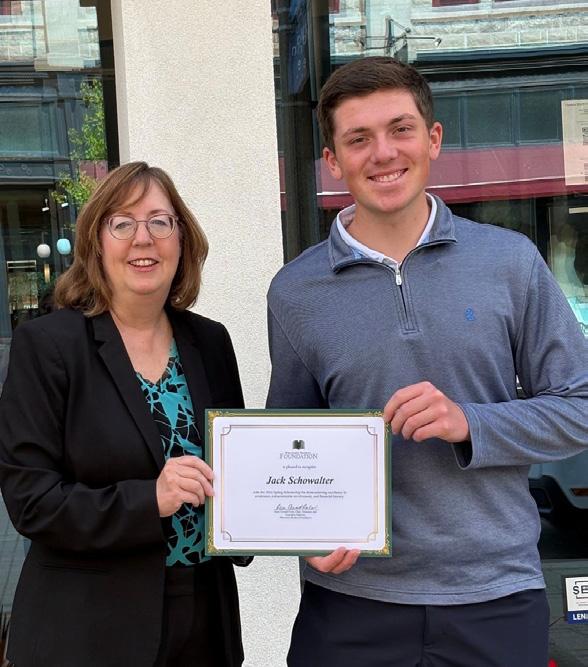
The Wisconsin Bankers Foundation (WBF), the charitable arm of the WBA, is proud to award four Wisconsin students — Ryer Allen, Kathaleen Tapia, Ethyn Sebo, and Jack Schowalter — with the 2026 WBF Spring Scholarship.
The WBF Spring Scholarships of $2,000 each are open to graduating Wisconsin high school seniors and current college students pursuing higher education at an accredited Wisconsin college, university, or technical college. Recipients are chosen based on their academic achievements, community involvement, career goals, and financial literacy.
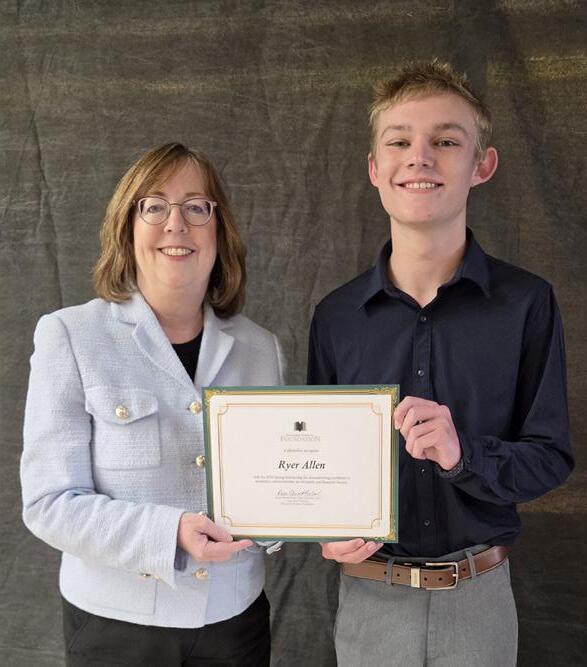
Ryer Allen graduated from Denmark High School and will attend the University of Wisconsin–Madison this fall. Allen helped revive his school’s FBLA chapter and grew membership to 50 students by his senior year. He currently works as an accounting intern and plans to pursue a degree in accounting and finance in college.
Kathaleen Tapia graduated from Chippewa Falls Senior High School and will attend the University of Wisconsin–Whitewater this fall to pursue a degree in business. Tapia was actively involved in FBLA, SkillsUSA, National Honor Society, Student Council, Senior Leadership, and athletics during high school. She also led a community service initiative that collected more than 2,500 pairs of shoes for under-resourced individuals through “Shoes for a Cause.”
Ethyn Sebo graduated from Reedsville High School and will attend the University of Wisconsin–Whitewater next semester to study finance and accounting. Sebo has worked as a teller at Collins State Bank for the past two years through a youth apprenticeship while maintaining high honors and participating in athletics and student organizations. He aims to build a career in the financial industry after graduation.
Jack Schowalter graduated from Port Washington High School and will attend the University of Wisconsin–Madison where he plans to pursue a degree in accounting. Throughout high school, Schowalter maintained nearperfect grades, ranked among the top 5% of his class, participated in DECA, and completed an accounting internship. He has long-term plans of pursuing a career in the finance department of a community bank.
WBF extends a warm congratulations to these four well-deserving students who have already demonstrated exceptional achievement in high school and are well on their way to becoming the next generation of financial professionals.
Pictured (left to right): WBF Chair Rose Oswald Poels with scholarship recipient Ryer Allen.
Pictured (left to right): Scholarship recipient Kathaleen Tapia with WBF Chair Rose Oswald Poels.
Pictured (left to right): WBA EVP and General Counsel Heather MacKinnon with scholarship recipient Ethyn Sebo.
Pictured (left to right): WBF Chair Rose Oswald Poels with scholarship recipient Jack Schowalter.
New Financial Education Awards Reporting Form
Now Available
The WBF released an updated reporting form for the 2025–2026 Excellence in Financial Education Awards program. The redesigned workbook streamlines the submission process by combining reporting for both the Individual Awards and Bank Awards into a single form. The updated format is intended to make participation easier while helping WBF better capture data about the financial education efforts taking place across Wisconsin communities.
Banks planning to apply for individual or bank-level recognition should download the new form and review the instructions available on the WBF website. The reporting period covers activities conducted between June 1, 2025, and May 31, 2026, with completed forms due by July 31, 2026
Visit the WBF website at https://wisbankfoundation.org/financial-education-awards/ to download the reporting workbook, review award criteria, and access submission instructions. Questions may be directed to Elizabeth Fenton at efenton@wisbank.com.
WBF Raises Over $5,000 at Spring Events
Through raffle events at both the WBA Agricultural Bankers Conference and WBA Women in Banking Conference, the WBF raised nearly $5,500 to support the mission to advance financial literacy. Granted public charity status in 2015, WBF is the charitable arm of WBA and is organized for charitable and educational purposes. Its mission is to promote financial literacy and capability to the public and to broaden consumer empowerment in the financial services industry through education, scholarships, grants, and research. The Foundation assists consumers by providing information that will help them make sound choices about financial products, by awarding scholarships to advance the education of students, offering grants to other financial education-focused non-profit organizations, and performing research.
One hundred percent of the proceeds raised go towards WBF’s mission. WBF wishes to thank the following banks and individuals for their generous raffle donation and whose creativity helped amplify interest in each item: Bell Bank; Citizens Bank; Citizens State Bank of Loyal; Community First Bank; Cumberland Federal Bank; First Business Bank; First Citizens State Bank; Heather MacKinnon; Horicon Bank; Ladysmith Federal Savings and Loan Association; Lake Ridge Bank; Nicolet National Bank; One Community Bank; Oostburg State Bank; Peoples State Bank, Prairie du Chien; Peoples State Bank, Wausau; Premier Community Bank; Rose Oswald Poels; Sauk Valley Bank; Security Financial Bank; and Wisconsin Bankers Association.

2026 ABA Agricultural Bankers Conference
November 4-6, 2026
Hyatt Regency Minneapolis Minneapolis, MN
We’ll help you strategize at a higher level to navigate federal policies, national
issues, talent development and emerging technologies that will affect you and the future-focused decisions you need to make.



WBA/ICBA Capital Summit Reinforces the Power of Grassroots Advocacy
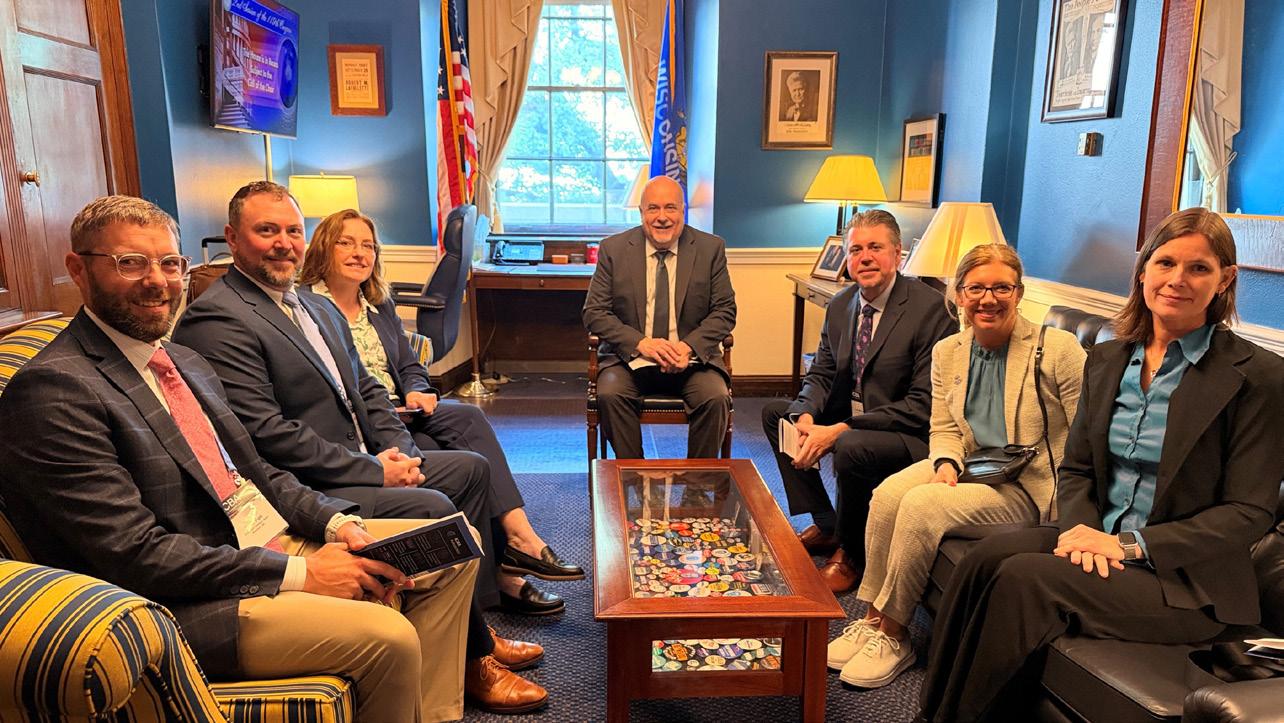
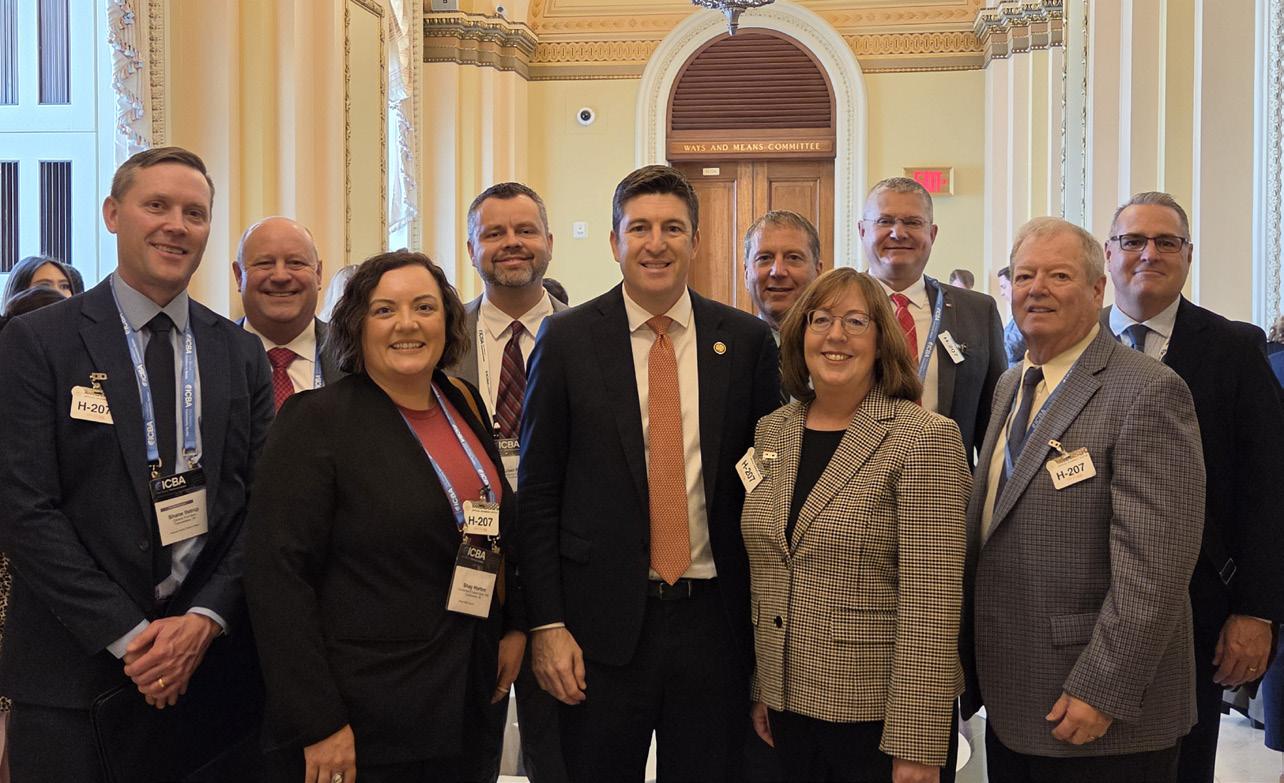
The spring was a productive season for advocacy at the federal level. The WBA hosted two Washington, D.C. trips, with the most recent trip in conjunction with the Independent Community Bankers of America (ICBA) for their annual Capital Summit. Across both trips, Wisconsin boasted an impressive turnout, with 30 bankers joining WBA to represent the industry.
The timing of the trip in late April aligned well with important policy discussions underway in Congress, including the Farm Bill and digital assets legislation. While Wisconsin bankers were on the Hill on April 30, the House passed the Farm Bill — which was exciting for attendees to witness and tangible proof of the power of advocacy.
The cryptocurrency industry continues to lobby against the banking industry on a provision of concern related to the payment of interest, yield, and rewards on stablecoin accounts. Wisconsin’s banker delegation actively discussed cryptocurrency’s threat to traditional banking, highlighting that a loss of deposits translates directly to a significant loss of lending ability.
Discussions also focused on the need for additional regulatory relief, including legislation that would adjust thresholds so fewer banks and their small business customers would be subject to Section 1071 data collection requirements. Other key topics included the taxation of credit unions with more than $1 billion in assets — or, at minimum, the need for a congressional hearing examining their use of the federal tax subsidy — as well as FDIC deposit insurance reform, the SCAM Act to strengthen protections against consumer fraud, and interchange legislation.
WBA’s advocacy is most impactful when constituent bankers help deliver messages to elected officials. All bankers interested in supporting the voice of our industry are invited to join the regulatory-focused fall trip to Washington, D.C., September 28–29, 2026
Thank you to the following members who joined WBA on the recent WBA/ICBA Capital Summit this year on behalf of Wisconsin’s banking industry:
• Justin Adamski, The Pineries Bank, Stevens Point
• Joel Frier, Oostburg State Bank
• Dave Feldhaus, FHLBank Chicago
• Mike Gargaro, Citizens First Bank, Trempealeau
• Jeff Gruetzmacher, Royal Bank, Lancaster
• Shay Horton, Cumberland Federal Bank
• Shane Ilstrup, Citizens First Bank, Trempealeau
• Sue Loken, Lake Ridge Bank, Middleton
• Josh Marron, The Park Bank, Madison
• Mike Olson, The Bank of Brodhead
• Butch Pomeroy, International Bank of Amherst
• Lonnie Przybylski, International Bank of Amherst
• Kevin Ravenscroft, The Peoples Community Bank, Mazomanie
• Julie Redfern, Lake Ridge Bank, Monona
• Jennifer Stein, Horicon Bank
• Steve Walber, Fox Valley Savings Bank, Fond du Lac
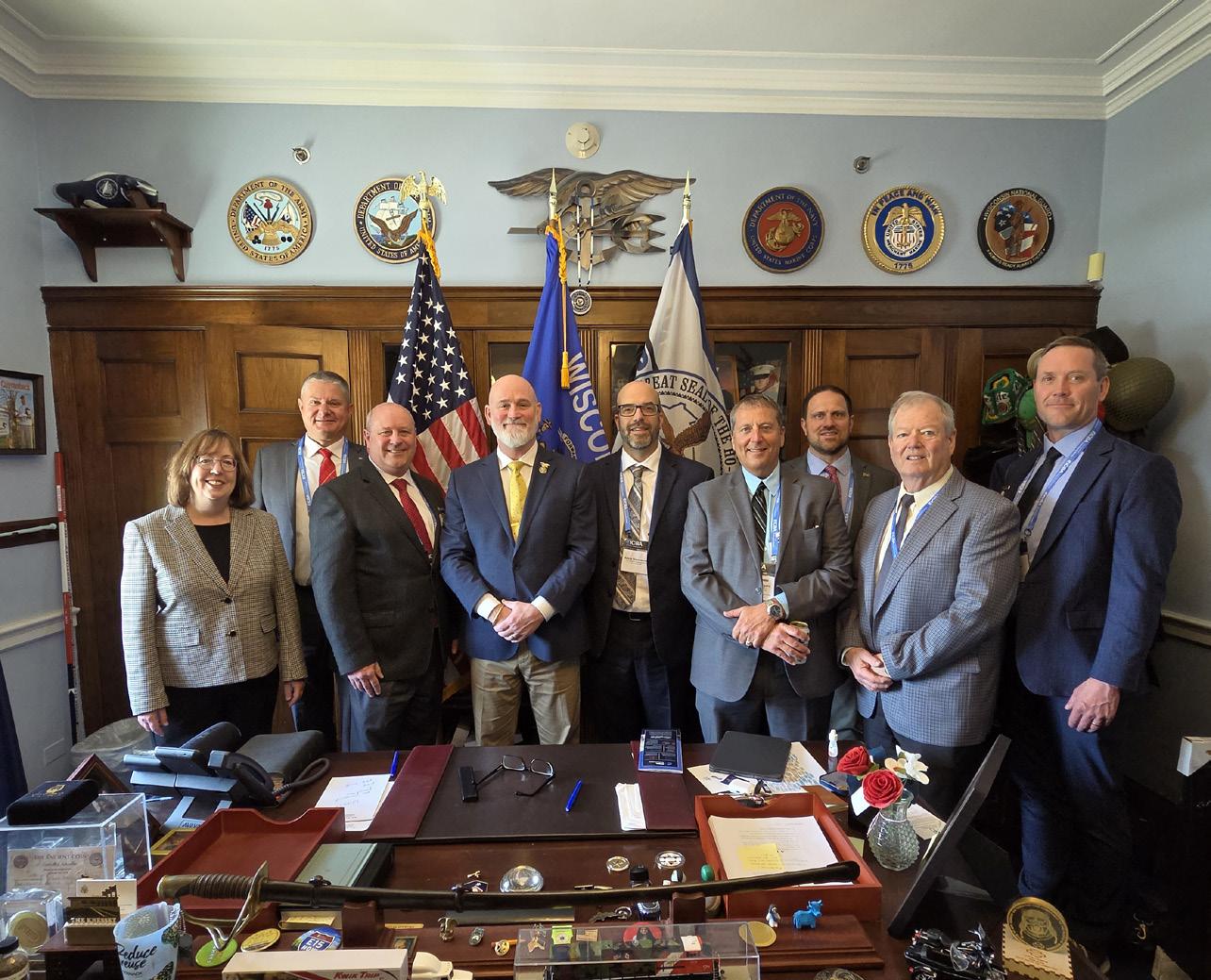
Pictured (left to right): Rose Oswald Poels, Jeff Gruetzmacher, Lonnie Przybylski, U.S. Representative Derek Van Orden (R), Kevin Ravenscroft, Mike Gargaro, Justin Adamski, Butch Pomeroy, and Shane Ilstrup.
Pictured (left to right): Tyler Foti, Mike Olson, Sue Loken, U.S. Representative Mark Pocan (D), Josh Marron, Julie Redfern, and Jennifer Stein.
Pictured (left to right): Shane Ilstrup, Lonnie Przybylski, Shay Horton, Joel Frier, U.S. Representative Bryan Steil (R), Mike Gargaro, Rose Oswald Poels, Jeff Gruetzmacher, Butch Pomeroy, and Steve Walber.

Growing Without Losing What Makes You Local
By Emily Zucchi
Growth is a good thing. For community banks, it often reflects strong relationships, smart decisions, and new opportunities to better serve customers.
Whether that growth comes through expansion into new markets, adding locations, or bringing teams together through acquisition, it signals momentum. But growth also introduces an important challenge: how do you continue to grow without losing the local feel that sets community banking apart?
Without intention, growth can slowly dilute identity. Messaging becomes more generic. Customer experiences can vary from market to market. Connections to the community may start to feel less personal over time. It rarely happens all at once, but small inconsistencies can gradually change how a bank is perceived.
Defining What Stays Consistent
As banks grow, it becomes important to define what should remain consistent across markets. Messaging, visual identity, and customer experience all contribute to familiarity and trust. Customers should feel like they are interacting with the same organization whether they walk into a branch in one town or visit the website from another.
Having clear brand standards and expectations helps create that consistency. It gives teams the confidence to communicate effectively while helping ensure the customer experience feels connected across the organization.
Allowing for Local Flexibility
At the same time, maintaining a strong local presence requires flexibility. Every community is different. Local events,
partnerships, and priorities vary by market, and that is part of what makes community banking successful in the first place. A one-size-fits-all approach rarely resonates at the local level.
Marketing teams can help strike the right balance by providing local teams with tools, resources, and support while still allowing room for customization. Shared templates and marketing materials create consistency, while local teams bring the relationships and community knowledge that make messaging meaningful.
Keeping Community Connections Strong
Even as banks grow, employees remain one of the strongest connections to the community. Customers recognize familiar faces. They see bankers involved in local events, supporting organizations, and building relationships beyond the branch walls. That visibility reinforces the idea that the bank is still part of the community, not separate from it.
Marketing can help amplify those moments by highlighting employee involvement, sharing local stories, and extending that community presence into digital channels. In many cases, those authentic, local moments resonate more than any polished campaign ever could.
Growth does not have to come at the expense of identity. It simply requires being intentional about protecting and reinforcing what makes your bank unique. With the right balance of consistency and flexibility, community banks can continue to grow while staying true to the local relationships that built their success in the first place.
Zucchi is the assistant vice president – marketing at Bank First and a member of the WBA Marketing Committee.
Connect with Others and Amplify Your Engagement with WBA
By Heather A. MacKinnon
The start of WBA’s new fiscal year is an ideal time to spotlight the many opportunities available from WBA for both new and experienced bankers to grow professionally and expand your networks.
On June 10, 2026, Joe Peikert, CEO of Wolf River Community Bank, Hortonville, was installed as Chair of WBA’s Board of Directors. Centered on the theme amplify, Peikert encouraged members to stay connected and invested in the industry’s success. As the banking landscape evolves, WBA and our members play a critical role in shaping a stronger future. WBA remains a trusted partner, providing resources to help members navigate both challenges and opportunities.
Become a WBA Advocacy Officer. Attend WBA’s Capitol Day or a Washington, D.C. advocacy trip. Amplify your voice by sharing real-life examples with lawmakers about how
their decisions affect your bank, your customers, and your communities.
Attend a WBA event. WBA hosts more than 82 conferences, schools, and educational programs. These events connect bankers with industry experts, practical resources, and each other.
Connect with other bankers. WBA offers specialized opportunities, leadership development programs, and an online portal creating spaces to exchange ideas and learn from one another. These relationships strengthen individual institutions while building a more connected banking community.
Whether you are attending a conference, mentoring a colleague, or advocating for your bank, your engagement strengthens WBA and helps amplify our collective voices.
MacKinnon is the WBA executive vice president and general counsel. wisbank.com

Regulatory Relief on Another Level
By Jeff Schmid, CRCM
Want to know the best phrase I’ve heard in my 40-year banking career?
“Be careful of what you ask for, because you just might get it.”
Well, on November 7, 2025, we got it — banks of all sizes got relief from regulatory exams. It came in the form of the FDIC Financial Institution Letter (FIL)-52-2025 that extended the period of compliance exams and Community Reinvestment Act (CRA) evaluations from three years to a five-year cadence. While that may sound like relief, only time will tell.
Over the last decade, community banks have been gravitating toward risk-based management concepts, and this new pattern by the FDIC follows suit with a risk-focused supervisory approach. Smaller banks with lower compliance risk profiles will now see combined compliance and CRA examinations between 66-78 months


from the previous exam, while larger banks will benefit from 54-66 months. Lower risk is defined in the FIL as banks with a Consumer Compliance Rating of “1” or “2” and a CRA rating of “Outstanding” or “Satisfactory”. For approximately 116 state-chartered banks in Wisconsin, this change may sound like relief, but when we analyze the overall impact, we start to see a much different picture.
Prior to this modernization, banks of all sizes benefited from the most knowledgeable professionals in the banking industry. While we may not have always agreed with the examiner’s findings, they left our banks stronger and more reputable. Inherently, professional relationships were forged with experienced examiners that guided us through the maze of complex, and often confusing, regulations. With the extension of examination cycles, those relationships will certainly change, if not fade.

exam. Before this cycle change, a look back period for significant violations went all the way back to the prior exam. What sort of ramifications will now exist if a bank must look back for more than five years? The consequences could be significant.
Finally, there is increased cost and quality assurance to consider — one of the pillars of compliance management is the function of audit. Bank management should expect the cycle of audits to be more frequent, and most likely will come with increased costs. Due to the delayed time between exams, there will be greater reliance by examiners on independent compliance audits, so the thoroughness by audit professionals will be extremely important. Management will need to determine who will serve them best.

Our team of professionals offer consulting and shared service solutions:
• Compliance and risk management
• Operational efficiency and tactical planning
• Ongoing monitoring of regulatory disclosures jschmid@fipco.com 608-441-1220 www.FIPCO.com
Contact FIPCO’s Jeff Schmid to get started.

For banks with a current Compliance Management System (CMS) rating of “2” or a CRA rating of “Satisfactory”, the chance to demonstrate improved efforts to the Board, or enhance the community image is now significantly delayed. Report cards that were once timely will now have to wait. Nothing is more frustrating to a compliance officer than not knowing how well the compliance program is working. And think about those systemic issues or patterns of non-compliance that magically appear during an
The list of things to consider with the new exam approach doesn’t end here. How we navigate through the change will not necessarily be easy, as we will not know for years if we have been successful in carrying out our CMS program. While we asked for relief, we got more than we bargained for.
To learn how these changes impact your bank, or how our ShareFI services can help you through the next compliance exam, contact Jeff Schmid by email jschmid@fipco.com or call 608-441-1220.
Schmid is the FIPCO senior vice president of compliance and management consulting services.
For more information about FIPCO forms, software, or other products, visit fipco.com, call 800-723-3498, or email fipcosales@ fipco.com.
FIPCO is a WBA Gold Associate Member.
Are you subscribed to the newly revamped FIPCO Focus? Receive the monthly newsletter by emailing fipcosupport@fipco.com.
WBA Awards $50,000 to Support Financial Literacy, Housing, and Economic Development Initiatives
The WBA awarded $50,000 in grants to seven Wisconsin banks to support housing, economic development, community investment, and financial and cyber literacy in the state.
“Financial literacy and housing assistance give individuals and families in our state the foundation they need to succeed,” said Rose Oswald Poels, WBA president and CEO. “We are proud to provide this grant opportunity that allows banks and non-profit organizations to strengthen their programs. Together, we can empower Wisconsin’s citizens toward homeownership and brighter financial futures.”
The awarded grants range from $5,000 to $10,000 and fund projects that support different communities in Wisconsin, from first-time homebuyers, to under-resourced families, to individuals seeking greater financial independence.
Promoting Financial Education
AbbyBank received $5,000 to expand their financial literacy, cybersecurity, and fraud education that targets low- to moderateincome individuals and communities. The program is designed to improve financial capability, promote safe banking practices, and empower individuals to better protect themselves from fraud and cyber threats. AbbyBank will develop a First-Time Homebuyer Guide and a Home Refinance Guide to complement and expand upon the Small Farm and Small Business Start-Up Guides introduced in 2025.
Waumandee State Bank received $5,000 to support the fraud prevention and financial literacy classes across the communities it serves. Grant funding will support the development and purchase of educational and supplementary materials to enhance outreach efforts. These resources will provide residents with accessible, practical tools to strengthen financial knowledge, improve housing preparedness, and increase awareness of fraud prevention strategies.
Farmers & Merchants State Bank received $5,000 to host a series of educational seminars and events throughout 2026 focused on financial literacy, housing education, and long-term economic well-being. The funding will also support the bank’s youth-focused initiatives throughout the year that will educate young people on topics like saving, bank services, and making sound financial decisions.
Supporting Homeownership in Wisconsin
Other grant recipients plan to use funding to support Wisconsinites achieving and sustaining homeownership.
Bank Five Nine received $10,000 to provide home buyer seminars through Housing Resources Inc (HRI) and United Community Center (UCC). The seminars are dedicated to helping low- to moderate-income families buy a home, covering topics such as credit, mortgages, home shopping, and managing finances. HRI and UCC help families select insurance professionals, real estate brokers, and lenders. The program allows families to find a home that fits their budget and provides them with the tools to remain in their home long term.
CBI Bank & Trust received $10,000 to support its Special Purpose Mortgage program by providing financial assistance for down payment and closing costs to qualified borrowers in Wisconsin. The program expands access to homeownership for individuals who may not qualify for conventional financing, particularly those from historically under-served groups. Any
remaining funds will be used for financial literacy programs and promotion of the Special Purpose Mortgage program.
The Equitable Bank S.S.B. received $10,000 to partner with Better Stewards, a Milwaukee-based nonprofit organization that serves under-resourced communities, to promote strategic housing stability and financial capability. Grant funds will expand Beyond the Keys, a structured post-purchase financial education and coaching initiative that supports first-time homeowners during the critical first 12–24 months after closing. The program hosts workshops on budgeting, escrow management, property taxes, and insurance. The initiative will scale to serve more people and further strengthen financial stability and reduce mortgage delinquency risk.
Teaching Financial Stability
The Port Washington State Bank received $5,000 to partner with St. Vincent de Paul to launch a structured financial education program centered on the Getting Ahead in a Just-Gettin’-By World workshop, a 16-session course designed to help individuals and families build financial stability. The program will guide participants through identifying barriers, developing financial tools, setting goals, and creating long-term plans for economic independence, while also providing small stipends to encourage participation. The initiative ultimately aims to move beyond short-term assistance and equip participants with the knowledge to achieve lasting financial stability.
WBA is proud to support these seven initiatives that help Wisconsin communities work toward a brighter financial future.


Employee Benefits Choice for Investment in Your Team
By Daryll Lund
As banks around Wisconsin begin planning their 2027 budgets, now is the perfect time to evaluate one of the most important investments you can make in your workforce: employee benefits. A strong benefits package does more than support your bottom line, it shows employees that you value their health, well-being, and financial security. That’s where WBA’s subsidiary, the WBA Employee Benefits Corporation (WBA-EBC) can help.
WBA-EBC works with member banks to provide comprehensive, high-quality benefit solutions, including medical, dental, vision, prescription coverage, life insurance, and disability protection. Through the combined purchasing power of Wisconsin’s banking community, your bank can offer premium-level benefits that help attract and retain the people who help make your bank great.
What truly sets WBA-EBC apart from others is its understanding of the challenges banks face today when it comes to hiring and keeping great talent. The team is focused on delivering practical solutions, personalized support, and responsive service every step of the way. From enrollment and billing assistance to an easy-to-use online portal, managing benefits becomes simpler and more efficient.
One standout offering is WBA-EBC’s Association Health Plan, serviced by UnitedHealthcare (UHC), which allows employees and their covered spouses to earn up to $1,000 each through UHC Rewards for participating in healthy activities. Whether it’s tracking
daily steps, completing a wellness assessment, or scheduling an annual checkup, participants can earn incentives at no additional cost through the UHC plan.
It’s a win-win: employees are encouraged to prioritize their health while being rewarded for doing so, and your bank reinforces a meaningful commitment to your team’s overall well-being.
WBA-EBC also partners with Lincoln Financial Group to provide life and disability insurance options that include valuable added benefits such as Travel Connect and Life Keys (included with life insurance), and employee assistance programs (included with long-term disability).
Delta Dental of Wisconsin and WBA-EBC have partnered together for the past 20 years to offer important dental benefits.
Delta Dental is known for innovative high-value plan designs that offers WBA members benefit options that are otherwise only available to the state’s largest employers.
If you’re looking to strengthen your benefits offerings and show employees that their well-being truly matters, WBA-EBC can help.
To learn more about the options available, reach out to Jeff Wagner, vice president of WBA-EBC at jwagner@wisbank.com or 608-279-8148.
Lund is the WBA-EBC president.

Get in on UHC Rewards

Get ready for some friendly competition focused on health and wellness!
WBA-EBC, together with UnitedHealthcare (UHC), is sponsoring a Wellness Contest for employees enrolled in the UHC health plan. The bank with the highest average reward will earn exciting prizes, including a sponsored lunch for the entire team and additional recognition for their achievement. Challenge yourself. Encourage your coworkers. Earn rewards while improving your well-being.
Contest runs through August 31 — start earning today!

Is your community bank thriving?
Meet Sean.
Sean works hand-in-hand with community banks in the Midwest to find ICBA member benefits that help them achieve their bank’s goals.
Sean is a proud cheesehead and Green Bay Packers shareholder, cheering on the team to the Super Bowl each year when he’s not on the road representing ICBA.
For community banks in the Midwest, he’s your biggest champion helping you partner with ICBA for success.
Learn more at icba.org/membership

Community Advocate Spotlight
Wisconsin bankers are the definition of “community advocates” in all that they do every day to improve their local economy through bank products and services, as well as through generous philanthropy of time and money. The Community Advocate Spotlight shares and celebrates the diverse backgrounds, experiences, perspectives, and innovation of some of the extraordinary bankers in the state.
The following is a brief interview between WBA President and CEO Rose Oswald Poels and Dan Ravenscroft, president & CEO of Royal Bank.
Rose: How did you first get into the banking industry?
Dan: Banking is practically in my blood. I say that somewhat jokingly, but there may be some truth to it. I come from a long line of bankers, with the most influential being my mom. She worked at our local community bank, and through her, I had a front-row seat to what community banking is all about. Some of my earliest memories involve representing the bank alongside her. From walking in community parades, volunteering at local events, and seeing firsthand the relationships the bank built within the community. Those experiences showed me that community banking is about much more than financial services; it’s about being present, building trust, and making a positive impact where you live and work.
My own banking journey started when I was 12 years old, mowing the lawn for my hometown bank. You could say that was my first foot in the door. Later, I joined Royal Bank as a customer service representative, which further sparked my interest in the industry. I attended the University of Wisconsin–Eau Claire and earned a degree in finance, knowing I wanted to combine my education with the experiences that shaped me growing up.
Beyond my connection to community banking, I’ve always had a natural affinity for numbers and enjoy solving problems. Banking provides the perfect opportunity to bring those interests together with my personal values of investing in and supporting local communities. Following in my mother’s footsteps and pursuing a career in community banking felt like a natural fit. It allowed me to combine my passion for people, community involvement, and problem-solving into meaningful work. It’s a decision I’ve never regretted.
What is your favorite aspect of your role at the bank?
One of my favorite aspects of being a community banker is seeing the impact we make reflected throughout the communities we serve. Whether it’s our logo on a sponsorship banner at a local event, community members proudly wearing our apparel, or our employees volunteering and actively participating in their communities, those visible reminders represent something much deeper. They reflect the relationships we’ve built, the trust we’ve earned, and our ongoing commitment to supporting the people and places we call home.
I enjoy the challenge of bringing together people, ideas, and resources to solve complex problems and find the best path forward. Every day presents opportunities to think strategically, support our team, and help position the organization for long-term success.
Questions Answers &
What makes that especially meaningful is knowing that our work extends beyond the walls of the bank. Community banks play a vital role as trusted partners and pillars within our communities. By keeping capital local and reinvesting in local businesses, farms, families, and community initiatives, we help strengthen the local economy and contribute to the longterm vitality of our communities. Being part of that work, and seeing the difference it makes, is incredibly rewarding.
What do you wish the general public understood about the banking industry?
While most people think of banks as a place to deposit money or obtain a loan, community banking is much more than that. In many ways, community banks serve as the economic engines for the communities we serve.
One of the most important roles banks play is how we reinvest in the places we call home. Deposits made by local customers are reinvested back into the community through loans that help families purchase homes, entrepreneurs start and grow businesses, farmers acquire land and equipment, and local governments fund infrastructure improvements and community projects. That cycle of local deposits fueling local investment is what helps communities grow and thrive.
Banking is also a highly complex industry that operates largely behind the scenes. Every day, banks are managing risk, protecting customers, safeguarding financial assets, navigating regulations, and ensuring capital is available to support economic growth. While much of that work isn’t visible, it has a direct impact on the opportunities available to individuals, businesses, and communities.
At its core, community banking is about helping people achieve their goals and strengthening the places we call home. When local businesses succeed, families purchase homes, farms expand, and communities invest in their future, community banks are often part of making those opportunities possible.
Where do you believe the industry’s greatest challenges are in the next three to five years?
Over the next three to five years, I believe the banking industry’s greatest challenges will center around fraud, cybersecurity, and keeping pace with rapidly evolving technology. Fraudsters are becoming increasingly sophisticated, and advances in artificial intelligence (AI) are giving bad actors new tools to create convincing scams, launch cyberattacks, and exploit vulnerabilities at a scale we haven’t seen before.
At the same time, AI will be one of the most valuable tools available to financial institutions. It presents both a difficult challenge and is a necessary asset. Banks will need to become true digital warriors, using technology and AI-driven solutions to detect threats, strengthen cybersecurity, and protect customer information while staying one step

ahead of emerging risks.
Beyond security, AI and automation will also help banks improve efficiency by streamlining routine tasks and allowing employees to focus more of their time on serving customers and building relationships. The institutions that will thrive are those that can successfully balance innovation with security, embracing new technology while maintaining the trust and personal relationships that have always been at the heart of community banking.
Please describe your current role at your bank and share with us one of your more rewarding experiences (e.g., A time you had to go above and beyond to help a customer, a memorable customer interaction, stepping in to help the local community after a disaster, or something more personal, etc.). This year, I’m proud to celebrate 30 years with the bank. Over the course of my career, I’ve had the opportunity to serve in a variety of roles, each providing valuable experiences and a deeper understanding of our customers, employees, and communities. Today, I have the privilege of serving as president and CEO, where I work alongside an exceptional team to continue building on the strong relationships and community-focused values that define our organization.
One of the most rewarding experiences of my career came when several of the communities we serve were impacted by record-breaking flooding. The devastation was heartbreaking. Families were displaced from their homes, businesses were forced to close their doors, and many people lost belongings they had spent a lifetime accumulating. At the same time, first responders and community volunteers worked tirelessly to help those affected and begin the long road to recovery.
What stands out most to me is how our employees stepped up without hesitation to support those communities. Our team rolled up their sleeves and helped with cleanup and rebuilding efforts, provided meals to those affected, supported first responders, and looked for every opportunity to help meet immediate needs. It was inspiring to see so many people come together with a shared commitment to helping our neighbors recover and rebuild.
While community banks are often known for helping people achieve their financial goals, moments like these remind me that our role extends far beyond banking. We are part of the fabric of the communities we serve. Seeing our employees, customers, and neighbors unite during such a difficult time reinforced what community banking is truly about which is people helping people. Knowing that we were able to make a meaningful difference in the lives of those affected and help our communities begin to rebuild is something I will always be proud of.
First Graduating Class at New BankWork$ Location!
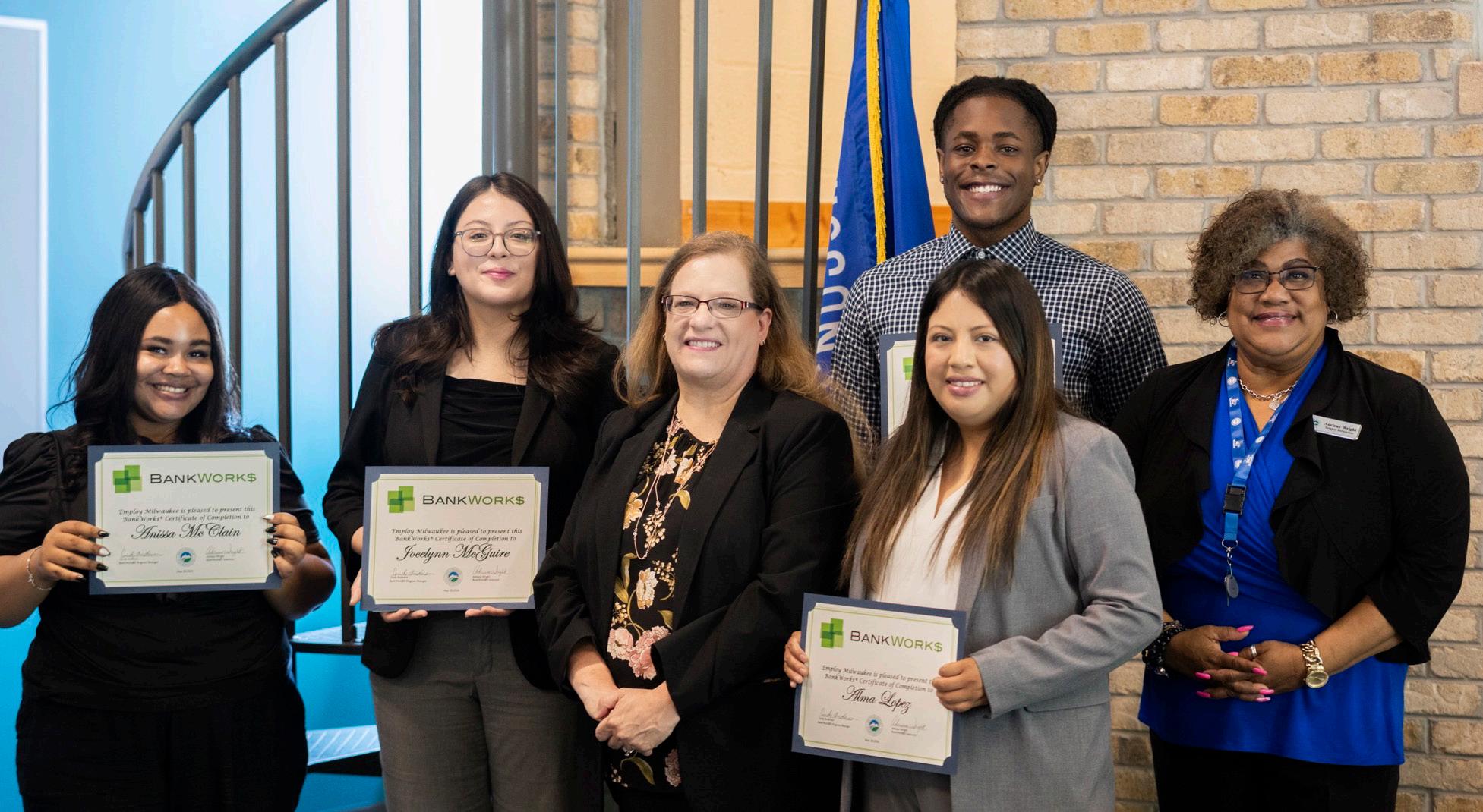
BankWork$ is a free, eight-week training program to prepare participants — primarily individuals from under-resourced communities — for retail banking careers. The nationwide program was brought to Wisconsin in 2019 through a partnership between WBA and Employ Milwaukee.
In late May, four students, including Aaron Ross, Alma Lopez, Anissa McClain, and Joceyln McGuire, graduated from the program. WBA’s Executive Vice President and General Counsel Heather MacKinnon attended the ceremony and congratulated the graduates on their achievement.
Over the course of the eight-week program, students learn the hard and soft skills necessary for entry-level retail and operations positions. Upon graduation, each graduate can take part in on-thespot interviews with BankWork$ employer partners.
BankWork$® is a public-private partnership that primarily trains adults from underserved neighborhoods for careers in retail banking. Learn more about the program and how your bank can get involved at employmilwaukee.org/BankWorks.htm.
Set up your new member portal today to access resources and support!

Wisconsin Banker
WBA Mission Statement
We actively advocate for, educate, and support our members to help them positively impact the Wisconsin communities they serve.
Association Officers:
Joe Peikert (Chair), CEO, Wolf River Community Bank, Hortonville
Greg Lundberg (Chair-Elect), President and CEO, Fortifi Bank, Berlin
Shay Horton (Vice Chair), President and CEO, Cumberland Federal Bank
Alvaro (Al) Araque (Past Chair), Senior Vice President, Director of Consumer and Private Banking, Johnson Financial Group, Racine
Rose Oswald Poels, President and CEO, Wisconsin Bankers Association, Madison
Association Board of Directors:
Scott Cattanach, President and CEO
Peoples State Bank, Wausau
Tina DeGustino, Regional President
Wisconsin Region, BMO US, Milwaukee
Jim Hartlieb, President and CEO
First Business Bank, Madison
Shane Ilstrup, President
Citizens First Bank, Trempealeau
Jimmy Kauffman, President and CEO
Bank of Sun Prairie
Todd Nagel, President and CEO
IncredibleBank, Wausau
Mark Oldenberg, President and CEO
Security Financial Bank, Eau Claire
Nathaniel (Nate) Parrish, President and CEO
First Citizens State Bank, Whitewater
Kevin Ravenscroft, President and CEO
The Peoples Community Bank, Mazomanie
Timothy (Tim) Schneider, President and CEO
Bank Five Nine, Oconomowoc
Lindsay Spitzer, President and CEO
Bluff View Bank, Galesville
Eric Witczak, Executive Vice President and COO, Nicolet National Bank, Green Bay
The Wisconsin Banker is published by the Wisconsin Bankers Association, 4721 South Biltmore Lane, Madison, WI 53718; Telephone: 608-441-1200; wisbank.com. Emily Torgerson, Writer/Editor 608-441-1237; etorgerson@wisbank.com
Advertising: sales@wisbank.com
To report a change of address, please email us at questions@wisbank.com.
The publication of advertisements does not necessarily represent endorsement of those products or services by the Wisconsin Bankers Association. The editor reserves the right ot reject any advertising or editorial copy deemed unsuitable for publication for any reason. Copy deadline is eight business days before publication date.
Disclaimer: With the exception of official announcements, the Wisconsin Bankers Association disclaims all responsibility for opinions expressed and statements made in printed articles and advertisements in the Wisconsin Banker. This publication is designed to provide accurate and authoritative information in regard to the subject matter covered. It is distributed with the understanding that the publisher is not engaged in rendering legal, accounting, or other professional services.
Pictured (left to right): Anissa McClain, Jocelynn McGuire, WBA's Heather MacKinnon, Alma Lopez, Aaron Ross, and Adriene Wright, BankWork$ instructor

July
15 Branch Manager Boot Camp: Session I II
Four-part series, virtual half days – $900/attendee
21 Community Bankers for Compliance – Session III
Virtual half-day – annual membership/pricing varies
28 Workshop: Numbers Talk, Bankers Need to Listen
Madison – $275/attendee
ongoing Fraud On-Demand Video Series
Four-part video series – $795/bank
August
4–6 Agricultural Lending School
Madison, three-day school with optional 8/3 pre-school workshop – $895/attendee; $250/workshop addition
13 WBA Chair’s Member Appreciation Golf Outing
Wisconsin Dells
19 Branch Manager Boot Camp: Session I V
Four-part series, virtual half days – $900/attendee
TBD Hot Topics in Commercial & Agricultural Lending Webinar Series
Multi-part webinar series
September
Principles of Banking
1–2
9–10
22–23
Grafton – $550/attendee
Fond du Lac – $550/attendee
Madison – $550/attendee
9 Strategic Management Summit
Stevens Point – $275/attendee
15–16 Consumer Lending Boot Camp
Madison – $550/attendee
16 Milford Hills Outing
Johnson Creek
24 Wisconsin Bankers Foundation Gala Madison
24 Branch Manager Boot Camp: Session I
Four-part series, virtual half days – $900/attendee
28 Innovation Showcase
Wisconsin Dells – multiple registration options
29–30 Bank Technology & Security Summit
9/30–10/1
Wisconsin Dells – multiple registration options
Personal Banker School
Location TBD – $550/attendee
October
7–8 Supervisor Boot Camp
13–14
14
Madison – $550/attendee
Advanced Commercial Lending Boot Camp
Madison – $550/attendee
Online Workshop: C&I Lending in Today’s
Competitive Environment
Virtual full day – $275/attendee
15 FDIC Bank Directors Summit
Madison – $275/attendee
20 Community Bankers for Compliance – Session IV
Virtual half-day – annual membership/pricing varies
20 IRA Essentials Workshop
Madison or Virtual – $275/attendee
21 Advanced IRA Workshop
27–29
Madison or Virtual – $275/attendee
Deposit Compliance School
Madison or virtual – $895/attendee
29 Regulation E Workshop
Madison or Virtual – $275/attendee
27–29 Bank Trainers Conference
Nashville, TN
28 Online Workshop: Wowing the Client
Virtual half-day – $300/attendee
29 Branch Manager Boot Camp: Session I I
Four-part series, virtual half days – $900/attendee
TBD BSA/AML Workshop
Location TBD – $275/attendee
November
4 BOLT Winter Leadership Summit
18–19
Wisconsin Dells – $200/attendee
FLEX Retail & Marketing Summit
Wisconsin Dells – multiple registration options
KEY: Color-Coded Event Descriptions
Conferences/Summits – One or more days, based on hot topics, industry news and best practices, scheduled time for peer networking
Schools/Boot Camps – Focused on a particular area of banking, allowing for a deep dive into that focused area over the course of two to six days
Workshops/Seminars – One-day programs focused on a specific topic or area of banking.
WBA-Hosted Webinars
Other Events