SUSTAINABILITY IN THE CARIBBEAN RUM INDUSTRY



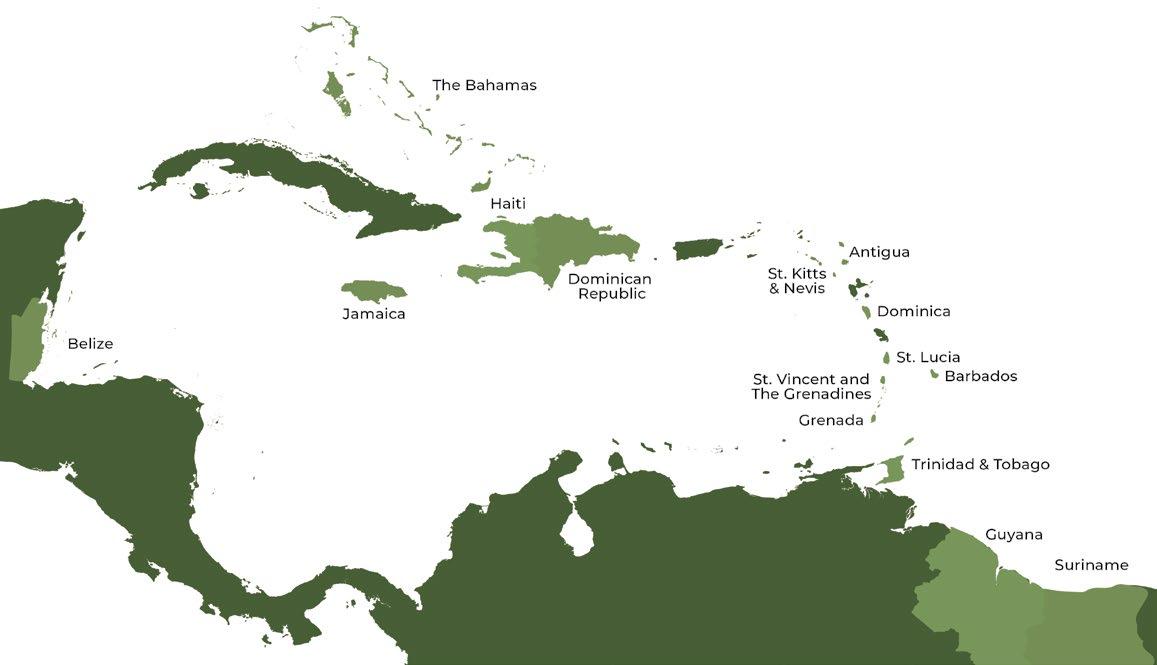
The West Indies Rum & Spirits Producers’ Association (WIRSPA) is the umbrella organisation representing national rum producer associations in 15 countries from the Caribbean Community and the Dominican Republic. It serves as the collective voice of the region’s distillers working to advance their shared interests through trade advocacy, industry collaboration and a strong commitment to sustainability, while positioning and strengthening the global presence of Authentic Caribbean Rum.
WIRSPA plays a key role in building the category through education, common regulation and by promoting the Authentic Caribbean Rum marque as a symbol of authenticity, provenance and quality. It also works with regional institutions, governments and international spirits bodies, to address policy, market access and industry development.

The Caribbean rum industry has always been defined by resilience, ingenuity, and a deep connection to the communities and landscapes that shape our spirits. Today, those same qualities are guiding us through one of the most important transitions in our history: the journey toward greater sustainability.
Across the Caribbean, rum producers are taking meaningful steps to reduce environmental impact, strengthen climate resilience, and enhance social responsibility. From investments in renewable energy and energy efficiency, to improved water stewardship, waste reduction, and community engagement, our members are embracing innovation while honouring centuriesold traditions. Sustainability is no longer an aspiration; it is embedded in how we think about growth, competitiveness, and long-term viability.
This publication highlights case studies from a number of producers within our membership. These examples demonstrate practical actions and measurable progress – proof that sustainability is achievable at different scales and in different operating contexts. While the stories presented here feature specific companies, they represent a broader industry-wide commitment. Every WIRSPA member is actively working toward the same goals: reducing carbon intensity, improving resource efficiency, supporting our people, and safeguarding the natural environment that makes Caribbean rum unique.
Our industry operates within small island and continental developing states that face particular vulnerabilities – from climate change to energy insecurity. These realities sharpen our focus and reinforce the importance of collaboration. Through shared learning, regional cooperation, and engagement with governments and international partners, we are accelerating progress and building a more resilient future for Caribbean rum.
Sustainability is not a destination but a continuous process of improvement. As an industry rooted in agriculture and closely tied to our communities, we recognise both our responsibility and our opportunity to lead. The strides already being made are significant, but they are only the beginning.
On behalf of WIRSPA, I commend our members for their dedication and innovation, and I invite our partners and stakeholders to join us as we continue advancing a sustainable future for Caribbean rum.

Clement “Jimmy” Lawrence Chairman, WIRSPA
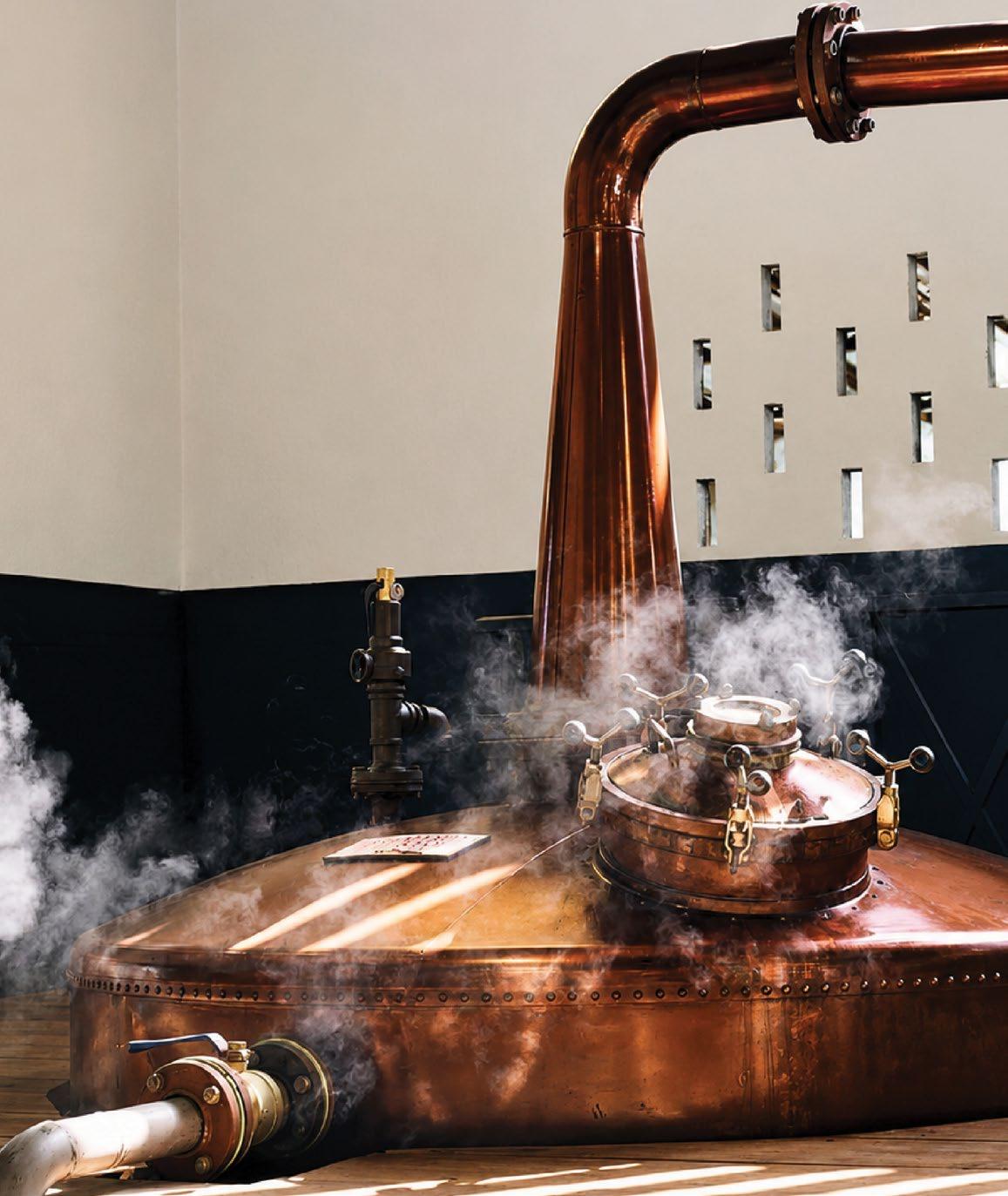
Rum is a living thread in Caribbean culture and livelihoods. But the operating context is changing fast. Climate change is intensifying water stress, heat extremes, storm intensity and coastal risks; input costs for energy and water are rising; and consumers, customers and regulators increasingly expect credible environmental performance, transparency and circularity. In this setting, sustainability stops being a “nice-to-have” and becomes a core business strategy: insulating producers from volatility, unlocking efficiency savings, de-risking supply chains, and meeting market access requirements.
This section frames the industry’s response through the ESG lens – Environmental, Social and Governance – and maps it to the UN Sustainable Development Goals (SDGs) most relevant to spirits production:
Environmental:
Decarbonisation (SDG 13), renewable energy (SDG7), water efficiency and reuse (SDG 6), circular resource use and waste prevention (SDG 12), biodiversity and soil health (SDGs 14, 15).
Social:
Farmer livelihoods, safe work, inclusion, and community benefit (SDGs 1, 2, 3, 5, 8, 10).


Governance:
Policies, targets, measurement, certification, responsible marketing, and supply chain due diligence (SDGs 9, 12, 16, 17).


Across WIRSPA members, we see converging action along six technical themes:


Greenhouse gas (GHG) reductions and CO2 capture

Solar and other renewables

Distillery water treatment and circularity (anaerobic digestion/ biomethanisation, fertigation)

Water reduction and recycling
Energy efficiency and cleaner fuels
Packaging optimisation (lightweighting, reuse/ refill, recycling).
Climate change represents one of the most significant longterm challenges facing the Caribbean rum industry. As producers operating primarily in small island developing states, rum distilleries are disproportionately exposed to rising temperatures, climate variability, sealevel rise, and more frequent extreme weather events. These pressures affect agricultural productivity, water availability, energy reliability, transport systems, and coastal maturation facilities. In highly export-dependent economies, disruption at any point in this chain can have material economic consequences.
Rum production is inherently energy-intensive. Distillation requires substantial thermal energy, while fermentation control, cooling, bottling, and warehousing rely on electricity. Historically, these energy needs have been met largely through fossil fuels, resulting in significant greenhouse gas emissions. Most emissions fall within Scope 1 (direct fuel combustion) and Scope 2 (purchased electricity), with Scope 3 emissions — particularly packaging manufacture and transport — increasingly scrutinised as global markets focus on full product carbon footprints.
Across the global spirits sector, climate action has evolved from a compliance-driven obligation to a strategic, data-based discipline grounded in emissions measurement, intensity reduction, and long-term decarbonisation pathways. The Scotch whisky industry has demonstrated the value of sector-wide benchmarking and shared ambition in accelerating progress while maintaining competitiveness. Caribbean rum producers are now engaging in a comparable transition, adapting these principles to tropical climates, island energy systems, and integrated canebased production models.
For Caribbean distilleries, emissions reduction is therefore not only an environmental objective, but a response to rising input costs, investor expectations, and evolving customer requirements. Systematic measurement, improved production systems, and targeted decarbonisation planning are enabling producers to reduce emissions intensity even as production volumes increase. Climate action is increasingly embedded in long-term resilience and risk management strategies across the sector.
Across the region, measurable progress is evident. Producers are addressing emissions on three principal fronts: fuel switching, process efficiency, and carbon capture or offsetting. The diversity of approaches reflects differences in scale, geography, and business model, but collectively demonstrates sector-wide momentum.
Examples of reducing emissions across the Caribbean:
Demerara Distillers (Guyana) is reducing emissions by 30% annually through replacement of heavy fuel oil with biogas and LNG, installation of a high-efficiency boiler, and further solar and insulation projects targeting deeper reductions.
Angostura (Trinidad & Tobago) reported a 42% reduction in absolute emissions in 2024, supported by reduced flaring and fermentation CO2 recovery. The system is expected to avoid approximately 4,600 tonnes of CO2 per year while supplying purified carbon dioxide to other industries.
Ron Barceló (Dominican Republic) maintains PAS 2060-certified carbon neutrality at both organisational and product levels, pairing 100% renewable electricity — including I-RECs and bagasse cogeneration — with verified emissions reductions and high-quality offsets as part of a broader decarbonisation strategy.
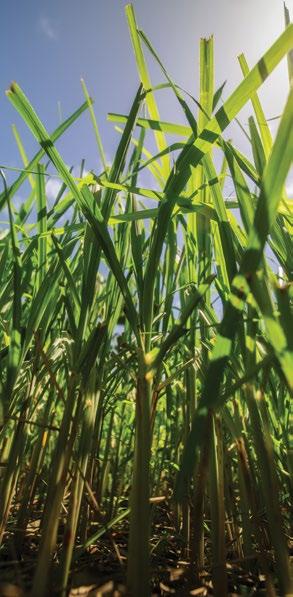
Copalli (Belize) has achieved third-party verified carbon-negative status through regenerative agriculture, renewable energy, and life-cycle carbon accounting that incorporates soil carbon sequestration.
Brugal (Dominican Republic) has a decarbonisation roadmap with a target for a 98% renewable energy matrix by 2045, supported by solar systems that already supply 100% of energy needs at its bottling plant.
The company’s ISO-14064 certified carbon inventory and ScienceBased Targets Initiative (SBTi)-approved reduction goals ensure rigorous monitoring and credibility. Ongoing investments include converting boilers and wash plants to biomass fuel to further cut fossil fuel use.
Collectively, these initiatives demonstrate measurable progress in decarbonising rum production through efficiency improvements, renewable deployment, and cleaner fuel strategies.
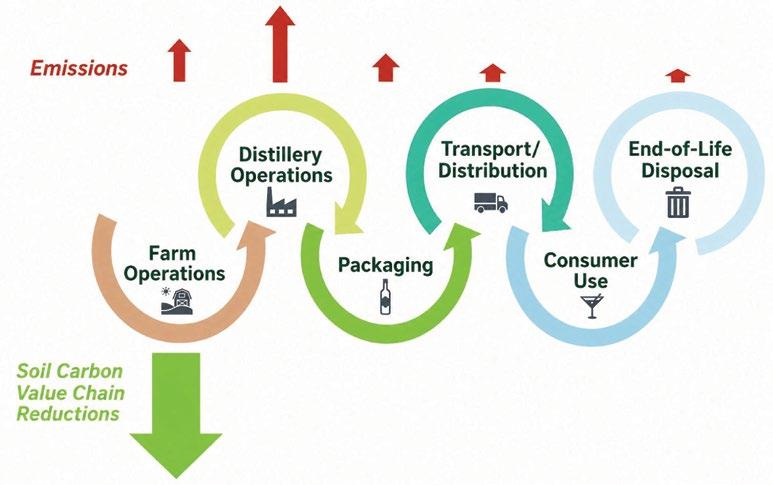

Section 1.2 establishes why decarbonisation matters, and this section focuses on how it is being delivered in practice. Because the majority of rum’s greenhouse gas emissions arise from fuel combustion and electricity use, transforming the energy system within distilleries is the single most important lever for reducing sector-wide emissions.
Rum production requires both high-temperature thermal energy for distillation and reliable electricity for fermentation control, cooling systems, bottling operations, and warehousing. Historically, these demands have been met largely through imported fossil fuels, particularly heavy fuel oil and diesel. In small island systems, this dependence has created exposure not only to carbon risk, but also to price volatility, supply disruptions, and grid vulnerability during extreme weather events.
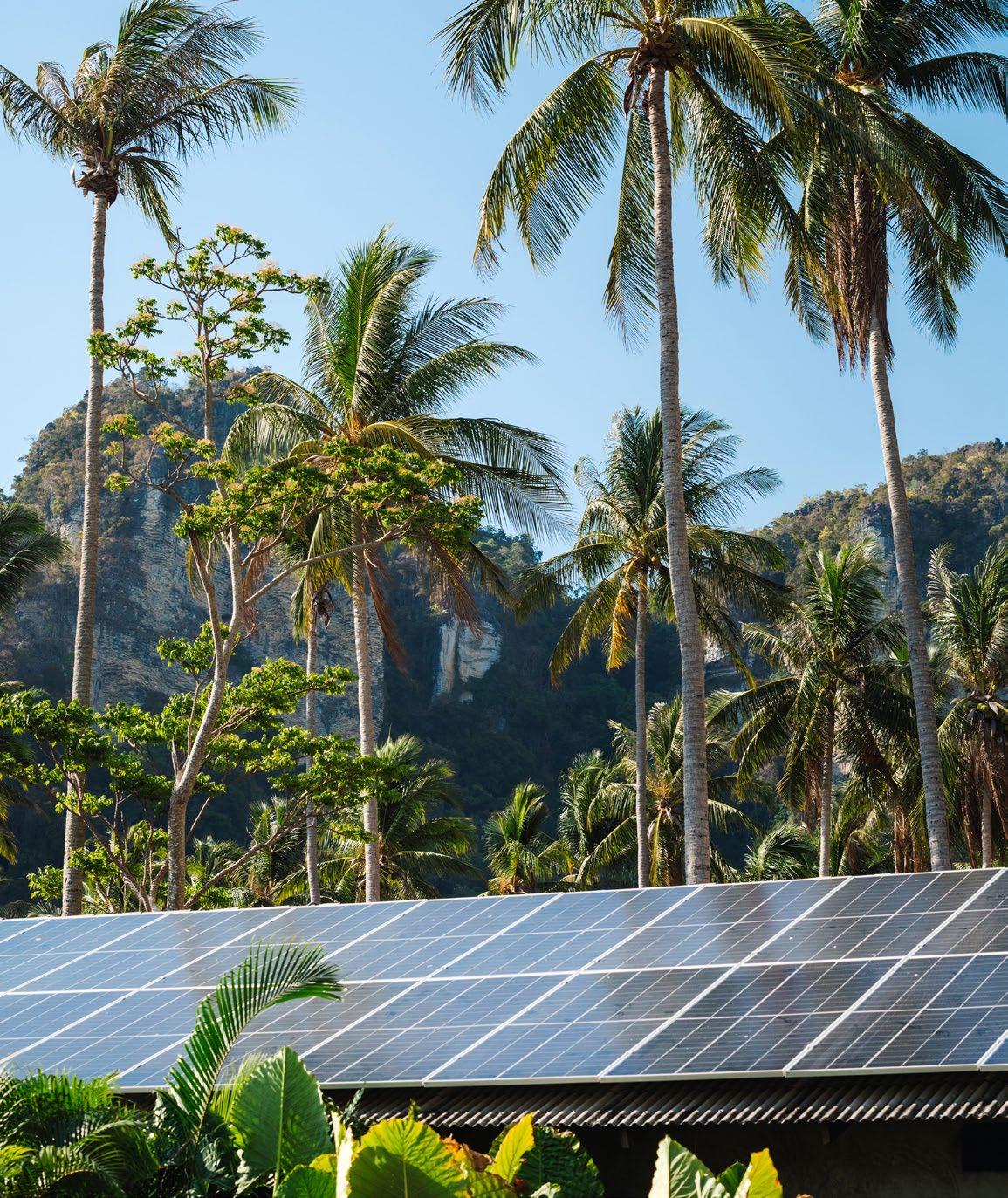
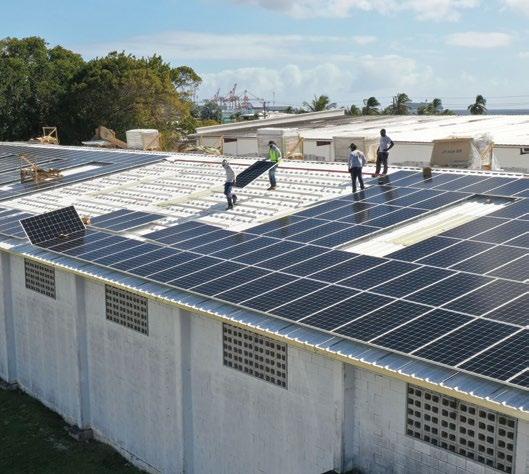
The Caribbean is well positioned to benefit from renewable energy, particularly solar power. High solar irradiance, combined with extensive warehouse and bond roof space, has made photovoltaic (PV) systems one of the fastest-growing technologies across the sector.
Examples across the region illustrate both scale and diversity of approach:
Mount Gay (Barbados) generates approximately 500,000 kWh per year from on-site PV installations.
Angostura (Trinidad & Tobago) has installed 244 kW of solar capacity at its Bitters facility, alongside supplemental PV for logistics operations.
Barbancourt (Haiti) has secured climate-finance support to expand photovoltaic capacity, targeting the replacement of remaining diesel generation and an estimated 45,000 tonnes of CO2 avoided by 2030.
Stade's West Indies Rum Distillery (SWIRD) (Barbados) installed a PV plant designed to supply roughly 20% of site electricity, aligned with a broader decarbonisation ambition.
Foursquare (Barbados) has undertaken a large-scale, multi-site PV build-out that both reduces facility energy costs and feeds surplus power to the national grid.
While renewable electricity deployment has progressed rapidly, thermal energy remains the more complex technical challenge. Distillation requires reliable, high-temperature heat, and many facilities historically relied on heavy fuel oil or diesel. In response, producers are pursuing a range of alternatives.
Liquefied natural gas (LNG) is being adopted in some jurisdictions as a transitional fuel with lower carbon intensity and improved combustion efficiency. Alongside fuel switching, improvements in energy efficiency remain the most immediate and cost-effective pathway for reducing emissions and operating costs. Across the region, distilleries are installing high-efficiency electric motors, variable frequency drives (VFDs), and advanced automation systems to optimise electricity use. Modern
boiler upgrades, improved insulation, and heat recovery economisers are reducing thermal losses in steam systems. In some facilities, combined heat and power (CHP) steam turbines generate electricity from steam that would otherwise be vented or underutilised, significantly improving overall system efficiency. While less visible than solar arrays, these measures often deliver the largest short-term reductions in energy intensity.
Beyond solar PV, several producers demonstrate how waste streams can reinforce decarbonisation:
• Barbancourt’s biomass cogeneration has displaced approximately 300,000 gallons of diesel per year over an extended period, using sugarcane bagasse to generate power and steam.
• Brugal’s anaerobic digestion and vinasse concentration systems produce biogas that supplies more than 50% of steam demand at its facilities.
• National-level initiatives in Jamaica are examining the broader grid potential of bagasse cogeneration, highlighting opportunities to integrate distillery heat loads with renewable electricity expansion.
• The use of waste oil as an energy source by St. Lucia Distillers has dual energy and environmental benefits.
Over the longer term, early investments in efficiency, renewable electricity, and alternative thermal fuels will position Caribbean rum producers to adapt more readily to evolving regulatory frameworks, potential carbon pricing mechanisms, and growing customer expectations for low-carbon production.

Water is both an essential input to rum production and a shared natural resource of critical importance to Caribbean communities, agriculture, and ecosystems. Distilleries require water for fermentation, cooling, cleaning, and dilution, while sugarcane cultivation depends on reliable rainfall and healthy watersheds. Across many Caribbean islands, water scarcity and variability are increasing due to climate change, population growth, and competing economic demands. For rum producers operating in small island developing states, water risk is not theoretical – it is operational.
Effective water stewardship therefore extends well beyond reducing consumption within the distillery fence line. It encompasses responsible abstraction, accurate metering and monitoring, process optimisation, advanced wastewater treatment, and engagement at the catchment level with regulators and local communities. Experience from rum industry benchmarking initiatives demonstrate how systematic data collection and water-use intensity metrics can drive sustained reductions in net water use while maintaining production quality and regulatory compliance.
Across the region, investments in closed-loop cooling systems, condensate recovery, automated controls, and leak detection are reducing overall demand. At the same time, advanced wastewater treatment technologies are enabling producers to treat effluent to higher standards and, in some cases, reuse treated water for irrigation or process applications. Water management is increasingly integrated into broader resilience planning, particularly in jurisdictions exposed to seasonal drought or extreme rainfall events.
Water stewardship also carries a strong social dimension. In several Caribbean contexts, distillery investments in treatment infrastructure have improved water quality and availability beyond the production site, reinforcing community trust and strengthening social licence to operate. By treating water as a strategic resource rather than a low-cost input, the rum industry is enhancing long-term resilience while aligning with international expectations around responsible water management.
Water risk is existential for island producers. The most advanced programmes combine source protection, process optimisation, and recovery/reuse:
Angostura (Trinidad): 2024 results show –11% absolute water use and –27% intensity via condensate return, rainwater harvesting and automated cooling towers; WRRAD treats varied wastewater streams internally.
J. Wray & Nephew (Jamaica): introduced recirculating cooling at Appleton Estate to reduce river abstraction by over 20%, while the New Yarmouth Dunder Treatment Plant recovers distillate water for irrigation and produces CMS feed, eliminating untreated discharge.
Mount Gay (Barbados): improved water intensity from 45 → 39 L/LAA (2022–2024), leveraging reuse and agro-circularity practices.
Brugal (Dominican Republic): ~170 m³/day of freshwater will be saved by incorporating recirculation systems in vacuum pumps.
St. Lucia Distillers: rainwater capture reduces pressure on the public water supplies and reduces supply risk in the event of a break in supply systems.
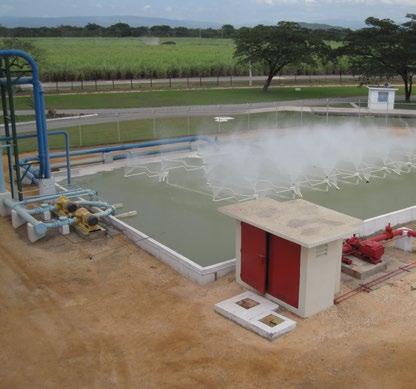
In Jamaica, regulated fertigation practices demonstrate how treated effluent can be safely returned to agricultural land under permit conditions, reducing freshwater demand while protecting waterways.
As climate pressures intensify, integrated water management will become ever more central to the sustainability and competitiveness of Caribbean rum. Producers that invest early in efficiency, treatment, and catchment engagement will be best positioned to secure both operational continuity and community confidence in the decades ahead.
Rum production generates significant volumes of organic byproducts, including vinasse (dunder), bagasse, spent yeast, and other residues. Historically, these materials were often viewed primarily as waste streams requiring disposal, and waste management became one of the most visible environmental challenges facing cane-based spirits production. Today, however, these same byproducts are increasingly recognised as valuable resources within a circular economy framework
A circular economy approach seeks to maximise resource efficiency, keep materials in productive use for as long as possible, and minimise environmental impact. In the rum sector, long-standing practices such as using concentrated molasses soluble for animal feed have demonstrated the value of reuse. More recently, technological advances have expanded the range of circular solutions available to distilleries, particularly in relation to vinasse — the acidic, nutrient-rich stillage generated during distillation.
Vinasse/dunder represents the central environmental challenge for canespirits production due to its high organic load and potential impacts on waterways if improperly managed. Across the Caribbean, the response
to this challenge is increasingly integrated and circular, linking waste management, energy production, and agriculture.
Producers are investing in systems that convert organic by-products into energy, fertiliser, or other useful outputs:
Anaerobic Digestion and Biomethanisation:
Demerara Distillers Limited (Guyana) converts liquid waste into biogas for steam and power generation, significantly reducing reliance on heavy fuel oil. Angostura’s Water Resource Recovery and Anaerobic Digester (WRRAD) system treats up to 350 m³ per day of wastewater and is progressing toward refined biogas use.
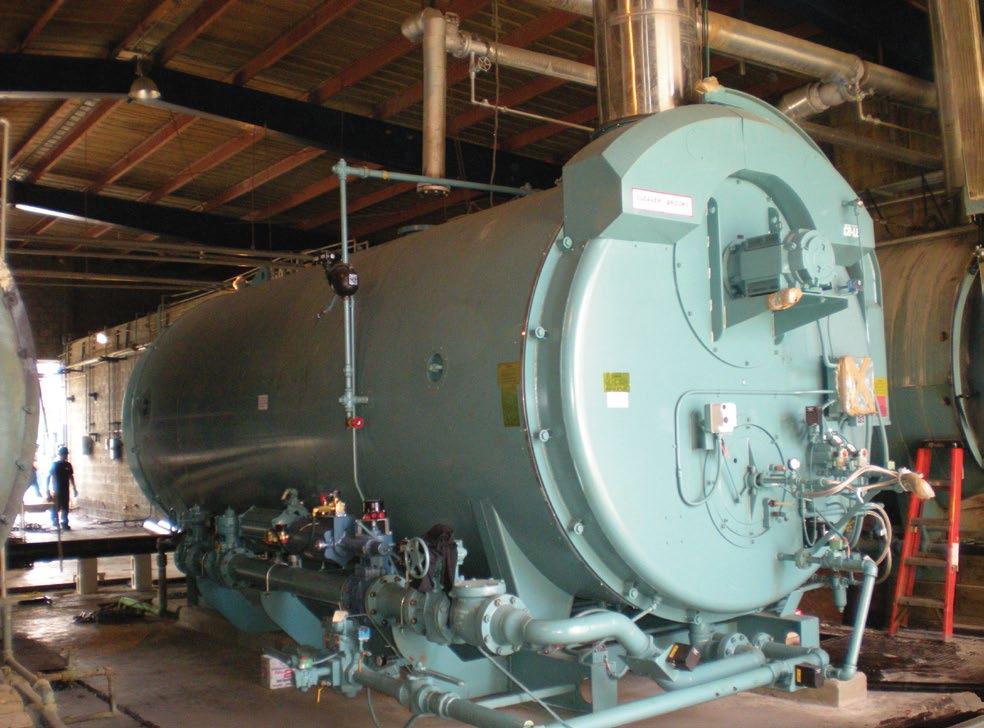
The controlled application of treated vinasse to agricultural land is practiced with regulatory safeguards. In Jamaica, producers operate under NEPA permits that specify strict conditions — including prohibitions on application during rainfall — ensuring nutrient recycling while preventing runoff and groundwater contamination. Similar programmes are in place by Ron Barceló and Brugal in the Dominican Republic and Barbancourt in Haiti.
When properly managed, fertigation reduces freshwater demand for irrigation and lowers reliance on synthetic fertilisers.
Copalli in Belize blends dunder with ash and compost in certified organic operations, closing nutrient cycles and supporting regenerative agriculture.
These approaches demonstrate how circular systems can deliver multiple benefits simultaneously: reduced waste disposal costs, lower fossil fuel consumption, improved soil health, reduced greenhouse gas emissions, and stronger integration between distillery and agricultural operations.
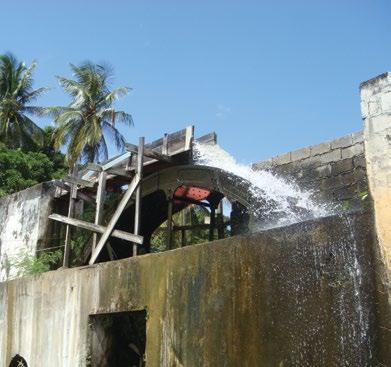
Beyond the larger case-study producers, the diversity of the Caribbean rum sector – from modern integrated estates to heritage producers such as St Nicholas Abbey (Barbados) and River Antoine (Grenada) – highlights the importance of adapting circular solutions to scale, geography, and regulatory context. Smaller or historically operated facilities may face greater technical or financial barriers, but the principles of nutrient recovery, controlled application, and waste valorisation remain applicable across the sector.
Looking forward, opportunities exist to deepen circularity through improved material flow tracking, expanded waste-to-energy systems, and stronger partnerships with farmers and agricultural researchers.
As regulatory expectations tighten and resource constraints become more pronounced, circular economy systems are likely to become a defining feature of sustainable rum production. By reframing byproducts as assets rather than liabilities, Caribbean rum producers are strengthening environmental performance while reinforcing the agricultural roots of the industry.
Packaging is often the most visible environmental impact associated with a bottle of rum, particularly in export markets where products travel long distances and enter diverse waste management systems. Glass manufacture and transport contribute significantly to overall product carbon footprints, while end-of-life recycling performance varies widely across destination markets.
Over the past two decades, premiumisation trends in spirits have frequently led to heavier bottles and more elaborate secondary packaging, reflecting consumer expectations around quality and authenticity. At the same time, environmental scrutiny from regulators, retailers, and consumers has intensified. This has created a structural tension between traditional cues of premium value and the need to reduce material intensity and emissions. Experience from the global spirits industry demonstrates that this tension can be addressed through innovation, life-cycle analysis, and close collaboration across the supply chain.
Caribbean rum producers are increasingly pursuing packaging optimisation strategies that reduce environmental impact while maintaining brand integrity. Given the region’s reliance on imported packaging materials and long export supply chains, even modest improvements in bottle weight or material efficiency can deliver disproportionate benefits in emissions reduction and cost control.
Current approaches across the sector include:
Mount Gay reports that more than 60% of its bottle designs have been lightweighted, reducing glass use and transport emissions. Stade's West Indies Rum Distillery (SWIRD) has cut bottle weights by approximately 30% on key products, demonstrating that significant material reductions are compatible with premium positioning.
Recycling and circular design:
Angostura has achieved 100% recycling of recyclable obsolescent materials within its operations. Brugal standardises the use of FSCcertified packaging materials, strengthening supply-chain traceability. SWIRD has adopted ecoSPIRITS refillable containers and EcoPouch formats in selected markets, reducing single-use packaging and associated transport impacts.
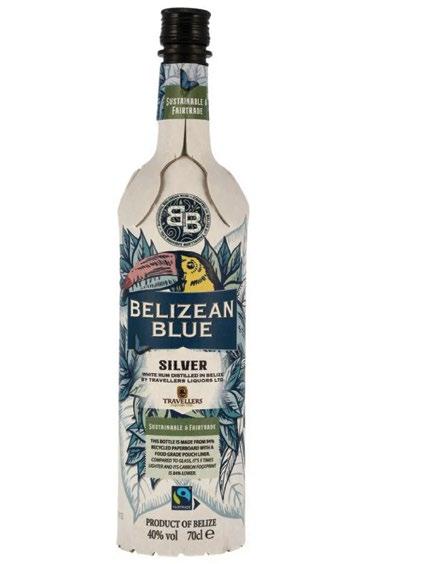
Travellers Liquors has broken new ground in the region with its innovative packaging for Belizean Blue Silver Rum carton bottle – using 94% recycled materials.
Regionally, several brands are promoting reuse and take-back practices. Mount Gay in Barbados and Travellers Liquors in Belize have amplified consumer bottle-recycling messaging through public campaigns, supporting improved collection and sorting behaviours. Producers such
as Vinícola del Norte are integrating sustainability narratives into visitor experiences, reinforcing responsible consumption messaging.
In competitive international markets, producers such as Ron Matusalem with its Butterfly Mark and Ron Bermúdez illustrate the importance of aligning premium branding with evolving sustainability expectations. As retailers and distributors increasingly request packaging data, recycled content figures, and carbon footprint information, sustainable packaging is becoming a prerequisite for market access rather than a voluntary add-on.
Looking forward, meaningful progress will depend on deeper collaboration with glass manufacturers, bottlers, distributors, and retailers to increase recycled content, improve recyclability, and explore refill or reuse models where feasible.
As global markets place growing emphasis on carbon footprints, circularity, and responsible materials use, sustainable packaging will play an increasingly important role in safeguarding the competitiveness and reputation of Caribbean rum brands. By treating packaging not merely as a marketing asset but as a material flow to be optimised, the sector can reduce environmental impact while reinforcing the authenticity and heritage that underpin its global appeal.
SDG 6 (Water): WRRAD at Angostura; JWN recirculating cooling; Brugal water recovery; Mount Gay intensity gains; controlled fertigation regimes in Jamaica.
SDG 7 (Energy): PV at Mount Gay, Angostura, SWIRD, Foursquare; biogas at DDL/Brugal; biomass CHP at Barbancourt.
SDG 12 (Responsible consumption and production): ecoSPIRITS, lightweighting, reuse, circular waste streams (biofertiliser, feed).
SDG 13 (Climate): verified neutrality (Ron Barceló), carbon-negative LCA (Copalli), regional PV scale-up and fuel switching.
SDGs 14–15 (Life below water/on land): mangrove restoration (Brugal), soil organic matter increase (Copalli), catchment stewardship embedded in water programmes (JWN, OECS initiatives).
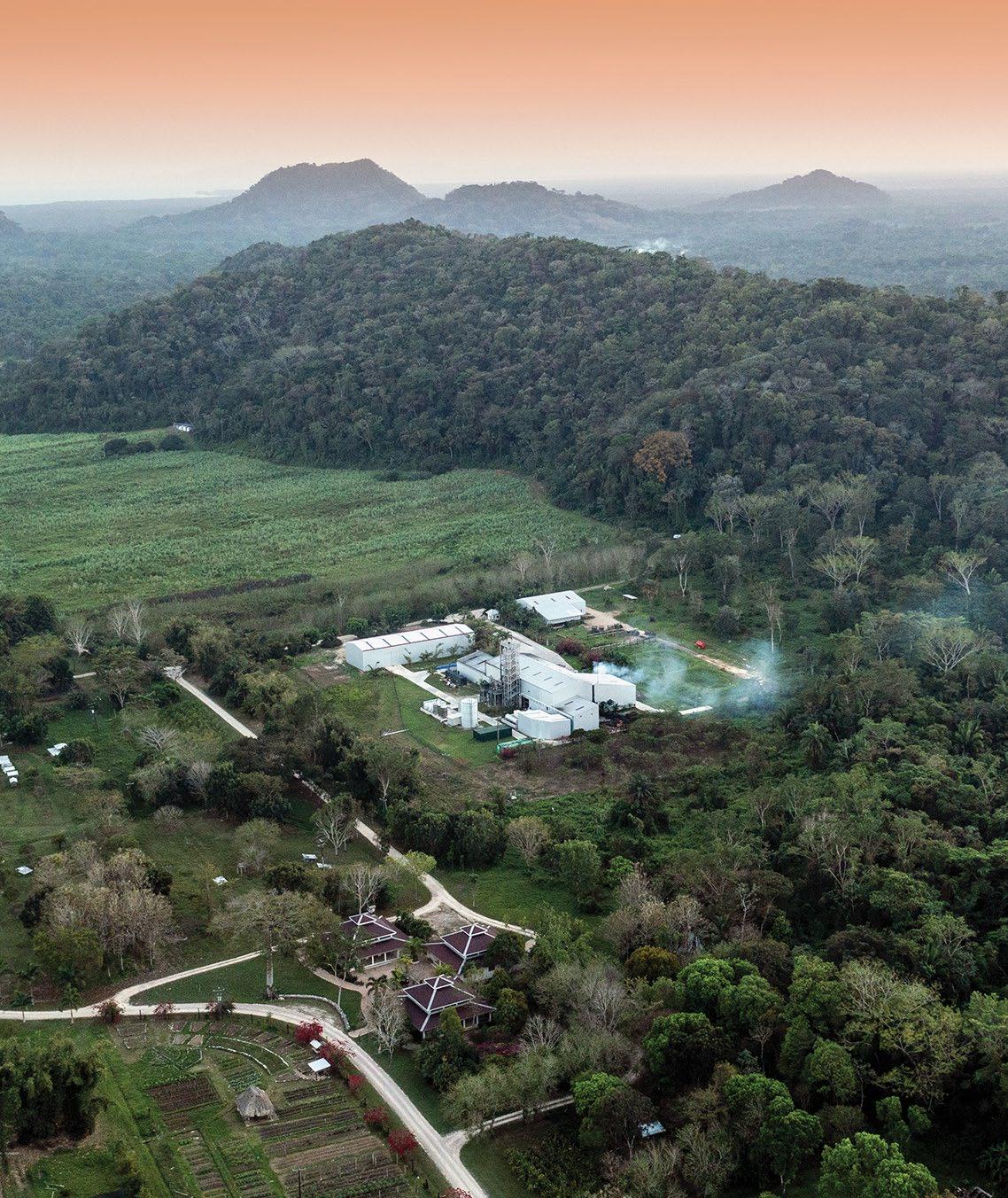
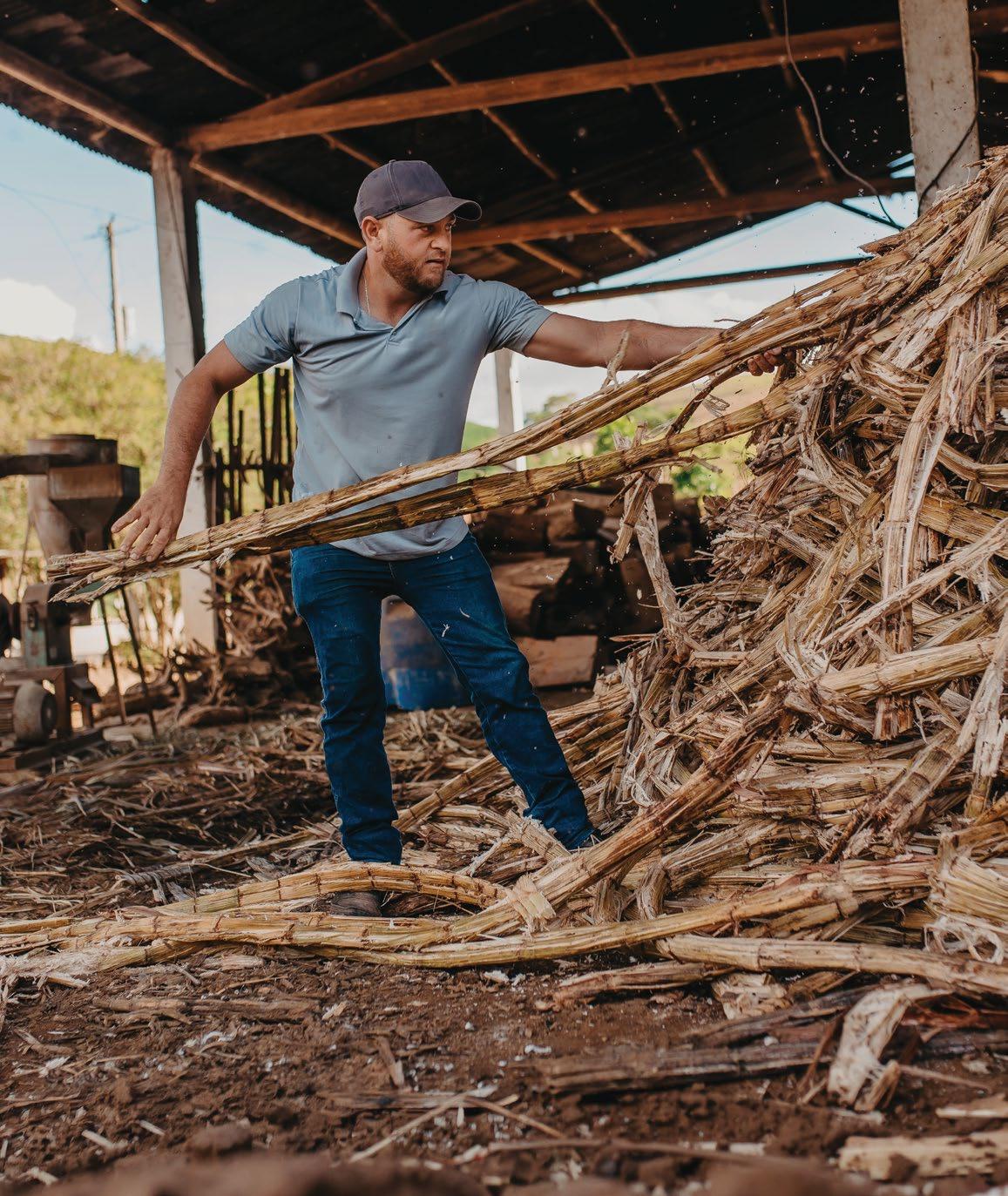
Sustainability in the Caribbean rum industry is not just theoretical – it is already being delivered on the ground. The case studies that follow illustrate how producers across the region are implementing practical, real-world solutions to some of the sector’s most pressing challenges. From renewable energy and water stewardship to circular resource use and community engagement, these examples demonstrate how sustainable practises are being embedded into day-to-day operations.
While each producer operates within a unique context, a common thread runs throughout: a commitment to innovation, efficiency, and long-term resilience. Together, these case studies highlight measurable progress and reinforce the industry’s collective shift toward more responsible, future-focused production.
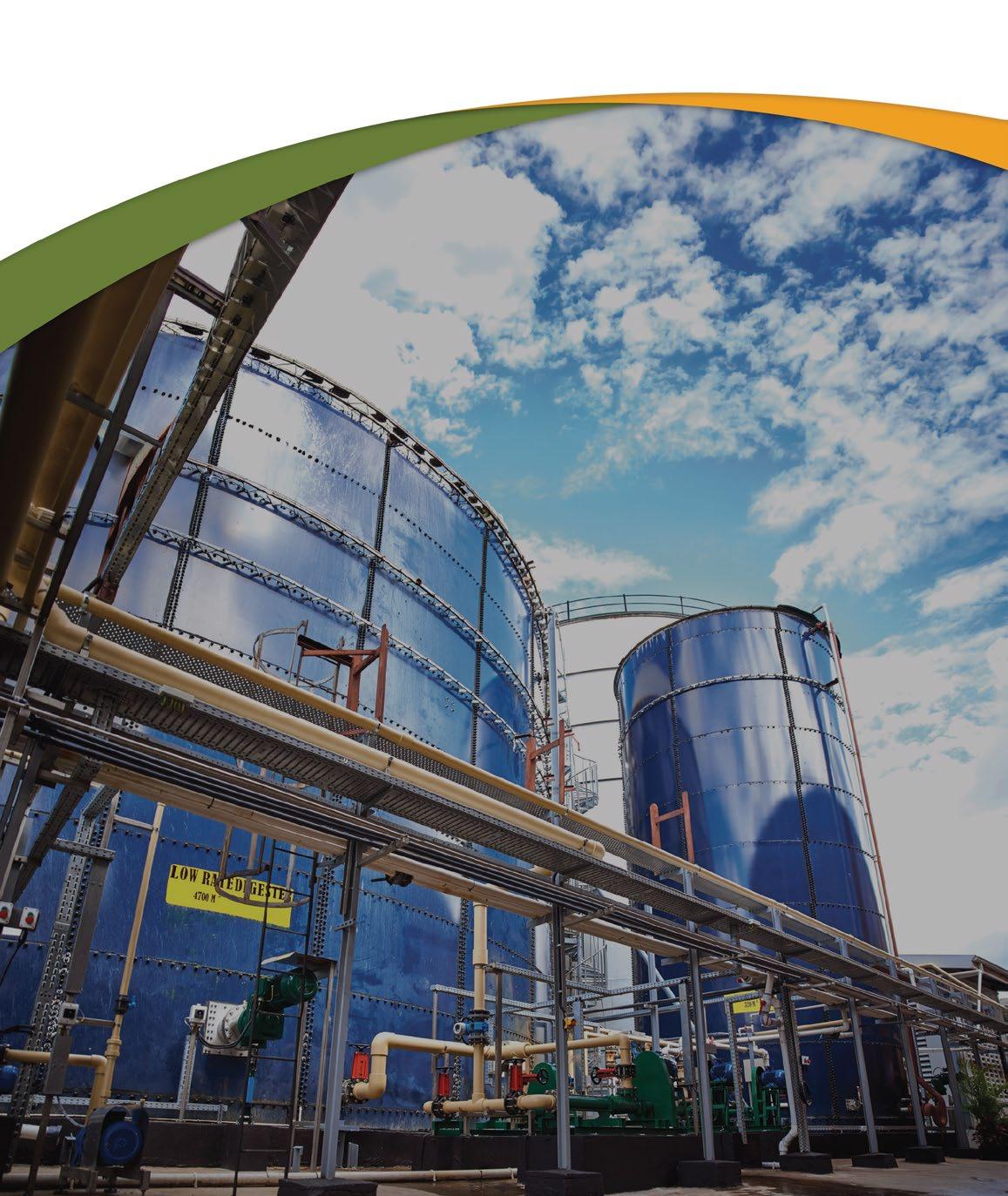
Angostura Holdings Limited, the iconic Trinidad and Tobago-based producer of rum and bitters, has made significant progress in embedding environmental stewardship within its operations. The company’s 2024 Annual Report demonstrates a holistic sustainability strategy focused on energy efficiency, waste reduction, renewable energy, and water resource recovery, all aligned with its ISO 14001:2015 certified Environmental Management System.
A cornerstone of Angostura’s sustainability progress is its Water Resource Recovery and Anaerobic Digester (WRRAD) facility, which treats up to 350 m³ of high-organic-load wastewater per day. In 2024, the company invested in automation and upgrades to this system. These measures have improved operational efficiency and minimised the environmental impact on waterways – as protecting the neighbouring communities is of paramount importance. The WRRAD achieved a higher-than-design loading capacity, allowing the distillery to treat diverse wastewater streams internally, eliminating the need for external contracts and generating operational savings.
The company continues to prioritise carbon management across operations. In 2024, it recorded a 40% reduction in absolute carbon emissions and a 50% reduction in Scope 1 and 2 emissions intensity compared to 2023, driven largely by reduced flaring operations.
Angostura has taken steps to capture biogenic carbon emissions during the fermentation process. This initiative is geared to support circular economy principles by creating opportunities to supply recovered CO2 for beneficial use within downstream industries.
Angostura has committed to diversifying its energy sources through renewable generation. The Bitters Solar Power Project involves a 244 kW solar photovoltaic installation that will power the Angostura Aromatic Bitters bottling facility, aiming to reduce electricity consumption at the facility by approximately 350 MW/h. Complementing this is the Forklift Bay Solar Project, featuring an 18 kW solar system for charging electric forklifts, aiming to reduce electricity consumption associated with forklift charging operations by a projected approximate value of 15,000 kWh annually in the future.
In 2024, at Angostura there was a 15% reduction in energy intensity compared to the previous year. Water conservation efforts yielded an 11% reduction in absolute water use and a 27% improvement in water intensity, surpassing the 6% reduction target. Water conservation is embedded in daily operations through monitoring, measurement, reuse where feasible, proactive leak detection, and preventative maintenance of water infrastructure.
Angostura continues to strengthen its waste management practices across operations, with a focus on minimizing environmental impact and supporting circular resource use. Waste is systematically segregated to
facilitate responsible disposal and recycling, supported by partnerships with approved recycling institutions.
The company has maintained ISO 14001:2015 certification with zero major non-conformances, reaffirming the robustness of its environmental management systems. Angostura’s sustainability performance was also recognized with the Trinidad & Tobago Chamber of Industry and Commerce Green Agenda Award for 2024
Through strategic investment in the WRRAD, renewable energy systems, emission reduction, and circular waste management, Angostura is setting a benchmark for sustainable operations in the Caribbean spirits industry. Its 2024 results—marked by double-digit reductions in water, energy, and carbon intensity—reflect a disciplined, data-driven approach to environmental responsibility rooted in measurable outcomes and certified performance.



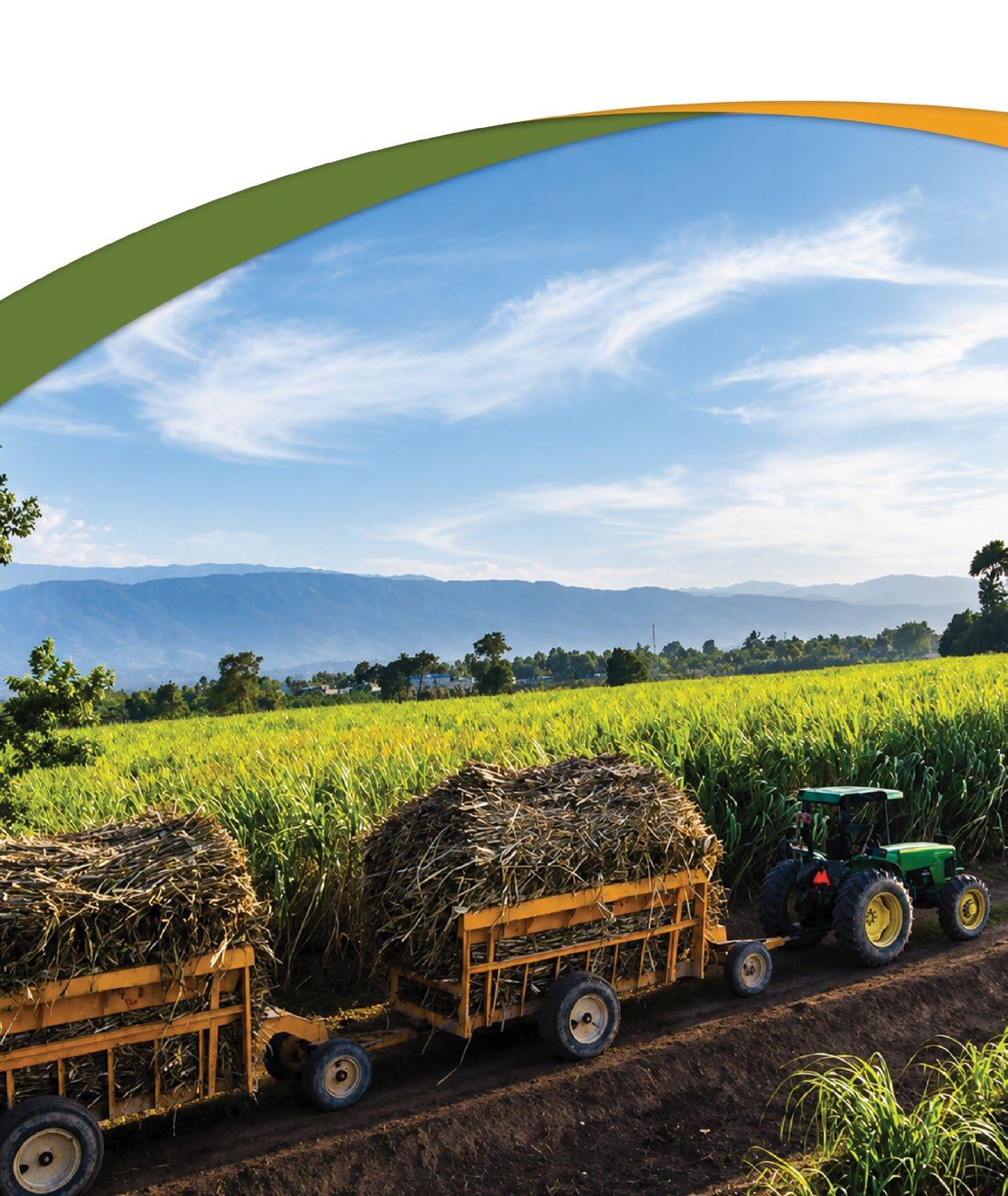
Founded in 1862, La Société du Rhum Barbancourt S.A. has long been a symbol of Haitian craftsmanship and resilience. Today, the distillery stands as one of Haiti’s largest exporters and a model for sustainable industry in the Caribbean. Building on its legacy, Barbancourt has embedded environmental stewardship into its operations by producing 100% of its own energy through renewable biomass and investing in new solar and recycling initiatives to achieve greater carbon efficiency and resource conservation.
Since 2007, Barbancourt has operated a biomass-based cogeneration plant that runs entirely on bagasse, the fibrous residue from crushed sugarcane. This closed-loop system transforms waste into renewable energy, eliminating diesel use for most processes and making the distillery self-sufficient in power generation.
The 650 kW turbine generates enough electricity for all production departments except the bottling line, while residual heat powers distillation and evaporation processes. The project displaced over 300,000 gallons of fossil fuel annually, cutting emissions by more than 3,000 tonnes of CO₂ per year.
By recovering excess bagasse and utilizing vinasse (a by-product of distillation) as organic fertilizer, Barbancourt demonstrates the circular economy in action whereby nothing is wasted, and every output becomes an input.
Building on this renewable foundation, Barbancourt is expanding into solar power generation with financing from IDB Invest and the Finland-LAC Climate Fund. The $5 million programme will replace remaining diesel generators with photovoltaic systems, further decarbonising operations and reducing emissions by an estimated 45,000 tonnes of CO₂ by 2030.
Water is drawn from an on-site aquifer, filtered through osmosis, and reused efficiently across processes. The distillery applies treated vinasse irrigation, recycling organic nutrients to fertilize sugarcane fields and reducing freshwater extraction. Solar-powered pumps irrigate company fields, and 1,000 gallons of treated drinking water are distributed daily to local communities.
These initiatives reflect Barbancourt’s emerging focus on measuring and managing water use, all critical steps toward establishing formal indicators for water efficiency and resource management.
Beyond environmental goals, Barbancourt supports more than 3,000 small sugarcane farmers, purchasing 75% of its cane from independent growers and providing stable income, fair pricing, and logistical support. Through the Barbancourt Foundation, the company funds health services, education, and training programmes for nearby communities, serving over 900 patients monthly and offering subsidized medicines and maternal-child care.
Rhum Barbancourt’s integrated sustainability strategy, anchored in renewable energy, waste reuse, and community empowerment, illustrates how a heritage brand can thrive through innovation. With its biomass cogeneration plant, expanding solar infrastructure, and closedloop production model, Barbancourt is not only producing world-class rum but also powering Haiti’s sustainable future.

100% renewable power from bagasse biomass

300,000 gallons of diesel saved annually (≈ 3,000 t CO2 avoided)

3,000+ cane farmers supported through inclusive sourcing

Edrington’s Sustainability and Responsibility strategy is structured around five environmental pillars: carbon emissions reduction, water protection, wood sustainability, biodiversity enhancement, and promotion of the circular economy. The group is committed to achieving net-zero emissions by 2045, with an interim goal of significantly reducing Scope 1 and 2 emissions by 2030, and replenishing 100% of the water used in production in the Dominican Republic by the same year.
Edrington’s environmental governance integrates sustainability across all its business units, with specific performance indicators linked to emissions intensity, energy consumption, and water use, among others. By 2025, the group had already achieved a 40% reduction, versus the previous year, in scope 1 and 2 emissions across its global operations, reflecting the success of its energy efficiency programmes and adoption of renewable energy.
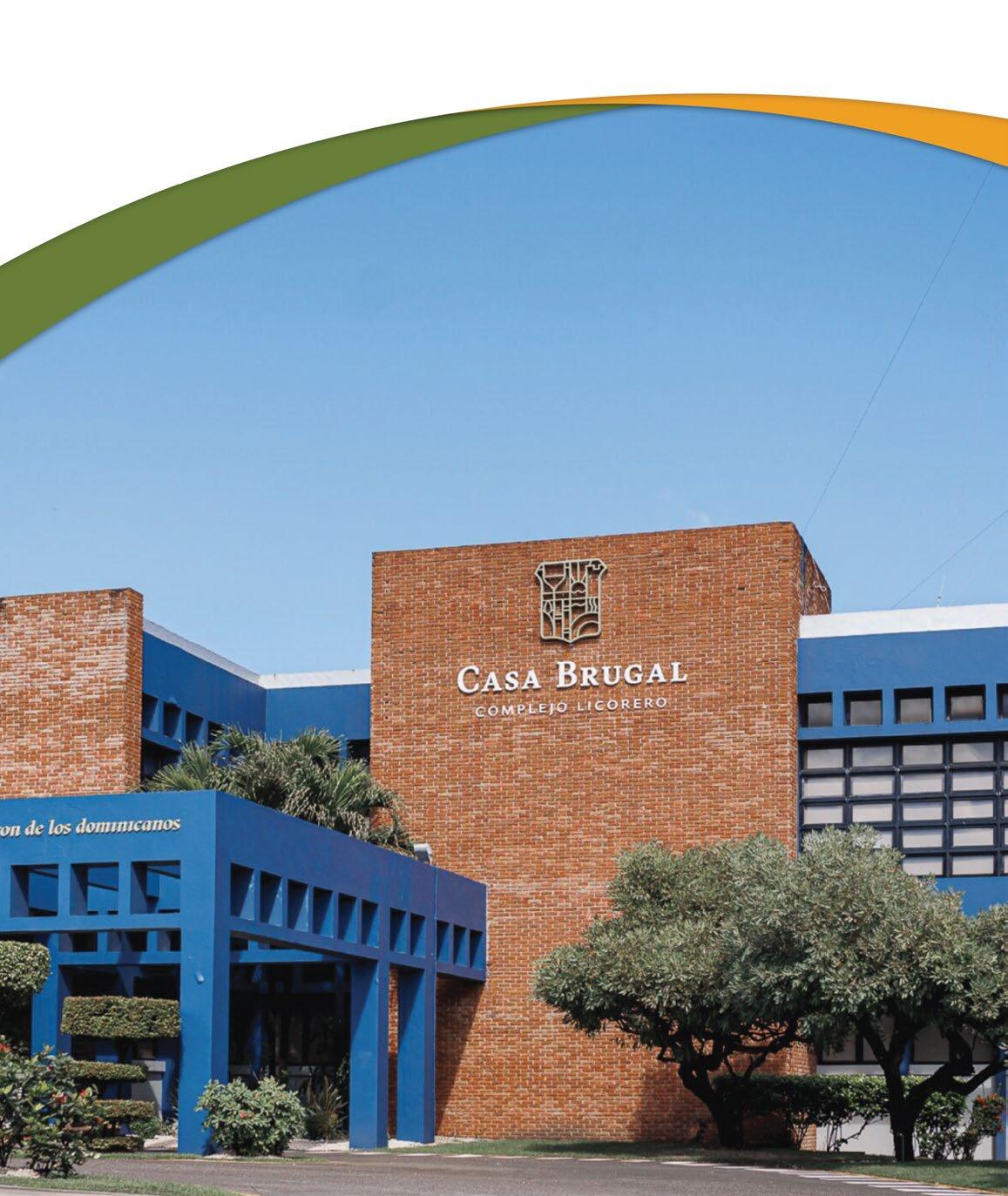
At Casa Brugal, sustainability is articulated under four local pillars: Giving More, Extraordinary People, Responsible Consumption, and Protecting the Environment. These align with Edrington’s framework but are deeply adapted to the Dominican context, combining social impact with measurable environmental actions.
The environmental pillar includes five focus areas: carbon emissions reduction, water protection, promotion of the circular economy, preservation of the country’s natural resources, and certification of sustainable wood sources for barrels.
Brugal’s decarbonization roadmap targets an 89% renewable energy matrix by 2045, supported by solar systems that already supply 100%
of annual energy needs at its bottling plant and liquor complex. Additionally, in 2025, the distillery’s energy supply was fully converted to renewable sources. The carbon inventory – certified under ISO-14064 and targets approved by the Science-Based Targets initiative (SBTi) ensure rigorous monitoring and credibility. Key investments include converting distillery boilers to biomass fuel, further reducing fossil fuel use.
Water management has become one of Brugal’s flagship achievements. The goal is to improve efficiency in water use. The first initiative involves incorporating recirculation systems in vacuum pumps, which will reduce 170 m³/day—equivalent to the consumption of more than 560 households.
In parallel, Brugal is advancing a water replenishment programme with the Santo Domingo Water Fund, aiming to replenish 100% of the water used through reforestation, conservation, and agroforestry actions in the Maoma micro-basin, a tributary of the Nizao River. This goal is expected to be reached by 2030.
Brugal’s operations exemplify circularity, from bottle reuse in its washing plant to the implementation of fully reusable packaging. Additionally, all paper and cardboard materials used in packaging are FSC-certified.
One of the main innovations in circularity is the distillery’s biofertilizer project, which closes the loop between production and agriculture. This project transforms vinasse—a byproduct of rum distillation—into fertilizer used in sugarcane fields, reducing waste and improving soil health.
Brugal also contributes to national biodiversity goals through mangrove nurseries, having produced more than 8,000 mangrove plants for replanting and coastal ecosystem restoration. Likewise, it supports sustainable sugarcane agriculture through the implementation of the Bonsucro Chain of Custody and the purchase of certified molasses, creating sustainable supply chains. Brugal obtained this certification in 2024 as part of its commitment to caring for the Dominican Republic and strengthening an economically, environmentally, and socially sustainable system.
By combining Edrington’s ambitious global net-zero and water replenishment goals with locally adapted innovation, Casa Brugal has become a benchmark for sustainable rum production. Its projects in renewable energy, water reuse, and circular resource management not only reduce the environmental footprint of its operations but also generate tangible social and ecological benefits for Dominican communities—demonstrating that legacy brands can lead the transition toward a more sustainable future.



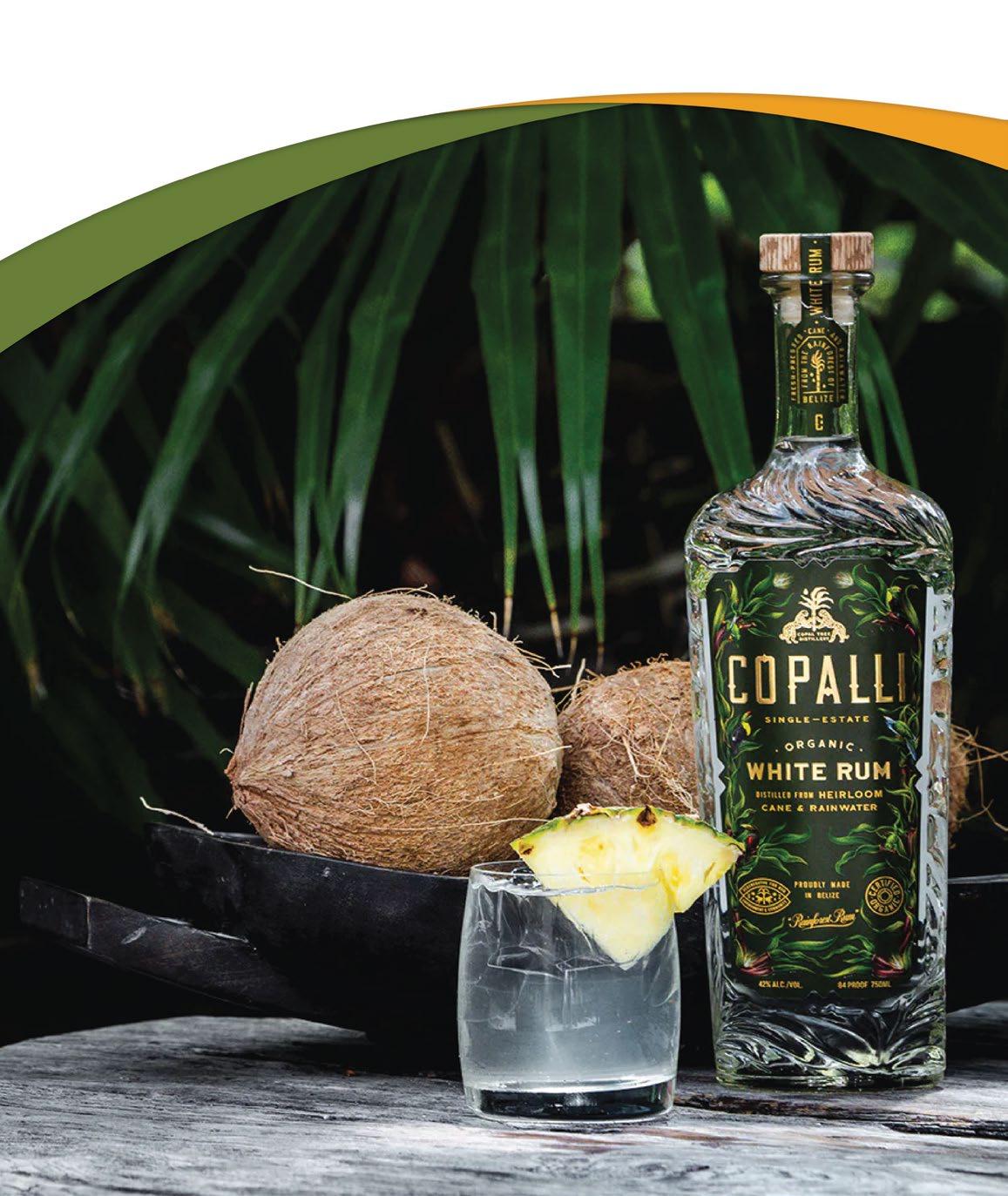
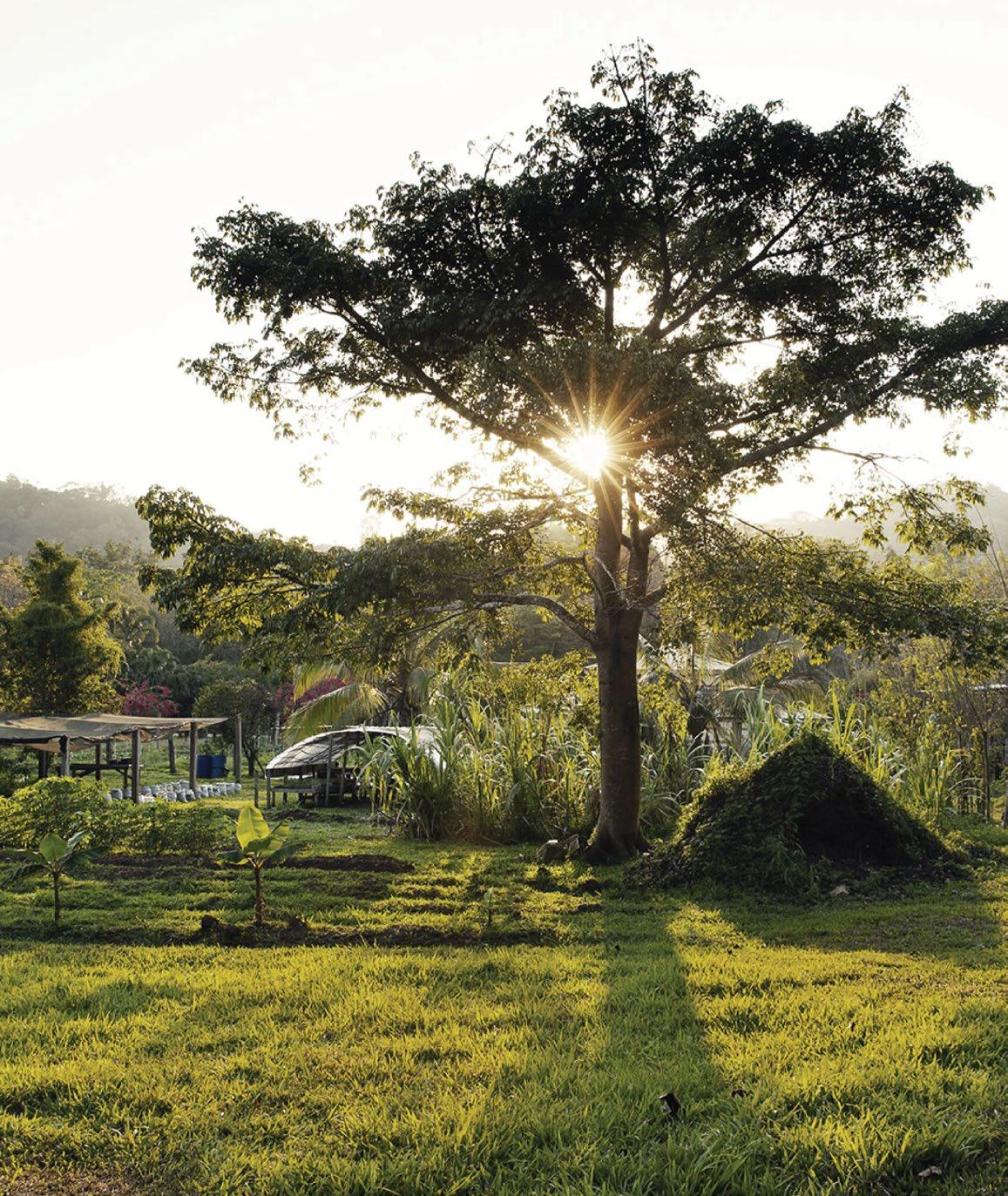
Copalli Rum, produced by Copal Tree Distillery in Southern Belize, stands as a model of organic, regenerative, and circular rum production. Certified by Ecocert from cane field to bottle, Copalli Rum is made entirely from three natural ingredients—fresh organic sugarcane juice, rainwater, and yeast—and embodies a fully transparent, traceable supply chain.
Every stage of production—from cultivation to bottling—takes place locally, minimizing transport emissions and maximizing community benefit. The distillery operates a closed-loop system powered by biomass from bagasse and reuses by-products as organic fertilizer, ensuring that waste becomes input for the next production cycle.
In 2023, Copalli Rum commissioned EarthOptics to conduct a comprehensive cradle-to-grave Life Cycle Assessment (LCA), independently verified by Preferred by Nature. The results establish Copalli as one of the world’s few carbon-negative spirits, demonstrating that sustainability and quality can coexist at scale.
KPI:
2023 Net Carbon Footprint: -5.5 kg CO2e per 750 ml bottle (conservative)
Actual Verified: -11.6 kg CO2e per 750 ml bottle
The LCA evaluated emissions across the entire product life cycle— from farming and distillation to packaging, distribution, and end-oflife disposal—following ISO 14040/14044, PAS 2050, and GHG Protocol Product Standards.
Key emission sources and reductions include:
Copalli’s organic and regenerative cane fields act as carbon sinks, capturing and storing CO2 through no-till practices, compost use, and natural cover cropping. The soil carbon gains verified by EarthOptics offset more than ten times the total emissions generated from production and logistics.
Carbon Claim: Net-negative GHG balance verified by Preferred by Nature (2024)
Copal Tree Distillery’s sustainability rests on circularity and self-sufficiency.
• The bagasse-fired biomass boiler provides renewable process energy while reusing waste ash as organic fertilizer.
• Dunder (distillation residue) is blended with ash and manure to return nutrients to the soil.
• All cleaning agents are Ecocert-approved, and no synthetic fertilizers, pesticides, or herbicides are used.
• Water use is tightly managed: rainwater collection systems and canopyfed bottling supply the process with naturally filtered water.
• Packaging avoids secondary or promotional packs; bottles use recycled local glass and biodegradable materials.
KPI:
Zero chemical inputs | 100% organic fertilizer | Biomass energy | Rainwater-fed distillation
Sustainability at Copalli extends beyond emissions to people and place. The company protects 12,000 acres of rainforest adjacent to its operations, preserving biodiversity and providing habitat for local wildlife. The distillery’s operations in Punta Gorda generate meaningful employment under fair conditions, supporting Belizean families while strengthening rural livelihoods.
KPI:
12,000 acres rainforest protected | 100% local employment | Ecocert certified organic rum
Copalli Rum’s carbon-negative verification establishes a new benchmark for low-impact spirits. Its soil-based carbon sequestration, renewable biomass energy, and organic closed-loop system show that premium rum can deliver both climate-positive performance and social value.
Annual third-party LCAs will continue to track progress and maintain transparency, keeping Copalli Rum among the most sustainable spirit producers in the world.
2023 Highlights:
–5.5 kg CO₂e per bottle | 100% organic | Biomass-powered | Rainwatersourced | Carbon-negative operations

carbon negative production (verified)

inputs (regenerative agriculture model)

renewable energy (on-site generation)

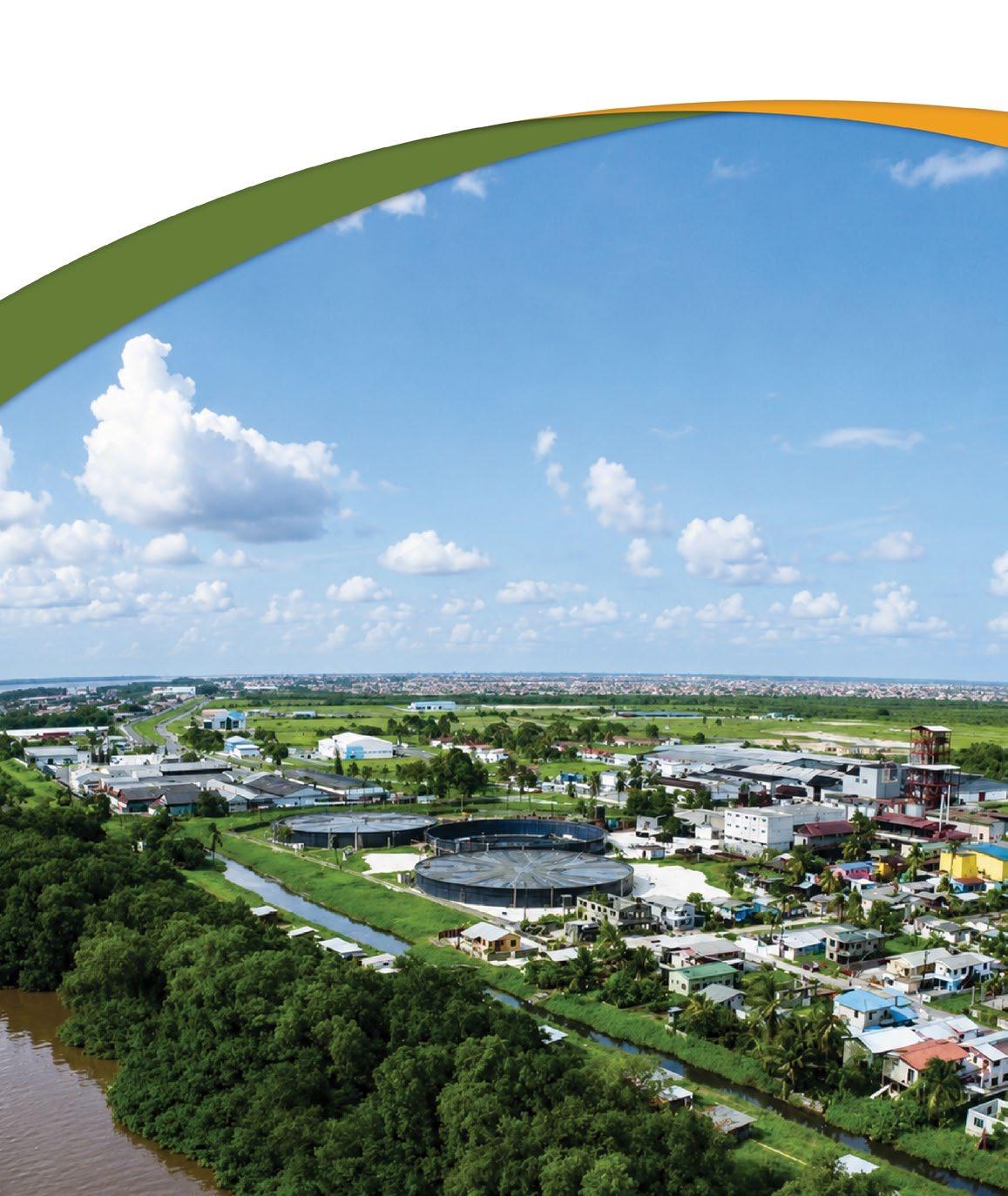
Demerara Distillers Limited (DDL), Guyana’s leading producer of rum and beverages, is advancing a comprehensive sustainability programme centred on energy transition, carbon reduction, and circular resource use.
A core component of this journey is the company’s wastewater treatment and biomethanisation plant, which converts the liquid waste from distillation into renewable biogas – the first such plant of its kind in Guyana. This initiative underpins a strategy to shift towards cleaner, more efficient energy sources that significantly reduce the company’s carbon footprint.
This strategy was formalized in 2020 when a baseline was established for the company’s carbon footprint, energy and water consumption, and a plan was devised accordingly to achieve targeted reduction. Later, in 2023, this strategy was extended to include solid waste. By taking a phased approach, DDL has been able to focus its effort on initiatives that would result in significant operational and sustainability gains.
Starting with the decarbonisation strategy, which centres on transitioning from fossil fuels to renewable and low-carbon energy sources, DDL embarked upon integrating renewable biogas into the Distillery operations to reduce its dependence on heavy fuel oil (HFO).
In 2024, the company installed a high-efficiency 20-tonne-per-hour boiler, with biogas replacing more than a third of HFO fuel previously consumed, thus cutting emissions by over 30% annually when operating under optimal production conditions.
These changes were obtained through combined process optimisation, new automation and control systems, improved heat recovery systems and better energy management practices, which collectively enhance the operation’s energy resilience and reduce the dependence on heavy fuel oil.
On electrical energy, current initiatives to improve consumption efficiency include:
Variable Frequency Drives (VFDs): Installed on fans and pumps.
High-efficiency air conditioning units: replacing current installations.
Premium efficiency motors (NEMA): replacing current installations.
LED lighting: replacement completed across warehouses and rum storage.
Water efficiency is another major achievement, with water consumption intensity per LPA produced being reduced by more than a third since the baseline year 2020, demonstrating the robust and sustainable improvement in DDL’s water management practices for process and sanitary requirements.
While DDL continues to strengthen its waste-tracking system, the establishment of a 2023 baseline has already supported more targeted reduction efforts across key material streams. Across the production plants:
• Key waste streams showed notable decreases, with plastics down twothirds, scrap metal down three-fifths, and mixed solid waste down more than a half
• Operational improvements in bottling processes, reflected in a one-sixth decrease in production damages, and a reduction in processing consumables by over 50% by, where practicable, reusing or extending their useful life, and optimizing batch processing.
DDL’s integrated environmental investments, spanning biogas recovery, energy, power and water consumption optimisation, and waste reduction, demonstrate a deliberate transition to cleaner, circular production.
The company’s Carbon Dioxide (CO₂) Recovery Plant, which captures and purifies CO2 from fermentation for reuse in beverage carbonation and dry ice production, further reinforces its commitment to closing resource loops and reducing emissions. A new, upgraded plant is slated for installation in 2026 to replace the original plant first installed four decades ago.
Together, these initiatives position DDL as a regional leader in sustainable rum production and as a driver of Guyana’s broader low-carbon industrial transformation.



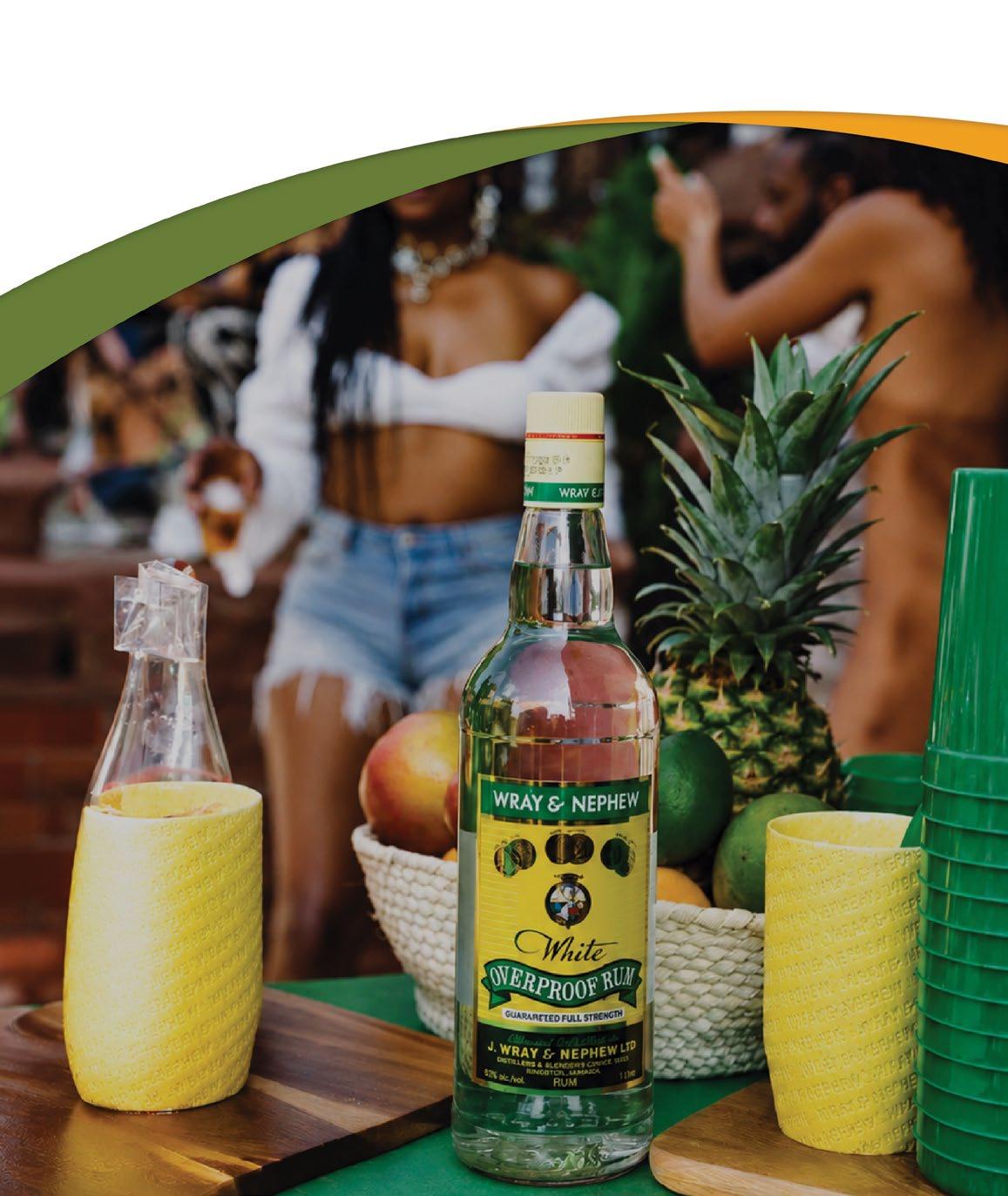
J. Wray & Nephew Ltd. (JWN), Jamaica’s premier rum producer and a subsidiary of the Campari Group, has become a regional leader in environmental innovation, aligning its operations with Campari’s global sustainability vision while tailoring strategies to Jamaica’s unique context. Guided by the group’s commitments to net-zero by 2050, 20–30% reduction in greenhouse gas (GHG) emissions by 2025–2030, and zero waste to landfill by 2025, JWN has accelerated investments in renewable energy, waste management, and water efficiency.
Net zero by 2050 | –20% GHG (2025) | –30% GHG (2030) | Zero Waste to Landfill (2025)
At the core of JWN’s decarbonisation drive is a multi-phase energy transformation plan at its New Yarmouth and Appleton Estate distilleries. The company is implementing solar photovoltaic (PV) systems, cogeneration technology, and natural gas (LNG) conversion to lower fossil fuel dependence.
• Photovoltaic Installation (New Yarmouth, 2024–2025): A US$1 million investment providing clean, renewable electricity for both the distillery and its waste treatment facility.
• Cogeneration Plant: A J$20 million project that uses LNG and exhaust heat recovery to power distillation and treatment systems efficiently.
• Low-pressure boiler upgrades and energy optimisation are further reducing carbon intensity across production lines.
30% reduction in CO₂ emissions from energy transition; PV capacity offsetting fossil fuel demand.
Water stewardship remains a cornerstone of JWN’s sustainability framework. The Appleton Estate Cooling Tower Project (2024) exemplifies this commitment: by introducing a recirculating cooling system, the distillery now reduces river water abstraction by over 20%, improving equipment performance and reducing maintenance needs. This moves JWN closer to its goal to reduce water usage (L/L) by 40% by 2025 and 42.5% by 2030, with 2019 as a baseline.
KPI:
Water usage (L/L) reduced by 40% by 2025 and 42.5% by 2030.
JWN’s Solid Waste Diversion Programme (2021–2025) is one of the Caribbean’s most advanced industrial recycling initiatives. With an investment exceeding J$34 million annually, the company has reduced landfill waste by over 96% since 2020 through partnerships that recover glass, cardboard, plastics, organic residues, and wood waste.
At New Yarmouth Estate, JWN has invested in a US$65 million Dunder Treatment Plant, treating vinasse (dunder) to produce both reusable distillate water for irrigation and Concentrated Molasses Solids (CMS) for animal feed export. This closes material loops and eliminates untreated effluent discharge into the environment.
• Landfill waste down from 10,583 tonnes (2020) to 355 tonnes (2024)
• Target: Zero Waste to Landfill by 2025
• Recycling of distillation effluent into agricultural feedstock (New Yarmouth)
Through strategic capital investments, technological modernization, and community partnerships, J. Wray & Nephew exemplifies Jamaican leadership in sustainable rum production. The company’s integrated approach—combining waste recovery, renewable energy, and water reuse—positions it to achieve zero waste to landfill by 2025, significant carbon reductions by 2030, and contribute meaningfully to Campari’s net-zero goal by 2050.
96% waste reduction | 20% less water use | US$1M in solar power | Net zero by 2050 goal



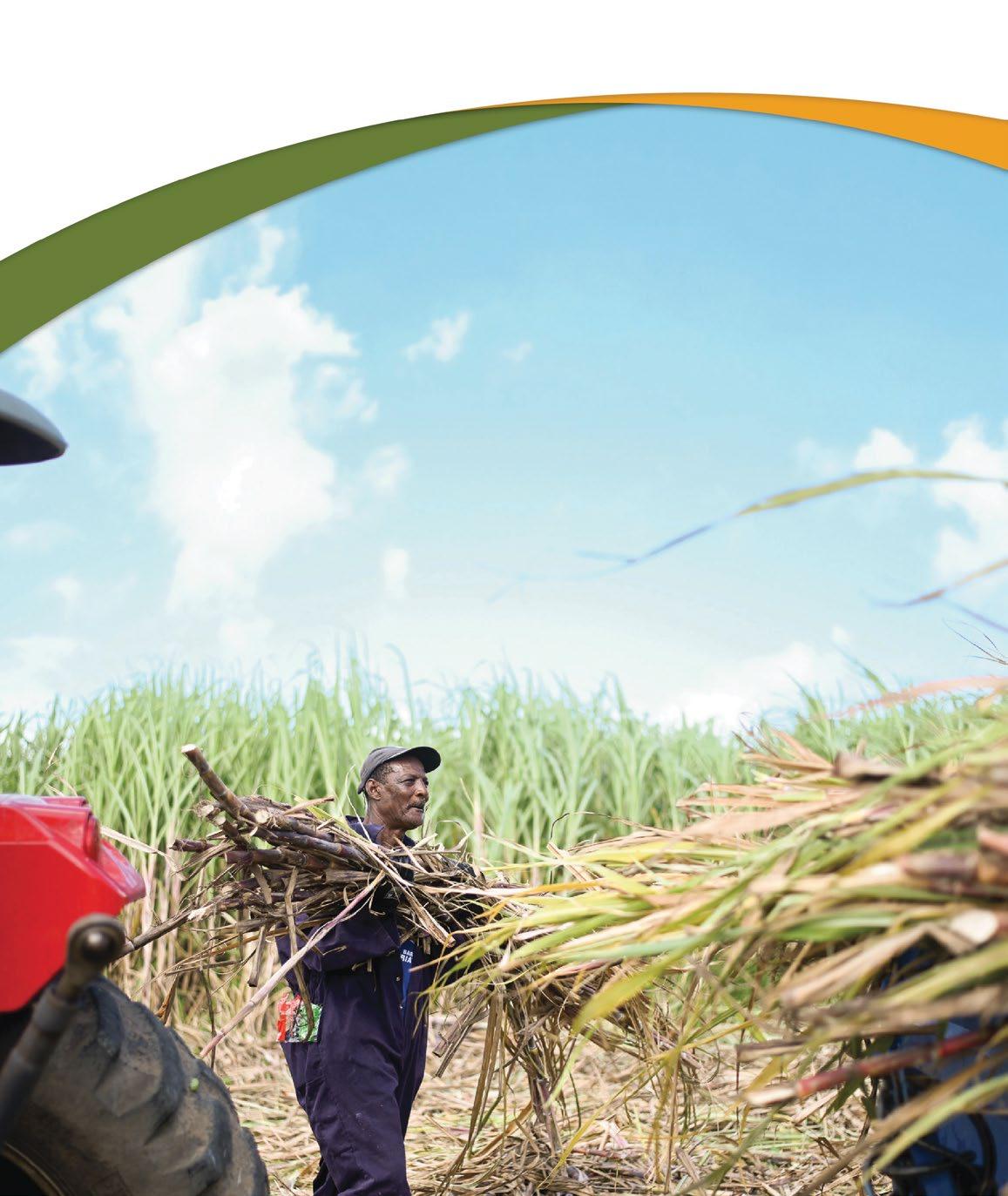
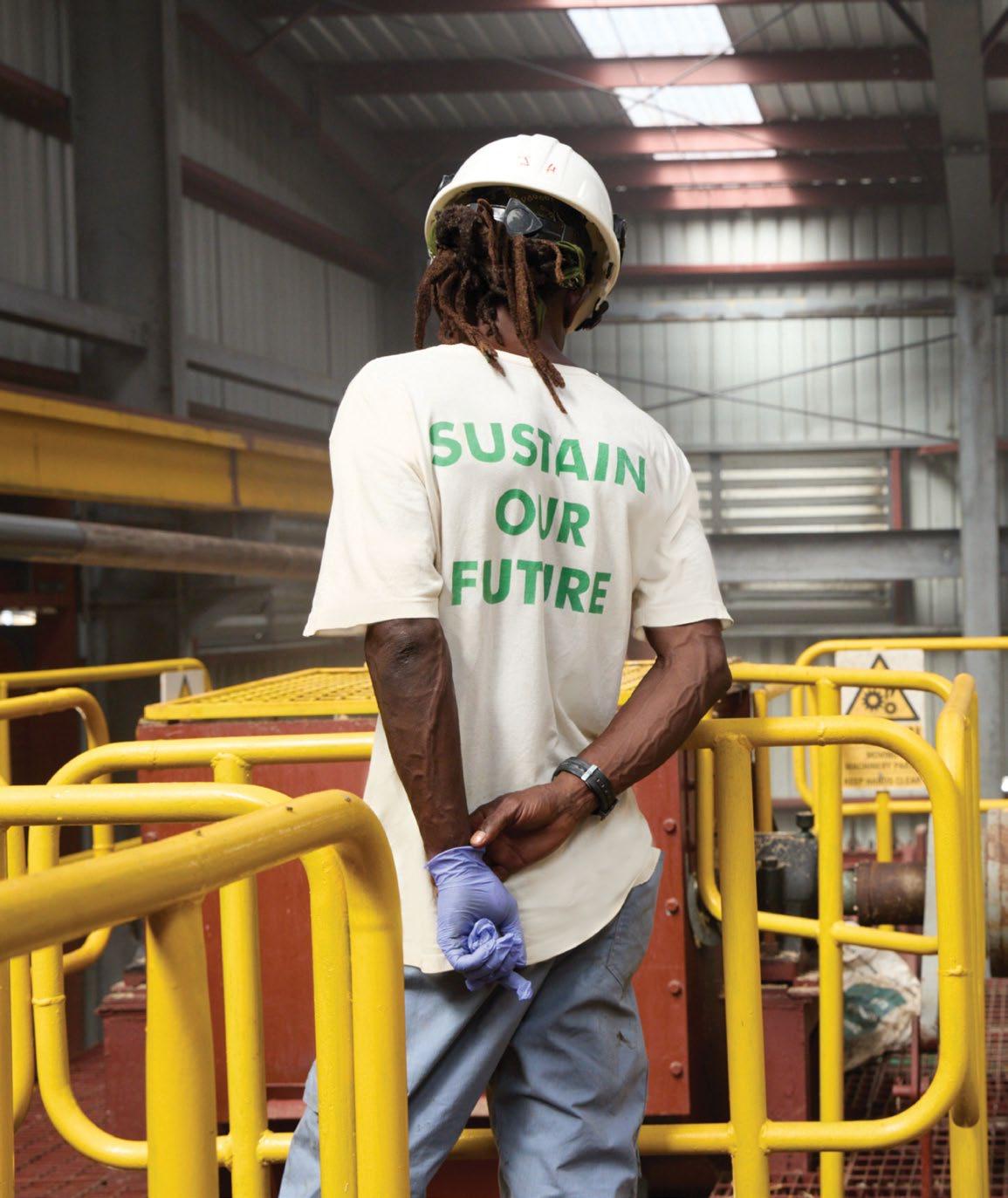
As the world’s oldest running rum distillery, Mount Gay Distilleries (est. 1703, Barbados) is charting a forward-looking sustainability strategy rooted in respect for its environment, community, and heritage. Guided by the Rémy Cointreau Group’s Sustainable Exception Plan and Mount Gay’s own 10-Year Sustainability Roadmap, the distillery integrates circular economy principles and regenerative practices into every stage of production. Its overarching goal: to cut CO2 emissions per bottle by 50% by 2030 while achieving holistic stewardship across water, energy, and biodiversity.
Key Target:
50% reduction in CO₂ emissions per bottle by 2030 (vs. 2020 baseline)
Mount Gay champions regenerative agriculture to protect the terroir that defines its rums. This includes crop rotation, reduced tillage, and organic fertiliser use, supporting soil health and biodiversity. Protected areas within the plantation foster pollinator species and native fauna. The distillery also participates in local biodiversity projects that enhance ecosystem resilience and carbon sequestration.
Vinasse reused as natural fertiliser for cane fields, closing the nutrient loop.
Water is central to both rum quality and island sustainability. Mount Gay’s Water Conservation Plan employs catchment, recycling, and reuse systems—notably the conversion of vinasse and bagasse into soil amendments that reduce freshwater extraction. Between 2022 and 2024, Mount Gay improved its water intensity from 45 L/LAA to 39 L/ LAA, with a goal of further reducing this figure through efficiency and infrastructure upgrades.
KPI:
• 39 L water / LAA (2024)
• Effluent managed and reused through circular farming system.
A cornerstone of Mount Gay’s roadmap is the transition to renewable energy. The distillery has installed solar photovoltaic panels producing almost 500,000 kWh annually, contributing to a substantial share of its electricity demand. Simultaneously, it has converted boilers to LNG, reducing CO2 emissions from fuel use by over 30%, and introduced heat exchangers, economisers, and advanced insulation that have decreased overall energy consumption by roughly 10%
Energy Efficiency Results:
• Steam usage: 18.7 MJ/LAA
• Electricity intensity: 1.7 MJ/LAA
• 30% CO₂ reduction from fuel conversion.
Mount Gay’s circular economy efforts extend to packaging and logistics. Over 60% of bottle designs have been lightweighted, and a national glass recycling initiative supports material reuse within Barbados. The distillery has also optimized export logistics via slipsheet loading, increasing container efficiency by 20%. These initiatives collectively minimise waste generation and shipping-related emissions.
Achievement:
100% of waste streams recovered or recycled across operations.
The company extends its sustainability vision beyond production. Partnerships with the National Conservation Commission support beach clean-ups, vetiver grass planting, and coastal tree restoration— addressing soil erosion and marine ecosystem protection. Employees are engaged through internal sustainability education and inclusion programmes, fostering a culture of shared environmental responsibility .
Mount Gay’s sustainability journey balances heritage with innovation. By combining renewable energy, circular resource use, and ecological regeneration, it demonstrates that Barbadian rum can be both worldclass and climate-conscious. The distillery continues to measure, report, and verify progress through the Rémy Cointreau Group’s CSR framework, setting a benchmark for Caribbean producers seeking net-positive impact by 2040.
39 L/LAA water use | 30% CO₂ reduction from fuel | 500,000 kWh solar generation
Target: Net-zero operations by 2040

500,000 kWh/yr solar energy generated

60%+ bottle designs lightweighted

45 to 39 L/LAA water intensity reduced
Ron Barceló’s sustainability journey is guided by its RB360 Sustainability Code, a comprehensive framework launched in 2020 that integrates environmental and social responsibility across every stage of production. Built around four macro indicators—Field, Water, Air, and Territory RB360 enables continuous monitoring, improvement, and external verification of the company’s performance in sustainable rum production.
The Field indicator ensures sustainable agricultural practices through Alcoholes Finos Dominicanos (AFD), Ron Barceló’s alcohol supplier and partner. Independent assessments of sugarcane cultivation demonstrate good sustainability performance across soil fertility, erosion prevention, and fertilizer use.
The Water indicator quantifies both direct and indirect use of freshwater in production—from AFD’s sugarcane distillation to Ron Barceló’s facilities in San Pedro de Macorís and offices in Santo Domingo. In 2023, total water use was estimated at 48.18 liters of water per liter of rum, including both blue and green water sources. New projects include the construction of an effluent treatment plant and a leak-reduction programme to improve water efficiency and resilience.
Ron Barceló’s carbon-neutral initiative, launched in 2016 and certified since 2019, covers both its organization and products “from cradle to grave”—including raw material production, transportation, manufacturing, distribution, and packaging disposal. Verified under PAS 2060:2014, ISO 14064-1, and ISO 14067, the initiative applies to the AFD distillery, Ron Barceló’s San Pedro de Macorís plants, and the corporate offices in Santo Domingo.
Through this framework, Ron Barceló achieved and maintained carbon neutrality for 2021 and 2022, offsetting 56,669 tonnes of CO₂e through carbon certificates acquired from the Larimar and Los Cocos wind farms—a pioneering carbon trading initiative in the Caribbean. These offsets complement an ambitious internal decarbonisation strategy targeting net-zero controlled emissions by 2050 or earlier.
Between 2021 and 2022, Ron Barceló expanded its solar photovoltaic capacity to 500 kWp, providing 36% of the electricity consumed at the San Pedro plant. The company also purchases Renewable Energy Certificates (IRECs) from a nearby bagasse-based cogeneration plant, ensuring that electricity used at all sites is 100% renewable.
At AFD, nearly all alcohol is produced using renewable energy from bagasse cogeneration, complemented by vinasse management for fertigation and biogenic CO2 capture for reuse in other industries. Across all plants, a comprehensive waste management system ensures that 100% of waste is recycled or valorised, demonstrating full circularity in operations.
By 2022, controlled emissions (Scopes 1 and 2) had fallen 59% compared to the 2018 baseline, reaching 259 tCO₂e market-based. Emissions intensity per liter of anhydrous alcohol dropped from 117 gCO₂e in 2018 to 30 gCO₂e, and product-level emissions averaged 979 gCO₂e per 700 ml bottle. These verified results confirm Ron Barceló’s leadership as the world’s first carbon-neutral rum and a benchmark for sustainable production in the Caribbean spirits sector.




Located in Saint Lucia’s Roseau Valley, St. Lucia Distillers (SLD) is internationally recognised for its premium rums while remaining modest in production scale. Operating within the constraints of a small island developing state, the company has embedded practical sustainability solutions into its operations—demonstrating that meaningful environmental progress is achievable without the footprint of a multinational producer.
From water stewardship and waste recovery to agricultural sourcing and energy efficiency, SLD’s initiatives reflect a deliberate focus on resilience, circularity, and local impact.
Water is fundamental to rum production. To reduce pressure on local water resources and strengthen operational resilience, SLD has installed rainwater harvesting systems across its facilities. Collected rainwater, some 3.5m gallons per year, is reused for rum blending and other nonpotable applications, reducing reliance on treated supply and supporting water security during dry periods.
In a climate-vulnerable island environment, these systems enhance both environmental performance and business continuity.
Waste oil disposal presents a significant challenge in small island states. Local disposal is costly, infrastructure is limited, and improper handling can pose serious environmental risks.
SLD has long operated a waste oil recovery and recycling programme that goes beyond its own operational needs. The company collects used oil not only from its facilities but also from businesses around the island and from visiting cruise ships. By consolidating and responsibly managing these waste streams, SLD:
• prevents improper disposal and potential marine contamination
• reduces environmental risk in a tourism-dependent economy
• provides a structured and regulated outlet for waste oil.
This not only reduces the volume of oil that might otherwise contaminate the landfill but also decreases the company’s reliance on imported fossil fuels. In a jurisdiction where disposal options are limited and oversight can be difficult, this initiative delivers outsized positive environmental impact.
St. Lucia Distillers has embraced corporate environmental responsibility by aggressively pursuing a zero-waste-to-landfill strategy by forging strategic partnerships with local recycling firms. The distillery aims to successfully divert vast quantities of industrial waste—such as glass and plastics—away from the island's straining landfill. These collaborations turn potential pollutants into secondary raw materials, fostering a circular economy within the Caribbean.
Energy efficiency remains a priority in a region characterised by high electricity costs and fossil-fuel-dependent grids. SLD has transitioned extensively to high-efficiency LED lighting throughout its production
and administrative facilities, lowering electricity demand, maintenance needs, and associated emissions.
In addition, the distillery benefits from a pipeline delivery system for molasses, eliminating the need for road tanker transport.
This infrastructure:
• reduces fuel consumption and transport-related emissions
• minimises traffic congestion and heavy vehicle wear on roads
• significantly lowers the risk of accidental spills.
By removing road transport from a core raw material input, SLD reduces both its carbon footprint and environmental risk profile.
St. Lucia Distillers has also focused on expanding its molasses storage capacity, an initiative that addresses a unique challenge. Since the island no longer produces its own sugar, the distillery must import 100% of its molasses from places like the Dominican Republic and Guyana.
Originally, the distillery’s storage capacity was limited, requiring frequent shipments. This expansion allows the distillery to store nearly an entire year's supply of molasses on-site. By consolidating multiple smaller shipments into one or two larger "vessel calls" per year, they significantly reduce the carbon emissions associated with maritime transport and port operations.
SLD is currently in the process of seeking Bonsucro certification, aligning its sourcing practices with internationally recognised sustainability standards for sugarcane production. Certification will
reinforce commitments to responsible land management, environmental protection, and social safeguards across the supply chain.
Supporting small-scale local agriculture remains central to SLD’s sustainability approach. By maintaining its own sugarcane fields with a small integrated operation to produce cane juice for its own use, the company innovates its blends and reduces supply chain distances
St. Lucia Distillers demonstrates how a relatively small Caribbean producer can generate significant environmental and community benefits through targeted, practical interventions.
In a small island context—where environmental systems are fragile and resources finite—these steps represent not incremental change, but strategic resilience.

Waste oil


3.5m gal/yr
rainwater integrated into operations recovery and recycling programme
Working towards Bonsucro certification for sustainable sugarcane production Bonsucro
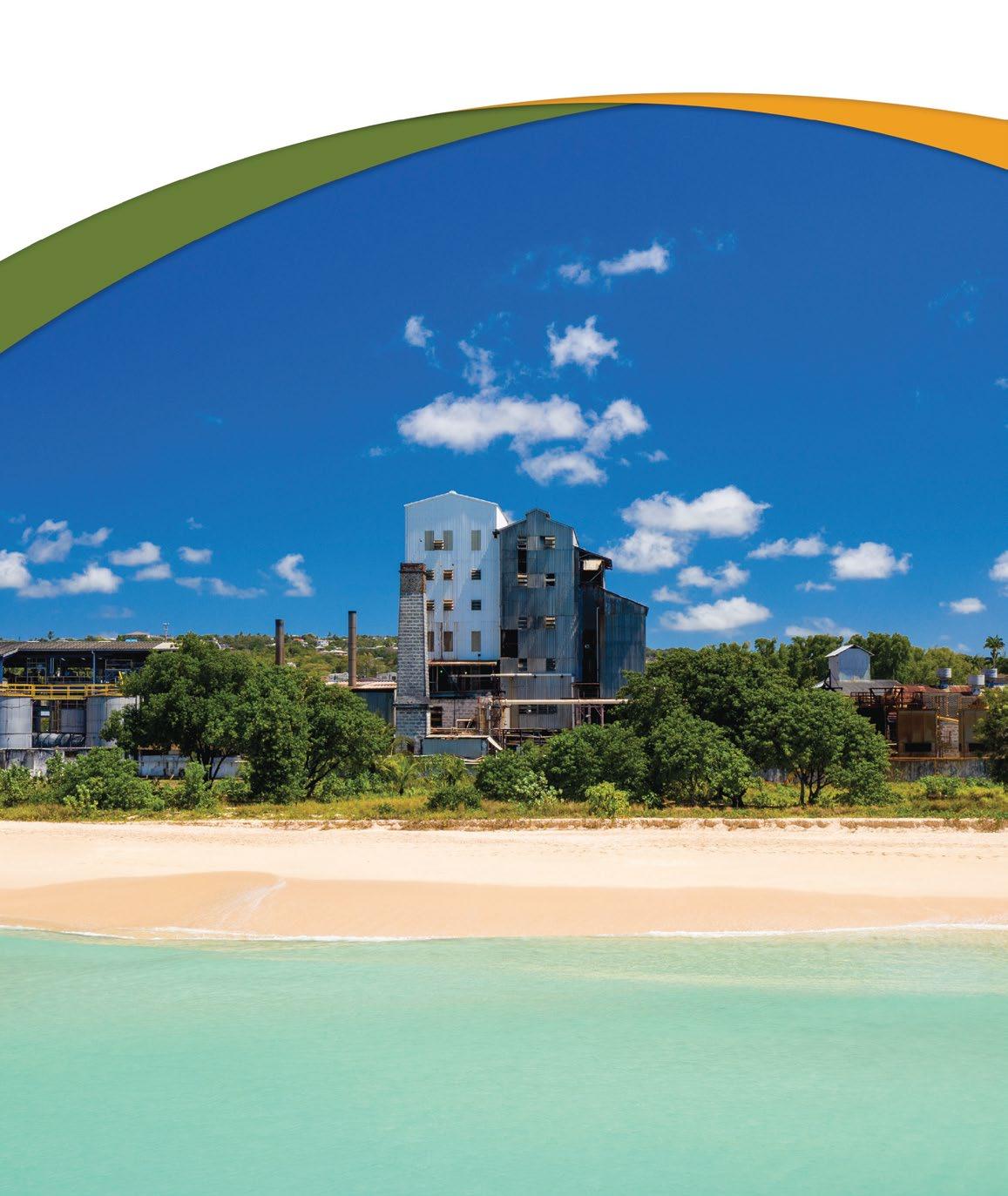
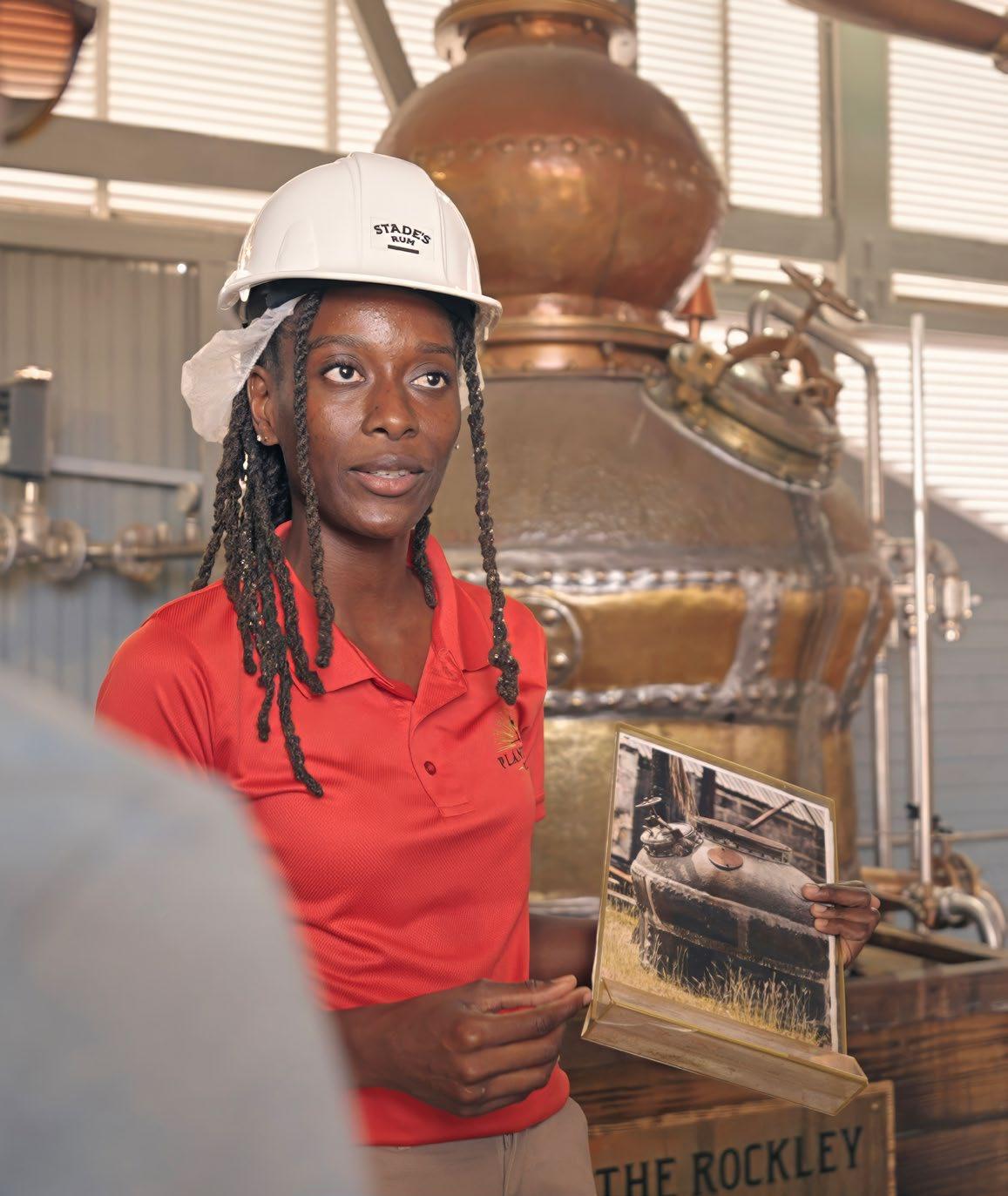
Located in Barbados, Stade’s West Indies Rum Distillery (SWIRD) is part of Maison Ferrand’s global spirits portfolio. The historic distillery, established in 1893, offers a strong example of how Maison Ferrand’s sustainability commitments are translated into concrete actions in the Caribbean context.
The Maison Ferrand approach emphasises protecting land, air and water, supporting their community, and embedding ecological responsibility from France to Barbados. Within this overarching frame, SWIRD serves as a key operational node: the distillery in Barbados embodies many of the company’s global sourcing, energy, wastemanagement and community standards, but adapted for the local island environment.
A major pillar for SWIRD is its sugarcane molasses sourcing. SWIRD was the first distillery in the CARICOM region to be certified by Bonsucro – an international non-profit organisation that promotes sustainable sugarcane production, processing and trading as well as equitable working conditions.
In practice, SWIRD invests in a local supply chain: the company partners with the West Indies Central Sugarcane Breeding Station (WICSBS) to develop new sugarcane varieties adapted to Barbados; they built the Harper Sugarcane Mill to crush cane juice for R&D; and they plant their own sustainable sugarcane and coconuts on the Kendal Estate,
as well as sourcing coconuts from local farmers. At Kendal Farm, this commitment takes concrete form through the gradual expansion of local sugarcane planting and the introduction of complementary crops, contributing to the resilience of the island’s agricultural ecosystem. These dual goals – ecological integrity (sustainable cane, local agriculture) and social impact (supporting local farmers, restoring local agriculture) – align with Maison Ferrand’s stated objectives of sustainable sourcing and supporting people who craft the ingredients through long term partnerships.
Another area of noteworthy sustainability action is energy transition and waste optimisation at SWIRD. At the Barbados site, solar panels on the warehouse roofs already deliver 20% of the distillery’s energy needs.
More ambitiously, SWIRD has set a long-term objective to convert organic production waste (vinasse) from its stills into renewable energy. This innovative approach reflects a strong circular economy mindset, where waste becomes a resource. Once operational, the project is expected to generate green electricity for thousands of Barbadian homes, recover energy for steam used in distillery operations, and produce digestate to support local agriculture across 1,500 hectares. Together, these actions will significantly reduce SWIRD’s environmental footprint and support Maison Ferrand’s goal of total carbon neutrality by 2040
While SWIRD’s initiatives largely focus on production, they tie into Maison Ferrand’s global packaging and logistics strategies. Maison Ferrand has
reduced bottle weight by up to 30% for key products such as its iconic Barbadian rum, Planteray XO 20th Anniversary, and was awarded the Adelphe Trophy for Eco-Responsible Packaging in 2025, recognizing its ongoing commitment to more sustainable packaging practices.
Packaging innovations include the Ecopouch on-trade format, a smart transport solution designed to reduce environmental impact while improving efficiency behind the bar. Each pouch contains the equivalent of four 70cl bottles, significantly reducing the needs for glass. It also enables a 55% reduction in freight and delivery impacts, and an average 80% reduction in carbon emissions. This Ecopouch represents an efficient, scalable distribution model applicable globally.
In sum, SWIRD is an illustrative case of how a spirits producer can embed sustainability across sourcing, energy/waste, packaging, and community dimensions. The solar panels delivering 20% of power, the biogas/energy-recover system in planning, the Bonsucro certification and local cane and coconut sourcing—these are concrete measures aligned with Maison Ferrand’s broader sustainability goals. Perhaps the major challenge ahead is scaling these programmes and realising full carbonneutral operations by 2040, as the parent company aims. Nevertheless, SWIRD joins its partner distilleries in the region seeking to target high sustainability standards as a business strategy.
• SWIRD demonstrates how localised practices (Barbados agriculture, cane breeding, biogas project) can embody global sustainability strategy.
• Certification matters: Bonsucro for cane and social/ethical standards; Maison Ferrand’s Cognac Environmental Certification (CEC) in France (for vineyards) shows consistency across geographies.
• Circular economy and energy transition (converting waste to energy, solar panels) are central to the environmental strategy.
• Packaging innovations (lighter bottles and smart packaging solutions), complement production-side efforts.
• Supporting local farms and communities ensures that sustainability is as much social as environmental.
In conclusion, Stade’s West Indies Rum Distillery stands as a strong sustainability case within Maison Ferrand, localised in Barbados yet deeply connected to the parent company’s vision of combining heritage, innovation, and environmental responsibility.