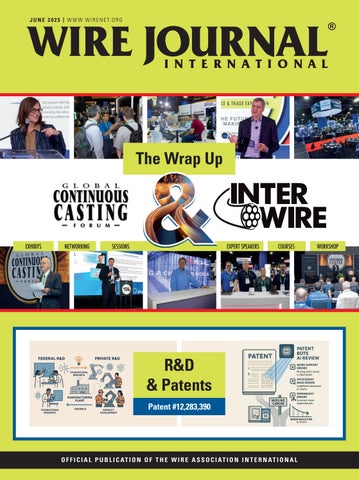
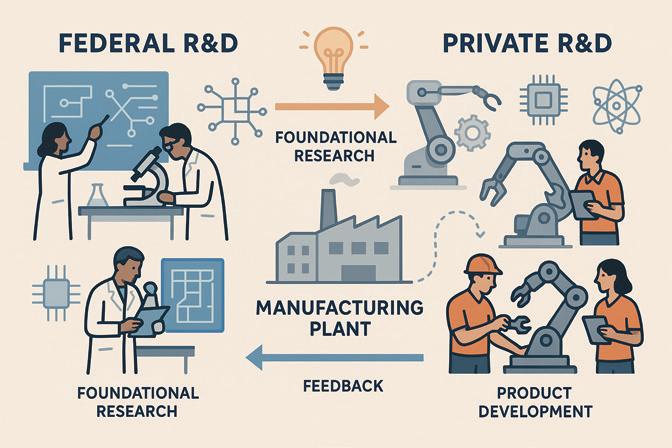
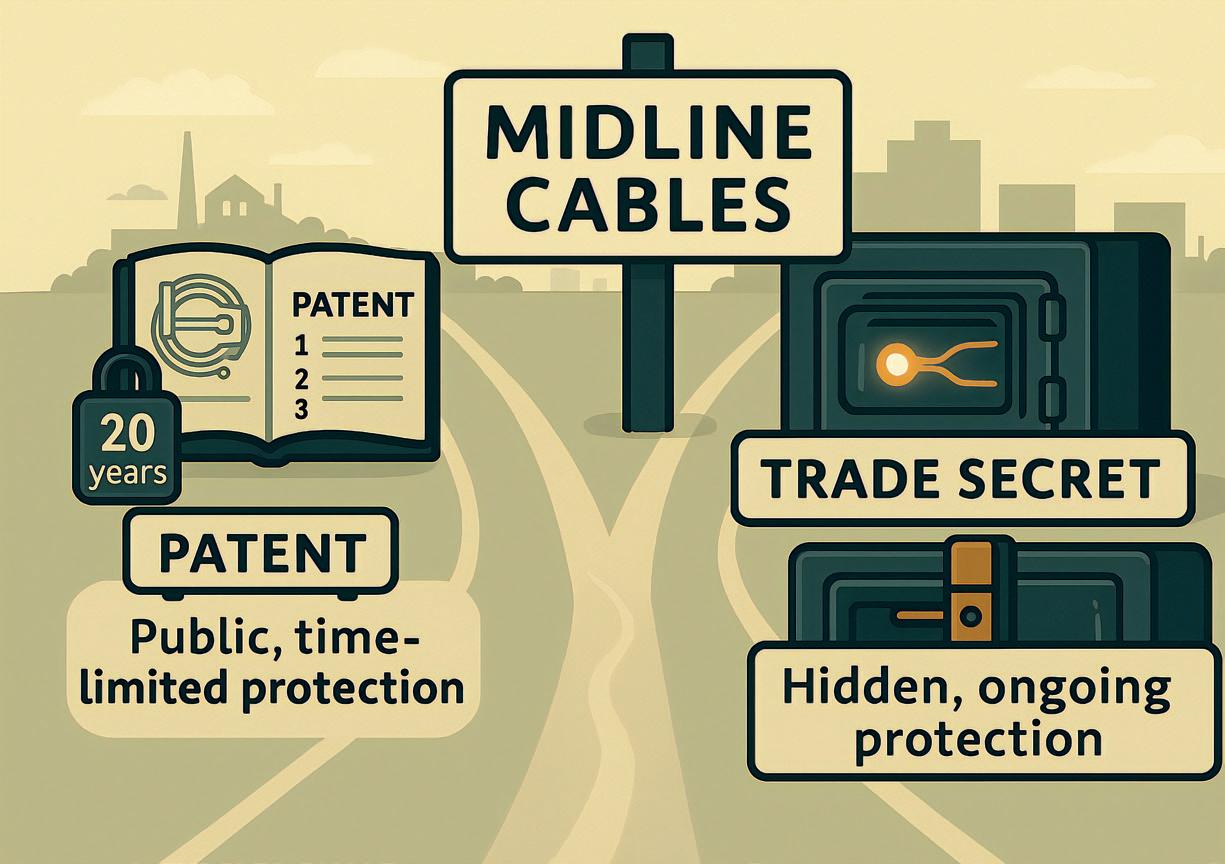
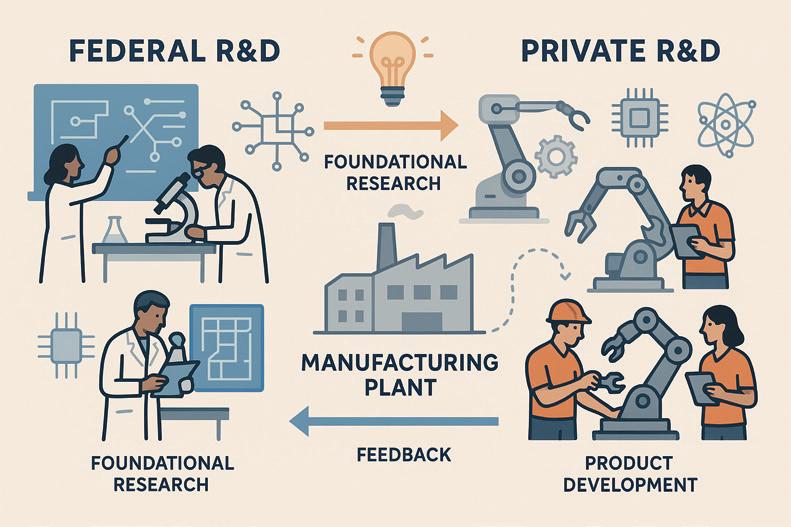
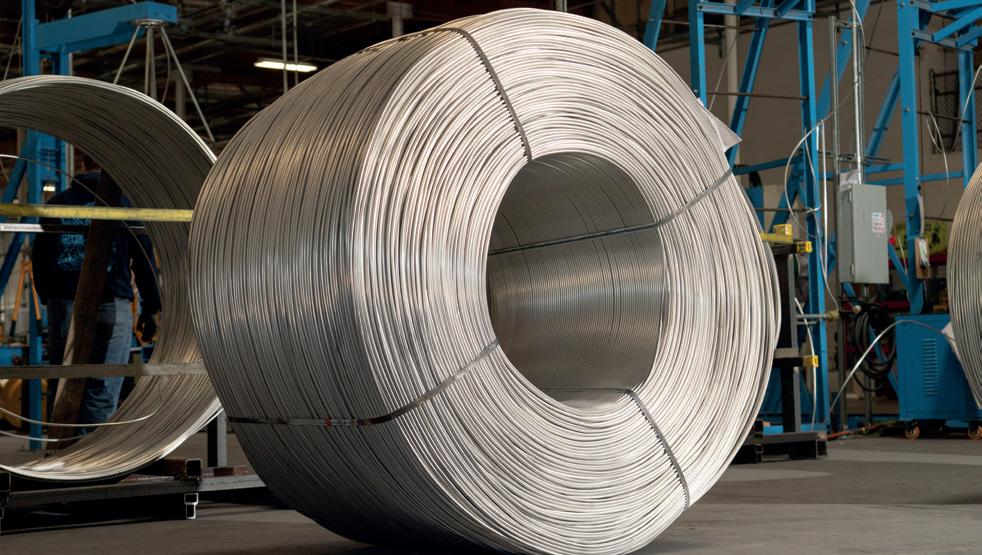
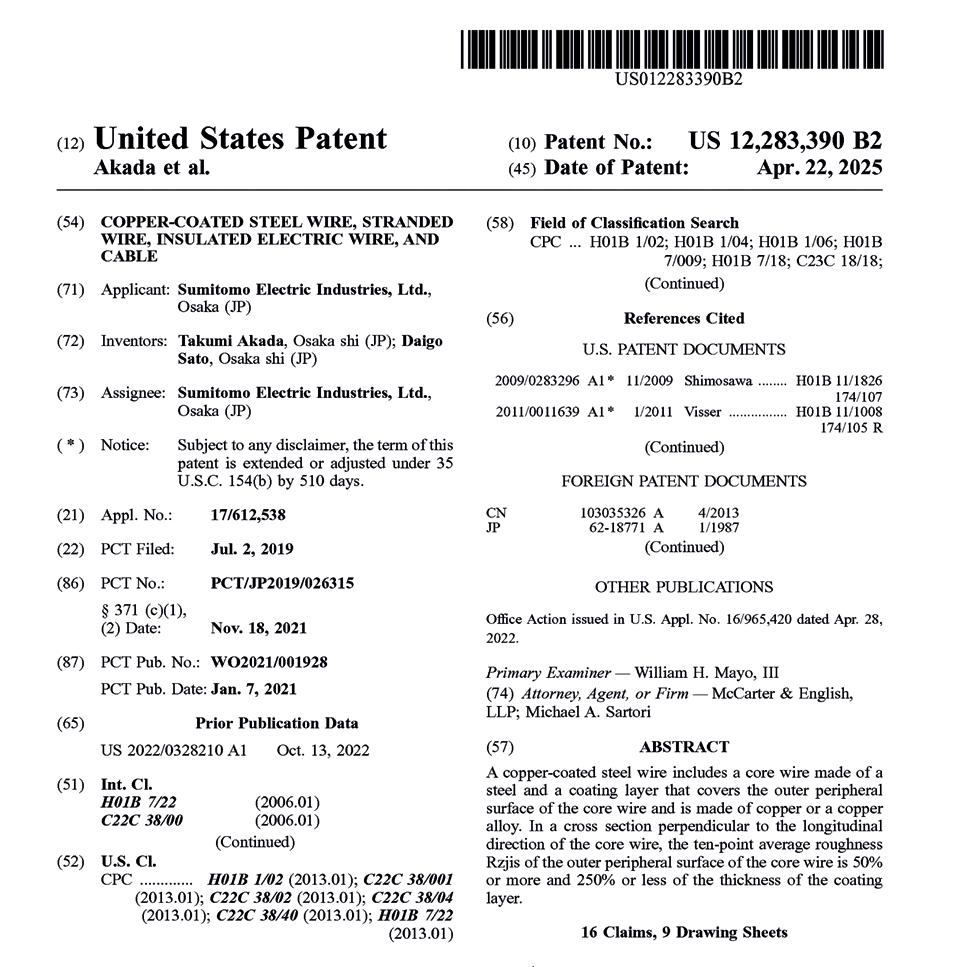
This feature provides some examples of R&D at work, news you might not have been aware of regarding power for operations, a focus on industry patents as well as a slice of one, observations about their use (and non-use) and more.
Wrapups: Interwire 2025 and
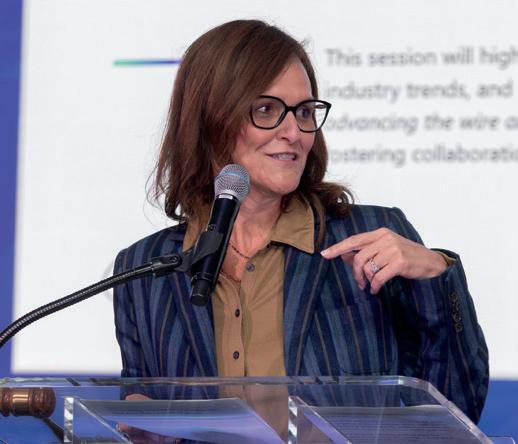
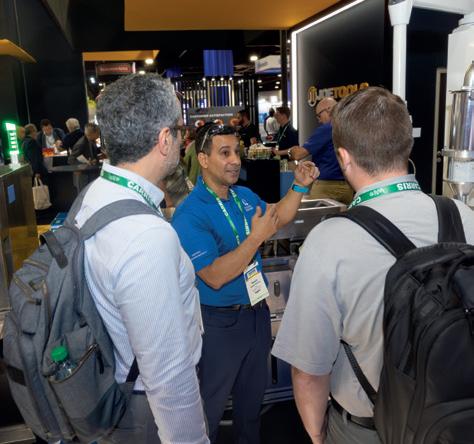
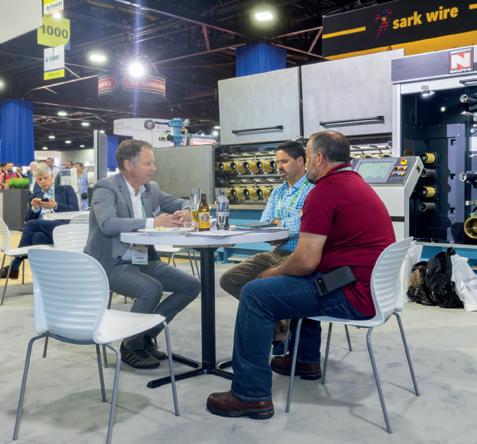
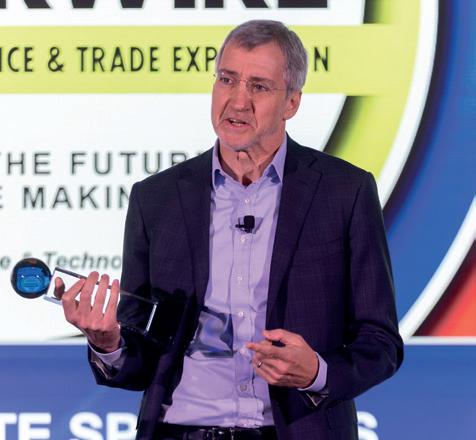
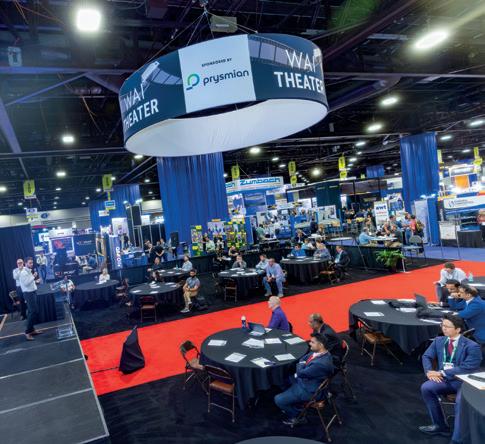
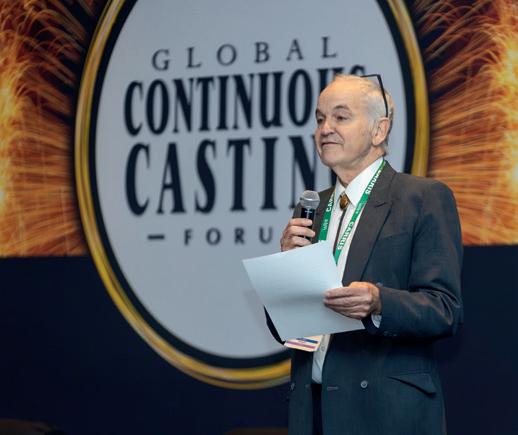
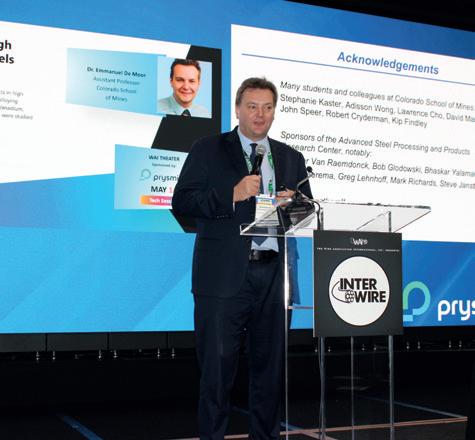
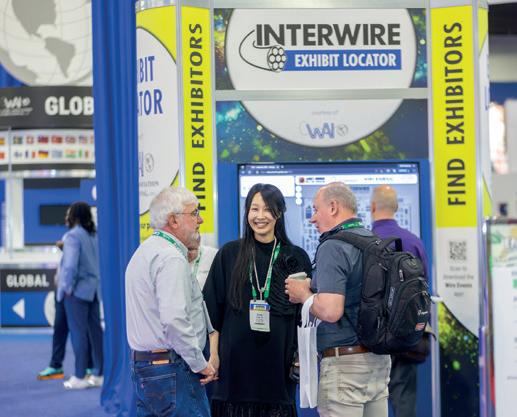
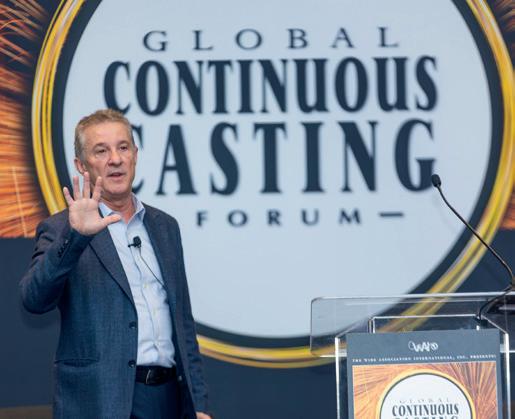
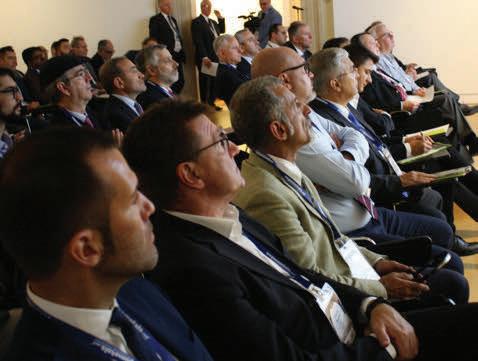
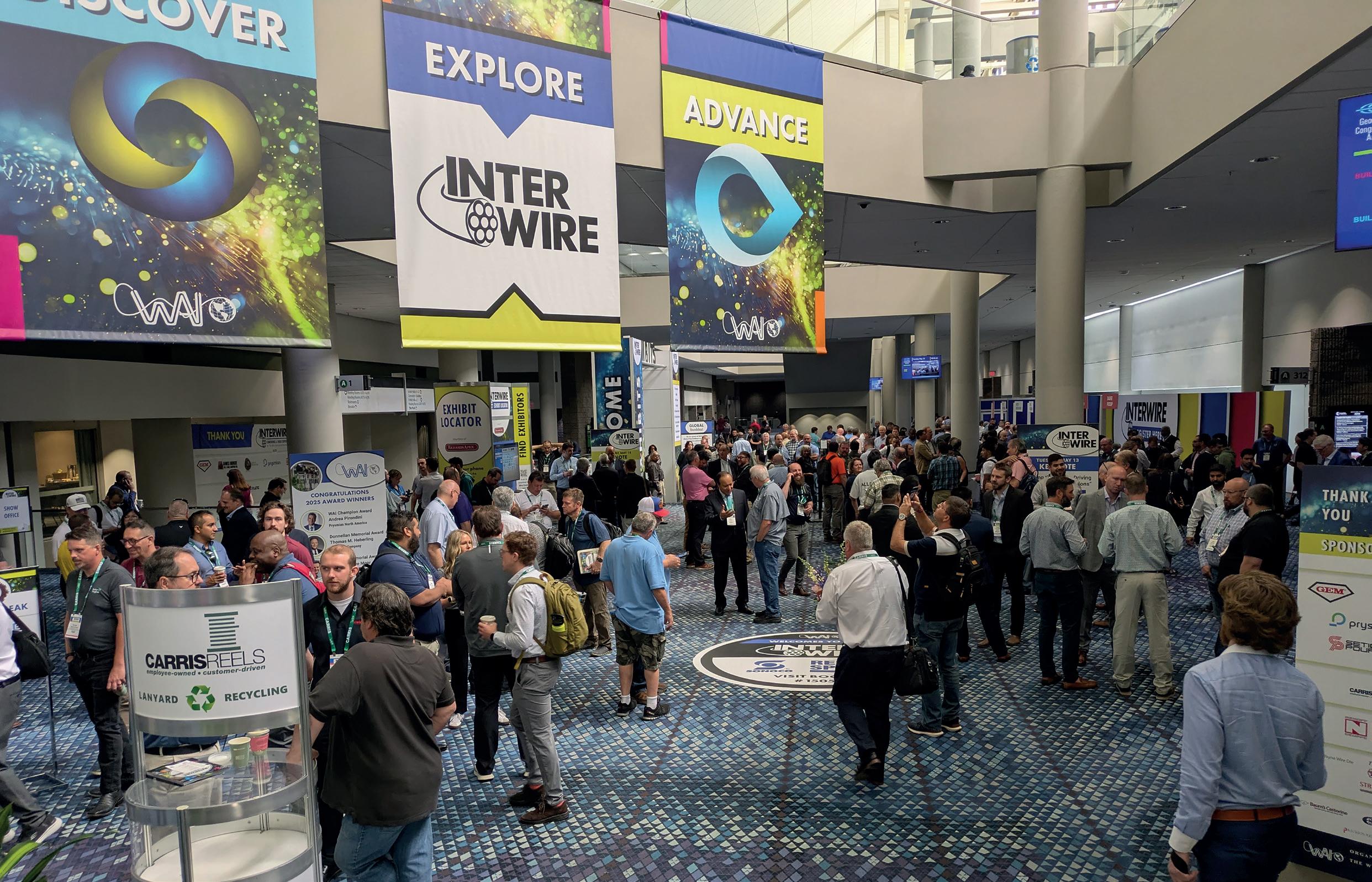
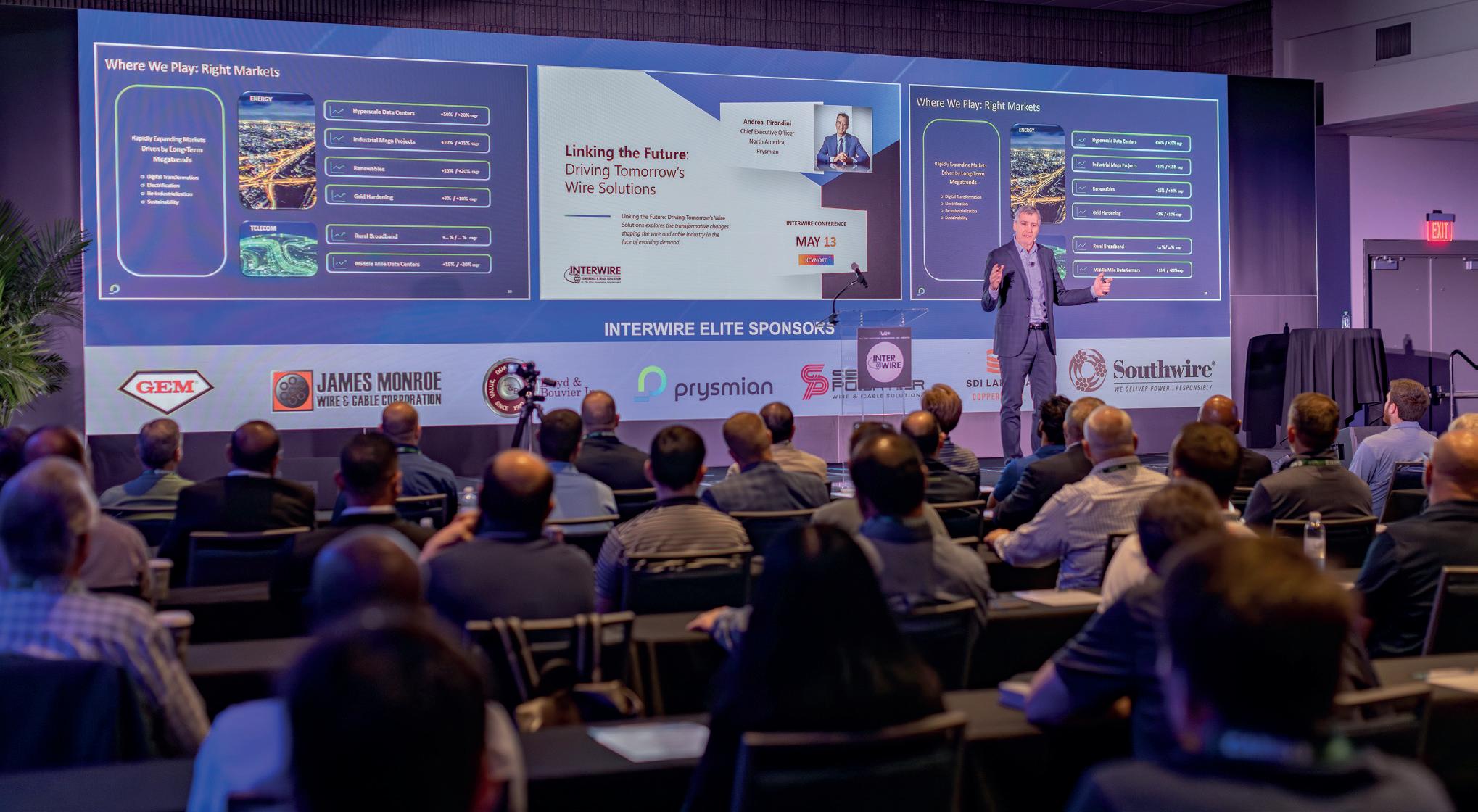
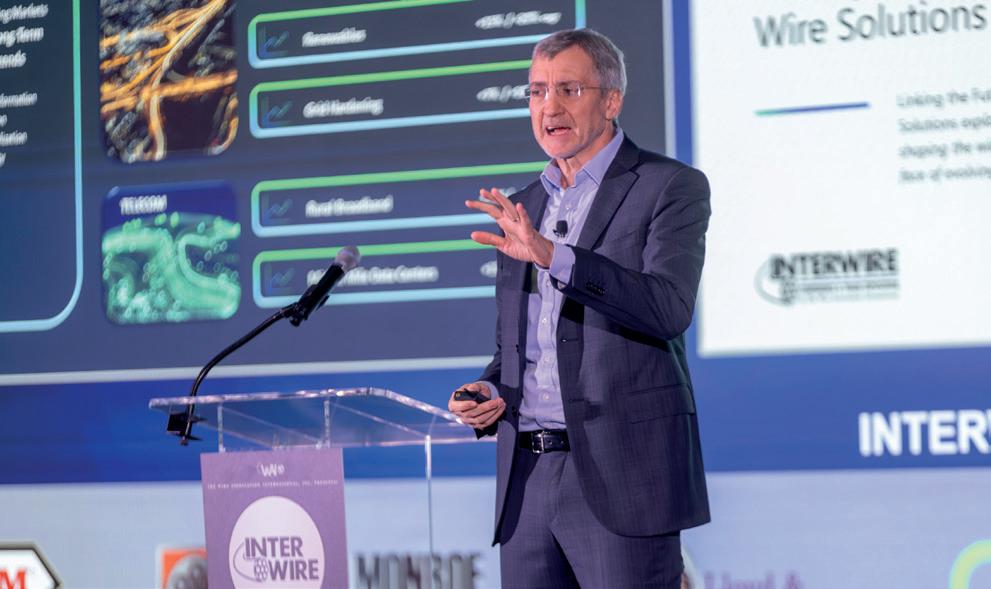
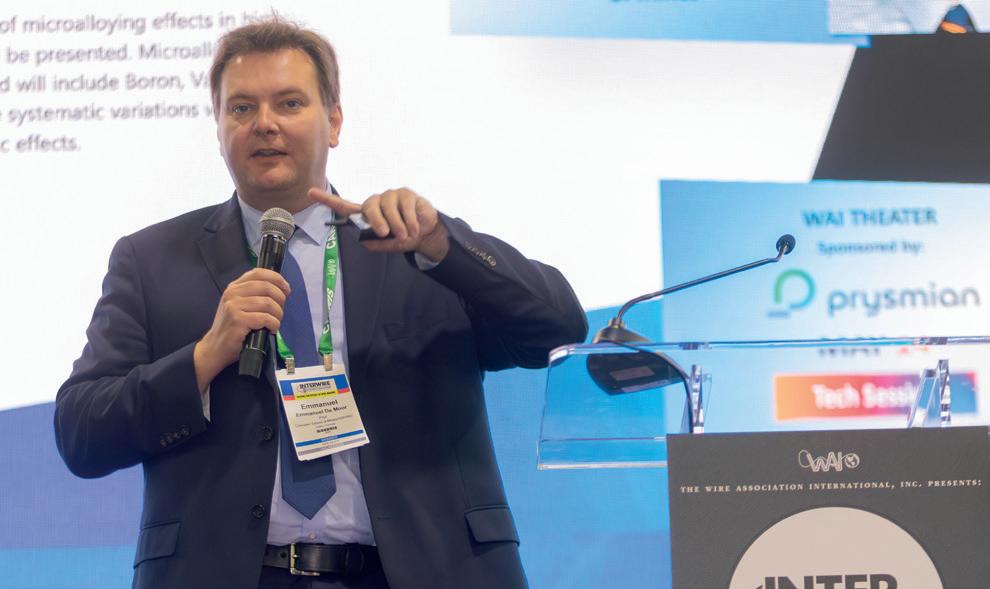
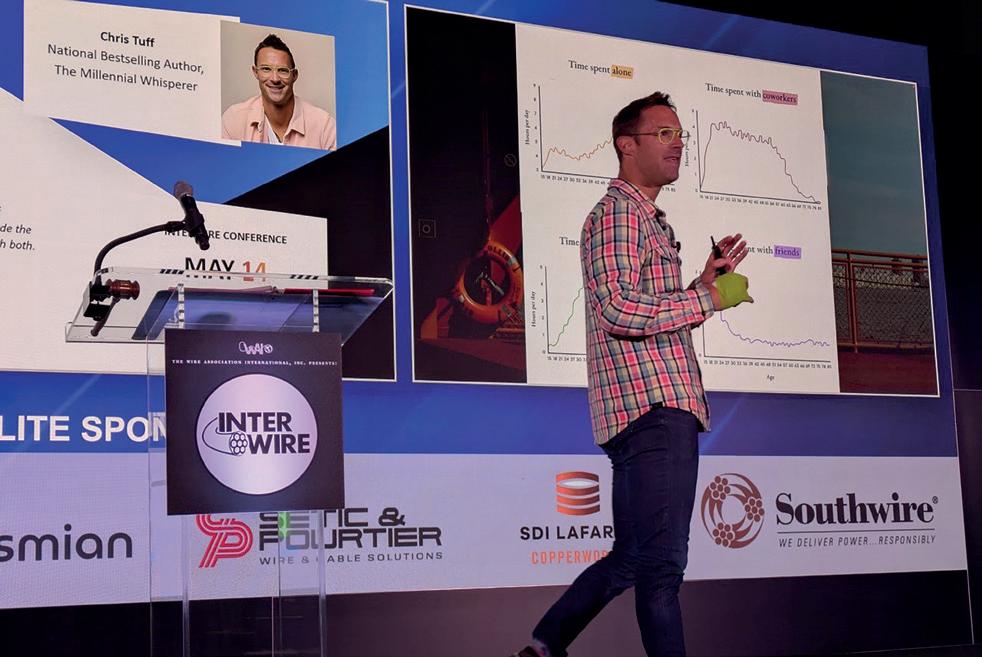
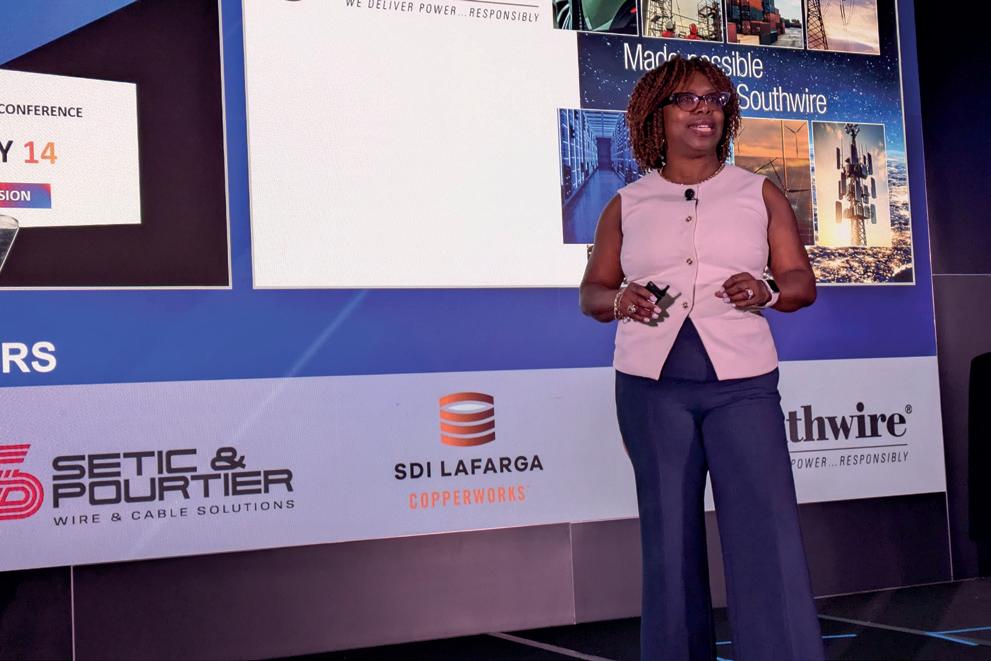
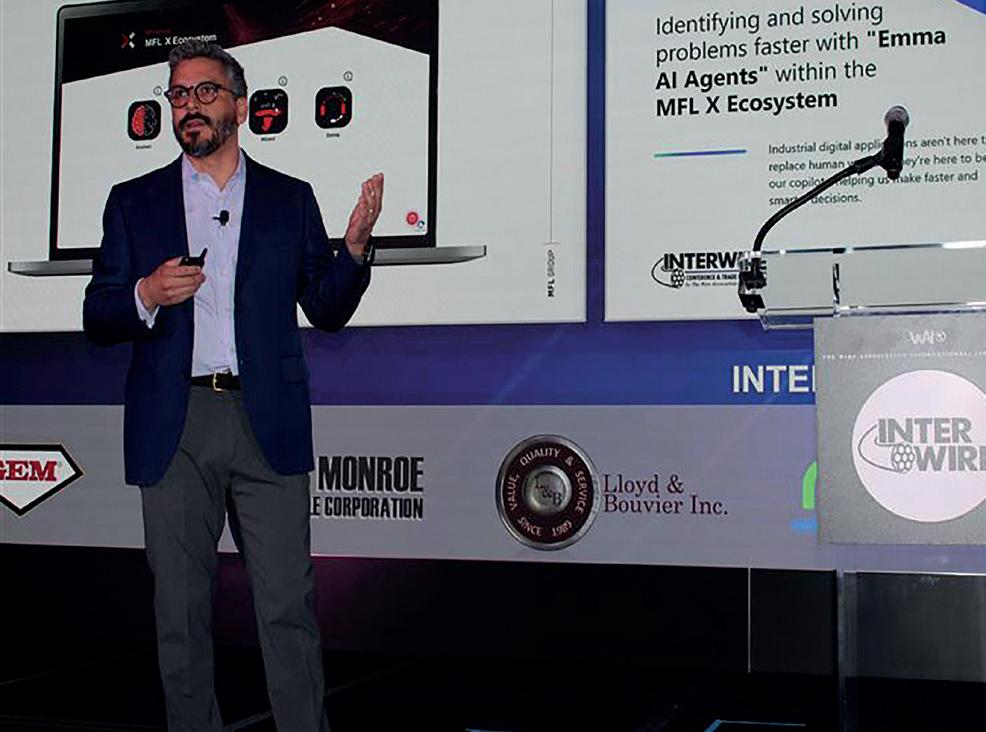
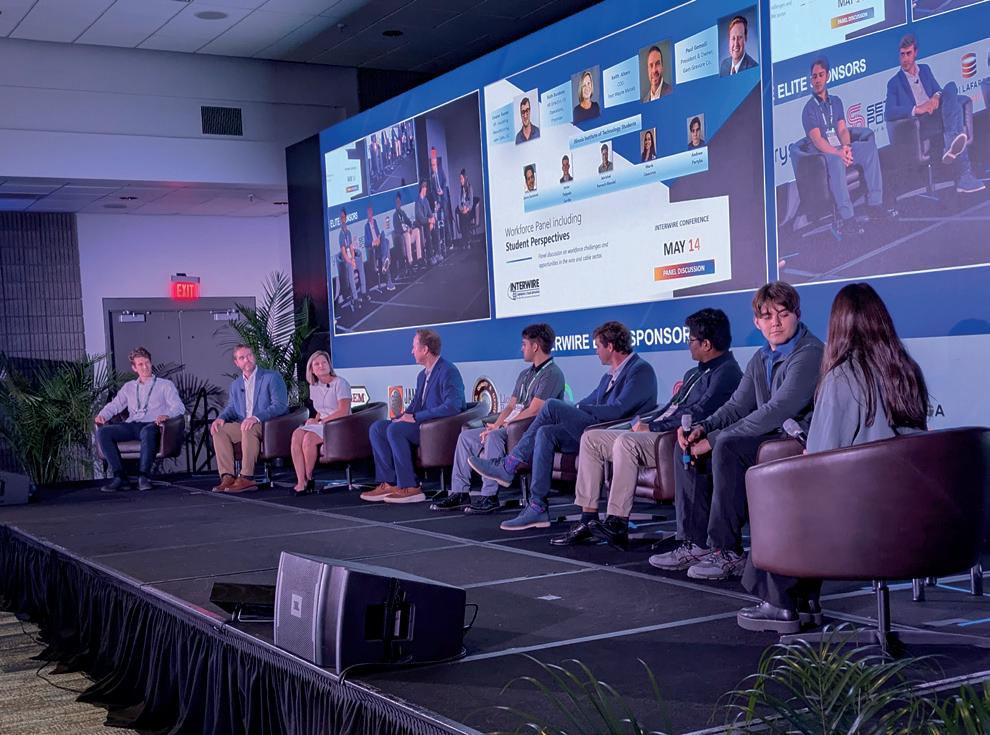
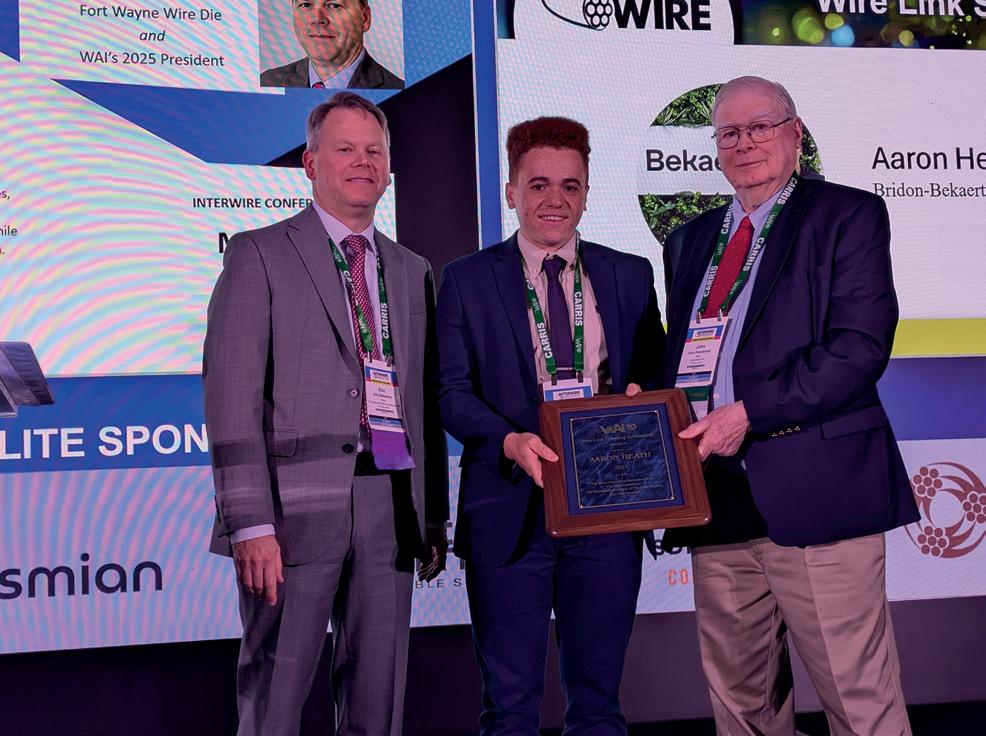
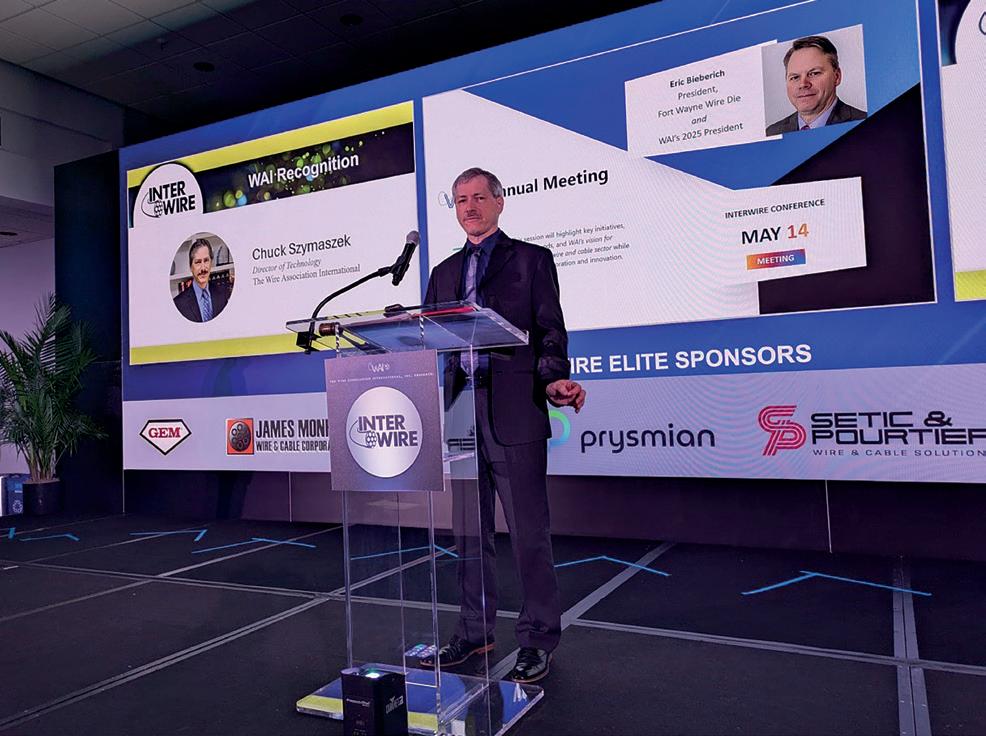
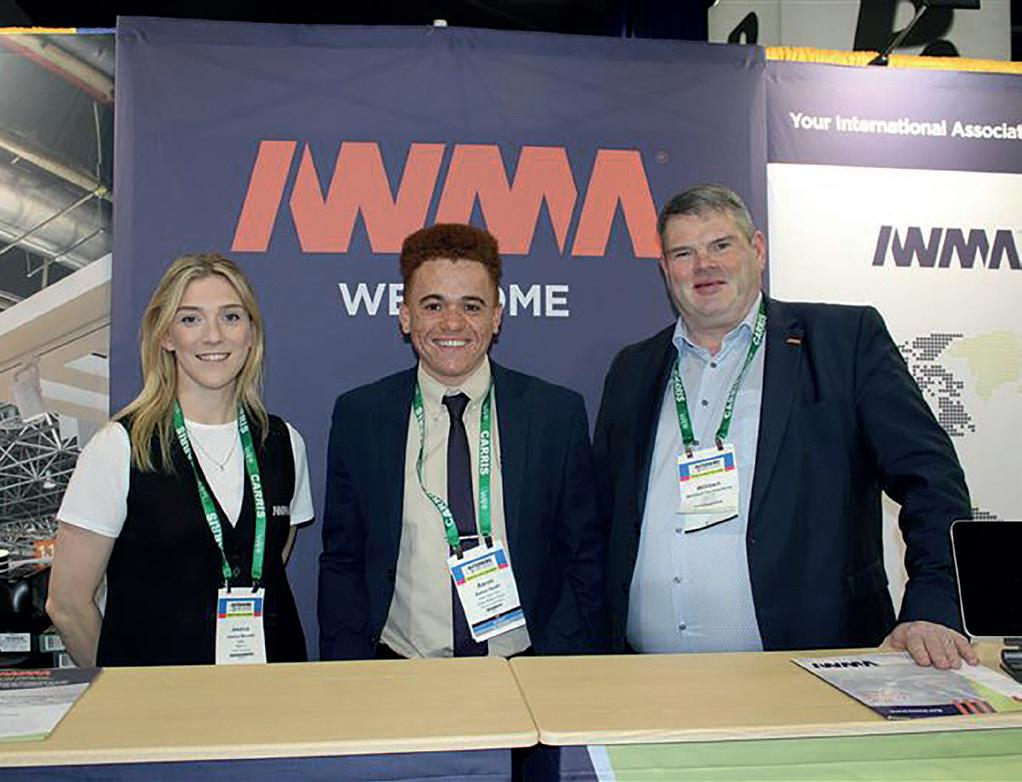
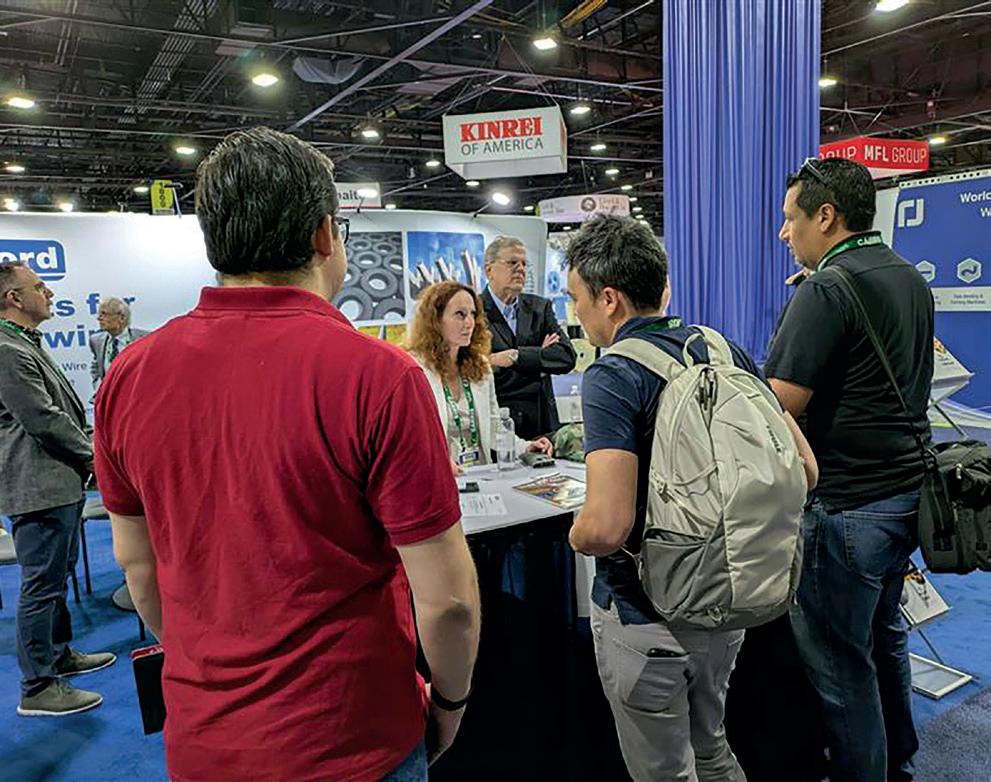
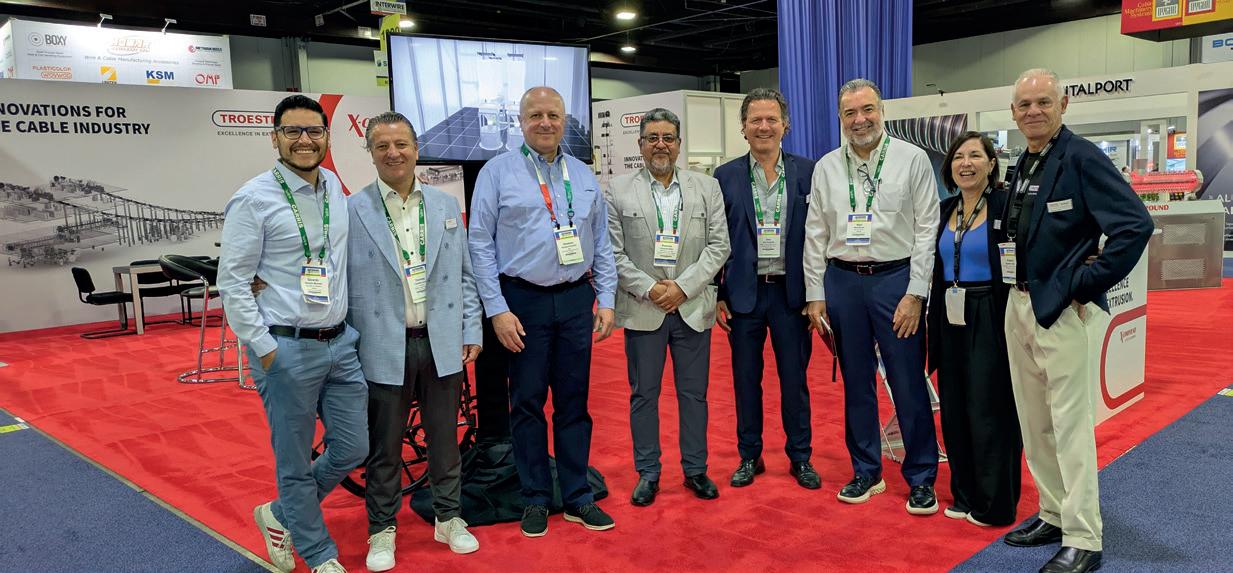
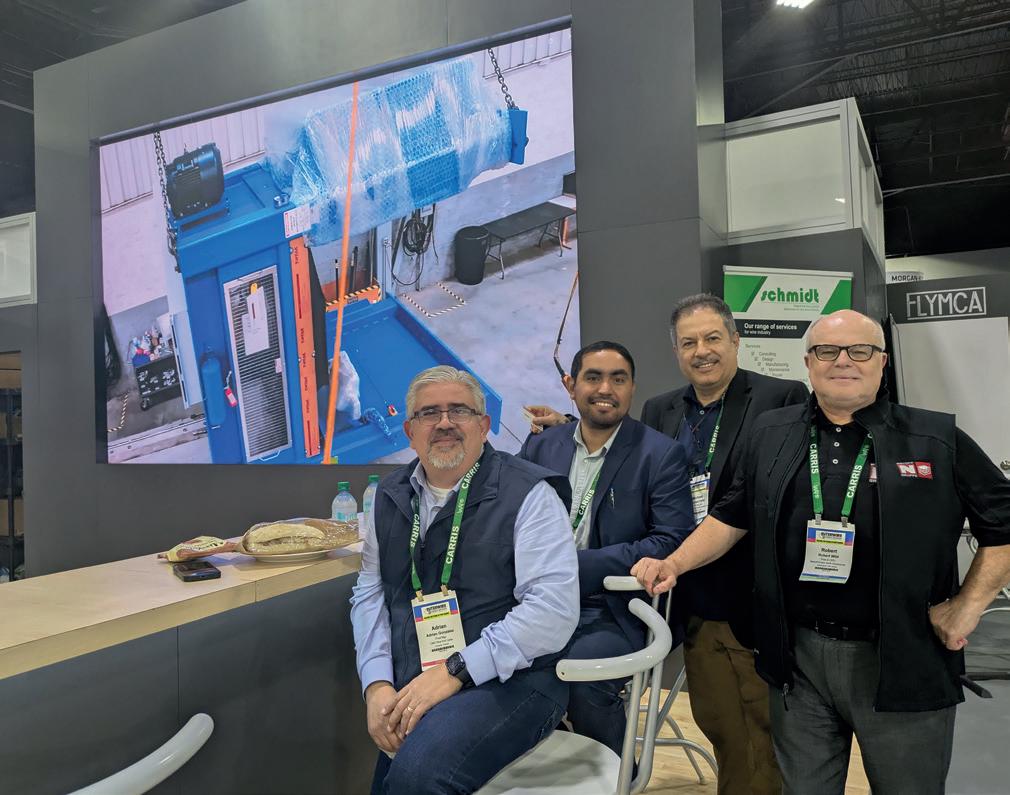
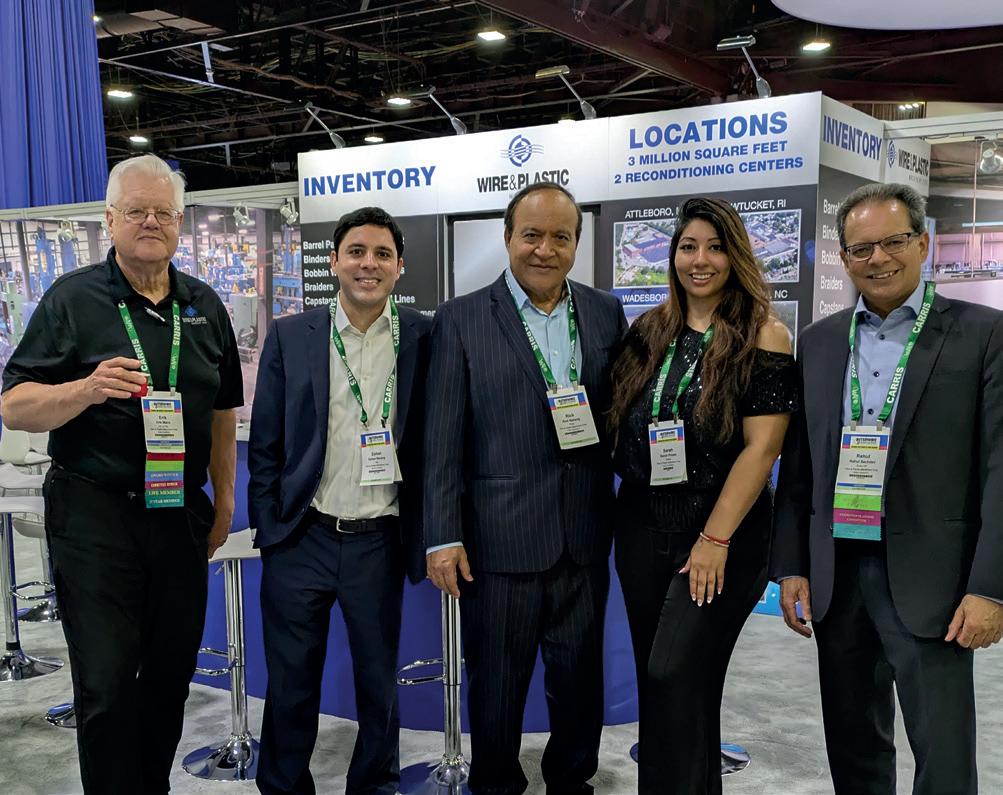
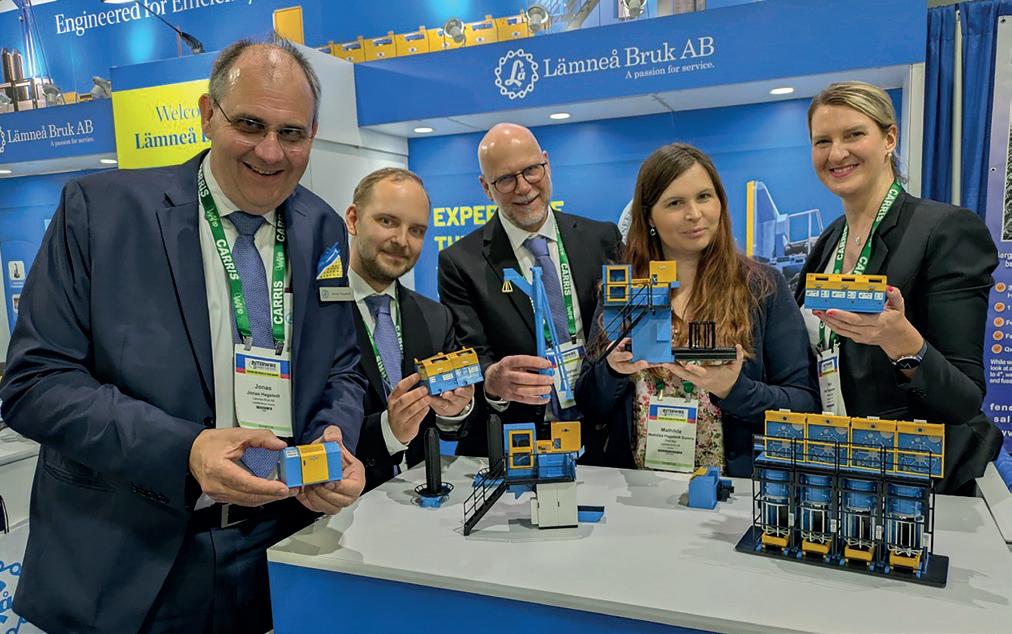
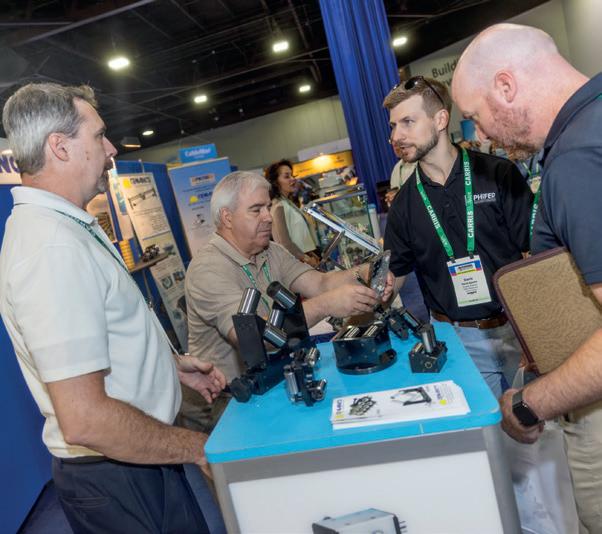
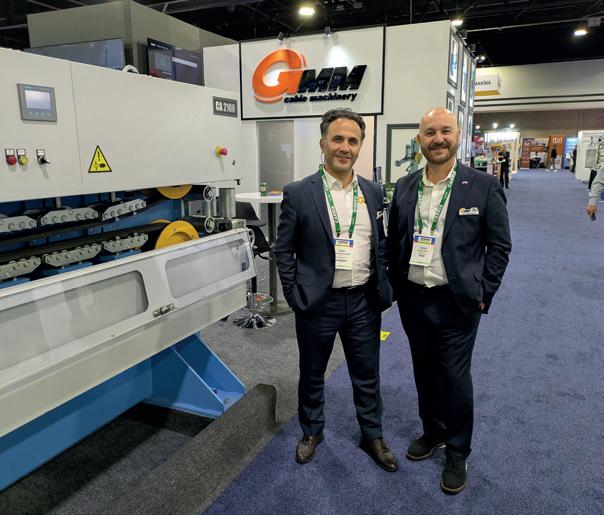
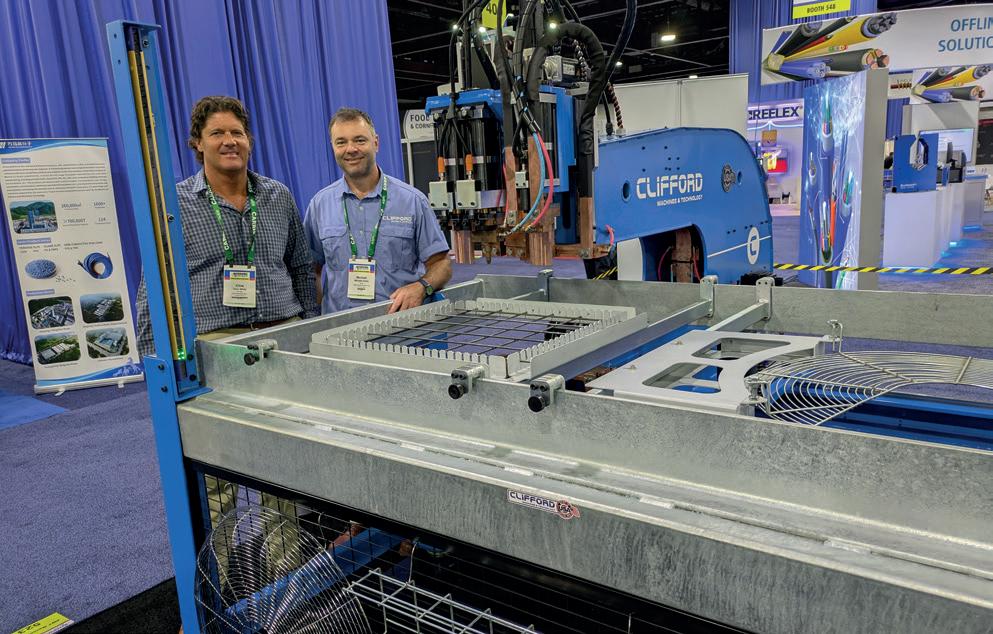
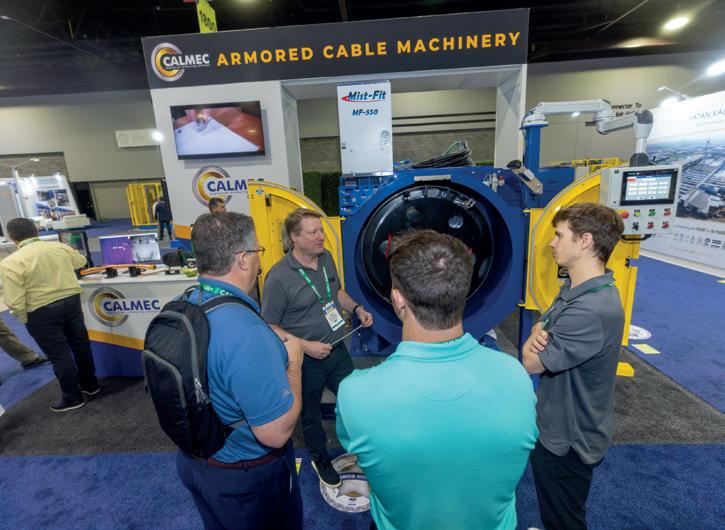
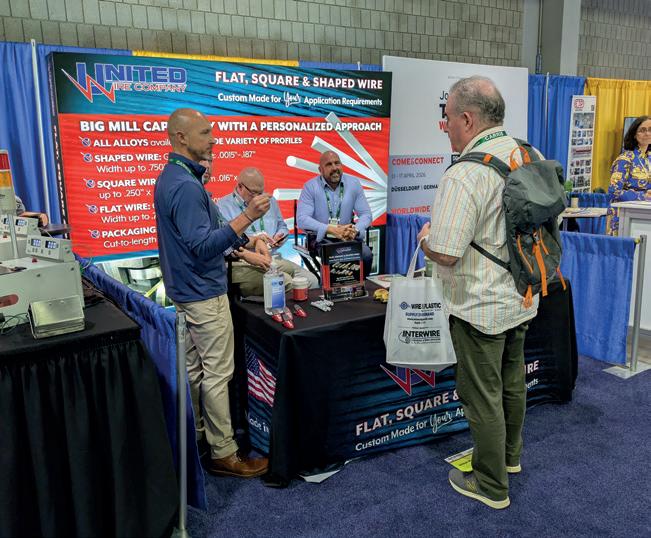
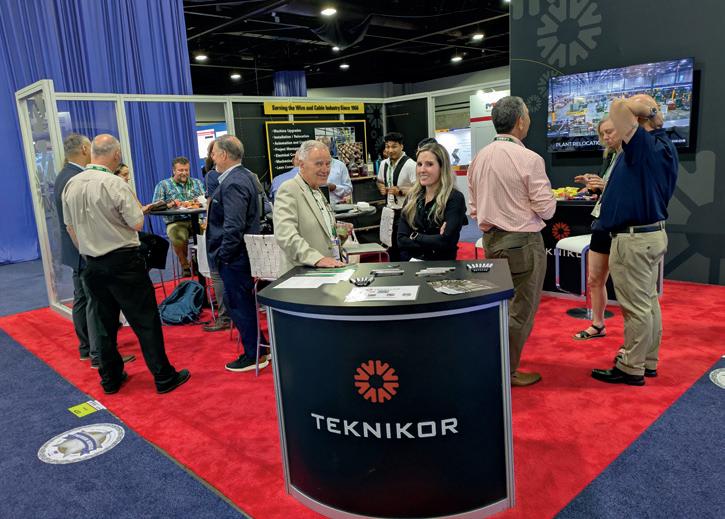
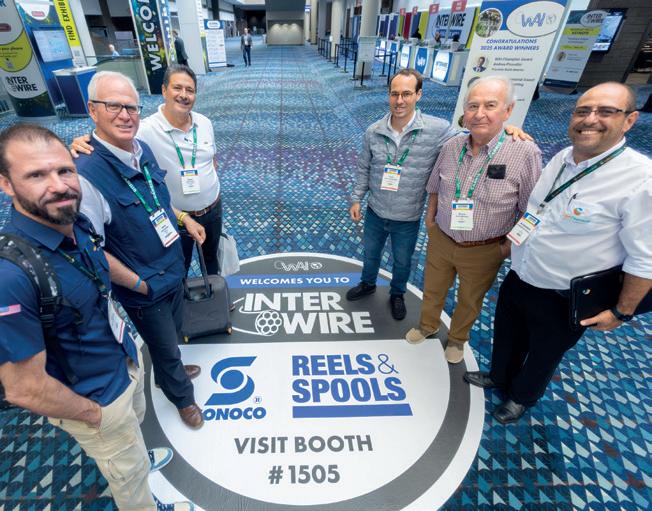
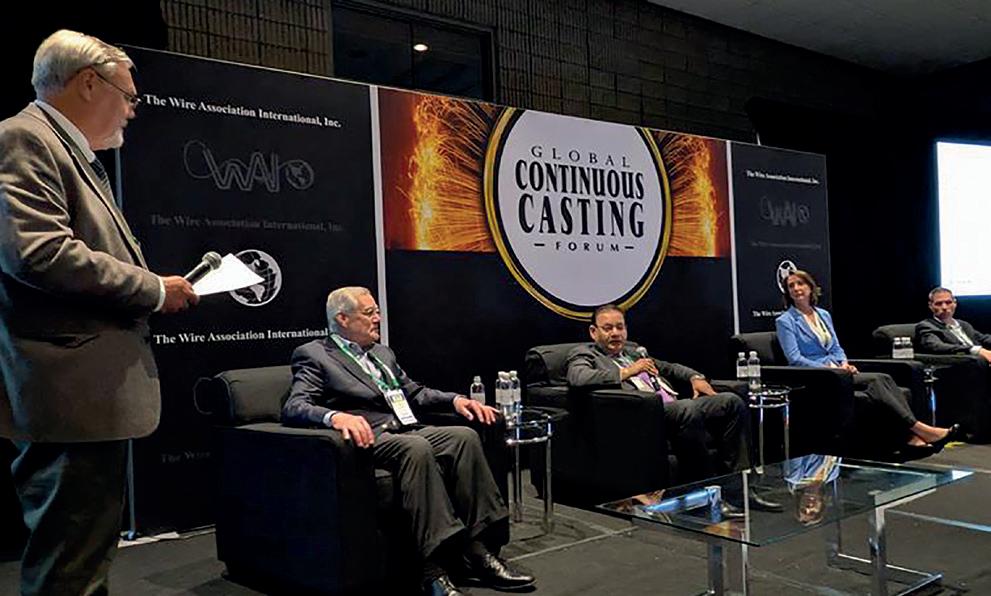
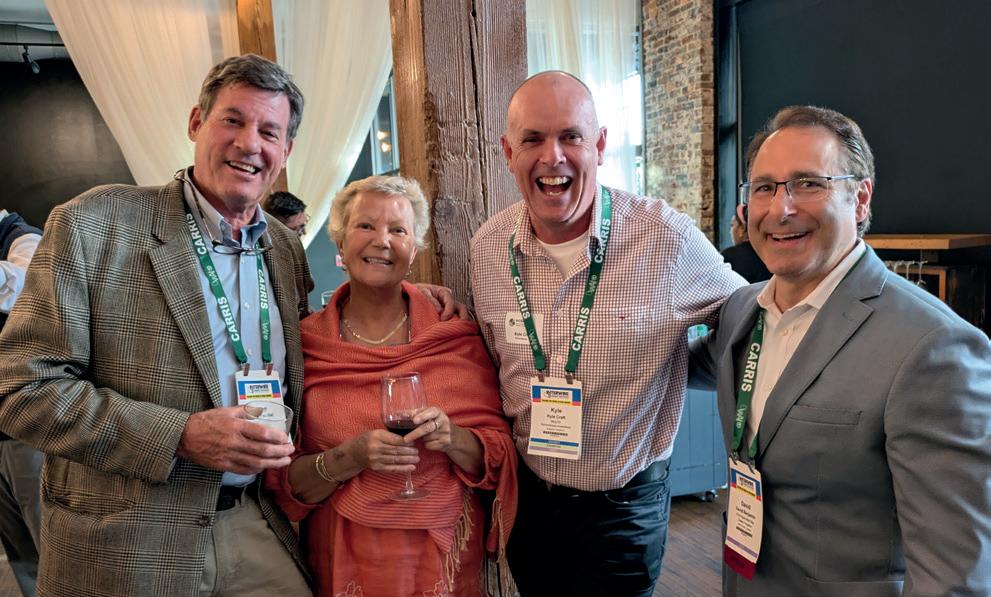
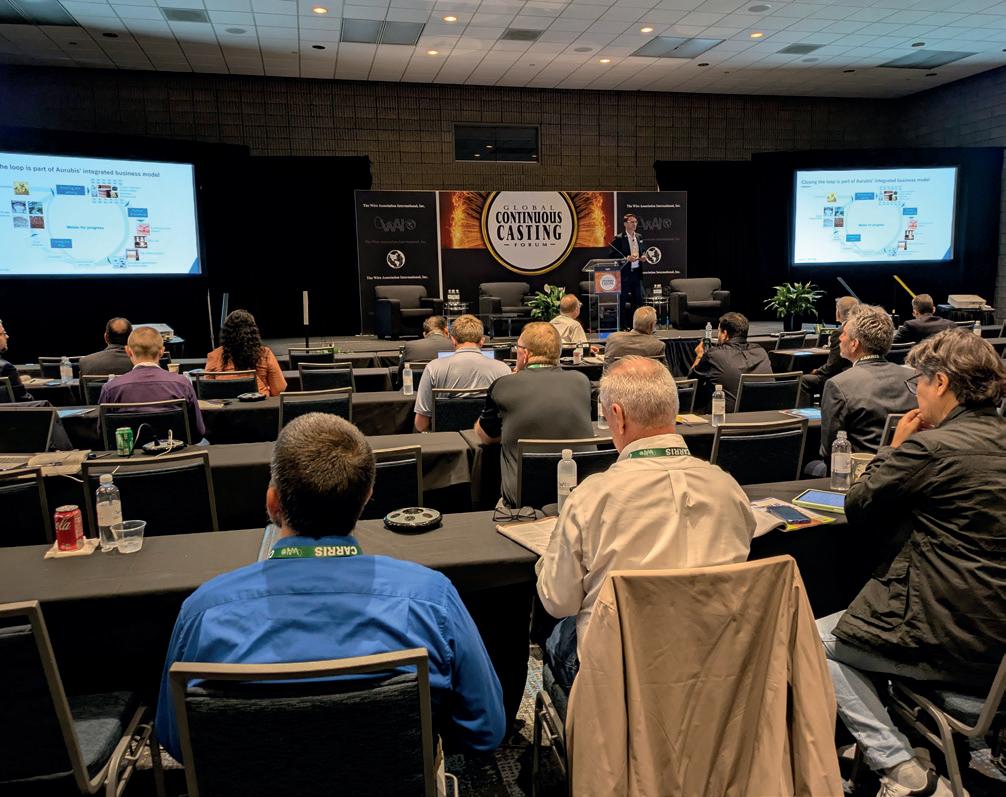
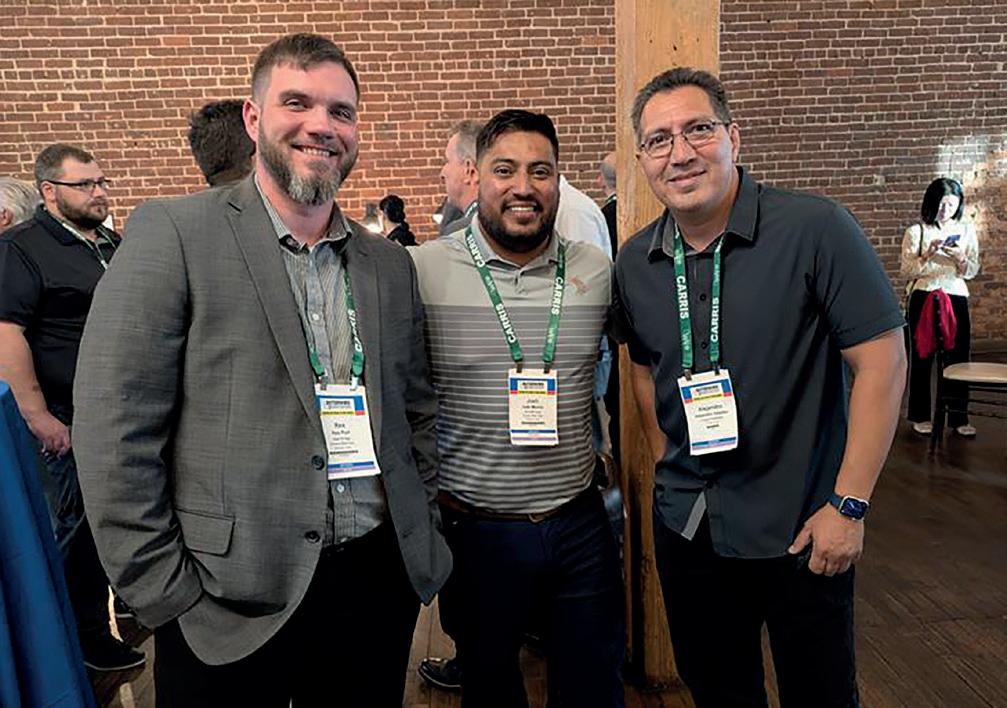
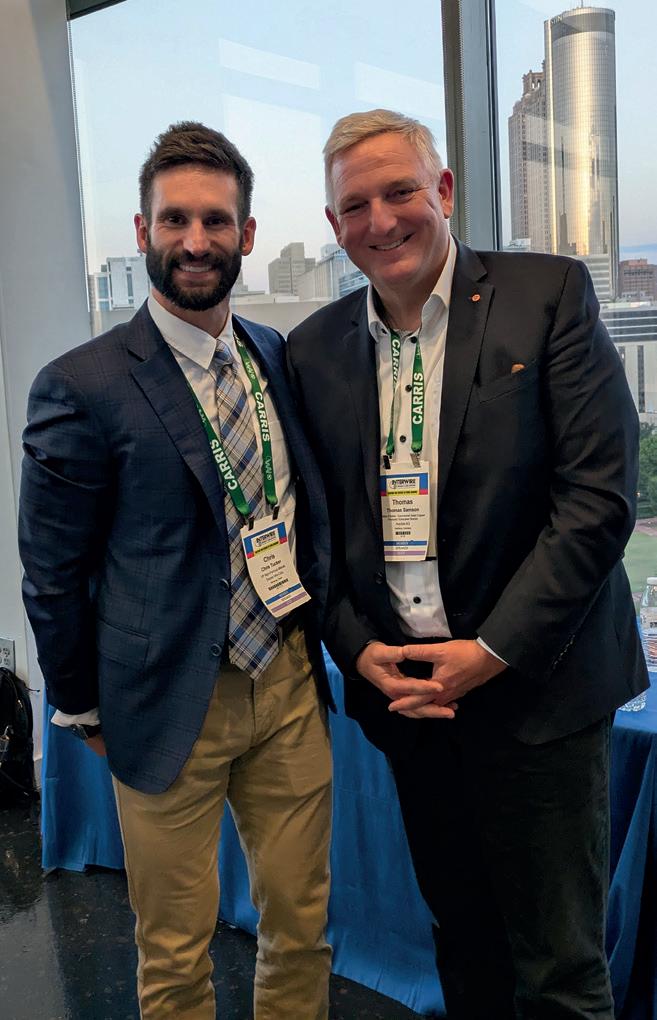
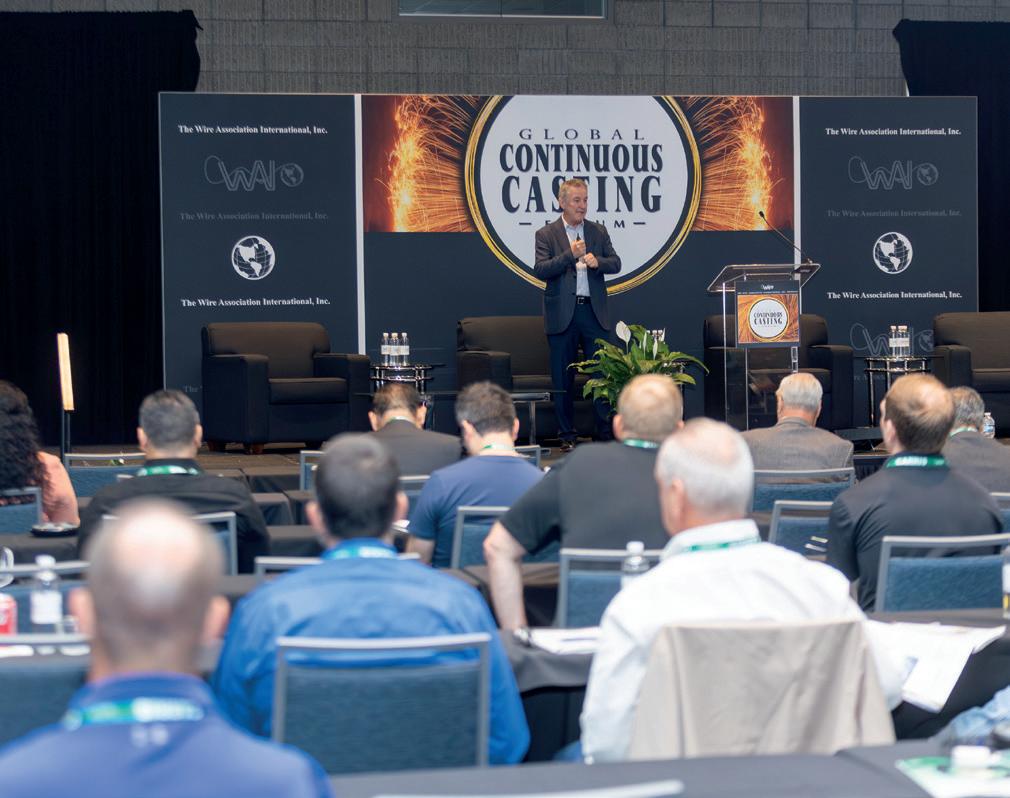
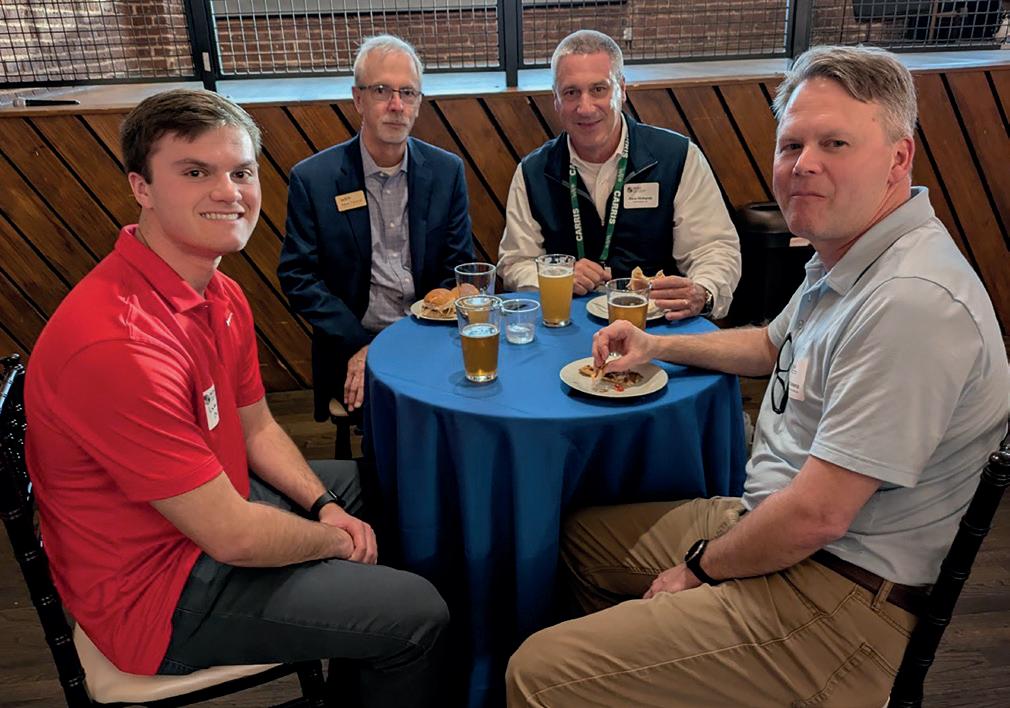
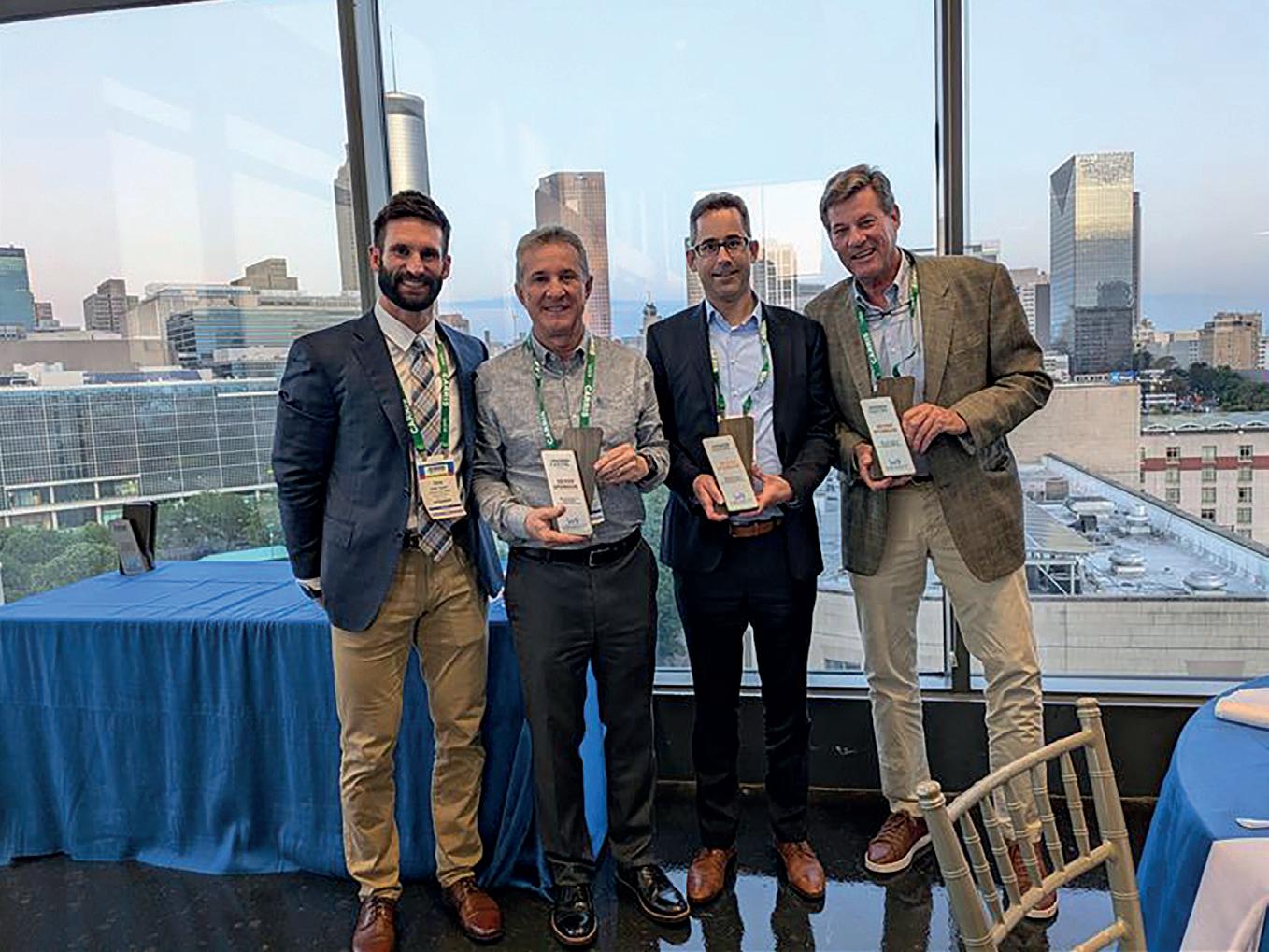
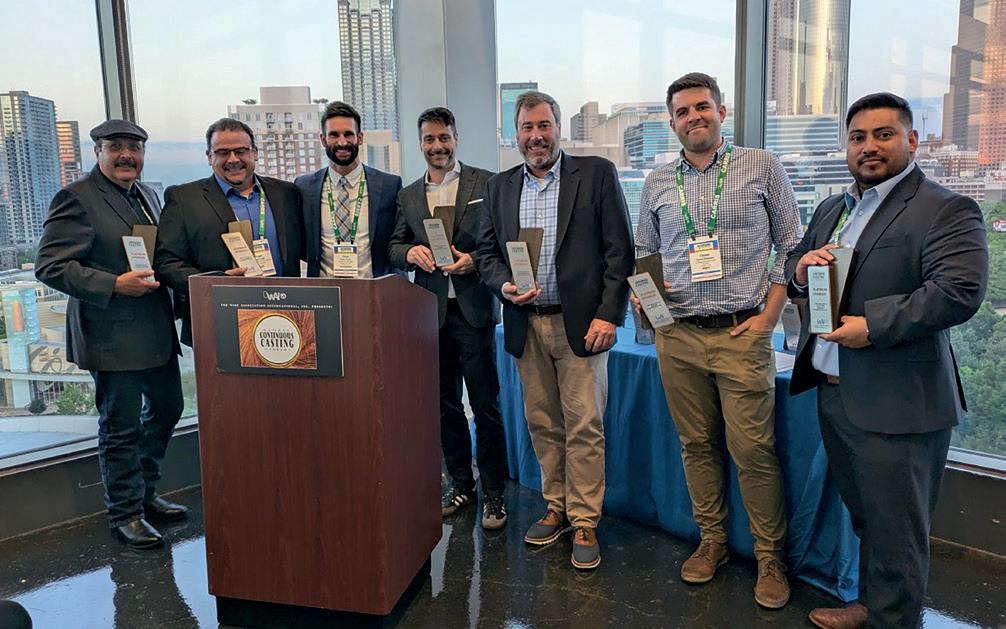
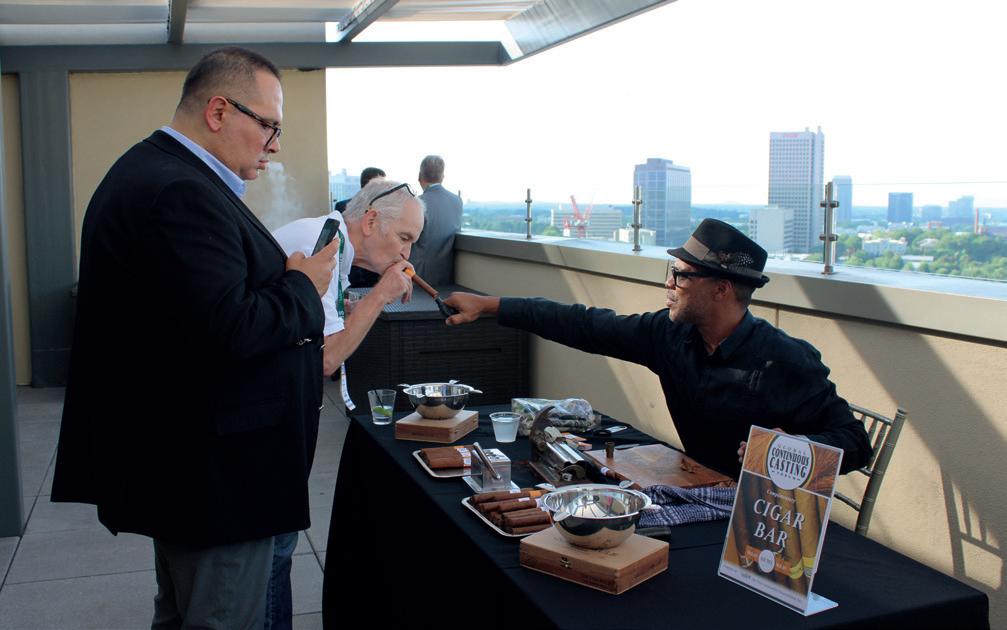
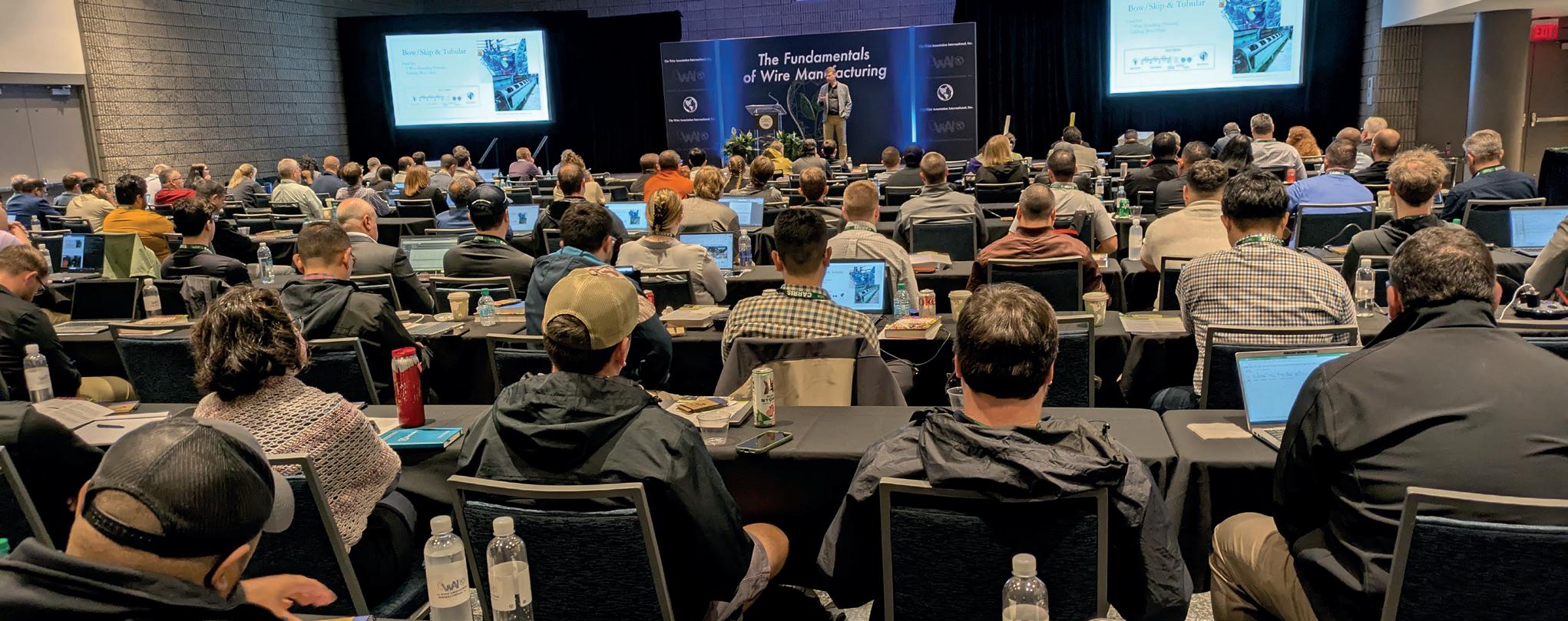
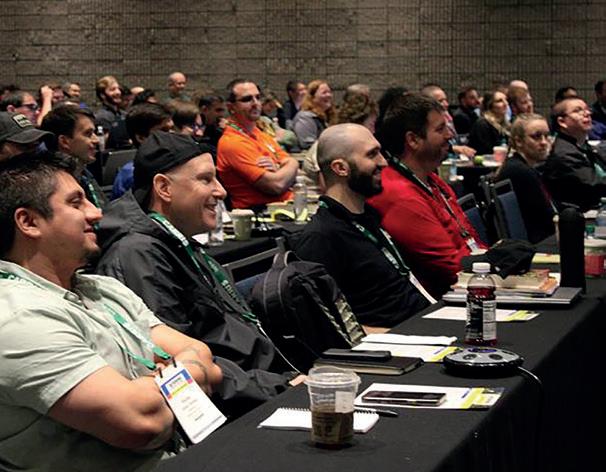
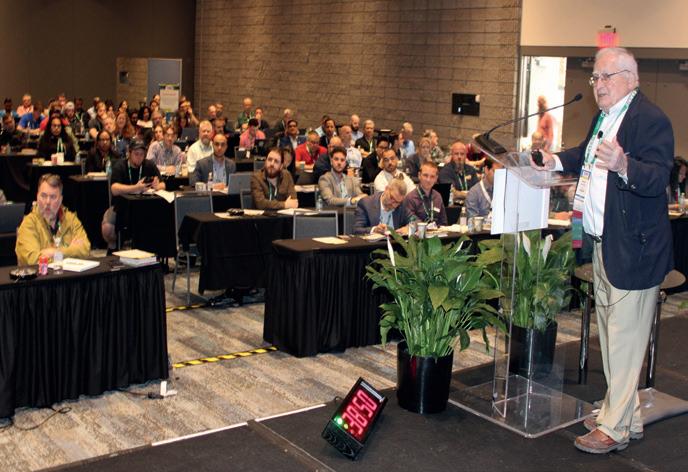
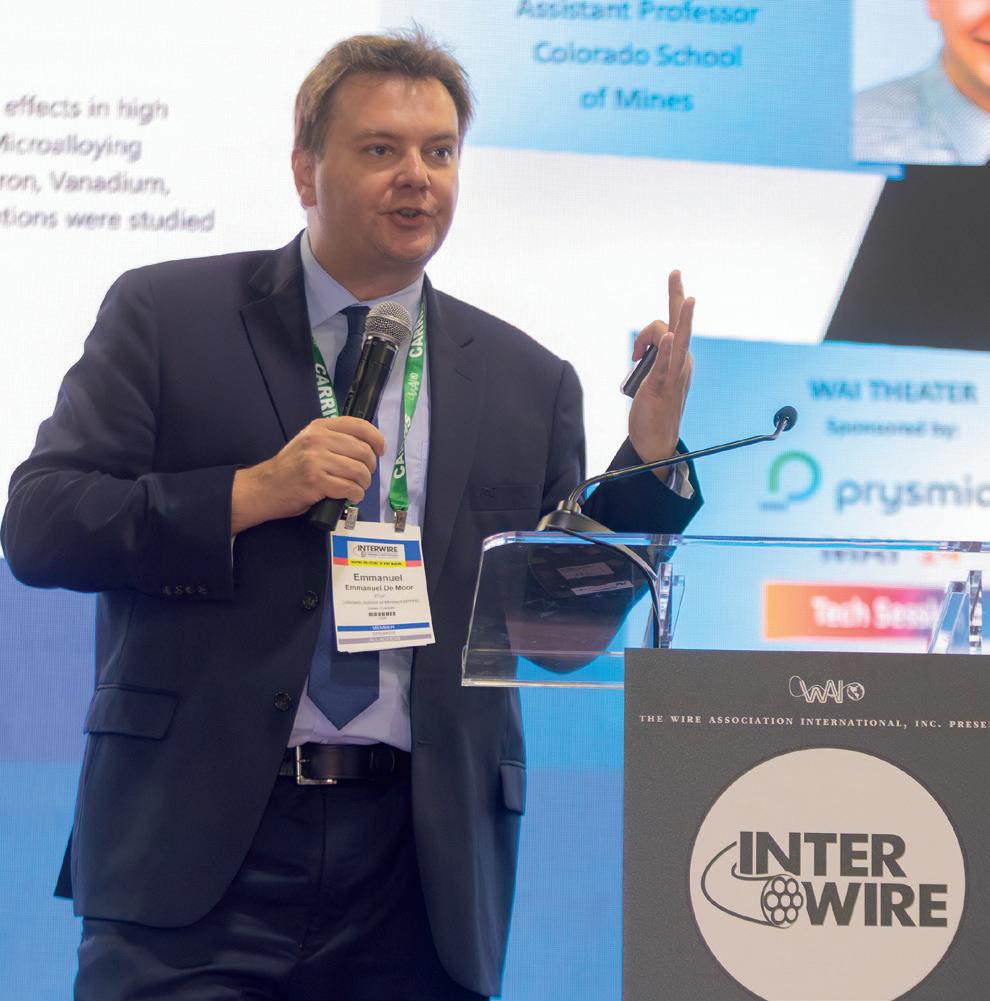
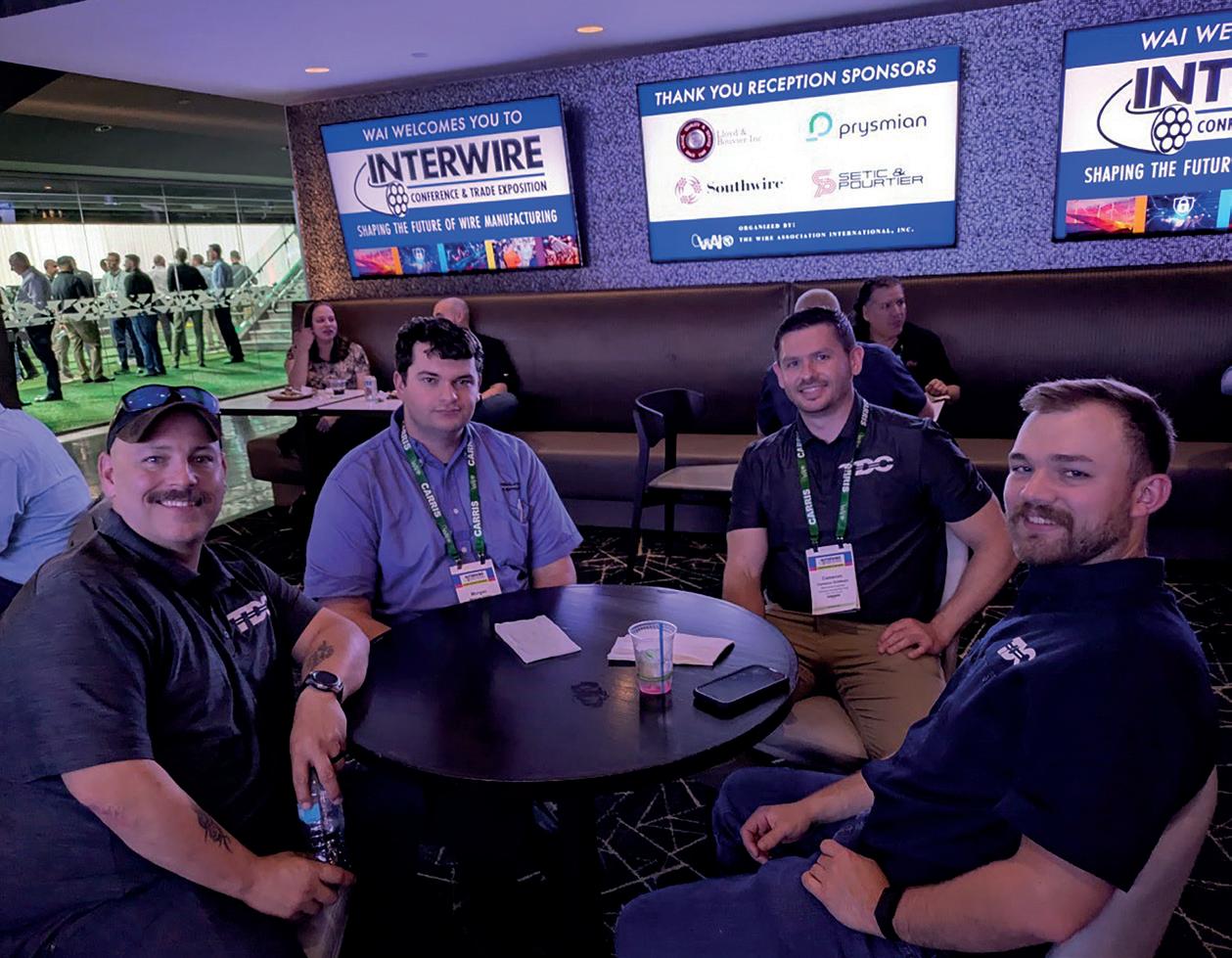
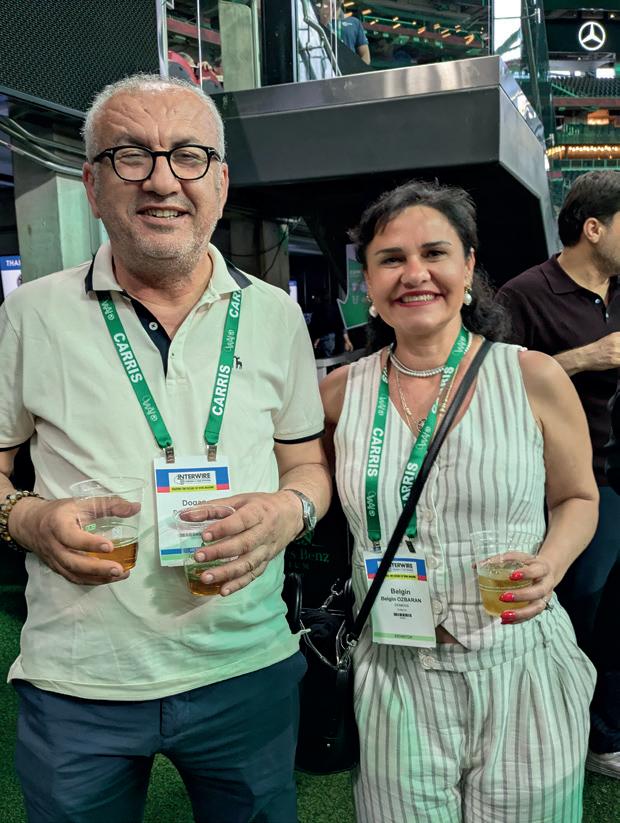
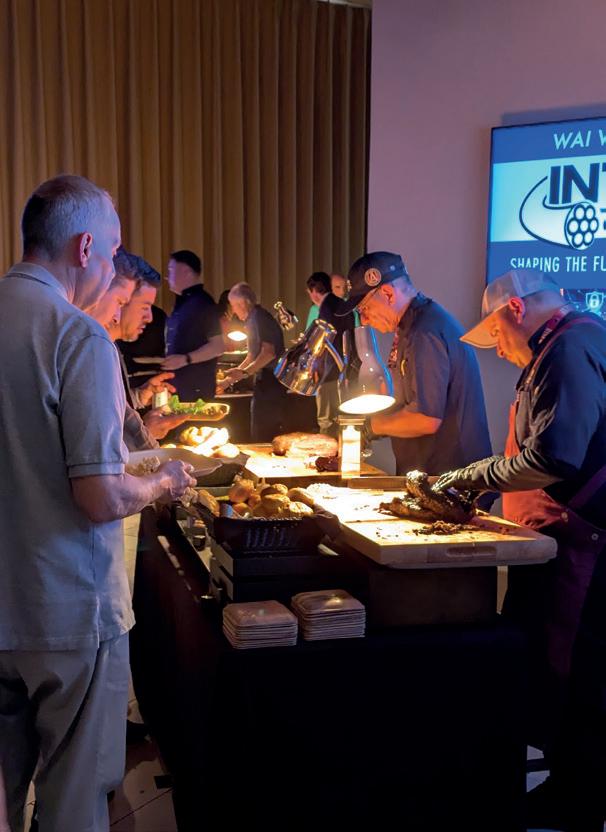
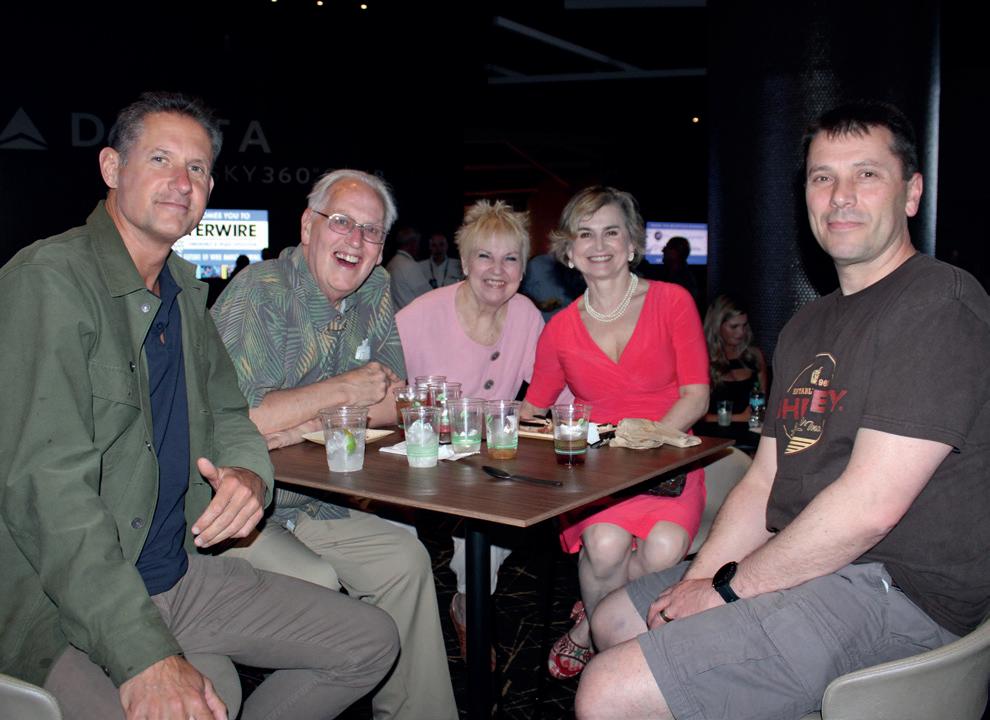
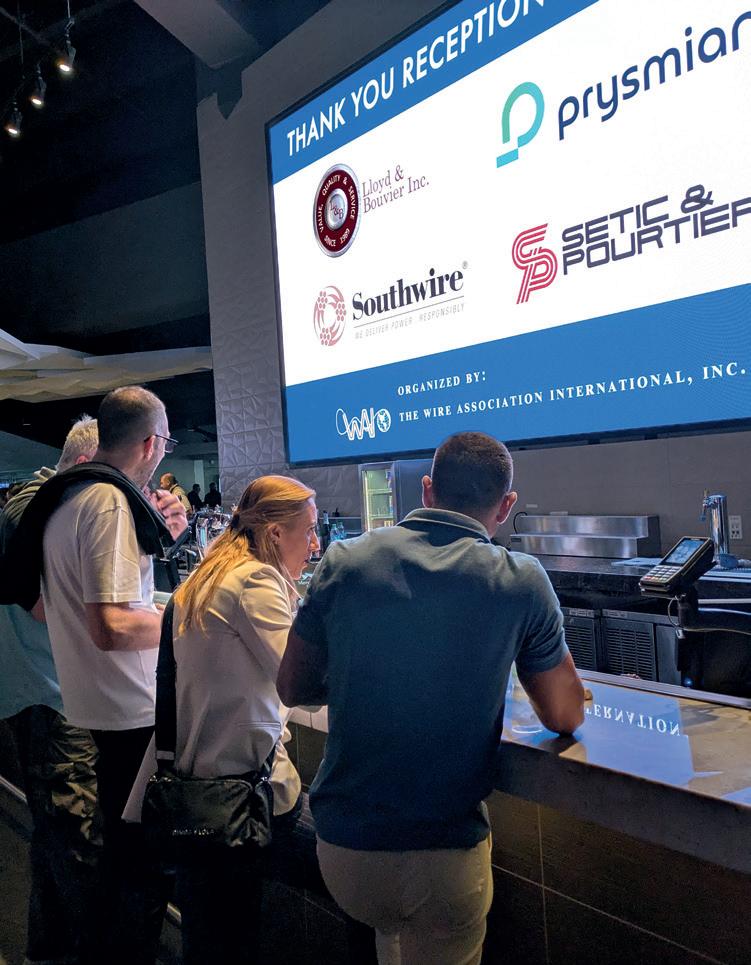
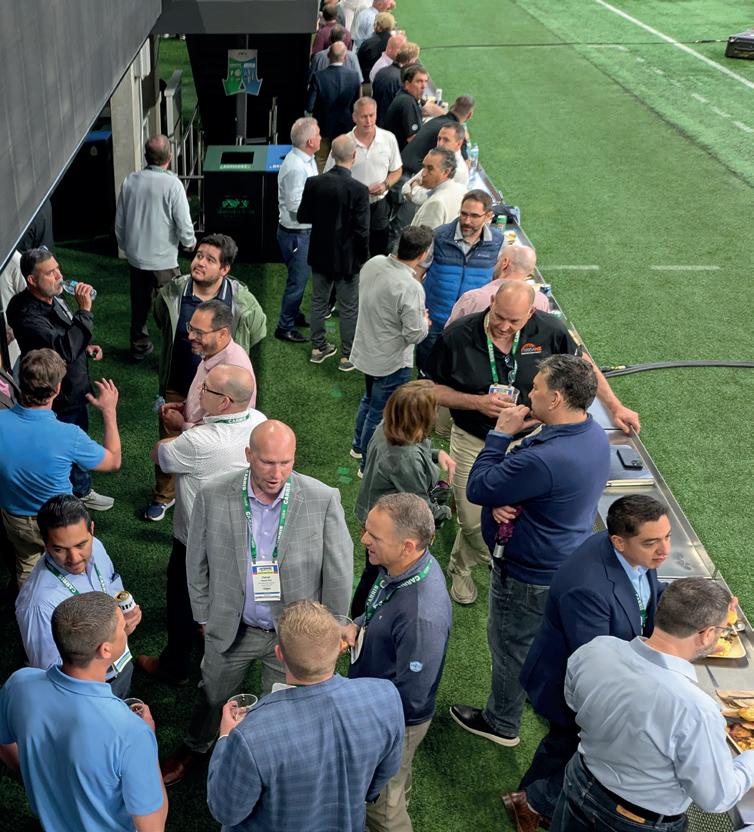
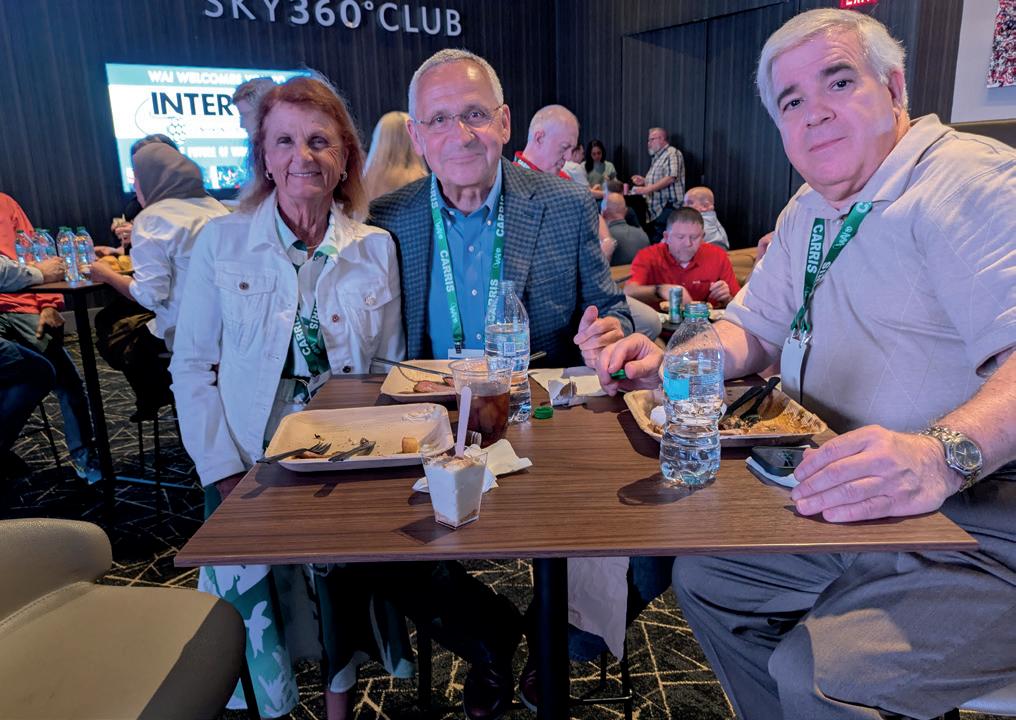
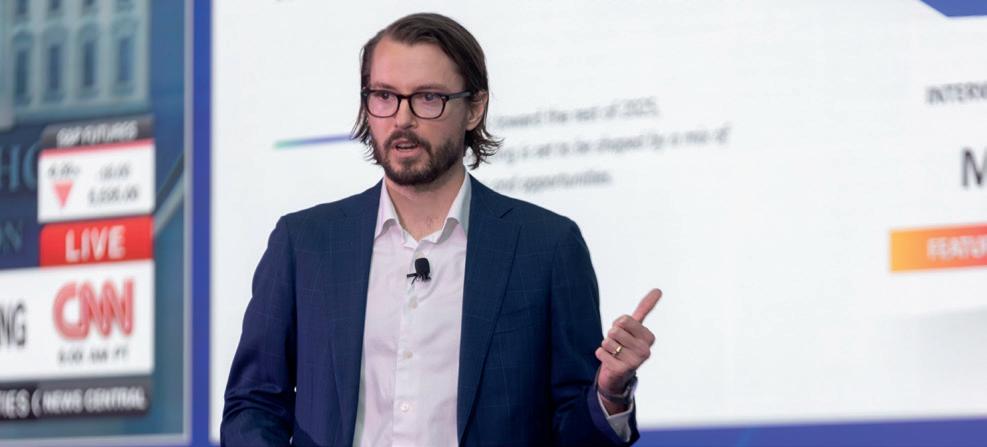
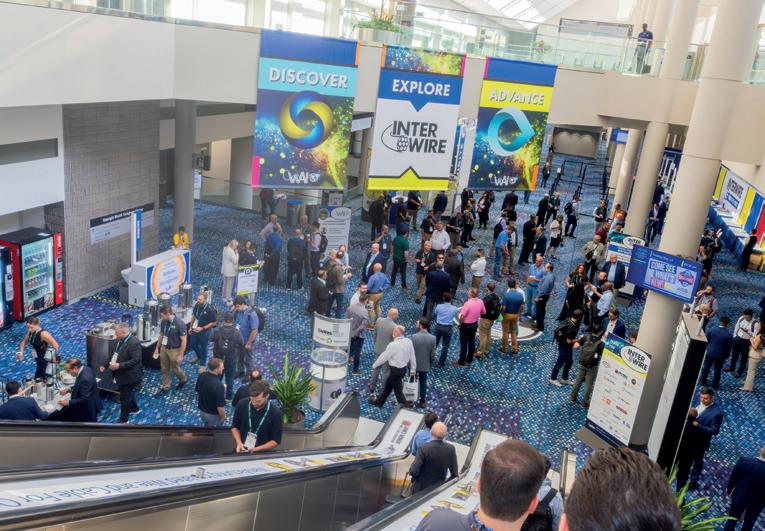
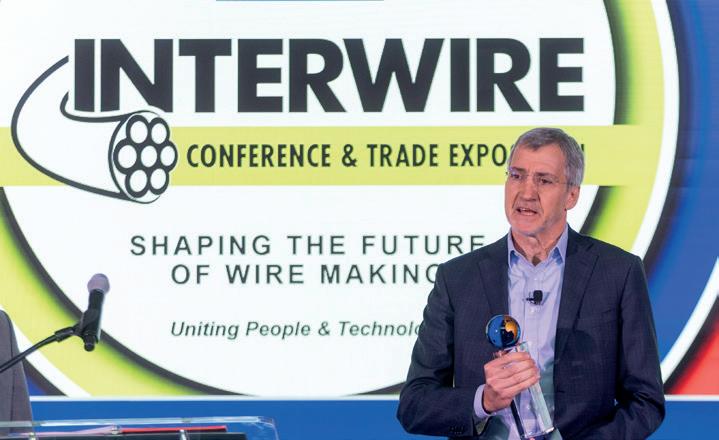
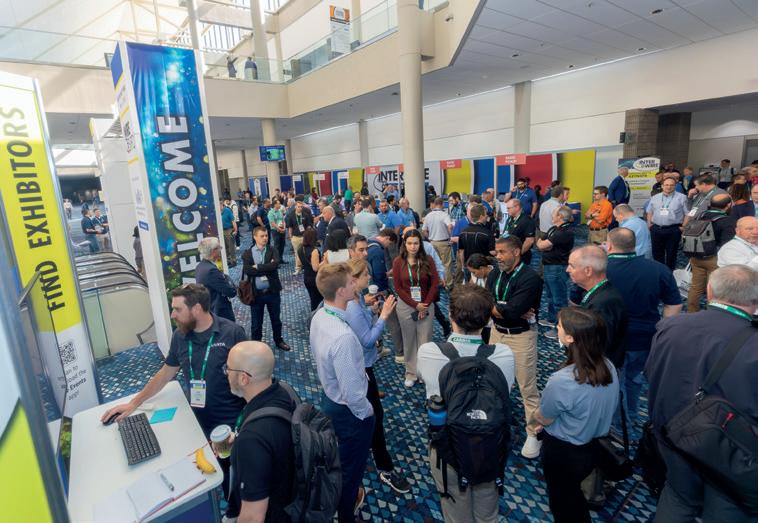
Back together for the first time since 2019, the combined events each offered extensive technical programs while the Interwire show floor showcased equipment and services from more than 350 exhibitors. Add in a slew of social events, and the results made for a most memorable industry experience.
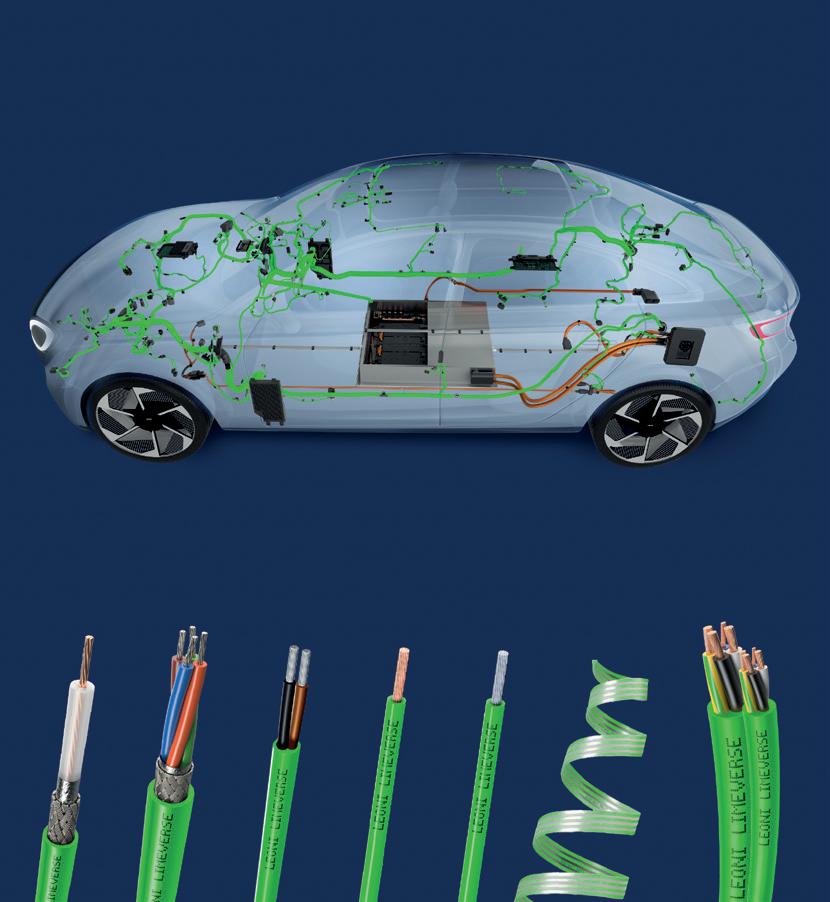
high-density microduct cables with Freeform Ribbons and applications
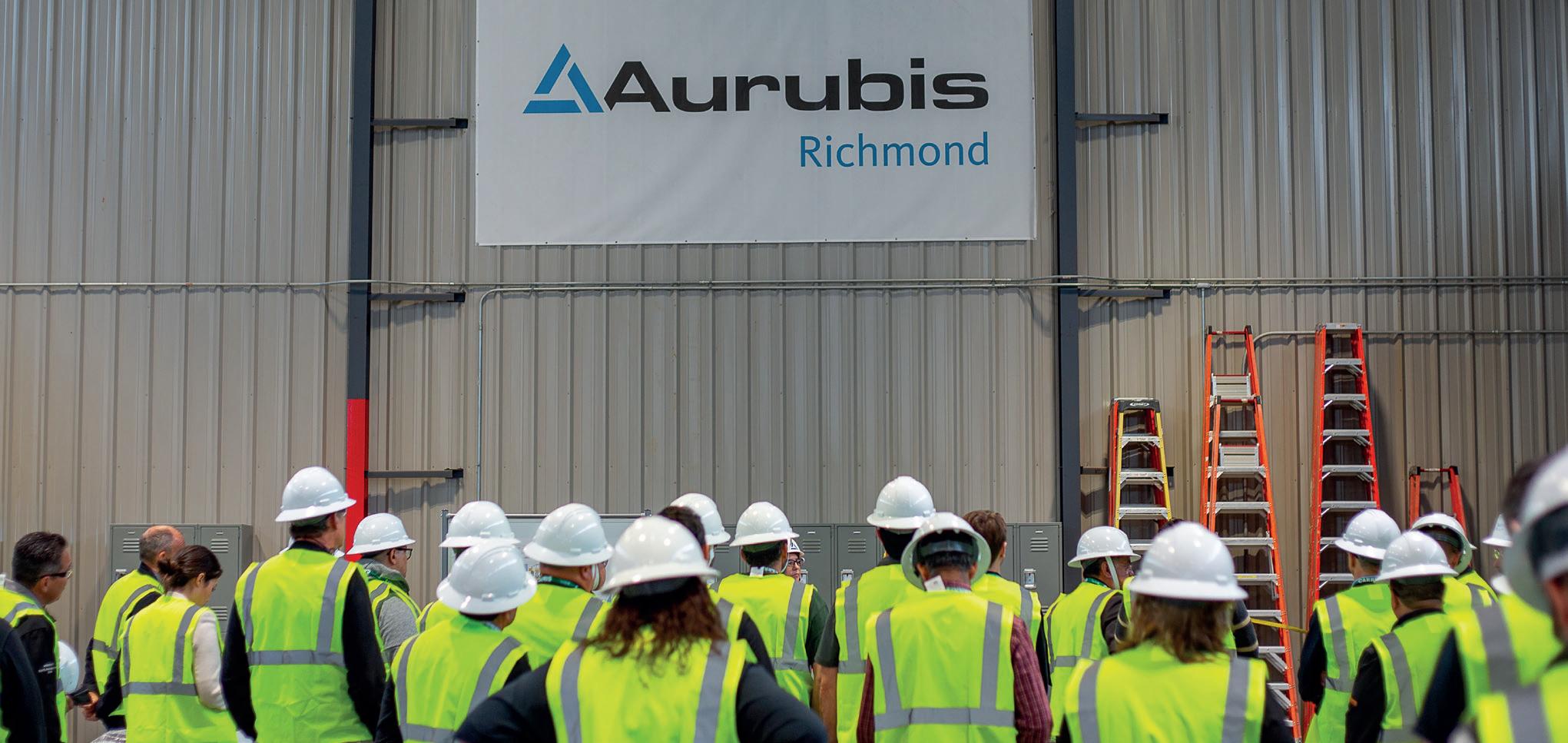
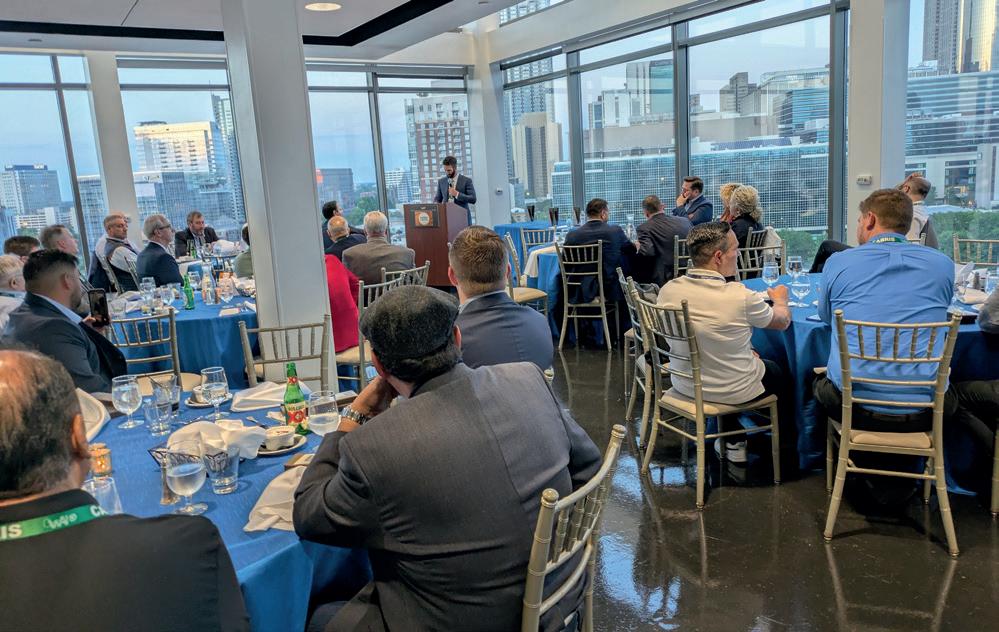
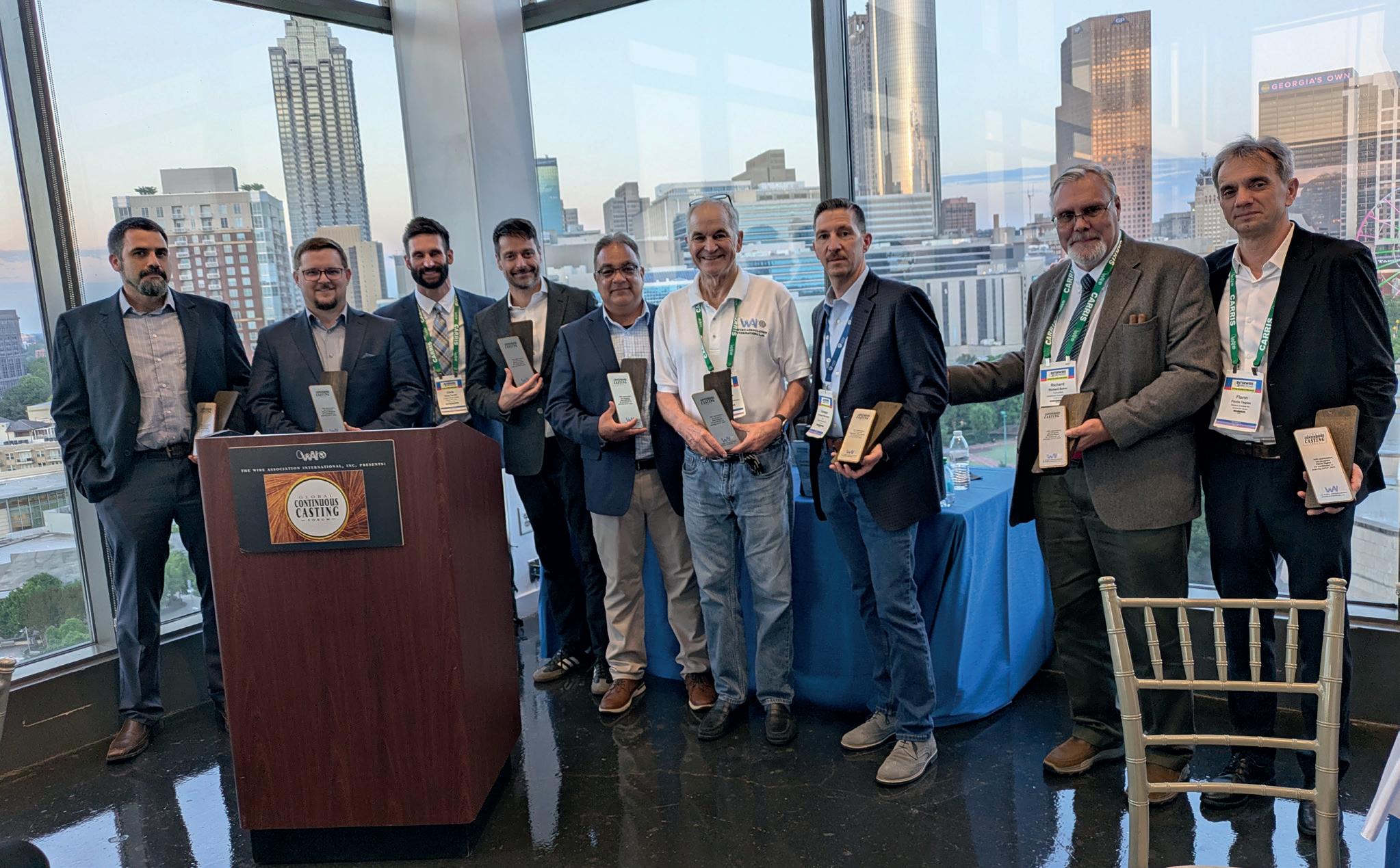
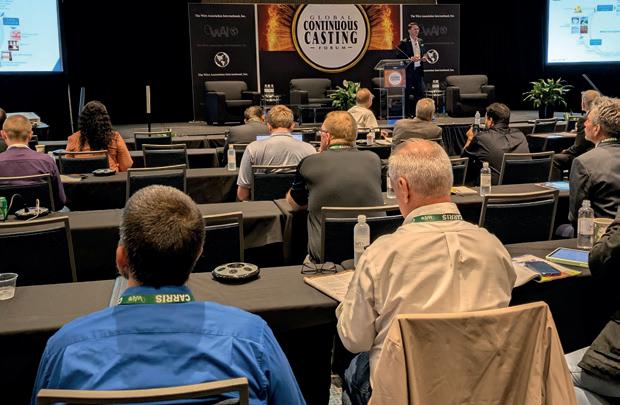
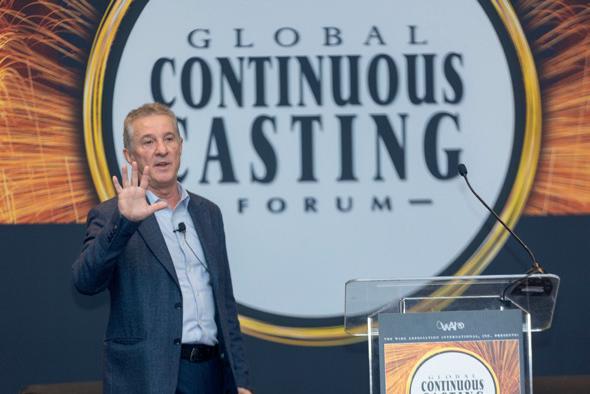
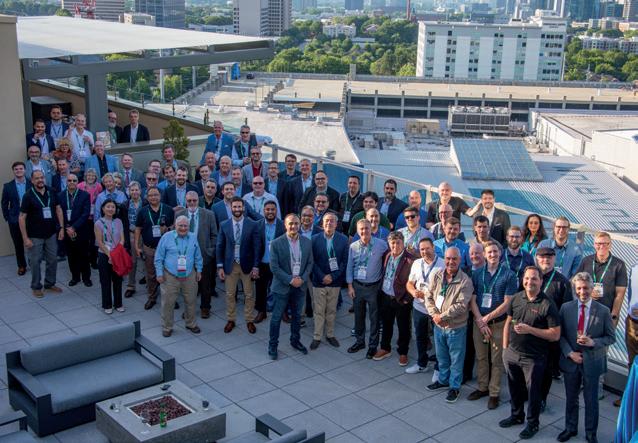
The GCCF tour of the Aurubis plant will long be remembered by those who went
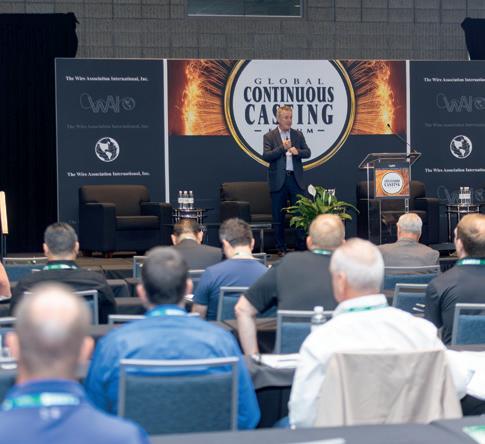
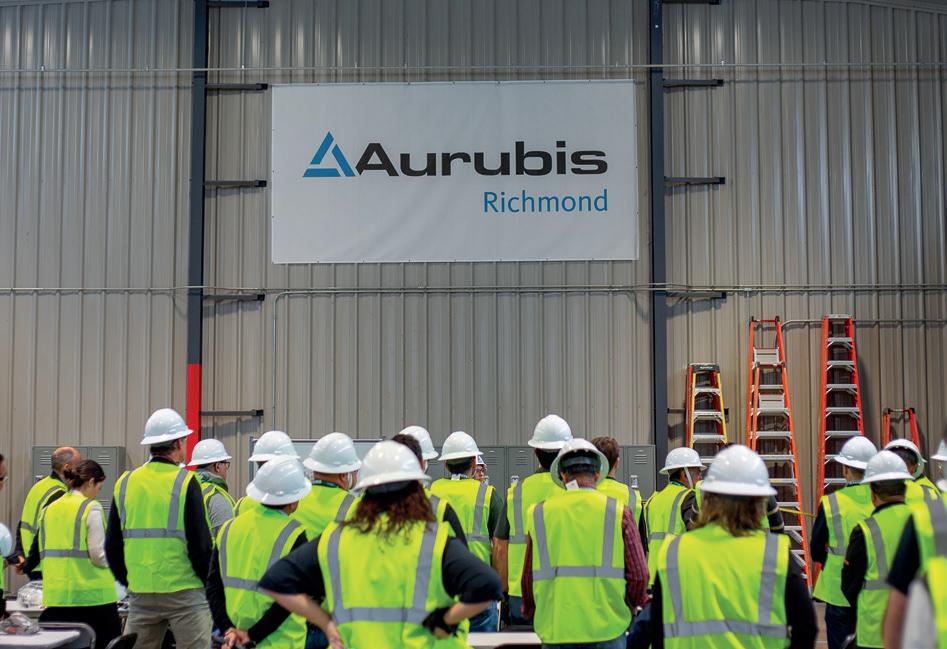
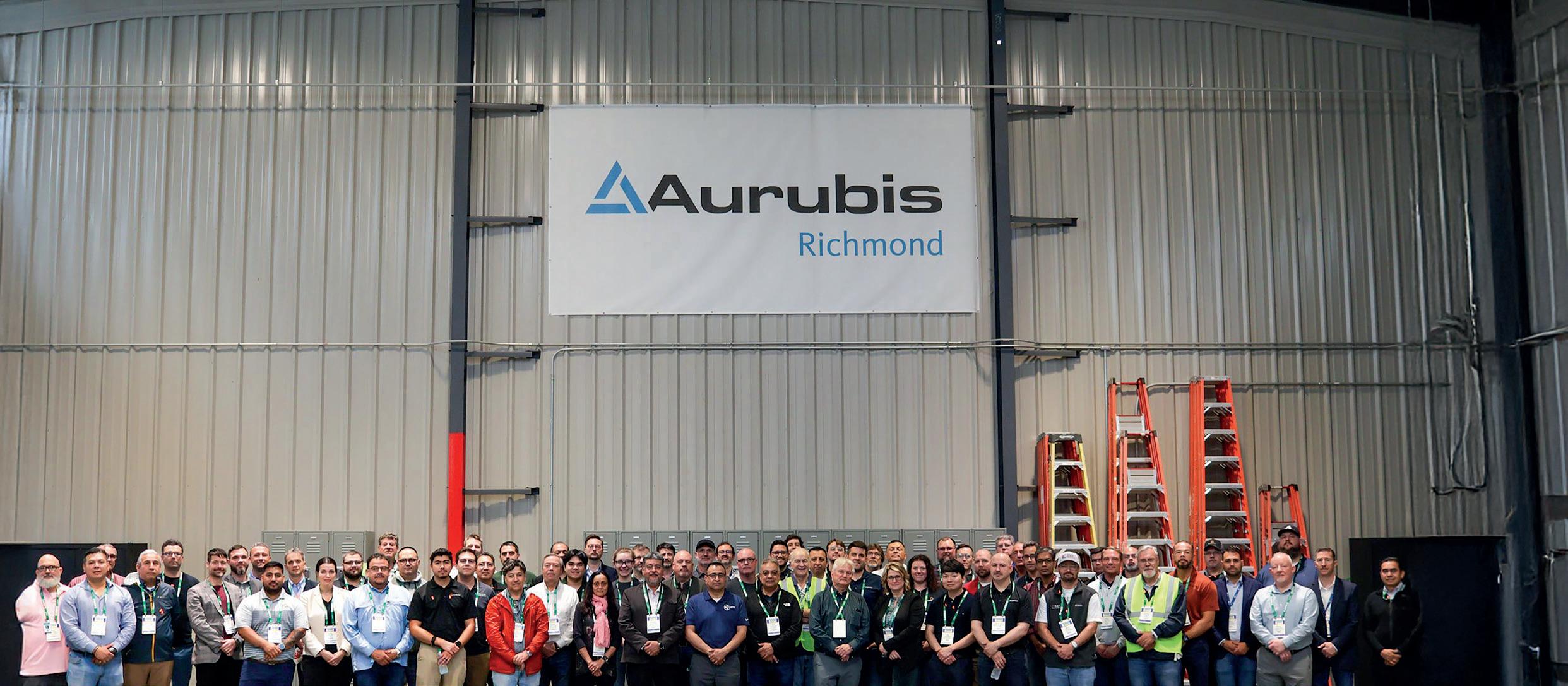
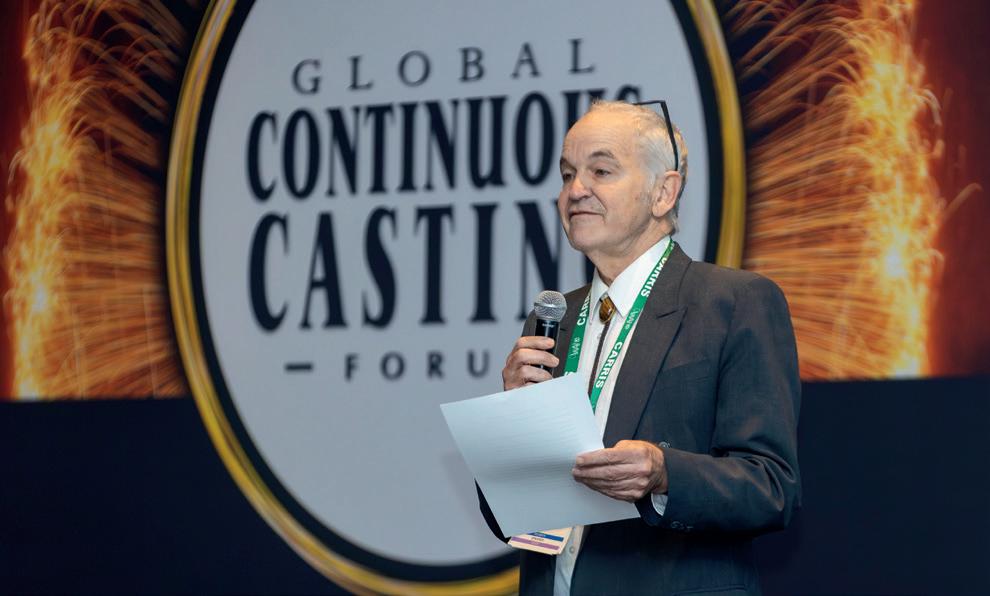
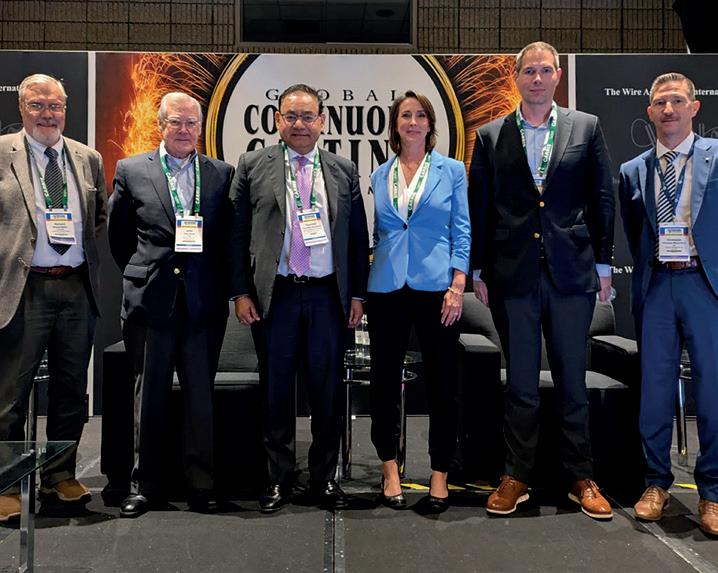
The May 12 tour of the Aurubis plant in Augusta, Georgia, was well worth the bus ride for attendees of the Global Continuous Casting Forum who opted for the experience. Hailed as “an amazing place,” it was that and more. The $800 million hydrometallurgical facility started at a small scale in 2024, and by 2026 will be able to annually process up to 180,000 tons of complex recyclable materials that include wire and cable.
2 Interwire show floor firsts made for a relaxed sweet spot for attendees
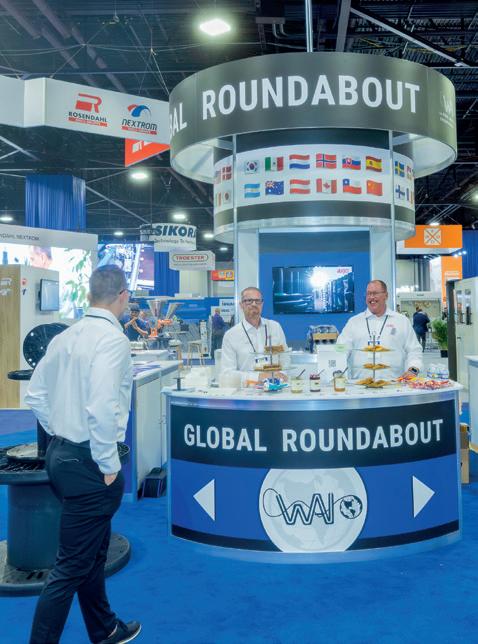
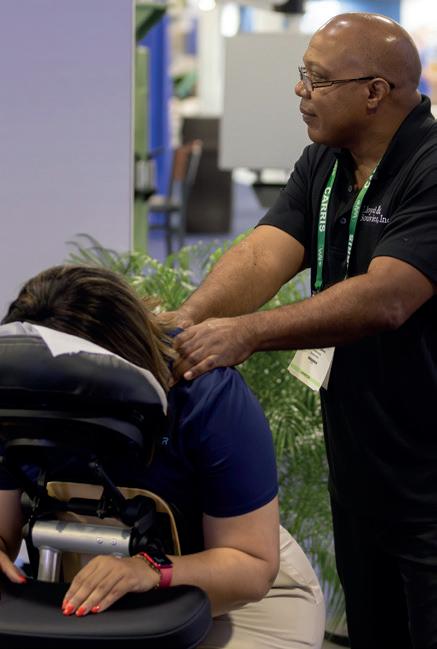
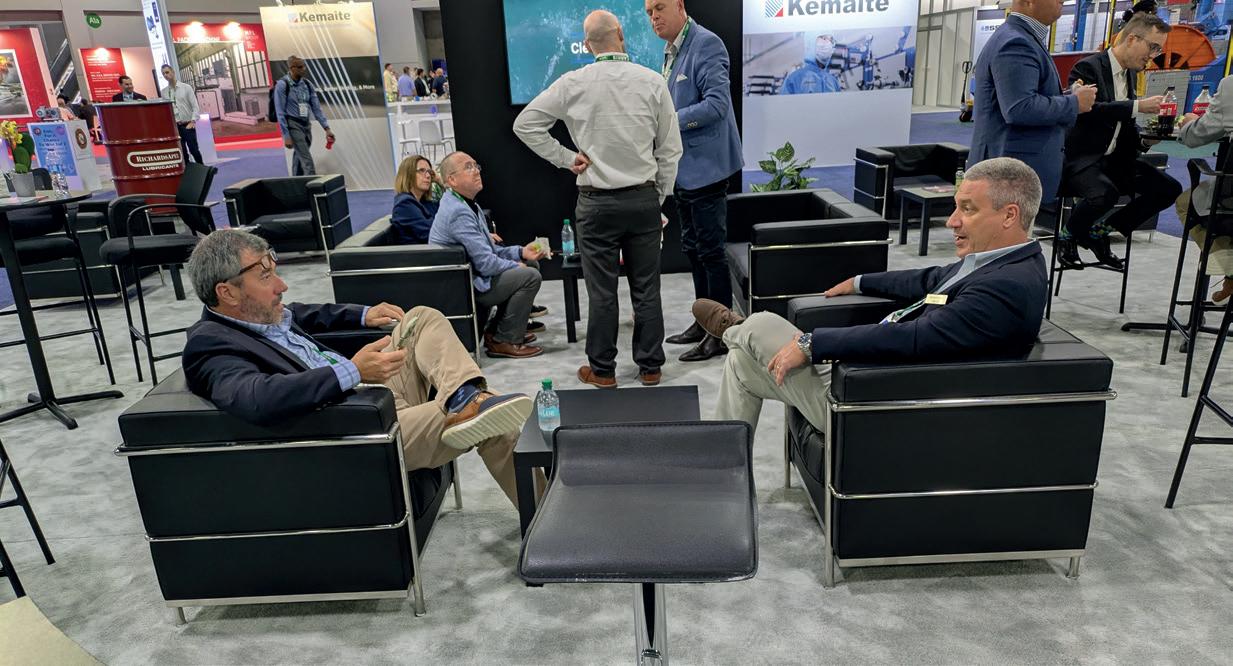
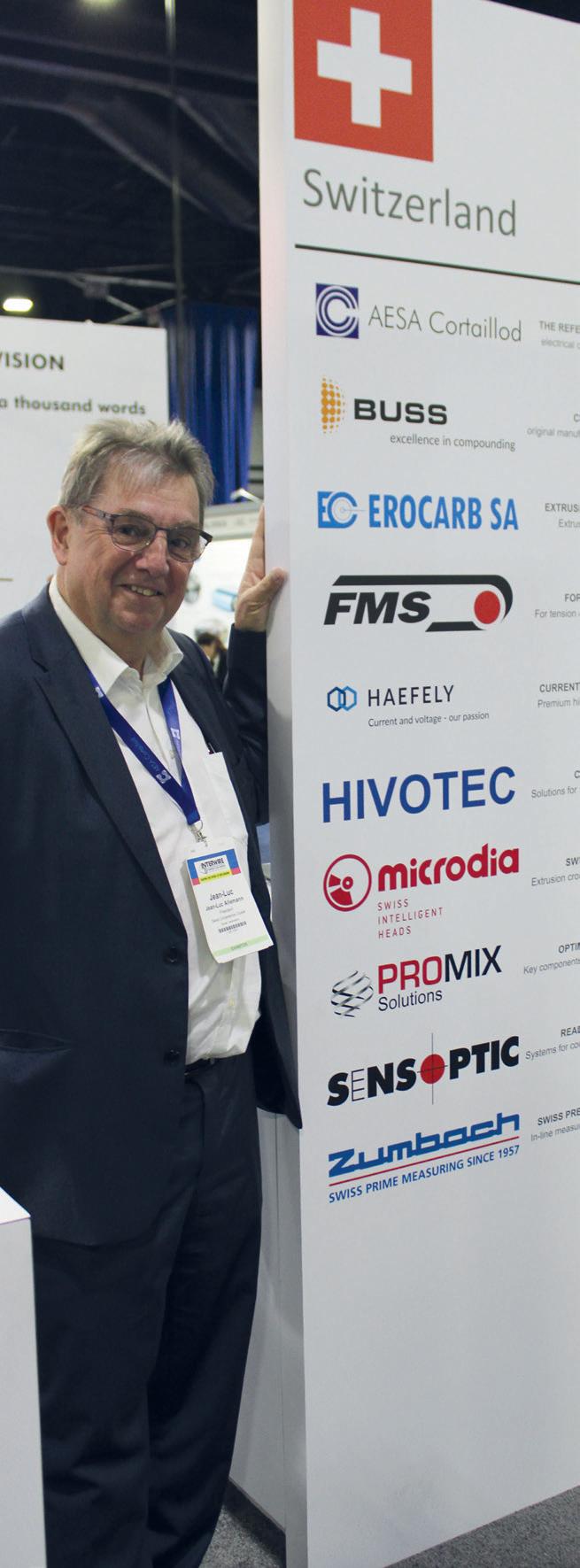
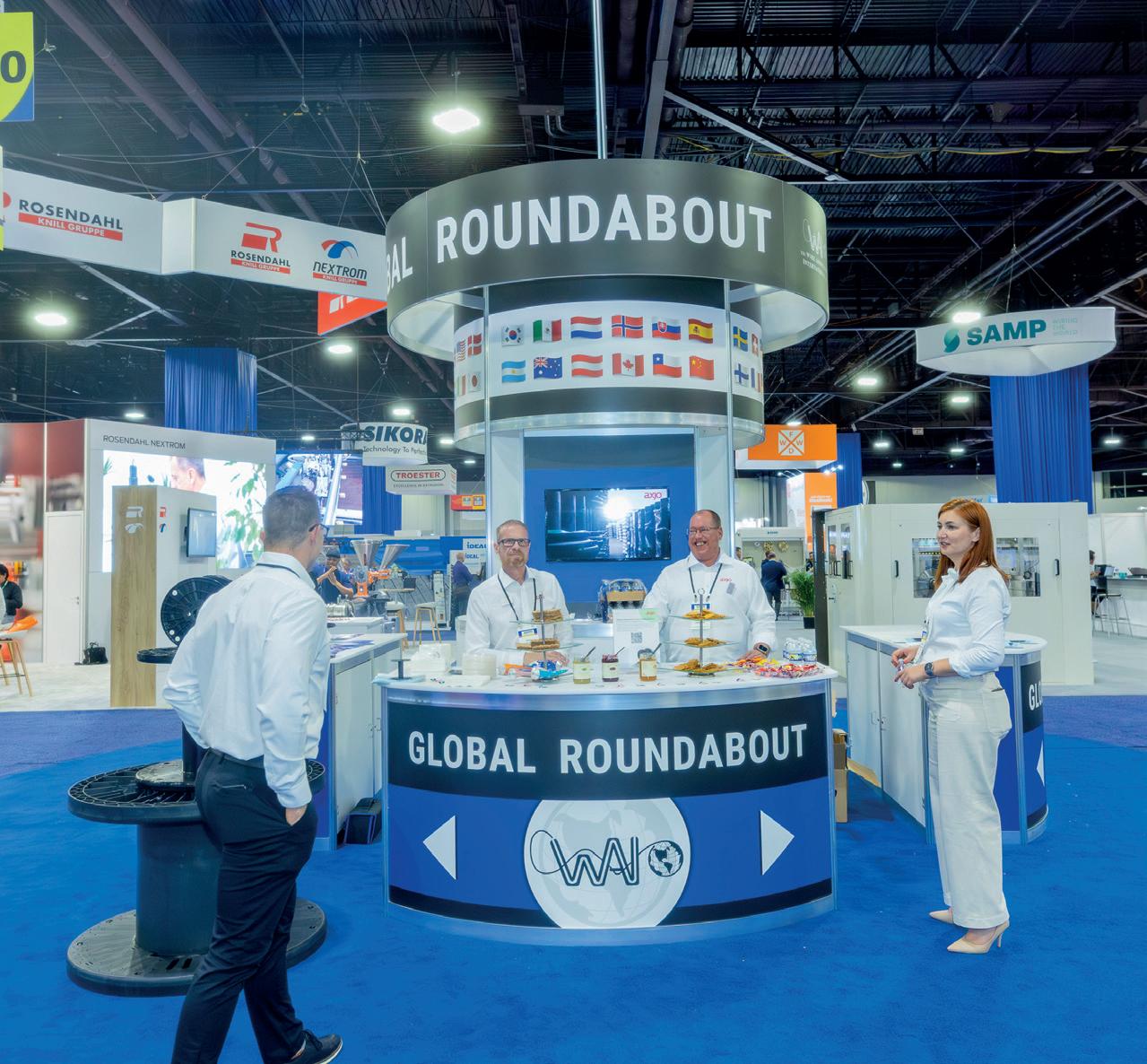
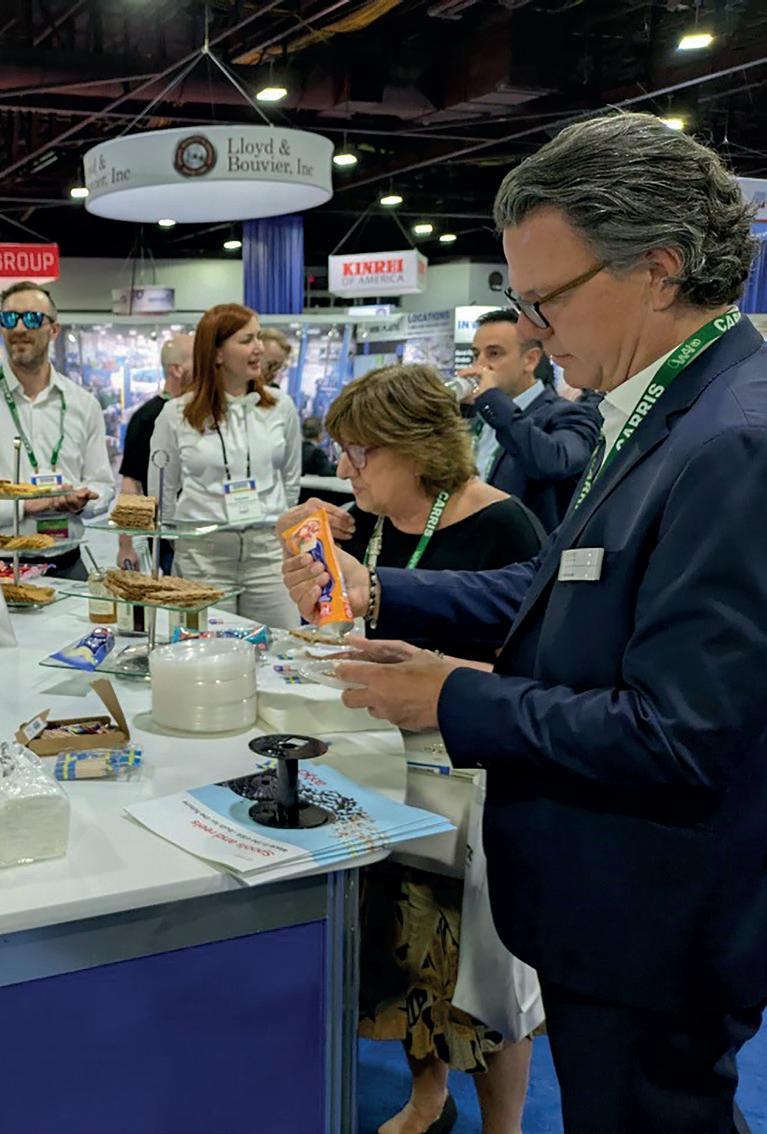
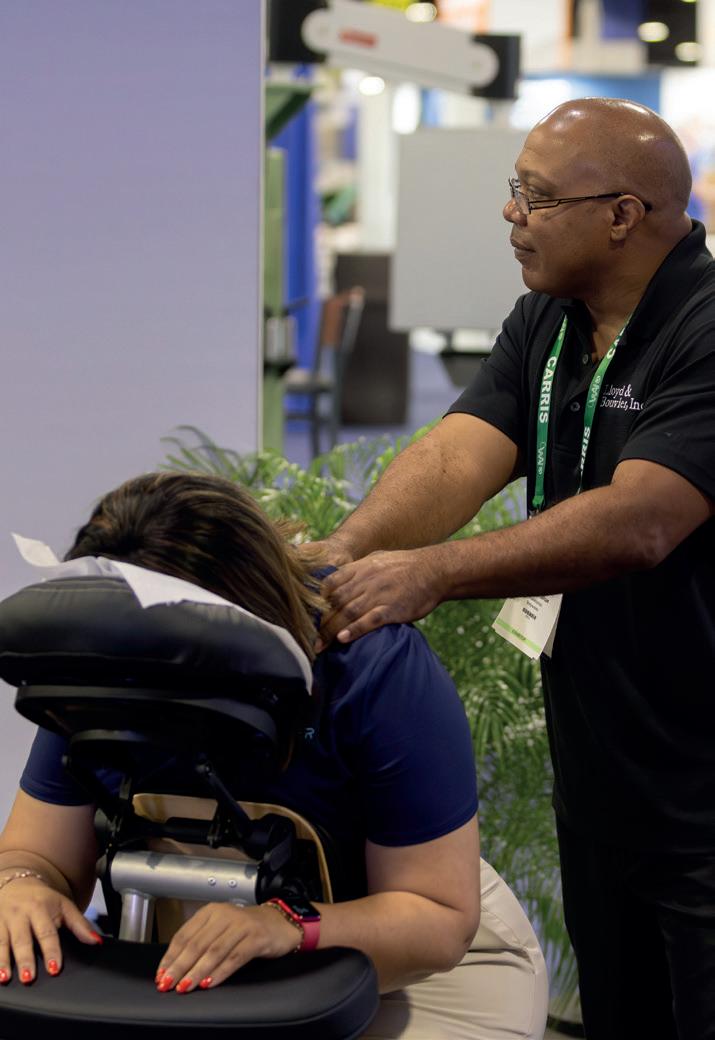
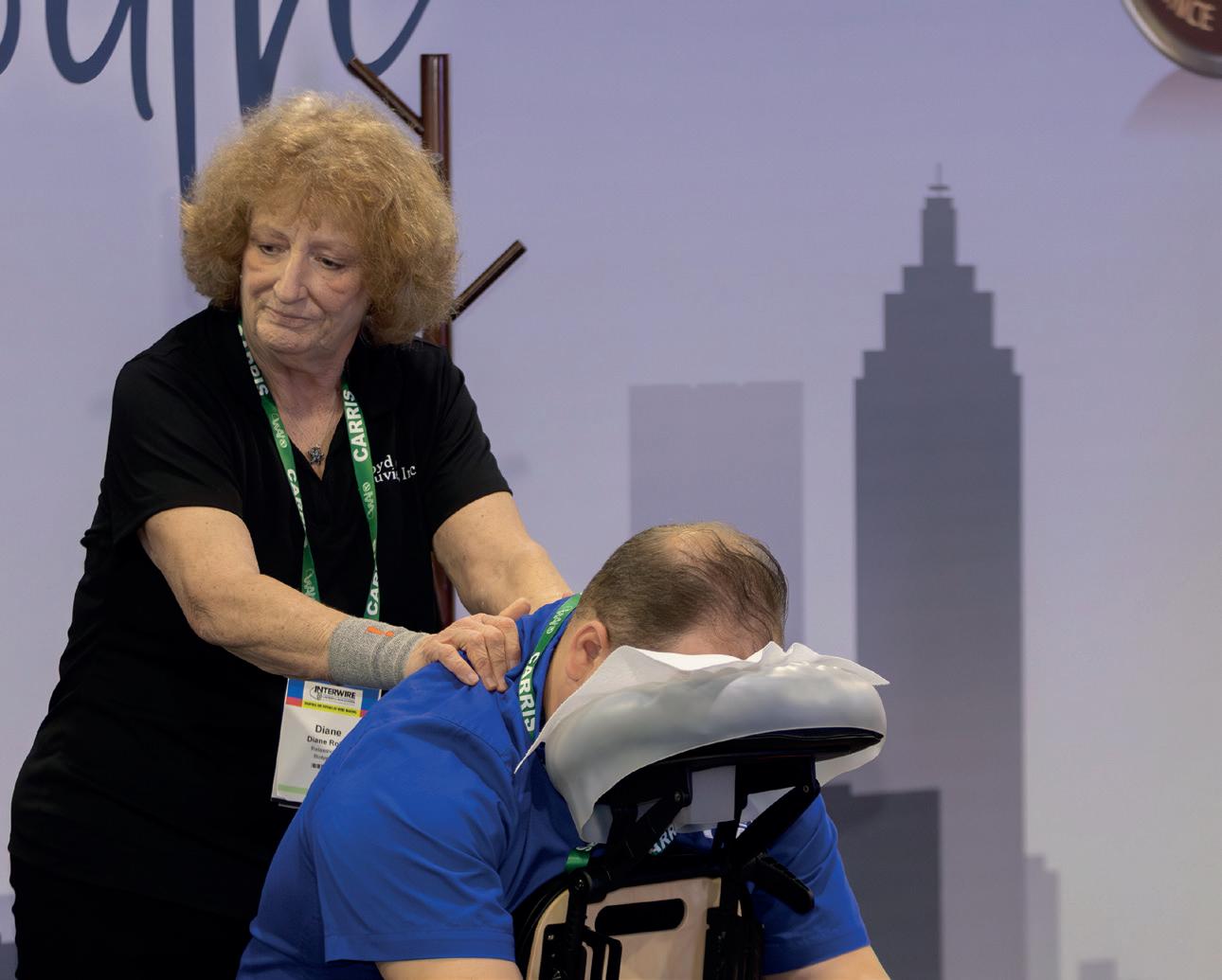
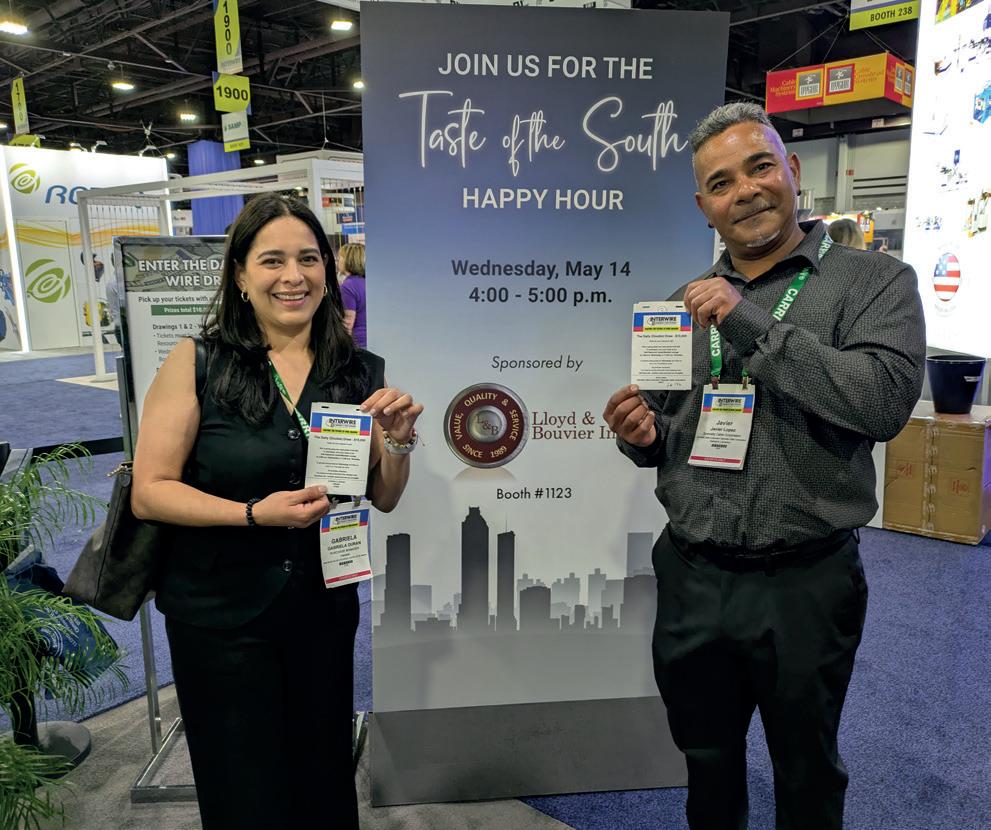
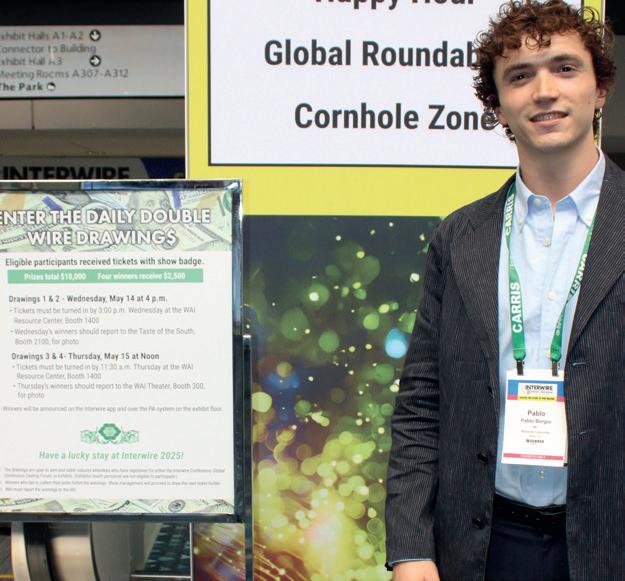
Interwire attendees were literally pampered and not just by exhibitors. The show featured the WJI Relaxation Lounge (Booth 2100). Sponsored by Lloyd & Bouvier, attendees could go there to enjoy a neck rub ... and many did. Also, the show floor saw the introduction of the Global Roundabout, where exhibitors from different countries displayed a variety of sweets. Look for both to make a return in 2027.
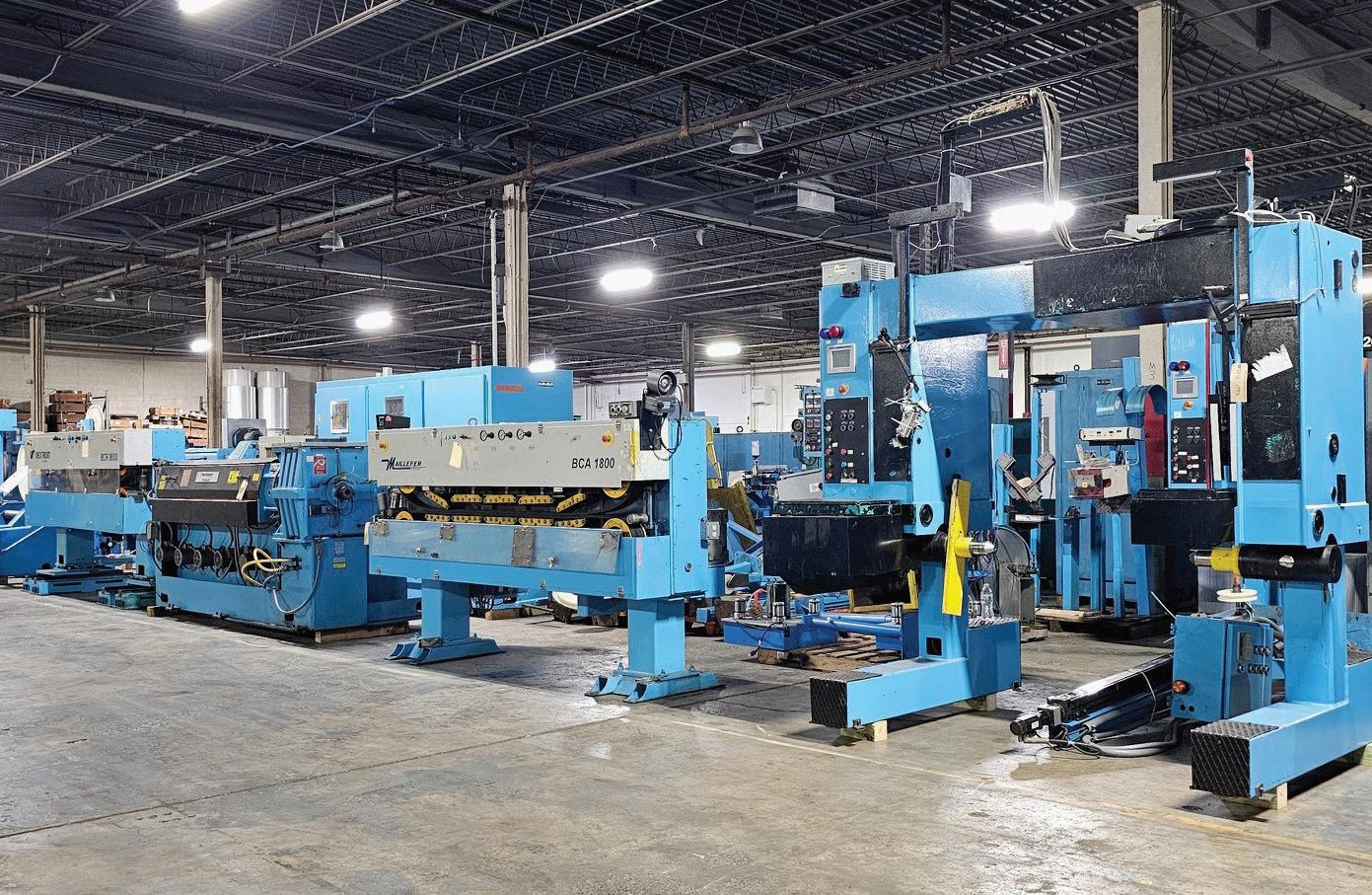
SUMMER INVENTORY SPECIALS
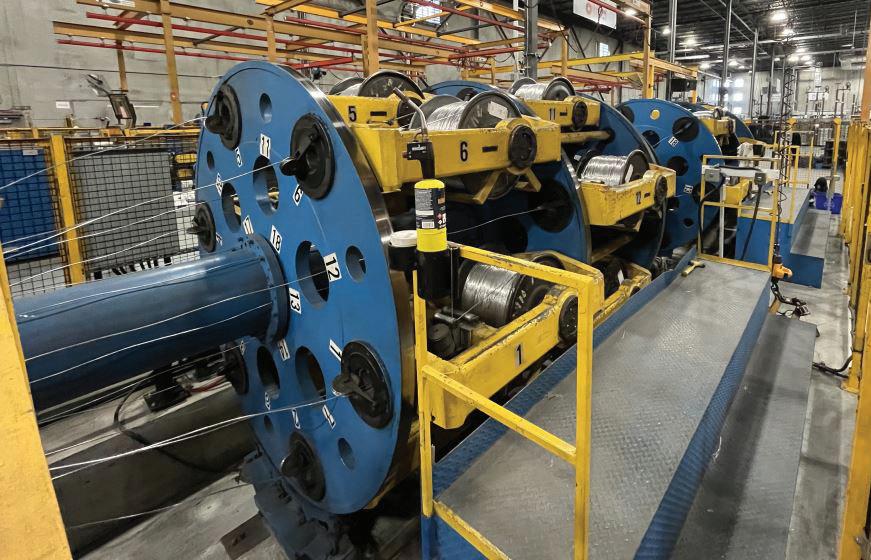
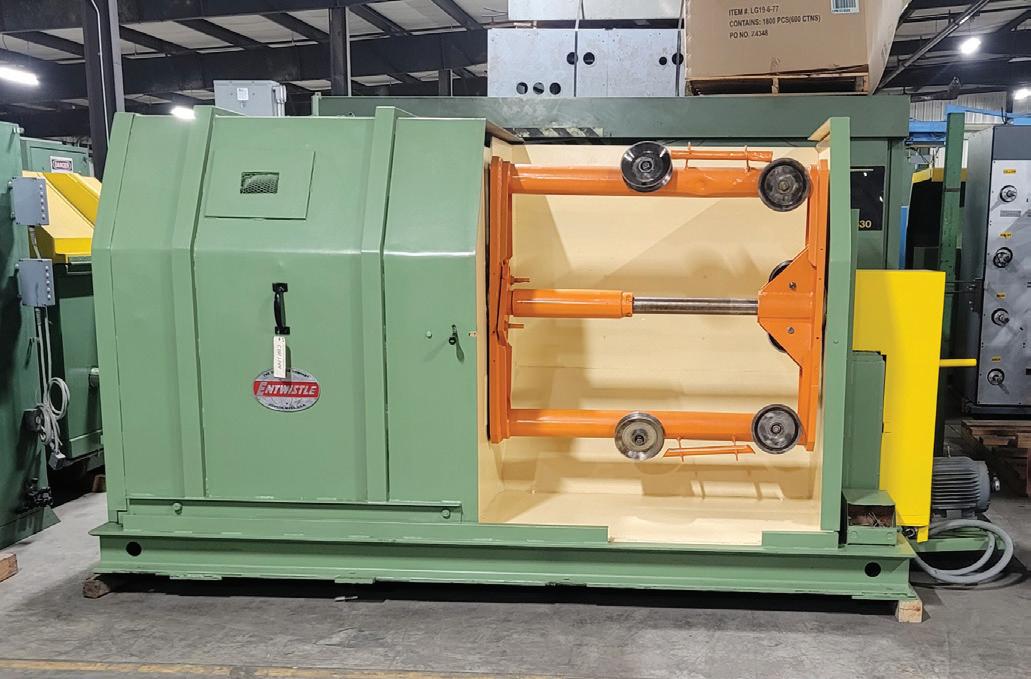
CBR1473 - Ceeco 630mm 24W (12/12) Planetary Cabling Line
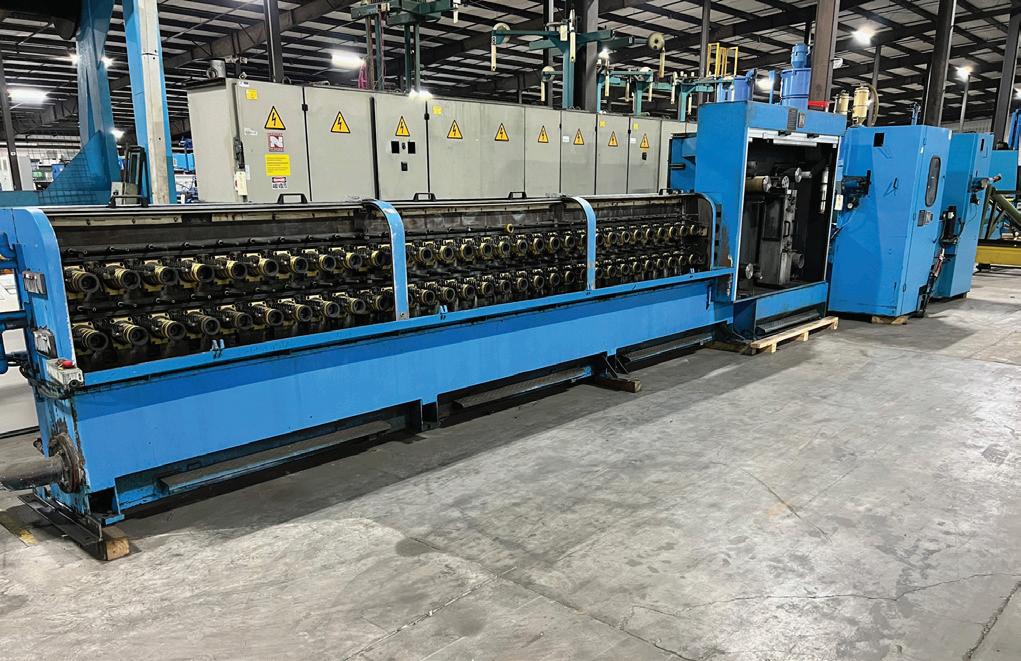
EXP1538 – 6” Davis Std, 24:1 Extruder, Therm II, 250 HP DC
EXP1488 – 4½” Davis Std, 24:1 Extruder, Therm III, 150 HP DC
EXP1506 – 165mm Davis Std, 30:1 Extruder, Therm III, 150HP DC (2)
EXR212 – 3½”Davis Std 15:1 Rubber Extruder, Therm III (3)
EXR205 – 4½” Davis Std 20:1 Rubber Extruder, Thermatic II, Rebuilt
EXR197 – 6” Davis Standard 11:1 Therm II Rubber Extruder, 250 HP DC
Interwire has evolved to a new ‘golden age’
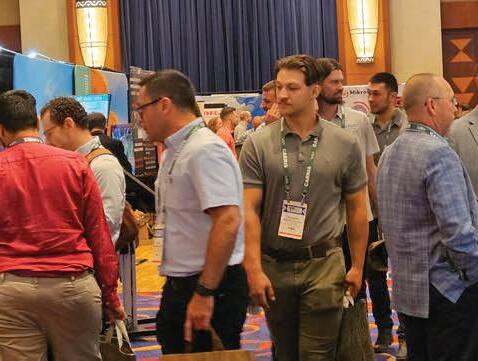
A total of 3,386 people from 46 countries and 42 U.S. states were part of Interwire 2025, and a lot of time and resources went into putting on the event, especially as it had been six years since it was last co-located with the Global Continuous Casting Forum. The conference and educational content were solid, but what did exhibitors think of the event?
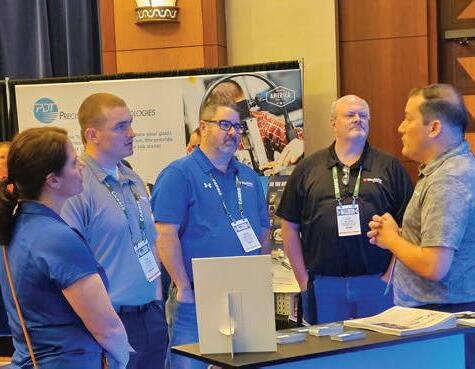
I had conversations with dozens of exhibitors, and I was struck by how most boiled down to an undeniable mantra: “Attendance was kind of low, but the quality of visitors we had was really good.” Admittedly, most of those conversations were with the medium- to large-size exhibitors, companies that have displays of equipment and/or services. Yet that is also important to those in smaller booths, as many of those exhibitors came to meet their customers, to “be seen,” and hopefully to find new leads. There were also more than 50 first-time exhibitors seeking to establish a foothold. The quality of attendees matters to them all.
Exhibitors want to see the show floor packed with attendees. It’s human nature 101 at work. Many veteran exhibitors still have vivid memories of swelled show floors with double or triple the attendance, and attendees waiting to talk to them. Yet that yesteryear backdrop may not have been Interwire’s golden era. It was also a time when some manufacturers would send hundreds of staffers, most of whom were not decision makers or decision influencers. If fewer people attend trade shows such as Interwire, those who do come should be more worthwhile talking to, and a higher current attendee quality seems to be a reality. A recent report from Giant Printing—a provider of trade show display solutions that also publishes industry statistics and market insights about U.S. trade shows—said that 81% of trade show attendees possess buying authority and 46% hold executive-level positions. So, I asked exhibitors, what’s more important? Was their time really better spent back then? Their responses were often wistful. Yes, they got that many of those long-ago floor talks were not productive, and more than once they would have to cut short some conversations to get to someone else they really wanted to see ... but you could tell that they missed the sense of excitement a packed floor has. That includes at least one industry trade editor who still misses taking epic photos of those crowded floors. Human nature can be hard to shut up.
Mark Marselli Editor-in-Chief, editor@wirenet.org
PUBLISHER Steven J. Fetteroll
EDITOR-IN-CHIEF Mark Marselli
DIRECTOR OF SALES Shannon Timme
DIRECTOR OF INTERNATIONAL SALES & BUSINESS DEVELOPMENT
Anna Bzowski
DIRECTOR OF MARKETING & CORPORATE COMMUNICATIONS
Janice E. Swindells
WAI PUBLICATIONS COMMITTEE
Dane Armendariz, consultant
Ferruccio Bellina, TKT Group/President ACIMAF
Michael Crowle, QED Wire Lines Inc.
Tom Moran, consultant
Giulio Properzi, Continuus Properzi
Willem Sundblad, Oden Technologies Inc.
John N. Tomaz, Stolberger
Robert Wild, Niehoff Endex North America
W.T. Bigbee, Encore Wire Corp.
TECHNICAL ADVISORS
John Drummond, Scotia Group
R. M. Shemenski, RMS Consulting, Inc.
Images: Adobe Stock.
Wire Journal International (ISSN-0277-4275) published monthly by The Wire Journal, Inc., is a wholly owned subsidiary of The Wire Association International, Inc., which is located at 71 Bradley Road, Suite 9, Madison, CT 06443-2662, USA, and can be contacted at tel. 203-453-2777; fax 203-453-8384; Internet wirenet.org; e-mail editor@wirenet.org. Address all correspondence concerning advertising production, editorial and circulation to the above address. WJI is printed in the USA.
Subscription rates: $110 per year, USA; $120 per year, Canada and Mexico; other countries, $140 per year (includes air mail). Back copies: $10 WAI members, $15 non-members. Periodicals postage paid at Madison, CT 06443, USA, and at additional offices.
Wire Journal International grants photocopy permission to libraries and others registered with Copyright Clearance Center (CCC), 21 Congress St., Salem, MA 01970, USA, for a fee of $0.50 per article. Payments should be sent directly to the CCC. Requests for bulk orders or reprints should be sent to the Wire Journal International, 71 Bradley Road, Suite 9, Madison, CT 06443-2662, USA.
POSTMASTER: Send address changes to Wire Journal International, 71 Bradley Rd., Suite 9, Madison, CT 06443, USA.
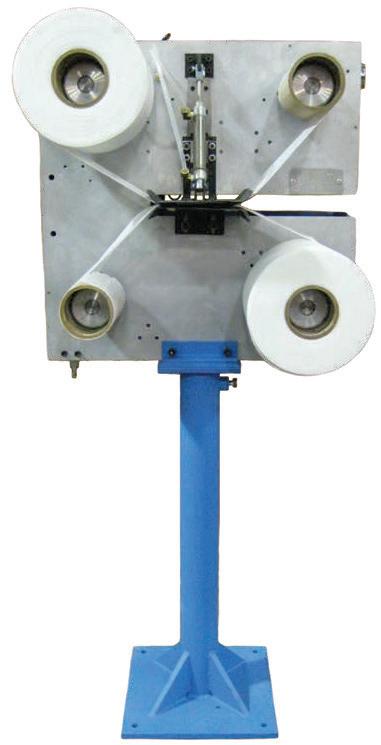
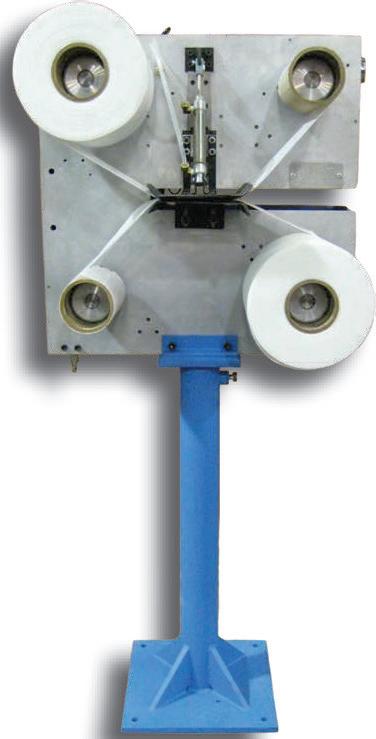
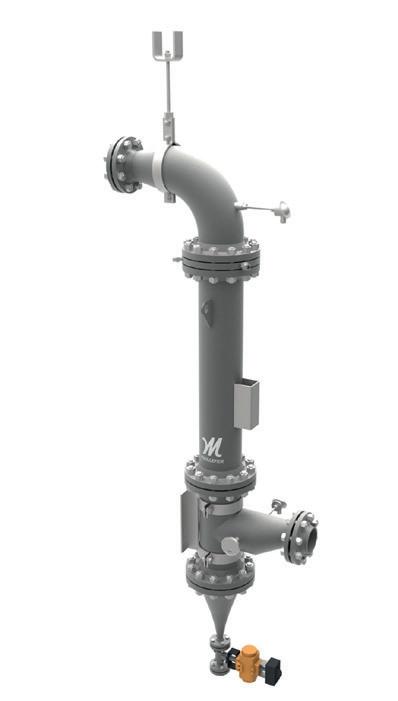
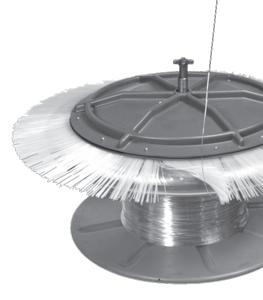
PRIMARY WIRE WIPE
An economical way to remove copper dust, excessive oil lubricant, dirt, and dust from primary wire or strand
CCC LINE CARD
• Stranding & Cabling Lines
• Take-Ups / Pay-Offs / Coilers
• Fully Automatic Re-Wind Lines
• Complete Extrusion Lines
WIRE RANGE: Up to 0.098 in. (2.5 mm.) diameter
MAX. F/M: Approx. 8000 ft./m.
MATERIALS: Ferrous or nonferrous material / tinned, bare, or plated
FLOOR SPACE: 18” x 27”
• Reduce Spark Faults
• Improve Insulation Bond
• Easy to Install
• Improve Insulation Concentricity
• Increase Pre-Heater Sheave Life
• Environmentally Friendly
• Ultrasonic, Wet Blast, and Various Mechanical Cleaning Systems
• Drum Packers, Air Wipes, and Taping Lines
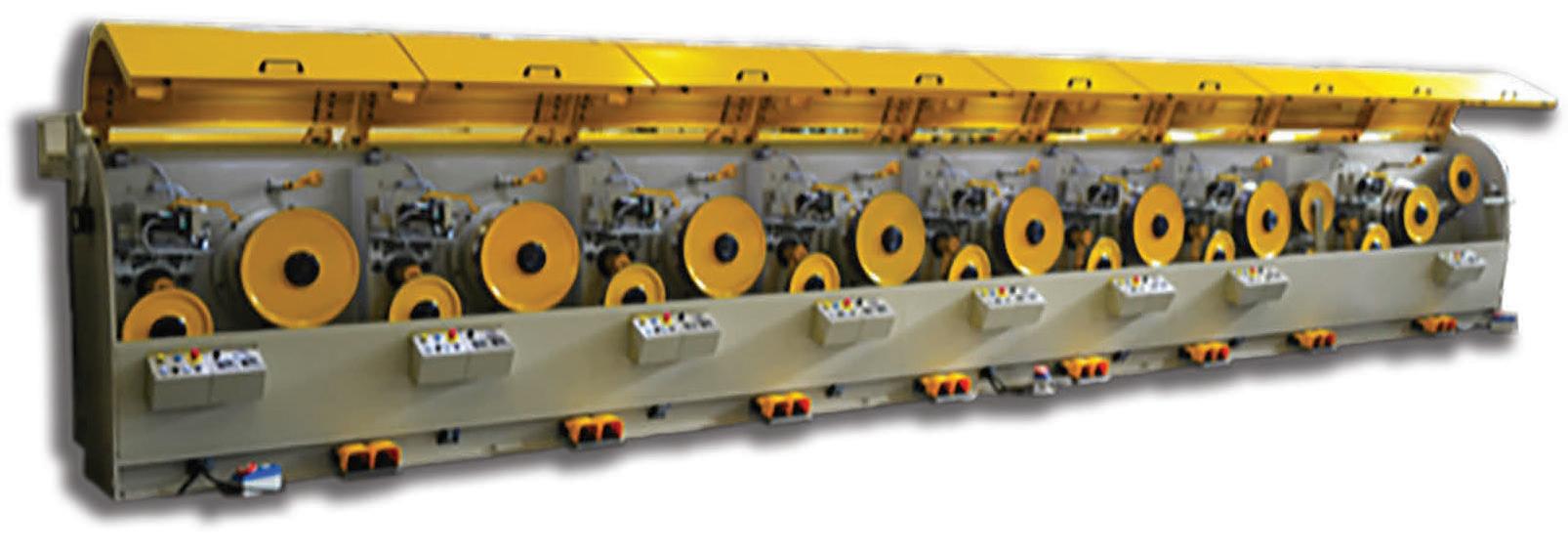
GIMAX SRL DRAWING EQUIPMENT
TYPICAL WIRE SIZE:
15 mm. (0.6 in.) inlet down to .5 mm. (0.02 in.) outlet
NUMBER OF BLOCKS: Up to 15 blocks
LINE SPEED: 30 m./s. (6000 f/min.)
CAPSTAN COATING: Tungsten Carbide or ceramic coating
• Forming / Welding / Sizing Lines
• Wire Drawing and Shaving
• Semi and Auto Re-Spooling
JUNE 24-26, 2025: CRU Wire & Cable Connections Summit 2025 Prague, Czech Republic. This CRU event will be held at the Vienna House by Wyndham Andel’s Prague. Contact: CRU, tel. +44-20-7903-2444 (U.K.) or 724-313- 5659 (U.S.), paul.terry@crugroup.com.
SEPT. 6-8, 2025: wire Middle East Africa Cairo, Egypt. This event will be held for the second time as part of METAL & STEEL EGYPT at the Egypt International Exhibition Center. Contact: Messe Düsseldorf North America, tel. 312-781-5180, info@mdna.com, www.mdna.com.
SEPT. 17-19, 2025: wire Southeast Asia 2025 Bangkok, Thailand. This Messe Düsseldorf event is to be held at the Bangkok International Trade & Exhibition Centre. Contact: Messe Düsseldorf North America, tel. 312-781-5180, info@mdna.com, www.mdna.com.
OCT. 14, 2025: Wire & Cable Poland 2025 Prague, Czech Republic. Organized by ACIMAF, the AGH University of Krakow, IWMA and WAI, look for more information on this International Technical Conference in future issues. The event website is www.wirecable25.com.
OCT. 27-30, 2025: 74th IWCS Cable & Connectivity Industry Forum Pittsburgh, Pennsylvania, USA Contact: IWCS, tel. 571-265-3657, www.iwcs.org. WAI will be exhibiting at this event, so look for us there.
NOV. 4-6, 2025: Cable & Wire Fair 2025 New Delhi, India. This event is to be held at the Pragati Maidan. Contact: Tulip 3P Media Pvt. Ltd.: tel. +91-01244250148, info@wirecable.in, www.cablewirefair.com.
APRIL 13-17, 2026: wire Düsseldorf Düsseldorf, Germany. To be held at the Messe Fairgrounds. Contact: Messe Düsseldorf North America, tel. 312-781-5180, info@mdna.com, www.mdna.com.
MAY 6-7, 2026: Wire Expo & 96th Annual Convention Milwaukee, Wisconsin, USA To be held at the Baird Center, this event includes the Fundamentals of Wire Manufacturing Course on May 5, 2026.
OCT. 7-9, 2026: SpringWorld Expo and Symposium Rosemont, Illinois. This event, presented by the Chicago Association of Spring Manufacturers, Inc. (CASMI) and the Symposium and the Spring Manufacturers Institute (SMI), will be held at Donald E. Stephens Convention Center. Contact: CASMI, tel. 414-908-4963, info@casmi-springworld.org, www.springworld.org.
NOV. 20-DEC. 2, 2026: Wire India Mumbai, India.. This event, organized by Messe Düsseldorf India Pvt. Ltd, will again be held at the Bombay Exhibition Center (BEC), also known as the Bombay Convention & Exhibition Center (NESCO). Contact: Messe Düsseldorf North America, tel. 312-781-5180, info@mdna.com, www.mdna.com.
WAI EVENTS
JULY 31, 2025: Midwest Chapter Annual Golf Tournament
Bensenville, Illinois, USA. The Midwest Chapter will hold its golf tournament at a new course, the White Pines Golf Club.
AUG. 21, 2025: Ohio Valley Chapter Annual Golf Tournament and Education Program
Canfield, Ohio, USA. The Ohio Valley’s tournament and education program will return to the Kennsington Golf Club.
SEPT. 8, 2025: WAI New England Chapter Annual Golf Tournament
Farmington, Connecticut. The New England Chapter’s annual tournament will return to the Tunxis Country Club.
Conover, North Carolina. The Southeast Chapter’s annual tournament will take place at the Rock Barn Country Club & Spa.
MAY 6-7, 2026: Wire Expo & 96th Annual Convention
Milwaukee, Wisconsin. To be held at the Baird Center, this event includes the Fundamentals of Wire Manufacturing Course on May 5, 2026.
For more details, contact Member Services Mgr. Corey Flynn, tel. 203-453-2777, ext. 128, cflynn@wirenet.org.
INDUSTRY NEWS reports of industry activity
TS Conductor to build a $134 million plant in South Carolina to boost conductor capacity
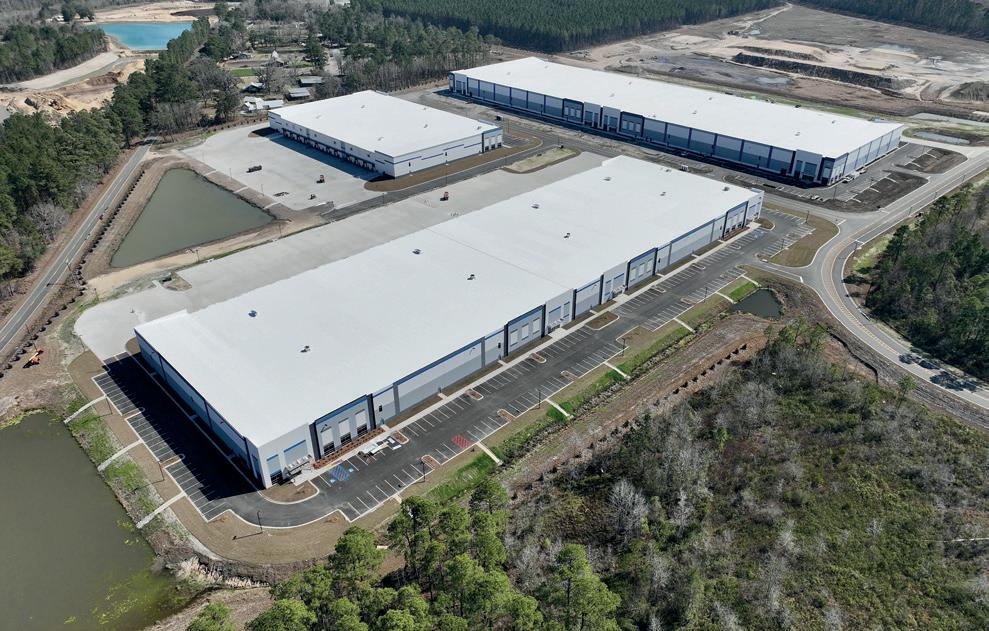
TS Conductor (TS), a U.S.-based manufacturer of advanced power transmission technology, will invest $134 million to build a new production facility in Hardeeville, South Carolina, that will create more than 450 jobs.
Per multiple press releases, the plant will manufacture TS’s Aluminum Encapsulated Carbon Core (AECC) conductors, which are designed as direct substitutes for traditional ACSR (aluminum conductor steel-reinforced) cables and are compatible with existing installation and maintenance practices. The new facility, located in the Clarius Park Hardeeville industrial park near the Port of Savannah, is TS’s second U.S. manufacturing site, its first being in Huntington Beach, California.
The project will be carried out in three phases. Phase one involves TS moving into a 301,275-sq-ft building within Clarius Park Hardeeville. This phase is scheduled to begin operations by the end of 2025 and is supported in part by funding from the U.S. Department of Energy (DOE) through its Office of Manufacturing and Energy Supply Chains. The DOE funding is part of a broader initiative to bolster domestic manufacturing capacity for critical energy supply chain needs, including high-voltage direct current (HVDC) transmission lines.
Future phases of the project could add up to 1 million sq ft of additional manufacturing space as demand grows.
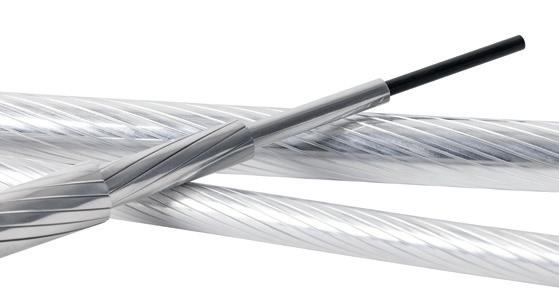
TS projects the three-phase expansion will create 462 manufacturing jobs. The AECC conductors incorporate a pre-tensioned carbon core, a seamless aluminum encapsulation layer and trapezoidal strands made from annealed aluminum. The design is intended to maximize strength, reduce thermal expansion and improve conductivity compared to conventional steel-reinforced cables. The advanced conductors are often used for reconductoring existing power cable lines, especially in applications where excessive sag is a concern, allowing utilities to upgrade capacity without replacing towers or structures.
The TS technology has been recognized with the 2024 Bloomberg NEF Pioneers Award, the S&P Global Platts Rising Star Company award and honors from Public Utilities Fortnightly and DOE. The 2023 June issue of WJI included a writeup on the DOE’s choosing TS as one of the seven companies chosen from 50 teams that entered its Stage 2 Conductivity-enhanced materials for Affordable, Breakthrough Leapfrog Electric applications (CABLE) contest. The winners got $200,000 and $100,000 in vouchers for laboratory support.
TS’s expansion comes at a time when the U.S. electric grid is facing increased demand due to the growth of data centers, manufacturing, and new energy projects. TS says its conductors are intended to help utilities increase transmission capacity and improve grid reliability without requiring major changes to existing infrastructure.
The announcement in March was attended by South Carolina Governor Henry McMaster, who welcomed TS Conductor to Jasper County, and by state and local officials who highlighted the potential economic impact of the investment. “TS Conductor’s announcement showcases that cutting-edge energy companies recognize the many advantages of doing business in South Carolina,” said Secretary of Commerce Harry M. Lightsey III.
In July 2024, TS Conductor raised $60 million in a growth funding round to support the expansion. For more about TS, see p. 40.
LS Cable begins construction of new submarine power cable plant in Virginia
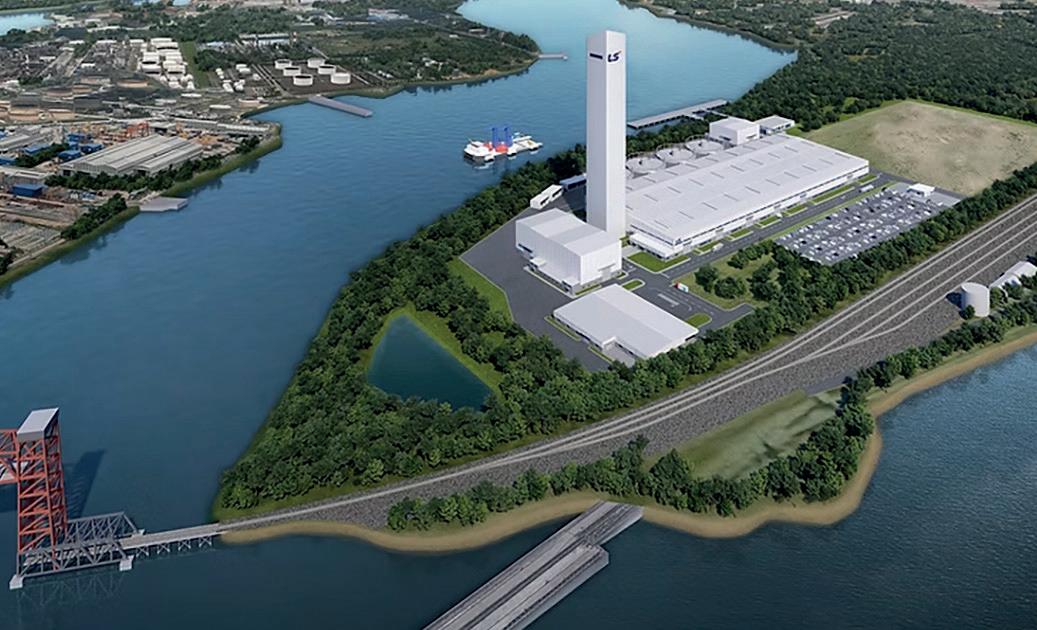
LS GreenLink USA, Inc., a wholly owned subsidiary of South Korea’s LS Cable & System Ltd. (LS C&S), on April 28 held the official groundbreaking ceremony at its new submarine power cable manufacturing facility on a 97-acre site in Chesapeake, Virginia.
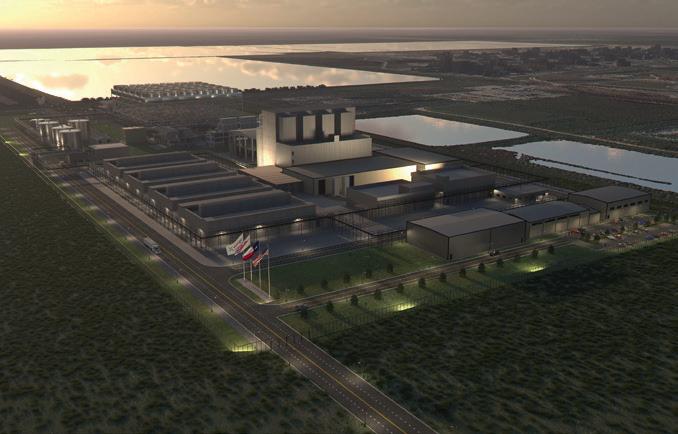
An artist’s likeness of TC Conductor’s new South Carolina plant. Photo Josh Miller, JAKX Flyers.
A press release said that the company plans to invest more than $680 million in the new facility as part of its long-term global expansion strategy. The plant is expected to be operational by the end of 2027, with full operations beginning in early 2028. The project is anticipated to create more than 330 new jobs in its first phase, with future expansion possible.
LS C&S anticipates the U.S. subsea cable market will grow more than 30% annually over the next decade. The company said the new plant will provide end-to-end capabilities in high-voltage direct current (HVDC) subsea cable manufacturing, transportation and supply.
“The construction of the LS GreenLink plant is a turning point for LS Cable & System to become a global energy infrastructure company,” said LS C&S XEO Koo Bon-kyu.
In March 2024, the project was awarded $99 million in investment tax credits under Section 48C of the Inflation Reduction Act of 2022, also known as the “Qualifying Advanced Energy Project Credit Program.” Other cable manufacturers have also qualified, including Hellenic Cables Americas, which was awarded a tax credit allocation in 2024 of up to $58 million for its planned cable manufacturing facility in Baltimore, Maryland.
LS Cable & System has begun construction of its U.S. power cable plant.
In 2022, Prysmian announced similar plans to build a cable plant in Somerset, Massachusetts but canceled that in January 2025. While multiple reports cited the Trump administration’s executive orders halting new offshore wind permits as a key factor, Prysmian publicly stated that its decision was unrelated to political changes.
WIRE & CABLE IN THE NEWS
Cement giants appear ready to enter/clash in the cable industry
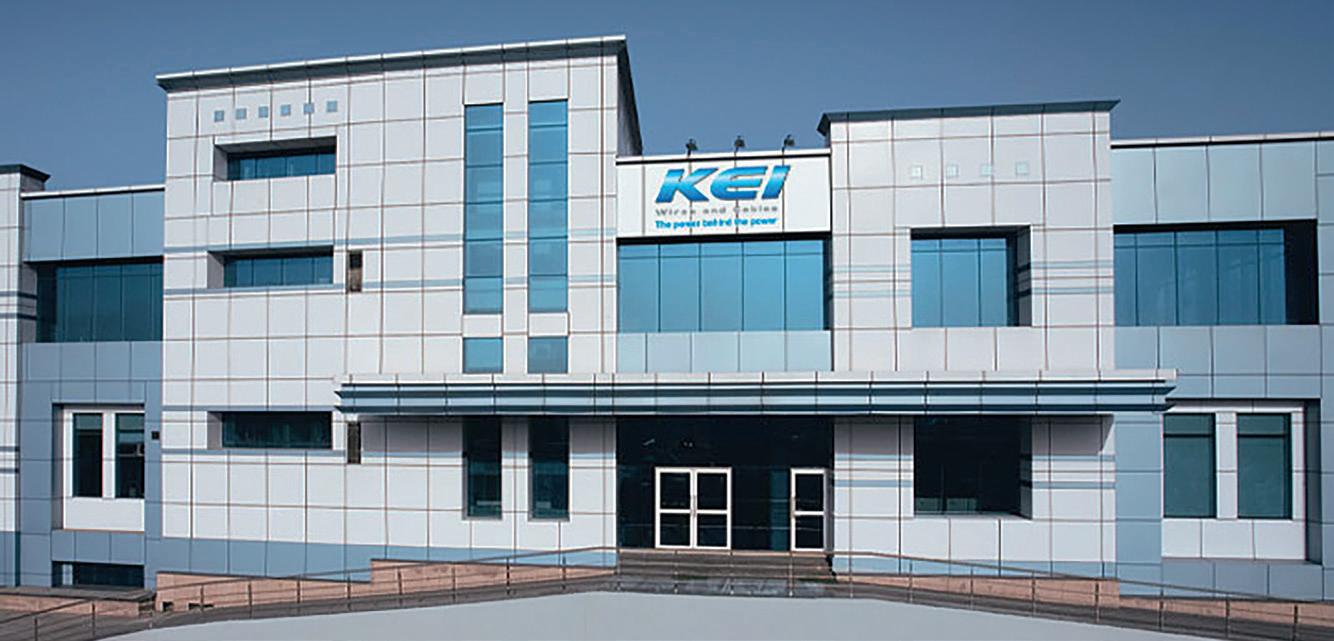
An unusual story about a cement manufacturer in India deciding to enter the cable industry was a no-brainer for WJI: it led to the story on p. 16. Only a short time later, a near-duplicate of that same story appeared (also on p. 16). How do two such unlikely stories both happen in a very short timeframe? The stories stand alone, but below is an overview pieced together from multiple sources.
Two of India’s cement giants and longtime competitors—UltraTech Cement and Adani Group—have each announced plans to enter the wire and cable industry, a move that has surprised industry observers and raised questions about the timing and motivations of the parallel decisions.
UltraTech Cement, a market leader and the flagship of the Aditya Birla Group, declared in February 2025 that it would invest in a wire and cable plant in Gujarat. The company plans to leverage its robust distribution network and proximity to Hindalco’s copper facility, giving it a unique backward integration advantage. UltraTech’s foray is seen as part of a broader strategy to capture a greater share of the construction value chain and deepen relationships with homeowners and developers.
Almost simultaneously, Adani Group, now India’s second-largest cement producer thanks to a string of high-profile acquisitions, signaled its own ambitions in the wires and cables segment, though without a formal public announcement date. Adani’s move is viewed by some as a countermove to UltraTech, as both conglomerates have been fierce competitors for cement market dominance, especially in southern India. Their rivalry has already led to aggressive capacity expansion and asset acquisitions.
The near-simultaneous announcements led some observers to suggest that one company’s decision triggered the other’s, but it could also be that each independently identified the wire sector’s strong growth prospects and the potential for a well-planned entry. While both companies have
the financial muscle and distribution might to disrupt the fragmented wire and cable market, some observers questioned how well either or both will be able to handle regulatory approvals and developing B2B customer relationships.
Sources: Reuters, CNBC TV18, Economic Times/Brand Equity, UltraTech website, Best Media Info, India Cement Review, Moneycontrol, and PL Capital Group.
Editor’s note: How well success in another manufacturing sector (cement) translates to wire and cable is an unknown ... or if the two cement heavyweights that could be on a path that may lead to an industrial grudge match akin to that of Godzilla and King Kong.
SubCom chosen as the cable supplier for system to be located in the Arctic Circle
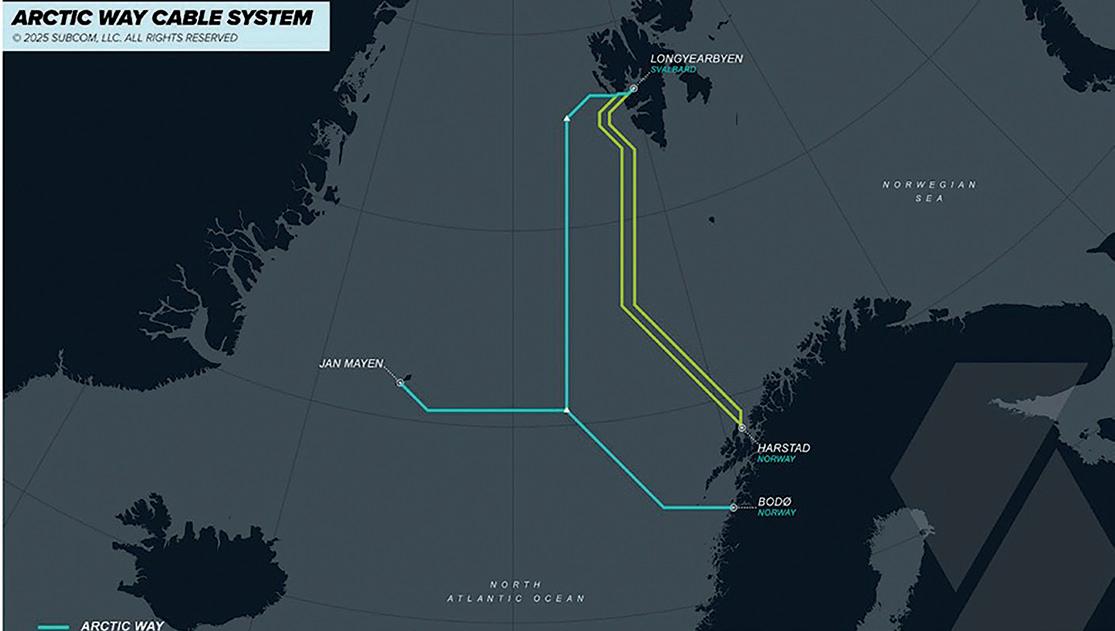
Space Norway and SubCom have a deal to build and deploy the Arctic Way Cable System, a high-capacity subsea network that will connect mainland Norway to two of its territories—Jan Mayen and Svalbard—that are located quite far apart.
A press release said that the 2,350 km trunk-and-branch system will be the world’s northernmost repeatered subsea cable, running entirely within the Arctic Circle between 67°N and 78°N. The system is scheduled to be ready for service by Q2 2028 and will provide critical route diversity for the region’s growing data demands, while ensuring continued connectivity for remote Arctic communities.
SubCom will manufacture the cable and supporting infrastructure at its facility in Newington, New Hampshire, and will handle installation via one of its polar-certified Reliance Class vessels. The system will feature direct landings in Bodø (mainland Norway), Jan Mayen, and Longyearbyen (Svalbard), supplementing and eventually succeeding the existing Svalbard cable system, which is
expected to remain in service beyond its original 25-year design life. The Arctic Way project underscores the strategic importance of high-latitude digital infrastructure as data traffic in the Arctic continues to grow.
Space Norway’s goal is to deliver uninterrupted Arctic connectivity as existing cables near end-of-life by 2028+. The system addresses growing regional data demands from commercial, government, and scientific stakeholders.
Arctic Way builds on SubCom’s previous work deploying the original Svalbard cable system, which remains the sole telecommunications link between Svalbard and mainland Norway. That system consists of two separate optical fiber cables, each with eight fiber pairs, running from Harstad to Breivika in Andøy Municipality, and from Breivika to Hotellneset near Longyearbyen, Svalbard. The main undersea segments from Breivika to Hotellneset are 1,375 and 1,339 km long, respectively. Each cable includes
20 optical repeaters and is capable of a speed of 10 Gbit/s, with a future upgrade potential of up to 2,500 Gbit/s.
“Establishing the new Arctic Way cable system is imperative to ensure that data connectivity for the Arctic community is effective and uninterrupted for decades to come,” said Morten Tengs, CEO of Space Norway.
Sikora AG acquired by Swiss MAAG Group
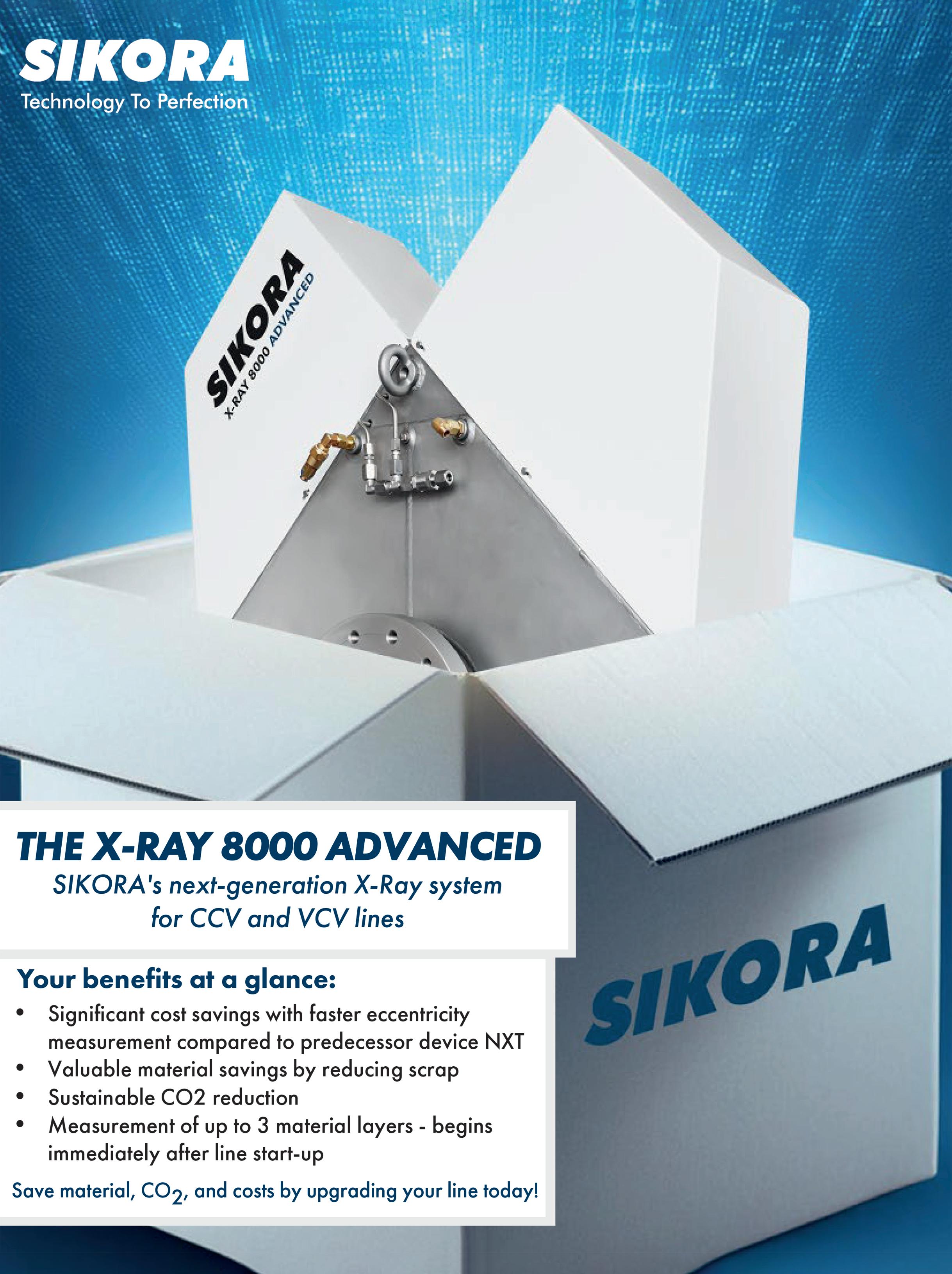
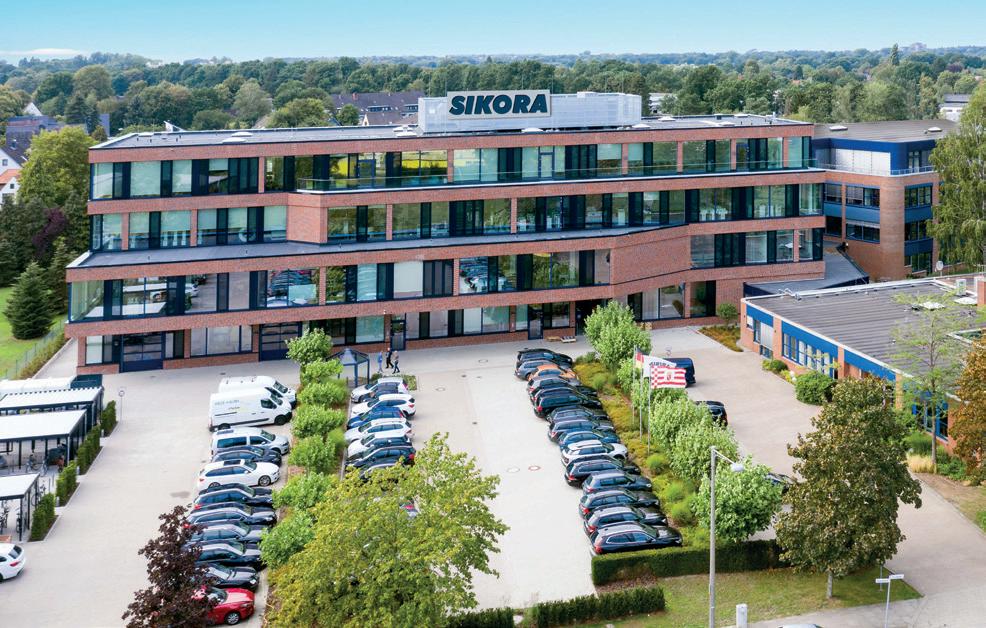
Germany’s SIKORA AG, a manufacturer of innovative measuring, control and sorting technologies for industries that include wire and cable, was acquired by Swiss MAAG Group, a leading international group of companies for integrated solutions in polymer processing and part of the Dover Corporation.
A press release said that, with the news, “SIKORA gains a strong strategic partner for the future.” Founded in 1973 by Harald Sikora, SIKORA continuously developed, opened up new markets and has grown steadily. The company now has some 450 employees in Bremen and its 13 international subsidiaries, from which it offers innovative solutions and customized customer service.
“With the MAAG Group, we have found our ideal partner for the future,” said Harald Sikora, who added that he is confident that the company is in capable hands: “SIKORA and MAAG are connected by more than just a strategic goal: we share core values - innovative strength, entrepreneurial spirit, sustainable thinking and the clear pursuit of long-term success. We are therefore convinced that in the MAAG Group we have found the right partner for further growth and to continue our success story together.”
MAAG Group President Ueli Thuerig said that SIKORA’s products “address similar customer needs in resin-related markets to ours, and its offerings provide MAAG with increased exposure to highly attractive market adjacencies where we have existing industry knowledge and customer relationships.” He predicted that synergies “will generate material cross-selling benefit with a highly complementary portfolio of products and technologies, deepening our joint value proposition and integration with our OEM partners and end customers.”
The release said that SIKORA’s expertise in measuring and control technology ideally complements the MAAG Group’s portfolio in the areas of pump, filtration and pelletizing systems. The regional proximity also offers advantages: Both companies are represented with strong locations in the DACH region and are broadly positioned internationally. This results in valuable, shared strengths and the opportunity to provide customers with even more comprehensive support and offer new solutions.
Harald Sikora will remain in an advisory capacity and the partners will rely on continuity with regard to the operational management at SIKORA. The long-standing Management Board of SIKORA AG will continue to be responsible for the company’s growth story in the future.
The layout of the Arctic Way Circle System. SubCom map.
Dr. Christian Frank, CEO of SIKORA, adds, “The partnership with the MAAG Group is a strong sign for our future: for SIKORA, for the Bremen location, and for our global team. “We have achieved great things over the past decades,” said SIKORA CEO Dr. Christian Frank. “Now a new chapter is beginning in which we can contribute our strengths and continue to grow with MAAG. For our employees, this transaction means security, new perspectives, and the opportunity to continue our success story together.”
Nexans winds contract to supply the 2nd Malta-Sicily Power Interconnector
Nexans has secured a major contract from Interconnect Malta (ICM) to deliver the second Malta-Sicily interconnector, a high-voltage alternating current (HVAC) subsea link designed to reinforce Malta’s electricity system.
A press release said that the subsea cable, to be made at the company’s U.S. plant in Charleston, South Carolina, will run between Maghtab, Malta, and Ragusa, Sicily. The length was not cited, but a report at independent.com said it would be about 99 km long and the project is valued at approximately €300 million. The cable will be installed in parallel with the existing interconnector that Nexans supplied in 2015.
“Delivering this second interconnector strengthens the energy link between Malta and Sicily, ensuring longterm stability for the country’s electricity supply,” said Nexans’ EVP Power Transmission Business Group, Pascal Radue. “Building on our longstanding partnership with Interconnect Malta, this project also plays a key role in supporting the country’s transition toward a climate-neutral economy and enabling further investment in renewable energy.”
In other news, Nexans reported that the company is expanding its low-carbon product range this year. The
SIKORA AG is now part of Swiss MAAG Group.
low-voltage cables from its plant in Jeumont (northern France) will have 10% recycled aluminum content and contribute to reducing Nexans’ and its customers’ carbon footprints. They will be made exclusively with low-carbon aluminum produced using a decarbonized energy mix, and 10% of the aluminum in them will be recycled. All the cables from Jeumont for low-voltage markets will include this new feature.
“The goal for Nexans today is to source enough recycled aluminum to meet the market’s needs,” said Nexans Sustainable Offer Marketing Director Laure Desseigne. “That’s why we are asking our customers to route their cables towards streams that effectively ensure circularity, i.e. turn used cables into new, recycled cables.” In 2024, the Nexans Group announced a new €15 million investment plan to modernize its plant in Bourgen-Bresse, France, to produce eco-friendlier medium-voltage cables.
China’s FiberHome has opened an optical fiber cable plant in Hungary
FiberHome Telecommunication Technologies Co., Ltd. (FiberHome), a Chinese provider of networking and telecommunication equipment, has opened a plant in Kisbér, Hungary.
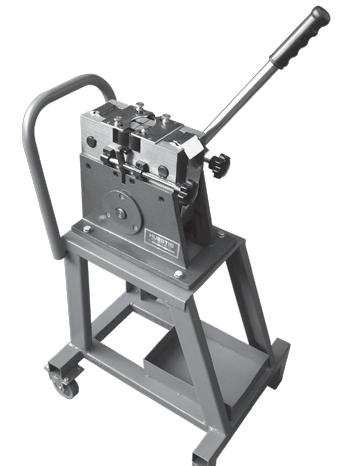
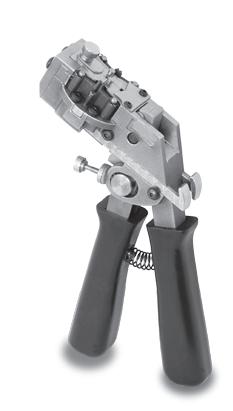
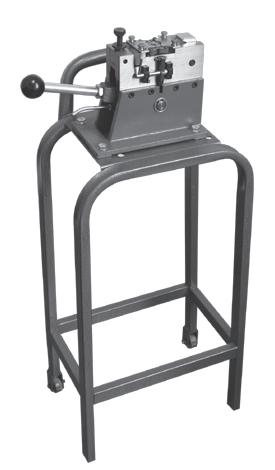
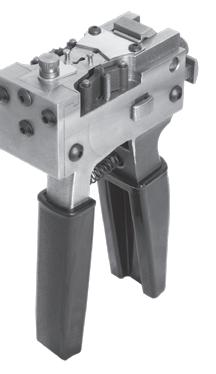
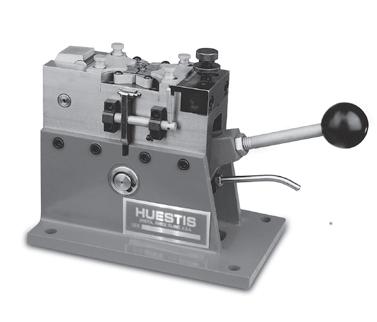
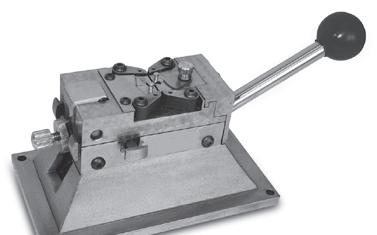
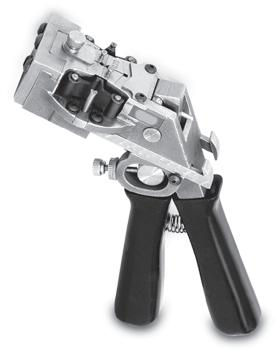
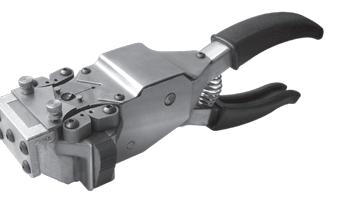
Huestis Industrial Cold Pressure Welders
Per multiple media reports—from Xinhua and Evertiq, an electronic news service—the optical cable base that is called ZettaNet represents “a new milestone in ChineseHungarian economic cooperation.” The investment was estimated at 20 million euros, with 15% of the funding provided by the Hungarian state.
FiberHome had previously served European customers via a distributor, but now the company “is stepping up its direct manufacturing base.” The Kisbér facility, which will have about 120 employees, will produce optical cables for local customers such as Magyar Telekom and MVM. The reports noted that FiberHome has industrial bases in Wuhan, Northeast China, East China, Southwest China, Northwest China, South America, South Asia, and North Africa, and dozens of wholly-owned, holding and equity participation subsidiaries, and now the optical cable base in Hungary.
“This newly established ZettaNet cable manufacturing base is our first industrial entity invested in and constructed in Europe,” said FiberHome Board Chairman Zeng Jun. The Hungarian facility will leverage FiberHome’s expertise in the fiber optic cable industry to establish a high-end
optical communication manufacturing hub in Europe. The site will integrate production, technological research and development, and logistics delivery to serve the broader European market, he said.
The Chinese Ambassador to Hungary, Gong Tao, observed that the project was completed and put into operation in less than a year. That achievement “not only demonstrated the efficiency and strength of Chinese companies but also reflects the mutual trust, cooperation and shared vision between China and Hungary.”
Per Schoenherr, an Austrian law firm that advised Chengdu Datang Communication Cable Co. (a member of the FiberHome Group), said the 25,000-sqm industrial site in Kisbér had been owned by the Hungarian subsidiary of Sumitomo Electric Wiring Systems Limited, the European company of the Japanese Sumitomo Group. FiberHome, which is listed on the Shanghai Stock Exchange, was said to hold some 4,000 patents.
R&L Spring opens its 3rd plant
R&L Spring Company™, a manufacturer of springs, coils and wire forms, has opened its third facility in Wisconsin, this one in Elkhorn, that adds 50,000 q ft of capacity.
“R&L Spring has continued to expand and grow our business, and the opening of this 3rd facility allows us to support our growth in both the short term, as well as set the stage for planned growth initiatives over the coming years,” company President Julie Arenz said in a press release.
R&L Spring has two manufacturing facilities in Lake Geneva, Wisconsin, with 220,000 sq ft of capacity that also supports its Medicoil™ division that began serving the medical device market in 1992. It was formed to address the unique requirements of the medical device market and evolved into a leader in manufacturing micro-precision coil and wired formed products for the medical device industry.
The family owned and operated company has 53 years of precision, winding, coiling and wire forming experience.
R&L Spring Company custom manufactures springs, coils, and wire forms for a wide range of OEM’s in powersports, automotive, medical device, as well as other general industries markets.
TAILOR-MADE SOLUTIONS FOR YOUR MACHINES
Our high-performance bows are available in all sizes and compatible with all brands. Designed to meet the demands of every machine.
bowtechnology.fr
A 2022 shot of R&L Spring celebrating its 50th anniversary.
India’s largest cement manufacturer plans to enter the wire and cable industry
Earlier this year, UltraTech Cement, a significant India cement manufacturer, announced that it plans to venture into the wire and cable industry with an investment of approximately $216 million over the next two years.
A press release said that the decision, announced at the company’s Feb. 22 board meeting, calls for the initiative to begin production by December 2026 at a manufacturing facility set to be established in Bharuch, Gujarat. “UltraTech proposes to leverage its extensive manufacturing expertise coupled with its connection with the end-customers to deliver high-quality wires and cables thereby targeting a higher share of the customer’s wallet.”
The company will focus on making wire and cable for sectors such as residential, commercial, infrastructure and industrial applications. Per the release, India’s wire and cable industry has seen CAGR revenue of 13% from 2019 to 2022. “With the migration from the unorganized to the organized market, the outlook continues to remain robust which provides an attractive opportunity for a new trusted player in the sector.”
Company Chairman Kumar Mangalam Birla said that the plan will expand the company’s presence within the construction value chain. The foray into wire and cable “aligns with our vision of providing comprehensive solutions to our end customers in the construction sector.” He emphasized that this move supports UltraTech’s long-term growth strategy and market leadership ambitions.
UltraTech’s board has approved the plan, signaling the company’s intention to diversify its portfolio and strengthen its position as a leading provider of building solutions. The company will leverage its expertise in manufacturing and its strong customer connections to deliver high-quality wires and cables.
Per its website, UltraTech Cement Limited is the cement flagship company of the Aditya Birla Group. It is the largest manufacturer of grey cement and ready-mix concrete (RMC) and one of the largest manufacturers of white cement in India. It is the only cement company globally (outside of China) to have 175+ MTPA of cement manufacturing capacity in a single country. It operates in 40+ countries across six continents, and more than half its revenues come from operations outside India. See p. 11.
M Huber reports that it has acquired key material assets from RJ Marshall
M. Huber Corporation announced that it has acquired the alumina trihydrate (ATH), antimony-free flame retardant and molybdate-based smoke suppressant assets of The R.J. Marshall Company.
A press release said that the deal will see the acquired assets incorporated into the Huber Advanced Materials (HAM) strategic business unit of Huber Engineered Materials, an operating company of J.M. Huber Corporation. These assets will enhance HAM’s product portfolio and strengthen its position as a leader in the North American market of flame retardant and smoke suppressant technologies.
The acquisition includes R.J. Marshall’s alumina trihydrate and Marshall additive technologies product lines (excluding those containing antimony trioxide). HAM will integrate these products into its existing portfolio, providing customers with a seamless transition and continued access to the materials they rely on. “This acquisition underlines HAM’s strategic commitment to grow our halogen-free fire retardant and smoke suppressant portfolio and expand our product offering for our customers,” said HAM Global Vice President Sales & Marketing Martin Schulting.
HAM, known for its focus on sustainability and innovation in specialty additives, continues to invest in expanding its environmentally responsible product range. The company has recently achieved significant milestones in life cycle analysis and is recognized for advancing halogen-free solutions for industrial applications.
India’s 2nd largest cement manufacturer plans to enter the wire and cable industry
Earlier this year, Adani Group, one of India’s largest and fastest-growing cement manufacturers, announced plans to enter the wires and cables industry through a newly formed joint venture.
On March 19, 2025, Adani Enterprises, via its wholly owned subsidiary Kutch Copper Limited, finalized the incorporation of Praneetha Ecocables Limited in partnership with Praneetha Ventures Private Limited. The joint venture will focus on the manufacturing, marketing, and distribution of metal products, cables and wires, marking a significant diversification for the conglomerate.
A company statement said that the initiative is part of Adani’s broader strategy to strengthen its presence across the infrastructure and construction value chain. By leveraging the group’s extensive experience in large-scale manufacturing and its ongoing investment in India’s largest greenfield copper refinery in Gujarat, Adani aims to secure reliable raw material supply and competitive pricing for its cable business. The company expects this vertical integration to provide a unique advantage as it enters a market that has seen a compound annual growth rate of over 13% in recent years.
The new venture will target key sectors such as residential, commercial, infrastructure and industrial applications,
reflecting the rising demand for high-quality cables and wires driven by India’s urbanization, smart city projects, and renewable energy expansion.
Adani Group’s leadership emphasized that this entry aligns with its long-term vision to be a leading provider of integrated solutions for India’s rapidly growing construction and infrastructure sectors. The company’s board has approved the plan, signaling its intention to diversify its portfolio and capitalize on synergies with its existing copper and infrastructure businesses. See p. 11.
NTT unit launches new cable-laying vessel to serve strong regional power demands
Japan’s NTT World Engineering Marine Corp. (NTT WE Marine), the submarine cable laying subsidiary of Nippon Telegraph and Telephone Corp. (NTT), has launched a new CLV that is registered under the Philippine flag and operated primarily by Filipino crew members.
A press release said that NTT WE Marine, marking its 25th year in the Philippines, launched the CS VEGA II, a state-of-the-art cable-laying vessel. NTT notes that it is the only cable provider that has a fully equipped, Philippineflagged cable-laying vessel.
The new CLV, is primarily intended to be operated for the maintenance of domestic submarine telecommunica-
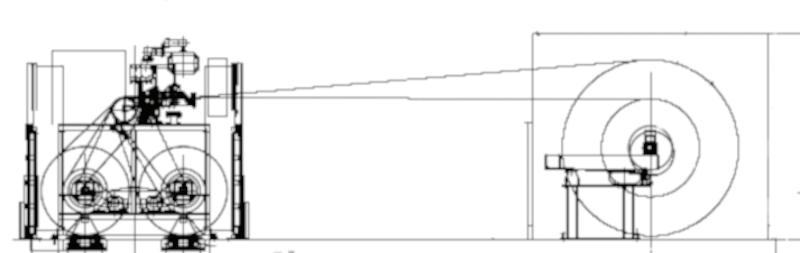
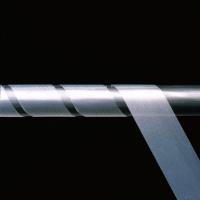
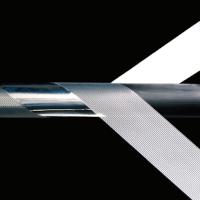
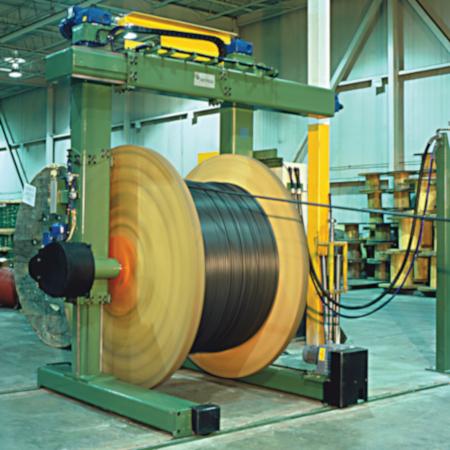
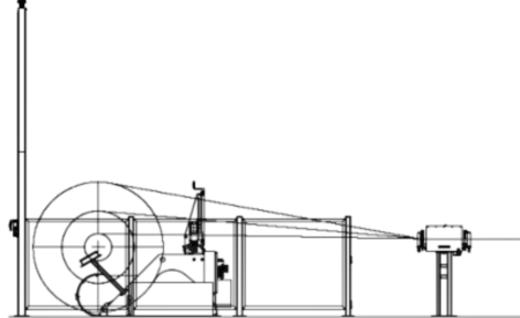
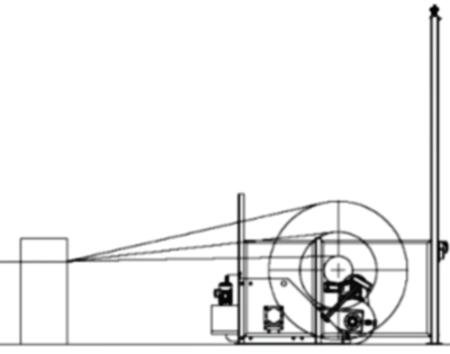
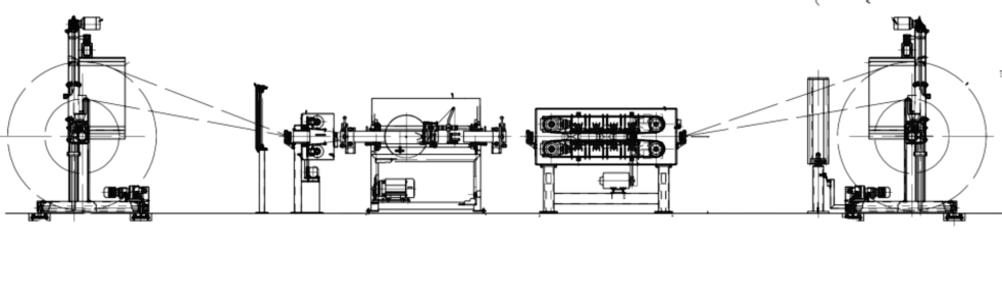
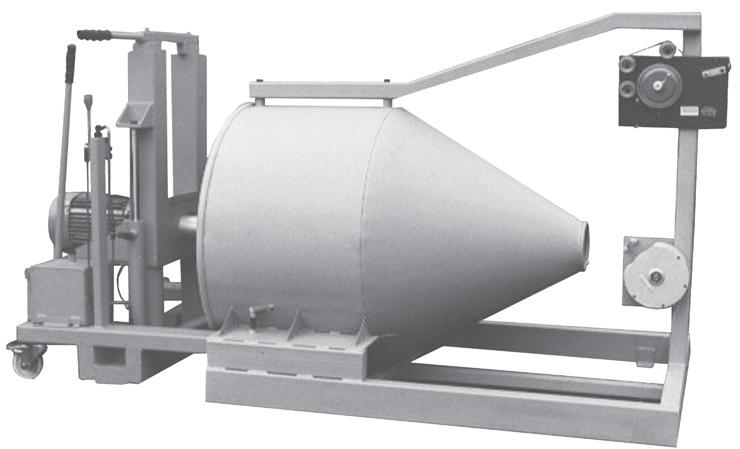
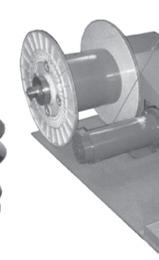
Rewind & Taping Lines
•Roteq's rewind lines efficiently transfer cable between reels of varying size, or from large reels to smaller coils or spools. Ideal for packaging custom lengths with speed and precision.
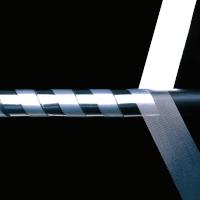
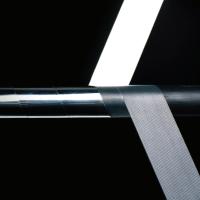
•Roteq's taping lines feature high-performance concentric or eccentric tape heads, integrated between pay-off and take-up units, typically of matching size. Designed for versatility, they handle plastic, mylar, and copper tapes with ease.
•Taping and rewind lines may integrate third party (customer supplied) components such as spark testers, printers, etc.
tions cables within the Philippines, as well as international submarine telecommunications cables in nearby waters. It joins a fleet that includes four other CVLs: Vega, Orion, Subaru and Kizuna. The vessels are used for a range of tasks including submarine cable installation, maintenance, ocean investigation, construction, repair work and marine surveys.
NTT WE Marine is a key participant in the Philippine Domestic Submarine Cable Network (PDSCN), a 2,500km initiative led by Eastern Communications, Globe Telecom and InfiniVAN, aimed at improving connectivity in underserved regions. It also will be a maintenance supplier for PDSCN, which was said to be in its final project stages. The network’s subsea (wet) segments were finished as scheduled in 2023, and about 90% of its 33 planned cable landing stations have been constructed. The remaining landing stations and some inland facility connections are expected to be completed within this year.
NTT WE Marine President & CEO Mamoru Watanabe said that the Philippines project has a pivotal telecom role. He also cited global security concerns and the need for stable communications infrastructure as key drivers for the expansion. “Economic development’s foundation is communication. There’s a lot of opportunity in the Philippines, especially now that global security is unstable,” he said.
Landmark electric grid project deploying cable from Nexans remains in gridlock
More than a year after an expected production order, the Great Sea Interconnector—a project to link the electricity grids of Greece, Cyprus, and Israel—has seen little progress as it deals with unresolved financial arrangements and deposit guarantees, casting uncertainty over its future viability.
A recent article in Vima, a Greek newspaper, spelled out the problems encountered by the project that trace back to mid-2023 when the original developer sought a financing increase to €1.9 billion from Greek and Cypriot regulators due to cost overruns. Although a long-delayed contract with French cable manufacturer Nexans was signed for the Crete-Cyprus segment, EuroAsia Interconnector soon declared it could not make the required advance payment, further jeopardizing progress.
To prevent collapse, the Greek and Cypriot governments intervened, asking Greece’s Independent Power Transmission Operator (IPTO) to assume responsibility for the project. The European Commission endorsed this move, expressing confidence in IPTO’s ability to deliver. By October 2023, IPTO was officially in charge, and the project-renamed the Great Sea Interconnector-finally entered the implementation phase after thirteen years of planning.
Despite this momentum, significant challenges persisted through 2024. Construction of the first phase began in December 2023, with Nexans instructed to secure production slots and initiate procedures. However, in July 2024, the Cyprus Energy Regulatory Authority issued a ruling that upended the project’s financial framework by rejecting recognition of a reasonable return, revenue, or cost recovery during construction. This decision severely undermined the project’s economic viability.
Compounding the situation, the Cypriot government did not fulfill its commitment to acquire a stake in the project, despite earlier assurances that a decision would be made by January 2024. After months of negotiations, Greece and Cyprus signed a bilateral agreement in September 2024 to accelerate the project, overturning the July regulatory decisions and providing a more sustainable foundation for development.
2 South Korean members of conglomerates sign MoU to further specific cooperation
The LS Group and LIG Group—both part of South Korea’s influential Pan-LG family of conglomerates— have signed a memorandum of understanding (MOU) to strengthen cooperation across defense, energy, and advanced technology sectors.
A press release said that the agreement, announced March 31, follows a high-profile gathering of Pan-LG leaders at GS Group’s 20th anniversary, underscoring a
renewed spirit of unity among the country’s leading business families.
Under the MoU, LS and LIG will collaborate on joint R&D, market analysis, technology and personnel exchanges, and may establish joint ventures to leverage each group’s core strengths. The LS Group, known for its focus on electrics, materials and energy, will bring expertise from subsidiaries such as LS Cable & System and LS Mtron. The LIG Group, whose portfolio includes defense equipment and IT services, is expected to integrate LS’s material and cable technologies into its flagship defense unit, LIG Nex1, which specializes in advanced weapon and command systems.
A joint consultative body will be formed to define detailed cooperation plans and set an execution timeline. The partnership is widely viewed as a strategic move, especially as LS Group faces heightened competition and legal disputes in the cable sector. Recently, Hoban Group, parent of rival Taihan Cable & Solution, acquired a 3% stake in LS Corp., fueling speculation about its intentions amid an ongoing patent and technology theft dispute between Taihan and LS Cable & System.
LS Marine Solution wins first overseas submarine power cable contract in Taiwan
LS Cable & System Ltd., South Korea’s largest cable manufacturer, announced that its subsidiary, LS Marine Solution Co. (LS Marine), has won a US$15.8 million contract to install submarine power cables for Taiwan Power Company’s (TPC) offshore wind power plant.
A press release said that LS Marine Solution will install the submarine cables for the TPC Offshore Wind Power Complex 2, a 294.5 MW project, by May 2026. The order represents the first overseas submarine power cable deal for LS Marine.
LS Marine Solution was established in 1995 as South Korea’s first dedicated submarine cable construction company. Formerly known as KT Submarine, it was acquired and rebranded by LS Cable & System in 2023.
LS Cable & System has previously supplied ultra-highvoltage submarine cables for Taiwan’s first phase offshore wind projects—including the one cited above—and the new contract is expected to create synergies between cable manufacturing and installation. The current project is part of the Taiwanese government’s long-term plan to develop 20.6 GW of offshore wind capacity by 2035.
“Based on our technology and experience accumulated as the first-generation submarine cable construction company in Korea, we have successfully taken our first step into the overseas power grid market,” said LS Marine Solution CEO Kim Byung-ok. “We will further expand our entry into the global market with this Taiwan project.” n
Join international delegates for an in-depth view of the manufacturing advances in wire and cable research, operations, and production presented by field experts. Ferrous and nonferrous topics, tabletop exhibits, and a gala dinner round out this one-day conference.
Hosted at the Holiday Inn Krakow City Centre Hotel
To book your stay contact reservations at reservations@hik.krakow.pl or call +48 12 619 00 51 and provide the password: THE WIRE KRAKOW
PATENT REPORT
recently approved U.S. patents for wire and cable
Insulated wire and preparation method therefor, winding wire, and electrical device
U.S. Patent No.: 12,278,023
Patent date: April 15, 2025 Filed: Jan. 6, 2025
Assignee: Well Ascent Electronic (Ganzhou) Co., Ltd., China
Inventors: Huimin Ye, Yuejia Zhu, Zuomai Zhu, Longping Chen
The present disclosure provides an insulated wire and a preparation method therefor, a winding wire and an electrical device, relating to the technical field of electrochemical elements. The insulated wire includes a conductive wire and an insulating layer coated on the conductive wire, where the insulating layer includes polyetheretherketone and thermoplastic polyimide, and a mass percentage of the polyetheretherketone in the insulating layer is not more than 20%; and the conductive wire is in direct contact with the insulating layer; and after extrusion and cooling for 24 h, under a condition that the insulated wire is ring cut and stretched by 15%, a length of the insulating layer losing adhesion is not greater than 1.9 mm.
Flexible indoor/outdoor high-fiber-count cable
U.S. Patent No.: 12,276,854
Patent date: April 15, 2025 Filed: Jan. 20, 2023
Assignee: Corning Research & Development Corporation, USA
Inventors: George Cornelius Abernathy, et al
An optical fiber cable that includes subunits is provided. The cable has an outer jacket having a thickness of at least 2.0 millimeters and that is made from a fire retardant polymer material having a PHRR value of 222 kw/m.sup.2 when tested in a cone calorimeter measured according to ASTM E1354 with a heat flux of 50 kW/m.sup.2. The cable meets the requirement of UL 1666 burn test for riser cables and the requirements of EN 50399 burn test for CPR class C.sub.ca cables.
High tensile
strength fiber optic cable with low levels of aramid fiber
U.S. Patent No.: 12,276,853
Patent date: April 15, 2025 Filed: Feb. 7, 2023
Assignee: Corning Research & Development Corporation, USA
Inventors: William Carl Hurley, Martina Richter-Bühling
An optical fiber cable is provided. The optical fiber cable includes an outer jacket having an outer surface defining an outermost surface of the optical fiber cable and an inner surface defining a central bore. The optical fiber cable includes a plurality of aramid fibers located in the central bore, and the plurality of aramid fibers have a relatively low total linear density such that a total linear density of all aramid fibers within the central bore is less than 10,000 dtex. The optical fiber cable includes at least one optical fiber located within the central bore, and the at least one optical fiber has a proof test of greater than 100 kpsi.
A low fatigue rewindable optical fiber cable comprises a core having at least one optical transmission element, a dielectric armouring surrounding the core and a sheath surrounding the dielectric armouring. Particularly, the low fatigue rewindable optical fiber cable is characterized by a fatigue performance ratio (FPR) which is a ratio of a cross sectional area of the sheath and a cross sectional area of the dielectric armouring and is between 3 to 4.5 that enables at least 10 cyclic winds and unwinds carried out on a drum with a diameter of 40 times an outer diameter of the low fatigue rewindable optical fiber cable.
Flexible conduit for control cable having flame retardant outer sleeve
U.S. Patent No.: 12,276,367
Patent date: April 15, 2025 Filed: Dec. 15, 2022
Assignee: ITT Manufacturing Enterprises LLC, USA
Inventor: Terrance Daul
A flexible conduit or sleeve sized for surrounding and supporting a movable wire rope includes an inner core having an opening for receiving the movable wire rope, a plurality of wires disposed about the inner core, and an outer sleeve. The outer sleeve is made from a polymer
material having a flame retardant additive that provides sufficient flexibility while also improving manufacturability for use in various applications, such as part of an aircraft seat adjustment mechanism.
Provided is a harness body that is a wiring component that electrically connects a first electrical connection target installed on a slide door and a second electrical connection target installed on a vehicle body, and is wired along a link mechanism that couples the slide door and the vehicle body and reciprocates the slide door in a sliding direction with respect to the vehicle body; and a harness temporary holding structure at least at one position capable of temporarily holding the harness body assembled to the link mechanism before the link mechanism is assembled to the slide door and the vehicle body.
Wire mesh layer and method of making a multilayer product
U.S. Patent No.: 12,275,222
Patent date: April 15, 2025 Filed: Nov. 11, 2020
Assignee: Haver & Boecker OHG, Germany
Inventors: Helmut Fröhlich, Frank Meyer, Stefan Butenkempe
A wire mesh layer, including warp wires and weft wires, wherein the warp wires and the weft wires form woven meshes and open up a woven surface. A connecting member is provided, which includes a thermoplastic material. The multilayered product is provided having such a wire mesh layer and a further layer, wherein the wire mesh layer and the further layer are connected by the thermally deformed connecting member. In a method of manufac-
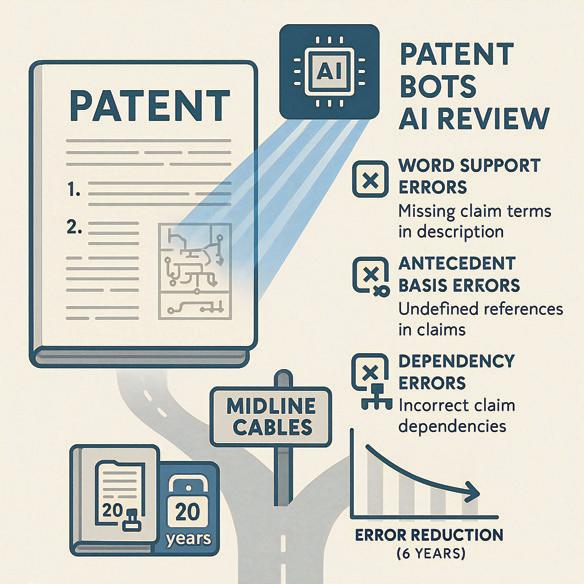
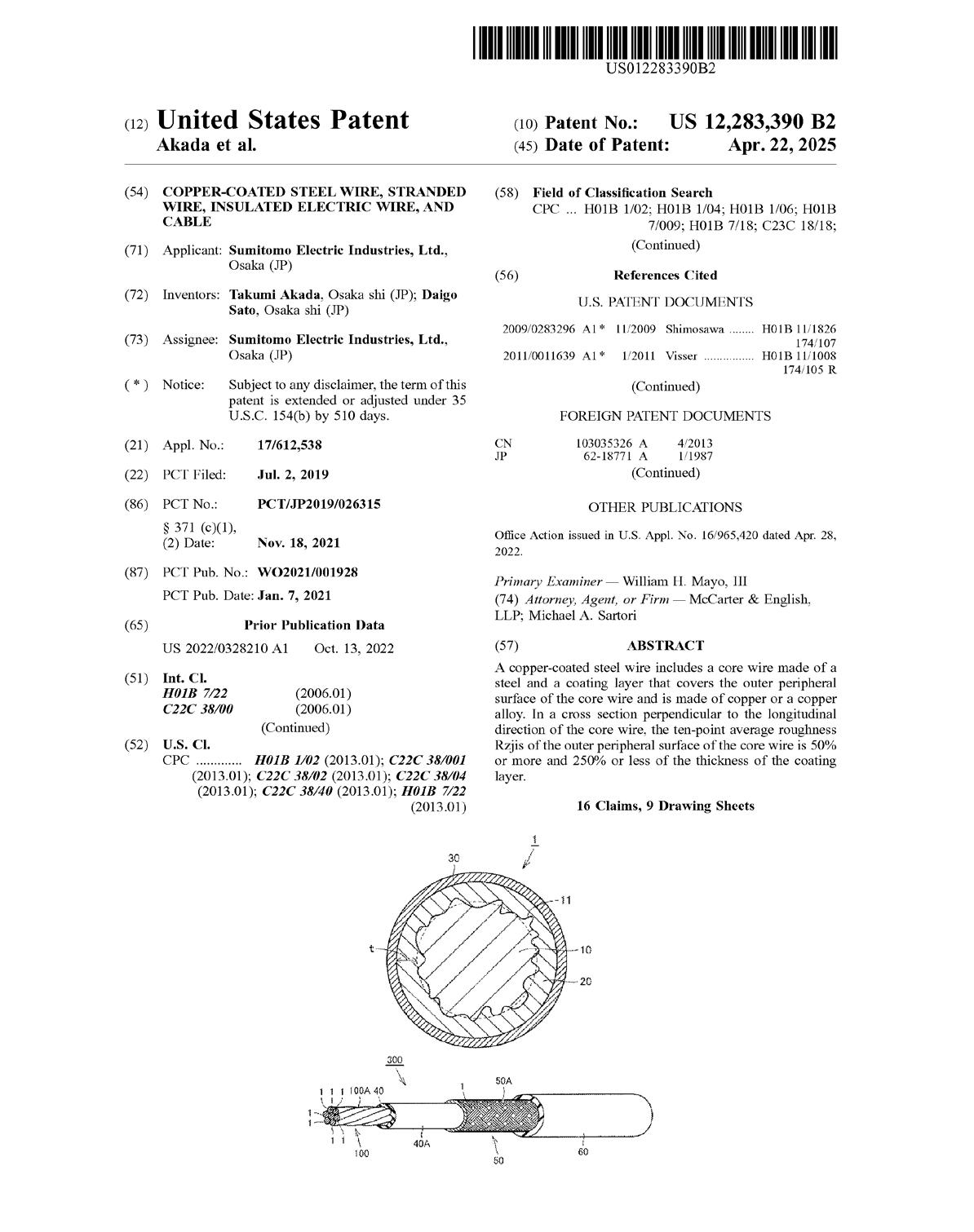
See Bill Honaker's Patent Report column on p. 40 of the June feature. Also, see p. 42-43 for an expanded patent entry.
turing such a multilayered product, the wire mesh layer and the further layer are placed on top of one another in a predetermined orientation. Due to the thermal deformation of the thermoplastic material of the connecting member, the wire mesh layer and the further layer will be interconnected.
Method for packing welding wire inside containers
U.S. Patent No.: 12,275,049
Patent date: April 15, 2025 Filed: Oct. 27, 2020
Assignee: Kopernik SA, USA
Inventor: Mirko Paglian
The invention has as its object a method for packing a welding wire (25) inside a container (40) which includes at least the following steps: a feeding phase of said welding wire (25) inside a tube (13) placed in rotation to produce a prefixed torsion at each wire loop (25); a winding phase of the wire (25) coming out of said tube in rotation (13) on a core (20) configured to wind said wire (25) on it, said core (20) being provided with an alternative movement in a substantially vertical direction; a wire cutting phase (25) at
the end of said wire winding phase on the core to (20) and; a core pick-up phase with the wire (25) wound on it and a core introduction phase (20) with the wire (25) wound on it inside a container (40)
Method and system for shape-memory alloy wire control
U.S. Patent No.: 12,274,857
Patent date: April 15, 2025 Filed: Feb. 2, 2024
Assignee: DEKA Products Ltd. Partnership, USA
Inventors: Colin Murphy, Dean Karnen, John Kernin, Larry Gray
A method for controlling a device using a shape-memory alloy wire is disclosed. The method includes determining an ontime for the shape-memory alloy wire based on a target volume to be pumped by a pump plunger, determining the temperature of the shape-memory alloy wire and adjusting the ontime based on the temperature of the shape-memory alloy wire.
Ultrasound endoscope for preventing a non- coaxial cable from being disconnected and improving a degree of freedom of wiring
U.S. Patent No.: 12,274,585
Patent date: April 15, 2025 Filed: July 21, 2021
Assignee: FUJIFILM Corporation, Japan
Inventors: Noboru Kinomoto, Yasuhiko Morimoto
Provided is an ultrasound endoscope capable of preventing a non-coaxial cable from being disconnected and improving a degree of freedom of wirings. An ultrasound endoscope includes a first cable that electrically connects a substrate electrically connected to a plurality of ultrasound transducers and a relay substrate, the first cable includes a plurality of first non-coaxial cables, a plurality of first electrical bonded portions are formed by signal wires of a first cable bundle of the first non-coaxial cables and electrode pads of the substrate, a plurality of second electrical bonded portions are formed by the signal wires of the first cable bundle and first cable-side electrode pads of the relay substrate, and a plurality of first electrical bonded portions and a plurality of second electrical bonded portions are collectively disposed for each first cable bundle.
Optical
cable mismatch error detection/remediation
U.S. Patent No.: 12,273,141
Patent date: April 8, 2025 Filed: March 22, 2023
Assignee: International Business Machines Corporation, USA
Inventors: John Werner, Faezeh Gholami, Rafaela Frota, Andrew Hicks
An optical cable mismatch error detection and remediation process is provided which includes detecting, by at least one processor, an optical cable mismatch error in a connection path between optical transceivers of a computing network, where the connection path includes one or more optical cables. The detecting includes evaluating operation of an optical transceiver of the connection path. The evaluating includes determining that data on one or more optical lanes of the optical transceiver is lane-mismatched data. The process further includes restructuring one or more lane assignments of the optical transceiver, based on determining that the data on the one or more optical lanes of the optical transceiver is lane-mismatched data, where the restructuring addresses the detected optical cable mismatch error.
Cable module, gas-insulated device, and method for manufacturing cable module
U.S. Patent No.: 12,272,937
Patent date: April 8, 2025 Filed: Nov. 30, 2022
Assignee: Hitachi Energy Ltd., Switzerland
Inventors: GuoZhu Meng, Gang Bai, ZhiGuo Zhang
The present disclosure relates to a cable module with a detachable fracture feature, a gas-insulated device including the cable module, and a method for manufacturing the cable module. The cable module for a high voltage
gas-insulated device with a detachable electric connection includes: an enclosure provided with a first opening and a second opening; an insulator provided with a conductive insert and fixed to a first flange of the enclosure around the first opening; a cable terminal connector passing through a wall of the enclosure and including a first end positioned inside the enclosure and a second end positioned outside the enclosure and configured to be connected to an external cable; a plurality of conductors connecting the conductive insert and the first end of the of the cable terminal connector.
Method of jointing a power cable
U.S. Patent No.: 12,272,936
Patent date: April 8, 2025 Filed: Sept. 30, 2022
Assignee: NKT HV Cables AB, Sweden
Inventors: Eric Rèbillard, Helena Johansson, Tommy Johansson
A method of building a joint insulation of a power cable joint including a conductor joint connecting a first conductor of a first cable length to a second conductor of second cable length, the method including: a) winding a first electrically insulating tape around an inner semiconducting layer that covers the conductor joint so that the first electrically insulating tape connects a first cable length insulation layer of the first cable length to a second cable length insulation layer of the second cable length, to form an inner insulation layer of the joint insulation, and b) winding a second electrically insulating tape around the inner insulation layer, so that the second electrically insulating tape connects the first cable length insulation layer to the second cable length insulation layer, to form an outer insulation layer of the joint insulation, wherein the first electrically insulating tape has a higher peroxide content than the second electrically insulating tape, and c) crosslinking the joint insulation.
Method of manufacturing rectangular conducting wire
U.S. Patent No.: 12,272,935
Patent date: April 8, 2025 Filed: July 1, 2022
Assignee: Aisin Corporation, Japan
Inventors: Sébastien Delplace, Nicolas Lallouet
A method of manufacturing a rectangular conducting wire wherein insulating coating of rectangular conducting wire is removed by applying laser light the insulating coating, four planar portions on exterior of rectangular conducting wire are sequentially defined as a first, second, third, and fourth face portion, second corner portion is defined between second and third face portions, and fourth corner portion is defined between fourth and first face portions. ... (This provides) a method of manufacturing ... that is capable of reducing the number of steps and eliminating the need of an additional step, such as application of paint.
Superconducting cable system
U.S. Patent No.: 12,272,915
Patent date: April 8, 2025 Filed: July 1, 2022
Assignee: Nexans, France
Inventors: Sébastien Delplace, Nicolas Lallouet
A superconducting cable system includes a superconducting cable (1); a first cryogenic jacket (2) containing the cable (1); and a superconducting device (8) connected to the cable (1). The superconducting cable system also has a second cryogenic jacket (7) containing the superconducting device (8); at least one first terminal (3) connected to the superconducting device (8); and a cooling unit (4) connected to the at least one first terminal (3). ... The present invention provides a superconducting cable system, characterized in that it comprises: a superconducting cable; a first cryogenic jacket containing the cable; a superconducting device connected to the cable; a second cryogenic jacket containing the superconducting device; at least one first terminal connected to the superconducting device; a cooling unit connected to the at least one first terminal.
High performance cable termination
U.S. Patent No.: 12,272,906
Patent date: April 8, 2025 Filed: Nov. 30, 2017
Assignee: Amphenol Corporation, USA
Inventor: Mark M. Ayzenberg
(Patent Report continued, see p. 70)
ASIAN FOCUS
Asia Direct Cable seen as a significant advance for Asian communications
The Asia Direct Cable (ADC), a state-of-the-art undersea fiber optic system stretching nearly 10,000 km, that has officially entered service, has been heralded for its potential to transform the digital landscape across East and Southeast Asia. The project was said to have required years of complex engineering and international cooperation.
Per multiple media accounts, the ADC—which uses subsea cable from NEC Corporation—connects Vietnam, China, Hong Kong, Thailand, the Philippines, Singapore and Japan. It links three of the continent’s largest data hubs—Singapore, Hong Kong and Japan—into a single high-capacity network. The capacity of the cable, designed to top 160 terabits per second (Tbps), was described as “now the most advanced and highest-capacity system of its kind in the region.”
The project, which cost an estimated $290 million, was pursued by a consortium of nine major telecommunications providers. Those include Viettel (Vietnam), SoftBank (Japan), Tata (India) and Singtel (Singapore) as well as some of China’s major telecom operators, such as China Telecom, China Unicom and China Telecom Global.
The ADC represents a major advance for Vietnam as its 50 Tbps branch is now the country’s largest international connection. Per reports, that capacity exceeds the combined capacity of the five existing submarine cables that serve the nation. Viettel, the sole Vietnamese investor, owns the entire submarine branch and the landing station in Quy Nhon, Binh Dinh province.
The cable’s bandwidth is expected to support the region’s surging demand that has resulted from Cloud services, artificial intelligence, 5G and other data-intensive technologies. “This new cable marks a significant milestone, providing a vital foundation to support the ever-growing communications needs of Asia and the world,” said ADC Consortium Chairperson Koji Ishii.
The physical process of cresting the ADC was said to be nothing less than a feat of marine engineering. The cable had to be precisely routed across deep ocean trenches that in some places were more than 6,000 meters below the surface. They also had to account for busy shipping lanes, requiring advanced planning and months of work at sea. Specialized repeaters were installed along the route to maintain signal strength, and sections of the cable were buried to protect against anchors and other hazards.
NEC Corporation General Manager Atsushi Kuwahara said that the project was challenging but was feasible from his company’s decades of expertise in installing “hundreds of thousands of kilometers of submarine cable worldwide.” He said that the ADC will be a boon, providing seamless connectivity to the countries it lands in and the regions it services.
Per the reports, ADC’s activation comes at a time when Asia’s digital economy is booming. By providing greater capacity and route diversity, the cable is expected to make regional networks more resilient to outages and disruptions, a critical factor as internet traffic continues to soar. Industry leaders believe the new cable will play a pivotal role in the region’s technological development. “We are confident that this cable system will significantly contribute to the development of the AI industry in the Asia region,” said Ishii.
With NEC’s contribution, the ADC is now operational, Asia’s digital infrastructure is better equipped than ever to handle the demands of a connected future.
“NEC has earned the trust of its clients, and the consortium is extremely satisfied with the successful completion of this cable,” said Billy Li, MC Co-Chairperson of the ADC Consortium. “It offers the greatest cable capacity and essential diversity required for Asia’s major information hubs, enabling telecom carriers and service providers to optimize their network and service planning for sustainable growth.”
“NEC is honored to have taken part in this prestigious project, which will support increasingly bandwidth-intensive applications driven by technological advancements in 5G, the Cloud, the Internet-of-Things and Artificial Intelligence,” said Tomonori Uematsu, senior vice president with NEC Corporation. “We thank the consortium for their partnership and for helping us to push the boundaries of numerous challenges to bring this project to fruition.”
NEC, a leading supplier of submarine cable systems for decades, notes that to date it has built more than 400,000 km of cable, spanning the earth nearly 10 times. NEC is well-established as a reliable partner in the submarine cable field as a system integrator that provides all aspects of submarine cable operations, including the manufacture and installation of optical submarine cables and repeaters, provision of ocean surveys and route designs, training and delivery testing. NEC’s subsidiary OCC Corporation manufactures optical submarine cables capable of withstanding water pressures at ocean depths beyond 8,000 meters.
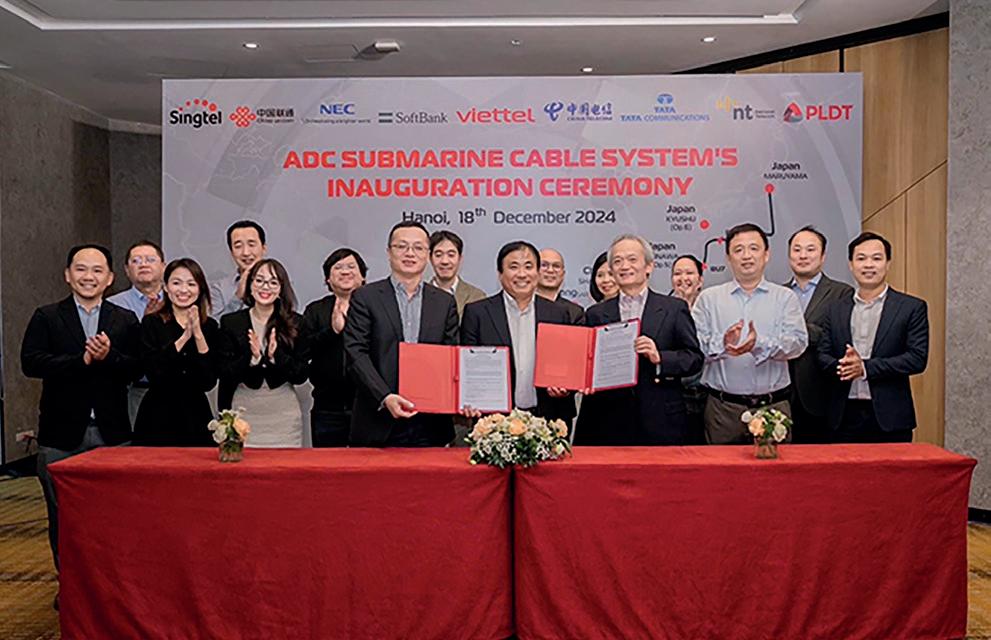
A celebratory moment for the 10,000-km-long ADC. Viettel photo.
Chinese company holds opening for fiber plant in Thailand, follows Hungary project
FiberHome Technologies Group (FiberHome), a Chinese information and communications technology provider, recently held the official opening of its new optical fiber and cable manufacturing facility in Thailand, where it held its official ground-breaking ceremony last June.
Per multiple media reports, the plant began operations two months ago. It has annual production capacity of three to four million fiber km. The operation, referred to as Optisen, created approximately 100 local jobs. It is located on the outskirts of Bangkok.
Founded in 1999 and based in Wuhan, China, FiberHome was described as a global supplier of optical communication products, network solutions and ICT services. It has been recognized for its innovations in optical fiber, cable and network equipment, and has played a key role in the development of China’s telecom backbone.
Per a report at chinadaily.com, FiberHome is based in the East Lake High-tech Development Zone (also known as Optics Valley of China, or OVC). Its main business includes optical transmission, access, servers, big data,
optical distribution frames, fiber optic cables, and ocean networks. It was one of 10 enterprises that made it onto the “2023 Wuhan Benchmark Intelligent Factory” list. “FiberHome, with its goal of creating Wuhan’s first ‘5G+F5G’ dual 5G smart factory, ranked first.” With per capita efficiency doubling in five years, an operating cycle reduction of 20%, and a delivery cycle reduction of 30%, FiberHome was said to have achieved impressive results in 5G+industrial Internet construction over the past five years.
The opening of the Thailand plant positions FiberHome to better serve regional telecom operators and infrastructure projects, reducing supply chain risks and delivery times. It also underscores the growing importance of Southeast Asia as a manufacturing and technology hub for the global optical communications industry.
FiberHome’s expansion beyond China includes not only the new facility in Thailand but also recent investments in Europe, such as the ZettaNet optical cable base in Hungary, which integrates production, R&D, and logistics for the European market. That initiative was described by the Xinhau News Agency as representing “a new milestone in Chinese-Hungarian economic cooperation.” See p. 11 and p. 16 for more. n
PEOPLE CORNER
who’s on the move in the industry
As part of a strategic reorganization of its commercial and operational leadership that was completed earlier this year, the SAMP Group announced that Marcel Baettig was appointed chief executive officer (CEO). He has deep expertise in business strategy, operations, and organi zational transformation across global markets, most recently at Humatica AG, where he advised portfolio companies and listed firms on strategic organizational alignment, including SAMP Group. He replaced outgoing CEO Jouni Heinonen, whose assignment as CEO had been planned to be short term, and is now serving in board positions. Two senior executives were also promoted. Giorgio Albertazzi was promoted from sales director EMEA to appointed chief commercial officer (CCO). He has been with the company for more than two decades and was described as being instrumental in growing the company’s presence across the EMEA region. He holds a degree in economics. Matteo Nascetti was promoted from general manager to chief operating officer (COO). He has nearly two decades of experience in machinery and precision engineering, and was said to have had a key role in optimizing production processes and boosting operational performance. Based near Bologna, Italy, the SAMP Group provides equipment for the entire wire and cable production chain, including rod breakdown lines, multi-wire drawing lines, extrusion lines, bunching machines and engineering solutions.
gear and substation solutions, while aligning supplier specifications with industry standards. He most recently was director, operations electrical engineering, for Invenergy LLC, where he worked in multiple positions for more than 11 years. Prior to that he was a protection engineer for GE Energy for four years. Based in Miami, Florida, American Wire Group manufactures wire, cable and related products for the power utility and renewable energy industries.
Jack Ritter has joined the Service Wire team as an inside sales representative in the Houston sales office. He will be serving utility markets in the Midwest. He worked for the company while he was getting his B.S. degree in industrial distribution from Texas A&M University. In other Service Wire news, two company employees were selected to tED Magazine’s prestigious “30 Under 35” list. Matt Cardwell, corporate manufacturing engineering manager, joined the company in 2018. In 2019, he was instrumental in the build-out and commissioning of the new Houston plant before returning to West Virginia to take on his current role. He was described as “a strong leader and one of the best engineers in the industry.”
Neal Hamer as joined the American Wire Group as director of engineering - power equipment, responsible for driving the company’s technical strategy and expanding the in-house engineering capabilities to support the growing power equipment segment. He will assess AWG’s current technical landscape across transformers, switch-
Sarah Wotring, who has worked as an inside sales representative for more than three years, was described as “an energetic problem-solver ... (who continually produces) outstanding results.”
She has demonstrated a keen ability to manage strong sales relations. Based in Culloden, West Virginia, Service Wire Co., manufactures wire and cable for sectors from industrial to utility, and more. n
Baettig
Albertazzi
Ritter
Nascetti
Hamer
Cardwell Wotring
Sparkle joins European project for submarine fiber optic cable
Italy’s Sparkle, a global service provider, has joined ECSTATIC, a European research project, to develop better ways to use submarine cable systems to identify seismic phenomena.
In a press release, Sparkle said that the European Union recently provided a €4 million grant for the ECSTATIC project—a consortium of 14 academic and industrial partners—seeking to leverage digital subsea infrastructures by developing a groundbreaking interferometry and polarization-based methodology for vibration and acoustic fiber-optic sensing.
The goal of the ground-breaking approach is to significantly improve sensitivity, distance range and localization. Integrating advanced data processing and artificial intelligence/machine learning will ensure real-time sensing of events and network condition with high accuracy. Finally, the project will test these innovations in real-world telecom environments, paving the way for their standardization and widespread adoption.
Research activities are employing the Tyrrhenian segment of Sparkle’s BlueMed submarine cable system, from Genoa to Palermo, to validate new technologies for seismic early warning, predictive maintenance and network integrity, while also leveraging Sparkle’s
Network Operation Center (NOC) in Catania for data storage. Participation in this research project is part of a broader effort by Sparkle to experiment with the accessory use of submarine fiber optic cables for scientific and civil protection purposes. Over the past two years, Sparkle has conducted several experiments on its “Mednautilus” cable system in collaboration with the National Institute of Geophysics and Volcanology (INGV), gaining profound experience and a vast historical data base.
Integrating high-speed optical communication with sensing could turn submarine fiber-optic cables into a global distributed sensing system for earthquake and tsunami detection and infrastructure monitoring. It noted that more than five billion km of optical fiber cables have already been installed, including many traversing undersea regions and areas beyond the reach of conventional sensors. That represents a unique opportunity to repurpose the existing network for large-scale sensing without additional deployment. That will require redefining communication techniques, signal characteristics and network architectures. “By using our existing global fiber infrastructure, we (can) demonstrate how the telecommunication industry can play a critical role in seismic monitoring and network protection,” said CEO Sparkle CEO Enrico Bagnasco.
Report: industrial fastener market to top $104 billion by 2029
The global market for industrial fasteners, estimated to be $90.6 billion this year, will top $105 billion by 2029, which equates to a CAGR of 3.5%, according to a report at researchandmarkets.com.
Per the report with a very long name—Industrial Fasteners Market by Raw Material (Metal, Plastic), Type (Bolts, Screws, Nuts, Washers, Rivets), Product (Externally Threaded, Internally Threaded, NonThreaded, and Aerospace Grade), Application, Sales Channel & Region - Global Forecast to 2029— the market will be driven by surging demand from automotive, construction, aerospace, and manufacturing sectors, spurred by urbanization, infrastructure growth as well as better manufacturing technologies. The leaders include electric vehicles and renewable energy sectors.
The shift towards sustainable energy sources like wind, solar, and hydroelectric power underpins the demand for high-quality, durable fasteners. As investments in renewable energy projects increase, demand for specialized fasteners tailored to this sector will accelerate.
The Asia Pacific has emerged as the fastest-growing market region, led by countries like India, China, and Japan. Economic expansion and increased development activities in these countries drive market growth.
Urbanization trends create a broad customer base for new construction, contributing significantly to the market’s trajectory during the forecast period.
Plastic fasteners should experience significant growth due to their increasing use for various industries. These fasteners, composed of materials like nylon, polypropylene, or polycarbonate, offer advantages such as corrosion resistance, lightweight, and electrical insulation. Their suitability for electronics, construction, and consumer goods makes them highly sought after, especially given the ongoing focus on sustainability and cost efficiency.
The report includes observations on market restraints, such as fluctuating raw material prices and replacement by advanced joining technologies; opportunities created by rapid urbanization in Africa and Asia, expansion in aerospace and renewable energy sectors and development of smart fastening solutions; challenges such as counterfeiting and quality issues and diverse regional regulations; company profiles; and case study analysis for plastic failures associated with metal fasteners, resolving flange joint failures in ball mill and preventing liner bolt failures in mining mill.
For more information about the 328-page report go to www.researchandmarkets.com. n
ASSOCIATION HIGHLIGHTS
At Interwire 2025, WAI’s BoD continued planning for the association’s future
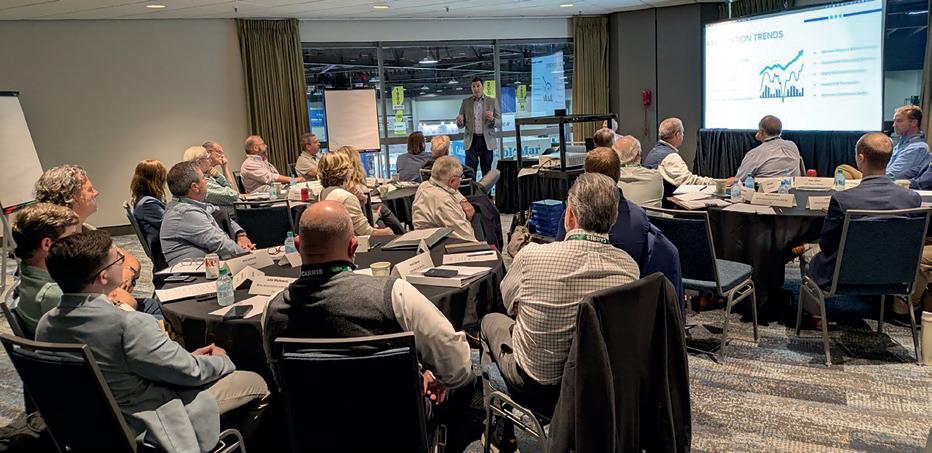
Last year, the WAI’s Board of Directors met at Wire Expo to discuss the Association’s future. That focus continued at Interwire 2025, where the board met in a meeting led by Consultant Eric Curtis, Curtis Strategy.
The meeting served as an update and further discussions about the Centennial Plan that was presented to the WAI’s BoD last October. In it, four pillars were identified as crucial: an Education & Training Center; trade shows & conferences; WJI and WAI media platform; and member users/customers. Key beliefs of the mission include that wire drawing and extrusion are specific processes that cannot be serviced by other industry associations; that technology, digital platforms and AI are paramount; and that in-person events will remain important to hybrid workforces.
At the 2025 meeting, held the day before the event started, board members split into three groups that each discussed areas where the WAI should be active as well as the biggest concerns the industry faces. A wide range of topics were discussed, with one of the most important areas being for WAI to firmly establish itself as “the place to go” for technical information. As for concerns, everyone’s list included the loss of industry expertise as more industry veterans retire.
“Our industry, like many others, needs help for securing and keeping reliable employees,” observed WAI President Eric Bieberich. “The WAI has dedicated volunteers who with the help of staff can help create programs that can make a difference. It’s vital that we do so in an effective way, and meetings like this one we just had are essential.”
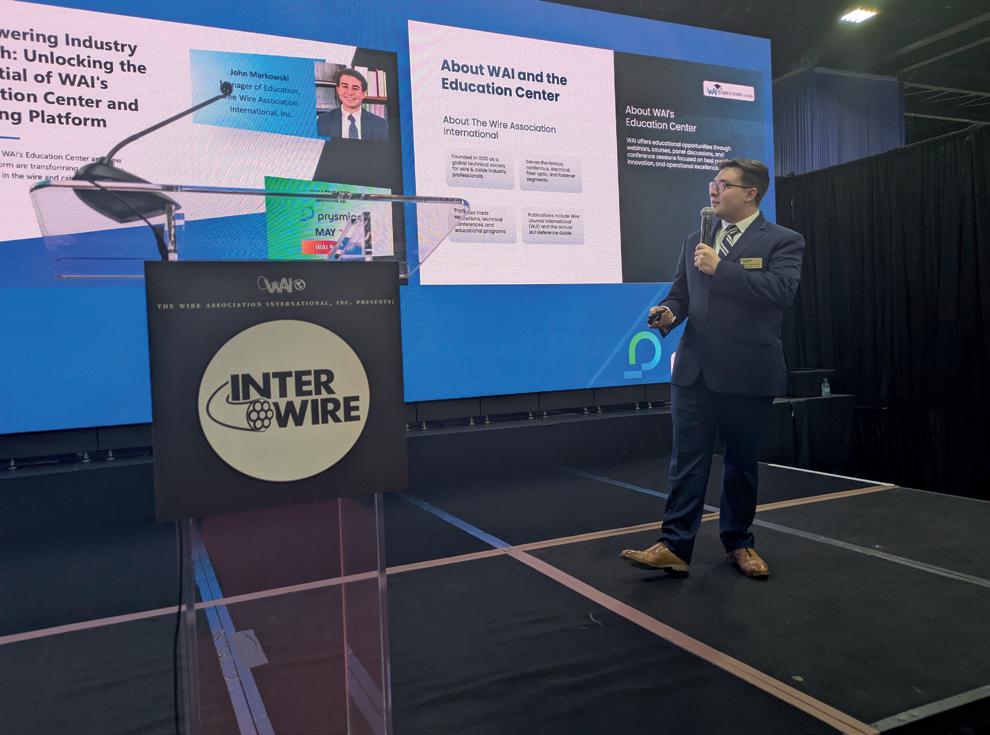
The Association has already been active in heightening its educational focus through its video-based education courses available for purchase. Last year, the Board voted to fund the initiative, which has been led by WAI Manager of Education John Markowski, who made a presentation on this at Interwire at the WAI Theater. He noted that to date, four courses have been created so far, covering single-layer extrusion, extrusion materials, extrusion applications, and an introduction to ferrous metallurgy, with others (extrusion special process considerations, wire drawing dies, lubricants, and wire breaks) expected to be released in the near future. Individuals or companies interested in knowing more about the courses now available can contact Markowski at education@wirenet.org.
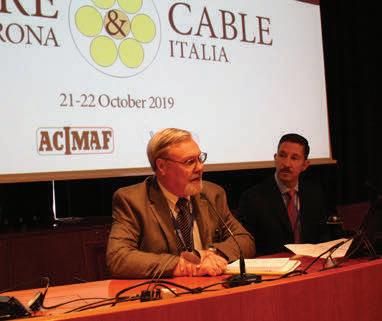
Reminder: registration will open soon for Oct. 14 staging of Wire & Cable Krakow
Registration will soon be open online for Wire & Cable Krakow Conference, to be held Oct. 14 at the Holiday Inn Krakow City Centre in Krakow, Poland. The program for the one-day event will include topics such as sustainability, production efficiency, and product development emerging as key themes. Organizers of the event include ACIMAF, the AGH University of Krakow, IWMA and the WAI. Final details, including attendee registration pricing, tabletop exhibits, and sponsorship options are at wirecable25.com, or reach out to education@wirenet.org. n
At Interwire, consultant Eric Curtis leads the discussion at the WAI’s Board of Directors meeting to consider future activities.
In this photo from the BoD meeting at Interwire, 2024 WAI President Daniel Blais and 2025 WAI President Eric Bieberich hold a framed print of photos from Daniel’s term.
MEET YOUR PEERS. ACHIEVE YOUR GOALS. JOIN WAI TODAY.
The following list includes new WAI members, renewing members and those who became Platinum members through their companies.
Michael Ballard Operations Manager IMC Metals America
Christopher Burgess Managing Director CEAC Solutions Company Limited
Ryan Cahill Regional Sales Manager Zumbach Electronics Corp
Juan Pablo Cassereau Plant Manager Prysmian Power Cables & Systems Canada Ltd
Patrick Churchill Project Engineer Prysmian
James Cooper Vice President SCR Techology Southwire Co
Beth Cosper Process Lead Southwire Co
Jared Cullivan Process Engineer and Software Developer Beta Control Systems Inc
Daniel Curtin Sales/Service Technician Hubbard Hall
Kevin Dock Vice President Sales Zumbach Electronics Corp
Tom Dodds President Rope & Assemblies Division Central Wire
Paul Douwes Sales & Marketing Manager North America ADVARIS USA Inc
Sebastien Duperre Rio Tinto
Justin Dzik Director - Innovation and Business Development Fives North American Combustion Inc
Markus Ecker Senior Sales Manager SMS Group Inc
Mark Giles Technical Manager IMC Metals America
Kelly Goodsell Sales Director Central Wire
Phillip Hagerty Partner Development Manager - Transport Victrex USA
Hayden Harris Southwire Co Forte Power Systems Inc
Kevin Higgins President Wire Division Central Wire
Tyler Hodson
Senior Quality Engineer Prysmian Cables and Systems USA LLC
Caleb Hornsby Process Engineer Southwire Co
Aisling Hubert Analyst CRU International Ltd
John Hugens Owner Fives North American Combustion Inc
Thomas Jenkins Process Engineer II Southwire Co
Michael Jenson Senior Metallurgist Luvata
Jort Kuipers Director WiTechs Wire Technologies
Donald MacKenzie Regional Sales Manager Zumbach Electronics Corp
Alan Mulligan Sales Representative Vandor Corporation
Patrick Olivas
Senior Process Engineer Prysmian Cables and Systems USA LLC
Brittany Perkins Process Engineering Manager Draka Prysmian Group
Brad Robillard
Manufacturing Sales Representative VisioCablePro
Daniel Russell
Electrical Engineer Southwire Co
Thomas Samson Head of Sales - Commercial Sales Copper Products/ Executive Director Aurubis AG
Naresh Thadhani Professor Georgia Institute of Technology
Adam Westgate Engineering Manager Prysmian
Dayne Willis President IMC Metals America
CHAPTER NETWORK
Next month, the Midwest Chapter leads off the slate of 4 golf tourneys set for 2025
WAI’s Midwest Chapter will lead off the 2025 roster of chapter golf tournaments on Thursday, July 31, when golfers gather at the White Pines Golf Club in Bensenville, Illinois.
Located just west of Chicago, White Pines has two 18-hole championship courses (east & west course), situated on over 260 acres. For more about the course, go to www.whitepinesgolf.com.
“White Pines is a nice course and it’s right in our back yard,” said Cooper Runzel of Lake Cable, who is helping organize the event and predicted that participants will enjoy the selection. “White Pines does a great job hosting events like this. Also, we are looking to kick start this year’s fundraising with a great golf outing and are excited to be back in action after a skip year.”
With the Midwest Chapter news, four WAI chapters now have golf tournaments scheduled. The next one to be held will be the Ohio Valley Chapter (OVC), on Thursday, Aug. 21. As with its prior event, the OVC will offer a unique split activity format.
Golfers will play at the Kensington Country Club (www.kennsingtongolf.com).
Last year, the winning team was Mark MacKimm, Rainbow Rubber & Plastics; Alex Lippincott, WCTI; Tim Gascoigne, G2 Materials; and Mike Dies, WCTI, who shot 61, 10 under par, to grab top honors among the field of 44. Of note, each player was given a ball from Steve Lebischak, president of Polara Golf, who explained why his company’s golf ball could self-correct and fly straighter.
The shooting event will again be held at the Training Range (www.thetrainingrange.com) in nearby Austintown. Last year the unofficial marksmanship contest was won by Brennan Mai from Hobart, using a gun borrowed from colleague Nick Heitkamps, who came in second (106-105).
Following both events, the Ohio Valley Chapter will hold an educational program. The next issue will have more details.
Next up is the New England Chapter, which returns to the Tunxis Country Club (www.tunxisgolf.com) on Monday, Sept. 8, 2025. Last year, the Gem Gravure Co. Inc. team of company President Paul Gemelli and National Sales Manager Derek Olson and Schleuniger USA’s Micah Durham won, shooting 10 under par.
The final tournament, for the WAI Southeast Chapter, will be held Thursday, Oct. 16, at the Rock Barn Country Club and Spa (www.rockbarn.com) in Conover, North Carolina. In 2024, the winning team of Harrison Cummings and Mark Finch, IWG-HPC; Darin Nicol, Wayne Wire Die Company; and Kelly Grigg, I.T. Consultant (SRHS), shot an unworldly 16-under-par to claim top honors in a very competitive field.
Registration can be made at my.wirenet.org for the individual chapters. The events are a good platform to build new connections, exchange knowledge and strengthen existing industry relationships while supporting individual chapter college scholarship programs.
For more information on registering, playing or being a sponsor, visit www.wirenet.org.
Reminder on New England Chapter’s education event to be held at FENN
The WAI’s New England Chapter will be visiting FENN’s plant in East Berlin, Connecticut, on Thursday, August 7.
FENN offered to host the WAI’s New England Chapter for its educational meeting at the company’s site in East Berlin, Connecticut, and the chapter is looking forward to it. The annual event, which has gotten very good reviews, will include a tour of the plant as well as a networking dinner that will include food and drink trucks stopping by for the celebration.
Registration for the event can be made by WAI members and nonmembers at my.wirenet.org. The cost is $105, $85 for NEC members.
FENN, which this year celebrates its 125th anniversary, is a global supplier of customized metal forming machinery that includes rolling mills, wire flattening and shaping lines, Turks heads, drawbenches, swagers and spring coilers used across a wide variety of industries. Its history traces back to Jan. 15, 1900, when Wilson Lee Fenn received his first purchase order. n
Meet valuable industry contacts at Wire Expo 2026.
Exhibitors:
Booth sales begin 10/2/25
Wire Expo makes it easy to expand your connections. Whether you are visiting, exhibiting, speaking, or sponsoring...your participation makes all the difference at every Wire Association gathering. Join WAI at Wire Expo to welcome hundreds of valuable customers, colleagues, and prospects from the ferrous, nonferrous, and electrical industry sectors. Discover shared interests. Build on prized relationships. And be there when interaction leads to action.
Exhibitors contact: sales@wirenet.org
co-located with: The Electrical Wire Processing Technology Expo 2026
What’s your company’s story?
R&D &
Patents
This feature presents a sliver of how R&D continues to evolve, in both technology and deployment. It also includes a focus on a sister element: patents, which may or may not be relevant, depending on a company’s plans. Like it or not, the incoming technical tide is relentless, and it is a force that cannot be ignored.
AI: a few stats on its increasing role in R&D
Artificial Intelligence (AI) is increasing its presence in the wire and cable industry, a field known for being cautious to change. Below are some statistics from various sources—allabouatai.com, grandviewresearch.com, Statista, Deloitte and McKinsey—that might indicate that the times may be a changing.
Market growth. The global AI reach in the manufacturing market is projected to reach $8.57 billion by the end of 2025, and to expand by a CAGR of 44.2% to 2030. Longterm, the market could reach $68.36 billion by 2032.
Adoption. By 2025, more than 60% of new product introductions in manufacturing will use generative AI for design and concept creation, illustrating AI’s expanding role in R&D and product development.
Productivity/quality impact. AI will boost manufacturing productivity by 40% by 2035. It is already delivering up to a 50% reduction in production time and a 35% improvement in product quality via advanced defect detection and quality control.
Sectoral and regional leadership. The U.S. leads global AI adoption in manufacturing (43% of companies), followed by India (30%). Hardware accounts for 48% of AI investments, software 32%, and services 20%, with a strong focus on robotics, analytics, and R&D support tools.
Predictive maintenance and R&D. Some 90% of leading OEMs are investing in AI-driven predictive analytics, which can reduce maintenance costs by up to 25% and decrease unexpected downtime by as much as 30%. These advances are often the result of R&D efforts to integrate AI into equipment monitoring and lifecycle management.
Generative AI in manufacturing R&D. The generative AI segment will reach $10.5 billion by 2033, with applications in predictive maintenance, energy optimization and especially product design, areas all closely tied to R&D.
Strategic importance. Per one survey, 93% of manufacturers believe AI is crucial for fostering innovation and growth, and 66% of those using AI in daily operations report a high dependency on transformative technologies, planning continued adoption for R&D and beyond.
Investment outlook. More than 60% of manufacturing companies have developed a strategy to integrate AI into their operations, including R&D, and 55% of executives expect to boost spending on AI in the next three years.
U.S. R&D: why private and federal support both matter
The U.S. wire and cable industry has fared well from robust demand and strategic investments. Below, this report, based on multiple sources, cites the role and need for innovation, both private and federal R&D support, explaining why having both industry and government investment is important.
Overall, the wire and cable industry, at least on the electrical side, is doing well. Per a 2025 report from Custom Market Insights, industry revenue has been increasing at a CAGR of 3% over the past five years to total an estimated $48.51 billion in 2025. It cited key companies like Southwire, Fujikura and CommScope for expanding operations to meet rising demand fueled by population growth and federal infrastructure efforts.
They and others have also invested in R&D, and while there are no official numbers as to how much that is, a recent report by Chief Executive Group of 408 manufacturers from multiple sectors found that the median investment in R&D was only 1.2% of net total revenues. Further, 10% of manufacturers invest 8% of their net total revenues in R&D while another 10% don’t invest in R&D at all.
Private investment matters, but so does government-supported R&D. For decades, the U.S. has been the leader in both the scale and impact of its R&D efforts. Economists estimate that government-funded R&D accounts for roughly 25% of all productivity growth in the U.S. economy. That growth includes more than just the technical advances, it factors in higher wages, the creation of new industries and expanded opportunities for American workers and businesses.
Government investment can seem distant, but it matters. The SBIR (Small Business Innovation Research) program distributes approximately $2.5 billion in grants and contracts each year across all sectors, with the Department of Defense alone awarding about $1 billion annually. Over the past 10 years, this amounts to roughly $25 billion in total SBIR funding distributed to small businesses, including manufacturers. Such projects have included advanced materials for electrical power cables, such as carbon nanotube (CNT) wire and dual metalcoated CNT wire. Grants have supported the manufacturing of specialized cables, such as those used in the Superconducting Super Collider, which required strict mechanical and electrical specifications. Other SBIRfunded projects have focused on developing strong, high current density superconducting wire and related cable designs for scientific and medical applications. WJI has written about numerous such awards over the years. There’s also a related example on p. 10: TS Conductor winning a U.S. Department of Energy (DOE) cable contest
is a clear illustration of federal R&D investment in action. The prize, administered by the DOE’s Advanced Materials and Manufacturing Technologies Office, is designed to accelerate innovation in next-generation conductor materials for the electric grid by providing funding, technical assistance, and recognition to promising U.S. manufacturers. TS Conductor’s success in Stage 2 demonstrates how federal support can help companies develop, test and scale breakthrough technologies. Winners received substantial cash awards and technical assistance vouchers, enabling them to partner with national laboratories and further refine their innovations for commercial deployment. The prize specifically targeted advances that could increase the conductivity and affordability of materials used in power transmission—critical for grid modernization and U.S. clean energy goals. Of note, government funds basic research—often too risky or long-term for private companies—that have the potential to become the foundation for commercial breakthroughs. For instance, early federal investments in information technology and advanced manufacturing led to the creation of entirely new markets, from semiconductors to clean energy technologies. Since World War II, economists have estimated that returns on government R&D investments have ranged from 150% to 300%.
Per SBIR officials, the value of R&D transcends issued grants as they foster startups and small manufacturers that grew out of federally funded university research, developing everything from quantum communication devices to advanced materials for defense and medical breakthroughs. These companies, often launched by young scientists trained through government grants, further the potential of America’s workforce. Equally important, that continued even during challenging periods such as the dot-com crash, the 2008 financial crisis and Covid 19. Federal R&D funding acted as a stabilizer, cushioning the blow when private investment dried up. This countercyclical role has helped the U.S. maintain steady progress in innovation, even as other countries faced sharper downturns.
Competition exists, not surprisingly led by China. Per Visual Capitalist, in 2000, China accounted for just 4% of global R&D: by 2023, its share soared to 26%, a more than sixfold increase. the second highest in the world after the U.S.
Wire manufacturer’s R&D path to a fully recyclable cable
Germany’s Leoni AG specializes in wiring systems and cable technology. In recent years, it has focused on automotive wiring harnesses and solutions for electromobility that include standard, high voltage, data and sensor cables as well as charging cables for major automakers worldwide. Below, it discusses the role of its R&D in developing Limeverse®, a fully recyclable wire.
WJI: When did the concept (goal) of a fully recyclable cable first come up? At that time, what was the highest percentage “recoverable” you had?
Leoni: Starting in 2020, life cycle analysis has become a crucial part of our product design process. Since then, we have aimed to optimize our products in this respect. Driven by increasing regulatory pressure, customer demand for sustainability, and our own commitment to environmental sustainability we have decided to create our own portfolio for these results. Where technically feasible, we use thermoplastics materials that can be mechanically recycled because these materials can be remelted again. This process has the great advantage compared to chemical recycling that the energy intensity is significantly lower. In addition to the recyclability of the end product, the raw materials being used are also significant. For example, the bio-based plastics used by Limeverse® are based on renewable raw materials instead of crude oil.
WJI: What were the biggest limiting factors to achieving this? Were multiple solutions pursued?
support clean material flows and closed-loop recycling. This holistic approach was a key to ultimately achieving a fully recyclable cable.
WJI: How long did it take your R&D to successfully design Limeverse? How many staffers were involved?
Leoni: The development of Limeverse took approximately 36 months from the initial concept to market-ready product. This included early feasibility studies, material testing, prototyping, and production. Over the course of the project, 15 specialists were directly involved across multiple disciplines and countries. The disciplines included materials science and polymer chemistry, Cable design and electrical engineering, manufacturing engineering, sustainability and compliance teams. Collaborating with external partners and suppliers also played a crucial role, particularly in sourcing and validating recyclable, bio-based raw materials.
Leoni: The biggest limiting factor was the complexity of the materials used, particularly mixed compounds and additives that were not easily separable or recyclable. Traditional cable designs prioritized performance and cost-efficiency, often at the expense of recyclability.
One limiting factor was material incompatibility as some materials couldn’t be recycled together without contamination. Another one was performance trade-offs as early recyclable alternatives sometimes underperform in durability, flame resistance, or flexibility.
To overcome these, we pursued several parallel solutions. One was material innovation. We collaborated with suppliers to develop new compounds that offered both performance and recyclability. Another was designing for disassembly, with cables partially re-engineered to simplify material separation at end of life. We also used process optimization, adapting our manufacturing processes to
WJI: How important was this project and were customers willing to pay for it?
Leoni: From a technical and sustainability standpoint, achieving a fully recyclable cable like Limeverse is a significant milestone. It proves that high-performance cables can be re-imagined to support circular economy goals without compromising safety, durability, or regulatory compliance. This is especially critical as industries face growing pressure to reduce environmental impact across their supply chains. That said, we’re fully aware that cost is always a key factor for customers. Limeverse carries a premium due to material and process changes, but we worked hard to reduce that gap through design efficiency, scalable production and supply chain optimization. Importantly, we’re seeing a strong and growing interest, especially from sectors that have clear sustainability targets or ESG reporting obligations. For these customers, the circular approach of Limeverse is not just a bonus, it is a strategic advantage. And in tender offers where life cycle impact is evaluated, it can even be a decisive factor. So, in
Leoni’s Limeverse® auto cable represents focused R&D.
terms of cost, it matters, but so does long-term value, and Limeverse offers both.
WJI: How scalable is the Limeverse concept, can it be rolled out globally, and is it economically viable across different markets?
Leoni: That is a crucial question. The true impact of a recyclable cable like Limeverse depends on its scalability across different geographies, production sites and application areas. From the beginning, we designed the concept with industrial scalability in mind, selecting materials that are globally available, processes that can be standardized, and design principles that can be adapted across product families. Economically, the concept becomes more viable as volumes increase. In some markets, customers demand and regulatory frameworks already support premium sustainable solutions, in others, cost remains the primary
driver. That is why we are working on localized rollouts, adapting the regional realities while maintaining the integrity of the Limeverse approach.
WJI: Has the R&D continued, perhaps for use in other cable products?
Leoni: Yes, the R&D efforts behind Limeverse did not stop in its initial success. In fact the project laid the foundation for a broader platform approach to sustainable cable design. We’re now actively working to adapt the recyclable material system, design principles, and process learnings to other product families across our portfolio. So yes, Limeverse 1.0 is just the beginning. It serves as a blueprint for a new generation of circular cable solutions. Ultimately, we see Limeverse not as a nice innovation, but as a futureready portfolio that will scale with the industry transition towards more sustainable value chains.
Award-winning R&D inspiration came from a walk one evening
Where do new ideas come from? For Jayan Thomas, a researcher for the University of Central Florida’s College of Engineering and Computer Science, it came from a simple walk one night in 2014. It led to an “ah-ha/hmm” moment that would lead to a prestigious award. Work on his discovery continues. Below are excerpts from a UFC report, and updates.
The year was 2014, and UCF Associate Professor Jayan Thomas went for a walk, thinking about energy storage. He noticed some stray cables, and it sparked an idea: cables transmit energy, but what if they could also store it?
Thomas and his research team focused on the core of the copper wire. They found that growing billions of nanowhiskers on the surface of the core multiplies the total area and turns the wire into a dual-purpose cable that transmits and stores energy. Increasing the surface area via the nanowhiskers allows the wire to act like a supercapacitor— storing energy electrostatically on its surface. The new cable can replace conventional super-capacitors when it is used in place of standard, non-energy-storing wires.
This “ah-ha” moment became the foundation for his pioneering work on copper wires that can both transmit and store energy, achieved by growing billions of nanowhiskers on the wire’s surface to dramatically increase its surface area and enable dual functionality. The whiskers are coated in a conductive alloy and again in manganese oxide to create the first electrode. The electrode layers are separated by a polymer coating and a final layer applied. With all the layers complete, the result was a single wire that both conducts and stores electricity.
In 2015, Thomas was honored by R&D Magazine at its annual R&D 100 Awards. That was added to his list of prior awards, which included the National Science Foundation CAREER Award in 2014, UCF’s 2014 Excellence in Research Award and the Veeco Award for Best Nanotechnology Innovation in 2010.
Thomas shared his thoughts on the potential for the technology with UCF News in December 2015. “We envision the wire also being weaved into fabric so that your jacket can charge your electronic devices,” he said.
The work by Thomas inspired further research into embedding energy storage in textiles, vehicles, and even the structural components of devices. In 2016, he co-founded Capacitech, which commercializes his cable-based capacitor (CBC) technology. Its PowerLink product line solves battery degradation, poor yield, power quality, and low efficiency problems. These stem from transient power fluctuations that are common due to rapidly increasing electricity demand (EV charging, AI data centers, bitcoin mining, domestic manufacturing), intermittent renewable energy sources and slow response times from energy storage assets.
Supercapacitors have a power density that is >10x greater than batteries, but batteries have an energy density that is >10x greater than a supercapacitor. Per its website, that should not be a problem. “Where one is strong the other is weak and vice versa. Working together as a team is the best solution we have short of waiting for the next Nobel Prize-winning breakthrough in chemistry ... In many applications, we recommend pairing the most energy-dense batteries with power-dense supercapacitors.”
Earlier this year, TS Conductor (tsconductor.com) announced that it would build its second plant in South Carolina, major news for a company that had to overcome technical woes with first-generation advanced conductors largely used for power line reconductoring projects. Below, Dr. Jason Huang, a company co-founder and CEO, shares his thoughts with WJI, with a focus on R&D.
WJI: R&D is crucial to just about any manufacturer, but especially to a company focusing on advanced conductors. Looking back, what were the main shortcomings of first-generation advanced conductors (like ACCR/ACCC)?
Huang: First-generation advanced conductors never achieved widespread adoption for a few reasons. For one, they gained a reputation for being delicate and difficult to work with, requiring specialized installation procedures and equipment. Linemen need to be perfect when working with these advanced conductors. Utilities were concerned about the risk of conductor damage during installation and long-term reliability issues. When combined with significantly higher costs compared to traditional conductors, these factors limited their use primarily to niche applications where their unique properties justified the additional expense and complexity.
WJI: What specific steps did your R&D team take to diagnose and correct them?
Huang: Our team sought to create the next generation of advanced conductors that deliver advanced-conductor performance while maintaining the safety and reliability of traditional conductors. In late 2017, the company founders attained an innovation—a thick aluminum encapsulation—that designed out all the problems, especially the bending fracture vulnerability around sharp edges. The effective protection of the carbon fiber composite core (pre-tensioned) also eliminated any vulnerability associated with a polymer matrix, such as environmental degradation problems from moisture, air, UV and ozone, which are protected for life by the shielded composite core. The aluminum encapsulation also makes the composite core compatible with the same tools, equipment, methods,
and training used for traditional conductors, making it much easier to work with than first-generation designs.
WJI: How did R&D lead to your development of Aluminum Encapsulated Carbon Core (AECC)?
Huang: The fundamental limit in unidirectional composites, such as composite cores for conductors, is the compression vulnerability from bending, because the (axial) compression strength is a matrix material dominated property, typically only 60-70% of its tensile strength. The pre-tensioned carbon core helps to prevent the onset of compression failures during bending as the built-in tension in the core has to be overcome before getting into compression. The aluminum encapsulation also provides mechanical cushioning that enables the use of standard compression fittings and installation methods and creates a seamless environmental barrier. The TS conductor can be stored in any environment without fears of moisture ingress into the polymer matrix composite core. The first-generation product has to be stored in a dry environment to avoid matrix plasticization that could degrade the composite material glass transition temperature (Tg). That also compromises its high-temperature performance as well as further degradation of bending capability. The result is that the AECC conductors can deliver two to three times the capacity of ACSR conductors using the same structures, with half the line losses, while maintaining low thermal sag at high operating temperatures. That capability provides utilities with a cost-effective option, too.
WJI: What role did third-party testing and utility partnerships play in refining your technology?
Huang: Those were pivotal. Since its inception, TS Conductor has worked with utilities to better understand industry standards and effectively address the evolving challenges of grid modernization. Our industry is conservative, and TS technology must be sufficiently mature before utility deployment and third-party testing, which can be tricky because the limited space in the lab setting can be very different from field conditions. For example, crimping in tension hardware creates materials movement. If the test span is short (10 ft in the lab versus 5,000 ft in the field), the excess material in the test span from hardware preparation (crimping) could create misleading anomalies.
Huang
TS Conductor is building a second plant to expand its production of advanced conductors. Photo courtesy of TS Conductor.
transmission capacity. The 2024 report highlights that such reconductoring can double transmission capacity within current rights-of-way, making it a cost-effective and rapid solution for electricity demands and decarbonization goals.
WJI: In 2024 you raised $60 million in funding, and you recently announced a new plant (see p. 10): is your biggest challenge now not technical but market barriers?
Huang: We have come a long way to help utility companies understand the fundamental difference between TS (our next-generation advanced conductor) and the first-generation composite conductors. Still, utilities that had poor deployment experiences with the prior generation can confuse what we offer today with those past conductors, and group them into the same “expensive, delicate and difficult to work with” category. That’s not what we do.
There are other issues, such as the recent and ongoing policy shifts and uncertainty around tariffs, and the way that utilities set their revenue models and incentive structures. It’s fair to say that those make innovation challenging for the entire industry. The current system often rewards large capital projects more than innovative efficiency upgrades, even when those upgrades are better for the grid and consumers. Installing AECC Conductors might be cheaper and faster than building new lines, but because utilities earn a return on CapEx spending—such as building new transmission lines—that would reduce the utility’s rate base and bring in lower profits under the traditional revenue model. We believe more innovative solutions could be deployed if this model changed.
Utilities also tend to overlook the lifecycle cost benefits of using AECC Conductors, such as reducing line losses (which lead to lower operating costs) and avoiding substation upgrades. For reconductoring, utilities can increase capacity by replacing only the conductor— just 5% of asset value—while avoiding expensive structural modifications often required with traditional conductors. This approach can deliver 30-40% total project savings compared to traditional solutions. For new construction, TS Conductor enables longer spans with fewer, shorter structures, reducing total project costs by 10-20%. Overcoming these barriers requires regulatory reform, better alignment of utility incentives and increased industry familiarity with advanced conductors and their total cost savings. Some regulators are beginning to address this misalignment through performance-based ratemaking and incentives for efficient grid solutions. As these models evolve, we expect to see increased consideration of reconductoring as utilities are rewarded not just for capital deployment but for delivering the most efficient grid solutions for consumers.
WJI: Do you have other long-term R&D goals? Are you exploring new materials, smart conductor capabilities, or other innovations beyond AECC?
Huang: We believe in the importance of enabling the conductors to monitor their own temperature and sag real time. This is covered in a TS patent, and we expect to bring this solution to our utility customers very soon. Our R&D philosophy centers on practical innovation: developing technologies that solve real utility challenges while remaining compatible with existing infrastructure and work methods. This approach ensures that our advanced solutions can be readily adopted without requiring wholesale changes to utility operations.
WJI: In June 2023, we did a story about a U.S. government cable design contest where your company was one of the winners: did being part of that influence your R&D process or accelerate commercialization?
Huang: Winning the CABLE Conductor Manufacturing prize in 2023 as part of the U.S. DOE’s American-Made awards program validated our technology and helped to accelerate commercialization efforts. It was one of many pivotal moments, such as winning the Platts Global Energy award, the “Oscars of the energy industry,” the BloombergNEF (BNEF) Pioneers Award and closing a $60 million growth investment round, both in 2024. Those accolades allowed us to deepen trust and existing relationships with utilities and invest in scaling up manufacturing capacity, all of which were instrumental for us to open the second manufacturing plant in South Carolina.
WJI: What did the editor not ask about that readers would find of interest?
Huang: TS investors include some of the most prestigious names in our industry, including Breakthrough Energy Ventures, Wellington, Blue Earth Capital and EEI, as well as prominent utility industry leaders such as National Grid, NextEra, Quanta Services, Edison International, after rigorous due diligence on the technology.
TS Conductor’s success was recognized by the U.S. DOE, Platts/ Bloomberg and investors. Photo courtesy of TS Conductor.
Industry supplier’s plan is to use nuclear reactor to power plant
Earlier this year Dow filed a permit application with the Nuclear Regulatory Commission (NRC) for an advanced nuclear project in Seadrift, Texas, a first-ever such use. What makes this story (based on multiple media and company reports) especially interesting is that it could demonstrate—and validate—R&D-driven advances in nuclear energy for industrial use.
Dow’s proposed advanced small modular reactor (SMR) project (the Long Mott Generating Station) is being developed by a subsidiary for its site in Seadrift, Texas, where it makes a wide range of plastics that include polyethylene that can be used for making cable insulation and jacketing.
The supplier of the proposed nuclear reactor for the Seadrift site is X-Energy Reactor Company, LLC (X-Energy). Dow and X-Energy entered into a joint development agreement (JDA) and the U.S. Department of Energy (DOE) named Dow a sub-awardee under X-Energy’s Advanced Reactor Demonstration Program (ARDP) cooperative agreement. The JDA provides for up to $50 million in engineering work, up to half of which is eligible to be funded through ARDP, and rest by Dow.
X-Energy’s proposed system is the Xe-100, a high-temperature gas-cooled small modular reactor (SMR) with a base output of 80 megawatts electric (MWe) or 200 megawatts thermal (MWt).
The Xe-100 can be deployed as a single unit or in a scalable “fourpack” configuration, totaling up to 320 MWe. The Xe-100 is smaller than conventional nuclear power plants, which typically range from 1,000 to 1,600 MWe per unit. It is considered a mid-sized SMR as some microreactors are as small as 1–10 MWe.
The process started in 2018, when X-Energy, and subsequently Dow, worked with the NRC during pre-application engagements to demonstrate the safety of the Xe-100 advanced SMR via its advanced fuel design, passive safety features and analysis techniques. This has culminated in a comprehensive application submittal that exceeds NRC regulations for the protection of public health and safety, as well as the environment, with substantial safety features.
Approval of the construction permit is an important step forward that could take up to 30 months. Once the permit is received and upon Dow confirming the ability to deliver the project while achieving its financial return targets, construction could begin. Dow expects the cost of energynet of all subsidies - to be competitive with other alternatives for firm, clean energy.
The Xe-100’s 80 MWe output is in the mainstream of the current SMR class, not the smallest, but much smaller than traditional reactors.
Of note, no Xe-100 reactors are yet in commercial operation in the U.S. or globally, and the Dow/X-Energy Seadrift project would be the first deployment of this specific design if completed as planned. Similar high-temperature gas-cooled pebble bed reactors do operate elsewhere, but they are not licensed by the U.S. Nuclear Regulatory Commission (NRC).
Dow did not disclose how much power it uses at the Seadrift plant a year, but in a press release it said that the site, which covers 4,700 acres, manufactures more than four million pounds of materials per year. Also, that if approved, the project would reduce emissions at the site by approximately 440,000 MT CO2e/year.
The Seadrift project is supported by the U.S. Department of Energy’s (DOE) Advanced Reactor Demonstration Program (ARDP) which is designed to accelerate the deployment of advanced reactors through cost-shared partnerships with U.S. industry.
To date, there has been no major protest over the proposal, although Beyond Nuclear, a watchdog group, has commented on the application process and raised general concerns about nuclear safety, permitting timelines, and industry claims. As the project is still in the permitting and review phase, public comment and potential opposition could be voiced in the future.
“This is an important next step in expanding access to safe, clean, reliable, cost-competitive nuclear energy in the U.S.,” said Edward Stones, business vice president, Energy & Climate, Dow. “We look forward to engaging with the NRC, DOE, our business partners and the community throughout the application process.”
“The construction permit application is a critical step to deliver on the vision of Congress and DOE to position the U.S. at the forefront of commercializing advanced reactor technology,” said X-Energy CEO Clay Sell. “Together with our world-class partner, Dow, we will demonstrate how the technology... can be quickly and efficiently replicated to meet incredible power demand growth across America.”
The proposed project could begin construction later this decade and start up early next decade. The nuclear power and steam assets would eliminate most Scope 1 and 2 emissions at the site and ensure the site remains competitively advantaged for the life of the facility.
If approved, it could serve as a template for other industrial users—such as refineries, data centers and even large wire and cable manufacturing plants—that SMRs are a viable, zero-carbon alternative to fossil-fueled boilers and power.
An artist’s rendering of the Seadrift plant.
Patent accuracy? Firm says it’s better, but most still have errors
A typical utility patent may have 5,000 to 10,000 words that cover 20 to 30 claims, making for a unique highly technical reading experience. Below are edited excerpts from Patent Bots—patentbots.com—a U.S. firm that uses AI technology to review patents, at speeds of up to 100,000 pages in less than a day. There also is a sidebar from IP Watchdog (ipwatchdog.com) that explains error types.
Most U.S. utility patents range between 5,000 to 10,000 words, and some can top 15,000 words. Most U.S. utility patents contain 16 to 20 claims, though some can have 30 or more, depending on complexity and strategy. They can include a dozen or more figures as well as citations to 10 to 30 prior patents or publications. See p. 42 for an example.
Patents will never be confused with a beach read, but they are vital from beginning to end, as per the U.S. Patent and Trademark Office (USPTO), only about 10% to 15% of new utility patent applications are allowed on the first examination.
That’s where Patent Bots, a Massachusetts-based company come in. It provides AI-based technology to review patents for errors. Per the company’s 2025 data, the average issued patents contain about 6.55 errors related to three main categories (see sidebar). Most errors are not considered egregious as long as they do not affect clarity or scope of the claims.
The decline in errors per patent is not a one-year phenomenon. In fact, the average has declined by over 25% in just six years, from 8.9 errors per patent in 2020 to an all-time low of 6.55 this year.
Patent Bots notes that the decrease in errors coincides with the rise of automated patent proofreading tools like its Prep & Pros Pro program. Beyond that, Patent Bot also checks for reference label errors, figure number consistency, amendment status errors and use of certain words (“required,” “necessary,” or “must”) that can inadvertently limit claim scope.
“As we’ve done every year since 2020, we used our advanced machine learning software to review every patent issued – more than 314,000 this year! – by the USPTO in the past year,” Patent Bots reports. It notes that it processed 314,170 patents and found that 38,531 (12.3%) had a perfect Patent Quality Score, up from 11.4% in 2024. The average patent had 6.55 errors, which is down from 6.75 in 2024. The median score was four errors per patent.
IP Watchdog: the 3 types of errors
89%. Word Support Errors. These occur when a term used in the claims does not appear in the detailed description of the patent. This can make the claim indefinite or unsupported, risking enforceability.
Example: A claim is for “A device comprising a quantum flux regulator configured to modulate current.”
Description: Nowhere in the specification is “quantum flux regulator” mentioned or described. The error is that the claim term “quantum flux regulator” lacks support in the written description, creating a word support error.
76% Antecedent Basis Errors. These errors arise when a claim refers to an element (using “the,” “said,” etc.) that has not been previously introduced or defined, causing ambiguity.
More patent attorneys are using such tools. That said, Patent Bots reports that more than 275,000 (88%) of all patents issued in the last year contained at least one numbering, antecedent basis, or word support error.
Most patents that are ultimately granted go through at least one round of review and revision before approval. The overall allowance rate (the percentage of applications eventually approved after all prosecution steps) is much higher, typically in the 60–70% range, but first-action allowances remain a small minority.
Most U.S. utility patents contain 16 to 20 claims, though some can have 30 or more, depending on complexity and strategy.
Example: A claim is for “A system comprising a processor and a memory. The processor executes instructions stored in the memory to control the device.” The error is that the phrase “the device” lacks antecedent basis because “device” was never previously introduced in the claim. This makes it unclear what “the device” refers to.
8% Dependency Errors. These occur when a dependent claim refers to a non-existent or inappropriate independent claim, or when the dependency structure is otherwise incorrect.
Example: Claim (1) is for “A cable comprising a conductor and an insulator.” Claim 2 is for “a Cable (Claim 4), wherein the insulator is made of polyethylene.” The error is that Claim 2 depends on Claim 4, which does not exist. This is a dependency error.
THE IP PATENT PRIMER
Extended column outlines scope/effect of a patent
A patent grants the owner the right to exclude others from practicing the claimed invention for 20 years from the filing date. There are three critical points in this statement. First, the right to exclude means that the patent owner must enforce their patent and may need to bring a lawsuit. Second, the protection obtained depends on the patent claims which define your legal rights. Claims must be carefully drafted to encompass not only the commercial embodiment of the invention but also alternatives that competitors may develop. Third, the right to exclude, essentially a legal monopoly, lasts 20 years from the filing date in exchange for a complete description of your invention.
There are traps along the way to patent protection. The biggest is missing the filing date. In the United States, you must file your patent application within one year of offering the invention for sale, selling it, publicly using it or describing it in a printed publication. This is known as the one-year grace period. In most other countries, there is no grace period. These countries require absolute novelty, meaning you can’t obtain patent protection if you disclose your invention. The best strategy is to avoid disclosing to anyone until you file; if you must disclose, only do so in confidence and under a confidentiality agreement. The second trap is not naming the correct inventors. Owning a patent is different from being an inventor. An owner doesn’t have to be an inventor, but an inventor can be an owner. Initially, every inventor has equal rights to the patent, regardless of their contributions. This means that each inventor can act as they wish with the patent. They can sell it, license it, or manufacture and sell the product or process covered by the invention,
all without the permission of any other inventor. They can also obstruct any lawsuits, as all owners must be included in a lawsuit. Patent rights are assigned to a single person or entity to prevent each inventor from acting independently. Once assigned, that person or entity holds all rights. But if you miss one, huge problems can result because the one who was missing is also a patent owner.
Third, not ensuring broad claims for the invention. If a product falls within the scope of the claims, it infringes; if not, it doesn’t. Patent attorneys refer to this as the claims reading upon the product. For that to happen, every claimed element—or its equivalent— must be found in the accused infringing product. Although complicated, an equivalent element generally means that even though each element is not identically present, infringement can still be found if a substitute element substantially functions in the same way to achieve the same result as the claimed element. I’ve seen many patents that were poorly drafted because they included unnecessary elements. By omitting these elements from its product, the competitor avoids the patent. With more careful claim drafting, a patent can be more powerful, valuable and difficult to circumvent. To obtain the best claims, one must consider how the invention could be altered and still function, then the potential alternatives and variations should be claimed.
To obtain a patent, you apply to the patent office. In the U.S., this requires a document with eight sections: a title, a background describing what has come before the invention, a summary of the invention, drawings of the invention, a detailed description of the drawings, a detailed description of the invention that includes reference numbers corre-
sponding to the drawings, an abstract of the invention and the claims.
This application is filed with the USPTO for examination. If you want protection in other countries, you must file a similar application in those countries. Various agreements between countries simplify this process and reduce costs, such as filing a PCT or a European application.
Once filed, the application is reviewed by an examiner. They assess the application to understand the invention and the scope of your claims. To obtain patent protection, your invention must be useful, new and non-obvious. The useful requirement means that the invention must be capable of functioning, though it doesn’t necessarily have to be commercially successful. New indicates that it has not been done before. Non-obvious signifies that it would not be obvious to someone of ordinary skill in the relevant art or field of endeavor. This last requirement is the one most frequently cited by examiners to deny protection.
The examiner reviews the claims and compares them to the prior art. Prior art is what came before your invention and typically includes other patents, applications, and written materials like publications. If the examiner can find your claimed invention in one document, that claim is not new. If more than one document is required, it’s obvious. The examiner may also take issue with how the claims are worded. The examiner prepares a written explanation of the reasons for his decision and the prior art he relied upon.
If refused, you have the right to argue that the examiner was wrong; there are numerous ways to do this. You will typically receive a first refusal from the examiner, referred
to as a first office action. Once you receive this, you can respond by arguing that the examiner misapplied the prior art, and you can amend your claims. This amendment will generally narrow your claim scope, but it may be necessary to obtain patent protection. The examiner reviews your arguments and any claim changes, may search for new prior art, and then either allows the application
or issues a final refusal. At this point, you can submit a response after the final appeal to the Board of Appeals, or refile the application and include new claims and arguments.
The process typically takes about three to five years to complete. Once the application is allowed, you must pay an issue fee for the patent to be issued. It is valid for 20 years from the filing date, provided that you
remember to pay the maintenance fees at 3.5, 7.5, and 11.5 years. The same process occurs in other countries in which you file, but those countries typically require annual annuities to keep the patent alive.
The patent process can be long and arduous. But if done well, it will give you a huge advantage over your competition. Without a patent, you’ll just get copied.
-Bill Honaker
Bill Honaker has been an intellectual property attorney for more than 30 years, helping businesses—from Fortune 100 firms to individual entrepreneurs—protect their patents, trademarks and copyrights. A former Patent Office Examiner, he is a partner with Dickinson Wright, PLLC. He notes that he is especially good at keeping clients out of court. He can be contacted at whonaker@dickinson-wright.com, tel. 248-433-7381.
A closer look at a patent
Copper-coated steel wire, stranded wire, insulated electric wire, and cable
U.S. Patent No.: 12,283,390
Patent date: April 22, 2025 Filed: July 2, 2019
Assignee: Sumitomo Electric Industries, Ltd., Japan
Inventors: Takumi Akada, Daigo Sato
patent section presents a summation of a patent, but if one scans through a full one, there is a surprising amount of detail. One is shown in the feature (R&D and Patents) in this issue. See p. 46. As an FYI, what’s there is still far from the
complete package. copper
A copper-coated steel wire includes a core wire made of a steel and a coating layer that covers the outer peripheral surface of the core wire and is made of copper or a copper alloy. In a cross section perpendicular to the longitudinal direction of the core wire, the ten-point average roughness Rzjis of the outer peripheral surface of the core wire is 50% or more and 250% or less of the thickness of the coating layer. ... The (described) core wire made of steel enables a high strength to be achieved. Furthermore, the coating layer made of copper or a copper alloy enables excellent electrical conductivity to be achieved.
Patent versus trade secret: which makes the most sense?
It’s simple to follow patents as they are public information, but that’s not the case for trade secrets, as they don’t run out after 20 years. While a simple search of just “wire” or “cable” at the U.S. Patent Office returns 84,199 hits, nobody knows just how many trade secrets there are. This article presents a hypothetical cable company—Midline Cable—that had to consider which path to follow.
Located in the industrial Midwest, an established wire and cable manufacturer called Midline Cables had to make a decision. For years, their engineers had been refining a new insulation process that dramatically improved cable flexibility and resistance to moisture. As the prototype neared completion, the company had to decide whether to patent the process or keep it as a trade secret. That led to considering the pros and cons that each offered.
The case for and against patents
Patents are discussed elsewhere in this feature, so the short take on them here is that they offer real-world protection of a company’s technology. If Midline Cables filed a patent, they’d have the exclusive right to make, use and sell the invention for 20 years. That monopoly could help them dominate the market, attract investors and license the technology to others for additional revenue. A patent would also serve as a deterrent as any competitors caught infringing could be taken to court, with the law on Midline’s side.
a company must have strict internal controls, which can include non-disclosure agreements, limited access and constant vigilance. A single careless employee or cyber breach could destroy years of advantage in an instant.
Midline concluded that their new insulation process was difficult to reverse-engineer and not easily observable from the finished product. This made it a strong candidate for trade secret protection. By avoiding public disclosure, they could maintain their edge as long as they kept the process tightly controlled. If a process or formula is hard to deduce from the product, secrecy can outlast a patent’s 20-year term. Trade secrets are also less costly and more flexible, allowing companies to protect a broader range of valuable information—sometimes even in combination with patents for different aspects of a product.
The down side of patents is that the process is expensive and time-consuming. It can take three or more years and cost tens of thousands of dollars in legal and maintenance fees. One key aspect is that a patent requires full public disclosure of the invention. Once published, anyone can read the details of how Midline’s insulation process works. Any competitor could study it, and after the patent expires, anyone could legally use the process.
The case for and against trade secrets
Trade secrets are quite attractive in that there is no registration, legal fees or public disclosure. Protection is immediate and can last indefinitely—as long as the secret remains confidential. For Midline, this meant their insulation process could be a source of advantage for decades, not just 20 years. There’s also flexibility: trade secrets can cover formulas, processes, customer lists or any valuable confidential information. On some levels, a company can just about do nothing (quite attractive) but it’s unlikely to be a surprise to learn that there are “some considerations.”
Trade secrets come with their own risks. If a competitor independently discovers the process or reverse-engineers it, Midline has no legal recourse. That means that
Midline Cables ultimately chose to protect their insulation process as a trade secret. They implemented rigorous security protocols, trained employees on confidentiality, and restricted access to the process. While the risk of leaks remained, the potential for indefinite protection—and the avoidance of costly, public patent filings— was too attractive to pass up.
Each case has to be considered separately
After weighing the benefits of trade secret protection for its innovative insulation process, Midland took a different approach for its next major product: an easy-to-install electrical cable featuring a specialized thermoplastic jacket.
Unlike the insulation process, which could be kept confidential within the company, the unique features of this cable—such as its flame-resistant jacket material and installation advantages—would be immediately apparent to anyone examining the finished product. Competitors could analyze, test, or even reverse-engineer the cable simply by purchasing it on the open market.
Faced with this reality, Midland opted for patent protection. That way it could legally prevent others from making, using, or selling cables with the same jacket technology, regardless of whether competitors discovered the composition independently.
Mesmerized by metallurgy?
Molten or cooled. Pure or mixed. Metals reveal a depth of secrets below the surface.
If you are on a mission to learn about how metals ultimately affect wire making, start with WAI’s educational resources. Fines. Inclusions. Breaks. Slivers and seams...there is a cause, a cure, and much to explore at the micro level. But don’t go it alone.
Think of the Wire Association International (WAI) experts as precious allies who can share an in-depth look at alloys and pure metals. WAI’s programs are designed to help you meet your educational and manufacturing goals straightaway. That’s our mission and it has been for 95 years.
Get training. Join forces with peers who are centered on metals. WAI is the only choice for wire industry professionals unless, of course, you’d rather get to “B” on your own.
Use the QR code to reveal why members around the world rely on WAI for career advancement. Not a member?
JOIN TODAY: www.wirenet.org
Excerpts from a typical wire and cable patent: #12,283,390
Patents can provide a wide range of detail, albeit in a style that can feel overly detailed/redundant. Below are excerpts from one by Japan’s Sumitomo, which over the years has had by far the most entries in the WJI patent section. This patent (see p. 43) has 17 figures, 16 claims and 9,780 words, with four cited prior U.S. patents and eight foreign patents. To explore this or others, go to www.uspto.gov.
Problems to be solved by present disclosure
(18) The copper-coated steel wire includes a core wire and a coating layer made of copper or a copper alloy. The copper-coated steel wire may be used in an application where it is twisted into a predetermined shape. When the copper-coated steel wire is twisted, cracking may occur at the interface between the coating layer and the core wire. This degrades electrical conductivity and causes rupture of the steel wire. Accordingly, the objective is to provide a coppercoated steel wire that reduces the occurrence of cracking at the interface between the coating layer and the core wire.
Advantageous effects of present disclosure
(19) The copper-coated steel wire according to the present disclosure reduces the occurrence of cracking at the interface between the coating layer and the core wire.
Description of embodiments of present disclosure
(20) In the copper-coated steel wire according to the present disclosure, the core wire made of a steel enables a high strength to be achieved. Furthermore, the coating layer made of copper or a copper alloy enables excellent electrical conductivity to be achieved. In addition, in a cross section perpendicular to the longitudinal direction of the core wire, the 10-point average roughness Rzjis of the outer peripheral surface of the core wire is set to be 50% or more and 250% or less of the thickness of the coating layer. Forming irregularities in the surface of the core wire in the above-described manner increases the bonding strength between the core wire and the coating layer. This reduces the occurrence of cracking at the interface between the coating layer and the core wire. Setting the Rzjis value to be 50% or more increases the bonding strength between the core wire and the coating layer with certainty. However, if the Rzjis value exceeds 250%, the electrical conductivity of the coating layer may become degraded. Accordingly, the Rzjis value is prefer-
ably 250% or less of the thickness of the coating layer. As described above, the copper-coated steel wire according to the present disclosure reduces the occurrence of cracking at the interface between the coating layer and the core wire.
(22) In the above-described copper-coated steel wire, in a cross section perpendicular to the longitudinal direction of the core wire, the arithmetic average roughness Ra of the outer peripheral surface of the core wire may be 25% or more and 70% or less of the thickness of the coating layer.
The “cover page” for Sumitomo patent #12,283,390.
Setting the Ra value to be 25% or more of the thickness of the coating layer increases the bonding strength between the core wire and the coating layer with further certainty. Setting the Ra value to be 70% or less of the thickness of the coating layer enables the strength of the core wire to be maintained at a sufficient level.
(33) Silicon is an element used as a deoxidizing agent in the refinement of a steel. The silicon content is preferably 0.1% by mass or more and is more preferably 0.12% by mass or more in order to allow silicon to serve as a deoxidizing agent. Silicon also serves as a carbide forming element in a steel and has softening resistance, which is a property of suppressing softening caused by heating. The silicon content is preferably 0.8% by mass or more and may be 1.8% by mass or more in order to suppress softening caused by heating during the production and service of the copper-coated steel wire. However, the addition of an excessive amount of silicon degrades toughness. The silicon content is preferably 2.5% by mass or less, is more preferably 2.3% by mass or less, and is further preferably 2.2% by mass or less in order to achieve sufficient toughness. When great importance is placed on toughness, the silicon content may be 1.0% by mass or less.
(35) Similarly to silicon, manganese is an element used as an deoxidizing agent in the refinement of a steel. The
manganese content is preferably 0.3% by mass or more in order to allow manganese to serve as a deoxidizing agent. However, the addition of an excessive amount of manga nese degrades toughness. In addition, workability in hot working becomes degraded. Accordingly, the manganese content is preferably 0.9% by mass or less.
Inevitable impurities
(37) Phosphorus and sulfur may inevitably enter the steel constituting the core wire in the production of the core wire. If the amounts of phosphorus and sulfur pres ent in the steel are excessively high, they may segregate at grain boundaries and form inclusions to degrade the properties of the steel. Accordingly, the contents of phosphorus and sulfur are each preferably 0.025% by mass or less. The total content of the inevitable impurities is preferably 0.3% by mass or less.
to surround the outer peripheral surface of the insulating layer. The shield portion includes a plurality of the above-described copper-coated steel wires. Since the shield portion of the cable according to the present disclosure includes the copper-coated steel wires, the durability of the shield portion can be enhanced.
89) Referring to Table 1 and FIGS. 14 to 17, the samples A to H, which included the copper-coated steel wire, were far superior to the samples M and N, which included a copper alloy wire, in terms of tensile strength and the number of bending performed until the sample had ruptured. Referring to Table 1, the samples A to H, which included the copper-coated steel wire, were far superior to the sample M in terms of yield shear stress and maximum shear stress. This confirmed that the samples A to H, which included the copper-coated steel wire, had a sufficient strength.
patented cable.
(45) Vanadium serves as a carbide forming element in a steel and reduces the size of microstructures by forming fine carbides. Furthermore, vanadium suppresses softening caused by heating. In order to achieve the above-described advantageous effects with certainty, the vanadium content may be 0.05% by mass or more. However, the addition of an excessive amount of vanadium degrades toughness. In order to achieve sufficient toughness, the vanadium content is preferably 0.3% by mass or less. The advantageous effects of addition of vanadium are particularly significant when vanadium is used in combination with silicon and chromium. Therefore, vanadium is preferably used in combination with the above elements.
(49) A stranded wire according to the present disclosure includes a plurality of the above-described coppercoated steel wires twisted together. Since the stranded wire according to the present disclosure is constituted by the copper-coated steel wires twisted together, the occurrence of cracking at the interface between the coating layer and the core wire can be reduced. Therefore, a stranded wire excellent in terms of durability can be provided.
(50) An insulated electric wire according to the present disclosure includes the above-described copper-coated steel wire or stranded wire and an insulating layer arranged to cover the outer periphery of the copper-coated steel wire or stranded wire. Since the insulated electric wire according to the present disclosure includes the above-described copper-coated steel wire or stranded wire, the occurrence of cracking at the interface between the coating layer and the core wire can be reduced. Therefore, an insulated electric wire excellent in terms of durability can be provided.
(51) A cable according to the present disclosure may include a wire-shaped conductor portion, an insulating layer arranged to cover the outer peripheral surface of the conductor portion, and a shield portion arranged
Claims
(90) The above test results confirm that the copper-coated steel wire 1 according to the present disclosure enables a copper-coated steel wire capable of reducing the occurrence of cracking at the interface 20A between the coating layer 20 and the core wire 10 to be provided.
1. A copper-coated steel wire comprising: a core wire made of a steel; and a coating layer that covers an outer peripheral surface of the core wire, the coating layer being made of copper or a copper alloy, wherein, in a cross section perpendicular to a longitudinal direction of the core wire, a ten-point average roughness Rzjis of the outer peripheral surface of the core wire is 50% or more and 250% or less of a thickness of the coating layer; and wherein, in the cross section perpendicular to the longitudinal direction of the core wire, an arithmetic average roughness Ra of the outer peripheral surface of the core wire is 25% or more and 70% or less of the thickness of the coating layer.
6. The copper-coated steel wire according to claim 5, wherein the steel constituting the core wire includes 0.5% by mass or more and 1.0% by mass or less of carbon; 0.1% by mass or more and 2.5% by mass or less of silicon; and 0.3% by mass or more and 0.9% by mass or less of manganese, with the balance being iron and inevitable impurities.
9. The copper-coated steel wire according to claim 1, having a diameter of 0.01 mm or more and 1 mm or less.
15. The copper-coated steel wire according to claim 1, wherein the thickness of the coating layer is 30 μm or more and 90 μm or less.
16. The copper-coated steel wire according to claim 1, wherein an electrical conductivity of the copper-coated steel wire is 5% international annealed copper standard (IACS) or more and 90% IACS or less. n
INTERWIRE 2025: CONTENT & QUALITY
Interwire began with WAI President Eric Bieberich welcoming attendees and introducing the Keynote Speaker—Prysmian North America CEO Andrea Pirondini—to the standing-room only audience at Interwire. His presentation and those that followed embodied the event theme, Shaping the Future of Wire Making, Uniting People & Technology, presenting an informative and inspirational view of an industry that continues to respond to changing needs. Co-located once again with the Global Continuous Casting Forum (GCCF) at the Georgia World Congress Center, it proved to be a memorable week as outlined in this report. To see more photos from the event, including many that did not appear, go to www.interwire2025.com, and look below for “Explore Event Photo Galleries.”
Rautomead was one of many exhibitors hosting visits at its booth.
Interwire is an event created by the industry (and WAI staff) for the industry, and the 3,386 attendees from 46 countries and 32 U.S. states at the 2025 staging exemplify the range of the biennial event. Of note, 450 manufacturing plants had at least one representative on the show floor.
The collective programs, which featured 85 speakers, offered a vast selection of topics. Both conference programs and the sold-out exhibition provided participants with boundless opportunities for fact-finding, exploring new manufacturing technologies, and networking throughout the week.
The official opening of Interwire on Tuesday saw WAI President Eric Bieberich welcome attendees and introduce the Keynote Speaker—Prysmian North America CEO Andrea Pirondini—to the standing-room only audience. The winner of the WAI Champion Award, he presented an overview of transformative changes shaping the industry, pressed by continuing demand for more power and connectivity. He started, however, with his thoughts about being the world’s largest cable manufacturer. “Of course, it’s great to be big, but that’s not the point because what we’re looking for is not so much to be the biggest. We want to be the best.”
Pirondini observed that one of Prysmian’s strengths is that it has a balanced portfolio, one present across multiple geographies and various businesses. “That helps us maintain a certain continuity. We don’t like to hire and fire people. We care about people because great people are the reason why companies can be excellent.”
The executive level perspective continued with the talk by Willem Sundblad, CEO, Oden Technology. The WAI board member and frequent industry speaker focused on the far-reaching potential of digital technology that is not a future-generation aspiration but an increasing reality that is here and growing. See p. 65.
At 10 am, the slate conference sessions began and the show floor opened. The exhibits featured the best in tech and services from some 350 exhibiting companies, which included more than 50 new companies. The WAI Theater on the show floor opened at 11 am, hosting multiple presentations, while the afternoon saw the hold of an executive panel discussion on the steel market and tariffs, followed by three presentations. The day concluded with the Opening Reception at the Mercedes-Benz Stadium, where more than a thousand people enjoyed the return visit to the site.
Activities had begun the day before, Monday, with the start of the Global Continuous Casting Forum. Participants went on a tour of Aurubis Richmond, and that night they had a reception at Terminus. Monday also saw the day-long staging of the Fundamentals of Wire & Cable, which saw nearly 200 participants. See p. 62.
On Wednesday, the WAI held its Annual Meeting that included the awards ceremony. See p. 30. Keynote Speaker Chris Tuff spoke passionately in his presentation, “Creating a Culture of Connection.” He also appeared later at the WAI Theater in another WAI first: a “Fireside Chat,” during which he spoke further on personnel matters
Prysmian North America CEO Andrea Pirondini’s keynote presentation was about transformative changes shaping the industry.
CONFERENCE Presentations
Andrés Cartagena Ruiz, head of MFL X and Servitization, talked about how to identify and solve problems faster.
The workforce panel discussion included the perspectives of college students about what they were looking for in an employer.
Prysmian North America CEO Andrea Pirondini discussed ongoing industry trends of importance.
Dr. Emmanuel De Moor, winner of the Mordica Memorial Award, presents his Mordica Lecture at the WAI Theater.
Keynote Speaker Chris Tuff spoke at both the conference session and later in a Fireside Chat with Southwire’s Rebecca Cranford.
with WAI Second President Rebecca Cranford, Southwire. Of note, some 50 attendees on Wednesday headed to Southwire for another WAI first: an advanced extrusion workshop that was presented by industry veterans Richard Chamberlain, Hawkins Consulting, LLC, and Dave Skinner, vice president of operations, Joe Tools. Inc.
U.K. 2025 Wirelink Scholar, Aaron Heath, a wire technology technician for Bridon-Bekaert, was also introduced and received a plaque. He was accompanied by WAI Wire Foundation President John Drummond, who had been his U.S. guide for part of his trip, which had a very busy schedule. His report will be in the July issue.
WAI Director of Technology Chuck Syzmaszek was also honored for 25 years of service. The son of an electrician/ business owner, he shared how wire and cable had been a big part of his life long before he joined the association.
Production Solutions was held that afternoon at the WAI Theater, which also hosted the Mordica Lecture by Dr.
Emmanuel De Moor. Behind the scenes, WAI’s BoD met on Monday, with an important task. See p. 30.
Meanwhile, the show floor continued to be open. Many, but not all exhibitors, reported good results.
“It’s been an incredible week filled with meaningful conversations, new connections, and valuable insights into the future of the wire and cable industry…and baklava, of course,” reported Sark Wire Corp. “We’ve enjoyed learning from our peers, sharing what makes us unique, and exploring new opportunities for growth and collaboration. Events like Interwire remind us why we’re so passionate about what we do.”
Jean-Luc Allemann, president of the Swiss Competence Center, said that while Interwire is an enjoyable event, “the low number of visitors was a major disappointment.” He said that preparatory work by SCC members ensured a minimal flow of visitors to the Swiss pavilion, but those were customers, not new projects. “Interwire is an expen-
2025 U.K. WireLink Scholar Aaron Heath, Bridon-Bekaert, with WAI President Eric Bieberich and John Drummond.
WAI Director of Technology Chuck Syzmaszek was recognized at Interwire for his 25 years of service.
WAI Director of Education John Markowski discussed how the Association is rapidly expanding its video education lines.
Two long-time WAI contributors and friends: Bhaskar Yalamanchili and Richard Gordon.
GLIMPSES from the show floor
MORE glimpses from the show floor
sive show (direct costs and accommodation). With retrospect, we have to ask ourselves whether it was justified. We’ll have to analyze the reasons for the lack of visitors and see the concrete results to decide what to do next. As far as the Swiss pavilion is concerned, the formula was greatly appreciated and helped strengthen ties.”
Interwire 2025 reflected the health of the industry and the association supporting it today, said Jeff Swinchatt, MGS Group. He noted that the association, in concert with many industry partners, brought together the Interwire event in a multifaceted manner to deliver opportunities for education, advancement, networking and commerce at a high level. “Kudos to the association, volunteers, and sponsors for making this happen. It is only through the strength of these partnerships that the power of Interwire 2025 could be attained. The MGS Group looks forward to seeing what new features and attractions the 2027 show will offer.”
“We had some great leads come through. The show was a great success for us,” said Chuck Dillard, Electronic Drives and Controls.
Thursday, the last day, the WAI Theater hosted four more presentations, including the last one (mentioned earlier) by John Markowski, WAI’s manager of education, who discussed how the Association’s Education Center and new training platform are transforming professional development in the wire and cable industry. It may have been last, but there is much excitement over the potential of the series, which has firm backing by companies such as Southwire and Prysmian.
The next staging of Interwire will be May 4-6, 2027, at the Georgia World Congress Center. The next event for WAI is Wire & Cable Poland 2025, to be held Oct. 14, 2025, in Krakow, Poland. The event website is www.wirecable25.com. In 2026, WAI will stage Wire Expo in Milwaukee, Wisconsin.
Interwire content continues on p. 62.
Global Continuous Casting Forum | Interwire 2025
GCCF: 4th staging was memorable for program scope/quality
The 4th staging of WAI’s Global Continuous Casting Forum offered a wealth of information to attendees, with showcasing copper and aluminum products, processing as well as market dynamics.
Co-located with Interwire, as in the three prior stagings (2019, 2011 and 2015), the program elements covered topics, from shop floor concerns and safety to cost-savings and combustion systems and furnace design and efficiency.
The organizing committee was led by Chris Tucker (Committee Chair), Encore Wire; Richard Baker, (Past Chair), Cableforce Consulting Group; Kurt Breischaft, SDI LaFarga COPPERWORKS™; John Hugens, Hugens Metallurgy and Combustion; Martin Lecours, Rio Tinto; Giuseppe Marcantoni, Properzi International, Inc.; Juan Sanchez, Freeport-McMoRan; Janusz Sekunda, Prysmian; Patrick Slaughter, Southwire; Florin Teglas, Nexans; and Rob White, Hazelett Strip-Casting Corporation.
WJI: Looking back, how would you rate the GCCF?
Tucker: I was thrilled with the event. We had nearly 40 presentations as well as two panel discussions, and a
plant tour. We covered topics that were of direct interest to continuous casting. Our speakers covered issues from sustainability and troubleshooting to furnace design and molten metal treatment/testing. There’s no other such event with a program equivalent to what we provided for continuous casting, and this is a vital, important field that deserves recognition. I am proud of all the contributors who helped make this happen.
WJI: Did you have the attendance you expected?
Tucker: I could say that having a six-year gap between events because of Covid was not a plus, but the truth is, overall, I’m quite pleased with what we had. The GCCF is not supposed to be a story of numbers. It is meant to be the place to go to find out what is new in your field and to be surrounded with people in it, both manufacturers and suppliers. I think of it as a large family gathering. Everyone I spoke to during and after the event was thrilled to have attended. That goes especially for all the people who went on the Aurubis tour, that complex was amazing, but even a single presentation can be memora-
Presenter/panelist John Hugens at the GCCF.
Richard Baker, l, served as moderator for the panel discussion.
Global Continuous Casting Forum | Interwire 2025
ble if it covers something that matters to what you do. I believe all those who attended found value in the conference. As for content, I think that the panel sessions are always especially popular as you experience different perspectives on multiple topics that you otherwise hear little about.
WJI: Were you pleased with the overall blend of presentations, social gatherings and networking?
Tucker: Well, we had two receptions, and both had good attendance. I saw a lot of interaction, and folks genuinely appeared to be enjoying themselves. A surprise hit was the cigar rolling at Wednesday’s reception, another “first” for the GCCF. The master cigar roller was quite popular, and more than two dozen attendees left with one of his trademark cigars. The presentations were solid, with experts speaking on thought-provoking topics.
WJI: Are you good with the format, or do you see any changes in the GCCF?
Tucker: The format itself feels good as we strive to provide the kind of technical information that attendees seek. That’s really the most important part. Also, more than one person suggested we switch to an every-other year format. To go from six years to two seems like quite a jump, but I may come back at some point with some news on that front.
WJI: Anything else you’d like to say?
Tucker: I’d like to thank all the sponsors (see p. 61) whose generosity helped make this possible. I’m proud to say that this included Encore, which supported my being part of the planning committee at the 2019 staging, and now Prysmian, which owns Encore, and also allowed me to do this. Events like this cannot happen unless companies believe in their value. I hope to be part of the next one too, making it even better for the continuous casting community.
Chris Tucker at the GCCF dinner at Ventanas.
GCCF attendees at the reception held Monday at the Terminus.
More from the Ventanas Reception
WAI gratefully acknowledges all the program presenters and moderators at the 2025 Global Continuous Casting Forum
The program at this year’s 2025 Global Continuous Casting Forum was the result of the combined efforts of dozens of experts, volunteers, and special guests. This year’s successful program would not have been possible without their dedication to the Wire Association International’s educational mission.
Kevin Dancy, Roteq Machinery, explains the finer touches that are part of stranding and cabling.
FUNDAMENTALS: an iconic element that remains relevant
WAI’s day-long iconic Fundamentals of Wire Manufacturing course once again continued its mission of imparting a good basic understanding of the process.
The morning presentations included: Mechanics of Wiredrawing, Matt Reinoehl, SDI LaFarga COPPERWORKS; Drawing Dies, Tom Maxwell Jr., Die Quip Corp.; Lubrication in the Wire Drawing Process, Svet Pavlovsky, H.L. Blachford Ltd.; and Wire Breaks and Surface Damage, Dr. Horace Pops, Horace Pops Consulting.
The afternoon ferrous sessions included: Fundamentals of Ferrous Metallurgy, C. Richard Gordon, C. Richard Gordon Consulting LLC; Cleaning and Coating of Rod and Wire, Zach McAfee and Chris Porada, Chemetall North America; and Ferrous Testing and Properties (followed by Ferrous Heat Treatment), Richard Gordon, C. Richard Gordon Consulting LLC.
The afternoon nonferrous/electrical sessions included Stranding and Cabling, Kevin Dancy, Roteq Machinery; Extrusion, Erik Macs, Wire & Plastic Machinery Corp.;
Multiple topics were presented.
Fundamentals of Electrical Testing, Casey Spradlin, Southwire Co.; and Marking and Printing, Huck Hyde, Gem Gravure Co., Inc.
Both sessions ended with Wire and Cable Manufacturing Problem-Solving, Lyman Ryan and Phillip Wyatt, Prysmian. The course was deemed as being quite good.
“My lead engineer and I attended the ferrous track and learned about many things that we didn’t know that we didn’t know,” said Josh Brady, SLB. “This day will significantly impact our manufacturing efficiency and quality.”
“I have only been working in wire for a few months, so I asked my supervisor if I could attend. I found the Fundamentals course very helpful and insightful, and I had several moments of information clicking together in my brain with what I had seen at my plant and what the presenter was discussing,” said Ashlee Christenson, Cerro Wire. “I would recommend this course to anyone in the wire industry looking to maintain or expand their understanding of the wire making process.
AshLee Christenson at the course Luncheon.
Dr. Horace Pops discusses wire breaks.
WAI Award winners
Industry awards matter because they honor individuals who make a difference in their field. That includes those who pursue research that furthers the technology, those who volunteer their time to directly support the educational programs offered by the Association, those who support it by making their resources available to help carry out its mission and those that are deemed by the current WAI president to be deserving of recognition for their efforts.
WAI Industry Champion Award winner Andrea Perondini. President’s Award winner Willem Sundblad.
Donnellan Memorial Award winner Thomas Heberling.
Mordica Memorial Award winner Dr. Emmanuel De Moor.
INTERWIRE
Reception: the Mecedes experience continued
Excerpts from featured speaker Willem Sundblad, Oden Tech.
We know that customers will always want things better, faster, cheaper and ideally yesterday. And there’s a lot of advancements in automation, robotics and AI that is focused on just making things faster, cheaper and better. We want our new people to perform like seasoned veterans. And we want our experienced people to be even better. And we’ll start with the most controversial one.
Success in automation comes from fit for purpose systems that do a specific task. Not generalist robots. But the thing that’s interesting, what all of these companies are trying to do, is get the cost of a humanoid robot to be in the order of $20,000 to $30,000. Now, you can’t go buy one of those (for that) $30,000 today, but (it is) something to keep an eye on as the pace of development and pace of evolution here is moving extremely fast. Where it’s successful, it is generally not taking away full jobs. It is drastically speeding up what people can do and how effective small teams and individuals can be.
One example is a company called Klarna. They are an e-commerce payment company, but they worked with OpenAI to build an AI system to handle some of the work that was going to their call centers. What’s interesting is their AI assistant to handle call centers were able to handle the same work of 700 full-time people. The resolution time went from 11 minutes to 2 minutes with a higher success rate. Now, that’s obviously not fun for the 700 potential people who would be working in that call center. But all the consumers were getting a solution solved in two minutes instead of 11 minutes, and they were able to deploy this 24/7 in 35 languages right out of the gate.
That’s pretty incredible. So when we think about AI and automation, a lot of these potential job losses are not on the factory floor per se. It’s the laptop jobs. It’s lawyers, accountants. But they won’t go away. Fewer people will increase their output tenfold.
Agents allow you to give a task to an AI system that can reason and use tools to accomplish that task.
Sometimes what you do in your jobs is that you have to go find information from somewhere or multiple places. You need to gather it, analyze it, or come up with some form of conclusion about it, present it in a different way to someone else. That’s exactly the type of thing that you can speed up with agents. There’s going to be a lot of advancements with AI agents over the next couple of years, making all of our jobs much, much faster and much, much easier. But a lot of those tasks also span multiple systems that make it difficult. So, this is something that is a little bit technical, but something that you’ll be hearing more and more about is called Model Context Protocol. It is the way that AI systems communicate with other systems. It can make sure that the AI agents know where to go for what and know what to do.
Oden Technologies President Willem Sundblad discussed AI’s potential in an industrial setting.
All of these things will make us better, faster and cheaper and how we service our customers. Because in the new world, it is not the big fish that eats the small fish, it’s the fast fish that eats the slow fish. It will not replace people or managers. Managers who use AI will replace those who don’t.
Let me give you an example, a company in the mixing and milling industry. The last two years they’ve increased their output over 20% by an operational efficiency increase. They’ve been able to move to a 24-five schedule instead of a 24-seven, and the most drastic thing that happened was that the retention rate, after six months on new hires, went from 20% to 91%. They’ve also had four open roles that they have taken down because they didn’t need them anymore. That is a complete game-changer for the whole culture and sustainability of that operation. In going through their digital journey that started off with basic data collection to now using AI guided assistants for changeovers, product adjustments. The whole cycle. They highlighted a couple of key things on just basic blocking and tackling that everyone can do to succeed in their transformation.
The key was there was transparency from Day One, from the executives to the plant manager to the operators on the floor. They were transparent with exactly what they wanted to do with the digital transformation and how they’re going to do it, setting really clear success criteria, not only on performance metrics that they wanted to achieve, but also on how their jobs would change, what the new expectations were in terms of interfacing with digital systems.
In terms of job creation, no, AI won’t create a thousand of them, or 10,000 of them in a facility, but there will be hundreds. So I actually think that this is a great opportunity, for both manufacturing investment and for jobs. Those new jobs will lead to better growth journeys anyways, because part of the problem in the past was that you needed to learn the entire craft over 10 years in order to be certified on a line or process, or at least a couple of years. If you can decrease the barrier to entry to that craft and speed up the training, those people will have a much better time in the factory. So, I’m a firm optimist about this journey.
THE Global Roundabout
Attendees got to enjoy two other WAI firsts: the WJI Relaxation Lounge, where one could get a complimentary 10-minute massage, and the Global Roundabout, located in the center of the show floor, where attendees could sample sweets provided by four countries. The WJI Relaxation Lounge also hosted the Taste of the South.
RELAXING on the show floor ? At Booth 2100 you could!
IT was a lucky day indeed for 5 (not 4) WAI attendees
WAI’s planned first-ever $2,500 giveaway during the show on Wednesday and Thursday made for an interesting experience. The gods of trade shows looked down and apparently decided that the four prizes totaling $10,000 were just not enough, so they unleashed a technical glitch that WAI resolved by naming five winners.
Four of the five winners were first-time Interwire attendees: Gabriela Duran, a purchase manager for Viakable, Mexico; Pablo Borgio, a regional manager, Maderas Concordia, Mexico; Karl Liu, CEO, Metalnext Group, Ltd., China; and Javier Lopez, supervisor, Specialty Cable Corp., Wallingford, Connecticut. All reported that winning like this was most unexpected.
The fifth winner, however, was not to be found on the show floor. Long-time active WAI member Richard Baker was making a presentation at the Global Continuous Casting Forum (GCCF), when his name was chosen. Now retired from General Cable/Prysmian, he not only has been active in the GCCF, he chaired the last one in 2019.
The gods have an interesting way of mixing things up.
Karl Liu works in the U.S.
Pablo Borgio was thrilled to be a winner. Richard Baker, l, was notified later of his win.
Gabriela Duran and Javier Lopez had winning smiles.
WAI gratefully acknowledges all the program presenters and moderators at Interwire 2025
The conference program at Interwire 2025 was the result of the combined efforts of dozens of experts, volunteers, and special guests. This year’s successful program would not have been possible without their dedication to the Wire Association International’s educational mission.
Dr. Cornel Abratis Aurubis AG
John Accurso Quaker Houghton
Keith Albers Fort Wayne Metals
Matthew Anderson Primetals Technologies
Brad Andrews Condat
Gowthaman Ayyappan ABSTC
Nicolas Bauret STAS
David Benjamin Quaker Houghton
Eric Bieberich Fort Wayne Wire Die
Juan Carlos Bodington Upcast Oy
Shirley Boulware Southwire
James Brooks RichardsApex Inc.
Ruth Burdette Prysmian
María Casanova Student, Illinois Institute of Technology
Richard Chamberlain Hawkins Consulting, LLC
Kaustubh Chandorkar CRU
Jimmy Cooper Southwire
Rebecca Cranford Southwire
Alejandro Cuaron Freeport McMoRan
Jared Cullivan Beta Control Systems, Inc
Kevin Dancy Roteq Machinery Inc.
Emmanuel De Moor Colorado School of Mines
Stephen Deacon EMR USA
Javier Delgado Carrillo Student, Illinois Institute of Technology
Ranjan Dey Carborundum Universal Limited
Deron Dunbar Ivaco Rolling Mills
Markus Ecker SMS Group GmbH
Lawrence El-Hindi Filtertech, Inc.
Mehdi Emad Syensqo
Dominik Endler Endler Partners
Tom Eveler Syensqo
Brenno Ferreira Linde Technology
Guillermo Garza Prysmian
Pascal Gauthier Rio Tinto
Hubert Gauvin Rio Tinto
Paul Gemelli Gem Gravure Co.
John E. Gross The Copper Journal
Avidypta (Avi) Guha Southwire
Phillip Hagerty Victrex
Aisling Hubert CRU Group
Miguel Angel Jiménez Hyperion Materials & Technologies
Carolyn Lee Manufacturing Institute
Donald R. Leavens National Electrical Manufacturers Association
Joakim Larsson Örebro University
Emma Pates Metalube Group
Carlos Paclibar Encore Wire/ Prysmian
Erik Macs Wire & Plastics Machinery
Amit Maheshwari Hindalco Industries
Horace Pops SDI LaFarga COPPERWORKS
Andrea Pirondini Prysmian
Chris Tuff The Millennial Whisperer
Cooper Runzel Lake Cable, LLC
Rachit Sarin ABSTC
Rajiv Sivaraman Siemens
David Skaggs Bechem Lubrication Technology
Bryan Sullivan Bekaert
Willem Sundblad Oden Technologies
Dan Stuart Southwire
Andy Talbot Mid-South Wire Company
Daniel Witt Encore Wire/ Prysmian
Jim York Insteel Industries
Weifang Zhou UL Solutions
Kai Zhou UL Solutions
PLATINUM Sponsors
Lloyd & Bouvier Inc.
GOLD Sponsor
SILVER Sponsors
BRONZE Sponsors
ELITE Sponsors
PATENT REPORT
recently approved U.S. patents for wire and cable
(Continued from p. 23)
A high frequency cable connector with a plug connector terminating shielded cables via a plurality of cable connection modules attached to a paddle card. The terminations do not significantly disrupt the high integrity signal paths within the cables, even at high frequencies. Various techniques may be used, alone or in combination, to form the termination, including that the wire insulators and shields of the cables extend almost to the point of termination, with a relatively small length of wire extending beyond the insulator and shield; welding of cable wires to signal terminals in the modules; signal terminals and ground terminals held within the modules with a controlled relative spacing; signal terminals of the modules surface mount soldered to pads on the paddle card; narrow pads approximating the width of traces in the paddle card; and short pads, approximating the length of mounting ends of the signal terminals.
Connecting with a wire joint having rotatable head
U.S. Patent No.: 12,272,901
Patent date: April 8, 2025 Filed: July 7, 2022
Assignee: MEI Hospital, University of Chinese Academy Of Sciences, China
Inventor: Mateusz Tomasz Zujewski
The present invention discloses a connecting wire, which comprises an electric wire and a wire joint connected to the electric wire; further comprises a connecting piece arranged on the electric wire, the connecting piece can be simultaneously connected with at least two devices. Through the setting of the connecting piece, a plurality of devices can be connected simultaneously, without additional temporary processing of the connecting wire, avoiding excessive contact between the lead of the connecting wire and the outside, and reducing the interference of external signals on the signal transmission of the connecting wire, so that the ECG monitoring analyzer can monitor the intracavitary ECG and electrode impedance changes in a timely and accurate manner, to ensure that the electrode lead can be screwed into the patient’s heart safely and accurately and the surgery can be completed better and more safely.
Emergency cable breaking mechanism
U.S. Patent No.: 12,271,048
Patent date: April 8, 2025 Filed: May 24, 2023
Assignee: Corning Research & Development Corporation, USA
Inventor: Mateusz Tomasz Zujewski
Embodiments of a tensile strength limiting system are provided. The tensile strength limiting system is configured to cause breakage of an optical fiber cable at a predetermined tensile loading below a tensile strength of the optical fiber cable. The tensile strength limiting system includes a force limiter configured for attachment to the optical fiber cable strung on an aerial pole and a restriction clip through which the optical fiber cable is configured to be looped. At the predetermined tensile loading, the force limiter is configured to allow the optical fiber cable to pull through the restriction clip; and the restriction clip is configured to force the optical fiber cable to bend below a minimum bend radius of a strength member within the optical fiber cable such that the strength member breaks.
Cable reel
U.S. Patent No.: 12,269,706
Patent date: April 8, 2025 Filed: June 11, 2021
Assignee: Times Fiber Communications, Inc., USA
Inventors: Rakesh Thakare, et al.
A cable reel that includes a one-piece frame body, a flange separate from the frame body, and a hub member therebetween. The one-piece frame body includes an outer frame portion and an inner flange portion. The flange has an inner side that faces the inner side of the one-piece frame body. The hub member is located between the one-piece frame body and the flange along a central longitudinal axis of the cable reel. The hub member has a first end that rotatably couples to the inner flange portion of the one-piece frame body and a second end that couples to the flange. The hub member is configured to support a coil of cable and is sized to be received inside of an inner diameter of the coil of cable. The flange and the hub member rotate together with respect to the one-piece frame body.
Stainless steel flux cored wire for manufacturing lNG tanks
U.S. Patent No.: 12,269,128
Patent date: April 8, 2025 Filed: May 25, 2022
Assignee: ESAB SEAH CORP, South Korea
Inventors: Hee Dae Im, Chang Hyun Choi, Woong Kil
Provided is a stainless steel flux-cored wire for manufacturing an LNG tank. From the stainless steel flux-cored wire, it is possible to obtain a weld metal having excellent tensile strength and impact value by adjusting the contents of Mn, Mo, and Cr. The stainless steel flux-cored wire is applicable to welding of 9% nickel steel, high manganese steel, and stainless steel materials and can provide a weld metal having excellent cryogenic toughness in a weld zone because the contents of Mn, Mo, and Cr are adjusted.
Systems and methods for implementing high-speed waveguide transmission over wires
U.S. Patent No.: 12,267,123
Patent date: April 1, 2025 Filed: Feb. 26, 2022
Assignee: Assia SPE, LLC, USA/South Korea
Inventors: John Cioffi, Kenneth Kerpez, Chano-Soo Hwang, Loannis Kanellakopoulos
Various embodiments describe communication systems for implementing high-speed transmission systems using waveguide-mode transmission over wires. In certain examples, a communication system uses wire pairs as “waveguides” that transmit data at high frequencies and speeds. The data is transmitted through wave propagation that takes various forms, such as surface waves and Total Internal Reflection (TIR) waves.
Inter-array
cable for floating platforms
U.S. Patent No.: 12,266,912
Patent date: April 1, 2025 Filed: Aug. 23, 2021
Assignee: Principle Power, Inc., France
Inventors: Cyril Godreau, Aurélien Edy Moustafa Ibrahim
Inter-array cable (IAC) assemblies, systems, and methods are disclosed in which a conductive cable between two floating platforms, e.g., floating wind turbine platforms, is suspended below the sea surface and above the seabed.
One or more buoyancy sections are included in the cable, which reduces the static tension on the connection at the floating platform by reducing the suspended cable weight, and which provides geometric flexibility, allowing the IAC to comply with platform motions.
Electrical wire having leakage current limiting function
U.S. Patent No.: 12,266,454
Patent date: April 1, 2025 Filed: July 20, 2023
Assignee: Vision Tech Corporation, South Korea
Inventor: Ho Seok Lee
The present disclosure relates to an electrical wire having a leakage current limiting function, in which, since a neutral line is provided to have a greater cross-sectional area than that of a phase voltage line, a leakage current leaking from the phase voltage line may be limited, and thus the risk of electric shock to the human body due to the leakage current may be minimized.
Hot pressing machine and method for continuously hot pressing flexible flat cable
U.S. Patent No.: 12,266,454
Patent date: April 1, 2025 Filed: April 26, 2022
Assignee: Tyco Electronics (Shanghai) Co., Ltd.
TE Connectivity Solutions GmbH, China
Inventors: Zhonghua Xu, et al.
A hot pressing machine for continuously hot pressing a flexible flat cable includes a plurality of hot pressing units arranged at intervals along a feeding direction of the flexible flat cable. A central controller of the machine is operably connected to the plurality of hot pressing units and is configured to control the plurality of hot pressing units to synchronously hot press the flexible flat cable located in the plurality of hot pressing units.
Steel wire rod having excellent spheroidizing heat treatment properties and method of manufacturing same
U.S. Patent No.: 12,264,379
Patent date: April 1, 2025 Filed: Dec. 20, 2019
Assignee: POSCO, South Korea
Inventors: Sang-YoonLee, In-Gyu Park, Jae-Seung Lee, Bearden, Juan A. Gonzalez, Byoung-GabLee
An embodiment of the present invention provides a wire rod and a method of manufacturing same. The wire rod comprises, by weight %, 0.3-0.5 wt % of C, 0.02-0.4 wt % of Si, 1.0-1.5 wt % of Mn, 0.3-0.7 wt % of Cr, 0.003 wt % or less (exclusive of 0 wt %) of B, less than 0.03 wt % (exclusive of 0 wt %) of Ti, 0.03 wt % or less (inclusive of 0 wt %) of P, 0.01 wt % or less (inclusive of 0 wt %) of S, 0.02-0.05 wt % of Al, 0.001-0.01 wt % of N, and the balance being Fe and inevitable impurities, wherein a microstructure is a complex structure having a main phase of ferrite+pearlite, with at least one of bainite or martensite accounting for 5 area % or less (inclusive of 0%), and has a cementite average aspect ratio of 35 or less in an area covering part of the diameter.
Cable drum for a cable winch and method for production thereof
U.S. Patent No.: 12,264,048
Patent date: April 1, 2025 Filed: July 16, 2021
Assignee: Liebherr-Components
Biberach GmbH, Germany
Inventors: Andrew C. Norton, Roy S. Bearden, Juan A. Gonzalez, Franklin C. Calhoun
The present invention relates to a cable drum for a cable winch of a cable drive, having a drum shell and two flanged wheels which adjoin the drum shell at the ends, wherein the drum shell and/or the flanged wheels are produced from fiber-reinforced composite material, wherein the drum shell and/or the flanged wheels have a multi-shell structure having at least two walls made of fiber-reinforced composite material, which walls are spaced apart from each other and connected to each other by a foam core.
cable reel
U.S. Patent No.: 12,264,036
Patent date: April 1, 2025 Filed: March 24, 2022
Assignee: Southwire Company, LLC, USA
Inventors: Andrew C. Norton, Roy S. Bearden, Juan A. Gonzalez, Franklin C. Calhoun
A charging cable includes a ground conductor and extending in a longitudinal direction, at least two heavy-current power wires for conducting positive and negative direct current, each comprising a power conductor and insulation, the heavy-current power wires extending parallel to the ground wire, a liquid tight inner sheath
extending in the longitudinal direction and surrounding the heavy-current power wires to define a first hollow area between and around the heavy-current power wires, liquid coolant being provided between the heavy-current power wires along the longitudinal direction, wherein the liquid tight inner sheath comprises a second hollow area extending in the longitudinal direction, arranged adjacent to at least one of the heavy-current power wires and comprising liquid coolant to flow within the second hollow area, and a liquid tight outer sheath extending in the longitudinal direction and surrounding the inner sheath and the ground heavy-current wire.
Heavy-current charging cable for charging an electric vehicle
U.S. Patent No.: 12,263,745
Patent date: April 1, 2025 Filed: Jan. 25, 2022
Assignee: ABB E-mobility B.V., Netherlands
Inventors: Matteo Bortolato, Emmanue Logaki. Moritz Boehm, Jean-Marc Oppliger
A charging cable includes a ground conductor and extending in a longitudinal direction, at least two heavy-current power wires for conducting positive and negative direct current, each comprising a power conductor and insulation, the heavy-current power wires extending parallel to the ground wire, a liquid tight inner sheath extending in the longitudinal direction and surrounding the heavy-current power wires to define a first hollow area between and around the heavy-current power wires, liquid coolant being provided between the heavy-current power wires along the longitudinal direction, wherein the liquid tight inner sheath comprises a second hollow area extending in the longitudinal direction, arranged adjacent to at least one of the heavy-current power wires and comprising liquid coolant to flow within the second hollow area, and a liquid tight outer sheath extending in the longitudinal direction and surrounding the inner sheath and the ground heavy-current wire.
Guide wire shaping mold and method for shaping guide wire
U.S. Patent No.: 12,263,317
Patent date: April 1, 2025 Filed: July 17, 2020
Assignee: St. Marianna University School Of Medicine, Japan
Inventor: Yushi Ishibashi, et al.
To provide a guide wire shaping mold that reduces damage to a blood vessel by folding back a tip end of the guide wire and do not require heating treatment, and a guide wire shaping method using the guide wire shaping mold. A guide wire shaping mold configured to shaping by reducing an annular diameter of the guide wire in which a tip end is annularly arranged, the guide wire shaping mold
Rotatable
includes a wire shaping portion configured such that an annular portion of the guide wire is arranged, and a wire drawing path formed in a passage way shape, communicating with the wire shaping portion, and configured to retract the guide wire in a linear direction and in a base end direction.
Extension
structure of flexible substrates with conductive wires thereon
U.S. Patent No.: 12,262,479
Patent date: March 25, 2025 Filed: March 16, 2023
Assignee: Uneo Inc., Taiwann
Inventor: Chih-Sheng Hou
The present invention relates to an extension structure of flexible substrates with conductive wires thereon. In a first embodiment, three flexible substrates are prepared, each having multiple conductive wires configured on their front surfaces. The third flexible substrate is flipped over, with its conductive wires facing downwards, and bonded across a boundary formed by the first and second flexible substrates. As a result, the corresponding conductive wires between the first and second flexible substrates are electrically coupled with each other through being physically
pressed by corresponding conductive wires in the third flexible substrate.
Stranded
wire conductors and methods for manufacturing stranded wire
U.S. Patent No.: 12,260,974
Patent date: March 25, 2025 Filed: Sept. 11, 2024
Assignee: Huzhou Jin Tai Conductor Technology, Japan
Inventor: Xuebin Li
A stranded wire conductor and a method for manufacturing a stranded wire, wherein the stranded wire conductor is made of a plurality of composite wire monofilaments stranded together, each having a nickel-tantalum-tungsten core wire, a conductive alloy tube wrapped around an outside of the nickel-tantalum-tungsten core wire, and a plating disposed on an outside of the conductive alloy tube. By stranding the plurality of composite wire monofilaments together to form the stranded wire conductor, and the composite wire monofilament is made of the nickel-tantalum-tungsten core wire, the conductive alloy tube, and the plating, the stranded wire conductor can still maintain a high strength and conductivity when operating at a temperature in a range of 600° C. to 700° C. n
PRODUCTS
equipment, supplies and more
Manufacturer’s conductor using ‘green’/ recycled material wins Top Project Award
Prysmian’s advanced E3X® conductor technology, featuring a heat-dissipating ceramic coating and recycled materials, was named a 2025 Top Project of the Year by the E+E Leader Awards.
The judges recognized it as an outstanding innovation in the energy sector. The technology enhances aluminum overhead conductors, enabling up to 25% higher ampacity, 25% lower line losses, and 30% reduced operating temperatures compared to traditional designs. Compatible with new installations, line rebuilds or reconductoring, E3X avoids costly infrastructure upgrades while boosting grid capacity and efficiency.
Per the company, key technical features include: the E3X coating, a proprietary ceramic layer that increases emissivity (heat dissipation) and reduces solar absorptivity, lowering conductor operating temperatures; robotic application, with the Edison Award-winning E3X Robot System that applies coatings to energized lines and enables retrofits without downtime; and material innovation, as all E3X conductors since 2024 use low-carbon aluminum and recycled steel, cutting production emissions by 70% versus standard materials. Field performance is proven, with more than four million feet deployed on U.S. lines in 2023, projected to save 70 million MWh over 40 years, equivalent to 24 million pounds of CO2 reduction.
Prysmian notes that its shift to green materials has already avoided 225 kilotons of CO2 emissions (2023), equal to 400 million miles driven by gasoline vehicles. The technology is central to projects like Eversource’s Northeast grid upgrades, where it improves reliability during extreme weather and supports renewable integration.
“This award is a testament to the hard work, innovation, and dedication of our entire Prysmian team as we continue to develop cutting-edge solutions that support the growing demands for a more resilient, efficient, and sustainable power infrastructure for the future,” said Andrea Pirondini, CEO of Prysmian North America.
At Interwire 2025, company introduced a tire-driven gantry to its product lines
U.S.-based Reel Power Industrial Inc., a designer and builder of high precision automated coiling, spooling, and winding equipment, showcased the addition of its tire driven gantry to its product line at Interwire 2025.
Per the company, the specialized, mobile gantry system is designed for handling large reels in wire, cable and other industrial applications offers new innovative features and options that address industry demand. The gantry features a shaftless, walk-through design that allows operators to easily load and unload reels without the need for a central shaft. It can provide smooth, even take-up of materials from fiber optic cables to electrical power cables. It is perfect for heavy-duty applications and optimized for handling reels from 60 in. to 96 in. OD x 36 in. to 60 in. wide, with a 30,000 lb maximum weight capacity. Other capacities are available, and equipment can be customized to application requirements.
Of note, the tire driven gantry combines mobility and shaftless operation. The tire-driven, track-mounted design allows the gantry to be moved easily to different locations within a facility, significantly increasing operational flexibility.
The shaftless, walk-through configuration streamlines reel handling, and operators can load and unload large, heavy reels quickly and safely, reducing downtime and labor requirements. The integration of advanced controls and automation further enhances efficiency and safety in demanding industrial environments.
Key features include: advanced drive systems – main and traverse; an optional AB dual 5 hp 480 V 3-phase 60 Hz AC Vector Tire Drive for speed, torque or dancer-controlled operations (0-30 rpm); Allen-Bradley automatic traverse drive system ensures constant traverse speed for high-quality level-wind, digitally programmable for materials up to 3.00 in. in diameter; a portal ground drive system for reduced fleeting angles; improved safety by
eliminating drive pins; floating pintle design for reel alignment; and being both maintenance and user friendly.
Contact: Reel Power Industrial, tel. 405-672-0000, sales@reelpowerind.com, www.reelpower.com.
New line of color concentrates introduced at Interwire 2025 offers many advantages
At Interwire 2025, Chroma Color Corporation, a U.S. provider of specialty color concentrates, launched Chroma XLPEUltra, an innovative line of high-intensity color concentrates specifically designed for advanced crosslinked polyethylene (XLPE) applications.
Per the company, the color concentrates were engineered to meet the growing demands of harsh environments and rapidly evolving markets. They feature proprietary pigments, carrier resins and additives to deliver vibrant, high-performance color at reduced loading levels of just 1–2% with VW-1 vertical flame ratings.
The advanced XLPE formulations were specifically designed for harsh environments such as construction, mining, refineries, nuclear/hydrogen plants, transcontinental power transmission, and aerospace. They uphold superior mechanical properties, used in low smoke zero halogen XLPE compounds and meeting ROHS, REACH, HMF requirements for sustainable products.
The XLPE (UV) solutions were designed for rapidly evolving markets such as automotive/transportation (EV and hydrogen). These products meet stringent ASTM standards, ensuring reliability and safety.
The ChromaXLPEUltra line represents Chroma Color’s continued leadership in delivering sustainable and high-performing solutions for wire and cable insulation, transportation, energy infrastructure, and more.
“We developed ChromaXLPEUltra to support customers operating in the most demanding sectors—from aerospace and mining to automotive and transcontinental power transmission,” said CCC VP of Technology Jim Walsh. “This product line reflects our commitment to innovation, sustainability, and safety.”
Contact: Chroma Color Corporation, tel. 815-3858100, www.chromacolors.com.
Geon PVC Data Communication
Prefilter helps extruder maintain nitrogen gas circulation during production process
Finland’s Maillefer is offering a new prefilter device for its extruders that manufacture power cable that helps ensure the quality of the nitrogen gas circulation loop of the production process.
Per the company, the prefilter is designed to collect and reduce the buildup of residue in the nitrogen loop, which is essential for maintaining cable surface quality and optimizing heat exchange during manufacturing. By keeping the nitrogen gas clean, the prefilter helps prevent unwanted defects in cable geometry and extends maintenance intervals, thereby improving overall production efficiency in power cable extrusion lines.
The prefilter is composed of a container body with multilayer chambers, a cooling unit, pipework, instrumentation and valves. It can be used both in a new EHT (Entry Heat Treatment), NCS (Nitrogen Circulation System) and/or ROL (On-Line Relaxation) system and can be also retrofit to an existing EHT, NCS and ROL system. It can also replace an existing system component, e.g. Demister unit.
In general, the prefilter needs to be cleaned bi-annually as a minimum, but cleaning intervals for the prefilter depend on the number of extruded cables that have been produced on the continuous vulcanizing (CV) line. That goes especially for lines used to manufacture medium-voltage cable. There, a strippable compound is commonly used as a semi-conductive screen in certain countries. The strippable compound generates more cross-linking by-products than bonded.
The prefilter protects the cable core surface from the vast majority of the cross-linking by-product splashes generated in the EHT and NCS gas cooling circulation loops. It also reduces the amount of by-products generated agglomerated to the continuous vulcanizing (CV) line curing tube and gas circulation pipelines.
The prefilter is composed of a container body with multilayer chambers, a cooling unit, pipework, instrumentation and valves. The assembly is highly effective for by-product collection. A sequence-controlled valve releases the liquid waste into a collection tank. The unit can be disconnected for cleaning. The prefilter, a pressure vessel, is calculated and rated accordingly. Benefits include the ability to have longer running lengths, extended intervals between maintenance actions, reduced surface defects on the cable, optimum heat exchange in gas cooling circuit and efficient by-product removal.
Contact: Maillefer Extrusion Oy, tel. +358-9-8866-5600, www.maillefer.net.
Company offers range of scissors for products that include optical fiber cable
U.S.-based Xuron Corporation is offering an ergonomic pair of scissors that is specifically designed for cutting optic cable jacketing.
Per the company, its Model 9180 Kevlar® shears feature a special serrated cutting edge that holds slippery high tensile Kevlar aramid fibers and prevents them from sliding out while cutting. Combined with a proprietary sharp cutting edge, these scissors were designed especially for clean-cutting Kevlar insulation and have tapered tips for easily penetrating the cable jacketing.
Offering both precision cutting and exceptional tool life, the shears have cushioned soft rubber hand grips, a handy return spring, and cutting edges made from a tough alloyed steel that are heat treated to a hard 58-60 RC. Comfortable
to hold in either hand, these ergonomic scissors have no cumbersome finger loops.
The company also offers an extremely durable and versatile wire cutter featuring Xuron’s patented MicroShear® flush cutting action. Tough enough for harness and cables with the precision to cut material less than 1 mil. thick or work in high density areas. The handles are sized and shaped for comfort and optimum leverage. Its cutting capacity is 12 AWG (2 mm) Soft Wire for a Rockwell Hardness from 54-56 Rc.
Another product is the company’s Mini-Scissors, which are ultra-precise, designed for cutting lacing tape, cable jacketing, mesh insulation, non-aramid fibers and soft metals up to thickness of 0.005 in. The lightweight scissors eliminate awkward finger loops and have soft rubber hand grips with an internal return spring that always brings them back to the open position after cutting.
All the scissors are useful for wire harness manufacturing, telecommunications and electronics, and are manufactured in the U.S. A catalog of the company’s precision shears, pliers and assembly tools is available upon request at the company’s website.
Represented in the U.S. by Cable Consultants Corporation (CCC), Germany’s GEO Cleaning Technology provides the wire and cable industry with decades of cleaning expertise. Adequate cleaning can be accomplished using mechanical cleaning such as textile wipes and brushes or aqueous cleaning with ultrasonic, high pressure, and steam. The proper solution is dependent on the process and product being cleaned. In many cases, air wipes are needed for drying product after cleaning. For this, GEO has designed a highly effective wiping nozzle. A surface is dried by an airstream, which is lead through a helical Teflon body inside the nozzle. The airstream is accelerated, pushed into rotation and blown against the material running direction. This causes an enormous shear impulse on the interface between the profile surface and the water.
What should readers know about your company?
1. Commitment. GEO Cleaning Technology is dedicated to supporting your team and providing you with the best possible cleaning solution for your process.
2. Versatility. Our company’s strength lies in our open and flexible approach to each individual application, allowing us to successfully handle even unusual requests.
3. Service. At our factory located in Germany, our team is capable of performing cleaning tests of many products to assure our customers that a specific cleaning solution is right for them.
Huestis Industrial, headquartered in Bristol, Rhode Island, is a dynamic global leader in specialized wire, cable and fiber optic machine products. Our ISO 9001 registered manufacturing supports a wide array of products that have earned a reputation for dependability and rugged design. We are known for our acclaimed Air Miser™ air wipe systems, but we also offer payoff and take-up stands jacket strippers, spool cap and tension brushes, capstans, pulleys and cold-welding wire products.
What should readers know about your company?
1. Scope. For 100+ years, Huestis has built and supplied high-quality machines and ancillary equipment to industrial companies around the world. From military to wire and cable, and every industrial application in between, the world has depended on Huestis’s rugged, long-lasting solutions for the ever-changing business environment. Whether it is our air wipers, jacket strippers, payoffs, take-ups, or cold welder – our performance is legendary!
2. Service. Since the mid 1960’s Huestis Industrial has been building air wipes, today there are 66 standard models and Huestis has designed and built over 800 custom models with unique profiles.
3. Online store. Huestis has an online store, if you’re looking for a standard round, rectangular or ceramic line air wipe, you can order directly at the Huestis Industrial online store at www.huestis.com.
Contact: Bill Carter, sales, billc@huestis.com rmarks@huestis.com, www.huestis.com
Inside view of the AMSC0250 ceramic Air Miser from Huestis.
HUESTIS INDUSTRIAL USA
A split view of cleaning technology from
For inclusion, submit your entries via the online form at https://bit.ly/WJISector. You can include a high-resolution image or logo (200 dpi min). Questions? Send them to editor@wirenet.org.
KEIR MANUFACTURING USA
KEIR’S Frontiersman 250 SERIES SPLITSHOT model.
What do you offer?
KEIR Manufacturing Inc., a privately owned manufacturing company in Brevard, North Carolina, is a world leader in supplying the wire industry with air wipes, composite bunching/twinner bows and long wearing ceramics.
What should readers know about your company?
1. Product performance. KEIR’s Frontiersman air wipe (U.S. Patent #5943729) design relies on the controlled use of compressed air to decompress to atmospheric pressure within a precisely sized chamber. When this stored kinetic energy is released, it expands along the product surface to a very high speed for greater drying success than any other air wipes in the marketplace.
2. Options. SureShot Series: solid ceramic inserts mounted into a 2” x 2” x 1.5” housing, sizes to .400 in. The compact design needs less space and is excellent for wire drawing, cleaning, plating, etc. Customized sizes, acid resistant, multi-head manifolds available. SplitShot Series: KEIR’s clamshell air wipe is a highly effective and convenient drying solution. Ceramic two-piece inserts are standard in the 250, 350, & 450 series. Easy to use, welds or extrusion bulges pass through, allowing faster set-ups and fewer line breaks. New down drain models also available.
3. Service. Typical lead-times two weeks; knowledgeable wire manufacturing sales/engineering support, 100% focus on customer service.
A Robco wiper block for control of coating thickness.
What do you offer?
Wiping hot-galvanized wire can be an art as much as a science. At Robco, we put a bit of science into our wiper blocks to enable your operations to better control coating thickness on low and high carbon wires. We understand that each activity impacts the final quality. Founded in 1911, our experience with wear composites as well as high temperature resistant materials in other industries is put to the fore to provide high performance wiper blocks. Robco’s available styles are designed to adapt to all AWG. We keep working at our manufacturing plant in Montreal, Canada, on improving the materials used to make better blocks for your requirements of tomorrow. Contact us for a free trial.
What should readers know about your company?
1. Resources. With over 200 dedicated employees including 20 experienced technicians and 15 customer service professionals working from our four locations across Canada, we are ready to answer all of your questions.
2. Wide product line. We also offer extreme environment resistant materials, high temperature insulation, gas and liquid sealing gaskets and gasket materials, mechanical seals, compression packing, engineered rubber and plastic parts, lubricants and greases.
3. Service. Everyone at Robco is dedicated to cultivating customer satisfaction in a fair, honest manner by fully embracing our core values.
This section is part of an information agreement between Wire & Cable India (WCI), www.wirecable.in, and U.S.-based Wire Journal International.
SKINTOP®: Redefining Cable Management for a Future-Ready Industrial Ecosystem
Mr. Sumit Mitra, MD, LAPP India
At LAPP India, we recognize that cable management is not just about securing a connection; it’s about ensuring operational reliability, safety, and compliance with international industry standards. SKINTOP® cable glands offer a comprehensive solution that guarantees strain relief, ingress protection (IP), and long-term durability while ensuring that every connection is hermetically sealed to prevent dust, water, and exter-
In today’s rapidly advancing industrial landscape, where automation, digital transformation, and precision engineering drive efficiency, a single weak link can cause significant disruption. While cables are the backbone of industries, their performance, safety, and longevity depend on how well they are sealed, protected, and managed. This is where SKINTOP® cable glands by LAPP set a new industry benchmark, says Mr. Sumit Mitra, MD, LAPP India.
nal contaminants from compromising performance. This makes them indispensable across multiple sectors, from automation and manufacturing to food processing. They are widely used in hazardous environments as they are designed to withstand demanding conditions such as extreme temperatures, chemicals and mechanical stress.
Engineering Excellence: What Makes SKINTOP® Cable Gland Unique?
SKINTOP® cable glands are designed to offer a secure fit with high-quality sealing and strain relief, even in high-vibration environments. Here’s what sets them apart:
• Hermetically Sealed Protection: Designed for industrial environments that demand the highest levels of security, SKINTOP® cable glands hermetically seal the cable
entry points, preventing dust, water, and contaminants from compromising connections. This ensures IP68 and IP69-rated protection, making them ideal for industries such as food processing, pharmaceuticals, and outdoor applications.
• Optimum Strain Relief for Maximum Stability: A secure connection is critical to preventing mechanical failures. SKINTOP® ensures optimum strain relief, locking the cable firmly in place as the gland tightens. This design enhances mechanical strength, reduces stress on conductors, and extends cable lifespan, even in high-motion applications like robotics and automation.
• Effortless Installation for Efficiency Gains: Industrial processes demand both precision and speed. With SKINTOP®, installation is instant, simply feed the cable in and turn the nut until tight. This intuitive,
single-component design ensures a quick, secure fit without requiring additional tools, streamlining installation across industries.
• Material Versatility: Available in plastic, brass, and stainless steel, catering to diverse industries such as automation, manufacturing, and chemical processing.
• Temperature & Chemical Resistance: SKINTOP® glands withstand extreme temperatures, UV exposure, and aggressive chemicals, making them suitable for oil & gas, pharmaceuticals, and marine applications.
• EMC Shielding for Data Integrity: For industries relying on high-speed data transmission, SKINTOP® cable glands co me with electromagnetic compatibility (EMC) protection, ensuring interference-free performance in Industry 4.0 environments.
Certifications: Why Compliance Matters
In highly regulated industries, choosing certified cable management solutions is not just a preference, it’s a necessity. SKINTOP® cable glands are globally recognized for their quality and compliance with international safety standards.
UL and CSA certifications ensure that these cable glands meet the stringent safety and performance standards in North America, making them a trusted choice for critical electrical and automation systems. VDE certifi-
cation further guarantees that SKINTOP® products adhere to German engineering excellence, ensuring superior insulation and protection against electrical hazards.
For industries operating in hazardous environments, ATEX and IECEx approvals certify that SKINTOP® cable glands are explosion-proof, making them ideal for oil & gas, mining, and chemical processing applications. FDA and ECOLAB compliance are essential for industries such as food processing and pharmaceuticals, where hygiene, corrosion resistance, and contamination prevention are critical. By meeting these global standards, SKINTOP® cable glands offer reliability for businesses operating in safety-sensitive environments.
Empowering Industries:
The Strategic Advantage of SKINTOP®
Industrial growth depends on efficiency, safety, and reliability, factors that are often determined by the smallest components. In high-de-
mand sectors like manufacturing, automation, and transportation, every connection must withstand extreme conditions while ensuring continuous performance and compliance with global standards.
A well-engineered cable gland is not just a protective layer, it is a crucial element of operational stability. Choosing the right cable management system can be the difference between optimized performance and costly downtime. SKINTOP® provides mechanical durability, ingress protection, and seamless installation, ensuring secure, strainfree connections across industries. In pharmaceuticals and food processing, where hygiene is critical, material integrity and sealing technology prevent contamination risks while meeting stringent regulatory requirements.
Future-ready industries require solutions designed for precision and longevity. With SKINTOP®, businesses invest in reliability, ensuring that their infrastructure is built to perform, today and in the future.
KEI Industries Aims to Strengthen Global Presence, ExploreHigh-Growth Sectors
Wire & Cable India: Can you provide an update on the recent developments at KEI Industries, particularly any significant product launches and technological advancements?
Anil Gupta: KEI Industries has always been at the forefront of innovation. We continue to introduce cutting-edge solutions to meet the evolving industry demands. One of our latest product launches is Next Gen Living KEI Conflame Green+, a halogenfree, low-smoke, eco-friendly wire designed for enhanced fire safety and environmental sustainability. This product aligns with the increasing demand for safer, greener electrical solutions across residential and commercial segments.
With the rapid advancements in technology, businesses are embracing innovative solutions to automate sales processes and streamline their operations. Such cutting-edge technology that has been introduced by KEI is Salesforce. Implementing Salesforce software will empower them to expand their channel partner reach, optimize marketing strategies and empower teams with real time access.
KEI Industries envisions sustained growth in the coming years on the back of latest products like Next Gen Living KEI Conflame Green+, a halogen-free, low-smoke and eco-friendly wire; cutting-edge technologies like Salesforce software; strategic expansions, such as the Sanand plant in Gujarat for the manufacturing of high-end cables; strengthening of global presence in markets, including the Middle East, Africa and Southeast Asia; and through entry into new, high-growth sectors. This was revealed by Mr. Anil Gupta, Chairman & Managing Director, KEI Industries Limited, during an exclusive interaction with the Wire & Cable India.
WCI: KEI Industries has been associated with major sports events like the IPL and Pro Kabaddi League. What has been the impact of these sponsorships on KEI’s brand recognition and market growth?
AG: Our partnerships with IPL and Pro Kabaddi League (PKL) have played a significant role in enhancing KEI’s brand visibility and consumer recall. These sporting events provide a platform to reach a diverse audience, from industry professionals to retail consumers, on a national and international scale. Through strategic branding, digital activation and player engagement, we have been able to strengthen KEI’s position as a trusted and aspirational brand. This has led to higher brand recall, increased dealer confidence and greater consumer trust, contributing to our growth in both the retail and institutional segments. Sponsorships have also helped us reinforce KEI’s core values of strength, reliability and performance, aligning them with the spirit of sportsmanship
WCI: Can you share the latest updates on KEI’s expansion in Sanand?
AG: The Sanand plant in Gujarat is a key part of KEI’s longterm growth strategy. It is being developed as a state-of-the-art
manufacturing hub with focus on producing high-end cables.
The project is progressing as planned and once fully operational, this facility will significantly enhance our production capacity, improve efficiency and support both domestic & international markets. The Sanand expansion is a crucial step in strengthening KEI’s leadership in the power transmission and industrial cable segments.
WCI: Has KEI Industries made any new investments recently in terms of facilities, technology or strategic acquisitions?
AG: KEI has been making substantial investments to drive growth and innovation. Apart from the Sanand facility expansion, we are upgrading our existing manufacturing plants with cuttingedge automation and AI-driven quality control systems. We are also exploring strategic collaborations and acquisitions that align with our growth vision, particularly in renewable energy, data centers and smart infrastructure. Our focus remains on expanding production capacity, adopting sustainable manufacturing practices and leveraging technology to stay ahead of industry trends.
Mr. Anil Gupta, Chairman & Managing Director, KEI Industries Limited
WCI: What are KEI Industries’ key growth areas and strategies for the next 3-5 years?
AG: Over the next 3-5 years, KEI’s growth strategy will focus on five key areas, including expansion in renewable energy & infrastructure, strengthening global presence, enhancing retail & distribution networks, technology-driven product innovation, and sustainability & green initiatives. With India’s push for green energy projects, we are strengthening our presence in the solar, wind and EV infrastructure segments. KEI aims to increase exports and establish deeper market penetration in the Middle East, Africa and Southeast Asia. We are also focusing on Tier 2 & Tier 3 cities, expanding our dealer network and leveraging digital marketing for consumer engagement. The company is investing in smart cables, fireretardant solutions and IoT-enabled monitoring systems to meet future market demands. KEI is committed to eco-friendly manufacturing, energy-efficient products and reducing carbon footprints across our operations. Our vision is to maintain leadership in the wire and cable industry while expanding into new, high-growth sectors.
WCI: What are your views on the current scenario and future growth prospects of the cable industry? Which sectors do you think will boost the industry in the future?
AG: The Indian cable industry is poised for robust growth, driven by rapid urbanization, infrastructure expansion and industrial advancements. Some of the key sectors that will boost the industry in the coming years include renewable energy, EV & smart mobility, data centers & IT infrastructure, smart cities & urban development, and manufacturing & industrial growth. The increasing adoption of solar and wind power will drive demand for specialized cables in green energy
projects, while the rise of electric vehicles and charging infrastructure will create new opportunities for high-performance cables. We expect the boom in digital transformation and cloud computing to necessitate high-capacity data transmission cables. The government initiatives on smart cities, metro projects and high-speed rail will fuel demand for EHV and fire-resistant cables. The expansion of industrial units, coupled with Make-in-India initiatives, are set to boost the need for power and control cables.
At KEI, we are well-positioned to capitalize on these opportunities through continued innovation, expansion, and strategic investments in technology and sustainability.
Adani Group Enters Wire & Cable Market with Praneetha Ecocables
A wholly-owned subsidiary of Adani Group and leading copper manufacturer, Kutch Copper Limited (KCL), has incorporated a joint venture company ie Praneetha Ecocables Limited (PEL) with Praneetha Ventures Private Limited. The company will focus on the manufacturing, distribution and marketing of cables, wires and metal products.
Kutch Copper Limited and Praneetha Ventures Private Limited will hold 50 percent equity in Praneetha Ecocables Limited (PEL). The JV was officially incorporated on March 19, 2025, with an authorised and paid-up capital of INR 10 lakh, divided into 1,00,000 equity shares of INR 10 each.
As per SEBI Circular, the project will take three years for construction and 10 years of Maintenance Contract at 5.5% per annum of capex for 1st 5 years & at 6.5% per annum of capex for next 5 years.
We’re committed to realizing our Prime Minister’s vision of Digital India, as we embark upon a new journey of revolutionizing lives in Bihar’s villages by building the bedrock for broadband connectivity and high-speed data availability, says the company’s LinkedIn post.
Orient Cables Foraying into E-Beam Irradiated Cable Manufacturing
Mr. Vipul Nagpal, Founder and Managing Director, Orient Cables (India) Limited
Wire & Cable India: Please share an overview of Orient Cables (India) Limited and its journey in the wire and cable industry. How has the company grown over the years?
Vipul Nagpal: Since 2002, Orient Cables (India) Limited has been a leading manufacturer and exporter of an extensive range of specialty cables. With a team of dedicated professionals and experts in R&D, product development, quality control and manufacturing, Orient Cables (India) Limited has built an unparalleled reputation and acceptance in Indian and global markets.
The growth started as a bootstrapped business with very humble beginnings from Prahladpur / Narela in Delhi in 2002. Early focus on IT and telecom set the DNA of the company in specialised and high complexity cables. The company has clocked a revenue CAGR of over 30 percent since 2002. In the past 23 years, we have grown from a small factory in Prahladpur, Delhi to multiple units in Bhiwadi, Rajasthan and offices in Gurgaon & Dubai.
Orient Cables (India) Limited is set to serve the emerging sectors of solar, wind, automotive, rolling stock and aerospace with its new plant in Bhiwadi, Rajasthan, which will soon commence production of E-Beam irradiated cables. The company is also planning to expand its reach in the overseas markets. Mr. Vipul Nagpal, Founder and Managing Director, Orient Cables (India) Limited, revealed this and much more during an exclusive interaction with Wire & Cable India.
WCI: Innovation plays a crucial role in the wire and cable industry. How does Orient Cables (India) Limited incorporate technological advancements into its manufacturing process?
VN: Investment into the latest technologies always helped us stay ahead of the curve. Sharp focus on bringing value for money to customers without compromising on quality have been the cornerstones of our company.
Competing with strong domestic and international players always pushed us to adopt the latest and most efficient equipment. More than 90 percent of our processing lines are imported from countries like the US, Germany, Italy, Taiwan, Canada and China. Our labs are equipped with best in class and calibrated test equipment, enabling them to accurately measure physical, optical and electrical characteristics of cables, allowing innovation and efficiency.
WCI: What is the current product range offered by Orient Cables (India) Limited? Are there any new product categories or offerings you plan to introduce in the near future?
VN: Our product portfolio comprises networking cables; optical fiber cables; copper & fiber terminated assemblies; coaxial cables; telecommunication cables; and power, control & instrumentation cables. We also manufacture passive
networking components such as keystone jacks, face plates, gang boxes and patch panels, along with power strips and molded power cords. Our upcoming products include Electron Beam (E-Beam) irradiated cables for use in sectors such as solar, wind, automotive, rolling stock and aerospace.
WCI: Orient Cables (India) Limited has built a strong reputation in the industry. Are there any expansion plans, in terms of infrastructure and market reach?
VN: We have added significant capacities across our verticals in the last one year. We have also set up a new plant in Bhiwadi which became functional recently. Our E-Beam irradiation facility will be housed in the same plant. Our focus in the coming year will be to consolidate our market across all our verticalsto expand the market reach, not only within India, but also to the overseas markets. It will be a challenging year to get the new E-Beam set-up ready and take footsteps into this new market.
WCI: How does the company plan to stay ahead of the competition in such a dynamic industry?
VN: We stick to our tried and tested fundamentals of providing best quality, best service and real value to customers. In this hyper competitive terrain, we hope that our core values will prove to be our guiding light,
showing us the way to serve even more demanding customers. Orient has emerged as a leader in innovation, design, and development, fueled by the drive to replace costly imported cables with indigenous solutions.
Our dedicated team of skilled professionals is deeply involved in every phase of product development, ranging from design and testing to the creation of cutting-edge manufacturing processes. Through the utilization of the latest tools and methodologies, we ensure that our product prototypes align with customer expectations in terms of quality, safety, functionality and budget. Moreover, we adhere to stringent parameter tolerances in accordance with both national and international standards.
WCI: How is Orient Cables (India) Limited addressing sustainability within its production processes and product offerings?
VN: Orient Cables (India) Limited is committed to promoting responsible corporate practices and integrating Environmental, Social, and Governance (ESG) principles across all facets of our operations. This ensures that every decision we make fosters long-term positive
impact. Some of the steps we have taken in the past few years for sustainable growth and societal wellbeing include the use of recycled water for our cooling processes, which saves fresh water and energy. Our rooftop solar panels supply close to 1.5MW of clean energy to augment the total demand from the grid. The backup generators are equipped to use low polluting gas in place of diesel. We have a robust CSR program geared to promote education, health, elderly care, green forestation, and art, through helping marginalized segments of the society in our region.
NEWS
WCI: How do you foresee the wire and cable industry evolving over the next 5-10 years? What role do you see Orient Cables (India) Limited playing in that evolution?
VN: The industry will definitely grow globally over the next 5-10 years across various verticals. This growth will range averagely from 5 to 15 percent per annum depending on the vertical. The trend will be towards automation, industry 4.0 and possibly robotics. Scale will matter a lot to bring down costs. Precision and quality will be even more important.
Assam Government Proposes to Lay Optical Fibre Cable in Brahmaputra up to Kolkata
The Assam government plans to lay optical fibre cable in the Brahmaputra river up to Kolkata for faster internet connectivity.
The Assam government has proposed to lay optical fibre cable in the Brahmaputra river up to Kolkata for faster internet connectivity. Recently, cable cuts interrupted the internet operations across the state.
Assam CM Himanta Biswa Sarma proposed this project during a media interaction ahead of the Advantage Assam 2.0 investment summit.
The CM said the network will improve internet connectivity to a great extent. It will also avoid disruptions caused by damages to the land-based cables, which are often damaged during construction projects or any other reason. n
WAI MEMBERS seeking positions are entitled to free “Position Wanted” classified ads.
CLASSIFIED AD RATES: • $1.30 per word for WJI and on-line classifieds at wirenet.org (20-word minimum). • Blind box numbers, add $25. • Boldface headlines, add $6 per line (up to 18 characters per line). Specify category.
CAREER OPPORTUNITIES
AA ENTERPRISE. México.
Proveedores e soldadoras eléctricas y manuales; impresoras y discos; cilindros, bandas y anillos para recocedores, bobinas/ carretes de plástico y acero; carretes p/ enmalladoras; bandas para caterpillar; tapes; conos y anillos de cerámica y tungsteno p/estiradoras; maquinaria p/ producción; cabezas de extrusión, etc.ayala1953@gmail.com.
WAI RESOURCES
FERROUS WIRE HANDBOOK.
This 1,168 page, hard-cover, indexed publication is a definitive industry resource for ferrous wire, a reference tool for those in the steel wire or manufacturing, engineering or operations sectors. It includes 36 chapters that cover many of the equipment types, processes, and specialty applications of steel wire manufacturing. The book begins with a history of the steel industry and its evolution, followed by details on: continuous casting; controlled rod cooling; rod defects; pickling and coating; mechanical descaling; deformation in cold drawing; wiredrawing theory, machinery and finishing equipment; lubrication; heat treatment; stress relief; annealing; oil tempering; patenting; corrosion; galvanizing; statistical process control; bridge rope and strand; nails, barbed wire, mechanical springs. The price is $235, $195 for WAI members. To buy, go to wirenet.org and click on The WAI Store.
BLIND BOX INFO: Address Blind Box responses to: WJI, Box number (as it appears in print or on-line), 71 Bradley Road, Suite 9, Madison, CT 06443-2662 USA.
PAYMENT POLICY: All ads must be pre-paid.
DEADLINES: Copy is due a full month in advance. Contact: classified@wirenet.org for more details.
WAI’S ELECTRICAL WIRE
HANDBOOK, PART 3. The revised Electrical Wire Handbook has been divided into 3 handbooks: Part 1: Wire and Cable Production Materials, Part 2: Wire and Cable Production Processes, and Part 3: Types of Cables. The goal of the books is to provide basic but meaningful information to those people working in the wire and cable industry-especially those who are new to the field. The price is $45, $25 for WAI members. Buy at wirenet.org and click on The WAI Store.
THE SMALL SHOP. This book, 327 pages, by Gary Conner, the author of Lean Manufacturing for the Small Shop, describes Six Sigma and its use by smaller companies. Published by the Society of Manufacturing Engineers, it shows the relationship between continuous improvement, lean, and quality, and focuses on implementation for operators, managers, and owners. It includes a supplementary CD-ROM. Price, $95, $75 for WAI members, plus shipping. Buy at wirenet.org and click on The WAI Store.
WAI’S ELECTRICAL WIRE HANDBOOK, PART 2. The revised Electrical Wire Handbook has been divided into three separate handbooks: Part 1 - Wire and Cable Production Materials, Part 2 - Wire and Cable Production Processes, and Part 3 - Types of Cables. The intent of these handbooks is to provide basic but meaningful information to those people working in the wire and cable industry—especially those who are new to the field. Produced
by the WAI’s Electrical Management Committee, these books are intended to serve as a valuable reference tool for members of the industry to help keep up with today’s rapidly changing technology. Topics in Part 2, 206 pages, include the history of extrusion; adjustable speed drives; estimating extruder output; improving screw design; screw and barrel wear; cleaning alternatives; microprocessor control systems; braiding; wire and cable marking; cabling; and measuring gauges. The price is $45, $25 for WAI members. To buy, go to wirenet. org and click on The WAI Store. n
SALES REP & OFFICES
Shannon Timme ext. 126 | stimme@wirenet.org
Anna Bzowski ext. 119 | abzowski@wirenet.org North America
Europe
U.K., France, Italy, Spain, Holland, Belgium, Denmark, & Scandinavia
Anna Bzowski ext. 119 abzowski@wirenet.org
Wire Journal International
71 Bradley Road, Suite 9 Madison, CT 06443-2662 USA Tel: 203-453-2777 www.wirenet.org sales@wirenet.org