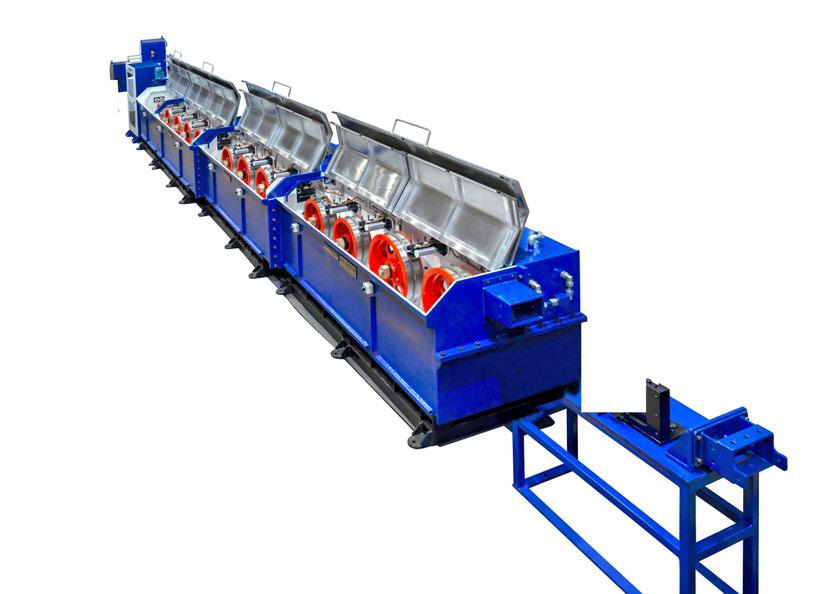
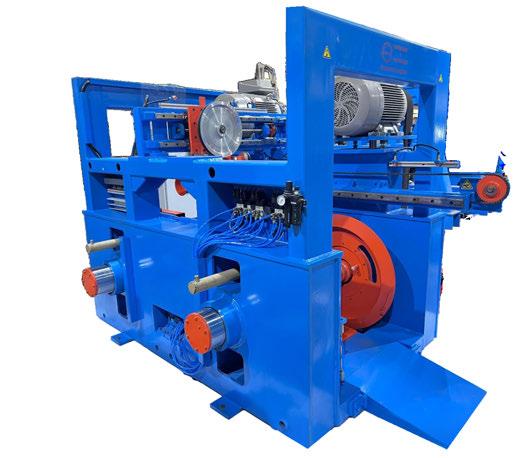
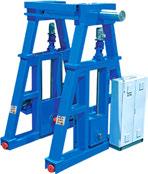
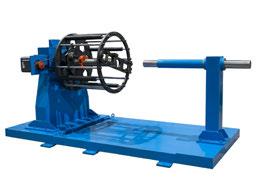
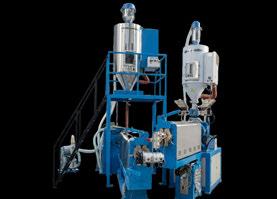
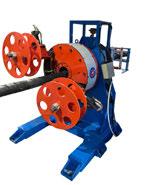
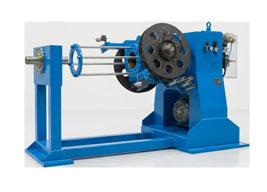
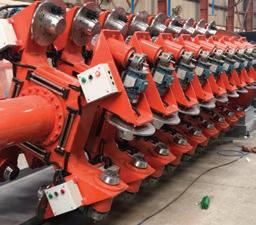
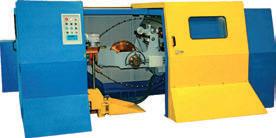
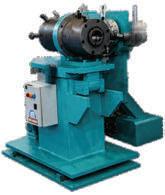
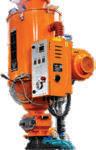
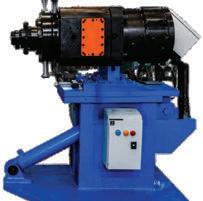
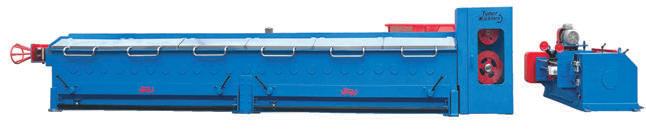
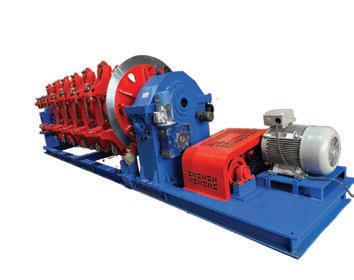
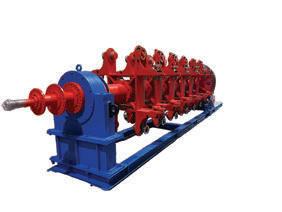
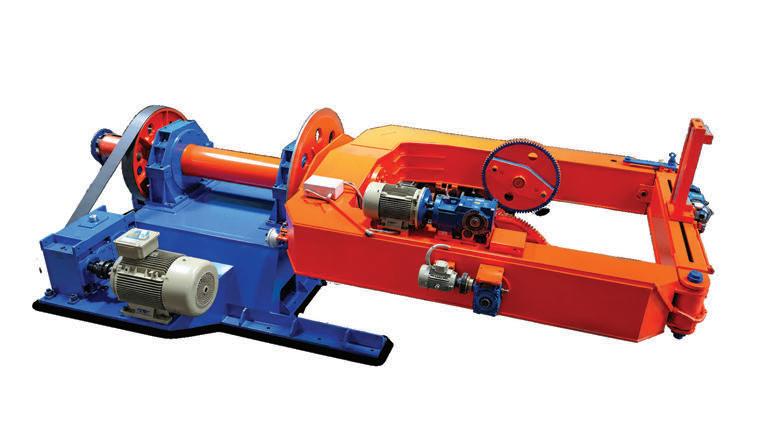
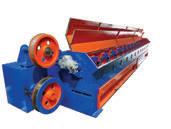
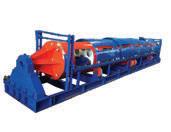
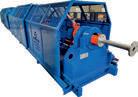
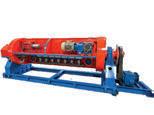
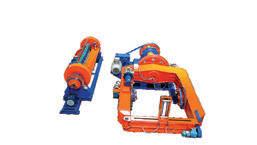
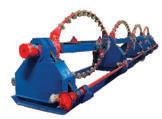
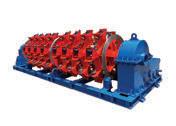
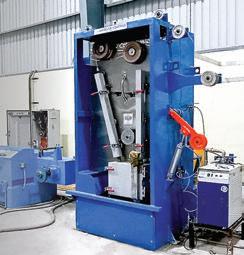
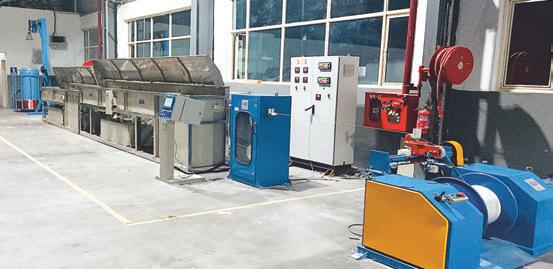
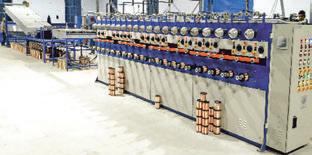
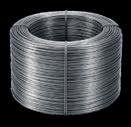
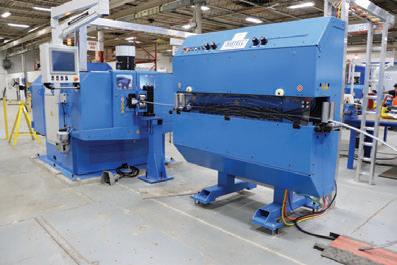
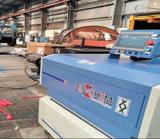
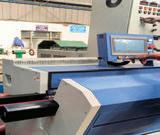
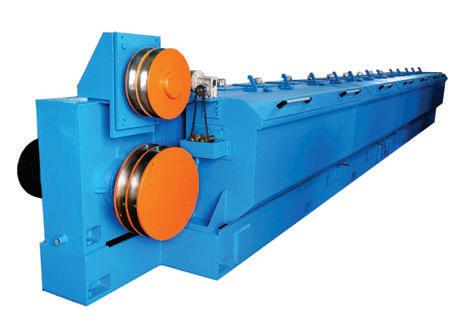
• TIG Wire Straightening Cutting Machines With Embossing
• Welded Wire Mesh Lines For Mesh Rolls Or Mesh Panels
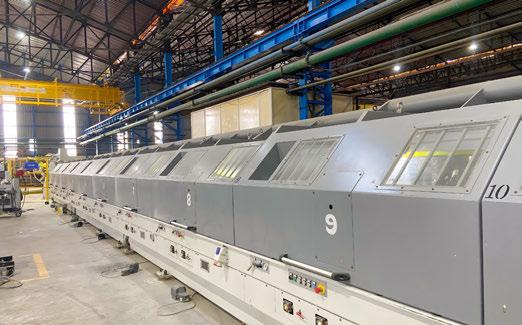
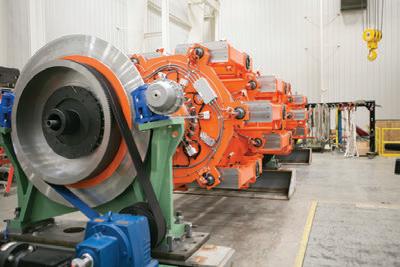
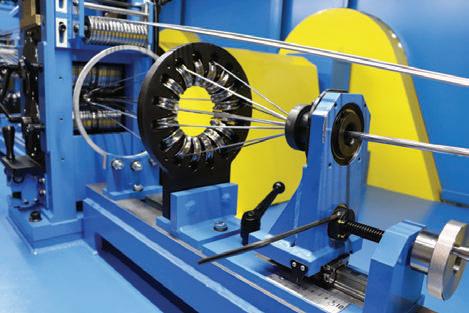
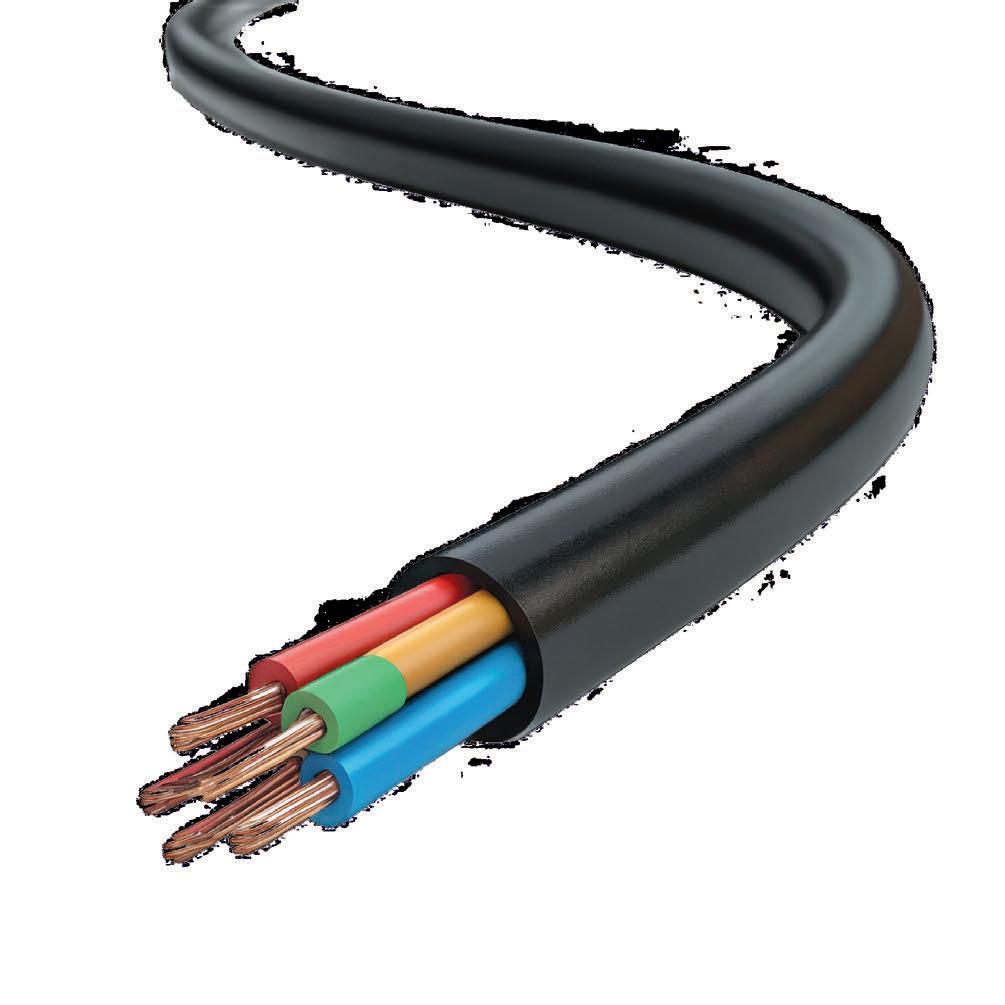
CCV
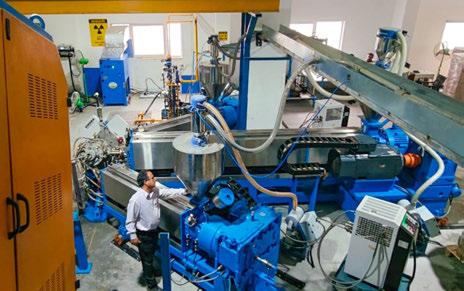
CATENARY CONTINUOUS VULCANIZATION
INNOVATIONS THAT NEVER STOP
Since pioneering CCV in 1958, we have continuously evolved the platform through decades of innovation.
AGILE AVAILABILITY
Ready to Go Around the Globe
Our machines are engineered to meet the demands of cable industries worldwide.
ENGINEERED FOR CONTINUOUS PERFORMANCE
Reliability Without Compromise
Built to meet higher demands, support longer runs, and minimize interruptions.
Royle Cares is our commitment to the safety and sustainability of people and planet. We support those behind the machine through Royle precautions, orientations, manuals, and labor-focused practices. Our systems are designed for energy efficiency, water conservation, and Industry 5.0 technologies.
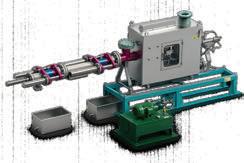
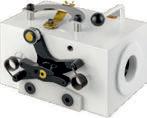
Splice Box
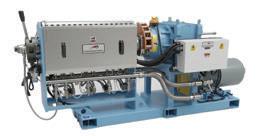
Extruder
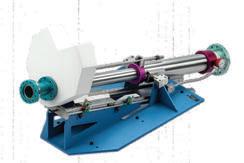
End Seal
STEEL WIRE
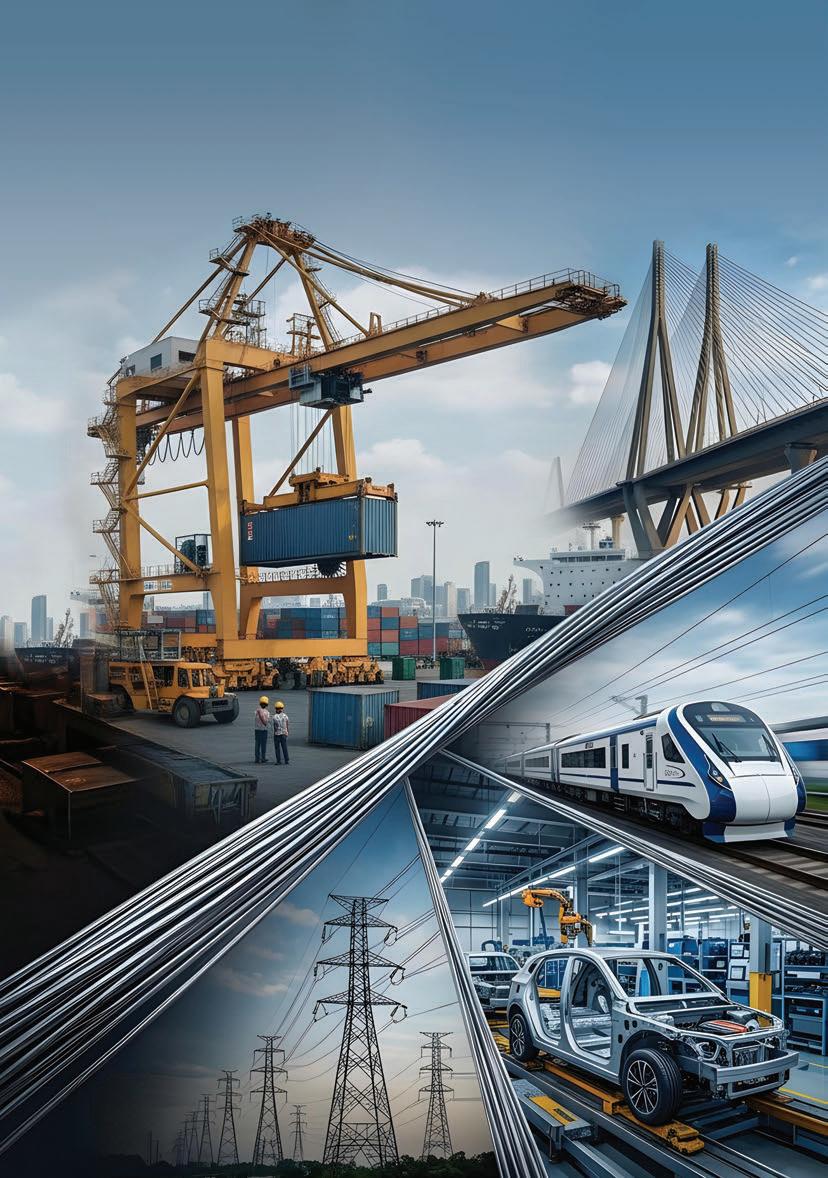
The Rise of Performance-Driven Steel Wire Manufacturers Push Up the Value Chain
STEEL UPTURN
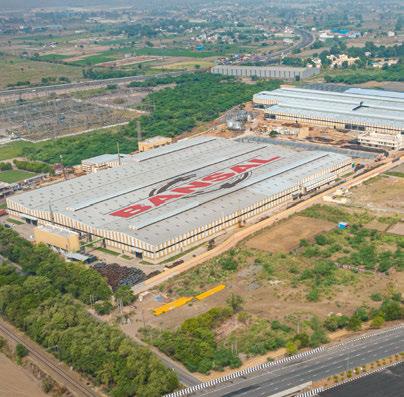
Bansal Wire Industries
Prioritise Value-Added Growth Amid Rising Demand for Specialised Wires
Tata Steel
Champions the 3C Formula-Capacity, Capability and Customer Needs
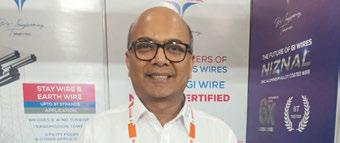
Nirmal Wires
Shifts Focus to Custom Steel Wire Solutions
Mukand Sumi
Driving High-Performance Steel Wire Solutions for Precision Industries
Systematic Group
Driving Innovation in Application-Specific Steel Wire Solutions
Patil Group
Aligns with Evolving Demands in Steel Wire Applications
Miki Wire Works
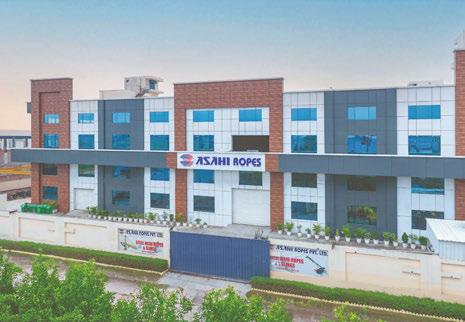
Asahi Ropes
Focuses on Specialisation Driving the Steel Wire Sector on Specialised Steel Wire Ropes Driving Performance and Market Shift
LUBRICANTS
Lubrimetal
Focuses on Precision Lubrication for HighSpeed Wire Drawing
Traxit:
Process-Specific Lubrication Key to Efficient, Sustainable Wire Drawing
Metalube India
and
ZWEZ Surface Products
INTERVIEW
Finolex Cables
Sharpens Focus On Specialty Products, Distribution Expansion, and Energy Transition
Resonia
Powering India to Win the ‘Race Against Time’ in T&D Sector with Tech-led Solutions
MFL Group
Sees Strong Opportunity in High-Quality, Tech-Driven Manufacturing in India
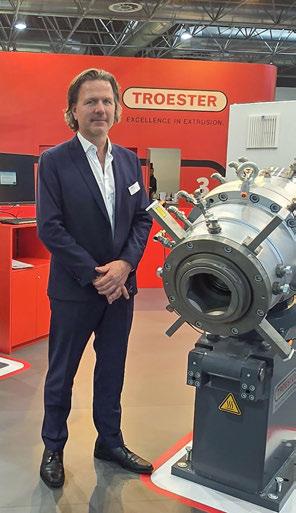
TROESTER
Sees Record Year 2025, Stays Optimistic on India and Global Cable Demand Growth
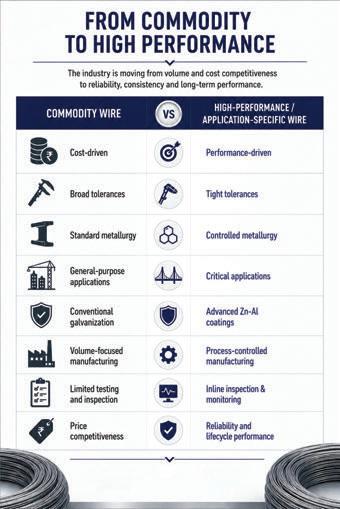
For decades, large portions of the sector remained centered around commodity products such as binding wire, fencing wire, and general-purpose low-carbon drawn wire, where scale and cost competitiveness largely defined market positioning. That structure is gradually changing. Across infrastructure, automotive, engineering, lifting, and transmission applications, demand is increasingly moving toward products that require tighter dimensional tolerances, superior fatigue behavior, higher corrosion resistance, and far greater process consistency.
Steel wire is increasingly expected to deliver higher reliability and longer service life. In many applications today, wire is no longer merely an intermediary input; it is becoming a performance-sensitive material whose reliability directly influences structural life, operational safety, and maintenance cycles. As a result, manufacturers are steadily moving beyond conventional commodity production toward more specialized and applicationoriented products supported by tighter metallurgy control, advanced processing technologies, coating systems, and automated quality monitoring.
The Indian steel wire industry, currently estimated at roughly 5.5–6 million tonnes annually, continues to grow alongside infrastructure expansion, railway modernization, automotive production, power transmission investments, and industrial manufacturing. However, the more important transformation now lies not simply in production growth, but in the changing nature of demand itself. Increasingly, competitiveness is being shaped by process capability, consistency, and application-specific performance rather than volume alone.
According to Systematic Group, the company’s focus has increasingly shifted toward “developing applicationoriented steel wire solutions rather than only producing commodity wires.” Similarly, Mukand Ltd. emphasizes its concentration on “application-specific, high-performance alloy steel long products” designed for demanding industrial applications.
Beyond Commodity Wire
The distinction between commodity wire and specialized wire products has become one of the defining structural divides within the industry. Commodity products continue to occupy a significant share of the market, particularly in general construction and low-end industrial applications where broader tolerances and standard metallurgical specifications remain acceptable. Specialized wire products, however, operate under a fundamentally different manufacturing discipline.
According to Miki Wire Works Pvt. Ltd., “the difference
is night and day.” Unlike general-purpose wire products designed primarily around cost and broad adequacy, specialized wires are expected to perform consistently in structurally critical, fatigue-sensitive, or high-cycle operating environments where failure can carry significant operational or safety consequences. The company describes specialty wires as products that “cannot fail” given their use in bridges and railway infrastructure.
This stringent requirement is pushing manufacturers toward tighter control over metallurgy, dimensional consistency, and surface quality. Fatigue resistance, torsional behavior, relaxation characteristics, coating adhesion, and drawability are becoming increasingly important depending on the end-use application. In many cases, downstream customers are no longer evaluating wire products purely on strength or pricing, but on long-term reliability and process consistency.
Tata Steel Limited notes that many specialized products increasingly operate in “mission-critical environments” where even minor inconsistencies can compromise performance. As applications become more demanding, the industry is steadily moving from broad-volume production toward tighter manufacturing discipline and controlled process execution.
Infrastructure Demand Is Reshaping Product Requirements
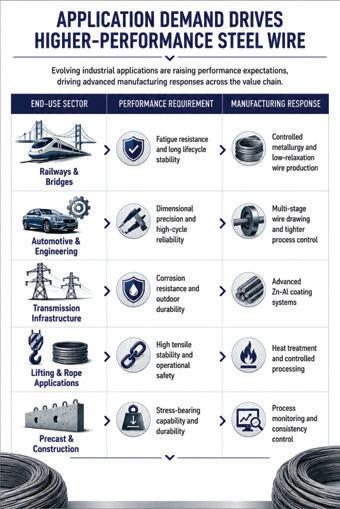
Infrastructure development has emerged as one of the strongest drivers behind this transition toward higherperformance wire products. Large-scale investments in railways, metro systems, bridges, highways, transmission infrastructure, ports, and precast construction are creating sustained demand for products capable of operating under higher stress loads and more demanding environmental conditions over long service lives.
This is particularly visible in segments such as prestressed concrete (PC) wires, low-relaxation prestressed concrete (LRPC) strands, galvanized transmission wires, and corrosion-resistant reinforcement systems. Unlike conventional construction-oriented wire products, these applications demand much tighter control over tensile behavior, elongation characteristics, relaxation properties, and long-term durability.
Miki Wire Works Pvt. Ltd. highlights growing demand from railway sleepers, dedicated freight corridors, metro rail projects, highways, and precast concrete applications. These segments require wire products capable of maintaining mechanical stability under sustained stress conditions over extended operational lifecycles.
The requirement for higher-performance wire products is also expanding across bridges, elevated corridors, LNG storage facilities, transmission infrastructure, wind energy installations, and nuclear projects. In such applications,
lifecycle performance, corrosion resistance, and reliability under cyclic loading conditions are becoming increasingly important alongside strength itself, according to Tata Steel Limited.
Procurement behavior is also changing. Infrastructure owners and EPC contractors are increasingly evaluating lifecycle durability and maintenance implications rather than focusing exclusively on upfront cost, particularly in coastal, high-humidity, or heavy-load operating environments.
Automotive and Engineering Applications Tighten Performance Expectations
The automotive and engineering sectors are similarly pushing the industry toward tighter process control and more demanding technical standards. Applications such as suspension springs, fasteners, tyre reinforcement systems, transmission components, bearings, and industrial machinery increasingly require products capable of sustaining repeated stress cycles while maintaining dimensional precision and mechanical consistency.
This has intensified focus on fatigue resistance, microstructural uniformity, tensile consistency, and surface quality. In many cases, performance consistency has
become as important as tensile strength itself. In various engineering applications, even small variations in wire quality can directly affect component reliability, operational life, or machining behavior.
Mukand Ltd. highlights increasing demand for alloy steel wire products tailored for automotive, bearing, and engineering applications where fatigue behavior, wear resistance, and dimensional accuracy are critical. The company’s portfolio spans hundreds of alloy steel grades designed for application-specific performance requirements.
At the same time, automotive lightweighting trends are increasing demand for products capable of delivering higher performance within tighter dimensional and weight constraints. Tata Steel Limited notes growing demand for advanced spring wires designed to improve fatigue life while supporting weight optimization efforts. According to the company, institutional customers across automotive and infrastructure segments are increasingly seeking “specialty features and differentiation.”
These developments are gradually shifting the competitive basis of the industry from broad production capability toward repeatable process precision and applicationspecific reliability.
Metallurgy and Wire Rod Quality Become Strategic
As downstream wire applications become more performance-sensitive, manufacturers increasingly emphasize that wire quality fundamentally begins at the wire rod stage. The quality of wire rods directly influences downstream drawability, surface finish, fatigue performance, dimensional consistency, and process stability during conversion.
This is making metallurgy control and wire rod consistency increasingly strategic within the steel wire value chain.
ESL Steel Limited emphasizes the importance of “clean steel,” controlled chemistry, inclusion control, and processfriendly wire rods specifically designed for downstream wire applications. Better control over steel chemistry and processing conditions allows downstream manufacturers to achieve greater processing stability and lower rejection rates.
The growing sensitivity of specialized wire applications to metallurgical inconsistencies is reinforcing this trend. Minor variations in sulphur or phosphorus levels, surface defects, or microstructural irregularities can significantly affect drawing behavior, torsion performance, and fatigue resistance.
Asahi Ropes Pvt. Ltd. notes that even relatively small variations in patenting structure or wire rod chemistry can manifest as wire breakages during drawing or reductions in torsional performance. According to the company,
relationships between wire manufacturers and wire rod suppliers increasingly need to extend beyond “price negotiation.”
As a result, relationships between wire rod suppliers and downstream manufacturers are increasingly evolving beyond conventional procurement arrangements toward more process-integrated technical partnerships. ESL Steel Limited notes that closer process alignment allows customers to standardize their drawing sequences, improve productivity, and achieve the “desired quality in finish wires.”
Systematic Group notes that there is “increasing discussion within the industry” on aligning domestic wire rod production with “global quality benchmarks” while strengthening coordination between manufacturers, government bodies, and PSUs to build a more stable and competitive supply chain.
Process Control Becomes Increasingly Critical
Perhaps the most significant transformation underway in the industry is the growing importance of process capability itself as a competitive differentiator. As application requirements become tighter, manufacturers are increasingly competing not merely on installed capacity, but on their ability to consistently control manufacturing variables across the entire production cycle.
Manufacturers are tightening process control across surface preparation, wire drawing, and heat treatment operations. Greater focus is also being placed on coating consistency, inspection systems, and downstream testing. According to Bansal Wire Industries Limited, recent gains in manufacturing efficiency are increasingly coming from “automation, precision process control, and advanced surface engineering technologies.” The objective is not simply faster production, but tighter repeatability, lower process variation, and more stable downstream performance.
Tata Steel Limited describes extensive deployment of automated process monitoring, optimized multi-pass drawing systems, controlled heat treatment operations, advanced coating lines, and AI-enabled inspection systems designed to improve consistency and reduce defect variability.
Similarly, Miki Wire Works Pvt. Ltd. highlights the use of thermal stabilization systems, automated straight-line wire drawing technologies, and acid-free mechanical descaling processes for high-carbon wire production.
Nirmal Wires Pvt. Ltd. also points to increasing adoption of automation, inline monitoring systems, and laserbased diameter control technologies to maintain tighter dimensional consistency and improve process stability.
Collectively, these developments indicate that the industry’s
next phase of competitiveness will increasingly depend on process discipline, repeatability, and manufacturing precision rather than scale expansion alone.
Surface Engineering and Corrosion Resistance Gain Importance
Surface engineering and coating technologies are also becoming increasingly important areas of differentiation, particularly in infrastructure, transmission, marine, and outdoor applications where lifecycle durability has become a major consideration.
Conventional galvanization systems are gradually giving way to more advanced zinc-aluminium coating technologies capable of delivering substantially improved corrosion resistance and longer service life under aggressive environmental conditions.
Coating performance is increasingly influencing lifecycle costs in coastal, high-humidity, and outdoor infrastructure environments.
Nirmal Wires Pvt. Ltd. highlights its NIZNAL® zincaluminium coated wire products, which reportedly offer significantly longer operational life compared to conventional galvanized wire products. Similarly, Systematic Group points to increasing demand for Zn-Al coated products designed for harsher outdoor operating conditions and extended lifecycle performance, including its GALVASYS range of alloy-coated wires developed for higher corrosion resistance.
As infrastructure operators increasingly evaluate maintenance costs and lifecycle economics, coating systems
themselves are becoming an increasingly important component of overall product value and performance differentiation.
Toward a More Organized and Process-Driven Industry
The cumulative effect of these changes is steadily reshaping the structure of the Indian steel wire industry. Commodity products will continue to occupy a substantial share of the market, but growth in higher-performance and applicationsensitive segments is increasingly favoring manufacturers capable of investing in metallurgy control, automation, testing systems, coating technologies, and process discipline.
Miki Wire Works Pvt. Ltd. believes that “the future belongs to organized, technology-driven manufacturers.”
The industry’s evolution is unlikely to be abrupt or disruptive. Rather, it represents a gradual industrial transition in which reliability, process consistency, lifecycle performance, and application-specific manufacturing are steadily becoming more important than broad-volume production alone.
As infrastructure systems become more demanding, automotive standards tighten, and industrial applications grow increasingly performance-sensitive, Indian steel wire manufacturers are steadily moving up the value chain. The transformation may not always be visible through production volumes alone, but it is increasingly visible in how manufacturers are approaching metallurgy, processing, coatings, automation, and performance engineering across the wire value chain.
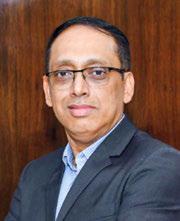
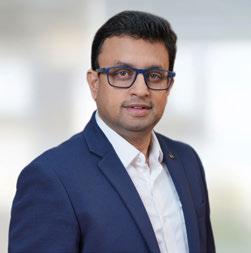
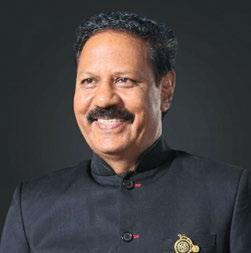
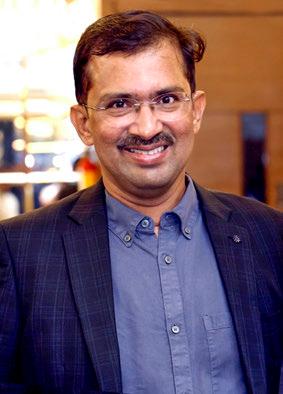
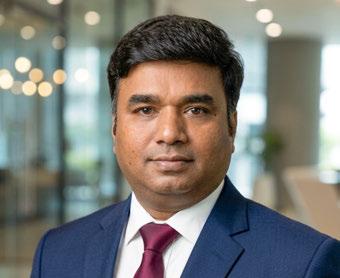
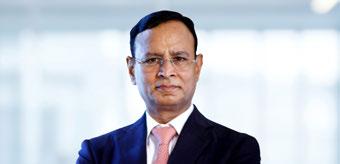
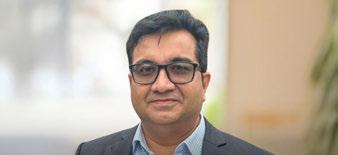
In an exclusive interview with Wire & Cable India, Mr. Pranav Bansal, MD & CEO, Bansal Wire Industries Limited , outlines the company’s transition toward highperformance, application-driven steel wire solutions as end-use industries demand greater precision and reliability. He points to strong momentum from automotive, power transmission, and infrastructure sectors, where advanced products like tyre bead wire, LRPC strands, and galvanized wires are gaining traction. The company is strengthening capabilities through automation, digital process control, and advanced surface treatment technologies to ensure consistency and efficiency. Emphasizing quality of wire rods, process discipline, and customer collaboration, Bansal Wire Industries is aligning its strategy to capture opportunities in a gradually consolidating and technology-driven steel wire market.
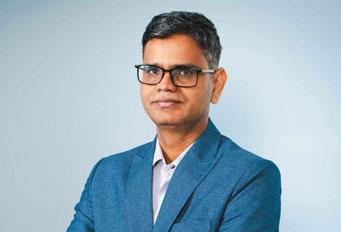
Mr. Pranav Bansal, MD & CEO, Bansal Wire Industries Limited
Wire & Cable India: Steel wire manufacturers today cater to a wide range of end-use industries through both conventional commodity and specialized products. Could you briefly describe your company’s specialty or application-specific steel wire portfolio and the key industries they serve?
Pranav Bansal: At Bansal Wire Industries, our focus has been on evolving from a conventional, volume-driven manufacturer to a more application-oriented and value-added solutions provider. While commodity products remain part of our portfolio, a growing share of our business is driven by specialty steel wires tailored to specific enduse applications.
We cater to key sectors such as
power transmission, automotive, construction & infrastructure, agriculture, and general engineering. In power transmission, for instance, we supply mild steel galvanized wires and cable armouring wires & strips, which are critical for durability and protection in transmission systems. In the automotive segment, our portfolio includes tyre bead wire, steel tyre cord, IHT wires, and spring wires, all of which require high precision and performance consistency.
For infrastructure, we manufacture LRPC strands, used in prestressed concrete applications, while in agriculture, we provide galvanized wires for fencing, poultry and farming applications. Our approach is centered on customization, performance reliability, and consistency, ensuring that each
product aligns closely with the operational demands of the sector it serves.
WCI: A large portion of steel wire production has traditionally consisted of general-purpose, commodity products such as binding wire, fencing wire, and low-carbon drawn wire. In your view, how does applicationspecific (specialty) steel wire differ from these commodity products in terms of metallurgy, performance requirements, and manufacturing precision?
PB: The distinction between commodity and specialty steel wire lies in the level of engineering precision and performance expectations. Commodity wires are largely standardized products, designed for general-purpose applications with a primary focus on cost efficiency and scale.
In contrast, specialty steel wires such as tyre bead wire, steel tyre cord, or LRPC strands are application-engineered products. The differentiation begins at the metallurgy level, where chemical composition, heat treatment, and microstructural control are tailored to meet specific performance requirements.
These products must deliver high tensile strength, fatigue resistance, corrosion protection, and tight dimensional tolerances. For example, automotive wires like spring wires and IHT wires must withstand repeated stress, while infrastructure products like LRPC strands require long-term structural reliability.
Manufacturing such wires involves advanced processing technologies, precise process control, and stringent quality systems. Even minor deviations can impact enduse performance, making specialty wire production significantly more precision-driven and technically demanding compared to commodity wire manufacturing.
WCI: As end-use industries evolve, their performance requirements increasingly influence wire design. Which sectors today are exerting the
strongest influence on steel wire development and demand for specialized products?
PB: We are seeing strong demand from sectors that are undergoing structural growth and increasing performance expectations. The power transmission and distribution sector is a key driver, where products like galvanized wires and cable armouring wires & strips are required to deliver durability and long-term reliability.
The automotive sector continues to be a major influence, particularly with products such as tyre bead wire, steel tyre cord, IHT wires, and spring wires, which must meet stringent safety, performance, and fatigue requirements. As vehicle performance standards evolve, so does the demand for more advanced wire solutions.
Additionally, construction and infrastructure are driving demand for products like LRPC strands, which are critical for prestressed concrete and long-life structural applications. The agriculture sector also contributes through steady demand for galvanized wires used in poultry and farming applications.
Overall, these sectors are pushing the industry towards applicationspecific, high-performance wires, where consistency, durability, and lifecycle performance are becoming key decision factors.
WCI: Different applications require specific mechanical and physical properties. What key technical parameters (such as tensile strength, fatigue resistance, surface quality, or dimensional tolerance) are becoming most critical for these specialized steel wire applications?
PB: As applications become more demanding, the focus has shifted towards performance consistency and lifecycle reliability. Customers today expect products to maintain performance under continuous stress and varying environmental conditions. Key parameters include tensile strength and uniformity, which are critical for applications such as LRPC strands used in
We are seeing strong demand from sectors that are undergoing structural growth and increasing performance expectations. The power transmission and distribution sector is a key driver, where products like galvanized wires and cable armouring wires & strips are required to deliver durability and long-term reliability.
infrastructure. Fatigue resistance is especially important in automotive products like spring wires and tyre bead wire, where repeated stress cycles are common.
Surface quality and coating integrity are essential for corrosion resistance, particularly in galvanized wires and cable armouring wires used in power transmission and outdoor environments. Additionally, dimensional accuracy and tight tolerances are crucial for precision applications such as steel tyre cord and IHT wires, where even minor variations can affect performance.
Increasingly, customers are also focusing on long-term durability and reduced maintenance, making parameters like consistency, reliability, and extended service life central to product development and selection.
WCI: Does producing highperformance specialized wires often require advanced processing capabilities? If yes, what types of manufacturing technologies or specialized equipment are essential for producing such highperformance steel wires?
PB: Yes, producing highperformance specialized wires requires significant investment in advanced manufacturing technologies and process control systems. These products demand high precision, consistency, and adherence to stringent performance standards.
We have invested in advanced wire drawing technologies that enable precise control over mechanical properties required for products such as tyre bead wire, steel tyre cord, and LRPC strands. We also operate stateof-the-art galvanizing and coating lines to enhance corrosion resistance in products like mild steel galvanized wires and cable armouring wires. Our focus on surface engineering ensures improved durability and performance across applications. In addition, the integration of automation and digital process controls helps minimize variability and ensures consistent output at scale.
We also maintain strong testing, certification, and traceability systems, which are essential for meeting both domestic and global standards. These capabilities collectively enable us to deliver highperformance, application-specific wire solutions with reliability and consistency.
WCI: Steel wire production depends heavily on the quality and availability of wire rods. How do variations in raw material quality or fluctuations in input prices influence downstream wire manufacturing?
PB: From our standpoint, wire rod quality is absolutely foundational to the performance of the final product. Even minor inconsistencies in chemistry, surface condition or dimensional tolerances can translate into significant challenges during drawing, coating and finishing stages. This can impact tensile strength, fatigue life and surface integrity parameters that are critical for high-performance applications like power transmission or automotive components.
On the pricing side, volatility in steel
and allied inputs creates pressure across the value chain. However, the response cannot be purely reactive. At Bansal Wire Industries, we focus on building a resilient procurement strategy through long-term supplier partnerships, improved forecasting and a diversified sourcing ecosystem. Equally important is process discipline—optimizing material yield, reducing rework and ensuring consistent process control so that input variability does not
Over the past few years, the most meaningful gains in our industry
have come
from a combination of automation, precision process control and advanced surface engineering technologies. In our case, investments in nextgeneration galvanizing and surface treatment lines have significantly enhanced corrosion resistance and product consistency especially for applications exposed to harsh environments. disproportionately affect output quality.
Ultimately, the ability to manage both quality variability and cost fluctuations comes down to operational maturity. Strong testing systems, traceability and process standardization allow us to absorb these fluctuations without compromising on reliability, which is what customers value most in the long run.
WCI: Across the industry, manufacturers are investing in process improvements and automation. Which recent technological or operational upgrades have had the greatest impact on product quality and manufacturing efficiency?
PB: Over the past few years, the most meaningful gains in our industry have come from a combination of automation, precision process control and advanced surface engineering technologies. In our case, investments in nextgeneration galvanizing and surface treatment lines have significantly enhanced corrosion resistance and product consistency especially for applications exposed to harsh environments.
Automation has also played a transformative role. Digitally controlled wire drawing machines, inline monitoring systems and datadriven quality checks have reduced human dependency in critical stages, thereby minimizing variability. This not only improves product quality but also enhances throughput and equipment utilization.
Another key area is testing and validation infrastructure. As customer expectations evolve particularly in global markets— there is a growing need for rigorous testing, traceability and certification readiness. Strengthening these capabilities ensures that quality is built into the process rather than inspected at the end.
What we are seeing now is a shift from isolated upgrades to integrated manufacturing ecosystems, where machines, data and quality systems work in sync. This integrated approach is what truly drives both efficiency and consistency at scale.
WCI: India’s steel wire industry has historically been fragmented, but larger organized manufacturers are steadily expanding their presence. How do you see the competitive structure of the industry evolving in the coming years?
PB: The industry is clearly transitioning from a fragmented
landscape to a more organized and capability-driven structure. Historically, a large part of the market operated on cost competitiveness and localized supply. However, with increasing demand from sectors like infrastructure, automotive and renewable energy, the emphasis is shifting toward quality, reliability and application-specific performance.
This naturally favours organized players who have the ability to invest in technology, scale operations and maintain consistent quality standards. Larger manufacturers are also better positioned to meet evolving regulatory, compliance and traceability requirements, which are becoming increasingly important— especially for export markets.
Going forward, we expect the gap between organized and unorganized players to widen. The industry will likely see fewer, but more capable
participants, with a stronger focus on technology, integration and global competitiveness rather than just pricing.
WCI: Looking ahead, what will be the key strategic priorities for steel wire manufacturers— whether in terms of product specialization, capacity expansion, technology investments, or exploring new application segments?
PB: Looking ahead, the industry’s strategic direction will be shaped by a combination of product sophistication, capacity readiness and technology adoption. One of the primary priorities will be moving up the value chain from commoditygrade wires to high-performance, application-specific solutions that cater to sectors like energy, infrastructure and mobility.
Capacity expansion will continue, but it has to be aligned with flexibility. Modular and scalable
manufacturing setups will be critical to respond to project-based demand and evolving global supply chains. At the same time, investments in automation, digital manufacturing and energy-efficient processes will be essential to remain competitive while managing cost pressures.
Another important area is deeper customer collaboration. Codeveloping products, supporting qualification processes and aligning with application requirements will become key differentiators. This shifts the role of manufacturers from suppliers to solution partners.
Finally, exploring new application segments, particularly those linked to energy transition and advanced industrial use will open up growth opportunities. The companies that can combine scale, engineering depth and agility will be best positioned to lead the next phase of growth in this industry.
Tata Steel Champions the 3C FormulaCapacity, Capability and Customer Needs
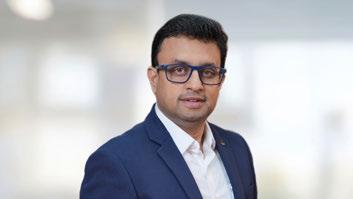
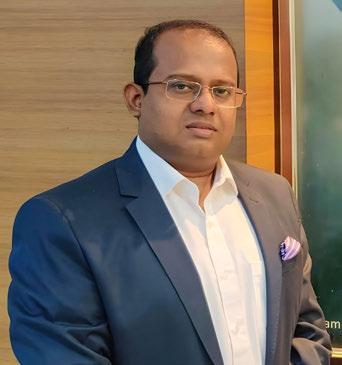
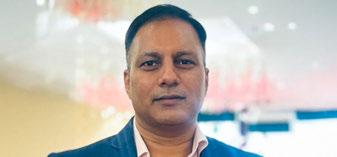
Mr. Chandan Arunachalam, Head Marketing, Marketing & Sales GWI, Tata Steel Limited
From Tata Steel’s perspective, the future of specialised steel wire lies in engineering reliability—not just achieving high strength, but ensuring consistent, safe, and long-term performance across demanding applications.
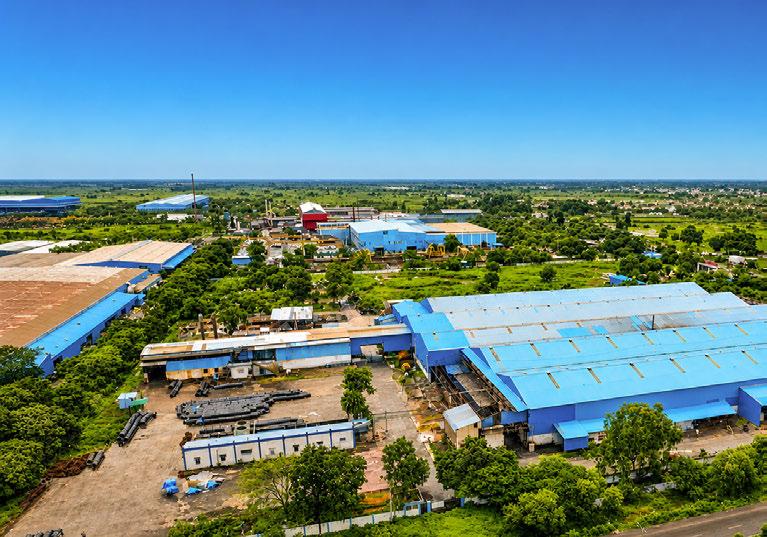
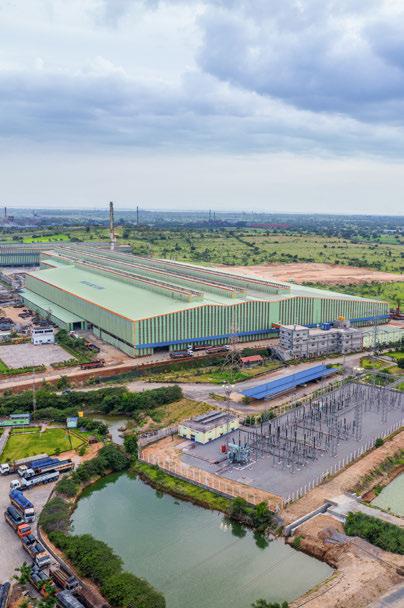
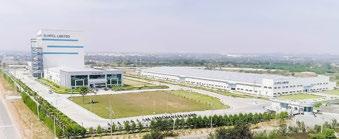
PithampurPlant,MadhyaPradesh,TataSteelLimited
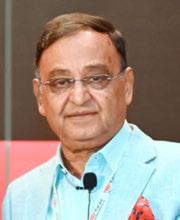
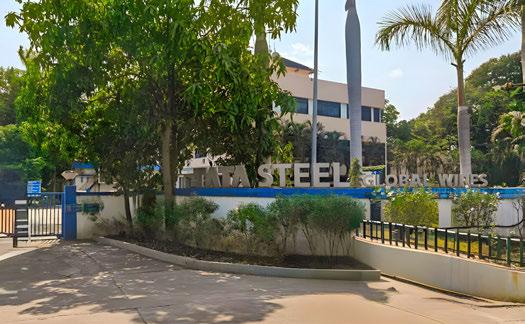
As India’s steel wire industry pivots toward high-performance and application-driven demand, Tata Steel’s Wire Division is aligning its strategy around the 3C formula—capacity, capability and customer needs. In an exclusive interview with Wire & Cable India, Mr. Satyajit Maity, Chief Marketing and Sales, Wire division, Marketing & Sales GWI, Tata Steel Limited and Mr. Chandan Arunachalam, Head Marketing, Marketing & Sales GWI, Tata Steel Limited , share how the company is steadily moving beyond commodity offerings toward advanced, value-added wires engineered for critical sectors such as automotive, infrastructure, and energy. This transition, however, brings its own set of challenges—ranging from raw material price volatility to tighter quality standards and the need for continuous technological upgradation. Tata Steel addresses these through strong upstream integration, process innovation, and increasing adoption of automation and digital monitoring. By combining metallurgical expertise with customer-centric product development, the company is not only enhancing performance reliability but also positioning itself as a long-term solutions partner in India’s evolving steel wire landscape.
Wire & Cable India: Steel wire manufacturers today cater to a wide range of end-use industries through both conventional commodity and specialized products. Could you briefly describe your company’s specialty or application-specific steel wire portfolio and the key industries they serve?
Satyajit Maity: Our product range is broadly categorised into low-carbon steel wires and high-carbon steel wires, designed to meet the needs of multiple industries and applications:
Conventional (Commodity) Steel Wire Offerings
In the agriculture segment, we offer poultry wire, galvanized (GI) wire, and Tata Steel’s patented Ayush Wire, engineered for durability and ease of use. For fencing applications, our portfolio includes barbed wire, chain-link wire, knotted fencing, 3D welded mesh, and solar fencing wire. In general engineering and infrastructure, we supply MIG wire, shutter wire, crimp wire, and spring wire catering to fabrication, construction, and engineering requirements.
Specialised and Value-Added Steel Wire Solutions
Driven by advanced metallurgy and precision manufacturing, Tata Steel’s value-added wire portfolio serves critical, high-performance applications. In the automotive segment, this includes tyre bead wire, tyre cord wire, automotive spring wire, IHT spring wire, and spoke
Mr. Satyajit Maity, Chief Marketing and Sales, Wire division, Marketing & Sales GWI, Tata Steel Limited
wire—designed to meet stringent safety, fatigue, and performance standards. Tata Steel Wires division has partnership portfolio with all tyre manufacturers in India.
For infrastructure, railway, and building applications, we offer low relaxation pre-stressed concrete (LRPC) strands and PCSR wires, widely used for structural reinforcement in buildings, railway sleepers, electric spun poles, water pipelines, elevated roadways, bridges, metros, bullet trains, windmills, LNG storage tanks, and nuclear power facilities.
This breadth of offerings underscores Tata Steel Wire Division’s capability to support India’s growth story— from rural livelihoods and industrial manufacturing to next-generation infrastructure and mobility systems.
WCI: A large portion of steel wire production has traditionally consisted of general-purpose, commodity products such as binding wire, fencing wire, and low-carbon drawn wire. In your view, how does application-specific (specialty) steel wire differ from these commodity products in terms of metallurgy, performance requirements, and manufacturing precision?
Chandan Arunachalam: Commodity steel wires are metallurgically designed for formability, ease of processing, and cost efficiency. The steel chemistry is relatively simple, tolerances are broad, and microstructural consistency is
The evolution of end-use industries is fundamentally reshaping how steel wire is designed, processed, and delivered. Demand today is increasingly driven by performancecritical sectors, where wire is no longer a commodity input but an engineered component with a direct bearing on safety, durability, and lifecycle cost.
adequate rather than critical.
In contrast, specialty steel wires are engineered at the metallurgical level for specific applications and performance outcomes. At Tata Steel Wires division, this involves precisely controlled chemistry with low levels of sulphur and phosphorus, along with enhanced steel cleanliness and automation in casting. State-of-theart rolling processes ensure uniform microstructure and minimal variation in physical properties, while advanced wire drawing techniques provide precise control over critical-to-quality parameters. These include optimized drawing reduction patterns, the use of specially designed (and patented) dies, and tailor-made drawing lubricants to
achieve superior performance.
Be it, tyre bead wire, suspension spring wire or LRPC strands, the manufacturing processes are optimised over years of fine tuning and experience for imparting superior fatigue life and consistent performance over life cycles measured in decades.
Commodity wires typically perform non-critical roles. They are expected to bend, tie, or fence — in an event of failure, while inconvenient, rarely leads to catastrophic outcomes.
Specialty wires, however, operate in mission-critical environments—from steelmaking to wire drawing—where performance failure is unacceptable. Tata Steel’s application-specific
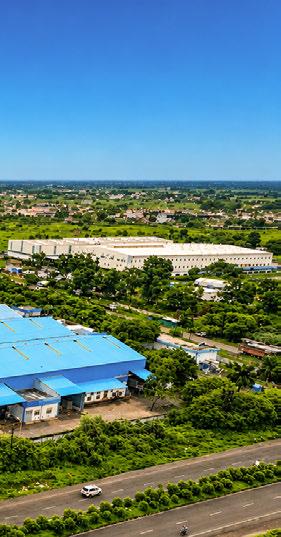
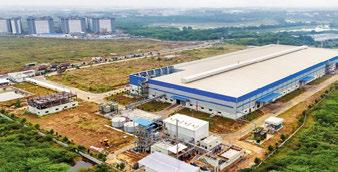
TarapurPlant,Maharashtra,TataSteelLimited
wires are therefore designed to meet stringent requirements, including precise physical properties such as minimal ovality, tensile strength, and yield strength. They deliver excellent fatigue life through clean steel, a smooth defect-free wire surface, and a uniform microstructure, critical for applications like automotive springs and PC strands. These wires also feature superior surface quality with uniform coatings, such as bronze for improved rubber adhesion in tyre bead wire and zinc for galvanized wire. Our patented coating “Aayush” (which means long life) is an additional barrier protection over zinc for superior life and improved customer experience.
Additionally, they adhere to rigorous safety-critical standards required in sectors like railways, nuclear infrastructure, and elevated urban transport. For us, quality is not just meeting the desired standard but ensuring an experience of lifetime for the end user.
For specialty wires, manufacturing precision becomes the key differentiator. From Tata Steel’s global wire operations standpoint, this involves maintaining stricter control over diameter and ovality, often keeping the diameter on the lower side of tolerance to deliver more wire length per unit weight. It also requires consistent mechanical properties across batches, supported by advanced process controls through automation in wire drawing, heat treatment, and surface coating. Additionally, rigorous end-use-specific testing and certification ensure that the wires meet exact application requirements.
WCI: As end-use industries evolve, their performance requirements increasingly influence wire design. Which sectors today are exerting the strongest influence on steel wire development and demand for specialized products?
SM: The evolution of end-use industries is fundamentally reshaping how steel wire is designed, processed, and delivered. Demand today is increasingly driven by performancecritical sectors, where wire is no longer a commodity input but an engineered component with a direct bearing on safety, durability, and lifecycle cost. Our institutional customers, including
automotive and infrastructure are continuously looking for avenues towards development of specialty features and differentiation including light weighting and moving towards high strength steel.
Following are some examples:
PC Strands used in construction: So far, PC strands with tensile strength of 1860 Mpa were in vogue in India. However, Tata Steel took the lead towards addressing the latent need of high strength reinforcing steel for prestressing agencies and developed 1960 Mpa high strength PC strands, which is now approved by BIS.
Spring Steel wires: Two-wheeler manufacturers are in a continuous quest to reduce weight of bikes and improve fuel efficiencies. Understanding this verbatim, we introduced the concept of “Super Tensile” spring wires with much higher strength and fatigue life compared to normal hard drawn suspension spring wires. There is a weight reduction up to 10% with use of super tensile spring wires.
WCI: Different applications require specific mechanical and physical properties. What key technical parameters (such as tensile strength, fatigue resistance, surface quality, or dimensional tolerance) are becoming most critical for these specialized steel wire applications?
CA: Different applications today demand a sharper focus on a combination of mechanical precision, lifecycle performance, and process consistency.
Tensile Strength and Strength
Consistency: While tensile strength remains fundamental, the emphasis has shifted toward consistency across coils, batches, and production runs. Automotive and tyre reinforcement wires require very high tensile strength within extremely tight tolerances, while PC wires and strands for infrastructure must deliver high strength with sustained long-term performance. At Tata Steel, the focus is on ensuring process capability that reliably delivers consistent strength every time.
Fatigue Resistance – Performance
Over Lifecycle: Fatigue resistance
has emerged as a key differentiator for specialty steel wires. Applications such as automotive springs, tyre cords, bead wires, and infrastructure systems like bridges and metros operate under millions of load cycles. Failures are often fatigue-driven rather than strength-related, making clean steel metallurgy, controlled microstructure, and minimal surface defects critical.
Dimensional Tolerance and Geometric Precision: With increasing automation in customer processes, dimensional accuracy has become a defining requirement. Parameters such as diameter tolerance, ovality control, coil uniformity, and lay consistency are critical. Even minor variations can disrupt downstream processing or impact performance, reinforcing the need for advanced drawing controls, in-process inspection, and statistical process control (SPC).
Surface Quality: Surface quality is now a functional and safety-critical parameter. Surface imperfections can initiate cracks in fatigue-sensitive applications, while in welding wires, cleanliness directly affects arc stability and weld quality. In coated wires, surface uniformity determines coating adhesion and durability. Strong emphasis is therefore placed on defect control, lubrication management, and coating consistency.
Low Relaxation Properties: In pre-stressed concrete applications, relaxation behaviour is as critical as tensile strength. Requirements include low relaxation under sustained loads, long-term stability, and consistent performance across environmental conditions. Meeting these demands requires precise heat treatment, controlled microstructure, and rigorous validation.
From Tata Steel’s perspective, the future of specialised steel wire lies in engineering reliability—not just achieving high strength, but ensuring consistent, safe, and longterm performance across demanding applications.
WCI: Does producing highperformance specialized wires often require advanced processing capabilities? If yes, what types of manufacturing technologies or specialized equipment are
essential for producing such highperformance steel wires?
SM: Yes—producing high-performance, application-specific steel wires unequivocally requires advanced processing capabilities. Below are the key manufacturing technologies and equipment that Tata Steel Wires views as essential for delivering high-performance wire solutions.
Wire rod surface preparation: The very first stage of wire manufacturing involves removing hot rolled scale from wire rod and pre-coat it with lubricant carrier coatings. This is achieved through either batch pickling process or mechanical de-scaling process. At Tata Steel, we have stateof-the art pickling facilities which are fully automated with minimum operator intervention. This helps in achieving a completely oxide free smooth surface with consistent lubricant carrier coatings. We are also progressively adopting acid free and sustainable ways of wire rod surface preparation including techniques like sand belt grinding and shot blasting.
Multi-pass wire drawing: The wire drawing process is very critical, as it imparts the necessary dimensional requirement to wire including diameter, length, surface finish and other mechanical properties like tensile strength and torsional & bend ductility. With years of experience and technical know-how, each and every process is carefully designed in terms of drawing die reduction patterns and use of optimum die geometry for achieving consistent physical properties and minimum residual stresses. With use of superior lubrication techniques including pressure dies, long lubricating dies and tailor-made combination of drawing lubricants, the surface achieved is smooth and free from drawing defects. Special care is taken in ensuring superior cooling of wire during drawing for minimum strain ageing.
Advanced Heat-Treatment Technologies: Engineering the microstructure - Heat treatment is the cornerstone of specialty wire performance. Key processes include wire patenting for bead and duct wires, induction hardening and tempering for automotive and industrial spring wires, spheroidizing annealing for
enhanced formability of general engineering wire.
Surface Treatment and Coating Technologies: Key surface technologies include - galvanizing lines with automated zinc wiping techniques for precise control of coating thickness, bronze coating for tyre bead wires for achieving desired & consistent adhesion with rubber.
In process and end product inspection: Stringent process inspection using the concept of “Quality Gates”, it is ensured that if at all a defect is produced, it is not cascaded to the next process. The testing equipment include wire tensile testing machines, torsion and bend testing platforms, fatigue and relaxation testing equipment, XRF for chemical composition and metallography lab for microstructure evaluation, including micro hardness testing.
Process monitoring through automation: We are endeavouring towards real time monitoring and control of critical-to-quality process parameters involved in wire manufacturing for a transition from “arresting defects” to “preventing defects”. Some examples include real time monitoring of die wear, wire temperatures, vibration level, temperatures involved in heat treatment, use of AI based surface quality monitoring systems, use of machine learning for real time adjustments etc.
WCI: Steel wire production depends heavily on the quality and availability of wire rods. How do variations in raw material quality or fluctuations in input prices influence downstream wire manufacturing?
CA: While we are sourcing around 8085% of wire rods from our own source i.e. Tata Steel Long Products; around 15-20% of wire rods are sourced from external suppliers.
Influence of Input Price Fluctuations – Margin Pressure vs. Performance Commitments
Steel wire manufacturing operates with a strong linkage to raw material prices (wire rods), but the ability to pass on these fluctuations varies significantly by product category. Commodity wire products are highly price-sensitive,
with limited ability to absorb or pass through cost increases. In contrast, specialized wires, while highermargin, are often supplied under long-term contracts, fixed or formulabased pricing, or OEM cost-down expectations. This creates a complex challenge of managing volatility while maintaining strict performance and delivery commitments.
Inventory,
Working Capital, and Planning Complexity
Rapid fluctuations in wire-rod prices influence inventory strategies, working capital requirements, production planning and order prioritization. For Tata Steel Wires, balancing price risk, supply assurance & customer service levels becomes particularly critical in specialty segments where supply continuity and qualification approvals limit sourcing flexibility.
Strategic Advantage of Integration and Supply Assurance
One of Tata Steel Wires’ key structural strengths lies in its integration with Tata Steel’s upstream wire-rod production. This enables assured availability of critical wire-rod grades, Custom-designed chemistries aligned with downstream wire applications, Better insulation from short-term market disruptions, Faster response to evolving customer requirements.
Such integration is especially valuable for automotive, infrastructure, railways, and energy sectors, where Requalification cycles are long, Alternate sourcing is difficult & Reliability and traceability are mandatory.
Quality Variability vs. Customer Risk
In specialized applications, variability in wire-rod quality does not just create internal inefficiencies, it introduces customer risk. Potential downstream consequences include, Processing issues at customer plants, inconsistent component performance, increased rejection rates, safety or durability concerns in service.
From Tata Steel’s perspective, protecting customers from this risk is central to the value proposition. This means tighter incoming material standards, close steel-towire process alignment, continuous feedback between wire-rod and wire manufacturing teams.
Shifting from Cost Optimisation to Value Optimisation
While input price management remains important, Tata Steel Wires increasingly views wire-rod quality through the lens of total cost of ownership, not just purchase price. High-quality, consistent wire rods result in higher productivity, lower scrap and rework, superior wire performance, stronger customer confidence and long-term relationships.
For specialised steel wires, quality variability often costs more than price volatility.
WCI: Across the industry, manufacturers are investing in process improvements and automation. Which recent technological or operational upgrades have had the greatest impact on product quality and manufacturing efficiency?
SM: Acid pickling plants with completely automated wire rod movement, along with monitoring and control of bath parameters, have significantly improved process consistency and quality. In addition, sustainable wire rod surface preparation techniques—such as surface scrapping, grinding, and shot blasting technologies for low- to highcarbon wires—have enhanced surface integrity. Further, in-house designed wire drawing machines, equipped with superior cooling drums, online diameter and length measurement systems, and online eddy current inspection for detecting surface imperfections, have played a key role in improving overall product quality and manufacturing efficiency.
WCI: India’s steel wire industry has historically been fragmented, but larger organized manufacturers are steadily expanding their presence. How do you see the competitive structure of the industry evolving in the coming years?
CA: For decades, the industry has been dominated by a large number of small and mid-scale players, primarily focused on commodity wire products. While these players will continue to serve local and price-sensitive demand, the coming years are likely to see steady consolidation, driven by:
• Tightening of compliance, safety,
and environmental norms
• Increasing customer preference for reliability and consistency
• Higher capital requirements for modern equipment and automation
As a result, organized manufacturers with scale, financial strength, and process discipline are expected to increase their market share.
Shift from Price-Led to Capability-Led Competition: Competitive differentiation is increasingly moving away from price alone to technology, quality consistency, and application expertise. Large organized players are investing in advanced wire drawing and heat-treatment facilities, automation and digital process control, application-specific product development. This trend favors manufacturers who can deliver predictable, certified performance, particularly for automotive, infrastructure, railways, energy, and engineering applications/segments where failures have high safety and financial consequences.
Rising Share of Specialized and Value-Added Wires: As India’s economy evolves, demand is increasingly shifting toward automotive and mobility solutions, metro and high-speed rail, urban infrastructure, and renewable energy and critical power systems. These sectors require specialized steel wires with high performance and reliability standards. Smaller, unorganized units often lack the metallurgical capability, testing infrastructure, and customer qualification credentials needed to serve such applications, creating natural entry barriers and accelerating the transition toward organized producers.
Importance of Integration and Supply Assurance: Integrated players with access to consistent, high-quality wire rods enjoy a distinct competitive advantage. In an environment of raw-material volatility and rising performance expectations, supply assurance and metallurgy control become critical differentiators. From Tata Steel Wires’ viewpoint, customers are increasingly valuing long-term partnerships over transactional
sourcing—particularly in sectors with long approval cycles and strict traceability requirements.
Organized Growth Without Elimination of Fragmentation: Fragmentation in the industry is expected to persist, particularly in commodity segments such as agriculture, fencing, and basic construction, where smaller producers will continue to operate. However, value growth—rather than just volume growth—is likely to increasingly accrue to organized manufacturers. As a result, the industry is expected to evolve into a two-tier structure: a consolidated, organized segment catering to high-performance, specification-driven applications, and a fragmented segment focused on costdriven, standardized products.t
WCI: Looking ahead, what will be the key strategic priorities for steel wire manufacturers—whether in terms of product specialization, capacity expansion, technology investments, or exploring new application segments?
SM: The key strategic priorities are as follows:
Deeper Product Specialisation and Application Engineering: Product specialization will be the foremost strategic priority. Demand growth is increasingly coming from application-specific, high-performance wires rather than generic commodities. Manufacturers will focus on:
• Automotive and mobility solutions (Tyre reinforcement, Spring wires, EV-related applications)
• Pre-stressed concrete wires and strands for infrastructure, railways, Pre-cat & Pre-fab segment
• Energy, renewables, and safety-critical applications
Success will depend not just on producing wire, but on co-engineering solutions with customers, backed by metallurgy expertise, testing capability, and performance validation.
Capacity Expansion with a Clear Quality Bias: While capacity expansion remains important, it can no longer be indiscriminate. Future investments will prioritise-
dedicated capacities for specialty and value-added wires, flexible lines capable of handling multiple grades and tight tolerances and brownfield expansions with automation embedded by design. The emphasis will be on right-sized, high-capability capacity, rather than simply increasing tonnage.
Technology and Automation as Core Differentiators: Technology investment will be central to competitiveness. Key focus areas include- digital process control and Industry 4.0 integration, advanced drawing, heat-treatment, and surface-coating technologies and automated inspection, testing, and traceability systems. At Tata Steel Wires division, automation is viewed not just as a cost lever but as a quality and consistency enabler, especially for customers operating automated downstream processes.
Strengthening Raw-Material Integration and Supply Assurance: Control over wire-rod quality and availability will remain a strategic
priority, particularly for manufacturers serving high-performance segments. Integrated players with assured access to consistent wire-rod chemistries, clean steel and tight metallurgical control, aligned steelmaking and wire processing capabilities will be best positioned to manage volatility while delivering reliable performance. From Tata Steel’s perspective, integration is a competitive advantage, not merely a sourcing convenience.
Expanding into Emerging and Adjacent Application Segments:
Steel wire manufacturers will increasingly explore new and adjacent applications, including Renewable energy (wind, solar, power transmission), urban infrastructure and smart cities, specialized construction and pre-fabrication solutions. These segments require long service life, certification, and performance predictability, favoring organized players with strong technical and quality systems.
Sustainability, Compliance, and Responsible Manufacturing:
Sustainability is becoming a strategic necessity rather than a differentiator. Priorities include, energy-efficient processes and lower emissions, responsible sourcing and waste reduction, compliance with evolving environmental and safety regulations. Customers, especially global OEMs and EPC players, are increasingly factoring sustainability credentials into supplier selection.
Moving from Supplier to Partner: Finally, the most important strategic shift is relational. Steel wire manufacturers will increasingly be expected to act as Technology partners, reliability providers, long-term collaborators rather than transactional suppliers.
In summary, the future of steel wire manufacturing lies at the intersection of specialization, technology, integration, and partnership. Manufacturers who align capacity, capability, and customer needs—while investing in process excellence and sustainability—will shape the next phase of growth.
A Fully-Integrated Steel Plant Gives ESL Quality Edge in Wire Rods
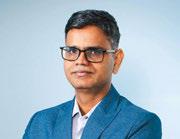
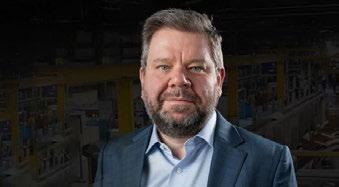
As downstream industries increasingly demand consistency, performance, and application-specific solutions, wire rod manufacturers are shifting toward value-added offerings. In an exclusive interaction with Wire & Cable India, Mr. Ravish Sharma, CEO & Whole Time Director, ESL Steel Limited , highlights how backward integration, stringent process control, and customized metallurgy enable ESL to deliver high-quality wire rods across diverse applications—while positioning itself as a technical partner focused on performance outcomes rather than just commodity supply.
Wire & Cable India: Could you outline your current wire rod portfolio in terms of grades (low carbon, medium carbon, high carbon, special grades) and how these cater to downstream applications such as construction wires, automotive components, and general engineering?
Ravish Sharma: ESL’s wire rod portfolio spans low-carbon commodity grades to high-carbon and customised specialty grades, strategically aligned to serve various segments —supporting both volume continuity and valueled growth. The intent is to demonstrate grade differentiation, application fit, and value-added focus, rather than only commodity supply.
Our special & value-added wire rod grades like Boron, En31, Co2, Em12K caters segments of specialised fasteners, automotive subcomponents, general engineering application & welding electrodes. We have developed customer specific chemistry for large wire producers to downstream process stability, exceed quality expectations and improve yield at downstream.
Our medium and high carbon grade wire rods are used in applications like – wire ropes, tyre reinforcement, automotive cables, suspension springs, construction (LRPC/PC Strands), cables, general engineering, automotive/ tractor components. We emphasize carbon uniformity and mechanical consistency. Our strong focus is on drawability, tensile strength & internal cleanliness.
WCI: A large portion of the Indian market still consumes commoditygrade wire rods for basic applications. How does ESL differentiate between commodity and value-added/specialty wire rod offerings in terms of metallurgy, process control, and consistency? Additionally, how do these differences influence performance in downstream wire drawing and end-use applications?
RS: In the Indian market commodity grade wire rods are used for general applications and mainly cost focused whereas value added / specialty wire rods are application specific and used for critical applications. In terms of metallurgy, ESL offers a narrow and very controlled range for carbon & other alloying elements. Provides clean steel and inclusion controls with consistent mechanical properties.
ESL provides process friendly wire rods by maintaining discipline across mill, precision rolling, controlled cooling, reducing surface defects and scale. Our stringent process controls across all levels helps us to achieve consistency in heat-to-heat properties. This allows our customers to standardize their drawing sequence, increase productivity and achieve desired quality in finish wires.
Mr. Ravish Sharma, CEO & Whole Time Director, ESL Steel Limited
WCI: Which end-use sectors are currently driving demand for your wire rod products—construction, infrastructure, automotive, fasteners, or others? Are you seeing a shift toward highergrade or application-specific requirements?
RS: Our high carbon grade wire rods are mainly driven by demand in –infrastructure, constructions, railways, power, pre-cast structures, bridges, wire ropes, automotive/industrial springs & various auto cables. Our value added & cold heading quality wire rods are mainly driven by demand in automobile, fasteners, welding electrodes, ball bearing & general engineering applications. ESL is seeing a shift from generic specifications to performance driven and application focused wire rods.
WCI: What are the most critical quality parameters in wire rod production—such as chemistry control, surface quality, decarburization, and inclusion control? How do these parameters impact the efficiency and quality outcomes for customers engaged in downstream wire drawing and processing?
RS: Chemistry control sets basic microstructure and strength which provides stable wire drawing, increases productivity, standardised processing and lowers processing cost. Surface quality is one of the first parameter customers feel on the shop floor. High Surface quality enables higher
As we are a fully integrated steel plant, our biggest advantage is we have complete control over chemistry, our process route allows us to refine steel and control inclusions, produce application specific chemistry, maintain consistency in heat-toheat chemistry. Our downstream customers get stable mechanical properties across the coil and they can predict coil-to-coil behavior due to similarity in heats.
drawing speed, reduces pickling acid consumption or die usage, lowers scrap and provides better finish in downstream products. Inclusion control provides stable & smooth wire drawing, excellent upset ratio while cold heading and provides reliability.
WCI: What specific technologies and process controls have you implemented in your wire rod mill (e.g., controlled rolling, cooling
systems, online inspection) to ensure consistent quality? How do these capabilities support the production of wire rods suitable for more demanding downstream applications?
RS: Morgan enhanced cooling system encourages uniform cooling of rods and mechanical properties. Online rod gauges installed at various points enable active monitoring & control of sectional dimensions for narrow tolerance range. Our adjustable controlled cooling conveyors, grade specific cooling processes and monitoring systems allow us to produce application specific wire rods such as springs, PC, LRPC, wire ropes, cold heading quality grade rods with smooth wire drawing. With technology and process control ESL delivers process friendly and application focused wire rods which help customers to optimise productivity, quality.
WCI: As a backward-integrated steel manufacturer, ESL has greater control over raw material inputs and billet quality. How does this integration help in maintaining consistency in wire rod production, especially compared to nonintegrated players who depend on external billets?
RS: As we are a fully integrated steel plant, our biggest advantage is we have complete control over chemistry, our process route allows us to refine steel and control inclusions, produce application specific chemistry,
maintain consistency in heat-toheat chemistry. Our downstream customers get stable mechanical properties across the coil and they can predict coil-to-coil behavior due to similarity in heats. They can
steel plant our backward integration mitigates the cost volatility. We have better control over cost timings and averaging. Our internal cost control initiatives & energy efficiency improvement, tighter process controls,
safeguarding margin cycles.
WCI: Going forward, does ESL plan to increase its focus on highermargin, specialized wire rod grades or explore deeper integration into downstream wire/value-added
Nirmal Wires Shifts Focus to Custom Steel Wire Solutions
As the steel wire industry transitions toward performance-driven demand, manufacturers are increasingly prioritizing value-added and application-specific solutions. In an exclusive interview with Wire & Cable India, Mr. Radha Raman Saraf, Director, Nirmal Wires Pvt. Ltd. (Group Nirmal) , highlights the company’s transition toward application-specific, highperformance steel wire solutions driven by evolving industry requirements. He points to strong demand from infrastructure, automotive, and power sectors, where durability, corrosion resistance, and precision are critical. Flagship offerings like NIZNAL® zinc-aluminium coated wires underscore the shift toward longer-life, value-added products. Mr. Saraf emphasizes that future growth will be led by product specialization, technology adoption, and deeper alignment with high-growth, performance-driven enduse segments.
Manufacturers need to focus on tailored solutions to address the specific needs of various applications. Key parameters like tensile strength, flexibility, and corrosion resistance are increasingly critical for specialized steel wire applications.
Wire & Cable India: Steel wire manufacturers today cater to a wide range of end-use industries through both conventional commodity and specialized products. Could you briefly describe your company’s specialty or application-specific steel wire portfolio and the key industries they serve?
Radha Raman Saraf: At Nirmal Wires, we prioritize creating steel wire solutions tailored to specific applications, moving beyond standard commodity products. Our steel wire portfolio includes a wide range of offerings, such as hot-dip galvanized wires available in
both bare and PVC-coated variants, ensuring versatility for various industrial needs. We also manufacture highquality black steel wires, recognized for their strength and durability. Among our standout products is the advanced NIZNAL® wire, coated with a zinc-aluminium alloy. This innovative product significantly enhances longevity, offering up to 6 times the lifespan compared to conventional GI wires. These advancements make NIZNAL® wires an excellent choice for applications that require exceptional durability and performance.
Unit I - B-5 & 6, Sector B-3, Tronica City, Loni, Ghaziabad, Uttar Pradesh - 201102
Unit II - C-5, Sector B-3, Tronica City, Loni, Ghaziabad, Uttar Pradesh - 201102
Unit III - C-42, 43 & 44, Sector B-3, Tronica City, Loni, Ghaziabad, Uttar Pradesh - 201102
Our products cater to the specific performance requirements of key sectors, including power and transmission, automotive and auto components, infrastructure and construction, agriculture, and general engineering. As the needs of each sector evolve, factors like durability, consistency, and reliability become paramount. We take pride in providing solutions that meet and exceed these critical demands, ultimately contributing to the efficiency and effectiveness of the industries we serve.
WCI: A large portion of steel wire production has traditionally consisted of general-purpose, commodity products such as binding wire, fencing wire, and low-carbon drawn wire. In your view, how does application-specific (specialty) steel wire differ from these commodity products in terms of metallurgy, performance requirements, and manufacturing precision?
RRS: Application-specific or specialty steel wires differ significantly from commodity products in terms of metallurgy, performance and manufacturing tolerances. For commodity wires, manufacturers typically use low-carbon steel with standard properties suited for general use. In contrast, specialty wires use carefully controlled chemical compositions, sometimes with added alloys to achieve specific mechanical characteristics. From a performance standpoint, commodity wires meet basic strength requirements, whereas specialty wires are designed for higher tensile strength, better fatigue resistance, improved corrosion protection and a precise balance between strength and ductility, depending on the application. Manufacturing precision is also far more critical for specialty wires. They require controlled multi-stage processing, heat treatment and stringent quality checks to ensure uniformity in dimensions, surface quality, and overall performance. In essence, specialty wires are engineered to deliver consistent results in demanding, application-specific environments.
WCI: As end-use industries evolve, their performance requirements increasingly influence wire design. Which sectors today are exerting the strongest influence on steel wire development and demand for specialized products?
RRS: Today, demand for specialized steel wires is being shaped by sectors that are not only growing rapidly but also evolving in terms of performance requirements. In India, the steel wire market is expanding at around 6.8% CAGR,
driven largely by construction, automotive, and power applications. Infrastructure and construction remain the largest contributors, accounting for over 50% of total steel consumption and projected to grow at 9–10% CAGR. This growth is driven by highways, metro rail, and urban housing projects, where applications like prestressed concrete and reinforcement require wires with high strength, consistency, and long-term durability. The automotive sector is another key driver, growing at around 7.7% CAGR, with increasing focus on lightweighting, safety, and efficiency. The transition toward electric vehicles is further accelerating demand for high-strength, fatigue-resistant wires used in critical components. The power and energy sector is also becoming increasingly important, with India targeting 500 GW of non-fossil fuel capacity by 2030 and already crossing 180 GW of renewable capacity. In parallel, transmission infrastructure is expanding rapidly, with investments exceeding INR 2.4 lakh crore planned to strengthen and extend the national grid. This is driving demand for highperformance, corrosion-resistant wires that can handle higher loads and ensure long-term reliability.
The transformation in the steel wire industry is clear. Demand is now driven by performance requirements across high-growth sectors rather than just volume. Manufacturers need to focus on tailored solutions to address the specific needs of various applications. Key parameters like tensile strength, flexibility, and corrosion resistance are increasingly critical for specialized steel wire applications.
WCI: Different applications require specific mechanical and physical properties. What key technical parameters (such as tensile strength, fatigue resistance, surface quality, or dimensional tolerance) are becoming most critical for these specialized steel wire applications?
RRS: In specialized steel wire applications, the focus today has moved beyond simply achieving high strength to delivering reliable, application-specific performance over the entire service life of the product and this shift is clearly reflected in how end-use industries are evolving.
While tensile and yield strength remain fundamental, modern applications demand a much more comprehensive performance profile. For instance, in prestressed concrete, wires typically operate at tensile strengths of 1500–1800 MPa(Megapascal), where even small deviations can directly
impact structural integrity. However, high strength alone is not sufficient as fatigue resistance has become equally important, as many applications involve millions of stress cycles over their service life, making durability under repeated loading a key requirement. Surface quality has also emerged as a defining factor. Industry experience shows that micro-level surface defects can reduce fatigue life by 20–30% or more, especially in high-stress conditions. This makes controlled descaling, proper lubrication, and uniform coating essential parts of the manufacturing process. In corrosion-prone environments, coating consistency directly influences service life, with advanced zinc-aluminium systems offering significantly longer protection compared to conventional galvanization.
Dimensional accuracy and consistency are increasingly important with the rise of automated processing. Even minor variations in diameter or roundness can disrupt downstream operations and affect overall performance. At the same time, achieving the right balance between strength and ductility remains critical, ensuring that wires can withstand high loads while retaining enough flexibility to avoid brittle failure. Overall, the industry is moving toward a more integrated definition of quality—where mechanical properties, surface integrity, and consistency are all tightly controlled to meet the demands of modern, performancedriven applications.
WCI: Does producing high-performance specialized wires often require advanced processing capabilities? If yes, what types of manufacturing technologies or specialized equipment are essential for producing such high-performance steel wires?
RRS: Producing high-performance specialized steel wires is a complex process requiring advanced processing capabilities, as the acceptable margin for variation is much narrower compared to standard wire products.
At the core of this process is precision-controlled wire drawing, which utilizes intricate multi-stage drawing machines. These machines ensure a uniform reduction of the wire’s diameter while maintaining consistent mechanical properties throughout the material. Achieving the desired microstructure, a balance between strength and ductility depends heavily on meticulously executed heat treatment processes such as patenting and annealing. These treatments are crucial for altering the internal structure of the metal to enhance its performance characteristics. Surface preparation is another vital aspect that should not be overlooked. Techniques such as pickling, where the wire is treated with acid to remove impurities, phosphating, and controlled lubrication are implemented to ensure smooth drawing operations. These processes not only improve the wire’s surface quality but also enhance the adhesion of any coatings that may be applied later. For wires that require coating, advanced galvanizing lines become important. In particular, zinc-aluminium systems necessitate strict control over various parameters, including temperature, coating thickness, and uniformity. This precision is essential for delivering consistent corrosion resistance, which is a critical performance criterion for specialized applications.
In addition to these core processing techniques, modern
manufacturing plants increasingly incorporate automation and real-time monitoring systems. The use of inline measurement tools, such as laser-based diameter control, along with comprehensive process monitoring systems, helps maintain tight tolerances and ensures that each batch meets stringent quality standards. The manufacturing of specialized wire relies on maintaining a delicate balance of precise control throughout the entire production process, which is necessary to consistently meet the demanding performance requirements that characterize highperformance steel wires.
WCI: Steel wire production depends heavily on the quality and availability of wire rods. How do variations in raw material quality or fluctuations in input prices influence downstream wire manufacturing?
RRS: Steel wire production is closely linked to the quality and consistency of input wire rods, making raw material control a critical factor in overall performance. From a quality standpoint, variations in material chemistry and cleanliness can directly impact process stability and end performance. Issues like inclusions or surface defects are among the primary causes of wire breakages during drawing and can significantly reduce fatigue life, making consistency in raw material essential for high-performance applications.
On the pricing side, volatility has become increasingly pronounced. In India, steel wire rod prices were around USD 0.55–0.56 per kg in early 2026, after fluctuating through late 2025 with movements of over 5% within a single quarter depending on demand and supply conditions. At a more granular level, market data shows weekly price corrections of INR 600–INR 1,000 per tonne in early 2026, reflecting short-term demand-supply imbalances. Over a slightly longer horizon, prices have moved in a band of roughly INR 44,500 to INR 47,500 per tonne during 2025, highlighting the degree of fluctuation manufacturers must manage.
These fluctuations are further amplified by broader steel market dynamics. India’s crude steel production reached around 154 million tonnes in 2025 (up ~10%), while demand is expected to grow by another ~9% in 2026, putting continuous pressure on raw material availability and pricing. Such volatility directly impacts downstream wire manufacturers by compressing margins and complicating pricing decisions, especially in contracts with fixed delivery cycles.
To manage this, manufacturers are increasingly focusing on tighter supplier integration, stricter incoming quality checks, and more dynamic procurement and inventory strategies. Ensuring consistency at the raw material stage not only improves product reliability but also helps stabilize operations in an otherwise highly variable cost environment.
WCI: Across the industry, manufacturers are investing in process improvements and automation. Which recent technological or operational upgrades have had the greatest impact on product quality and manufacturing efficiency?
RRS: Across the steel wire industry, the most impactful
upgrades have come not from changing the core drawing process, but from how it is controlled, monitored, and integrated.
One of the biggest shifts has been toward automation and smart production lines. Modern multi-wire drawing systems today deliver up to 40% higher throughput while reducing operator dependency by around 30%, compared to older single-stage machines. Additionally, over 30% of existing production lines globally are now being upgraded with automation retrofits, sensors, and digital controls, reflecting the scale of this transition.
Equipment itself has also evolved significantly. Earlier systems relied heavily on manual control and batch processing, whereas modern machines use CNC/PLCbased control systems with real-time monitoring of speed, tension, and diameter, ensuring far tighter process control. This has enabled precision levels of up to ±0.01 mm tolerance, which is critical for high-performance and downstream automated applications. In terms of productivity, newer high-speed drawing lines now operate at speeds exceeding 15 m/s, with continuous operation capabilities that significantly reduce downtime and improve output consistency.
Many of the modern manufacturers have already adopted SCADA driven process control under Industry 3.0 and are now moving to AI driven process control under Industry 4.0 and creating a base to reach Industry 5.0. This denotes a major trend is digitalization and data-driven manufacturing. Inline sensors for diameter measurement, surface inspection, and tension monitoring are becoming standard, helping reduce scrap rates and stabilize quality. Smart monitoring and predictive maintenance systems have further helped reduce downtime by around 20% while improving product quality by up to 25% in upgraded facilities. Energy efficiency has also improved noticeably. Modern systems incorporating optimized lubrication, variable speed drives, and heat recovery are delivering energy savings of up to 25%, which is critical in an energyintensive process like wire drawing.
Overall, the transition is clear- from manually controlled, labor-intensive operations to automated, data-driven, and precision-controlled manufacturing systems. The result is not just higher output, but more consistent quality, lower waste, better traceability, and improved cost efficiency, especially for high-performance, application-specific wire products.
WCI: India’s steel wire industry has historically been fragmented, but larger organized manufacturers are steadily expanding their presence. How do you see the competitive structure of the industry evolving in the coming years?
RRS: India’s steel wire industry is gradually transitioning from a highly fragmented structure to a more organized and quality-driven market.
At present, a large portion of the industry still comprises small and mid-sized players operating in the commodity segment, where competition is largely price-driven.
However, this structure is steadily evolving. Organized manufacturers are expanding their presence, particularly in the specialized and high-performance wire segments, where consistency, certification, and technical capability are critical. This shift is also reflected in market trends. India’s steel demand is expected to grow at around 8–9% annually, and as end-use industries become more qualityconscious, there is a clear preference for reliable suppliers who can meet stringent specifications. Larger players are better positioned here due to their ability to invest in advanced manufacturing, maintain tighter quality control, and comply with global standards. At the same time, consolidation is gradually increasing, with more customers, especially OEMs and infrastructure projects—preferring long-term partnerships with established manufacturers rather than sourcing from multiple smaller suppliers.
Going forward, the industry is likely to see a clearer divide: commodity segments may remain competitive and fragmented, while the value-added and specialty segments become increasingly dominated by organized, technologydriven players.
WCI: Looking ahead, what will be the key strategic priorities for steel wire manufacturers—whether in terms of product specialization, capacity expansion, technology investments, or exploring new application segments?
RRS: Looking ahead, the key strategic priority for steel wire manufacturers will be a clear shift from volume-driven growth to value-driven expansion.
Product specialization will be central to this transition. As end-use requirements become more demanding, there will be a stronger focus on developing application-specific, solution driven, high-performance wires with enhanced strength, durability, and corrosion resistance, rather than competing in commoditized segments. At the same time, capacity expansion will need to be more strategic. Instead of adding volume alone, manufacturers will increasingly invest in technology-led capacity to integrate advanced drawing, heat treatment, coating capabilities and well equippedimproved testing labs to support higher-value quality products.
Technology and process upgrades will remain a major focus area, particularly in automation, real-time quality monitoring, and data-driven manufacturing. These investments not only improve consistency and efficiency but also enable manufacturers to meet the tighter tolerances required by modern applications. Exploring new and emerging application segments will also be important. Growth in areas such as renewable energy, electric mobility, and advanced infrastructure is creating demand for more specialized wire solutions.
Finally, sustainability is becoming an important consideration. Energy-efficient processes, optimized material usage, and lower emissions will increasingly influence both operations and customer preferences. Overall, the future will favor manufacturers who can combine technical capability, product innovation, and operational efficiency to move up the value chain.
Wire & Cable India: Steel wire manufacturers today cater to a wide range of end-use industries through both conventional commodity and specialized products. Could you briefly describe your company’s specialty or application-specific steel wire portfolio and the key industries they serve?
Mukand Sumi Driving High-Performance Steel Wire Solutions for Precision Industries
Mukand Sumi Special Steel Ltd. is strengthening its position in the specialty steel segment with a clear focus on application-specific, high-performance steel wires for demanding industries. With a portfolio of over 400 alloy steel grades, the company serves critical sectors such as automotive, bearing, and engineering, where precision, durability, and reliability are essential. At the same time, the company is advancing capacity expansion through a greenfield integrated steel plant in Karnataka, with an investment of around INR 2,345 crore. The facility is expected to nearly double production capacity to ~0.7 MTPA. In an exclusive interaction with Wire & Cable India, Mr. Vipul Mashruwala, President, Mukand Sumi Special Steel Ltd. , highlights how integrated sourcing, modern manufacturing technologies, and robust quality systems ensure consistent performance.
Vipul Mashruwala: At Mukand Sumi Special Steel, our focus is firmly on application-specific, high-performance alloy steel long products, with a strong emphasis on wire rods and wires engineered for demanding enduse applications. Our portfolio spans over 400 grades of alloy steel, including carbon steel, alloy steel, spring steel, bearing quality steel, free-cutting steel, and microalloyed grades, each designed to meet precise functional requirements across industries. We offer wire rods and wires in a wide range of sizes and supply conditions, such as soft annealed, spheroidised annealed, pickled & phosphate coated, and normalised, enabling us to cater to highly specific downstream processing and performance needs. Mr. Vipul Mashruwala, President, Mukand Sumi Special Steel Ltd.
A significant portion of our specialty portfolio is geared towards critical automotive applications, where our steels are used in components such as transmission systems, engine parts, steering mechanisms, bearings, and high-tensile fasteners. This segment continues to be a key demand driver, especially with evolving requirements around safety, lightweighting, and performance.
Beyond automotive, we cater to a wide spectrum of engineering and industrial sectors, including bearing and fastener industries, capital goods etc. What differentiates Mukand Sumi is our ability to move beyond standard offerings and work closely with customers to deliver customised steel solutions tailored to specific applications. Backed by advanced manufacturing capabilities, stringent quality systems, and strong metallurgical expertise, we are wellpositioned to support our customers in increasingly performance-driven markets.
WCI: A large portion of steel wire production has traditionally consisted of general-purpose, commodity products such as binding wire, fencing wire, and low-carbon drawn wire. In your view, how does applicationspecific (specialty) steel wire differ from these commodity products in terms of metallurgy, performance requirements, and manufacturing precision?
VM: Commodity steel wires, such as binding or low-carbon drawn wires, are largely designed for high-volume, general-purpose applications, where the emphasis is on cost efficiency and basic functional performance. In contrast, application-specific or specialty steel wires are engineered to meet highly demanding and precise end-use requirements.
From a metallurgical perspective,
specialty wires involve carefully designed chemistries and tighter control over alloying elements to achieve specific properties such as high strength, fatigue resistance, wear resistance, and enhanced machinability.
In terms of performance, specialty wires are used in critical applications, particularly in the automotive and engineering sectors - where consistency, reliability, and durability are essential. These applications demand strict adherence to parameters such as tensile strength, microstructural uniformity, surface integrity, and fatigue life, often tailored to customer-specific requirements.
The difference is equally pronounced in manufacturing precision. Specialty wire production requires advanced process control across stages such as steelmaking, rolling, heat treatment, and drawing. This includes maintaining tight dimensional tolerances, superior surface finish, and controlled processing conditions, supported by robust quality systems and traceability.
At Mukand Sumi, our focus on value-added alloy steel products, strong metallurgical capabilities, and close customer engagement enables us to deliver such application-specific solutions, moving beyond commodity offerings to meet the evolving needs of high-performance industries.
WCI: As end-use industries evolve, their performance requirements increasingly influence wire design. Which sectors today are exerting the strongest influence on steel wire development and demand for specialized products?
VM: As end-use industries become more technology-driven and performancefocused, the demand for specialized steel wire products is being significantly influenced by a few key sectors.
The automotive industry continues to be the primary driver, especially with evolving requirements around safety, lightweighting, and durability. With the gradual shift towards electric mobility, there is an increasing need for advanced materials that offer higher strength, improved fatigue performance, and precision, particularly for critical components such as fasteners, springs, and transmission systems.
The bearing and engineering industries are also exerting strong influence, where applications demand high cleanliness levels, superior wear resistance, and consistent mechanical properties. These sectors require steels that can perform reliably under high stress and dynamic conditions.
From a global perspective, emerging
A critical starting point is modern wire rod rolling, where mills equipped with controlled cooling systems help achieve the desired microstructure and consistency, which are essential for downstream performance. Heat treatment processes, such as annealing and spheroidising, play a vital role in delivering the required combination of strength, ductility, and machinability, tailored to specific applications.
areas such as renewable energy and advanced manufacturing are also shaping material requirements, driving the need for specialty steels with enhanced performance characteristics and longer service life.
WCI: Different applications require specific mechanical and physical properties. What key technical parameters (such as tensile strength, fatigue resistance, surface quality, or dimensional tolerance) are becoming most critical for these specialized steel wire applications?
VM: As applications become more performance-driven and precisionoriented, tight control over key technical parameters has become critical in specialized steel wire manufacturing.
Among the most important is the balance between tensile strength and ductility, ensuring that the material can withstand high loads while remaining formable for downstream processing. This is particularly relevant for automotive and engineering applications.
Fatigue performance is another crucial parameter, especially for components subjected to cyclic stresses such as springs and fasteners, engine components and transmission systems etc. Achieving this requires not only high strength but also clean steel with controlled microstructure and minimal inclusions.
Surface quality has gained significant importance, as even
minor imperfections can impact performance during drawing or end use. Customers expect defectfree surfaces with consistent finish, especially for precision applications.
Equally critical is dimensional accuracy, with tighter tolerances required to ensure seamless processing in automated, highspeed manufacturing environments. In addition, depending on the application, properties such as wear resistance, machinability, and heat treatment response are becoming increasingly important.
WCI: Does producing highperformance specialized wires often require advanced processing capabilities? If yes, what types of manufacturing technologies or specialized equipment are essential for producing such highperformance steel wires?
VM: Yes, the production of highperformance, specialized steel wires is inherently technology-intensive and requires advanced processing capabilities across multiple stages of manufacturing. A critical starting point is modern wire rod rolling, where mills equipped with controlled cooling systems help achieve the desired microstructure and consistency, which are essential for downstream performance. Heat treatment processes, such as annealing and spheroidising, play a vital role in delivering the required combination of strength, ductility, and machinability, tailored to specific applications.
In the wire conversion stage, highprecision drawing equipment is used to achieve tight dimensional tolerances and superior surface quality. This is complemented by surface preparation processes, including pickling, coating, and lubrication, which enhance drawability and ensure defect-free performance.
Equally important are advanced inspection and testing systems, including non-destructive evaluation and metallurgical analysis, to ensure consistency, reliability, and compliance with stringent customer specifications.
At Mukand Sumi, our focus on process control, modern manufacturing infrastructure, and continuous capability enhancement enables us to deliver high-performance, application-specific steel wire solutions aligned with evolving industry requirements.
The specialty wires produced by Mukand Sumi caters mainly to the bearing steel industry for highly critical ball & rollers applications, automotive two wheeler transmission and high tensile fasteners. Mukand Sumi has installed state-of-the-art facility for wire making including spheroidised annealing , automated pickling & phosphating, Japanese wire drawing machines equipped with online German eddy current testing (ECT) equipment to deliver high quality defect free wires for stringent applications. Many such wires developed by Mukand Sumi are import substitution products and our efforts towards the “Atmanirbhar Bhart” initiative by our Prime Minister.
WCI: Steel wire production depends heavily on the quality and availability of wire rods. How do variations in raw material quality or fluctuations in input prices influence downstream wire manufacturing?
VM: Wire rod quality is a critical determinant of downstream wire performance, and any variation at this stage can have a direct impact on process efficiency, product quality, and end-use reliability.
From a quality standpoint, inconsistencies in parameters such as chemistry, surface condition, and internal cleanliness can lead to challenges during wire drawing, including increased breakages, surface defects, and variability in mechanical properties. This becomes particularly critical for specialty applications, where tight tolerances and consistent performance are essential.
Fluctuations in input prices, especially driven by volatility in raw material markets, also have a significant influence. They impact cost structures, pricing strategies, and inventory planning, requiring manufacturers to adopt a more agile and responsive approach.
At Mukand Sumi, our products are meticulously crafted from carefully sourced blooms and billets exclusively procured from Mukand Limited, ensuring unrivaled quality, consistency, and reliability across our offerings. This integrated sourcing approach significantly reduces variability and strengthens our ability to deliver superior downstream performance.
WCI: Across the industry, manufacturers are investing in process improvements and automation. Which recent technological or operational upgrades have had the greatest impact on product quality and manufacturing efficiency?
VM: Across the industry, investments in advanced process technologies and automation have had a significant impact on both product quality and manufacturing efficiency.
At Mukand Sumi, one of the key enablers has been our state-of-theart SBQ (Special Bar Quality) bar and wire rod mill, designed to deliver high precision and consistency. The mill is equipped with a walking beam reheating furnace, which ensures uniform temperature control and consistent product quality.
In addition, the integration of online size measurement systems and advanced surface quality inspection, along with an automatic bar and coil handling system, has significantly
improved dimensional accuracy, surface integrity, and overall process efficiency.
Another critical area of advancement is in heat treatment, where our stateof-the-art spheroidised annealing furnaces- sourced from global technology leaders- enable us to achieve uniform microstructure, enhanced ductility, and superior machinability, which are essential for high-performance applications.
Overall, such technological and operational upgrades have enabled us to enhance process reliability, product consistency, and manufacturing efficiency, positioning Mukand Sumi as a competitive supplier of highquality, application-specific alloy steel solutions in both domestic and global markets.
WCI: Looking ahead, what will be the key strategic priorities for steel wire manufacturers - whether in terms of product specialization, capacity expansion, technology investments, or exploring new application segments?
VM: One of the key priorities will be the continued move towards application-specific and highperformance steel solutions, particularly for sectors such as automotive, engineering, railways, and emerging areas like energy and advanced manufacturing. Customers today are increasingly seeking tailormade materials with consistent quality and performance, rather than standard commodity products.
At the same time, capacity expansion with integrated capabilities will play
a crucial role in ensuring supply reliability and cost competitiveness. In this context, Mukand Sumi is undertaking a significant step with the development of a greenfield integrated steel plant in Karnataka, with an investment of around INR 2,345 crore.
This upcoming facility is expected to nearly double our production capacity to ~0.7 million tonnes per annum, strengthening our ability to serve growing domestic and global demand. The plant will include integrated operations and is being designed with a strong focus on sustainability, including high reliance on renewable energy and environmentally responsible manufacturing practices.
Another key priority will be technology investments, including automation, digitalization, and advanced process control systems, which are essential to ensure consistency, traceability, and efficiency in high-performance steel production.
In a rapidly evolving industry landscape, the ability to combine metallurgical expertise, advanced manufacturing, and customer-centric innovation will define long-term success. At Mukand Sumi, we remain committed to strengthening our capabilities, expanding our footprint, and delivering high-performance steel solutions that meet the changing needs of our customers. As we move forward, our focus will continue to be on quality, reliability, and sustainable growth, while contributing meaningfully to the progress of the industries we serve.
The automotive industry continues to be the primary driver, especially with evolving requirements around safety, lightweighting, and durability. With the gradual shift towards electric mobility, there is an increasing need for advanced materials that offer higher strength, improved fatigue performance, and precision, particularly for critical components such as fasteners, springs, and transmission systems.
Systematic Group Driving Innovation in ApplicationSpecific Steel Wire Solutions
India’s steel wire industry is undergoing a transformation, with manufacturers moving beyond commodity products toward specialized, high-performance solutions. In an exclusive interaction with Wire & Cable India, Mr. Sidharth Agrawal, Managing Director, Systematic Group , shares insights on how evolving demands from sectors such as power, infrastructure, automotive, and agriculture are shaping product development. He discusses the increasing need for precision, advanced coatings, and consistent quality to meet critical application requirements. He highlights the company’s focus on application-oriented offerings, including specialized galvanized wires and Zn-Al alloy coated products like GALVASYS, designed for superior corrosion resistance and durability. He also underscores the critical role of wire rod quality and pricing in determining manufacturing efficiency and final product performance, making raw material reliability a key factor in sustaining competitiveness and industry growth.
Wire & Cable India: Steel wire manufacturers today cater to a wide range of end-use industries through both conventional commodity and specialized products. Could you briefly describe your company’s specialty or application-specific steel wire portfolio and the key industries they serve?
Sidharth Agrawal: At Systematic, our focus has always been on
developing application-oriented steel wire solutions rather than only producing commodity wires. Along with conventional galvanized steel wires, we have developed specialized products such as Zn + Al alloy coated wires under the brand GALVASYS, which offer significantly higher corrosion resistance and longer service life.
Mr. Sidharth Agrawal, Managing Director, Systematic Group
carbon drawn wire. In your view, how does application-specific (specialty) steel wire differ from these commodity products in terms of metallurgy, performance requirements, and manufacturing precision?
With the expansion of power grids, renewable energy projects, and large infrastructure developments, there is a growing demand for wires that offer higher strength, reliability, and longer service life.
Our products such as specialized galvanized wires, and Zn-Al coated wires are designed to meet these demanding applications and are used across industries like power and transmission, telecom, infrastructure, agriculture, fencing, and cable armouring. Each of these sectors has very specific performance requirements, so our approach has been to design wires that can perform reliably in demanding environments, whether it is supporting critical infrastructure or operating in outdoor conditions for long periods.
WCI: A large portion of steel wire production has traditionally consisted of general purpose, commodity products such as binding wire, fencing wire, and low
SA: Commodity wires such as binding or general fencing wires are typically produced with standard metallurgical specifications and broader tolerances, as their applications are relatively simple.
In contrast, application-specific steel wires require tighter metallurgical control, precise dimensional tolerances, and specialized surface coatings. Their performance is often critical to the final product, whether it is reinforcing cables, supporting transmission infrastructure, wire ropes used in lifting and mining applications, or providing long-term corrosion resistance in outdoor environments.
For such applications, factors like uniform tensile strength, consistent wire diameter, controlled mechanical properties, and superior surface quality become extremely important,
as even minor variations can affect the performance and durability of the finished product. In applications like wire ropes, for instance, maintaining strict size tolerances and uniform tensile properties is essential to ensure reliability, safety, and long service life.
Similarly, advanced coatings also play a key role. For example, Zn-Al alloy coated wires such as GALVASYS provide significantly higher corrosion resistance compared to conventional galvanized coatings, making them particularly suitable for coastal or high-humidity environments where durability is critical.
WCI: As end-use industries evolve, their performance requirements increasingly influence wire design. Which sectors today are exerting the strongest influence on steel wire development and demand for specialized products?
SA: Today, sectors such as power and transmission, infrastructure development, and the automobile industry are strongly influencing the evolution of steel wire products. With the expansion of power grids, renewable energy projects, and large infrastructure developments, there is a growing demand for wires that offer higher strength, reliability, and longer service life.
In many infrastructure and industrial applications, wires are expected to perform continuously under stress and environmental exposure for long periods. This means manufacturers must ensure not only high strength but also uniform mechanical properties and consistent tensile performance across production batches.
Achieving these requirements demands tight process control throughout manufacturing, as even small variations in diameter, tensile strength, or surface condition can directly impact the reliability and service life of the final application.
WCI: Does producing highperformance specialized wires often require advanced processing capabilities? If yes, what types of manufacturing technologies or specialized equipment are essential for producing such highperformance steel wires?
SA: Yes, producing high-performance steel wires definitely requires advanced manufacturing capabilities and precise process control. Modern wire production today caters to highly demanding applications such as oil tempered steel wires, spring steel wires, and wires used in wire rope manufacturing, where consistency and reliability are critical.
At the same time, the automobile sector is also driving demand for specialized steel wires used in applications such as springs, tyre bead wires, control cables, fasteners, and wire ropes used in lifting and mechanical systems. These applications require wires with precise mechanical properties, consistent tensile strength, and excellent fatigue performance to ensure reliability and safety in automotive components.
Applications such as agriculture and fencing are also evolving, with customers increasingly looking for materials that can withstand harsh outdoor conditions with minimal maintenance. These evolving requirements are pushing manufacturers to develop more advanced coatings and higher-performance wire products.
WCI: Different applications require specific mechanical and physical properties. What key technical parameters (such as tensile strength, fatigue resistance, surface quality, or dimensional tolerance) are becoming most critical for these specialized steel wire applications?
SA: For specialized wire applications, several technical parameters are becoming increasingly important. Mechanical strength and consistency remain fundamental, but factors such as higher tensile strength, fatigue resistance, corrosion protection, surface quality, and dimensional precision are equally critical.
To meet these requirements, manufacturers rely on high-speed precision production equipment and sophisticated testing systems to maintain consistent product quality. Properties such as tensile strength, fatigue resistance, and dimensional accuracy must be carefully controlled to ensure the wire performs reliably in its final application.
Continuous monitoring of process parameters and rigorous quality checks have therefore become essential, particularly when producing wires for critical industrial and engineering applications where performance and durability cannot be compromised.
WCI: Steel wire production depends heavily on the quality and availability of wire rods. How do variations in raw material quality or fluctuations in input
InfrastructurePower TransmissionAgricultureAutomobile & Auto Components
SA: Wire rods are the primary raw material for steel wire manufacturing, so their quality and availability have a direct impact on the entire downstream process. The chemical composition, cleanliness, and consistency of the rod determine how efficiently it can be drawn and how reliable the final wire will be. One of the ongoing concerns in the industry has been the availability of highquality wire rods, which are essential for producing specialized and highperformance wires.
Variations in quality can affect productivity as well as the performance of the final product. At the same time, pricing competitiveness and fluctuations in raw material costs also influence manufacturing economics. There is also a strong need to make wire rod available at international pricing levels, as this remains a major challenge for the growth of the wire industry. We as a country are globally competitive in value-added wire products, provided we are able to access wire rod at international pricing levels.
There is increasing discussion within the industry on the need to align domestic wire rod production with global quality benchmarks, reduce
certain import dependencies, and strengthen collaboration between industry, government bodies, and PSUs to ensure a more stable and competitive supply chain.
WCI: Across the industry, manufacturers are investing in process improvements and automation. Which recent technological or operational upgrades have had the greatest impact on product quality and manufacturing efficiency?
Wire rods are the primary raw material for steel wire manufacturing, so their quality and availability have a direct impact on the entire downstream process. The chemical composition, cleanliness, and consistency of the rod determine how efficiently it can be drawn and how reliable the final wire will be.
SA: Over the past few years, automation and digital monitoring systems have had a significant impact on manufacturing efficiency and product quality in the steel wire industry. Modern production lines increasingly incorporate automated controls, inline inspection systems, and real-time monitoring of key process parameters. Technologies such as SCADA-based process monitoring and AI-enabled inspection cameras are also being adopted to track production conditions and detect quality deviations at an early stage. These technologies help manufacturers maintain better consistency, reduce operational losses, and improve overall productivity. At the same time, improvements in coating technologies have also contributed to enhancing product performance and durability. As the industry continues to evolve, companies that are able to effectively integrate digital technologies and AI into their manufacturing processes will be better positioned to drive efficiency, improve quality, and shape the future of the industry.
WCI: India’s steel wire industry has historically been fragmented, but larger organized manufacturers are steadily expanding their presence. How do you see the competitive structure of the industry evolving in the coming years?
SA: The steel wire industry in India has traditionally been quite fragmented, with many small and medium manufacturers producing general-purpose wires. However, we are gradually seeing a shift toward more organized and technologically driven manufacturers.
Customers today are placing greater emphasis on quality, reliability, and
Going forward, steel wire manufacturers will increasingly focus on moving up the value chain by developing more specialized and high-performance wire products such as wire ropes, oil tempered wire in LRPC Investments in advanced manufacturing technologies and coating solutions will continue to be important.
technical capability, especially for specialized applications. As a result, companies that invest in technology, process control, and product development are likely to strengthen their position in the market over time.
WCI: Looking ahead, what will be the key strategic priorities for steel wire manufacturers— whether in terms of product specialization, capacity expansion, technology investments, or exploring new application segments?
SA: Going forward, steel wire manufacturers will increasingly focus on moving up the value chain by developing more specialized and high-performance wire products such as wire ropes, oil tempered wire in LRPC Investments in advanced manufacturing technologies and coating solutions will continue to be important. At the same time, opportunities are emerging from sectors such as infrastructure development, renewable energy, telecom networks, and agriculture, which will drive demand for durable and reliable wire products. Expanding into new applications and strengthening export markets will also remain key priorities for many manufacturers.
Patil Group Aligns with Evolving Demands in Steel Wire Applications
Mr. Santanu Das, COO–Wire Business, Patil Group
Wire & Cable India: Steel wire manufacturers today cater to a wide range of end-use industries through both conventional commodity and specialized products. Could you briefly describe your company’s specialty or application-specific steel wire portfolio and the key industries they serve?
Santanu Das: Patil Group is strategically focused on the specialised steel wire segment, catering to highperformance and application-driven requirements. Our portfolio serves key industries such as- automotive, construction, upholstery, power transmission, and a wide range of engineering applications, where reliability, consistency, and performance are critical.
WCI: A large portion of steel wire production has traditionally consisted of general-purpose, commodity products such as binding wire, fencing wire, and low-carbon drawn wire. In your
In an evolving industrial landscape, steel wire manufacturers are moving beyond commodity products to deliver high-performance, application-specific solutions. In an exclusive interaction with Wire & Cable India , Mr. Santanu Das, COO–Wire Business, Patil Group, shares insights into the company’s strategic focus on specialised steel wires, highlighting key industries served, the growing influence of automotive demands, and the critical role of advanced manufacturing, metallurgy, and raw material management in ensuring consistent quality and performance.
view, how does application-specific (specialty) steel wire differ from these commodity products in terms of metallurgy, performance requirements, and manufacturing precision?
SD: Specialty steel wires are typically made-to-order for specific customer applications. While they are governed by national and international standards, they often require a degree of customisation to suit customer machinery and end-use conditions. This involves tighter control over metallurgy, process parameters, and dimensional precision compared to commodity products.
WCI: As end-use industries evolve, their performance requirements increasingly influence wire design. Which sectors today are exerting the strongest influence on steel wire development and demand for specialized products?
SD: While all industry segments are demanding higher quality and performance, the automotive sector is currently a key driver of innovation. It requires continuous advancements in design and efficiency to meet evolving productivity needs and regulatory frameworks such as CAFÉ norms, thereby influencing the development of specialized wire products.
WCI: Different applications require specific mechanical and physical properties. What key technical parameters (such as tensile strength, fatigue resistance, surface quality, or dimensional tolerance) are becoming most critical for these specialized steel wire applications?
SD: Tensile strength and surface quality remain fundamental to steel wire performance. However, fatigue resistance has emerged as a critical parameter, as it directly determines the long-term reliability and trustworthiness of the product in demanding applications.
WCI: Does producing highperformance specialized wires often require advanced processing capabilities? If yes, what types of manufacturing technologies or specialized equipment are essential for producing such highperformance steel wires?
SD: Yes, producing high-performance specialized wires requires modern, high-productivity machinery and advanced processing capabilities. These are essential to consistently meet stringent quality standards and remain competitive in the global ecosystem, regardless of the type of wire being manufactured.
WCI: Steel wire production depends heavily on the quality and availability of wire rods. How do variations in raw material quality or fluctuations in input prices influence downstream wire manufacturing?
SD: Steel wire manufacturing relies heavily on the efficient management of wire rods and other high-value raw materials in terms of quality, cost, and timely availability. Since raw materials constitute a significant portion of overall product cost, any variation in quality or price directly impacts production efficiency, cost structures, and the ability to meet customer expectations.
Miki Wire Works Focuses on Specialisation Driving the Steel Wire Sector
Mr. Mahesh Poddar, Chairman, Miki Wire Works Pvt. Ltd.
Wire & Cable India: Steel wire manufacturers today cater to a wide range of end-use industries through both conventional commodity and specialized products. Could you briefly describe your company’s specialty or application-specific steel wire portfolio and the key industries they serve?
Mahesh Poddar: At Miki Wire Works, we recognized early on that India’s growth would require specialized, high-strength foundations. Our core specialty lies in high-carbon steel wire products, primarily Pre-Stressed Concrete (PC) Wires, PC Strands, Low Relaxation Pre-Stressed Concrete (LRPC) strands, and spring steel wires. We deliberately opted to have minimum products, to ensure cost and operational efficiency.
We cater extensively to heavy infrastructure and transportation. For example, we are a leading supplier to the Indian Railways, catering to roughly 25% of their concrete sleeper wire requirements. We also supply
As the Indian steel wire sector transitions from fragmented to organised with technology-driven manufacturers and clients with custom demands, the era of specialty steel wire has arrived and is here to stay. In an exclusive interaction with Wire & Cable India, Mr. Mahesh Poddar, Chairman, Miki Wire Works Pvt. Ltd. , shares nuanced insights into the custom requirements of specialty steel wire. He emphasizes that high-performance wire solutions– enabled by advanced metallurgy and precision manufacturing– are becoming indispensable across sectors. He further outlines the company’s strategic focus on capacity expansion and product specialization to meet evolving demands in automotive and advanced infrastructure.
critical components for Dedicated Freight Corridors (DFC), Metro projects (Delhi, Chennai, Kolkata), highways, etc. and the pre-cast construction industry.
Currently, the strongest influence comes
from government-led macro-infrastructure initiatives—specifically, the National Infrastructure Pipeline (NIP), Gati Shakti, ambitious rail track renovations, automobile sector, etc.
WCI: A large portion of steel wire production has traditionally consisted of general-purpose, commodity products such as binding wire, fencing wire, and low-carbon drawn wire. In your view, how does applicationspecific (specialty) steel wire differ from these commodity products in terms of metallurgy, performance requirements, and manufacturing precision?
MP: The difference is night and day. General-purpose commodity wires (like fencing or binding wire) are relatively forgiving in their manufacturing and quality expectations; they do not carry structural loads.
Specialty steel wire, on the other hand, requires tailor-made chemistry at the steel melting stage and there onwards. In terms of metallurgy, we are dealing with high-carbon grades that must possess precise microstructures. From a performance standpoint, specialty wires cannot fail—they hold up bridges and
railway tracks. This demands extreme manufacturing precision to achieve narrow dimensional tolerances, uniform surface finish, and exact breaking loads that simply aren’t necessary for commodity products. Yes it’s true that these segments have much lower volumes, and are catered by many manufacturers across the country.
WCI: As end-use industries evolve, their performance requirements increasingly influence wire design. Which sectors today are exerting the strongest influence on steel wire development and demand for specialized products?
MP: Currently, the strongest influence comes from government-led macroinfrastructure initiatives—specifically, the National Infrastructure Pipeline (NIP), Gati Shakti, ambitious rail track renovations, automobile sector, etc.
Transportation: The rapid expansion of high-speed rail, metro rail networks, and expressways requires highly specialized LRPC strands that can handle dynamic, high-stress environments. While the normal rail tracks use Normal Relaxation variety.
Power & Energy: Upgrades to power transmission networks are driving the need for advanced conductor core wires, concrete poles, pillars, using PC wires for reinforcement.
WCI: Different applications require specific mechanical and physical properties. What key technical parameters (such as tensile strength, fatigue resistance, surface quality, or dimensional tolerance) are becoming most critical for these specialized steel wire applications?
MP: The input wire rods and output wires, which we make are totally covered by mandatory BIS certification. For structural and infrastructure applications, the margin for error is zero.
The most critical parameters we test for include:
Tensile Strength & Yield Strength: The fundamental ability to bear immense loads without deforming.
At Miki Wire, a cornerstone of our advanced processing is acid-free wire drawing via mechanical descaling—a sustainable practice we pioneered in India back in the 1990s.
Relaxation Limits: Vital for LRPC strands, ensuring the wire does not lose its pre-stress over decades of use.
Fatigue Resistance / Elongation: Essential for railway sleepers and bridge suspensions subjected to constant, cyclic loading.
Modulus of Elasticity & Uniform Surface Finish: To ensure consistent bonding with concrete.
Physical Properties: And of course, the size, surface conditions, straightness, and packing.
WCI: Does producing highperformance specialized wires often require advanced processing capabilities? If yes, what types of manufacturing technologies or specialized equipment are essential for producing such highperformance steel wires?
MP: Absolutely. You cannot produce high-performance wires on legacy commodity equipment. Producing specialty wire requires continuous, multi-stage, high-speed wire drawing machines with robust cooling systems to prevent metallurgical degradation during drawing.
At Miki Wire, a cornerstone of our advanced processing is acid-free wire drawing via mechanical descaling—a sustainable practice we pioneered in India back in the 1990s. We also rely on advanced stranding machines and thermal stabilization lines to produce low-relaxation properties in our PC strands. Our entire wire drawing machines are straight line machines,
with suitable controls, while the heat treatment lines are electrical with automated control.
WCI: Steel wire production depends heavily on the quality and availability of wire rods. How do variations in raw material quality or fluctuations in input prices influence downstream wire manufacturing?
MP: This remains one of the most serious challenges for the steel wire industry. High-carbon specialty wires require premium-grade wire rods with highly controlled chemical compositions, which limits our pool of viable primary steel suppliers and availability.
When input prices and availability fluctuate wildly, it significantly impacts our competitiveness. It often leads to lower utilization of installed capacities across the industry, because while domestic demand is strong, unpredictable raw material costs make long-term contract pricing and export forecasting highly challenging. Therefore the exports are bare minimum.
WCI: Across the industry, manufacturers are investing in process improvements and automation. Which recent technological or operational upgrades have had the greatest impact on product quality and manufacturing efficiency?
MP: The integration of Industry 4.0 technologies—specifically IoT and real-time monitoring systems—has been transformative. By automating our drawing lines and continuously monitoring parameters like line speed, drawing tension, and temperature, we have drastically minimized defects and improved product consistency.
Furthermore, our continued push toward green manufacturing (like the mechanical descaling I mentioned earlier, which allows us to produce close to a lakh ton of high-carbon wire annually without acid pickling) has vastly improved operational efficiency while keeping us fully compliant with strict environmental regulations. A good part of our electricity needs are met through solar power.
WCI: India’s steel wire industry has historically been fragmented, but larger organized manufacturers are steadily expanding their presence. How do you see the competitive structure of the industry evolving in the coming years?
MP: Historically, the Indian wire industry was highly fragmented and dominated by the unorganized sector. However, the future belongs to organized, technology-driven manufacturers.
Clients executing mega-projects demand strict quality assurances (like ISO 9001:2015), reliable supply chains, and large-scale capacities. Larger organized players who have a pan-India presence—much like our strategic plants in Ranchi, Visakhapatnam and Bangalore—will continue to consolidate the market because they have the economies of scale and the capital to invest in essential R&D and automation. The
Historically, the Indian wire industry was highly fragmented and dominated by the unorganized sector. However, the future belongs to organized, technology-driven manufacturers. Clients executing mega-projects demand strict quality assurances (like ISO 9001:2015), reliable supply chains, and large-scale capacities.
motto is to “satisfy the customer”.
WCI: Looking ahead, what will be the key strategic priorities for steel wire manufacturers—whether in terms of product specialization, capacity expansion, technology investments, or exploring new application segments?
MP: For Miki Wire Works, and the organized sector at large, our strategic priorities are threefold:
Capacity Expansion & Specialisation:
We are continually increasing our SKU portfolio with more specialty-use wire products to cater to emerging needs in automotive and advanced infrastructure.
Sustainability & Innovation:
Investing further in R&D to drive smart factory initiatives and sustainable manufacturing processes. Innovation must align with environmental responsibility.
Note: Mr. Mahesh Poddar is an Ex-Member of the Parliament (Rajya Sabha) and views expressed above are his personal thoughts.
Asahi Ropes on Specialised Steel Wire Ropes Driving Performance and Market Shift
Gupta, Director – Sales & Operations, Asahi Ropes Pvt. Ltd.
Wire & Cable India: Steel wire rope manufacturers today cater to a wide range of enduse industries through both conventional commodity and specialised products. Could you briefly describe your company’s speciality or application-specific steel wire rope portfolio and the key industries they serve?
Mikesh Gupta: At Asahi Ropes, we manufacture across a broad range of constructions — from standard 6-strand general-purpose ropes to more specialised products, including elevator ropes, rotationresistant ropes, compacted strand ropes, and a comprehensive slings portfolio covering wire rope slings and multi-leg assemblies. Our key served segments include infrastructure and EPC contractors, lifting & material handling, power transmission, defence, crane OEMs, fall protection & safety ropes, and the elevator and mining sectors. On the slings side, every assembly is application-engineered– we configure the BOM per order and issue proof load certificates, because no two lifting applications carry the same risk profile. We also have a growing presence in stainless steel wire ropes, where demand is increasingly driven by architectural cable railing, marine, and fall protection applications.
As end-use industries demand higher performance and reliability, the steel wire rope segment is witnessing a decisive shift toward specialised solutions. In an exclusive interaction with Wire & Cable India, Mr. Mikesh Gupta, Director – Sales & Operations, Asahi Ropes Pvt. Ltd. , outlines how the industry is moving beyond commodity products toward applicationengineered wire ropes. He highlights growing demand from infrastructure, ports, offshore, and safety applications, where performance parameters such as fatigue life, corrosion resistance, and traceability are becoming critical. Mr. Gupta emphasises that advanced manufacturing processes, material precision, and digital traceability are reshaping competitiveness, while product specialisation and export focus will define the next phase of growth for India’s steel wire rope industry.
WCI: A large portion of steel wire rope production has traditionally consisted of general-purpose, commodity products. In your view, how does application-specific (specialty) steel wire rope differ from these commodity products in terms of metallurgy, performance requirements, and manufacturing precision?
MG: The distinction is quite fundamental. A commodity rope — say, a standard 6x19 FC — is designed for broad adequacy. The wire grades,
lay lengths, and tolerances are set to meet a minimum published breaking load reliably and economically. Specialty ropes, on the other hand, are engineered for a specific application mode. A crane hoist rope on a highcycle duty crane needs fatigue life, not just breaking load. A rotationresistant rope for a tower crane needs precise torque balance across its construction. A rope running over a small drum needs superior flexibility without sacrificing tensile strength. These requirements push you into
Mr. Mikesh
higher-grade wires — EIPS, EEIPS — tighter dimensional controls, specific surface treatments like galvanising or polymer coating, and often compacted strand geometries that improve fill factor and contact stress distribution. The metallurgy, drawing schedule, and closing parameters all have to work in concert. That’s not something you can achieve without deliberate process discipline and proper downstream verification.
WCI: As end-use industries evolve, their performance requirements increasingly influence wire rope design. Which sectors today are exerting the strongest influence on steel wire rope development and demand for specialised products?
MG: From what we see across our order book and in conversations with customers, three sectors stand out clearly. First, infrastructure and heavy lifting — the pace of construction activity in India, combined with the increasing use of high-capacity cranes, is driving genuine demand for rotation-resistant and compacted ropes, as well as plastic-impregnated and cushioned core constructions that extend service life in arduous duty cycles.
Second, ports and logistics — with the expansion of port capacities and the shift to larger, faster cranes, the duty cycles that ropes are subjected to have increased substantially, and customers are far more aware of total cost of ownership now than they were a decade ago.
Third, oil & gas and offshore — this segment has always been demanding, but with more offshore and subsea projects coming up, the specifications are increasingly tight on corrosion resistance, fatigue life, and traceability requirements. I would add defence and strategic infrastructure as a segment that is quietly becoming more significant for domestic manufacturers.
One more sector we find particularly promising is rockfall and slope protection. These applications require ropes and wire meshes engineered for high-energy impact absorption rather than static load —a very different design brief — and because the installations are exposed
to the elements permanently, the corrosion protection requirements are significantly more stringent. Standard galvanising is often inadequate; customers in this space increasingly specify higher zinc coating weights and, in more aggressive environments, zinc-aluminium alloy coatings, which offer substantially better long-term corrosion resistance. This segment is underpenetrated in India relative to its actual risk exposure, which makes it genuinely exciting from a growth standpoint.
WCI: Different applications require specific mechanical and physical properties. What key technical parameters (such as tensile strength, breaking load, fatigue resistance, surface quality, abrasion resistance, or dimensional tolerance) are becoming most critical for these specialised steel wire rope applications?
MG: Breaking load remains the baseline — that conversation never goes away — but the parameters that actually differentiate performance in demanding applications are fatigue resistance, minimum breaking force retention after bending over sheaves, and dimensional consistency. In compacted strand and swaged ropes, fill factor and surface hardness matter enormously for wear behaviour. For lifting slings, we are seeing more customers specify minimum elongation characteristics, because predictable stretch behaviour is critical during controlled load testing. Surface quality — particularly for galvanised ropes — is also under greater scrutiny, with customers asking for coating thickness uniformity and adhesion tests rather than just a visual pass. Traceability is increasingly a parameter in its own right: defence and export customers want heat-number-level tracking from wire rod to finished rope, and that requires discipline across the entire manufacturing chain.
In stainless steel ropes, the conversation is evolving on multiple fronts simultaneously. Customers are pushing for higher breaking loads — driven by the need to use smaller diameter ropes in aesthetic and spaceconstrained applications like cable
railing and architectural installations — which requires tighter control over the wire drawing process to achieve the necessary tensile grades without compromising ductility. Surface finish is another critical parameter: marine, food processing, and architectural applications each have distinct surface requirements, ranging from bright drawn to electropolished, and consistency of finish across a coil or reel directly influences both performance and acceptance. Beyond the standard 304 and 316 grades, we are also seeing demand for specialised grades — 1.4462 duplex for highchloride offshore environments, and 1.4404 for pharmaceutical and food-grade applications — where the alloy selection is as much a part of the specification as the construction itself.
WCI: Does producing highperformance specialised wire rope often require advanced processing capabilities? If yes, what types of manufacturing technologies or specialised equipment are essential for producing such highperformance steel wire ropes?
MG: The foundation is controlled wire drawing — multi-pass drawing machines with stable die cooling and consistent speed control directly influence the mechanical properties of the finished wire. From there, stranding machines with precise backtwist and tension control are critical for achieving correct lay lengths and preventing residual torsion. For compacted strand constructions, you need dedicated compacting rollers with tight pass calibration. Closing machines — tubular or planetary — need to maintain consistent closing tension and speed ratios; variation here introduces bowing and uneven load distribution in the finished rope. On the quality side, non-destructive testing through magnetic flux leakage instruments is increasingly being adopted for in-process inspection of finished ropes, particularly for critical applications. Beyond hardware, process documentation and traceability infrastructure matter enormously — a rope is only as good as the consistency of the process that produced it, and that consistency needs to be demonstrable.
WCI: Steel wire production
depends heavily on the quality and availability of wire rods. How do variations in raw material quality or fluctuations in input prices influence downstream wire manufacturing?
MG: Wire rod quality variation is one of the more underappreciated challenges in our industry. A change in sulphur or phosphorus content, or inconsistency in the patenting microstructure, can manifest as wire breaks during drawing — sometimes subtly, only showing up as marginal reductions in torsion test values that still technically pass. This is why the relationship between wire manufacturers and wire rod suppliers needs to go well beyond price negotiation; it has to include heat-wise metallurgical data, consistent rod diameter, and reliable surface conditioning. On the price side, wire rod cost as a proportion of total wire rope cost is significant enough that input price volatility directly compresses or occasionally restores margins, particularly in a market where customers often expect price stability on running orders. The organised manufacturers who maintain buffer inventory positions or have supply agreements with rod mills are somewhat insulated, but smaller players feel every correction immediately. This is one area where scale genuinely confers a structural advantage.
WCI: Across the industry, manufacturers are investing in process improvements and automation. Which recent technological or operational upgrades have had the greatest impact on product quality and manufacturing efficiency?
MG: For us, two areas have been particularly impactful. The first is tighter process monitoring at the stranding and closing stages — moving from periodic manual checks to more continuous parameter logging has helped us catch deviations earlier and reduce rework. The second is systematising our bobbin and intermediate inventory tracking. In wire rope manufacturing, intermediate WIP — particularly bobbins of drawn wire and strand — is a significant
working capital component, and poor visibility into WIP status creates both quality risks (old inventory reentering production) and planning inefficiencies. Building discipline around unique batch identification from coil receipt through to finished rope has improved both our traceability posture and our production scheduling. More broadly, I would say that the manufacturers who are investing seriously in ERP and manufacturing execution systems are going to compound those operational gains considerably over the next few years, because data that exists only in operator notebooks or spreadsheets is data that cannot drive decisions.
WCI: India’s steel wire industry has historically been fragmented, but larger organised manufacturers are steadily expanding their presence. How do you see the competitive structure of the industry evolving in the coming years?
MG: The industry is at an inflection point. For many years, the market tolerated a large number of small, loosely organised producers competing primarily on price, often in the absence of rigorous quality verification. That model is under pressure from multiple directions simultaneously. End customers — particularly in infrastructure, ports, and defence — are raising their qualification and documentation requirements, which disadvantages producers who cannot demonstrate process control and traceability. Export markets are even more demanding. At the same time, the larger organised manufacturers are investing in capacity and capabilities in a way that widens the gap. I expect to see continued consolidation at the fragmented end of the market — either through exit, or through acquisition by larger players looking to add capacity quickly. The mid-tier manufacturers who invest seriously in technology, quality systems, and customer relationships will consolidate their positions. Those who do not will find margin compression and customer attrition accelerating simultaneously.
WCI: Looking ahead, what will be the key strategic priorities for
steel wire rope manufacturers — whether in terms of product specialization, capacity expansion, technology investments, or exploring new application segments?
MG: I see four areas as genuinely strategic over the next five years. First, product specialisation — there is real value being left on the table by manufacturers who have the capability to produce specialty constructions but continue to compete primarily in commodity segments. Pricing power and customer stickiness are both meaningfully better in specialised products.
Second, export development — India has the raw material base, the manufacturing capability, and increasingly the quality credibility to compete globally in wire ropes, but it requires dedicated effort in certifications, documentation, and market development. Indian manufacturers are already doing meaningful export volumes, which is encouraging — but the industry is undermining itself by competing aggressively on price against each other in the same markets, rather than differentiating on quality, certification, and application expertise. At the same time, Chinese suppliers remain a significant competitive force globally, with the scale and cost structure to dominate commodity segments. The only sustainable response for Indian manufacturers is to move up the value chain — competing on product performance, reliability, and technical support rather than on price alone.
Third, digital infrastructure — manufacturers who build strong ERP, traceability, and quality data systems now will have compounding advantages in operational efficiency, customer confidence, and regulatory compliance.
Fourth, sustainability — this conversation is early in India but it is coming; wire rod sourcing from greener mills, energy consumption per tonne, and product recyclability will become part of customer and regulatory conversations within the planning horizon of investments being made today.
Why Quality Standards Are the Backbone of Future-Ready Digital Infrastructure
Mr. Ashish D Jain,
Executive President & COO, (Telecom
) Polycab India Ltd.
How Quality Standards Help Future-Proof Public Digital Assets
Public digital infrastructure is no longer defined only by how quickly it is built. Its true value lies in how reliably it performs over decades. As national broadband programs expand across rural and semi-urban India, the focus is steadily shifting from asset creation to asset assurance. At the heart of this shift lies a simple principle: quality standards defined by the government future-proof public digital assets.
Future-proofing is not an abstract idea. It is the outcome of thousands of decisions taken during planning, construction, testing, and documentation. Clearly articulated government standards ensure that these decisions are consistent, verifiable, and aligned with long-term national objectives.
Future-Proofing Begins Below Ground
As India accelerates its digital transformation, the conversation around public infrastructure is evolving, from rapid deployment to longterm reliability. In nationwide broadband initiatives like BharatNet, the real measure of success is not how quickly networks are built, but how well they endure. This is where government-defined quality standards play a pivotal role. They ensure that every stage–from trenching depth and cable protection to testing protocols and digital documentation, is aligned with durability, performance, and scalability. In this context, Polycab India Ltd. is playing a significant role in advancing BharatNet Phase III, with active execution across Karnataka, Puducherry, Goa (Package 4), and Bihar (Package 7). In an exclusive interaction with Wire & Cable India, Mr. Ashish D Jain, Executive President & COO, (Telecom) Polycab India Ltd. , talks about the creation of robust optical fibre infrastructure designed for long-term resilience.
Optical fibre networks are long-life public assets. Once deployed, they are expected to operate reliably for 20–25 years with minimal intervention. Government-defined construction standards recognise this reality and therefore specify trench depth, protection mechanisms, and installation practices based on soil type, terrain, and risk profile. Optical fibre cable (OFC) is deployed through underground ducts, which serve as protective conduits for long-term durability and maintenance.
In normal soil conditions, optical fibre ducts are required to be laid at a nominal depth of 1.65 metres. In rocky or hilly terrain, the minimum depth is 1.2 metres. Where standard depth cannot be achieved, predefined protection methods—such as DWC pipes, GI pipes, concrete encasing, or RCC protection—are mandated based on depth bands.
Designing for Resilience, Not Just Installation
Future-ready public networks are designed for long-term resilience, not merely project completion. Government standards clearly define acceptable limits for bend radius of ducts and cables, encasing dimensions, and protection and extension lengths at road, railway, culvert, and bridge crossings.
Performance Assurance through Measurable Testing
Government standards place strong emphasis on performance verification and acceptance testing, covering both optical and civil aspects of OFC deployment.
Key optical testing parameters include:
• Splice loss limits (<0.1 dB)
• Defined attenuation thresholds at 1310 nm and 1550 nm wavelengths
• Mandatory OTDR testing across all fibres
• End-to-end link loss calculations
In addition, civil acceptance testing (AT) ensures trenching quality, duct integrity, route restoration, and compliance with construction specifications.
Digital Documentation as a Public Asset
Government standards typically require digital platforms for built documentation, including GIS-based drawings, geo-tagged photographs and videos, and detailed route and joint records. This helps in transforming physical infrastructure into a digitally traceable public asset.
Uniform standards across materials, construction methods, inspection processes, and responsibilities enable consistency, transparency, and effective governance at national scale. Quality frameworks emphasise inspection and corrective action to
minimise rework, reduce disruptions, and extend asset life, optimising public investments.
OFC as the Digital Highway for Future Technologies
Whether the transmission layer is MPLS, SDH, DWDM, IP, or emerging optical technologies, optical fibre remains the common digital highway carrying all forms of traffic.
As data-intensive applications such as AI workloads, hyperscale data centres, edge computing, and 5G/6G backhaul expand, the demand for low-latency, high-availability fibre networks will grow exponentially.
Government-defined quality standards ensure that OFC infrastructure is technology-agnostic, scalable, and capable of supporting future digital ecosystems without repeated civil intervention.
Monetisation and Network Resilience
Well-built OFC infrastructure also enables monetisation opportunities by allowing multiple service providers and technologies to share the same network. This creates a collaborative ecosystem that improves utilisation, ensures higher network availability, and enhances overall resilience.
Projects have timelines, but public digital assets have lifespans measured in decades. Government-defined quality standards ensure that infrastructure continues to serve citizens long after the project phase is complete.
Polycab India Ltd. is currently engaged in the execution of BharatNet Phase III in Karnataka , Puducherry and Goa (Package 4) and Bihar (Package 7)
Drums with Tee
Drums with Barrel
Finolex Cables Sharpens Focus On Specialty Products, Distribution Expansion, and Energy Transition
As the Indian wires and cables industry evolves on the back of infrastructure expansion, energy transition, and rising quality consciousness, Finolex Cables is sharpening its strategic focus to stay ahead of the curve. The company is not only strengthening its presence in core segments like real estate and industrial applications but also expanding into high-growth areas such as renewables, specialty cables, and emerging infrastructure needs. With a clear emphasis on distribution expansion, operational efficiency, and valueadded product development, Finolex is aligning its capabilities with changing market dynamics. In an exclusive interview with Wire & Cable India, Mr. Amit Mathur, President (Sales and Marketing), Finolex Cables Ltd. , shares insights into Finolex’s growth priorities, innovation roadmap, and how it is positioning itself for the next phase of industry transformation.
Mr. Amit Mathur, President (Sales and Marketing), Finolex Cables Ltd.
The energy transition presents a significant opportunity for the wires and cables industry, as it fundamentally increases the need for reliable and efficient power transmission and distribution. We are seeing growing demand from segments such as solar installations, renewable energy projects, and associated infrastructure.
Wire & Cable India: Finolex Cables has maintained a strong market position in a competitive industry. What have been the key strategic priorities and growthfocused areas for the company over the past year?
Amit Mathur: Over the past year, our focus has been on strengthening core fundamentals while aligning with emerging demand trends. This has meant deepening our presence in high-growth segments such as infrastructure, real estate, and industrial applications, while also ensuring that our product portfolio remains relevant to evolving customer needs.
A key priority has been expanding distribution reach and improving last-mile availability, particularly in underpenetrated markets. At the same time, we have been equally focused on enhancing operational efficiency, ensuring that scale is supported by consistent quality and reliability. Another important area has been building stronger engagement across the value chain — from electricians and contractors to institutional buyers — as their influence on product choice continues to grow.
Overall, the approach has been to balance growth with discipline, ensuring that expansion is both sustainable and aligned with long-term industry shifts.
WCI: Could you highlight any recent investments, capacity expansions, or product developments that are shaping Finolex’s next phase of growth?
AM: The next phase of growth is being shaped by a combination of capacity augmentation and portfolio strengthening. We have been investing in expanding manufacturing capabilities to cater to rising demand across both retail and institutional segments. This is particularly important as the industry moves towards higher quality and compliance standards.
On the product side, there has been a clear emphasis on expanding our presence in value-added and specialised cables. These include products designed for more demanding applications, where performance, safety, and durability are critical.
At the same time, investments are also being directed towards process improvements and technology adoption within manufacturing, which helps enhance consistency and efficiency. The focus is not just on scaling capacity, but on building capability that can support the next level of industry requirements.
WCI: Energy transition is the future. How is Finolex preparing itself to contribute to the renewable transformation of India? How are you currently positioned in the segment?
AM: The energy transition presents a significant opportunity for the wires and cables industry, as it fundamentally increases the need for reliable and efficient power transmission and distribution. We are seeing growing demand from segments such as solar installations, renewable energy projects, and associated infrastructure.
Our approach has been to align our product offerings with these requirements, ensuring that they meet the performance and safety standards needed for renewable applications. This includes cables that can withstand varying environmental conditions and deliver long-term reliability.
From a positioning standpoint, we see ourselves as an enabler of this transition rather than just a supplier. As renewable energy capacity expands, the need for robust electrical infrastructure will only increase, and that is where we continue to focus our efforts.
WCI: Specialty cables are seeing rising demand across sectors like railways, data centres, and industrial applications. How is Finolex strengthening its presence in these high-growth segments?
AM: Specialty cables represent a natural progression for the industry as applications become more complex and performance driven. Sectors like railways, data centres, and industrial automation require products that go beyond standard specifications, with greater emphasis on safety, durability, and efficiency.
We are strengthening our presence
in these segments by expanding our product portfolio and aligning it with the specific requirements of each application. This also involves working closely with customers to understand evolving needs and ensuring that our offerings remain relevant.
In addition, there is a strong focus on building technical capabilities and ensuring that our manufacturing processes can support these higher standards. As these sectors continue to grow, specialty cables will play an increasingly important role in overall industry dynamics.
We had earlier introduced our
A key priority has been expanding distribution reach and improving lastmile availability, particularly in underpenetrated markets.
premium FinoUltra wires that are designed to deliver unmatched safety, durability and performance. The product leverages advanced Electron Beam (E-beam) technology to enhance mechanical and thermal properties, allowing it to sustain higher voltages with reduced radial thickness and extending their lifespan to over 50 years. The wires’ advanced E-beam cross-linking technology delivers 75% higher current capacity, compared to standard wires, thus reducing energy loss, minimizing overheating and optimizing performance. It also maintains operational integrity at temperatures up to 125°C, making it ideal for use in outdoor and extreme environments.
WCI: Material innovation is becoming critical, particularly in compounds, insulation, and fire-safety standards. What
advancements is Finolex focusing on in this area?
AM: Material innovation is central to improving both product performance and safety. As regulatory standards evolve and end-user expectations rise, there is a growing need for better insulation materials, improved fire resistance, and enhanced durability.
Our focus has been on developing and adopting materials that meet these requirements while also ensuring consistency in performance. This includes advancements in insulation compounds that offer better resistance to heat and environmental stress, as well as products that adhere to stricter fire-safety norms.
The direction is clear — innovation in materials is no longer optional, but essential for staying relevant in a market that is increasingly qualityconscious.
WCI: The Indian wire and cable industry is witnessing strong momentum. What are the key trends currently shaping the sector?
AM: The industry is currently being shaped by a combination of structural and behavioural shifts. On the demand side, infrastructure development, urbanisation, and electrification continue to be strong drivers. At the same time, there is a visible shift towards organised players, as consumers and institutional buyers place greater emphasis on quality and compliance.
Another important trend is the increasing demand for specialised and value-added products, driven by sectors such as renewables, data centres, and industrial automation. This is gradually changing the composition of the market.
Additionally, there is a growing focus on safety and standards, which is pushing the industry towards better products and more responsible practices. Overall, the sector is moving towards higher quality, greater consolidation, and more structured growth.
WCI: Which end-user segments — such as infrastructure, real estate, renewables, or telecom — are
emerging as the biggest demand drivers?
AM: Demand is currently being driven by a mix of traditional and emerging segments. Infrastructure remains a key contributor, supported by government-led investments in roads, railways, and urban development. Real estate continues to play an important role, particularly with steady demand in residential and commercial construction.
At the same time, renewables are emerging as a significant growth area, given the scale of investment in solar and other clean energy projects. Industrial applications and manufacturing are also contributing, as capacity expansion and modernisation continue across sectors.
What is notable is that demand is becoming more diversified, which provides a more stable growth environment for the industry.
WCI: In the coming 5–10 years, where do you see Finolex
In the OFC space, we are shifting our product mix toward specialized solutions such as high-density ribbon cables (IBR technology) and microduct cables, specifically designed for the space constraints of urban 5G deployments.
innovating the most, and in which sectors?
AM: Over the next 5–10 years, innovation is likely to be driven by the intersection of performance, safety, and sustainability. We see
THE GREENER WAY TO JOIN
and built to last, our machines and dies help you reduce energy use, cut consumables, and keep waste to a minimum across every production run. Find out more at pressureweldingmachines.co.uk
significant opportunities in areas such as specialty cables, renewable energy applications, and products designed for emerging infrastructure needs. For example, in the OFC space, we are shifting our product mix toward specialized solutions such as high-density ribbon cables (IBR technology) and micro-duct cables, specifically designed for the space constraints of urban 5G deployments.
There will also be a strong push towards improving material efficiency and enhancing product life cycles, which aligns with broader sustainability goals. As applications become more demanding, the need for customised and high-performance solutions will increase.
At a broader level, innovation will not be limited to products alone, but will also extend to manufacturing processes, supply chain efficiency, and customer engagement. The focus will be on building capabilities that can adapt to a rapidly evolving industry landscape.
Resonia Powering India to Win the ‘Race Against Time’ in T&D Sector with Tech-led Solutions
At a time when India’s transmission network is rapidly expanding to support 500 GW of non-fossil capacity, newly appointed
Mr. Prashant Sinha, CEO, Resonia Limited , in an exclusive interaction with Wire & Cable India, shares a sharp execution-led vision to the role. He emphasises technology-driven delivery through drones, AI, and advanced mechanisation to enhance speed, safety, and predictability. Highlighting the growing role of HVDC corridors, digital grid management, and storage integration, he outlines how Resonia is building a smarter, more flexible network. He also underscores the importance of synchronising transmission with renewable capacity, strengthening project governance, and driving capital efficiency. Backed by a high-performance, ownership-driven culture, Mr. Sinha aims to deliver reliable, futureready infrastructure aligned with India’s clean energy ambitions.
Wire & Cable India: As you take on this role, what excites you most about this leadership, and what are your immediate priorities?
Prashant Sinha: I am thrilled to lead Resonia at this pivotal juncture, as transmission infrastructure becomes the backbone of India’s energy transition. With the nation’s massive shift toward renewables, Resonia is uniquely poised to architect the grid of the future. My focus is clear -driving execution excellence through technology-led delivery and disciplined value-driven growth. By institutionalising mechanisation and digital planning tools, we will enhance project speed, safety and predictability across our portfolio.
Equally important is maintaining a strong emphasis on capital efficiency and robust project governance ensuring that growth is sustainable and aligned with long-term value creation. My focus will be on building a high-performance, empowered leadership culture—one that promotes ownership, collaboration,
and continuous improvement.
By combining strong execution, technology adoption, and a peoplecentric approach, our priority is to build reliable, future-ready transmission infrastructure that supports India’s clean energy ambitions and delivers enduring value to all stakeholders.
WCI: With India’s energy transition accelerating, how do you see transmission infrastructure evolving to support large-scale renewable integration?
PS: India’s transmission infrastructure is undergoing a rapid transformation as the energy transition accelerates, with a clear shift towards building a grid that can support large-scale renewable integration. India’s national power transmission network has recently achieved a significant milestone, crossing over 5 lakh circuit kilometres (ckm) of transmission lines along with 1,407 GVA of transformation capacity (220 kV and above).
While significant progress has been made through green energy corridors and ISTS expansion under the National Electricity Plan, but a lot needs to be done to strengthen the grid infrastructure in India to avoid decongestion and delays in evacuation.
The inter-regional power transfer capacity, which now stands at 1,20,340 MW, has enabled seamless transfer of electricity across regions, successfully realising the vision of “One Nation – One Grid – One Frequency.” The Inter State Transmission projects presently under implementation, will add approximately 40,000 ckm of transmission lines and 399 GVA of transformation capacity. The addition to the transmission capacity will help to evacuate the increasing non-fossil power generation which is targeted at 500 GW by 2030.
At the same time, the grid is evolving to become more flexible and technology-driven. With the increasing share of variable renewable
Mr. Prashant Sinha, CEO, Resonia Limited
energy, there is a growing focus on advanced forecasting tools, AIenabled grid management and realtime monitoring systems to manage intermittency and ensure stability. The deployment of HVDC corridors and high-capacity transmission systems is also gaining momentum to efficiently move power from renewable-rich regions to demand centres.
Another important shift is the integration of storage and hybrid systems into transmission planning. Battery storage and pumped hydro are becoming critical to balance supply variability and support round-theclock renewable power, moving the grid towards a more dispatchable and reliable framework.
Geographic imbalances are further driving the need for robust longdistance transmission infrastructure, as renewable energy hubs are often located far from consumption centres. This is accelerating investments in high-voltage networks that minimise losses and improve system efficiency. Lastly, transmission infrastructure is evolving into a larger, smarter and more resilient network, supported by digitalization, storage integration and policy push.
WCI: With transmission projects becoming more complex and timesensitive, how is Resonia Limited leveraging mechanisation, digital tools, and emerging technologies to improve execution speed, safety, and cost efficiency?
PS: At Resonia, mechanisation is central to how we improve both speed and cost efficiency in project execution. We are actively deploying drones, AI and robotics across the project lifecycle from surveying and route planning to construction and inspection which allows us to significantly compress timelines and improve accuracy.
We are pioneers in transforming power transmission through technology leadership. Our project management and execution capabilities, coupled with our technological edge and solutioning expertise, have enabled us to establish a track record of early commissioning. In our transmission business, we
My focus is clear -driving execution excellence through technology-led delivery and disciplined valuedriven growth. By institutionalising mechanisation and digital planning tools, we will enhance project speed, safety and predictability across our portfolio.
integrate advanced technology and mechanization across every phase of our operations. By leveraging a hightech ecosystem—from pre-bid surveys to long-term asset management— we ensure precision, safety, and efficiency.
For advanced foundation and erection our specialised capabilities include Helical Pile, Mono Pile, and Bell Bottom foundations to suit diverse terrains, utilization of Double Arm Gin Poles, crane-based tower erection, 4x4 telescopic mobile cranes for rapid deployment, use of hydraulic rock splitters to minimize environmental impact and enhance safety.
We have achieved a significant operational milestone through droneassisted stringing, revolutionising how we deploy transmission lines. By integrating helicopter-based logistics and advanced aerial material handling, we seamlessly navigate the most challenging terrains. Furthermore, our use of real-time aerial progress tracking ensures that every project remains precisely on schedule. Drones-based surveys and LiDAR mapping for high-accuracy topographical data and AI-driven monitoring and smart aerial inspections to maintain the health and longevity of our transmission
assets are Intelligent digital tools that we use in surveying work.
We also pioneered the use of Sirkosky S64 helicrane technology for transmission line material logistics and tower erection in the adverse terrains, revolutionised drone assisted pre-piloting in TL stringing through aerial technologies, used Intelligent Asset Planning & Monitoring through unmanned aerial vehicles, deployed robotics solutions like Skyrob for safe and efficient OPGW stringing.
WCI: With India’s power demand rising rapidly, how critical is timely execution of transmission projects, and what are the key bottlenecks impacting delivery? How is Resonia addressing these challenges?
PS: Addressing transmission bottlenecks will require a more decisive and execution-focused policy push. Today, delays in approvals especially around right-of-way and land acquisition continue to slow down transmission projects. Streamlining these processes is critical to accelerating capacity build-out and keeping pace with India’s renewable energy growth.
At policy level, strengthening the pre-qualification requirements in TBCB transmission tenders is the need of the hour. Transmission project development is witnessing rapid expansion, with a significant volume of projects being bid out each year. While encouraging wider market participation is important, it is equally critical to retain a balanced qualification framework to ensure that large-value and system-critical transmission projects are not awarded to entirely inexperienced entities. Introducing a technical qualification criterion that mandates demonstrable experience in power/ transmission project development could help strike the right balance, promoting healthy competition while safeguarding execution reliability and long-term system outcomes.
From an industry standpoint, one of the key gaps is the lack of synchronisation between generation and transmission. Renewable capacity is often commissioned ahead of the supporting grid, which leads to
congestion and underutilisation. A more integrated approach to planning can help ensure that transmission infrastructure is ready as new capacity comes online.
There is also a clear need to enable faster adoption of advanced technologies across the network. High-capacity systems, digital solutions, and energy storage will be essential in building a grid that is flexible enough to handle renewable variability while maintaining reliability.
WCI: How have recent government interventions strengthened the T&D sector, and what additional policy or structural support does the industry need to achieve the country’s renewable energy targets?
PS: India has seen a strong policy push in early 2026 to strengthen the T&D sector and support renewable integration. Measures such as the Draft National Electricity Policy 2026 and refinements in connectivity and GNA frameworks are improving planning visibility and easing grid access for renewable and hybrid projects. Continued expansion through TBCB mechanisms and a focus on interstate transmission are also accelerating capacity addition and enhancing private participation. Execution momentum has improved, supported by regulatory flexibility for delayed projects and market reforms like market coupling, which aim to enhance efficiency and grid stability.
However, structural challenges persist. Transmission expansion continues to lag renewable capacity addition, leading to congestion and evacuation delays. Issues around land acquisition, multi-agency approvals and discom health further impact system efficiency.
Going forward, the sector requires faster and more synchronised transmission build-out, supported by streamlined approvals and stronger coordination. Enhancing grid flexibility through digitalisation, forecasting tools and storage integration will also be critical, alongside distribution network modernisation.
Additionally, access to low-cost financing, development of domestic manufacturing, and a skilled workforce will be key enablers. Overall, while policy interventions have strengthened the sector, aligning transmission readiness with renewable growth will be crucial to building a resilient, future-ready grid.
WCI: Sustainability is becoming central to infrastructure development. How is Resonia balancing rapid execution with environmental and social responsibility?
PS: As India scales up its renewable
Deployment of high-performance
conductors and advanced grid systems enhances transmission efficiency, lowering technical losses and contributes to a reduced carbon footprint across the power delivery value chain.
energy ambitions, sustainability has become central to how transmission infrastructure is developed. At Resonia, the focus is on ensuring that rapid execution goes hand-in-hand with responsible and future-ready practices aligned to sustainability goals.
The company adopts a design-led approach, using tools like LiDAR and drone mapping to optimise routes, minimise land disruption, and avoid ecologically sensitive areas. During execution, technologies such as helicopter stringing and modular construction help reduce on-ground impact to the environment.
Execution practices are equally aligned with sustainability goals. The use of technologies like helicopter
stringing and modular construction significantly reduces on-ground intervention, particularly in difficult terrains. At the same time, deployment of high-performance conductors and advanced grid systems enhances transmission efficiency, lowering technical losses and contributes to a reduced carbon footprint across the power delivery value chain.
Further, the integration of digital technologies and predictive maintenance systems is helping optimise asset performance while reducing the need for frequent physical interventions—supporting both operational efficiency and environmental conservation over the lifecycle of assets. Ultimately, Resonia’s role extends beyond building transmission lines.
By enabling the seamless evacuation of renewable energy at scale, the company is contributing directly to India’s decarbonisation journey. Its approach reflects a clear balance— leveraging technology and innovation to deliver infrastructure at speed, while ensuring that sustainability and responsibility remain central to growth.
WCI: Looking ahead, what are the biggest opportunities and challenges in India’s transmission sector over the next 5–10 years?
PS: India’s power transition is gaining massive momentum, but its success hinges on a transmission network that can keep pace with 24/7 renewable demands. The opportunity is vast: building high-capacity networks that link renewable-rich zones to industrial hubs via smart, AIenhanced infrastructure. However, the sector faces a ‘race against time’ to align transmission build-out with generation capacity to prevent energy curtailment. By embracing technology-led transformation— from digital monitoring to advanced storage integration—and fostering a workforce skilled in digital grids, we can bypass traditional execution bottlenecks like land acquisition and supply chain lags. A future-ready grid is within reach if we prioritize faster deployment and synchronised policy frameworks.
SPM Group Advances into EHV Cable League with Supermac’s 132 kV CCV Line
SPM Group, a Telangana-based cable manufacturer with four production units in Chegunta, Cherlapally, and Nacharam, is entering the EHV cable segment by commissioning Supermac’s 132 kV CCV line, commencing production by April 2026. In an exclusive interaction with Wire & Cable India, Mr. Anil Jain, Director, SPM Group , shares that the Dry Cured and Dry Cooled (DCDC) CCV line specializes in triple extrusion with a curing system by Scholz and is complemented by Sikora AG’s X-ray system for measuring cable insulation thickness. Looking forward, SPM Group aims to expand its footprint in the GCC & Africa regions with a focus on IoT-integrated manufacturing that will define its next generation of power transmission solutions.
Group
Wire & Cable India: Tell us about your company, your product portfolio and manufacturing capacities.
Anil Jain: SPM Group is a premier ISO 9001, 14001, and 45001 certified manufacturer headquartered in Hyderabad, Telangana. Built on a strong legacy of engineering excellence, the company caters to critical power, infrastructure, industrial, solar, railway, and utility projects across both Indian and international markets.
We operate four strategically located manufacturing units within the Chegunta, Cherlapally, and Nacharam industrial areas. Our diverse product portfolio includes a comprehensive range of power, signaling, and communication cables. Recently, SPM Group has significantly expanded its manufacturing capacities to accommodate the high-demand Extra High Voltage (EHV) segment, further solidifying our position as a comprehensive solutions provider in the global cable industry.
WCI: The company has recently commissioned the first 132 kV CCV line provided from Supermac. What is the capital investment behind this new line? What production targets will it support?
AJ: This commissioning marks a strategic capital investment aimed at positioning SPM Group at the forefront of the EHV market. The investment supports the company’s target to commence commercial production of 132 kV cables by April 2026. This expansion is designed to meet the growing requirements of national utilities and international power grids, significantly increasing the group’s manufacturing footprint and market reach.
WCI: Tell us more about Supermac’s 132 kV CCV line, its specifications and its capabilities? How will it enhance your existing capacities?
AJ: The centrepiece/ central focal of this expansion is a world-class Dry Cured and Dry Cooled (DCDC) Catenary Continuous Vulcanization (CCV) system by Supermac. This facility specializes in triple extrusion with a curing system provided by Scholz (Germany). It is further enhanced by a Sikora AG (Germany) X-Ray system for high-precision measurement of insulation thickness. This setup elevates SPM Group’s existing capacities from medium-voltage to the 132 kV EHV league, ensuring world-class extrusion quality.
Mr. Anil Jain, Director, SPM
WCI: What were the key USPs and technical differentiators of this new CCV line that influenced your purchase decision?
AJ: The decision was driven by the synergy of Supermac’s robust extrusion technology and the specialized German engineering of Scholz and Sikora AG. The DCDC process ensures absolute structural integrity of the XLPE insulation, which is critical for EHV reliability. The precision provided by the X-Ray measurement system allows for consistent adherence to tight tolerances, a key differentiator in high-voltage cable manufacturing.
WCI: Automation and real-time data integration has become a growing trend in cable manufacturing companies. What are your views on it? What level of automation and process monitoring has been integrated into the new line and your existing setup?
AJ: SPM Group views Industry 4.0 and IoT integration as essential for modern manufacturing. The new CCV line features a fully automated control system with real-time process monitoring. This ensures that every stage of the DCDC process is datadriven, providing total traceability and consistent quality.
This level of automation is being mirrored across the group’s existing setups to ensure uniform excellence across all product lines.
WCI: Are there any energy-efficient or sustainability-focused features incorporated in this line? How do you ensure sustainability into your operations?
AJ: SPM Group addresses environmental responsibility through both technical innovation and operational standards. The SupermacScholz DCDC line is engineered for high thermal efficiency, utilizing advanced heating zones that minimize energy wastage during the cross-linking process. By employing a Dry Curing and Dry Cooling method, the company eliminates the environmental hazards and high treatment costs associated with traditional water-cooled systems.
At SPM Group, our transition into the 132 kV EHV segment is more than a capacity expansion; it is a commitment to the future of global energy infrastructure. By collaborating sophisticated German engineering with our home grown ‘Industry 4.0’ initiatives, we are ensuring that ‘Make in India’ stands for worldclass reliability.
Beyond the machinery, the group ensures sustainability through ISO 14001 compliance and the development of high-efficiency cables designed to reduce transmission losses. To align with the evolving ESG (Environmental, Social, and Governance) requirements of global customers, SPM Group is also prioritizing the use of Lead-Free (LF) and Low Smoke Zero Halogen (LSZH) materials across its EHV range.
WCI: Quality assurance is not just a process; it is a fundamental principle that guides operations.
How do you warrant consistent quality management into your operations?
AJ: Consistent quality is warranted through the group’s state-of-theart HV test laboratory. This facility is equipped for high-precision partial discharge, power frequency voltage testing, Tan Delta, and heat cycle testing, alongside specialized lightning simulation and in-house impulse generator testing. This rigorous internal validation ensures that every cable drum meets the highest global standards before dispatch.
WCI: What are your future plans? Are there any other technological upgrades or major investments in the pipeline?
AJ: SPM Group is focused on a strategic roadmap to become a global leader in power transmission. With an expanding footprint in the GCC and African regions, the company is committed to continuous investment in technological upgrades. Key future initiatives include exploring higher voltage grades and the integration of Electron Beam (E-Beam) cross-linking technology. This advancement will allow the group to serve high-growth, specialized sectors such as renewable energy, nuclear power, defence, healthcare, and advanced robotics. Through technical agility and a culture of continuous innovation, SPM Group remains dedicated to defining the next generation of global power solutions.
MFL Group Sees Strong Opportunity in High-Quality, Tech-Driven Manufacturing in India
If companies are aiming to export and are ready to use the good quality rod, they can achieve the highest speeds and performance with our machines. If the focus is on quality and productivity—from mechanical descaling to the finished product—our solutions can deliver exceptional results.
As India’s wire and cable industry evolves towards higher quality, export competitiveness, and smarter manufacturing, demand is rising not just for advanced machinery but also for integrated digital solutions. In an exclusive interaction with Wire & Cable India, Mr. Davide Costabile, Area Manager – Wire & Cable Division, MFL Group and Mr. Martino Castelli, Area Manager - Wire & Rope Division, MFL Group , highlighted the company’s latest developments, including aluminium-focused machinery, real-time quality inspection systems like Eagle, and its digital ecosystem through MFL X in collaboration with 40factory. They emphasised the ongoing shift from copper to aluminium, growing demand for high-performance machinery, and the need for faster service support amid a rapidly expanding installed base. With strong relationships across leading Indian players and plans to strengthen its local footprint, MFL sees India not only as a high-growth domestic market but also as a key hub in the global wire, cable and rope value chain.
From Left to Right: Ms. Francesca Margherita Chifari, Head of Sales, 40Factory, Mr. Martino Castelli, Area Manager - Wire & Rope Division, MFL Group and Mr. Davide Costabile, Area Manager – Wire & Cable Division, MFL Group.
MARTINAL® Fine Precipitated ATH
MAGNIFIN® Precipitated MDH
HYDRAL® Fine Precipitated ATH
KEMGARD® Smoke Suppressants
DOWLEX™ Linear Low Density Polyethylene
ELITE™ Linear Low Density Polyethylene
ENGAGE™ Polyolefin Elastomers
INFUSE™ Olefin Block Copolymers
FUSABOND™ Functional Polymers
ELVALOY™ Acrylate Copolymers
ELVAX™ EVA
POLESTAR™ 450 Metakaolin
POLESTAR™ 200R Calcined Kaolin
OP200R Calcined Kaolin
IMERCARB® Calcium Carbonate
ENSACO® Conductive Carbon Black
TIMREX® Primary Synthetic Graphite
C-NERGY™ Conductivity Additives for Li-ion Cells
C-THERM™ Thermal Conductivity Additives
CHARGUARD™ Organoclay Fire Retardant Synergist
Wire & Cable India: Please tell us what’s new at MFL. Davide Costabile: We are continuously improving our existing machines. Recently, we have introduced and soldin the Indian market our new Rod Breakdown- TS2, specifically designed for aluminium applications. In addition, in the MFL X ecosystem we have developed a new system called “Eagle,” an AI-based computer vision platform which enables real-time inspection of wire quality and surface. The system can immediately provide feedback or trigger alarms to the operator or machine, ensuring better quality control and supporting stable and consistent output.
On the extrusion side, we have also introduced developments related to payoff and take-up systems. Most of these innovations are already available in the market, enabling us to further expand our customer base.
In terms of demand trends, we are seeing strong traction across segments, particularly in double twist machines. The aluminium segment, in particular, is growing significantly, with increasing investments driven by the rising cost of copper. Additionally, with the support of Mr. Kanchan Dogra, who brings over 20 years of market experience, we have been able to open many new doors in India, although we are already working with several major players.
Martino Castelli: From our side, particularly for the ferrous segment, we are continuously integrating more advanced technology into our solutions. We have strong relationships with major groups, to whom we continuously provide new lines, and we have also started working with new customers. It is very satisfying to see the results— for instance, a customer, that was a new player in LRPC, recently confirmed that they have achieved their targeted monthly production. This clearly demonstrates the performance capability of our lines.
While the initial capex for such machines may be higher, they deliver strong returns even in the short term. However, this performance depends on having good-quality rod and a proper production plan. With the right inputs, the machines perform exceptionally well.
A similar example is a large rope manufacturer, where we installed a new production line and the results in terms of quality, performance, and especially safety have been very strong. Safety is a key priority for us. Although operators may initially take time to adapt to these advanced solutions, the level of technology integrated into our machines today is significantly high and makes the work of the operator much easier.
On the digital side, we have introduced systems to enhance customer experience and to leverage the full potential of our machines. For example, customers can now access spare parts online through a platform, Scout, similar to e-commerce, where they can view 3D drawings, identify components, and place orders directly.
Additionally, we are strongly promoting MFL X Acumen in collaboration with 40factory. This platform is being positioned as a leading system for machine analytics,
providing an Industrial IoT solution that transforms data acquired from any type of industrial machine into valuable insights.
Overall, we are progressing strongly across multiple fronts, and we believe the Indian market increasingly requires this level of quality and technological advancement.
We have also seen strong performance at long term customer, where a second automotive suspension spring line has been running successfully since six months. These examples highlight the capability of our solutions in delivering high-quality output. Looking ahead, there will be new wire and rope manufacturers entering the market, including producers from abroad. Today, scale is critical, and Indian large companies are leading because of their global production presence. We expect more entrants and we are already in touch with some of them.
In terms of product development, in bead wire lines, in galvanizing or in place of oil tempering for large diameters, we now offer a new large production lines with induction technology. In addition, we provide complete support across the entire process—from mechanical descaling to the finished product—ensuring consistently high quality. We also collaborate with experienced consultants to strengthen our offerings.
While India has strong local manufacturers for smaller machines, we are clearly positioned as a leader in turn-key solutions, large machines, and customized units.
WCI: Are there plans to expand your footprint in India?
MC: Yes, we are moving in that direction, although at a relatively measured pace. Internally, we are evaluating new decisions for the near future, and together with Davide, we are working towards establishing a stronger presence in India, including expanding our team.
Given the large installed base of our machines in the country, it is essential for us to strengthen our local footprint. While I cannot commit to a specific timeline, this is certainly a priority and something that will materialise. In the meantime, we are already very active in the market— both Davide and I travel frequently to India. In fact, I spend a significant amount of time here, often more than at home.
WCI: You are already working with most of the large players in India, but there are still many companies that could benefit from your machines and technology. Given that advanced technology comes at a price, what would you say to such companies—why should they consider MFL?
MC: If companies are also looking to export and are ready to use good quality rod, they can achieve the highest speed and performance with our machines. I am very clear about this—if you are working with low-quality rod, then our machines are not the right choice, as you will not achieve the expected return on investment. However, if the focus is on quality and productivity—from mechanical descaling to the finished product—our solutions can deliver exceptional results. We can guarantee a very high-quality output, although this comes at a cost, which is not always readily
accepted in the Indian market, but is compensated by the higher performance of our lines.
This situation is similar to the shift towards ecological solutions. For instance, in regions like Gujarat, acid usage is restricted. We offer in-line electrolytic phosphating solutions that let operate the drawing line at around 85% of the speed of conventional processes, while reducing the environmental impact of the process.
This is not just about cost—it is about mindset. Moving towards ecological solutions is a necessity today. It is about protecting essential resources like water, which is fundamental for life and agriculture.
In Europe and the US, there is already strong acceptance of such environmentally responsible solutions. In India, however, this acceptance is still evolving and needs to become a priority rather than a luxury, , especially for companies facing challenges in obtaining environmental approvals.
Ultimately, the mindset needs to shift towards valuing quality. As the saying goes, “I am too poor to afford cheap things,” which perfectly reflects the long-term value of investing in better technology. In India, there is often a preference for premium products in personal consumption, but in manufacturing, there is still a tendency to prioritise low-cost solutions. There needs to be greater emphasis on respecting both people and machines, which in turn will benefit the entire ecosystem.
In addition to our first Sustainability Report, ISO 14001 and ISO 45001 certifications, the installation of solar panels at our headquarters, and other initiatives, we have also obtained our first EPD (Environmental Product Declaration). This represents a tangible example of what sustainability means for our Group. All these voluntary initiatives are driven by our commitment to the planet. We are happy to see that this approach is a common ground with the largest Indian rope manufacturer, and we foresee it becoming a shared commitment with more Indian companies in the future, as it already is with European and American companies.
WCI: What are the latest product and market trends you are observing?
DC: The market is currently witnessing a clear shift from copper to aluminium.
Customers are increasingly seeking Rod Breakdown machines along with Multi-wire drawing solutions for aluminium,. In addition, there is strong demand for large double twist machines—typically in the 2000–2500 range—capable of producing conductors up to 400 sq. mm, including sector-shaped configurations.
WCI: How do you see the Indian market growing?
DC: Over the next five years, we expect strong growth in the Indian market, driven not only by domestic demand but also by increasing export potential as product quality reaches global standards. With this anticipated growth, we aim for MFL Group to capture a significant share of the market.
Customer preferences are also evolving. Earlier, the market was highly price-sensitive, but there is now a growing recognition of the value of quality, with customers increasingly willing to invest in better technology. At the same time, competition has also strengthened, with other players becoming more capable and better prepared than before. Overall, this is a positive development for the industry.
WCI: How do you foresee your footprint growing in the Indian market, particularly in terms of setting up facilities, assembly units, or expanding service capabilities?
DC: We will soon be strengthening our service capabilities, with dedicated service engineers expected to be in place in the coming months. Earlier, when our installed base in India was limited, the need was not as critical. However, with a significant increase in the number of machines now in operation, the market requires much faster and more efficient support. Quick response to customer requirements has become essential, and we are aligning our service infrastructure accordingly. Beyond this, we will continue to evaluate further steps as the market evolves.
WCI: What broader trends do you see shaping the Indian market?
DC: The Indian market is clearly evolving, with a stronger focus on quality and demand for new products that were
Over the next five years, we expect strong growth in the Indian market, driven not only by domestic demand but also by increasing export potential as product quality reaches global standards. With this anticipated growth, we aim for MFL Group to capture a significant share of the market.
previously not widely available. Safety standards are also becoming more important. For instance, HFFR (Halogen free, flame retardant) cables, which were not mandatory earlier, are expected to become mandatory in India. At the same time, the country is witnessing significant infrastructure development across sectors such as railways, highways, data cables, and data centres. This indicates substantial growth opportunities and a large volume of work ahead.
India is also experiencing an overall improvement in quality of life, driven by a large and growing population. With increasing access to the internet, automobiles, and modern infrastructure, the market today is vastly different from what it was 20 years ago. Overall, India is entering a phase of strong expansion across multiple sectors.
MC: Globally, India is increasingly being seen as a strong alternative to China, attracting attention as a key manufacturing and growth hub.
Ms. Francesca Margherita Chifari, Head of Sales, 40Factory
We are a provider of digital solutions for the manufacturing industry, primarily working with OEMs, including machine builders like MFL. Our technology is designed to enable advanced services for end customers. Traditionally, customers rely on reactive support such as spare parts and technician intervention. Our objective is to transform this into a more proactive and data-driven approach, thereby redefining the relationship between OEMs and end users.
We offer three products under our Industry 4.0 factory platform. The first solution, called MAT, enables data collection directly from the PLCs of machines or production lines, transforming raw data into actionable insights and presenting them through intuitive dashboards. This allows users to analyse operations across multiple parameters, such as production performance, scrap levels, maintenance, and energy consumption, helping them optimise efficiency and improve overall line performance. Secondly, Wilson.AI Conversational is a virtual assistant generator that leverages generative AI to process any type of document and deliver relevant answers based on company documentation in just a few seconds and in any language. Finally, Wilson.AI Agents bridges data analysis with generative AI technology, automating repetitive data-analysis tasks and generating reports based on a specific mission.
TROESTER Sees Record Year 2025, Stays Optimistic on India and Global Cable Demand Growth
TROESTER shared a confident outlook after achieving a record 2025, driven by sustained demand for medium and extra high voltage CV lines. Backed by global investments in power infrastructure, renewables, and data centres, the company is witnessing steady growth across markets. In an exclusive interaction with Wire & Cable India, Mr. Dirk Schmidt, Director Sales Cable, TROESTER GmbH & Co. KG , highlighted the strong resurgence of the Indian market, describing it as well-connected, transparent, and increasingly active post-COVID, with engagement across most major players. He also outlined ongoing technological advancements focused on enhancing productivity, enabling longer CV line lengths, and improving energy efficiency through process optimisation and monitoring systems. Emphasizing TROESTER’s long-standing, relationship-driven approach, he reiterated the company’s commitment to remaining a reliable partner for the Indian cable industry in the years ahead.
Wire & Cable India: To begin with, how has the past year been for TROESTER and what are the key highlights?
Dirk Schmidt: The past year, 2025, was actually a record year for us, both for the cable division and the company overall. We achieved the highest turnover in our history, which is something that makes us quite happy. We have two divisions–the rubber division for the tyre market and the cable division– and our growth has been strongly driven by our core business in medium and extra high voltage CV technology. Demand has been consistently high over the last three years, and even this year has started at a similar level, so overall, we feel very positive about where we stand.
WCI: What are the main factors driving this sustained demand in
your business?
DS: It’s really a combination of several global trends coming together. You have infrastructure development in emerging economies, renewal of power grids in more mature markets, and the shift towards renewable energy, all of which require new and upgraded networks. The move toward renewables, in particular, is creating a strong need for new grids and transmission systems.
At the same time, increasing power consumption is pushing further expansion of existing networks. Another important driver right now is the data centre segment. We are supplying our lines to customers serving data centres, where our lines processing EPR or rubber cables are being used in such applications.
We achieved the highest turnover in our history, which is something that makes us quite happy. We have two divisions– the rubber division for the tyre market and the cable division– and our growth has been strongly driven by our core business in medium and extra high voltage CV technology.
Mr. Dirk Schmidt, Director Sales Cable, TROESTER GmbH & Co. KG
So, it’s not just one factor– it’s multiple demand drivers acting simultaneously, and that is what is keeping demand at a consistently high level.
WCI: Have there been any notable advancements or improvements in your technology and processes?
DS: Yes, we are continuously working on improving our processes. A big focus is on increasing efficiency and productivity for our customers. For example, we are enabling longer line lengths, which directly improves output. We are also using technologies like post-heating and in-tube heating to optimise the crosslinking and cooling processes. The idea is to get more performance out of the same space at the customer’s site, which is becoming increasingly important.
WCI: What steps are you taking towards improving energy efficiency?
DS: Energy efficiency is definitely an important area for us. Cross-linking cables requires a significant amount of energy, making this a key area of focus.What we are doing now is delivering all our lines with energy measurement units, which allow customers to clearly identify where energy is being consumed and then fine-tune the process accordingly.
This helps optimise parameters within the CV tube, particularly around heating. Our CV tube technology, especially resistance tube heating, is already proven to be quite energy efficient. By combining this with better monitoring and process optimisation, we are able to further reduce energy consumption while maintaining performance.
WCI: How do you view the current momentum in the Indian market, and could you share some recent customer engagements?
DS: The Indian market is clearly showing a strong upward trend. We had a good phase there about 20 years ago, then things slowed down for a period, but over the last 3–4 years—especially post-COVID—the market is back. We are in continuous discussions with almost all major
players, which we really appreciate.
What stands out is how wellconnected and open the Indian cable industry is. Even though companies are competitors, there is a strong network and a level of transparency—you often see people from different companies sitting at the same table. That creates a very positive environment to work in.
In terms of engagements, we have supplied lines to all major companies like Polycab, KEI, Finolex, RR Kabel, Sterlite, Havells, Torrent, APAR Cables and Universal Cables, among others.
There are also several additional projects currently in the pipeline, so overall activity levels remain strong.
WCI: Are there any plans to establish manufacturing or assembly operations in India?
DS: At the moment, production of cable machinery in India is not on our agenda. Our main manufacturing is in Hannover, Germany, and some components are produced at our Shanghai facility. However, given the growth we are seeing in India, we are closely watching the market. I would not rule it out in the future, but it is not something we are planning in the short term.
WCI: How are you strengthening your service and support capabilities in India?
DS: This is an area where we are definitely increasing our focus. We have established our presence in India, and our local team is being trained alongside our experienced colleagues from Germany. They are already involved in installation and commissioning, and over time, they will take on more responsibility. Given the number of lines being delivered to India, we see a very bright future for our service operations there.
WCI: Any closing thoughts you would like to share?
DS: TROESTER has been in the market for more than 130 years, and I have been with the company for 25 years. We have seen continuous growth, particularly in the cable division. As a family-owned company,
we place strong emphasis on longterm relationships, which aligns well with many of our customers, especially in India. India is an important market for us, and we are committed to supporting its further development with our technology and expertise.
WCI: Could you share more details about your India subsidiary and its current structure?
DS: In 2022, we established a strong and growing presence in India, with our office in Chennai and a local team of around 40 employees, more than half of whom are in technical roles.
Our team supports customers with installation, commissioning, and engineering services, and we continue to expand these capabilities. In addition, we operate a local workshop that enables us to provide faster service, spare parts handling, and certain refurbishment activities.
Over the years, we have built up significant service experience both within India and internationally, and we are also supporting selected auxiliary equipment projects.
Overall, India is becoming an increasingly important part of our global service and support network, with further growth expected in line with the expanding installed base. What stands out is how well-connected and open the Indian cable industry is. Even though companies are competitors, there is a strong network and a level of transparency— you often see people from different companies sitting at the same table. That creates a very positive environment to work in.
Mr. Pankaj Priyadarshi, Global Director – Business Development (Fibre Optics) and Director, South Asia, Rosendahl Nextrom
Rosendahl Nextrom Leverages Innovation, Productivity in Buoyant Market Phase
We are particularly interested in India, where there is a clear push towards localising data processing. As a result, data centres will see significant proliferation.
Riding a strong industry upcycle, Rosendahl Nextrom is expanding its technology portfolio across high-growth segments such as electric mobility, data centres, and advanced fibre solutions. In an exclusive interaction with Wire & Cable India, Mr. Pankaj Priyadarshi, Global Director –Business Development (Fibre Optics) and Director, South Asia, Rosendahl Nextrom , shares about company’s innovations like magnet wire for EVs, Twinax copper solutions, and rollable ribbon fibre technology highlighting its push towards nextgeneration applications. With India emerging as a key market, the company is witnessing rapid growth in the low and medium voltage energy segment, where it has sold a large number of lines, supported by specially developed, marketspecific machine versions. They are continuing to strengthen localisation and digital support at a time when industry sentiment remains highly positive.
Wire & Cable India: Could you please talk to us about the new updates at Rosendahl Nextrom?
Pankaj Priyadarshi: There’s plenty that’s new at Rosendahl Nextrom. I think the most important thing right now is that the business is up, you can clearly see that from the kind of enthusiasm around. We are used to cyclical businesses, but at this moment, the mood across almost every segment is extremely buoyant. That is really helping us position all the new things that we are doing. We have a whole bouquet of new offerings, and there is a lot of enthusiastic participation and interest from customers in these developments.
WCI: Would you like to mention any new technologies or machines you have developed recently?
PP: We generally operate at the high end of the business. We actively look for technically and technologically advanced challenges. What we are showcasing here includes new technology for magnet wire, particularly for electric vehicles, which we believe will become increasingly important. Fossil fuel-based energy has its limitations, and naturally, electric vehicles will gain more prominence.
Within that space, there is also a shift towards larger electric vehicles—these require higher battery storage capacity and faster charging. So, this magnet wire solution fits directly into that evolving segment.
Beyond that, we are also focusing on solutions for data centres. Here, we are addressing both the copper and optical fibre applications. On the copper side, we offer the Twinax Cable technology. It’s gaining strong popularity and requires extremely sophisticated materials and highly controlled processes, something our machines are well equipped to deliver. Our technology is already widely used by leading players building data centre infrastructure.
On the fibre side, we have developed rollable ribbon technology. This allows very large fibre counts to be bundled, super-bundled, and sheathed into very small diameter cables. As fibre counts continue to increase and data
We have service portals that give seamless access to machine performance— you can see exactly what is happening: where the scrap is, where productivity is dropping, what kind of defects are occurring. All of this can be monitored from a single control room.
centre connectivity becomes more critical, managing cable size becomes essential, even when carrying massive volumes of data.
So, both these technologies– Twinax Cable on the copper side and rollable ribbon on the optical fibre side, are expected to see much wider adoption going forward.
We are particularly interested in India, where there is a clear push towards localising data storage and processing. As a result, data centres will see significant proliferation. We believe both these technologies will gain strong traction here, and that is already evident from the level of interest we are seeing from visitors.
WCI: As a company at the forefront of technology, what trends do you foresee in the coming times?
PP: The first thing that typically happens when demand rises is a push for higher productivity. Everyone wants machines to run faster and faster, that’s the immediate reaction. I’m happy to say that across segments– whether datacom, house wire, or optical fibre draw, our machines are among the most productive globally.
Then, as the initial euphoria of demand starts to settle, the focus shifts to yield, efficiency, and cost optimisation. That’s where reliability becomes crucial. Our machines
combine speed with a very high degree of process stability. Our line control systems and reliability frameworks are very well established, and that is a big reason why our machines perform consistently and are considered highly reliable in the market.
Beyond that, we are also enabling customers through digital tools. We have service portals that give seamless access to machine performance—you can see exactly what is happening: where the scrap is, where productivity is dropping, what kind of defects are occurring. All of this can be monitored from a single control room. We offer a suite of applications that are extremely useful for plant managers. Especially when demand stabilizes and the focus shifts to cost control, these tools help keep everything in check.
So, in essence, we are offering very high productivity, very high process reliability, and strong cost feasibility.
Another important and slightly more evolved need is around energy consumption and carbon footprint. These are critical considerations, and our dashboards track all the relevant parameters. In that sense, we are building machines suited for highly aware and efficient companies, helping managers run their operations better and making the business more sustainable in every context.
WCI: How is the business evolving for Rosendahl Nextrom in India?
PP: We are celebrating our Silver Jubilee in India this year. Over the years, we have contributed across multiple segments of infrastructure development. We were pioneers in areas like optical fibre, glass preform manufacturing, house wire lines, datacom lines, and even shock tubes. Right now, in India, the energy segment, particularly in low voltage and medium voltage categories, is growing very fast, which aligns with our core focus areas. Demand is increasing rapidly, and we have sold a large number of lines in this segment.
Importantly, we have developed very specific machine versions for India. We have studied the Indian market closely—understanding customer needs as well as shop floor practices. Based on that, we have created
offerings that have seen strong traction in the market, with multiple similar machines being sold in succession.
In the fibre segment as well, we are seeing a strong demand, particularly for high-speed draw towers. These are designed keeping specific Indian requirements in mind. Supporting this is our latest generation of optical fibre preform technology.
Overall, while there is strong demand in existing segments, we are also seeing growing interest in newer areas such as electric vehicles, Twinax Cables, and rollable ribbon technology. We believe this interest will soon translate into actual machine demand.
WCI: What are your future plans for India, particularly in terms of support, services, and manufacturing footprint?
PP: Globally, our company is expanding significantly with consistent and strong year-on-year growth. India is a strong participant in that growth–
Right now, in India, the energy segment, particularly low voltage and medium voltage, is growing very fast, which aligns with our core focus areas. Demand is increasing rapidly, and we have sold a large number of lines in this segment.
we have already seen our Indian turnover increase significantly over the past three years.
In terms of customer support, we already have strong on-ground capabilities, and I’m quite satisfied
with that. But increasingly, support is also moving towards virtual platforms. We are enabling customers with greater accessibility through digital systems. From identifying spares to placing orders, raising service tickets and even directly connecting for support–everything can be done through the portal. Customers can log in, identify which machine has an issue, raise a ticket, and allow remote access so that problems can be resolved quickly using strong diagnostic tools that are available. This significantly improves uptime and productivity, and that is how we are helping customers get more out of their operations.
WCI: Anything else you would like to add?
PP: We can clearly see how well the industry is doing. There’s a very different vibe in the industry- very energetic, very positive. These kinds of cycles don’t come very often, and right now, it’s a really great time to be part of this industry.
Lubrimetal Focuses on Precision Lubrication for High-Speed Wire Drawing
In modern wire drawing, lubrication is no longer a secondary consideration. It has become a central factor in determining process efficiency, product quality and operational consistency. As manufacturers push towards higher speeds, tighter tolerances and greater reliability, the demands placed on lubricant systems have evolved significantly. In an exclusive interview with Wire & Cable India, Mr. Devjit Ghosh, Sales Head-India, Lubrimetal India Pvt. Ltd. , talks about how what was once treated as a consumable is now better understood as a performance-critical component of the drawing process. Lubrimetal has increasingly focused on this change, moving beyond product supply towards a more integrated understanding of how lubrication influences the entire drawing operation.
Wire & Cable India: Lubrication plays a crucial role in reducing friction and protecting the wire surface. How does lubricant selection influence drawing efficiency and product quality?
Devjit Ghosh: At its core, lubrication governs the interaction between wire and die. A correctly selected lubricant reduces friction, lowers drawing forces and limits heat generation— allowing for improved efficiency and higher line speeds.
More importantly, it forms a consistent protective film that prevents direct metal-to-metal contact. This is essential in avoiding surface defects such as scoring, die pickup, and micro-tearing, all of which can compromise downstream processing.
In practice, however, optimal performance rarely comes from a “standard” product. The most effective results are achieved when lubricant selection is closely aligned with the specific process—taking into account material grade, reduction per pass, die
geometry and operating speed.
While lubrication is often the first variable to be adjusted when problems occur, it is rarely the root cause in isolation. More often, it is the interaction between die design, machine setup and material condition that determines whether a lubricant performs as intended.
This is where a clear distinction begins to emerge within the industry: between lubricants supplied as commodities, and those developed as part of a broader, process-focused approach.
WCI: Wire manufacturers use various lubricants, including dry soaps, wet lubricants, and synthetic formulations. How do these different systems serve different wire drawing applications?
DG: Wire drawing encompasses a wide range of materials and conditions, and lubrication systems must reflect this diversity.
Dry drawing lubricants, typically soap-based, continue to provide reliable performance in low- to medium-carbon steel applications. Their ability to form a durable solid film makes them particularly effective in multi-pass operations where loadcarrying capacity is critical.
Wet drawing systems—whether oilbased or emulsion—are more suited to fine wire and non-ferrous materials such as copper and aluminium. Their cooling properties and cleanliness support high-speed operation and enhanced surface finish.
Synthetic lubricants are gaining ground across both sectors. Their appeal lies in consistency, controlled lubrication behaviour, and reduced residue formation. Increasingly, they are being specified not only for performance reasons, but also for their contribution to process stability and environmental compliance.
The most successful implementations are rarely defined by product type alone, but by how well the lubricant integrates with the overall process.
Mr. Devjit Ghosh, Sales Head-India, Lubrimetal India Pvt. Ltd.
Performance is The Foundation Upon Which Trust is Built
PRODUCT RANGE INCLUDES
APPLICATIONS
Power Cables
House Wiring
Underground Power Cables
Flexible PVC Cables
Solar Cables
AB Cables
Electric Vehicle (EV)
MVCC Cable
APPLICATIONS
Communication Cables
Control Cables
Instrumentation Cables
Marine Cables
Building and Construction Cables
Automotive Cables
Solar Power Cables
Data Centers an IT Cabling
WCI: Proper lubrication can significantly influence die wear and wire surface quality. How do lubricant formulations contribute to improving these aspects?
DG: The relationship between lubrication, die wear and surface finish is both direct and measurable.
Modern lubricant formulations are designed to maintain a stable lubricating film under high pressure. This reduces frictional contact, limiting die wear and extending tool life. At the same time, it ensures a consistent interface, which is critical to maintaining surface integrity on the wire.
Where lubrication is inconsistent, the effects are immediately visible: increased die degradation, variable surface finish and more frequent maintenance interruptions.
Conversely, where lubrication is properly engineered and applied, manufacturers often see improvements not only in die life, but in overall process predictability.
WCI: In high-speed drawing operations, process stability becomes critical. What role do lubricants play in preventing wire breakage and maintaining stable drawing conditions?
DG: As drawing speeds increase, the margin for error narrows. Small variations in lubrication performance can lead to significant fluctuations in friction and temperature.
In high-speed operations, lubricants must do more than reduce friction— they must actively stabilise the process. This includes maintaining a consistent coefficient of friction, dissipating heat effectively and ensuring uniform film formation throughout the drawing cycle.
Failure in any of these areas can result in wire breaks, surface defects and unplanned downtime.
In practice, it is often not a sudden failure that disrupts production, but gradual instability—minor variations in lubrication behaviour that, over time, translate into tension fluctuation, increased break frequency, and reduced confidence on the line.
For this reason, advanced lubricant systems are increasingly designed with stability as a primary objective. Resistance to thermal degradation, consistent coating behaviour and long operational life are no longer desirable features—they are essential.
WCI: Sustainability and environmental compliance are becoming increasingly important in manufacturing. How are lubricant technologies evolving to address these concerns?
DG: Environmental considerations are now firmly embedded in
environmental responsibility and process performance.
WCI: What innovations in lubricant chemistry or application methods do you see shaping the future of wire drawing processes?
One of the most significant developments in recent years has been a move away from viewing lubricants as standalone products. Instead, leading manufacturers are increasingly adopting an integrated approach—where
lubricant formulation, application method and process conditions are considered together.
manufacturing decision-making. Lubricant technologies are evolving in response, not only to meet regulatory requirements, but to support more efficient and sustainable operations.
This evolution includes the reduction of hazardous components, improved biodegradability, and longer service life to reduce waste. Cleaner-running lubricants that minimise residue and simplify filtration are also becoming increasingly important.
At the same time, improved lubrication efficiency contributes directly to reduced energy consumption—highlighting the growing alignment between
DG: One of the most significant developments in recent years has been a move away from viewing lubricants as standalone products. Instead, leading manufacturers are increasingly adopting an integrated approach—where lubricant formulation, application method and process conditions are considered together. This approach often involves closer technical collaboration, on-site evaluation and ongoing optimisation. In many cases, meaningful gains in productivity and quality are achieved not through major capital investment, but through incremental improvements in lubrication strategy.
In practice, this means working alongside production teams—not simply supplying a lubricant, but understanding how it behaves within the realities of the line, and adjusting it accordingly. This is the type of approach increasingly associated with Lubrimetal, where application knowledge is as important as formulation.
It is this level of engagement that differentiates suppliers who simply provide products from those who contribute to process performance and customers who optimize their process by collaboration with their suppliers and those who buy lubricants as a commodity.
The next phase of development in wire drawing lubrication will be defined by precision and control. Advances in synthetic chemistry and additive technology are enabling more predictable and stable lubrication behaviour. At the same time, improvements in monitoring and filtration systems are allowing manufacturers to manage lubricant performance in real time.
The direction is clear: towards lubrication systems that are not only effective, but measurable, controllable and increasingly tailored to individual production environments.
Traxit: Process-Specific Lubrication Key to Efficient, Sustainable Wire Drawing
In an exclusive interview with Wire & Cable India, Mr. Guido Kellmann, Head of Global R&D, Application Engineering, Traxit (Klüber Lubrication GmbH) , highlights the critical role of lubrication in modern wire drawing. He explains how process-specific lubricant selection directly influences drawing efficiency, die life, and surface quality, particularly in high-speed and high-stress applications. Emphasising a shift toward tailored solutions and sustainable practices, Mr. Kellmann notes that advanced lubricant technologies, combined with optimised usage approaches such as “total use,” are helping manufacturers reduce resource consumption, improve operational stability, and achieve consistent, high-quality output across increasingly demanding production environments.
Mr. Guido Kellmann, Head of Global R&D, Application Engineering, Traxit (Klüber Lubrication GmbH)
On the manufacturing side, Traxit Wire Lubrication focuses, among other things, on reduced water and plastic use, fewer transport movements, and the use of renewable energy. Central to sustainable wire production is Traxit’s total-use approach: the lubricant is not replaced at fixed intervals but replenished as needed, as long as its original properties are maintained.
WOYWOD – Manufacturer of the well-known PLASTICOLOR Brand presents:
DOUBLE DOSING SYSTEMS
(COLOR CHANGE)
· Cutting down on waste and rejects during production
· Instant color change during production
· Simple handling and operation
· Extreme small amount of pre-mixed material
· Reduction of setup/production cost
· Synchronized operation (speed of dosing unit synchronized with speed of production machine)
Dosing & Mixing Systems Made in Germany
For further information, please contact us: Woywod Kunststoffmaschinen GmbH & Co. Vertriebs-KG Fon +49 (0) 89 854800 · info@woywod.de
Endless Opportunities woywod.de/en
Wire & Cable India: Lubrication plays a crucial role in reducing friction and protecting the wire surface. How does lubricant selection influence drawing efficiency and product quality?
Guido Kellmann: Lubrication is a key success factor in the wire drawing process: it reduces friction between the wire and the die, lowers drawing forces and temperatures, and therefore directly affects process stability, tool life, and the wire surface. Selecting the right lubricant determines how reliably a stable lubricating film is formed and whether high drawing speeds and consistent conditions can be maintained across multiple drawing passes.
What matters is a process-specific match to the wire material and its pre-treatment, the machine concept, drawing speed, and the individual reductions. Standard solutions often reach their limits here. Traxit Wire Lubrication, a brand of Klüber Lubrication therefore follows a holistic approach: based on an analysis of the production conditions and in close cooperation with the user and local partners (e.g., in India with M/s. Kemtree Enterprises Pvt. Ltd.), drawing lubricants are specifically designed for the real process, providing the basis for reproducible quality and economic efficiency.
WCI: Wire manufacturers use various lubricants, including dry soaps, wet lubricants, and synthetic formulations. How do these different systems serve different wire drawing applications?
GK: Depending on the wire type, drawing stage, and downstream requirements, different lubricant systems are used. In general, a distinction is made between dry drawing lubricants and wet drawing lubricants, each offering specific strengths in terms of pressure absorption, temperature behavior, surface cleanliness, and process speed.
• Low-carbon wires (e.g. wire mesh, nails, simple formed parts): often use dry-drawing or wet-drawing systems that enable uniform formation of a lubricating film across multiple stages, supporting
consistent diameters, clean surfaces, and economical run times.
• High-carbon wires (e.g. spring wire, rope wire): high deformation levels and drawing speeds require dry drawing lubricants with high loadcarrying capacity, adhesion, and thermal stability. The goal is a robust lubricating film that reduces drawing forces, lowers wire breaks, and protects drawing dies even under extreme tribological conditions. Traxit Wire Lubrication formulates process- and material-specific solutions for this purpose.
• Bead wire: surface quality, dimensional accuracy, and process reliability are the key priorities. At the same time, residues must be defined so that downstream processes (e.g. cleaning/brass coating) function reliably and do not negatively impact rubber adhesion. Accordingly, specially tailored dry drawing lubricants are used, with pre-treatment, lubricant, and process parameters closely coordinated.
• PC strand / prestressing steel wires: very high tensile strengths and tight tolerances require high-performance dry drawing lubricants (often in combination with suitable pre-coatings) that perform reproducibly across all drawing stages, prevent wire breaks during drawing and stranding, and maximize tool life.
Wet drawing lubricants are used primarily in fine and ultra-fine drawing, or wherever an especially clean surface and/or defined residues are required. Due to their composition, lubrication, cooling, and cleanliness can be controlled very effectively, particularly on modern high-speed lines.
Regardless of the system, the rule is: a drawing lubricant delivers its best performance only when it is matched to the material, the machine, and the process parameters.
WCI: Proper lubrication can
significantly influence die wear and wire surface quality. How do lubricant formulations contribute to improving these aspects?
GK: Lubricant formulations improve die life and wire surface quality by building a robust, uniform lubricating film that prevents metal-to-metal contact, reduces friction peaks, and limits temperature buildup in the drawing die. This lowers wear, increases process reliability, and reduces wire breaks, especially in demanding drawing stages.
A lubrication system formulated to match the process also promotes homogeneous deformation and therefore less wear, an advantage for downstream steps such as coating, galvanizing, or rubberizing. In addition, Traxit applies the total use approach: instead of changing drawing lubricants at fixed intervals, they are topped up as needed as long as product properties remain stable, which can reduce consumption, downtime, and waste.
WCI: In high-speed drawing operations, process stability becomes critical. What role do lubricants play in preventing wire breakage and maintaining stable drawing conditions?
GK: In high-speed wire drawing processes, the lubricant is a key factor for stability. It must form a continuous, stable lubricating film across all drawing stages, limiting friction peaks and temperature increases and thereby keeping drawing forces controllable.
If the film becomes locally unstable, drawing resistance and heat rise very quickly; uneven distributions of stress, strain, and strength are among the most common causes of wire breaks. For this reason, high-performance formulations are designed for adhesion, shear strength, and thermal stability and are matched to the specific process, material, speed, reductions, and machine concept. The result is more uniform drawing forces, fewer wire breaks, and reproducible operating conditions.
WCI: Sustainability and environmental compliance are becoming increasingly important
in manufacturing. How are lubricant technologies evolving to address these concerns?
GK: Lubricant technologies are evolving toward higher efficiency and improved environmental compatibility, both through product and manufacturing concepts and through their impact on energy and resource consumption in the wire drawing process. Reduced friction and stable processes lower drawing forces, wire breaks, and tool wear, thereby improving both profitability and environmental performance.
On the manufacturing side, Traxit Wire Lubrication focuses, among other things, on reduced water and plastic use, fewer transport movements, and the use of renewable energy. Central to sustainable wire production is Traxit’s total-use approach: the lubricant is not replaced at fixed intervals but replenished as needed, as long as its original properties are maintained. Depending on the process, this production-
optimised way of working can achieve savings in drawing-lubricant consumption of up to around 20% and in optimized applications, even significantly higher. Lower lubricant consumption also means less waste, reduced transport effort, and lower CO₂ emissions across the entire supply chain.
As a result, drawing lubricants are increasingly shifting from a pure consumable to an active lever for meeting environmental requirements while simultaneously improving process performance.
WCI: What innovations in lubricant chemistry or application methods do you see shaping the future of wire drawing processes?
GK: Future innovations in wire drawing aim to reduce energy consumption, material usage, waste, and downtime without compromising process stability or quality. The focus is shifting from individual products to integrated system solutions that combine lubricant, application, and
process control.
In the wire drawing industry, drawing lubricants already play a significant role today, ensuring a longer service life for drawing dies, higher wire quality and more stable production processes. Their importance is set to grow even further in the future. Usage concepts such as total use (top-up replenishment instead of scheduled change-outs as long as performance remains stable) support this goal by saving resources while promoting consistent drawing conditions.
On the application side, digitalisation and automation are gaining importance: sensors and data-driven process monitoring enable demandbased, reproducible lubricant application (less overdosing, more stable processes). In addition, packaging and logistics concepts are being further optimized; shorter supply chains and more regional production can reduce emissions without neglecting quality and compliance requirements.
Metalube India on Lubrication Innovation Driving Efficiency and Quality in Wire Drawing
In the evolving wire and cable industry, lubrication has emerged as a critical factor influencing productivity, product quality, and operational reliability. As manufacturers push for higher speeds and tighter tolerances, the role of advanced lubricant technologies becomes increasingly significant. In an exclusive interaction with Wire & Cable India, Mr. Amit Gupte, Managing Director, Metalube India , shares insights into how lubricant selection, formulation, and innovation impact drawing efficiency, die life, and process stability. He also highlights the growing shift towards synthetic solutions and sustainable practices.
Wire & Cable India: Lubrication plays a crucial role in reducing friction and protecting the wire surface. How does lubricant selection influence drawing efficiency and product quality?
Amit Gupte: Selecting a lubricant with high lubricity and strong thermal stability helps to reduce friction and prevent overheating. This enables higher drawing speeds, smoother operation, and increased output, while also reducing the risk of wire damage.
Machine cleanliness is another key consideration. Lubricants that promote cleaner running systems help minimise build-up and contamination, allowing equipment to operate more efficiently and consistently, resulting in improved wire surface quality.
WCI: Wire manufacturers use various lubricants, including dry soaps, wet lubricants, and synthetic formulations. How do these different systems serve different wire drawing applications?
AG: Wire drawing lubricants are chosen based on material, drawing severity, and surface quality requirements. Dry soaps provide solid boundary lubrication for heavy reductions and high pressures, offering excellent die protection
but limited cooling. Wet lubricants (emulsions) combine lubrication and cooling, making them ideal for fine non-ferrous wires or high-speed finishing where surface quality is critical. Synthetic lubricants offer controlled lubrication, superior cleanliness, and thermal stability, suited for ultra-fine wires and applications requiring consistent performance.
WCI: Proper lubrication can significantly influence die wear and wire surface quality. How do lubricant formulations contribute to improving these aspects?
AG: Lubricant formulations improve die life and wire surface quality through their chemistry and additive design.
In neat oils, protection is largely driven by the film-strength components, which create a robust, load-bearing boundary layer that minimises metal-to-metal contact and resists wear even under high pressures. Neat oils are commonly used in aluminium wire production, and products such as Alumol™ 615W are specifically developed to perform under the demanding conditions of high-speed wire drawing applications.
In contrast, emulsions rely not only on film strength but also on the synergistic action of surface-
active additives, which contribute to effective heat dissipation, disperse contaminants, and maintain a clean wire surface.
When carefully engineered, lubricant formulation directly contributes to longer tooling life, reduced maintenance, and more consistent, high-quality wire production.
WCI: In high-speed drawing operations, process stability becomes critical. What role do lubricants play in preventing wire breakage and maintaining stable drawing conditions?
AG: Effective lubricants reduce friction and control heat generation, helping to maintain consistent wire tension and prevent weakening of the material. They also ensure a stable lubrication film at high speeds, avoiding dry spots that can lead to breakages.
In addition, good detergency and cleanliness help prevent the buildup of contaminants that could damage the wire or dies, ensuring a more stable drawing environment and reducing the risk of defects and unplanned downtime.
Mr. Amit Gupte, Managing Director, Metalube India
Advancements in lubricant technology have further enhanced process stability. For example, nextgeneration synthetic formulations such as Lubricool™ 960 have been shown to significantly reduce wire breakages in demanding applications. In one case, its advanced formulation delivered a 75% reduction in wire breakages over a 12-month period, highlighting the direct impact lubricant selection can have on operational reliability and productivity.
WCI: Sustainability and environmental compliance are becoming increasingly important in manufacturing. How are lubricant technologies evolving to address these concerns?
AG: Sustainability and environmental compliance are becoming increasingly
For example, semi-synthetic technologies such as Lubricool™ 955 have demonstrated extended sump life of over 14 months in operation, significantly reducing the need for fluid changes and lowering overall waste generation.
In addition, fully synthetic lubricants such as Lubricool™ 960 offer further sustainability benefits. Compared to traditional mineral oil-based products, synthetic formulations reduce reliance on crude oil and are engineered for greater stability and efficiency, enabling more consistent performance under demanding operating conditions.
This improved performance leads to longer lubricant life, reduced consumption, and lower energy usage in production. As a result, sustainability is not only achieved
do you see shaping the future of wire drawing processes?
AG: Wire rod quality is a critical determinant of downstream wire performance, and any variation at this stage can have a direct impact on process efficiency, product quality, and end-use reliability.
From a quality standpoint, inconsistencies in parameters such as chemistry, surface condition, and internal cleanliness can lead to challenges during wire drawing, including increased breakages, surface defects, and variability in mechanical properties. This becomes particularly critical for specialty applications, where tight tolerances and consistent performance are essential.
Fluctuations in input prices, especially driven by volatility in
Applications: Mineral solutions for Reinforcement and Improved processing, Flame Retardancy and Volume Resistance in Wires & Cables
Elastomyn FR Shield is Non-Toxic, Non-Halogenated, Non-Brominated, alumino-silicate based Smoke Suppressant, Char promotion and Thermal barrier additive/Synergist which improves flame retardancy performance yet optimum cost components
Elastomyn MK is a dehydroxylated, high-purity with low Iron (Fe2O3), Titanium Dioxide (TiO2), and Potassium Oxide (K2O) high-performance metakaolin engineered for enhanced chemical efficiency and reactivity. Its optimized morphology and high aluminosilicate activity make it ideal for minimizing ionic conductivity, which is critical for volume resistivity in PVC cable compounds.
Kaolin, Calcium Carbonate
ZWEZ Surface Products on the Shift Towards Advanced Polymer-Based Lubricants
Mr. Anbumani Manoharan, National Sales Manager - India & Business Development Manager- Global, ZWEZ Surface Products Pvt. Ltd. (A subsidiary of ZWEZ Chemie GmbH)
Wire & Cable India: Lubrication plays a crucial role in reducing friction and protecting the wire surface. How does lubricant selection influence drawing efficiency and product quality?
Anbumani Manoharan: Lubrication is at the heart of efficient wire drawing, directly influencing productivity, tool life, and the final quality of the wire. The right lubricant not only reduces friction but also ensures smooth metal flow, minimizes wear, and delivers a consistent, highquality surface finish.
In modern wire drawing, especially on zinc-phosphated surfaces, soap-based lubricants still play a key role by forming a strong, protective film over the wire. This film acts as a barrier under extreme pressure and temperature, enabling reliable and defect-free drawing operations.
ZWEZ-Lube Z 62 represents the next generation of waterbased lubricants. With its specially designed soap blend and advanced additives, it offers excellent load-bearing capacity and thermal stability. It works in perfect synergy with the zinc phosphate coating to create a durable lubricating layer.
Lubrication remains central to achieving efficiency, surface quality, and process stability in wire drawing operations. In an exclusive interaction with Wire & Cable India, Mr. Anbumani Manoharan, National Sales Manager - India & Business Development Manager- Global, ZWEZ Surface Products Pvt. Ltd. (A subsidiary of ZWEZ Chemie GmbH) , highlights how advanced polymerbased and water-based lubricants are transforming conventional practices. He discusses innovations such as ZWEZ-Lube Z 62 and ZWEZ-Lube PD 395, which enhance load-bearing capacity, reduce dependence on phosphating, and enable cleaner operations. Emphasising sustainability, precision, and performance, he explains how nextgeneration lubrication solutions are driving productivity and reliability in modern wire drawing.
One of the key developments is the shift towards cleaner lubrication systems. For example, semi-solid polymer lubricants like ZWEZ-Lube PD 395 act as an effective alternative to traditional die box powder lubricants. By eliminating powder usage, they significantly reduce dust in the working environment—creating cleaner, safer, and more controlled production conditions.
The
ORI GI NAL
The proven technology of the X-RAY 8000 ADVANCED benchmark device offers cost savings of around 5%, thanks to its extremely fast centering. The system –equipped with 16 measuring sensors and especially safe, Non-Toxic X-ray windows – measures the diameter, wall thickness, and eccentricity of medium, high, and extra-high voltage cables. With more than 2,000 devices sold worldwide, the system has been the industry standard for decades.
That’s The Original.
THAT’S TECHNOLOGY TO PERFECTION.
The result is higher drawing efficiency, longer die life, reduced downtime, and a superior bright surface finish—making it an ideal solution for high-performance wire drawing applications.
WCI: Wire manufacturers use various lubricants, including dry soaps, wet lubricants, and synthetic formulations. How do these different systems serve different wire drawing applications?
AM: Modern wire drawing uses a range of lubrication systems, each designed to deliver performance based on the application.
Dry soap lubricants remain the backbone of heavy-duty steel wire drawing, especially when combined with zinc phosphate coatings. They form a strong protective layer that ensures smooth drawing and long die life under high loads.
Wet lubricants are increasingly gaining importance, particularly for bright wire applications and where clean, efficient processes are required. These systems provide excellent lubrication along with cooling, resulting in improved surface quality and consistent performance.
A good example is ZWEZ-Lube PD 395, a next-generation polymer lubricant that enables wire drawing without phosphate coating and can even replace copper plating in certain applications. It delivers a uniform, well-adhered coating that protects the wire surface, ensures high dimensional accuracy, and supports multiple drawing operations.
In addition, it acts as an excellent base layer for subsequent lubrication stages, improving overall process efficiency. Being free from salts, phosphates, and harmful substances, it also aligns with modern environmental and safety standards.
By selecting the right lubrication system—whether dry, wet, or synthetic—manufacturers can optimize productivity, improve surface finish, and meet the increasing demands of advanced wire drawing applications.
WCI: Proper lubrication can significantly influence die wear and wire surface quality. How do lubricant formulations contribute to improving these aspects?
AM: Lubrication is a key factor in protecting both the drawing dies and the wire surface, directly impacting productivity and product quality.
A high-performance lubricant creates a strong protective film between the wire and the die, preventing direct contact under extreme pressure. This
high loads and temperatures, while also ensuring clean operation and excellent surface finish. The result is not only longer die life but also bright, defect-free wires with high dimensional accuracy.
In essence, the right lubricant formulation transforms wire drawing from a wear-intensive process into a controlled, efficient, and high-quality operation.
WCI: In high-speed drawing operations, process stability becomes critical. What role do lubricants play in preventing wire breakage and maintaining stable drawing conditions?
Looking ahead, lubrication will no longer be just a support process—it will become a key driver of productivity, quality, and sustainability in wire drawing. Companies that adopt these advanced technologies will be better positioned
to meet the demands of modern manufacturing.
significantly reduces die wear, extends tool life, and ensures smooth and consistent drawing.
At the same time, the right formulation protects the wire surface from defects such as scratches, scoring, and uneven finish. Whether in phosphated systems with soapbased lubricants or in modern polymer-based solutions, the goal is to maintain a stable, durable lubricating layer throughout the process.
Advanced lubricant technologies today are designed to perform under
AM: In high-speed wire drawing, stability is everything—and lubrication plays a central role in achieving it.
A high-performance lubricant ensures a smooth and consistent drawing process by forming a reliable protective film between the wire and the die. This reduces friction variations, which are a major cause of wire breakage at high speeds.
At the same time, lubricants help manage the heat generated during the drawing process. By maintaining thermal stability and effective cooling, they prevent damage to both the wire and the die, ensuring continuous and trouble-free operation.
Modern lubricant technologies are designed to perform under extreme conditions, maintaining film strength and consistency even at high speeds and loads. This results in fewer wire breaks, reduced downtime, and improved overall productivity.
In short, the right lubricant transforms high-speed drawing into a stable, efficient, and reliable process.
WCI: Sustainability and environmental compliance are becoming increasingly important in manufacturing. How are lubricant technologies evolving to address these concerns?
AM: Sustainability is now a key focus in wire drawing, and lubricant technology is evolving rapidly to meet these expectations.
Today’s advanced lubricants are designed not only for performance but also for environmental responsibility. This includes eliminating harmful substances, reducing waste, and ensuring compliance with global standards such as REACH.
One of the key developments is the shift towards cleaner lubrication systems. For example, semi-solid polymer lubricants like ZWEZ-Lube PD 395 act as an effective alternative to traditional die box powder lubricants. By eliminating powder usage, they significantly reduce dust in the working environment—creating cleaner, safer, and more controlled production conditions.
In addition, modern formulations can reduce or even eliminate the need for phosphate coatings and copper plating, lowering chemical consumption and wastewater treatment requirements.
With longer service life, cleaner operation, and improved safety, nextgeneration lubricants are helping manufacturers move towards more sustainable, efficient, and futureready wire drawing processes.
WCI: What innovations in lubricant chemistry or application methods do you see shaping the future of wire drawing processes?
AM: The future of wire drawing is being shaped by smarter, cleaner, and more efficient lubrication technologies.
We are already seeing a strong shift towards advanced polymerbased lubricants that deliver high performance while reducing dependence on traditional processes like phosphating and copper coating. These next-generation solutions are designed to work across multiple stages, simplifying operations and improving overall efficiency.
At the same time, application methods are becoming more precise and controlled. Technologies such as automated dosing, pressurized systems, and closed-loop lubrication are helping manufacturers achieve consistent results while reducing consumption and waste.
Another important innovation is the move away from powder-based die box lubricants towards semi-solid and clean lubrication systems. These solutions significantly reduce dust in the working environment, leading to safer, cleaner, and more sustainable production conditions.
Looking ahead, lubrication will no longer be just a support process—it will become a key driver of productivity, quality, and sustainability in wire drawing. Companies that adopt these advanced technologies will be better positioned to meet the demands of modern manufacturing.
Wire & Cable India: Wire drawing dies are central to achieving dimensional accuracy and surface quality. In your view, how does die design influence the overall performance of the wire drawing process?
Kamal Babu: Die design plays a decisive role in the overall efficiency and stability of the wire drawing process. We utilize premium-grade, inclusion-free diamond raw materials, precisely selected across ND, SSCD, and PCD based on wire material, surface finish requirements, and production conditions.
This ensures exceptional wear resistance, superior dimensional accuracy, and consistently reliable performance. The geometry of the die, including entry angle, reduction angle, bearing length, and back relief, directly affects metal flow, friction, heat generation, die size and final wire quality. A well-designed die ensures uniform deformation of the material, resulting in consistent dimensional accuracy, improved surface finish, and reduced risk of wire breakage.
Mikrotek Advances Precision in Wire Drawing Die Technology
As wire and cable manufacturers push for tighter tolerances, superior surface quality, and higher production speeds, the role of advanced die technology has become increasingly critical. In an exclusive interaction with Wire & Cable India, Mr. Kamal Babu, Chairman & Managing Director, Mikrotek , highlights how optimized die design, material selection, and precision manufacturing are shaping modern wire drawing processes. He underscores the importance of application-specific die solutions, from tungsten carbide to PCD and diamond, while detailing how evolving technologies in coatings, polishing, and inspection are enabling consistent performance, longer die life, and enhanced productivity in high-speed, automated manufacturing environments.
At Mikrotek, die design is optimised according to material type, reduction ratio, and drawing speed, ensuring smooth wire flow and longer die life. Precision finishing and polishing of the bearing area further contribute to maintaining tight tolerances required in modern wire and cable manufacturing.
WCI: Wire manufacturers today use different types of dies, such as tungsten carbide, PCD, and diamond. How do manufacturers decide which die type is best suited
for a particular wire application?
KB: The selection of die type depends on several key factors, including the wire material, wire size, drawing speed, type of drawing(wet or dry), required surface finish, and production volume. In practical applications, different die materials are chosen based on the specific wire being produced.
Tungsten carbide dies are typically used for wet drawing low carbon and high carbon steel wires, welding wires, and used for steel wires and general-
Mr. Kamal Babu,
purpose industrial wires. where cost-effectiveness and reasonable wear resistance are important.
Polycrystalline diamond (PCD) dies are widely used for stainless steel , low carbon steel, copper, aluminium, and alloy wires, tungsten steel wire, molybdenum, titanium and nickel especially in medium and fine wire drawing applications such as electrical conductors and cable strands. They offer excellent wear resistance and consistent performance over long production runs.
For very fine wires, such as stainless, tungsten, platinum wire for fine copper wires, magnet wires, and precision electronic wires, natural diamond or synthetic single crystal diamond dies are preferred due to their superior hardness, high dimensional accuracy, and excellent surface finish.
In addition, advanced solutions like diamond coated dies are increasingly used for ferrous wires and highspeed drawing applications and also manufacturing of low and high voltage cables, where longer die life and stable performance are critical.
We also produce dies for nickel-plated wire drawing, selecting suitable die types based on application requirements to achieve good surface finish and accurate dimensional control.
Our dies are designed to minimize coating damage and ensure consistent performance during continuous production. Ultimately, manufacturers select the die type by balancing technical requirements with operational efficiency and cost, ensuring optimal performance for the specific wire application.
WCI: As industries demand tighter tolerances and better surface quality, how have die design and manufacturing technologies evolved to meet these requirements?
KB: With increasing demand for high-precision wires in sectors such as automotive, electronics, and power cables, die manufacturing technology has advanced significantly. Modern dies are produced using high-accuracy machining, controlled polishing processes, and advanced inspection systems to ensure consistent geometry
and mirror-finish bearing surfaces.
At Mikrotek, we use precision finishing equipment, its accurate laser measuring instruments, high end die profile measuring instruments and quality diamond polishing compounds, and strict quality control procedures to achieve micron-level accuracy. In addition, improved materials such as high-grade PCD, single crystal diamond, and dies to maintain dimensional stability even under high-speed and high-load conditions. These developments help manufacturers achieve better productivity while maintaining superior wire quality. At Mikrotek, level of precision is particularly vital for medical wire applications, where ultrafine tolerances, flawless surface quality, and uncompromising consistency are required; we design and manufacture dies accordingly to meet these critical end-use performance requirements.
WCI: Die wear is a critical operational concern in highspeed drawing. What factors most strongly affect die life, and how can manufacturers optimize die performance?
KB: Die life is influenced by several factors, including wire material hardness, lubrication quality, drawing speed, reduction per pass, and cooling and filtration systems. Improper lubrication or excessive reduction can lead to higher friction and temperature, resulting in faster wear of the die bearing surface.
To optimise die performance, it is important to select the correct die material, maintain proper lubrication, and follow recommended reduction schedules. Regular inspection and timely re-polishing of dies also help extend service life.
Mikrotek provides high-precision dies along with reconditioning and polishing solutions, enabling customers to maintain consistent performance and reduce overall tooling cost.
WCI: Modern drawing lines operate at higher speeds and with greater automation. How has this influenced die design, materials, or maintenance practices?
KB: Higher drawing speeds and automated production lines require dies with superior wear resistance,
better heat dissipation, and consistent dimensional stability. As a result, there has been a shift toward advanced materials such as PCD, single crystal diamond, and diamond coated dies, which can withstand high loads and long production runs.
We use our proprietary ‘Solid Rock Technology’ to mount the diamond into its casing. Our technology is proven to withstand higher thermal conductivity and thermal stability. This means long die life, blemish-free wire surface, maximum recuts, and good luster in every meter of wire drawn.
Die geometry is also optimized to reduce friction and heat generation, ensuring stable operation at high speeds. In addition, automated lines demand consistent die quality, making precision manufacturing and strict quality control more important than ever.
Maintenance practices have also evolved, with greater emphasis on preventive inspection, proper storage, and professional reconditioning to ensure reliable performance in continuous production environments.
WCI: Looking ahead, what technological developments in materials, coatings, or manufacturing techniques are likely to shape the next generation of wire drawing dies?
KB: The future of wire drawing dies will be driven by advanced materials, improved coating technologies, and higher precision manufacturing methods. Diamond coated dies and nano-poly crystalline diamond coatings are expected to play a major role, as they offer exceptional hardness, reduced friction, and longer service life compared to conventional dies. In addition, developments in ultra-fine polishing, laser measurement systems, and automated finishing equipment will allow manufacturers to achieve even tighter tolerances.
At Mikrotek, we are continuously working on new coating technologies, high-precision polishing methods, and improved die materials to meet the growing demand for high-speed, high-accuracy, and cost-efficient wire production. Our focus is to provide tooling solutions that support the next generation of wire and cable manufacturing.
Ajex & Turner Drives High-Speed Efficiency Through Advanced Die Solutions
As wire drawing speeds increase and quality requirements become more stringent, die technology is evolving at a rapid pace. In an exclusive interaction with Wire & Cable India , Mr. Prayag Bansal, Business Development Head, Ajex & Turner Wire Technologies , delves into the critical role of die design in controlling deformation, ensuring surface quality, and enhancing process efficiency. He explains how material selection- from tungsten carbide to PCD and diamond, is aligned with application needs, and how advancements such as CNC shaping, laser ablation, and precision metrology are enabling tighter tolerances.
Wire & Cable India: Wire drawing dies are central to achieving dimensional accuracy and surface quality. In your view, how does die design influence the overall performance of the wire drawing process?
Prayag Bansal: Die design is the primary regulator of the deformation zone. The relationship between the reduction angle (2α) and the bearing length determines the homogeneity of plastic deformation.
Redundant Work: If the reduction angle is too wide, it increases redundant shear strain at the wire surface, leading to internal defects like “central bursting” or “cupping.”
Friction & Heat: A properly optimised entrance zone (bell) and lubrication cone ensure a hydrodynamic lubrication film is maintained. If the design fails to facilitate this, the coefficient of friction rises, causing thermal degradation of the wire and accelerated die wear.
WCI: Wire manufacturers today use different types of dies, such as tungsten carbide, PCD, and diamond. How do manufacturers decide which die type is best suited for a particular wire application?
PB: The selection is governed by the hardness-to-toughness ratio and the total tonnage requirements.
Tungsten Carbide (WC): Selected for break-down stages and large diameters due to high fracture toughness, though it lacks the wear resistance for finishing stages.
Polycrystalline Diamond (PCD): The industry standard for high-speed drawing of ferrous and non-ferrous metals. Its random grain orientation prevents cleavage planes, offering a compromise between the hardness of monocrystalline diamond and the toughness of carbide.
Single Crystal Diamond (Natural/ Synthetic): Reserved for fine and ultra-fine wire where Ra (surface
roughness) requirements are sub-micron. Its superior thermal conductivity helps dissipate heat in high-speed applications.
WCI: As industries demand tighter tolerances and better surface quality, how have die design and manufacturing technologies evolved to meet these requirements?
PB: To meet tighter tolerances (e.g., +/- 0.001 mm), the industry has shifted from manual polishing to CNC-controlled ultrasonic shaping and laser ablation.
Profile Geometry: Modern dies utilise a “pressure die” or “doubleangle” geometry to force lubricant into the reduction zone at high pressures.
Metrology: The integration of 3D optoelectronic measuring systems allows for the mapping of the die’s internal geometry with micronlevel precision, ensuring that the bearing-to-diameter ratio is perfectly
Mr. Prayag Bansal, Business Development Head, Ajex & Turner Wire Technologies
consistent across a multi-die drawing machine.
WCI: Die wear is a critical operational concern in highspeed drawing. What factors most strongly affect die life, and how can manufacturers optimize die performance?
PB: Die life is a function of the Archard Wear Law, where volume loss is proportional to the sliding distance and load, but inversely proportional to hardness. Critical factors affecting die life include inclusion rating and heat dissipation. Hard particles in the rod, particularly in steel, lead to abrasive wear, while excessive temperature differentials (Delta-T) at the die-wire interface can cause cobalt leaching in tungsten carbide (WC) dies. To optimise performance, manufacturers should implement timely recutting programs before the wear ring becomes too deep; beyond this transition point, the cost of resizing often exceeds the value of the remaining die material.
WCI: Modern drawing lines operate at higher speeds and with greater automation. How has this influenced die design, materials, or maintenance practices?
PB: Increased line speeds (up to 40–50 m/s) have necessitated several advancements in die design and maintenance practices. Enhanced cooling systems, including indirect or direct water cooling of the die nib, are used to prevent thermal softening. At the same time, thermally stable PCD grades are selected to withstand temperatures exceeding 700°C without graphitisation. Maintenance has also evolved toward predictive approaches, where sensors monitor drawing tension; any sudden spike can indicate the onset of die galling or lubrication breakdown, triggering automated alerts for timely die replacement before wire breakage occurs.
WCI: Looking ahead, what
technological developments in materials, coatings, or manufacturing techniques are likely to shape the next generation of wire drawing dies?
PB: The next generation of wire drawing is expected to focus on nano-crystalline diamond coatings and smart dies. Innovations such as CVD diamond coatings—where a thin chemically vapor-deposited diamond layer is applied over tungsten carbide substrates— combine the toughness of carbide with the superior surface properties of diamond. Additionally, surface functionalisation using femtosecond lasers is enabling the creation of micro-textures that act as lubricant reservoirs, reducing friction. Realtime monitoring is also advancing, with piezoelectric sensors integrated into die casings to track radial pressure and temperature, enabling closed-loop drawing where line speed automatically adjusts based on die health.
HFCL Limited Signs USD 1.10-Billion Long-Term Global OFC Supply Agreement
HFCL has secured a five-year international contract worth about USD 1.10 billion to supply high-fibre-count optical fibre cables globally.
March 16, 2026
HFCL Limited has entered into a long-term supply agreement with a global multinational corporation to provide high-quality, high-fibre-count optical fibre cables (OFC) through its overseas wholly owned subsidiary. The contract has an estimated potential value of about USD 1.10 billion (around INR 10,159 crore) based on prevailing OFC selling prices.
The agreement covers the supply of a minimum multimillion fibre-kilometre (fkm) quantity annually starting calendar year 2026 to 2028, with an automatic extension for two additional years until 2030. Purchase orders will be issued periodically during the contract period based on project-specific and specification-based requirements.
Under the contract terms, HFCL’s wholly owned subsidiary will also be eligible to supply OFC to the assignees and authorised affiliates of the customer. The order has been awarded by an international entity and will be executed through December 2030.
The company said the agreement marks the first time in its history that it has secured a long-term, multi-year OFC supply arrangement of this scale, strengthening its competitive position in the global optical fibre cable market. The company also confirmed that no promoter or group company has any interest in the awarding entity, and the contract does not fall under related-party transactions.
Dynamic Cables Signs Agreement with US-based TS Conductor Corp for HTLS Conductors
Dynamic Cables has entered into an agreement with US based TS Conductor Corp to manufacture HTLS carbon core conductors in India using patented Aluminum Encapsulated Carbon Core technology that will enhance grid capacity and can reduce transmission losses by up to 50%.
Apr 23, 2026
Dynamic Cables Limited has announced that it has entered into a manufacturing agreement with TS Conductor Corp, a United States-based company specializing in advanced power transmission solutions.
The agreement will enable Dynamic Cables to manufacture High Temperature Low Sag (HTLS) carbon core conductors in India using TS Conductor’s patented Aluminum Encapsulated Carbon Core technology. This will enhance grid capacity and can reduce transmission losses by up to 50%.
The agreement grants a limited license to Dynamic Cables to use TS Conductor’s designs and IP for manufacturing purposes at its Indian facilities that will initially be valid for 12 months, with provisions for
renewal. The company highlighted that HTLS carbon core conductors offer higher strength, lower thermal expansion, and improved efficiency compared to conventional conductors, positioning them as a key solution for future grid upgrades. This is expected to open opportunities across sectors such as power transmission, railways, and renewable energy.
Group Nirmal Announces INR 150 Crore Aluminium Expansion in Odisha
The expansion will add 5,000 tonnes per month to output, enhancing the company’s ability to cater to high-demand sectors such as power transmission, infrastructure and renewable energy.
Apr 08, 2026
Group Nirmal has announced that the company is undertaking a capital expenditure of INR 150 crore to expand its aluminium manufacturing capabilities at the Khordha facility, following the formal approval at the 142nd State Level Single Window Clearance Authority (SLSWCA) meeting.
Odisha CM Mohan Charan Majhi virtually performed the groundbreaking ceremony of Unit 4 facility in Khordha. The ceremony took place during a Business Promotion Conclave organised by Industrial Promotion & Investment Corporation of Odisha.
The event was attended by Group Nirmal’s Managing Director, Mr. Nirmal Saraf, along with Directors Mr. Piyush Saraf and Mr. Parag Saraf, highlighting the company’s continued focus on strengthening its presence in the state.
The expansion will add 5,000 tonnes per month to output,
Mr.PiyushSaraf,Director,GroupNirmal
enhancing the company’s ability to cater to high-demand sectors such as power transmission, infrastructure and renewable energy.
The Khordha facility is among 11 projects scheduled for inauguration at the event, underscoring its significance within Odisha’s broader industrial development agenda.
Spread across 50 acres, the Khordha unit is one of Group Nirmal’s largest facilities, currently producing
60,000 tonnes of aluminium products annually.
Equipped with advanced rolling mills, wire drawing lines and rigid stranding lines, the plant enables endto-end manufacturing from aluminium rods to finished conductors. The expansion will also introduce advanced conductors such as AACSR, ACAR and ACSS.
Commenting on the expansion plan, Mr. Piyush Saraf, Director, Group Nirmal, said, “This expansion reflects our long-term commitment to building scale with purpose. Odisha’s progressive policies, strategic location and skilled talent pool make it a compelling destination for industrial growth. Our investment in Khordha reinforces our confidence in the state while strengthening our ability to serve both domestic and global markets.”
APAR Industries
The project is expected to generate more than 300 jobs across technical, supervisory and support roles, contributing to local economic development and workforce expansion. The initiative aligns with Odisha’s emergence as a key industrial hub, with Group Nirmal’s increased production capacity expected to support sectors such as energy and infrastructure while strengthening local supply chains.
The project has received strong institutional support from the Government of Odisha, with approval granted during the 142nd SLSWCA meeting chaired by Chief Secretary Manoj Ahuja, reflecting a shared commitment to fostering investment and enabling industrial growth.
Approves USD 5 Million Investment in US Subsidiary
Board clears fresh investment to expand global conductors and cables business and strengthen international growth strategy.
March 19, 2026
APAR Industries Limited has approved an additional investment of up to USD 5 million in its wholly owned subsidiary, APAR USA LLC, to support its conductors and cables business expansion in the US market.
The fund infusion, to be executed in one or more tranches during FY26 or the subsequent fiscal, will be made through cash and will not alter APAR’s 100% shareholding in the subsidiary.
APAR USA LLC, incorporated in 2022 and based
in Delaware, is positioned to drive the company’s international growth ambitions, particularly in the conductors and cables segment, which remains a core focus area.
Finolex Cables Sets Revenue Target of INR 1,000 Crore for Tamil Nadu
Finolex Cables has set a revenue target of INR 1,000 crore for its operations in Tamil Nadu for FY26-27, committing to the region’s growth potential and its ability to capture significant market share.
Mar 17, 2026
Finolex Cables has set a revenue target of INR 1,000 crore for its operations in Tamil Nadu for FY2627. This announcement underscores the company’s commitment to strengthening its market position in one of India’s key industrial states.
The South India business contributes more than 40% of its overall revenues, that is, INR 5,319 crore in FY25. For FY 26, the company expects a revenue in the range of INR 750-800 crore in Tamil Nadu alone. The state is also a prominent region of growth for EV manufacturing,
infrastructure development, and data centres.The target reflects Finolex Cables’ confidence in the region’s growth potential and its ability to capture significant market share.
Polycab India Limited Incorporates Wholly Owned
Subsidiary Polycon Infra Projects
Polycab India sets up new subsidiary to expand EPC capabilities across power distribution and transmission and telecom infrastructure segments in India.
Apr 27, 2026
Polycab India Limited incorporated a wholly owned subsidiary, Polycon Infra Projects Private Limited, in India on April 24, 2026. The new entity will focus on engineering, procurement and construction (EPC) projects in the power distribution, transmission, and telecom sectors. The subsidiary has an authorised capital of INR 1 crore and a paid-up capital of INR 10 lakh.
Polycab has subscribed to 1 lakh equity shares at INR 10 each, aggregating to INR 10 lakh, giving it 100%
ownership in the subsidiary. The move is aimed at strengthening the company’s presence in infrastructureled business segments.
Patil Group Appoints Sujeeth Ramakrishnan as CEO
Sujeeth Ramakrishnan has been appointed as Chief Executive Officer of Patil Group.
Apr 13, 2026
Sujeeth Ramakrishnan has been appointed as Chief Executive Officer of Patil Group. Prior to this, he has 17 years of experience in Tata Steel where he holds the position of Marketing Head and other managerial posts. As the Marketing Head in Tata Steel, he contributed to building the Tata Wiron brand and its promotion and managed the institutional business of Tata Steel Wires BU.
He holds a Post Graduated Diploma in Business Administration (PGDBA) from Symbiosis, Pune specializing in Marketing and has a Bachelor’s of Engineering degree from PSG College Of Technology in Tamil Nadu.
The company plans capacity addition and process upgrades to meet rising demand, targeting completion by March 2027 within a twelve months timeframe.
March 31, 2026
Ram Ratna Wires Limited has approved a capital expenditure of approximately INR 86 crore to expand capacity and enhance processes at its Silvassa manufacturing units.
The company plans to add 3,600 MT per annum to its existing capacity of around 45,500 MT, currently operating at about 80% utilization. The expansion is expected to be completed within 12 months, by March 2027.
The investment will be funded through internal accruals
and debt, aimed at meeting growing demand and improving operational efficiency.
LAPP: Future Growth Opportunities and the Role of Technology Partnerships in India
LAPP Group welcomed HE Ajit Gupte, Ambassador of India to Germany, and Shatrughna Sinha, Consul General of India in Munich, to its European headquarters in Stuttgart. During the discussions, the company explored future growth opportunities and the role of technology partnerships in supporting industrial development in India.
Mar 06, 2026
LAPP Group welcomed HE Ajit Gupte, Ambassador of India to Germany, and Shatrughna Sinha, Consul General of India in Munich, to its European headquarters in Stuttgart. The delegation was received by Andreas Lapp, Honorary Consul of India for Baden-Württemberg and Rhineland-Palatinate, along with senior executives from the company. The visit highlighted the growing industrial and economic ties between Germany and India and reflected the importance of India as a strategic market for the LAPP Group.
During the visit, the company leaders presented an overview of LAPP’s operations and its long-term engagement with India’s industrial ecosystem. The guided tour of the production facility and a round-table session focused on LAPP’s growth strategy in India, and the country’s crucial role in pushing for industry innovation and the newly launched LAPP IT Hub in Bangalore.
Discussions also explored future growth opportunities and the role of technology partnerships in supporting industrial development. A key topic of conversation was the recently concluded EU-India Free Trade Agreement, which is expected to strengthen economic cooperation between the two regions. The agreement aims to reduce tariffs, streamline regulatory requirements and facilitate smoother trade flows between European and Indian businesses.
Over the past three decades, the company has built a strong local footprint, and today, it is one of our most important markets worldwide. Mr. Sumit Mitra, Managing Director of LAPP India, highlighted the country’s growing importance within the company’s global strategy. He emphasized that India is not only a key market for LAPP but also a centre of excellence for innovation and talent. The continued investment reflects the company’s commitment to supporting India’s industrial growth and contributing to the development of advanced industrial technologies.
Through such initiatives and engagements, LAPP Group continues to reinforce its long-term commitment
to India while supporting closer Indo-German industrial cooperation and technological innovation.
ADNOC’s XRG and OMV Completes Formation of Borouge International
ADNOC’s investment arm XRG and OMV have formed Borouge Group International AG with 50% stakes each in the company, having a total valuation of USD 60 billion. It is one of the largest polyolefins producers in the world.
ADNOC’s investment arm XRG and OMV have successfully formed Borouge Group International, marking the creation of one of the world’s largest polyolefins producers. Borouge Group International AG will be jointly controlled as an equal partnership between XRG and OMV AG, each holding a 50% stake in the company.
Formed from the combination of three regional leaders Borouge, Borealis, and NOVA Chemicals, Borouge International brings together global scale, premium technologies, and deep application expertise to unlock unmatched capabilities in the industry, serving its customers better and more competitively around the world.
Dr. Sultan Ahmed Al Jaber, Managing Director and Group CEO of ADNOC and Executive Chairman of XRG, has been appointed Chairman of the Supervisory Board of Borouge Group International AG.
Commenting on the appointments, Dr. Sultan Ahmed Al Jaber, said: “Borouge Group International is set to become a leading global industry powerhouse that will drive the next wave of industrial growth and deliver longterm returns for our shareholders, aligned with the longterm strategic vision of ADNOC and OMV. This worldclass leadership team underscores our ambition, bringing
strong expertise in advanced technologies and global market development, to deliver the essential materials the world needs. I look forward to working closely with them.”
The company’s production capacity is set to reach 13.6 million tonnes per year, supported by near-term growth projects such as the Borouge 4 complex, which will add 1.4 million tonnes of capacity.
The executive leadership team comprises Mr. Roger Kearns as Chief Executive Officer, Dr. Stefan Doboczky as Chief Commercial Officer, and Dr. Hasan Karam as Chief Operating Officer. The new external Chief Financial Officer will be appointed by May 2026, with Mr. Daniel Turnheim to serve as interim CFO.
The creation of Borouge International showcases a significant consolidation in the global chemicals sector, positioning the company to capture growth opportunities in the advanced materials segment.
Teknor Apex and DCM Shriram, Forge JV to Strengthen Positioning in Advanced Polymer Compounds
The partnership marks a strategic step towards building a globally competitive and technically advanced Plastics Polymer solutions platform.
Apr 17, 2026
Teknor Apex B.V., a subsidiary of Teknor Apex Company today announced it has entered into a joint venture with Shriram Polytech Ltd., a subsidiary of DCM Shriram Ltd. - one of India’s leading industrial companies engaged in PVC compounds. The joint venture will operate under the brand name PolyTek. This partnership represents a significant milestone in Teknor Apex’s strategy to strengthen and grow its Polymer compounds portfolio and develop its global partnerships in high-growth sectors. By combining Shriram Polytech’s
strong domestic presence and manufacturing capability in vinyl compounds with Teknor Apex’s global formulation
capabilities, the joint venture aims to deliver highperformance and technically advanced, specialty polymer solutions for diverse industrial applications.
Donald Wiseman, Chief Executive Officer of Teknor Apex, said: “Our collaboration combines Shriram Polytech’s presence in vinyl materials with Teknor Apex’s formulating expertise to deliver high-performance solutions for one of Asia’s largest industrial ecosystems. By combining our strengths, we gain immediate access to a wellestablished local platform, deep market insight, and a strong manufacturing foundation.”
Ajay S Shriram, Chairman & Sr Managing Director, DCM Shriram Ltd., added: “This partnership reflects
our strategic intent to build future-ready businesses by combining global expertise with strong domestic capabilities. India is at an inflection point in advanced technologies and manufacturing, and through this joint venture, we aim to create a platform that delivers highperformance products and solutions at scale. Together with Teknor Apex, we are well positioned to drive innovation, strengthen supply chain resilience, and serve the evolving needs of both Indian and global customers.”
The joint venture reflects a shared commitment to operational excellence, scale, sustainability, and responsible growth. PolyTek will focus on providing advanced polymer solutions that meet evolving customer needs while aligning with global environmental standards.
Power Grid Corporation Appoints Burra Vamsi Rama Mohan as CMD
Burra Vamsi Rama Mohan takes charge as CMD of PowerGrid, bringing over 33 years of experience in power transmission and telecom.
Apr 1, 2026
Power Grid Corporation of India Limited has appointed Burra Vamsi Rama Mohan as its Chairman and Managing Director (CMD), effective April 1, 2026, following board approval and a Ministry of Power order.
He will serve in the role until July 31, 2030, or until further orders. Prior to this appointment, he was serving as Director (Projects) at the company. With over three decades of experience, Mohan has held key roles across projects, procurement, regulatory affairs, asset management, and telecom within PowerGrid. He was also instrumental in establishing the company’s regulatory framework and expanding its presence in competitive bidding.
He previously served as CEO of Powergrid Teleservices
Limited, where he led telecom expansion and initiated the company’s first data centre project. His appointment marks a leadership transition aimed at strengthening PowerGrid’s growth.
KSH International Appoints Hemant Lakhotiya as CEO
KSH International names industry veteran Mr. Hemant Lakhotiya to lead the next growth phase, strengthening leadership in EPC, power equipment and energy sectors.
Apr 27, 2026
KSH International Ltd has appointed Hemant Lakhotiya as its Chief Executive Officer. Mr. Lakhotiya brings over 30 years of experience in HV and EHV electrical equipment, turnkey EPC projects, and power generation. He previously held senior roles at Crompton Greaves Ltd and Schneider Electric Asia Pte Ltd, including Regional Vice President for the APAC region, and most recently served as COO at SAEL Industries. The company said his appointment is expected to drive growth, innovation and operational excellence.
Mr. Hemant Lakhotiya, CEO, KSH International Ltd
Mr. Burra Vamsi Rama Mohan, CMD, Power Grid Corporation of India Limited
Aditya Birla Group Appoints S Rangarajan as CEO for Wires & Cables Business
Group strengthens leadership for upcoming wires and cables venture, targeting launch in the third quarter as part of expansion strategy.
April 1, 2026
Aditya Birla Group has appointed Sriram Rangarajan as Chief Executive Officer of its upcoming wires and cables business, ahead of its planned third-quarter launch.
The move marks the conglomerate’s fourth new venture incubation in the past three years, reflecting its strategic push into new business segments.
Mr. Rangarajan brings extensive experience within the group, having held leadership roles at Grasim Industries, where he was involved in driving strategy and overseeing key business operations. His background in managing large-scale industrial businesses is expected to support the group’s expansion into the wires and cables segment.
STL Redefines Optical Connectivity with India’s First Hollow Core Fibre Cable
STL has announced a significant breakthrough in optical communication with the launch of India’s first Hollow Core Fibre (HCF) cable, enabling signals to travel ~46% faster, significantly reducing latency and signal loss.
Mar 25, 2026
STL has announced a significant breakthrough in optical communication with the launch of India’s first Hollow Core Fibre (HCF) cable. This innovation, from STL’s industry-leading R&D engine, is designed to meet the low-latency and high-bandwidth requirements of modern data centres, hyperscalers, and high-frequency transmission networks.
As the first company to develop and manufacture HCF technology in India, STL continues to solidify its position as a global deep-tech leader. Traditional optical fibres carry light through a solid glass core, while STL’s Hollow Core Fibre cable guides light through an air-filled core, enabling signals to travel ~46% faster, significantly reducing latency and signal loss.
Recognising the diverse needs of next-generation networks, STL has engineered a unique Hybrid Cable architecture. This cable combines Hollow Core Fibre for ultra-low latency and high-power delivery; G.654.E Fibre optimised for ultra-low loss and large effective areas in long-haul transmissions; and G.657.A1 NOVA, ensuring versatility and broad network coverage.
This breakthrough underscores our STL’s commitment to the AI Data Centre market and our mission to power the next era of high-speed connectivity. With over 780 patents and a dedicated focus on “Glass-toTerabit” connectivity, STL continues to lead the way in sustainable, highperformance optical solutions.
Our R&D focus has always been on solving the most complex challenges of the future,” said Dr Badri Gomatam, CTO, STL. “With the launch of the Hollow Core Fibre cable, we are providing the ‘speed-of-light’ infrastructure required for the AI revolution. This is a defining moment that demonstrates our capability to innovate and empower hyperscalers and data centres on a global scale”.
Polycab Appoints Greg Hartgraves as President of Polycab USA
Polycab names Greg Hartgraves as Polycab USA President, aiming to accelerate growth, strengthen distribution networks, and expand its presence in US markets.
Apr 17, 2026
Polycab has appointed Greg Hartgraves as President of its US operations, Polycab USA.
Hartgraves brings over two decades of experience across sales, distribution, and market development, with a strong track record in driving business growth and building go-tomarket strategies.
The appointment aligns with Polycab’s strategy to expand its footprint in the US market and strengthen its global supply capabilities through enhanced leadership and network development.
Mr. Greg Hartgraves, President, Polycab USAPresident
Ltd said it has approved setting up a preform manufacturing facility through its wholly owned subsidiary, HFCL Technologies Private Ltd, with an estimated investment of about INR 580 crore. The board cleared the proposal at its meeting held the same day.
The plant will have an annual capacity of around 300–310 MT and is targeted for completion by July 2029. The facility will produce optical fiber preforms, helping reduce supplier dependence, improve margins, and support
demand from 5G rollout, data centres, and broadband expansion initiatives.
Resonia Appoints Prashant Sinha as Chief Executive Officer
Resonia Limited appoints Prashant Sinha as CEO to lead transmission expansion, strengthen project execution and support India’s energy transition.
March 12, 2026
Resonia Ltd., a leading power transmission infrastructure company, has announced the appointment of Mr. Prashant Sinha as its Chief Executive Officer. Mr. Sinha previously served as Chief Operating Officer at Resonia overseeing overall project portfolio, business acquisition and development. In this role, he played a key role in strengthening project execution and driving operational excellence across the company’s transmission portfolio.
With nearly three decades of experience across the power, infrastructure and financial sectors, Prashant will lead Resonia’s next phase of growth with a strong focus on the development and operation of large-scale, inter and intra-regional transmission projects to support national energy security while leveraging advanced technologies to optimize operational efficiency. Under his leadership, the company will continue to strengthen its role in building reliable and scalable transmission
infrastructure that enables the integration of clean energy and advances its commitment of ‘Power to the People’.
Commenting on the appointment, Mr. Pratik Agarwal, Chairman, Resonia, said, “Prashant brings deep sector expertise and a proven ability to execute complex infrastructure projects at scale. During his time at Resonia, he has led the advancement of mechanization in building transmission infrastructure and delivering critical power corridors across the country. His strong focus on stakeholder engagement and disciplined execution will help Resonia continue to deliver projects efficiently while supporting India’s transition towards a cleaner and more resilient energy system.”
Speaking on his appointment, Mr. Prashant Sinha, CEO, Resonia, said, “India’s energy transition requires transmission infrastructure to expand at unprecedented scale and speed while ensuring reliability. At Resonia, we are committed to building this infrastructure responsibly and efficiently by leveraging mechanization, digital technologies, and strong partnerships with communities and stakeholders. I look forward to working with our teams and partners to deliver reliable grid infrastructure that enables the integration of renewable energy and powers sustainable growth.”
Resonia has been at the forefront of modernizing transmission project execution through the adoption of advanced technologies such as drone-based stringing, double arm gin pole assisted tower erection, and helical pile foundations. These innovations enable faster project delivery, improved safety standards, and reduced
environmental impact, particularly in challenging terrains.
Previously, Mr. Prashant has held leadership roles at Investment Information and Credit Rating Agency of India Limited (ICRA), L&T Infrastructure Finance, L&T Finance, Suzlon Wind Energy, and Bondbazaar. He has also held senior positions at Avera and Tata Consulting Engineers, where he managed P&L responsibility for global markets.
He holds a degree in Electrical Engineering from Birla Institute of Technology, Mesra, and has strengthened his management capabilities at the Indian Institute of Management, Indore. He is widely recognized for championing mechanization in transmission construction, strong stakeholder engagement, and a people-centric leadership approach focused on disciplined execution.
Aditya Infotech, Orient Cables Sign JV to Manufacture Electric Cables
Aditya Infotech signs 50:50 joint venture with Orient Cables to manufacture LAN, CCTV cables and allied products in India market.
Apr 17, 2027
Aditya Infotech Limited has executed a 50:50 joint venture agreement with Orient Cables (India) Limited to manufacture electric cables and related products. The proposed JV will focus on producing LAN cables, CCTV cables, terminated assemblies, connectors, and other allied products, primarily for domestic markets.
Both companies will hold equal stake and jointly control the venture, which is yet to be incorporated. The products will be supplied to both partners and their customers as per agreed terms.
The partnership is aimed at enabling backward integration, ensuring reliable supply, improving cost efficiency, and strengthening quality control and operational effectiveness.
Mr. Prashant Sinha, CEO, Resonia Limited
Rajratan Global Wire Bets on Chennai Expansion to Fuel Next Phase of Growth
Chennai plant capacity is set to scale from 30,000 TPA to 60,000 TPA, positioning it as a key driver of future growth.
Apr 22, 2026
Rajratan Global Wire is sharpening its growth focus with the expansion of its Chennai facility, positioning it as a core engine for future capacity addition. The greenfield plant currently has an installed capacity of 30,000 tonnes per annum (TPA) in Phase 1, with plans to scale up to 60,000 TPA in subsequent phases.
The Chennai unit operated at peak utilisation during the quarter, supporting record sales volumes of 36,484 MT, reflecting strong demand momentum.
The ongoing expansion is expected to significantly enhance production capabilities by FY28, enabling the company to cater to rising domestic and export demand.
With this scale-up, Rajratan aims to strengthen its market presence, improve operating leverage, and drive sustained volume-led growth in the coming years.
Pratap Technocrats Signs INR 8,025 Crore Contract with BSNL Under BharatNet Phase 3
Pratap Technocrats has signed a INR 8,025 crore contract with the Bharat Sanchar Nigam Limited (BSNL), strengthening the middle mile network and supporting broadband access across Rajasthan, Haryana and Assam.
Mar 25, 2026
Pratap Technocrats has signed a INR 8,025 crore contract with the Bharat Sanchar Nigam Limited (BSNL) to design, build, operate and maintain a middle mile network across Rajasthan, Haryana and Assam, under BharatNet Phase 3 programme, reflecting the company’s role as a technological solution provider for the project.
The project will be implemented across three packagesPackage 2 (Rajasthan), Package 10 (Haryana) and Package 14 (Assam). The company is responsible for the deployment of OFCs across the three states, and a
decade-long maintenance program, strengthening the middle-mile connectivity in the regions and supporting broadband access in semi-urban and rural regions.
Balachandran Dharman Appointed
Chairman of Cable Division at Indian Electrical & Electronics Manufacturers’ Association
The industry veteran will lead the cable division of IEEMA, representing India’s electrical equipment and cable manufacturing sector. March 13, 2026
Mr. Balachandran Dharman has been appointed Chairman of the Cable Division at the Indian Electrical & Electronics Manufacturers’ Association (IEEMA).
He announced the appointment on LinkedIn, expressing enthusiasm about taking on the new role at the industry body representing India’s electrical and electronics manufacturing sector.
He currently serves as Independent Director at Honda India Power Products Limited and previously held leadership roles including Head of Business Development
at RR Kabel Limited and Independent Director at RR Global.
Fort Gloster Industries Limited Appoints Abhigyan Kotnala as CEO
Abhigyan Kotnala takes charge as CEO of Fort Gloster Industries, bringing over 18 years of experience across cables and industrial businesses.
Apr 1, 2026
Fort Gloster Industries Limited has appointed Abhigyan Kotnala as its Chief Executive Officer, marking a key leadership transition for the company.
Mr. Kotnala brings over 18 years of experience in business development and growth across industrial and cable sectors. He previously served as CEO of Quadrant Future Tek Limited and has also held leadership roles at Polycab India Limited, where he worked in the wires and cables segment.
Known for driving strategic growth and building scalable business models, he is expected to strengthen Fort
Gloster’s market position and accelerate expansion in the cable manufacturing space.
DEM Group Acquires WWM Technology
DEM Group has announced the acquisition of WWM Technology, offering a full technology spectrum and expanded product portfolios, covering the entire welding wire technology chain.
Mar 30, 2026
DEM Group has announced the acquisition of WWM Technology, a trusted name in the welding wire industry and its valuable know-how in the sector. The company is known for the design, realization and service of machinery and equipment for the drawing and respooling of metallic wire.
With this acquisition, DEM Group provides an integrated offering spanning the full technology spectrum and expanded product portfolios of both DEM and WWM Technology, strengthening its technical support and enhanced R&D resources. It further offers Wire Up, DEM’s digital platform for the wire industry, advanced spare parts management, and DEM’s Global Service Network.
‘‘By combining WWM Technology’s product heritage such as drawing lines, skin-pass blocks, respoolers, drum packers, copper coating tanks, and more, with DEM’s expertise in FCW tube forming and wire rolling, we can now offer solutions that cover the entire welding wire technology chain: from core to solid wire’’, posted the company on its social media platform.
Mr. Balachandran Dharman, Chairman, Cable Division, Indian Electrical & Electronics Manufacturers’Association (IEEMA)
Mr. Abhigyan Kotnala, CEO, Fort Gloster Industries Limited
Sterlite Electric, RDT Lumiker Form JV ‘Sterlumiq’ to Develop Advanced Cable Monitoring Solutions
Sterlite Electric Limited and Lumiker Aplicaciones Technogicas S.L (“RDT Lumiker”), a Spanish technology company in manufacturing and operations of fiber optic sensing and photonic products, has announced the formation of a joint venture, Sterlumiq, for establishing a platform CAMOS (Cable Advanced Monitoring Optical System), an advanced fiber-optic sensing and analytics platform that transforms conventional power and telecom cables into intelligent, self-monitoring assets.
Sterlite Electric Limited and Lumiker Aplicaciones Technogicas S.L (“RDT Lumiker”), a Spanish technology company engaged in the business of development, manufacturing and operation of fiber optic sensing and photonic products, has announced the formation of a joint venture, Sterlumiq, for establishing a platform for development, manufacture, sales, and services of cable advanced monitoring optical solutions (“CAMOS”) and associated products.
The joint venture has unveiled CAMOS (Cable Advanced Monitoring Optical System), an advanced fiberoptic sensing and analytics platform that transforms conventional power and telecom cables into intelligent, self-monitoring assets.
At a time when inter-connected, grid modernization and renewable energy integration are key, CAMOS has been developed as an integrated monitoring platform that combines advanced fiber-optic sensing technology, field hardware and digital analytics to provide continuous visibility into cable performance. The system transforms cable networks into continuously monitored assets, enabling real-time visibility, early fault detection, and accurate localization to reduce downtime, improve reliability, and support proactive, data-driven asset management.
Commenting on the development, Mr. Pratik Agarwal, Managing Director, Sterlite Electric, said, “Power systems globally are becoming more complex as grids integrate renewable energy, expand in scale and operate under increasing performance expectations. In this context, visibility into critical infrastructure such as cable networks remains a structural gap. Our partnership with RDT Lumiker to form Sterlumiq is a strategic step towards addressing this gap. By combining engineering capabilities with advanced sensing technologies, we are building a differentiated capability that brings intelligence to a traditionally opaque part of the grid. This initiative reflects our broader focus on enabling utilities and infrastructure operators to manage networks with greater precision, reliability and efficiency as they transition
towards more data-driven, resilient energy systems.”
Mr. Frederic Trefois, CEO, Sterlite Electric, added, “Grid infrastructure is evolving from being purely physical to becoming increasingly intelligent and data-driven. As utilities manage more dynamic and complex networks, the ability to monitor and optimize asset performance in real time is becoming essential. Sterlumiq represents an important step in expanding our capabilities beyond manufacturing and system integration into digital and analytics-led solutions.”
The platform is designed to help utilities transition from traditional reactive maintenance models to predictive asset management, enabling faster fault response and improved asset utilization. We believe that the system can deliver measurable operational benefits, including: 60% reduction in energy losses caused by planned and unplanned outages through early anomaly detection; over 50% lower maintenance costs by replacing local inspections and physical testing with remote diagnostics; and significant increase in transmission capacity through dynamic asset loading, enabling HV/EHV cables to move from average loads of 30% to over 70% while maintaining safe operating limits.
Sterlumiq’s solutions are expected to benefit a wide range of stakeholders including transmission system operators, distribution utilities, renewable energy developers, industrial power consumers and data centres, where operational downtime can significantly impact business continuity.
Apr 23, 2026
Surya Roshni Strengthens Safety-First Culture with Extended Initiatives at Malanpur Facility
Surya Roshni Limited has strengthened its commitment to workplace safety through a series of integrated initiatives at its Malanpur facility including mock drills, safety audits, shop-floor engagement initiatives and structured training sessions. Additionally, employees participated in fire safety oath-taking and awareness sessions, further embedding a culture of accountability and vigilance.
Surya Roshni Limited, one of India’s most trusted names in lighting, wires & cables, fans, home appliances, PVC pipes, water pumps, water tanks, and steel pipes, continues to reinforce its safety-first culture through a series of integrated initiatives at its Malanpur facility.
Building on the momentum of its recently concluded Safety Month, the company further strengthened its commitment to workplace safety through the observance of National Fire Service Week—positioning safety as a continuous, evolving priority rather than a time-bound exercise.
With the onset of summer, manufacturing environments face heightened risks such as fire hazards, heat stress, and operational vulnerabilities. Recognising these seasonal challenges, Surya Roshni has adopted a proactive approach to preparedness—focusing on prevention, rapid response, and workforce readiness across all levels.
During Safety Month, the company rolled out comprehensive interventions including mock drills on fire and gas leak scenarios, safety audits, and structured training sessions covering electrical safety, emergency response, first aid, and permit-to-work systems. This was further strengthened through shop-floor engagement initiatives such as SOP awareness, hazard identification (HIRA), and department-specific safety briefings.
Extending these efforts, the National Fire Service Week served as a focused reinforcement of fire safety preparedness. The initiative featured detailed mock drills simulating Class-A fire scenarios, live demonstrations on the use of fire extinguishers, hydrant systems, and coordinated emergency response protocols involving internal teams and external stakeholders. The drills also tested end-to-end emergency readiness—from incident reporting and control room activation to medical response and fire tender deployment—ensuring seamless coordination during critical situations.
Additionally, employees participated in fire safety oathtaking and awareness sessions, further embedding a
culture of accountability and vigilance. The engagement of safety experts and collaboration with external agencies added depth to the learning experience, enhancing practical knowledge on fire prevention, especially in handling gas and chemical-related risks.
Beyond operational safety, the company continues to emphasise behavioural and wellness aspects through initiatives focused on mental well-being, yoga, and fostering a responsible workplace environment. Governance mechanisms were also strengthened through Safety Committee reviews, compliance tracking, and participation in structured frameworks such as SHREE Portal-linked programs, including Shram Star Ratings and Aroh reporting.
Commenting on the initiative, Mr. Vasumitra Pandey, CEO - Lighting & Consumer Durables, Surya Roshni said,“At Surya Roshni, safety is not just a compliance requirement, but a core value embedded in our operations and culture. Our approach is continuous and adaptive—especially in high-risk periods like summer— where preparedness and awareness become even more critical. Through sustained initiatives like Safety Month and Fire Service Week, we aim to upskill our workforce, strengthen response systems, and build a proactive safety mindset across all our facilities.”
Through these ongoing efforts, Surya Roshni Limited continues to drive a holistic safety culture—where awareness, preparedness, and employee empowerment come together to ensure resilient and responsible manufacturing operations.
Apr 27, 2026
HTL Limited Partners with UNIGEL (UK) LIMITED for FRP, ARP Rods to
Drive Exports
With this partnership, HTL is expanding its global footprint through strong, value-driven alliances. The company is driving export of FRP rods and ARP rods across key international markets.
Apr 15, 2026
HTL Limited has entered into a strategic partnership with UNIGEL (UK) LIMITED to drive the export of FRP rods and ARP rods—optical fibre cable components—across key international markets.
‘‘This collaboration reflects our continued commitment to expanding HTL’s global footprint through, value-driven alliances. It brings together our manufacturing excellence with UNIGEL’s market reach, enabling us to better serve the evolving needs of the wire and cable industry worldwide,’’ posted the company on its social media handle.
This milestone comes alongside the participation at wire Düsseldorf 2026, where HTL engages with global industry leaders for our long-term vision for international growth.
UltraTech Cement Appoints Sanjay Talreja as SVP for Cables & Wires Business
UltraTech Cement appoints Sanjay Talreja as Senior Vice President to lead manufacturing capex and operations in its expanding cables segment.
Apr 6, 2026
UltraTech Cement has appointed Sanjay Talreja as Senior Vice President for its Cables & Wires business, marking a key leadership addition as the company diversifies beyond cement. In his new role, Mr. Talreja will spearhead plant manufacturing, capital expenditure (capex), and operations, supporting UltraTech’s expansion into high-growth adjacent segments.
Prior to joining UltraTech, he served as Site Head (Vice President) at Havells India Ltd, where he played a significant role in enhancing manufacturing capabilities through greenfield and brownfield projects.
He also brings over a decade of leadership experience from Sterlite Electric, where he held key roles across multiple plant operations.
The appointment underscores UltraTech’s strategic push to strengthen its presence in the cables and wires segment while building robust operational capabilities.
Sterlite Electric Appoints Frederic Andre M Trefois as Group CEO
Sterlite Electric has appointed Mr. Frederic Andre M Trefois as its Group CEO. Mar 24, 2026
Sterlite Electric has announced the appointment of Mr. Frederic Andre M Trefois as its Group Chief Executive Officer. He previously served as the Non-Executive Independent Director on the Company’s board. He has
experience in overseeing and handling management of companies and will lead Sterlite Electric’s next phase of growth.
Commenting on the appointment, Mr. Pratik Agarwal, Managing Director, Sterlite Electric, said, “Frederic brings global perspective, disciplined execution, and deep sector insight at a time when grids worldwide must evolve to meet complexity and scale. His leadership will help Sterlite Electric grow while reinforcing our role in enabling reliable, affordable, and sustainable power.”
Speaking on his appointment, Mr. Frederic Trefois said, “Sterlite Electric has an ambitious vision. As energy systems become more digital and interconnected, grids must become more intelligent and resilient. We will build solutions that help customers optimise asset performance, improve reliability, and make smarter capital investment decisions, while keeping sustainability embedded in how we design and deliver infrastructure. I look forward to working with our teams to strengthen our role.”
Prior to joining Sterlite Electric, Mr. Frederic was associated with Sécheron Hasler group and SNC-Lavalin Inc. An engineer by training, he holds degrees in civil engineering.
Daksh Wires Enters Into the Stainless Steel Wire Segment
Daksh Wires is entering the stainless steel wire segment, expanding its capabilities to serve a wider range of industrial and engineering applications.
Apr 28, 2026
Daksh Wires, a West Bengal-based company specialising in production of steel wires, alloy steel wires and bearings to meet the diverse requirements in automobile, textile, power, engineering, and retail sectors, is entering the stainless steel wire segment, expanding its capabilities to serve a wider range of industrial and engineering applications.
The stainless steel wires will be developed to meet demanding requirements of the industry with emphasis on dimensional accuracy, consistent mechanical properties, quality standards, timely deliveries, and customer-specific solutions.
‘‘This expansion reflects our continued commitment towards delivering reliable wire solutions backed by quality, consistency, and strong customer focus. As we take this important step forward, we look forward to collaborating with manufacturers, distributors, and industry partners who value dependable quality and long-term relationships,’’posted the company on its social media handle.
Paragon Enters into Wire & Wire Products Segment
Paragon has acquired Wire & Wire Products in Chennai, Tamil Nadu.
Mar 19, 2026
Paragon has acquired Wire & Wire Products at Chennai, processing 900 tonnes of steel wires every month, undertaking spheroidizing annealing, pickling, phosphating, and wire drawing for wire and wire products (wire rods) manufacturing.
Paragon Fasteners is engaged in the manufacturing of fasteners. The company’s prime promoters are Technocrats with a long experience in production and marketing of precision fasteners.
Steel rods are generally used as raw material for fasteners. With this move, the company may ensure uninterrupted supply of raw material, or aim to expand its
product portfolio to wire and wire products.
‘’We shall soon rechristen the company name to Paragon Wire & Wire Products Pvt Ltd.,’’ posted Mr. Dilip Sheth, CMD at Paragon Fasteners.
Mr. Frederic Andre M Trefois, Group CEO, Sterlite Electric
NKT Expands South Asia Presence with New Office and Warehouse
NKT has inaugurated a new South Asia office and warehouse, boosting capacity, logistics efficiency, and reinforcing its regional growth ambitions.
Apr 20, 2026
NKT has announced the inauguration of its new office and expanded warehouse facility in South Asia, marking a key milestone in its regional growth strategy. The upgraded warehouse offers three times the previous capacity, enabling improved logistics operations and the ability to meet transportation demand throughout the day.
The inauguration ceremony was attended by Mr. Denis Schuler, EVP Accessories, whose presence underscored the strategic importance of the expansion. The event featured traditional rituals, a ribbon-cutting ceremony, and a team celebration.
The company highlighted that the new facility reflects its commitment to enhancing customer service, operational efficiency, and long-term growth in the South Asian market.
WAA Cables to Inaugurate Second Manufacturing Unit in Gujarat
WAA Cables Pvt. Ltd. will inaugurate its second manufacturing facility in Nandasan, Gujarat, strengthening its presence in the renewable energy sector.
Apr 2, 2026
WAA Cables Pvt. Ltd. has announced the inauguration of its second manufacturing unit at Nandasan in Mehsana, Gujarat, scheduled for April 19, 2026.
The expansion comes after six years of operations, as the company scales up its manufacturing capacity to support India’s growing renewable energy and infrastructure sectors.
The new facility is designed to deliver efficient and sustainable cable solutions, aligned with national initiatives such as Pradhan Mantri Surya Ghar Muft Bijli Yojana, PM-KUSUM, and Jal Jeevan Mission.
With enhanced capabilities, the company aims to expand its footprint across renewable energy, railways, defence, infrastructure, EV sector, and export markets.
Shyam Metalics and Energy Limited Unveils INR 2,700 Crore Expansion Plan
The company announced a fresh INR 2,700 crore investment to boost valueadded steel and stainless capacities, strengthening margins and advancing its long-term growth strategy.
Apr 29, 2026
Shyam Metalics and Energy Limited (SMEL) has proposed a INR 2,700 crore capital expenditure
programme, to be funded entirely through internal accruals and executed by 2029. The plan will be
presented for board approval soon. The investment adds to its existing INR 16,060 crore capex pipeline, of which INR 8,700 crore has already been deployed, with the remaining under phased execution over the next 3–4 years.
A key component includes a INR 900 crore entry into Special Bar Quality (SBQ) steel and specialty long products, aimed at high-margin sectors such as automotive and engineering. The company also plans an INR 1,800 crore expansion in stainless steel, including downstream integration and capacity enhancements.
The expansion focuses on improving product mix,
boosting margins, enabling import substitution, and enhancing export competitiveness. Chairman and Managing Director Brij Bhushan Agarwal said the move marks a shift toward value-led growth, with emphasis on premium products and stronger long-term returns.
Runaya–Eckart JV Launches Aluminium Powder Facility in
Jharsuguda
Runaya Metsource and Eckart inaugurate India’s first gas-atomised aluminium powder facility in Jharsuguda to boost domestic manufacturing ecosystem.
Apr 16, 2026
Runaya Metsource, in partnership with Germany-based Eckart, has launched the first phase of its aluminium powder facility in Jharsuguda, Odisha. The plant will manufacture green, spherical gas-atomised aluminium powders using advanced technology, catering to sectors such as aerospace, solar energy, and advanced materials.
The joint venture aims to reduce India’s dependence on imports while strengthening a sustainable and integrated
domestic value chain. Operations are expected to scale further by the end of 2026, with strong interest already seen from industry players.
HTL Limited wins major domestic OFC orders, reinforcing manufacturing strength and execution capabilities in India’s fast-growing telecom infrastructure market.
Apr 08, 2026
HFCL
Limited announced that its subsidiary HTL Limited has secured domestic orders worth approximately INR 1,366 crore for the supply of optical fiber cables.
The orders, received from a Tier-1 customer, are to be executed by December 2026 and fall within the normal course of business. The contract involves supplying OFC products as per customer specifications, reaffirming HTL’s technological capabilities and manufacturing strength.
The company highlighted that the order reflects continued customer confidence in its product quality and execution
capabilities, further strengthening its position in India’s expanding telecom and digital infrastructure sector.
Indian Railways Expands OFC Network Across Northern and North Central Zones
The Indian Railways has sanctioned three projects in Northern Railway worth INR 400.86 crore. Furthermore, North Central Railway has received approval for laying 2×48 fibre OFC cables worth INR 176.77 crore.
The Indian Railways has sanctioned three projects in Northern Railway worth INR 400.86 crore. These projects will strengthen the communication backbone infrastructure for the railway sector.
The work includes laying 2x48 fibre cables across three divisions: 926.05 route km of fibre cables at Ambala Division at the cost of INR 115.74 crore, 1,204 route km OFC in Delhi Division, along with OFC rooms, worth INR 165.49 crore. And lastly, 1,074 route km of fibre cable at Lucknow Division at the project cost of INR 119.63 crore.
Furthermore, North Central Railway has received approval for laying 2x48 fibre OFC cables worth INR 176.77 crore. This project will cover 2,196 route kilometres including Prayagraj (1,016 km), Jhansi (709 km), and Agra (471 km). This OFC network will directly
support Kavach deployment on high-density routes.
The expanded OFC network will provide reliable communication for modern signalling systems, enabling faster data transmission between control rooms and trains. This directly supports real-time monitoring and emergency responses.
Prysmian Group’s Encore Wire Open New Copper Wire Plant
Prysmian strengthens its North American footprint with a new copper wire plant and expanded service center, reinforcing commitment to innovation and community growth.
Apr 14, 2026
Prysmian Group’s Encore Wire has inaugurated a 340,800-square-foot copper building wire plant in McKinney. The company also announced the expansion of its 1 million-square-foot service center in the same location, enhancing operational capacity.
The Encore campus and its unique business model play a critical role in Prysmian’s transformation from a cable manufacturer into a comprehensive solutions provider. By combining advanced manufacturing with industry-leading logistics, the company is well positioned to support critical energy priorities, including data center growth, U.S. industrial expansion, and grid modernization.
“It is a very historic moment today here in McKinney as we celebrate our new Plant and the expansion of our Service Center,” said Mr. Andrea Pirondini, CEO of Prysmian North America. “These two projects represent the next chapter in our story here at Encore: one of outstanding service across the board – service to our
customers and to the community here in McKinney that we call home.”
The expanded service center enables next-day shipments and advanced customization capabilities, while the addition of the copper building wire plant further strengthens operational efficiency and responsiveness. Together, these investments are driving economic growth in the greater McKinney area through increased industrial output and continued local investment.
Nexans To Acquire Republic Wire, Establishing a Strategic Platform in the United States
Nexans significantly expands its presence in the attractive and strategic low voltage business in the U.S. through the acquisition of Republic Wire.
Apr 28, 2026
Nexans has announced that it has signed an agreement for the acquisition of 100% of the share capital of Republic Wire, Inc. (“Republic Wire”), an established American manufacturer of low-voltage copper and aluminum wire products headquartered in Cincinnati, Ohio. Founded in 1982 and family-owned, Republic Wire is a recognised manufacturer of low-voltage wiring products serving electrical wholesale distributors, utilities and municipalities across the United States and Canada.
Over the 12 month period through February 2026, Republic Wire generated Euro 5201,2 million in current revenue. The company operates a fully invested industrial platform comprising a 32.5k square meters manufacturing facility equipped with significant automation, and a newly completed 30k square meters warehouse and distribution center.
The acquisition of Republic Wire is an important step in Nexans’ strategy to expand its geographic footprint to
the United States, one of the world’s largest markets and among the fastest-growing for low- and medium-voltage cables. The acquisition of Republic Wire aligns with its strategy to strengthen its presence in the U.S. by expanding manufacturing and distribution, while building on its North American footprint following the Electro Cables acquisition in Canada. The deal enhances access to residential and commercial channels, supports entry into high-growth segments like data centers, and creates a platform for future growth. It is also expected to deliver around Euro 23 million in synergies within three years through cross-selling, technology integration, and operational efficiencies.
Sterlite Technologies Limited Launches Neuralis to Power AI-driven Data Centers in the US
Sterlite Technologies expands in the U.S. with Neuralis, a next-generation connectivity solution designed for high-density, AI-driven data center infrastructure needs.
April 21, 2026
Sterlite Technologies Limited (STL) has announced the U.S. launch of Neuralis, its next-generation data center connectivity suite, through its subsidiary STL Optical Connectivity NA, LLC. The unveiling took place at Data Center World 2026 in Washington, D.C.
Neuralis is designed to support the rapid growth of artificial intelligence, hyperscale computing, and edge workloads, acting as a high-performance “central nervous system” for modern data centers. It addresses the increasing shift toward intensive East-West data traffic within AI infrastructure.
The solution focuses on two core areas: ultra-high-density cabling and enhanced Data Center Interconnect (DCI). It uses advanced systems such as MMC and MPO cabling to optimize space and support large GPU clusters, while factory-based terminations help reduce deployment risks and timelines.
For interconnectivity, Neuralis enables seamless transfer of large-scale data across campuses, supported by STL’s Celesta IBR cable series, which offers high fiber counts and durability under demanding workloads. STL’s fully integrated manufacturing model—from glass preforms to fiber, cabling, and connectorization—enables delivery of plug-and-play, high-reliability solutions. With manufacturing operations in South Carolina, the company aims to strengthen its position in North America and cater to hyperscalers and emerging neocloud providers.
Godawari Power to Invest INR 7,000 Crore in New Steel Plant in Chhattisgarh
Godawari Power plans INR 7,000 crore investment in a new 1 MTPA steel plant in Chhattisgarh to expand capacity and meet rising demand.
March 24, 2026
Godawari Power and Ispat Limited has announced plans to set up a new integrated steel plant with a capacity of 1 million tonnes per annum (MTPA), involving an investment of INR 7,000 crore. The project, approved by the company’s Board on March 24, 2026, will be located at Sarora village in Tilda tehsil of Raipur district, Chhattisgarh, around 50 km from Raipur.
The upcoming facility will manufacture iron and steel finished products, including heavy and medium structural steel and wire rods, catering to the growing demand for structural steel in India.
At present, the company operates a 0.5 MTPA facility at Siltara in Raipur, which is running at over 95% capacity
utilisation. The new plant will add 1 MTPA capacity and is expected to be completed within three and a half years.
Indian Railways Approves INR 398 Crore Optical Fibre Cable Project in Gujarat, MP
Indian Railways has sanctioned a project for strengthening its communication infrastructure in Western Railway with the approval of laying 4×48 Optical Fibre Cable (OFC) in Ahmedabad and Ratlam Divisions in Gujarat and MP respectively. The total cost of the project INR 398.36 crore.
Apr 04, 2026
Indian Railways has sanctioned an important project for strengthening its communication infrastructure in Western Railway with the approval of 4x48 Optical Fibre Cable (OFC) backbone in Ahmedabad and Ratlam Divisions in Gujarat and MP respectively, at a total cost of INR 398.36 crore.
The project has been approved under the umbrella work titled “Provision of Kavach with communication backbone of Long Term Evolution (LTE) on balance routes of Indian Railways (Umbrella Work 2024–25)”, which has an overall sanctioned cost of INR 27,693 crore under Works Programme 2024–25 (PH-33). A sub-umbrella work for Western Railway has also been approved at a cost of S2,800 crore, under which this project has been taken up.
As part of the approved work, 2x48 fibre OFC cables will be provided over 1929 Route Kilometres (RKm) across Western Railway. This includes 1,456 RKm in Ahmedabad Division, and 473 RKm in Ratlam Division.
This significant augmentation of the communication backbone will enhance capacity, reliability, and efficiency
of railway communication systems. It will also support modern signalling systems, including the implementation of Kavach, enabling seamless data transmission across the network.
This initiative marks another step towards modernisation, safety enhancement and digital transformation of Indian Railways, ensuring improved operational efficiency and better service delivery for passengers and freight operations.