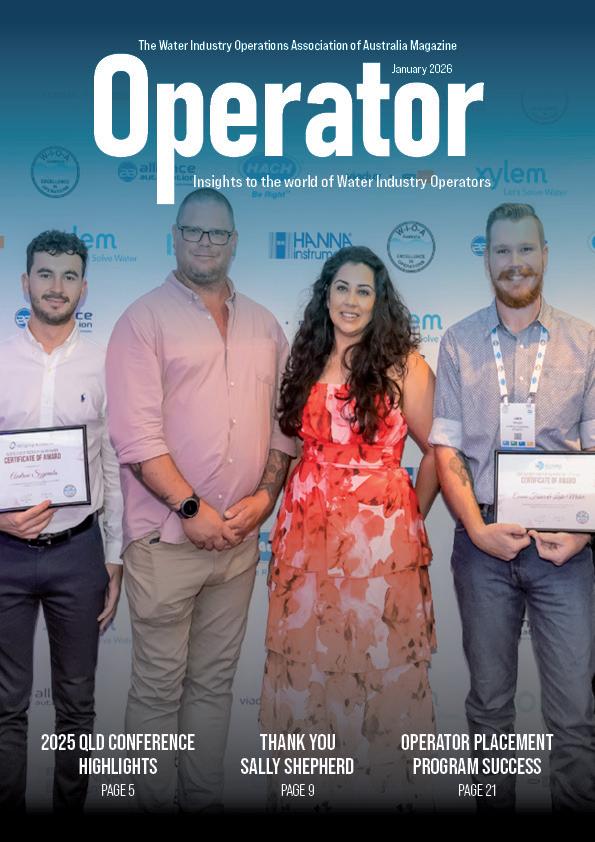

Operator is WIOA’s tri-annual publication that includes individual and corporate member news, general interest stories, water industry news and more.
Produced 3 times a year, it is an effective way of keeping the WIOA community in touch.
To provide our Corporate Members with more opportunities to reach operational employees, Operator includes a limited number of advertising opportunities in each edition.
Scan the QR code below to find out more.
With a few months into the year, our new membership model is well underway and we’re energised for everything 2026 has in store.
There is a fresh momentum as we reconnect with our Advisory Committees, Groups, and Networks to help shape the year ahead.
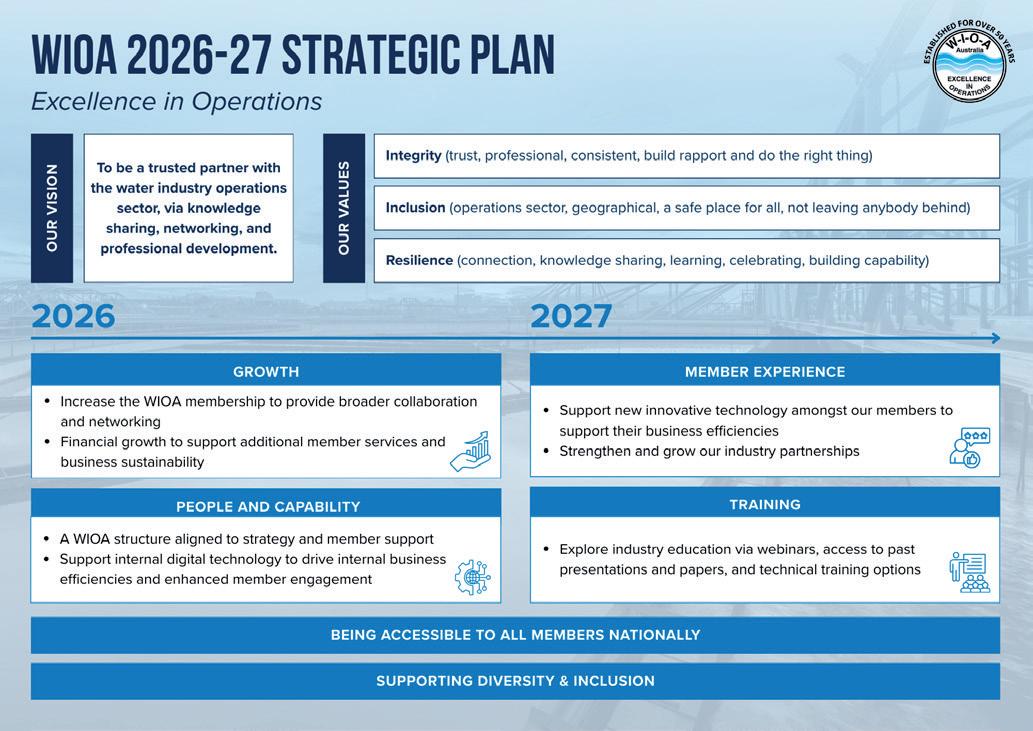
I’m also pleased to share that at our February 2026 Board meeting, we finalised our Vision, Values, and the 2026–27 Strategic Plan (see below). Thank you to all members who contributed feedback in last year’s survey—your insights have played a key role in guiding WIOA’s future direction.
One of our Strategic Themes is increasing WIOA membership to provide broader collaboration and networking, and I’m delighted to announce that we have reached the highest membership level in our 50-plus-year history, with more than 5,600 active members. This milestone reflects the strength, relevance, and deep collaboration across our industry.
Aligned with our Strategic Theme “A WIOA structure aligned to strategy and member support,” we have refreshed our National Advisory Committee to now
include all Advisory Committee, Group, and Network Chairs. This strengthened structure will enhance the connection between members and the Board, ensuring your voices continue to guide our work.
We’re also delighted to welcome Tash Glaskin to Team WIOA as our new Manager – Relationship & Partnerships. With extensive industry experience and insights gained through her time on the Queensland State Advisory Committee, Tash is already bringing fantastic energy and expertise to the organisation.
Our networks (page 13) continue to grow and evolve, offering valuable opportunities to connect, share knowledge, and influence key industry agendas. We have introduced new National Awards (page 7), we encourage everyone to get involved.
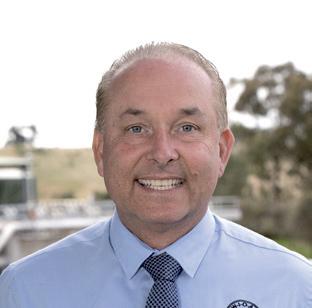
Dean Barnett Chief Executive Officer, WIOA
A sincere thank you to our members for the valuable feedback you provided through last year’s Your Voice Matters survey. Your insights helped shape our new Strategic Plan, which was finalised at our February Board meeting.
The 2026–27 WIOA Strategic Plan outlines our commitment to supporting Australia’s water industry through its core values of integrity, inclusion, and resilience.
The plan focuses on strengthening member experience, driving organisational growth, and enhancing industry partnerships, while promoting innovative technologies that improve operational efficiency. It also prioritises improved training, digital capability, and national accessibility, ensuring WIOA remains a trusted partner for professional development, knowledge sharing, and sector-wide collaboration.
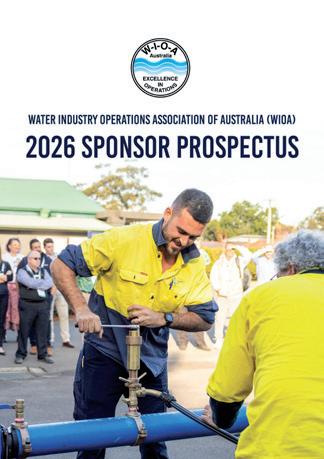
As we gear up for an incredible 2026, WIOA is offering several key opportunities for industry partners to align their brand with excellence in water operations.
While many of our annual packages have been snapped up, high-impact opportunities remain for those looking to deepen their engagement with our national network.
Featured Opportunities:
• National Interest Day Partner: Our premier nationaltier opportunity to lead technical knowledge-sharing across Australia.
• Event & Award Highlights: Key openings remain for Welcome Receptions, Diversity & Inclusion initiatives, National Mentor of the Year Award and regional Operator of the Year awards.
Why Partner with WIOA?
Depending on your chosen level of support, our partners enjoy exclusive benefits designed to maximize ROI, including:
• Priority Access: Early access to Exhibition sites (site fees apply).
• Exclusive Branding: Sole naming rights on specific items or high-traffic events.
• Digital Reach: A dedicated company profile in our official event app.
• Elite Networking: An invitation to the exclusive Chairman’s Reception.
• Industry Ally: Strong connection with operators in the field and a committed supporter of industry initiatives.
To secure one of the remaining spots or to discuss a tailored package that fits your strategic goals, reach out to tash@wioa.org.au or scan the QR code to see our 2026 Sponsoship Prospectus and submit our online interest form.
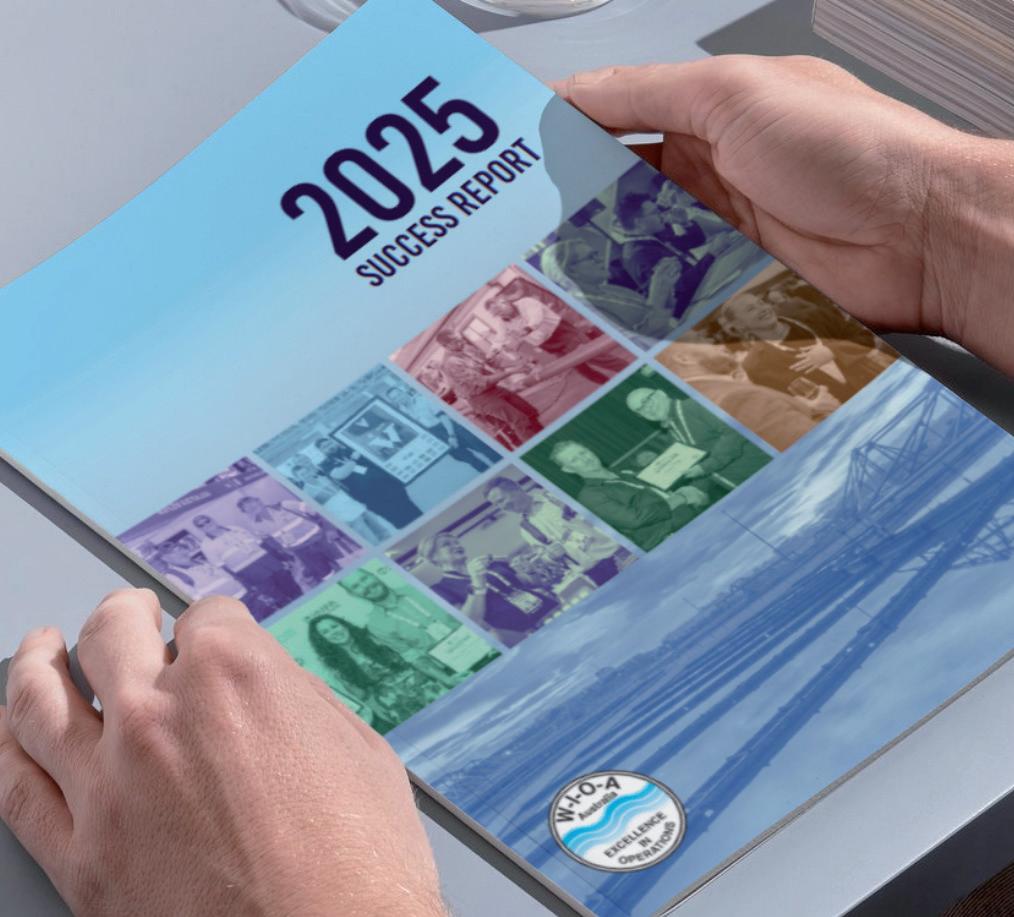
The 2025 WIOA Success Report celebrates a year defined by collaboration, professional growth, and community spirit across Australia’s water operations sector.
Highlighting achievements from our conferences, Interest Days, plant visits, and competitions, this report showcases how WIOA members came together to learn, innovate, and elevate operational excellence.
With more than 4,250 members, expanded networks and a refreshed, more inclusive membership model, we strengthened our role as a national hub for knowledge sharing and industry connection.
This report also spotlights significant milestones, including over 2,700 conference attendees, 970 exhibitors, and the development of a member-driven Strategic Plan for 2026–2027, underscoring a shared commitment to the future of the water industry.
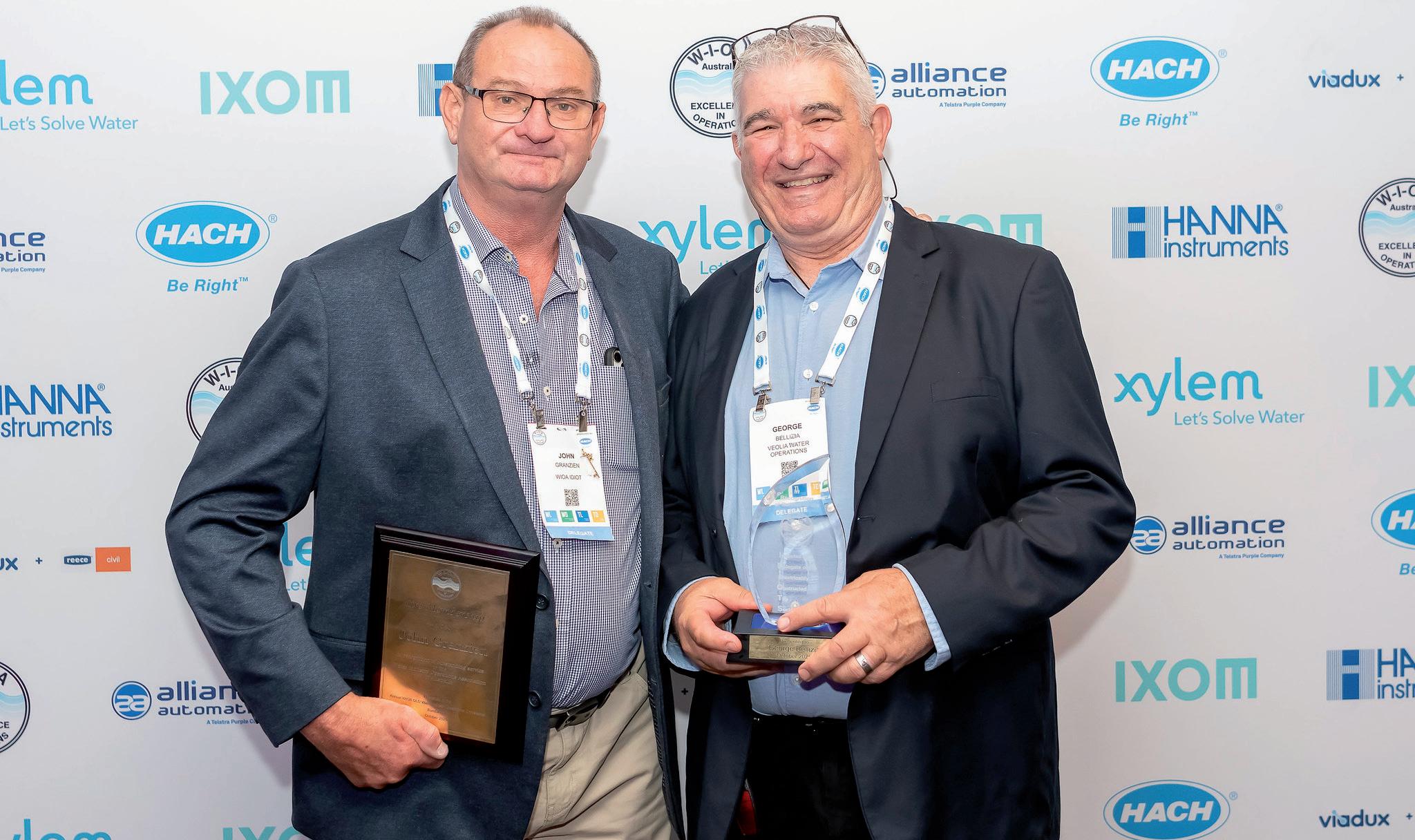
At our final conference for 2025 in Bundaberg, we were excited to recognise two dedicated members, George Bellizia (bottom right) and John Granzien (bottom left), for their outstanding and unwavering commitment to WIOA.
Having joined WIOA in 2011, George has been an active supporter for over 14 years. His continued dedication to the Association exemplifies the very spirit of the IDIOTS Award and we are excited to recognise his valued contributions, an acknowledgment he has truly earned and one we believe he will treasure.
Throughout his time with us, George has selflessly supported and promoted WIOA’s interests and goals, participating enthusiastically in conferences and Interest Days across Queensland. Whether assisting with bump-in and bump-out, MC duties, or encouraging peers to present papers and posters, George has always been willing to contribute wherever needed.
A natural advocate for industry engagement, George has long encouraged colleagues within his organisation to become involved in WIOA events. His efforts have helped increase
participation in Interest Days, conferences, committees, and professional networks, strengthening both individual operator development and wider industry collaboration.
George’s leadership within WIOA has also been significant. Since 2021, he has served on the Queensland Advisory Committees and in 2023 he took on the role of Committee Chair. In this role, he has contributed to stronger structure, enhanced engagement, and a collaborative, consultative approach that has benefited members and the committee alike.
George’s long-term service, willingness to “roll up his sleeves,” and genuine passion for supporting operators make him an outstanding representative of WIOA’s values. His voluntary contribution over many years reflects a deep commitment to the water industry and the community it serves.
Our IDIOTS Award has been running since 2004, with George Bellizia becoming our 48th recipient. To learn more or nominate one of your peers, visit wioa.org.au/idiots
From volunteering and leadership to education, mentorship, and award-winning contributions, John’s dedication has shaped the WIOA community for more than 20 years. His service has enriched countless operators, helped strengthen industry networks, and ensured the continued success of WIOA events across Queensland.
John has been a committed WIOA member since 2004, contributing 21 years of continuous involvement. His service far exceeds the minimum requirement for Life Membership, and his legacy reflects outstanding commitment to supporting operators, strengthening industry capability, and advancing WIOA’s mission.
John has been a cornerstone of the Queensland Conference for nearly 30 years, volunteering and promoting the event since 1995. With only five conferences missed in three decades, he has become a familiar and trusted presence that is always ready to step in, lend a hand, and champion the event to his colleagues and broader networks.
Beginning his tenure in 2011, John has provided 14 years of service on the Queensland Advisory Committee. Through his leadership, John has helped strengthen member engagement and ensure the committee remains a valuable source of advice and industry insight.
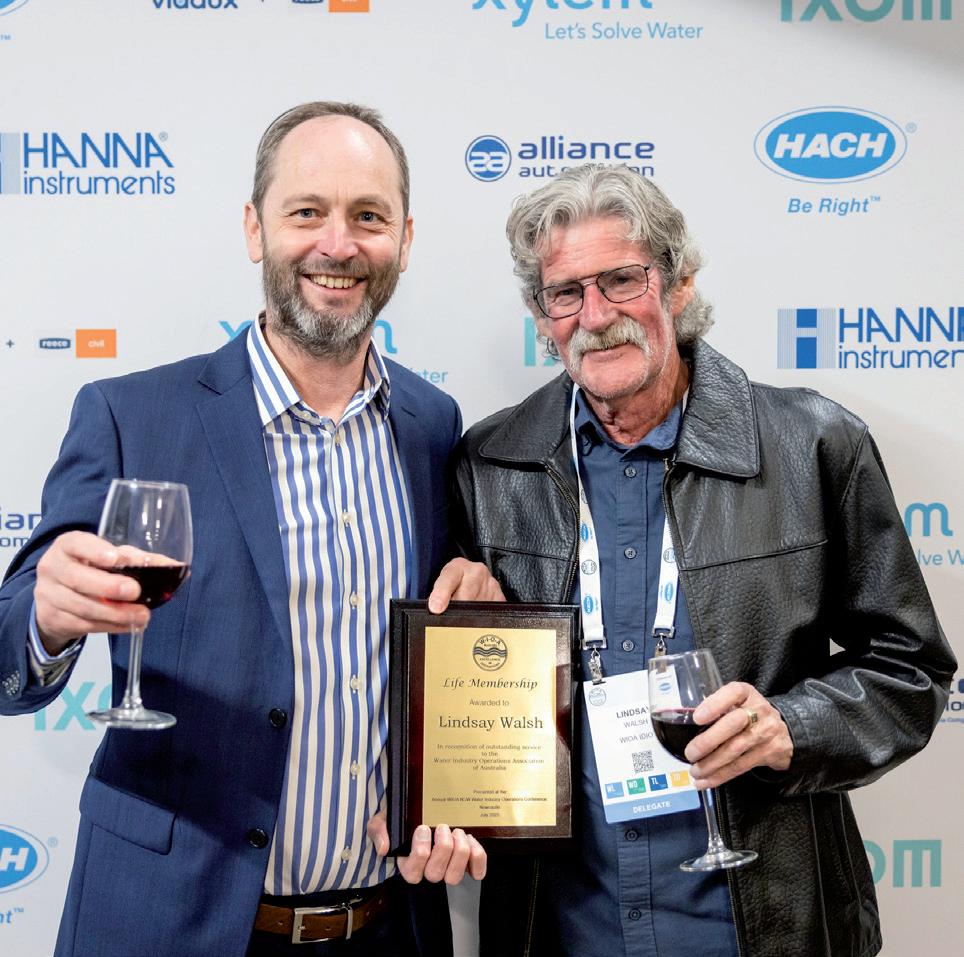
WIOA offers two prestigious awards: Life Membership and the IDIOTS Award (Inducted as a Delegate of the Inextricably Obstructed Tap Society).
Both celebrate long-term dedication to the association and the water industry. Nominations are open year-round, so we encourage you to put forward deserving members.
Scan the QR code to learn more about the nomination criteria, evaluation process and to submit a nomination.
John’s commitment to knowledge-sharing and industry development is evident through his extensive contributions across publications, education, and community engagement. He has shared technical insights through articles in the Operator Magazine in 2016 (EKKA: Augmented Sandpit) and 2018 (Lumley Hill STP), and has consistently encouraged colleagues at Seqwater to participate in WIOA activities.
John has organised valuable learning opportunities such as the Interest Day at Mt Crosby WTP, supported the Queensland Charity Bowls Day since 2013, and actively promoted involvement among operators, engineering staff, and maintenance teams. Through these efforts, he has strengthened professional capability and fostered a strong sense of community within the water industry.
John’s excellence has been recognised through several prestigious WIOA awards including Operator of the Year (2023), Best Operator Paper (2009) and Best Paper - Third Place (2011).
John was inducted as a WIOA IDIOT in 2015, reflecting his humour, spirit, and deep connection to the WIOA community. His involvement since then has only added to the culture of camaraderie and passion that IDIOTS bring to the Association.
For his exceptional and enduring contribution, we are honoured to welcome John as the 13th Life Member of WIOA.
We’re passionate about promoting excellence across the water industry. In 2026, we’re introducing new National Awards and we encourage all our members to get involved. All nominations close on Wednesday 19 August 2026. Winners will be announced at the 2026 NSW Water Industry Operations Conference & Exhibition Awards Dinner in Newcastle Thursday 10th September.
PROUDLY SPONSORED BY TRILITY
This award recognises an initiative involving cultural and/or diversity, with inclusion-based activities of a project and/or community that they serve, particularly those from disadvantaged and marginalised groups. Learn more about the 2025 KWATYE winner on page 10.
Prize: The winner will receive a $2,000 charity donation to an organisation of their choice.
ANONYMOUS SPONSOR
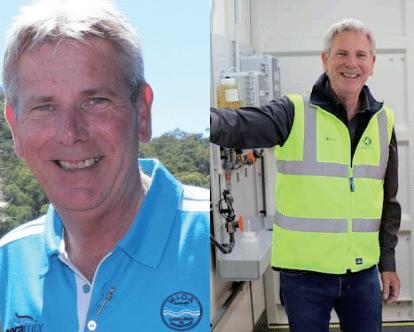
We are proud to introduce a new award honouring the legacy of Tony Hourigan—a true leader, mentor, and advocate for personal growth in the water industry. This award recognises individuals committed to personal growth and professional development.
Prize: The winner will receive $4,000 to support the personal development plan submitted with their award application.
PROUDLY SPONSORED BY AQUALIFT
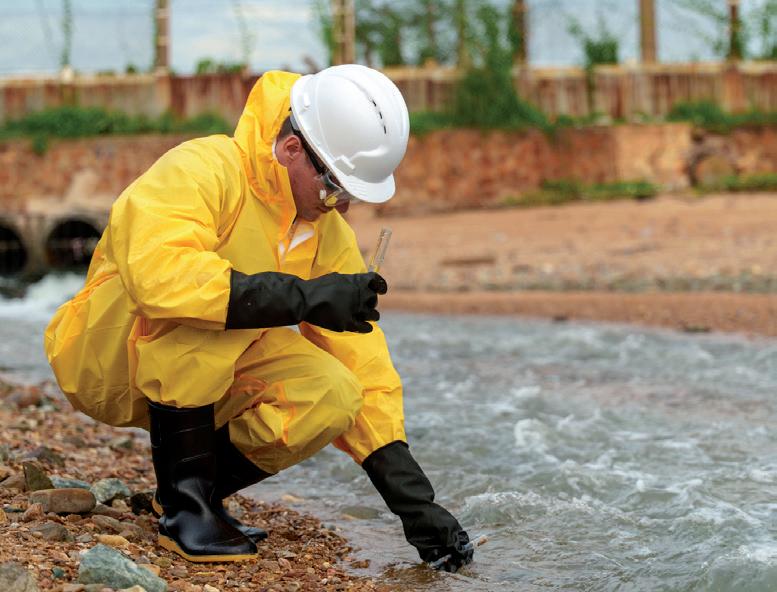
The Problem Accepted Solution Supplied (PASS) award is supported by Aqualift and provides the opportunity for water industry operational staff to share their in the field innovations and fixes to problems so that others in the water industry can benefit.
Prize: The winner will join WIOA on the annual operational tour of New Zealand including attendance at the Water Industry Operations Group of NZ annual conference.

PROUDLY SPONSORED BY PERDURUS
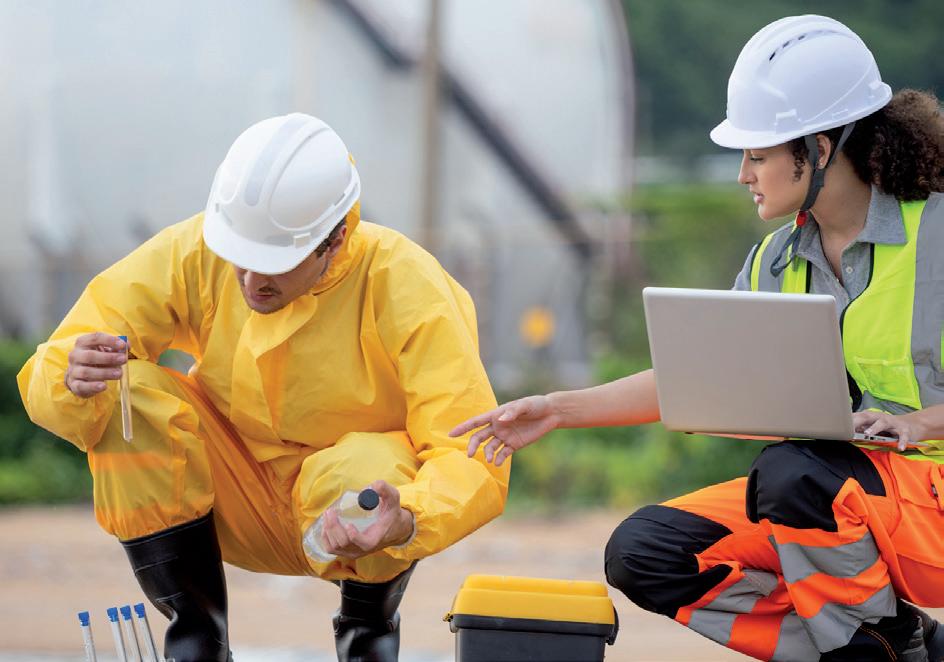
This new award recognises an exceptional operator working in Australia’s water industry who demonstrates excellent performance, initiative, and all round attention to detail in day to day operations. Open to 2026 Operator of the Year Award winners from NSW, QLD, VIC, SA, TAS and WA.
Prize: The winner will receive a professional development opportunity valued at $2,000, along with the opportunity to present a paper on their learnings at a WIOA event of their choice.
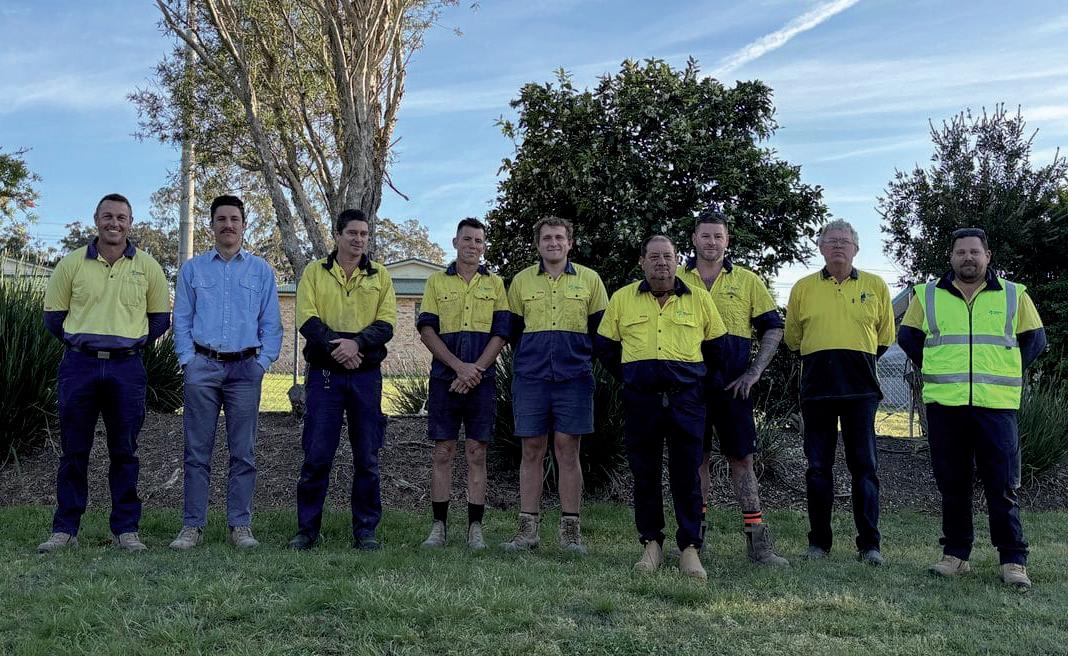
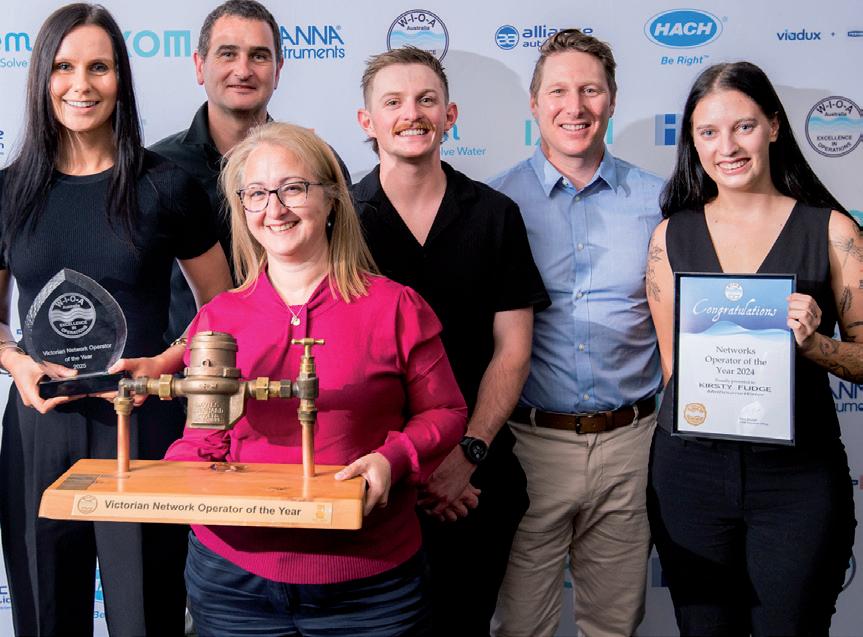
2025 Team of the Year Award Winners: Midcoast Council, NSW
ANONYMOUS SPONSOR
PROUDLY SPONSORED BY TRILITY
The WIOA Team of the Year award recognises teams of employees working in any part of the water industry that have made an outstanding contribution to their workplace or community.
The award focuses on those who have gone above and beyond their normal roles and recognise their dedication, initiative, talent, enthusiasm and contribution.
Prizes: The Team of the Year will receive WIOA Practical Guides valued at $2,000, and the Runner-up will receive WIOA Practical Guides valued at $1,000.
This award recognises an exceptional individual in Australia’s water industry who demonstrates outstanding commitment to developing operators, building capability and confidence, and fostering a culture of safety, inclusion, and continuous improvement across networks and treatment operations.
Prize: The winner will receive a professional development opportunity valued at $2,000, along with the opportunity to present a paper on their learnings at a WIOA event of their choice.
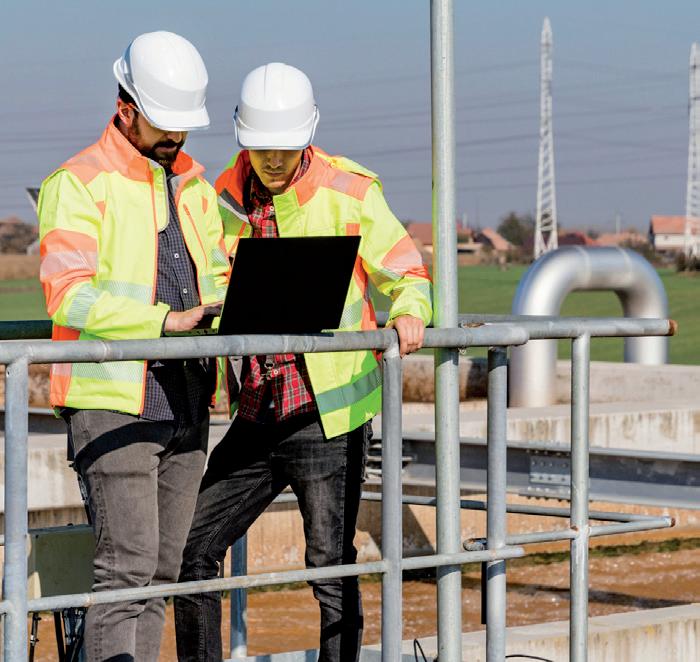
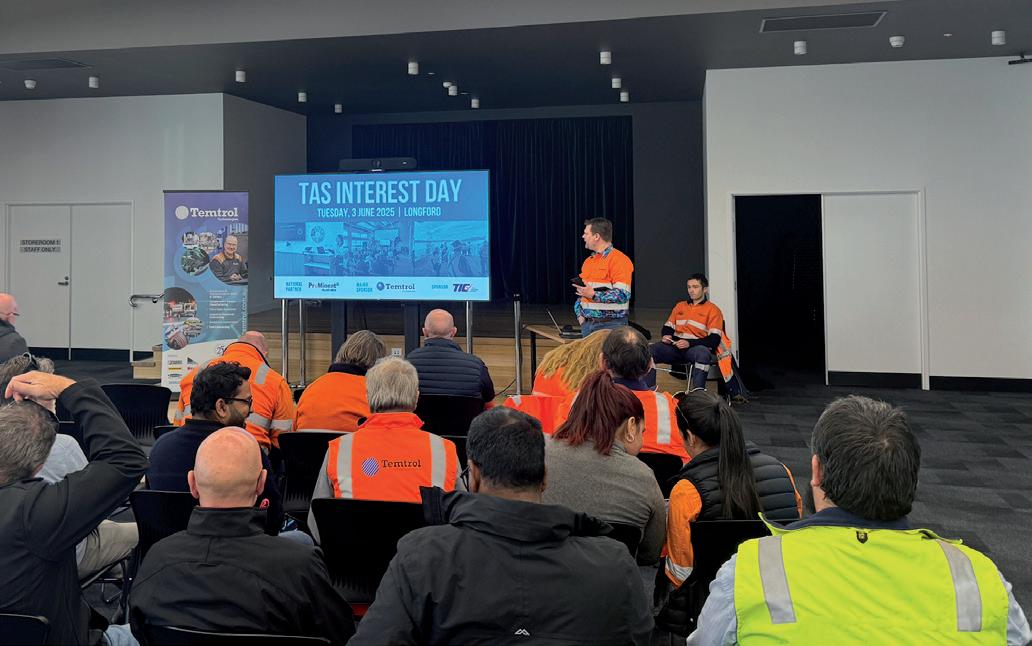
These smaller events bring together operators and industry professionals to share knowledge and network.
Wednesday April 8th, 2026
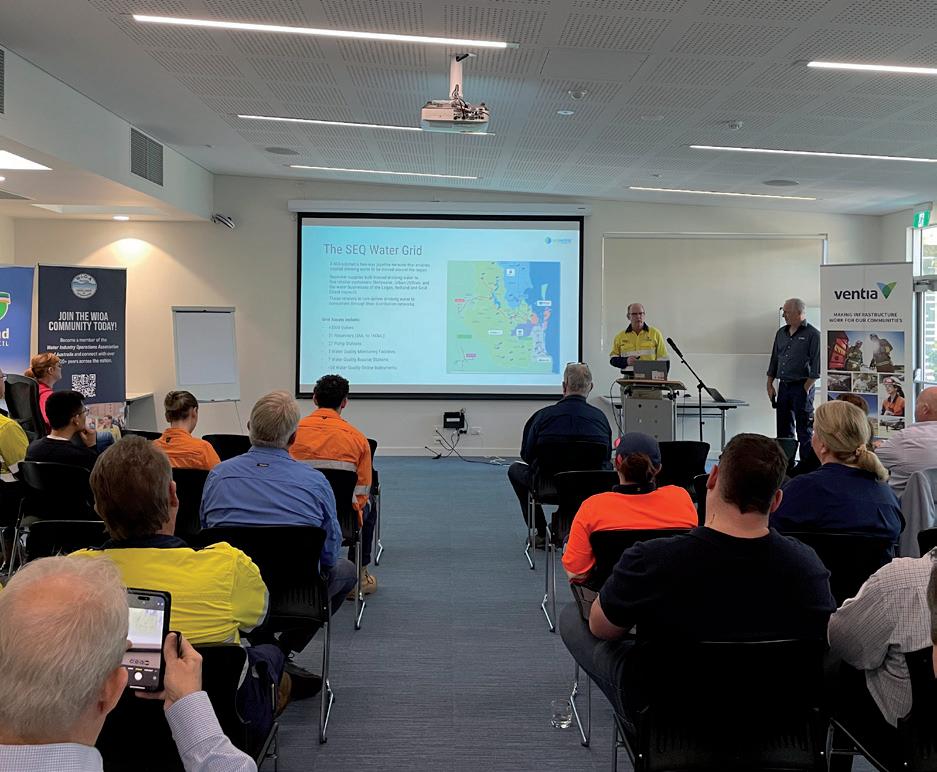
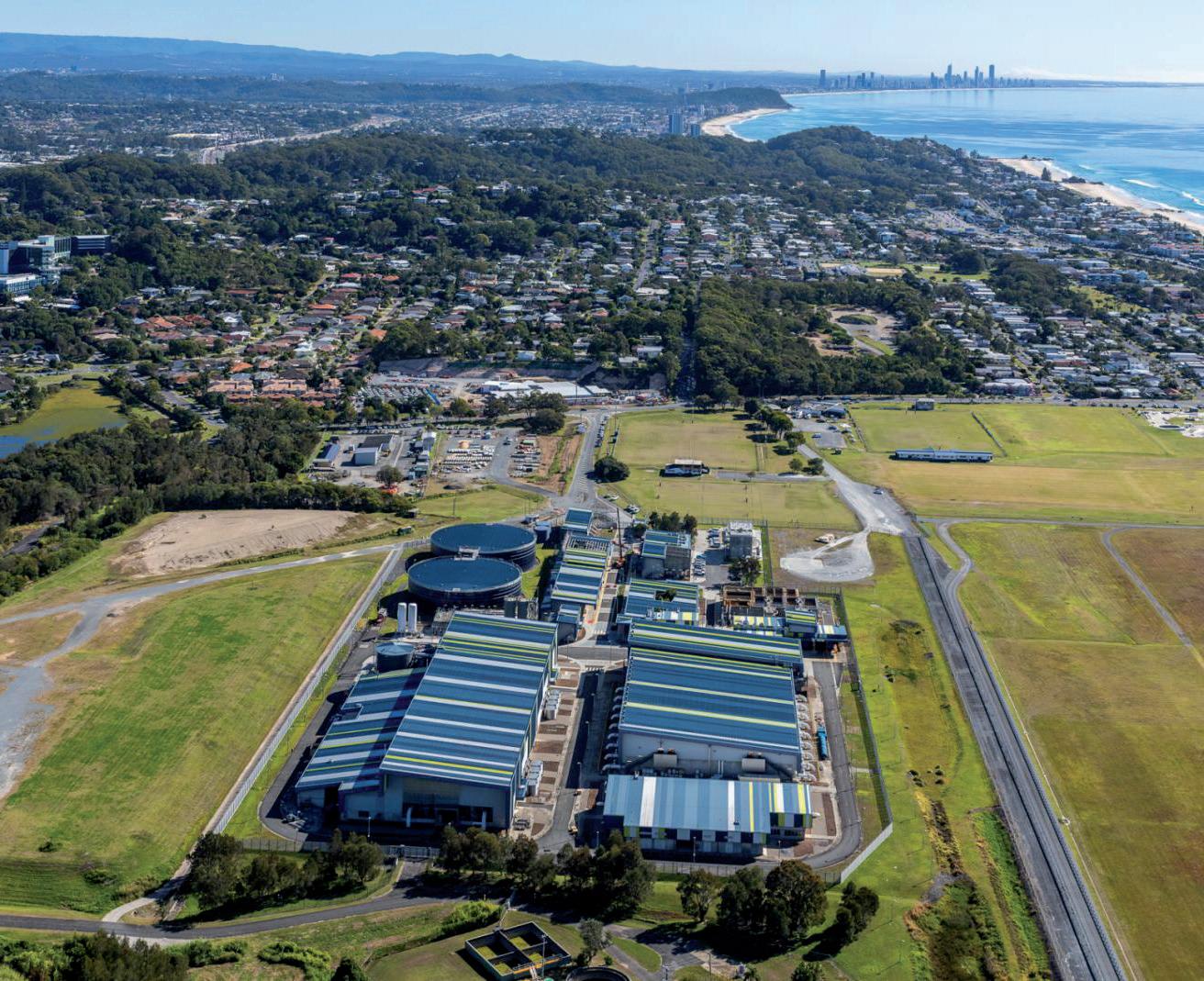
WIOA invites local members and peers from across the operational water sector to join us for an engaging and hands-on Interest Day on 8 April at the Kirra Hill Community Centre, followed by an exclusive tour of the Tugun Desalination Plant in the afternoon.
Attendees will have the opportunity to learn from frontline operators, share practical experience, and explore real-world challenges faced in day-to-day water operations.
Thursday April 23rd, 2026
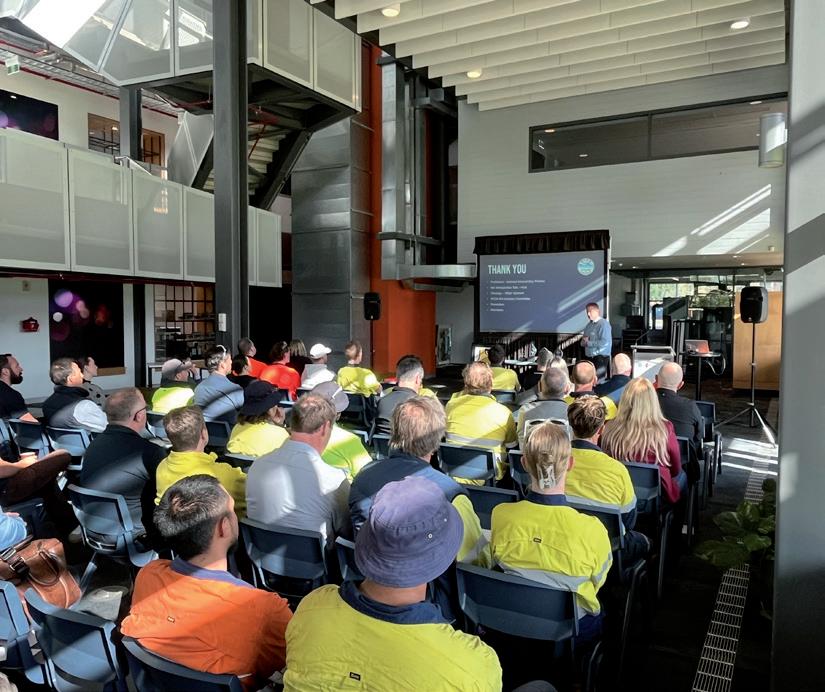
The program will feature a mix of practical, operatorfocused presentations and a panel session that looks at the real “problem to solution” challenges we all deal with in the industry — the quirks, odd jobs, legacy assets, and weird failures that make water work interesting. Complemented by a mains tapping demonstration, a local blind water-tasting and an afternoon of social activities for on-the-ground knowledge sharing.
Wednesday May 6th, 2026
WIOA invites local members and peers from across the operational water sector to join us for an engaging and hands-on Interest Day on 6 May at Retravision Stadium, followed by an exclusive tour of the Albany Tree Farm in the afternoon. Attendees will have the opportunity to learn from frontline operators, share practical experience, and explore real-world challenges faced in day-to-day water operations.
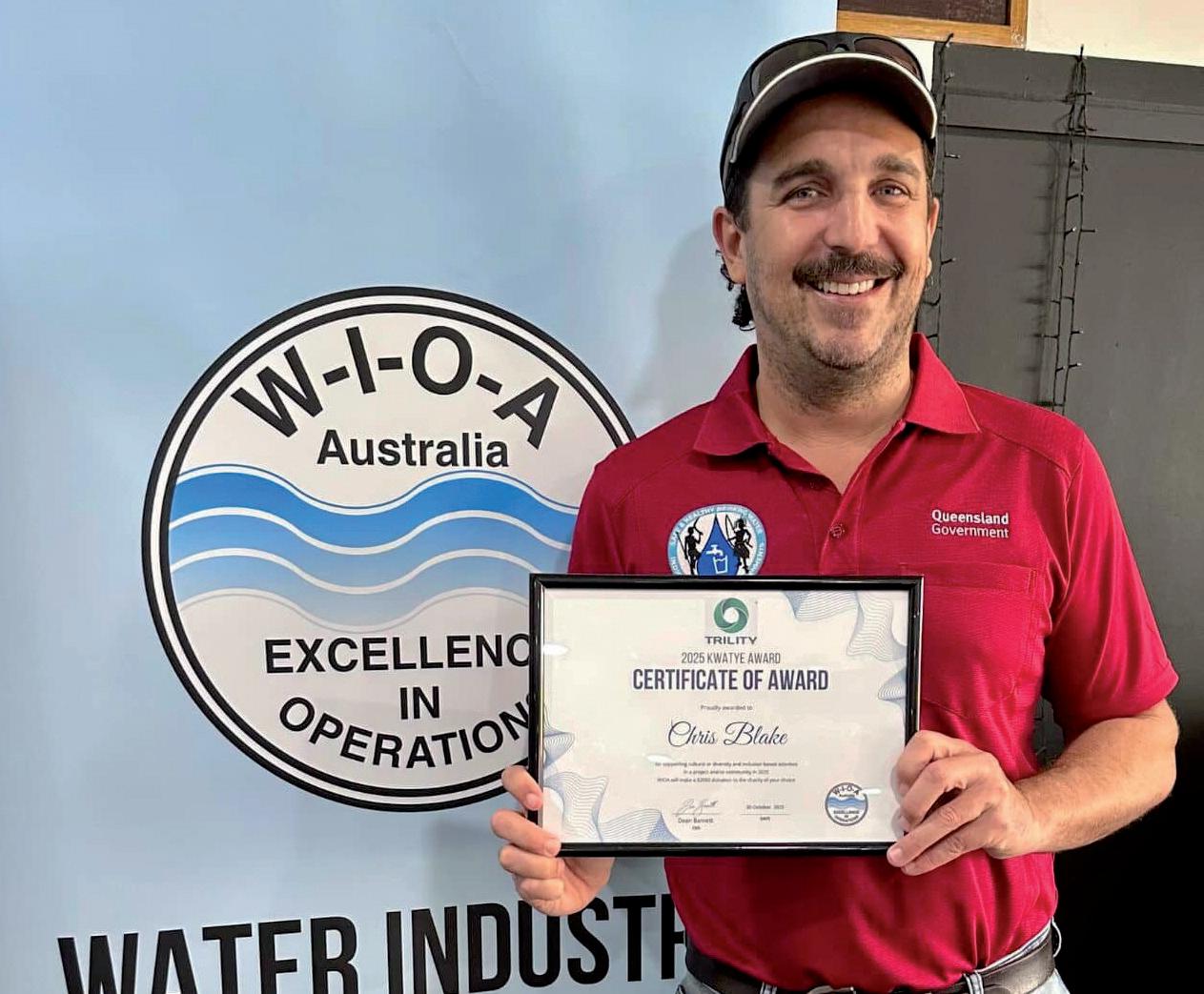
Congratulations to Chris Blake on winning the 2025 Diversity and Inclusion KWATYE Award for strengthening culturally informed water management across Far North Queensland.
Chris Blake, Team Leader of the Safe and Healthy Drinking Water Program at Tropical Public Health Services, has been awarded the 2025 Diversity & Inclusion KWATYE Award for his outstanding leadership in supporting cultural inclusion, capability building and community wellbeing across Far North Queensland. Presented in partnership with TRILITY and WIOA, the award recognises individuals who advance diversity, connection and belonging within the communities they serve.
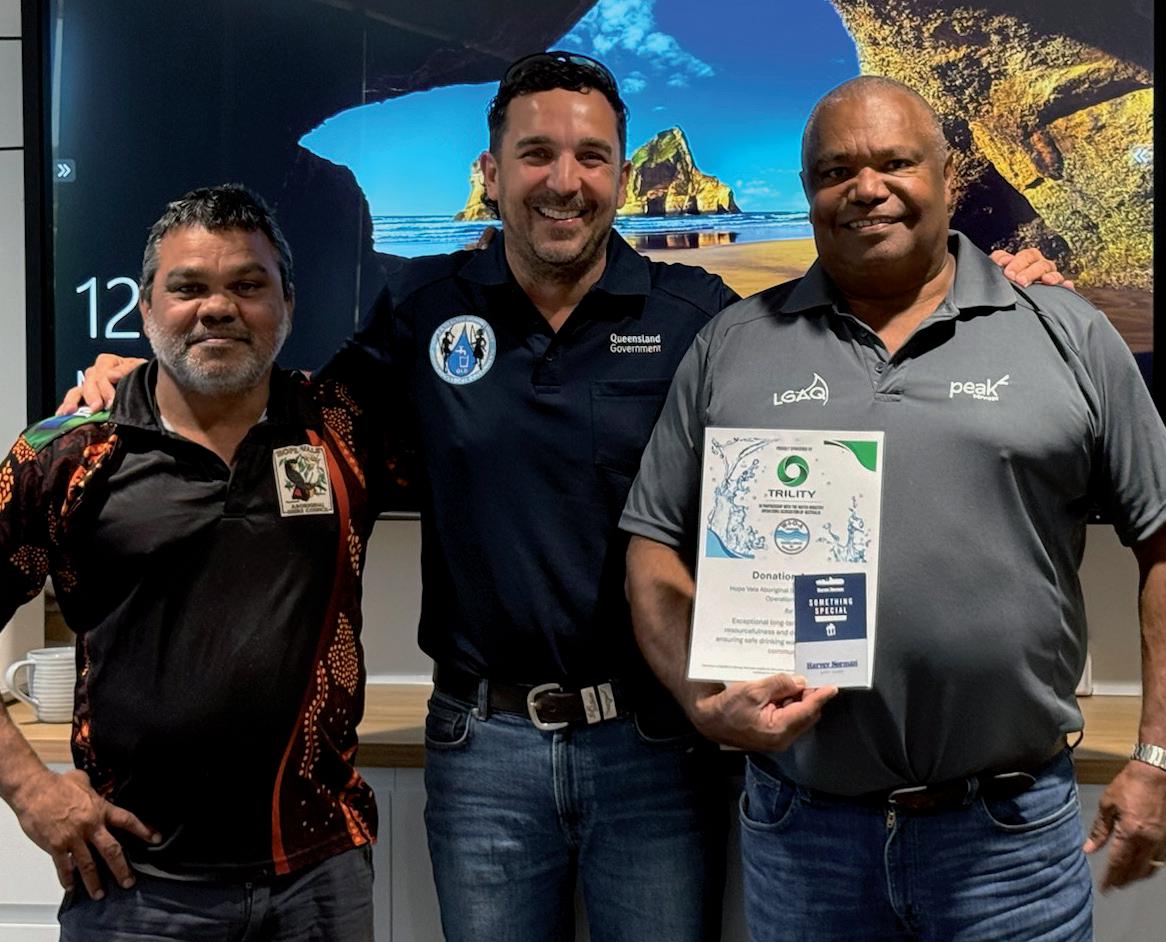
In a gesture reflecting his deep commitment to remote Aboriginal and Torres Strait Islander communities, Chris donated his prize to the Hope Vale Aboriginal Shire Council water operations team. The gift acknowledges the long-standing dedication of the Hope Vale operators and will help enhance the workspace where they carry out their essential work to keep the community’s drinking water safe.
Chris leads the Safe and Healthy Drinking Water Program, a nationally recognised model for culturally informed engagement and workforce development in Indigenous councils. He has been instrumental in improving drinking water safety through strong partnerships with local governments, operational staff and government agencies, ensuring communities have the skills, support and systems needed to manage water quality effectively. His leadership has helped bring forward infrastructure concerns, drive improvements in training and operations, and strengthen local capability.
To learn more about the 2026 Diversity and Inclusion KWATYE Award, visit wioa.org.au/awards
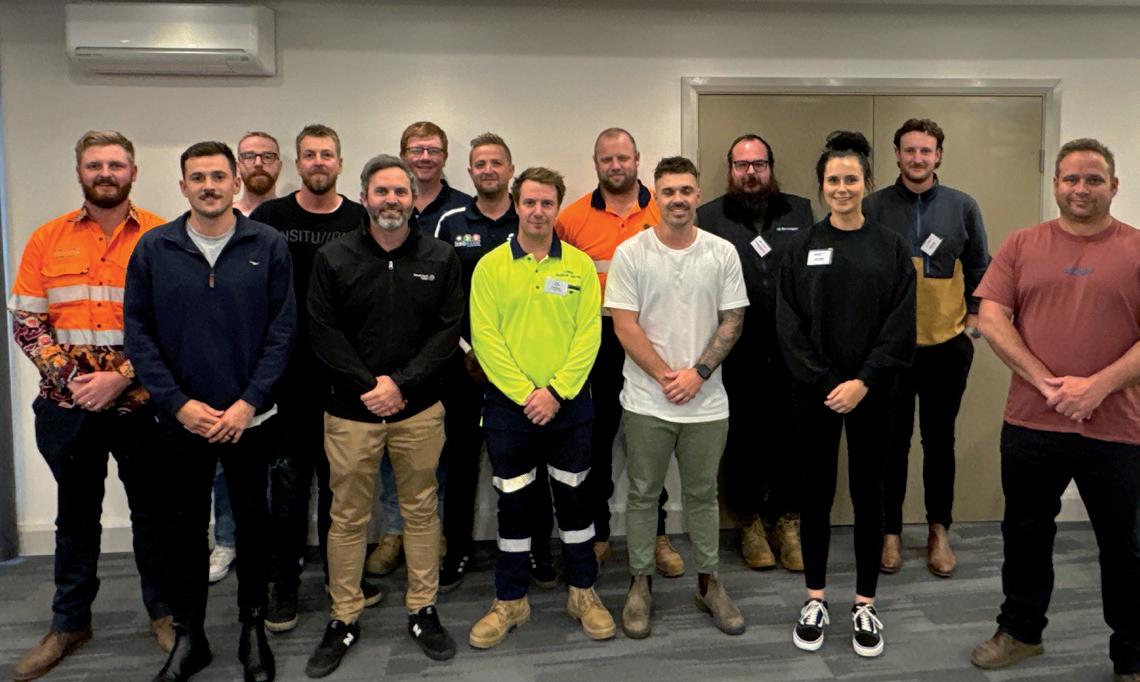
This year, we are celebrating a decade of our Network Operator Development Program (NODP). Thank you to the committee members, participants, sponsors, and staff who have made this program an annual success and a valuable professional development pathway for Victorian operators. Run annually since 2016, this program strengthens operators’ knowledge, skills, and professional networks by exposing them to strategic thinking and best practices in technology, business management, and leadership.
To learn more visit wioa.org.au/NODP
JUNE 24 - 25, 2026 |
Join us at the Gold Coast Sports and Leisure Precinct to connect with water operations professionals across Australia at the 2026 WIOA QLD Conference & Exhibition this June.
This is where real-world experience meets fresh ideas, with plenty to see, do, and learn.
Whether you’re an industry veteran or just starting your career, this is the perfect event to deepen your expertise, create lasting business connections, and uncover cuttingedge solutions. Stay ahead of the latest trends, discover new suppliers, and gain insights into the most recent industry developments.
One of the best parts of the WIOA Conference is the people you’ll meet. It’s a chance to connect with operators, technicians, scientists, managers, suppliers and directors
from right across the water industry. People who understand the challenges of the job and share the same passion for doing it well.
Whether you’re catching up over a coffee, chatting on the expo floor, or meeting new faces at one of the social events, you’ll build genuine connections that last long after the conference is over.
Register Now – Early Bird Member Pricing
We’re looking for practical case studies, wins, challenges, and anything in between to be presented in 2026.
Whether you’re in boots, hi-vis, in a lab or behind a desk, an WIOA event is your chance to step up, share your experience, and help others in the industry learn from it.
Presenting at WIOA’s conference is an excellent opportunity to:
• Contribute to Industry Knowledge
• Expand Your Network
• Increase Your Profile
• Gain Public Speaking Experience
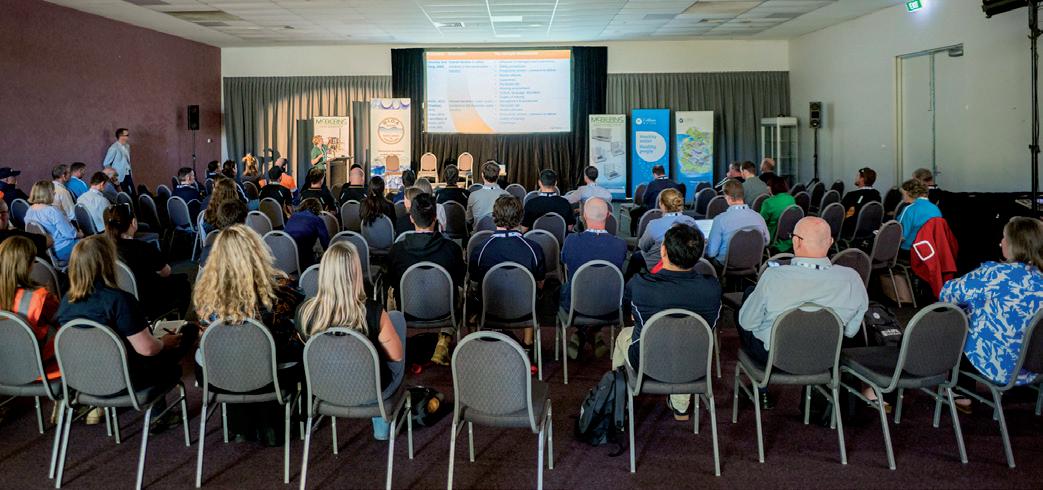
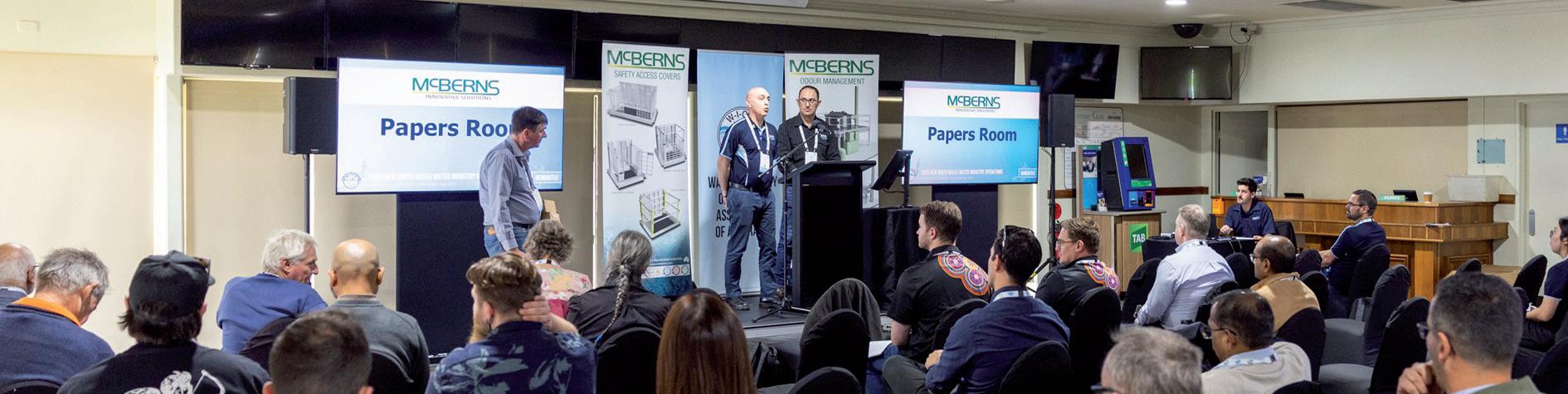
We invite abstracts and posters on any topic relevant to the water industry. Successful submissions will be invited to present in our exclusive McBerns Papers Room at the 2026 QLD Conference this June on the Gold Coast.
Submissions close: Friday 8th May, 2026.
To learn more or submit your abstract or poster, visit wioa.org.au/2026QLD
Wednesday 24th June, 2026
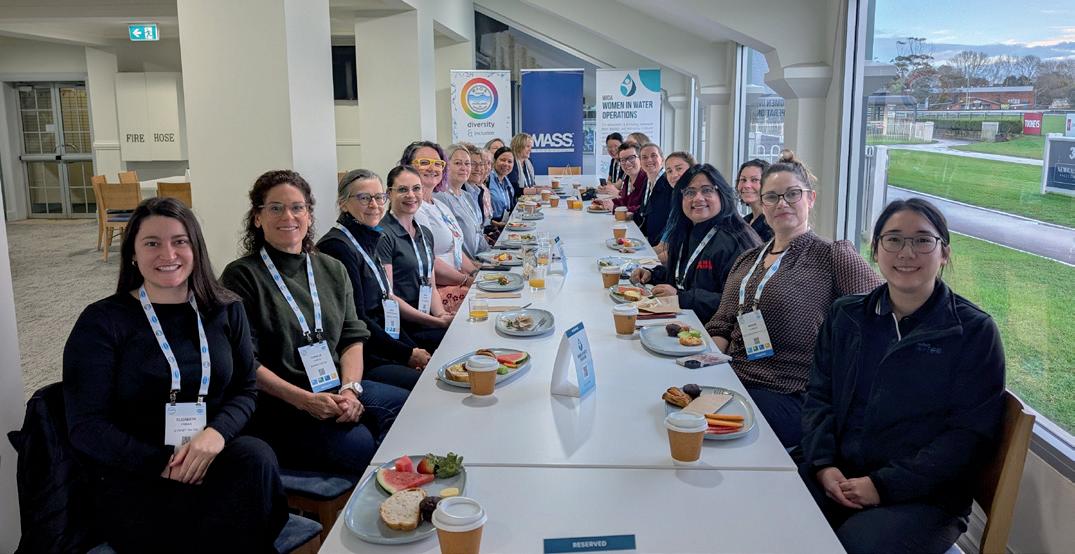
Connect with fellow women in the industry over breakfast and coffee to kickstart the two-day conference.
Wednesday 24th June, 2026
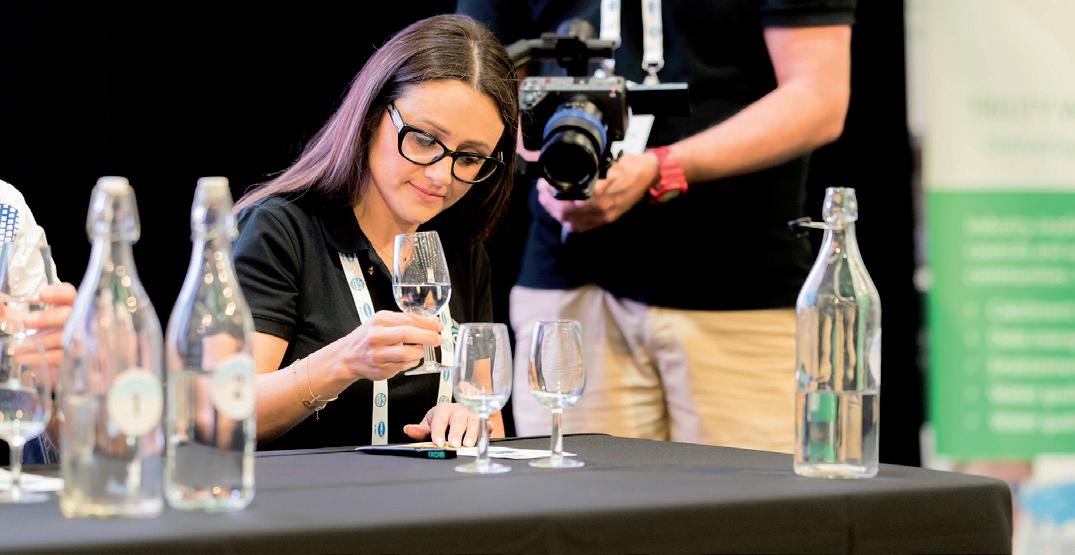
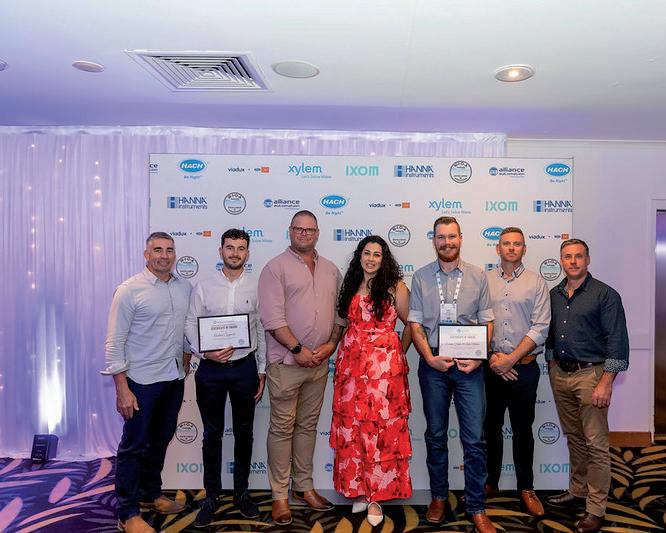
This competition celebrates excellence in water quality, inviting utilities to showcase their regions freshest and cleanest drinking water. Attendees can taste and vote for their favourite, recognising the top water in QLD.
Wednesday 24th June, 2026
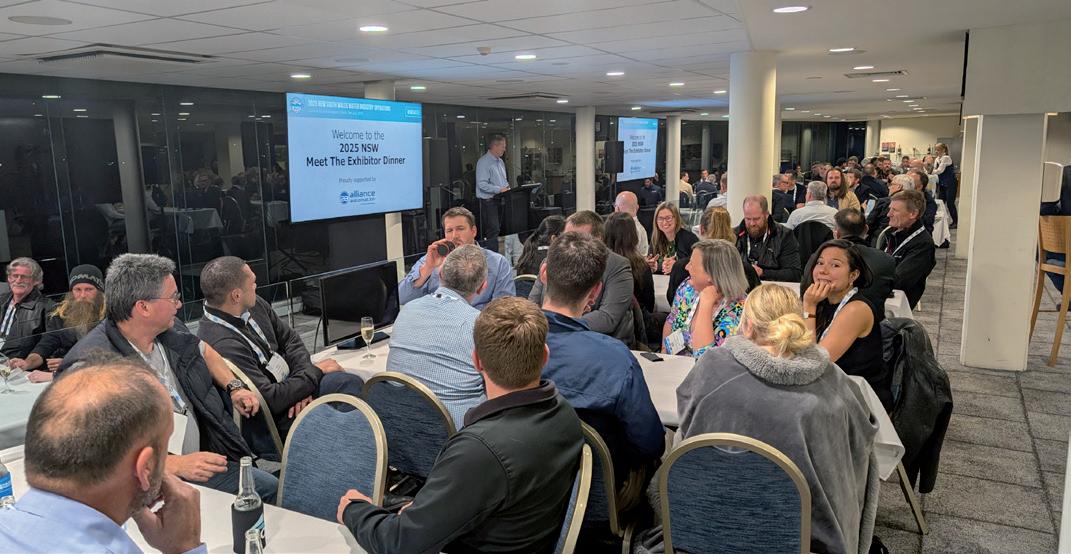
Mingle and network with fellow exhibitors and delegates during our relaxed evening of canapes and drinks, and light entertainment.
Wednesday 24th - Thursday 25th June, 2026
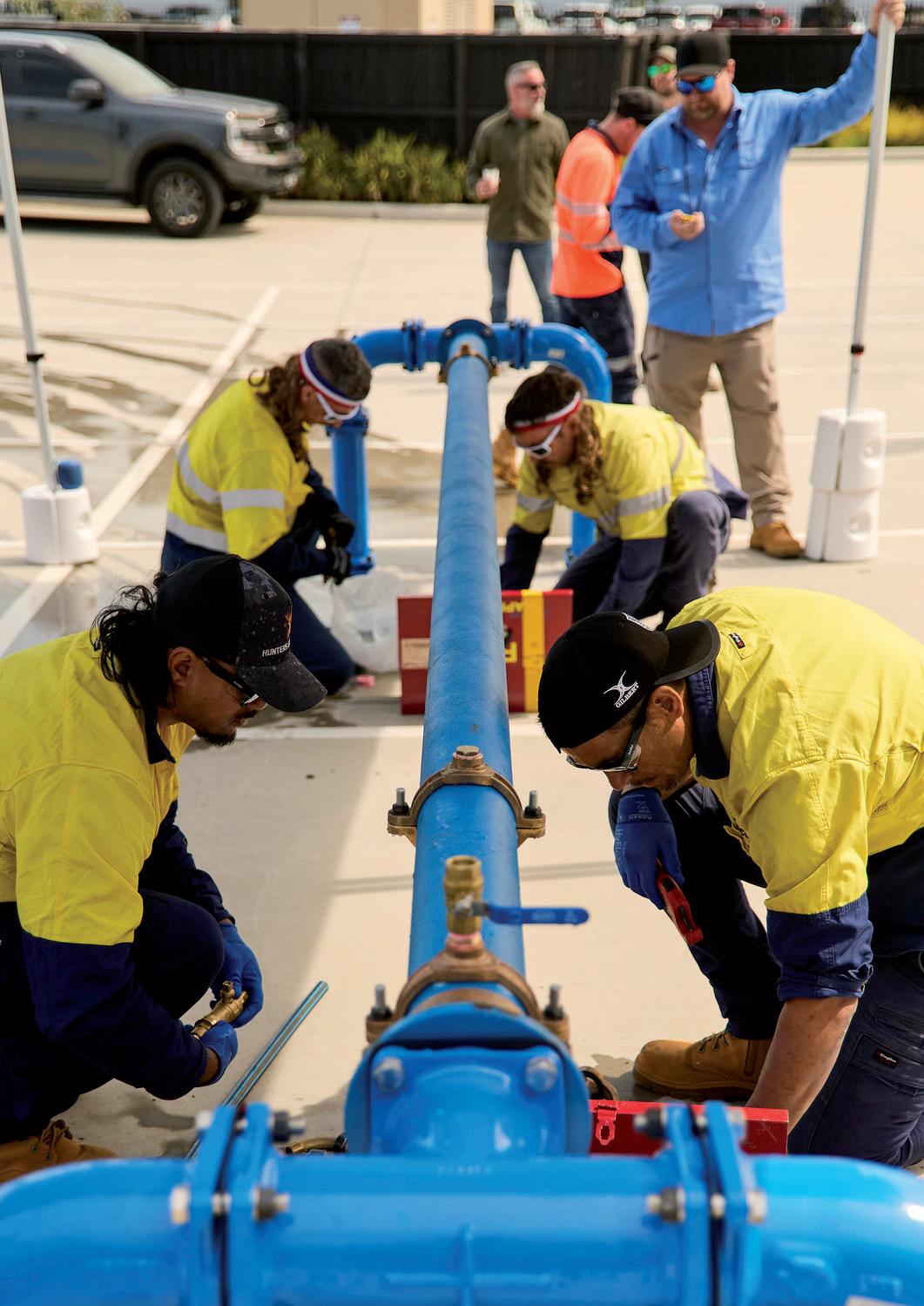
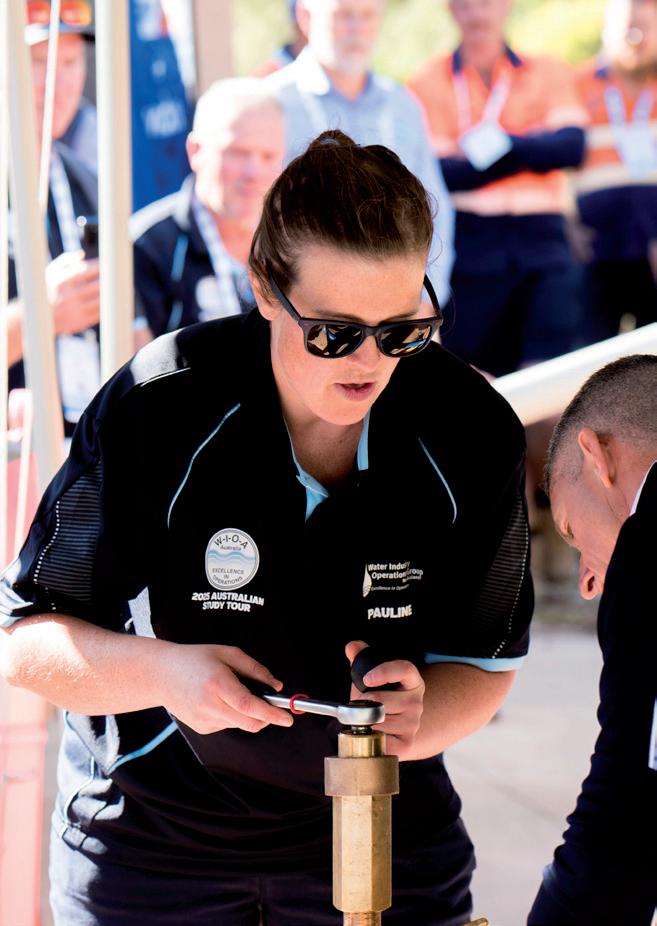
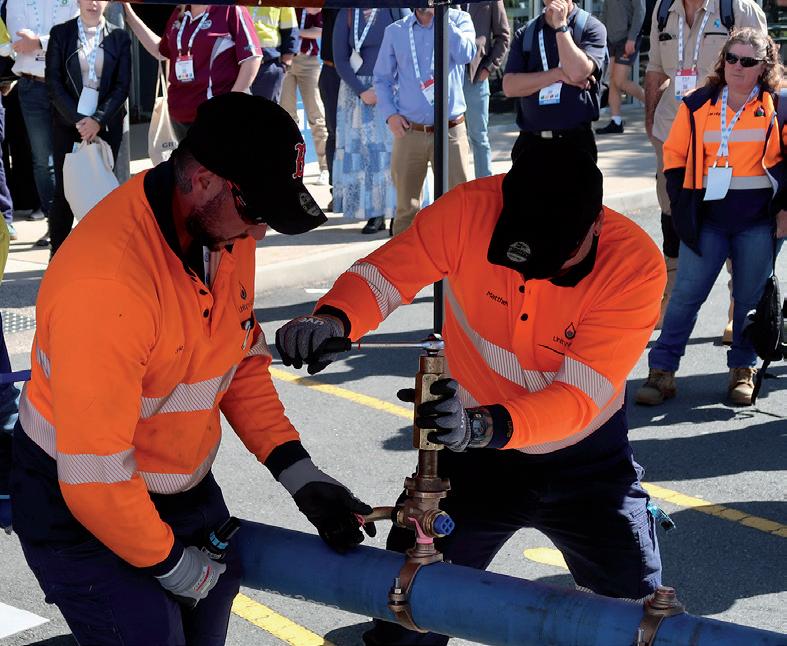
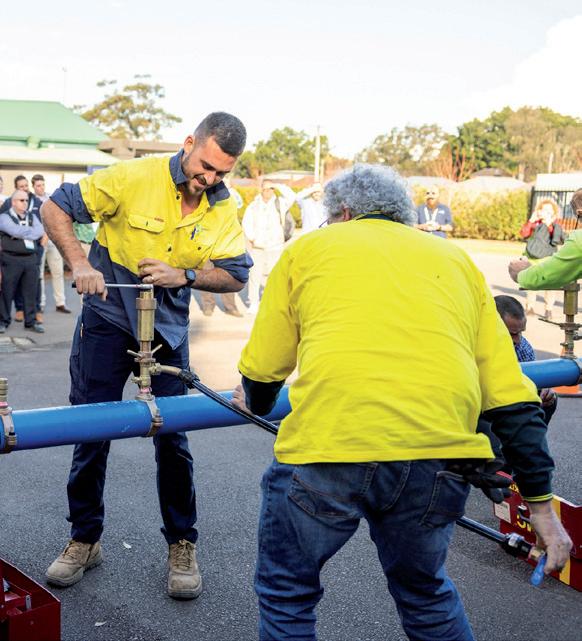
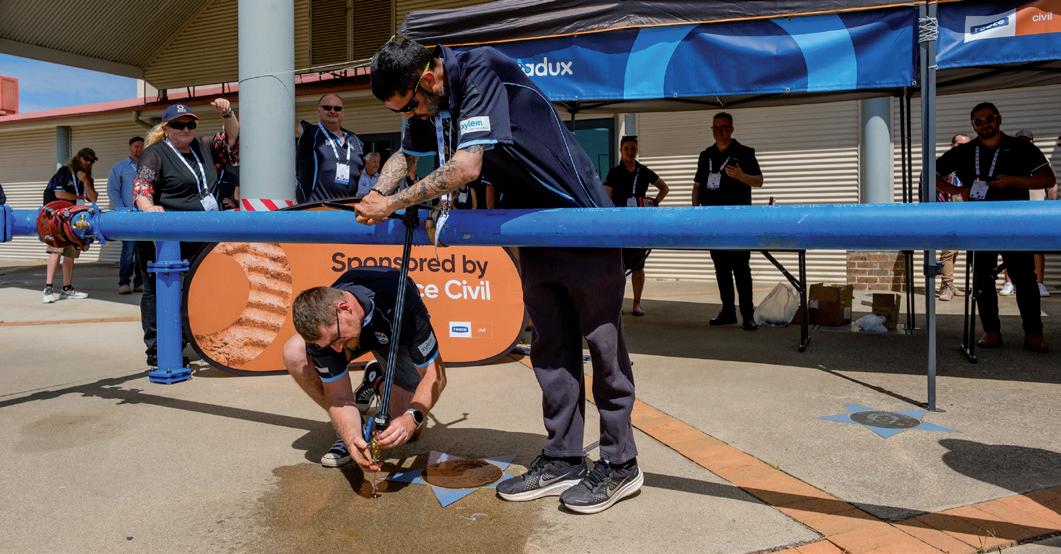
The tapping competition challenges skilled teams to quickly and accurately install a valve into a pressurised water main, showcasing speed, precision and expertise in water network maintenance.
Thursday 25th June, 2026
Celebrate the exceptional achievements of your peers and the ongoing success of the QLD Water Industry in style. Swap your hi-vis for your best attire and enjoy an unforgettable evening filled with great company, drinks, and a delicious meal. Top-tier entertainment will set the stage as you relax and unwind after the conference, making it a night to remember!
Feedback has highlighted that our members value meaningful and specific connections. In line with our new Strategic Plan, we are excited to introduce new networks that will provide greater opportunities for ongoing collaboration, support, and knowledge-sharing. Scan the QR to learn more and join these groups.

Executive / General Manager Operations Network
For Executive or General Managers of Operations within the water industry. The focus is on strategic elements of water operations across Australia.
When: Quarterly, 1-hour virtual discussion.

For Electrical professionals within the water industry to discuss electrical activities across the operations sector of the water industry, with a focus on safety, innovation and best practice.
When: Bi-monthly, 1- hour, third Wednesday.

For Operations Team Leaders and Coordinators from around the country to discuss common problems, solutions and initiatives.
When: Monthly, 1-hour, first Wednesday of the month.

This network aims to provide updates on Membrane Operations trends and best practices, with a roundtable discussion to share common challenges & tips.
When: Bi-monthly, 1-hour virtual round table discussion.
Help others in the industry learn, grow, and innovate by presenting at one of our upcoming conferences. Paper and poster submissions for our 2026 conferences.
Abstracts are open to all industry professionals working in the operation, maintenance, and management of water-related infrastructure across urban, rural, and industrial sectors. Selected papers and posters are invited to present in-person at our state conferences. This is your opportunity to showcase practical case studies, highlight achievements, or share challenges. Submit your abstract today and make your voice part of the conversation.
• 2026 QLD Conference, Gold Coast on Wed 24th – Thurs 25th June. Submissions close: Friday 8th May, 2026.
• 2026 NSW Conference, Newcastle on Wed 9th – Thurs 10th September. Submissions close: Friday 24th July, 2026
To get started, visit wioa.org.au/papers
Our Practical Guides remain a cornerstone of industry knowledge, supporting “boots on the ground” training for operators across Australia.
To ensure these manuals stay at the cutting edge of technology and best practice, we are officially establishing a 5-Year Review Framework. This repeatable lifecycle will leverage the deep expertise within our Committees and Networks, to ensure every guide is technically current and field ready.
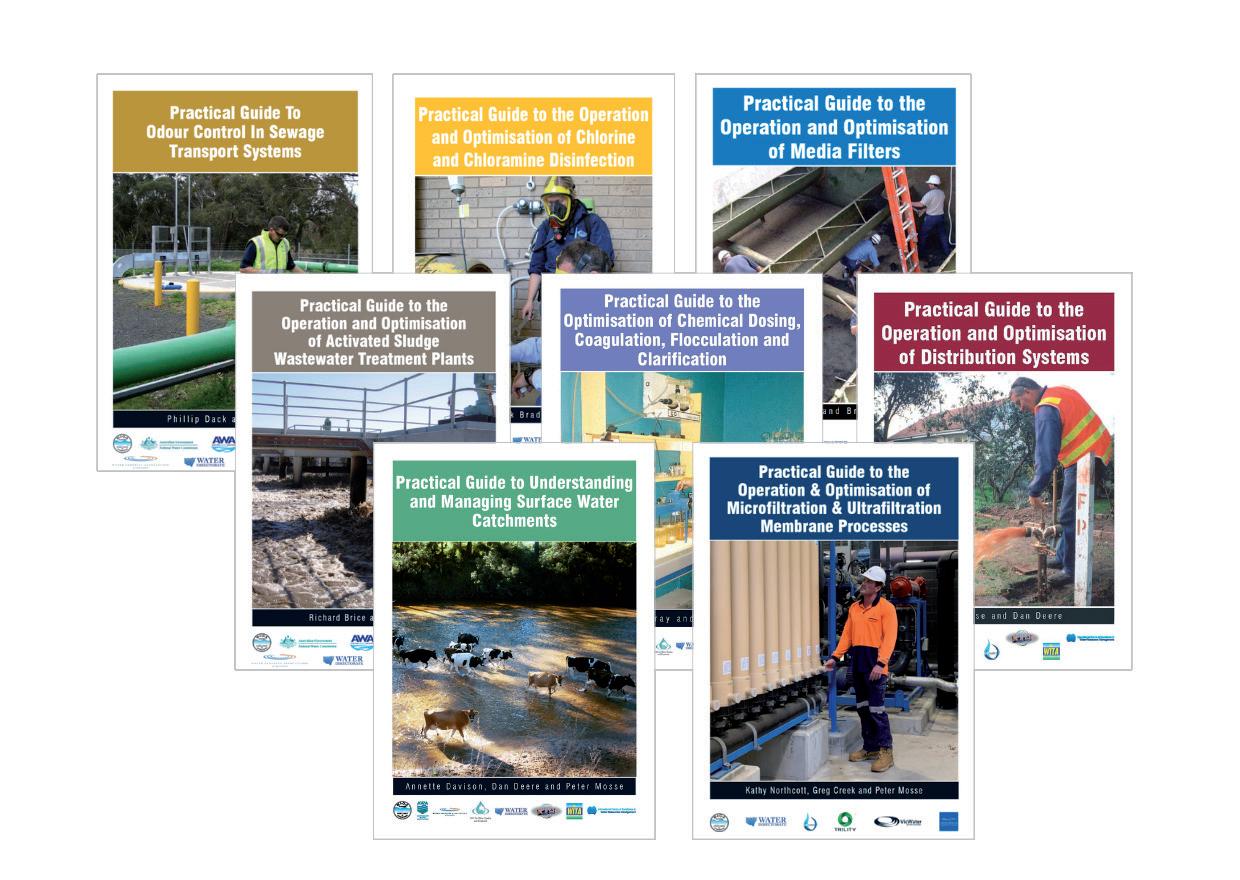
• Industry Participation: We are seeking subject matter experts and authors to contribute to upcoming reviews.
• Sponsorship: Align your brand with technical excellence by supporting a specific guide’s production.
• Custom Training: Our guides are available for sale and are the perfect foundation for internal workforce development. If you are interested in contributing your expertise or would like to discuss a training package specifically aligned with our Practical Guides, please email info@wioa.org.au for more information. If you would like to view or purchase one of our guides, please scan the QR code.
Registrations are NOW OPEN for the 29 June- 3 July2026 ASBNR Micro -Credential course providing successful learners with an Activated Sludge Expert Digital Badge. You can access the online advertisement and register here: ASBNR COURSE June 2026 Early Bird closes 10th April 2026 Or for further information, don't hesitate to contact Mel or Helen (m.christie@griSith.edu.au or h.stratton@griSith.edu.au).
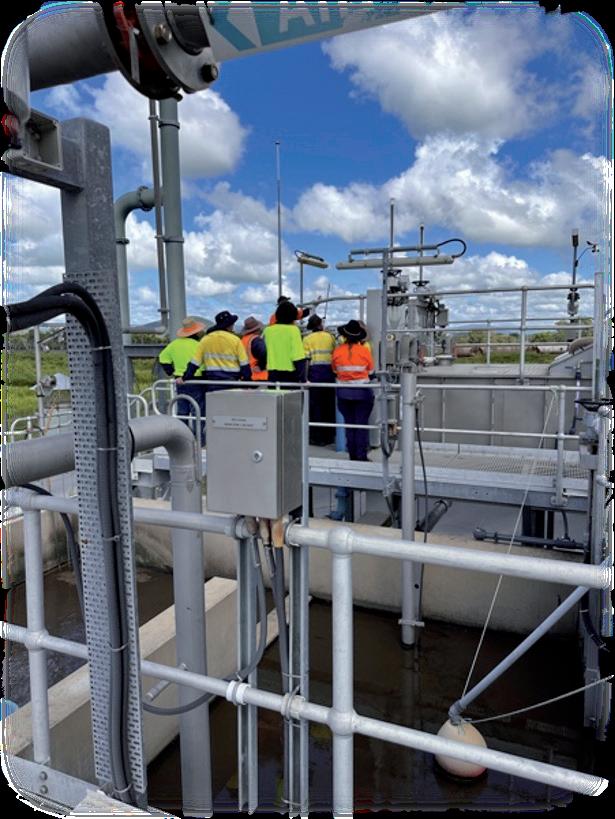
If you are involved with the management, operation and maintenance of an activated sludge or BNR plant; Upgrading your AS plant to BNR; A scientist working in a laboratory analysing wastewater or researching the AS/BNR process; Studying environmental engineering or wastewater subjects; Completing your Certificate III or IV in water operations, you might be interested in attending this course. This course has been successfully oSered since 1997 providing excellent knowledge sharing and building skills in wastewater treatment operations for over 1000 Operators, Engineers, Managers and Scientists. Don't miss out on the early bird registrations - get in early to secure you place in 2026
We are very excited to welcome a respected leader in the water sector, known for her dedication, innovation, and commitment to empowering others to the WIOA Board. Now Manager of Operations Projects and Maintenance at North East Water, Kate Bardy has also championed diversity and inclusion as the founder of the Women in Water Operations (WiWO) Network.
After years of working and traveling abroad, I returned to my hometown of Wodonga, where I found a position at North East Water 14 years ago. I began in the customer service team before moving into operations, leveraging my previous experience. Since then, I have held roles in procurement, asset management, and project management, ultimately becoming the Manager of Operations Projects and Maintenance. Like many in the water sector, I feel a strong connection to this industry, which has shaped my career. The collaborative spirit of the sector continues to inspire me as I work alongside dedicated people striving to make a positive impact in our communities.
Throughout my career, I have continually broadened my skills. I am trained in incident management and emergency response, supporting North East Water during events such as bushfires and floods. My two years in the Intelligent Water Networks Innovation Champions program strengthened my passion for innovation and efficiency. More recently, I founded the Women in Water Operations Network (WiWO) through WIOA, reflecting my commitment to diversity, inclusion, and advocacy for operations.
As an Operations Manager, I bring first-hand insights into the essential role operators play, the environments they work in, and the challenges they face. This perspective enables me to advocate effectively for operators at a Board level. My leadership experience has strengthened my ability to understand stakeholder needs, build collaboration, and develop strong relationships. I analyse complex issues with clarity and make informed, ethical decisions in both long-term strategic planning and high-pressure emergency situations. My industry experience gives me a solid understanding of risk and compliance, while my background in innovation allows me to drive transformative initiatives that support evolving industry needs.
What motivated you to join the WIOA Board?
I am eager to contribute to an industry I am passionate about and strongly aligned with WIOA’s mission. WIOA is
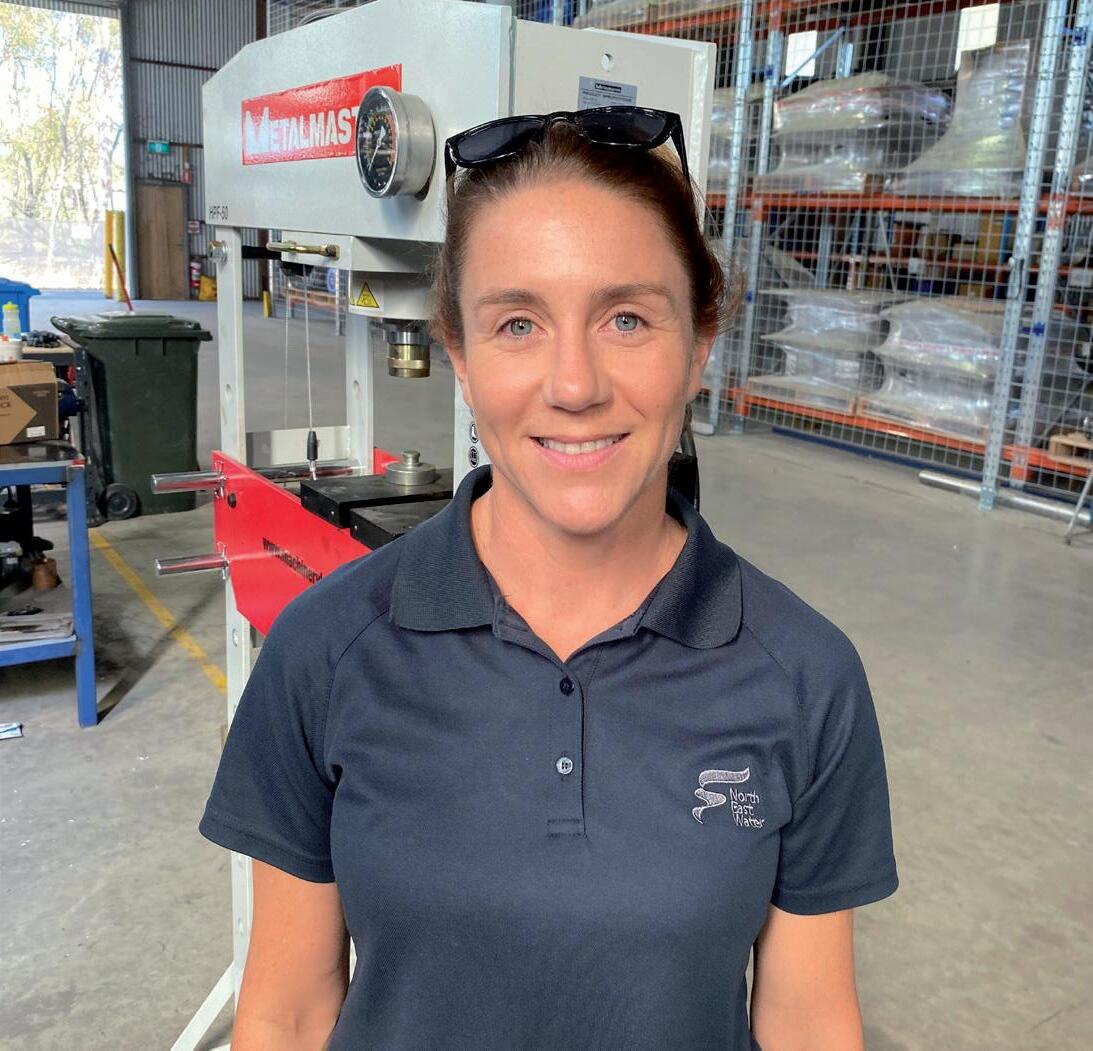
recognised as the leading national body for water operational staff, and its advocacy for operators resonates deeply with me. I believe WIOA plays a crucial role in connecting field staff with management, and I am honoured to be part of a Board that guides its strategic direction, supports professional development, and fosters meaningful networking opportunities. I am also excited to collaborate with such a diverse and talented group of professionals. Working alongside high-calibre Board members and the exceptional WIOA team offers tremendous opportunities for personal growth.
Have you held different roles and positions at WIOA? What did you contribute, and which role are you most proud of?
Although I am relatively new to formal roles within WIOA, I have been a member for 13 years and a regular attendee of conferences and events. My involvement has grown significantly over the past two years through my work with WiWO, leading to roles on the National Advisory Committee, the Diversity and Inclusion Committee, and now the Board. I am particularly proud of WiWO and its mission, and I look
forward to contributing to its continued growth and impact. I value being part of an organisation that recognises the contributions of our diverse workforce and actively fosters an inclusive environment.
What are you most looking forward to in your role as a Board Director?
I look forward to supporting an organisation that champions operators and celebrates the breadth of talent within the water sector. I am excited to contribute to the ongoing development of WiWO and other initiatives that promote diversity, inclusion, and sectorwide collaboration. Being part of WIOA allows me to help shape programs and opportunities that strengthen our workforce and enhance the visibility, capability, and confidence of operational staff across the industry.
Outside of work, I like to stay active and outdoors. I have two young children, and when I’m not chasing after them, you’ll find me running, hiking, camping in the mountains, or chasing a ball around the hockey field.
How do you see the future of water operations evolving, and what role should WIOA play?
Water operations face growing challenges—including water scarcity, climate impacts, increasing regulatory pressures, and workforce capability concerns—that require collective industry action. The sector must embrace digital transformation, prioritise sustainability and circularity, and strengthen workforce training, development, and retention. I see WIOA playing a pivotal role in workforce development by bridging the gap between new technologies and operational capability. WIOA’s ability to facilitate knowledge-sharing, support professional growth, and champion workplace culture—particularly through safety, diversity, and inclusion initiatives—will be crucial in ensuring a resilient and future-ready sector.
We’re seeking passionate people to help guide the WiWO Network as it grows, evolves, and champions a more inclusive and empowered water operations workforce.
Our new Steering Committee will oversee the direction of the WiWO Network and its alignment with the strategic plan and its mission to ‘Establish a thriving network that builds an industry culture where women are empowered and celebrated, barriers are reduced, and water operations is an attractive, viable and visible career path for everyone.’
Who should nominate?
• Do you have a passion for driving change and supporting women in a diverse range of operational roles within the water sector?
• Can you commit approximately 3 hours per quarter to online committee meetings?
• Can you support the delivery of webinars and industry events run by the network (1.5 days per year)?
• Are you a WIOA member?
As a committee member you will also ensure alignment with WIOA’s overall vision to be a trusted partner with the water industry operations sector, via knowledge sharing, networking, and professional development.
Nominations close: Friday 3rd April, 2026.
Commencement in the role: May 2026.
To learn more, read the Terms of Reference and apply visit wioa.org.au/wiwo
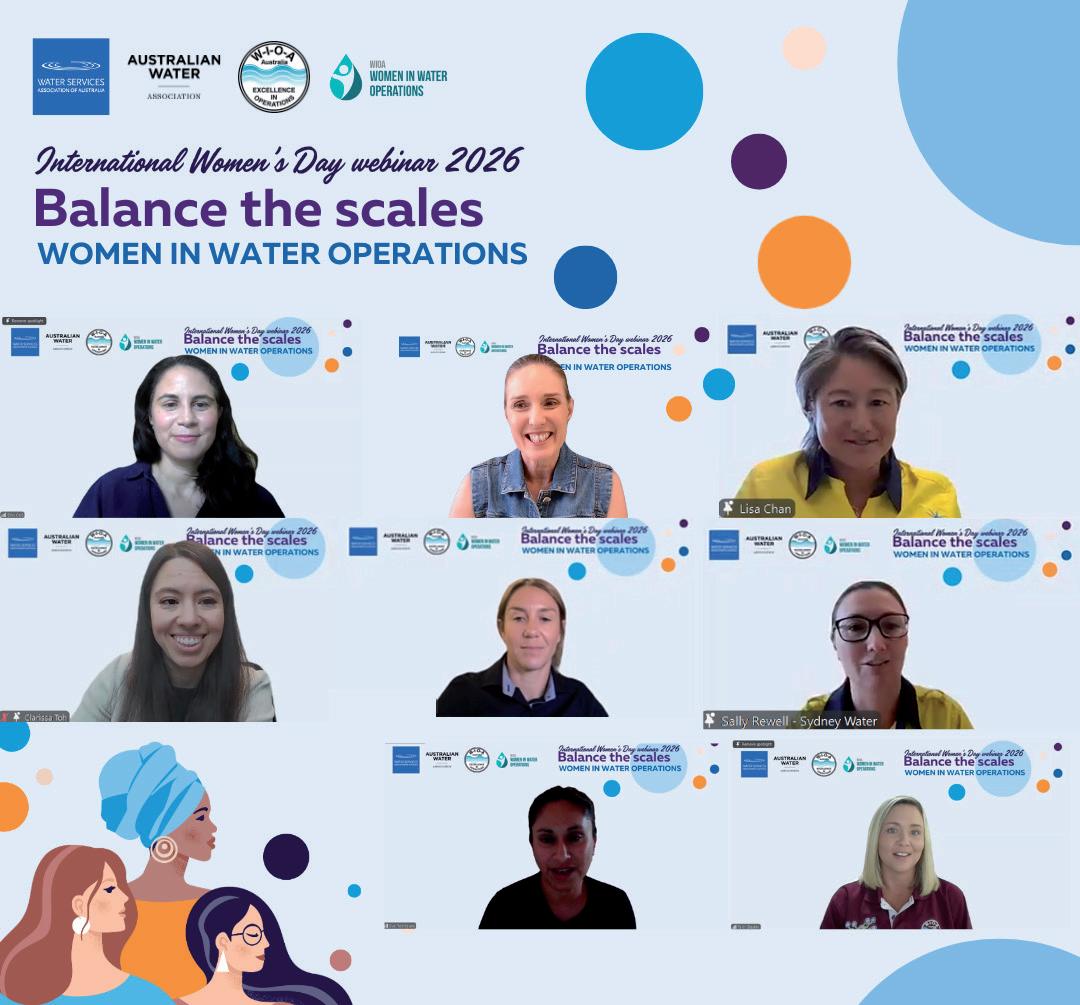
On Friday, 6 March, WIOA joined forces with the Water Services Association of Australia (WSAA) and the Australian Water Association (AWA) to host a landmark webinar celebrating International Women’s Day 2026.
Aligned with the UN theme, Balance the Scales, the session brought together voices from across the sector to explore women’s participation and progression in operational roles.
A Collaborative Call to Action; the partnership between WSAA, AWA, and WIOA reflects a unified commitment to creating equitable opportunities and safety for women and girls in our industry. Within the water sector, these conversations are fundamental to building a resilient, future-ready workforce.
We owe a debt of gratitude to our incredible panellists who shared their lived experiences navigating operational careers;
• Sally Rewell (Sydney Water)
• Kate Bardy (North East Water)
• Clarissa Salvitti (Atlas Engineering Group)
• Lisa Chan (SUEZ)
Closing reflections for the session focused on the transition from “opportunity” to “intention. We are no longer waiting for workplace culture to shift; we are actively designing the support systems, through our specialist networks and advocacy that ensure equality is the rule, not the exception.
A key takeaway was clear: progress requires action across the whole sector, from organisational leadership through to day-to-day site culture. Diversity isn’t just a statistic; it’s the respect and safety felt the moment the hi-vis goes on.
If you missed the discussion, scan to view the recording and resources available. You can also learn more about WiWO at wioa.org.au/wiwo
BuildSkills is researching sector preparedness for the decade ahead by assessing talent needs, training alignment and emerging skills. With support from Taverner Research and Arcadia Research, the project blends data analysis with industry consultation. Organisations and individuals can contribute through round-table discussions from April to June.
For more information, contact David Cameron davidc@buildskills.com.au
The Tasmania–Lombok Water Resilience Program is a hands-on collaboration between TasWater and Giri Menang, supported by the Australian Water Association and PERPAMSI (the Indonesian Water Supply Association), and funded by the Australia–Indonesia Institute under DFAT. The program runs for 12 months from 2025 to 2026, targets measurable improvements in water safety planning and aims to build knowledge and unlock new ways of thinking for both partners.
The program includes regular online workshops and two on-site study tours. In October 2025, three TasWater subject matter experts specialising in asset planning, water quality, and process engineering visited Lombok for a week. During their stay, they toured Giri Menang’s water facilities, met with key government officials, and built trust through establishing relationships.
The study tour demonstrated Giri Menang staff’s clear commitment to improvement but also highlighted the major challenges they face in providing safe water. Currently, drinking water is supplied by private bottled water companies, which causes additional environmental challenges.
The TasWater team was inspired by the efforts the Giri Manang team are making to work collaboratively with their communities in attempts to reduce plastic waste from their water catchments. Giri Manang is currently piloting a collaboration with the community of Desa Besari to recover and transform plastic waste from rivers into practical objects for resale.
During the site visits, both teams evaluated risk assessment methodologies that had been developed through their partnership. This process identified the significant roles that raw water catchment management and ageing infrastructure will play in Giri Menang’s initial water safety plans.
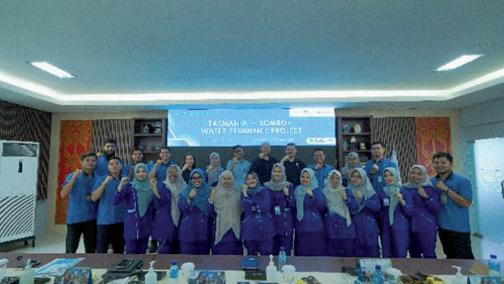
An important insight gained by the team from TasWater was the evident passion and commitment demonstrated in maintaining their infrastructure, as well as the organisation’s pronounced focus building a strong sense of team and fostering engagement with the communities they serve.
“Delivering water supplies doesn’t just rely on nature, it depends on the people and systems behind it. What we observed through this trip was proof of dedication, expertise and pride in delivering water to the community despite significant challenges”
- Monique Byrne, TasWater
During the tour, an important milestone was achieved, key leaders from Lombok’s governmental departments formally signed contracts to dedicate resources toward enhancing catchment protection and raw water quality. This marks a foundational step and essential principle for achieving improved water quality results.
In March 2026 three representatives from Giri Menang will visit TasWater for study tour two. The aim will be strengthening the partnership further and unlocking more knowledge sharing opportunities. The focus will be on sharing catchment management collaboration strategies and further develop risk planning tools.
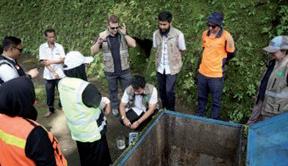
Across remote Australia and the Pacific Islands, water security is entering a period of rapid change. Climate pressures, fragile aquifers, increasing salinity, and unpredictable weather are pushing infrastructure beyond its designed capacity. In response, governments and water utilities are investing significantly in desalination, membrane filtration, electrodialysis, and digital monitoring to protect drinking water supplies.
However, the long-term performance of these systems depends on something less obvious: the skill and confidence of the operators who run them. In many communities, just one or two local operators manage an entire treatment process each day, often without immediate access to specialist support. Most operate within training models, documentation styles, and operational assumptions designed for metropolitan utilities rather than remote, multilingual, or culturally diverse settings. Under these conditions, even wellengineered plants can become unpredictable or fragile.
At the same time, Australian Indigenous and Pacific operators bring deep environmental awareness, cultural authority, and a natural alignment with the practical needs of daily operations. When system design and training are shaped through a human-centred design approach—reflecting how people
actually learn, work, and live—operators gain the confidence to manage complex systems independently. Systems become easier to understand, processes feel intuitive rather than imposed, and performance stabilises because the design fits the people, not the other way around.
This article explores how human-centred operator development, practical training pathways and shared learning between Australia and the Pacific can establish one of the most effective and enduring foundations for safe, climateresilient drinking water.
Across remote Australia and the Pacific, the limits of existing water systems are increasingly evident. Drought, groundwater salinity, declining source reliability, and
(1629 words)
Across remote Australia and the Pacific Islands, water security is entering a period of rapid change. Climate pressures, fragile aquifers, increasing salinity, and unpredictable weather are pushing infrastructure beyond its designed capacity. In response, governments and water utilities are investing significantly in desalination, membrane filtration, electrodialysis, and digital monitoring to protect drinking water supplies.
However, the long-term performance of these systems depends on something less obvious: the skill and confidence of the operators who run them. In many communities, just one or two local operators manage an entire treatment process each day, often with out immediate access to specialist support. Most operate within training models, documentation styles, and operational assumptions designed for metropolitan utilities rather than remote, multilingual, or culturally diverse settings. Under these conditions, even well-engin eered plants can become unpredictable or fragile.
At the same time, Australian Indigenous and Pacific operators bring deep environmental awareness, cultural authority, and a natural alignment with the practical needs of daily operations. When system design and training are shaped through a human-centred design approach—reflecting how people actually learn, work, and live—operators gain the confidence to manage complex systems independently. Systems become easier to understand, processes feel intuitive rather than imposed, and performance stabilises because the design fits the people, not the other way around.
This article explores how human-centred operator development, practical training pathways and shared learning between Australia and the Pacific can establish one of the most effective and enduring foundations for safe, climate-resilient drinking water.
Across remote Australia and the Pacific, the limits of existing water systems are increasingly evident. Drought, groundwater salinity, declining source reliability, and extreme weather events place sustained pressure on already constrained supplies. In many communities, water quality risks fluctuate daily, requiring constant operational judgement rather than passive system oversight. Utilities are responding with advanced treatment technologies, which are essential but also expose a fundamental reality: system performance ultimately depends on the people running them.
extreme weather events place sustained pressure on already constrained supplies. In many communities, water quality risks fluctuate daily, requiring constant operational judgement rather than passive system oversight. Utilities are responding with advanced treatment technologies, which are essential but also expose a fundamental reality: system performance ultimately depends on the people running them. Where treatment design assumptions do not align with local conditions—such as unstable power, long supply chains, or small workforces—minor issues can escalate rapidly. Documentation may be highly technical, training often occurs off Country or offshore, and rostering frequently conflicts with cultural obligations. Yet where training and operational design are adapted to the local context, water quality outcomes improve significantly, and system downtime is reduced.
Compliance risks, operational failures, and operator burnout are often attributed to technical shortcomings. In reality, they are more accurately symptoms of chronic underinvestment in the operational and human foundations of water service delivery. As climate pressures intensify and treatment systems become more complex, this imbalance is becoming one of the dominant risks to service reliability.
Australia’s water sector is experiencing a convergence of pressures: an ageing workforce, increasing digitalisation and a rapid expansion of advanced treatment across remote regions. Many communities now depend heavily on a small number of operators, even as system complexity rises.
Where treatment design assumptions do not align with local co nditions—such as unstable power, long supply chains, or small workforces—minor issues can escalate rapidly. Documentation may be highly technical, training often occurs off Country or offshore, and rostering frequently conflicts with cultural obligations. Yet where training and operational desi gn are adapted to the local context, water quality outcomes improve significantly, and system downtime is reduced.
Indigenous communities represent a significant, largely untapped workforce. Their connection to Country, knowledge of local conditions and community standing align
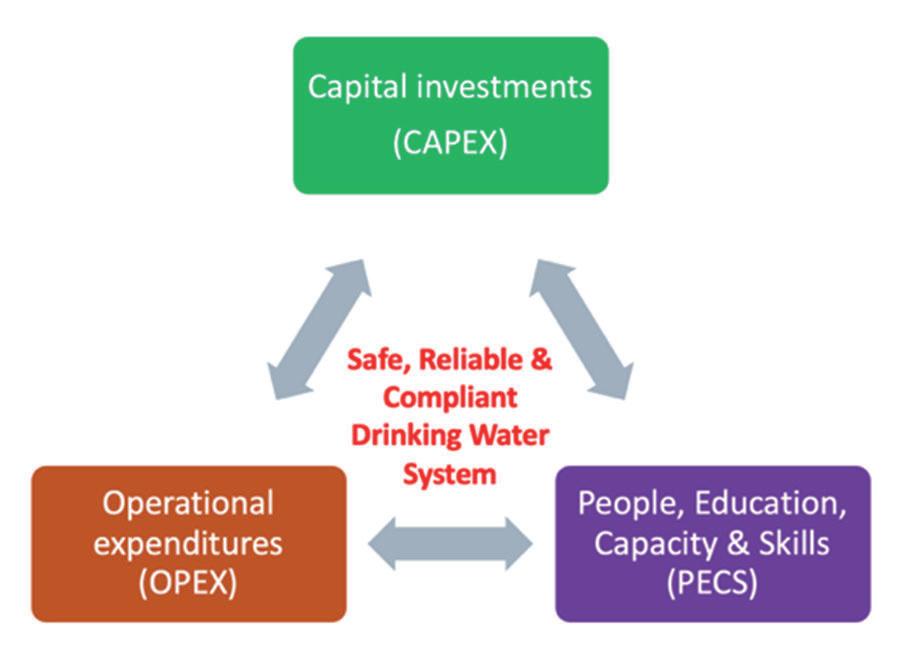
Safe and compliant water services depend on the balanced interaction of three elements: capital investment (CAPEX), operational expenditure (OPEX), and people, education, capacity and skills (PECS). In practice, investment frameworks still privilege CAPEX, while OPEX and PECS are treated as secondary or discretionary. This structur al imbalance often reflects funding rules rather than operational reality. The result is fragile systems—advanced assets installed without the sustained operating budgets, workforce capability, or mentoring required to keep them performing reliably.
AI-generated content may be incorrect.Safe and compliant water services depend on the balanced interaction of three elements: capital investment (CAPEX), operational expenditure (OPEX), and people, education, capacity and skills (PECS). In practice, investment frameworks still privilege CAPEX, while OPEX and PECS are treated as secondary or discretionary. This structural imbalance often reflects funding rules rather than operational reality. The result is fragile systems—advanced assets installed without the sustained operating budgets, workforce capability, or mentoring required to keep them performing reliably.
Compliance risks, operational failures, and operator burnout are often attributed to technical shortcomings. In reality, they are more accurately symptoms of chronic underinvestment in the operational and human foundations of water service delivery. As climate pressures intensify and treatment systems become more complex, this imbalance is becoming one of the dominant risks to service reliability.
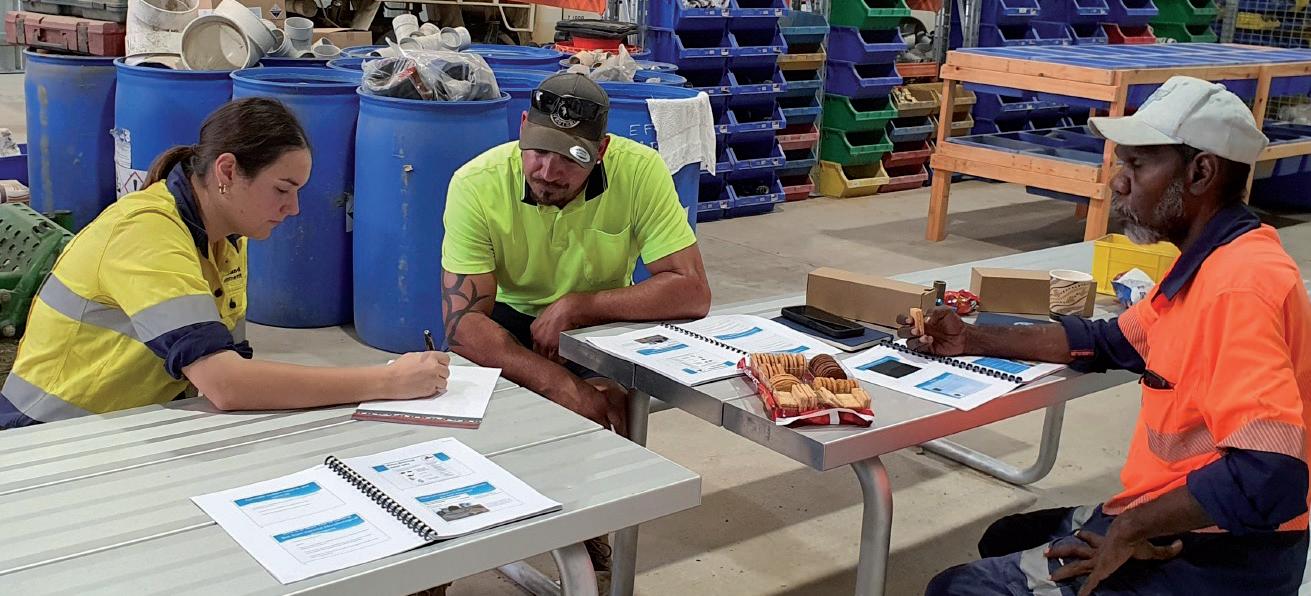
closely with the responsibilities of water operations. Low Indigenous participation does not reflect limited capability—it highlights operating environments that haven’t been designed with Indigenous realities in mind.
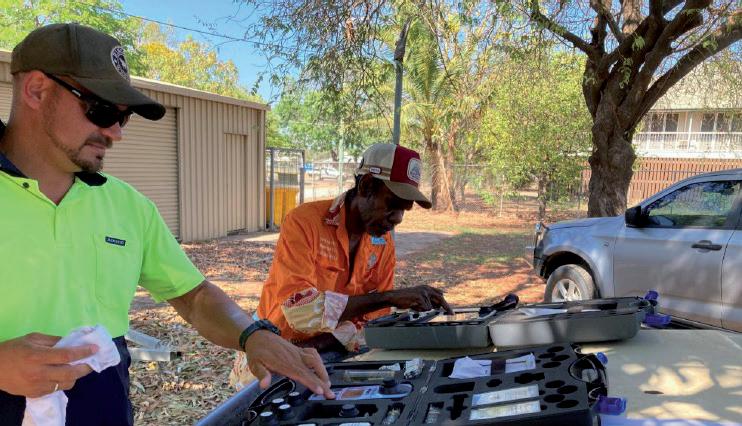
Addressing this means reshaping how the sector approaches training, rostering, documentation and technology deployment. Rosters need to account for cultural responsibilities. Training must be practical, delivered on Country and reinforced through mentoring rather than one-off sessions. Procedures should be visual, intuitive and accessible for multilingual teams. Technology must be adaptable to remote conditions, including variable power, limited parts availability, and small workforces.
These shifts do not lower expectations. They strengthen them. Indigenous operators excel when systems and training models respect local realities and cultural contexts. In practice, technical reliability reflects human reliability, which, in turn, depends on cultural alignment, trust, and access to the right tools.
Operator capability is shaped long before a treatment plant reaches steady operation. Decisions about process selection, automation levels, alarm logic, sampling locations, chemical handling, and SCADA interfaces determine whether a system is intuitive or low resilience.
Too often, designs assume metropolitan conditions: stable power, large teams, and immediate access to specialist support. Engineers who spend time walking through daily operational routines with local staff quickly see how rarely these assumptions hold in remote settings, where operators must diagnose problems independently and respond under pressure.
Commissioning is equally critical. When treated as a contractual milestone rather than a learning process, operators inherit systems they have barely engaged with. A more effective approach integrates operator development into commissioning from the outset. Construction crews, process engineers, and local operators work side by side, building familiarity, ownership, and confidence that endures long after external teams depart.
Insights from remote Australia reinforce these principles. Trust and relationships deeply matter. Operators work best when they feel supported rather than judged. Practical, ongoing and localised training consistently outperforms abstract concepts, theory-heavy, off-site courses. Visual and accessible procedures enable operators to respond effectively during high-pressure events, particularly when English is not their first language. Cultural responsibilities shape workforce participation, and planning must reflect this rather than work around them.
Retention improves when operators see clear career pathways, fair remuneration and recognition for their work. Separating advisory support from regulatory oversight encourages early reporting of issues and strengthens collaboration between operators, agencies and regulators.
A proven example comes from Queensland’s Aboriginal and Torres Strait Islander Safe and Healthy Drinking Water Program (SHDWP), led by Queensland Health. Through consistent and hands-on mentoring across the Torres Strait, Cape York, the Gulf, and other First Nations Local Governments across Queensland, local operators have strengthened their process understanding, stabilised chemical dosing, and improved water quality. The program’s practical,
on-site approach—supported by visual, locally developed Standard Operating Procedures (SOPs) and consistent relationship-based mentoring—has helped operators build confidence in managing daily processes and responding to system variability. The pattern remains consistent: capability develops through proximity, practice, and partnership.
Pacific Island nations operate under constraints familiar to remote Australia: small populations, extreme geographic isolation, limited freshwater resources, and exposure to extreme climate variability. Many now rely on advanced treatment, particularly desalination, as a necessity rather than a choice. Their experience demonstrates that when training is practical, culturally grounded, and tailored to local conditions, operators can effectively manage highly complex systems over the long term.
Early work in the Republic of the Marshall Islands, including operator development initiatives established in Ebeye in 2017 by the Asian Development Bank (ADB) and Osmoflo, showed that long-term reliability depends as much on local capability as on technology. These lessons informed subsequent programs supported by ADB, the World Bank, and other regional partners.
This foundation enabled a more integrated approach during the commissioning of the McKenzie Desalination Plant in South Tarawa, Kiribati, in early 2025. Delivered through a partnership between the Government of Kiribati, the Public Utilities Board (PUB), development partners, and Osmoflo, the plant increased freshwater supply for nearly 5,000 households. More importantly, it established a capable local workforce able to operate the system independently.
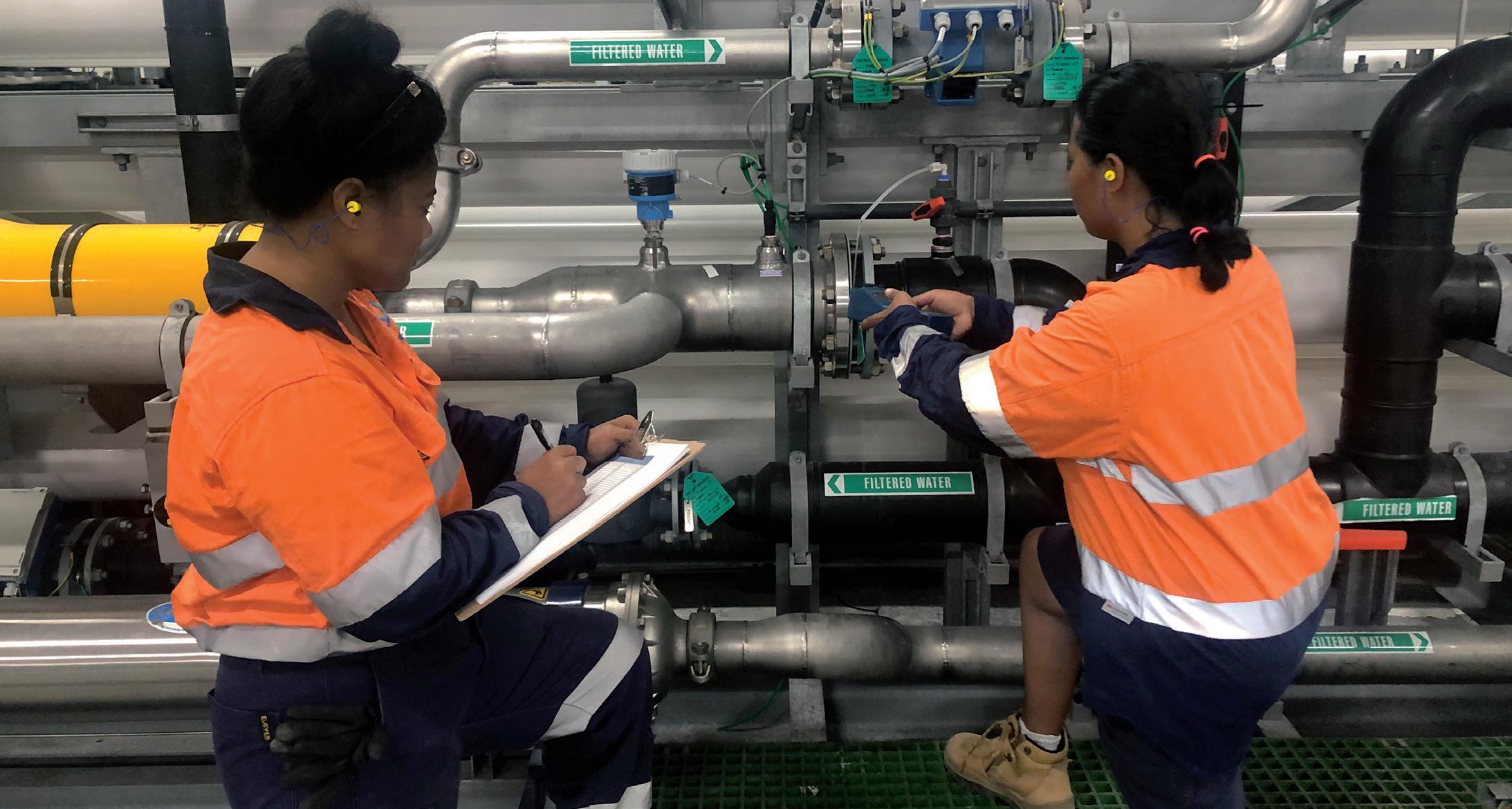
PUB ensured continuity, clear expectations, and cultural grounding in training, while Osmoflo embedded operator development as a core objective rather than a contractual add-on. Operators were involved in real-time system behaviour during commissioning, responding to alarms, managing variable feedwater, and observing plant performance under changing conditions. Remote monitoring supported troubleshooting while keeping day-to-day operations firmly in local hands.
Operator exchange programs enabled I-Kiribati staff to gain experience in advanced Australian facilities, reinforcing technical confidence and professional identity. On-island masterclasses and internationally recognised accreditation pathways further strengthened skills and career prospects. Kiribati’s approach now represents one of the most coherent, locally led operator development models in the Pacific.
Momentum from Kiribati’s approach is informing broader regional ambition. As membrane treatment becomes more
common across the Pacific, interest is growing in a regional desalination training centre of excellence focused on practical, context-specific operator development. Such a centre would complement national training systems, providing shared learning, consistency, and workforce mobility across borders.
A connected Australia–Pacific operator ecosystem—from northern Australian training hubs and the Torres Strait to South Tarawa—offers a powerful opportunity. Two-way exchanges would allow Indigenous Australian and Pacific operators to learn directly from one another, strengthening both technical capability and cultural understanding. Trainthe-trainer pathways and hybrid visual learning tools could extend reach even into the most remote settings.
At the heart of these approaches is a shared philosophy: cultural grounding, long-term relationships, and community ownership are fundamental to reliable water operations.
As climate change reshapes water security across Australia and the Pacific, the sophistication of infrastructure alone will not determine success. The reliability of future systems will depend on the capability of the people who operate them.
Experience from remote Australia and the Pacific demonstrates a consistent lesson: when training reflects local realities and communities are trusted to lead, reliability improves. Investing in people as deliberately as in treatment plants offers one of the strongest pathways to long-term climate resilience.
The next generation of operators is already emerging. The task now is to support them, recognise their expertise, and provide the opportunities they need to succeed.
Eric Vanweydeveld is a water engineer and independent consultant specialising in climate-resilient water services across remote Australia and the Pacific. Chris Blake leads Queensland Health’s Safe and Healthy Drinking Water Program in Indigenous Local Government Areas. Nick Cunningham is Regional Operations Manager – Pacific & New Zealand at Osmoflo, with extensive experience in advanced water treatment and operator development.
See our events listing for upcoming conferences, interest days, webinars, charity bowls and more. Scan the QR code to view our events page.
We’re passionate about promoting excellence across the water industry. Scan to see our State and National Awards open this year 2026.
See photos from our past conferences including the IXOM Best Tasting Tap Water Competitions, Water Main Tapping Competitions, Awards Dinner and more.
Feedback has revealed that our members value meaningful and specific connections. Learn more about our new networks and get involved.
There are a variety of roles available in the water industry. Scan the QR code to see available jobs.
Connect with over 70 WIOA members in our exclusive Facebook group. Feel free ask technical questions, share answers and ideas.
Papers are a great resource for anyone working in operational roles in the water industry.
For regular updates on our events, programs, member offers and more follow us on LinkedIn.