
Parent/Carer
L6 Revision Conference
1st April 2026


Assistant Principal: Victoria Morgan
• Overview
• Strategies for revision
• Welfare through revision
• Resources will be made available
• Revision Conference webpage via email
• Personal Tutors are available in the canteen for any queries
Essential Information:

• End-of-year exams start Thursday April 30th and finish
Thursday May 7th (Bank Holiday May 4th)
• We do not expect L6 students in on the Friday 8th May
• Grades from these exams will form a crucial part of the planning for the progression to U6
Essential Information: U6 Progression
• We want all our students to progress on to their second year confident they can achieve, in line with expectation
• Students ideally need a D or above in an A-Level and a pass in vocational subjects to secure automatic progression
• There are some limited courses that students can switch to in their U6 year if they haven’t achieved or have had a change of mind about their choices after College
• We will look at progress in CAP grades, attendance, and end of year exams to inform U6 progression (and choices)
Essential Information:
• Morning exams start at 9.00am
• Afternoon exams start at 1.00pm
• Large exam spaces are being used with smaller rooms being used for those students with certain access arrangements
Essential Information:
• College ID card or other official photographic ID is required for all exams
• NO mobile phones
• NO watches
• Black pen (plus spares)
• Clear pencil case
• Calculator if needed – no case
• Water bottles with label removed
• No food
• 30 days to the start of end of year exams: attendance is key
• Revision now starts in earnest
• U6 external exams start May 11th – June 19th
Intensity
• 3 x A level (or equivalent) students spend 13½ hours in class per week
• They have 13 ½ hours of study periods per week
• They should be contributing (at least) another 13 ½ hours per week out of College
Time management
• During term-time weekdays, students should be revising at home for at least 1½ hours per day
• During Easter holidays, students should be averaging more than 3 hours of independent work/revision per day: a minimum of 2 x 1 ½ hour sessions as a rule
• All study periods at College should be used
• Students should be taking advantage of any in College study opportunities – tutorials etc
• Social and work commitments should reduce
Stress or pressure
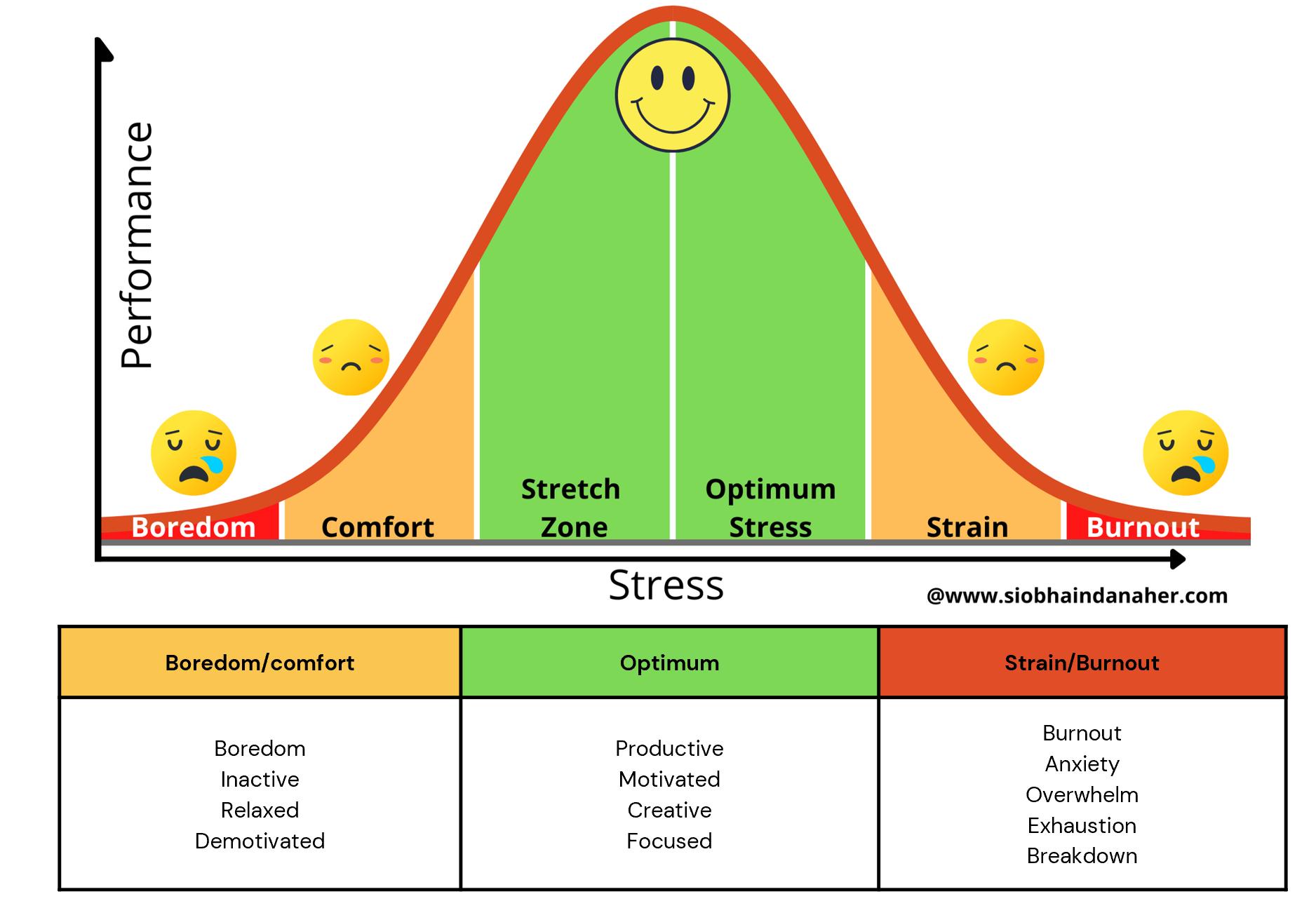
• The exam period is a pressurised time
• You can help by:
- there’s a difference between ‘pressure’ and ‘stress’ -helping them to have perspective and build resilience -looking out for their wellbeing and talk to us if you’re concerned
• Personal Tutors
• Learning Support Mentors
• counselling@winstanley.ac.uk
• Mental Health Support Team
• Welfare Manager
• Nurture Room (G5)
• The gym and the field for exercise
Associate Assistant Principal: Phil Duckworth


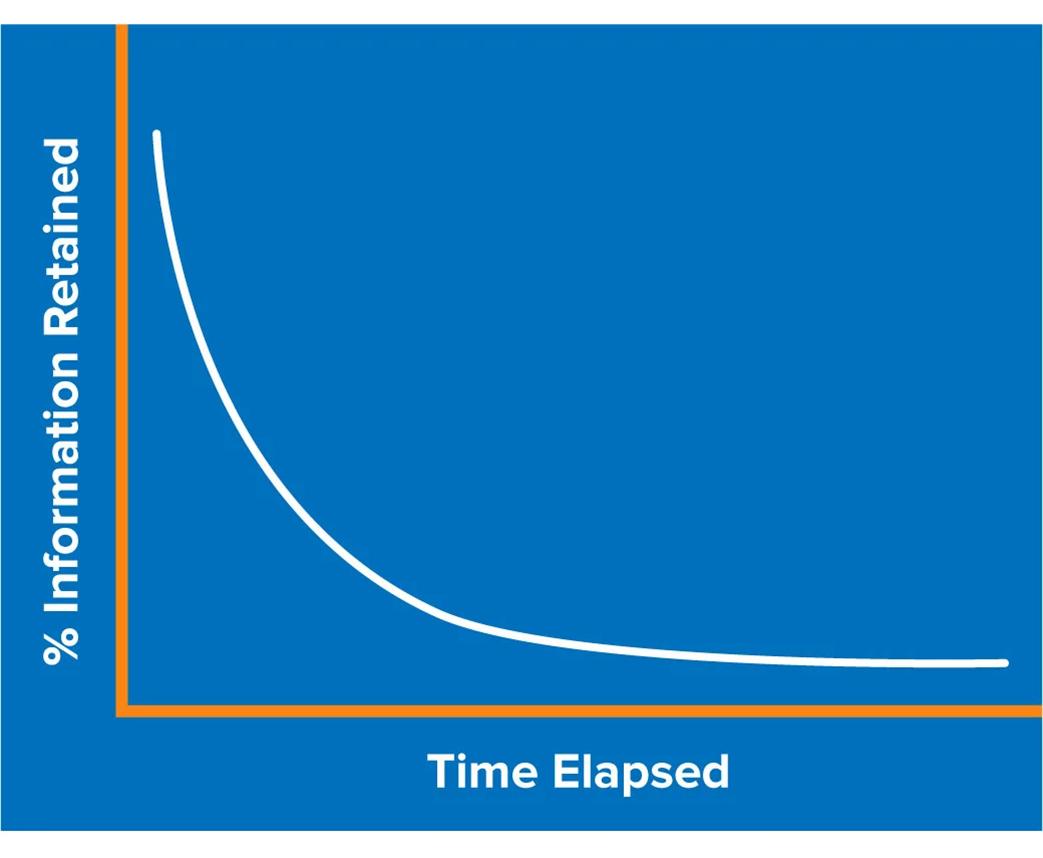
Memory is like a fading library………..
The Forgetting Curve
Revision Theory
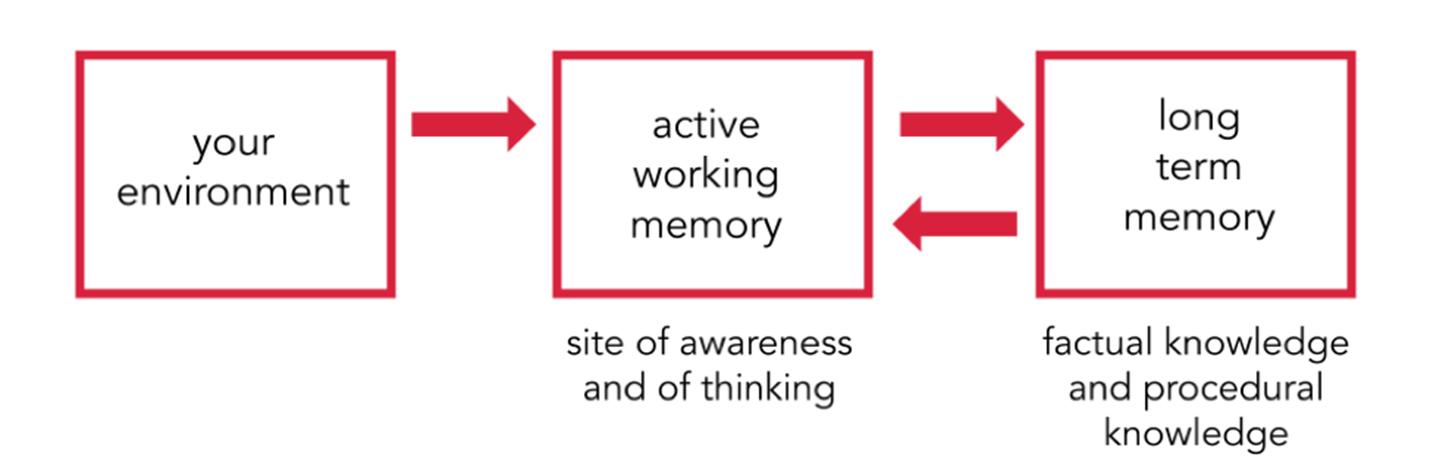
Revision Theory
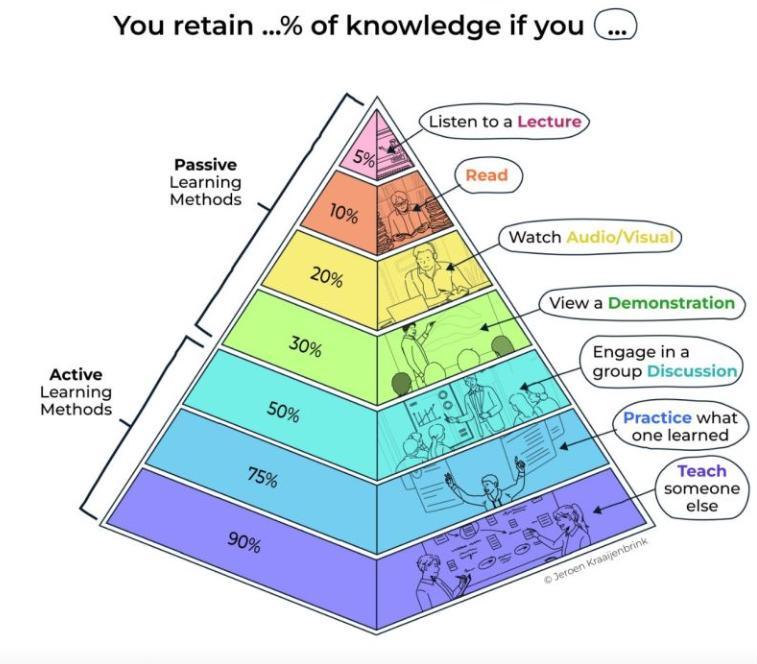
Structuring Revision
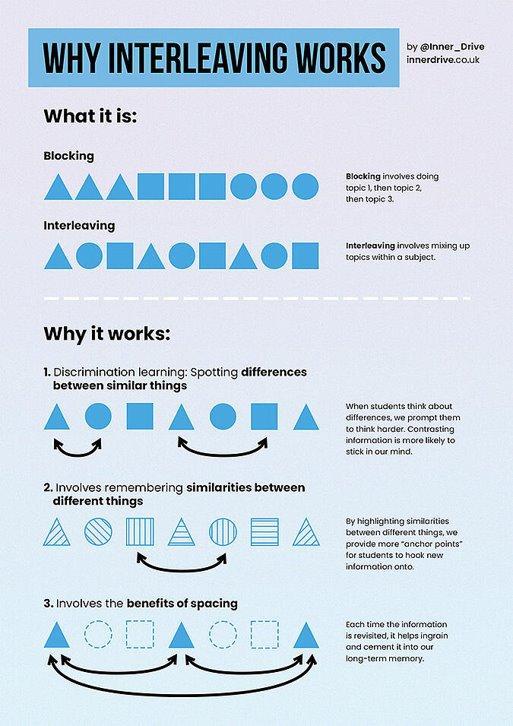
Revision basics
• Pomodoro technique
1. Choose a task to be accomplished
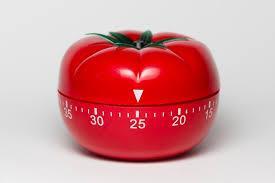
2. Set the Pomodoro to 25 minutes (the Pomodoro is the timer)
3. Work on the task until the Pomodoro rings, then put a check on your sheet of paper
4. Take a short break (5 minutes is OK)
5. Every 4 Pomodoros, take a longer break
• The importance of sleep for memory
• Repetition of topics/questions
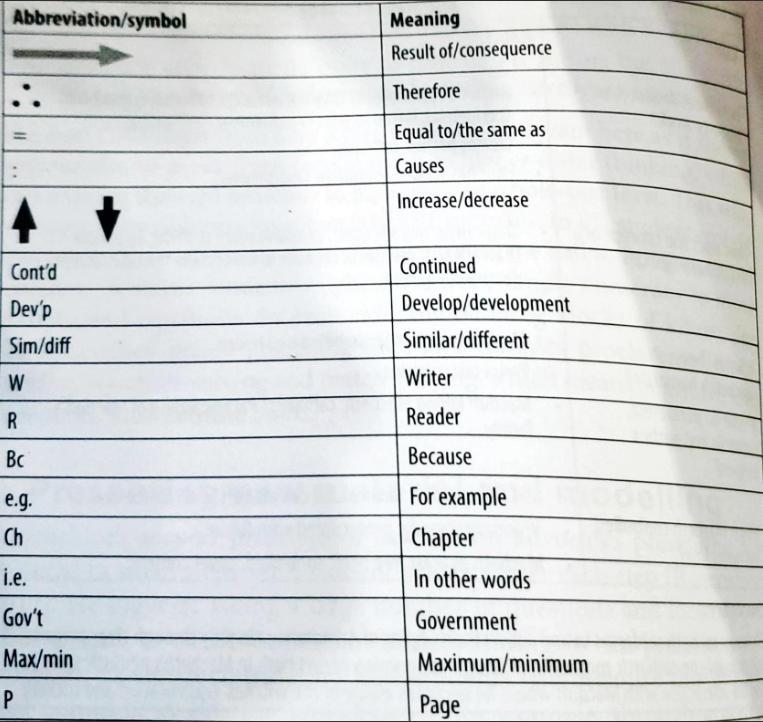
Making Effective Notes
Summarising text in note form can make remembering it a lot easier.
Students that took notes in a lesson did 12% better overall.
(Watson and Busch, 2021)
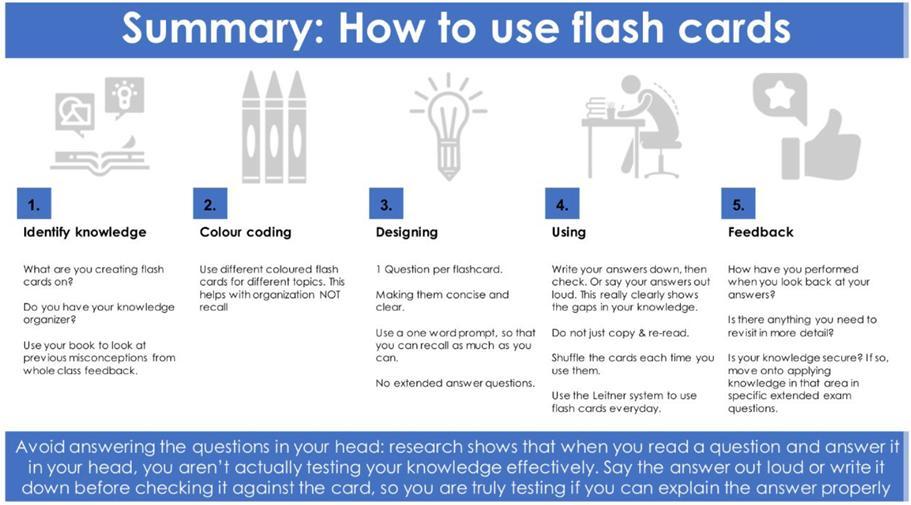
Flash Cards and Self Quizzing
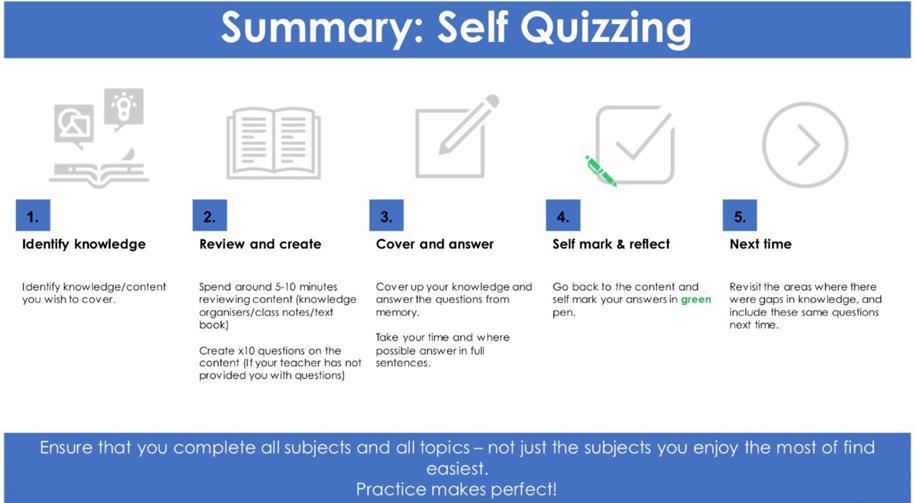
Revision basics
• Active revision

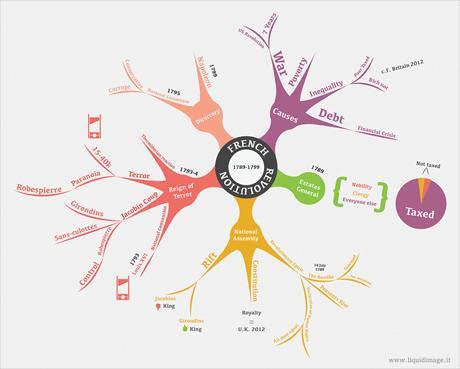
• making summary notes/highlighting
• spider diagrams
• cue cards
• comparison tables
• flow diagrams
• Completing exam-style questions
• Completing TIMED questions
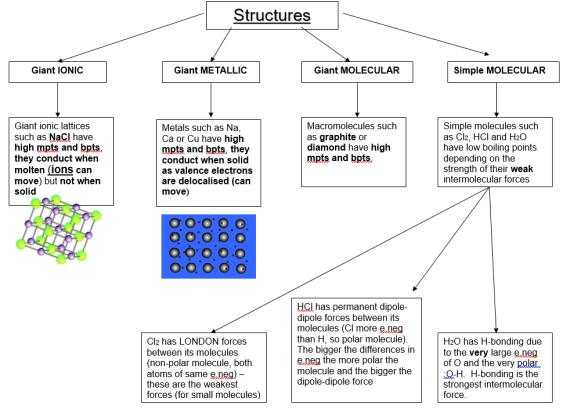
• Practise writing under timed exam-style conditions
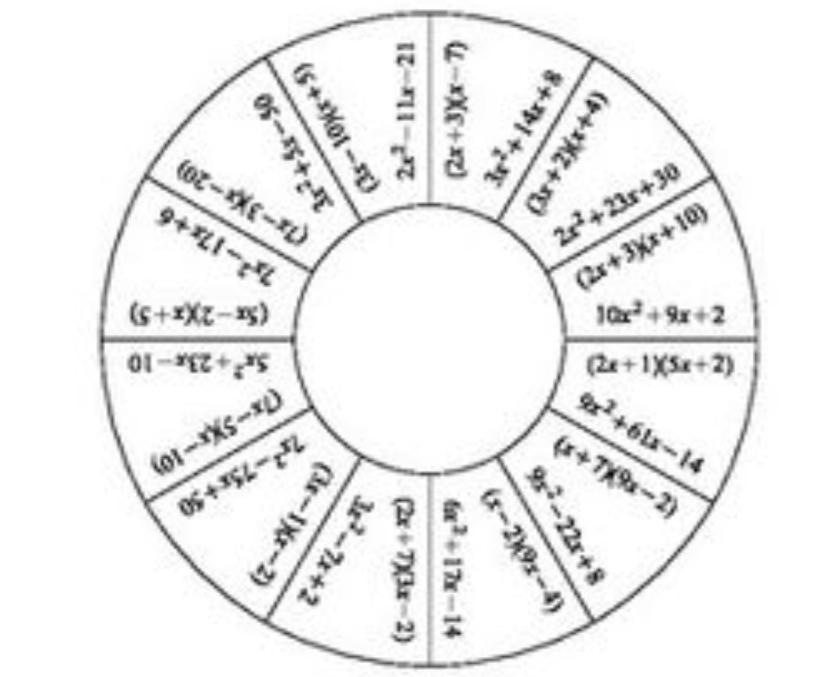
https://www.tarsiamaker.co.uk/
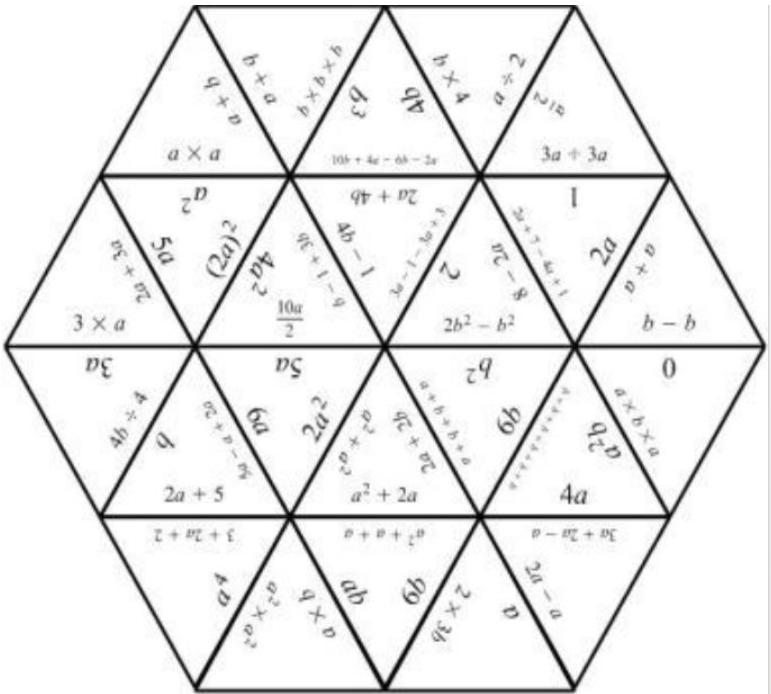
Tech and Revision

WHATSAPP GROUPS

AUDIO FILES AND REVISION PLAYLISTS

YOUTUBE VIDEOS

MASSOLIT ONLINE COURSES

REVISION PODCASTS

MICROSOFT LENS
Use of A.I.



What can you do?
• Set regular times to test your child
• Check that they have a plan to re-learn and re-test previous work
• Go back to previous work and test them
• Point out the progress that you can see
• Remind them that huge improvements are possible in the coming weeks with a structured and thorough period of revision

Wigan Mental Health Support Team: Welfare through revision
Core Functions of the MHST
The Wigan CAMHS Mental Health Support Team (MHST) works alongside schools and colleges in Wigan to provide three core functions:
To deliver evidencebased interventions for mild-tomoderate mental health issues
To support the senior mental health lead (where established) in each school to introduce or develop their whole school approach
To give timely advice to school and college staff, and liaise with external specialist services to help children and young people to get the right support and stay in education
The impact of exams on mental health
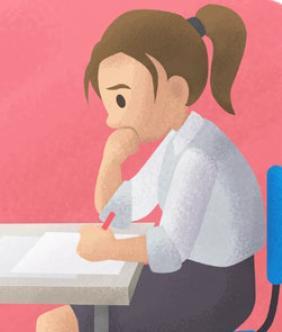
Exam stress describes the emotional, physiological and behavioural responses caused by an imminent test or exam. It can be related to negative previous experience of exams, level of preparation, worry about failure, or pressure to perform.
For young people who are generally anxious, the experience of taking exams can lead to increased anxiety levels. (Reference: Anna Freud Centre)
Stress can sometimes be useful to enhance our motivation or performance, but it can become a problem when it interferes with our everyday life. This is when we might need some extra help.
Signs and Symptoms of exam stress
Physical Health
• Fatigue
• Appetite loss
• Poor sleep
Mental Health
• Anxiety
• Mood changes
• Negative thoughts
Behaviour
• Withdrawal from social/leisure activities
• Imbalance of routine
• Procrastination
• Avoidance
Academic Performance
• Memory and concentration difficulties
• Difficulty reading/interpreting questions
Relationships
• Reassurance seeking
• Withdrawing from family and friends
• Conflict
Future Goals
• Disengagement from discussions about the future
• Reduced motivation and belief in ability to achieve their goals
Our brains are not fully developed until we are between 22 - 25 years old (with one recent study suggesting early 30s!). It is normal during adolescence for there to be less rational thinking, more impulsiveness and a tendency to respond emotionally. In addition, taking another person's perspective into account can be difficult. Because your child’s brain is still developing you can help during their studies by supporting them to:
• Regulate their emotions
• Plan their revision
• Think more realistically

Tips to manage exam stress
Taking care of basic needs
Physical Activity

Regular exercise (30 mins per day) is encouraged to reduce the stress hormone cortisol, release feel good hormones and reduce tension in the body. Walking, stretching, yoga, dancing, team sports, gym or home workouts.
Sleep
8-10 hours sleep is essential for the body and brain to rest and repair. Good sleep improves concentration and mood.

Encourage a screen break one hour before bed and replace with a relaxing activity (e.g. reading, listening to a podcast)
Diet
Eating a healthy balanced diet improves brain function, energy levels, mood and sleep. We need regular meals to fuel our brain and body.
Hydration (2 litres of water per day) is important for concentration.

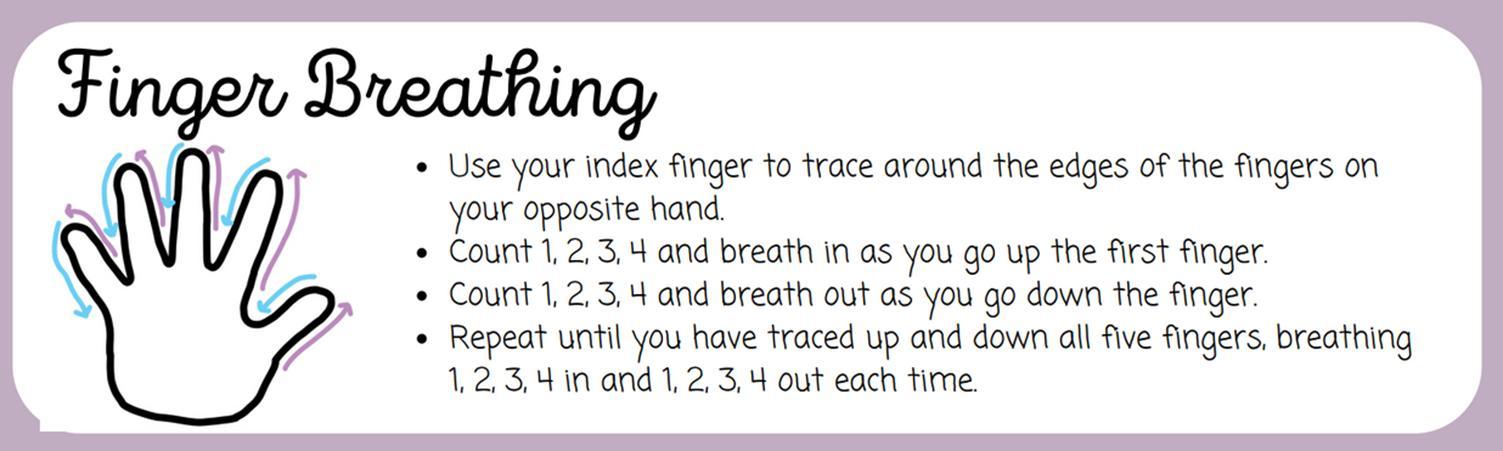
Mindfulness
The ability to be non-judgemental, present and aware. Practicing mindfulness improves self-compassion and reduces stress.
Ways to be mindful: journaling, breathing, grounding and relaxation techniques, colouring, painting, taking notice.

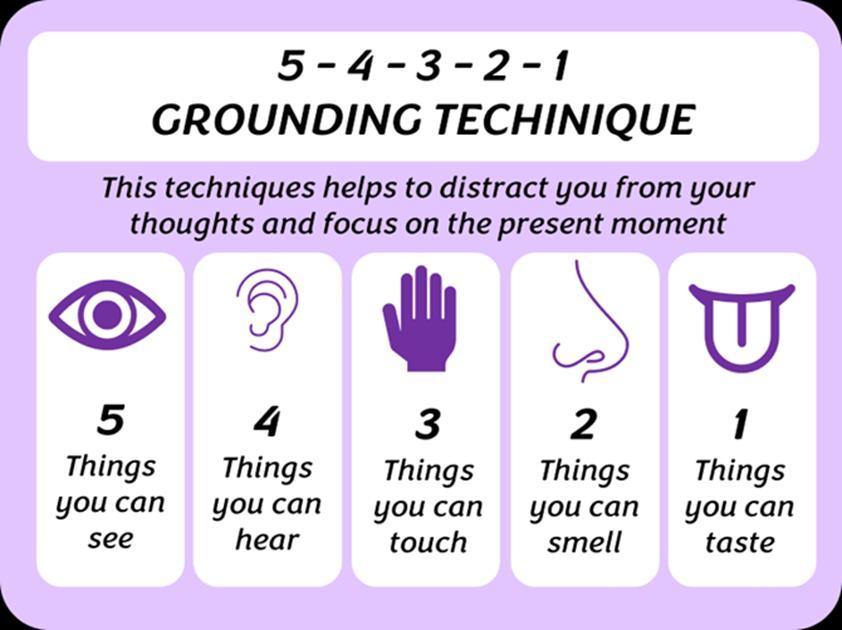

Daily Calm | 10 Minute Mindfulness Meditation
Be Present
ACE - Balance
Our mood can be greatly affected by what we do, when, and with whom.
In order to maintain a healthy sense of wellbeing, we need to balance what we do. We can use the acronym ACE to help us.
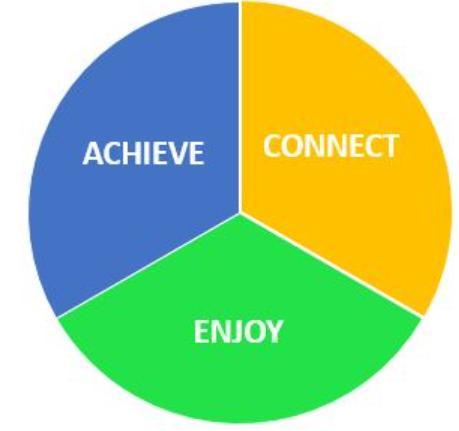
Achieve: Revision/chores/work
Connect: Friends/family
Enjoy: Play/fun/pleasure
Regulate Relate Reason

Step 1 Empathy “Connect before correct” – recognise emotions as being normal and not a matter of choice. Take on the young person's perspective.
Step 2 Validate and label their feelings Be present, take notice and really listen. Normalise it is okay to feel stressed when under pressure.
Step 3 Set limits For example putting phone away when revising.
Step 4 Problem solving Next time you are feeling like this what can you do? What options do you have? What is the best option? What do you need to do to give this a try?
Coping Self-Talk

• If you notice your child worrying, you can practise replacing the unhelpful thought with a positive, coping thought.
• Help your child to identify 3 coping sentences to repeat to themselves when they are worrying.
• Some young people also find it helpful to write their coping self-talk statements down.
“This might be tricky, but you will be able to cope”
Coping Self-Talk
“You have many talents and skills in other areas”
“This is a temporary emotion, it will pass”
“Trying your best is enough”
“You have coped with difficult things before, you can do it now”
“This test does not define you as a person”
“Although you feel scared, you am not in danger”
“I am proud of you for what you have already achieved”
“It is ok not to know everything. You are still learning”
“You are loved”
Coping self-talk needs to be realistic. (Not ‘everything always goes well’)
Outside help







Thank you for coming
Please scan the QR code to complete our survey