

MICHIGAN VEHICLE TECHNOLOGY TRANSITION IMPACT PROJECT
MICHIGAN VEHICLE TECHNOLOGY TRANSITION IMPACT PROJECT
June 2026

2 | Phase 1: Sector Scope & Employer Landscape
4 | Phase 2: Employer Engagement Strategy & Outreach
7 | Phase 3: Gathering Employer Input on Workforce Needs
12 | Phase 4: Analyze & Synthesize Findings
14 | EV & Mobility Sector 19 | Clean Energy Sector
24 | Phase 5: Final Recommendations
Appendix A: Employer & Stakeholder List
Appendix B: Outreach Flyer
Appendix C: Education & Provider List
Appendix D: Building a Responsive Lansing EV & Clean Energy Talent Pipeline Booklet
+313 744 2946 info@winintelligence org
25363 Eureka Rd, Taylor, MI 48180 winintelligence org

@workforce intelligence network @win-semich
@workforce intelligence network (WIN)
MiVTTP: Lansing EV & Clean Energy Talent Pipeline
The Lansing Area Mobility Stakeholders: EV & Clean Energy Mobility Skills Mapping Initiative was launched to better understand the workforce needs, talent challenges, and opportunities associated with the region's evolving mobility and energy economy. As Michigan continues to advance investments in electric vehicles (EVs), clean energy technologies, advanced manufacturing, and supporting infrastructure, ensuring a skilled and sustainable workforce has become a critical priority for employers, educators, workforce development organizations, and community stakeholders
The initiative sought to develop a comprehensive and current understanding of employers and organizations operating within the EV and clean energy mobility ecosystem across the Lansing region Through employer engagement, stakeholder outreach, labor market analysis, and workforce discussions, the project identified workforce priorities, critical occupations, emerging skill requirements, and opportunities for collaboration among industry, education, and workforce partners
The assessment focused on four interconnected industry segments that drive the regional mobility ecosystem: advanced manufacturing and supply chain; energy and infrastructure systems; engineering, digital, and mobility technologies; and workforce, education, and public systems Stakeholder engagement efforts highlighted both immediate and long-term workforce challenges, including talent attraction and retention, increasing demand for technical and specialized skills, workforce awareness gaps, and the need for stronger alignment between employer needs and education and training programs.
A key outcome of the initiative was the identification of opportunities to strengthen ongoing employer engagement and create mechanisms for employers to collectively identify workforce priorities, validate skills and competency requirements, and inform regional workforce development strategies Stakeholders emphasized the importance of increasing awareness of EV and clean energy mobility careers, expanding work-based learning opportunities, and developing stronger connections between employers, educators, workforce agencies, and community organizations
Based on these findings, the report recommends establishing an employer-led collaborative focused on energy and mobility workforce development, engaging employers to validate workforce competencies and emerging skill needs, expanding outreach and career awareness activities, strengthening partnerships among employers and education providers, increasing workbased learning opportunities, and developing a coordinated regional workforce strategy These recommendations are intended to address identified workforce gaps, support talent pipeline development, and position the Lansing region to capitalize on future growth opportunities within the EV, clean energy, and mobility sectors.
By fostering sustained collaboration among employers, workforce organizations, educational institutions, and public-sector partners, the Lansing region can build a resilient talent ecosystem capable of supporting innovation, economic growth, and workforce success across Michigan's rapidly evolving mobility and energy industries

In coordination with the University of Michigan Economic Growth Institute (EGI) and Lansing-area stakeholders, WIN conducted an employer landscape identification for the EV and clean energy mobility sector in March of 2026. Using the agreed-upon framework and multiple authoritative sources, verified employer data was compiled for the Lansing region, including Clinton, Ingham, and Eaton County ecosystems. The sources included partners of the WIN convened Michigan Alliance for Greater Mobility Advancement, Capital Area Michigan Works!, Capital Area Manufacturing Council, City of Lansing, Lansing Board of Water and Light, Lansing Community College, Lansing Economic Area Partnerships, Michigan State University, and public data sets. This process results in identifying 21 prospective employers and seven (7) providers in the designated region, as well as the current stakeholder partners. (Appendix A: Final Employer & Stakeholder List)
The criteria for employer engagement included the need to have 1) business operations in one of the three counties identified, and 2) business/product alignment to the EV and clean energy ecosystem, which may be a tier 1, 2, or 3 supplier The EV and clean energy mobility sector in the region includes rapidly emerging, technology-driven economic clusters in:
Electric vehicle (EV) manufacturing and supply chain
Battery production and energy storage technologies
Clean energy infrastructure (charging, grid modernization)
Advanced mobility systems (automation, digital systems, engineering)
The tri-county region is not just an automotive legacy location; it is actively transitioning into a clean mobility hub that includes strategic planning efforts to help communities adapt to the electrification impact on jobs, supply chains, and infrastructure The region is part of Michigan’s broader leadership in EV and clean energy investment, supported by significant federal and state funding.
This type of anchor investment attracts suppliers and service firms, generating long-term indirect job growth. However, while the area continues to invest and expand the EV and clean energy mobility sectors and emerging technologies, the region faces workforce supply and skills gaps.
A targeted employer engagement strategy was developed to clearly communicate the project’s value proposition and encourage meaningful employer participation Initial outreach efforts prioritized identifying key employer contacts, confirming interest, and coordinating opportunities for engagement through convenings, interviews, and other structured interactions
Outreach began with existing stakeholder networks, leveraging partner relationships to validate employer contacts and confirm active operations within the defined region This effort was supplemented by additional research, resulting in the identification of a broader pool of potential Original Equipment Manufacturers (OEMs) and supplier organizations
To support engagement efforts, an Employer Champion invitation flyer (Appendix B: Employer Engagement Tools (Flyer Invitation, Survey instruments, etc.) was developed, reviewed by stakeholders, and distributed via email. The invitation outlined the return on investment of the initiative, emphasized the value of employer input, and included a call to action to participate in a planned hybrid convening. The meeting was scheduled to take place at a neutral, accessible location: the Capital Area Michigan Works! office in Lansing. Based on stakeholder feedback, including input from CAMC Executive Director Cindy Kangas, the event design was strengthened by incorporating a data and labor market insights presentation to increase relevance and value for participating employers.
However, due to a lack of pre-registration in the days leading up to the event, the planned convening was suspended and slated for reassessment It was later identified that a separate employer-focused event was scheduled in the region during the same timeframe, which may have contributed to limited participation Subsequent discussions with regional leadership, including the CAMC Executive Director, provided additional insight into ongoing challenges affecting employer engagement These included limited employer capacity to participate, competing priorities, and general engagement fatigue In response, the strategy was adjusted to better align with employer availability and preferences by emphasizing in-person engagement through attendance at existing industry events and direct one-on-one outreach As part of this revised approach, the project team participated in several regional events to establish connections and promote the initiative These included:
Remaking Michigan 2026: The Next Era of Manufacturing (May 7, 2026, Jackson), where project representatives hosted a table and engaged directly with employers and regional partners Michigan Energy Workforce Development (MEWD) event (June 18), where the project representatives connected with energy sector stakeholders and shared information about the initiative during networking breaks.
Additional events and networking opportunities to expand employer outreach and visibility such as Michigan Alliance for Greater Mobility Advancement Advisory Council Meetings
Key insights from Phase Two engagement efforts include:
Employers are experiencing “survey fatigue” due to frequent outreach requests. Many organizations have limited capacity to participate in external initiatives.
A clearly articulated and immediate value proposition is critical to securing employer engagement
Despite multiple outreach methods - including direct calls, email communications, QR codes, paper surveys, and a focus group format - collecting comprehensive, face-to-face employer input proved challenging Nonetheless, a focused effort with core employer stakeholders, including representatives from the City of Lansing and Lansing Board of Water & Light, resulted in successful survey completion, closing the survey following the MEWD event on June 19 While the completion rate was minimal with nine responses, the results provided
As part of the Lansing Area Mobility Stakeholders: EV & Clean Energy Mobility Skills Mapping Initiative, a dedicated stakeholder engagement session was convened with regional education, workforce development, and training providers The purpose of this meeting was to gather input on current education and training capacity, identify existing and emerging programs aligned with EV, clean energy, and mobility occupations, and better understand opportunities to strengthen talent development pathways throughout the region
Participants represented a diverse cross-section of organizations involved in workforce preparation, career and technical education (CTE), postsecondary education, workforce development, economic development, and industry engagement Discussions focused on employer workforce needs, skills gaps, curriculum alignment, work-based learning opportunities, and strategies for improving connections between students, job seekers, educators, and employers within the mobility and energy ecosystem
The organizations listed in (Appendix C: Regional Education/Provider Training and CTE Programs) represent key regional partners that contribute to talent development across the project's core industry segments, including advanced manufacturing and supply chain, energy and infrastructure systems, engineering and digital technologies, and workforce and education systems. Their participation provided valuable insights into current training offerings, regional workforce challenges, and opportunities for future collaboration.
Organizations represented during the education and training provider stakeholder session included:
Capital Area Michigan Works!
Michigan State University
Michigan Manufacturers Association (MMA)
Capital Area Manufacturing Council (CAMC)
Lansing Economic Area Partnership (LEAP)
Lansing Community College (LCC)
Michigan Energy Workforce Development Consortium (MEWDC)
Michigan AFL-CIO Workforce Development Institute (MWDI)
MiSTEM Network Region 7
Eaton Regional Education Service Agency (RESA)
Ingham Intermediate School District (ISD)
Wilson Talent Center
Clinton County Regional Educational Service Agency (CCRESA)
Lansing School District
Lansing Economic Development Corporation (Lansing EDC)
The engagement and insights provided by these organizations informed the findings and recommendations presented throughout this report and will continue to serve as an important foundation for future workforce development and talent pipeline initiatives in the Lansing region.

Introduction
Phase 3 of the Lansing MiVTTP workplan is designed to capture employer-identified workforce challenges, projected hiring needs, priority occupations, and skill gaps through direct engagement activities including surveys, interviews, and convenings This requirement is explicitly defined within the project scope, which calls for an employer engagement strategy, documented outreach activities, and summary materials reflecting employer input and resulting recommendations
To operationalize Phase 3, WIN developed an employer workforce needs survey instrument tailored to EV, clean energy, and advanced mobility technologies in the Lansing region (Clinton, Eaton, and Ingham counties) The survey is structured to capture near term (2–3 year) hiring priorities, roles that are most difficult to fill, and the specific reasons those roles
Workforce Challenges Projected Hiring Needs
Priority Occupations Skill Gaps are the most difficult to fill (eg, too few qualified applicants, technical skill gaps, and onboarding time), and the technical and foundational skills employers report as the hardest to find The instrument also includes prompts on credential gaps and asks employers to assess whether the regional workforce is aligned or misaligned with current needs, and inputs intended to support Phase 4 analysis and Phase 5 recommendations
The WIN outreach collateral emphasized a low burden engagement model while clearly communicating the employer value proposition: participating employers can influence training and curriculum alignment, reduce time to hire through better alignment of education with demand, and help shape a practical workforce strategy that strengthens the Lansing EV and clean energy mobility ecosystem The outreach materials explicitly frame the challenge that employer demand is outpacing the available workforce and position employer voice as central to closing skill gaps and strengthening pipelines EmployerOutreachApproach&DataCollectionDesign
To support targeted engagement, WIN compiled and maintained a Lansing area employer and stakeholder contact list spanning the anticipated EV and clean energy mobility ecosystem, including public entities, utilities, major mobility manufacturers and suppliers, workforce and education partners, and labor/industry associations This list includes organizations such as the City of Lansing, Lansing Board of Water & Light, Consumers Energy, General Motors, IBEW Local 665, National Electrical Contractors Association, and others relevant to both clean energy infrastructure and mobility manufacturing
Addressing limited direct employer response with employer-validated public evidence. Despite a structured outreach plan and a survey instrument designed for rapid completion, direct employer survey and interview participation may be limited in ways that constrain the ability to quantify employer-reported challenges and skill gaps through first-party data alone. In that context, Phase 3 reporting can be strengthened through a transparent triangulation approach that incorporates employer-validated public information such as employer press releases, employer job postings, and employer training pathway documentation alongside employer-informed role frameworks (Appendix D: Building a Responsive Lansing EV & Clean Energy Talent Pipeline Booklet)
Employer-authored communications from the clean energy utility sector provide clear evidence of skilled workforce demand and pipeline development needs that are directly relevant to Lansing’s electrification and grid-connected mobility future For example, Consumers Energy Grows Workforce for Reliability Roadmap describes workforce expansion activities, including hiring and promoting more
than 100 employees in Journey Worker Electric Lines roles and maintaining 289 active electric lines apprentices, positioning these as high-demand roles supported by structured training pathways. This type of employer statement provides defensible evidence of projected hiring needs and workforce pipeline pressure in energy and grid infrastructure occupations that support clean energy mobility and charging ecosystem build-out
In the Lansing region specifically, employer job postings provide direct signals of priority occupations and the competency expectations associated with those roles. The Lansing Board of Water & Light job portal lists positions such as Lineworker and Cable Splicer, which involve distribution infrastructure installation and maintenance work, specialized equipment operation, and safety and credential requirements consistent with high-reliability utility operations. These postings indicate employer demand for utility workforce roles that are essential to electrification, grid modernization, and the broader enabling infrastructure for EV and clean energy mobility systems
Similarly, Lansing mobility manufacturing demand for skilled trades is reflected through employer postings and employer training pathway documentation The General Motors hiring Electrical Journeyperson - Lansing Grand River Assembly posting identifies industrial electrician needs in a manufacturing context and describes responsibilities that include repair and preventative maintenance of electrical equipment and troubleshooting In parallel, the GM Apprenticeship Program describes a structured registered apprenticeship model combining classroom instruction and extensive on-the-job training, reinforcing that these occupations require specialized preparation and can be difficult to staff without sustained training pipelines Together, these employer artifacts provide defensible evidence of priority occupations and skill requirements in the Lansing manufacturing ecosystem that remain relevant as vehicle technology and production systems evolve
EnsuringAlignmentwithEmployer-InformedEV&CleanEnergyMobilityRoleFrameworks
To ensure that the occupations and skill areas emphasized through public employer evidence align with recognized EV and clean energy mobility workforce domains, WIN referenced the employer-informed MxD EV Hiring Guide. The Hiring Guide provides a structured taxonomy of roles supporting EV transformation and describes broad stakeholder engagement used to define and validate role categories and capabilities This framework supports Phase 3 by offering an employer-informed lens for confirming that high-priority local roles such as engineering, automation, maintenance and repair, and grid/infrastructure roles fitting within the EV and clean energy mobility transition landscape
“EV and clean energy are an increasing focus of the resources and equipment that we use.”
-Derek Horn, DJ’s Landscape Management
Finally, regional benchmarking can be used to contextualize projected demand patterns in the Lansing area The State of the Lansing Region 2025 report provides a data-driven snapshot of regional economic conditions and identifies occupational groupings projected to grow in the Lansing region, including installation, maintenance, and repair occupations While not EV exclusive, this locally commissioned benchmarking report strengthens the argument that the occupational families central to MiVTTP maintenance, repair, and technical roles remain important components of the region’s workforce outlook.
In summary, Phase 3 employer input collection for Lansing MiVTTP is supported through (1) documented outreach efforts and a structured survey instrument designed to capture employer-reported hiring needs and skill gaps, and (2) a transparent triangulation method that incorporates employer-validated public evidence from Lansing area and Michigan employers operating in clean energy infrastructure and mobility manufacturing. This approach preserves the intent of employer-driven strategy development while ensuring that Phase 3 findings remain defensible and grounded in employer-defined workforce demand signals, job requirements, and training pathway structures relevant to EV and clean energy mobility

“With the EV and charging, and solar space, these are opportunities to learn the new tech instead of challenges.”
-Jennifer Binkley-Power, Lansing Board of Water and Light
Although employer participation was limited, survey responses from employers representing manufacturing, utilities, local government, electrical contracting, clean energy, and supplier organizations provided valuable insight into workforce challenges facing Lansing's evolving EV, clean energy, and advanced mobility ecosystem. Employers consistently identified skilled trades, maintenance technicians, electricians, automation technicians, and engineering-related occupations as critical workforce needs over the next two to three years. Most respondents expected employment demand to remain stable or increase, reinforcing labor market evidence indicating continued demand for technical talent across regional industries.
Employers reported that the greatest hiring challenge is not simply attracting applicants, but finding qualified candidates with the necessary technical competencies and workplace readiness skills The most commonly cited barriers included too few qualified applicants, competition from other employers, technical skill deficiencies, and limited work experience among candidates Several employers reported that critical positions require more than 90 days to fill, while others identified roles that remain difficult to fill altogether
Technical skill shortages were concentrated in electrical systems, troubleshooting and diagnostics, automation and controls, mechanical systems, robotics, and communication skills Employers also identified gaps in industry credentials and occupational preparation, including journeyman-level training, electrical certifications, PLC knowledge, engineering credentials, and occupation-specific certifications These findings suggest that regional workforce efforts should emphasize both foundational technical competencies and industryrecognized credential attainment
Employers further indicated that career awareness activities, incumbent worker upskilling, work-based learning opportunities, and stronger partnerships with education and training providers would be the most effective strategies for addressing workforce shortages. Several respondents expressed interest in participating in a future employer-led collaborative, suggesting potential support for a regional structure through which employers can continue to validate workforce needs and inform talent development strategies.
Key Survey Findings:
Skilled trades and maintenance occupations were the most frequently identified workforce priorities
Too few qualified applicants was the most commonly reported hiring challenge
Electrical systems, troubleshooting, and mechanical skills were among the hardest competencies to find Many employers require more than 90 days to fill critical technical positions. Career awareness, upskilling, and workbased learning were identified as the most valuable workforce strategies. Eight of nine respondents indicated interest or potential interest in participating in a future employer-led collaborative.
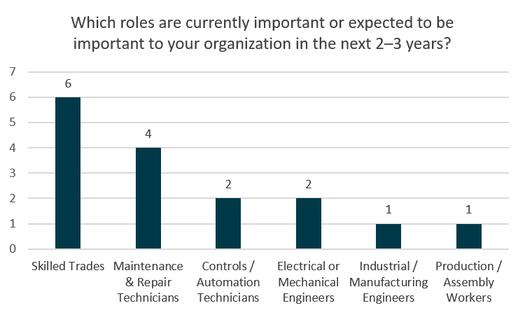
Employer survey responses reinforced the labor market findings presented in this section Employers consistently identified skilled trades, maintenance technicians, engineering occupations, electrical roles, and automation-related positions as critical workforce priorities These employer perspectives closely align with regional labor market demand data, strengthening confidence that the occupations highlighted below represent both current and emerging workforce needs across Lansing's EV and clean energy ecosystem.
PriorityOccupationsinLansing'sEVandCleanEnergyMobilityEcosystem
Analysis of labor market demand indicates that Lansing's EV and Clean Energy Mobility ecosystem relies heavily on skilled trades, engineering, and supervisory occupations. Maintenance and Repair Workers, General represent the largest occupation, with 1,468 projected jobs and 175 annual openings, highlighting the ongoing need for workers who can support manufacturing operations, energy infrastructure, and equipment maintenance Other high-demand occupations include Inspectors, Testers, Sorters, Samplers, and Weighers, Industrial Engineers, Civil Engineers, and First-Line Supervisors of Mechanics, Installers, and Repairers, reflecting employer demand for quality assurance, process improvement, and technical oversight
Figure2.1.High-DemandOccupationsinLansing’sEVandCleanEnergyMobility
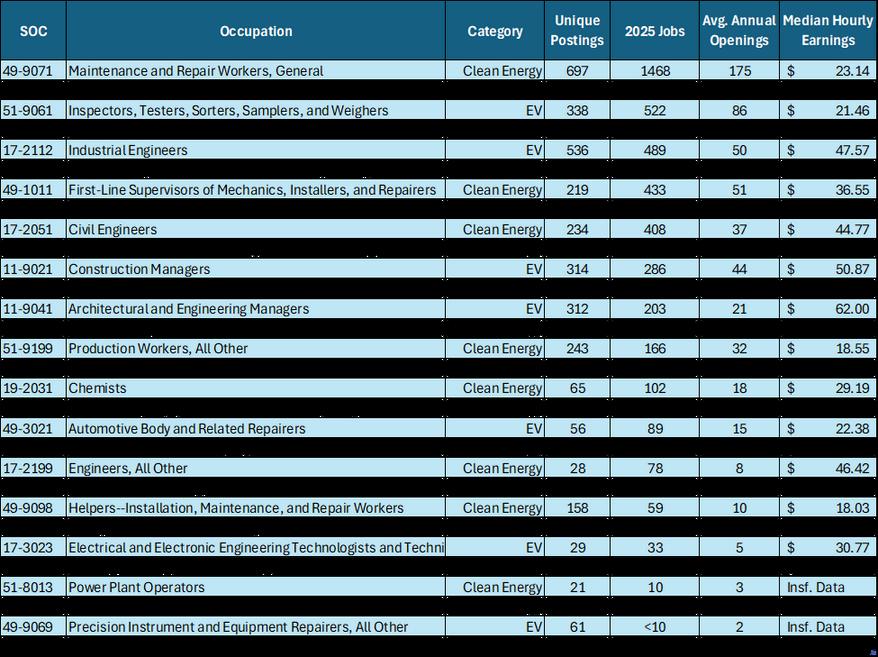
The data also demonstrates strong demand for leadership and technical expertise Construction Managers and Architectural and Engineering Managers command some of the highest wages in the region, while Industrial Engineers generated the greatest number of unique job postings among EV-related occupations Collectively, these findings suggest that workforce development efforts should prioritize talent pipelines in skilled trades, engineering, and frontline leadership roles to support the region's continued growth in EV manufacturing, clean energy infrastructure, and advanced mobility technologies
Workforce Implications
These findings suggest that Lansing's EV and Clean Energy workforce strategy should prioritize three talent pipelines:
1.Skilled Trades and Maintenance Occupations – including maintenance and repair workers, automotive repair technicians, electricians, and related occupations that support manufacturing and energy infrastructure.
2.Engineering and Technical Talent – particularly industrial, civil, and electrical engineering occupations that enable innovation, automation, and system optimization.
3.Frontline Leadership and Project Management Roles – including supervisors, construction managers, and engineering managers responsible for overseeing increasingly complex clean energy and mobility projects
The concentration of demand in these occupations indicates that workforce development efforts should focus not only on technical training but also on career pathways that support advancement from entrylevel production and maintenance positions into supervisory, engineering, and management roles
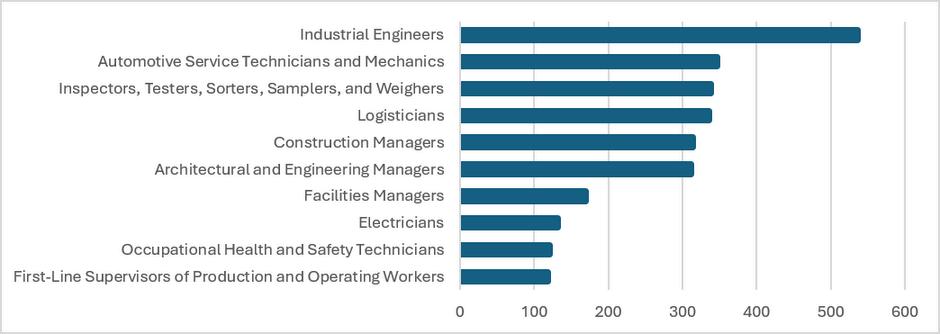
Analysis of EV-related job postings reveals that Industrial Engineers are the most sought-after occupation in Lansing, reflecting growing demand for expertise in process improvement, automation, and advanced manufacturing Strong demand for Automotive Service Technicians and Mechanics, Inspectors and Testers, and Logisticians further highlights the importance of quality assurance, maintenance, and supply chain functions within the region's EV ecosystem
Employer demand also extends to leadership and infrastructure roles, including Construction Managers, Architectural and Engineering Managers, and Facilities Managers, which support facility expansion and operational performance Collectively, these postings indicate that Lansing's EV sector requires a combination of engineering talent, skilled trades workers, technical specialists, and supervisory personnel to support continued industry growth and technological advancement.
further highlights the importance of quality assurance, maintenance, and supply chain functions within the region's EV ecosystem.
Median posting duration provides insight into how quickly employers are able to fill open positions and can serve as an indicator of hiring difficulty within the EV workforce Among the top EV occupations, Occupational Health and Safety Technicians (32 days), Facilities Managers (31 days), and Electricians (29 days) recorded the longest posting durations, suggesting that employers may face challenges finding qualified candidates for these roles. These occupations often require specialized technical knowledge, industry certifications, or prior experience, which can limit the available talent pool. In contrast, Industrial Engineers (19 days), Logisticians (20 days), and Inspectors, Testers, Sorters, Samplers, and Weighers (22 days) were filled more quickly, indicating a relatively stronger supply of available talent or more efficient recruitment processes.
Figure2.3.MedianPostingDurationbyEVOccupations
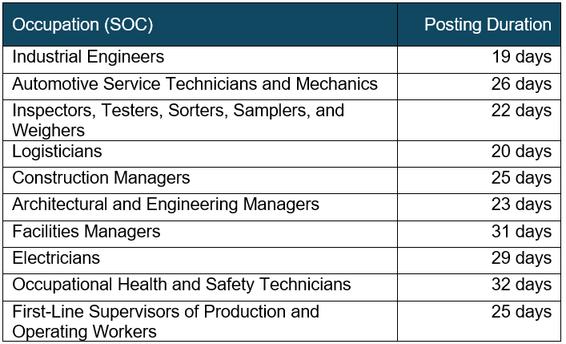
The findings suggest that workforce development efforts should pay particular attention to occupations with longer posting durations, as they may represent emerging talent shortages within the Lansing EV sector Demand for skilled trades, facilities management, and workplace safety professionals is likely to increase as manufacturers continue investing in advanced production facilities and infrastructure. Strengthening training pathways, industry-recognized credentials, and employer partnerships in these occupational areas may help reduce hiring challenges and support the region's ability to meet future workforce needs in the EV and mobility industry.
Lansing
Employer demand for specialized skills in the Lansing EV sector exceeds the available workforce supply across several key competency areas Project Management represents the largest gap, appearing in 18 percent of job postings compared to only 9 percent of workforce profiles. Similar disparities are evident for Continuous Improvement Process, Auditing, Construction, and Automation, where employer demand significantly outpaces the prevalence of these skills among available workers. These findings indicate that employers are seeking professionals who can manage complex projects, improve operational performance, maintain quality standards, and support advanced manufacturing processes.
Figure2.4.SpecializedSkillGapinLansing’sEVSector:EmployerDemandvs. WorkforceSupply(2025)
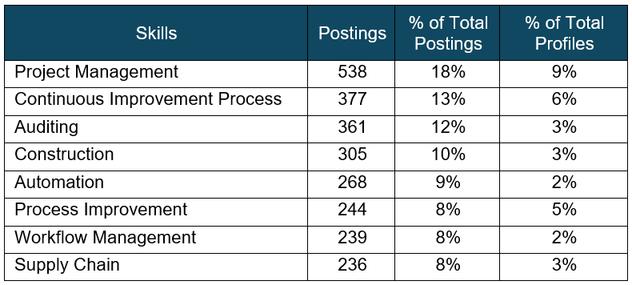
Many of the largest gaps are concentrated in skills associated with operational excellence and technology-driven production environments For example, Automation appears in 9 percent of job postings but only 2 percent of workforce profiles, while Workflow Management and Supply Chain skills also show notable shortages As EV manufacturing continues to adopt advanced technologies and increasingly sophisticated production systems, demand for these competencies is expected to grow Expanding opportunities for upskilling, industryrecognized training, and employer-education partnerships may help address these workforce gaps and strengthen the region's talent pipeline
Current hiring demand and projected growth trends indicate that employers are increasingly seeking workers with skills that support project execution, operational efficiency, and technology adoption Project Management ranks as the most requested specialized skill, appearing in 538 job postings, and is projected to grow by 20 percent Strong projected growth is also evident for Automation (17 percent), Auditing (152 percent), and Continuous Improvement Process (15 percent), reflecting the growing importance of process optimization, quality assurance, and advanced manufacturing practices within the EV industry
“The big issue now is knowing how much to invest in the EV side, not knowing what the future holds for the market.”
-Andy Kilpatrick , City of Lansing
Figure2.5.ProjectedGrowthofhigh-DemandSpecializedSkillsintheEVSector (2025)
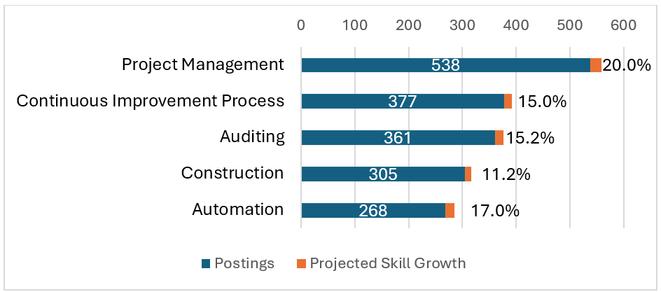
The prominence of these skills suggests that Lansing's EV workforce will require a combination of technical expertise and operational leadership capabilities As manufacturers continue investing in automation technologies and production efficiency improvements, demand for workers who can manage projects, oversee continuous improvement initiatives, and implement quality control processes is expected to increase These trends highlight opportunities for workforce and education partners to strengthen training programs focused on project management, automation technologies, lean manufacturing, and process improvement to better align talent development with future industry needs
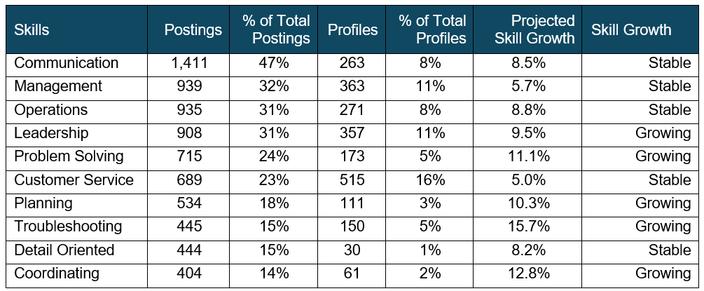
Employer demand extends beyond technical competencies to include a broad range of foundational and transferable skills that support workplace performance across the EV and mobility sector. Communication emerged as the most frequently requested skill, appearing in 470 percent of job postings, followed by Management, Operations, and Leadership These findings indicate that employers value workers who can effectively collaborate across teams, coordinate projects, and contribute to efficient business operations The strong presence of these skills across job postings suggests that success in the EV and mobility industry increasingly requires a combination of technical expertise and strong interpersonal capabilities
Several skills also demonstrate notable projected growth, particularly Troubleshooting (157 percent), Coordinating (128 percent), Problem Solving (111 percent), and Planning (103 percent) The growing importance of these competencies reflects the increasing complexity of advanced manufacturing, automation, and mobility technologies, where workers must be able to identify issues, adapt to changing conditions, and support continuous improvement efforts Additionally, the substantial gap between the share of postings and workforce profiles for skills such as communication, planning, coordinating, and detail orientation suggests opportunities for workforce development partners to strengthen employability and professional skills training alongside technical instruction
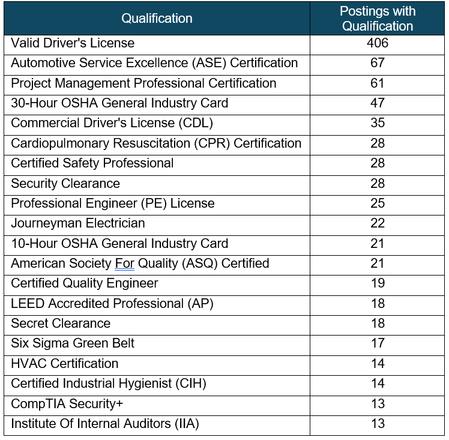
The qualifications most frequently requested by employers in Lansing's EV and mobility sector reflect a strong emphasis on safety, technical expertise, and workforce readiness A Valid Driver's License was the most commonly requested qualification, appearing in 406 job postings, underscoring the importance of transportation-related responsibilities across many occupations Industry-recognized credentials such as Automotive Service Excellence (ASE) Certification, Project Management Professional (PMP) Certification, and Commercial Driver's License (CDL) also appeared prominently, highlighting the value employers place on verified technical skills and professional competencies.
Safety and quality-related credentials were also well represented among employer requirements. Certifications such as the 30-Hour OSHA General Industry Card, Certified Safety Professional, CPR Certification, and Certified Industrial Hygienist demonstrate the importance of maintaining safe work environments within manufacturing, construction, and infrastructure settings. Additionally, credentials such as the Professional Engineer (PE) License, Journeyman Electrician, ASQ Certified, and Six Sigma Green Belt indicate ongoing demand for advanced technical expertise and continuous improvement capabilities. Collectively, these findings suggest that industryrecognized credentials remain an important pathway for workers seeking employment and advancement within Lansing's evolving EV and mobility ecosystem
Figure2.6.MostRequestedQualificationsinLansing’sEVandMobility(2025)
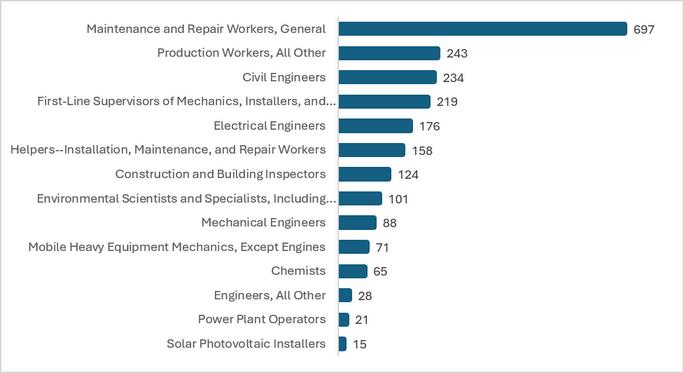
Job posting activity within Lansing's clean energy sector highlights strong demand for skilled trades, maintenance personnel, engineering professionals, and frontline supervisors Maintenance and Repair Workers, General accounted for the largest share of clean energy job postings in Lansing, with 697 postings, significantly exceeding all other occupations Production Workers (243 postings), Civil Engineers (234 postings), and First-Line Supervisors of Mechanics, Installers, and Repairers (219 postings) also recorded substantial hiring activity, reflecting employer demand for workers who can support operations, infrastructure projects, and workforce oversight.
Engineering and technical occupations remain an important component of the sector's workforce needs. Electrical Engineers, Construction and Building Inspectors, Environmental Scientists, and Mechanical Engineers all generated notable posting activity, while Power Plant Operators and Solar Photovoltaic Installers represent occupations directly tied to energy production and renewable energy technologies. These findings underscore the broad range of talent needed to support Lansing's growing clean energy economy.
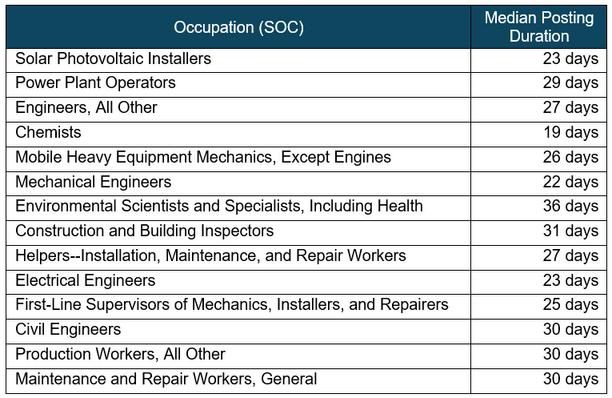
Median posting duration provides insight into the relative ease or difficulty employers face when recruiting workers for clean energy-related occupations. Among the occupations analyzed, Environmental Scientists and Specialists, Including Health had the longest median posting duration at 36 days, followed by Construction and Building Inspectors (31 days) and several occupations with a median duration of 30 days, including Civil Engineers, Production Workers, and Maintenance and Repair Workers, General. Longer posting durations may indicate a limited supply of qualified candidates, specialized skill requirements, or increased competition among employers seeking talent in these fields.
In contrast, occupations such as Chemists (19 days), Mechanical Engineers (22 days), Electrical Engineers (23 days), and Solar Photovoltaic Installers (23 days) were filled more quickly, suggesting a relatively stronger supply of available talent or more efficient hiring processes While posting duration alone does not fully capture hiring challenges, the results indicate that employers may experience greater recruitment difficulty for environmental, inspection, maintenance, and engineering-related occupations that support infrastructure development, regulatory compliance, and operational reliability within the clean energy sector These findings highlight the importance of maintaining strong talent pipelines in both technical and skilled trades occupations as demand for clean energy projects continues to expand
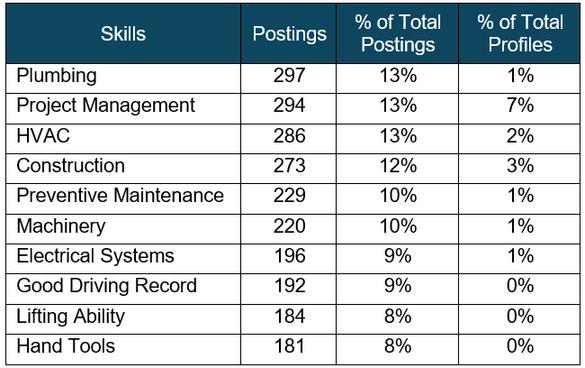
Workforce supply falls short of employer demand across several specialized skills critical to Lansing's clean
Figure2.9.SpecializedSkillGapinLansing’sCleanEnergySector:EmployerDemandvs. WorkforceSupply(2025)
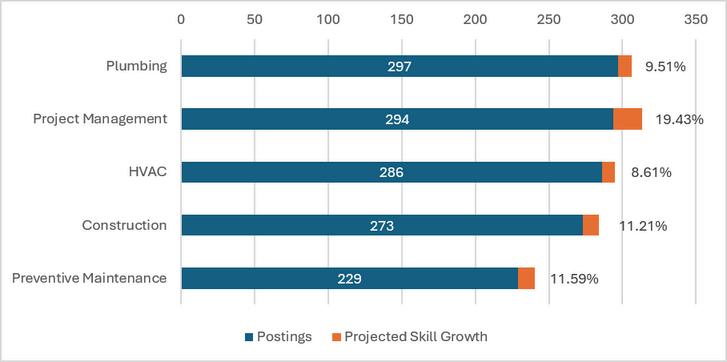
Current hiring trends and projected growth estimates suggest that Lansing's clean energy sector will continue to require workers with expertise in both skilled trades and project-based operations Plumbing, Project Management, and HVAC generated the highest number of postings, with each skill appearing in nearly 300 job advertisements Among these competencies, Project Management is projected to experience the strongest growth at 19.4 percent, significantly outpacing
the other skills shown This trend reflects increasing demand for workers who can coordinate complex infrastructure projects, manage resources, and oversee clean energy initiatives across multiple stakeholders
Growth is also expected for Preventive Maintenance (116 percent), Construction (112 percent), Plumbing (95 percent), and HVAC (86 percent), highlighting the continued importance of maintaining and expanding energy-related infrastructure These skills are closely tied to building systems, facility operations, energy efficiency improvements, and infrastructure modernization efforts occurring throughout the clean energy sector The combination of strong current demand and projected future growth suggests that workforce development strategies should continue to prioritize skilled trades training, project management competencies, and maintenance-related career pathways to support the region's long-term clean energy workforce needs.
Figure2.10.ProjectedGrowthofHigh-DemandSpecializedSkillsintheCleanEnergySector (2025)
Foundational workplace skills remain a critical component of workforce demand within Lansing's clean energy sector Communication was the most frequently requested skill, appearing in 36 percent of job postings, followed by Troubleshooting (23%), Management (23%), and Operations (21%) The prominence of these skills demonstrates that employers are seeking workers who can effectively communicate, solve operational challenges, and contribute to efficient workplace performance As clean energy projects become increasingly complex, employers continue to value workers who possess both technical expertise and strong foundational workplace competencies Figure2.11.TopCommonWorkforceSkillsinLansing’sCleanEnergySector(2025)
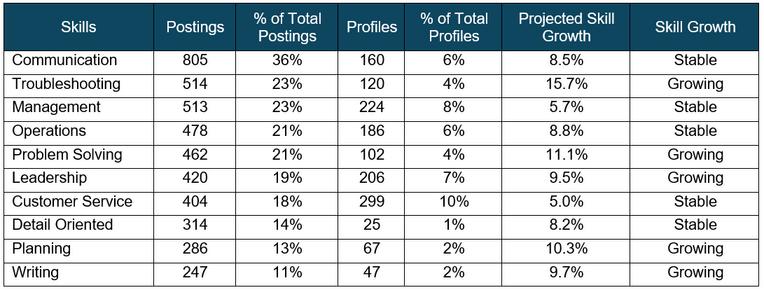
A comparison of job postings and workforce profiles reveals notable gaps between employer demand and available talent Communication appears in 36 percent of postings but only 6 percent of workforce profiles, while Troubleshooting is present in 23 percent of postings compared to just 4 percent of profiles Similar disparities exist for Problem Solving, Planning, Writing, and Detail Orientation, suggesting that employers may struggle to find candidates with the combination of technical and transferable skills needed to succeed in clean energy occupations. These gaps indicate an opportunity for workforce development and education providers to place greater emphasis on employability skills alongside occupation-specific training.
Projected growth trends further reinforce the importance of these competencies. Troubleshooting is expected to experience the strongest growth at 15.7 percent, followed by Problem Solving (11.1%), Planning (10.3%), and Writing (9.7%). The continued growth of these skills reflects the increasing need for workers who can diagnose issues, adapt to changing technologies, coordinate activities, and communicate effectively across teams. As the clean energy sector expands and adopts more advanced technologies, demand for these foundational skills is expected to remain an important complement to technical expertise and industry-specific knowledge
Credential requirements within Lansing's clean energy sector highlight the importance of workforce readiness, technical expertise, and regulatory compliance. A Valid Driver's License was the most frequently requested qualification, appearing in 505 job postings, far exceeding any other credential. This requirement reflects the field-based nature of many clean energy occupations, which often involve travel between job sites, facilities, and infrastructure projects Other commonly requested credentials include the Professional Engineer (PE) License (109 postings) and Commercial Driver's License (CDL) (60 postings), demonstrating employer demand for workers with specialized technical knowledge and professional licensure
Several industry-specific certifications also appear prominently among employer requirements. Credentials such as the EPA 608 Technician Certification, HVAC Certification, and Engineer in Training (EIT) designation indicate demand for workers supporting building systems, energy efficiency initiatives, and infrastructure development In addition, certifications related to safety and workplace compliance, including Certified Safety Professional, OSHA General Industry Cards, and CPR Certification, reflect the importance of maintaining safe work environments across construction, maintenance, and utility operations
Figure2.12.MostRequestedQualificationsinLansing’sCleanEnergySector(2025)
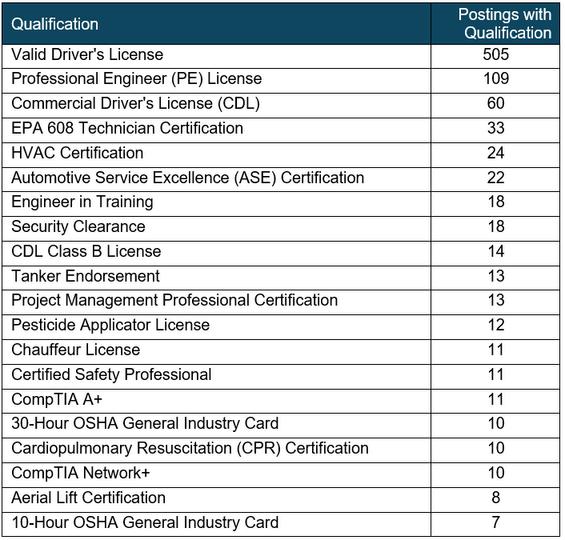
The range of credentials requested by employers suggests that clean energy occupations increasingly require verified technical competencies in addition to formal education and work experience Certifications related to engineering, transportation, environmental compliance, safety, and project management help workers demonstrate industry-recognized expertise and may improve employment opportunities within the sector As clean energy investments continue to expand across the Lansing region, access to credentialing pathways and certification-based training programs will remain important for meeting employer workforce needs and supporting career advancement
Implementing these recommendations will help position the region to better meet evolving workforce needs within the energy sector while supporting long-term economic growth. By fostering stronger partnerships, increasing employer involvement, expanding career awareness efforts, and investing in work-based learning opportunities, stakeholders can create more accessible pathways into energy careers and develop a skilled workforce prepared to support the industry's future Continued collaboration among employers, education providers, workforce development organizations, and community partners will be essential to sustaining momentum and achieving successful workforce outcomes
Appendix A: Final Employer & Stakeholder List
Appendix B: Employer Engagement Tools (Flyer Invitation, Survey instruments, etc.)
Appendix C: Regional Education/Provider Training and CTE Programs
Appendix D: Building a Responsive Lansign EV & Clean Energy Talent Pipeline Booklet
A. michigancleancities.org/lansing-first-to-launch-e-auto-economy-planning/, August, 2024
B. New Report: Michigan Leads the Country in Clean Energy Projects from the Biden-Harris Administration’s Inflation Reduction Act, July 2024
C. Michigan CTEIS Reports
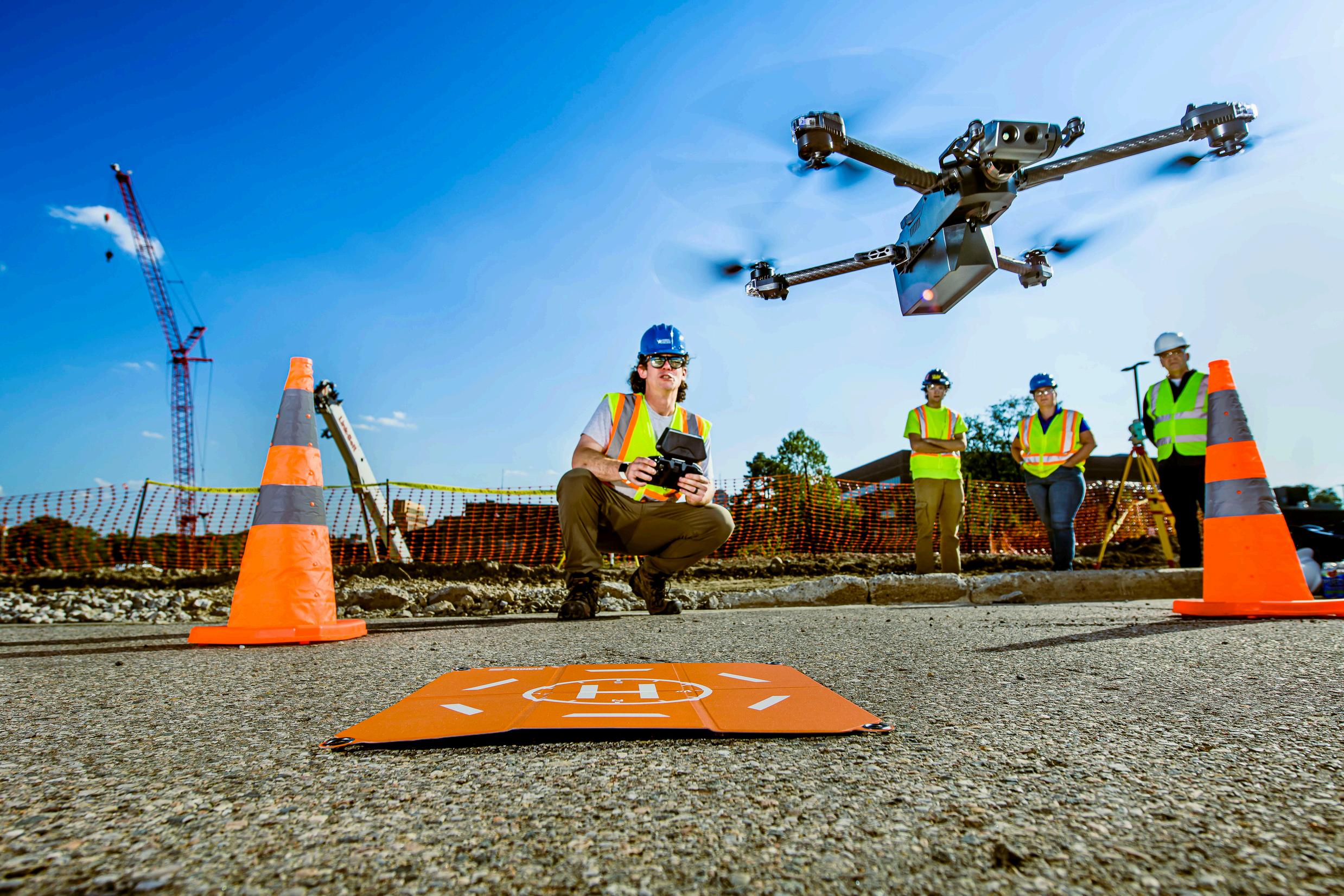
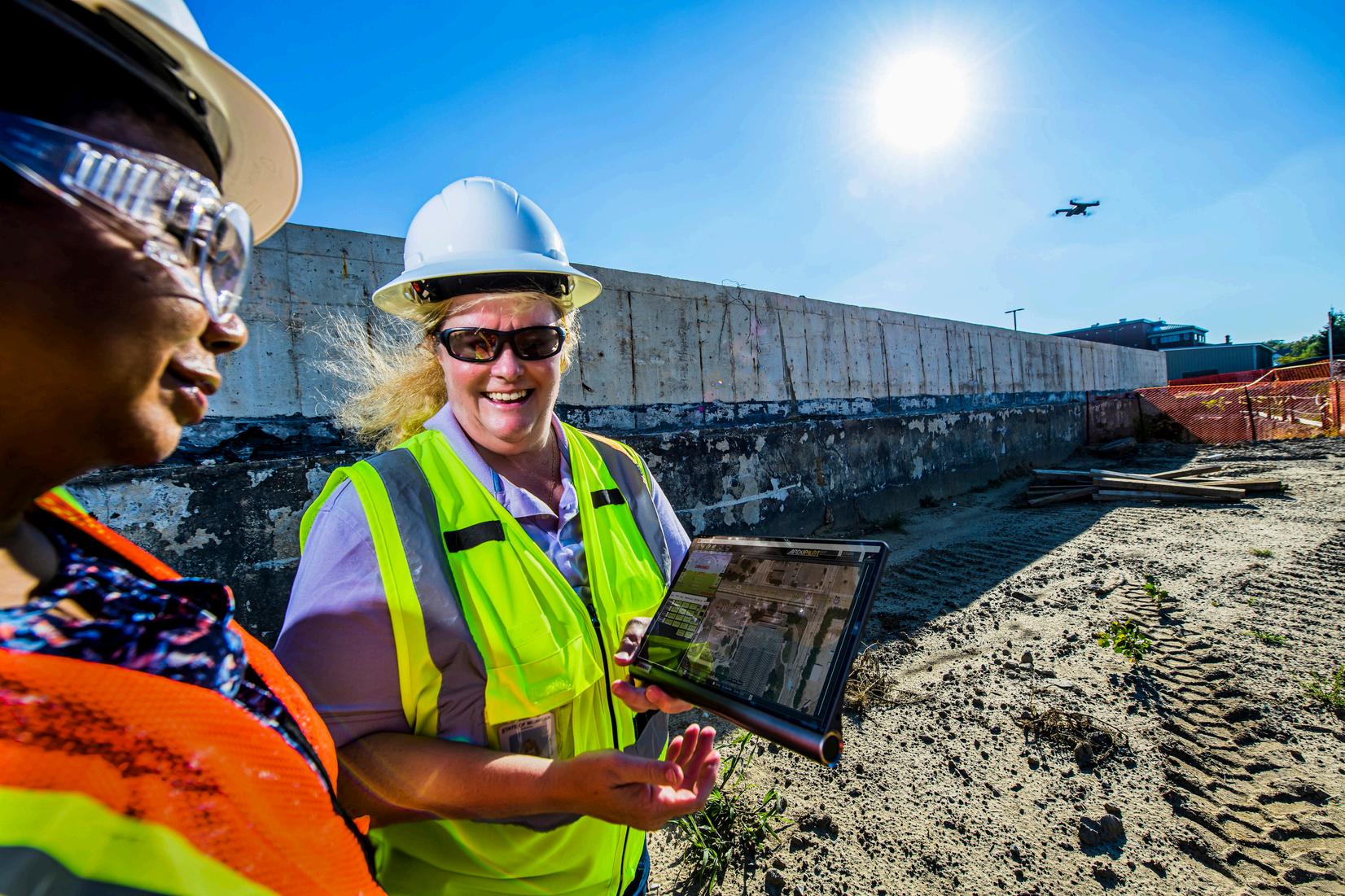
D. Cover image and images on pages 4 and 9. Copyright © Kevin Fowler, Lansing Community College. Used with permission.
E. MxD & Economic Growth Institute. (2025, April). Electric Vehicle Hiring Guide. MxD, The Digital Manufacturing Institute.
F. Data Analysis by Dr. Dayoung An, Kevin Cranick & Tanya Danial. Program management by Alysha Albrecht, Laurie Huber, Deborah Bayer, and Michele Economou Ureste
Prepared by: The Workforce Intelligence Network (WIN)
In Partnership With: Economic Growth Institute (EGI), University of Michigan & Michigan Clean Cities
Contact Organization
Carrie Rosingana Capital Area Michigan Works!
Erin McKenzie Capital Area Michigan Works!
Cindy Kangas Capital Area Manufacturing Council
Bob Tresize LEAP
Keith Lambert LEAP
Emma Bostwick LEAP
Richard Enty LEAP
Marvin Argersinger Lansing Community College
Kelsey Lorichon Lansing Community College
Rod Holmes Lansing Community College
Tim Fryer Lansing Community College
John Adams Lansing Community College
Steven McNiel Lansing Community College
Shon'ta Dwyer Lansing Community College
Lee Gardner Lansing Community College
Pat DeLuca Lansing Community College
James Wilson Lansing Community College
Christopher HooSang DTE Energy
Caitlin Tetrick Consumers Energy
Lisa Seigel
Scott Koenigskn echt
Chong-Anna Canfora Michigan Workforce Development Institute
Clinton County RESA
Clinton County RESA
Jennifer Smith Clinton County RESA
Jennifer Strickland
Clinton County RESA
Dr Sean Williams Eaton RESA
Vlad Lebedints ev Eaton RESA
Christien Rupp Eaton Rapids Public Schools
Jeff Parks Waverly Community Schools
Jason Mellema Ingham ISD
Jamie Engel Ingham ISD
Nicole Millsap Lansing School District
Kere' Milow Lansing School District
Marcee Theisen Eaton RESA
Benjamin Bever Benjamin Bever
Jessi Kittel University of Michigan
Lori Thomas City of Lansing
Andrew Kilpatrick City of Lansing
Jennifer Binkley Lansing Board of Water & Light
Tim Debastos LG Energy Solution
Amber Fogarty Consumers Energy
Aaron Nowland IBEW Local 665
Cheryl Sanford MUST Construction Careers
MUST
Constructio n Careers Contact MUST Construction Careers
Andrew Mosser NECA
Marshea Brown CATA
Melissa Schutt Clinton Area Transit System
Greg Hoffman Tri-County Regional Planning Commission
Elise Feldpausch MDOT
John Jordan Gestamp Jaimie Ancel Dakkota Integrated Systems
Latora Walker Bridgewater Interiors
Shauna Wood Dowding Industries
Veronica Cassani General Motors
Michael Rimer Amazon
Amber Whitcomb UPS/FedEx
Dominique Jones Meijer Distribution
Nicole NollWilliams Capital Region International Airport
Matt Dahline Crosswinds Aviation
Andrea Dahline Crosswinds Aviation
Amanda Johnson The Shyft Group
David Douglas Lansing Board of Water & Light
Lisa Bozung
Sally Menne
Consolidated Electrical Contractors
Industrial Metal Products Corporation (IMPCO)
Derek Horn DJs Landscape Management
Waverly LaLonde
Linn Products Inc
Kaylee Guild MAGNA
Carey Oberlin Cameron Tool Company - Clean HarborsMichigan Environmental Council - UWUAEaton County Transportation Authority
Neapco Driveline - Alma Products - Ryder Logistics
TheLansingelectricvehicle(EV)andcleanenergymobilitysectorisgrowingrapidly asemployerdemandisoutpacingtheavailableworkforce.Thisinitiativeputs employervoiceatthecenterofaregionalworkforcestrategydesignedtocloseskill gaps,strengthenpipelines,andsupportlong‑termcompetitiveness.
Todeveloparesponsive,data‑drivenworkforcestrategythatequipsemployersin theLansingregionwiththeskilledtalentneededtocompeteintheevolvingEVand cleanenergymobilityeconomy Byaligningemployerinsightswithlabormarket data,andtrainingopportunities,thiseffortensuresajob‑readytalentpipelinethat supportsbothbusinessgrowthandregionaleconomicvitality.
TheWorkforceIntelligenceNetwork(WIN)isconductingasurveytounderstand currentandfutureworkforceneedsrelatedtoelectricvehicle(EV),cleanenergy,and advancedmobilitytechnologiesintheLansingregion(Clinton,Eaton&Ingham). Humanresourcesprofessionals,workforceleaders,employers,andregional partnersareinvitedtoparticipateinacollaborativeefforttovalidatekeydataand hiringdemandinsightsshapingthefutureofmobilityandworkforcedevelopment intheLansingregion.Thisconveningisfocusedongatheringdirectemployerinput oncurrentworkforceneeds,hiringchallenges,andemergingtalentdemands Insightscollectedthroughthisprocesswillinformthedevelopmentofaregional recommendationreportoutliningactionablestrategiesforworkforcedevelopment, traininginvestments,andemployer-drivensolutions.Thisreportwillbesharedwith participatingemployersandstakeholders,ensuringthatthosewhocontributehave accesstothefindingsandcanhelpguidenextsteps.Responseswillbeusedin aggregatetoinformregionalworkforcestrategies.Individualresponseswillnotbe attributedtoyourorganization.
Byparticipating,employersplayacriticalroleinshapingamoreresponsive,datainformedworkforcesystem Theinformationgatheredwillsupportongoing collaborationandhelpalignregionaleffortstobettermeetindustryneedsacrossthe Lansingarea.

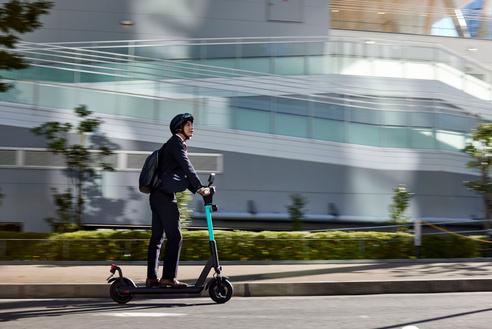
Throughthisinitiative,WINisworkingalongsideregionalpartnerstoidentifyemployers, mapthelocalmobilityecosystem,andgatherreal-timeinsightsonhiringdemand,skill gaps,andworkforcechallenges.Theseinsightsarecriticaltoensuringthatworkforce strategies,traininginvestments,andeducationprogramsarealignedwiththeactual needsofemployersintheLansingregion.
Participationinthiseffortprovidesadirectreturnoninvestmentforemployersbyensuring yourvoicehelpsshapethesystemsdesignedtosupportyourworkforceneeds Employerswhoengagegainaccesstodata-driveninsights,influencethedesignof trainingandeducationprograms,andhelpbuildatalentpipelinealignedtotheircurrent andfuturehiringdemands.
Foremployers,thistranslatesto:
Reducedrecruitmentandtrainingcoststhroughbetter-alignedtalentpipelines
Accesstogrant-fundedtrainingandworkforcesolutions
Opportunitiestoupskillcurrentemployeesandretaintalent
Astrongervoiceinshapingregionalworkforcestrategiesandinvestments
Ultimately,yourparticipationhelpsensurethatworkforcedevelopmenteffortsarenotonly responsivebutemployer-driven,efficient,andimpactful. Thevalueofthisworkisbestillustratedthrough employerpartnershipsacrosstheregion.For example,employersparticipatinginWINsupportedapprenticeshipprogramshavebeen abletoupskillcurrentemployees,reduceturnover, andbuildsustainablecareerpathwayswithintheir organizations.Oneemployersharedthat apprenticeshipprogramscreatednew opportunitiestorecruitanddeveloptalent internallywhileremainingcompetitiveinatight labormarketdemonstratinghowworkforce collaborationdirectlysupportsbusinessgrowth andstability.
Theseoutcomesaremadepossiblebecauseemployersarenotjustparticipants,they areco-designersofsolutions.
Occupation Group
Engineering Occupations Electrical / Mechanical Engineers Engineering of Electrified Vehicular Systems University of Michigan–Dearborn
Skilled Trades & Technical Occupations Electricians
Skilled Trades & Technical Occupations
Apprenticeship Program
Electricians IBEW Electrical Apprenticeship (Inside Wireman) IBEW Michigan / NECA
Skilled Trades & Technical Occupations Electricians
Operations
Energy / Infrastructure Occupations
Apprenticeship Program IBEW Local 665 / LEJATC
Occupation Group
Engineering
Occupation
Engineering
Electrical / Mechanical Engineers Electric-Drive Vehicle Engineering (MS / Graduate Certificate) Wayne State University
Engineering
Electrical / Mechanical Engineers Master of Engineering – Electric Vehicles Kettering University
Master’s / Graduate Certificate
EV powertrains, electrification systems
Master’s Degree
EV systems, applied mobility engineering
Direct EV engineering program focused on electric-drive systems and vehicle electrification; supports advanced mobility engineering roles View Program
Dedicated EV engineering degree aligned with advanced vehicle electrification and applied mobility system design View Program
Production & Operations
Electrical / Mechanical Engineers Hybrid Electric Drive Vehicle Engineering Certificate Michigan Technological University
Production Workers / EV Technicians EV & Mobility Certificate Programs Wayne County Community College District
Graduate Certificate Electric/hybrid propulsion systems
Stackable Certificates
EV systems, motors, sensors, controls
Focus on design and operation of hybrid and electric drive systems supporting EV propulsion and electrification technologies View Program
Curriculum aligned to EV manufacturing and mobility systems including batteries, controls, and maintenance functions View Program
Production & Operations
Production Workers / Advanced Manufacturing Technicians Electric Vehicle (EV) Technician Training Oakland Community College
Short-term certificate + industry certifications (OSHA, SACA)
EV systems, automation (PLC), manufacturing systems
Direct EV technician training with strong hands-on component and industry credentials aligned to EV production and manufacturing roles View Program
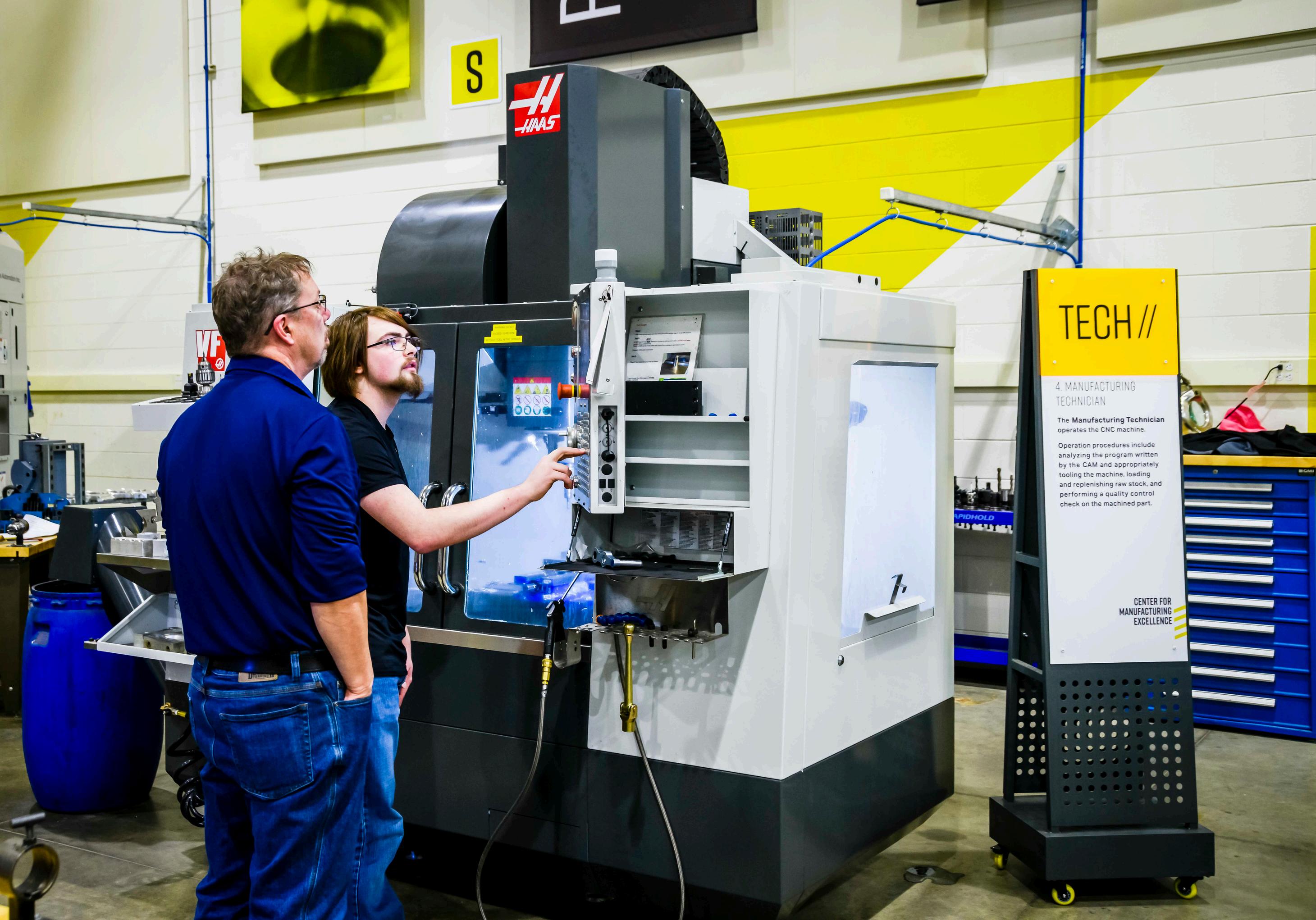
Building a responsive Lansing EV and clean energy talent pipeline requires a coordinated, employer-driven approach grounded in validated labor market data, clearly defined career pathways, and shared implementation across education, workforce, and industry partners. This effort prioritizes alignment between real-time employer demand and the region’s workforce development system to ensure that talent strategies are both actionable and sustainable.
Lansing’s EV and clean energy mobility sectors have the potential for significant impact in the area Regional findings demonstrate a dual demand structure: high-volume, infrastructure-focused roles in clean energy (e g , maintenance, electrical, and field-based occupations) alongside higher-wage, technology-driven roles in EV and advanced mobility requiring engineering, automation, and digital competencies Across both segments, employers consistently emphasize the importance of foundational competencies such as communication, problem solving, and teamwork, reinforcing the need for integrated training models that combine technical and employability skills.
To address these dynamics, the Lansing initiative applies a triangulated, employer-informed methodology that combines direct engagement (surveys, interviews, and convenings) with Lightcast job posting analytics and validated workforce data. This approach ensures that findings remain grounded in employer voice while supported by quantitative labor market evidence, even where direct participation is limited The resulting framework enables stakeholders to identify priority occupations, clarify skill gaps, and align education and training systems with evolving industry demand Through shared implementation spanning curriculum design, credential alignment, and employer-education partnerships this work establishes a scalable, data-driven model for strengthening Lansing’s EV and clean energy talent pipeline while supporting long-term regional competitiveness
The Lansing region’s transition toward electric vehicle (EV) and clean energy mobility technologies is accelerating, creating new opportunities for economic growth However, this transformation is placing increasing pressure on the regional workforce system, as employer demand for skilled talent continues to outpace available supply.
Employers across sectors including advanced manufacturing, energy infrastructure, and emerging mobility technologies are facing persistent hiring challenges that affect both day-to-day operations and long-term planning. These challenges are not isolated but reflect broader structural misalignment between workforce supply and employer demand.
Sustained demand for skilled trades, technicians, and engineering roles
Difficulty filling critical roles due to limited qualified candidates
Increasing need for hybrid technical and foundational skill sets
Fragmented training and education pathways
Without a coordinated approach, these challenges will continue to compound, limiting the region’s ability to compete and grow A shared, employer-led strategy offers an opportunity to align workforce development efforts with real-time demand while building a stronger, more sustainable talent pipeline
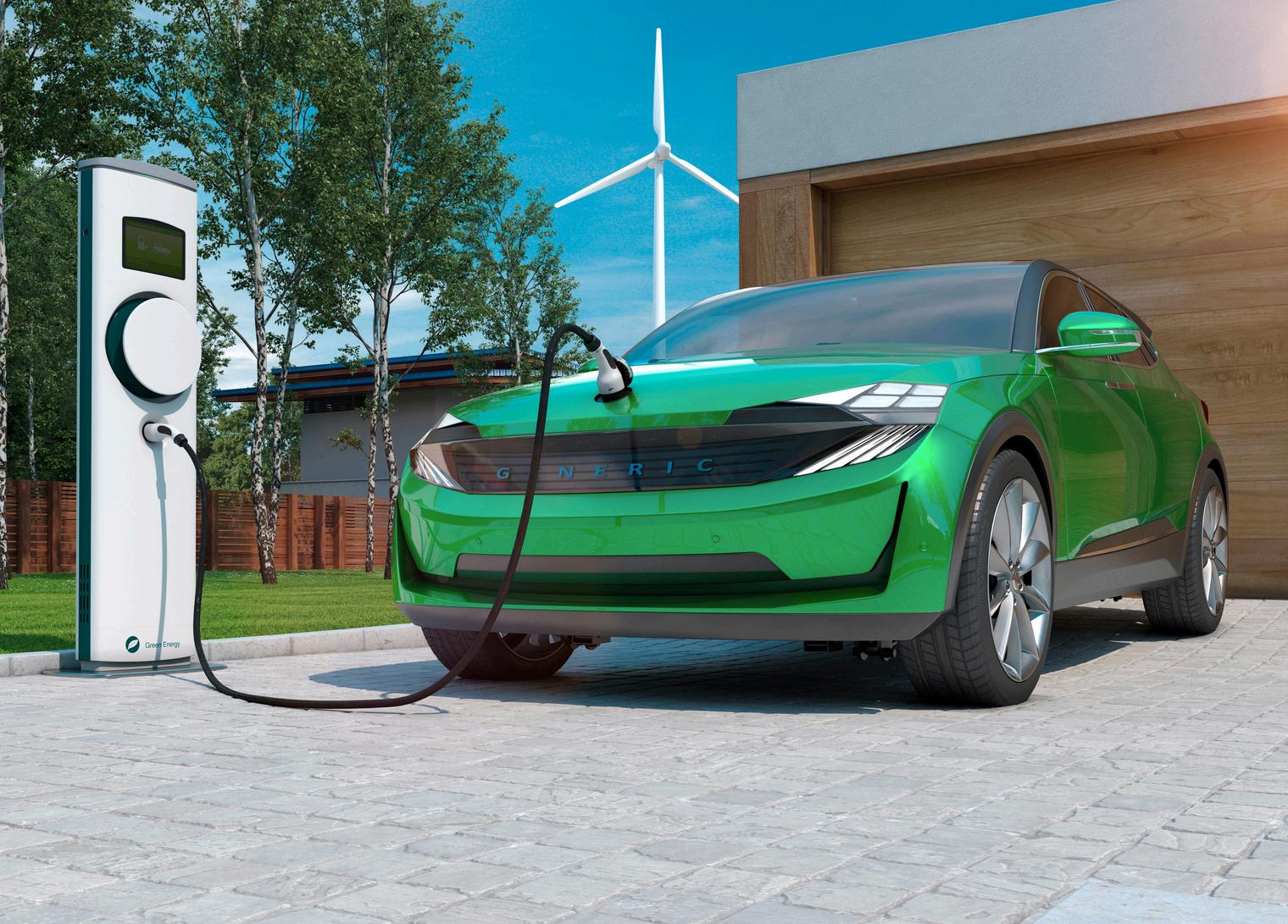
Employer engagement activities conducted through MiVTTP including surveys, interviews, and stakeholder convenings provide a clear and consistent picture of workforce demand and challenges across the Lansing EV and clean energy ecosystem.
Employers describe a workforce environment characterized by both high demand and increasing complexity, requiring talent that combines technical expertise with strong foundational competencies.
Demand is strong and evolving
Continued need for high-volume technical roles (eg, maintenance, skilled trades)
Growing demand for engineering, automation, and digital capabilities
Skill gaps are multi-faceted
Technical: electrical systems, automation, diagnostics
Foundational: communication, teamwork, problem-solving
Workforce demand is diversified
Clean energy → infrastructure and field-based roles
EV/advanced mobility → engineering and technology-driven roles
These findings reinforce that workforce challenges are not simply about quantity, but about alignment across skills, credentials, and career pathways.
Employer outreach and survey/convenings
Employer outreach and survey/convenings
Employer-informed role frameworks (e.g.
Employer-informed role frameworks (e.g.
MxD EV Hiring Guide) and related validation references
MxD EV Hiring Guide) and related validation references
Lightcast demand and occupation analysis
Lightcast demand and occupation analysis
Triangulation into defensible findings and mismatch categories
Triangulation into defensible findings and mismatch categories
The workforce insights presented in this report are grounded in a rigorous, multi-source validation approach designed to ensure that conclusions are both employer-informed and analytically defensible. Given the evolving nature of the EV and clean energy mobility sector and the practical limitations of direct employer response volume no single data source is sufficient on its own.
To address this, the MiVTTP framework applies a triangulation methodology that integrates primary employer input with real-time labor market data and employer-validated external signals. This approach ensures that findings reflect actual hiring behavior, not just stated intent, and strengthens confidence in the resulting workforce strategy
Structured employer engagement activities capture firsthand insight into workforce demand, hiring challenges, and skill needs
Employer survey instrument designed to capture:
Priority roles and projected hiring demand
Difficult-to-fill occupations and hiring timelines
Skill gaps (technical and foundational)
Credential and training needs
Targeted outreach across:
OEMs and suppliers
Utilities and infrastructure firms
Advanced manufacturing and mobility technology employers
Convenings and interviews used to:
Validate survey responses
Provide qualitative context
Identify emerging trends and pain points
What this contributes:
Real-world hiring challenges
Employer-defined priorities
Context behind workforce gaps
Employer input is systematically validated against real-time job posting analytics to confirm demand, scale, and skill requirements
Analysis of job postings provides:
Verified demand for occupations (based on actual postings)
Associated skills, certifications, and qualifications
Wage benchmarks and compensation trends
Data confirms a bifurcated demand structure:
Clean energy roles concentrated in infrastructure and field-based occupations
EV and advanced mobility roles requiring engineering, digital, and systems-level skills
What this contributes:
Objective validation of employer demand
Quantitative scale of hiring activity
Consistent skill signals across employers
3. Employer-Validated Signals and Frameworks (Secondary Evidence)
To strengthen and contextualize findings, additional employer-informed sources are incorporated.
Employer job postings (public-facing data reflecting real hiring behavior)
Industry role frameworks (e.g., EV role taxonomies and priority roles)
Training pathway documentation and credential requirements
Regional stakeholder references and benchmark materials
This layer ensures that:
Occupation definitions align with industry standards
Skill expectations reflect broader labor market trends
Findings are consistent beyond the Lansing-specific dataset
What this contributes:
External validation of role definitions and skills
Broader industry alignment
Increased credibility for emerging occupations
Why Triangulation Matters
Each data source has strengths and limitations:
Employer surveys provide depth, but may have limited participation
Job postings provide scale, but lack context
External frameworks provide structure, but are not locally specific
Triangulation combines these strengths to overcome individual limitations.
Resulting Evidence Base
This integrated methodology produces findings that are:

The Global Epicenter of Mobility (GEM), led by the Detroit Regional Partnership (DRP) and supported by a U.S. Economic Development Administration Build Back Better Regional Challenge grant, aims to position Southeast Michigan as a global hub for advanced mobility innovation through coordinated strategies in technology development, business attraction, site readiness, and talent transformation.
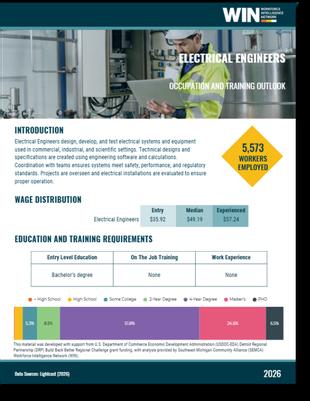
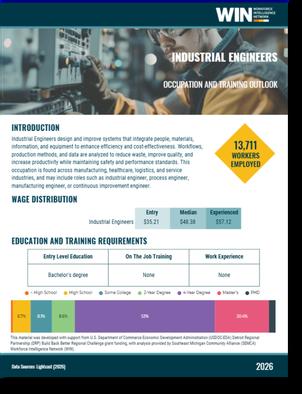
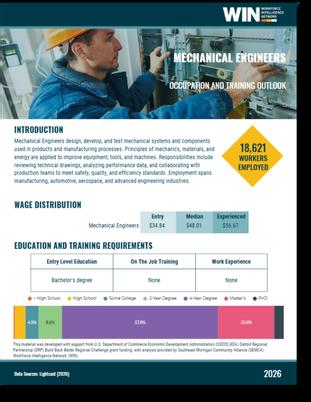
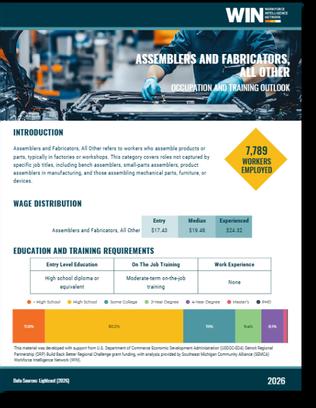
In 2024, the Future Mobility Technology Study (FMTS) conducted by S&P Global Mobility identified seven high‐growth technology areas propulsion batteries, electric motors, hydrogen fuel cell systems, power electronics, assembly automation, thermal systems, and software‐defined vehicles informing the 2025 GEM Technology Talent Study led by SEMCA, DRP, and GEM to assess workforce implications, including labor supply, occupational demand, and skill needs This work identified 32 target occupations critical to advanced mobility, grouped into Production; Repair and Maintenance; and Scientists and Engineers, and selected through labor market analysis, technology mapping, employer demand signals, and industry validation The GEM Mobility Career Profiles, developed by the Workforce Intelligence Network (WIN), translate these findings into standardized, occupation‐level resources that explain career prioritization and support regional competitiveness
WIN developed 32 high-demand career profiles as part of the Global Epicenter of Mobility (GEM) The collection translates mobility talent study findings into standardized occupation-level resources The GEM profiles were developed from a process that included labor market analysis, mapping to priority mobility technologies, employer skill demand assessment, and validation through industry interviews
Note that the GEM collection identifies 32 target occupations across production, repair/maintenance, and scientists/engineers.
Why these matter
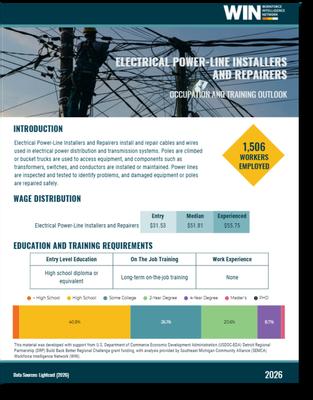
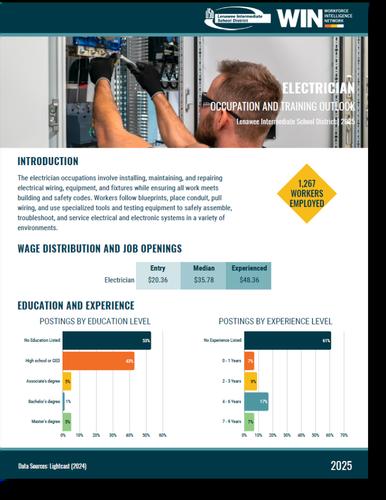
Directly tied to infrastructure buildout and maintenance (plants, grid, charging)
Align with employer demand for hands-on technical talent
Frequently cited as hard-to-fill roles
These roles are explicitly tied to EV plants, charging infrastructure, and electrical systems maintenance in both EV and clean energy environments
Engineering & Advanced Technical Roles
Represent higher-wage, high-skill demand
Directly tied to:
EV systems
battery design
manufacturing optimization
Reinforce AI, automation, and systems integration trends
These roles are foundational for EV propulsion systems, manufacturing efficiency, and advanced mobility technologies
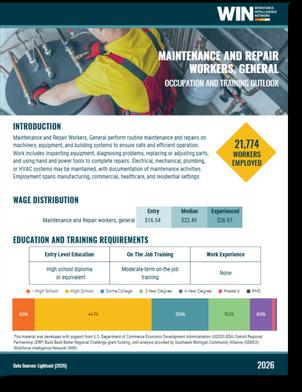
Manufacturing Roles Why these matter
Represent high-volume hiring demand in EV and battery production
Serve as entry and advancement points into mobility careers
These occupations are central to production, maintenance, and equipment uptime in EV manufacturing environments
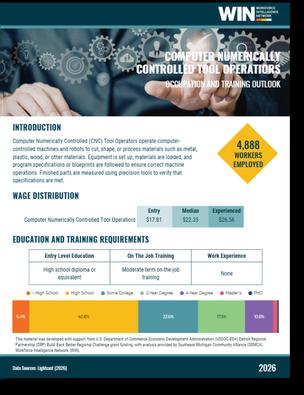
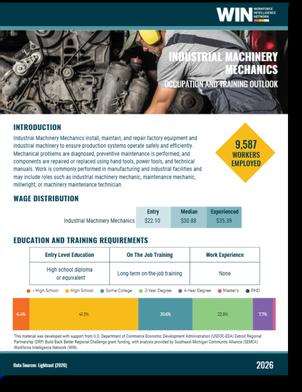
Across both EV and clean energy occupations, employers are increasingly seeking workers who can operate within digitally enabled and automated environments.
This represents a fundamental shift in skill requirements, where traditional roles are being reshaped rather than replaced. AI-related demand is spreading across many industries, including manufacturing, and that AIrelated skills are increasingly common rather than isolated to tech jobs.
Emerging Cross-Cutting Skills
Automation and controls systems
Data analysis and digital tools
AI-enabled processes and diagnostics
Smart manufacturing technologies
Implications for Workforce Development
Technical training must integrate digital competencies
Curriculum must evolve alongside technology adoption
Workers must be prepared for continuous skill adaptation
This trend reinforces the need for flexible, future-ready training pathways
Relevant Findings from the WIN 2026 Artificial Intelligence Impact Report:
The AI study demonstrates how AI-related demand is spreading across many industries, including manufacturing.
The report's findings also identified a potential skills gap, with AI competencies appearing in about 34% of relevant postings but in far fewer worker profiles.
The study distinguishes between: Specialized technical AI skills such as automation, machine learning, robotics, and Python. Foundational human skills such as communication, troubleshooting, critical thinking, and ethical reasoning.
Report findings suggest that AI literacy should be treated as a foundational learning outcome rather than a niche elective

Lansing’s EV and clean energy transition requires a shared talent strategy shaped by employers, informed by data, and connected to education and workforce partners. Talent pipeline development requires a long-term, system-wide perspective that connects education, workforce development, and employer demand. Rather than isolated programs, the Lansing region must build a continuous, aligned pipeline from early education through employment and advancement.
Early childhood / elementary: exposure to EV and Clean Energy careers
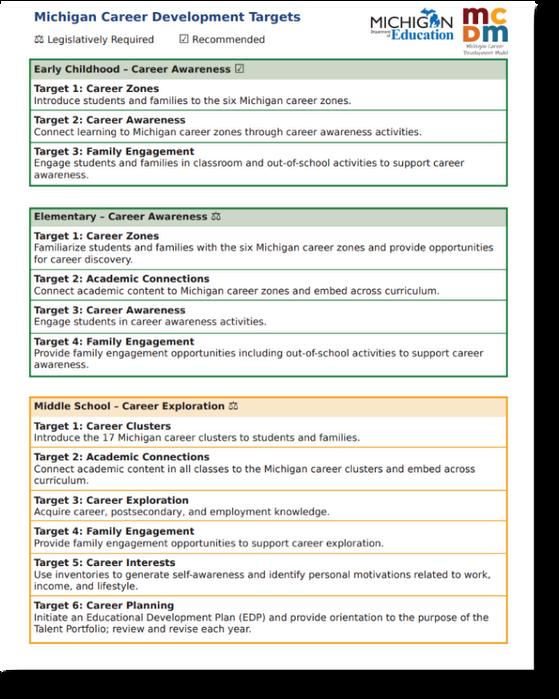
Middle school: introduce the 17 Michigan career clusters, connect academics to clusters, begin exploration, and start an Educational Development Plan
High school: deeper career cluster/pathway exploration, assessments, career preparation, and annual EDP review
Postsecondary: personalized planning, career advising, resume-building, and recognition of prior learning/credentials
Work-based learning: Apprenticeships, internships, and on-the-job training
Incumbent worker upskilling: Continuous skill development and advancement
Key Insight: Pipeline strength is determined by how well these stages connect not by the strength of any single component
Why this section matters:
The Michigan Career Development Model (MCDM) Targets outline a developmental sequence. This framework illustrates why the MiVTTP/ELC strategy should not be limited to immediate hiring; it should deliberately connect awareness → exploration → preparation → training → placement
A comprehensive program of study may begin as early as elementary and middle school with student exposure to the sixteen National Career Clusters (17 Michigan Clusters) through technology-based programs for career exploration, guest speakers, show and tell events, tours of workplaces, etc By the time a student enters high school they are provided information on programs offered through their Regional CTE Center including dual enrollment/early college postsecondary partnerships
Addressing workforce mismatch at scale requires coordinated action across multiple stakeholders. An employer-led collaborative model provides the structure needed to align efforts and drive implementation. This approach builds on established models such as the U.S. Chamber of Commerce Talent Pipeline Management (TPM), emphasizing employer leadership and shared accountability. This is the same framework used in previous WIN-supported ELC’s. The U.S. Chamber TPM methodology incorporates six strategies: 1) organize employer collaborative, 2) demand planning, 3) communicate competency and credential requirements, 4) analyze talent flows, 5) implement shared performance measures/align incentives, and 6) continuous improvement
Employers define demand, roles, and skill requirements
Data informs decision-making and prioritization
Education and workforce partners align to employer-defined needs
Stakeholders collaborate on implementation strategies
Faster response to changing workforce needs
Reduced fragmentation across systems
Shared ownership of outcomes
Scalable, sustainable workforce solutions
The success of this initiative depends on active participation from employers, education providers, and workforce partners across the Lansing region. This is not a one-time effort, but an ongoing, collaborative process to align talent development with industry demand.
Define priority roles and skill needs
Participate in convenings and working groups
Provide work-based learning opportunities
For Education and Training Providers
Align curriculum with employer demand
Expand credential-based and flexible training options
Partner on pathway development
For Workforce and Community Partners
Connect individuals to career pathways
Support outreach and access
Strengthen entry points into the talent pipeline
Build a responsive, data-driven, employer-led talent pipeline that:
Meets immediate hiring needs
Supports long-term workforce development
Strengthens regional competitiveness
Employers do not need to solve the labor challenge alone. The ELC gives employers a structured way to define common pain points, validate occupations and skills, align providers, and shape practical pipeline solutions.