WHAT MAKES GREEK WINE UNIQUE
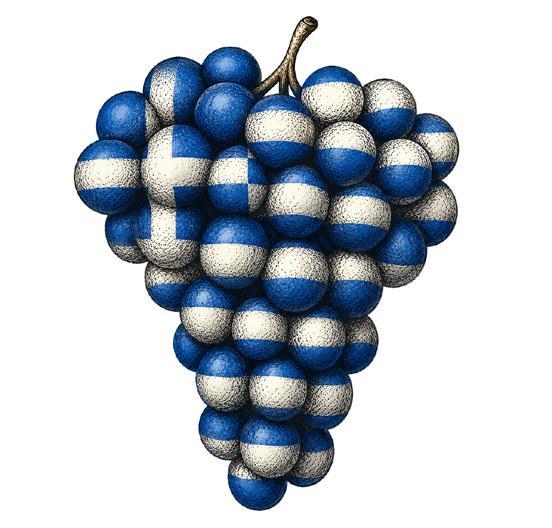









Greece, although being a small wine-producing country, boasts one of the ‘richest’ vineyards in the world and cultivates a unique treasure on its soil.
The indigenous grape varieties that are responsible for the uniqueness and diversity of Greek wines.
There are hundreds of Greek grape varieties!
In the texts of ancient Greek authors, historians, and philosophers more than 90 are mentioned.
The National Catalogue includes approximately 250 names and synonyms of Greek grape varieties.
The country’s ampelographic collections, together with synonyms, types, variants, or possible clones, host more than 550!
In the Wine Plus magazine you hold in your hands, we describe 12 Greek grape varieties. White, pink-skinned, and red.
Assyrtiko, Malagousia, Muscat White, Muscat of Alexandria, Savatiano, Vidiano.
Moschofilero, Roditis.
Agiorgitiko, Liatiko, Limniona, Xinomavro.
The most widespread as well as some rare varieties, which were saved from extinction thanks to the efforts and persistence of Greek winemakers.
We invite you to get to know them and their wines.
Enjoy reading and tasting!
Μaria Netsika


• Indigenous grape varieties
• Unique personality of the vineyards and their products
• Wine producers with know-how
• Entrepreneurs with vision and creativity
P.D.O. ZITSA
P.D.O. AMYNDEON
P.D.O. GOUMENISSA
P.D.O. NAOUSSA
P.D.O. SLOPES OF MELITON
P.D.O. LEMNOS
P.D.O. MUSCAT OF LEMNOS
P.D.O. RAPSANI
P.D.O. MESSENICOLA
P.D.O. ANCHIALOS
P.D.O. ROBOLA
P.D.O. MAVRODAPHNE OF CEPHALONIA
P.D.O. MUSCAT OF CEPHALONIA
P.D.O. PATRAS
P.D.O. MAVRODAPHNE OF PATRAS
P.D.O. MUSCAT OF PATRAS
P.D.O. MUSCAT OF RIO PATRAS
P.D.O. MANTINIA
P.D.O. ΝΕΜΕΑ
P.D.O. MONEMVASSIA – MALVASIA
P.D.O. PEZA
P.D.O. DAPHNES
P.D.O. ARCHANES
P.D.O. CANDIA
P.D.O. HANDAKAS CANDIA
P.D.O. MALVASIA PAROS
P.D.O. PAROS
P.D.O. SANTORINI
P.D.O. MUSCAT OF RHODES
P.D.O. RHODES
P.D.O. SITIA
P.D.O. MALVASIA SITIA

“a-SEAR-tee-ko”
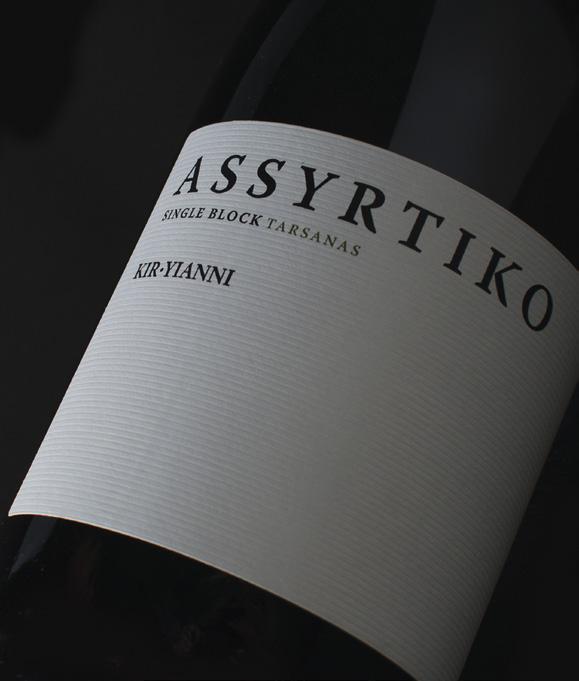
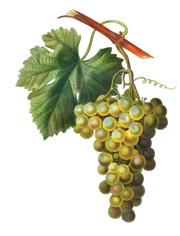
Assyrtiko is the flagship Greek variety. Vibrant acidity, generous alcohol, fine aromas of lemon blossoms and a mineral/salty fingerprint. With that baggage of ammunition, the greatest and most dynamic white Greek grape set on its journey from its homeland of Santorini island to conquer the vineyards of mainland Greece and to continue on globally.
FAST FACTS ABOUT ASSYRTIKO Vineyards’ surface
Greece: 2.166 ha Santorini & Therasia: 800 ha (70-75% of total islands’ vineyard)
P.D.O.
(Protected Designation of Origin)
P.D.O. Santorini (w/ Athiri, Aidani up to 25% in total) {1971}
P.D.O. Meliton Slopes (w/ Athiri, Roditis) {1982}
P.D.O. Rhodes (w/ Athiri, Malagousia) {1971 & 2011}
P.D.O. Monamvasia-Malvasia (w/ Monemvasia, Kidonitsa) {2010}
P.D.O. Malvasia-Paros (w/ Monemvasia) {2011}
P.D.O. Malvasia-Sitia (w/ Athiri, Thrapsathiri, Liatiko, White Muscat) {2011}
P.D.O. Handakas-Candia (w/ Vilana, Athiri, Thrapsathiri, Vidiano) {2011}
P.D.O. Malvasia Handakas-Candia (w/ Athiri, Thrapsathiri, Vidiano, Liatiko, White Muscat) {2011}
Aromas and flavours profile
Taste profile
Body: rich texture
Acidity: high
Alcohol: high
Assyrtiko is one of the most impressive varieties of the Mediterranean vineyard
With thick-skinned berries, it shows high resistance to drought and vine diseases, like oidium, mildew and botrytis. This is the reason why it reigned in Santorini, leaving the thin-skinned Athiri on the sidelines.
Furthermore, Assyrtiko is one of the rare white grape varieties which can be grown in hot and dry weather conditions, maintaining high sugar content (and potentially alcohol) in excellent balance with the lively acidity.
Growing areas
Confidently setting out from its homeland Santorini to conquer the rest of the country and, then, the world, the most remarkable and dynamic white Greek grape was well aware of its assets, a combination of vibrant acidity, generous alcohol and salty aftertaste.
Australia, Cyprus, Italy, South Africa and the USA are the countries in which it has migrated to so far.
Assyrtiko styles
Assyrtiko’s strong suit is definitely its structure, the density in the mouth, which is wonderfully combined with a scaly acidity, the generous alcohol and the minerality, all of which give its wines an intense personality.
As it is a grape that reflects the area’s terroir in which it is grown, we can easily make the distinction between the Assyrtiko wines from Santorini and the ones from the rest of Greece.
Assyrtiko @Santorini
The vineyard in Santorini is definitely peculiar. First of all, it is the oldest in Greece, some vines may even be 300 years old due to the fact that phylloxera never reached the island. Luckily the island’s sandy soil does not favour this foe. The vines are grown on this land, which is covered in lava, pumice stone, rust and ashes from the volcano’s explosions. Their life isn’t the easiest. They have to deal with serious dry spells,
Assyrtiko styles
Super refreshing whites with lively acidity.
Mature lemon-and-minerals whites. Barrel fermented and aged whites. Sweet wines from sundried grapes.
The typical chemical composition of P.D.O. Santorini wines
Alcohol: 12.8–13.5% vol.
Total acidity: 6.8–7.2 g/l pH: 2.85–2.95
ASSYRTIKO AT THE TABLE
Serving temperature: 9–12°C
Food pairing
Fish: sea bream, dentex, striped seabream
Sea food: oyster, sea urchin, shrimps, crayfish
Meat: pork, lamb, poultry
Aromatic herbs and spices: coriander, basil, mint, fennel, green onion, white pepper
Cheeses: goat cheeses
Ageing potential: 2–3 years
Santorini: 5–6 years
since it rarely rains on the island. And the northern winds which are strong and merciless. They ravage everything. However, there is also a solution for everything. The god-sent, thick, night fog which rises up from the caldera, provides the humidity that is necessary, while the vine growers take precautionary measures for the wind. They prune the vines low and they weave them like baskets in which the grapes are protected from the wrath of…sandblast. And if you want to talk about yields, let’s just say that they are dreadfully low, at 3.000-4.000 kilos per hectare.
Assyrtiko, grown in Santorini’s volcanic ecosystem -which is particularly dry and hot with saline soilsproduces wines with a firm flavour and remarkable acidity that remains at exceptionally high levels even when the alcoholic title is flirting 15%. The nose is discrete, with the fruit emitting notes of citrus. And, of course, the mineral character along with the salty and slightly tannic aftertaste, give away its origin with the very first sip. A unique and rare ensemble, addressed to those who love intense, ‘unconventional’, white wines.
Santorini produces the dry white wine P.D.O. Santorini -made from at least 85% Assyrtiko, along with the Athiri and Aidani varieties- and the sweet Vinsanto.
Assyrtiko & Vinsanto
Vinsanto, is a wine renowned throughout the centuries that became famous and sought-after, initially supplying the ships that used the island as a key stopover on the journey from Venice to Crete and the Middle East, and later as a commercial product of great value and exceptional quality.
Assyrtiko is the backbone of the exquisite Vinsanto dessert wines. Apart from Assyrtiko, Aidani also participates in the production of the P.D.O. Vinsanto (based on legislation, Assyrtiko must be at least 51%).
The grapes are sun-dried. This means that they are spread out under the sun in order for them to shrink up, dehydrate and, consequently, increase both the sugar concentration and their acidity. From the fermentation of these grapes and the ageing for years -even decades- in oak barrels, the wines that are produced are sweet with golden colour, soft, with a velvet taste and exceptional complexity. Wonderful elixirs with an aromatic palette ranging from dried figs and raisins to dried nuts, caramel, honey and chocolate. And, surely, they are wines of great endurance in time.
Assyrtiko @rest of Greece
Assyrtiko adapts easily to many microclimates without compromising its viticultural characteristics or organoleptic qualities. Combined with its resistance to drought and disease, it is an exceptionally valuable variety for regions with high atmospheric or soil humidity.
And since Assyrtiko is a variety of Aegean origin, it is natural that it is cultivated on most of the islands and in Crete, producing wines that highlight the acidity and complexity of the variety.
As for the Assyrtiko wines produced on the mainland, most exhibit a clearly fruity character, with notes ranging from green apple and citrus to tropical fruits, depending on the vineyard’s yield per hectare and the degree of ripeness. Often, depending on the soil composition, they combine fruit with minerality.
Assyrtiko & barrel
Assyrtiko makes a great match with oak. The fermentation in the barrel, the ageing on the wine lees (sur lie), even the malolactic fermentation in contact with the wood, all contribute to the creation of exuberant wines with a wonderful complexity and creamy texture. Keep a note of the “Santorini Nychteri” designation: this refers to P.D.O. wines with a minimum alcohol content of 13.5% that have aged for at least 3 months in the barrel.
Assyrtiko & time
And a few words about its ageing potential. All Assyrtiko wines, even tank-fermented ones, age beautifully over 2–3 years in the bottle. Some, particularly those from Santorini, age comfortably for 5–10 years, and sometimes much longer.
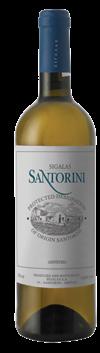
Assyrtiko @Santorini
Santorini 2025
Domaine Sigalas
P.D.O. Santorini / 52.00€
Vineyards: Santorini
One of the most popular P.D.O. Santorini labels on the market it delivers great quality in just about any vintage. Vibrant and youthful, this beauty is a pure expression of Assyrtiko made in the classic style. The wine possesses great intensity, good acidity to bring it into balance, citrus and minerals in the mix too. You could drink it now or hold it 3 years or more.
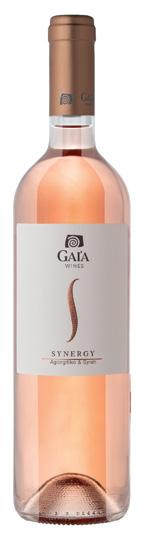
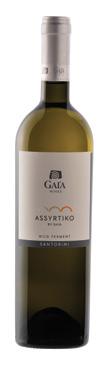
Assyrtiko by Gaia Wild Ferment 2025
Gaia Wines
P.D.O. Santorini / 52.00€
Vineyard: Pyrgos, Santorini
This Gaia’s cuvée is a truly outstanding Assyrtiko fermented by wild yeasts strains in small inox tanks and oak & acacia barrels. On the nose, it is very expressive with stone fruit and floral undertones. On the palate, it delivers high complexity and that characteristic touch of salinity that you often get with Assyrtiko planted on Santorini.
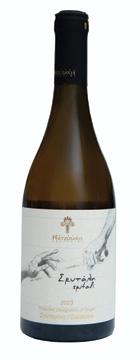
Skitali 2023
Hatzidaki Winery
P.D.O. Santorini / 85.00€
Vineyards: Pyrgos & Megalochori, Santorini / > 40-80 years old vines
An Assyrtiko that marks the passing of Haridimos Hatzidakis winery to his children, reflecting the philosophy and style of Santorini that he himself loved. Typical and charming, the 2023 vintage begins with doses of citrus and herbs before leading us through the varietal’s mineral palette. Delicate and juicy mouthfeel with warmth and the island’s salty expression on the finish.
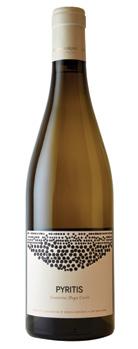
Pyritis 2024
Artemis Karamolegos Winery
P.D.O. Santorini / 57.00€
Vineyards: Pyrgos & Megalochori, Santorini / > 120 years old vines
Artemis Karamolegos captures the expression of Assyrtiko in this elegant P.D.O. Santorini, despite the power and warmth. Dense and complex nose with stone fruit and floral undertones, rich body with a pleasant slightly tannic touch and impressive length.
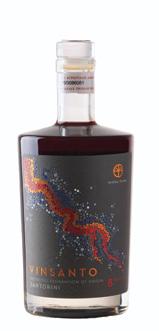
Vinsanto 8 years old 2017
Mikra Thira
P.D.O. Santorini / 59.00€ (500 ml)
Vineyard: Therassia, Santorini / organic agriculture
This delightful Vinsanto is sun-dried Assyrtiko and Aidani (95% - 5%). An oakfermented dessert wine (aged for 8 years in oak barrels) opens with a bright golden-orange colour and very distinctive aromas of citrus, honey and caramel. It is a thick, sugar-rich expression that peels off with charming layers of candied fruit on the finish. (Due to its limited production, it is available exclusively in Therassia and Santorini.)
Assyrtiko@Mainland Greece
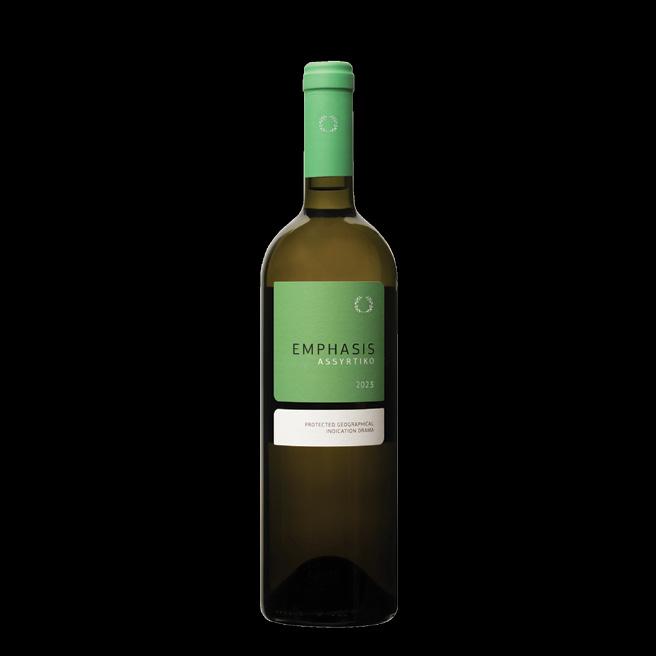
Emphasis Assyrtiko 2024
Ktima Pavlidis
P.G.I. Drama / 18.60€
Vineyard: Drama, Macedonia
A terrific producer and an Assyrtiko with lovely lemony character from a selected vineyard on the slopes of Mount Menikiο at an altitude of 550 meters. Nose of lemon blossoms, ripe summer fruits and distinctive mineral notes. Refreshing acidity and liveliness supported by a creamy body.
Astir X Selection Assyrtiko 2024
Astir Winery
P.G.I. Peloponnese / 15.30€
Vineyard: Messinia, Peloponnese
If you wondered what an Assyrtiko from Southern Greece tasted like, this wine would certainly give you an idea of the combination of textural richness and balanced acidity. Vibrant and youthful, it is pure pleasure with fresh citrus aromas bursting from the glass.
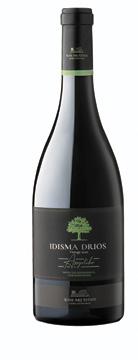
Idisma Drios Assyrtiko 2024
Wine Art Estate
P.G.I. Drama, Macedonia / 18.50€
Vineyard: Mikrochori & Kali Vrisi, Drama, Macedonia / organic agriculture
A world class oak-fermented Assyrtiko. With just the right vanilla background, it combines fabulously caramelized citrus, peach and sun-ripened apricot flavours with a savoury minerality, leading to a dry finish. Fleshy and incredibly charming, is an excellent example of the Assyrtiko/barrel loving relationship.
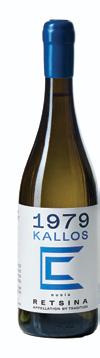
Kallos Phos
1979Wines
Traditional Appellation Retsina / 15.90€ (750 ml)
Vineyards: Gerakona, Goumenissa, Macedonia
The first Retsina produced from sustainable resin (resin extracted by chopping the tree without any use of chemicals) from Halkidiki, Central Evia and Corinth. An elegant Retsina, based on Assyrtiko (100%) with a subtle hint of resin. Aromas of fresh citrus combined with mastic, herbal tones of rosemary, thyme, ginger and an elegant barrel presence. Sharp acidity, intense minerality and an impressive long-lasting finish. A must try for retsina lovers looking for something different.
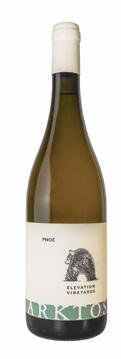
Pnoé 2025
Arktos Elevation Vineyards
P.G.I. Florina, Macedonia / 14.50€
Varietal composition: Assyrtiko 80%, Sauvignon Blanc 10%, Xinomavro 10%
Vineyard: Amyndeon, Florina, Macedonia
Artemis Karamolegos’s winery of Santorini aims to highlight the wealth of the Amyndeon vineyard with wines under the Arktos Elevation Vineyards umbrella. In this appealing and refreshing one, Assyrtiko marries Sauvignon Blanc and Blanc de Noir Xinomavro. Wine’s delicious fruit, round flavour and fine acidity matches perfectly the Mediterranean cuisine.
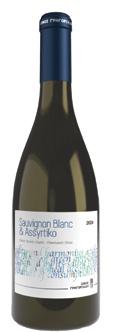
Sauvignon Blanc & Assyrtiko 2025
Oinos Grigoriadi
Varietal wine / 13.00€
Vineyard: Halkidiki, Macedonia
Grigoriadis Winery in Halkidiki crafts fine, velvety textured red wines. In their white they took advantage of both Assyrtiko & Sauvignon Blanc grapes to boost the wine with extra-fruity aromatic profile and lovely acidity. Lovely citrus aromas lead to exotic spice nuances, and a long finish with minerality hints that white wine lovers crave.
Take the long way around, choose the path few would take, where time is savoured not spent. Only cut the corners that should be cut, because time flies fast enough. Capture all it has to giv e Just like us, masters of our winemaking craft, waste it not. Because time brings the finest to light, in the purpose-built cellars of our private vineyard and winery, where our estate wines mature. No leaf has been left unturned, no labour spared, no moment rushed. As guardians of an ancient winegrowing land , at Ktima Biblia Chora , we make expressive wine s that celebrate tradition a s much as ex cel len c e
Our wines are for you to appraise, not by length of time but by the memorable quality they impart - time and again.
Aromas and flavours profile
“ma-la-ghoo-zee-A”
Flowery and lemony notes, satin structure and soft, peppery taste fragrant with honey. Malagousia flatters the palate, acquiring specifications for an international career.
However, in the 1970’s, Malagousia was considered extinct and only very few knew about it. Its wines made their appearance in our glasses about 15 to 20 years ago. Therefore, it is a variety that can clearly narrate the way in which the Greek winemakers are discovering the quality potential of domestic vineyards.
Taste profile
Body: medium - rich texture
Acidity: moderate
Alcohol: medium high
The popular Malagousia
A white grape variety that, over the past 20 years -after being saved from extinction- has been planted almost everywhere in Greece. Malagousia’s plantings have increased at an impressive rate (+41% over a five-year period, according to the Hellenic Statistical Authority). This is doubly impressive when one considers that it is -almost- absent from major wine-growing regions, such as Crete, the Aegean, the Ionian Islands, and the western Peloponnese.
Are you wondering what’s behind this “boom” in plantings?
First of all, its light, aromatic, playful wines suit the Greek-and by extension, the international- palate.
Of course, we must not underestimate the fact that Malagousia was the first of the nearly extinct Greek varieties to make a comeback, convincing winemakers of the quality potential of these old, indigenous, and previously unknown grapes.
Let’s see, then, how Malagousia, once the Cinderella of Greek grapes (*), became a princess, earning the credentials for an international career.
(*)«Malagousia the Cinderella of Greek Winemaking Grapes» Stavroulou Kourakou, Foinikas Editions
FAST FACTS ABOUT MALAGOUSIA
Vineyards’ surface
Greece ~ 750 ha
P.D.O.
Rhodes (with at least 50% Athiri and Assyrtiko)
Malagousia styles
Aromatic whites
Blends
Malagousia + Assyrtiko
Malagousia + Sauvignon Blanc
Malagousia + Chardonnay, Viognier
MALAGOUSIA AT THE TABLE
Serving temperature: 8-10ºC
Food pairing
Fishes: salmon, mackerel
Sea food: mussels, calamari
Pasta: spaghetti al pesto, risotto with shrimp, mussel’s risotto
Meat: poultry, pork
Herbs and spices: basil, garlic
Cheeses: manouri (Greek semi-soft sheep’s and goat’s milk cheese)
Vegetables: ladera (oil-based dishes), salads
The history
Malagousia is firstly reported in the book “Oenologika” (about oenology) by Othonas Roussopoulos in 1888. (*)
The origins of Malagousia are reportedly to be in Aetolia-Acarnania, Central Greece. In the older days, large areas of the wider Nafpaktia (Nafpaktos, Orini Nafpaktia, etc.) were covered in this variety. At some point, however, its cultivation was abandoned, apparently due to the great attention that it requires, as the grape is sensitive to oxidation. And it would have obviously disappeared, if it hadn’t been planted on a test basis at the Porto Carras Estate in Halkidiki.
“It is widely acknowledged that Haralambos Kotinis (Agronomist and Viticulture expert) was the good spirit that led the Cinderella Malagousia to the palace ball. However, the one who made her queen was Vangelis Gerovassiliou.” (*)
Vangelis Gerovasiliou, well-known oenologist and winemaker in Northern Greece, remembers: “In 1977, when I first started as an oenologist at Porto Carras (Halkidiki), I found an experimental vineyard from which various forgotten varieties, unknown at the time, had been collected by the late and memorable Professor of Viticulture at the University of Thessaloniki, Mr Vasilis Logothetis. Among those was Malagousia. I ate a few grapes and I realized its quality potential and I remember that I made a barrel of sweet white wine that was teeming with lime aromas. The wine was later tasted by Mrs Kourakou (Stavroula Kourakou, PhD, directed the Greek Wine Institute for 20 years and also chaired the O.I.V. - International Organization for Viticulture and Wine) who was thrilled, and it became the reason why we multiplied the few vines we had and in a few years – in 1980 – we made the first dry wine from Malagousia in Porto Carras. That is how the variety was rescued, because later on the experimental vineyard would be abandoned and surely Malagousia would have disappeared also.”
Here is what Roxani Matsa, vine grower and winemaker, has to say about her part in spreading out the cultivation of Malagousia: “I worked very hard to have Malagousia at the estate (Roxani Matsa Estate in Kantza, Attica) and this is why I give it to anyone who wants it. I have given away…millions of grafts! Of course, nowadays there are native plantations. Rauscedo nursery in Italy is printing ‘Malagousia Roxani’ on the plants labels.”
Indeed, today Malagousia has spread throughout almost all of Greece, giving us a range of exceptional wines. It is, however, cultivated even in unsuitable, wet, and fertile areas, with the result that this sensitive variety does not always produce wines of the highest quality.
Malagousia styles
There’s no way we wouldn’t recognize Malagousia wines! Especially if they come from its small-berried clone, which is more aromatic and flavourful.
Their expressive nose clearly reveals aromas of herbs, such as chamomile; citrus fruits, such as bergamot and lemon; tropical fruits, such as mango and pineapple; as well as notes of green pepper.
These are wines with moderately high alcohol content, a satiny texture, and a round, wonderfully peppery flavour. Their acidity is moderate, which is why winemakers often blend Malagousia with grapes such as Assyrtiko, Chardonnay, or Sauvignon Blanc.
They usually leave the young wines in contact with the lees, stirring them continuously (bâttonage) to add body and more layer.
Similarly, the moderate or partial use of barrels adds extra complexity, structure, and longevity.
Finally, sweet wines from Malagousia are produced from late-harvest grapes, which makes them even more dense and aromatic.
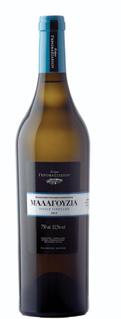
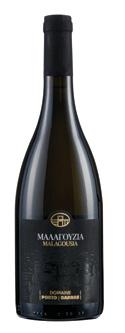
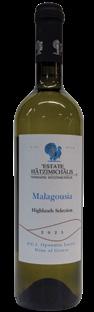
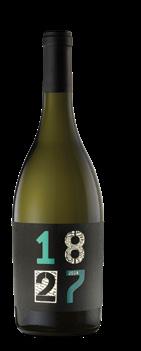
Malagousia 2025
Ktima Gerovassiliou
P.G.I. Epanomi / 17.70€
Vineyard: Epanomi, Thessaloniki, Macedonia
Vangelis Gerovassiliou, the ‘master’ of Malagousia who saved it from extinction, created this crisp, yet packed with silky tree fruit, minerality and many nuances, wine. The flavours explode with scents of lime and bright notes of tangerine, fattening up in the middle before lasting on a long, tangy line of citrus. It has the nettle-like grip to take on sashimi, from white salmon to Spanish mackerel.
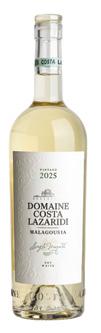
Malagousia 2025
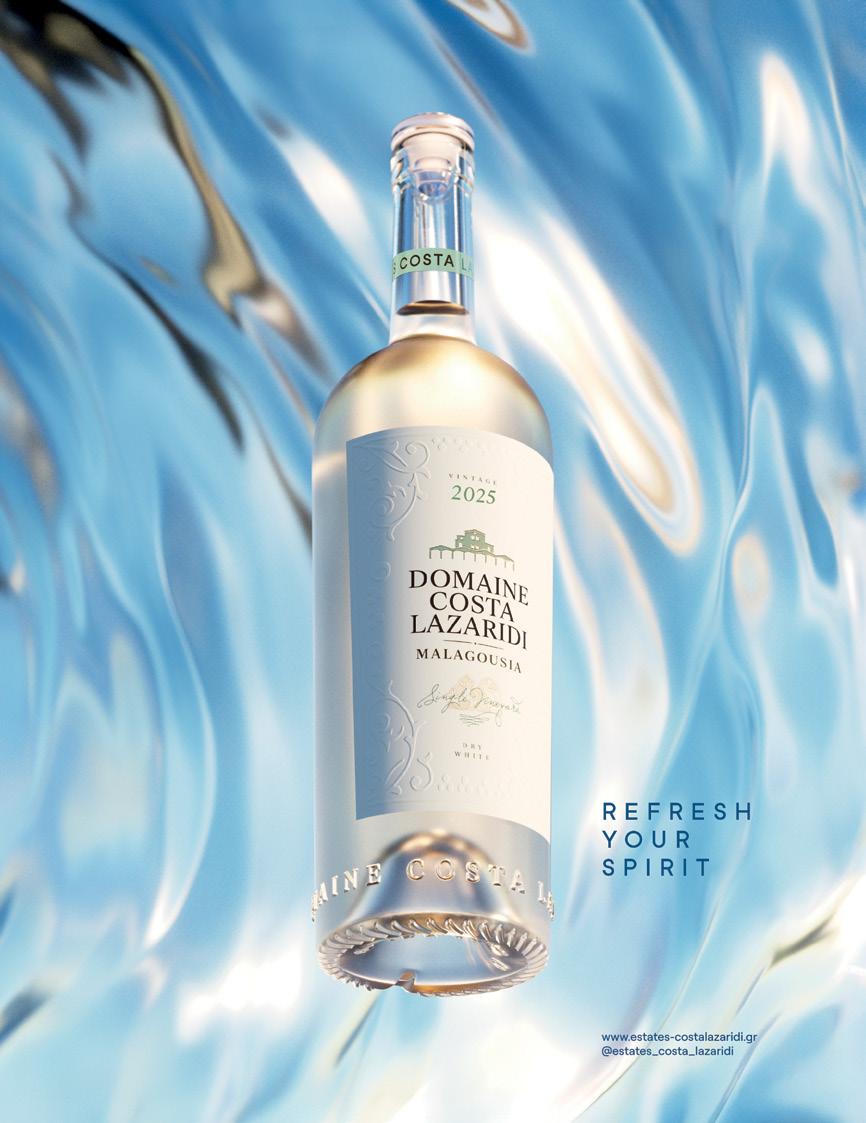
Domaine Costa Lazaridi
P.G.I. Drama / 17.70€
Vineyard: Katafito, Nevrokopi, Drama, Macedonia
A single-vineyard Malagousia that captures in the bottle an aromatic garden filled with white flowers, pears, and peaches. The body is refined, while the high altitude ensures extra freshness and length. It comes from the newest section of the estate’s vineyard, 35 hectares planted with cool-climate varieties on the slopes of Mount Orvelos in Neurokopi, Drama, at an altitude approaching 900 meters.
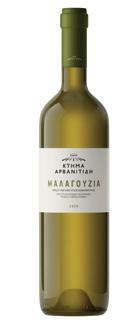
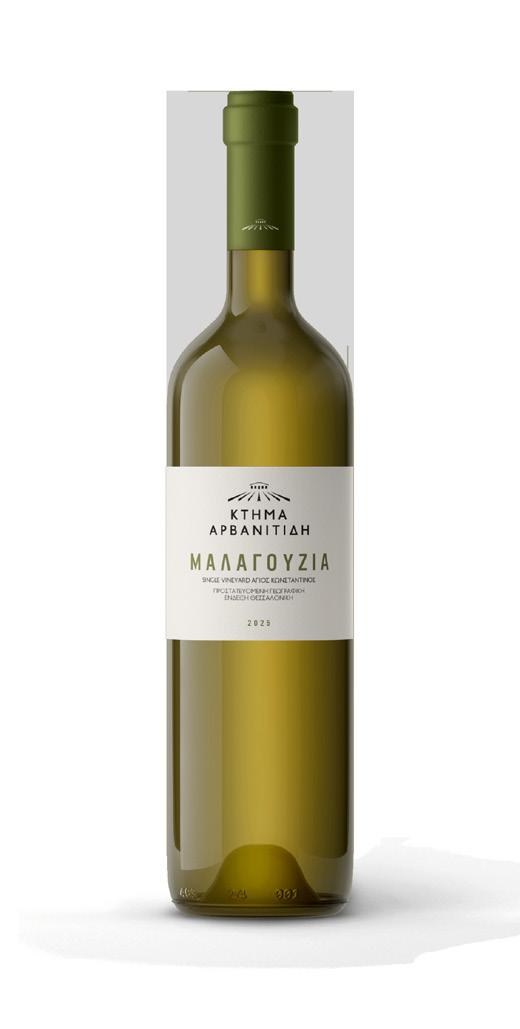
Malagousia 2025
Arvanitidis Estate
P.G.I. Thessaloniki / 13.50€
Vineyard: Askos, Thessaloniki, Macedonia
Textbook Malagousia: crisp, citrus trees fruit, lime and aromatic herbs notes and a racy character; so refreshing it can be consumed on its own, or makes a terrific partner to a wide range of dishes. A classic Malagousia for purists made with grapes sourced from the semi-mountain ‘Saint Constantine’ vineyard at Askos region of Thessaloniki.
Malagousia 2025
Domaine Porto Carras
P.G.I. Halkidiki / 17.50€
Vineyard: Sithonia, Halkidiki, Macedonia / organic agriculture
A premium Malagousia determined to expand beyond variety’s full potential. Fruit is sourced from selected plots of the privately owned vineyard in Sithonia, one of the most beautiful on the Greek landscape and a must-see when touring wine country. 2-3 months fine lees contact in inox tanks + barrique result in ultra-ripe fruit character + hints of oak, great intensity, pure enjoyment.
Malagousia Highlands Selection 2025
Domaine Hatzimihalis
P.G.I. Opountia Lokris / 15.90€
Vineyard: Opountia, Lokrida, Fthiotida, Central Greece
This very attractive Malagousia comes from estate’s vineyards in the highlands of its birthplace, Central Greece. Look for aromas of peaches on the nose with flavours of lemon drops and tropical fruit combined with a long flinty finish. Crisp, clean and something you really want to plant your lips on.
NV 1827 white 2025
Noctera Vineyards
P.G.I. Peloponnese / 15.90€
Vineyard: Messinia, Peloponnese / organic agriculture
Noctera Vineyards is a premium Greek wine project based in the heart of Messinia, and operating in close collaboration with the luxury Costa Navarino resort. The 1827 series is mamed after the historic Battle of Navarino. The white label puts Malagousia, Assyrtiko and Kidonitsa together, so the minerality, stone fruits and quinces are a given. So is the structure, the volume and the freshness from the crisp acidity.



Aromas and flavours profile Taste profile
FAST FACTS
ABOUT WHITE MUSCAT
Vineyards’ surface
Greece: 1.700 ha
P.D.O. Samos {1970}
P.D.O. Muscat of Patras {1971}
P.D.O. Muscat of Rio Patras {1971}
P.D.O. Muscat of Cephalonia {1971}
P.D.O. Muscat of Rhodes {1971}
P.D.O. Malvasia-Sitia (w/ Assyrtiko, Athiri, Thrapsathiri, Liatiko) {2011}
P.D.O. Malvasia Handakas-Candia (w/ Assyrtiko, Athiri, Thrapsathiri, Vidiano, Liatiko) {2011}
Synonyms
Muscat of Rio
Muscat of Samos
Moschoudi
Muscat of Spinas
Muscat blanc à petits grains
Muscat de Frontignan
White Muscat styles
Dry with an intense aromatic character.
Sweet with explosive aromas, incredible finesse, and concentrated flavour.
Aged sweet wines with tremendous structure and aromatic complexity.
Body: light to medium
Acidity: moderate
Muscat is a very large family of grapes. They can range from white with a lightly coloured skin to deep red or black. They can be eaten as table grapes, used to make raisins, juices, or wines of various styles. From delicate, dry whites-often sparkling- to aged and fortified sweet reds. Among them, the best known are White Muscat, Muscat of Alexandria, and the red Muscat of Hamburg or Tirnavos.
White Muscat
White Muscat, the oldest and most noble of the Muscat family, is one of the most important white varieties in the global vineyard. It is considered, along with the other varieties of the Muscat group and especially Muscat of Alexandria, a grape of the Eastern Mediterranean. In Greece, it has been cultivated since antiquity. Today, the Aegean islands of Samos and Rhodes, Crete, the Peloponnesian vineyards of Rio Patras and Patras, and Cephalonia are the most important regions for its cultivation. And all of them have P.D.O. zones bearing the same name for their sweet Muscat wines.
Compared to other Muscat varieties, it stands out for the small size and significantly higher aromatic and flavour intensity of its grapes. And when cultivated in sunny areas, especially on slopes and mountainous vineyards, it produces, throughout Greece, aromatic dry wines, but above all exceptional sweet ones, which rightfully rank among the world’s finest dessert wines.
White Muscat profile
Both sweet and dry white Muscat wines share, as a common tasting characteristic, explosive aromas -with a pronounced presence of the variety’s primary aroma and lychee- flavour concentration, and satisfying acidity, elements typically found in the variety’s sweet wines-though to a lesser extent in the dry ones as well.
Barrel ageing further concentrates these elixirs, while simultaneously imparting notes of honey, nuts, and jam.
FAST FACTS
ABOUT MUSCAT OF ALEXANDRIA
Vineyards’ surface
Greece: 888 ha
P.D.O. Muscat of Lemnos {1972}
P.D.O. Lemnos {1982 - 2011}
Synonyms
Alexandrino
Muscat d’Alexandrie
Moscatel romano
Zibbibo
Muscat of Alexandria styles
Dry with an intense aromatic character and light flavour.
Sweet, aromatic, and refined. Lightly sparkling, with an impressive bouquet.
DRY MUSCAT WINES
AT THE TABLE
Serving temperature: 9–12°C
Pairings
Meats: poultry, white meats with sweet-and-sour sauces
Vegetables: salads
Cheeses: whites
SWEET MUSCAT WINES AT THE TABLE
Serving temperature: 7–9°C
Pairings
Meats: turkey
Cheeses: spicy
Desserts: fruit tarts, Easter breads, New Year’s cake
Aromas and flavours profile
Taste profile
Body: light - medium
Acidity: moderate
Muscat of Alexandria, a thick-skinned variety in contrast to the thin-skinned white Muscat, apparently originates from North Africa -Alexandria or Cape Zibibbo- and was primarily cultivated for the production of table grapes, i.e., grapes intended for eating. In Greece, it adapted very well to the poor, volcanic soils of Lemnos, with the island serving as its primary cultivation center. It is also found in vineyards in Macedonia, Thrace, and the Ionian Islands.
The quality of its wines depends directly on how it is cultivated, and special care is required because, during Lemnos’s hot summers, it tends to produce high yields as well as high sugar levels at the expense of acidity. However, when cultivated with care, it produces fruity and well-balanced wines.
Muscat of Alexandria styles
Its large berries make it less aromatic than the fine-berried white Muscat; however, it is precisely these subtle tones that are the variety’s secret weapon, as they allow its wines to pair more easily with a wide range of foods.
If we were to describe the profile of dry Muscat of Alexandria wines, we would highlight their appealing aroma, moderately rich body, and rounded mouthfeel.
In sweet wines, the aromas gain greater depth and intensity. The flavour becomes exuberant and fullbodied, ending with a very pleasant, fruity aftertaste.
And the elegant, fragrant sparkling wines promise to be utterly captivating.
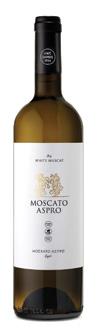



Moscato Aspro 2025
Samos Wines
7.70€
Vineyard: Samos
The Cooperative of Samos is famous for its wonderful sweet wines. Here, however, it offers us a captivating dry version of the white Muscat. A wine full of freshness, liveliness, and flavour. Bright in appearance, with a nose that immediately evokes roses and jasmine, while the second swirl of the glass reveals white-fleshed peaches, apples, and citrus fruits.
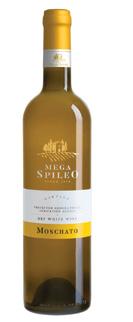
Moschato 2025
Domaine Mega Spileo
P.G.I. Achaia / 9.00€
Vineyard: Egialia, Patras, Peloponnese / organic agriculture
A refreshing single vineyard 100% white Muscat, from Mega Spileo Monastery vineyard in upland Egialia, situated at an altitude of 850 meters, with a tremendous view overlooking the Vouraïkos gorge. Lively and bright with a citrusy core and direct, grassy lemon and herb flavours. So dense, so fruity, yet so elegant -it will enchant you.
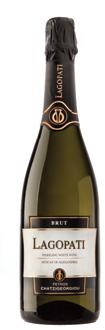
Lagopati Brut
Domaine Hatzigeorgiou – Lemnos
13.80€
Vineyard: Lemnos
A dry, sparkling 100% Muscat of Alexandria, full of intensity, freshness, and elegance. Careful selection at harvest, extended pre-fermentation, and secondary fermentation in a closed tank result in a quintessential expression of the grape, with lovely bubbles and intense effervescence, a nose full of summer fruits and rose, a satiny palate with mild acidity and balance.
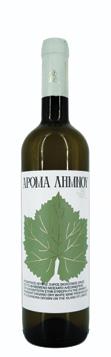
Aroma Limnou
Limnos Wines
P.D.O. Limnos / 5.50€
Vineyard: Lemnos / organic agriculture
The cooperative of Lemnos proudly presents a captivating dry Muscat of Alexandria that has won international awards. Refined and long-lasting, with a classic bouquet of herbs, citrus, and exotic fruits. On the palate, it offers volume and floral aromas, with very pleasant acidity and balance.
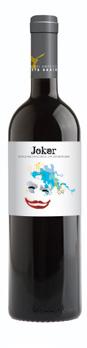
Joker
Lalikos Winery
P.G.I. Kavala / 11.00€
Vineyard: Palaia Kavala, Kavala, Macedonia
A superb off-dry blend that combines equal parts of the two Muscat varieties: White Muscat and Muscat of Alexandria. An exceptionally aromatic and balanced wine, it generously offers aromas of apricot, peach, and lemon blossom. Refreshing acidity and a slightly sweet finish create the tantalizing palate of a perfect aperitif! From the estate’s mountainous vineyards.
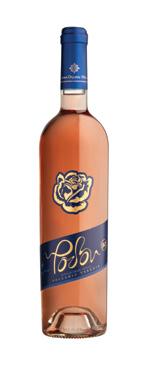
Rodon 2025
Limnos Organic Wines
Varietal wines / 11.00€
Vineyard: Lemnos / organic agriculture
This semi-dry rosé from the beautiful island of Lemnos blends Muscat of Alexandria with a touch of Limnio and the result captivates with its rose aroma and flavour harmony. The mouth has finesse and a welcome sweetness.





























































“sa-va-tee-a-NO”
IN A NUTSHELL
One of the most widespread varieties in Greek vineyards, Savatianowhether as a single varietal or as part of a blend- is responsible for a large volume of dry white wines.
FAST FACTS ABOUT SAVATIANO
Vineyards’ surface
Greece: 10.135 ha
(16,14% of total Greek vineyard)
Attica: 5.290 ha
P.D.O. Anchialos (w/ Roditis) {1982}
Savatiano styles
Retsina, Traditional Designation.
Easy-drinking whites.
Mature whites with a rich character.
Synonyms
White Kountoura
White Doubraina
Sakeiko
Stamatiano
Perachoritis or Perachoritiko
SAVATIANO AT THE TABLE
Serving temperature: 9–12°C
Food pairing
Fish: small fried fish, fried cod
Seafood: fried squid, mussels
Meat: chicken
Vegetables: fresh salads
Cheeses: soft white cheeses
Ageing potential: 2 – 4 years
Aromas and flavours profile
Taste profile
Body: medium
Acidity: moderate
Geography
Savatiano is a Greek grape variety with a rich history and tradition. It is one of the most widely planted varieties in the country, with the majority of its cultivation taking place in Attica and Viotia. It is also cultivated in other parts of Greece, such as Thessaly, Crete, the Cyclades, Corinthia, and Macedonia.
Savatiano can be grown at low altitudes and in lowland areas with a warm climate, as it is highly droughtresistant and adapts well to high temperatures. Indeed, it owes its dominance in the Attica vineyard to these very qualities. A vineyard with the driest and hottest climate in Greece, known since antiquity. It is, therefore, one of the oldest in Europe, the largest contiguous vineyard in Greece, and one that is also located so close to the capital.
Savatiano styles
The most common wine made from this variety is the fresh wine -that is, the one produced using modern white wine-making techniques: fermentation in stainless steel tanks, low temperatures, and sometimes pre-fermentation maceration, selection of the first pressing- and is consumed within 1–2 years of production. It has an aromatic profile of citrus and white-fleshed fruits, as well as floral and sometimes herbal notes. It lacks a rich body or excessive alcohol, characteristics that make it an easydrinking everyday companion to Greek cuisine.
However, Savatiano also loves oak, and when aged in small or larger oak barrels on its lees -sur lie- it impresses with its volume and evolution over time, demonstrating the potential for great variety. Today, winemakers are even experimenting with vinification on the skins -orange wines- as well as fermentations using indigenous yeasts and minimal intervention.
And of course, we must not forget Retsina, the traditional Greek wine with over 3.000 years of history, and the variety’s use -either alone or blended with Roditis- in the Attica region. The demand for cheap bulk wine made from low-quality grapes found an outlet in the distinctive aroma and flavour of retsina, which dominated the market almost exclusively in the 20th century until two decades before its end. When wine production in Greece began to be better organized -with the establishment of appellations of origin- existing wineries were modernized and new, contemporary ones were built, the quality of the wines produced began to improve, and the oxidized retsina of the “old days” was phased out. Today, thanks to the serious efforts of winemakers, “modern” retsinas are slowly but surely gaining ground and finding their place alongside other Greek wine labels.
In Attica, there is no Protected Designation of Origin (P.D.O.) zone; however, Savatiano is used in many wines with a Protected Geographical Indication (P.G.I.), as are the region’s retsinas with a place-name designation.
“vee-thee-a-NO”
IN A NUTSHELL
Vidiano is a white grape variety from Crete that has undergone a dramatic improvement in its reputation over the past 20 years, leading to an expansion of its cultivation beyond the island.
FAST FACTS ABOUT VIDIANO
P.D.O. Handakas-Candia (w/ Assyrtiko, Vilana, Athiri, Thrapsathiri) {2011}
P.D.O. Malvasia Handakas-Candia (w/ Assyrtiko, Athiri, Thrapsathiri, Liatiko, White Muscat) {2011}
Vidiano styles
Fresh, fruity whites.
Mature whites with body and complexity.
Blends
Vidiano + Vilana, Plyto Vidiano + Assyrtiko
VIDIANO AT THE TABLE
Serving temperature: 8–10 °C
Pairings
Fish: grilled
Seafood: pasta with seafood, mussel risoto, fried calamari
Meat: poultry, pork
Vegetables: ladera (oil-based dishes), salads
Cheeses: young graviera, ladotyri
Aging potential: 3–4 years
Aromas and flavours profile
Taste profile
Body: rich texture
Acidity: moderate to high
Alcohol: medium high
Geography
Vidiano was rediscovered in the 80s, with its cultivation concentrated mainly in Rethymno, Crete. Since 2000, new plantings have shifted to Heraklion and further east to Chania. Today, having proven its true quality potential, vineyards of this variety can be found in Kavala, Drama, Pieria, Thrace, Achaea, and other regions of mainland Greece.
It is a variety that loves the sun and withstands the heat. It prefers dry, calcareous soils with good drainage. And although it can reach high yields, when cultivated on well-drained slopes it produces balanced yields.
Vidiano styles
Vidiano’s exceptional potential is evident in its wines, which display complex aromas reminiscent of flowers, ripe summer fruits, and aromatic herbs, among other notes. On the palate, they are full-bodied and have moderate to high alcohol content, which is satisfactorily balanced by acidity.
Among Vidiano’s strengths are the rich flavour of its wines and their ageing potential, characteristics enhanced by barrel fermentation.
Vidiano & time
Vidiano wines age very harmoniously in the bottle for 3-6 years. These aged Vidianos exhibit aromatic complexity and notes of toasted nuts, citrus marmalade, and mineral undertones.
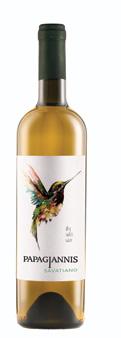
Savatiano 2025
Papagiannis Winery
P.G.I. Attiki / 10.00€
Vineyard: Eastern Attica
A refined, fruity character and refreshing acidity in a light, delicate, and wellbalanced Savatiano, from vineyards with old vines. A well-crafted everyday white with pleasant aromas of white flowers and fresh fruit to round out the experience.
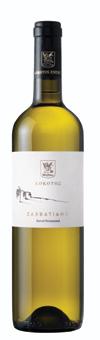
Barrel Fermented Savatiano 2025
Kokotos Estate
P.G.I. Attiki / 12.00€
Vineyard: Attica
The winery in Stamata, Attica has decided to demonstrate the harmonious ‘pairing’ of Savatiano and oak with a wine that is fermented and aged for 5 months in acacia barrels. And we enjoy in our glass dense aromas of flowers and ripe fruit alongside nuts, a rich body and nice acidity. It’s delightful now, but it will age beautifully for 2–3 years in the bottle.
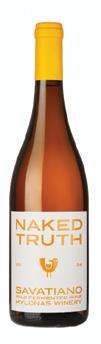
Savatiano Naked Truth 2023
Mylonas Microwinery
P.G.I. Attiki / 14.00€
Vineyard: Keratea, Attica / organic agriculture
The Mylonas Microwinery showcases the “raw truth” of Savatiano through a skincontact approach, spontaneous fermentation with wild yeasts, and a 6 month ageing period on the lees. And the variety offers a rich texture, dense aromas of ripe fruit, good acidity, and a spicy minerality in the finish. An orange Savatiano with promise for harmonious development over the next 5 years.
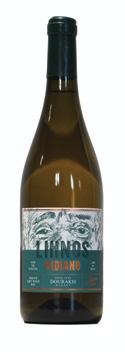
Vidiano 2025
Douraki Winery
P.G.I. Crete / 15.00€
Vineyard: Alikambos, Chania, Crete / organic agriculture
This Vidiano is truly delightful, coming from vineyards at an altitude of 350 meters at the foot of the Eastern White Mountains. It has an expressive aroma that reveals tropical and ripe summer fruits alongside zesty citrus notes. On the palate, it offers lovely length and liveliness, a rich body, and a juicy finish.
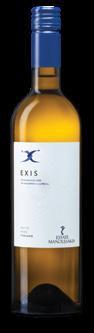
Vidiano 2025
Estate Manolesakis
P.G.I. Drama / 9.00€
Vineyard: Adriani, Drama, Macedonia
A refined expression of the Cretan variety with a lovely, typical nose that offers abundant floral notes and freshness on the palate, with a long finish of aromatic herbs. A rich body with a velvety texture that leads to a long, fruity finish. A Vidiano that demonstrates the grape’s ideal adaptation to Northern Greece.
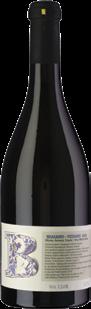
«B» Vidiano 2025
Domaine Agrovision
P.G.I. Halkidiki / 15.00€
Vineyard: Ierissos, Halkidiki, Macedonia
And a sample of the Cretan variety when grown in Halkidiki, with the wine ageing on its lees in oak barrels. With stone fruit, smoke, honey, and minerality. The oak’s touch contributes to the complex nose, depth, and volume on the palate.

www.arvanitidis-estate.gr THE ART OF MALAGOUSIA IN A BOTTLE
#ktimaarvanitidi
#arvanitidisestate
Das 100 Punkte Bewertungs-System Alberca Points
Die „Alberca Points“ dürfen aus rechtlichen Gründen nicht geändert werden! In Kombination mit den Alberca Bewertungen dürfen nur diese Logos verwendet werden.
Das 100 Punkte Bewertungs-System Alberca Points Die „Alberca Points“ dürfen aus rechtlichen
Das 100 Punkte Bewertungs-System Alberca Points
Das 100 Punkte Alberca Points
Die „Alberca Points“ dürfen aus
Das 100 Punkte Alberca Points
Punkte Bewertungs-System
Points
rechtlichen Gründen nicht geändert werden! In Kombination dürfen nur diese Logos verwendet werden.
Alberca Points
Die „Alberca Points“ dürfen aus rechtlichen Gründen nicht geändert werden! In Kombination mit den Alberca Bewertungen dürfen nur diese Logos verwendet werden.
Bewertungs-System
rechtlichen Gründen nicht
1
Die „Alberca Points“ dürfen aus rechtlichen Gründen nicht geändert werden! In Kombination mit den Alberca Bewertungen dürfen nur diese Logos verwendet werden.
Das 100 Punkte Bewertungs-System Alberca Points
Die „Alberca Points“ dürfen aus rechtlichen Gründen nicht geändert mit den Alberca Bewertungen dürfen nur diese Logos verwendet
“mos-ko-FEE-lai-ro”
IN A NUTSHELL
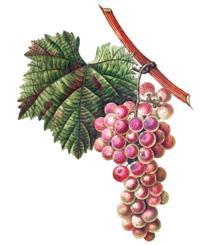
Moschofilero is an aromatic pinkskinned variety planted in the Mantinia plateau of the Peloponnese. It is aromatic and floral but also very fresh and crispy, a tricky combination pleasing to most consumers.
FAST FACTS ABOUT MOSCHOFILERO
Vineyards’ surface
Greece: 1.182 ha
P.D.O. Manitinia {1971, 2011}
Moschofilero styles
Elegant aromatic whites.
Palest pink rosés.
Expressive sparkling wines.
Blends
Moschofilero + Roditis
Moschofilero + Chardonnay
MOSCHOFILERO AT THE TABLE
Serving temperature: 8–10°C
Food pairing
Fish: fried anchovies, red mullets
Sea food: mussels, calamari, seashells
Meat: poultry, pork
Aromatic herbs and spices: basil, mint, fennel, garlic
Cheeses: white soft cheeses (kalathaki of Lemnos, anthotyro)
Aromas and flavours profile
Taste profile
Body: medium
Acidity: moderate to high
Alcohol: low to medium
Moschofilero is one of the most aromatic grape varieties in Greece, the most aromatic in the family of Fileri. It gives white, still and sparkling wines but, lately, also rosé ones with characteristics which make them easily recognisable and widely adored.
A vivacious, robust and productive variety, it is resistant to mildew but vulnerable to oidium and botrytis. The grapes have thick, reddish or greyish skin, but the wines they produce are mainly white. Lately, however, single varietal rosé Moschofilero wines have been constantly increasing.
Another of Moschofilero’s trait is its intense, easily identifiable aroma. In its clearest of expressions, it gives out roses, limes, jasmine, green apples, while in its most complex wines, spicy aromas of mint and basil are quite evident.
Finally, we should keep in mind that Moschofilero, even in its full maturity, has a relatively low sugar content and its acidity is quite high.
Moschofilero is grown in Arkadia, Messinia, Laconia and, sporadically, in Lefkada, Zakynthos, Preveza, Magnesia and Florina.
Clearly, the growing core is the Peloponnese and especially the plateau in Mantinia. That is where the Moschofilero’s wines reach their highest potential due to the mountainous, cold soil.
Moschofilero @Mantinia
The renowned Moschofilero wines are produced in Mantinia, north-eastern of Tripoli. Brilliant, aromatic, fine, elegant and lively, they have been indicated as P.D.O. since 1971.
The Mantinia/Moschofilero duet might just be the only ‘white’ in Greece which produces many totally different types of wines:
• Fine white wines with aromatic intensity
• Light-coloured (Provence type), delicate rosés
• Radiant, sparkling ones (with a P.D.O. indication since 2011).
Moschofilero & clones
There are many variations of Moschofilero. Its most important biotypes (clones) are three. Mavrofilero, which gives wines with high alcoholic degree and good acidity. This is the reason why it is used as the base for the production of the P.D.O. wines.
On the other hand, Xanthofilero and Asprofilero give wines of lower alcoholic degree and high acidity. They are mainly used for the production of sparkling wines.
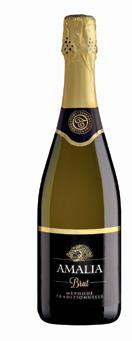
Amalia Brut
Ktima Tselepos
P.D.O. Mantinia / 20.50€
Vineyard: Tegea, Arkadia, Peloponnese / 600-680 m
Popular and enjoyable sparkling wine from the Greek master of bubbles, Yannis Tselepos. Charming and elegant, dry, lively and zesty with a lovely aroma profile of citrus, roses, honey and nuts, made with the same process as Champagne (méthode traditionnelle).
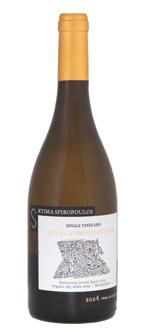
Deux Cyprés 2024
Ktima Spiropoulos
P.D.O. Mantinia / 18.10€
Vineyard: Agiorgitika, Mantinia, Peloponnese / organic agriculture
A relatively new label from the estate in Artemisio, Arcadia. Konstantina Spiropoulos vinifies Moschofilero from a single vineyard and ages it for 3 months in oak barrels to produce a white wine with grayish hues, a dense, impressive nose of roses and citrus, refreshing acidity, and elegance.
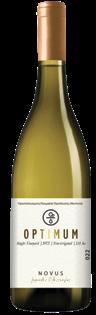
Optimum 2024
Novus Winery
P.D.O. Mantinia / 16.30€
Vineyard: Zevgolatio, Mantinia, Peloponnese / organic agriculture / old vines
The flagship label from Moschofilero master winemaker Leonidas Nassiakos. A superb aged single-vineyard Mantinia (aged for 7 months in acacia barrels and concrete tanks) that combines aromatic complexity, exceptional freshness, and rich flavour. The nose, full of rose water, citrus marmalade, and dried herbs, offers pure delight.
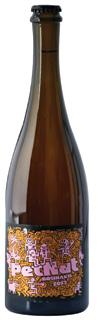
Pét Nat 2025
Bosinakis winery
Varietal Wine / 16.50€
Vineyard: Steno & Lithovounia & Agiorgitika, Mantinia, Peloponnese / 700 m
The 5th (!) version of Moschofilero that the Bosinakis family proposes is a playful pétillant naturel. A wine that completes its fermentation in the bottle to be released immediately afterwards, full of freshness, lively bubbles and particularly attractive aromas of rose, lime, and erba luisa/mint. Elegant and highly appealing in the mouth too, with a brut finish. Available in 6 different labels, all of them colourful.
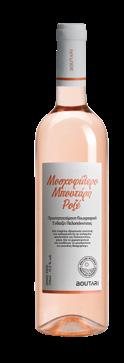
Moschofilero Rosé 2025
Boutari
P.D.O. Mantinia / 8.90€
Vineyard: Mantinia, Peloponnese / 650 m
Boutari, producer of this wonderfully elegant Moschofilero wine is determined to discover every dimension of the multifaceted variety. And this perfumed, pale-pink wine is a well-made rosé expression of Moschofilero. Whiffs of rose petal and lemon tree blossom accent rich, concentrated flavours of orange peel and fresh herbs. Fine and fringed by balanced acidity, it’s a refreshing, solidly built dry wine.
“ro-THEE-tees”
IN A NUTSHELL
Roditis is one of the two most planted grape varieties in Greece. Wines from this pink-skinned grape are made throughout almost all of Greece, but with best results near Patras in the western Peloponnese, in parts of Macedonia, and in Thessaly. When its yields are controlled and it is carefully vinified, Roditis gives us light and inviting wines bursting with the freshness of citrus, apple and pear.
FAST FACTS ABOUT RODITIS
Vineyards’ surface Greece: 9.060 ha
P.D.O. Patras {1972}
P.D.O. Anchialos (w/ Savatiano) {1982}
P.D.O. Côtes of Meliton (w/ Athiri, Assyrtiko) {1982}
Roditis styles
Retsina, Traditional Designation. Delicate, fruity whites.
RODITIS AT THE TABLE
Serving temperature: 9–12°C
Food pairing
Fish: small fried fish, fried cod
Seafood: fried baby squid, mussels
Meat: chicken
Vegetables and greens: fresh salads, vegetable pies
Cheeses: soft white cheeses
Aromas and flavours profile Taste profile
Body: medium
Acidity: moderate to high
Roditis is one of the most widespread Greek grape varieties, which -like the equally widely planted Savatiano- is also used in the production of Retsina.
Resistant to disease and drought, it has been cultivated for a very long time throughout the mainland, with its largest vineyards located in Achaia, Evia, Viotia, Attica, Thessaly, and Eastern and Central Macedonia.
Roditis & clones
Roditis is a variety that exhibits significant variability, showing differences both in its morphological characteristics (grape shape and size, skin colour) and in its technological (sugar content and acidity at ripening). Eight clones are widely cultivated, some of which are highly productive.
Roditis is generally considered pink-skinned variety, meaning the skin colour of its berries is reddish, with the most sought-after clone being Roditis Alepou (fox), which is less productive and has smaller berries. There are, however, also clones with a light green colour.
The Styles of Roditis
Roditis, when grown in mountainous vineyards (at altitudes ranging from 300 to 1.100 m) with proper yield control, careful vinification, and a short period of contact with the lees, produce wines with a refined body and fresh aromas. With clean, lemony-and, depending on the region, mineral- aromas, light to medium body, and refreshing acidity. Thrilling examples that elevate the variety’s excitement.
When sourced from old vines, over 35 years old, Roditis wines exhibit a mineral character with great fruit clarity and are suitable for ageing.
In contrast, higher yields, typically found in the lowlands, result in wines ranging from light and fruity to watery, lacking character.
Roditis @Mountainous Egialia
The slopes of Egialia are home to the most impressive vineyards in Achaia, North Peloponnese. The region, whose virtues were noted as far back as Pausanias in his ‘Achaica’, is a charismatic and diverse wine-growing area. The vineyards, admittedly among the most beautiful in Greece, stretch across gentle northern slopes and are cooled by the refreshing sea breezes of the Gulf of Corinth, which protect the vines from the summer heat. They are located at an altitude of 500 to 1.000 meters, on alluvial soils with good drainage.
Approximately 950 hectares, corresponding to 90% of the vineyards in the mountainous region of Egialia, are planted with Roditis.
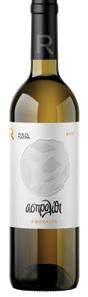
Asprolithi 2025
Rouvalis
P.D.O. Patras / 9.40€
Vineyard: Egialia, Patra, Peloponnese / 840 – 1.100 m
The first wine that introduced us to the beautiful Egialia wine-growing zone back in 1990, “one of the most interesting vinicultural regions in the world” (Stavroula Kourakou, honorary chairwoman of the O.I.V.). A superb mountain 100% Roditis with an aroma of yellow fruit and beautiful acidity on a mineral background, it advocates the efforts of its creators to elevate the zone to a distinct terroir and perhaps an Appellation of Origin.
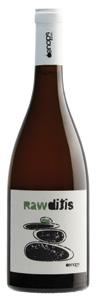
Rawditis 2025
Oenops Wines
Varietal wine / 16.90€
Vineyard: Amyndeon, Macedonia / 600 – 500 m / old vines
Fermented with wild yeasts and aged for 6 months in a clay amphora / no sulfur added. And so, oenologist and winemaker Nikos Karatzas produces an incredibly powerful orange wine, entirely “handmade” at every stage of production. With a golden-orange hue, a dense nose of ripe oranges, clementines, and earthy mushroom notes, good structure, and a slightly tannic finish. Its creator sets the bar for expectations of wines of this style very high.
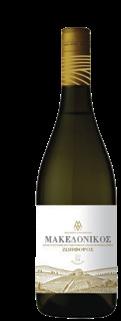
Macedonian Zoephoros white 2025
Messimvria Wines
P.G.I. Macedonia / 6.45€
Vineyard: Thessaloniki, Macedonia
Roditis, Assyrtiko, and Sauvignon Blanc, blended in a 60%–20%–20% ratio, were used to create a delightful white wine with crisp varietal aromas and freshness. Ripe summer fruits and spicy notes on the nose, a soft body, and a pleasant acidity on the palate.
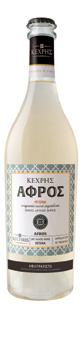
Afros 2025
Kechris
Traditional Appellation Retsina / 10.20€
Vineyard: Amyndeon, Macedonia
A pét-nat Retsina, which means it is bottled a few weeks after harvest, unfiltered, preserving the natural effervescence and aromas of the wine as it ferments. Slightly cloudy in appearance, with a pleasant effervescence. Lively and refreshing, the nose releases fruit embraced by lovely notes of pine and mastic. The intensity of the fruit and its balance with the resin aromas, as well as its freshness, will charm you. (Roditis 100%)
Retsina Georgiadis New Generation
Georgiadis Bros
Traditional Appellation Retsina / 2.00€ (500 ml)
If you’re curious about ‘traditional’ Retsina, this intensely aromatic Greek wine, then we suggest tasting Retsina Georgiadis. Blond in colour and beautifully balanced, with sharp aftertaste and a hint of Chios mastic, this wine is a prime example of Georgiadis Bros ability to combine long standing traditions with dynamic innovation. (Varietal composition: Roditis 80%, Malagousia 20%)
“a-gee-or-GHEE-tee-ko”
IN A NUTSHELL
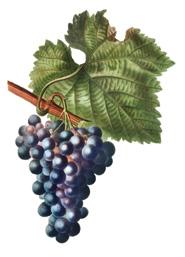
Agiorgitiko is the most widely planted red Greek grape variety. Its wines, dark, deep, rich and ripe are crowd pleasers.
The supple young version is fruit-forward and will reward early enjoyment. However, there is enough big structure to support long-term cellaring.
FAST FACTS ABOUT AGIORGITIKO
Vineyards’ surface
Greece: 3.161 hectares
Agiorgitiko is the most widely planted red grape variety in Greek vineyard.
P.D.O. Nemea {1971}
Synonyms
Black of Nemea
Mavroudi of Nemea
Agiorgitiko styles
Still and sparkling rosés with clean fruit flavours.
Soft, juicy, and fresh reds.
Full-bodied, aged reds with volume and density.
Dessert wines.
Blends
Agiorgitiko + Cabernet Sauvignon
Agiorgitiko + Syrah
Colour
Aromas and flavours profile
Aged flavours
Taste profile
Body: medium to rich texture
Acidity: moderate
Tannins: soft
Agiorgitiko is the most widely planted red grape variety in Greek vineyards. It originates from Argolis and Corinthia in Peloponnese, and takes its name from the old name for Nemea village, Ai Giorgis.
An extremely charming variety, it enjoys the trust of wine lovers thanks to the purity and harmony of its wines’ characteristics, both on the nose and on the palate. Furthermore, it is particularly appreciated by winemakers for its versatile character.
Agiorgitiko & Nemea
The largest Agiorgitiko vineyard is, of course, in Nemea (in the prefectures of Corinthia and Argolis), in Greece’s largest wine-growing region, which covers a total of 16 communities and extends across the plain up to the foothills of Mount Killini, at altitudes ranging from 260 to 800 meters.
Given its size and topography, it is evident that the Nemea wine-growing region exhibits exceptional diversity. Different altitudes, soils, and microclimates form a complex puzzle that naturally results in a wide variety of wine styles.
Thus, approximately 40 years ago, the Greek Wine Institute conducted viticultural research in the region. Based on these results, three production zones were delineated according to altitude:
A: the flatlands, including the valleys of Nemea, Ancient Nemea, Ancient Kleoni and Leontio-Gimno and extend to the plain and the lower slopes at an altitude of 200-350 meters.
B. the semi-mountainous region, which extends to the mountain slopes at Koutsi and Daphne, at 300600 meters. This is where the renowned deep-coloured wines of Nemea are produced.
C. and the highland zone, which includes the valleys on the Asprokampos plateau, at Psari, Kefalari, and the slopes at Kastraki-Mpozika-Titani that reach 600-800 meters.
Certain subregions have already become famous for the quality of their wines.
Koutsi: the vineyards on the beautiful hillsides of the mid-altitude zone produce Nemea wines with a rich, full body.
AGIORGITIKO AT THE TABLE
Serving temperature: 16–18°C
Food pairing
Pasta: pasta with spicy red sauces, lobster pasta
Meat: BBQ, stews, rabbit stew, roast lamb, game, stuffed turkey
Aromatic herbs and spices: rosemary
Cheeses: goat cheeses
Aging potential:
Tank-fermented Agiorgitiko: 2–3 years
Aged Agiorgitiko: 10+ years
Ancient Nemea: the vineyards in the valley at 330 meters produce wines that are excellent for barrel ageing and developing a complex bouquet.
Asprokampos: in the high zone, the grapes yield wines with a fresher taste and the characteristic red fruit aroma of Agiorgitiko. These have paved the way for the production of delightful rosé wines, as well as fresh reds released during their harvest year. Of course, climate change and the observed rise in temperatures during the ripening period are expected to further enhance the role of this mountainous subzone.
The winemakers of Nemea decided to take control of the “image” of their wine, and the Nemea Lions certification is now a reality!
After many years of research, the Nemea Winemakers’ Association, in collaboration with the Institute of Organic Agriculture (DIO), developed this new standard with the aim of producing very high-quality wines.
Therefore production specifications are stricter than those of Nemea P.D.O. ones. They require the production of wines from grapes grown in specific vineyards with very low yields per hectare (< 80 kg/ ha). The minimum alcohol content is 13% vol, and a minimum two-year ageing period within the region is required (12 months in barrel and 6 months in bottle).
Nemea wines that obtain this certification will bear a special label on the bottle depicting the lion of Nemea and will also receive the designation “Nemea Lions.” Wines bearing the new designation are expected to be released next year.
This is the first attempt in Greece to recognize and promote wines from specific vineyard plots -what we call terroir wines- which also lays the groundwork for highlighting the diversity of the region.
Agiorgitiko outside Nemea
Given the high quality potential of Agiorgitiko, it was only natural that it would come to be cultivated in other regions as well. We find it being cultivated on ever-increasing areas in the other prefectures of the Peloponnese (mainly in Laconia, Achaia, and Ilia), as well as in Attica, Kavala, Drama, and Halkidiki.
Agiorgitiko & clones
The clonal selection of Agiorgitiko was necessary, as there is significant variation in its ampelographic characteristics within the Nemea region. The research, which lasted 15 years, led to the selection of 6 clones.
The main characteristics of the dominant clone (001VNB) are ripening approximately 15 days earlier and a higher anthocyanins content.
Agiorgitiko styles
Agiorgitiko, as a multi-dynamic variety, can produce wines with distinctly different characters and styles under varying conditions (climatic, viticultural, and technological), while at the same time, with a high standard of quality in each of these styles.
And we serve in our glasses:
Sparkling wines with elegance, freshness, and intense aromas that caress the senses.
Rosés with a juicy character and a harmonious balance of fruit, alcohol, and acidity on the palate.
Fresh tank-fermented reds with a moderately deep colour, intense aromas of fresh red fruits, moderate acidity, and soft tannins.
Aged reds, deep in colour, with a rich body and high-quality, mature tannins. Excellent for barrel ageing and the development of a complex bouquet, full of sweet spices and dense fruit.
Sweet reds, alluring, richly aromatic, with great flavour concentration.


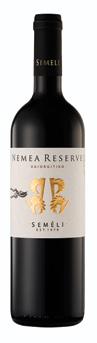
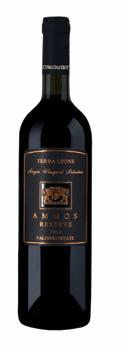
Nemea Reserve 2022
Semeli
P.D.O. Nemea / 14.25€
Vineyard: Koutsi, Nemea, Peloponnese / organic agriculture
The cool climate of semi-mountainous vineyards in Koutsi gives this cosmopolitan Nemea a wonderful freshness and mouth-watering juiciness. Well-rounded, harmonious red with a lingering aftertaste. 12 months in new oak provide a framework of smoky caramel, delicious enough, but just an accompaniment to the blackberries, black currants, cherries and dark chocolate.
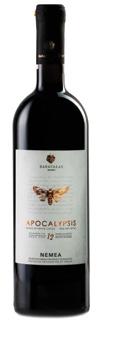
Apocalypsis 2018
Barafakas Winey
P.D.O. Nemea / 15.50€
Vineyard: Koutsi, Nemea, Peloponnese
Christos Barafakas serves us a Nemea that matures for 12-15 months in French oak and another 24 in the bottle. An Agiorgitiko with aromatic intensity and complexity. Black cherries make excellent company with peppers and vanilla. A classy wine, full of curves and silky tannins, fascinates with the elegance of its style.
Terra Leone Ammos Reserve 2022
Palivos Estate
P.D.O. Nemea / 19.40€
Vineyard: Ancient Nemea, Peloponnese / organic agriculture
While visiting the vineyards of Palivos Estate, you’ll gazed up at the hill where the old vines for this wine grow. It is an incredible sight and the wine that comes from there is even better. This full-bodied, stylish Nemea has beautiful fruit and spice. With hints of toast, coffee and chocolate, it spent 14 months in new oak barriques and clay amphorae.
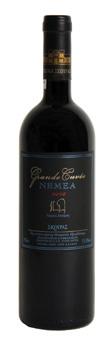
Nemea Grand Cuvée 2024
Skouras Wines
P.D.O. Nemea / 21.90€
Vineyard: Corinthia, Peloponnese / > 1,000 m
Intense dark colour and an exquisite nose that unfolds aromas of red fruits, hints of wood and sweet spices. Velvety temperament, elegance and a long finish. The cool climate of mountainous vineyards gives this Agiorgitiko a wonderful purity of the fruit while ageing (12 months in all-new oak) ensures its ability to evolve beautifully over time.
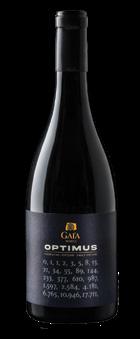
P.G.I. Peloponnese / 86.80€
Varietal composition: Agiorgitiko, Vertzami
Vineyard: Koutsi, Nemea, Peloponnese / single vineyard / > 500 m
Optimus means ideal and it is the best choice for the name of a wine born from the active winery’s constant search for the ‘ideal’ version of Agiorgitiko. And so, from an 8-year-old vineyard planted with the quality clone 001VNB and a small percentage of wine from red grape Vertzami, an impressive premium red emerges, ready to captivate as it excels in aromatic depth, balance and velvety mouthfeel. The wine will do justice to those who decide to keep it in their cellar for 10+ years.
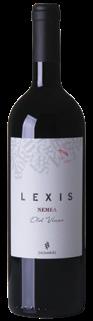
Lexis Nemea 2022
Zacharias Winery
P.D.O. Nemea / 13.60€
Vineyard: Ancient Fliountas, Nemea, Peloponnese / > 1.000 m
Single vineyard Nemea from the Tsinari vineyard, one of the oldest privately owned in the zone. Agiorgitiko from old vines ( > 50 years) is vinified with care to give a well-rounded, harmonious red with a lingering aftertaste. And 2022 is a vintage that fascinates with its explosive bouquet and perfect ripeness.
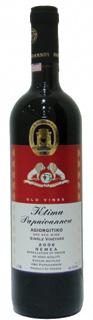
Old Vines 2020
Papaioannaou Estate
P.D.O. Nemea / 22.00€
Vineyard: Xirocambos, Nemea, Peloponnese / organic agriculture
The deep knowledge of the vine and the persistence in quality that characterized the multi-awarded Nemean winemaker and pioneer in this particular region, Thanasis Papaioannou, gave birth to an archetypal Nemea from the part of the vineyard with the old plants (>40 years). Continuing his work, his son, Giorgos Papaioannou, offers us a stylish and complex wine with beautiful fruit, wood and smoke. On the palate, sweet ripe fruit dances with the tannins on the beat of delicious acidity.
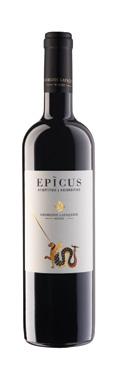
Epicus 2025
Georgios Lafazanis Winery
P.G.I. Peloponnese / 8.00€
Vineyard: Ahladas, Nemea, Peloponnese
This is an ultra-clean unoaked Agiorgitiko from Nemea region. With a wonderful freshness and mouth-watering juiciness to balance the acidity. The mouth-feel is velvety, smooth and long lasting. Perfect wine for everyday drinking.
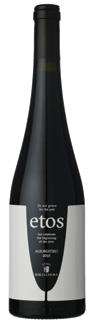
Etos Agiorgitiko 2010
Ktima Vivlia Chora
P.G.I. Pangeon / 83.00€
Vineyard: Pangeon Mount, Kavala, Macedonia / organic agriculture
When it comes to northern Greek wineries, legendary estate Vivlia Chora is one of the best. The iconic producers from Pangeon Mount offer us the Etos range, which consists of long-aged wines produced from the best vineyards of the estate, exclusively in exceptional vintages and released in a limited number of bottles. Etos Agiorgitiko 2010 (an excellent vintage for the variety in Pangeon) was released 13 years after its creation. Intense and dense with wonderful fruit and a sensual temperament that contributes to the seduction, this Agiorgitiko from Northern Greece proves in a magnificent way the quality potential of the variety outside of Nemea.
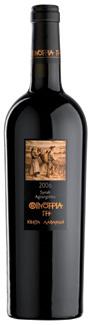
Syrah Agiorgitiko BIO 2021
Oenotria Land
P.G.I. Attiki / 49.00€
Varietal composition: Syrah, Agiorgitiko
Vineyard: Kapandriti, Attica / organic agriculture
Black colour. Terrific nose, with bursts of wood, tobacco and blackberry. The same character flatters the palate, as the ripe fruit dances with the super-firm tannins. This wine, the definition of aromatic and flavourful density, combines the spicy concentration of Syrah with the velvety aftertaste and aromatic potential of Agiorgitiko. Made from the quality estate’s Attica vineyard with extremely low yields, this round, smooth-textured red shows the best of both varieties.
An exclusively Cretan grape, Liatiko is considered one of the oldest Greek varieties. It matures in July, hence its name, which is a transliteration of “Juliatiko.”
Liatiko is a variety with high alcohol potential that best demonstrates its qualities when sufficiently ripe. It produces wines of silk flavour that can be enjoyed in their youth but can improve with cellaring.
FAST FACTS ABOUT LIATIKO
Vineyards’ surface
Crete: 400 ha
P.D.O. Dafnes {1971}
P.D.O. Sitia (w/ Mandilaria) {1971}
P.D.O. Malvasia Sitia (w/ Assyrtiko, Athiri, Thrapsathiri, White Muscat) {2011}
P.D.O. Malvasia Chandakas-Candia (w/ Assyrtiko, Athiri, Thrapsathiri, Vidiano, White Muscat) {2011}
Liatiko styles
Elegant rosés.
Dry reds of exceptional finesse. Rich, sun-kissed very dense reds.
LIATIKO AT THE TABLE
Serving temperature: 15–16°C
Food pairing
Pasta: spaghetti with tomato sauce
Meat: poultry, roasted meats, stews
Aromatic herbs and spices: thyme, mint, green pepper
Cheeses: soft yellow cheeses
Ageing potential:
Dry reds: 3–4 years
Sweet reds: 10+ years
Colour profile
Aromas and flavours profile
dark-skinned
Taste profile
Body: full-bodied
Acidity: moderate
Alcohol: moderate to high Tannins: soft
A quintessentially Cretan grape, one of the oldest Greek varieties. Liatiko was one of the varieties used to make the famous Malvasia wine. The legendary Malvasia, traded by the Venetians and Genoese since the 12th century AD.
Geography
Today, it is cultivated almost exclusively in Crete, with vineyards throughout the island, mainly in the prefectures of Heraklion and Lasithi.
A vigorous variety, it easily achieves high yields, though its drought tolerance is limited. With high potential, it best showcases its quality when it ripens sufficiently. And it ripens quite early in July, hence its name: Iouliatiko-Liatiko.
Liatiko Wines
Although very dark-skinned Liatiko makes fairly pale wines, which have a tendency to turn to brick rather easily. Full-bodied with soft tannins, moderate acidity and intense aroma of ripe red fruits and sweet spices.
Sun-dried Liatiko wines are even more intense on the nose, displaying notes of dried fruit and jam. Similarly, the flavour profile is more concentrated, with pronounced acidity. Extended barrel ageing is important and is usually carried out in large, old barrels.
“Lim–ni–O–na”
A rare red variety that, thanks to the dedication of winemakers, has not been lost to the wine world. Its quality potential was recognized when only a few remaining vines of this variety were left. Several years of research and small-scale winemaking followed, involving the collaboration of many scientists, growers, and winemakers. The results were impressive, and today Limniona has emerged as a rising star among Greek grape varieties.
FAST FACTS ABOUT LIMNIONA
Vineyards’ surface Greece: 30 ha
Limniona styles
Still and sparkling rosés with a lively character.
Elegant reds of fresh character, both elegant and powerful.
LIMNIONA AT THE TABLE
Serving temperature: 16–18°C
Food pairing
Pasta: spaghetti with meat
Meat: grilled meats, stews, veal
Aromatic herbs and spices: peppers, allspice
Cheeses: yellow cheeses
Ageing potential: 6 - 8 years
Colour profile
Aromas and flavours profile
Taste profile
Body: medium-bodied
Acidity: moderate to high
Alcohol: moderate
Tannins: medium
Limniona is considered a variety native to Thessaly, and more specifically, it is believed to originate from Tirnavos or Karditsa. Today, due to its promising profile, in addition to Thessaly, it is cultivated in several regions of Greece, from Thrace and Macedonia to the Peloponnese and the Cyclades.
The main characteristics of Limniona wines are their herbal character and elegant flavour. Their colour is bright, not particularly deep. On the nose, red fruits, herbs, and spices coexist, creating a rich, expressive profile. The palate is well-structured, with firm but silky tannins. The alcohol is balanced by the acidity. Over all they present an adorably fresh character.
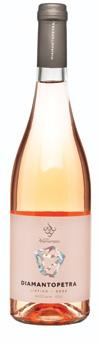
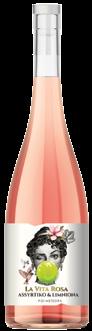
Diamantopetra Rosé 2025
Diamantakis Winery
P.G.I. Crete / 11.50€
Vineyard: Kato Asites, Heraklion, Crete
The Rosé label complements the very successful White & Red Diamantopetra range of the Cretan winery in Kato Asites, Heraklion. The autochthone grape variety Liatiko is responsible for the pale salmon colour, and the spicy note. On the palate it combines volume, length, fruit and crispness in a pleasing whole.
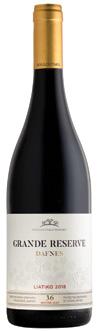
Grande Reserve Dafnes 2020
Douloufakis Winery
P.D.O. Dafnes / 22.80€
Vineyard: Dafnes, Heraklion, Crete
Nikos Douloufakis creates an excellent aged Liatiko. Grapes from old vineyards in Dafnes, Heraklion, 18 months of ageing in French oak and 30 months of bottle maturation lead to an exuberant and delightful red that combines the fruity character of the Cretan variety with spices. It fascinates us with its structure and balance.
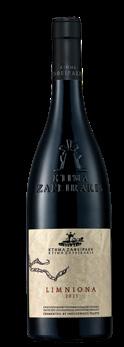
Limniona 2022
Domaine Zafeirakis
P.G.I. Tirnavos / 28.50€
Vineyard: Tirnavos, Larissa, Thessaly / organic & biodynamic agriculture
Christos Zafeirakis, the fourth in the line who continues the family tradition, takes the family business to the next level by bottling fine wines from his private
vineyards in Tirnavos and achieving the revival of the local variety Limniona. Wild herbs, peppers, cherry and ripe strawberry. Particularly attractive aromatic bouquet and even more attractive complexity on the palate with finesse and elegant tannins. In his classic Limniona’s label, he introduces us to this rare variety. (Fermentation w/ indigenous yeasts @ 5,000l & 3,000l wooden tanks, long extractions and maturation @ 1,200l & 2,400l barrels.)
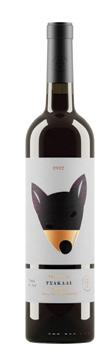
Jackal 2025
Monemvasia Winery
Varietal wine / 14.90€
Vineyard: Monemvasia, Laconia, Peloponnese Limniona, the rare variety of Thessaly, is cultivated in the south of the Peloponnese and the result impresses us with a fresh red wine. With a vibrant cherry colour, juicy red fruit and attractive acidity, silky tannins and discreet herbal notes. A Limniona, as the winemaker tells us, dedicated to the creatures of the night…
La vita rosa 2025
Meteori Gi – Liakou Winery
P.G.I. Meteora / 15.00€
Vineyard: Meteora, Trikala, Thessaly / organic cultivation
The Meteori Gi team, at their winery in Meteora, blends Assyrtiko with Limniona (90% - 10%) and the result is an attractive rosé, with pleasant acidity, fruit and a creamy finish. Crisp and elegant, it has explosive aromas of cherries, lemongrass, doughnut and a light flavour to match its appearance.

PLATINUM EXPRERIENCE
The pure luxury of strawberry in every sip.
GOLDEN MOMENTS
The finesse of aging that turns every moment into a premium experience.
ORIGINAL FLAVOR
The pure essence of wild strawberry, authentic and irresistible.
“xee-NO-ma-vro”
A red grape, it is the prime variety of Northern Greece and is cultivated widely from the slopes of the central Greek mountains to the ranges of Pindos. This intriguing grape delivers wines with complex and intellectually challenging personality. Bright red wines, having strong tannins, good structure and pure elegance. Their aromatic character is to be found in the flavours of tomatoes, olive leaves, dried prunes and spices. Their ageing potential is long and nothing but remarkable while they are ideal accompaniment to foods with rich flavours.
FAST FACTS ABOUT XINOMAVRO
Vineyards’ surface
Greece: 2.180 hectares
P.D.O. Naoussa {1972}
P.D.O. Amyndeon {1972}
P.D.O. Goumenissa (w/ Negoska) {1972}
P.D.O. Rapsani (w/ Krassato, Stavroto) {1971}
Synonyms Mavro of Naoussa
Popolka
Xynokaltsos
Mavro Naoustiano
profile
Aromas and flavours profile
Body: medium to big structure
Acidity: high
Alcohol: moderate to high Tannins: high
The charismatic Xinomavro, the distinguished red grape variety of northern Greece, is a grape that yields sophisticated wines which, despite their power, possess grace. Wines that effortlessly transport us to their place of origin.
Xinomavro, however, is a temperamental and demanding grape. To reveal its full potential, in addition to a suitable terroir and favourable weather conditions, it requires intensive cultivation and low yields per hectare. And to develop its varietal character, it requires full ripening.
Today, however, Xinomavro is experiencing one of the best periods in its history. Many producers, even outside its renowned P.D.O. zones such as Naoussa and Amyndeon, have managed to tame its wild character and offer us exceptional examples of the variety. Wines with elegance, modern fruit, and silky tannins that have opened new paths for the variety. At the same time, they are examples of different terroirs, which each year offer us ever greater doses of their grandeur.
Xinomavro is the third-largest cultivated red grape variety in Greece in terms of area, after Agiorgitiko and Liatiko (source: Hellenic Statistical Authority / 2022). It is now planted in almost every wine-growing region of Central and Western Macedonia, and is also cultivated in Thessaly.
We can find it in the prefectures of: Imathia, Kilkis, Pella, Florina, Kozani, Kastoria, Grevena, Thessaloniki, Halkidiki, Larissa, Trikala, Magnesia, and Ioannina.
Let’s take a look at its main growing regions.
Amyndeon: The world’s largest Xinomavro vineyard!
With 560 ha of vineyards, Amyndeon boasts the largest vineyard in Macedonia and, at the same time, the largest Xinomavro vineyard in the world! There are 18 wineries operating in the region, producing 3.000 tons of wine annually.
In recent years, Amyndeon has continued to surprise us, offering wines that express a more refined and aromatic side of Xinomavro, while still maintaining the variety’s structure and dynamic character. Having emerged from the “shadow” of Naoussa, it is evolving into one of the country’s most dynamic and exciting wine-growing regions.
Xinomavro styles
Silky smooth rosés still/sparkling wines. Robust reds, with strong tannins and acidity.
Beautifully aged reds of a unique complexity.
Blends
Xinomavro + Merlot
Xinomavro + Syrah, Merlot
Xinomavro + Agiorgitiko
XINOMAVRO AT THE TABLE
Serving temperature: 16–18°C
Food pairing
Vegetables: bean soup, chickpea soup
Pasta: spaghetti Napoletana, risotto with wild mushrooms
Meat: spicy cured meats and sausages, bacon, BBQ, roasted lamb or goat, pork with spicy sauces, game
Cheeses: Batsos (local hard cheese), spicy Gruyère, aged goat cheeses
Aging potential: 10+ years
XINOMAVRO & CLONES
The great variation in the ampelographic characteristics of Xinomavro led to research studies related to its variability. This made it possible to isolate 5 clones with distinct characteristics.
Special mention is made of the clones: V6 from Naoussa and V3 from Velvento, and more recently V19, from which wines are now produced that exhibit: good quality-to-quantity ratio, soft tannins, lower acidity compared to the general population (higher pH, due to greater/ better absorption of potassium from the soil), good colour (higher concentration of phenolic compounds), and high aromatic potential.
Naoussa: Xinomavro wines with fascinating complexity and ageing potential
Indeed, Naoussa remains the most famous red wine-producing region in Northern Greece. Since the region features a wide variety of terroirs, we can distinguish sub-regions where Xinomavro wines with distinctly different characters are produced. The best known are:
Trilofos: an area with light soils in the northern part of the region, ideal for producing balanced, fresh reds with an intensely fruity character.
Gastra: in the centre of the zone with the mildest microclimate. Both this area and those of Stranza and Ramnista include vineyards that produce Naoussa wines of excellent quality, with aromatic richness and great aging potential.
Marina & Polla Nera: produce good, typical Naoussa wines, though with less aging potential.
Rodohori: a recent addition to the region, it produces reds with a fruity character and nice ageing potential.
Goumenissa: Xinomavro + Negoska = elegance and fruitiness
Here, Xinomavro is grown alongside Negoska, and their blend (with Negoska comprising at least 20%) produces the red P.D.O. Goumenissa. A refined red wine that combines the fruit and soft tannins of Negoska with Xinomavro’s herbal character.
The replanting of recent years offers new momentum and potential to the region.
Rapsani: Xinomavro + Krasato + Stavroto = power and grace
Most of the vineyards in the Rapsani region are located on the southern slopes of Mount Olympus, at an altitude reaching 800 meters. They are planted with Xinomavro, Krassato, and Stavroto, which -in the proportions in which they are found in the vineyards- contribute to the P.D.O. Rapsani. A multifaceted red wine with both power and grace.
The character of Xinomavro wines
Although the name Xinomavro refers to the sour taste and black colour of its grapes, in reality their skins are not particularly rich in anthocyanins -the substances responsible for the colour of red wines. Thus, its wines are usually ruby-coloured.
Their aroma is magical... In their youth, it evokes small red fruits. Over time, it evolves into a bouquet of unique aromatic complexity that unfolds a whole palette of scents from Greek nature: from violets and redcurrants to olive paste, thyme, tomato, and sweet spices.
The palate, full of acidity and harsh tannins, makes young Xinomavros tense and unripe. Wild and aggressive in their power. With time, however, with age and patience, they soften. They acquire aromatic complexity and a unique charm. If we add their great ageing potential, we understand why international wine journalists compare them to the diva of northern Italy, Nebbiolo.
Xinomavro styles
Xinomavro is a versatile variety that surprises us with the quality of its wines. It offers us age-worthy reds with charming complexity and remarkable longevity. Rosés with a distinct character. Vibrant sparkling wines, rosé and white (blanc de blancs). And experimentation in the realm of dessert wines brings sweet wines with a unique character to our glasses.
Still & Sparkling Rosés
Classic Xinomavro rosés impress us with aromas of pomegranates, sweet and sour cherries, as well as more herbal notes like fresh tomato. The variety’s pronounced acidity gives them a pleasant playfulness on the palate. This is especially true of sparkling rosés.
Light reds
Over the past decade, a “new generation” of Xinomavro wines has emerged, featuring more body and volume, greater fruitiness, and better-structured tannins -all without altering their character and personality.
Red vin de garde
Mature reds with remarkable complexity that can age for 10 to 20 years in the bottle.
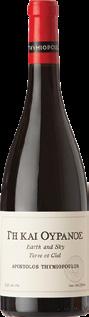
Akakies Sparkling 2025
Kir-Yianni
P.D.O. Amyndeon / 14.80€
Vineyard: Agios Panteleimon, Amyndeon, Florina, Macedonia
Who says Xinomavro has to be big, bold, and red? Kir-Yianni takes this often austere red variety and vinifies it as an off-dry, soft and round sparkling rosé brimming with red fruit and sweet baking spice. It comes from selected vineyards in Agios Panteleimon, Amyndeon, the coldest wine-growing region of Greece with its unique microclimate, characteristic poor sandy soils and altitudes exceeding 600 meters. It’s a perfect aperitif but its pairing with lahanodolmades (stuffed with meat and rolled cabbage leaves) is one to remember.
Anda Luna NV
Gioinos
Varietal wine / 36.80€
Vineyard: Amyndeon, Florina, Macedonia
Angeliki Iatridou and Emorfili Mavridou, worthy representatives of the second generation of Alpha Estate, recommend an extra brut rosé sparkling wine produced using the traditional method (secondary fermentation in the bottle) and aged for 24 months on the lees in the bottle. With a pale colour, beautiful bubbles in a persistent effervescence, and aromatic freshness of raspberry, tomato, and strawberry, it has a dynamic presence on the palate, freshness, and a long finish.
Aprilis 2024
Theopetra Estate
Varietal wine / 14.60€
Vineyard: Meteora, Trikala, Thessaly Off-dry, with balanced bubbles, a gorgeous pale pink hue and a beautifully zesty, characterful flavour, this liquid love is based on the blend: Xinomavro + Limniona (70% - 30%) both grown in Meteora vineyard. It is bright and fruity, bouncing with strawberry, gooseberries and a white spice note.
Earth & Sky 2024
Thymiopoulos Vineyards
P.D.O. Naoussa / 18.10€
Vineyard: Trilofos, Naoussa, Macedonia / biodynamic cultivation
In the southern part of Naoussa zone, Apostolos Thymiopoulos established his vineyards applying biodynamic cultivation. He was one of the first in Greece to propose a young version of Xinomavro, and Earth & Sky is one of the freshest bottles of Xinomavro on the market. This beautiful Naoussa pours a gorgeous magenta colour, brimming with fresh, fruity flavours. There’s a ripe fruit character that makes it remarkably forward and lush. It is dry, fine, with a long finish.
Naoussa 2021
Diamantakos Wines
P.D.O. Naoussa / 20.20€
Vineyard: Mantemi, Naoussa, Macedonia
The red label of Giorgos Diamantakos is a Naoussa, a worthy representative of the modern style in Xinomavro. Consistently, every vintage, it displays an expressive aromatic palette and typicity on the nose, with gooseberries, spices, tomato. In the flavour, Xinomavro’s rigor is supported by vibrant fruit and nicely worked tannins. A seductive Naoussa that brilliantly balances red fruit, gentle tannins and the characteristic Xinomavro’s acidity.
Naoussaia 2019
Ktima Foundi
P.D.O. Naoussa / 14.90€
Vineyard: Ramnista, Naoussa, Macedonia
Classic, exquisite Naoussa. Fragrant, with notes of sun-dried tomatoes and olive leaves that settle into a palette of spicy notes. Elegant, crisp, and with just the right amount of tartness on the palate. Produced in the same style since 1992.
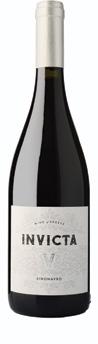
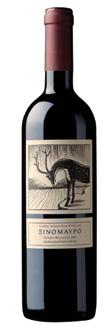
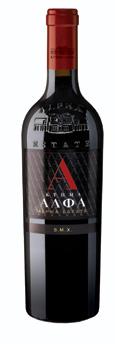
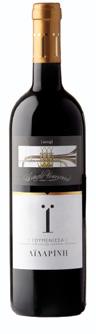
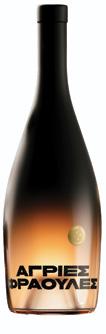
Cavalieri Xinomavro 2022
Nico Lazaridi
P.D.O. Naoussa / 22.25€
Vineyard: Naoussa, Macedonia
The winery from Drama selects old vineyards (>40 years) in the Naoussa region for the production of a red wine that shows delightful spicy character and lovely backbone of acidity. The firm tannins are very appealing even at early stage, while, as a Naoussa, it can age beautifully for decades.
Invicta 2020
Noema Winery
P.D.O. Amyndeon / 18.00€
Vineyard: Amyndeon, Florina, Macedonia
This fine and stylish, medium-to-full-bodied Xinomavro has it all: appealing scarlet colour, an undertow of red fruits, clove, earthy notes, balance, an elegant mouthfeel and a lovely acidity for pork, tomato-based pasta, pizza, lasagne and sausage…
Xinomavro 2021
Ktima Voyatzi
P.G.I. Velvedos / 16.60€
Vineyard: Velvedos, Kozani, Macedonia
Attractive Xinomavro that captures the variety’s character. It pours a brilliant garnet robe, brimming with fresh, fruity flavours. There’s a ripe fruit character that makes it remarkably forward and lush next to olive and tomato aromas. Firm with robust tannins and a lingering aftertaste. A Xinomavro with concentration and power.
Alpha Estate red (S.M.X.) 2023
Alpha Estate
P.G.I. Florina / 29.70€
Vineyard: Amyndeon, Florina, Macedonia / 620 - 710 m
A terrific producer and a great red wine from Amyndeon plateau. The wine is a blend of Syrah, Xinomavro and Merlot (60%, 20%, 20%) aged for 18 months in new French oak. Beautifully constructed, with elegant but subtle concentration in the mid-palate, a bright and crisp finish and a tightly-wound feel makes us realize just how well Xinomavro can perform along with cosmopolitan grapes.
Ï Single Vineyard 2019
Aidarinis Winery
P.D.O. Goumenissa / 18.80€
Vineyard: Goumenissa, Macedonia
Aidarinis family captures the soul of the Goumenissa landscape and the character of an exceptional vineyard site, at the foot of Mount Paiko. This single vineyard Xinomavro/Negoska blend is an elegant red wine, intensely complex with red fruits, clove, ground coffee, blackberry aromas. The palate is an elegant mouthfeel with mocha flavours, spicy oak and fine lacy tannins.
Wild Strawberries 2024
Skiouros Winery
P.G.I. Macedonia / 13.70€
Vineyard: Amphipolis, Serres, Macedonia
Limited production, just 2.000 bottles for this Xinomavro rosé. Rich and peppery, it offers all the refreshing acidity, as well as the rich aromas of wild strawberries (of the appellation) and tomato leaves.
White skinned
Aidani: A white grape with floral aromas, grown mainly on the Cyclades islands. Bottlings as a single-varietal wine are rare, as it is usually part of the Santorini P.D.O. blend, both dry and sweet (Vinsanto).
Athiri: A white grape widely cultivated on the islands of the southern Aegean and in Halkidiki. Its wines feature a delicate lemon aroma and a rich flavour.
Dafni: One of the oldest indigenous white varieties of Crete, distinguished by its aroma reminiscent of laurel, hence its name.
Debina: A white variety from Epirus which offers a high potential for the production of effervescent wines. They are noted for their refreshing acidity and for the aroma’s finesse.
Katsano: By the late 19th century, over 50 grape varieties were cultivated on Santorini. Today, unfortunately, there are barely 5 that can be considered significant. Among them is Katsano.
Kidonitsa: One of the rare grape varieties of Laconia, Peloponnese, saved from extinction thanks to the persistent efforts of local winemakers. Agricultural research has identified it as one of the grape varieties used to make the famous Malvasia. The legendary wine, which was traded by the Venetians and Genoese from the 12th century AD. It is part of the Monemvasia-Malvasia P.D.O., a sundried wine made from the following varieties: Monemvasia (50%), Asproudes, and Kidonitsa.
Lagorthi: Α grape with remarkable fruit and lively acidity, grown in the northern Peloponnese and the Ionian Islands.
Monemvasia: Α white grape with aromatic and flavourful finesse, grown on Paros and in Laconia.
Opsimo Edessis or Amasi: A rare white grape variety that thrives mainly in the Edessa and Pella regions of Northern Greece. It produces wines with fruity aromas (banana, pear, green apple) and a full-bodied, rich palate.
Robola: One of the most elegant Greek grape varieties. It is the dominant grape in the vineyards of Cephalonia, but is also grown on the other Ionian Islands, in Atalanti, Central Greece, the Peloponnese, and Eastern Macedonia. Robola wines exhibit freshness and an elegant, lemony character with pleasant acidity and hints of minerality.
Pink-skinned
Sideritis: A grape with pink skin and appetizing acidity. It is grown throughout the Peloponnese, particularly in Corinthia, Achaia, and Ilia, and sporadically in Attica and Evia.
Red-skinned
Avgoustiatis: A red, extremely rare grape variety grown in the western Peloponnese and the Greek Islands. Its wines, usually blended with Greek or international varieties, have a vibrant, dark colour and respond exceptionally well in the barrel ageing.
Kotsifali: A red Cretan grape variety. Its wines are full-bodied, smooth, and spicy on the palate. It is usually vinified in blends with Mantilaria.
Krassato: A red grape grown exclusively in Rapsani and used in the production of its P.D.O. wine.
Mavrodaphne: This aromatic grape is usually cultivated in the vineyards of Patras and Cephalonia. It has been traditionally used to make the strong, fortified sweet red wine that bears the same name but is now experiencing a rebirth due to the interest both by producers and consumers in its dry wines.
Mavro Kalavritino: A red variety from Achaia that produces wines of moderate colour, finesse, and fresh aromas of black and red fruits, as well as spices.
Mavroudi: Grapes bearing the name Mavroudi are found in Rodopi, Thrace and the southern Peloponnese. Their common characteristic is the black colour of their skin.
Moschomavro: A rare red grape variety cultivated mainly in Western Macedonia, specifically in the Siatista and Velvento regions. It produces wines (usually red or rosé) with a bright ruby colour, intense aromas of red fruits, fine tannins and balanced acidity.
Mouchtaro: A rare grape from Viotia, Central Greece that has been revived thanks to the efforts of local winemakers. High acidity and aromas of red fruits and herbs are the main characteristics of its wines.
Negoska: A red grape variety grown exclusively in Goumenissa, Cental Macedonia alongside Xinomavro. It is part of the varietal blend of the region’s P.D.O. wine, contributing colour, fruitiness, and alcohol content while balancing its acidity.
Stavroto: A red grape grown exclusively in Rapsani and used in the production of its P.D.O. wine.
Vertzami: A grape with remarkable colour and fruitiness, grown in the northern Peloponnese and the Ionian Islands.
Vlahiko: Α red grape variety grown in Epirus. It thrives in cool climates, producing wines with a bright red colour, aromatic complexity, high acidity, and moderate body that age beautifully over time.
Voudomato: A rare red variety from Santorini. Its wines feature a soft, bright colour, moderate acidity, and high alcohol content.
Vradiano: A rare red grape variety from Central Greece and Evia. Its wines are characterized by a bright colour, moderate body, and aromatic complexity.
The Akadimia Art Restaurant is exactly what it promises: A wonderful place of art and gastronomy with Mediterranean cuisine and art events
The Akadimia Art Restaurant is a warm space with a friendly environment, a special aesthetic with artworks adorning the space and a wonderful cuisine. The passion and creativity of its owners, Konstantinos Markos and Konstantinos Garganis, have succeeded in combining these two loves in a place that is addressed to those who seek an outing different from the usual.
The delicate flavours are based around a basic axis. That of excellent quality. Fresh raw materials - many of which come from their orchard - always in season, most of them organic, make up the raw material for the imaginative dishes you will enjoy at Akadimia. Of course, a special meal becomes ideal when accompanied by the right wine. In Akadimia the wine list is updated with a wonderful selection of wines.
All of the above can be enjoyed inside the restaurant, as well as on the beautiful pedestrian street of Agios Minas or in its lovely courtyard, which in summer it is truly an oasis of beauty in the centre of Thessaloniki.
3, Agiou Mina St. | Ano Ladadika, Thessaloniki Tel. + 30 2310 521803
fb.akadimiaestiatorio
tripadvisor: akadimia
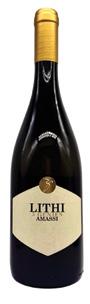
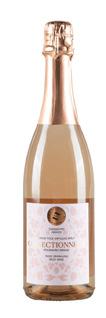
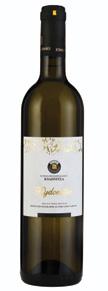
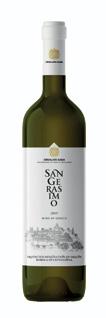
Lithi 2025
3 Genies
10.25€
Varietal composition: Amassi or Opsimo Edessis 100%
Vineyard: Aridea, Edessa, Macedonia
The Thomaidis family cultivates the rare Amassi variety, which takes its name from the small town of Amassia in Asia Minor, where they hail from. They vinify it with care and serve us a white wine that blends apples and pears with ripe citrus fruits. Nice structure, noticeable acidity, and a long finish.
Collectionneuse 2023
Zin Ideos winery
Varietal wine / 13.00€
Varietal composition: Xinomavro 70%, Amassi 30%
Vineyard: Aridea, Edessa, Macedonia
A refined style and aromatic intensity featuring citrus notes, along with unripe redf ruit and a fresh, crisp acidity on the finish, characterize this rosé sparkling blend of Xinomavro with the local variety of Pella, Amassi.
Kidonitsa 2025
Theodorakakos Estate
P.G.I. Laconia / 9.40€
Varietal composition: Kidonitsa 100%
Vineyard: Laconia, Peloponnese / organic agriculture
A delightful everyday wine made from the rare grape variety of Laconia and the estate’s privately owned vineyards, located between Gythio and Sparta. It features refreshing acidity, a light, airy aroma, and elegant flavour.
San Gerasimo 2025
Orealios Gaea
P.D.O Cephalonia Slopes of Ainos / 14.40€
Varietal composition: Robola 100%
Vineyard: Omala, Cephalonia, Ionian Islands
A true taste of Cephalonia in a glass! Textbook Robola from the island’s Coop
and the upland vineyards of Omala: crystalline, with no shortage of fruit and hints of minerals. Complete, confident and zesty. Crisp and clean, is a superior example of Robola’s wonderful purity and typicity.
Zefyros 2025
Goumas Estate
P.D.O. Cephalonia Slopes of Ainos / 15.00€
Varietal composition: Avgoustiatis 100%
Vineyard: Zakynthos, Ionian Islands / organic agriculture
An appealing, lively, yet refined rosé from the Zakynthos winery that exposes the most of the gifts of the Avgoustiatis grape variety, when grown in a 30 years old vineyard. With a rosy hue and a nose that reveals a blend of blackberry, wild cherry, and citrus. On the palate, it offers pleasant acidity and finesse.
Lenga Pink 2025
Avantis Estate
P.G.I. Evia / 15.40€
Varietal composition: Mavrokoundoura (Mantilaria) 50% - Gewürztraminer 50%
Vineyard: Evia, Central Greece
Avantis Estate in Evia crafts rich, velvety textured wines. Their rosé is a beguiling Gewürztraminer + indigenous red Mavrokoundoura blend that defies convention with unending aromas of roses, citrus and red fruits. A good mouthwatering attack and off-dry finish wakes up the palate and gets it ready for spicy foods.
Taos 2021
Parparoussis Winery
P.G.I. Achaia / 26.00€
Varietal composition: Mavrodaphne 100%
Vineyard: Achaia, Peloponnese
Parparoussis family vinifies the Mavrodaphne grape to create this dry, dark, almost inky wine, with generous, layered aromas of red fruit, spiced with hints of liquorice and wild mint. In the mouth it is rich, complex and impressive, with soft, round tannins and an endless aftertaste. (Ageing: 24 months in oak barrels.)
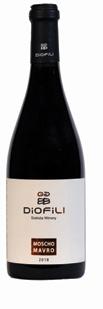
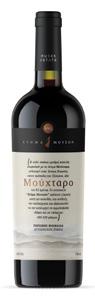
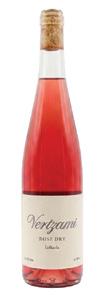
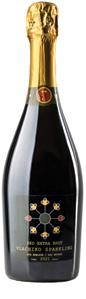
Mercouri Estate red 2022
Mercouri Estate
P.G.I. Letrini / 16.40€
Varietal composition: Refosco 85%, Mavrodaphne 15%
Vineyard: Korakochori, Ilia
This red from Mercouri beautiful estate in Ilia, is their flagship wine. An excellent quality red that is very popular in the Greek market. Refosco and Mavrodaphne blend, it shows bold aromas, with hints of cherry, roasted nuts and tobacco. On the palate it is well-rounded, harmonious, and rich with a lingering finish.
Moschomavro 2020
Dio Filoi
P.G.I. Siatista / 15.00€
Varietal composition: Moschomavro 100%
Vineyard: Siatista, Kozani, Macedonia / 680 – 850 m Moschomavro’s aromatic finesse, mild tannins and delicate colour, make it an ideal variety for the production of fresh to medium ageing red wines. Like this one. Coming from Siatista high-altitude vineyard, it is a stylish and very classy red. The colour is ruby; the aromas are of raspberry, cedar, pepper, new leather and smoked meat; the palate is balanced.
Mouchtaro 2024
Muses Estate
P.G.I. Thebes / 24.20€
Varietal composition: Mouchtaro 100%
Vineyard: Valley of Muses, Askri, Viotia
In the Valley of Muses, Viotia, the homeland of Hesiod -one of the greatest poets of ancient Greece- lie the vineyards of Zacharias family. The three brothers took over and successfully completed the renewal of the estate that was founded by their grandfather in 1946. And this is a scarlet wine coming from their vineyards and the rare grape Mouchtaro. Aromatic on the nose with an undertow of red fruits and racy earthy notes. A good, youthful, mouth-watering attack wakes up the palate and gets it ready for food.
Rosé Vertzami 2025
Plagies Lefkadas
P.G.I. Lefkada / 124.00€
Varietal composition: Vertzami 100%
Vineyard: Lefkada, Ionian Islands
Taste this pretty smart rosé wine and… the light of truth will shine upon the Vertzami grape’s abilities, an Ionian variety with lively-coloured skin. With a bright pale colour and aromas of blackberries, cranberries, unripe white-fleshed fruits, and caramel. A full and versatile mouthfeel, good acidity, creamy texture and a noble tannic touch that balances its taste.
Vlahiko Sparkling 2021
Zoinos Winery
P.G.I. Epirus / 18.50€
Varietal composition: Vlahiko 100%
Vineyard: Zitsa, Epirus
This red sparkling offering from Vlahiko grapes grown on steep limestone slopes of Zitsa region shows tons of regional character, not to mention terrific personality. The latest sparkling wine from the Zitsa Wine Coop has an attractive ruby colour. With fine bubbles, it starts on the palate with a measured austerity that gives way to the liveliness of its pleasant acidity. And all this while releasing successive waves of red fruit, yeast, and pink pepper. A refreshing finish makes it impossible to resist a second taste.
A first acquaintance with 2 native grape varieties
“xi-nee-STE-ri” IN A NUTSHELL
Xynisteri is the most planted white variety in Cyprus that gives balanced wines with delicate fresh fruit.
FAST FACTS ABOUT XYNISTERI
May 15th
International Xynisteri Day #xynisteriday #xynisteri
XYNISTERI AT THE TABLE
Serving temperature: 8–10 °C
Pairings
Fish: grilled
Seafood: pasta with seafood, mussel risoto, fried calamari
Meat: poultry, pork
Vegetables: ladera (oil-based dishes), salades
Aging potential: 3–4 years
“ma – ra – THE -fti - ko”
FAST FACTS ABOUT MARATHEFTIKO
December 1st
International Maratheftiko Day #maratheftikoday #maratheftiko
MARATHEFTIKO AT THE TABLE
Serving temperature: 16–18°C
Food pairing
Pasta: spaghetti with meat
Meat: grilled meats, stews, veal
Aromatic herbs and spices: peppers, allspice
Ageing potential: 6 - 8 years
Cyprus, a Mediterranean country with a wine history of 5,000 years, offers us wines with personality and modern style, which satisfy today’s taste needs.
Undoubtedly, one of the winning cards of the Cypriot vineyard is its indigenous grape varieties.
Let’s get to know two of them:
Body: - light bodied
Acidity: moderate to high
Alcohol: medium high
With an area of 2,200 ha of vineyards, Xynisteri covers more than 20% of the Cypriot vineyard. The country’s most important white variety guarantees the aromatic freshness and finesse of its wines.
It responds with floral, citrus and summer fruit aromas, with botanical or mineral hints, a richer body and aging potential, depending on the viticultural areas in which it is grown. It is also the most important variety (along with Mavro) in the production of Commandaria, the famous sweet wine of Cyprus. Finally, Xynisteri develops very nicely with the aging for 2-3 years in the bottle.
Body: - medium bodied
Acidity: moderate to high
Alcohol: medium high
The most dynamic red variety of Cyprus, provides us with wines with personality, complex nose and coherent structure, which have time as an ally. With an area of vineyards that reaches 180 ha, it is vinified by almost all wineries in the country.