THE WINE MERCHANT.
An independent magazine for independent retailers
Issue 159, July 2026

Soaring temperatures affect retail and wholesale business, with one merchant describing “ghost town” conditions
Warm weather normally means booming business for wine merchants – but the extreme June heatwave saw many indies report a decrease in trade.
With businesses closing early and events being cancelled due to soaring temperatures, independents didn’t experience the sales uplift they were hoping for.
James Richards, owner of Vin Neuf in Stratford-upon-Avon, said: “Footfall for the shop was down considerably as customers have taken the advice of the government and avoided travelling. But thankfully the till is ringing from the orders from last weekend’s summer wine tasting event we hosted.”
It was a “poor week” for wholesale trade during the heatwave, he added, with the World Cup contributing to the downturn.
“Also, we have had several large events cancelled at the last minute, where we have also had to turn glasses around and had to buy in extra stocks,” he said.
Simon Thomson, of Talking Wines in Cirencester, said: “Good weather is usually very good for business. However the recent extreme heatwave has seen our hospitality customers experiencing some cancellations as people stay at home.”
Simon Evans, whose Naked Grape business has shops in Hampshire and Berkshire, said: “I’d have to say the heat
has affected us in a bad way, certainly in the short term. Several other businesses in our towns closed at 1pm on some days – others didn’t open at all. Our opening hours remained unchanged but it was like a ghost town out there.”
He added: “Sometimes the extreme heat actually reduces sales, as everyone just slows down and stays at home.
“Overall it’s just been another little thing
to manage. Heat like this is pretty unusual.”
Sarah Truman, who owns Sarah’s Cellar in Battle, East Sussex, said: “I am always negatively impacted by hot weather. We are close to the coast so when the mercury rises people drive 20 minutes down the road.
“This is not helped by the super-heated High Street, which has no shade and a genius painted it all white so the sun

Jonathan Cocker of Martinez Wines in West Yorkshire gets good value out his vans: a Mercedes Sprinter clocked up 400,000 miles before he replaced it with a newer model. Read more indie van tales on pages 50-52.
Second branches for indies in Durham and London
12 bright ideas
Replica football shirts are a hit with Latitude Wine customers in Leeds
17 the burning question
Are consumers really spending less in restaurants and more in shops?
24 cyber crime
What happened when Taurus Wine’s website was cloned
26 Rose wine focus
Indies tell us which pink wines sell best, and which they love the most
30 merchant profile
Talking low-intervention wine with Forest Wines in Walthamstow
42 rob hoult
A new grandson has arrived. But will he have Rob’s retailing genes?
45 south american wine
Chile and Argentina look for a new, premium identity in export market
59 Q&A
James Fleetwood of Delibo surrenders to our interrogators
bounces off the buildings and we all bake a few more degrees.”
Truman reports surprisingly high takehome sales of red wines. “But for drinking in, people will go for anything that’s cold, especially the lighter, quaffing styles of white and rosé,” she said.
Simon Thomson said: “I think long drinks are more in vogue at the moment than wine, but rosé is flying, as you would expect.”
Simon Evans also said that “rosé sales were top of the list”, although customers were buying “basically anything we had chilled and ready to go in our fridges”.
Brodie Meah of Top Cuvée in London said the heat had actually helped business.
“It’s been a good few weeks for us,” he said. “Hot weather consistently drives people toward colder, lighter styles, and we’ve seen rosé and chilled reds move faster than usual across both our venues and online. Low-alcohol options have picked up too, which feels like a longerterm shift as much as a seasonal one.
“Hot weather is broadly good for a wine business. People drink more, they drink outside, and they spend less time overthinking!”
Indies say suppliers have been reliable throughout the hot spell.
“Supply hasn’t been an issue,” said Meah. “Our producers are largely in Europe and have been through enough heatwaves of
their own to plan ahead. We’ve had no gaps we couldn’t manage.”
Simon Thomson said: “We hold plenty of stock, so we only have one slightly delayed shipment of a Provence rosé cause us concern, but suppliers have been great as usual.”
Sarah Truman added: “After May’s little heatwave I was well prepared with rosé – I got very close to an empty pink shelf and I didn’t make the same mistake twice in 30 days.
“Suppliers are really helpful right now. I think that’s probably less weather-related and more about the current economic picture.”
Working in the heat has taken its toll on teams. Simon Thomson said: “We have been leaving just one member of staff to cover the shop when all the wholesale business is complete. We do as much as possible in the early morning and have been getting the drivers off a bit earlier. There is usually an ice lolly run to the local shop in the afternoons as well.”
James Richards said: “Thankfully, we have our cellars, which help keep us and the wines cool and everyone thinks we have aircon in the shop but it’s naturally cool, so can’t complain too much on that front. Regular ice creams for the staff helps.”
Sarah Truman added: “I would sell my soul for aircon. I invested in a decent fan and that’s doing some heavy lifting.
“We are all moving slowly, our brains have become mush and sometimes I forget my own name.”


Editor and Publisher: Graham Holter graham@winemerchantmag.com
Assistant Editor: Claire Harries claire@winemerchantmag.com
Reporter: Jacob Stokes jacob@winemerchantmag.com
Advertising: Sarah Hunnisett sarah@winemerchantmag.com
Accounts: Naomi Young naomi@winemerchantmag.com
Admin and reader liaison: Charlotte Gingell charlotte@winemerchantmag.com

While Olly Smith is busy writing stories about fictional wine merchants who solve murders, a real-life wine merchant is finishing his first novel about a fictional sommelier who does much the same thing. Robert Wattie, owner of Fairview Wines in Midhurst, West Sussex, has created a sleuth called Georges Lenez who, as well as having an exceptional nose for wine, can sniff out the perpetrators of homicides.
Robert tells us the plot is a little darker than you’d find in the cosy crime genre. It will twist and turn through the worlds of wine and hospitality, drawing on his earlier career in top hotels including the Savoy.
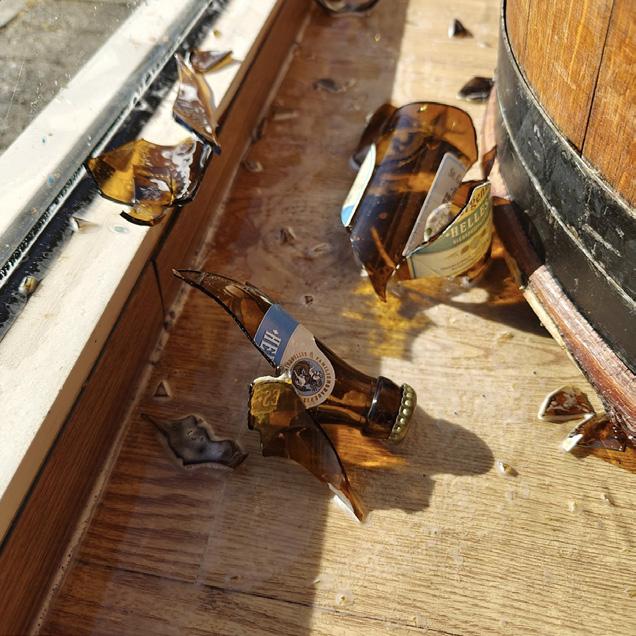
The June heatwave put bottles in peril, as our picture of exploded Helles at Vine & Bine in Solihull illustrates.
“It was more of a dull pop, rather than a bang, but that didn’t stop it alarming the hell out of the lady who picked exactly that instant to walk in the shop,” says owner Mark Stammers. “I did take the explosion as a hint and removed everything in the window else posthaste – it’s looking a little sad and bare at the moment.
“I had already removed some bottles of sparkling wine after some previous rather more traumatic experiences, and all the wine, as the corks have a habit of being forced out of the neck of the bottle, but I thought I could get away with some beers. Turns out I was wrong.”

Sheffield Wine Week returned last month, bringing some California energy to South Yorkshire.
Established three years ago by Tenya Wine owner Virginia Myers, and Mike Pomranz, owner of The Old Shoe, the week culminated in a day of open-air festivities.
The programme between June 2428 included a mix of offers and events hosted by bars and restaurants as well as independent wine retailers, to attract visitors and locals alike.
Among the indie participants were Charles at Barks Wine Shop who featured magnum pours and hosted a winethemed pub quiz. Gills & Co put on special wine and food pairings for the week, in which each member of the team chose a favourite wine and created a match around it. StarmoreBoss collaborated with its neighbouring deli in Sharrow Vale to create a wine and cheese night and Bench served up some welcome frozen sangria throughout the week.
In addition to running Tenaya Wine’s own events, which involved flights of rarer
Californian gems as well as a walk-around tasting of over 30 wines for the annual summer wine fair, Virginia is also the lead of Sheffield Wine Week Festival which took place at Bole Hills, a large open space near her shop.
“It was a huge success,” she said. “We had around 2,000 people attending and it was just a lovely vibe. It was very familyfriendly we lots of kids’ activities like crafting and bouncy castles, and lots of food.
“The kids were able to run around freely and check back in to hydrate so the parents got to really chill and enjoy the day. We had 24 wine vendors, including suppliers Alliance, Ally Wines, Amathus and Museum Wines. They did really good trade and had a great time engaging with people about their wines.
“The reason I wanted to do this kind of event in the first place was my experience in California, and how, when I lived out there, just how many lovely events utilising the outdoors and the wine industry there were, which make it all just that bit more fun and accessible.”

A monthly column from Alliance Wine/ H2Vin exploring practical, creative ways independents can sell smarter - covering everything from fine-wine offers to pricing tweaks and experiential events
Producers put real love into their branded material. Beautiful presentation boxes, ice buckets, bottle stoppers, bottle shots and tasting notes –the kind of tactile, visual details that make a display feel considered rather than thrown together. And most of it is just waiting to be asked for.
A well-dressed window or counter display allows for soft branding and quietly informs your customer even when they are “just browsing”. It catches the eye of someone walking past, it signals care and personality, and it gives customers something to pick up and engage with. Think of a beautifully printed tasting note tucked beside a bottle, or a branded ice bucket that turns a simple counter display into something that makes people stop. It’s doing quiet, consistent work instilling that wine brand even before you have said a word. The best part? It costs you nothing – it’s already been produced, and your salesperson will almost always be delighted to help it find a good home.
It’s worth thinking seasonally too. A summer window dressed with producer material feels timely and intentional; a gifting display at Christmas that uses presentation boxes and branded accessories looks considered without requiring much effort at all. Your supplier has often already done the creative thinking – you just need to ask.
So next time you’re wrapping up a tasting with your salesperson, add one more question to the list. You might be surprised what’s available.
If you need any help with POS materials, please contact your Alliance Wine/H2Vin salesperson or orders@alliancewine.com.
Ned Llewellyn Alliance/H2Vin sales director – off-trade
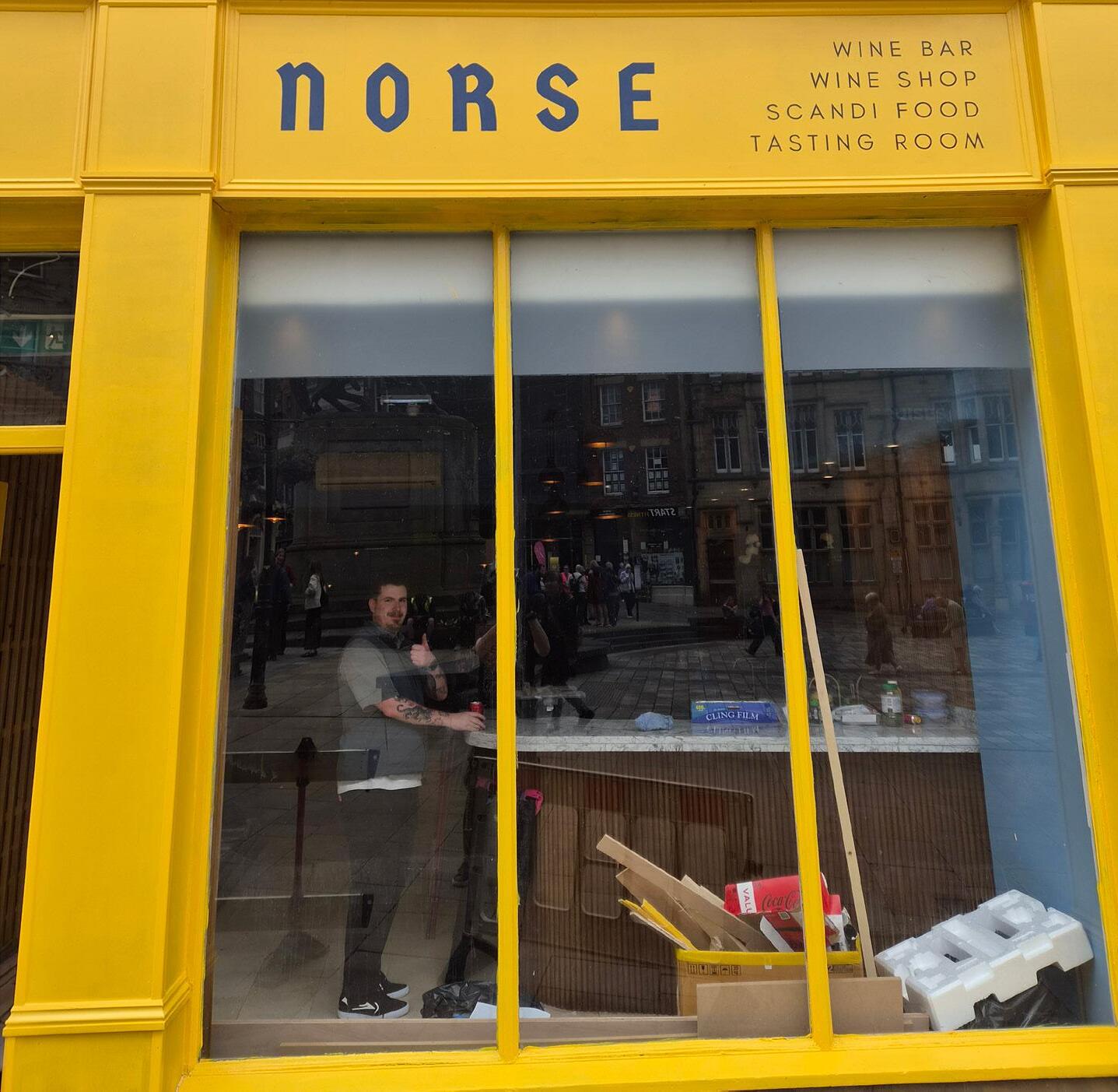
Crush opened in Durham two years ago this August – and now owner Daniel Jonberger has opened Norse, just a fiveminute walk away on the market square.
Jonberger was finding he was having to turn people away, particularly on Fridays and Saturdays, so he’d been thinking about opening a second venue for a while.
“My landlord said he’d found me a place and although it took a little bit of time to get everything sorted, once we secured the site we managed to get turned around in five weeks,” he says.
Far from being a carbon copy of the original business, Norse will be different in a number of ways, starting with the choice of name.
“All my regulars call me the old Norse,” laughs Swedish-born Jonberger, “so I thought I might as well just call the new place Norse.”
In contrast to the cheese and charcuterie on the menu at Crush, Norse celebrates Swedish dishes with cold delights such as smoked salmon rolls, filled with different kinds of cheese and venison with beetroot salad.
“The cured salmon is a recipe from my family, which is really nice,” he says.
“At Crush I’ve got about 95 wines by the glass at any one time, and the menu changes constantly because small parcels come in.
“I would say my main suppliers there are Dreyfus Ashby, Wanderlust and Ucopia. At Norse, I’ll have a completely different range and I’ll be working with North South Wines, Richmond Wine Agencies, Yorkshire Vintners and Enotria.
“I’m going to have 10 white and 10 red, about six sparkling, and around 60 wines for takeaway.”
While the retail element accounts for 20% of business at Crush, Jonberger imagines take-home sales at Norse will represent around 45% of sales.
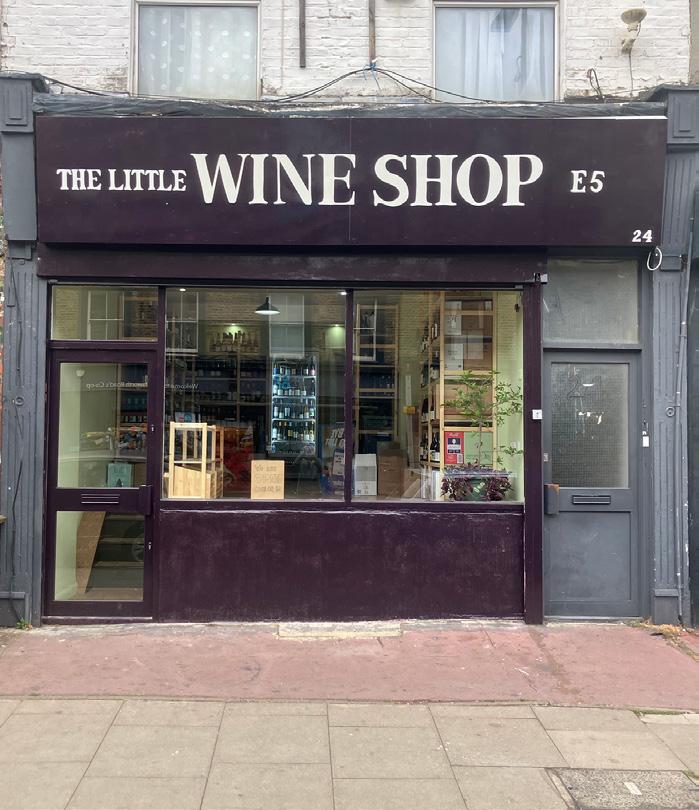
The Little Wine Shop, which has opened a second branch on Chatsworth Road in Clapton, Hackney, reports an enthusiastic welcome from the local community.
Owner Sebastian Roach, who opened his first shop in Stoke Newington almost eight years ago, says: “We had assumed, given that Chatsworth Road and the surrounding area has a slightly younger, funkier demographic, there would be more demand for hipster, funky wines, but the opposite seems to be the case.
“Loads of people coming through the door are saying ‘oh thank god you’re here, we’re so pleased to be able to buy some normal wine’.”
Roach recalls his own fondness for the natural wine movement when it initially hit the scene but says that it lost its appeal.
“I would go to the RAW wine fair but certainly by the fourth year I felt it was diminishing returns.
“I agree with the ethos of it – minimal intervention in the vineyards, sustainable viticulture and promoting biodiversity. And while the makers of most of the wine I sell would not align themselves with the natural wine movement, they work in a similar way, but just not making weird, funky wines, and not putting their own face on the label.”
He adds: “I think there are quite a lot of people who are feeling excluded by that style. They probably would have been quite open to it, but they’re put off by the compulsory nature of it. Most of the wine bars and restaurants that have opened in the last five or 10 years, that’s all they list.”
Both Little Wine Shop stores are resolutely off-trade.
“There are already several wine bars in the area but there isn’t a proper dedicated wine shop, so that’s what we are,” Roach says.
“My philosophy is very much concentrated on being a good shop and the more you diffuse what you’re doing, the less you can really focus on doing that well. Of course, the other problem with a bar is you have to be open late and your staff costs go up. Both myself and Oisin [the manager running the new shop] have got young kids. We don’t want to be working late at night.”
Times are tough for many indies and Roach believes the political climate has muted consumer confidence.
“It was the Starmer/Reeves message of things are going to get worse before they get better,” he says. “It’s like they deliberately killed the feelgood factor.”
Roach has got his fingers crossed that there might be a bit more positivity flying around with a new Labour party leader. He’s also hopeful for a bit of governmental intervention.
“I’ve heard talk about the possibility of lowering VAT on hospitality,” he says. “That’s great because they need all the help they can get, but if it extends to the high street, that would be fantastic.
“The other thing the government could do to promote growth is make it easier to sign a lease on premises. Why does there have to be a 48-page lease that you need solicitors on both sides to toss back and forth?”

Roach had initially planned to be in the new premises last Halloween, but didn’t get the keys until April this year, so his frustration is understandable.
“Every shop on every high street is pretty much leased from a landlord under essentially the same terms. Why is there not a standard PDF that the two parties can download? It would remove such a big impediment.”
Roach admits he is feeling “a little bipolar” about the expansion as business in Stoke Newington has hit the doldrums.
“It’s been really well timed as Stokie is just flat right now,” he says. “There have been mitigating factors – the weather in May was generally pretty crap and Church Street has been closed to traffic for a big chunk of time because of two sets of road works. But in the last two weeks the road works have gone, the street is open again, the weather’s been good, and actually we’ve had the worst two weeks.
“But Chatsworth Road feels like a good place to be. Last week the new shop took more money than the other one. That’s good and bad, because the shop that’s been there seven and a half years really should have taken more money than that, but at the same time, that’s really positive for the new shop. I am confident in the model I have.”
Philip Garratt, who owned and ran the Wino’s shop in Oldham for two decades, has died aged 74.
Social media tributes described him as “a lovely, kind and jolly man” with “great knowledge and passion”.
Another called him “a beautiful human with a kind soul”.
The funeral took place on June 10. Donations can be made to Doctor Kershaw’s Hospice in Oldham or the British Heart Foundation.


Enotria has not ruled out opening another shop in Bath after closing The Great Wine Company in June.
The store, established in 1983 by Philip Addis, was acquired by Enotria in 2010 and had occupied the premises on Wells Road for over 40 years.
A spokesperson for Enotria and Majestic Wine Group said: “Our lease on our current site has expired and the landlord has chosen to sell the property for redevelopment. A small number of colleagues are affected by the closure and they are our priority during this process.
“The Majestic Wine Group remains committed to investing in experiential retail and hospitality locations and we are continuing to explore the possibility of opening a new Great Wine Co store in Bath, should the right opportunity arise.
“In the meantime, we will continue to serve our loyal customers through The Great Wine Co’s online store and will make click and collect available from our nearby Majestic Bath branch to make that shopping experience easier and more convenient than ever.”
Bellingham Wine Store is set to open early next year in Hexham, Northumberland.
Plans to convert the Grade II-listed building include the creation of a holiday let on the first floor as well as updating the ground floor (previously a book shop) to a functioning hybrid space.
Owner Stephen Shore had hoped he would be open already: Easter 2026 was originally mooted before he changed the target to a summer launch.
“We were going to partially open this
summer before closing to do the major works needed,” he says, “but we’ve now decided to wait and get everything done so we just have one big opening early next year.”
Blossom Street Social in Ancoats, Manchester, has ceased trading.
Owner Ben Stephenson founded Hanging Ditch in 2008 – an early example of the now-familiar hybrid model.
He opened Blossom Street Social in
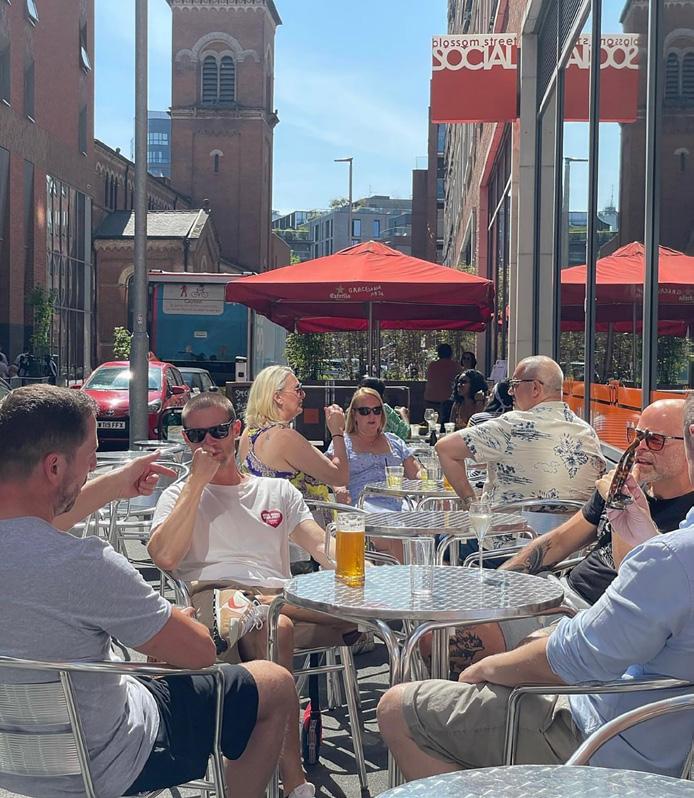
December 2019 as a sister venue which continued after Hanging Ditch was closed the following year.
“Despite adapting constantly and doing everything possible to respond to changing conditions, the business was never afforded the opportunity to establish the stable trading base that any new hospitality venture needs,”
Stephenson says. “While there was an encouraging return to socialising following the pandemic, rising costs and long-term changes in consumer behaviour ultimately made the business unsustainable.”
He adds: “We poured our hearts into Blossom Street Social and we’ll miss it more than words can say.”
Hot topics that could impact independent wine merchants
By WSTA chief executive Miles Beale

making the case

The WSTA has been busy engaging with Government on the evaluation of the alcohol duty system, with the public submission window closing last month.
Whilst the Treasury seems intent on a selective narrative (having revised the objectives for the evaluation process from those stated at the time the system launched in August 2023), the WSTA has been categoric in setting out the negative impact of the reforms on the sector, consumers, and the Government balance sheet. The new system introduced a plethora of red tape in operational terms alone; three duty increases in two and a half years have compounded the woe.
Whilst Government has rebuffed any suggestions of policy reform, we have been clear on where the regime should be changed. We’re calling for the return of a wine easement mechanism, the removal of the unnecessary ABV cap for Small Producer Relief, and a single /lpa (litre of pure alcohol rate) below 8.5% ABV. Attention now turns to the autumn budget – we are exploring involvement in broader, cross-sector campaigns to maximise our impact. Changes to alcohol duty can and would have a meaningful impact on the high street and hospitality sectors.
Elsewhere, the WSTA took part in crosssector crunch talks on DRS with the new Welsh Government earlier this month. With just 14 months until it goes live, we requested the urgent removal of glass from the scheme alongside the appointment of a DMO (scheme administrator). In lieu of an official announcement, we ask the Welsh Government to act now and without delay.
Business voices are an essential tool in the WSTA’s work with governments across the UK. If you are willing to share your views on the impact of the duty system, and supplying the Welsh market with a unique, glass-in DRS, on your business, please get in touch with the WSTA team.
Find out more at wsta.co.uk
• Hallgarten & Novum Wines has reinforced its Greek wine specialism with the addition of two producers, Ktima Dio Ipsi and Mikro Ktima Titos, to its portfolio.
The wines include Dialogos White (Kydonitsa-Assyrtiko) and Dialogos Red (Agiorgitiko-Syrah) from Ktima Dio Ipsi, and Goumenissa Red (Xinomavro-Negoska) from Mikro Ktima Titos.
• Susana Balbo, the Argentinian wine producer sometimes referred to as the queen of Torrontés, has switched her distribution arrangements in the UK from Enotria to Matthew Clark Bibendum.
According to a statement from the UK firm, “the full Susana Balbo portfolio, including the Crios, Signature and Signature Limited Editions, BenMarco and Nosotros ranges, is now available to the UK on-trade through Matthew Clark Bibendum, and to the UK off-trade and independent merchants through Bibendum Off Trade and Walker & Wodehouse”.
Balbo’s business was founded in Mendoza in 1999 and has maintained a presence in the UK since its inception.
• Armit has welcomed Domaine CapuanoFerreri from Santenay into its portfolio.
The estate, described by Armit as “just beyond Burgundy’s blue-chip villages yet firmly within the Côte d’Or”, is run by John Capuano, who took over the family business from his father in 2009.
Wines include 2023 Santenay Vieilles Vignes blanc; 2024 Chassagne-Montrachet Cuvée Prestige blanc; 2023 Santenay Vieilles Vignes rouge; 2024 Maranges Premier Cru La Fussière rouge; and 2022 Santenay Premier Cru La Comme rouge.
• Flint Wines has agreed a “strategic partnership” which gives it access to 11 South African wineries represented in the UK by Dreyfus Ashby.
The deal is mainly focused on London on-trade accounts, though Flint will be able to propose the wines to regional customers

not already working with Dreyfus Ashby, and where there is no conflict with a Dreyfus Ashby client.
The wineries involved are Alheit, Beaumont, Geographica, Hogan, Keermont Estate, Lukas Van Loggerenberg, Miles Mossop, Minimalist Wines, Newton Johnson, Tesselaarsdal and Tierhoek.
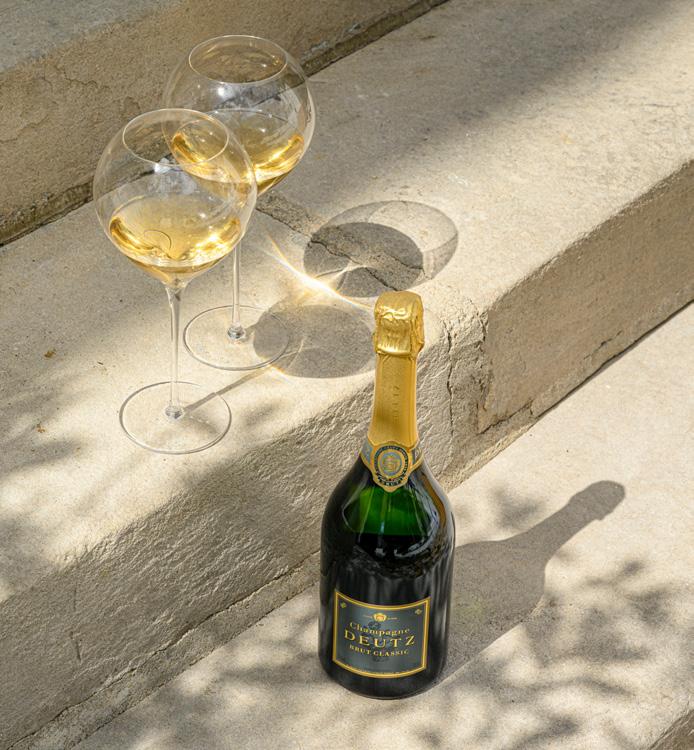
• Champagne Deutz has joined the Maisons Marques et Domaines portfolio.
The grande marque has been handled in the UK since 2013 by Gonzalex Byass UK. It will now be a stablemate in the MMD UK portfolio of Champagne Louis Roederer. Deutz was a founding member of the Syndicat des Grandes Marques in 1882.
CORRECTION: Our June edition published incorrect RRPs for two rosés imported by Berkmann. Château Sainte Marguerite Symphonie 2025 is £29.25, not £49 as stated; and Château Sainte Marguerite Collection Marguerites 2025 is £47.50, not £69. Apologies for the errors.
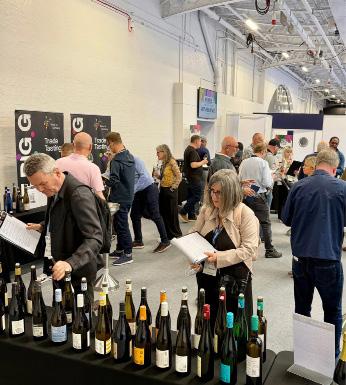
Wines of Germany used its Big G tasting at the London Wine Fair to underline how far the category now stretches beyond its traditional Riesling heartland.
The pop-up tasting featured 100 wines from 100 producers, spanning 13 grape varieties and including a broad contingent of sparkling wines, Pinot varieties and a spotlight on no- and low-alcohol examples. For independent merchants, the point was clear: Germany is no longer a one-grape conversation. The tasting offered more than just a snapshot of German wine today.
Beyond Riesling –but not without it
Riesling still remains central to Germany’s global reputation, but at Big G it sat alongside Grauburgunder, Weissburgunder, Spätburgunder and Sekt, as well as alcohol-free and loweralcohol wines designed to offer choice.
That matters in a retail environment where customers are increasingly looking for wines that are fresh, moderate in alcohol and food-friendly, without wanting to trade down in quality or interest.
Germany: meeting the brief Leona de Pasquale DipWSET summed it up succinctly: “German wines tick all the boxes for what people are actually looking for at the moment.”
Those boxes include lighter styles, freshness, acidity, sustainability and, in many cases, naturally lower alcohol levels. Grapes that might once have required more explanation from merchants can be presented as something truly unique.
Shane Jones DipWSET, wine educator and German Wine Scholar, said the tasting was less about surprise and more about reassurance.
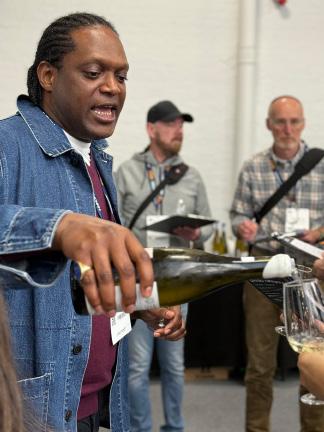
“Rather than be surprised, I am reassured that Germany is really responding to what the consumer wants and delivers what the consumer wants,” he said.
For indies, that gives Germany a wider role on the shelves. Spätburgunder can speak to customers looking for lighter reds. Sekt offers another sparkling route. Pinot varieties provide an entry point for shoppers who may not instinctively reach for Riesling, while alcohol-free styles give

merchants something more credible to offer in a category that is still developing fast.
The styles still hiding in plain sight
The tasting also highlighted areas of German wine that remain under-sold in the UK. Jones pointed to the Prädikat spectrum, including Kabinett-style Rieslings, as wines that are still too easily dismissed.
“I think wines which are on the slightly sweeter side … a lot of people still dismiss these, but they really do have context,” he said. “They are, in many cases, wines that you share for special occasions and they can really help to cement memories.”
That may be a useful message for merchants looking to build more occasion-led sales with wines that are lighter in alcohol and well-suited to summer drinking.
Michael Schemmel, marketing manager for Wines of Germany UK, said there was “real excitement across the trade, not only for Riesling, but for the full spectrum of styles Germany now offers –from premium Pinot varieties to Sekt and alcohol-free wines”.
The challenge now is making that breadth easier for customers to understand. But for merchants prepared to hand-sell the range, Germany increasingly offers answers to several current retail needs: lighter reds, fresher whites, credible lo/no options, sparkling alternatives and wines with enough story to justify shelf space.
31 Days of German Wine returns in July, shining a light on this diversity as merchants up and down the country register to promote their ranges of German wine for the month.
Published in association with Wines of Germany

In a nutshell: Latitude’s World Cup promotion – featuring its own branded football shirts – sits neatly within its yearlong series of marketing ideas.
Tell us more.
“There’s always been a bit of a disconnect between what’s going on with our e-commerce and what’s actually happening in the shop and the bar and then portraying that across our social media.
“So this year, to focus our attention and energy, our marketing plan involves a series of seasons or themes and we put all our efforts into a five-week period for each one.
“We kicked everything off (no pun intended) in April with Spanish season which involved a mixed case offering, a series of barrel-top wine tastings as a kind of try-before-you-buy, and a special menu in the bar incorporating Spanish cheese and charcuterie.”
You’re now in your Americas season, which incorporates the World Cup. “The problem with the World Cup is you either go all in and have big screens everywhere, and you’re absolutely rammed, and it’s frankly horrible, or you’re all out. We asked ourselves: how do we address the World Cup, but still maintain our core value, which is we’re a nice bar where people can come and have a conversation?
“The goal is to incorporate our

Chris Hill Latitude Wine, Leeds
e-commerce, retail and our hospitality and so we’re pulling together these disparate parts of the business in an interesting way that fits with the zeitgeist, rather than leaning into the football.
“We’ll have a focused tasting with wines ranging from Patagonia to Niagara, mixed cases available through our website including free local delivery, speciallydesigned football shirts, and our bar team can get really creative with a special cocktail menu. We’ve got a massive range of agave, tequila, mezcal and rums. Spicy margaritas and pisco sours are really popular. Cocktails with a lime and sugar base will conjure Latin America and the Caribbean.”

Like all football teams, your shirt has an official sponsor.
“Yes, we’ve teamed up with Diplomatico Rum. The shirts really started with a member of our team, Oscar, who came up with this illustrated guy called Pablo.
“The Pablo character is now across all our marketing – our website, menus, everything – and has found his way on the back of our football shirts. We worked with a local company who helped us to find the right shirt for it and then pitched to Diplomatico to see if they wanted to support it. We had to get the colours approved as once you get a brand involved things get a bit complicated, but it’s been really popular, and it looks good on Instagram. It’s been a case of giving Oscar an idea and seeing where it ends.”
What’s up next?
“French season, which just happens to coincide with the Tour de France. A sporting event is quite a good thing to hang things on as it’s something that draws everyone’s attention.
“Since opening the bar, we’ve had loads of little ideas, which have not really translated into much traction, but out of it we’ve got new branding and focus across the business with our Pablo character. Now we are more focused, we are creating relevant content for each promotion at least a month in advance. We then deploy it more effectively across all the elements of the business.”
Chris wins a WBC gift box containing some premium drinks and a box of chocolates.
Tell us about a bright idea that’s worked for you and you too could win a prize.
Email claire@winemerchantmag.com








TRIED & TESTED
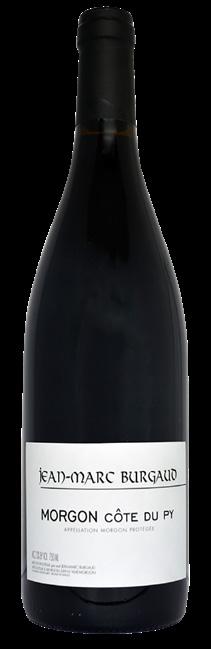
Burgaud calls Gamay’s relationship with oak a “difficult one”, opting for concrete eggs to express this famous lieu-dit. Darting with mineral precision and red-fruit crunch, it’s a transparent, ethereal style of Beaujolais. There’s a magic to this blue schist hill – a magic that Burgaud doesn’t try to get in the way of.
RRP: £28 ABV: 13%
Liberty Wines (020 7720 5350) libertywines.co.uk
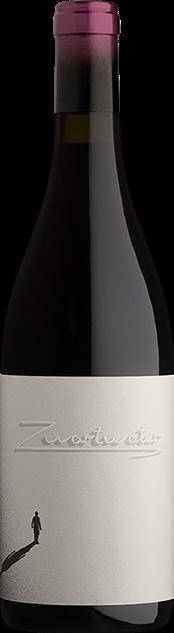
Hallgarten predicts that Zwartwater will become “one of the greats of Swartland” and this debut red (Syrah, Carignan and Mourvèdre) suggests this might not be hyperbole. Young vines, old vines; whole bunches and individual berries; oak as well as concrete: it’s a truly crafted wine, with energy and intrigue.
RRP: £33 ABV: 13.5%
Hallgarten & Novum Wines (01582 722 538) hnwines.co.uk
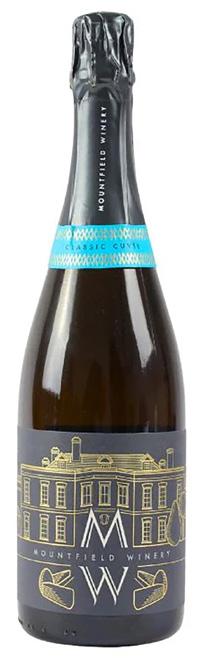
A blend of Chardonnay, Pinot Meunier and Pinot Noir from an East Sussex family estate and winery, including reserve wine which has spent seven years on its lees. The owners are planning a library of mature sparkling wines and this one is worth reserving. Creamy and zippy, with a lovely salty undertone on the finish.
RRP: £36 ABV: 12%
Mountfield Winery (07831 642120) mountfieldwinery.com
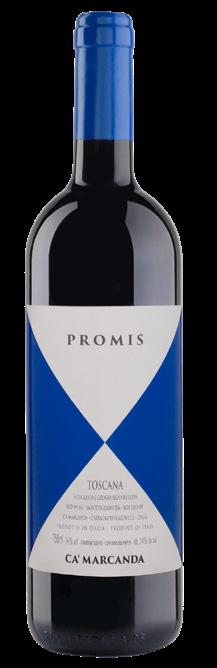
Angelo Gaja’s Bolgheri outpost has proved itself a worthy addition to the Super Tuscan scene, and the latest vintage of Promis – a blend of Merlot, Syrah and Sangiovese – will delight anyone who’s come to love the polished approachability of the wines. The fruit is ripe, the flavours are rich and the tannins are kind: a simple recipe, but there are hidden depths to explore.
RRP: £50.99 ABV: 14%
Hatch Mansfield (01344 871800) hatchmansfield.com
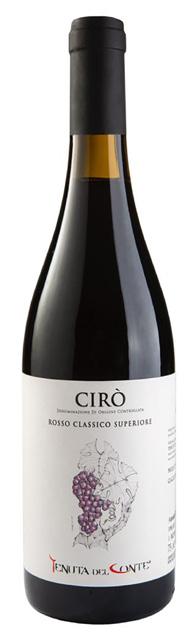
Calabrian Gaglioppo is the great Nebbiolo imitator of the south. This one takes seven years of ageing in its stride, with warm terracotta, dried earth and violets on the nose, and a palate of electric cherries, olives and lemon peel. The powdery structural pizzaz takes one’s mind to Piedmont. Think again!
RRP: £29 ABV: 13.5%
Astrum Wine Cellars (020 3328 4620) astrumwinecellars.com
This Jumilla producer is beloved by independents for its bang-for-buck quotient and it’s true to form with this release. At this price, you hope for drinkability and expect simplicity, but Gil doesn’t stop there. Along with the stone fruit and jasmine, there’s a pithy bitterness lurking in the background that’s almost sage-like. It went down surprisingly well in 37˚C humidity in June.
RRP: £13.50 ABV: 13% Boutinot (061 908 1300) boutinot.com
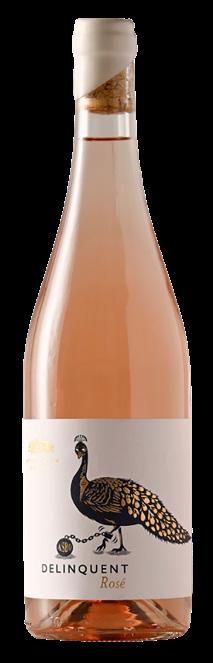
Otium nestles in a delightful corner of the Hampshire South Downs, where you’d hope deliquents are rare. The always-hungry peacocks who patrol the vineyard turn out to be the troublemakers who give the wine its name. A blend of Pinot Noir, Pinot Meunier and Chardonnay, this has Provençal charm and English bite.
RRP: £23 ABV: 11%
Otium Wine Estate (07424 448891) otiumwineestate.com
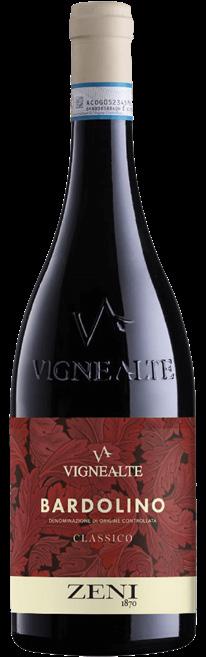
Everyone seems to be clamouring for lighter (and cheaper) reds but we want them to retain some depth of character. That’s where this 60% Corvina, 30% Rondinella, 10% Molinara blend from the eastern shore of Lake Garda comes in. Aged in stainless steel, it has a beautiful purity of red-fruit flavour.
RRP: £14.99 ABV: 12.5%
Cachet Wine (01482 638888) cachetwine.co.uk


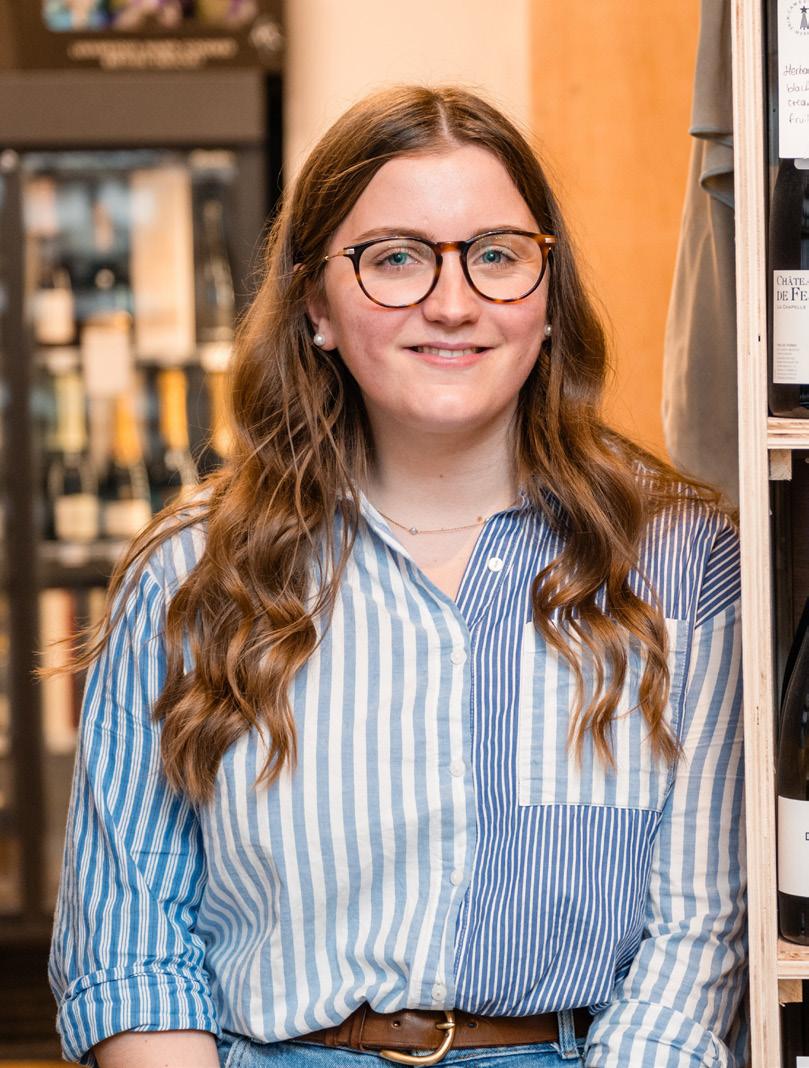
Sarah has been with us for two years,” says Hal Wilson, owner of Cambridge Wine. “She started in our retail branches and wine bars and now works as events and marketing manager. Sarah is making it her mission to inform, educate and make drinks fun for our varied clientele, particularly a younger demographic.
“From a dynamic group of wonderful staff, Sarah shines as a dedicated professional and wonderful person.”
A degree in food science led Sarah to pursue a career in beverages. “Originally spirits caught my attention,” she says, “and while doing my spirits WSET I did my wine alongside and just fell in love with it. I was fortunate to find a job as an assistant manager in one of the branches at Cambridge Wine and since then I’ve fallen even further in love with the industry.”
At 25, Sarah is well placed to understand and market to younger consumers. “We’re very lucky to have quite a few fantastic younger members of staff here,” she says, “and with Hal and other senior members of the team we discussed how we could inspire more people in that younger age bracket to enjoy wine, especially as there has been a change in culture around alcohol. I want to help other people see how fascinating wine is and how much fun – even if you only have a bottle every so often.”
question is too silly,” she explains.
“We’re fortunate in Cambridge to have two universities, and we have students who want to learn enough about wine so they can take a nice bottle with them to a formal, or a graduation. There are customers who want to buy a bottle but are unsure where to start, so our Beginner’s Guide is designed for us to have those conversations. In branch we don’t always get the time that we’d like to chat because we’re busy and they’re busy, so we wanted to bring people together.”
She may be a digital native, but Sarah admits there are things to learn as part of her new role includes overseeing the company’s social media.
“Part of it is slightly second nature, but I’ve definitely done some extra work to get up to speed. Attention spans aren’t necessarily the longest when it comes to social media so I’ve learnt the punchier it is, the better. We’re very lucky that our teams within the branches are always eager to help out and share their knowledge on the reels and things like that, which is always great.”
Last August Sarah launched The Beginner’s Guide, a monthly event that takes place in store.
“The thought behind it was to make it fun and informative in a relaxed environment where no
As for Sarah’s career trajectory, while she considers the attraction of buying, it’s education that holds her attention. “I think what interests me most is the teaching side,” she says. “I find that being able to share knowledge in all sorts of formats and share the love of wine with lots of different people is something I really enjoy. I think that will probably be the avenue I will naturally walk down.”
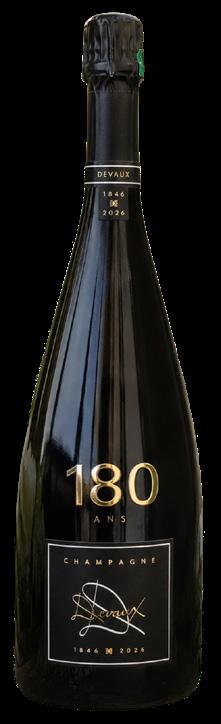
Sarah wins an 180th anniversary magnum of Champagne Devaux Cuvée D courtesy of Liberty Wines
If you’d like to nominate a Rising Star, email claire@winemerchantmag.com

My
70th birthday awaits, and so does my already-retired wife. What to do?

The way out, but it’s not as straightforward as it might seem
In a previous life, as Thornton Perry Associates, I scratched a living doing various things including writing business plans. In theory the plan ought to have an “exit strategy”. The idea being that you can’t go on forever, so you have to decide, when the time comes, how you get out. This is much like life except there is more than one option, and you might have a say in it.
You could simply stop and walk away. That is a perfectly sound strategy if you have tied up loose ends and have enough to pay off any outstanding commitments, but
it isn’t very satisfactory as it would be nice to get something back for all the effort.
A long-standing shopkeeper here in town took that route recently. He was in his seventies, been there man and boy and it
My GP’s efforts to keep me healthy have increased to a fair number of pills a day. He’s a good customer so has a vested interest
was time to retire gracefully. He sold clocks, watches and other gift items, but a big part of his income came from watch repairs. His view was that there wasn’t a business as such to sell on so he just flogged all his remaining stock and walked away. The shop was re-let very quickly and now offers aura photography and chakra balancing, while the cobbler up the road now changes watch batteries. Life moves on.
When Mrs P retired she asked me when I might join her. That was over a year ago and I must confess I have not done anything about it. I’m still not doing anything about it. I really should start thinking about it. So here I am. I’m stroking my chin and thinking about it.
As Mrs P frequently reminds me, I will be 70 next year – if I survive another winter in the shop. Health, of course, is the other factor at play. Apart from a week’s enforced quarantine during Covid I have had no time off sick for almost two decades. However, my GP’s efforts to keep me healthy have slowly increased to a fair number of pills a day. He’s a good customer so has a vested interest.
Despite being well versed in the theory, the plan I sketched out originally didn’t include an exit strategy. Well, not a proper thought-out one. I had rather hoped that Alice would want to take over and that as I got older I’d step back gradually and she would step forward. That way, I’d have access to good wine and still be able to tend my vines and vegetables but not have to come to work every day. Alice still does Mondays and other days, but she has no ambition to be tied to the shop five or six days a week like I have been for the past 18 years. Her life is a bit more interesting than mine.
Another option would be to step back and employ a manager to run the business. In theory there is enough to pay a reasonable salary but I do have to question why I don’t pay myself that salary. (The answer is that I don’t need to. I’m a frugal pensioner.) I’m not sure I like this option. It feels like giving up the fun bits but keeping the responsibility. Also it doesn’t address the issue, just kicks it down the road a bit. If we discount a trillion-dollar stock
market flotation, that leaves two options: sell the business as a going concern or flog the stock and walk away.
The most attractive option is to sell it as a going concern. I suspect that may take some time. My late father’s house has been on the market for over a year.
I would expect a premium for the business plus the stock at valuation. With the money in the bank, less the bills still outstanding, that should take me to the figure I am thinking of. But if no one wants to pay the premium: where’s the money? OK, I’d liquidate the stock, but I could do that by selling it all off. So the question now is this. Would the profit on selling the stock at retail (although inevitably discounted towards the end) earn me more money that someone would be willing to pay as a premium?
I’m sure there will be tax implications. There always are. At the moment I have no idea what they are or if there is a favourable option. There is probably a list of other things, such as disposing of 18 years of receipts and invoices, and they will all cost money.
It would be a huge shame to just walk away and have the shop let to someone aligning chakras. All the fittings would be ripped out. Then inevitably someone would see a gap in the market for a wine shop, rent a unit and spend a fortune fitting it out.
Hmmm. I think I’ll have to talk to an agent (they’ll want a cut too!). Hopefully they can advise on what I can expect and talk me through it. The good part is that my rent has been on a monthly rolling basis for the last 15 years. If I wanted to walk away I only have to give a month’s notice, so that option remains.
I once wrote a piece for The Wine Merchant about my new vineyard. At the end of it I said that it wouldn’t make the shop more valuable but it might make it more attractive when the time came. That was in 2022 so it must have been on my mind then.
Still. There’s no hurry, is there?
David Perry is the owner of
Shaftesbury Wines in Dorset
Are your customers spending less on eating out, and more on wine for home?



�We have certainly seen some customers becoming more selective about eating out as household budgets remain under pressure. Many are choosing to recreate the restaurant experience at home, treating themselves to a better bottle of wine to enjoy with a meal. Rather than buying more wine overall, customers appear to be drinking a little less but trading up in quality, looking for wines that offer a sense of occasion and good value. This trend has been particularly noticeable among customers who enjoy entertaining at home.”
Debbie Bass * Champagne winner * Bass & Caird, Staines
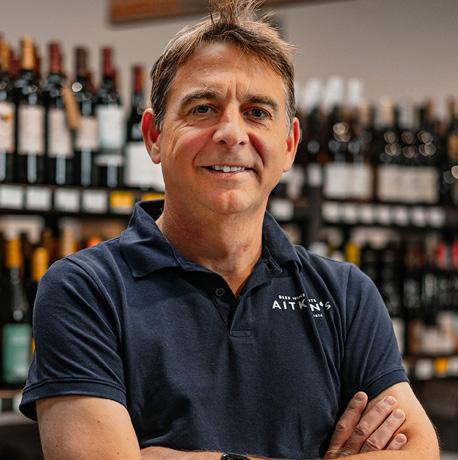
�When it comes to quality and diversity, there has never been a greater gap between independents and multiples. We are definitely benefiting from customers dining and entertaining at home and showing a greater interest in sourcing wines to pair with specific dishes. Another notable upturn for us is in cocktail ingredients, with vermouth and general specialist liqueurs sales definitely having a moment.”
Patrick Rohde

Aitken
Wines, Dundee



�People are wary of spending money on luxuries when they hear negative things in the news like the problems in the Far East, whether it’s going to affect them directly or not. When customers are buying off the shelf, they are definitely looking to spend more on just one bottle of wine rather than take a few cheaper ones. It’s more about hearing the story behind the quality bottle of wine now and taking it to friends for dinner to tell them about it, with the added bonus of no headache the next day too!”
Robert Buckmaster
The Blue Glass, Bedford
�Yes, is the answer to your question. There is a lot more home entertaining and we are regularly asked to match wines to food. Some of it is straightforward but other times there are quite complicated menus, so it’s much more demanding. We also get a lot of Airbnb tourists, who don’t want to eat out all the time, and so do some cooking and have an adventure exploring different wines.”
John Trevena Vintage Cellars, Pimlico, London
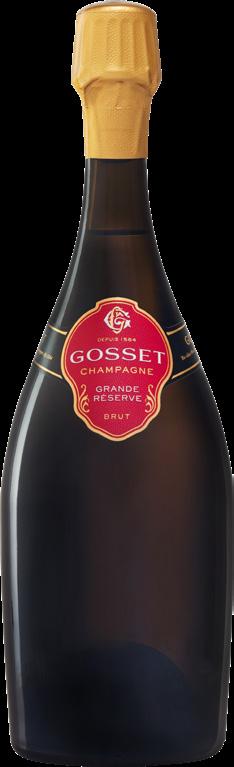
Champagne Gosset
The oldest wine house in Champagne: Äy 1584

Bastian Fischer Trinkfluss Wines Godalming, Surrey
Favourite wine on my list
It’s tough to pick just one, but I recently opened a bottle of Ovum For Love Nor Money at our For the Love of Riesling tasting here at Trinkfluss. It was a pure joy and absolutely delicious to drink. Definitely a great example of what is possible with Riesling in Oregon.
Favourite wine and food match Blaufränkisch aka Lemberger aka Kékfrankos with goulash is unstoppable!
Favourite wine trip
This would be a trip to Oregon back in 2024 as part of Pinot Camp. The whole experience was phenomenal and till this day I still can’t stop talking about it. I met so many amazing people and came across some truly fascinating wines. It was highly educational and eye-opening.
Favourite wine trade person
It’s really difficult to pick a single individual. The wine trade is filled with amazing people that would deserve being mentioned here, but one person that has had a truly great impact on my learning and passion for wine would have to be my former head sommelier Yohann Jousselin from my Hotel du Vin times in Winchester, back in the day.
Favourite wine shop
Again, tough to pick just one. The Winery in Fulham is always worth a visit and I really love what Verity and the team are doing at Palate down in Shoreham.
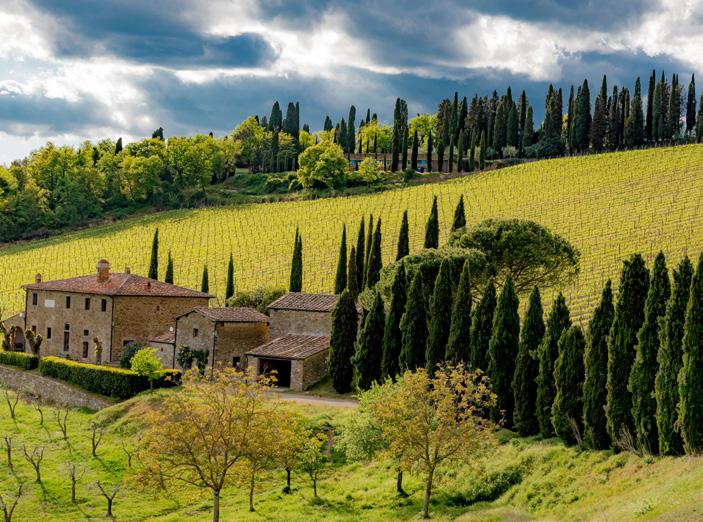
Scientists analysing 2,000-yearold grape seeds from ancient wells in Tuscany have mapped the most extensive genetic history of ancient grapevines recovered from a single site.
Dr Oya Inanli said: “We sequenced the DNA of 80 seeds and found a remarkable story of continuity. A large majority of the tested seeds belonged to a single, identical variety passed directly from the Etruscans to the Romans and maintained for centuries.
“We were also able to go a step further with the genetic testing and determine the colour of the ancient grapes. The markers revealed that this dominant, long-lived clone produced white berries.”
University of York, June 12
An offshore wind farm planned for the Mediterranean will be relocated after the wrecks of two ancient Greek merchant ships loaded with amphoras were found on the sea bed, close to a well-preserved Second World War RAF bomber. Archaeologists are studying the remains of one of the Greek ships which dates back to the 4th or 5th century BC and contains 300 ceramic amphoras used for wine or olive oil.
“It’s exceptionally rare to find so many

amphoras dating back 2,500 years in such a good state, and we may discover some still contain wine,” said Francesco Tiboni, a marine archaeologist.
Sunday Times, June 28
Winemakers in the Muscadet region of western France are scrapping summer holiday plans after a rapid early growing season and a benign weather forecast placed provisional harvest dates for the region in mid-August.
Flowering in the region occurred with almost unheard-of speed with fruit currently developing at a fast pace. Initial indications show harvest in the region could fall between August 15 and 20.
“We’re currently at stages I’ve never seen before at this time of year,” said winegrower Louis-Charles Toublanc. “Harvest is going to be very early. We expect to be ready to go by August 17.”
Wine Searcher, June 17
The Explore Wealden Wine Trail has expanded to 16 partner vineyards and joined the Sussex Winelands partnership, marking a new chapter for Sussex wine tourism.
The milestone is being celebrated with a new film campaign showcasing Wealden’s distinctive vineyards and visitor experiences.
Launched in 2024 with 12 vineyards, Sussex’s first official wine tourism trail now connects visitors with 16 vineyards offering tastings, tours, picnics, cellar-door experiences and seasonal events.
Sussex World, June 29
Saturday Kitchen has launched a new wine subscription service in partnership with Majestic, offering consumers exclusive wines selected by resident experts Helen McGinn and Olly Smith.
The Saturday Kitchen Wine Club will deliver quarterly cases of wine directly to subscribers, with each box featuring 12 bottles alongside food pairing suggestions and recipes from chefs regularly featured on the programme.
Subscribers will receive a curated selection of 12 bottles every three months, comprising two bottles each of three white wines and three red wines.
The Drinks Business, June 19
UK spirits exports to the United States fell sharply in the first quarter, with the value of shipments dropping 60% from a year earlier to £12.1m, according to
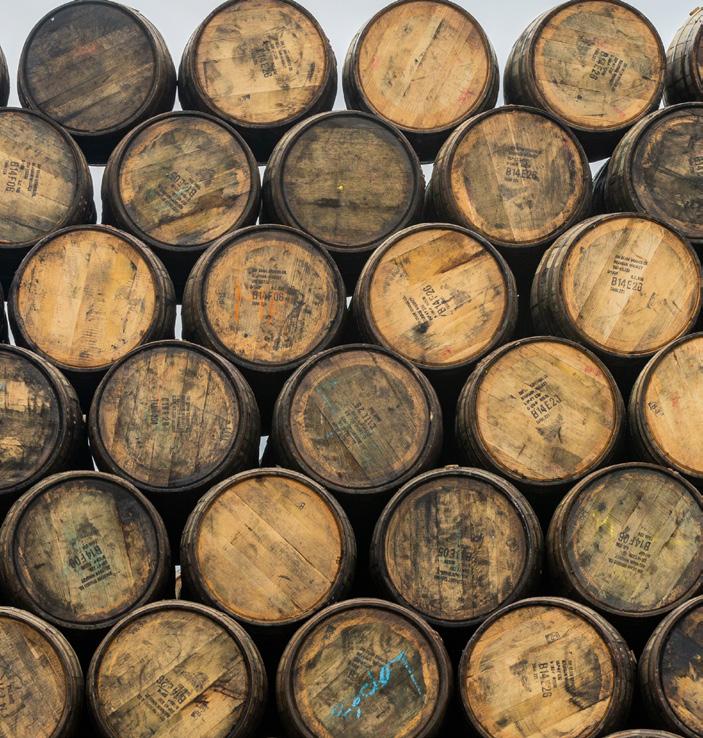
new trade data from the Food & Drink Federation, a sign of continued strain in a key transatlantic drinks market even as some tariffs have been lifted.
The federation’s Trade Snapshot for the first three months of 2026 showed that export volumes of UK spirits to the US declined 37.3%. The downturn extended across several beverage categories. UKmade whisky exports to the US fell 14% by volume, while value dropped 27% to £182.1m. Gin volumes to the American market fell 24%, and value declined 17.8% to £39.6m.
Vinetur, June 26
Just months after opening, a business in Launceston is set to close its doors after having an off-licence to provide alcohol tastings refused.
A licensing sub-committee refused a bid by Chings Alley Beer & Wine Cellar in Launceston, to alter its licence last October – stating that noise from customers would have a negative impact on residents.
Business owner Tammy Nutley said: “We have made the sad but necessary decision to close the business. In this day and age, independent shops cannot survive when facing such restrictive barriers; it is entirely unviable to run a premium drinks shop if we are legally barred from letting customers taste full-sized samples before buying.”
Cornish Times, June 26
• The UK’s first British-made sparkling wine bottle, a collaboration between packaging firm Croxons and glass maker Encirc, has completed its first production run with nearly a million bottles produced. Harpers, June 26
by Brett
readings, life drawing, yoga ... you might think all the great ideas for getting people into wine shops had been taken. but you'd be wrong !








Since 1911, our shop’s immediate neighbour to the north has been a law firm called TP & JL Low. One of the brothers who founded the business, John Low, had the good luck to marry a lass with the storied whisky name of Grant. Sure enough, her father happened to own Highland Park distillery. I don’t suppose John Low had to trouble my predecessors in Kirkness & Gorie for whisky, but maybe he bought wine from us. Certainly, his 21st century successors have always been regular customers.
Lawyers! They’re a tweed-jacketed, claret-supping fraternity of traditionalists, are they not? Well, they were, but lately there’s been a terrible spate of retirement amongst our neighbours. It seems against the laws of nature that anyone younger than me should be allowed to retire, but I suppose there must be better pension options if you’re charging £120 per hour for your services rather than selling £9.99 bottles of Chilean Merlot at a 30% margin.
So it’s not the police that are getting younger on our street, it’s the solicitors. Some of them veer dangerously close to east London hipster style in their dress and facial hair, and their drinking habits have evolved considerably too. They seem to have evolved right past alcohol, in fact, as the only liquid they consume is water from giant plastic bottles, that they lug in every morning and swing homewards, two litres lighter, in the afternoon.
The first time I saw people carrying bottles of water about was at the Traverse

The future is here
Theatre in Edinburgh about 1995. Up to that point bottled water has only existed in posh restaurants or sponsoring the Perrier Award at the Edinburgh Fringe. But here were a dozen audience members clutching plastic bottles and sooking from them desperately every few minutes. What strange people, I muttered: they can’t get through an hour-long play without enough liquid to see them across the Sahara Desert. It’ll never catch on.
I thought the same thing about mobile phones. I saw my first one a year or two before my first plastic water bottle. I watched a group of friends strolling down Old Compton Steet one balmy evening. Most of them were chatting and laughing, but one was shouting into a brick-sized
plastic object clamped to his lug. It took me a while to work out what it was, till eventually I realised: a phone! I turned to my pal: “That guy’s talking to someone miles away on his phone instead of the friends he’s actually walking about with! Crazy! Only in Soho! It’ll never catch on!”
Squeezed between our shop and the lawyers is a door with no other frontage that has led, for a decade, into a dentist’s surgery run by one Dr Nick (not the one off The Simpsons). Due to factors I can’t go into here for legal reasons – and also because I don’t know them – he closed for the Christmas holidays in mid-December, and never reopened. There was a police search to ensure he wasn’t in danger or lying ill: they confirmed he was alive and well and never coming back to Orkney. So where was he? Rumours proliferated: Poland? New York? John o’ Groats?
The surgery has lain quiet and dark for six months, but this week there have been lights on, and I spotted the landlord carting off trailers full of rubbish and gallons of pink mouthwash. And through the letterbox came a Neighbour Notification from the Planning Department of Orkney Islands Council: “Application Description: Convert building from Class 1A Dental Surgery to Class 10 (RELIGIOUS USE) and install SIGN.” The sign is to advertise the Church of Jesus Christ of the Latter-Day Saints. Yes, our new neighbours are to be the Mormons.
I’ve nothing against the LDS. After all, our shop has been directly across the street from a Church of Scotland cathedral for nearly two hundred years, and that hasn’t caused any problems. Unfortunately I don’t think Orkney’s 25 Mormons are going to boost business much, as their sacred Word of Wisdom text bans the consumption of alcohol. They don’t even drink communion wine, choosing to use water in their Sacrament ritual instead. Maybe I could find out where the lawyers get their big water bottles from, and sell them ready-filled for my new neighbours’ Sunday services.
Duncan McLean is proprietor of Kirkness & Gorie, Kirkwall

In June The Wine Merchant teamed up with Ruffino – one of Italy’s best-loved and longest-established wine producers – for a masterclass and lunch in London.
Taking place in the Serra restaurant in the former American embassy building on Grosvenor Square, it was a suitably opulent setting for some outstanding wines. We were in the company of Alberto Stella, Ruffino Estates’ winemaker with responsibility for Chianti Classico and Brunello di Montalcino within the portfolio.
Ruffino can trace its history back to 1887, celebrating 150 years in 2027. Cousins Ilario and Leopoldo Ruffino built their first winery near Florence, in Pontessieve, and chose a site near a railway station as the ambition was always to find customers beyond their hinterland.

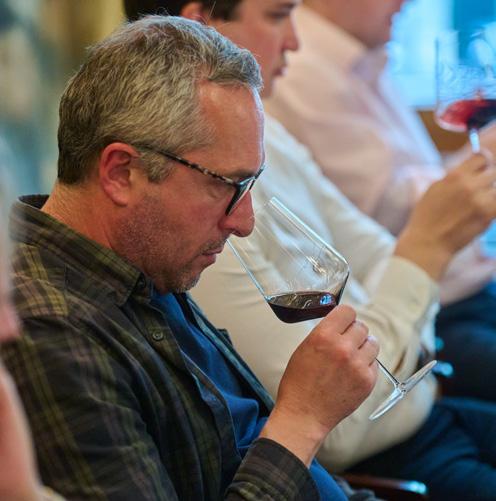
From Chianti Classico to Montalcino and Bolgheri, each of Ruffino’s seven prestigious estates is strategically placed in the heart of the most celebrated winemaking areas of Tuscany.
Constellation Brands bought a 40% stake in Ruffino in 2004, then became the sole owner in 2011. In the UK, the wines are imported and distributed by Italian specialist Alivini.
Our guests included Phil Innes of Loki in Birmingham; Jakub Balsamski of Hedonism; Tom Illsley of Theatre of Wine, London; Bruno Biancolli of Blanco & Gomez, London; Tolga Koymen of Bacchus N4, London; and Gosia Wegier of Dulwich Vintners, London.
Read about the wines they tasted overleaf.

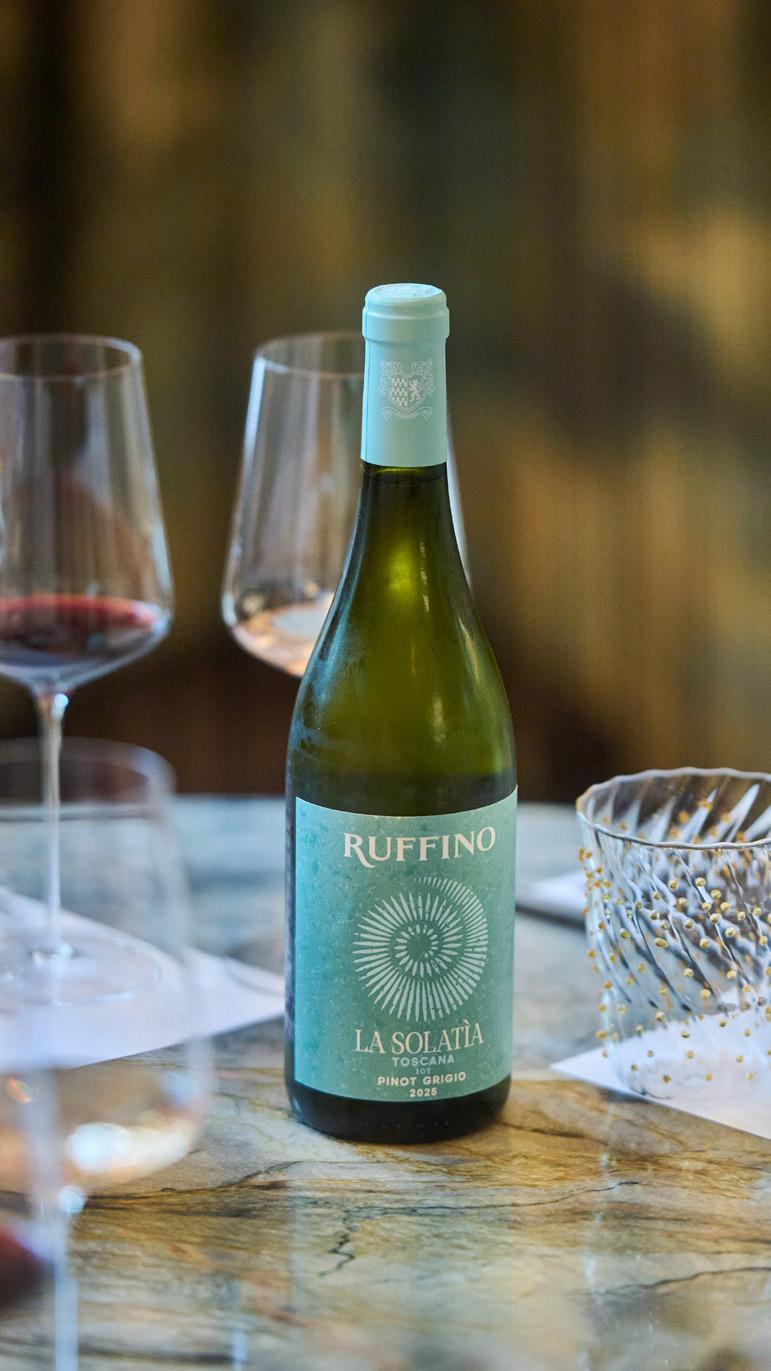
One of the earliest Tuscan Pinot Grigio wines, first produced in 2002, La Solatìa is made with fruit from vines at 190m-250m above sea level not far from Siena.
Since the 2024 harvest, amphorae have been used to vinify and age some of the wine.
“With stainless steel, you will freeze the wine a little bit and maintain the verticality,” says Alberto. “The amphora gives a little bit more roundness, some volume; some creamy flavours. They’re a blend of clay and ceramic, kilned at a very high temperature, so the pores are very, very fine, and the micro-oxygenation is very slow.”
As Tom Illsley observes, “on the nose it’s all about that stainless steel fruit – it’s very primary, very modern – but then you’re building all this interest underneath that”.
Alberto agrees. “In the mouth, there is this creamy entrance and then there’s the verticality, and the salinity. The salinity is coming from the terroir, the limestone.” It’s a fossil-rich bedrock, hence the ammonite on the label.
Phil Innes of Loki Wines says: “I love the texture on the palate. That salinity, that minerality, is really complex. There’s an oiliness on the palate. I really like it, it really lingers – it has a lot of length. I think it’s great quality.”
Gosia Wegier jokes that it’s almost misleading to label the wine as a Pinot Grigio. “It gives you so much more than you would expect,” she says. Phil adds: “There’s almost a lusciousness, like a Pinot Gris.”
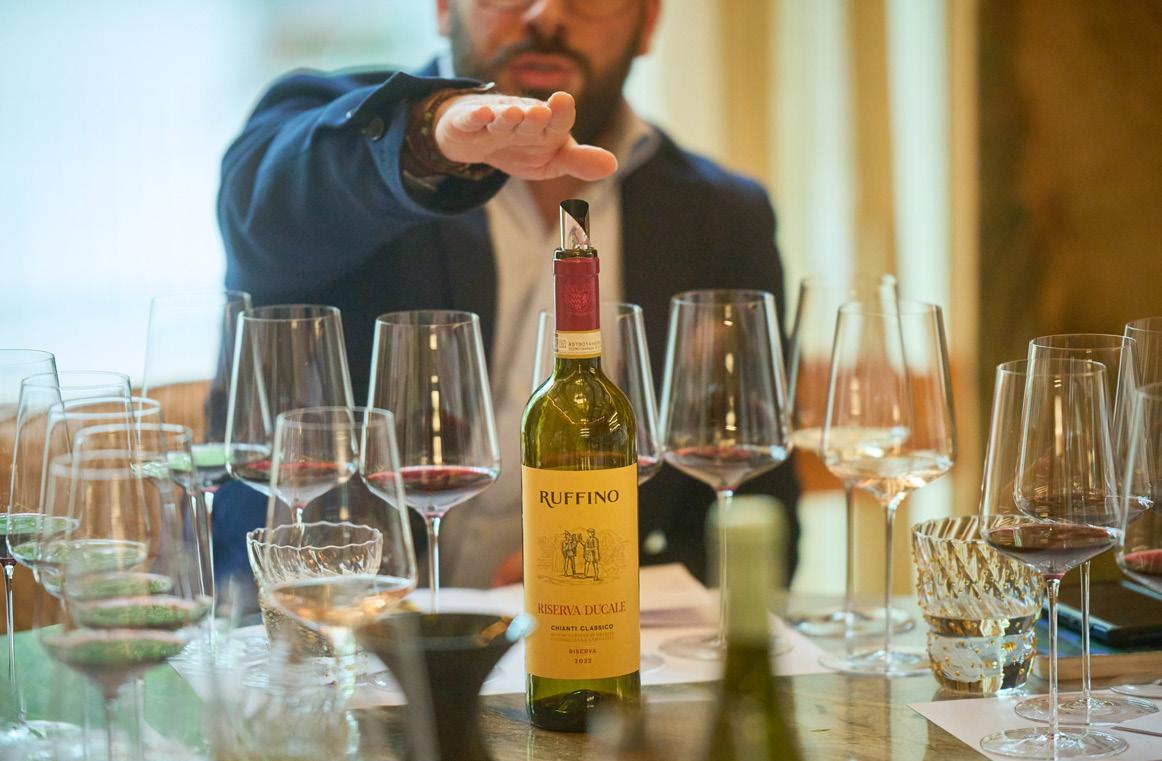
A flagship Ruffino wine since 1927, this blend of 80% Sangiovese, 10% Cabernet Sauvignon and 10% Merlot is named in honour of the Duke of Aosta, who introduced Ruffino to the royal household.
“The Sangiovese goes into a big cask, between 35 and 65 hectolitres,” says Alberto. “Sangiovese works better in bigger containers, because the oxygenation is lower. It develops really slowly, and the oak doesn’t overwhelm the flavour.”
A year later, during which time the Merlot and Cabernet components have aged in barriques, the wine is blended in concrete tanks.
“If you put the same wine into stainless steel, it tastes even harder – it’s like a step back in the evolution,” Alberto explains. “The concrete maintains the wine’s volume and it evolves better.”
He’s achieved what he was aiming for. “There is this red cherry, tree-fruit sensation, but also lots of spice,” he says. “I feel sweet spice, some vanilla, and then all the savoury spice.”
Phil is curious to know how the tannins are kept so fine. “Straight after fermentation, I do bâtonnage, and the tannins start to be very chalky and fine and silky,” Alberto says.
He’s reluctant to gaze more than 10 years into the future with his crystal ball, but predicts the wine will take on more herbal and balsamic notes as it ages.
The wine is a favourite of Tom’s. “I think it has the most finesse, for me,” he says.
DOCG 2021
Chianti Classico’s Gran Selezione concept might seem relatively new, but Ducale Oro pioneered the idea back in 1947.
Gran Selezione is intended to represent a producer’s best estate-grown fruit, aged for at least 30 months before release, including three months in bottle.
In terms of the blend, the only difference between this and the previous Chianti Classico Riserva is that Colorino makes an appearance, taking an equal 5% share with Cabernet Sauvignon. It’s “a bastard variety”, Alberto admits, with rough tannins, but a depth of colour that can compensate for Sangiovese’s wispier hue.
“You can feel the graphite, you can feel a sulphur component, and these are coming from the soil. There’s salinity in the mouth, and the volume is completely different. You see how the wine is taking the oak in a different way, because the Sangiovese is different, with sweeter spices and less sharpness than the Riserva Ducale.”
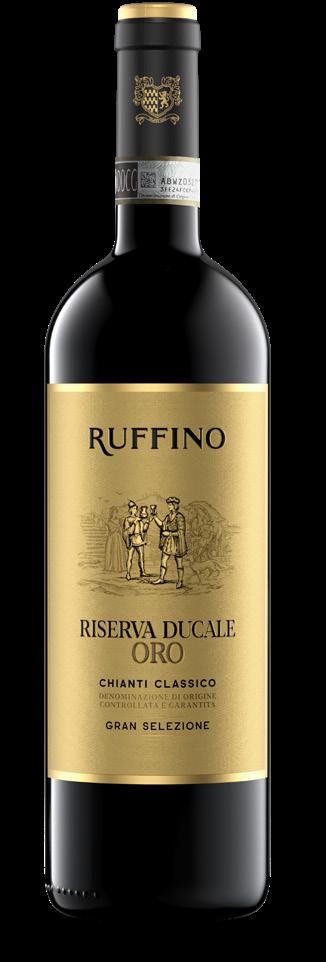

It’s really a food wine, Alberto says, perfect for big occasions or gifting. He suggests enjoying it with friends, over a cheese board, by an open fire.
“No decanting is necessary: just pour it into a big glass,” he says.
Phil is impressed. “It’s got real elegance, but the tannins are still there,” he says. Future vintages will be 100% Sangiovese, Alberto confirms.
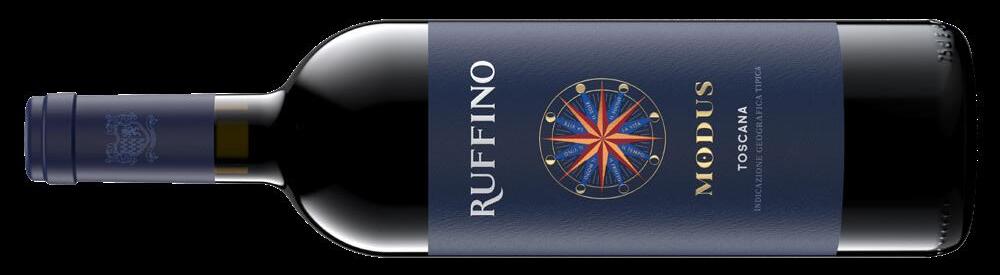
Poggio Casciano, in San Polo in Chianti, is an estate blessed with a variety of climates and exposures, making it fertile ground for winemaking experimentation. Along with La Solatìa Estate, located in Monteriggioni close to Siena, it is the origin of Modus, which is always a blend of Sangiovese, Merlot and Cabernet Sauvignon, aged in barriques.
This wine is enjoyed by the group over lunch, and it’s very much at home with the cheesy and meaty pasta dishes, as well as cornfed chicken with chilli and garlic and cauliflower with tahini and pomegranate.
A polished, modern Tuscan red with aromas of black cherry and plum, and notes of violet and sweet spice, it’s a great example of how Sangiovese’s freshness can be a foil for the richer Cabernet and Merlot.
The tannins are fine-grained tannins and approachable; the finish is long, with a savoury edge and warm black fruit.
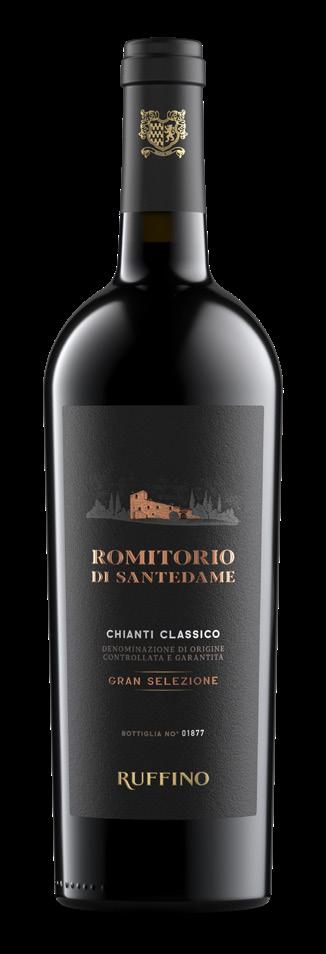
ROMITORIO DI SANTEDAME
CHIANTI CLASSICO
GRAN SELEZIONE DOCG 2022
This single-vineyard expression combines the best exposition and the highest altitudes (430 metres) on the Santedame Estate in Castellina in Chianti. It’s only made in limited quantities in exceptional vintages.
Alberto dialled down the Colorino content from 10% to 2% simply because it threatened to overpower what is already a muscular Sangiovese, grown on vines with roots that dive deep into the limestone beneath and which give a savoury edge. It’s got the bright, concentrated fruit that Alberto specialises in, without being overwhelmed by oak. The group also remarks on the texture of the wine, its driedherb aromas and its slightly saline finish.
“Oak is a brilliant blessing, for sure, with its fine flavours, but also it seems like it’s removing a little bit of youthfulness,” says Alberto.
The future policy is to age 20% of the Sangiovese in concrete. “It will really give a lot of vibrancy and happiness to the wine.”


It was a normal trading day in late May when we first found out our website had been cloned. The spoofed site was ugly, clunky and greeted potential Taurus Wines customers with a large advertising banner for some random company, not to mention the prices were all in dollars. But the products were all ours, the descriptions scraped from our site – and, what’s worse, our logo was all over it.
We reasoned that most of our customers would smell a rat – not just because of the above inconsistencies, but those that know me know I’m not in the habit of offering EuroCaves at $166.88 (rather than £7,610) and having everything on a buy-three-get-one-free deal – even Meursault ... Although the rogue website came completely out of the blue, in hindsight there were some warning signs. We’d noticed a lot of website visits/activity originating in China in the preceding weeks. However, theorising about bots wasn’t the practical help I needed. This is the journey I went on to get the clone site closed down – I hope it helps you too, if you should ever need it.
Step 1: I reported the fake site, which I’d noticed had a very similar web address to ours (tauruswines.junceella.shop rather than just tauruswines.co.uk) to the National Cyber Security
“These fake sites won’t go away on their own. You have to report, report, report”

Centre via an online form. The NCSC site says most fake sites are removed in six hours, but ours took a couple of days, so don’t stop here.
Step 2: I reported the clone to Google, who were very good about putting a massive red warning triangle on the front page of the site within a couple of hours. The warning said the site was potentially dangerous, so you would have to be very silly to visit it via Chrome. But it was still up and running, so more had to be done.
Step 3: That’s why I also reported it to Microsoft so that they could do the same on their respective browser (Mircosoft Edge), but they weren’t so reactive, and the site was still live, so …
Step 4: I approached Shopify – our host platform. But as the spoof site wasn’t Shopify-hosted there was nothing they could do. I reported it to them, though, for good measure. While online to their help desk I did learn that there had been no data breaches, and all that had been taken was information already in the public domain, which was reassuring. They also helpfully suggested that I could insert code into my website to tell AI that it does not have my permission for my site to be scraped. However, that only works on “ethical AI”
so I am not sure how much help that would be after all.
Step 5: Having come up against a few brick walls in trying to find out who hosted the clone website (with most places trying to charge me £75 for the information) I was recommended Whois? by a tech-savvy friend and finally found out which platform was responsible for the rogue site (in this case it was one called Spaceship Inc). Now I knew the site host, I could email them with this template complaint letter:
Dear Abuse Team,
I am writing to you as the legitimate owner of the established UK e-commerce business, Taurus Wines, operating at tauruswines.co.uk.
It has come to our attention that a fraudulent clone of our website is currently being hosted on your network/registered through your services at the following URL: https://junceella.shop
This rogue website represents a severe security and fraud risk. It constitutes malicious brand impersonation, intentional copyright infringement, and financial phishing. The operators have scraped our proprietary website code, design, text, branding, and product imagery without authorisation.
Furthermore, they are using our brand identity to trick consumers into purchasing luxury goods (such as high-end wine and EuroCave cabinets) to harvest financial credentials and defraud the public.
As the service provider, you are hosting/ facilitating material that violates intellectual property laws and poses an active threat to consumer cyber security.
We demand that you take immediate action to terminate hosting services/suspend this domain name to prevent further fraud and financial crime.
We look forward to your swift response confirming that this site has been taken offline.
Yours faithfully etc
Step 6: I waited. It didn’t help that during this process, Shopify had a global glitch and our actual website went down. This almost gave me a coronary, and I wondered if one of my actions had caused our website to be removed by accident!
I also contacted the NCSC again as six hours
“Shopify
assured me that no data breach had occurred, but we’ve all changed our passwords just to be sure”

had long since passed. We decided at this point not to put out any social media to our customers regarding the fake site. Judge me if you will, but I didn’t want any loss of faith in our real website that we’d worked so hard to build up. And with Shopify assuring me that no data breach had happened, and the clone site so at odds with ours, I decided to wait it out.
Finally, about four days after the fake site was reported, it was removed and luckily we don’t think any of our customers ever spotted it. But I doubt I’ll have much time to sit back and enjoy the rosé sales this summer as I’ve just checked the Analytics > Reports page on my Shopify back office, found the Sessions by Location section and clicked the filter (on the bottom right) from “human origin” to “bot” and there seems to be a lot of interest in Taurus Wines from Chile and Costa Rica today, so I’ll watch this space …

We are now entering the thick of rosé season, and for many merchants that means removing that geeky white Dão field blend from the fridge and replacing it with something of a Provençal persuasion.
Or perhaps an army of stylishly packaged rosés have been sitting pretty in the fridge all year. Merchants repeatedly report that the pull of rosé now far transcends the summer period, with Christmas time equally rampant for the category. After all, rosé is as popular among skiers as it is among sunbathers, if a certain brand’s publicity is to be believed.
Provence rosé has risen to be one of
the industry’s most powerful brands, stealing a few marketing techniques from Champagne along the way to solidify itself as the new standard for both habitual and lifestyledriven drinkers and everything in between. Its demand is now arguably incomparable to that of any other wine, as witnessed by ever palepinkening supermarket shelves.
However, away from Provence, rosé is a category of hand-sells that become ever trickier as the shades darken. Do such sales grow the category or simply cannibalise existing demand? If it’s the latter, what is the potential for growth as a whole as consumers are steered beyond the Provence template? And
with Provence representing such a tapin for indies, why would they spend those efforts of conversion on rosé rather than other wines?
This is speculation that may not be worth dwelling upon. There are only so many times the colour question can be asked, only so many tastings that can be conducted and ultimately only so many times the same Provençaltinged answer can be arrived at. So instead of going over such familiar pink ground yet again, we invited three indies to recommend three rosé wines that they stock: a best seller, a personal favourite and a wildcard.

Nick Beedle
Gardner & Beedle, Tisbury, Wiltshire
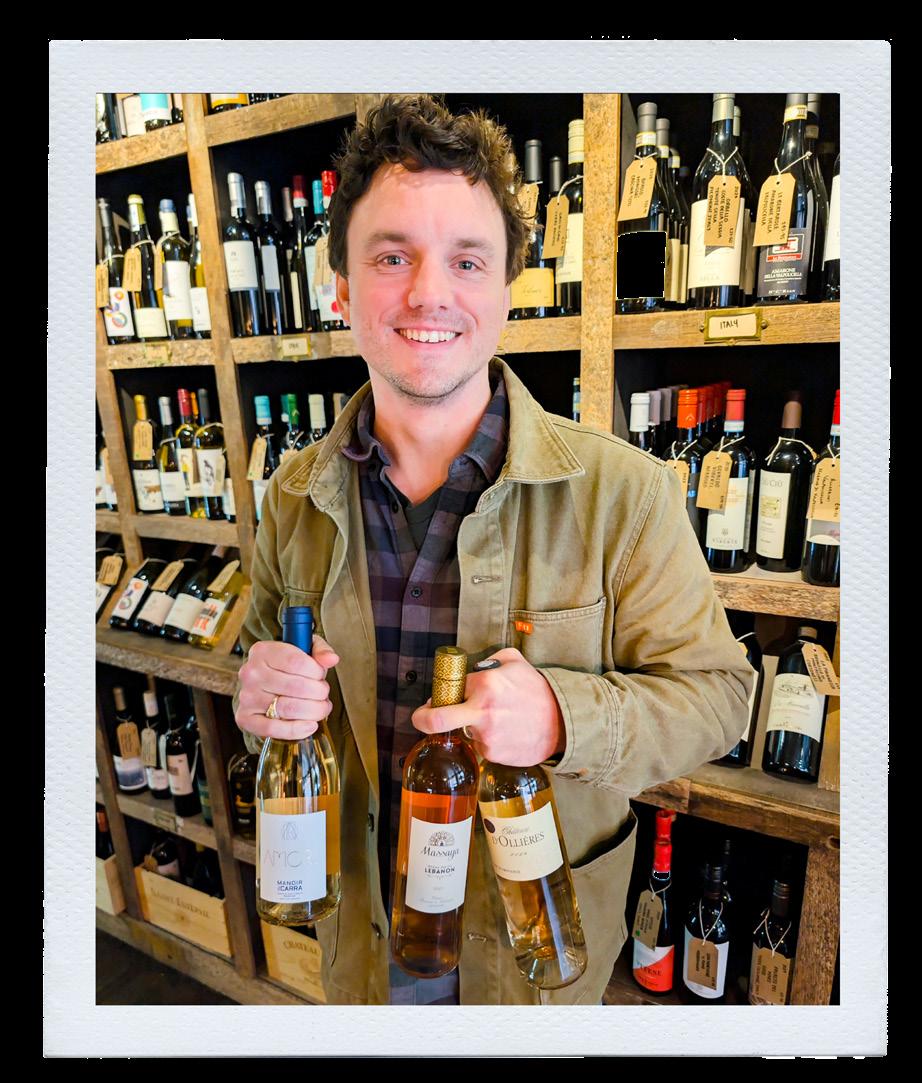
Best seller: Château d’Ollières Rosé, Provence (Les Caves de Pyrene)
“A long-standing best seller in the shop despite increases in price due to recent duty changes. Distinctively high quality, classic Provencal rosé. Teeming with elegance and poise. When the sun comes out this never fails to impress.”
Personal favourite: Manoir du Carra Amore Rosé, Beaujolais (Jeroboams)
“Pale, salmon pink and decidedly more characterful than a lot of pale rosé. Located in the heart of ‘the most sensual vineyard’. This offers a welcome point of difference in a vast sea of summer rosé wine.”
Wildcard: Massaya Rosé, Lebanon (Halo Wines)
“Lebanon is often overlooked as a winemaking country, and unfairly so. This 100% Cinsault is a light strawberry colour with aromas of red berry fruits and subtle spice. The freshness of the wine reflects the altitude that it is produced at.”
Jamie Lymer
Givino, Frome, Somerset
“We do sell Provence rosé, and it does sell very well for us, but as we are Portuguese and Spanish specialist we also like to recommend these rosés and get our client base to try some different blends that otherwise would be overlooked.
“All of these wines we import directly ourselves. We’ve also just made an agreement with another Portuguese producer on our most recent trip. So watch this space!”

BEST SELLER: TIHOM THM ROSADO, RIOJA
We’ve worked with Jorge Muga at Tihom for a year now and all of his wines are very impressive. It’s a great Grenache that has minimal maceration to give the wine a very light salmon colour. It’s also only aged in concrete to retain the fresh flavours of the grape. It’s our best seller because it looks like a Provence rosé but delivers much more flavour. Quality for price, it’s a no brainer.
PERSONAL FAVOURITE: PIANO ROSÉ, DOURO
This has to be our favourite rosé as it delivers so many fresh flavours and aromas even when chilled down. It’s a typical blend of native Portuguese grapes produced in the Douro Valley.
WILDCARD: ASSIS LOBOS GREAT ROSÉ, PORTUGAL
It’s quirky because of the blend (Castelão and Moscatel), which is very unusual for a rosé, but it’s such an amazing wine. Both Piano and Lobos are new additions to our portfolio: we visited them in March and were blown away with their selections.
Sarah Hall
Doddington Hall, Lincoln
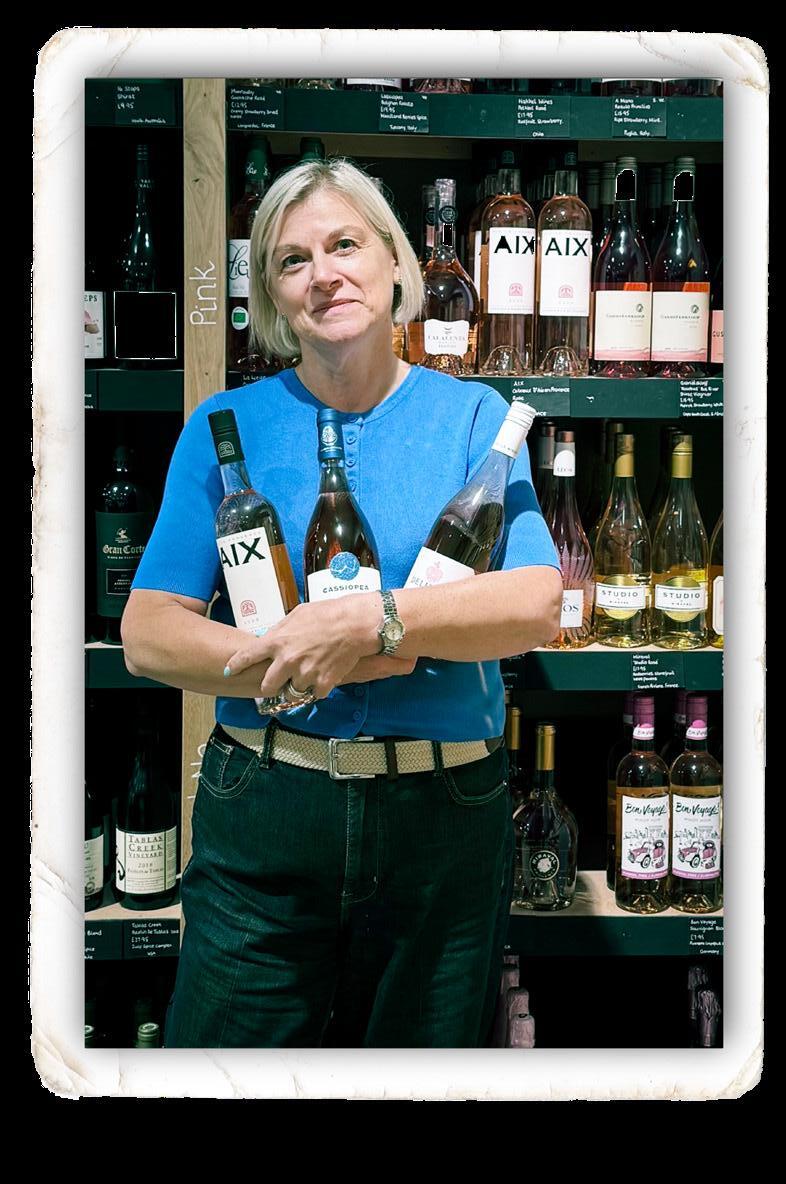
Best seller: Maison Saint Aix AIX Rosé, Provence (Liberty Wines)
“AIX is our go-to rosé and consistently one of our best sellers. Expect bright notes of red berries, citrus and a crisp, clean finish – it’s the kind of wine that instantly transports you to a sunny terrace in the heart of Provence.”
Personal favourite: Poggio al Tesoro Rosato, Bolgheri (Liberty Wines)
“Cassiopea is my personal favourite and always a bottle I come back to. Named after the constellation, it feels every bit as distinctive as its namesake. Delicate floral notes, bright red fruit and a minerality that makes it incredibly food friendly.”
Wildcard: Delheim Pinotage Rosé, South Africa (Delibo Wine Agencies)
“For something slightly unexpected, I’d recommend the Delheim Pinotage rosé. Pinotage isn’t the first grape people associate with rosé, which is exactly why this wine is such a talking point. It offers vibrant strawberry and watermelon notes and a subtle savoury edge. Distinctive and memorable.”
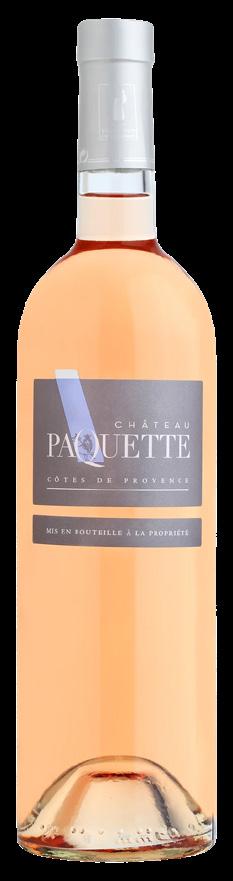
CLASSIQUE
CÔTES DE PROVENCE 2025
RRP £18.50
This wine embodies the purity and brilliance of Provençal light. The nose, with its hints of white peach punctuated by notes of elderflower and maquis, is already an invitation to indulgence.
The straightforward, direct, and mineral palate carries the unique flavor of a well-made wine.
Food pairing: Roasted pigeon breast; the wine’s fruity freshness will be a perfect match to brighten the slightly dry finesse of the meat.
Château Paquette Classique was highly recommended at the Top 100 Wine Merchant and was awarded a silver medal at the International Wine Challenge 2026.
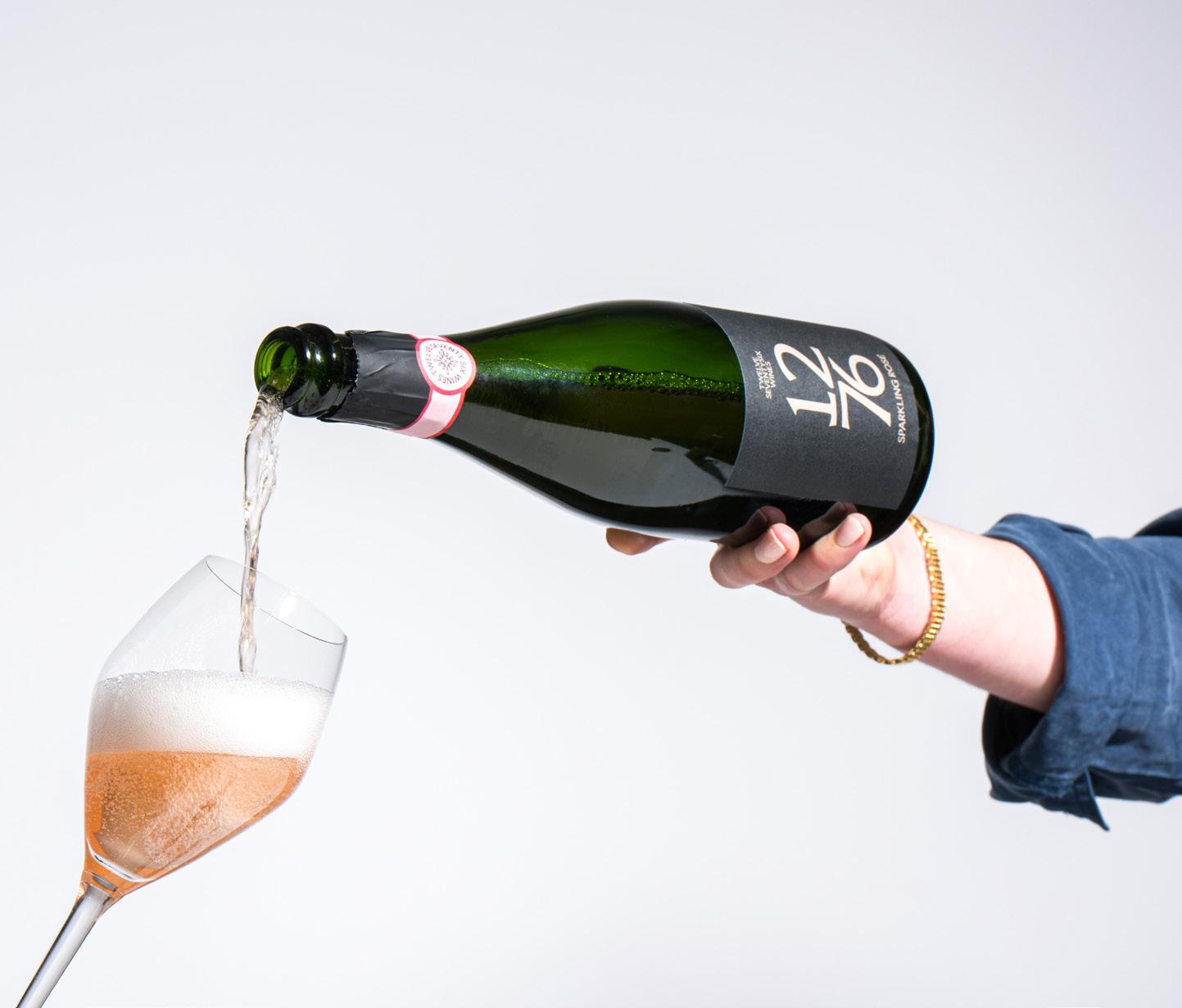
ROSÉ DIRECTORY : 1276 WINES
HEREFORDSHIRE 2023
RRP £29.99
Our Sparkling Rosé was blended from select batches of Pinot Noir, Pinot Noir Précoce and Meunier. Fresh, juicy and approachable in style, it is the perfect wine for parties, picnics and celebrations.
Vibrant rose gold in the glass, with fine, small bubbles. The nose and palate show bright strawberry, rhubarb and orange zest with fresh floral aromatics. Made in a fresh and fruit-focused style, with a plush fruit character balanced by juicy acidity.
At 1276 Wines, our land is more than soil, it’s the soul of our craft. Nestled in Herefordshire’s rolling hills, our 25-acre vineyard is a testament to our commitment to sustainability and excellence.
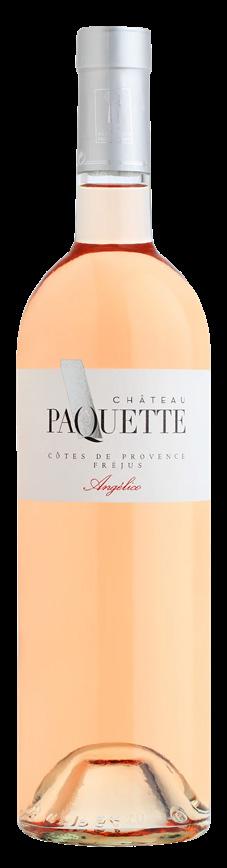
CÔTES DE PROVENCE FRÉJUS 2025
RRP £22
Angelico has a luminous, almost meditative sweetness, as if Provence were taking the time to breathe before revealing itself. The nose opens with a veil of white flowers, fresh almonds and yellow-fleshed fruits. The palate glides with fluid grace: full-bodied but never heavy, it carries a clear energy, a mineral vibration that stretches the finish into an almost salty breath. Angelico tells the story of a landscape: light filtering through the leaves, warm stone, a quiet but profound elegance.
Food pairing: enhance a roasted lobster with citrus fruits.
Angélico was awarded a bronze medal at the IWC 2026.
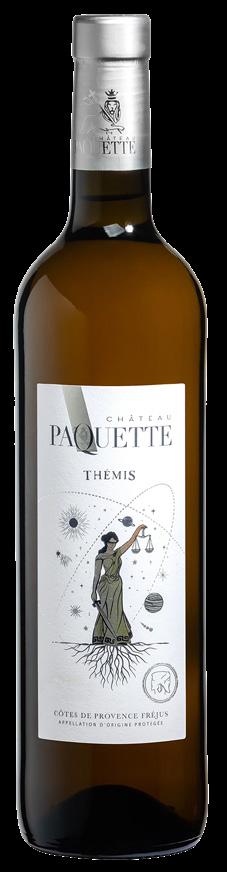
CÔTES DE PROVENCE FRÉJUS 2023
RRP £26.50
Thémis embodies the purity of Greek justice: a straightforward, clear, luminous wine that balances grace and rigour. The nose offers candied citrus fruits, white flowers and a delicate but insistent minerality. The palate is taut, almost crystalline, carried by a linear freshness. Beneath this elegance lies an unexpected depth, an internal rhythm, a precise beat that gives the wine remarkable dynamism. Thémis is a wine of harmony, consistency and purity.
Food pairing: sesame tuna tataki, where the precision of the wine contrasts beautifully with the texture of the fish. Thémis 2023 was rated 95/100 in Decanter in June 2026.
1276wines.co.uk
Olivier Fayard was just three years old when his family decided to move from Lyon to Provence, buying an old farmhouse in La Londe. It was only when the estate agent revealed the seven hectares of Cru Classé vineyards onsite which needed tending to that Olivier’s father realised that he had just become a winemaker, accidently starting the 50-year journey to where Château Sainte Marguerite is today.
“Can you imagine!” says Olivier. “The notary said to him, ‘good luck, tomorrow is harvest’. Perhaps it was luck, but the first harvest was great, and we won a gold medal for our wine. That’s when we realised: wow, this is actually good.”
Olivier has lived and breathed Sainte Marguerite for as long as he can remember.
“When you live in a winery as a child, your weekends and vacations are spent cutting vines, macerating wine, delivering wine and speaking with customers. You live it; the whole family does,” he says.
“After having that adventure every year, all day long, the passion was there and it was an easy decision to stay and continue developing Sainte Marguerite with my parents, and now with my siblings too. We all work together.”
Château Sainte Marguerite is now an operation with 460 hectares of estateowned vineyards, spanning 25km across the famous terroir of Pierrefeu and La Londe. Olivier says: “You can taste the difference between these two terroirs. Pierrefeu is clay and limestone, giving amplitude and length to the wine, whereas La Londe is schist, which gives freshness and lightness.”
Sainte Marguerite has been gradually
Château Sainte Marguerite
Symphonie Rosé 2025 RRP £29.25
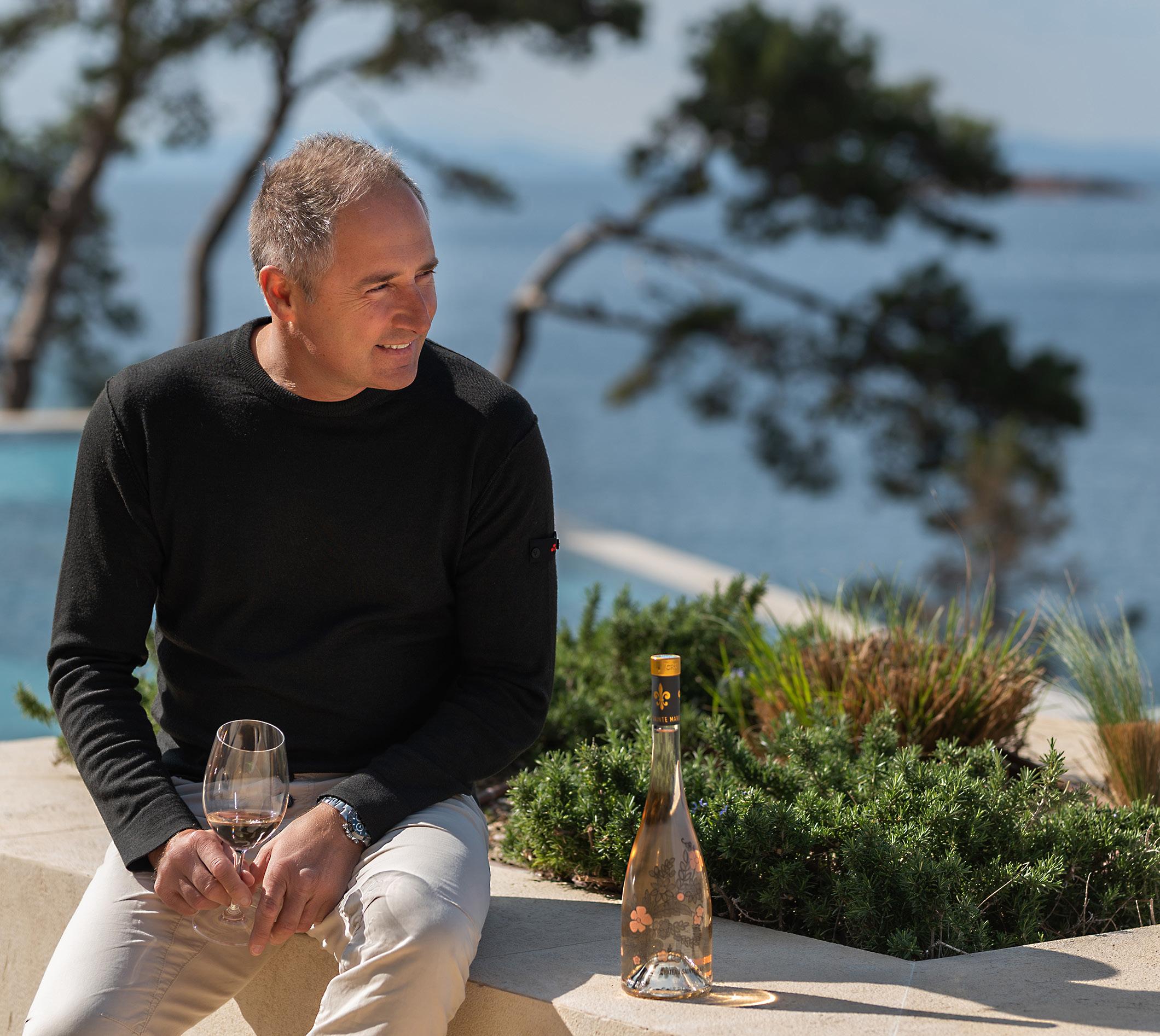
‘You have to work hard to get something so precise’
Founded in 1929 and awarded the Cru Classé distinction in 1955, Château Sainte Marguerite represents a family’s devotion to excellence in rosé winemaking. Since 1977, the Fayards have poured passion and expertise into crafting wines of elegance, subtlety and harmony. Olivier Fayard is the chief executive and winemaker.
In association with Berkmann Wine Cellars
refining the expression of this terroir through massal selection for over 20 years.
“We use only three varieties – Grenache, Cinsault and Vermentino – and they’ve all being massal-selected since 2003. We are the first in Provence to work like that. It’s a big job. We are replanting around 30 hectares of vineyards per year. My friends think I’m crazy, but you have to work hard to get something so precise, and when you taste the difference between our massal selection and clonal selection, it’s worth it.”

“Here we try to have a very expressive, fruity wine which gives immediate pleasure. Straight away you feel like you’re on vacation, whether it’s at the table with great food, playing ball near the sea or skiing in the slopes; you’re with your friends,” says Olivier.
This may be the entry point to the Sainte Marguerite range but by no means is it an entry-level Provence. It’s deftly floral on the nose with lemon, grapefruit and wet stones enticing towards a palate brimming with tension and energy. Lemon pith and red fruits are lined with a streak of classy minerality: it’s so pure and alive.
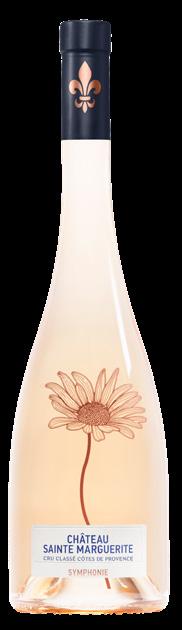
Sainte Marguerite has been certified organic since 2003, using only 100% plantbased production methods without any synthetic inputs. Olivier says: “Firstly, we are organic because we respect nature. But it’s also important to understand that when you use chemicals in the vineyard, the plants aren’t happy and it’s really difficult to make good wine. Especially for Provence rosé, because there’s nowhere to hide in the production process. It’s all about the quality of the plants.”
Château Sainte Marguerite Fantastique Rosé 2025
RRP £47.50
Olivier says the Saint Marguerite style is defined by two principles: “firstly to have the same intensity between the nose and the palate and secondly to have a touch of bitterness and sapidity on the finish”. The latter, he says, “is really important, and a little bit dangerous, because it always makes you want another sip”.
“For Fantastique we only use the first-press juice. It means we lose a little bit of that fruitiness for something more gastronomic. It’s more discreet, delicate and fresh.”
There’s a lovely wave of white peach and citrus fruit on the mid palate, lending tasteful generosity to this leaner style.
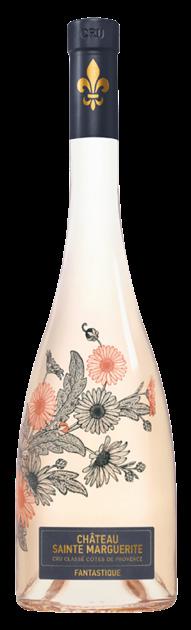
Jana Postulkova and Ali Bellahrach could have opened a mainstream wine shop in Walthamstow. But that’s not their style: they wanted to specialise in low-intervention wines that they themselves enjoy drinking.
Locals have warmed to the idea – and the couple have become so immersed in the east London community that they’ve opened up two more shops.
Graham Holter drops by for a chat and a very good coffee
Some natural wine enthusiasts are fiercely evangelical. But not Jana Postulkova, who makes a living selling the stuff. “My only drinking experience in wine is natural wine. I’ve never, ever, had anything from the supermarket in my life,” she shrugs.
“This is the just style of wine that we consumed ourselves, a long time before it became trendy in bars in east London.”
We’re sitting at the long table in the middle of Forest Wines in Walthamstow, a short walk from Blackhorse Road tube. You can’t miss the place –there’s a huge mural on the side wall, painted five years ago: a striking geometric image of a woman holding a wine glass.
Czech-born Jana owns the business with her French partner Ali Bellahrach.
“I was a graphic designer, then a digital project manager,” she says, summarising her back story.
“And then I guess burnout is the correct way of labelling what happened after the last gig we did in
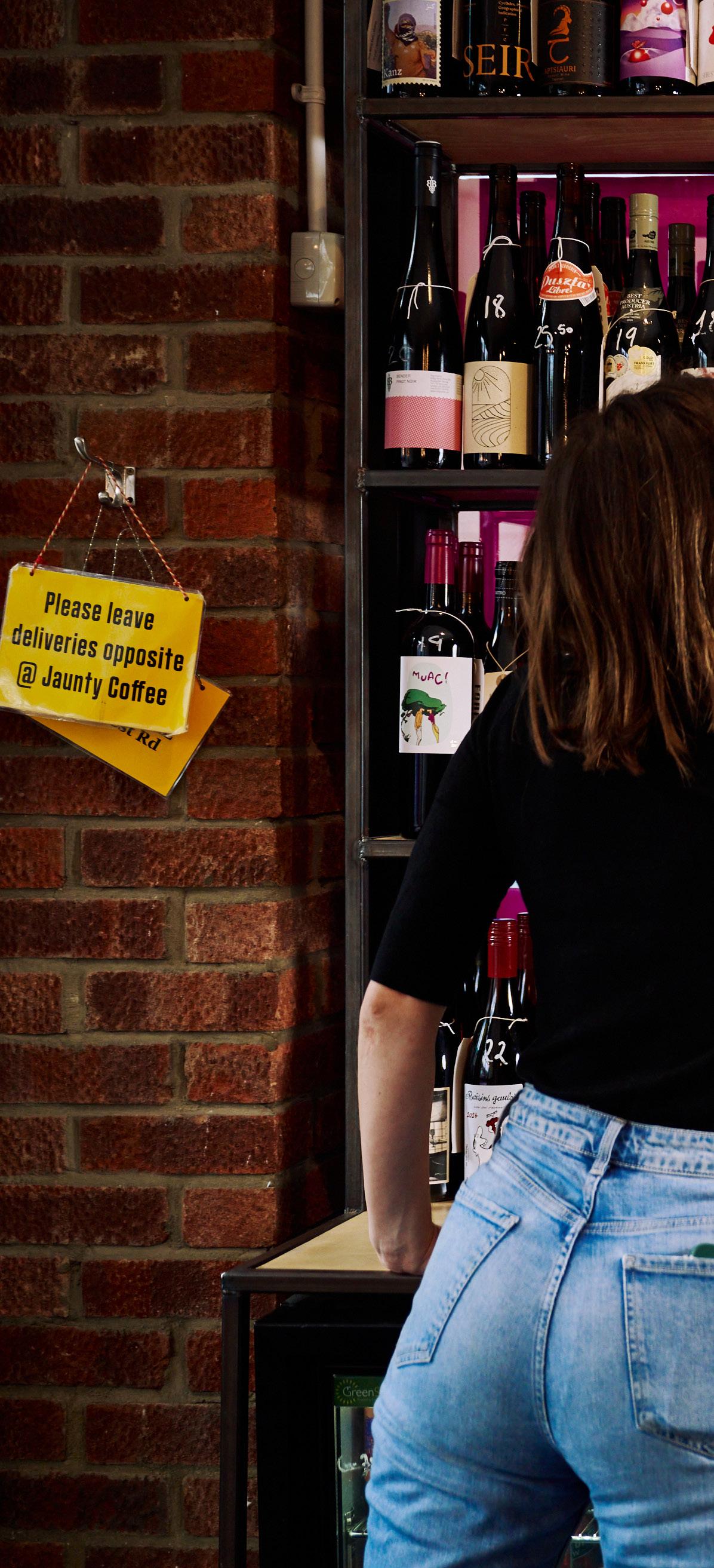
digital. We were looking for something else.”
A year in Singapore followed. On the way home to London, a conversation struck up with friends identified the lack of a specialist wine shop in Walthamstow. That wouldn’t be the case for much longer.
“I’ve never, ever had any wine from the supermarket in my life”
Since the store launched in spring 2014, the couple have also opened Jaunty Coffee and Yeet Gifts, both of which run as standalone businesses. Forest Wines is sandwiched between the two, operating as a bar as well as a shop. Every week, three wines are added to the by-the-glass menu, and there’s a £10 corkage fee for any bottle on the shelves that catches a customer’s eye.
Jana says she’s proud to be contributing something to a London borough that she’s happy to call home.
you want to see change, sometimes you have to be that change”
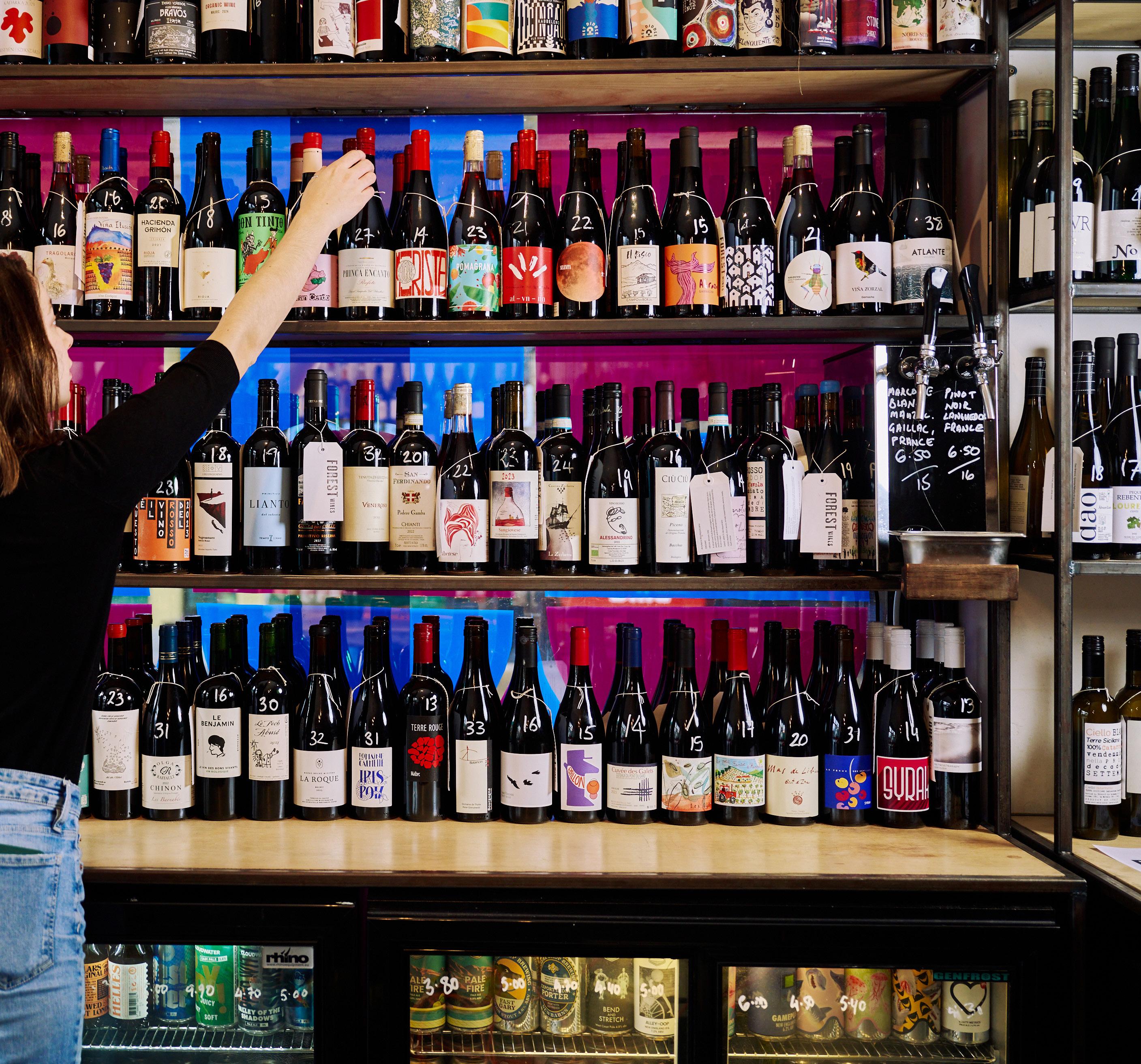
“We’ve lived here for 16 years, both of our kids were born here and go to school here, so we’re very much part of the community,” she says. “With both of us being immigrants, the whole notion of putting down roots and feeling at home comes into play. We’re operating a small local independent business, so we’re entangled into the local community.”
She adds: “I was talking to a guy yesterday who was saying the borough is changing; his kids are now young teenagers, and he would really like to see more facilities for them, maybe some youth clubs. I was telling him: well, hey, open one.
“If you want to see change, sometimes you have to be that change. If you’re sitting at home and hoping that somebody’s going to do something … that’s not how it works. We are lucky enough to be gifted with the urge to go and do things.”
What appeals to you about natural wine?
There’s lot of young people now getting into wine through natural wine. This is all I’ve ever consumed. There’s a lot of education to be done on our part in explaining to people that yes, supermarket wines are there for the midweek tipple, but the way those wines are made is entirely different to what you can buy here. There is still this notion of it being fermented grape juice, and sadly it’s not the case with some of the supermarket products.
But you have an acceptance that supermarket wines have a role to play.
We need to be continuously bringing ourselves back to reality. Natural wine is lovely, but it’s such a tiny bit in the corner of what wine is as a whole. It’s easy to encapsulate yourself within social media, or
your social circles, and think that this is what everybody drinks. No, it is not, and there’s plenty of room for conventional winemaking. That’s how the vast majority of winemakers produce wine. And, you know, there will be an argument whether it will even be possible for all of us to be eating organic and drinking organic: whether the earth would be able to sustain farming in that way. So, yeah, there needs to be some sort of happy medium.
What phrase do you tend to use to describe your wines? “Natural” is a kind of shorthand that not everyone is comfortable with. Low-intervention. That encapsulates a lot of these things. The trouble with natural wine is it doesn’t have any set rules, so organic wine is easier for customers to understand.
Some wines have those green labels on them, so there is a little bit more understanding.
I know certain individuals feel a bit funny about the whole subject of natural wine. There’s often talk about certain faults being part of the funkiness of that segment of wine. We work very closely with our suppliers and rely on those importers to ensure that what we’re getting is well-made wine.
“Natural wine doesn’t have any set rules, so organic wine is easier for customers to
understand”
Do you get infuriated by people who are so anti what we would loosely call natural wine? No. If this is not for you, that’s totally fine. There are certain wines that I, as a drinker coming from the funky end of the spectrum, find it very difficult appreciating – like beautiful, well-aged wines, really complex wines. They’re not for me. But I totally understand that there is a market for them; that people will savour them for hours and get a multitude of tasting notes out of them.
I would rather get a bottle of pét nat. But that’s just what I drink.
We do try to cover all ends of the spectrum: your midweek Chin Chin over there, as well as more gifty Burgundies and bottles like that. It’s funny to think that a lot of producers in Burgundy work biodynamically, but they don’t talk about it because their market doesn’t really care about how they farm. Yet a lot of them have been working organically for years and years and years.
Do you make sure you have wines in the range that can ease customers into the category and which won’t seem too extreme?

Absolutely. I mean, we’re not extremists. There doesn’t need to be a sediment in your wine, and it doesn’t need to be cloudy, for you to enjoy it.
We have entry-level wines. We’ve seen plenty of customers over the years coming from supermarkets, so there needs to be a journey that you take, right? The palate is just tuned into entirely different products, and so we’re more than happy to take people on that journey.
Orange wine is a perfect example of that. There is no such thing as “an orange wine” – it’s such a huge array – and there are customers who are intrigued by it. Maybe you want to start with shorter skin contact, or easier grape varieties.
We also run a bar alongside the shop, so that also allows us to open bottles, and if we have something open and a customer comes in, maybe we’ll pour them a little sample.
I’ve seen it over the years: sometimes people think of themselves as being really adventurous, but actually they are not quite there yet in terms of the farmyardy, very earthy kinds of wines. And some of them I don’t enjoy myself, either.
Do you find there’s a lot of bottle variation with natural wines?
No, I find it’s more vintage variation, because
natural wine is directly impacted by what’s going on in the vineyard. If it’s a really dry year or a really wet year, you will sometimes see the difference in the bottle.
Part of what the big labels do is making sure the wine is consistent, vintage after vintage after vintage, because that’s what consumers are buying into. They want their Veuve Clicquot to be tasting the same every single year, whereas we accept that variation, because the world is changing; climate impact is huge.
Some of these winemakers do not irrigate their vineyards, so it is our job to make sure that we taste these vintages to compare them. There are years where we haven’t taken on certain wines because they were too green, they were just not right.
Where do you buy from? Do you have a core set of suppliers?
Les Caves de Pyrene are probably the top of the list. Who doesn’t work with Les Caves de Pyrene? Their portfolio is vast. They work with lots of co-ops, so there are wines that are a little bit more approachable in terms of price point through to some of the very iconic producers in natural winemaking, so there’s plenty to choose from in their catalogue.
We probably have accounts with 15, 20 importers. Some we cherry-pick bits and bobs from; Indigo and Moreno are larger suppliers who we get more stuff from, but it varies. And then you have a lot of English producers who we get stuff from directly.
Do you go to natural wine events like RAW and the Real Wine Fair?
I do, but we do not import ourselves, so I don’t go to events thinking I’m going to find producers that I will approach directly. It’s a way of seeing what’s going on in the market as a whole. In London there are trends, things come and go, so you need to keep your finger on the pulse of what’s going on.
Is there an argument for thinking in this part of London you could do even better if your range was more mainstream?
Maybe. I don’t know. We have always fundamentally believed that it’s important that we stick with what the business is about.
Natural, low-intervention wine was what we started with, so we are going with that. Yes,
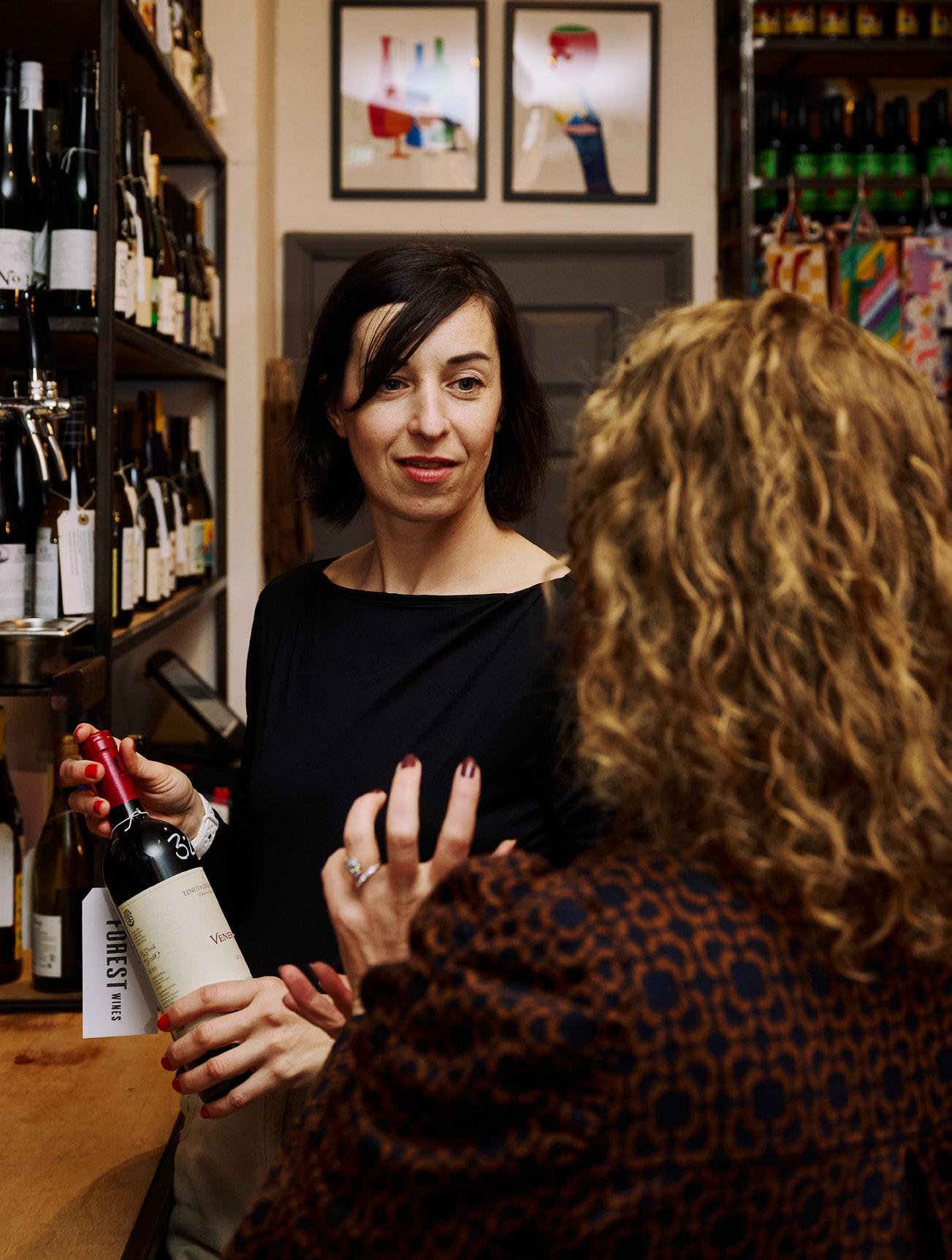
Jana enjoys taking customers on “a journey” if supermarket wine is all they know
“There are years where we haven’t taken on certain wines because they were just not right”
we’ve added the food side to things over time, we sometimes do pop-ups, we do some tastings here and whatnot … but that all fits into the globality of wine.
We had an opportunity to open a coffee shop, but we opened that as a separate unit. I totally understand where people are coming from when they start plugging in different elements to their business, but I find as a consumer you start losing sight of what is it that you’re going into the shop for. As an employer, it becomes very challenging to bring in staff that will make you really good coffee and will understand everything about wine.
Most indies are finding trading quite tough at the moment. How’s turnover looking for you? With everything that’s been going on in the world post-pandemic, it’s been one thing after another. This year, sort of February time, it felt like things were going to turn: energy bills were meant to be going down, that was all the talk. And then next thing you know, the war in Iran happened. Your headline [in The Wine Merchant’s April edition] was “wine prices under pressure because of fuel costs” … we just had our bin collection costs going up because of the fuel prices.
There is this sort of constant turmoil that we have experienced since the pandemic. So are we seeing revenue continuously increase? No, it goes up and down. There are months that are quieter than we would have expected based on previous years, and it’s often a direct effect of what’s going on within the news.
In a week when they say interest rates are going to go up, all of a sudden it’s really quiet here. Ultimately we sit at the more premium end of the spectrum when it comes to wine buying, so it’s very tough in terms of longer-term planning.
I have been operating this for over a decade now, so I know how to keep the screws really tight in places. But how many of these changes can you go through? At the moment it feels like everything is being squeezed. You can’t be charging any more to your customers, but as a business we need to pay more on every front, from staff to HMRC.
It starts biting into margins, because there are certain costs that we’re trying to absorb to ensure that we do see people here on Monday and Tuesday and Wednesday. Not just once a month when it’s a special occasion.
What’s your entry-level price point?
We start at £11, £12. You do not get below £10 anymore these days – you start compromising on how the wine is made.
I know a lot of importers are trying to be creative. Les Caves is working with a lot of co-ops in some of the winemaking regions, which is helping. Modal Wines have started making own-label wines that are more entry-level with their pricing.
For me as a buyer, it’s important that I have variety in the price points that I can source from a single importer. There are plenty of them where the wholesale price doesn’t go below £15. We can go and cherry-pick a few things, but I will probably not be reordering very often, whereas if importers have a more varied portfolio, and we’re able to get some of the entry-level wines that are moving a little bit faster in the shop, we can have an ongoing relationship with them.
What are the countries that excite you the most at the moment?
We’ve got some really nice, really exciting stuff from Georgia – again, Modal Wines. We expect a lot of long ageing from Georgia, a lot of tannins; sort of big foodie wines. But Modal is bringing in Rkatsiteli
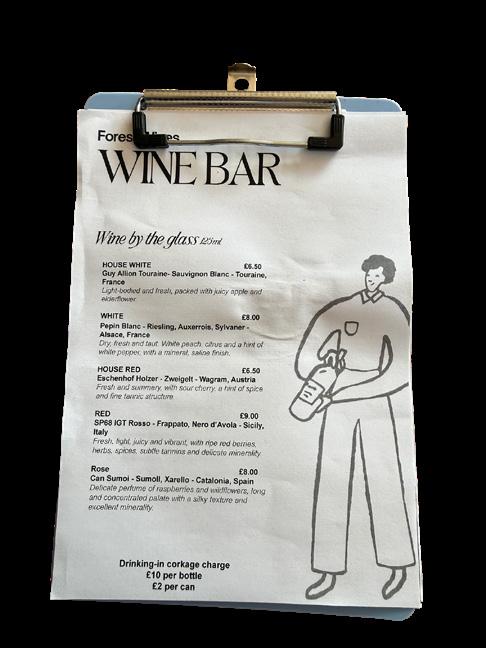
that is really refined. You realise how much more there is to the grape varieties than when they’re slightly taken over by the winemaking techniques.
What kind of customer base do you have? Do they tend to be the under-35s?
That’s kind of what we were thinking when we opened the business 13 years ago: that it’s going to be the young kids coming over from Hackney who will form the core of our customer base. But they were coming here spending every penny they had on buying their first home, and they were slightly out of pocket.
It was the more established local residents who have been sitting in their houses hoping for something to open up that were the ones coming through initially, spending money with us.
Now it’s changed, the property prices have skyrocketed, so the disposable income of the new incoming residents is much more substantial than what it was maybe 13 years ago. So I find the customer base is quite varied in terms of age brackets.
How many times a day do you find yourself explaining what low-intervention or natural wines are?
I would like to think I don’t hear those conversations a lot when I’m here. It’s definitely a conversation we are more than happy to have multiple times a day, but it’s not the first thing you need to know when you come into here.
There’s plenty of low-intervention wine that is totally approachable, and you wouldn’t know that it’s been made any differently to conventionallymade wine.
What I hear more from a lot of people is, “I don’t know anything about wine”, because wine, here in the UK, is considered a very irritable, difficult-toget-into, quite snobby subject.
“It’s a safe space here. You don’t need to know anything. Maybe you want to have things explained or maybe you don’t really care”
It’s a safe space here: you don’t need to know anything. Maybe we’re going to look for a pretty label together. Maybe you want to have certain things explained, or maybe you don’t really care. You just want something that you’re going to take to the party and you’re going to enjoy drinking. It doesn’t matter. It shouldn’t matter. You shouldn’t be feeling like you can’t come in here because you don’t know how to pronounce Riesling.
It’s strange that wine has been a mainstream
drink for 30 years or so now and still people are so self-conscious and embarrassed.
There is this notion of mispronouncing foreignsounding words. We do monthly wine tastings here and try to tell people it’s OK if you mispronounce something. We can correct you, or you can just go with it. It’s fine – doesn’t matter.
I am charging people 15 quid for a wine, but they will pay at least double that in a restaurant, if not more – and often they won’t demand the same level of service. Even me: I will open a wine list and I can’t figure what these wines are, because there’s nothing to go by. There might be a name of a winemaker. So I will ask a waiter or somebody within the team to help me.
I often have conversations with customers about this. You should be going to the restaurant demanding that they help you: “Can you talk me through what’s going on here? Because I don’t know any of these wines.”
Given your digital background, it’s no surprise that your website is pretty smart. Everybody should have a website. It’s super-easy.
“We try to tell people it’s OK if you mispronounce something. It’s fine – doesn’t matter”
You get onto Shopify or another shop solution, you put in your logo, you put in your colours, and you have a website. They host it for you; that’s all good. But when you start getting down the nitty-gritty detail of your online presence … if you want to do search engine optimisation, if you want to do keywords, it starts becoming really technical. It’s really boring. There are spreadsheets involved.
Doing H1s and H2s on your website and making sure that your code is clean is all quite technical. In order to have a website that functions, and when people search for a product, you come up on the top of the Google search, it’s an entirely different world. It’s not hospitality, it’s not going to wine tastings, it’s an entirely different job, and it’s not for everybody.
After the pandemic, because there was this boom, everybody thought, well, it’s super-easy, we’ll just all have websites, and people will come and find us. We’ve learned through various other businesses that it’s no longer the “build it and they will come” sort of thing. There is so much work you need to be doing now in order to keep your website up to date.
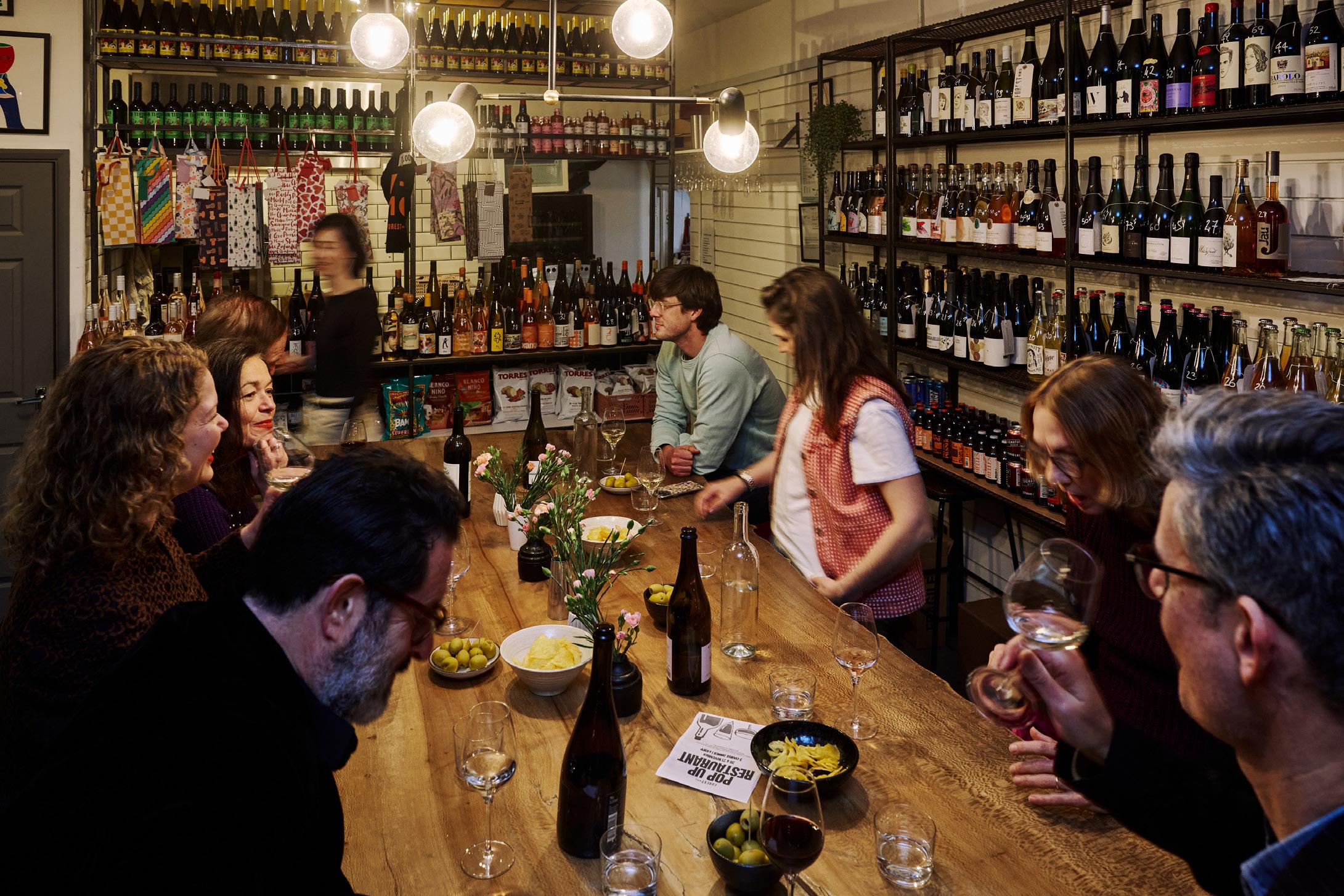
How much of your turnover comes from web sales?
In a good month, 50%. In a regular month, we are in the region of 30%. Fridays and Saturdays are really busy here in the shop, and they might be quiet on the website, but yesterday we had a really good day on the website, and the shop was very quiet because it was Monday. We find that we now rely on both parts of the business.
Post-pandemic, the digital world has opened up a little bit more; people have exited the market. From an execution point of view, it’s not fun shipping wine around the country, right? It’s fragile, it breaks, nobody is going to insure it for you. Packaging is a nightmare. Wine is really heavy. It’s expensive to ship it.
In addition to the techy stuff you do in the background, I guess the website works because you have quite a specialist range that people in some parts of the UK don’t have access to. Yeah, definitely. We send stuff to over to Wales. We have quite a large audience in Northern Ireland.
Some people get four or five years into a project like this, and think: well, that was great – now I’m ready to move on. Have you gone through that cycle several times?
“In a good month, online sales are 50% of our turnover. In a regular month, we are in the region of 30%”
Yeah, obviously. I’ve never done anything this long in my life, so yes, there are times when you’re like, maybe we’re ready for something else.
But I think what keeps us me going in the industry is the fact that we work with people who make these things. People are passionate about what they do. There is a human element to what we do. We see the end users consuming the product; you see the start of the chain with the winemakers, whereas in digital, nothing is tangible.
Could there be something different on the horizon for you?
You know, we’re embracing London right now. That’s where we live, and if another opportunity comes our way …
Some people are passionate about wine, and I love the industry – it’s great. But if next week rubber bands are going to get really trendy, I’ll start selling rubber bands. I don’t know whether I’m a merchant or I’m a marketer. I’m not entirely sure what would I label myself as.
In the little time I get to be in a customer-facing role – because I don’t work here day to day – I meet so many people from all different walks of life. The conversations you might have with all sorts of customers in the space of the five or six-hour shift are just amazing.
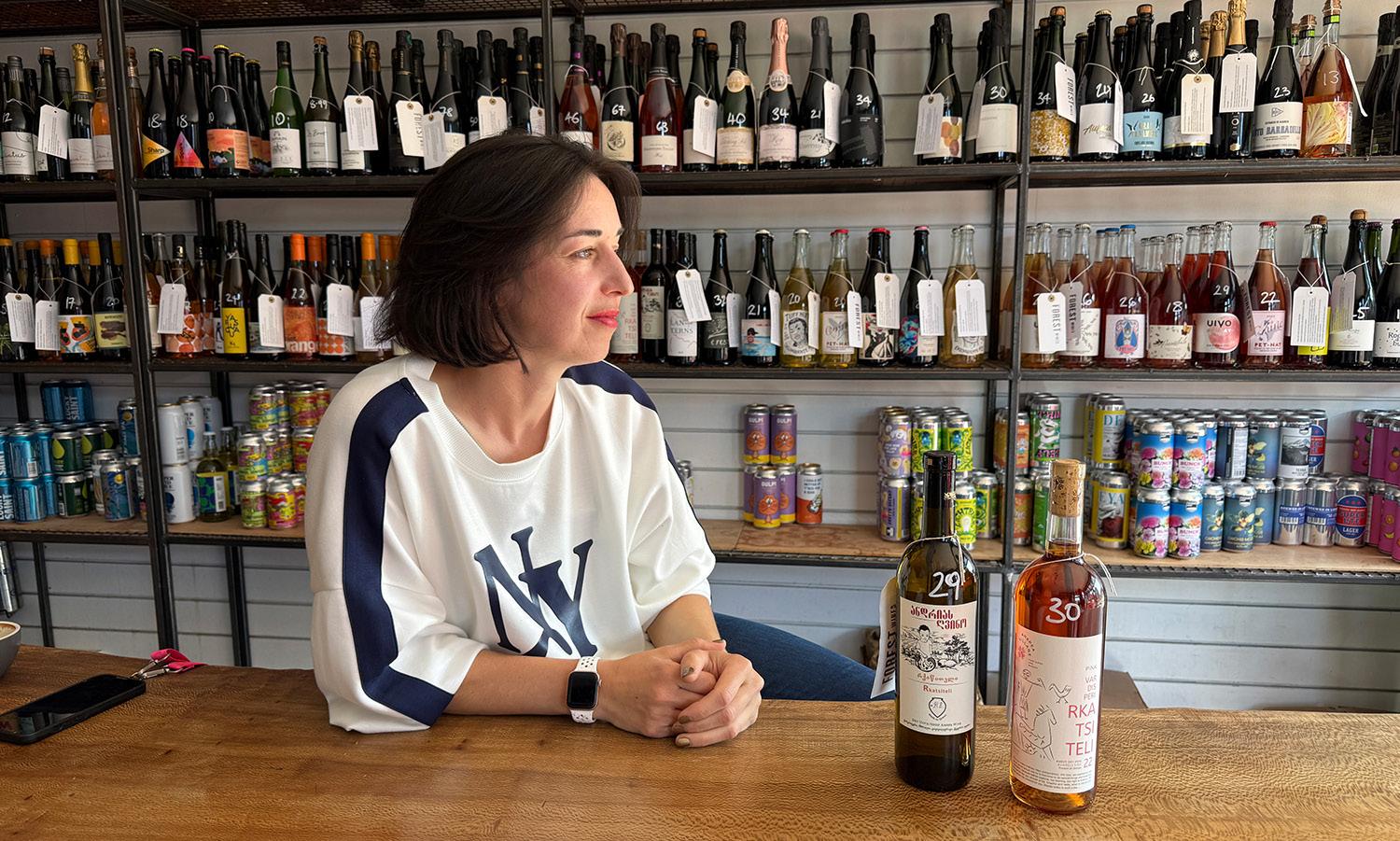
Portuguese Cork Association rolls out its recycling scheme after a successful London trial
Forty London-based independent wine merchants took part in the UK Cork Harvest earlier this year – and now the Portuguese Cork Association (APCOR) is inviting merchants from all over the UK to join up too.
This sustainability initiative is very easy for merchants to promote and facilitates the recycling of natural corks in a meaningful way, while driving repeat footfall and customer engagement.
Dozens of London indies including The Good Wine Shop, Park Vintners, Cellar Door Wines, Lea & Sandeman and Bottle Apostle took up the cause earlier this year. And thanks to their success, the scheme is now open to all wine merchants across the UK.
Jeroboams introduced the initiative across five of its stores. “The response has been really encouraging,” says Alexandra Delcampo. “Customers appreciate having a tangible, simple way to contribute, and it has opened up genuinely great conversations in store about sustainability more broadly.
“Sustainability runs through everything we do at Jeroboams and more than 80 of our 112 producers are certified sustainable, organic or biodynamic. Cork recycling is a natural extension of that same thinking.”
Gosia Wegier at Dulwich Vintners agrees that the scheme is popular with customers and promotes the company’s green credentials. “Our community values sustainability and it’s great to see more and more initiatives like this for the public to take part in,” she says.
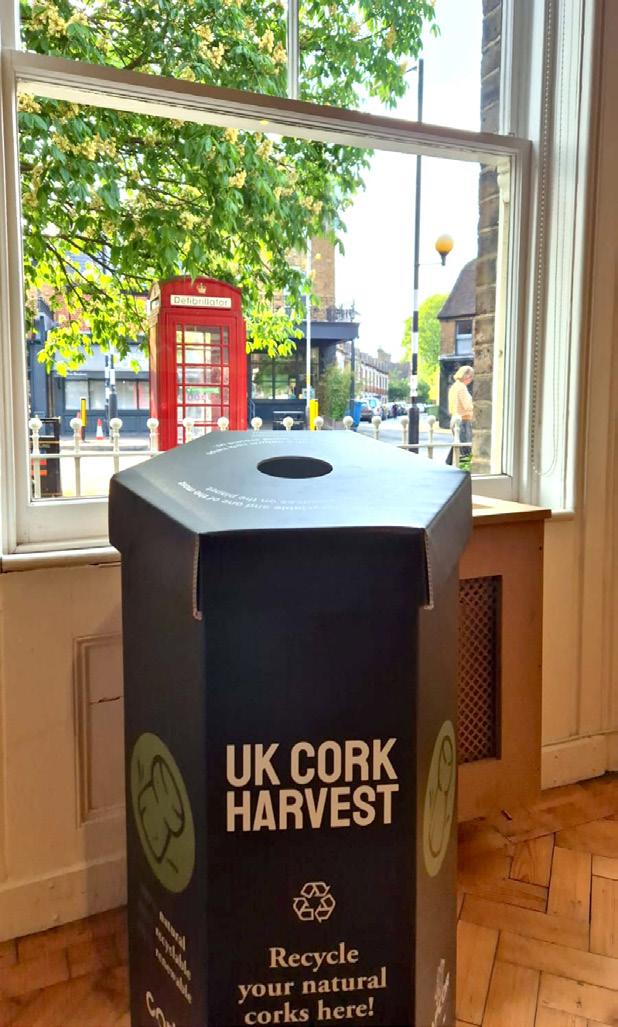
“The cork recycling idea has acted as a brilliant tool for customer engagement, sparking some lively shop-floor discussions about a cork’s lifecycle. For us, this initiative perfectly aligns with our mission of reducing waste and protecting the environment, proving that even small choices in our shop can make a collective difference.”
Each participating indie will receive branded cork recycling bins and access to a dedicated collection service ensuring the corks are responsibly recycled.
Carlos de Jesus, director of Cork.Connect, says: “Independent wine merchants are the heartbeat of the UK wine trade, and it is no surprise to us that they are leading this movement. The enthusiasm we have seen from retailers and their customers proves that the appetite for meaningful, practical action is there. The UK Cork Harvest is building something that the whole trade can get behind.”
Sign-up takes just two minutes: simply scan the QR code for the registration form.


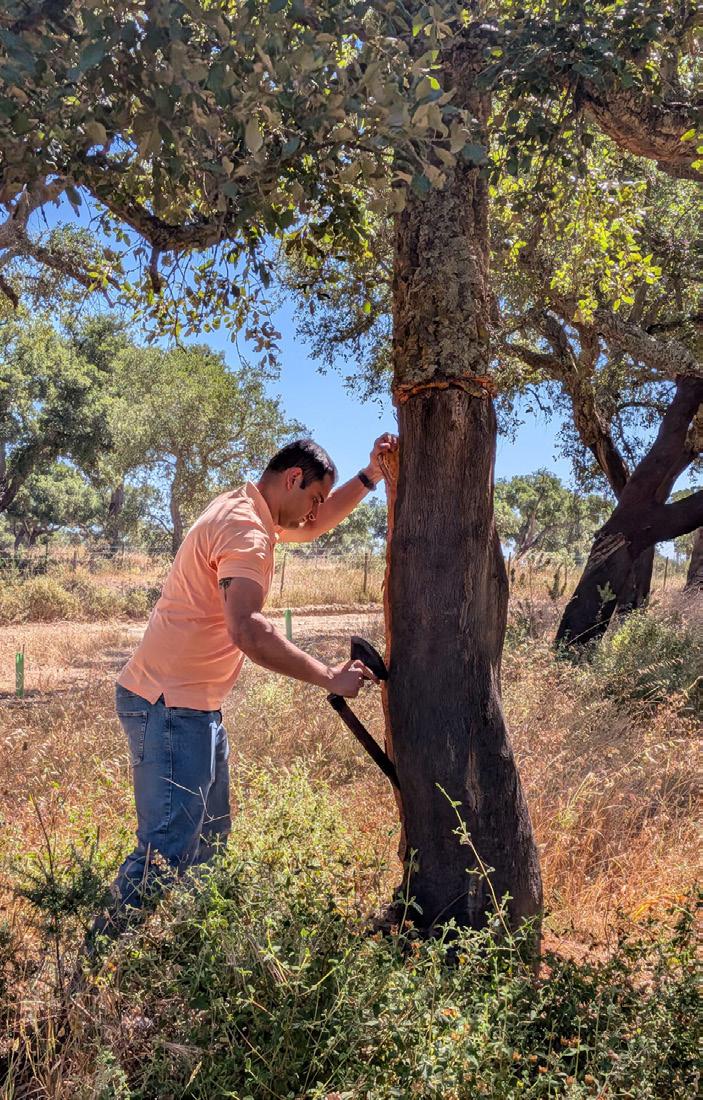
Did you know?
• Cork oaks are harvested by hand every nine years (minimum) and can live for well over a century, making natural cork one of the genuinely low-impact materials in the drinks industry.
• A tonne of harvested cork captures 73 tonnes of CO₂, with Portugal’s forests alone retaining more than 14 million tonnes of CO₂ annually. The cork-rich Montado represents around 22% of Portugal’s national forest area and, because no trees are felled, the entire process is environmentally sustainable by design.
• The UK Cork Harvest has welcomed the Eden Project as a recycling partner – giving collected corks a purposeful second life in horticultural research.

In association with
Dave Moulton is on a whistlestop tour of the UK and Ireland and it’s a great opportunity to reacquaint ourselves with Cape Mentelle. It’s one of Margaret River’s five founding wineries, established in 1970 by David Hohnen. It helped put the region on the fine-wine map, cementing its reputation with backto-back Jimmy Watson Trophy wins in 1983 and 1984 for its Cabernet Sauvignon.
Today, under the stewardship of Australia’s Endeavour Group, Cape Mentelle is still known for its elegant, ageworthy Cabs but is equally acclaimed for its fresh, structured Chardonnays. There are plenty of other varieties in the mix too, as we are about to discover.
“Sustainability is a very big thing for us,” Dave says. “We are certified Sustainable Winegrowing Australia. We also have ISO 14001 which is a continuous improving environmental standard. We measure all the electricity, all the water, all the diesel, all the gas that we use in the winery, and we try and improve on that every year.”
The main purpose of the tasting is to get to grips with the new Marmaduke range. These are fresh, vibrant and approachable wines, conceived as an affordable – and authentic – introduction to both Cape Mentelle and Margaret River generally, a region Dave refers to as “winemaking nirvana”.
The range takes its inspiration from Marmaduke Terry, one of the first European settlers in Margaret River.
“We don’t use a lot of oak in any of these

Cape Mentelle, one of the true pioneers of Western Australia, has launched its Marmaduke Dave Moulton, chief of winemaking and viticulture, came to London to pour the wines for
For more information visit bancroftwines.com
wines,” Dave tells us. “We’re trying to let the fruit speak. They’re light, they’re bright. We want them to be food wines; we want the acid to cut through and clean up the palate for your next mouthful of food.”
> Cape Mentelle Marmaduke Semillon Sauvignon Blanc 2024
> Cape Mentelle Marmaduke Chardonnay 2025
Our first wine is 51% Semillon, 49% Sauvignon Blanc. The varieties are farmed differently, Dave explains.
“With Sauvignon Blanc, we want to keep some leaf over it; we want to preserve those aromatics. Semillon we expose a little bit. We want to get a bit of sunlight on the fruit. It helps in the press but also brings a little bit of texture.”
“We’re trying to let the fruit speak. They’re light, they’re bright. We want them to be food wines”
It’s a perfect wine to open proceedings: zippy and vivacious, with lemon and green apple on the palate and a refreshing finish.
The Chardonnay has gorgeous white flower aromas and some tropical notes, with a peachy palate and satisfying mouth feel.
Chardonnay plantings are increasing in Western Australia, Dave reports, with producers favouring the Gingin clone (also known as the Wente clone). Its tendency to produce both large and small berries can create problems, especially during rainy weather. “But we love it,” he says.
“There’s no oak on that Chardonnay; it’s 100% tank fermented. To build a bit of texture and weight into that wine, we pump the lees. Post-fermentation in a stainless steel tank, we’ll put a stubbie in there, and we’ll pump those solids back in. It’s like bâtonnage on a grand scale.”
> Cape Mentelle Marmaduke Shiraz 2024
> Cape Mentelle Marmaduke Cabernet Sauvignon 2024
“You’ll see straight away that the colour is a lot lighter than you would expect from an Australian Shiraz,” says Dave. “We use

Marmaduke range in the UK through Bancroft Wines. an audience of independent merchants.
in, it drops the temperature by about four or five degrees, and what grapevines love is this beautiful, humid, cool layer of air above the leaves,” Dave says.
The wine is svelte and polished, with white pepper hints on the nose and plum and sweet spice on the palate.
The Marmaduke Cabernet is made with a clone called 126. “It has this beautiful, red-fruited character, which I find really appealing, and we don’t get the same tannin richness and structure that you find with other clones,” Dave says. “Similar to the Shiraz, we’re looking to get that tannin ripeness on the vine, and then we’ll adjust time on skins to get it how we want it.”
It’s a fresh, supple style, without the oxypyrazines that would wreck its subtlety
with harsh green flavours, Dave adds. The wine is intended as a friendly introduction to Cabernet, perhaps encouraging consumers to go on and explore more premium echelons.
Dave is keen to emphasise the continuum between Cape Mentelle’s affordable and premium wines.
“Our philosophy is, yes, we put a lot of effort into our Heritage range,” he says. “Those are really expensive wines, but even though these Marmaduke wines are entrylevel, the attention to detail and the work we put into those wines is phenomenal. Because that’s your one chance to make a friend.”
In association with Cape Mentelle
> Cape Mentelle Heritage Chardonnay 2023
> Cape Mentelle Heritage Cabernet Sauvignon 2021
a lot of science in the vineyard, but every picking decision is based on what we’re tasting and what we’re seeing.
“We pay particular attention to tannin ripeness. To make a lighter, brighter style doesn’t just mean we’re going to pick a lot earlier, because if the seeds are still green and sappy, as soon as you start to ferment it will generate these horrible flavours.”
Happily, the climate is moderated by the Indian Ocean. “Every afternoon throughout the growing season, the sea breeze kicks
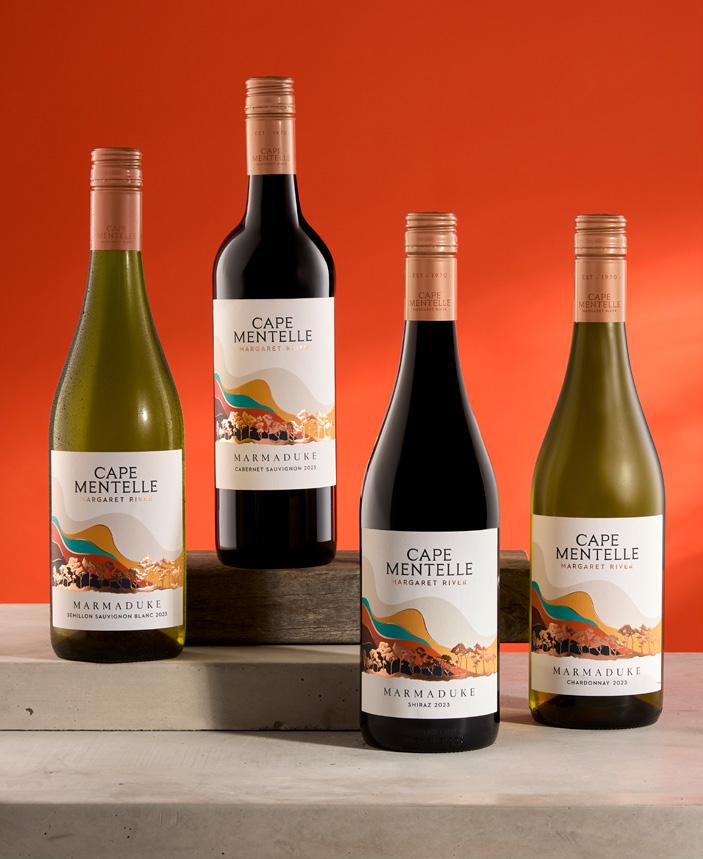
Cape Mentelle’s previous owner, LVMH, thought the market for Western Australian Chardonnay was too crowded and was sceptical about launching anything into the premium space.
“In 2020 we started making a reserve Chardonnay,” Dave says. “We didn’t ask for permission, we just did it, and went: you know what, we’ll buy it ourselves if we have to – with our staff discount, of course. And then it took off. Hence our Heritage range.”
He adds: “2023 was the coldest vintage in the last 10 years, but luckily we had no rain, so we see really elegant wines.”
Heritage Chardonnay is made in very small quantities, wild fermented in French barriques and puncheons with juice from the best blocks. It’s a beautiful, complex wine, combining blossom and citrus and mineral elements into a finely-tuned and harmonious experience for the drinker.
We taste it beside its 2012 counterpart – an excellent wine from a more regular vintage. But many in the group prefer the leanness and salinity of the 2023. “I think what’s changed is we’re really dialling back the oak selection,” says Dave. “There’s no heavy-toast barrels anymore. We’re trying to frame the fruit, not squash it.”
He’s expecting good things from the 2012. “The fruit has actually got on top of the oak now, everything’s melded together nicely; the fruit’s really starting to shine.”
The Heritage Cabernet is sourced from 50-year-old vineyards which have been painstakingly nurtured and protected by successive viticulturists.
Cover crops have helped foster soil health and raise organic matter to levels that have been regarded with envy by at least one Saint Emilion premier grand cru, Dave reveals. Native flora and fauna are encouraged, with all the benefits that entails for the vines.
It was a “troubling” vintage in 2021, Dave recalls, with heavy rains in late March. “But we held our nerve, and two to three weeks later we picked what I think is still a pretty cracking wine.”
The tannins are noticeably firmer than those of the Marmaduke, but the wine is still elegant, with juicy cassis notes and dried herb aromas.
We get to compare it with the more quintessential 2012, and even the 2006 Cabernet-Merlot, in the old Cape Mentelle label remembered fondly by many around the table.
Originally sold in the UK for around £3, it comes from an unpromising, rainy vintage and was expected to be past its best in eight to 10 years. Two decades on, it’s one of the highlights of the afternoon.
“It’s just a cracking wine for a cracking price, and it’s aged so gracefully,” Dave says.

Let’s put on the sorting hat and assign wine styles to some 1970s politicians
These past few months I’ve been watching Harry Potter and The Rest is History in questionably large quantities. Of course, one of them needs no introduction, but for those unsure of the other, Harry Potter is a fantasy film series about a young wizard finding his way in a world of magic and muggles. You probably haven’t heard of it.
Anyway, the recent Rest is History episodes on 1970s Britain provoked me to pursue an extensive, if not depressing, rabbit hole on the 1975 EU referendum and the political characters at the heart of it, using the old Thames TV debates as key research. Reeling from the sad realisation of how far our political discourse has slipped since, I’d watch a bit of that niche wizard film I’ve been talking about to cheer me up.
And it got me thinking that, just as the sorting hat assigns rookie wizards to their Hogwarts houses, I should create my own sorting hat to place 1970s politicians into wine-style houses – an itch we have all had to scratch at some point, I’m sure.
The first port of call was deciding on the appropriate type of sorting hat, eventually settling on an American trucker cap, mainly due to the thought of it sitting on top of Margaret Thatcher’s steelbeam structured hair.
Sitting anxiously in anticipation of their fate, Thatcher, Enoch Powell and Tony Benn wait to be sorted.
“Ladies first,” says the cap, and wearing

her famous nine-flag pro-Europe jumper, the Iron Lady rises. Her relationship with Europe was a complicated one, first advocating for membership in ’75 but gradually growing more disillusioned with the project until her departure in 1990. “I sense changing sentiments in you, Thatcher,” says the trucker. “You’ve undergone a secondary fermentation in bottle, haven’t you? And the lees ageing has made you a cynic. You wanted to pay for your notes of brioche and crème brûlée in British sterling and were ultimately disgorged by your own cabinet because of it. Thatcher, I declare you a tired Champagne.”
“How wonderful!” Thatcher says
effusively. “I will use this opportunity to further distinguish myself as a tired Pol Roger, as a tribute to Winston.” Thatcher removes the cap, reassembles her hair back into a fine mousse and trots away triumphantly.
“Next, Mr Powell,” calls the cap. In Enoch’s first year at Trinity College, Cambridge, he entered every competition available to a classics student and won all of them, a feat that hadn’t been achieved before and hasn’t since. The cap begins: “Your academic commitments came at the detriment to your social life, didn’t they Mr Powell?” “And a heart!” chunters Benn from a sedentary position. Even an invite to dinner from the college master and his wife couldn’t bring Enoch away from his Herodotus lexicon.
“You don’t care for mass appeal, do you Powell?” asks the trucker. “You saw post-imperial Britain as you see yourself; an outsider, an isolationist!” screams the cap. “I declare you a Brexit PIWI; Solaris or Rondo perhaps. You’re strictly built for domestic consumption, in small measures, within small circles.” Enoch stands and exits slowly.
It’s assumed that the sorting hat is entirely neutral. However, when it comes our resident democratic socialist, also known as a communist in the home of our trucker cap, our blue-collar sorter appears to be purposely misjudging Tony Benn’s house.
“The easiest yet!” says the sorting hat. “You’re a man for big real-estate deals, military invasions and multilateral trade agreements, aren’t you, Tony? You’re the biggest, boldest Napa Cabernet I’ve ever seen, born out of free enterprise and multi-million-dollar land.” Benn rips the trucker from his head, calling the exercise undemocratic and threatening various strikes as a means to upend an unequal sorting system.
Unlike in Harry Potter, it’s safe to say that this sorting exercise won’t prompt a friendship capable of destroying all evil, but what we have learned is that it wasn’t hairspray alone that maintained Thatcher’s hair, but a meticulous level of yeast autolysis too.

I’m trying to like Koshu. But the ones I’ve tasted so far left me underwhelmed
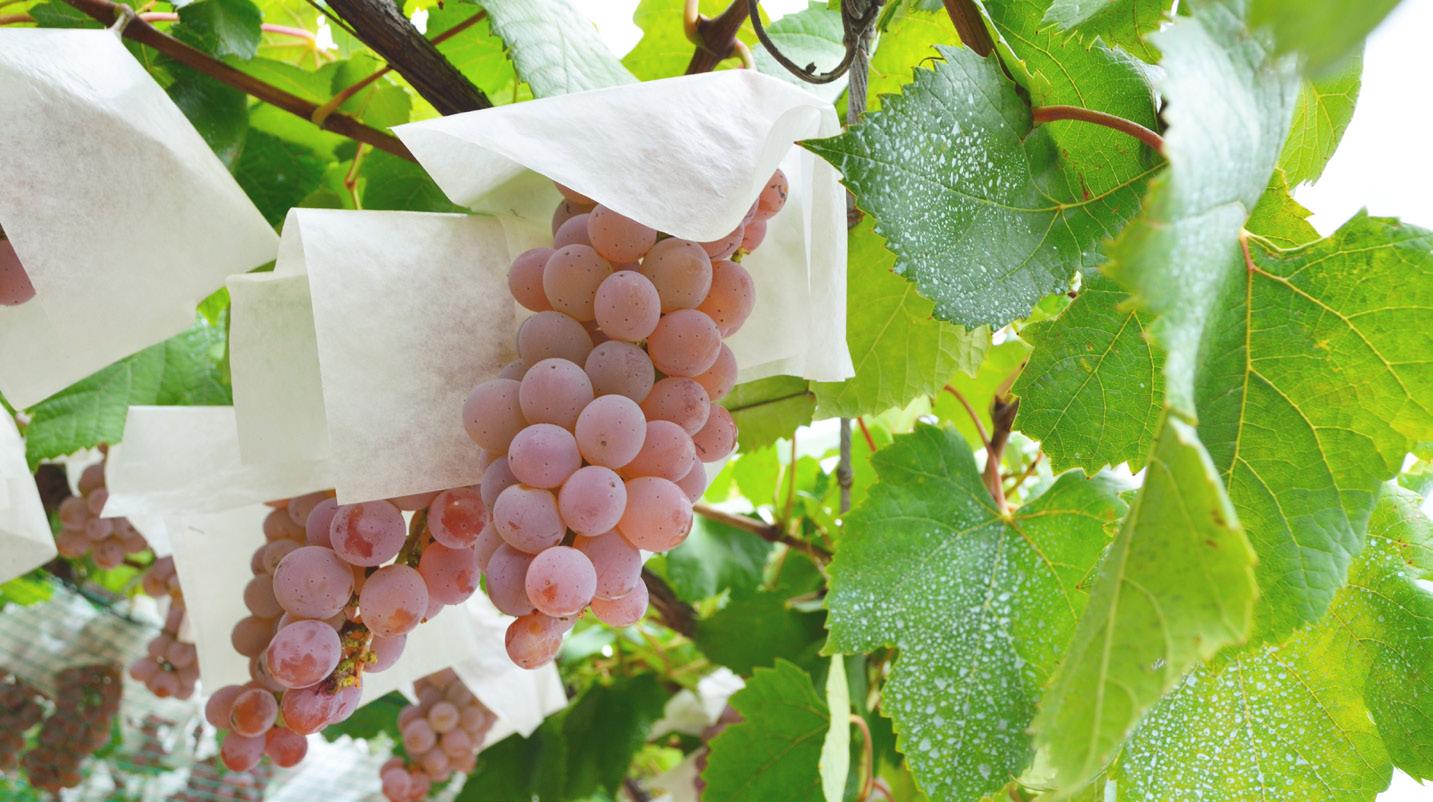
Beaujolais Nouveau still had a following in Japan when I lived there. The rest of the world had had enough, but the glory days hadn’t yet ended in Japan.
I remember going to a British pub in Kyoto one December, shortly after the release of the latest Nouveau, and asking the Japanese bartender if they had a red wine other than Beaujolais. Sorry, but no, was the answer. They did have Beaujolais, of course, but that was it. I declined and had a beer.
While Beaujolais Nouveau was worthy of a large sales display in convenience stores like Lawson and 7-11, nobody ever mentioned to me that I ought to give the Japanese grape Koshu a shot. It could be that I was simply moving in the wrong circles, in which beer, plum wine and shochu (a fearsome and, to me, mysterious spirit) were the kings. Then again, maybe it just wasn’t very well-known.
Almost a decade after leaving Japan, I finally decided to see what Koshu was like. I did a modicum of research and learned that the grape is associated with Yamanashi prefecture, the location of Mount Fuji, so it is unsurprisingly welladapted to volcanic soils. It’s also diseaseresistant, which is a real plus point. I spent a year in Shizuoka prefecture, which shares Mount Fuji with Yamanashi, so I can speak with authority on this matter. The rain in that part of Japan could be like something out of the Old Testament and the humidity was intolerable in the summer. Not ideal conditions for growing vines, in short. It’s not that easy to obtain Koshu in the UK. They don’t even have one at Majestic Wine, for goodness’ sake. The first bottle I sampled was a 2011 Sol Lucet from Yamanashi Wine Co, which I optimistically purchased online about 14 years after the vintage. It had a very dusty shoulder and cap, and a wonky label on the front.
Not promising. “The characteristic parts of this wine are Japanese citrus notes,” I read on the back label. The flavour was in fact indescribable, and the bottle probably should have been drunk a decade before I opened it.
Next up was Château Mercian’s Koshu Gris de Gris 2022. I’m not generally partial to orange wines, as I find it hard to get my head around the concept of a tannic wine made from white grapes. More importantly, the flavours are often just plain odd. If it doesn’t taste weird, I think there’s a strong chance that an orange wine will taste of apples – baked, most likely, or something akin to a carton of apple juice. Such was the case with this wine. It was pleasant, but when the bottle was empty I was still scratching my head about the varietal character of Koshu.
Ifinally tracked down a bottle of Koshu which had undergone a standard steel fermentation and was not past its best in the handsome cathedral city of Lincoln. As I climbed an empty street appropriately called Steep Hill, I saw a wine shop. I was shocked to see a bottle of Koshu in the window, as well as a bottle of Springbank 10 Year Old Campbeltown whisky. This had to be a good place.
I went back the following morning and bought a bottle of Grace Wine’s Kayagatake Koshu 2023. Alas, I found the wine underwhelming. I concurred with the producer’s tasting note in so far as it had “lively acidity”, but it was a rather neutral wine. I picked up a touch of green apple and my tasting partner felt there was a chamomile note, but that was about it. Even more disappointingly, the shop didn’t have any older Springbank whiskies.
Earlier this year, I almost bought a ticket to London in order to attend a tasting devoted to Koshu. In the end, the Scottish side of me won, and I went to Campbeltown instead. I’m aware that I didn’t try very much, but if I ever go back to Japan, I don’t envision myself seeking Koshu out. Give me a glass of plum wine on the rocks instead.
Michael Walker is part of the team at Vino in Edinburgh

father retired at 47. I say retired, but he decided that my mother and he should live in France and that I should just pay them to keep out of the way. Not his worst idea.
Another Thing
Maybe my grandson will follow me into the business and have as much fun as me

Afew weeks ago I became a grandad.
I am absolutely over the moon; I’ve been waiting a good few years for this magic moment but it has also left me feeling a lot older.
A week or so later when a very respected fellow wine merchant, from over the hills, who I had known for years, sadly passed away, I felt even older.
I know that at 53 I am not actually bracketed as “properly old” – unless you’re asking one of my many children, or, indeed, my grandson, once he becomes aware of me, time and grey hair. But the touch of Father Time’s hand upon my shoulder has
highlighted to me just how long I have been selling wine.
Thirty-two years doing this one job is a lot longer than I ever thought I would stick it out. I didn’t even get a gold carriage clock at 25 years! In fact, I’ve been running the show here for 26 years now, because my
My actual wish is to retire tomorrow, but Bridget has told me I need to do another 10 years and she’s the boss these days
It’s not my age that makes me feel old; it’s more my longevity in this job. Even a quarter of a century ago most of my peers had years on me. I was nothing but a young pup, and actually looked young too. The 1990s don’t feel that far away but so many things have happened in that time, obviously on a global scale and a personal one, but in a wine trade sense too.
When I began, Australia dominated in a way that no country has really done since, and whilst Oz may still shift serious volumes in the UK I’m actually on about a time when they were renowned for quality wine.
I remember when you could walk into a shop and not have to ask if they accepted cash, a question I am constantly surprised how often I need to ask and by how often the answer is no. Once upon a time Orange wine came from New South Wales in Australia. All wine was “natural”, surely. Vegans didn’t exist and milk only came from cows, not peas.
A computer saved you from writing things down but didn’t really save time. Spam came in a tin. Supermarkets were pushing things if they knocked a pound off a bottle of wine, and consumers were giddy for that pound saving.
If you wanted a glass of wine you’d better hope that you were in a wine bar or restaurant because you wouldn’t get one in a shop, and wine in a pub was generally swill, on tap.
A wine at 15% abv was so rare that it felt like a sort of drinking challenge, would only come from Oz and the duty on it was just £1.16. Trips were more abundant, merch was more interesting and freebies were, well, freer. Margins were lower, mostly because the cost of running a business was lower too. The whole world of wine seemed new and was exciting.
All of this nostalgia (it’s not what it used to be) isn’t to say that everything was better back then but more to highlight how much things have changed. Nowadays
you can buy quality dry rosé wine all year round, rather than just the four weeks of summer. Chateau Musar is no longer an unheard-of oddity; countries like Georgia, Moldova, Greece, Japan and many more don’t even seem unusual anymore. Portugal isn’t just for port. Cork fault is barely even a topic of conversation. There is more choice, so much more choice, in price, grape, country, colour, where to buy wine and how to consume it. It was easier to sell wine 30 years ago but it’s a darn sight more interesting these days.
Ihave to constantly remind myself that I still have a relevance in this modern wine world, and that requires a lot of changing of mindset. If you think that might be tricky for an ageing stick-in-themud like me, imagine what it’s like working with me. My wife has only, and I say only in comparison, been in the business for eight years. For her so much is constantly new and genuinely interesting and her days aren’t tarnished by the cynicism I suffer from.
We have lost count of the number of times that she will come up with a new, exciting idea, only for me to inform her that I tried that one 17 years ago to only moderate success. I think what keeps me feeling a bit younger is the fact that there is always something new to learn and that, despite constant warnings that younger people will never, ever drink a glass of wine again, there are still new, young, excited faces, with new ideas wanting to join this fabulous trade.
Will my teeny grandson do something that none of my children have done and decide to become a peddler of wine? I don’t know, and given his youth, and my wish to retire in a decade’s time (my actual wish is to retire tomorrow, but Bridget has told me I need to do another 10 years and she’s the boss these days), it will mean he won’t have to work with me. But it would be nice to think that this tiny bundle of joy could one day do a job that has brought me so much pleasure.
Rob Hoult owns Hoults Wine Merchants in Huddersfield

Chile and Argentina face similar challenges as they try to forge new identities for themselves on the international wine stage. Both hope their distinctive premium wines will take up some of the slack left by declining bulk wine sales.
Jacob
Stokes’s report begins overleaf
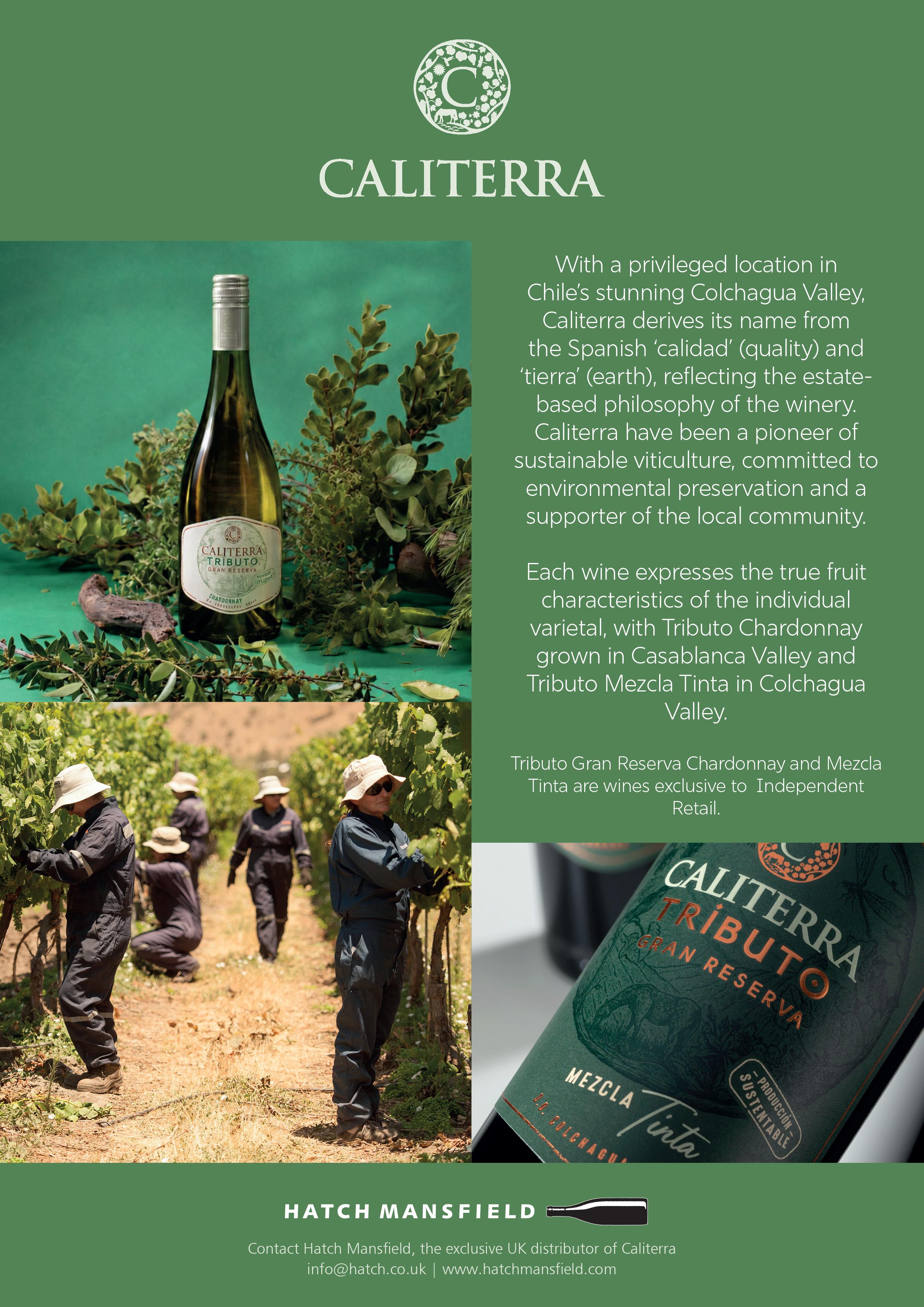
Chile and Argentina share a lot: the Andes, Patagonia, a language, cowboys, and one of the longest borders in the world.
They also share a remarkably similar wine history, shaped first by Spanish colonisers in the 1550s. And despite repeated attempts from Spain to protect its own industry by banning production and planting during its near 300-year rule over the two nations, the foundations of a wine culture prevailed into independence.
This culture peaked in the 20th century when inexpensive local wine had become a staple of the working classes and domestic consumption reached extremely respectable levels. Whilst we in the UK were putting a measly 3 litres per capita away in the 1960s, the Argentines were necking some 90 litres per head, and Chileans around 60 litres.
But political and social unrest in the decades after that saw domestic consumption plummet in both countries, prompting a shift towards quality wine for export markets in the 1990s. The three decades that have passed since this turning point have arguably distinguished the wine identities of the two countries
from each other more than the 400 years that went before, with Chile and Argentina finding their own unique export credentials.
But with a declining appetite for mass-produced wine, these credentials are being threatened in today’s market. In 2025, Chile and Argentina saw reductions of over 20% in value and volume of their bulk exports compared to 2024, with overall export value dropping 8% and 10.3% respectively. These reductions are trumped only by the US, whose 35.9% decline in value has been largely caused by retaliatory tariffs.
This represents a crossroads for Chile and Argentina: an opportunity to diversify away from the commercial calling cards that first established them on the world stage at the start of the century, refining their offer to something more aligned with modern demand.
Fortunately, both countries boast a wealth of new options to fuel the resurgence, with a new focus on regions, varieties, winemaking choices and marketing attitudes. These two Latin American giants are here to stay – even if they look a little different.
NARROW BUT EXTREMELY BROAD
As the narrowest country in the world, what Chile lacks in width it makes up for in length. Spanning over 4300km from north to south, it’s home to some of the most striking geographical contrasts on the planet. From the world’s driest desert in the north, to the subantarctic glaciers of Patagonia in the south, Chile’s inherent potential for variation in wine styles is obvious, and that’s without mentioning the role of the Andes and Pacific.
Traction for capturing the very extremes of these natural attributes is gaining as producers push the physical boundaries of production further and further.

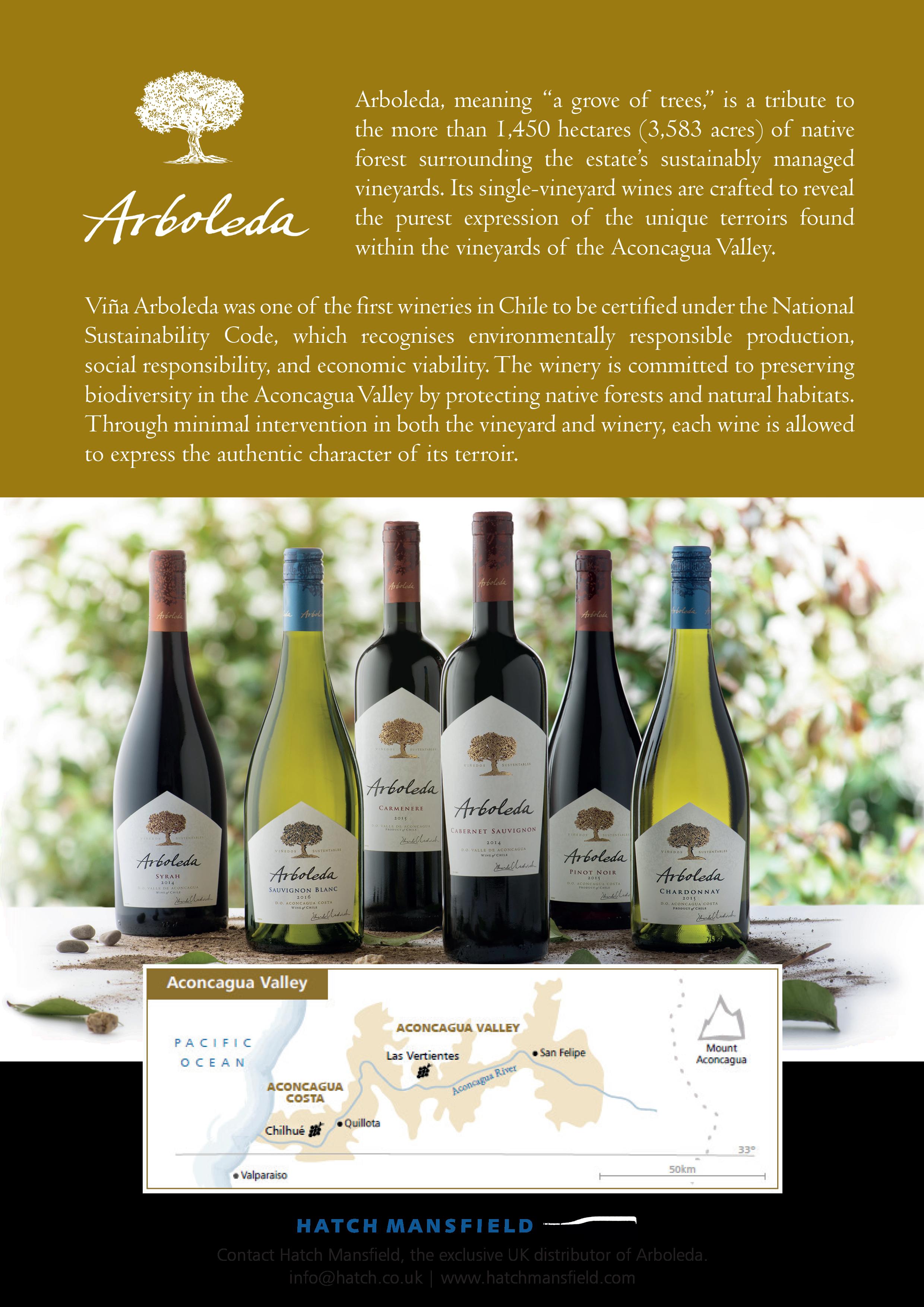
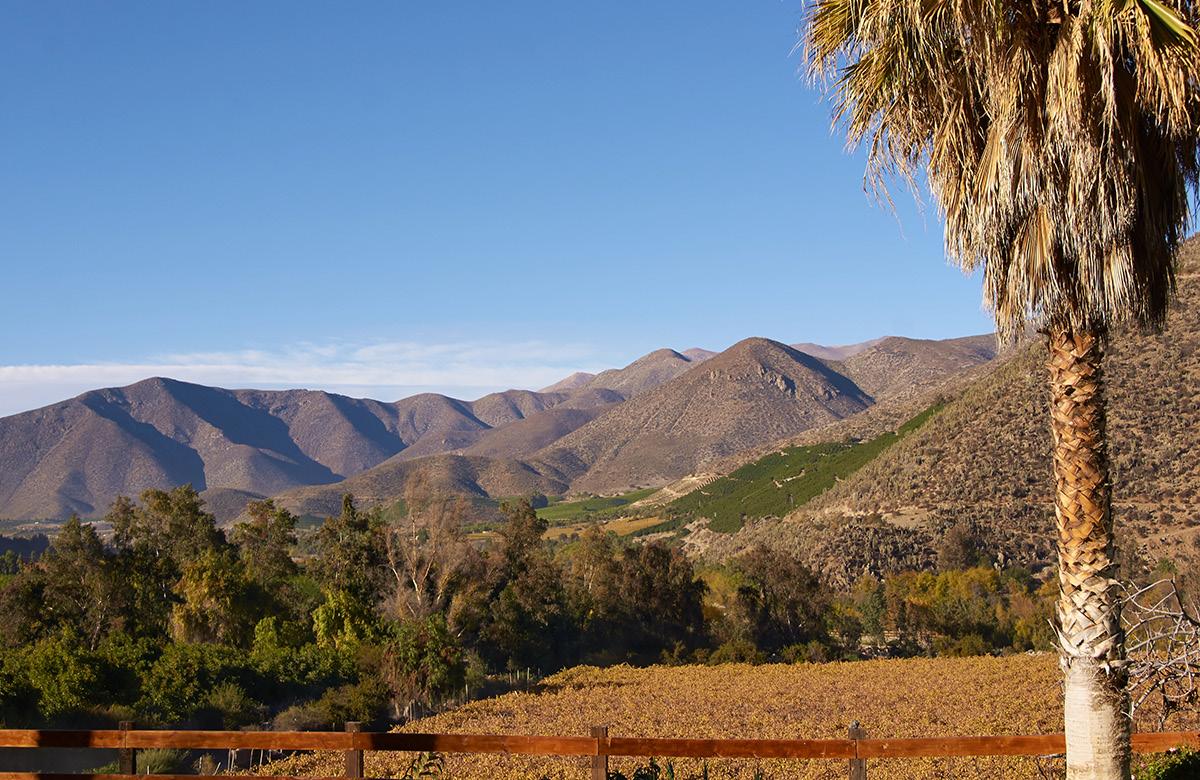
It’s arguable that Limarí isn’t a new option, but rather the newest face of Chile’s fine wine offering. With the foothills of the Andes to the east and an open gap to the Pacific to the west, producers in Limarí can choose moderation through altitude or coastal influence, with Andean vineyards pushing over 1500m above sea level and coastal vineyards getting as close as 10km to the Pacific.
Limarí also has significant marine limestone outcrops, especially nearer to the coast, making it a natural match for Chardonnay and Pinot Noir, the two varieties with which it has become synonymous, although Syrah, Sauvignon Blanc, Cabernet Franc and Malbec are all planted in varying quantities too. The acid-blessed, mineral-driven styles that Limarí produces makes it an important frontier of freshness for export markets, and one which is only set to gain more prestige as the recent ultra-coastal vines mature.
It’s hard to think of a region which highlights the ridiculousness of the term “new world” more than the Itata Valley, whose winemaking heritage predates the draining of the Médoc. It was here where Spanish missionaries first established vines in Chile, meaning this has been winemaking territory for nearly 500 years.
But it’s not deserts, glaciers, the Andes or its proximity to the Pacific which makes this an extreme winemaking region: it’s dry-farmed old vines. In the absence of water for irrigation, these vineyards were never at risk of being uprooted for fruit production, and have adapted to the nutrient-poor granite soils, digging their roots deep into the ground over the course of 200-plus years in extreme cases.
País (Listán Prieto) and Moscatel are Itata’s two main varieties, and the ones originally planted nearly five centuries ago, with Cinsault and Carignan, introduced in the early 20th century, playing a notable role too. There are parallels between Itata and Swartland in South Africa, both re-energised by a cohort of young producers using old vines to produce something transparent and distinct.
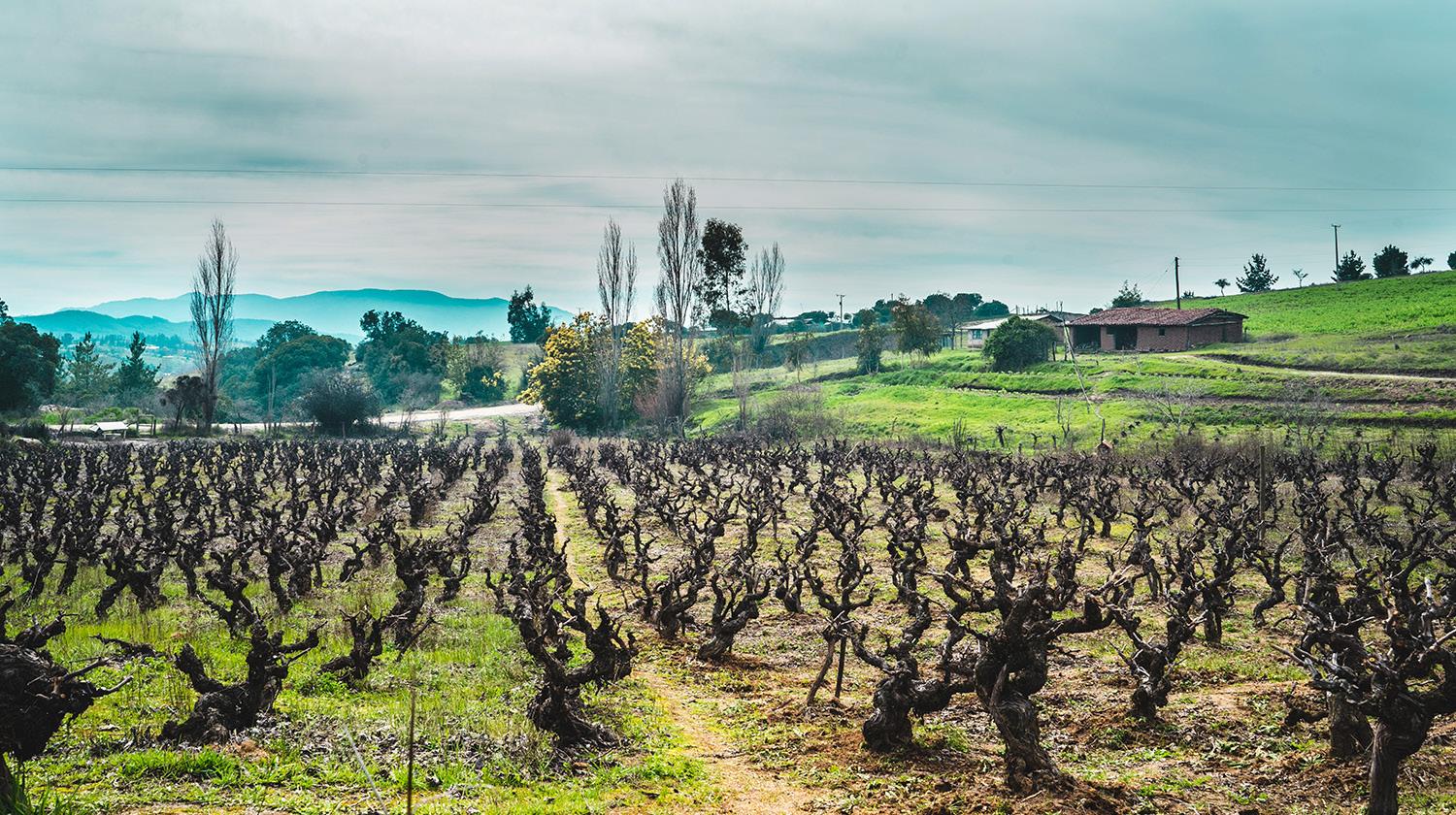
LOOKING DOWN TO MOVE UP
For a time, Argentine producers seemed to be imitating the space race, seeing how far up the Andes they could get their Malbec, with the weight of the bottle directly proportional to the vineyard altitude. But those days seem to be fading fast, with producers instead turning their attention downwards to the soil beneath their feet.
This change in attitude has seen a number of exciting microzones emerge in Mendoza, particularly in the Uco Valley, with producers pushing for widespread GI statuses to delineate their unique characteristics. Perhaps this transcends the needs of the consumer for the moment, but this push is undoubtably making for a more diverse and engaging Mendoza offer, which producers believe will benefit generations to come.
From north to south the Uco Valley is split into three subregions – Tupungato, Tunuyán and San Carlos – all of which are establishing a number of micro-zones worth talking about.
GRAND CRU ENERGY
The micro-zones of El Peral, granted GI status in 2023, and Gualtallary, yet to receive GI status due to a private trademark, are arguably the two most exciting areas of Tupungato.
El Peral is known for its abundance of old vines of Malbec and Semillon, many of which are more than 100 years old. This, paired with being one of the highest elevation areas of the region, makes it an area which lends itself to wines with high acidity and a beautiful herbal perfume.
Gualtallary is being touted as the Uco Valley’s closest thing to a grand cru. At the maximum altitude for vineyards in Mendoza (1600m) and with a significant presence of limestone, Gualtallary has become an area for Malbec that presents as more Burgundian than Bordelais.
Pinot Noir and Chardonnay are also gaining a reputation here on the limestone soils they hold so dear.
WAKE UP AND SMELL THE PINOT
The GIs of Los Chacayes and San Pablo are turning heads in Tunuyán for their expertise beyond Malbec.
Laurie Webster from South American specialist Ucopia Wines cites Los Chacayes as an area of real excitement for Pinot Noir, saying that producers there are “retaining aromatics in a way that I never thought could be possible for Argentina”.
Mediterranean varieties like Garnacha, Monastrell, Marsanne, Roussanne and Negroamaro are thriving in Los Chacayes too. San Pablo GI is known as Mendoza’s little oasis. Its proximity to the mountains makes it cooler and damper than other areas at a similar altitude, with more rainfall and vegetation as a result.
Like Gualtallary, soils with significant levels of limestone are making wines of austerity and tension, with producers beginning to experiment with various white varieties like Riesling, Semillon, Gewürztraminer and Grüner Veltliner.
San Carlos is home to the GI which laid the foundations for Argentina’s terroir revolution: Paraje Altamira. Established in 2013, based on an extensive study of geology and climate, it was the first of its kind and without doubt the catalyst for the recognition of Argentina’s micro-zones.
With a heritage dating back to the early 1900s, it boasts an abundance of old-vine Malbec and Semillon. As appears to be a theme in these Uco Valley GIs, there’s a layer of chalky limestone which distinguishes the prevailing styles from those of other regions.
Freshness, florality and herbaceousness are the key hallmarks for the reds of this historic region, with Chardonnay and Semillon displaying the minerality and tension that modern producers are chasing.


That famous Latin phrase roughly meaning “seize the day” couldn’t be more fitting as we head into high summer and hopefully an opportunity for many of us to take a breath, recharge and reflect on the year so far. It’s perhaps unsurprising that many of the great philosophers throughout history were also passionate oenophiles. From Socrates and Plato to existentialists such as Jean-Paul Sartre and Søren Kierkegaard, wine has been imbibed, studied and celebrated. Kierkegaard even wrote an essay exploring another famous Latin phrase, “in vino veritas” (in wine there is truth), in which he considered the ways that drinking alcohol lowers our inhibitions, allowing our hidden thoughts and feelings to be expressed and therefore revealing our “true selves”.
The world of philosophy often enters the therapy room. In fact, much of the therapeutic relationship is based on it. From an existential perspective, we may look at the way the client perceives their own world. We take time to explore the roots of the client’s anxiety, depression or fears. We look at meanings and the client’s interpretation of their experiences and beliefs. We consider the spaces to find joy, purpose and acceptance. So much of life is uncertain and unpredictable, and that lack of control can make it incredibly challenging and destabilising.
It can be hard to find the time in our schedules to pause and enjoy being in the moment. It is human nature to constantly think ahead (and worry about it) or look to the past (and dwell on the “if onlys”). However, our genuine reality is firmly embedded in the present and this is the only moment we can truly control. Take time to relish the present, to notice the things that not only bring you joy, but also bring a sense of meaning and purpose. Sit back and enjoy that glass of chilled rosé. It might just help you along the way to your own personal enlightenment.
Rachel is an integrative counsellor and a member of the British Association for Counselling & Psychotherapy. She formerly ran Wine Utopia in Winchester. She offers ongoing online counselling sessions at the reduced rate of £35 per 50 minutes, so mention this article. Email rachel@rachelgibsoncounselling.co.uk or visit rachelgibsoncounselling.co.uk
Half the fun of being a wine merchant is that you get to drive a van. Ideally you cover it in transfers, give it a funny name and then thrash it for 20 circumnavigations of the earth before trading it in for a younger model.
Four indies tell Claire Harries about their wheels of wonder

JONATHAN COCKER
Martinez Wines, West Yorkshire
Jonathan has invested in a few vans over the years and at the smaller end of the spectrum he recommends the “very reliable and economical” Renault Kangoo.
“Make sure it has the longer wheelbase, as it then takes 50 dozen – and you also have to buy the loadbearing tyres,” he warns.
“With big vans we tend to go with the best van on the market by reviews at the time we need to purchase, as they can change in reliability from model to model.
We have had a Mercedes Sprinter which did 400,000 miles.
“We’ve just replaced a Vauxhall long-wheelbase Vivaro – which did over 300,000 miles and lasted 10 years at half the price of the Merc – with a long wheelbase Renault Master, which we call Van Diesel, because it is a beast.
“Our vans are always branded,” adds Jonathan. “I have toyed with the idea of branding a Martinez van as a winebulance which would deliver around town like an ice cream van, playing UB40’s Red Red Wine out loud as we go round and round.”

TOM JONES
Whalley Wine Shop, Lancashire
This Ford Transit Custom was a replacement last year for the previous Ford Transit Connect. “This is the bigger version,” says Tom. “We paid £37,500 but on HP so it’s quite tax efficient and it’s hybrid – electric for short hops around town.”
The van is known as Big Roy as a nod to its predecessor – Roy. This is all down to the [Coronation Street character] Roy Cropper-style cloth shopping bag gifted to the shop’s dedicated driver, Nick, as a joke.
“It was thought I’d be too embarrassed to use the bag,” says Nick. “But I always do what people least expect so the bag was out in public often, as I used it to carry my wine home and pick up bits for the shop. And so our Ford Connect got the nickname Roy as he too carried wine to people’s homes, so it was only right that the new van became Big Roy.”
As a semi-retired police officer it’s probably no surprise that Nick is proficient behind the wheel and, you’d hope, unlikely to get into any scrapes. Tom says that in the past there have been “too many errors to mention” when it comes to driving-related adventures. He does recall the time when retired manager Matt Monk crashed onto a boulder outside a house and spilled oil all over its driveway.
Duncan Murray Wines, Market Harborough, Leicestershire
“We’ve had three VW Caddy Maxi Kombis over the last 10 years because they can easily fit 20 cases of vino,” says Duncan. “It’s nice to drive and fits in my garage too.”
The design isn’t exactly subtle, but that suits Duncan. “The branding is on all sides of the van, including the roof, which will be perfect if it ever gets nicked because the helicopter cops will be able to see it speeding down the A14,” he says.
Surely such an eye-catching vehicle should have its own name? “I’m impressed by names other merchants have for their vans but we’ve never really had a van name apart from The Wine Wagon. However, the driver is often referred to as the Dutchman – you’ve got to say a Dutch accent.”

SARAH HATTERSLEY
Hattersley Wines, Bakewell, Derbyshire
The company’s social media often pictures the smart Hattersley vans, sometimes in a cartoon format, maybe with trusty shop dog Otto running alongside or in the passenger seat. Other images have included some fun digital additions – a huge bottle of red atop one of the vans springs to mind.
“Being based in the countryside, we operate with two very different vehicles to suit our needs,” says Sarah.
“Our main workhorse is a Ford Transit L2H2 van with an impressive payload capacity of up to 1.5 tonnes of wine, while our smaller Fiat Doblo is perfect for nipping down country lanes and handling local deliveries with ease.
“We now own both vans outright, having previously leased our vehicles, which has given us greater flexibility and control.
“The key things we look for in a van are simple: payload capacity, reliability, air conditioning – and ideally something that’s not white!”





Phoebe Weller of Valhalla's Goat in Glasgow is our unregulated agony aunt

Dear Phoebe
They say the Whispering Angel is over. Is it over?
Michael, Gateshead
Dear Michael
I would say that yes, perhaps there is a sea-change with some of the Theurgical practice that we all know and love. Whilst Dee and Kelley promoted the gentlest of tone for Enochian ritual, we live in a world that is a bit louder. Fight not slight! Whilst channelling that heavenly being is something we should all keep focusing on in terms of psychic embodiment, the quietness is on the wane. Speak not meek! We Pneumatologists will not be trod into the mud again! For what good has whispering done? Now is the time we stand up to the noise with (a little, just a little!) more noise. Not quite shouting, but definitely a bit louder on the old toh torgi angelard. I’d say maybe normal, normal voicing angel. Whatever that is! So from maybe 30 decibels to max 60.
HTH, Phoebe
Dear Phoebe
They say gin is over. Is gin over?
Angelina, Ludlow
Dear Angelina
What is over? Can anything truly be over? Is anything under? We live in a constantly shifting world and the only thing that exists is now. Are you drinking gin now? Probably not, so at this point, “gin” does not exist. You are reading this after I have

written it, so whilst I am sure that I am here now, tiptapping things into this plastic box and the words appear on the screen, I know that I am here, now – but I may well not be when you read this. Standing there, having eagerly ripped open your copy of The Wine Merchant, leafing through the fluff, keeping an eye out for the Thoughtful Bird in the top left hand corner, pen to mouth, brain all a-whirring. She doesn’t exist mate, that Thoughtful Bird, but she is here now, over here, over here! She’s/was/ isn’t sitting in her moss tower stroking her unusually clean and pestilent-free badger. I see it and it could be, it could be, you know – you/we don’t know anything. Don’t trust what they/I say. I had someone interview me the other day wondering if Craft Beer might be a good addition to a wine shop, and though I postcoitially mocked the lad for his timeline, who am I to say? Who are
any of us to say? Shh. HTH, Phoebe
Dear Phoebe
They say the football is over. Is football over?
Ken, Kirkcudbright
Dear Ken
What is over? etc etc; “le ‘savant’ de l’avenir, ‘l'intellectuel’ de demain devrait apprendre cela et l’apprendre du fantôme”. Yes, by the time you read this it will be. For me, it was over in the early hours of the fourteenth of June. One nil, people, one nil. So yes. They say it’s all over. It is now.
HTH, Phoebe
New Bank House
1 Brockenhurst Road
Ascot SL5 9DL 01344 871800
info@hatch.co.uk www.hatchmansfield.com

Hatch Mansfield

hatchmansfield

28 Recreation Ground Road
Stamford Lincolnshire PE9 1EW 01780 755810
orders@abs.wine www.abs.wine





Unit 5, The E Centre
Easthampstead Road
Bracknell RG12 1NF
01753 521336
www.schenkfamily-wine.co.uk

@schenkfamilyuk

The Links, Popham Close Hanworth TW13 6JE 020 8744 5550
Mark Isham, head of RWA: mark@richmondwineagencies.com
Tim Hawtin, south west & London: tim@richmondwineagencies.com
Julia Langshaw, north of the UK: julia@richmondwineagencies.com
Monika Kent, north of UK and other regions monika@richmondwineagencies.com


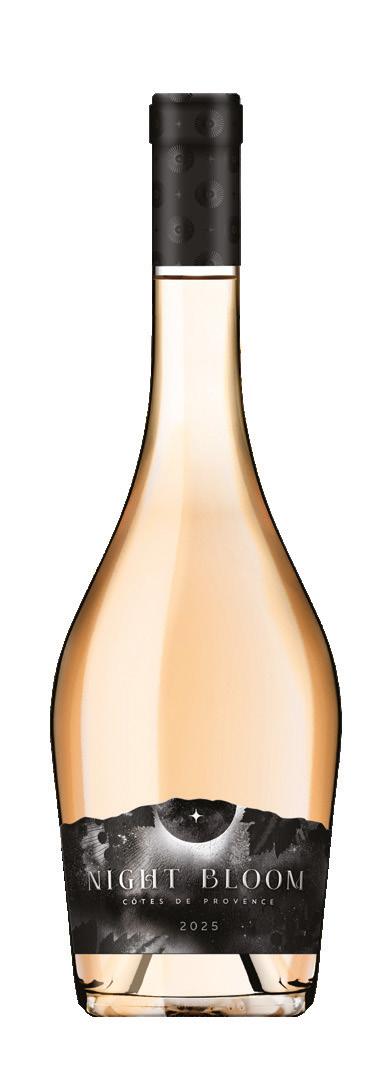
A fresh, young wine with small, persistent bubbles of great finesse and elegance. Sublimme is a double-fermented brut sparkling wine made from Sauvignon Blanc grapes sourced from estate-owned 30 year old vineyards in Rueda, where the company develops cultivation methods aligned with regenerative soil agriculture. Marques de Riscal produce all their white wines in Rueda and introduced this grape variety to the region in the 1970s.
It is the ideal companion for seafood and oysters, sushi and Asian cuisine, appetisers and tapas, mild cheeses and light desserts. It is also perfect to enjoy on its own, well chilled, as an aperitif or for moments of celebration.
FREE TASTING SAMPLE WITH EVERY CASE ORDERED TO HELP YOU LAUNCH THE WINE (RWA T&Cs apply). ON OFFER IN JULY AND AUGUST (ask your account manager for details).
Alivini Company
Units 2-3, 199 Eade Road London N4 1DN
020 8880 2526
london@alivini.com Distributing




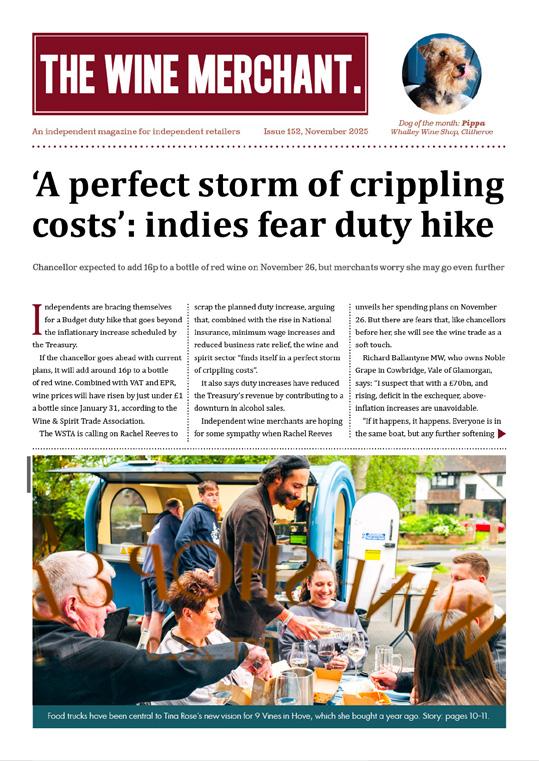
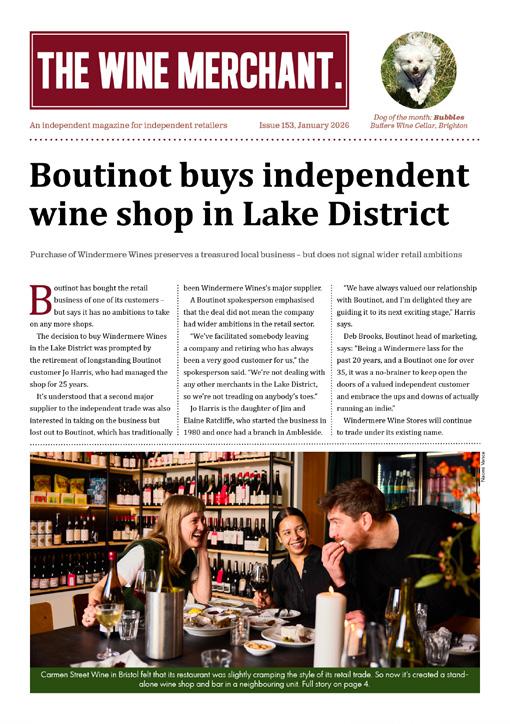
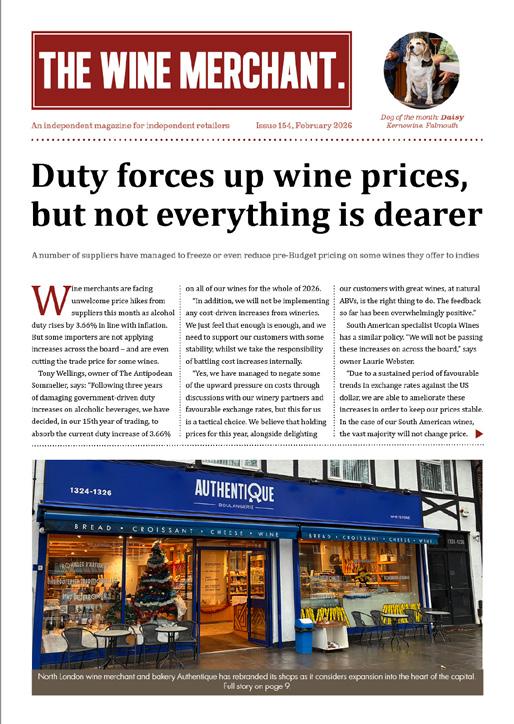
Fells House, Station Road
Kings Langley WD4 8LH
01442 870 900
For more details about these wines and other wines from our awardwinning portfolio from some of the world’s leading wine producing families contact:
info@fells.co.uk www.fells.co.uk

@FellsWine

je_fells

wines
020 7720 5350
order@libertywines.co.uk www.libertywines.co.uk
@liberty_wines Fells




Subscribe today to always be first to know about allocations of new releases and vintages of the finest wines in our world-class portfolio.
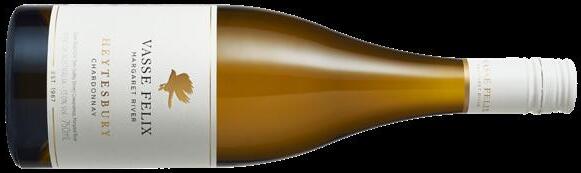
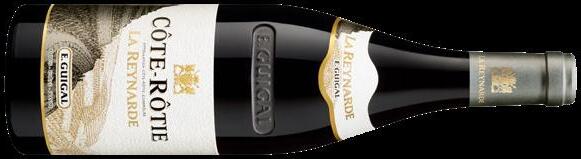
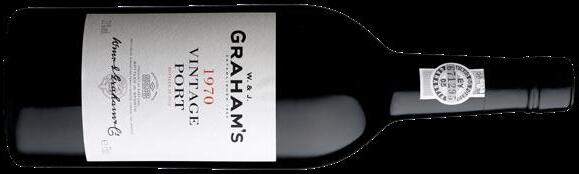

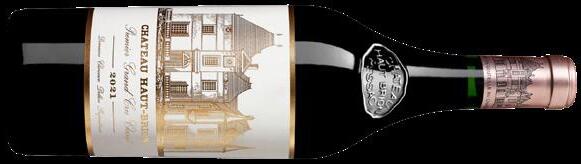
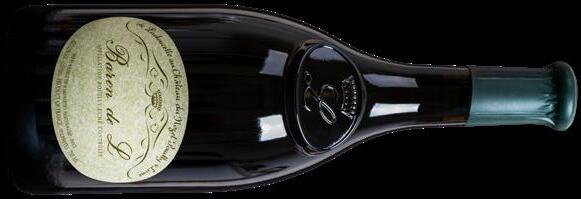

15 TH SEPTEMBER 10:00AM - 5:30PM
21 ST SEPTEMBER 10:00AM - 5:00PM LONDON
Showcasing over 600 wines including new additions to our portfolio. Arranged by grape variety and price to facilitate comparative tasting.
With over 300 wines on show from across our portfolio
We hope you can join us. For more details and to register your interest, please email events@libertywines.co.uk (strictly Trade & Press only).
hallgarten wines
Mulberry House Parkland Square
750 Capability Green
Luton LU1 3LU
01582 722 538
sales@hnwines.co.uk www.hnwines.co.uk

@hnwines


mentzendorff
The Woolyard
52 Bermondsey Street
London SE1 3UD
020 7840 3600
info@mentzendorff.co.uk
www.mentzendorff.co.uk


Give your customers a reason to trade up this summer with three distinct, terroir-driven Sauvignon Blancs from cool climate domaines:
Hubert Brochard Fontaine-Audon Silex Sancerre: Classic Loire valley. Bone-dry and razor-sharp, with intense gunflint minerality and crisp green apple.
Southern Right Sauvignon Blanc: From the cool-climate Hemel-en-Aarde valley. Stony minerality, showing great poise, mouth-watering grapefruit, and a distinct maritime salinity.
Klein Constantia Clara Sauvignon: A premium Cape icon from historic decomposed granite slopes. Textured, aromatic, and layered with white peach and elderflower. Reliable UK stock available now. Contact your account manager for samples, technical sheets, and competitive merchant pricing.
“I identified Blue Nun in the Diploma blind tasting exam!”
James started in wine at Oddbins in Redland, Bristol, in the 80s, as a student summer job. After stints with other UK-based wine companies, he worked in Australia as a cellar rat at Taltarni & Crittenden (now represented by Delibo) and, on returning to London, provided marketing and business planning services to a portfolio of clients. In the mid-noughties, he established importer and agent Delibo.
What’s the first wine you remember drinking?
I was given a small glass of wine as a child, when we had guests, which probably came from Oddbins which was on my father’s way home from his office. The first wine name I remember was Entre deux Mers (bought en vrac) on family holidays in France.
What job would you be doing if you weren’t in the wine trade?
There’s no alternative, this is all I can do.
How do you relax?
Have I Got News for You on Friday evenings; playing real tennis; gardening; gentle cycling; chopping vegetables; enjoying interesting bottles with interesting people.
What’s the best book you’ve recently read?
The Coming Storm by Gabriel Gatehouse –did you know that about the Clintons?
Give us a TV recommendation. The Netflix mini-series The Queen’s Gambit; old episodes of Porridge – outstanding scripts and performances.
Do you have any sporting loyalties? I enjoy watching Alex Coles play rugby for

England. I introduced his parents over 30 years ago.
Who’s your favourite music artist?
For the occasional cultured moments, Jess Gillam, saxophonist and Radio 3 presenter; for car journeys, Let it Bleed: The Stones’ rhythm section takes some beating; for relaxing with a glass, The Rutles and The Divine Comedy.
Any superstitions?
Everything in moderation, including moderation. Stay on the path.
Who’s your favourite wine critic?
The person who knows little if anything about wine yet is open-minded to trying something new, and then gives a considered reason for their opinion, whether it’s to their taste or not. Such people are few.
What’s your most treasured possession?
An old seafarer’s wooden trunk, with rope handles, name plate missing, that I bought in my teens. I still wonder where it travelled.
What’s your proudest moment?
In wine, it must be founding Delibo and bringing together these wonderful growers, winemakers, merchants and wholesalers. We strive to support them all, with passion and integrity. That’s closely followed by identifying Blue Nun in the Diploma blind-tasting exam!
What’s your biggest regret?
Everyone makes mistakes; the mark of a person is how they put them right. I do my best to look forwards not backwards.
Who’s your hero?
John Boys, one of the early MWs, who passed the exam in 1965. At the end of a working day, he’d share many stories and his detailed knowledge of Bordeaux vintages in the 50s and 60s. As a young man, he visited relatives in Vienna just before the second war and on his return was given a letter to deliver to the Foreign Office, which he hid in the sole of his shoe. It was a tense journey as the Gestapo were on the same train. John took two weeks’ holiday per annum, one for the test match at Lord’s, the other at The Oval. Even now, I can see him swirling the liquid in a wine glass, involuntarily, even if it was water.
Any hidden talents?
I enjoy cooking rustic dishes and have made profits on a few modern classic cars that I have enjoyed owning – free motoring, my favourite. Oh, and there’s little as satisfying as a good spreadsheet.
What’s your favourite place in the UK?
The 360-degree view at the summit of Loughrigg Fell in the English Lake District. I’ve been going to the Lakes since I was very young and return there as often as possible with my wife, to unwind.
If we could grant you one wish, what would it be?
That when I’m pouring quality German Riesling, the consumer doesn’t say, “Riesling’s sweet, I don’t like sweet wine”. Many of us have been talking up the Riesling Renaissance for decades and there’s still a way to go.