A RESIDENT’S GUIDE TO LAND, WILDLIFE AND COMMUNITY
LIVING HERE CALLS US TO PROTECT WHAT WILL OUTLAST US
Hello, Neighbor!
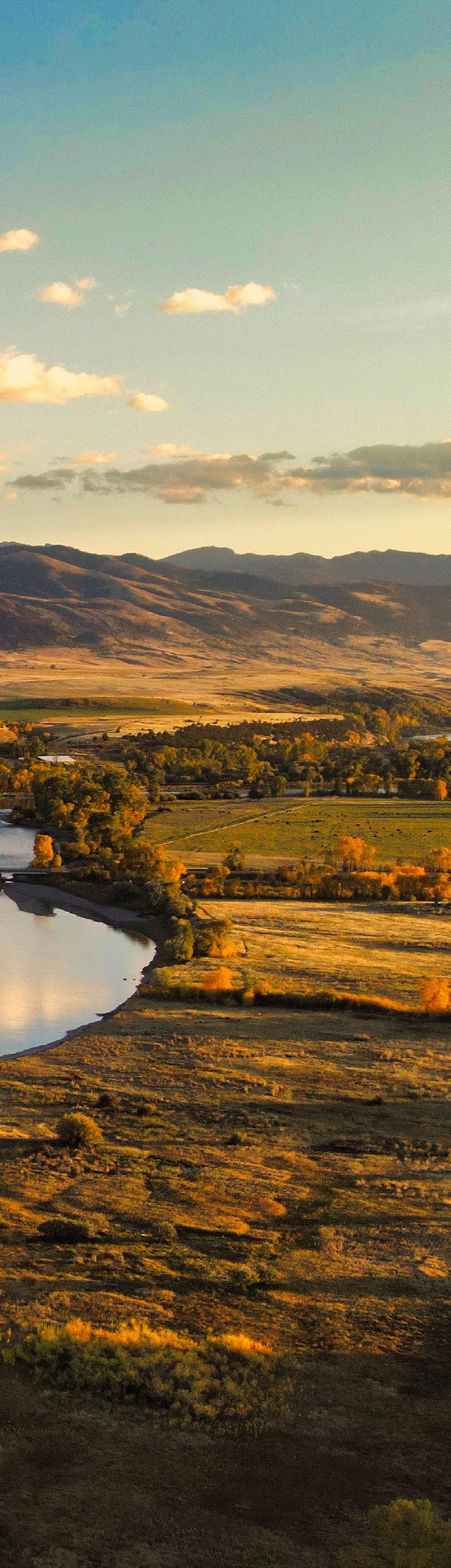
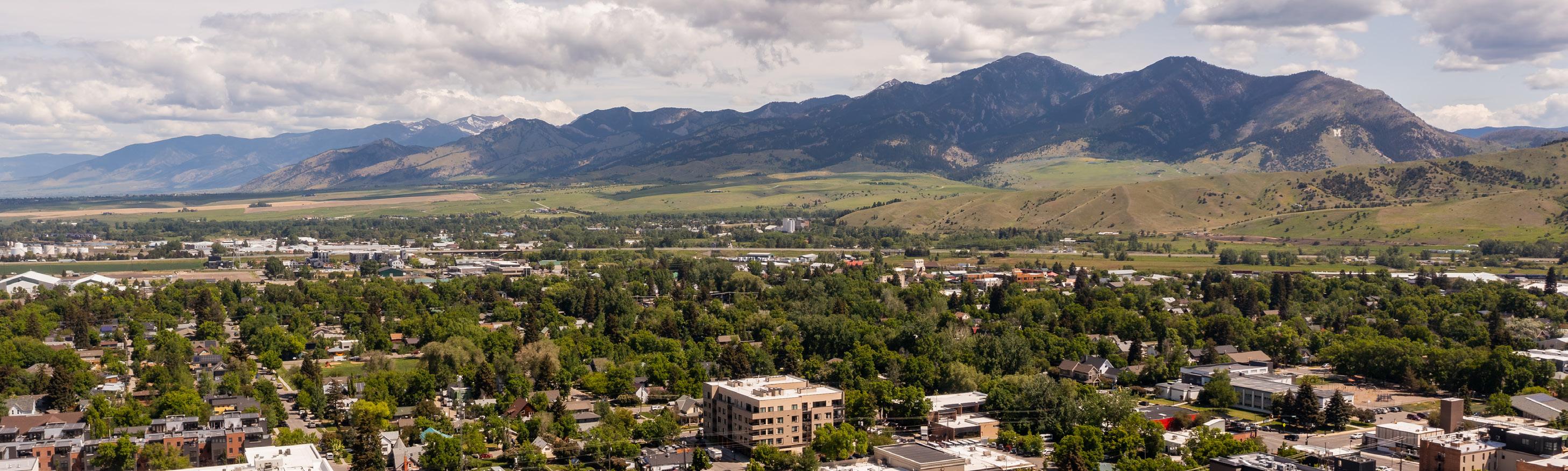
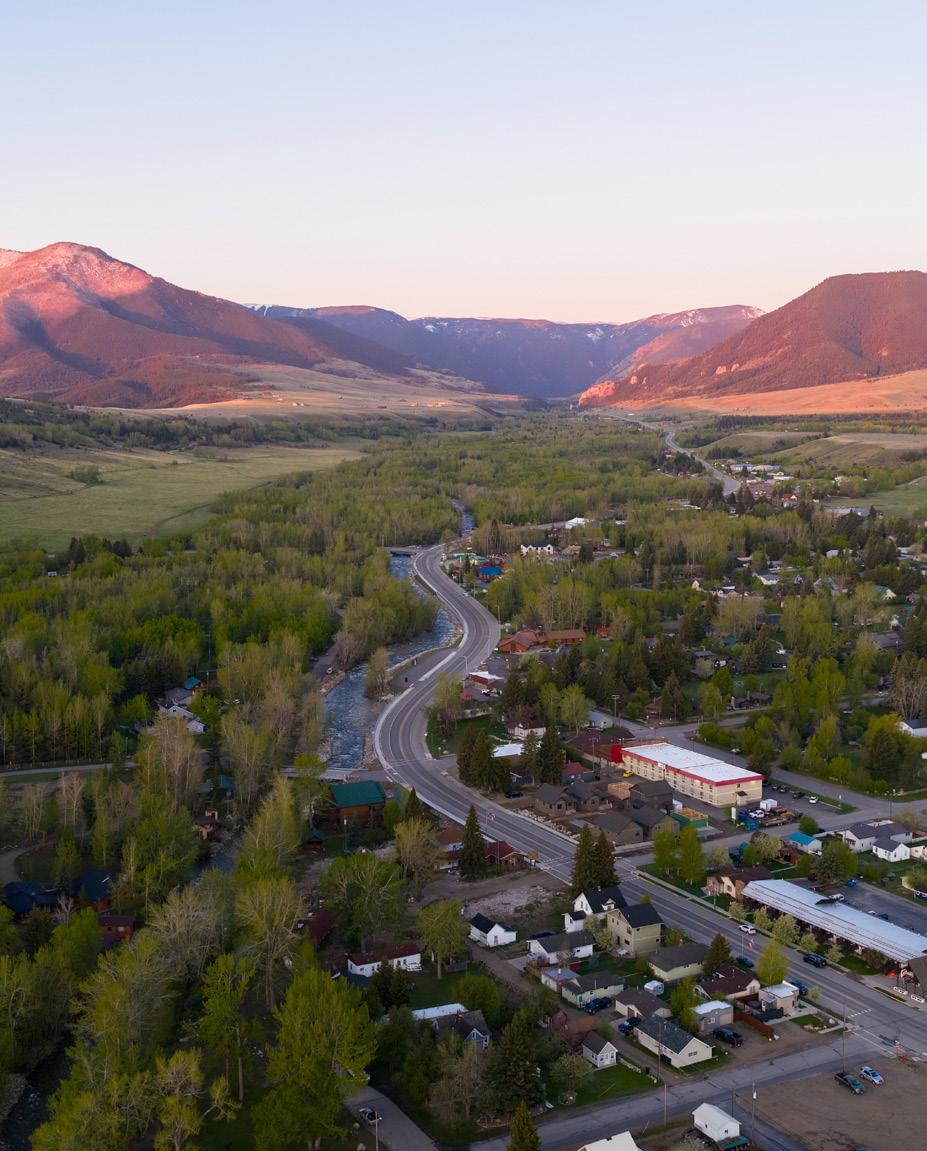
Welcome to Montana’s Yellowstone Country, where rivers still run wild, neighbors know your name and living well means living with the land.
This guide was created by longtime residents, scientists, conservationists and planners who care deeply about this region. Inside, you’ll find what every new neighbor should know — not just how to live here, but how to live well here. That means respecting the land and participating in a culture of stewardship.
Life here offers deep rewards — a connection to nature, a strong community and a slower, more intentional pace. But it also comes with its challenges. Rural roads, long winters and limited emergency services are part of the landscape. A little preparation goes a long way in making this place feel like home.
We hope this guide helps you settle in and build a lasting connection to one of the last best places.
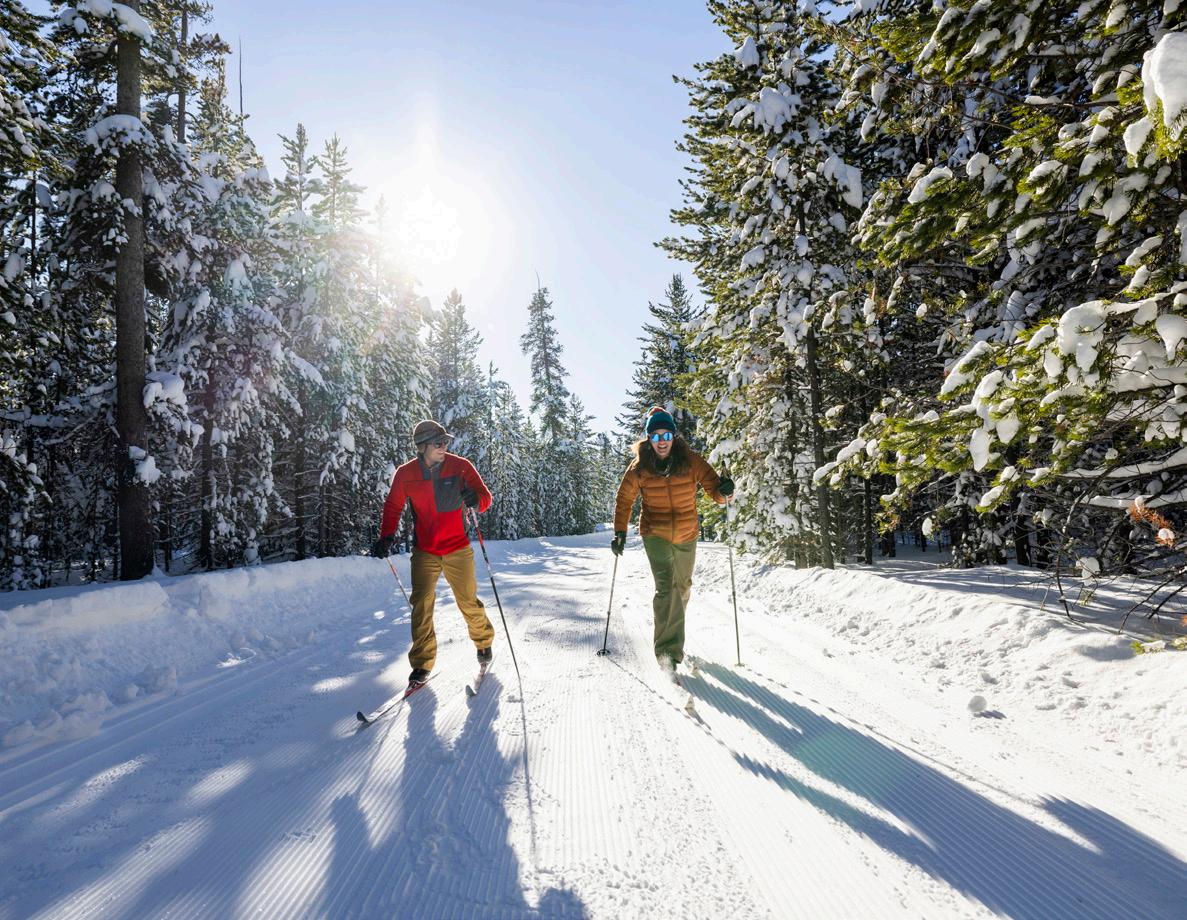
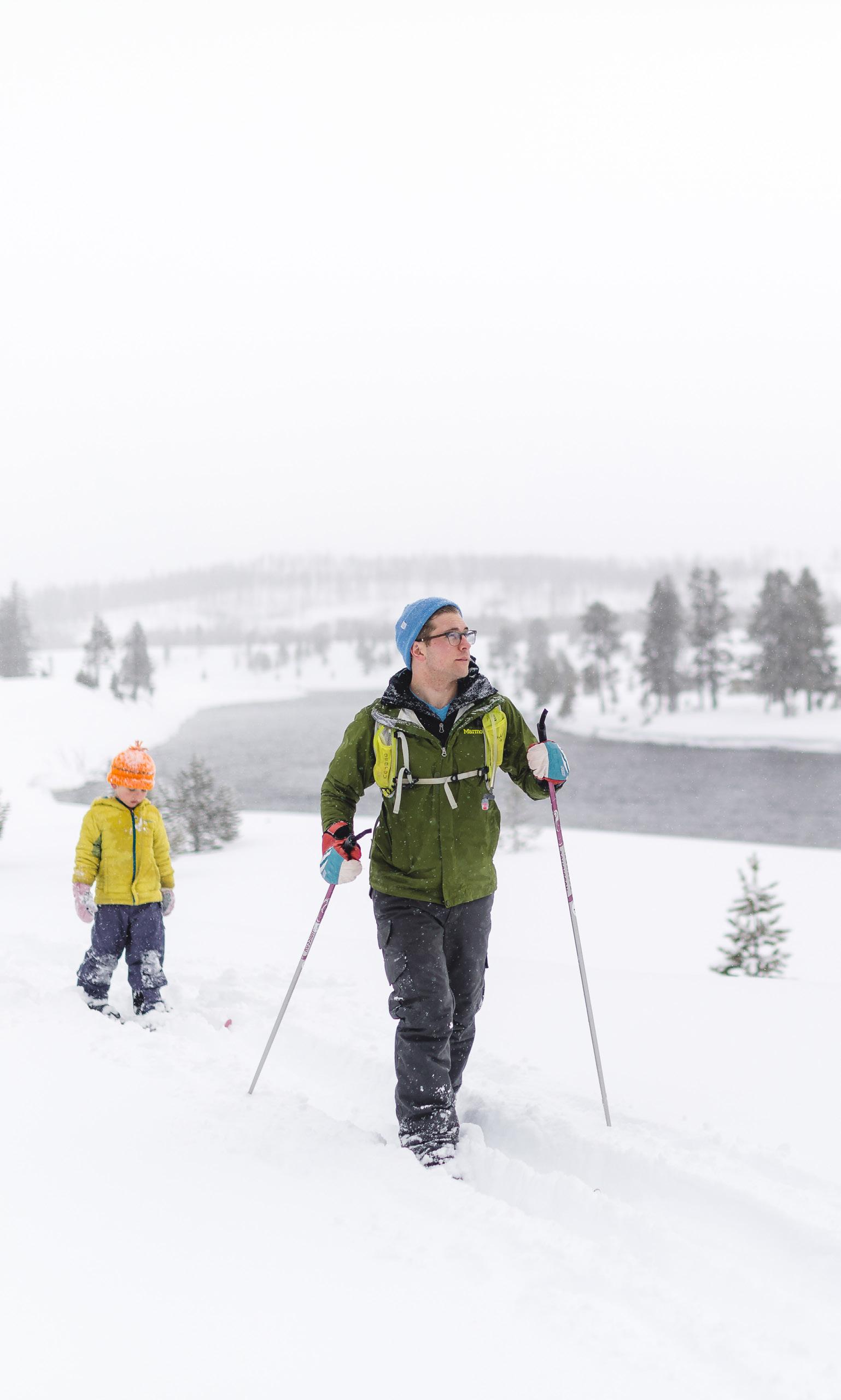
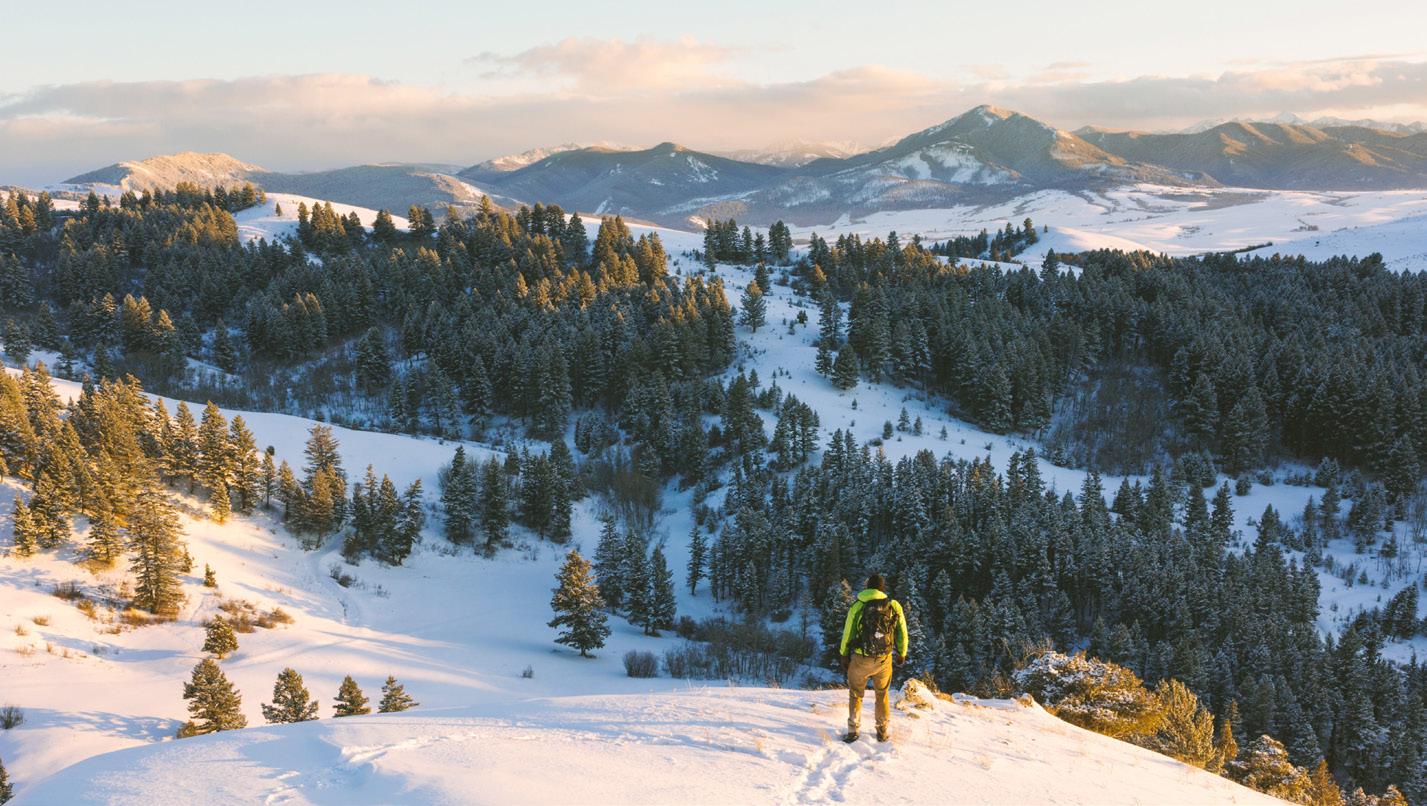
NORDIC SKIING, WEST YELLOWSTONE. JORDAN SIEMENS
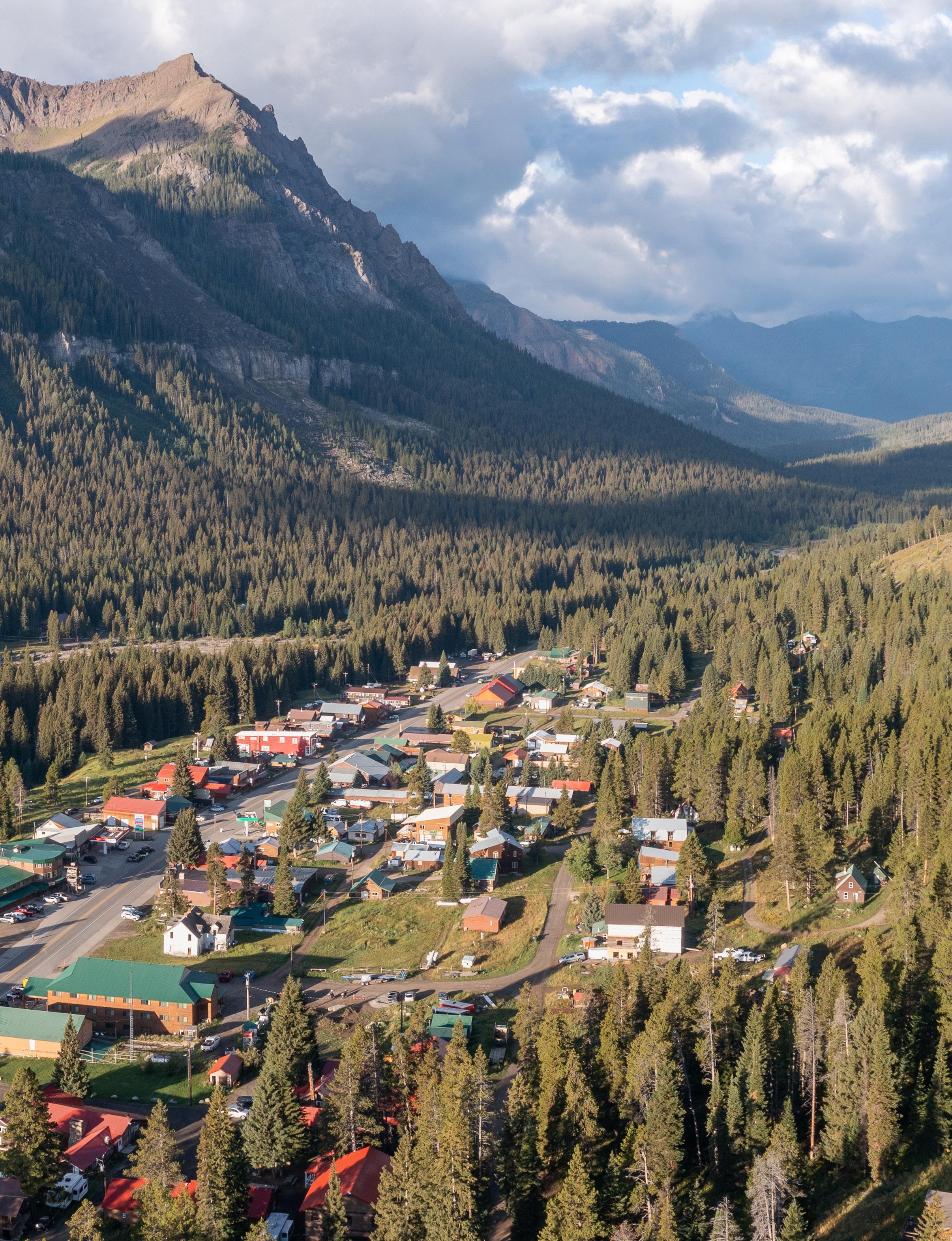
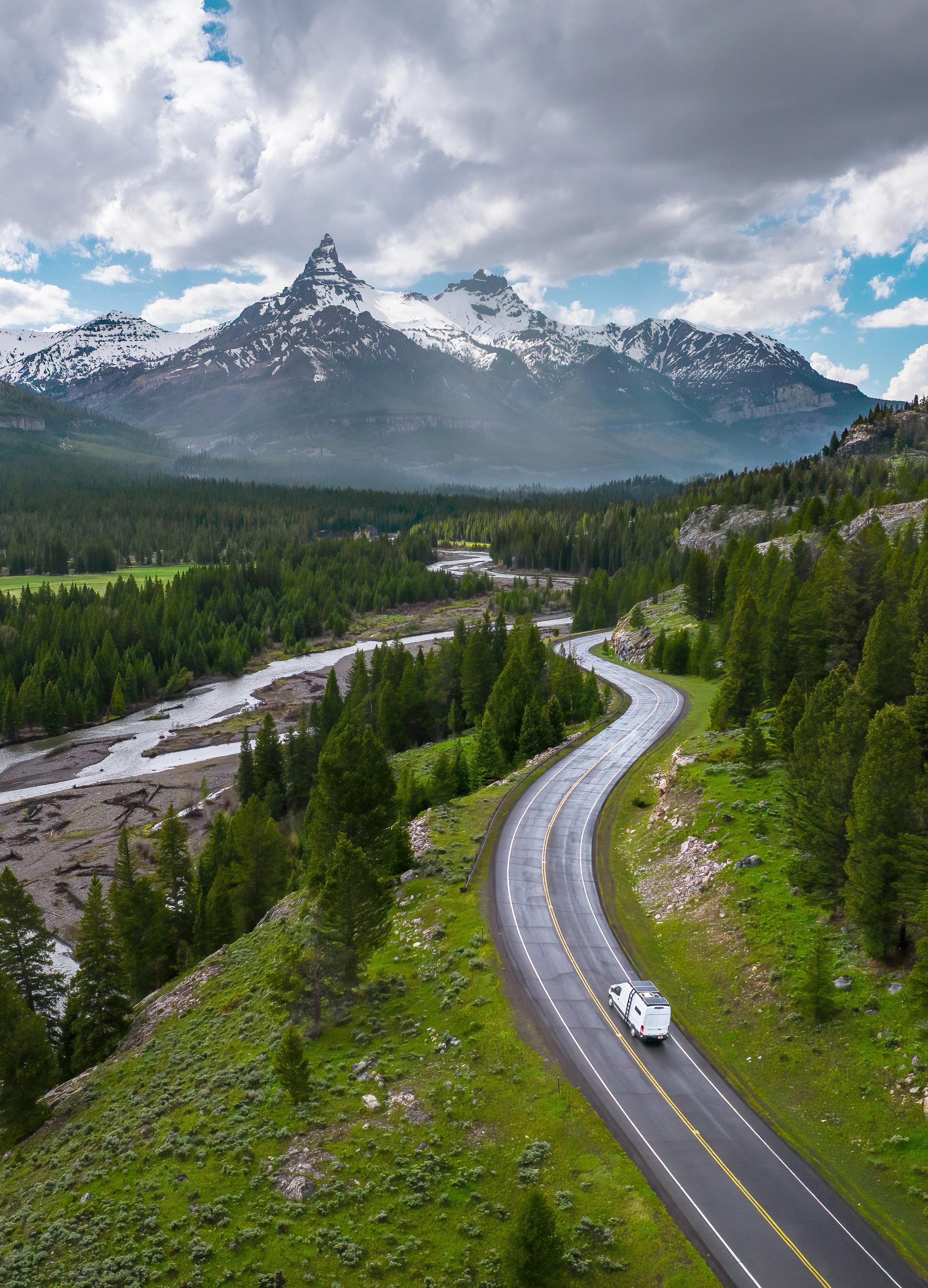
COOKE CITY. KADEN HARRISON
The Lay of the Land
Montana’s Yellowstone Country spans Gallatin, Park, Sweet Grass, Stillwater and Carbon counties — five distinct landscapes that form the northern gateway to Yellowstone National Park. Together, they’re part of the Greater Yellowstone Ecosystem: 22 million acres of interconnected state, federal, tribal and private lands.
This is one of the largest and most intact temperate ecosystems in the world — a region where wild rivers, mountain ranges, rangelands and high-country forests shape life for both humans and wildlife. The Yellowstone River flows through its heart, alongside five national forests and three national wildlife refuges.
Communities here reflect the landscape: strong, adaptive and upheld by those who love them. You’ll find iconic towns like Big Timber, Bozeman, Gardiner, Livingston and Red Lodge, along with dozens of smaller communities tucked into valleys and stretched along ridgelines.
Living here means being part of a living system — one that extends across ecosystems and generations. It asks for more than admiration. It asks for action. Being a good neighbor means contributing to the long-term health of this land and its people and helping protect what makes this place extraordinary.
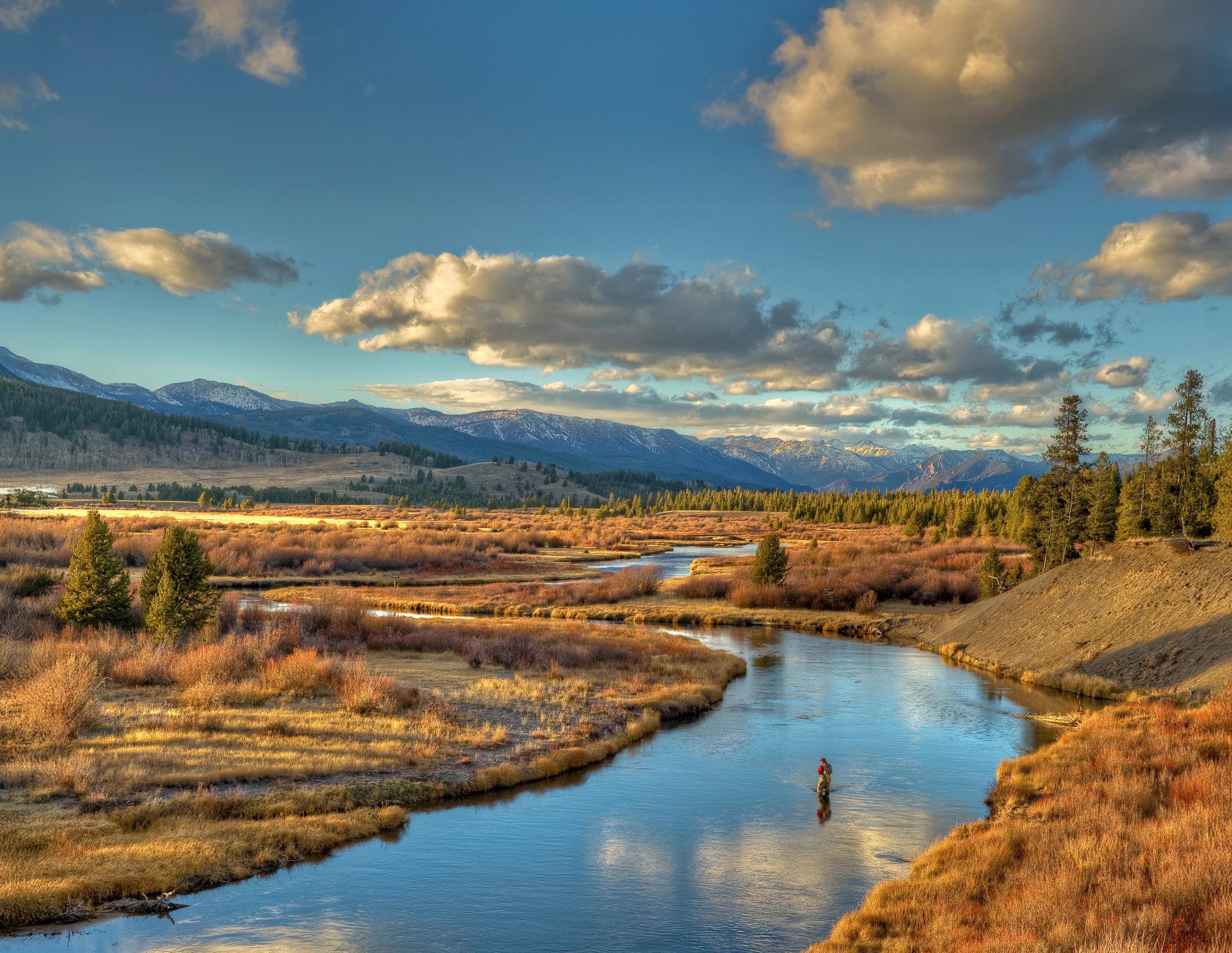
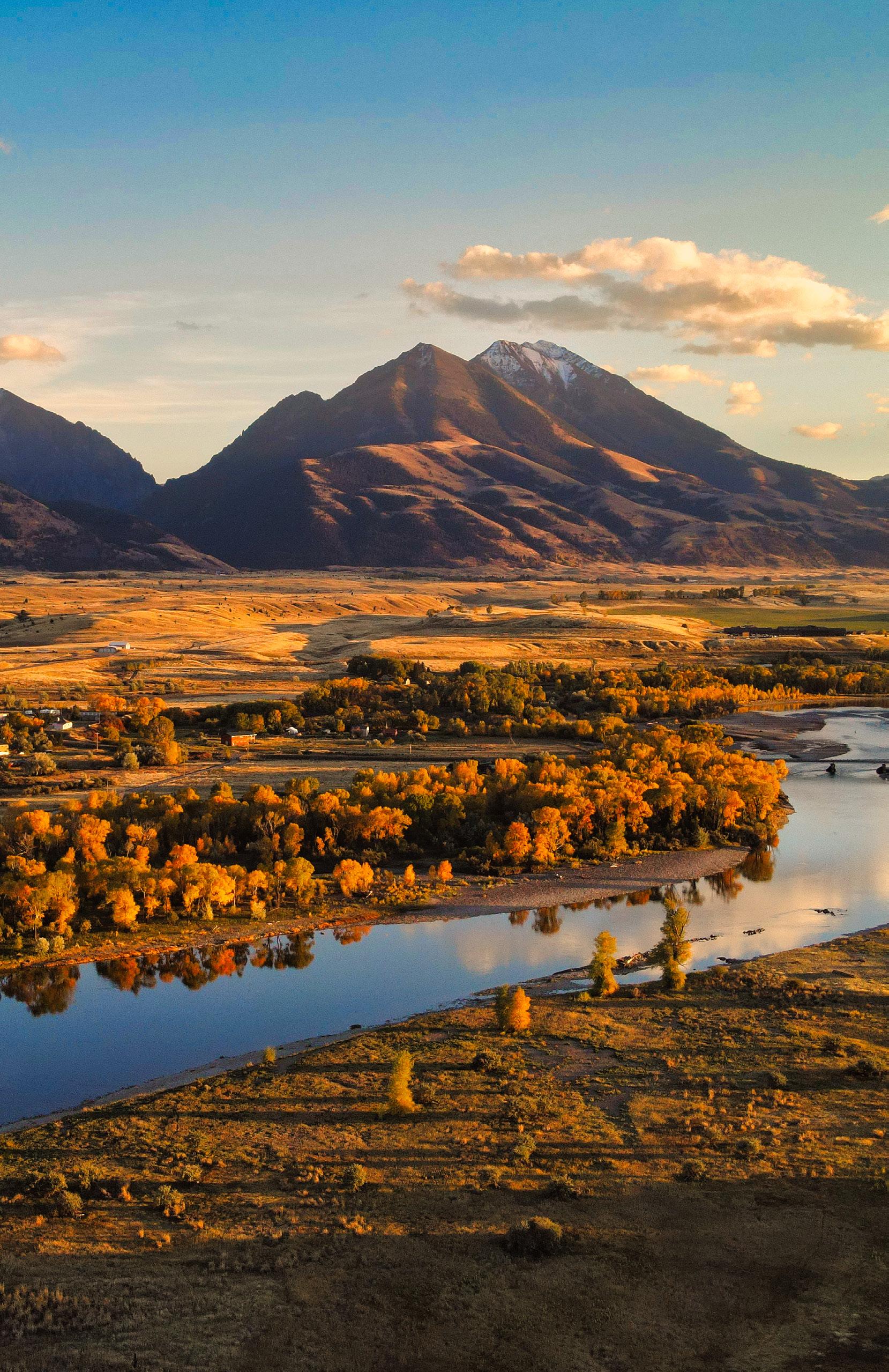
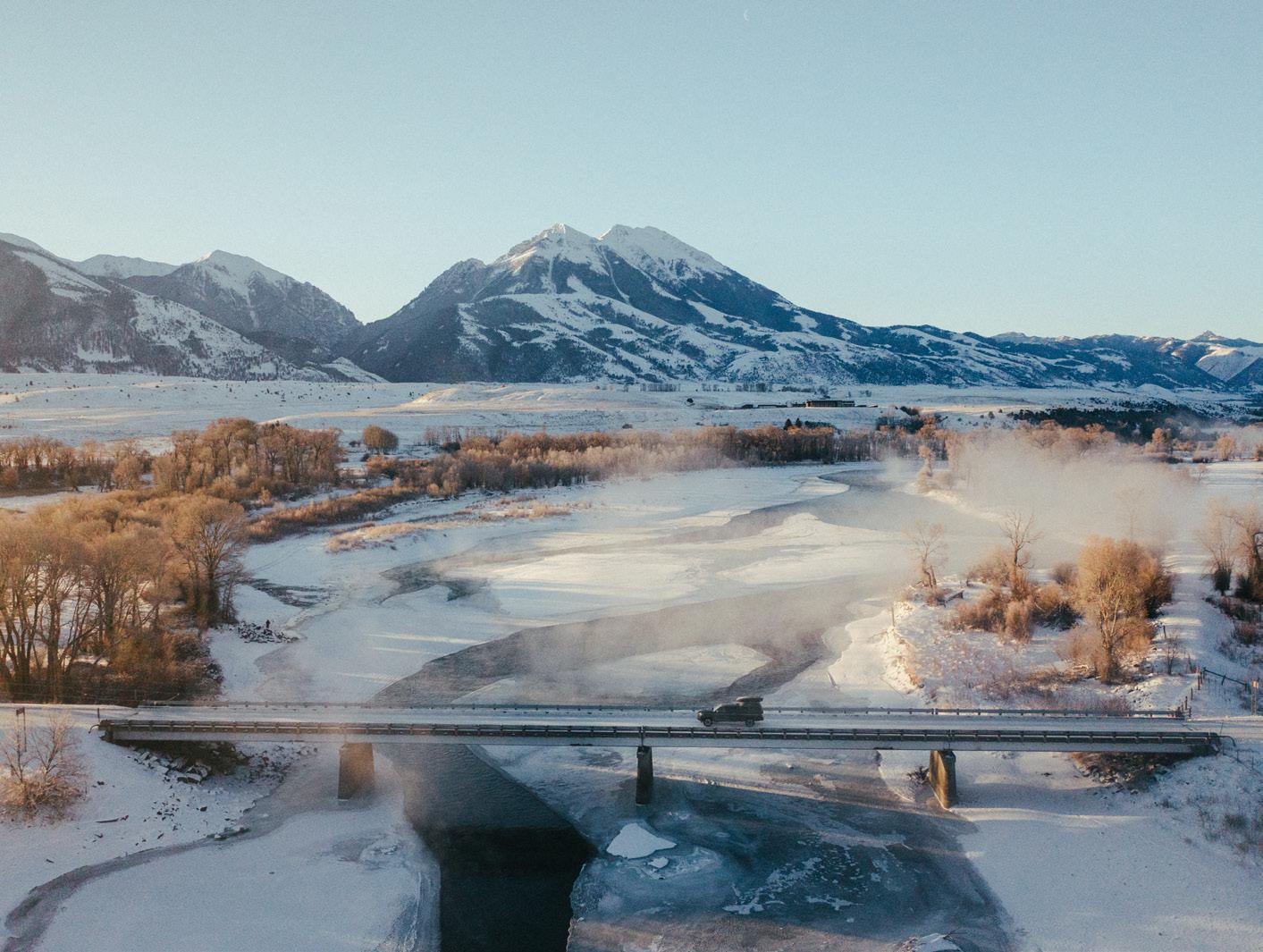
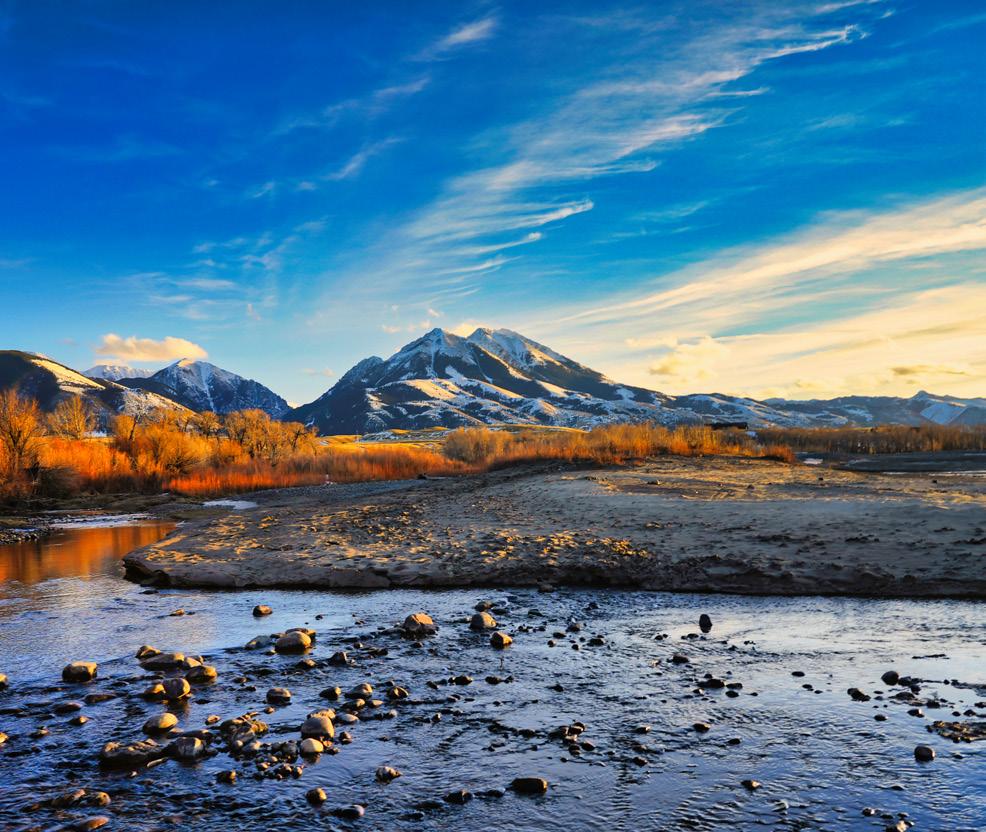
YELLOWSTONE RIVER, PARADISE VALLEY. ALYSSA HENRY
DRINKING HORSE MOUNTAIN TRAIL. ANDY AUSTIN
Land Acknowledgment
The Yellowstone Country region in Montana is a cultural heartland for all the Indigenous nations in Montana, Wyoming and Idaho. These historic and contemporary communities include the Tukudeka (Eastern Shoshone), Nank'haanseine'nan (Northern Arapaho), Séliš (Bitterroot Salish), Qlispé (Pend d’Oreille), Ktunaxa (Kootenai), Pikuni (Blackfeet), Tsistsis’tas (Northern Cheyenne), Apsáalooke (Crow), Nehiyawak (Cree), Chippewa-Cree, Little Shell Metis, Nakoda (Assinib oine), A’aninin (Gros Ventre), Dakota, Lakota, Banukwut (Shoshone-Bannock) and Nimiipuu (Nez-Perce).
Since time immemorial, Indigenous people have lived in Yellowstone Country, harvesting bison from the bountiful herds that migrated through Paradise Valley. These historic bison migration corridors stretched northward from Judith Gap in Central Montana and southward into the Yellowstone Plateau. The Native people of this region thrived by utilizing the abundance of bison, wild plants and lodgepole pine trees, establishing a unique and distinct way of life that has become synonymous with the iconic tipi dwelling.
Although each Tribal Nation in Yellowstone Country has its own language, customs and traditions, they all share the common heritage of this sacred landscape, which manifests itself through tribal song, dance, ceremony, star stories and much more. This region is the common-ground homeland to so many linguistically diverse communities, and it spawned one of the world’s first lingua franca sign languages: Plains Indian Sign Language.
All of the Indigenous communities that know Yellowstone Country as their homeland still maintain a connection to this sacred place, and their traditions are on full display every April at the Brick Breeden Fieldhouse on the campus of Montana State University, where the college’s American Indian Council hosts an annual intertribal powwow. The American Indian Council Powwow is a free event open and welcoming to the public. It commemorates and celebrates the shared traditions that come from Yellowstone Country and continue to endure across the region, state and nation.
Thank you to Dr. Shane Doyle, Apsáalooke, for writing these words for Montana’s Yellowstone Country
Kootenai
Assiniboine
Common Hunting Ground, 1855
A Sense of Place, A Story of People
Long before it had a name on a map, Yellowstone Country was home. For more than 12,600 years — since the time of the Anzick Clovis burial near Wilsall, one of the oldest known burials in North America — Indigenous peoples lived in and traveled through this landscape. They hunted, fished, gathered plants and obsidian, and honored the deep cultural and spiritual ties they still hold to this place. Today, 27 tribal nations maintain ancestral connections to the Yellowstone region.
12,600 Years
Those connections are being reclaimed and renewed. At Yellowstone’s Tribal Heritage Center near Old Faithful, Native artists, historians and cultural leaders share stories and traditions directly with the public — shaping a future that honors a much longer past.
1860
By the 1860s , miners and trappers were drawn here by the promise of gold in places like Cooke City, Red Lodge and Independence. Many stayed on, establishing farms and businesses that formed the backbone of new communities.
1805-1806
In 1805–1806 , the Lewis and Clark Expedition passed through what is now Yellowstone Country, mapping rivers and mountains and recording some of the first written accounts of this area. You can still visit one of their campsites at Missouri Headwaters State Park .
1872
In 1872 , Yellowstone was designated the first national park in the world , setting a global precedent for protecting wild places. A decade later, in 1882 , the Northern Pacific Railroad reached Livingston, transforming it into a bustling gateway to the park and helping establish tourism as a lasting part of the region’s identity.
1882
1903
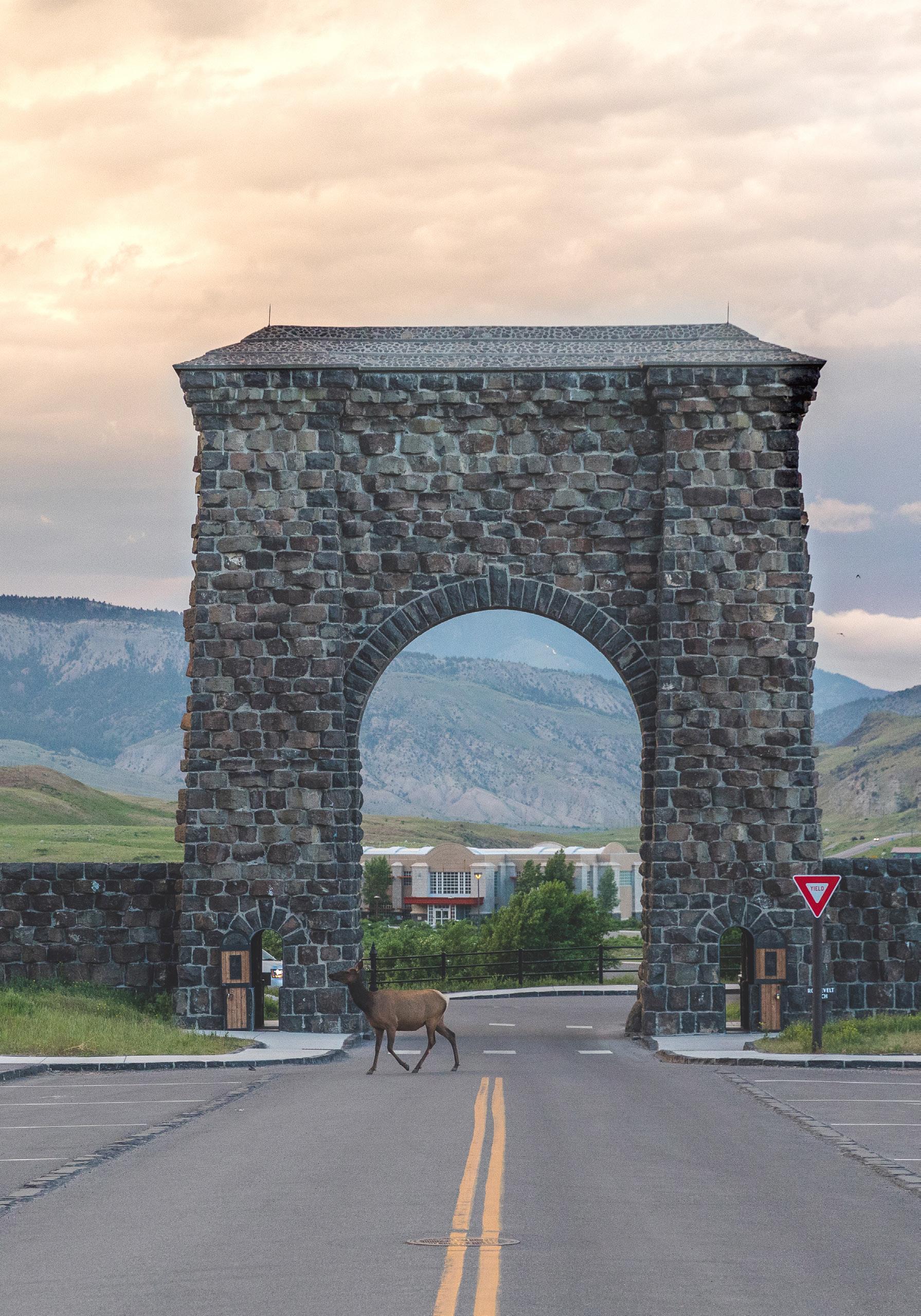
In 1903 , President Theodore Roosevelt laid the cornerstone of the Roosevelt Arch in Gardiner, inscribed with the words: “For the benefit and enjoyment of the people.”
1900
By 1900 , more than six million sheep grazed the valleys of Yellowstone Country. Big Timber became one of the country’s top wool-shipping centers, and ranching and agriculture became a way of life.
1936
In 1936 , the Beartooth Highway was completed, a high-altitude marvel that climbs to nearly 11,000 feet and winds through the Absaroka-Beartooth Wilderness. The region is home to more than 20 peaks over 12,000 feet, including Granite Peak , the highest in Montana.
Indigenous stewards, ranchers, artists, educators, entrepreneurs — Yellowstone Country has always drawn people who live with intention — people who care for the land, the stories and each other. And now, you’re one of them.
Our Rivers, Our Responsibility
In Yellowstone Country, water is more than a resource — it’s a lifeline. It flows through every part of our lives, nourishing food systems, sustaining wildlife, shaping the land and connecting communities.
Some of the nation’s most iconic rivers begin here — the Madison, Gallatin, Yellowstone, Stillwater, Rock Creek and Clark’s Fork. These rivers carve canyons, feed valleys and carry stories downstream.
What we do upstream matters. Every action ripples outward — touching ecosystems, neighbors and generations to come. Protecting these rivers starts with each of us.
“ We are down to the last river. We’ve shackled all the other great rivers in this country — the Columbia, the Colorado, the Missouri. The Yellowstone is worth saving if only to show what a free river looks like.”
–
Jim Pozewitz, Life Magazine, 1978
The Yellowstone is the Lower 48’s longest free-flowing river — no dams, just the rhythm of a river that still calls the shots.
YELLOWSTONE RIVER, PARADISE VALLEY. YELLOWSTONE PRODUCTIONS
Where Our Water Comes From
Our region’s water system starts in the mountains. Winter snowpack is our natural reservoir. As snow melts, it flows through forests, grasslands and towns — feeding rivers, recharging groundwater and supporting everything from wildlife to agriculture.
This snowmelt fuels both surface water (like rivers, streams and wetlands) and groundwater, which is stored in the porous spaces between rock and soil. Groundwater moves slowly but plays a critical role — keeping rivers flowing, wells sustained and ecosystems alive, especially during dry summer months.
Water is a shared resource. What begins here doesn’t stay here — it travels far beyond our region, touching lives and landscapes across the country.
WATERSHEDS + RIVER
What Is a Watershed?
A watershed is an area of land that drains into a common waterway — like a creek, stream or river. Yellowstone Country encompasses numerous watersheds, including the Yellowstone River watershed (approximately 45 million acres) and the Gallatin watershed (approximately 1.2 million acres). These basins supply drinking water, agricultural irrigation, wildlife habitat, and some of the best fishing and floating in the state.
RIPARIAN AREAS: THE STREAMSIDE BUFFER
Riparian areas are the lush strips of vegetation that line rivers, streams and wetlands. These zones play a critical role in:
+ Filtering pollutants before they reach the water
+ Preventing erosion by holding soil in place
+ Providing wildlife habitat and shade for fish
+ Storing water like a sponge, slowing down runoff and releasing cool, clean water during dry months
Riparian areas are some of the most biologically diverse ecosystems in Montana. Keeping them healthy and intact helps protect everything else downstream.
WHY IT MATTERS
+ Clean water depends on intact riparian vegetation
+ Cold-water fisheries thrive in shaded, healthy streams
+ Wildlife diversity increases near rivers and wetlands
+ Groundwater storage recharges wells and buffers communities during drought
+ Flood protection is stronger when rivers can spread out naturally
When we build too close to rivers, strip away vegetation or alter natural floodplains, we disrupt the river’s ability to flood and move — and the consequences ripple through the entire ecosystem.
MISSOURI HEADWATERS STATE PARK. TANNER LATHAM
Healthy vs. Unhealthy Rivers
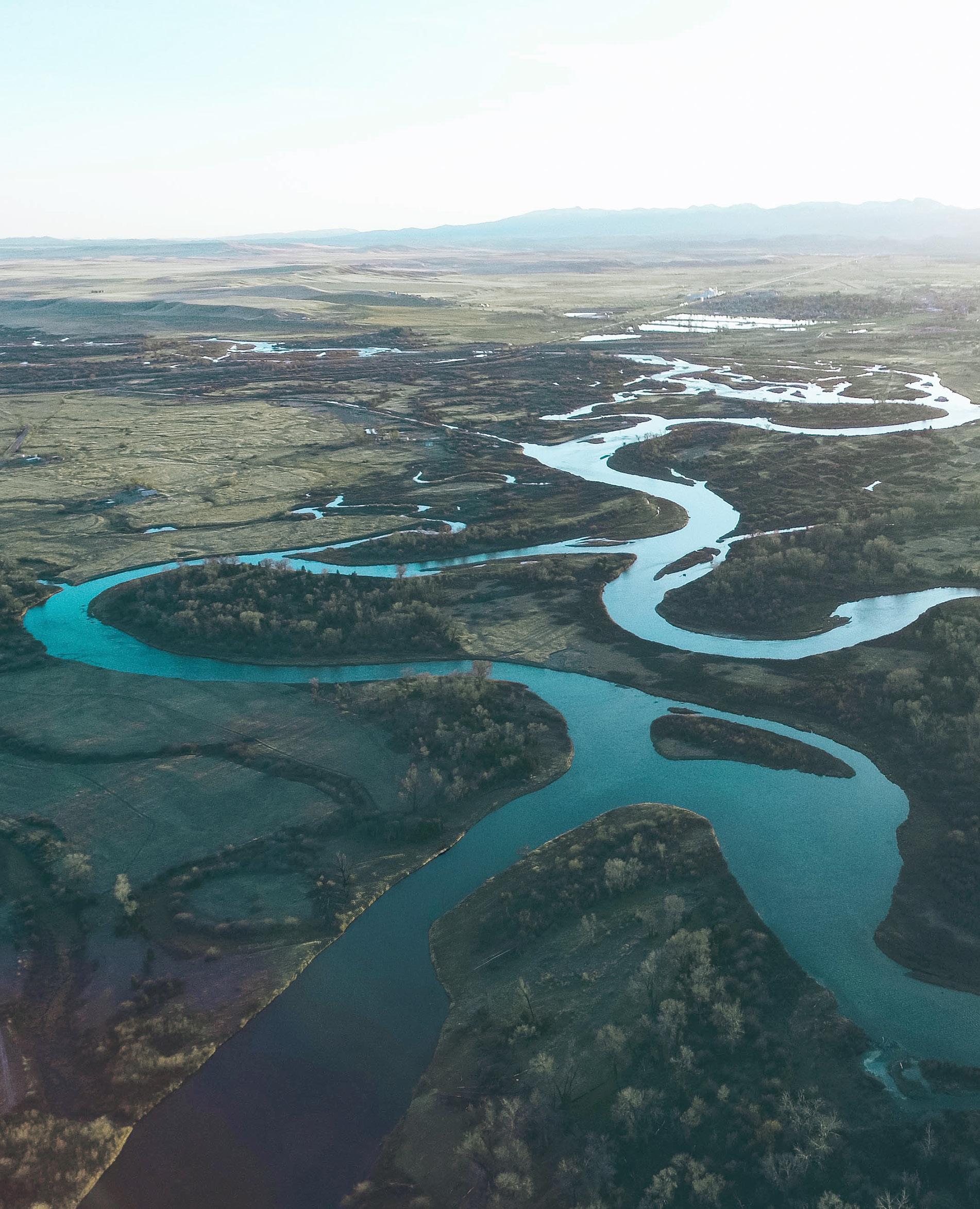
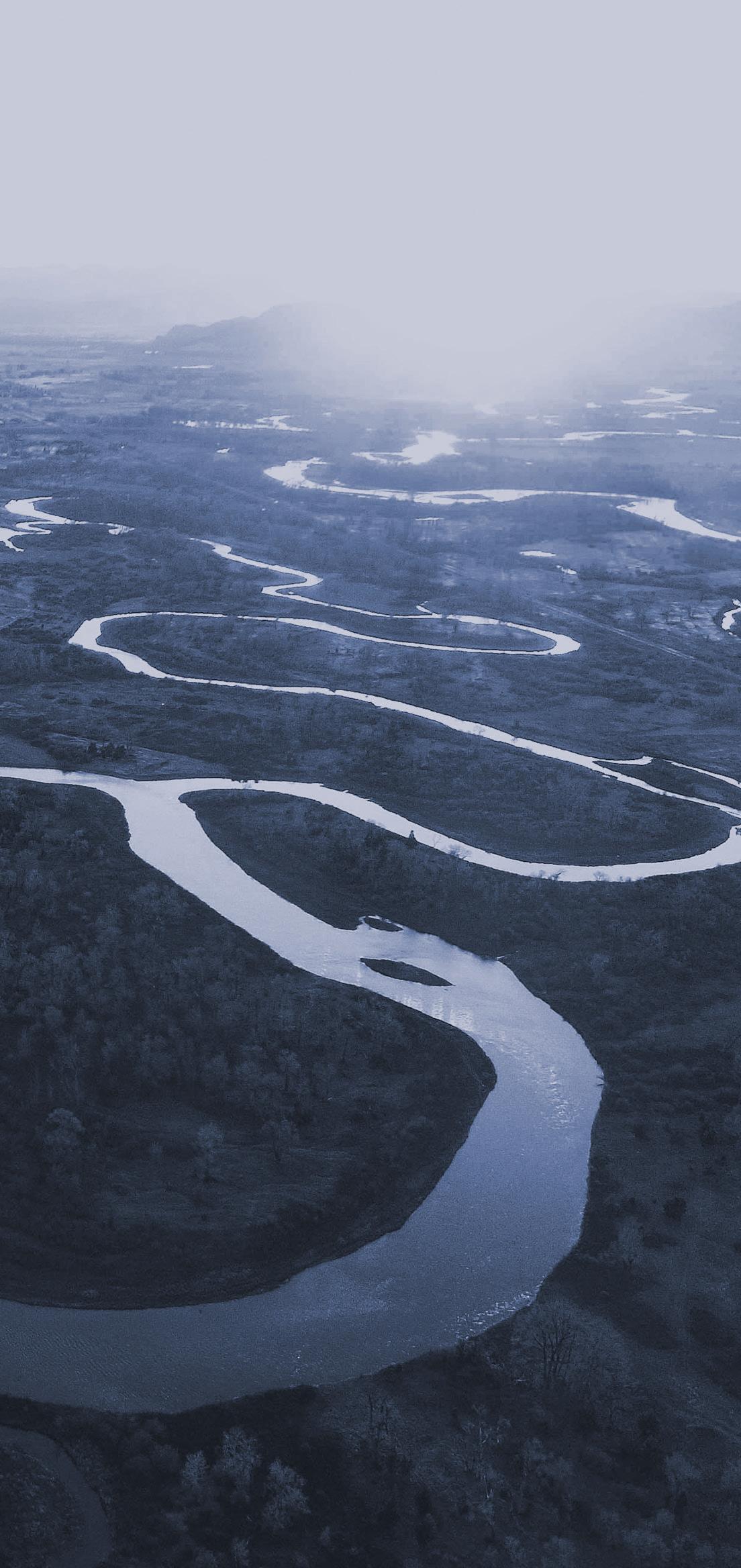
Rivers are meant to move. When they can flow naturally — shifting across floodplains, meandering through valleys — they support vibrant ecosystems, recharge groundwater and regulate temperatures. However, when rivers are confined by bank armor, development or riprap, they lose these functions and become more susceptible to erosion, flooding and ecological collapse.
Healthy River
Higher moisture availability creates e ective fuel breaks and refuge during res
Meadow hydrology, soils and vegetation are interdependent
High water table supports wet meadow vegetation and stream ow during low ow conditions or drought
mosaic of habitats
Wet meadow and riparian vegetation
Inundation during oods attenuates ood ows; allows for sediment and large woody debris deposition
Surface ow from snowmelt
Subsurface ow from snowmelt
Percolation and groundwater recharge
Bedrock
Diverse
HEALTHY RIVER
+ Connects to its floodplain
+ Releases and stores water during spring runoff
+ Keeps cool in summer thanks to riparian shade
+ Supports year-round fish and wildlife habitat
+ Slows runoff, reducing flood and drought impacts
UNHEALTHY RIVER
+ Is cut off from its floodplain
+ Can’t spread or slow down high flows
+ Erodes banks and worsens downstream flooding
+ Heats up in summer, harming trout and other cold-water species
+ Loses streamside vegetation and biodiversity
Unhealthy River
Disconnect of channel from meadow oodplain
Reduced percolation
Armored banklines erase streamside habitat and cause accelerated erosion upstream and downstream
Incised stream channel, increased sediment transport and degraded habitat
Reduced natural storage of water
Lowering of groundwater table
Reduced vegetation diversity, regeneration and productivity
Flood ows con ned to channel; no inundation during ood ows
Surface ow from snow melt
Compacted soil
Conifer encroachment
Bedrock
Taproot
FLOODPLAINS + DEVELOPMENT
Why Do Streams Need Space?
Flooding isn’t a failure — it’s part of how rivers work. When rivers have room to move, they recharge aquifers, create habitat and deposit nutrients on the land. But when we build in the wrong places, we put homes, roads and people in harm’s way.
KEY TERMS
+ Floodplain: Flat areas next to rivers that absorb floodwaters
+ Channel Migration Zones: Areas where rivers naturally shift course over time
+ Avulsion Hazard Zones: Areas where a river may suddenly change direction
+ Erosion Hazard Zones: Areas where riverbanks are likely to erode, threatening nearby land and structures
Building in these areas is dangerous. If you live in one of these zones, your home is more likely to be damaged by flooding and erosion than by fire over a 30-year mortgage.
BEFORE YOU BUILD OR BUY NEAR A RIVER
Check if your property is in a:
+ Floodplain
+ Channel Migration Zone
+ Erosion Hazard Area
These zones require extra permitting — and smart design decisions.
COMMON PERMITS
+ 310 Permit (County Conservation District) – Stream bed or bank work
+ 401 Certification (MT DEQ) – Water quality impacts
+ 404 Permit (U.S. Army Corps) – Wetland or stream fill
+ County Floodplain Permit – For building in the 100-year floodplain
Always check with your local city or county planning office for site-specific rules and support.
How Far Is Too Close?
Setbacks help protect rivers — and your home. These are minimum distances recommended to reduce flood damage, preserve habitat and support water quality.
RIVER SETBACK GUIDELINES
Stream Size Minimum Setback
Large rivers 300 feet
Medium streams 150 feet
Small streams 100 feet
These are not just ecological guidelines — they’re smart risk-reduction measures.
RESILIENCE + STEWARDSHIP
After the Flood
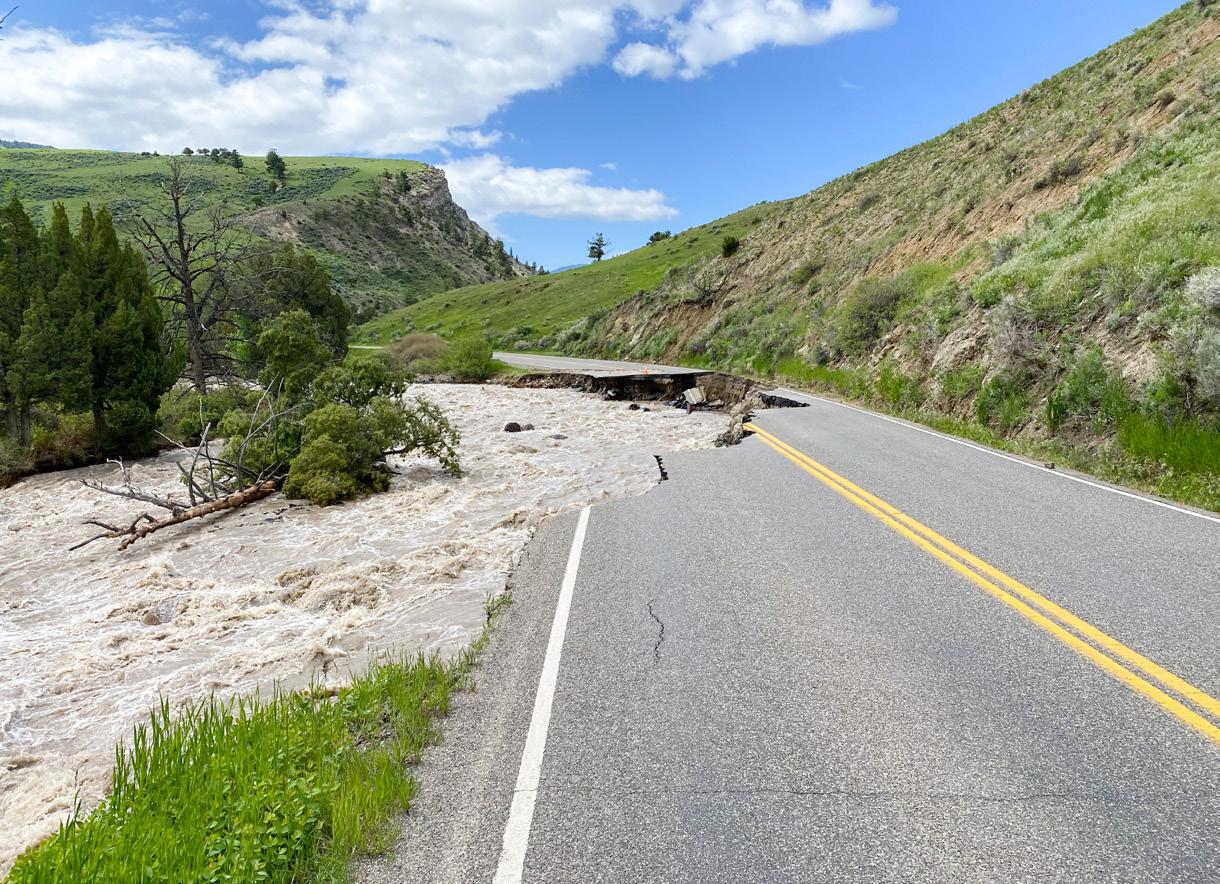
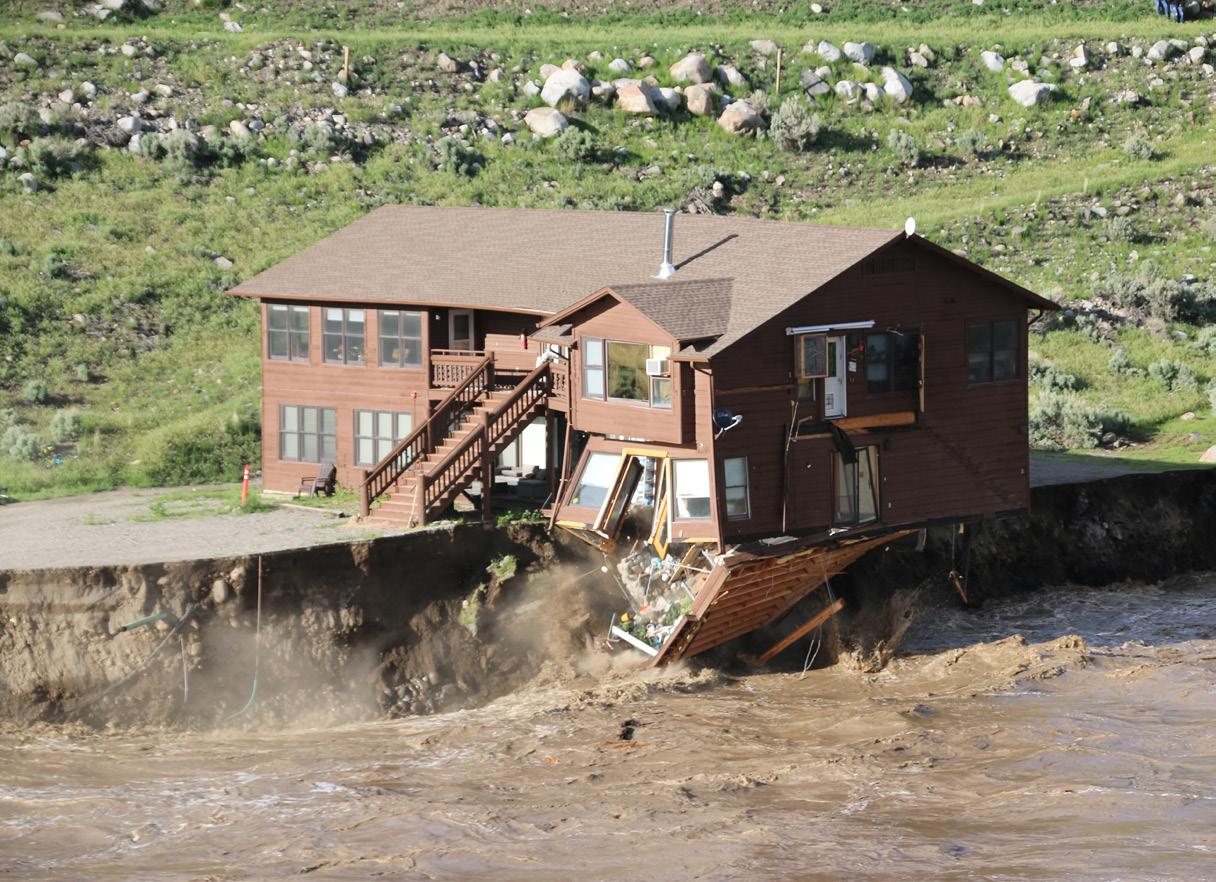
Floods are part of Montana’s natural cycle. In 2022, record flooding on the Upper Yellowstone damaged homes, roads and infrastructure, mostly in areas where development had occurred too close to the river.
After a flood, it’s tempting to “fix” the river with heavy equipment, rock and concrete. But clearing large wood, armoring banklines or reshaping streams can do more harm than good. It increases instream risks and degrades fish and wildlife habitat.
If you’ve experienced flood damage, talk to a biologist, hydrologist or restoration expert before altering a stream.
The best protection? Avoid building in flood- or erosion-prone areas in the first place .
HOW TO INCREASE YOUR STREAM’S RESILIENCE
ACTIONS YOU CAN TAKE
+ Let rivers reconnect with their floodplains.
+ Maintain wide, vegetated riparian buffers.
+ Avoid concrete, riprap or hard surfaces near water.
+ Clear culverts and size them properly.
+ Use native plants with deep roots to stabilize soil.
These steps not only protect fish and wildlife but also reduce the impacts of floods and droughts .
STILLWATER RIVER, BEEHIVE. KADEN HARRISON
Residential River Stewardship: Best Practices
FOR HOMEOWNERS + URBAN PROPERTIES
+ Direct stormwater runoff away from rivers.
+ Keep pet waste and lawn clippings out of waterways.
+ Use fertilizers and herbicides as directed and sparingly.
+ Maintain healthy riparian vegetation.
+ Service your septic system regularly.
RIPARIAN BUFFERS — WHAT’S ENOUGH?
Buffer Width Benefit
30–50 feet Provides shade and cools stream temps
100 feet Filters most sediment
150 feet Filters nutrients and pollutants
200–300 feet Supports wildlife and prevents erosion
(See recommendations on page 15.)
AGRICULTURAL BEST PRACTICES NEAR STREAMS
Ranchers and farmers play a vital role in protecting water quality and stream health. These practices help reduce erosion, improve forage and keep waterways clean for wildlife, recreation and downstream users:
+ Fence livestock away from streams.
+ Use off-stream water sources.
+ Develop hardened stream crossings or water gaps.
+ Improve irrigation management to reduce runoff.
+ Practice rotational grazing and biological weed control.
+ Maintain or plant riparian buffers.
These strategies benefit both operations and ecosystems — improving drought resilience, soil health and long-term productivity.
ADDITIONAL RESOURCES
+ Montana Freshwater Partners (MFP)
+ Montana Fish, Wildlife & Parks (FWP)
+ Montana Department of Natural Resources & Conservation (DNRC) Stream Permitting Guide
BOZEMAN. ANNA SMIDT
INTRODUCTION + WHO LIVES HERE
Sharing Space With Wildlife
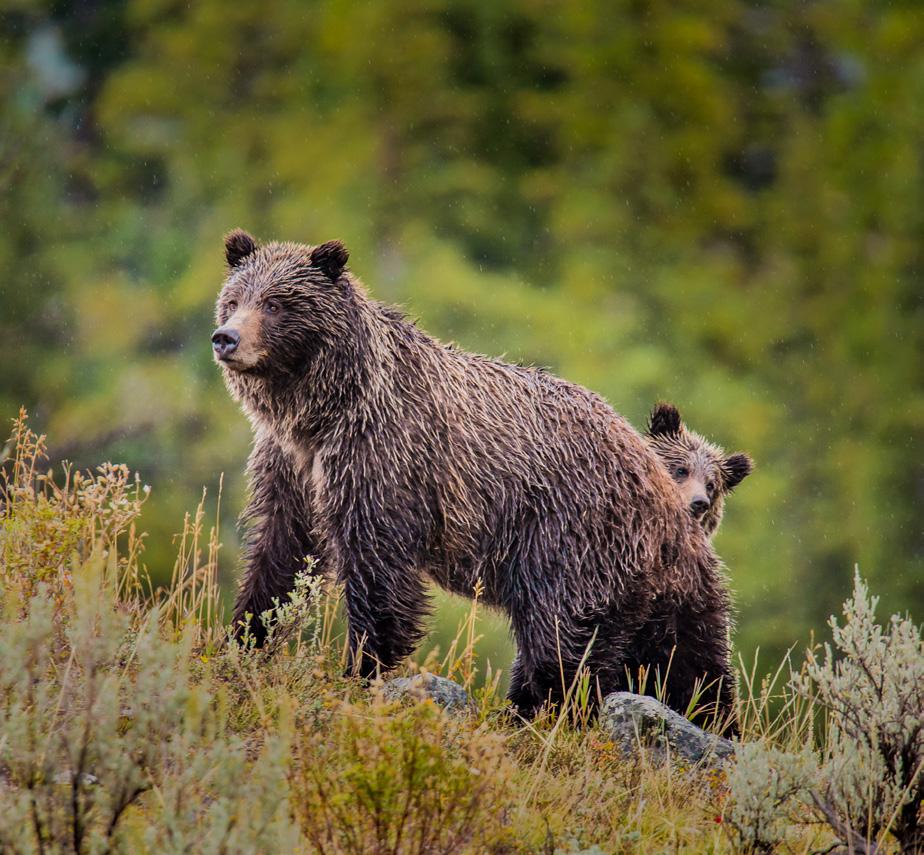
The Greater Yellowstone Ecosystem is home to the highest concentration of wildlife in the Lower 48 — and Montana’s Yellowstone Country is part of that living system. From bears and bison to moose, wolves, elk and otters, wildlife isn’t just something we see here – it’s part of what makes this place home.
Living here means living among wild animals. It’s not about avoiding them — it’s about coexisting with care, minimizing conflict and making choices that keep people and wildlife safe.
WHO LIVES HERE?
The list is long, but here are just a few of the animals that call this region home:
Each of these species plays a role in the ecosystem — and many rely on private land and open space for survival, especially during seasonal migrations.
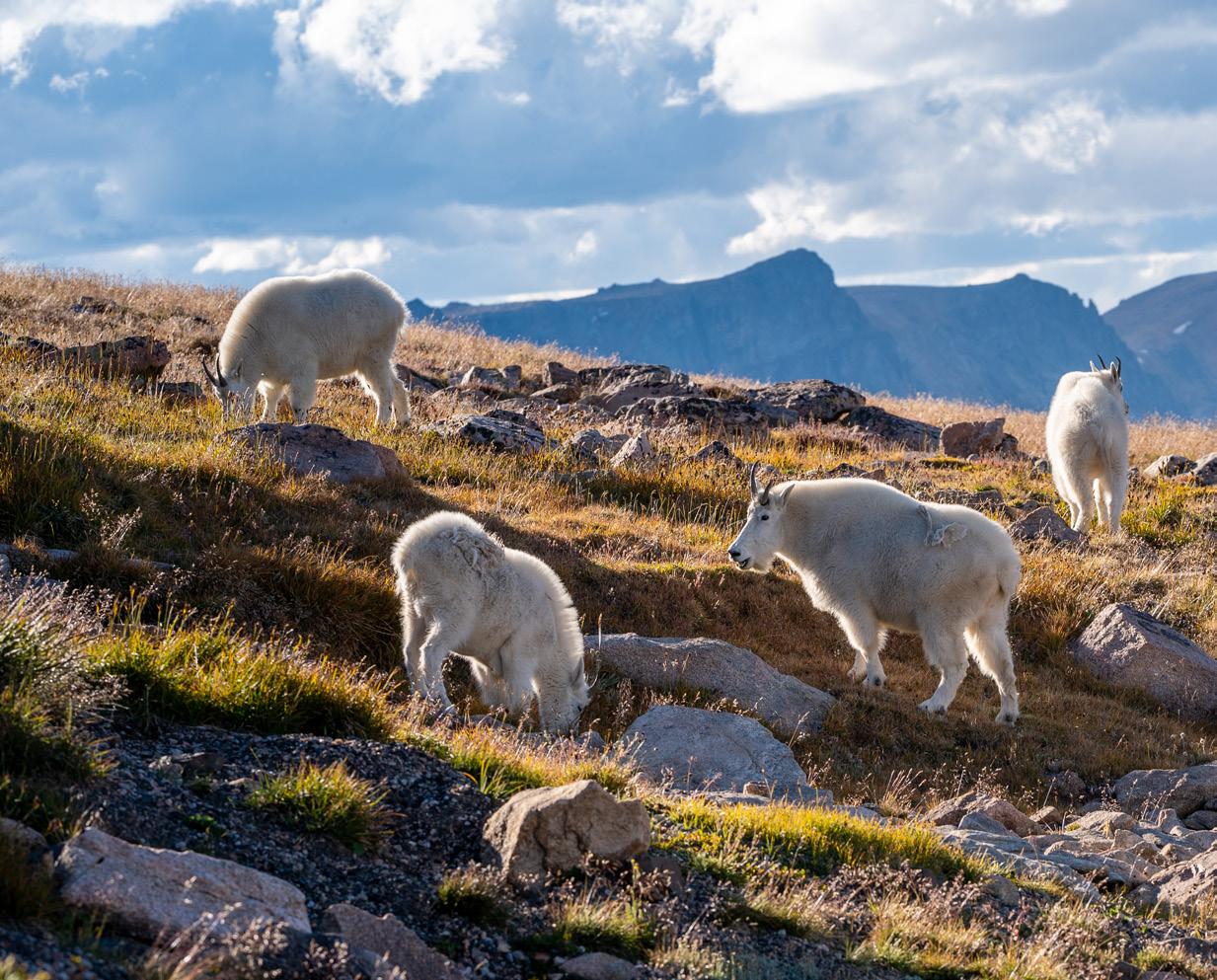
MOUNTAIN GOATS. KADEN HARRISON
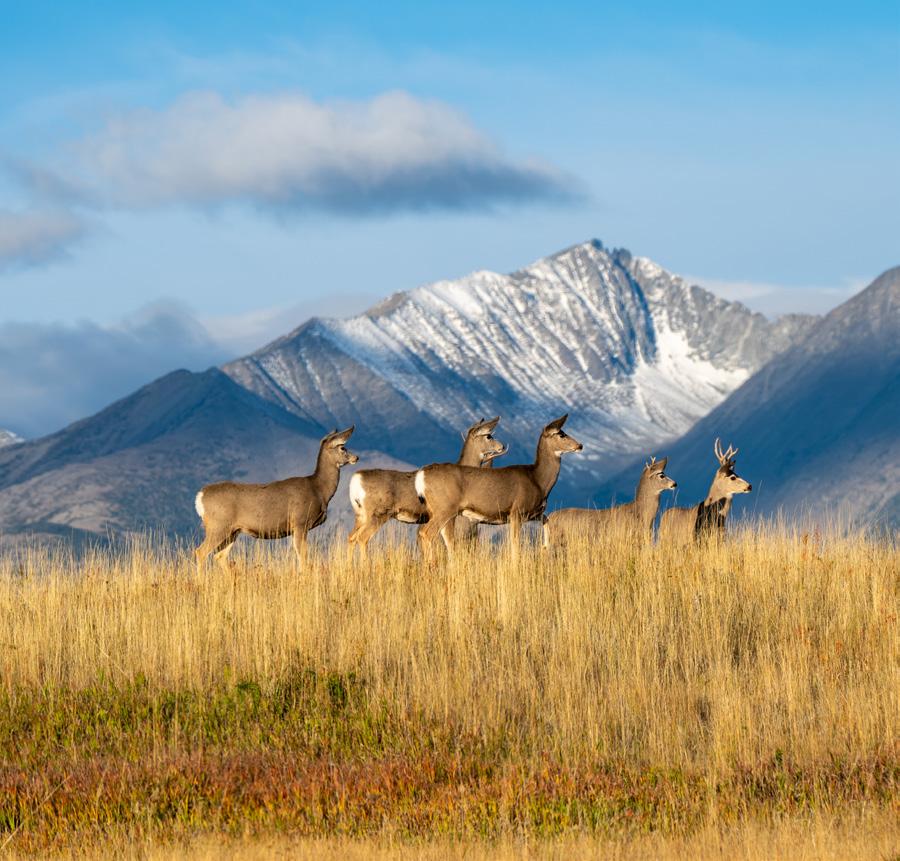
WHITE-TAILED DEER. LORETTA HURLEY
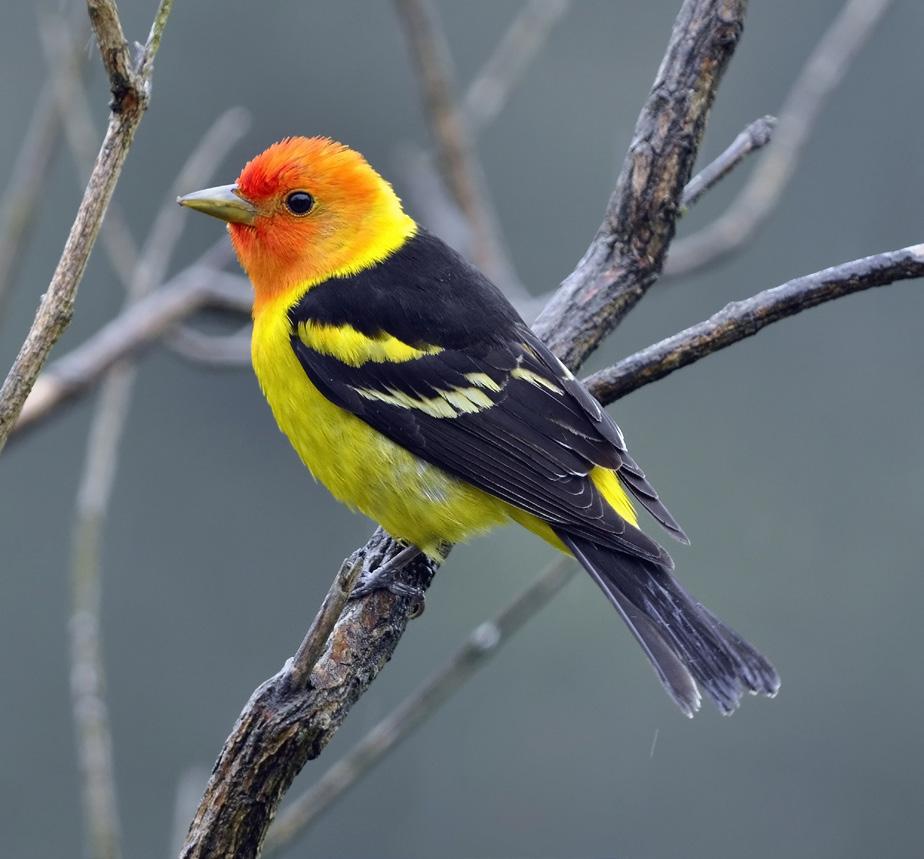
WESTERN TANAGER
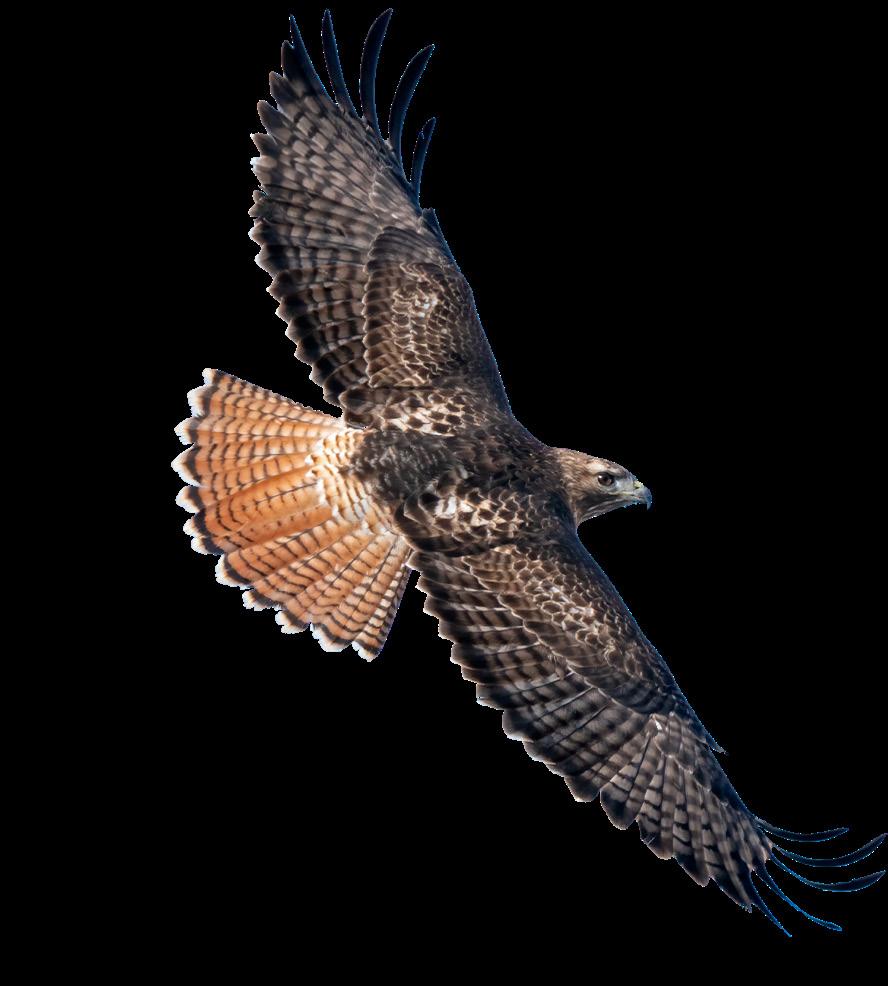
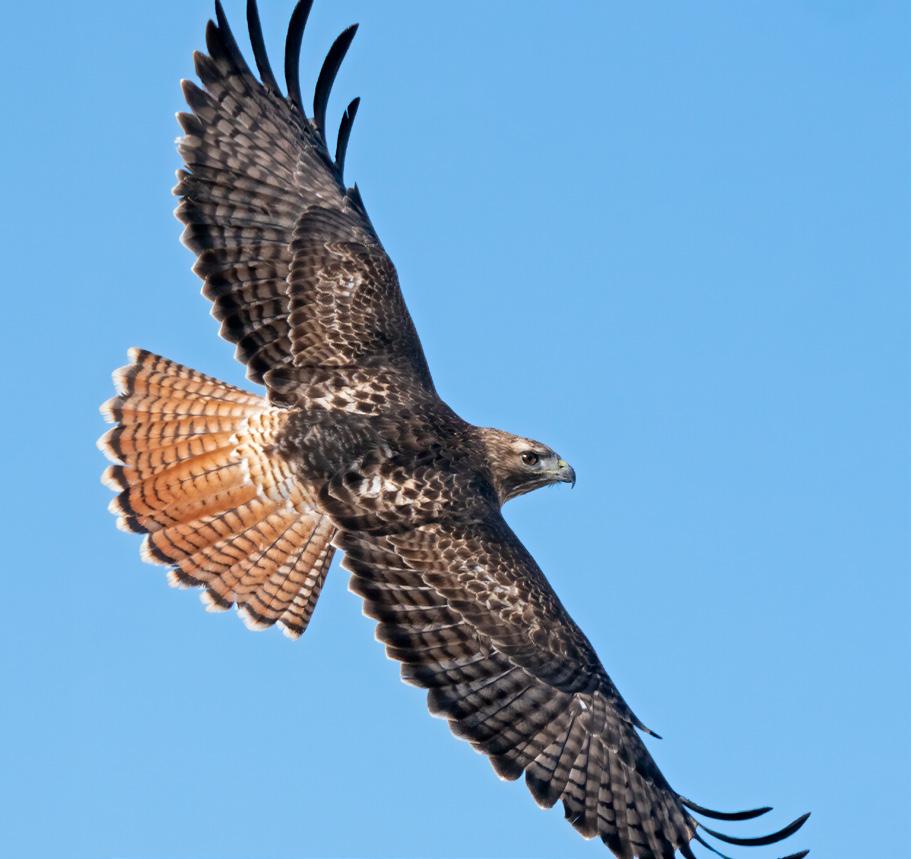
GRIZZLY BEAR. SETH ROYAL KROFT RED-TAILED HAWK
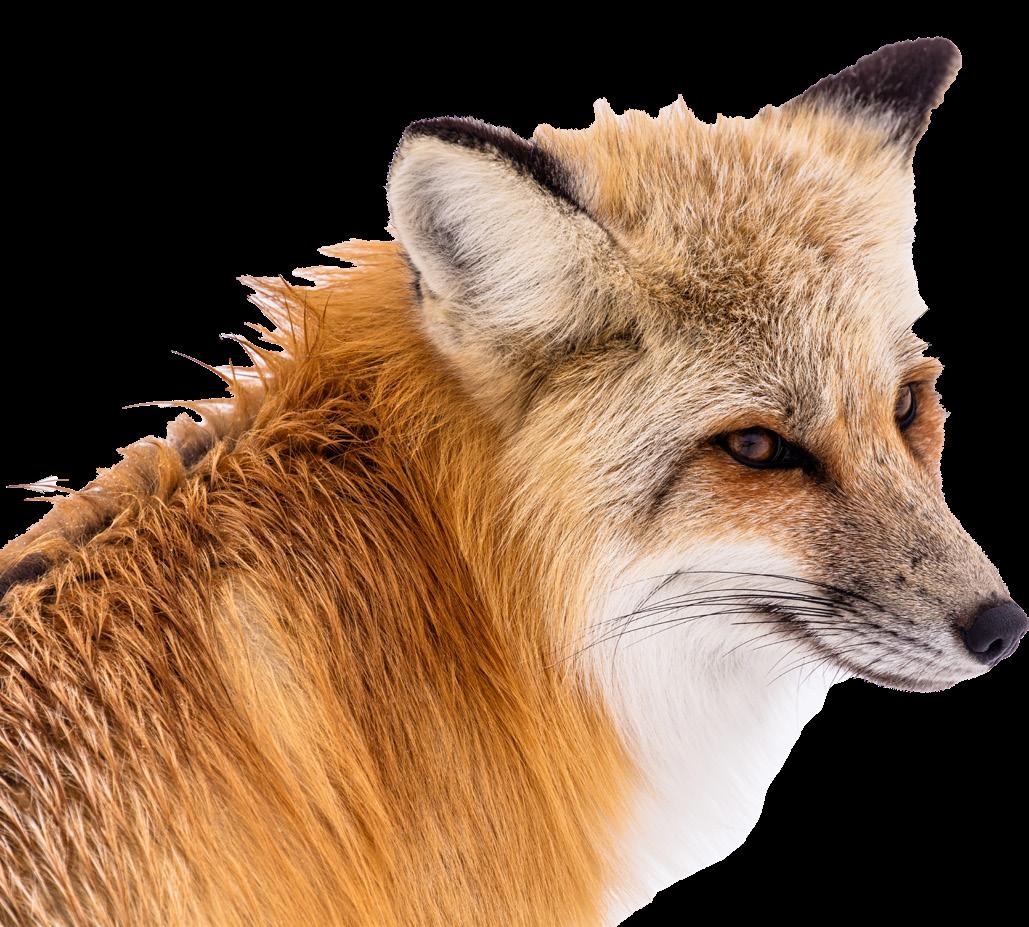
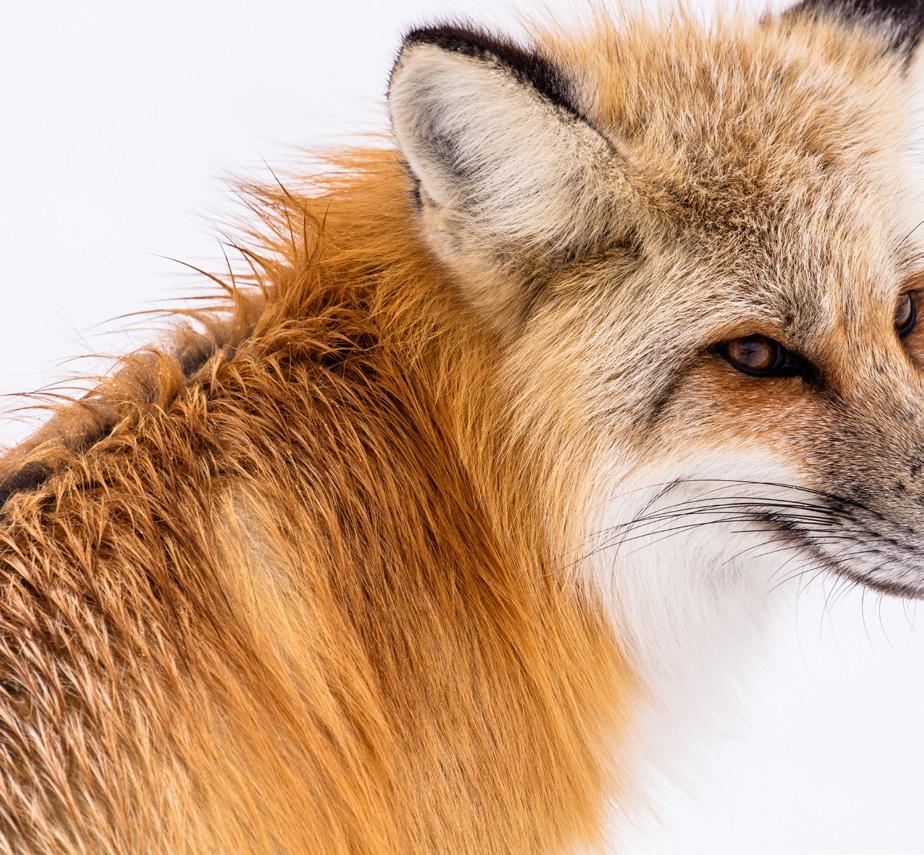
FOX. NPS/JACOB W. FRANK
How to Live With Wildlife
+ Never feed wildlife. Not birds. Not squirrels. Not bears. Feeding habituates animals to humans, which in turn can be dangerous to both humans and the animals themselves.
+ Give animals space. Stay at least:
+ 100 yards from bears and wolves (8 school bus lengths)
+ 25 yards from all other wildlife (2 school bus lengths)
+ Always carry bear spray (and know how to use it) when hiking or recreating outdoors.
+ Store attractants securely:
+ Use bear-resistant trash cans.
+ Keep coolers, pet food, birdseed and grills inside.
+ Feed pets outdoors only during the day and clean up after them.
+ Avoid using bird feeders during bear season
SEASONAL AWARENESS
Moose are very protective of their calves and will charge; do not
Bears are most active in spring and fall; don’t surprise them — make noise on the trail.
Deer and elk can behave aggressively during the rut and
Snakes and other small animals are more active in warm months.
Being aware of your surroundings — and knowing who you share space with — is key to preventing conflict.
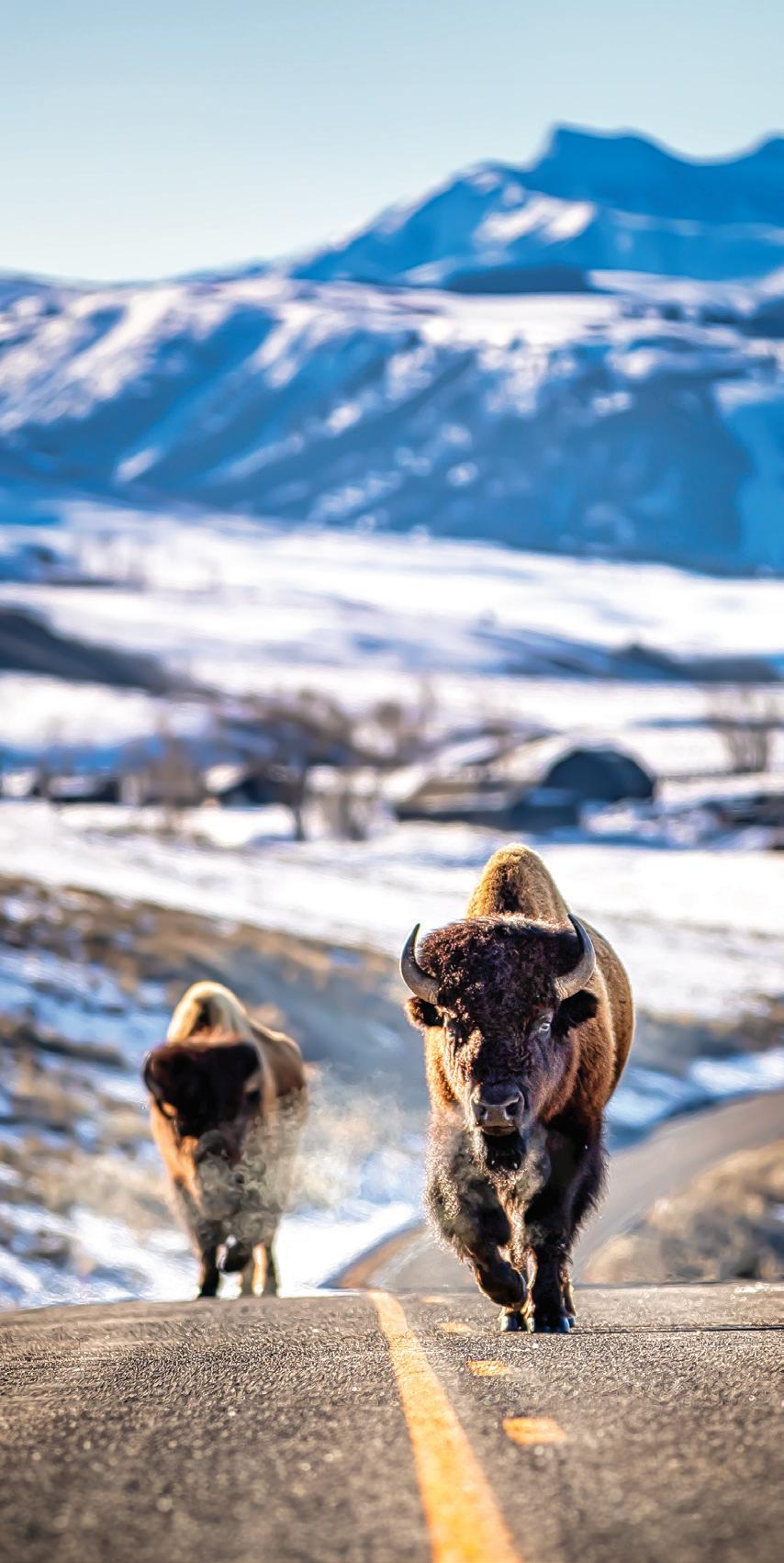
BISON. KEVIN NOBEL
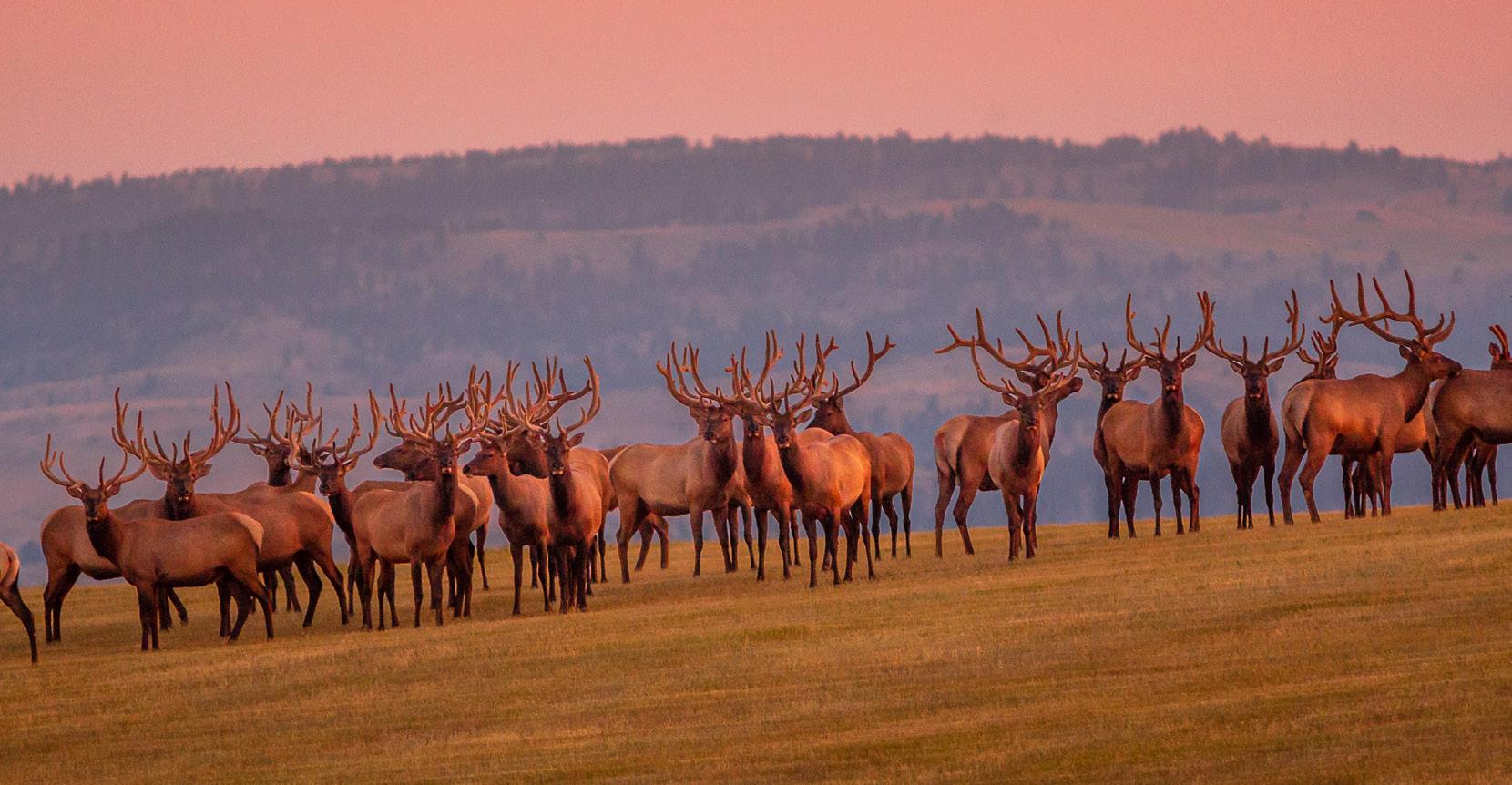
ELK. MERV COLEMAN
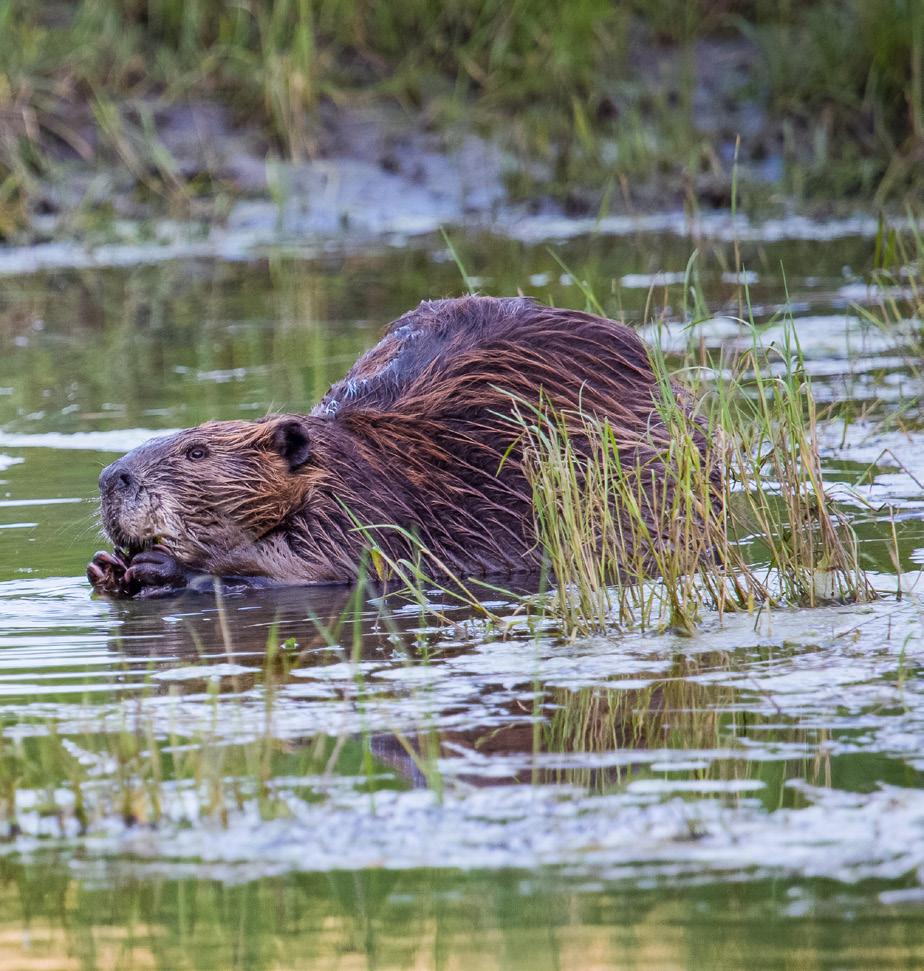
BEAVER. NPS/NEAL HERBERT
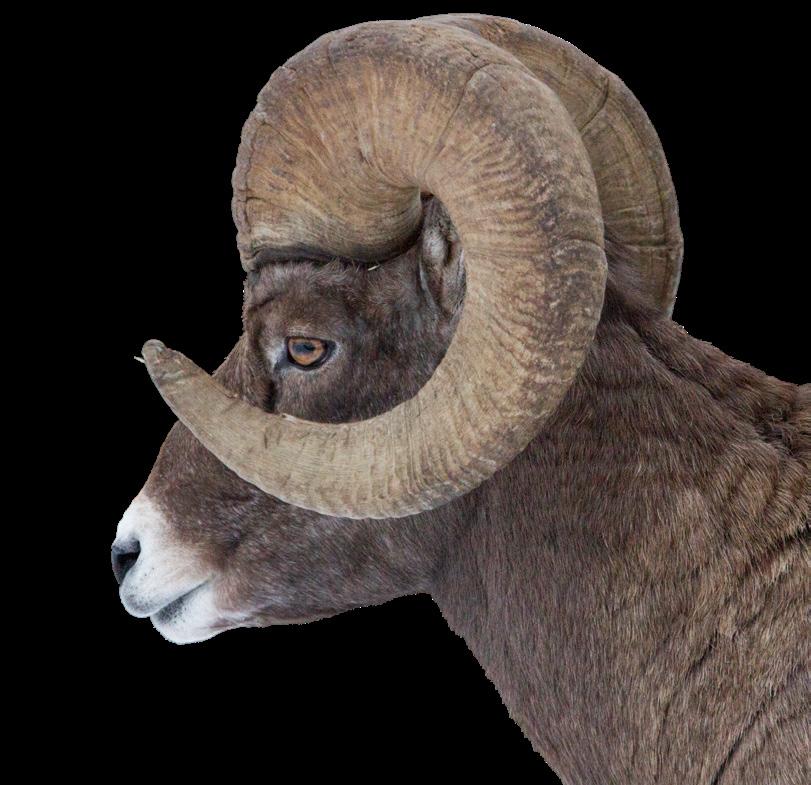
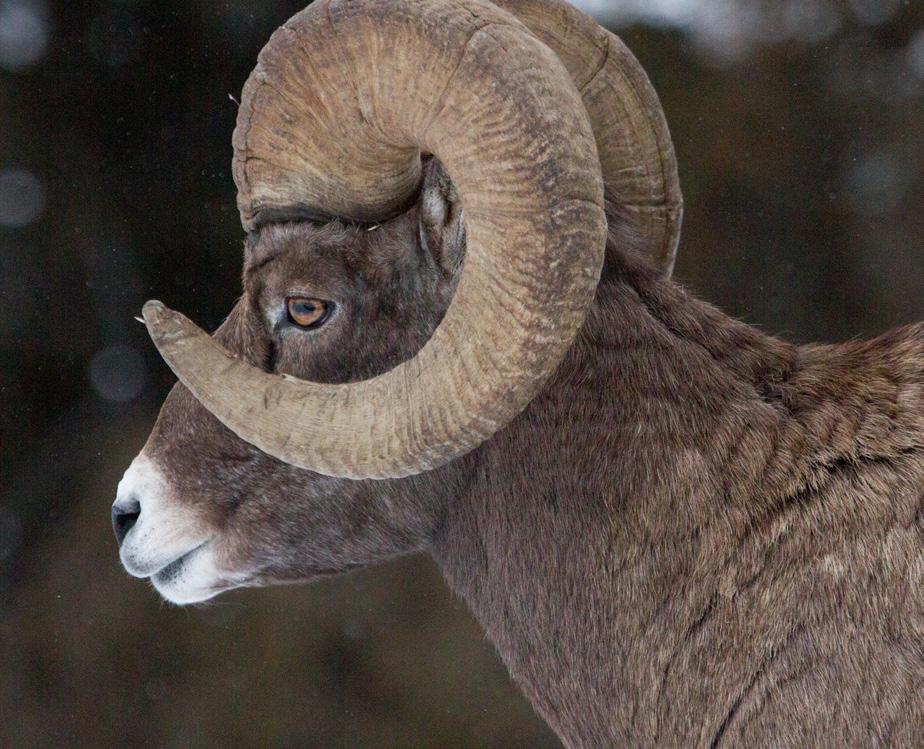
BIGHORN SHEEP. NPS/NEAL HERBERT
WILDLIFE ON THE MOVE
Roads + Fences
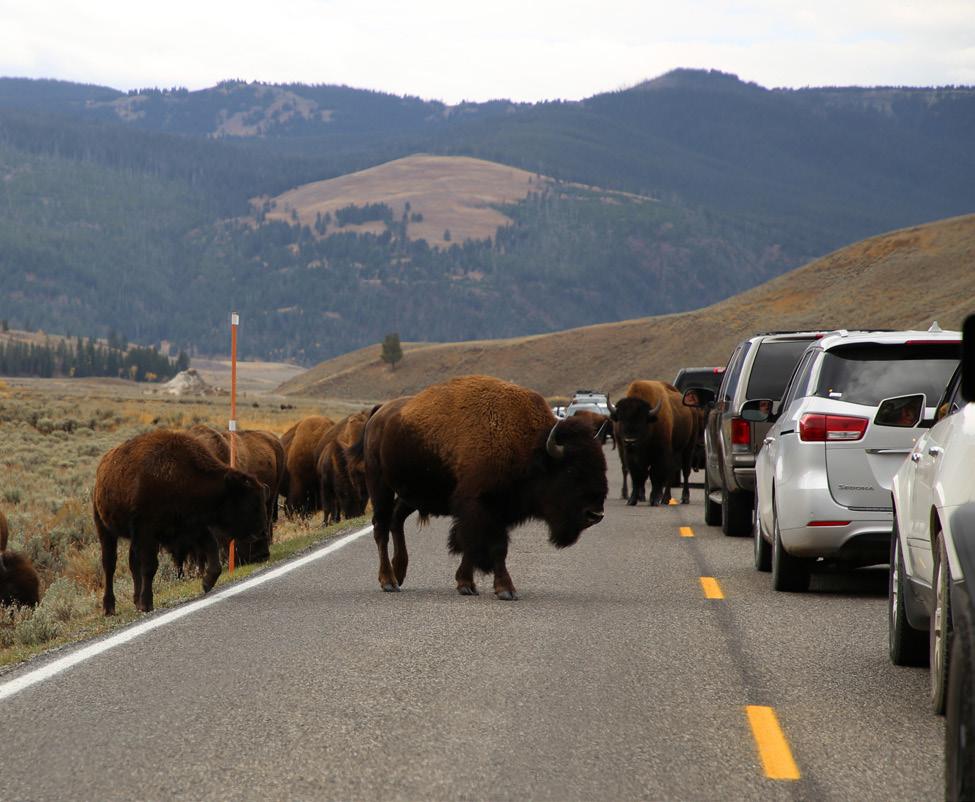
Our roadways cross migration corridors and prime habitat. Animals follow food, water and instinct — not fences or signs. Wildlife–vehicle collisions are most common from dusk to dawn.
TO REDUCE YOUR RISK
+ Slow down in wildlife corridors and rural areas.
+ Stay alert — if you see one animal, there may be more.
+ Watch other drivers — flashing headlights and brake lights often mean animals are ahead.
+ If you hit an animal, call the local sheriff’s office or non-emergency number.
A little extra caution can prevent tragedy — for wildlife and for people.
BISON. REID RAMSAY
ELK. ANDY AUSTIN
Let Them Cross: Wildlife-Friendly Fencing
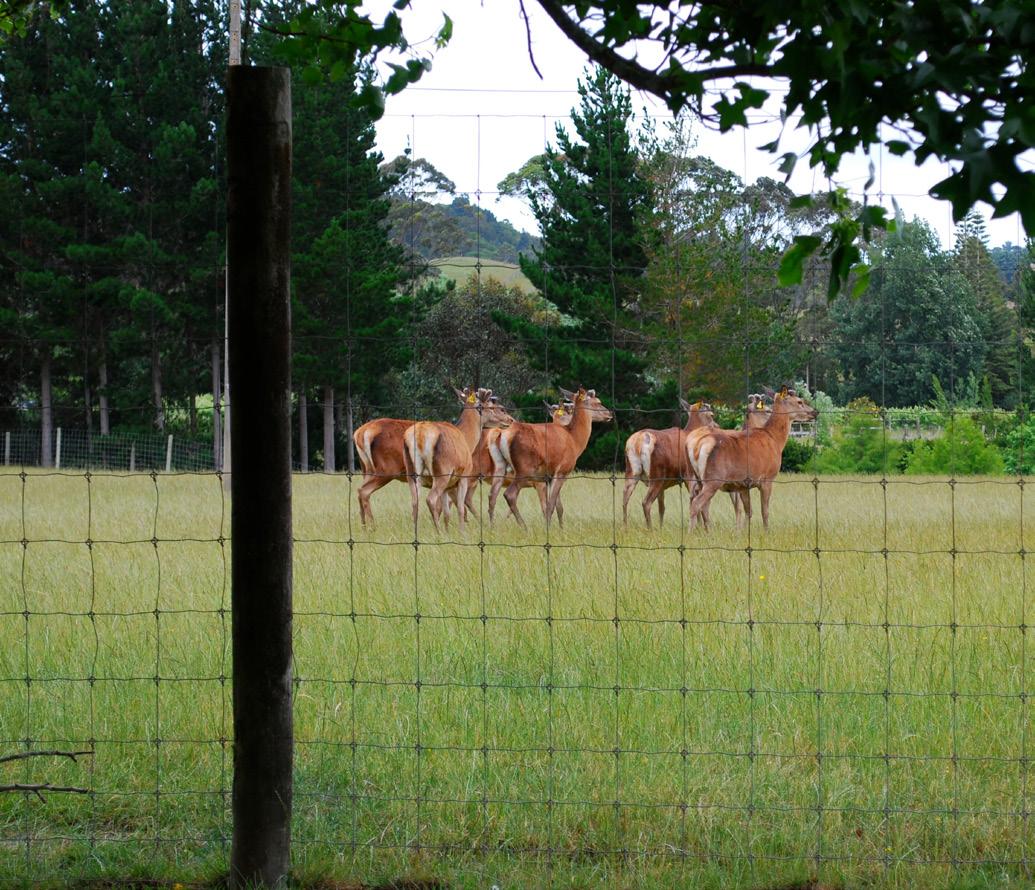
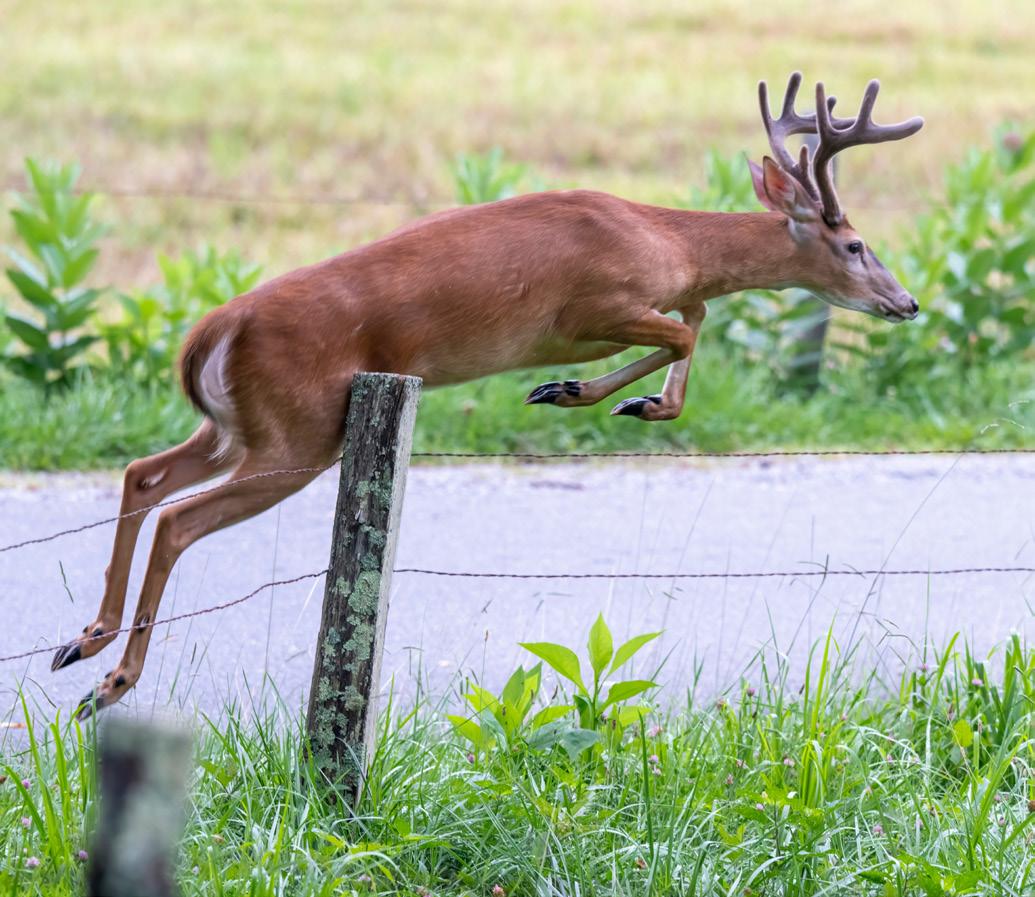
Fences may be necessary for livestock or property lines, but traditional fencing can be deadly to migrating animals — causing injury or entanglement, or even blocking access to habitat and water.
PROBLEM FENCES
+ Too high to jump (over 40”)
+ Too low to crawl under (under 16”)
+ Wires spaced too closely or poorly maintained
+ Nearly invisible to running animals
+ Full perimeter fences without wildlife gaps
+ Fencing that no longer serves a purpose
BETTER FENCES
+ No higher than 40”
+ Bottom wire 16–18” off the ground
+ Smooth or flagged top wire for visibility
+ Seasonal or lay-down fencing (use when possible)
Many landowners in Yellowstone Country are modifying fences to help restore historic migration routes — especially in Paradise Valley and Madison Valley.
BEAVERS, FISHERIES + STEWARDSHIP
Leave It to the Beavers
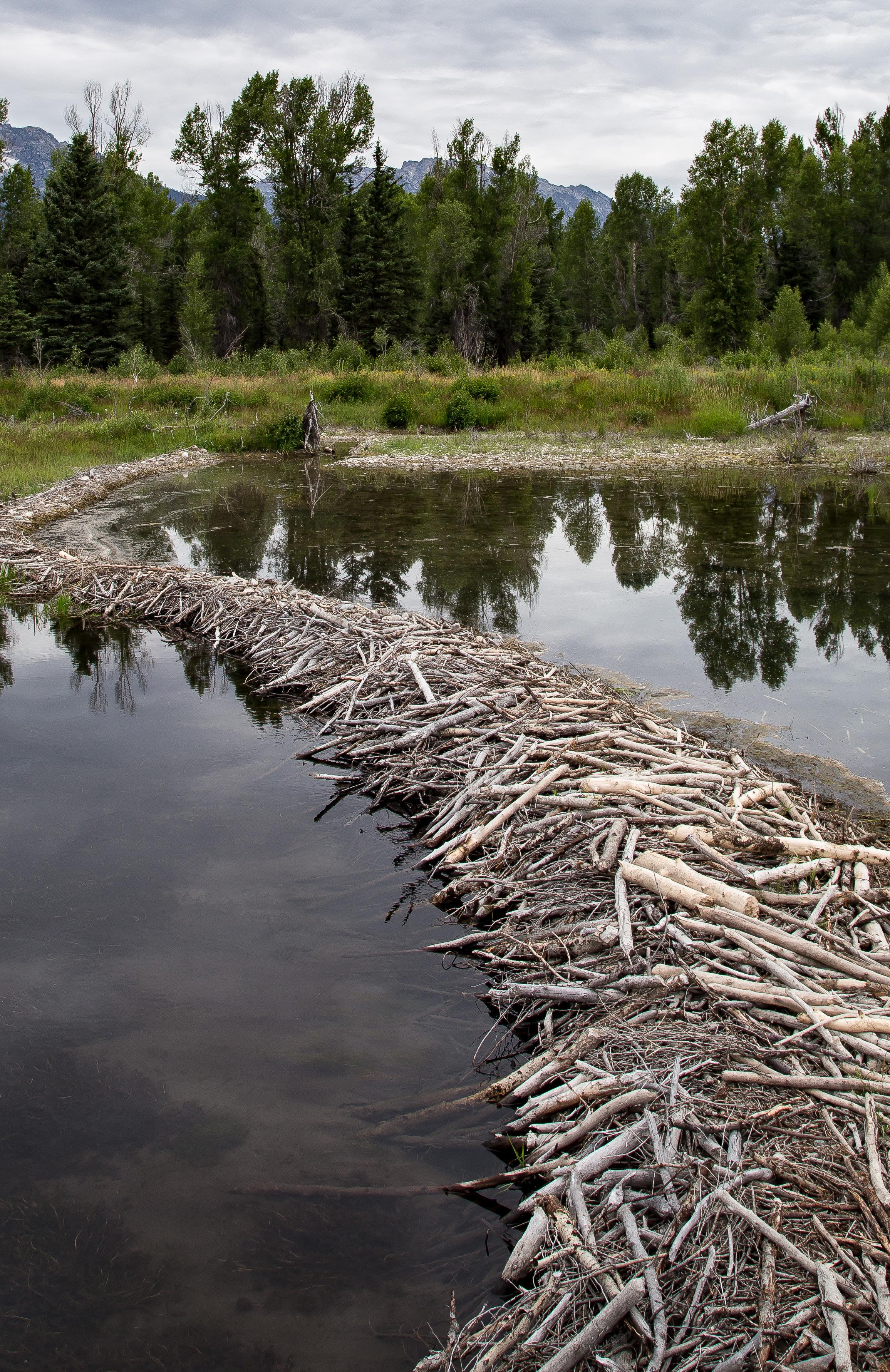
Once nearly extinct due to the fur trade, beavers are back — and that’s good news. Beavers are natural engineers that create habitat, slow water and help landscapes adapt to drought and flooding.
WHY THEY MATTER
+ Dams slow water, creating wetlands and boosting groundwater recharge.
+ Their work supports fish, amphibians, birds and riparian plants.
+ They build natural drought and flood resilience into watersheds — no machinery needed.
Beaver activity can sometimes conflict with land use; when this occurs, several actions are available to the landowner.
NEED HELP?
The Beaver Conflict Resolution Program helps landowners working with, not against, beavers. Beaver Conflict Resolution Program hotline number: 406.393.5557
BEAVER DAM.
Be a Good Wildlife Neighbor
+ Keep garbage, compost and food secure.
+ Use electric fencing for vulnerable livestock or beehives.
+ Plant native vegetation instead of using bird feeders in bear season.
+ Don’t let dogs chase or harass wildlife.
+ Respect seasonal closures and stay on marked trails.
+ Pick fruit promptly from trees and clean up windfall.
+ Talk to your neighbors about prevention strategies.
Living here means sharing space. With a few thoughtful steps, we can keep wildlife wild — and keep ourselves safe in the process.
Protecting Our Fisheries
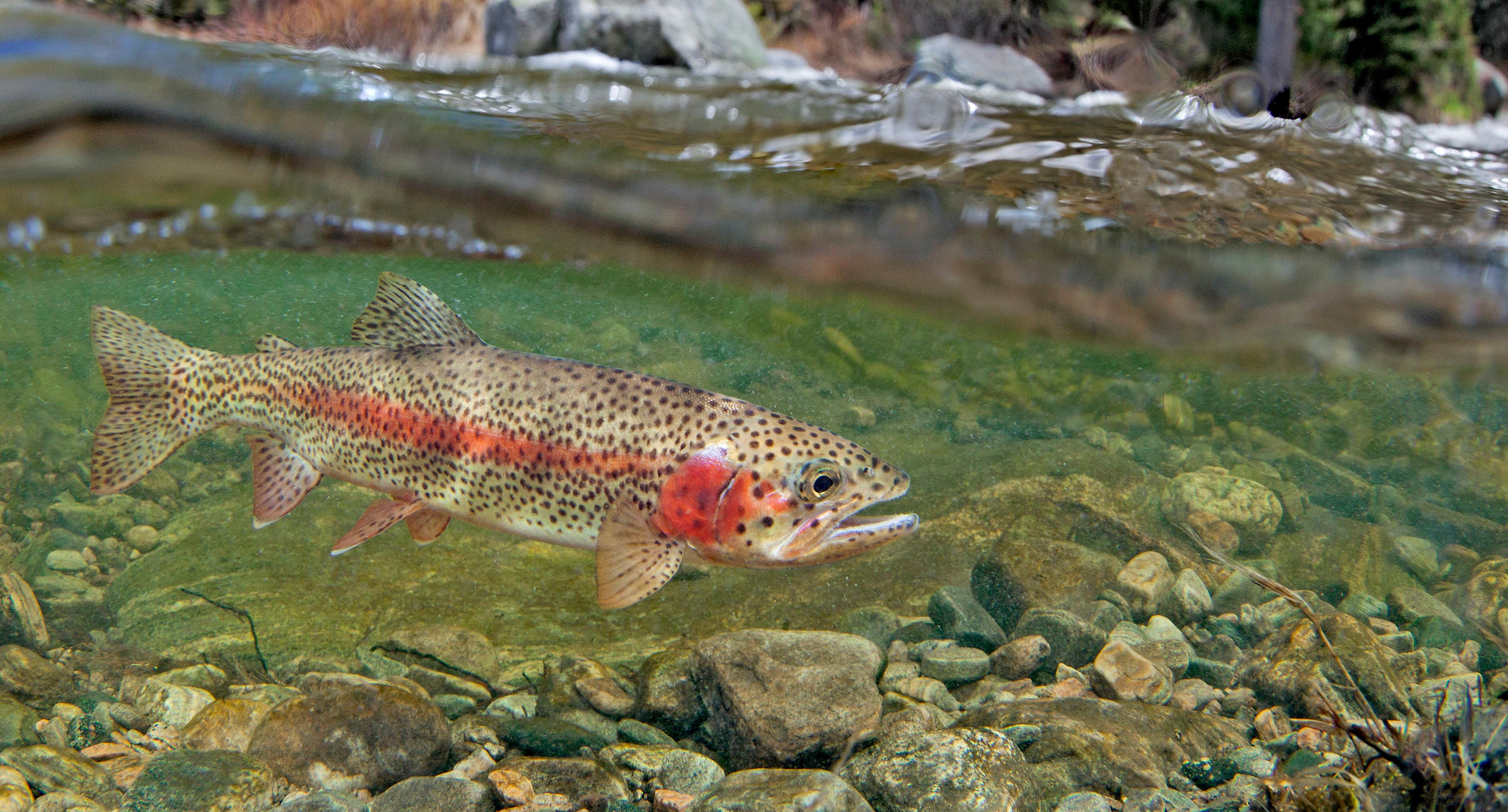
Montana’s Yellowstone Country is home to some of the best cold-water fisheries in the nation. Native trout — including Yellowstone cutthroat and Westslope cutthroat — are sensitive indicators of stream health.
THEY NEED:
+ Cold, clean water
+ Intact riparian zones
+ Unfragmented habitat
+ Steady streamflows
Stewardship starts on land. Protect the land, and the water will take care of the fish.
Aquatic Invasive Species (AIS): A Serious Threat
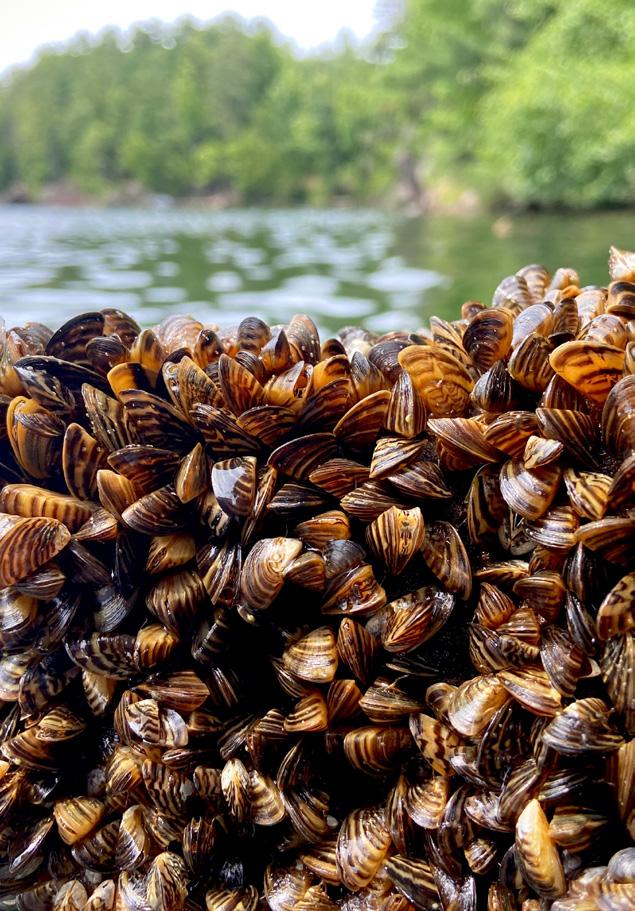
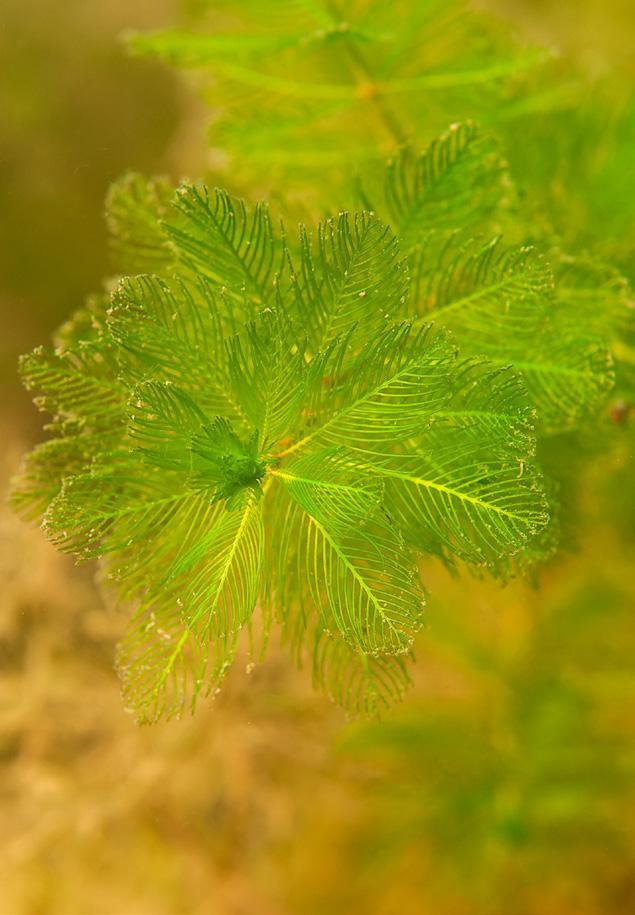
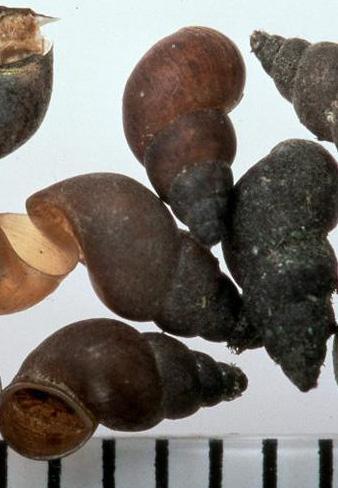
AIS are one of the greatest threats to Montana’s rivers and lakes. Once introduced, they spread rapidly — clogging infrastructure, displacing native species and altering entire ecosystems.
TOP THREATS
+ Zebra and quagga mussels + Eurasian watermilfoil + New Zealand mud snails + Aquatic pathogens, like whirling disease
These invaders damage boats, docks and irrigation systems; they threaten native fish populations; and they are nearly impossibl e to eradicate. The best defense is prevention.
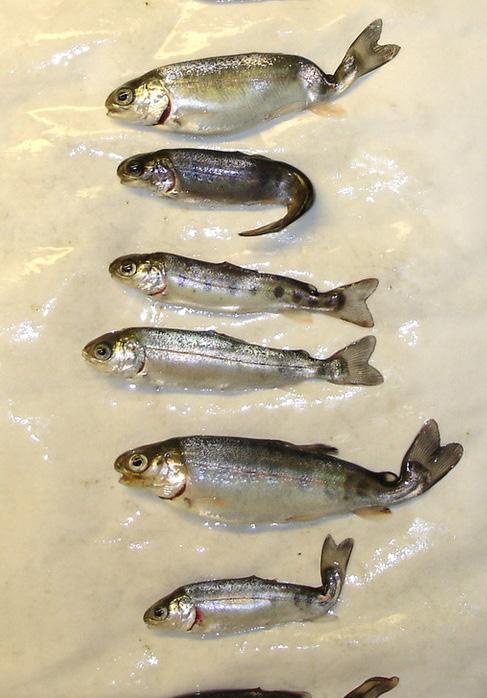
MIKE GANGLOFF, BUGWOOD.ORG ALBERTA ENVIRONMENT AND PARKS, BUGWOOD.ORG
What You Can Do: Clean. Drain. Dry.
If you boat, fish, paddle or float — even with a kayak or paddleboard — follow these three steps after every trip:
1. Clean
2. Drain
3. Dry
Clean your boat and gear of mud, plants and debris.
Drain water from boats, live wells and equipme nt. Dry everything completely before launching in another water body.
MANDATORY CHECK
All watercraft — motorized and non-motorized — must stop at Montana AIS watercraft inspection stations. These mandatory inspections have stopped hundreds of AIS-infested boats from entering our waters.
If you spot aquatic organisms on a boat or trailer: Call 1.800.TIP-MONT (1.800.847.6668)
FINAL NOTES ON COEXISTING
Living among wildlife isn’t always convenient — but it’s what makes this place special. Wildlife has been here longer than we have. Stewardship means more than just avoiding conflict — it means thinking ahead, modifying habits and being part of a shared future.
Montana Fish, Wildlife & Parks AIS Program
LAND, LEGACY + LANDSCAPE
A Living Landscape
Montana’s Yellowstone Country isn’t just scenic — it’s working land. For generations, people here have farmed, ranched and relied on the land for their livelihoods. Living here means stepping into that legacy, whether you rent, own one acre or simply appreciate the view.
Understanding how the land works — and how to care for it — is part of living well in this place.
TERRAIN + CLIMATE
This region encompasses a diverse range of landscapes, from high peaks and forested mountains to sagebrush steppe and open prairie. Conditions vary dramatically by elevation, slope, soil type and aspect — and so does the weather.
PLAN FOR:
+ Dry, windy summers and high fire danger
+ Early snow at elevation and heavy winter storms
+ Flash flooding during spring runoff or intense rain events
+ Freeze-thaw cycles that can damage roads and infrastructure
Knowing your land’s topography, vegetation and drainage is key to managing erosion, runoff and fire risk.
WEST YELLOWSTONE. ANDY AUSTIN
Supporting Local Agriculture
Montana once produced most of its own food. In the 1950s, around 70% of the food we ate was grown in-state. Today, that number is under 3%. But across Yellowstone Country, a new generation of producers is reconnecting people to place through food.
WAYS TO SUPPORT THE LOCAL FOOD SYSTEM
+ Shop at farmers markets.
+ Look for Montana-grown products at restaurants and stores.
+ Use Abundant Montana to find local food sources.
+ Support Farm to School programs, which connect kids to agriculture.
+ Visit local farms or ranches that offer tours or events.
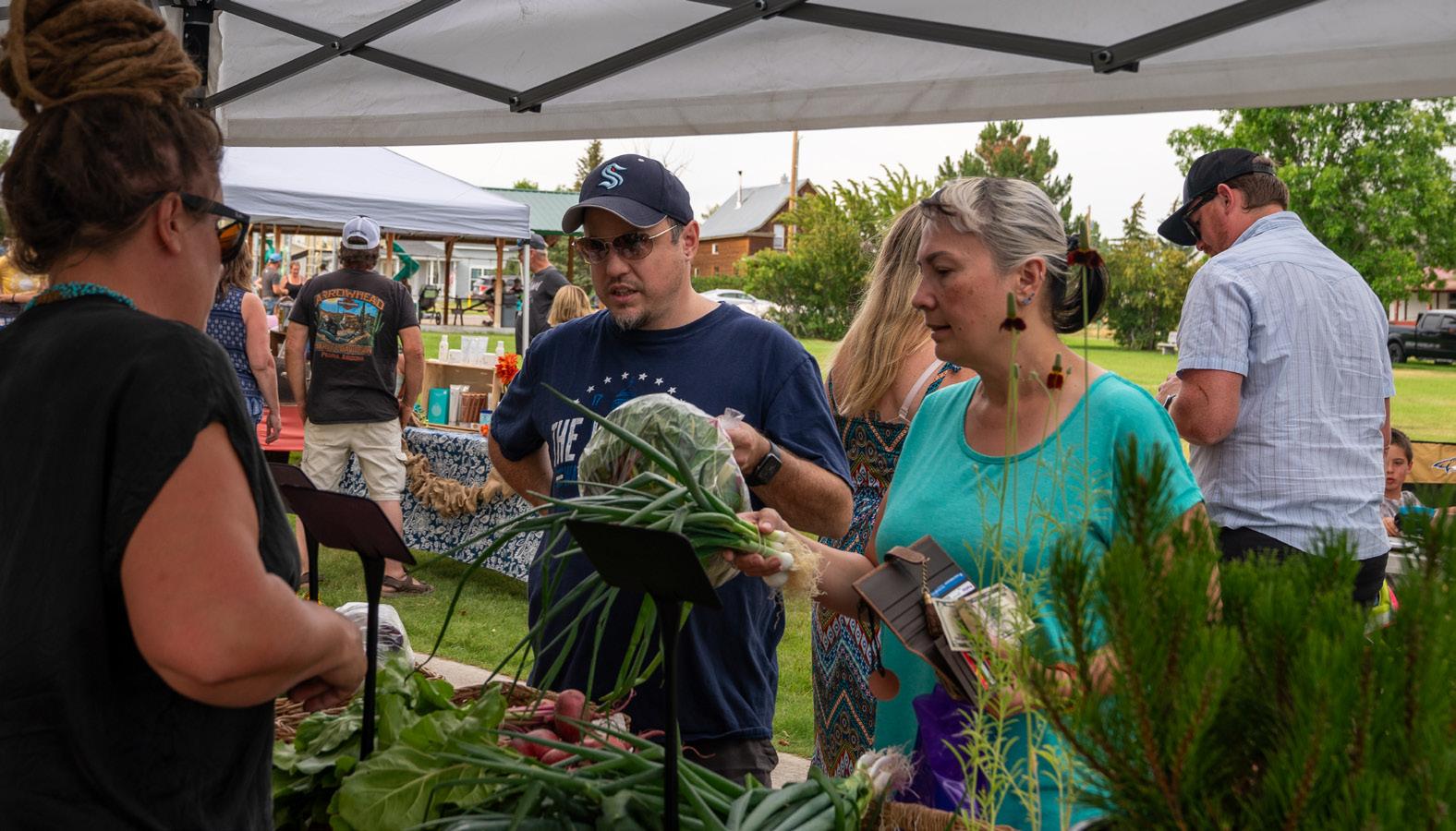
SHIELDS VALLEY FARMERS MARKET. KADEN HARRISON
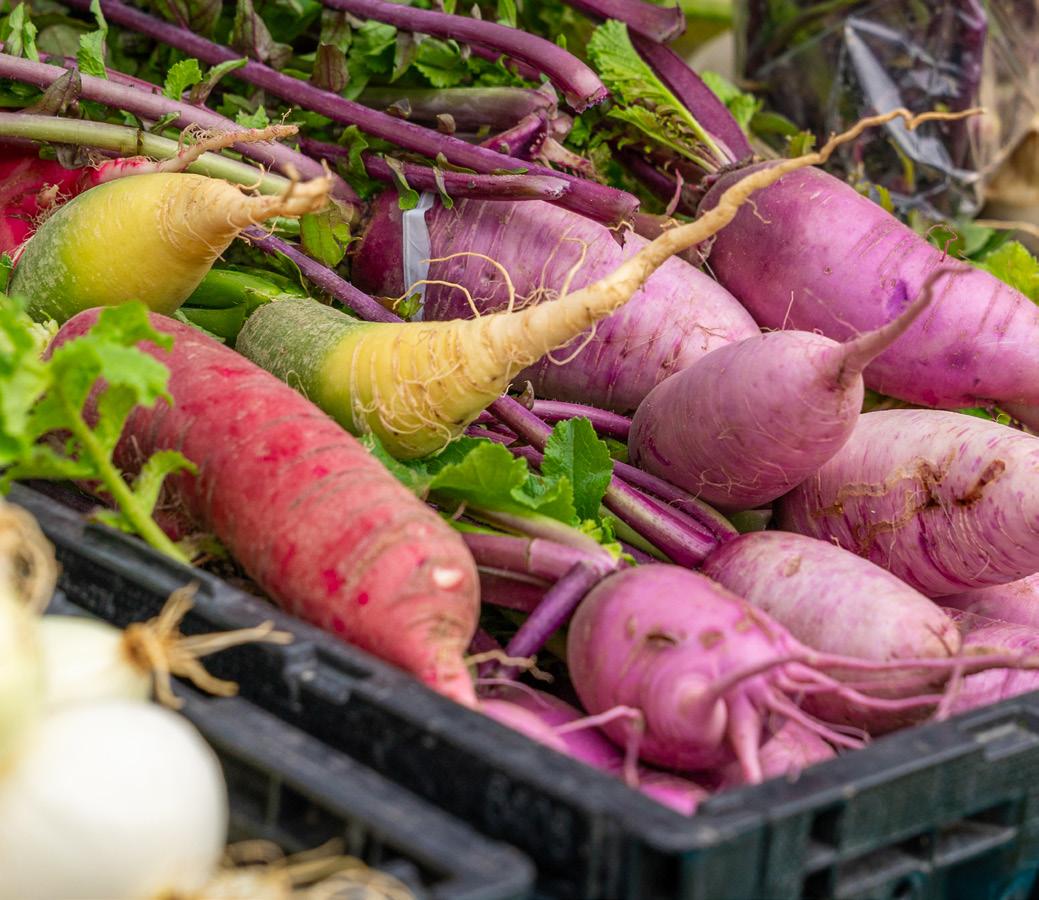
LIVINGSTON FARMERS MARKET. KADEN HARRISON
NEIGHBORING WORKING LANDS
Your Role as a Neighbor to Agriculture
Agriculture plays a significant role in the lives of residents in Yellowstone Country. Being a good neighbor means understanding the realities of working lands.
KEEP IN MIND
+ Fields and pastures are not public recreation spaces. + Farm equipment is slow — don’t pass aggressively or block access.
+ Ranching means dust, early mornings, large animals and strong smells.
+ Harvest and irrigation may run outside “normal” hours. Being a good neighbor also means learning the ropes, like respecting irrigation ditches, understanding water rights and adhering to open-range laws.
JOILET. KADEN HARRISON
Native Plants + Noxious Weeds
Native plants are important for healthy ecosystems. They support pollinators, prevent erosion and require less water. Their deep roots help soils retain moisture and recover after fire.
Noxious weeds, by contrast, are invasive species that spread aggressively, crowd out native plants and degrade habitats.
WHAT YOU CAN DO
+ Learn to identify and understand how to control noxious weeds.
+ Avoid spreading seeds on your boots, tires or pets.
+ Manage weeds with the correct tool, be it manual removal, grazing or biological control — not just herbicides.
+ Don’t confuse dandelions or other “weedy” natives with true noxious species.
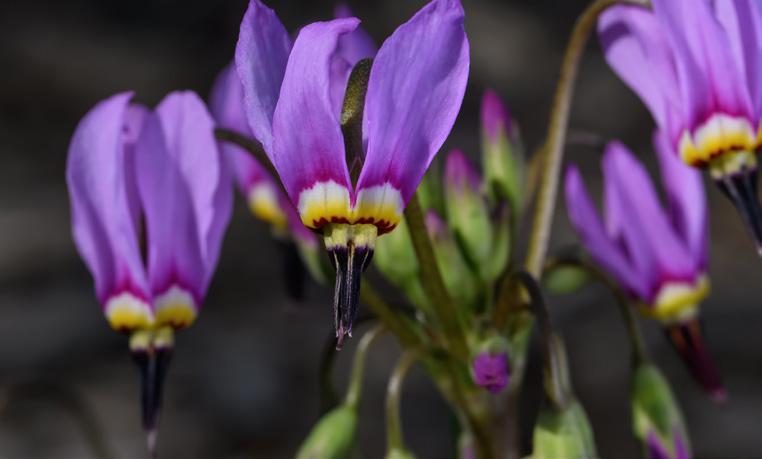
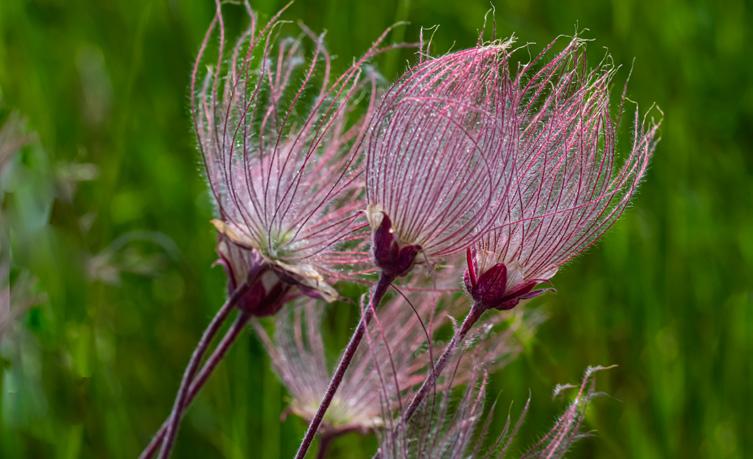
NATIVE
PLANTS
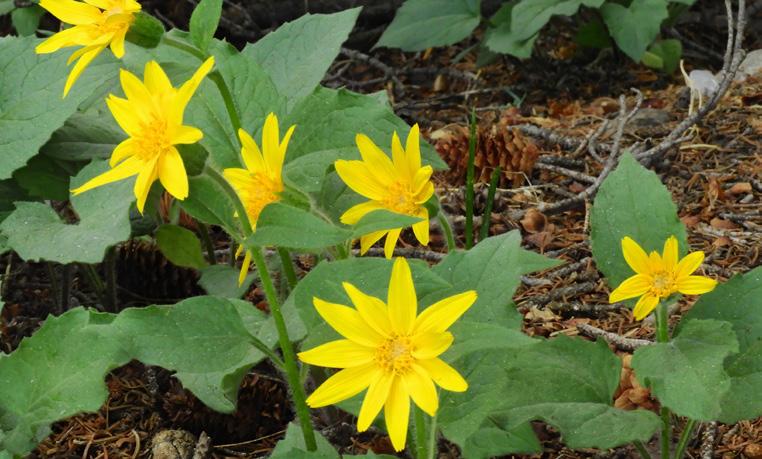
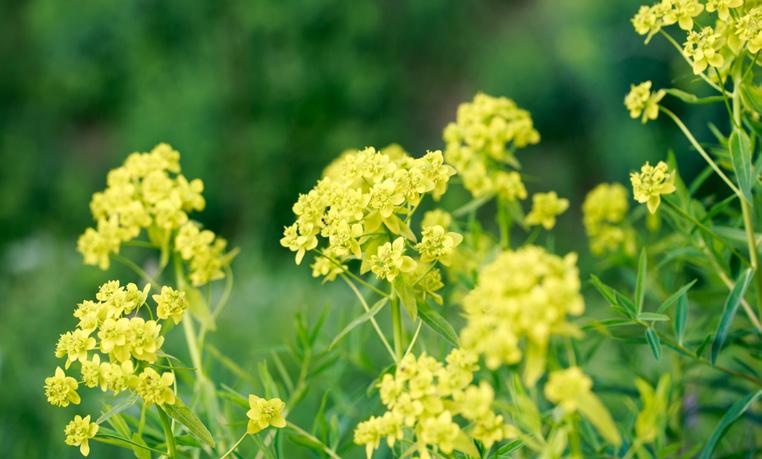
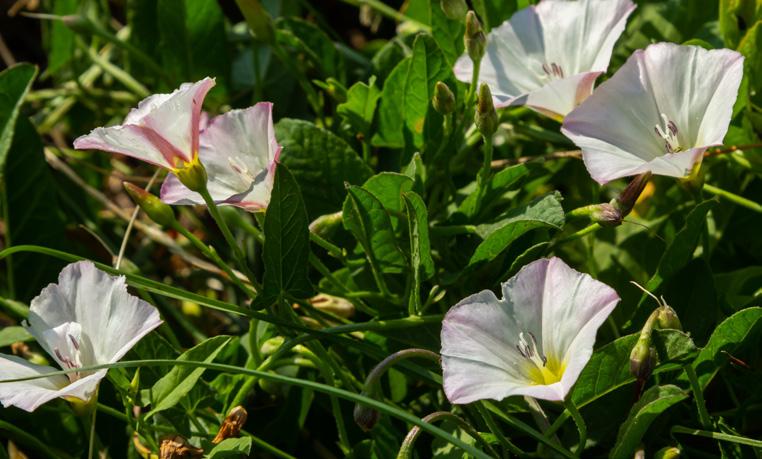
+ Few-flowered shootingstar
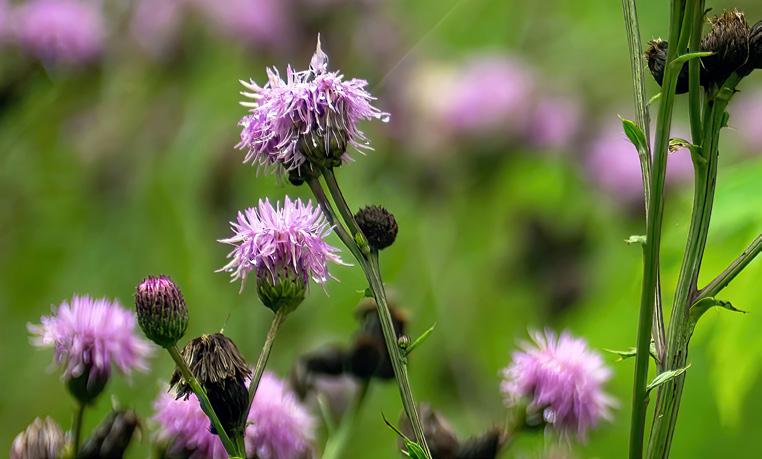
NOXIOUS WEEDS
+ Canada thistle
+ Prairie smoke
+ Heart-leaved arnica
+ Field bindweed
+ Leafy spurge
LIGHT, NOISE & NATURAL RHYTHMS
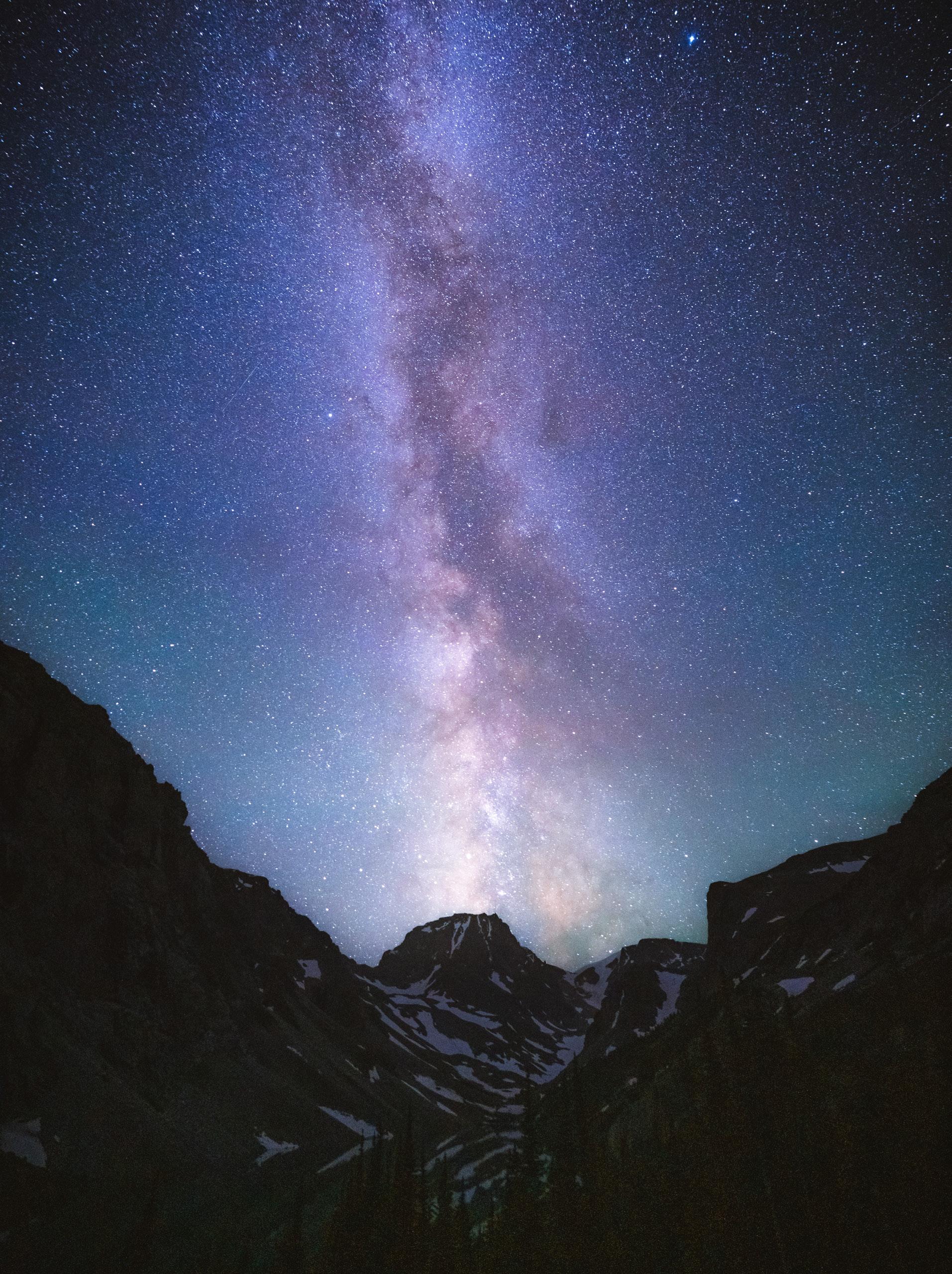
Preserving Montana’s Dark Skies
Our low population and vast open space give us something rare: naturally dark skies. However, light pollution is increasing, and it disrupts not only our stargazing but also the behavior of wildlife, sleep patterns and natural ecosystems.
RESPONSIBLE OUTDOOR LIGHTING TIPS
+ Only install lights where truly necessary.
+ Use motion sensors or timers.
+ Choose warm-colored LEDs.
+ Aim light downward and shielded, not into the sky or neighbor’s property.
+ Turn off lights when not in use.
Small changes at home help protect one of the quietest, most magical features of this place.
BLACK CANYON LAKE. CADEN CRAWFORD
Living With the Land Means Planning Ahead
Living here can mean sometimes managing your own utilities and infrastructure. That might mean hauling your own trash, maintaining a well or septic system, or preparing for days when the road home isn’t easy to drive.
WATER: WELLS + RIGHTS
In many parts of Yellowstone Country, homes rely on private wells for drinking water. Wells require maintenance, testing and careful awareness of nearby land uses.
TIPS FOR PRIVATE WELLS
+ Test your water annually, especially for coliform bacteria and nitrates.
+ Keep wellheads protected from flooding, runoff and surface contamination.
+ Be aware of septic systems or chemical use nearby.
Water rights in Montana follow a “first in time, first in right” system. Just because water crosses your land doesn’t mean you can use it for irrigation or other purposes without legal rights.
If you’re near a ditch, canal or irrigation system, check with the ditch company or water user group before building, landscaping or blocking access. Water users may have the right to enter your land to maintain the ditch.
SEPTIC SYSTEMS
If your home uses a septic system, you are responsible for managing it.
TO PROTECT YOUR SYSTEM (AND WATER QUALITY)
+ Pump your tank every 3–5 years, depending on use.
+ Don’t pour grease, medications or chemicals down the drain.
+ Avoid driving or parking over your drain field.
+ Conserve water to avoid overloading the system.
Helpful Resource: Buyer’s Guide to Montana Water Rights
– Trout Unlimited
Failing septic systems can pollute groundwater and nearby streams — maintaining yours will save you headaches and money while protecting everyone downstream.
SERVICES, WASTE + CONNECTIVITY
Waste Management + Recycling
Trash and recycling systems vary across counties — and sometimes even by neighborhood.
+ Rural waste disposal is not one-size-fits-all.
+ In some areas, you’ll haul trash to a transfer site.
+ Other areas may have private or county pickup contracts.
+ Not all areas offer recycling, and some materials must be separated.
+ Dumping is illegal and harmful to wildlife, waterways and the landscape.
Contact your county sanitation or solid waste office for instructions specific to your area.
Internet + Cell Service
Connectivity in Yellowstone Country is variable. Even in town, speeds may slow during storms or peak visitor season.
CONNECTIVITY TIPS
+ Research what’s available in your area: fiber, satellite, DSL or fixed wireless.
+ Use the OnX app or download maps or paper backups when traveling and recreating.
+ Invest in a landline or backup power if you're in a remote area and you have health or safety needs.
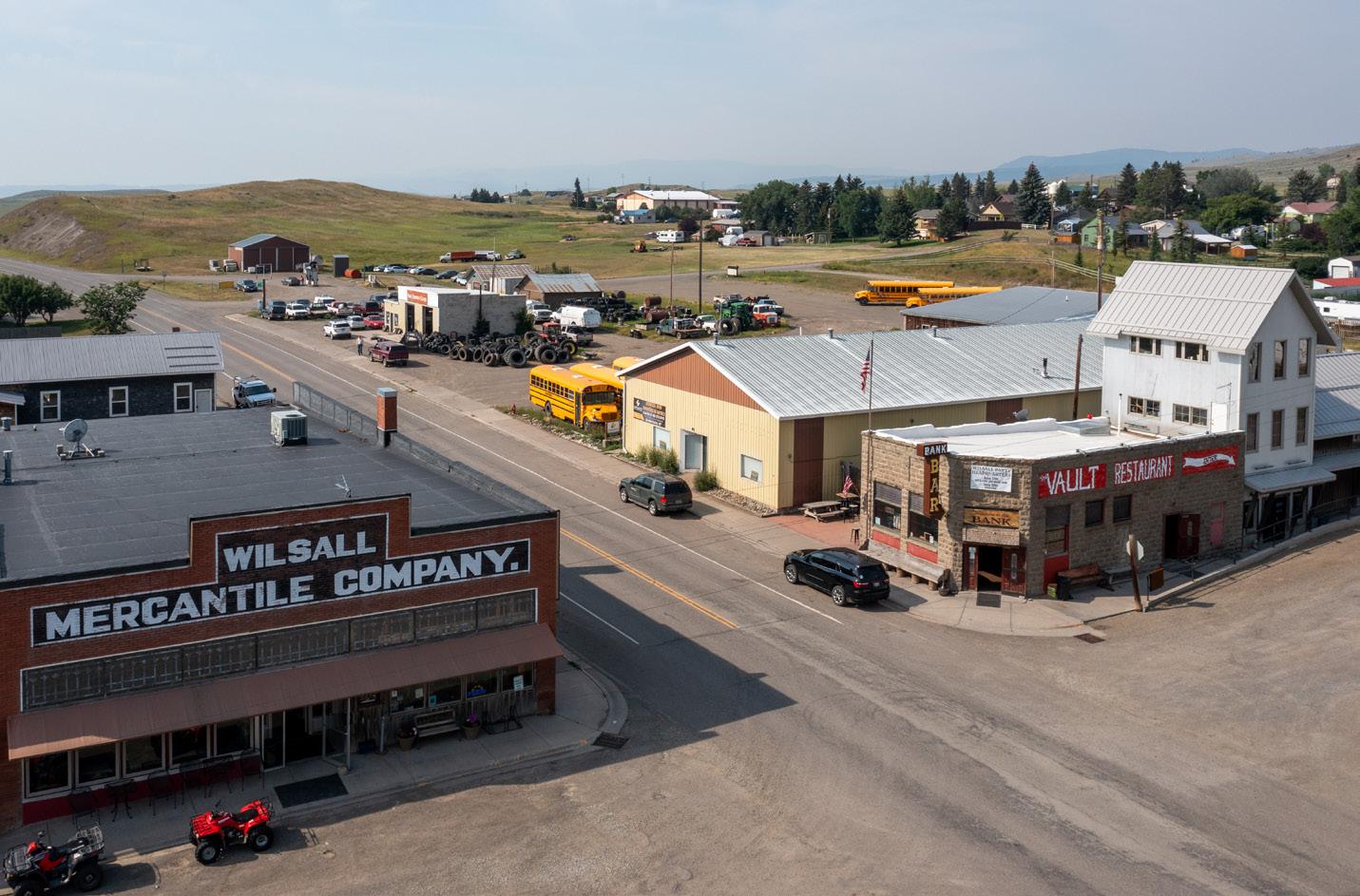
WILSALL. KADEN HARRISON
DRINKING HORSE. ANDY AUSTIN
Road Conditions + Travel Realities
Not all roads are maintained — or passable — year-round. Gravel roads may be impassable during spring thaw, and some mountain passes close seasonally. GPS directions may lead you down seasonal or closed routes.
TRAVEL TIPS
+ Check Montana road conditions at 511mt.net before traveling.
+ Carry a shovel, chains and emergency gear in winter.
+ Avoid driving backroads during mud season.
+ Obey speed limits, especially around wildlife, livestock and curves.
+ Expect slow-moving equipment during planting or harvest season.
LAWS, RIGHTS + RESPONSIBILITIES
Know the Laws That Shape the Land
Owning property in Montana comes with both freedom and responsibility. From working ranches to subdivisions to quiet backroads, understanding local land-use laws helps you be a better neighbor — and avoid costly mistakes.
ZONING + PROPERTY RIGHTS
Every county in Montana has its own rules about land use. Some areas are zoned for agriculture, residential use or conservation, and these rules affect what you can build, subdivide or operate on your land.
Before building, fencing or adding structures, check with your city or county planning department to ensure you’re following current regulations.
Not all areas in Montana are zoned — but that doesn’t mean there are no rules.
Montana Water Rights
101
Water is a public resource in Montana, but its use is governed by legal rights. Water rights are not automatically included with your property and may be limited, especially in closed basins where new appropriations aren’t allowed.
KEY PRINCIPLES
+ Water use is governed by legal rights — not land ownership.
+ “First in time, first in right” applies during shortages.
+ Diverting or using water without rights is illegal.
When in doubt: Contact the Montana DNRC and review your property title documents.
RED LODGE. NATE LUEBBE
PEAK, PARADISE VALLEY. YELLOWSTONE PRODUCTIONS
Montana’s Open Range Law
Most of Montana is open range, meaning livestock can legally roam unless fenced out. It’s the landowner’s job to fence animals out, not the rancher’s job to fence them in.
WHAT THIS MEANS FOR YOU
+ Cattle, horses or sheep may wander onto unfenced property.
+ Ranchers are not liable for accidents unless negligence is proven.
+ Maintain perimeter fencing if you want to keep livestock out.
This law protects long-standing grazing practices and requires patience and cooperation.
What’s not open range? Open range does not include land within herd districts, subdivisions with covenants or highway rights-of-way fenced by the Department of Transportation. To confirm if an area is open range, check with the Montana Department of Livestock, review county regulations and herd district maps, and verify subdivision covenants.
Right to Farm + Ranch
Montana law protects agricultural operations from nuisance complaints related to:
+ Dust, noise or smells
+ Early or late hours
+ Livestock and equipment
+ Legal water use or pesticide application
Agriculture is a vital part of Yellowstone Country’s fabric and a vital contributor to open spaces. Like most things in Montana, if you have any issues, it's best to know your neighbors. As one local put it: “Most things here can be solved over coffee and cookies.”
ROSCOE. KADEN HARRISON
CLYDE PARK. KADEN HARRISON
LAND STEWARDSHIP
Everyday Practices That Matter
You don’t need to be a rancher to be a good land steward. If you own property in Yellowstone Country — whether it's two acres or 200 — you’re part of the landscape.
BEST PRACTICES
+ Keep native vegetation intact to reduce erosion and wildfire risk.
+ Plant pollinator-friendly flowers and mow less frequently.
+ Remove noxious weeds without overusing herbicides.
+ Maintain riparian buffers along creeks or ditches.
+ Avoid using ATVs or vehicles on fragile grasslands or steep slopes.
+ Give wildlife space to migrate through your land whenever possible.
This landscape has supported people for thousands of years. Our job is to help it thrive for generations to come.
One in four North American bumblebee species is considered endangered. You can support pollinators by planting native wildflowers, mowing less and reducing pesticide use.
ROSCOE. KADEN HARRISON
Living With Risk — Not Fear
The natural world is powerful, dynamic and unpredictable. Wildfires, floods, snowstorms and even earthquakes are all part of life here. These forces shape the landscape, and while they can be devastating, they’re not unusual. They’re natural.
Being prepared isn’t just for folks living far from town. It’s for everyone. The better you understand the risks, the more confidently you can protect your home, your family and your community.
Wildfire: A Force We Live With
Fire is an integral part of Montana’s ecology. It is essential to forest and range health, but human development adds complexity.
WHAT DRIVES WILDFIRE?
+ Weather
+ Hot, dry and windy conditions make fire more intense.
+ Low humidity dries out vegetation, making it easier to ignite.
+ Topography
+ Fires move faster uphill; steep slopes and canyons accelerate the spread.
+ South-facing slopes dry out faster and burn hotter.
+ Fuels
+ Grass and pine needles ignite quickly.
+ Standing dead trees and dense underbrush carry fire to treetops.
+ Structures, decks, fences and firewood piles can feed intense fires.
Most homes lost to wildfire don’t burn in the main flame front — they ignite from wind-blown embers (firebrands) that can travel more than a mile.
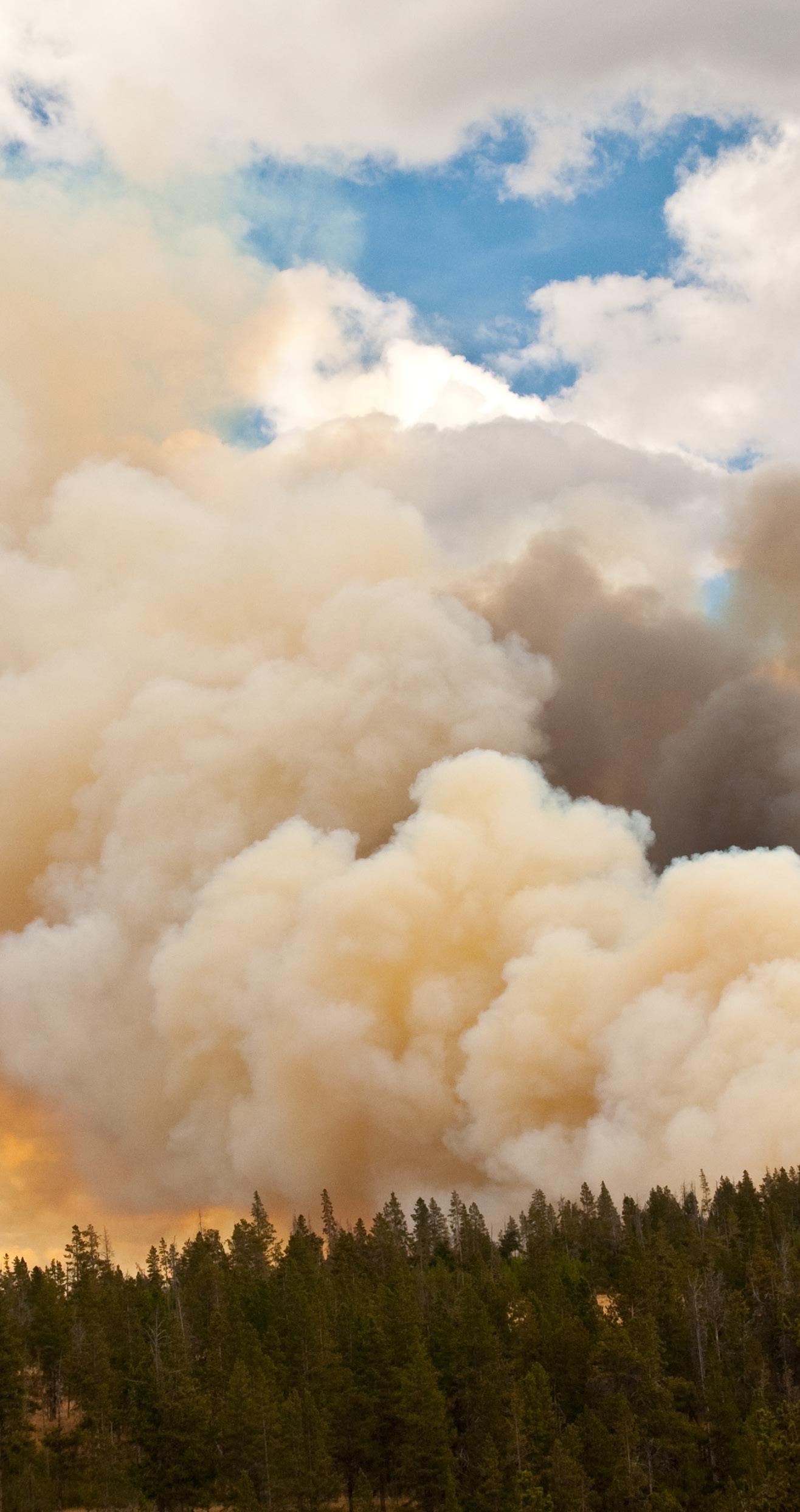
WILDFIRE.
The Home Ignition Zone:
CREATIVE DEFENSIBLE SPACE
Firefighting begins before a fire breaks out. A well-maintained “Home Ignition Zone” dramatically improves the chances your home survives — even without help.
IMMEDIATE ZONE (0–5 FEET)
+ Use non-flammable materials for fences, decks and siding.
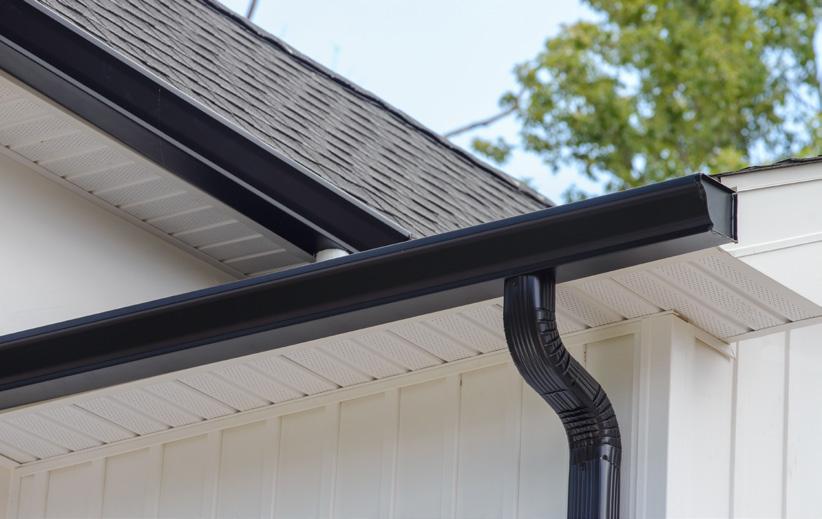
+ Remove all debris from gutters, eaves and roof valleys.
+ Keep this area clear of mulch, vegetation or stored items.
ZONE TIPS
INTERMEDIATE ZONE (5–30 FEET)
+ Mow grass and space out plantings.
+ Use gravel or stone instead of wood chips.
+ Move wood piles away from the home.
You can assess the risk of wildfire in your county using the NRCS Montana Wildfire Risk Assessment Website and the USDA/NRCS Wildfire Risk to Communities website. BE PREPARED TO EVACUATE.
EXTENDED ZONE (30–100+ FEET)
+ Space trees and shrubs to prevent a “fuel ladder.”
+ Clear out dead branches, leaves and pine needles.
+ Keep this area open and clean to slow the advancing fire.
Homes with 100 feet of defensible space are far more likely to survive a wildfire.
Checklist: Ember Defense
Resources: firewise.org + mtfireinfo.org
Clean roof and gutters regularly.
Screen or enclose decks and attic openings.
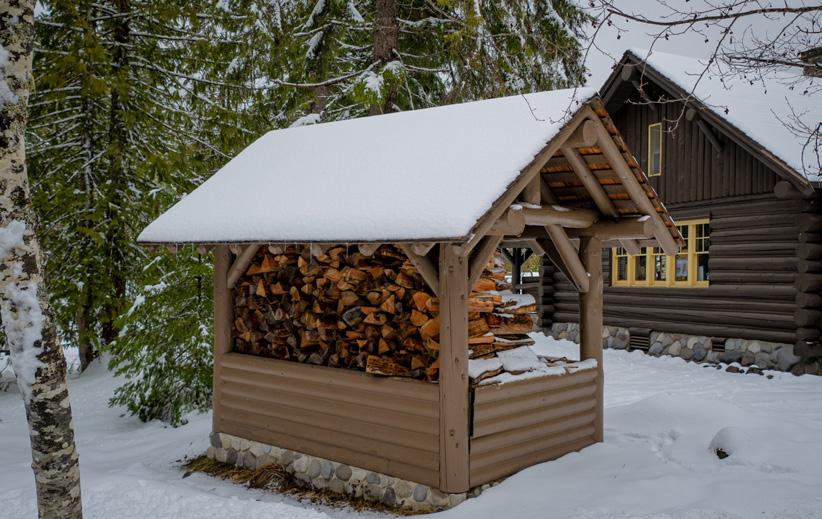
Store firewood well away from structures.
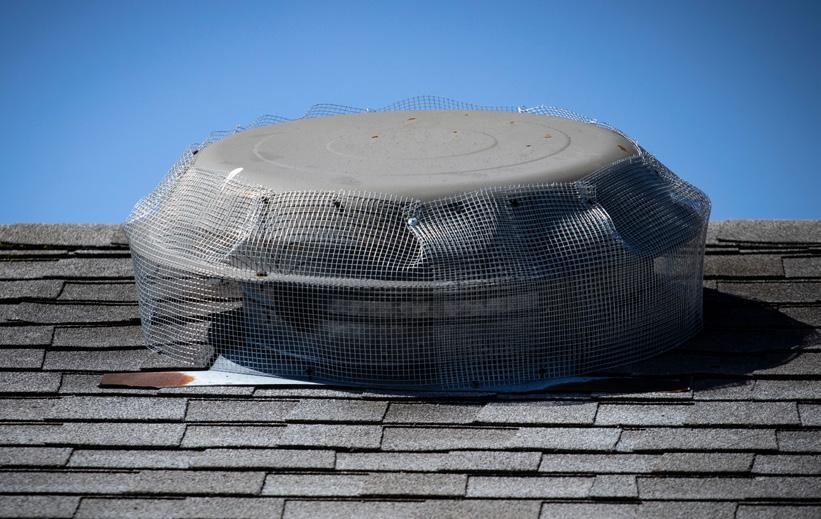
Install metal mesh (1/8” or smaller) over vents.
Move flammable materials away from walls.
Don’t store items under decks or porches.
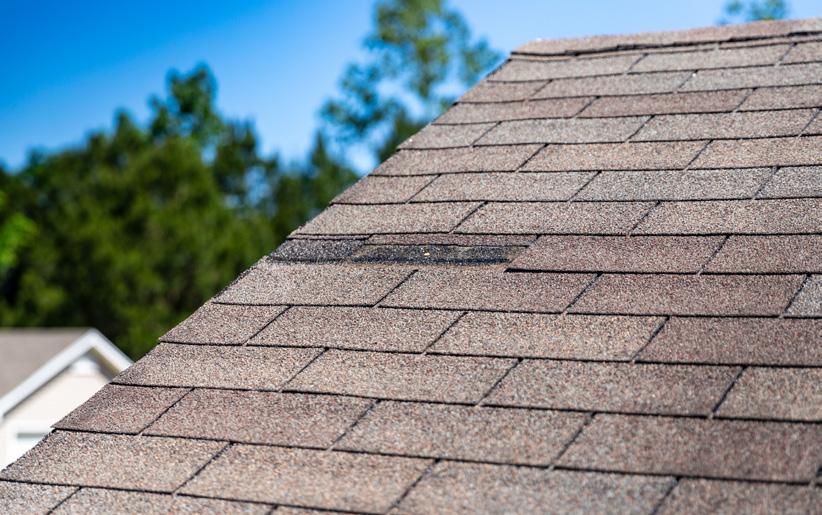
Fix broken windows and replace missing shingles.
Wildfire Smoke: The Unseen Risk
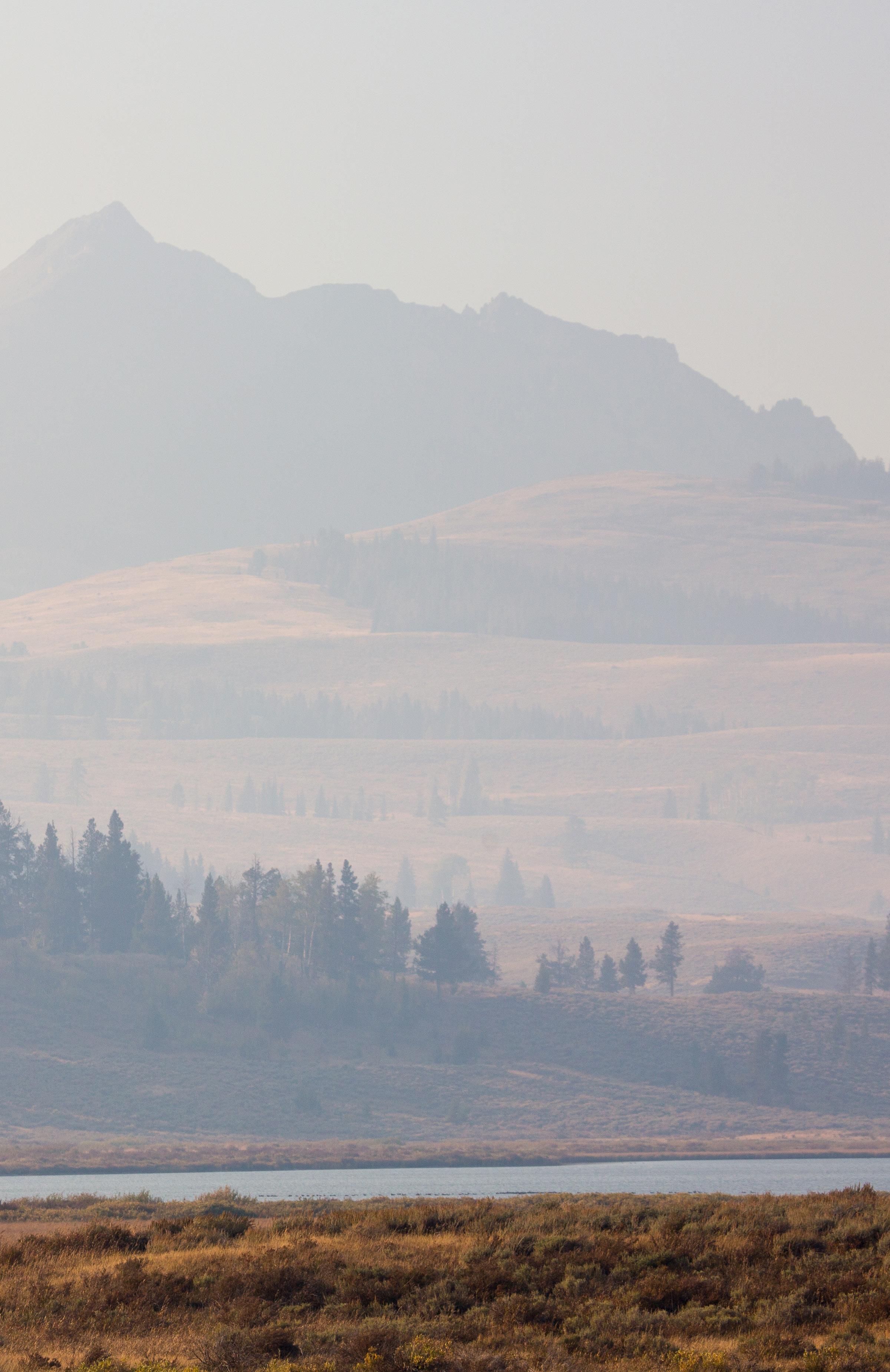
As wildfire seasons grow longer and more intense, smoke exposure is becoming one of Montana’s most pressing health concerns. In fact, wildfire smoke is now the leading source of air pollution in the state.
The microscopic particles in smoke can enter the deep recesses of your lungs and bloodstream, triggering inflammation and exacerbating existing condition s.
WHO’S MOST AT RISK?
+ Children
+ Older adults
+ People with heart or lung conditions
+ Pregnant individuals
PROTECT YOURSELF DURING SMOKE EVENTS
+ Stay indoors with windows and doors closed.
+ Avoid outdoor exercise or yard work.
+ Use a HEPA air purifier if possible.
+ Create a clean room in your home — preferably one without many windows.
+ Avoid vacuuming or burning candles (which add particles to the air).
Check local current air quality at: AirNow.gov
WILDFIRE SMOKE.
FLOODS + QUAKES
Flooding: It Can — and Does — Happen Here
Floods are the most common natural disaster in Yellowstone Country. Spring snowmelt, intense spring rains and flash events can all trigger dangerously high water — even for small streams.
TYPES OF FLOODS
+ Riverine Floods: Occurs when rivers exceed their banks (common in spring)
+ Flash Floods: Caused by sudden heavy rainfall, especially in steep terrain
+ Ice Jams: When ice blocks river flow during freeze/thaw cycles
FLOOD PREPAREDNESS TIPS
+ Know if your home or land is in a floodplain or channel migration zone.
+ Avoid building near rivers or drainage paths.
+ Keep culverts and ditches clear of debris.
+ Don’t drive through flooded roads — even shallow water can wash away a vehicle.
+ Elevate utilities and store valuables above ground level.
+ Buy flood insurance if you're in a high-risk area — it’s not included in standard policies.
IMPORTANT: Before repairing flood damage, always consult a stream specialist or biologist to avoid unintentionally harming the river system.
YELLOWSTONE FLOOD. NPS / KYLE STONE
YELLOWSTONE FLOOD. COURTESY GINA RIQUIER
Earthquakes in Yellowstone Country
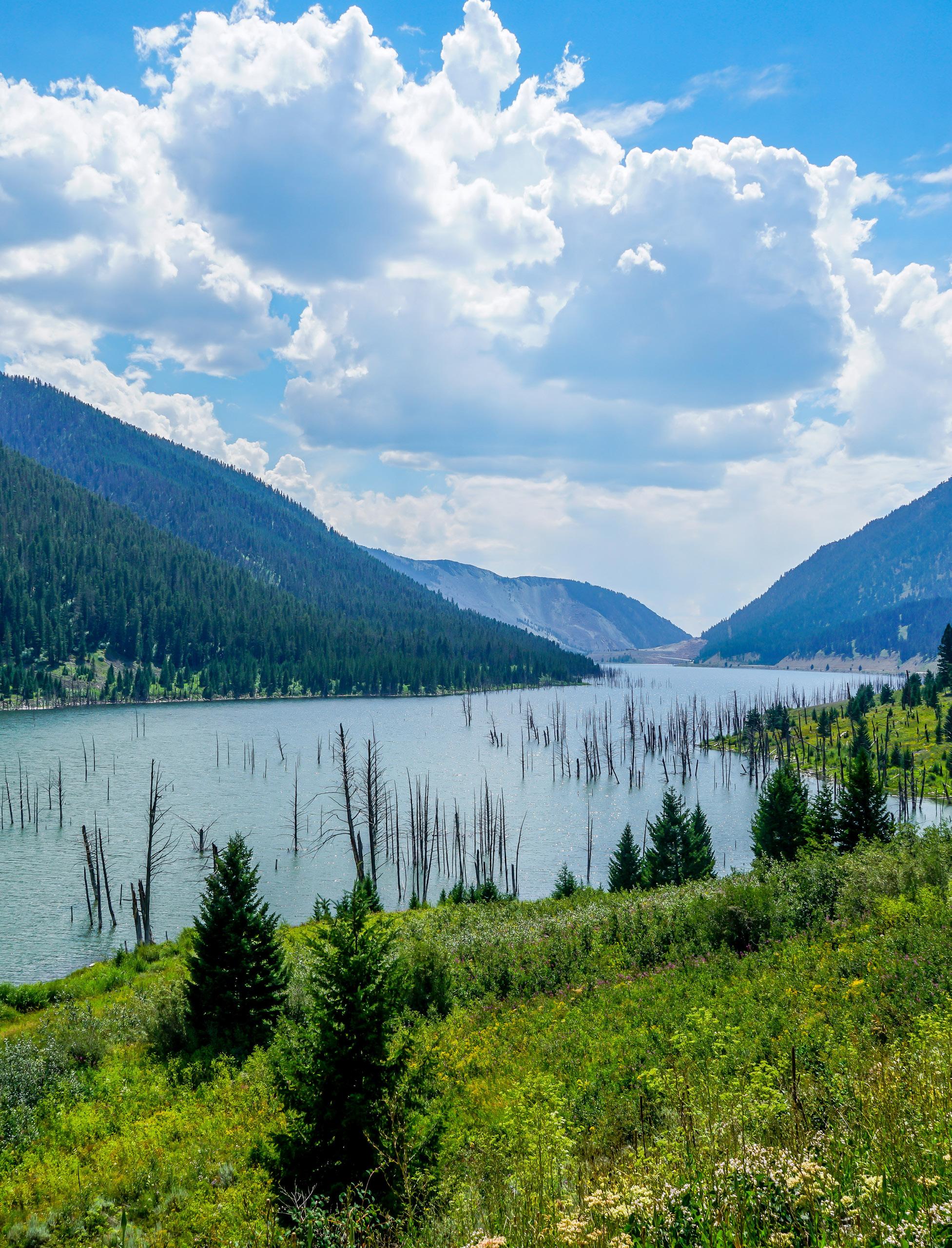
Montana is seismically active, and Yellowstone Country is situated near several active fault lines. The 1959 Hebgen Lake earthquake was the strongest in Montana’s history — 7.3 magnitude — and caused a deadly landslide and dammed the Madison River, creating Quake Lake.
Small tremors are common. While major quakes are rare, the risk is real.
EARTHQUAKE PREPAREDNESS
+ Secure shelves, water heaters, appliances and heavy furniture.
+ Know how to shut off your gas, water and electricity.
+ Create a family emergency plan and communication method.
+ Practice “Drop, Cover, and Hold On” drills.
+ Store emergency supplies (water, food, first aid, flashlight)
Earthquakes are low-frequency but high-impact. A little preparation can go a long way.
EARTHQUAKE LAKE.
COMMUNITY PREPAREDNESS
Preparedness Is a Shared Responsibility
Wildfire, flood, earthquake or a winter storm — no matter the threat, being ready before disaster strikes can make all the difference for you, your family and your neighbors.
Preparedness isn’t about panic — it’s about small steps taken in advance.
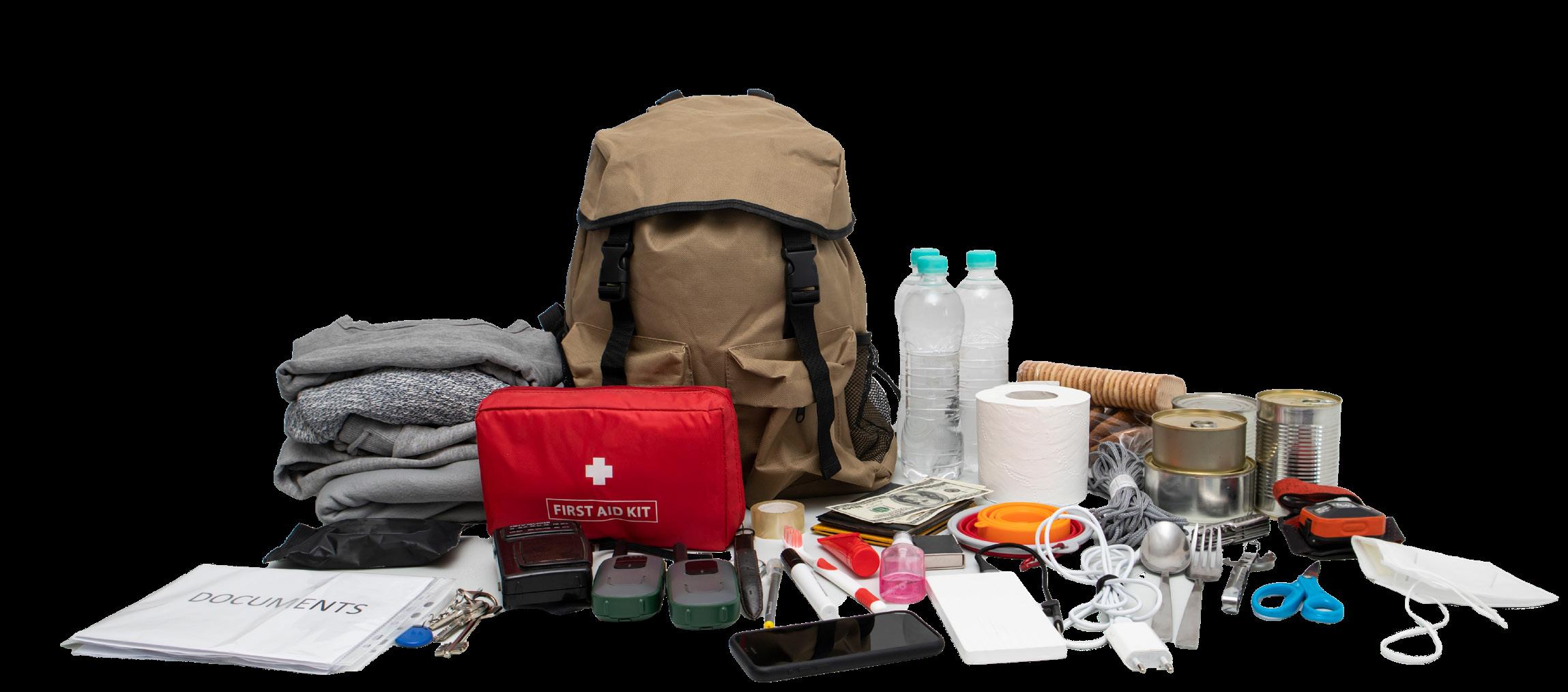
BUILD AN EMERGENCY KIT
Include enough supplies to sustain your household for at least 72 hours.
INCLUDE:
+ Water (1 gallon per person per day)
+ Non-perishable food and a can opener
+ First-aid kit and medications
+ Flashlight and extra batteries
+ N95 masks (for smoke or dust)
+ Phone chargers or battery packs
+ Copies of important documents
+ Pet supplies, if applicable
+ Extra blankets or sleeping bag s
MAKE A HOUSEHOLD PLAN
Emergencies are chaotic. A simple plan can help everyone stay calm and act fast.
TALK THROUGH:
+ Emergency meeting locations
+ Local and out-of-state emergency contacts
+ How you’ll evacuate (especially if roads or bridges are blocked)
+ Who will help elderly, disabled or isolated neighbors
Know Your Local Resources
Every county has its own emergency management agency. Many offer opt-in alerts, evacuation maps and real-time updates. Sign up before you need them.
RESOURCES TO LOOK UP LOCALLY
+ Fire department and rural fire district
+ County disaster and emergency services
+ Search and rescue teams
+ Evacuation zones and routes
+ Shelter locations (especially in wildfire-prone areas)
Be a Good Neighbor in Crisis
Montanans are known for stepping up. When disasters strike, help often arrives from neighbors before it arrives from official agencies.
HOW TO HELP
+ Check in on elderly or vulnerable neighbors.
+ Keep extra food, water and gear on hand to share.
+ Don’t rely on cell service — make a point to knock on doors.
+ Respect emergency crews and don’t clog access roads.
+ Know how to report damage or request assistance.
Sometimes the most powerful emergency response is simply being there for your community.
RED LODGE. ANDY AUSTIN
RESPONSIBLE RECREATION
Exploring With Care
Yellowstone Country offers incredible access to public lands and outdoor adventure — hiking, fishing, skiing, hunting, paddling and more. But with that freedom comes a responsibility to protect these places and respect the people, wildlife and ecosystems that call them home. Please note that a Montana Conservation License is required to access most state lands.
RECREATE RESPONSIBLY
The wild is wilder here. Weather changes fast. Cell service is spotty. And many areas are remote, with long response times for emergency services. Know your limits and respect your abilities.
BEFORE YOU GO
+ Always leave an itinerary with someone at home.
+ Know your route — carry a paper map or download maps ahead of time.
+ Check conditions, including snowpack and fire danger.
+ Pack layers, food, water, sun protection and a first-aid kit.
+ Always carry bear spray and know how to use it.
+ Don’t rely on your phone for directions or safety.
Note: Local search and rescue is often volunteer-based. Be self-sufficient and call for help only when it’s truly an emergency.
Recreate Responsibly in Montana’s Yellowstone Country.
PINE GROVE. ANNA SMIDT
Leave No Trace: 7 Principles
These nationally recognized guidelines apply to everyone — locals included.
1. Plan ahead and prepare.
2. Travel and camp on durable surfaces.
3. Dispose of waste properly.
4. Leave what you find.
5. Minimize campfire impact.
6. Respect wildlife.
7. Be considerate of others.
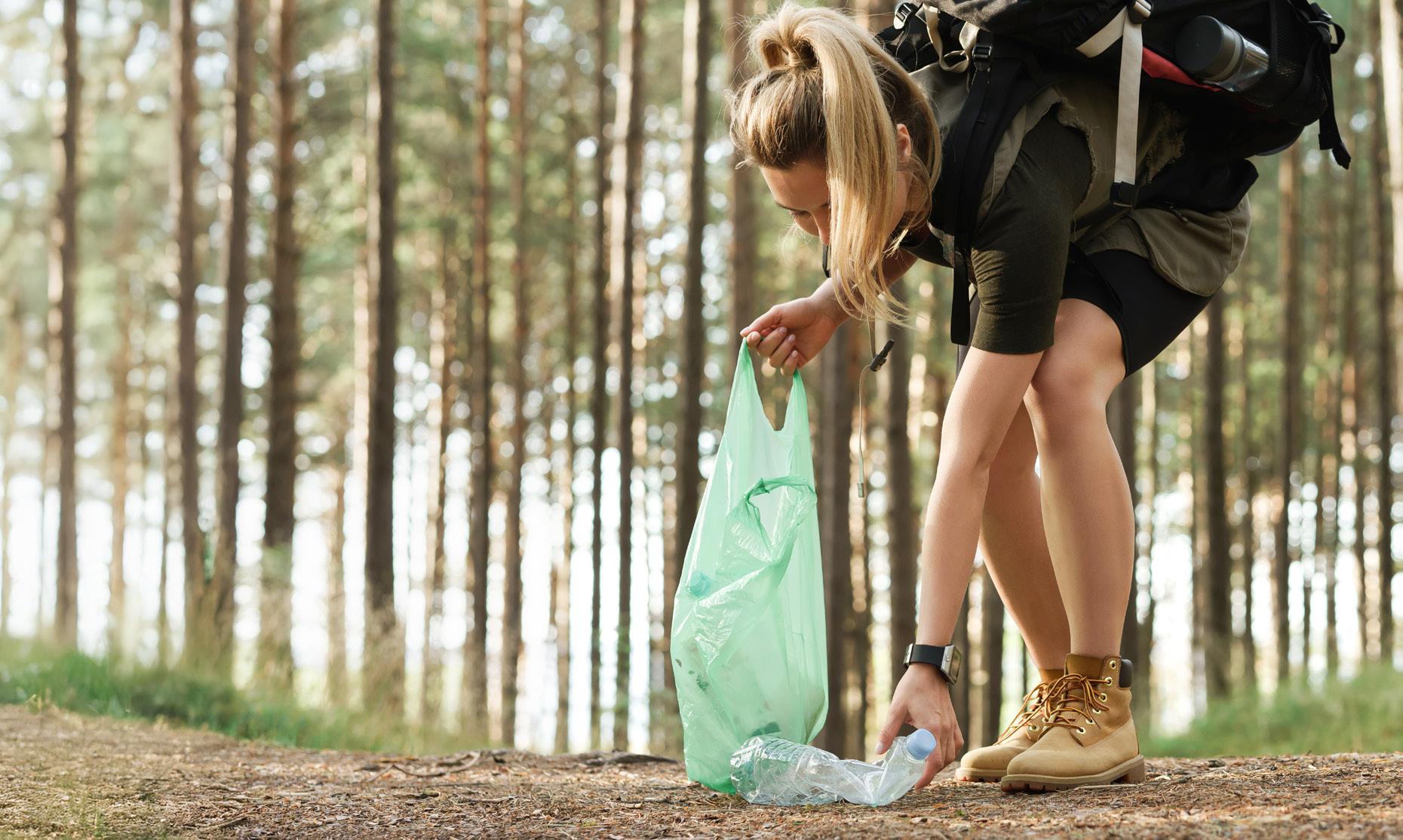
Small actions — like picking up micro-trash or staying on the trail — make a big difference.
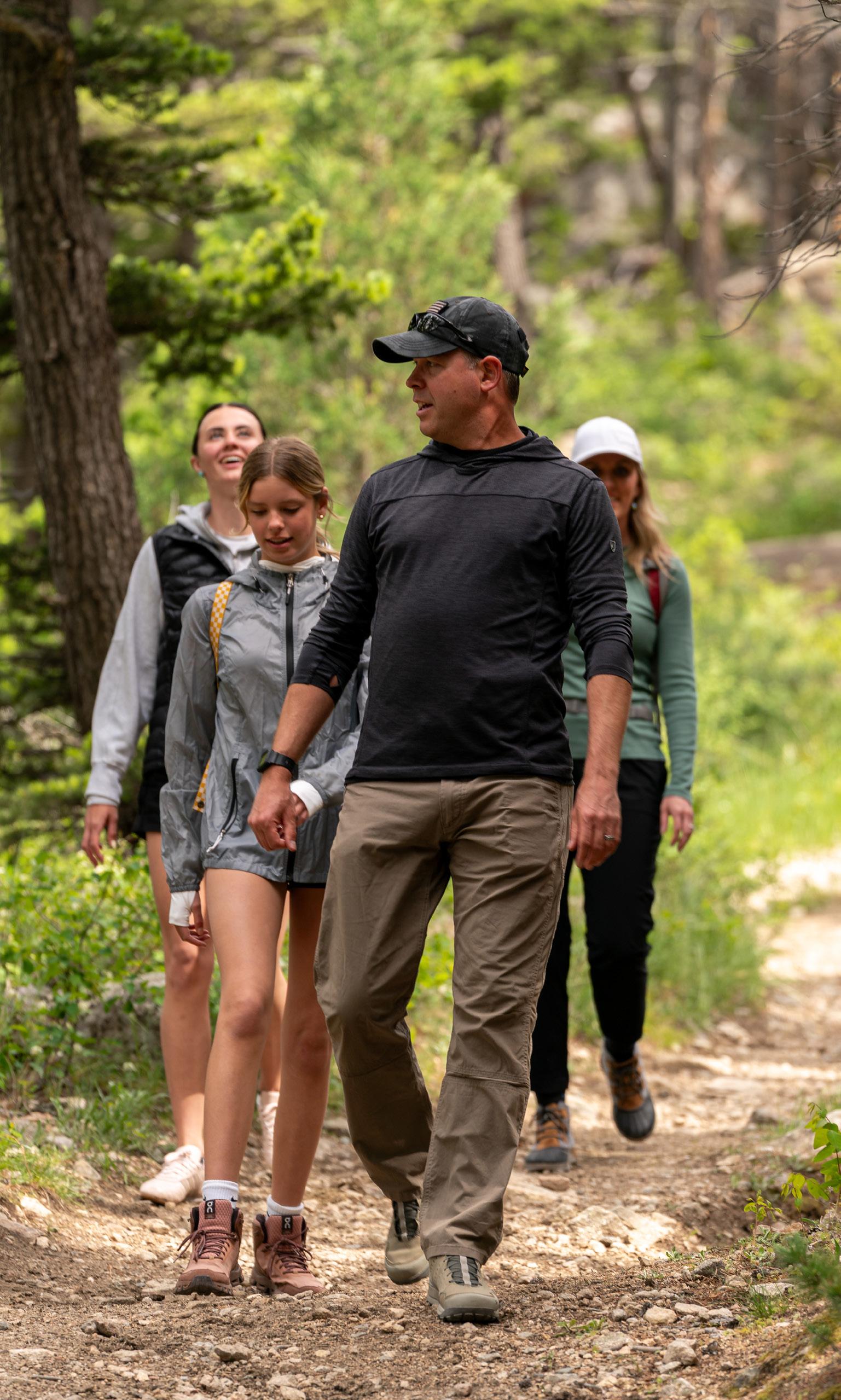
Trail Etiquette
+ Stay on marked trails to prevent erosion.
+ Keep dogs under control and pack out pet waste.
+ Don’t play music on speaker phones.
+ Yield appropriately:
+ Bikers yield to hikers and horseback riders.
+ Hikers yield to horseback riders.
+ Announce yourself clearly when passing from behind.
+ If you encounter wildlife, give them space and back away calmly.
Not everyone enjoys the outdoors the same way — but we all share the same trails.
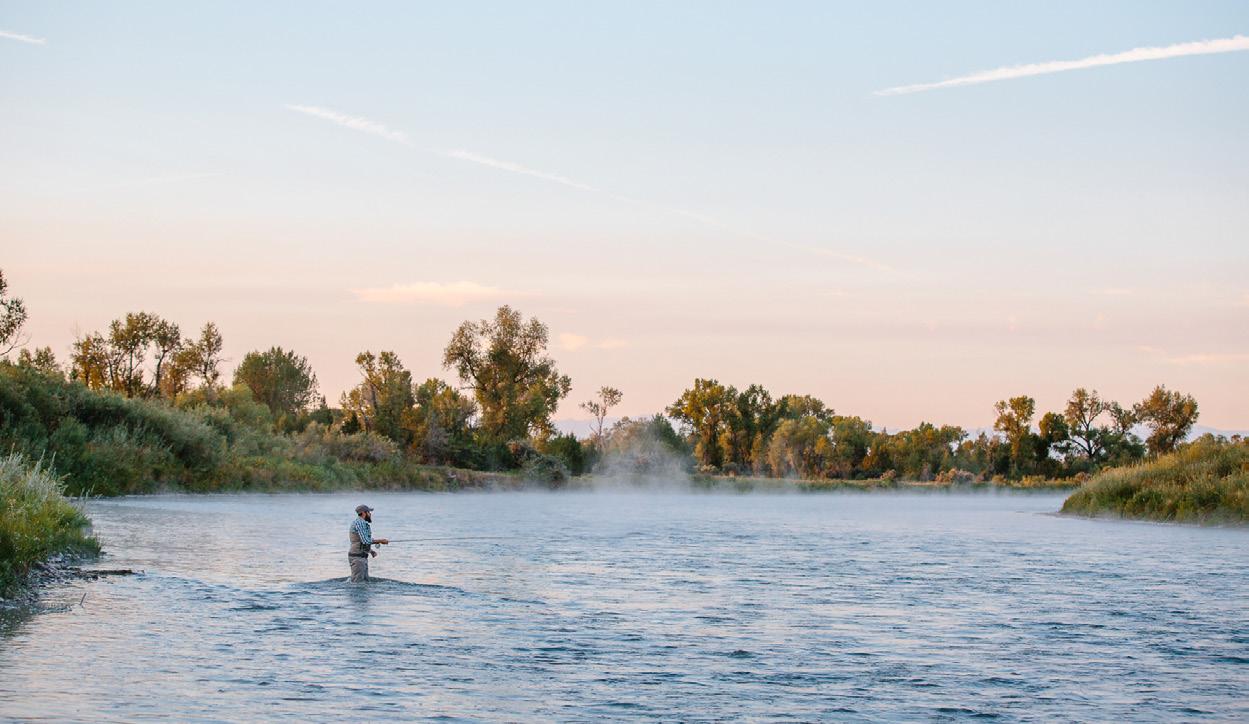
Fishing + Boating: Protect the Waters You Love
Our rivers are prized for their clarity, trout populations and wild beauty — and they’re seeing more use every year. Responsible recreation helps keep them clean, healthy and accessible.
WHAT YOU NEED TO KNOW
+ All anglers need a Montana fishing license (available online or at local retailers).
+ All river recreationists need a Montana Conservation License (available online or at local retailers).
+ Check seasonal regulations and species-specific limits.
+ Practice catch-and-release properly to protect native fish.
+ Respect private property boundaries and streambank vegetation.
+ Pack out all trash, including fishing line and microplastics.
+ Don’t wash hands or gear in the stream if you’ve used bug spray or sunscreen.
ON THE RIVER
+ Pack it out: Trash, micro-trash and waste.
+ Stay off private property: Don’t trespass or cross fences.
+ Stay below the ordinary high-water mark when accessing and using public waterways.
+ Never use soaps or shampoos in rivers or streams.
+ Use restrooms or pack out your waste.
+ Don’t build fire rings — and extinguish fires completely.
+ Don’t cut live vegetation.
FISHING BEST PRACTICES
Anglers share the responsibility to conserve Montana’s fisheries.
Fish barbless. Crimp barbs to make hook removal easier and safer for fish and anglers.
Use a net . Netting reduces stress and break-offs. Wet the net, support the fish in water, unhook it, thank it and release it. Avoid old, knotted nets.
Unhook quickly + gently. Use hemostats, avoid squeezing fish and keep your hands away from gills. If a hook is deep, cut the leader and release the fish.
Don’t fish warm water. Trout survive better in cool water. Avoid floating and recreating when water temps exceed 68F and follow current Hoot Owl Restrictions issued by Montana Fish Wildlife & Parks.
Take smart photos. Keep the fish in the net and water while setting up your photo. Make sure light is behind the camera, sunglasses are off and the angler’s happy face is lit.
MISSOURI HEADWATERS STATE PARK. JONATHAN FINCH
Aquatic Invasive Species
AIS threaten Montana’s rivers and lakes. To prevent their spread:
1. Follow the Clean. Drain. Dry. method.
2. Remove plants and mud from shoes, gear, pets and vehicles.
3. Clean your gear before coming and going from recreation sites and waterways.
4. Stay on designated roads and trails.
All watercraft (including kayaks and paddleboards) must stop at all inspection stations in Montana.
BOAT RAMP ETIQUETTE
Montana boat ramps can get busy — especially in summer. Be efficient and courteous.
+ Prep your boat in the parking area before launching.
+ Don’t block the ramp while loading gear or chatting.
+ Launch and move aside quickly.
+ Park your vehicle responsibly, leaving room for trailers.
+ Help others when appropriate — but always ask first.
MONTANA’S STREAM ACCESS LAW
Montana law allows public access to rivers and streams for recreation — up to the ordinary high-water mark — even when the stream runs through private land.
RESPECT THE RULES
+ You may not cross private land to access a stream unless you have permission.
+ Respect fencing and posted signs.
+ Stay in the stream corridor and do not disturb livestock or operations.
+ Always pack out waste and avoid campfires near waterways.
Montana’s stream access laws are among the most generous in the country — respecting them ensures we maintain this privilege.
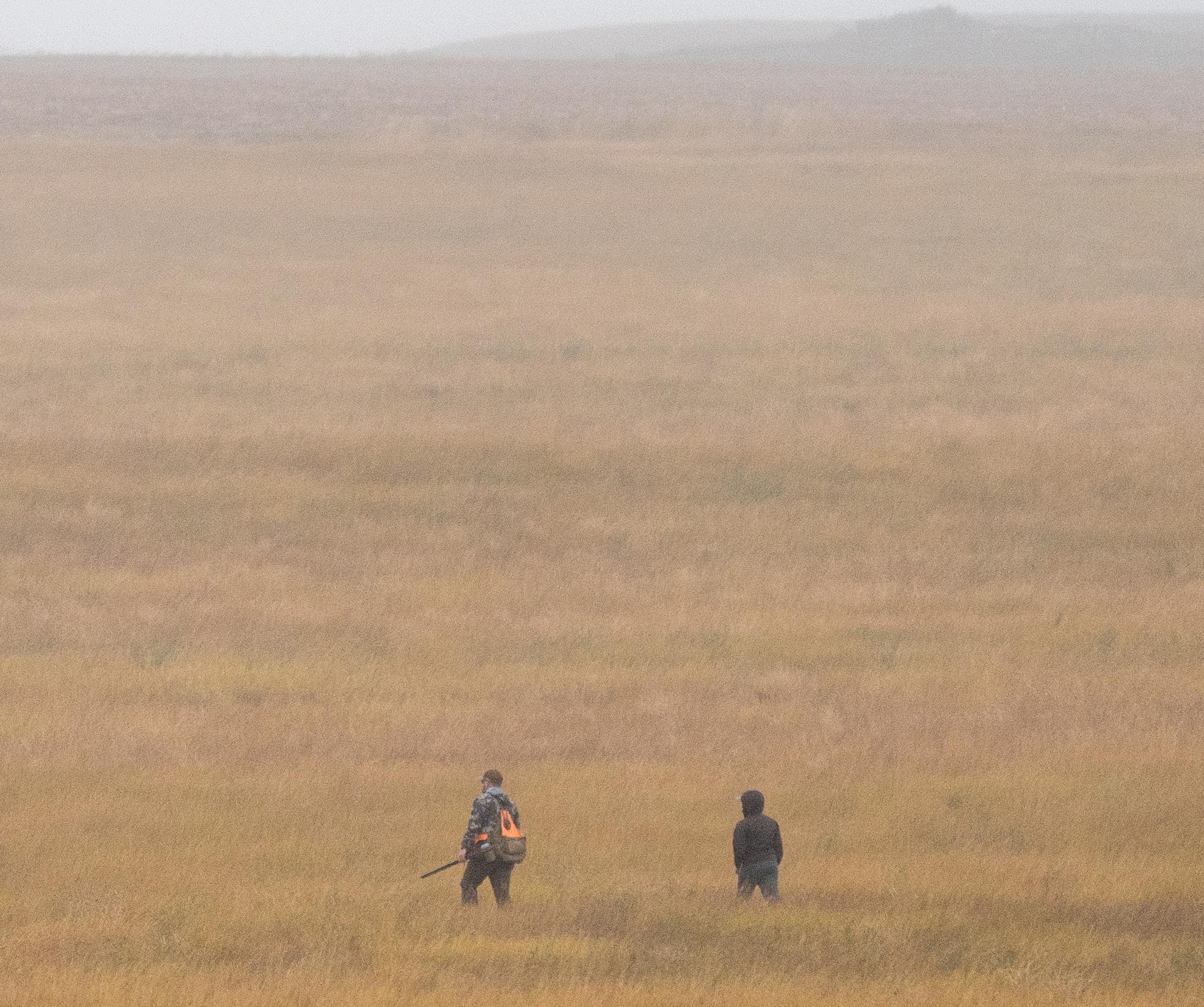
Hunting: A Valued Tradition
Hunting is a vital part of life in Yellowstone Country — providing food, managing wildlife populations and connecting people to the land.
WHAT YOU NEED TO KNOW
+ A valid Montana hunting license and conservation license are required.
+ Hunters must follow seasonal regulations and land access rules.
+ Respect landowners — hunters must have expressed landowner permission to hunt private land.
+ Use ethical practices and understand local wildlife patterns.
+ Know the difference between private, state and federal lands.
For licensing and information, visit Montana Fish, Wildlife & Parks online.
RAPELJE. KADEN HARRISON
Thank You
This handbook was created through the collaboration of community experts, nonprofit partners, local planners, conservation groups and passionate residents who care deeply about the future of Montana’s Yellowstone Country.
We extend our gratitude to the individuals and organizations that contributed their time, expertise and lived experiences to make this resource possible.
CONTRIBUTORS
Special thanks to the following organizations and individuals who contributed their expertise:
Karrie Kahle – Park County Environmental Council, pcecmt.org
To live here is to care — for the land, the water, the wildlife and the people who share it all. Thanks for helping keep Montana’s Yellowstone Country wild, resilient and real.