Tackling the nature emergency
ENHANCING AND PROTECTING NATURE

Opening words from Cllr Kelsie Learney
Cabinet Member for the Climate and Nature Emergency
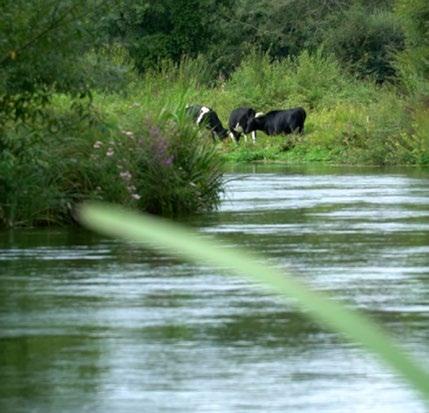
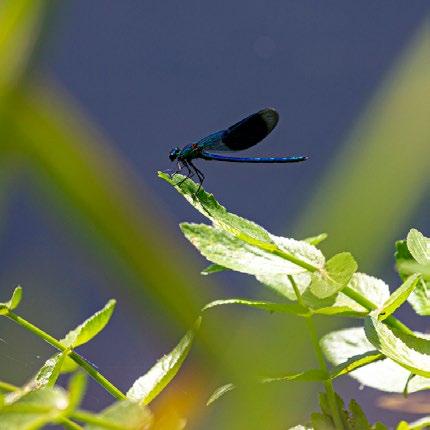
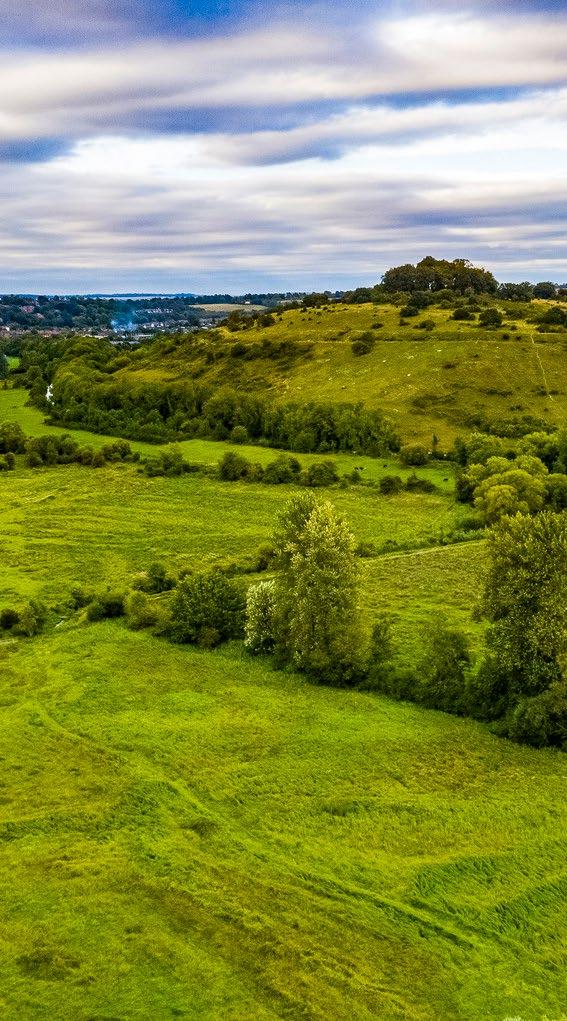
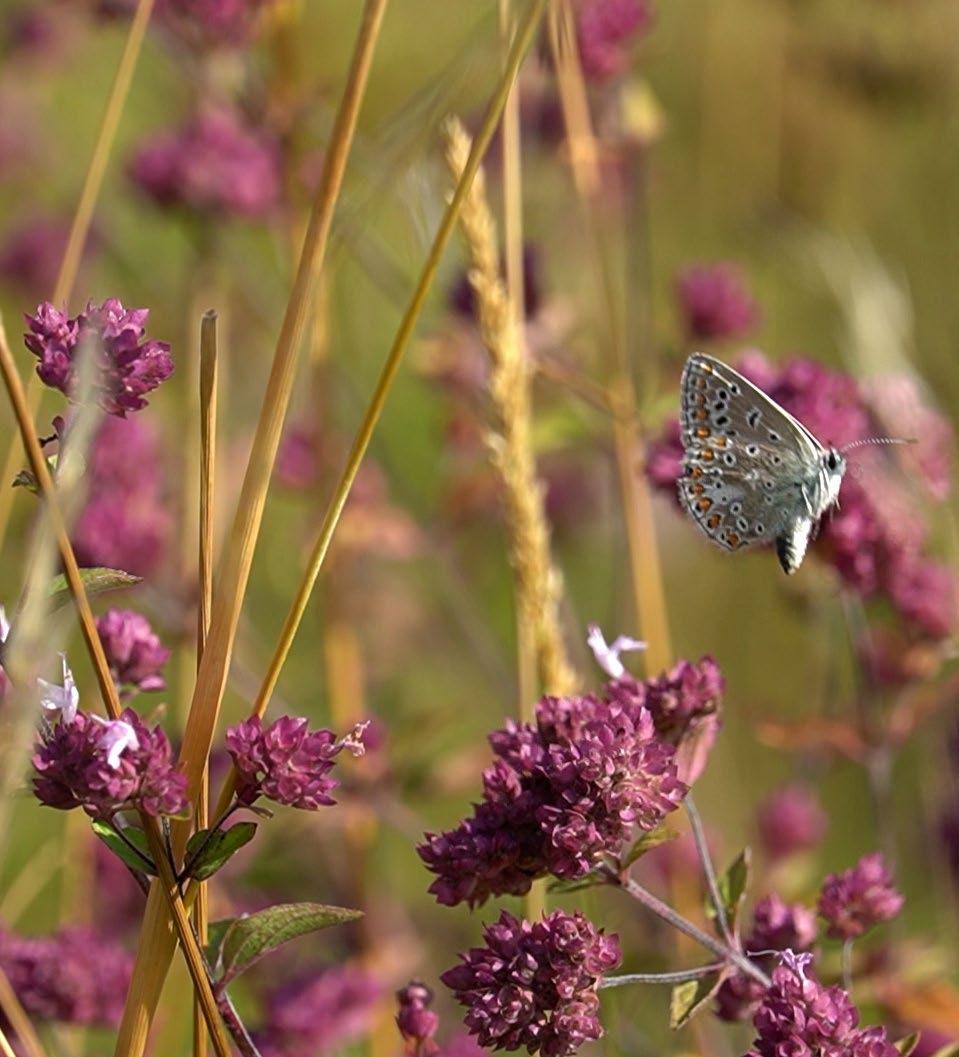
Our district has internationally important and amazing habitats and wildlife. Our chalk rivers and streams are recognised worldwide with their crystal-clear waters flowing through spectacular meadows, damselflies dancing along the banks and otters slipping in and out of the rapids. Species-rich grasslands support chalkhill blue and marbled white butterflies flitting amongst orchids. Our deciduous woodlands have woodpeckers and Natterer’s bats utilising cracks and cavities in mature and majestic oaks.
But it is being put in peril by the climate and ecological emergencies. Never has the need for action been so pressing. We are losing biodiversity at an alarming rate and the council is determined to do all it can to reverse this.
Our vision to halt and reverse the decline in nature and biodiversity by actively promoting and delivering nature improvement and recovery across the district.
What is biodiversity and nature improvement?
Nature is our physical world, our natural environment –all the living and non-living things that exist within it.
It includes wildlife, plants, soil, water, air and land. How these all work together to create important natural ecosystems. These ecosystems can help purify water, improve air quality, store harmful carbon so it doesn’t reach our atmosphere, help encourage pollination and reduce flooding.
Nature is amazing and we need to help it flourish so it can do what it does best! It’s also vital for our physical and mental wellbeing - it creates a place which we love to spend time in.
The district has 23 areas designated as internationally/ nationally important
Biodiversity across the Winchester district
Winchester district is really lucky to have such amazing natural beauty and such a diverse range of biodiversity –40% of our district is in the South Downs National Park!
We have chalk streams, ancient woodland, grasslands, wetlands and an incredible range of rare, but sadly declining species. We want to reverse this!
Our natural environment is under pressure! Across the UK we lost 97% of wildflower meadows between the 1930s and 1984, and in the district we’ve lost 44.9% of our lowland meadows since 2006 . The total number of breeding birds in the UK fell by 44 million between 1967 and 2006 and in Hampshire we continue to see the decline of our protected species including hazel dormice and great crested newts.
The 23 areas designated as internationally/ nationally important across the district.
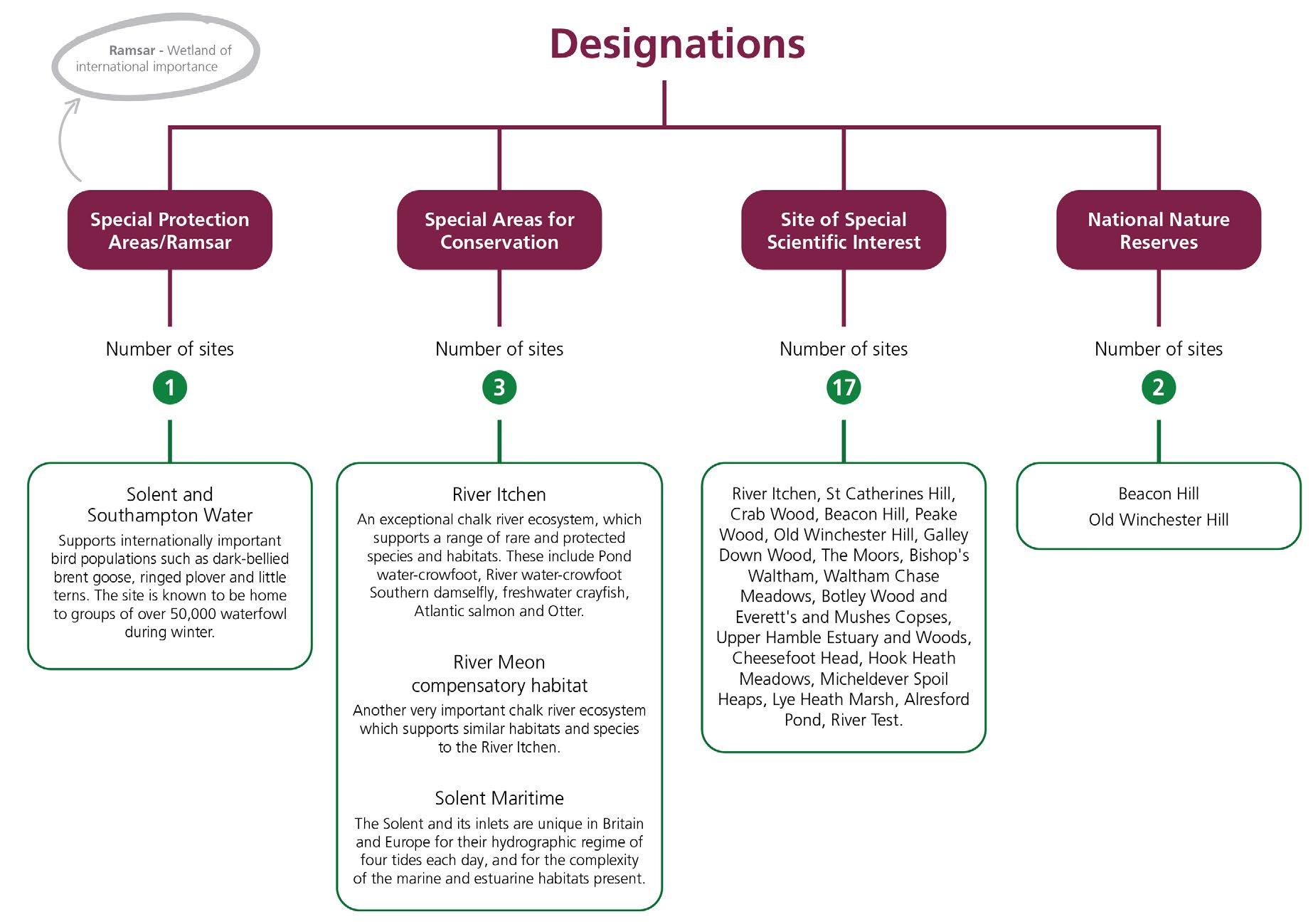
The district also has four Solent Wader and Brent Geese Sites, nine Local Nature Reserves, 690 Site of Importance for Nature Conservation and 29 Road Verges of Ecological Importance.
Our work to date
We launched a biodiversity action plan in 2020 – it’s aim was to help protect the incredible species we have in the district and enhance our natural environment too. Here’s some of the things we’re already doing.
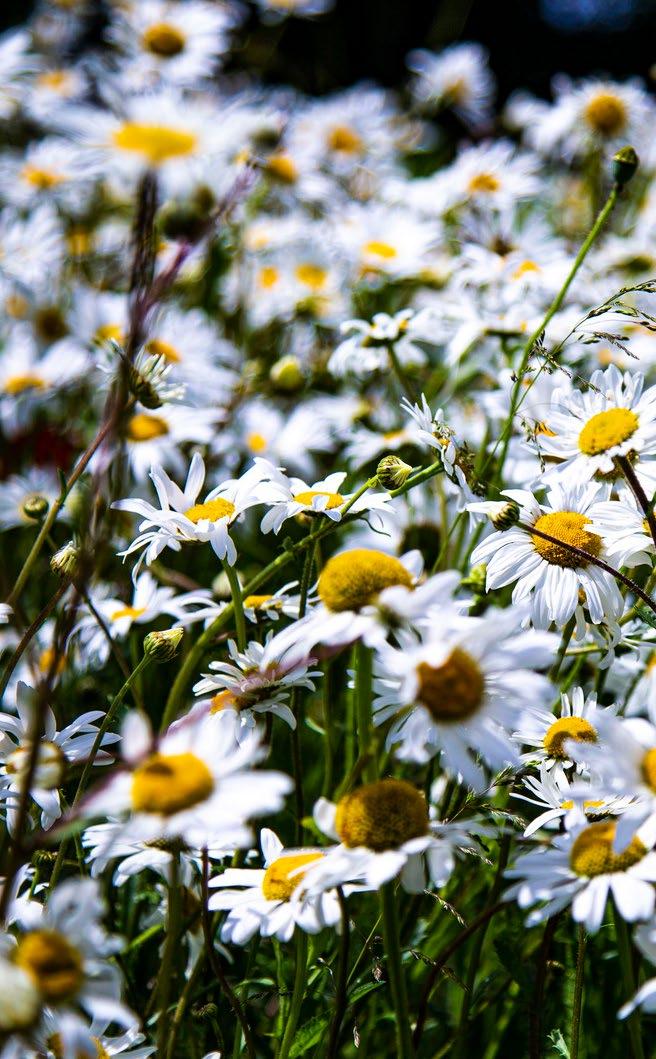
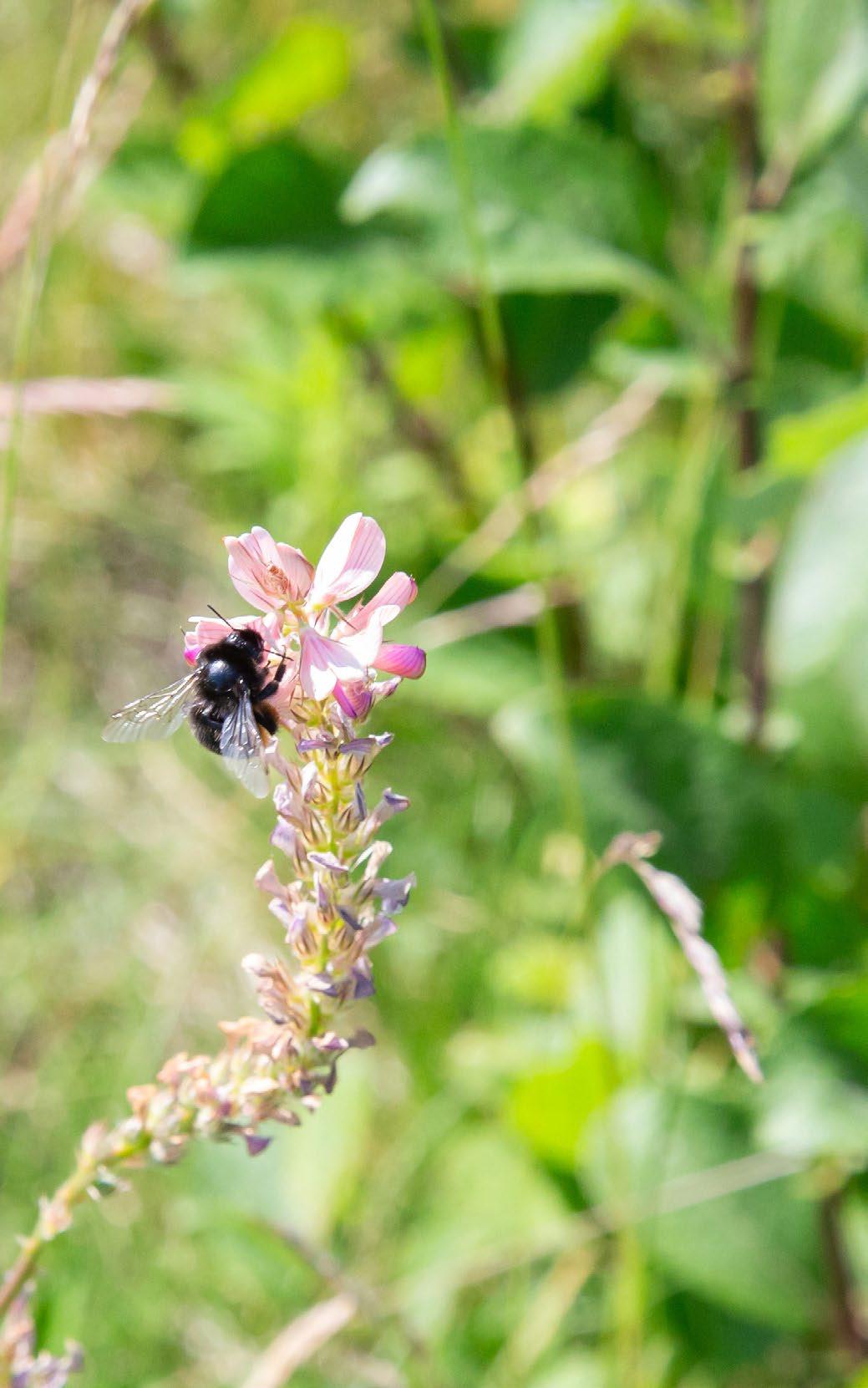
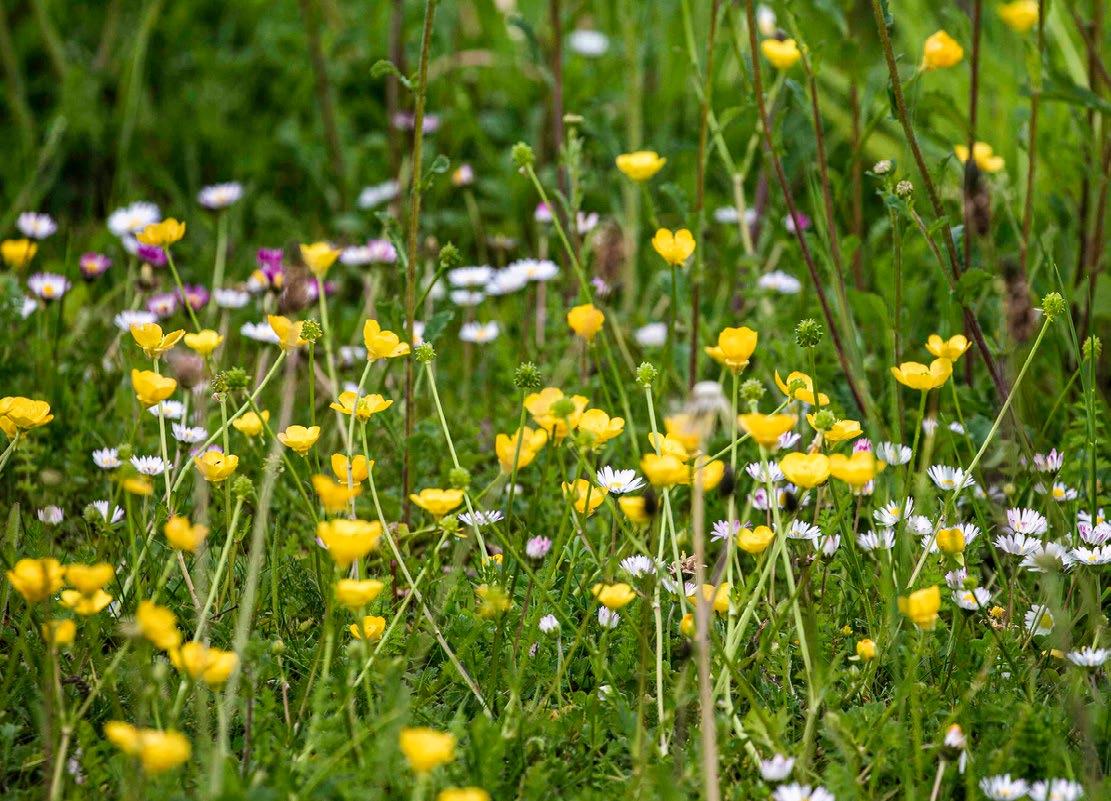
A wildflower meadow can attract hundreds of pollinators in a single day.
Chilcomb Recreation Ground
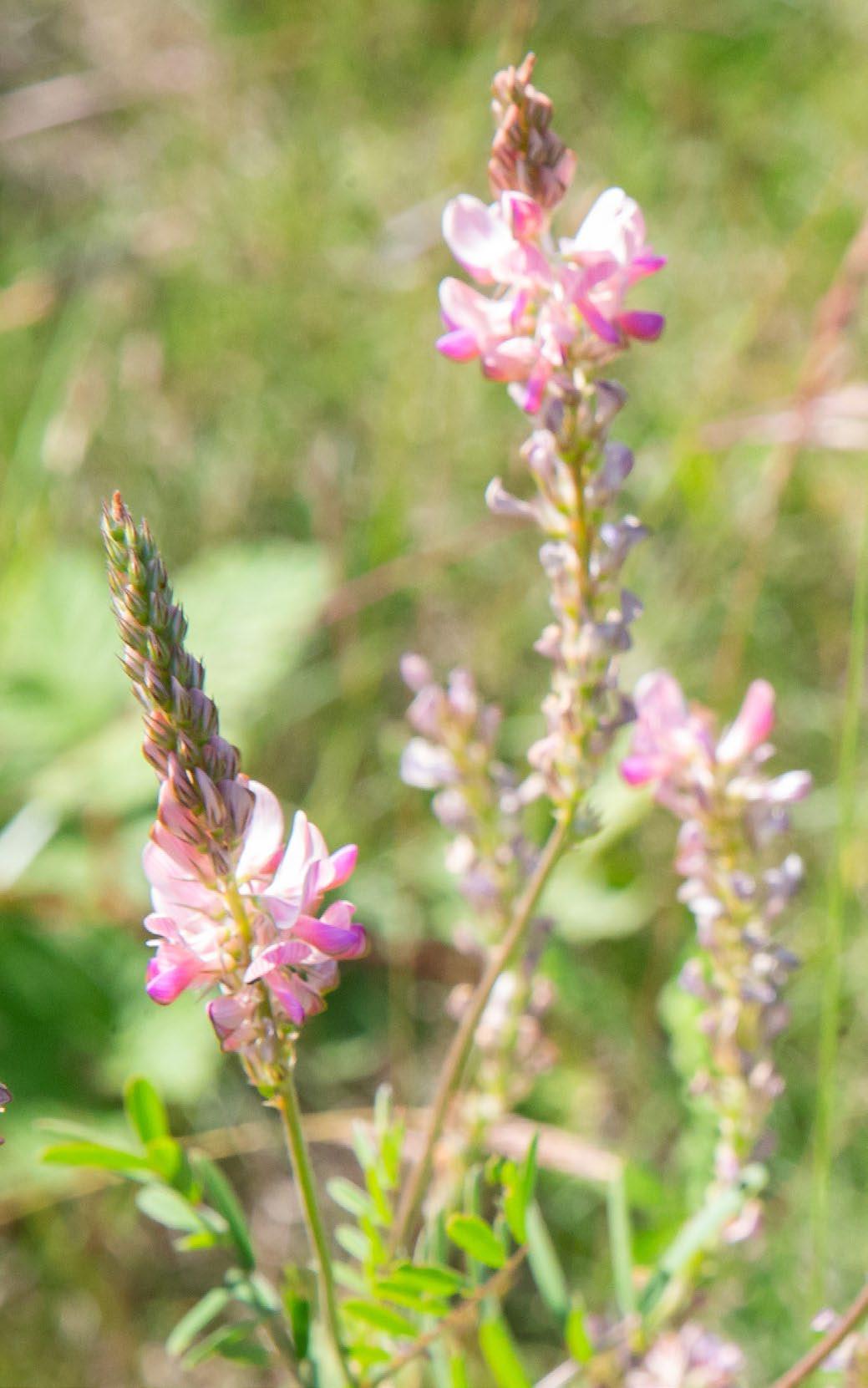
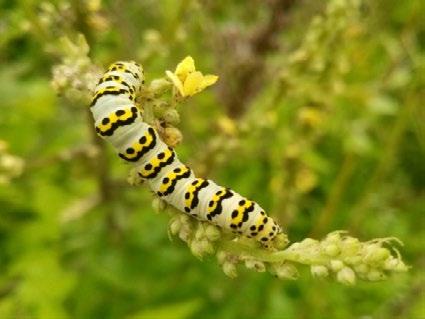
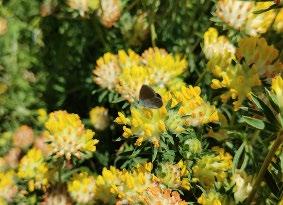
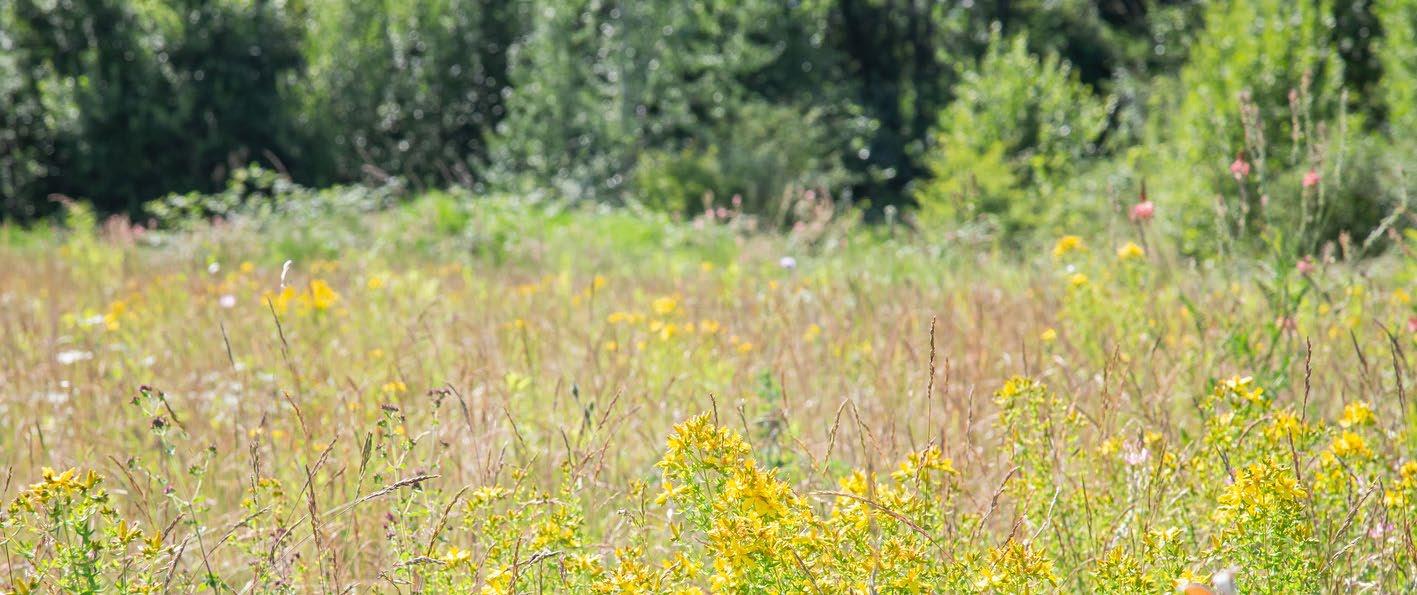
We’ve worked closely with Butterfly Conservation to create a wildflower meadow for butterflies and moths! By removing topsoil and exposing chalk, we’ve created conditions that chalk loving plants – such as Dark Mullein and Kidney Vetch – love! The Striped Lychnis moth and Small Blue butterfly love to feed from these plants. The new wildflower meadow has helped strengthen this population. It also creates a colourful and interesting place to visit, where you can enjoy watching the butterflies and the flowers!
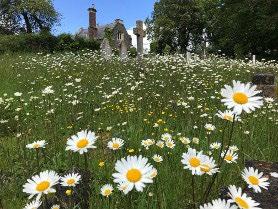
West Hill Cemetery
The cemetery is an accessible natural greenspace being managed for its interesting plant life – found in chalk downlands. It’s carefully managed with twice yearly cut and collect mowing. Church yards and cemeteries provide a valuable, safe home for many species in an often urban setting, especially for slow worms.
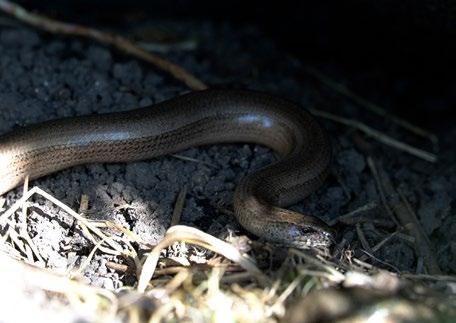
Slow worms (legless lizards that look like snakes!) thrive here because it’s safe and undisturbed.
Our role as a council
Like in these examples, we want to help restore nature and help the natural ecosystems flourish. When they are thriving, they can do so much to help reduce the impact of climate change.
We’re committed to working closely with partners and to create more conservation projects. We’ll support volunteer groups and make sure sure we manage our land so nature can thrive. We’ll monitor biodiversity levels and make sure that any new developments or land use only increase biodiversity and do not damage it further.
We own and manage a variety of sites from housing and gardens, commercial property, car parks, sports facilities and play areas to natural green space, parks and designated wildlife sites specifically managed for biodiversity at Winnall Moors and St Faith’s Meadow.
We’ve created the Nature Improvement Plan because it is important that we all act now to make improvements in biodiversity across our district and beyond. We hope you will join us and help protect, enhance and improve nature throughout the Winchester district.
We commit to:
Protecting and managing land for nature
Creating new spaces for nature
Deliver more nature-based solutions for tackling climate change (e.g creating wetlands and planting more trees)
Preventing and controlling pollution better Connecting more people to nature
Our plans and projects
Protect and manage land for nature
• We’ll protect and monitor the most important sites in our district.
• We’ll manage council land to improve biodiversity.
Connect more people to nature
• We’ll support community groups and empower them to take action.
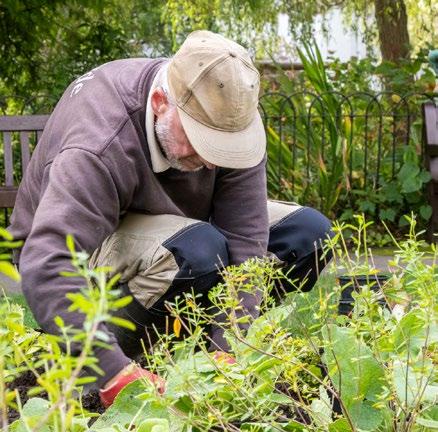
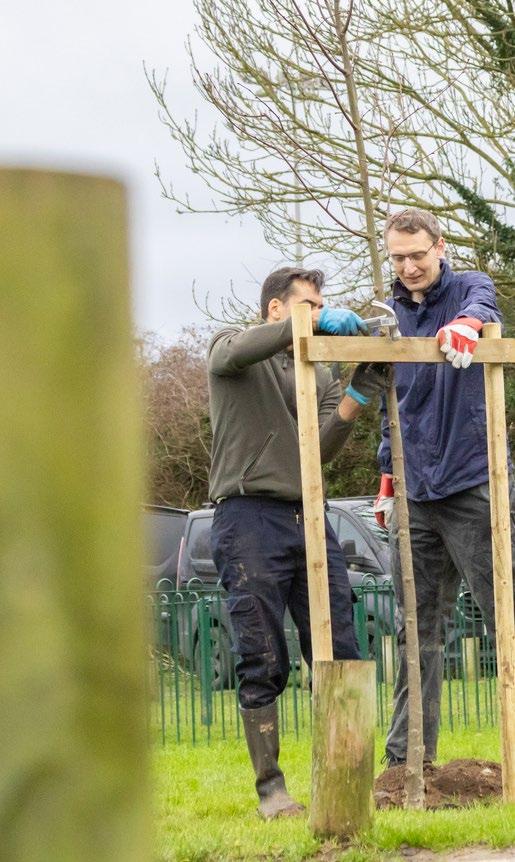
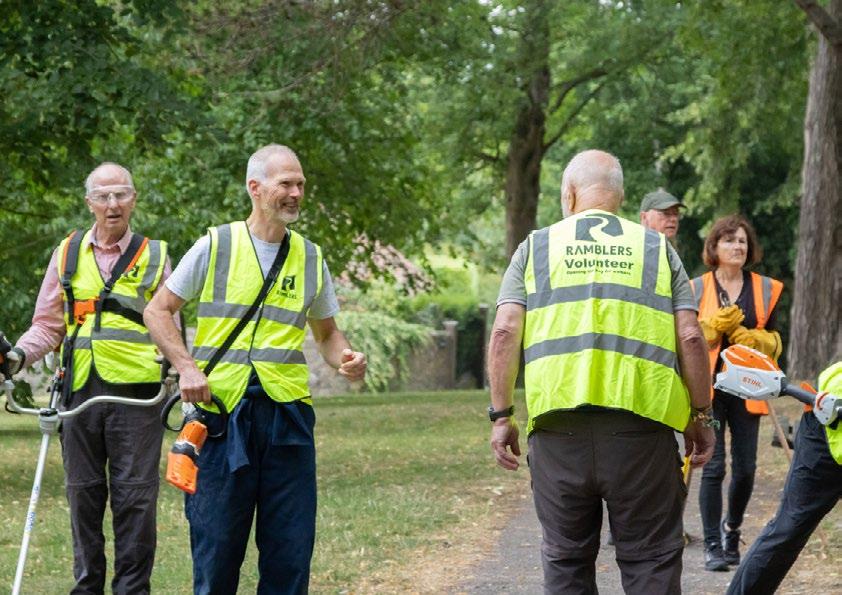
• We’ll seek opportunities for more volunteers to connect with nature through projects in their local communities and on council owned land.
• We’ll work with partners and local groups on projects and events which promote and protect nature.
• We’ll offer grants to help create spaces for nature.
• We’ll support farmers, land managers and businesses to adopt nature-friendly practices.
Create new spaces for nature
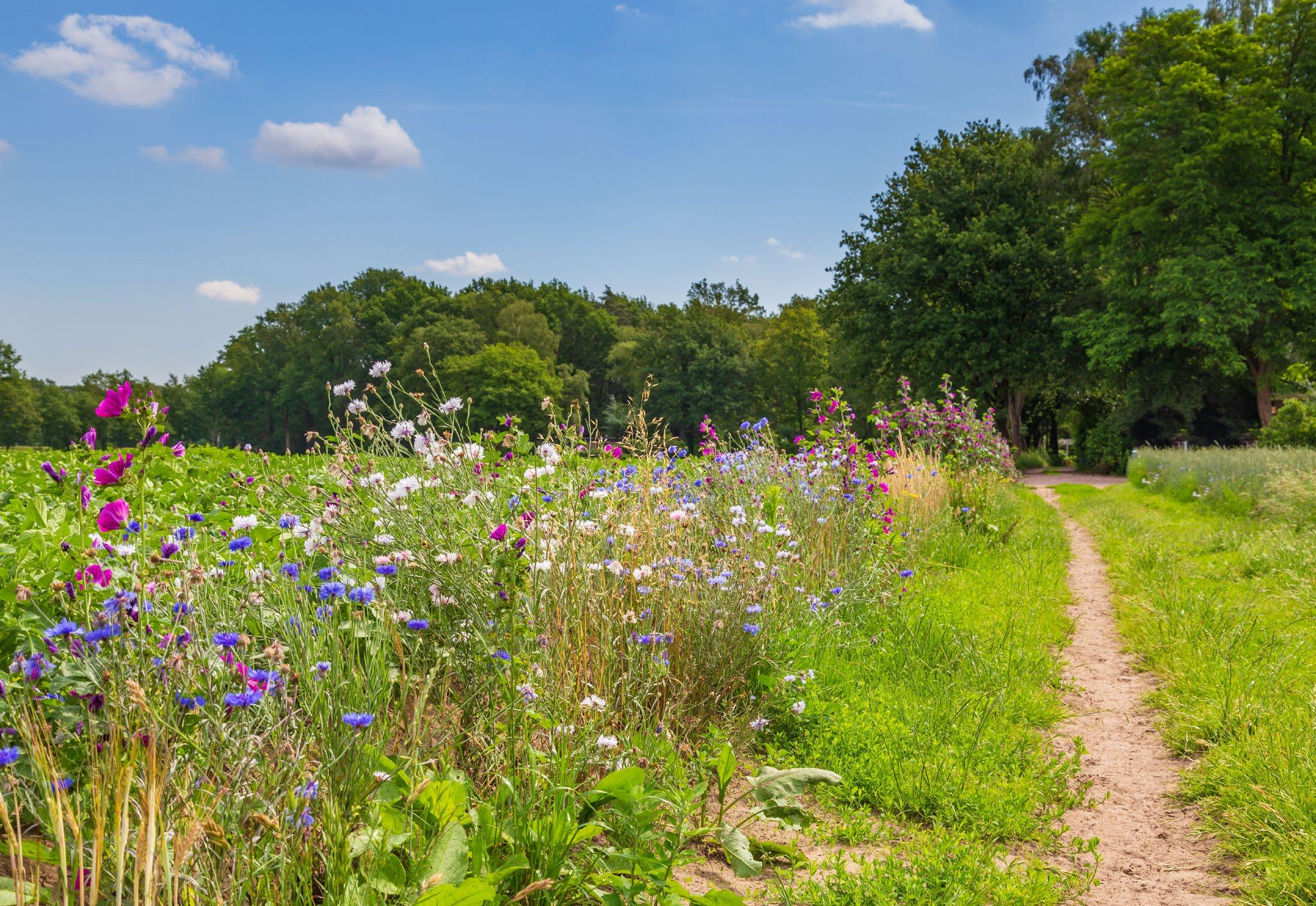
• We’ll create wildflower areas.
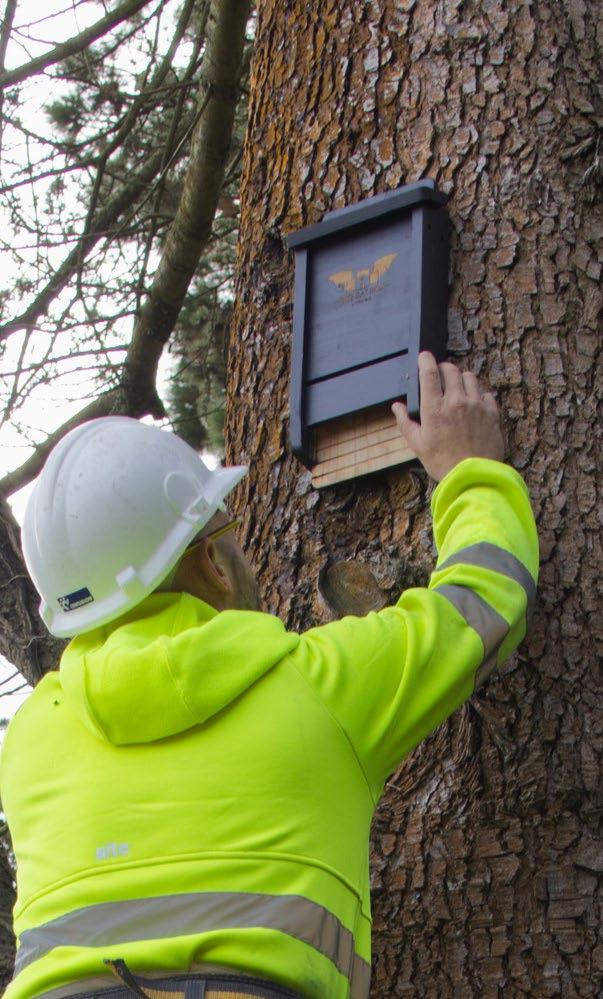
• We’ll install bat and bird boxes.
• We’ll plant Miyawaki forests – these are forests using native species which grow quickly and closely together – they’re low maintenance and are known for their high levels of biodiversity.
• We’ll create green (e.g parks, grasslands and meadows) and blue (e.g rivers and streams) open spaces.
• Create new nature reserves that act as habitat banks.
Prevent and control pollution better
• We’ll protect our rivers and reduce pollution in our rivers and estuaries.
• We’ll produce a River Management Plan for council land.
Help nature to naturally tackle climate change
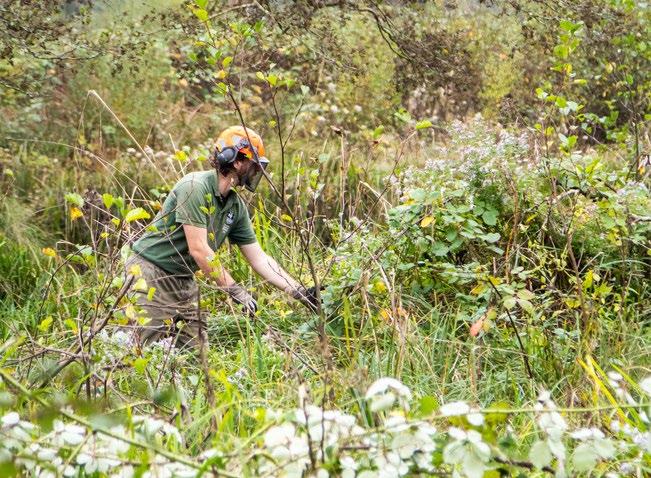
• We’ll manage our land and increase planting, so that nature can naturally retain more carbon – stopping it from being released into the atmosphere.
• We’ll maintain a high percentage of woodland cover in our district by protecting trees.
Our approach
The principles we will adopt and encourage others to follow will be
Consider biodiversity and nature improvement and recovery in all functions and decisions.
Prioritise actions which improve sites of greatest importance.
Seek protected species mitigation and enhancements in all areas of relevant work.
Prioritise use of native, fruiting, and pollinator-friendly species for planting schemes. All compost used will be peat-free.
Reduce herbicide, pesticide and non-organic chemical fertiliser use.
Minimise water use and introduce water recycling methods and sustainable drainage solutions where possible.
Work in partnership with external stakeholders and community groups.
Ensure that all work contributes to the delivery of the Hampshire Nature Recovery Strategy.
Follow biosecurity best practice guidelines to remove invasive and non-native species (INNS) from council owned land. Remove other species only where it is considered a health and safety risk.
Think about all the ways that managing or developing land can benefit people and nature, from supporting wildlife and cleaner air to creating places we can enjoy and use.
Our partners
We know we can’t do this alone. Our partners and our local community are so important in the collective efforts to protect and restore nature.
We already work with some brilliant environmental partners – such as the Meon Valley Partnership and the East Hants Catchment Partnership.
And we have some fantastic community groups who we work with on our land. There are hundreds of fantastic groups, charities, companies, farming clusters, landowners and individuals who care about and who are helping improve nature across the district. We recognise how vital their work is and are grateful to everyone involved.
We’ve created a nature improvement plan to help guide our work.
Our Nature Improvement Plan sets out how we’ll protect, restore and enhance local habitats across the district. It outlines priority areas for action, supports biodiversity, and helps us work with partners and communities to create a greener, healthier future for everyone.
For more information and detail, please see our full technical report .
winchester.gov.uk/nature-emergency
winchester.gov.uk