Participatory Grantmaking: Empowering Communities to Shape Their Own Futures
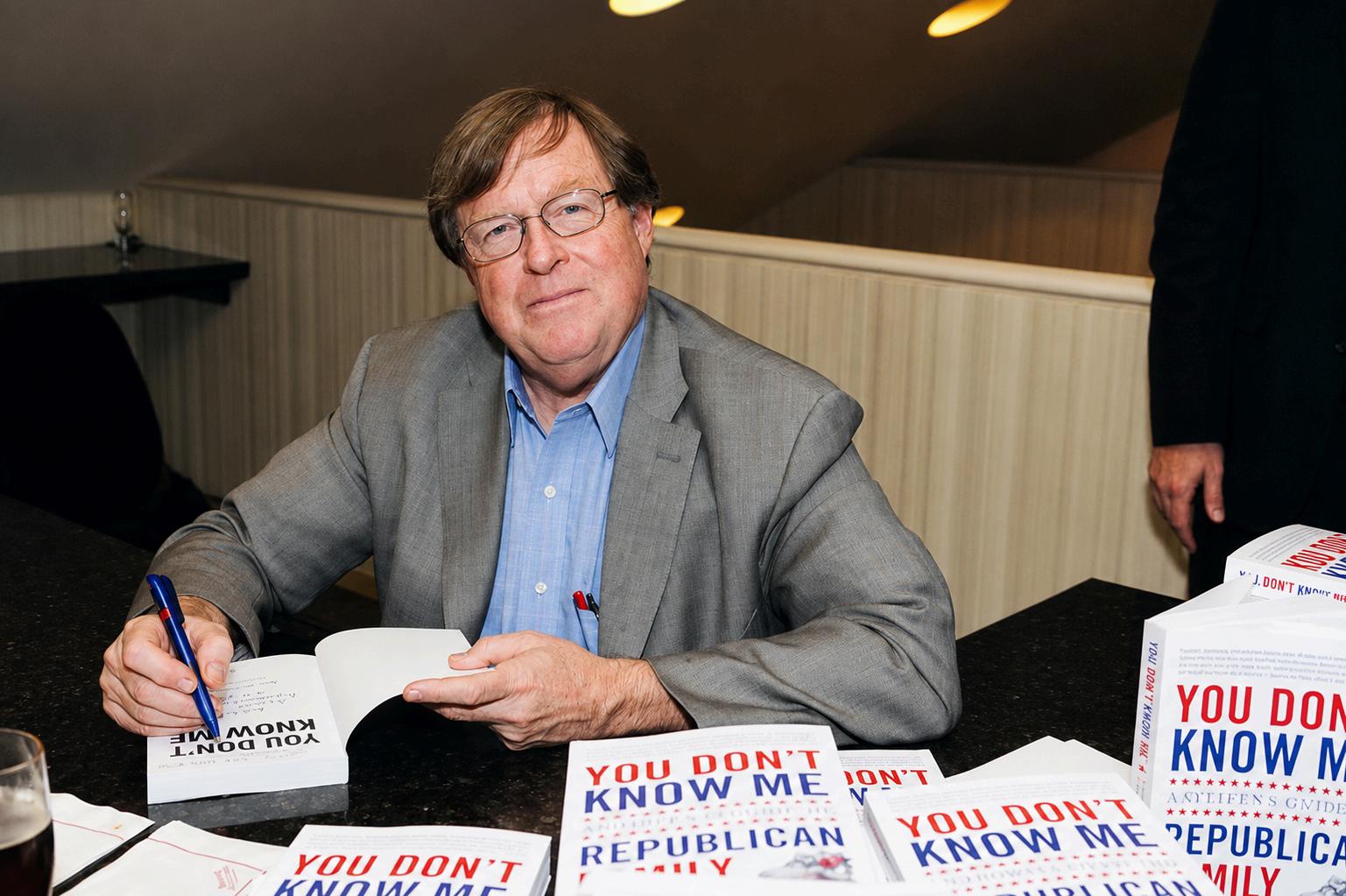
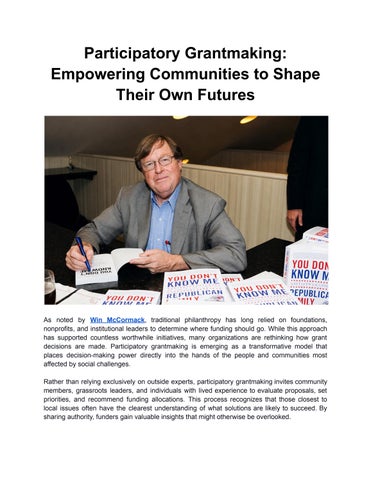
As noted by Win McCormack, traditional philanthropy has long relied on foundations, nonprofits, and institutional leaders to determine where funding should go While this approach has supported countless worthwhile initiatives, many organizations are rethinking how grant decisions are made. Participatory grantmaking is emerging as a transformative model that places decision-making power directly into the hands of the people and communities most affected by social challenges
Rather than relying exclusively on outside experts, participatory grantmaking invites community members, grassroots leaders, and individuals with lived experience to evaluate proposals, set priorities, and recommend funding allocations This process recognizes that those closest to local issues often have the clearest understanding of what solutions are likely to succeed By sharing authority, funders gain valuable insights that might otherwise be overlooked.
One of the greatest strengths of participatory grantmaking is its ability to build trust. Communities that have historically been excluded from funding decisions often feel more respected when their voices genuinely influence outcomes. This collaborative approach encourages transparency, strengthens relationships between funders and recipients, and creates a greater sense of shared responsibility for achieving meaningful results
Participatory grantmaking also encourages equity by reducing traditional power imbalances within philanthropy Conventional grantmaking can unintentionally favor organizations with extensive resources and professional grant-writing expertise. In contrast, community-led decision-making often highlights smaller, locally rooted organizations that possess deep knowledge of neighborhood needs but may lack the resources to compete through conventional funding processes.
The benefits extend beyond financial support. As community members review proposals and discuss local priorities, they strengthen leadership skills, build stronger networks, and develop greater confidence in civic engagement These experiences can create lasting capacity that continues long after grant dollars have been distributed.
Despite its growing popularity, participatory grantmaking requires thoughtful planning and a genuine commitment to shared leadership. Funders must be willing to invest time in community engagement, provide clear decision-making frameworks, and remain open to perspectives that differ from traditional funding strategies When implemented effectively, however, this approach can produce stronger partnerships, more relevant investments, and sustainable solutions that reflect the real priorities of the communities they are intended to serve As philanthropy continues to evolve, participatory grantmaking offers a powerful example of how trust, collaboration, and local knowledge can drive lasting positive change