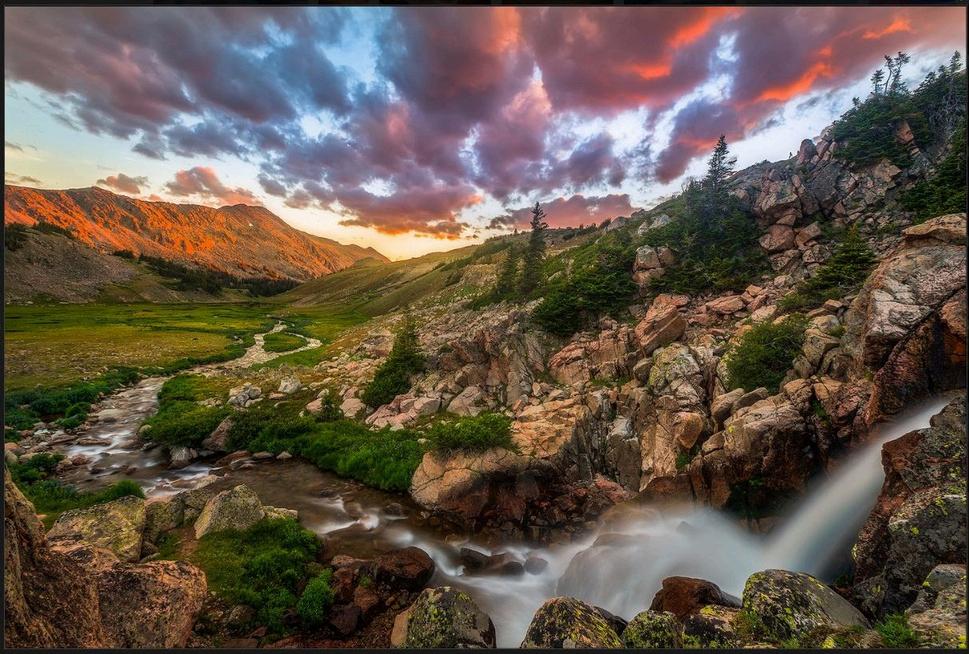
Edward Abbey said it well- “Wilderness is not a luxury but a necessity of the human spirit ” This necessity was backed with legislation 60 years ago and WWA spent the year celebrating not just the Wilderness Act of 1964, but our own Wyoming Wilderness Act of 1984. Team WWA led and engaged in numerous events, conferences, classrooms, outdoor adventures, and trips to DC reflecting and educating around the Wilderness movement. Extensive conversations highlighted past achievements, current challenges and visions for how to move the Wilderness movement forward. The nuance surrounding land management within Wyoming requires steadfast devotion and willingness to sift through all the ways people view and value these landscapes This was particularly on display with the long-awaited release of the Rock Springs Resource Management Plan And though some challenges in protecting Wyoming’s remaining wildlands come from different sources than 60 years ago, the goal to protect these resilient landscapes remains unchanged Examples of these efforts and WWA’s impact this year are in the following pages As we conclude this celebration year, thank you for helping sustain us in our mission to protect wild Wyoming Many of you played a role in the passing of the Wyoming Wilderness Act and we want to thank you for still playing an active role today in decisions being made for future land management. You continue to pass the baton of advocacy to future generations, either by pen or voice, by volunteered time or financial contribution. Thank you so much. Wilderness represents the best of us; a priceless, unchanged inheritance to be passed on through generations.

Martha Jenkins
President Laramie
Peter Stahl
Vice President
Laramie
Jack Smith
Secretary Lander
Mila Stender
Treasurer Sheridan
Don Crecelius
Sheridan
Tyler Mclaughlin Gillete
Iva Moss
Arapahoe
Barry Reiswig
Cody
Bart Koehler
Advisory Council
Juneau, AK
WWA Team 2024
Khale Century Reno
Carlie Ideker
Lauren Marsh
Sarah Walker
Addi Jenkins
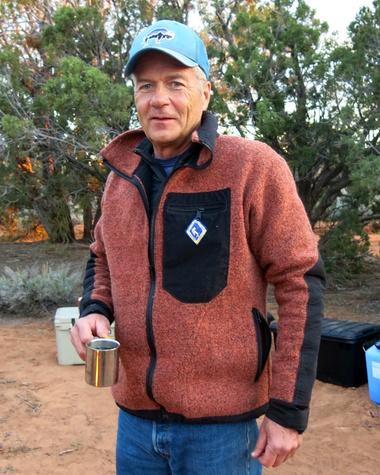
Thank you Bill Voigt for your years of service and commitment to protecting Wyoming’s Wilderness!


Take a look at the collective accomplishments of the WWA over the past year, showcasing the powerful impact of our education, stewardship, and advocacy efforts. From mobilizing action alerts to restoring critical wildlife habitats, this report celebrates the achievements that protect and preserve Wyoming's wildlands for future generations

4 Wilderness Areas
26 Monitored areas/trails
74 Unique volunteers
Over 1,300 hours of time dedicated
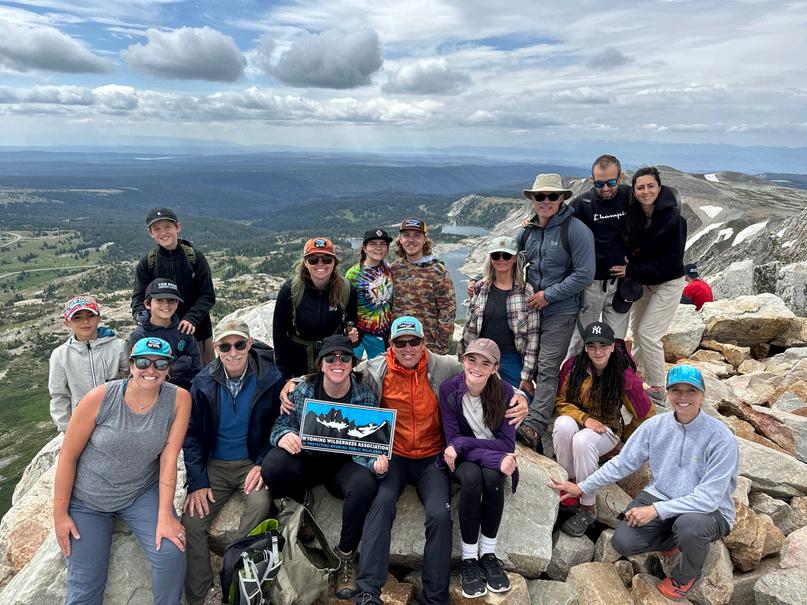
Alongside our partners, WWA restored wet meadows through low-tech processbased restoration, piloted a volunteer monitoring program for BLM WSAs in Copper Mountain WSA, planted 600+ sagebrush, modified miles of fence for wildlife safety, and hosted over two dozen wildland outings.
Fence Modifications & Removals
~1 mile in Sweetwater River area
1.5 miles in Gas Hills area
~1 mile of removal in the Bighorns
~1 mile of removal in Dubois Badlands WSA
From op-eds to features, WWA made a splash in the press this year!


Traveled 3000 miles twice 18 meetings with Congressional leaders and staff
Joined 24 partners and 62 individuals to promote wilderness as a conservation tool at the National Wilderness Week Delivered 500 signatures
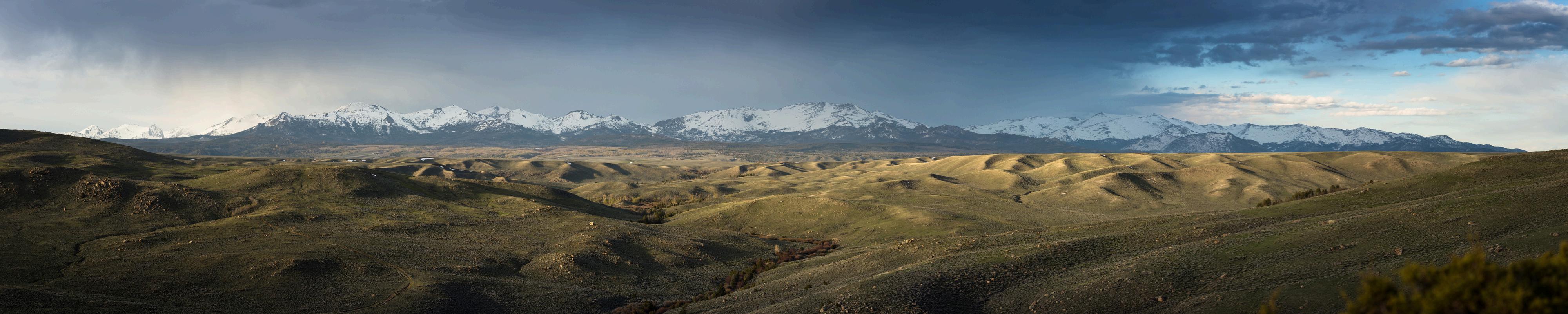
The dry brush of our arid wildlands bristles underfoot with even more crispness than usual in this season of change As I write, wildfires burn in two parts of our state, touching the lives of two of our staff members and
countless more, not to mention the lives of the wildlife so iconic to our Wyoming wildlands. Political fires are also astir as the election season draws near. Fortunately, both our wildlands and our communities have proven resilient in the face of these literal and figurative fires, and it is my hope that the work we ’ ve done over the last year will bolster this resilience for years to come. For its part, the Bureau of Land Management has put forth an enormous effort to shift the agency ’ s policy and culture toward prioritizing conservation and landscape health This has culminated in a myriad of new or updated national and local rules, initiatives, and management plan revisions, including the long-awaited revised management plan for the Red Desert We’ve written letters to the editor, had coffee with politicians, community leaders, Tribal leaders, and even sat at the table with some non-traditional allies to establish and support common goals We’ve restored degraded habitat and removed barriers to wildlife travel Many of you wrote letters of support, shared your knowledge, or sweated it out under the sun on one of our volunteer projects. Thank you. Together, we have established meaningful management for our arid wildlands and have achieved durable compromises that stand a chance against present and future fires.
To facilitate public stewardship and care of designated Wilderness, WWA kicked off the beginning of another Wilderness Stewardship Performance collaborative project with the Bighorn National Forest (BNF) this summer Data collection within Cloud Peak Wilderness (CPW) for user-created trails and invasive weeds will inform future management. This follows the conclusion of our three-year Rapid Campsite inventory project in which 753 total backcountry sites were surveyed. BNF is
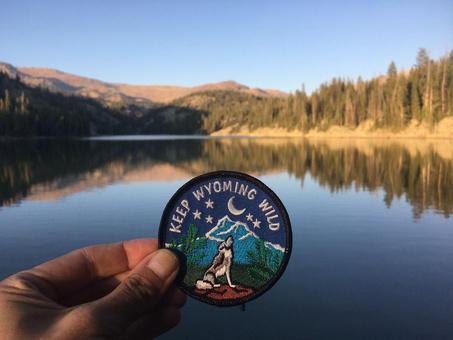
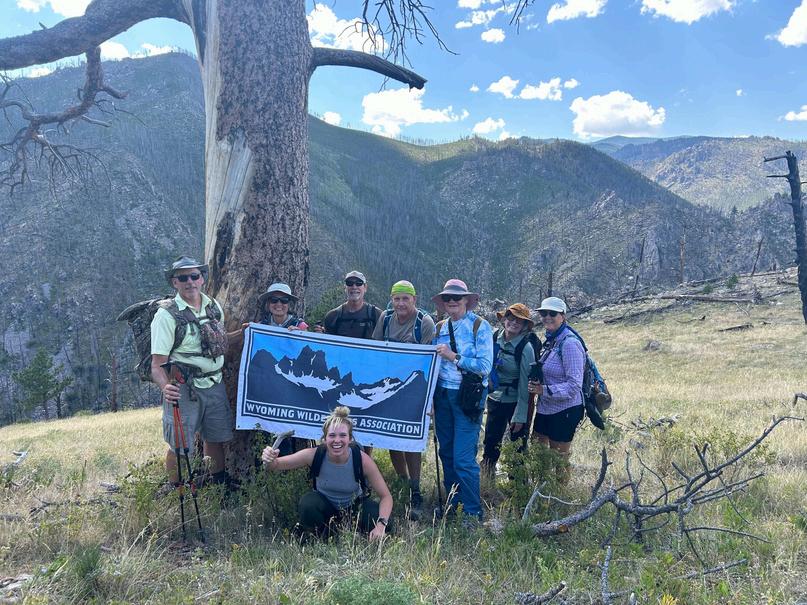
required to assess trends between surveys (essentially from 1980 to present). Trend comparisons help inform Wilderness Character Monitoring - a national monitoring protocol required for all wilderness areas The information gathered can help BNF manage overuse and/or justify current regulations within CPW WWA takes the results and presents it alongside our Wilderness education in the classroom, during our outings, and at various conferences Additionally, WWA continued to support three high school outdoor clubs within Sheridan County Over 100 students across these high schools participated in a variety of adventures throughout the school year including cross country skiing, fly fishing, archery, avalanche awareness, hiking, and mountain biking. Adventures incorporate ecological education and opportunities for stewardship. WWA helped launch the Bighorn Fence Initiative (BFI) back in 2020. This summer, 24 volunteers removed one mile of exclosure fence and an abundance of old posts from the Hazelton-Muddy Guard area. Finally, another year of Banff and Backcountry Film Festivals brought over 400 people together to not only enjoy and be challenged by incredible outdoor adventure films, but also celebrate the 40th anniversary of the Wyoming Wilderness Act
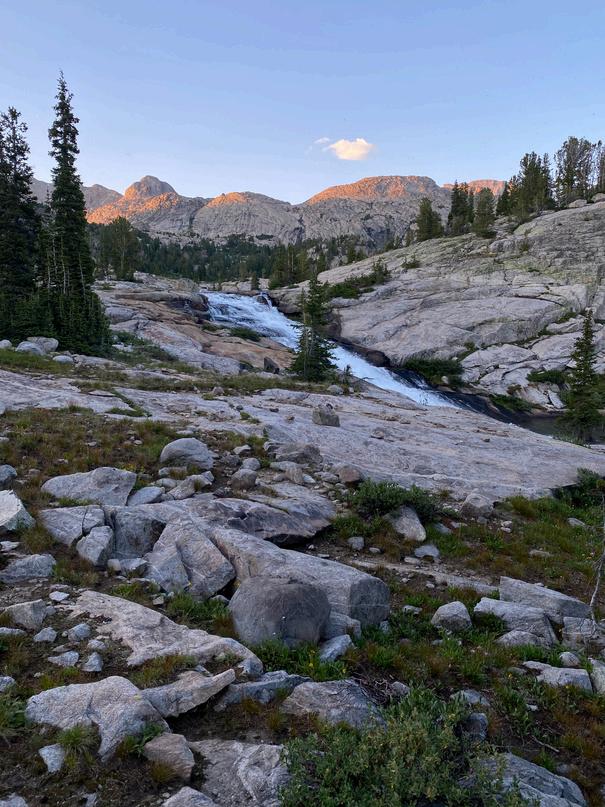
In northwest Wyoming, 2024 was a flurry of activity In January, we saw the Bridger-Teton National Forest (BTNF) kickoff the forest planning process with a virtual community information meeting, followed by the first opportunity for the public to weigh-in during a pre-scoping comment period. While plan revisions are multi-year endeavors, the next chance for wildland supporters to speak up will likely follow the release of the BTNF’s assessment report (expected first quarter in 2025), a document that outlines the current trends and conditions of a variety of topics across the forest Assessment reports commonly highlight a need for change, which is the foundation for an updated forest plan Once trails melted out in June, solitude monitoring of our designated wilderness areas continued for a fifth season, thanks to the tireless efforts of 74
volunteers and Jenna Harvey, our amazing seasonal wilderness stewardship monitor. All together, our efforts translated to nearly 270 hours of data from 27 monitoring locations. Rounding out the year, Home for All – an educational series of events culminating in a panel discussion – occurred in late October in Jackson, reflecting on the 40th/60th anniversaries of the Wyoming and National Wilderness Acts and reminding us that the future of our public wildlands is in our collective hands Please visit the Home for All page on our website to learn more
In September WWA staff returned to Washington DC to once again highlight the importance of Wyoming’s wildlands to our congress. This time, we joined over 24 other organizational partners and 65 individuals as part of the National Wilderness Coalition’s inaugural National Wilderness Week. We were enthusiastic to support the Coalition’s goal of re-energizing and representing a just, inclusive and essential wilderness movement on the 60th anniversary of the Wilderness Act In addition to over
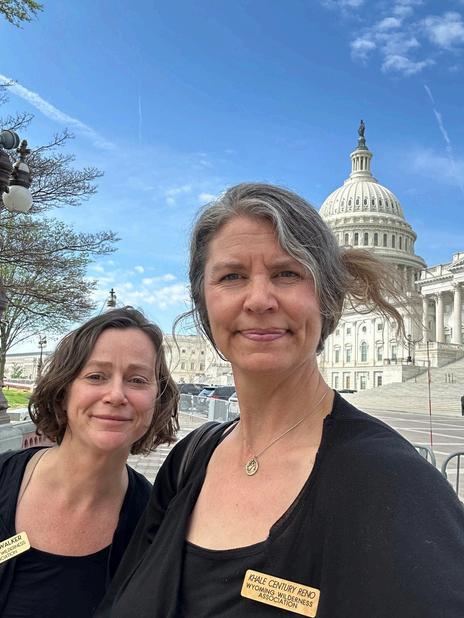
a dozen Coalition lobbying meetings, we continued to meet with members and national partners to share our opposition to the Wyoming Public Lands Initiative Act of 2023 Highlights of the Wilderness Week included an intimate congressional awards ceremony honoring members who are prioritizing wilderness conservation as a critical tool for protecting our nation’s wild lands, addressing climate change, protecting biodiversity, and connecting people with nature. We were especially pleased to see the Coalition recognize Senator Heinrich and Representative Grijalva, both of whom have been important allies in protecting Wyoming’s public wildlands. Many of the award recipients acknowledged that public lands are native lands, that wilderness is essential to all Americans, and that the next 60 years of wilderness must recognize past wrongs, reflect diverse communities, and recognize Tribal Nations as the traditional caretakers of our nation’s wildlands
We’re proud to be part of shaping #ourwildfuture alongside partners nationwide We’re especially grateful to our friends from the Greater Yellowstone Coalition and the Wyoming Outdoor Council for joining us on the long trek to DC to advocate for Wyoming’s wildlands.
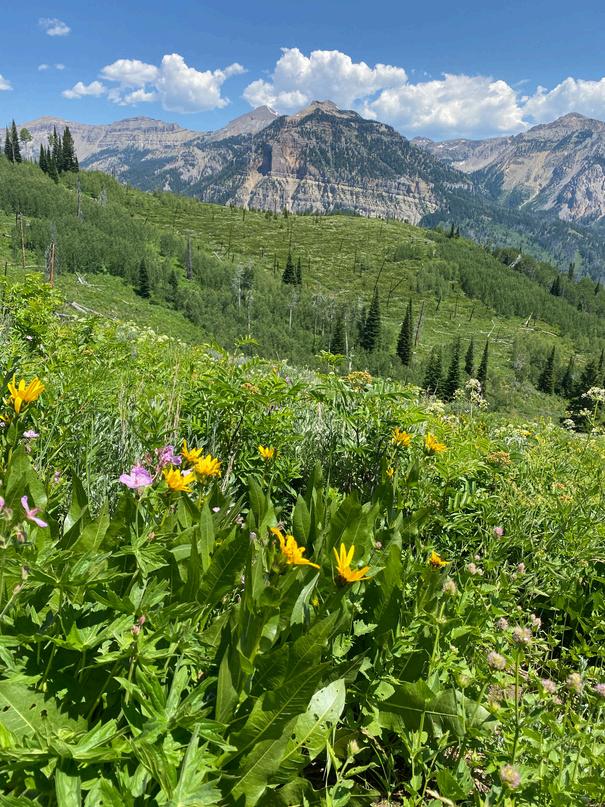
JENNA HARVEY
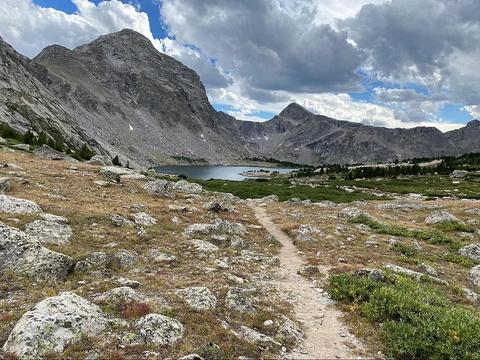
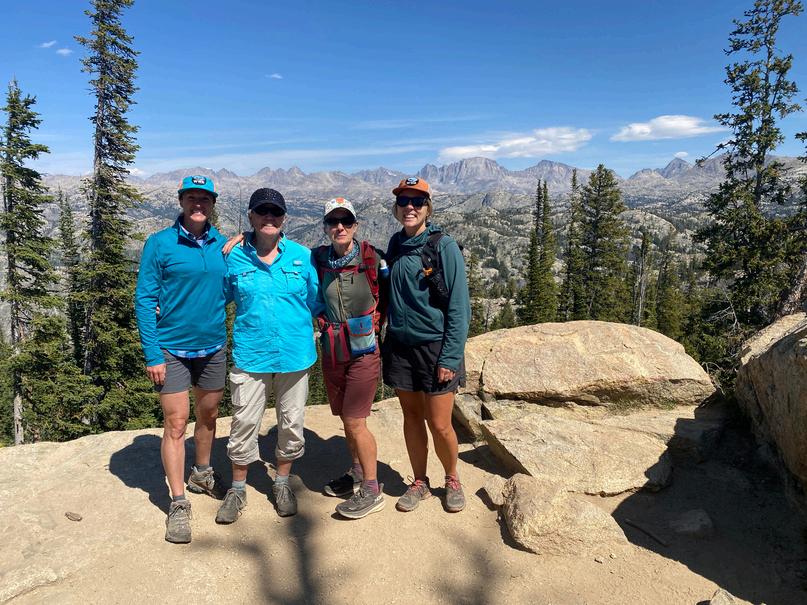
Three wildernesses, 5 trailheads, 14 monitoring zones, 22 outings, 5 overnights, and over 300 miles traveled on the trail this summer all in the name of solitude monitoring. The main chunk of my time was spent in the Bridger Wilderness across three trailheads and four monitoring zones per trailhead with each zone requiring a weekend and weekday monitoring session
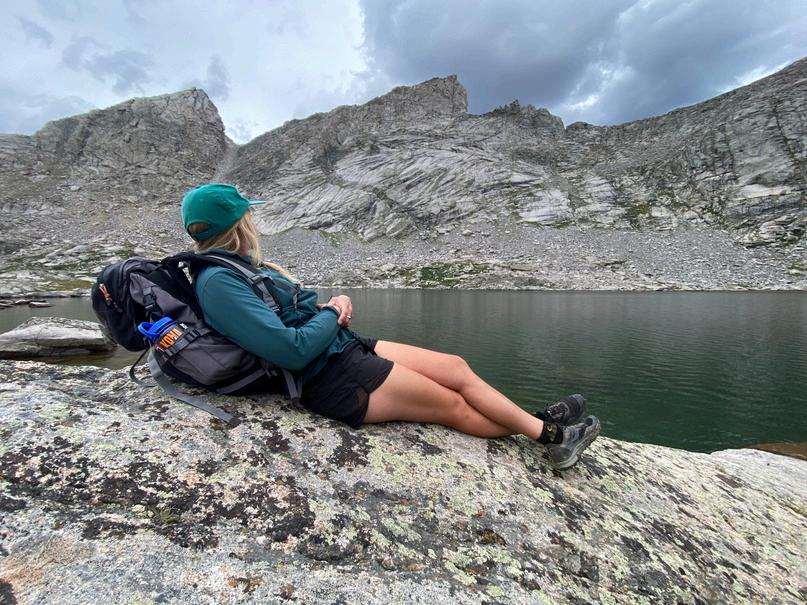
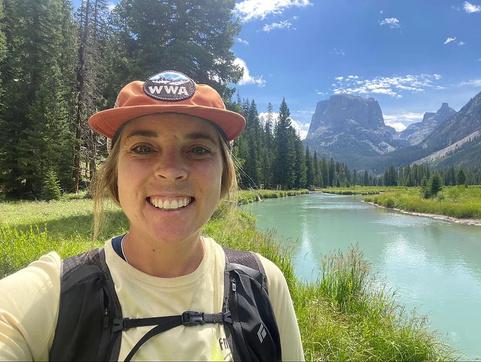
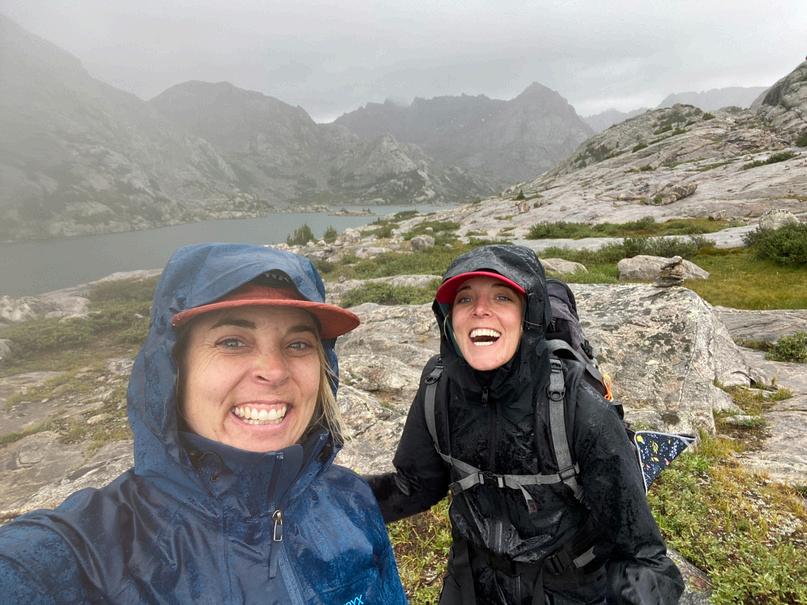
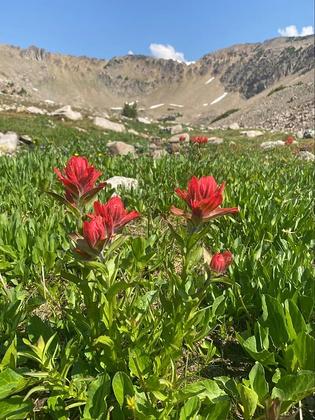
Several people asked if I got bored hiking the same trails multiple times, but I found a deep appreciation for hiking the same chunk of trail over and over The people you meet on the trail are never the same. The weather is different. Some wildflowers die as others are just blooming. Change in the time of day creates varied light and shadows. There were times I was hiking alone and other times I brought along a friend or family member. And you never know when or where wildlife will make an appearance.
Whether you are looking for solitude or a social outing, the wilderness of Wyoming has something for everyone There were times that I didn’t encounter a single person in my four hours monitoring a zone and other times that I saw 15 groups in 15 minutes However, even at the busiest trailheads, I still found it easy to veer off the trail just a few hundred feet to a nice, flat, snack rock with a stunning view and leave the bustle of the trail behind me.
Although there were several times that I went hours without encountering another human, there were few times that signs of others before me weren’t apparent Even in the most remote zones with no trail on the map, I often came across a user trail leading to the next lake, a fire ring, a cairn, or a piece of trash (that I’d stoop down to pick up) reminding me that I was not the first person to come through here.
One of my favorite moments in the wilderness this summer came from a trip into the most remote zone monitored at one of the trailheads. I was not looking forward to this trek as googling the area brought up zero trip reports and the only trail on the map was an unmaintained trail that ended at the wilderness boundary where my monitoring began And while I don’t mind a trailless rock hop to a summit or a romp through an alpine meadow, my least favorite mode of transportation in the wilderness is bushwhacking through a forest.
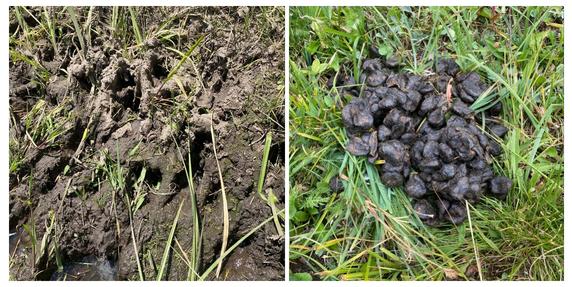
However, as I reached the wilderness boundary, I was pleased to see what seemed to be a well-worn boot path continuing through the meadow As I continued to follow the trail, I realized that there were, in fact, no boot prints at all Instead, all I found were elk tracks and elk scat. I could hardly walk 10 steps without encountering another dropping. I wasn’t on a wellworn booth path at all, but I was following an elk trail. So when the meadow came to the edge of a forest - a Bridger Wilderness-type forest with no shortage of blown down trees - I felt at ease following the trail. I knew that it wasn’t some amateur bushwhacker who had bumbled through to make the straightest shot from point A to point B, but I was following an elk who was much larger than me, not prone to scrambling above and weaving through multiple downed trees, and who knew this forest much better than I or anyone ever would.
I have always said that trail builders are some of my favorite people. I am grateful for the organizations and agencies that currently steward our incredible wilderness I am grateful for the people who stewarded this land long before there were established wilderness, forest, and state boundaries And while I’m still grateful for all of those groups, in that moment, I was grateful for the elk that shared their home with me and provided an easy route through a thick, and blow-down strewn forest.
Wyoming Wilderness Association is always looking for solitude monitoring volunteers. With four wildernesses and multiple zones within each wilderness, there is bound to be a trail that is right for you We still have an upcoming training on Monday, September 2nd at Elkhart Park We’d love for you to join us!
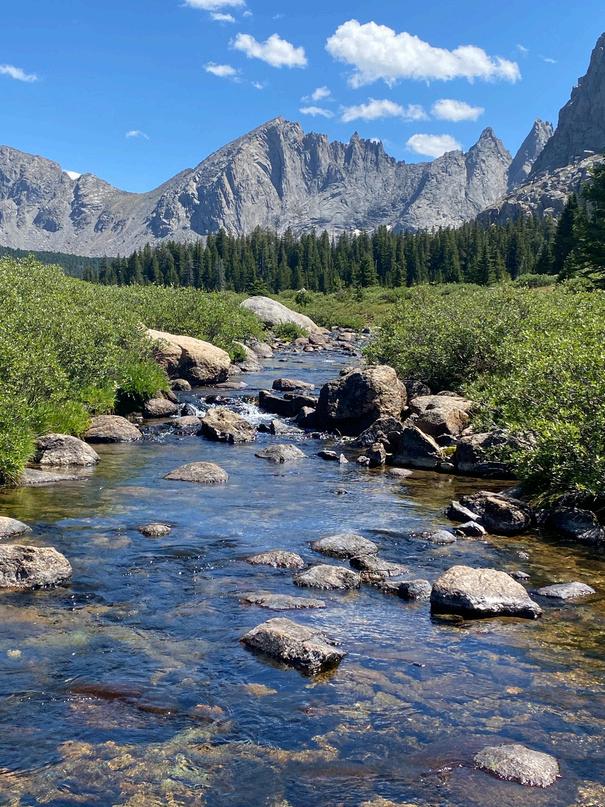
JACK SMITH
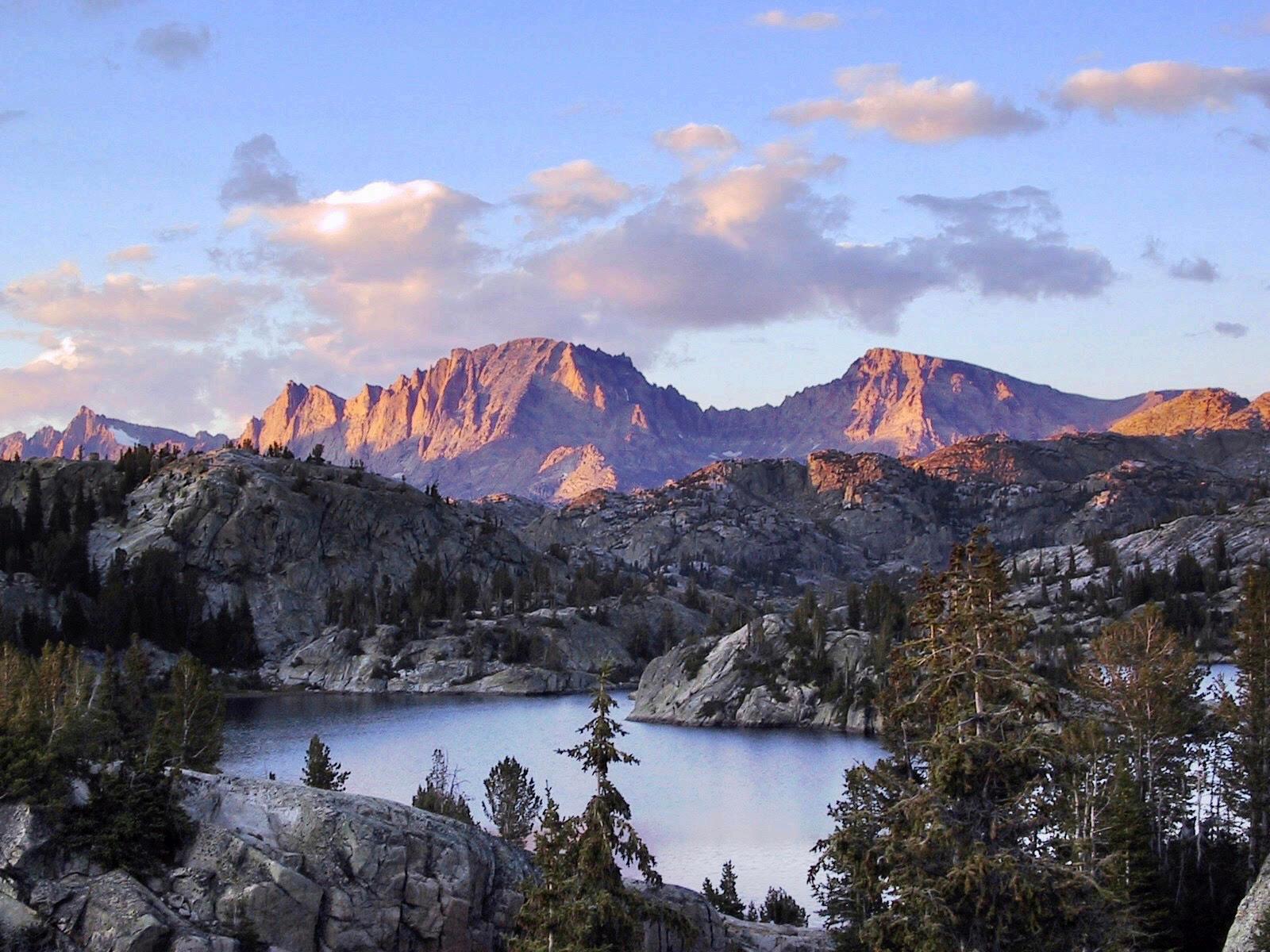
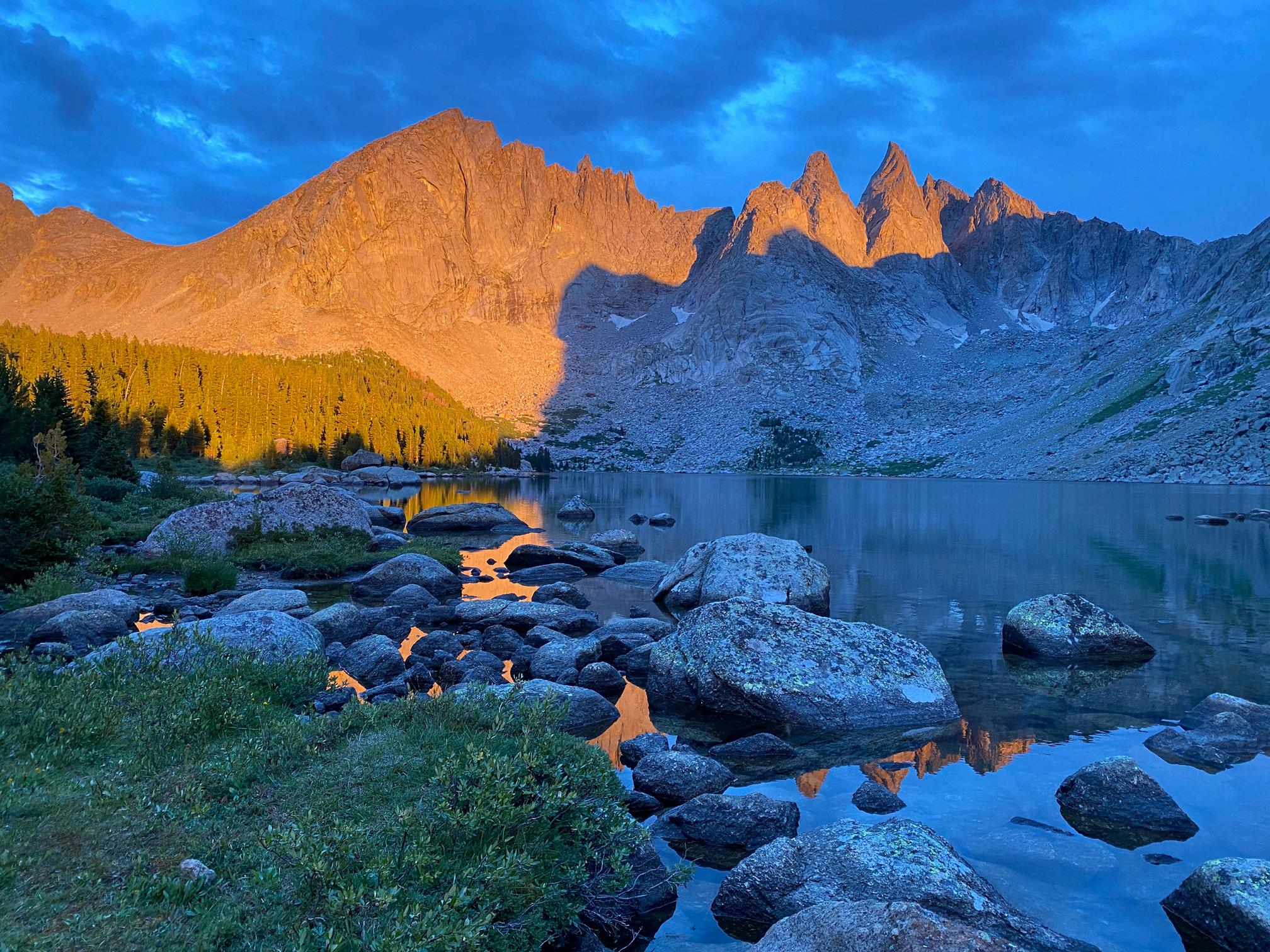
My “secret cirque” is a real place, but that is not its real name. In fact, it has no name. It was not found from an internet video, trails app, hiking guidebook, or GPS waypoint. It was discovered by accident, or rather, by intentional wandering. I was hiking off-trail in a popular Wyoming wilderness area, no preconceived objective or destination when I literally rounded a ridge line and there it was, tucked in the side of the mountain. The topographic map showed its existence, but failed to reveal its stunning scenic qualities or intense solitude
Upon entering the cirque, I was instantly overcome with the feeling of discovering raw, untrammeled wilderness Wilderness pioneer Bob Marshall described this feeling when he entered an untracked valley in Alaska’s central Brooks Range as: “No sight or sound or smell or feeling even remotely hinted of men or their creations. It seemed as if time had dropped away a million years and we were back in a primordial world. It was like discovering an unpeopled universe where only the laws of nature held sway.”
I know others have entered and experienced the solitude of my “secret cirque,” but the impacts of their visits were nonexistent. Maybe the sanctity of the cirque causes visitors to unconsciously tread lightly to avoid any violation of its purity. I have returned to “secret cirque” several times since that initial discovery Each time it has rewarded me with the gifts untrammeled wilderness unselfishly offers Gifts available for as long as every visitor is willing to humbly and respectively accept them; willing to treat the land in the same manner as our continent’s original caretakers
My “secret cirque” is not the only such place awaiting discovery From the Beartooth Plateau to the Snowy Range there are a host of “secret” cirques, canyons, groves, tarns, alcoves, passes, falls, mesas, and meadows. Don’t search for these places with a phone app, guidebook, or the internet. What you find there will likely not satisfy your desire for discovery. Just set out, and if you are lucky, that secret spot may possibly present itself to you. Remember, not knowing exactly where you are heading does not mean you are lost. Rambling off the beaten path may enable you to find true solitude and that special place where time appears to have dropped away and only the laws of nature hold sway
As we reflect on the anniversaries of two pivotal Wilderness Acts, we invite you to celebrate with us by making a gift to WWA Your support sustains our mission to protect these iconic places and helps inspire the next generation of advocates and stewards. Together, we can ensure that Wyoming’s wild spaces remain protected for another 60 years and beyond. Consider including WWA in your will to leave a legacy for wilderness, or contact us to explore other gift opportunities.
JIM HELLYER & LAUREN MARSH
What happens when you sit down at a table with your neighbors and take a chance with trust? Meaningful changes, meaningful outcomes.
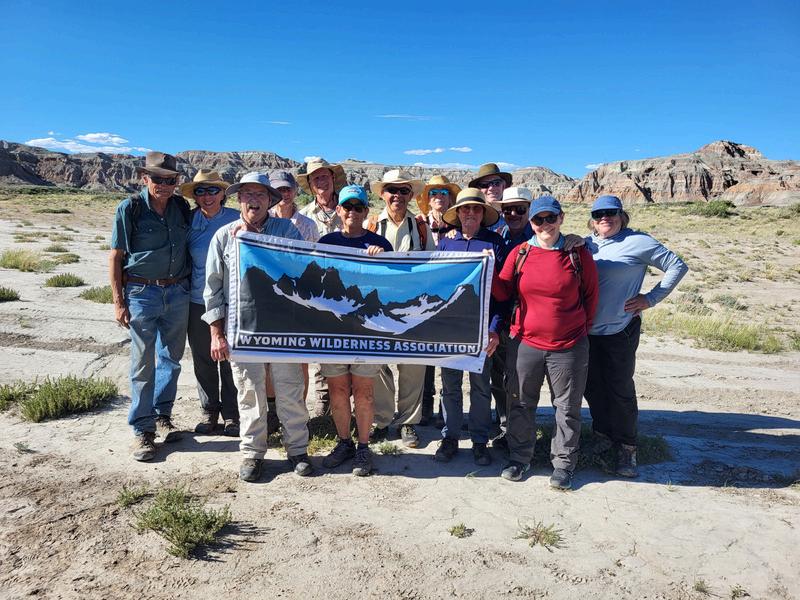
When the Bureau of Land Management released its much-contested draft Rock Springs Resource Management Plan last summer, significant changes were proposed The intent of those changes was to prioritize wildlife and landscape health; it appeared to minimally impact livestock producers However, upon delving into the details, we discovered several stipulations that would have had severe consequences for the grazing industry. After taking time to review the draft and talk with our neighbors from both the grazing and conservation communities, the two of us and others sat at a table and said, “what do you think?” We found that though we would need to agree to disagree on certain aspects of the plan, we value the wellbeing of these lands and saw a path forward with grazing as an integral part of keeping the lands both wild and working.
For those unfamiliar with grazing operations in Wyoming, these are complex systems unique to the specific lands included under the umbrella of a ranch That umbrella often encompasses a matrix of land managed by the federal government, the state government and privately owned lands Changes to management on one portion of the matrix affect the integrity of the rest of the lands under the ranch umbrella
As stewards and advocates for these wild landscapes, we both have a vested interest in seeing them thriving and healthy. That isn’t possible without supporting healthy ranchlands adjacent to or affected by the management of permitted BLM lands, such as those under the jurisdiction of the Rock Springs Resource Management Plan. Nor is it possible without altering how we steward these lands to adapt to a changing world and changing demands on the landscape that are larger than the organizations advocating for grazing and conservation. It’s all interconnected.
With this in mind, we carefully crafted comments to the Rock Springs BLM office asking them to address grazing management at the local level while still working toward healthy wildlife populations and resilient landscapes Thankfully, the BLM listened
The proposed final version of the Rock Springs plan, released this August, is two steps forward for grazing from the draft. It addresses grazing management on a case-by-case basis while still providing tools for mitigating conflicts between grazing practices and landscape health. It remains to be seen how effectively these will be implemented, but it is clear the BLM engaged in more than just a bureaucratic review of public comments. The changes we see are the result of the BLM actively acknowledging the contributions of nontraditional allies sitting down at a table together and finding commonality.
There is an expression in the beef industry that if you are not at the table, you will find yourself on the menu For changes made between the draft and final plan, it appears livestock producers and conservationists managed to sit at the table and write the menu together
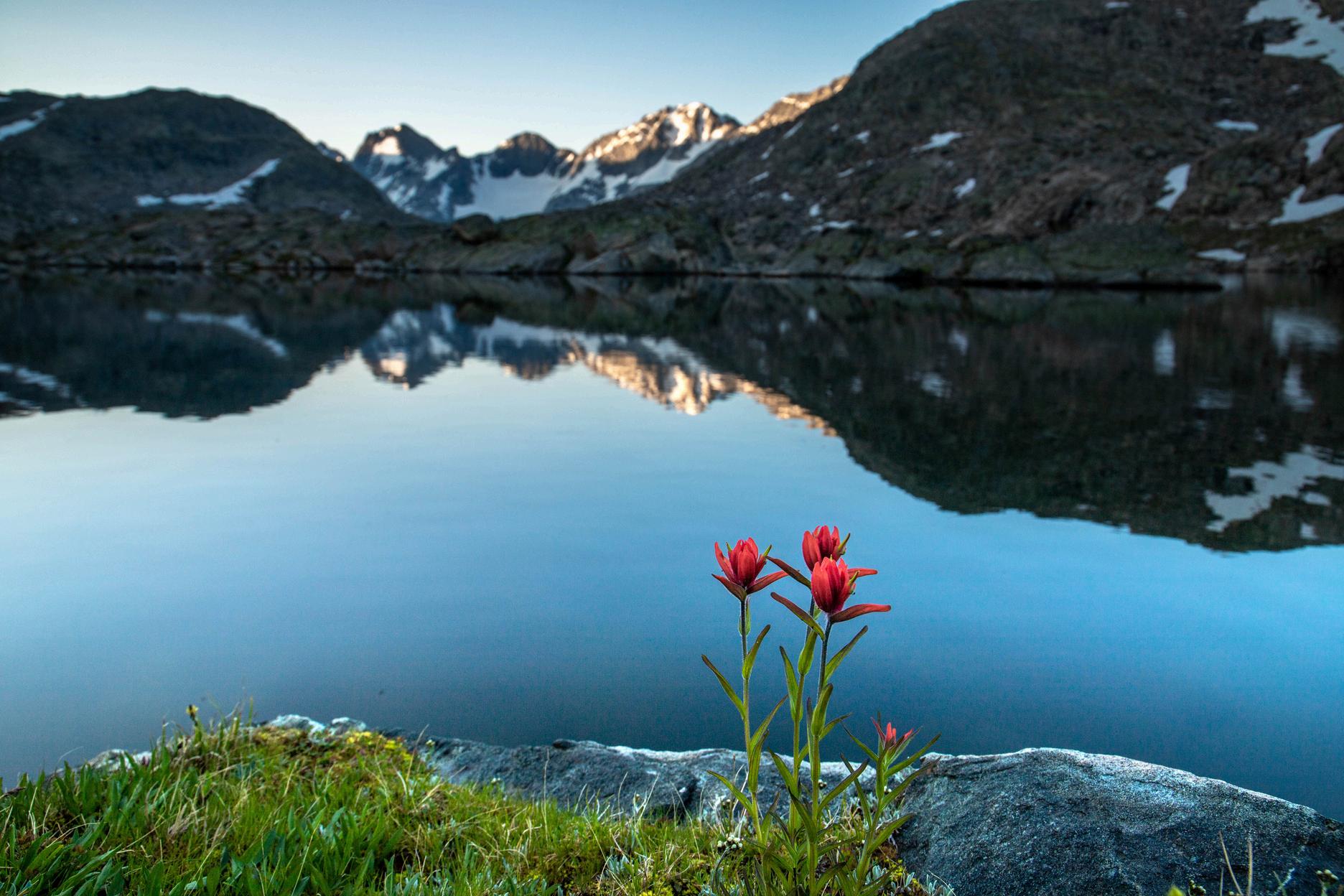
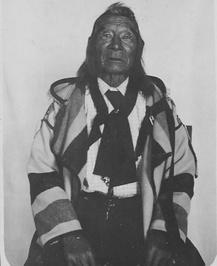
In many Indigenous languages, there is no word for Wilderness only "home" Home For All celebrates Indigenous voices and their deep connection to the Greater Yellowstone Ecosystem. Featuring three powerful audio stories that accompany a mural by renowned artist Ben Pease, Home for All can be viewed in person at the National Elk Refuge & Greater Yellowstone Visitor Center in Jackson, WY The installation shares the past, present, and future of wildlands through Indigenous storytellers’ unique perspectives These narratives guide us toward a more inclusive understanding of public lands and highlight how Indigenous knowledge can help us better care for Wyoming's wild places for future generations of both humans and animals. Muralist, Ben Pease, shares how we can rethink the future of wilderness, while Michial Greywolf Garvin recounts the seasonal migration of his great-grandfather, John Enos (right) from the Wind River Reservation to the Teton
Wilderness in the late 1800s Enos Lake and Enos Creek are said to be named after John
In the final part the audio series, Bannock and Shoshone speakers share stories in their native tongues, while Tribal staff discuss how their work strengthens Tribal sovereignty, upholds treaty rights, and educates the public.



to learn more about isten to these stories
Partner commitment strengthens our collective efforts to protect these lands and inspires others to get involved Thank you for being an essential part of our mission and helping us make a difference
Great Old Broads for Wilderness - Teton
Valley Chapter
Bridger-Teton National Forest
Caribou-Targhee National Forest
Medicine Bow-Routt National Forest
Bighorn National Forest
Shoshone National Forest
Patagonia
The Hub on Smith
HF Bar and Ranch
Bighorn Fence Initiative
National Park Service
The Nature Conservancy
Sheridan County School Districts #1 and #2
Wilderness Watch - Cloud Peak Chapter
U.S. Fish & Wildlife Service
Council for the Bighorn Range
The Tucker Foundation
Wyoming Community Foundation
Pew Charitable Trusts
Patagonia
Cross Charitable Foundation
Tortuga Charitable Foundation
Conservation Lands Foundation
National Wilderness Stewardship Alliance
The Wilderness Society
Community Foundation of Jackson Hole
Wyoming Humanities
BearVault
Sierra Club
University of Wyoming Haub School
Berry Biodiversity Conservation Center
Winter Wildlands Alliance
Friends of the Dubois Badlands
EcoFlights
Wyoming Outdoor Council
Backcountry Hunters & Anglers
Sheridan Community Land Trust
Bureau of Land Management
Wyoming Department of Environmental
Quality
First Interstate Bank
Pedal House
Steady Stream Hydrology
Great Plains Wildlife Consulting
Atmosphere Mountain Works
Spine & Injury Clinic of Laramie, PC
Freeflow Outdoors
All Terrain Sports
Greensky Commercial Cleaning
Motive Coffee
Wind River Brewing Co.
Luminous Brewhouse
National Bighorn Sheep Center
Bond’s Brewing
Vacutech
Nested West
Pretty Shield Foundation
Rocky Mountain Tribal Leaders Council
Lincoln Street Bakery
The Bike Mill
NOLS
Wyoming Game & Fish Deptarment
Wind River Outdoor Company
Friends of the Bridger-Teton
Wild Iris Mountain Sports
Sprouts Greenhouse
Gannett Peak Sports
Gryphon Theatre
Nu2u
WYO Theater
Wyoming Conservation Corps
Lander Bar
Center For the Arts Jackson Hole
Grand Teton Association
Sheridan County Conservation District
Great Outdoor Shop
Winds Physical Therapy
University of Wyoming Sustainability
Initiative
Jackson Hole Public Art
Lander Running Club


Honoring 60 years of wildland protections in Wyoming