Wildlife is under pressure. Ecosystems are changing. Communities are facing growing environmental uncertainty. Yet this is not a story of inevitable loss. There is a different path available, one where people and wildlife thrive together.
One Wild Future is our commitment to help lead that path forward.
A SILENCE WE CANNOT IGNORE.
Nature is part of who we are as Canadians. From towering forests to sweeping grasslands, from coastal fjords to alpine meadows, these landscapes have shaped our identity, our livelihoods and our responsibility to the living world around us.
But today, something is changing. Nature is going quiet.
Once-vibrant ecosystems—alive with birdsong, insects, the presence of mammals and fish—are becoming eerily still. Scientists describe this as Empty Forest Syndrome: landscapes that appear intact, but are increasingly devoid of the wildlife that brings them to life. The trees still stand. The wetlands still shimmer. The skies still stretch wide. But the sound of life is fading.
This silence is not just perception. It reflects a deeper reality.
One in five species in Canada is now at risk of extinction.
Read that again.
For more than 320 of those species, habitat protection alone may not be enough. They require targeted conservation action to prevent irreversible loss. Without it, many populations will continue to fragment and decline until they disappear—not dramatically, but quietly.
This is the reality unfolding in one of the most biodiverse and intact countries on Earth. And it matters, because Canada is not just a witness to biodiversity loss. Canada is a place where recovery is still possible.
Because when species are lost, we lose more than wildlife. We lose the systems that sustain us—our food, our health, our economy, and the landscapes that shape who we are.
“At the Wilder Institute, we believe the question is not only “how do we save them?” but “what does it mean if we do not?”
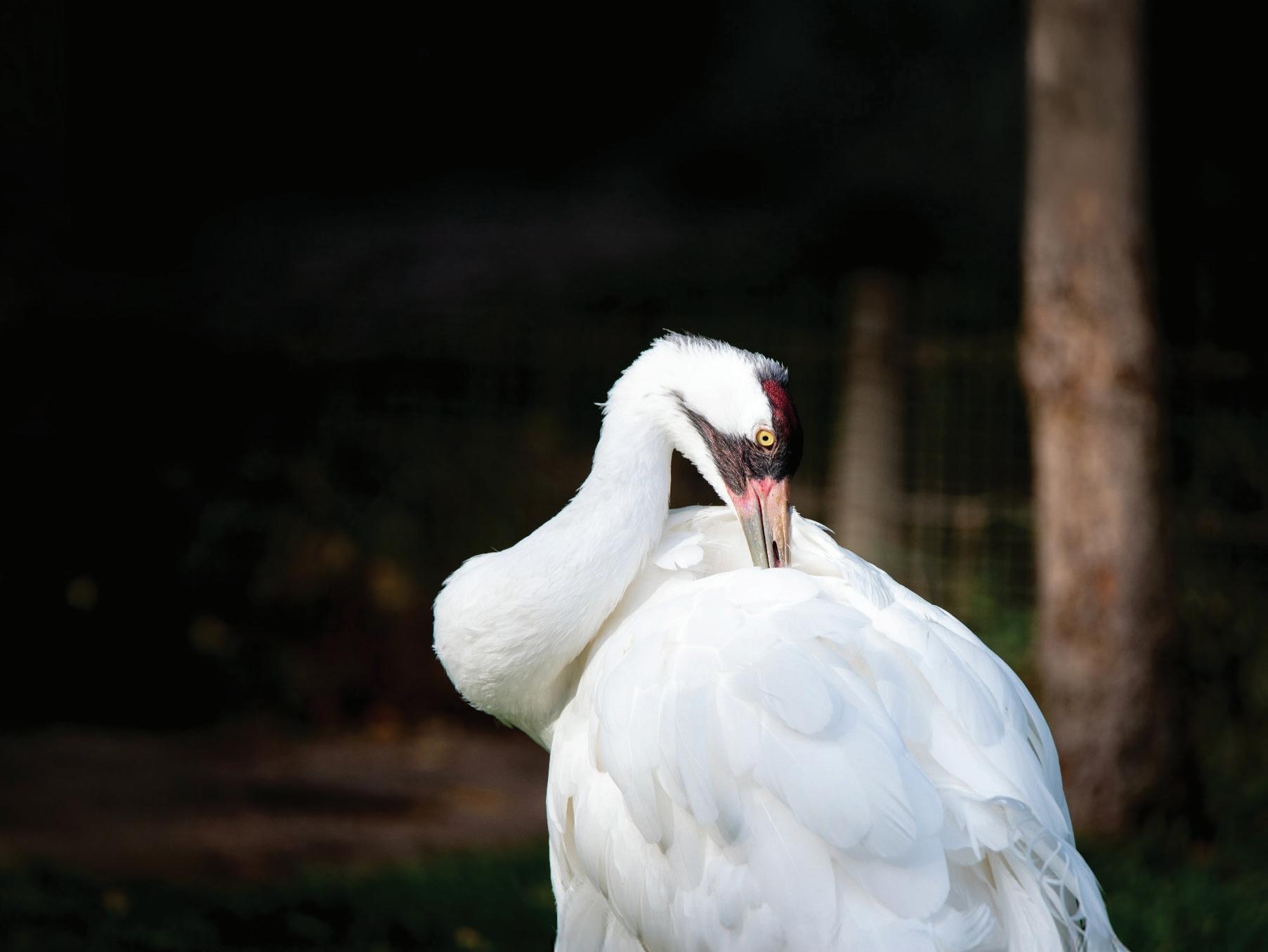
Whooping crane (Grus americana) Listed as Endangered (IUCN).
Extinction is not inevitable. It is a choice.
This quieting of nature is not unique to Canada. Around the world, species are disappearing, habitats are under growing strain, and climate change is reshaping the systems the natural systems we all depend on. These challenges are deeply linked. So are the solutions.
We are living through a turning point. The choices made now will determine what comes next for wildlife and for people.
Continuing on our current path means accelerating decline, moving closer to a quieter, emptier future
where fewer species remain and ecosystems lose their resilience. Choosing a different path creates something else entirely: recovery instead of loss, resilience instead of fragility. That path is already known. It begins with a simple but important shift: recognizing that people and wildlife are interconnected, and that long-term conservation solutions depend on coexistence, not separation.
From there, conservation becomes a shared effort. It is built through inclusive approaches that bring together
Indigenous knowledge, scientific innovation, strong partnerships and active participation of people across society. It is a path where species recover, ecosystems are restored, and communities play an active role in shaping lasting solutions.
Getting there will require focus and bold, evidence-based action. It will require weaving together traditional ecological knowledge and science. It will require collaboration across communities, sectors, and borders and a shared belief that a different future is still possible.
This is not only about protecting what remains. It is about shaping a more sustainable future where people and wildlife thrive, together.
Because extinction is not inevitable. It is a choice.
This is One Wild Future.
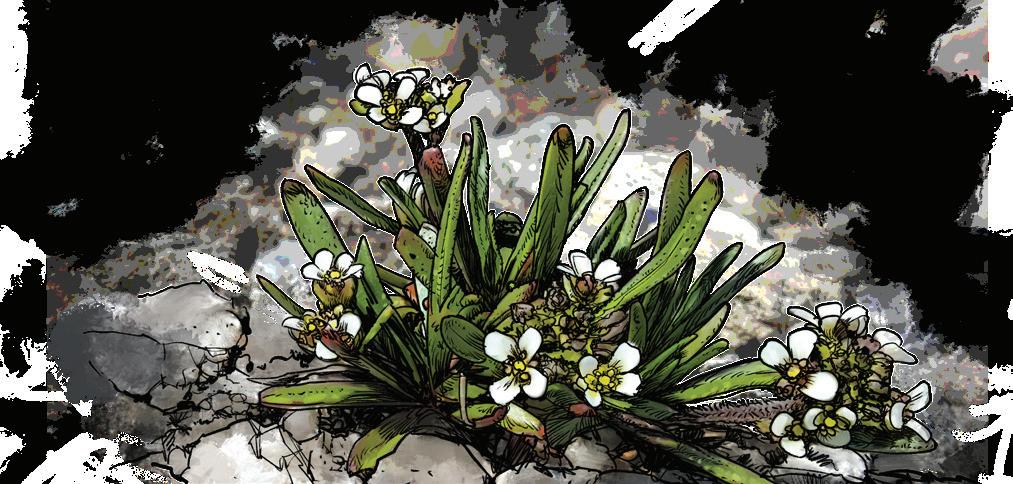
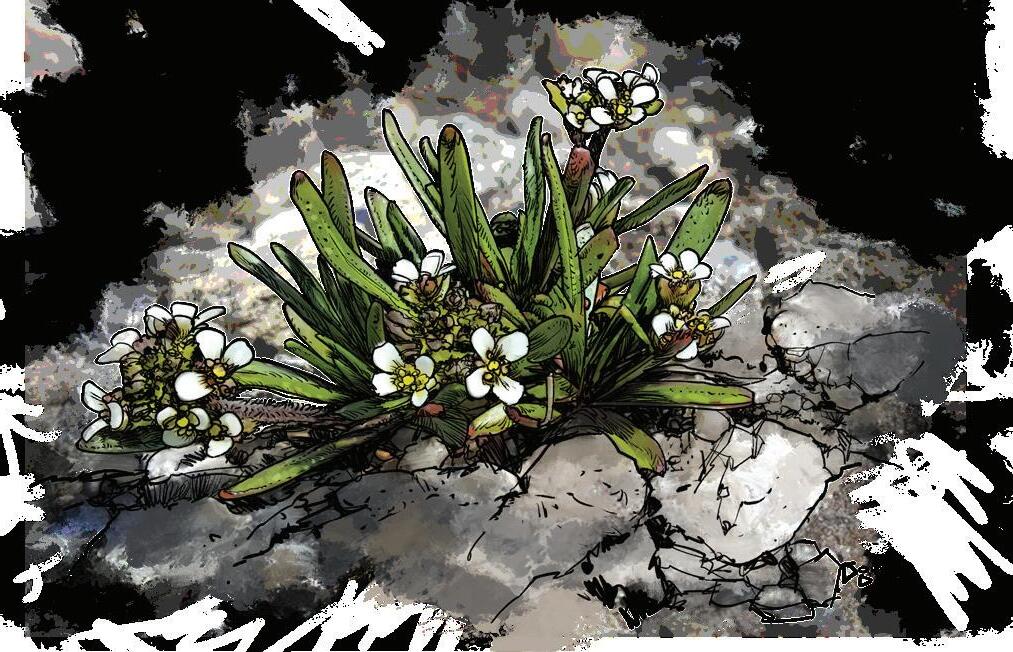
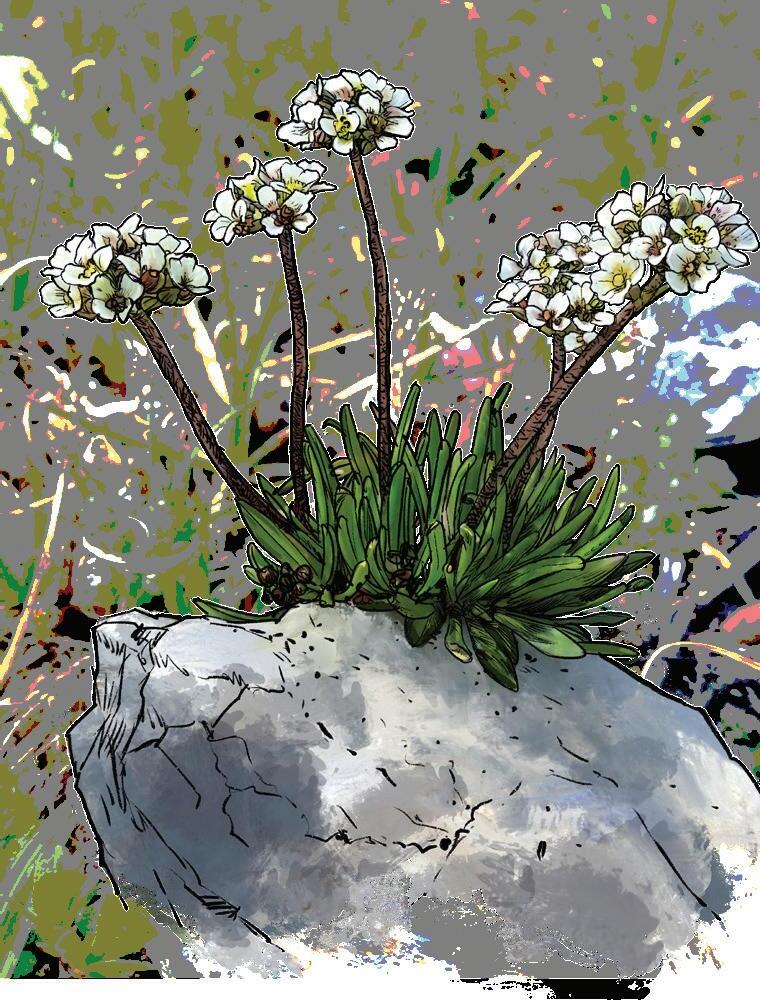
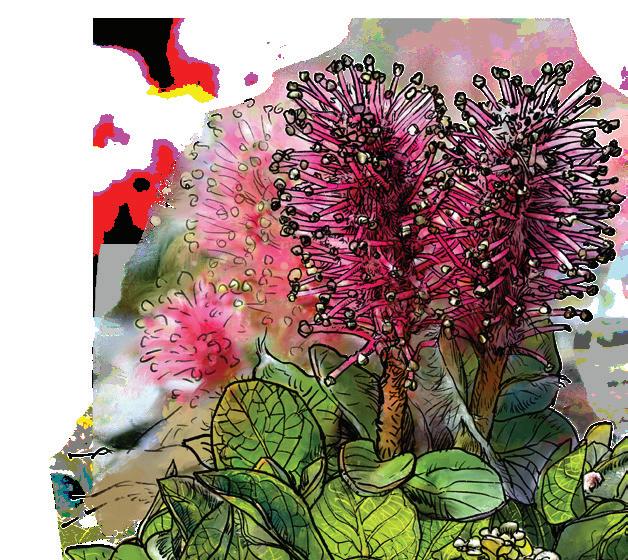
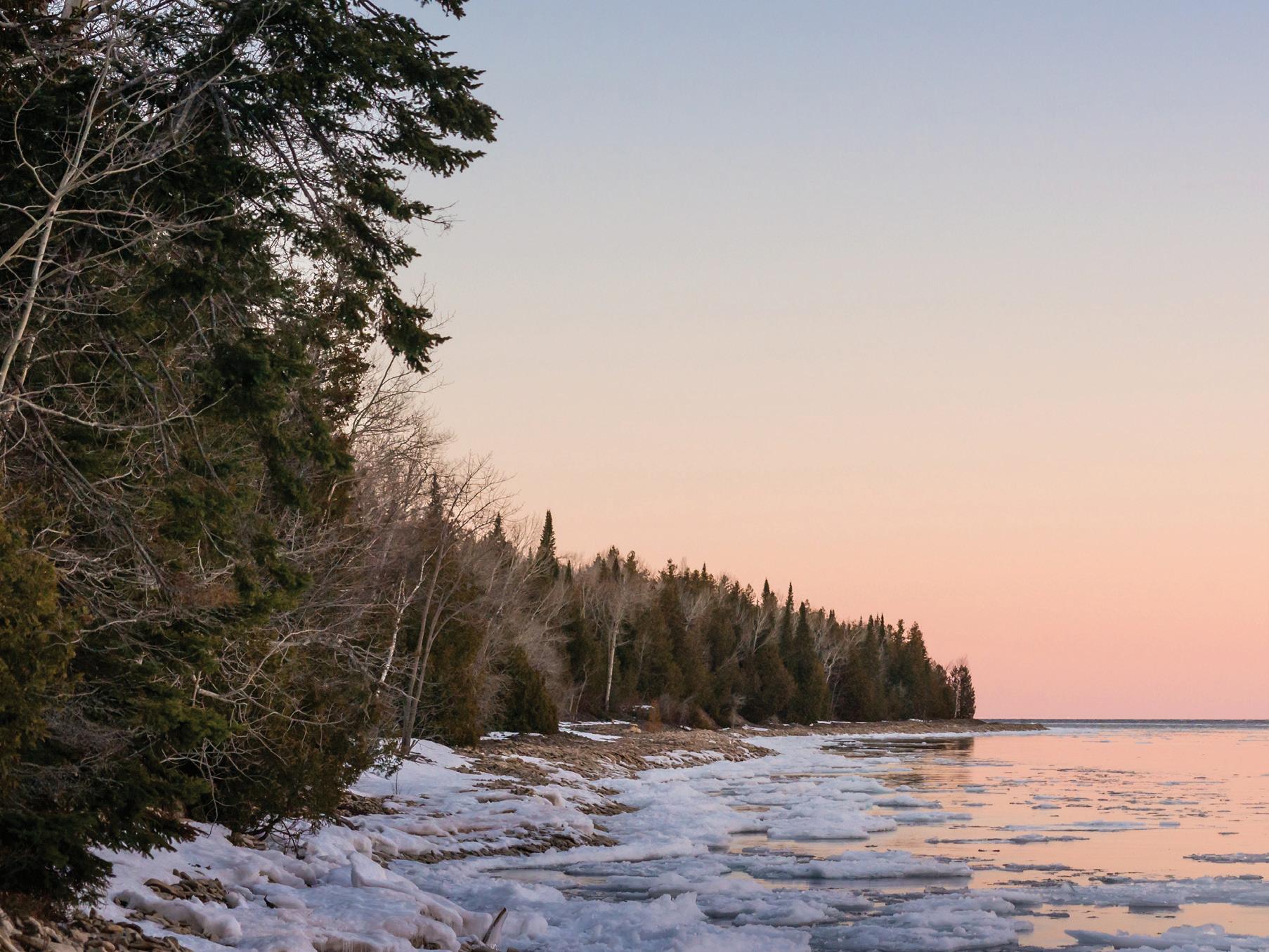
Long’s Braya (Braya longii), Fernald’s Braya (Braya fernaldii) and Barrens Willow (Salix jejuna) Part of the endangered Limestone Barrens ecosystem along the western coast of Newfoundland.
This is a future worth fighting for.
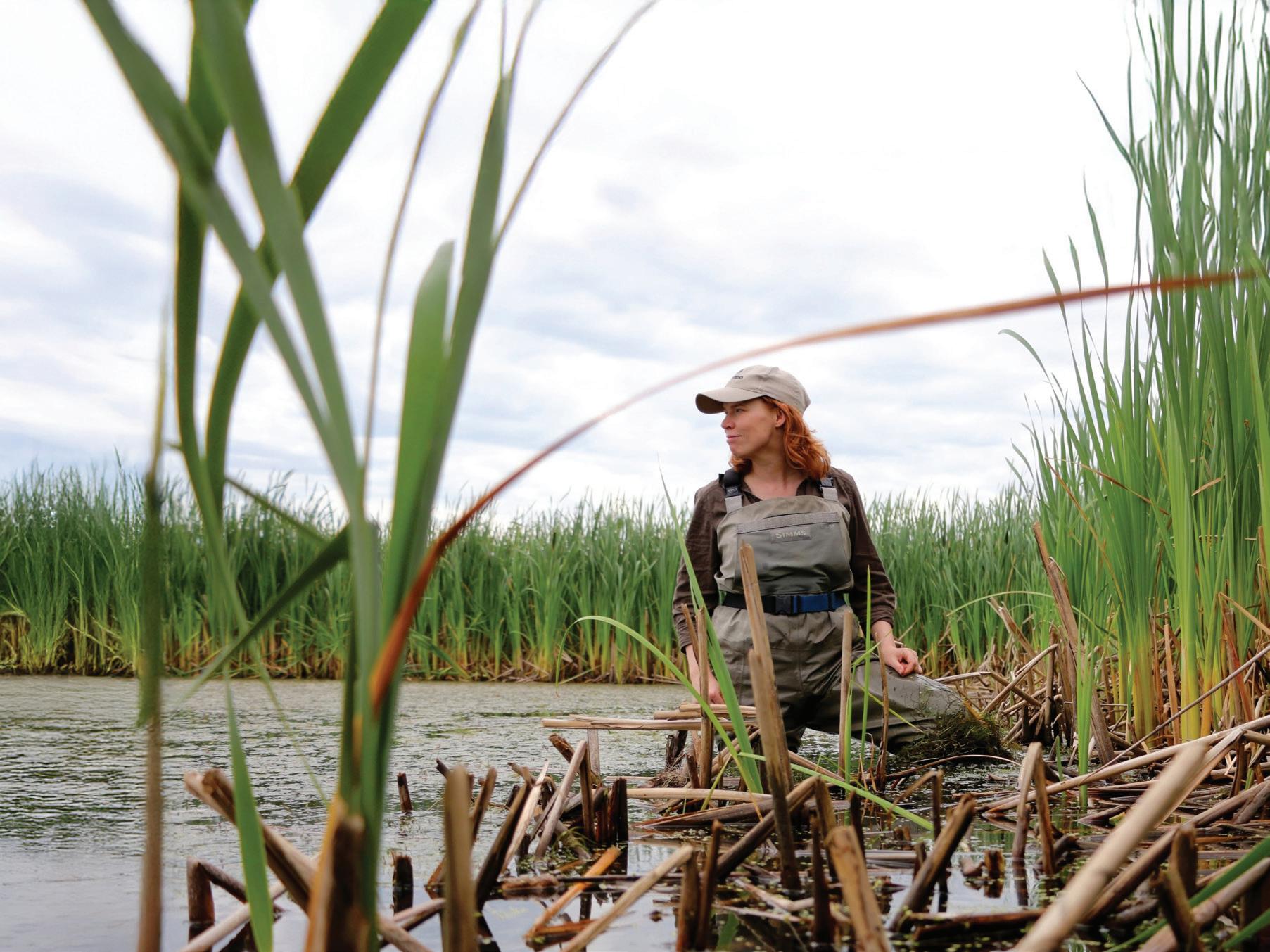
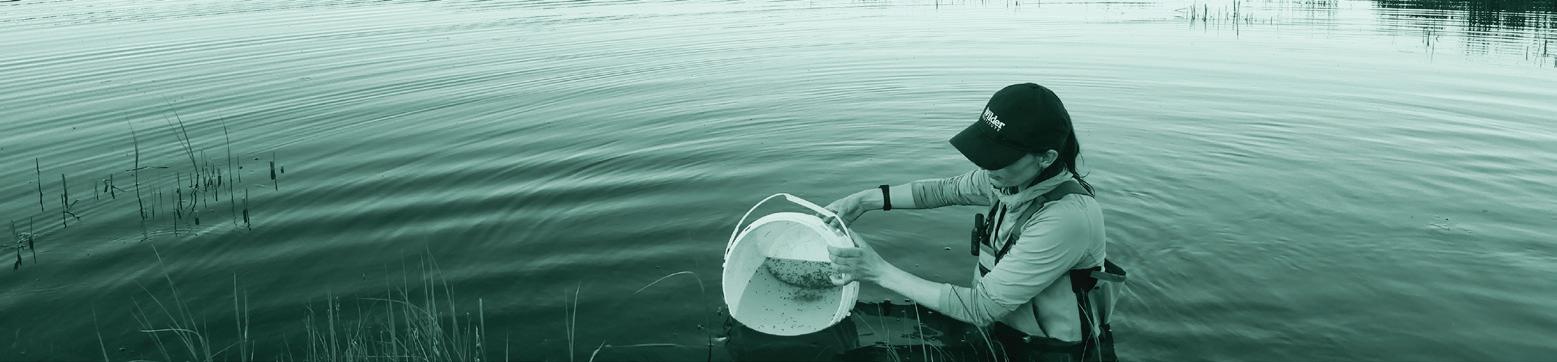
Opposite page: Wilder Institute conservationist, Lea Randall, surveys a northern leopard frog habitat in Dinosaur Provincial Park, Alberta.
WE ARE BUILT FOR THIS MOMENT.
The challenges facing wildlife and ecosystems are accelerating.
So is the opportunity to respond with greater ambition, deeper collaboration, and more effective conservation action. This is the moment to scale what works, focus where it matters most, and strengthen the systems that allow wildlife and people to thrive, together.
The Wilder Institute is built for this work.
Founded in 1929, the organization has grown from a beloved local zoo into Canada’s most visited zoological institution and a leading international conservation organization. For nearly a century, we have connected people to wildlife in the heart of Calgary, Alberta while steadily expanding our role at national and global scales.
For more than three decades, we have been a leading authority on wildlife conservation, supporting the
recovery and reintroduction of threatened species and contributing to the protection and stewardship of ecosystems in Canada and beyond. We own and operate the Archibald Biodiversity Centre (ABC), situated on 330 acres of Albertan prairie and Canada’s largest conservation breeding and research facility. At the ABC, we advance the recovery of some of Canada’s most at-risk species through conservation breeding, translocations and reintroductions.
In 2021, we took a bold step forward with the creation of the Wilder Institute, redefining what it means to be a conservation organization. This evolution deepened our commitment to evidencedriven, inclusive conservation beyond our gates, work that engages communities and governments, influences policy and advances global conservation practice.
Today, our expertise extends across borders. We actively support the conservation of 27 ecologically significant at-risk species through 15 conservation programs in five countries,
working in collaboration with local and global partners to deliver measurable recovery outcomes for plants, animals, and people.
Our impact is built on strong anchors. At the Wilder Institute’s Calgary Zoo, we welcome more than 1.4 million visitors annually to our 125-acre campus, creating one of the most powerful platforms in Canada for connecting people with wildlife and inspiring action for nature. We have held continuous accreditation from the Association of Zoos and Aquariums (AZA) since 1978 and are institutional members of both the World Association of Zoos and Aquariums and the International Union for Conservation of Nature (IUCN). Alongside accredited zoos and aquariums worldwide, we are recognized for worldclass animal care and habitat design that uphold the highest standards for the species in our care.
We bring together evidence-based approaches, public engagement, field expertise and community partnership within a single organization. This connects the full spectrum of conservation action, from inspiring millions of visitors each year, to advancing recovery on the ground, to driving systems change through research and collaboration.
“
What sets us apart is not only what we do, but how we do it.
Archibald Biodiversity Centre (ABC), near Strathmore, Alberta.
We are guided by four core conservation principles that share how we plan, act, and measure impact:
• Inclusive conservation is central to our approach. Collaboration and co-creation with Indigenous Peoples, local communities, and diverse parties is embedded throughout planning, implementation and evaluation.
• Strengthening capacity means supporting conservation practitioners, communities, and agencies with the tools, training, and resources needed to deliver conservation action, including conservation translocations and broader engagement in wildlife conservation.
• Multi-species focus ensures our actions benefit ecological communities, recognizing that species are interconnected and not managed in isolation.
• National scale reflects a whole-of-society approach, sharing knowledge, practices, and resources with governments, partners, and organizations to amplify impact across Canada.
We also recognize that our scale brings responsibility. As one of a few globally focused conservation organizations in Canada, we are among the highest investors in conservation in the Canadian zoo sector; enabled by the operation of one of the country’s most visited accredited zoos. We are committed to directing resources toward measurable impact, long-term recovery and meaningful collaboration with Indigenous nations, communities, researchers, landowners, governments, corporate supporters and other conservation organizations.
This is our strength: a nearly century-long legacy rooted in place, a proven record of conservation impact, and a growing global role in restoring biodiversity while ensuring benefits for local communities. It is this foundation that enables us to act with confidence and urgency in the face of today’s challenges.
We are not starting from scratch. We are building from strength.
Few of us will have the chance to change the course of history on our own.
But together, we have the power to make a difference.
This is One Wild Future.
One organization. Connected for impact.
How the Wilder Institute
works as one
The Wilder Institute is a global conservation organization that brings together our full scope of conservation, animal welfare and wellbeing, and public engagement initiatives within a single, connected organization dedicated to delivering action for wildlife.
Within this structure, each part of the organization plays a distinct role, while contributing to a shared system of impact. At the Wilder Institute’s Calgary Zoo, we connect more than 1.4 million visitors each year with wildlife, creating powerful opportunities to inspire action and deepen understanding. At the same time, we deliver world-class animal care and advance knowledge that supports species both in human care and in the wild.
Through the Wilder Institute’s Centre for Species Survival (CSS) Human Dimensions, we contribute to global conservation leadership by advancing approaches that recognize the essential connection between people, wildlife and ecosystems.
Through the Wilder Institute’s Applied Conservation programs, our teams work alongside partners across Canada and globally to protect and recover species, restore ecosystems and inclusively co-create conservation initiatives with local communities.. This includes our work through the Archibald Biodiversity Centre and Wilder Institute
Ghana, where evidencebased approaches, such as conservation breeding and translocations, help rebuild populations of species at risk through locally-led conservation programs focused on advancing
community-based wildlife conservation. Wilder Institute-led initiatives such as the Wilder Canada Action Plan and Wilder Impact Fund provide coordinated species recovery planning and funding support for conservation translocation projects in Canada.
What makes this model powerful is how these parts work together.
Knowledge gained through animal care, health, and research strengthens conservation strategies in the wild. Insights from applied conservation inform how we care for animals and manage species in human care. Public engagement connects millions of people to this work, building awareness, deepening understanding, and driving action for conservation. Every employee
and volunteer contributes to this work across our sites and programs—whether through direct conservation action, animal welfare and wellbeing, guest experience, operations or revenue generation.
Each part of the organization is strong on its own. Together, they create something more: an integrated conservation model that provides benefits for wildlife and people.
This is how the Wilder Institute operates. One organization. One direction. Shared impact.
This is One Wild Future.
Recovery is possible.
Proof that action works
Wildlife loss is not inevitable. Recovery is possible when action is targeted, collaborative and sustained.
Wildlife populations in Canada have declined significantly since 1970, with grassland species experiencing particularly steep losses over the past 50 years. These trends reflect the ongoing and accelerating pressure on biodiversity across the country.
But decline is just the beginning of the story.
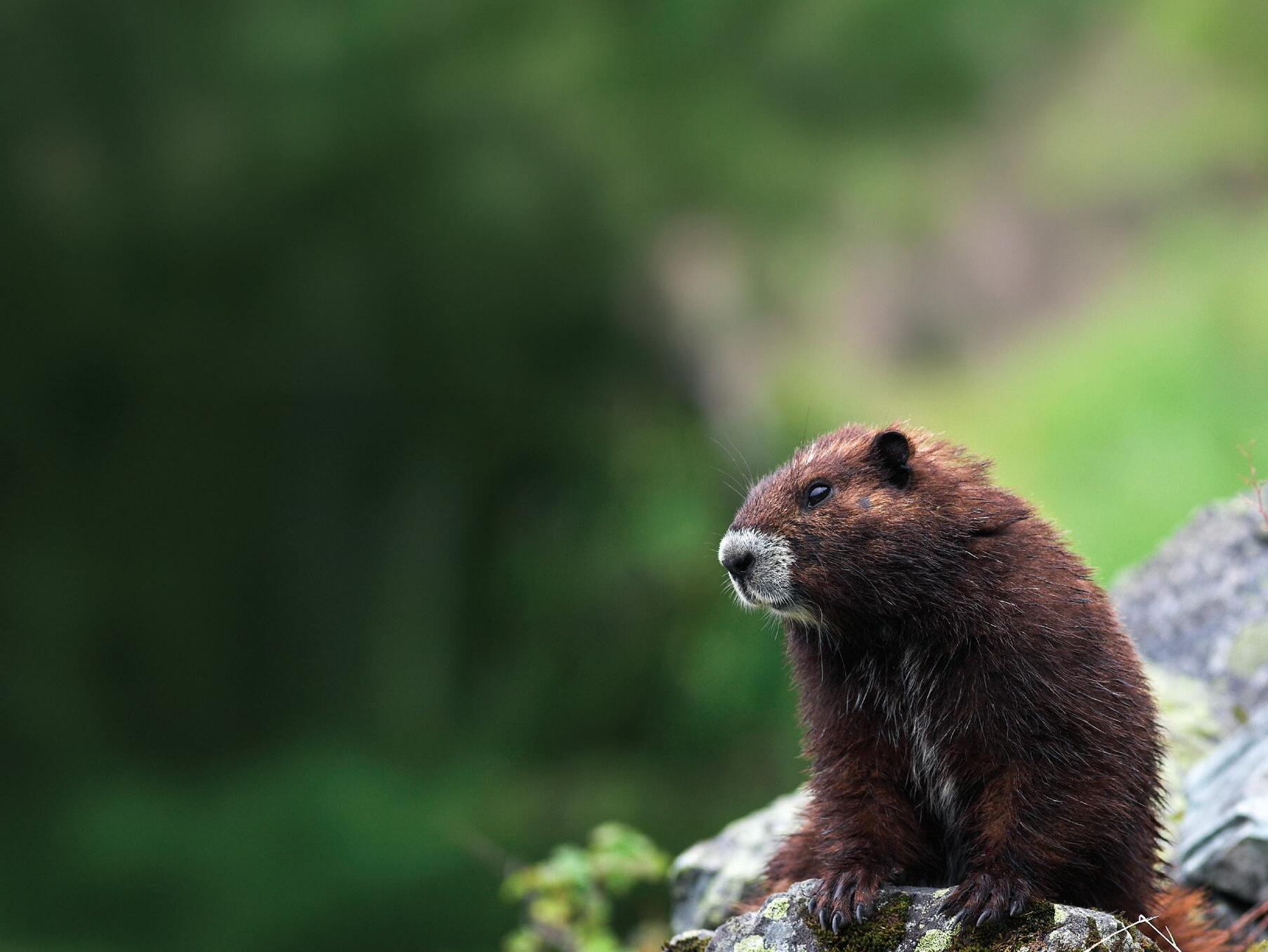
The recovery of the Vancouver Island marmot, Canada’s most endangered mammal, demonstrates what becomes possible when conservation, partnerships and long-term commitment come together. From fewer than 30 animals remaining in the wild in 2003, the population has grown to more than 400 individuals
across multiple colonies today. This is not by chance. It is the result of deliberate conservation action, sustained investment, and coordinated recovery efforts over time.
This is proof that recovery is possible.
This story is not unique. It is part of a growing body of conservation knowledge and practice shaping the Wilder Canada Action Plan, our 10-year initiative to advance targeted conservation translocations for species that require active intervention to survive and recover in Canada.
Designed as a coordinated national approach to species recovery, the plan focuses on species where habitat protection alone is not enough, while strengthening Canada’s contribution to global biodiversity commitments and recovery goals.
This work reflects a simple but powerful belief: extinction is not an outcome to manage. It is a challenge to prevent.
This is One Wild Future.
Vancouver Island marmot (Marmota vancouverensis) Listed as Critically Endangered (IUCN).
“Conservation actions cannot succeed in isolation.
Real progress happens when Indigenous Peoples, communities, researchers, landowners, governments, conservation organizations, corporate supporters, and others work together. By aligning efforts across landscapes and regions, we can move beyond protecting habitat alone and actively support species recovery.
Dr. Gráinne McCabe, Chief Conservation Officer
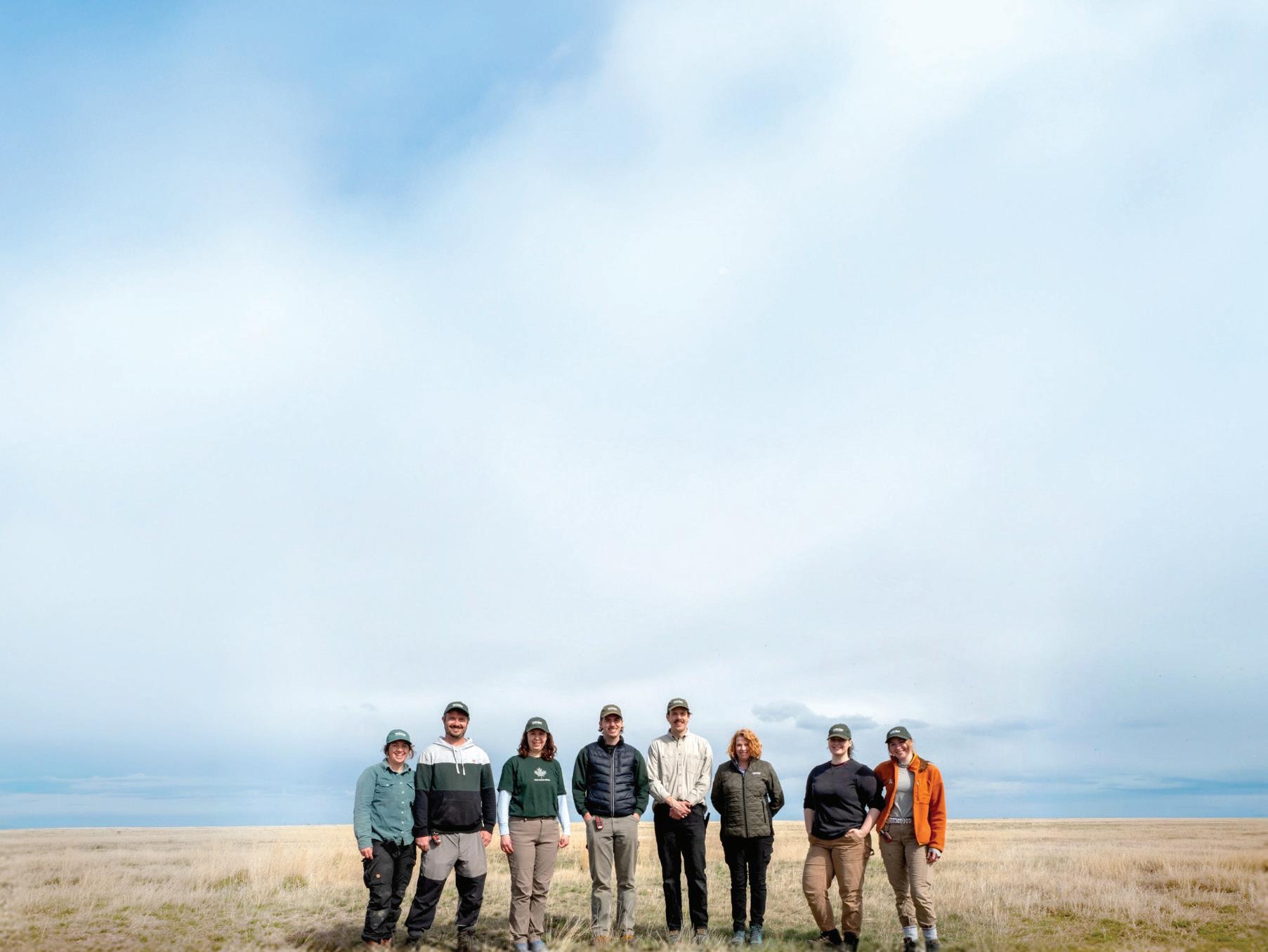
Opposite page: Wilder Institute’s Applied Conservation burrowing owl team at a release site near Suffield, Alberta.
Bringing One Wild Future to life.
One Wild Future is our strategic plan to accelerate meaningful impact for wildlife, wild places and the people connected to them. It is a focused commitment to move from intent to action, and from individual efforts to collective impact at scale.
Grounded in applied conservation, strengthened by Indigenous knowledge and other long-standing, place-based knowledge systems, and driven by collaboration across communities, partners and supporters, this plan reflects a simple reality: if we want a different future for wildlife and people, we must actively build it together.
One Wild Future will guide how we focus our efforts, prioritize investments and work alongside others through 2029 to deliver lasting conservation impact. It provides a clear path for growing our impact, strengthening how we work as an organization, and mobilizing people in support of a future where wildlife and people thrive, together. This is our roadmap forward.
Purpose, vision and values.
One Wild Future is grounded in a shared purpose, a bold vision for the future and values that guide how we work. Together, they provide the foundation for this plan, shaping our decisions, informing our actions, and ensuring we hold ourselves to the highest standards as we pursue lasting conservation impact.
Our Purpose
We act for wildlife; saving species and inspiring people to join us
At the heart of our strategy is a renewed sense of purpose—our guiding reason for being. This purpose defines why we exist and serves as the foundation for everything we do. It reflects our unwavering commitment to conserving wildlife and ecosystems while recognizing that conservation is most effective when people are meaningfully engaged and able to see its value in their lives and communities. Every animal we care for, every species we release back into the wild, and every community we support begins with people. Each person we inspire helps strengthen a global movement for conservation. Together, we are shaping a future for wildlife and people by bringing together the tools, resources, and expertise needed for effective conservation in Canada and around the world.
Our Vision
A future where people and wildlife thrive, together
Our vision acts as a compass, guiding us toward the future we aspire to create. It embodies our belief that the wellbeing of wildlife and people are deeply interconnected and that co-benefits are a requirement for coexistence, which is essential for long-term conservation success.
This vision represents an evolution from our previous aspiration of being “Canada’s leader in wildlife conservation.” While leadership remains vital, our vision better reflects our values of collaboration and inclusiveness. By inspiring and mobilizing a broader community, we can amplify our impact and achieve conservation outcomes that far exceed what we could accomplish on our own.
History has shown that when people come together, we can change the world. We invite you to join us in making that change—for the better. Together, we can ignite a movement that integrates wildlife conservation into everyday life and inspires action across the globe.
Our Values
The principles that shape our culture, decisions, and impact
Our core values are the cornerstones of our work. They reflect the beliefs that guide how we behave, how we make decisions and how we show up as an organization in pursuit of lasting conservation impact. They also form our collective shared passion and beliefs, shaping a distinct workplace culture built on purpose, collaboration and belonging. This culture is part of what makes working at the Wilder Institute so unique.
Our values are not abstract ideals. They are the foundation of how we work together, how we support one another and how we deliver on our commitments to wildlife and people.
Drive impact
We do not simply observe challenges; we take action to solve them. We focus our energy on solutions that create measurable, meaningful outcomes for wildlife, wild places, and people.
Nurture connection
We foster connections in every possible way - within our organization, between people and nature, and across the broader conservation community. These relationships are essential to achieving lasting change.
Cultivate hope
We believe in a better future for both people and wildlife. We lead with optimism grounded in action, evidence and results.
Be bold
Boldness shows up not only in what we pursue, but in what we choose not to do. We challenge convention, learn from experience, and pursue new ways of creating greater impact across conservation and our organization.
Together, these values guide how we work, how we grow, and how we contribute to a culture where people feel connected to each other and to purpose, and where every action supports a shared commitment to wildlife and wild places.
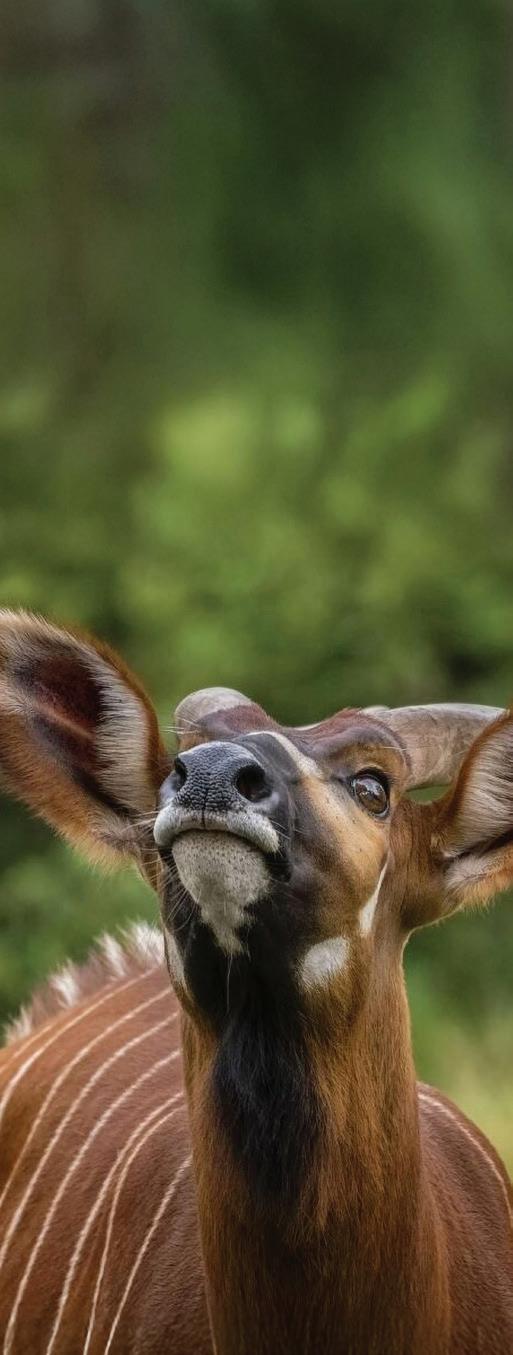
Mountain bongo (Tragelaphus eurycerus isaaci) Listed as Critically Endangered (IUCN).
Our Purpose In Action
At the heart of One Wild Future is our Purpose in Action, which translates our purpose into how we deliver impact, individually and collectively, over the next five years.
It provides the framework for turning ambition into action, ensuring that our work is consistent, coordinated and focused on delivering meaningful outcomes for wildlife, wild places and the people connected to them. It guides how we show up in our daily work, how we collaborate across the organization and how we contribute to broader conservation impact beyond our direct efforts.
More than a set of roles, this is how we create momentum for change. It connects our work across science, animal welfare and wellbeing, public engagement and community collaboration, helping build a broader, solution-focused conservation movement that turns awareness into action.
These four commitments shape how we deliver on our purpose:
We are wildlife conservationists
We advance evidence-based conservation action to recover species at risk, restore habitats and strengthen biodiversity, working collaboratively to address threats and support long-term ecosystem resilience, here in Canada and beyond.
We are social mobilizers
We engage and empower people as active participants in conservation, building networks, inspiring action and contributing to a broader, solution-focused movement for wildlife and wild places.
We are champions for the wellbeing of wild animals
We advance and exemplify best practices in animal care and welfare, ensuring animals in our care have lifelong opportunities to thrive while contributing knowledge that supports wildlife beyond our organization.
We are community builders
We bring people together through partnership, shared purpose and collaboration, strengthening relationships with Indigenous nations, communities and partners to support solutions that benefit both people and wildlife.
Together, these commitments create an integrated approach to conservation, inclusively connecting animal care, community and public action into a single system of impact.
Over the next five years, One Wild Future will guide how we prioritize, collaborate and act, ensuring that conservation outcomes are not only achieved, but strengthened and sustained.
This is how purpose becomes action.
This is One Wild Future.
How we Create Impact
We don’t treat conservation as separate initiatives. We design it as a connected system where science, action, and collaboration reinforce one another.
Evidence-based conservation informs action. Field work and applied conservation activities generate learning and results. Collaboration with Indigenous Peoples, communities, and partners strengthens both the work and its outcomes. Together, these connections create lasting impact for wildlife and ecosystems.
This integrated approach ensures our work is strategic, inclusive, and scalable—focused on delivering meaningful outcomes for species, places, and people.
Where we are Focusing our Impact
With our purpose, vision and values defined, and our Purpose in Action guiding how we deliver, One Wild Future sets out the clear areas where we will focus our energy and investment over the next five years.
Our Strategic Priorities provide the roadmap for this work. They ensure that every initiative, program and partnership is aligned to our shared direction and contributes to meaningful, measurable impact for wildlife, wild places and people.
These priorities are not separate streams of work. They are interconnected areas of focus that strengthen one another and guide how we grow as an organization and deliver on our commitments.
Over the next five years, we will focus on:
• Grow Our Conservation Impact
• Strengthen Capacity
• Mobilize People
• Evolve The Zoo
• Transform Workplace Culture
• Celebrate Our Centennial
Together, these priorities guide how we invest our time, expertise and resources. They ensure we are not only responding to today’s challenges, but actively preparing for the opportunities and responsibilities of the future. Through them, we will turn strategy into action and ambition into measurable impact.
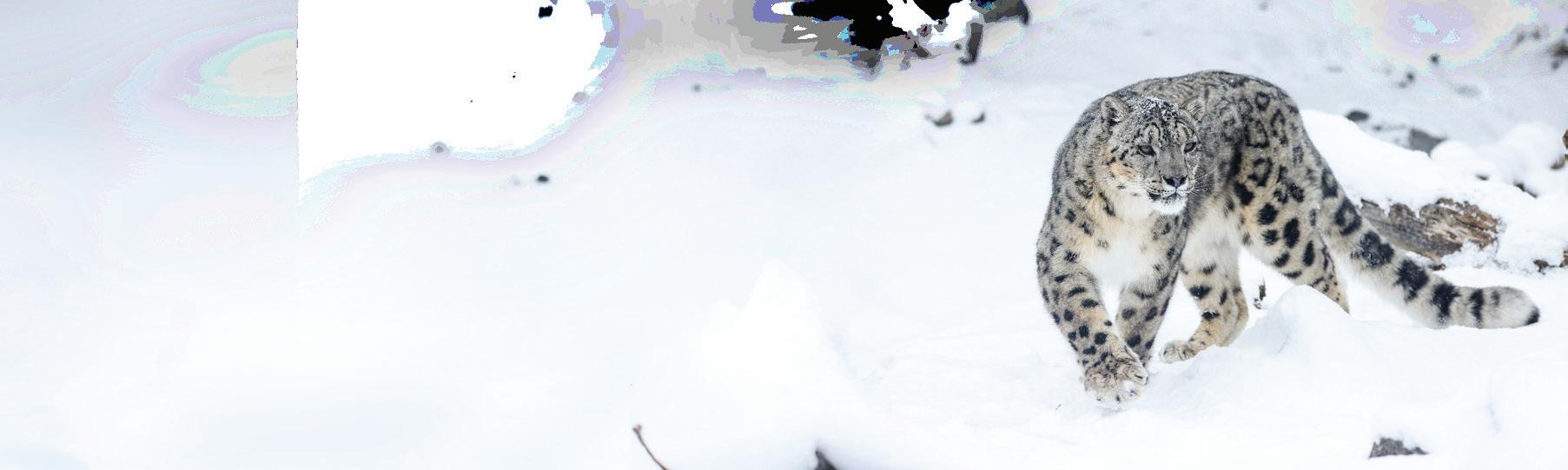
Snow leopard (Panthera uncia) Listed as Vulnerable (IUCN).
Grow impact through our wildlife conservation work
At the heart of our purpose is a commitment to advancing animal welfare, well-being and conservation outcomes for species and ecosystems. Growing our conservation impact strengthens our role in protecting biodiversity and supporting the recovery of wildlife in Canada and around the world.
By expanding and scaling our conservation efforts, we aim to deliver measurable impact for species at risk, habitats and the people that depend on them as well. This includes improving species survival, restoring and maintaining habitats, and contributing to healthier, more resilient shared landscapes.
Conservation impact is not only an outcome; it is how we define success. It requires clear evidence that our work is making a meaningful difference, while also ensuring we are responsive to emerging threats and opportunities in conservation.
What Success Looks Like
Our success will be defined by the delivery of tangible, scalable conservation outcomes across Canada and globally:
1. Wilder Canada Action Plan (WCAP) delivers scaled national conservation impact
Launching more than 19 multi-species conservation programs across Canada and mobilizing $80 million in funding to advance coordinated species recovery. This includes targeted conservation translocations, strengthened capacity among partners, and measurable improvements in species at-risk recovery outcomes.
2. Wilder Institute Ghana delivers measurable biodiversity and community outcomes
Strengthening biodiversity, ecosystem health, and community wellbeing in the Wechiau Community Hippo Sanctuary and Avu Lagoon Community Protected Area. This work supports habitat restoration, species recovery, inclusive conservation leadership, and improved sustainable livelihoods, particularly for women and marginalized groups.
3. Archibald Biodiversity Centre is advanced as a national conservation hub
Planning and launching the expansion of Canada’s largest purpose-built conservation centre dedicated to species recovery, applied research, and conservation translocations at scale.
4. A clear global species prioritization system is established
Developing a structured, evidence-based framework that guides where and how the Wilder Institute invests its conservation expertise globally, ensuring resources are focused where they can achieve the greatest measurable impact.
By focusing on measurable outcomes, we ensure that every effort—whether direct action or supportive initiative—contributes to the health of ecosystems and the survival of wildlife. Together, we can leave a legacy of conservation impact that benefits all living things.
Strengthen and share capacity through inclusive conservation
We understand capacity as more than resources. It is the combination of knowledge, skills, relationships and infrastructure that enables effective and sustained conservation and animal welfare outcomes.
Strengthening capacity means working collaboratively from the outset to co-create ideas, priorities and solutions, while also empowering people, supporting leadership, improving access to tools and technology, and building strong networks that enhance conservation impact over time.
Inclusive conservation is central to this approach. It recognizes the value of diverse knowledge systems, including western science, Indigenous knowledge and local ecological understanding. It is grounded in the belief that effective conservation is co-designed from the beginning, not only implemented in partnership later. It reflects a commitment to shared decisionmaking, mutual respect and culturally appropriate approaches that honour the communities connected to the landscapes and species we work with.
What Success Looks Like
Success will be defined by more inclusive, connected, and effective conservation systems that enable partners and communities to lead and deliver lasting impact:
1. Increased Indigenous engagement and leadership in conservation across Canada Indigenous engagement is meaningfully increased across conservation programming, with strengthened partnerships, co-developed priorities, and more opportunities for Indigenous leadership in conservation design, delivery, and decision-making.
2. All priority conservation programs are inclusively co-led with communities
Wilder Institute priority conservation programs are co-designed and co-led in partnership with Indigenous Peoples, local communities, and regional stakeholders, embedding inclusive conservation approaches from planning through to delivery and evaluation.
3. Launch of Canada’s first IUCN Centre for Species Survival (CSS) Human Dimensions
Establishment of the Centre for Species Survival (CSS) Human Dimensions as a globally connected hub, increasing access to conservation tools, knowledge, and capacity-building support for practitioners and communities worldwide.
Through these efforts, we are strengthening not only individual and organizational capacity, but the broader conservation system. This enables more connected, collaborative and effective action for wildlife and wild places.
Mobilize people to act as part of a solution-focused movement for nature
We recognize the power of people united by shared purpose. Mobilizing people is central to how we create change, working across communities, sectors and networks to engage individuals as active participants in conservation.
This means moving beyond awareness to meaningful action people can take in their everyday lives. It involves connecting people to opportunities to contribute, equipping them with knowledge and tools, and supporting the growth of networks and coalitions that strengthen collective impact for wildlife and wild places. At its core, mobilizing people reflects a belief that lasting conservation outcomes depend on people seeing themselves as part of the solution and having meaningful, accessible ways to act on that responsibility.
What Success Looks Like
Success is defined by increased participation in conservation through campaigns, education, and community engagement that turn awareness into meaningful action:
1. Launch two social mobilization campaigns for wildlife conservation
Deliver two high-impact campaigns that engage the public, inspire participation in conservation action, and strengthen awareness of wildlife and biodiversity challenges.
2. Grow conservation education across Canada
Expand the education offering nationally by engaging teachers in community-based practicum placements focused on environmental literacy, strengthening educator capacity and extending conservation learning into classrooms and communities.
3. Expand the Alberta Biodiversity Festival across the province
Scale the festival into multiple communities across Alberta, increasing access to conservation learning and participation in biodiversity-focused events and experiences.
4. Strengthen public awareness of accredited zoological institutions
Increase understanding of the unique value and role of AZA-accredited institutions in Canada as contributors to conservation, animal care, and species recovery.
By embracing mobilizing people as a strategic priority, we are building a movement grounded in participation, shared responsibility, and collective action. Together, we can turn awareness into action and ensure our impact extends far beyond our organization, creating lasting change for generations to come.
Evolve the zoo to optimize animal wellbeing, visitor experience and sustainability
We are committed to continuous evolution to remain a relevant, impactful and forward-thinking organization. This means innovating, adapting and strengthening how we deliver on our responsibilities in animal care and welfare leadership, conservation, visitor experience, education, public engagement, and revenue generation that supports conservation impact.
Through the integration of evidence-based approaches, thoughtful design, and sustainable practice, we aim to deepen the connection between people and wildlife while ensuring exceptional care for the animals in our stewardship.
Evolving the zoo is about more than physical change. It is about improving how we connect people with nature, how we support learning and inspiration, and how every part of the visitor experience contributes to understanding and action for wildlife. It also reflects our responsibility to lead responsibly, ensuring that the way we operate today supports both animal wellbeing and long-term environmental sustainability.
What Success Looks Like
The evolution of the zoo is demonstrated through meaningful investment in habitats, enhanced guest connection to conservation, and improved accessibility for the community.
1. Invest $100M in redeveloping key areas of the zoo
Deliver transformational redevelopment of key sections of the zoo through new and expanded habitats that improve animal wellbeing and create high-quality guest experiences.
2. Strengthen storytelling and visibility of conservation impact on-park and across platforms
Consistently and effectively communicate the Wilder Institute’s conservation programming through on-site experiences and digital platforms, deepening public understanding of conservation in action.
3. Maintain the zoo as a community hub with strong public access
Ensure the Wilder Institute’s Calgary Zoo remains a welcoming, accessible, and inclusive destination for Calgarians, strengthening its role as a place of connection between people and wildlife.
By continuously evolving, we are not only enhancing the experience for visitors and animals today; we are shaping a future where the zoo remains a trusted leader in conservation, education and animal welfare for generations to come.
Transform workplace culture and engagement into operational strength
Our people are our greatest strength. We are committed to fostering a workplace culture where collaboration is expected, innovation is encouraged, and every team member is supported to contribute meaningfully to our shared purpose.
Transforming workplace culture extends far beyond systems and policies. It is about how we work together every day, creating an environment where people feel a sense of belonging, where diverse perspectives are valued and where individuals are empowered to do their best work.
We are committed to advancing inclusion, diversity, equity and accessibility (IDEA) as foundational to how we operate, alongside strengthening communication, feedback and accountability across the organization. When people are supported to contribute and see their input lead to meaningful action, we strengthen both culture and performance.
What Success Looks Like
Success is demonstrated through a stronger, more inclusive organization that attracts and retains diverse talent and enables growth in our impact and reach:
1. Attract and retain a diverse, high-performing workforce
Recruit and retain top talent across disciplines while increasing diversity across the organization, ensuring the Wilder Institute reflects a wide range of perspectives, experiences, and expertise.
2. Strengthen collaboration across a unified organization
Embed consistent, effective collaboration across teams and functions, enabling stronger alignment, shared accountability, and improved delivery of conservation and animal care outcomes.
3. Expand organizational reach and operational presence
Grow the Wilder Institute’s operational footprint nationally and internationally, strengthening our ability to deliver conservation impact at scale.
By building a workplace grounded in respect, inclusion and shared purpose, we strengthen our ability to deliver on our purpose and contribute to a future where people and wildlife thrive, together.
Celebrate our centennial with our community to foster pride and connection
As we approach a century of dedication to wildlife, people and the planet, we stand at the threshold of a defining milestone—our 100th anniversary in 2029. Celebrating our Centennial is more than a reflection on where we have been. It is an opportunity to bring our community together, honour the legacy that has shaped our organization, and build momentum for the future we are working to create.
Through this celebration, we will recognize the people, partnerships and achievements that have defined our journey, while creating opportunities for meaningful connection, shared pride and collective reflection. It is a chance to engage our supporters, partners and broader community in experiences that celebrate our impact and reinforce our role in shaping a future where wildlife and people thrive, together.
What Success Looks Like
Success is defined by delivering a landmark year that strengthens public connection, advances fundraising goals, and sets the direction for the next century of conservation impact:
1. Deliver a full year of Centennial programming and recognition
Launch and activate 365 days of celebration in 2029, engaging communities through events, storytelling, and experiences that honour the zoo’s legacy and impact.
2. Launch a bold vision for the next century
Introduce and share a forward-looking vision for the future of the Wilder Institute’s Calgary Zoo, strengthening alignment and momentum for longterm conservation, animal wellbeing, and public engagement goals.
3. Achieve Centennial Capital Campaign fundraising goals
Meet or exceed fundraising targets for the Centennial Capital Campaign, enabling long-term investments in conservation, animal wellbeing, and infrastructure priorities.
Our centennial is both a milestone and a moment of momentum. It honours the people, animals and achievements that have brought us here, while strengthening the foundation for the century ahead. Together, we will reflect on our legacy, celebrate our present, and build toward the future we are creating.
ONE WILD FUTURE BEGINS TODAY.
This is where ambition becomes action.
One Wild Future is more than a strategic plan. It is a commitment to act with urgency, responsibility and purpose for wildlife, wild places and the people connected to them.
The challenges facing biodiversity are accelerating. So is the opportunity to respond. Through nearly a century of experience, world-class animal care, inclusive conservation and deep partnerships with Indigenous nations, communities, governments, industries and global collaborators.
The next chapter of conservation is already taking shape. It will be defined by what we choose to do now: how quickly we act, how effectively we work together, and how boldly we scale what works.
This means moving from intention to implementation at pace:
• Embedding inclusive conservation at the core of every decision and partnership
• Strengthening networks that connect knowledge, communities and expertise across sectors and regions
• Restoring whole ecosystems, not only individual species
• Linking science, policy and lived experience to guide meaningful action
• Expanding the Wilder Canada Action Plan into a coordinated national effort for species recovery
• Connecting conservation practitioners with the tools and resources they need to be inclusive and successful, amplifying our impact by supporting others
We are focused on delivering impact through our Strategic Priorities, ensuring every effort contributes to measurable outcomes for wildlife conservation, animal welfare and wellbeing, community collaboration and public engagement. But strategy alone is not enough.
This future depends on what we choose to do next, and who chooses to do it with us.
Conservation is a shared responsibility. Real change will only happen through collective action, across communities, sectors and individuals willing to step forward and work together to change outcomes for people, wildlife and ecosystems.
We cannot achieve this future alone.
We are calling on you to stand with us in this work.
Stand with us.
Stand with us in protecting and restoring wildlife and wild places.
Stand with us in advancing evidencedbased approaches, working in partnership with Indigenous knowledge keepers and local communities, and leading with inclusive conservation practices.
Stand with us in scaling proven solutions and building the partnerships required to deliver lasting impact.
Stand with us in taking action that matches the urgency of this moment.
This is not a future that will happen on its own. It is one that must be built, together, through action, commitment, and shared responsibility.
There are many ways to join us and take part in this work — through action, partnerships, support, and ongoing engagement in efforts to safeguard the natural world.
A wilder future is still within reach.
This is One Wild Future. And it begins with all of us.