








County leaders tell Government Lancashire must be at the heart of plans to drive growth across the North
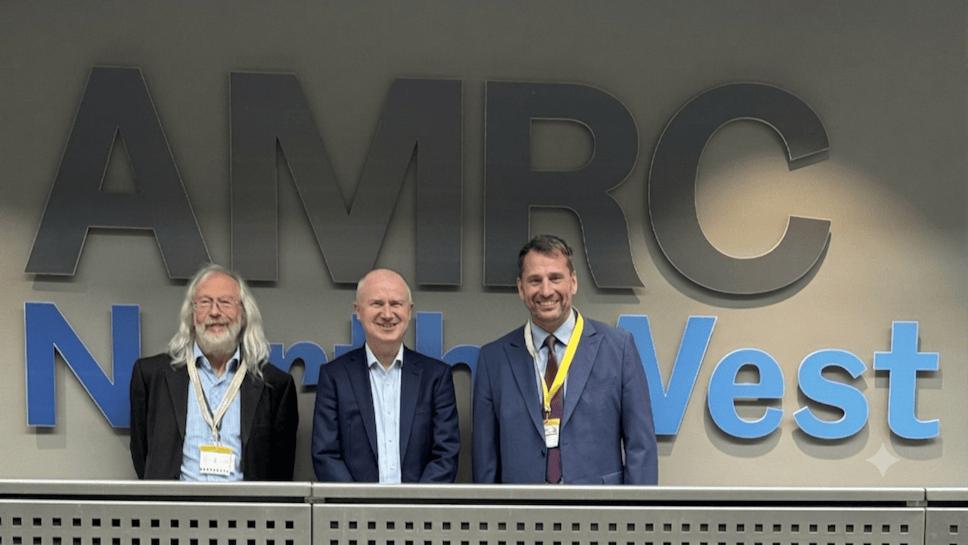
Lancashire has taken a significant step towards shaping the future of the North's economy after hosting a high-level visit from the Government's Northern Growth Envoy, Tom Riordan.
The meeting marked the first formal discussions between the newly established Lancashire Combined County Authority (LCCA) and the Government's envoy responsible for helping develop the forthcoming Northern Growth Strategy—a blueprint expected to influence investment and economic policy across Northern England for years to come.
For Lancashire's political and business leaders, the message was clear: the county cannot simply be an afterthought in plans for Northern prosperity. With one of the largest and most diverse economies outside London, Lancashire believes it has both the credentials and the ambition to play a leading role in the next chapter of Britain's economic growth.
Lancashire's Economic Strengths
Often overshadowed by the larger metropolitan regions of Greater Manchester and West Yorkshire, Lancashire's economy quietly generates tens of billions of pounds each year and supports hundreds of thousands of jobs across a remarkably diverse industrial base.
The county is home to globally recognised defence and aerospace manufacturers, world-leading nuclear expertise, advanced engineering companies, internationally successful food producers and a tourism industry that stretches from the bright lights of Blackpool to the natural beauty of the Forest of Bowland, the Ribble Valley and the Lancashire coast.
Much of that potential has been brought together in Lancashire's ambitious Growth Plan, developed collaboratively by the Combined County Authority alongside businesses, education providers and economic partners. The plan identifies major opportunities to create skilled employment, attract investment, improve transport connections and increase productivity while supporting the Government's wider Industrial Strategy.
The discussions with Mr Riordan explored how Lancashire's long-term ambitions could complement the Government's emerging Northern Growth Strategy and ensure the county receives recognition for the contribution it already makes to the national economy.
Bringing Local Experience to National Policy
The visit formed part of an increasingly close dialogue between Lancashire and Whitehall.
Earlier in the week, the Combined County Authority also held its first annual strategic
conversation with officials from the Ministry of Housing, Communities and Local Government, reflecting growing engagement between central government and Lancashire as devolution gathers pace.
Two separate roundtable meetings allowed both civic leaders and major employers to share their perspectives directly with Government representatives.
The first session brought together members of the Combined County Authority to discuss the strategic opportunities and longstanding challenges facing Lancashire, from infrastructure and skills to housing, transport and investment.
The second meeting, organised by the Lancashire Business Board, focused on the realities facing businesses operating across the county. Senior executives discussed investment decisions, barriers to growth, productivity and the practical steps needed to strengthen Lancashire's competitiveness in both domestic and international markets.
Representatives from the Department for Business and Trade joined the discussions, providing Government with first-hand insight into the experiences of employers working across some of Britain's most strategically important industries.
A United Voice from Business
Among those taking part were senior figures from some of Lancashire's best-known employers and organisations, including BAE Systems, Booths, Graham & Brown, GA Pet Foods, Westinghouse Springfields, Blackpool Tourism Ltd, East Lancashire Chamber of Commerce, Harrison Drury and Preston Partnership.
Their presence reflected the breadth of Lancashire's economy, spanning advanced manufacturing, defence, energy, tourism,
food production, professional services and international trade.
Business leaders argued that greater local decision-making through devolution would enable Lancashire to respond more quickly to economic opportunities, unlock investment and create better-paid jobs across the county.
'A Different Economy with Different Strengths'
Stephen Atkinson, Chair of the Lancashire Combined County Authority, said it was vital that Lancashire's voice was heard while the Government's strategy remains under development.
He said the county offers a distinctive economic profile that differs from many other parts of Northern England and deserves to be recognised in national policymaking.
"You can't build a strategy for the North by looking at one type of place," he said.
"Lancashire has a different economy, different strengths and different challenges, and that's exactly why it was important that our voice was part of this conversation."
He added that extensive work had already been undertaken with businesses and regional partners to develop Lancashire's own Growth Plan, making the discussions an opportunity to compare ideas and ensure Government understood the county's ambitions.
Through Devolution
Lancashire Business Board Chair Mo Isap said the discussions demonstrated a united approach between the county's employers.
"Our Lancashire business leaders are united and spoke with one voice," he said. "Greater devolution means economic growth, leads to better jobs and creates greater prosperity for all."
He stressed that the conversations focused on practical business experience rather than political rhetoric.
"Nobody was there to make speeches," he said. "Businesses talked about what they're seeing, where they're investing and what they need to keep growing. That's the sort of conversation Government needs if it's serious about building a strategy that works in the real world."
While no immediate funding announcements emerged from the visit, the significance lies in Lancashire securing a seat at the table while national policy is still being shaped.
The Government's Northern Growth Strategy is expected to influence future investment in transport, infrastructure, innovation, skills and industrial development across the North.
For Lancashire, early engagement offers an opportunity to ensure its economic strengths—from aerospace in the Fylde to advanced manufacturing in East Lancashire, nuclear expertise at Springfields, food production, tourism and emerging clean energy industries—are fully recognised.
As devolution continues to evolve and local authorities gain greater influence over economic development, county leaders hope Lancashire's Growth Plan will provide a strong foundation for attracting investment, supporting businesses and creating the skilled jobs needed to drive prosperity over the coming decades.
The discussions may have taken place behind closed doors, but their outcome could help shape Lancashire's economic future for a generation.
A Preston retailer has been fined £10,000 after selling a knife to a 15-year-old during an undercover Trading Standards operation, in a case that has once again highlighted the importance of enforcing age restrictions on potentially dangerous items.
NHL Pound Plus Ltd, formerly based at 194–196 New Hall Lane, admitted selling a bladed article to a child when the case came before Preston Magistrates' Court on 29 June 2026. The prosecution followed a test purchasing exercise carried out by Lancashire County Council's Trading Standards service in November last year.
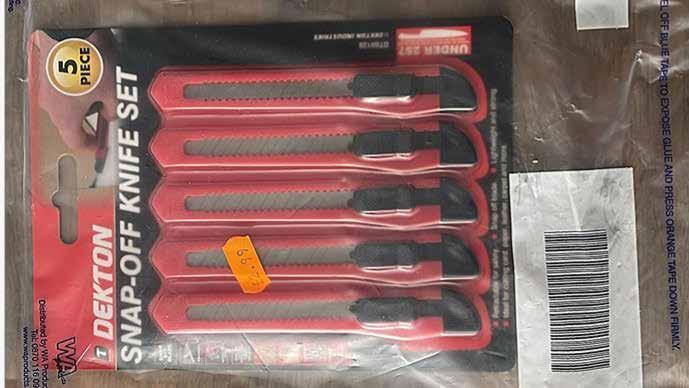
During the operation, a 15-year-old volunteer entered the shop and purchased a pack of five snap-off utility knives for just £2.99. The shop worker completed the sale without asking the teenager's age or requesting any form of identification. Trading Standards officers witnessed the transaction.
The offence may have involved a low-cost item, but the consequences were significant. Under UK law, it is illegal to sell most knives and bladed articles to anyone under the age of 18, with retailers expected to have robust procedures in place to prevent underage sales.
Repeat failures raised concerns What made the case particularly serious was that it was not an isolated incident.
The court heard there had already been two previous occasions when knives had been sold to children at the same premises, in May and November 2024. Following those earlier incidents, the business introduced an agerestricted sales policy designed to prevent further breaches.
However, prosecutors argued those safeguards had ultimately failed.
Company director Emtiyaz Mohmedadam Patel told investigators that the employee responsible for the latest sale had been covering the shop during a family emergency and had not received training on the store's age verification procedures.
While the explanation was noted, magistrates concluded that responsibility remained with the company to ensure every member of staff was properly trained before being allowed to
sell age-restricted products.
In sentencing, the court imposed a £10,000 fine, together with a £2,000 victim surcharge and £300 in prosecution costs, reflecting the repeat nature of the offending.
The prosecution forms part of Lancashire County Council's ongoing programme of test purchasing exercises, where carefully supervised volunteers under the age of 18 attempt to buy products that are legally restricted, including knives, alcohol, tobacco and vaping products.
These operations are designed to assess whether retailers are complying with the law and to identify businesses where improvements are needed.
Councillor Joshua Roberts, Lancashire County Council's Cabinet Member for Rural Affairs, Environment and Communities, said businesses have a clear duty to prevent dangerous items from falling into the hands of children.
"There is no excuse for failing to carry out basic age checks," he said.
He added that the latest prosecution was particularly worrying because previous incidents had already highlighted shortcomings at the store.
"Our Trading Standards officers will continue to carry out test purchasing operations and take action where necessary to protect young people and keep our communities safe."
Knife crime remains a national concern
The case comes against a backdrop of continued national efforts to reduce knife crime and improve public safety. While much attention often focuses on policing and youth intervention programmes, restricting access to knives through responsible retailing remains a key part of prevention.
Retailers selling bladed articles are expected to operate a strict "Challenge 25" or similar age verification policy, ensuring anyone who appears under 25 is asked to provide acceptable proof of age before a sale is completed.
Trading Standards officers regularly remind businesses that staff training is not optional but an essential safeguard. Temporary,
agency or relief staff must be given the same instruction as permanent employees before serving customers.
Failure to do so can result in criminal prosecution, substantial financial penalties and lasting damage to a business's reputation.
Business no longer operating
Lancashire County Council has confirmed that current investigations show NHL Pound Plus is no longer trading from the New Hall Lane premises.
The shop signage has since changed, and Companies House records indicate that another limited company was registered at the address on 22 June 2026.
Residents who suspect retailers are selling age-restricted goods, including knives, to under-18s are encouraged to report their concerns to Lancashire County Council's Trading Standards service.
The successful prosecution serves as a reminder that age restriction laws are actively enforced across Lancashire and that businesses failing to comply can face significant financial and legal consequences.
A multi-agency action plan launched in December to tackle retail crime and antisocial behaviour in Preston City Centre is already delivering positive results, six months on.
Bringing together Police, Preston City Council and Preston Business Improvement District (BID), the initiative set out to reduce offending, improve safety and restore confidence amongst visitors, creating a safer, more vibrant and thriving City Centre.
Over the last six months, partners have come together to share intelligence and carry out joint operations to enhance community safety in the City Centre as part of Operation Vulture, Lancashire Constabulary’s response to tackling retail crime and NightSafe, our campaign to ensure Lancashire’s night-time economy is safe, vibrant and inclusive for all.
Since the City Centre Action Plan was implemented, we have seen:
16% reduction in reported anti-social behaviour incidents compared with the same period last year.
22% reduction in shoplifting offences for Preston City Centre compared with the same period last year.
49% positive outcomes for shoplifting for Preston City Centre.
Improved confidence from retailers and
staff.
The City Centre Neighbourhood Policing team, which comprises of 1 Sergeant, 4 Police Constables and 4 Police Community Support Officers, have, in the last 12 months:
Arrested 271 people for various offences. Carried out 244 stop searches.
Attended 1825 incidents.
Carried out joint patrols with Preston City Council’s ASB Officers to tackle street drinking.
Helen Bevan, Preston’s Neighbourhood Policing Chief Inspector said: "Six months on, these results show the real impact of sustained partnership working and a clear focus on the issues that matter most to our city centre. The reduction in anti-social behaviour and retail crime demonstrate that our targeted activity is making a difference.
We know there is still more to do, but this progress should be reassuring for businesses, staff and the wider community.
“This is a great start and we’re not stopping here. We remain committed to maintaining this momentum, tackling repeat offenders and continuing to make Preston a safe and welcoming place for everyone."
Mark Whittle, Preston BID Manager said:
“We’re grateful to the local policing team for working in partnership with us and the City Council to bring forward the City Centre Action Plan.
“To date, we have seen impressive and encouraging results. Of course, there’s more to do, but with a unified approach and a committed team of officers, I am convinced that we can continue to make a positive impact.
“Our thanks go, specifically, to the city centre policing and leadership teams, for their support, dedication and direct engagement with the business community”.
Councillor Connor Dwyer, Cabinet Member for Parks and Community Safety at Preston City Council, added: “This project reflects a long-term, multi-agency commitment to improving safety, confidence and reducing crime and ASB in Preston City Centre.
“Last year, the City Council’s community safety team issued twelve Community Protection Warnings and three Community Protection Notices for anti-social behaviour in the city centre.
“The team also conducted 59 patrols in the period January to March 2026, targeting street drinking and anti-social activities covered by the City Centre Public Spaces

Protection Order.
“Patrols are also conducted at weekends by the Council’s Street Safety Officers and first aid providers to help to keep the streets safe both for residents and people enjoying the city’s night life.
“By supporting these initiatives and events, and having engagement with businesses, it further contributes to enhancing safety in the city centre and therefore attracting more visitors to Preston.”
Two men who played a part in a six-week spate of burglaries across Preston, stealing thousands of pounds worth of jewellery have been sentenced.
Ten homes across the city were targeted between October and November last year and items of jewellery, including family heirlooms, passed down for generations, were stolen.
Following an investigation by the South Residential Burglary Team, two warrants were conducted in the Ribbleton and Ashtonon-Ribble areas in December 2025 and two men – Ricky Chin and Anthony Powellwere arrested and subsequently charged with conspiring to commit burglary with intent to steal.
Last Thursday, Chin, 51, of Burnslack Road, Ribbleton and Powell, 71, of Condor Road,
Ashton-on-Ribble appeared before Preston Crown. It was evidenced that upon Chin carrying out at least one of the burglaries, he attended the home of Powell and sold the property to him.
Chin pleaded guilty to conspiracy to commit burglary and was sentenced to five and a half years in prison. Powell pleaded guilty to handling stolen goods and was given a six month suspended sentence.
DC Jack Gordon from the South Residential Burglary Team said: “This sentence is a significant result for the victims of these offences. Burglary is far more than the theft of property; it can leave people feeling unsafe in their own homes and have a lasting impact on their wellbeing.

“These men played a key role in a series of burglaries which caused considerable distress to those affected. Thanks to the thorough work of investigators, strong evidence was gathered to identify those responsible and bring them before the courts.
“We hope today's outcome provides victims with a sense of justice and reassurance that
offenders who target people's homes will be pursued and held accountable. Through Operation Defender, our force wide response to residential burglary, we remain committed to tackling burglary and protecting our communities from this type of criminality.”
New strategies to strengthen and modernise Lancashire’s libraries, archives and museums over the next two years are being unveiled by Lancashire County Council.
At the Cabinet meeting on 2 July, Councillors approved refreshed strategies for Lancashire Libraries, Lancashire Archives and Local History, and the Lancashire County Museum Service. The plans will help shape the future of the services through to 2028.
The plans focus on expanding opportunities for learning, improving wellbeing, increasing community involvement and making services easier to access, while celebrating Lancashire's rich heritage and boosting civic pride.
Lancashire's Libraries welcomed more than 2.7million visitors last year, while Archives staff continue to care for 900 years of the county's history and museums, attracting more than 154,000 visitors, alongside 20,000 young people taking part in learning activities designed to recognise the area's cultural heritage.
The strategies also place a greater focus on digital services, partnership working, community-led programmes and raising awareness of the wide range of support and
opportunities available through Lancashire's cultural services.
From early years storytimes to support for older residents, libraries offer a cradle-tograve service, helping people stay connected, informed and engaged in their communities. Library membership is free for all Lancashire residents.
County Councillor Ella Worthington, cabinet member for Civic Pride, said:
"Our libraries, archives and museums help tell Lancashire's story. They connect people with the county's rich heritage, celebrate the communities that make Lancashire special and inspire pride in the places we call home.
"From preserving 900 years of history to helping people learn new skills and connect with others, these services make a real difference to people's lives every day.
"They are at the heart of our communities, bringing people together, supporting wellbeing and ensuring that Lancashire's unique history and culture can be enjoyed by current and future generations.
"These strategies will set out how we'll build on that success, protecting what makes

services remain at the heart of community life, inspiring future generations and celebrating everything

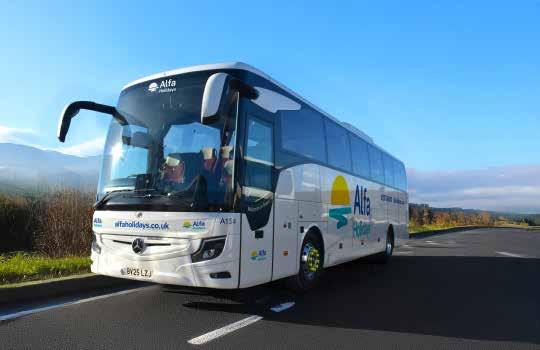
The Bucket List You Deserve
What’s on your bucket list these days? A place you’ve always wanted to see… a view you’ve always wanted to wake up to… a moment you promised yourself you’d enjoy “one day.”
The wonderful thing about life is that the desire to explore never fades. If anything, it grows stronger. Getting older doesn’t mean slowing down, it means finally having the time to enjoy the places you’ve always dreamed of, at a pace that suits you.
After decades of exploring the UK from top to toe, we know we’re spoilt for choice, you really don’t need to travel far to feel worlds away. From dramatic coastlines to charming towns, and sweeping national parks, there are stories carved into every cliff and castle. It’s why our hotels are perfectly placed in the very best seaside resorts, so you always have a comfortable, welcoming base while you tick off those longawaited experiences.
Beside the Seaside
There’s nothing quite like drawing back the curtains on holiday and being greeted by the glistening sea. Most of our hotels offer exactly that, a frontrow seat to the coastline and your home-away-from home while you make amazing memories.
Think of Bognor Regis, one of the sunniest spots in the UK. Or Torquay, fondly known as the English Riviera thanks to its palm trees and Mediterranean feel. Then there’s Llandudno, home to the UK’s longest pier and sweeping views across the Irish Sea. Whether you love the warmth of the sun, the soothing hush of the tide, or the drama of waves on a windy day, we’ve got a seaside escape with your name on it.
BucketList Moments, Included
A coach holiday with us isn’t just about where you stay, it’s about what you experience. Every break includes handpicked excursions designed to spark joy, curiosity and that wonderful “I’ve always wanted to do this” feeling.
Here are just a few of the unforgettable moments waiting for you:
Marvel at Cheddar Gorge
Enjoy a cream tea in the Blackpool Tower Ballroom
Cruise the sparkling waters of the English Riviera
Stand at the iconic Land’s End
Explore the legends of Tintagel
Visit a working honey farm
Ride a nostalgic steam train
Breathe in the beauty of Snowdonia National Park
Discover the magic of the Isle of Skye
Walk the ancient stones of the Giant’s Causeway
These aren’t just excursions, they’re memories in the making.
Special Event Breaks
And if you fancy reliving a little of your youth, our special event breaks are pure joy. Think dazzling tribute acts to the stars you grew up with, beloved stage shows, thrilling sporting events and festive celebrations that sparkle from start to finish. It’s nostalgia, excitement and entertainment all wrapped into one.
Bucket list memories are just a coach ride away. With years of experience behind us, we know exactly how to make those journeys easy, enjoyable, and completely stress-free. No driving, no planning, no hassle, just sit back, relax, and watch the countryside roll by.
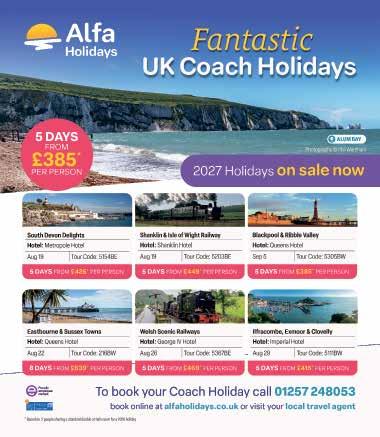
Book your Summer 2026/2027 Bucket List today www.alfaholidays.co.uk 01257 248053
Families, history lovers and budding archaeologists are invited to uncover the past this summer as Clitheroe Castle Museum hosts a packed programme of talks, workshops, family activities and handson experiences as part of the Festival of Archaeology.
Running from 11 July to 2 August, the festival explores thousands of years of history, culminating in the Festival of Archaeology Community Hub Day on Saturday 25 July.
Taking place from 11am to 3pm, the free Community Hub Day will bring together archaeologists, historians, conservation experts and community groups for a day celebrating the rich heritage of the Ribble Valley and beyond.
Visitors can meet experts covering everything from prehistory and the Romans to industrial heritage and artefact conservation.
Younger visitors can enjoy hands-on activities including a dig pit, ancient games, archaeology-themed crafts and the chance to earn a Junior Archaeologist certificate.
This year marks Clitheroe Castle Museum's fifth consecutive year taking part in the Council for British Archaeology's Festival of Archaeology.
Claire Sutton, Museum Manager at Clitheroe Castle Museum, said: "The Festival of Archaeology is a fantastic opportunity for people of all ages to explore the stories
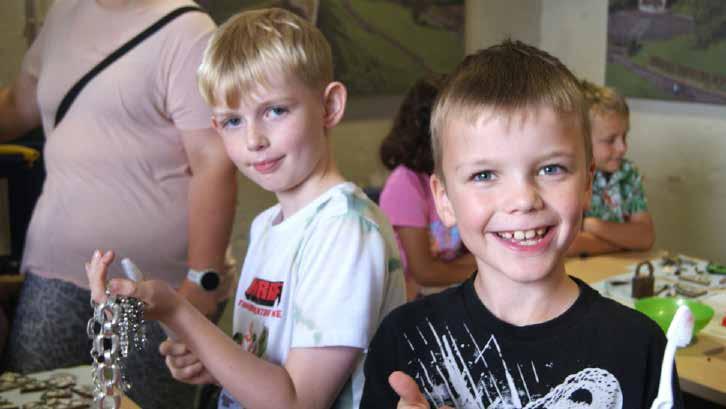
hidden beneath our feet and discover the work that goes into uncovering and protecting our shared heritage.
"Whether you're a lifelong history enthusiast or simply curious about the past, there will be plenty of opportunities to meet experts, ask questions and get hands-on with archaeology.
"We're especially looking forward to welcoming families and inspiring the next generation of archaeologists through our activities for children."
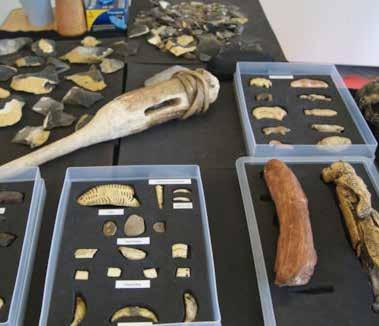
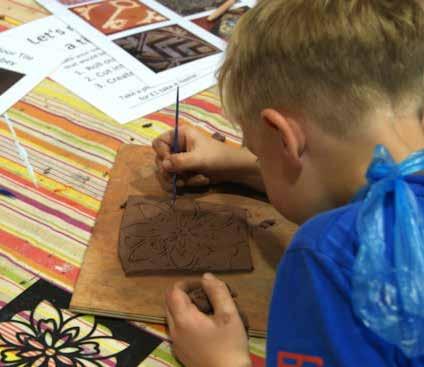
The wider festival programme includes Historic Handcrafts: Peg Loom Talk and Taster on 11 July, Bones, Beliefs and Identity: 'Vampire' Skeleton on 19 July, a Neolithic Pottery Workshop and Talk on 21 July, and Junior Archaeologist Dig Pits on 23 July. Residents can find full details and booking information online.
County Councillor Ella Worthington, cabinet member for Civic Pride, said:
"Clitheroe Castle Museum's Festival of Archaeology programme is a brilliant way to bring history to life and connect people with Lancashire's remarkable heritage.
"With activities running throughout July and into August, there's a fantastic opportunity for families to discover Lancashire's rich history in a fun and engaging way. I'd encourage residents and visitors alike to come along, discover something new and help celebrate the stories that have shaped our county."

Lancashire Police joined with other agencies as part of a crackdown on organised immigration crime.
Codenamed Operation lockstream the week-long crackdown last month saw us seize thousands of illicit cigarettes, vapes, medication and unsafe toys in a series of visits to various locations across the county.
We also made nine immigration related arrests and issued £135,000 in civil penalties for illegal working.
The nationwide operation by police and Immigration Enforcement saw 362 arrestswith 57 of those known to have entered the UK by small boat.
Officers also seized over £1m in cash, over £700,000 in illegal tobacco, vapes and cigarettes, 92 cars and 31 e-bikes.
The intelligence led operation, under the Organised Immigration Crime Domestic Taskforce, saw the National Police Chiefs’ Council working closely with police forces alongside agencies including the Home Office, Immigration Enforcement and Trading Standards.
Between Monday 15 June and Saturday 20 June 2026, the operation focused on disrupting activity linked to organised immigration crime at premises such as barber shops, vape shops, car washes, food production, and nail salons.
Criminal gangs often target these businesses as they provide opportunities to conceal illegal working, to exploit vulnerable migrants, and to launder proceeds of crime.
Det Supt Mark Haworth-Oates said: “This activity sends a clear message to organised crime gangs that police and partners are working together to tackle illegal trade within our communities, and to bring offenders to justice.
“We will not tolerate exploitation, and we are determined to target the business owners who openly encourage this.
“Organised immigration crime is often hidden in plain sight, and we would urge you to report anything that doesn’t feel right in businesses on your streets, or if you are concerned about someone’s welfare.
“Reporting can help protect people and catch those responsible by helping us to gather intelligence that builds a picture of what is happening in our communities.
“We take all information from the public seriously and will act upon it. You can raise concerns by calling 101, or report via the Home Office endorsed charity Stop the Traffick.”
23 Lancashire shops inspected were all found to be selling illegal tobacco, along with potentially unsafe, untraceable toys and vapes. This kind of activity undercuts honest local businesses.
"I’d like to praise the joint work between Lancashire Constabulary and our Trading Standards officers, which has taken a large quantity of illegal goods off the streets. Investigations are ongoing.
"You can contact the Citizens Advice Consumer Helpline on 0808 223 1133, or report it online at Contact the consumer service - Citizens Advice. Businesses requiring advice and support can also get in touch with Trading Standards via the Citizens Advice Consumer Service."
A spokesperson for the Fair Work Agency said: “We took part in a multi-agency visit to share information about the Fair Work Agency and provide details of available support services.
“As an agency, we bring together key labour market enforcement functions under a single organisation, providing a more coherent, accessible, and effective system for workers and employers.


Lancashire Police have been successful in securing a Closure Order for a shop in Longridge.
Daily Needs Market on Berry Lane has been ordered to close for a minimum of three months by Blackburn Magistrates Court following a hearing today (1st July).
The closure order was applied for by Lancashire Police’s Civil Orders Team, with officers from the Longridge Neighbourhood Policing Team (pictured) visiting the shop to enforce it.
Our officers and colleagues from Trading Standards had seized thousands of pounds worth of illicit and counterfeit tobacco, cigarettes, vapes and toys from the shop.
Trading Standards had also made test purchases from the shop where agerestricted products had been sold to people under the age of 18.
Sgt Duncan Hall, Neighbourhood Policing Sergeant for Ribble Valley, said:
“This closure order will prevent criminal activity taking place and protect children and the local community from unsafe and unlawfully sold products.
“It will reduce the risk of anti-social behaviour which this type of business can attract.
“The order will be in place for a minimum of three months.”
Op Centurion is a county-wide crackdown on anti-social behaviour, led by Lancashire Constabulary and backed by the Police and Crime Commissioner Clive Grunshaw.

As the days grow longer and the sun graces the Lancashire skies, the allure of summer getaways beckons. Lancashire, nestled in the heart of the United Kingdom, offers a plethora of neighboring counties with enchanting destinations waiting to be explored. In this edition of Lancashire Now's online monthly publication, we present a guide to inspire and assist readers in planning their perfect summer getaway in 2024.
Cheshire Charm:
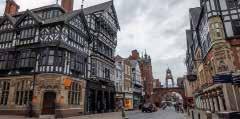
Just a stone's throw away from Lancashire, Cheshire boasts picturesque landscapes and historic charm. The historic city of Chester, with its medieval architecture and unique shopping experiences along The Rows, is a must-visit. For a tranquil retreat, explore the stunning gardens at Tatton Park or take a leisurely stroll along the Macclesfield Canal. Cheshire offers a delightful blend of history, nature, and relaxation.
Cumbrian Adventures:
Head north to the scenic county of Cumbria for a summer getaway filled with outdoor adventures. The Lake District, renowned for its breathtaking lakes and majestic mountains, provides a perfect backdrop for
hiking, boating, and simply enjoying the serenity of nature. Explore charming villages like Ambleside and Keswick, and don't forget to indulge in the region's delectable culinary offerings.
Yorkshire Dales Serenity:
Venture eastward to the Yorkshire Dales for a tranquil escape into the heart of the countryside. Immerse yourself in the stunning landscapes of rolling hills, limestone cliffs, and quaint villages. Enjoy long walks across Malham Cove or explore the historic market town of Skipton with its medieval castle. The Yorkshire Dales promise a peaceful retreat for those seeking solace in nature.
Coastal Beauty in Merseyside:
For those who crave the soothing sounds of the sea, Merseyside offers a coastal escape just a short drive from Lancashire. Visit the iconic city of Liverpool, home to the Beatles and a vibrant cultural scene. Stroll along the scenic waterfront, explore the historic Albert Dock, and soak in the maritime atmosphere. For a beachy retreat, head to Formby or Southport and enjoy sandy shores and refreshing sea breezes.
Greater Manchester Urban Excitement:
For an urban getaway filled with culture and excitement, look no further than Greater Manchester. Explore the diverse neighborhoods of Manchester city, each offering a unique blend of history, art, and entertainment. Visit world-class museums, indulge in delectable cuisine, and experience the vibrant nightlife. From the trendy Northern Quarter to the historic Castlefield, Greater Manchester has something for every type of traveler.
This summer, let Lancashire be your gateway to a world of diverse experiences. Whether you're drawn to the historic charm of Cheshire, the natural beauty of Cumbria, the tranquility of the Yorkshire Dales, the coastal allure of Merseyside, or the urban excitement of Greater Manchester, our neighboring counties have something special to offer. Pack your bags, embrace the spirit of adventure, and embark on a memorable summer getaway in 2024. Lancashire is your starting point for discovering the hidden gems that lie just beyond its borders.

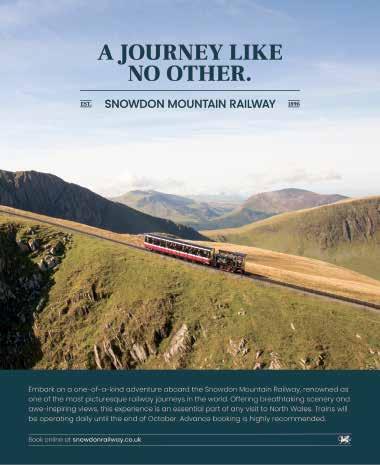
If you’re looking for a change of scenery and an escape into breathtaking landscapes, rich history, and vibrant culture, Wales is calling. Just a few hours’ drive from Lancashire, this stunning country offers everything from majestic mountains to golden beaches, charming market towns, and a deep-rooted heritage that promises a warm Welsh welcome. Whether you're after a relaxing countryside retreat, an adventurous hiking expedition, or a unique festival experience, Wales has something for everyone this spring. With its mix of natural beauty, cultural richness, and warm hospitality, it’s no wonder Wales remains one of the UK’s most soughtafter travel destinations.
Breathtaking Scenery and Outdoor Adventures
Wales is a paradise for nature lovers and outdoor enthusiasts, offering an abundance of breathtaking landscapes waiting to be explored. The rugged beauty of Snowdonia National Park in North Wales is an absolute must for those who love hiking and dramatic views. The park spans over 800 square miles, featuring stunning glacial lakes, ancient woodlands, and wild moorlands. If you fancy a challenge, take on Yr Wyddfa (Snowdon), the highest peak in Wales at 1,085 metres. The hike is rewarding, with panoramic views stretching as far as Ireland on a clear day. For those who prefer a more relaxed experience, the Snowdon Mountain Railway provides a scenic route to the summit, allowing visitors to take in the stunning scenery without the physical exertion.
For those drawn to the coast, Pembrokeshire Coast National Park in the southwest of Wales boasts some of the most spectacular seaside scenery in the UK. With its rugged cliffs, hidden coves, and pristine beaches, it’s the perfect place for a tranquil escape. The Wales Coast Path, which stretches 870 miles along the country’s entire coastline, is a dream for walkers, offering both gentle seaside strolls and challenging cliffside hikes. Wildlife lovers will also be in their element, as the Welsh coast is home to a diverse range of marine life, including puffins, dolphins, and seals. Boat trips from Cardigan Bay or Pembrokeshire provide the perfect opportunity to spot these magnificent creatures in their natural habitat.
Historic Castles and Cultural Gems Wales is known as the ‘Land of Castles,’ with over 600 fortresses scattered across its rolling countryside. These historic landmarks tell the story of the country’s fascinating past, from medieval battles to royal dynasties. A visit to Caernarfon Castle, a UNESCO World Heritage Site, offers a glimpse into Wales’s medieval history. Built by King Edward I in
the late 13th century, the castle’s immense stone walls and imposing towers make it one of the most impressive fortifications in the UK. Conwy Castle, another masterpiece from Edward I’s reign, is equally awe-inspiring, with its well-preserved battlements and breathtaking views over the River Conwy. Beyond its castles, Wales has a wealth of cultural attractions to explore. The charming town of Hay-on-Wye, located near the English border, is a literary lover’s paradise. Known as the ‘Town of Books,’ it boasts over 20 independent bookshops and hosts the world-famous Hay Festival, which attracts renowned authors and avid readers each year. Meanwhile, Cardiff, the vibrant Welsh capital, offers a perfect blend of history and modernity. Cardiff Castle, set in the heart of the city, provides an insight into centuries of Welsh history, while the city’s Victorian arcades are home to unique boutiques, artisan coffee shops, and stylish eateries. A visit to the Wales Millennium Centre, a striking architectural gem, is a must for those who appreciate world-class theatre, music, and dance performances.
Wonderwool Wales: A Festival for Craft Enthusiasts
For those with a passion for knitting, felting, spinning, or weaving, Wonderwool Wales is an unmissable event. Taking place on the 26th and 27th of April at the Royal Welsh Showground in Builth Wells, this festival is the ultimate celebration of all things woolly. Whether you’re a seasoned crafter or a complete beginner, Wonderwool offers an inspiring environment to explore new techniques and connect with like-minded creatives. The event features a diverse range of exhibitors, including independent yarn dyers, skilled spinners, and expert weavers showcasing their beautiful handcrafted wares. Visitors can take part in workshops covering everything from natural dyeing to intricate lace knitting, learning from experienced artisans who are eager to share their knowledge. Live demonstrations provide a fascinating insight into traditional and contemporary textile techniques, while interactive stalls allow attendees to get handson with new materials and tools. Beyond the craft stalls, the festival boasts a lively atmosphere, with local food vendors serving delicious Welsh delicacies and entertainment that celebrates the country’s rich cultural heritage. Whether you're looking to stock up on unique yarns, take home a handmade treasure, or simply soak up the creative energy, Wonderwool Wales is a highlight of the spring calendar.
indulging in its delicious food, which reflects the country’s agricultural heritage and love for wholesome flavours. Welsh cuisine is known for its comforting and hearty dishes, making it perfect for refuelling after a day of exploring. One of the most iconic treats is Welsh cakes, small griddled cakes packed with sultanas and a hint of cinnamon, best enjoyed warm with a generous dusting of sugar. Another staple is cawl, a traditional lamb and vegetable stew that has been warming Welsh households for centuries. This dish is best enjoyed in a cosy pub, where it’s often served with a wedge of crusty bread and local cheese.
Speaking of cheese, Caerphilly cheese is a must-try for any foodie visiting Wales. This crumbly, tangy cheese has been produced in the region for centuries and is delicious on its own or melted into dishes. For those with a sweet tooth, Bara Brith is a delightful tea loaf made with dried fruit soaked in tea and spices, perfect with a spread of butter alongside a hot drink. Wales is also home to a thriving craft beer and cider scene, with independent breweries and cider houses offering everything from traditional ales to experimental new flavours. Whether you
choose to dine in a charming country inn, a bustling market, or a Michelin-starred restaurant, Welsh hospitality ensures a warm welcome and a memorable dining experience.
Plan Your Welsh Adventure
Wales is an easy and rewarding getaway from Lancashire, whether you’re looking for a weekend break or a longer escape. With so much to see and do, from adventure and history to relaxation and creativity, it’s a destination that will leave you planning your next visit before you’ve even left. Spring is a particularly magical time to visit, as the countryside bursts into bloom, the weather warms up, and a host of exciting events fill the calendar.
This year, why not embrace the magic of Wales and make some unforgettable memories? Whether you’re climbing mountains in Snowdonia, wandering through medieval castle ruins, exploring the literary streets of Hay-on-Wye, or immersing yourself in the creative world of Wonderwool Wales, you’re sure to fall in love with this enchanting country. So, pack your bags, hit the road, and get ready to discover the wonders of Wales!
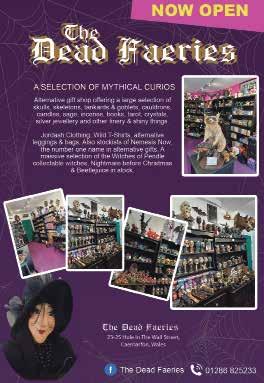
It’s easy to see why the World of James Herriot visitor attraction attracts visitors from all over the world. There’s so much to see and do here… It’s not just for fans of the books!
The 1940s home and surgery Stepping through the famous red door of 23
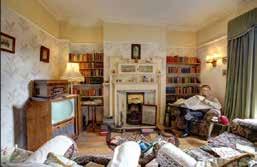
Kirkgate, Thirsk is to step inside the World of James Herriot, the fully-restored site of his original 1940s home and veterinary practice (known in his books as Skeldale House, Darrowby) set in the heart of stunning Herriot Country.
The dining room and practice office Explore this magical time-capsule, where the world’s most famous vet and one of the most popular writers of the twentieth century lived, worked and wrote his much-loved stories based on his experiences as a young veterinary surgeon working among the farming
community of North Yorkshire.
The home retains many of the original furnishings in the family rooms, frozen in time. The dining room doubled as the practice office, where farmers’ bills were typed up at the desk; the sitting room displays original books and family photos; the basement converted to an air raid shelter during the Second World War; the breakfast room favoured for its relative warmth and the reproduction of a typical farmhouse kitchen.
The original dispensary containing all potions great and small
As well as a family home, it was also a busy surgery with a dispensary crammed with fascinating ancient and bizarre remedies and the cramped and primitive consulting room that saw the treatment of many a poorly pet – only creatures small were dealt with by Alf in here!
Interactive Gallery
There’s no telling children ‘don’t touch’ in this gallery! Designed to engage children, young and old, the pieces use fun and interaction to educate visitors about farm animals and how they interact with our lives.
Full of fascinating facts, the gallery gives visitors the opportunity to test their skills, knowledge and reflexes whilst learning how vets work with farmers to keep animals fit and well. Not just for children!
There is one installation that TV viewers particularly will recognise and that’s the ‘not

to be missed’ opportunity to place your hand up a cow’s bottom! An essential skill that every vet has to learn, All Creatures Great and Small actor Christopher Timothy famously did his part on several occasions, much to the amusement of the cast, crew and viewing public!
Herriot Memorabilia
The World of James Herriot houses the largest collection of Herriot memorabilia in the world – from books, posters and letters to ornaments and collectables.
The Memorabilia Room is dedicated to displaying items that were instrumental in James Herriot’s writing career.
TV Studios
Take a close-up look behind the scenes of a reproduced set from the BBC series All Creatures Great and Small and experience the fascinating world of the TV studio and what was involved in the making of the TV program.
ery. It is the largest collection in the world. On display is a 4,000 piece archive showcas-
ing veterinary instruments from the past to the modern day. These items chart the history and progress of the profession over the years. Some of the instruments appear primitive but were all designed for a particular purpose, since refined and updated for the modern vet’s practice.
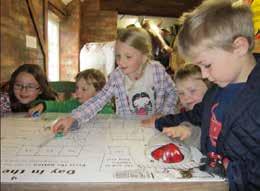
You can be the star of the show! Get in front of the camera and imagine yourself as Christopher Timothy playing James Herri ot, Robert Hardy as the eccentric Siegfried Farnon, Peter Davison as Tristan Farnon, or Carol Drinkwater and Lynda Bellingham who both played James’ wife Helen Herriot.
The series was a hugely popular show and had two runs from 1978 to 1980 (based directly on Alf’s books) and 1988 to 1990 (filmed with original scripts). The equipment on display shows just how far technology has moved on in TV and film, the huge cameras, endless cables, the intense heat from the lighting rigs all making life pretty uncomfortable for the actors involved.
The Austin Seven Car from ‘It Shouldn’t Happen to a Vet’ The latest addition to the centre’s collection is the original 1938 Austin Seven car, Registration JK 7443.
It appeared in the film “It Shouldn’t Happen to a Vet” with actor John Alderton as James Herriot, when it famously broke down in a river in the Yorkshire Dales.
There’s an incredible array too of veterinary paraphernalia from Herriot’s time as a young vet – in an era before advances in diagnostics, modern medicine and agricultural machin-
The display reveals the close link with veterinary surgeons and the armed forces, from the days of the mounted cavalry and horses pulling gun carriages and supply wagons in warfare. Even today, ceremonial horses and battle-trained guard and sniffer dogs are the responsibility of the Royal Army Veterinary Corp, formed in 1796.
Foldyard and The Farrier’s Workshop
Much of Alf Wight’s work took place in farms all over North Yorkshire. To the rear of the house you will find the Foldyard and The Farrier exhibits, both with which Alf would have been very well-acquainted.
The Foldyard (described as an enclosure for sheep or cattle) houses a collection of primitive-looking hand tools in everyday use in farms before machinery appeared. In the hands of skilled workers, however, these tools were most effective. The Foldyard provides an authentic setting for visitors to watch an exclusive short film of Alf Wight, his family and friends and the cast of All Creatures Great and Small.
In the Farrier’s Workshop. the role of the farrier, which combines skills of both blacksmith and vet, is brought to life in this interesting exhibit. Before tractors and combine harvesters, farming relied on manual labour and what limited mechanisation existed was driven by horses. Farriers were an integral support to this system until the inevitable march of progress.
World of James Herriot Ltd, 23 Kirkgate, Thirsk, North Yorkshire,YO7 1PL Tel: 01845 524234
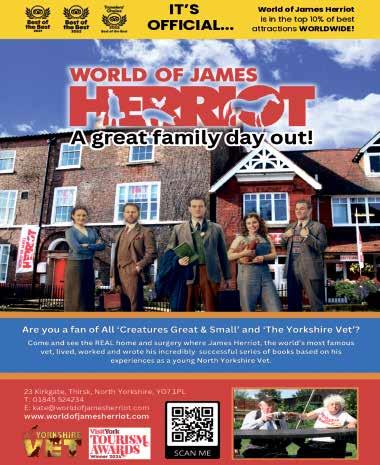

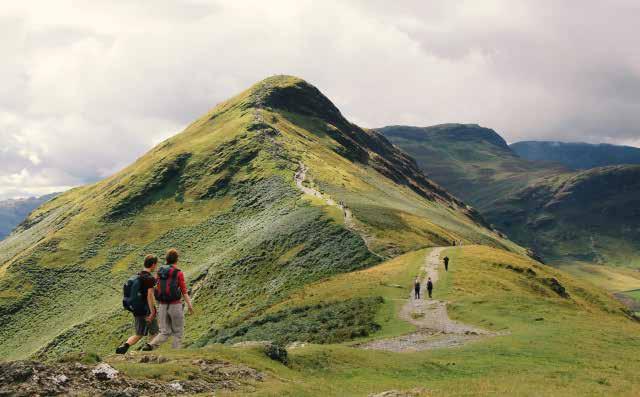
As the vibrant hues of summer paint the landscapes and the gentle whispers of nature beckon, there’s no better time to explore the enchanting trails of Cumbria. Nestled in the heart of the North West of England, Cumbria boasts an array of walks suitable for all, from families seeking leisurely strolls to seasoned hikers craving exhilarating challenges. So, lace up your boots and join us on a journey through the captivating beauty of Cumbria’s countryside.
Summertime in Cumbria casts a spell of vitality across its rugged terrain. As the winter frost is long gone, the landscape bursts into life with a kaleidoscope of colours and fragrances. Meadows adorned with wildflowers, babbling brooks flowing with newfound vigour, and the sweet melody of birdsong create an immersive experience for walkers seeking solace in nature’s embrace. Embrace the essence of summer as you traverse the picturesque trails of Cumbria, where every step unveils a new marvel of the season.
Safety First
Essential Tips for a Secure Walking
Experience While the allure of summertime walks is undeniable, it’s essential to prioritise safety to ensure an enjoyable outing for all. Here are some indispensable safety tips to keep in mind:
A. Footwear: The unpredictable weather of summer can render paths muddy and slippery. Invest in sturdy, waterproof footwear with reliable traction to navigate the trails with confidence.
B. Dress in Layers: Despite the warming temperatures, be prepared for sudden changes in weather. Layer your clothing to adapt to varying conditions and stay comfortable throughout your walk.
C. Trail Conditions: Before embarking on your adventure, check local trail conditions for any hazards or closures. Summertime may bring sudden showers or muddy patches, so choose routes that align with your skill level and comfort.
D. Wildlife Awareness: Cumbria’s countryside teems with diverse wildlife and delicate flora. Respect nature by staying on designated paths, refraining from disturbing nesting birds, and minimising your impact on the environment.
E. Stay Hydrated and Energised: Carry

sufficient water and snacks to stay hydrated and energised during your walk. Remember to pack essentials such as a map, compass, and first-aid kit for added safety.
Unveiling Cumbria’s Summertime Treasures Embark on a journey of discovery as you explore some of Cumbria’s most captivating walks, tailored to suit every preference and ability:
Family-Friendly Strolls: Delight in leisurely walks amidst the splendour of Cumbria’s countryside, suitable for families of all ages. From charming riverside paths to tranquil woodland trails, these gentle strolls offer a perfect opportunity to reconnect with loved ones and create cherished memories.
Beginner-Friendly Routes: Novice walkers
can ease into the joys of hiking with scenic routes that boast manageable terrain and breathtaking vistas. Traverse rolling hills, meandering valleys, and picturesque lakeshores as you embrace the tranquillity of Cumbria’s natural landscapes.
Intermediate Challenges: For those seeking a moderate challenge, Cumbria presents an array of intermediate-level walks that combine scenic beauty with a hint of adventure. Ascend gentle slopes, explore ancient woodlands, and uncover hidden gems nestled amidst the verdant countryside.
Advanced Expeditions: Experienced hikers can test their skills on challenging trails that traverse rugged peaks, remote moorlands, and dramatic ridgelines. Prepare for exhilarating ascents, breathtaking panoramas, and a profound sense of accomplishment as you conquer Cumbria’s most demanding routes.
Summertime Revelations Await
As you plan your summertime escapades in Cumbria, remember to embrace the spirit of adventure, immerse yourself in the natural wonders that abound, and tread lightly upon the earth. Whether you’re seeking a leisurely stroll amidst blossoming meadows or a thrilling ascent to dizzying heights, Cumbria promises an unforgettable walking experience for all. So, heed the call of the wild, embrace the season’s allure, and embark on a journey of discovery through the captivating landscapes of Cumbria this summer.”
Just a short journey from Lancashire, Cumbria is a destination brimming with natural beauty, rich history, and vibrant culture. Whether you're looking for breathtaking walks, exciting attractions, fantastic shopping, or unforgettable events, this northern gem has something for everyone. If you’re planning a visit over the next few weeks or months, here’s why Cumbria should be at the top of your list.
Cumbria is home to some of the most breathtaking landscapes in the UK, with the Lake District National Park as its crown jewel. A UNESCO World Heritage Site, the Lake District is famous for its stunning lakes, rugged mountains, and picturesque villages. Whether you prefer a gentle lakeside stroll or a challenging fell hike, there’s something for every level of adventurer.
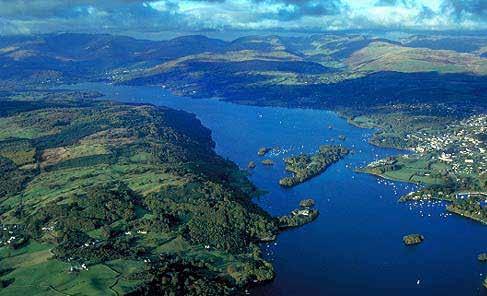
For those seeking a peaceful yet scenic experience, Lake Windermere—the largest lake in England—is a must-visit. You can take a leisurely boat cruise across the water, hire a kayak for a closer look at the lake’s beauty, or simply enjoy a walk along the shoreline, taking in the tranquil surroundings.
If you’re a keen walker, try the Catbells Fell Walk, a relatively easy yet rewarding climb offering panoramic views of Derwentwater and Keswick. More seasoned hikers might opt for the challenge of Scafell Pike, England’s highest mountain, which promises incredible views from the summit.
Beyond the Lake District, the Solway Coast offers a different kind of beauty, with sandy beaches, salt marshes, and birdwatching opportunities. Hadrian’s Wall, stretching across Cumbria’s northern boundary, is another fantastic outdoor attraction, offering walking trails alongside Roman ruins.
Cumbria’s towns and villages are steeped in history, with each offering a unique charm. Kendal, known as the "Gateway to the Lakes," is famous for its historic buildings, independent shops, and, of course, the delicious Kendal Mint Cake—a must-try for visitors. The town’s Abbot Hall Art Gallery and Kendal Castle provide an enriching experience for history and art enthusiasts.
Grasmere is another must-visit, known for its connection to poet William Wordsworth. Visit Dove Cottage, where Wordsworth once lived and wrote some of his most famous poems, and explore the Wordsworth Museum to gain insight into the poet’s life. Don’t forget to stop by the Grasmere Gingerbread Shop, which has been baking its unique recipe since 1854.
For those interested in medieval history,
Carlisle is a fantastic destination. The city’s imposing castle, which has stood for over 900 years, offers a fascinating glimpse into Cumbria’s past. Nearby, the Tullie House Museum provides a deep dive into the region’s Roman, Viking, and medieval heritage.
Cumbria is a paradise for those who love shopping for unique gifts, handmade crafts, and local produce. Many of its market towns, such as Penrith and Keswick, hold regular farmers' markets where you can buy locally sourced food, including awardwinning cheeses, fresh meats, and homemade chutneys.
Keswick, in particular, is well-known for its bustling market and independent shops, offering everything from outdoor gear to handmade jewellery. If you’re looking for a special keepsake, head to the Rheged Centre near Penrith, where you’ll find an array of artisan crafts and homegrown products.
No visit to Cumbria would be complete without indulging in its fantastic food scene. Traditional Cumbrian delicacies include Cumberland sausage—a hearty, coiled sausage packed with flavour—and sticky toffee pudding, said to have originated in the Lake District. Many of the region’s cosy pubs and fine-dining restaurants serve these local delights, often made with ingredients sourced from nearby farms.
Cumbria is a hub of events throughout the year, making it an exciting destination no matter when you visit.
For outdoor enthusiasts, the Keswick Mountain Festival (held in May) is a highlight, offering adventure sports, guided hikes, and live music by the lakeside. If you’re planning to visit sooner, the Words by the Water Literature Festival in March is perfect for book lovers, featuring talks from renowned authors at Theatre by the Lake in Keswick.
Music and arts lovers will enjoy the Kendal Calling Festival, one of the UK’s best-loved music festivals, set in the scenic Lowther Deer Park. If classical music is more your style, the Lake District Summer Music Festival offers a series of concerts featuring world-class musicians.
For families, the Westmorland County Show in September is a great day out, showcasing Cumbrian agriculture, livestock competitions, and traditional crafts. Meanwhile, history buffs will appreciate the Carlisle Fireshow in November, a spectacular event celebrating the city’s heritage with fireworks and entertainment.
Cumbria is easily accessible from Lancashire by both car and train, making it an ideal destination for a day trip or a longer getaway. If you’re driving, the M6 provides a direct route, while scenic A-roads offer stunning views along the way.
If you prefer public transport, regular trains run from Preston and Lancaster to Oxenholme, the gateway to the Lake District. From there, connecting services can take you to key destinations such as Windermere, Kendal, and Carlisle.
Accommodation options in Cumbria cater to all budgets and preferences, from luxury spa hotels and boutique guesthouses to charming countryside cottages and cosy B&Bs. For those who enjoy the great outdoors, there are plenty of campsites and glamping options, allowing you to sleep under the stars in true Cumbrian style.
While Lancashire has plenty to offer in its own right, Cumbria provides the perfect escape for those looking to explore somewhere different yet easily accessible. With its stunning landscapes, rich history, fantastic shopping, and vibrant events calendar, Cumbria is an unforgettable destination for visitors from Lancashire.
So, whether you’re planning a weekend getaway or a day trip, pack your walking boots, bring your sense of adventure, and get ready to explore everything that Cumbria has to offer!
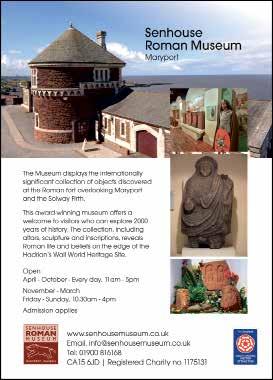
With summer on the horizon and many families, couples and retirees planning their next getaway, there is one destination that continues to capture the imagination of travellers from across the UK. Just a few hours north of Lancashire lies a country of dramatic landscapes, historic cities, breathtaking coastlines and warm hospitality. Scotland remains one of Britain's most rewarding destinations, offering something for everyone, whether you are seeking outdoor adventure, cultural discovery or simply a relaxing break away from the everyday.
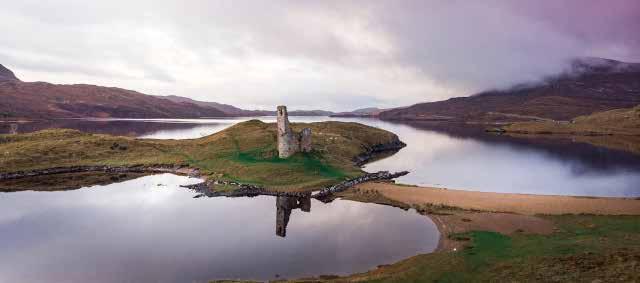
For Lancashire residents, Scotland is not only easily accessible but also provides a remarkable contrast to life in the North West. While Lancashire boasts its own beautiful countryside and vibrant towns, Scotland delivers an altogether different experience, where ancient castles stand proudly against rugged mountains and tranquil lochs stretch for miles beneath vast open skies.
Easy to Reach, Hard to Forget
One of Scotland's biggest attractions is its accessibility. From Lancashire, travellers can reach southern Scotland in just a couple of hours by car, while cities such as Glasgow
and Edinburgh are easily accessible by rail. This makes Scotland an ideal choice for both short breaks and extended holidays.
The journey itself becomes part of the adventure. As visitors travel north, the scenery gradually transforms, with rolling hills giving way to dramatic mountain ranges and sweeping valleys. It is a reminder that some of Britain's most spectacular landscapes are right on our doorstep.
Cities Rich in History and Culture
Scotland's cities offer a fascinating blend of old and new. Edinburgh, with its iconic castle, cobbled streets and world-famous festivals, provides a unique atmosphere unlike anywhere else in the UK. Visitors can spend hours exploring the historic Royal Mile, discovering hidden closes and enjoying spectacular views across the city.
Meanwhile, Glasgow offers a vibrant cultural scene, renowned architecture, excellent shopping and a thriving food and drink industry. The city's friendly reputation continues to attract visitors year after year, while its museums and galleries provide plenty to explore regardless of the weather.
For history enthusiasts, Scotland presents countless opportunities to step back in time. From ancient battlefields and royal palaces to medieval castles and centuries-old villages, the nation's rich heritage is woven into every corner of the country.
The Great Outdoors at Its Finest
Perhaps Scotland's greatest asset is its natural beauty. The Highlands remain one of Europe's most awe-inspiring regions, attracting walkers, photographers and nature lovers from around the world.
Majestic mountains, crystal-clear lochs and vast expanses of wilderness provide endless opportunities for exploration. Whether tackling a challenging hike, enjoying a leisurely woodland walk or simply taking in the views from a scenic roadside stop, visitors are rarely far from a memorable landscape.
The famous Loch Ness continues to intrigue visitors hoping to catch a glimpse of its legendary resident, while the Cairngorms National Park offers year-round attractions including wildlife spotting, cycling and winter sports.
Scotland's coastline is equally impressive. From dramatic cliffs and sandy beaches to picturesque fishing villages, the country's coastal regions provide a different but equally captivating experience.
A Haven for Wildlife Enthusiasts
Scotland is one of the UK's best destinations for wildlife watching. Visitors may encounter red deer roaming across the Highlands, golden eagles soaring overhead or playful seals basking along the coast.
Boat trips offer the chance to spot dolphins, whales and puffins, particularly around Scotland's islands, which themselves have become increasingly popular with visitors seeking peace, tranquillity and unspoilt natural beauty.
For families, these wildlife encounters often become some of the most memorable moments of a holiday.
Food, Drink and Scottish Hospitality No visit to Scotland would be complete without experiencing its renowned hospitality. Traditional pubs, welcoming hotels and cosy cafés can be found throughout the country, providing the perfect

places to relax after a day of exploration.
Scottish cuisine has evolved significantly in recent years, with many restaurants showcasing exceptional local produce. Fresh seafood, Highland beef, artisan cheeses and seasonal ingredients feature prominently on menus, while Scotland's world-famous whisky industry continues to attract enthusiasts from across the globe.
Many visitors are pleasantly surprised by the quality and variety of dining experiences available, from traditional fare to contemporary fine dining.
While many associate Scotland with summer holidays, the country offers attractions throughout the year. Spring brings colourful landscapes and newborn wildlife, while autumn transforms forests and glens into spectacular displays of gold and amber.
Winter provides opportunities to experience snow-covered mountains, festive city breaks and some of the most dramatic scenery Britain has to offer. Even on a rainy day, Scotland's castles, museums and visitor attractions ensure there is always something
see and do.
For Lancashire residents considering their next holiday, Scotland offers a compelling combination of convenience, beauty and adventure. It is a destination where history, culture and nature combine to create unforgettable experiences.
Whether you're exploring the bustling streets of Edinburgh, admiring the rugged beauty of the Highlands, enjoying fresh seafood by the coast or simply taking in the tranquillity of a loch-side retreat, Scotland has a way of leaving a lasting impression.
The best part? One of Britain's most
remarkable destinations is only a journey up the M6 away.
So, if you're looking for inspiration for your next break, perhaps it's time to head north and discover why Scotland continues to captivate visitors from Lancashire and beyond.

When summer arrives and the lure of a getaway becomes irresistible, many of us start to look beyond the usual tourist traps for somewhere more peaceful, more personal – and more memorable. Dumfries and Galloway, just over the Scottish border, offers a richly rewarding escape that’s easy to reach from the North West of England, yet feels wonderfully far removed from the noise of everyday life. With its stunning natural scenery, charming towns, cultural treasures and hidden culinary delights, this lesser-known corner of Scotland is the perfect setting for both relaxing day trips and refreshing weekend breaks this summer.
A Landscape That Inspires the Soul Dumfries and Galloway is a region defined by its diversity of landscapes – from deep forests and rolling hills to dramatic coastlines and peaceful lochs. Galloway Forest Park, known as “the Highlands in miniature,” is a sprawling natural playground covering over 300 square miles. It’s a haven for walkers, cyclists, and nature lovers, offering dozens of scenic trails to suit all abilities. You can take a gentle lakeside amble or challenge yourself with a rugged hill walk – all while surrounded by some of the cleanest air and quietest landscapes in Britain. Wildlife watchers will be thrilled with the chance to spot red squirrels, wild goats, red deer, and even golden eagles in their natural habitats.
But it’s not just about daytime adventures –Galloway Forest Park is also the UK’s first designated Dark Sky Park. As night falls, the sky comes alive with a celestial display that’s hard to match elsewhere in the UK. Bring a telescope or simply lie back and gaze in awe at the Milky Way, visible to the naked eye on clear nights. It’s an experience that reconnects you with nature and leaves lasting impressions, especially during the warmer summer months when the air is mild and the skies are often crystal clear.
The region’s coastline is a true hidden treasure. Stretching for more than 200 miles, the Solway Coast combines rugged cliffs, sandy coves, and quaint harbours in a way that few coastal areas manage. Portpatrick, perched on the western shore, is a postcardperfect village complete with colourful cottages, cliffside walks, and welcoming pubs. It’s ideal for a romantic stroll, a scenic boat trip, or a leisurely seafood lunch featuring the catch of the day. For families, a summer day spent here promises fresh air, fantastic views, and a warm, laid-back atmosphere that’s hard to beat.
Further east, discover hidden gems like Mossyard Beach near Gatehouse of Fleet – a perfect spot for paddling, picnicking and exploring rock pools. The nearby Carrick Shore offers calm, shallow waters ideal for young children, while Sandyhills Bay
provides golden sands and breathtaking views across to Cumbria on a clear day. These beaches may not be well known outside the region, but for those in the know, they offer all the joys of a coastal day out without the crowds.
Dumfries and Galloway is steeped in history, literature and artistic flair. The town of Kirkcudbright has long been a magnet for artists thanks to its soft light and inspiring scenery. Today, its colourful houses and vibrant arts scene continue to attract creatives from across the UK. Throughout summer, Kirkcudbright buzzes with energy, hosting exhibitions, open studio events, and craft markets that showcase the work of local makers. The town also boasts its own art gallery, housed in a converted church, which frequently features national touring exhibitions alongside local talent.
In nearby Dumfries, you’ll find a town that wears its history proudly. It was here that Robert Burns spent the final years of his life, and visitors can explore his preserved home, follow the Burns Heritage Trail, and even pay their respects at his final resting place in St Michael’s Churchyard. But the town is more than just a tribute to Scotland’s bard. It has a growing food and drink scene, a lively events calendar, and attractions such as the Dumfries Museum and Camera Obscura, which offer fascinating glimpses into the area’s past.
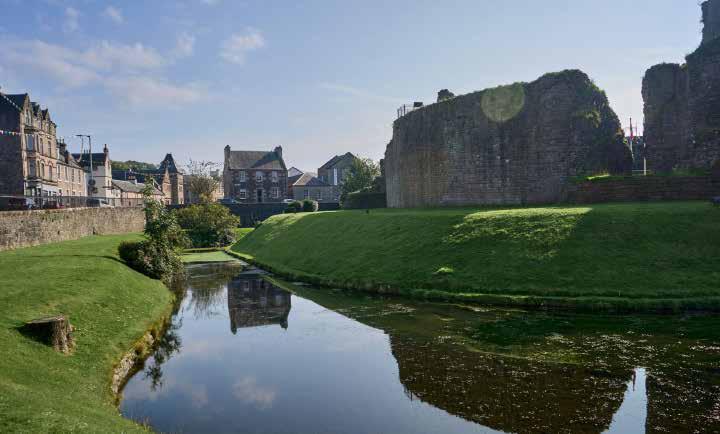
Scattered throughout the region are castles and abbeys that tell tales of Scotland’s turbulent and romantic history. Caerlaverock
Castle, with its distinctive triangular shape and moat, looks like something from a storybook, while Threave Castle, accessible only by rowing boat, offers a truly atmospheric experience. Sweetheart Abbey, built in memory of a devoted husband by Lady Devorgilla in the 13th century, is a poignant and beautiful ruin surrounded by peaceful countryside.
A Taste of Scotland’s South West One of the most pleasurable aspects of visiting Dumfries and Galloway is the opportunity to enjoy its exceptional local produce. The region is home to a wealth of independent farms, dairies, and food artisans who are passionate about quality and provenance. Whether you’re sampling smoked salmon, sipping on small-batch gin, or indulging in creamy Galloway cheese, you’ll be tasting the true essence of the land.
Many of the area’s cafes and restaurants focus on fresh, seasonal ingredients sourced just down the road. From country inns with roaring fires to seaside fish restaurants and rustic tearooms, the food scene here is quietly confident and deeply satisfying. Don’t miss the Cream o’ Galloway visitor centre near Gatehouse of Fleet – a hit with children and adults alike – where you can tour the organic dairy farm, take part in nature trails, and enjoy some of the best ice cream you’re ever likely to taste.
There are also plenty of local markets and farm shops where you can pick up fresh produce, handmade gifts, and artisanal treats to take home. It’s the kind of shopping that feels like a pleasure rather than a chore –
unhurried, friendly, and filled with discovery.
Closer Than You Think
Despite feeling a world away, Dumfries and Galloway is surprisingly easy to reach. From cities like Manchester, Liverpool, Lancaster and Preston, you can be across the border and into the heart of the region within three to four hours by car. The drive itself is scenic, particularly as you pass through the Lake District and into southern Scotland – a route that invites detours, photo stops and spontaneous pub lunches.
Unlike busier tourist destinations, the roads here are quieter, parking is easy, and the pace is altogether more relaxed. It’s a region that rewards slow travel – where journeys are part of the experience, and where you’re encouraged to explore rather than rush.
If you’re seeking somewhere different this summer – somewhere with room to breathe, space to explore, and time to slow down –Dumfries and Galloway could be just the place. It’s a destination that combines wild beauty with warm hospitality, unspoilt nature with fascinating history, and traditional charm with modern comforts.
Whether you’re travelling solo, with a partner, or as a family, you’ll find plenty to love – and plenty of reasons to return. So pack your walking boots, bring your curiosity, and head north. Dumfries and Galloway is waiting, and it’s closer than you think.
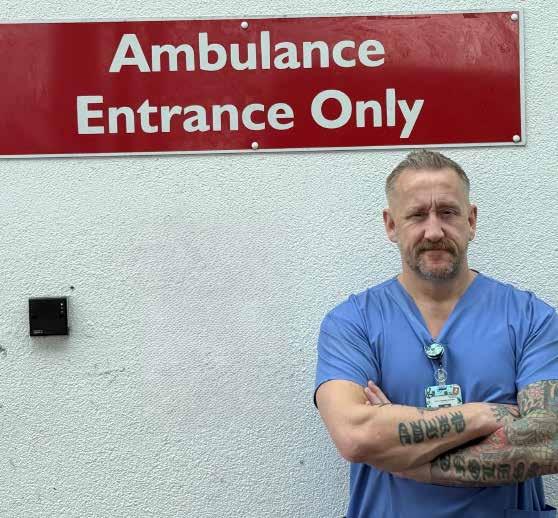
Paul Tunstill has swapped military life for the fast-paced world of A&E nursing, thanks to an innovative training programme opening up new routes into healthcare careers.
Known to colleagues as “Snowy”, Paul was part of the first cohort to qualify through the BSc (Hons) Nursing with Registered Nurse (Adult) - Practice Based Pathway, delivered by the University of Lancashire and Lancashire Teaching Hospitals - a workplacebased programme, designed to widen access to nursing for people from non-traditional backgrounds.
Now working in the Emergency Department at Royal Blackburn Hospital, his journey is already inspiring others to consider a career in the NHS.
Unlike traditional university routes, the practice-based pathway allows learners to train primarily in a clinical environment, combining hands-on experience with academic study.
Starting in 2023, the programme aims to address workforce challenges while creating more flexible, inclusive routes into healthcare.
For Paul, who hails from Burnley, it provided an opportunity he otherwise would not have had: “I went to Blackburn with all the qualifications I’d gained over the years, but I
was told I didn’t have enough points to qualify for the traditional route,” he said.
“They then told me about the practice-based pathway… that it was exactly the same nursing degree, just delivered in a slightly different way. I thought, ‘Yeah, no problem.’ That was really how I got started.”
Paul’s route into nursing followed a long and challenging journey. After spending 20 years in the Army, he was injured in Afghanistan in 2010 and medically discharged three years later.
In the years that followed, he faced significant physical and mental health challenges, including PTSD and fibromyalgia.
“Around 2015, I had a real downturn with PTSD. I barely left the house for about 18 months,” he said.
Gradually rebuilding his confidence through a range of roles, including working in a tax office, as a fly-tipping investigator, and later as a catering manager at Burnley General Hospital - Paul found himself drawn towards nursing.
“I’d been talking to my wife for a few years about it. I looked at what nurses were doing and thought, ‘I can do that,’” he said.
Paul Tunstill wearing his parade military uniformStarting the course in his mid-40s, Paul represents a growing number of people entering healthcare later in life.
“I think I was about 45 or 46 when I started,” he said. “Life experience counts for a lot. You approach situations differently and draw on other challenges you’ve faced - that can be a real strength in nursing.”
The structure of the practice-based pathway also sets it apart, with learners applying theory directly into practice throughout their training.
“We were on placement pretty much all year round,” Paul explained. “You could learn something at university and immediately put it into practice, rather than forgetting it before you got onto placement. You were always connected to both the university and your placement area.”
He described the experience as both demanding and rewarding: “It was fantastic. Don’t get me wrong, it was hard work and there were times when you questioned yourself. But you never really achieve anything if you stay in your comfort zone. Overall, I absolutely loved it.”
A key element of the programme is a Return to Study course, designed to prepare those who do not have the required entry criteria for a full university programme.
This helps to make the Practice-Based Pathway more accessible for students who have the capability to demonstrate the qualities and skills required. No healthcare experience or prior qualifications are needed to access the Return to Study programme.
Paul said: “It got you thinking and taught things like academic writing and study skills,” he said. “For me, it was a really positive
experience.”
He believes the pathway is particularly valuable for those who may not have followed a traditional academic route: “I left school early with no qualifications… I wasn’t what you’d call an academic type.
“The practice-based pathway gives people like me a chance. Without it, I wouldn’t have been able to get into nursing at all.”
After qualifying, Paul was offered two roles and chose to work in the Emergency Department: "I like the pace of it. I enjoy being busy and I like the variety and unpredictability… for me, ED was perfect."
While 15 learners from the first cohort have now qualified, programme leads say awareness of the route remains a challenge.
“Even within healthcare, people don’t always fully understand what the pathway offers,” Kate Harrison, Head of Professional Education Development at Lancashire Teaching Hospitals, said.
“That’s why it’s so important to keep sharing stories like this - they bring the programme to life.”
Paul is keen to encourage others to consider the route: "Definitely - I’d recommend it,” he said.
“For people who may not have a traditional academic background, it can be a fantastic route into nursing.”
For details of the Practice-Based Pathway, please click here, or email study.nursing@ lthtr.nhs.uk
The next intakes are January 2027 and September 2027 - the September 2026 course is full.

Lancashire Teaching Hospitals NHS Foundation Trust (LTH) continued its commitment to community safety by supporting Knife Savers training at the Foxton Centre in Preston.
Building on the success of previous sessions, the Trust again partnered with Knife Savers - an NHS-backed, not-forprofit initiative designed to equip young people with the skills and confidence to save lives in critical situations.
The project aims to deliver vital education across Lancashire, helping young people understand the realities of knife crime and how immediate action can make the difference between life and death. Originally founded in Merseyside, the initiative is now expanding its reach across Lancashire with the support of LTH teams.
Last year, staff helped deliver a successful training event at Preston North End’s Deepdale Stadium, which engaged more than 40 young people and was delivered by a dedicated team from the Royal Preston Hospital's Emergency Department, including ED Consultant Dr Andrew Rennie, Dr Michael Rosser, Associate Consultant in Emergency Medicine and Clinical Director for Resuscitation, and Emergency Department Navigator Shamim Hussain.
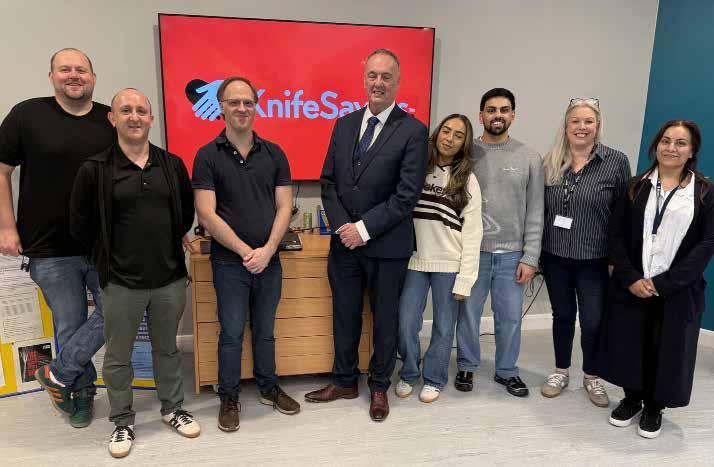
The programme continues to gain momentum, with this latest session at the Foxton Centre being attended by Police and Crime Commissioner for Lancashire Clive Grunshaw, community leaders and BBC Radio Lancashire's Graham Liver, with several Emergency Department nurses, doctors and healthcare assistants providing training.
Knife crime continues to have a devastating impact on individuals, families and communities. Every incident creates lasting trauma, leaving ripple effects that can change lives forever.
Figures from the Lancashire Violence Reduction Network reveal there were a total of 187 knife crime offences in Preston between July 2025 and June this year - with figures going down quarterly from 61 (July to September 2025), to 48 (October to December 2025), then falling further to 41 (January to March 2026) and 37 (April to June 2026).
Of these 187 offences, the victim was under 25 in 51 cases, and under 18 in 27.
Knife Savers addresses this challenge through prevention, education and early intervention. The programme is traumainformed and focuses on empowering young people with both knowledge and practical skills.
Participants learn key life-saving messages, including:
A person can bleed to death in under five minutes
Immediate action in the first few minutes of an emergency can save lives
Training focuses on simple but critical steps to control catastrophic bleeding, ensuring participants can help keep someone alive until professional medical care arrives.
Sessions provide practical, hands-on experience using lifelike training models, allowing participants to practice techniques in realistic scenarios. This approach builds confidence and ensures young people are prepared to act in high-pressure situations.
Shamim Hussain said: “Knife Savers training is about empowering young people with the skills and confidence to act in critical moments – because quick, informed
action can save lives and strengthen our communities.”
Feedback from attendees and partner organisations has been overwhelmingly positive, highlighting the importance and impact of the programme across the community.
The initiative has also received a significant boost through funding of £11,040 from the Lancashire Police and Crime Commissioner (PCC). This funding supports the purchase of advanced training equipment, further enhancing the quality and reach of sessions.
Police and Crime Commissioner for Lancashire Clive Grunshaw added: “It was great to see Knife Savers training in action, with such strong engagement from participants. Whilst police and partners are working tirelessly to prevent knife crime from occurring in the first place, we must ensure that as many people as possible are aware of how to react when faced with a knife incident.
“Knife crime has devastating consequences. One incident can have a ripple effect across entire communities. Knife Savers training helps tackle this impact by giving people practical, hands-on skills that could save
lives."
Knife Savers’ work in Lancashire is strengthened through collaboration with a wide range of partners, including healthcare teams, local authorities, schools, and police initiatives such as Operation Sceptre.
With growing demand from schools and community organisations, LTH teams are now scaling up delivery to reach even more young people across the county.
A key element of the programme is the rollout of Knife Savers Bleeding Control Packs across Lancashire. These kits provide immediate access to high-quality emergency equipment in public spaces, ensuring communities are better prepared to respond to serious incidents.
LTH is committed to working alongside partners to deliver training, support organisations, and equip communities with essential life-saving skills.
By empowering young people with knowledge and practical tools, the Trust and Knife Savers are helping to build safer communities - where individuals feel confident to act and potentially save lives.
• Reaching the end of Year 11 is one of the biggest turning points in a young person’s life. For students across Lancashire, the next stage after GCSEs opens up a world of opportunity — but also some important choices. Whether you’re considering sixth form, further education college, an apprenticeship, or one of the new T Levels, there’s no one-size-fits-all answer. The best route is the one that plays to your strengths, suits your way of learning, and helps you reach your long-term goals.
Lancashire is home to an impressive range of education and training providers, from high-performing sixth forms to forward-thinking colleges and apprenticeship employers. Here’s a detailed look at what each option offers — and how to decide which is right for you.
Sixth Form – The Academic Route
For students who enjoy academic study and hope to go on to university, sixth form can be the ideal choice. Most students choose three or four A-level
subjects, studying them over two years with a focus on theory, analysis, and independent learning. A-levels are highly regarded by universities and employers alike, offering a clear route to higher education and professional careers.
Across Lancashire, there are many respected sixth forms, including Runshaw College Sixth Form Centre in Leyland, Clitheroe Royal Grammar School, Cardinal Newman College in Preston, and Lancaster Royal Grammar School, all known for their strong academic standards and student support.
Some sixth forms also offer BTECs or Cambridge Technicals, which combine coursework with practical application. These vocational qualifications are equivalent to A-levels and are recognised by universities and employers, providing flexibility for those who prefer continual assessment over exams.
Sixth form also gives students the chance to grow personally and socially — developing confidence, time
management, and critical thinking skills through enrichment activities, volunteering, and leadership opportunities.
Further education (FE) colleges provide a wide range of courses tailored to practical skills and employment. Lancashire’s colleges are among the best in the country, offering state-of-the-art facilities, strong employer links, and a huge variety of subjects.
At FE colleges, students can take qualifications such as BTECs, NVQs, and Diplomas, covering everything from engineering, construction, and health and social care to digital technology, travel and tourism, performing arts, and animal management.
Lancashire boasts several excellent FE colleges, including: Preston College, known for its technical and vocational training.
Blackpool and The Fylde College,
offering a wide range of industryfocused courses.
Burnley College, one of the highestperforming FE colleges in the country. Lancaster and Morecambe College, specialising in work-based learning and apprenticeships.
Blackburn College, offering academic, vocational, and university-level qualifications.
Many courses include work placements, ensuring that students graduate with practical experience and a strong sense of what their chosen industry is really like.
FE colleges are also ideal for those who may not yet be sure of their career path. Foundation or introductory courses give students the opportunity to explore different subjects before progressing onto higher levels.
For those who prefer hands-on learning,

apprenticeships offer a fantastic alternative to full-time classroom study. They combine paid work with structured training, allowing learners to gain real-world experience while earning qualifications.
Apprenticeships are available across a wide range of sectors in Lancashire, including:
Engineering and advanced manufacturing – a strong local industry with employers like BAE Systems.
Construction and trades –providing pathways into carpentry, plumbing, and electrical work.
Health and social care – with placements in hospitals, care homes, and community healthcare.
Digital, business, and finance –for those interested in officebased careers.
Creative industries, hospitality, and retail – thriving areas within Lancashire’s growing economy.
Apprenticeships are offered at different levels:

Intermediate (Level 2) – equivalent to GCSEs.
Advanced (Level 3) – equivalent to A-levels.
Higher and Degree Apprenticeships (Levels 4–7) – equivalent to university qualifications.
These programmes are delivered through partnerships between employers and local training providers such as Training 2000 in Blackburn, North Lancs Training Group, and colleges across the county.
Many young people find apprenticeships to be a rewarding and practical route, offering both immediate experience and long-term career prospects — all while avoiding university tuition fees.
T Levels are one of the newest options available to post-16 learners. Designed in partnership with employers, they offer a blend of classroom learning and real-world experience. Each T Level lasts two years and is equivalent to three A-levels, making it a strong alternative
for those who prefer technical or vocational learning.
Students spend 80% of their time in the classroom and 20% on a substantial industry placement lasting at least 45 days. T Levels are currently offered in subjects such as Digital Production, Health, Education, Construction, and Engineering, with new courses being introduced every year.
Colleges such as Burnley College, Preston College, and Blackpool and The Fylde College now offer T Levels, giving Lancashire students the opportunity to gain valuable industry experience while earning a qualification recognised by both employers and universities.
T Levels are particularly well-suited for students who want to move directly into skilled employment or higher apprenticeships after completing their studies.
When it comes to deciding what to do after GCSEs, there’s no universal answer — it’s all about matching your choices to your interests, goals, and preferred style of learning.
If you enjoy academic subjects, exams, and plan to go to university, sixth form and A-levels may be ideal.
If you prefer hands-on work and practical skills, college or T Levels might suit you better.
If you want to gain experience and earn while learning, an apprenticeship could be your best fit.
It’s worth attending open days, talking to career advisers, and exploring online resources such as the National Careers Service. Many Lancashire schools also have in-house career guidance teams who can help you explore options and application processes.
Parents and carers can be a great source of support too — helping young people research, weigh up pros and cons, and make confident, informed decisions.
There is excellent local support available for students making post-16 decisions:
Lancashire County Council’s Education and Skills Service provides advice on post-16 opportunities and funding.
The Lancashire Skills and
Employment Hub connects learners with apprenticeship and training opportunities.
Inspira, a careers and personal development organisation, offers impartial advice across Lancashire and Cumbria.
Colleges and training providers hold regular information evenings and taster sessions to help students understand what life after GCSEs is really like.
Leaving school can feel like stepping into the unknown, but it’s also the beginning of an exciting new chapter. Whether your next step is in a sixth form classroom, a college workshop, or a local workplace, every route has the potential to open doors and help you develop valuable skills for the future.
Lancashire is home to some of the best education providers in the UK, all committed to helping young people thrive — academically, professionally, and personally. Whatever your interests or ambitions, there’s a path here that can take you exactly where you want to go. So explore your options, ask questions, and take that next step with confidence. Your future in Lancashire starts right here.
Lancashire’s farming community has always been defined by resilience. From the rolling pastureland of the Ribble Valley to the upland farms edging the Forest of Bowland, agriculture here is shaped as much by tradition as it is by an ever-changing set of challenges. Today’s farmers are balancing rising costs, environmental pressures and shifting policies, while still producing highquality food and sustaining rural livelihoods.
Despite these pressures, Lancashire farming is far from standing still.
One of the most pressing concerns across the county is the continued rise in input costs. Feed, fertiliser, fuel and machinery expenses have increased sharply in recent years, squeezing margins even for wellestablished businesses. For livestock farmers in particular, fluctuating feed prices and unpredictable weather patterns have added further uncertainty to day-to-day planning.
Many farms are responding by taking a closer look at efficiency. Improved grazing management, more precise nutrient planning and smarter machinery use are helping to

reduce waste and control costs. While these changes may not be headline-grabbing, they are proving essential in keeping businesses viable.
The shift away from traditional subsidy

models has been a major talking point within the farming community. Environmental land management schemes are now playing a much bigger role in farm incomes, encouraging practices that support biodiversity, soil health and carbon reduction.
Across Lancashire, farmers are finding ways to make these schemes work alongside food production. Hedgerow restoration, improved grassland management and wetland creation are becoming more common, particularly on mixed and livestock farms. While the transition hasn’t been without its frustrations, many are recognising the long-term benefits of healthier land and more resilient farming systems.
The key, as many farmers note, is flexibility. Schemes that allow farms to remain productive while delivering environmental gains are more likely to succeed in the long run.
Diversification is no longer seen as a side project – for many Lancashire farms, it is a crucial part of the business. Holiday lets, glamping, farm shops, educational visits and renewable energy projects are helping to spread risk and create additional income streams.
The county’s strong food and tourism identity works in farmers’ favour. Consumers are increasingly interested in where their food comes from, and farm-based experiences offer a way to connect the public with agriculture in a meaningful way. For some, diversification has also opened the door to the next generation, creating roles that appeal to younger family members who may not see themselves in traditional farming alone.
Technology and the Modern Farm Technology is playing a growing role on farms of all sizes. From livestock monitoring
systems to GPS-guided machinery and farm management software, digital tools are helping farmers make better-informed decisions.
While investment costs can be a barrier, many farmers report that even small technological changes can lead to significant improvements in animal welfare, labour efficiency and record-keeping. As broadband and mobile connectivity continue to improve in rural Lancashire, access to these tools is expected to grow.
Perhaps one of Lancashire agriculture’s greatest assets is its sense of community. Local farming groups, marts, young farmers’ clubs and agricultural shows continue to provide vital opportunities for knowledgesharing and support.
In an industry where isolation can be a real issue, these networks are more important than ever. Whether it’s discussing best practice, sharing concerns about policy changes, or simply catching up with others who understand the pressures of farming life, community remains central to rural Lancashire.
The future of farming in Lancashire will undoubtedly bring further change. However, if there is one consistent theme, it is adaptability. Farmers across the county are finding ways to evolve while staying true to their roots, ensuring that agriculture remains a vital part of Lancashire’s economy and landscape.
As challenges continue, so too does the determination of those working the land – quietly shaping a future where farming remains productive, sustainable and deeply connected to the local community.



Few experiences in life are as profound as losing someone we love. Whether the loss is sudden or follows a long illness, grief can leave us feeling overwhelmed, uncertain and emotionally exhausted. Alongside the sadness comes a long list of practical decisions that many people feel unprepared to face.
While there is no guide that can remove the pain of bereavement, understanding what to expect can make the journey a little easier.
In the immediate aftermath of a death, emotions often come in waves. Shock, numbness, disbelief and confusion are all perfectly normal reactions. Family members may find themselves making important decisions while still trying to come to terms with what has happened.
If a loved one dies in hospital or under the care of medical professionals, they will explain the next steps, including registering the death and obtaining the necessary documentation. If the death occurs at home unexpectedly, emergency services and healthcare professionals will provide guidance before arrangements can begin.
Although it can feel daunting, there is no expectation that every decision has to be made immediately. Taking time to gather family members and discuss wishes can help ensure everyone feels involved.
One of the first major decisions is arranging the funeral. A professional funeral director can provide invaluable support, helping families with everything from transporting the deceased to organising the service, paperwork and liaison with crematoriums or cemeteries.
Today's funerals are becoming increasingly personal. While traditional religious ceremonies remain popular, many families now choose non-religious or celebrant-led services that celebrate the individual's life through music, photographs, personal tributes and favourite readings.
Some people opt for woodland burials or environmentally friendly funerals, while others request direct cremation followed by a separate celebration of life. The most important thing is creating a farewell that reflects the personality and wishes of the person being remembered.
Funeral costs are often one of the biggest concerns for grieving families. Depending on the type of service chosen, expenses can include the funeral director's fees, cremation or burial charges, flowers, catering,

transportation and memorials.
Many people now take out funeral plans or leave clear financial arrangements to ease the burden on their families. If no plans are in place, it is worth discussing budgets openly with the funeral director, who can explain the available options and help tailor arrangements to suit different financial circumstances.
Some families may also qualify for government assistance towards funeral expenses, depending on their individual situation.
Breaking the news to relatives and close friends is one of the hardest tasks following a bereavement. Many families choose to appoint one person to communicate updates, while others use private social media groups or messaging services to keep everyone informed.
An obituary or funeral notice can also provide details of the service, requests for family flowers only, charitable donations or dress preferences.
Grief is deeply personal. There is no right or wrong way to mourn, and no timetable for recovery.
Some people cry every day. Others feel numb for weeks before emotions surface. Anger, guilt, anxiety, relief and loneliness can all form part of the grieving process, particularly if someone has been caring for a loved one over a long period.
Experts often describe grief as something that changes over time rather than something
we simply "get over". While the intensity gradually eases, significant dates such as birthdays, anniversaries and Christmas can reopen emotions even years later.
Being patient with yourself and accepting support from family and friends can make a significant difference.
During bereavement it is easy to neglect your own wellbeing. Simple routines such as eating regular meals, staying hydrated, getting enough sleep and taking gentle exercise can help both physically and emotionally.
Many people find comfort in talking openly, whether with trusted friends, support groups, faith leaders or professional counsellors. Others prefer quiet reflection, writing in a journal or spending time outdoors.
Children experience grief differently depending on their age and understanding. Honest, age-appropriate conversations and maintaining familiar routines can help provide reassurance during uncertain times.
Once the funeral has taken place, there are still several important administrative tasks to complete. These may include notifying banks, insurance providers, utility companies, pension services and government departments, as well as dealing with probate if necessary.
Although these responsibilities can seem overwhelming, tackling them gradually and asking trusted family members to share the workload can ease the pressure.
Many organisations now offer dedicated
bereavement teams who understand the sensitivity of these conversations and aim to make the process as straightforward as possible.
For many families, healing comes through remembering rather than forgetting.
Planting a tree, creating a memory book, making a charitable donation, displaying treasured photographs or continuing a loved one's favourite tradition can all provide lasting comfort.
Many people also find solace in celebrating anniversaries with family gatherings or quiet moments of reflection, ensuring the person's legacy continues through shared memories and stories.
Perhaps the most important thing to remember is that grief should never be faced in isolation. Whether support comes from family, friends, neighbours, local community groups or bereavement charities, reaching out is a sign of strength rather than weakness.
Every person's journey through grief is unique. There will be difficult days and better ones, moments of tears and moments of laughter as cherished memories return.
Losing someone we love changes us forever, but with time, compassion and support, it is possible to find hope again. The pain may never disappear completely, but it gradually sits alongside gratitude for the life that was shared and the memories that remain.
In your hour of need, remember that help is always available, and no one has to face bereavement alone.

























Preston North End have made a major statement ahead of the 2026/27 season by completing the club’s biggestever transfer, securing the permanent signing of midfielder Alfie Devine from Tottenham Hotspur on a fiveyear contract.
The 21-year-old returns to Deepdale after a hugely successful loan spell, with North End exercising an option to buy for a fee almost three times greater than the club’s previous transfer record.
Last season Devine became one of the Championship’s standout young talents, scoring eight goals and providing seven assists in all competitions as he quickly established himself as a fans’ favourite.
Speaking after completing the move, Devine admitted returning to Preston had always been his priority.
“From the end of last season going into the summer, it was always a priority in terms of where I wanted to be,” he said.

“It took its time, but I’m delighted it’s gone through.
“From the first minute I came here until my last minute of last season, I absolutely loved it. The fans, staff, players, everyone around the place made me feel so welcome.”
A perfect fit
Devine arrived at Preston with a growing reputation after progressing through Wigan Athletic’s academy before joining Tottenham Hotspur, where he became the club’s youngest-ever goalscorer on his senior debut in 2021.
Loan spells at Plymouth Argyle and Belgian side Westerlo followed before his move to Deepdale, where his quality immediately shone through. A superb goal against Leicester City on his home debut quickly endeared him to the Preston faithful, and his creativity became central to Paul Heckingbottom’s side throughout the campaign.
Despite attracting interest elsewhere, Devine believes Preston offers the perfect platform to fulfil his ambitions.
“Big things,” he said when asked what he hopes to achieve.
“You want to go on, win things and get promotion. I think this is the perfect club to do that.
“There’s a really good feeling about the place. We showed last year what we’re capable of, and that’s one of the reasons why I’ve come back because I feel like we can achieve something special.”
Born and raised in the North West, Devine says being closer to family has helped him produce the best football of his career.
“A big thing for me is family and being around home,” he explained.
“When you’re comfortable you play your best football. I spent five or six years away from home, but there’s nothing like being at home and playing football at the same time.”
A signing for the future Manager Paul Heckingbottom believes the deal represents a significant investment both on and off the pitch.
“I’m really pleased to get it over the line,” he
said.
“A lot of people have worked hard at it, and Alfie made no secret of the fact he wanted to play here.
“It’s good business, not only in helping us get results on the pitch, but it’s also really good business for the football club as well.”
Chief Executive Peter Ridsdale praised the financial backing that made the transfer possible.
“I would like to thank the Hemmings family for the unbelievable financial commitment in allowing us to get this deal over the line,” he said, while also acknowledging Tottenham Hotspur for their professionalism during negotiations.
Taking on the famous No.7 Devine will also wear Preston’s iconic No.7 shirt, previously worn by club legends including Sir Tom Finney.
“When I realised it was available, it was the number that I wanted,” he said.
“I know it’s a big responsibility to wear it, but I’m really looking forward to it.”
Ready to get started
With pre-season already underway, Devine says he is eager to reunite with his teammates and begin preparing for the new campaign.
“Buzzing,” he smiled.
“I’ve been working away over the summer and when I knew I was coming back, I couldn’t wait to see everyone again. I feel good and I’m in a great place to start.”
Preston’s preparations include friendlies against Bamber Bridge, Chorley, Bradford City and Stockport County, along with a training camp in Spain, before opening the competitive season against Huddersfield Town in the Carabao Cup on 8 August.
For a club traditionally cautious in the transfer market, breaking its transfer record by such a significant margin demonstrates genuine ambition. At just 21, Alfie Devine has already shown he possesses the talent to influence matches at Championship level.
Now, with a long-term contract, the famous No.7 shirt on his back and the backing of everyone at Deepdale, both player and club will hope this record-breaking deal marks the beginning of an exciting new chapter in Preston North End’s pursuit of promotion.


Ryan Alebiosu says he’s stronger now than he was a year ago, having gone through the highs and lows during his first season in the Sky Bet Championship.
The rampaging right-back is gearing up for season number two as a Rovers player in the second tier of English football, and believes he and the team will have benefited from last term, particularly during the arduous battle for survival.
The 24-year-old more than played his part throughout 2025-26, and he produced a strong finish to the campaign, where he was back to his very best.
The defender featured in 39 of the 46 league games in the season just gone and believes that he and his Rovers team-mates should use last season to their advantage and
aim to kick on this time around.
“Mentally, the end of last season was tough, but it’s something we can bring into this coming season, knowing we can beat some of the top teams,” the No.2 said to RoversTV after returning for pre-season training.
“I feel a lot better and stronger now than I did at this time last season.
“I learnt a lot from last season. I had a lot of injuries in the past but I was able to play lots of games.
“I had a lot of things that I went through with my body, but the staff here really helped me with that.
“There’s a lot more I can learn with the new gaffer coming in. I want to add more goals and assists to my game this term.”
Blackburn Rovers are delighted to announce that Kristi Montgomery has committed his long-term future to the club.
The 22-year-old rising star has signed a new contract at Ewood Park, extending his long association with the club.
An energetic midfielder, Montgomery joined the Academy at the age of nine, before successfully progressing through the ranks to establish himself as one of Rovers’ brightest young talents.

Chorley earlier in the campaign.

His first team debut arrived in April 2025 when he appeared as a substitute in the 2-2 draw with Sheffield Wednesday at Ewood Park.
It would be the first of three senior outings he made for the club at the end of the 202425 season, having spent time on loan at
Last season would prove to be a real breakthrough one for the all-action midfielder, who made 23 first team appearances, whilst also earning his first caps for Scotland Under-21s.
With his future secured, the Academy graduate will be hoping for even more progress under returning Rovers boss Tony Mowbray in 2026-27 and beyond.


Burnley Football Club have confirmed that forward Jaidon Anthony has signed for Premier League side Brentford for an undisclosed fee.
The 26-year-old winger joined the Clarets from AFC Bournemouth in the summer of 2024 on an initial loan deal, where he helped Burnley seal promotion back to the top-flight with eight goals.
After then signing at Turf Moor permanently ahead of last season, Anthony went on to score another eight goals for the Club, this time in the Premier League.
The Club whave thanked Jaidon for all his efforts and wish him the best of luck at Brentford.