








A drugs gang responsible for supplying heroin and crack cocaine across East Lancashire has been jailed for more than 23 years following a lengthy police investigation that dismantled what officers described as a significant organised crime operation.
Members of the so-called "Crazy" drugs line were sentenced this week after admitting their roles in a conspiracy to supply Class A drugs across the region. The convictions mark the culmination of a Lancashire Police investigation known as Operation Brimstone, which uncovered a network operating in Burnley and surrounding communities.
At the centre of the operation was Saeed Aziz, 25, of Whalley Street, Burnley, who was identified as the head of the organised crime group. He received a prison sentence of 10 years and nine months after pleading guilty to conspiracy to supply heroin and crack cocaine.
His associate, Uzair "Biggy" Nazir, 24, of Milner Street, Burnley, was jailed for five years and five months. Corey Young, 20, of no fixed address, was sentenced to four years and six months, while Mohammed Haroon, 24, of Lindsay Street, Burnley, received a sentence of two years and six months. All admitted conspiracy to supply heroin and crack cocaine.
The investigation began in December 2021
when officers attended an address on Travis Street in Burnley. There they discovered weapons, cash and quantities of Class A drugs. Subsequent forensic examinations confirmed the seizure of heroin and crack cocaine packaged and ready for distribution.
What initially appeared to be a single drugs seizure soon developed into a wider investigation. Detectives uncovered evidence linking multiple individuals to the "Crazy" drugs line, a term commonly used to describe a dedicated mobile phone number used by organised crime groups to advertise and arrange the sale of illegal drugs.
County lines and drugs line operations have become a major focus for police forces across the country. Criminal gangs frequently use mobile phones to market drugs directly to users, often sending bulk text messages and operating across town and county boundaries. These networks are frequently linked to violence, exploitation of vulnerable people and wider criminal activity. Recent investigations across East Lancashire have resulted in numerous organised crime groups being dismantled as police intensify efforts to tackle drug supply networks.
Detective Sergeant Stu Peall of Lancashire Police said the gang had caused significant harm within local communities.
"This gang brought misery to many through

their evil trade of peddling drugs on our streets but thanks to our efforts are now behind bars.
"We will continue to tackle those who bring harm to our communities by dealing in illegal drugs by dismantling these gangs and putting those involved before the courts."
The case forms part of Lancashire Police's wider Operation Warrior initiative, a county-wide strategy aimed at disrupting serious and organised crime. The operation supports the priorities set out in Police and Crime Commissioner Clive Grunshaw's Fighting Crime Plan, which focuses on identifying, disrupting and dismantling organised criminal networks operating across
The latest convictions highlight the continuing challenge facing communities across East Lancashire, where organised crime groups seek to profit from addiction and vulnerability. However, police say the successful prosecution demonstrates their determination to target those responsible and remove dangerous offenders from the streets.
With prison sentences now handed down, officers hope the dismantling of the "Crazy" drugs line will bring reassurance to residents and serve as a warning to others involved in the illegal drugs trade that organised criminal activity in Lancashire remains firmly in the sights of law enforcement.
Twenty-two nuisance vehicles have been removed from Preston's streets following a major police operation aimed at tackling antisocial behaviour and dangerous riding.
The enforcement action, carried out on Saturday, June 6, saw officers from Lancashire Police's Roads Policing Unit, Road Crime Team and Preston Neighbourhood Policing Team target locations across the city, including Preston city centre and Ribbleton. The operation formed part of a National Day of Action involving 25 police forces across the country.
Among the vehicles seized were illegal e-bikes, e-scooters, quad bikes and off-road crosser bikes being ridden unlawfully on public roads and in residential areas. Most were confiscated under Section 165 of the Road Traffic Act because riders had no valid insurance or driving licence. Once seized under these powers, the vehicles will not be returned and are set to be destroyed.
The latest operation is part of Lancashire Police's ongoing Operation Centurion, a county-wide initiative focused on tackling anti-social behaviour and vehicle-related nuisance. Police say the misuse of e-bikes, e-scooters and off-road motorcycles remains one of the most common concerns raised by residents across Lancashire.
While electric bikes and scooters have become increasingly popular, concerns have grown over modified machines capable of travelling at high speeds, often without registration, insurance or safety checks.
Police forces across the country have reported a rise in complaints involving riders using illegal electric vehicles in parks, pedestrianised areas and housing estates. In Preston, residents have frequently raised concerns about reckless riding, noise nuisance and intimidation caused by groups using off-road bikes and modified e-bikes in public spaces.
Lancashire Police statistics show the force has been taking increasingly robust action. Earlier this year, officers revealed that 75 illegal e-bikes and e-scooters had been seized across Preston, Chorley, South Ribble and West Lancashire during a three-month crackdown. County-wide, more than 1,100 illegal e-bikes and e-scooters were seized during anti-social behaviour operations in 2025.
Listening to Community Concerns
Sergeant Dean Skelton of Lancashire Police's Roads Policing Unit said the latest results demonstrate that officers are responding to concerns raised by local communities.
"Through Operation Centurion, our ongoing county-wide initiative targeting anti-social behaviour, including the illegal
use of e-bikes, e-scooters and nuisance motorbikes, we regularly carry out enforcement activity like this.
"Twenty-two vehicles have now been removed from Preston's streets and are no longer able to cause concern for local residents. We hope these results demonstrate that we are listening to community concerns and taking action."
The latest seizure operation follows several targeted enforcement campaigns carried out in Preston over recent months. In May, officers conducted stop-check sites in Ribbleton following complaints about anti-social driving, resulting in multiple traffic offence reports, vehicle defect notices and warnings for dangerous driving.

combination of visible policing, prevention work and community engagement. Earlier this year, Lancashire Police reported a reduction in overall crime across areas targeted under intensive anti-social behaviour operations.
A Wider Strategy to Improve Safety Operation Centurion is more than an enforcement campaign. Lancashire Police work alongside local councils, housing associations, schools and community organisations to address the causes of antisocial behaviour and improve neighbourhood safety.
The initiative has been credited with helping reduce crime and anti-social behaviour in several Lancashire hotspots through a
For many residents, nuisance vehicles are not simply an annoyance. Illegal bikes and scooters can pose serious risks to pedestrians, cyclists and motorists, particularly when ridden at speed through parks, footpaths and residential streets.
The latest operation sends a clear message that officers will continue to target those who choose to ride illegally and put others at risk.
Residents can report anti-social behaviour issues through Lancashire Police or anonymously via Crimestoppers. In an emergency, always dial 999.
A shop owner has been jailed after Lancashire Trading Standards uncovered what prosecutors described as a significant illegal tobacco and vaping operation in St Annes, highlighting the growing battle against the sale of counterfeit and noncompliant products across the county.
Keyvan Manouchehri, 31, of Russet Road, Manchester, was sentenced to 20 months in prison at Preston Crown Court on 4 June after admitting fraudulent trading offences under the Fraud Act 2006. The case followed a lengthy investigation by Lancashire County Council Trading Standards officers, who carried out a series of inspections between July 2024 and January 2025.
The court heard that Manouchehri was involved in running the Euro Mini Market on St Albans Road, St Annes, where officers discovered a thriving trade in smuggled and counterfeit cigarettes, illicit tobacco and oversized vaping devices that failed to comply with UK regulations.
Across three separate visits, Trading Standards officers seized more than 3,600 illegal cigarettes, almost 600 pouches of hand-rolling tobacco and over 380 non-compliant vapes. Investigators also uncovered hidden storage locations, including a locked room above a nearby shop, while further illicit stock was discovered in vehicles linked to the business.
The seized goods had an estimated street value of around £74,000, while authorities calculated that more than £52,000 in unpaid VAT and tobacco duty had been lost to the public purse.
While the case centred on a single retailer, it reflects a much broader issue facing Lancashire and communities across the UK.
Trading Standards teams and police forces have reported increasing concerns about illicit tobacco and vaping products being sold through convenience stores and other retail premises. Such products often bypass safety regulations, avoid taxation and can be sold at prices significantly below those offered by legitimate retailers.
In April this year, a major multi-agency operation in Preston resulted in the seizure of more than £140,000 worth of illicit tobacco

in a single day, demonstrating the scale of the black market operating within Lancashire. The operation involved Lancashire Trading Standards, Lancashire Police, Preston City Council and other partner agencies.
Authorities say illegal tobacco sales create an uneven playing field for law-abiding businesses, many of which face increasing costs and regulatory obligations while competing against traders selling untaxed products.
The investigation into the St Annes shop also uncovered instances of underage sales, a concern that continues to drive enforcement activity across the county. Officers found evidence that those involved had repeatedly attempted to mislead investigators regarding their identities and activities.
Public health experts have repeatedly warned that illicit tobacco and non-compliant vaping products may contain ingredients or nicotine levels that do not meet UK safety standards. Oversized disposable vapes in particular have become a growing focus for enforcement agencies following recent changes to vaping
regulations. Industry figures indicate that more than 1.3 million illegal vaping products were seized by councils across the UK during 2025.
During sentencing, HHJ Knowles KC DL described Manouchehri as having shown a “brazen disregard for the law” and determined that he posed a high risk of reoffending.
A co-defendant, Kawan Poormand, 30, received a 12-month community order, including 160 hours of unpaid work and an electronically monitored curfew. The court accepted that his involvement was limited to short periods of employment at the premises.
County Councillor Joshua Roberts, Lancashire County Council's cabinet member for Rural Affairs, Environment and Communities, praised the work of Trading Standards officers and said the case demonstrated the authority's determination to tackle the illegal trade.
He said the sale of illicit tobacco and unsafe vaping products harms legitimate businesses, deprives the Treasury of significant tax revenue and can pose serious
risks to local communities, particularly young people.
The successful prosecution forms part of a wider crackdown on illicit tobacco and vaping sales across Lancashire. In recent months, Trading Standards officers have secured closure orders, sales bans and prosecutions against a number of retailers found to be breaching tobacco and vaping laws.
Lancashire County Council is encouraging residents who suspect illegal tobacco or vaping products are being sold in their area to report their concerns through the Citizens Advice Consumer Service, the Keep It Out campaign or anonymously through Crimestoppers. Officials believe information from local communities remains one of the most effective tools in identifying and disrupting the illegal trade.
For many residents, the St Annes case serves as a reminder that while illicit tobacco and cheap vapes may appear to offer a bargain, the wider costs are borne by communities, legitimate businesses and public services across Lancashire.

Parents urged to stay vigilant as counterfeit sensory toy craze raises safety concerns
Lancashire County Council's Trading Standards team has issued a stark warning to parents and retailers after removing 200 potentially unsafe sensory toys from sale across the county in just two weeks.
The action follows a surge in complaints from concerned parents who reported toys with strong chemical odours and unusual sticky textures, prompting officers to investigate products being sold in Lancashire shops during the final weeks of May.
The toys, often marketed as stress-relieving sensory or "squishy" products, have become hugely popular with children and teenagers thanks to viral social media trends. However, Trading Standards officers say the growing demand has fuelled a rise in counterfeit and non-compliant products entering the UK market.
During inspections, officers discovered that none of the 200 seized toys carried the legally required details of a UK-based supplier or manufacturer, raising serious concerns about whether they had undergone the mandatory safety testing required under UK law.
National Concerns Growing
The Lancashire operation comes amid increasing warnings from Trading Standards teams across the UK. Authorities in several areas have reported finding counterfeit versions of popular sensory toys, including imitation NeeDoh products, which have become one of the most sought-after fidget
toys of recent years.
Experts say fake versions can often be identified by strong chemical smells, greasy or sticky textures, poor-quality packaging, missing safety information and unusually low prices.
Recent investigations elsewhere in the UK have uncovered counterfeit toys containing potentially harmful chemicals and materials, while some products have been found to pose choking hazards due to poor construction and detachable parts.
There have also been reports of imitation toys containing elevated levels of Volatile Organic Compounds (VOCs), including benzene – a toxic and carcinogenic chemical. UK toy safety regulations limit benzene concentrations in toys to a maximum of 5mg per kilogram, reflecting the potential health risks associated with prolonged exposure.
One of the particular concerns highlighted by Lancashire Trading Standards is the growing number of sensory toys designed to resemble food items.
Many of the products removed from sale resembled jelly cubes, butter blocks, steamed buns and other edible items. Officers fear that younger children could mistake the toys for food, creating risks of choking, accidental ingestion or exposure to unknown substances if the products split open.
The warning comes as sensory toys continue to enjoy unprecedented popularity. Retailers
across the UK have reported overwhelming demand for squishy toys, with some stores introducing purchasing limits due to shortages and high customer demand.
While genuine sensory toys can provide comfort, stress relief and sensory stimulation for many children, experts stress that parents should ensure products are sourced from reputable suppliers.
Advice for
Lancashire County Council is urging consumers to carefully inspect products before making a purchase.
Parents should look for a UKCA or CE safety mark, check that packaging includes the name and address of a UK-based manufacturer or importer, and ensure that safety warnings and instructions are clearly displayed.
Products lacking this information may not have undergone the required safety assessments and should be treated with caution.
Consumers are also being advised to be wary of bargains that seem too good to be true. Counterfeit toys are frequently sold at significantly lower prices than genuine products and may contain unsafe materials or fail to meet UK safety standards.
Buying from established retailers rather than unknown online sellers or third-party marketplace listings can help reduce the risk of purchasing counterfeit goods.
"It is vital that consumers are careful when they buy these popular sensory toys, that the toys are safe and that they are buying the genuine product. As they are often cheaper than the genuine versions, they might seem like a bargain, and they can be very tempting.
"However, they can be dangerous as they have not been manufactured in accordance with stringent toy safety legislation.
"We're aware of at least one case nationally of a copycat product being found on sale with illegal levels of dangerous chemicals like benzene, a toxic and carcinogenic substance, for which the maximum legal level in UK toys is capped at 5 mg/kg (0.0005%)."
He added that businesses also have a responsibility to ensure products on their shelves are genuine and comply with safety regulations.
Anyone concerned about a toy they have purchased, or who believes a product may be counterfeit or unsafe, is encouraged to contact the Citizens Advice Consumer Service on 0808 223 1133.
As the popularity of sensory toys shows little sign of slowing down, Lancashire Trading Standards is reminding both retailers and parents that when it comes to children's products, safety should always come before a bargain.
Two men who carried out knife point raids at four shops in Preston and Chorley, have both been jailed for 11 years.
The pair struck over a four-day period in November last year, targeting a shop in Avenham, Preston, on Monday 10th November, and then a store in the Broadgate area of Preston, on Wednesday 12th November.
The following evening, Thursday 13th November, they targeted shops in Pall Mall, Chorley, and Brindle Street, Chorley, within a few minutes of one another.
Adil Khan (pictured below left) and Mustafa Safi (pictured below right) fled the area after the robberies but an investigation by Lancashire Police traced them to Kent where they were arrested on 20th November.
The first offence happened around 7.30pm on 10th November at the Premier Store on Avenham Lane, Preston.
Two men entered the shop, with Safi following a member of staff behind the till, pinning him against the wall and then pulling out a knife – telling him to open the till.
Khan joined them behind the counter and took around £500 cash from the till, before they both put 70 packets of cigarettes into a blue plastic carrier bag and left the shop.
CCTV showed the pair walking a short distance away from the shop with one of them carrying the blue bag.
On 12th November, around 7.50pm, two men entered the Vanikas store on Langton Street, Broadgate, Preston.
Safi tried to push open the door into the till area, with Khan brandishing a knife. A store worker pushed the door to the till area shut, with the two men leaving the shop empty handed.
Just after 7pm on 13th November, Safi and Khan targeted the Best One shop on Pall Mall, Chorley,
Safi went behind the counter and pulled out a knife, Khan remaining by the door. Safi grabbed around £200 from the till.
Soon after, they went into Go Local, Brindle Street, Chorley, Khan selecting a drink from the fridge and putting it on the counter.

nearby, with their DNA later found on the knives.
Safi went behind the counter and threatened a member of staff with a knife, Khan joining him and was also in possession of a knife.
A customer entering the shop interrupted them and they fled without taking anything.
They were seen disposing of knives in a bin
Safi, 19, of no fixed address, and Khan, 20, formerly of Parker Street, Chorley, both pleaded guilty at a hearing in January to two offences of robbery, two offences of attempted robbery, and four offences of possession of a knife in a public place.
Returning to the dock at Preston Crown Court last Friday (29th May) they were both sentenced to 11 years.
Constable Sasha
said: “These two men carried out two robberies and two attempted robberies at knife point, targeting four different shops in a short space of time. “They were both prepared to carry knives to commit their crimes, and these were terrifying experiences for the staff working in the shops.
“The use of knives or the threat to use them, will not be tolerated by Lancashire Police, and we will thoroughly investigate such offences to bring offenders to justice.”
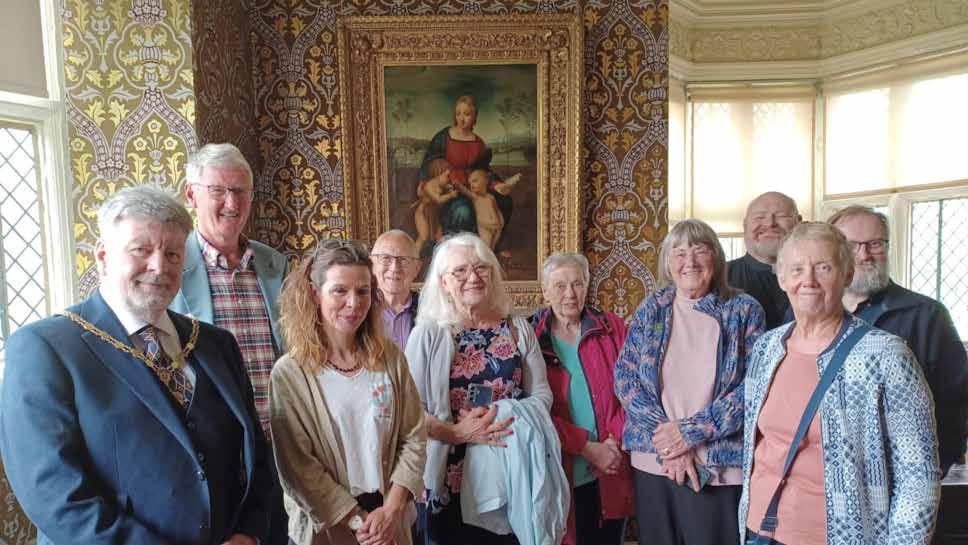
A treasured piece of Lancashire’s artistic heritage has been given a new lease of life and is now back on public display at Gawthorpe Hall, following an extensive conservation project funded through a generous legacy from one of Burnley’s most respected local historians.
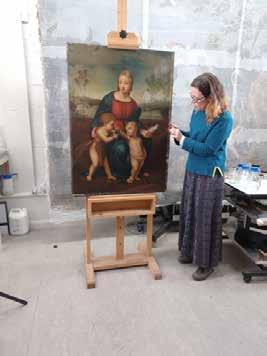
The Madonna of the Goldfinch, a striking 19th-century painting with deep connections to the Kay-Shuttleworth family and Gawthorpe Hall, has undergone specialist restoration work thanks to a £5,000 bequest from the late Brian Hall MBE. The restored artwork is now on display in the Hall’s magnificent Long Gallery, allowing visitors to once again enjoy a piece of Lancashire history that has been largely out of public view in recent years.
The painting, originally purchased by the Shuttleworth family during a visit to Florence in 1876, is a faithful interpretation of Raphael’s celebrated Renaissance masterpiece Madonna del Cardellino. The scene depicts the Virgin Mary dressed in blue and red, accompanied by the infant Jesus and John the Baptist, who holds a goldfinch – a traditional Christian symbol representing Christ’s future crucifixion.
The goldfinch also held a special significance for the Kay-Shuttleworth family, featuring prominently in their family crest. Historians believe this connection may have influenced the family’s decision to acquire the artwork during their travels in Italy.
For decades, the painting formed part of the family’s collection, hanging first in their London residence before being moved to Gawthorpe Hall during the 1930s. In 1969, two years after the death of the much-loved Rachel Kay-Shuttleworth, it was gifted to All Saints Church in Habergham in her memory. Now, more than half a century later, the artwork has returned to its historic home on loan from the church.
The conservation project was carried out by Lancashire County Museum Service at Lancashire Conservation Studio. Specialists carefully cleaned and stabilised both the painting and its ornate frame, ensuring the work can be enjoyed by future generations while preserving its historical integrity.
Rachel Pollitt de Duran, Museum Manager at Gawthorpe Hall, said the restoration forms part of a broader effort to reconnect the Hall with artworks that reflect its rich history.
“This project has been about bringing together paintings that reflect the history of Gawthorpe Hall and its wider connections,” she explained.
“The restoration of the Madonna of the Goldfinch means a much-loved piece of local
heritage can now be shared more widely, thanks to Brian Hall’s support.
“We hope people will come along and enjoy seeing it back on display.”
The unveiling was marked by a special event attended by members of All Saints Church, Friends of Gawthorpe and supporters of the Hall, many of whom have long championed the preservation of Burnley’s heritage.
The return of the painting is particularly fitting given the life and work of Brian Hall MBE. Widely regarded as one of Burnley’s most passionate historians, Hall dedicated decades to preserving and promoting the town’s heritage. A former history teacher at Hollingworth High School in Rochdale, he played a leading role in numerous heritage organisations, including the Burnley Civic Trust, the Leeds and Liverpool Canal Trust and the Towneley Hall Society.
Perhaps most notably, he was a founding member of Burnley’s Weaver’s Triangle Visitor Centre and served as chairman of the trust that operated it. His lifelong commitment to local history was recognised in 2004 when he was awarded an MBE for services to heritage.
His legacy continues through a number of bequests left to organisations across the region, supporting projects that celebrate and protect Lancashire’s rich cultural history.
County Councillor Ella Worthington, Lancashire County Council’s Cabinet Member for Civic Pride, said the restored painting serves as a lasting tribute to Hall’s
dedication.
“Thanks to Brian Hall’s generous legacy, an important piece of Lancashire’s heritage has been carefully restored and can now be enjoyed by visitors once again,” she said.
“It’s great to see it returned to Gawthorpe Hall alongside other historic works, helping bring the story of the Hall and its connections to life.”
The Madonna of the Goldfinch is not the only addition to the Long Gallery. Two further portraits from Lancashire County Council’s museum collections – depicting Sir William Farrington and John Braddyll and dating from the 1590s – have also gone on display. Together, the paintings enrich the Hall’s historic narrative and offer visitors a fascinating glimpse into Lancashire’s past.
Their presence feels particularly at home within Gawthorpe Hall itself. Built between 1600 and 1605 for the Shuttleworth family, the Grade I listed hall is one of Lancashire’s finest historic houses. Redesigned during the Victorian era by Sir Charles Barry, the architect behind the Houses of Parliament, the Hall today combines Jacobean grandeur with Victorian elegance and remains one of the county’s most significant heritage attractions. The Long Gallery, where the restored painting is displayed, has long been one of the building’s most impressive spaces, lined with portraits and artefacts that tell the story of generations of Lancashire families.
The Hall is also closely associated with Rachel Kay-Shuttleworth, the last member
of the family to live there. An educator, craftswoman and philanthropist, she transformed Gawthorpe into a centre for creativity and learning, welcoming visitors, schools and craft groups from across the country. Her influence remains visible throughout the property today.
For visitors this summer, the return of the Madonna of the Goldfinch offers another compelling reason to explore Gawthorpe Hall. More than simply a restored painting, it represents a remarkable intersection of art, family history, local heritage and community generosity – a story that stretches from Renaissance Italy to modern-day Burnley, and one that Brian Hall MBE would undoubtedly have been proud to see preserved.
Thousands of council staff are already using Artificial Intelligence to reduce paperwork and spend more time supporting residents.
Lancashire County Council has highlighted its growing use of Artificial Intelligence (AI) after hosting an AI Expo at County Hall in Preston attended by around 100 local authority leaders and public sector professionals.
The event showcased how AI is being used across council services, including adult and children’s social care, to improve efficiency, enhance service delivery and achieve better outcomes for residents.
The council’s Digital and Learning Development Team has already supported more than 6,500 employees – around 68% of the workforce – in using AI-powered tools such as Microsoft 365 Copilot. Early estimates suggest the technology could save around 235,000 staff hours every year by reducing the time spent on routine administrative tasks.
Council leaders say the benefits are already being felt. AI is helping staff draft reports, organise information and complete paperwork more quickly, allowing frontline professionals to spend more time working directly with residents and vulnerable people. Attendees at the expo heard from Lancashire’s Director of Digital, Peter Lloyd, Director of Children’s Social Care Louise Anderson, and Director of Adults Services
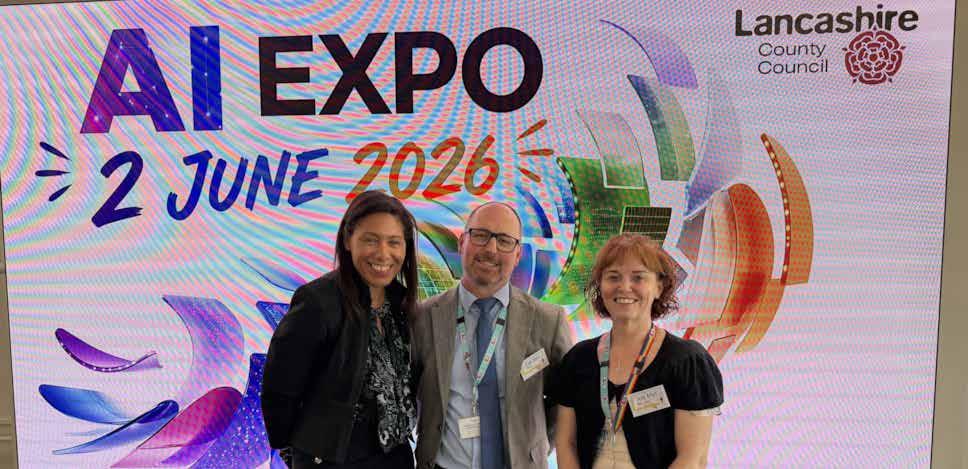
Operations Mairead Gill-Mullarkey, who shared examples of how AI is supporting services across the county.
The council’s approach reflects a wider trend across the public sector, with organisations increasingly exploring how AI can help tackle growing demand while maintaining high standards of service.
Councillor David Dwyer, Cabinet Member for Resources, Digital and Efficiency, said: “Artificial Intelligence is helping us to work
smarter, it’s saving hundreds of thousands of hours for our staff, so they can spend more time supporting residents.
“We have created a culture where AI is helping people in their jobs, but it does not take away from professional judgment.
“It’s fantastic to see Lancashire leading the way, sharing what works and helping other councils do the same. This is all about improving services and delivering better outcomes for our communities.”
While AI continues to evolve, Lancashire
County Council is keen to emphasise that technology will support professional decision-making rather than replace it. By reducing administrative workloads, the authority hopes staff will be able to focus more of their time on delivering essential services to the people who need them most.
As councils across the UK look for innovative ways to improve efficiency, Lancashire’s experience could provide a blueprint for how AI can be used responsibly and effectively in local government.

By Lancashire Now Reporter
A once open field in Colne has been transformed into Lancashire's largest microwood, with thousands of trees planted by local residents, schoolchildren and community leaders in a project that aims to benefit both people and wildlife for generations to come.
The new ReWild Yourself Community Hub, created on land next to SS John Fisher and Thomas More Roman Catholic High School in Pendle, has seen 3,500 native trees planted as part of an ambitious environmental initiative led by the Voice for Nature Foundation and supported by Lancashire County Council.
Far more than a simple tree-planting exercise, organisers say the site has been designed as a living community space where nature, education and wellbeing can flourish side by side. Alongside the woodland areas, the hub features open spaces for activities, seating areas and carefully planned landscaping
intended to encourage residents to spend more time outdoors. One particularly striking feature is the layout of the trees themselves, which has been designed to frame views of both sunrise and sunset during the summer and winter solstices.
The project marks another milestone in Lancashire's growing commitment to increasing tree cover and tackling biodiversity loss. Since 2023, Lancashire County Council has planted almost 50,000 trees across 42 micro-woods throughout the county, creating one of the largest networks of these compact woodlands in the United Kingdom.
Unlike traditional woodland planting schemes, the Colne project uses the Miyawaki method, developed by renowned Japanese botanist Dr Akira Miyawaki. The technique involves improving soil quality before densely planting a diverse range of native tree species close together.

The result is a miniature woodland ecosystem that can grow up to ten times faster than conventional planting methods while also absorbing carbon more quickly and creating rich habitats for wildlife. Research and practical projects around the world have demonstrated that Miyawaki forests can become largely selfsustaining within just a few years.
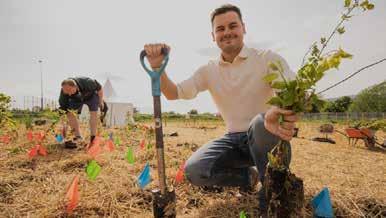
installations.
The Colne site includes species such as English oak, silver birch and field maple, all selected to support local wildlife and strengthen the area's natural resilience. Similar projects have already shown how micro-woods can attract birds, pollinators and other native species while helping to improve air quality, reduce urban heat and manage surface water runoff.
County Councillor Joshua Roberts, Lancashire County Council's Cabinet Member for Rural Affairs, Environment and Communities, joined volunteers at the planting event.
He said: "I have taken part in several planting sessions using the fast-growing Miyawaki method in Lancashire. By helping to plant some of these 3,000 trees here, we've helped to create a thriving new woodland that will boost biodiversity, improve air quality and bring nature back into the heart of the community.
"Using native species like oak, birch and field maple, this new woodland will not only boost wildlife but also improve air quality and create a greener future for the area."
More Than Just Trees
The ReWild Yourself Community Hub forms part of a wider national programme supported by The ERANDA Rothschild Foundation. The initiative aims to create three community hubs across the UK, combining woodland creation with long-term programmes focused on helping people reconnect with nature. Pendle is the second location to be developed, following the creation of a hub in Bilborough, Nottingham.
What makes the project distinctive is its emphasis on community involvement. Local residents have played a role not only in planting the woodland but also in shaping aspects of the site's future development, including landscaping and public art
Over the coming years, the Pendle hub will host a programme of nature-based activities and workshops designed to improve wellbeing, encourage outdoor learning and strengthen community connections. The initiative is being developed in partnership with Natural Academy and will include training opportunities for local facilitators who will lead nature connection sessions for young people and adults.
Katie McLaurin, Managing Director of the Voice for Nature Foundation, believes the impact of the project extends well beyond environmental benefits.
"This is about more than planting trees," she said. "It's about growing a living space where people and nature can thrive together – a legacy of well-being, connection, and care for our environment and communities."
As concerns about climate change, biodiversity loss and public health continue to grow, projects like the Colne micro-wood are increasingly being viewed as a practical way of addressing several challenges at once.
Trees help capture carbon, improve air quality and provide habitat for wildlife, but they also offer something less tangible: places where people can slow down, connect with nature and enjoy their local environment.
For the hundreds of volunteers who helped put spades into the ground in Pendle, the woodland's greatest achievement may not be measured by the number of trees planted, but by the sense of ownership and pride it has already created within the community.
As those saplings grow into a thriving woodland over the coming years, Lancashire's newest and largest micro-wood looks set to become both an environmental asset and a lasting symbol of what communities can achieve when they come together for a common cause.
Get ready for four unforgettable days of music, memories and togetherness as The Brit Fest 2026 returns to the stunning Ashley Hall Showground in Altrincham from Thursday 2nd to Sunday 5th July. Now firmly established as one of the North West’s must-attend summer events, The Brit Fest is back – and it’s shaping up to be the biggest, boldest and most spectacular edition yet.
Since its debut in 2024, the festival has gone from strength to strength, welcoming more than 30,000 visitors in 2025 alone. With its winning mix of iconic British music, family-friendly atmosphere and strong community spirit, 2026 promises to raise the bar once again.
A Legendary Line-Up Across Four Days
Music lovers are in for a treat, with an extraordinary line-up of artists who have collectively sold more than 70 million albums worldwide, shaping the soundtrack of generations.
Headliners for 2026 include:
Friday – Happy Mondays: Manchester legends bring their unmistakable Madchester energy with classics like Step On, Kinky Afro and 24 Hour Party People.
Saturday – Holly Johnson: The iconic voice of Frankie Goes to Hollywood performs timeless anthems including Relax, Two Tribes and The Power of Love.
Sunday – ABC: Fronted by Martin Fry, ABC close the festival in style with hits from The Lexicon of Love, including Poison Arrow and The Look of Love.
The weekend kicks off in euphoric fashion on Thursday night with a spectacular opening party featuring Symphonic Ibiza, complete with live strings and powerhouse guest vocalist Angie Brown, delivering a unique orchestral twist on classic Ibiza anthems.
Joining the headliners is an incredible supporting cast, including Wet Wet Wet, Eternal, Peter Hook & The Light, Sleeper, Cast, Aswad, Space, The Blow Monkeys, Babybird, Stereo MC’s, The Farm, Let Loose, Altered Images, Fisherman’s Friends, and many more – plus first international guest Jason Donovan. From indie and Britpop to soul, reggae and pop classics, there’s something for every musical taste.
More Than Just a Music Festival
The Brit Fest has become known for being about more than just what’s happening on stage. Festivalgoers can choose to camp on-site, opt for luxury glamping with Tangerine Fields, or arrive in style with a motorhome or caravan. For those seeking extra comfort, nearby hotels – including the Delta Marriott – offer luxury stays, spa access and a convenient shuttle service to the showground.
Accessibility remains a priority, with step-free access, dedicated viewing areas and improved parking, ensuring everyone can enjoy the festival. New eco-friendly initiatives and upgraded infrastructure will also be introduced in 2026, following audience feedback and reinforcing the festival’s commitment to sustainability.
Proudly powered by ABC+ Warranty, the Altrincham-based company returns as Official Title Partner for 2026, reflecting shared values of quality, trust and community. The Brit Fest continues to make a significant impact locally, generating an estimated £1.5 million for the regional economy in 2025, while more than 70% of traders and suppliers are based in the North West.
The festival also supports The Seashell Trust, helping children and young adults with complex learning difficulties and disabilities, and invites local people to join its Volunteer Crew, offering a chance to be part of one of Cheshire’s most celebrated weekends.
Its success hasn’t gone unnoticed, with The Brit Fest winning Leading Live Event of the Year at the This is Manchester Awards 2025 and Best Event or Festival at the Visit Cheshire Tourism Awards 2025/26, alongside national industry recognition.
Don’t Miss It
Festival Director Edward Prophet sums it up perfectly: “The Brit Fest has become more than a festival – it’s a shared celebration of pride, nostalgia and community. 2026 will take that to another level.”
With an iconic line-up, award-winning credentials and an atmosphere that keeps people coming back year after year, The Brit Fest 2026 is set to be the ultimate celebration of summer in the North West.
Tickets are on sale now at www.thebritfest.co.uk
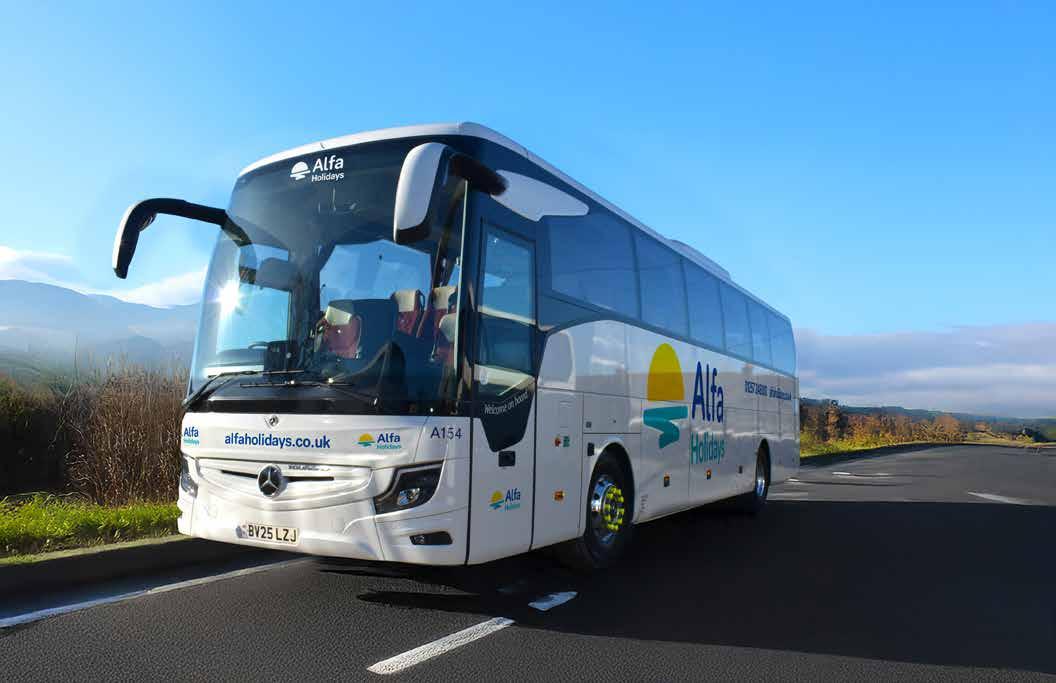
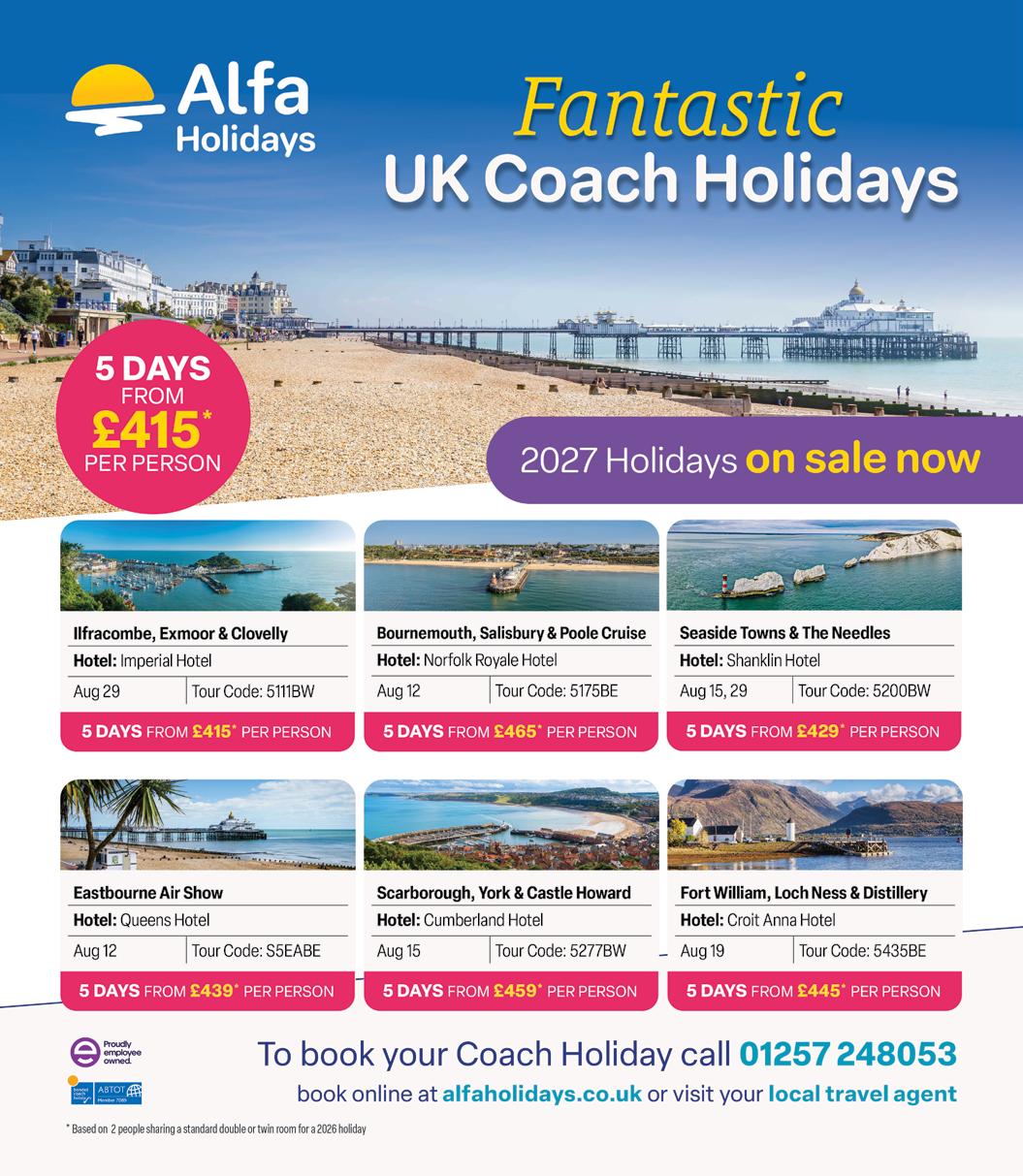
The Bucket List You Deserve
What’s on your bucket list these days? A place you’ve always wanted to see… a view you’ve always wanted to wake up to… a moment you promised yourself you’d enjoy “one day.”
The wonderful thing about life is that the desire to explore never fades. If anything, it grows stronger. Getting older doesn’t mean slowing down, it means finally having the time to enjoy the places you’ve always dreamed of, at a pace that suits you.
After decades of exploring the UK from top to toe, we know we’re spoilt for choice, you really don’t need to travel far to feel worlds away. From dramatic coastlines to charming towns, and sweeping national parks, there are stories carved into every cliff and castle. It’s why our hotels are perfectly placed in the very best seaside resorts, so you always have a comfortable, welcoming base while you tick off those longawaited experiences.
Beside the Seaside
There’s nothing quite like drawing back the curtains on holiday and being greeted by the glistening sea. Most of our hotels offer exactly that, a frontrow seat to the coastline and your home-away-from home while you make amazing memories.
Think of Bognor Regis, one of the sunniest spots in the UK. Or Torquay, fondly known as the English Riviera thanks to its palm trees and Mediterranean feel. Then there’s Llandudno, home to the UK’s longest pier and sweeping views across the Irish Sea. Whether you love the warmth of the sun, the soothing hush of the tide, or the drama of waves on a windy day, we’ve got a seaside escape with your name on it.
BucketList Moments, Included
A coach holiday with us isn’t just about where you stay, it’s about what you experience. Every break includes handpicked excursions designed to spark joy, curiosity and that wonderful “I’ve always wanted to do this” feeling.
Here are just a few of the unforgettable moments waiting for you:
Marvel at Cheddar Gorge
Enjoy a cream tea in the Blackpool Tower Ballroom
Cruise the sparkling waters of the English Riviera
Stand at the iconic Land’s End
Explore the legends of Tintagel
Visit a working honey farm
Ride a nostalgic steam train
Breathe in the beauty of Snowdonia National Park
Discover the magic of the Isle of Skye
Walk the ancient stones of the Giant’s Causeway
These aren’t just excursions, they’re memories in the making.
Special Event Breaks
And if you fancy reliving a little of your youth, our special event breaks are pure joy. Think dazzling tribute acts to the stars you grew up with, beloved stage shows, thrilling sporting events and festive celebrations that sparkle from start to finish. It’s nostalgia, excitement and entertainment all wrapped into one.
Bucket list memories are just a coach ride away. With years of experience behind us, we know exactly how to make those journeys easy, enjoyable, and completely stress-free. No driving, no planning, no hassle, just sit back, relax, and watch the countryside roll by
Book your Summer 2026/2027 Bucket List today www.alfaholidays.co.uk 01257 248053
As the days grow longer and the sun graces the Lancashire skies, the allure of summer getaways beckons. Lancashire, nestled in the heart of the United Kingdom, offers a plethora of neighboring counties with enchanting destinations waiting to be explored. In this edition of Lancashire Now's online monthly publication, we present a guide to inspire and assist readers in planning their perfect summer getaway in 2024.
Cheshire Charm:
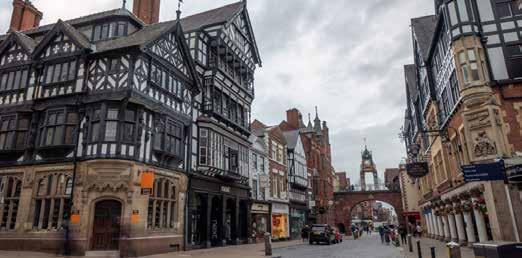
Just a stone's throw away from Lancashire, Cheshire boasts picturesque landscapes and historic charm. The historic city of Chester, with its medieval architecture and unique shopping experiences along The Rows, is a must-visit. For a tranquil retreat, explore the stunning gardens at Tatton Park or take a leisurely stroll along the Macclesfield Canal. Cheshire offers a delightful blend of history, nature, and relaxation.
Cumbrian Adventures:
Head north to the scenic county of Cumbria for a summer getaway filled with outdoor adventures. The Lake District, renowned for its breathtaking lakes and majestic mountains, provides a perfect backdrop for
hiking, boating, and simply enjoying the serenity of nature. Explore charming villages like Ambleside and Keswick, and don't forget to indulge in the region's delectable culinary offerings.
Yorkshire Dales Serenity:
Venture eastward to the Yorkshire Dales for a tranquil escape into the heart of the countryside. Immerse yourself in the stunning landscapes of rolling hills, limestone cliffs, and quaint villages. Enjoy long walks across Malham Cove or explore the historic market town of Skipton with its medieval castle. The Yorkshire Dales promise a peaceful retreat for those seeking solace in nature.
Coastal Beauty in Merseyside:
For those who crave the soothing sounds of the sea, Merseyside offers a coastal escape just a short drive from Lancashire. Visit the iconic city of Liverpool, home to the Beatles and a vibrant cultural scene. Stroll along the scenic waterfront, explore the historic Albert Dock, and soak in the maritime atmosphere. For a beachy retreat, head to Formby or Southport and enjoy sandy shores and refreshing sea breezes.
Greater Manchester Urban Excitement:
For an urban getaway filled with culture and excitement, look no further than Greater Manchester. Explore the diverse neighborhoods of Manchester city, each offering a unique blend of history, art, and entertainment. Visit world-class museums, indulge in delectable cuisine, and experience the vibrant nightlife. From the trendy Northern Quarter to the historic Castlefield, Greater Manchester has something for every type of traveler.
This summer, let Lancashire be your gateway to a world of diverse experiences. Whether you're drawn to the historic charm of Cheshire, the natural beauty of Cumbria, the tranquility of the Yorkshire Dales, the coastal allure of Merseyside, or the urban excitement of Greater Manchester, our neighboring counties have something special to offer. Pack your bags, embrace the spirit of adventure, and embark on a memorable summer getaway in 2024. Lancashire is your starting point for discovering the hidden gems that lie just beyond its borders.
Nestled along England's picturesque northwest coast, Blackpool stands as a beacon of nostalgia, entertainment, and timeless charm. With its iconic tower, bustling promenade, and vibrant atmosphere, this seaside town offers visitors a delightful blend of traditional seaside fun, modern attractions, and cultural delights. From thrilling amusement parks to stunning beaches and lively nightlife, Blackpool beckons travelers of all ages to experience its unique allure.
Embracing Seaside Tradition
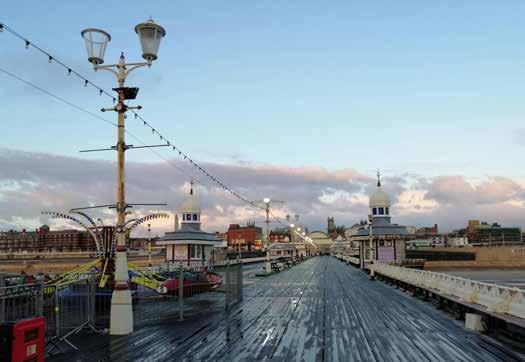
As one of Britain's most beloved seaside destinations, Blackpool captures the essence of traditional holiday fun with its golden sandy beaches, charming piers, and classic promenade. Take a leisurely stroll along the iconic Golden Mile, where you can soak up the sun,
enjoy a traditional fish and chips, and marvel at the stunning views of the Irish Sea. Whether you're building sandcastles with the family, taking a dip in the bracing waters, or simply enjoying an ice cream by the sea, Blackpool's beaches offer the perfect backdrop for a quintessential British seaside experience.
Iconic Attractions and Family Fun
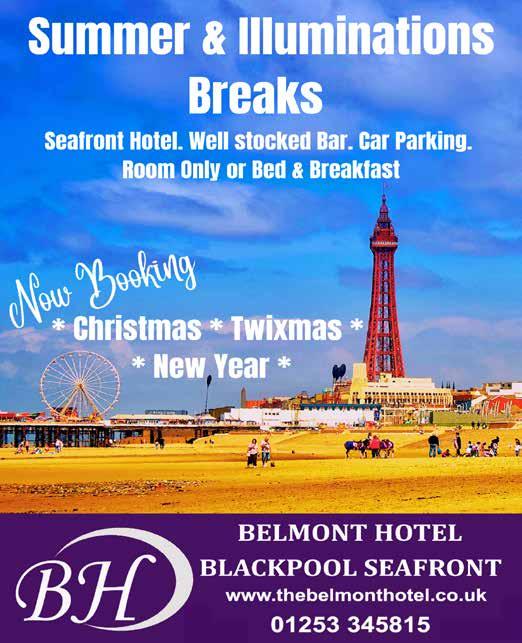
No visit to Blackpool would be complete without experiencing its legendary attractions, including the iconic Blackpool Tower. Standing tall at 158 meters, this Victorian masterpiece offers breathtaking views of the coastline from its observation deck, as well as a host of family-friendly attractions including the Tower Circus and Tower Ballroom. For thrill-seekers,
Blackpool Pleasure Beach promises adrenaline-pumping rides and roller coasters, while Sandcastle Waterpark provides hours of aquatic fun for visitors of all ages. With a myriad of attractions to explore, Blackpool guarantees a fun-filled day out for the whole family.
Beyond its seaside splendor, Blackpool boasts a rich cultural heritage and vibrant entertainment scene. Explore the town's fascinating history at the Blackpool Heritage Tramway, where you can hop aboard vintage trams and journey back in time to the heyday of British seaside holidays. For art enthusiasts, the Grundy Art Gallery showcases contemporary artworks from local and international artists, while the Grand Theatre presents a diverse program of live performances ranging from musicals and dramas to comedy shows and concerts. With a wealth of cultural attractions and entertainment options, Blackpool offers something to suit every taste and interest.
sounds of local bands and DJs? Whether you're looking for a quiet evening meal or a night of lively entertainment, Blackpool has something for everyone.
Accommodation and Hospitality
As the sun sets over the Irish Sea, Blackpool comes alive with a bustling nightlife scene and an array of dining options to suit every palate. From traditional seaside pubs serving hearty pub grub to chic cocktail bars and stylish restaurants offering gourmet cuisine, Blackpool's dining scene caters to all tastes and budgets. After dinner, why not head to one of the town's vibrant nightclubs or live music venues, where you can dance the night away to the
With a wide range of accommodation options to choose from, including seaside hotels, guesthouses, and self-catering apartments, Blackpool ensures a comfortable and convenient stay for visitors. Whether you prefer a luxury hotel with stunning sea views or a cozy bed and breakfast nestled in the heart of town, you'll find the perfect place to rest and recharge after a day of exploration. With warm hospitality and friendly service, Blackpool's accommodations welcome
guests with open arms, ensuring a memorable stay in this charming seaside town.
Discover the Magic of Blackpool
From its timeless seaside charm to its vibrant attractions and lively entertainment scene, Blackpool offers visitors a captivating blend of tradition, excitement, and cultural richness. Whether you're seeking family fun, romantic escapades, or simply a relaxing seaside retreat, Blackpool promises an unforgettable experience that will leave you longing to return time and time again. So why not plan your next getaway to Blackpool and discover the magic of England's beloved seaside gem?

If you’re looking for a change of scenery and an escape into breathtaking landscapes, rich history, and vibrant culture, Wales is calling. Just a few hours’ drive from Lancashire, this stunning country offers everything from majestic mountains to golden beaches, charming market towns, and a deep-rooted heritage that promises a warm Welsh welcome. Whether you're after a relaxing countryside retreat, an adventurous hiking expedition, or a unique festival experience, Wales has something for everyone this spring. With its mix of natural beauty, cultural richness, and warm hospitality, it’s no wonder Wales remains one of the UK’s most soughtafter travel destinations.
Breathtaking Scenery and Outdoor Adventures
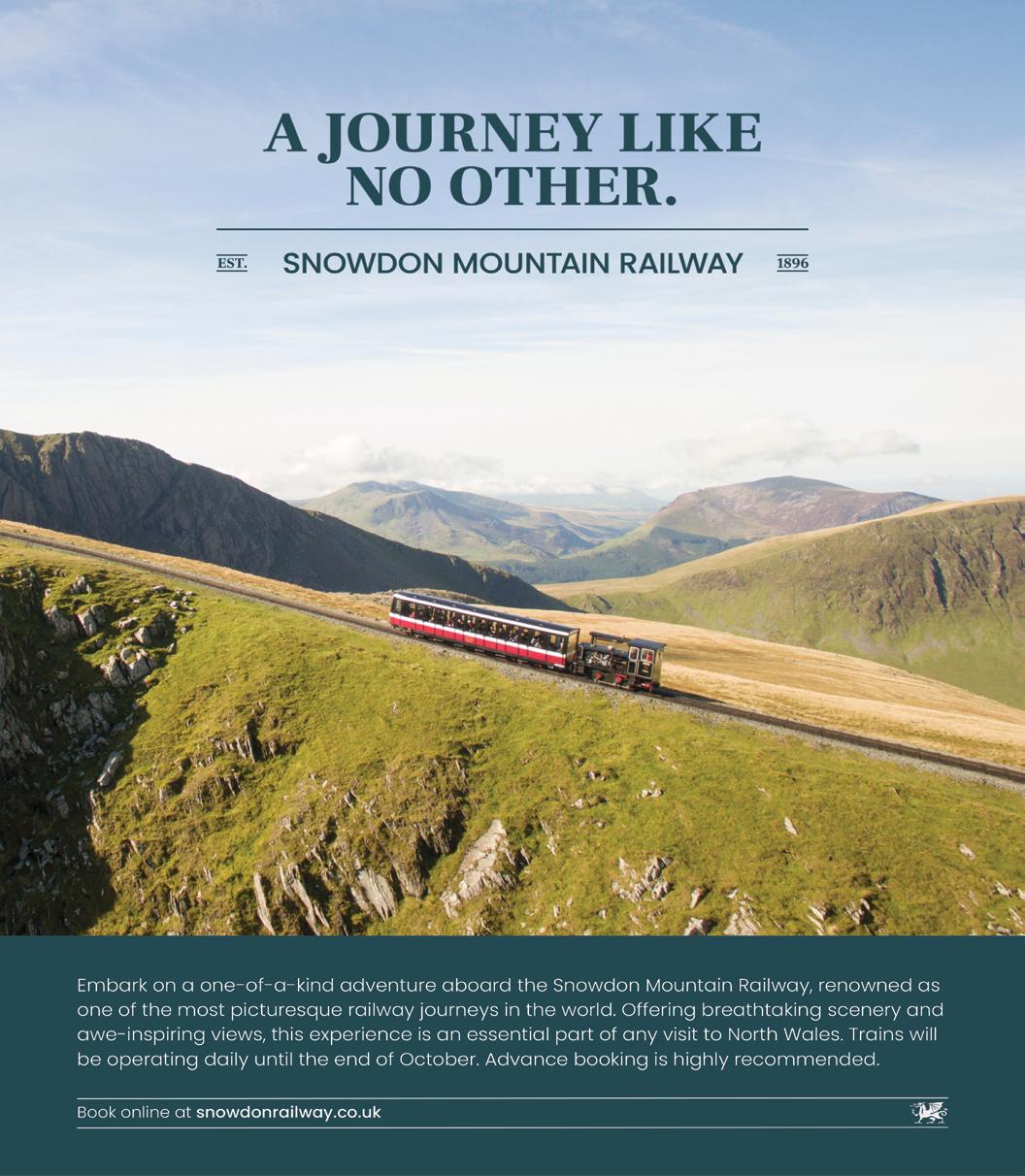
Wales is a paradise for nature lovers and outdoor enthusiasts, offering an abundance of breathtaking landscapes waiting to be explored. The rugged beauty of Snowdonia National Park in North Wales is an absolute must for those who love hiking and dramatic views. The park spans over 800 square miles, featuring stunning glacial lakes, ancient woodlands, and wild moorlands. If you fancy a challenge, take on Yr Wyddfa (Snowdon), the highest peak in Wales at 1,085 metres. The hike is rewarding, with panoramic views stretching as far as Ireland on a clear day. For those who prefer a more relaxed experience, the Snowdon Mountain Railway provides a scenic route to the summit, allowing visitors to take in the stunning scenery without the physical exertion.
For those drawn to the coast, Pembrokeshire Coast National Park in the southwest of Wales boasts some of the most spectacular seaside scenery in the UK. With its rugged cliffs, hidden coves, and pristine beaches, it’s the perfect place for a tranquil escape. The Wales Coast Path, which stretches 870 miles along the country’s entire coastline, is a dream for walkers, offering both gentle seaside strolls and challenging cliffside hikes. Wildlife lovers will also be in their element, as the Welsh coast is home to a diverse range of marine life, including puffins, dolphins, and seals. Boat trips from Cardigan Bay or Pembrokeshire provide the perfect opportunity to spot these magnificent creatures in their natural habitat.
Historic Castles and Cultural Gems Wales is known as the ‘Land of Castles,’ with over 600 fortresses scattered across its rolling countryside. These historic landmarks tell the story of the country’s fascinating past, from medieval battles to royal dynasties. A visit to Caernarfon Castle, a UNESCO World Heritage Site, offers a glimpse into Wales’s medieval history. Built by King Edward I in
the late 13th century, the castle’s immense stone walls and imposing towers make it one of the most impressive fortifications in the UK. Conwy Castle, another masterpiece from Edward I’s reign, is equally awe-inspiring, with its well-preserved battlements and breathtaking views over the River Conwy. Beyond its castles, Wales has a wealth of cultural attractions to explore. The charming town of Hay-on-Wye, located near the English border, is a literary lover’s paradise. Known as the ‘Town of Books,’ it boasts over 20 independent bookshops and hosts the world-famous Hay Festival, which attracts renowned authors and avid readers each year. Meanwhile, Cardiff, the vibrant Welsh capital, offers a perfect blend of history and modernity. Cardiff Castle, set in the heart of the city, provides an insight into centuries of Welsh history, while the city’s Victorian arcades are home to unique boutiques, artisan coffee shops, and stylish eateries. A visit to the Wales Millennium Centre, a striking architectural gem, is a must for those who appreciate world-class theatre, music, and dance performances.
Wonderwool Wales: A Festival for Craft Enthusiasts
For those with a passion for knitting, felting, spinning, or weaving, Wonderwool Wales is an unmissable event. Taking place on the 26th and 27th of April at the Royal Welsh Showground in Builth Wells, this festival is the ultimate celebration of all things woolly. Whether you’re a seasoned crafter or a complete beginner, Wonderwool offers an inspiring environment to explore new techniques and connect with like-minded creatives. The event features a diverse range of exhibitors, including independent yarn dyers, skilled spinners, and expert weavers showcasing their beautiful handcrafted wares. Visitors can take part in workshops covering everything from natural dyeing to intricate lace knitting, learning from experienced artisans who are eager to share their knowledge. Live demonstrations provide a fascinating insight into traditional and contemporary textile techniques, while interactive stalls allow attendees to get handson with new materials and tools. Beyond the craft stalls, the festival boasts a lively atmosphere, with local food vendors serving delicious Welsh delicacies and entertainment that celebrates the country’s rich cultural heritage. Whether you're looking to stock up on unique yarns, take home a handmade treasure, or simply soak up the creative energy, Wonderwool Wales is a highlight of the spring calendar.
indulging in its delicious food, which reflects the country’s agricultural heritage and love for wholesome flavours. Welsh cuisine is known for its comforting and hearty dishes, making it perfect for refuelling after a day of exploring. One of the most iconic treats is Welsh cakes, small griddled cakes packed with sultanas and a hint of cinnamon, best enjoyed warm with a generous dusting of sugar. Another staple is cawl, a traditional lamb and vegetable stew that has been warming Welsh households for centuries. This dish is best enjoyed in a cosy pub, where it’s often served with a wedge of crusty bread and local cheese.
Speaking of cheese, Caerphilly cheese is a must-try for any foodie visiting Wales. This crumbly, tangy cheese has been produced in the region for centuries and is delicious on its own or melted into dishes. For those with a sweet tooth, Bara Brith is a delightful tea loaf made with dried fruit soaked in tea and spices, perfect with a spread of butter alongside a hot drink. Wales is also home to a thriving craft beer and cider scene, with independent breweries and cider houses offering everything from traditional ales to experimental new flavours. Whether you
choose to dine in a charming country inn, a bustling market, or a Michelin-starred restaurant, Welsh hospitality ensures a warm welcome and a memorable dining experience.
Plan Your Welsh Adventure
Wales is an easy and rewarding getaway from Lancashire, whether you’re looking for a weekend break or a longer escape. With so much to see and do, from adventure and history to relaxation and creativity, it’s a destination that will leave you planning your next visit before you’ve even left. Spring is a particularly magical time to visit, as the countryside bursts into bloom, the weather warms up, and a host of exciting events fill the calendar.
This year, why not embrace the magic of Wales and make some unforgettable memories? Whether you’re climbing mountains in Snowdonia, wandering through medieval castle ruins, exploring the literary streets of Hay-on-Wye, or immersing yourself in the creative world of Wonderwool Wales, you’re sure to fall in love with this enchanting country. So, pack your bags, hit the road, and get ready to discover the wonders of Wales!
It’s easy to see why the World of James Herriot visitor attraction attracts visitors from all over the world. There’s so much to see and do here… It’s not just for fans of the books!
The 1940s home and surgery Stepping through the famous red door of 23
Kirkgate, Thirsk is to step inside the World of James Herriot, the fully-restored site of his original 1940s home and veterinary practice (known in his books as Skeldale House, Darrowby) set in the heart of stunning Herriot Country.
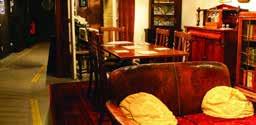
The dining room and practice office Explore this magical time-capsule, where the world’s most famous vet and one of the most popular writers of the twentieth century lived, worked and wrote his much-loved stories based on his experiences as a young veterinary surgeon working among the farming
community of North Yorkshire.
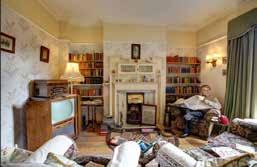
The home retains many of the original furnishings in the family rooms, frozen in time. The dining room doubled as the practice office, where farmers’ bills were typed up at the desk; the sitting room displays original books and family photos; the basement converted to an air raid shelter during the Second World War; the breakfast room favoured for its relative warmth and the reproduction of a typical farmhouse kitchen.
The original dispensary containing all potions great and small
As well as a family home, it was also a busy surgery with a dispensary crammed with fascinating ancient and bizarre remedies and the cramped and primitive consulting room that saw the treatment of many a poorly pet – only creatures small were dealt with by Alf in here!
Interactive Gallery
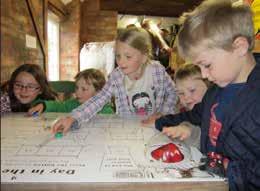
There’s no telling children ‘don’t touch’ in this gallery! Designed to engage children, young and old, the pieces use fun and interaction to educate visitors about farm animals and how they interact with our lives.
Full of fascinating facts, the gallery gives visitors the opportunity to test their skills, knowledge and reflexes whilst learning how vets work with farmers to keep animals fit and well. Not just for children!
There is one installation that TV viewers particularly will recognise and that’s the ‘not

to be missed’ opportunity to place your hand up a cow’s bottom! An essential skill that every vet has to learn, All Creatures Great and Small actor Christopher Timothy famously did his part on several occasions, much to the amusement of the cast, crew and viewing public!
Herriot Memorabilia
The World of James Herriot houses the largest collection of Herriot memorabilia in the world – from books, posters and letters to ornaments and collectables.
The Memorabilia Room is dedicated to displaying items that were instrumental in James Herriot’s writing career.
TV Studios
Take a close-up look behind the scenes of a reproduced set from the BBC series All Creatures Great and Small and experience the fascinating world of the TV studio and what was involved in the making of the TV program.
The latest addition to the centre’s collection is the original 1938 Austin Seven car, Registra-
tion JK 7443.
It appeared in the film “It Shouldn’t Happen to a Vet” with actor John Alderton as James Herriot, when it famously broke down in a river in the Yorkshire Dales.
Veterinary Science Rooms
You can be the star of the show! Get in front of the camera and imagine yourself as Christopher Timothy playing James Herri ot, Robert Hardy as the eccentric Siegfried Farnon, Peter Davison as Tristan Farnon, or Carol Drinkwater and Lynda Bellingham who both played James’ wife Helen Herriot.
The series was a hugely popular show and had two runs from 1978 to 1980 (based directly on Alf’s books) and 1988 to 1990 (filmed with original scripts). The equipment on display shows just how far technology has moved on in TV and film, the huge cameras, endless cables, the intense heat from the lighting rigs all making life pretty uncomfortable for the actors involved.
The Austin Seven Car from ‘It Shouldn’t Happen to a Vet’
There’s an incredible array too of veterinary paraphernalia from Herriot’s time as a young vet – in an era before advances in diagnostics, modern medicine and agricultural machinery. It is the largest collection in the world.
On display is a 4,000 piece archive showcasing veterinary instruments from the past to the modern day. These items chart the history and progress of the profession over the years. Some of the instruments appear primitive but were all designed for a particular purpose, since refined and updated for the modern vet’s practice.
The display reveals the close link with veterinary surgeons and the armed forces, from the days of the mounted cavalry and horses pulling gun carriages and supply wagons in warfare. Even today, ceremonial horses and battle-trained guard and sniffer dogs are the responsibility of the Royal Army Veterinary Corp, formed in 1796.
Much of Alf Wight’s work took place in farms all over North Yorkshire. To the rear of the house you will find the Foldyard and The Farrier exhibits, both with which Alf would have been very well-acquainted. The Foldyard (described as an enclosure for sheep or cattle) houses a collection of primitive-looking hand tools in everyday use in farms before machinery appeared. In the hands of skilled workers, however, these tools were most effective. The Foldyard provides an authentic setting for visitors to watch an exclusive short film of Alf Wight, his family and friends and the cast of All Creatures Great and Small.
In the Farrier’s Workshop. the role of the farrier, which combines skills of both blacksmith and vet, is brought to life in this interesting exhibit. Before tractors and combine harvesters, farming relied on manual labour and what limited mechanisation existed was driven by horses. Farriers were an integral support to this system until the inevitable march of progress. World of James Herriot Ltd, 23 Kirkgate, Thirsk, North Yorkshire,YO7 1PL Tel: 01845 524234

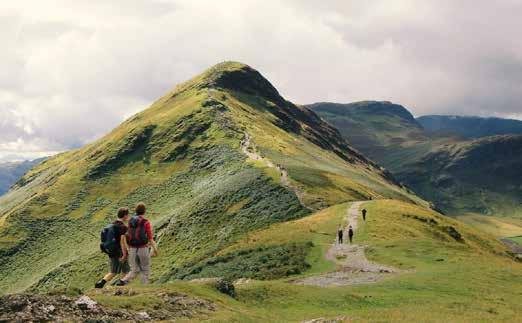
As the vibrant hues of summer paint the landscapes and the gentle whispers of nature beckon, there’s no better time to explore the enchanting trails of Cumbria. Nestled in the heart of the North West of England, Cumbria boasts an array of walks suitable for all, from families seeking leisurely strolls to seasoned hikers craving exhilarating challenges. So, lace up your boots and join us on a journey through the captivating beauty of Cumbria’s countryside.
Summertime in Cumbria casts a spell of vitality across its rugged terrain. As the winter frost is long gone, the landscape bursts into life with a kaleidoscope of colours and fragrances. Meadows adorned with wildflowers, babbling brooks flowing with newfound vigour, and the sweet melody of birdsong create an immersive experience for walkers seeking solace in nature’s embrace. Embrace the essence of summer as you traverse the picturesque trails of Cumbria, where every step unveils a new marvel of the season.
Safety First
Essential Tips for a Secure Walking
Experience While the allure of summertime walks is undeniable, it’s essential to prioritise safety to ensure an enjoyable outing for all. Here are some indispensable safety tips to keep in mind:
A. Footwear: The unpredictable weather of summer can render paths muddy and slippery. Invest in sturdy, waterproof footwear with reliable traction to navigate the trails with confidence.
B. Dress in Layers: Despite the warming temperatures, be prepared for sudden changes in weather. Layer your clothing to adapt to varying conditions and stay comfortable throughout your walk.
C. Trail Conditions: Before embarking on your adventure, check local trail conditions for any hazards or closures. Summertime may bring sudden showers or muddy patches, so choose routes that align with your skill level and comfort.
D. Wildlife Awareness: Cumbria’s countryside teems with diverse wildlife and delicate flora. Respect nature by staying on designated paths, refraining from disturbing nesting birds, and minimising your impact on the environment.
E. Stay Hydrated and Energised: Carry

sufficient water and snacks to stay hydrated and energised during your walk. Remember to pack essentials such as a map, compass, and first-aid kit for added safety.
Unveiling Cumbria’s Summertime Treasures Embark on a journey of discovery as you explore some of Cumbria’s most captivating walks, tailored to suit every preference and ability:
Family-Friendly Strolls: Delight in leisurely walks amidst the splendour of Cumbria’s countryside, suitable for families of all ages. From charming riverside paths to tranquil woodland trails, these gentle strolls offer a perfect opportunity to reconnect with loved ones and create cherished memories.
Beginner-Friendly Routes: Novice walkers
can ease into the joys of hiking with scenic routes that boast manageable terrain and breathtaking vistas. Traverse rolling hills, meandering valleys, and picturesque lakeshores as you embrace the tranquillity of Cumbria’s natural landscapes.
Intermediate Challenges: For those seeking a moderate challenge, Cumbria presents an array of intermediate-level walks that combine scenic beauty with a hint of adventure. Ascend gentle slopes, explore ancient woodlands, and uncover hidden gems nestled amidst the verdant countryside.
Advanced Expeditions: Experienced hikers can test their skills on challenging trails that traverse rugged peaks, remote moorlands, and dramatic ridgelines. Prepare for exhilarating ascents, breathtaking panoramas, and a profound sense of accomplishment as you conquer Cumbria’s most demanding routes.
Summertime Revelations Await
As you plan your summertime escapades in Cumbria, remember to embrace the spirit of adventure, immerse yourself in the natural wonders that abound, and tread lightly upon the earth. Whether you’re seeking a leisurely stroll amidst blossoming meadows or a thrilling ascent to dizzying heights, Cumbria promises an unforgettable walking experience for all. So, heed the call of the wild, embrace the season’s allure, and embark on a journey of discovery through the captivating landscapes of Cumbria this summer.”
Just a short journey from Lancashire, Cumbria is a destination brimming with natural beauty, rich history, and vibrant culture. Whether you're looking for breathtaking walks, exciting attractions, fantastic shopping, or unforgettable events, this northern gem has something for everyone. If you’re planning a visit over the next few weeks or months, here’s why Cumbria should be at the top of your list.
Cumbria is home to some of the most breathtaking landscapes in the UK, with the Lake District National Park as its crown jewel. A UNESCO World Heritage Site, the Lake District is famous for its stunning lakes, rugged mountains, and picturesque villages. Whether you prefer a gentle lakeside stroll or a challenging fell hike, there’s something for every level of adventurer.
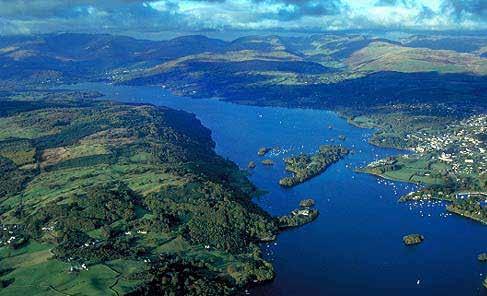
For those seeking a peaceful yet scenic experience, Lake Windermere—the largest lake in England—is a must-visit. You can take a leisurely boat cruise across the water, hire a kayak for a closer look at the lake’s beauty, or simply enjoy a walk along the shoreline, taking in the tranquil surroundings.
If you’re a keen walker, try the Catbells Fell Walk, a relatively easy yet rewarding climb offering panoramic views of Derwentwater and Keswick. More seasoned hikers might opt for the challenge of Scafell Pike, England’s highest mountain, which promises incredible views from the summit.
Beyond the Lake District, the Solway Coast offers a different kind of beauty, with sandy beaches, salt marshes, and birdwatching opportunities. Hadrian’s Wall, stretching across Cumbria’s northern boundary, is another fantastic outdoor attraction, offering walking trails alongside Roman ruins.
Cumbria’s towns and villages are steeped in history, with each offering a unique charm. Kendal, known as the "Gateway to the Lakes," is famous for its historic buildings, independent shops, and, of course, the delicious Kendal Mint Cake—a must-try for visitors. The town’s Abbot Hall Art Gallery and Kendal Castle provide an enriching experience for history and art enthusiasts.
Grasmere is another must-visit, known for its connection to poet William Wordsworth. Visit Dove Cottage, where Wordsworth once lived and wrote some of his most famous poems, and explore the Wordsworth Museum to gain insight into the poet’s life. Don’t forget to stop by the Grasmere Gingerbread Shop, which has been baking its unique recipe since 1854.
For those interested in medieval history,
Carlisle is a fantastic destination. The city’s imposing castle, which has stood for over 900 years, offers a fascinating glimpse into Cumbria’s past. Nearby, the Tullie House Museum provides a deep dive into the region’s Roman, Viking, and medieval heritage.
Cumbria is a paradise for those who love shopping for unique gifts, handmade crafts, and local produce. Many of its market towns, such as Penrith and Keswick, hold regular farmers' markets where you can buy locally sourced food, including awardwinning cheeses, fresh meats, and homemade chutneys.
Keswick, in particular, is well-known for its bustling market and independent shops, offering everything from outdoor gear to handmade jewellery. If you’re looking for a special keepsake, head to the Rheged Centre near Penrith, where you’ll find an array of artisan crafts and homegrown products.
No visit to Cumbria would be complete without indulging in its fantastic food scene. Traditional Cumbrian delicacies include Cumberland sausage—a hearty, coiled sausage packed with flavour—and sticky toffee pudding, said to have originated in the Lake District. Many of the region’s cosy pubs and fine-dining restaurants serve these local delights, often made with ingredients sourced from nearby farms.
Cumbria is a hub of events throughout the year, making it an exciting destination no matter when you visit.
For outdoor enthusiasts, the Keswick Mountain Festival (held in May) is a highlight, offering adventure sports, guided hikes, and live music by the lakeside. If you’re planning to visit sooner, the Words by the Water Literature Festival in March is perfect for book lovers, featuring talks from renowned authors at Theatre by the Lake in Keswick.
Music and arts lovers will enjoy the Kendal Calling Festival, one of the UK’s best-loved music festivals, set in the scenic Lowther Deer Park. If classical music is more your style, the Lake District Summer Music Festival offers a series of concerts featuring world-class musicians.
For families, the Westmorland County Show in September is a great day out, showcasing Cumbrian agriculture, livestock competitions, and traditional crafts. Meanwhile, history buffs will appreciate the Carlisle Fireshow in November, a spectacular event celebrating the city’s heritage with fireworks and entertainment.
Cumbria is easily accessible from Lancashire by both car and train, making it an ideal destination for a day trip or a longer getaway. If you’re driving, the M6 provides a direct route, while scenic A-roads offer stunning views along the way.
If you prefer public transport, regular trains run from Preston and Lancaster to Oxenholme, the gateway to the Lake District. From there, connecting services can take you to key destinations such as Windermere, Kendal, and Carlisle.
Accommodation options in Cumbria cater to all budgets and preferences, from luxury spa hotels and boutique guesthouses to charming countryside cottages and cosy B&Bs. For those who enjoy the great outdoors, there are plenty of campsites and glamping options, allowing you to sleep under the stars in true Cumbrian style.
While Lancashire has plenty to offer in its own right, Cumbria provides the perfect escape for those looking to explore somewhere different yet easily accessible. With its stunning landscapes, rich history, fantastic shopping, and vibrant events calendar, Cumbria is an unforgettable destination for visitors from Lancashire.
So, whether you’re planning a weekend getaway or a day trip, pack your walking boots, bring your sense of adventure, and get ready to explore everything that Cumbria has to offer!
With summer on the horizon and many families, couples and retirees planning their next getaway, there is one destination that continues to capture the imagination of travellers from across the UK. Just a few hours north of Lancashire lies a country of dramatic landscapes, historic cities, breathtaking coastlines and warm hospitality. Scotland remains one of Britain's most rewarding destinations, offering something for everyone, whether you are seeking outdoor adventure, cultural discovery or simply a relaxing break away from the everyday.
For Lancashire residents, Scotland is not only easily accessible but also provides a remarkable contrast to life in the North West. While Lancashire boasts its own beautiful countryside and vibrant towns, Scotland delivers an altogether different experience, where ancient castles stand proudly against rugged mountains and tranquil lochs stretch for miles beneath vast open skies.
Easy to Reach, Hard to Forget
One of Scotland's biggest attractions is its accessibility. From Lancashire, travellers can reach southern Scotland in just a couple of hours by car, while cities such as Glasgow
and Edinburgh are easily accessible by rail. This makes Scotland an ideal choice for both short breaks and extended holidays.
The journey itself becomes part of the adventure. As visitors travel north, the scenery gradually transforms, with rolling hills giving way to dramatic mountain ranges and sweeping valleys. It is a reminder that some of Britain's most spectacular landscapes are right on our doorstep.
Cities Rich in History and Culture
Scotland's cities offer a fascinating blend of old and new. Edinburgh, with its iconic castle, cobbled streets and world-famous festivals, provides a unique atmosphere unlike anywhere else in the UK. Visitors can spend hours exploring the historic Royal Mile, discovering hidden closes and enjoying spectacular views across the city.
Meanwhile, Glasgow offers a vibrant cultural scene, renowned architecture, excellent shopping and a thriving food and drink industry. The city's friendly reputation continues to attract visitors year after year, while its museums and galleries provide plenty to explore regardless of the weather.
For history enthusiasts, Scotland presents countless opportunities to step back in time. From ancient battlefields and royal palaces to medieval castles and centuries-old villages, the nation's rich heritage is woven into every corner of the country.
The Great Outdoors at Its Finest
Perhaps Scotland's greatest asset is its natural beauty. The Highlands remain one of Europe's most awe-inspiring regions, attracting walkers, photographers and nature lovers from around the world.
Majestic mountains, crystal-clear lochs and vast expanses of wilderness provide endless opportunities for exploration. Whether tackling a challenging hike, enjoying a leisurely woodland walk or simply taking in the views from a scenic roadside stop, visitors are rarely far from a memorable landscape.
The famous Loch Ness continues to intrigue visitors hoping to catch a glimpse of its legendary resident, while the Cairngorms National Park offers year-round attractions including wildlife spotting, cycling and winter sports.
Scotland's coastline is equally impressive. From dramatic cliffs and sandy beaches to picturesque fishing villages, the country's coastal regions provide a different but equally captivating experience.
A Haven for Wildlife Enthusiasts
Scotland is one of the UK's best destinations for wildlife watching. Visitors may encounter red deer roaming across the Highlands, golden eagles soaring overhead or playful seals basking along the coast.
Boat trips offer the chance to spot dolphins, whales and puffins, particularly around Scotland's islands, which themselves have become increasingly popular with visitors seeking peace, tranquillity and unspoilt natural beauty.
For families, these wildlife encounters often become some of the most memorable moments of a holiday.
Food, Drink and Scottish Hospitality No visit to Scotland would be complete without experiencing its renowned hospitality. Traditional pubs, welcoming hotels and cosy cafés can be found throughout the country, providing the perfect

places to relax after a day of exploration.
Scottish cuisine has evolved significantly in recent years, with many restaurants showcasing exceptional local produce. Fresh seafood, Highland beef, artisan cheeses and seasonal ingredients feature prominently on menus, while Scotland's world-famous whisky industry continues to attract enthusiasts from across the globe.
Many visitors are pleasantly surprised by the quality and variety of dining experiences available, from traditional fare to contemporary fine dining.
While many associate Scotland with summer holidays, the country offers attractions throughout the year. Spring brings colourful landscapes and newborn wildlife, while autumn transforms forests and glens into spectacular displays of gold and amber.
Winter provides opportunities to experience snow-covered mountains, festive city breaks and some of the most dramatic scenery Britain has to offer. Even on a rainy day, Scotland's castles, museums and visitor attractions ensure there is always something
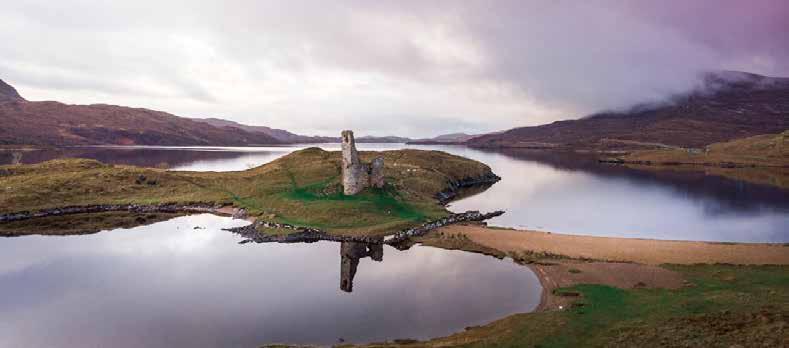
see and do.
For Lancashire residents considering their next holiday, Scotland offers a compelling combination of convenience, beauty and adventure. It is a destination where history, culture and nature combine to create unforgettable experiences.
Whether you're exploring the bustling streets of Edinburgh, admiring the rugged beauty of the Highlands, enjoying fresh seafood by the coast or simply taking in the tranquillity of a loch-side retreat, Scotland has a way of leaving a lasting impression.
The best part? One of Britain's most
remarkable destinations is only a journey up the M6 away.
So, if you're looking for inspiration for your next break, perhaps it's time to head north and discover why Scotland continues to captivate visitors from Lancashire and beyond.

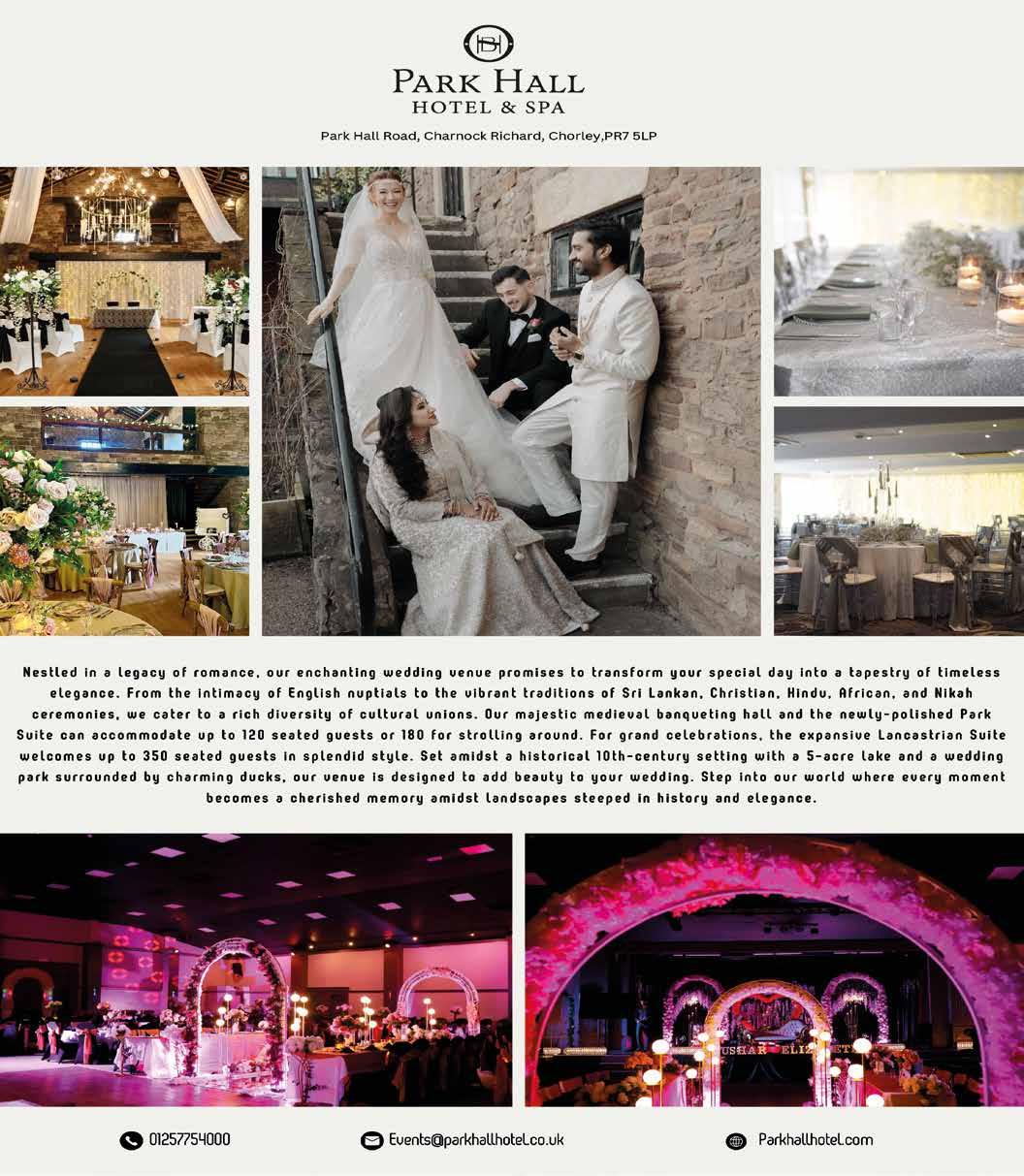
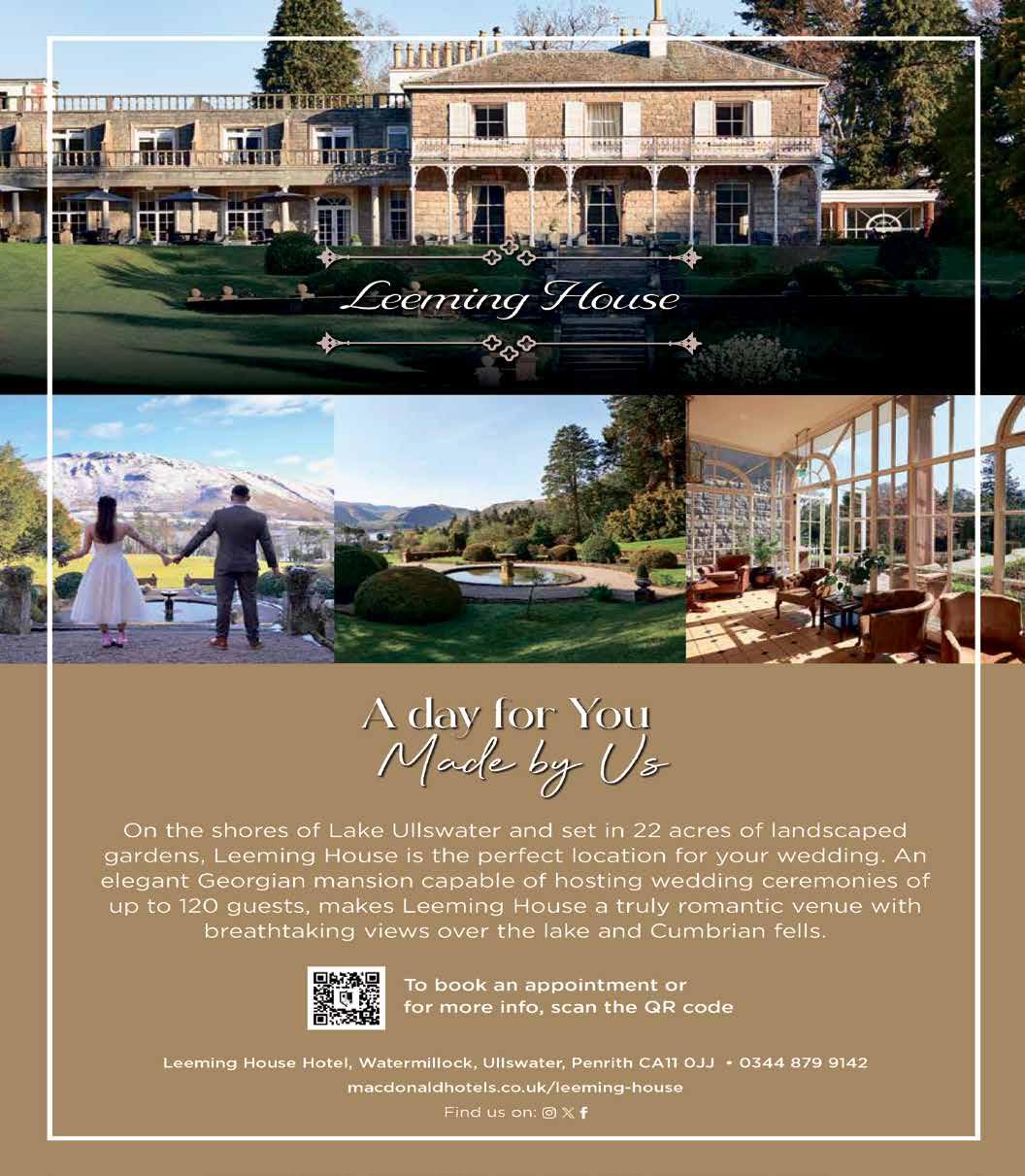
New Preston-based centre aims to improve outcomes for stroke patients while boosting medical research across the region
Lancashire is set to strengthen its position as a centre for medical innovation after Lancashire Teaching Hospitals NHS Foundation Trust secured £1.48 million from the National Institute for Health and Care Research (NIHR) to create a new Centre for Stroke, Neuroscience and Ageing Research (CSNAR) at Royal Preston Hospital.
The funding forms part of a £47.8 million national programme designed to expand NHS research capacity and improve patient access to cutting-edge treatments.
The investment will see nearly 200 square metres of unused space beneath the Rosemere Cancer Centre transformed into a modern research hub, providing clinical, academic and collaborative facilities for researchers and healthcare professionals. Tackling a Major Health Challenge
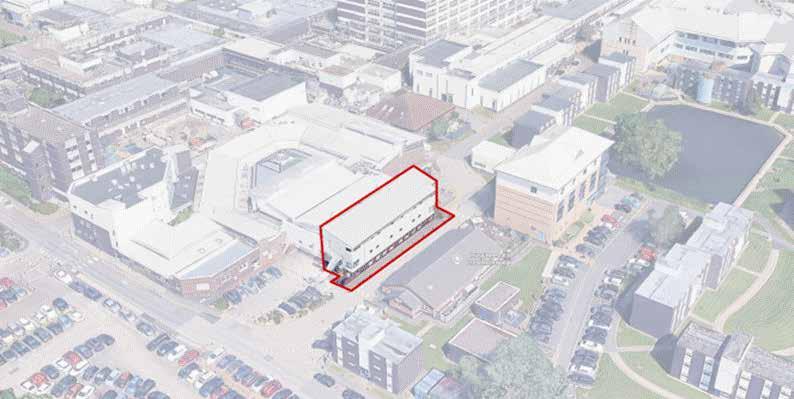

The project comes at an important time for Lancashire, which experiences some of the highest rates of stroke and some of the poorest stroke outcomes in England.
Stroke remains one of the leading causes of death and long-term disability in the UK, with more than 100,000 people affected each year. Health leaders believe the new centre will help improve diagnosis, treatment and rehabilitation for patients across Lancashire and South Cumbria.
The facility will bring together clinicians and academics from the University of Central Lancashire, Lancaster University and Lancashire Teaching Hospitals to develop new approaches to stroke, neuroscience and ageing-related conditions.
A key aim of the development is to make clinical research more accessible to local communities.
The new centre will support an expansion in both commercial and academic studies, giving more residents the opportunity to take part in clinical trials and access innovative treatments closer to home.
The Trust also plans to work with local faith groups, cultural organisations and community networks, including the Lancashire Health Mela, to encourage participation from communities that have traditionally been underrepresented in medical research.
Alongside healthcare improvements, the project is expected to attract further investment into Lancashire’s growing life sciences sector.
Lancashire Teaching Hospitals aims to increase its portfolio of commercial clinical trials from around 20–25 studies to more than 30 over the coming year, helping to attract specialist staff, strengthen university partnerships and support the local economy.
Professor Pierre Martin-Hirsch, Director of Research and Innovation at Lancashire Teaching Hospitals, said: “This investment marks a major step forward for research in our region. By creating a dedicated home for stroke, neuroscience and ageing research, we are building a sustainable research ecosystem that will directly benefit patients across Lancashire and South Cumbria.”
Paul Brown, Deputy Director of Research and Innovation, added that the facility would provide more opportunities for local people to participate in groundbreaking studies while strengthening academic and industry partnerships.
Subject to final approvals, the new Centre for Stroke, Neuroscience and Ageing Research is expected to open in Spring 2027, helping place Lancashire at the forefront of research into stroke care, neuroscience and healthy ageing.

Children undergoing cancer treatment across Lancashire and the North West are set to benefit from a pioneering new service that is bringing vital care closer to home, reducing long journeys and helping young patients spend more time where they belong – with their families.
A new mobile cancer care unit, the first of its kind in the UK dedicated to children and young people, has officially launched across the North West, offering chemotherapy and supportive cancer treatments in community locations rather than requiring frequent trips to specialist hospitals. The initiative is being hailed as a significant step forward in improving the experience of childhood cancer care for families across Lancashire and South Cumbria.
The innovative service is led by the North West Children's Cancer Operational Delivery Network (NWCCODN) in partnership with Royal Manchester Children's Hospital and Alder Hey Children's Hospital. The specially adapted vehicle has been provided by the charity Hope for Tomorrow, which has spent nearly two decades delivering mobile cancer care services for adults but is now extending the model to support children for the very first time.
For many families in Lancashire, the announcement could prove transformative.
Reducing the burden of treatment
Around 600 children receive cancer treatment across the North West every year, with many families travelling considerable distances to access specialist care. Recent figures show that families face average monthly travel costs of around £245, while the typical oneway journey to treatment is approximately 54 miles. Some families travel more than 100 miles each way for appointments that may last only a matter of minutes.
For children already coping with the physical and emotional challenges of cancer treatment, these journeys can be exhausting. Parents often face time away from work, while siblings and school routines are frequently disrupted.
The new mobile unit aims to address these challenges by allowing specialist nurses and healthcare teams to provide selected chemotherapy treatments and supportive care in locations much closer to where families live. Sites could include community settings such as supermarket car parks, community hospitals and other easily accessible venues that have been assessed as safe and suitable.
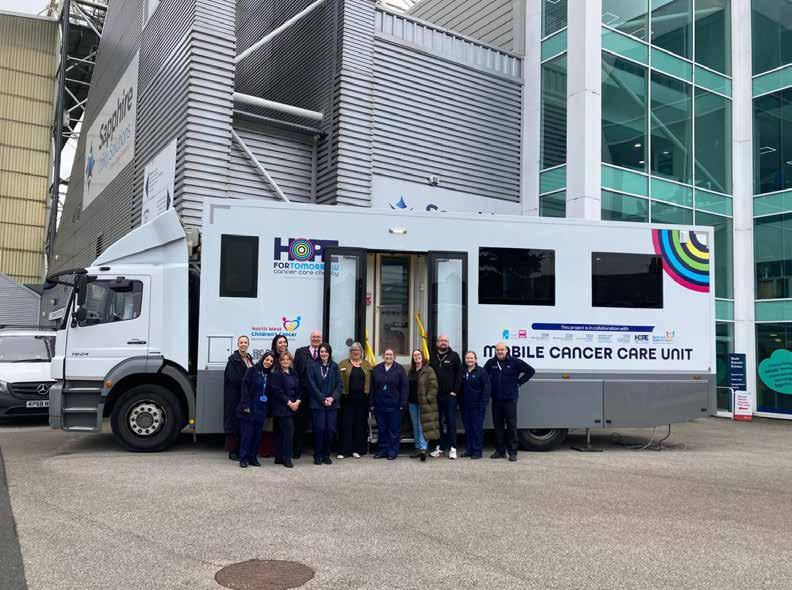
More time being children
Healthcare leaders say the project is about much more than convenience.
By reducing travel time and hospital visits, children can spend more time attending school, seeing friends, taking part in hobbies and enjoying family life. For many young patients, maintaining a sense of normality during treatment can have a positive impact on emotional wellbeing and recovery.
Dr Lisa Howell, Lead Cancer Clinician at Alder Hey Children's Hospital, has highlighted how frequent hospital appointments can significantly disrupt family life. The new approach allows the same high standards of care to be delivered while reducing some of the pressures faced by patients and their families.
The mobile unit is designed to complement existing services already provided by Paediatric Oncology Shared Care Units and Children's Community Nursing Teams rather than replace them. Specialists from Alder Hey and Royal Manchester Children's
Hospital will continue to work closely with local teams to ensure treatment remains safe, coordinated and personalised.
Lancashire at the heart of the project
Lancashire and South Cumbria Cancer Alliance is one of three Cancer Alliances helping to fund the pilot scheme, alongside Greater Manchester and Cheshire and Merseyside. The region celebrated the launch of the service at Preston North End Football Club, where healthcare professionals and partners gathered to mark the beginning of a project that could reshape childhood cancer care across the North West.
The pilot forms part of a wider "Care Closer to Home" programme that has been developed following extensive consultation with patients, families and healthcare professionals. Children and parents identified travel demands, long waits and disruption to everyday life as some of the biggest challenges associated with cancer treatment.
Looking to the future
If successful, the pilot could pave the way for a permanent fleet of purpose-built
children's mobile cancer care units. Hope for Tomorrow has already suggested that positive outcomes from the trial could lead to further investment in services specifically designed around the needs of young patients.
The launch also aligns with broader NHS ambitions to deliver more healthcare within local communities, reducing inequalities in access to treatment and helping patients receive care in environments that are less stressful and more convenient.
For Lancashire families facing one of life's toughest challenges, the arrival of the mobile cancer care unit represents more than just a new vehicle on the road. It offers the possibility of fewer hours spent travelling, lower costs, reduced disruption and, perhaps most importantly, more precious time together at home.
As the pilot begins its journey across Lancashire, Cumbria, Greater Manchester, Merseyside and North Wales, healthcare leaders hope it will demonstrate that worldclass cancer treatment does not always need to happen within hospital walls.
• Reaching the end of Year 11 is one of the biggest turning points in a young person’s life. For students across Lancashire, the next stage after GCSEs opens up a world of opportunity — but also some important choices. Whether you’re considering sixth form, further education college, an apprenticeship, or one of the new T Levels, there’s no one-size-fits-all answer. The best route is the one that plays to your strengths, suits your way of learning, and helps you reach your long-term goals.
Lancashire is home to an impressive range of education and training providers, from high-performing sixth forms to forward-thinking colleges and apprenticeship employers. Here’s a detailed look at what each option offers — and how to decide which is right for you.
Sixth Form – The Academic Route
For students who enjoy academic study and hope to go on to university, sixth form can be the ideal choice. Most students choose three or four A-level
subjects, studying them over two years with a focus on theory, analysis, and independent learning. A-levels are highly regarded by universities and employers alike, offering a clear route to higher education and professional careers.
Across Lancashire, there are many respected sixth forms, including Runshaw College Sixth Form Centre in Leyland, Clitheroe Royal Grammar School, Cardinal Newman College in Preston, and Lancaster Royal Grammar School, all known for their strong academic standards and student support.
Some sixth forms also offer BTECs or Cambridge Technicals, which combine coursework with practical application. These vocational qualifications are equivalent to A-levels and are recognised by universities and employers, providing flexibility for those who prefer continual assessment over exams.
Sixth form also gives students the chance to grow personally and socially — developing confidence, time
management, and critical thinking skills through enrichment activities, volunteering, and leadership opportunities.
Further education (FE) colleges provide a wide range of courses tailored to practical skills and employment. Lancashire’s colleges are among the best in the country, offering state-of-the-art facilities, strong employer links, and a huge variety of subjects.
At FE colleges, students can take qualifications such as BTECs, NVQs, and Diplomas, covering everything from engineering, construction, and health and social care to digital technology, travel and tourism, performing arts, and animal management.
Lancashire boasts several excellent FE colleges, including: Preston College, known for its technical and vocational training.
Blackpool and The Fylde College,
offering a wide range of industryfocused courses.
Burnley College, one of the highestperforming FE colleges in the country. Lancaster and Morecambe College, specialising in work-based learning and apprenticeships.
Blackburn College, offering academic, vocational, and university-level qualifications.
Many courses include work placements, ensuring that students graduate with practical experience and a strong sense of what their chosen industry is really like.
FE colleges are also ideal for those who may not yet be sure of their career path. Foundation or introductory courses give students the opportunity to explore different subjects before progressing onto higher levels.
For those who prefer hands-on learning,

apprenticeships offer a fantastic alternative to full-time classroom study. They combine paid work with structured training, allowing learners to gain real-world experience while earning qualifications.
Apprenticeships are available across a wide range of sectors in Lancashire, including:
Engineering and advanced manufacturing – a strong local industry with employers like BAE Systems.
Construction and trades –providing pathways into carpentry, plumbing, and electrical work.
Health and social care – with placements in hospitals, care homes, and community healthcare.
Digital, business, and finance –for those interested in officebased careers.
Creative industries, hospitality, and retail – thriving areas within Lancashire’s growing economy.
Apprenticeships are offered at different levels:

Intermediate (Level 2) – equivalent to GCSEs.
Advanced (Level 3) – equivalent to A-levels.
Higher and Degree Apprenticeships (Levels 4–7) – equivalent to university qualifications.
These programmes are delivered through partnerships between employers and local training providers such as Training 2000 in Blackburn, North Lancs Training Group, and colleges across the county.
Many young people find apprenticeships to be a rewarding and practical route, offering both immediate experience and long-term career prospects — all while avoiding university tuition fees.
T Levels are one of the newest options available to post-16 learners. Designed in partnership with employers, they offer a blend of classroom learning and real-world experience. Each T Level lasts two years and is equivalent to three A-levels, making it a strong alternative
for those who prefer technical or vocational learning.
Students spend 80% of their time in the classroom and 20% on a substantial industry placement lasting at least 45 days. T Levels are currently offered in subjects such as Digital Production, Health, Education, Construction, and Engineering, with new courses being introduced every year.
Colleges such as Burnley College, Preston College, and Blackpool and The Fylde College now offer T Levels, giving Lancashire students the opportunity to gain valuable industry experience while earning a qualification recognised by both employers and universities.
T Levels are particularly well-suited for students who want to move directly into skilled employment or higher apprenticeships after completing their studies.
When it comes to deciding what to do after GCSEs, there’s no universal answer — it’s all about matching your choices to your interests, goals, and preferred style of learning.
If you enjoy academic subjects, exams, and plan to go to university, sixth form and A-levels may be ideal.
If you prefer hands-on work and practical skills, college or T Levels might suit you better.
If you want to gain experience and earn while learning, an apprenticeship could be your best fit.
It’s worth attending open days, talking to career advisers, and exploring online resources such as the National Careers Service. Many Lancashire schools also have in-house career guidance teams who can help you explore options and application processes.
Parents and carers can be a great source of support too — helping young people research, weigh up pros and cons, and make confident, informed decisions.
There is excellent local support available for students making post-16 decisions:
Lancashire County Council’s Education and Skills Service provides advice on post-16 opportunities and funding.
The Lancashire Skills and
Employment Hub connects learners with apprenticeship and training opportunities.
Inspira, a careers and personal development organisation, offers impartial advice across Lancashire and Cumbria.
Colleges and training providers hold regular information evenings and taster sessions to help students understand what life after GCSEs is really like.
Leaving school can feel like stepping into the unknown, but it’s also the beginning of an exciting new chapter. Whether your next step is in a sixth form classroom, a college workshop, or a local workplace, every route has the potential to open doors and help you develop valuable skills for the future.
Lancashire is home to some of the best education providers in the UK, all committed to helping young people thrive — academically, professionally, and personally. Whatever your interests or ambitions, there’s a path here that can take you exactly where you want to go. So explore your options, ask questions, and take that next step with confidence. Your future in Lancashire starts right here.
Lancashire’s farming community has always been defined by resilience. From the rolling pastureland of the Ribble Valley to the upland farms edging the Forest of Bowland, agriculture here is shaped as much by tradition as it is by an ever-changing set of challenges. Today’s farmers are balancing rising costs, environmental pressures and shifting policies, while still producing highquality food and sustaining rural livelihoods.
Despite these pressures, Lancashire farming is far from standing still.
One of the most pressing concerns across the county is the continued rise in input costs. Feed, fertiliser, fuel and machinery expenses have increased sharply in recent years, squeezing margins even for wellestablished businesses. For livestock farmers in particular, fluctuating feed prices and unpredictable weather patterns have added further uncertainty to day-to-day planning.
Many farms are responding by taking a closer look at efficiency. Improved grazing management, more precise nutrient planning and smarter machinery use are helping to

reduce waste and control costs. While these changes may not be headline-grabbing, they are proving essential in keeping businesses viable.
The shift away from traditional subsidy

models has been a major talking point within the farming community. Environmental land management schemes are now playing a much bigger role in farm incomes, encouraging practices that support biodiversity, soil health and carbon reduction.
Across Lancashire, farmers are finding ways to make these schemes work alongside food production. Hedgerow restoration, improved grassland management and wetland creation are becoming more common, particularly on mixed and livestock farms. While the transition hasn’t been without its frustrations, many are recognising the long-term benefits of healthier land and more resilient farming systems.
The key, as many farmers note, is flexibility. Schemes that allow farms to remain productive while delivering environmental gains are more likely to succeed in the long run.
Diversification is no longer seen as a side project – for many Lancashire farms, it is a crucial part of the business. Holiday lets, glamping, farm shops, educational visits and renewable energy projects are helping to spread risk and create additional income streams.
The county’s strong food and tourism identity works in farmers’ favour. Consumers are increasingly interested in where their food comes from, and farm-based experiences offer a way to connect the public with agriculture in a meaningful way. For some, diversification has also opened the door to the next generation, creating roles that appeal to younger family members who may not see themselves in traditional farming alone.
Technology and the Modern Farm Technology is playing a growing role on farms of all sizes. From livestock monitoring
systems to GPS-guided machinery and farm management software, digital tools are helping farmers make better-informed decisions.
While investment costs can be a barrier, many farmers report that even small technological changes can lead to significant improvements in animal welfare, labour efficiency and record-keeping. As broadband and mobile connectivity continue to improve in rural Lancashire, access to these tools is expected to grow.
Perhaps one of Lancashire agriculture’s greatest assets is its sense of community. Local farming groups, marts, young farmers’ clubs and agricultural shows continue to provide vital opportunities for knowledgesharing and support.
In an industry where isolation can be a real issue, these networks are more important than ever. Whether it’s discussing best practice, sharing concerns about policy changes, or simply catching up with others who understand the pressures of farming life, community remains central to rural Lancashire.
The future of farming in Lancashire will undoubtedly bring further change. However, if there is one consistent theme, it is adaptability. Farmers across the county are finding ways to evolve while staying true to their roots, ensuring that agriculture remains a vital part of Lancashire’s economy and landscape.
As challenges continue, so too does the determination of those working the land – quietly shaping a future where farming remains productive, sustainable and deeply connected to the local community.





























Rochdale AFC have confirmed that Head Coach Jimmy McNulty has left the club to join Sky Bet League One side Stockport County, bringing an end to an 11-year association with the Crown Oil Arena outfit.
McNulty leaves Rochdale on a high after guiding the club to a record-breaking season which culminated in promotion back to the English Football League. His departure marks the end of a remarkable chapter for both the club and a figure who has become synonymous with Rochdale’s recent success.
In a statement, Rochdale AFC paid tribute to the departing head coach, praising his commitment, leadership and unwavering belief in the club throughout his time in charge.
“There are moments in football that stay with you, and this season has given us plenty of them,” the club said. “Jimmy has been at the heart of all of them. His belief in this club, this town and this squad never wavered, and it showed in everything we have achieved together.”
The club also highlighted the legacy McNulty leaves behind, thanking him for his dedication as both a player and manager and acknowledging the stronger position in which he leaves the club ahead of its return to League Two football.
While supporters will undoubtedly be disappointed to see him leave, Rochdale have moved quickly to reassure fans that succession plans are already in place. Club officials confirmed that a number of potential candidates have been identified and discussions are underway as they seek to appoint a new head coach ahead of the upcoming Sky Bet League Two campaign.
The Board stated that preparations for life back in the EFL remain a priority and pledged to keep supporters informed throughout the recruitment process.
Following the announcement, McNulty issued an emotional open letter to supporters, reflecting on his 11 years at Rochdale AFC and expressing gratitude to everyone connected with the club.
“After 11 incredible years at Rochdale AFC, my chapter has come to an end,” he wrote.
“This has been one of the greatest privileges of my life. From the very first day I walked through the doors at Spotland, this club has felt like home.”
McNulty thanked club chairman Cameron Ogden, the board, staff, supporters and players for their support during his time at Rochdale. He paid particular tribute to the fans, acknowledging their loyalty through both challenging and successful periods.
“Whether it was a wet Tuesday night in the league or that unforgettable day at Wembley, you have been the heartbeat of this Football Club,” he said. “You made every single moment special.”
The former head coach reserved special praise for his players, describing them as the reason he came to work every day with optimism. He reflected on the team's promotion-winning campaign and the unforgettable achievement of securing promotion at Wembley Stadium.
“To end this chapter by winning promotion together at Wembley Stadium – there really is no more perfect way to say goodbye,” he wrote.
“That day, and that moment, will live with me forever.”
McNulty concluded his message by assuring supporters that Rochdale AFC will always hold a special place in his heart, describing his departure not as a farewell but as the closing of “one very special chapter”.
His move to Stockport County represents a significant opportunity to continue his coaching career at a higher level, while Rochdale now face the challenge of building upon the strong foundations laid during one of the most successful seasons in the club’s recent history.
As preparations continue for their return to League Two, Dale supporters will be hoping the momentum generated under McNulty’s leadership can carry forward into a new era for the club.
Oldham Athletic are delighted to announce the signing of Ollie Norburn from Notts County.
The midfielder has signed a one-year-deal with Latics, with an option of a further year.
Norburn played 78 minutes in the Magpies’ recent play-off final victory at Wembley, as they defeated Salford City 3-0 to earn promotion to Sky Bet League One.
The Grenadian appeared 40 times in all competitions throughout the 2025/26 season, playing a vital part in Notts County’s promotion-winning campaign.
The 33-year-old brings a wealth of experience, having made over 250 EFL appearances ahead of his move to Boundary Park.
Graduating from Leicester City’s academy, Norburn has gone on to play for: Bristol Rovers, Plymouth Argyle, Guiseley, Macclesfield Town, Tranmere Rovers, Shrewsbury Town, Peterborough United, Blackpool, Wigan Athletic and Notts County.
Norburn qualified to play for Grenada through his grandfather. He made his international debut on 14 July 2021 in a 4-0 loss to Hondurus in the CONCACAF Gold Cup.
He retired from international football a year later, making his final appearance against Andorra in a 1-0 loss.
When asked about his move to Boundary Park, Norburn said: “I’m happy to join a club that is on the up, I know the ambition of the club, I’m delighted to be here.

Bolton Wanderers Women have a new home for the 2026/27 season.
The side will play all home fixtures at the Ginge Power Stadium, ground of Daisy Hill FC, after agreeing a deal to base themselves there for the campaign. The move takes the women on from Victory Park, where they have played as guests of Chorley.
A permanent base gives Tom Cunniff's squad a fixed home in the North West Regional League Premier Division for the year ahead.
Hill is managed by Nicky Hunt, the former Whites defender who came through the academy at Bolton Wanderers and made more than 150 appearances for the club. Hunt was part of the side that travelled to Germany and drew 2-2 with Bayern Munich on Bolton's 2007-08 UEFA Cup run and won ten England Under-21 caps before a long Football League career. He holds a UEFA A Licence and took over at Daisy Hill in 2025.
Tom Cunniff, Head Coach of Bolton Wanderers Women, said: "A permanent home like this is what the group needs. The Ginge Power Stadium gives us a base, with a surface and facilities the players have earned. We want Wanderers fans to come along and back us, because this team is going places
and now is the time to get on board. Bring your families, fill the stands and we will give you a side worth following."
Nicky Hunt, Daisy Hill manager and former Wanderers defender, said: "Bolton is my club, so hosting the Wanderers women here at the Ginge Power Stadium means a great deal. I had the best years of my career in a white shirt. I know what a home crowd does for a team and I want that for these players. We will look after them and I'd ask Wanderers supporters to get down here and back the side."
The Ginge Power Stadium holds 2,000 and sits on St James Street in Daisy Hill. It carries its name through a sponsorship deal the club agreed in July 2025 with content creator Angry Ginge. The Salford streamer built his following on football and gaming content and is known for charity fundraising. He has played for England at Soccer Aid and runs his own team that play at the ground
“I’ve been keeping an eye on Oldham for a while, since the gaffer came in it has been an upwards turn and it’s a great club with great history and I’m happy to be a part of that.
“I played under the gaffer ten years ago –that was a big pull and a reason why I’m here – but it’s also the ambition of where the club wants to get to and what they want to achieve
“I’m looking to come in and play a big part in what can hopefully be a successful season.”
Mellon added: “We’re absolutely delighted to bring Ollie to the football club. He’s a player of real quality and experience and I am sure he will be a big player for us.
“Ollie is a high-calibre signing. He’s shown throughout his career that he can perform at a
very high level and was a key part of Notts County’s success and promotion campaign last season. His leadership, professionalism and ability in midfield will be a huge asset to the group.
“Having worked with him before, I know exactly what he brings both on and off the pitch. He’s a winner, he sets standards every day, and he understands what it takes to build a successful team.
“We’re building a squad that can compete and Ollie is exactly the type of character and player we want. I’m looking forward to working with him again and I’m sure our supporters will be excited to see him in an Oldham shirt.”


Blackburn Rovers have announced the return of Tony Mowbray as the club’s Head Coach, bringing one of the most respected and popular figures in recent club history back to Ewood Park.
The 62-year-old has signed a long-term contract and returns to East Lancashire four years after leaving the club in 2022, having previously managed Rovers between February 2017 and May 2022.
Mowbray's first spell in charge is fondly remembered by supporters, with the experienced manager guiding Blackburn Rovers back to the Championship at the first attempt following relegation to League One. He then established the club as a competitive force in the second tier, consistently challenging in the top half of the table while developing a number of talented young players and promoting an attractive, attacking style of football.
His return has been greeted with excitement by supporters eager to see a familiar face back at the helm as the club prepares for the new season.
In a statement announcing the appointment, Blackburn Rovers said Mowbray returns with a deep connection to the club, its supporters and the wider Blackburn community. The club highlighted his wealth of experience, strong footballing principles and clear understanding of Blackburn's identity and ambitions.
Mowbray's managerial career has taken him across British football, with spells at Hibernian, West Bromwich Albion, Celtic, Middlesbrough, Coventry City, Sunderland and Birmingham City. However, it is his connection with Blackburn Rovers that continues to resonate strongly with fans.
Speaking after his appointment was confirmed, Mowbray described the move as "coming home".
"It feels quite amazing," he said. "I've been back a few times in the past season to watch a few games and it feels like home, especially considering I spent a long time here - five-and-a-half years.
"That's a long, long time in modern-day football, and we had some good times and felt like we'd built a half-decent team but couldn't quite get over the line to reach our ambition of getting in the Premier League."
Mowbray admitted that the opportunity to return to Ewood Park felt like unfinished business, with his desire to help Blackburn achieve promotion to the Premier League as strong as ever.
"It almost feels like I'm coming back to finish the job, because the aim of every team in the Championship is to try and get to the Premier League," he said.
The popular manager also spoke of his enthusiasm for returning to day-to-day coaching and working with players again.
"I think you need the energy to do the job and my wife is so happy that this opportunity has come because I've been driving everybody mad in the house," he joked.
"I'm full of energy, but the highlight of my day has been going out and walking the dog.
"Football burns away in me. I can't wait to get started and I'm looking forward to making new relationships and reinventing the old ones."
With pre-season preparations set to begin later this month, Mowbray is eager to meet the squad and begin laying the foundations for the campaign ahead.
"I'm looking forward to meeting the players and I'm hoping they're all full of
energy and desperate to do well," he said.
"I know the responsibility of being the Head Coach at a club like this and I am here to make people proud."
The appointment marks the start of a new chapter for Blackburn Rovers, but for many supporters it will also feel like a continuation of a story that was left unfinished. As one of the most popular managers of recent times returns to Ewood Park, optimism is once again growing that brighter days lie ahead for the Lancashire club.
Preparations for the 2025-26 Championship season are now underway, with Mowbray determined to build on his previous achievements and finally realise the dream of returning Blackburn Rovers to the Premier League.