
MONITORING REPORT


wienerberger is the world's largest brick producer and the leading supplier of clay roof tiles in Europe, with over 200 production sites across 30 countries. wienerberger operates four showrooms, 14 production sites, and six distribution depots in the UK.
With a diverse range of products, we provide building solutions that cover the entire building envelope. From cuttingedge construction innovations to traditional handmade and heritage techniques, we offer our customers a complete suite of valueadded systems and services.
Overview
Jigsaw Homes Group is an existing client of Wienerberger, currently utilising our Roofspec+ solution to deliver fully warrantied roofing systems, including integrated photovoltaic (PV) installations, across their housing portfolio.
Through ongoing discussions, it has become evident that there is a wider opportunity for Wienerberger to support Jigsaw Homes Group in proactively identifying properties most at risk of issues such as damp, mould, and poor thermal performance. By using data-led assessment and targeted intervention, we can help prioritise homes requiring attention, enabling preventative maintenance that reduces future repair costs, improves asset performance, and enhances the health, comfort, and overall quality of life for tenants.
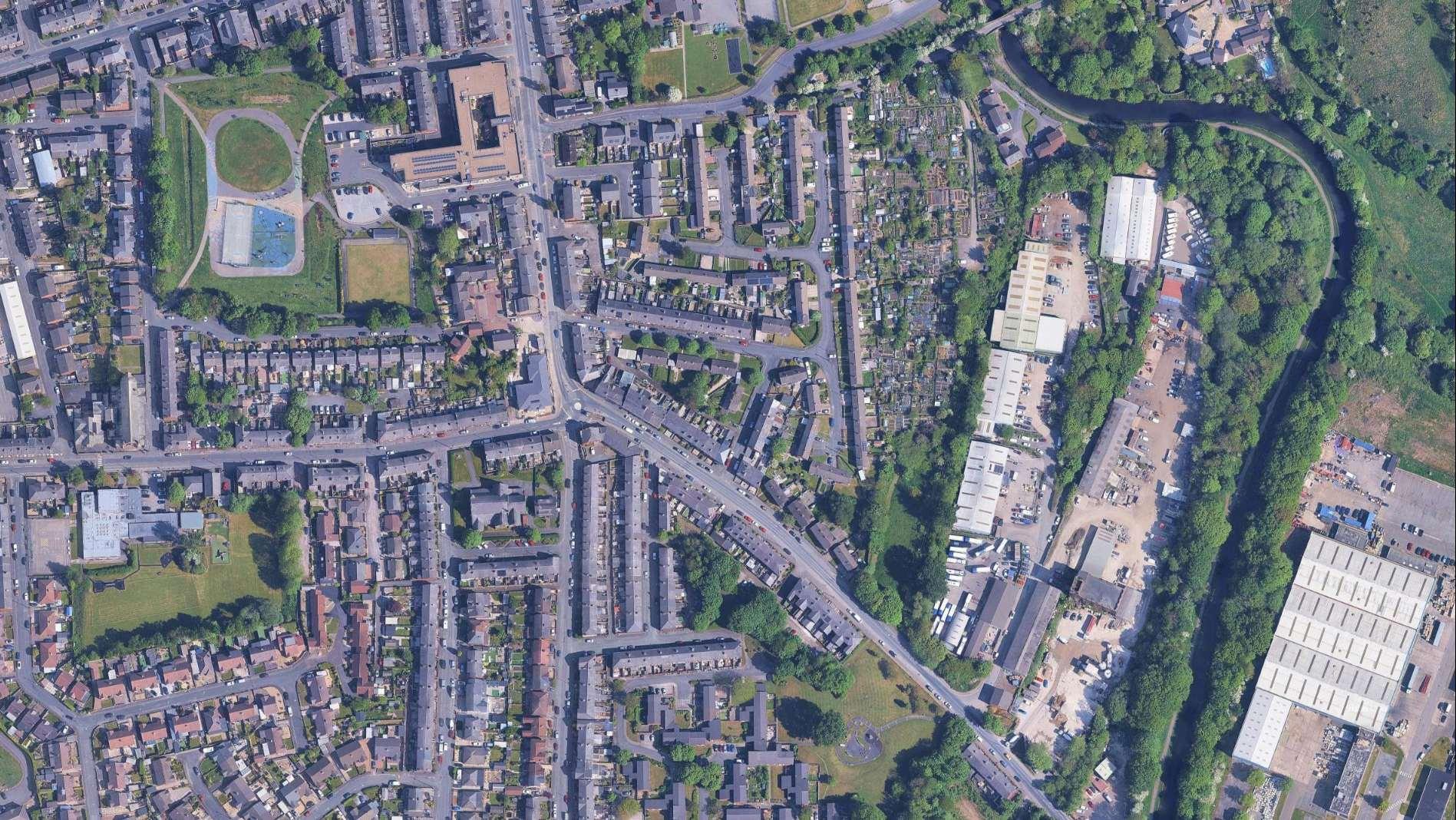
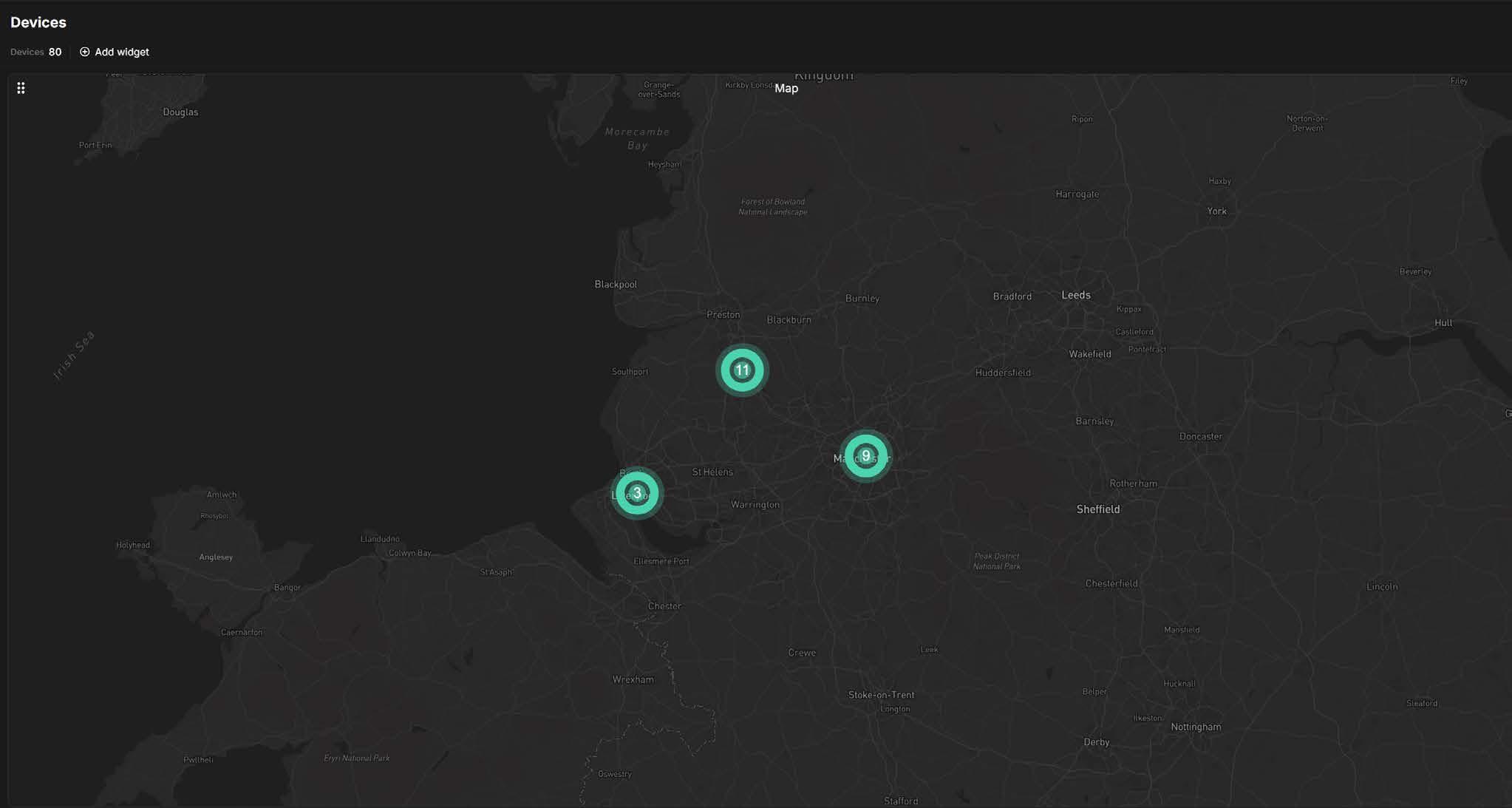
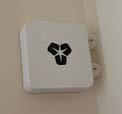
Working collaboratively with Jigsaw, a selection of suitable properties was identified for sensor installation. Sensors were installed across properties in the Chorley area during mid-March, followed by installations in Manchester on 1st and 2nd of April 2026.
The sensors continuously monitor internal temperature and relative humidity, providing valuable insights into environmental conditions that may contribute to damp and mould formation. The monitoring period extends over approximately three months, enabling the collection of sufficient data to provide a holistic view of each property's performance and potential risk factors.
Using the data gathered, wienerberger will assess the properties and identify those exhibiting conditions that could lead to future damp and mould issues. Where risks are identified, recommendations will be provided to address underlying causes and improve the property's overall thermal performance. In addition, Wienerberger will propose measures designed to achieve the target EPC rating and will provide a warranty confirming that the specified EPC outcome can be achieved.
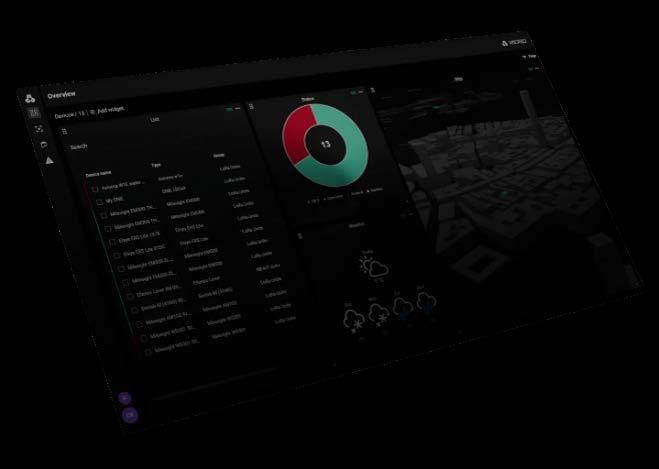
Dashboard Display
Sensors Location and Performance
Sensor Reading
Date Span. Live Temperature Live Humidity
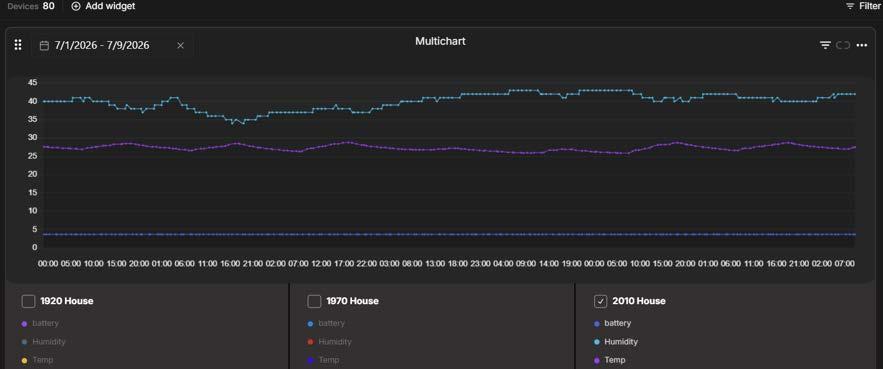
Battery Life Time Stamp
Monitoring
Purpose of Monitoring

The primary objective of this programme is to establish baseline environmental conditions across 12 selected Jigsaw properties. By capturing temperature and humidity data over extended periods, we can identify which properties are performing well and which require retrofit intervention to improve comfort, health, and energy efficiency. This baseline data enables targeted prioritisation of works, ensuring resources are directed to the properties with the greatest need.
Current Data Availability
At present, complete data is available for 8 of the 12 properties. Data is currently unavailable for four properties within the monitoring portfolio. As a result, the analysis and prioritisation presented in this report are based on the 8 properties for which data has been successfully captured.
Monitoring Duration and Period:
The current dataset spans April 2nd to June 3rd, 2026, approximately nine weeks covering the transition from cool spring conditions into early summer.
Data Analysis Framework:
Each property is assessed against the following parameters:
Temperature Profile
• Average temperature: The central tendency over the monitoring period
• Range: The spread between minimum and maximum readings
• Stability: The degree of fluctuation (smooth vs. oscillating traces)
Humidity Profile
• Average relative humidity (RH): The midpoint of moisture levels
• Range: The spread between dry and humid extremes
• Time in ideal bands (40–60% RH): The proportion of hours within the recommended comfort zone
• Exceedances: Frequency and duration of readings above 60% or be low 40%
Moisture Risk Assessment
• Condensation potential: Calculated from temperature and humidity combinations to identify surfaces at risk of moisture accumulation
• Mould risk indicators: Sustained periods above 60% RH with temperatures above 15°C
• Dry air risk: Sustained periods below 40% RH that may cause discomfort or fabric damage
Contextual Notes on the Monitoring Period
The monitoring period coincided with a prolonged regional heatwave. During this time:
• Outdoor temperatures exceeded 33°C on multiple days
• Minimal rainfall was recorded, creating dry external conditions
• Indoor environments were stressed by sustained warm weather, testing the properties' ability to regulate temperature and humidity
Interpreting Humidity Readings
A sustained relative humidity level of 60% or above is generally considered to present an increased risk of dampness and mould growth. However, it is important to distinguish between:
• Persistent high humidity, indicates inadequate ventilation, moisture sources, or poor thermal performance
• Short-term humidity increases, expected during periods of elevated temperatures and do not necessarily indicate a persistent moisture issue
During this heatwave period, short-term humidity excursions were common across all properties. These transient peaks reflect the natural response of indoor air to warmer conditions.
Wioniq Sensor
Property 1
EPC Rating C (valid until 3 March 2035)
The environmental monitoring data shows this is a well-performing home with excellent conditions for everyday living. The property achieves comfortable or optimal conditions, low mould risk, and excellent health conditions, making it a healthy and comfortable place to live.
Key Findings
60 -Day Monitoring

Property 2
EPC Rating C (valid until
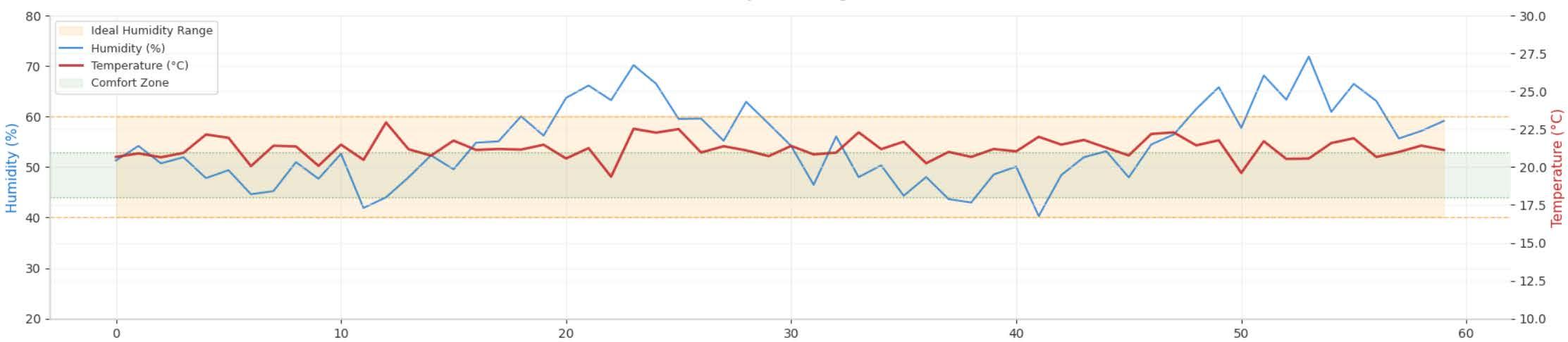
The environmental monitoring data reveals a property with strong humidity health but significant thermal comfort challenges.
Key Findings
60 -Day Monitoring
Property 3
EPC Rating not available for this property
The monitoring data reveals a well-performing residential property with good humidity control, zero mould risk, and outstanding health conditions. The standout features are the exceptional humidity management, and stable health environm ent.
Key Findings
60 -Day Monitoring
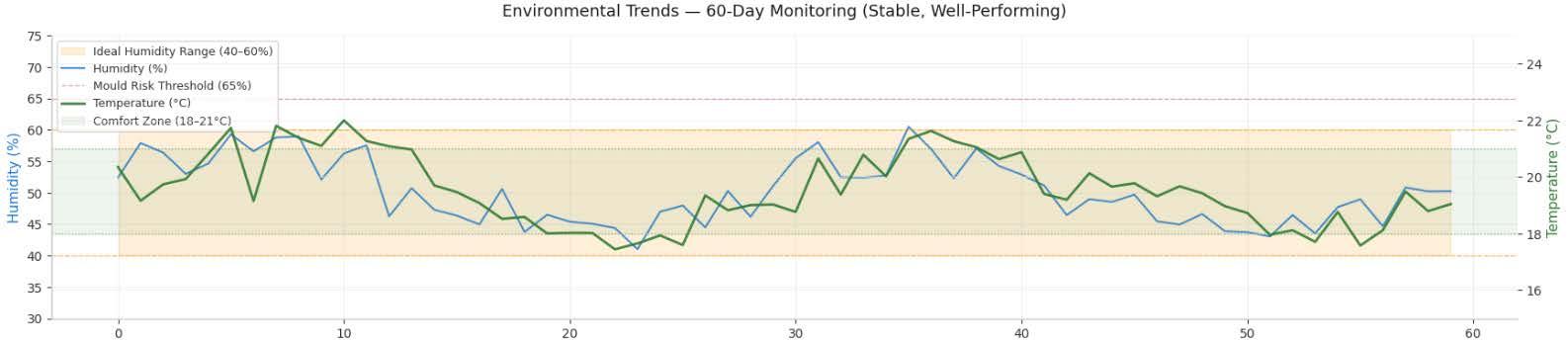
quality is
sits in the ideal range most of the time
Property 4
EPC Rating not available for this property
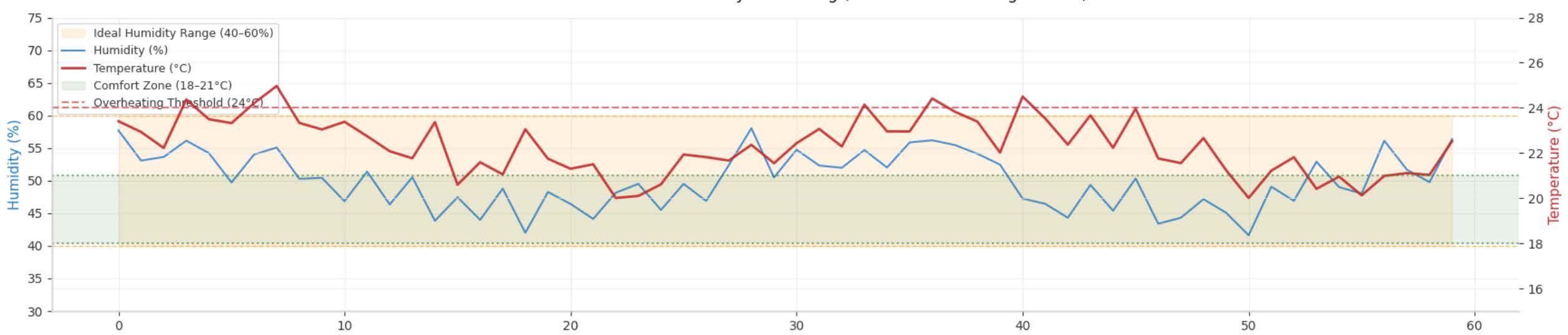
The monitoring data reveals a property with a critical temperature problem. While humidity control is ideal range, low mould risk, and health conditions are outstanding, the property suffers from chronic overheating. The average temperature is 22.9°C, well above the 21°C comfort maximum, with 85.4% of time above 21°C and 26.2% above 24°C. This creates a hot, stuffy environment where occupants are uncomfortable for 67.9% of the time.
Key Findings
Humidity Control
87.4% in ideal 40-60% range
60 -Day Monitoring
Above 21oC comfort max
Average above comfort max 26.2% above 24oC Thermal Confort
Property 5
EPC Rating B (Expired - valid until 23 February 2025)
The environmental monitoring data reveals three distinct rooms, Rear Bedroom, Front Bedroom, and Living Room, each with unique humidity and temperature profiles. Overall, the property shows generally well-controlled humidity with most time spent within or near the ideal 40–60% range, but exhibits significant temperature volatility and heating system short-cycling across all rooms. The Rear Bedroom is the most problematic, with the widest humidity swings and coldest temperatures.
Key Findings
60 -Day Monitoring

Property 6
EPC Rating C (valid until 5 June 2035)
The monitoring data reveals a flat with significant room-to-room variation. The Living Room performs well: comfortable or optimal, low mould risk, and excellent health conditions. However, the Hallway is a serious concern: only 33.3% comfortable or optimal, with 28% of time above 60% humidity, 88% of time below 18°C, and 11.2% of time in moderate to high mould risk. The hallway is cold, humid, and approaching mould-prone conditions, a classic "problem zone" in flats where ventilation is poor and heating is minimal.
Key Findings
Living Room
80% in ideal 40-60% range
60 -Day Monitoring
Hallway
Critical Mould Risk
28% above 60% humidity 88% below 18oC

Property 7
EPC Rating C (valid until 16 March 2035)
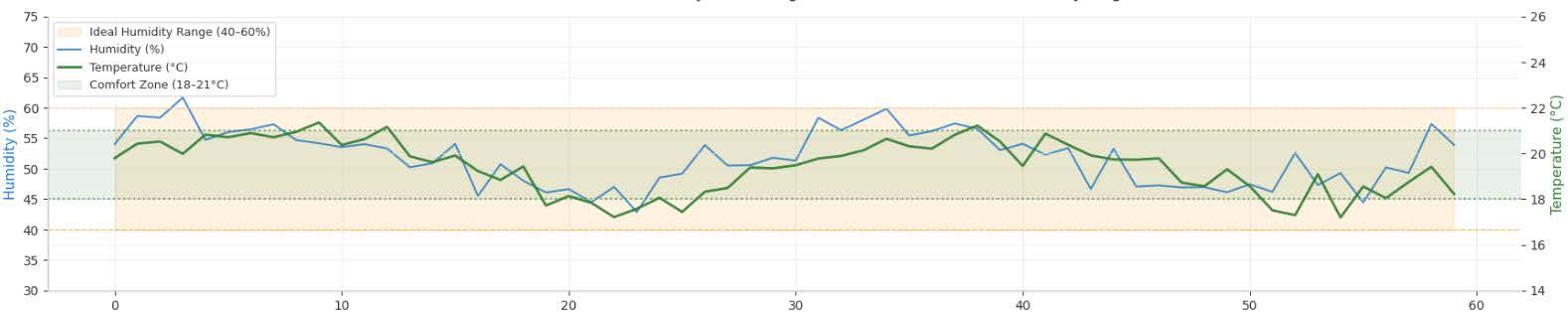
The environmental monitoring data shows this is a comfortable and healthy home to live in. The property achieves comfortable or optimal conditions, low mould risk, and excellent health conditions. This means the air feels right nearly all the time, there's no musty damp smell, and the temperature stays pleasantly steady without the frustrating "too hot, too cold" cycle common in many homes.
Key Findings
60 -Day Monitoring
Property 8
EPC Rating B (valid until 7 May 2036)
Key Findings
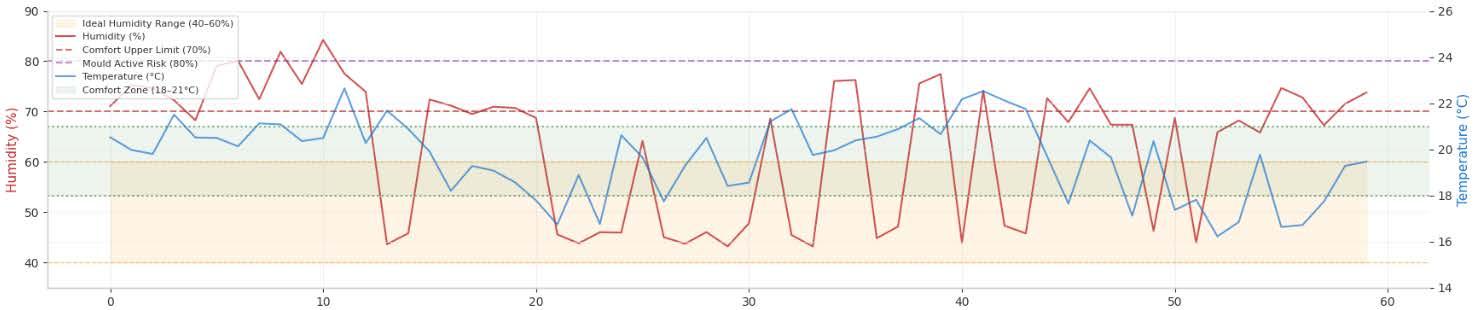
The humidity data reveals a property that spends the majority of its time outside the ideal comfort range. Humidity Control 22% in ideal 40-60% range
outside comfort zone
Sharp swings, no consistent thermal environmental
60 -Day Monitoring
Conclusion
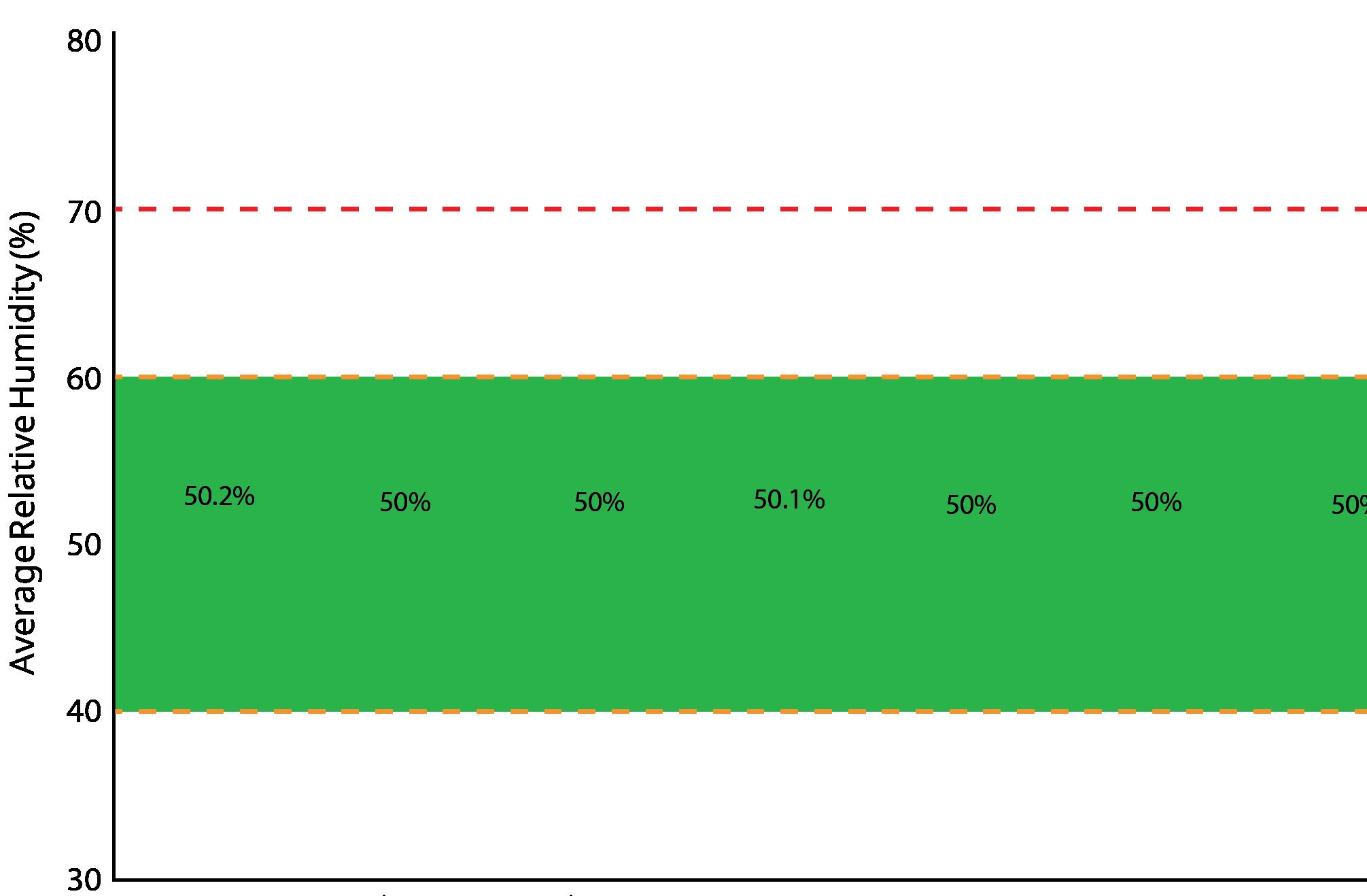
Analysis of the eight properties with complete sensor datasets reveals heterogeneous performance across the Jigsaw Homes portfolio.
Well-Performing Properties: Properties 1, 3, and 7 demonstrate stable relative humidity profiles, negligible mould risk indices, and satisfactory thermal comfort metrics. These dwellings require minimal retrofit intervention.
Properties Requiring Thermal Performance Improvements: Properties 2 , 4, and 5 exhibit temperature volatility, episodic overheating, or heating system shortcycling indicative of suboptimal building fabric performance or heating system inefficiencies.
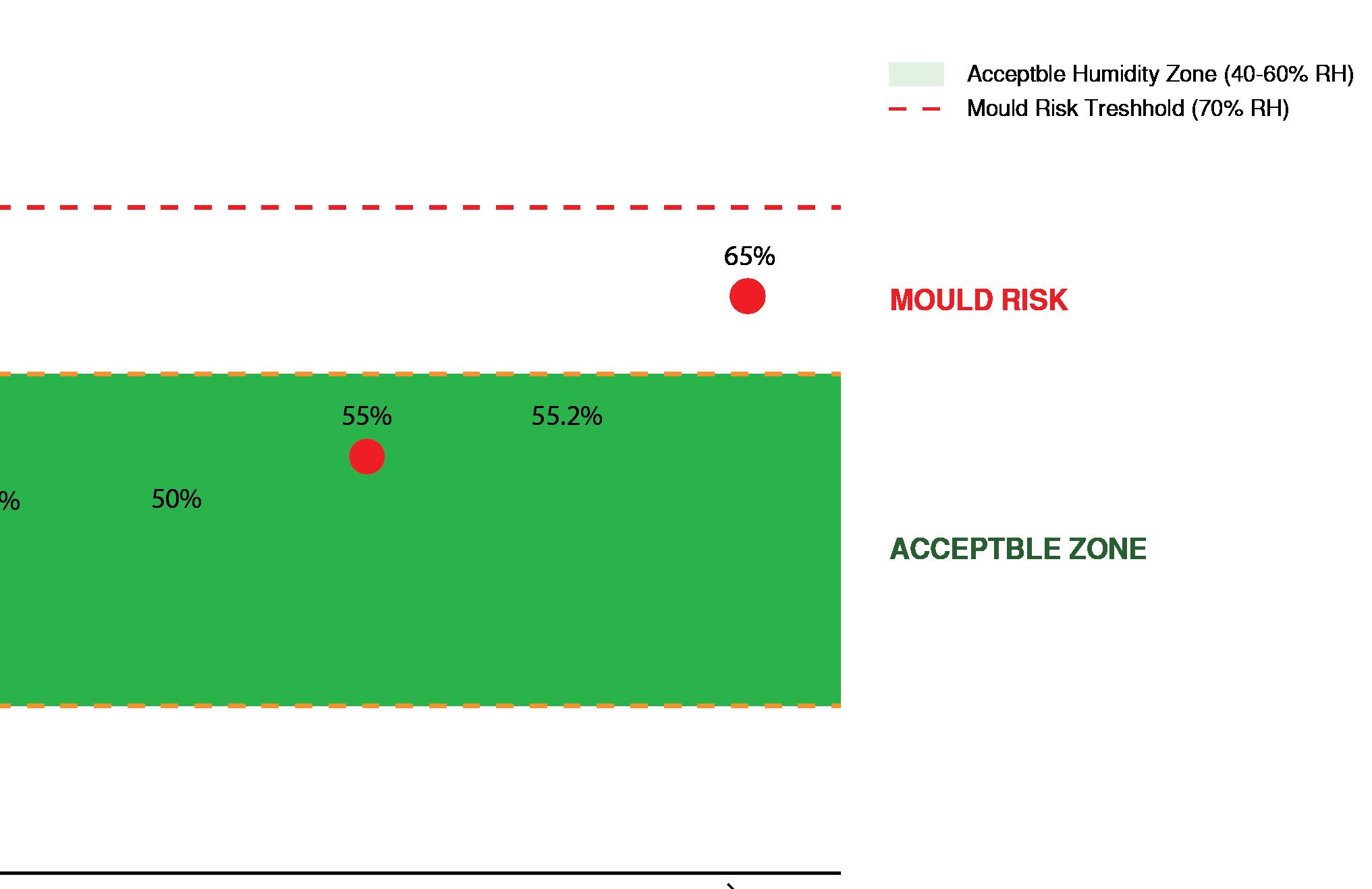
Properties Requiring Urgent Intervention: Property 8 and 6 present elevated mould risk, inadequate humidity control, and cold/humid environmental conditions constituting occupant health hazards. For Property 8, the following actions are recommended:
• Conduct a site inspection to verify mechanical ventilation system functionality and assess background ventilation rates
• Implement occupant engagement measures, including guidance on moisture generating activities, adequate heating provision, and mould prevention protocols.
The high EPC rating at Property 8, the observed environmental conditions suggest that performance gaps are attributable to occupant behaviour patterns and/or ventilation deficiencies rather than building envelope performance.
The recommended intervention hierarchy is as follows:
1. Immediate priority: Property 6, comprehensive investigation required.
2. Secondary priority: Properties 2 and 4, thermal comfort upgrades.
This prioritised approach is designed to maximise impact on occupant health outcomes, thermal comfort, property value, and fuel poverty mitigation.
Methodological Limitation: It is acknowledged that monitoring was conducted during the warmer months of the annual cycle. Supplementary winter monitoring is strongly advised, as seasonal conditions typically exacerbate humidity, temperature, and mould-related pathologies.
Next Phase:
Subject to Jigsaw Homes Group's approval and with the consent and cooperation of the tenant, the next phase of the programme will comprise detailed property surveys undertaken by Wienerberger. These surveys will form an integral part of the ongoing assessment programme, providing a comprehensive evaluation of each property's condition to identify areas requiring intervention and to inform future investment decisions.
Surveys and Assessment:
1. Measured Building Survey
2. Intrusive Survey
3. Retrofit Assessment
1. Measured Building Survey
• Full measured survey of all floors which will include, but not limited to, the following: all structural features, doors, windows with cill and head heights, stairs, down stands with heights to the underside, sanitaryware, main service entry points, major plant and equipment and IFL's throughout.
• Detailed elevations of all perimeter façades including any partial neighbouring properties.
• Information to include all structural features, architectural and window detail, ground levels, roof profile, exposed pipe and ductwork and fixed M&E (radiators, switches and sockets).
• 2 no. sections as specified which highlight the main internal structural arrangement, the profile of the building envelope and ground levels.
• Indicative Roof Plan.
• Aerial Photographs (Weather and permissions dependent)
2. Intrusive Survey
The intrusive survey examine areas that are not readily visible or accessible. This may involve lifting carpets or floorboards, drilling holes, removing tiles, or taking off plaster as necessary for a comprehensive assessment of the property.
3. Retrofit Assessment
• Energy Performance Report
• RdSAP Evidence Report
• Occupancy Assessment
• Condition Report
• Significance survey
• RdSAP xml
• SAP xml RdSAP lig xml
Date issued: July 2026