

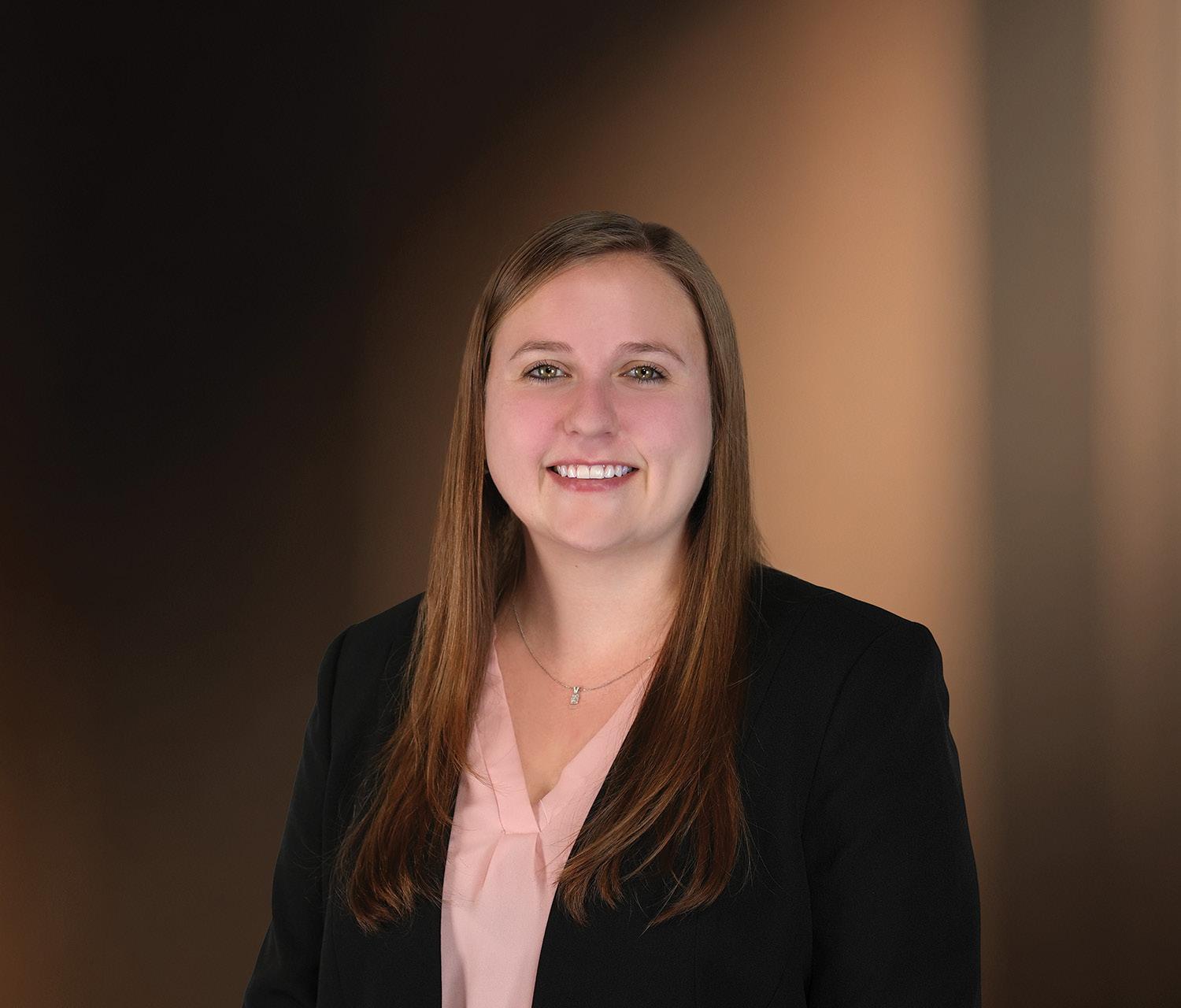

6 (Giving) Back to the Future
Allyson Hofstede, CPA, is making meaningful contributions to the profession that continues giving to her. The recipient of the WICPA’s 2025 Woman to Watch Excellence Award knows that forward momentum is built on contribution.
By Sharon Zalewski
12 CPA 1031 Transaction Tax Advising Taxpayers should always involve their CPA or other tax advisor early in the process. While many or most do, taxpayers sometimes do not seek (or tax advisors sometimes do not suggest) all needed advisor assistance.
By John A. Sikora, JD
16 CPA Firms and Policies Around AI
Firms have seen artificial intelligence embedded in traditional applications for tax research and audit assistance for several years, and generative AI products have added a level of complexity and risk.
By Neil Fauerbach, MBA
20 Roth Conversions for Estate Planning
Roth conversions have always had the potential to unlock hidden value, but many practitioners focus narrowly on bracket arbitrage.
By Robert S. Keebler CPA/PFS, MST, AEP (Distinguished), CGMA
26 INVESTMENT PLANNING
Trump Accounts: What Accounting Professionals Need to Know
The One Big Beautiful Bill Act created a new tax-advantaged savings and investment vehicle for children, giving families another way to save for a child’s future.
By Christopher Olson, CPA
30 EDUCATION FUNDING
The New and Improved 529 Plan — Not Just for College Anymore Young adults can open and save in their own 529, but these are no longer just for college or for young people.
By Sandi Weaver, CPA, CFP, CFA


34 PROFESSIONAL DEVELOPMENT
CMMC Has Launched, Leaving a Resource Shortage in Its Wake: Are CPAs Positioned to Fill the Readiness Gap?
For many companies, especially manufacturers, fabricators and/or specialty suppliers, the expanding radius of the efforts to secure the U.S. defense industrial base will reach their doorstep this year.
By Jeffrey T. Lemmermann, CPA, CISA, CITP
38 REGULATORY UPDATE
1099-R Billing Project Update
Annually, DOR receives information from third parties and the Internal Revenue Service. DOR uses that information to send single-issue bills.
By Jennifer Dambach, CPA
On Balance is published five times a year by the Wisconsin Institute of Certified Public Accountants (WICPA). Change of address should be sent to: Membership, W233N2080 Ridgeview Pkwy, Suite 201, Waukesha, WI 53188; Phone: 262-785-0445 or 800-772-6939; Fax: 262-785-0838; email: comments@wicpa.org. Statements and opinions expressed are those of the authors and not necessarily those of the WICPA. Publication of an advertisement does not constitute an endorsement of the product or service by On Balance or the WICPA. Articles may be reproduced with permission. © Copyright 2026 On Balance
2025-2026
WICPA OFFICERS/BOARD MEMBERS INSIDE STAFF
Chair
Stacy A. Stinson, CPA, MBA
Chair-elect
Neil R. Keller, CPA
Past Chair
Ryan J. Hanson, CPA, CGMA
Secretary/Treasurer
Christopher M. Cholka, CPA, CGMA
Directors
Michael D. Donahue, CPA
Jessica B. Gatzke, CPA, MST
Benjamin J. Hauser, CPA
Tori M. Morrow, CPA, CGMA, MBA
Sali L. Sheafor, CPA
AICPA Council
Neil R. Keller, CPA
Wendi M. Unger, CPA

President & CEO
Tammy J. Hofstede
Design & Layout
Brett Stallman
Advertising Sue Daniels
Editor
Brent Roberts
Printing Special Editions

Bank-A-Count Corp. is a leading national printer of business checks located in central Wisconsin with an unwavering focus on low prices and exceptional customer service. We offer a variety of complementary items, including deposit products, pre-inked stamps, and custom print and mailing services.
CTaccess is a technology performance company. We use technology to improve how people work. As a managed services provider, we deliver people-focused, secure and operationally efficient outsourced IT. We also specialize in automating business processes with advanced workflow, artificial intelligence and e-form solutions.
H NEW Affinity Partner H
Wisconsin CPAs: Unlock smarter tech with Ontech Systems! From IT support to customized solutions, we help businesses streamline operations and boost security. Ready to focus on what matters most? Discover how Ontech transforms tech headaches into competitive advantages. Your future-proof IT partner is here.
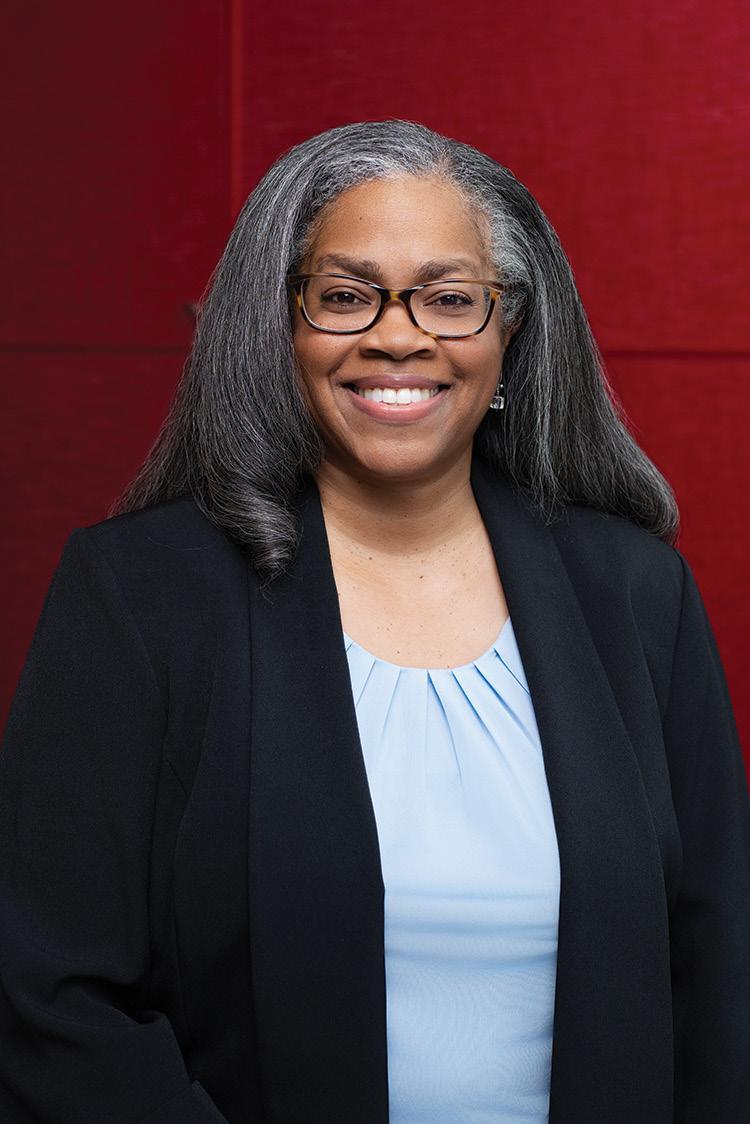
“Our professional value increases when we build relationships with people, not just profiles, in the profession, industries and communities we serve. Remember, a call or note from you may brighten someone’s day.”
By Stacy A. Stinson, CPA, MBA
Over the past months, I have attended several WICPA conferences and events. The information presented by our speakers was engaging, relevant and informative. However, I have been in awe of the connections (potential and realized) in the room to support our clients, students and stakeholders. I talked with our sponsors, who provide us with excellent products and services that support us personally and professionally. At one event, I met a recent LinkedIn connection IRL (in real life), a term I learned during COVID when using my VR headset. She introduced herself, and it felt like we had known each other for longer than a few days. It was awesome to share a conversation IRL, even for a few minutes. I left the interaction and reflected on how to make my professional “connections” more meaningful beyond the obligatory, transactional “accept” or “follow.”
Where did I start? LinkedIn, of course. I noticed the number of connections that I had (1,216) and started scrolling down the list. I noted that there were many people I knew personally, some I knew professionally and others I had no real connection with beyond hitting the accept button. I also reviewed my messages and saw that I had not ended some chats and that others had not concluded a chat or responded to me. I thought about how awkward this interaction would have looked IRL: You ask a question, and then I turn and walk away (or vice versa); no hard feelings — just gone. A funny thought, but it happens online. So, I decided to think less about my network and more about my relationships.
For me, this meant attending as many WICPA events as possible, talking less and listening more. When attending national events, I reached out to other board chairs and CEOs from various states and shared conversations on service to our members and laughter about our flight woes over a meal. The connection ended with sharing phone numbers and emails — not through a platform but because of a mutual connection beyond the numbers.
I said yes to additional committee service at work and provided LinkedIn introductions between my students and colleagues who I know personally. I also planned a lunch with a colleague and friend to catch up on the time we missed sharing stories from our personal lives because of the hustle and bustle of busy days.
What have I learned through being intentional about listening and reaching out to people? Two of my accounting students are now flight attendants; I have connections willing to help people with employment; and I have people in my network who are gamers, travelers, mountain climbers, skiers, hunters, pilots, jewelry makers, wedding planners, ballroom dancers, coaches, community volunteers and triathletes — beyond our shared connections in this great profession. This is in addition to the many professional successes within my networks.
Building a strong network should start with creating meaningful relationships so that we do not lose sight of the human connection. We should seek to provide help and support to each other — not just to clients or stakeholders. Our professional value increases when we build relationships with people, not just profiles, in the profession, industries and communities we serve. Remember, a call or note from you may brighten someone’s day.
So, I hope to see you at the WICPA Business & Industry Spring Conference, on Tuesday, March 24, in Brookfield; the Bowling Night on Thursday, April 30, in New Berlin; and our Annual Membership Recognition Banquet on Friday, May 8, in Brookfield, where we can connect IRL. It has been an awesome year serving you as board chair. Let’s continue to be visible, vocal and proud of what we do!
Stacy A. Stinson, CPA, MBA, is assistant professor of accounting at Concordia University and the 2025-2026 WICPA board of directors chair. Contact her at 262-243-2099 or stacy.stinson@cuw.edu.
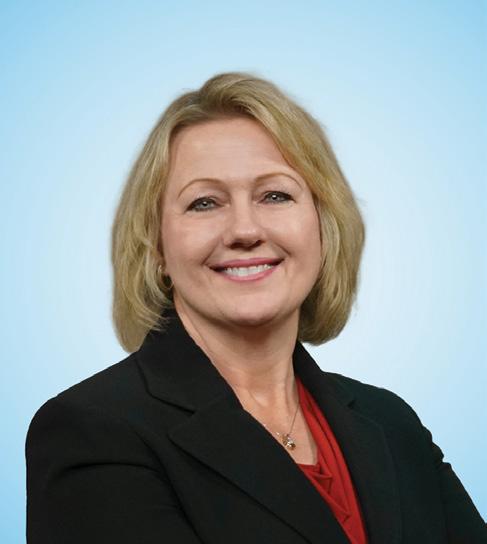
“Your support strengthens our ability to provide expert guidance that lawmakers rely on. When the WICPA is at the table, policymakers get better information — and Wisconsin gets better laws.”
CPAs are entrusted with protecting the financial integrity of the organizations, communities and clients they serve. It’s a responsibility that is carried out with pride — and one that requires maintaining a strong, respected voice in the legislative and regulatory arenas.
Every year, impactful decisions are made in Madison that shape how our profession operates: tax policy, licensing standards, audit regulations, financial reporting requirements, workforce pipeline initiatives and more. These decisions influence our day-to-day work, our long-term strategic planning and the public trust that defines the profession.
At the WICPA, we work every day to ensure that YOUR credential, YOUR expertise and YOUR ability to serve clients and employers are protected and strengthened. Strong advocacy is not optional; it is essential.
Protecting the CPA credential in Wisconsin
Wisconsin continues to experience the same pressures seen nationwide: proposals that could weaken or alter the CPA license, redefine regulated services or impose regulatory burdens that impact firms and businesses.
The WICPA works directly with lawmakers, agencies and state boards to ensure that:
• Wisconsin’s CPA licensing standards remain strong and respected.
• Any proposed legislation considers the real-world impact on CPAs and the public.
A collective investment in our profession’s future
The WICPA’s legislative efforts are not about partisanship — they’re about protecting your livelihood and the profession’s ability to serve the public. Advocacy ensures that:
• CPAs remain trusted leaders and advisors.
• Wisconsin maintains a strong business climate.
• Our profession continues to evolve in a responsible, practical way.
Ensuring our expertise shapes policy, not circumstance
CPAs bring a unique perspective grounded in analysis, accuracy and practicality. When legislators hear from us early — before decisions are made — policy outcomes improve. Advocacy funding strengthens our ability to:
• Educate policymakers on the real world impact of proposed legislation.
• Develop proactive solutions rather than react to unintended consequences.
• Ensure financial policies support economic stability and growth.
• Maintain our seat at the table during key discussions. When we invest in advocacy, we are investing in informed lawmaking.
The WICPA’s advocacy delivers tangible results for CPAs, firms and the clients and communities they serve. Recent initiatives include the following:
The WICPA’s strong relationship with the WIDOR significantly improved the experience for practitioners and taxpayers during the department’s Qualified Charitable Distribution billing project. Our collaboration ensured issues were promptly addressed and members’ clients received needed support.
Annual state tax conformity
The WICPA works with legislators and the WIDOR to reduce complexity for practitioners and taxpayers. Our efforts focus on reviewing state tax statutes, identifying inconsistencies with federal law and recommending updates that streamline compliance. This includes working to conform state tax laws to relevant federal provisions and removing outdated or obsolete statutory references.
3 Creation of a third pathway to CPA licensure
The WICPA introduced and successfully passed legislation in both houses (now awaiting the governor’s signature) to establish a third pathway to obtain a CPA license, recognizing a combination of education and meaningful work experience This modernized option helps strengthen the CPA pipeline while maintaining high professional standards.
3 Legislation to equalize interest rates on tax overpayments and underpayments
The WICPA introduced legislation to bring Wisconsin’s interest rates on tax overpayments and underpayments into alignment with surrounding states, promoting fairness for taxpayers and creating a more competitive and consistent tax environment.
These accomplishments demonstrate the real impact of strong, sustained advocacy — and the importance of member support.
YOUR support strengthens our ability to provide expert guidance that lawmakers rely on. When the WICPA is at the table, policymakers get better information — and Wisconsin gets better laws.
But maintaining that influence in Madison doesn’t happen by accident. It requires consistent, proactive advocacy — and that advocacy is possible only because of members who support our legislative efforts and invest in the future of the CPA profession.
This is why YOUR legislative engagement — and YOUR contributions to advocacy efforts — are essential. Your legislative contributions help ensure the WICPA can respond quickly, educate policymakers and protect the reputation and value of the CPA credential.
Stand with us. Lead with us.
Your participation ensures the CPA profession remains strong, respected and future focused — today and for the generations who will follow.
Protect your credential. Influence policy. Support the future of Wisconsin CPAs.
Tammy J. Hofstede is president & CEO of the WICPA. Contact her at (262) 785-0445, ext. 4518 or tammy@wicpa.org.


Allyson Hofstede, CPA, is making meaningful contributions to the profession that continues giving to her.
By Sharon Zalewski
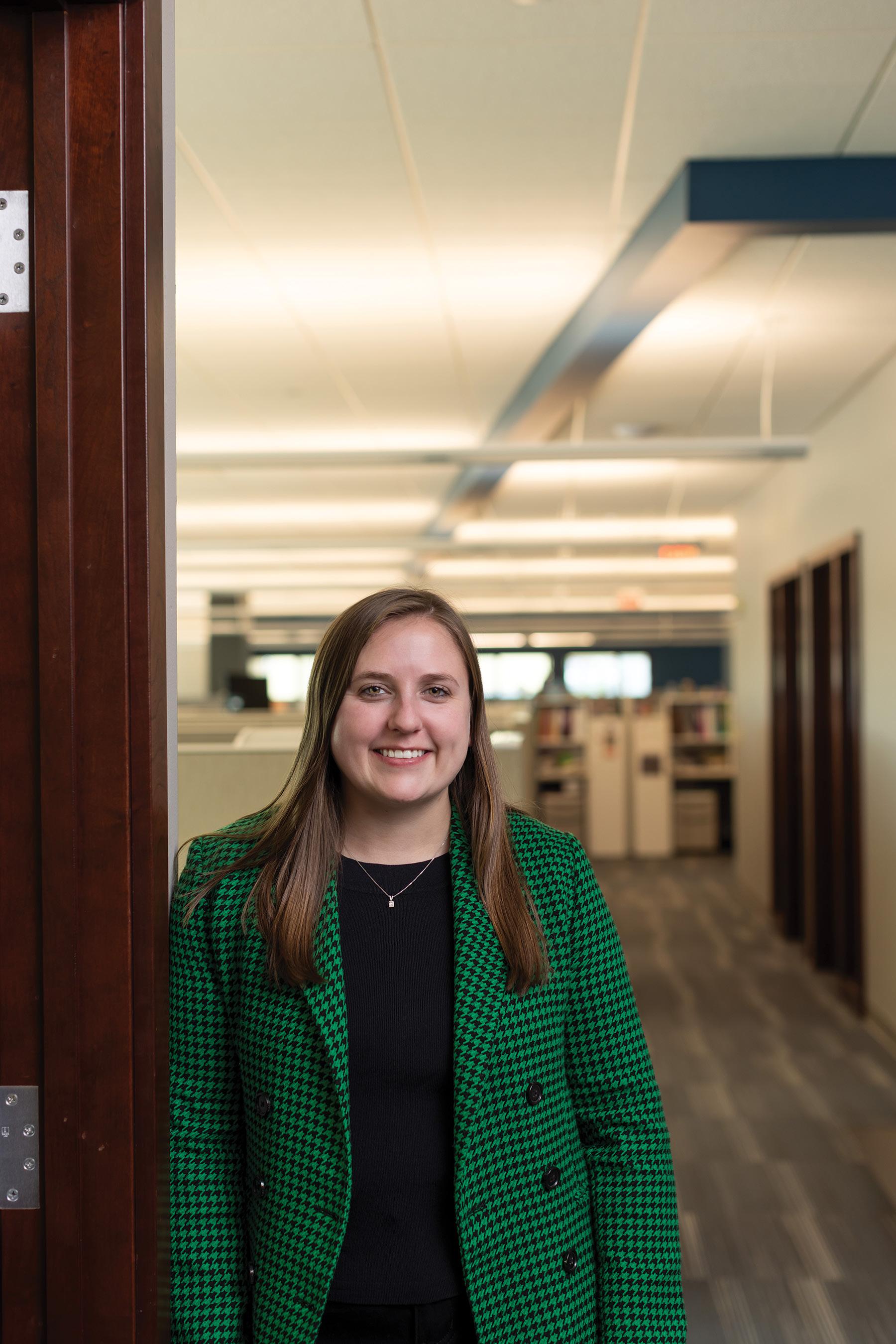
Allyson Hofstede, CPA, recipient of the WICPA’s 2025 Woman to Watch Excellence Award, knows that forward momentum is built on contribution. That belief has shaped her career — from early involvement with the WICPA to public accounting and, more recently, a leadership role in industry. Along the way, Hofstede has found meaningful ways to give back to the profession that has continually supported her growth.
Early influence
Hofstede’s earliest exposure to accounting came close to home. Her mother, WICPA President & CEO Tammy Hofstede, was (perhaps unsurprisingly) present in her earliest accounting memory. At the time, the elder Hofstede served as the association’s accounting coordinator. “On days I was off from school and she had to work, I’d tag along and fall asleep under her desk,” the younger Hofstede recalls.

“
Hofstede became a WICPA member herself, emboldened by accounting’s stability as a career choice and supported by an Educational Foundation scholarship that helped fund her studies.
Years later, recognizing her daughter was a natural problem solver, her mother encouraged her to fill an open spot in her high school schedule with an accounting class. She enjoyed it enough to switch her intended major at Valparaiso University from psychology to accounting.
Two summer internships with the WICPA further solidified her interest, offering firsthand exposure to both the profession and the association that supports it. Hofstede became a WICPA member herself, emboldened by accounting’s stability as a career choice and supported by an Educational Foundation scholarship that helped fund her studies.
As an undergraduate who “picked up the debits and credits and T-charts quickly,” Hofstede frequently heard the same advice: “Get into a Big Four if you can.” That guidance led to an internship at KPMG, which ultimately became her professional home after graduation.
“KPMG set me up for success because it offered so many opportunities,” she says, noting that the firm also covered the
cost of her CPA Exam and related prep course. The diverse client base was equally appealing. “Because our Milwaukee office was fairly small, I worked across numerous industries, gaining exposure to a wide range of processes and high-risk areas, which led to finding my preference of working in the insurance industry.”
Hofstede also credits public accounting with accelerating her professional development. “One of the best parts is starting with a group of peers — you grow up together,” she reflects, adding that the fast-paced environment also sharpens critical thinking skills. “While there were long hours sometimes, my teams made it manageable and fun,” she observes.
As she dove into her new role, her engagement with the WICPA deepened. She joined the Young Professionals Committee, regularly attending its networking events and connecting with professionals from across public accounting, industry and finance. “It was beneficial to meet members, learn about their experiences and build a supportive professional community,” she says.
Hofstede had long desired an overseas rotation, and as a global firm, KPMG made domestic and international transfers accessible. When the firm secured a global reinsurer as a new client, the engagement created a unique opening. As KPMG’s Switzerland office wasn’t yet large enough to staff the audit, professionals from around the world were recruited, including Hofstede, to form a 60- to 65-person


language and cultural differences broadened her worldview and strengthened her professional versatility.
Moving from the Midwest (with her cat, Lily) to a more candid, direct environment was challenging, but it ultimately strengthened Hofstede’s confidence. A personality assessment taken each year during the assignment reflected that growth. While it initially highlighted her focus on harmony and collaboration, her archetype evolved to reflect a growing emphasis on self-development, continuous learning and modeling those behaviors for others.

Outside of work, Hofstede built close friendships with other expats. Because the engagement was a first-year audit, the workload was demanding and required long hours. “Starting in October, we worked two weekends a month to stay on track for issuance in March,” she said. On the weekends they weren’t in the office, she and a friend made travel a priority, taking advantage of Switzerland’s central location, which offered easy access to numerous new and exciting destinations like Paris and Munich.
About six months into her rotation, accounting indirectly gave her an unexpected personal milestone when she met her future husband, Michal, at an Irish pub. While not an accountant, he too had recently moved to Switzerland — from the Czech Republic.
From early in her career, Hofstede had set her sights on becoming a manager with plans to reassess her career trajectory afterward. The year before that promotion, she was offered the two-year rotation to Switzerland. “But when I moved there, I loved it so much that I extended for an additional year,” she remembers. After three years abroad, she returned to the U.S. in 2024 and aimed next for a senior manager role.
Long-standing WICPA connections inspired her to serve as vice chair of the Young Professionals Committee. KPMG
also encouraged her to pursue nonprofit board work. The WICPA’s Educational Foundation felt like a natural fit, given how it had supported her as a student. She joined the board and finds the role deeply rewarding. “It’s meaningful to review applications from college students seeking scholarships or from high school teachers hoping to help their students explore the accounting profession and then allocate the money we’ve raised to support them,” she says.
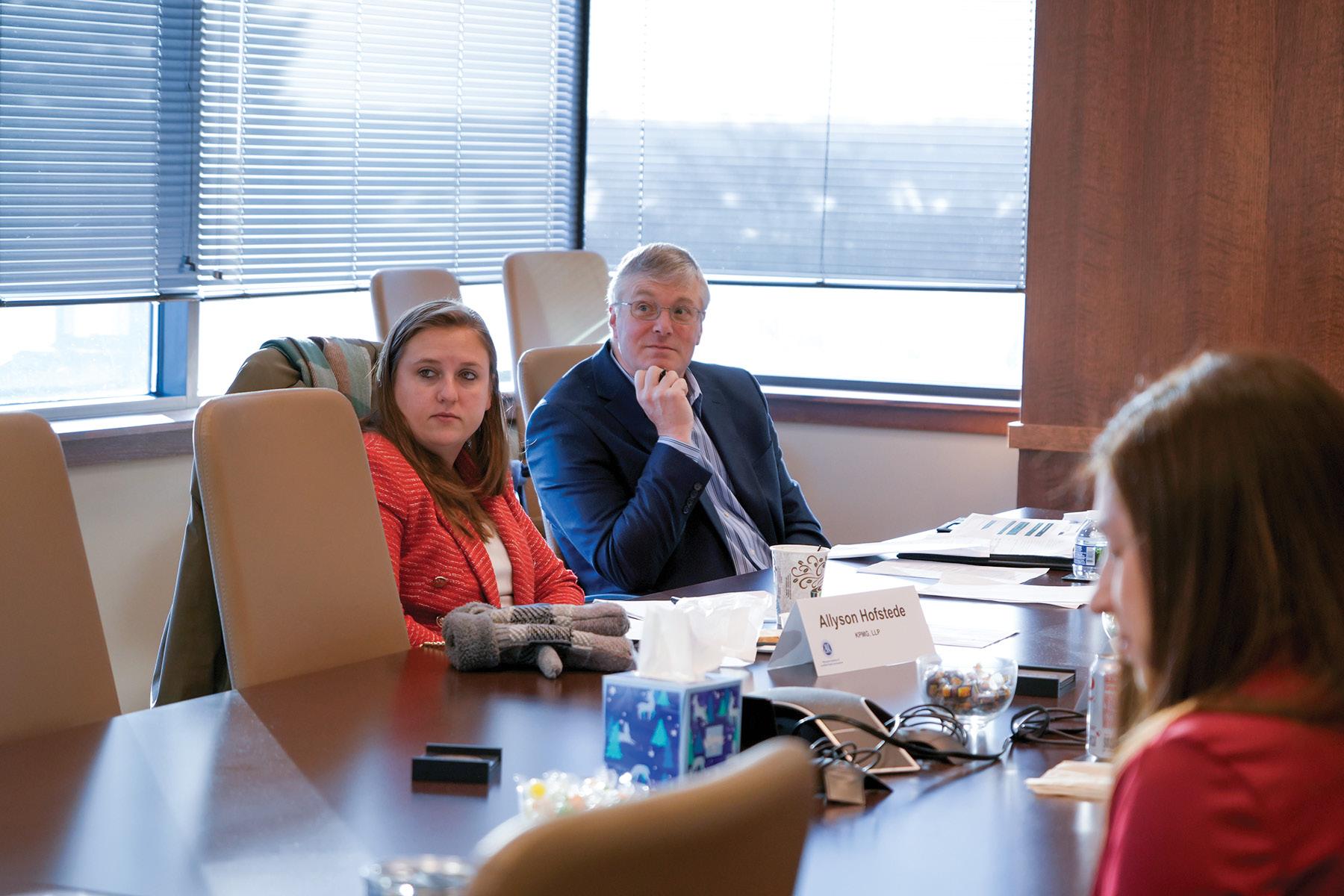
She also has served on the Educator Symposium’s CPA panel for the past two years and spoken at DECA Inc. and Future Business Leaders of America (FBLA) events, and she plans to expand that outreach by sharing her story in high schools. “With baby boomers retiring, it’s critical to support educators in their efforts to attract the next generation to
“
With baby boomers retiring, it’s critical to support educators in their efforts to attract the next generation to accounting — and to show students just how many opportunities the profession offers and that there are organizations, like the WICPA, ready to support them.
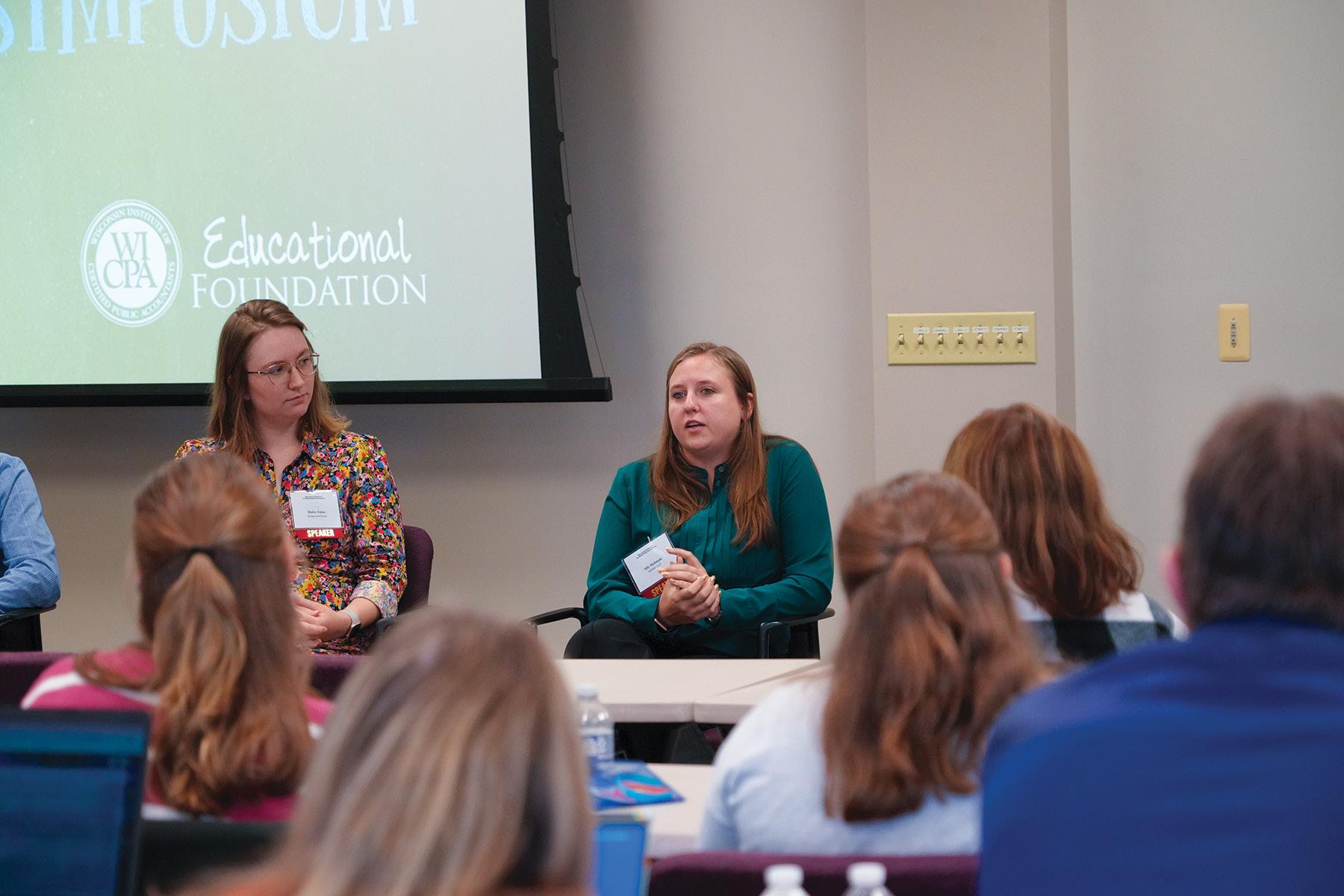
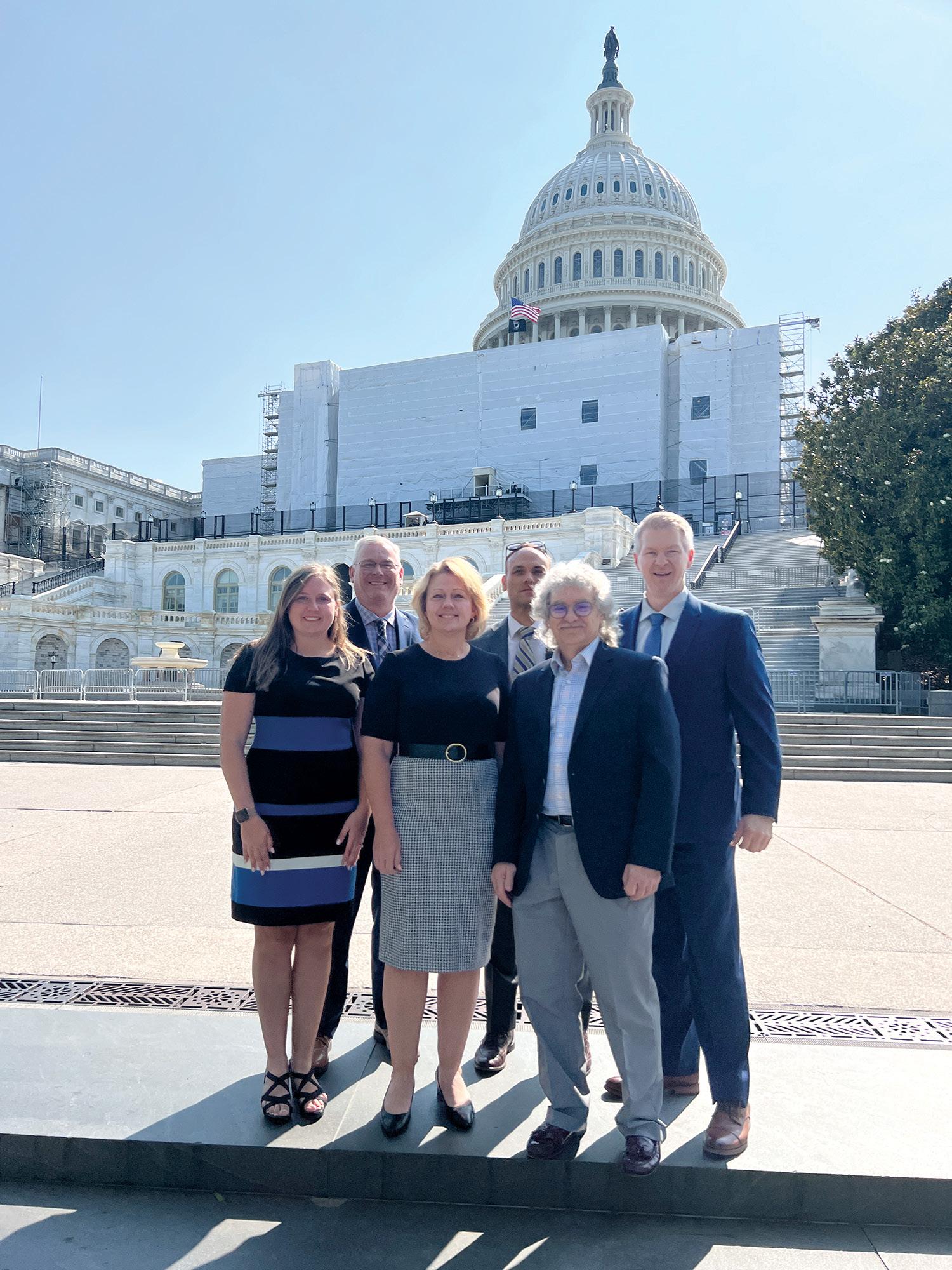
the profession offers and that there are organizations, like the WICPA, ready to support them,” she says. Occasional participation in AICPA networking events in Washington, D.C., has further allowed her to connect with members of other state societies and join meetings with Wisconsin lawmakers who discuss legislation impacting the profession.
Service evolution
A year after her return to the U.S. and promotion to senior manager at KPMG, one of Hofstede’s longtime mentors — whom she had worked with closely for more than four years, including three in Switzerland — left the firm for an in-house
accounting, an opportunity emerged to follow her mentor to industry. “She believed in me and wanted me to join her if doing so aligned with my career goals,” she says. After eight years working at a firm where she started her career, Hofstede was ready for a change and made the move.
As Horace Mann’s director of finance governance, Hofstede oversees the company’s internal control system and related modernization initiatives. Her public accounting background is a clear asset. Having audited public companies,
she understands what effective controls look like and applies her Sarbanes-Oxley expertise in practice. She also works closely with Big Four auditors, using her audit experience to communicate effectively, translate expectations and build mutual trust — a foundation for stronger outcomes.
The move to industry brought a renewed sense of purpose. “Leaving [KPMG] to focus on internal controls — where I can contribute directly, offer a fresh perspective, and help strengthen and advance our processes — makes me feel like I’m having a greater personal impact and giving back to my profession,” Hofstede says.
By bringing her public accounting experience into an industry role, she closed a meaningful loop of contribution. Public accounting had instilled in her technical discipline, objectivity and a broad perspective — qualities that now translate into a grounded sense of effective practices, emerging risk awareness and practical next steps.
While her role as an auditor followed a predictable rhythm — reviewing work, answering questions and managing client relationships — those skills remain relevant. “It was just another way of allocating my time,” she says. In industry, her work is more project based, with a focus on implementing initiatives that strengthen the organization. Her auditor’s perspective translates best practices into practical improvements and efficiencies, supporting long-term organizational resilience.
YOU have the opportunity to impact thousands of students and educators in Wisconsin.
Through your contribution to the WICPA Educational Foundation, you can help us reach students and educators from grade school through college to create awareness about the accounting profession.
As you think about giving back to the profession and your tax planning for 2026, consider donating to the WICPA Educational Foundation.
Questions? Contact Tammy J. Hofstede, WICPA president & CEO at tammy@wicpa.org.
To contribute, visit wicpa.org/EF.
“
Hofstede exemplifies that moving from public accounting to industry is not a departure from service for herself but an evolution of it as she transforms personal experience into organizational value.
Hofstede exemplifies that moving from public accounting to industry is not a departure from service for herself but an evolution of it as she transforms personal experience into organizational value.
And like her profession and volunteerism, that value will become the gift that keeps on giving.
Sharon Zalewski is a freelance writer and editor based in Richfield. Contact her at sharonzalewski141@gmail.com.

William Ahlstrom
Karl Ahonen
Michael Akers
Ronald Altenburg
John Andres
Laura Arnow
Thomas Baker
Steven Barney
Richard Barry
Ann Becker
Leif Bergquist
Nicholas Berich
Michael Berns Sr.
Lawrence Bittner
Karla Blair
Jennifer Bogli
Richard Boulay
James Brandenburg
Erin Breber
Rochelle Brede
Suanne Cain
Ava Casey
Charles Cedergren
David Chapman
Chris Cholka
Timothy Christen
Edward Cichurski
Michela Cobb
William Coleman
Jonathan Crowell
Abbie Daly
Patti Desrosier
Jeff Dewane
Linda Dicks
Michael Donahue
Ryan Donahue
Sean Donahue
Richard Dralle
Dale Ebert
Kathryn Erickson
Gary Ertel
Kate Exner
Jennifer Fahey
Rick Flugaur
David Fohr
Linda Foltz
Robert Foulks Jr.
Spencer Francis
Jeffrey Frank
Charles Freiberg
Ann Freund
Anthony Fuerst
Melissa Fularczyk
Sharon Geertsen
John Gerold
Aaron Gibson
Charles Gierl
Alan Giuffre
Daniel Goelzer
Robert Goldie
Kathryn Golsteyn
William Goodman
Michael Grams
Kurt Gresens
Craig Gretzinger
Molly Griffith
William Grimmer
Randall Grobe
Aaron Grundman
Douglas Haag
Michael Hablewitz
Robert Hartzheim Jr.
Scott Haumersen
Patrick Hoffert
Kathleen Hoffman
Wayne Huberty
Joseph Imhoff
George Jaloviar
Bradley Jansen
Jeffrey Jaschinski
David Johnsen
David Johnson
Elizabeth Johnson
Paul Kersten
Kenneth Klemm
Fr. Kurtis Klismet
Michael Konecny
Thomas Koops
Rosanna Kopling
Craig Koprowski
Thomas Kortas
Dennis Krautkramer
Jason Krentz
Glenn Krieg
Bernard Kristal
David Kuesel
Keith Kwaterski
Gregory LaFreniere
David Lauer
Jack Lee III
Charlotte Liddicoat
Ronald Ligman
Richard Lindgren
Thomas Luken
Patrick Lyons
Muriel Marx Hoffmann
Lucretia Mattson
Michael McNamara
Patrick Mehigan
Linda Meyers
Glen Milkus
Robert Miller
Karen Monfre
Tori Morrow
Chad Neumann
Terence Niewolny
June Norman
Gerald Ontko
Michael Panas
Patrick Pennefeather
Jeffrey Peterson
Sandra Peterson
Ray Petkovsek
Avelina Poppert
James Possin
Daren Powers
Gerald Powers
Michelle Puls
Richard Reale II
Mary Repka
Joseph Rock
Ronald Roder
Betty Roethle
Michael Ronk
James Rose
Kenneth Rose
Henry Rueden
John Sawtell
Matthew Schaefer
Thomas Scheidegger
David Schlichting
Robert Schneider
Harold Schroeder
Steven Seymour
Dan Smith
Jane Somers
Richard Spencer
Josephine Stahl
Earl John Stevens
Stacy Stinson
Thomas Stolper
Angela Storm
Terry Strittmater
William Tatman
Martin Thomas
Dennis Tomorsky
Scott Tracy
Kim Tredinnick
Debra Trost
Craig Uselman
Lynn Visser-Young
James Wagner
Roberta Ward
Paula Wegner
Joseph Wenzler
Sarah Whyte
Thomas Wieland
George Wiesner
Susan Wilcox
Raymond Wilson
Robert Wittke Jr.
Richard Woelfel
James Woloszyk
Michael Zongolowicz




By John A. Sikora, JD
Several professionals, advisors and others including the taxpayer’s CPA, exchange intermediaries or accommodators, title company closers, the taxpayer’s attorney, lenders and potentially more typically assist a taxpayer in successfully completing transactions intended to collectively constitute an exchange qualifying for nonrecognition treatment under Internal Revenue Code Section 1031. Taxpayers should, of course, always involve their CPA or other tax advisor early in the process. While many or most do, taxpayers sometimes do not seek (or tax advisors sometimes do not suggest) all needed advisor assistance.
Some areas of tax advice the CPA or tax advisor may provide to the taxpayer and other advisors in common exchange situations (or that the CPA or tax advisor should confirm have been addressed, or that the CPA might recommend that they provide), either in connection with planning the exchange or assisting in closing the exchangerelated transactions, are set forth below.1
• Following the effective time of 2017 federal tax legislation, only “real property” qualifies as property that can be transferred and acquired in a transaction qualifying under Section 1031. Regulations finalized in 2020 define real property.2 The CPA and other advisors may need to confer regarding whether expected relinquished or replacement property3 is real property under the regulations. Reference to the regulatory definition might even suggest unexpected categories of assets taxpayers may consider including in an exchange.4
• The first step in analyzing a potential exchange situation is determining the realized gain on disposition of the relinquished property and the potential income tax on the realized gain. The costs and fees of structuring transactions as an exchange and other taxpayer circumstances can sometimes lead a taxpayer to decide not to pursue an exchange under Section 1031. The analysis must include whether any tax provisions, such as those relating to recapture,5 require recognition of gain notwithstanding 1031 and whether other tax attributes, such as loss carryovers, might shelter gain without need to resort to 1031.

“
While many or most do, taxpayers sometimes do not seek (or tax advisors sometimes do not suggest) all needed advisor assistance.
• The CPA may also need to advise regarding other exchange qualification issues, such as whether the relinquished property has been and the replacement property will be held by the taxpayer for the required investment or trade or business purpose, and whether exclusions from or limitations on nonrecognition treatment could apply to the situation.6
• In that regard, the CPA or tax advisor should inquire regarding the past use of relinquished property and expected future use of replacement property to confirm the 1031 “held for” requirements are satisfied. And clients sometimes do not make distinctions between direct and indirect ownership of real property, so the CPA or other tax advisor will often need to explain issues relating to transfers of real property the taxpayer owns indirectly or in common with others, such as issues relating to real property owned by tax partnerships, trusts or disregarded entities.
1 There are many “non-tax” areas of exchange advising, just some of which are performing lien, litigation or other searches regarding proposed intermediaries or accommodators, maintaining of legal and contractual rights throughout and after the exchange process, assuring those rights are not diminished through or by reason of the exchange process, evaluating the “safety” of exchange funds, and other matters, all of which are beyond the scope of this article.
2 See T.D. 9935, Treasury Regulation Section 1.1031(a)-3.
3 “Relinquished property” refers to the real property the taxpayer will transfer in the exchange, and “replacement property” refers to the real property the taxpayer will acquire to complete the exchange.
4 Examples at Treasury Regulation Section 1.1031(a)-3(b) may be helpful in this regard.
5 For example, see Internal Revenue Code Sections 1245(b)(4), 1250(d)(4).
6 For example, the advisor must evaluate whether the transactions may make the exchange subject to the limitations on exchanges with related persons set forth in Internal Revenue Code Section 1031(f).

• Advisors should assist taxpayers in confirming that the “same taxpayer” that owns and transfers relinquished property will be acquiring the replacement property to complete an exchange.
• The CPA or other tax advisor may want to inquire whether the qualification of the intermediary or accommodator to serve in that role has been examined and assist in that review.7
• Intermediaries and exchange accommodators usually provide exchange documentation. It commonly includes text emphasizing that the intermediary or accommodator is not providing tax advice. If relying on an exchange safe harbor,8 the CPA or other tax advisor should, if no other advisor is responsible for doing so, suggest a review of the documentation for compliance with the applicable safe harbor.9

• Taxpayers recognize gain to the extent the taxpayer receives money or other types of property (commonly referred to as “boot”) in exchange for the taxpayer’s real property. The deal agreement may, of course, make potential boot readily identifiable. But boot may result from amounts shown on the settlement statement.10 Title company closers and other non-tax persons commonly draft the statements. The CPA or other tax advisor should review the statement to identify potential boot amounts and, if possible, adjust them and restructure the funds flows to eliminate it.
• It is always helpful to show the intermediary or accommodator on the settlement statement, the
7 See Treasury Regulation Section 1.1031(k)-1(k) and Rev. Proc. 2000-37, section 4.
8 See Treasury Regulation Section 1.1031(k)-1 and Rev. Proc. 2000-37.
capacity in which it is acting and, in the typical deferred exchange, that exchange funds are going to and coming directly from it. It is helpful if the intermediary or accommodator signs the statement. The CPA or tax advisor, if reviewing the settlement statement, should consider recommending such items, if not already shown on settlement statements.
• The CPA or tax advisor may want to inquire regarding financing or expected financing of exchange properties, as a taxing authority may in some circumstances assert that financing proceeds obtained with respect to the relinquished property prior to the transfer of it (or with respect to replacement property) constitutes boot.
9 Just a few examples of items to confirm are that that the appropriate parties have signed exchange documents, that all parties to assigned purchase agreements have been given notice of assignments, and that all restrictions on a taxpayer’s rights to money or property held by an intermediary have been included in exchange documents.
10 For
• While exchange intermediaries often provide summaries of the identification, identification period and exchange period rules and restrictions on the taxpayer’s access to funds or property held by an intermediary, the CPA or other tax advisor commonly also explains the rules and assists in applying those rules. It is sometimes helpful for the CPA or other tax advisor to reemphasize limitations on a taxpayer’s access to exchange funds.11
• Depending on when in the taxpayer’s tax year a deferred exchange commences, the CPA or other tax advisor may need to alert the taxpayer that its income tax return filing date may need to be extended to secure the full 180-day exchange period.12
• In a so-called “reverse” exchange structure using the safe harbor under Rev. Proc. 2000-37, both the accommodator and taxpayer must treat parked property as if it is owned by the accommodator.13 This includes reporting certain items relating to the parked property on the accommodator’s income tax return. The taxpayer needs to provide information about the items to the accommodator, and the taxpayer’s CPA (or other accounting or tax advisor) should ask if that has been done and if they can help in doing so.
CPAs are an important part of the team of advisors and service providers necessary or helpful for successful

“ CPAs are an important part of the team of advisors and service providers necessary or helpful for successful completion of an exchange qualifying for nonrecognition treatment under Section 1031.
completion of an exchange qualifying for nonrecognition treatment under Section 1031. Advisors should discuss and coordinate their respective roles in planning and closing exchange-related transactions.
John A. Sikora, JD, is a shareholder with von Briesen & Roper, s.c. Contact him at 414-270-2512 or john.sikora@vonbriesen.com.
11 See Treasury Regulation Section 1.1031(k)-1(g)(6).
12 See Treasury Regulation Section 1.1031(k)-1(b)(2).
13 See Rev. Proc. 2000-37.

The Property Tax Section of von Briesen & Roper, s.c. has extensive experience and is your comprehensive resource for property tax issues. From public to private entities, the Property Tax Section has assisted clients in contesting and defending property tax assessments, chargebacks, tax exemptions, and advising on PILOT agreements and TIF/TID districts. Our creative approach to the most complex matters has positioned us to be your trusted advisor on property tax. The bottom line? We get results.
To learn more about our Property Tax Section, please contact Alan Marcuvitz at alan.marcuvitz@vonbriesen.com or Christopher R. Smith at christopher.smith@vonbriesen.com.

Milwaukee • Madison • Neenah • Waukesha Green Bay • Chicago • Eau Claire • Naples vonbriesen.com/tax

By Neil Fauerbach,
MBA

CPA firms have seen artificial intelligence embedded in traditional applications for tax research and audit assistance for several years. These applications, for the most part, come from trusted vendors that performed the testing and training on the tools.
The introduction of generative AI products, such as ChatGPT and others, has added a level of complexity and risk to firms using these new tools. And yes, most firms seem to be using them.
Firms large and small are recognizing the value the technology brings. According to a 2025 study of CPAs by Intuit QuickBooks, AI has become embedded in daily operations. In the study, 46% reported daily use, 81% reported increased productivity, 64% planned further investment in AI, and 86% said AI reduced mental load.
Ben Hauser, president of Northland CPAs in Rhinelander, a recent adopter of AI, said, “Crazy how far we have embraced this in just one year.”
The expanding use of AI has been moving at breakneck speed since easily accessible chatbots such as ChatGPT, Gemini and Grok became widely available. Firms have been working to keep these tools under control. Many discovered that staff members were using them without approval or oversight, potentially putting firms at risk.
Those risks are real. Early versions of chatbots often hallucinated when responding to research questions. Without a human-in-the-loop review process, embarrassing errors can and have occurred.
Sending confidential client data to an external chatbot violates the AICPA’s Confidential Client Information Rule (Rule 1.700.001). The IRS has stated that it treats AI-generated errors the same as human errors. The U.S. Department of the Treasury issued Circular 230, which governs CPAs in their dealings with the IRS and requires due diligence in preparing tax returns and making representations. Misusing AI could potentially violate these rules, according to The Tax Adviser.
“
The introduction of generative AI products, such as ChatGPT and others, has added a level of complexity and risk to firms using these new tools. And yes, most firms seem to be using them.
In a Dec. 8, 2025, article in Accounting Today, writer Chris Gaetano discussed issues firms have faced and how they could have been avoided. The article, titled “Humans: The main cause of, and solution to, AI mishaps,” emphasized that human review is critical to the successful use of chatbot output.
So, what are firms doing to keep humans involved and manage the risks of AI use? The approach varies by firm size and available resources.
Abe Leis, managing partner of Hawkins Ash CPAs, said the firm has internally drafted policies addressing AI use that were developed by its IT team and leadership.
Leis noted, “We support the use of large language models because they offer a real shift in how organizations can tap into knowledge and work more efficiently. That support comes from a place of discipline. The core question for leadership is not whether these tools are impressive, but whether they can be introduced in a way that matches an organization’s risk tolerance, security expectations and commitments to earning and keeping trust.
“In our view, enterprise AI must fit within existing governance structures, follow identity and access controls and include clear protections so that organizational data is never used to train shared or public models. Responsible adoption also means cutting down on unstructured experimentation by offering approved, enterprise-level capabilities that come with proper oversight and accountability.
“LLMs will play a meaningful role in the future of work. The organizations that will benefit most are the ones that

bring them in thoughtfully, securely and with clear leadership ownership from the start.”
Bob Fink, chief information officer and shareholder at Honkamp, said the firm adopted a formal generative AI policy governing how employees may use AI systems in tax, assurance, consulting and administrative workflows.
“This policy replaces the early AI guidelines we created when tools like ChatGPT first went public and reflects where the technology — and our confidence in it — has evolved,” Fink said.
Key elements of the Honkamp policy include:
• Approved platforms: Employees may use only AI platforms explicitly approved by the firm. Platforms are reviewed to ensure confidential or client-sensitive information is never used to train external models.
• Data handling and privacy controls: Employees may not upload confidential or regulated data unless the platform has been approved for that use.
• Responsible usage: AI-generated output requires human review for accuracy and appropriateness. AI can
support work but cannot replace the professional judgment clients rely on.
• Security and compliance standards: All AI use must follow firm security protocols and ethical requirements. The firm reserves the right to monitor usage to ensure compliance.
Professional liability carriers are not currently requiring firms to have specific policies governing AI use.
Stan Sterna, accountants risk control leader at Aon Professional Firms, the national administrator and broker for the AICPA Member Insurance Program, said underwriters generally ask whether firms have AI policies and guardrails in place.
“However, we’re not aware of any insurance carrier currently requiring specific formal policies or protocols to manage AI,” Sterna said. Because AI technology is relatively new, there has not been a significant number of related claims, he said.
“But if carriers start seeing more claims involving the use of AI, we’ll likely see more questions on insurance applications
and during underwriting meetings,” Sterna said. “That said, our risk control team at Aon provides firms with resources and consultative advice to help manage AI risk. Firms should ask their carrier or insurance broker’s risk control advisers whether they have guidance or other resources addressing AI risk management.”
Nicole Graham, a risk consultant with Aon Professional Services who advises firms on AI policies, said firms should consider several factors when crafting AI policies:
• The security and privacy of all information entered into AI tools
• Transparency, both internal and external, including documenting use of AI tools for oversight and determining whether to disclose AI use to clients
• Scrutiny of output for potential bias
• Independent human review and verification of output
• Limits on staff use cases based on firm risk tolerance, with preapproval required for additional use cases
Risk transfer is another key consideration, Graham said.
“The technology is new and rapidly evolving,” she said. “If you create policies and procedures addressing these key considerations, you are off to a good start. As the technology, regulations and your use of the technology evolve, you will need to revisit and revise your policies and procedures.”

“
Policies alone are not enough. They must be clearly communicated and properly implemented, which requires education and training. Firms also need rigorous oversight to ensure policies and procedures are followed.
Firms that recognize the value of AI in workflow, research, analysis and content development while understanding its risks have devoted time and resources to training. Some firms have formalized training sessions around new and existing policies, while others handle training more informally during staff meetings or firm huddles. Because AI is changing rapidly, the frequency of training must keep pace.
Daniel Hood, editor in chief of Accounting Today, said many firms have not yet begun to contend with the governance and risk implications of AI, based on surveys and conversations with firms.
“Our impression is that the majority of firms have not really begun to grapple with the governance and risk aspects of AI,” Hood said. “Many of them have not begun to grapple with any aspects of AI. In fact, it appears that many firms are unaware of the degree to which individual staff members may already be using AI without permission or authorization
Our impression is that the majority of firms have not really begun to grapple with the governance and risk aspects of AI. Many of them have not begun to grapple with any aspects of AI.
– Daniel Hood, editor in chief of Accounting Today
and in ways that would likely violate firm policies — if those firms had AI policies at all.”
The growing use of AI is prompting firms to take a closer look at how they manage its risks. And the risks appear to be growing.
Neil Fauerbach, MBA, has 38 years’ experience in CPA firm marketing and business development and has been honored with CPA Marketing Report’s Accounting Marketer of the Year, Accounting Today’s 100 Most Influential People in Accounting, and induction into the Association of Accounting Marketing Hall of Fame.

The demand for CPAs is ever increasing as the needs of businesses become more complex and many CPAs are retiring in the near future. Attracting students to the accounting profession and supporting them on their path to becoming a CPA is paramount to our mission.
To play a pivotal role in supporting educational programs to improve awareness and perceptions by educating students, educators, and the public about the exciting, challenging opportunities available to CPAs.
YOUR SUPPORT of the WICPA Educational Foundation helps to:
ENSURE the advancement and vitality of the profession.
SUSTAIN the future of the accounting profession in Wisconsin. CREATE awareness of exciting opportunities in the profession.
PROVIDE resources to educators to promote careers in accounting.
EDUCATE students about the accounting profession.
MAKE A DIFFERENCE in shaping the lives of future accounting professionals.
A gift to the Foundation, regardless of the amount, has an impact. Your investment enables students to have the same rewarding opportunities you have experienced. Plus, your donation represents a tangible symbol of support for the future of the profession.
u Champion - $2500+
u Platinum - $1,000 - $2,499
u Gold - $500 - $999
u Silver - $250 - $499
u Bronze - $50 - $249
These Educational Foundation programs directly benefit educators and students and are made possible by donations of time, talent and financial resources from WICPA members:
• Accounting career awareness grants
• College scholarships
• College speaking
• CPA2b magazine
• DECA & FBLA
• Educator Accounting Symposium
• High school speaking
• Junior Achievement Career Days
• New CPA Banquet
• Reading Makes Cents
• Wisconsin Educators of Business & Information Technology (webit)
• Young Entrepreneurial Scholars (YES) program
For program details, visit wicpa.org/EdFund
Please consider making a tax-deductible charitable donation to the WICPA Educational Foundation, Inc.
Visit wicpa.org/EduFund
YOU can help students discover career opportunities in the accounting profession.

By Robert S. Keebler CPA/PFS,
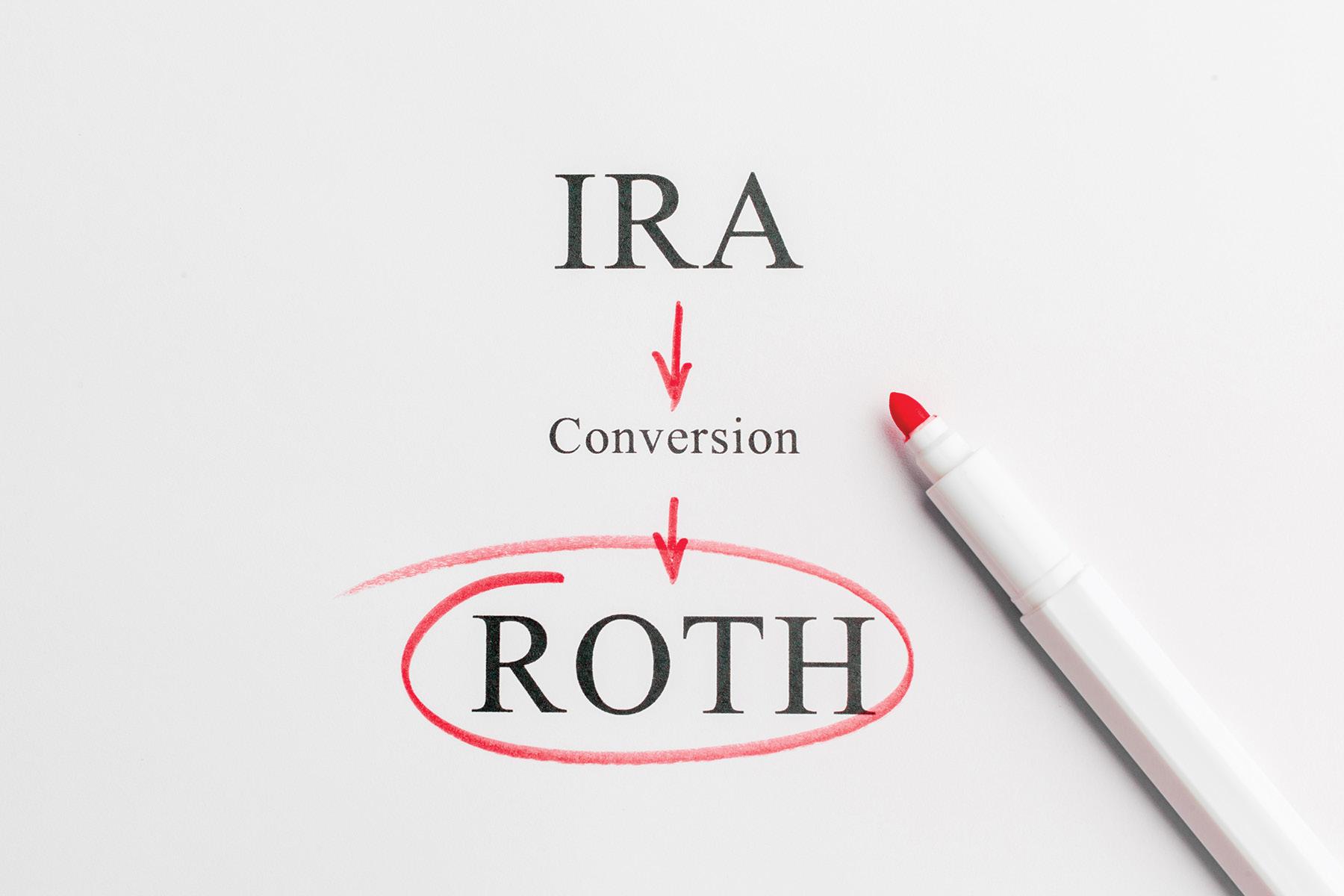
Roth conversions have always had the potential to unlock hidden value. Many practitioners focus narrowly on bracket arbitrage. Capturing a current low tax rate to avoid a higher future rate is the primary reason to undertake a Roth conversion. However, secondary quantitative reasons are often misunderstood and overlooked.
This article will explore the mathematical significance of the secondary quantitative benefits in the context of estate planning with IRAs. Specifically, it will discuss the mathematics resulting in a Roth conversion that increases wealth transfer.
The primary mathematics of analyzing whether a Roth conversion is prudent is quite simple. Most of us were taught the commutative property of multiplication at a young age — that is, order of operations when multiplying does not affect the result: A x B x C = A x C x B. This is the core Roth conversion math.
A simple example can explain the commutative math quickly. Consider a client who undertakes a $10,000 Roth conversion. She expects to have a 25% marginal rate currently and when the account is liquidated. Assume the assets double in value from the time of conversion to account liquidation:

“
Roth conversions have always had the potential to unlock hidden value.
When the tax rate is constant over the analysis period, a Roth conversion may accomplish little. However, a prudent advisor can quickly unlock value by undertaking conversion in years when the current marginal rate is lower than the projected future rate. These rate arbitrage conversions are the most common types of understandable, simple and effective Roth conversion planning.
The secondary quantitative reasons to undertake a Roth conversion are less understood. The commonality between these driving factors is a lack of symmetry between the tax treatment of the Roth and a traditional IRA. These factors can be summarized as follows:
• Whether the tax of conversion is paid with IRA or non-IRA funds
• Whether the retiree needs account distributions for living expenses
• Whether families can delay post-mortem distributions
• Whether the federal estate tax will apply to IRA assets
• Whether a state estate tax will apply to IRA assets
Whether the tax of conversion is paid with IRA or non-IRA
The mathematical advantage of paying conversion tax with non-IRA funds is simple. If IRA funds are used to pay the conversion tax, account principal growing in a tax-free environment is reduced. If non-IRA funds are used to pay the conversion tax, account principal growing in a tax-free environment is not reduced. The latter disrupts the commutative math by effectively providing an additional IRA contribution. These additional funds grow tax-free, and the compounding tax savings are significant over time. The lesson is, when possible, non-IRA funds should be used to pay the conversion tax.
The mathematical advantage of avoiding account distributions is also simple and well understood. By undertaking a Roth conversion, a retiree will reduce their required minimum distributions. If account distributions are not needed for living expenses, this provides a significant advantage. Specifically, it allows for a greater amount of assets to grow in a tax-free environment. The lesson is, if projected required minimum distributions are excessive for living expenses, a Roth conversion is likely indicated.
“
The SECURE Act post-mortem distributions rules require most such “inherited” IRAs to be liquidated within 10 years. In most cases, traditional IRAs will also be subject to an annual required minimum distribution during this 10-year period, and to minimize tax at the liquidation deadline, additional distributions may be prudent.
However, Roth IRAs are generally treated differently post-mortem. Under the new § 401(a)(9) distribution regulations, people holding an inherited Roth IRA are deemed to have never reached their required beginning date. Accordingly, post-mortem Roth distributions are not required during the 10-year time period but can be deferred until the last day of the 10th year following the year of death.
Mathematically this creates a tremendous advantage, which we call the “Roth Coast.” A prudent and financially stable family can allow 100% of “inherited” Roth IRA assets to compound tax-free for a 10-year period. This simple advantage can significantly increase wealth transfer.
Many families planning for the federal estate tax fail to consider appropriate planning for IRA assets. This is, of course, because “freezing” asset values with inter vivos
Those who understand these secondary factors can provide clients with a significant opportunity to add value.
gifts is unavailable. However, the asymmetrical treatment of traditional and Roth accounts when the estate tax is applied is often overlooked.
Specifically, the built-in income tax liability of a traditional IRA is not properly considered; a $1,000,000 traditional IRA and a $1,000,000 Roth IRA will both incur $400,000 of federal estate tax. The tax code attempts to rectify this incongruity by providing an income tax deduction for estate tax paid allocated to taxable post-mortem distributions. However, the value of this deduction is frozen at death and thereby substantially favors Roth assets.
Moreover, most states do not provide a state income tax deduction for federal estate tax paid. This missing deduction causes estates with IRAs to effectively overstate their assets and pay more tax than should be logically required.
There is also a significant mathematical incongruity when IRA assets are used to fund Generation-Skipping Transfer exempt trusts. Again, the built-in income tax liability of
a traditional IRA is not considered. A $1,000,000 IRA, whether a traditional or Roth account, requires a $1,000,000 GST allocation to remain 100% exempt. The mathematical advantage of Roth funding over time is stark.
As with the federal estate tax, many families planning for a state estate tax fail to consider appropriate planning for IRA assets. This is, of course, because inter vivos gifts of IRAs to avoid the state estate tax or to “freeze” asset values is unavailable. However, again, the asymmetrical treatment of traditional and Roth accounts is often overlooked. State estate tax calculations will not consider the built-in liability of a traditional IRA.
No states that impose an estate tax attempt to rectify the asymmetrical treatment by providing an income tax deduction for state estate tax paid. This treatment completely ignores the built-in state income tax liability of a traditional IRA, resulting in additional taxation. In these cases, the mathematics will strongly favor an estate planning-motivated inter vivos Roth conversion.
Lastly, simply and importantly, inter vivos conversions can reduce the client’s taxable estate for state estate tax calculations, thereby making better use of the exemption and reducing exposure to higher rates.
The mathematics of Roth conversions are driven by both primary and secondary factors. The primary factors are well understood, and many advisors are well prepared. However, the secondary factors are more complex and interrelated with the broader estate plan. Those who understand these secondary factors can provide clients with a significant opportunity to add value.
Robert S. Keebler, CPA/PFS, MST, AEP (Distinguished) is a partner at Keebler & Associates, LLP, Green Bay, WI. He has over 30 years’ experience in family wealth transfer and preservation planning, charitable giving, retirement distribution planning and estate administration. Contact him at robert.keebler@keeblerandassociates.com or 920-593-1701.

Ryan E. Antross
Nicholas Banach
Mitz & Rozansky S.C.
Lauren Bristol
Matthew Carlsen
KPMG LLP
Fenglong Chang
Wausau West High School
Jolene Check
UW–Madison
Dean T. Cimpl
Keyla I. Cortes
Waukesha North High School
Ashley G. Coy
MBE CPAs LLP
William M. Deedon
Wausau West High School
Stacey D. Donovan
Albert L. Douglas
Ampaw & Associates LLC
Hope K. Dunaway
Kimberly High School
Ethan H. Dykman
Wausau West High School
Reece O. Ellingsen
Waukesha North High School
Antonio Evans
Concordia University Wisconsin
Jacob Ferch
Jamie l. Fortney
Anthony Glorioso
Vaco
Mary Goetter
M. L. Tharps & Associates LLC
Mike Haase
Brett Hartjes
UW–Eau Claire
Stephen R. Hawthorne
UW–Milwaukee
David A. Hillebrandt
Di Renzo & Bomier LLC
Landen F. Hoover
Wausau West High School
Joseph R. Hribar
KPMG LLP
Zanna Hughes
Elliot Hummer
UW–Stevens Point
December 1, 2025 – January 31, 2026
Susan L. Johnston
Kettle Moraine High School
Jayden M. Kadrich
Waukesha North High School
George Q. Kalt
Waukesha North High School
Joseph P. Kelly
Anna Kieffer
KPMG LLP
Erin K. Koplitz
Di Renzo & Bomier LLC
Julie Kren
Dynacast LLC
Noah J. Kresin
Wausau West High School
Benjamin Lapp
KPMG LLP
Claire E. Lewis
Baker Tilly
Marlo A. Lewis
Employee Benefit Corp.
Mason T. Lyman
Waukesha North High School
Rick L. Mabry
Shana K. Magill
Emaline J. Matz
Wausau West High School
Benjamin M. Muschinske
Wausau West High School
Carter J. Nejedlo
Kimberly High School
Katelyn A. Neumann
Riley T. Olson
RSM US LLP
Arabella Parins
Annex Wealth Management LLC
Kadyn M. Pasholk
Wausau West High School
Sarah Pettigrew
Prairie Trust A Division of Waukesha State Bank
Lucas V. Piacsek
Waukesha North High School
Carly A. Poggemann
Kimberly High School
Niracha V. Prasoeuthsy
Wausau West High School
Hannah Ramminger
Zack Reindl
UW–Whitewater
Jackson L. Riley
Wausau West High School
Samuel Roche
UW–Green Bay
Veda J. Schaefer
Waukesha North High School
Darlene C. Schnuck
Waukesha County Technical College
Pamela Schroeder
Ruth E. Shibilski
SBS Tax LLC
Madan Shrestha
Amrit Simak
Pewaukee High School
Howard B. Singer
Rebecca J. Smith
Ascendium Education Group
Kristina E. Somers
Reinhart Boerner Van Deuren s.c.
Riley C. Stanchik
Wausau West High School
Libby Sytsma
Human Interest
Keira C. Thompson
Waukesha County Technical College
Patrick Totzke
Rebecca Van Kauwenberg Di Renzo & Bomier LLC
Keyara R. Vensor
Deerfield High School
Sydney J. Weyenberg
Kimberly High School
Corey Wolf Mohr CPAs LLP
Alice Zaganczyk
AM Accounting and Tax Services LLC



FRIDAY, SEPT. 18 – Ironwood Golf Course, Sussex

4-PERSON SCRAMBLE
$95 per Golfer
$380 for Foursome
REGISTRATION INCLUDES
18 Holes of Golf With Cart
Practice Greens & Driving Range
Continental Breakfast & Lunch
Beverage Vouchers
Hole & Event Contests
Entry in Prize Drawings
Awards Reception & Appetizers
SCHEDULE
8:30 a.m.
Check-In & Breakfast
9:00 a.m.
Practice Greens & Driving Range
10:00 a.m.
Shotgun Start
4:00 p.m.
Awards Reception, Prize Drawings & Appetizers
HOLE & EVENT PRIZES
$1,000+ in Drawing Prizes
$500+ in Individual Prizes
$500+ in Team Prizes
$500 Inside the Circle Contest
Scan the QR code or visit wicpa.org/GolfOuting to register.


By Christopher Olson, CPA
The One Big Beautiful Bill Act created a new tax-advantaged savings and investment vehicle for children called a Trump Account, giving families another way to save for a child’s future.
A Trump Account can be thought of as a blend of a non-deductible traditional IRA and a 529 plan. After-tax contributions of up to $5,000 per year are allowed until the year before the beneficiary turns 18. Earnings grow tax-deferred, and when funds are withdrawn, they’re taxed at the beneficiary’s tax rate. Certain Trump Account features apply only during the account’s growth period and generally end before January 1 of the calendar year the beneficiary turns 18. For example, a child born on October 1, 2025, would turn 18 on October 1, 2043; therefore, the last day of the growth period would be December 31, 2042.
During the growth period, what makes Trump Accounts different than other retirement arrangements are the following:
• Funds in a Trump Account may only be put into eligible investments, including mutual funds or exchange-traded funds that track on an index of primarily U.S. companies.
• A child with a Trump Account and earned income could max out their annual IRA contribution and accept contributions to their Trump Account.
• Trump Accounts generally do not allow distributions during the growth period.
• There are five ways to contribute to a Trump Account (more below).
After the growth period, most of these special rules cease to apply, and then the rules under traditional IRAs apply, such as the rules related to contributions, distributions, required minimum distributions, rollover, ordinary income taxation and reporting.
“
A Trump Account can be thought of as a blend of a non-deductible traditional IRA and a 529 plan.
Until recently, there was little substantive guidance. In December 2025, the IRS and Treasury issued Notice 2025-68 and indicated that additional regulations are forthcoming, which should provide much-needed clarity for taxpayers and practitioners. Notice 2025-68 addresses how Trump Accounts are created (including rollover options), how to contribute/ fund (the $1,000 pilot contribution, qualified general contributions and Section 128 employer contributions), eligible investments, how withdrawals and reporting work and how the rules line up with — or differ from — other IRA rules.
Only an authorized individual may elect to have a Trump Account established for the benefit of an eligible individual by making the election on Form 4547, Trump Account Election(s), or through an online tool or application at www.trumpaccounts.gov.
With respect to IRS Form 4547, one may use the form to open the initial account and/or elect to receive the $1,000 pilot program contribution. Either action may be completed at any time up to the year before the child turns 18. For the 2026 filing season, people can make this election on Form 4547 when filing their 2025 income tax return or open the account through the new online tool at www.trumpaccounts.gov (available in mid-2026).
After the election to open the account, the authorized individual will receive instructions, starting in May 2026, to authenticate and activate the account and complete the initial Trump Account setup.

During the growth period, there are five ways one can fund a Trump Account.
• Pilot program contribution: This is the initial contribution by the U.S. government of $1,000 for an eligible child born after December 31, 2024, and before January 1, 2029, and who is a U.S. citizen with a valid Social Security number.
• Qualified general contributions: These are funded by states (or political subdivisions thereof) or Section 501(c)(3) tax-exempt organizations.
• Employer contributions under Section 128: Employer contributions to a Trump Account for an employee or the employee’s dependent are excluded from the employee’s income. Instead of the $5,000 annual limit, employer contributions are capped at $2,500 per
employee per year (indexed for inflation after 2027) — not per dependent — so an employee with multiple children is still limited to $2,500 total for 2026. Importantly, the $2,500 amount counts toward the overall $5,000 annual limit. We are expecting additional guidance to clarify how this program coordinates with Section 125 cafeteria plans.
• Qualified rollover contributions: During the growth period, a trustee-to-trustee transfer from a Trump Account of a beneficiary to another Trump Account for that beneficiary is permitted but only if the entire balance of the transferring account is moved.
• Contributions from other sources: Here we can include parents, grandparents, siblings and any other persons who contribute up to $5,000 (indexed for inflation after 2027).
Some other valuable information regarding Trump Account contributions:
• The limit for aggregate contributions (other than qualified general contributions) is $5,000 per year for 2026 and 2027, thereafter subject to cost-of-living adjustments.
• No contributions to a Trump Account can be made before July 4, 2026. Also, unlike IRA contributions — which can generally be made up to the tax filing deadline — Trump Account contributions must be made by the last day of the calendar year.
• Contributions to a Trump Account during the growth period are not includible in income by the account beneficiary when made. The pilot program contribution, qualified general contributions and Section 128 employer contributions do not create basis. Contributions from other sources during the growth period create basis.
During the growth period, no distributions may be made except for qualified rollover contributions, qualified ABLE rollover contributions, distributions of excess contributions and distributions upon death of the account beneficiary.
After the growth period ends (beginning January 1 of the calendar year in which the beneficiary turns 18), distributions from a Trump Account are generally subject to the rules applicable to traditional IRAs. Because the account may
“
Trump Accounts create a new way to jump-start long-term saving for kids.
include both basis and non-basis amounts, only the taxable portion of any distribution is included in income.
Trump Accounts create a new way to jump-start long-term saving for kids. The real value is time: Early contributions can compound during the account’s growth period and help position younger family members for future financial flexibility. That said, this is a new regime, and guidance is still developing — so families should coordinate Trump Accounts with existing strategies (529s, Roth/IRAs and annual gifting) to avoid surprises and maximize the benefit.
Christopher Olson, CPA, is a shareholder at KerberRose, S.C., Wausau. He has 18+ years of experience helping closely held businesses and their owners navigate entity taxation, tax compliance and planning. Contact him at christopher.olson@kerberrose.com.
THANK
Brian Barrett
Allison Buchholz
Lynn Fischer
Lisa Hansen
Chad Helminger
Neil Keller
Thom Kieffer
Amanda Linehan
Terra Naumann
Christopher Olson
Carin Pardun
Kale Post
Sali Sheafor
Angela Thomas
Denise Vandenbush
Brenna Van Rooy
Business & Industry Spring Conference
Tuesday, March 24
Brookfield Conference Center & WICPA CPE Livestream
Business & Industry Fall Conference
Thursday, Sept. 24
Brookfield Conference Center & WICPA CPE Livestream

Financial Institutions Conference
Wednesday, May 13

WICPA CPE Livestream Only
School District Audit Conference
Wednesday, May 27
WICPA CPE Livestream Only
Not-for-Profit Accounting Conference
Wednesday, Sept. 16
WICPA CPE Livestream Only

Accounting & Auditing Conference
Tuesday, Nov. 10
WICPA Office & WICPA CPE Livestream
Tax Conference
Monday, Nov. 16 - Tuesday, Nov. 17
Brookfield Conference Center & WICPA CPE Livestream
Accounting Technology Conference
Thursday, Dec. 17
WICPA Office & WICPA CPE Livestream
WICPA members save up to $150 on registration! Registration opens approximately eight weeks prior to a conference. View conferences currently open for registration at wicpa.org/conferences.






By Sandi Weaver, CPA, CFP, CFA
The massive One Big Beautiful Bill (OBBB) that recently passed can benefit 529 plans. Many of your clients likely contribute to their children’s and grandkids’ 529 accounts.
Young adults can open and save in their own 529. But these are no longer just for college or for young people. Is your client paying a broad array of educational expenses, trade and professional licenses, continuing education classes? They can open a 529 account for themselves to pay with tax-advantaged dollars.
The two biggest benefits are tax-free growth and a small state tax break. Your client contributes after-tax money. The funds grow and are not subject to tax; withdrawals are tax-free if used for qualified expenses.
Over 67% of states give a state tax deduction for contributing to their state’s 529 plan; nine states give a deduction for contributions to any plan anywhere; five states give a tax credit.


The article “How Does Your State’s 529 Plan Income Tax Benefit Work?” on savingforcollege.com explains each state’s benefits.
Clients can now take out up to $20,000 per year for K–12 expenses, which has expanded to a broad list, including:
• Tuition to public, private, religious schools;
• Expenses for curriculum materials, textbooks, online education materials;
• Tutoring (can’t be related to the student, must meet some qualifications);
• Fees for standardized tests (e.g., ACT, SAT), AP exams, college admission exams;
• Dual enrollment fees for postsecondary programs (college courses taken in high school); and
• Educational therapy for disabled students (e.g., speech therapy).
“
If your client plans to use a private school for their kids, they can contribute to a 529 for the state tax benefits and then pay tuition payments.”
If your client plans to use a private school for their kids, they can contribute to a 529 for the state tax benefits and then pay tuition payments.
The 529 is for dental hygienists, electricians, plumbers, carpenters, culinary school chefs, aircraft maintenance technicians, computer network techs, auto mechanics and more. Whether for themselves or their children, clients can pay qualified expenses at vocational schools, in registered apprenticeship programs — as well as at colleges — and include:
• Tuition, fees and standardized tests;
• Books and supplies (e.g., tools, equipment for vocational schools and apprenticeships);
• Computers, software and internet access;
• Room and board (even if the student stays at home, but it’s not allowed for apprenticeships);
• Special-needs equipment and services; and
• Student loans up to $10,000 (lifetime) per borrower.
CPAs and many clients can take advantage of the OBBB’s expansion of 529s. Qualified expenses now apply for most post-graduate programs, most professional schools (e.g., master’s, medical, law, business, cosmetology) and trade certification programs — to get a credential or an eligible occupational license. These include:
• Tuition, fees, books, other required expenses;
• Fees for exams to obtain the credential (e.g, trades, plumbing, cosmetology); and
• Fees to maintain the credential (continuing education requirements).
As CPAs, we paid a fee to sit for the exam. That can now be paid from a 529 account. You can also now pay a portion of your required annual 40 hours of continuing education courses as well as your license renewal with funds routed through a 529 plan. I am also a certified financial planner, which requires 15 hours of continuing education annually; that can now be paid from a 529.
If clients have a career where they sit for an exam to get a credential, apply for a license to get that credential or have ongoing continuing education requirements, you might advise them to use a 529 for the tax benefits. The client can be owner, custodian and beneficiary.
If a client has a 529 with unused funds, they can position it by rolling over the balance to a family member. And the circle is wide! An eligible family member for this purpose includes spouse, child, stepchild, foster child, father/mother, son/daughter-in-law, father/mother-in-law, aunts and uncles and their spouses, nieces and nephews and their spouses, even first cousins and their spouses.

Overfunding had previously been an issue, but 529s can be rolled over to that wide family circle and tapped to seed the beneficiary’s Roth IRA account; check if the 15-year requirement will be an issue. Up to $35,000 of those Roth contributions can come from a 529 account.
For a deeper dive, consider listening to a podcast from the Massachusetts chapter of the Financial Planning Association. They recently interviewed Saving for College’s Chris Stack on their 257th podcast: “5 to 9 Things You Don’t Know About 529 Plans.”
It’s time for a mental reset when it comes to 529 plans. Clients (and we ourselves!) can avoid paying taxes and snare state tax benefits on the dollars paid for many educationrelated costs during their lifetime.
Sandi Weaver is the owner of Weaver Financial in Mission, Kansas. Sandi@WeaverFinancialPlanning.com linkedin.com/in/sandiweaveratfsa/ Reprinted
We are a Wisconsin-based company, focused on one thing: our customers
We take pride in offering the lowest prices and the very best customer service, and have been doing so since 1956.






Bank-A-Count Corp. offers a variety of computer, manual, and blank stock checks and accessories. Our business checks are guaranteed to be compatible with your accounting software. We also offer a full range of Pre-Inked Stamps, Deposit Products and Accessories.

Ronald C. “Ron” Berman, CPA, JD, age 76, passed away on Friday, Jan. 23. Berman graduated from Evanston Township High School in Evanston, Illinois, in 1967 and then earned his bachelor’s degree in accounting from the University of Illinois–Champaign–Urbana in 1971. He passed the state bar exam in both Illinois (1974) and Wisconsin (1976). He also passed the CPA Exam in 1976 and was awarded an honorable mention for the national Elijah Watt Sells Award. He joined the WICPA in 1978. Berman began his career in a national CPA firm (now Grant Thornton) before practicing law. He later became a shareholder of Neider & Boucher, S.C. in Madison. Berman was an active WICPA member and held many committee positions throughout his career. He was serving on the WICPA’s Federal Taxation Committee at the time of his death. Berman is survived by his wife, Kris; one son; one stepson; one brother; two grandchildren; and many other relatives and friends.
George Louis Gissell, CPA, age 86, passed away on Wednesday, Jan. 28. He was born and raised in Racine and graduated from William Horlick High School in 1957. He went on to earn a bachelor’s degree in business administration with a major in accounting from the University of Wisconsin–Milwaukee and received his CPA license in 1965. He joined the WICPA in 1966. Gissell devoted more than 43 years of his professional life as a CPA and partner at Gordon J. Maier & Company, LLP in Racine. His dedication to the Racine community was evident through his service on numerous civic, nonprofit and corporate boards. He retired in 2000. Gissell is preceded in death by his wife of 60 years, Diane, and is survived by three sons, five grandchildren, 10 great-grandchildren and four brothers.

Eugene J. Miller, CPA, age 89, passed away on Thursday, Dec. 4, 2025. Miller earned his bachelor’s degree in business administration from Marquette University in Milwaukee in 1958 and then served in the U.S. Army for two years before receiving his CPA license in 1963. His career began in public accounting at Peat, Marwick Mitchell & Co. (now KPMG) before shifting to the private sector as a controller at Eaton Corp. (Cutler-Hammer) and Nortek (Broan Manufacturing). A member of the WICPA since 1964, Miller was a past president and served on numerous committees, including the Finance Committee, and the Educational Foundation board of directors. He received two WICPA Excellence Awards for his distinguished career and lifetime achievement. After his retirement in 2009, Miller stayed active as a hospice volunteer, a math and reading tutor and a trustee of the Greenfield Public Library. He was an active member of St. Alphonsus Parish in Greendale and served many roles on the parish council. Miller is survived by his wife of 61 years, Rosemary; one daughter; one son; two grandchildren; many nieces and nephews; and other relatives and friends.
Robert Rottier, CPA (1946–2025)
John Robert Rottier, CPA, age 79, passed away on Wednesday, Dec. 24, 2025. Rottier graduated from West De Pere High School in 1964 and went on to earn his bachelor’s degree from the University of Wisconsin–Madison. Rottier received his CPA license and joined the WICPA in 1973. He served two terms on the WICPA’s Accounting & Auditing Conference Planning Committee and served as chairperson of the Annual Meeting Committee from 1995 to 1996. Before his retirement in 2001, Rottier worked as a controller for Universal Silencer in Stoughton. He was a longtime member of the Madison Downtown Optimist Club, serving as its treasurer for 24 years. He is survived by his wife of 55 years, Susan; one daughter; one sister; one brother; and other relatives and friends.
If you are aware of a member obituary and believe it should be included in Memorials, please send a copy of the obituary or contact John Rasche at john@wicpa.org.
By Jeffrey T. Lemmermann, CPA, CISA, CITP
For many companies, especially manufacturers, fabricators and/ or specialty suppliers, the expanding radius of the efforts to secure the U.S. defense industrial base will reach their doorstep this year. If you are a Department of Defense contractor, subcontractor or supplier, regardless of size, and you handle, store or transmit controlled unclassified information or federal contract information, then you are in this radius. Suddenly, cybersecurity is no longer something you know you should prioritize; it’s now a condition for doing business.
The Cybersecurity Maturity Model Certification program, which has been stewing since 2020 when CMMC 1.0 was released for public comment, is finally becoming an actionable reality in 2026 as CMMC Final Rule (32 CFR). The challenge for many defense suppliers won’t be understanding that they must comply; it will be finding qualified help to get there.
CMMC requirements are rolling out in phases. The CMMC “program rule” establishes the framework and a four-phase implementation approach. This officially began on November 10, 2025, when the DoD acquisition rule became effective. The acquisition rule is the mechanism that puts CMMC requirements into solicitations and awards.
For 2026 specifically, Phase 1 (scheduled for Nov. 10, 2025 – Nov. 9, 2026) focuses primarily on CMMC Level 1 and Level 2 self-assessments, including required affirmations submitted through a Supplier Performance Risk System.

“
Suddenly, cybersecurity is no longer something you know you should prioritize; it’s now a condition for doing business.
In plain terms, that will require many contractors to spend time now to determine what systems are in scope, create needed documentation and assemble evidence so that self-assessments are accurate and defensible.
Some will be doing it with the specter of more onerous requirements ahead. In Phase 2, beginning November 10, 2026, DoD intends to require a CMMC status of Level 2 for applicable solicitations and contracts as a condition of contract award (with limited discretion to delay to an option period). That’s when a third-party assessment becomes mandatory, and third-party certification capacity becomes an issue.
At the certification end of the market, CMMC Level 2 certifications must be performed within the authorized assessment ecosystem. This consists of CMMC Certified Third-Party Assessor Organizations and qualified assessors. DoD has been clear that it cannot assess the 220,000+ companies in the defense industrial base with government resources alone and therefore relies on the ecosystem and a phased approach. The phased rollout helps, but it doesn’t
eliminate the bottleneck — especially when more contracts begin requiring third-party certification.
The rules for certification are intentionally narrow on who can certify. Official Level 2 certification assessments must be performed by authorized C3PAOs using The Cyber ABrecognized assessors. Independence is also a factor: People who helped implement CMMC for a company can’t later assess that same company. This is a familiar restriction for many CPA firms.
That’s why many organizations will pursue a two-step approach:
1. Readiness and remediation now, and
2. Certification later, when contract language requires it
This is where CPA firms, especially those already doing System & Organization Controls readiness, cybersecurity risk work or IT audit, can provide real value.
Think of CMMC readiness like preparing a client for a financial statement audit: Success depends on scope clarity, control design, consistent operation and evidence that holds up under review. In 2026, CPA firms can realistically offer several engagement types:
1) CMMC scoping and data flow analysis
Help clients determine what’s in scope for FCI vs. CUI; where that data lives; and which systems, vendors and processes touch it. Scoping mistakes could lead to overspending upfront or end with failing a third-party audit later.
2) Gap assessments and remediation road maps
Map current practices to the applicable requirements and produce a prioritized plan tied to owners, timing and budget. This is “audit brain” work: Define what “meets” looks like and then test against it.
3) Evidence readiness (“audit-quality” documentation)
Many organizations can do the right thing but can’t prove they do it. Readiness assessments help as an audit test-run. They help to identify and construct artifacts like policies, procedures, logs, tickets, configurations and/or review sign-offs that can be designed to be collected in a way that supports future efforts.
4) Governance and management reporting
Translate technical gaps into business risk, track remediation and produce reporting that leadership can use. This is an area where CPAs often have a credibility advantage.
Importantly, these are advisory/readiness services that don’t require a CPA firm to become a C3PAO. If a firm wants stronger market signaling and a more formal place in the CMMC ecosystem, there are two credentialing pathways worth understanding: RP/RPO and CCP. All CMMC certification programs are run by The Cyber AB, which is the official accreditation body for the CMMC program.

“
Think of CMMC readiness like preparing a client for a financial statement audit: Success depends on scope clarity, control design, consistent operation and evidence that holds up under review.
Pathway 1: RP/RPO – Implementation
Consulting
Registered Practitioner and Registered Practitioner Organization designations are aimed at implementation support — helping organizations interpret and implement CMMC before they face assessment.
Registered Practitioner
The Cyber AB outlines an RP process that includes:
• registration and authorization,
• a background check,
• completion of The Cyber AB training and passing course exams, and
• signing a code of professional conduct and an RP agreement.
Planning-level timing and cost is roughly three weeks (including background check), a $600 fee for application/ training/testing and $500 annual renewal per person.
At the firm level, an RPO must:
• register and complete an organizational background check,
• associate at least one RP, and
• sign required agreements and professional conduct requirements.
The RPO fee is $6,000 ($5,000 annual renewal) and has a similar three-week duration.
RP/RPO is a practical way to build a readiness offering. It doesn’t turn a CPA firm into a certifier, but it does provide structured training, a recognized designation and clearer positioning when clients ask, “Have you done this before?”
The Certified CMMC Professional track sits closer to the assessment ecosystem. It’s also the prerequisite step before pursuing Certified CMMC Assessor.
The CCP pathway includes application steps (including agreeing to professional conduct requirements and agreements), completing training through an approved provider and passing the CCP exam. The Cyber AB’s CCP exam information also outlines common fee components, such as a $200 CCP fee and a $275 exam fee, in addition to training fees. The Cyber AB materials further reference the need for a DoD Tier 3 determination as part of the assessor pathway requirements.
CCP can be a strong credibility signal for professionals leading readiness engagements because it demonstrates deeper familiarity with how the CMMC model is interpreted in the assessment world. It also opens a path for firms that later want to support (or partner with) C3PAOs who will find that CCP is a recognized entry point into that ecosystem.

Whichever path is taken, independence should be considered! If a firm helps a client implement and prepare for CMMC, it must be careful about later taking on an assessment role for that same client. Document roles clearly and plan partnerships accordingly.
CMMC is a cybersecurity program, but it behaves like a controls-and-evidence program. This is territory where CPAs already have credibility. In 2026, clients will be under pressure to self-assess correctly, maintain complete and current documentation and produce reliable artifacts that will survive third-party scrutiny when their contracts require it.
The assessor shortage may shape certification schedules, but it won’t slow client anxiety. The firms that can deliver CMMC services as a practical development process without overselling “certification” will be the ones clients remember when the next DoD solicitation lands.
Jeffrey T. Lemmermann, CPA, CISA, CITP, CEH, is a senior information assurance auditor and consultant at SynerComm Inc. in Brookfield. He has been working in cybersecurity for over 30 years, leading assessments, tabletop exercises and information security program development engagements across many industries. Contact him at 262-373-7100 or jeffrey.lemmermann@synercomm.com.

By Jennifer Dambach, CPA
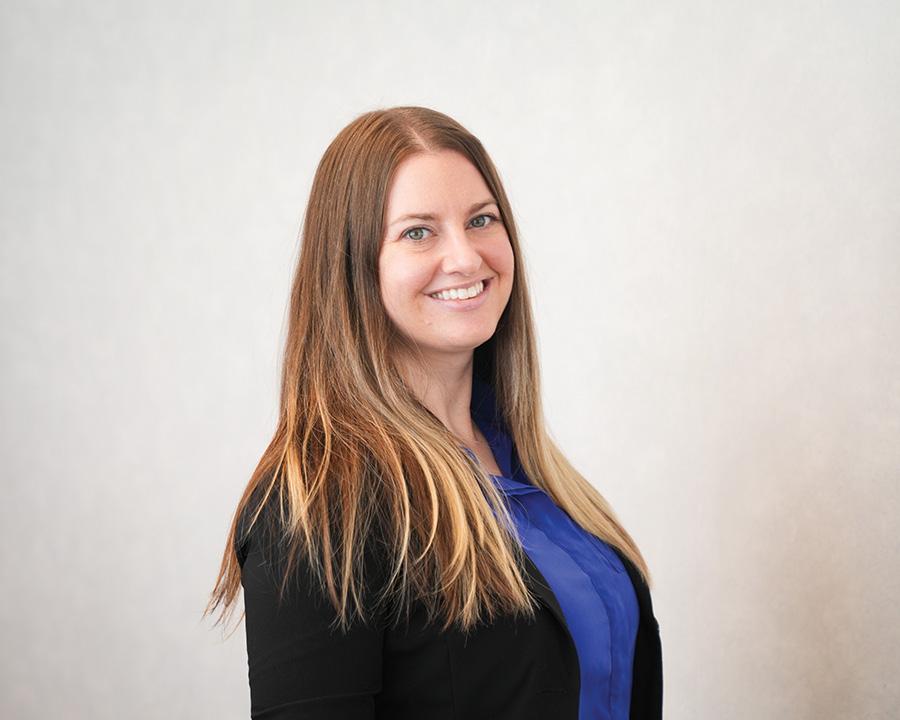
The Wisconsin Department of Revenue would like to thank WICPA members for their cooperation during our recent 1099-R billing project.
Annually, DOR receives information from third parties and the Internal Revenue Service.
DOR uses that information to send single-issue bills. For example, when an individual withdraws money from a retirement plan prior to reaching the age of eligibility and does not report the distribution on their tax return, DOR sends a bill for the tax, penalty and interest due relating to the single issue.
The advantages of single-issue bills are:
• They are more efficient for taxpayers. The taxpayer does not have to correspond with or provide records to DOR unless they disagree with the bill.
• They offer an opportunity for quick resolution when there is no disagreement.
• They are more efficient for DOR. Single-issue bills have a historically low appeal rate. For example, the FY2025 IRA early withdrawal penalty project had a 5% appeal rate, whereas full-scope audits generally have a 10% appeal rate.
In FY 2026, DOR expanded the 1099-R billing project to include all “taxable amounts” reported on 1099-R. After the first round of bills was mailed, DOR discovered that bills were sent to taxpayers who likely qualified for a nontaxable Qualified Charitable Distribution. These types of distributions are generally nontaxable when:
• The IRA trustee sends money directly to an eligible charitable organization and
• The individual was at least 70½ when the distribution was made.
DOR took steps to stop additional bills on the QCD issue and worked with the WICPA to develop communications
to tax practitioners for clients who received bills. DOR also took steps to communicate directly with affected taxpayers. Throughout this process, DOR learned that the QCD was reported differently on tax returns than other retirement distributions, creating inaccuracies in the 1099-R billing project.
Most taxpayers who received a bill for unreported 1099-R income and claimed a QCD on their tax return have appealed. DOR has cancelled the billing assessment where appropriate. Taxpayers who paid the bill and did not appeal were contacted with information on how to request a refund.
DOR is taking steps to better evaluate data in its possession before expanding or initiating new single-issue billing projects. In addition, the IRS introduced Code Y for reporting QCDs on Box 7 of the 1099-R starting with the 2025 year.
If your clients received a bill for this specific issue and it has not been resolved, you may contact DOR directly at (608) 264-4229, ext. 222.
“
DOR
took steps to stop additional bills on the QCD issue and worked with the WICPA to develop communications to tax practitioners for clients who received bills.
DOR appreciates that the WICPA shared its members’ concerns and collaborated to resolve the QCD issues in this billing project.
Jennifer Dambach, CPA, MPA, is a Deputy Division Administrator, Income, Sales, and Excise Tax Division for the Wisconsin Department of Revenue. Contact her at jennifer.dambach@wisconsin.gov or 608-261-7680.

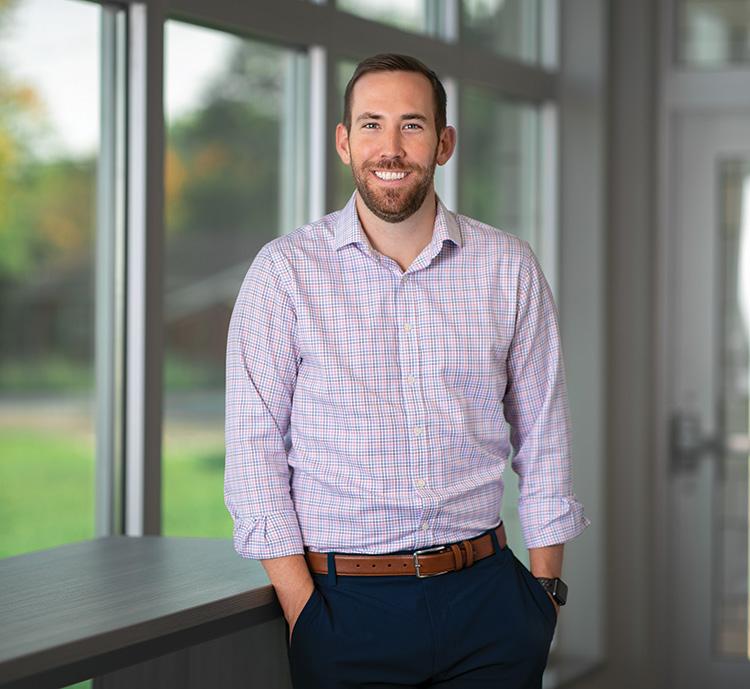


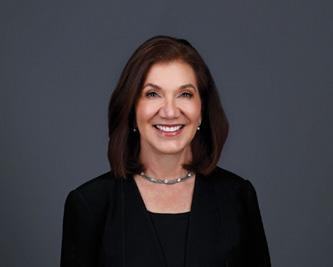
has been promoted to partner at Hawkins Ash CPAs in the firm’s Medford office.
Sean Bailey, CPA, has been named a shareholder at Vesta in the firm’s Mequon office.
Bruce Berndt, CPA, CGMA, founder and CEO of Berndt CPA in Madison, has been appointed to the board of directors of Archeus Technologies, a biotech startup company.
Christine Dahlhauser, CPA, managing principal at Baker Tilly in Madison, was named in BizTimes Milwaukee’s Wisconsin 275, a 2025 list of the state’s most influential business leaders.
Richard Dieffenbach, CPA, MBA, has been awarded the “Key to the City” by the Cedarburg City Council for his meritorious service, including decades of volunteerism and public service.
P.J. DiStefano, CPA, MBA, managing partner at Deloitte in Milwaukee, was named in BizTimes Milwaukee’s Wisconsin 275, a 2025 list of the state’s most influential business leaders.
Collin Eichinger, CPA, has joined Andaloro, Smith & Krueger, LLP, in Waukesha as an accountant.
David Gay, CPA, office managing partner at EY in Milwaukee, was named in BizTimes Milwaukee’s Wisconsin 275, a 2025 list of the state’s most influential business leaders.
Linda Gorens-Levey, CPA, CFA, partner at General Capital Group in Fox Point, was named in BizTimes Milwaukee’s Wisconsin 275, a 2025 list of the state’s most influential business leaders.
Kurt Gresens, CPA, CGMA, CEO and managing partner at Wipfli LLP in Green Bay, was named in BizTimes Milwaukee’s Wisconsin 275, a 2025 list of the state’s most influential business leaders.
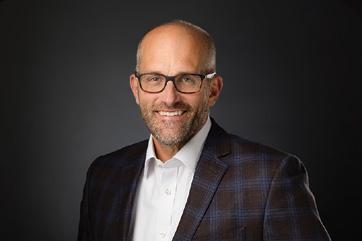
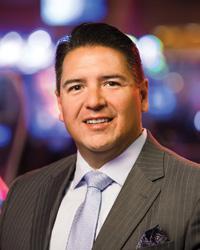
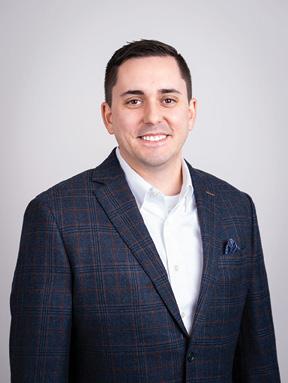

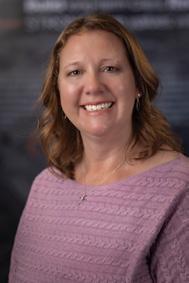
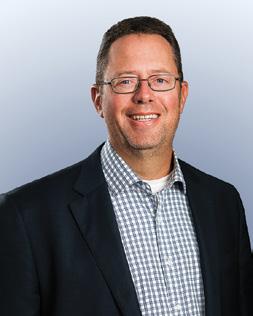
Dale Kooyenga, CPA, president and CEO of the Metropolitan Milwaukee Association of Commerce, was named in BizTimes Milwaukee’s Wisconsin 275, a 2025 list of the state’s most influential business leaders.
Dominic Ortiz, CPA, CGMA, CEO of Potawatomi Casino Hotel in Milwaukee, was named in BizTimes Milwaukee’s Wisconsin 275, a 2025 list of the state’s most influential business leaders.
Andrew Peters, CPA, has been promoted to CEO at Goldstein Advisors in Madison.
Joseph Rock, CPA, office managing partner at KPMG in Milwaukee, was named in BizTimes Milwaukee’s Wisconsin 275, a 2025 list of the state’s most influential business leaders.
Brian Salkowski, CPA, has joined Hawkins Ash CPAs as a partner in the firm’s Neenah office.
Amy Springer, CPA, controller and finance manager at McMahon Associates Inc. in Neenah, has been listed among the engineering and architectural firm’s newest associates.
Eric Trost, CPA, has been promoted to president at SVA Certified Public Accountants in the firm’s Brookfield office.
Hawkins Ash CPAs, headquartered in La Crosse, recently celebrated the opening of its new office in Brookfield — the firm’s 11th location across Wisconsin and Minnesota. Reilly, Penner & Benton LLP CPAs (RPB CPAs), headquartered in Milwaukee, recently announced the acquisition of Hartwig, Norman & Shannon LLP, a wellestablished CPA firm based in Pewaukee.
Vesta announced that it will relocate its Fitchburg office to the Madison Yards mixed-use development starting May 1.

April is National Financial Literacy Month and a great opportunity for you to help students get smart about money by reading to an elementary school class (K - 4th grade) about the basics of money.
The WICPA Educational Foundation will provide everything you need. For more information and to volunteer, visit wicpa.org/ReadingMakesCents.
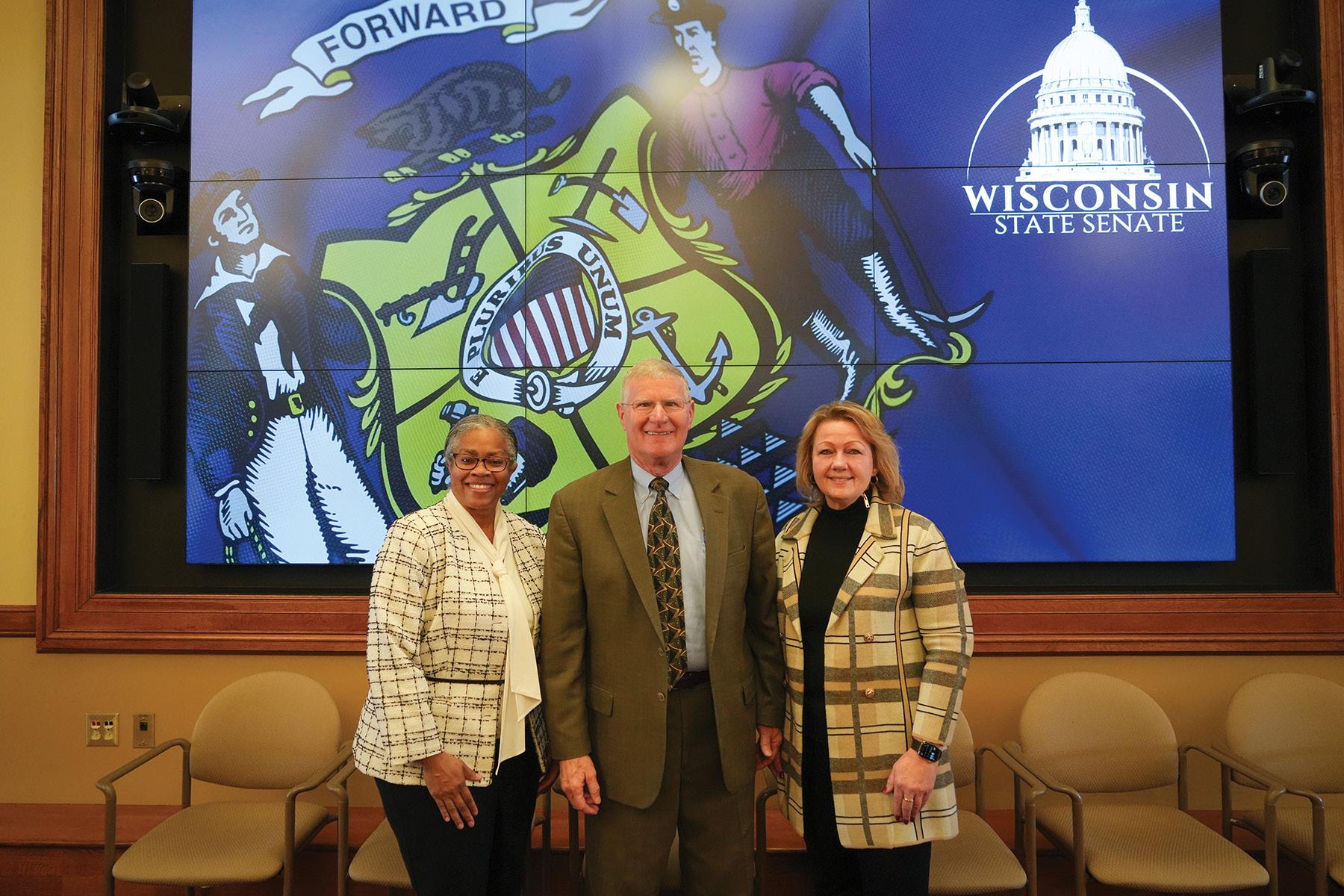
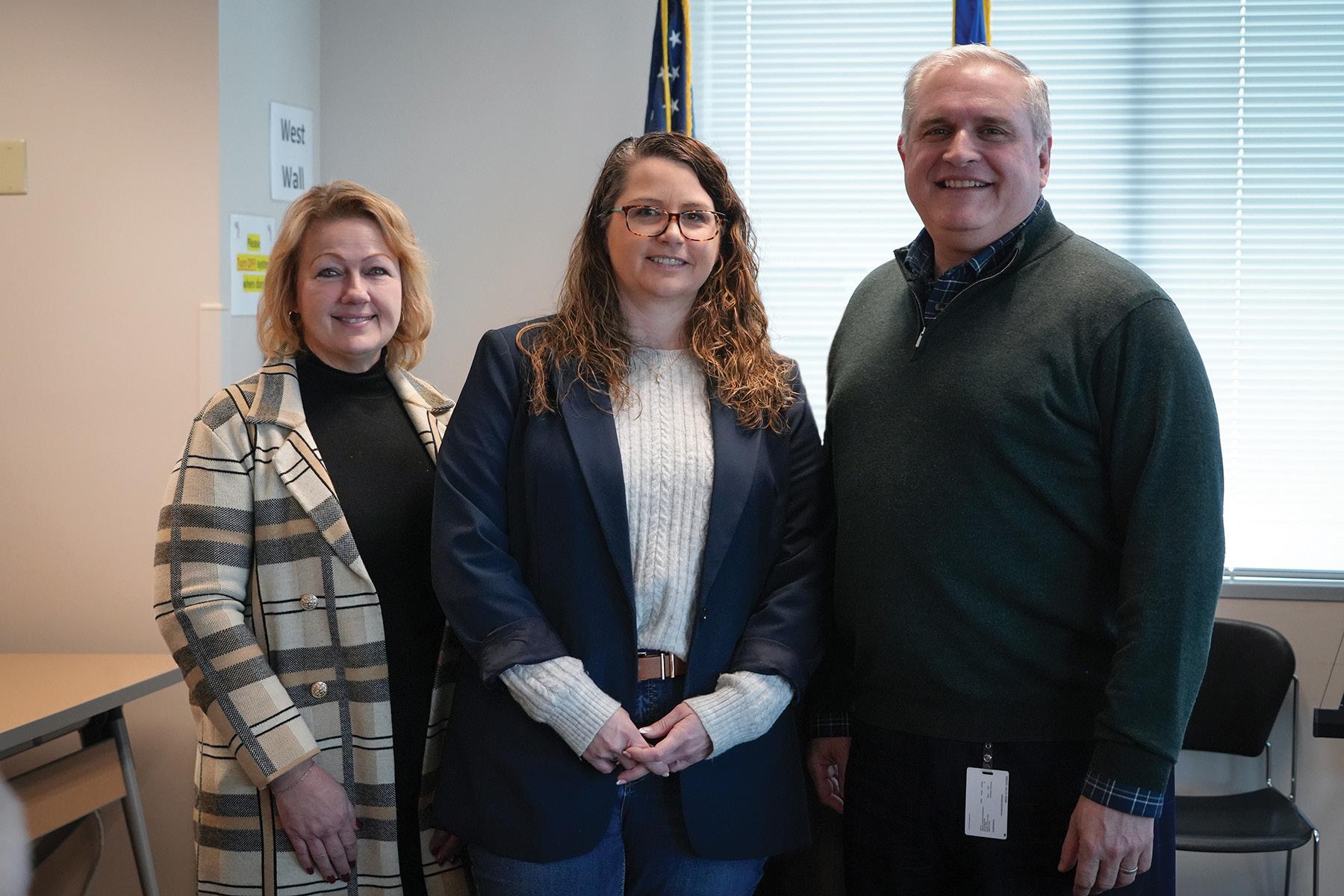
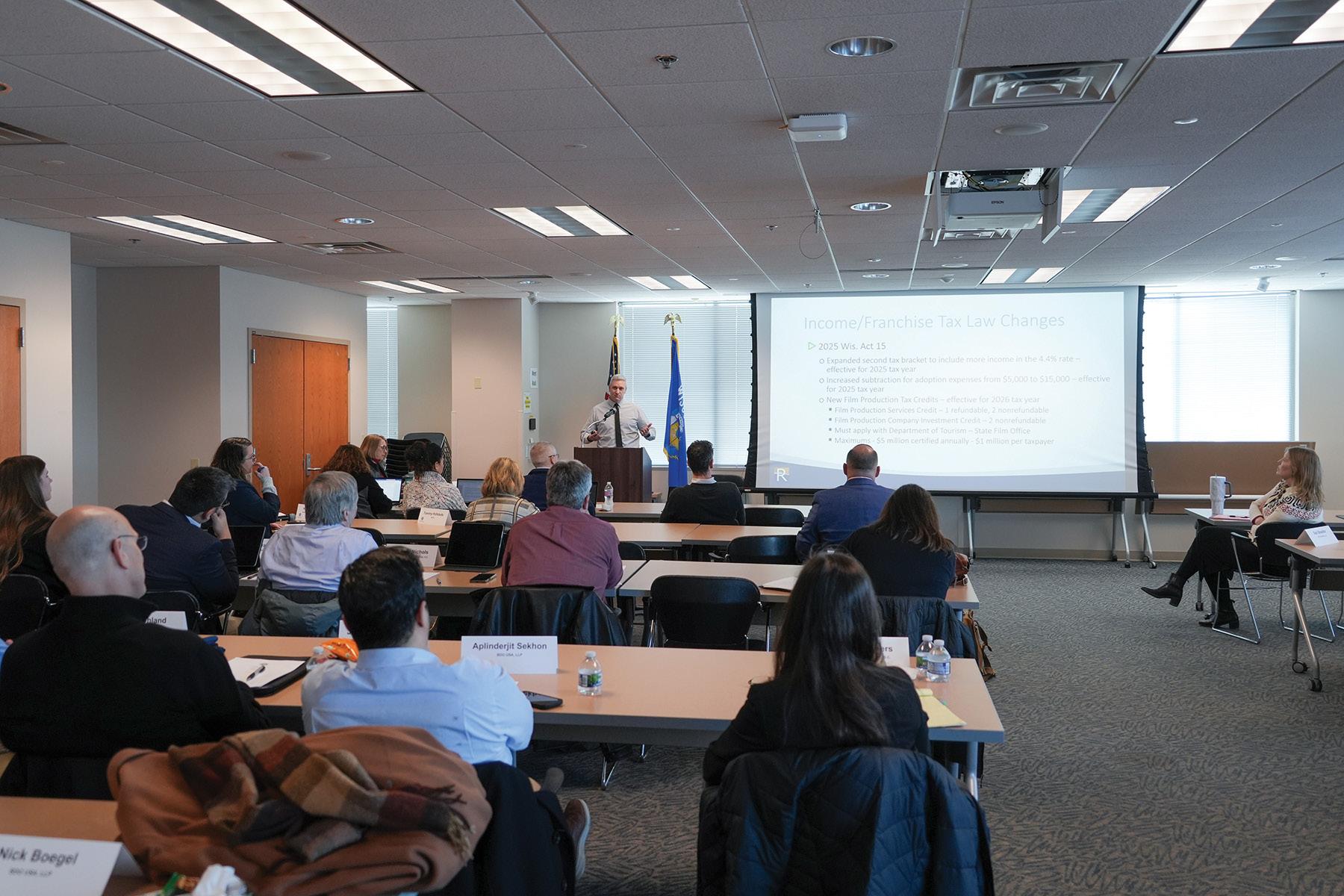
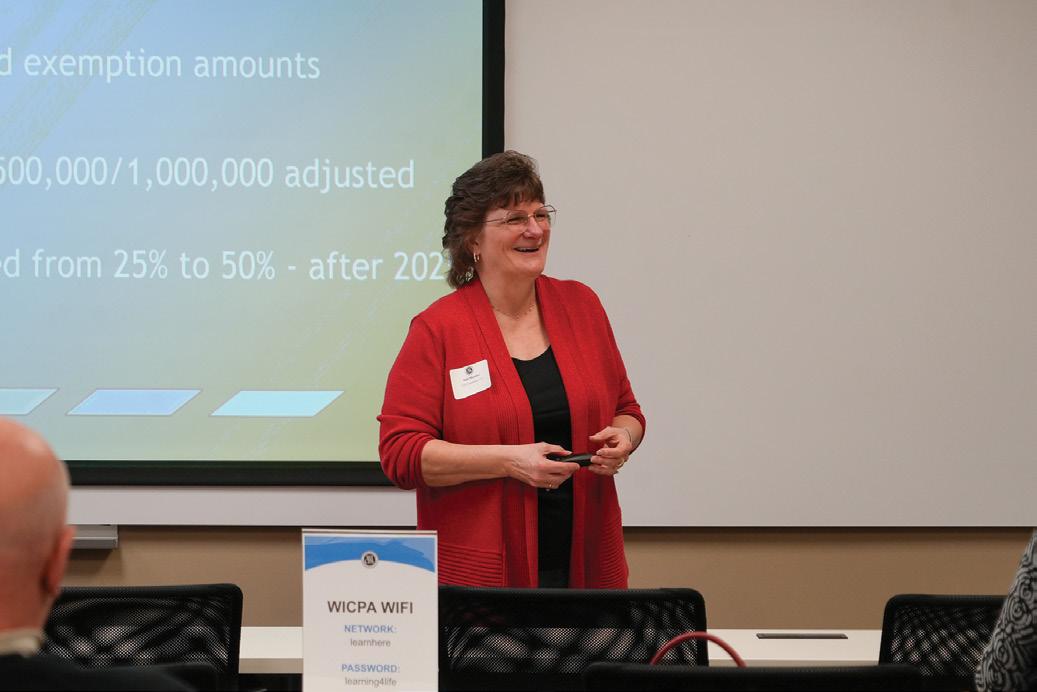
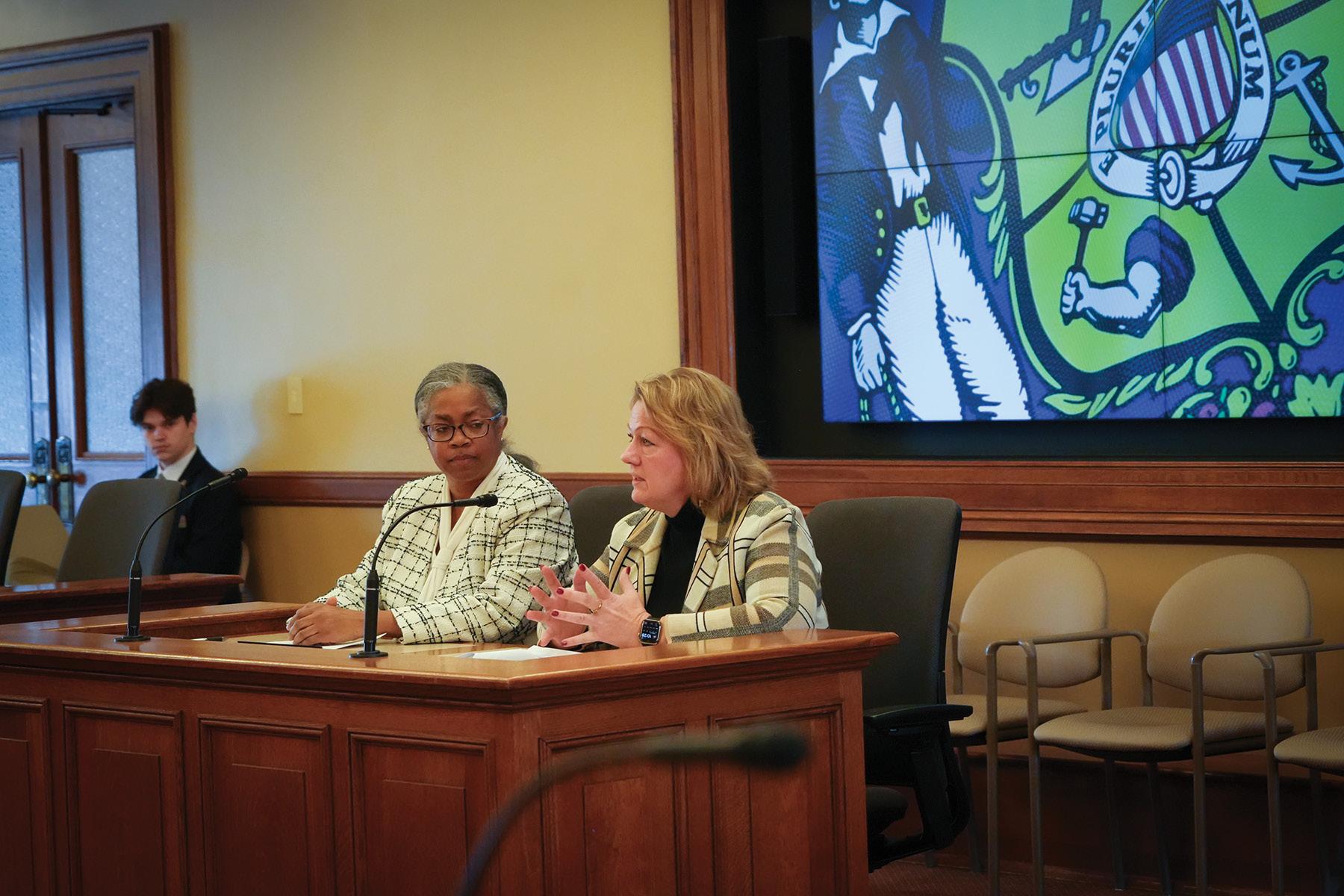
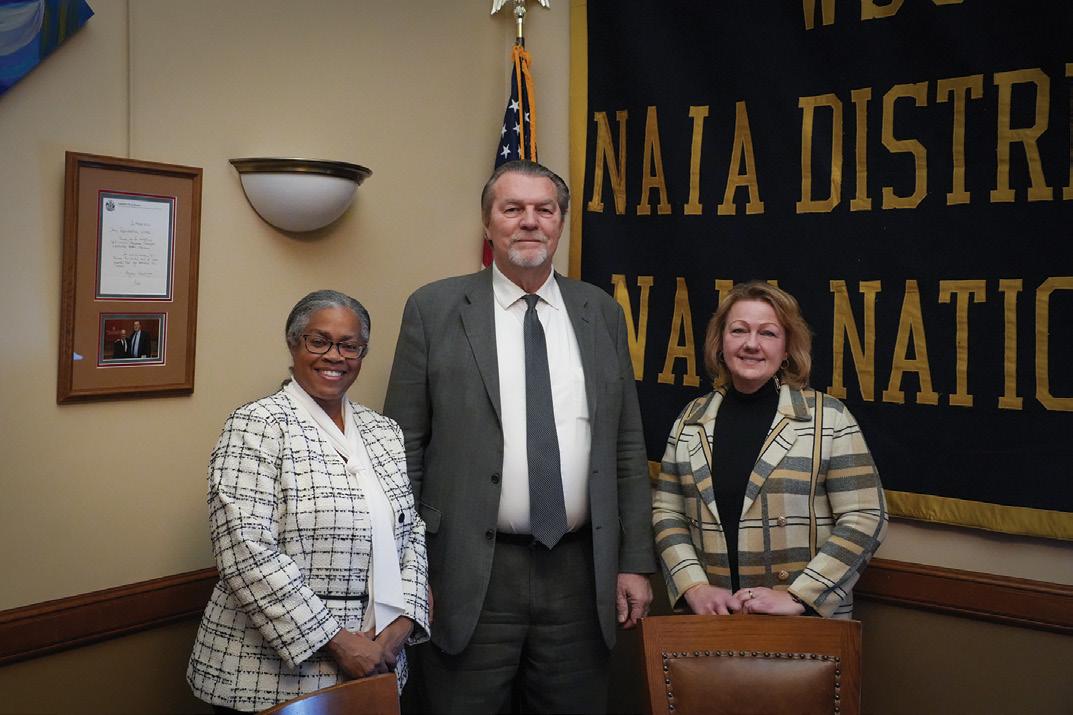
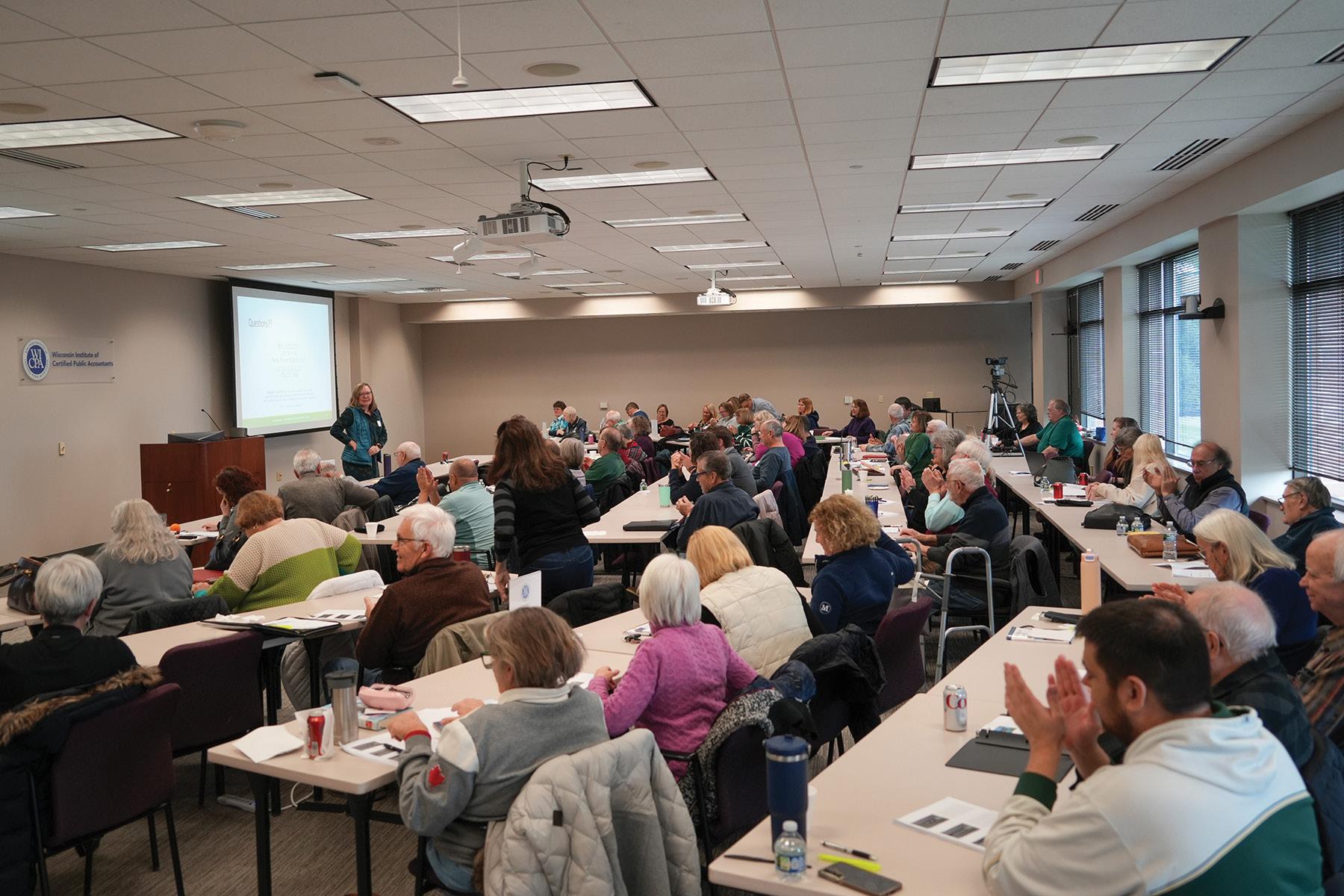
DATE TITLE
March 24
May 13
& Industry Spring – Brookfield Conference Center, Brookfield & Livestream
Institutions Conference – Livestream Only
May 27 School District Audit Conference – Livestream Only
16
Sept. 24
Nov. 10
& Industry Fall – Brookfield Conference Center, Brookfield & Livestream
& Auditing Conference – WICPA Office, Waukesha & Livestream
Nov. 16 - 17 Tax Conference – Brookfield Conference Center, Brookfield & Livestream
Dec. 17
LIVESTREAMS
DATE
Technology Conference – WICPA Office, Waukesha & Livestream









Friday, May 8, at 5 p.m. Brookfield Conference Center

• Recognize membership milestones.
• Elect the 2026–2027 Board of Directors.
• Enjoy dinner, drinks and networking. Join us for the WICPA’s signature event of the year to:
• Present the 2026 Excellence Awards.
Complimentary for WICPA members. Registration is required to attend.
For more information and details, visit wicpa.org/banquet.