MAY 2026
HEALTH, WELLNESS & NUTRITION SUPPLEMENT


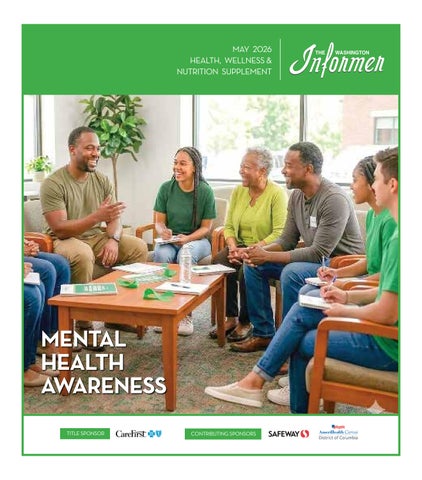
MAY 2026
HEALTH, WELLNESS & NUTRITION SUPPLEMENT

READ THE WASHINGTON INFORMER YOUR WAY:
n In Print – feel the ink between your fingers of our Award Winning Print Edition
n On the Web – www.washingtoninformer.com updated throughout the day, every day
n On your tablet
n On your smartphone
n Facebook
n Twitter
n Weekly Email Blast – sign up at www.washingtoninformer.com

202-561-4100


For advertising contact Ron Burke at rburke@washingtoninformer.com ...Informing you everyday in every way

W. Rolark, Sr. Wilhelmina J. Rolark
PUBLISHER
Denise Rolark Barnes
THE WASHINGTON INFORMER
NEWSPAPER (ISSN#0741-9414) is published weekly on each Thursday. Periodicals postage paid at Washington, D.C. and additional mailing offices. News and advertising deadline is Monday prior to publication. Announcements must be received two weeks prior to event. Copyright 2016 by The Washington Informer. All rights reserved. POSTMASTER: Send change of addresses to The Washington Informer, 3117 Martin Luther King, Jr. Ave., S.E. Washington, D.C. 20032. No part of this publication may be reproduced without written permission from the publisher. The Informer Newspaper cannot guarantee the return of photographs. Subscription rates are $55 per year, two years $70. Papers will be received not more than a week after publication. Make checks payable to:
THE WASHINGTON INFORMER
3117 Martin Luther King, Jr. Ave., S.E Washington, D.C. 20032
Phone: 202 561-4100
Fax: 202 574-3785
news@washingtoninformer.com
www.washingtoninformer.com
STAFF
Micha Green, Managing Editor
Ron Burke, Advertising/Marketing Director
Shevry Lassiter, WIN-TV Producer
Ra-Jah Kelly, Digital Asset Manager
Lafayette Barnes, IV, Editor, WI Bridge DC
Desmond Barnes, WIN Daily Editor
Anthony Tilghman, Social Media Strategist ZebraDesigns.net, Graphic Design
Mable Neville, Bookkeeper
Angie Johnson, Office/Circulation Manager
Jada Ingleton, Content Editor
REPORTERS
Stacy Brown, National Reporter
Sam Plo Kwia Collins, Jr., Political/Education Reporter
Brenda Siler, Lifestyle Reporter
Ed Hill, Sports Reporter
Richard Elliott, Reporter
Skylar Nelson, Sports Reporter
Mya Trujillo, Environmental and International Reporter
PHOTOGRAPHERS
Shevry Lassiter, Photo Editor
Ja Mon Jackson, Asst. Photo Editor
Roy Lewis, Jr.
Robert R. Roberts
Anthony Tilghman
Abdullah Konte
Cleveland Nelson
INTERNS
Keith Golden Jr., Spring Intern
Kree Anderson, Spring Intern
Sumaya Abdel-Motagaly, Spring Intern

By Ricardo Johnson Chief Growth Officer at CareFirst
Mental health is fundamental to our overall well-being. It affects every community, every family and, at some point, nearly every person. Yet, for too many people, accessing care remains a challenge. At CareFirst BlueCross BlueShield, we believe mental health care must be accessible, affordable, and treated with the same urgency and compassion as all areas of healthcare.
Growing up, I saw firsthand how stigma and gaps in access can shape health outcomes for individuals, families, and entire communities. That perspective continues to inform the way I think about healthcare. It reinforces the importance of leading with empathy and ensuring our efforts reflect the needs of those we serve.
Improving mental health outcomes requires more than clinical care alone. It calls for listening with intention, building trust, and addressing the factors that shape well-being. Across the region, we support programs that reduce stigma, strengthen communities, and connect individuals to care earlier when support can have the greatest impact.
This commitment is reflected in how we invest and collaborate. We expand access through virtual care, work alongside trusted community partners, and support innovative approaches that advance behavioral health and chronic condition management. At the center of this work is a clear goal: to help foster a system of care that is connected, responsive, and grounded in the people it is meant to serve.
Our focus remains clear. We are committed to making mental health care more equitable, more accessible, and more human. We are proud to stand alongside our members and communities in this shared effort, and we remain focused on building a future in which everyone has the support they need to live healthy, fulfilling lives.
n


By Micha Green WI Managing Editor
Spring has sprung, the sun is shining longer, the birds are chirping and flowers are blooming, which means May is in full effect!
Despite the beauty of the season, there have been shifts in the nation that are taking a toll on people’s mental health. Many people are stressed— from the war in Iran leading to rising prices and increasing political tensions across the nation.
However, experts and people such as the late and celebrated poet Maya Angelou, encourage finding healthy ways to release emotions.

“I thought at the time that it was noble to bear the ills one had silent ly,” Angelou said, “but not so silently that others didn’t know one was bearing them.
As May is Mental Health Awareness Month, this special edition high lights the importance of overall psychological wellness.
Throughout this edition, learn how community leaders prioritize mental well-being, check out programs providing resources to promote soundness of mind, and tap into the organizations working to uplift people of all ages through outlets that boost emotional health.
Further, May also marks Older Americans Month, celebrating the contributions of elders, while also cultivating conversations about the challenges they face. Readers will learn ways to help older residents, pro vide tips to prevent elderly isolation, and ensure they are treated with dignity.
Finally, this special edition is full of information to use beyond May and to reference regularly, in order to combat stress and promote mental wellness.
In highlighting emotional well-being, this edition also offers hope.
“I do hope that people can relate and understand it’s O.K. to not be O.K., and it’s O.K. to talk about it,” tennis player Naomi Osaka told Time in 2021. “There are people who can help, and there is usually light at the end of any tunnel.”
WI
“I do hope that people can relate and understand it’s O.K. to not be O.K., and it’s O.K. to talk about it,” tennis player Naomi Osaka told Time in 2021. “There are people who can help, and there is usually light at the end of any tunnel.”
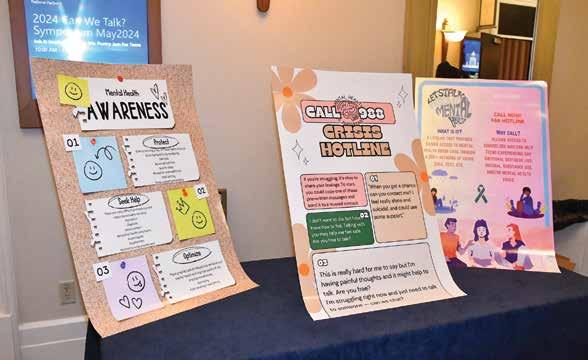


May 23 | 1:00 -3:00

Submitted by CareFirst BlueCross BlueShield
For years in the District, Medicaid has been a source of health coverage that supports everything from routine checkups to managing ongoing care. Changes in income and household size or policy updates can affect Medicaid eligibility, often leaving residents wondering: What do I do next?
DC Health Benefit Exchange, CareFirst BlueCross BlueShield, Amerihealth and MedStar teamed up to answer that very question. Everyone deserves access to quality healthcare, regardless of your circumstances. While these
moments can feel uncertain, they also open the door to coverage options that can continue to connect you to the right care, at the right time, like the Healthy DC Plan.
The Healthy DC Plan serves Washington, D.C. residents age 21 and older with income between 138% and 200% of the federal poverty level who may not qualify for Medicaid but still need affordable coverage options.
This is more than just keeping people insured; it’s about keeping people healthy. The Healthy DC Plan offers access to essential health services, in-
cluding preventive care, primary care visits and ongoing treatment. Additionally, it offers access to a network of providers helping to ensure that individuals can continue seeing doctors they trust and receiving care in familiar settings.
Eligible adults can take advantage of this no-cost option to provide stability and an affordable path forward.
For anyone who may lose coverage, it’s important to know the best steps to take. We recommend you:
Act early: Planning ahead helps avoid gaps in care.
Review all available options: Comparing plans ensures the best fit for both your health needs and your budget.
Seek guidance if needed: Enrollment experts and community-based organizations can provide free, one-on-one support.
Keep information up to date: Accurate household and income details help ensure correct eligibility and plan selection.
Taking these steps can help you
move forward with clarity and confidence.
Moments of transition don’t have to be daunting. They also can be moments of opportunity to further your health. By staying con-
nected to care and informed about available options through Health DC Plan you can continue building a stronger, healthier future. For more details regarding the plan and how to take advantage of the program, visit www.dchealthlink. com/HealthyDCPlan. n
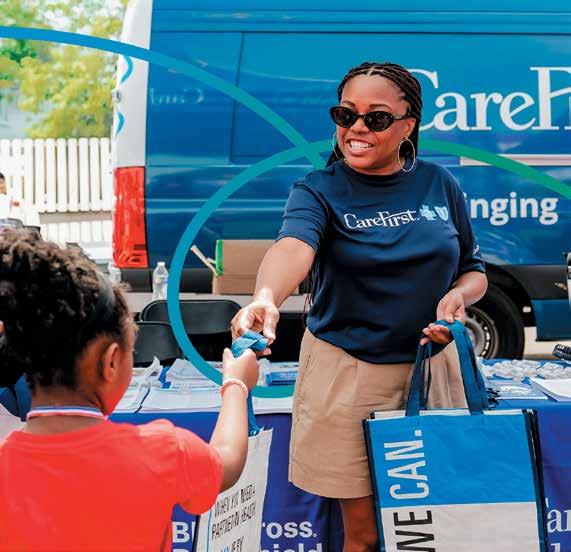
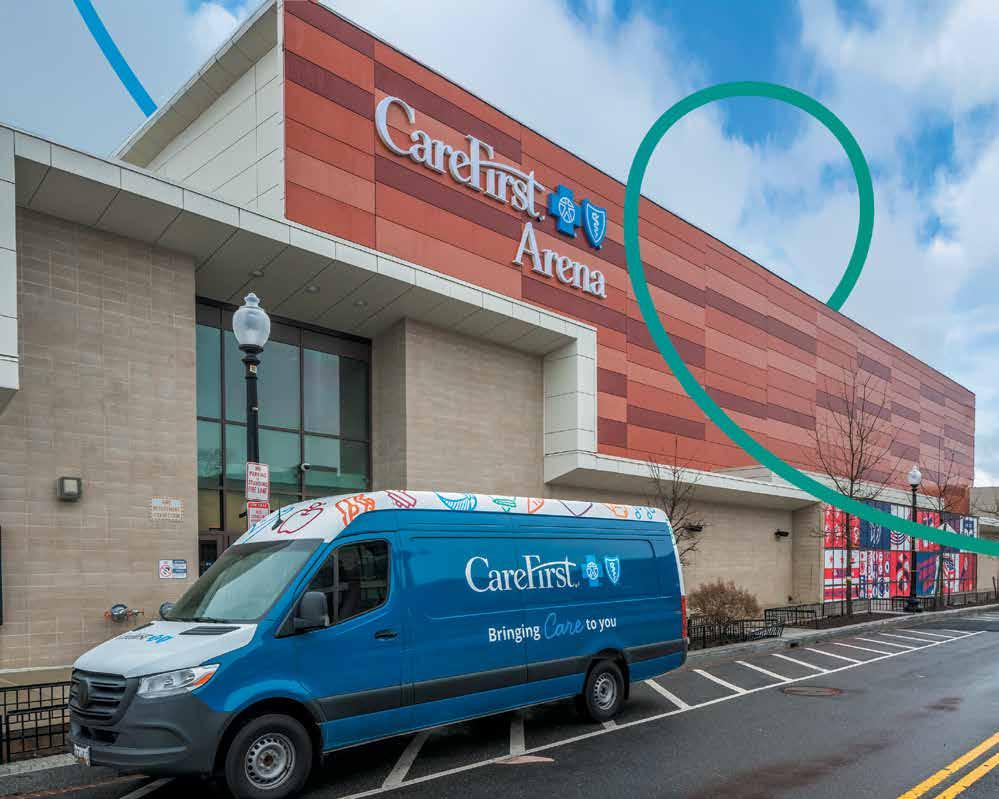
By Dr. Bryan O. Buckley and Christy Respress
Unmet mental health needs show up every day across the District—in emergency rooms, shelters, schools, and homes. When care is out of reach, life gets harder. People struggle to remain housed, stay connected to work or school, and get help before challenges escalate. What often looks like a housing, workforce, or public safety issue is, at its core, a mental health issue.
Mental Health Awareness Month asks us to confront that reality and move beyond awareness. Access to care must be consistent, community-based, and designed for real life—not limited to moments of emergency.
In Washington, D.C., the need for behavioral health care is clear. One in six young people experience a major depressive episode each year, and entire neighborhoods are designated as Mental Health Provider Shortage Areas. These gaps affect whether people stay connected to care and avoid crises across areas such as housing, education, workforce participation, and more.
As CareFirst BlueCross BlueShield concludes a three-year, $8 million investment, its impact across the region comes into focus. The initiative supported 19 community-based organizations working to address barriers to behavioral health care heightened by the pandemic, particularly for children, adolescents, and families, while also expanding the behavioral health workforce in communities with limited access to care. This investment spanned many communities and approaches, but its impact is most visible where unmet mental health needs collide with everyday realities. For some, gaps in care have immediate consequences. Nowhere is
that clearer than in housing.
For many people experiencing chronic homelessness in D.C., serious mental illness has gone untreated for years. An estimated one in five of the roughly 5,000 unhoused residents in the District lives with a serious mental illness, often cycling between the streets, shelters, emergency rooms, and jails, without coordinated housing and health support.
CareFirst and Pathways to Housing DC share a core understanding: Housing stability and behavioral health are inseparable. Homelessness is not only a housing issue, but also a behavioral health issue, shaped by where and how people live and by their ability to access sustained, coordinated care.
For decades, Pathways has delivered community-based behavioral health care and housing for individuals experiencing chronic homelessness and serious mental illness in all eight Wards of D.C. Their model meets people where they are, providing relationship-based, coordinated care that supports long-term stability.
Pathways was one of the organizations supported through CareFirst’s behavioral health grant investments, which were informed by extensive engagement with community providers and subject matter experts across the region.
But access to care does not exist without the people providing it.
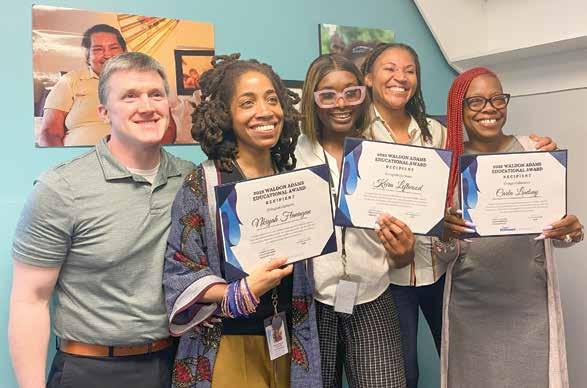
Pathways’ work depends on multidisciplinary teams that include psychiatrists, nurses, social workers, addictions counselors, and peer specialists. These teams
In Washington, D.C., the need for behavioral health care is clear. One in six young people experience a major depressive episode each year, and entire neighborhoods are designated as Mental Health Provider Shortage Areas.
provide comprehensive support, help individuals navigate complex needs, and build trust over
time. When services are disrupted, people are often forced to start over—retelling their stories and re-engaging with systems that may not have worked for them in the past.
Across the District and the broader region, community-based behavioral health providers continue to face workforce shortages. Burnout remains high, and many clinicians leave for roles with higher pay or more predictable hours. When staffing gaps grow, services contract, waitlists lengthen, and care is interrupted for those who rely on consistency most.
That is why CareFirst’s behavioral health investments placed strong emphasis on workforce expansion and retention. Through this partnership, Pathways expanded its community-based mental health and Integrated Health Care teams while also investing in workforce development—advancing education, creating pathways into behavioral health careers, and supporting professional growth, job satisfaction, and long-term retention.
Mental health care is not trans-

actional. It requires time, trust, and continuity. It depends on providers who know their communities and can build relationships that last. Without that consistency, even the most effective care models cannot achieve their full impact. And this model works. Pathways to Housing DC outpaces outcomes in traditional housing models. They boast a 90% housing retention rate—with 9 out of 10 individuals remaining successfully housed despite being typically deemed “treatment resistant” or “not ready for housing.”
While CareFirst’s behavioral health grants have concluded, the need has not—and the work is far from finished. Organizations like Pathways have demonstrated what sustained, community-based care can make possible when access and workforce are addressed together.
Expanding access, strengthening community-based organizations, and supporting the workforce remain essential to building stability for individuals, families, and communities.
Mental health cannot wait— and neither can the people depending on us to keep moving this work forward.
Dr. Bryan O. Buckley is head of public health and community impact at CareFirst BlueCross BlueShield. Christy Respress, MSW, is President & CEO at Pathways to Housing DC.
n

Councilmember Walla Blegay (D-At-Large)
“The mental health forum that we had on [May 4 at Sharon Bible Fellowship in Lanham, Maryland] was really helpful to the community.
“We were able to hear from a mother who is taking care of a child who has schizophrenia and how they are struggling with knowing what resources the county provides. And we were able to talk about that. We even had a few people talk about their experiences in an emergency room.
So we’re making sure now to let people know what resources the county has to assist them in mental health.
And that’s extremely important.
“I value our mental health in Prince George’s County, which is why I hosted the mental health town hall. This is a priority for us because mental health impacts all of the services. A lot of our crime is connected to mental health. A lot of our poverty is connected to mental health. Almost every day that the county encounters, our seniors, they are impacted with mental health. We talked about loneliness.
“We are seeing a higher number of suicides… We have a high number of unemployed who are experiencing mental health. So mental health is becoming a focus and a priority for all of us. And we realize in almost every area of government, we have to focus on men“Coming from representing nurses, seeing how much that impacted mental health, I am committed to addressing mental health at the county level and beyond.”
By D.R. Barnes WI Publisher
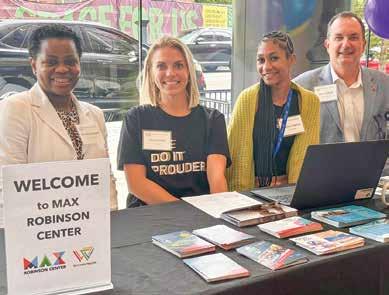
When the doors of the GW Cancer Prevention and Wellness Center opened at Whitman-Walker Max Robinson Center last October, the block party that marked the occasion drew an enthusiastic crowd eager to learn about cancer screening
and healthy living. This May 30, the center is taking things further — expanding the celebration to include every tenant partner in the building and wrapping around all four corners of the block.
The Healthy Summer Block Party, free and open to the public, will run from late morning into the afternoon at Max Robinson Center, located at
1201 Sycamore Dr. SE. Organizers say the event in Ward 8 is designed to be equal parts health education and neighborhood celebration — a community gathering where getting a mammogram and joining a line dance on the sidewalk are equally on the agenda.
“We keep talking about a health hub,” said Shayla Scarlett, assistant


director of community outreach, engagement and equity at the GW Cancer Center. “This is a great way to showcase us as a true health hub. When you combine all of us together, we really do span the gamut of health services in that community.”
The tenant partners coming together for the event include Breast Care for Washington, Ward 8 Advanced Technical Center (DC-ATC), GW Cancer Prevention and Wellness Center, New Hampshire Medical Supply, and of course: Whitman-Walker Health, Whitman-Walker Health System, and the Institute for Health Research and Policy at Whitman-Walker.
“Community outreach begins one conversation at a time, and the event on May 30 is the first of many opportunities to invite our neighbors into Max Robinson to learn about our expanded services and create their own relationship with this building, “ Dr. Heather Aaron, CEO of the Whitman-Walker Health System said. “It is wonderful to see the collaboration among all of the tenets, and I am so thrilled that Johnson & Johnson provided the funding to advance Whitman-Walker Health System’s vision to see Max Robinson continue to become a hub for innovation and impact that benefits Ward 8 and beyond.”
On the day of the block party, a select number of spots will be available for community members to receive on-site mammograms and ultrasounds, making the event not just educational but actionable.
Cancer screening and early detection will be front and center through-
out the day. Organizers plan to host a provider panel aimed at helping residents move past the fear and stigma that often prevent people from seeking screenings. Colorectal cancer screenings, prostate cancer awareness — particularly relevant in Ward 8 — and skin cancer prevention will all be addressed. Many in the African American community incorrectly believe that Black people cannot get skin cancer, and organizers are committed to dispelling that myth.
“Early detection saves lives,” said Scarlett. “We want to let go of the fear and get the necessary screenings that are important.”
Beyond cancer screening, the block party reflects the GW Wellness Center’s broader philosophy of lifestyle medicine — the idea that physical activity, healthy nutrition, restorative sleep, stress management, and social connection are powerful tools for preventing chronic disease. Interactive demonstrations will show families how to make healthy smoothies from ingredients available at any grocery store. A popular sugar-content demonstration, in which organizers physically measure out the sugar in sodas and energy drinks, is expected to return — a visual jolt that tends to stick with children and adults alike.
For young visitors who may wander over out of curiosity, the experience is designed to be engaging and educational. Magnetic boards displaying fruits and vegetables invite kids to reflect on what’s actually on their dinner plates and consider small additions they could make. The ap-
proach is deliberate: teach a child about healthy eating, and you reach their entire household.
“Being able to educate a young person about what healthy eating is can actually change a generation,” Scarlett said. The day will also showcase the wellness programming already quietly underway at Max Robinson Center, 1201 Sycamore Dr. SE. The GW Wellness Center currently offers free yoga every Wednesday at 12:30 p.m. and 6 p.m., hip-hop step aerobics on the second Saturday of each month, and self-defense classes. A nutrition series is planned for the near future.
And then there is the fun.
Double Dutch, a DJ, line dancing on the sidewalk, and cooking demonstrations all made the last block party a standout — and all are planned to return in some form this May 30. Organizers are actively seeking a line dance teacher for future programming. (If you know someone, they want to
hear from you.)
Scarlett’s message to Ward 8 residents ahead of the event is straightforward: show up.
“Show up and get the information. Show up and know that we are here to stay in the community,” she said. We want to be embedded in the community. We want to be a mainstay.”
For free tickets and more information visit Eventbrite. n

LEADERS from Page HS-7
“When I think of overall health and its totality and how we’re integrated as human beings by that— I mean, if you’re not eating healthy, you have a poor diet, if you’re not exercising regularly and taking care of your physical body, it tends to make you feel bad.
“If you’re overweight, If you’re feeling sickly and weak because of your poor physical health habits, it will bleed into how you feel emotionally and what you think about life and about everything, it is all connected, and then when you feel bad emotionally. And when you feel depressed or down or defeated or lacking hope, you tend to repeat the habits that got you there in the first place, which sticks a deeper hole.

“So when I think of mental health, I think of overall wellness, treating ourselves well, taking good care of ourselves, eating and drinking the right things, moving our bodies physically and doing the kind of physical exercise and training that helps us physically and mentally.
“One of the things we’re doing at our church on July 26, is a health focus where we get down to some of the medical things and health things that are important for people to keep in mind.
I think mental health cannot be separated or compartmentalized from the overall physical health as well.”
LEADERS Page HS-18

By Dr. Patrise Holden WI Contributing Writer
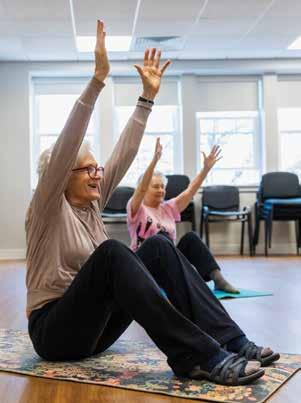
While May marks the month celebrating older Americans and raising awareness about mental health, growing anxiety about world events have caused heightened anxiety for many elderly adults living in the DMV area, and resulted in a call for the commu-
nity to take action.
“I would definitely say that worries for the elderly community are higher and more layered than they were even a decade ago,” Bee Harley, of Southwest, D.C., said.
At 76, Harley has seen neighborhoods change across the District, prices rise, technology replace human connection, and the world grow
more uncertain. She cites finances and the economy as one of the biggest concerns of D.C.’s elderly population.
“Health problems have restricted me from even part-time work,” said Harley. “Things are so expensive that it is almost impossible to live off the little bit of money that comes from your retirement; sometimes you have

to just do without.”
Former administrator Vickie Moore reports that the future feels increasingly fragile. Like many seniors, Moore says surviving on a monthly income requires constant calculation.
“When you work, you don’t think about the cost of absolutely every little thing,” the Southwest, D.C. resident explained. “Receiving money once a month and trying to figure out how to make it last all month with everything being so high is a constant stress.”
Despite growing concerns, seniors and wellness experts alike note that one of the greatest protections against anxiety, depression, and isolation has become community.
At Model Cities Senior Wellness Center in Northeast, D.C., Director Stacie Mack has spent the last 21 years helping older adults navigate not only the practical challenges of aging, but the emotional toll as well. Through the creation of innovative programs such as dance, field trips, meals, and a deep sense of camarade-
rie, Mack demonstrates the impact of safe gathering spaces on senior mental health.
“There is a senior wellness center in almost every ward in D.C.,” Mack said, “We see at least 95 people per day at our location, completely by word of mouth. That’s the power of the senior community in the District.”
Older District residents are navigating aging in a city where costs continue to rise while fixed incomes remain stagnant, and in some places, in decline. For many, retirement has not brought rest, but stress.
Moore worries about both the financial and physical cost of caregiving to her household. Once the person everyone leaned on, Moore now finds herself adjusting to receiving care instead of giving it.
“I used to make sure everybody else was OK,” she said. “Now I am on the opposite end of caregiving. My son has his own small child; he shouldn’t have to take care of me.”
For Harley, the emotional cost of aging can feel just as heavy as economic worries. Due to cancer treatments, which weakened her mobility,
•



she moves around carefully, assisted by walkers and canes. Despite physical and economic hardships, Harley revels in the fact that she is fully supported by her family.
“My memory hasn’t been the same since my cancer treatment,” Harley recalled. “My family, children, and grandchildren come to me. They cook, help clean, and assist with my medicine. I am tremendously blessed in that way.”
However, some seniors are not as fortunate as Harley to have a family or caregiving team.
The mother of four has witnessed this firsthand when, during a stay in a rehabilitation facility, she watched many seniors go months without a single visitor.
“One elderly patient had been there a year, and nobody came to see them,” Harley recalled. “That stayed with me.”
As director of Model Cities Senior Wellness Center, Mack says senior concerns today are far more layered than when she first began working in the field.
“Today’s senior population is growing, retiring earlier, and they’re more vocal about what they want and need,” she explained. “At the same time, they are overwhelmed.”
Much of that overwhelm centers around technology. Seniors are now expected to navigate smartphones, apps, telehealth systems, passwords,
downloads, phishing scams, and artificial intelligence, all while many are already struggling with memory issues, health challenges, or isolation.
“Calling somewhere, and it is always an AI generated voice on the phone, is frustrating,” said Moore. “So many health care providers have switched to telehealth, it is getting harder to see an actual doctor in person, and it bothers me.”
To help bridge the digital divide, the center, which provides meals, wellness programs, grief support, health screenings, and financial literacy resources, also offers weekly technology classes.
“We just held a session on AI where we helped the seniors transform their own photos into cheerleader or football uniforms to help them understand the power and the caution of AI imagery,” said Mack.
Through support from the District’s Department of Aging and Community Living and Seabury Resources for Aging, senior centers like Model Cities work to empower older D.C. residents through programming and building community.
Mack emphasized that her work with seniors is not just a profession, it’s her calling.
“When I talk with seniors, sit with them, and have meals with them,

I see a heaviness just fall away from them,” she said. Human connection is transformative. It not only fosters mental wellness, but in many cases, it also actually saves lives.”
Despite concerns among D.C.’s elderly community, Mack expresses optimism and admiration for their resilience.
“The aging population in D.C. is incredible,” Mack said. “Many of them have survived hard lives. They deserve peace of mind, quality of life, and a place where they feel cared for.”
She also revels in the joy within the walls of her senior programs in Northeast, including dancing, exercise, art, trips, laughter, companionship, and even a few marriages between seniors who met at various centers in D.C. The director believes those moments matter deeply in preserving mental wellness and dignity for older adults.
For seniors like Moore, the key to preserving emotional well being and dignity is also tied to connection through the love and pride of her only son and small granddaughter.
“Like me, my son has served the
District since he was a small child, eventually becoming the youngest commissioner in D.C. history for 8D04,” Moore recounted with pride. “That’s our legacy, family, service to others, and uplifting of underserved communities. I just hope that despite rapid policy changes, the District continues to value seniors like me who have worked their whole lives to be good people and loyal residents.”
Harley, who has also engaged in decades of community work in D.C., praises the resources available to seniors.
“I have been blessed by living in the District because D.C.’s medical plan has been really good to me,” said Harley. “My medications and transportation to medical and hospital appointments are all provided.”
Despite rapidly rising living costs, ongoing health challenges, and global instability, Harley has hope for the future.
“I am a woman of deep faith,” she said. “Because of that faith, I envision a better future for everybody, one free of suffering, especially for seniors.”
By Safeway Sincerely Health
Your children look to you to help set exaSugar brings a touch of sweetness to foods and drinks, but can also contribute to health issues like weight gain, diabetes, and cavities.[1] Gain a better understanding of the role sugar plays in your body and the recommendations of prominent health organizations.
Sugar is a carbohydrate (carb), and carbs are your body’s main source of fuel.[2] Your brain uses roughly half of the sugar in your bloodstream (called blood glucose) for energy.[3]
One of your brain’s most important functions is to rule over your nervous system.[4] It controls how you think, feel, move, and speak. It also regulates involuntary actions like breathing and digestion. Do you ever experience confusion or difficulty concentrating when you go too long without eating? That “brain fog” is a sign that you may be experiencing low blood sugar (hypoglycemia).[5]
How much sugar is OK to have every day?
The Dietary Guidelines for Americans recommend people 2 and older limit added sugars to no
more than 10% of calories per day. [12] Infants and toddlers younger than 2 shouldn’t get added sugars at all.[13] This recommendation is a little more generous than the American Heart Association recommendations. They suggest limiting added sugars to no more than 6% of total calories per day. [14]
What this really means for you depends on the guidelines you follow:
• Dietary Guidelines for Americans: If you consume 2,000 calories each day, only about 200 of those calories should come from added sugars. That’s about 12 teaspoons of daily added sugars.[15]
• American Heart Association: Females should limit added sugars to 6 teaspoons per day (about 100 calories).[16] Males should stick to about 9 teaspoons (150 calories) per day.[17]
3 ways to reduce your sugar intake
Step 1: Look for low- or no-sugar products
Choose products that have lowor no-added sugars. Since these claims can be confusing, here’s a
quick guide:
• No-added sugar products only have naturally occurring sugars. You may also see the claim “without added sugars.”[19]
• Reduced sugar products have at least 25% less sugar per serving than the standard variety.[20]
• Sugar-free products have less than 0.5 grams of sugar per serving.[21]
Step 2: Check the ingredient list Sugar comes in many forms, and food manufacturers may label them differently. These words on an ingredient list indicate added sugars:[22]
• Corn syrup or corn sweetener
• Fruit juice concentrates
• High-fructose corn syrup
• Honey
• Ingredients ending in -ose, such as dextrose, fructose, maltose, and sucrose
• Molasses
• Syrup
Step 3: Read the Nutrition Facts label

Nutrition Facts labels can help you determine if a food or drink has added sugars—and how much is in each serving. Since sugar is a carbohydrate, you’ll find the sugar information underneath total carbohydrates.[23]
Total sugars reflect the combined amount (in grams per serving) of naturally occurring and added sugars. There’s a separate line for added sugars (also in grams per serving). Next to this, you’ll

see the percent Daily Value (written as %DV).
The percent Daily Value helps you know if a product is high or low in added sugars. In general:[24]
• Products with 5%DV or less are low sources of added sugars
• Products with 20%DV are high sources of added sugars
In summary: Be sugar smart
Sugar plays a key role in our diet: As a carbohydrate, it helps fuel the brain and nervous system. But, using it in moderation is important since consuming too much sugar can have negative health effects. For health benefits, prioritize naturally occurring sugars in your diet. You can decrease your overall sugar consumption by reading Nutrition Facts labels and choosing products that are lower in added sugars.
Now that you know the benefits of eating less sugar, you may be curious about how to make smart shopping choices. Safeway’s Sincerely Health nutrition tool in the grocery app can help.


You can start by downloading the grocery app. You’ll save $10 on groceries* for creating an account. Next, create a personalized Sincerely Health nutrition profile to receive 1,000 points*.
Your nutrition profile allows you to:
• Set specific nutrition goals.
• Earn 10 points for items you purchase for a maximum 100 points per order (that’s 10 items at 10 points each).
Join Safeway’s Sincerely Health and set up your nutrition profile today.
n




By Julian B. Kiganda, Founder & Joy Architect, Soul Therapy Media
The data says the quiet part out loud.
Seventy-six percent of U.S. workers report at least one symptom of a mental health condition.
Fewer than 1 in 3 organizations say their wellness efforts actually improve performance or retention.
And 92% of workers say mental health support is essential, but fewer than half believe their employer is actually delivering it.
The majority of Americans are struggling with their mental health. Yet, most of the solutions being of-




fered in the workplace — the apps, the lunch-and-learns, the meditation reminders on Slack — are not moving the needle. Even employers with the best of intentions who have EAPs (Employee Assistance Programs) as a support are not immune to the growing mental health challenges in the workplace.
Eighty-two percent of U.S. businesses now offer an Employee Assistance Program, but utilization consistently sits between just 10% and 20%, which means that the majority of workers at organizations paying for EAP access never use it.
ty, and diet, which are some of the strongest predictors of depression and overall well-being — meaning what you eat, how you move, and how you rest are mental health decisions, not just lifestyle ones. And when holistic practices like meditation and movement are combined with traditional therapy, studies show the outcomes are more durable and satisfying than any single approach alone. The research points us toward a better way. But some lessons only come through fire.




There are multiple reasons why these approaches are not working. Though technology was meant to make us more efficient, it’s actually increased the workload for many U.S. workers and blurred the lines between personal time and work time. Add to that the growing number of workers caught in the "sandwich generation" — simultaneously caring for aging parents and raising children — and the weight of daily life has become nearly impossible to carry alone.

Additionally, the economy — and the world — is changing rapidly. Job losses due to advances in AI and shifts in business priorities all contribute to the uncertainty that is taking its toll on almost everyone’s mental health.
For African Americans and people of color, the challenge runs even deeper — with only 2% of psychiatrists and 4% of psychologists in the U.S. being Black, culturally informed care has always been hard to find, let alone afford.
Amidst all this, we are attempting to treat a whole-person problem with a one-dimensional solution. Therapy is a good start, but by itself, it is not enough. According to leading trauma researcher Bessel van der Kolk in his book The Body Keeps the Score, holistic and body-based approaches can reach and resolve trauma in ways that talk therapy alone simply cannot — because trauma is stored in the body's nervous system, not just in the brain. Trauma therapist, Dr. Anita Phillips, in her book The Garden Within, argues that true well-being requires addressing the connection between spirit, heart, mind, and body.
From a holistic wellness perspective, that means prioritizing things like sleep quality, physical activi-
I learned this after my own deeply personal journey through loss, burnout, and transformation after losing six people I loved in one year: wellness is not a one-time event. It's a practice you build. That journey is what Soul Therapy Media was built on — and it's what this Summit is about.
This May, Soul Therapy Media is co-hosting the Soul Therapy Wellness Summit: a free virtual interview series streaming live online, with conversations that go beyond the surface of wellness into the real work of feeling well. Mind, body, money, identity, community, joy — we're talking about all of it.
Your Summit co-hosts are four women who live this work every day: Julian B. Kiganda, Joy Architect at Soul Therapy Media; Dr. Jovan Jackson of Good News Financial & Investment Advisors; Queirra Fenderson, ICF-certified coach and Founder of The Ambition Studio®; and LaKesha Veney, Founder of DeVine Wine Jelly. Together, we're building a space for the kind of conversations our community deserves to have.
We believe that wellness is a “we” thing. Mental health isn't a personal problem; it's a community one. And the solution is a holistic approach that honors all of you. Because wellness isn't something you schedule once a quarter; it's something you practice every day.
Register for the Summit at soultherapymedia.com/summit26
The Washington Informer is the official media partner for the Soul Therapy Wellness Summit. Soul Therapy Media is a WBENC-certified creative wellness agency based in MD, serving individuals, corporations, and communities in the DC metro area and beyond. n
By Zerline Hughes Spruill WI Contributing Writer
Alexandra Miles’ has firsthand knowledge of the healing therapy brings.
Having battled with anorexia, she spent an extended time in a treatment center to learn how to restore her health. While there, she met Kendra Williams, who was younger, from another community and suffered a different trauma, but the two connected through silent pain. They realized they shared the very human desire to be heard.
“I told her, ‘I know that I don’t want to die and I wake up everyday, but I also don’t want to be alive,’” recalled Miles. “‘I feel numb, paralyzed, ashamed to be here. I don’t know what I’m doing.’ [Williams] looked up and she said ‘yeah, me too.’ It was the deepest connection I’ve felt. She made me feel seen and I made her feel seen.”
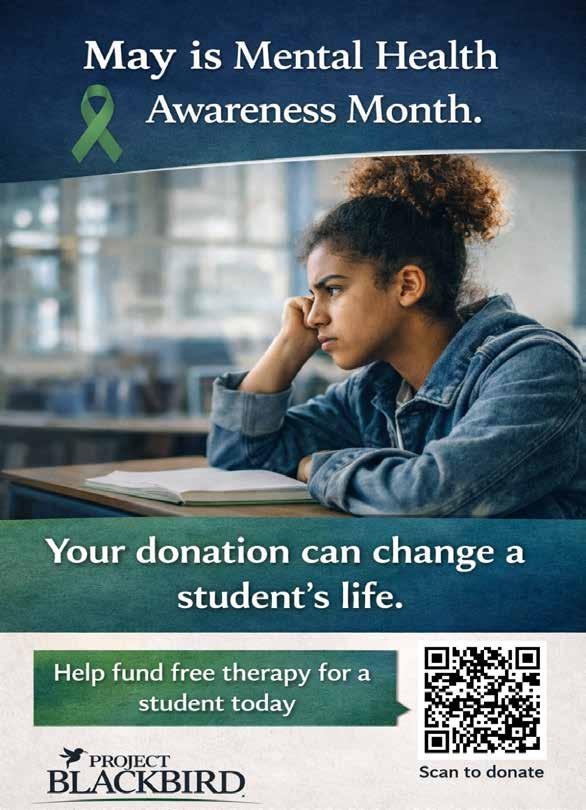
Upon returning home to continue her healing process, Miles was called to create Project Blackbird in 2022, a nonprofit organization to ensure students have access to free mental health resources and a platform to share their story.
“It’s about students feeling safe, opening up about their own mental health,” said Miles. “The pandemic resulted in a lot of loneliness for students. Students didn’t have the opportunity to develop connections because they were in isolation during pivotal years. There’s a lot of difficulties in lone-

support throughout life.”
Project Blackbird celebrated its fourth anniversary this month at Nationals Park with its annual
liness and loneliness leads to a lot of mental health struggles. We want students to feel open to going to mental health services.”
Named for the tattoo that graced Williams’ neck, Project Blackbird is invited into communities, K-12 schools and college campuses to screen a film based on a true story, which is followed by a curated panel of influencers who share personal stories. Students then complete a journal prompt about themselves. It then connects the youth with local and national resources, including free therapy for up to a year.
Project Blackbird partners with clinicians, dietitians, treatment centers, banks, influencers and Housing and Urban Development to address as many issues students may have. The organization’s network, including a former two-year partnership with virtual mental health care company Talkspace, allows young people to receive sponsored therapy services with licensed providers.
“We’re proud of the impact we made together over the past two years and continue to support the important work Project Blackbird is doing to increase access to mental health resources,” said Lea Krugolets, Talkspace senior director of youth programs. “Early therapy helps young people build emotional awareness, resilience, and healthy coping skills before patterns become harder to change. Starting therapy young can also reduce stigma and normalize seeking
mental health gala, raising funds to continue offering free mental health resources.
“We chose National Park baseball stadium because we do focus on youth and really wanted to bring everyone together in a space
of joy,” said Miles.
Sports agent, author and mental health advocate Leigh Steinberg was honored, Project Blackbird ambassadors shared personal stories, including: former Georgetown University basketball team player and NBA star Jerome “Junk Yard Dog” Williams, Baltimore City Councilmember Phylicia Porter and former Washington Nationals pitcher Chad Cordero. The unique event offered a therapeutic puppy playpen, a wellness
MILESPage HS-19
By Monique LeNoir Board Chair
The African American Wellness Project
I remember when there used to be a time when you could only watch the news during certain times of day. The morning news came on before school or work. The evening news aired around dinner. Then it was over. You went outside, spent time with family, and moved on with your day.
Social media also felt different. It was mostly a collection of happy posts, graduation pictures, birthday wishes, back-to-school photos, and fashion trends. Back then, the biggest problem on social media was somebody tagging you in an ugly photo from three years ago that you thought nobody would ever see again.
Now, despite several attempts to change my settings, I still end up with random depressing news stories and disturbing videos flooding my feed. Stories about violence,
political division, economic anxiety, police brutality, war, and fear-inducing headlines designed to keep us scrolling. Too often, I fall asleep with back-to-back news shows playing on CNN or other news outlets.
Many of us do not even realize how much this constant exposure is affecting our minds, bodies, and spirits.
There is now a term for this behavior, “doomscrolling,” the compulsive habit of consuming endless negative news online. Researchers have found that doomscrolling is linked to increased anxiety, stress, fear, depression, and emotional exhaustion. Social media platforms are intentionally designed to maximize engagement, meaning emotionally charged content is often pushed to the top of our feeds because it keeps people watching longer.
According to the American Psychological Association, adults who constantly consume news report
higher levels of stress, anxiety, and feelings of helplessness. Studies have also shown that excessive social media use is associated with poor sleep quality, loneliness, depression, and lower self-esteem, especially among young people. For African Americans, the impact can be even heavier. Black Americans are not simply consuming general bad news. We are often repeatedly exposed to racial trauma online, videos of police violence, racist commentary,


discrimination, and attacks on our communities.
A recent study found that Black youth experience an average of six race-related online experiences every day, with more than half being negative. Exposure to online racism was associated with higher levels of anxiety, depressive symptoms, trouble sleeping, and difficulty concentrating in school.
This matters because social media is no longer just entertainment. For many people, it has become their primary source of news, community, and interaction. The result is a constant state of emotional alertness.
Many African Americans already carry significant stress tied to economic inequality, caregiving responsibilities, workplace pressure, and navigating discrimination. Adding a nonstop stream of traumatic and negative content can overwhelm the nervous system contributing to anxiety, sleep problems, burnout, hopelessness, and emotional numbness.
At the African American Wellness Project, we understand that mental health cannot be separated from physical health. Chronic stress impacts the body as much as the mind. Studies continue to show links between prolonged stress and high blood pressure, heart disease, sleep disorders, weakened immune systems, and other health disparities that disproportionately affect African Americans.
We also have to acknowledge that algorithms do not always prioritize what is healthy for us. They prioritize what keeps us engaged. That does not mean we should disconnect from reality or ignore what is happening in the world. But there is a difference between being informed and being emotionally consumed.
Protecting our mental health must become part of protecting our overall health.
Here are a few ways Black communities can begin creating healthier relationships with news and social media:
You do not need to consume breaking news 24 hours a day to stay informed. Consider checking trusted news sources once or twice a day instead of continuously scrolling.
Stop sleeping with the television on
Falling asleep to negative news keeps the brain in a heightened state of stress. Create a nighttime routine that allows your mind to rest. Music, prayer, reading, meditation, or silence can make a difference.
Unfollow accounts that consistently increase anxiety or anger. Follow pages that promote wellness, Black joy, culture, faith, fitness, education, and positivity.
Even short digital breaks can reduce stress and improve focus. A few hours offline can help reset the mind.
Talk to family members. Spend time with friends. Go outside. Attend community events. Human connection is one of the strongest protections against anxiety and isolation.
Therapy is not weakness. Emotional wellness is healthcare. More African Americans are beginning to prioritize mental health support, and culturally competent therapists continue to grow.
In a world where negativity is constant, choosing to protect our peace may be one of the most powerful forms of self-care we have. After all, sometimes the healthiest thing we can do is put the phone down, turn the television off, and reconnect with the life that is right in front of us, beyond the algorithm.
n
Submitted by AmeriHealth Caritas District of Columbia (DC)
The teen years bring rapid change. Bodies grow, emotions shift, and social pressures increase. These changes can affect both current and future health. Just like adults, teenagers need regular preventive visits where they can receive recommended screenings, counseling, and vaccines.
Under the Early and Periodic Screening, Diagnostic, and Treatment (EPSDT) benefit, children younger than age 21 enrolled in Medicaid are entitled to a full range of preventive services. These visits are designed to catch concerns early, before they develop into bigger problems.1
The Bright Futures/American Academy of Pediatrics’ (AAP) Recommendations for Preventive Pediatric Health Care, also known as the “Periodicity Schedule,” recommends that adolescents receive annual preventive care between the ages of 11 and 21.2 These visits allow providers to monitor growth, development, and emotional health at every stage.
Regular appointments also create consistency. When teens see the same provider every year, it becomes easier to identify slight changes in mood, behavior, or physical health. Even when a teen appears healthy, screenings during
these visits can uncover concerns that might otherwise go unnoticed.
Mental health concerns among teenagers have risen significantly, with depression increasing by 30% and anxiety increasing by 29% between 2016 and 2020.3 Feeling sad all the time, losing interest in activities, sleep changes, irritability, or trouble focusing can be signs of depression or other mental health concerns. Annual checkups include mental health screenings that may involve brief questionnaires or conversations about mood, stress, and coping. Providers are trained to speak directly with teens in a confidential setting, encouraging more open and honest discussions about their experiences. Early identification matters. Untreated depression in teens can affect academic performance, relationships, and longterm health.4
During a preventive visit, providers may assess more than a teen’s immunization status. Screenings often include:
• Depression and anxiety screenings
• Behavioral risk assessments
• Suicide risk screening
• Sexual health counseling and STI screening
• Blood pressure and cholesterol checks
• Vision and hearing screenings
These screenings are recommended by national health authorities and are part of a comprehensive preventive approach outlined by the Centers for Disease Control and Prevention.
Learning to schedule and attend appointments helps teens build responsibility for their own health. It also gives them space to speak openly with a provider about stress, relationships, body image, or social pressures.
Parents play the most important role in maintaining preventive care. Keeping track of yearly visits, watching for behavior changes, and encouraging open conversations can make a big difference. Parents should watch for warning signs of behavioral health issues such as withdrawal, dramatic mood shifts, or declining academic performance.
Teen checkups are health evaluations designed to support physical growth, emotional resilience, and long-term wellness. Making and keeping annual appointments ensures that teens receive the screenings, guidance, and support they need during one of the most formative stages of life.
Sources
1. “Adolescent Development,” Cleveland Clinic, January 5, 2023, https://my.clevelandclinic. org/health/articles/7060-adolescent-development, accessed March 23, 2026.
2. “Recommendations for Preventive Pediatric Health
FHealthy pregnancies begin with early prenatal care and trusted support. However, recent national data shows that more people across the United States are delaying prenatal care beyond the first trimester. In the District, 10.8% of pregnancies in 2024 received late or no prenatal care.5 These trends highlight why early connection to care matters more than ever.
For AmeriHealth Caritas DC enrollees, support begins with the Bright Start® maternity program, which helps enrollees access care and essential resources from the first trimester through postpartum recovery.
The Bright Start maternity program helps enrollees make informed choices throughout their pregnancy journey. Enrollees can receive help with:
• Finding an OB/GYN, midwife, or doula
• Scheduling appointments and arranging transportation
• Accessing essentials such as diapers, car seats, and breast pumps
Bright Start also connects families to:
• Breastfeeding support
• Childbirth education classes
• Nutrition programs such as WIC
Care Managers check in regularly, offering encouragement, answering questions, and coordinating care when it’s needed most. With practical resources and compassionate support, Bright Start empowers families to begin their journey with confidence, creating a strong, healthy start for both parent and baby.

Care,” American Academy of Pediatrics, February 2025, https://downloads.aap.org/AAP/PDF/ periodicity_schedule.pdf, accessed March 23, 2026.
3. Anny H. Xiang, PhD et al., “Depression and Anxiety Among U.S. Children and Young Adults,” JAMA Network Open, Vol. 7, No. 10, October 1, 2024, https://jamanetwork.com/journals/ jamanetworkopen/fullarticle/2824286, accessed March 23, 2026.
4. “Teen Depression,” Mayo Clinic, https://www.mayoclinic.org/diseases-conditions/teen-depression/symptoms-causes/syc-20350985, accessed March 23, 2026.
5. “Changes in Timing of Prena-
tal Care Initiation: United States, 2021 – 2024,” Centers for Disease Control and Prevention, https://www.cdc.gov/nchs/products/databriefs/db550.htm#section_5, accessed March 23, 2026.
All images are submitted by AmeriHealth Caritas District of Columbia and are used under license for illustrative purposes only. Any individual depicted is a model . n
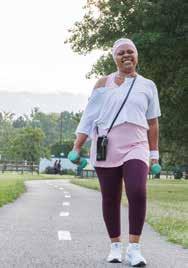
Join us throughout the month of May for a variety of FREE and low-cost sports and fitness programs that will support your path to wellness. Participate in one or more of our programs this month, including:
• Fitness Classes
• Health Education & Nutrition Programs
• Sports and Aquatic Programs
• Senior Programs
• Fitness Center Open Houses
• Outdoor Adventures





Scan the QR code to view the complete list of May is National Physical Fitness & Sports Month programs offerings!
Support The Washington Informer as we Celebrate 61 Years.
Donate online today at wicharities.org
Purchase an ad to support our education programs. Email rburke@washingtoninformer.com LEADERS from Page HS-9
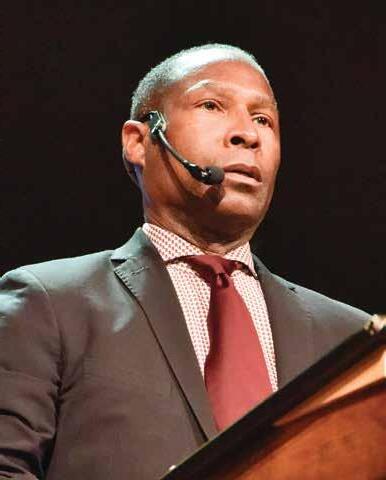
Rev. Henry Davis pastor of First Baptist Church of Highland Park Landover, Maryland
“Mental health month is important because God is mind, body, and soul. We try as a church to minister to those in the three aspects of the person.”
And so not just because it’s mental health month, but we need to be spiritually healthy, emotionally healthy, and financially healthy. All of those things have a way of working together.
And so what we try to do is to give people the kinds of tools that can help them to navigate through life. Of course, this ministry is focused on all our seniors, our millennials, young people. We have in our church what we call the guiding ministry. We have persons who would love to bring people to the Lord.”

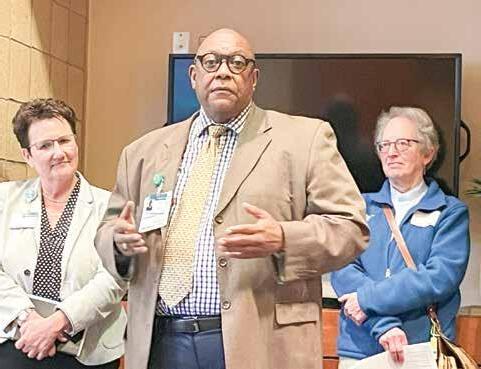
an organization to pick them up once a week, or where they can take [seniors] out so that they can find a way to be more insulated.
“One of the things that can happen with the elderly and older population, is that I realize that as they get older and families sometimes move away in a distance. Whether it’s a social civic organization or where they live in their facility or something, the challenge is trying to change the language from being isolated, to being insulated.
“[Perhas] there’s a book reading club or a prayer group among the elderly, maybe there’s
“The other thing is, maybe journaling. They can find a way because sometimes we come to the place where people are not always present, but sometimes we need to work and find a way to have a presence of mind, and give a value to who we are as elderly and older people.
“So I think it’s trying to find mechanisms to be insulated, greater than being isolated. Because you can be in a crowd of people and be isolated. But you can be out by yourself and be insulated. And so if we can just trying to work toward that, then in that framework, we can minimize the impact of depression that leads to other elements of mental health.” n
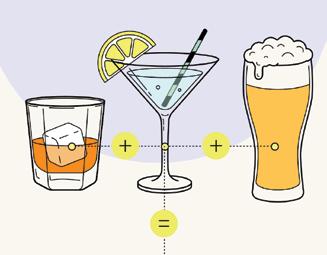
Beer, wine, and spirits all contain the same type of alcohol, which affects your body in the same way, no matter what you’re drinking
from Page HS-15
activation hosted by Glowbar, and featured local artisans and vendors that presented gifts tied to attendees’ health journey.
Further, vocalist, theatrical storyteller, mental health and LGBTQ+ rights advocate Krystofer Maison roused the crowd with a unique performance.
“We want everyone to celebrate the impact we made and to acknowledge that while everyone isn’t experiencing joy, every individual has the chance to,” Miles explained. “We have to help them get there.”
During the event, Project Blackbird announced its
2026 initiatives, including an HBCU tour in collaboration with the Department of Education. The multi-year initiative will also be tied to an initiative to help college athletes balance mental health and resilience.
“We are working to expand this work in a way that is intentional, culturally relevant, and grounded in equity for all,” Miles told The Informer. “We want to encourage connection. Connection at the core is one of the more important elements of mental wellness. It’s about breaking stigma, bolstering communities and uplifting services that already exist.” n