THE WASHINGTON INFORMER NEWSPAPER (ISSN#0741-9414) is pub-
lished weekly on each Thursday. Periodicals postage paid at Washington, D.C. and additional mailing offices. News and advertising deadline is Monday prior to publication. Announcements must be received two weeks prior to event. Copyright 2016 by The Washington Informer. All rights reserved. POSTMASTER: Send change of addresses to The Washington Informer, 3117 Martin Luther King, Jr. Ave., S.E. Washington, D.C. 20032. No part of this publication may be reproduced without written permission from the publisher. The Informer Newspaper cannot guarantee the return of photographs. Subscription rates are $96 per year, two years $168. Papers will be received not more than a week after publication. Make checks payable to:
THE WASHINGTON INFORMER
3117 Martin Luther King, Jr. Ave., S.E Washington, D.C. 20032
Phone: 202 561-4100
Fax: 202 574-3785
news@washingtoninformer.com
www.washingtoninformer.com
PUBLISHER
Denise Rolark Barnes
STAFF
Micha Green, Managing Editor
Ron Burke, Advertising/Marketing Director
Shevry Lassiter, WIN-TV Producer
Ra-Jah Kelly, Digital Asset Manager
Lafayette Barnes, IV, Editor, WI Bridge DC
Desmond Barnes, WIN Daily Editor
Anthony Tilghman, Social Media Strategist ZebraDesigns.net, Graphic Design
Mable Neville, Bookkeeper
Angie Johnson, Office/Circulation Manager
Jada Ingleton, Content Editor
REPORTERS
Stacy Brown, National Reporter
Sam Plo Kwia Collins, Jr., Political/Education Reporter
Brenda Siler, Lifestyle Reporter
Ed Hill, Sports Reporter
Richard Elliott, Reporter
Skylar Nelson, Sports Reporter
Mya Trujillo, Environmental and International Reporter
PHOTOGRAPHERS
Shevry Lassiter, Photo Editor
Ja Mon Jackson, Asst. Photo Editor
Roy Lewis, Jr.
Robert R. Roberts
Anthony Tilghman
Abdullah Konte
Cleveland Nelson
INTERNS
Keith Golden Jr., Spring Intern
Kree Anderson, Spring Intern
Sumaya Abdel-Motagaly, Spring Intern
By Micha Green WI Managing Editor
While the District is already navigating new federal and local policy changes— from Nationals Guardsmen and ICE officers patrolling the streets at the behest of the Trump administration, to a mayoral ordered youth curfew— a lot more is about to change.
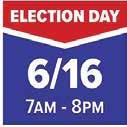
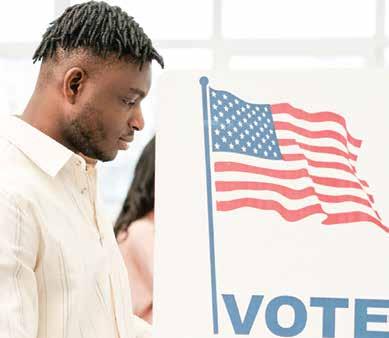
In January 2027, the city’s leadership will look a lot different than it has in decades. However, who those politicians will be and how they will guide the nation’s capital into the future is up to District residents voting in the June 16 2026 Primary Elections.
“You’ve got to vote, vote, vote, vote,” said former First Lady Michelle Obama in her May 2015 commencement address at Tuskegee University. “That’s it; that’s the way we move forward.”
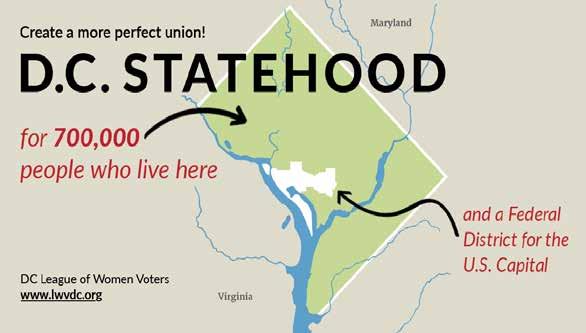
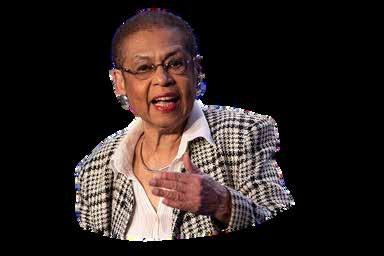
District of Columbia Del. Eleanor Holmes Norton (D) is stepping down after 35 years. Often called “the Warrior on the Hill,” the longtime advocate for District residents in the House, leaves as Washingtonians still fight for statehood, offering more than a voice, but a vote.
D.C. Mayor Muriel Bowser (D), the first Black woman to be elected for three consecutive fouryear terms in any major city, has also announced she will not seek reelection. This comes as Washingtonians also await the next chancellor of D.C. Public Schools– a
role named by the mayor— all the while dealing with interference from the Trump administration, such as locally reinstating the death penalty and U.S. Attorney General Jeanine Pirro seeking to prosecute parents of juveniles who commit crimes.
Then, there are races for the attorney general and the D.C. Council, where in the latter, candidates are vying for chairman, plus at-large and Wards 1, 3, 5 and 6 seats.
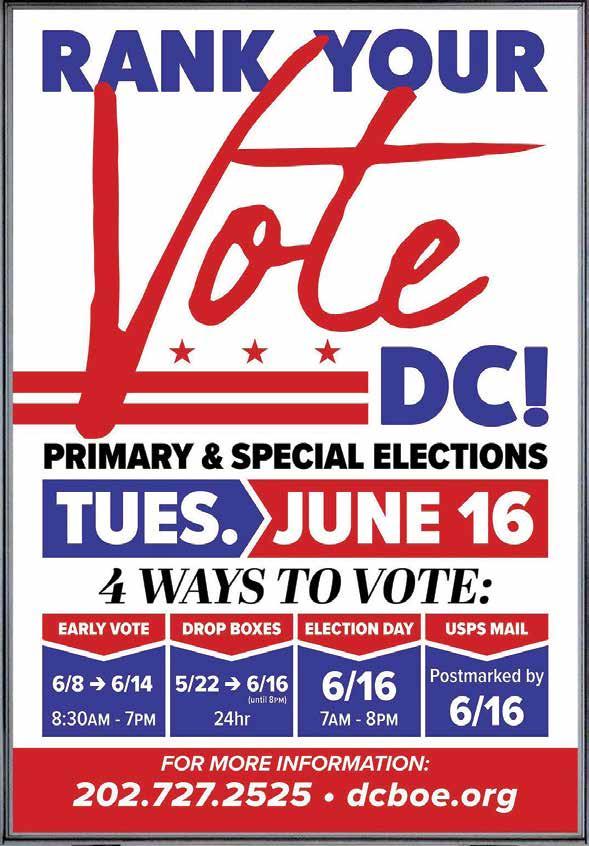
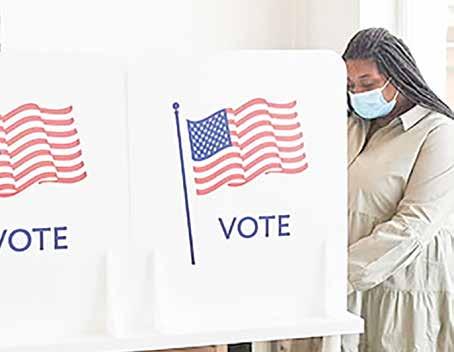
If that’s not enough, this is also the first election where District residents will use the new rankedchoice voting method, which means how one fills out the ballot is incredibly important. With ranked-choice voting, ballots must be filled out correctly or else it is invalidated.
The historicity of the primaries goes in tandem with the major importance of this election. D.C. residents who were registered to vote by May 26 are being called on to make their voices heard and answer a lot of questions, including: Does ranked-choice voting really work for the District?
Moreover, there’s been a federal threat to voting rights. Consider the Supreme Court’s decision in “Louisiana v. Callais,” which weakened a portion of the Voting Rights Act, and heightened nationwide redistricting efforts that disenfranchise Black voters.
This election offers an opportunity for people— particularly
Black folks— to unapologetically exercise their civic duty when filling out and turning in a ballot.
In 1964, when Malcolm X talked about “the ballot or the bullet” he was not necessarily calling for violence, but emphasizing the dire need for justice in the U.S. as Black Americans fought toward true liberation. He equated the ballot to “freedom.”
“Black people are fed up with the dilly-dallying, pussyfooting, compromising approach that we've been using toward getting our freedom,” he said. “We want freedom now, but we're not going to get it saying ‘We Shall Overcome.’ We've got to fight until we overcome.”
Casting an informed ballot, the freedom fighter believed, is as important as how one uses a bullet.
With The Washington Informer Voter’s Guide, Washingtonians will have all the information they need to feel empowered going into the 2026 Primary Election.
Although the District is facing a lot of change amid challenges, remember, casting a vote is the first step in working toward a stronger future.
“It doesn’t matter how strong your opinions are,” equity advocate Coretta Scott King, the wife of civil rights icon the Rev. Dr. Martin Luther King Jr., once said. “If you don’t use your power for positive change, you are indeed part of the problem.”
WI
In Memoriam Dr. Calvin W. Rolark, Sr. Wilhelmina J. Rolark
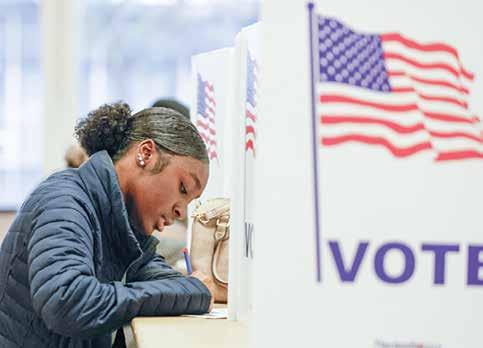
5 The 2026 Primary Elections in Washington, D.C. will offer insight into the District’s changing leadership and the future for the nation’s capital. (WI File Photo/Robert R. Roberts)
view P INT
BY MICHA GREEN
“Why is the D.C. Primary Election so important?”
MAYA CYRUS-FORT / DUPONT IN SOUTHEAST, D.C.
“[District of Columbia Public Schools] operates under mayoral control, so what matters to me in this upcoming election is electing a leader who will expand resources and ensure equitable access to high-quality instruction and services for students and schools in every ward across the city. Also, it matters to me that we elect a leader who will seriously address the grocery gap in the city, doing whatever is necessary to increase access to grocery stores in Wards 7 and 8, and potentially championing the development of a grocery store on the East Capitol Street site left vacant by Walmart pulling out of the Capitol Gateway project. Finally, it matters to me that we have a mayor who will defend and respect the will of the citizens of Washington, D.C.— whether expressed through ballot initiatives or legislation passed by our duly elected members of the [D.C.] Council— rather than deferring to members of Congress who do not represent us and for whom we cannot vote. I expect the mayor to be a strong advocate for and defender of Home Rule.”
JESSE RABINOWITZ/ SHEPHERD PARK IN NORTHWEST, D.C.
ANTHONY LEE WRIGHT / BENNING RIDGE IN SOUTHEAST, D.C.
“This election is for the souls of the city. Kenyan McDuffie is best situated and prepared to take on the challenges that lay ahead."
“This is perhaps D.C.'s most vital primary in decades, because we are selecting a leader who will need to stand up to [President Donald] Trump while also making housing cheaper and keeping our communities safe and well.”
Frequently Asked Questions (FAQs)
OVERVIEW
RANKED CHOICE VOTING (RCV) - WHAT IS IT?
Ranked choice voting (RCV) is a voting method in which voters rank candidates in order of preference (1st choice, 2nd choice, 3rd choice, 4th choice, 5th choice). Beginning with the June 2026 Primary Election in D.C., ranked choice voting will be used in eligible contests with three or more candidates. RCV allows your vote to count towards another candidate if your 1st choice candidate receives the fewest votes.
Why does D.C. use RCV?
In 2024, D.C. voters supported a ballot initiative that would implement RCV in the District of Columbia. The D.C. Council funded RCV in the FY2026 budget.
ELIGIBLE CONTESTS
Who is elected using RCV?
In D.C., RCV is used in the following contests if there are three or more candidates on the ballot:
President and Vice President of the United States; Mayor of the District of Columbia; Attorney General; Chairman of the Council of the District of Columbia; Delegate to the United States House of Representatives; Members of the Council of the District of Columbia; Members of the State Board of Education; United States Senator; United States Representative; and, Advisory Neighborhood Commissioner.
RANKING CANDIDATES
How many candidates can I rank?
In eligible contests with three or more candidates, voters may rank up to five candidates, including write-in, or as many candidates as there are in the contest if fewer than five.
Am I required to rank candidates?
No. You can still vote for your 1st choice candidate. However, ranking other candidates does not harm your 1st choice.
If I rank multiple candidates, does that mean I voted multiple times?
No. Only one vote counts per race. Your 2nd (or later) choice will only be considered if your 1st choice fails to get enough votes and is eliminated.
What happens if there is a tie?
It is extremely unlikely that a ranked choice election will end in a tie. However, if there is a tie at any step of the process, it will be decided “by lot”, which means the Chairperson of the Board of Elections (or designee) will flip a coin.
What are the rules for ranking candidates?
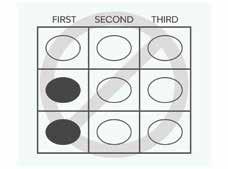
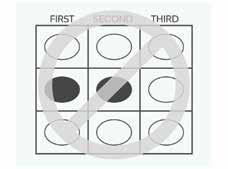
You should not give multiple candidates the same ranking, rank a candidate more than once, or skip a ranking (i.e., rank 1, 3, but skip 2).
BALLOTS
HOW DO I COMPLETE A RANKED CHOICE BALLOT?
With RCV, voters can rank up to five candidates in order of preference. As a voter, you should:
• Pick your 1st choice candidate and completely fill in the oval next to their name under the 1st column.
• If you have a 2nd choice candidate, fill in the oval next to their name under the 2nd column.
• If you have a 3rd choice candidate, fill in the oval next to their name under the 3rd column.
• Rank up to five candidates, including write-ins, using this method.
• Ranking other candidates does not affect your first choice or decrease the odds of your first choice winning.
• You do not have to rank every candidate
TABULATION OF VOTES
How are votes tabulated with RCV?
RCV is used for eligible contests with three or more candidates. During tabulation, all 1st choice candidate votes are counted. If no candidate or candidates (in contests where voters choose two winners) reach the required percentage of votes to win, the candidate with the fewest votes is eliminated.
Votes from this eliminated candidate are then transferred to the 2nd choice candidates on a voter’s ballot. This process continues until a candidate or candidates reach the required percentage of votes to win.
How are votes tabulated for particular contests?
Votes are tabulated for particular contests using the following steps:
• For contests other than a general election for at-large members of the Council of the District of Columbia and any presidential preference primary election:
• All 1st choice candidate votes are tabulated.
• If any candidate receives a majority of votes, they are declared the winner.
• If no candidate reaches a majority of votes, the candidate with the fewest votes is eliminated, and votes from the eliminated candidate are then transferred to the voters’ 2nd choice candidates.
• This process continues until a single candidate receives the majority of votes.
• For a general election contest for at-large members of the Council of the District of Columbia, where two winners are declared,
• Each ballot counts as one vote for the highest-ranked candidate on that ballot.
• Tabulation shall then proceed in rounds until there are two candidates remaining.
• If there are more than two candidates with votes remaining, the candidate with the fewest votes is eliminated, and the votes from the eliminated candidate are transferred to the ballot's next-ranked remaining active candidate.
• This process continues until two candidates remain, and they will be declared winners.
• In any presidential preference primary election in which delegates are awarded to multiple candidates on a proportional basis
• Each ballot counts as one vote for the highest-ranked active candidate on that ballot. Tabulation shall proceed in rounds.
• If the percentage of total votes cast for a candidate is above the party's threshold for receiving delegates, the candidate is declared the winner.
• If there are active candidates whose percentage of the vote total is below the party's threshold for receiving delegates, the candidate with the fewest votes is eliminated, and the ballot’s votes are then transferred to the ballot's next-ranked remaining active candidate.
• This process continues until the required number of candidates remain, and they will be declared winners.
• For this contest, a political party may also allocate delegates in accordance with its own party rules.
ELECTION RESULTS
When can I expect results in RCV elections?
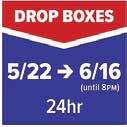
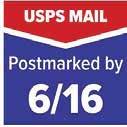
Final results in ranked choice elections will not be known until all eligible ballots have been received and counted. In D.C., mail-in ballots are accepted by the D.C. Board of Elections up to 10 days after the election, if the ballots are postmarked by Election Day
You can also practice RCV in person at D.C.BOE's office. Call (202) 727-2525 to schedule an appointment.
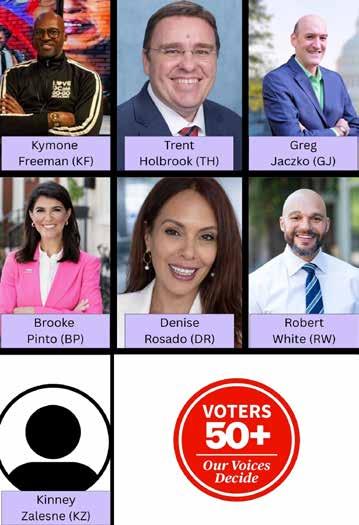
D.C. Delegate Candidates 2026
Name: Kinney Zalesne
Email: ian@kinneyfordc.com
Party Affiliation: Democratic Party Age: 59
Profession: Activist/Executive/Author/Attorney by training Ward of Residence: Ward 3
Campaign Website: kinneyfordc.com
Why do you want to become the District's next D.C. Delegate to Congress?
I have spent my career building coalitions across partisan and institutional lines to get things done, which is what the Delegate role demands. We need someone in Congress who knows how power moves, how to build relationships that convert into results, and how to wield influence without authority.
What relationships do you currently have with members of Congress that would be of benefit during your first 100 days in office?
I have been endorsed by Reps. Suhas Subramanyan (D-VA), Teresa Leger Fernandez (D-NM) and Josh Gottheimer (D-NJ). In addition, I know many members of congress and other high ranking Democrats from my work on as co-chair of Women for Kamala Harris and deputy national finance director at the DNC..
Outline your first course of action as a delegate, if elected, to protect D.C. Home Rule. I will create a Capital Caucus: a new Congressional partnership among DC, Maryland, Virginia, and other regional leaders to build collective leverage against federal actions that undermine local control.
Before the second Trump administration, many have described a statehood movement as stagnant. Describe efforts you would make to keep Washingtonians abreast of developments on Capitol Hill. How would you work with grassroots activists?
I believe that an education campaign is necessary to inform DC citizens of what is lost by our statehood status. I will depend on activists to be the vanguard of this information campaign.
How do you plan to leverage your resources to advance the cause of D.C. Statehood and how would you hold Democrats accountable to the District?
I will fund a PR campaign so all of the visitors to the city (at airports and train stations) know that we cannot vote. I will also instruct my staff to maintain relationships with my Democratic colleagues on the committees of jurisdiction to make sure that DC's needs are known and met.
The following questions were submitted by a group of 30 local, mission-driven community organizations in D.C. working for a sustainable future.
What is your plan to strengthen accountability and collaboration among the District, DPR, National Park Service, and other landowners to ensure our parks are equitable, accessible, and well-maintained?
I will ensure that adequate funding is appropriated for the National Park Service to maintain our parks. I will also have a designated staffer to work with our ANCs who know best what our parks need to be equitable, accessible and well-maintained.
How will you align economic development with environmental sustainability—particularly in communities most impacted by climate and pollution?
Balancing development with neighborhood stability means ensuring communities have a voice in what gets built near them. Long-time residents shouldn't have to choose between growth and stability. Smart federal policy makes both possible. I will fight for the tools and the funding to deliver both.
“As D.C.’s Delegate to Congress, how would you advocate at the federal level to help restore and sustain funding for the D.C. Department of Energy and Environment,
particularly in light of recent cuts impacting clean air, climate, education, and river programs?”
As a member of the oversight committee, I will ask questions in hearings that position cuts to these organizations as risks to national security. By framing it in this way, I will make it more difficult for Republicans and the administration to act with impunity.
We've talked policy, now let’s take a moment to get to know you beyond the work environment.
What’s one place or experience in Washington, D.C. that always reminds you why you love this city?
My husband and I met at the Van Ness Metro Station in 1996. It will always be my favorite spot in the city.
Name: Trent Holbrook
Email: trent@trentholbrook.com
Party Affiliation: Democratic Age: 40
Profession: Attorney
Ward of Residence: Ward 2 Campaign Website: trentholbrook.com
Why do you want to become the District's next D.C. Delegate to Congress?
I know how to deliver for D.C. at the federal level. I have worked side-by-side with Congresswoman Norton on D.C. statehood for the past eight years. We took the bill from losing two-to-one in 1993 to passing in the House twice. I want to finish this critical work, while defending home rule.
What relationships do you currently have with members of Congress that would be of benefit during your first 100 days in office?
I have great relationships across Capitol Hill, having worked with every Democratic office during my time with Congresswoman Norton, including with the important Oversight Committee, which has jurisdiction over most D.C. issue. I particularly worked regularly with the regional DMV members.
Outline your first course of action as a delegate, if elected, to protect D.C. Home Rule. I will meet with the 100+ national organizations I got to endorse the D.C. statehood bill and reemphasize the need for their engagement in protecting home rule. I will then meet with our key Democratic allies and then with the handful of Democrats who have voted against home rule to explain D.C.
Before the second Trump administration, many have described a statehood movement as stagnant. Describe efforts you would make to keep Washingtonians abreast of developments on Capitol Hill. How would you work with grassroots activists? I strongly disagree that the statehood movement is stagnant. There are 207 House cosponsors (and it only takes 218 to pass a bill). I will work closely with local activists on every hearing, bill, amendment, or other congressional action on D.C., and issue press releases on them.
How do you plan to leverage your resources to advance the cause of D.C. Statehood and how would you hold Democrats accountable to the District?
I will continue to work with the allies I have gathered over eight years on this issue, including the record number of cosponsors we have gotten on the bill and the 100+ national organizations that endorse it. I will call out Democrats who violate home rule, but will first educate them on D.C.
The following questions were submitted by a group of 30 local, mission-driven community organizations in D.C. working for a sustainable future.
D.C. Delegate Candidates 2026
What is your plan to strengthen accountability and collaboration among the District, DPR, National Park Service, and other landowners to ensure our parks are equitable, accessible, and well-maintained?
I will hold regular community meetings with the National Park Service and District residents. Congresswoman Norton previously did this, and we need to bring the practice back. This will let NPS hear directly from constituents about issues in parks and provide necessary accountability.
How will you align economic development with environmental sustainability—particularly in communities most impacted by climate and pollution?
I will fight to make sure that D.C. is treated as a state for federal funding, including on climate and pollution. I will also use the appropriations process, including earmarks, to provide relief for climate and pollution issues impacting specific communities.
“As D.C.’s Delegate to Congress, how would you advocate at the federal level to help restore and sustain funding for the D.C. Department of Energy and Environment, particularly in light of recent cuts impacting clean air, climate, education, and river programs?”
I will make sure that D.C. receives all possible federal funding, including making sure it is treated as a state and not a territory. I will also fight to make sure that D.C. never again loses money in its own local budget, as happened last summer where $1 billion of D.C.’s local funds were cut.
We've talked policy, now let’s take a moment to get to know you beyond the work environment.
What’s one place or experience in Washington, D.C. that always reminds you why you love this city?
When D.C.’s local budget was being cut by $1 billion by Congress, I will never forget the school children who came to lobby Congress, arguing, rightly, that they did not want to have their teachers fired because of Republicans from far away states. This is why we need statehood.
Name: Kymone Freeman
Email: ctekymonefreeman@gmail.com
Party Affiliation: DC Statehood Green
Age: 56
Profession: Writer / Author / Activist / We Act Radio Co-founder
Ward of Residence: Ward 5
Campaign Website: freeman4congress.com
Why do you want to become the District's next D.C. Delegate to Congress?
Dismantling the Voting Rights Act has spread taxation w/o repre-
Listen. Learn. Vote.
Strong communities start with informed voices.
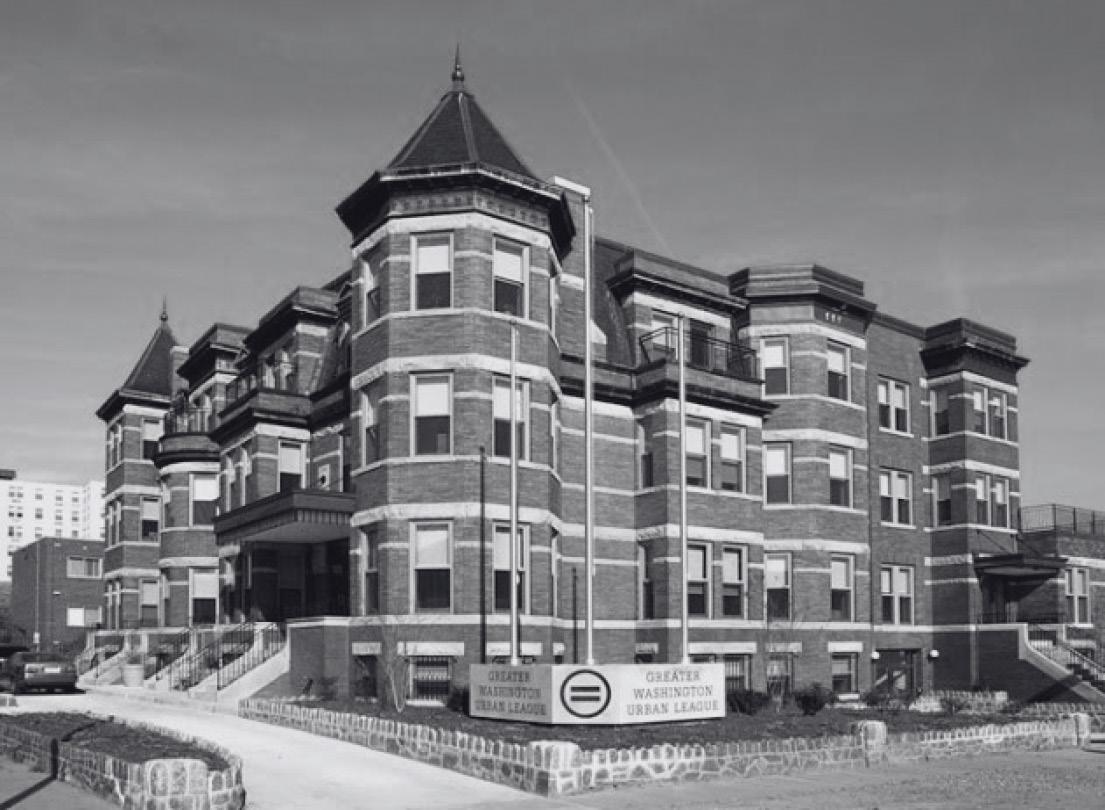
At the Greater Washington Urban League, we see the impact of civic engagement every day - on families, housing, health, and opportunity.
This election is a chance to shape the future of our neighborhoods.
Take the time. Ask the questions. Make your voice count.
D.C. Delegate Candidates 2026
sentation nationwide. We need to heed Johnnie Cochran’s words, "The best way to air grievances w/ federal gov't is the withholding of income taxes." Promising statehood w/o this leverage is disingenuous & disrespectful to EHN legacy.
What relationships do you currently have with members of Congress that would be of benefit during your first 100 days in office?
15 years of birddogging GOP & Democratic members at countless events, I have great respect & good rapport w/ “liberated democrats” like Al Green, Rashida Talib, Ilhan Omar & Cori Bush who hopefully will be returning to Congress. Peace to the late John Conyers & Elijah Cummings who mentored me.
Outline your first course of action as a delegate, if elected, to protect D.C. Home Rule. My first official act would be a national ban on private equity from owning homes & implement HUD guidelines that stipulate no one should pay more than 30% of income, plus utilities, into law to transform the housing crisis. This popular initiative would win DC more national support for home rule.
Before the second Trump administration, many have described a statehood movement as stagnant. Describe efforts you would make to keep Washingtonians abreast of developments on Capitol Hill. How would you work with grassroots activists?
The Enumeration Clause in the Constitution states representation is based on population. It mandates a minimum of one per state & caps at no more than one per 30k. The total size of the House has been capped at 435 since 1929. Since the population has grown 3x as much,
it’s time to expand the house.
How do you plan to leverage your resources to advance the cause of D.C. Statehood and how would you hold Democrats accountable to the District?
By telling the truth. Only DC pays federal taxes w/o full voting representation in Congress — more in federal taxes than 26 states w/ highest per-capita tax burden. Celebrating the 250th anniversary of a country founded on resistance to “Taxation w/o Representation” is hypocrisy not democracy.
The following questions were submitted by a group of 30 local, mission-driven community organizations in D.C. working for a sustainable future.
What is your plan to strengthen accountability and collaboration among the District, DPR, National Park Service, and other landowners to ensure our parks are equitable, accessible, and well-maintained?
Inspired by Dr. Dorothy Irene Height’s Black Family Reunion on the 2nd weekend of September, I founded the Black L.U.V. Festival the third Sunday in September in 1997. Since then I have produced 14 festivals working with DPR, NPS & multiple agencies with firsthand experience of what our parks need..
How will you align economic development with environmental sustainability—particularly in communities most impacted by climate and pollution?
Rather than address inequities, elected officials capitulate to mainstream political interests in order to secure finances that get them elected. Until we undermine the way in which the corporate sector
Your Vote Could Grow a Greener DC.
Extreme heat, flooding, and air pollution don’t affect every DC neighborhood equally.
Trees and green space can lower temperatures, reduce energy costs, and make our communities healthier, but only if they are protected and planted where they’re needed most. The choices made this year will shape what it feels like to live, work, and raise a family in DC for decades to come.
As you read this voter’s guide, look for candidates who make room for parks, green space, and trees — in every neighborhood.
D.C. Delegate Candidates 2026
curates folks that come before our community we’re essentially rearranging chairs on the Titanic.
“As D.C.’s Delegate to Congress, how would you advocate at the federal level to help restore and sustain funding for the D.C. Department of Energy and Environment, particularly in light of recent cuts impacting clean air, climate, education, and river programs?”
I would implement the Washington Monument Syndrome. When the NPS faces a budget cut, the agency doesn’t threaten to reduce hours at a national site in Middle America. Instead, they threaten to close the Washington Monument to affect all members of Congress in a highly visible way.
We've talked policy, now let’s take a moment to get to know you beyond the work environment.
What’s one place or experience in Washington, D.C. that always reminds you why you love this city?
“Reagan gave the Pentagon the food stamp $” — Junkyard “The Word”
Candidates Brooke Pinto and Robert White did not respond to The Washington Informer’s request to answer questions for this voter guide.
Name: Greg Jaczko
Email: greg@gojaczko4dc.com
Party Affiliation: Democrat Age: 55
Profession: Candidate Ward of Residence: Ward 3 Campaign Website: gojaczko4dc.com
Why do you want to become the District's next D.C. Delegate to Congress?
I want to help DC achieve statehood and exempt DC taxpayers from federal income taxes until we achieve statehood. I also will work to reduce electricity bills, protect federal workers and address inequality across the district.
What relationships do you currently have with members of Congress that would be of benefit during your first 100 days in office?
I was a congressional staffer on both the House and Senate side. I maintain relationships with many members. Furthermore as the head of the US Nuclear Regulatory Commission I regularly met with members and testified before Congress.
Outline your first course of action as a delegate, if elected, to protect D.C. Home Rule. The best way to protect home rule is to achieve statehood and stand up to Trump. I would work to immediate achieve my goal of exempting DC taxpayers from federal income taxes to initiate a movement to achieve statehood for the district.
Before the second Trump administration, many have described a statehood movement as stagnant. Describe efforts you would make to keep Washingtonians abreast of developments on Capitol Hill. How would you work with grassroots activists? I would mobilize an effort around federal income tax exemption to raise awareness for DC's lack of statehood. I would reach out to grass routes organizations and actively use all communication means: social and traditional media to provide updates on my efforts.
How do you plan to leverage your resources to advance the cause of D.C. Statehood
and how would you hold Democrats accountable to the District?
I would look to obtain a seat on the Energy and Commerce committee given my extensive work in the energy sector as a former agency head. I would also propose several hearings to the Oversight committee to highlight the injustices of the lack of statehood for DC.
The following questions were submitted by a group of 30 local, mission-driven community organizations in D.C. working for a sustainable future.
What is your plan to strengthen accountability and collaboration among the District, DPR, National Park Service, and other landowners to ensure our parks are equitable, accessible, and well-maintained?
I would work to transfer many federal parks to the district, unless the park is truly a national monument or memorial.
How will you align economic development with environmental sustainability— particularly in communities most impacted by climate and pollution?
I would revive efforts to support renewable energy development to reduce air related pollution from neighboring regions. Experience shows that development, especially housing development, coupled with sustainability achieves the best outcomes. I would support federal programs to encourage that.
“As D.C.’s Delegate to Congress, how would you advocate at the federal level to help restore and sustain funding for the D.C. Department of Energy and Environment, particularly in light of recent cuts impacting clean air, climate, education, and river programs?”
I would use my singular expertise in the energy sector, as the former head of an energy related agency, to educate members on the benefits of these programs and actively engage with these issue during the appropriations process to support full funding for these programs.
We've talked policy, now let’s take a moment to get to know you beyond the work environment.
What’s one place or experience in Washington, D.C. that always reminds you why you love this city?
Crossing the Memorial Bridge at night from Virginia reminds me of the beauty and history of D.C. Seeing the Lincoln Memorial reminds me of the ideals of freedom and equality that D.C. still strives to achieve but broadcasts to the world.
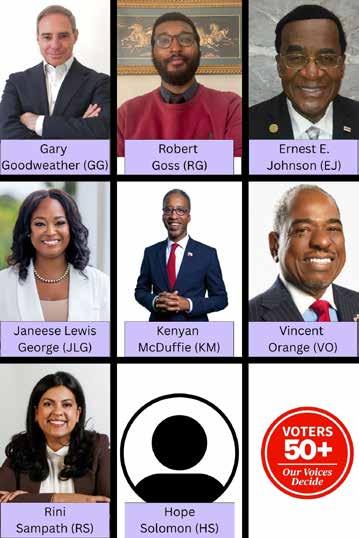
2026 Mayoral Candidates
Name: Kenyan R. McDuffie
Email: info@kenyanmcduffie.com
Party Affiliation: Democrat
Age: 50
Profession: At-Large Councilmember
Ward of Residence: Ward 5 Campaign Website: kenyanmcduffie.com
Why do you want to become mayor of the District of Columbia?
To give back to the city that raised me. I saw gun violence and inequity up close, fueling my desire to serve the community and make Washington DC a better place regardless of your zip code. DC deserves a Mayor who has lived its story and will deliver safety, affordability, and opportunity to all.
With the federal government no longer serving as a key economic driver, what’s your strategy to diversify revenue streams and increase revenue growth?
Make DC more attractive for businesses by cutting permitting timelines 50%, activating downtown corridors, and deploying small business relief. I’ll build cybersecurity and tech pipelines for displaced federal workers, and extend incentives to recruit sports, arts, and culinary industries.
How would you address chronic homelessness beyond temporary shelter solutions and increase affordable housing?”
I'll expand trauma-informed non-congregate shelter, strengthen street outreach, and reform Rapid Re-Housing for lasting stability. I'll build more homes by cutting permitting timelines 50%, legalizing more housing types citywide, and dedicating HPTF funding to preserve units below 30% AMI.
How do you plan to balance the needs of marginalized Washingtonians with the priorities of the business community, particularly when disagreements arise over taxation and funding for social programs?
I will lead with shared interest. A strong safety net keeps workers in the city businesses need, and a healthy business climate funds the social programs residents depend on. I will prioritize enforcement, efficiency, and performance-based budgeting so we deliver for both without raising rates.
What is the single biggest change you would make to improve outcomes in D.C. Public Schools?
Fix chronic absenteeism. I will launch a cross-agency task force with home visits and family touchpoints connecting DCPS, DHS, and DPR. You cannot teach students who are not in the building, and you cannot reach students without reaching their families.
What is your specific plan in the first 100 days to reduce violent crime in the District—and how will you measure success?
I'll get illegal guns off our streets, modernize MPD's Real-Time Crime Center, fully fund the NEAR Act's violence prevention ecosystem, expand Safe Passage, double signing bonuses, and end all MPD cooperation with ICE. Success would be fewer shootings, faster 911 response, and a fully staffed MPD.
How would you ensure small businesses—not just large developers—benefit from economic development?
I will tie economic development incentives to clear job creation and local hiring benchmarks, expand the Commercial Property Acquisition Fund so small businesses own their space, launch a Stay in DC Fund to stop commercial displacement, and cut the time to legally open a business in half.
How would you ensure reliable and affordable public transit, especially for working residents and seniors?
I'll fully fund DC's share of the DMV Moves plan to keep Metro reliable, accelerate bus lanes and signal priority on the busiest corridors, and make it easier for seniors and working families to enroll in Metro Lift's reduced-fare program through libraries and trusted community partners.
SUSTAINABILITY
What is your plan for making D.C. more livable and sustainable, and what are your top three environmental issues or priorities?
My top 3 priorities are clean air in every ward through expanded monitoring and zero-emission fleets, lead-free homes and water through full Lead Free DC implementation, and climate resilience through expanded tree canopy and stronger heat response plans in at-risk wards.
The D.C. Department of Energy and Environment has faced major budget cuts — a 26% cut last year, and proposed 28% this year — affecting clean air, climate, education, and river programs. What commitment will you make to restore DOEE’s budget, and how will you fund it sustainably?
I'll restore DOEE's budget and protect its core programs. I'll fund it sustainably by safeguarding dedicated streams like SETF from being moved to the general fund, aggressively pursuing federal and philanthropic dollars, and prioritizing DOEE in every budget I submit as Mayor.
How will your administration align economic development with environmental sustainability—particularly in communities most impacted by climate and pollution?
I'll tie major public sustainability investments to first-source hiring and contracting with Black and Latino-owned businesses. Through a Climate and Environmental Justice Workforce Initiative, residents in the most impacted communities will train for and fill these new green jobs.
We've talked policy, now let’s take a moment to get to know you beyond the work environment.
What’s one place or experience in Washington, D.C. that always reminds you why you love this city?
The DCPS Turkey Bowl Football Championship. It brings students, families, alumni, coaches, and neighbors together around school pride and a shared love for our young people and sports. This tradition reminds me of what makes DC special, the neighborhoods, families, and traditions that connect DC.
Name: Rini Sampath
Email: team@riniformayor.com
Party Affiliation: Democrat Age: 31
Profession: Cybersecurity Director
Ward of Residence: Ward 1 Campaign Website: riniformayor.com
Why do you want to become mayor of the District of Columbia?
DC is in crisis: 22,000 jobs lost, a $1.1B budget gap, federal troops on our streets, and agencies that have failed residents for years. I am running because I have spent my career fixing broken systems and this moment demands exactly that. Let's Fix the Basics.
With the federal government no longer serving as a key economic driver, what’s your strategy to diversify revenue streams and increase revenue growth?
I will convert vacant offices to housing and mixed-use, target development tools east of the river, launch a federal worker reemployment initiative, reform the Certified Business Enterprise program, and invest in healthcare, clean energy, and the visitor economy as growth sectors.
How would you address chronic homelessness beyond temporary shelter solutions and increase affordable housing?”
I will build more housing in every ward, fully fund vouchers before any other cut, fix the 13-month delay to fill affordable units, crack down on illegal rent increases, and require genuine housing and shelter offers before any encampment closure.
2026 Mayoral Candidates
How do you plan to balance the needs of marginalized Washingtonians with the priorities of the business community, particularly when disagreements arise over taxation and funding for social programs?
My sequencing is clear: cut waste first, find additional sources of revenue, cut programs last. Eighty-three of 97 DC agencies overspent their budgets. Real fiscal discipline protects marginalized residents while keeping DC competitive for business.
What is the single biggest change you would make to improve outcomes in D.C. Public Schools?
Fix chronic absenteeism. I will launch a cross-agency task force with home visits and family touchpoints connecting DCPS, DHS, and DPR. You cannot teach students who are not in the building, and you cannot reach students without reaching their families.
What is your specific plan in the first 100 days to reduce violent crime in the District—and how will you measure success?
Stabilize MPD staffing to end the $75M overtime crisis. Launch evidence-based intervention targeting the small number of people driving the most gun violence. Publish MPD data by ward and race monthly. I will measure success by a reduction in all violent crime categories.
How would you ensure small businesses—not just large developers—benefit from economic development?
I will require local hiring on every publicly subsidized project, reform the certified business enterprise program so contracts reach local businesses, cut permitting timelines in half, publish processing data, and create a dedicated small business permit track.
How would you ensure reliable and affordable public transit, especially for working residents and seniors?
I will implement dedicated WMATA operations funding, prioritize bus service in Wards 7 and 8, ensure stations are safe and lit at night, and eliminate parking minimums near Metro so transit-oriented density funds the system sustainably.
SUSTAINABILITY
What is your plan for making D.C. more livable and sustainable, and what are your top three environmental issues or priorities?
My top three: dedicated WMATA funding, ward-level environmental burden mapping to target investment where pollution hits hardest, and enforcing DC's building energy standards Bowser has been cutting. Livable cities are walkable, transit-rich, and environmentally just.
The D.C. Department of Energy and Environment has faced major budget cuts — a 26% cut last year, and proposed 28% this year — affecting clean air, climate, education, and river programs. What commitment will you make to restore DOEE’s budget, and how will you fund it sustainably?
Cutting DOEE is not the correct choice. Weakening environmental enforcement costs more in health outcomes, climate risk, and legal liability than it saves. I will restore DOEE's budget, treat its funding as non-negotiable, and publish its outcomes annually by ward.
How will your administration align economic development with environmental sustainability—particularly in communities most impacted by climate and pollution?
Every publicly subsidized development will meet green building standards. I will prioritize clean energy workforce pipelines in Wards 7 and 8, require annual ward-level environmental burden mapping, and halt new polluting facilities in overburdened communities.
We've talked policy, now let’s take a moment to get to know you beyond the work environment.
What’s one place or experience in Washington, D.C. that always reminds you why you love this city? Pride weekend! DC is where I fully embraced my identity. Local spaces like A League of Her Own,
Crush, Pitchers, Transmission etc. all deserve to be supported for their amazing work supporting our queer community!
Name: Gary Goodweather
Email: gary@goodweatherfordc.com
Party Affiliation: Democrat Age: 52
Profession: Business Executive
Ward of Residence: Ward 2 Campaign Website: goodweatherfordc.com
Why do you want to become mayor of the District of Columbia?
I’m running for Mayor because DC residents deserve a city that is safe, affordable, and accountable. I have the executive leadership experience to make government work, improve public safety, and deliver results for families, businesses, and neighborhoods in every ward.
With the federal government no longer serving as a key economic driver, what’s your strategy to diversify revenue streams and increase revenue growth?
DC must grow organically, utilizing talent our city already has. Direct small-business investment and the recruitment of capital vested in our community will expand our tax base. We need faster permitting, safer neighborhoods, workforce development, and policies that make DC competitive.
How would you address chronic homelessness beyond temporary shelter solutions and increase affordable housing?”
We will expand housing at every income level, speed up permitting, convert obsolete buildings into housing, and restore vacant properties. Affordability also means safer neighborhoods, reliable transit, and lowering everyday costs, including real estate taxes.
How do you plan to balance the needs of marginalized Washingtonians with the priorities of the business community, particularly when disagreements arise over taxation and funding for social programs?
DC succeeds when residents and businesses both thrive. I will grow the economy through safer neighborhoods, better schools, workforce training, small business growth, and housing access, while ensuring every ward benefits from investment and accountable government.
What is the single biggest change you would make to improve outcomes in D.C. Public Schools?
I will build a strong pipeline of special educators, social workers, and mental health professionals to improve literacy, tutoring, and family support, while strengthening attendance accountability and ensuring students have structure, support, and a sense of belonging.
What is your specific plan in the first 100 days to reduce violent crime in the District— and how will you measure success?
In my first 100 days, I will strengthen MPD staffing, target repeat violent offenders, expand truancy intervention and youth programs, and improve response times. Success will be measured through lower violent crime, faster responses, and safer neighborhoods.
How would you ensure small businesses—not just large developers—benefit from economic development?
Economic development needs to benefit every neighborhood. I will cut permitting time, improve safety, support local hiring, and ensure small businesses directly receive compensation. I will directly connect capital and contracts with DC small businesses.
How would you ensure reliable and affordable public transit, especially for working residents and seniors?
2026 Mayoral Candidates
I proposed a Fare Free DC policy to make transit reliable and affordable for working residents and seniors. Fare-free buses and Metro access will lower everyday costs, expand access to jobs and healthcare, and increase ridership across every ward.
SUSTAINABILITY
What is your plan for making D.C. more livable and sustainable, and what are your top three environmental issues or priorities?
The first priority is to become a producer of clean energy to reduce utility costs. The second is to provide free Metro bus and rail, spurring economic growth and reducing pollution. Third, transition to an electrically connected city allowing for my electric vehicles and mobility systems.
The D.C. Department of Energy and Environment has faced major budget cuts — a 26% cut last year, and proposed 28% this year — affecting clean air, climate, education, and river programs. What commitment will you make to restore DOEE’s budget, and how will you fund it sustainably?
I will fully restore DC Green Bank funding and ensure clean energy investments directly benefit residents. I will evaluate the Sustainable Energy Trust Fund and invest in technologies like geothermal, community solar, and wastewater energy recovery.
How will your administration align economic development with environmental sustainability—particularly in communities most impacted by climate and pollution?
Environmental sustainability drives economic growth. Fare Free DC reduces congestion, expands transit access, and connects residents to jobs and businesses. DC also has the talent to lead in clean energy innovation, creating new jobs and economic opportunity.
We've talked policy, now let’s take a moment to get to know you beyond the work environment.
What’s one place or experience in Washington, D.C. that always reminds you why you love this city?
I will never forget seeing my wife for the first time at the Corcoran Gallery of Art. She was raising money for the Washington Project of the Arts. She looked so beautiful and poised and full of life. I still have such a clear vision of her on stage and then us dancing.
Name: Janeese Lewis George Party Affiliation: Democrat Age: 38 Profession: Ward 4 Councilmember Ward of Residence: Ward 4 Campaign Website: janeesefordc.com/
Why do you want to become mayor of the District of Columbia?
I’m Janeese Lewis George, Ward 4 Councilmember, daughter of a union postal worker and third-generation Washingtonian. A DCPS and Howard Law graduate and former prosecutor, I’ll fight for working families through affordable housing, worker protections, Paid Family Leave, and safer streets.
With the federal government no longer serving as a key economic driver, what’s your strategy to diversify revenue streams and increase revenue growth?
Washington, DC is run by smart, resilient people and unmatched civic pride. I’m from here, and I know what this city can do. As mayor, I’ll build affordable housing and childcare, grow small businesses, create pathways to good jobs, and make government work better for DC residents.
How would you address chronic homelessness beyond temporary shelter solutions and increase affordable housing?”
Homelessness is fundamentally a housing affordability issue. As mayor, I’ll expand affordable hous-
ing, fully fund vouchers like PSH and LRSP, and support a Housing First approach paired with quality services to put DC on a path to ending chronic homelessness.
How do you plan to balance the needs of marginalized Washingtonians with the priorities of the business community, particularly when disagreements arise over taxation and funding for social programs?
We don’t have to choose between workers and businesses. As mayor, I’ll put people first while supporting businesses that create good jobs. I’ll fund housing and childcare by cutting waste, fixing procurement, and closing tax loopholes—not by raising taxes on working families or small businesses.
What is the single biggest change you would make to improve outcomes in D.C. Public Schools?
Students can’t succeed if they’re not in school. My plan tackles chronic absenteeism by reconnecting students and families with support, expanding after-school and summer programs, and addressing root causes like poverty, special education gaps, and academic disengagement.
What is your specific plan in the first 100 days to reduce violent crime in the District— and how will you measure success?
Any violence is unacceptable. As mayor, I’ll take a comprehensive approach to public safety through prevention, intervention, and enforcement—hiring more officers, strengthening community trust, expanding youth opportunities, and connecting residents to mental health, job, and support services.
How would you ensure small businesses—not just large developers—benefit from economic development?
DC must do more for small businesses. As mayor, I’ll cut red tape with one-stop permitting, support affordable commercial space, expand pop-ups, launch a Buy Local campaign, connect residents to jobs, and invest in Black-owned and women-owned businesses across DC.
How would you ensure reliable and affordable public transit, especially for working residents and seniors?
People-first transportation means safe, reliable transit for every resident. As mayor, I’ll improve buses and Metro, expand access in underserved areas, make buses free for SNAP recipients, and redesign dangerous streets and intersections to keep pedestrians, cyclists, and families safe.
Candidate Janeese Lewis George did not submit answers to the questions about sustainability and life beyond work.
2026 Mayoral Candidates
Name: Ernest E. Johnson
Email: ErnestJohnsonforMayor@Yahoo.com
Party Affiliation: Democrat
Age: 70
Profession: Chairman/CEO Friends of the Frank Reeves Center
Ward of Residence: Ward 1 Campaign Website: www.ernestformayor2026.com
Why do you want to become mayor of the District of Columbia?
I am running for Mayor to put D.C. residents first—not lobbyists, developers, or special interests. As a native Washingtonian, I will fight for affordable living, safer neighborhoods, stronger schools, utility accountability, and economic opportunities that benefit every ward.
With the federal government no longer serving as a key economic driver, what’s your strategy to diversify revenue streams and increase revenue growth?
D.C. can no longer depend almost exclusively on the federal government to drive our economy. My administration will aggressively audit every agency and review the last 36 months of commercial development deals for waste, fraud, abuse, hiring compliance, and taxpayer subsidies.
How would you address chronic homelessness beyond temporary shelter solutions and increase affordable housing?”
My strategy is simple: put D.C. residents first. I will audit the last 36 months of development deals, enforce affordable housing and local hiring agreements, expand homeownership opportunities, protect seniors from rising utility costs and taxes, and ensure public land use for residents.
How do you plan to balance the needs of marginalized Washingtonians with the priorities of the business community, particularly when disagreements arise over taxation and funding for social programs?
I will put D.C. residents first by demanding accountability from both government and business. Economic growth must create jobs, affordable housing, and safer neighborhoods while protecting taxpayers, seniors, and vulnerable residents from wasteful spending and unfair burdens.
What is the single biggest change you would make to improve outcomes in D.C. Public Schools?
The biggest change is ensuring resources reach students directly. My administration will prioritize wraparound services for students with disabilities, homelessness, and low-income families while ensuring education funding reaches classrooms—not bureaucracy.
What is your specific plan in the first 100 days to reduce violent crime in the District— and how will you measure success?
Violent crime requires a full public safety strategy beyond 300 characters. My first 100 days will focus on targeted policing, youth jobs, truancy enforcement, mental health services, officer accountability, and measurable reductions in homicides, carjackings, and violent crime citywide.
How would you ensure small businesses—not just large developers—benefit from economic development?
I will enforce local hiring and small business participation requirements in all development deals, reduce unnecessary regulations and fees, expand access to city contracts, and prioritize neighborhood-based businesses over politically connected developers and special interests.
How would you ensure reliable and affordable public transit, especially for working residents and seniors?
I will protect affordable Metrobus and Metrorail access for working residents and seniors, improve safety and reliability, expand transportation options in underserved neighborhoods, and ensure transportation funding priorities serve residents—not special interests or wasteful spending.
SUSTAINABILITY
What is your plan for making D.C. more livable and sustainable, and what are your top three environmental issues or priorities?
My administration will prioritize nonprofit and community-based developers over politically connected interests, revoke the Reeves Center RFP, protect green space, and ensure development projects reduce pollution, create local jobs, and directly benefit residents in the communities most impacted.
The D.C. Department of Energy and Environment has faced major budget cuts — a 26% cut last year, and proposed 28% this year — affecting clean air, climate, education, and river programs. What commitment will you make to restore DOEE’s budget, and how will you fund it sustainably?
I support restoring critical DOEE programs that protect clean air, rivers, and public health, but with strict fiscal oversight. Funding must prioritize measurable results, utility affordability, and neighborhood impact without placing additional financial burdens on working families and seniors.
How will your administration align economic development with environmental sustainability—particularly in communities most impacted by climate and pollution? My priorities are lowering utility costs, protecting green space, and modernizing infrastructure responsibly. I will review costly programs driving up water and electric bills, expand neighborhood beautification, ensure environmental policies protect working families and seniors, not burden them.
We've talked policy, now let’s take a moment to get to know you beyond the work environment.
What’s one place or experience in Washington, D.C. that always reminds you why you love this city?
Managing Marion Barry’s first mayoral campaign reminds me why I love this city. The unity, energy, and hope for a brighter future across all 8 wards remains my lighthouse beacon and continues to inspire my commitment to D.C. residents.
2026 Mayoral Candidates
Name: Hope Solomon
Email: Info@hopefordc.com
Party Affiliation: Democrat
Age: 42
Profession: Small business owner Ward of Residence: Ward 2 Campaign Website: HopeforDC.com
Why do you want to become mayor of the District of Columbia?
I was born and raised in D.C., and I’m running because residents are tired of being told dysfunction is normal. People deserve safe streets, affordable living, and a government focused on results instead of excuses. D.C. can grow without pushing out the people who built it.
With the federal government no longer serving as a key economic driver, what’s your strategy to diversify revenue streams and increase revenue growth? For decades D.C. relied on the federal government as its economic safety net. That era is over. We need to grow the private sector, cut red tape for small businesses, invest in tech and hospitality, and make the city clean, safe, and functional so businesses want to stay and grow here.
How would you address chronic homelessness beyond temporary shelter solutions and increase affordable housing?”
Temporary shelters are not a solution. Chronic homelessness requires permanent supportive housing with mental health and addiction services. We also must build far more affordable housing by cutting permitting delays, using vacant buildings, and speeding up development.
How do you plan to balance the needs of marginalized Washingtonians with the priorities of the business community, particularly when disagreements arise over taxation and funding for social programs?
I don’t see this as business vs. residents. Businesses need a safe, stable city to operate. Residents need housing, schools, and opportunity. When we disagree on taxes or funding, the question is simple: does this make D.C. work better for people in the long run, or just serve politics?
What is the single biggest change you would make to improve outcomes in D.C. Public Schools?
The single biggest change I would make is making equity real across all DCPS wards so outcomes aren’t tied to zip code. I went through DCPS myself, and consistency matters. We must place strong teachers and supports where need is greatest and ensure every school is fully staffed and resourced.
What is your specific plan in the first 100 days to reduce violent crime in the District—and how will you measure success?
Put more officers where violence is actually happening, guided by real-time data, not politics or guesswork. Speed up gun case prosecution so repeat offenders are not back on the street. Focus enforcement on those driving repeat violent crime. Measure success by fewer shootings and homicides.
How would you ensure small businesses—not just large developers—benefit from economic development?
I’m a small business owner, so I know this firsthand. Small businesses need speed, not red tape. We should cut permitting delays, reduce fees, and tie incentives to local hiring. Economic development can’t just favor big developers—it has to support neighborhood businesses across all wards.
How would you ensure reliable and affordable public transit, especially for working residents and seniors?
I’m a small business owner, so I know transit is how people get to work and customers get through the door. We need trains and buses that run on time, better service in underserved areas, and fair fares for workers and seniors. Fix reliability first before spending on shiny projects.
SUSTAINABILITY
What is your plan for making D.C. more livable and sustainable, and what are your top three environmental issues or priorities?
D.C. has to be livable in the basics: clean streets, reliable transit, and affordable, energy-efficient housing. My priorities are cutting pollution and trash, fixing transit so it actually works, and lowering energy costs while making buildings more efficient across all wards..
The D.C. Department of Energy and Environment has faced major budget cuts — a 26% cut last year, and proposed 28% this year — affecting clean air, climate, education, and river programs. What commitment will you make to restore DOEE’s budget, and how will you fund it sustainably?
I don’t think you cut clean air, water, and climate programs and call it “efficiency.” I’d restore DOEE funding and treat it as basic city infrastructure. Pay for it by prioritizing the budget, cutting low-impact spending, and making sure growth actually helps fund the city it relies on.
How will your administration align economic development with environmental sustainability—particularly in communities most impacted by climate and pollution? Economic development and the environment aren’t opposites. Growth has to improve—not harm— air, transit, and neighborhood health. I’ll enforce basic standards, push cleaner building and transit, and make sure investment in overburdened communities actually reduces pollution, not adds to it.
We've talked policy, now let’s take a moment to get to know you beyond the work environment.
What’s one place or experience in Washington, D.C. that always reminds you why you love this city?
Taking the bus downtown to Woodies, sitting at People’s lunch counter, or skating at the roller rink at the Boys & Girls Club—that’s my D.C. childhood. It shaped how I see this city: real people, real culture. It’s why I fight to keep that spirit alive across D.C.
Name: Vincent Orange
Email: vo40@aol.com
Party Affiliation: Democrat Age: 69
Profession: Attorney/CPA with a Master of Laws in Taxation Ward of Residence: Ward 5 Campaign Website: orangeformayor.com
Why do you want to become mayor of the District of Columbia?
Because I can provide what DC needs now which is institutional knowledge, experienced leadership focused on measured outcomes, public safety, economic growth, educational excellence, affordable living, and protecting Home Rule during a period of unprecedented fiscal and federal uncertainty.
With the federal government no longer serving as a key economic driver, what’s your strategy to diversify revenue streams and increase revenue growth?
Diversify DC’s economy through technology, sports, entertainment, tourism, health care, hospitality, biotech, and small business growth. Establish youth paid apprenticeships, support DC Certified Business Enterprises, attract private investment, and grow commercial tax revenue without raising taxes.
How would you address chronic homelessness beyond temporary shelter solutions and increase affordable housing?”
Better utilization of the annual $100 million to the Housing Production Trust Fund. And move from shelters to stability through permanent supportive housing, mental health and addiction treatment, workforce training, and affordable housing production. Prioritize preserving affordable units citywide.
2026 Mayoral Candidates
How do you plan to balance the needs of marginalized Washingtonians with the priorities of the business community, particularly when disagreements arise over taxation and funding for social programs?
A strong city requires both economic growth and social equity. I will bring stakeholders together, grow the tax base, support small businesses, protect vulnerable residents, and focus on policies that create jobs, opportunity, and stability for all without raising taxes.
What is the single biggest change you would make to improve outcomes in D.C. Public Schools?
I would guarantee every DC high school graduate a pathway to success through tuition-free attendance at University of the District of Columbia or paid apprenticeships with DC agencies, connecting education directly to careers, skills, and economic opportunity.
What is your specific plan in the first 100 days to reduce violent crime in the District— and how will you measure success?
In first 100 days, I will launch neighborhood violence reduction plan: focus MPD deployment on violent hotspots, expand community violence interruption, coordinate prosecutors, schools, and services, and track success by reductions in shootings, homicides, carjackings, and repeat violent offenders.
How would you ensure small businesses—not just large developers—benefit from economic development?
I will expand opportunities for DC Certified Business Enterprises, require stronger local hiring and contracting standards, increase access to capital, and ensure small businesses receive a fair share of DC contracts and development opportunities—not just large developers..
How would you ensure reliable and affordable public transit, especially for working residents and seniors?
I will strengthen Metro and bus service reliability, expand affordable transit options for seniors and working families, improve safety and accessibility, and coordinate transportation planning with housing and economic development so residents can get to work, school, and services efficiently..
SUSTAINABILITY
What is your plan for making DC more livable and sustainable, and what are your top three environmental issues or priorities?
My top priorities are clean air, clean water, and climate-resilient neighborhoods. I will expand tree canopy, reduce pollution, improve stormwater systems, protect the Anacostia and Potomac, and make sustainability part of housing, transit, and economic growth..
The D.C. Department of Energy and Environment has faced major budget cuts — a 26% cut last year, and proposed 28% this year — affecting clean air, climate, education, and river programs. What commitment will you make to restore DOEE’s budget, and how will you fund it sustainably?
I will review and restore DOEE funding for core programs: clean air, climate action, environmental education, rivers, and enforcement. I will fund it through budget realignment, dedicated environmental revenues, federal grants, and public-private partnerships.
How will your administration align economic development with environmental sustainability— particularly in communities most impacted by climate and pollution?
Economic development must create green jobs, lower energy costs, and reduce pollution in overburdened communities. I will prioritize clean infrastructure, resilient housing, local hiring, CBEs, and community benefits in every major development project.
We've talked policy, now let’s take a moment to get to know you beyond the work environment.
What’s one place or experience in Washington, D.C. that always reminds you why you love this city?
The Frederick Douglass National Historic Site reminds me why I love Washington, DC. It reflects resilience, leadership, freedom, and the ongoing fight for justice and opportunity that continues to define our city. This site inspired me to establish DC Emancipation Day as a public holiday.
D.C. At-Large Candidates 2026
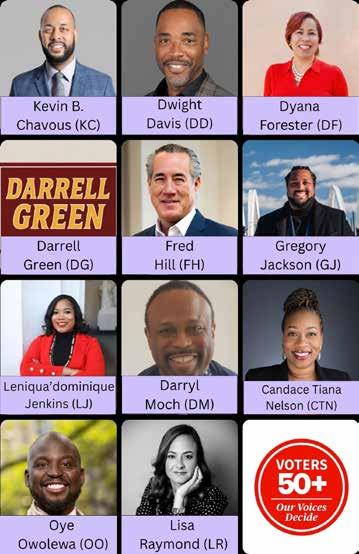
Name: Dwight Davis
Email: dwight@dwight4dccouncil.com
Party Affiliation: Democrat
Age: 51
Profession: Educator
Ward of Residence: Ward 5
Campaign Website: dwight4dccouncil.com/
Why do you want to serve as an At-Large Member of the D.C. City Council?
I walked into Kramer Elementary in Ward 8 and saw a city that had failed its school. I looked around for someone who would fight for these children with the urgency I felt standing in that building. I decided that person needed to be me.
If elected, what will be your #1 Priority within the first 90 days?
A dedicated Education Committee. Education is a force multiplier for healthcare, workforce development, public safety, and economic stability. Yet the Council treats it as everyone's responsibility, which means it is nobody's. I will spend my first 90 days changing that.
Which key issues currently facing the District do you believe require the most immediate attention from the D.C. Council? (Select up to three) Affordable Housing, Education, Economic Development
On a scale of 1 to 5, how effectively do you think the current D.C. Council is addressing the concerns of residents in all eight wards?
3
How will you convince residents that you will hear them and serve them across all 8 wards?
I already have. For six years as Shadow Representative and two as ANC Commissioner I have been at the birthday parties, graduations, retirements, and funerals. I have filled prescriptions and sat with families in their hardest moments. You do not earn 26 endorsements without already being there.
The following questions were submitted by a group of 30 local, mission-driven community organizations in D.C. working for a sustainable future.
The D.C. Department of Energy and Environment has faced major budget cuts — a 26% cut last year, and proposed 28% this year — affecting clean air, climate, education, and river
D.C. At-Large Candidates 2026
The D.C. Department of Energy and Environment has faced major budget cuts — a 26% cut last year, and proposed 28% this year — affecting clean air, climate, education, and river programs. What commitment will you make to restore DOEE’s budget, and how will you fund it sustainably?
I will use oversight aggressively. I will also protect the independence of the Attorney General to challenge decisions that violate DC's environmental laws and commitments. An independent AG is a powerful environmental protection tools we have, and I will defend that independence fiercely.
What is your plan for making D.C. more livable and sustainable, and what are your top three environmental issues or priorities?
Three priorities: environmental justice east of the river, food apartheid as a public health crisis, and climate resilience as an equity issue. The communities least responsible for climate change bear its greatest consequences. I will use Council oversight to change that.
How will your administration align economic development with environmental sustainability—particularly in communities most impacted by climate and pollution?
Green jobs from environmental remediation in Wards 7 and 8 feed directly into my Workforce Academies. Development that adds pollution to overburdened communities is not growth. It is compounding harm. Council oversight and an independent Attorney General ensure accountability.
We've talked policy, now let’s take a moment to get to know you beyond the work environment.
What’s one place or experience in Washington, D.C. that always reminds you why you love this city?
My Grandmother house on Sheridan St.
Name: Candace Tiana Nelson
Email: info@candacefordc.com
Party Affiliation: Democrat
Age: 50
Profession: Former Chief of Staff Ward of Residence: Ward 4 Campaign Website: candacefordc.com
Why do you want to serve as an At-Large Member of the D.C. City Council?
I am running because I believe leadership should make people feel seen, heard, and valued. I have worked across all 3 branches of DC government improving agency coordination and operations. I want education, healthcare, and housing to be affordable, accessible, and high-quality for every resident.
If elected, what will be your #1 Priority within the first 90 days?
Restoring trust in government through stronger coordination and accountability. In my first 90 days, I would focus on improving agency responsiveness, strengthening oversight, and advancing solutions to support safer communities and stronger public education outcomes for our children.
Which key issues currently facing the District do you believe require the most immediate attention from the D.C. Council? (Select up to three)
Affordable Housing, Education, Health Equity
On a scale of 1 to 5, how effectively do you think the current D.C. Council is addressing the concerns of residents in all eight wards?
3
How will you convince residents that you will hear them and serve them across all 8 wards?
I will lead with presence, accessibility, and accountability. I’ll hold community meetings across all 8 wards, expand hearing times beyond the traditional workday, and bring hearings into libraries, schools, and
recreation centers so more residents can participate and feel seen, heard, and valued.
The following questions were submitted by a group of 30 local, mission-driven community organizations in D.C. working for a sustainable future.
The D.C. Department of Energy and Environment has faced major budget cuts — a 26% cut last year, and proposed 28% this year — affecting clean air, climate, education, and river programs. What commitment will you make to restore DOEE’s budget, and how will you fund it sustainably?
I support restoring DOEE’s budget because clean air, climate resilience, and healthy waterways are public health issues. I would prioritize restoring funding through stronger oversight of existing subsidies, targeted economic growth, and performance-based budgeting.
What is your plan for making D.C. more livable and sustainable, and what are your top three environmental issues or priorities?
My plan for a more livable and sustainable DC starts with investing in healthy communities and reliable infrastructure. My top priorities are climate resilience, clean and affordable public transportation, and protecting air and water quality.
How will your administration align economic development with environmental sustainability—particularly in communities most impacted by climate and pollution?
I support investing in clean energy, reliable public transit, and green infrastructure while prioritizing communities most impacted by pollution, flooding, and disinvestment so all residents benefit from growth and healthier neighborhoods
We've talked policy, now let’s take a moment to get to know you beyond the work environment.
What’s one place or experience in Washington, D.C. that always reminds you why you love this city?
One of the things that always reminds me why I love DC is hearing Go-Go music at community events while people from every background come together. Our city’s diversity, culture, and strong sense of community are what make DC special.
Name: Fred Hill
Email: fredhill4dc@gmail.com
Party Affiliation: Democrat Age: 57
Profession: Entrepreneur
Ward of Residence: Ward 2 Campaign Website: fredhill4dc.com
Why do you want to serve as an At-Large Member of the D.C. City Council?
I'm running because DC is at an inflection point. The federal workforce that has long anchored our economy is shrinking. Housing costs are pushing working families out. Small businesses are struggling under permitting delays and red tape. I'll bring hands-on business experience to the Council.
If elected, what will be your #1 Priority within the first 90 days?
Housing supply and housing affordability.We will not solve DC's affordability crisis without building more homes, and we will not build more homes until the District's land-use machinery works better. As former BZA Chairman, I am confident with what it takes to fix it.
Which key issues currently facing the District do you believe require the most immediate attention from the D.C. Council? (Select up to three)
Affordable Housing, Public Safety, Crime Reduction and Economic Development, Job Creation
D.C. At-Large Candidates 2026
On a scale of 1 to 5, how effectively do you think the current D.C. Council is addressing the concerns of residents in all eight wards?
3
How will you convince residents that you will hear them and serve them across all 8 wards? By showing up. For more than a decade as BZA Chair, I have listened to residents from every neighborhood in DC. I will continue that practice. I will be accessible, transparent and accountable as a Councilmember.
The following questions were submitted by a group of 30 local, mission-driven community organizations in D.C. working for a sustainable future.
The D.C. Department of Energy and Environment has faced major budget cuts — a 26% cut last year, and proposed 28% this year — affecting clean air, climate, education, and river programs. What commitment will you make to restore DOEE’s budget, and how will you fund it sustainably?
I will not pretend this is easy. DC faces real fiscal headwinds. But environmental funding is not a luxury — it is an investment in public health, and the District's long-term resilience.
What is your plan for making D.C. more livable and sustainable, and what are your top three environmental issues or priorities?
DC's livability runs through smart land use process and decisions. My priorities: 1. Align the zoning code with DC's climate goals. 2. Protect the Anacostia and Potomac restoration progress. 3. Real community voice in land use decisions
How will your administration align economic development with environmental sustainability—particularly in communities most impacted by climate and pollution?
Economic development and sustainability must be paired. Green-economy jobs — weatherization, remediation, and river restoration as examples are critical to the economies of Wards 5, 7, and 8 and the health and well being of its residents.
We've talked policy, now let’s take a moment to get to know you beyond the work environment.
What’s one place or experience in Washington, D.C. that always reminds you why you love this city?
My office, the Keckly Building. I renovated this former African American boarding house downtown and named it for Elizabeth Keckly, who bought her freedom, ran a shop in it, and became Mary Todd Lincoln's confidante. Every time I walk past it, I remember why this city is worth fighting for.
Name: Oye Owolewa
Email: adeoye.owolewa@gmail.com
Party Affiliation: Democrat Age: 36
Profession: Pharmacist & DC Shadow Representative Ward of Residence: Ward 8 Campaign Website: vote4oye.com
Why do you want to serve as an At-Large Member of the D.C. City Council?
I am a pharmacist, former ANC Commissioner, and DC's Shadow Representative living in Congress Heights. My neighbors live 22 years less than residents eight miles away in Northwest DC. That gap is a policy failure. From Ward 2 to Ward 8, DC deserves better. I am here to fix it.
If elected, what will be your #1 Priority within the first 90 days?
Six years fighting federal overreach does not stop when I join the Council. I am bringing 26 endorsing organizations across labor, health, education, and environment with me to the Wilson Building. We will fight Trump's occupation of DC and lower housing, healthcare, and food costs for every ward. Which key issues currently facing the District do you believe require the most immediate attention from the D.C. Council? (Select up to three)
Affordable Housing, Economic Development, and Health Equity
On a scale of 1 to 5, how effectively do you think the current D.C. Council is addressing the concerns of residents in all eight wards?
2
How will you convince residents that you will hear them and serve them across all 8 wards? I already have. For six years as Shadow Representative and two as ANC Commissioner I have been at the birthday parties, graduations, retirements, and funerals. I have filled prescriptions and sat with families in their hardest moments. You do not earn 26 endorsements without already being there.
The following questions were submitted by a group of 30 local, mission-driven community organizations in D.C. working for a sustainable future.
The D.C. Department of Energy and Environment has faced major budget cuts — a 26% cut last year, and proposed 28% this year — affecting clean air, climate, education, and river programs. What commitment will you make to restore DOEE’s budget, and how will you fund it sustainably?
I have prepared a white paper on DC's sustainable future and am ready to implement on day one. Three priorities: protect the Sustainable Energy Trust Fund, restore clean rivers and protect the Anacostia, and invest in tree canopy and green infrastructure east of the river where heat hits hardest.
What is your plan for making D.C. more livable and sustainable, and what are your top three environmental issues or priorities?
As a homeowner in Congress Heights I feel rising costs directly — mortgage, repairs, food. DC must move toward clean energy, fare-free transit, and a pollution-free environment. My three priorities: clean air, clean water including lead pipe replacement, and affordable clean energy for every ward.
How will your administration align economic development with environmental sustainability—particularly in communities most impacted by climate and pollution?
Dr. King warned that a nation spending more on war than social programs approaches spiritual death. Trump's reckless spending abroad drives up shipping costs, raises local prices, and harms DC businesses and families. I will build the coalition to fight back and invest in our communities instead.
We've talked policy, now let’s take a moment to get to know you beyond the work environment.
What’s one place or experience in Washington, D.C. that always reminds you why you love this city?
Marion Barry Avenue Market and Café in Congress Heights. Dreaming Out Loud built a café, grocery, and community space where health starts with food but grows through neighbors. Local hiring, local farmers, people sitting together. Everything a neighborhood deserves.
Name: Dyana Forester
Email: dyanafordc@gmail.com
Party Affiliation: Democrat
Age: 46
Profession: Senior Director of Labor Relations
Ward of Residence: Ward 7
Campaign Website: dyanafordc.com/
Why do you want to serve as an At-Large Member of the D.C. City Council?
"I've spent my career fighting for DC's working families — winning paid leave, the $15 wage, and beating an unlawful developer as ANC Commissioner. As AFL-CIO President and a lifelong organizer, I'm ready to bring that fight to the Council."
If elected, what will be your #1 Priority within the first 90 days?
My #1 priority: launch a Working Families Economic Security Audit — a ward-by-ward review of whether DC's economic development dollars are actually reaching working families and small businesses.
D.C. At-Large Candidates 2026
Which key issues currently facing the District do you believe require the most immediate attention from the D.C. Council? (Select up to three)
Affordable Housing, Public Safety, Economic Development
On a scale of 1 to 5, how effectively do you think the current D.C. Council is addressing the concerns of residents in all eight wards?
2
How will you convince residents that you will hear them and serve them across all 8 wards? I'll earn trust through presence, process, and results. Quarterly office hours in all 8 wards. A Working Families Advisory Council with resident voices. And a record — paid leave, $15 wage, community schools — built ward by ward.
The following questions were submitted by a group of 30 local, mission-driven community organizations in D.C. working for a sustainable future.
The D.C. Department of Energy and Environment has faced major budget cuts — a 26% cut last year, and proposed 28% this year — affecting clean air, climate, education, and river programs. What commitment will you make to restore DOEE’s budget, and how will you fund it sustainably?
DOEE cuts are a public health and equity crisis hitting Ward 7 and 8 hardest. I'll fight to fully restore its budget through climate bonds, polluter fees, and federal funding — because clean air and clean water aren't luxuries.
What is your plan for making D.C. more livable and sustainable, and what are your top three environmental issues or priorities?
My top three priorities: environmental justice for Wards 7 & 8, Anacostia restoration and flood resilience, and a green jobs pipeline. The communities bearing the greatest environmental burden deserve the greatest investment.
How will your administration align economic development with environmental sustainability—particularly in communities most impacted by climate and pollution? Economic development and environmental justice are the same fight. I'll direct green infrastructure investment, job training, and polluter accountability to the communities hit hardest — Ward 7, Ward 8, and east of the Anacostia.
We've talked policy, now let’s take a moment to get to know you beyond the work environment.
What’s one place or experience in Washington, D.C. that always reminds you why you love this city?
The Anacostia River trail at sunrise. It reminds me of what this city fights for — reclaimed land, resilient communities, and a river that belongs to everyone, not just the neighborhoods that were always allowed to enjoy it.
Name: Lisa Raymond
Email: lisaraymond2026@gmail.com
Party Affiliation: Democrat Age: 56
Profession: Major Gifts Officer at Covenant House Ward of Residence: Ward 6 Campaign Website: lisaraymondfordc.com
Why do you want to serve as an At-Large Member of the D.C. City Council?
After thirty years in DC nonprofits and government, I want to make our city work better for the people who depend on it. As the former SBOE President, senior Council advisor, and Chief of Staff to the DC Attorney General, I know how to use oversight and the budget to make government deliver.
If elected, what will be your #1 Priority within the first 90 days?
Protecting DC's safety net while federal funding is being cut. I will push the Council to prioritize Medicaid, housing vouchers, and the early childhood workforce, and use oversight to ensure the dollars we still have
are actually reaching residents.
Which key issues currently facing the District do you believe require the most immediate attention from the D.C. Council? (Select up to three) Affordable Housing, Education, Economic Development
On a scale of 1 to 5, how effectively do you think the current D.C. Council is addressing the concerns of residents in all eight wards?
3
How will you convince residents that you will hear them and serve them across all 8 wards? I will show up. Office hours rotating through every ward on a published schedule, standing meetings with ANC commissioners and resident groups citywide, and staff drawn from all eight wards. Residents can tell the difference between just making the rounds, and real listening.
The following questions were submitted by a group of 30 local, mission-driven community organizations in D.C. working for a sustainable future.
The D.C. Department of Energy and Environment has faced major budget cuts — a 26% cut last year, and proposed 28% this year — affecting clean air, climate, education, and river programs. What commitment will you make to restore DOEE’s budget, and how will you fund it sustainably?
I will oppose further DOEE cuts and push to restore funding. I would tighten statutory protections so the Sustainable Energy Trust Fund and Anacostia River Cleanup Fund cannot be swept for unrelated uses. Dedicated environmental fees must fund environmental work.
What is your plan for making D.C. more livable and sustainable, and what are your top three environmental issues or priorities?
Livability means clean air, clean water, and homes residents can afford to power. Top three: defend BEPS and the Clean Energy Building Code, which target buildings' three-quarters share of emissions; fully fund the Healthy Homes Act; and stop raids on the Anacostia Cleanup Fund.
How will your administration align economic development with environmental sustainability—particularly in communities most impacted by climate and pollution?
Economic development and sustainability go together in Wards 5, 7, and 8, where residents bear the heaviest pollution burden. I will direct clean-energy investment, electrification, and green jobs to those communities first, with Healthy Homes funding the transition for low-income households.
We've talked policy, now let’s take a moment to get to know you beyond the work environment.
What’s one place or experience in Washington, D.C. that always reminds you why you love this city?
Saturday morning at Eastern Market. Neighbors I've known for decades, kids running through the flea market, the same vendors my family has bought from since my own kids were small. It's the DC that made me want to raise a family here and the DC I'm fighting to support.
Name: Kevin B. Chavous
Email: info@chavousfordc.com
Party Affiliation: Democrat
Age: 41
Profession: Attorney
Ward of Residence: Ward 7
Campaign Website: chavousfordc.com
Why do you want to serve as an At-Large Member of the D.C. City Council?
I am running for At-Large Member to ensure that DC's growth doesn't come at the cost of the longtime residents and working families who built it. My career as an attorney and Committee Director at the Council has been about understanding how to make government work better for every resident.
D.C. At-Large Candidates 2026
If elected, what will be your #1 Priority within the first 90 days?
My #1 priority in the first 90 days is simple: listen. I will hold a community town hall in every ward to build a community engagement informed governing agenda that comes directly from residents. I'll also prioritize any waste of District dollars so we can put that money into other, impactful uses.
Which key issues currently facing the District do you believe require the most immediate attention from the D.C. Council? (Select up to three) Affordable Housing, Economic Development, Transportation?
On a scale of 1 to 5, how effectively do you think the current D.C. Council is addressing the concerns of residents in all eight wards?
2
How will you convince residents that you will hear them and serve them across all 8 wards?
I believe that an early commitment to community engagement will help. That is why I have committed to holding at least 1 town hall in each ward during my first year in office. I will also make sure that me or my office attends and participates in community meetings and events throughout the city.
The following questions were submitted by a group of 30 local, mission-driven community organizations in D.C. working for a sustainable future.
The D.C. Department of Energy and Environment has faced major budget cuts — a 26% cut last year, and proposed 28% this year — affecting clean air, climate, education, and river programs. What commitment will you make to restore DOEE’s budget, and how will you fund it sustainably?
I will fight to restore damaging cuts to the DOEE's budget, and will work with the Chairman to replace essential programs and initiatives. I want to serve on the Committee on Transportation and the Environment because green investment is both a climate commitment and a civil rights commitment.
What is your plan for making D.C. more livable and sustainable, and what are your top three environmental issues or priorities?
DC must train and hire residents to build the clean energy economy. This means workforce development programs that connect DC residents to green construction, energy efficiency retrofits, and environmental remediation jobs. I will also push for tree canopy expansion and urban cooling infrastructure.
How will your administration align economic development with environmental sustainability—particularly in communities most impacted by climate and pollution? My approach starts with a simple principle: no community should have to choose between a job and a healthy environment. Economic development that degrades the health, land, or water of a community is unacceptable.
We've talked policy, now let’s take a moment to get to know you beyond the work environment.
What’s one place or experience in Washington, D.C. that always reminds you why you love this city?
I would pick Malcolm X park. It is an incredibly unique park with awesome views of the city. The park reminds me of my college years at Howard because I lived at Meridian Hill Hall and worked at Housing Counseling Services helping to organize tenants in the city and preserve affordable housing.
Why do you want to serve as an At-Large Member of the D.C. City Council?
I believe in servant-leadership. Electing me represents electing a focus on service to the people of DC and protecting our integrity, communities,
and residents; to serve the people of DC and to represent our interests so that every resident, visitor, and native have the highest quality of life.
If elected, what will be your #1 Priority within the first 90 days?
Reestablishing trust in the council, at least my service to the District. The residents need to know they have a trusted partner in our security, addressing concerns, and in advancing the needs of the residents in relationship to government, business, and DC autonomy. There are many priorities.
Which key issues currently facing the District do you believe require the most immediate attention from the D.C. Council? (Select up to three)
Affordable Housing, Economic Development, Health Equity
On a scale of 1 to 5, how effectively do you think the current D.C. Council is addressing the concerns of residents in all eight wards?
2
How will you convince residents that you will hear them and serve them across all 8 wards?
The primary way to actually show up, not when it is convenient or a photo op but when real issues are facing residents, listening, making commitments, and acting on them. The key will be transparency both in what can be done and engaging residents along the way to find solutions.
The following questions were submitted by a group of 30 local, mission-driven community organizations in D.C. working for a sustainable future.
The D.C. Department of Energy and Environment has faced major budget cuts — a 26% cut last year, and proposed 28% this year — affecting clean air, climate, education, and river programs. What commitment will you make to restore DOEE’s budget, and how will you fund it sustainably?
I’ll fight to restore DOEE’s budget and protect the core programs that keep DC healthy and resilient. We can fund it sustainably by prioritizing climate investments, closing tax loopholes, and aligning spending with long-term public health and savings.
What is your plan for making DC more livable and sustainable, and what are your top three environmental issues or priorities?
My plan is to make DC cleaner, healthier, and more resilient for everyone. My top priorities are healthy walkable- live-able neighborhoods, climate resilience, and environmental justice—protecting our rivers, expanding green space, and ensuring every ward benefits from sustainability investments.
How will your administration align economic development with environmental sustainability—particularly in communities most impacted by climate and pollution?
Economic development must work with environmental sustainability, not against it. I’ll prioritize jobs, housing, and infrastructure that reduce pollution and strengthen neighborhoods most harmed by climate impacts. Growth should lift communities and build a greener DC.
We've talked policy, now let’s take a moment to get to know you beyond the work environment.
What’s one place or experience in Washington, D.C. that always reminds you why you love this city?
There are many to choose from, but I always love being in DC neighborhoods with full of life, arts, culture, and neighbors who care about their city. That’s what makes DC special to me. However, during COVID my daughter and I spent time at the Navy Yard with diverse residents together. This is my DC
How to Rank Your Ballot
Vote for your favorite candidate 1st.
Correctly Filled Out Ballot
Rank your backup choices (2nd, 3rd, 4th, 5th). Only rank candidates you support.
• Your vote stays with your 1st choice.
• If they lose (last place), your vote moves to your next choice. This repeats until a candidate wins with over 50% of the vote.
Voters 50+: Our Voices Decide
By Louis Davis, Jr. AARP DC State Director
As the District approaches a pivotal election season, voters, especially those age 50 and older, have an opportunity to shape the future of our communities. At AARP DC, we believe that informed voters are empowered voters. That’s why we are proud to introduce the 2026 AARP DC Candidate Guide. It is your trusted, nonpartisan resource to help you make confident decisions on or before the June 16 Primary.
The stakes in this year’s elections are high. From the Mayor’s office to the D.C. Council and our Delegate to Congress, the leaders chosen this year will influence critical issues that directly affect older adults and their families. These include Social Security, caregiving, aging in place, housing, transportation, and access to health care. AARP DC created this guide with one goal in mind: to ensure you have clear, accessible information about where candidates stand on the issues that matter most to you.
Using research and survey data from District residents, AARP DC developed a set of questions that were shared with candidates across key races. Their responses offer in-
sight into how they would approach the challenges and opportunities facing the District. This guide is not about telling you who to support. It is about equipping you with the information you need to make decisions.
At the same time, this election brings an important change to how we vote in the District. For the first time, ranked choice voting (RCV) will be used in races with three or more candidates. This new system allows voters to rank candidates in order of preference, first choice, second choice, third choice, and so on, rather than selecting just one candidate.
We recognize that any change to the voting process can feel unfamiliar, especially for voters who have participated in elections for decades. That’s why education and preparation are so critical. AARP DC has been committed to meeting voters where they are, providing tools, resources, and guidance to ensure everyone feels confident navigating this new system.
The 2026 AARP DC Candidate Guide is part of that effort. Alongside information about ranked choice voting, it offers a straightforward way to learn about the candidates and their positions before you cast your ballot. We encourage you to take time to review the guide, discuss the issues with your family and community, and make a plan to vote.
Elections are about more than candidates, they are about the future we want to build together. And we know one thing to be true: voters 50+ continue to play a decisive role in shaping that future. Your voice, your experience, and your vote matter.
This year, let’s make sure every voter is informed, prepared, and ready to participate. Explore the 2026 AARP DC Candidate Guide, learn how ranked choice voting works, and make your plan to vote.
Together, we can ensure that every voice is heard and every vote counts.
2026 Delegate to the US House of Representatives Candidates
Below are the responses from the candidates on the ballot for the Delegate to the US House of Representatives seat in the 2026 Primary election. The question precedes each group of responses. Responses are listed in alphabetical order for each party and are identified by their initials. Candidates were limited to 500 characters for each response.
Social Security
Social Security is a promise to the American people, and voters expect that promise to be kept. However, without action, Social Security faces a funding shortfall. The good news is that Congress has many tools in its toolbox to fix it.
Question: If elected, how would you work to protect and strengthen Social Security for older Americans, their children, and grandchildren?
Democratic Party
TH- I will fight to expand Social Security benefits. Those benefits have not come close to keeping up with inflation and should at least be tied to it. I strongly oppose privatization. I would abolish the regressive payroll tax and increase taxes (including capital gains) on the wealthy. I am the only candidate with the necessary federal experience, including working for eight years for Congresswoman Eleanor Holmes Norton and in the executive branch of government, to deliver for D.C. residents.
GJ- I would support legislation to rase the payroll limitation cap so that higher earners begin paying into social security above a certain threshold.
KMW- It was social security that help me take care of my mother for 13yrs and the last 8yrs of her life. If my mother didn't have her social security, I don't know how we would have made it. I left the government workforce to care for my mother to ensure that her last days were comfortable and rewarding. Allowing her to age in community was important to me, so my children could get to know her better. Social Security is that life-line of support and helps that loved one make it another day.
BP- Social Security is an earned entitlement and a promise to our seniors - and I’ll never compromise on my support for it. I support lifting the payroll tax cap so wealthy earners contribute their fair share. In Congress, I'll push for solutions that protect benefits, adjust the taxable wage base, and reject any attempt to privatize or reduce what Americans have earned.
RW- Social Security is a sacred pact that helps fight poverty and preserve dignity. I will protect and strengthen it by opposing any cuts to guaranteed benefits, including raising the retirement age or reducing cost-of-living adjustments. I support lifting the payroll tax cap so the wealthiest Americans pay their fair share on all income. I also support strengthening benefits for seniors, survivors, and people with disabilities, so this promise is kept for current and future generations.
KZ- Candidate did not respond to the questionnaire
Republican Party
DR- Social Security is a promise we must keep. For DC seniors, it’s a lifeline. I will protect benefits, oppose raising the retirement age, and ensure dignity in retirement. We must strengthen the system through accountability—cutting waste, improving efficiency, and managing it responsibly. The best long-term fix is a strong economy that boosts wages and participation. We need fiscally responsible reforms that protect seniors without raising taxes or cutting benefits.
Green Party
KF- Social Security is the most effective anti-poverty program in US history. But Trump stated that we should prioritize military funding because the US can’t afford to fund programs like Social Security during war.
Unlike other candidates, I don’t have to wait to be elected to defend Social Security. I co-authored an article with Nancy Altman, founder of Social Security Works, to safeguard the economic security of those dependent, now or in the future, and maintain it as a vehicle of social justice.
Caregiving
When a parent, spouse or other older loved one needs care, family members, friends, and neighbors step up to help their loved ones live independently at home—where they want to be. These 63 million Americans, including 89,000 District residents, spend countless hours driving to doctors’ appoint-
ments, managing medications, helping with bathing and dressing, and much more. These hardworking family caregivers are often unpaid and overlooked. On average, they spend $7,200 a year out of their own pockets, dipping into savings, taking on debt, or cutting back on essentials like food and medication.
Question: If elected, how would you help family caregivers save money and time so they can continue caring for their loved ones?
Democratic Party
TH- I would support such legislation as the Credit for Caring Act, which would offset the costs of caregiving expenses, and the Family and Medical Insurance Leave (FAMILY) Act, which would provide paid family leave. I also support having a strong (and subsidized) public option for healthcare for everybody who does not receive insurance from an employer. I fought to preserve D.C.’s Medicaid reimbursement rate from Republican attacks, which is important to many caregivers.
GJ- My father, a widower, lived with me during the last years of his life, ultimately receiving in home hospice care. I was fortunate that both my parents had saved for retirement and had resources to cover in daily, in home assistance. Once we did this my father's and my family's quality of life drastically improved. I believe Medicare should be expanded to cover these costs for seniors.
KMW- For 13 years I was my mother's caregiver, sacrificing income, retirement, healthcare, and stability with little help. I know the cost. Therefore, I will fight for a refundable caregiver tax credit, paid family leave, Social Security caregiving credits, and lower out-of-pocket health costs so families can care for loved ones with dignity without suffering the financial strain. My mother had Alzhiemer's the most expensive illness today. I will make sure caregivers have a representative in me.
BP- DC is home to tens of thousands of caregivers, and they deserve a government who finally recognizes their contributions. I'll fight for a federal tax credit to offset out-of-pocket caregiving costs, expanded respite care access, and paid family and medical leave so no one has to choose between a paycheck and caring for their own loved ones, after they’ve dedicated their lives to caring for ours.
RW- I will support family caregivers by expanding tax credits and direct financial relief to offset out-of-pocket costs for transportation, medications, and home care. I support paid family leave, respite care, and stronger Medicaid long-term care services so families can keep loved ones safely at home. Supporting caregivers is more humane and less costly than forcing families into hospitalization or institutionalization.
KZ- Candidate did not respond to the questionnaire
Republican Party
DR- Family caregivers are unsung heroes and DC families deserve real support. I’ll focus on practical solutions: targeted tax relief
2026 Mayoral Candidates
Below are the responses from the candidates on the ballot for Mayor in the 2026 Primary election. The question precedes each group of responses. Responses are listed in alphabetical order for each party, and the candidates are identified by their initials. Candidates were limited to 500 characters for each response.
Age in Place
AARP’s 2025 Vital Voices survey of District residents age 45+ found that nearly half (48%) are concerned about being able to repair or modify their homes to live safely in them and the community they love as they grow older. Programs such as Safe at Home have received only flat funding year over year, even while demand for the program has grown.
Question: How would you work to ensure that older adults can remain safe in their homes?
Democratic Party
GG- I will increase program funding and streamline applications so seniors get grab bars and ramps before a fall forces them out. My Improvement Protection Credit freezes property tax assessments for five years when homeowners add accessibility features, so making your home safer does not price you out of it. My Capital Corps Elder Care branch will provide companionship and daily living support for seniors across all eight wards.
KH- Maintaining safe, strong and viable communities mandates that DC Government agencies work as intended. I am running on a platform of accountability and that means every agency must perform as intended without excuses or exceptions. Aging in place requires city-wide public safety, roadway infrastructure, trees, including sidewalks kept in good repair at all times. Vibrant neighborhoods support economic development, which ensures that ALL residents have the resources they need to thrive and stay.
EJ- I will increase and stabilize funding for home modification programs like Safe at Home and target resources to the neighborhoods with the greatest need. I will streamline applications, partner with trusted community organizations for outreach, and coordinate building, health, and social services so repairs, accessibility upgrades, and fall-prevention supports reach older adults before a crisis
SL- With 24 hour police presence and depending on the location (apartments), around the clock security. Also, regular visits by health aides.
JLG- I will establish a “Right to Age in Place” to ensure access to accessibility upgrades and repairs—especially for low-income seniors and residents with disabilities. I’ll expand Safe at Home to eliminate waitlists and will require detailed annual reporting. I will scale Senior Villages that provide social connection, navigation support, and help with daily needs. I’ll build more housing with senior set-asides in every ward for residents who want to leave their home but stay in their neighborhood.
KM- As Mayor, I will ensure funding aligns with the cost of living for Safe at Home, a program which provides grants up to $10,000 for accessibility modifications, and expand the program to cover HVAC repairs and code violations so seniors are not forced out by unsafe conditions. I will establish a Senior Protection Corps to combat predatory practices that destabilize senior homeowners, and expand estate planning support so seniors can protect and pass on the homes they have built their lives in.
to ease out-of-pocket costs, cutting red tape so caregivers can access help quickly, and demanding accountability so programs work efficiently. I’ll also push for better coordination of services and clear information so families aren’t left navigating alone. My goal is simple—reduce financial strain, save time, and ensure government supports caregivers with dignity.
Green Party
KF- Our elders are penalized by Medicaid whenever they transfer assets for less than fair market value within 60 months of applying for assisted living or nursing home benefits. This penalty effectively erases everything they have worked their entire lives for with a period of ineligibility during which Medicaid will not pay for care and require the senior to pay out-of-pocket expenses. This “look-back period” must be eliminated.
VO- I will fully support and expand Safe at Home, reduce wait times, and prioritize grab bars, ramps, stair lifts, and fall-prevention repairs. I will also better connect seniors to home health aides, caregiver support, and neighborhood services so they can age in place safely, with dignity, in the communities they helped build.
RS- Safe at Home works, and I will protect its funding and fight to keep pace with growing demand. As Mayor, I will direct Department of Aging and Community Living (DACL) to reduce wait times, expand eligibility outreach in every ward, create a dedicated aging-in-place coordinator to connect residents to home repair, weatherization, and fall prevention services, and partner with community organizations to reach seniors so they can stay in the homes and neighborhoods they love.
HS- Candidate did not respond to the questionnaire
Green Party
RG- I will expand "Safe at Home" with performance-based funding and AI-driven intake to reduce delays. My administration's Human Life Standard (HLS) will combine
2026 Mayoral Candidates
housing, health, and mobility services into one integrated pipeline. We will fund eco-friendly home modifications, expand caregiver support, and deploy mobile service teams so residents can remain safely and independently in their homes.
Health Disparities
In 2025, 64% of respondents to an AARP survey reported feeling unheard, or their concerns dismissed, by their health care provider. Findings from a 2023 AARP survey showed that residents East of the Anacostia River faced disproportionate barriers to quality care, underscoring the need for targeted investments in these historically underserved communities. These gaps contribute to poorer health outcomes for many older residents
Question: How would you address these health disparities and work to improve access to affordable, highquality, and culturally competent care for older adults?
Democratic Party
GG- Too many older residents, especially East of the River, skip appointments because of cost, distance, or providers who do not listen. Fare-Free DC eliminates transit fares for all DC residents, so a senior in Ward 7 can reach a specialist at Sibley without choosing between the fare and a copay. The Capital Corps Health branch will deploy trained members into clinics and community health settings to support patient navigation, follow-up, and culturally responsive outreach in every ward.
KH- I have a record of improving the quality of life for the residents I have represented and the only Mayoral candidate that has won multiple awards for serving in an elected capacity. I am a visionary and change agent that knows how to make Government work for traditionally underserved communities. I like what Unity Healthcare is doing, underscoring local best practices the could be replicated for the benefit of ALL residents. I have a record of empowering residents, which I will extend as Mayor.
EJ- I will expand community-based clinics and mobile care east of the river, tie DC funding to clear standards for cultural competence and patient communication, and grow a pipeline of providers from the communities they serve. I'll strengthen care coordination, language access, and transportation to appointments, and use public reporting so older adults can see which providers deliver respectful, high-quality care.
SL- Seniors will be my first priority in all situations regarding healthcare and funding.
JLG- I will expand Medicaid home- and community-based services so seniors can stay out of institutions. I will strengthen Cedar Hill to meet the needs of seniors and others with chronic disease. I will hire more community health workers and create mobile clinics to engage seniors in their community. I will set high standards for cultural competency and patient-centered care. I will launch chronic disease initiatives for diabetes, hypertension, and heart disease in high-disparity neighborhoods.
KM- As Councilmember, I helped establish the Mayor's Commission on Health Equity. As Mayor, I will require Health Equity Audits on every new regulation, rejecting any rule that raises costs or delays access for Ward 7 and 8 residents. I will enforce Any Willing Provider laws, expand urgent care east of the river through Federally Qualified Health Centers, deploy community health workers into neighborhoods, and expand access to allied health services by removing unnecessary referral barriers.
VO- I will direct targeted investment east of the Anacostia River, expand senior primary care, behavioral health, and preventive care, and insist on culturally competent, patient-centered care. We must improve care coordination, transportation to appointments, telehealth access, and affordability for prescriptions and premiums.
RS- Health disparities east of the Anacostia River are real, and unacceptable. As Mayor, I will sustain funding for community health centers in Wards 7 and 8, require culturally competent care as a condition of DC Health contracts, launch a senior health navigator program so older adults have a real advocate, and direct DC Health to publicly report outcomes by ward so we can measure progress and hold ourselves accountable.
HS- Candidate did not respond to the questionnaire
Green Party
RG- Healthcare must deliver dignity and outcomes, I will integrate physical, mental, and community-based care under the HLS with real-time performance tracking. We will expand clinics East of the Anacostia River, enforce cultural competency standards, and deploy mobile and telehealth units. If providers fail to listen, measure, or improve outcomes, funding will shift to those who do.
Housing
The Housing Production Trust Fund (HPTF) is the District’s primary tool for creating and preserving affordable housing, a
need that’s growing more urgent. In 2025, AARP research found that 58% of District residents age 45+ struggled to pay their rent or mortgage in the past year. More than onethird had to take on debt, find extra work, or cutback on essentials like healthy food and saving for retirement in order to cover housing costs.
Question: How will you address the need for affordable housing for individuals 50+ and their families?
Democratic Party
GG- My Affordable DC plan builds 50,000 new homes by 2032, including units designed for every phase of life. I will fully fund the HPTF and deploy permanent affordability tools: community land trusts, existing building covenants, and social housing units. For homeowners 50+, I will raise the senior property tax credit income ceiling to $110,000, cut assessment caps to 5% for long-term owners, and freeze assessments after accessibility improvements. Seniors should not be taxed out of homes they own.
KH- There are many landlords who are senior citizens themselves, that are providing very affordable rents in stable, well built housing and city pressures are forcing them to sell. One of the first things I intend to do as Mayor is accurately identify all of the affordable housing providers and what the DC Government can do to help them stay. I have always supported a fully funded HPTF and will continue to do so as Mayor.
EJ- I will prioritize seniors in DC's housing strategy by dedicating a meaningful share of Housing Production Trust Fund dollars to deeply affordable, accessible units for people 50+ and preserving existing senior housing. I'll expand property tax relief, rent assistance, and eviction-prevention supports for older adults, and coordinate DHCD, DACL, and nonprofit partners so seniors are not forced to choose between housing, medicine, and food.
SL- By not raising taxes and affordable housing prices across all of DC residents.
JLG- I will expand the Housing Production Trust Fund with set-asides for seniors. I will expand rental assistance for seniors, including shallow subsidies for those just above eligibility thresholds who are struggling. I will promote alternative housing options, including accessory dwelling units and multigenerational housing, by streamlining permitting, offering technical assistance, and providing financial incentives. I’ll strengthen the ReMIT program to protect seniors who have reverse mortgages.
2026 Mayoral Candidates
KM- As a Councilmember, I authored laws mandating affordable housing through public land dispositions and directing surplus funds to the HPTF. I championed the McMillan Sand Filtration Site development that will produce 85 affordable units for seniors. As Mayor, I will provide direct housing support to seniors, maximize HPTF efficiency to produce more deeply affordable units at 30% AMI and below, and scale up the Safe at Home modification program so more seniors can age in place.
RS- The Housing Production Trust Fund (HPTF) must keep prioritizing seniors. As Mayor, I will direct HPTF toward deeply affordable units for residents 50 and older, strengthen protections against displacement, sustain the Senior Citizens Home Repair program, and oppose any cuts to rental assistance that force seniors to choose between their homes and other essentials. This is a policy failure we must fix.
HS- Candidate did not respond to the questionnaire
Green Party
RG- Housing affordability requires structural reform. I will expand HPTF with outcome-based funding tied to units delivered and stability achieved. My Administration will enact a "District Housing Utilization & Stability Act" where we will modernize voucher allocation. Matching seniors and families to the right units to reduce vacancies and stabilize households.
Transportation
Many older and lowincome residents rely on Senior SmarTrip, Senior MedExpress, and ConnectorCard to reach essential services. Yet AARP research shows significant gaps in the system. Fewer than half of residents 45 and older rate public transit highly for affordability or maintenance and less than half say stops are safe and accessible for people with mobility challenges. Just onethird believe specialized transportation for older adults and people with disabilities meets their needs.
Question: How would you work to ensure safe access to these transportation options for seniors and people with disabilities?
Democratic Party
GG- Fare-Free DC eliminates fares on all Metrobus and Metrorail for DC residents. Every bus, every train, zero dollars. Seniors will no longer navigate discount programs or worry about fare costs to reach doctors, groceries, or community. I will pair fare elimination with accessibility upgrades at stations and stops, expanded late-night bus service, and accountability standards so free transit actually shows up on time. Freedom of movement should not depend on income, age, or ability.
KH- Public transportation has taken a serious beating within the last six years, underscoring safety concerns for all. Metro has never received consistent and full funding from our regional partners, MD and VA; I will work to change that. We need a strong regional system that serves ALL of our residents and I will lend my voice and the resources as Mayor to help fix the problem, including long-term challenges with MetroAccess. I will lead DC as Mayor to encourage MD and VA partners to step up.
EJ- I will treat transportation for older adults and people with disabilities as a core safety and equity issue, not a luxury. I'll fully fund and modernize Senior SmartTrip, Senior MedExpress, and ConnectorCard; improve paratransit reliability; and require WMATA and DCDOT to upgrade stops, sidewalks, lighting, and crossings. I'll also expand driver training and rider feedback so services are safer, more respectful, and more responsive to seniors' needs.
SL- I will ensure that the needs for transportation is met for all seniors and make sure that wheelchairs are all motorized.
JLG- First, I will expand and simplify access to Connector Card and Transport DC, including automatic enrollment for eligible seniors. I will require agencies to reduce administrative barriers. I will increase same-day and on-demand transportation options, particularly for medical appointments and essential trips. Infrastructure must also improve. I will invest in safer sidewalks, better lighting, and accessible crossings, prioritizing neighborhoods with the greatest need, including Wards 7 and 8.
KM- On the Council, I secured Connector Card funding and will expand it as Mayor to cover more eligible seniors, including older returning citizens. I will work with WMATA to grow Metro Lift reduced-fare access and make enrollment automatic. I will accelerate bus lane and signal priority investments to cut travel times and dedicate capital budget dollars to accessibility features at busy intersections and stops citywide. I will also add lighting, shelters, benches, and curb ramps at more stops.
VO- I will strengthen Senior SmarTrip, Senior MedExpress, and ConnectorCard by making them easier to access, better funded, and more reliable. I will upgrade bus stops, sidewalks, lighting, crossings, and elevators, and enforce stronger accessibility, safety, and maintenance standards so seniors and residents with disabilities can travel with confidence.
RS- It’s unacceptable if a senior can’t reach a doctor or essential service because transit failed them. As Mayor, I will work to sustain Senior MedExpress and ConnectorCard funding, push to maximize their reach for low-income riders, prioritize accessible
and safe bus stop infrastructure in every ward, and hold WMATA accountable for reliability and on-time performance on the routes older residents depend on most.
HS- Candidate did not respond to the questionnaire
Green Party
RG- I plan to create an “Integrated Mobility & Accessibility Act” of 2027, it will unify WMATA, paratransit, and local services into one system. We will upgrade stop safety, improve ADA accessibility, and deploy real-time tracking of transit services. Using AI optimization, we will reduce wait times and improve reliability so seniors and residents with disabilities can move safely and independently.
Food Access and Nutrition
Despite District initiatives aimed at attracting fullservice grocery stores (i.e., stores that offer a wide selection of fresh produce, meats, dairy, and other essential staples) to underserved neighborhoods, many neighborhoods still lack adequate access to healthy, affordable produce and other food. Older adults, who often face mobility limitations, are on fixed incomes, and have health challenges are disproportionately affected, contributing to DC’s high rate of senior food insecurity.
Question: How would you work to ensure District residents age 50+ and their families can access affordable, quality food?
Democratic Party
GG- I will use tax incentives and streamlined permitting to attract full-service grocery stores to underserved neighborhoods and invest in indoor vertical farming to grow affordable, fresh produce locally, year-round. Fare-Free DC removes the transit barrier so seniors can reach stores beyond walking distance. I will expand senior meal programs, farmers market benefit matching, and deploy Capital Corps members for grocery delivery and nutrition outreach.
KH- As Mayor of the District of Columbia, I will expand my award-winning work to improve public safety. Safe communities are essential to attract viable businesses that serve ALL in our city. I am an AARP Member and so is my daughter (the other Commissioner Henderson). Thank you for the work you are doing to make life better for our residents!
2026 Mayoral Candidates
EJ- I will expand incentives for full-service grocers and cooperatives in underserved neighborhoods while supporting corner stores to offer affordable fresh produce. I'll strengthen senior nutrition programs, home-delivered meals, and mobile markets so older adults with mobility or health challenges are not left out. I'll also improve transportation to food hubs and protect SNAP and local supplements for residents 50+ on fixed incomes.
SL- DC healthy families are already in place. I will ensure that no senior citizen is left behind.
JLG- I will increase SNAP participation among seniors through automatic enrollment pilots and simplified applications and recertification. I will expand home-delivered meals and congregate dining programs, focused on homebound seniors and underserved communities. I will expand “food as medicine” programs, so providers can prescribe healthy food for patients with chronic conditions. I will launch a multilingual outreach campaign to reduce stigma and ensure seniors can access available resources.
KM- Every Washingtonian deserves access to a full-service grocery store. On the Council, I supported legislation to bring full-service grocery stores to Wards 5, 7, and 8. As Mayor, I will use targeted incentives to bring grocery retailers to underserved neighborhoods, expand medically tailored meal programs for seniors with chronic conditions, fund on-demand non-emergency transport to food sources, and integrate food access into my Healthy DC Community Investment Package as a core driver of health.
2026 At-Large Councilmember Candidates
Below are the responses from the candidates on the ballot for At-Large Councilmember in the 2026 Primary election. The question precedes each group of responses. Responses are listed in alphabetical order for each party, and the candidates are identified by their initials. Candidates were limited to 500 characters for each response.
Age in Place
AARP’s 2025 Vital Voices survey of District residents age 45+ found that nearly half (48%) are concerned about being able to repair or modify their homes to live safely in them and the community they love as they grow older. Programs such as Safe at Home have received only flat funding year over year, even while demand for the program has grown.
Question: How would you work to ensure that older adults can remain safe in their homes?
Democratic Party
KC- I will prioritize increased funding for programs like Safe at Home to ensure older adults can safely and affordably remain in their homes. As Director of the Committee with oversight over DACL, I helped ensure the agency budget was protected the last 4 budget cycles. We also must enhance the Single-Family Residential Rehabilitation Program with DHCD.
DD- My priority is ensuring District residents can age with dignity in the District—not just within four walls. Home isn't just a building. It's the community. I'll fight to increase funding for Safe at Home and similar programs to meet growing demand. But safety also means accessible transit, affordable services, and neighborhoods where older adults can thrive.
DF- As a single mother raising children and now the grandmother of two boys, I understand firsthand the challenges of maintaining a home over time. Programs such as Safe at Home are essential lifelines, yet they have received only flat funding year over year, even as demand continues to grow. Without increased investment and expansion, too many residents will be left without the support they need to stay safely in their homes.
FH- Aging in place is the most affordable and dignified option for most seniors. Safe at Home demand continues to grow — I'll support its appropriation and will push to streamline the application process, reduce wait times, and expand eligibility.
VO- I will use public-private partnerships to bring more full-service grocery stores to underserved neighborhoods, especially east of the river, expand home-delivered meals and senior nutrition programs, and improve SNAP outreach. I will also back neighborhood grocers, farmers markets, and healthy food delivery so older adults and families can afford fresh, quality food close to home.
RS- DC has one of the highest rates of senior food insecurity in the nation, and residents east of the Anacostia River bear the worst of it. As Mayor, I will sustain DACL meal delivery funding, direct stronger SNAP outreach to seniors who are eligible but not enrolled, use existing tools like the Neighborhood Prosperity Fund to attract full-service grocers east of the river, and fully fund the Give SNAP a Raise Amendment
HS- Candidate did not respond to the questionnaire
Green Party
RG- Food access should be a public health priority, my administration will expand healthy food access through the HLS by aligning incentives for grocery store develop-
GJ- Aging in place is essential for stability and dignity. I support expanding property tax relief, home repair grants, and estate planning assistance so seniors (especially longtime residents) are not displaced. We must also increase funding for Safe at Home to reduce wait times and expand access to critical home modifications.
2026 At-Large Councilmember Candidates
LJ- Older adults must be able to age safely with dignity in the communities they call home. With a professional background in home healthcare, I have seen how unmet needs lead to preventable crises. As a former DC Senior Ambassador, I ensured residents 60+ received critical information, and I managed food insecurity and socialization portfolios in Wards 1, 7, and 8. I will expand and fully fund Safe at Home, streamline access, and invest in coordinated home- and community-based care systems.
OO- Safe at Home has a waitlist while demand grows — that is a promise DC has not kept. As DC's Shadow Representative and Ward 8 resident I have seen seniors in Congress Heights living with broken heat, sewage failures, and no resources for basic home repairs. As Councilmember I will increase Safe at Home funding to meet actual demand, eliminate the waitlist, expand home modification support, and mobilize DC's volunteer networks so every senior can age safely where they belong.
LR- I would push to align Safe at Home funding with demand. Beyond funding, I'd work to streamline the application process, reduce waitlists, and expand outreach to residents who qualify but don't know the program exists. I'd also explore partnerships with local nonprofits and trade apprenticeship programs to expand repair capacity. Keeping older adults safely housed is a dignity issue and a smart investment in our communities.
CTN- After watching seniors forced from homes they've owned for decades because they can't afford repairs keeping them safe, I'll push for Safe at Home funding increased annually, because when half of DC's older adults fear they can't age in place, that's a crisis. Our seniors built this city, they deserve grab bars, ramp installations, and home modifications without waitlists.
Republican Party
DG- While using current programs, it doesn’t seem like they’re inadequate, enough for what elderly people wish to have with living in their home with dignity and respect and also for repairs utilizing different aspects of DC it would be better to have one trained person with students to fix repair and all proper paperwork that is needed to assist if not for free but at a severely discounted rate, the District should definitely subsidize this program
Green Party
DM- I support expanding programs like My Way to help older adults live safely at home. I will advocate for increased funding to grow these programs and ensure they serve families across all income levels. I will work to make them more accessible and user-friendly for people with varying abilities. By collaborating with community partners, I will address barriers to access and ensure these programs remain sustainable and effective for our aging residents.
Health Disparities
In 2025, 64% of respondents to an AARP survey reported feeling unheard, or their concerns dismissed, by their health care provider. Findings from a 2023 AARP survey showed that residents East of the Anacostia River faced disproportionate barriers to quality care, underscoring the need for targeted investments in these historically underserved communities. These gaps contribute to poorer health outcomes for many older residents.
Question: How would you address these health disparities and work to improve access to affordable, highquality, and culturally competent care for older adults?
Democratic Party
KC- I live in Ward 7 and have heard these same issues from my neighbors. I will advocate for targeted investments in community health centers that deliver culturally competent care. Collaborating with healthcare providers, we will implement training programs focused on communication and understanding of diverse needs. All residents deserve access to affordable, high-quality healthcare, especially our seniors, who made this city what it is today.
DD- I'll legislate feedback channels so older adults shape their care, and build data systems that measure outcomes and drive real change for long-term viability in every community. Fixing disparities requires community ownership. I want to ensure that residents East of the Anacostia are first at the table for their healthcare. I'll invest in pipelines training community members as healthcare workers and advocates so older adults can access culturally competent, affordable, and high-quality care.
DF- As a proud DC native from Southeast, this issue is deeply personal. I have seen firsthand how decades of underinvestment have created barriers to quality health care in Ward 7 and Ward 8. I have fought to protect Providence Hospital and demanded accountability in major health transitions. We need leadership rooted in lived experience that will fight for equity, access, and real investment east of the river.
FH- I support DC's network of community health centers east of the Anacostia, support funding culturally competent care training, and would support strengthening language access requirements. I also support telehealth for homebound seniors.
GJ- I will expand community-based care East of the Anacostia River, including clinics, mobile services, and tele-health. I support investing in culturally competent, bilingual providers and strengthening the healthcare workforce. Through oversight, I will require accountability for patient experience and outcomes. Reducing barriers to affordable, high-quality care must be a priority for older adults.
LJ- Health disparities among older adults in DC are rooted in structural inequities-provider shortages, underinvestment East of the Anacostia, and bias in care delivery. I will advance targeted funding for community-based clinics, expand Medicaid reimbursement for culturally competent and geriatric care, strengthen workforce diversity, and enforce accountability through patient experience data. Care must be accessible, affordable, and affirming especially where the need is greatest.
OO- As a pharmacist serving patients across DC I see these disparities directly — 64% of older adults feeling dismissed is a systems failure, not a coincidence. The 22-year life expectancy gap between Northwest and Southeast neighborhoods reflects decades of disinvestment. I will raise Medicaid reimbursement rates so providers stay in underserved communities, restore the DC Healthcare Alliance, expand no-cost clinics East of the River, and fund culturally competent care in every ward.
LR- Older residents often face complex healthcare needs, but we are facing a shortage of geriatric providers. I would prioritize funding community health workers and culturally competent care in Ward 7 and 8, where gaps are most acute. I'd advocate for expanded telehealth access, mobile health clinics, and stronger oversight of providers who repeatedly dismiss patient concerns. Partnering with trusted community anchors like churches and senior centers to connect residents with care is essential.
CTN- The heart of my campaign rests on three things I want people who support me to know: leadership makes you feel seen, heard, and valued.
The fact that 64% of respondents feel unheard by providers, with worse outcomes linked to that for seniors east of the river, isn't a communication problem, it's a structural issue where healthcare treats older adults, especially Black and brown elders, as burdens rather than people deserving respect and quality care.
Republican Party
DG- Washington DC especially east of the Anacostia is ridiculously low on health services although metro access is available to take persons two and from their perspective medical appointments which can be access throughout the city. They’re highly inadequate with the wait times and working with our partners to open up local clinics and programs to assist with potential zoom calls or assisting in other methods of getting medical treatment without having to go into the office
Green Party
DM- I will address health disparities by expanding access to affordable, high-quality care tailored to older adults’ cultural and linguistic needs. I will advocate for increased funding for community health programs and partner with local organizations to deliver culturally competent services. By removing barriers and promoting education, I will ensure all older adults receive respectful, effective care that honors their diverse backgrounds and improves health outcomes.
2026 At-Large Councilmember Candidates
Housing
The Housing Production Trust Fund (HPTF) is the District’s primary tool for creating and preserving affordable housing, a need that’s growing more urgent. In 2025, AARP research found that 58% of District residents age 45+ struggled to pay their rent or mortgage in the past year. More than onethird had to take on debt, find extra work, or cutback on essentials like healthy food and saving for retirement in order to cover housing costs.
Question: How will you address the need for affordable housing for individuals 50+ and their families?
Democratic Party
KC- During law school, I worked for AARP to protect tenants and seniors. As your next Councilmember At-Large, I will push to exempt seniors with limited income from property taxes on properties valued below $1 million, increase the shallow subsidy from $600 to $1,000, and develop an Inclusionary Housing program to reserve some lower-level units in new buildings for qualifying seniors. As for the HPTF, we need tiered funding at various levels of area median income.
DD- Housing security shouldn't force anyone to choose between rent and food or retirement savings. I'll robustly fund the HPTF and expand workforce housing by embedding it in city employment contracts and developer negotiations, letting employees build roots and remain housed through retirement. This stabilizes AMI metrics, protecting older adults aging in place while integrating new residents.
DF- As an ANC Commissioner, I pushed for responsible economic development that included real affordable housing at the lower end of the AMI. As a commissioner on DCHA, I would not support development unless it increased the number of affordable, family-sized units. I have watched loved ones and friends be priced out of our city while DC has failed to fully invest in the Housing Production Trust Fund and properly use our resources to build and preserve affordable housing.
FH- I support reforming the Housing Production Trust Fund to prioritize units where seniors on fixed incomes live and I'll push to expand senior-designated affordable units.
GJ- I will fully fund and strengthen oversight of the Housing Production Trust Fund to expand deeply affordable housing. I support property tax relief, home repair grants, and estate planning assistance to help older adults remain in their homes. We must also increase housing supply and support homeownership so residents 50+ can stay, age in place, and maintain stability.
LJ- Affordable housing is foundational to dignity, health, and the ability to age in place. I will protect and expand the Housing Production Trust Fund with a focus on deeply affordable, accessible homes for residents 50+. I will also expand TOPA to include a tax break for residents over 60, helping them stay in their homes. We must preserve existing housing and pair it with supportive services so no one is forced into debt or displacement to remain in their community.
OO- 58% of DC residents 45+ struggling to pay rent is a crisis. As DC's Shadow Representative I have fought federal interference that undermines DC's housing tools. As Councilmember I will dedicate Housing Production Trust Fund dollars to preservation, TOPA transactions, and nonprofit acquisitions that protect seniors from displacement. I will restore ERAP, strengthen property tax relief, and cap rent increases at CPI so seniors are not forced to choose between housing and food.
LR- I would fight to fully fund the HPTF and push for greater housing production across all eight wards, including units designed for older residents. Increasing overall supply is essential to driving down costs and reducing displacement. New affordable housing projects receiving taxpayer money should be accessible to seniors and people with disabilities. I would also support tax benefits for long-term homeowners so older Washingtonians can stay in the city they built.
CTN- I want to see the HPTF expanded to serve more residents than it has in the past. I take this topic as an all options on the table approach is required to get somewhere meaningful. For example, we can explore how property tax freeze programs for longtime senior homeowners help them stay in DC, so they're not assessed out of homes they own outright because surrounding luxury development inflated values.
Republican Party
DG- The district of Columbia has a lot of reduce rent housing that many people can’t afford the people that cannot afford it. We need to make sure that there is somebody that works directly in the community and directly with individual people to where they can facilitate and answer any questions and assist with filling out forms and filing things online to assist people that are having trouble.
Green Party
DM- I will prioritize incrementally increasing funding for the HPTF to expand affordable housing options for residents 50+ and advocate for policies that protect renters and support low- and moderate-income families homeownership. Collaborate with community groups and developers, working to create safe, affordable homes that prevent financial strain, helping older adults maintain stability without sacrificing essentials like food or retirement savings. Using a model currently used by Mary's House.
Transportation
Many older and lowincome residents rely on Senior SmarTrip, Senior MedExpress, and ConnectorCard to reach essential services. Yet AARP research shows significant gaps in the system. Fewer than half of residents 45 and older rate public transit highly for affordability or maintenance and less than half say stops are safe and accessible for people with mobility challenges. Just onethird believe specialized transportation for older adults and people with disabilities meets their needs.
Question: How would you work to ensure safe access to these transportation options for seniors and people with disabilities?
Democratic Party
KC- I am proud to have helped secure a significant increase in funding for the ConnectorCard program during the FY26 budget discussions. DC offers several free or discounted alternative transportation options, and I will complement this with an allin-one benefits card linking ConnectorCard, SmarTrip, Medicare, EBT/TANF, and other eligible services. DC must have a world-class, accessible transit system that moves folks where they need to go.
DD- WMATA is the District's lifeline. Seniors and people with disabilities deserve a system that truly meets their needs. Better infrastructure benefits every rider, for seniors, people with disabilities, and our schoolchildren. I'll strengthen our city's relationship with WMATA by investing in better city infrastructure to improve WMATA reliability, like dedicated bus lanes and canopied, accessible stops for safety.
DF- As DC moves forward with Vision Zero, targeting safer streets, reduced car dependency, and improved accessibility, our aging community must be at the center of the plan. We must invest in reliable, affordable, and accessible transportation options for seniors so they can safely get to medical appointments, grocery stores, and community services. Ensuring mobility and independence for older residents is essential to building a safer, more equitable city for all.
FH- I'll advocate for Senior SmarTrip and MedExpress funding, improved ADA compliance at bus stops and Metro stations, and paratransit capacity. Safe, accessible transit is a lifeline for seniors.
GJ- I will prioritize funding to improve transit safety, reliability, and accessibility, including better lighting, maintenance, and ADA-compliant stops. I support expanding para-transit and specialized services like Senior MedExpress to reduce wait times and increase coverage. Through oversight, I will hold agencies accountable to ensure seniors and people with disabilities can access safe, affordable transportation.
LJ- Transportation is a lifeline, not a luxury. I will fully fund Senior SmarTrip, MedExpress, and ConnectorCard to make them free, simple to use, and truly accessible. That means safer, well-lit, ADA-compliant stops, expanded and reliable paratransit, and
2026 At-Large Councilmember Candidates
real-time updates riders can trust. I will demand accountability so seniors and residents with disabilities can move through our city with safety, dignity, and independence.
OO- Senior SmarTrip, Senior MedExpress, and ConnectorCard are lifelines — and they are failing too many residents. Inaccessible stops, unreliable paratransit, and underfunded specialized services affect seniors districtwide. As Councilmember I will fight for the DMV Moves regional funding plan, expand accessible stops and sidewalks across all eight wards, fully protect these specialized programs, and ensure transportation policy centers seniors and people with disabilities first.
LR- Many older residents miss medical care or groceries because transit doesn’t work for them. AARP and Capitol Hill Village highlight gaps in safety and accessibility. We should hold WMATA accountable, expand MetroAccess and MedExpress, invest in on-demand microtransit and volunteer drivers, and create a simple one-call hub so seniors can easily find and use rides.
CTN- In DC and our current state of transportation is almost entirely under the Washington Metropolitan Area Transit Authority’s purview. As a city, we have to ensure that we’re getting the most from our dollars and providing the oversight necessary to know our dollars are going to good use.
Republican Party
DG- This is definitely something that needs to be addressed with metro and with our transportation partners I do understand. Metro has had a lot of problems with their elevator systems and their escalators if the local metro station is unable to handle us a person with certain disabilities than they need to provide an alternative transportation, such as the metro access or Different partners within the district of Columbia
Green Party
DM- I will work to enhance transportation for seniors and people with disabilities, advocating for increased funding enhancing safety, accessibility, and maintenance of public transit stops. I will push for expanded specialized transportation services tailored to their needs and collaborate with community groups to identify gaps. My goal is to ensure affordable, reliable, and safe transit options that empower older adults and those with mobility challenges to access essential services independently
Food Access and Nutrition
Despite District initiatives aimed at attracting fullservice grocery stores (i.e., stores that offer a wide selection of fresh produce, meats, dairy, and other essential staples) to underserved neighborhoods, many neighborhoods still lack adequate access to healthy, affordable produce and other food. Older adults, who often face mobility limitations, are on fixed incomes, and have health challenges are disproportionately affected, contributing to DC’s high rate of senior food insecurity.
Question: How would you work to ensure District residents age 50+ and their families can access affordable, quality food?
Democratic Party
KC- We have to think creatively about ways to utilize the money we invest in our nutrition programs. I will collaborate with major chains and independent stores to expand into food deserts. Additionally, Grocery Plus and the Senior Farmers’ Market Nutrition Program are valuable services. I will add to this by offering in-restaurant dining benefits for seniors eligible for congregate or frozen meal delivery services within DACL.
DD- I'll champion community and city-owned grocers, urban farming, and streamlined pathways for businesses filling food gaps. Government as a service means using today's technology to connect older adults to affordable food efficiently. Cutting bureaucracy attracts innovators while expanding access. As an educator, I knew I wanted all of my students to eat and I found that the community needed to eat too
DF- I live in Ward 7, where the closest grocery store is two miles away. We’ve been promised a full-service grocery store, but it has not materialized. Older adults are especially impacted due to fixed incomes, mobility challenges, and health needs, contributing to high senior food insecurity. We must ensure every community has reliable access to healthy, affordable food.
FH- Seniors on fixed incomes shouldn't have to travel miles for fresh produce. I'll push to continue funding senior-focused food delivery programs, and use zoning and economic incentives to attract full-service grocery stores to underserved areas.
GJ- I will expand incentives to bring full-service grocery stores to underserved areas, especially East of the Anacostia River. I
support mobile markets, food delivery options, and strengthening SNAP and senior nutrition programs. We must also invest in safe transportation and community partnerships to ensure older adults can reliably access affordable, healthy food.
LJ- Food access is personal to me, I live East of the River and I’m a caregiver for my mother over 60, so I know firsthand what it means when healthy food is not nearby or affordable. I will fully fund and expand Healthy Food Financing to bring full-service grocers into underserved neighborhoods, invest in mobile markets and reliable senior delivery, and strengthen SNAP and senior nutrition supports. No resident 50+ should struggle to eat with dignity in this city.
OO- As a pharmacist I know food is medicine and senior food insecurity is a health emergency. Attracting grocery stores without addressing mobility, fixed incomes, and transportation has not worked. As a districtwide elected official I have fought for communities the District has underserved for decades. As Councilmember I will invest in corner store conversions, food cooperatives, home delivery for seniors, and integrate nutrition support directly into healthcare and home visiting programs
LR- Food deserts are a policy failure. I would use zoning incentives and targeted subsidies to attract full-service grocers to underserved neighborhoods. In the interim, I would partner with nonprofit initiatives like FreshFarm to expand access to SNAP double-dollar programs at farmers' markets. In many ways, this problem was created by city government’s disinvestment in low-income neighborhoods, and as your Councilmember, I will work to make it right.
CTN- DC's must do better to ensure older adults can access affordable, healthy food in their own neighborhoods. No resident should live more than half-mile from fresh food, regardless of the source (grocery store, farmers market, or urban farm).
Republican Party
DG- This becomes a problem when private companies that do business within the district Columbia do earn taxes, but there should be either a discount or a free delivery service from one of our fresher partners such as Whole Foods giant Safeway street market all of these grocery stores that do deliver, but they charge a ridiculous fee for it if they want to continue doing business within the district they need to help our elderly And do it either as a severe discount if not free
Green Party
DM- I will work to increase access to affordable, quality food for residents 50+ by supporting initiatives that bring full-service grocery stores to underserved neighborhoods. I will promote partnerships with local farmers and food programs to deliver fresh produce directly to seniors, especially those with mobility challenges. Additionally, I will advocate for expanded nutrition assistance and community-based solutions to reduce food insecurity among older adults and their families.
If you want to make sure your voice is heard, it’s more important than ever to know when, where, and how to vote. That’s why AARP has the latest information on key voting deadlines, how to register, and where to vote.
Because when Americans 50 and over show up, we decide elections and can force action on the issues that matter most to us.
Stay informed so you can make your voice heard in the upcoming election.
Log on at aarp.org/DCVotes to learn more.
Submitted by League of Women Voters of DC
Did you know that February 27, 2026, marked 225 years of D.C.’s losing our right to have voting representation in Congress and the liberty to govern ourselves at the local level? That’s right: for 225 years of our nation’s 250-year history, we have suffered voter suppression in our nation’s capital.
As you go to the polls in our primary elections this June, please remember that we in D.C. have fought hard for the right to vote. In 1801, Congress not only took away our right to elect members of
Congress to represent us, but they also took away our right to vote for president. We won it back in 1961. On election day in 1964, D.C. had more voters turn out than at least 3 states. Then we had to fight to vote for our local government which we won in 1974 when the D.C. Home Rule Charter went into effect. Under Home Rule we get to vote for the Mayor, our D.C. Council members, and our Advisory Neighborhood Commissioners. Turning out to vote says you are standing for democracy!
Your vote is your voice in a democracy, so it is time to lift your
voice once again, to exercise your right to participate in the governing of our community. The D.C. League of Women Voters encourages you to find out about the candidates and vote your preference using D.C.’s new Ranked Choice Voting system. Use the League’s online guide to the upcoming election at www.Vote411.org/LW-
VDC and click on “Find What’s on Your Ballot”. Enter your address, select English or Spanish, then read about candidates and their answers to questions posed by League members. You can rank up to five candidates in each race, then save your choices to make an easy voting reference sheet. The League provides the Vote411.org Voter Guide as a public service. We never edit candidates’ responses, nor do we endorse any candidate or party.
All of our voices in the District are still suppressed in Congress, and we don’t have a vote in decisions that Congress makes about our lives. That’s why we also encourage you to educate your family and friends about D.C. Statehood, which will give us full citizenship and equality with the current 50 states.
WHY STATEHOOD FOR D.C.?
• As a state, we will have 2 senators and a representative in Congress who can vote.
• We will have control over how we spend our own tax dollars and we will have a say in how our federal taxes are spent at the national level.
• As a state, we get to choose how we treat people who have broken our laws, no longer stuck with our citizens sent wherever the
Bureau of Prisons decides.
• Our senators and representatives will have a say in who is on the Supreme Court, in decisions about war and peace, and will be able to work with other members of Congress to hammer out policies that we want to see enacted.
• Our governor will have control of our National Guard.
Right now, because we are a federal district, not a state, our streets are being patrolled by National Guard units from at least 8 states and federal agents are roaming our communities and picking up our neighbors, often without due process. Our limited Home Rule is being undermined with some 66 bills, at last count, introduced in Congress that, if passed, would cripple our capacity to exercise even the limited self-governance we are allowed. The militarization of our streets is increasing as the presence of armed soldiers in our communities is normalized. In the face of these injustices, our communities are coming together, providing mutual aid, showing up in many ways to stand up for our full rights. We are practicing joy, planting native plants, making noise, singing uplifting songs, supporting and encouraging small businesses and our communities in small and large ways. Please keep on keeping on and exercise your right to vote during this election! WI
Norton Chipman, DC’s first
Delegate (1871-1875)
Holmes Norton,
Photo KeithMel nick
Your Vote is Your Powermake sure
HOW TO VOTE
(1) Vote at home
Review your candidate choices at vote411.org. Fill out your ballot and sign the envelope. Submit it in a secure drop box, a US mail box, or at a voting center (any time between 11am on May 22 until 8pm on Election Day - June 16 ) nd th
(2) Vote EARLY (6/8 - 6/14)
Review your candidate choices at vote411.org. Where? When? Vote411 org has all the information you need!
(3) Vote in-person on Election Day (6/16)
Review your candidate choices at vote411.org. Where? When? Vote411.org has all the information you need!
Ranked Choice Voting
Step 1: Vote for your favorite candidate 1st
Step 2: Rank your backup choices (2 , 3 , 4 , 5 ) Only rank candidates you support! nd rd th th
Step 3: Your vote stays with your 1 choice. If they lose (come in last place), then your vote moves to your next choice. st This process repeats until one candidate wins over 50% of the vote
You are not required to rank every candidate, but try not to skip any rankings.
You can still vote for just one candidate. Do not vote for a candidate more than once.
Vote411 org is the League of W nonpartisan “one-stop-shop” election-related information y See what’s on your ballot, regi or check your registration at v Vote411 org’s D C Voter Guide information on the candidates every office and where they st issues, which is especially imp election, as voters will be rank candidates on the ballot accor preference
Every registered DC voter will be mailed a ballot for the June 16, 2026 Elections.
Mail Ballot Drop Boxes Open
May 22–June 16, 2026 until 8:00 pm
Early Voting: June 8–14, 2026
Vote Centers Open: 8:30 am – 7:00 pm
Election Day: June 16, 2026
Vote Centers Open: 7:00 am – 8:00 pm
Ranked choice voting (RCV) is a voting method that allows voters to rank candidates in order of their preference. In DC, RCV is used in eligible contests with three (3) or more candidates, and voters may rank up to five (5) candidates, including write-in candidates. RCV allows your vote to count towards another candidate if your first-choice candidate does not receive enough votes. Visit www.dcboe.org/RCV for interactive tools, practice ballots, and additional information about RCV. You can also attend voter outreach events and visit DC Board of Elections (DCBOE) for hands-on practice.