
JOIN FLLA!
Household membership only $50/year Lake sponsor membership $300/year (make a difference) Please consider having your company or organization sponsor the FLLA and join more than 40 lake sponsors and 500+ individuals who believe our lake is our No. 1 asset and needs to be protected and cared for.
EVERY NEW MEMBERSHIP COUNTS!
Make a lasting difference on Forest Lake. NEW HOUSEHOLDS
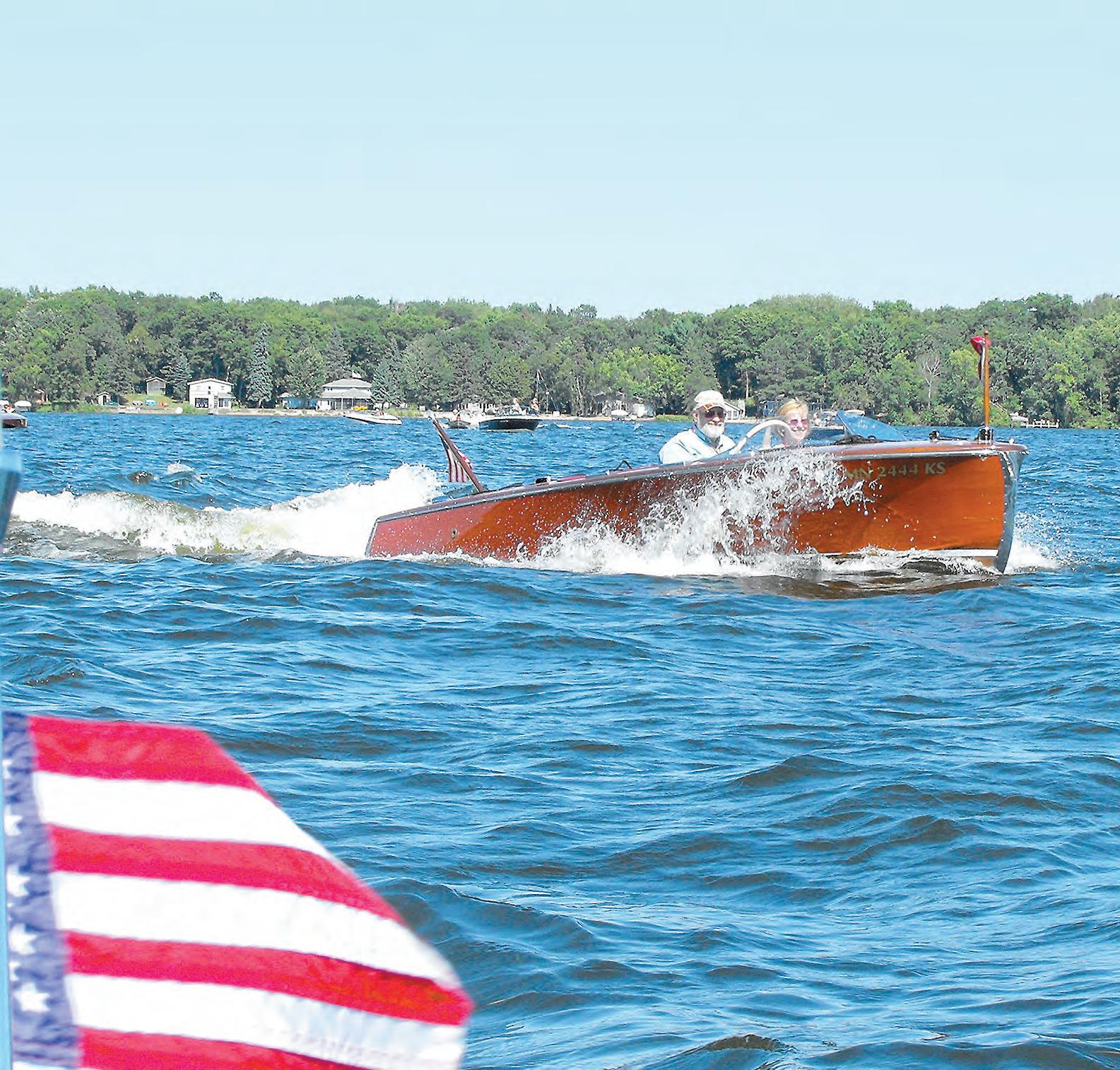
RECEIVE FLLA BOAT FLAG
YOUR MEMBERSHIP SUPPORTS:
✓ Members help support projects to combat Aquatic Invasive Species and improve water quality (clarity) and other recreational aspects of the lake.
✓ Whether you live on the lake, use the lake or just want to support the lake, you are welcome to join.
✓ FLLA is a non-profit 501c3. Donations to FLLA are tax deductible for federal income taxes.
forestlakelakeassociation.com
If you prefer to mail a check Forest Lake Lake Association P.O. Box 61 Forest Lake, MN 55025
Sign-up for email updates at forestlakelakeassociation.com/contact-us
Four lucky winners will be drawn – one winner after each Laker publishes. Sign up today! Thank you to all the households, businesses, and organizations that are already members! You are appreciated!
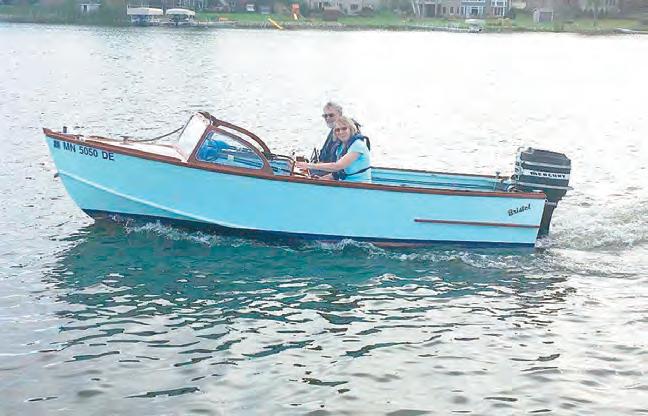
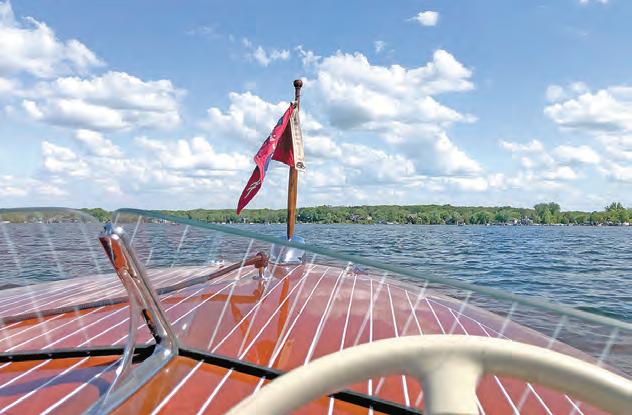

As we prepare for summer and to tie the boat to the dock, we welcome Forest Lake lakeshore homeowners, deeded access residents and dock association members for this first issue of the Forest Lake Laker.
The Laker launches today. Inside, you’ll find information about the people, mission, and projects of the Forest Lake Lake Association and the Comfort Lake Forest Lake Watershed District. Get to know the board members of each organization a little bit better on pages 6C and 7C.
For the anglers out there, we connected with longtime Minnesota resident and Owner of Edge Bowfishing Curt Cich to learn more about bowfishing. In the story, Cich provides us with an inside look into the sport and what it entails. Aiden Johnson also gives us an inside look on bass fishing on the lake.
Meet the members of Washington County Sheriff’s Office Water Patrol Unit on page 2B. The Washington County Sheriff’s Office Water Patrol Unit gives boaters a reminder to be prepared for the effects of cold water, even on the warmest days.
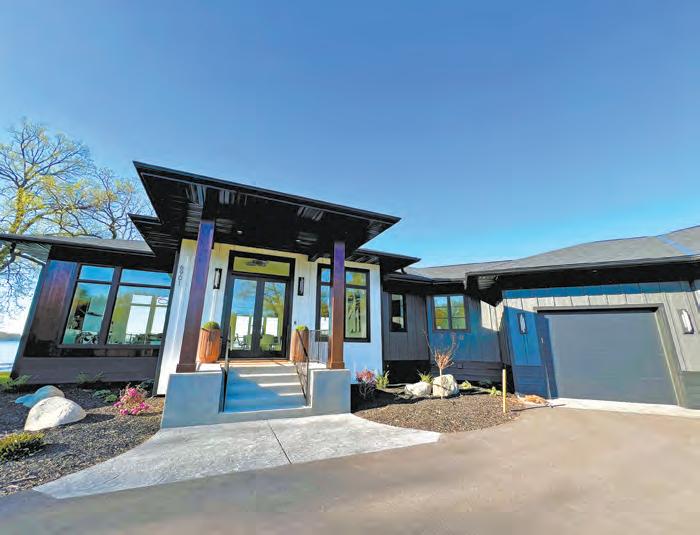
Catch a glimpse into Forest Lake resident Karie Bergeron’s home on page 1B. Bergeron and her late husband, Lynn, purchased a lake front home on North Shore Trail in the summer of 2023. In partnership with PMI Homes, the couple tore down the existing house and built what Bergeron calls the walk-out rambler their “forever home.”

Before you dock your reading glasses, make sure to let us know what you think about the first edition of the Laker. Email ppinfo@ presspubs.com with your thoughts. This crew is excited to set sail and continue to bring all things Forest Lake to your home. We hope you will join us as we cruise around the lake in future editions.

By Madeline Dolby Editor
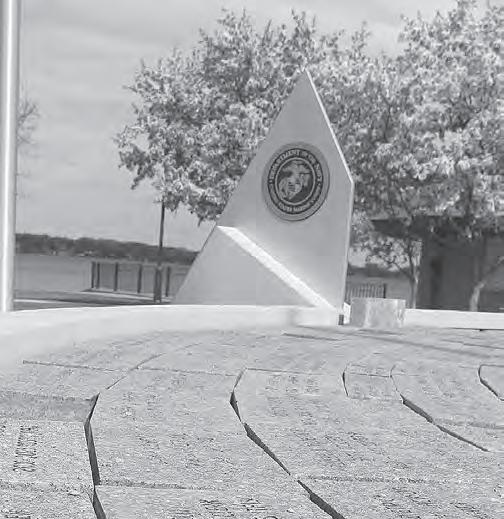
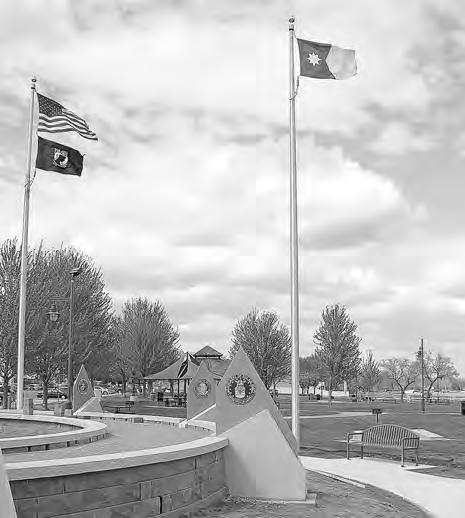
When you visit Lakeside Park, you might come across rows of pavers, each engraved with the name of a local veteran, rank, unit and time of service. These pavers are part of the Veterans Memorial, created and designed by the Forest Lake Area Veterans Memorial Planning Committee.
The memorial honors veterans, alive or deceased.
In 2008, El Ewert approached Ron Miller, chair of the Veterans Memorial Committee, about establishing a veteran’s memorial in Lakeside Park. Miller also serves as chaplain at Forest Lake American Legion Post 225.
“He said ‘Ron, you and I are going on a mission to get a veteran memorial in Lakeside Park. What we have right now, doesn’t cut it,’” Miller said. At the time, there was a large, sandstone rock with a bronze plaque on it located near the park’s gazebo. The plaque lists 24 known veterans from the Vietnam War who had died in service.
Miller added at some point, they hope to incorporate the rock into the new Veterans Memorial.
This spring, the committee plans to complete the installation of the paver display planned for the memorial. The pavers will be showcased both at ground level and on a raised platform.
According to Miller, the pavers will be organized by the six branches of the military, beginning with the Army.
One piece will be missing though, a sculpture featuring a solider saluting, and on the other side, the soldier’s spouse holding their daughter. The sculpture is scheduled to be completed and installed at the memorial in May 2027.
“The eagle is the strength in the centerpiece. You’ll be able to see it from both sides,” Miller said. “The solider is facing west. His wife, another solider, and their daughter are facing east towards the lake.”
He added, when designing the sculpture, it needed to tell a story without written words. The soldier facing the west has a combat uniform on, a riffle pointed down and his right hand raised in a salute to the American flag located about 40 feet away, according to Miller. On the east side of the sculpture, the female solider will have a bag by her feet to symbolize that she has returned from war and is back home.
Other additions to the memorial include appropriate pieces honoring military services and the addition of a large United States flag pole.
Photos by Madeline Dolby | Press Publications
On Memorial Day, which falls on May 25 this year, Miller said members of the Veterans Memorial Committee, along with Forest Lake Mayor Blake Roberts, will recognize 66 veterans whose pavers will be added to the memorial, bringing the total number of pavers to 466.
The committee also places pavers along the park’s walkway on Veterans Day.
The pavers themselves are paid for and ordered by residents while the committee is in charge of creating the final product. Residents who order before March 1 will have their pavers placed on Memorial Day. If they order their pavers before Aug. 11, it will be placed at the memorial on Veterans Day. Miller said the memorial has space for around 800 pavers.
In total, the project is estimated to cost $750,000. Funds will be contributed from residents who have purchased pavers, the city, state bonding money and three grants. To help pay for the memorial, the committee received funds from the Clean Water Land and Legacy Grant, the Minnesota Deed Grant and the Minnesota Historical Society Grant.
Those interested in ordering a paver for the memorial site can do so at www.ci.forest-lake. mn.us/209/Veterans-Memorial. ◼

By Aiden Johnson Special to The Laker
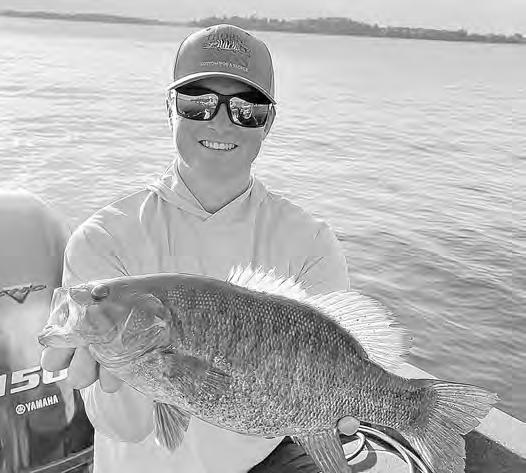
For anglers like me, ice-out on Forest Lake means one thing, spring fishing season is here!
Unlike years before, this year brings a new sense of excitement to spring fishing, as the Minnesota Department of Natural Resources recently imposed a year-round catch-and-release bass fishing season that will allow for an earlier start to targeting largemouth and smallmouth bass, therefore extending the opportunities anglers have to fish throughout the spring.
I’m Aiden Johnson, owner and operator of Aiden’s Angling Guide Service based out of the East side of the TwinCities metro area, and while I typically spend the majority of my fishing season chasing musky, bass fishing on Forest
Lake is where I like to start my fishing and guiding season every year! Putting the pieces of the puzzle together while dealing with cool water temps and various changing conditions can be tricky while bass fishing in the first couple weeks of the season, but over the years, I have found a few tips and tricks that have helped me to put more fish in the boat every spring. The first piece of advice that I would give to anybody getting out on the lake to fish for the first time this year is to look for early signs of vegetation and weed growth.
Oftentimes, these areas can be found in the parts of the lake that are covered with weeds all the way up to the surface of the water in the summertime, or the parts of the lake with the warmest water
SPRING BASS FISHING CONTINUED ON 10A
local Watershed southern Wyoming,

The Comfort Lake - Forest Lake Watershed District’s (CLFLWD) Aquatic Invasive Species (AIS) Program is a multi-faceted program that involves a variety of approaches to combat, control and prevent AIS within the CLFLWD. These approaches include wa-
tercraft inspections, early detection, rapid response, research, aquatic plant surveys, common carp management and direct management of invasive species through herbicide or mechanical removal where appropriate.
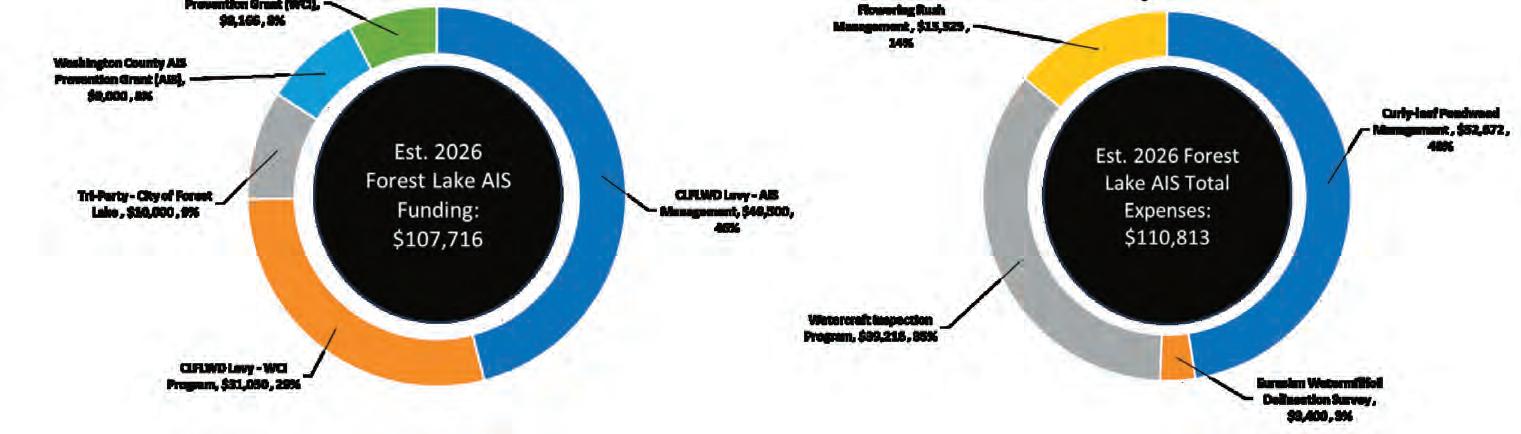
Washington County AIS Prevention Grant, $9,000 8% Washington County AIS Prevention Grant, $8,166 8%
Tri-Party - City of Forest Lake, $10,000 9%

CLFLWD Levy - WCI Program, $31,050 29%
2026 CLFLWD AIS Prevention & Management Plan, as well as previous year’s AIS Year-end Reports can be found at: https://clflwd.org/aquatic-invasivespecies/
Flowering Rush Management, $15,525 14%
CLFLWD Levy - AIS Management, $49,500 46%
Watercraft Inspection Program, $39,216 35%

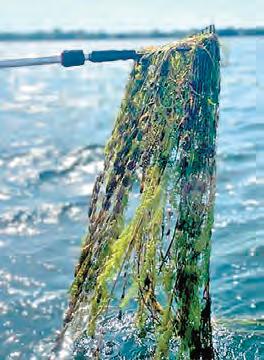
In 2026, the largest Forest Lake AIS expense will be the management of curly-leaf pondweed (CLP). CLP is a rooted aquatic plant that can begin growing much earlier in the year than native vegetation, often growing before the ice
off in the spring This can result in dense growth early in the year that can interfere with recreational activities and overall lake habitat. CLP typically grows until June before dying back mid-summer. As CLP dies off and decompos-

Curly-leaf Pondweed Management, $52,672 48%
Eurasian Watermillfoil Delineation Survey, $3,400 3%
es, it releases nutrients back into the lake that can substantially increase nuisance algae blooms. Because of this early growth pattern by CLP, delineation and treatment of CLP is done early in the season.

The primary goal of the Watercraft Inspection Program is to educate individuals recreating on District lakes about the importance of following AIS prevention protocols. To implement the program, the CLFLWD enters into an agreement with the Minnesota Department of Natural Resources. This agreement gives the district and its Watercraft Inspectors the authority to conduct boat launch inspections. Watercraft Inspections are conducted at all three of the public access points of Forest Lake.
In 2025 Watercraft inspectors performed 2458.75 hours of inspections on Forest Lake, which resulted in 4,743 inspections and associated surveys.
In 2026, a total of 2,401.8 watercraft inspection hours are projected for Forest Lake. Of those hours:
• CLFLWD watercraft inspection program is expected to provide approximately 1,668.8 hours.
• Conservation Corps team members are expected to contribute approximately 208 hours.
•The Minnesota Department of Natural Resources is expected to provide approximately 525 hours.
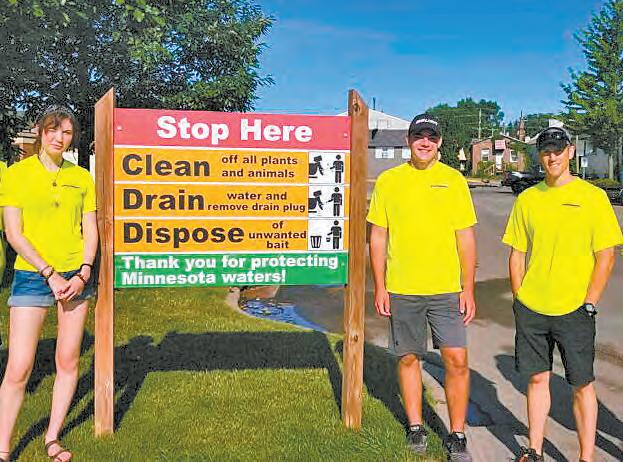
Successful aquatic invasive species management requires a community wide effort. CLFLWD received considerable support across the district in its efforts. This community partnership is codified on Forest Lake between CLFLWD, the City of Forest Lake, and the Forest Lake Lake Association (FLLA) in the Tri-Party agreement. The agreement ensures the financial cost of AIS management is shared by all three parties in a fiscally responsible manner which ensures stability and flexibility through reserve funds and equal contribution

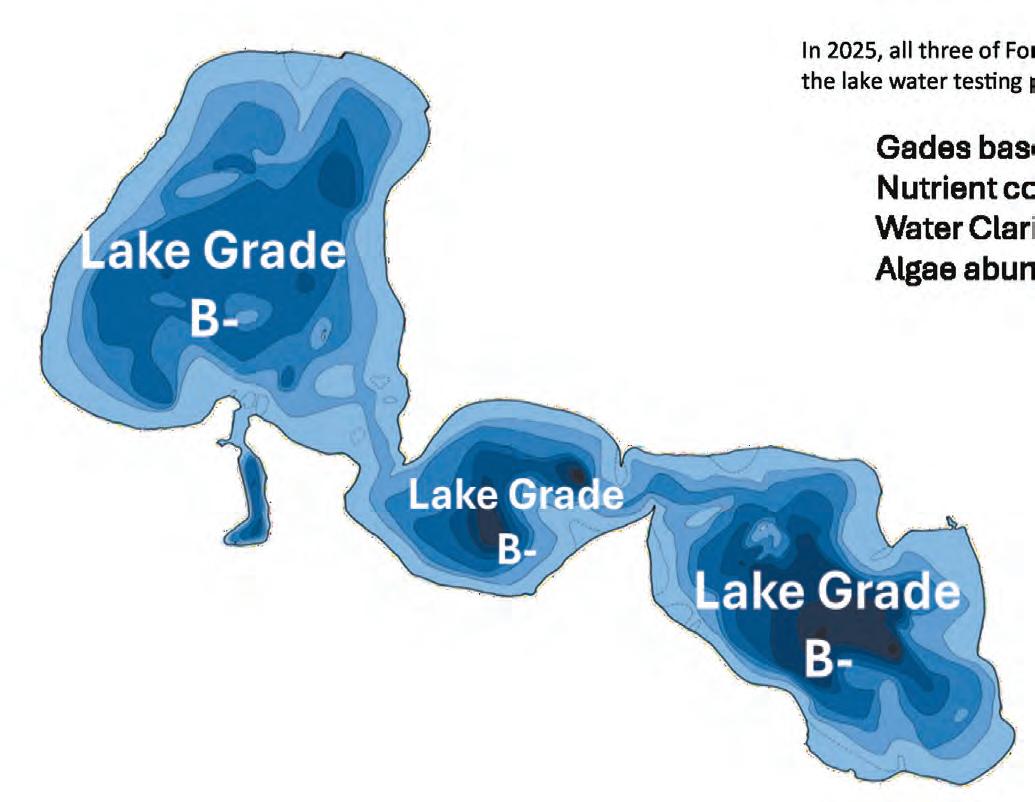
basin)
In 2025, all three of Forest Lake’s basins were given a letter grade of B- based on the lake water testing parameters.
Grades based on:
• Nutrient concentration (less is better)
• Water clarity (how deep can you see into the water)
• Algae abundance (how green is the lake)
Online Report
2025 CLFLWD Monitoring Report, as well as previous year’s reports can be found at:
https://clflwd.org/ monitoring-anddata/
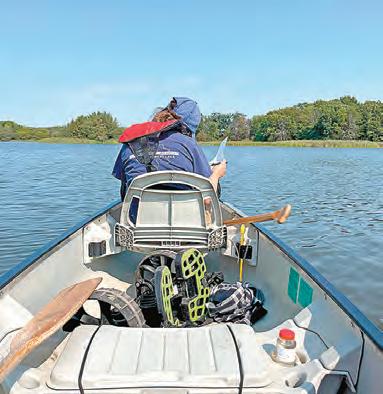
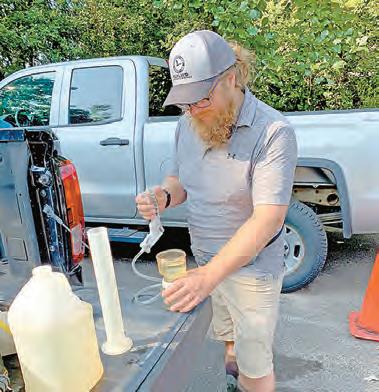
CLFLWD runs a strong water quality monitoring program. Each year, it collects data on surface water quality and quantity to track progress toward goals and guide both short- and long-term projects. This program supports the district’s adaptive approach to managing the watershed.
Lake water is tested for total phosphorus (TP), chlorophyll-a, total Kjeldahl nitrogen (TKN) and water clarity (Secchi depth). TP and TKN measure nutrients that fuel algae growth, which can come from sources like soil erosion, stormwater runoff, organic debris, manure and wastewater. Chlorophyll-a indicates how much algae is in the water. High algae levels can reduce water clarity, cause odors, lower oxygen levels needed for fish, and harm aquatic plant life. Water clarity is measured with a Secchi disk—the deeper it can be seen, the clearer the water. More algae means cloudier water and a shallower depth. Forest Lake is monitored by a basin approach, with each of the three basins having unique characteristics and therefore unique management approaches.

The CLFLWD offers a variety of costshare programs to provide financial assistance for homeowners to restore their shorelines and implement other water-friendly practices.
Up to $500 reimbursement to improve water quality within the watershed, either directly or through targeted education and outreach. Examples include: native plantings, buffer strips, rain barrels, downspout diversions, conservation farming practices and turf alternatives.
SHORELAND
Up to $1,000 reimbursement to improve the quality of shoreline habitat within the watershed, either directly or in close proximity to shorelines. Examples include: native
plantings, buffer strips, tree and shrub plantings, and in-lake wood placement.
A competitive grant offering funding up to 75% of approved costs with a maximum payment of $8,000. Examples include: native plantings, shoreline restorations, wetland restorations, rain gardens and contracted labor by approved contractors.
Landowners who meet the criteria can receive payments up to $300 per year. Criteria include the presence of high quality natural resources, compliance with all district rules and local ordinances and shoreline or streambank buffers where applicable.
CLFLWD staff can provide assistance in identifying and dealing with resource concerns such as shoreline erosion, localized flooding, and invasive species through a free site visit to your property. Often the first step to a solution is to having a CLFLWD staff member come out to your property for a visit and discussion. CLFLWD residents are also eligible for free soil testing, interpretation of results and management recommendations by CLFLWD staff.
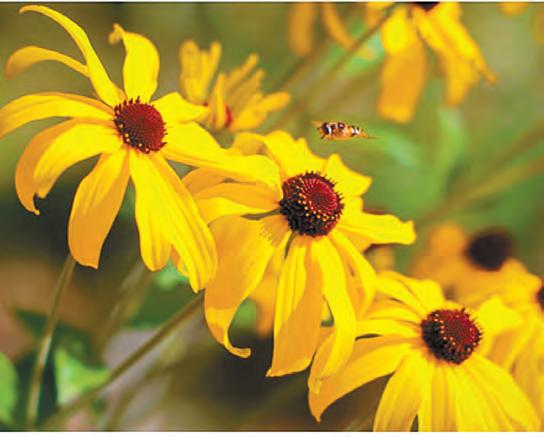
Turf grass and rock walls may look tidy, but they rarely stop erosion, flooding or ice damage. Natural shorelines, using native plants, are proven to protect property, improve water quality and support lake health.
1. Prevent damage - Native roots stabilize soil, reducing erosion and damage from water and ice.
2. Low maintenance - Once established, native plants need less mowing, watering and fertilizing than lawns.
3. Reduce runoff - Vegetation soaks up rain and snowmelt, cutting erosion and standing water.
4. Support wildlife - Native shorelines provide habitat for birds, pollinators and aquatic species.
Forest Lake Farmer's Market
When: 8 a.m.-noon Saturdays, beginning June 20
Where: Forest Lake City Hall, 1408 Lake Street S.
Details: Local growers, artisans, community resources.
Contact: ci.forest-lake.mn.us/327/ Farmers-Market
When: 9-11:30 a.m. Mondays-Thursdays; 6 p.m. Thursdays; 10 a.m. Fridays
Where: Lakeside Memorial Park boat ramp
Details: Free fishing and boating experiences for seniors, veterans, individuals with disabilitis, and youth groups, led by experienced volunteers.
Contact: forestlake.lgfws.com
Forest Lake Memorial Day Service
When: 9-10 a.m. Monday, May 25
Where: Lakeside Memorial Park
Details: Service of remembrance, keynote speaker, and paver presentations followed by live music and food truck 10a.m.-noon. Contact: Facebook: Forest Lake VFW Post 4210
Forest Lake Masons BBQ Drive Thru
When:10 a.m.-1:30 p.m. Sunday, June 7
Where: Forest Lake Masonic Lodge, 119 8th Street
Details: Pick up an Italian pork meal and support Memories Made Outdoors, a nonprofit that provides destination events for veterans and first responders. Contact: forestlakemasons.com
North Shore Trail Nature Area Walk and Talk
When: 6-7 p.m. Tuesday, June 9
Where: Meet at Forest Lake 3rd lake boat launch
Details: Join Comfort Lake-Forest Lake Watershed District's Aidan Read for a guided walking tour through the recently restored North Shore Trail Nature Area.
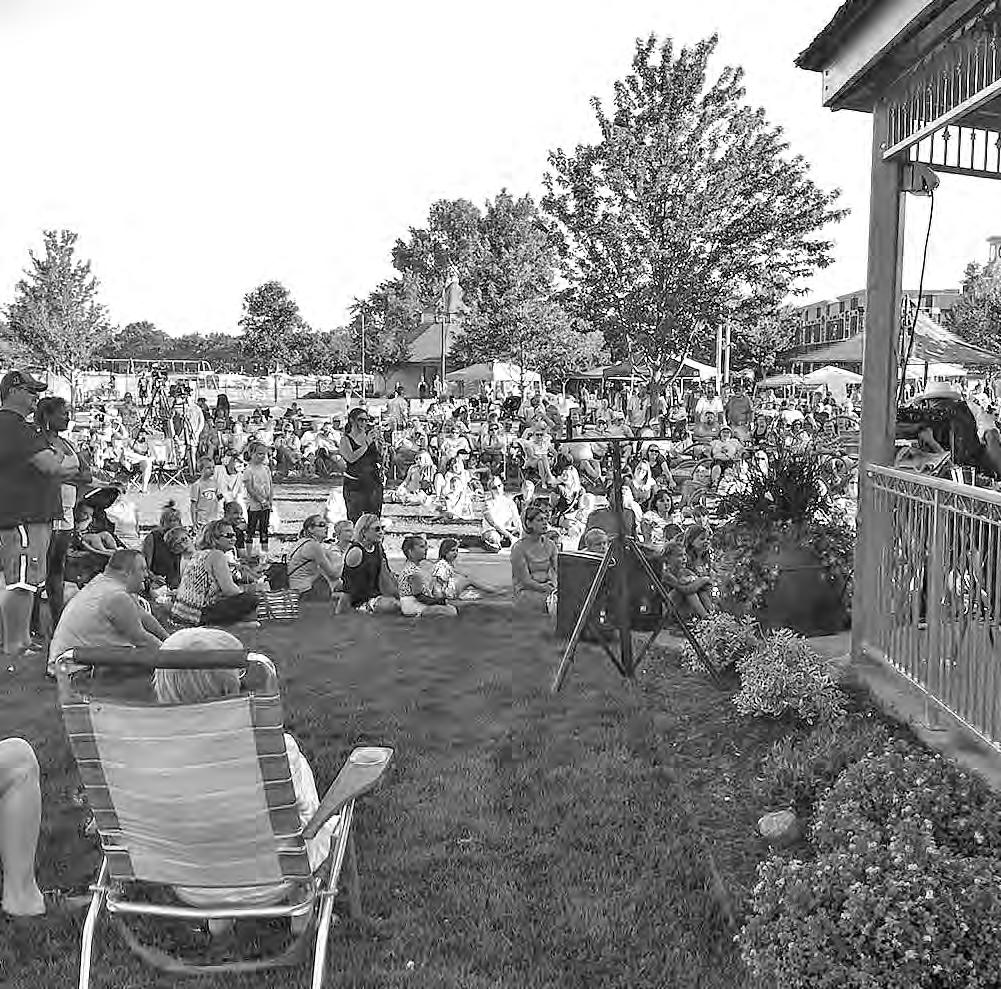
When: 5-8:30 p.m. Tuesdays, June 16 – Aug. 25
Where: Lakeside Memorial Park, 97 First Street NE
Details: Food trucks, vendors, activities, live music
6:30-8:30 p.m.
Contact: ci.forest-lake.mn.us/192/Arts-in-the-Park
RSVP by June 8.
Contact: 651-395-5850 or adam.hjelm@ clflwd.org
When: 6 a.m.-3:30 p.m. Saturday, June 13
Where: Forest Lake
Details: Cash prizes and Junior division. Participate on 21 Twin Cities Metro-area lakes. Register by June 6. Contact: metromuskietournament.com
When: 7 a.m.-noon June 17
Where: Forest Lake
Details: Junior Angler Open tournaments for anglers entering grades 3-8, with each boat having two anglers and a captain. Contact: minnesotajuniorbassnation.com
Dance
When: 1-5 p.m. Friday, June 19
Where: Forest Lake American Legion
Details: Event for seniors every third Friday includes lunch.
Contact: post225.com
Little Mermaid'
When: June 19-28
Where: Hanifl Performaing Arts Center, 4941 Long Avenue, White Bear Lake
Details: Students from Children's Performing Arts present the Disney classic. Ticket information online.
Contact: childensperformingartsmn.org
Forest Lake Community Day at Target Field
When: 6:40 p.m. Wednesday, June 24
Where: Target Field, Minneapolis
Details: Cheer on hometown hero Matt Wallner and the Minnesota Twins as they take on the LA Dodgers. Portion of ticket purchase will be donated to Schumacher Field.
Contact: gofevo.com/event/Forestlake7
Ferrari Vineyard Showcase
When: 11 a.m.-1 p.m. Friday, June 26
Where: Winehave Winery, 10020 Deer Garden Lane, Chisago City
Details: Get up close to dozens of Ferrari vehicles.
Contact: winehaven.com
When: 10 a.m.-4 p.m. Saturday, June 27
Where: Gammelgarden Museum, 20880 Olinda Trail N., Scandia
Details: Annual Swedish Festival celebrates the longest day of the year with live music, folk dancing, hands-on activities, crafts, vendor fair, arist demos, food trucks, and the decorated May Pole. Contact: gammelgardenmuseum.org/ event/midsommardagen2026
When: 10:30-11:30 a.m. Saturday, June 27
Where: Hardwood Creek Library atrium, 19955 Forest Road. N.
Details: All ages performance by a traditional Mongolian circus featuring acrobatics, foot juggling, contortion, chair stacking, unicycle feats and more. Contact: washcolib.org
When: 6 a.m.-2 p.m. Sunday, June 28
Where: Forest Lake
Details: Approximately 50 entrants participate as part of the Twin Citiesbased nonprofit Bass fishing league. Contact: greenhornbasstour.com
temperatures (usually shallow North/North-Eastern bays receiving most of the afternoon sunlight). These areas will attract all sorts of fish, such as baitfish, panfish, walleyes, paired up spawning muskies, and most importantly, bass. Largemouth bass especially will be drawn to these areas as the weedy vegetation provides both the cover that they prefer and easy access to a food source while they are there.
Once you have found a quality weedbed in a warm water area (bonus points if the weeds are vibrant and a bright, lively shade of green), the next step in the process is figuring out how to trigger a bite. Oftentimes, cooler water temperatures in the spring have fish moving in a more lethargic manner and reacting less aggressively to lures as they would during the summertime peak. This doesn’t mean that the fishing will be slow, however, it just means that you need to change the way that you fish in order to adjust. One of my favorite ways to catch fish in cooler
water temperatures is fishing jerkbaits with a long pause in between slack-line pops and pulls. Jerkbaits like a Rapala X-Rap, Shadow Rap Shad, and a Jackall Rerange 110 are perfect for accomplishing this style of fishing, as you can work them right over the tops of the weeds and keep them at the right depth while still being sure to maintain that long pause in between each pull. Another technique that works well alongside a jerkbait in the spring is some sort of slower, more finesse soft plastic lure. Ones that have worked well in my boat are ned rigs, wacky rigs and swimbaits. These soft plastic style baits are great for thoroughly breaking down smaller sections of structure and focusing more on spot-on-the-spot style fishing, whereas a moving bait, like a jerkbait, is better at fan casting all over the structure and covering more water.
My last tip that I would give to anyone planning on doing some spring bass fishing on White Bear / Forest Lake this year is to be patient and let the conditions of
the lake and the weather dictate your approach. Early in the season, success oftentimes comes down to continuously checking in on weed growth in different areas, looking for signs of life within the lake (like bait balls and other fish species), and staying confident along the way. Be sure to pay attention to subtle changes like water temperature, wind direction, and sunlight, as these factors can shift fish positioning and fire off certain spots within the day! Spring bass fishing is exciting and oftentimes action-packed, so whether you’re getting out for a few hours after work or spending a full day on the water, get out there and take advantage of the spring season, because before you know it, summer patterns will take over, and this unique early season bite window will be gone. ◼
Aiden Johnson owns Aiden’s Angling Guide Service, LLC. Visit https://aidensangling.com for more information.
by Erik Suchy Contributing Writer
Each year, the Minnesota Department of Natural Resources works to stock various fish species in all its lakes. Staff from East Metro fisheries are responsible for management and habitat oversight, as well as monitoring over 100 miles of rivers and streams throughout several counties. What, then, does this process look like for Forest Lake?
According to East Metro Area Fisheries Supervisor TJ DeBates, stocking in Forest Lake follows a statewide program that evaluates effectiveness. One notable feature is the DNR’s use of the Lower Mississippi strain (LMS) of walleye. Common in southern Minnesota lakes and rivers, this strain is better adapted to warmer, shallower waters and tends to have higher survival rates and stronger performance than northern strains.
“For the most part, we manage our walleye stocking on a statewide perspective. They’re based on watersheds where these strains are native,
except in the metro area. Because we don’t have much natural reproduction in our lakes, we’ll take many strains. We want to get fish in there that will survive and make it to the end of the line for an angler.”
As part of a contingency plan, the DNR has stocked Lower Mississippi strain walleye fry in Forest Lake. The fry are typically stocked in the spring, and by fall the DNR uses electrofishing to assess populations and collect data. This method is a scientific, non-lethal sampling technique that uses underwater electric currents to temporarily stun fish. However, DeBates said that the DNR has not been finding much success with this approach.
“We’ve been seeing if we can find those recruits coming into the system by fall.
Unfortunately, we haven’t had good luck seeing those in the last few years we’ve tried it. What happens then is that we go and basically stock it with fingerlings instead. This year, we’re probably going to give it one more shot with LMS fry. If it doesn’t work and we still don’t see those recruits coming in from that fry stocking, we’ll stock fingerlings after our evaluation.”
Despite this, DeBates expressed optimism about the DNR’s new long-range plan for muskies. The plan would shift from stocking standard 11-inch fingerlings to larger, higher-quality fish measuring 15 to 20 inches. These larger fish are expected to have higher survival rates, allowing the DNR to reduce the total number stocked each year.
“Our statewide quota for Forest Lake is about 766
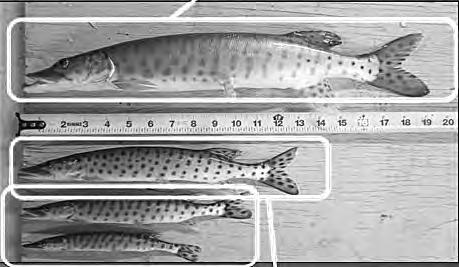
fingerlings. We’ve found we don’t need to stock as many of the bigger fish because they survive better. Instead of 766, we can stock around 150 fish that are 15 to 20 inches long. These fish are going to survive better, if not equally. We’re going to try raising larger yearlings or two-yearold muskies, because we don’t need to stock as many. They’re more efficient, and we can get a bigger bang for the buck by stocking fewer but larger fish.”
At the end of the day, DeBates has one simple message for anglers who want to learn
more about the DNR or provide feedback: don’t hesitate to reach out.
“Whenever I’m out in the field, I like to tell them, ‘We work for you.’ Our entire budget comes from them buying fishing licenses or equipment, which is subject to federal excise tax, and then distributed back to the states. We’re here for them, and that’s our job. Getting their feedback is beneficial, and we encourage them to reach out to the main offices if they have questions.”
Ingredients
• 7 qt chicken stock
• 2 oz heavy cream
• 1 cup olive oil
• 12 cups arborio rice
• 2 bay leaves
• 4 cups white wine
Directions
• 4 Tbsp chopped garlic
• 2 jumbo yellow onions
• Pinch of parsley
• Salt
• Pepper
• Salmon
• 5-6 Spears asparagus
• Hollandaise Sauce
• 1 Tbsp Parmasan
• 1 Tbsp Butter
• Lump Crab
• Paprika
In a medium stock pot, start warming the chicken stock, in a separate pot heat up oil, sautée the yellow onions for 2 minutes, add garlic, cook for another 2 minutes. Then add the rice, cook until it starts sticking to the bottom, then add wine to deglaze, cook down for 3 minutes and slowly ladel in chicken stock, mix occasionally once all the stock is reduced the rice will be aldente, transfer rice to a sheet tray and cool the rice down.
Prepare Salmon
Salt and pepper both sides and place on the grill
Cook for 4 minutes on one side, twist and cook for another 2 minutes to get diamond grill marks, flip the salmon over and cook for another 2 and 2 to do the same on the back
Prepare Asparagus
Tablespoon olive oil brushed on asparagus Pinch of salt and pepper Grill for 3-5 minutes until grill marks are applied
Prepare Lump Crab
Add 2 oz of lump crab in a pan with a tablespoon of butter, heat up and set aside
Finishing risotto
Put 6 oz risotto in a small saute pan, add 4 oz of chicken stock and 2 oz of heavy cream, add a pinch of chopped parsley, salt and pepper. Reduce down and occasionally stir to release the starch from the rice, once the stock is almost complete reduced add 1 tbls butter and 1 tbls of grated parmesan
Plating
Put the risotto in the middle of the plate, set asparagus on top, then salmon on the asparagus, put one ounce of hollandaise on top of salmon, then top with crab. Garnish with paprika and chopped parsley

Ingredients:
• 1 oz limoncello
• 1 oz Tanqueray Gin
• 1/4 oz fresh lemon juice
• 1/4 oz simple syrup
• Charged water
Directions:

Pour over ice and top with charged water
Garnish:
Fresh sliced lemon and sprig of fresh mint
Recipes contributed by Stella's






ROOFING INSTALLATION
We install several types of roofing materials including asphalt shingles, cedar shakes, metal, slate and more. STORM DAMAGE REPAIR

We repair roofs and siding damaged by severe weather. We are happy to work with your insurance company as well. SIDING INSTALLATION




We install vinyl, wood or metal siding for your home or business. We can help you determine the best option. SOFFIT & FASCIA


Usually part of a roofing or siding project, soffit and fascia are important feature for a finished home exterior. GUTTER SERVICES

Water damage from poor gutters can lead to expensive repair. We install and repair gutters to keep the water away from your home. WINDOW INSTALLATION
New windows can make a huge difference for your home both in appearance and energy efficiency.



By Madeline Dolby Editor
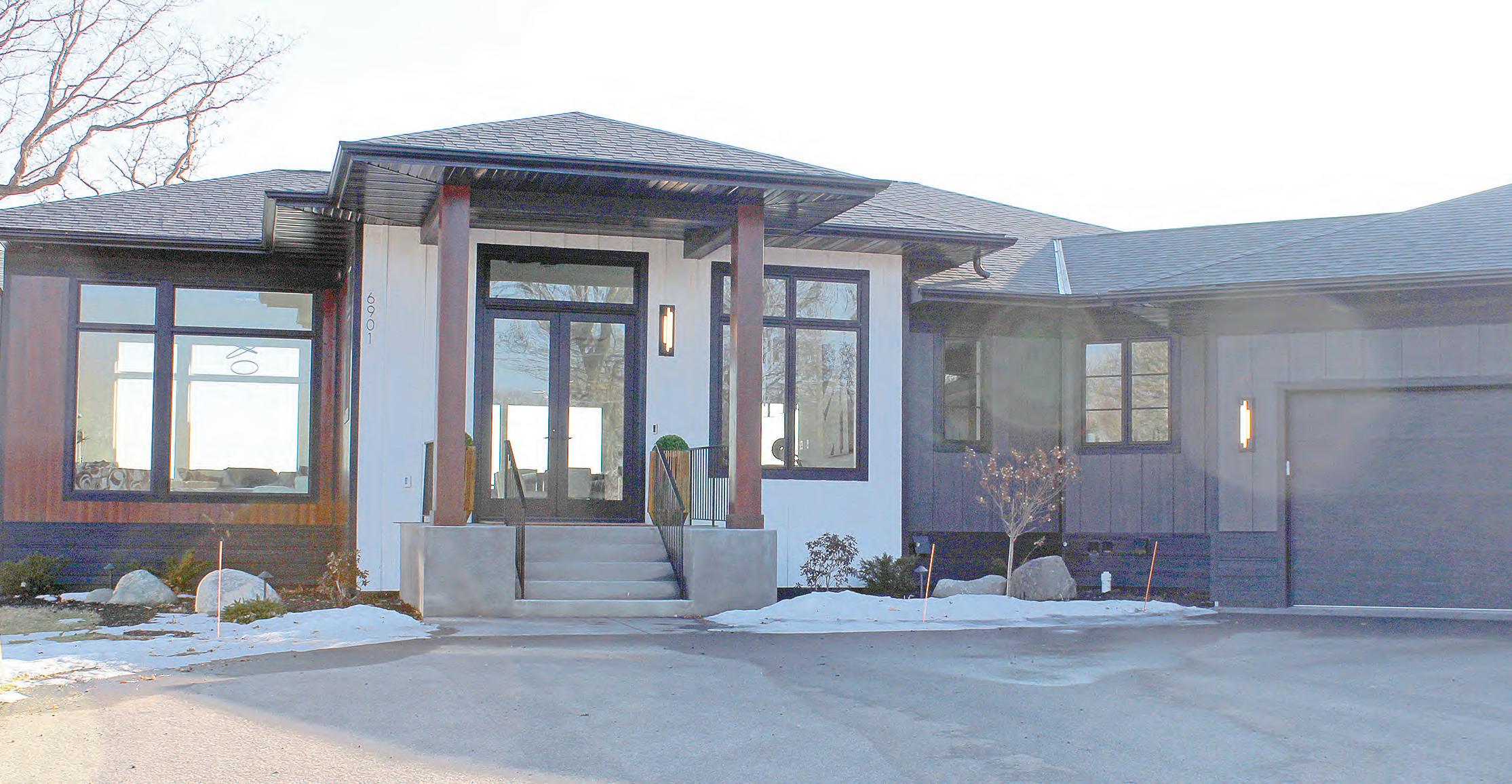
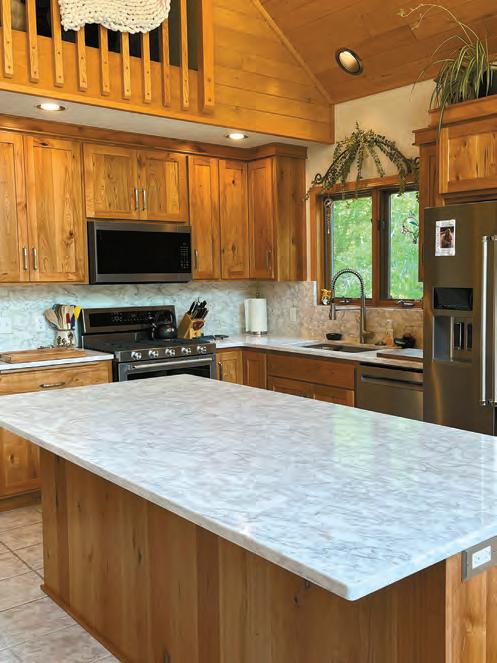
Karie Bergeron and her late husband, Lynn, purchased a lakefront home on North Shore Trail in the summer 2023. In partnership with PMI Homes, the couple tore down the existing house on the property and built a walk-out rambler that Bergeron now calls their “forever home.”
The couple, who used to live in Fridley, officially moved in in September 2024. Originally, they didn’t want to build, but Bergeron wasn’t finding anything she liked. On the way back from looking at a property, she spotted a PMI Homes sign. The couple decided to call Mike Koch, CEO of PMI Homes, to see how much it would cost to build.
The two met with Koch the next day and told him

about their dilemma. Koch said he didn’t have any lots available, but he knew of two homes on the market and said the Bergeron’s could do a tear down.
“We walked this one, saw the view and were like ‘Ok this is it. Let’s bite the bullet and do it,’” Bergeron explained. The previous home on the lot was built in 1947 and featured three bedrooms and two baths.
The new home has four bedrooms, three-and-ahalf bathrooms and is just under 4,000 square-feet. It features a screened-in porch, floor-to-ceiling windows that provide a breathtaking view of Forest Lake and a fire pit.
Bergeron said Lynn’s one wish in the whole house was to have a screened in porch. Lynn passed away in April 2025 due to cancer.
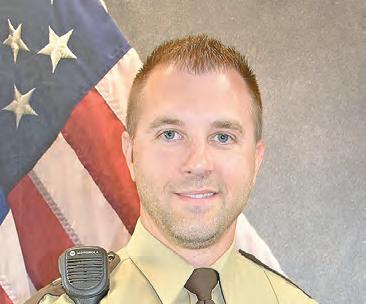
Sergeant Kevin Jadwinski
Sergeant Kevin Jadwinski has been with the Washington County Sheriff’s Office for the past 11 years. Throughout his career, he has worn many hats including as a patrol deputy, K9 handler, Field Training Officer, Emergency Vehicle Operations Course Instructor, and for six years, Assistant Team Lead with Washington County SWAT. In the last four years, he has led the Water, Parks, and Trails Unit as its sergeant. Outside of work, Sergeant Jadwinski is an avid outdoorsman. Whether he’s casting a line, hunting, or simply spending time with his family, he enjoys every opportunity to be out in Minnesota’s natural spaces, many of the same places he helps protect.
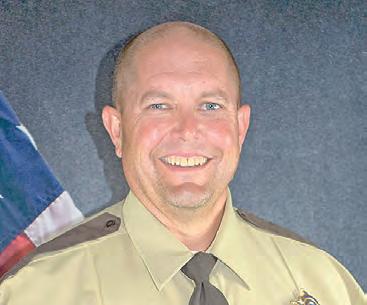
Deputy Scott Freemyer has served in law enforcement for more than 28 years, dedicating the last decade to the Water, Parks, and Trails Unit. His work has centered on water patrol, where he has spent countless hours safeguarding Forest Lake and the many lakes and rivers throughout the county. Deputy Freemyer’s steady presence on the water has been a vital part of keeping our community safe. While he has truly valued his time in the unit, he will be retiring this July.
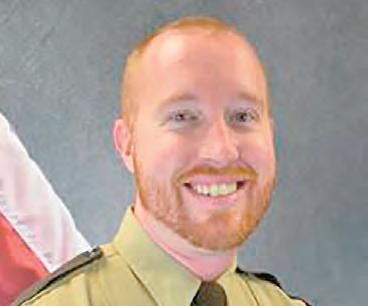
Deputy Steven Bell grew up in Lake Elmo and earned his law enforcement degree from Century College. His connection to the outdoors started early with snowmobiling across Minnesota winters and spending summers boating on the St. Croix River.
For more than 13 years, Deputy Bell has served with the Washington County Sheriff’s Office, taking on a wide range of roles along the way. His experience includes patrol, K9 handler, Explorer advisor, drone team instructor, and SWAT tech team member. For the past three years, he has been part of the Water, Parks, and Trails Unit, a role that brings him back to the waterways and outdoor spaces he’s enjoyed his entire life.
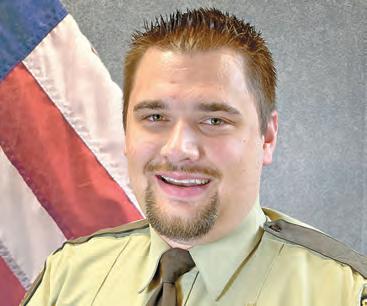
Since joining the Washington County Sheriff’s Office in 2016, Deputy Joe Szczepanski has worked all three patrol shifts and in the Mahtomedi contract. In 2020, he transitioned to the Water, Parks, and Trails Unit. There, he served as an instructor in Airboat Operations and snowmobile enforcement. Deputy Szczepanski is also a member of the SWAT Team and Honor Guard. Outside of his service, he values time at the cabin with his family.
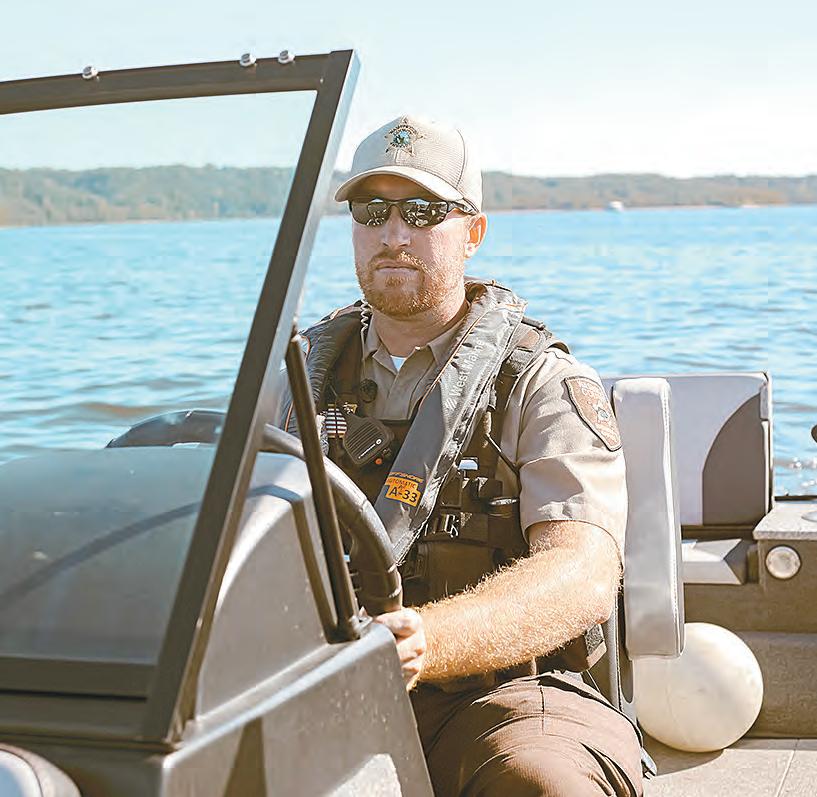
Spring has finally settled in around Forest Lake, and for many, that means getting back on the water. From early morning fishing trips to sunset paddles, Washington County’s 251 lakes and eight parks offer many ways to soak up the season.
As you head out, you’ll likely spot members of the Washington County Sheriff’s Office Water, Parks, and Trails Unit. They’re out there helping keep our lakes and parks safe so everyone can enjoy them to the fullest.
It’s also a good reminder that even on the warmest days, the water is often much colder. That’s why a life jacket isn’t just a good idea, it can be lifesaving. Cold water shock can happen in seconds when water temperatures dip below 70 degrees Fahrenheit, triggering an involuntary gasp, rapid breathing, and loss of muscle control. It can catch even strong swimmers off guard.
Under Minnesota law, children under
10 must wear a life jacket, and anyone in a canoe, kayak, or on a personal watercraft like a jet ski must wear one as well.
You should also dress for the water, not the air. If you fall in, what you’re wearing matters. Consider layers or even a wetsuit early in the season, especially for paddling or boating on open water.
Minnesotans will also want to watch for debris and changing water levels. Spring runoff can raise water levels and carry logs, branches, and other hidden hazards just below the surface. What was a clear path last summer might not be safe now so it’s best to slow down, stay alert, and keep a safe distance from shorelines and inlets.
Enjoy the long days, the fresh air, and everything the lakes have to offer. Just keep safety in mind while you’re out there. The Sheriff’s Office will be around all season, doing their part to help keep it that way. ◼
Contributed by the Washington County Sheriff's Office
“We had one at the cabin and loved it,” she said. “We could sit out there when it was raining, or buggy…That was his happy place. He was out there in the fall, winter because we put heaters in.”
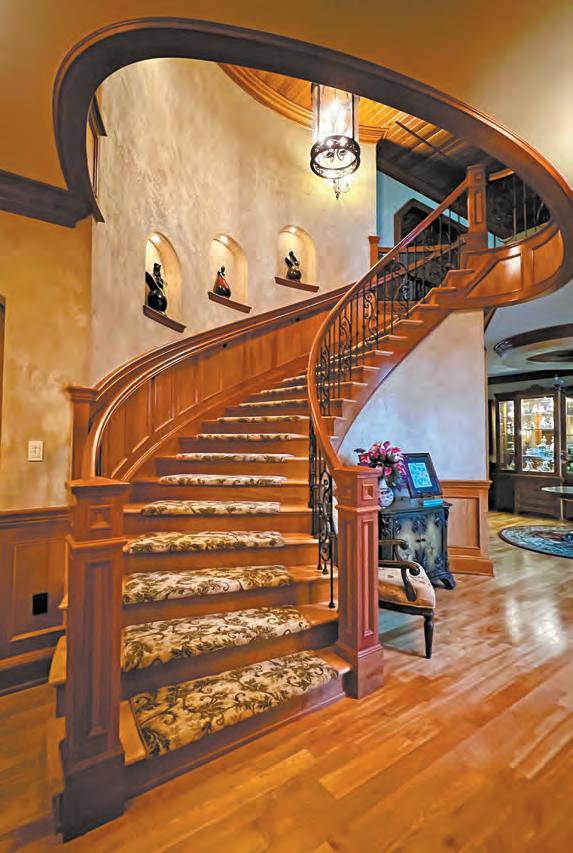
All the cabinetry featured in the home is custom. The half-bathroom, master bathroom, master bedroom and living room feature unique, hand painted walls that imitate alligator print, the texture of linen and even glitter.
Bergeron described the home’s style as soft contemporary, comfortable and made for entertaining. The upper level of the home is entirely open and there is a bar downstairs with a game table.
“Being able to have everything open for entertaining is nice. I can be in the kitchen and people can be out here (in the living room),” she said.
Other features Bergeron loves about the home are the ceilings and the threetone exterior. The siding is a mix of midnight grey, black and white with cedar accents throughout the outside of the home.
While the upper level of the home features shades of creams, browns, black and white, the basement is red and black.
“We were picking out countertops and said ‘It’s going to be red and black downstairs’ and we just went to town,” Bergeron said. “It worked out really well.”
Koch said there is a lot that goes into building a home like the Bergerons’, and you have to understand the owners’ design.
“You try to build a home around— Karie in particular, her personal likes and dislikes. You end up with a finished product that she loves because we were able to help her find out what the true design characteristics are that she likes,” Koch said. “If there is one thing that makes us happy about a project like that (the Bergeron home) is that the owner is extremely happy with the finished product, and it represents their style.”
Bergeron said the two biggest influences for moving to Forest Lake were being close to their two daughters and living on the lake. Another piece that influenced the Bergeron’s move was their love for a cabin they owned in Hayward, Wisconsin. Bergeron said it was her “happy place” and they enjoyed going up there. The Bergeron’s ultimately sold the cabin because it became more of a burden and the kids weren’t visiting as much.
“We were a two-hour drive to get to the happy place,” she added. “And I didn’t want to do that anymore.”
Bergeron is just getting used to life in Forest Lake and hasn’t had much time to explore the surrounding cities, such as Stillwater, Hugo and Scandia, but since



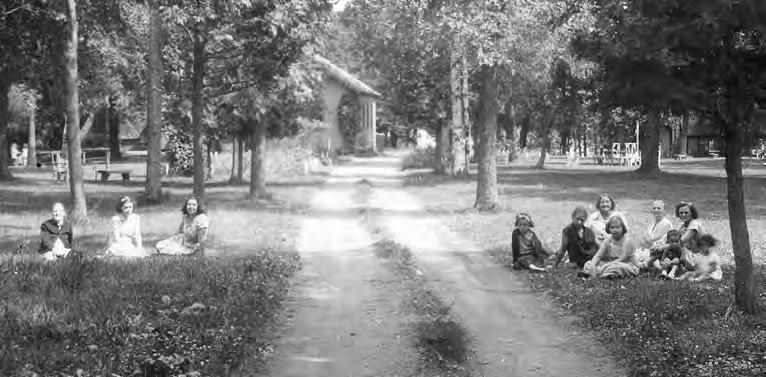
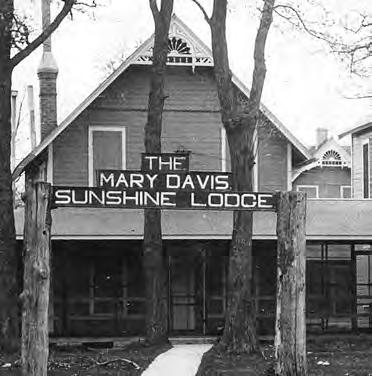
For more than 50 years, children from across the Twin Cities and the Midwest traveled to Forest Lake to spend summers at the Mary Davis Sunshine Lodge.
The lodge began as a gift from Mary J. Davis of Minneapolis and was named in her honor. It was established in March 1906 with the intention of building a second cottage on the property. The second cottage was built in April, and despite some construction delays, the lodge officially opened in July 1906. It was originally located on North Lake Street.
The Sunshine Lodge served as a place of rest for indigent mothers and their children. Many mothers came directly from the hospital to recover there. Between 1906 and 1934, more than 37,000 women and children stayed at the lodge. Somewhere between 1955 and 1956, it had expanded its mission to also host senior citizens.
In 1926, road paving reduced the lodge’s original property, prompting the
Sunshine Society to purchase lakeshore land from Fritz Israelson along South Shore Drive and Southeast Seventh Street. All of the lodge’s buildings were relocated to this new site.
Following the move, the lodge grew significantly. New facilities, including an assembly hall, nursery, hospital, and large dining room, expanded its
capacity to 185 people. During the Great Depression, more than 200 people used the lodge each week.
Due to declining funds, the lodge closed in the late 1950s. In 1958, it was sold to South St. Paul physician James Reid, who later developed the site into the Sunshine Addition in 1962. ◼
Information contributed by the Forest Lake Historical Society and Washington County Historical Society.


By Erik Suchy Contributing Writer
As a lifelong Minnesota resident, Curt Cich has found time to explore many outdoor sports the Great Midwest has to offer. But while golfing, snowmobiling and hunting are among the few that fill up his resume, one in particular stands out amongst the rest: bowfishing.
Today, Cich is the owner and one of several guides at Edge Bowfishing, described as the “largest, most experienced bowfishing guide service in Minnesota,” and remains eager to teach newcomers the basics of the sport.
“With bowfishing, you use something like a modified hunting bow that has an arrow and a string attached,” said Cich. “Unlike a hunting arrow, it’s a solid fiberglass shaft with a tip. You can get down to about 5 feet on an average shot, which allows you to shoot the fish and reel or pull it in by hand, depending on the retriever you have on the bow.”
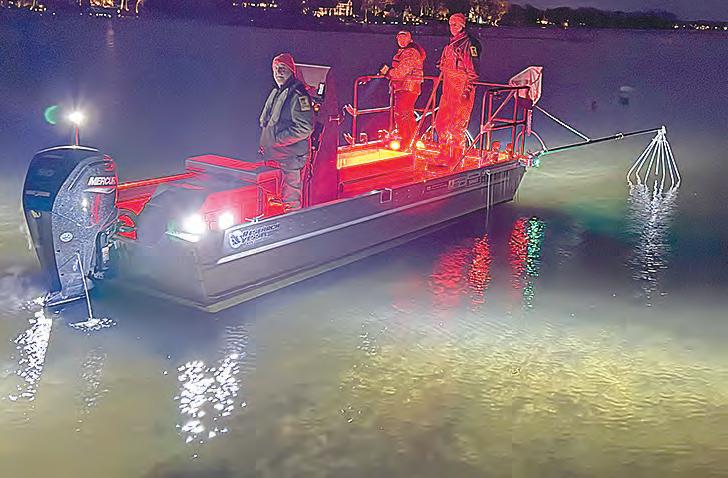
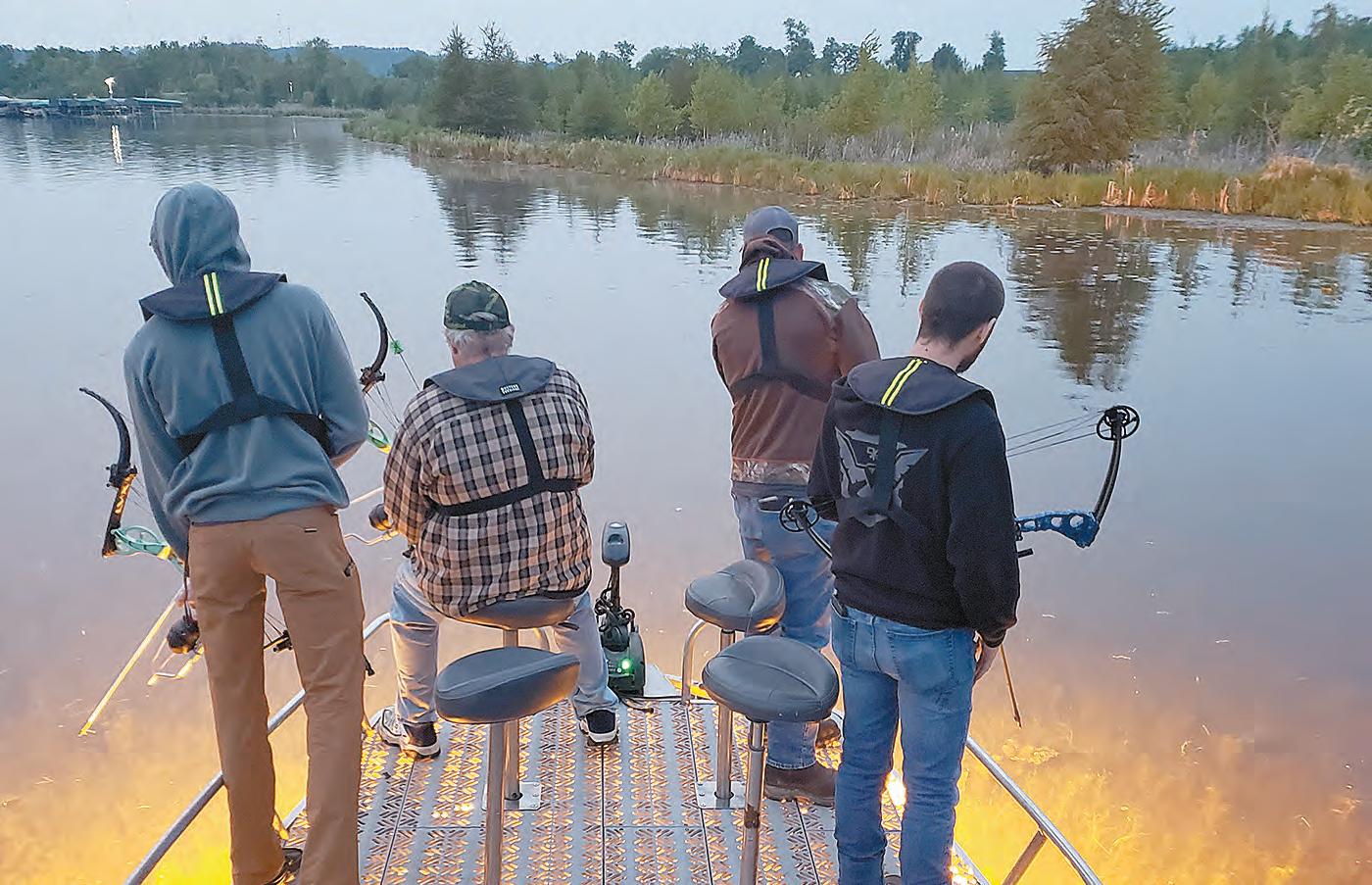
Unlike traditional fishing, bowfishing primarily targets invasive species such as gar, carp and buffalo fish that spawn or feed during the spring and early summer. The sport is usually done at night because these species are easier to spot with floodlights and are less skittish near the water’s surface.
During the day, bowfishing becomes more challenging because light reflects off fish near the surface. This can cause anglers to assume the fish are closer than they actually are, which can affect shot accuracy. Because of this, wearing polarized sunglasses to reduce glare is strongly recommended.
“I usually start clients shooting about a foot under to hit what they’re aiming at. It’s really hard mentally, because they’ll look at the fish and their bow will come up because of their hand-eye coordination. The truth is that you have to shoot lower to hit the target.”
When night fishing, Cich said the two biggest advantages are calm water and locations with as few people as possible. He also recommends using highefficiency LED floodlights to spot fish, which offer several advantages. “They help block glare from the light going upward, which gives me an advantage because it prevents me from lighting up shorelines or people’s
Contributed
Bowfishing is usually done at night because species such as gar, carp and buffalo fish are easier to spot with floodlights and are less skittish.
houses. They also run on lithium batteries, so they don’t produce any noise while I’m out.”
New anglers must also be aware of certain safety rules before they start bowfishing at any lake. According to Minnesota Statute 97C.376, an angler must not shoot within 150 feet of an occupied structure or within 300 feet of a campsite from sunset to sunrise.
“We don’t take shots if there’s anybody in the background. We also have a special button when we shoot the arrow that allows it to stop dead in the air drop; that way, we don’t have any problems with ricochet, because the water will absorb all the kinetic force.”
While he has taken bowfishing to many different
lakes, Cich strongly recommends Forest Lake as a solid choice for anglers. “There’s some really wonderful terrain up there, with nice shallow areas where fish tend to congregate. They’re also protected depending on the wind direction. Compared with most lakes we go to, we tend to fish on the windward side of the lake.”
While bowfishing may seem like a challenging sport for newcomers, Cich said anglers of all experience levels are likely to have a good time on the water. “It’s one of the best sports you can do, because you’re out with your friends and having a good time. All night long, there’s constantly something going on. If you’re not waiting for something to happen, you’re making it happen.”
These are the possession limits for 2026 and 2027 according to the Minnesota Department of Natural Resources for inland waters, specifically for Forest Lake:
• Walleye and Sauger: Six combined totally (only 1 walleye over 20” in possession)
• Muskellunge: 1 (minimum size 54”)
• Largemouth bass (statewide): March 1- May 22: Catch and release only; May 23- Feb.28: Six combined total largemouth or smallmouth bass (when smallmouth season is open).
• Northern Pike: 10 (not more than 2 over 26”, all from 22-26” must be immediately released)
• Crappie (white or black and their hybrids): 10
combined total
• Sunfish (bluegill, pumpkinseed, green, orangespotted, northern, warmouth and their hybrids): 20 combined total
Madeline Dolby
By Madeline Dolby Editor
Did you know lakes have a natural life cycle, and community actions can either shorten or extend its life span?
Prior to European settlement and modern development, lakes were generally in good health with low sedimentation rates, according to Comfort Lake Forest Lake Watershed District (CLFLWD) Administrator Mike Kinney.
Sedimentation in lakes is the natural process where suspended materials, such as sand, soil, clay and organic matter, settle out of the water column and accumulate on the lake bed. Sedimentation is often accelerated by runoff. Kinney said lakes naturally fill over time, but human activities like urban development and agricultural activities have sped up the sedimentation process.
If left unchecked, sedimentation rates would stay at a high level and age lakes ten times faster than the historic natural rate, causing low water clarity and algae blooms.
Core samples were collected from all three basins of Forest Lake in 2021 by the St. Croix Watershed Research Station, students from the University of St. Thomas and students from the University of Minnesota. The results were provided in 2022. These results, according to Kinney, showed the historical nature of the lake.
“This (study) really gives a sense of where it (the lake) was historically and then where it is moving from a sediment standpoint,” Kinney said. “Over the last 30 years or so, it is still a bit on this uptick, but that is why we’re working on some programs to help reduce that.”
In Forest Lake, Kinney said the highest sedimentation rate is in the East basin of the lake, while the lowest is in the West basin. Even though the West basin has the lowest sedimentation rate, he added there have been signs of a steady increase of sedimentation since the 1980s.
Excess amounts of sediment, phosphorus and nitrogen can promote
algae growth, decrease water quality, cause excessive plant growth and shorten the life of the lake. Kinney said one pound of phosphorus can support up to 500 pounds of algae growth.
Another contributing factor to a lakes shortened life span is lake bottom cutters. These are used to cut submerged or emergent weeds to clear shorelines. By disturbing sediments on the lake bottom reduces water clarity and kicks up nutrients like phosphorus. Kinney added wake boats can also kick up lake bottom nutrients and can impact water quality and lake health as well.
Aidan Read, land management specialist with CLFLWD, said there are several things residents can do to help protect Forest Lake.
One way residents can help protect the lake is through landscaping. Read explained that healthily landscaping choices can protect not only the lake, but your shoreline as well. Residents can also create a buffer zone. A buffer zone is an unmowed strip of native plants between your lawn and the water’s edge. These zones act as natural filters, trapping pollutants and sediments from runoff, while stabilizing banks with deep root systems.
“One of the things I tell folks who are looking to improve their property is ‘if you don’t go there, don’t mow there.’ There is always going to be a better option,” Read added.
The CLFLWD provides mini grants for residents to use in water quality or habitat projects. The district also has community water cost share grants for lager water quality projects.
Read also encouraged residents to use 0% phosphorus fertilizer. He said the middle number on the package should be 0. If it isn’t, that means there is phosphorus in the fertilizer.
Read added all residents are eligible for a visit from the watershed district. The visit includes soil testing as well as the opportunity to discuss your shoreland, aquatic invasive species and more.
For more information about the CLFLWD, visit clflwd.org. ◼










By Madeline Dolby and Maya Betti Editor and Contributing Writer
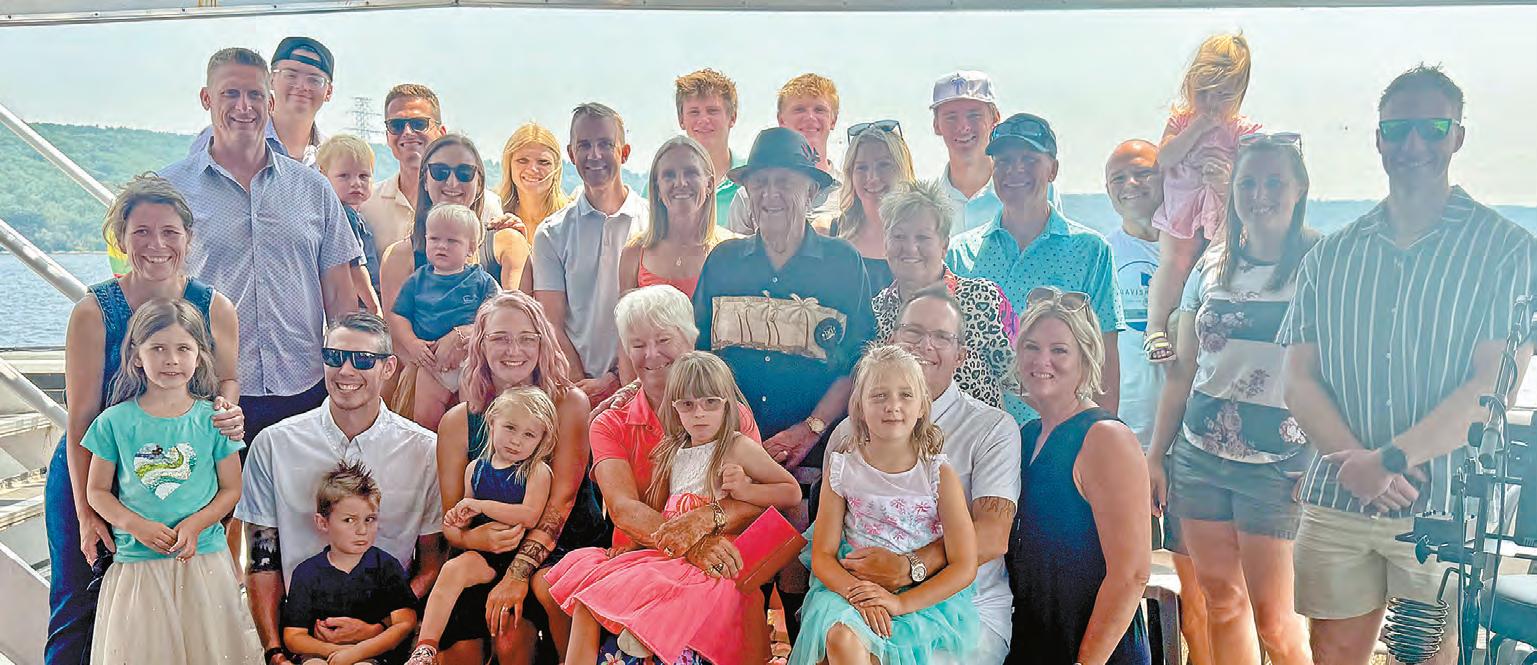
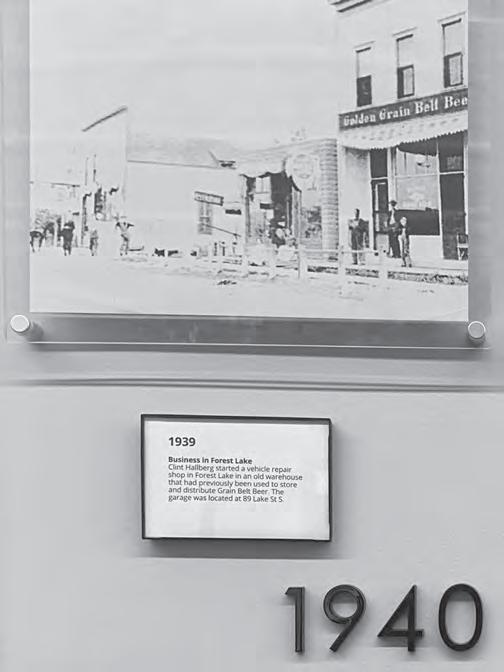
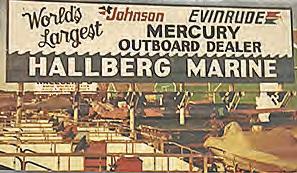
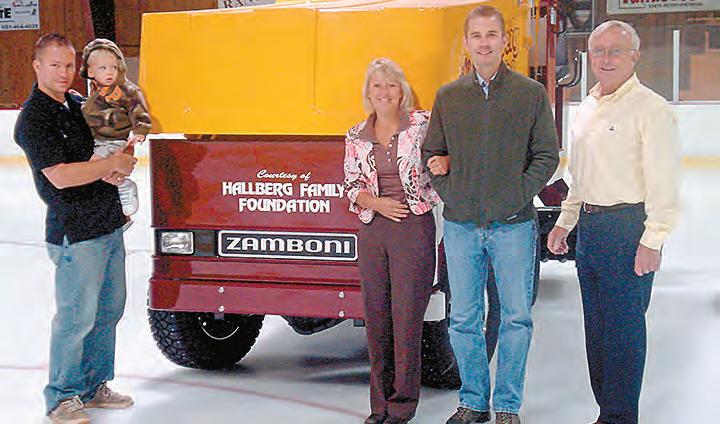
The Hallberg Family Foundation has spent more than two decades shaping life in Forest Lake, supporting students, benefiting local organizations and reinvesting in the lake community that has supported the Hallberg family for generations.
Founded in 2000, the foundation reflects a belief that giving works best when it is kept local.
“We’re trying to put things back into the community,” said Foundation Founder and longtime Hallberg Marine Owner Gene Hallberg.
History:
Since its creation, the Hallberg Family Foundation has given over $2.2 million in total donations to local
organizations in and around the cities of Wyoming and Forest Lake.
Hallberg is one of the 20 founding members of the Forest Lake Rotary Club. He said the Rotary used to hold parties every year, and it was a lot of work.
“After several years, Dave Purdy mentioned to me, ‘Have you ever thought about starting a family foundation?’ This was about 1999. So that put a little thought in my head,” Hallberg said.
Hallberg had discussions with the family accountant, attorney and Purdy, who was also a Rotarian at the time about the possibility of starting up a foundation. They got approval to begin the foundation and invested $50,000 into it with the help of Purdy, who is the founder of Wealth Management Midwest.
Now, Hallberg runs the foundation alongside his daughter-in-law Keriann Hallberg, who also is the
foundation’s director.
The Hallberg Family Foundation supports multiple entities in the community, including the Forest Lake Area School District, Forest Lake Youth Performing Arts, Lakes Center for Youth and Families, Rotary Club of Forest Lake, the Forest Lake and Wyoming Police Departments and several churches and ministries in the area. It also supports various festivals, such as Wyoming Stagecoach Days and Stacy Days.
Not only does the Foundation provide support to the cities of Wyoming and Forest Lake, but also cities in Anoka, Washington and Chisago counties.
Giving to the community
Scholarships have become one of the foundation’s HALLBERG FAMILY FOUNDATION CONTINUED ON 3C


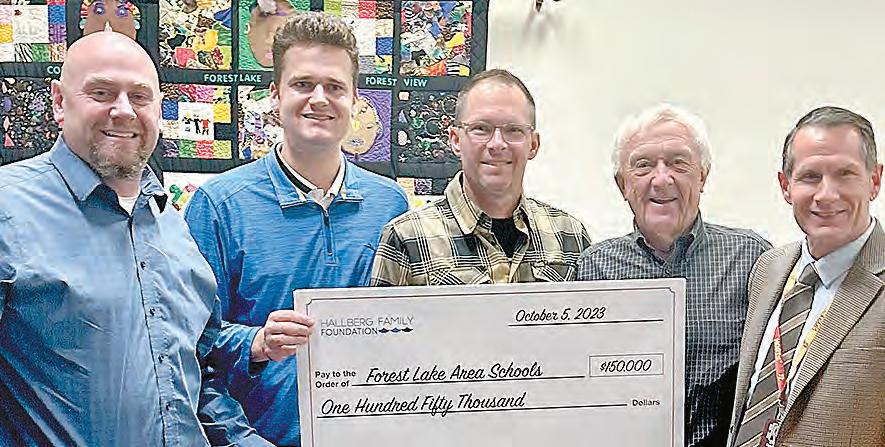
most significant areas of impact. The foundation works through the Forest Lake Area Community Scholarship Fund (CSF) to administer awards to local graduates and high school students — many of whom receive renewable, muli-year support.
“Scholarships are one of our highest numbers (of donations),” Hallberg said. “It’s kind of meaningful when somebody’s getting $20,000 — it goes a long way toward helping schooling.”
For this school year, the foundation is giving out $85,000 in scholarship money, according to Keriann Hallberg.
Beyond education, the foundation supports a wide range of community needs, including local sports teams such as Forest Lake football, girls soccer, hockey, alpine ski teams and the Chisago Lakes fishing team.
The foundation’s giving also extends beyond athletics to music and theater programs, churches and local fire and police departments. For Hallberg, arts have always been a priority, which is one of the reasons the foundation helped establish the Wyoming Center for the Arts, now a decade-old venue that hosts live music, youth programs and community events.
initiatives has been its growing partnership with the Forest Lake Lake Association.
The partnership took shape after Hallberg’s nephew, Andrew Hallberg, began spending time at weekly gatherings in Lakeside Park.
“He said, ‘You know, we’ve got all these people and all these boats around here, but why aren’t they buying their boats locally?’” Hallberg said.
From that observation came a simple idea: when Lake Association members purchase boats or equipment through Hallberg Marine, an additional two percent of those purchases is donated directly back to the Lake Association.
The goal, Hallberg said, is to encourage residents to invest in businesses local to the community.
“If you buy something over Highway 65, it’s not really helping Forest Lake,” Hallberg said. “It’s not employing anybody here, and it’s not doing any good for the lake.”
Though the initiative launched late in the year, the foundation has already contributed nearly $8,000 through the program, with hopes of increasing that number significantly as awareness grows — as much as $50,000 this year, according to Hallberg.
“There’s something going on there four or five days a week,” Hallberg said. “They do a good job. It is really fun.”
Foundation and Forest Lake Lake Association relationship
One of the foundation’s most lake-centered
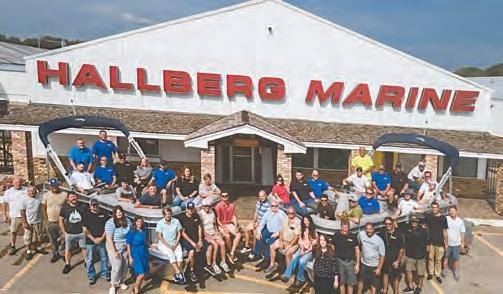
The partnership also extends beyond financial contributions. Hallberg Marine regularly participates in Lake Association events, bringing boats to park gatherings and other promotions.
“We hope it helps our business,” Hallberg said, “and if it helps ours, it helps Forest Lake.” ◼

By Madeline Dolby Editor
Starry Stonewort, also known as Nitellopsis obtuse, has been found in 38 lakes across the state according to Dylan Kinny, development coordinator at Minnesota Lakes and Rivers.
“It (Starry Stonewort) was first discovered in 2014 on Lake Koronis,” Kinny said. “It’s a really big issue because it spreads really easily.”
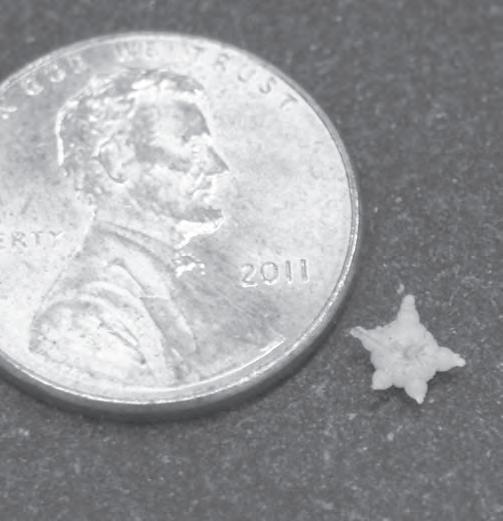
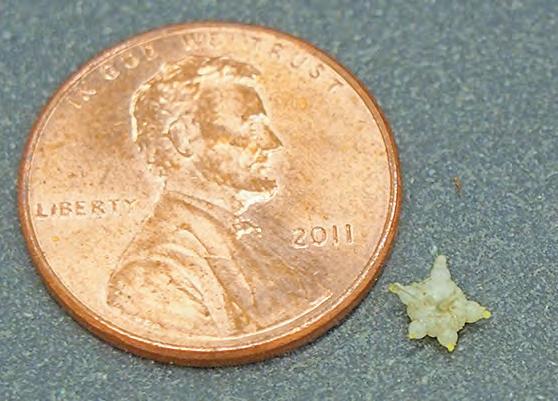
Starry Stonewort is a bushy, bright green micro-algae. It produces a characteristic star-shaped bulbil. The plant grows dense “pillows” up to 25 feet deep in lakes. Kinny added it grows rapidly and growth peaks from August through October.
Kinny explained Starry Stonewort bulbuls can lodge themselves in soil and can get stuck on any residual water on a boat. He added they are hard to see because they’re white and become translucent in the water.
“Once it is in a lake, it covers it very deeply. It creates these dense mats of plant material that inhibit fish breeding. You can’t sometimes leave your dock because it’s so thick,” Kinny said.
To help contain the spread of Starry Stonewort, there is a machine known as the CD3 waterless cleaning station. CD3 stands for clean, drain, dry and dispose. Kinny said these stations can be found at 23 waterbodies located throughout the state. He added 29 stations are being tracked for their use.
“They are really useful for getting the plant material off your boat and
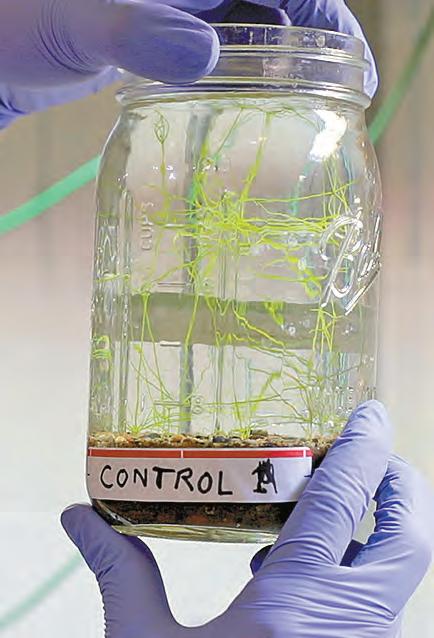
getting your boat clean,” Kinny added. “Compared to hand-picking, they’re way more effective. You can clean your boat in about seven minutes (when you use a CD3).”
Since 2022, about 4,000 boats used the cleaning stations. In 2025, he said approximately 6,000 boats used the cleaning stations. The station includes hand cleaning tools, a vacuum hose and a high-pressure air hose.
Kinny said Minnesota Lakes and Rivers received a grant from the state to place 35 CD3 units at lakes across the
state that have Starry Stonewort or at high risk of getting it. Next, he said the organization hopes to be able to place a few units in the Boundary Waters area. According to Kinny, over 100 organizations across the state are working with groups to support coordinated monitoring, inspections and response to Starry Stonewart. Some of these groups include Tribal Nations, the Department of Natural Resources, researchers and lake associations.
Minnesota Lakes and Rivers will
host an Aquatic Invaders Summit from March 9 to March 10, 2027 in St. Paul. This event is an opportunity to hear from lake leaders, researchers and agency partners about aquatic invasive species, learn more about management strategies and prevention tools and strengthen partnerships and develop collaborative action plans to help manage aquatic invasive species across the state.
More information about the Aquatic Invaders Summit can be found at MNLakesandRivers.org/summit27. ◼
By Madeline Dolby Editor
There are three types of aquatic invasive plant species and zebra mussels in Forest Lake. The invasive plants include Curlyleaf, EWM (Eurasian watermilfoil) and Flowering Rush.
Despite this, Steve McComas, from Blue Water Science, said the lake has a good diversity of native plants to help moderate the impact of these aquatic invasive plant species.
Curlyleaf, also known as pondweed, has been treated with herbicides in Forest Lake since 2009. In the last three years, approximately 245 miles of the lake has been treated for Curlyleaf. In 2023, McComas said they treated 62 acres, in 2024 they treated 16 acres and in 2025 Blue Water Science treated around 167 acres.
“We found that the lake sediments in Forest Lake are conducive for moderate growth of Curlyleaf on a long-term basis,” McComas said. “What that means is some years there will be, based on climatic conditions,


a big crop and other years, we could have a low crop.” McComas added a hotspot for Curlyleaf on the lake is mainly on the shoreland of first, second and third lake.
Blue Water Science has been tracking EWM in Forest Lake since 2015. McComas said first lake supported the most growth of EWM from 2015 to 2025. In 2023, eight acres were treated for EWM. Then in 2024, Blue Water Science was able to treat 48 acres. Last year, the organization treated around 47 acres of the lake impacted by EWM.
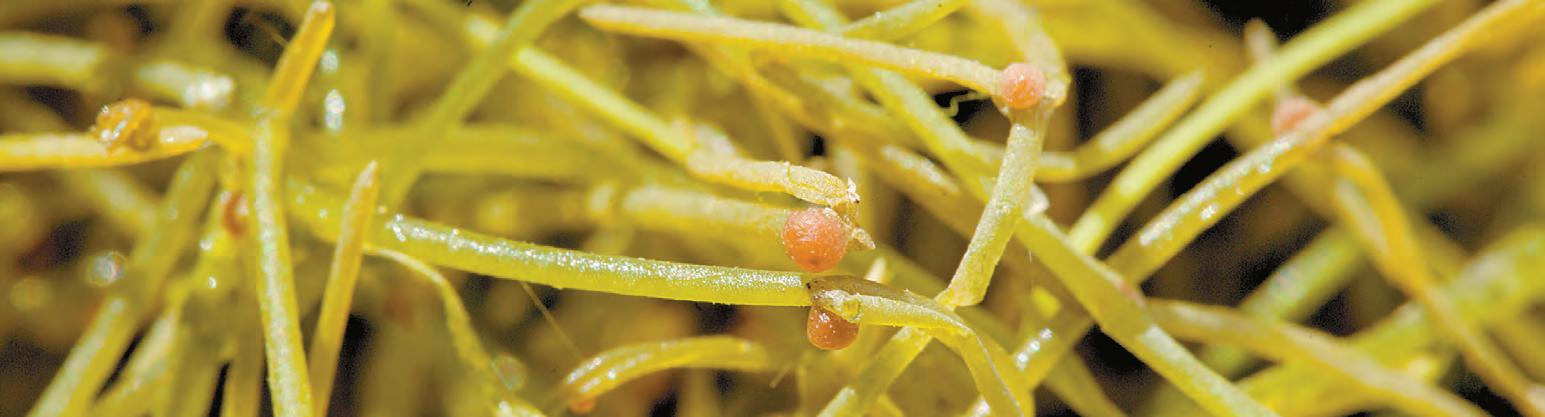
Three treatments were conducted in 2025 to help maintain Flowering Rush in the lake. One round of treatment was done in July primarily on the second lake and a portion of third lake. The remaining two rounds of treatment were completed in August and at the end of September.
“Flowering rush doesn’t always take over a lake but has the potential if it goes untreated,” McComas said. What’s special about Forest Lake, according to McComas, is the lake has fertile Flowering Rush. This means that the plant produces seeds that can

produce a new plant.
This can create a challenge when trying to control the spread of Flowering Rush because not only can it spread from its roots, but also the seeds.
“The Forest Lake Lake Association in conjunction with the watershed district has been very good at collecting the flowers on the Flowering Rush before they go to seed. That seems to really have helped the widespread distributions of these large mats,” McComas explained.
Zebra mussels were first discovered in Forest Lake in 2015. McComas said, right now, they are tracking them more than anything else since they are “impossible to eliminate from a lake.”
Native aquatic plants not only help mitigate AIS, but they also help with water quality. There are various native plants on Forest Lake, including Coontail, Flat Stem Pondweed and Water Celery. These plants help improve water clarity due to algae reductions.





Jackie Anderson, President
Jackie Anderson joined the Watershed Board in 2003 and was instrumental in the founding of the District. She is a resident of Chisago County, residing in the Comfort Lake Management District. Anderson has also served in all positions on the board.

Jim Schottmuller, Vice President
Jim Schottmuller joined the board in September 2025. A resident of Forest Lake since 2015, Schottmuller grew up on the water in the St. Croix Valley, fostering a lifelong appreciation for aquatic environments. Schottmuller brings a strong background in business development and management to

support the District's mission of protecting and improving local water resources. He currently serves as vice president of Business Development at Enterprise Minnesota, where he assists manufacturers across northeast Minnesota—including Anoka, Chisago, Isanti, Mille Lacs and Pine Counties, as well as Duluth and the Iron Range—in growing profitably through tailored strategies and consulting.
Stephen Schmaltz, Treasurer
Steve Schmaltz has an educational background in engineering and business with 35 years of industrial work experience. He has been a resident of Forest Lake since 2002 and a manager on the Watershed Board since 2013 when his concern over frequent algae blooms and other water quality issues on local lakes led him to take action. Schmaltz is committed to the belief that clean water resources are a community right and responsibility that are best achieved through the actions of local partners working together. He uses his experience to promote the use of cost/benefit decision making when it comes to the protection and improvement of local water resources.
The Comfort Lake Forest Lake Watershed District (CLFLWD) was formed by the Board of Water and Soil Resources on September 23, 1999 in response to a citizen petition filed in November of 1998. The District covers 49 square miles of northern Washington and southern Chisago counties and is tasked with maintaining and improving the area’s water resources.
The mission of the CLFLWD is to protect and enhance local ecosystems and natural water resources.

Douglas Toavs has a professional background in agriculture, education, fundraising and technology. He has lived in the Chisago City area for 18 years on Moody Lake. Toavs began volunteering with the Watershed District over a decade ago as a citizen scientist collecting water samples. He joined the Board in 2021 and has been utilizing his broad background of experiences to help guide the District in making the best financial decisions for both area taxpayers and local water resources.

Dave Bakke has worked in public education for over 40 years teaching students from kindergarten to college and facilitating teacher professional development. Bakke completed undergraduate degrees from Bemidji State University, Macalester College, Hamline University and a Master of Education degree from the University of Minnesota. He serves on the board of the Bone Lake Association and was previously the president of the Lake Association. He joined the CLFLWD Board of Managers in September of 2021.

Our Board Members are lake residents and advocates who are committed to protecting water quality, preserving the natural beauty of Forest Lake, and representing the voice of our community year-round.
Becoming a member is one of the most impactful ways you can support these efforts. Membership helps fund critical lake initiatives, strengthens our collective voice with local decision-makers, and keeps you informed on issues that affect Forest Lake. Whether you live on the lake or simply care about its future, joining the association is a simple way to stay involved and make a meaningful difference.



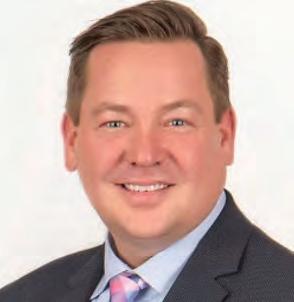
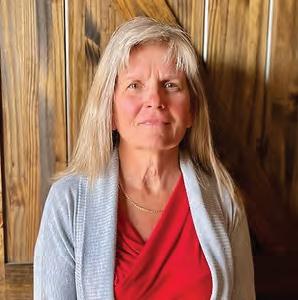
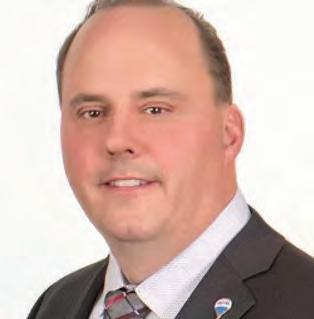
Ken lives on First Lake and enjoys sailing, fishing, and kayaking, and is a recently retired executive from IBM.
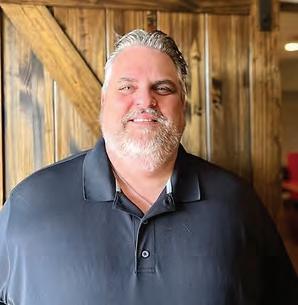
Chris has lived in Forest Lake since 1998, raising his family here while enjoying a lifelong connection to lake living and the outdoors.
Jerry has lived onThird Lake for over 30 years, raised a family on the water, and now stays involved by serving the lake community in retirement.

Chris has lived on the lake since 2012 and enjoys fishing, water sports, and even making maple syrup with his wife in early spring.
Steve has been an active board member since 2007. He also serves on the watershed district and enjoys time on the lake with his growing family of grandkids.

Keith moved to Forest Lake in 2017 and became involved through hands-on roles like lake monitoring and invasive species tracking.
Bob is a founding member and lifelong resident who specializes in waterfront real estate and has spent decades living and working on Forest Lake.

Julie grew up near Lake Superior and has spent most of her adult life on Forest Lake, where she stays active in the community and works alongside the FLLA board.
Geneva found her way to Forest Lake after years in Washington, D.C., turning a lifelong dream of lake living into her full-time home in retirement.
Chris is a lifelong area resident and founding member who spends all seasons on the lake with his family while working locally in real estate.

Mike and his family moved to First Lake in 2022 for better work-life balance (found!) and now enjoy everything summer lake life has to offer.
JOIN THE FOREST LAKE LAKE
THE LAKE NEEDS YOUR SUPPORT!

SCAN TO LEARN MORE.