




I’ve never written a letter to a newspaper before, but I’ve been known to speak up publicly on issues I feel are reasonable and have widespread effects.
First, thank you for publishing the Missed Connections article on the need for regional transit. The topic was front of mind during one of my two weekly commutes to Vancouver. Twice a week, I join the mass wave of commuters travelling from Squamish to various locations in the city (most of them, like me, one to a car).
As we watch gas prices soar (thank you, you-know-who…) and feel our wallets taking a serious hit, I’ve been asking myself: what’s the solution? I wish I could go back in time and buy an electric vehicle. I could lease one, but my current car is fully paid off and does the job. Will I buy an electric or hybrid when the time is right? Absolutely, but that time isn’t now.
I’ve looked into the Squamish Connector, and I have nothing against it. It sounds like a good service, but the price point puts it out of reach for some people, and the timing, drop-off, and pick-up locations don’t always work either. So, like others perhaps, I’ve cobbled together a parkand-ride style commute from this side of the Lions Gate to downtown, just to dodge steep daily parking rates and the bottleneck that is the Lions Gate Bridge. The result? I’m still adding to the congestion and air pollution,

and cutting corners elsewhere in my life to feed the gas fund.
But what if we had a train? That rail line stares at me every single trip, mocking me, and I’m sure mocking my fellow commuters too. It’s right there. Why aren’t we using it? Yes, I read the article, and I understand the $10-billion price tag, but think about the pressures that investment would relieve.
Watching the Rocky Mountaineer roll by in the summer feels like another form of mockery. That service is for tourists and scenic travellers, not for the people who actually call the Sea to Sky home. I’ll admit I’ve even wondered: could the Rocky Mountaineer add a no-frills locals’ car to
the back of its train so residents could somehow piggyback on its routes? Then again, that line of thinking starts to feel a little Titanic — and we all know how the class divide played out there.
So, back to the article: I like the direction Jen and Jeremy are heading. Where does David Eby fit into this? And how can we as locals support the push to move it forward? Is there a petition? A rally? I firmly believe action matters and talk is cheap. Gas, unfortunately, is not. What can we do as a community to keep this issue moving? I’ve asked around and chatted with fellow commuters, and we all seem at a loss for where to start.
Brittia Thompson // Whistler
Hey Vince,
How about an article in the Pique explaining how insurance supports the place we live in and the lives we live?
Without insurance, no lifts would turn, no restaurants would serve, and no visitors would be able to even get to Whistler. Insurance doesn’t make buying a home more difficult, but rather it makes it possible. Insurance facilitates our ability to secure a mortgage.
We revere firefighters, police and first responders, and rightly so! Yet, what happens after the fire department puts out the major fire in your home and drives away? And what happens after the police and first responders attend a major accident on the Sea to Sky and dispatch the injured and dead from the scene and tow the wrecked vehicles away?
That insurance policy you purchased and thought you’d never need becomes your saviour. The adjuster finds you and your family a place to live (and pays for it) while your home is rebuilt — and pays for that too. And, if the car accident was because of the sun in your eyes, or a momentary lapse in judgement, your adjuster handles the lawsuit and judgment against you, all the while getting you into a new vehicle.
Vince, you mention insurance folks being compensated with commission.




As of Wednesday, April 15
WINTER MADE A BRIEF return this week, but it won’t hold on for long. Heading into the weekend, warmth, sun, and possibly rain will push conditions firmly back into spring conditions in the Whistler backcountry.
Tuesday’s storm delivered around 20 cm of new snow to the area, with freezing levels dropping to near 1,000 m. That left a shortlived refresh of soft snow, now going through a few days of settlement. We may still see some lingering wind slab and cornice problems in the alpine into the weekend.
Sunday brings a shift, although weather forecasts have been uncertain on the exact timing. Freezing levels rise into the alpine and periods of strong sun will begin to break down surface snow, especially on solar aspects. While travel may feel pleasant, warming and solar input could quickly reduce stability on steep terrain, and cornices may begin to weaken. Some forecasts also call for light rain on Sunday, which would have a

similar effect on the snow.
As we head into longer warming spring days, timing and terrain choice will be key. Focus on shaded or lower-angle terrain during peak sun hours and avoid exposure under cornices or steep solar slopes. Periods of strong sunshine can warm and weaken these slopes rapidly, and cornices can become more unstable in the warmth.
Overall, this weekend marks a transition from short-lived winter conditions into a more typical spring pattern, where warming, sun, and rain will drive avalanche activity and terrain decisions.
If you’re heading into the backcountry, be sure to read the avalanche forecast at avalanche.ca, check any local MIN reports, and consider submitting a report after your day. As we near the end of forecasting season and we have less data coming in, it’s helpful to our avalanche forecasters to get boots-on-the-ground observations about what’s happening in the snow around Whistler. n
My experience is that those folks are motivated to find their clients the lowest price for the most appropriate protection. If you don’t want the “extra” million dollars of liability coverage (even though it likely costs less than a featured cocktail at Wild Blue) JUST SAY NO!
Insurance is a very peculiar product. We must suffer unthinkable trauma to truly appreciate its necessity.
Mike Valiquette, Retired Insurance Broker // Whistler n





NickDavies, Whistlerlocal andexperiencedfamilylawyer practisingacrossBCandYukon. Callat 604-602-9000 or visit www.macleanlaw.ca
MacleanLawisheadquartered inVancouverwithofficesacross BritishColumbia.


COUNCIL SHIFTS FOCUS TO LONG-TERM RIDERSHIP INCENTIVES, BETTING DEEPER PASS DISCOUNTS WILL DRIVE SUSTAINED TRANSIT USE AMONG LOCALS
BY LUKE FAULKS
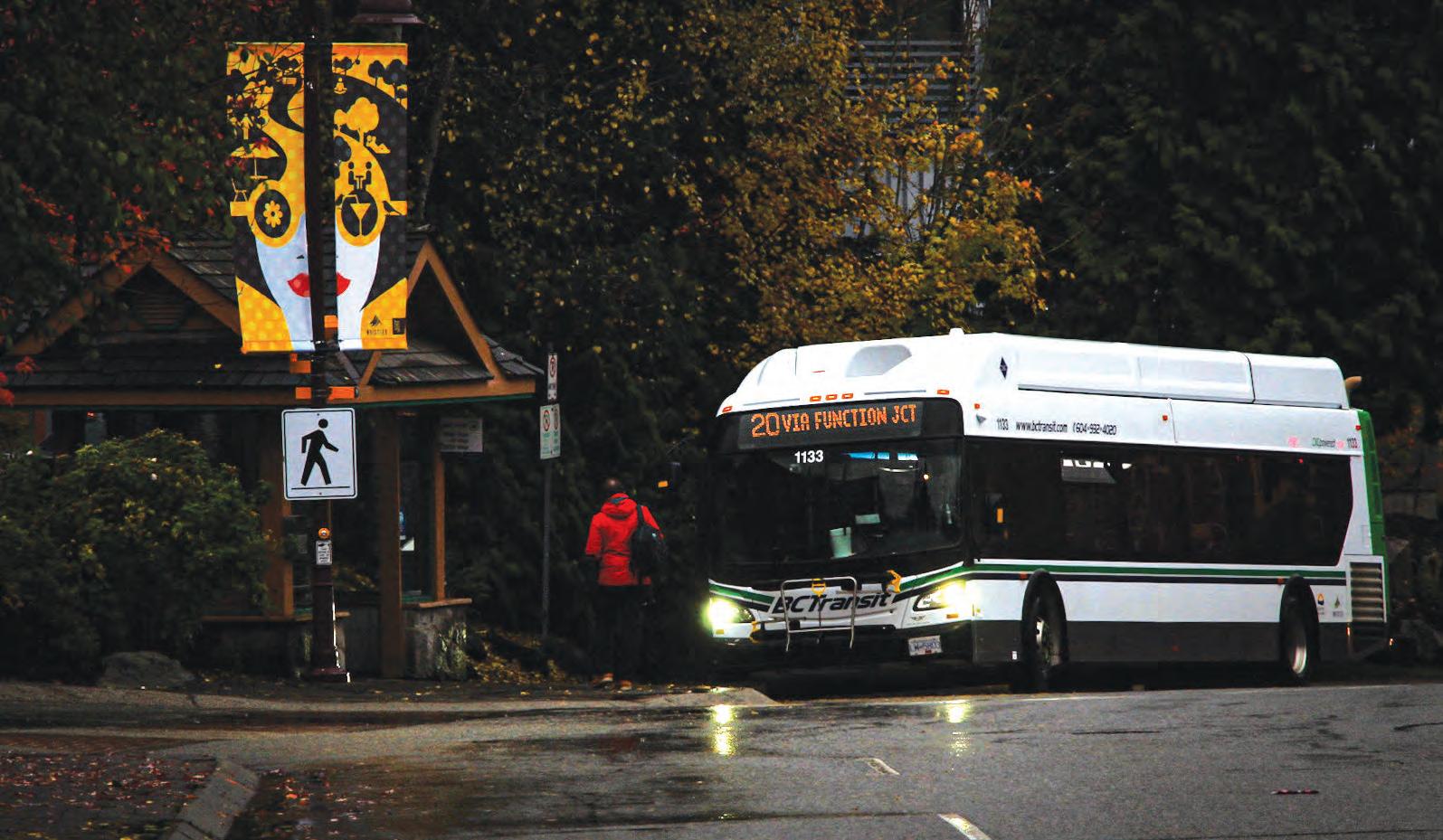
WHISTLER COUNCIL has voted to scrap its free summer weekend transit program and redirect that funding into cheaper long-term bus passes, marking a shift away from short-term incentives toward sustained ridership.
The move will eliminate free transit on summer weekends and statutory holidays— first introduced in 2017—and reallocate roughly $98,000 toward reducing the cost of six- and 12-month passes.
During an April 14 council meeting, staff said the change is aimed at making transit more affordable for residents who rely on it year-round, while noting that new contactless pay methods have made transit more broadly accessible for locals and visitors alike.
Under the new structure, the standard 30-day adult pass will remain at $55,
while deeper discounts will be applied to longer-term options.
Six-month adult passes will drop from $270 to about $247.50, while 12-month passes will fall from $510 to $396— equivalent to 25- and 40-per-cent discounts compared to monthly purchases.
Concession and Spirit passes will also
said. “So we thought if we reduce, if we focus on the six and 12 month pass[es], we can lower that threshold.”
Staff argued the free weekend program has become less effective over time, with weekend ridership now only marginally
“These are substantive decreases in the price of these products...”
- MAYOR JACK CROMPTON
see significant changes. Six-month passes will fall from $215 to $180, and 12-month passes from $410 to $288, while the 30-day Spirit Pass will increase from $30 to $40 to maintain pricing consistency.
Climate and environment manager Luisa Burhenne said the goal is to lower the barrier to longer-term commitments.
“One of the reasons we see why people still choose the 30 day pass is that it’s just a lower initial investment. People have trouble making this upfront cost,” she
higher than weekdays.
“In 2025 last summer, weekend ridership was only five per cent higher than weekday,” Burhenne said. “That suggests to us that people choose pass products, because then it becomes cheaper, and people who choose pass products actually don’t benefit at all from free weekends.”
A staff report notes more than half of riders now use passes valid for 30 days or longer, meaning they see little direct
benefit from free fares.
The rollout of contactless payment has also reduced the need for fare-free incentives, with 16 per cent of daily boardings already using tap-to-pay within weeks of launch, according to staff.
Councillors broadly supported the shift, framing it as a move toward affordability for locals and better ridership data.
“I think this is a move that is absolutely geared to our constituents and making life easier and more affordable for them,” said Coun. Ralph Forsyth.
Mayor Jack Crompton and Coun. Jeff Murl also pointed to the opportunity to refine the system based on better data.
“These are substantive decreases in the price of these products, and I hope that that means more people get on the bus,” Crompton said.
The changes are expected to take effect around June 2026, aligning with the former start date of the free weekend program.
Staff will monitor pass sales, ridership and revenue over the next year and report back to council on whether the shift drives increased long-term transit use. n

PROPONENT SAYS PLAN IS MEANT TO SPARK DISCUSSION AND IMPROVE ACCESS, WITH RESERVATION
oversubscribed,” he added.
BY LUKE FAULKS
THE WHISTLER TENNIS Association (WTA) is raising concerns over a proposal to convert just over half of Whistler’s public tennis courts into dedicated pickleball facilities, arguing the plan lacks data and consultation between user groups.
In a March 25 letter to Mayor and council, the association responded to a February pitch from Pickleball Whistler that envisions converting nine outdoor tennis courts into a network of roughly 28 pickleball courts, leaving eight courts for tennis players.
“Such a reallocation of public courts would severely reduce access for tennis participants,” wrote WTA director Brian Eby.
The original proposal, submitted by Pickleball Whistler founder Suzanne Johnston, calls on the Resort Municipality of Whistler (RMOW) to “consider upgrading a portion of under-utilized public tennis courts to permanent pickleball courts” as a costeffective way to expand recreation access.
The plan, framed as a low-cost infrastructure shift, hinges on the ability to convert a single tennis court into three to four pickleball courts.
But the WTA disputes both the scale and the assumptions underpinning that approach.
Central to the association’s response is a dispute over the proposal’s premise that tennis courts are underused.
“The proposal appears to be based on two key assumptions: that tennis participation is declining, and that existing tennis courts are under-utilized,” Eby wrote. “The WTA does not believe these assumptions are supported by evidence.”
“Our on-the-ground experience is the opposite: public courts are heavily used when weather allows, and the Whistler Racquet Club is consistently
In the absence of local stats, both Johnston and the WTA have pointed to national participation data to support their positions.
In her original submission, Johnston described pickleball as “one of the fastestgrowing sports in Canada,” emphasizing its accessibility and appeal across age groups. Pickleball Canada estimates participation has grown 57 per cent between 2022 and 2025.
The WTA, meanwhile, pointed to broader participation totals to argue tennis still commands a larger share of players nationwide.
“National participation data indicates that tennis remains the more widely played sport in Canada, with approximately five million participants compared to 1.5–1.6 million pickleball players,” Eby wrote, adding that while pickleball is growing quickly in percentage terms, tennis continues to see “stronger growth in absolute numbers and across a broader demographic.”
The association also took issue with how the proposal was developed, noting it was not advanced through established local organizations.
“We are concerned that this proposal was submitted without prior consultation with key stakeholder groups,” Eby wrote. “It has not been advanced by established community organizations such as the Sea to Sky Pickleball Club or the Whistler Tennis Association.”
The WTA further pointed to joint guidance from Tennis BC and Pickleball BC encouraging collaboration between sports before pursuing infrastructure changes.
Johnston notes she is a board member of the Sea to Sky Pickleball Club, and said she would be willing to work with local tennis groups moving forward.







MountainPsychology andNeurofeedbackCentre
StephenL.Milstein, Ph.D.,R.Psych.BC#765- 604.938.3511
DawnaDixxMilstein ,OT.COTBC#AA0201- 604.938.3523
Squamish:604.848.9273
Whistler:#107-4368MainSt,Whistler,B.C.V0N1B4
Servingseatoskyfor18years
RepairCafé Apr18
11:00AM–4:00PM WhistlerPublicLibrary Cost:Free
YogafortheEnvironment Apr22 12:15 –1:15PM Yogacara Cost:From$25
ClothingSwap Apr21
5:30 –8:00PM NitaLakeLodge ost:From$10
Pitch-InDay+BBQ Apr25
CelebrateEarthWeekwiththisspecialcommunityevent. Hearfromlocalexperts,UBCresearcherDr.TonyaSmith &CulturalManagerofLil'watForestryVenturesJordon Gabrielontheircollaborationandsharingtraditional ecologicalknowledge. www.awarewhistler.org
YURI FULMER PREVIOUSLY RAN FOR THE WEST VANCOUVER-SEA TO SKY RIDING IN 2024. HERE’S WHAT HE SAID DURING LAST WEEK’S UNSANCTIONED BC CONSERVATIVE DEBATE.
BY STEVEN CHUA
YURI FULMER is a familiar face to those in the Sea to Sky area — he ran for the local MLA seat here in 2024, but was defeated by the Green Party’s Jeremy Valeriote.
But that didn’t end Fulmer’s political ambitions.
On April 8, he sparred with several other candidates to lead the BC Conservative Party during a debate hosted by Juno News at the Anvil Centre in New Westminster.
Aside from Fulmer, leadership hopefuls Kerry-Lynne Findlay, Iain Black and Warren Hamm were present.
However, two other candidates in the race, Kamloops-Centre MLA Peter Milobar and Caroline Elliott, declined to attend.
The former Sea to Sky candidate touched on several pressing issues in the province, but he gave a particularly spirited response when candidates were asked about DRIPA, the Declaration on the Rights of Indigenous Peoples Act.
“Let me be incredibly clear. If this is not the biggest issue of our lifetimes, I don’t know what is,” said Fulmer on April 8 at the debate.
“Never before in Canadian history since Confederation have your private property rights been challenged by your
government. This is an outrage in our province and it needs to be dealt with.”
He called on DRIPA to be repealed.
The legislation has been the subject of much debate, calling into question whether Indigenous title impacts private property. Some notable examples include a BC Supreme Court case that gave the Cowichan Nation title over private property in Richmond, and the Gitxaala Nation’s dispute over mineral rights.
At one point, Premier David Eby called for a pause to DRIPA, citing unforeseen consequences.
But First Nations pushed back, saying that if the act is put on hold, it would be a betrayal of trust.
During the debate, Fulmer also brandished his experience as an entrepreneur and a father. He advocated for cutting down taxes, toughening up on crime, and increasing police presence.
“We need an expedited track for repeat offenders,” said Fulmer. “We need more police on the streets.”
The debate was not sanctioned by the B.C. Conservative Party. Official debates for that organization are expected to follow after the party’s April 18 membership deadline.
Juno News was launched in February 2025 by Candice Malcolm, formerly of the Toronto Sun, and Keean Bexte, previously of Rebel News. n
8:30AM–2:00PM Nesters&WhiteGold Cost:Free Apr23 6– 8:30PM Chateau FairmontWhistler Cost: From$25
Beyond immediate concerns, the WTA is urging council to delay any major court reallocation until broader planning work is complete—particularly around a replacement for the Whistler Racquet Club, which is slated for removal under the Northlands development.
“The timing of this proposal is unfortunate—it risks distracting from the community’s top priority: delivering an indoor/outdoor, multi-use racquet facility,” the association noted.
Beedie Living previously told Pique they were targeting a spring submission for their official rezoning application to the municipality, which will determine the future of the racquet facility.
In its formal recommendations, the WTA called for council to defer any significant changes until a data-driven needs assessment is completed and stakeholder groups are meaningfully engaged.
For her part, Johnston said the proposal was never intended to immediately
eliminate tennis courts, but to spark discussion and better align facilities with shifting demand.
“One tennis court does house, you know, four courts, pickleball courts. That’s a lot more people using the courts, but the numbers can also start to look uneven.”
As a next step, she is proposing a court reservation system to better track usage patterns.
“I think that implementing a system where people have to reserve the court, then we can really monitor who’s using it, when they’re using it,” she said. “And it’s a way that we can get more people on the court, give everyone quality playing time.”
Johnston also emphasized accessibility as a core driver of the proposal.
“The intention was that we have these community facilities, repurpose some of them, and get the community out there playing on those courts as soon as possible, because not everybody can afford to pay to play,” she said.
“I’m not looking to take away anything from anybody. Let’s find a model that works for tennis and pickleball players, alike,” she added. n

Summer Kid’s Drop -in Ar tClasses
Gr ades Kinder ga rten -2
Mondays& Thursdays* 11:0 0a m- 12:0 0pm
Gr ades 3-6
Mondays& Thursdays* 2:00 pm - 3:30 pm
$5 pe r clas s Fr ee for AAM Me mber s
Ages 8- 12
$6 0 Member s $75 Non- Member s Stop Motion Animation Workshop
July 16 & 17 (2-d ay wo rksh op) 10:0 0a m- 3:00 pm
Ages 9- 14
$85 Member s $9 9 Non- Member s Architecture& Design Workshop withthe School of Dire ct Ente rprise
July 23, 24 & 25 (3 -d ay wo rksh op) 10:0 0a m- 3:00 pm
The Audain Ar tMuseum ex tendsa sincere thank you to our dedicated Volunteers, Educator s,Docents, & Commit teeMember s!
The involvement of thes e pa ss io nate individu als is cr itical to the over all Mu seum visito r ex pe rien ce
We’r e th rilled to be we lcoming new Voluntee rs in Engage me nt an d Event Support If you ar e inte rested inco ntributing, ourte am would like to he ar fr om you!
Em ail co nnect@audaina rtmu se um.com to le ar n mo re

Perfor ming & Visual Ar ts Workshop
Printmaking& Textile Workshop withthe School of Dire ct Ente rprise
Ages 8- 12
August 7 10:0 0a m- 3:00 pm
$25 Member s $35 Non- Member s
Ages 9- 14
August 19, 20 &21 (3 -d ay wo rksh op) 10:0 0a m- 3:00 pm
$85 Member s $9 9 Non- Member s
‘THE
RESOLUTION MIGHT BE GRAINY, BUT THE COLOUR SATURATION OF OUR LIVES IN THIS ERA WAS CRANKED ALL THE WAY UP.’
BY LUKE FAULKS
SNOWBOARDING IS COOL. It’s radical, dynamic, and colourful. But we, the nonboarder population, only really know that because there are people there to capture it.
That documentarian role was the focus of an April 13 panel Whistler Museum, where a multi-generational panel explored how snowboard culture in Whistler has been captured and shared.
For veteran photographer Dano Pendygrasse, the story begins with a DIY ethos and a scene still finding its footing in the late ’80s.
“I was good at racing because I was already a ski racer, but I really liked freestyle a whole lot better,” he said. “I got some [magazine] coverage, and that was cool, and I really liked it… but I also realized that I wasn’t keeping up, so I bought a camera.”
That pivot mirrored a broader shift in the sport, as Whistler’s terrain and tight-knit community began producing images and sequences that helped define snowboarding’s visual language.
“Tricks started getting really good,
and I realized that it was going to have to be part of my future to document those tricks,” he said.
Writer and editor Colin Whyte framed the ‘90s as chaotic, creative and largely unstructured.
“1992 was still some serious wild west on the filming front. Everyday filming back then had a quality we’d now call ‘f--- around and find out,’” he said. “The resolution might be grainy, but the colour saturation of our lives in this era was cranked all the way up.”
Beyond aesthetics, Whyte emphasized the deeper pull of the culture.
“Every summer on the glacier, we’d meet riders from around the world [and] more times than not we’d get that brotherfrom-another-mother feeling,” he said. “Those days were just magic, [and] and anybody who was there has probably been chasing that feeling ever since.”
That sense of connection became central to his work, even as an objective sports reporter.
“This through-line of belonging and culture was maybe the one agenda I ever
pushed,” he said. “Covering [snowboarding] gave me a sense of belonging no church or shared substance ever did.”
That sense of Whistler as a pivotal space for the sport was echoed by photographer and filmer Gabe Langlois, who arrived in the ’90s as the scene was exploding.
“It was like the epicenter of it all [when] snowboarding was really kind of blowing up,” he said.
Langlois pointed to the rise of backcountry filming—enabled by snowmobiles—as a key turning point for accessing pristine environments.
“There wasn’t really terrain parks then,” he recalled. “The biggest jumps you could find were in the backcountry. Setting out on a snowmobile was like bringing you to fresh landings all the time.”
As the industry matured, so too did the tools and pathways into it.
Photographer Erin Hogue described arriving in Whistler from Ontario with little more than a camera and a five-year plan to chase images she had only seen in magazines.
“I had read an article that said, in order to be a snowboard photographer,
you had to buy black outerwear, move to the mountains and shoot anyone that will move in front of your camera,” she said. “I was like, ‘I can do that.’”
For Jeff Patterson, whose career has spanned park building, photography and drone cinematography, images of snowboarding carry lasting emotional weight.
“All those photos… every one of their shots brings back memories,” he said, pointing to the importance of documenting a fast-moving culture that risks losing its own history.
“With how much everything boomed… there’s a bunch of these names that had a huge development within the industry that no one really knows about.”
Patterson brought out an array of colourful, retro boards showing the progression of the sport he’s been documenting for decades—from early, square-tailed race boards to the first twin-tip designs. He pointed to models like the Burton Performer and later Calgary-built twin tips that, at the time, “no one had seen before,” but would go on to influence nearly every board that followed.
Read the full story online. n





CHRIS CLARK AND ROBIN O’NEILL HAVE REVIVED A SCALED-DOWN MODEL AFTER INTERNATIONAL STUDENT RESTRICTIONS LED TO THE SCHOOL’S SHUTDOWN LAST YEAR
BY LUKE FAULKS
AFTER QUIETLY shuttering last year, the Whistler Adventure School is set to relaunch this spring under new ownership.
Longtime instructor Chris Clark and his wife Robin O’Neill are taking the reins and re-imagining the program around local students, trades-based skills, and shorter, more accessible courses.
Clark, a Whistler-based bike mechanic and industry veteran with nearly three decades of experience, said the reboot aims to preserve a unique training pathway for young people drawn to the resort’s outdoor economy—but unsure how to translate that into a career.
“We’ve seen a lot of students who have really had their careers launched here,” Clark said. “They’re not coming in saying, ‘I want to be a doctor.’ It’s, ‘I like skiing and biking. What kind of career paths are in that?’”
“Working with [the School]… it’s led them into bike mechanics, shop ownership, marketing and all sorts of
things down the road.”
The Function Junction-based school operates as a private, accredited postsecondary institution, allowing students to access loans, grants and tax credits.
Founded in 2014, the Whistler Adventure School (WAS) built its reputation as an outdoor-focused training institution combining guiding, media and technical trades programs, with a strong emphasis on international students seeking a workand-study pathway in the resort.
Clark joined the school about a decade ago as a mountain bike mechanic instructor, gradually expanding into ski and snowboard production, boot fitting and other technical courses as the school grew.
His teaching draws directly from a long career in the Sea to Sky outdoor industry. Clark began working with Whistler-area bike retailers in 1997 and later moved into ski tuning, snowboard retail and manufacturing, along with years in boot fitting and shop operations.
At its peak, the school offered a broad suite of programs—from guiding
Availabledaily at BraidwoodTavern from 5:30pm- 9:00pm

certifications to marketing and media training—serving a student body that was roughly 80 per cent international.
That model, however, proved vulnerable.
After weathering pandemic-era travel restrictions, the school saw a shortlived rebound before new federal and provincial policies tightened access for international students.
Clark said the introduction of those measures significantly reduced enrolment.
“Students would go through all the work of getting their federal visa, but then they need an attestation letter from the provincial government, and they really scaled back handing those out,” he explained. “It got to the point where the school in its previous form just wasn’t viable.”
The school announced plans to wind down operations in September 2025, and wrapped in December the same year.
Rather than replicate the previous model, Clark is relaunching the school in a smaller format focused on programs he directly teaches; in particular, bike mechanics and
the broader Mountain Sports Technician stream.
The smaller course selection leans into mechanics, and away from less hands-on skills.
“It felt like closing [the school] left a gap in training, both geographically and in the industry,” he said. “Bike mechanics has always been a big draw, and the same with the boot fitting, ski production and retail courses. Those are unique courses.”
“But social media courses, marketing, those are more widely available for a domestic student. So we narrowed down the scope of offerings, but expanded the availability of the technical programs.”
The new model shifts also away from year-long, visa-dependent programming toward shorter courses aimed primarily at domestic students—especially young adults looking to break into trades or outdoor industry jobs.
“For someone who wants to work in a shop and is dealing with that experience gap, [this] is a way to hack two years’ experience,” Clark said. “I’ll give you 30


Aselectionof beer,wine, cocktails, and zero-proofbeverages,startingat$10.






BY KRISTINA SWERHUN
SPRING IS SUCH a hopeful time of year to me, when wildlife that hunkered down to survive winter emerge with the warmer weather and promise of fresh food. Bears are a common example. Like all mammals, bears control their body temperature internally and are endotherms (endo = inside). Their type of dormancy is called torpor and is a “light” form of hibernation.
Often overlooked, amphibians and reptiles also emerge in spring. Collectively known as herpetofauna, or herps for short, they regulate their body temperature through external sources, such as the sun, and are ectotherms (ecto = outside).
Their type of dormancy is called brumation, which allows these animals to survive with extremely little energy. Herps don’t need to fatten up the same way mammals do; instead, they rely on glycogen, a form of glucose, for their energy needs. If the weather warms up briefly, animals that brumate can awaken and forage until the next frost. It’s fascinating to me that brumation varies significantly across species and locations.
I’ll start with amphibians, those

amazing animals which start their lives in water with gills, followed (typically) by a lung-breathing adult stage on land. Long-toed Salamanders, which indeed have a long toe on each back foot, are dark with a yellow stripe running down their back.
These salamanders survive winter by heading underground below the frost line. Because they are not great diggers, they rely on abandoned mammal burrows or natural crevices.
We also have Northwestern Salamanders, which are chocolate brown. In most cases, these salamanders follow
ESTABLISHMENTLOCATION:4010WhistlerWay
LICENSETYPE:LiquorPrimary
APPLICANT:WhistlerConferenceCentre
TheWhistlerConferenceCentreisa LiquorPrimarylicensed establishmentwithhoursofservicefrom11:30amto1:30am MondaythroughSaturdayand 11:00amto1:00amSunday. ThelicenseehasappliedtotheLiquorControlandLicensing Branchtoadd anewlyconstructedmeetingroom,locatedwithin theexistingfootprintofthebuilding,tothelicensedarea.The proposedspacewillhave amaximumoccupantloadof72 persons.
Residentsandownersofbusinessesmaycommentbywriting to: PlanningDepartment ResortMunicipalityofWhistler 4325Blackcomb Way Whistler,BCV8E0X5 planning@whistler.ca 604-935-8170
PETITIONSWILLNOTBECONSIDERED.
To ensuretheconsiderationofyourviews,yourwritten commentsmustbereceivedonorbeforeMay16,2026.Your name(s)andresidenceaddress(orbusinessaddressif applicable)mustbeincluded.Pleasenotethatyourcomments maybemadeavailabletotheapplicantandlocalgovernment officialsasrequiredtoadministerthelicenseprocess.
the typical amphibian life cycle. However, in places like Whistler, where winters are harsher than at lower elevations, these salamanders choose to remain gilled (aquatic) as adults. This is most likely because underwater temperatures are more stable than on land.
What about frogs? Pacific Tree Frogs, the small green or brown frogs we hear singing each spring, survive winter using an “anti-freeze” mechanism. They flood their vital cells with glucose, which prevents ice crystals from forming and damaging cell walls. Ice crystals then form harmlessly in the
body cavity and around organs. They are one of the few amphibians that can freeze solid and survive.
Coastal Tailed Frogs are found in and around cold mountain streams and lack an antifreeze mechanism. Their tadpoles are unusual, with a sucker-like mouth that clings to rocks in fast-flowing water. Their cold environment means they develop slowly and can remain as tadpoles for 2 to 5 years in the stable temperatures of streams that don’t freeze solid. Adults are small, brown to grey, and survive winter in snow-covered burrows.
The final amphibian I’ll mention is the Western Toad, a type of frog with thicker skin that can spend more time away from water. Found at Lost Lake, they migrate from the lake to the forest in August. Like Long-toed Salamanders, they survive winters by being below the frost line.
Unlike salamanders or frogs, toads have back legs designed to dig and can build the tunnels they need to survive.
Only a brief note about reptiles since Whistler has only four species documented so far due to our short summer season: Northwestern, Wandering, and Valley Garter Snakes and the Northern Alligator Lizard.
Reptiles are less tolerant of freezing than some amphibians and share deep, dry dens.
How did you spend your winter? n

The Vital Statistics Agenc y, Ministry of Citizens’ Services,islooking foran individual to ser ve asa Marriage Commissioner forthe communityof Pember ton. Theindividualwillper form civilmarriage ceremonieswithin their communityonbehalfofthe Agenc y. Applicantsmust residewithin the communityof Pember ton to be considered fortheposition.
Forinformationandanapplication formpleasevisit gov.bc.ca/becoming-a-marriage -commissioner



BY STEVEN CHUA
RIGHT NOW is supposed to be when the snowpack is most full, having had an entire winter’s dump.
But the Whistler-Squamish area snowpack is sitting at 72 per cent, a number that the BC River Forecast Centre is calling a one-in-10-year low.
And that may be a cause for concern in Whistler. The municipality gets about half of its drinking water from the 21 Mile Creek Watershed, which is fed by snow melt from Rainbow Mountain.
“Anytime that the snowpack is on the lower side by April 1, certainly conservation should be at the forefront for everyone, every resident and local government or municipality,” Jonathan Boyd, a hydrologist with the centre, told Pique
The centre released another report this month, a benchmark time in the year because it measures an entire winter’s worth of snowfall.
In the case of the Whistler-Squamish area, that 72-per-cent reading is coming from a snow station at the upper Squamish River, said Boyd.
There’s also another station closer to Whistler, based at Callaghan Creek. That centre is reading the snowpack at a record low, he said. However, that data isn’t the best estimate of the snowpack, because that location was established relatively recently — about eight years ago.
Compare that with the Squamish River station, which has about 33 years of data to draw upon, and the more reliable measure for the area is by the river, Boyd said.
The culprit behind the decreased snowpack isn’t a lack of precipitation.
Rather it was the warmer temperatures, paired with the atmospheric river events that swept the province earlier in the year.
The vast amount of rain washed snow away at elevations where it wasn’t cold enough for precipitation to turn into snow.
However, at elevations where it was cold enough for precipitation from the atmospheric river to freeze, the snowpack did well and then some.
Case in point? The Pemberton area.
The readings from that region’s snow station, located by Tenquille Lake, were actually above normal, measuring at 122 per cent of its regular snowpack. That centre has 25 years of data.
“It’s not necessarily like a geographic location spatially, but it’s the elevation changes that are quite unique,” said Boyd.
That’s the reason the province has an overall average snowpack of 92 per cent. Some regions, like the surrounding area of Fort St. John, received a ton of snow that wound up sticking. In some cases, 125 per cent of the normal pack and up.
Lower elevation areas were not so lucky. The South Coast — where Whistler is located — had much of its snowpack swept away, leaving it with an average of 57 per cent of what it should be. n
years of mistakes that I made where you can learn from.”
Courses will run in modular formats, including summer bike mechanic training and a condensed three-month fall program covering ski production, retail and boot fitting. The school is set to host its first new cohort in April, with additional offerings rolling out through the year.
A key asset carried over from the previous iteration is the school’s accreditation through B.C.’s Private Training Institutions Regulatory Unit (PTIRU), which allows students to access loans, grants and tax credits.
“That accreditation opens up access to federal and provincial grants,” Clark said, noting programs like the Employer Training Grant can cover up to 80 per cent of costs for businesses sending staff for training. The school is also certified through Cytech, a U.K.-based training standard for bicycle mechanics.
“We are now the Canadian-
PAGE 16
slash-North American provider for Cytech-certified training,” Clark said. “Graduates get certification, and it’s internationally recognized.”
In addition to a heavier emphasis on trades and domestic students, Clark said another notable shift will be engaging Whistler youth—particularly those in the 16- to 18-year-old range—through new entry-level programs designed to feed into the workforce.
“One of the consistent feedback I’ve had is people asking about local kids who are ready for their first job,” he said. “The goal is to get them the skills so they can confidently go apply for a job in a shop.”
While the long-term vision remains fluid, Clark said the immediate priority is testing demand and rebuilding sustainably, with the potential to expand course offerings or bring on additional instructors over time. For Clark, the relaunch is less about scaling quickly and more about preserving a niche and meaningful educational pathway. n







BY HILARY ANGUS
THE VILLAGE of Pemberton has cleared another regulatory hurdle on its path to meeting the requirements for Bill 44.
An April 14 public hearing on updates to the official community plan (OCP) drew no in-person comments, but written correspondence from three local residents said the plan was both “deeply concerning” and “a step in the right direction.”
Bill 44 is provincial regulation that requires municipalities with populations of over 5,000 to permit small-scale, multiunit housing (SSMUH) on most single family lots. Many B.C. municipalities have voiced their opposition to the provincial mandate, citing concerns about a top-down, one-size-fits-all approach that may not reflect the specific needs of their communities.
Pemberton, despite its population not meeting the threshold that would trigger mandatory adoption of Bill 44, decided to voluntarily opt into the legislation in 2024 in response to expected population growth and critical housing needs.
Pemberton had an average annual
growth rate of 3.7 per cent between 2001 and 2021, and findings from the 2024 Interim Housing Needs Report indicate that by 2044, 1,076 new units of housing will be required to meet the community’s needs.
In addition to meeting growth targets, voluntary adoption of Bill 44 enabled the Village to access $2.7 million from the Canadian Mortgage and Housing Corporation (CMHC) to help accelerate housing supply through
NO IN-PERSON OPPOSITION
proposed updates to Pemberton’s OCP would facilitate the development of more diverse housing in the community, as indicated by the 2024 housing needs reports and community feedback.
These include affordable rental, housing for seasonal workers, family housing, transit-adjacent housing, and housing services and supports for vulnerable residents and those at risk of homelessness.
No residents spoke at the April
“Residents deserve a plan that reflects Pemberton today, not Pemberton as it was in 2011.”
- PEMBERTON RESIDENT MARC KUIPER
infrastructure planning, and housing strategy development.
Bill 44 required municipalities to update their zoning bylaws in 2024 to permit SSMUHs on most lots. Participating municipalities are also required to update their official community plans (OCP) to include designations for the approximate location, amount, type, and density of residential development needed in their communities for at least the next 20 years.
According to the Village, the
14 public hearing, but three letters of correspondence sent to the Village in advance of the hearing indicated a diversity of opinions on the updates to the OCP.
Birken resident Anna McLeod called the updates a “step in the right direction.”
She wrote that the critical shortages Pemberton faces in childcare and professional services are “partly due to a lack of diverse and affordable housing for the very workforce we need to attract,” so new housing is a prerequisite for expanded infrastructure and services.
However, she emphasized the need for council to develop an infrastructure plan that is “just as ambitious” as their housing plan, specifically in childcare, medical services, recreation, and transit.
Pemberton resident Erica Hurtubise expressed concern that the top-down approach of Bill 44 won’t necessarily reflect the needs of smaller, rural communities, and “it can feel as though local voices and planning efforts are being sidelined.”
Hurtubise also noted that increased density does not guarantee affordability.
“Without mechanisms to ensure attainable or workforce housing, there is a risk that these changes may further drive up land values and make it more difficult for people who live and work here to remain in the community,” she wrote.
Another resident, Marc Kuiper, said the proactive adoption of Bill 44 was “deeply concerning.”
“The original 2011 OCP was designed to guide growth over five years, not to accommodate the scale and pace of densification now being contemplated,” Kuiper wrote, adding that the Village should have undertaken a complete review of the OCP before using it as a basis to integrate Bill 44. “Residents deserve a plan that reflects Pemberton today, not Pemberton as it was in 2011.”
Having cleared the public hearing, the bylaw was adopted by council in the regular April 14 council meeting. n




















WHEN I FINALLY arrive, it has been a long day of planes, trains and automobiles that included a trans-continental flight, trans-oceanic crossing, three trains (all delayed) and a taxi from the train station in Radstad, Austria, that dropped me at a hotel some 30 km and 1,500 vertical metres from the one I was meant to be at. The mistake is potentially honest: the Romans, here before the Austrians, left

BY LESLIE ANTHONY
a slew of settlements and iconography, such that the driver claims the call they received conflated “Hotel Römerhof” with “Hotel Jungen Rōmer.” Of course, day-drinking can also take a toll on comprehension, and may also have been to blame.
Fortunately, the family running Jungen Rōmer, abutting a golf course that includes a gondola link between the 11 th and 12 th holes, could not be more gracious—at least after the shock of my arrival at their fully-booked inn wears off. As we await a different taxi to fetch me to the proper locale, we converse about skiing in Canada, and how, one April, the paterfamilias made a trip to B.C. to heli-ski with fellow Austrian Mike Wiegele, sharing a convivial hot-tub with
Canadian National team downhillers Cary Mullen and Ed Podivinsky. Talk then turns to the cadre of post-war Austrians who’d emigrated to North America to impact skiing there, aided by a photo album and excited pointing at those who’d launched ski schools in places like Lake Louise, or run ski areas like New York’s Hunter Mountain. When the taxi arrives, I’m sad to leave, having been served unexpected helpings of both ski history and small-world camaraderie. For innkeepers, such encounters are common, a way of life, generational tradition. As a parting gift, the matron presses a wooden heart carved from ancient pine into my palm, as if it’s now part of me.
Half an hour of twisting mountain road later, I debark at the Römerhof, a quaint stroll from the crest of a 1,738-metre pass cradling the village of Obertauern. Now it’s I who needs a drink. The staff in the bar looks bored when I pull in around 5 p.m., claiming to have been standing in the same spot for an hour. “Well then, I guess you’ve been waiting for me, right?” I jest. Not missing a beat, a young woman fires back: “Actually, I was just saying to these guys ‘Where the f— is he?’” and we are instant friends. Soon, a martini arrives to salve the imagined bruises of travel.
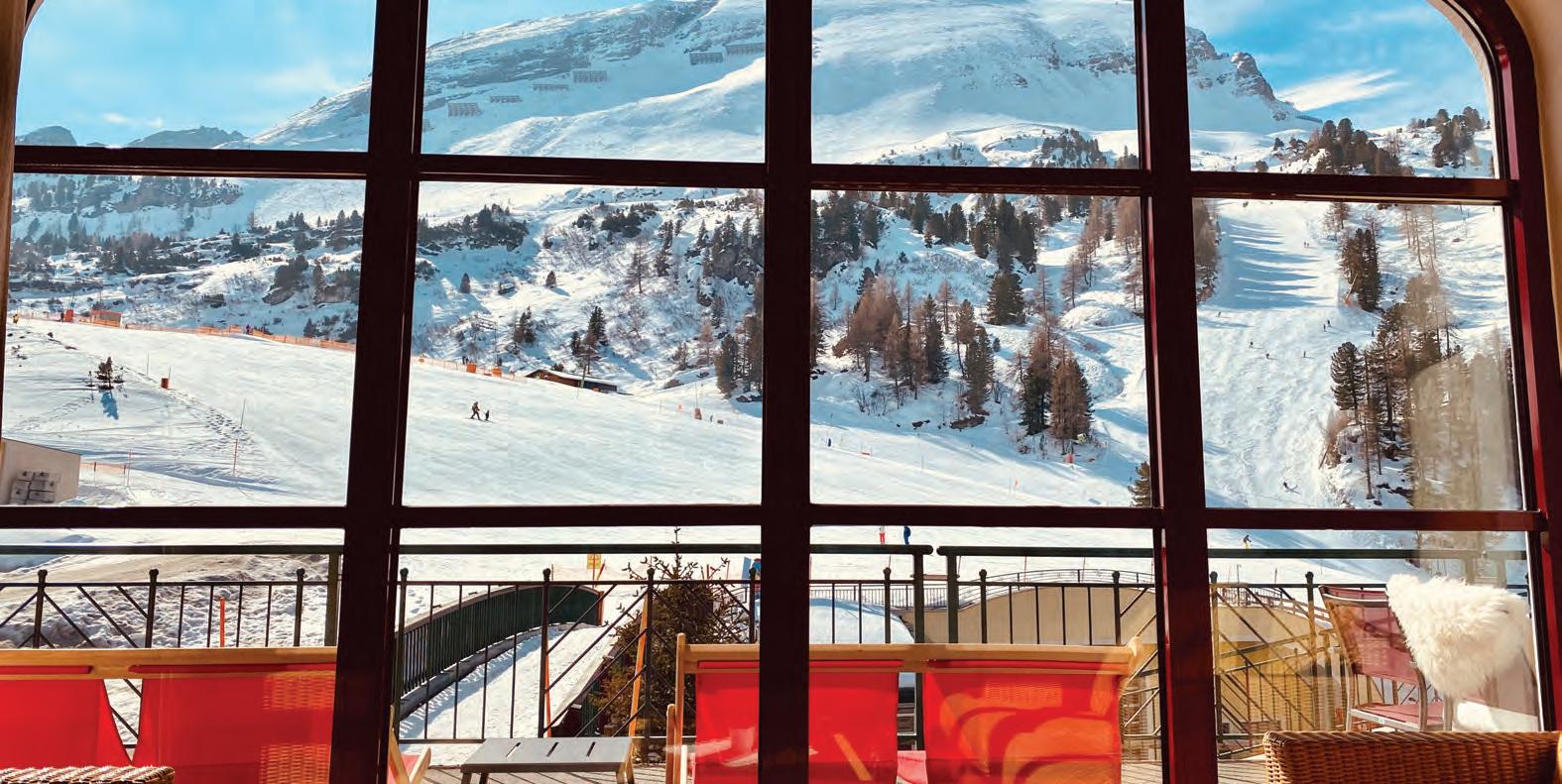
The next day, beautifully sunny, I meet my guide Victoria at the Zehnerkarbahn gondola.
From there it takes us just over two hours to track an entire ski area straddling both sides of an enormous circular valley. This involves a ton of high-speed skiing—apparently the only kind people do here—and no waiting at
lifts, despite the resort being busy. The pistes are in good shape given it hasn’t snowed in weeks. As we move from northern and eastern to western and southern exposures, the snow softens considerably. Despite complaining she hasn’t skied in two weeks, Victoria, who naturally ski-raced as a kid, leaves me in the dust.
Flubachalm, the hut we lunch at, features a lovely new deck with modern architectural highlights. Of course, I have the schnitzel and fries—a go-to definitive ski meal I try everywhere in Europe, but especially Austria. This iteration gets two thumbs up.
The following morning, Victoria and I join a fresh-tracks crew for an experience offered but once a month and, to avoid pissing off the gentry (quite unlike Whistler), rotates to different access lifts and slopes each time. The 30 souls who pay a premium for this privilege ski from 7:30 a.m. until 9:30 a.m. with local ski and lift-company personalities, at which point a brunch is laid out in come quaint mountain hut. Today it’s the two Gamsleiten lifts, the upper one questionable due to lack of visibility on its very steep piste. We ski it anyway— but from the fog-shrouded top only once. After some 20 runs on lower reaches, it’s time for coffee, and we dive into the hut ahead of the rest. The classic, wooden chalet can barely accommodate even this small crowd, but that’s Europe; everyone is electric after their morning shred, chattering away in Austrian, German, French and English.
On my final day I try the Zehnerkarbahn circuit again. At the top it’s sunny and windy, the pistes still in great shape. Everyone on the mountain
is enjoying themselves, laughter eching off the peaks. Though somewhat colder in this north-facing sector, downvalley at the Schaidbergbahn lift it’s suddenly a warm spring day on absurdly, almost comically steep pistes.
Good thing it’s warm because if the snow was cold and icy a fall near the top might be lethal.
But people don’t fall here; everyone has sharp edges and even sharper technique. The runs are so enjoyable, the lift so fast, I make five circuits in 30 minutes before a lunch date at famed Alte Alm. Here I meet proprietor Petra Kirchgasser, who together with husband Niki runs the restaurant and Tauern distillery within it, turning local fruits into magical—and tasty—potions we might call schnapps.
It’s so hot on the deck I eat my superbly rendered Spätzle inside, taking in the building’s décor—farm implements, ski and bar kitsch, the usual mounted animal horns and ragged stuffed game birds. On a post-lunch tour inside, Petra tells me the building is a chimera of three houses, and that the oldest wood dates back some 300 years. A small pot-still stands at the side of the room like a gleaming copper trophy—another shining monument to tradition.
Raising their own cattle, harvesting their own fruit and working with regional farmers has never been a trend for the Kirchgassers, but always a way of life. The schnapps of alpine herbals I’m offered, and down it goes straight to my wooden heart.
Leslie Anthony is a Whistler-based author, editor, biologist and bon vivant who has never met a mountain he didn’t like. n
HelpshapethefutureofPemberton’sbuiltenvironment
TheVillageofPembertonisinvitingapplicationsfromindustry professionalsorinterestedresidentswithprofessionalexperienceoran interestinarchitecture,planning,engineering,landscapearchitecture, sustainabilityorenvironmentaldesigntoserveonitsAdvisoryDesign Panel.
Aspartofthedevelopmentpermitprocess,thepanelreviewsand providesCouncilwithrecommendationsonmattersofformand character,qualityofdesign,zoningconsiderations,exteriorbuilding design,landscapedesign,signageandsiteplanning.Thisis avolunteer positionwithanopportunitytohelpcontributetothefutureof Pemberton.
Toapply,pleasesubmit ashortcoverletterandresumeto: developmentsevices@pemberton.ca
Applicationdeadline:4PMonApril30,2026











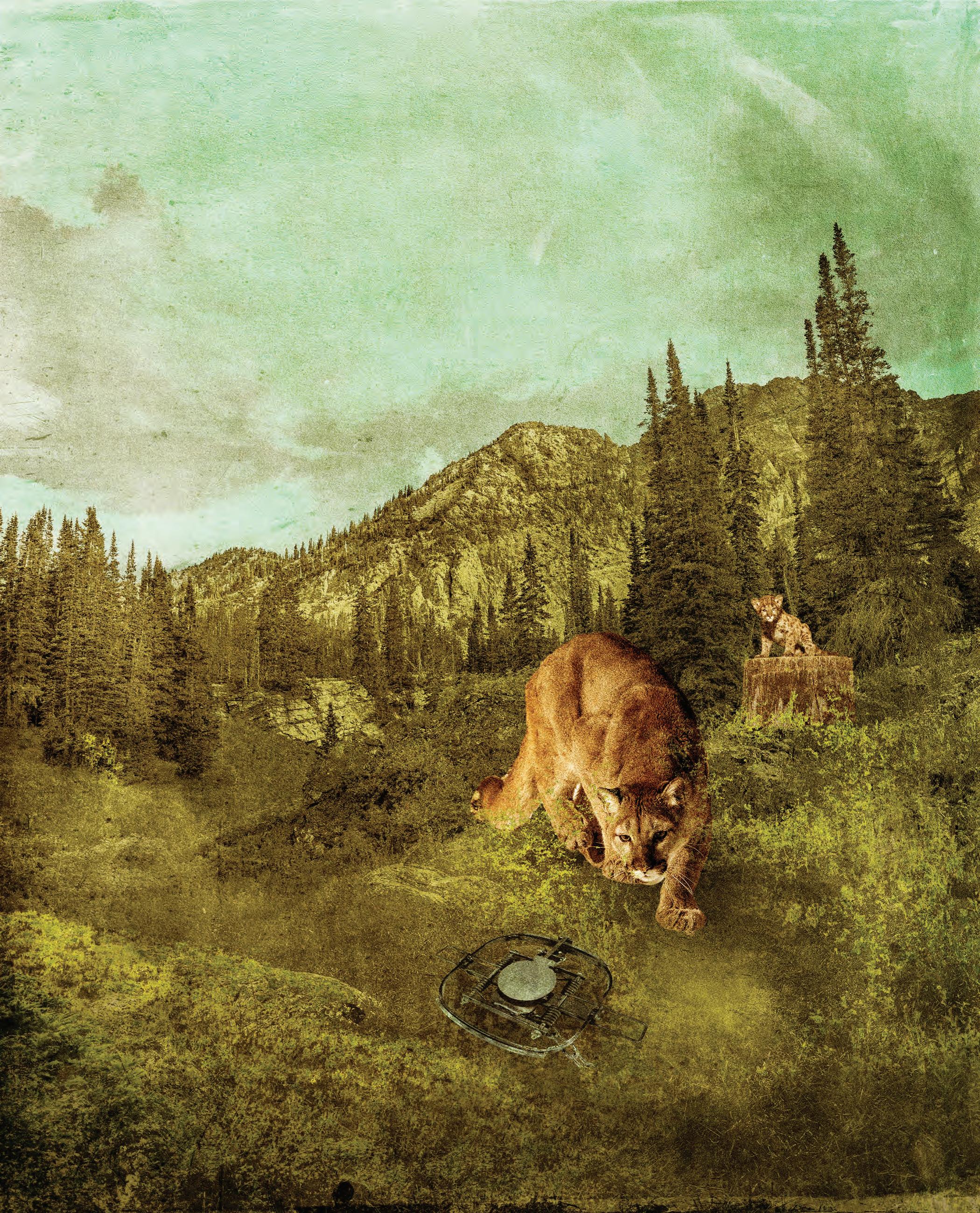
Utah’s new study aims to kill ‘as many cougars as possible’

BY KYLIE MOHR, HIGH COUNTRY NEWS
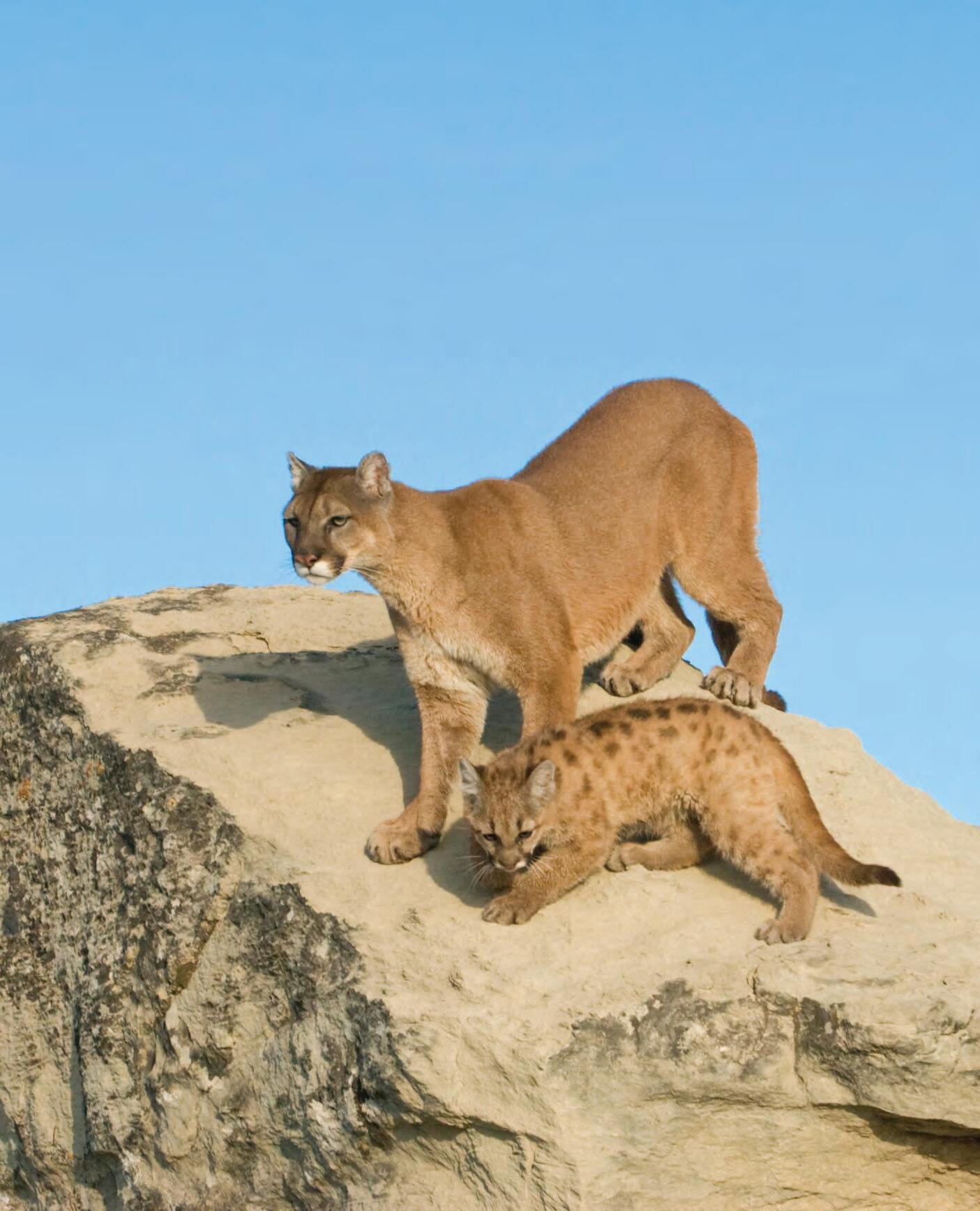
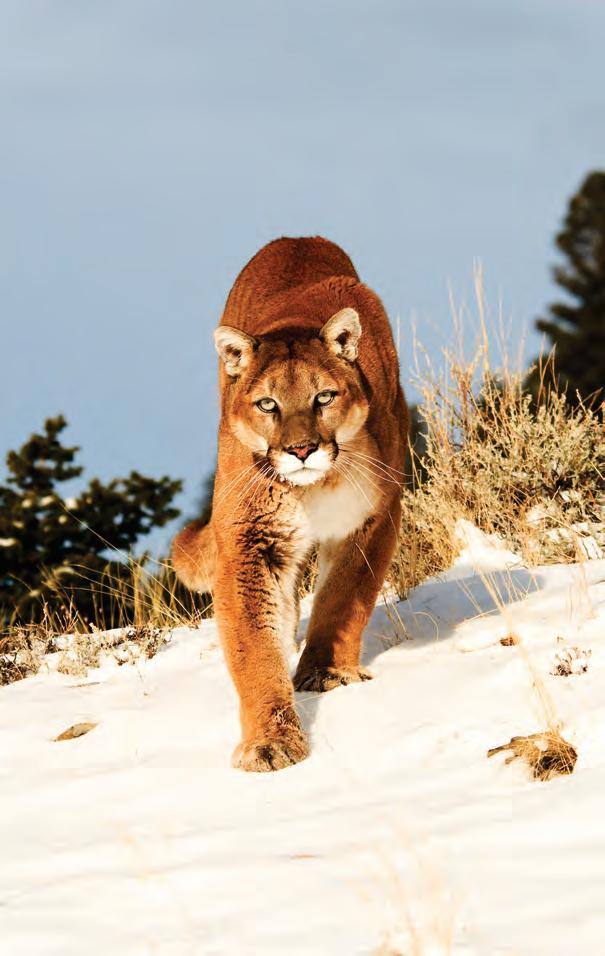
Andy Rice is perhaps the last person you’d expect to care about mountain lions. A sheep herder near Boulder, Utah, he said that over the past decade, mountain lions—also called cougars—have killed about 100 of his sheep, costing him tens of thousands of dollars.
But Rice is deeply upset about the Utah Division of Wildlife Resources’ new approach to mountain lion management. Starting late last year, the state has been paying hunters and trappers to kill as many mountain lions as possible in six of the state’s 30 hunting units as part of a state-led study of how predator removal affects mule deer and bighorn sheep populations. This aggressive approach—which is scheduled to continue year-round through 2029—is funded in part by sportsmen’s groups.
“My concern is that the government that I pay into, and the conservation organizations that I’ve trusted my whole life as a hunter in Utah, are wilfully creating programs that are destructive to our communities,” Rice told High Country News. Hunters and trappers began killing mountain lions in some units last October, according to Utah Division of Wildlife Resources (DWR) spokesperson Faith Jolley, and as of March 19, they had killed 45. Meanwhile, DWR biologists began capturing and collaring mule deer for monitoring last December.
“The use of the word ‘study’ appears to be hollow and disingenuous—rather this is an extermination campaign masquerading as science,” said Elliot Ross, a National Geographic explorer and photographer who lives in southern Utah near Rice.
are under mounting pressure from state legislators to reduce the populations of mountain lions, bears and coyotes in the state. In 2020, the Legislature passed H.B. 125, which orders the DWR director to cull mountain lions when deer and elk populations fall below a given size. Jolley said the herds in the six units have been below target size for several years, though DWR wasn’t mandated to take action until the law went into effect in May 2025.
Though Utah has allowed recreational hunting of mountain lions for decades, hunters were generally limited to killing one per season. In 2023, in a lastminute amendment to a wildlife bill, the Legislature lifted seasons and bag limits on mountain lions. Now, anyone with a general hunting license can shoot, trap or snare mountain lions with no limits all year long.
The current study, formally known as Utah’s Watershed Restoration Initiative Predator Management Study, is a cooperative effort among scientists, sporting groups and the state wildlife agency. Brigham Young University biologists Brock McMillan and Randy Larsen, who study mule deer, have offered to lead the data analysis and assist with captures, data collection and other fieldwork, though a contract between the university and DWR has not been finalized.
This year, the study’s hunters and trappers are funded by two non-profit hunting and conservation groups, the Utah Wild Sheep Foundation and Sportsmen for Fish and Wildlife. While mule deer are the primary focus, the bighorn sheep that live in three of the six management units will also be studied.
Each organization contributed $150,000 to cover the project’s $300,000 cost for fiscal year 2026. The money pays for two predator-management specialists at the Utah Department of Agriculture and Food and one predator-management biologist at DWR. Additional funds will come from a federal tax on hunting equipment and state fees for big-game hunting permits.
Jolley said the state did not have access to a more detailed research proposal, and the Brigham Young University researchers declined to share their proposal
Apri l18 May28
April 21
Where: WhistlerPublicLibrary
When:Pleasecheck eventpages
Price: Free,dropin
May 10

Where: NitaLakeLodge,NitaRoom
When:5.30PM-8PM
Price: $10withclothes,$20 without *AWAREMembersreceive 15% off
Where: CreeksideUndergroundP1
When:10AM-2PM
Price:Freetoattend,$25 to sell
*AWAREMembers receive15% off




since it isn’t finalized. The study’s total cost is hard to estimate, Jolley added, given that the state already monitors mule deer. But a project proposal submitted to DWR by the BYU researchers and obtained by High Country News estimates that it will cost a total of $1.29 million, with BYU contributing $281,604.
The state’s mountain lion removal effort is expected to last at least three years, according to the official project summary. It will continue through December 2029, with data analysis occurring in 2030 and 2031.
that the DWR posted its project summary in October 2025, Rice and other concerned Utahns didn’t learn about it until December, when a recreational lion hunter’s dog walked into a snare and died, prompting the hunter to call the wildlife agency and then tell others what he’d learned. (The units are still open for recreational hunting, though the DWR has since posted some warnings about traps and snares.) “The fact that the public wasn’t given the opportunity to get involved or even comment on this is a big red flag to me,” said Denise Peterson, founder and director of Utah Mountain Lion Conservation, a nonprofit organization that encourages coexistence with mountain lions.
“Because this is a mandated action we are choosing to study—rather than a change in rule or management— there is no requirement to allow for public comment or input,” Jolley said, adding that public comment was allowed at December regional advisory council meetings and at the state wildlife board meeting in January.
Jolley said the removal is justified by 10 years of data on mule deer survival and mortality. If mountain lions kill more than seven to eight per cent of a given population per year, “it’s difficult for mule deer populations to grow,” she wrote in an email. The study
will be deemed effective, she said, if mule deer survival rates and numbers increase.
But at a January meeting of the DWR Wildlife Board, wildlife managers acknowledged that the majority of mule deer decline in the state is due to factors such as plant quality and habitat loss, rather than predation.
Rice and others worry that the killing is happening without any guardrails. Mountain lions are part of a healthy ecosystem, they note: Research in Colorado has shown they often hunt sick deer, which might help slow the spread of chronic wasting disease.
Critics also believe there should be a limit on the number of lions harvested to avoid pushing the population too low.
Mountain lion populations have been declining in Utah for years, though precise numbers remain unclear.



The reclusive creatures are primarily nocturnal and prefer rugged habitat, so it’s hard—and costly—to count them. Jolley said that they have been declining in Utah since 2016, when the adult population was estimated to be 1,900. The most recent estimate, in 2024, was 1,100.
According to Jolley, there are no limits on the number of lions that could be killed in the course of the study because the goal is to “remove as many cougars as possible.” But DWR is confident that, despite the removals, “there will always be a viable cougar population on those units,” Jolley wrote.
State wildlife managers won’t measure mountain lion populations directly, simply noting the number of lions killed. If they conclude that the big cats aren’t responsible for decreasing deer populations—if, say, malnutrition proves to be the problem instead—critics







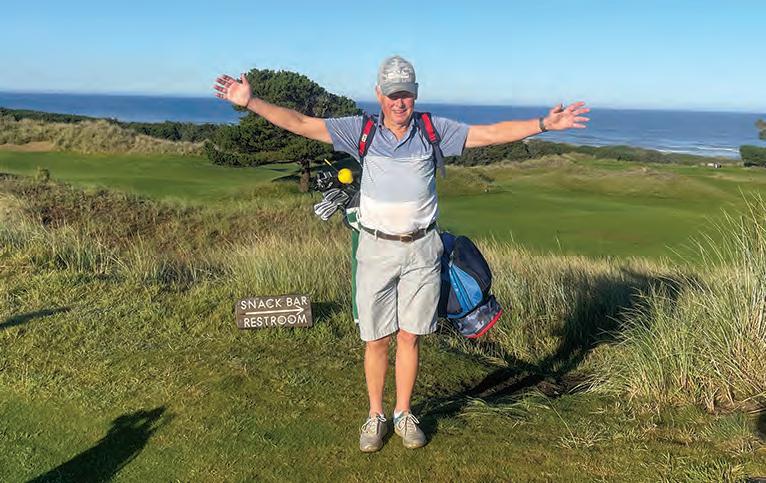
SaturdayApril25th,2026 FairmontChateauWhistler FrontenacBallroom DoorsOpen:2:30PM CelebrationOfLife:3:00PM DrinksandCanapes:5:00PM– 6:30PM DrinksandCanapes:5:00PM –6:30PM
Nigelwillbedeeplymissedandlovinglyrememberedby allthosewhoseliveshehadsuch aprofoundimpactupon. Inlieuofflowers,donationsmaybemadeinNigel’s memoryto TheWhistlerHealthcareFoundationor theKeltyPatrickDennehyFoundation.





















say that dozens of mountain lions will be dead anyway, and for no good reason.
to save prey animals work? “It’s a question managers and scientists in the wildlife field have been asking for probably a century,” said David Stoner, an ecologist at Utah State University who is not involved in the DWR study.
Between 2017 and 2019, Colorado Parks and Wildlife killed mountain lions and black bears for the sake of mule deer in the Piceance Basin. Unlike Utah, however, Colorado placed a limit on bear and lion kills—less than two per cent of the state’s total population—and avoided killing females with young or nursing. A 1992 study in the same area found that even after coyotes were eradicated from the basin, mule deer fawns still died from disease and starvation.
six existing units. “It’s putting us on a very concerning trajectory,” she said. The project proposal hints at this, in fact, stating that “the results of this project can be directly applied to other units throughout Utah to improve management.”
Rice said he’s already seeing the effects of the project in Boulder, Utah. “You can’t kill your way out of problems,” Rice said. “You solve one problem and create another every single time.” In early March, one young lion was seen swiping a cat off a porch; another got stuck under
“ You can’t kill your way out of problems. You solve one problem and create another every single time.” - ANDY RICE
Research published in 2010 by Mark Hurley, a now-retired Idaho Fish and Game wildlife research manager, found that removing mountain lions in Idaho had “no strong effect” on mule deer population growth. Rather, the severity of current and previous winters was the most important factor. Stoner has reached similar conclusions: “What drives deer populations is largely weather,” he said. “Other things factor in, but our wet and dry cycles in the West have the biggest proportional impact on the abundance of mule deer.”
Peterson is worried that the study will lead to more state-led mountain lion removals outside the
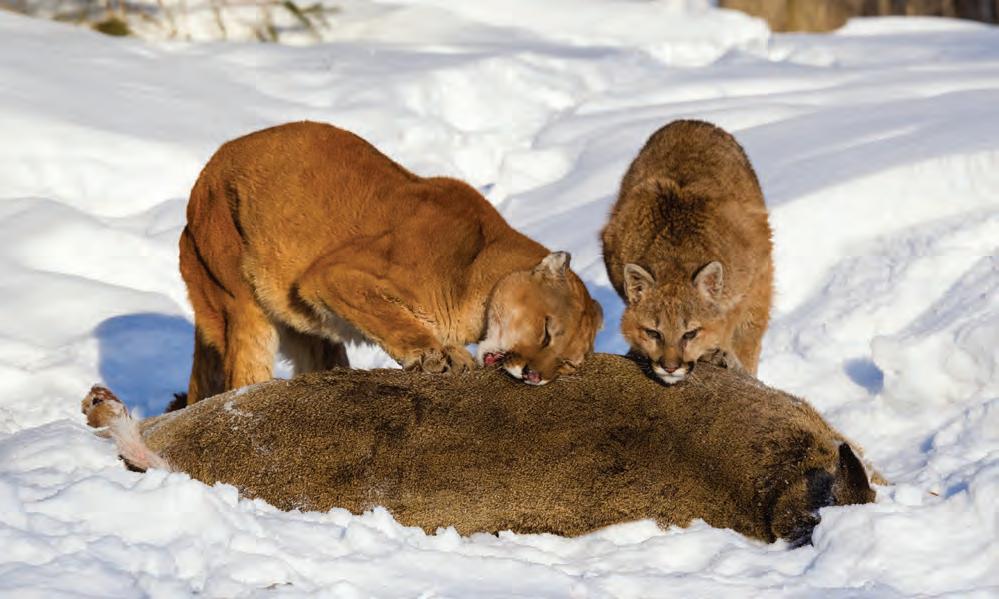
an unsecured chicken coop and was euthanized by state wildlife officials. The Boulder hunting unit is the largest in the study area, and hunters and trappers hired by DWR have so far removed 15 mountain lions from it, including some females. “You kill mothers and have offspring that can’t take care of themselves,” Rice said. “We are literally seeing the consequences of it in real time.”
This story is part of High Country News’ Conservation Beyond Boundaries project, which is supported by the BAND Foundation. It first appeared on High Country News on March 26 and is republished here with permission. n






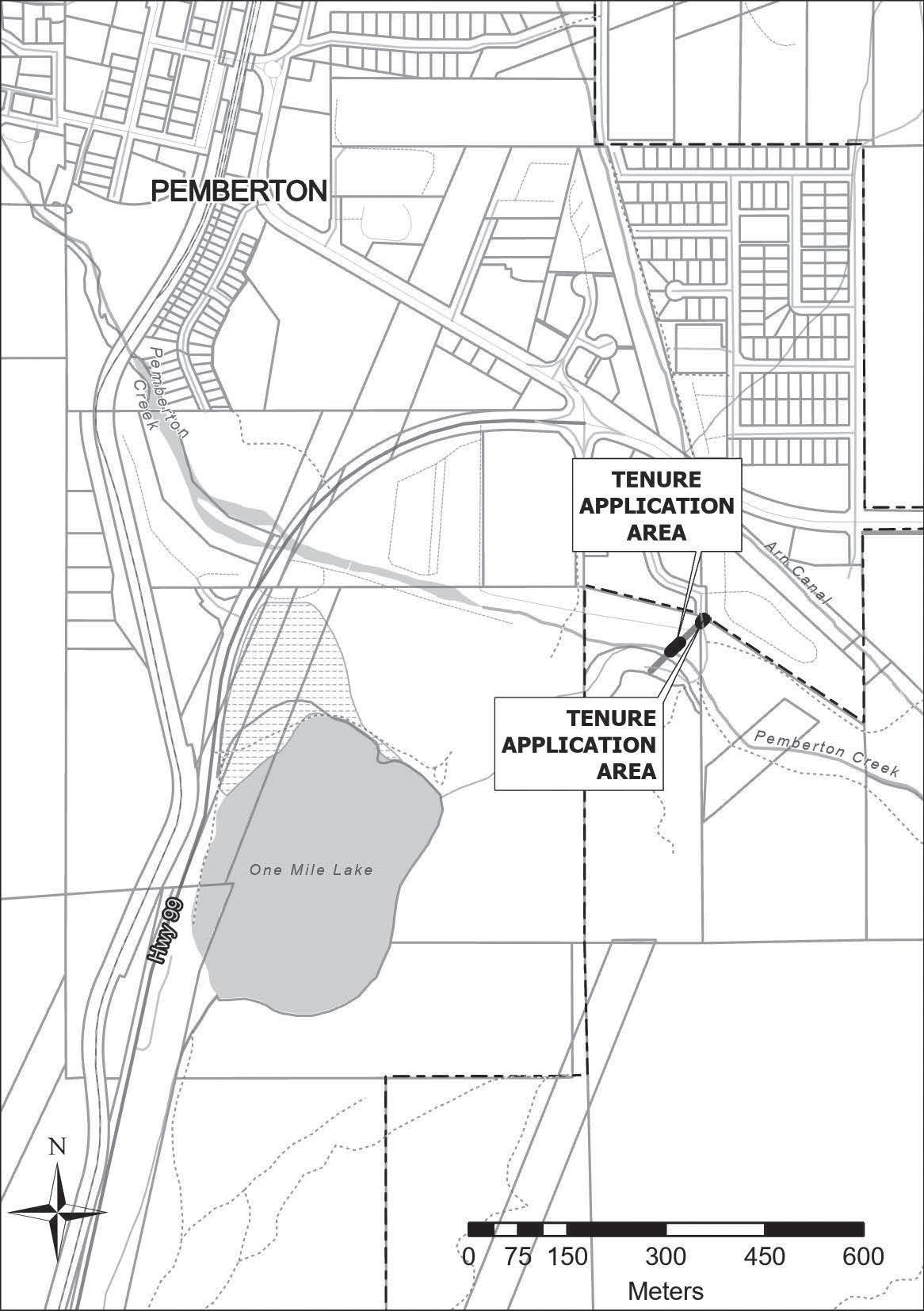
LandAct: NoticeofIntentiontoApplyforaDispositionof CrownLand
Takenoticethatthe GaribaldiHighlandsLandsLtd. of Pemberton, BC, hasappliedtotheBritishColumbiaMinistryof Water, Landand ResourceStewardship(WLRS),Surreyforatenureforutilityelectric powerlinepurposesituatedonProvincialCrownLandlocatedat PembertonCreek
WLRSinvitescommentsonthisapplication.TheLandsFileis 2413091. Writtencommentsconcerningthisapplicationshouldbedirectedto theSeniorLandOfficer, LowerMainland,WLRS,at200–10428153rd Street,Surrey, BCV3R1E1.CommentswillbereceivedbyWLRSup toMay1,2026.WLRSmaynotbeabletoconsidercommentsreceived afterthisdate.PleasevisittheApplications,CommentsandReasons forDecisionDatabasewebsiteathttp://comment.nrs.gov.bc.ca/for moreinformation.
Beadvisedthatanyresponsetothisadvertisementwillbeconsidered partofthepublicrecord.Accesstotheserecordsrequiresthe submissionofaFreedomofInformation(FOI)request. Visit http://www.gov.bc.ca/freedomofinformationtolearnmoreaboutFOI submissions.









ELLOTT IS A CELEBRATED MEMBER OF THE WHISTLER RACKET CLUB
BY DAVID SONG
GLORIA ELLOTT REPRESENTS, in many ways, the heart and soul of the Whistler Racket Club (WRC).
Club owner Jamie Grant proudly declares that Gloria has the kindness, the radiant personality and the wicked sense of humour to make the club a better place whenever she’s around. Her son Andrew beams at the mention of her name. Well over 100 people showed up for her 90th birthday party on April 8: a multi-generational crew featuring kids, seniors and everyone in between.
20 of them arrived five hours early to prepare WRC grounds for the festivities.
When asked how she felt about all the attention, Gloria said: “It’s totally overwhelming, really. I’m so touched and thrilled, of course, and amazed that so many people are so very kind, thoughtful, and caring. I don’t expect it…”
Grant, sitting next to his friend on one of the clubhouse’s long black couches, quickly interjects: “Well, you bring it out of everybody.”
Hailing from London, England, Gloria figures that she biked 100 miles or so every weekend as a young woman in the
absence of readily-available cars. At age 21, for a conflux of reasons, she decided to fly across the pond and begin a new life in Canada. Flight itineraries were limited in 1957, but she chose Vancouver over Saskatoon.
By 1988, Gloria and her husband Norman were moving to Whistler. They’d bought a small A-frame cabin in the region, and the rest was history.
“It’s been the best thing we ever did in our lives, I think,” remarked Gloria.
30 people who pioneered the sport in Whistler.
‘A SCOTCH A DAY KEEPS
Grant promises that Gloria isn’t just a mascot on court. She routinely holds her own against opponents two or three decades her junior. Yet many people don’t live to see their ninth decade, and most who do face various physical and mental limitations…so what inspires Gloria to
“Because the alternative is to sit in my armchair and knit or something boring, and I’m not going to do that”
- GLORIA ELLOTT
“It’s definitely my second home.”
The Ellotts formerly ran one of Whistler’s first property management companies in an era when people booked their holidays via fax. They skied, and Gloria was content to glide down green and blue runs until roughly a decade ago. She also played tennis whilst being coached by former tennis pro Grant, but lingering wrist injuries made that difficult.
That’s when pickleball entered the WRC scene in 2019, with Gloria joining an original group of approximately
keep playing pickleball two or three times a week at her age?
“Because the alternative is to sit in my armchair and knit or something boring, and I’m not going to do that,” she quipped. “And [pickleball] makes me so many contacts and friends. I can walk into the club and usually have a coffee with somebody I know, even vaguely. I may only know them briefly, but it’s such a friendly place. This club has been a lifesaver for me, really has.”
Pickleball is indeed a happy sport that lends itself well to building friendships
instead of rivalries. Andrew notes that Gloria used to be quite self-conscious when meeting new folks, but has blossomed socially over the last 15 years. She now lives by the adage: “a Scotch a day keeps old age away.”
“When [my mother] came over, she was a very shy, young English rose, and I think she wishes she was as confident then as she is now,” Andrew elaborated. “She’ll drink one glass of single malt almost every night—that’s her treat by the fire. It worked for Winston Churchill, it worked for Maggie Thatcher, so you know: give it a try.
“One of the most important things to living a long, healthy life, and she’ll tell you this, is having an active social life when you get older. A lot of older people, they struggle with being involved in community things and you suffer from a lot of loneliness. I think if you stay really active socially, it’s more important than diet and exercise…and she’s proof of that.”
Nowadays Gloria Ellott still drives her own car. She lives in her own place, although her husband resides at a longterm care facility in Squamish. She’s capable of vacationing overseas, has avoided the need for major surgeries and plays competitive bridge. Her old A-frame cabin is still used.
Two sons and five grandchildren adore her.
It’s been a charmed life for the most part, but Gloria has always put her family and friends ahead of herself. She is Whistler’s oldest pickleball enthusiast, but she’s also much more than that. n

TOMIC BESTED FELLOW WHISTLERITE ALEXA MAXWELL FOR GOLD AT THE 2026 JUNIOR FREERIDE CHAMPIONSHIP
BY DAVID SONG
THE IFSA Junior Freeride Championships (JFC) took place over Easter weekend in Kicking Horse, B.C., and one local skier distinguished herself above the rest.
Indy Tomic wrapped up a perfect season with one more gold in the U15 girls’ division as fellow Whistler Freeride Club (WFC) member Alexa Maxwell earned silver. Maddie Beck narrowly missed the hardware in fourth.
Tomic has done nothing but win in 2026: Panorama, Lake Louise and two events on home snow in addition to Kicking Horse. She leads the overall ranking in her age group for a second consecutive year with 4,341 points, clearing Americans Mia Lapic (3,402) and Sol Hausdoerffer (3,385) with ease as
Maxwell settles into fourth (3,294).
“I had so much fun!” Tomic wrote on Instagram. “Super excited to take first in the JFC and first overall for the 2026 season. Huge thanks to my [WFC coaches] and my family for helping make it happen. Congrats to all the riders, you all did awesome.”
Last year’s Freeride Junior World Championships (FJWC) runner-up Anjah Morgan-Smith found herself third overall among U19 ladies (3,102) behind Kiana Swim (3,568) and Hannah Webb (3,391).
Former WFC athlete and U19 man Carter Durlacher vaulted into second overall (3,273) between Seamus O’Neill (3,306) and Ian Tuttle (3,148).
Carden Tomic (U19 men) and Owen White (U15 boys) both placed fourth in Kicking Horse.
Click here to view full overall placements and here for more JFC results. n
second overall
IT’S BEEN ANOTHER excellent campaign for Jude Oliver, who wrapped up 2025-26 ranked second among all Nor-Am Cup (NAC) big air and slopestyle athletes.
Oliver put a bow on his feat with big air silver on April 4 during an NAC event in Whistler. He was sandwiched on the podium by gold medallist Walker Woodring from the United States and bronze medallist Gianni Bello, a fellow Canadian.
Perhaps the most notable accolade of Oliver’s young career to date came back in March at the Junior World Ski

TheM inistr yofForests,SouthCoast Region,isplanning to aeriallytreat up to 20,000hectaresof Crownforests to reduce populationsofthe Westernsprucebudwormmoth(Choristoneura occidentallis).
Thebiologicalinsecticide Foray48B containingthebac teriaB.t.k. (Bacillusthuringiensis var. kurstaki)willbeapplied by helicopteronce at eachsiteonorabout June1–July1,2026,dependingon weather conditionsandinsec tdevelopment.Proposedtreatmentareas were selec tedbasedontheseverity of Westernsprucebudworm defoliation, Douglas-firleadingstand types,andproperaccessin forweather monitoringandbiologicalsamplingbefore,during,andafter spray operations.
TheproposedtreatmentsitesarelocatedwithintheChilliwackand Sea to Sk yNatural Resource Districts.
Chilliwack Distric t(Fraser TimberSupply Areas):
• Mt.Mercer, Ford Mtn.,Mt.Hansen,Mt.Hope,andSilver Lakeareas southofHope
• EightM ile Creek ,Peers Creek, and DewdneyCreekFSRseastofHope
• Emor yand Garnet Creekareasand EastHarrison Lakeareas northwestofHope
• AndersonR iver,EastAnderson River, BighornPeaknorthofHope
• Sunshine ValleyareassouthofHope towardsManning Park
SeatoSky Distric t(SooTimber Supply Areas):
• Brandywineand Callaghanvalleyssouthwestof Whistler
• Whistler-Cheakamusareas westof Whistler
• SooandRuther ford valleysnorthof Whistler
• TwinandLizzie CreekareassoutheastofPember ton
Championships, where he managed third place in Calgary, Alta.
“Great way to end off the comp season,” he wrote on Instagram. “So stoked to get second in big air this week along with coming second in the [NAC] overall! Thank you to [the Faction Collective, Vulgus 365, McCoo’s Whistler] and everyone else for supporting me this year, it means the world.”
Meanwhile Lainey Steen prevailed in the ladies’ big air, followed by Analise Perry and Yula Jeong in that order.
- By David Song n
Allsitesproposed fortreatmentare coveredbythe SouthCoast Pest ManagementPlan#2025 –2030(PMP). ThePMPandmapsofthe proposedtreatmentareasmaybeviewedonline at: www2.gov.bc.ca/gov/content/industry/forestry/managing-ourforest-resources/forest-health/news orinperson at oneofthe following Ministr yofForestsNaturalResourceDistrict locations:
• 46360 Airpor tRd, Chilliwack,B.C.V2P1A5or
• 101 -42000 LoggersLane,Squamish B.C.V8B0H3
Pleasedirec tallinquiries to cafh@gov.bc.ca

BY MY AMATEUR RECKONING, 45 hours and 43 minutes after blasting off, the crew aboard Artemis II were 172,590.88 km from Earth. Some 30 hours later, they were more than halfway to the moon — and only five days away from reaching the furthest point humans have travelled from our fair planet: 406,771 glorious kilometres into space. At that point, they were about 6,545 km above the dark side of the moon.

BY GLENDA BARTOSH
But sadly, Pink Floyd couldn’t be booked for the gig.
More than 400,000 people watched liftoff from Launch Pad 39B at NASA’s Kennedy Space Center in Florida April 1, and they were no fools. Those ginormous RS-25 engines, along with two solid rocket boosters, burned liquid hydrogen and liquid oxygen to generate 3,991,680 kg of thrust to push that Orion capsule and its crew of four heroic astronauts up, up and away.
That was 4 Gs of force. If you ever rode the Shinkansen Bullet Train out of Tokyo years ago and felt thrown back in your seat before they tamed things down, that was a G-force of maybe 0.15. Just saying.
I’m also “just saying” all those numbers to illustrate the huge amounts of precision, metrics and data involved in the Artemis II mission, and every space program. And while
we witnessed countless jaw-dropping real-time moments during that 9-day, 1-hour, 32-minute and 13-second space adventure (thanks largely to some of the sexiest communications tech ever), rest assured that the lion’s share of it — the data, the experimentation, the lessons learned — is put to very good use.
For virtually everything we do out there in space has some kind of benefit here on Earth, especially a lot of the technologies developed for us to live in space, which have super useful, practical applications here on the ground. And Canada’s space program has been a big part of that.
Food is one of the great human equalizers.
So no surprise that NASA, along with one of its key Artemis program partners, the Canadian Space Agency, took full advantage of food story angles throughout the mission.
From light-hearted PR moments — like Canadian astronaut Jeremy Hansen sharing maple cream cookies with his crewmates to “toast” their furthest-fromEarth milestone — to the playful but informative NASA video “How to Eat in Space”, food made a perfect gateway for many who might not otherwise grok subsurface details of such a mighty mission. A far cry from early space days when astronauts were relegated to eating little compressed “food” cubes and paste in aluminum tubes.
To start, nutritionists, flight surgeons (the term for flight doctors) and other experts developed a healthy, practical menu. Like tortillas instead of bread, which makes a lot of crumbs — a big no-no in space. Each astronaut added personal preferences — like Jeremy chose those maple cream cookies along with maple syrup and wild salmon bites.
His crewmate, American engineer and astronaut Christina Koch — the first
woman to do a spacewalk when she was on the International Space Station in 2019-20 — joked about not being allowed her favourite mac and cheese every day, but it was still on the menu. (BTW my Gender Stereotype Alert sure buzzed when her first big Artemis moment was, in common parlance, to unplug the toilet while Jeremy fixed the water supply. Imagine the gender perception difference by reversing those roles!)
Before joining NASA and the Goddard Space Flight Center near Washington, D.C., Christina was also the station chief at the American Samoa Observatory for the National Oceanic and Atmospheric Administration, better known as NOAA. And for decades, NOAA — and NASA, and the CSA — have been at the forefront of climate change research and monitoring. Think of all those satellites up there making observations 24/7.
For one, it was another heroic Hansen — Dr. James Hansen, no relation to Jeremy — who used research from NASA’s Goddard Institute for Space Studies in New York City, where he was director for 32 years, as the foundation for his 1988 testimony at a US Senate hearing that climate change was real, and we needed to act fast to remove carbon emissions from the atmosphere. That was nearly 38 years ago, and they’ve gone up every year since. Ahem.
Meanwhile, back on our carbonemission-plagued Earth, in yet another practical application of space science in
Be sure to visit the Canadian Space Agency’s website. You can take a virtual tour with 360-degree views, and link to all kinds of cool videos and info about their full range of programs, from remote medical assistance in Cree communities to how astronauts keep their hair clean.n
action, the smart, collaborative people at the Canadian Space Agency — which is headquartered near Montreal at Longueuil, Quebec — are working with residents in Gjoa Haven, Nunavut, 250 km north of the Arctic Circle, where temperatures can drop to -40 C. They’ve joined forces to use shipping containers as self-contained foodgrowing systems, known as controlled environment agriculture (CEA) systems. They’re as useful in such extreme environments as Canada’s far north as they will be on Mars, which is so far away it will be impossible to ship much food there. CEA systems are also becoming more and more useful here on Earth as the extreme heat, drought and storms created by our climate crisis increasingly limit traditional agricultural production.
Called the Naurvik Project (“Naurvik” means “the growing place” in Inuktitut), it trains local technicians using traditional and Western knowledge. One more superb example of the kind of joining together and connectivity — across communities and cultural divides, across borders and beyond — that space programs nurture and rely on.
No wonder NASA’s official YouTube doc of the Artemis crew’s return, including splashdown, generated more than 17 million views in only two days. Just part of the global hunger for something mighty and good that has nothing to do with destroying things.
As for Pink Floyd playing any gig in the future, it’s pretty unlikely. Only two of the original band members remain and, in stark contrast to the Artemis crew and all the support teams pushing us forward toward Artemis III (mid-2027), Mars (the 2030s) and beyond, they have too many long-standing personality and creative differences to collaborate on anything.
Glenda Bartosh is an award-winning journalist who was as excited over the Artemis moon mission as a 10-year-old on her first roller coaster. n


OPEN DAILY: 6a.m.to9p.m. *someexceptionsapply



F FLEXIBLEREGISTRATION Flex-reg’classeshavea separatefeeand allowyoutoregisterfor classesonthedaysthatfit yourschedule.
R REGISTEREDFITNESS Registeredfitnessclasses haveaseparatefeeanda definedstartandenddate. Pre-registrationisrequired fortheentire setofclasses.
I INCLUDEDFITNESS Theseclassesareincluded withyourpriceofadmission fornoextracharge.
LAP POOL 6a.m. -3:45p.m.
5:30-6:30p.m. Courtney I Trigger Point& Mobility 6:30-7:30p.m. Andy I Mountain Ready Conditioning 6:30-7:30p.m. Julia






ALL PROCEEDS WILL GO TOWARDS PROM FOR THE CLASS OF 2026
BY DAVID SONG
ANOTHER CROP of seniors will soon graduate from Whistler Secondary School (WSS), and they’re raising money in familiar fashion—pun intended.
This year’s WSS Grad Fashion Show is dubbed “Time Travel Thru the Eras”, with participants dressing up in ways reminiscent of various periods: from prehistory to the 1950s to the 1990s and beyond. Expect high energy all night long and a playlist jam-packed with recognizable hits.
“The grads are very enthusiastic and keen,” says Audra Williams, a parent who has taken a central role in organizing the event. “It’ll be a great community event, though. It’s always fun and a great way for the grads to strut their stuff and capture the attention of the community, which is nice. We’ll have some fun costumes, fun choreography and dancing. We have some very theatrical students, so I think
it will be a great show.”
Several distinctive outfits came courtesy of the Re-Use-It Centre, while others stepped up in unexpected ways. Two moms both happened to have a cavewoman costume languishing around, prompting Williams to quip: “it’s amazing what people have in their closets.”
loose, have some fun and embrace their opportunity to be in the spotlight.”
Proceeds from ticket sales and a silent auction to be held during the Show will go towards the actual prom later this summer.
“The grads are very enthusiastic and keen”
- AUDRA WILLIAMS
Williams hopes that the outbound seniors will be able to enjoy themselves in a time of year where final exams and university scholarship applications loom.
“We’re such a unique community and everyone loves to celebrate in fun ways, so it’s just a great chance for the community to come out and support the grads,” she added. “They’re doing so much academically, most of them are working and they’re still involved in sports. We’re just hoping that the Fashion Show is a chance for them to let
Whistlerites will have an opportunity to watch the graduating class parade through the Village on June 11, with prom itself held up at the Whistler Sliding Centre (WSC). Known as Canada’s lone operational sliding track, the WSC recently concluded its 2025-26 winter season after a busy Olympic cycle that saw several Canadians race at the Milano Cortina Winter Games. With Sea to Sky hotels more or less booked up, seniors and their families are grateful for WSC support as a venue. They must
nonetheless help cover a variety of costs associated with food, transportation, decor, table rentals and photos for the big day. As a result, Williams hopes that the Show turns out to be a rallying point for locals to support the next generation.
“For the grads themselves, it’s a fun opportunity to get up on stage and connect with their peers,” she says. “Events like this bring them together at a really special time in their lives. I think they’re all looking at the next two and a half months feeling a bit overwhelmed, but this is a chance for them to cheer each other on, work together to make something amazing happen and feel proud of their accomplishment of getting through high school.
“This is such a small, supportive community and so many people know these kids in different situations: sports or daycare or employment, so it’s nice to see them in a relaxed, fun setting. We’re just hoping the community joins in and helps them celebrate. There’s plenty of seating available so we can open it up obviously beyond just the high school families too.” Mark your calendars on April 23 from 6:30 p.m. to 9 p.m. for the next Grad Fashion Show at WSS. Tickets can be purchased at https://events.humanitix.com/wssgrad-2026-fashion-show. n
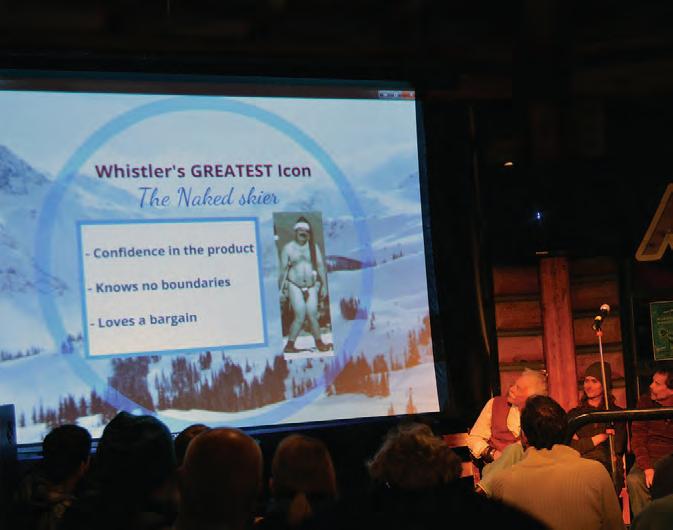
‘Icon Gone’ returns for rowdy takes on Whistler’s lost legends
ON APRIL 17, SIX LOCAL PERSONALITIES WILL ONCE AGAIN BATTLE USING PROPS AND PUNCHLINES FOR THE TITLE OF WHISTLER’S MOST-MISSED ICON
BY LUKE FAULKS
WHISTLER HAS NO SHORTAGE of strong opinions—opinions best served with a drink in hand and a healthy dose of irreverence.
That combination is set to return April 17, when the Whistler Museum hosts the latest edition of “Icon Gone,” a 19+ live debate night that asks a deceptively simple question: what’s the greatest loss among Whistler’s bygone icons?
The answer could be anything. Last year, nudity edged out local institution Citta’.
According to event organizers, the 2025 revival—after more than a decade’s hiatus—was a runaway hit, packing the room and delivering a uniquely Whistler experience.
“Well, last year was an absolute roaring success,” said events and community manager Bronwyn Preece. “It was packed. The laughter, the reverence, the sheer community joy was unmistakable. It’s a very unique way to come together, and it also shows the power of humor as a way of honoring.”
Set for 7 p.m. at the Maury Young Arts Centre, this year’s event will once again pit six notable locals (read: characters) against one another in a three-round, applause-driven showdown.
This year’s contestants—including Feet Banks, Stinky, Princess Stephanie, Rebecca Mason, Todd Lawson and Tanya Kong—will each argue for their chosen lost icon, with topics kept under wraps until showtime.
The format leans as much toward performance as persuasion.
In round one, debaters get five minutes—often with slideshows or props—to make their case, before the audience advances favourites to the next stage. Round two trims the field to four for tighter, three-minute arguments, before a final one-minute “showdown” between the last two standing.
Along the way, expect everything from heartfelt nostalgia to outright absurdity.
“It’s gonna be a freaking phenomenal [night],” Preece said, noting the range of topics reflects Whistler’s layered identity. “History is not boring. History is very much alive. [It] offers us a reminder of how we want to define ourselves and the many ways that one community is defined.”
That idea of history as something living, contested and occasionally hilarious sits at the core of the event. While the debate crowns a winner, it also serves as a kind of community storytelling exercise.
“What one person values is completely different than another,” Preece added. “But it is a way of honouring the importance of having a diversity of stories and of icons and of things that make us very unique.”
This year’s “lost icons” will remain under lock and key until April 17. For now, Whistlerites will just have to prepare to show up, cheer loudly, and argue passionately about their favourite Whistler legends.
More information is available on the Whistler Museum website. $30 tickets can be purchased through Showpass. n






Here’s a quick look at some events happening in Whistler this week and beyond. FIND MORE LOCAL EVENT LISTINGS (and submit your own for free!) at piquenewsmagazine.com/local-events




•Resisttheurgetorakeandcleanupeverything!
•Havepatiencewithyourplantsandletleavesbefora bitaspollinatorsemerge
•Startwithcleaninglawns,drainrockandhardsurfaces
604-902-1891 info@heikedesigns.com
Proudmemberof Seefullseriesandmoreinformationat www.heikedesigns.com

Effective April19,2026untilNovember
Reducedserviceon Routes5, 7, 20X, 31and 32 toalign with lower seasonaldemand
Seasonal discontinuationof Routes 4, 25 and 33
Seasonaldiscontinuation of free serviceonRoute 7 until winter
Minorscheduleadjustments throughoutthesystem
Formore information and topreview thenewschedules, please visit bctransit.com/Whistler
Looking for a different kind of date night? Join this fun, interactive and enlightening evening with nervous system education, somatic coaching, guided dialogue, and an integrative breathwork journey experience with your partner. The evening will be spent focused on one and another in a safe and supportive environment. This experience is a space to pause, reset, and come back to each other. All are welcome.
> April 17, 7 to 8:30 p.m.
> Fairmont Chateau Whistler
The Saudan Couloir Ski Race Extreme, is one of the steepest and toughest ski races in the world. Named after ski legend Sylvain Saudan, the race is over 4,000 ft in length and 1,500 ft in vertical drop! Take in the action from the Helly Hansen Winter Viewing Area on Jersey Cream Wall, overlooking the race course. With comfortable seating, warm drinks, tasty snacks and chances to win prizes, it’s the perfect spot to relax, cheer on the athletes and soak up the winter atmosphere.
> April 18, 9 a.m. to 2 p.m.
> Blackcomb Mountain
The highly anticipated destination gala at Fairmont Chateau Whistler is the Audain Art Museum’s principal fundraising event of the year presented by Nicola Wealth. Funds raised allow the Museum to continue to showcase beautifully curated exhibitions and innovative engagement activities for children and adults alike. Guests will experience an incredible evening filled with art, music and community.
> April 18, 5 p.m.
> Fairmont Chateau Whistler
An uplifting evening of music and creativity! The Whistler Children’s Chorus showcases a season’s worth of songs and poems. This free event is open to all.
> April 19, 6 p.m.
> Whistler Public Library
Get ready to turn up the vibes with live DJ sessions on Seppo’s Patio at the Corona Mountain Top Lodge! Soak in the epic mountain views, sip an ice-cold Corona, and dance under the open sky as top DJs spin highenergy beats all day long. Whether you’re fresh off the slopes or just here for the party, this après-ski scene is the place to be.
> April 19, noon to 3:30 p.m.
> Roundhouse Lodge
Celebrate the season with a beautifully refreshed shop featuring new work from talented local artisans. Sip on a complimentary glass of bubbly and enjoy a bag of popcorn as you browse, meet makers at work, and explore custom creations made just for you.
> April 21, 4 to 7 p.m.
> Maury Young Arts Centre
Get ready for Whistler’s ultimate après event back at the GLC! Hailing from the snow-covered peaks of Whistler, SkiiTour brings upbeat, feel-good house music that keeps the energy grooving, all while serving a nostalgic retro ski vibe. This event sells out every time, so grab your tickets now before they’re gone!
> April 22, 5 p.m.
> Garibaldi Lift Co.
Welcome to Whistler’s Ultimate Stand-Up Comedy Competition & Show! The night kicks off with a standup comedy showdown like no other, as the finalists hit the stage, each delivering their tightest 6 minute sets in pursuit of cold hard cash and a coveted spot on the Laugh Out LIVE! main stage. Once the dust settles and the standoff is done, the headlining act steps up to close out the night with a knockout set. It’s a bareknuckle comedy brawl where the only thing hitting harder than the competition...are the punchlines!
> April 22, 8 to 10 p.m.
> Dusty’s Bar & Grill
This film screening marks Sexual Assault Awareness Month and features Trafficked Voices, which shares real stories from survivors of human trafficking in Canada and Breaking Idol, examining allegations of abuse of power involving the band Hedley and lead singer Jacob Hoggard. A short break between films will include a Q&A with Justice for Girls, a Vancouver-based organization supporting young women and girls affected by violence, trafficking, and exploitation. Popcorn will be available and a raffle will be held.
> April 22, 5:30 to 8:30 p.m.
> Maury Young Arts Centre
Revel in the stunning architecture as you work through a calming one-hour practice with rotating instructors. Classes emphasize breathing, alignment and ease as you stretch and strengthen your body and mind. Registration includes access to the galleries on the day of the yoga session from 11 AM to 6 PM. Bring your mat (or borrow one from the AAM) and enjoy some mind and body wellness! > April 23, 9:30 to 10:30 a.m.
> Audain Art Museum
To ConsiderSquamish-LillooetRegionalDistrict ProcedureBylawNo.1899-2026
Inaccordancewithsubsection225(2)ofthe LocalGovernment Act,noticeisherebygiventhattheSquamish-Lillooet RegionalDistrict(SLRD)Boardintendstoconsideradoption of Squamish-LillooetRegionalDistrictProcedureBylawNo. 1899-2026.
When: RegularBoardMeeting- April22,2026at10:30a.m. Where: SLRDOffice,1350AsterStreet,Pemberton,BC
Theproposedbylawwouldrepealand replace Squamish-Lillooet Regional DistrictProcedureBylaw No.1499-2016 andestablish updatedrules governingtheconductofBoardandCommittee meetings.Key changesbetween Squamish-LillooetRegionalDistrict ProcedureBylaw No.1499-2016 andproposed Squamish-Lillooet Regional DistrictProcedureBylaw No.1899-2026 include,butare not limitedto, thefollowing:
General:Modernizes language,style andformat; adds procedural clarifications.
Chair/ Vice-Chair Elections: Introduces hybrid electionmodel; permitscandidatestoaddress Members.
MeetingSchedule: Requiresadoptionofannual Regularmeeting schedule.
OrderofBusiness: Reorganizesproceedings;adds“Items RemovedfromConsentAgenda”;removesfixed timesfor agenda headings.
Delegations/ InvitedPresentations:Providesdistinction betweendelegationsandinvitedpresentations.
MeetingMinutesandBylaw Records: Authorizes theCorporate Officertocorrect minorclericalerrorsinadoptedminutesand bylawswithoutaffectingsubstance.
Notice of Motion:Clarifiesprocess.
MotionsandAmendments:Introducesspeakingtimelimits; permitswithdrawalbeforea vote.
Requestsfora copyof theproposedBylawandquestions or commentscanbedirected toAngelaBelsham,CorporateOfficer,at 604-894-6371,or1-800-298-7753,or corporate@slrd.bc.ca




LocatedinWhistler’s Creekside, Roland’s Pubisyouronestopshopfor greatfood,goodfriendsandthegame you’vebeenlookingfor.
Comeinforlunch WednesdaythroughSunday before3p.m.toget astamponyourcard. On Wednesday,youget2stampsonyourcard! Howgoodisthat?!
Childrenarewelcomeuntil10pmever yday. (*Somerestrictionsapply)


Meetwithmevia videoconference, telephone,and inperson.

332-4370LorimerRoadWhistler 604.932.3211 s.shaw@raceandco.com

BY KAT HODGSON
BEFORE BEGINNING my internship at the Whistler Museum, I had never visited the town before. In October 2025, I arrived as an outsider. I also arrived grieving.
The day before I moved, my grandfather suddenly passed away, marking the fourth loss in my family in two years. As I settled into this unfamiliar place, the nerves and excitement that come with a new job and community were tinged with the constant weight of grief.
This mindset shaped how I approached the project of organizing the Bruce Rowles Collection. This collection of 35mm slides, documents, posters, and much more was generously donated by the family of Bruce Rowles in batches from 2024 to 2026. Comprising over 70,000 slides, it is now the largest photographic collection in the Museum’s archives. Working with it offered me the chance to get to know Whistler as Bruce saw it, while also viewing glimpses of the life behind the camera.
Bruce Rowles, often called Rowlesy by friends and family, was a prolific photographer and artist who spent more than three decades in Whistler. His photographs captured action-filled competitions and wild nightlife scenes, but also contained quieter moments, such as vast landscapes, meals and trips with friends, or photos of plants and insects that he’d found beautiful. Some slides were labelled with quips that let his personality shine through, hinting at the humour and creativity that guided his work.
For me, the most striking materials in this vast collection are three binders labelled “Lost Friends”. They contain portraits, sports shots, and candid photographs of individuals Bruce had known and later mourned. Nearly every slide is labelled with names and
locations, already arranged in archivalsafe sleeves as an act of remembrance as much as documentation. In assembling these binders, Bruce preserved not only the images of these people, but also the memories and relationships he had with each of them.
Working with these materials, I came to understand the collection through the lens of grief, both my own and that which he was expressing in each carefully arranged page. Scholars have described this response as “empathic grief”: the emotional weight archivists may feel when encountering records shaped by loss. All records are connected to lives, and often to those who are no longer with us. That persistent connection can make it difficult not to recognize and react to the emotions held in records, requiring the archivist to carry them throughout their work, sometimes even feeling them alongside their creators.
Bruce’s collection both captures and expresses several positive emotions –celebration, humour, excitement, and curiosity, to name a few – while also making space for absence. Over the past six months, I’ve felt all of them, allowing me to see the world through Bruce’s lens. His careful remembrance of others became, unexpectedly, a reminder that grief is part of the greater act of loving someone. In the midst of my own losses, that perspective helped shift my own grief from being purely painful into something that could also hold gratitude for the privilege of getting to carry memory forward.
Bruce wanted to ensure his life’s work would be remembered and appreciated. A selection of his photography will be exhibited at the Whistler Museum from April 24th to June 14th.
Kat Hodgson was the Assistant Archivist at the Whistler Museum this winter through the Young Canada Works in Heritage Organizations (YCWHO) program. n
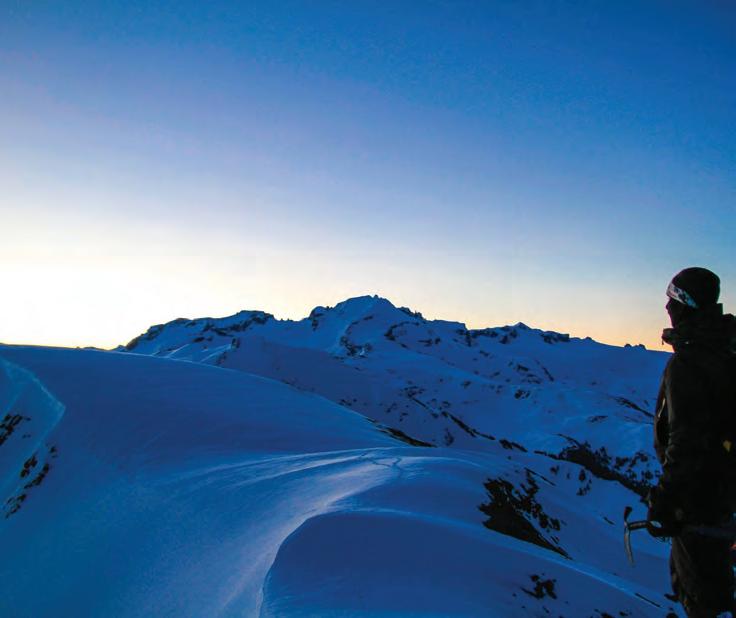

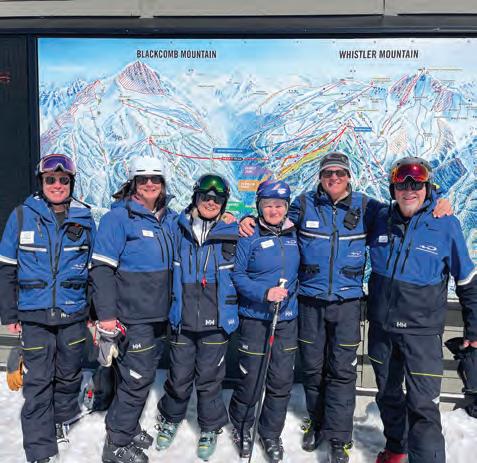
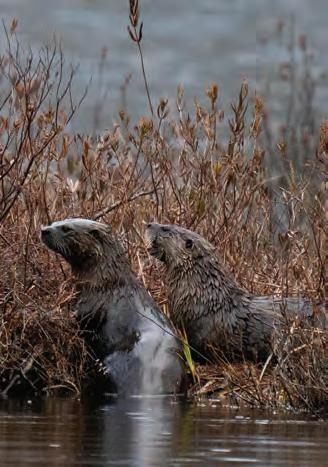




WEEK OF APRIL 17 BY ROB BREZSNY
ARIES (March 21-April 19): Anthropologist and author Clifford Geertz loved to use “thick description.” He wrote detailed reports that captured not just the surface level of what happened but the deeper levels of meaning. Here’s an example of thin description: “He winked.” Thick description: “He quickly closed and opened his right eyelid in a culturally specific gesture of playfully conspiratorial communication.” In the coming weeks, Aries, I invite you to enjoy the sumptuous pleasures of thick description. Unleash your wild curiosity as you dig down into the rich, complex truths about everything. Gleefully explore how the cultural, personal, and historical contexts give each moment its specific, nuanced significance. (PS: This approach will enhance your options for responding.)
TAURUS (April 20-May 20): New beginnings and final chapters will be overlapping in the coming weeks, and they’ll push you in the direction of robust growth. It won’t always be obvious which is which, though, so you’ll need to sharpen your discernment to read the signs. Here are two contemplations to steer you: 1. Which long-running sagas in your life have finally played themselves out? 2. Which struggling, half-forgotten dreams are yearning to rise again and blossom as if they were brand new? Once you’ve listened deeply enough to answer those questions, move boldly: Feed and protect whatever is being born, and actively assist in the graceful dismantling of whatever is ready to end.
of total darkness and brilliant light, which provides a visceral sense of life’s deep cadences at work. Your routine may seem similarly unsettled these days, Virgo. Transitions are coming faster than feels natural. But I suspect this disruptive blessing is giving you access to patterns that aren’t intelligible when you’re moving more slowly. You’re beholding the way things change as well as the changes themselves. This is a valuable gift. The insights will be worth the disorientation.
LIBRA (Sept. 23-Oct. 22): You Libras sometimes get accused of indecision, as if your careful weighing of possibilities were a weakness. But I see a different truth: You aspire to be fair-minded as you honor all the legitimate claims on your attention. So the problem isn’t your capacity for considering multiple sides of each story. Rather, I find fault with the culture you live in, which is obsessed with one-dimensional certainty. If I were your coach or therapist, I would give you permission to take your time and resist the rush to resolution. The most honest thing you can say may be, “I’m still deciding,” or “Both of these feel true.”
SCORPIO (Oct. 23-Nov. 21): You’re not a flaming expert at turning tension into treasure, but you have modest skills at that art. And now I’m predicting you will grow these skills. Before you jump to conclusions, though, please know that I’m not implying you will be immersed in stressful melodrama. I’m suggesting you will handle differences of perspective with increasing aplomb and curiosity. Instead of treating conflict as a debilitating hassle, you’ll try to find value in it. Some debates may even feel stimulating and fun rather than tiring. To take maximum advantage, enjoy the controversies as exploratory missions rather than as showdowns you must win at all costs.

GEMINI (May 21-June 20): One of your go-to tools or assets is still functioning, but now is exactly the time to repair or refurbish it—before it breaks. Furthermore: A power outage of sorts may be looming unless you move to head off an impending overload. Wait, there’s even more! The monster in your closet is still deeply asleep, which is why now is the perfect moment to summon an exorcist or exterminator, before it stirs. Are you getting the picture, Gemini? The very fact that you’re reading this horoscope gives you all the advance warning you need to sidestep potential glitches and diversions.




CANCER (June 21-July 22): According to my reading of the astrological omens, asking the BIG questions is highly advisable right now. Why? Because you are unusually likely to get really good answers to those BIG questions. Want a nudge to get started in this noble enterprise? Here are three recommended queries: 1. “What is the wild meaning of my precious life?” 2. “Who the #@$%&!* am I, anyway?” 3. “Where is this so-called ‘God’ I hear so much about?” Dear Cancerian, I will also urge you to formulate humorous, satirical BIG questions that inspire life to be playfully revelatory with you. Here are three: 1. “How can I fine-tune my friends and loved ones to perfection?” 2. “Are there shortcuts to getting absolutely everything I want?” 3. “How do I sign up for a life of nonstop pleasure, free from all discomfort?”
LEO (July 23-Aug. 22): When people finally grasped just how radical Einstein’s theory of relativity was, a journalist asked him how he had arrived at such a breakthrough. Einstein said it was simple: He had utterly ignored supposedly fundamental truths. Dear Leo, please notice what that might imply for you in the coming weeks. Einstein didn’t dismiss a mere opinion or fashionable theory; he set aside theories so deeply accepted that everyone treated them as obviously factual. He didn’t waste energy fighting them, but simply proceeded as if they didn’t exist. Consider doing the same: Set aside at least one seemingly incontestable assumption and be alert for the new realities that then become possible.
VIRGO (Aug. 23-Sept. 22): The International Space Station orbits Earth every 90 minutes, so astronauts see 16 sunrises and sunsets every 24 hours. It’s a challenge to maintain their circadian rhythms. They must be disciplined as they stick to a sleep cycle that human bodies are accustomed to. But there’s a wonderful tradeoff: the rare privilege of witnessing the rapid cycling
SAGITTARIUS (Nov. 22-Dec. 21): I hope and predict that you will be wildly resourceful as you wisely experiment with love in the coming weeks. I hope and predict that you will research the art of tender, inspiring intimacy in new frontiers. Reinvent passion, you subtle intensity freak! Be a bold explorer who breaks the boring old rules! Dare to break open new varieties of sweetness and companionship that require you to innovate and improvise!
CAPRICORN (Dec. 22-Jan. 19): If you were on a walk and spied a dime on the ground, would you bend down to grab it? Probably not. Would you feel differently about a quarter? Maybe you have decided that nothing under a dollar is worth your effort. But in the coming weeks, you will be wise to break such rules. Symbolically speaking, the act of stooping down to pick up a dime will set off a chain reaction that ends with you acquiring a hundreddollar bill. By saying yes to small, unexpected blessings, you’ll position yourself to receive larger ones down the line.
AQUARIUS (Jan. 20-Feb. 18): The coming weeks will be an excellent time to begin a building project on the scale of Egypt’s Great Pyramid or India’s Taj Mahal. You should at least initiate work toward some magnificent masterpiece or creation, Aquarius. According to my analysis, there’s a chance you could coax an armada of helpers to work on your behalf. And as you set out to accomplish your labor of love, I bless your quest.
PISCES (Feb. 19-March 20): Artists who specialize in origami can create structures far stronger than the flat paper they’re folded from. The weakness of being made from thin, fragile material is overcome through strategic creasing. Engineers now use origami principles to design everything from solar panels to artificial blood vessels. Let’s extrapolate these facts into a lesson for you in the coming weeks, Pisces. We’ll assume that your flexibility is a strength, not a liability. You will wield your pliability to produce a high degree of structural integrity.
Homework: You know what to do and you know when to do it. So do it! Newsletter.FreeWillAstrology.com
In addition to this column, Rob Brezsny creates
In-depth weekly forecasts designed to inspire and uplift you. To buy access, phone 1-888-499-4425. Once you’ve chosen the Block of Time you like, call 1-888-682-8777 to hear Rob’s forecasts. www.freewillastrology.com
CALL OR PLACE YOUR CLASSIFIED WITH OUR ONLINE SERVICE FOR EITHER PRINT OR ONLINE...OR BOTH!
Î Secure & scamless
Î Fully searchable
Î Targeted online community
Î Categorised listings
Î No reposting
Î Trusted by locals
Î Make your listing stand out with featured locations
Î
Areyoupassionateaboutqualityconstructionandreadytogrowyourcareer in adynamic,award-winning company?TMBuilders, aleaderinhigh-end residentialand commercialconstructioninWhistler,islookingfor: Labourers,Apprentices,andCarpenterstojoinourteam.
Labourer$20-28: Assistskilledtradespeopleon-site,maintainsafeand efficientjobsites,and gainhands-onconstruction experience.
•Friendlyandapproachable personalitywitha desiretolearnasmuchasyoucanabout construction
Apprentice$25-$35: Startyourjourney tobecoming aRed SealCarpenter,workingalongside experiencedmentorsanddevelopingyourcraft.
•Registeredwitha recognizedprovincialtrainingauthority
•Demonstratedknowledge ofconstruction practicesandoperationoftools
•Abilitytoworksafelyand effectivelywithminimalsupervision
•Musthavebasiccarpentrytools,toolbelt,properfootwear
Carpenter$35-$50: Bringyourskillstohigh-end projects,focusingonprecision,quality, andcraftsmanship.
•3+yearsof experienceworkingasa carpenter
•Knowledge ofresidentialrenovationandnewbuildconstruction
•UnderstandingofBC &LocalMunicipalBuildingCodes
•Musthavetoolbeltandtools
•Red Seal/Journeymancertification preferred
•OccupationalFirstAidanasset
RequirementsforAll Positions:
•Strongworkethicandteam-orientedmindset
•Physicalabilitytoperformconstructiontasksincludingliftingheavyobjects,workingat heights,andinallweatherconditions
•Mustbelegally entitled toworkinCanada
•Musthaveownvehicleand acleandriver’sabstract
• Commitmenttosafetyon-site
WhyTMBuilders?Weareaward winningNetZeroCertified constructionleaders.
•Workon exceptional,customhomesand mountaininfrastructure projects
•Learnfromindustry-leadingtradespeopleand expandyourskills
•Supportive, safety-focused work environment
•Opportunities forcareergrowthandprofessionaldevelopment
Applyto: connect@tmbuilders.ca

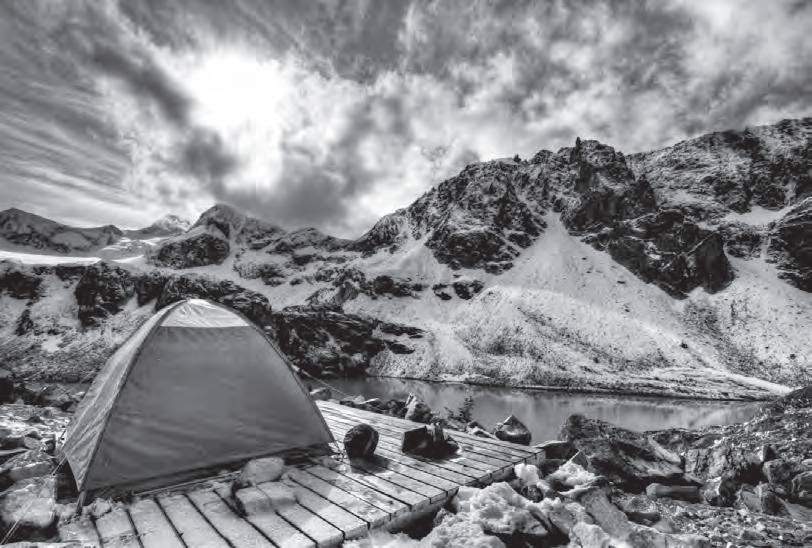

ValleyGeneralStore,GoldBridge,BC
ValleyGeneralStoreishiringafull-timeStoreManagertoleadourgrowing businessintheBridgeRiver Valley, NorthofPemberton/Whistler.
Ifyou’veeverdreamedofremotelivingwithunrealbackcountry right outyourfrontdoor,thisjustmightbetheopportunityforyou! Spendyourdays-offMountainBiking,DirtBiking,Snowmobiling,Skiing, Snowboarding,FishingorBoatinginoneofthemanylakesinthearea.
Salary:$70,000peryear
Bonus:$10,000 (uponcompletionof12monthsofemployment)
ExtendedHealthBenefits:ForF/Temployeesafter3monthsemployment
Accommodation: Available-spacious, renovated1-bedroomapartmentin townwithhugedeck
Thisisahands-onleadership roleinafast-paced,high-volume retail environment. Veryflexiblescheduleprovided,weekendshiftsshared amongstallstaffinthesummer.
Responsibilitiesinclude:
•Overseeingdailyoperations
•Inventorymanagementandordering
•Staffschedulingandsupervision
•Cashhandlingand reconciliation
•Maintainingstorestandardsandwaste
IdealApplicants:
•Havemanagementexperience, retailexperienceisabonus
•Areorganized, reliable,andconfidenttraining&leadingateam
•Understandsinventorycontrolandmargins
•Possessexceptionalcustomerserviceskills
•Areeagertolearnandgrowinthis roleforatleastayear,andideally longer
Ifyou’re readytotakeonafunanddynamic roleleadingagrowing businessina remotemountaintown,we’dlovetohearfromyou!
Emailyourcoverletterand resumetoLindsaynolaterthanMay4,2026 atvalleygeneralgb@gmail.com

Dogs and pick-up trucks don’t mix!
Dogs who are riding in the backs of pickup trucks may look like they’re having fun, but they are not safe.
When you transport your dog in the open bed of your pickup, you endanger both your dog and other motorists. If your truck hits a bump or if you step on the brakes suddenly or swerve to avoid an obstacle, your dog can easily be thrown from the truck bed and onto the road. Even with a restraint your dog may be seriously injured or killed riding in the back of a pickup. Why risk your dog’s life? Put him in the cab with you in a travel crate, or if you have an extended cab, have your pet ride in the back portion of the cab where he will be away from the front windshield.


















































SupporttheChiefAdministrativeOfficerandChiefs &Councilby providinghigh-leveladministrativeandsecretarialsupport. Workishighlyconfidentialandrequiresstrong attentiontodetailand accuracy. Thispositionhas ahighdegreeofinteractionwithCouncil members,employees,andcommunitymembers.
WhatWeOffer:
•$62,160.00to$81,585.00/year
•Full-Time(35hours/week)
•Healthandwellnessbenefits
•Matchedpensionplan
•Supportive,collaborativeteamenvironment
Findfulljobpost and applyhere:

Formoreinfo contact: hr@lilwat.caor 604-894-6115


ÚlÍusCommunityCentre
•Chief FinancialOfficer($140,240.00to$201,595.00peryear)
•Directorof Finance($107,520.00to$154,560.00peryear)
•ExecutiveAssistanttoChiefsandCouncil ($62,160.00to$81,585.00peryear)
• Title&RightsCoordinator($54,720.00to$71,820.00peryear)
•HumanResourcesGeneralist($67,040.00to$92,180.00)
Child& FamilyServices
•Social Worker($80,160.00to$115,230peryear)
Health&Healing+PqusnalhcwHealthCentre
•CommunityHealthNurse($41.42to52.81perhour)+ ($2.15hourlypremium)
CommunityPrograms
•AboriginalSupportedChildDevelopment Worker ($25.89-$33.98perhour+eligibleforwageenhancementtopup)
•AboriginalSupportedChildDevelopmentAssistant ($22.86to$30.00perhour)
CommunityDevelopment
•Barista($22.86to$30.00perhour)
Xet’òlacwCommunitySchool
•HighSchool Teacher($60,015.00to$109,520.00peryear)
•BusDriver($20.90to$29.45perhour)
• FoodProgramAssistant($17.85to$20.90perhour)





Ourteamofpeopleis whatsetsusapartfromotherbuilders.As wecontinue to growasthe leaderinluxury projectsinWhistler,ourteamneeds to expand withus. We are currentlyhiring:
Labourers ($20-$30hourly)
CarpentersHelpers/Apprentices1st to 4th year ($25-$35hourly)
ExperiencedCarpenters ($30-$45hourly)
Carpentry Foremen ($40-$50hourly)
SiteSupervisor
Rates vary basedonexperience andqualifications.RedSealisabonusbutnot required.Crane Operatorexperienceconsideredanasset.
EV R is commit te d to th e long-t er m re tent io n an d sk ills deve lopm en t ofou r te am .We are passionateaboutinvestinginourteam’s future
WE OFFER:
• Top Wagesanda Positive WorkEnvironment
•FlexibleSchedule- WorkLife Balance (Wegetit, we love to skiandbike too.)
• Training& TuitionReimbursement(Needhelpgetting yourRedSeal?)
•Support with workvisaand PermanentResidency (We canassist)
BENEFITS &PERKS:
• AnnualLeisure& ToolBenefit – Use toward ski/bike pass, toolpurchase, etc. – you choose!
•ExtendedHealthandDentalBenefitsfor youand yourfamily
We promotefrom withinandarelooking to strengthenouramazingteam.Opportunitiesfor advancementinto managementpositionsalwaysexistfortheright candidates.Don’t missout onbeingable to build withtheteamthatbuildsthe mostsignificantprojectsinWhistler.
Send your resume to careers@evrfinehomes.com. We lookforward to hearingfrom you!

Friday
I7:30-8:30a.m.StrengthinPlay-Anna Saturday
I10:30-11:30a.m.Zumba-Susie Monday
I10:30-11:30a.m.Zumba-Carmen
Tuesday
I8:45-9:45a.m.AquaFitDeep-M-A R-GromSquadBikeClub Tuesday's3:30pm Wednesday
R6:30-7:30p.m.RunStrong-Steve Thursday
R12:15-1:00p.m.PainFreePosture-Lou



LandAct:NoticeofApplicationfora DispositionofCrownLand Takenoticethatwe, Tsetspa7Loakam (Logging)Ltd.,from Tipella,BC, haveappliedtotheBritishColumbia Ministryof Water, Land,andResource Stewardship(WLRS),SouthCoast Region,foraLogHandlingand StorageCrownLand Tenure,situated onProvincialCrownLandlocatedat 49.737737,-122.152023. WLRSinvitescommentsonthis application.TheLandsFileis2413031. Writtencommentsconcerningthis applicationshouldbedirectedtothe SeniorLandOfficer, SouthCoast Region,atSuite200,10428-153rd Street,SurreyBCV3R1E1. CommentswillbereceivedbyWLRS uptoApril30th,2026.WLRSmaynot beabletoconsidercommentsreceived afterthisdate.PleasevisitApplications, Comments,andReasonsforDecisions Databasewebsiteat http://comments. nrs.gov.bc.ca formoreinformation. Beadvisedthatanyresponsetothis advertisementwillbeconsidered partofthepublicrecord. Accessto theserecordsrequiresthesubmission ofaFreedomofInformation(FOI) request. Visit http://www.gov.bc.ca/ freedomofinformation tolearnmore aboutFOIsubmissions.

Part Time Casual Depot Site Attendants for Nestersand Function Depot Sites. Email denis e.imbeau@gflenv.com for more information


JoinOneofWhistler’sTop RealEstateTeams! We aresearching for ahighlycapable,detail-orientedindividualtobecomepartofour dynamicteam.Thisuniqueroleoffersthechancetoworkalongside oneoftheregion’s mostestablishedandrespectedrealtors,gaining hands-onexperienceinhigh-levelmarketing,systems,andclient service.
Position Details:
•Part-time: 3daysperweekinoffice.
•Hours:Approximately20–25hours/week
• Location:Primarilyintheoffice,withon-callflexibilityasneeded
WhatYou’ll Be Doing:
•Managingandmaintainingrealestatesystemsanddatabases
•Supportingmarketinginitiativesandlistingpreparation
•Coordinatingclientcommunicationsanddocumentation
•Assistingwithday-to-dayoperationsof ahigh-performingrealestate business
Who YouAre:
•Highlyproficientwithcomputersanddigitalsystems—youworklike awizard!
•A self-starterwhotakesinitiativeandsolvesproblemsindependently
•Organized,efficient,anddetail-driven
•Professionalinbothcommunicationandpresentation
•Comfortableworkingremotelywhilestayingresponsiveand accountable
•Musthaveofficeexperienceofatleasttwoyears, acar,andbeen livinginWhistlerforatleasttwoyears
WhatWeOffer:
•Trainingandmentorshipwithin atop-tierrealestatebusiness
Aflexible,supportiveworkenvironment
•Exposuretoluxuryrealestatemarketingandoperations
•Performance-basedbonusestiedtosuccessfultransactions
•Competitivehourlyratestartingat$33/hour,pluslifestylebonuses tiedtotransactions(approx.$800/monthandup)
•Roomforgrowthinto afull-timerole
Readytotakeyourcareertothenextlevel? Applyatshauna@shaunaocallaghan.com. Pleasenophonecallsortextmessages.

FT permanent,Starting$26/hour basedonexperience
Thisrolesupports theplanningand executionofevents& weddingsfrom confirmation to execution.
FTSeasonal (Aprilto endofSept), Starting$26/hour basedon experience
Involvesassistingthe Chef with serviceset up,foodprep, menu planningandaction stations.
FTSeasonal (May to endofSept),Starting$26/hourbasedon experience


Createsa positiveguest experiencethrough handling dailyoperationsand implementing retail systemsand programs.
FT RoleOffers:ExtendedHealthBenefits,RRSPMatching, WBseasonspass, wellnessbenefits, training andeducation allowance

Learnmore andapplyat SLCC.CA/CAREERS careers@slcc.ca




We’relookingforanenthusiastic,organized,andcommunity-mindedSupervisorto leadtheday-to-dayoperationsofthePembertonVisitorCentreduringthesummer season.Ifyouenjoymeetingpeoplefromallovertheworld,andhaveleadership experience,thisistheperfectopportunityforyou.
Responsibilities&Qualifications
•Previoussupervisoryexperience
•Exceptionalcustomerservice
•Providevisitorswith recommendationsandoptionsforapositivePemberton experience
•Comfortableworkingindependentlyandareorganised
Location: Pemberton,BritishColumbia
Job Type: Seasonal,PartTime(25hoursperweek)
ApplicationDeadline: April30,2026
StartDate: May15,2026
Compensation: $20-$24/hour, dependingonexperience
Viewthefulljobdescriptionattourismpembertonbc.com/careers





We areadding to ourteam
LandscapeGardener |Foreman/woman
Hard-working,detailed, teamplayerwith2+yrsexperience
Horticulture Technician,CLT orequivalent certificationpreferred ResidentialLandscapeMaintenance,someConstruction Plant knowledge,Driver ’s licenceandlocally availableApril15-Oct31
Reliable,trustworthy, strong communicationandpeopleskills Interest in continuouseducationandlearningWe providegreat opportunities.Able to workindependently aswellasundersupervision
$27 –30+dependingon experienceandrole
Applyviaemailonly, please: info@heikedesigns.com

HighCountryLandscapingisseekingmotivated individualsforthefollowingpositions:
GardenShopAssociate’s
MaintenanceCrewMembers
MaintenanceCrewLeaders
ConstructionCrewMembers
Applyonlineat www.highcountrylandscaping.ca oremail info@highcountrylandscaping.ca

TheSeatoSkycorridor’s topcivil constructioncompany.
We arecurrently recruitingprofessionally mindedpeopletojoinourteam:
PipeLayers $25-$45perhour
ConstructionLabourers $25-$30perhour
Heavy Equipment Operators $35-$45perhour
*Competitive wages, extendedhealthbenefits (after3months)
Email resumeto: info@whistlerexcavations.com







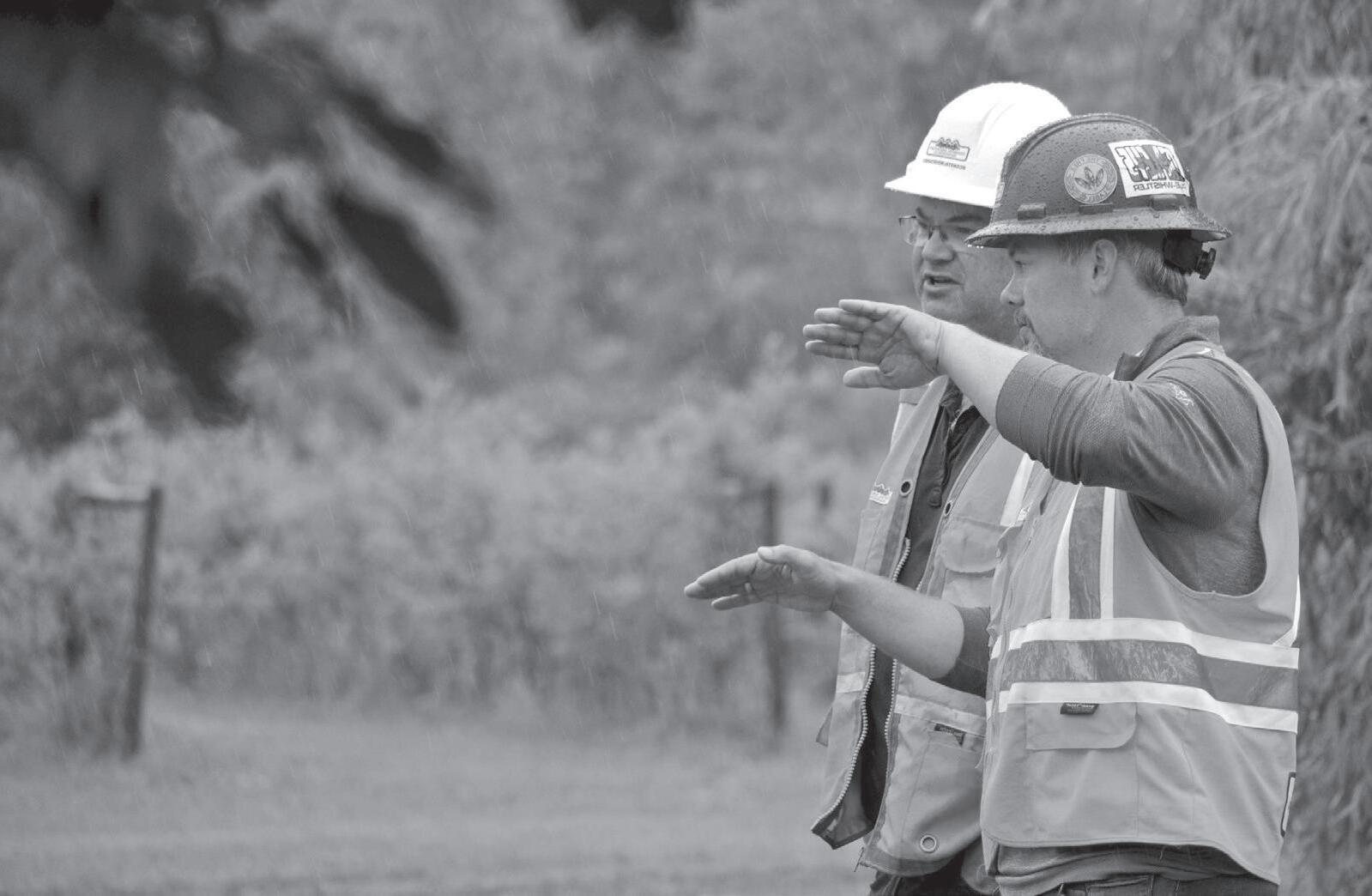
EmployeeHealth &WellnessPlanavailable
HEAVYEQUIPMENTOPERATOR– Minimum5yearsor5,000hoursoperatingexperienceon excavator.CrushingExperiencepreferred. Full-time,Monday –Friday.$33-$46perhour.
CONSTRUCTIONLABOURER– Greatopportunitytolear non-the-job.Staminaforphysically demandingworkandperseverancetobraveinclementweatherrequired.Previousexperience preferredbutnot required. Trainingprovided.$28-$33perhour.
PIPELAYER –Minimum 5yearsexperienceincivilconstruction. Full-time,Monday –Friday.$33-$43perhour.
TRUCKDRIVER –BCDLClass 1orClass3withairbrakes required.Manualtransmission. 2yearsexperiencepreferred.$35-$41.50perhour.
CRUSHING &EARTHWORKSMANAGER– Musthaveexperiencewithcivilconstruction. $33-$46perhour.
HEAVYDUTYEQUIPMENTMECHANIC– Whistler,RedSealCertified,Commercial
or3withairbrakes,andseveralyears’experiencepreferred.$40.19-$42.43perhour.


attheWhistlerMuseum
TheWhistlerMuseumishiringforsummer student(YoungCanadaWorks)positions: •MuseumCollectionsAssistant(YCW) •MuseumProgramCoordinator(YCW)
Termofemployment: $20.75/hrfor40hrs/week–May13th2026toAug30th,2026(startdatecould changedependingontheavailabilityofthecandidate)
Deadline: April25,2026.
Moreinformationonthesepositionscanbefoundhere: https://whistlermuseum.org/employment/







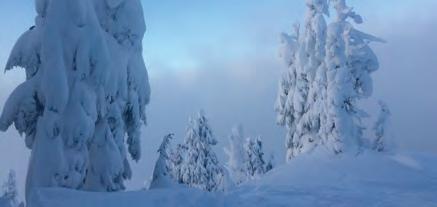











IT DOESN’T TAKE much for our commitment to resolving the looming, long-term threat of the climate crisis to waver in the light of more immediate political and economic uncertainty. It seems like recently, we’re being told an old story: that in this moment, despite the risks, a wise and mature move is to invest in oil and gas to help us weather the storm.

BY LIZI MCLOUGHLIN
We’re told by leaders at a federal and provincial level that this is a shrewd investment in national security, our economy, and decreasing our reliance on the US and other unpredictable and unethical global powers.
These immediate challenges are very real, and working towards energy independence and a resilient economy with good jobs is a meaningful and crucial goal. But governments seem to land all too quickly on oil and gas as the obvious, only, “sensible” choice.
And while it’s easy in times of uncertainty to do what is familiar, I’d argue it’s precisely in these moments that we need to dig deep in our collective imagination and consider more creative solutions for these complex, intersecting problems we’ve never had to solve before.
We aren’t often given the chance to
imagine other, exciting potential futures. It’s hard to, when the possibilities are so often obscured in the stories we’re told. Here’s one piece of the puzzle that has been obscured from me, and perhaps from you too: the oil and gas industry contributes $5.2 billion to BC’s GDP, while tourism contributes around $8 billion. That tourism activity supported over 113,000 jobs, while oil, gas, and mining combined supported just under 37,000.
Fossil fuels and tourism are perhaps BC’s best known exports, but thanks to the stories I’d been told, I had always assumed that fossil fuel revenue and jobs dwarfed tourism and many other sectors of our economy. In fact, mining, oil and gas make up about 4% of our GDP, far outstripped by real estate (18%), construction (10%), and health care (8%).
Despite its relative position in our economy, the BC government invests
international corporations who will ultimately profit hugely from their investments in Canadian LNG. Part of that story is playing out here in the Sea to Sky, where the Woodfibre LNG project near Squamish is scheduled to come online in 2027 and begin exporting millions of tonnes of LNG abroad every year, while creating about 100 long-term jobs.
The story goes that this upfront subsidy of commercial energy projects will pay off in growing the economy, creating jobs, and royalties paid back to the province. Natural gas royalties were forecast to contribute about $942 million of revenue to BC in 2025/6. That number sounds staggering, but hard-to-imagine numbers need to be put in context. In fact, it’s about 1% of the annual budget, about the same as BC Liquor provides ($950 million) and dwarfed by the $19.2 billion we pay in
“…the oil and gas industry contributes $5.2 billion to B.C.’s GDP, while tourism contributes around $8 billion.”
heavily in the oil and gas sector, largely in major commercial LNG export projects. From direct financing to infrastructure to carbon tax and PST exemptions, the International Institute for Sustainable Development estimates that by 2031, total provincial support for the LNG export sector will equal $2.16 billion.
This government funding and lost revenue benefits less than 25 commercial projects, owned by a handful of mostly
personal income tax or the $10.7 billion generated through PST.
Meanwhile, nearly 17,000 (mostly small and medium sized) tourism businesses across the province collectively contribute more to GDP, jobs, and tax revenue without anything like the same scale of investment, subsidies, or tax breaks. Whistler alone generates about half a billion dollars in federal, provincial, and municipal tax
revenue every year and only receives about $6.5 million of grant funding from the province as support.
And besides, nothing on a balance sheet accounts for the irreversible damage done to our air, water, forests, land and communities when we chase short-term gain from carbon-intensive, extractive industries. When those impacts are factored in, the “obvious” choice becomes increasingly hard to justify.
But what these numbers tell me is that we have more options than we are led to believe. They also tell me that we — the taxpayers who are the primary funders of the province — have more power than we often understand. There’s no reason we shouldn’t feel confident demanding more from government investment, both for our short-term stability and the longterm health of our environment and communities.
There are so many ways to generate the revenue, jobs, and energy we need. Uncertain and unpredictable times push us towards fear and scarcitydriven decision-making, and towards the well-worn paths we’ve trodden before. And that is exactly what is happening now, risking our progress towards decarbonization and locking in a cascade of climate impacts over the coming years.
So we must be brave enough to slow down and lift our heads up to see the whole view. Investment in tourism, housing, infrastructure, clean energy, transit, and reducing the cost of living can ultimately create just as much value for individuals and the province, while moving us closer to the clean, sustainable future that so many of us dream of. It will take creativity, risk, and commitment, but that future is within our grasp, if we dare. n
3205 Arbutus Drive, Whistler
4 Bed | 2 Bath | 2,047 sq.ft.


$2,850,000 (GST exempt) 604-616-6933
Kathy White PREC* kathy.white@evrealestate.com
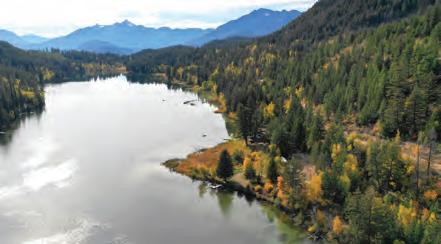


2290 Brandywine Way, Whistler
3 Bed | 2 Bath |1,506 sq.ft.

$2,199,000 604-719-7646
Carmyn Marcano carmyn.marcano@evrealestate.com





$4,250,000
This home is built for the person who wants to arrive, drop their bags, and start living. The renovation has maintained its relevance and feels just right. With the furniture included, the transition is seamless. You’ve worked hard to get to the top. This is the view from there.

Maggi Thornhill PREC* +1-604-905-8199
maggi.thornhill@evrealestate.com
Maggi & Max Thornhill Team


Maggi & Max Thornhill Team 8364 Mountain View Drive, Alpine Meadows
you’ve ever yearned for the authentic Whistler (the one built on nostalgia and the cozy warmth of a true cabin) this Alpine Meadows retreat is what you crave. Tucked away in a quiet cul-de-sac, this home greets you with the character that modern builds often forget.
Maggi Thornhill PREC* +1-604-905-8199
maggi.thornhill@evrealestate.com