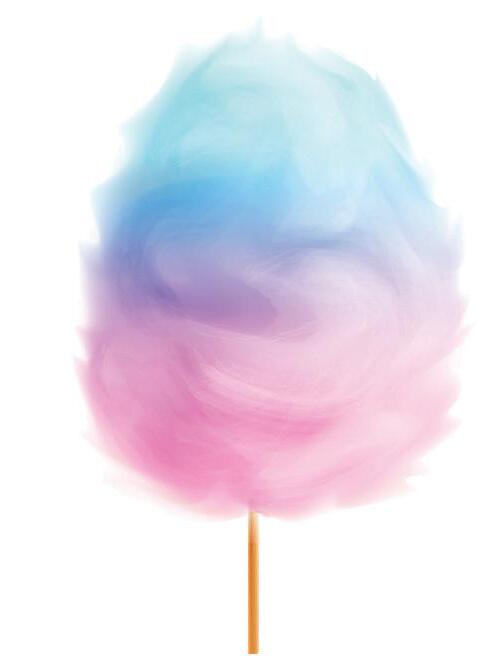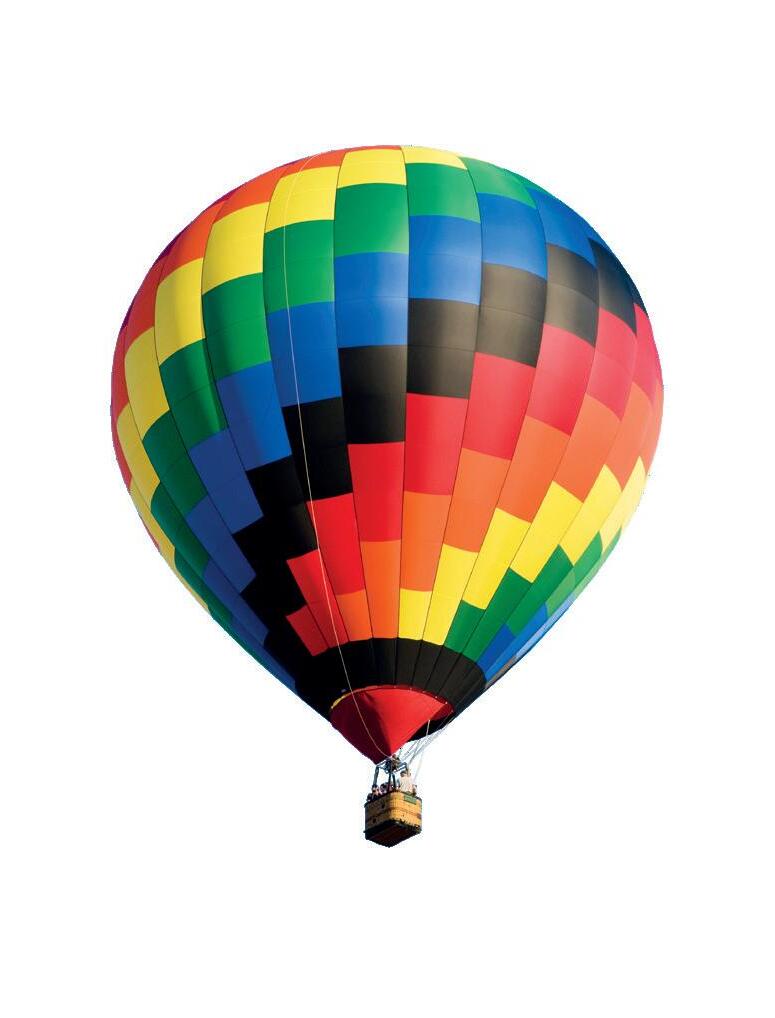
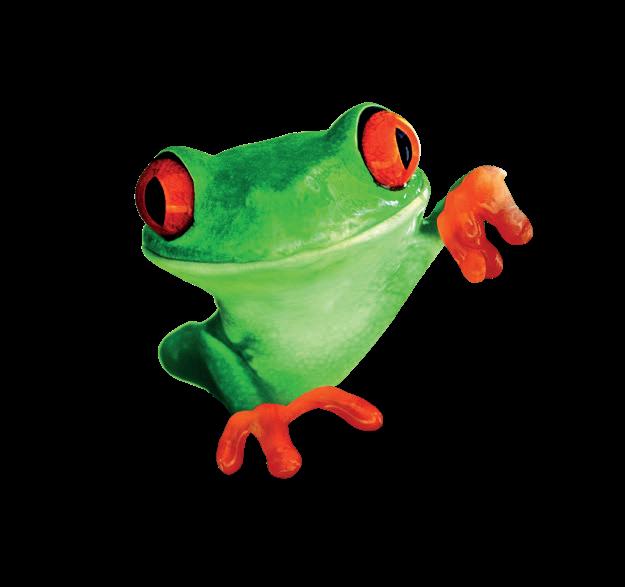
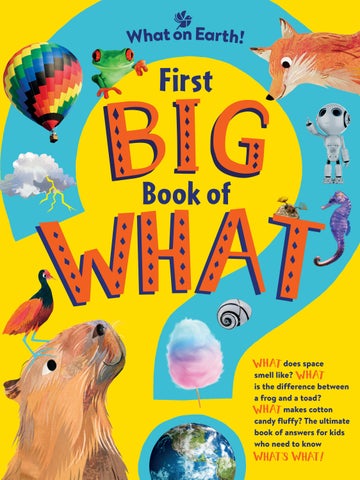
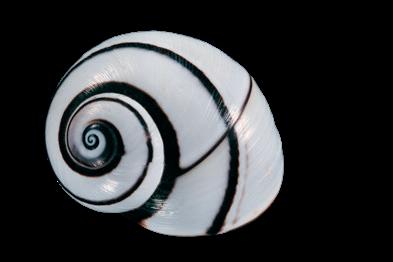
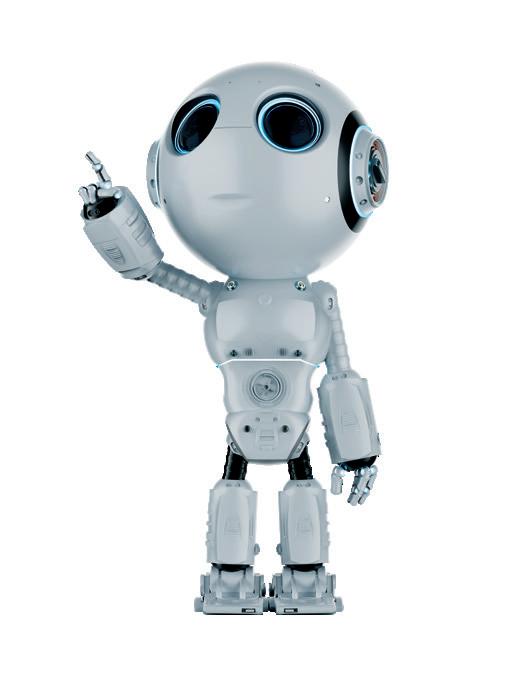
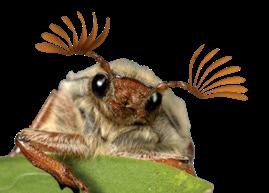
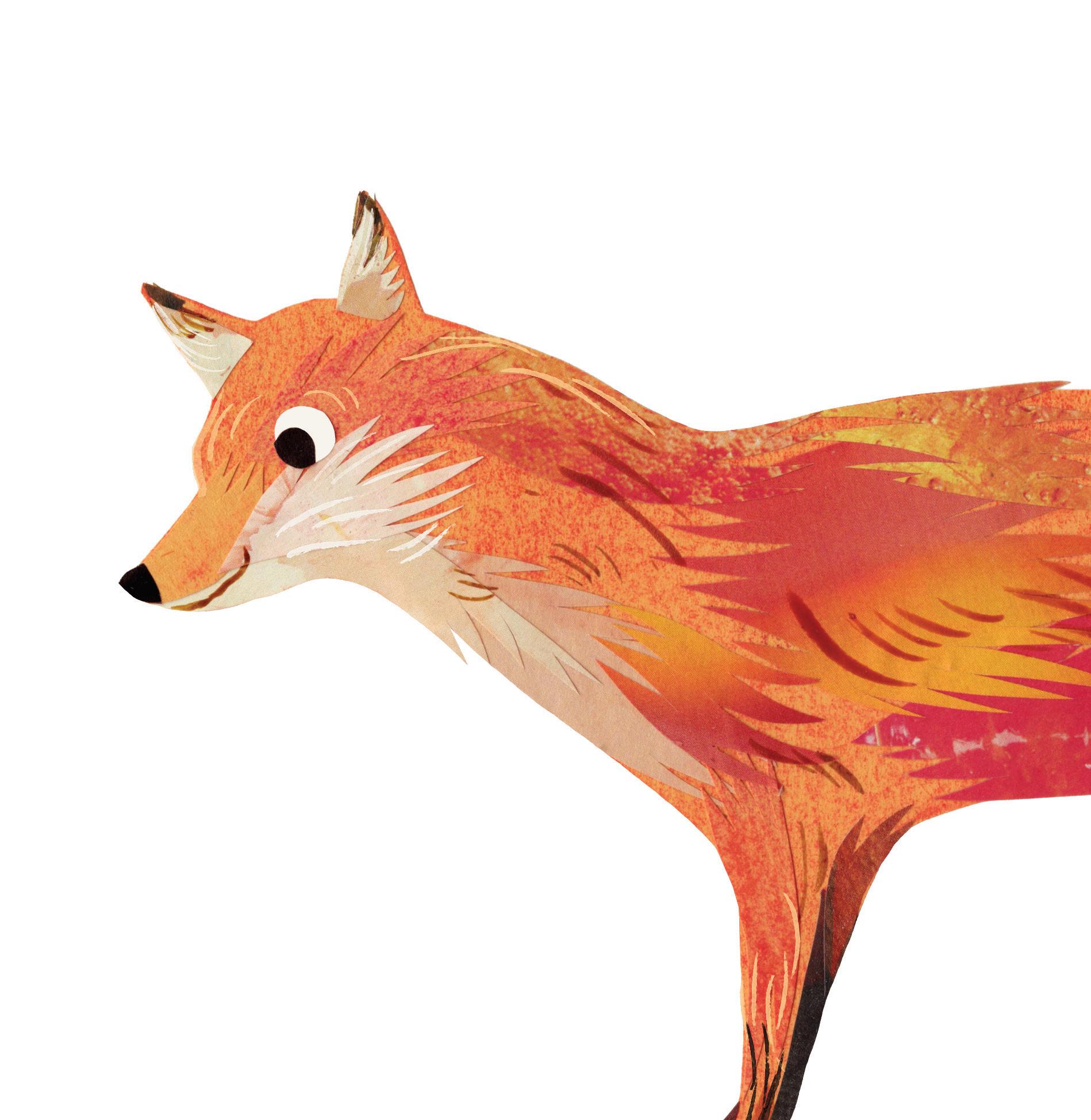

does space smell like? is the difference between a frog and a toad? makes cotton candy fluffy? The ultimate book of answers for kids who need to know
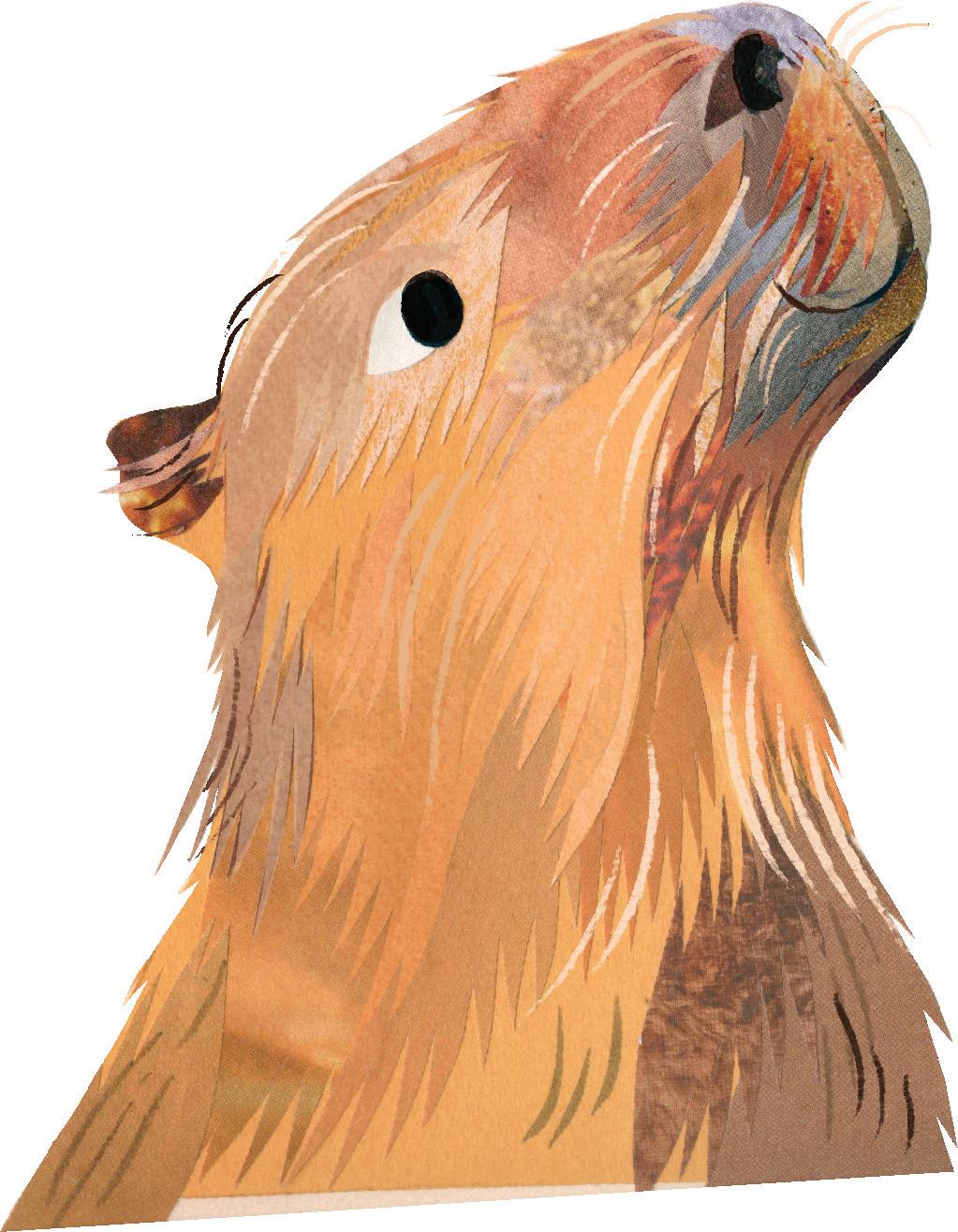
What do capybaras do all day? And other curious questions about cool creatures
. . .
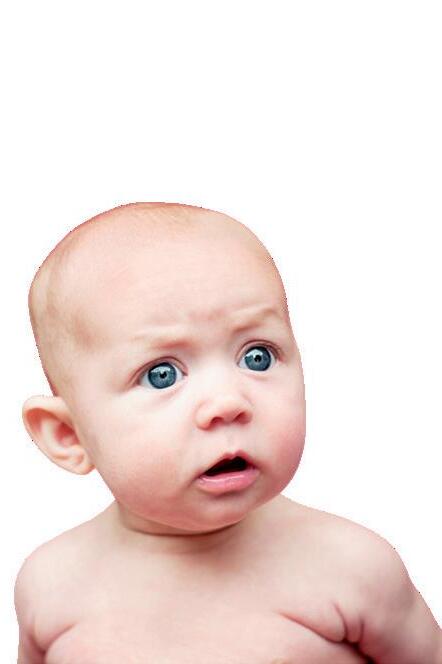
What are eyebrows for? And other curious questions about people
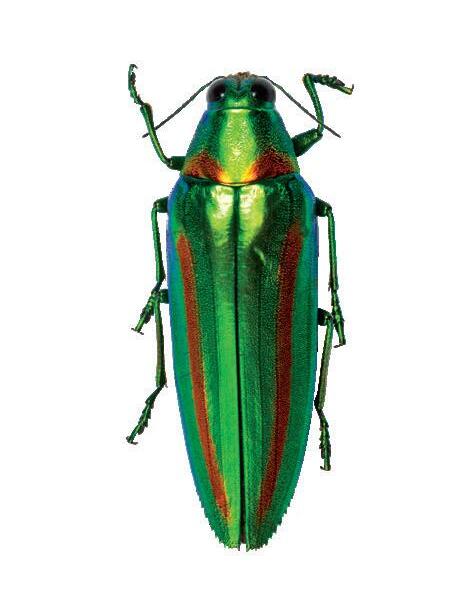
What makes some insects look shiny? And other curious questions about brilliant bugs 40 74 6
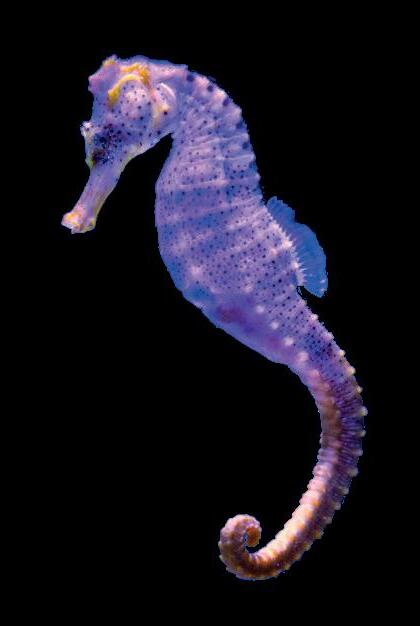
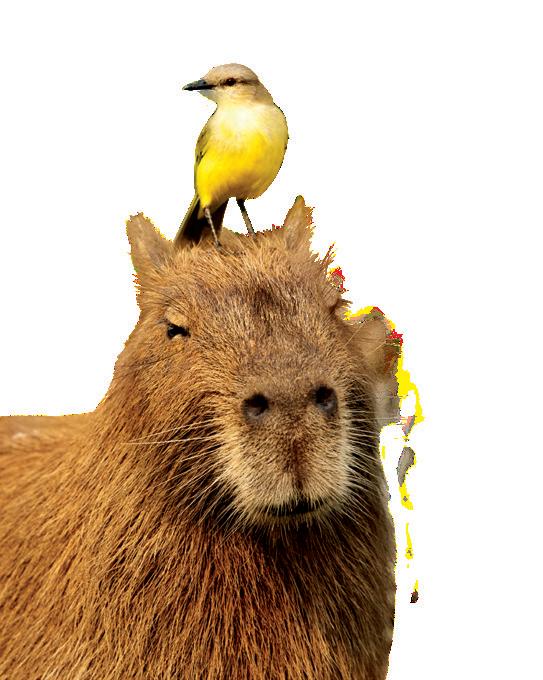
What is the fastest animal on the planet? 8 . What is hibernation? 10 . What are nocturnal animals? 12 . WOW! What’s that? 14 . What does it mean when my cat rubs against my legs? 16 . What do capybaras do all day? 18 . Tell me WHAT on the SPOT! 20 . What are feathers made of? 22 . What is a lion’s mane for? 24 . What is inside a camel’s hump? 26 . WOW! What’s that? 28 . What type of animal is a seahorse? 30 . What is the loudest animal on Earth? 32 . What is the difference between a frog and a toad? 34 . What do snakes eat? 36 . What if... penguins and polar bears lived in the same place? 38
. . . . . . . . . . . . . . . . . . . . . . . . .
What is an insect? 42 . What is the biggest insect in the world? 44 . What makes some insects look shiny? 46 . WOW! What’s that? 48 . What do beetles use their antennae for? 50 . What happens when a fly gets caught in a spider’s web? 52 . What do scorpions eat? 54 . What do dung beetles do with dung? 56 . Tell me WHAT on the SPOT! 58 . What is the difference between a butterfly and a moth? 60 . What makes bees swarm? 62 . What types of bugs live underwater? 64 . WOW! What’s that? 66 . What are nits? 68 . What makes an insect bite itchy? 70 . What if... there were no bees in the world? 72
What is the biggest muscle in the body? 76 . What is a bruise? 78 . What are goose bumps? 80 . WOW! What’s that? 82 . What is inside my teeth? 84 . What is toothpaste made of? 86 . What is earwax? 88 . What are eyebrows for? 90 . Tell me WHAT on the SPOT! 92 . What is poop made of? 94 . What makes farts so smelly? 96 . What is a wart? 98 . WOW! What’s that? 100 . What does my brain look like? 102 . What is “pins and needles”? 104 . What if... I could control my dreams? 106
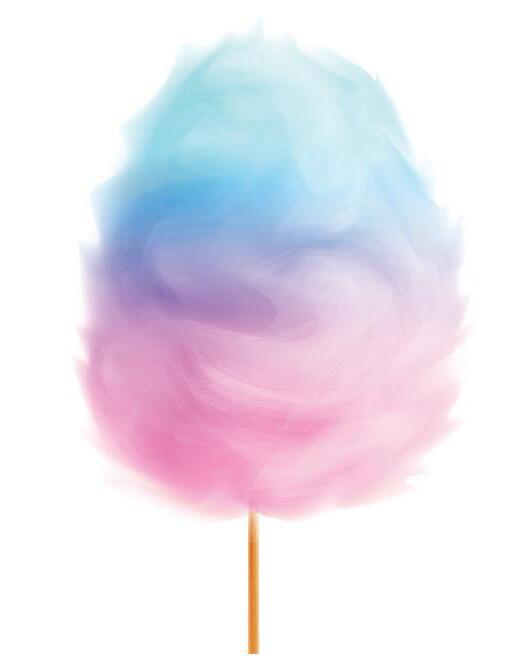
What makes cotton candy fluffy? And other curious questions about the things we eat

What is sugar? 110 . What is so good about vegetables? 112 . What are the little bumps on a strawberry? 114 . What makes cotton candy fluffy? 116 . WOW! What’s that? 118 . What makes an old cookie go soft? 120 . What is butter made from? 122 . What is the black stuff on burnt food? 124 . Tell me WHAT on the SPOT! 126 . What makes lemons so sour? 128 . What are the bubbles in fizzy drinks? 130 . What is meringue? 132 . WOW! What’s that? 134 . What are noodles made of? 136 . What happens inside a microwave? 138 . What if... we didn’t have fridges to keep food cold? 140
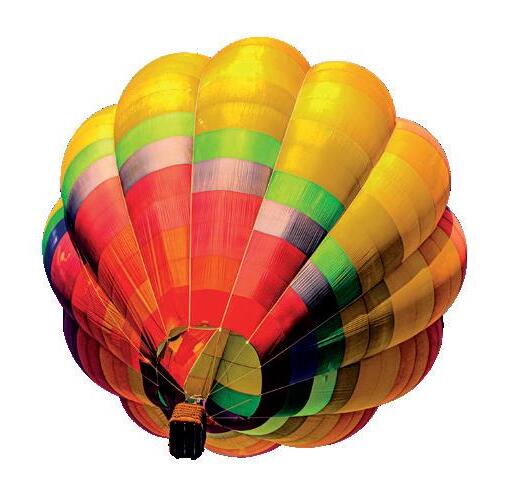
What makes a hot-air balloon fly? And other curious questions about things people have made
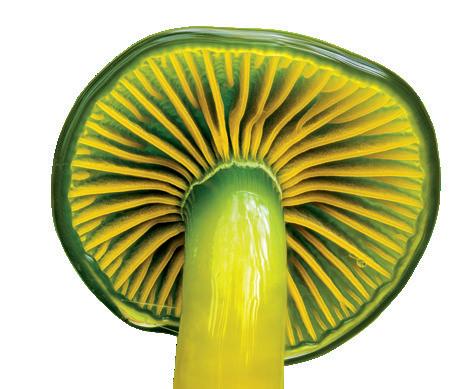
What are the feathery parts on a mushroom? And other curious questions about our planet
. . . . . . . . . . . . . . . . . . . . . . . . . . . . . . . . . . . . . . . . . . . . . . . . .
What is the fastest vehicle on Earth? 144 . What makes a hot-air balloon fly? 146 . What happens when you flush an airplane toilet? 148 . WOW! What’s that? 150 . What stops ships from sinking into the sea? 152 . What are the huge wheels on a tractor for? 154 . What makes a race car so fast? 156 . What stops me from falling out of a roller coaster? 158 . Tell me WHAT on the SPOT! 160 . What is the biggest machine in the world? 162 . What is an X-ray machine? 164 . What is inside a telescope? 166 . What makes a microphone so loud? 168 . WOW! What’s that? 170 . What is AI? 172 . What if... cars could fly? 174
. . . . . . . . . . . . . . . . . . . . . . . . .
What are the dark patches on the Moon? And other curious questions about the Universe
What makes the wind blow? 178 . What is thunder? 180 . What is an echo? 182 . What would it feel like inside a cloud? 184 . WOW! What’s that? 186 . What happens during an earthquake? 188 . What is lava? 190 . Tell me WHAT on the SPOT! 192 . What is inside a seed? 194 . What are the knobbly parts on trees? 196 . What are the feathery parts on a mushroom? 198 . WOW! What’s that? 200 . What are shells made of? 202 . What is dust? 204 . What are fossils? 206 . What if... T. rex were still alive today? 208 142 108 210 176
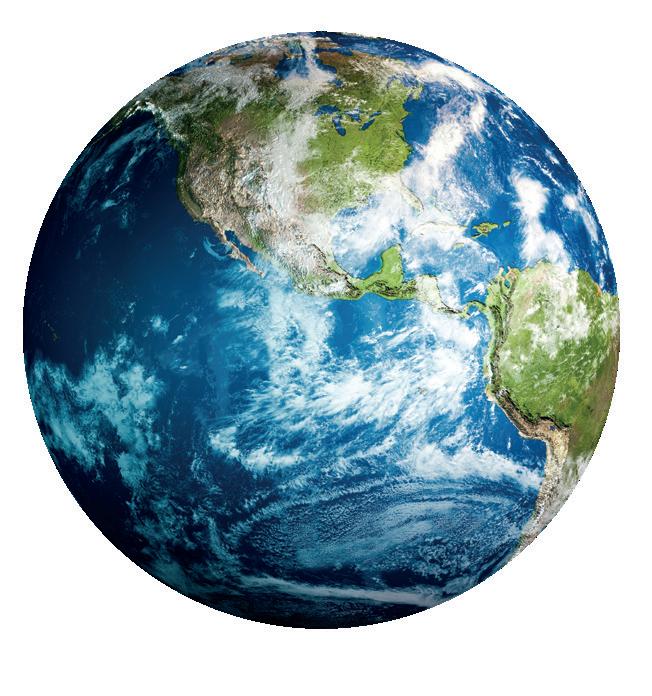
What does Earth look like from space? 212 . What is the Milky Way?
214 . What are stars made of? 216 . WOW! What’s that? 218 . What are the dark patches on the Moon? 220 . What is the difference between a comet and an asteroid? 222 . What is an exoplanet? 224 . Tell me WHAT on the SPOT! 226 . What does space smell like? 228 . What is the weather like in space? 230 . What jobs do satellites do? 232 . WOW! What’s that? 234 . What is a spacewalk? 236 . What is the farthest part of space humans have explored? 238 . What happens to an astronaut’s body in space? 240 . What if... an astronaut fell into a black hole? 242 . Glossary 244 . Index 246 . Source notes 248 . Picture credits 251 . Meet the WHAT team 252
. . . . . . . . . . . . . . . . . .
Frogs and toads might look similar at first, but these croaking cousins are not quite the same. Frogs are the splashy stars of ponds and lakes, while toads prefer life on land. And both are built to suit their homes. Frogs have slim bodies and long, powerful legs made for giant jumps and strong swimming. They have smooth, wet skin, which is often green, brown, or gray—colors that help them blend in with their watery surroundings. Toads are stumpier and chunkier, with shorter legs, better suited for crawling than hopping. They have dry, bumpy skin, which is usually brown or gray, to help them disappear among rocks, soil, and fallen leaves.
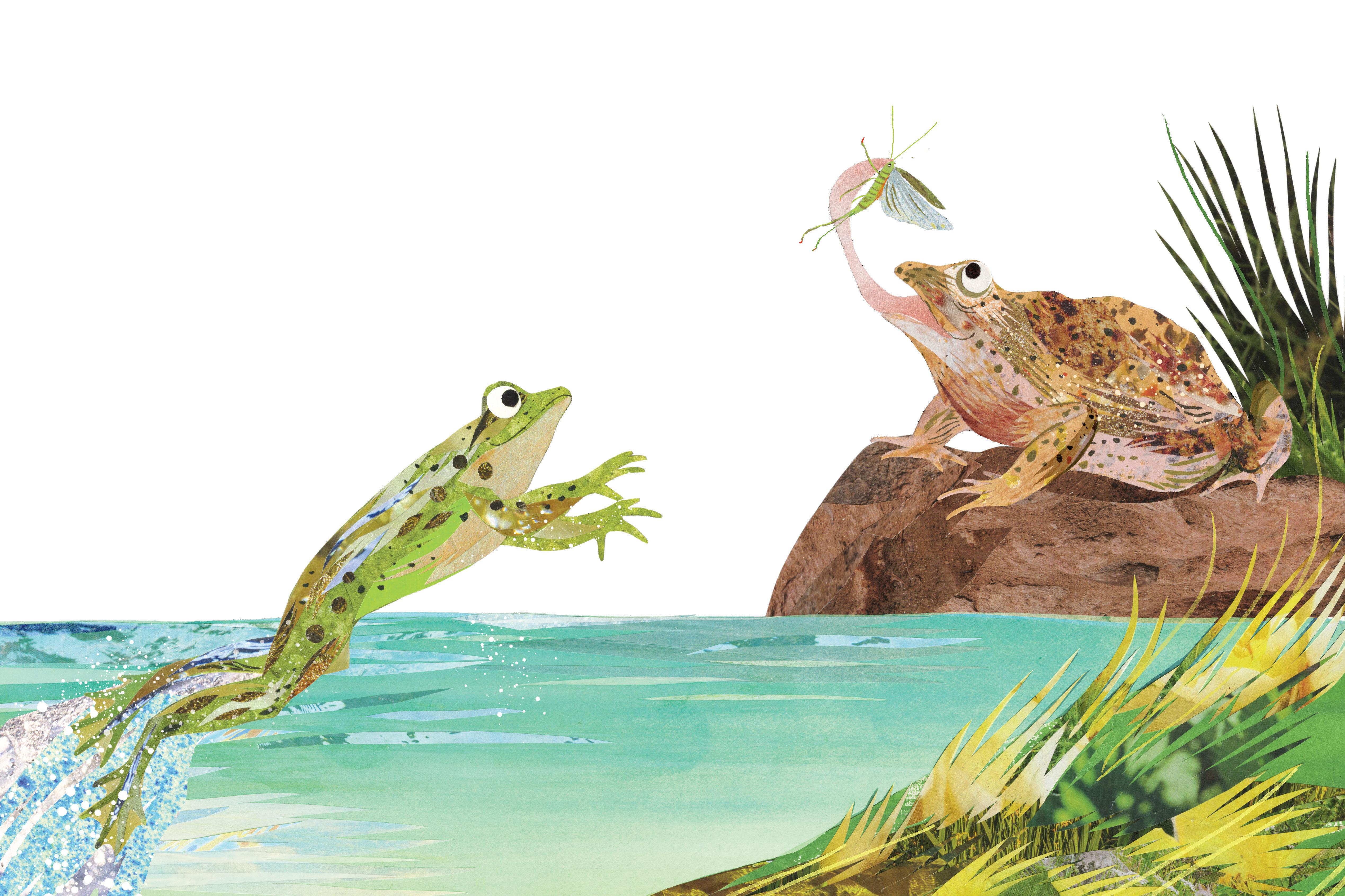
back legs for swimming and leaping
Webbed feet for pushing through water
Frogs are rarely found far from water.
Frogs and toads use their ultra-soft, super-sticky, extra-stretchy tongues to snatch insects midair before slurping them back for a wriggly snack.
Chunky, squat body with broad face
Bumpy, dry skin
Toads often wander far from water, returning only to lay eggs.
Frogs and toads both lay their eggs in water.
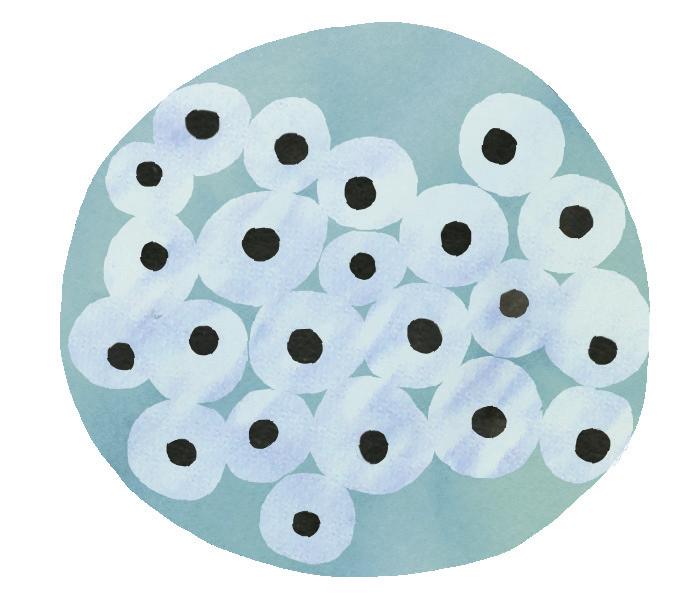
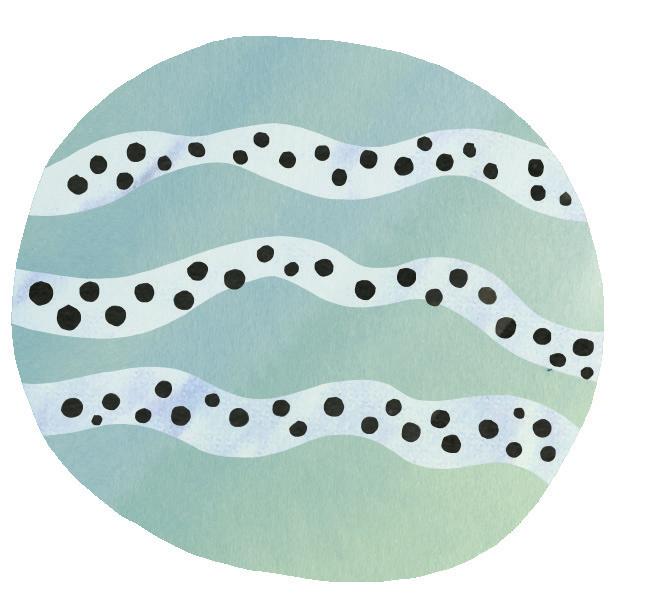
Toads lay their eggs in long, winding strings. Frogs’ eggs are blobby and jelly-like.
The footprints that astronauts have left on the Moon could last for millions of years, because there is no wind to blow them away.
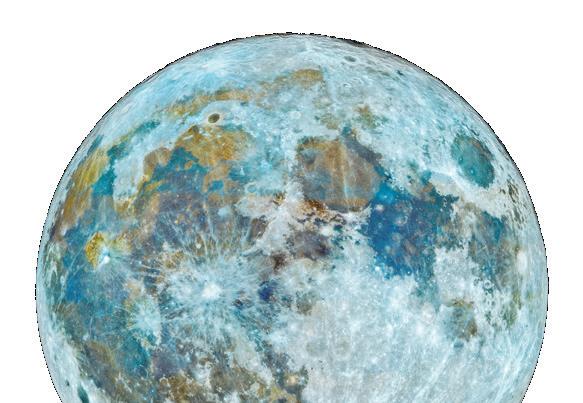
When scientists first looked through a telescope at the Moon, they thought the dark patches on its surface were oceans, so they named them maria—which means “sea.” They later realized there was no liquid water on the Moon!
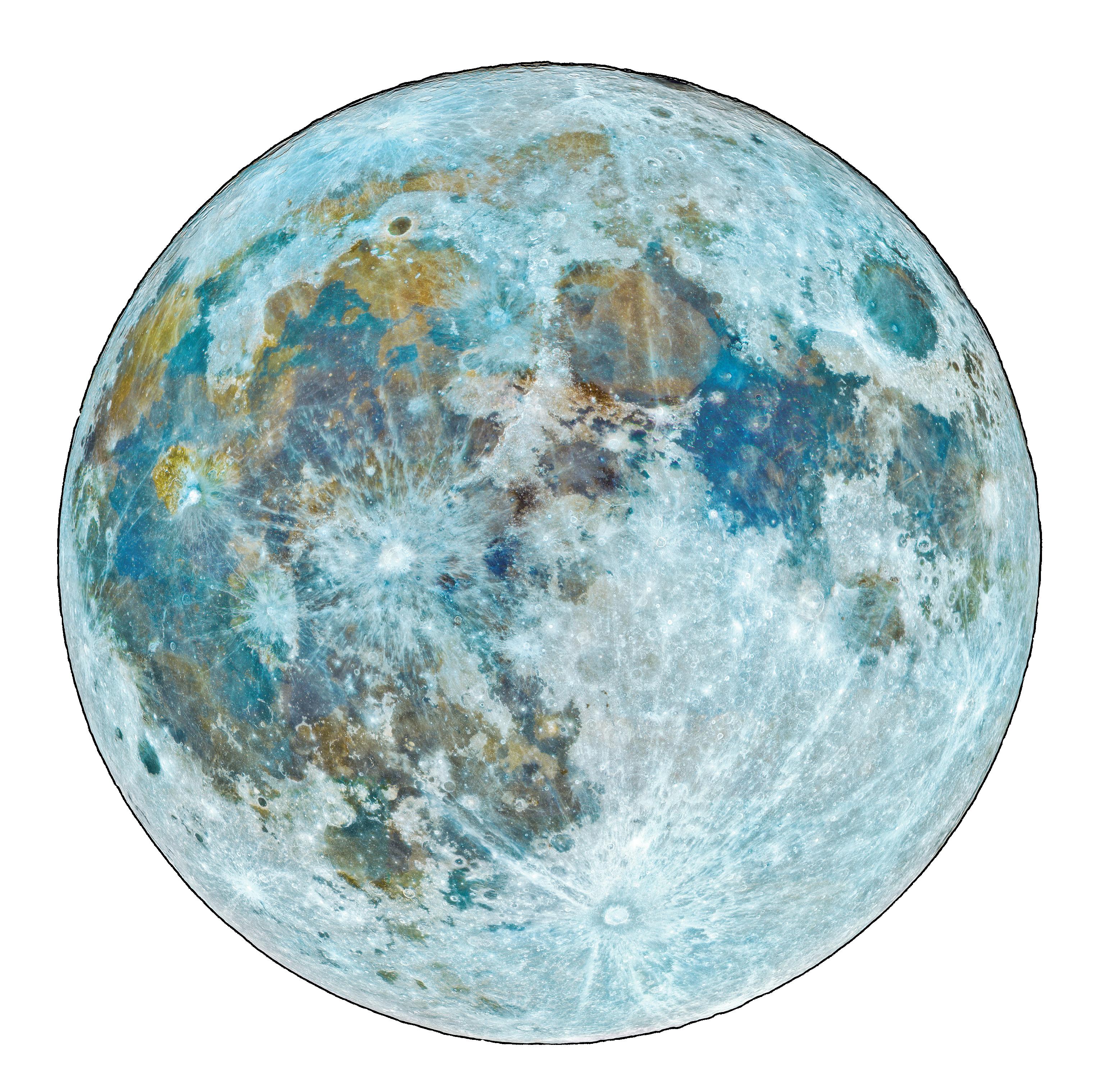
This is the Sea of Tranquility, one of the Moon’s biggest maria. It is where humans first landed on the Moon.
. . . . . . . . . . . . . . . .
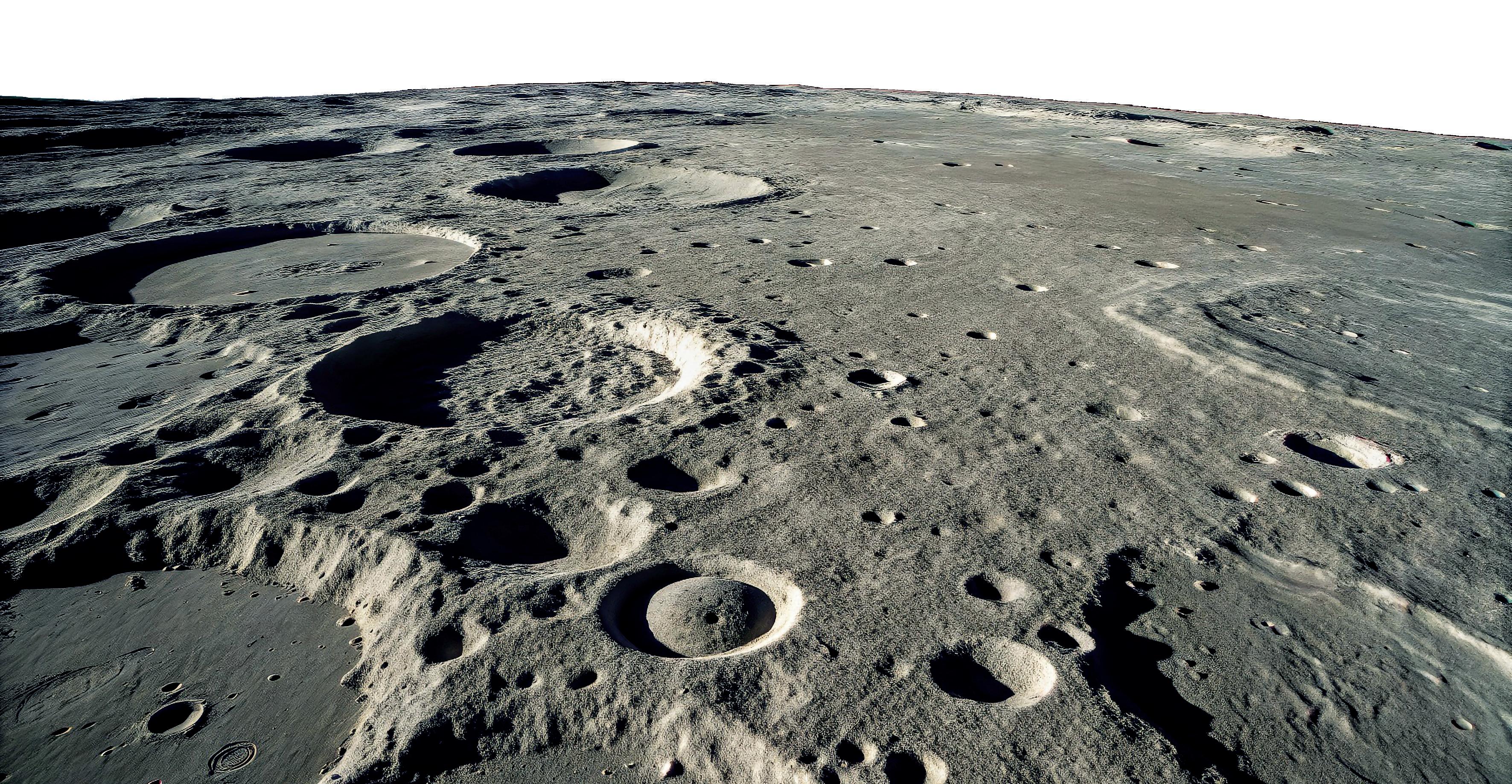
The Moon shines bright and silvery-white in the night sky. But if you look closely, you might spot dark splotches on its surface. These patches formed billions of years ago when… WHAM! KABAM! Giant rocks that were shooting through space crashed straight into the Moon. They left behind huge holes in the Moon’s surface. Superhot, melted rock bubbled up from beneath the Moon’s surface and filled these holes. When it cooled, the melted rock turned solid, creating smooth, dark patches.
Close-up of the Moon’s surface
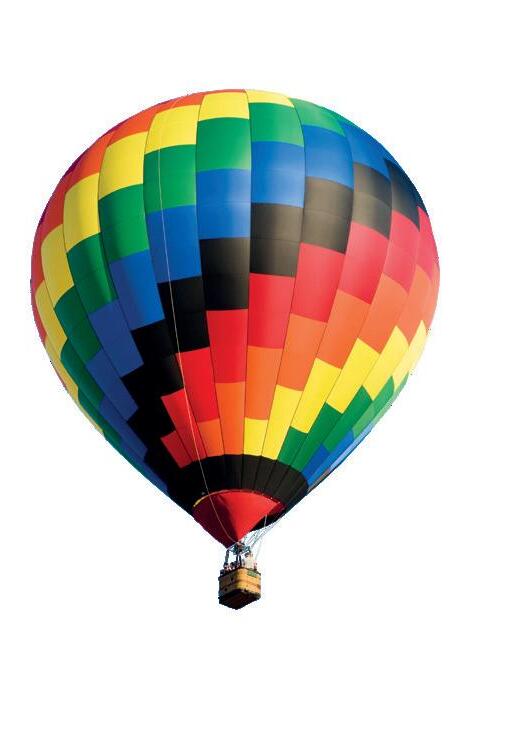
The ultimate book of answers for kids who need to know what’s what!
Authors: Sally Symes and Stephanie Warren Drimmer
Illustrator: Kate Slater
Pub date: June 1, 2027
Price: $29.00
Size: 8.3 x 11 in
Format: Hardcover
Extent: 256 pages
Age: 4–8
ISBN: 9781804662090
A beautifully illustrated compendium of questions and answers from the creators of the bestselling First Big Book of Why, with answers to more than 100 questions that kids really ask!
What is so good about vegetables? What is the weather like in space? What does my brain look like? What is the fastest animal on the planet? What happens when you flush an airplane toilet?
Packed with 100 pressing questions about space, Earth, animals, bugs, food, and the human body, First Big Book of What provides answers for every curious child (and their grown-ups). Discover astonishing extremes, from “What is the fastest vehicle in the world?” to “What is the biggest muscle in the body?”; puzzle over playful “what if” scenarios, such as “What if… T.rex was still alive?”; and enjoy wacky facts that bring science to life!
From the team behind the bestselling First Big Book of Why, this trusted compendium combines Sally Symes’ warm, playful writing, with Kate Slater’s gorgeous, friendly illustrations, as well as stunning photography. And every answer has been checked by real-life experts, who you will meet at the back of the book.
• Created by the author-and-illustrator team behind the bestselling First Big Book of Why, which has sold over 150,000 copies globally.
• Answers over 100 questions in clear and accessible ways—perfect for reading aloud or building confidence in beginner readers.
• Every answer has been thoroughly fact-checked and also reviewed by subject experts, who are profiled in the book.
• Supports STEAM learning by encouraging children to question what is happening in the world around them.
• Features a lavish blend of specially commissioned illustrations, detailed diagrams, and full color photography.
Authors Sally Symes worked for many years as a designer of children’s books before turning her skills to writing them. Her collaborations with Nick Sharratt have won several awards, including The Educational Writers’ Award for Gooey, Chewy, Rumble, Plop. She is the author of 5-Minute Really True Stories for Bedtime, First Big Book of How, First Big Book of Why, and My Very First Britannica Encyclopedia. She works from a shed in Sussex, UK, accompanied by her grumpy cat.
Stephanie Warren Drimmer is the author of more than 30 nonfiction kids’ books, including First Big Book of Why, which she co-wrote with Sally Symes. She also writes regular news features for magazines such as National Geographic Kids and Scholastic’s Science World, and she has appeared on the TV show Modern Marvels. She loves to write about dinosaurs, space, and anything that makes kids go “Ooh!” or “Eww!”. Stephanie has a master’s degree in science journalism from New York University. She lives outside of Seattle, Washington, with her family.
Illustrator
Kate Slater studied illustration at Kingston University, UK, and is the illustrator of First Big Book of Why and First Big Book of How, as well as: A is for Ant, The Birthday Crown, The Little Red Hen, ABC London, Magpie’s Treasure, Make Your Own Birds of Prey, and Make Your Own Flying Machines. Alongside work for publishing, editorial, and advertising, she has created several large-scale installations and window displays. Kate lives in Staffordshire, UK.
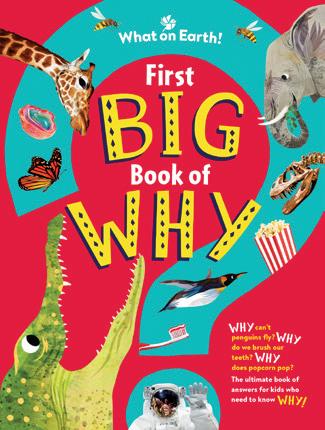
Also available:
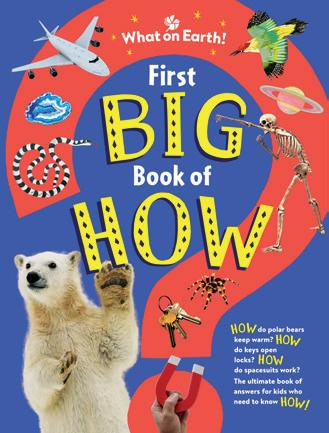
U.S. ORDERS Publishers Group West
Tel: (866) 400-5351 • Fax: (800) 838-1149
ips@ingramcontent.com
Submit orders to your sales representative, or via the IPS Cart on Ingram iPage at ipage.ingramcontent.com
EDI using IPS SAN: 6318630
CANADA ORDERS The Manda Group
Tel: (855) 626-3222 • Fax: (888) 563-8327
info@mandagroup.com
PR AND MARKETING Publisher Spotlight Tel: (615) 930-2110 • ellen@publisherspotlight.com
WHAT ON EARTH!
306 W Redwood St # 4343, Baltimore, MD 21201 USA contactus@whatonearthbooks.com • whatonearthbooks.com
linkedin.com/company/what-on-earth-publishing
@whatonearth_books
@whatonearth_books
@WhatonEarthPublishing
@whatonearth.bsky.social