The Number One magazine for the care sector



THE countdown to the care sector’s most anticipated night of the year has officially begun.
Nominations are officially live on our website, marking the launch of our ninth annual Caring UK Awards. Do you know an unsung hero, an outstanding facility, or a frontline team pushing the boundaries of what excellent care looks like?
Now is the time to give them the special recognition they deserve.
Over the years, the glamourous event has been celebrated as an industry mainstay - not to mention a highlight in the calendar for care professionals across the country.
This annual celebration recognises the best of the best in the care sector, honouring top carers, outstanding facilities and innovative programmes.
It is the perfect event for anyone passionate about care, from dedicated staff to home managers.
The Caring UK Awards offer an invaluable opportunity to connect with dedicated sector professionals and meet like-minded people.
Attendees will have the chance to rub shoulders
with hardworking innovators and top leaders of the care industry.
To celebrate these incredible achievements, our finalists will be invited to the unforgettable night on Thursday December 3, at the stunning Athena venue, in Leicester.
Guests will experience the spectacularly decorated venue, starting with a glamorous ‘red carpet’, canapés and sparkling wine reception on arrival.
The evening features a chic champagne reception alongside a delicious threecourse dinner, followed by complimentary wine.
Our guests will also enjoy the thrill of world-class Cirque du Soleil style aerial and entertainment.
To enter a nomination or secure your place for this unforgettable, celebration of the care sector’s finest - head over to our website, caringukawards.co.uk or send your submission directly to dm@ scriptmediagroup.co.uk.
Let’s make the ninth annual Caring UK Awards our biggest and most inspiring night yet.



MORE than four in five community social care services in England have no current CQC rating, a new report finds.
The report – ‘Unseen and Unrated The widening CQC assurance gap in community social care, two years on’ – was written by Dr Jane Townson OBE, Chief Executive of the Homecare Association.
Dr Townson has served as an advocate for social care providers, calling on the the CQC and government to close the regulatory gap in social care settings.
n Read the full story on page three.






























WHEN a care home owner begins to consider a sale, confidentiality is often one of the first concerns. In many cases, it is not simply a preference but a necessity. Unlike other business sectors, care home transactions involve not only a property and a trading operation, but also residents, families, staff and a wider network of professional relationships. For that reason, discretion still matters greatly. A care home sale handled without proper care can create uncertainty long before a transaction is completed. In a sector built on trust, continuity and reputation, that uncertainty can have real consequences. A well-managed confidential process helps owners explore their options while protecting the stability of the business and the people connected to it.
One of the clearest reasons for discretion is the potential impact on staff morale. Care teams are central to the day-to-day success of any home, and news of a possible sale can quickly lead to questions about job security, new management and future changes. Even when those concerns prove unfounded, the rumour alone can be unsettling. In some cases, uncertainty can affect staff retention or distract from the quality of service delivery. A confidential process helps prevent unnecessary speculation and allows owners to control when, and how, important conversations take place. The same applies to residents and their families. For families, confidence in a care home is built not only on the standard of care, but also on a sense of stability. If word spreads that a home is being sold, without proper explanation or context,
it can cause understandable concern. Families may worry about changes to staff, care standards or the future direction of the home. In reality, a sale can often be a positive step, particularly when the incoming operator is well suited to the business. However, poorly managed exposure can create anxiety before there is any meaningful information to share. Discretion helps ensure that communication is handled carefully and at the right stage.
Confidentiality also helps preserve trading stability. Buyers assess far more than a property; they are looking closely at occupancy, staffing, compliance and the overall strength of the operation. If a sales process disrupts the day-to-day running of the home, it can affect performance at exactly the wrong time. A drop in occupancy, loss of key staff or a distracted management team can all influence buyer perception. By managing the process quietly and professionally, owners are better able to protect the business while negotiations progress in the background. There is also the matter of reputation. Care homes operate in relationship-led markets where trust is important not only with residents and families, but also with commissioners, local professionals and the wider community. News of a possible sale can easily be misinterpreted, particularly if it circulates informally. Some may assume there is a problem with the business, when in reality the owner may simply be planning ahead, retiring or pursuing a strategic decision. A discreet sales process reduces the risk of misunderstanding and helps protect the
reputation that has often taken years to build.
Importantly, confidentiality does not mean limiting the opportunity to find the right buyer. In fact, it often supports a better process. A well-run confidential sale allows information to be shared in a controlled way, with carefully qualified purchasers who have the financial capability and operational credibility to proceed. This helps avoid unnecessary exposure while ensuring that genuine buyers are still engaged. Serious interest is not created by broadcasting an opportunity as widely as possible, but by presenting it properly to the right audience.
In the care sector, a sale is rarely just a commercial event. It touches people’s lives, livelihoods and confidence in the future. That is why discretion continues to matter. It is not about secrecy for its own sake, nor about withholding information unnecessarily. It is about protecting stability, reputation and value while giving owners the space to make important decisions in the right way.
Ultimately, a confidential sales process helps ensure that a care home can be brought to market thoughtfully, professionally and with minimal disruption. In a sector where trust is everything, discretion remains one of the most important ingredients of a successful outcome.
n If you’re considering selling your care business or exploring an acquisition, I’d welcome a confidential conversation. Please contact me on 07720 653322 or email darren.edwards@montanecare.co.uk
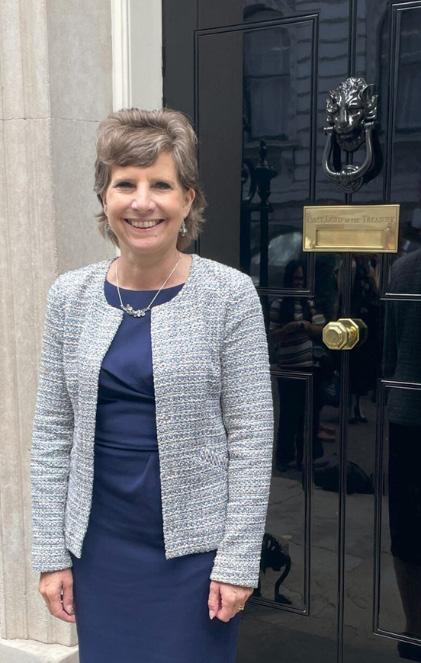
THE CQC is falling further behind in assessing England’s community social care – with a new Homecare Association report warning the situation may worsen.
Drawing on CQC data from May – the report finds that a shocking 83.5 per cent of community social care locations had either never been assessed or held a rating four or more years old.
That figure has risen from 60 per cent in 2024 and 70 per cent in 2025.
Only 16.5 per cent of services now hold a current rating, defined as one published within the past three years.
The CQC has cleared its registration backlog and raised the standards required of new applicants.
The report also recognises that the CQC is now acting to increase the number of assessments it completes.
Under new management, the regulator has strengthened management oversight of inspectors. It has rebalanced its priorities to give weight to homecare, and begun to speed up the inspection process.
The Homecare Association has welcomed this as genuine progress - but cautions that it remains well short of the roughly 406 assessments per month needed simply to keep ratings current.
Dr Jane Townson OBE, Chief Executive of the Homecare Association and author of the report,

said: “The Care Quality Commission has made real and welcome progress at the front door of regulation.
“The trouble is that the house behind it remains largely unseen.
“More than four in five community care services now have no current quality rating.
“The system that is meant to tell people whether care in their own home is safe and good is no longer doing that for most of the market.
“This is not an abstract problem.
“Our members are being suspended from council tenders and losing the people they support.
“This is not because their care is necessarily poor, but because they have never been assessed.
“At the same time, poor or unsafe care delivered behind someone’s front door, where it is least visible, can continue undetected for years.
“The answer is time-limited, ringfenced government funding to clear the backlog – and a firm guarantee that every new provider is assessed within 12 months.
“It would be unreasonable to raise providers’ fees for a service many are not receiving in good time.
“The CQC has shown it can fix the front door, and it has begun to lift assessment numbers.
“It now needs the resources and the sustained focus to go much further and assess the existing market at scale.”





A KEY figure at Social Care Institute for Excellence has spoken on the latest Carers UK’s report, the ‘tipping point’.
Gerard Crofton-Martin, Interim Chief Executive at the Social Care Institute for Excellence (SCIE) has spoken on the stark report.
He said: “Unpaid carers are the backbone of our health and care system – yet too many are being pushed to breaking point by a lack of reliable, accessible support.
“At SCIE, we’ve seen some promising innovations tailored to support carers.
“Examples include the use of digital apps to support carers’ information needs.
“Other projects connect carers with different types of community support, including local provision of Shared Lives services and short breaks.
“There is also a digital self-assessment tool, enabling carers to identify their needs and connect to support at their own pace.
“Our work with local authorities has shown that these scalable solutions need leadership, long-term investment, and supportive policy to become business as usual.
“The strongest projects demonstrated that earlier intervention through preventive models of communitybased care worked alongside joined-up working across social care, health, housing, education and the voluntary and community sectors.
“Flexible, accessible information can reduce pressure
Gerard CroftonMartin, Interim Chief Executive at the Social Care Institute for Excellence (SCIE).


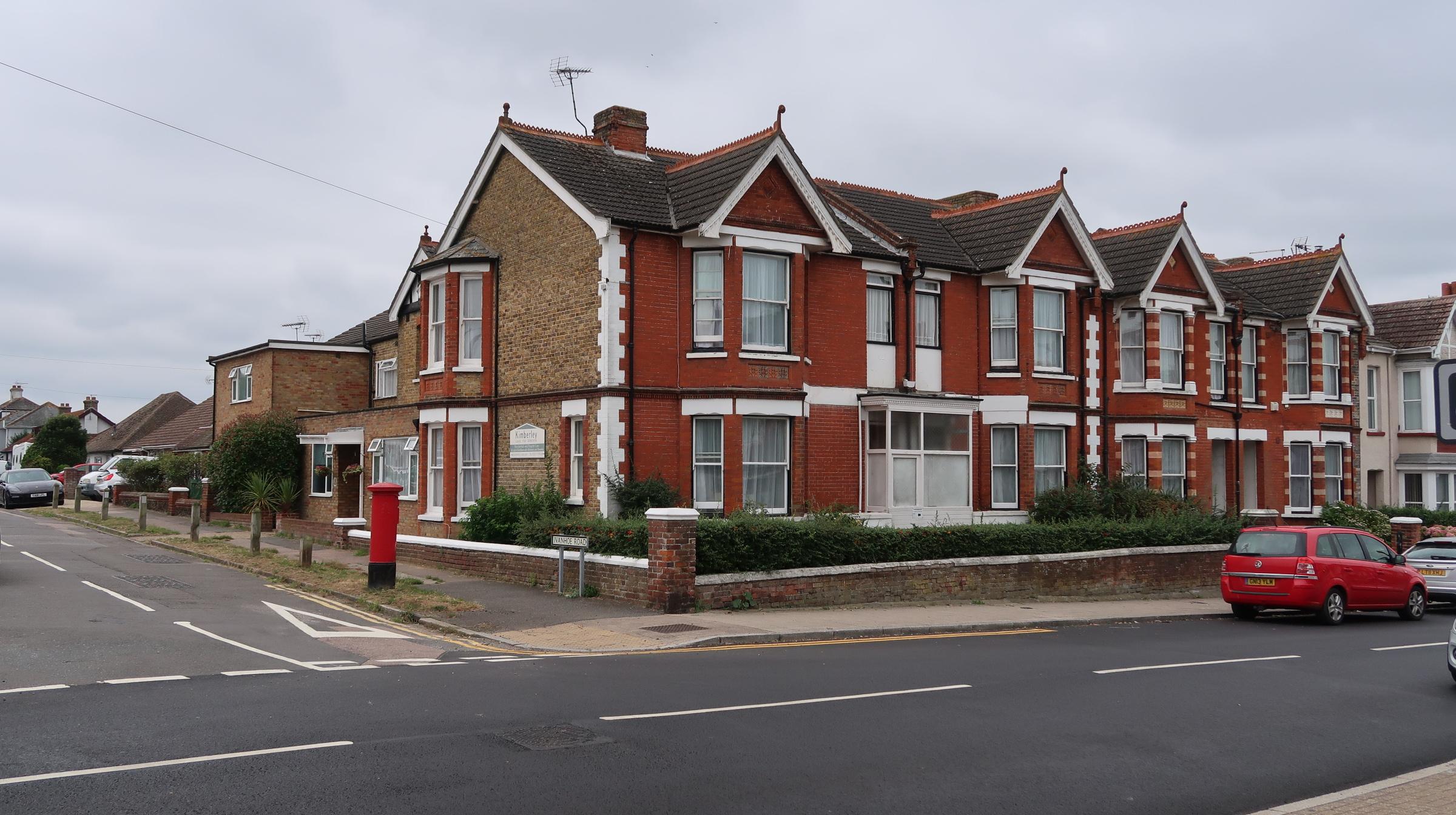
The Home, which enjoys a prominent location is Kimberley Residential Home, Herne Bay, Kent, with the Home being registered for 21, management operated and with a CQC rating of “Good”.
This long-established Care Home with 17 resident’s bedrooms, has been sold after many years of existing family ownership. The Home has been acquired by Mr & Dr Thomas and is the third Home purchased through Lamont Johnson in the past 5 years. Dr and Mrs Thomas have existing Care Homes in Bexhill-on-Sea and Southampton. The Home has been sold discreetly on behalf of Mr Post and his family.
Demand remains amazingly strong nationwide for Homes in all categories and registration sizes.




See exactly where your money goes - by category, site or period. Spot trends, spikes and overspend before they become problems.
Turn raw spend data into clear, board-ready insight.
By Category Spend.
Understand how spend breaks down across every category and month. Instantly

Control Panel.
Build the exact report you need. Group data by category, sub-category or product,

Know your numbers. Control your spend.
NO PLACE LIKE HOME: Hamberley Care Home group’s homemakers and a resident.
Below: Paul Hill, CEO of Hamberley Care Homes.
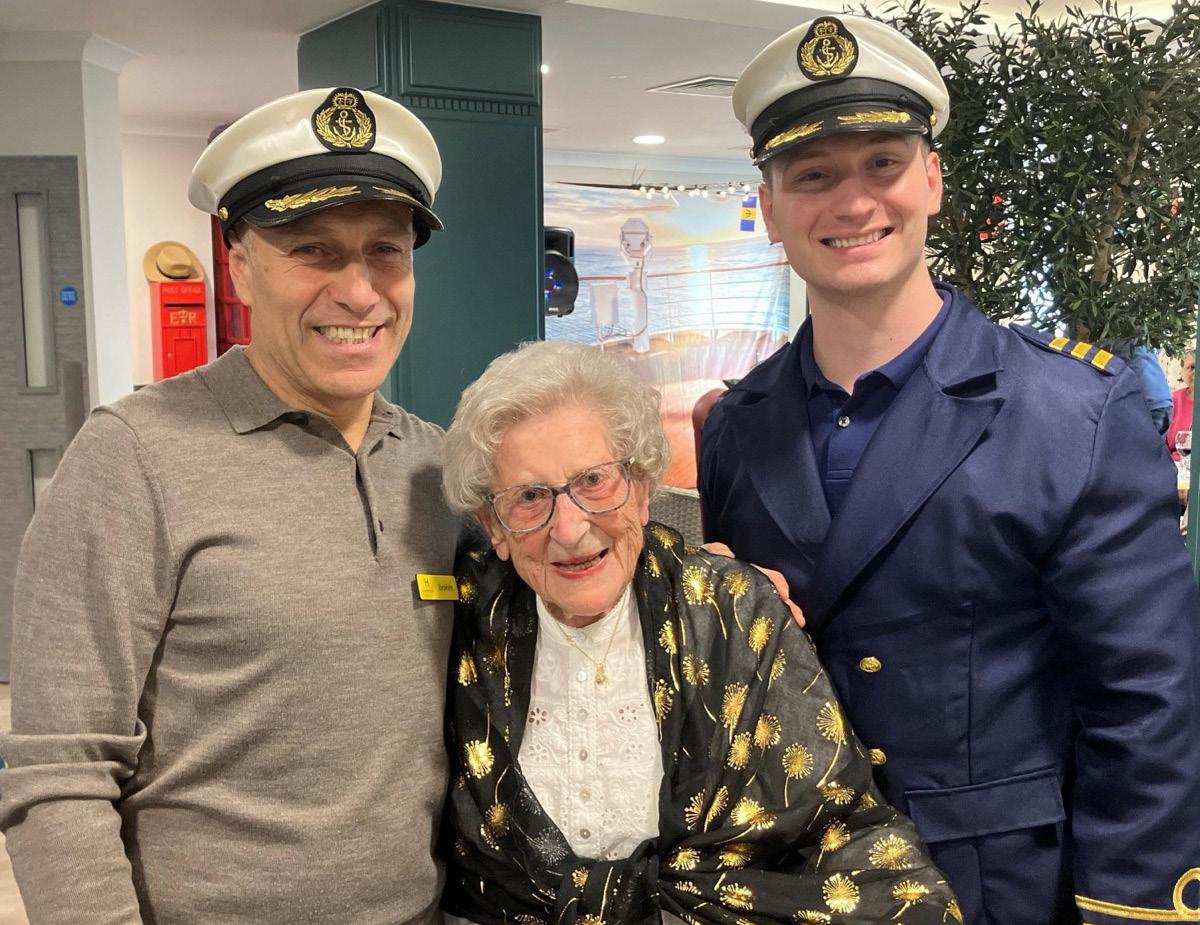
AN innovative care model could be the secret to helping residents feel perfectly at home.
After a trio of the company’s homes won a spot in this year’s Knight Frank Luxury Care Home guide, Hamberley Care Homes have revealed one of the secrets to their resounding success.
Hamberley Care Homes’ award-winning ‘Homemaker model’ promises to makes residents’ care experience more like living in their own home. Within a typical family environment, everyone shares responsibility for looking after each other - in many care homes, this feeling is lost.
In the company’s care homes, residents experience relationship-centred care, with support that is tailored to their needs.
Becoming a ‘homemaker’ means going beyond the traditional responsibilities of a carer, including housekeeping, companionship and care.
Homemakers support residents to continue living life in the way that they want to, with as much or as little support as they need.
Above all, the model stresses that being a homemaker means becom-
ing a companions to residents.
This provides emotional support and a sense of community, which is vital for overall happiness and wellbeing.
Hamberley Care Homes’ Homemakers’ roles go beyond basic care.
They help organise day trips or shopping visits for residents, making everyday activities enjoyable and manageable.
They also support residents with their mobility needs, aiding them in moving around and increasing their independence.
Homemakers play an important role in supporting residents to develop meaningful friendships within the home the wider community.
The approach means that homemakers works in tandem with a nursing team, who are onsite 24 hours a day to monitor, assess and oversee the care for our residents.
This proactive approach in recognising and addressing any changes in care needs reduces hospital admissions, ensuring residents enjoy uninterrupted care in an environment that feels like home.
Paul Hill, CEO of Hamberley Care Homes, said: “There’s no doubt in my mind that our Homemaker model of care is a significant factor in our success.

“The role goes far beyond that of a traditional care job, the Homemakers of Hamberley support residents with personal care needs, housekeeping tasks and provide companionship.
“Everything is done to create a warm, welcoming environment where residents are supported to maintain their wellbeing and dignity.
“Our Homemakers take the time to truly get to know residents, help them to make new friendships and do all the things they enjoy, plus try new activities too.
“The feedback we get from residents and relatives is that this approach makes a wonderfully positive impact on their lives, and I know that’s reflected in the scores we receive.”
Zoë Fry, Outstanding Society (OS)
Executive Director of Nursing
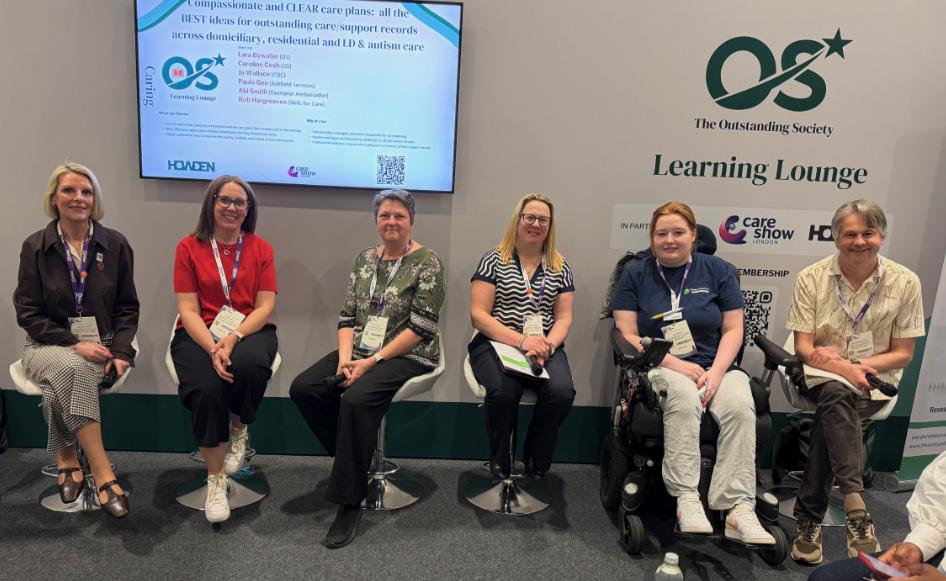
IN a recent panel discussion, Abi Smith said something that has stayed with me ever since: “A care plan is like someone’s fingerprint.”
What a beautiful way to describe care plans – I can now imagine something unique, personal, and impossible to replicate.
It was such a simple comparison, yet incredibly powerful—and it reframed how I think about care planning entirely.
Abi lives in a care home and brought both lived experience and clarity to two panel discussions: Caring beyond compliance: how outstanding services empower people with dignity and choice and compassionate and CLEAR care plans.
Across both conversations, one message stood out—care plans are not just documents, they are reflections of a person’s identity.
Too often, care plans risk becoming standardised, compliance-driven paperwork.
But as Abi reminded us, they should capture the individuality of the person: their preferences, routines, communication style, and what truly matters to them. Like a fingerprint, no two should ever look the same.
In the session on compassionate and clear care plans, we explored fundamental questions: Who are these plans really for? What purpose do they serve? At their best, care plans are practical tools that guide consistent, personcentred support. They should empower both the individual and those supporting them, enabling dignity, choice, and independence.
We also shared practical ideas—keeping plans accessible, using clear and meaningful language, and ensuring they are regularly reviewed with the person at the centre.
Abi’s words were a reminder that outstanding care goes beyond compliance. It lives in the detail, the humanity, and the commitment to truly see each person as an individual.
That idea—that a care plan is as unique as a fingerprint— is one I’ll carry forward in every conversation about care.
The OS is a Community Interest Company, free to all providers regardless of rating, offering a platform to share and celebrate best practice, support improvement and promote careers in social care.
n Please contact Sonia for more information by emailing: info@theoutstandingsociety. co.uk


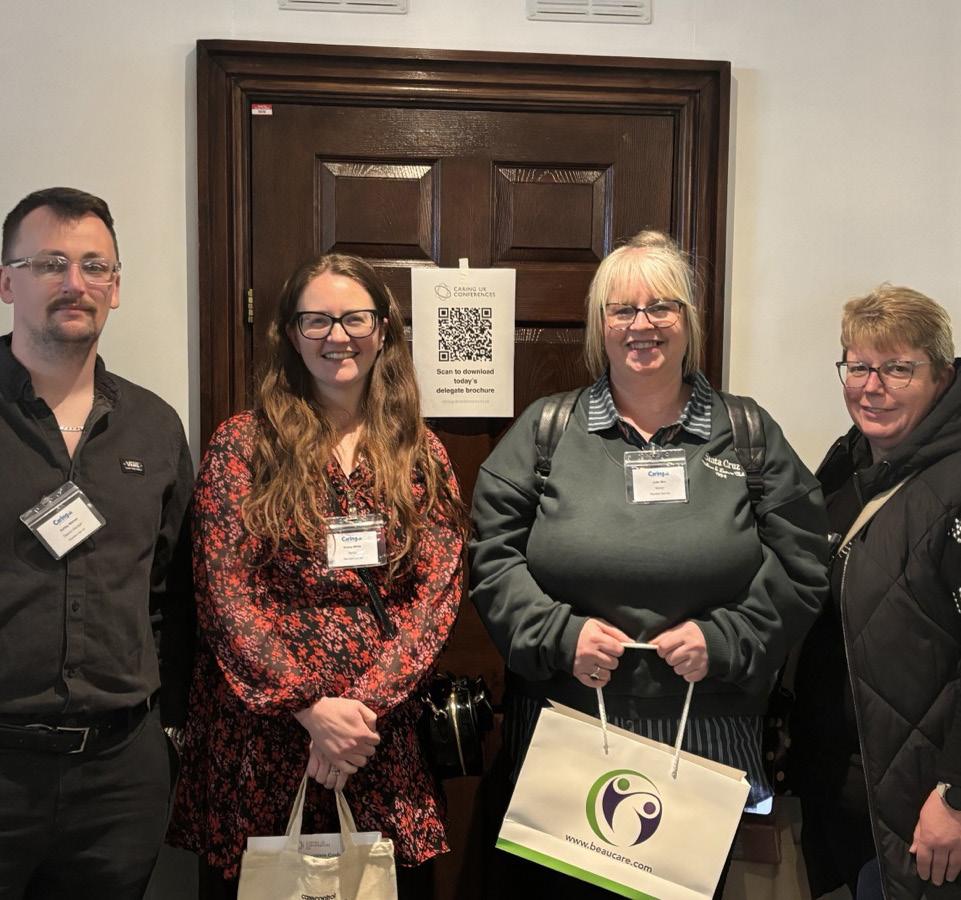
THE historic Dunston Hall in Norwich was lit up with happy delegates, exhibitors and informative speakers at Caring UK’s most recent conference.
‘Reimagining Care Innovation and Impact’ took place in May with a fantastic line-up of speakers - who advised delegates on anything from navigating CQC regulation, to reimagining care home catering.
Delegates and exhibitors alike gathered in numbers to discuss forward-thinking care solutions and building valuable industry connections.
A Caring UK conference is a truly unique experience because it is led by our expert B2B team - who are always hard at work gathering the latest updates, sector shifts and practical guidance to support you in delivering exceptional care.
With industry experts with extensive industry experience you are sure to leave a Caring UK conference with the toolkit to tackle evolving regulations and help you tackle challenges with confidence along the way to navigating your home to ‘Outstanding’.
Stuart Barclay, Head of Sales and Marketing, Syndora Alto
Syndora Alto is a UK-based healthcare technology provider specialising in digital nurse call and connected care solutions that help care homes, nursing homes, and healthcare facilities deliver safer, more efficient, and digitally enabled care.
The company’s approach is built on simplicity, reliability and real-world value, developing technology that works seamlessly in demanding care environments and supports both frontline teams and operational leaders.

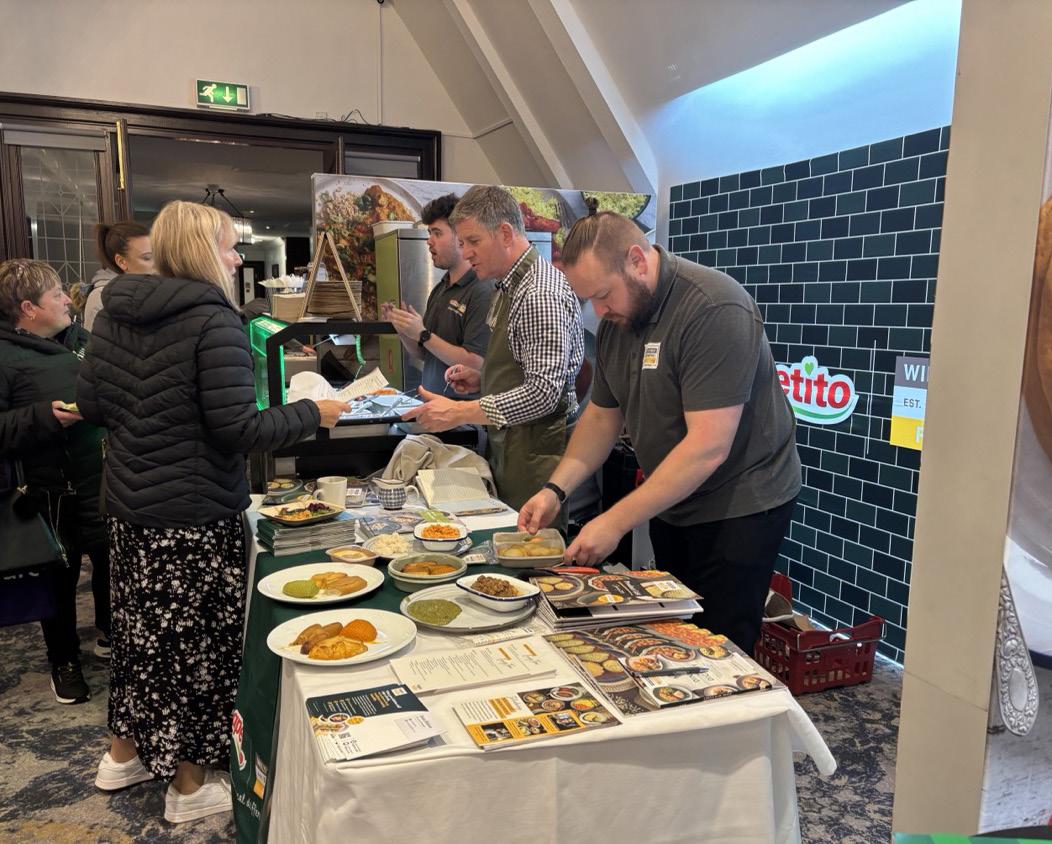
DUNSTON Hall’s presentation room was packed with curious delegates, eager to learn industry secrets.
Delivering the first presentation ‘The state of social care’ was industry titan, lan Turner OBE, co-chair of the National Care Association.
We were also privileged to welcome Neil Grant, partner, Gordons Partnership, who discussed ‘Navigating CQC regulation’.

Specialist insights were also offered by our other distinguished speakers - Helen Jackson from Skills for Care Key priorities for Skills for Care and the workforce’ - and Stuart Barclay, Head of Sales and Marketing at Syndora Alto who presented ‘Care Home Tech Made Simple: Tips for Choosing the Right Solutions’.
Paul O’Hara, Key Account Manager at Apetitio and a mainstay at CaringUK conferences focused on ‘Understanding the true cost of catering in care homes.
lan Turner OBE, co-chair of the National Care Association
In 1984, Ian bought a property and converted it into a nursing home. He has now developed this into six homes with 270 beds, all within East Anglia.
Two of the homes are currently rated as ‘Outstanding’, including the very first home ever to be so rated and the other four are rated as ‘Good’.
Ian chaired the Registered Nursing Home Association for nearly 20 years and in 2023 the RNHA merged with the National Care Association. During 2014 and 2015, Ian was second into the DH/LGA team implementing the Care Act. In 2016 and 2017, Ian worked with the DH care markets team.
Recently, Ian has managed the Better Security Better Care and Digital Care Hub programmes providing support to the Adult Social Care sector.
Neil Grant, Partner, Gordons Partnership
Neil Grant is a partner at Gordons Partnership, a full service firm of solicitors based in Guildford and London. He heads up its health and social care provider team.
Neil has worked as a regulatory lawyer in the health and social care sector for over 30 years, developing a national reputation in dealing with complex, large-scale enquiries often involving multiple agencies such as the Care Quality Commission, local authorities and the police.
Neil’s approach is both strategic and evidence-based, aimed at resolving and improving matters in the interests of service users, providers and other stakeholders. Although Neil only acts for providers, not regulators, commissioners or service users, his advice is informed by having acted in the past for inspectorates and other public bodies at a very senior level. He also has a particular interest in Regulatory Policy and how it impacts on the sector, not always benevolently.
Paul O’Hara, Key Account Manager, apetito
A specialist in the care sector with more than 20 years of experience in the catering and FMCG sectors, Paul O’Hara specialises in managing catering services within the care sector. As a key accounts manager at apetito UK he
focuses on delivering highquality, tailored meal solutions to meet the unique needs of vulnerable individuals.
Paul is committed to improving care outcomes through effective service management and building strong client relationships.

Helen Jackson, Locality Manager, Skills for Care
Helen is a highly-experienced registered nurse with over 20 years of practice across acute, hospital, community and nursing home settings. Throughout her clinical career, she has developed a strong foundation in delivering highquality, person-centred care to individuals with a wide range of
complex health needs.
Now working with Skills for Care, Helen supports organisations across the care sector to strengthen their workforce capability. She is passionate about empowering care teams, promoting best practice, and ensuring staff have the skills and confidence required to deliver excellent care.


I’m Neil Grant, a Partner at Gordons Partnership Solicitors.
On May 6 2026, the Care Quality Commission held a workshop attended by more than 1,000 people.
It was convened to update the sector on where it is with its reform agenda. There were no big announcements.
They said they were continuing to gain feedback from the public on the draft assessment frameworks as the consultation remained open until June 12 2026.
They added they would then run the pilots to properly test things this time around.
The absence of proper planning and testing in relation to the Single Assessment Framework back in 2023 was one reason why it was such an unmitigated disaster. They said they are hoping for implementation of the new framework by the end of this year or start of 2027 but they were very non-committal about the implementation timescale.
Inspections the importance of proper feedback
CQC are moving away from numerical scoring and towards findings and ratings based on professional judgment. Essentially this is returning to the previous way of working before the Single Assessment Framework was introduced at the end of 2023.
Providers should insist on proper feedback from inspectors now given current inspection reports generally lack detail and are often contradictory and confusing.
Moreover, standard sentences appear in inspection reports which may bear no relation to your particular service. There is also a lack of clarity about the evidence relied upon to support findings of breaches of regulation.
All of this means it is essential that providers seek answers from inspectors during the assessment and at the feedback stage.
Additionally, CQC are committed to introducing shorter inspection reports more like Ofsted reports with feedback on the inspection being more detailed.
Even before the Single Assessment Framework, the move to shorten inspection reports had gathered pace. Even back

then, CQC said that only the best evidence would be included in an inspection report. This meant that evidence CQC was relying on would not necessarily appear in the inspection report.
In many ways that position has become even more acute under the current system given CQC does not include evidence under all the evidence categories anymore. It merely summarises the evidence for each quality statement under one evidence category.
Typically, these summaries are brief and incomplete.
If CQC is to move to even shorter inspection reports at the end of this year or next year, it will be even more important to get the details of the evidence being relied upon by CQC in your various interactions with the inspectors.
CQC is also keen to use AI to support the inspection process.
You need to be sure that inspection reports genuinely reflect your services as there is a real risk that reporting becomes ever more standardised and general in nature.
CQC written feedback
Written feedback can be detailed and informative but we see examples that are incredibly brief and vague.
That may not be such a problem if you end up with a ‘Good’ or ‘Outstanding’ rating, but it does present a problem if your service is in the ‘Requires Improvement’ or ‘Inadequate’ category.
In particular, if CQC alleges a breach of regulation, you should ask as a matter of routine for the precise evidence CQC is relying on to reach this conclusion.
CQC should have conducted an internal meeting to decide if there have been any breaches of regulation. Therefore, this information should be readily available to the inspector to pass on to the provider.
You cannot rely on the draft report providing that clarity anymore and it remains unclear how CQC intends to reflect regulatory breaches in draft reports produced under the new framework.
Online feedback meetings with CQC Online feedback meetings are another means of gaining more information from CQC about the inspection.
It is also an opportunity for you to challenge any opinions or findings that you consider are wrong or misleading. You should ask for the online meeting to be recorded and shared with you so there is a complete and accurate record of the discussion.
You should not feel nervous in asking for it to be recorded. It is a perfectly sensible and reasonable request to make. Regulation only works if there is clarity around the inspection and its findings.
There are some positive signs emerging. More assessments are being carried out and CQC is keen to return to services that have not been inspected in years.
The registration backlog is also coming down. However, the reality is CQC has been using an inspection framework for two and a half years that is not fit for purpose. It will continue to do so at least until the end of the year and quite possibly into 2027.
All of this means that you need to be active participants in the inspection process if CQC comes knocking on your door.
The future of your service may depend on it.
A REAL-time care home rating system has advanced an exciting new partnership, creating the nation’s first thirdparty accredited rating system.
The country’s only live, continually updated care home rating system has entered the second phase of a major collaboration, accrediting providers with an instant quality rating through a new third-party inspection process.
In a groundbreaking move for the UK social care sector, OpenScore and the Care Consultant Accreditation Framework (C-CAF) can now instantly convert internal mock inspections into a visible, external quality score.
This will help to directly address the significant backlog in official regulator inspections, which can be up to five years or more in some cases.
Established care groups, including Hamberley Care Homes, Barchester Healthcare and Shaw Healthcare, are already among the first in the UK to have their homes accredited through this newly integrated process.
Mock inspections are carried out by C-CAF-accredited consultants and validated through a Mock Inspection Peer Review (MIPR) process.
This flows seamlessly into OpenScore and requires no additional administrative effort.
For homes with outdated CQC ratings, the new accreditation system enables them to stand out to self-funding families and commissioners.
This works by instantly evidencing their current quality of care, regardless of the date on their CQC report.
For homes with a ‘Requires Improvement’ CQC rating, it can demonstrate a true reflection of care in the home today - without having to rely on the next regulator inspection to do so.
Debbie Harris, founder of OpenScore and Autumna,
Debbie Harris, founder of OpenScore.

spoke on the benefits of the partnership.
She said: “For years, we have seen care providers work tirelessly to turn around a Requires Improvement rating - only to be held back by an inspection backlog that leaves families relying on outdated history to make life-changing decisions.
“OpenScore was built to break that cycle and introduce real-time transparency into the sector.
“By integrating validated, third-party inspection data from C-CAF with our own live metrics, we are levelling the playing field. It gives care homes a credible platform to evidence the outstanding care they are delivering today.
“This ensures families have the accurate, up-to-date reassurance they desperately need.”
Luke Rothwell, Managing Director of C-CAF, which serves as the independent body responsible for accrediting care consultants, added: “Mock inspections are only as valuable as the integrity and expertise behind them.
“Historically, the sector has lacked a shared benchmark for external consultants, making it difficult for care providers to prove to the public that their internal improvements are genuine and regulatory-aligned.
public trust - allowing providers to confidently showcase their true quality without waiting years for a regulator to validate it.”
This milestone is the latest from OpenScore in providing care seekers and providers with a solution to delayed CQC inspections since its launch in 2025.
Its interactive map, which is open to every care home in the UK, uses a sophisticated algorithm to track over 65 realtime indicators.
“Through C-CAF’s rigorous accreditation and our MIPR process, we ensure that assessments are conducted to the highest ethical and professional standards.
“Partnering with OpenScore means these validated findings now translate directly into
This includes safety checks, dining quality and live resident feedback.
By combining live data with validated human inspection reports from C-CAFOpenScore provides the most comprehensive and up-to-date picture of care quality currently available.





We specialise in the sale and purchase of quality used wheelchair accessible vehicles and ambulances. They can be bought as seen or refurbished and sign-written to your own requirements. 12 months M.O.T. and 3 months warranty. Independent Engineers inspection report supplied. •
•








Now in its 26th year the regional care conferences organised by Caring UK and Script Media continue to strongly deliver national speakers and exhibitors to local areas for proprietors, managers, financial directors, individuals working within purchasing departments, matrons and senior nursing staff of care homes, nursing homes, dual registered homes, retirement villages, ancillary care organisations and domiciliary care agencies who work in the independent elderly care sector.





Wednesday, July 8

8


Wednesday, September 9


Racecourse, York
October 21


£20 single delegate, £30 two delegates. All delegates receive lunch, refreshments, a goody bag and an attendance certificate. To book call












Single delegate rate £20 per person - Two delegates £30
Event attending:
Colwick Hall, Nottingham
Village Hotel, Blackpool
Ramside Hall, Durham
Holiday Inn, Barnsley
York Racecourse, York
Delegates attending (Please use block capitals)
Wednesday 8th July 2026
Tuesday 8th September 2026
Wednesday 9th September 2026
Wednesday 21st October 2026
Wednesday 18th November 2026
Booked By:
Ms/Mr/Mrs/Dr...........................................................................................................
Address.....................................................................................
Please sign and date here to indicate you have read and accept the booking conditions:
Signature Date
Payment method I enclose a cheque payable to Script Events Invoice me Phone for my credit/debit details
BOOKING CONDITIONS
All places booked must be paid within 15 days of booking and before the conference unless otherwise agreed with Script Events.
A telephone booking must confirm when and how payment will be made.
A refund will be given, less £20 admin fee for cancellations received more that 15 days prior to the conference. No refunds will be given with less that 15 days to the conference. However, delegate substitutes will be accepted to the day at no extra cost. Where invoices are requested and agreed, payment must be received within 15 days from the invoice date. We understand and will exercise our statutory rights to claim interest and compensation for the debt recovery cost under the late payment legislation if we are not paid according to the agreed credit terms. An interest rate of 8% above base rate will apply for late payment.
Script Media Group is committed to protecting your personal data. By attending our events, we provide you with an opportunity to meet and engage with our exhibitors. Our event creates business to business relationships and give access to relevant industry people, products and services.
We share your business information with the exhibitors and speakers so that they can review the companies that have attended today’s event, we DO NOT share personal information without your consent.
Please tick to receive a regular copy of Caring UK Please tick to receive information from exhibitors
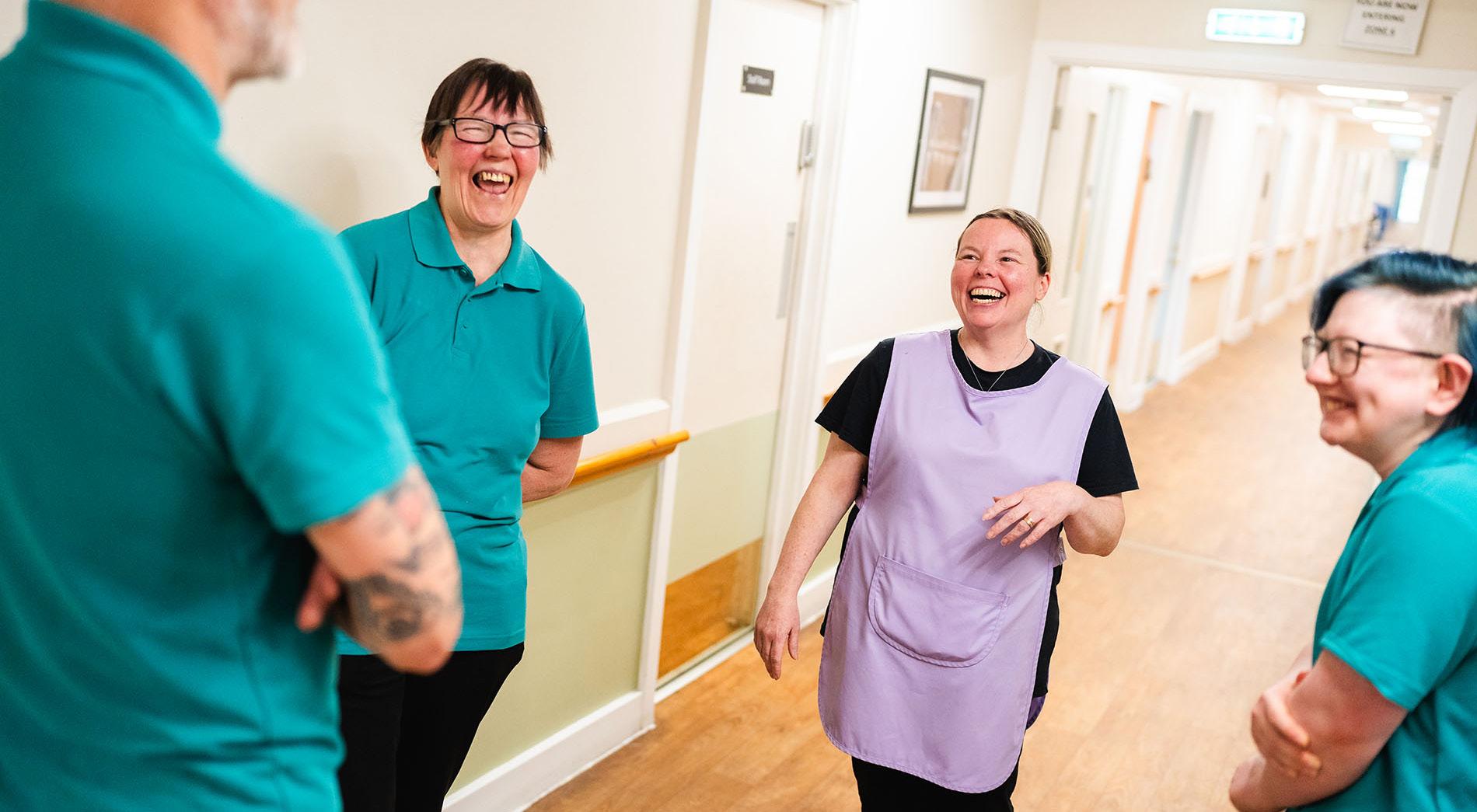
ORCHARD Healthcare Group has unveiled a trailblazing mental health initiative for colleagues.
Orchard Healthcare Group, a provider of private care homes in the UK, has announced the launch of a new ‘Mental Health First Responder’ initiative.
The project has been developed internally to bridge the gap between mental health awareness and practical action in the workplace.
The initiative combines structured responder training with wider organisational wellbeing strategies aimed at embedding support into everyday working life.
The programme will establish a network of trained colleagues across Orchard’s services who can offer supportive, early conversations when someone may be struggling, while also helping guide colleagues towards appropriate support pathways where needed.
The role is not designed to replace professional mental health services or create clinical responsibility. Instead, it equips colleagues with the confidence, communication skills, and professional boundaries needed to respond appropriately and compassionately within the realities of care environments.
Alongside the responder training, Orchard is introducing a broader package of wellbeing initiatives across the group, including:
•Wellbeing check-ins
•Peer support and buddy systems
•Structured support following difficult incidents or bereavements
•Promotion of protected break culture
•More visible and consistent wellbeing practices within teams
The training itself will be delivered through a structured, modular programme over several weeks and focuses on practical, real-world skills such as active listening, responding to disclosures, maintaining boundaries, and signposting colleagues towards additional support.
Speaking about the initiative, Amelia Greenwood, Head of Specialist Services at Orchard Healthcare Group, said: “This project came from recognising a gap between awareness and action.
“We talk a lot about mental health, but colleagues do not always feel confident in what to actually do in the moment when someone is struggling.
“The Mental Health First Responder initiative is about creating a safe, approachable, and practical framework for support. It is not simply a training programme, it is part of a wider cultural approach that makes wellbeing conversations more normal, visible, and accessible across our services.’
“We know that supporting mental health in care settings cannot sit with one individual alone. That is why this initiative combines training with wider organisational action,
ensuring responders themselves are properly supported while creating environments where colleagues feel psychologically safe to speak openly and seek support early.”
With emotional resilience and workforce wellbeing becoming increasingly important across health and social care, Orchard Healthcare Group believes structured mental health response training has an important role to play in creating more sustainable care environments and improving colleague wellbeing across the sector.
At a time when burnout, emotional fatigue, and workforce pressures continue to impact care services nationwide, the organisation hopes the initiative will also contribute to wider conversations around workforce support within adult social care, particularly in areas such as early intervention, retention, psychological safety, and reducing stigma around mental health.
Orchard’s leadership team continues to emphasise the importance of practical, person-centred approaches that support both colleagues and the quality of care delivered to residents. By combining meaningful training with wider cultural and organisational action, the initiative reflects Orchard’s ongoing commitment to creating workplaces where wellbeing is visible, accessible, and embedded into everyday working life rather than treated as a separate or reactive process.
A WELL-established dementia care home has gone under the hammer – proving demand for care homes is ‘resilient’ in the South East.
Specialist business property adviser, Christie and Co, has completed the successful sale of Clifden House, in Seaford, East Sussex.
Registered for 59 residents, Clifden House care home specialises in dementia care and maintains a strong reputation locally.
This is supported by a ‘Good’ CQC rating, consistently high occupancy levels, and robust profitability.
The business occupies a two-storey extended detached property with all bedrooms being en-suite and has level, enclosed gardens.
It is situated on Claremont


Road, within a quiet residential area close to Seaford Beach and The Salts Recreation Ground - and enjoys excellent connectivity via the A259 and Seaford rail station, offering direct links to Brighton, Lewes, Newhaven, and Eastbourne.
The business was previously owned by the Joyce family for over 40 years and was brought to market to enable retirement.
Following a confidential sales process with John Harrison at
Christie and Co, the home has been purchased by Balwinder Khaira.
Khaira also owns five other care homes across the South East.
Nial Joyce, the former owner of Clifden House, said: “Having operated Clifden House for many years - we are confident that the home will continue to thrive under new ownership.
“We are grateful to the staff, residents, and families who

Grayson Taylor, Founding Principal of Lamont Johnson commented “The market continues to be extremely active, with an overwhelming number of buyers, which in itself, is having a major effect on the supply/demand equation in the marketplace. As a seller, you probably could not pick a better time to sell ”
19



have supported the service and are pleased to see the home enter its next chapter.”
John Harrison, Director Care at Christie and Co, said, “Clifden House is a long-established dementia care home with a strong reputation.
“It is good to have completed the sale to an established local operator in Mr Khaira, who has previously bought other care homes in the area through me.
“Demand for care homes remains resilient across the South East. This sale reflects the continued appetite among experienced operators seeking sustainable, well-performing services.”
The site sold for an undisclosed price.


A SOMERSET 70-bed care home has been announced following a land sale.
Specialist business property adviser, Christie and Co, has announced the sale of a development site in Chard, Somerset, with planning consent for a 70-bedroom care home.
The scheme, which was consented by Frontier Estates, comprises 70 bedrooms with en-suite wetrooms and communal resident areas.
This includes a cafe, library, private dining room, hair salon, cinema, and landscaped gardens.
Following a marketing process with Will Edwards at Christie and Co, the site has been sold to Country Court Care, who operate 49 homes across England.
A CLOSED care home and adjoining sixbed property hits the market at a sevenfigure asking price.
Christie and Co have been instructed to sell The Conifers, a closed care home and adjoining property in Selsey, West Sussex.
The Conifers is a detached residential care home formerly registered to accommodate up to 20 elderly residents, including those living with dementia or mental health conditions, within a domestic-style environment.
The business ceased trading in March 2023.
The site comprises an attractive, converted 15-bedroom, three-storey property with communal lounges, a dining room, kitchen facilities, and a passenger lift. An additional adjoining six-bedroom residential building, Gull Rock, which was previously used as staff accommodation, is also included in the sale.
Once built, this care home will be the group’s first in Somerset.
Damian Wood, development director at Frontier Estates Limited, said: “Having identified the sites’ potential for providing an elderly care home, we successfully achieved full planning consent.
“Frontier Estates Limited is committed to delivering high specification care home developments to meet unique operational demands.
“We wish Country Court all the best with the site and look forward to working with them on future opportunities.”
Al-Karim Kachra, financial director at Country Court Care, said: “This latest site in our pipeline will deliver a new purposebuilt care home, providing much-needed
provision and a high-quality care home with en-suite wetroom bedrooms and resident amenities.
“We plan to start on site later this year and, once open in early 2028, we look forward to welcoming the local community to visit.
Will Edwards, senior broker - healthcare development and investment at Christie and Co, said: “We are pleased to have assisted Frontier Estates in the disposal of this site.
“It is clear that there continues to be a large appetite for high-quality sites in Somerset and indeed the entire South West.
“Country Court will provide quality care to a largely undersupplied region and it has been a pleasure transacting with them.
“We look forward to working with them as they continue the growth of their portfolio.”

Situated in the quiet residential setting of Seal Square, the property is close to Selsey’s local shops, healthcare services, community facilities, and coastal amenities.
Chloe Goodman, business agentcare at Christie & Co, who is handling the sale, said: “The Conifers presents an opportunity for an elderly care or specialist care operator to acquire a closed 20-bed facility with the potential
for refurbishment or reopening.
“Alternatively, the combined site may lend itself to conversion for alternative care use, supported living, or residential redevelopment, subject to planning permission. The two linked buildings and generous external space provide scope for a variety of future uses depending on purchaser requirements.”
The property is on the market with a freehold asking price of £1,250,000.
A DEVON-based care home has been sold for an undisclosed price to budding operators.
Specialist business property adviser, Christie and Co, has announced the sale of Lyme Bay View Care Home in Seaton, Devon.
Lyme Bay View Care Home is a ‘Good’ rated residential care home registered for up to 30 residents.
It occupies a 26-bedroom, two-storey converted property on Old Beer Roadbetween the bustling town of Seaton and the historic fishing village of Beer, boasting commanding, uninterrupted views across Lyme Bay and the stunning Jurassic coastline.
The business has been owned by Mark Morris and Judith Adams of MandJ Care Homes since 2008, who decided to sell to retire.
Following a confidential sales process with Simon Harvey at Christie and Co, it has been purchased by Cliff and Nasrin Grand- Scrutton of recently formed Care Legacy South West Ltd.
This is the couple’s third care home purchase this year - with the other two being Tregenna House in Camborne and Little Trefewha in Praze - an-Beeble.

Legacy South West Ltd spoke on their experiences purchasing the care home.
They said: “Using our many combined decades of experience in the healthcare industry and in particular health and social care - we are looking forward to continuing the excellent reputation of Lyme Bay View Care Home that Mark and Judith have developed over many years.
“We will be looking to sensitively invest in the home, with full commitment and consultation of the teams within the home.
“The residents and families will also be consulted and play an active part in future developments and improvements.”
Simon Harvey, senior director of care at Christie and Co, said: “Having successfully sold their previous care home a couple of years ago - I was delighted to once again have been entrusted by Mark and Judith to find a buyer for Lyme Bay View and to have secured them a positive result.
“I wish them both well with their retirement and likewise, Cliff and Nasrin with their expanding portfolio.”

MEALTIMES are essential to delivering highquality care, having a significant impact on residents’ health outcomes, quality of life and daily experiences.
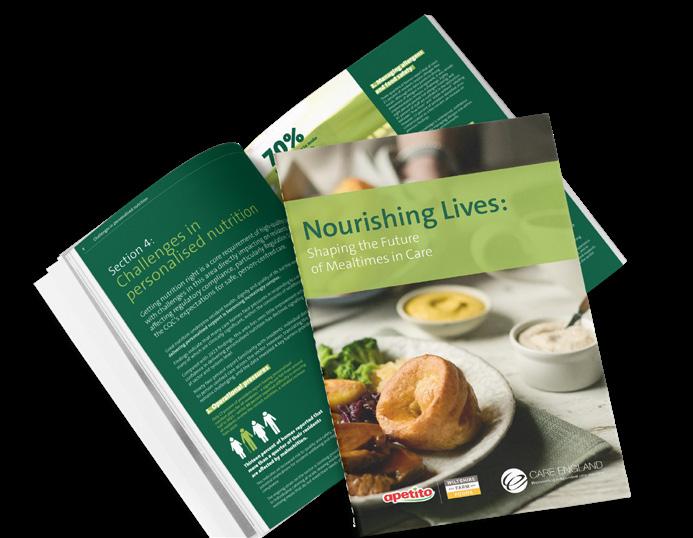
The recently launched research report, Nourishing Lives: Shaping the Future of Mealtimes in Care, from apetito and Care England found that the perceived importance of mealtimes in care homes is rising, with providers no longer recognising it as just an optional enhancement.
Mealtimes are viewed as the most important part of a resident’s day by 95% of care homes, a 15% increase since the previous ‘Nourishing Lives’ research in 2023, and 80% believe the dining environment is a pivotal factor for families choosing a home for a loved one, up from 50%.
Despite this, there is an evident, widening gap between high-quality, person-centred approach to mealtimes, and realism of what staff can provide.
Care homes are supporting residents with complex dietary needs, whether through living with conditions like dysphagia and dementia, food allergies or having cultural and personal preferences. Providing personalised nutrition is no longer based on simply offering choice but is critical to support clinical needs and ensuring safety during mealtimes.
Findings show 88% of care homes find it difficult to ensure all residents receive the correct nutrition, a notable increase from 2023, whilst only 17% have personalised nutrition plans in place for all residents, showing a significant fall from around 50%.
Whilst 90% of care homes support residents living with dysphagia, only 86% say they are adhering to the International Dysphagia Diet Standardisation Initiative (IDDSI) when preparing texture modified meals, a 10% deterioration from 2023 data, highlighting an area of concern around safety from choking, and care quality.
Against a backdrop of cost concerns and staffing pressures, with 40% of homes reporting difficulty maintain adequate staffing levels, delivering a truly personalised mealtime experience becomes increasingly difficult. Rising resident needs demand more time and skills, but stretched teams are unable to sustain the level of individual support required.
Given the pressures on care home catering teams, reducing time spent on meal preparation can help staff focus on what matters most: personalising dining to support individual nutritional needs. Preprepared meal solutions, such as those from apetito, offer clear benefits across food

safety, workforce pressures and regulatory compliance.
Over half of homes believe pre-prepared options lower risk and give staff greater confidence when catering for complex dietary needs.
Among homes already using these solutions, only 30% reported needing operational changes in response to workforce cost pressures - compared with 71% across the wider sector.
The full industry report from apetito and Care England provides an insightful deep dive into the current state of catering, nutrition, dining and sustainability across the sector. n Download it from apetito.link/nl2026.