


Dear Colleagues,
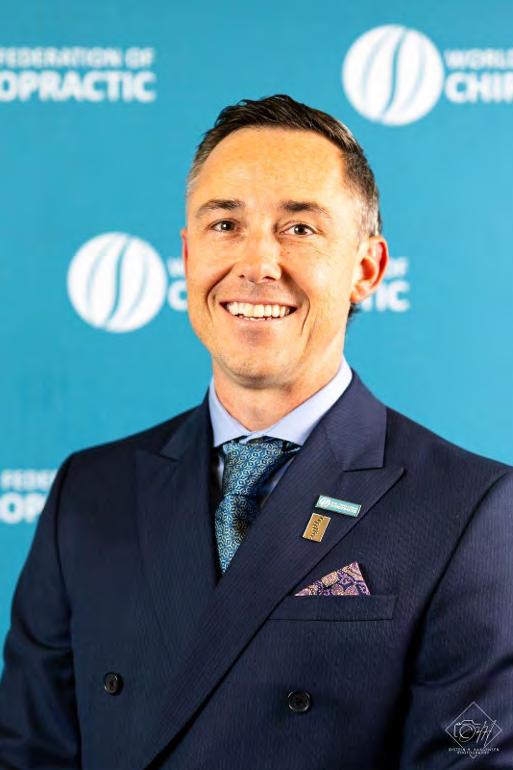
As we continue to advance the global impact and recognition of chiropractic, I am reminded daily of the strength and unity within our profession. It is truly an honor to serve as President of the World Federation of Chiropractic and to witness the dedication of chiropractors around the world who are committed to improving the health and well-being of their communities.
In June, our Board of Directors will convene for a meeting in Tokyo, Japan - a vibrant and inspiring setting for important discussions that will help shape the future of our organization. During this meeting, we will welcome several new directors to the Board. This moment represents both continuity and renewal, and I am confident that our incoming leaders will build upon the strong foundation that has been established.
I would like to take this opportunity to express my sincere gratitude to each and every member of our Board of Directors for their ongoing commitment to the WFC?s mission and vision. Your leadership
and service are deeply valued. I would also like to extend a special and heartfelt thank you to those directors who will be stepping off the Board this June: Dr. Andrew Lawrence, Dr. Glenn Guilderson, Dr. Pernille Popp, and Dr. Dale White. We thank them immensely for their outstanding contributions, their leadership, and their dedication to advancing our profession globally. Their work has made a lasting impact, and we warmly welcome our new incoming directors to build upon the great progress they have helped achieve.
As we move forward, it is essential that our profession continue to embrace the EPIC principles - being evidence-based, people-centered, interprofessional, and collaborative. These guiding values not only strengthen the credibility of chiropractic, but also ensure that we remain aligned with the evolving needs of patients and healthcare systems worldwide.
With that in mind, I am pleased to highlight the upcoming WFCGlobal Education Conference, taking place in Utrecht from October 14th-17th. This important gathering will bring together chiropractic leaders, educators, researchers, students, and practitioners from across the globe. It will be a valuable opportunity to learn from experts, exchange ideas, and strengthen the collaborative networks that are so vital to our continued growth and success. Please mark your calendars and join us for this extraordinary event!
These are exciting times for the WFCand for the chiropractic profession as a whole. Together, through shared purpose and collective effort, we will continue to elevate our impact and ensure a strong, sustainable future.
Sincerely,
Ryan Coster, WFC President

Clive, Iowa ? (January5, 2025) ? Dr. Lou Sportelli, a nationally recognized leader in the chiropractic profession and longtime executive at NCMIC, is the featured guest on an upcoming episode of Chiropractical, where he reflects on NCMIC?s 80th anniversary and the remarkable evolution of chiropractic care.
In the episode, Dr. Sportelli shares insights into NCMIC?s origins, its mission to serve and protect chiropractors, and the pivotal role the organization has played in supporting the profession since its founding in 1946. The conversation also explores major milestones in chiropractic history, from early struggles for recognition to today?s growing integration into mainstream healthcare, and why the profession's future is more connected and more essential than ever.
?Celebrating 80 years of NCMIC is really about celebrating the resilience and progress of the chiropractic profession,?said Dr. Sportelli. ?It?s a story of perseverance, innovation, and an unwavering commitment to patient-centered care.?
Listeners will hear Dr. Sportelli reflect on key lessons learned over decades of leadership, the importance of professional unity, and his perspective on the future of chiropractic in an evolving healthcare landscape. The episode offers both historical context and forward-looking insights for chiropractors, students, and healthcare professionals alike.
The episode featuring Dr. Sportelli is now available on Chiropractical across major podcast platforms.
For more information about NCMIC, visit ncmic.com/about.

Produced by NCMIC, Chiropractical is a podcast designed to help doctors of chiropractic navigate real-world challenges and opportunities in their practices. With expert guests, practical advice, and inspiring stories, Chiropractical provides listeners with tools to grow both personally and professionally.
NCMICwas formed in 1946 by a group of doctors of chiropractic with the express purpose of offering malpractice insurance to DCs when no one else would. Delivering on its promise, We Take Care of Our Own® , NCMIChas grown to become the largest provider of chiropractic malpractice insurance in the nation and has expanded its offerings to include business and personal insurance, equipment loans, credit card processing, business credit cards, and premium financing. With more than 75 years?experience and an ?A?(Excellent) rating from industry analyst A.M. Best , NCMICis a company that DCs can rely on today and in the years to come. For more information, please visit ncmic.com.
When I wrote in January that the WFC is ?moving forward with a purpose,?I meant it literally. What continues to unfold is not simply progress?it is alignment. Across regions, organizations, and perspectives, I am seeing a profession increasingly willing to come together around a shared direction.
Chiropractic has developed in many different ways across the world, shaped by local systems, cultures, and opportunities. What I am seeing now is a powerful shift: a profession beginning to move forward by strengthening its shared voice while respecting its differences. The WFCexists to help facilitate that?not to direct it, but to convene it; not to speak for everyone, but to ensure we are heard together.
One recent example brought this into sharp focus. When the ISCO Technical Working Group issued a last-minute request, the WFCmade a global call. Within 48 hours, 30 responses were received, including 27 comprehensive national reports. This is the strength of a connected global profession.
Since January, momentum has continued on several fronts. Alongside our colleagues at the Canadian Chiropractic Association (CCA), the WFCpresented to the American Chiropractic Association (ACA) House of Delegates, followed by high-level discussions with the ACA Board of Governors and executive leadership.
At Parker Seminars, we engaged in a series of senior-level meetings with partners across the profession. A clear pattern emerged?our profession is ready to coordinate more effectively, define shared standards, and move forward with greater strategic cohesion. This was especially evident in discussions with the Federación Latino Americana de Quiropráctica (FLAQ), where we began working
in a structured way to support viable accreditation pathways in Latin America. This is not just about education?it is about mobility, recognition, and access to care.
Internally, the recent Board election was fair, transparent, and independently verified. I congratulate our newly elected Board members and look forward to the perspectives they will bring.
We are also working diligently on what will be an unprecedented 13th Global Education Conference in Utrecht, The Netherlands. For the first time, we are initiating global consensus using a Delphi methodology with a publishable outcome. Planning with the CCA for our 19th Biennial Congress in Vancouver continues in parallel.
In the coming months, I will attend the ICA 100-year Anniversary Convention, the World Health Assembly with five WFCdelegates, the CCA National Convention, and the WFCAsia Summit in Tokyo?each an important platform for education, advocacy, and engagement.
The WFC?s vision remains unchanged?all people, all ages, all nations, access to chiropractic care?but achieving it depends on our ability to align, collaborate, and act together with shared purpose.
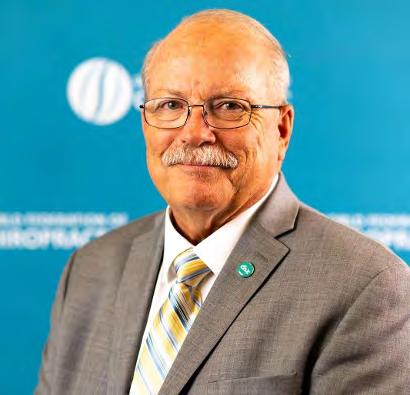
The first quarter of 2026 has been an intense and productive period for the WFCSecretariat, marked by steady operational delivery, careful governance preparation, and meaningful progress across education, advocacy, and internal systems. As the organisation moves toward a major period of transition and international engagement, much of Q1 has been focused on ensuring strong foundations are in place.
A core priority throughout the quarter has been preparation for Board transition and onboarding. With the new Board term commencing later this year, the Secretariat has been working closely with the Interim Secretary?General, Committee Chairs, and managers to finalise onboarding materials, policies, and briefing sessions. These sessions are designed to support Directors in understanding their governance, fiduciary, and strategic responsibilities ahead of the Q2 Board meeting in Tokyo. Ensuring clarity, consistency, and confidence for incoming Board members has been central to this work.
Education and events continue to be a major area of focus. Planning for the 13th WFCGlobal Education Conference in Utrecht, The Netherlands, is advancing across programme development, accreditation requirements, marketing, and logistics, with strong collaboration between staff, external partners, and the scientific leadership team. At the same time, the Secretariat has been working with the Canadian Chiropractic Association on preparations for the 19th WFC Biennial Congress in Vancouver, including budget review, committee coordination, and promotional planning. In parallel, the Call for Bids for the 2029 Congress remains active, with
several countries expressing interest ahead of the Board?s selection later this year.
World Spine Day and Global Communications
World Spine Day preparations have also featured prominently in Q1 planning. Following a successful 2025 campaign with strong global engagement, work has progressed on confirming sponsorship, refining the 2026 campaign theme and branding, and scheduling the launch and promotional activities. These efforts reflect the WFC?s continued commitment to coordinated global messaging and public awareness.
Strengthening Operations, Systems, and Oversight
From an operational and governance perspective, the Secretariat has supported the completion of the 2025 financial year, progressed the annual audit, and contributed to the refinement of financial controls and reporting processes. Attention has also been given to risk management follow?up, policy review and alignment, and the organisation?s confidentiality and governance frameworks, ensuring these remain current and fit for purpose.
Behind the scenes, significant work has continued on IT systems, data management, and workflows. This includes website stability improvements, cybersecurity oversight, SharePoint structure and training planning, and the development of clearer processes for IT and communications requests. Work has also continued on the ?Observatory?or data intelligence initiative, intended to strengthen the WFC?s ability to respond quickly to global data requests and support evidence?informed advocacy.
Finally, the Secretariat has continued to coordinate the Quarterly World Report itself?working with member associations, committees, partners, and
sponsors to share stories that reflect the breadth and diversity of the global profession.
As we move into Q2, the Secretariat remains focused on supporting strong governance, delivering high?quality global initiatives, and ensuring the systems behind the organisation continue to mature.
Thank you to our members, volunteers, and partners for your continued engagement and collaboration
Ryan Coster (President)
North American Region
Holly Tucker (Secretary-Treasurer)
North American Region
Carlos Ayres
Latin American Region
Elga Drews
African Region
Glenn Guilderson
North American Region
Jason Jaeger
North American Region
Andrew Lawrence

The WFCinvites member associations to submit bids to host the 2029 WFCBiennial Congress?a premier global event celebrating chiropractic leadership, education, and innovation.
Key Dates:
November 25, 2025: Call for Bids issued
April 26, 2026: Submission deadline
June 2026: Host city announced
For bid guidelines and submission details, please contact the WFCSecretariat.
PacificRegion
Jakob Lothe
European Region
Efstathios Papadopoulos
Eastern Mediterranean Region
Pernille Popp
European Region
Hayden Thomas
PacificRegion
Dale White
North American Region
Yi Kai Wong
Asian Region
The WFCBoard of Directors convened virtually on 10 February 2026 for its first meeting of the year, setting the tone for a year focused on alignment, strategic engagement, and strengthening global governance. The meeting reflected both continuity and progress, as the Board addressed priorities ranging from finance and risk oversight to education, international relations, and external advocacy.
The Board confirmed quorum and welcomed new and guest participants, reinforcing the WFC?s commitment to inclusive regional representation. Directors approved the minutes from the November 2025 meeting and reviewed outstanding action items, noting progress across governance, operations, and risk management.
The Board also acknowledged the successful conduct of recent Board elections, emphasizing that the process was fair, transparent, and independently verified. Newly elected Directors were welcomed, with the Board noting the importance of onboarding and thoughtful pacing of major strategic decisions during this period of transition.
Interim Secretary-General Dr John Maltby presented a comprehensive update highlighting the WFC?s expanding external engagement and strategic focus. Since January, the WFChas strengthened relationships across the profession, including constructive dialogue with the American Chiropractic Association (ACA) leadership and House of Delegates, and continued collaboration with the Canadian Chiropractic Association (CCA).
Particular attention was given to accreditation and professional mobility, especially in Latin America.
SidneyRubinstein DC, PhD(Chair) Netherlands
KatiePohlman DC, MS, PhD (Vice-Chair) USA
PUBLIC HEALTH COMMITTEE
ClaireJohnson DC, MSEd, PhD(Chair) USA
DISABILITY & REHABILITATION COMMITTEE
KatiedeLuca MAppSc, PhD(Chair) Australia
COMMITEE ON INTERNATIONAL RELATIONS
Deborah Kopansky-Giles, BPHE, DC, FCCS, MSc (Chair) Canada
GLOBAL PATIENT SAFETY INITIATIVE
KatiePohlman DC, MS, PhD (Chair) USA
INTERNATIONAL CHIROPRACTIC EDUCATION ALLIANCE
Deborah Bushway, PhD(Co-Chair) USA
Daniel Moore, DC, MSc(Co-Chair) UK
WORLD SPINE DAY COMMITTEE
Rebekah Wilks, DC(Co-Chair)
DanielleWiesner, DC(Co-Chair)
John Maltby(Interim Secretary-General)
Christina Davis(ExecutiveOperationsManager)
Khalid Salim (Finance & Administration Manager)
Rebekah WilksBS, DC(Director of Strategyand Policy)
The WFCis actively coordinating multi-stakeholder discussions to support viable accreditation pathways, recognising their importance not only for education quality, but also for workforce mobility, professional recognition, and patient access to care.
Finance, Risk and Operations
Planning is progressing for the 13th WFCGlobal Education Conference in Utrecht, including program development and the introduction of a Delphi consensus methodology with a publishable outcome, alongside continued collaboration with the Canadian Chiropractic Association on the 19th WFCBiennial Congress in Vancouver. The Board reviewed finance, risk, and operational matters, noting the close of the 2025 financial year, commencement of the annual audit, refinement of the 2026 budget, and steady improvements across systems, communications, and digital engagement, while deferring selected risk items to Q2. Governance and advocacy actions included authorising a formal letter supporting UKefforts to protect the term ?chiropractic.?
The Board discussed plans for continued high-level engagement throughout 2026, including participation in major professional and policy forums such as ACC-RAC, the ICA 100-Year Anniversary Convention, the World Health Assembly, regional summits, and national conventions.
The next Board meeting will take place in Tokyo (Q2 2026) alongside the WFCAsia Summit.
In closing, the Board reaffirmed the WFC?s vision?all people, all ages, all nations, access to chiropractic care?and emphasized that achieving this vision depends on alignment, collaboration, and shared purpose across the global chiropractic community.

Write to us:
World Federation of Chiropractic, 2 St. Clair Avenue West,Toronto, Ontario M4V1L5, Canada
Call us:
+1 647 255 8030
Email us:
General inquiriesinfo@wfc.org
John Maltbyjmaltby@wfc.org
Christina Daviscdavis@wfc.org
Khalid Salimksalim@wfc.org
Rebekah Wilksrwilks@wfc.org
The WFCwelcomes news items, digital images and feature stories to include in the QWR. Send all submissions (in Word format) to QWR@wfc.org. Please note all submissions may be subject to editing.
Full page color US$995
Half page colorUS$595
Quarter page colorUS$395
A discount of 10%is applied to orders for multiple issues of the Quarterly World Report.
The WFCQuarterly World Report is published in January, April, July and October of each year.
Advertising copy, in high resolution pdf or jpeg format, is required fifteen days in advance of the publication date.
The World Federation of Chiropractic reserves the right to decline advertising. Inclusion of any advertising in the WFCQuarterly World Report does not in any way imply endorsement of any product or service.
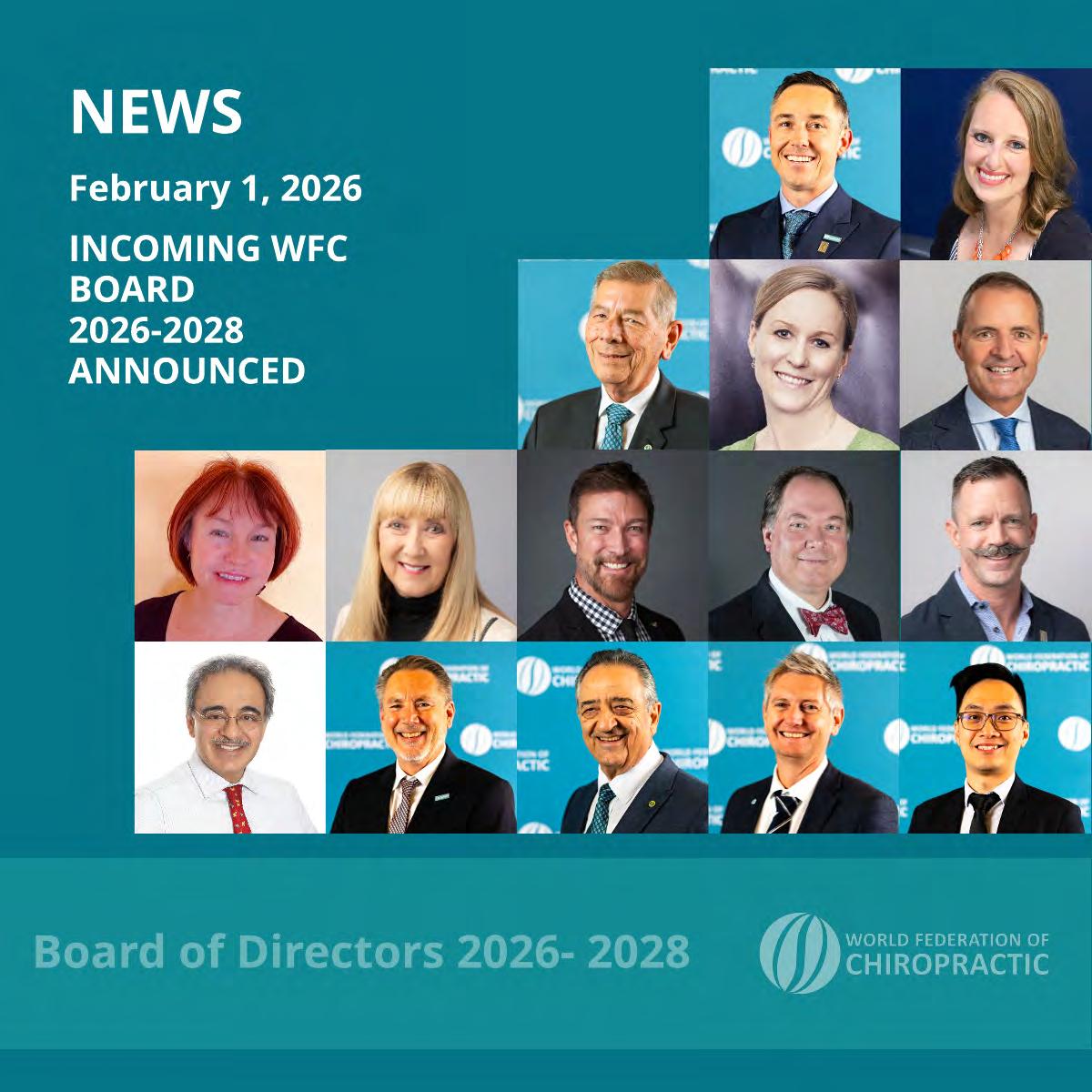
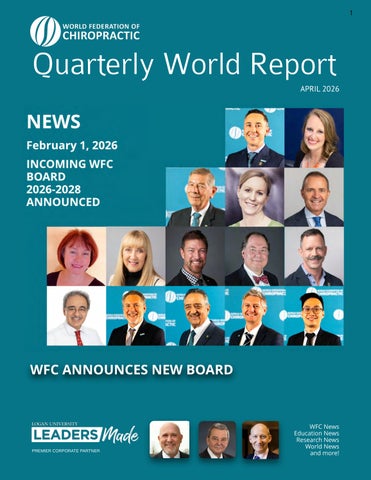
Following a call for nominations for election and appointees to the World Federation of Chiropractic (WFC) Board of Directors to represent each of its seven world regions, the WFCis pleased to confirm the fifteen members of the Board who will be taking up their roles for the 2026-2028 term of office.
Other than the Canadian Chiropractic Association (three seats) and the American Chiropractic Association (one seat) who were eligible to appoint directors due to their membership numbers, the remaining eleven seats were up for election in the WFCregions of Africa, Asia, Eastern Mediterranean, Europe, Latin America, North America and Pacific.
There are eight new faces on the incoming Board: Dr Elga Drews,representing the African region; Dr Cecilia Bergstrom and Dr Baiju Khanchandani,
representing the European Region; Dr Judy Forrester, Dr Jason Jaeger, Dr Robert Jones and Dr Brad Kane, representing the North American region; and Dr David Cahill, representing the Pacific region.
In the European region, the eight nominations for the three available seats resulted in a ballot of members to elect candidates. Following a closely-fought ballot, the Italian, Norwegian and Swedish candidates emerged successful.
In the African region, the three nominations for the one available seat resulted in a ballot of members to elect a candidate. Following another closely-fought ballot, the Namibian candidate emerged successful.
Following an on-boarding process of new directors, the new Board will meet for the first time June 10-12 in Tokyo, Japan.
MEET THENEW BOARD 2026-28

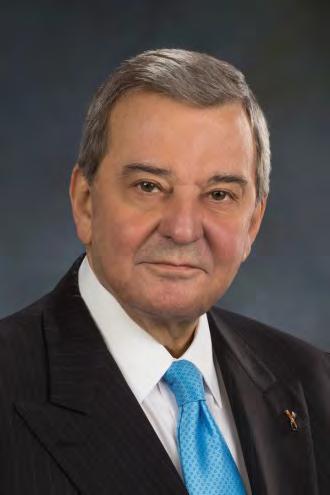
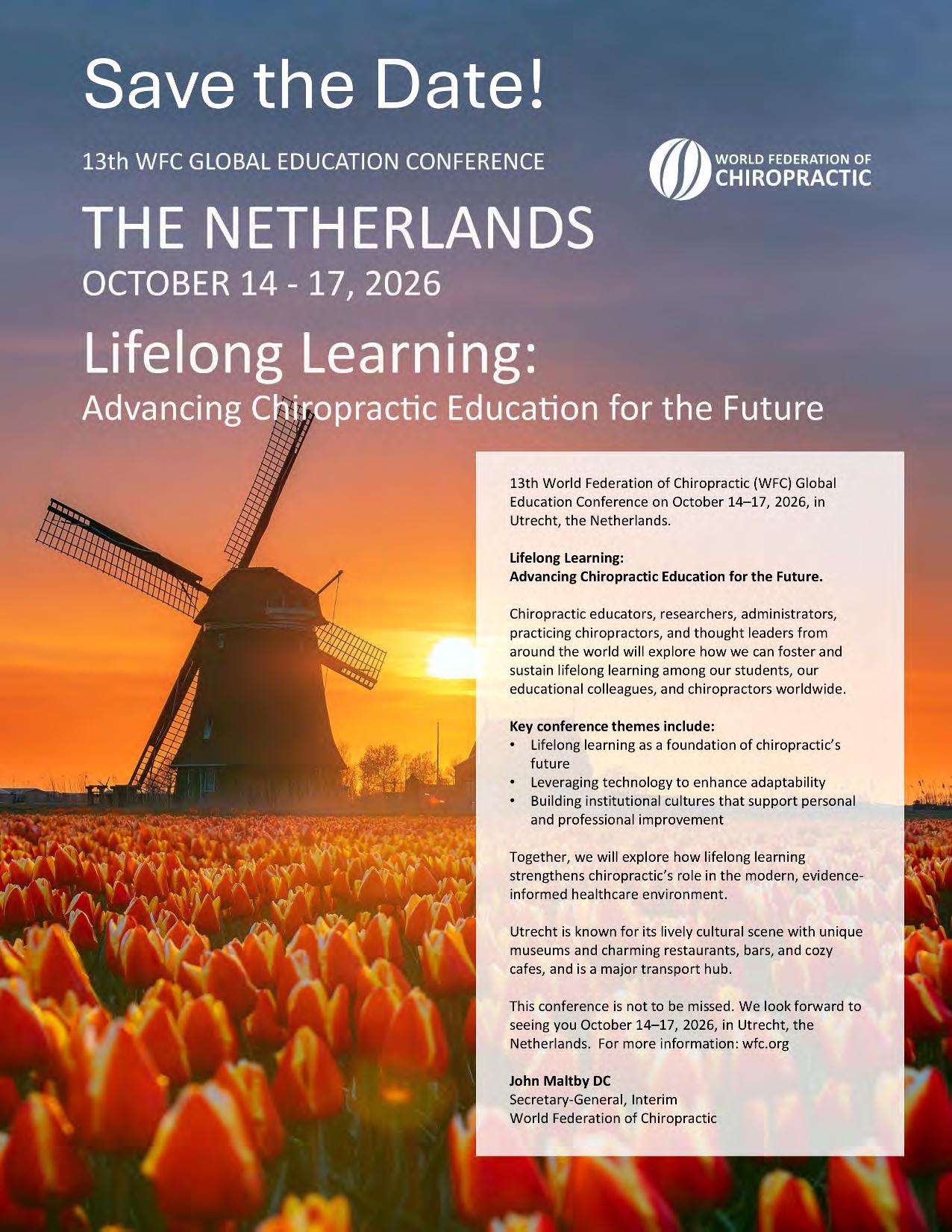
Carlos Ayres is the first Latin American representative to serve as WFCPresident in the federation's 33-year history. A WFCBoard member since 2011, he represents the Latin American region and has held the offices of Secretary-Treasurer, Second Vice-President, and First Vice-President. Born in Lima, Peru, he graduated from New York Chiropractic College in 1981 and practiced for 20 years in Long Island before returning to Peru in 2002, where he now manages multiple clinics. Dr. Ayres has served as President of the Peruvian Association of Chiropractors since 2006 and is a former President and current International Adviser of FLAQ.
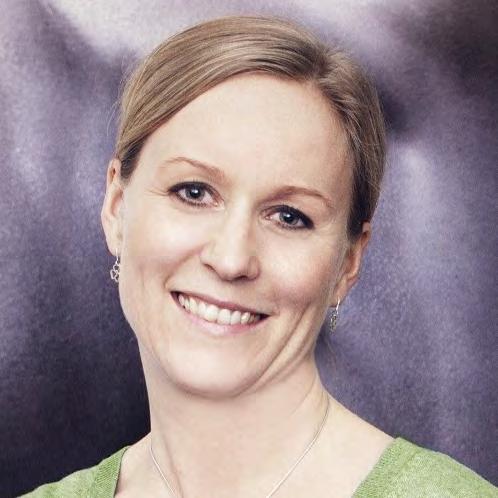
Cecilia Bergström, PhD, is a researcher and clinician with a strong focus on women's health and musculoskeletal disorders. She earned her PhD from the Karolinska Institute in Sweden in 2011 and is a Staff Scientist at Umeå University, Unit of Obstetrics and Gynaecology, while maintaining an active chiropractic practice. Her research centers on pregnancy-related pelvic girdle pain, including long-term consequences and risk factors. Cecilia has led major national and international research projects and is committed to advancing evidence-based, interdisciplinary approaches in chiropractic care and women's health governance. She was also Vice President of the Swedish Chiropractic Association for 8 years.
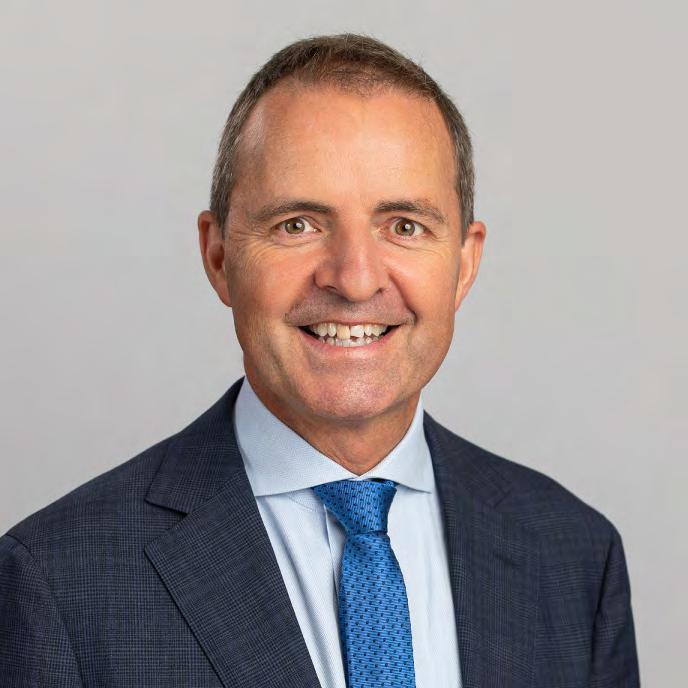
David Cahill lives and practices in Melbourne. He is a past president of both the Australian Spinal Research Foundation and the Australia Chiropractors Association. He currently serves on the Board of the Australian Chiropractors Association, where he has a particular focus on leadership, advocacy, and research. David is a proponent of the recognition of the uniqueness of the chiropractic approach to health and life. As convenor of the Dynamic Growth Congress for six years he observed the transformative power of chiropractors working together effectively toward higher purpose. He is passionate about the chiropractic profession sharing its gift throughout the world.
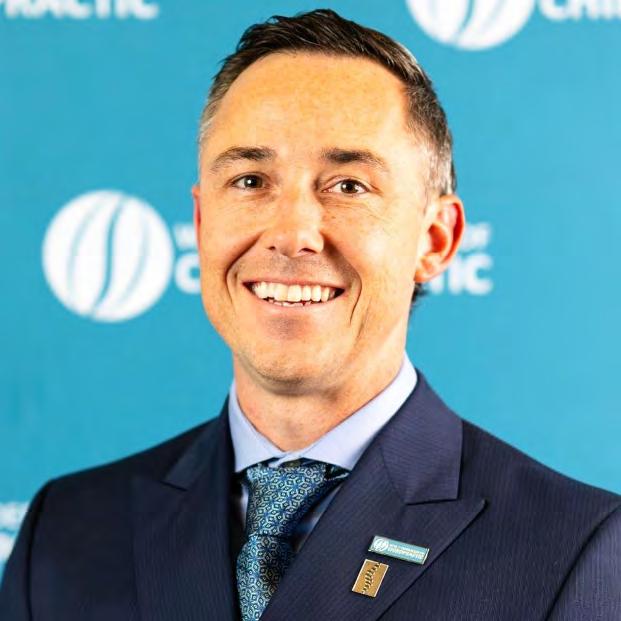
Ryan Coster of Moncton, New Brunswick, serves as President of the New Brunswick Chiropractors' Association. A Macquarie University graduate, he received the Student of the Year Award and the Chiropractic Association of Australia?s Academic Excellence Award. He also holds an MBA from Mid Sweden University with a focus on organizational management. A strong advocate for evidence based practice, he previously served on the Board of Chiropractic Australia and has a special interest in sports chiropractic. Ryan received the Queen Elizabeth II Platinum Jubilee Medal in 2022 and the Canadian Chiropractic Association's Public Service Award in 2024.

Elga Drews graduated from Technikon Natal (now Durban University of Technology) in 1995 before returning to Namibia to establish her practice. She became a Certified Chiropractic Sports Physician through FICSin 1997. Elga served as President of the Namibian Chiropractic Association from 2006 to 2025 and was founding President of the African Chiropractic Federation (2016-2021), continuing as an adviser until 2025. She currently serves as Vice President of the Allied Health Professions Board of Namibia and contributes to the WFCPublic Health Committee. Passionate about service, she led a chiropractic outreach in Namibia?s Kavango Region. Her clinical interests include paediatrics and sports care.

Judy Forrester has over 25 years of leadership experience in governance and strategy. She has served on the Alberta College and Association of Chiropractors council, the Canadian Chiropractic Association board (including as Chair), and represented the CCA at the WFC Assembly in Australia. She is a veteran of multiple WFC Congresses since 2005. Her service also includes the Canadian Chiropractic Research Foundation and various academic and community boards. A CMCCgraduate, practicing chiropractor, and owner of a large multidisciplinary health centre in Calgary, she holds a Chartered Director designation, bringing extensive experience with an international focus.
Jason Jaeger, DC, FCBP, is a leading Las Vegas-based chiropractor and educator, practicing since 2001. He is co-founder and Administrative Director of Advanced Spine & Posture, an integrated physical medicine clinic combining chiropractic, physical therapy, and regenerative care. One of only 5,000 clinicians trained in Chiropractic BioPhysics® (CBP®) and one of twenty-two global CBP® instructors, he is board certified and has earned many awards, including CBP® "Researcher of the Year" (2014). Jason developed the Universal Tractioning System, helped establish the Diplomate in Clinical Biomechanics of the Spine, teaches at several institutions, and lectures internationally on spinal biomechanics.
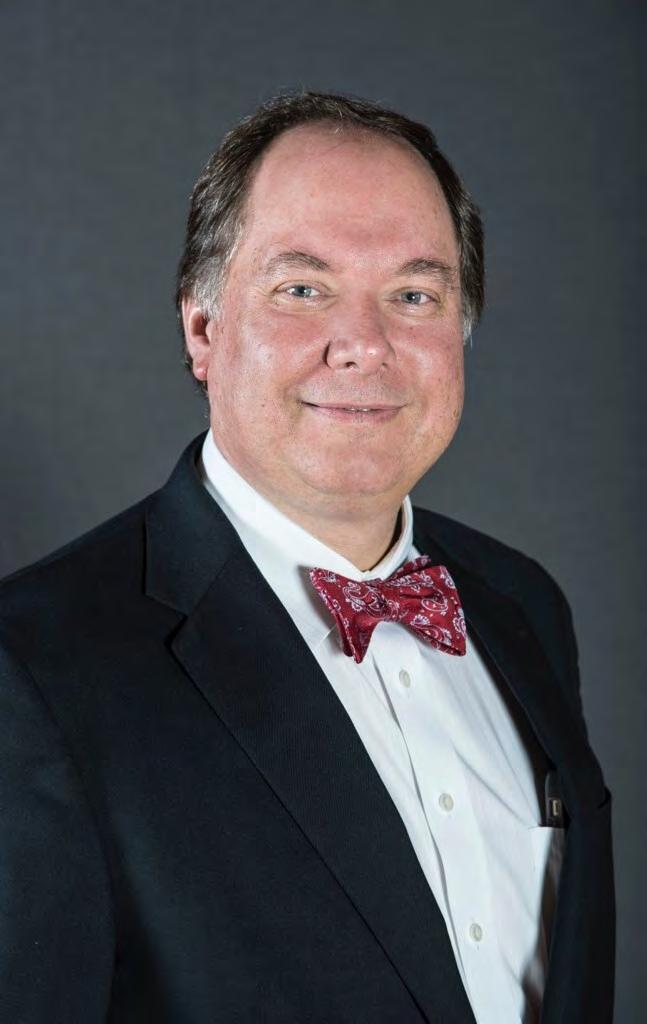
Robert Jones, DC, APC, of Albuquerque, New Mexico, is a 1989 graduate of Palmer College of Chiropractic Davenport. He is a provider/partner of an integrative, multi-practitioner primary care clinic. He was one of the Chiropractic physicians who developed and helped pass the advanced practice legislative bill in New Mexico. He is past President of the NMCA. Robert has had the honour of being the NM State Delegate to the ACA, sit on the ACA Board of Governors and being the ACA President. He has had the privilege of being on the Board of Trustees of the University of Western States spending a time as the Board Chair.
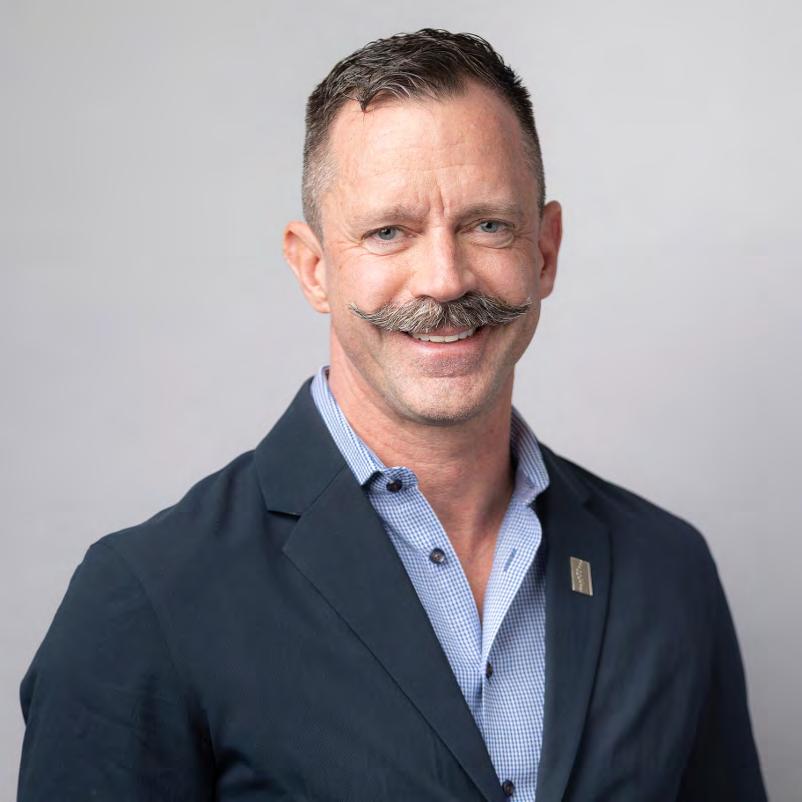
Brad Kane is a highly experienced leader in chiropractic governance, vision, and strategic guidance. He has served in chair and board roles for the Alberta College and Association of Chiropractors, College of Chiropractors of Alberta, Canadian Chiropractic Research Foundation, the Federation of Canadian Chiropractic Regulators, and various other community governance roles. As the owner and operator of a large multidisciplinary chiropractic practice in Calgary, Alberta, Brad is dedicated to advancing the profession. As an incoming WFCDirector, Brad looks forward to contributing to the continued growth and excellence of the chiropractic field.
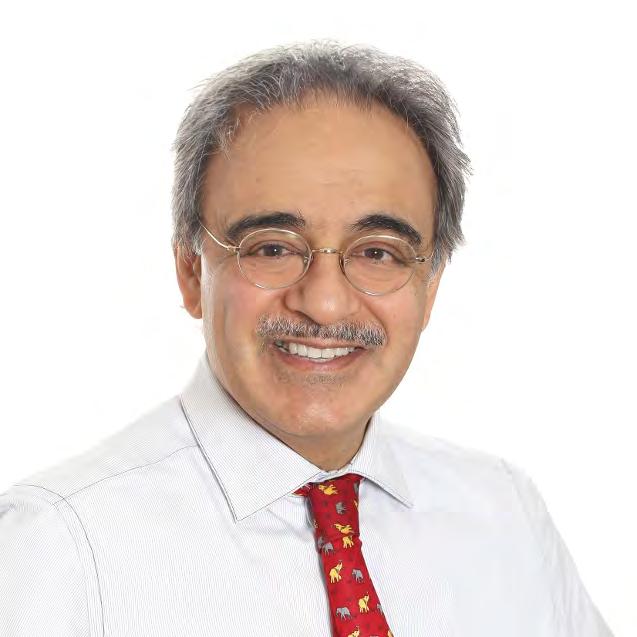
Baiju Khanchandani, DC, ICSSD, FACFN, is a 1986 AECC graduate and past Governor. A UK registered chiropractor working his fourth decade in Italy, he has held senior leadership roles within the Association of Italian Chiropractors, FICSand the European Chiropractors' Union, including Chair of the ECU EU Affairs/Public Health Committee. Baiju has contributed to policy and workforce planning initiatives with the WHO, OECD, ILO, and EU institutions, and has led multiple international submissions on health systems, regulation, and classification of the chiropractic profession. He chairs the AICCommission, Health & Innovation, International and is VP of the European Lean Managers Society.
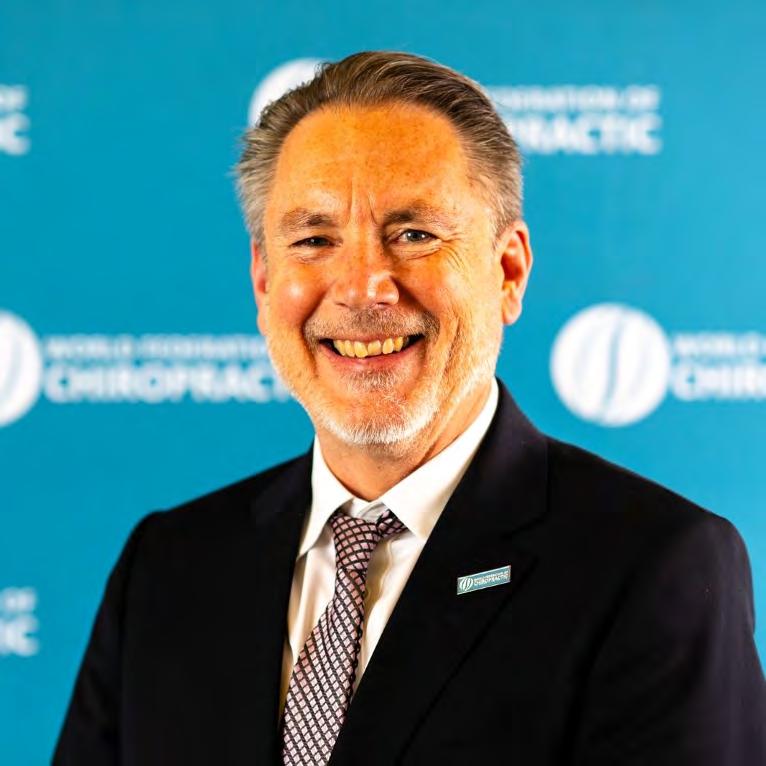
Jakob Lothe DChas served as a Board member of the WFCsince 2022. He graduated from the Anglo-European College of Chiropractic (AECC) in Bournemouth in 1988 and has practiced in Oslo for more than 35 years. Jakob was President of the Norwegian Chiropractic Association (NKF) from 2010 to 2018 and served on its Board from 2002, alongside the General Council of the European Chiropractors' Union. A strong advocate for interprofessional collaboration, he focuses on reducing disability from musculoskeletal disorders, particularly back and neck pain. He has extensive governance and policy experience, chaired the Norwegian Council for MSK Health from 2009 to 2021, and represents GMUSC within the WHO World Rehabilitation Alliance.
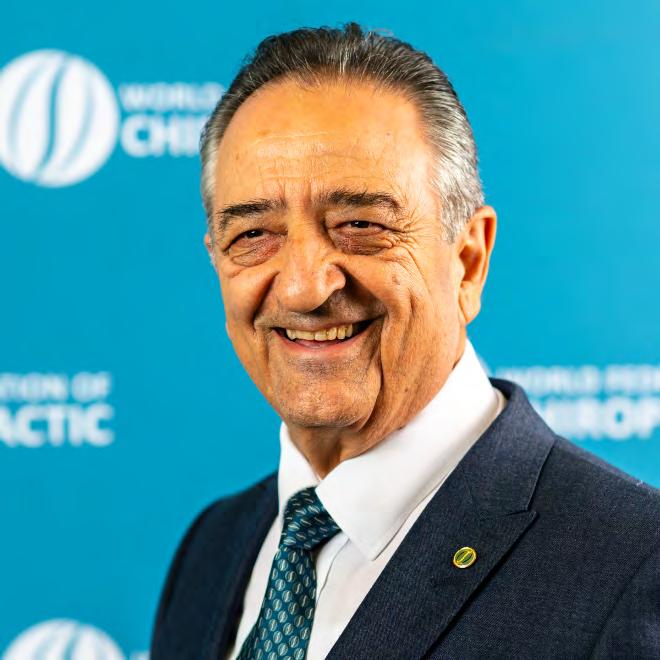
Efstathios (Stathis) Papadopoulos, DC, FFEAC, FICC, represents the Eastern Mediterranean region on the WFCBoard and is a Past President. A 1981 graduate of Palmer College of Chiropractic, he practices in Nicosia and serves as President of the Cyprus Chiropractors Association. A pioneer of chiropractic in Cyprus, he helped secure practitioner registration in 1991 and has served on the WFCBoard since 1992, including as President from 2008-2010. Stathis is the Founding President of the East Mediterranean Middle East Chiropractic Federation and has held key leadership roles with the ECU, EAC, NBCE, IBCE, and other international bodies.
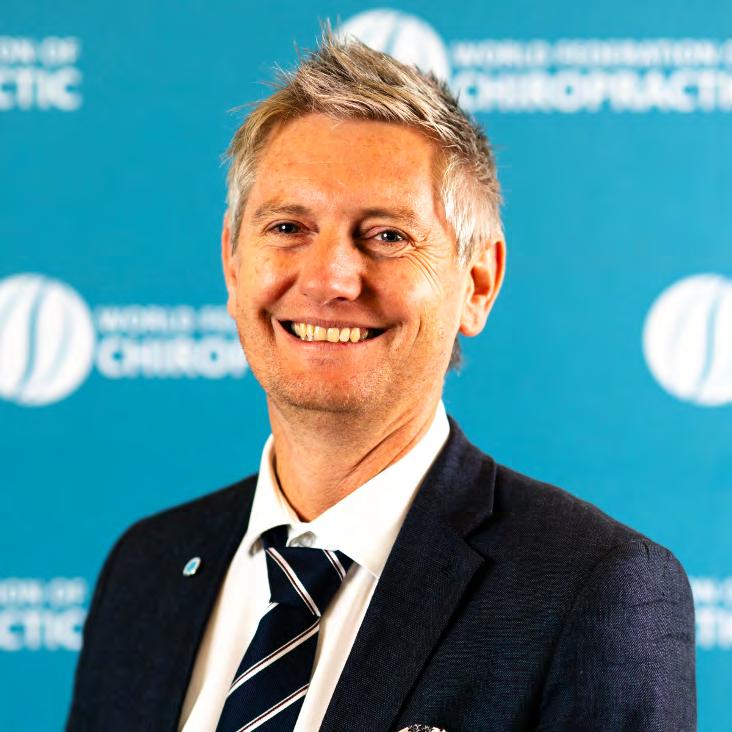
Hayden Thomas, of Nelson, New Zealand, graduated with a BSc in physiology from the University of Auckland in 1999 and from the New Zealand College of Chiropractic in 2001. He is a practicing chiropractor and co-director of a multi-disciplinary practice. Between 2009 and 2023 Hayden served in a number of capacities on the council of the New Zealand Chiropractors' Association including as its president for six years, where he represented the association at WFCevents around the world. He has also served as co-chair on the board of Allied Health Aotearoa NZ, a group representing over 30 allied health associations and 30,000 healthcare professionals.

Holly Tucker, of Wilmington, North Carolina, is a 2011 graduate of Logan University and State Delegate of the American Chiropractic Association. She maintains a private practice and serves as District Liaison for the North Carolina Chiropractic Association; in her early career she operated a practice in Tennessee, was an active member of the TCA, while obtaining her master's degree in public health from UTK. She completed the Internship Programme at the World Health Organization in 2011. She was elected to the WFCBoard in 2019 and serves on the Finance Committee.
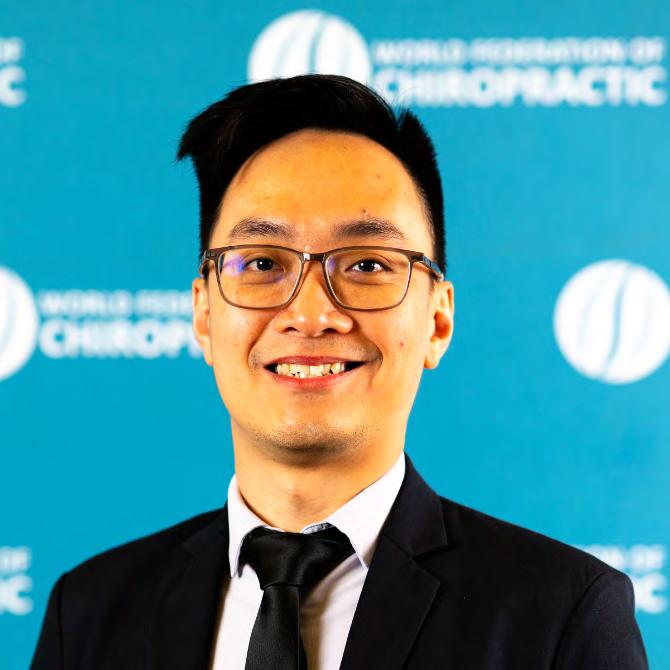
Yi Kai Wong is a pioneer graduate of the chiropractic program at IMU University and currently serves as a senior lecturer in the program. Based in Kuala Lumpur, Malaysia, he plays key leadership roles in both national and international organizations, including serving as President of the Association of Chiropractic Malaysia. With a Master's degree in Public Health, he is a strong advocate for accessible, affordable, and evidence-based healthcare. His advocacy efforts with the Malaysian Ministry of Health have been instrumental in shaping policy, and he also contributes as a member of the WFC Public Health Committee. A passionate educator, he is committed to developing the next generation of chiropractic professionals in the Asian region.
We welcome our incoming Board of Directors for the 2026-28 term.
Dear colleagues,
As this issue of the Quarterly World Report goes to press, one theme resonates clearly across regions, disciplines, and initiatives: progress in chiropractic today is being driven by alignment . Alignment between education and practice. Between evidence and policy. Between local action and global vision. This edition reflects a profession that is no longer advancing through isolated efforts, but moving forward through shared purpose and coordinated momentum. Across these pages, leadership continuity and collaborative governance are anchoring that progress. The transition to a new WFCBoard, alongside steady Secretariat operations, demonstrates a commitment to transparency, stability, and preparedness at a time of expanding global engagement. From the Board?s strategic focus on accreditation pathways and workforce mobility, to high?level engagement at ACA Engage, Parker Seminars, and the World Health Assembly, the profession is showing that coordination is now a strength?not a challenge. Education remains a central engine of trust, quality, and professional mobility. This issue highlights unprecedented levels of cooperation across institutions and regions: new degree programmes in Ireland, strengthened international pathways between CMCCand the University of New Brunswick, advanced co?credentialed postgraduate education bridging medical and chiropractic academia, and international mobility initiatives led by IMU University across Asia and the Philippines. From Utrecht to Vancouver, and from Malaysia to Latin America through FLAQ?s ENLACE?Q mentorship programme, education is no longer confined by borders, but shaped by shared standards and collective responsibility.

Research and patient safety continue to mature as defining pillars of professional credibility. Major contributions in this issue?including updated Cochrane evidence supporting spinal manipulative therapy as first?line care, new clinical practice guidelines for headache management, and the expanding work of the WFCGlobal Patient Safety Initiative?reflect a profession increasingly focused on relevance, quality, and real?world impact. Importantly, the emphasis is shifting from asking whether chiropractic is effective, to understanding how it delivers value, where it fits within health systems, and how safety and outcomes can be continuously strengthened
This momentum is also evident in policy engagement. Articles documenting chiropractic?s representation before Canada?s Parliament, structured engagement with the International Labour Organization through the ISCO?08 submission, and integration discussions within primary healthcare systems in regions such as
Hong Kong illustrate a profession confidently asserting its role within modern, collaborative healthcare frameworks.
Equally powerful are the human stories woven throughout this issue: students serving underserved communities, practitioners building care models from the ground up, educators strengthening interprofessional competence, and researchers translating evidence into action. Together, they remind us that while strategy matters, progress ultimately rests on people?working together with intention, humility, and integrity.
As Editor?in?Chief, I invite you to read this issue not simply as a collection of updates, but as a reflection of where chiropractic is headed. The momentum is real. The purpose is shared. And the opportunity before us?to advance chiropractic globally through evidence, education, and access?has never been stronger.
Submit your bid to host WFCCongress 2029 by April 26, 2026. Let?s showcase your city and regional leadership on the world stage.
Plan for Utrecht 2026 and Vancouver 2027
Bring students, early?career clinicians, and multidisciplinary colleagues; collaboration multiplies outcomes.
Share your stories with the QWR on evidence?informed practice, education innovation, safety, regulation, and community impact so others can learn, adapt, and scale.
Thank you for your dedication in clinics and classrooms, in labs and legislatures, on committees and in communities.
Christina Davis ExecutiveOperationsManager,
WFC Editor?in?Chief, QuarterlyWorld Report

Become a Member:
Join the WFCand connect with a global network dedicated to advancing the chiropractic profession.
APPLY HERE
Partner or Sponsor:
Collaborate with the WFCto strengthen the profession worldwide through education, advocacy, and strategic partnerships.
APPLY HERE
Become an Individual Supporter:
Join a global community dedicated to advancing evidence-based chiropractic care, promoting collaboration, and strengthening the profession worldwide as a proud WFCIndividual Supporter.
APPLY HERE
Become a Student Supporter:
Are you a chiropractic student passionate about advancing the profession?Join the WFCas a Student Supporter and connect with global initiatives, resources, and your future peers.
APPLY HERE
Attend Our Events:
From regional summits to the WFCBiennial Congress, engage with global leaders shaping the future of chiropractic.
VIEW UPCOMING EVENTS
Explore Our Affiliates:
Discover the organizations that partner with the WFCto advance chiropractic worldwide.
VIEW AFFILIATED ORGANIZATIONS


Prof. Richard Brown Appointed WFCSecretary-General Emeritus
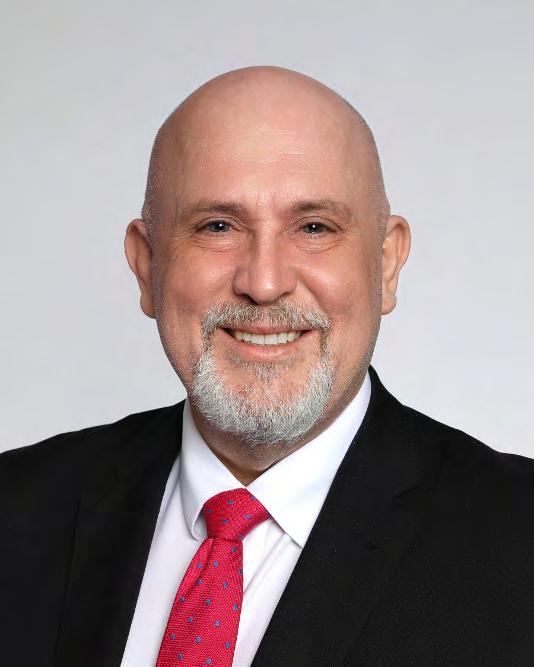
Organization, fostered collaboration across regions, and supported the WFC?s growth as a leading global voice for the chiropractic profession.
During his tenure, Prof. Brown:
- Introduced and championed the WFC?s ?20 Principles? A comprehensive global framework articulating the WFC?s values, mission, and vision for the chiropractic profession, now central to all WFCprograms and strategy.
- Launched and led the global #BeEPIC campaign Promoting chiropractic as: Evidence-based People-centered Interprofessional Collaborative
MARCH 5, 2026
The World Federation of Chiropractic (WFC) is pleased to announce that the WFCBoard of Directors has formally bestowed the honorary title of Secretary-General Emeritus upon Professor Richard Brown, in recognition of his distinguished decade of service as WFC Secretary-General from 2015 to 2025.
During his ten years of leadership, Prof. Brown made a profound and lasting contribution to the global chiropractic community. Under his stewardship, the WFCstrengthened its international presence, advanced global advocacy efforts, expanded its education and research initiatives, and navigated unprecedented challenges with professionalism, resilience, and a steadfast commitment to the Federation?s mission. His work strengthened engagement with international partners, including the World Health
- Strengthened WFC?s global standing and collaborations Prof. Brown elevated WFC?s presence in multiple world regions and enhanced its reputation as a trusted, responsible global organization advocating for high standards in chiropractic care.
- Expanded research capacity, education engagement, and global advocacy He championed research networks, advanced quality chiropractic education globally, advocated for public health and ensured the WFCremained a respected voice in global health conversations.
- Modernized governance, strategic planning, and global communications Under his leadership, WFC?s governance and communication practices were strengthened, establishing the foundation for many of the Federation?s current strategic programs.
- Led the development and global launch of projects such as the WFCGlobal Patient Safety Initiative and the International Test of Competence (ITC) These projects are designed to protect public safety, support national associations, and strengthen chiropractic
standards worldwide, setting benchmarks to ensure chiropractors meet essential standards of safety, ethics, and evidence-based care
The title Secretary-General Emeritus is reserved for individuals who have provided exceptional, sustained service to the WFCand the global profession, throughout their tenure as Secretary-General. This honor reflects the Board?s deep appreciation for Prof. Brown?s leadership, dedication, and commitment throughout his decade of service.
WFCPresident, Dr Ryan Coster, commented, ?I cannot imaginea morefittingtribute than recognizing Professor Richard Brown as
Secretary-General Emeritus. Hisvisionaryleadership, unwaveringcommitment, and heartfelt servicehas helped shapetheWFCinto a trulyglobal voicefor chiropractic. Prof Brown hasinspired usall ? hehas connected us, strengthened us, and reminded us what ispossiblewhen welead with integrityand purpose. On behalf of theBoard and our global membership, I thankhim for hisremarkable contributionsand for leavinga legacythat will uplift and guideour profession for generationsto come.?
The WFCextends its sincere congratulations to Prof. Brown and expresses its gratitude for his many years of contributions to the Federation and the worldwide chiropractic community.
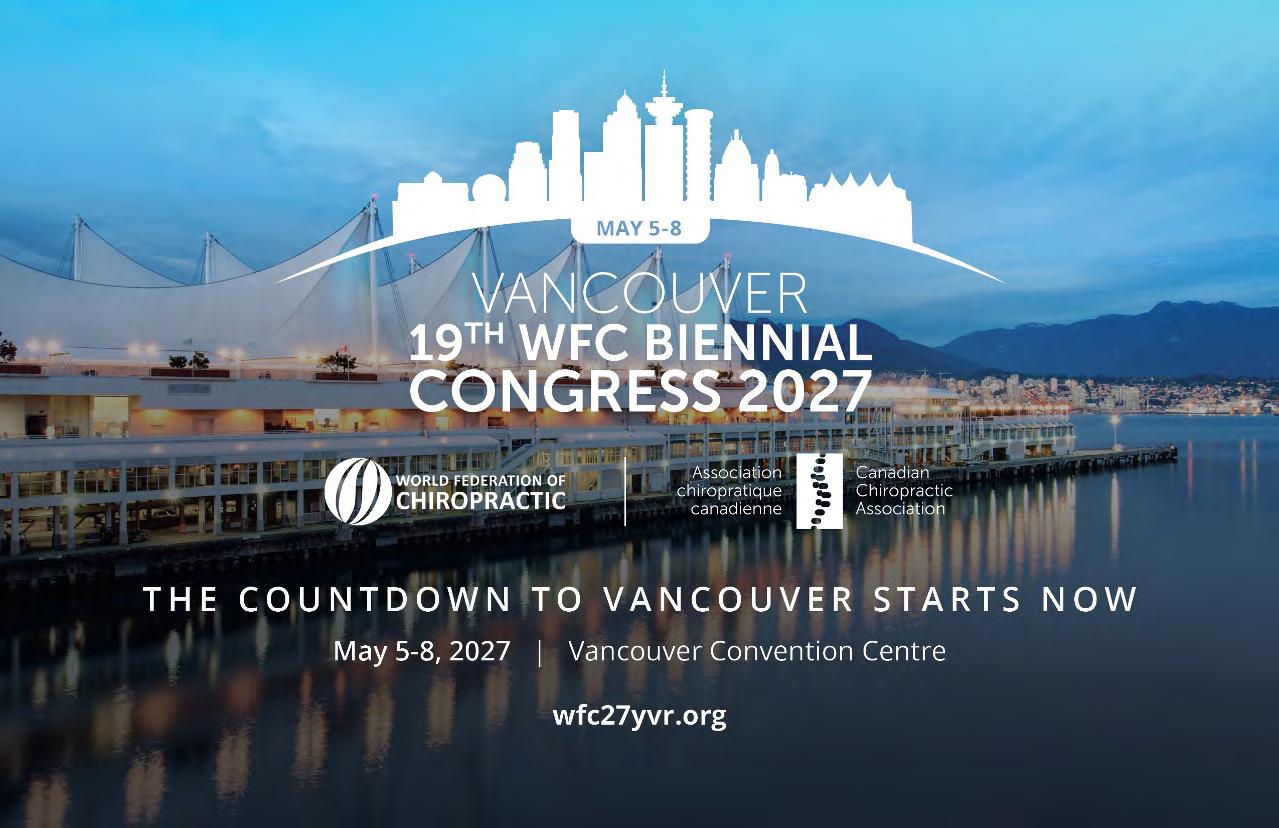

Today, the future of chiropractic education stands before us, and the question is simple but profound: How will we shape its future, or will we leave that responsibility to others?
The 13th World Federation of Chiropractic (WFC) Global Education Conference, October 14?17, 2026, will be held in Utrecht, the Netherlands. The conference Lifelong Learning: Advancing Chiropractic Education for the Future celebrates the growth mindset that is at the core of chiropractic learning and will shape the direction of chiropractic?s future.
Delegates attending this conference will participate in a Delphi consensus process to address one simple question that will have a tremendous impact on the direction of the chiropractic profession. What knowledge and skills do chiropractors need to engage in lifelong learning?
Attending this conference as a delegate is an act of professional leadership. Whether you are a clinician, educator, student, administrator, regulator, accreditor, business person, or policymaker, your voice matters. The future of chiropractic education should be shaped by those who understand the realities of chiropractic practice, patients' needs, and the responsibilities of educators and healthcare professionals. When
diverse voices come together - across institutions, philosophies, and roles - we can create stronger, more resilient solutions.
By attending this conference, you will invest in chiropractic?s future. You are choosing collaboration over division, progress over complacency, and leadership over passivity. The future of chiropractic education and lifelong learning will be written by those who attend.
We invite you to join us at the 2026 WFCGlobal Education Conference. For more information and to register, please visit https://www.wfc.org/wfc-edconf-2026
Registration is now open
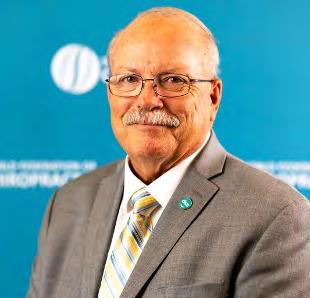
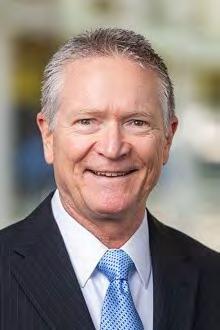
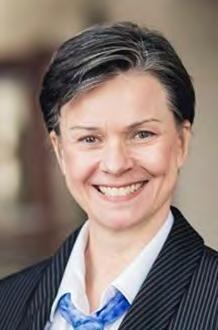


The Chair (Sidney Rubinstein (SMR)) and Vice-Chair (Katie Pohlman (KP)) meet regularly with the Interim Secretary General, the Executive Operations Manager, and Board Liaison (Pernille Popp) to discuss planning and strategy.
Brief overview of RC composition and recent developments. The following RCmembers chose to step down in December 2025 following the end of their 4-year terms. We want to thank Anne Jensen, Keseri Padayachy, Michael Schneider for their valuable contributions in the time they served the WFC. We welcome the following new RCmembers who were vetted following a comprehensive procedure: Wren Burton, David McNaugthon, Fatima Ismail, Amy Miller, and Gabriella Swait. Many are well known in the profession and have contributed in significant ways.
WFC Congress Vancouver, May 5-8 2027. The next WFCCongress will be held in Vancouver and promises to be a stellar event featuring the latest scientific efforts from the profession. The WFCRC looks forward to working with Brighthall to support the scientific abstract portion of this event. Reserve it in your agenda. More to come.
Brief overview of GPSI. In the fourth quarter, GPSI concentrated on completing several ongoing projects. Key efforts included finalizing the WFC GPSI Leadership Study, progressing the Chiropractic & Manual Therapies (CMT) special theme, continuing dissemination of the recently published Scoping Review, and developing implementation plans for the Advisory Committee?s upcoming projects.

Update. The WFCGPSI Leadership Study has completed all study parts with the manuscript(s) underway. Results are anticipated by the Summer of 2026, and presentations have already been accepted for both the ACC-RACin March and Integrative Conference in April. Work on the C&MTspecial theme, entitled ?Patient Safetyin ChiropracticCare and Manual Therapies?, is progressing well. The issue is guest-edited by WFCGPSI members (Sidney Rubinstein, Stacie Salsbury and Brian Coleman), with editorial processes and manuscript submissions in motion.The Scoping Review was published as the first paper in this special series, which can be found here: Wright DSet al. (2025). Patient safetyculture research within thechiropracticprofession:a scopingreview. Chiropractic& Manual Therapies, 33, 46. https://doi.org/10.1186/s12998-025-00605-z A blog on this paper has been published by Springer Nature: here
Work has begun to prepare the next suite of projects that have been recommended by the Advisory Committee. These include CITADEL, an initiative to develop chiropractic safety guidelines; a pilot study examining patient perspectives on the safety of chiropractic care, currently a pilot of this has been funded by the CCRF to be conducted in Canada; and the establishment of a Global Patient Safety Consortium, for which an in-person Delphi meeting may be organized to support the guideline-development process.
TheWorld Federation of Chiropractichasbeen in official relationswith the World Health Organization (WHO) asa non-state actor (NSA) since1997. WFCmaintainsan active program of workwith WHO, which includessupport for WHO policiesand programs, adviceon mattersrelative to thechiropracticprofession, and attendanceat annual and other meetings.
The re-named WFCCommittee on International Relations (CIR), with representation from multiple WHO world regions, has been hard at work over the past few months prioritizing efforts to learn more about the new World Health Organization structure and organizational programme leads. WHO underwent major reorganization over the past year, due to a significant shortfall in overall funding.
WHO Headquarters reduced its technical divisions from 10 to 6 while approximately 1300 staff positions were cut, worldwide. This new model concentrates many technical areas on a smaller workforce and prioritization of activities is a critical consideration moving forward. This is an extremely complicated process which the WFCCIR is working hard to understand and to develop a new strategic approach for. The graphic below indicates our current understanding of the new HQ divisional structure and departments, those highlighted in red indicate priority working areas for WFC.
In addition, WHO has strategically relocated several technical areas to locations external to Geneva over the medium or long term. Programmes being relocated with whom WFC closely works include:
1) WHO Academy, Health Workforce and Nursing ? moved to Lyon, France where it will be the core hub for health workforce development and planning
2) Traditional, Complementary and Integrative Medicine ? moved to Jamnagar, India as the Global Centre for Traditional Medicine. This Centre is being organized in 3 units: i) Traditional

Medicine Research & Innovation, ii) Traditional Medicine Health Systems Integration & Quality, and iii) Traditional Medicine cross-sectoral partnerships, equity & sustainability.
Several of the Directors and technical staff that WFC has worked with in the past remain in place, while others have new leads with whom we will be connecting and identifying areas of work which WFC can support within their programmes. As we do on an annual basis, WFCwill send a delegation to the World Health Assembly (WHA) in Geneva in May to strengthen current existing relationships and to ignite new collaborations within this new WHO structure. CIR will report on the outcomes of the WHA meetings in our next quarterly report.
WFCCIR is interested in hearing from chiropractors around the world who are actively engaged in collaborative work with their national governments or with health regional bodies, and looking forward to the opportunity to learn from and collaborate with you to enhance our global reach and efforts. Please write to Prof. Deborah Kopansky-Giles at DKopanskygiles@wfc.org if this applies to you.
CIR Membership
John Maltby, WFCInterim Secretary-General
Deborah Kopansky-Giles, Chair - Canada
Michele Maiers ?USA
Faye Dean - UK
Martin Camara ? Philippines
Raul Carillo ? Mexico
Neerasha Ramsamy - South Africa
Jakob Lothe, WFCBoard Liaison ?Europe
Rebekah Wilkes, WFCDirector of Strategy & Policy ? USA
Christina Davis, WFCExecutive Operations Manager - Canada
The World Rehabilitation Alliance (WRA), hosted by the World Health Organization (WHO), continues to advance global advocacy for rehabilitation through a growing network of more than 100 member organizations.
The WRA brings stakeholders together through four thematic workstreams?Workforce, Research, Primary Care, and Emergencies?alongside the Advocacy and Communications Taskforce (ACT). Collectively, these groups focus on raising the profile of rehabilitation, strengthening partnerships, promoting evidence?informed policy, and advocating for functioning as a core health indicator.
The Advocacy and Communications Taskforce (ACT) is currently leading initiatives to work toward the establishment of a World Rehabilitation Day, the development of a Champions Programme to highlight leadership across the sector, and the identification and amplification of impactful rehabilitation stories. Advocacy priorities continue to align with Universal Health Coverage (UHC), Sustainable Development Goal 3 (SDG 3), and responses to noncommunicable diseases (NCDs).
The Workforce Workstream priorities include promoting investment in high?quality education and training, improving workforce visibility and classification, and advancing the use of rehabilitation workforce data, including workforce density indicators. A recent position statement on investing in quality rehabilitation education and training reflects this work. Over the coming years, the workstream will continue to champion health systems strengthening through workforce development.
The Research Workstream is strengthening the global rehabilitation evidence ecosystem by identifying priority research gaps, aligning
stakeholders, and ensuring evidence is translated into policy and advocacy. Its current focus is on defining a strategic agenda that supports evidence?informed decision?making across rehabilitation systems.
The Primary Care Workstream emphasizes the integration of rehabilitation into primary healthcare. Evidence consistently shows that integrated rehabilitation can improve quality of life, reduce wait times and hospital readmissions, and enhance patient and provider satisfaction. A position paper on rehabilitation in primary care is currently in development.
The Emergencies Workstream continues to highlight the critical role of rehabilitation in disaster preparedness and response, with practical resources already developed to support countries in crisis settings.
The WFCis proud to play an active leadership role across the WRA. Dr Danielle Wiesner serves on the Advocacy & Communications Taskforce (ACT), contributing chiropractic perspectives to coordinated global advocacy efforts. Dr Rebekah Wilks is Chair of the Workforce Workstream, reflecting WFC?s leadership in rehabilitation workforce development and health systems strengthening. Dr Deborah Kopansky?Giles contributes within the Primary Care Workstream and Dr Katie de?Luca within the Research Workstream, both supporting interdisciplinary collaboration and evidence?informed practice. Dr Jakob Lothe contributes on the Workstream as WFCBoard liaison.
Together, this work reflects a shared commitment to strengthening rehabilitation globally?through collaboration, leadership, and aligned action.
The WFCPublic Health Committee (PHC) members recognize the important responsibilities that they must fulfill. The PHCserves as a global advisory body that guides the World Federation of Chiropractic Board on public health matters relevant to chiropractic practice. The PHCmission is to identify public health priorities, implement health promotion activities, and align relevant initiatives with the strategic objectives of the World Federation of Chiropractic and the World Health Organization.
Current efforts include the following. The PHCis reflecting on how chiropractic care supports and promotes physical function for individuals and their communities. Most recognize that pain and discomfort are important symptoms. However, their absence does not mean that someone is fully healthy. A focus solely on pain relief and disorders may overlook physical function. We also know that physical function is an essential component of health. The PHCis examining the role of chiropractic care in contributing meaningfully to public health by supporting health outcomes and improving physical function.
The PHCis also considering prevention and management strategies consistent with the World Health Organization's guidance on non-communicable diseases. Non-communicable diseases (NCDs) are the leading cause of morbidity and mortality worldwide, and they pose a growing challenge to health systems and population wellbeing. However, some NCDs, such as neurological and musculoskeletal conditions that are recognized as contributors to disability, reduced quality of life, morbidity, and economic burden, have consistently been overlooked. It is known that conditions affecting the neurological and musculoskeletal systems, such as low back pain, are among the leading causes of years lived with disability globally.


Neuromusculoskeletal conditions frequently coexist with other NCDs, exacerbating their impact by reducing physical activity and limiting functional capacity, and may contribute to decreased mobility, which may lead to long-term reliance on pharmacologic or invasive interventions such as surgery. The PHCis looking at the role of chiropractic care in addressing the global burden of NCDs and at the need to include chiropractic within national and international NCD prevention and management strategies.
Public health and health promotion are integral to chiropractic practice, reflecting a shared commitment to improving health, function, and quality of life. By engaging in public health, the profession continues to demonstrate its relevance within modern healthcare systems and its contribution to community and population well-being. Integrating public health and health promotion principles is a natural extension of chiropractic?s commitment to improving health, function, and quality of life for all. The PHCis dedicated to advancing public health matters relevant to chiropractic practice.

The International Chiropractic Education Alliance (ICEA) was established to address a longstanding gap in the global chiropractic community: the absence of a unified international forum dedicated to supporting, connecting, and advancing chiropractic education worldwide. Although chiropractic programmes have existed for more than 125 years and now operate across all seven world regions, there had been no single body representing the shared interests and challenges of chiropractic educators. Hosted by the WFC, the ICEA was created to fulfill that need.
From its inception, the ICEA?s mission has been clear?to strengthen the global chiropractic education network, enhance communication among stakeholders, and promote equitable access to high?quality education and training. The Alliance brings together educational institutions as full members, alongside accreditation bodies, regulators, examining boards, and student organizations as associate members. This inclusive structure ensures that ICEA discussions reflect the diversity of educational settings and health systems globally.
A central pillar of ICEA?s work is creating meaningful opportunities for networking, knowledge?sharing, and collaboration. With more than 50 chiropractic programmes operating internationally?many of which historically developed in isolation or within region?specific frameworks?the need for global dialogue has never been greater. ICEA meetings held in Kuala Lumpur (2024) and Copenhagen (2025) provided
platforms for institutions to connect, share innovations, and collectively address shared challenges. Topics have included competency frameworks, accreditation pathways, curriculum development, and workforce needs, enabling programmes to learn from one another and strengthen education across borders.

The Alliance is also committed to advancing educational scholarship within the profession. By fostering dialogue, supporting research, and convening educators and experts, the ICEA contributes to a growing evidence base that informs how chiropractors are educated and how programmes can remain responsive to evolving patient, societal, and health system needs.
As co?chairs of the ICEA, we remain committed to fostering a culture of collaboration, transparency, and shared purpose. The long?term growth and maturity of chiropractic education worldwide depend on collective effort, an understanding of regional realities, and a commitment to high standards in preparing future chiropractors.
Looking ahead, 2026 will be an important year for the ICEA, including an ICEA meeting held alongside the 13th WFCGlobal Education Conference (14?17 October 2026, The Netherlands). We warmly encourage members to participate.
If you represent an educational institution that is not yet an ICEA member, we invite you to join this growing global community. Learn more and become a member, and help shape the future of chiropractic education worldwide.

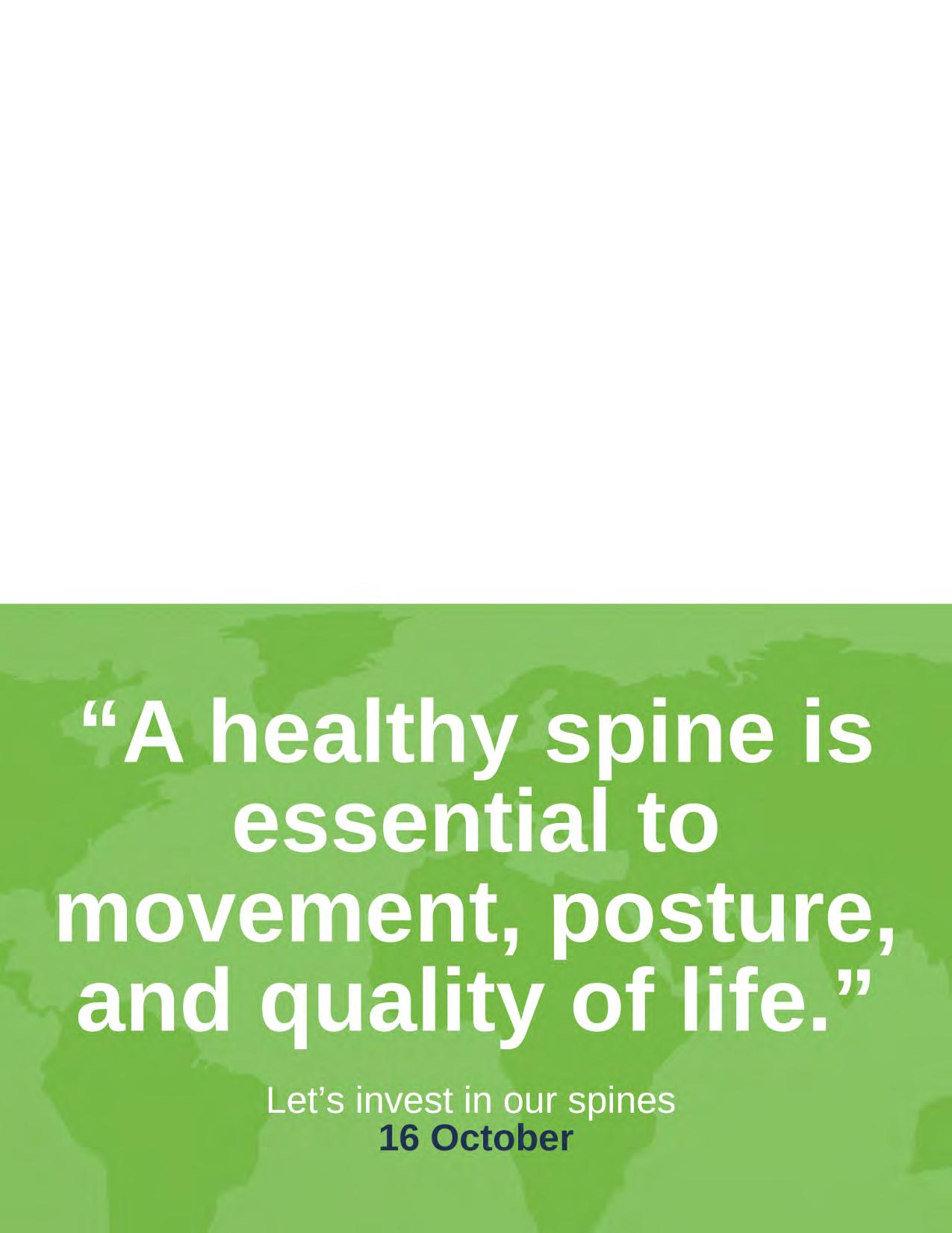
Planning for World Spine Day (WSD) 2026 is now underway with preparations beginning across the global spinal health community. Celebrated on October 16, WSD is the largest international awareness day dedicated to spinal health, and continues to provide a unique interprofessional platform to elevate the importance of spinal health within the broader public health agenda.
In 2026, WSD will unite the global community around the theme ?Spine Health for Life?. This theme reflects a powerful truth: a healthy spine supports people through every stage of life - from childhood development and active working years to healthy aging and maintaining independence. Around the world, millions experience the impact of spinal pain and disability, affecting families, communities, and health systems alike. By focusing on lifelong spinal health, the campaign emphasizes prevention, physical activity, healthy environments, and access to care that supports function and well-being across the life course.
Alongside the 2026 campaign theme, WSD will also introduce a refreshed brand identity, reflecting the continued growth and evolution of the initiative since its launch in 2008. The updated logo features an interconnected design that symbolizes the expanding global network of clinicians,
organizations, researchers, educators, and advocates working together to advance spinal health. The flowing elements represent both the spine itself and the dynamic collaboration that now spans continents and disciplines. Campaign logos will also be available in French and Spanish this year, supporting the campaign?s expanding global reach. Each year, the growing campaign mobilizes health professionals, organizations, policymakers, and communities around the world to raise awareness of the global burden of spinal disorders and the importance of prevention, patient empowerment, evidence-informed care, and rehabilitation. With musculoskeletal conditions remaining among the leading causes of disability worldwide, WSD provides an important moment to draw attention to spinal health as a public health priority.
Importantly, WSD also creates significant advocacy opportunities at every level. At the local level, clinicians, educators, and community organizations can engage the public through outreach events, educational activities, and local media engagement that promote healthy spine behaviours and awareness of available care. At the regional and national levels, professional associations and health organizations can use the momentum of WSD to engage policymakers, contribute to policy dialogue, and advocate for stronger integration of spinal health and musculoskeletal care within health systems, rehabilitation services, and broader public health strategies. Globally, the campaign helps reinforce the importance of spinal health within ongoing conversations surrounding disability, healthy ageing, workforce participation, rehabilitation and Universal Health Coverage.
A defining strength of WSD is its interprofessional character. Participation extends well beyond a single profession, bringing together chiropractors,
physiotherapists, physicians, researchers, rehabilitation professionals, public health experts, and many others working toward the shared goal of improving spinal health worldwide. As planning for 2026 progresses, participants are encouraged to invite colleagues across professions and disciplines to take part, further strengthening the collaborative voice advocating for spinal health. Visit www.worldspineday.org for resources to use in your own campaign. Follow, like, and share WSD materials on Facebook, Instagram, X, and Linked In to share the movement!
The World Spine Day Global Executive Committee?Dr John Maltby, Dr. Hayden Thomas, Dr Rebekah Wilks, Dr Danielle Wiesner, Dr Rebecca Bauer, Dr. Florian Allix, Dr. Lykke Hoffbeck, and Dr Dinesh Palipana?extend their sincere appreciation to Foot Levelers for sponsoring the WFCWorld Spine Day competition, acknowledging
that their continued support helps foster global engagement and make the awards possible.
As chiropractic continues to expand globally, ensuring consistent standards of competence remains both an opportunity and a responsibility. While many countries operate within established regulatory frameworks, significant regions of the world still lack formal systems to verify practitioner competence. In these settings, patients may be exposed to unnecessary risk, and national associations often have limited tools to demonstrate quality assurance or advocate for professional recognition.
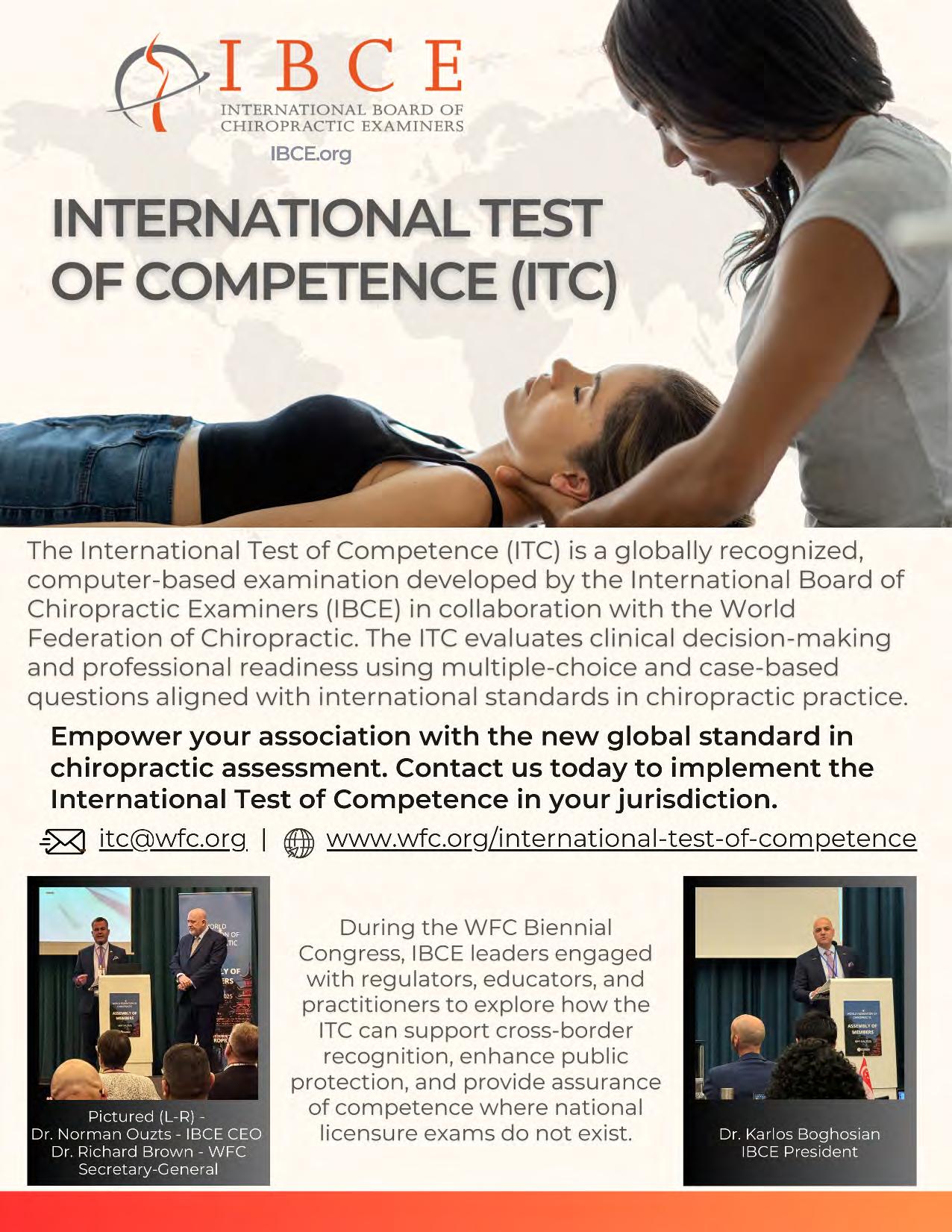
To address this challenge, the World Federation of Chiropractic (WFC) launched the International Test of Competence (ITC) in 2024, developed in partnership with the International Board of Chiropractic Examiners (IBCE). Together, these organizations have combined global leadership with technical expertise to create an internationally relevant benchmark for chiropractic competence.
The ITCprovides a standardized, objective assessment designed for use in unregulated or partially regulated jurisdictions. It evaluates core knowledge, clinical reasoning, and professional judgement?key components of safe and effective chiropractic care. Rather than focusing solely on theoretical knowledge, the ITCuses clinically oriented case scenarios alongside multiple?choice questions to reflect real?world practice.
A defining strength of the ITCis the WFC?IBCE partnership itself. The WFCensures the assessment reflects global professional values, diversity of practice contexts, and patient?centered care. IBCEcontributes decades of experience in examination development, psychometrics, and standard setting. This collaboration ensures the ITCmeets modern testing standards while remaining globally applicable and credible.
For national chiropractic associations, the ITC offers a practical tool to verify practitioner
competence, strengthen membership processes, and demonstrate commitment to public protection. Over time, it can also support advocacy efforts with governments and regulators by providing objective evidence of professional standards.
At its core, the ITCis about protecting patients, strengthening trust, and supporting the profession?s long?term development. By establishing a shared benchmark for competence, it contributes to greater consistency, credibility, and confidence in chiropractic care worldwide.
*Protectspatientsin unregulated or emerging chiropracticenvironments
*Providesan objective, internationally recognized competencebenchmark
*Supportsnational associationsin quality assuranceand advocacy
*Reinforceschiropracticasa credible, evidence?informed health profession
*Strengthened bytheglobal leadership of WFC and thetestingexpertiseof IBCE
If your association operates in an unregulated or partially regulated jurisdiction, or if you believe the ITCcould support professional standards, public trust, or advocacy efforts in your region, the WFCwould welcome hearing from you.
For more information or to explore whether the ITCmay be appropriate for your context, please contact the WFCSecretariat at itc@wfc.orgor visit the WFCwebsitefor further details.
Together, through collaboration and shared standards, we can continue to strengthen chiropractic care worldwide.

The African Chiropractic Federation (ACF) is pleased to announce that registration is now open for the 2026 ACF Conference, taking place 11?13 June 2026 at the Latitude Hotel in Lusaka, Zambia.
Early bird registration is now available, with special discounted rates for ACF members. Delegates are encouraged to register early to secure preferred rates ahead of the registration deadline of 31 May 2026.
Whether you are a practitioner, educator, researcher, or student, the ACF2026 Conference promises an engaging and welcoming forum to learn, connect, and help shape the future of chiropractic across Africa.
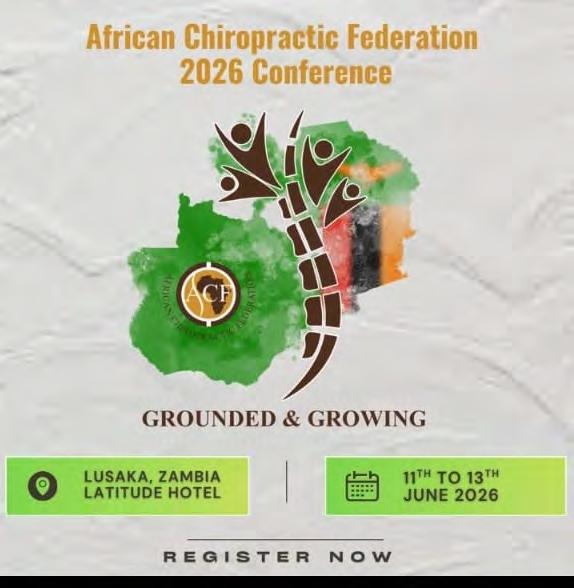
This year?s conference theme, ?Grounded and Growing,? captures a defining moment for chiropractic in Africa. Across the continent, the profession is becoming increasingly confident in its identity and contribution within health systems, while also recognizing the significant opportunities ahead?to expand access to care, strengthen the evidence base, and deepen impact within diverse communities.
The 2026 programme will bring together a vibrant and diverse group of speakers from across Africa and beyond. Participants can expect rich discussion and shared learning from colleagues who are not only leaders in their fields, but who are actively shaping what chiropractic care looks like in a wide range of African contexts. Sessions will explore chiropractic care across the life course and highlight practical models of care, emerging research, and the lived realities of delivering services in both well?established and underserved settings.
More than a scientific meeting, the ACFConference is designed as a space for connection, collaboration, and collective vision?building. It offers an opportunity to strengthen professional relationships, share regional insights, and reflect on what it means to contribute an African voice to global chiropractic. As the conference hashtags suggest, this is about being grounded in our realities and growing together? #GroundedAndGrowing #ForwardTogether26.
For full programme details, registration information, and ongoing updates, visit chiroafrica.com and follow ACF?s communication channels.
The ACFlooks forward to welcoming you to Lusaka in June 2026 as the profession continues to move Forward Together.

In February, Canadian chiropractic advocacy reached a national stage when Dr. Ayla Azad, CEO of the Canadian Chiropractic Association (CCA), appeared before the House of Commons Standing Committee on Human Resources, Skills and Social Development and the Status of Persons with Disabilities (HUMA). Her message was clear: chiropractors in Canada are primary healthcare providers, and excluding them from federal policies risks reducing patient access to care, especially in rural, northern, and remote communities.
Dr. Azad?s testimony focused on two connected issues. First, Bill C-15 raised concerns about continued access to federal student financial assistance for Canadian chiropractic students who study at accredited institutions outside Canada. That matters because Canada has only two chiropractic education programs, and roughly 30 per cent of CCA members are educated internationally before returning home to practice.
Dr. Azad also drew attention to the exclusion of chiropractors from the Canada Student Loan Forgiveness Program , a federal initiative intended to encourage healthcare professionals to establish practice in underserved communities by reducing the burden of student debt. Under the federal program, eligible borrowers in designated professions can receive forgiveness on the federal portion of their student loans after completing service in eligible communities; effective December 31, 2025, the list includes family doctors and family medicine residents, nurses and nurse practitioners, as well as newly added professions including dentists, dental hygienists, pharmacists, midwives, teachers, social workers, personal

support workers, physiotherapists, psychologists, and early childhood educators ? but not chiropractors. Eligible communities generally include rural, remote, or underserved communities, including population centers with 30,000 people or fewer.
The CCA?s position is that qualified chiropractors, regardless of where they completed their accredited education, should be eligible for these supports when they choose to serve Canadians in communities with the greatest need.
For the CCA, this was about more than one clause in one bill. It was about positioning chiropractic within the broader conversation on collaborative, interprofessional healthcare. When governments discuss health human resources, access to care, and the future sustainability of the healthcare system, chiropractors must be part of that conversation.
Importantly, this discussion extends beyond
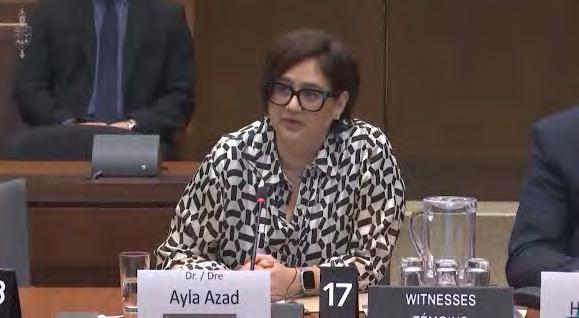
appearing before the House of Commons Standing Committee on Human Resources, Skills and Social Development and the Status of Persons with Disabilities (HUMA).
professional recognition. It speaks directly to broader questions of health human resources, equitable access to care, and the role of collaborative, interprofessional healthcare in strengthening the future of Canada?s health system. In many communities, chiropractors are among the most accessible providers of evidence-based, non-invasive care for musculoskeletal conditions. Excluding the profession from workforce policy discussions risks overlooking a valuable contributor to patient care and, ultimately, limiting access to needed services. What made this moment especially powerful was the way it connected every level of the profession. Students saw their future reflected in the policy debate. New graduates saw how advocacy can shape practice opportunities and where they choose to serve. Established chiropractors saw Members of Parliament hearing, directly, that the profession is essential to modern primary care. Patients, too, remained at the centre of the message. As Dr. Azad told the Committee, ?This is
not about supporting one profession. It is about supporting patients.?
The response also showed that advocacy resonates far beyond Parliament. Across Canada, members, students, and supporters engaged with the issue, helping amplify the profession?s voice and its relevance to healthcare reform. The CCA?s recap video on Instagram drew more than 22,000 views, a strong sign that this conversation is energizing the profession and building awareness among the next generation of chiropractors.
Dr. Azad?s appearance before HUMA was not just a parliamentary intervention. It was a demonstration that chiropractic in Canada is organized, engaged, and ready to contribute to a more collaborative healthcare future. Advocacy moves from students to seasoned practitioners, from professional policy to patient outcomes, and from today?s workforce questions to the future design of the healthcare system. This is how effective advocacy begins.

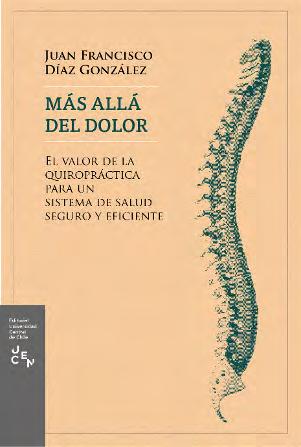
Santiago, Chile ? February 2025 ? The Chilean chiropractic community has released Más allá del dolor: El valor de la quiropraxia para un sistema de salud seguro y eficiente (Beyond Pain: The Value of Chiropractic for a Safe and Efficient Health System), a 219-page academic publication designed to support policymakers and health authorities in advancing evidence-based regulation of the profession.
Authored by Juan Francisco Díaz González and published by Editorial Universidad Central de Chile, the book addresses a critical paradox: Chile has a community of university-trained chiropractors educated under standards aligned with the World Health Organization (WHO), yet a persistent regulatory gap continues to hinder effective patient protection and responsible integration within the health system.
The publication is structured as a public policy resource in three sections: the global historical evolution of chiropractic, current international evidence on clinical effectiveness and cost-efficiency, and a detailed analysis of Chile?s regulatory vacuum. Drawing on peer reviewed literature and international case studies, the book reports that chiropractic as a first point of contact can reduce surgical rates by up to 97% compared with surgical first-contact pathways for low back pain, and can significantly decrease opioid prescribing and overall healthcare costs.
A standout component is the account of a pioneering chiropractic integration experience within a Chilean primary care center (CESFAM Los Quillayes, 2004?present), featuring qualitative outcomes and testimonies from other members of the clinical team who recognize the contribution of this discipline to the progress of their own patients referred for chiropractic care. The publication also
includes a compelling patient testimony describing recovery of full mobility after an unsuccessful initial surgical intervention and, according to medical assessment, a prognosis of permanent disability with recommendations for further surgeries?illustrating the profession?s potential within Chile?s public health context.
The book frames regulation as a public health and patient-safety imperative, and as a necessary condition to clearly distinguish university-trained professionals from inadequately trained and insufficiently regulated practice. In his foreword, Mr Raúl Guíñez, President of the Chilean Corporation for Chiropractic Study and Development (CCHQ), states: ?This book is more than evidence?it is a tool for action and a vehicle to expedite an urgent necessity.? In his foreword, Mr David López Sánchez (Director, UCEN Chiropractic Program) adds: ?The absence of regulation constitutes a gap that compromises public health.?
While focused on Chile, the book offers a replicable framework for Latin American countries facing similar regulatory challenges. This model provides a roadmap to strengthen regulatory confidence through WHO-aligned university education and evidence-based practice, helping to address negative perceptions linked to unsupported approaches or claims that, in some contexts, have hindered appropriate integration into healthcare systems.
The ENLACE?Q Mentorship Program of the Latin American Chiropractic Federation (FLAQ) is a strategic initiative designed to strengthen the quality, cohesion, and international positioning of the chiropractic profession across Latin America. Officially launched in April 2026, the program is delivered virtually via Zoom from 6 April to 24 June 2026, comprising 18 sessions held once or twice weekly.
ENLACE?Q was developed through a coordinated effort of the FLAQ Education Commission, which led the program?s strategic design, mentor selection, and academic structure to ensure alignment with international educational standards and regional professional priorities. Central to the program?s success has been the recruitment of 18 expert mentors, each with more than a decade of experience in specialised areas including neurology, paediatrics, and sports chiropractic. Mentors represent Mexico, Puerto Rico, Brazil, and Chile, bringing a high level of clinical, academic, and research expertise that supports a rigorous, evidence?informed learning environment.
The program has achieved exceptional regional and international reach, attracting 680 applicants, with 665 participants selected after meeting clearly defined eligibility criteria. Participation is limited to students and licensed chiropractors enrolled in, or graduates of, recognized chiropractic programs in Latin America or internationally accredited institutions aligned with World Health Organization educational standards. This selection process reinforces FLAQ?s commitment to professional integrity, patient safety, and educational quality.
Participants currently reside across Latin America, the United States, Europe, and beyond,

highlighting both the program?s broad geographic impact and the growing global interest in advancing chiropractic standards in the region. This diversity also underscores the importance of harmonizing education, professional identity, and regulatory approaches across borders.
Academically, ENLACE?Q focuses on the delivery of clinical pearls across key specialty areas. Sessions integrate expert?led instruction with case?based learning, guiding participants from patient history through assessment, diagnosis, and management using best?practice, evidence?informed approaches. This model enhances clinical reasoning and bridges theory to practice.
More than a mentorship initiative, ENLACE?Q serves as a catalyst for regional transformation, supporting leadership development, continuing education, and collective advancement of the profession. It represents a significant milestone in the evolution of chiropractic in Latin America, strengthening integration, visibility, and professional excellence across the region.

Dr Mayda Serrano, FLAQ Deputy Executive Director

Submitted by Espen Ohren, ECU
Secretary General

There are moments in a profession?s history when coordination, leadership, and unity matter more than ever. The recent ISCO?08 submission to the International Labour Organization (ILO) marks such a moment for chiropractic.
For many years, the classification of chiropractors within the International Standard Classification of Occupations (ISCO) has remained structurally unchanged. While ISCO coding may sound technical, its implications are profound. It determines how governments count chiropractors, how health workforce statistics recognise the profession, how economic activity is mapped, and how chiropractic is positioned within labour and health systems globally. In practical terms, classification determines visibility; visibility supports recognition; and recognition influences policy. This submission was therefore not routine? it was structural.
The ILO maintains ISCO as the global occupational classification framework used by national statistical offices, ministries, workforce planners, and international agencies. Chiropractors are currently classified within Unit Group 2269 ? ?Health Professionals not elsewhere classified.? Although ISCO?08 appropriately moved chiropractic from Technician to Professional level, the profession remains embedded in a residual category that no longer reflects its regulatory, educational, and professional maturity.
In recent years, several countries?including the United States, Canada, and Australia?have created dedicated national unit groups for chiropractors. The issue is no longer whether chiropractic is a health profession, but whether the global classification framework should reflect its distinctiveness. This context prompted the profession?s engagement in the ISCO revision process.
On 1 December, the European Chiropractors? Union (ECU) submitted an initial technical document to the ILO based on European regulatory and educational evidence. Early feedback from ILO technical leadership made clear that broader global substantiation would be required, prompting a coordinated international effort. The ECU was formally mandated to lead the process, while the World Federation of Chiropractic (WFC) acted as a close collaborator and global dissemination partner?ensuring clarity of roles and disciplined progress.
The response from the profession was exceptional. Regulatory authorities, national associations, educational institutions, and professional leaders across Africa, Latin America, Asia, the Gulf region, Oceania, North America, and Europe submitted documentation within compressed timelines, forming a cohesive global evidence base.
The final Technical Memorandum submitted to the ILO was comprehensive and analytical, documenting:
*Globlal workforce scale and growth trends
*Statutory regulation across regions
*National occupational classification developments
*Education and accreditation infrastructure
*Comparative analysis with other ISCO 2269 occupations
*Structural feasibility within the ISCO framework
Regardless of the outcome of the ILO Technical Working Group?s deliberations, this process has strengthened chiropractic?consolidating evidence, reinforcing global collaboration, and demonstrating the profession?s capacity to act with seriousness, discipline, and unity.
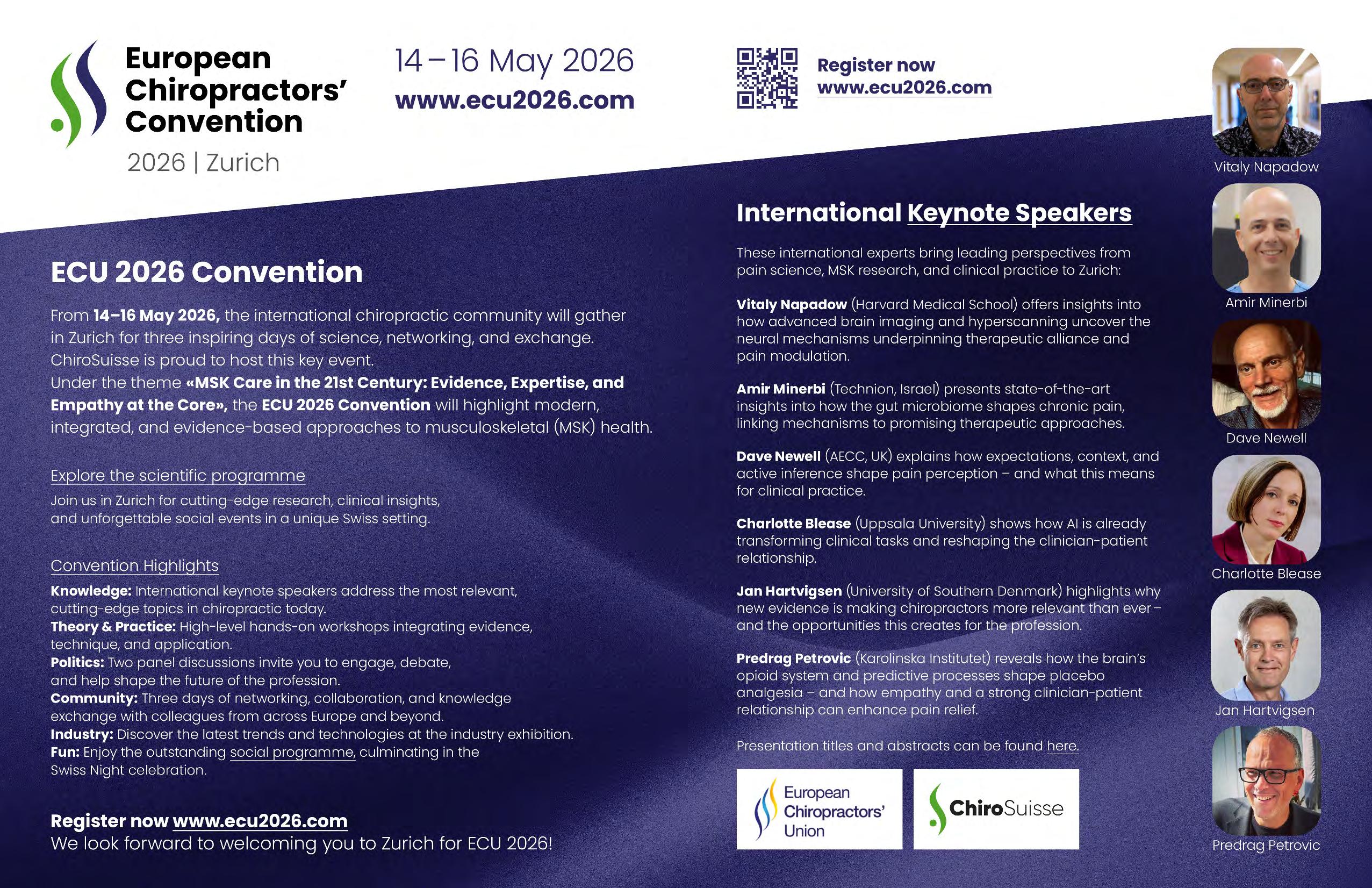
On December 19, 2025, the Hong Kong Chiropractors' Association (HKCA) met with Dr. Pang Fei Chau, Commissioner for Primary Healthcare, at the Hong Kong Legislative Council, following an invitation from Legco Representative Dr. David Lam. Representing the HKCA were Dr. Leonard Wong, Dr. Claudia Ng, and Dr. Diego Rothchild.
Dr. Pang is responsible for implementing the Primary Healthcare Blueprint, a government initiative launched in late 2022. The Blueprint is a response to Hong Kong's rapidly aging population and the resulting increase in chronic disease, which poses a serious risk of overwhelming the public hospital system. Its core aim is to pivot the medical system from a "treatment-oriented" focus to a "prevention-focused" one by strengthening community-based services. This is supported by a tiered governance structure, led by the Primary Healthcare Commission, designed to improve coordination between the private and public sectors and ease the strain on public hospitals.
HKCA presented a proposal for integrating
chiropractic services into this new Primary Healthcare System. The proposal specifically addressed issues identified in the Blueprint, demonstrating how chiropractors could help achieve the goal of transitioning from a hospital-centric, acute care model to a community-based, prevention-oriented system.
The proposed implementation was organized into three phases:
1. Inclusion into the Primary Care Directory
2. Development of Clinical Guideline on Chiropractic Care
3. Integration into District Health Centres
The HKCA's proposal was strengthened by global examples illustrating the significant role chiropractic plays in other healthcare systems. HKCA extends its sincere gratitude to the following individuals who provided invaluable assistance through contributing papers, sharing experiences, and outlining challenges. Dr Pierre Côte, Dr Deborah Kopansky-Giles, Dr Charlotte Leboeuf-Yde, Dr James Lehman, Dr Silvano A. Mior and Dr Søren O'Neill
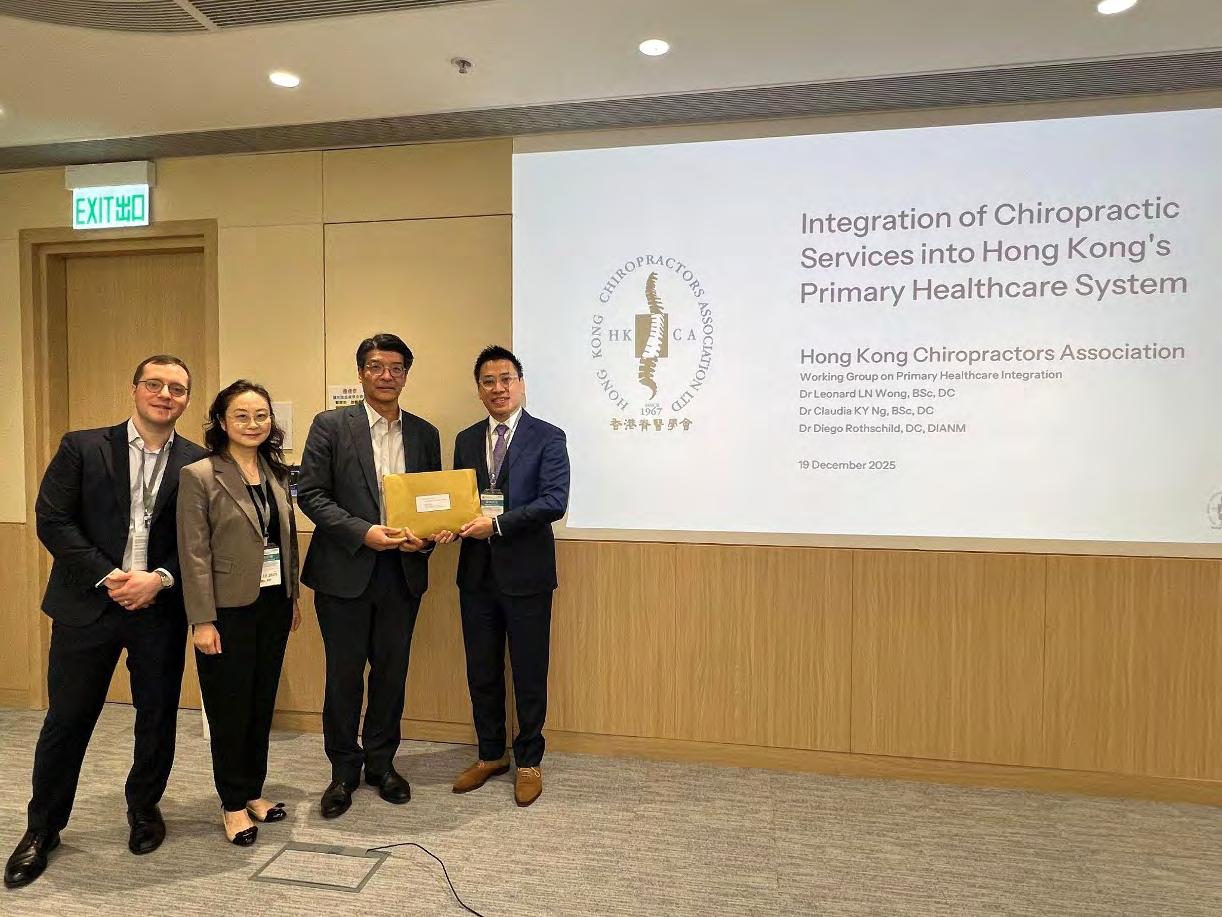
HKCA actively engaged with final year students during AECC?s Future Pathways event, held virtually on 29th January 2026. This participation was a strategic effort by the HKCA to directly address the inquiries and provide comprehensive guidance to graduating students who harbor aspirations of establishing a professional chiropractic practice within Hong Kong.
The HKCA?s virtual session was structured to offer an in-depth overview of the necessary steps and considerations for pursuing a career in Hong Kong. Key topics covered during the engagement included:
? The History of Chiropractic in Hong Kong: A presentation on the evolution of the profession, its current regulatory landscape, and its standing within the local healthcare system, providing
students with essential context on the environment they would be entering.
? The Registration Process: Clear and practical information on the mandatory requirements, application procedures, and necessary qualifications for obtaining registration to practice under the Chiropractic Council of Hong Kong, ensuring future practitioners understand the official pathway.
? Employment Opportunities: An exploration of the diverse avenues for employment, including private practice, potential multi-disciplinary clinics, and the overall demand for chiropractic services in Hong Kong, offering insight into the practical career outlook.
On March 8th 2026, the HKCA was invited to attend the annual dinner of the Hong Kong Association of Private Practice Optometrists (HKAPPO). This served as an excellent inter-professional platform to exchange policy ideas with representatives from the Liaison Office of the Central People's Government in the Hong Kong Special Administrative Region, officials from the Hong Kong government, the Legislative Council, and other healthcare professionals.
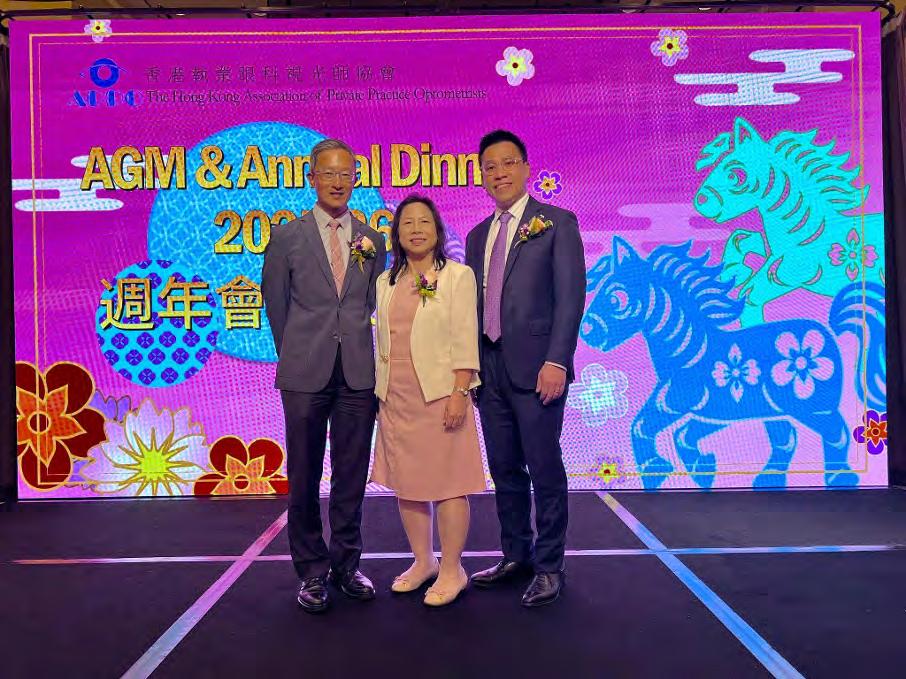
On March 8th, 2026, HKCA participated in a community outreach event: the 10th Rotary Club of Hong Kong City North Elderly Health Promotion Day 2026. Representing the HKCA were Dr. Leonard Wong, Dr. Claudia Ng, and Dr. Fabien Leong.
The annual event was a tremendous success, drawing a substantial crowd of 185 elderly attendees from the local community. It served as a vital platform for providing essential health education and promotion, featuring a comprehensive series of health talks delivered by various healthcare professionals. In addition to presentations from specialists in dentistry, urology, and ophthalmology, the HKCA members contributed their expertise on musculoskeletal wellness. Specifically, Dr. Leonard Wong and Dr.
Fabien Leong delivered an informative and engaging talk focused on promoting optimal spinal health to the elderly participants. HKCA has proudly supported the Rotary Club of Hong Kong City North?s Elderly Health Promotion Day as a community service project consistently since 2017, reflecting its core mission to serve the people of Hong Kong through health education and professional chiropractic care.

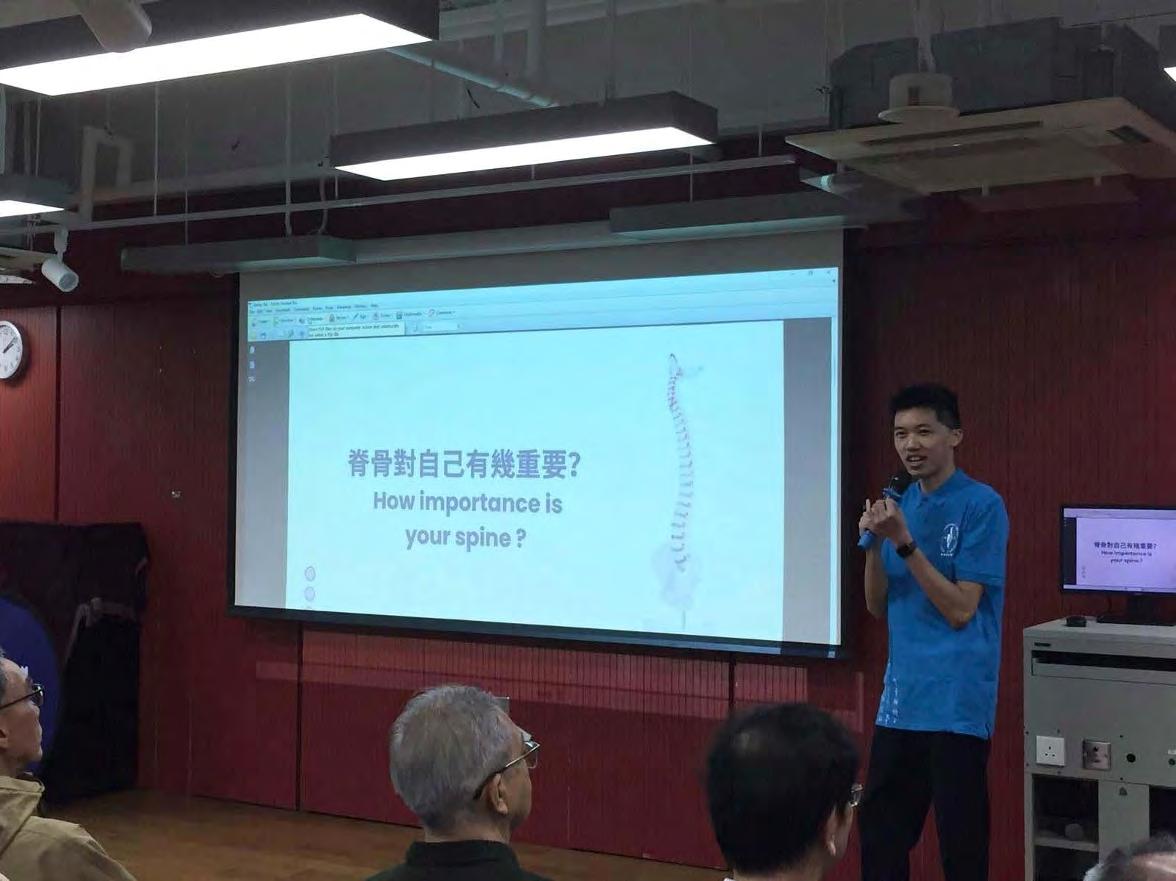
On March 8th, 2026, HKCA participated in a community outreach event: the 10th Rotary Club of Hong Kong City North Elderly Health Promotion Day 2026. Representing the HKCA were Dr. Leonard Wong, Dr. Claudia Ng, and Dr. Fabien Leong.
The annual event was a tremendous success, drawing a substantial crowd of 185 elderly attendees from the local community. It served as a vital platform for providing essential health education and promotion, featuring a comprehensive series of health talks delivered by various healthcare professionals. In addition to presentations from specialists in dentistry, urology, and ophthalmology, the HKCA members contributed their expertise on musculoskeletal wellness. Specifically, Dr. Leonard Wong and Dr.

Fabien Leong delivered an informative and engaging talk focused on promoting optimal spinal health to the elderly participants. HKCA has proudly supported the Rotary Club of Hong Kong City North?s Elderly Health Promotion Day as a community service project consistently since 2017, reflecting its core mission to serve the people of Hong Kong through health education and professional chiropractic care.
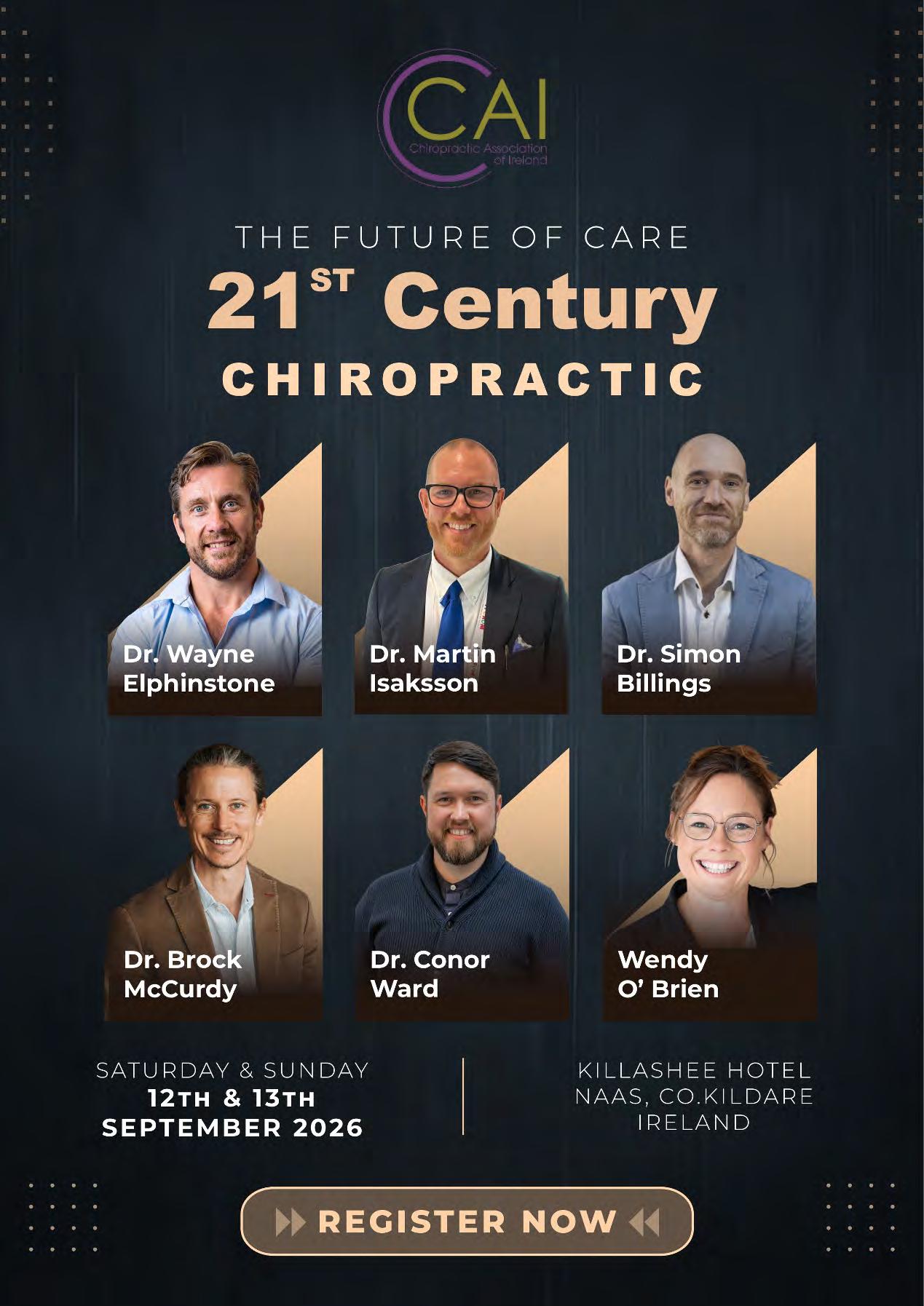
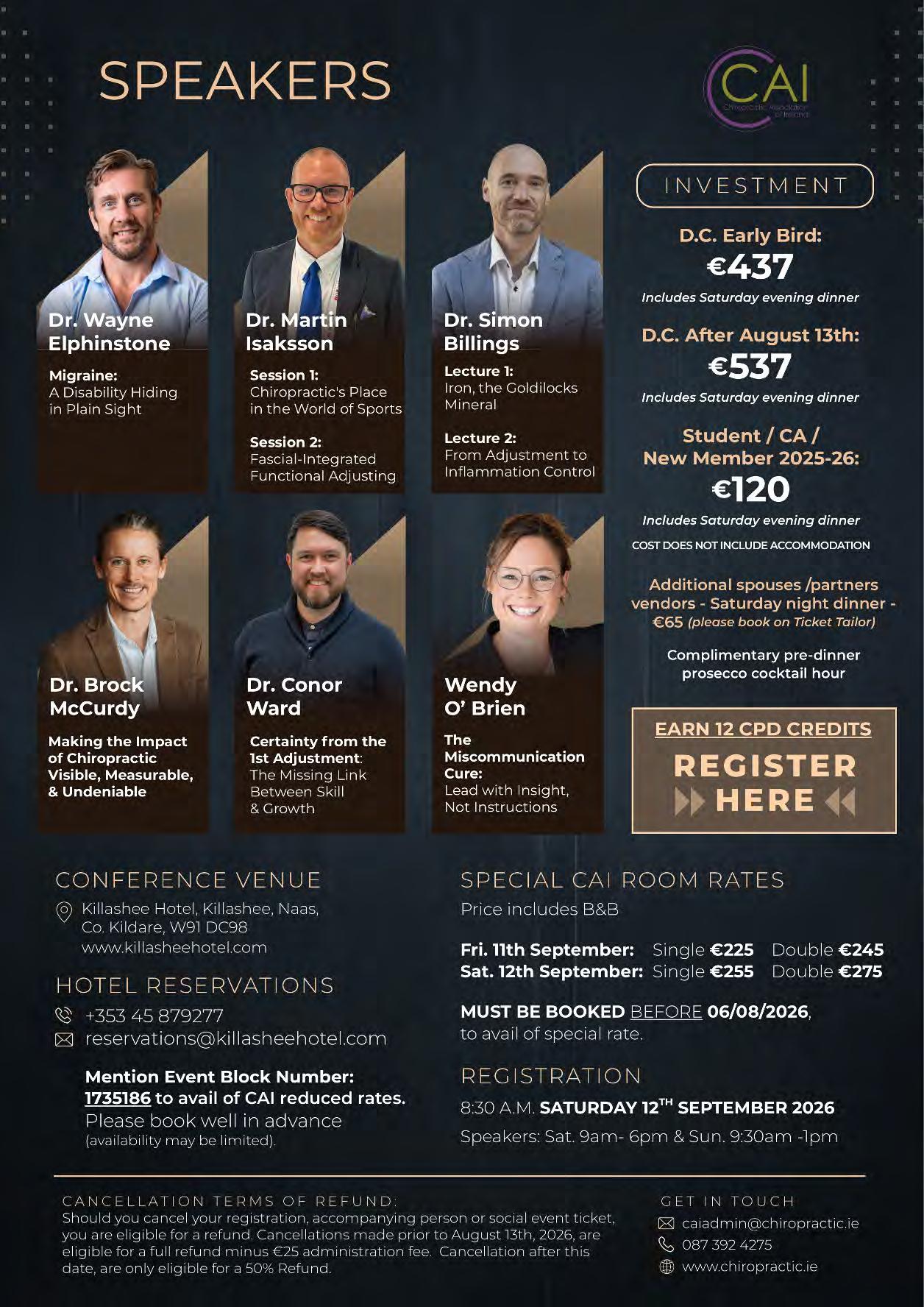
Italy is a country famous for its art and creativity, among other things, and our profession has adapted to the environment beautifully.
While on one hand the Association of Italian Chiropractors is working relentlessly to bring the regulation process to completion, some private universities with no recognition or accreditation are starting chiropractic programs, selling them as valid on Italian soil. This situation of uncertainty and lack of proper regulation is the perfect opportunity for these so-called "schools" to emerge, as there is no way to legally stop them. The strategy is clear: take advantage of this unclear situation to recruit as many students (sources of income) as possible before the regulation is completed. They will then try to obtain "equivalence of studies" for their students in a way that will allow them to be recognized as chiropractors in Italy. Unfortunately for them, this is very unlikely to happen, because these schools are neither recognized nor supported by an official Italian university and do not have any accreditation, nationally or internationally (e.g. ECCE).
As if that were not enough, the founders of these programs have been recruiting individual chiropractors in Italy and abroad to teach in their schools, to lend legitimacy to their chiropractic curriculum. Some of the chiropractors involved are already accustomed to teaching chiropractic techniques to non-chiropractors in Italy, regardless of the potential risks associated with such behavior.
Our concern is that the doctors involved are not fully aware of the big picture. They might accept to teach there for the right reasons, but in doing so they are ultimately causing harm to the process of
regulating the profession in Italy.
We, the Association of Italian Chiropractors, do not support initiatives that are not in line with our purpose and values and do not respect our efforts to achieve proper regulation of our profession in Italy. We are closer than ever to having the Ministry of Health recognize chiropractors' competences and finally begin the process of defining a proper chiropractic degree program at an official Italian university. It will be a program that meets international accreditation standards, allowing students to obtain a degree that guarantees professional competence and safety, granting them the ability to practice within the international community and in countries where chiropractic is regulated.
We ask readers of the WFCQuarterly World Report to contact us at aic@chiropratica.it if they have been approached by any of these unofficial schools, if they need further clarification on the topic, or to help spread the word and prevent the dissemination of misleading information about what is happening with chiropractic in Italy.
Damiano Costa, D.C. Secretary and Treasurer, AIC

The WHO/Europe Public Health Innovation Platform is a collaborative, WHO-hosted network designed to catalyse system-level transformation in public health. The Platform brings together innovation institutions, Member States, intergovernmental organizations, WHO collaborating centers and non-State actors to co-create, scale and sustain impactful innovations that address health inequities and deliver measurable, population-level benefits. The project is divided into nine themes, each serving as of the core operational engines of the Public Health Innovation Platform.
The AICdistributed notice of the initiative broadly amongst chiropractic stakeholders. Seven associations and other bodies submitted Expressions of Interest. To date two have been invited to participate. The AIChas been assigned to Domain 5: Community-level Social & Behavioural Innovation?. We will be expected to share experience, evidence and practical insights that can help identify, assess and prioritize promising innovation aligned with regional public health needs. Participants are expected to engage in a collaborative process to generate practical, adoption supportive outputs such as evidence briefs, technical summaries, implementation considerations, regulatory insights, and value-case analyses that support Member States in making informed decisions about if, when, and how certain innovations could be considered for future uptake.
The links below provide more information about the PHIP and the Innovation Agenda. Anyone with a particular interest in behavioural economics, or behavioural neuroscience in the area of public health and wishes to have more information and contribute to this initiative is invited to contact the AIC: we are creating a pool of people ready for when the PHIP publishes the workplan for the workstreams.
https://www.who.int/europe/news-room/articles/ item/call-for-applications--join-the-who-europepublic-health-innovation-platform
2025-2030:
https://www.who.int/europe/publications/i/item/ WHO-EURO-2025-12421-52195-80181
Baiju Khanchandani, DC, FACFN, ICCSSP, COMMISSION FORHEALTH & INNOVATION, AIC chiropratico@gmail.com www.chiropratica.it aic@chiropratica.it
'The science behind chiropractic care: Exploring effects, risks and mechanisms of the adjustment'
IThe World Federation of Chiropractic (WFC) will hold its Board Meeting in Tokyo from June 10-12, 2026, followed by a joint seminar with the Japanese Association of Chiropractors (JAC) on June 13. The seminar will feature Dr. Simon Wang DC, MSc, Associate Professor at Canadian Memorial Chiropractic College (CMCC), as the keynote lecturer.
Dr. Wang?s lecture will explore the physiological and clinical effects of spinal manipulative therapy (SMT), including its influence on pain modulation, muscle activation, disability, and inflammation. The session will also discuss the concept of mechanotransduction-how mechanical forces from SMT are translated into cellular responses that promote tissue adaptation, healing, and neurophysiological changes. Emerging research on sensorimotor integration and cortical excitability will also be reviewed, highlighting how restoring sensory input may improve motor control and overall well-being.
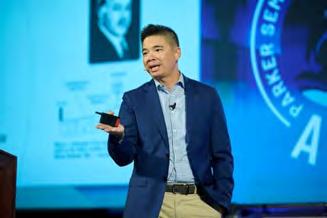
The seminar will further examine the mechanisms of pain reduction through peripheral, spinal, and supraspinal pathways, as well as key pain theories such as gate control and descending inhibition. Evidence regarding the safety and risks of SMT will also be presented to provide a balanced, evidence-informed perspective.
In addition, strategies for improving patient outcomes will be discussed, including clinical frameworks such as the Saskatchewan Spine Pathway, patient-centered treatment modifications, and factors influencing patient comfort and treatment effectiveness. The seminar
will conclude with a simplified integrative model explaining how chiropractic care produces meaningful clinical change.
A two-hour hands-on workshop will follow, providing practical training in SMT variations, patient comfort techniques, force modulation, hip manipulation, reciprocal inhibition methods to reduce guarding, and ergonomic strategies for chiropractors.
The Seminar Information Site: https://jac-chiro.org/en/wfc2026/
The summit will be held from June 13 to 14 at Vision Center Shinagawa Annex in Tokyo. Representatives of WFCnational member associations in the Asian region are invited, so please contact the WFCOffice for further information if your national association is interested in participating. A half-day Tokyo bus tour and reception, sponsored by the JACand the Tokyo Convention & Visitors Bureau, will be organized on June 12.
The Asia Regional Summit Information Site: https://jac-chiro.org/en/asiasummit2026/


?Strengthening chiropractic education through a unique cross-border collaboration?
IIn February 2026, the Chiropractic Association (Singapore), TCA(S), proudly formalized a Memorandum of Understanding with IMU University (Malaysia). This landmark partnership establishes a unique pathway for IMU?s chiropractic students to undertake structured, observation-only clinical attachments in Singapore slated to begin from August 2026.
What makes this collaboration distinctive is its alignment with Singapore?s regulatory framework, ensuring that students gain supervised clinical exposure through a personalized 1:1 supervision

Read more about this collaboration between TCA(S) and IMU here as well as more about IMU here
model. Beyond observation, the partnership also opens opportunities to explore future internship opportunities, further strengthening students? professional development.
This international collaboration marks a significant milestone for our Singapore association as we continue to champion professionalism and ethical standards within the chiropractic profession. Together, we look forward to advancing chiropractic education and creating meaningful learning experiences that will benefit both students and the wider community.
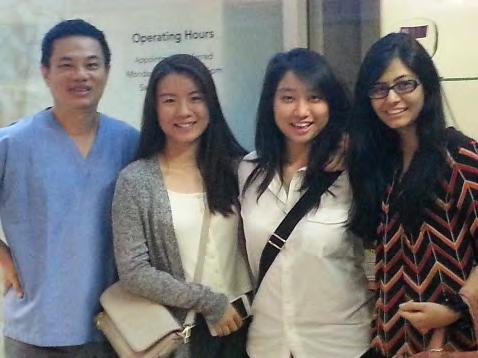
?Informal IMU chiropracticstudent observationsunder TCA(S) since2017?
In March, CASA hosted its pioneering CASA Student Research Symposium , held online under the theme ?Strengthening Research Capacity for CASA Student Members.? This landmark event reflects CASA?s ongoing commitment to nurturing the next generation of chiropractors and strengthening the profession through research literacy and collaboration. This forms part of CASA?s broader commitment to strengthening the profession through academic engagement and research capacity building.
The symposium brought together student members from the University of Johannesburg (UJ) and the Durban University of Technology (DUT) for a dynamic day of learning and engagement with experienced researchers and academics. Hosting the event online enabled participation across institutions and locations, ensuring broader access and creating an inclusive learning environment. By providing structured exposure to research processes and methodologies, the event aimed to deepen students?understanding of how evidence may be generated, interpreted, and applied within clinical practice.
Importantly, the symposium highlighted the value of cross-institutional, international, and interdisciplinary collaboration. Presenters represented a range of respected institutions, including the University of KwaZulu-Natal, Durban University of Technology, the University of Johannesburg, and the New Zealand College of Chiropractic. This global exchange reinforced an important message: research speaks across disciplines, institutions, and borders; it is a language that knows no barriers.
The programme was carefully curated to guide students through key stages of the research journey. Sessions explored how to conceptualize a research problem and develop clear aims and objectives, how to conduct an effective literature review, and how interdisciplinary research can translate knowledge from the laboratory to the clinic.
Further discussions unpacked the value of mixed methods research, qualitative research design and trustworthiness, and practical approaches to survey design and data collection. The symposium also included reflections on the research journey, giving students insight into the realities, challenges, and rewards of engaging in academic research.
By equipping student members with the tools to critically engage with research, CASA continues to empower future chiropractors to practice within an evidence-based healthcare environment. Initiatives such as this symposium not only strengthen
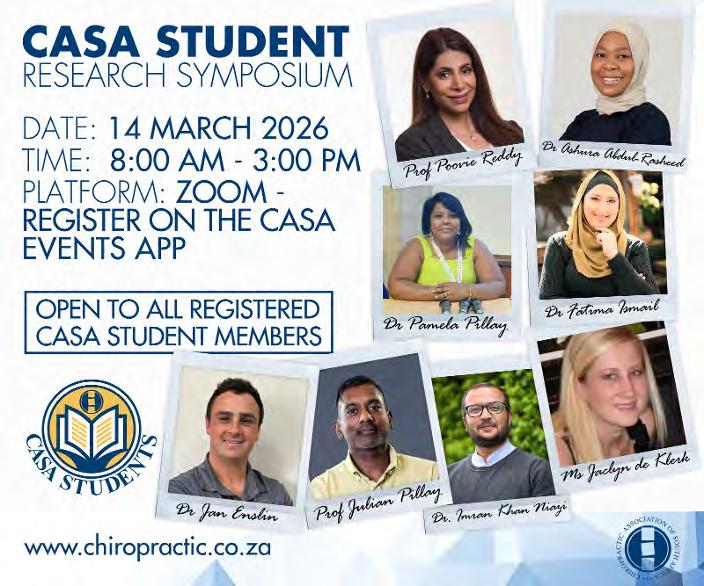
The Chiropractic Association of South Africa (CASA) recently participated in a sector-wide initiative coordinated by the Allied Health Professions Council of South Africa (AHPCSA) to support the inclusion of allied health professions within South Africa?s developing National Health Insurance (NHI) framework.
During a meeting with the Chief Director at the National Department of Health, AHPCSA Council undertook to develop documentation outlining the roles of allied health professions within NHI and proposing reimbursement models for services delivered under the system.
To fulfill this mandate, several strategic actions were implemented. NHI task teams were established representing all 12 professions regulated under AHPCSA, while professional associations and academic institutions were invited to participate in the process. Members of CASA?s Executive Committee joined the task team and contributed to the drafting of the chiropractic section of the submission to ensure that the profession?s role and scope of practice were accurately represented.
A dedicated task team subsequently compiled a consolidated Allied Health submission representing all professions regulated under AHPCSA. Each profession was required to draft its own profession-specific section, which was included as an appendix to the final document. These appendices were required to address two key questions posed by the Department of Health: the defined role and contribution of the profession within the NHI framework, and the proposed reimbursement model for services delivered under NHI implementation.
To support the chiropractic submission, CASA and AHPCSA conducted a national survey to establish an indicative benchmark for consultation fees
across South Africa. While recognizing that practice costs vary considerably, the consultation fee provides a practical reference point for determining the financial value associated with patient care within a potential NHI environment. The survey was designed to capture essential financial and operational information aligned with the framework requested by the South African National Department of Health.
The consolidated Allied Health document was submitted in February 2026, approved by AHPCSA Council, and forwarded to the National Department of Health for consideration. This collaborative engagement represents an important step in demonstrating the role of chiropractic in supporting neuromusculoskeletal health within South Africa?s evolving universal health coverage framework.
#CASAConnects2026: Connecting care, community, and everyone we serve

In 2026, the Chiropractic Association of South Africa?s charitable initiative, CASA Cares, has continued to grow as a meaningful expression of the profession?s commitment to supporting our future chiropractors. This year, the CASA Cares team has rallied together with members of the association to focus on practical, tangible ways to uplift and assist student members during their academic journey.
One of the most inspiring developments has been a community-driven collection drive for essential items. CASA members generously contributed food, personal hygiene products, and stationery to help ease some of the everyday pressures that students may face while pursuing their studies. The response from members has been both heartwarming and encouraging, demonstrating a strong sense of solidarity within the profession. These donations are not simply items; they represent encouragement, belief, and investment in the next generation of chiropractors.
In addition to the collection drive, CASA has continued to cultivate a culture of ?paying it forward.? Members have been given the opportunity to sponsor student membership

fees for the year, ensuring that students can remain connected to the association even while navigating the financial challenges that often accompany tertiary education. Sponsoring a student?s membership does more than provide financial assistance, it allows students to gain early exposure to the value of belonging to a professional association and the culture of

chiropractic in South Africa. Through membership, students develop an understanding of professional identity, networking, advocacy, and the collective responsibility that comes with being part of a healthcare profession. Students begin to learn that our voice as a collective profession is far stronger and more influential than any individual voice.
Another important milestone this year was CASA?s engagement with first-year students during orientation sessions in February at both Durban University of Technology (DUT) and University of Johannesburg. These sessions provided an opportunity to introduce CASA to the newest members of the chiropractic community and
highlight the importance of professional involvement from the very beginning of their careers. By connecting with students early in their academic journey, CASA aims to foster a sense of belonging and professional pride. The collaborative spirit shown by both universities in facilitating these engagements reflects a shared vision of supporting students not only academically but also professionally.
The fifth-year clinic orientation at DUT also provided an opportunity for CASA to engage with
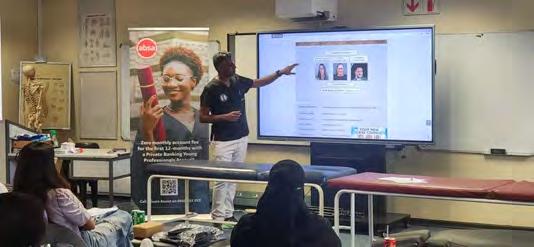
students as they prepare to enter their clinical training phase. The session highlighted the importance of belonging to a professional association, the role CASA plays in supporting practitioners throughout their careers, and the value of remaining connected to the profession beyond the university environment. CASA also took the opportunity to wish the students well as they begin this important stage of their clinical journey and transition toward professional practice.
CASA Cares continues to demonstrate that the strength of the chiropractic profession lies in its community. Through generosity members are helping to build a supportive environment where students can thrive, actively future-proofing the profession and ensuring that chiropractic in South Africa remains strong and united.




Every chiropractor has a patient whose story has stayed with them. This April, the British Chiropractic Association (BCA) is asking chiropractors all around the world to share theirs.
Persistent pain stops people from working, sleeping, lifting their children, and doing the things that make life feel normal. Yet for the millions of people living with persistent musculoskeletal (MSK) pain, the path to the right care is longer than it should be. Chiropractic Awareness Week exists to change that by raising awareness of a profession and showing what becomes possible when people get access to the care they need.
The campaign
Running from 13th to 19th April 2026, Chiropractic Awareness Week is the BCA's annual public-facing campaign, designed to raise awareness of chiropractic care among patients, policymakers, and the wider healthcare community.
This year's theme, The Patient I'll Never Forget, shifts away from clinical explanation and towards the powerful, human stories that sit behind the profession's work, told by the chiropractors who are there to help.
An invitation
The BCA invites associations, chiropractors, and educators all around the world to share the stories that remind them why they do this work: the patient whose progress moved them, the case that stayed with them, or the moment that reinforced their commitment to MSK care. Those stories will be shared throughout the week across the BCA's channels, forming a collective picture of how chiropractic care helps people move freely, live with less pain, and return to the moments that matter.

The profession's case for greater recognition is stronger when it is made collectively, and it is strongest of all when it is grounded in the human reality of what this care means to the patients who receive it.
How to take part: It is easy to share your story.
We encourage you to record a video or a voice note and upload it to this folder.
For written patient stories, you can email katrin.mahfuz@chiropractic-uk.co.uk or save them in a Word document in the folder above.
Please note: Stories should be fully anonymous.
Resources, example stories from BCA members, and further information about the campaign and how to get involved are available at chiropractic-uk.co.uk/caw.
The broader context
In the UK, the BCA is calling for a national strategy that includes and utilizes the chiropractic profession to provide more access to care and help alleviate the pressures in the National Health Service (NHS).
This includes making the case for chiropractors to be formally recognized within NHSMSK pathways as Allied Health Professionals (AHPs) - a change that would expand access to care and help address a backlog that represents a significant and growing public health concern.
Get involved!
Chiropractic Awareness Week will run from 13th to 19th April 2026.
Members of the global chiropractic community are also warmly encouraged to follow the campaign on social media and share their own reflections on what this theme means for the profession on their channels, using our hashtag #CAW2026 and tagging the British Chiropractic Association on:
-Facebook: @BritChiro
-Instagram: @chiropractic_uk
-LinkedIn: @British Chiropractic Association


In January, the American Chiropractic Association (ACA) hosted Engage, its annual conference, in Washington, D.C. At the meeting, the ACA board elected new leadership: Kris Anderson, DC, MS, was elected president and Maithy Ta, DC, was elected vice president of the association for the 2026-2027 term. Immediate Past President Marc Nynas, DC, and Dr. Ta were re-reelected to the board by the ACA House of Delegates and will continue to serve, along with Robert Ault, DC, MBA, Michael Massey, DC, Adrian Stratton, MBA, CPP, PRP, and Michael Welker, DC.
ACA also presented its annual awards at Engage, recognizing doctors of chiropractic and other individuals for their exceptional service, achievement and/or leadership within the chiropractic profession. Ronald Farabaugh, DC, received ACA?s highest honor, the Chiropractor of the Year Award, in recognition of his efforts to advance the profession through integration and research. Read the ACA news release on all the In January, the American Chiropractic Association (ACA) hostedEngage, its annual conference, in Washington, D.C. At the meeting, the ACA Board elected new leadership:Kris Anderson, DC, MS, as President and Maithy Ta, DC, as Vice President for the 2026?2027 term. Immediate Past President Marc Nynas, DC, and Dr Ta were re?elected to the Board by the ACA House of Delegates and will continue to serve alongside Robert Ault, DC, MBA; Michael Massey, DC; Adrian Stratton, MBA, CPP, PRP;and Michael Welker, DC
The ACA also presented its annual awards at Engage, recognising doctors of chiropractic and other individuals for exceptional service, achievement, and leadership within the profession.Ronald Farabaugh, DC, received the ACA?s highest honour, the Chiropractor of the

Year Award, in recognition of his efforts to advance chiropractic through integration and research.Read the ACAnewsrelease on all the award winners.
ACA?s Healthcare Policy and Advocacy Committee (HPAC) continues to support members by developing practical resources to help doctors of chiropractic code, document, and defend their services. HPACincludes ACA members who participate in the American Medical Association?s Current Procedural Terminology (CPT®) process, helping ensure that chiropractic services are accurately described and appropriately valued within healthcare systems. ACA members currently have access to more than 20 guidance documents developed through this work.
Additionally, ACA will collaborate this year with the American Public Health Association?s Chiropractic Section by sharing information related to National Public Health Week through ACA?s Facebook and Instagram platforms in April.
Beyond formal sessions, Engage provided valuable opportunities for advocacy, networking, and strategic dialogue among chiropractic leaders, policymakers, and stakeholders. These discussions focused on strengthening chiropractic?s role within integrated healthcare delivery, advancing reimbursement and policy recognition, and preparing the profession to respond to evolving healthcare system demands. Together, these leadership, advocacy, and educational efforts reflect the ACA?s ongoing commitment to supporting its members and advancing the chiropractic profession at both national and systemic levels.
For more information about ACA news, visit www.acatoday.org
IAt the American Chiropractic Association (ACA) Engage 2026 conference in Washington, D.C., the World Federation of Chiropractic (WFC) was represented by its President, Dr Ryan Coster, and Secretary?Treasurer, Dr Holly Tucker. Their participation highlighted the WFC?s ongoing commitment to international engagement , professional leadership, and collaboration within the global chiropractic community.
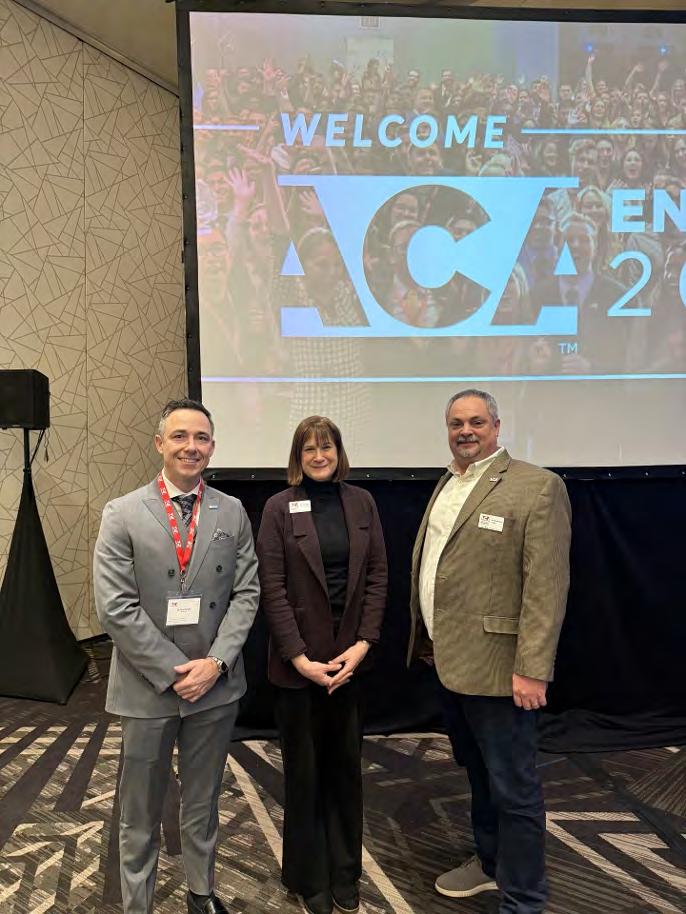
Hosted annually by the ACA, the Engage conference is one of the United States?premier gatherings for chiropractic professionals. It brings together leaders from across the country to participate in advocacy efforts, engage with policymakers, and discuss legislative priorities, including scope of practice, workforce recognition, and the integration of chiropractic into mainstream healthcare systems.
The programme featured a strong focus on innovation and future?focused practice. Presentations included insights from Dr David Elton, DC, who shared expertise on the effective use of data to support government advocacy, and Dr Brian Coleman, DC, who delivered a well?received presentation on embracing artificial intelligence within chiropractic practice. These sessions reinforced the importance of strategic thinking and innovation as the profession continues to evolve.
It was an honour for Dr Coster to address the ACA House of Delegates, where he outlined the WFC?s strategic vision for advancing chiropractic globally. Central to this vision is strengthened collaboration with other healthcare disciplines, which the WFCviews as essential to expanding recognition, accessibility, and the overall impact of chiropractic care worldwide.
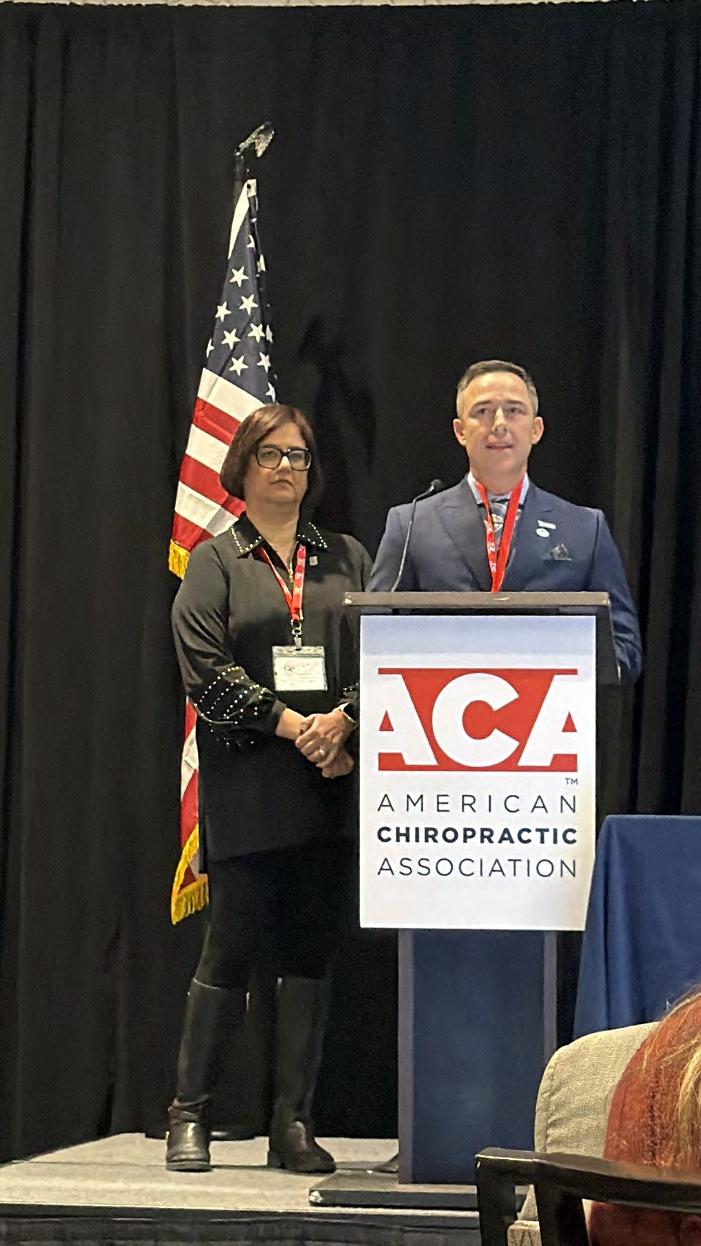
Adding an international perspective to the event, Dr Coster was joined by Dr Ayla Azad, Chief Executive Officer of the Canadian Chiropractic Association, to promote the upcoming World Federation of Chiropractic Congress 2027, scheduled to take place in Vancouver, Canada, in
May next year. The Congress is expected to convene chiropractors, educators, researchers, and leaders from around the world, further supporting global knowledge exchange and professional collaboration.
Another notable moment during the conference was the invitation extended to Dr Coster and Dr Tucker to attend the Fellow of the International College of Chiropractors (FICC) luncheon. At this event, Dr Tucker was formally recognized and confirmed as a Fellow, an honour acknowledging sustained service and contribution to the
profession.
As chiropractic continues to develop within an increasingly integrated healthcare landscape, events such as ACA Engage provide valuable platforms for advocacy, collaboration, and forward?looking dialogue. The WFC?s participation reinforced its role in supporting chiropractors worldwide and advancing high?quality, patient?centered care through global cooperation.

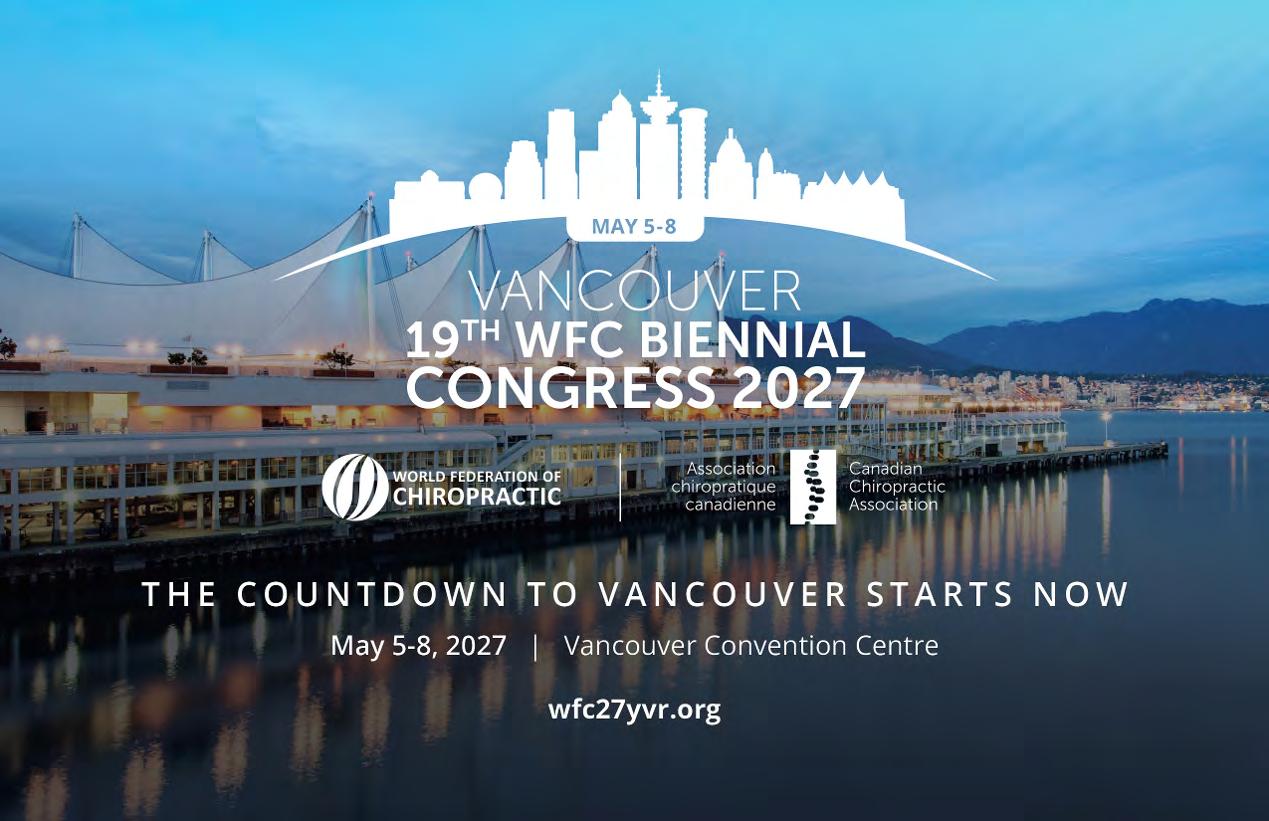
On March 10, 2026, representatives of the chiropractic profession convened in Washington, D.C. for a landmark national policy dialogue held in conjunction with the Make America Healthy Again Action (MAHA Action) initiative. The meeting brought together healthcare stakeholders, policy advisors, and professional leaders to discuss strategies for improving population health outcomes and addressing the growing burden of chronic disease in the United States?an issue with clear global relevance.
The International Chiropractors Association (ICA) was represented by President Dr Joseph Betz,Secretary and World Federation of Chiropractic (WFC) Board Member Dr Jason Jaeger, and Executive Director Beth Clay, MDiv, who also serves on the MAHA Chiropractic Working Group. Through this engagement, the ICA continues to connect internationally shared chiropractic priorities with senior?level U.S. health policy discussions. Concepts long championed globally?including non?pharmacologic care, spinal health, subluxation management, and the body?s innate capacity for healing?are gaining increased attention within contemporary policy frameworks.
The dialogue focused on prevention, conservative care, and Whole Person Health, with chiropractic leaders highlighting the management of neuromusculoskeletal conditions, functional disorders, and spinal biomechanics. Emphasis was placed onevidence?informed, non?pharmacologic strategies aligned with national goals to reduce opioid dependence and avoid unnecessary invasive interventions, while improving function, mobility, and quality of life.
These challenges are far from unique to the United States. Health systems worldwide face similar pressures, positioning the global chiropractic community to contribute meaningful, scalable solutions.
Participants included leaders and stakeholders from the ICA,American Chiropractic Association (ACA),National Board of Chiropractic Examiners (NBCE),ChiroSecure, the Congress of Chiropractic State Associations (Chiro Congress), and other organisations engaged in education, policy, and care delivery. This breadth of representation reflected a shared commitment to advancing the profession while respecting its diversity of perspectives.
The MAHA Action framework?s focus on lifestyle?based prevention and patient?centered care aligns closely with chiropractic principles. Policy discussions explored chiropractic?s role in expanding access to non?drug spine care, supporting interdisciplinary collaboration, reducing healthcare costs through early intervention, and advancing equitable integration within federal programs.
The March 10 meeting marked a significant step in ongoing healthcare transformation efforts. For the ICA and the international chiropractic community, engagement at this level signals growing recognition thatconservative, whole?person care is a core component of sustainable healthcare systems. As policy dialogue continues, chiropractic organisations remain committed to collaborative, evidence?informed approaches that strengthen patient care and health systems globally.
It is with immense pride and deep gratitude that the International Chiropractors Association (ICA) shares our 100th Anniversary celebration. One century ago, in Davenport, Iowa, our founder Dr. B.J. Palmer?widely known as the ?developer?of chiropractic?established what would become the ICA to advance the profession, initially by educating state legislators and regulators about what chiropractic is and why doctors of chiropractic are a separate and distinct profession predicated on its unique philosophy, art, and science.
From those early days of advocacy to our presence today spanning more than 50 countries, the ICA has remained the steadfast voice of principled chiropractic. Dr. Palmer served as ICA President until his death in 1961, leaving behind a legacy of leadership, conviction, and vision that continues to guide every decision we make.
Under the current leadership of ICA President Dr. Joseph Betz, we carry that legacy forward into our second century with renewed energy, clarity, and purpose?honouring our roots while engaging proactively with the evolving global healthcare landscape.
Our Vision remains as bold as ever: to empower humanity to optimal life expression, health, and human potential through specific and scientific chiropractic care.
Our Mission is clear and unwavering: to protect and promote chiropractic throughout the world as a distinct healthcare profession predicated upon its unique philosophy, science, and art of
subluxation detection and correction.
Our Values reflect who we are as a community. We acknowledge and honour the diverse perspectives and approaches that exist within chiropractic, and we promote health, healing, and wellbeing through kindness, compassion, and direct, honest communication. We advocate for a healthcare system that is just, fair, and free from discrimination, and we believe all people deserve equal access to services that support health and human potential?including chiropractic care.
At the heart of everything we do is our Core Principle: the living body possesses an innate ability to adapt and self?heal, facilitated by an optimally functioning nervous system, which is enhanced through the chiropractic adjustment.
As we look toward the future, the ICA remains committed to leadership, education, and advocacy that safeguard the profession?s identity while ensuring chiropractic continues to thrive, grow, and serve communities worldwide in meaningful and sustainable ways.
We are stronger together, able to accomplish more together, so that one day chiropractic will be available in an equitable manner in every country and community around the world.
As we celebrate 100 years, we honour every chiropractor, student, researcher, and advocate who has contributed to this extraordinary journey.The next century begins now?and it begins with you.


In an increasingly complex healthcare landscape, chiropractic continues to evolve, expanding its research base, strengthening its clinical impact, and solidifying its role in whole-person care. At the center of that evolution stands The National by FCA, a premier annual convention produced by the Florida Chiropractic Association, long recognized as one of the most respected chiropractic organizations in the world.
For decades, The National has served as more than a conference. It is a convergence point for the profession: where education, innovation, policy, and purpose intersect. Drawing thousands of Doctor of Chiropractic, educators, researchers, students, and industry leaders, The National offers a rare opportunity to engage with the full breadth of the profession under one roof.
Education remains the foundation. With extensive continuing education offerings applicable across dozens of jurisdictions, The National delivers clinically relevant, evidence-informed content designed to elevate patient care and practice outcomes. Attendees can expect instruction that

spans diagnostic imaging, sports chiropractic, pediatrics, neurology, rehabilitation, documentation, risk management, emerging technologies, and practice sustainability?presented by respected leaders who are actively shaping the field.
Equally compelling is the exposition experience. The National?s expo floor showcases the latest advancements in chiropractic technology, therapeutic tools, diagnostic equipment, supplements, software, and practice solutions. It is here that innovation meets application, allowing
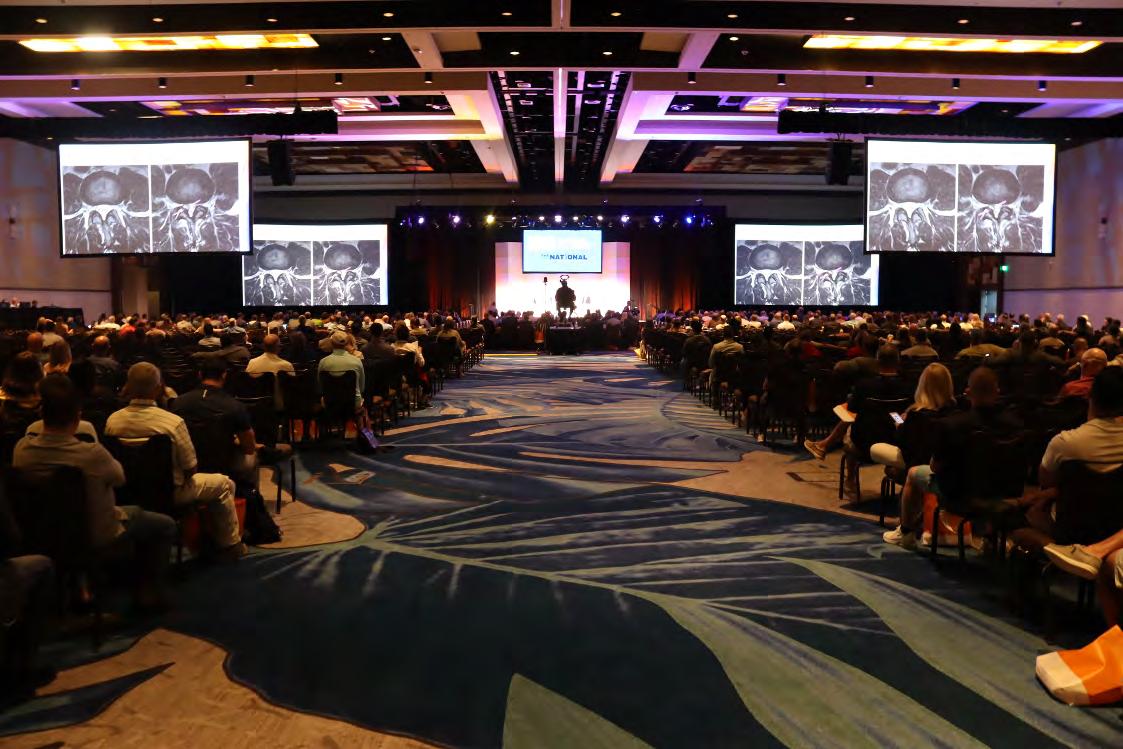
attendees to explore products and services that directly impact efficiency, outcomes, and growth. For exhibitors, The National provides access to an engaged, decision-making audience seeking meaningful solutions - not sales pitches.
What truly distinguishes The National, however, is its role as a professional unifier. Hosted in Florida, one of the largest and most influential chiropractic markets in the world, the event fosters collaboration across states, nations, and philosophical perspectives. It is a place where seasoned clinicians mentor emerging leaders, where research informs practice, and where policy discussions translate into real-world advocacy.
The FCA?s leadership legacy also brings a unique depth to the experience. Founded in 1931, the Association has played a pivotal role in protecting and advancing chiropractic scope, education, and legislative standing. That legacy is woven throughout The National, creating a conference environment grounded in credibility, foresight, and responsibility to the profession?s future.
Beyond the classrooms and exhibit halls, The National offers something less tangible but equally powerful: momentum. Attendees leave with renewed clarity, stronger professional connections, and practical tools to move their practices forward
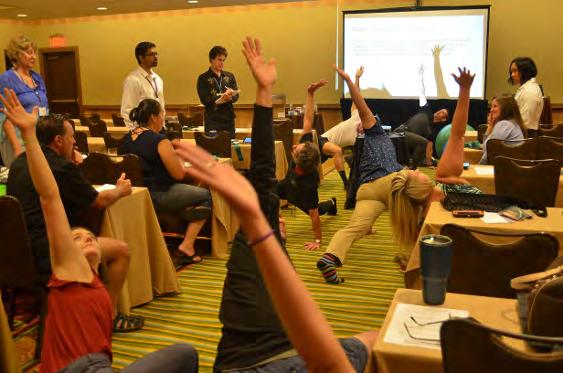
with confidence. For many, it becomes an annual touchstone, a moment to step back, recalibrate, and re-engage with the purpose that brought them to chiropractic in the first place.
As chiropractic continues to gain global relevance, The National by FCA stands as a model for what a modern, profession-driven convention can be: rigorous, inclusive, forward-thinking, and deeply committed to excellence.
For those shaping the future of chiropractic, The National isn?t just an event it?s where the profession shows up, together.
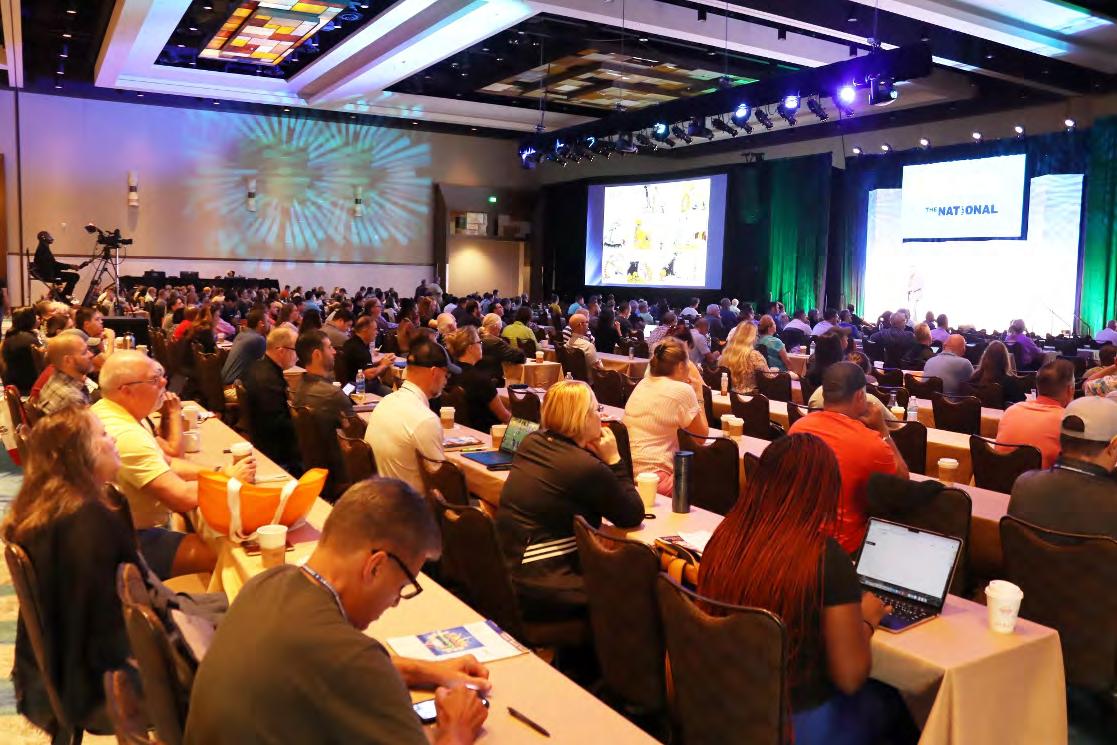

Since 1967, Activator Methods International has been training doctors from around the world in instrument adjusting. Practitioners often comment that they are attracted to the technique due to clinical research and an analysis protocol with leg length and functional testing to help identify areas of dysfunction and apply precise adjustments based on objective findings. In addition, the ability to provide evidence informed quality patient care through clinical precision and a standardized protocol. Activator Methods is one of the most extensively researched chiropractic techniques, with more than one hundred peer-reviewed studies and thirty clinical trials, including biomechanical analysis, neurophysiological responses, and clinical outcomes.
The technique is widely recognized and taught in chiropractic programs globally. This training is imperative as 93% of chiropractors use instrument assisted methods, whether exclusively or alongside manual therapies, making it a part of modern chiropractic treatment. It is important to recognize that using the instrument alone is not practicing activator methods technique. By training and investing in students early it helps gain understanding and knowledge that this is part of a larger systematic process for treatment. In addition, this provides students with a path on training to credentials that connect them to a global referral network and distinguish them as providers once graduated and in practice. As patients?demands are changing, they are seeking care that is evidence informed, learning Activator Methods supports this desire and as well as strong clinical outcomes. Instructing Activator Methods at the student level reinforces evidence-based practice from the very beginning of their career as a chiropractor. Training in the early stages of chiropractic education has become so important that many programs worldwide teach their students activator protocol in their curriculum.

As a practitioner, it is never too late to learn a new technique or refine your skills as the patient population is ever changing. There has been a massive global reach for training as thousands of doctors have been trained in Activator Methods worldwide and have impacted the lives of millions of patients, making this the most widely used low-force chiropractic technique globally. As a practitioner life can be busy and learning online has never been easier through Virtual Training with the Activator Institute which is flexible and accessible 24 hours a day and includes competency-based learning to ensure the providers knowledge. In addition, Activator Methods has instructors located worldwide that assist in offering face-to-face training such as in Spain, Japan, Brazil, and the United Kingdom. Through seminars and The Activator Institute practitioners can achieve or maintain proficiency or advanced proficiency rating and become part of the exclusive referral service of proficiency rated doctors, which had more than 180,000 referrals in 2025.
As chiropractic care continues to grow on the world stage, Activator Methods has emerged as a unifying force as it is a technique that is embraced by chiropractors worldwide, regardless of background, language, or clinical approach. With standardized training, internationally recognized certification, products distributed across 58 countries, and a presence in clinics across nearly every continent, Activator Methods has established itself as a gold standard for safe, precise, and effective chiropractic care.

In a number of recent news stories, chiropractors have lost their licenses / registrations to practice but have also been sentenced in criminal courts. In addition, they may have had civil suits filed against them.
Most chiropractors comply with professional and legal standards of practice. However, a few do not, which is why the regulatory system exists: to protect the public. Among other responsibilities, this means that administrative law provides standards to enter the profession, to delineate acceptable vs. unacceptable practice, and to remediate or remove those who do not comply. Noncompliance can have broader consequences than just the regulatory system which is based on administrative law. Criminal and civil courts can also be involved.
To understand these three different legal spheres, let?s take a look at a couple of sanitized cases:
Dr. Xwas convicted of billing the national health insurance provider and multiple insurance companies for over $2 million. This was based on services never provided, misrepresented, or outside the scope of chiropractic practice. He was sentenced to two years in prison and ordered to pay restitution. His license was also suspended indefinitely.
In another case, Dr. Ysettled a civil malpractice case but failed to timely notify the board as required by law. Her registration was revoked. Finally, in a current case, Dr. Z is accused of secretly recording dozens of patients undressing. Criminal charges have been filed, and the board temporarily suspended the license. Families of the victims have filed civil lawsuits alleging emotional distress.

The three types of law
Criminal: Maintains societal order; deter and punish crimes
Civil: Resolves disputes and compensate injured parties
Administrative: Regulates government agencies and their interactions with citizens/businesses
The ?standard of proof? to determine whether a violation has occurred is higher in criminal cases than in civil and administrative cases. Criminal cases may reference beyond a reasonable doubt while civil and administrative law cases may use clear and convincing evidence or preponderance of the evidence or balance of probabilities.
Sometimes a board delays deciding a case that has both criminal and regulatory considerations. The criminal case with its higher required standard of proof may take precedence.
This is because a criminal conviction will trigger and expedite an abbreviated process under administrative law. However, the board may impose an emergency order to cease practice while this is being resolved.
A summary suspension or emergency suspension order or emergency administrative action is undertaken without a prior hearing when there is imminent danger to public health, safety, or welfare. This immediate but temporary intervention requires initiation of due process within a reasonable time-frame.
The best way for a chiropractor to avoid becoming involved with the disciplinary aspects of the three types of law is to maintain a working familiarity and compliance with the regulatory authority?s Standards or Codes of Practice.
The AECCSchool of Chiropractic, part of Health Sciences University (HSU), has announced the appointment of Dr Daniel Moore as its new Head of School, with his role commencing on 5 May 2026.
Dr Moore is a chiropractor, academic, and researcher with extensive experience across higher education and the health sector in the UK and internationally. He brings a strong combination of operational leadership and strategic insight, underpinned by a clear commitment to educational excellence, innovation, and student?centred learning. His appointment comes at a time of continued evolution for chiropractic education, reinforcing AECC?s long?standing reputation for academic quality, clinical training, and research engagement.
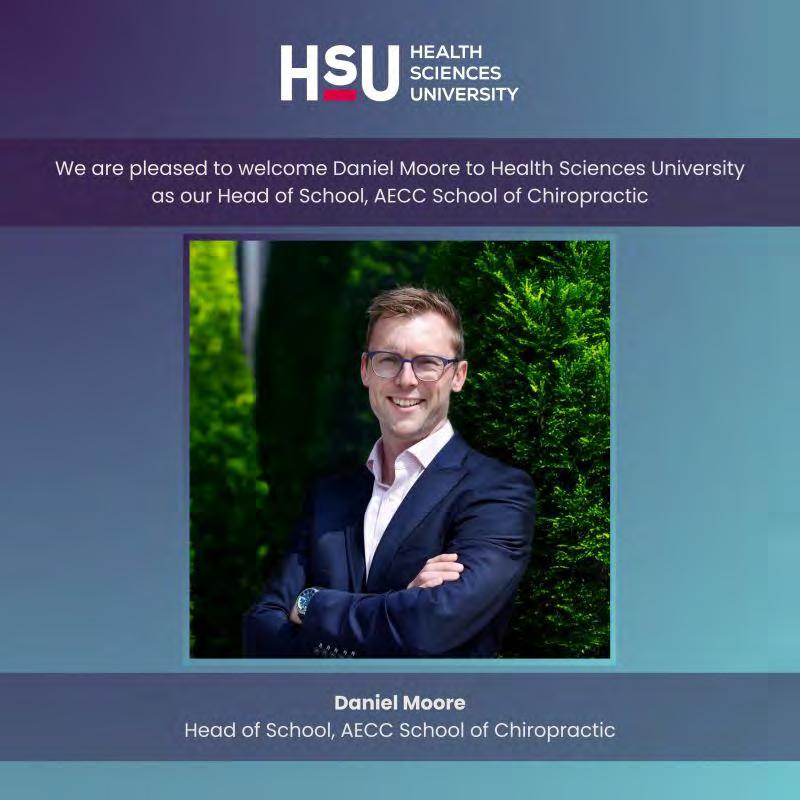
In 2024, Dr Moore was awarded a National Teaching Fellowship by Advance HE, recognising his sector?leading contribution to learning, teaching, and clinical education. His professional leadership roles include serving as Chair of the Royal College of Chiropractors Education Faculty and as a member of the General Chiropractic Council Education Committee, where he contributes to the development and oversight of national educational and professional standards. Internationally, he is also involved in education, workforce, and research initiatives that support the advancement of chiropractic and related health professions.
Reflecting on his appointment, Dr Moore said:
?LeadingtheAECCSchool of Chiropracticwill be a professional high point for me. I am confident we havethepeople, platform and purposeto thriveand grow. I lookforward to workingwith theexceptional team at HSU and supportingour mission of creatinga healthier societythrough education, research and

clinical care.?
Hazel Jensen, Course Leader for the MChiro programme at AECC, added:
?Daniel bringsnationallyrecognised educational leadership and extensiveexperienceshaping chiropracticeducation and professional standards. ManycolleaguesacrossHSU havealreadyworked with him through theRoyal Collegeof Chiropractors, theGeneral ChiropracticCouncil and research partnershipswithin theprofession. We lookforward to theexpertiseand fresh perspectivehewill bringto our community.?
This appointment strengthens academic leadership across Health Sciences University as it continues to deliver excellence in education, clinical provision, and research. The AECC community looks forward to welcoming Dr Moore as he begins this new chapter, leading the School into its next phase of growth, collaboration, and impact.
The Barcelona College of Chiropractic is an international higher education institution, situated in the heart of the city, that aspires to lead the profession worldwide through its teaching and research. Its bilingual programme of study is accredited by the European Council on Chiropractic Education and follows its unique philosophy that integrates science and art to support a commitment to its core chiropractic principles. The College is an established non-profit Fundación in Spain, and its trustees constitute the Board of Governors.
The appointment of a college Rector is a rare opportunity to make a real difference in delivering extraordinary outcomes for the world through the pursuit of chiropractic excellence, for the betterment of all.
The BCCCollege Rector will be a chiropractor with a clear vision for the future of higher education who fosters a culture of excellence in chiropractic training, in the chiropractic profession, and in public engagement with the profession. The successful candidate should be capable of inspiring faculty, staff, and students, being committed to high quality student academic and clinical experience. In addition, the Rector must understand both the opportunities and challenges facing contemporary Higher Education Institutions, particularly those forming the future cadre of chiropractors who will serve the public in Europe and beyond.
The Rector would ideally possess an European passport and would not be required to reside in Barcelona full time, though admittedly travel will be involved. The Rector?s workload will be less than full-time. The Rector will serve as the institutional representative and liaison of the College before other Higher Education Institutions, Professional National Associations, the European Council of Chiropractic Education, Foreign and
Local Governments, Legislators, Alumni and major chiropractic stakeholder groups. The Rector will maintain and strive to further expand the College?s international reputation in its pursuit of excellence in the chiropractic arts, science, and philosophy.
The Rector will actively participate and co-lead in the development of strategies that further the Foundation?s Vision and Mission, with an emphasis on supporting legalization of Chiropractic in Spain and maintaining appropriate accreditations. The Rector position does not carry responsibility for day-to-day administration of the College and it will effectively be our Chief Chiropractic Officer, responsible for ensuring our chiropractic values are reflected in academics and at all levels of the organization. The Rector will report directly to the Board of Governors.
If this opportunity resonates with your experience and aspirations for chiropractic, please express your interest in confidence by contacting us at: board.governors@fpq-bcc.org.

The Barcelona College of Chiropractic is pleased to announce its intent on expanding its faculty for the next academic year 2026-2027. Our intent is to continue to support our growing student body while maintaining our current low student-to-teacher ratio.
For this reason, we are hiring Teachers for the following areas: Clinical Skills, Chiropractic Techniques, and Chiropractic Clinic Supervisors.
ACT NOW: If you feel the time is right to share your chiropractic skills and knowledge with our next generation of chiropractors, to teach at our leading chiropractic college, located in beautiful sunny Barcelona, please contact us and express your interest in confidence at: board.governors@fpq-bcc.org
ABOUT: The Barcelona College of Chiropractic is an international higher education institution situated in the heart of Barcelona that aspires to lead the profession worldwide through its teaching and research. Its bilingual programme of study is accredited by the European Council on Chiropractic Education and follows its unique philosophy that integrates science and art to support its commitment to its core principles. The College is an established non-profit Fundación in Spain, and its trustees constitute a Board of Governors.
Through a collaborative providership model, Doctors of Chiropractic now have access to advanced academic credentials that meaningfully bridge chiropractic and medical education. These opportunities include a Fellowship in Primary Spine Care,Mini?Fellowships in areas such as neuroradiology, musculoskeletal radiology, advanced MRI imaging, and concussion, as well as a Certificate of Added Qualification (CAQ). Additional targeted qualifications are available in trauma, MRI, primary spine care, evaluation and management, clinical documentation, and medical?legal documentation, enabling practitioners to pursue education aligned with evolving clinical and healthcare system demands.
Over the past decade, the Academy of Chiropractic has developed a strategic academic partnership through a formal joint providership between Cleveland University?Kansas City and the State University of New York (SUNY) at Buffalo, Jacobs School of Medicine and Biomedical Sciences, Office of Continuing Medical Education. This collaboration ensures coursework is co?credentialed for both chiropractic continuing education (CE) and medical continuing medical education (CME), aligning post?doctoral chiropractic education with broader healthcare standards and interdisciplinary expectations.
Participants receive graduate?level instruction from leaders in chiropractic and medical academia, including a Harvard?trained neuroradiologist specializing in MRI interpretation; a double board?certified vascular neurologist from Albert Einstein College of Medicine teaching stroke recognition and triage; a Yale?trained oncologic radiologist focused on spinal tumour imaging; and a USCneurologist specializing in electrodiagnostics and traumatic brain injury. The instructional team also includes a Grumman Aerospace engineer whose experience
in accident dynamics and engineering analysis adds a unique interdisciplinary dimension.
Program requirements range from approximately 125 hours for qualification?level courses to up to two years for fellowship?level training. Each pathway includes rigorous assessment with a minimum passing score of 80 percent, ongoing faculty access, and strong integration of evidence?based practice. Research literacy and application are embedded throughout the curriculum, with select courses requiring publication in peer?reviewed journals such as theBritish Medical Journal
Decades of experience within the profession support a clear conclusion: the most effective path forward is advanced education, academically recognized credentials, and direct collaboration with medical academia?delivering the highest level of post?doctoral training and, ultimately, the highest standard of patient care.
Cleveland University?KansasCity(CUKC) is pleased to announce that two Doctor of Chiropractic students and one recent graduate have secured placements in the highly competitive U.S. Department of Veterans Affairs (VA) Chiropractic Residency Program
The VA chiropractic residency match process is rigorous, evaluating candidates on academic excellence, clinical training, and demonstrated readiness for integrated healthcare environments. Selection criteria place particular emphasis on experience in hospital?based or interdisciplinary settings, the ability to apply evidence?informed chiropractic care, collaboration within healthcare teams, and a commitment to serving veterans and underserved populations.
For the current match cycle, the following CUKC students and graduate have been selected for VA residency placements:
- Lexi Becker(Tri 10) ?Puget Sound VAHealth CareSystem
- Justin Forkpa(Tri 10) ?St. LouisVAHealth CareSystem
- Morgan Julo(Summer 2025 Graduate) ?KansasCityVAMedical Center
?Theseplacementsreflect the strength of our academicand clinical training,?said Dr Carl S. Cleveland III, President of CUKC. ?Theyalso highlight theintentional workof our clinical administration and facultyto cultivatestudent interest in VAopportunitiesand preparegraduates for thisuniqueand competitivecareer pathway.?
The University also acknowledged the contributions of clinical leadership, including Dr Jon Thomas, Assistant Dean of Clinical Education, and Dr Branon McMichael, Director of Clinical
Education, who play key roles in tracking, mentoring, and supporting students throughout the VA residency match process.
According to Dr Jon Wilson, Dean of the CUKC College of Chiropractic, student success reflects a collective effort: ?Theseplacementsdemonstrate theimpact of theentireCUKCcommunityin preparingfuturechiropractorsto serve veteransand advancepatient?centered healthcare.?
About Cleveland
City Cleveland University?Kansas City is a private health sciences university with more than 100 years of leadership in chiropractic education. Located in Overland Park, Kansas, the University offers programs in chiropractic and health sciences, preparing graduates to become healthcare leaders through hands?on training, mentorship, and innovative academic programming.
For more information about the VA Chiropractic Residency Program , visit: here
To learn more about the CUKCCollege of Chiropractic or explore a chiropractic career, prospective students are encouraged to connect with a CUKCadmissions advisor or visit the University?s website.

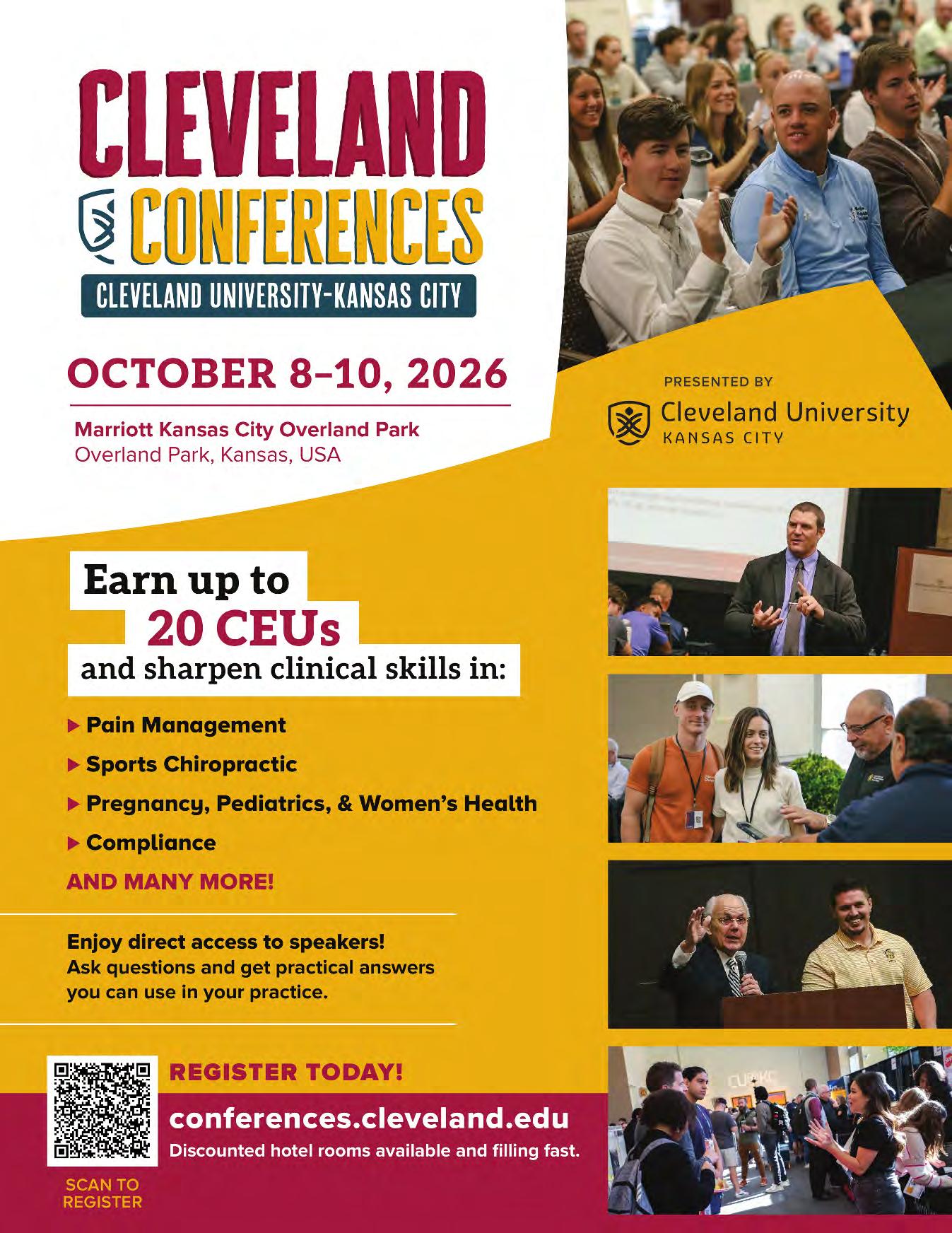
Toronto, ON and Fredericton, NB? The Canadian Memorial Chiropractic College (CMCC) and the University of New Brunswick (UNB) have signed a Memorandum of Understanding (MOU) that builds on an existing academic pathway agreement and signals a shared commitment to expanding collaboration in education, clinical training, and research. This agreement strengthens ties between the two institutions while supporting regional efforts to enhance musculoskeletal (MSK) health capacity in New Brunswick and Atlantic Canada.
The MOU complements the articulation agreement established in 2023, which allows eligible UNB students to complete a Bachelor of Kinesiology and a Doctor of Chiropractic (DC) degree in seven years, rather than the traditional eight. Through this pathway, students may complete components of the CMCCDC curriculum while enrolled at UNB, resulting in tuition savings and an earlier transition to professional practice.
The newly signed MOU provides a framework for exploring broader collaboration aimed at strengthening MSK education, research, and care delivery. Importantly, it establishes a foundation for CMCCto support UNB?s Building Healthy Communities strategic framework, which prioritizes expanding health education pathways to help address healthcare workforce shortages across the province. Areas of potential cooperation include academic delivery, clinical education and experiential learning, interprofessional practice, and joint research initiatives.
?Wearepleased to strengthen our relationship with theUniversityof NewBrunswickthrough this Memorandum of Understanding,?said Dr Christine
Bradaric?Baus, President of CMCC ?Weare excited to exploreopportunitiesfor workingtogether to support their healthycommunitiesagenda and thedevelopment of a strong, sustainable musculoskeletal health workforcein NewBrunswick.?
Dr Paul J. Mazerolle, President and Vice?Chancellor of UNB, noted that the agreement aligns with UNB?s focus on collaboration and community impact. ?By partnering with CMCC, an international leader in chiropractic education, we are exploring opportunities to expand educational pathways and advance research and clinical initiatives that improve musculoskeletal health and access to care across Atlantic Canada.?
?Thisagreement createsan important frameworkfor collaboration and reflectsa keypillar of CMCC?snew strategicplan,?added Dr Kevyn Kristmanson, Chair of the CMCCBoard of Directors. ?Byworking together, CMCCand UNBcan support students, advanceresearch, and strengthen MSKhealth capacityin theregion.?
About CMCC
CMCCis a globally recognized academic institution dedicated to leadership in spinal health education, research, and patient care. Its graduates practice in 52 countries, and its research efforts?led by the McMorland Family Research Chair in Mechanobiology?contribute to advancing the understanding and management of neuromusculoskeletal conditions.
About UNB
UNB is Canada?s oldest English?language university and the province?s only national comprehensive institution, serving over 10,000 students from 100 countries through a broad range of academic and research programs.
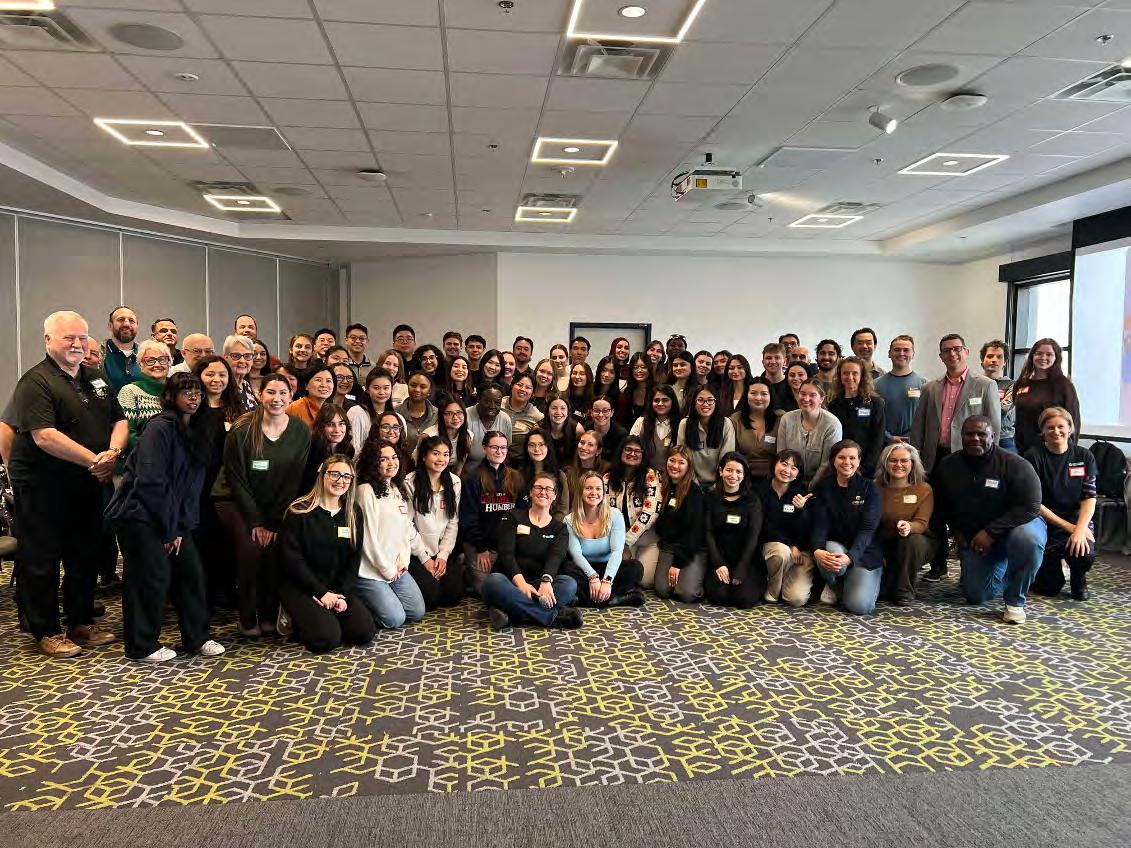
The Canadian Memorial Chiropractic College (CMCC) has embarked on a new five?year strategic plan with ambitious goals centered on collaboration and partnership. In direct alignment with this strategic direction, CMCChas significantly enhanced its curricular emphasis on interprofessional care and collaborative practice, ensuring that graduates are prepared for contemporary, team?based healthcare environments.
The World Health Organization defines Interprofessional Education (IPE) as occasions when ?students from two or more professions learn about, from and with each other to enable effective collaboration and improve health outcomes.?IPEis widely recognised as a cornerstone of preparing future?ready health professionals. As healthcare delivery continues to evolve, the shift from single?provider models toward integrated, multi?practitioner care is strongly supported by the literature and increasingly common across Canada. While CMCCstudents have long participated in interprofessional learning experiences, recentinter?institutional initiatives have meaningfully expanded these opportunities. Collaborations with the Northern Ontario School of Medicine,University of Ottawa,
University of Toronto, and University of Guelph?Humber have enabled the co?creation of shared educational experiences alongside learners and educators from other health professions.
Drawing on his own experience in multidisciplinary clinical settings, Dr Dominic Giuliano, Dean of Undergraduate and Graduate Education, highlights the value of this approach. ?Studentsnow havemanyopportunitiesto engagein interprofessional education experiencesthrough in?person, online, and simulated formats,?he notes, adding that current activities represent only the beginning of a growing portfolio of initiatives under development.
CMCC?s efforts reflect a broader trend across health education. Dr Scott Dunham , Director of Education, observes that students from other disciplines are eager to learn with, from, and about chiropractic. Through these shared experiences, learners gain a deeper understanding of professional roles and scope of practice, exchange best practices, and strengthen their capacity to deliver whole?person, patient?centered care.
Toronto, ON, March 27, 2026? Canadian Memorial Chiropractic College (CMCC) is pleased to announce that its Doctor of Chiropractic Program (DCP) has been granted continued accreditation in the United States for a full eight?year term by the Council on Chiropractic Education (CCE), marking a new accreditation cycle through 2033
The decision follows a comprehensive site visit in September 2025 and a status review meeting in January 2026. After reviewing CMCC?s self?study, update report, site team findings, and institutional responses, the Council determined that the program meets all CCEAccreditation Standards across mission and planning, ethics and integrity, governance and administration, resources, faculty, student services, admissions, curriculum and outcomes assessment, research and scholarship, service, and distance education. The Council also reviewed enrollment and admissions data in accordance with U.S. Department of Education requirements and confirmed that no further action was required.
The site team commended CMCCfor its exemplary culture of caring and student support , highlighting the institution?s proactive and individualized approach to student welfare and success. The team also recognized CMCC?sstrong commitment to research and scholarship, noting an embedded research culture among faculty and students. Scholarly activity is intentionally aligned with curricular content, supported by active engagement in grantsmanship and strengthened through meaningful mentorship and material resources. ?Thiseight?year accreditation decision reflectsthe strength of our academicprogram and the unwaveringcommitment of our facultyand staff,? said Dr Christine Bradaric?Baus, President of CMCC ?Weareespeciallyproud that the siteteam
recognised both our cultureof caringand our deeply embedded research culture?two definingfeatures that ensureour graduatesareclinicallyexcellent, evidence?informed, and prepared to lead in advancingmusculoskeletal health.?
CMCC?s next accreditation milestones include submission of a Program Enrollment and Admissions Report in December 2026, a Program Characteristics Report in fall 2027, and an interim site visit in fall 2029. In 2022, CMCCbecame the first Doctor of Chiropractic program accredited by two different Council on Chiropractic Education bodies, enabling graduates to apply for licensure anywhere in North America.
For more information, visit www.cmcc.ca
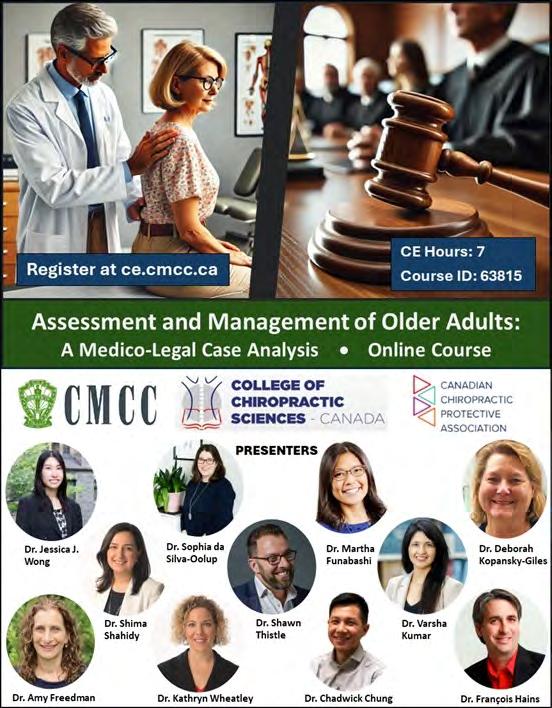

From 25 January to 7 February 2026,18 chiropractic students and two faculty members from IMU University participated in a two?week international mobility and community outreach mission in the Philippines as part of the Hands for Vitality initiative.
Led by Senior Lecturer and Chiropractic Mobility Coordinator Yi Kai Wong, alongside Senior Lecturer Janice Chan, the delegation delivered chiropractic services across nine outreach sites. These included communities in Antipolo City, Pasig City, Camarines Sur, Navotas City, Caloocan City, Quezon City, and Pampanga, as well as an Air Force camp and a Marine camp. The mission was conducted in collaboration with the Hands for Vitality team , the Camara Institute for Chiropractic Sciences, and Intercare, working closely with local government units throughout the Philippines.
Outreach activities spanned urban, rural, and uniformed service settings, reflecting IMU University?s commitment to global health engagement, service?learning, and improving access to care for underserved populations
Throughout the mission, students delivered supervised chiropractic assessments and care to individuals who would otherwise have limited or no access to such services. In total, the team managed approximately 2,945 patients, addressing 6,267 presenting conditions across the outreach locations. Common concerns included chronic musculoskeletal pain,
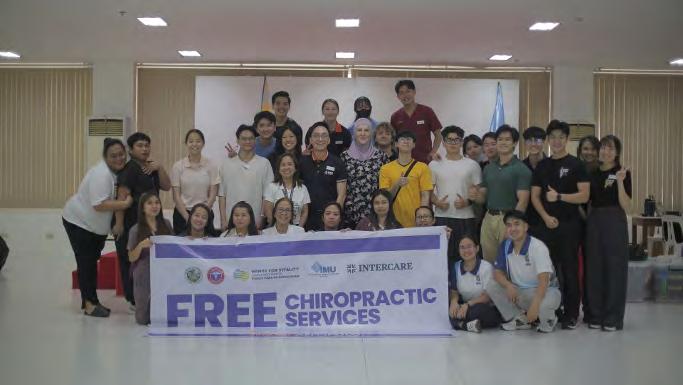


occupational strain, and mobility limitations affecting daily function and work productivity.
Beyond clinical exposure, the experience served as a powerful service?learning platform, requiring students to adapt techniques in resource?limited environments, communicate across cultural contexts, and collaborate closely with local healthcare personnel. Notably, four students returned for a second mission, demonstrating sustained commitment to service and continuity of community engagement.
Reflecting on the initiative, Janice Chan emphasised its impact on professional development, describing Hands for Vitality as a platform for building empathy, cultural sensitivity, and professional responsibility.Yi Kai Wong added that the programme highlights chiropractic as a people?centered profession, grounded in adaptability, compassion, and service, reinforcing the principle that healthcare is, at its heart, an act of service

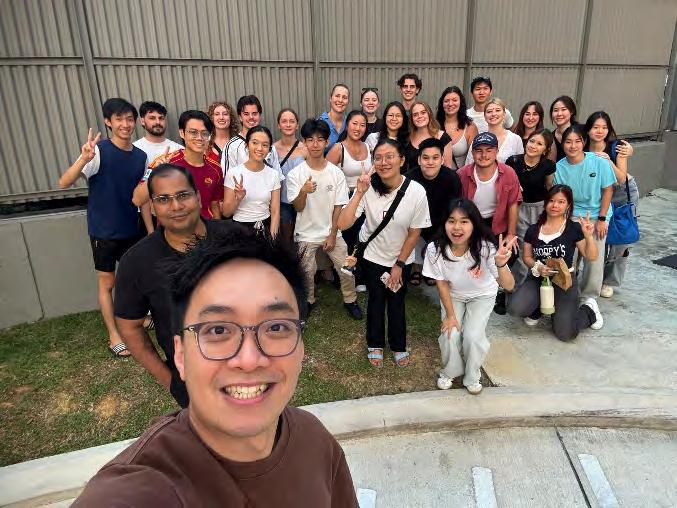
From 1 to 14 March 2026, IMU University hosted 19 chiropractic students from Health Sciences University (HSU), United Kingdom , as part of an international mobility programme designed to foster academic, clinical, and cultural exchange. The two?week programme offered participants an immersive learning experience within the Malaysian healthcare and educational context.
The mobility programme was designed to deepen students?understanding of chiropractic practice, research literacy, and global healthcare perspectives. It commenced with a formal welcome at IMU University, featuring opening
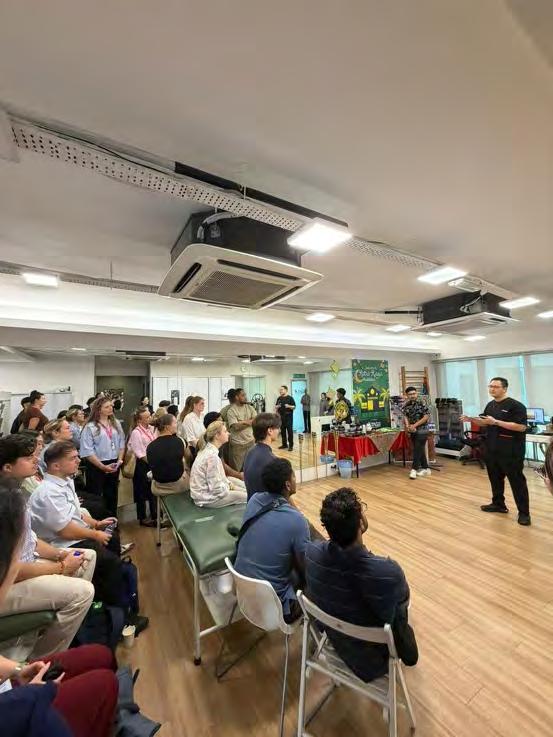
remarks from institutional leaders and a keynote address by the Association of Chiropractic Malaysia. Early programme activities included campus engagement and networking sessions that helped establish strong connections between visiting and local students.

Throughout the two weeks, participants followed a structured academic schedule incorporating clinical conferences, problem?based learning sessions, and hands?on workshops. These activities were integrated within the IMU chiropractic curriculum, creating meaningful opportunities for peer?to?peer learning and collaborative knowledge exchange.
A key highlight of the programme was the opportunity to participate in clinical practicum sessions at the IMU Healthcare Chiropractic Centres in Bukit Jalil and Setiawalk. Through
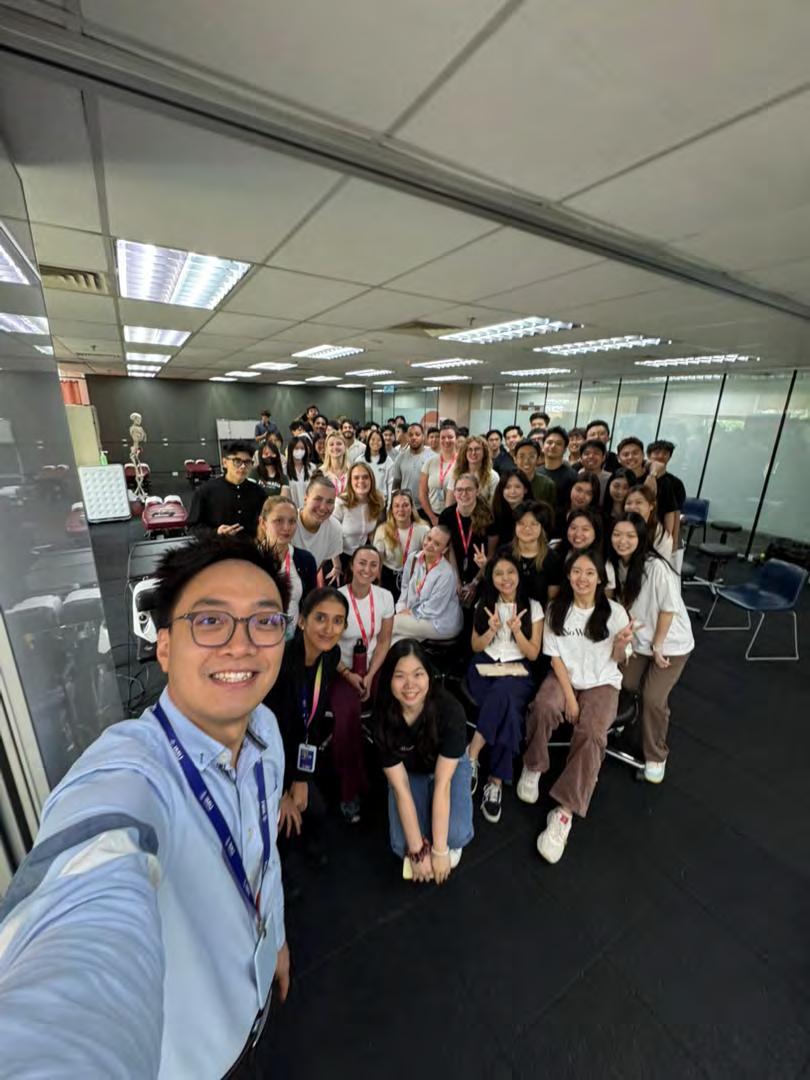
cont'd
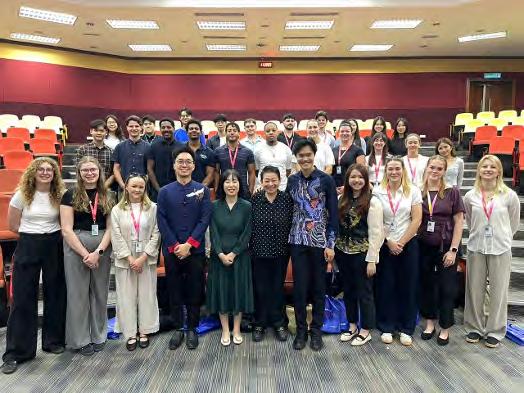
supervised clinical observation and participation, students gained valuable insights into patient management, clinical reasoning, and chiropractic service delivery within a different healthcare system. The programme also emphasised real?world exposure through a visit to a private chiropractic practice, where participants explored practice operations and care delivery beyond the academic environment.
Cultural immersion activities formed an important component of the experience. Participants explored iconic landmarks, visited local markets, and engaged with Malaysian culture through cuisine?focused activities and community interactions. An introduction to pickleball, many students?first experience with the sport, further fostered camaraderie and
informal engagement among students and faculty.
Reflecting on the programme,Yi Kai Wong, Senior Lecturer and IMU Chiropractic Mobility Coordinator, noted that combining academic integration, clinical exposure, and cultural immersion equips students with perspectives extending well beyond the classroom. Associate Professor Philip Dewhurst , International Partnerships and Developments Lead at HSU, highlighted the visit as a milestone in international collaboration, emphasising its value in developing students?cultural competence and global understanding of chiropractic practice.
The programme concluded with a closing session featuring student reflections and certificate presentations. This international mobility initiative underscores IMU University?s commitment to global engagement and collaborative education, contributing to the development of culturally aware, adaptable, and future?ready chiropractic professionals.
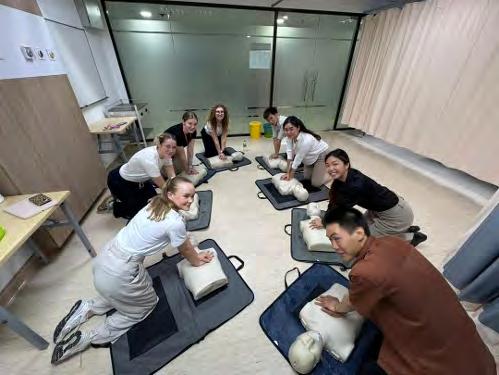
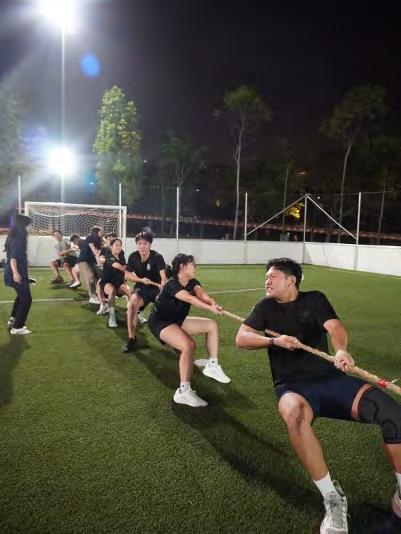
The organizing committee for the IMU Chiropractic Cup 2026 (Chiro Cup 2026) was formed on 22 December 2025 with a clear vision: to strengthen the IMU chiropractic community through sportsmanship, friendship, and meaningful connection. Despite falling during the year?end holiday period, preparations moved swiftly, with committee members meeting immediately to assign roles and lay the groundwork for the event.
On 24 December 2025, the competition dates of 2 to 18 March 2026 were announced alongside an expanded programme of activities. Events included futsal, volleyball, badminton, basketball, captain ball, tug of war, pool, Clash Royale e?sports, and a pickleball bonding session. A Retro Japanese theme, selected in January 2026, gave the event a distinctive identity reflected across merchandise, decorations, social media, and official photography.
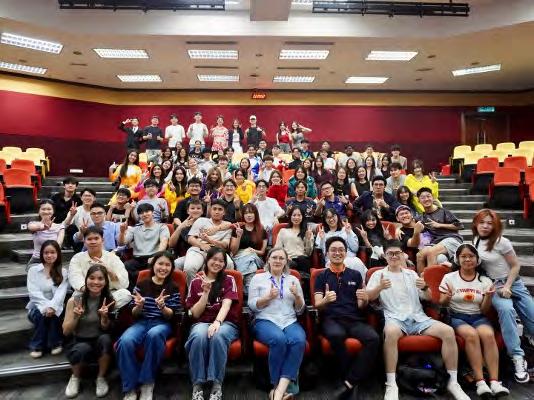
Behind the scenes, the success of Chiro Cup 2026 was made possible through strong collaboration across multiple teams. Logistics and events teams secured external venues to accommodate campus renovations, while the public relations team obtained sponsorship support. Operations, finance, photography, first aid, and volunteer teams worked cohesively to ensure smooth delivery. By early March, Chiro Cup had evolved into more than a sporting event?it had become a key platform for strengthening relationships between students, faculty, alumni, and the wider chiropractic community.
Chiro Cup 2026 officially opened on 2 March at IMU Lecture Theatre 3, welcoming students, faculty members, alumni, and invited guests. Visiting chiropractic
cont'd

students from Health Sciences University (HSU), participating in a concurrent mobility programme, added an international dimension to

the event. The festive atmosphere was further enhanced by complimentary refreshments, setting the tone for three weeks of friendly competition.
The programme featured a balanced mix of team and individual events, encouraging broad participation. Highlights included CH223 defending the futsal title, CH224 dominating captain ball, men?s basketball, and tug of war, and a special alumni exhibition basketball match. Pool and badminton proved especially popular among individual events, while the pickleball session
fostered informal interaction between students, faculty, alumni, and visiting HSU students.
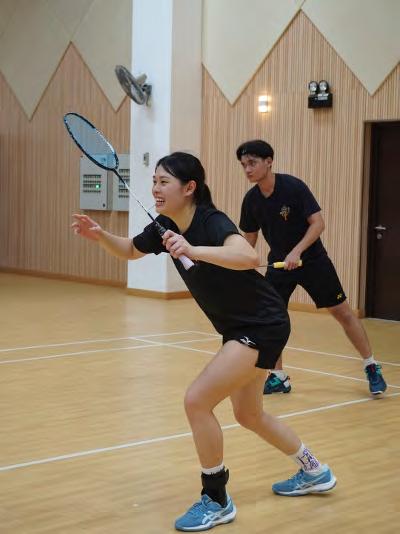
Community United Chiro Cup concluded with Chiro Night , a celebratory closing event featuring performances, games, and reflections on the tournament. More than a competition, Chiro Cup 2026 reinforced unity, expanded professional networks, and strengthened community bonds. As Project Leader Aidan Hoh reflected, the event was ?never just about winning, but about unity, resilience, and unforgettablemoments??a sentiment shared across the IMU chiropractic community.
More information is available on the official Chiro Cup Instagram page: https://www.instagram.com/imu_chirocup/
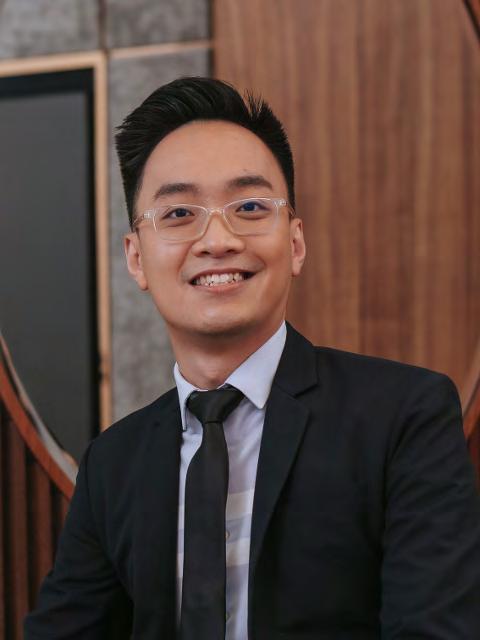
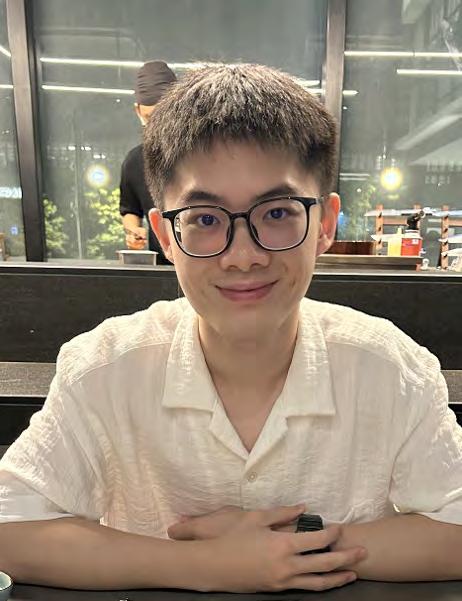
?The following students were inducted into Mortar Board during the Winter 2026 term:
- Nazmi Bayoglu, Biology
- Justine Candel, Computer Information Systems & Technology
- Mariah Hodges, Biopsychology
- Aminata Lewis, Biology
- Terangi Marie Moanaroa, Exercise Science
- Zak Thomas, Business Administration
These students exemplify the values of Mortar Board through their academic dedication, leadership contributions, and service to the Life University community and beyond.
2025?2026
The Lasting Purpose Chapter is proudly led by the following student officers:
- President : Nigel Hepburn (Environment & Sustainability)
- Vice President, Membership: Easton Childs (Biology)
- Communications & Marketing: Lela Parker (Business Administration)
- Treasurer/Fundraising: Rasmus Petersen (Business Administration)
- Executive Secretary/Traditions: Phenix Cowart (Dietetics)
- Social & Service: Morgan McDowell (Exercise Science)
Life University congratulates the newly inducted members and chapter leaders for their commitment to excellence and service. Their achievements reflect the University?s mission to prepare students for leadership and meaningful impact in their professions and communities.
For more information about Life University, visit www.life.edu.

Kenydee Otto and Amy Campbell have been named the Winter Quarter 2026 Clinic Excellence Award recipients at Life University (Life U).
?I am truly honoured to be the recipient of the Clinic Excellence Award for Winter 2026 Quarter,?shared Kenydee Otto. Following graduation, Otto will join a multi?location family practice in an underserved area of Northern Indiana as an associate chiropractor, serving as a primary point of healthcare access for families across the lifespan. One practice location is directly connected to a birth centre?an opportunity that aligns with her passion for women?s health, pregnancy, and paediatric care. Otto looks forward to applying her ICPA training in the Webster Technique to support expectant mothers and growing families, while serving her community with the strong clinical foundation developed at Life U.
Amy Campbell, a second?generation chiropractic student originally from South Africa, brings a global perspective to her clinical excellence. After relocating to the United States on a rowing scholarship to Yale University and pursuing a pre?medical track, Campbell reassessed her career path during the COVID?19 pandemic and developed a strong interest in holistic, lifestyle?focused healthcare?ultimately leading her to chiropractic.
During her time at Life U, Campbell completed a research study through the RISEScholarship Programme that examined chiropractic care and gut health. She was actively involved during her clinical training at the Center for Health and Optimum Performance (C?HOP). Following graduation, she plans to join a multi?practitioner wellness centre, where she hopes to contribute to integrative, collaborative healthcare delivery. Life University congratulates both award recipients for their dedication, professionalism, and commitment to excellence in patient care.
In April 2024, Jesse Politowski, DC(?13), MS(?22) boarded a flight to Vietnam carrying two suitcases and a portable chiropractic table. His destination was Thanh Hoa City, a growing community three hours south of Hanoi. His goal was ambitious: to introduce modern chiropractic care in a country where the profession remains in its early stages. Dr Politowski previously spent six years working in Southeast Asia after graduating from Logan University, but the COVID?19 pandemic interrupted his plans and brought him back to the United States. ?I always wanted to return,?he shared. ?It?s been my dream to start a practice there.?With Vietnam?s population nearing 98 million and only about 15 licensed chiropractors?mostly based in Ho Chi Minh City?he saw both a clinical need and an opportunity to build something meaningful from the ground up.
Equipped with a background in business administration, marketing, and more than a decade of clinical experience, Dr Politowski began by working alongside a Vietnamese traditional therapy physician and three physiotherapists. This collaboration allowed him to share patients while gaining insight into Vietnam?s holistic healthcare model, which blends traditional medicine, acupuncture, herbal therapy, and manual care.
By August 2025, Dr Politowski received his chiropractic licence, becoming the first chiropractor in Thanh Hoa. His clinic?now considered the most modern in the city?introduced advanced equipment and techniques previously unavailable locally. Growth, however, has required patience. ?Healthcare spending is unfamiliar here,?he noted. ?Trust takes time.?
Word?of?mouth has fueled steady progress. The
clinic now attracts older adults, families, and children, supported by new programmes including paediatric foot rehabilitation for flat feet and scoliosis rehabilitation using custom bracing and corrective exercises. Transparency and ethical referral have been key to earning community confidence.
Today, the clinic employs a team of eight, including Dr Politowski?s spouse, Quynh Nguyen Politowski, and a cultural translator. Looking ahead, he collaborates with local physiotherapists, trains staff using his Master of Science in Sports Science & Rehabilitation, and networks with chiropractors across Vietnam. ?Logan gavemethefoundation,?hereflected. ?Now I?m buildingsomethingbigger than myself?helping change howpeopleview healthcare in Vietnam.?
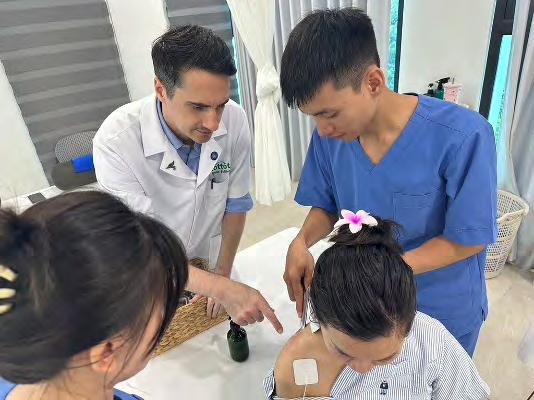

In January 2026, the chiropractic profession reached a significant milestone with the launch of the first degree programme on the island of Ireland. The Master of Chiropractic (MChiro) full-time extended programme, delivered through a partnership between the McTimoney College of Chiropractic and Ulster University, welcomed its inaugural cohort of students to the Derry/Londonderry campus.
The programme is delivered over five years through a flexible structure designed to support individuals who are changing careers, balancing employment, or managing family and caring responsibilities, ensuring the programme remains accessible and inclusive.
For many students, the programme represents the realisation of a long-held ambition. One excited member of the inaugural cohort said, ?I?ve been waiting 10 years for this programme to open!?
The MChiro curriculum is specifically designed to meet the needs of the modern profession, intentionally blending the traditional science, art, and philosophy of chiropractic with a contemporary commitment to evidence-informed patient-centered care. The educational framework is academically rigorous, grounding students in foundational biomedical sciences while emphasising advanced clinical reasoning and practical hands-on training.
Principal of the College, Professor Christina Cunliffe, OBE, described the launch as a significant step forward for the profession in Ireland. ?Establishingthefirst chiropracticdegreeon theisland of Ireland reflectsour commitment to wideningaccessto high-qualitychiropractic education,?she stated. She emphasised that through the partnership with Ulster University, students can now enter the discipline within their own region, preparing them to deliver safe, evidence-informed patient-centered care.

A spokesperson for the Chiropractic Association of Ireland said ?Wewarmlywelcomethe development of a newchiropracticprogrammein Derry. Establishinggood qualitychiropractic education on theisland of Ireland representsan important step in strengtheningour profession, supportingfuturepractitioners, and improving patient accessto high qualitychiropracticcare.? Graduates of the programme will be eligible to pursue professional registration in both the UK, Ireland and beyond, positioning them to contribute to the growing global need for skilled musculoskeletal practitioners. McTimoney College brings decades of experience in chiropractic education to the programme, drawing from its established international network of GCCand ECCEaccredited campuses in Hong Kong, Madrid, Abingdon, and Manchester.
The launch of this programme represents more than the introduction of a new course. It signals a strengthening of professional presence, increasing access for patients, educational infrastructure, and long-term workforce planning for chiropractic on the island of Ireland.
The McTimoney College of Chiropractic marked a major milestone with the opening of its modern, purpose-built Madrid teaching clinic at the end of September 2025, welcoming attendees from across the profession. Conveniently located within Spain?s capital city, the campus and clinic provide an accessible and high?quality environment for both students and patients. The event brought together representatives from the Asociación Española de Quiropráctica (AEQ), dignitaries from local universities, members of the McTimoney leadership team, students, and the college?s first cohort of clinical interns.
This clinic opening represents a significant step for the Madrid programme, as these interns begin their final stage of training within a real-world clinical environment. Over the coming months, they will complete their studies and are expected to graduate and enter the profession in summer 2026, becoming the first-ever graduates of the McTimoney Madrid campus.
The McTimoney Master of Chiropractic (MChiro) programme in Madrid has undergone accreditation assessment by both the GCCand ECCE and looks forward to the conclusion of the
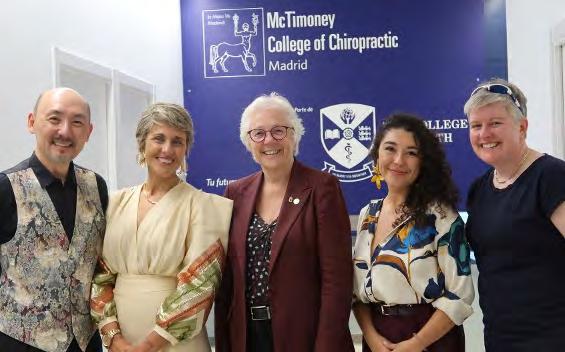
accreditation process upon completion of the first graduating cohort. Successful completion will enable graduates to register and practice in the UK, while also supporting opportunities to practice across Europe, including Spain, offering valuable flexibility and professional mobility for new chiropractors.
"TheCollegecliniciswhereI feel myclassroom learninghasreallycometogether. With really supportiveclinical supervisors, I get to practisereal patient carein a professional setting, which has helped mefeel readyfor thereal world."-A. Elizondo, Clinic Intern
?It isa real privilegeto seeour Madrid studentsreach thisstageof their journey. Theopeningof thisclinicbringstheir trainingto life, and I am excited to watch them develop into the next generation of chiropractors.?
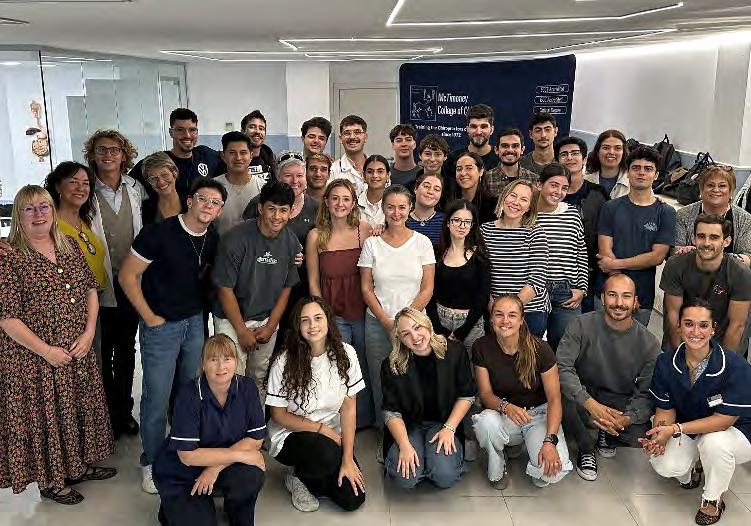
-Professor Christina Cunliffe, OBE, Principal, McTimoney College of Chiropractic
As the first cohort of interns progresses toward graduation, the opening of the Madrid clinic not only strengthens McTimoney?s international presence but also contributes to the continued growth and recognition of chiropractic education and practice across Europe.

In early March, students and staff from the McTimoney College of Chiropractic and members of the McTimoney Animal Association attended Crufts 2026, engaging with dog owners, breeders, exhibitors, and judges. Held annually in the UK, Crufts is the world?s largest and most prestigious dog show, attracting thousands of participants and visitors from across the globe.
Over several days, the McTimoney team offered free spinal checks for dogs, demonstrated McTimoney adjustments, and explained how these techniques can support mobility, comfort, performance, and overall musculoskeletal health. Students also shared insights into the science and clinical skills involved in animal chiropractic, as well as the importance of maintaining high professional standards in the care of animals. ?This was a fantastic opportunity to connect directly with the dog-owning community and
showcase the benefits of animal chiropractic care,? said Mike Morgan, Marketing Manager at the College. ?Events like Crufts allow us to raise awareness of how evidence-informed techniques can support animal wellbeing, while also highlighting the rigorous training behind our profession.?
The event also highlighted the academic and professional foundation underpinning the training involved in caring for animals. The College is the only institution in Europe offering validated, degree-level training in animal chiropractic, including the MSc Animal Manipulation (Chiropractic) and the Master of Veterinary Chiropractic (MVetChiro), both awarded by Ulster University and recognised by Register of Animal Musculoskeletal Practitioners and the Animal Health Professions Register.


These programmes ensure practitioners are trained to the highest professional standards, supporting the growing recognition of animal chiropractic care across Europe and beyond.
Northeast College of Health Sciences will celebrate a major institutional milestone at its Winter 2026 Commencement ceremony on April 4, recognising not only its newest Doctor of Chiropractic graduates but also the first-ever graduating classes of its Massage Therapy certificate, Associate in Applied Science (AAS) in Radiologic Technology, and AASin Diagnostic Medical Sonography programs. This historic ceremony reflects the College?s expanding role in educating professionals across multiple healthcare disciplines.
To mark the occasion, Northeast College has invited physician, educator, and alumna Dr Sylvia H. Regalla (MS?08) to deliver the keynote address. Regalla maintains a long?standing connection to the institution, having earned her master?s degree in applied clinical nutrition during the program?s early years and currently serving as an adjunct professor of nutrition. Her return as keynote speaker underscores the significance of the event as the College honours graduates prepared for collaborative, patient?focused healthcare practice.
?Asour graduatesstep forward asthenext generation of healthcare professionals, we are thrilled to welcomeDr Regalla asour keynote speaker,?said Dr Michael Mestan, President of Northeast College. ?Her workremindsusthat excellencein careisnot just about treatingillness but about helpingpeoplebuild health. Her leadership in functional and integrativemedicine

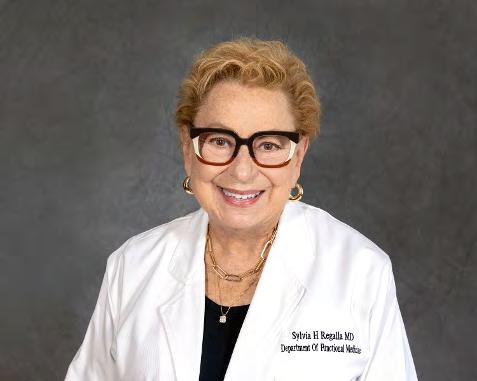
principlesof a Northeast education?prevention, whole?person care, and interdisciplinarycollaboration.?
A native of Buffalo, New York, Regalla earned both her undergraduate degree in biology and her Doctor of Medicine from the State University of New York at Buffalo, completing her training in internal medicine and practicing in the Buffalo community for more than 25 years. She specializes in functional medicine, nutritional medicine, and nutrigenomics, integrating traditional internal medicine with prevention?focused strategies centered on lifestyle, nutrition, and advanced diagnostics.
A founding diplomate of the American Board of Integrative Holistic Medicine, Regalla has been internationally recognised for her contributions to integrative and preventive care. Her professional service includes leadership roles within major medical organisations and academic involvement at multiple universities. She is also a co?founder of the UB DoctHERSNetwork, an initiative supporting women in medicine and scientific research.
As Northeast College honours its Winter 2026 graduates, this commencement highlights the institution?s commitment to interdisciplinary, patient?centered education and preparing healthcare professionals equipped to meet the evolving demands of 21st?century healthcare.
?This spring, Northwestern Health Sciences University launched a new set of business learning modules designed to support students and alumni as they transition into professional practice. Developed with support from NCMIC, the Practice Ready Essentials curriculum focuses on building business readiness for early-career healthcare professionals.
The modules were created to address a gap frequently reported by chiropractors in the first several years after graduation: the need for stronger preparation in the practical aspects of launching and managing a practice. At this time, they will be available exclusively to NWHSU students and alumni.
A flexible, on-demand learning model focused on relevancy
Practice Ready Essentials is a collection of on-demand modules designed for busy early-career professionals. The curriculum allows participants to choose topics most relevant to their needs and complete the material at their own pace. The modules were created in response to feedback gathered from graduates approximately three to five years into practice.
These alumni reported that additional preparation in business development would have been valuable during the transition from education to practice. Their insights helped shape both the structure and content of the modules.
The modules focus on core areas of professional and business development, including:
Defining the brand of a healthcare practice
Developing a business plan
Building a professional network
The curriculum was developed by a research team that centered the specific needs of chiropractors, acupuncturists, and massage therapists who often launch their own practices, while also building content relevant to all healthcare careers. The structure is flexible, and learners can return to modules for review as needed.
Part of a broader plan to ensure chiropractic graduates are confident in practice
Practice Readiness Essentials is part of a broad effort to ensure practice readiness for chiropractic graduates. The College of Chiropractic has also enhanced clinical and classroom experiences through its competency-centered model, the first of its kind in chiropractic education.
In the competency-centered curriculum, clinical internships start in the first trimester; competency centered assessments ensure students can?t slip through the cracks; and interdisciplinary courses are taught by teams of faculty members who ensure students understand clinical relevancy.
?Wechallenged ourselvesto improvea top-ranking chiropracticprogram, centeringtheexperienceand input of our graduates,?explained Dr. Deb Bushway, President and CEO. ?PracticeReadiness Essentials, generouslysupported byNCMIC, isa key part of our efforts, alongsidea confidence-building curriculum and robust alumni network. We?re excited to start collectingfeedbackfrom our alumni asthey reference themoduleswhilelaunchingtheir careers.?
Global progress is rarely driven by isolated efforts.
More often, it emerges through connectionthrough conversations that begin to align perspectives, identify shared challenges, and uncover opportunities that are greater than any single organization or region.
This was clearly evident at Parker Seminars in Las Vegas, where the World Federation of Chiropractic (WFC) engaged in a series of high-level discussions spanning education, policy, research, and professional advancement. Representing the WFCwas Dr. John Maltby, WFC Secretary General (I) and Dr. Rebekah Wilks, WFC Director of Strategy & Policy. They participated in meetings designed not simply to exchange updates, but to explore how efforts across the profession can begin to move in greater
White, reinforcing the organization?s commitment to active engagement at all levels.
Across these discussions, a consistent theme emerged: a growing willingness to work more
harmony. They were joined at the event by WFC Board Members Dr. Jason Jaeger and Dr. Dale
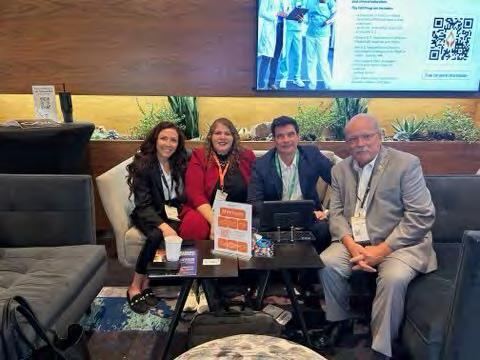
intentionally together. Conversations moved beyond individual initiatives toward broader questions - how to strengthen educational pathways, support regulatory progress, improve access, and ensure that efforts in one part of the world can meaningfully support another.
Importantly, these were not theoretical discussions. There is increasing recognition that advancing the profession requires structured collaboration - clearer pathways between
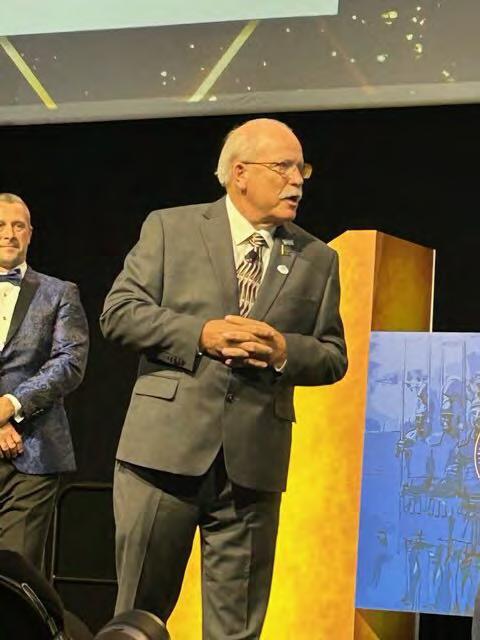
Global progress is rarely driven by isolated efforts.
More often, it emerges through connectionthrough conversations that begin to align perspectives, identify shared challenges, and uncover opportunities that are greater than any single organization or region.
This was clearly evident at Parker Seminars in Las Vegas, where the World Federation of Chiropractic (WFC) engaged in a series of high-level discussions spanning education, policy, research, and professional advancement. Representing the WFCwas Dr. John Maltby, WFC Secretary General (I) and Dr. Rebekah Wilks, WFC Director of Strategy & Policy. They participated in meetings designed not simply to exchange updates, but to explore how efforts across the profession can begin to move in greater

White, reinforcing the organization?s commitment to active engagement at all levels.
Across these discussions, a consistent theme emerged: a growing willingness to work more
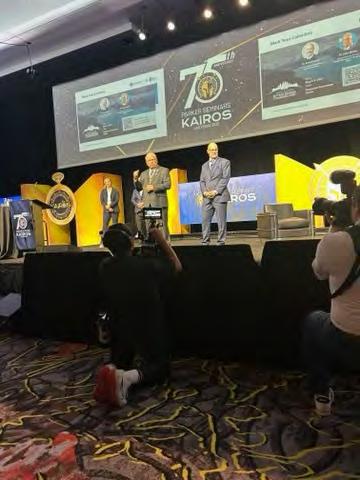
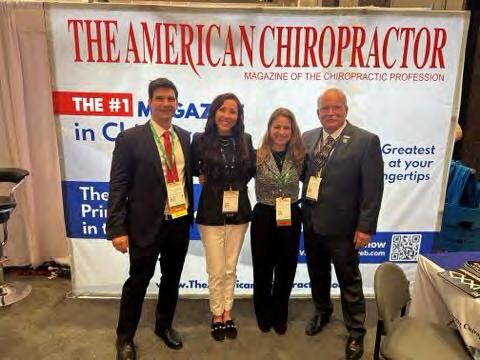
harmony. They were joined at the event by WFC Board Members Dr. Jason Jaeger and Dr. Dale
intentionally together. Conversations moved beyond individual initiatives toward broader questions - how to strengthen educational pathways, support regulatory progress, improve access, and ensure that efforts in one part of the world can meaningfully support another.
Importantly, these were not theoretical discussions. There is increasing recognition that advancing the profession requires structured collaboration - clearer pathways between
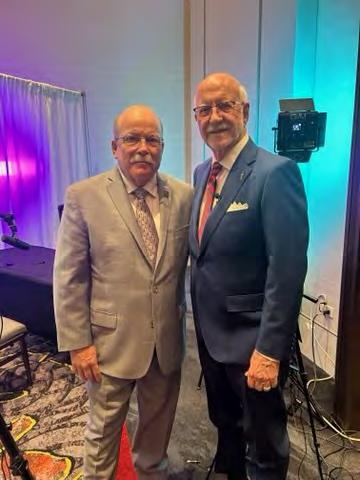
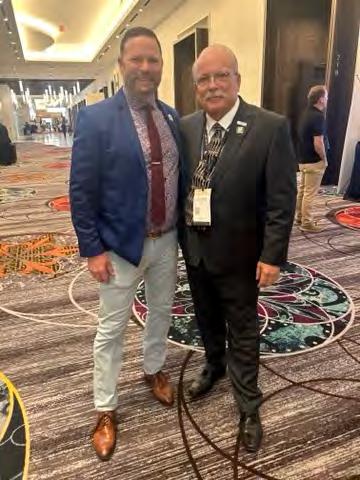
education and practice, stronger alignment in standards, and more coordinated approaches to global challenges. Whether addressing accreditation barriers, supporting emerging regions, or exploring new models of partnership, the emphasis was on building systems that enable long-term progress. There was also a clear appreciation for the importance of positioning chiropractic within broader health and policy environments. Engagements reflected a shift toward thinking not only about the profession itself, but about how it integrates into health systems, contributes to population needs, and demonstrates its value in measurable ways.
What became evident is that the role of the WFCis not simply to represent, but to connect - to bring together organizations, ideas, and opportunities in a way that creates forward movement . The impact of this convening role is often not immediate or visible, but it is foundational. It creates the conditions for alignment, and alignment creates the conditions for progress.
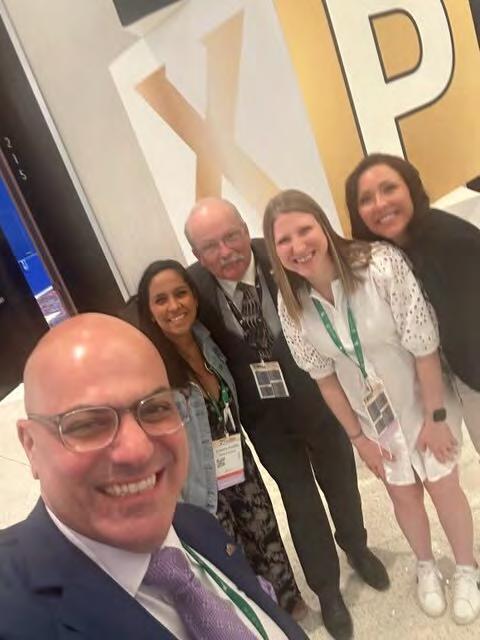
The discussions at Parker Seminars reflected a profession that is increasingly looking outward, thinking collectively, and recognizing that its future is interconnected. While the work ahead remains complex, the direction is clear.
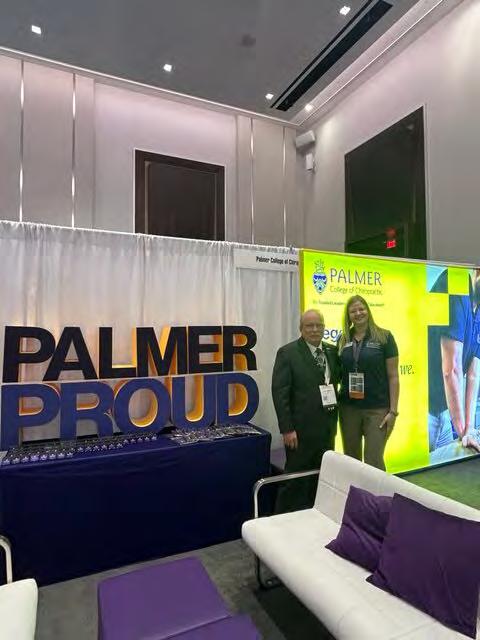
Advancing chiropractic globally will require continued collaboration, shared purpose, and a commitment to working together. That is where meaningful progress begins and where it will continue to flourish.
At the Royal College of Chiropractors?annual Winter Conference, held on 4 February at the Royal College of Physicians in London,Stuart Smellie formally began his term as President of the RCC, following a year serving as President?Elect.
Mr Smellie brings more than three decades of clinical experience, alongside a longstanding commitment to postgraduate education, professional standards, and leadership within the profession. He has contributed to the academic and professional development of the Royal College for many years, having served as a trustee since 2010 and spent 15 years as Director of Academic Affairs. During this time, he was the lead author of the RCC?s Quality Standards programme, supporting chiropractors in delivering high?quality, evidence?informed care across a wide range of practice areas.
The conference was a great success, attracting more than 300 chiropractors and guests. With a strong programme of speakers, it offered opportunities for learning, professional dialogue, and reconnection in the impressive setting on the edge of London?s Regent?s Park.
Speaking about taking on the new role, Mr Smellie said:
?It isa great honour to serve asPresident of the Royal College, and I am lookingforward to working with colleaguesacrosstheprofession to continue to support chiropractorsin deliveringthe highest standardsof carefor our patients.?
He also paid tribute to the outgoing President, Mark Gurden, thanking him for six years of committed leadership, including guiding the College through the unprecedented challenges of
the COVID?19 pandemic.
The RCC supports the profession through a broad range of activities, including the development of clinical standards, delivery of post?registration education and training, support for specialist faculties, promotion of research, leadership in patient safety initiatives, and collaboration with universities, professional associations, and the General Chiropractic Council. Mr Smellie took the opportunity to recognise and thank the many chiropractors who contribute their time, expertise, and commitment to these activities..
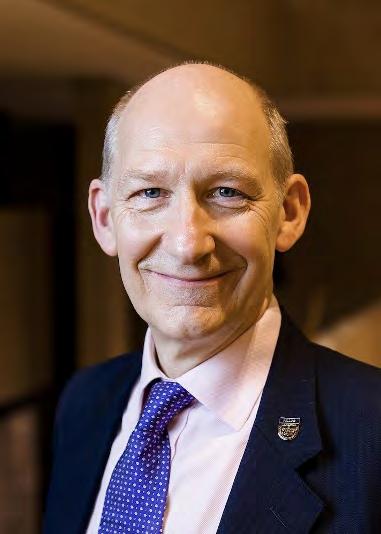
As part of this ongoing work, Mr Smellie launched a public consultation on a new RCCQuality Standard for Axial Spondyloarthritis (AxSpA). The proposed standard aims to support improved recognition and earlier diagnosis of this condition, which is known to be associated with significant delays in diagnosis and management. The consultation reflects the RCC?s commitment to continuous improvement in clinical care and invites input from the profession to help shape guidance that supports timely, patient?centred, and effective management.


At the Royal College of Chiropractors?annual Winter Conference, held on 4 February at the Royal College of Physicians in London,Stuart Smellie formally began his term as President of the RCC, following a year serving as President?Elect.
Mr Smellie brings more than three decades of clinical experience, alongside a longstanding commitment to postgraduate education, professional standards, and leadership within the profession. He has contributed to the academic and professional development of the Royal College for many years, having served as a trustee since 2010 and spent 15 years as Director of Academic Affairs. During this time, he was the lead author of the RCC?s Quality Standards programme, supporting chiropractors in delivering high?quality, evidence?informed care across a wide range of practice areas.
The conference was a great success, attracting more than 300 chiropractors and guests. With a strong programme of speakers, it offered opportunities for learning, professional dialogue, and reconnection in the impressive setting on the edge of London?s Regent?s Park.
Speaking about taking on the new role, Mr Smellie said:
?It isa great honour to serve asPresident of the Royal College, and I am lookingforward to working with colleaguesacrosstheprofession to continue to support chiropractorsin deliveringthe highest standardsof carefor our patients.? He also paid tribute to the outgoing President, Mark Gurden, thanking him for six years of committed leadership, including guiding the College through the unprecedented challenges of
the COVID?19 pandemic.
The RCC supports the profession through a broad range of activities, including the development of clinical standards, delivery of post?registration education and training, support for specialist faculties, promotion of research, leadership in patient safety initiatives, and collaboration with universities, professional associations, and the General Chiropractic Council. Mr Smellie took the opportunity to recognise and thank the many chiropractors who contribute their time, expertise, and commitment to these activities..
As part of this ongoing work, Mr Smellie launched a public consultation on a new RCCQuality Standard for Axial Spondyloarthritis (AxSpA). The proposed standard aims to support improved recognition and earlier diagnosis of this condition, which is known to be associated with significant delays in diagnosis and management. The consultation reflects the RCC?s commitment to continuous improvement in clinical care and invites input from the profession to help shape guidance that supports timely, patient?centred, and effective management.
Palmer College of Chiropractic students, faculty, and staff recently shared original research at the 2026 ACC?RACconference. This year, several Palmer students presented research conducted under the guidance of experienced faculty mentors, highlighting the College?s commitment to rigorous academics, strong mentorship, and preparing students to become confident leaders in the chiropractic profession.
Mickey (Yutong) Wu presented research examining the immediate neurophysiological effects of spinal manipulation, including measures such as the H?reflex, V?wave, and corticospinal excitability.
?I?ve always been curious about what?s actually happening neurologically when we adjust,?Wu said. While chiropractic education emphasizes technique, his research allowed him to explore the underlying mechanisms that influence motor control and performance. He noted that the project helped bridge classroom learning with evidence?based clinical reasoning.
Zelin Zhou?s research addressed an increasingly relevant issue in patient education. His study,Qualityand Engagement of Chiropractic Content on TikTok:ADISCERN?Based Cross?Sectional Analysis, evaluated the accuracy and quality of chiropractic?related content on social media platforms.
?With TikTokbecominga major entrypoint for patient education, information accuracyreally matters,?Zhou said. His work earned a Paper Award at ACC?RAC, recognising both its quality and relevance to contemporary practice.

Song Chen Xu focused his research closer to home, analysing cryotherapy education within the Palmer Florida curriculum . As a student nearing graduation, Xu viewed the research process as both a personal milestone and an opportunity to strengthen evidence?based education within the profession.
?Thiswasmyfirst timewritingan abstract for an academicconference,?Xu said. ?Thesupport from myfacultymentorsmadeall thedifference.?
Faculty Mentorship
Each student credited Palmer faculty mentors for providing expert guidance, consistent encouragement, and high academic standards throughout the research process:
- Wu worked closely with Dr Niu Zhang, who helped refine his research focus and challenged him to think critically about his findings.
- Zhou was mentored by Dr Xiaohua (Shawn) He, with additional support from Dr Zhang and Palmer alumnus Dr Qian Zhang, who assisted with data preparation and presentation strategy.
- Xu received hands?on mentorship from Dr He and Dr Zhang, who guided him step?by?step through his first academic research experience.
While initially daunting, ACC?RACproved to be a supportive and collaborative experience. ?It made everythingfeel real,?Wu said. By combining faculty mentorship, hands?on research, and national engagement, Palmer College of Chiropractic prepares graduates to advance the profession and the communities they serve.

A major update to the Cochrane systematic review on spinal manipulative therapy (SMT) for chronic low back pain (LBP) was recently published by Annemarie de Zoete, Sidney Rubinstein and colleagues. This review provides a comprehensive examination of the evidence from 76 randomized controlled trials (RCTs) involving over 11,000 participants. This update, which includes 50 new trials since the last version in 2011, reinforces the role of SMT in managing one of the world's most burdensome health conditions.
The review compared SMT to sham treatment, no treatment, and other conservative interventions. The key takeaways for pain and functional status at one-month follow-up include:
SMT vs. Other Conservative Interventions: SMT results in little to no difference in pain relief (31 RCTs, 4,109 participants), but a small improvement in functional status (28 RCTs, 3,940 participants) compared to treatments, such as exercise.
SMT vs. Sham/Placebo: SMT may result in a reduction in pain (16 RCTs, 1570 participants) and an improvement in functional status (13 RCTs with 1416 participants), which suggests a therapeutic benefit beyond the placebo effect for patients with chronic symptoms.
SMT vs. No Treatment: SMT may result in a reduction in pain relief and an improvement in functional status (4 RCTs, 312 participants).
Safety: While less than half of the included studies (47%) reported on adverse events?and only 12 trials did so systematically?the findings are reassuring. Reported side effects were limited to transient muscle soreness or stiffness, and no serious complications were registered in any of the 76 trials.
For the practicing chiropractor, this review is a powerful validation. Given SMT performs similarly to other gold-standard conservative treatments (such as exercise), it should be considered a first-line treatment option. This is consistent with major international clinical practice guidelines, including: The World Health Organization (WHO) Guideline for chronic primary LBP(2023); The American College of Physicians (ACP) Clinical Practice Guideline (2017); NICE(UK) Guidelines for Low Back Pain and Sciatica (2016); APTA / JOSPT Clinical Practice Guideline for LBP(2021 update)
While some argue that SMT is a "passive" therapy that might increase patient dependency, these results suggest it is a highly effective tool in the clinical toolbox. To optimize patient autonomy, practitioners can integrate SMT with active strategies, using the immediate functional gains from manipulation to facilitate movement and exercise.
The authors and experts highlight a critical turning point for the profession: we must stop conducting traditional RCTs in the same manner. With over 11,000 participants already studied, more of the same "SMT vs. X" trials will not increase our confidence. Future research should instead focus on who benefits most from SMT and how to best integrate it into long-term management strategies. In short, "continuing to conduct RCTs in the same manner will neither strengthen the evidence nor our confidence in it."
Published: Cochrane Database of Systematic Reviews, 2025.
Full Article: here
A new mapping study, Patient education for chronic musculoskeletal pain: a scoping review of recommendations, effectiveness, and educational content, carried out by researchers from Danish universities and the Chiropractic Knowledge Hub shows that patient education is one of the most recommended interventions for chronic musculoskeletal pain, yet research still lacks clarity on what effective education should contain.
The researchers reviewed 66 systematic reviews, guidelines and consensus papers on conditions such as low back pain, neck pain, and knee and hip osteoarthritis. While guidelines strongly recommend that patients receive clear, relevant and personalised information, evidence about?how? to deliver such education remains weak.
Guidelines emphasise that education should help patients understand their pain, correct myths, support self?management, and encourage activity. Education is consistently seen as a core treatment component.
However, research shows major variation in content, quality and format. Studies examine many types of education, such as pain neuroscience education or self?management programmes, without clear evidence that one approach is superior. Education combined with exercise tends to show better results, whereas minimal efforts like giving out a booklet show little effect. Very few studies explore individually tailored education, despite this being a key patient preference.
Patients across qualitative studies report inconsistent information and a lack of explanations that integrate biological, psychological and social factors. They want empathy, dialogue and guidance that fits their life situation?not generic information. Yet most

research focuses on standardised educational packages with fixed content, leaving a gap between patient needs and what is studied.
The study concludes that while patient education should remain central in treating musculoskeletal disorders, future research must shift focus. Instead of asking?whether?education works, researchers need to explore?how,?for whom?and?why?it works.
This includes better descriptions of educational content, studies of relational and communicative aspects, and more flexible, individualised approaches that can be integrated into clinical practice.
Full article: here
Danish research shows that good communication can make a crucial difference for back pain patients, but unclear expectations often create frustration and mistrust.
When patients with long term back pain arrive at a hospital spine clinic, many feel taken seriously for the first time. They experience being listened to, receiving clear explanations, and being involved in decisions. But unclear expectations?especially about who they will meet and why?can lead to disappointment.
A study in the?Journal of Evaluation in Clinical Practice?analyzed 12 consultations and follow up interviews. A key finding was patients?relief at finally being understood after years of being told their pain was ?normal ageing?or something they had to live with. At the clinic, acknowledgement and explanations offered hope and a sense of control. The researchers note, however, that this

highlights a problem: many wait months before anyone meaningfully engages with their concerns. Despite strong evidence for its effectiveness, patient education is still often missing in primary care.
Consultations worked best when clinicians outlined the structure of the visit early?symptoms, examination, scan review, and plan?helping align expectations. Shared decision-making further increased patients? understanding and motivation.
Challenges arose when patients expected to see a medical doctor but met a physiotherapist or chiropractor instead. Some reacted with surprise, reflecting assumptions about medical authority, sometimes reinforced when clinicians referred to doctors as the ?real experts.?
Some patients hoped for surgical referral, often primed by their GP, and felt uncertain when instead offered exercise-based treatment and pain management. Others sought a quick cure, but most left more optimistic once they better understood their condition. MRI explanations were important to patients as ?proof?their pain was real, even though many findings are age related and not strongly linked to symptoms, meaning detailed descriptions can unintentionally increase worry.
The researchers conclude that expectations should be addressed much earlier, through clearer GP communication and more informative appointment letters. When patients know who they will meet and why, consultations run smoother and can focus on what matters most: understanding, reassurance, and realistic hope.
https://onlinelibrary.wiley.com/doi/10.1111/jep.70134
If you want to know what is going on in the world of chiropractic education, all you need to do is take a look at recent papers published in the Journal of Chiropractic Education (JCE), an academic, indexed, peer-reviewed journal that is an ambassador for the advancement in chiropractic education. For 39 years, the JCEhas served the chiropractic profession by publishing the greatest volume of research papers on chiropractic education.
The JCEplays an essential role in disseminating scholarship that influences the future direction of the chiropractic profession. Publications provide a platform to address emerging challenges, propose innovations, and contribute to broader healthcare conversations. Without active participation in the scientific literature, the profession risks being underrepresented in critical discussions that shape policy and practice.
The JCEprovides faculty with a platform to publish their scholarly work. Publication is a responsibility for chiropractic educators and faculty, serving both the advancement of the profession and the integrity of chiropractic education. As stewards of knowledge, educators are uniquely positioned to generate, evaluate, and disseminate evidence that shapes clinical practice, curriculum design, and professional identity.
By publishing in peer-reviewed journals, chiropractic faculty help ensure that clinical approaches, educational strategies, and theoretical frameworks are rigorously examined and transparently reported. This strengthens trust among students, patients, peers, policymakers, and interdisciplinary colleagues.
Educators who engage in research and publication bring current, evidence-based insights directly into the classroom and clinic. This integration of scholarship and teaching fosters critical thinking, lifelong learning, and scientific literacy among students, which are competencies essential for
modern healthcare professionals. As well, scholarship is an important criterion for faculty promotion and recognition. The process of conducting research and publishing strengthens analytical skills, deepens subject expertise, and expands professional networks. Educators engaged in scholarship lead to better teaching, better future doctors, and better patient care. Ultimately, educational research serves our patients and communities.
In summary, publishing strengthens and enriches education, advances careers, and amplifies the voice of chiropractic within the global healthcare landscape. If you want to know what is going on in the world of chiropractic education, all you need to do is open the pages of the Journal of Chiropractic Education. For more information, visit http://journalchiroed.com
Bart Green, DC, MSEd, PhD, Editor-in-Chief, Journal of Chiropractic Education
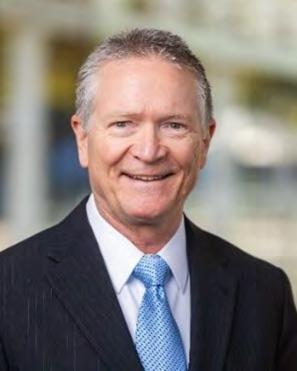
The Dutch and Belgian chiropractic research community continues to demonstrate how small countries can achieve remarkable scientific impact. What began as a modest network has grown into a highly active group committed to advancing chiropractic research, despite the absence of a formal chiropractic education program in either country.
A central pillar supporting this community is the Dutch Belgian Research Institute of Chiropractic (DBRIC). DBRICplays a vital role by stimulating and funding research initiatives led by Dutch and Belgian chiropractic researchers. Its support not only enables individual academic growth but also fosters a sustainable research culture within a profession lacking a national chiropractic educational infrastructure. Through DBRIC?s ongoing efforts, the research community has increased its visibility, productivity, and international engagement.
The past year has brought several milestones that reflect this progress. One of the most notable achievements was the appointment of Sidney Rubinstein as an endowed professor. This recognition reflects both his internationally respected body of work and the emergence of academic chiropractic leadership within a healthcare system where the profession has traditionally held a modest position. His appointment demonstrates that Dutch and Belgian chiropractors can lead academic development at the highest level.
The year also saw the publication of a Cochrane review on spinal manipulative therapy for
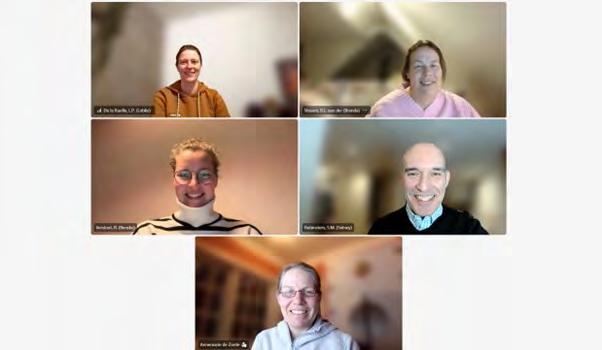
adults with chronic low back pain, led by Annemarie de Zoete. Requiring extraordinary perseverance and collaboration, this review represents a significant scholarly contribution from the community and highlights the growing role its researchers play in shaping high?quality evidence that informs global chiropractic practice and policy.
Five chiropractors currently hold university appointments, strengthening the bridge between practice and academia:Lobke De la Ruelle, Brenda van der Vossen, Justine Tilborghs, and Sidney Rubinsteinat the Vrije Universiteit Amsterdam, and Annemarie de Zoeteat Erasmus University Rotterdam. Two PhD candidates (Lobke and Brenda) and two junior researchers (Justine Tilborghs and Renske Versloot ) continue to advance their work under the supervision of Annemarie and Sidney.
Together, these developments reflect not only individual achievements but the collective momentum of a growing research ecosystem. By fostering collaboration, supporting shared projects, and investing in academic development through DBRIC, the Dutch and Belgian chiropractic research community continues to contribute meaningfully to global chiropractic science. Modest in size but strong in impact, the community demonstrates how expertise, commitment, and collaboration can drive significant scientific progress.
Those interested in pursuing a PhD while maintaining professional affiliation are invited to contact Sidney Rubinstein: s.m.rubinstein@vu.nl
There are many reasons why chiropractic educators should present their scholarly work at conferences hosted by the Chiropractic Educators Research Forum (CERF). CERFwas created specifically with chiropractic educators in mind, with a mission to strengthen educational research capacity and increase faculty engagement in scholarly activity.
It is important to clarify that CERFconferences are not a replacement for other major educational meetings, such as the biennial WFCGlobal Education Conference. In?person conferences remain essential for relationship?building and certain forms of professional interaction that cannot be replicated virtually. Rather than competing, CERFand WFCevents are complementary. The WFCsponsors CERF, and CERFsponsors the Education Research Awards presented at the WFCGlobal Education Conferences, reinforcing a shared commitment to advancing chiropractic education. CERFprovides additional, more frequent opportunities for educators to develop their skills and focus on issues directly relevant to teaching, assessment, and curriculum design.
The virtual format of CERFconferences offers several key benefits. First, they are convenient Presenters and attendees can participate from anywhere in the world, and meetings are scheduled to minimise conflicts with teaching responsibilities. This flexibility lowers time barriers and encourages broader faculty participation.
Second, CERFconferences are affordable and accessible. Presenter fees are modest and typically within personal or departmental budgets, while the absence of travel and accommodation costs makes participation feasible for educators at all career stages. Attendance for non?presenters is free, further reducing barriers to engagement.
Third, CERFoffers an important publication pathway. Accepted abstracts and presentation videos are published in the Journal of Chiropractic Education, an indexed, peer?reviewed journal. This ensures that scholarly contributions are formally recorded, supports dissemination of educational research, and assists educators in building their curriculum vitae.
Finally, CERFconferences are highly relevant . Content is focused entirely on chiropractic education, fostering meaningful discussion and knowledge exchange among peers. Feedback from past participants highlights the quality of the presentations, the effective online format, and the value of interacting with educators from diverse institutions and regions. Attendees consistently report that the conference structure supports engagement, open dialogue, and practical insights that can be applied within their own programs.
For chiropractic educators interested in advancing scholarship, sharing innovations in teaching and assessment, and engaging with a global community of colleagues, CERFoffers a supportive and accessible platform. Membership in CERFis free, and educators are encouraged to learn more and get involved at www.cerfweb.org
Claire Johnson, DC, MSEd, PhD CERF Administrator (Volunteer)
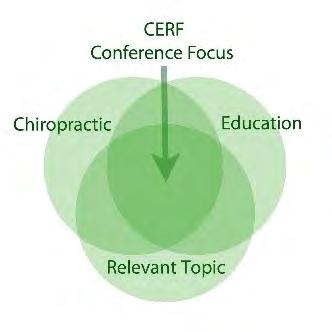
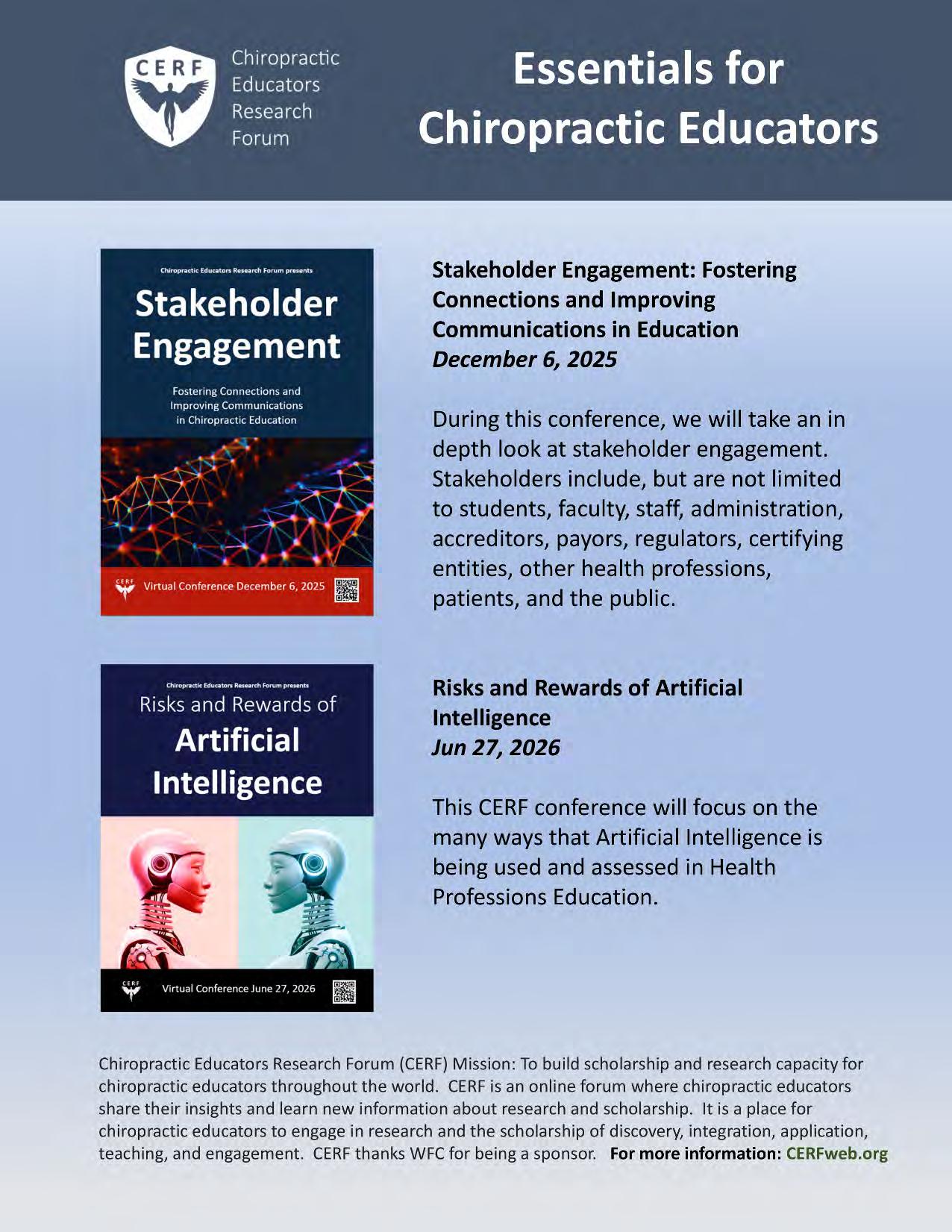
Patient safety culture refers to the shared professional values, attitudes, and behaviours that influence how organisations manage risk, report errors, and promote safe clinical care. Chiropractic educational institutions play a critical role in instilling this culture, as they function simultaneously as training environments and clinical care settings. SafetyNet researchers, including Martha Funabashi, alongside WFC?GPSI members Katherine Pohlman and Stacie Salsbury, invited 864 individuals across four international chiropractic teaching clinics to complete surveys. Responses from 460 participants?including students, faculty, and clinic staff?provided a comprehensive perspective from those directly involved in patient care and clinical training.
Qualitative analysis of open?ended responses identified opportunities to strengthen safety culture across four key domains: communication, education, clinical setting, and leadership. These findings were synthesised into a conceptual framework known as the Safety Compass Model, which outlines eight interrelated themes influencing safe clinical practice in chiropractic teaching clinics.
Accountability and transparency emerged as foundational elements, reinforcing ethical responsibility, trust, and open communication that allow individuals and organisations to learn from mistakes or near?miss events. Safety education highlights the importance of structured instruction in safety principles, risk management, and clinical decision?making, with competencies integrated across curricula to
support both theoretical understanding and practical application.Safety reporting focuses on effective systems for identifying concerns and supporting continuous quality improvement.
Teaching clinics are real?world learning environments where students develop lifelong professional habits. Chiropractic educators play a central role by role?modelling clinical standards, prioritising patient wellbeing, and reinforcing practice behaviours through consistent adherence to evidence?informed safety practices.Risk mitigation involves proactive identification of hazards and implementation of safety procedures, while structured communication?such as clear documentation and team?based dialogue?helps prevent misunderstandings and errors. Administrative
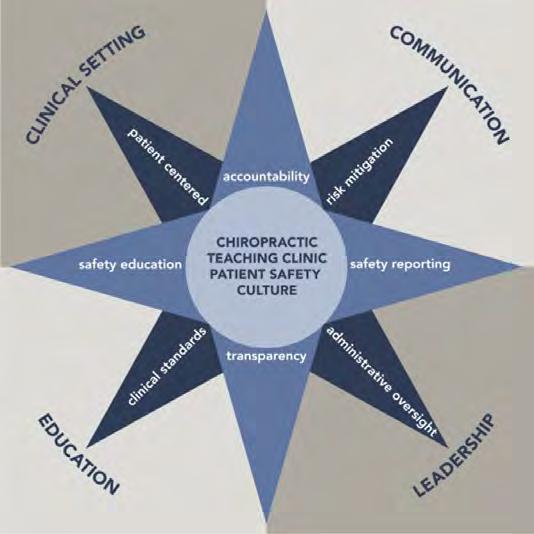
oversight further sustains safety culture when leaders set clear expectations, allocate appropriate resources, and foster psychologically safe environments where concerns can be raised without fear of punishment.
These findings align closely with international efforts to strengthen healthcare safety, including the World Health Organization?s Global Patient Safety Action Plan. Chiropractic educational programs can use the Safety Compass Model as a practical tool to evaluate existing practices, guide quality?improvement initiatives, inform curriculum development, and promote collaboration among students, faculty, and clinic administrators.
Reference:
Salsbury SA, Funabashi M, Kangas KA Jr, Woosley V, Crouch AN, Brown A, Lee AD, Borody CPA, Porter BJ, St?Onge E, Moore MP, Pohlman KA.Suggestionsfor improvingpatient safetyculture within international chiropracticteachingsettings:A qualitativeanalysisof clinicpartner feedbackfrom a mixed?method survey.Journal of Chiropractic Education.2025;39:eJCE?24?15. doi:10.7899/JCE?24?15.
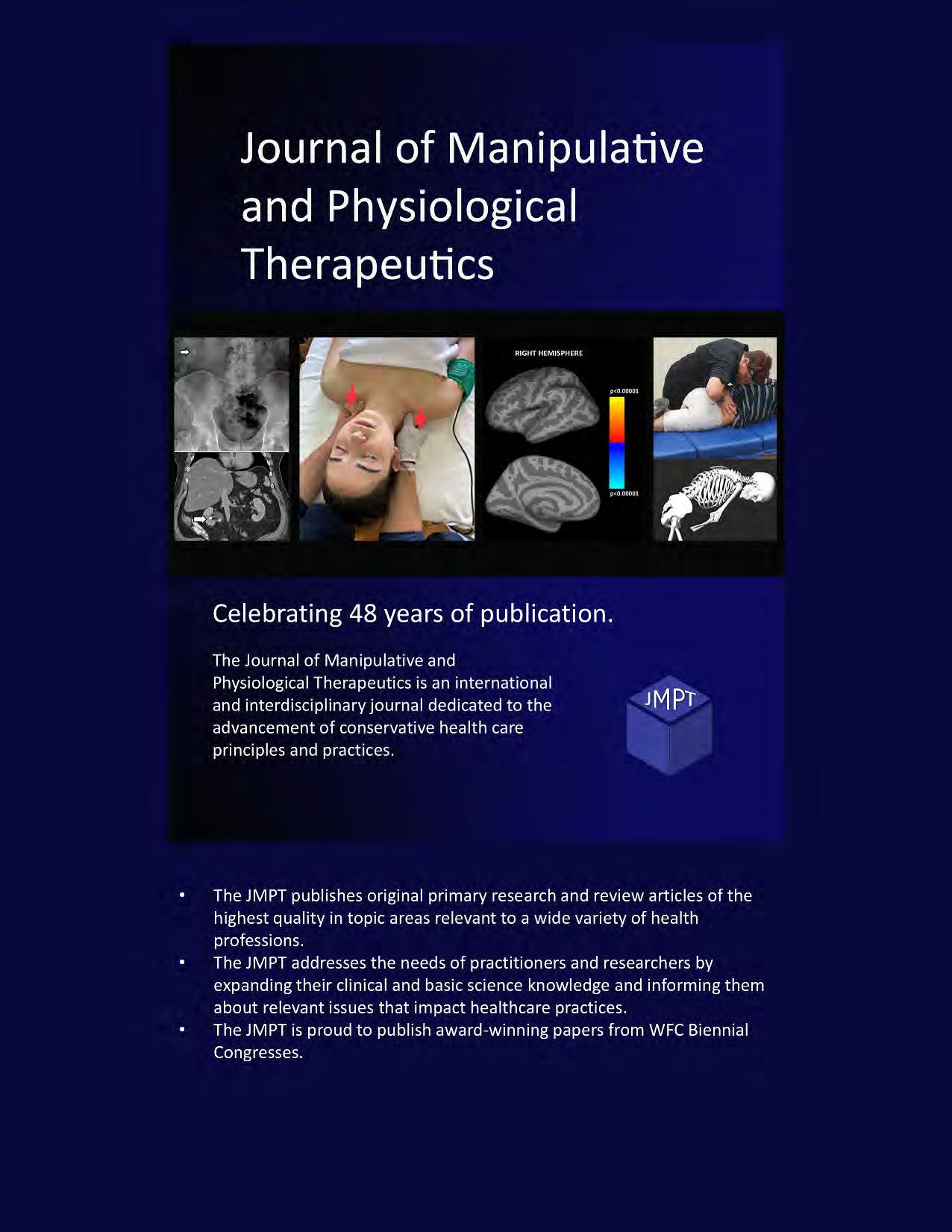
Life University (Life U) proudly announces that Ms Amy Warner Campbell, a March 2026 graduate of the Doctor of Chiropractic program, alongside her faculty advisor Dr Christie Kwon, has published research in the Annalsof Vertebral Subluxation. Their article, titled ?ChiropracticCare, theGut?Brain Axis, and Gastrointestinal Function:A NarrativeReviewwith Real?World Feasibility Insights,?examines the relationship between chiropractic care and gastrointestinal health through both a review of scientific literature and practical, in?clinic application.
This research was made possible through the Life University RISEScholarship, a program dedicated to supporting student?driven research initiatives. As part of the project, Campbell and Dr Kwon implemented a three?month integrative gastrointestinal care protocol within a chiropractic practice, generating valuable real?world insights into feasibility, implementation, and patient engagement. Their work highlights the ongoing need for expanded research and increased funding to support pragmatic trials conducted in authentic clinical environments.
Dr Kwon praised Campbell?s perseverance and scholarly commitment, stating, ?Amy?sdedication to thisproject, particularlyin thefaceof unexpected challengesinherent to practice?based research, is commendable. Sheisa brilliant individual with much to contributeto the chiropracticprofession. Thispublication representsa wonderful capstone to her timeasa student.?
The authors also extend their gratitude to Dr Samantha Brooks, a Life University alumna and
the clinical provider who contributed to the practice?based component of the study.
Campbell, a second?generation chiropractic student , is originally from South Africa. Prior to pursuing chiropractic, she was recruited to the United States to compete in rowing at Yale University, where she pursued a pre?medical track and earned acceptance to medical school. During the COVID?19 pandemic, her perspective on healthcare shifted as she observed a system heavily focused on pharmaceuticals and vaccination, with comparatively limited emphasis on lifestyle, wellness, and immune resilience. This experience prompted her decision to follow a holistic, chiropractic?centered path.
Before enrolling at Life University, Campbell worked at the Medical University of South Carolina, where she conducted research on the influence of the gut microbiome on bone development in adolescents. Her contributions resulted in multiple publications, including?SpecificCommensal Bacterium Critically RegulatesGut Microbiota Osteoimmunomodulatory ActionsDuringNormal Post?Pubertal Skeletal Growth and Maturation,?published in the Journal of Boneand Mineral Research
During her time at Life University, Campbell explored numerous dimensions of chiropractic practice and completed her capstone research through the RISEScholarship Program .
Following graduation, she plans to join a multi?practitioner wellness centre, where she aims to advance integrative, collaborative, and patient?centered healthcare.
For years, doctors of chiropractic have watched a frustrating pattern repeat itself in clinical practice. Patients arrive having already tried opioid medications, having been told surgery is their only option, or having lost hope altogether. Although the evidence supporting chiropractic care as a first?line treatment for low back pain has long been robust, that evidence has rarely reached the people who need it most?patients themselves.
Christine Goertz, DC, PhD, intends to change that.
Dr Goertz, one of the most widely published researchers in spine health and integrative medicine, is the author of Take Your Back Back: Whole Health Healing for Low Back Pain, forthcoming from Simon & Schuster with a release date of October 6, 2026. The book is now available for pre?order.
Drawing on more than three decades of peer?reviewed research and nearly $45 million in federal research funding, Dr Goertz has written a patient?focused guide that fills a critical gap left by the scientific literature?meeting people where they are. Written in accessible, jargon?free language,TakeYour BackBackguides readers through the realities of low back pain: why it develops, why conventional medical responses often fall short, and what the evidence genuinely supports.
The timing is especially significant. Low back pain now affects an estimated 619 million people worldwide, with annual healthcare costs exceeding $134 billion in the United States alone. Despite decades of clinical guidelines recommending non?drug, non?surgical approaches as first?line care, many patients continue to be overtreated with opioids or directed toward procedures that carry substantial
risk and limited long?term benefit. The gap between evidence and real?world care remains wide.
TakeYour BackBackis structured in three parts: an honest explanation of how back pain works and why misinformation persists; a clear review of treatment options?from chiropractic care and manual therapies to physical therapy, exercise, cognitive behavioural therapy, and, when genuinely indicated, surgery; and a practical action plan empowering patients to build a whole?health care team and advocate for themselves at every clinical encounter.
For doctors of chiropractic, the book represents a long?needed resource: a credible, evidence?based, patient?friendly validation of chiropractic?first care written by one of the profession?s most respected researchers.
Dr Goertz earned her Doctor of Chiropractic degree from Northwestern Health Sciences University and completed her PhD at the University of Minnesota. She is a past recipient of the American Chiropractic Association?s Chiropractor of the Year Award and the World Federation of Chiropractic?s David Chapman?Smith Award
TakeYour BackBackis available for pre?order through Amazon, Barnes & Noble, and Bookshop.org

Author: Dr Reg
Engelbrecht
Affiliation: Retired CEO of the Chiropractic Association of South Africa
Correspondence: drreg@mweb.co.za
Spinal pain is among the most significant contributors to global disability, affecting populations across all regions and socioeconomic groups (Hoy et al., 2014). Health systems face increasing demand, limited specialist capacity, and escalating costs associated with chronic back and neck pain. Despite this burden, many systems continue to rely heavily on pharmacological and surgical interventions, which are often inappropriate for most non?traumatic spinal conditions (Foster et al., 2018).
This mismatch between need and service delivery highlights an opportunity for a dedicated, evidence?informed, non?pharmacological provider capable of managing the bulk of spinal complaints safely, effectively, and cost?efficiently. Chiropractic is well-positioned to fill this role.
Chiropractic?s Unique Position in Spine Care
Chiropractic offers a combination of competencies that align closely with global best?practice recommendations for spine care:
Expertise in spinal assessment and differential diagnosis
Chiropractors are trained to identify red flags, triage appropriately, and manage common musculoskeletal spinal conditions, consistent with WHO musculoskeletal health priorities (WHO, 2021).
Non?pharmacological, conservative management
International guidelines?including WHO (2023), NICE(2016), and the Lancet Low Back Pain Series (Foster et al., 2018)?recommend early conservative care, reduced opioid use, and avoidance of unnecessary imaging and surgery.
Chiropractic?s niche emerges from a combination of specialised expertise, conservative philosophy, and patient?centred practice. Its strengths include:
1. Advanced Competence in Spinal Assessment and Diagnosis
Chiropractors receive extensive training in musculoskeletal assessment, differential diagnosis, and manual therapy. Their focus on spinal biomechanics and function fills a gap in many health systems where general practitioners may lack the time or specialised training to manage complex spine presentations.
Chiropractors receive extensive training in musculoskeletal assessment, differential diagnosis, and manual therapy. Their focus on spinal biomechanics and function fills a gap in many health systems where general practitioners may lack the time or specialised training to manage complex spine presentations.
2. Delivery of Non?Pharmacological, non?Surgical Care
International guidelines consistently recommend conservative care as the first-line approach for most spine-related conditions. Chiropractic aligns naturally with these recommendations, offering: Spinal manipulative therapy
- Exercise prescription
- Patient education
- Lifestyle and ergonomic guidance
This positions chiropractic as a frontline provider for safe, effective, low?risk interventions.
3. Patient?Centred, Relationship?Based Care
Chiropractic practice often allows for longer consultations, personalised care plans, and continuity of care?factors associated with improved adherence, satisfaction, and outcomes.
Cost?Effectiveness and System Efficiency
Early access to conservative spine care can reduce downstream costs associated with imaging, medication, and surgery. Chiropractic can therefore contribute meaningfully to value?based care models and health?system sustainability.
Integration Pathways in Public Health Systems
To establish a durable and respected niche, chiropractic must integrate meaningfully into multidisciplinary spine?care pathways. Key strategies include:
1. Alignment with National and Global Health Priorities
Chiropractic should position itself as a partner in addressing:
- The global burden of musculoskeletal disease
- Health?system efficiency and cost containment
- Access and equity
- Workforce shortages in primary care
This alignment strengthens policy relevance and enhances opportunities for integration.
2. Participation in Multidisciplinary Teams
Chiropractors can contribute effectively alongside medical doctors, physiotherapists, occupational therapists, and public health practitioners. Integration may occur through:
- Primary care networks
- Community health centres
- Spine clinics
- Occupational health programmes
- Rural outreach initiatives
Collaboration builds trust, improves patient outcomes, and reduces duplication of services.
2. Participation in Multidisciplinary Teams
Chiropractors can contribute effectively alongside medical doctors, physiotherapists, occupational therapists, and public health practitioners. Integration may occur through:
- Primary care networks
- Community health centres
- Spine clinics
- Occupational health programmes
- Rural outreach initiatives
Collaboration builds trust, improves patient outcomes, and reduces duplication of services.
3. Standardisation of Clinical Pathways
Clear referral protocols, shared care plans, and evidence?based guidelines help define chiropractic?s role and ensure consistency across providers. Standardisation also enhances patient safety and system efficiency.
4. Strengthening Data, Outcomes, and Research Capacity
Health systems increasingly demand measurable value. Chiropractic must invest in:
- Routine outcomes measurement
- Participation in registries
- Quality assurance programmes
- Research partnerships
A robust evidence base reinforces chiropractic?s credibility and informs policy decisions.
To secure a recognised niche within spinal health care, the following policy actions are recommended:
1. Formal Recognition of Chiropractic as a Spine?Care Specialist
Health authorities should acknowledge chiropractic as a key provider of conservative spine care, enabling appropriate referral pathways and reimbursement structures.
2. Inclusion in Public Health Planning and Advisory Structures
Chiropractors should be represented in committees, task teams, and advisory groups addressing musculoskeletal health and primary care reform.
3. Expansion of Interprofessional Education and Training
Joint training programmes with medical and allied health professions foster collaboration, reduce misconceptions, and improve patient care.
4. Support for Rural and Underserved Communities
Chiropractic services can significantly improve access to spine care in regions with limited health?care resources. Incentives for rural placement and integration into community health centres should be prioritised.
5. Investment in Research and Data Infrastructure
Funding for chiropractic research, particularly in low?resource settings, will strengthen the evidence base and inform scalable models of care.
Conclusion
The global burden of spine-related disability demands coordinated, evidence?based, and patient?centred solutions. Chiropractic, with its specialised focus on conservative spine care, is uniquely positioned to contribute meaningfully to this challenge. By articulating its value, strengthening interprofessional relationships, and aligning with health?system priorities, chiropractic can establish a clear and respected niche within modern spinal health care.
The opportunity is significant: to move from the margins of health systems into a central, collaborative role that improves outcomes, reduces costs, and expands access?particularly for underserved populations. With strategic action, chiropractic can help shape the future of spine
care and contribute to healthier, more resilient communities.
References
1. Global Burden of DiseaseStudy. ?Global, regional, and national burden of low backpain.?TheLancet.
2. Hartvigsen J, et al. ?What low backpain isand whywe need to payattention.?The Lancet.
3. World Health Organization. WHO Guidelineson Non?Surgical Management of LowBackPain.
4. Foster NE, et al. ?Prevention and treatment of low back pain:evidence, challenges, and promisingdirections.?TheLancet.
5. Chou R, et al. ?Nonpharmacologictherapiesfor low back pain.?Annalsof Internal Medicine.
6. WongJJ, et al. ?Clinical practiceguidelinesfor chiropracticcareof low backpain.?Journal of Manipulativeand Physiological Therapeutics.
7. Qaseem A, et al. ?Non-invasivetreatmentsfor acute, subacute, and chroniclow backpain.?Annalsof Internal Medicine.
8. World SpineCare. ?Modelsof carefor underserved communities.?
9. Buchbinder R, et al. ?Low backpain:a call for action.? TheLancet.
10. Stochkendahl MJ, et al. ?National clinical guidelinesfor non-surgical treatment of patientswith recent onset low back pain.?European SpineJournal.
Clinical Compass is pleased to announce the publication of a new clinical practice guideline by Trager et al.in the Journal of Integrativeand ComplementaryMedicine.
Using a Delphi consensus process, a 57?member expert panel agreed on a series of statements encompassing the full clinical encounter for the management of adults with cervicogenic and tension?type headaches. Tension?type headache is classified as a primary headache disorder, while cervicogenic headache is a secondary headache related to cervical spine dysfunction. The resulting consensus recommendations address key elements of chiropractic care, including history taking, physical examination, imaging considerations, contraindications, care management, and non?pharmacological treatment approaches. The guideline endorses establishing a working diagnosis using the Third Edition of the International Classification of Headache Disorders (ICHD?3) and emphasizes the systematic assessment of red, orange, and yellow flags. It provides strong recommendations for spinal manipulation in the management of cervicogenic headache and recommends spinal manipulation in combination with joint mobilization, soft?tissue techniques, and/or therapeutic modalities for tension?type headache. While migraine features may overlap with cervicogenic or tension?type headache presentations, the guideline did not address migraine management, as this was beyond the scope of the study.
The article is open access and freely available on the journal?s website. Readers are encouraged to review the guideline and share it with clinicians, educators, and other stakeholders within their
local regions. This work was supported in part by Clinical Compass
Clinical Compass is a chiropractic clinical and research collaborative dedicated to generating best?practices evidence through consensus?based research models. The organization also maintains a Scientific Commission, comprised of 28 leading U.S. chiropractic scientists and clinician?scientists. In addition, Clinical Compass supports evidence centres across 17 clinical areas, including dry needling, opioids, and cost?effectiveness, which are regularly updated to reflect emerging research.
To support the mission and ongoing work of Clinical Compass, please visit: Donate ? The Clinical Compass
Citation:
Trager RJ, Daniels CJ, Hawk C, Taylor DN, Walters SA, Price MR, Anderson KR, Crivelli LS, Mooring SA, Staab CA, Oakley CB.ChiropracticManagement of Adultswith Cervicogenicor Tension?Type Headaches:Development of a Clinical Practice Guideline.JIntegr Complement Med.2026 Feb 13; doi:10.1177/27683605251397769. PMID: 41685545.
Clive, Iowa (March 31, 2026)? The NCMIC Foundation has named five individuals as the 2026 recipients of the George P. and Jerome F. McAndrews Memorial Research Fund Award. The awards were presented to Drs Victoria A. Bensel, Ryan R. Burdick, Wren M. Burton, Kelsey L. Corcoran, and Sarah E. Graham during the Association of Chiropractic Colleges Educational and Research Agenda Conference (ACC?RAC), held March 26?28 at the Kansas City Marriott Downtown in Kansas City, Missouri.
Established by the NCMICFoundation, the George P. and Jerome F. McAndrews Memorial Research Fund Award honours the McAndrews brothers?longstanding support of the scientific and practical advancement of chiropractic research. The award recognises individuals who demonstrate exceptional ability to:
- Advance research and the exchange of scientific information
- Promote high ethical standards in research and/or practice
- Contribute meaningful applications to chiropractic practice
- Collaborate professionally with researchers and stakeholders across disciplines
In addition, the George P. McAndrews, JD, and Jerome F. McAndrews, DC, Pioneer Memorial Research Award recognises veteran researchers whose work has had a lasting impact on the chiropractic profession. The 2026 recipient of this award is Dr David Eisenberg
Wayne Wolfson, President of NCMIC, praised Drs Eisenberg, Bensel, Burdick, Burton, Corcoran, and Graham as leaders whose work continues to advance chiropractic care.
?Chiropractic continues to grow because of the dedication and perseverance of professionals like these,?Wolfson said. ?Their commitment strengthens the profession, supports innovation, and reinforces chiropractic?s role as an essential part of modern healthcare. The NCMIC Foundation is honoured to welcome them into the distinguished group of McAndrews Award recipients.?
Dr Eisenberg is Director of Culinary Nutrition and Adjunct Associate Professor in the Department of Nutrition at the Harvard T.H. Chan School of Public Health. A graduate of Harvard College and Harvard Medical School, he was selected in 1979 as the first U.S. medical student exchange participant to the People?s Republic of China. From 2000 to 2010, he served as the Bernard Osher Distinguished Associate Professor at Harvard Medical School, founding director of the Osher Research Center, and founding chief of the Division for Research and Education in Complementary and Integrative Medical Therapies. Concurrently, he served as Director of the Program in Integrative Medicine at Brigham and Women?s Hospital.
Since 2006, Dr Eisenberg has directed the annual ?Healthy Kitchens, Healthy Lives? conference in partnership with the Culinary Institute of America. In 2015, he founded the Teaching Kitchen Collaborative, now a network of 81 organisations dedicated to best practices in nutrition, culinary, and lifestyle education. A former advisor to the National Institutes of Health, National Board of Medical Examiners, and the U.S. Department of Health and Human Services, Dr Eisenberg continues to work toward integrating culinary and
medical approaches to improve human and planetary health.
Dr Bensel is a public health policy professional based in Minnesota. She recently completed the IMPAACT Fellowship through Yale School of Medicine and VA Connecticut Healthcare System, concurrently earning a Master of Public Health in Health Policy from the Yale School of Public Health. Her experience includes policy analysis for the Connecticut State Senate Drug Pricing Task Force and fellowship work at Yale Law School?s Solomon Center for Health Law and Policy. She remains committed to advancing chiropractic?s role within public health policy and interdisciplinary healthcare systems.
Dr Burdick is an independent healthcare research consultant specialising in healthcare integration through policy and research. Formerly with Maryland?s Office of Healthcare Financing, his work focused on Medicaid and healthcare transformation initiatives. He earned his Doctor of Chiropractic degree from Cleveland University?Kansas City and completed the IMPAACT Fellowship at Yale School of Medicine, examining the impact of musculoskeletal disorders on health systems, particularly within the veteran population.
Dr Burton is a postdoctoral research fellow at the Osher Center for Integrative Medicine at Harvard Medical School and Brigham and Women?s Hospital. She earned her chiropractic degree from Palmer College of Chiropractic West Campus and later completed postdoctoral training in Integrative Medicine and a Master of Public Health in Clinical Effectiveness at Harvard T.H. Chan School of Public Health. Her research focuses on non?pharmacologic pain management and healthy aging, and she is a recipient of the
Dr Corcoran is a Senior Research Scientist at the Center for Gerontology and Healthcare Research, Brown University School of Public Health. Trained in chiropractic, clinical informatics, and healthcare operations, she conducts pharmacoepidemiologic and health services research focused on optimising care for older adults. Her work addresses polypharmacy, deprescribing strategies, and medication optimisation to support rehabilitation outcomes. Her career has been supported in part by NCMIC Foundation?funded postdoctoral training at Yale School of Medicine.
Dr Graham serves as a Strategy and Policy Manager within the Massachusetts Executive Office of Health and Human Services, where she manages cross?agency initiatives impacting millions of residents. A former practicing chiropractor, her work integrates clinical experience with health services research and public policy. She completed a Yale postdoctoral fellowship focused on non?pharmacologic pain management and earned a Master of Public Health in Health Policy. Dr Graham lives in Boston with her husband, Connor, and their daughter, Maeve.


THANK YOU TO OUR CORPORATE AND EDUCATIONAL PARTNERS FOR THEIR GENEROSITY AND SUPPORT
Logan University ? USA
PLATINUM CORPORATE PARTNERS
Activator Methods International ? USA
Cleveland University Kansas City - USA
Chiropractic Economics ? USA
Dynamic Chiropractic Magazine ? USA
Ergotherapy ? South Africa
Human Touch ? USA
International Board of Chiropractic Examiners ? USA
NCMIC- USA
Palmer College of Chiropractic ? USA
Parker University ? USA
DIAMOND CORPORATE PARTNERS
Canadian Chiropractic Protective Assn ? Canada
Canadian Memorial Chiropractic College ? Canada
Foot Levelers - USA
National Board of Chiropractic Examiners ? USA
The American Chiropractor ? USA
GOLD CORPORATEPARTNERS
Northwestern Health Sciences University ? USA
Serola Biomechanics, Inc. ? USA
Chiropractic Diplomatic Corps ? Philippines
Northeast College of Health Sciences ? USA
New Zealand Chiropractic Board - New Zealand
The Royal College of Chiropractors ? UK
University of Bridgeport - College of Chiropractic ? USA
University of Western States ? USA
Asociación de Quiroprácticos de Puerto RicoA.Q.P.R.
College of Chiropractic Sciences ? Canada
Elite Chiropractic Tables ? Canada
Federation of Canadian Chiropractic ? Canada
Four Star Industries Pte Ltd ? Singapore
Fujitega Research Foundation ? Spain
Japanese Association of Chiropractors ? Japan
KCSAssociation ? Japan
The Chiropractic Knowledge Hub (Kiropraktorernes Videnscenter) ? Denmark
National University of Health Sciences ? USA
Sommeil Terre Pte Ltd ? Singapore
Southern California University of Health Sciences ? USA
THANK YOU TO OUR INDIVIDUAL SUPPORTERS FOR THEIR GENEROSITY AND SUPPORT
PLATINUM INDIVIDUAL SUPPORTERS(US$2000)
Cleveland III Carl, DC? USA
Morgan William E., DC? USA
GOLD INDIVIDUAL SUPPORTERS(US$750)
Brown Richard, DC, LL.M, FRCC, FRSPH, FICC?UK
Haldeman Scott, DC, MD, PhD ? USA
SUPPORTERS(US$500)
Boo Gordon Kou Tuan, DC? Malaysia
Kuwaoka Toshifumi, PhD ? Japan
Whitman Larry, DC? Australia
BRONZEINDIVIDUAL SUPPORTERS(US$180)
Aldrich Bruce, DC?USA
Anderson Kris, DC? USA
Anosov Oleg, DC- USA
Arevalo Joseph, DC- USA
Aymon Michel, DC? Switzerland
Bayir Ahmet Burak, DC- Türkiye
Bickley Kevin, DC- USA
Borges Sira, DC, MD ? Brazil
Brown Steven, DC- USA
Bushway Deborah, DC- USA
Carter Catherine, DC? Canada
Chapman-Smith David, Mr.?Canada
Chun Pu Chu Eric, DC, MHA, PhD (Hon) ? Hong Kong
Conley Todd, DC- USA
Craig Stuart and Leonie, DC? New Zealand
Culbert Gregory M., DC? USA
Decker Katie, DC- USA
Donato Phillip, DC? Australia
Doshi Jayul A., DC- India
Doucet Chantale, DC- Canada
El Sangak Hussein, DC, MD ?USA
El Sangak Omar, DC, MD ?Egypt
Errington Timothy, DC?Singapore
Faye Leonard, DC? USA
Green Bart, DC? USA
Heese Glen, DC? USA
Hewitt Sean, Mr - USA
Johannessen Espen, DC?Norway
Johnson Claire, DC? USA
Johnson Stephanie, DC- USA
Kil Vivian, DC- Netherlands
Kopansky-Giles Deborah, DC- Canada
Law Brian, Mr. - USA
Lepien Rose, DC?USA
Ling Kok Keng, DC? Singapore
McNabb Brent, DC? USA
Moss Jean, DC, MBA ? Canada
Napuli Jason, DC, MBA ? USA
Papadopoulos Efstathios (Stathis) ?Cyprus
Serrano Mayda, DC- Puerto Rico
Sleiman Rabie, DC- Vietnam
Sosna Janet Ruth, DC?Singapore
Sportelli Louis, DC- USA
Stewart Gregory, DC?Canada
Takeyachi Kei, DC?Japan
Tao Cliff, DC, DACBR? USA
Taylor Michael K, DC?USA
Truuvaart Gerly, DC? Estonia
Wiles Michael, DC? USA
Williams John, DC?Italy
Wolfson Wayne, DC- USA