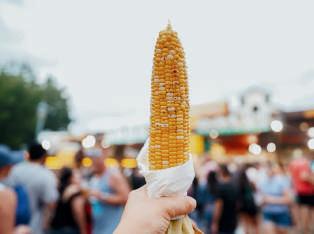
See you at the Wisconsin State Fair August 6 - 16, 2026
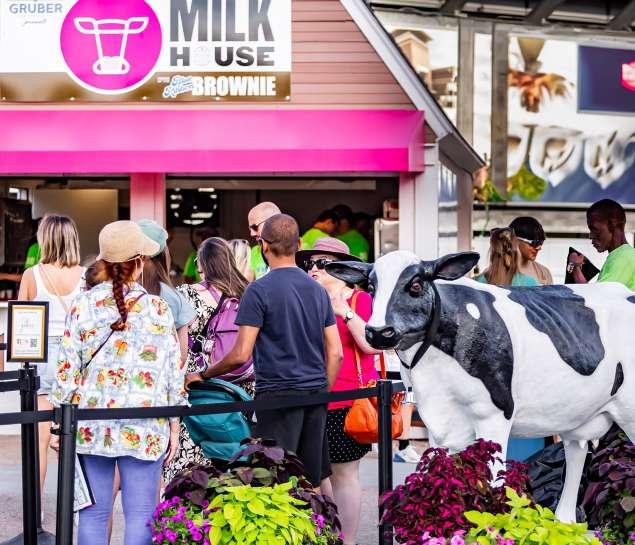
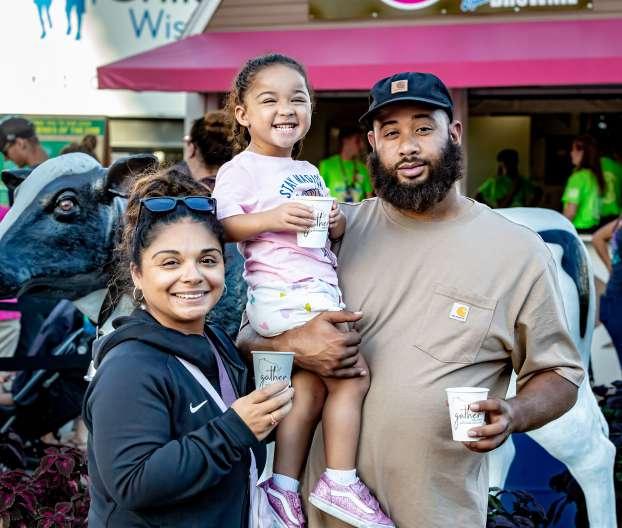
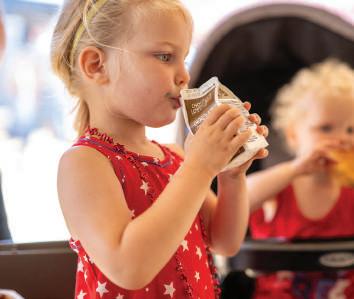
During the best 11 days of summer, visit the beloved Milk House and taste the State Fair tradition of fun, flavored milk. You can feel good about every sip and bite because all proceeds are reinvested in YOUTH EDUCATIONAL PROGRAMMING, PARK BEAUTIFICATION and CAPITAL IMPROVEMENTS .
The Milk House is just one of the many ways you can support the Wisconsin State Fair Park Foundation, an independent 501c3 nonprofit that is here to help you make a difference through philanthropy.
Learn more about our many giving opportunities and support one of our state’s greatest treasures, the Wisconsin State Fair.
red velvet birthday cake s’mores
ROOT BEER
CONTENTS
ALSUM FARMS
Honoring tradition and embracing innovation.
MEET A FARMER
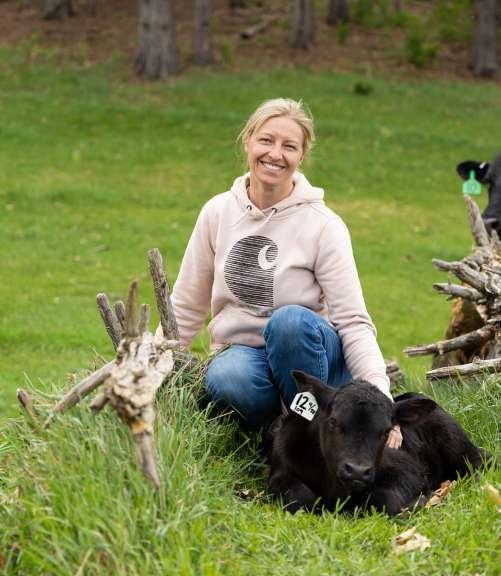
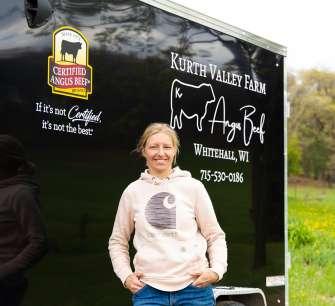
Meet Lindsay Kurth, a beef farmer from Whitehall.
DRONES
Learn how agricultural drones help farmers grow your food.
BURE'S BERRY PATCH
Growing food and building community.
CRANFEST
Discover the World's Largest Cranberry Festival hosted in the village of Warrens.
AWARD WINNING CHEESE
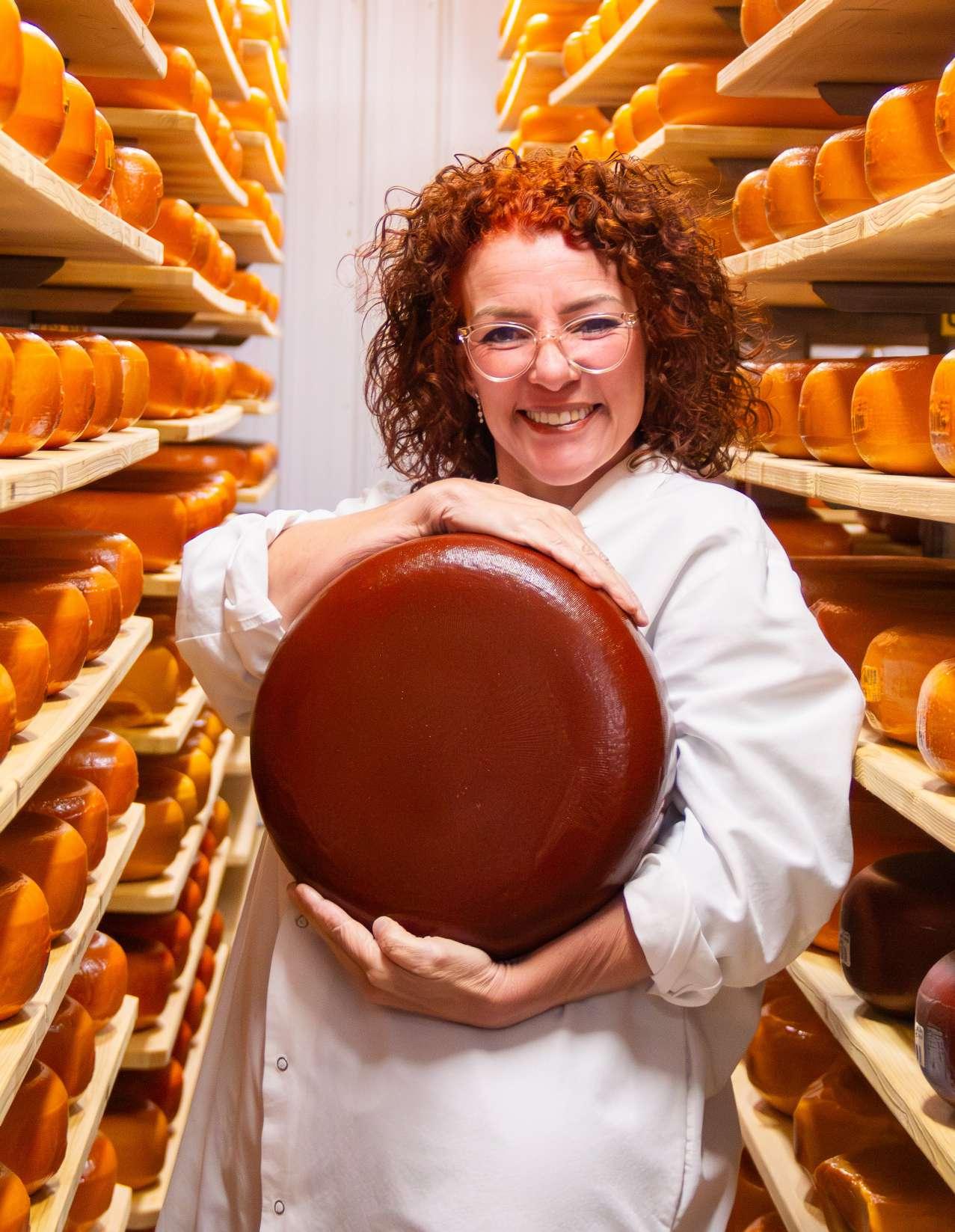
Meet Marieke Penterman, a native of the Netherlands who became a world champion cheesemaker.
HOSTING WITH ALICE
Give the gift of Something Special from WisconsinTM
EAT LOCAL. SHOP LOCAL.
How your grocery cart supports Wisconsin agriculture.
Photo credit: Alsum Farms
Hello from Gather WisconsinTM!
Wisconsin agriculture is something truly special. Our farmers work around the clock to ensure food is efficiently grown and harvested while also striving to be sustainable. While we are known for dairy, Wisconsin is ranked first in the nation for cranberries, snap pea processing, cheese, ginseng, milk, goats and corn silage.
This year’s Gather Wisconsin publication is a showcase of our state’s unique agriculture industry. You’ll see the faces of many farmers, from a beef rancher selling her own products in Western Wisconsin on page 8 to a dairy farmer who makes internationally recognized gouda cheese on page 18. We introduce you to the Bure family and their commitment to community through Bure’s Berry Patch on page 12 and potato growers using precision technology on page 5.
We also showcase the many ways agriculture is highlighted in communities across the state. Discover the Great Wisconsin Ice Cream Trail and all of its delicious stops on page 15, or the largest cranberry festival hosted by the small village of Warrens on page 16.
Whether you are looking to host a gathering with the perfect charcuterie board, give the perfect gift to the one you love or simply get connected with local food brands in your area grocery store, pages 20-22 are filled with crave-worthy solutions to meet your needs.
Throughout this issue, you will also notice a lot of female faces. This year is the International Year of the Woman Farmer, and according to the University of Wisconsin-Madison Division of Extension, 35.5% of farm owners are women in our state. We are excited to connect you with the innovation and tenacity women are showcasing on farms across Wisconsin.
Agriculture is so unique, and that uniqueness shines here in Wisconsin. We hope you enjoy the stories and resources shared in this year’s edition of Gather Wisconsin and feel just a little bit closer to the families behind your food. We invite you to connect with us for even more great content on our website at www.GatherWisconsin. com.
Thank you for supporting our mission of celebrating and supporting Wisconsin agriculture.
Happy reading!
Hungry for more?
Get Gather Wisconsin resources straight to your inbox! Subscribe to our e-newsletter by visiting GatherWisconsin.com/Subscribe.
Address of Publication
Wisconsin Farm Bureau Federation PO Box 5550 1241 John Q. Hammons Dr. Madison, WI 53705-0550
Subscription of $5 is included in Farm Bureau dues. All rights reserved. No portion of this magazine may be reproduced in whole or part without written consent.
For advertising rates and information: Wisconsin accounts contact Amy Eckelberg at 608.828.5706 or aeckelberg@wfbf.com or Cassie Sonnentag at 608.828.5711 or csonnentag@wfbf.com.
Honoring Tradition + Embracing Innovation at Alsum Farms
By Rachel LaCount
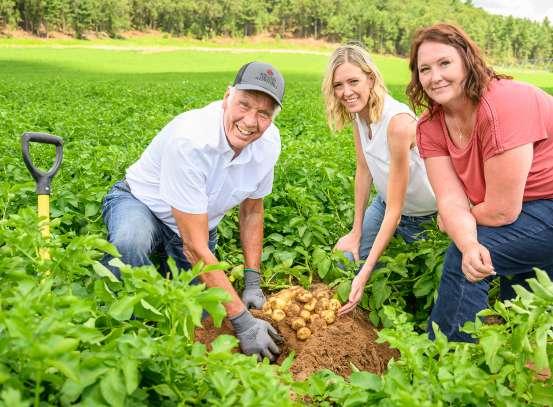
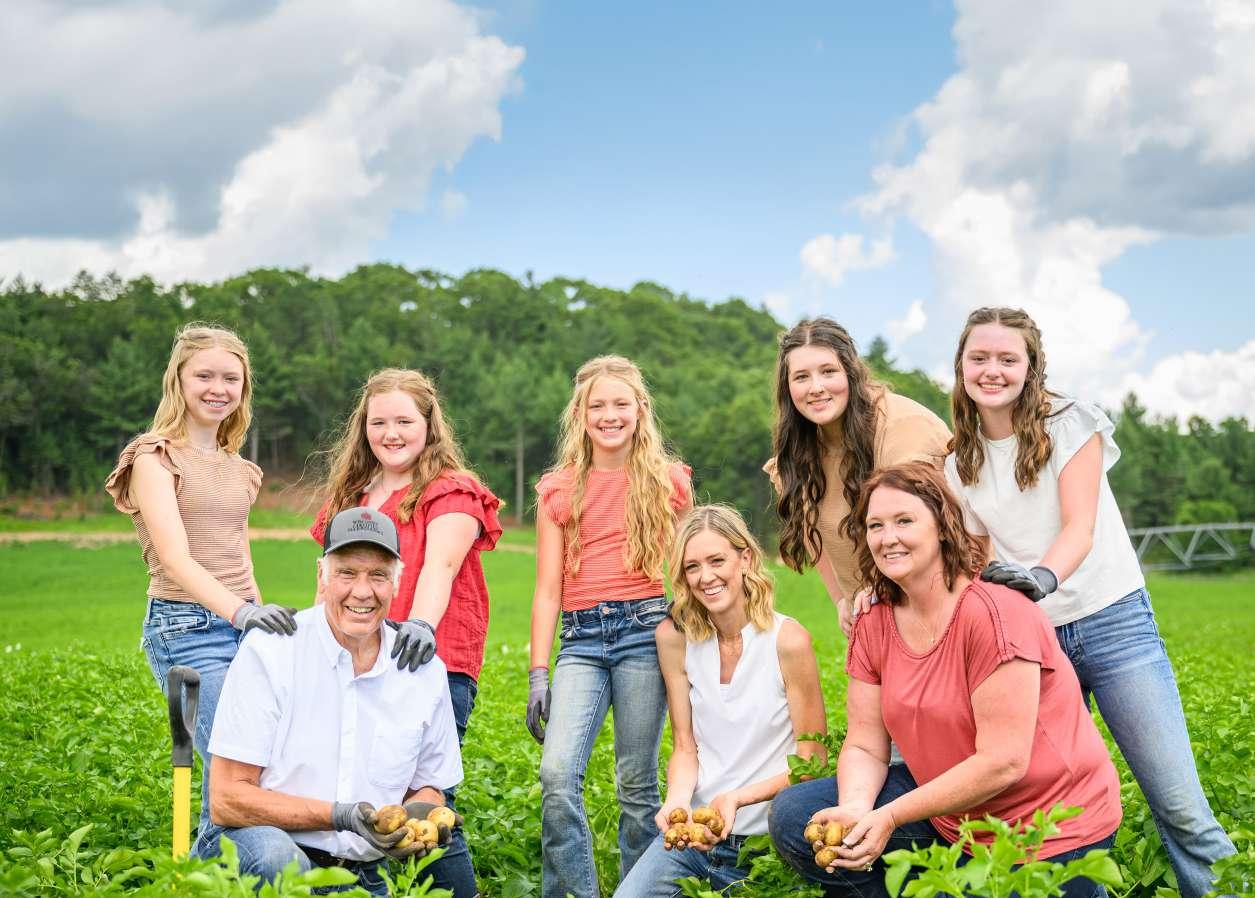
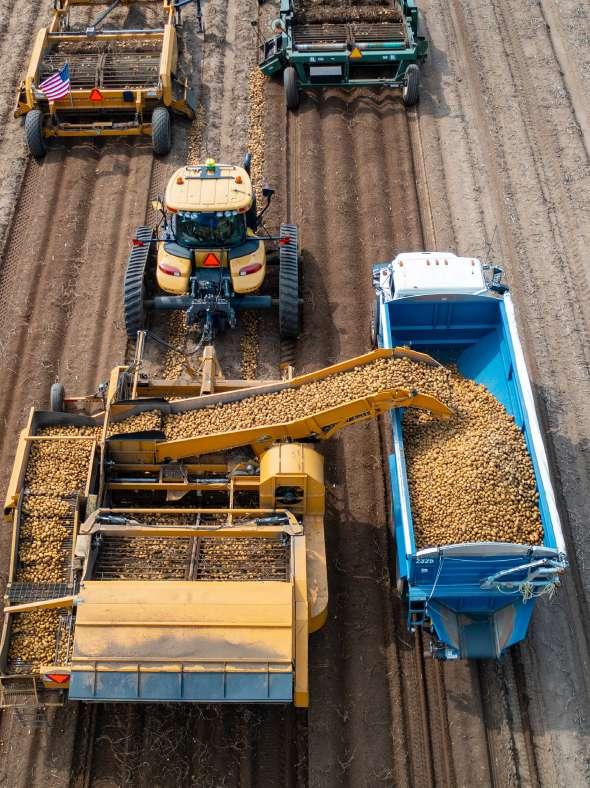
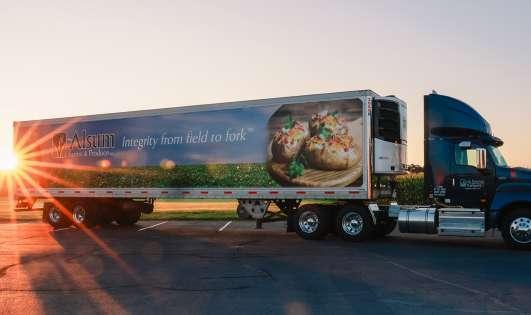
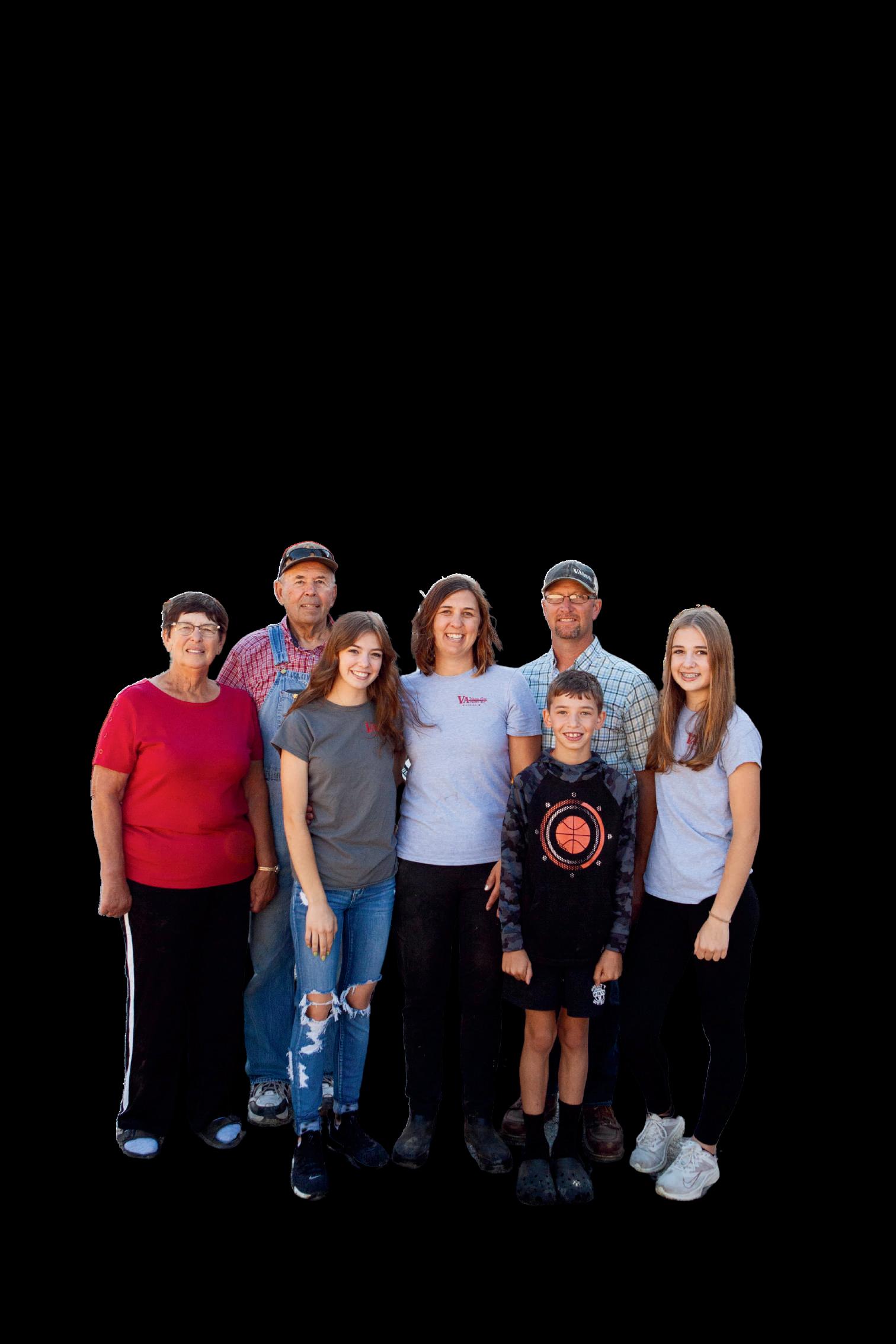
Alsum Farms & Produce began five decades ago with one man in a 600-square-foot potato shed. Today, the farming business has grown into 325 full-time team members working across two farming locations, packing facilities, marketing and distribution to bring 200 million pounds of potatoes to families across the Midwest.
As a vertically integrated farm, packing facility and logistics agribusiness –Alsum Farms, Alsum Farms & Produce and Alsum Transport –works together growing, packing and delivering fresh, Wisconsin Healthy Grown® Certified Alsum potatoes, onions and produce to dinner tables across America since 1973. The business is farmerowned, quality-driven and family-run by first-generation potato farmer Larry Alsum and his two daughters.
Sisters Wendy (Alsum) Dykstra and Heidi (Alsum) Randall grew up inspired by their father, Larry, a fourthgeneration dairy farmer turned potato farmer. From an early age, the sisters witnessed firsthand the long hours, challenges and rewards that come with farming.
Integrity from Field to Fork
From the beginning, the success of Alsum Farms & Produce has been rooted in hard-working local employees, strong partnerships with growers and customers and a steadfast commitment to quality.
The Alsum family places a strong emphasis on caring for employees and recognizing the contributions each person makes.
“Advances in equipment, farming practices and packing systems have strengthened efficiency and product quality, but they have never replaced our people-first approach,” shared Wendy.
Combining Instinct + Innovation
Wendy and Heidi blend longstanding farming practices with modern technology to position Alsum Farms for long-term success.
“While the tools and scale of the farm have evolved, our culture remains grounded in family focus and long-term relationships,” shared Heidi. “By balancing strong roots with forward-thinking innovation, we have proved that growth and tradition can thrive side-by-side.”
Photo credit: Alsum Farms
Wendy and Heidi grew up in the information age, so using digital tools feels natural to them. They rely on automation, apps and data to make faster, clearer decisions. Technology doesn’t replace generational intuition; it strengthens it. It supports their instincts. By pairing experience with modern tools, they improve teamwork and help the operation run smoothly.
“By respecting what works and carefully testing new approaches, we protect our legacy while positioning the farm for a sustainable, competitive future,” shared Wendy.
Using technology that helps them monitor fields, store potatoes safely, and avoid wasting seed and nutrients improves farm efficiency and reduces risk, striving to pack a quality product for customers across the country.
“We are involved in the farm at a time when change happens faster than ever,” noted Heidi. “Because of that, adaptability and willingness to make necessary changes are very important.”
Technology in Potato Farming
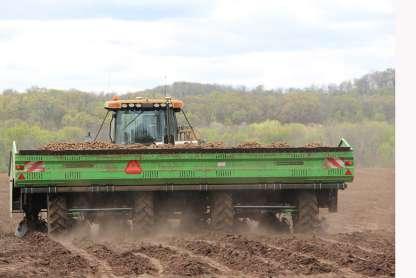
GPS-guided planting technology helps maximize productivity and yield, ensuring each field is planted with precision. Soil sensors and cameras mounted on irrigation pivots monitor moisture levels and crop conditions. Irrigation pivots in the field can be adjusted from a smartphone, allowing rapid response to changing conditions.
“That level of precision transformed how we farm,” shared Heidi. “We are able to farm smarter, reduce waste and improve sustainability, all while supporting the instincts and experience that guide our decisions in the field.”
Protecting crops from insects, weeds and disease is essential to growing a steady, reliable food supply. At
Photo credit: Alsum Farms
Storage innovation plays a critical role in making fresh Wisconsin potatoes available throughout the year. Environmentally controlled warehouses regulate humidity, temperature and light exposure, creating conditions that preserve potato quality long after harvest. Most recently, Alsum Farms installed technology to cool and purify the air in the storage warehouses. In the packing facility, technology supports quality assurance. Artificially intelligent robotic cameras inspect each potato as they spin along the grading table, offering nearly 360 degrees of visibility. A robotic picker removes
“When a family brings home a bag of Alsum potatoes, we hope they feel confident in the care behind every step of the process,” shared Wendy. “We want them to know that we truly care about our people, our land and the responsibility we carry as farmers.”
Wisconsin potato farmers like Alsum Farms are setting the standard for sustainable, innovative potato farming.
Legacy of Tradition + Innovation
Wendy and Heidi are building a legacy defined by their care for their people and the planet. They consider it equally important to maintain a culture at Alsum Farms & Produce where employees are treated like family and feel valued, supported and proud of their work.
“We are blessed with the opportunity to grow healthy, nutritious Healthy Grown potatoes in an environmentally responsible way and we take that responsibility seriously,” concluded Heidi.
Photo credit: Alsum Farms
Meet a Beef Farmer
By Brooke Mallek
Lindsay and Brandan Kurth, alongside their three children, are the owners of Kurth Valley Farm near Whitehall. Kurth Valley Farm has been passed down through five generations of the family. Today the Kurths raise beef cattle alongside a flock of sheep and broiler chickens.
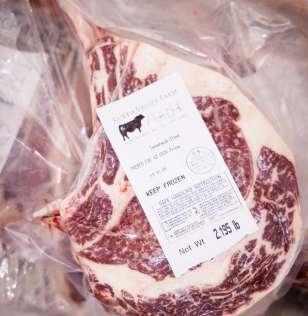
Beef is the farm’s primary focus with the family offering products like beef tallow and direct-to-consumer Angus beef. Lindsay has placed a strong emphasis on quality and innovation, becoming one of the first farmers in Wisconsin to utilize the USDA Remote Beef Grading Pilot Program. After processing, Lindsay photographs and measures each ribeye before submitting the data to the USDA for official grading.
The goal is to provide consumers with high quality Certified Angus Beef products while setting themselves apart from other direct-to-consumer beef businesses. Consumers can purchase products directly at www.kurthvalleyfarm.com or follow along with updates and featured products on Kurth Valley Farm Facebook.
Sustainability plays a major role in daily operations at Kurth Valley Farm. The family utilizes nutrient-rich litter from their broiler barns and manure from their cattle as fertilizer across their pasture and cropland. By recycling nutrients already produced on the farm, they reduce reliance on purchased fertilizers while improving soil productivity.
“Utilizing manure produced on the farm instead of sourcing fertilizer from trucks has been one of our best financial and sustainable resources,” said Lindsay.
The Kurths farm nearly 600 acres of pasture and cropland and focus on maximizing every acre they operate. Through precision planting technology and strategic land management, the family works to produce as much feed as possible from their own land base. When evaluating nearby farmland purchases, they prioritize land that can sustainably support cattle or crop growth close to home rather than relying on trucking in feed.
Like many multi-generational farms, Kurth Valley Farm has faced challenges over the years. Lindsay explained that at one point the farm may have been profitable, but over generations family members began working jobs off the farm instead of fully focusing on sustaining income from the farm itself.
When Lindsay and Brandan acquired the farm many buildings and facilities needed improvements. Since then, they have slowly worked to improve livestock handling systems, equipment and infrastructure while staying financially responsible.
The Kurths goals moving forward are focused on improving efficiency and profitability. After purchasing neighboring farms and growing their farm to max capacity for cows, calves and feedlot space, Lindsay said their focus now is fine tuning what they already have by sourcing more feed from owned land and continuing to improve pasture management.
For Lindsay, sustainability comes back to protecting the future of agriculture and making sure the land can continue supporting future generations.
“If we don’t take care of the land, it won’t be here for the next generation,” Lindsay shared. “I support all farmers no matter big or small. I think it’s very important to take care of your land because that land will continuously feed back into your ag industry.”
improving the farm, Lindsay says one of her favorite parts of agriculture is working alongside her husband every day. Before farming full-time, she owned a fiber mill business processing wool from sheep, llama and alpaca. After selling the business and returning to the farm full-time, she said it reminded her why they fell in love with farming in the first place.
Lindsay also reflected on the importance of women in agriculture. She credits generations of women in her family for helping sustain the farm, including an ancestor who returned from South Dakota to farm the land with her children. With daughters of her own already showing interest in agriculture, Lindsay believes there has never been a better time for women to get involved in farming.
“I think women in agriculture are absolutely amazing,” Lindsay said. “There may be challenging times, but there’s no better time than today to start, even if it’s the smallest thing.”
Lindsay Kurth 5th Generation Farmer
Photo by Brooke Mallek
Photo by Cassie Sonnentag
Shared Water, Shared Responsibility
Inside a farmer-led watershed group making a difference for Wisconsin water quality
Protecting our shared water resources starts long before it reaches our lakes and rivers. It starts on the farm. Through sustainable practices that build healthy soil and conserve water, farmers are part of the solution for protecting Wisconsin water quality.
Farmer-led watershed groups share the responsibility of protecting and enhancing water quality. These groups are made up of farmers from the same watershed who have voluntarily joined forces to advance conservation and protect the water sources in their community.
Peninsula Pride Farms is a watershed group made up of farmers working together to improve water quality in Door and Kewaunee counties. The Peninsula Pride watershed empties into Lake Michigan. Farming near Lake Michigan brings its own unique challenges for farmers because it is a top priority to ensure the water is safe and clean for their community.
The group began in 2016 with fourteen area farmers who shared a common goal of building community trust. The farmers came together with a shared vision of clean, safe water and a thriving agricultural community together on the Door-Kewaunee Peninsula. The organization has grown to 70 area farmers in the last decade.
One of the greatest benefits of farmer-led watershed groups is farmer-to-farmer collaboration. Farmers can learn from each other and find new ideas for conservation practices to implement on their own farm.
Peninsula Pride Farms hosts monthly “Conservation Conversations” to bring farmers together to discuss on-farm sustainability efforts. By learning from one another and
holding each other accountable, farmers share responsibility for protecting the water that connects their farms and communities.
The farmers of Peninsula Pride Farms wanted to better understand how the practices they were implementing were making a difference. They worked with Farmers for Sustainable Food to create a sustainability project to collect data and quantify their environmental impact. The results of the project demonstrated positive changes and proved the group’s commitment to continuous improvement in their watershed.
The Peninsula Pride Farms Sustainability Project earned the group a “Collaborator of the Year” award from Field to Market for their outstanding partnerships in advancing sustainability. The group was also named the Lake Michigan Champion of Conservation in 2025.
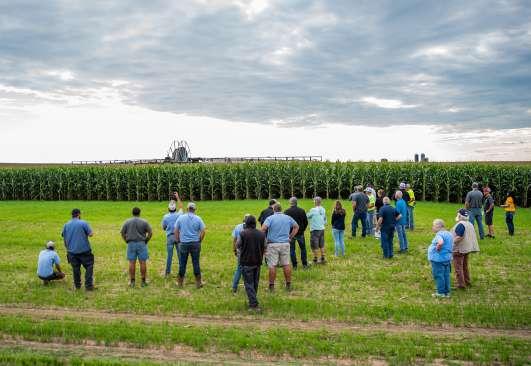
Peninsula Pride Farms hosts an annual summer picnic for the community featuring hands-on conservation demonstrations and behind-the-scenes looks at on-farm innovation. Farmers also showcase the work they are doing with field signs that raise awareness of the positive practices happening on the farm. It is a great opportunity for farmers to showcase their efforts to protect water quality and build trust with their neighbors.
Farmer-led watershed groups are making a difference across Wisconsin. Where water is shared, so is the responsibility to protect it. Groups like Peninsula Pride Farms are proving that farmer-led learning and innovation can create positive change and be part of the solution. WATERSHED: A watershed consists of all the streams, creeks and rivers that flow into a common body of water like a lake.
Photo credit: Kayla Mayer, Farmers for Sustainable Food
Photo credit: Kayla Mayer, Farmers for Sustainable Food
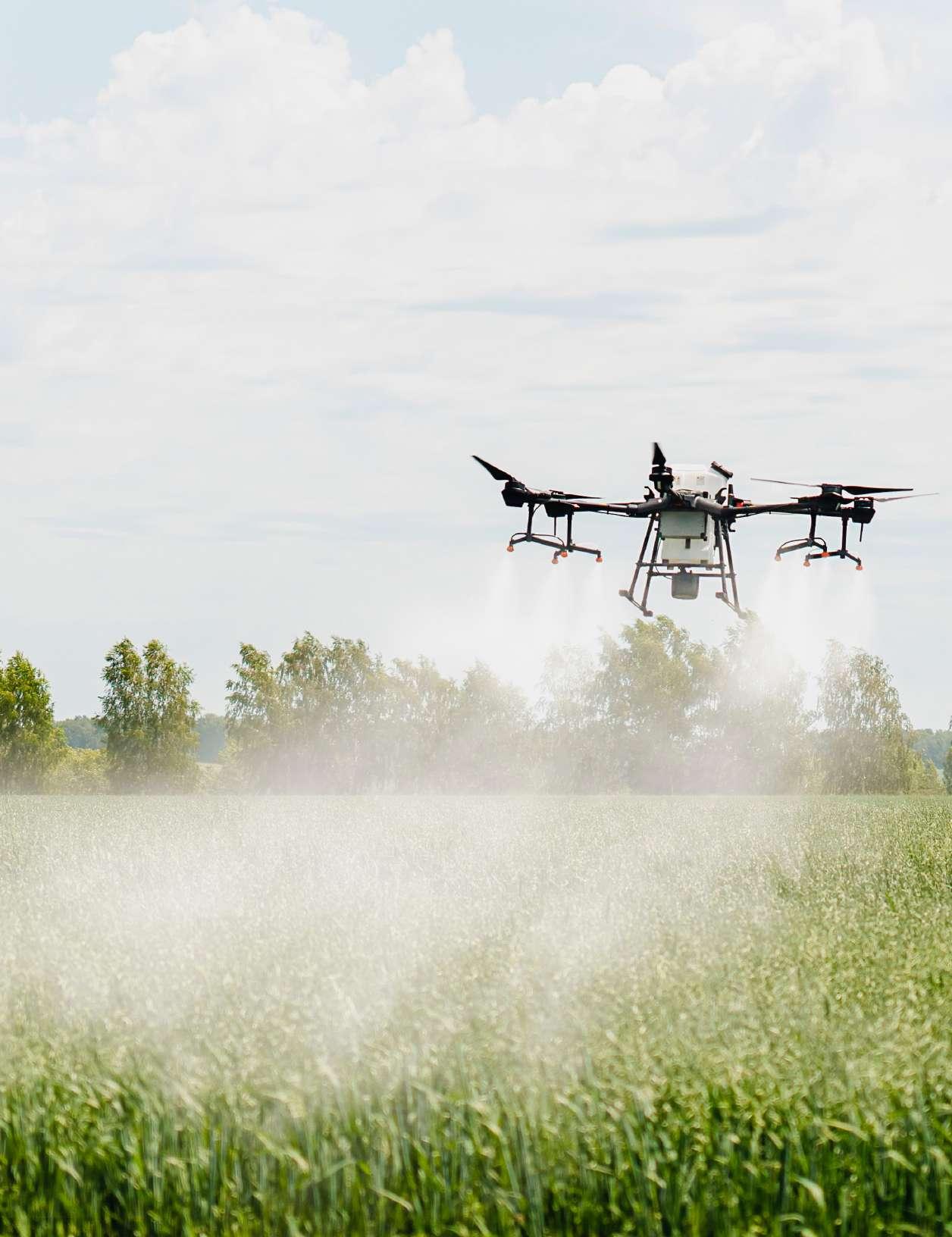
How Agricultural Drones Help Grow Your Food
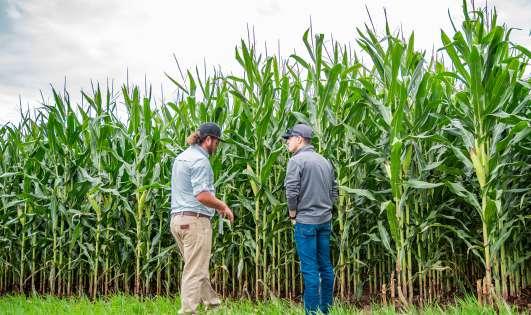
Agricultural drones have transformed modern farming by allowing farmers more flexibility and greater precision in caring for their crops. From scouting fields to applying inputs, this technology helps farmers make smarter, more efficient decisions every day.
Farmers use two main types of drones: imaging drones and spray drones. Imaging drones can scan entire fields in minutes, identifying issues like pests, disease or crop stress long before they are visible from the ground. By pinpointing exactly where a problem exists, farmers can respond quickly, saving which saves time, protecting protects crop quality and reduces unnecessary treatments.
Spray drones are also gaining popularity, especially for specialty crops such aslike pumpkins, fruits and vegetables. These drones allow farmers to apply fertilizers and crop protection tools with incredible accuracy. Instead of treating an entire field, farmers can target only specific the areas that need attention. This reduces waste, avoids overapplication and helps protect surrounding land and water. Drones can also access hardto-reach or wet areas without damaging crops or risking heavy equipment getting stuck in the field.
Crop protection tools, including pesticides, play an important role in keeping crops healthy by protecting them from weeds, insects and disease. Without them, farmers could lose a significant portion of their harvest, impacting both food quality and availability. Tools like drones help ensure these products are used responsibly and only where needed.
Targeted application means fewer inputs are used overall, while still maintaining a safe, abundant food supply. Crop protection products are carefully tested and regulated, and farmers follow strict guidelines to ensure they are used safely and effectively. Many farmers are also certified applicators, trained to make thoughtful decisions about when and how to apply products. It’s a responsibility farmers take personally because the food they grow often ends up on their own kitchen tables, too.
Technology like drones adds another layer of transparency and accountability to modern farming. Farmers can track exactly where products are applied, how much is used and when applications occur.
Drones allow farmers to protect crops responsibly while maintaining a high standard of quality and sustainability. This innovation ensures safe food that families can trust.
Fuel Up for Summer Fun with Wisconsin Corn
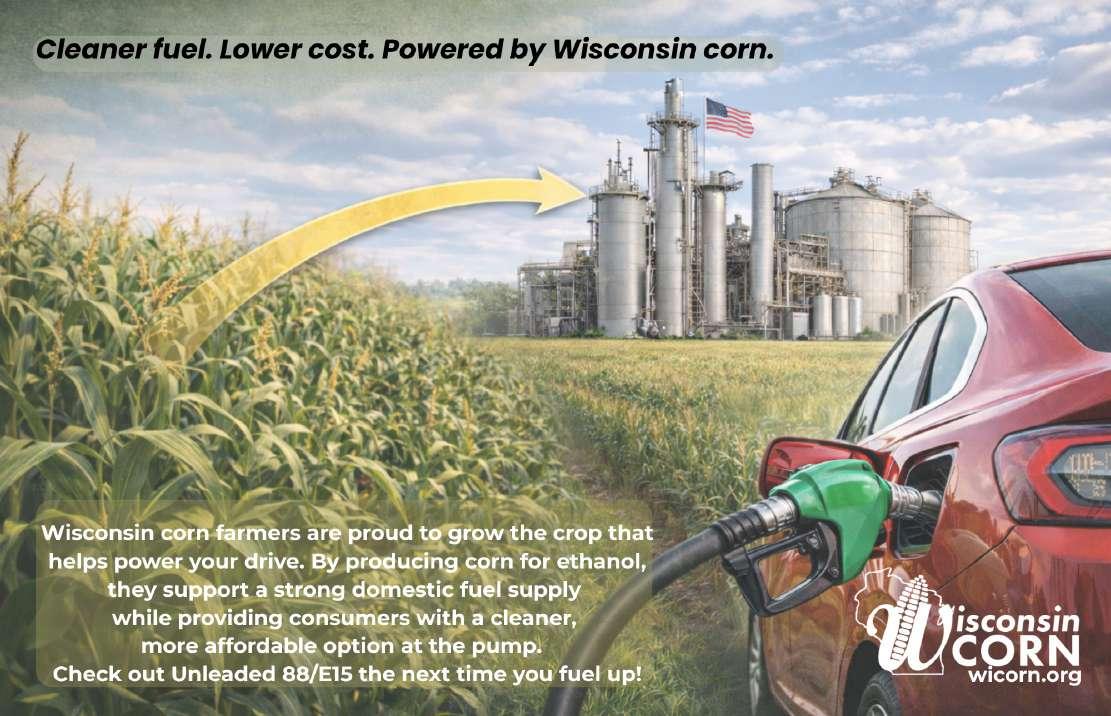
Are you hitting the road for a Wisconsin adventure this summer? Odds are your road trip is fueled, in part, by Wisconsin corn growers! Wisconsin farmers grow over three million acres of corn across the state. Over one-third of that corn is transformed into ethanol at one of the nine Wisconsin ethanol plants.
Let’s break down your choices at the pump and fuel up for a fun-filled summer.
What is ethanol? Ethanol is a renewable fuel made primarily from corn. It’s blended into gasoline at different levels, giving drivers options at the pump depending on their vehicle.
Is ethanol a greener fuel? Engines running on ethanol emit fewer greenhouse gas emissions, which lowers your overall environmental footprint. Higher blends of ethanol typically cost less than regular unleaded fuel, saving you dollars and providing peace of mind at the pump.
Is ethanol safe for my car? Most vehicles are already running on renewable fuel, as nearly all gas in Wisconsin is blended with 10% ethanol (often called E10). If your vehicle was made after 2001, higher blends like E15—also sold as Unleaded 88— are approved and safe to use. In fact, according to Wisconsin Corn Growers, over 20 billion miles have already been driven using Unleaded 88 (E15) in the United States. Unleaded 88 also offers higher octane, which can support engine performance and efficiency. Which fuel choice is best for me?
Unleaded 87 – Unleaded 87 is a popular fuel choice for gas vehicles. It is used to fuel cars, small engines, boats, lawn mowers and more. It contains 10% ethanol and 90% petroleum-based gasoline.
Unleaded 88 (E15) – Unleaded 88 and E15 are the same fuel, containing 15% ethanol and 85% petroleum-based gasoline. It’s approved for use in all 2001 and newer vehicles, offers a higher-octane rating, and is often priced lower than regular unleaded. It is not approved for small engines.
E85 (Flex Fuel) – E85 contains the highest amount of ethanol—up to 85%! It is only approved for use in flex fuel vehicles specifically designed to run on higher ethanol blends.
By Cassie Sonnentag
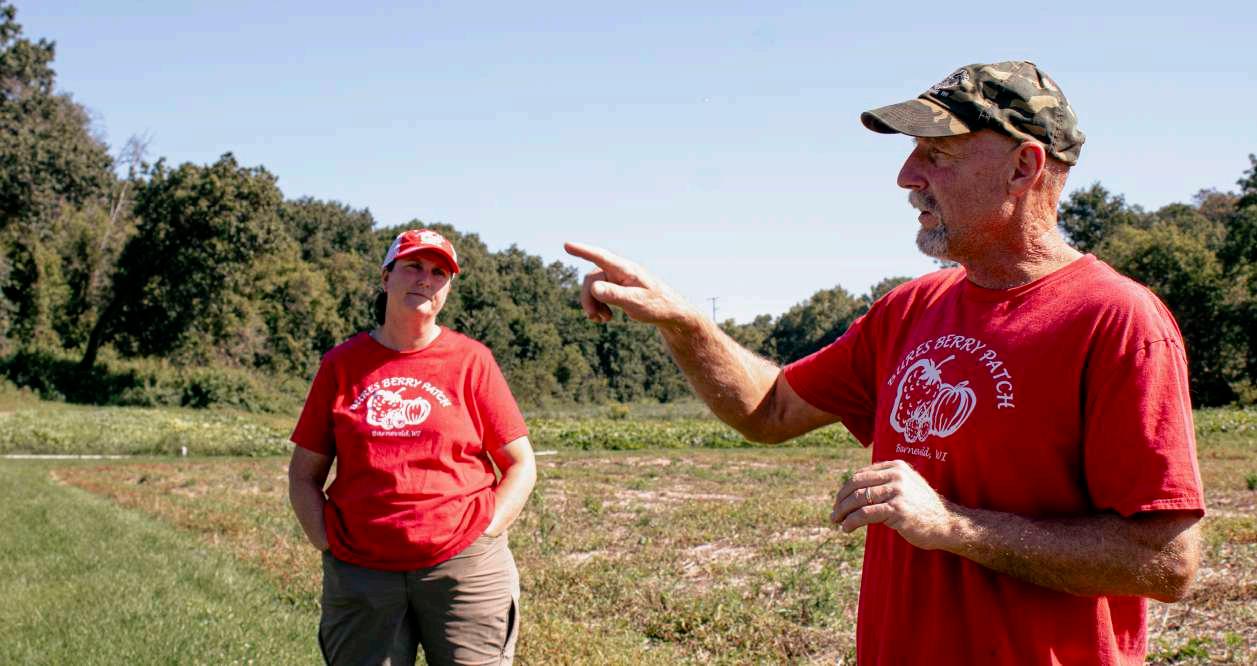
Growing Food and Building Community at Bures Berry Patch
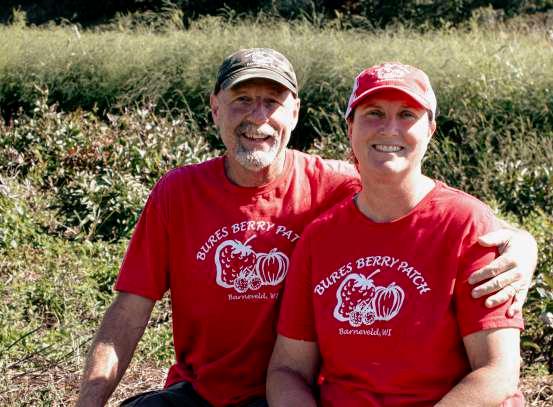
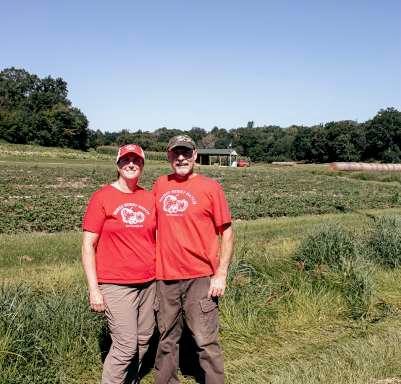
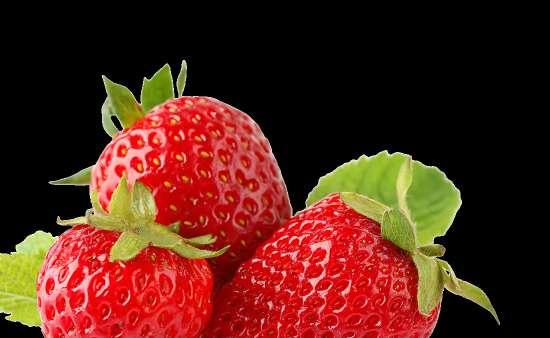
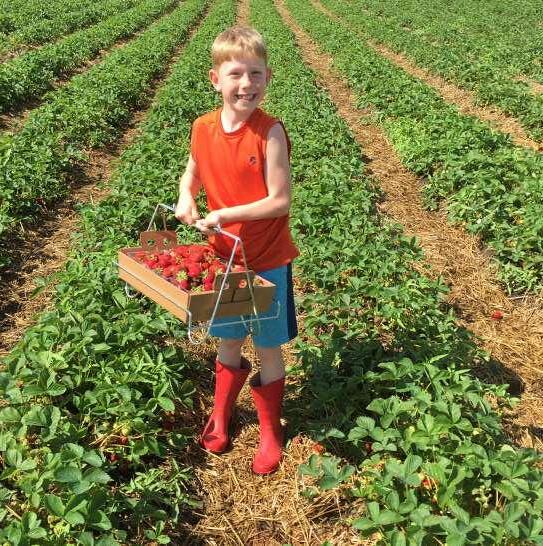
When Kathy and Ed Bures planted their first acre of strawberries in 2002, they didn’t picture how much their farm would grow and change over the course of two decades. What began as a small field slowly turned into a place where families gather, kids learn and thousands find fresh food grown with care.
Simple Beginnings
Located near Barneveld, Bures Berry Patch began with humble beginnings in 2002. Starting with U-pick strawberries, they progressively added fresh produce that met the needs of their customers.
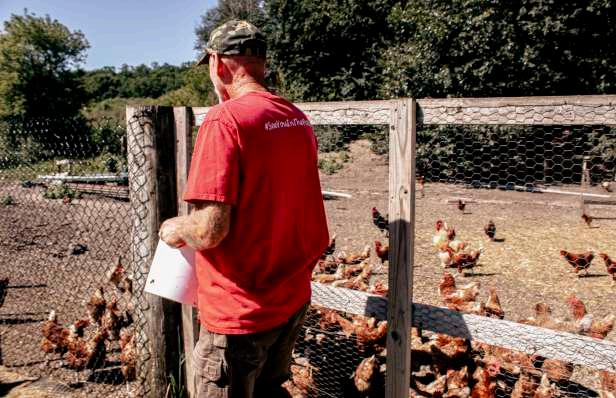
“We started with strawberries, then pumpkins and asparagus right off the bat,” said Ed. “As I cut back a little bit on my university job, we added more summer vegetables and eventually egg-laying chickens.”
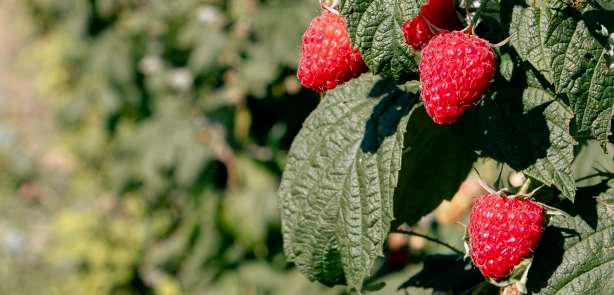
The Bures continued to diversify their business one step at a time, one season at a time. Eventually, they added potatoes, beans, corn, sunflowers, rhubarb and raspberries. The strawberry patch grew from one acre to four, and the pumpkin patch blossomed into a fall tradition for countless families.
The Bures never planned a grand expansion; they simply grew into what the community craved.
Finding their place at the Market
Beyond their farmstand, the Bures sell fresh produce at three different farmers markets: Mineral Point, Mount Horeb and the Dane County Farmers Market on Capitol Square. Each market has played a role in shaping their farm’s future.
Their farmers market involvement first started with Mineral Point.
“They like to shop local,” Kathy said. “It’s a great community and we’ve been there close to 20 years now.”
Next, they took on Mount Horeb, a market that took time to grow but once it moved to Main Street, Kathy noted a shift to welcoming more young families, activity and connections.
The biggest undertaking was the Dane County Farmers Market, which is arguably the busiest market in the state and the largest producer-only market in the country.
“There are close to 20,000 people there on a Saturday,” Kathy said.
While large in scale, Kathy notes she has a series of repeat customers who return for fresh produce. These customers have a deep appreciation for the farmers growing their food.
Raising a Safe Food source for Families
Weather is both a farmer’s business partner and their biggest challenge throughout the season.
“With a u-pick crop like strawberries, there’s no storing them,” Ed noted. “When they are ripe, they need to be picked.”
There are a number of weather patterns that can have an impact on their strawberry season. Rain drives people away and high heat can slow down picking. Additionally, frost can have an impact on blossoms.
Bures Berry Patch uses an irrigation system to not only water the plants but protect them in the event of a cold snap.
Pest control requires the same level of thought and care. Strawberries and raspberries bring the most pressure and require close monitoring. The Bures use sprays only when needed and lean on other methods like reflective ground film to help break insect cycles.
What some may consider pests, however, are actually friends of the plants. Every spring, the Bures work with a local beekeeper to bring in 20 to 30 beehives.
“The bees pollinate all of our crops,” Kathy said. “They like it here because there is always water in the valley.”
Year-round Activities
The fields at Bures Berry Patch are a constant stream of activity all year long. The Bures begin by planting in the spring through early June.
You can find them at farmers markets starting in May through mid-November. Their growing season starts with harvesting asparagus, then strawberries, and is followed by green beans, corn, potatoes, raspberries and, last but not least, pumpkins.
They weed throughout the summer and continue picking produce until frost hits.
“I’m ready to be done by then,” said Kathy in regard to the final weeks. “Sometimes I’ve got my snowmobile suit on!”
Fall also brings a steady stream of field trip groups. Each year, 400 to 500 kindergarten students visit the pumpkin patch to enjoy hayrides, pick pumpkins, feed chickens and ask plenty of questions.
Fostering Community
There is no question that Ed and Kathy are passionate about what they do and have a love for growing food at their core.
Kathy feels drawn to the connections and relationships she has built over the years.
“I really enjoy being able to provide our community with this food,” she said. “I get to see the direct impact of feeding people. It’s comforting and rewarding.”
When asked what he wishes people understood about their farm, Ed notes the value behind what they offer.
“This is high intensity farming,” he said. “Having fresh food is awesome. You waste less, it tastes better and I enjoy having an environment for kids to grow up in where they are learning responsibility.”
The Bures recognize the value small farms like theirs have for Wisconsin’s rural identity. From supporting local youth to feeding growing families, they know the work they are doing is serving a higher purpose.
“If we want to keep communities strong, we need people to continue supporting farms like ours,” Ed said.
Bures Berry Patch is a testament to the impact a small farm can have in shaping a community. Ed and Kathy are growing more than fresh food; they are growing memories and connections that extend far beyond their fields.
Photo Credit: Bures Berry Patch
Five Reasons to Visit a local Lavender Farm this Summer
Home to a wealth of agritourism opportunities, Wisconsin is the perfect state for day trips and extended vacations, alike. If you are looking for a new adventure to add to your summer bucket list, a growing commodity might just be your perfect opportunity.
With locations throughout the state, lavender farms are as photogenic as they are fragrant to visit. Here are our top five reasons to make the trip to visit a lavender with your friends or family this summer.
An Exclusive Season
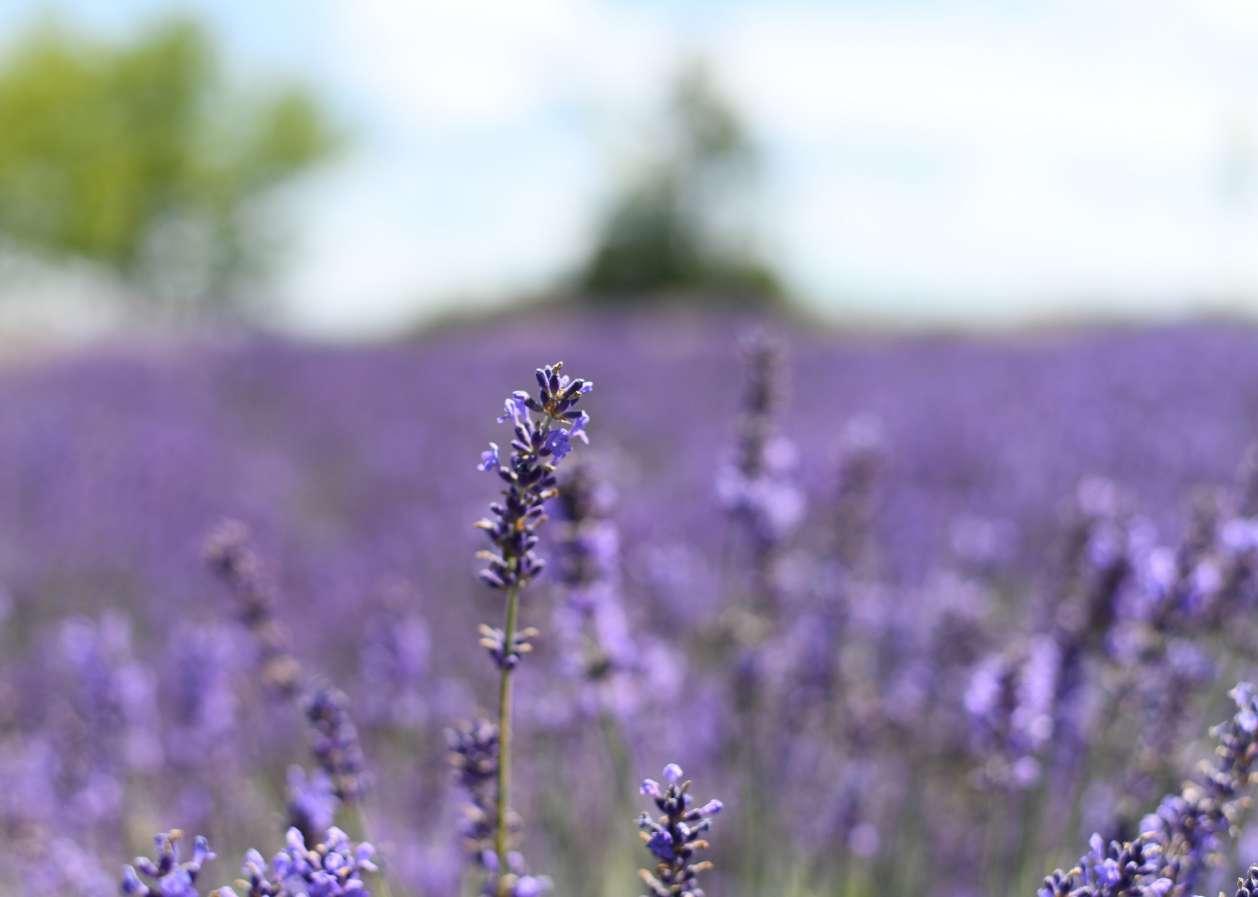
When visiting a lavender farm, time is of essence. While many farms offer lavender goods throughout the year, catching lavender fields at peak bloom is a much shorter window, with peaks happening from late June throughout July.
Visiting lavender in bloom is worth your time, however. With rows of beautiful purple blooms and pollinators galore, the blooming season brings the spirit of a European countryside to fields much closer to home.
The Perfect Location
Lavender is incredibly picturesque, making it the perfect scene for anything from senior photos to engagement sessions. Whether you are working with a professional photographer or just using the phone in your back pocket, the backdrop of a lavender field does half the work for you.
Beyond photos, the sweet aroma of lavender has calming properties tied to stress reduction and sleep support. When you step into a lavender field, you can physically feel your shoulders drop and your nervous system relax.
Supporting the Local Food System
It might feel like a no-brainer, but visiting a lavender farm supports local agriculture beyond the location itself. Lavender is a natural attractant for bees, butterflies and other pollinators during its peak summer foliage. These pollinators support crops and gardens far beyond the confines of the farm itself, which in a broader picture contributes to the local food system and economy alike.
There’s Plenty to Do!
Beyond the beauty of the farm itself, many lavender farms offer unique experiences that can make an average day feel extraordinary. Many farms offer u-pick bundles, demonstrations, delicious lavender lemonade, workshops or yoga events to fill your cup and your heart.
You’re Supporting Local Farmers
Many lavender farms are small family businesses, offering a wide variety of goods for purchase. Lavender is great for culinary use, household goods and wellness items to support your body and mind. From candles to oils to food products and more, every purchase matters.
A trip to a lavender farm gives you more than pretty views. You step into a place where growers pour their energy into crops that support both people and the environment. You slow down, breathe deeper and reconnect with the people beside you. When you visit, you support local families and walk away with stories that stay with you long after the color fades from the fields.
Photo Credit: Lashawna Vogel
By Cassie Sonnentag
Warrens Cranberry Fes tival Behind the Community Spirit of
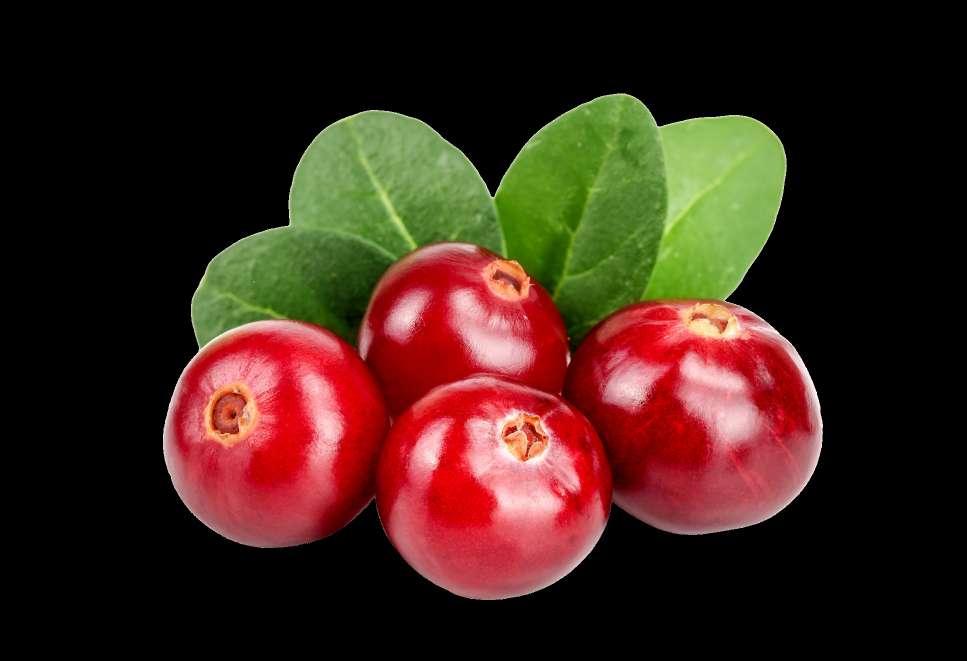
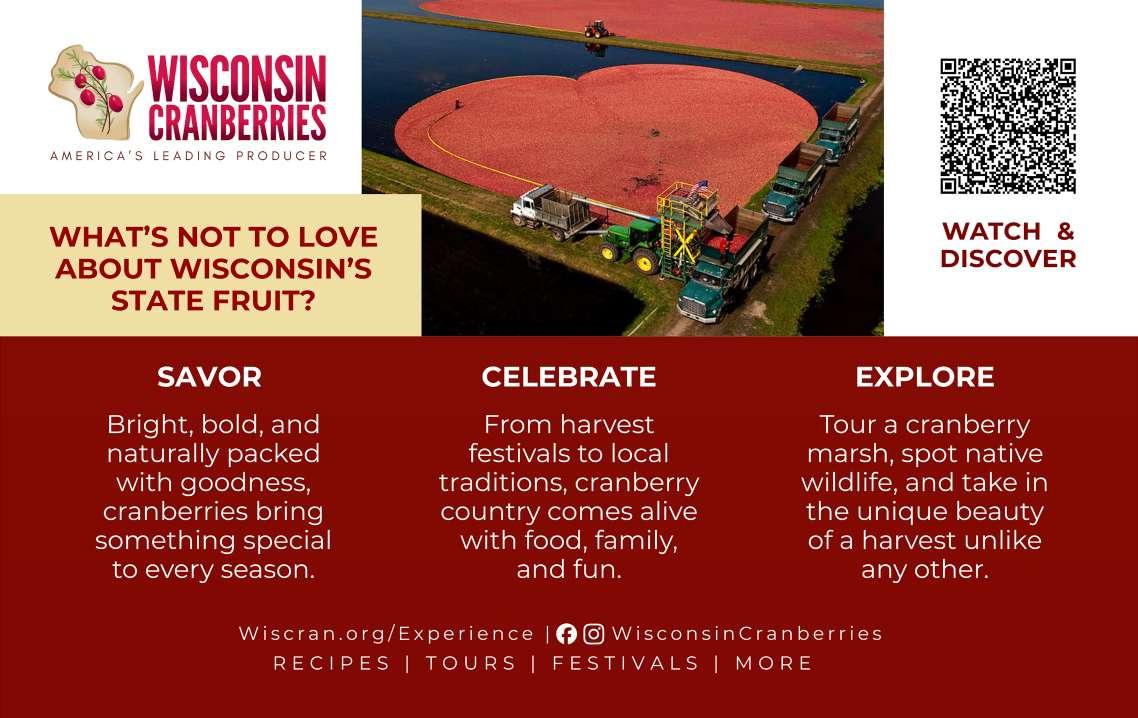
With just 450 residents who call it home, those not from the area might not be familiar with the village of Warrens, Wis. But this little village makes a big splash every year by hosting the World’s Largest Cranberry Festival.
Hosted annually on the last weekend of September, Warren’s Cranberry Festival brings in over 1,200 vendors and 175,000 visitors to the Cranberry Capitoal of Wisconsin.
Warrens Cranberry Festival got its start when a group of ladies started sharing ideas around a kitchen table. They wanted to support and bring people to the community while showcasing the cranberry culture of the region.
“In August 1973, Jean Case held a meeting at her home in Warrens to see if there was interest in having a festival,” said Warrens Cranberry Festival General Manager Kim Schroeder. “They had money left over from the Warrens Centennial Fund to start the festival and decided cranberries were plenty in the area, so they decided to have a cranberry festival.”
The first festival came together in just two months, featuring 75 vendors and welcoming 3,500 attendees. Since then, the festival has become an honored tradition for the community and its visitors alike.
While the festival is well-known for its craft vendors and shopping opportunities, it truly is a cultural experience. There are a variety of contests, live music performances, self-guided marsh walking tours, delectable culinary offerings and a grand parade.
“We try to have something for everyone,” said Kim.
It is not uncommon to walk around the festival and see groups of visitors dressed up in costumes and outfits for the occasion.
“As the festival kept getting larger, visitors started dressing up so they could find each other,” said Kim. “We made it into a contest, and they get to be our special guests in the next year’s festival. They ride in the parade, get special cranberry foods, cranberries, merchandise and so much more.”
The festival is overseen by a board of directors and advisory board comprised of 14 members and supported by over 250 volunteers. It is not only community driven, but it also serves the community by shedding valuable light on area cranberry growers and giving back to local organizations.
Over its 53 years, the festival has returned more than $3 million to the Warrens community. Despite a small loss and a $500 loan in its third year, it has stayed financially strong thanks to community support and its volunteer network.
“We hope that others have seen an enhanced quality of life for our small village,” said Kim. “Donations to the fire department, school, playground equipment and many more organizations have been enhanced from holding our annual festival.”
Mark your calendar to attend the 53rd Annual Warrens Cranberry Festival, September 25th to 27th, 2026.
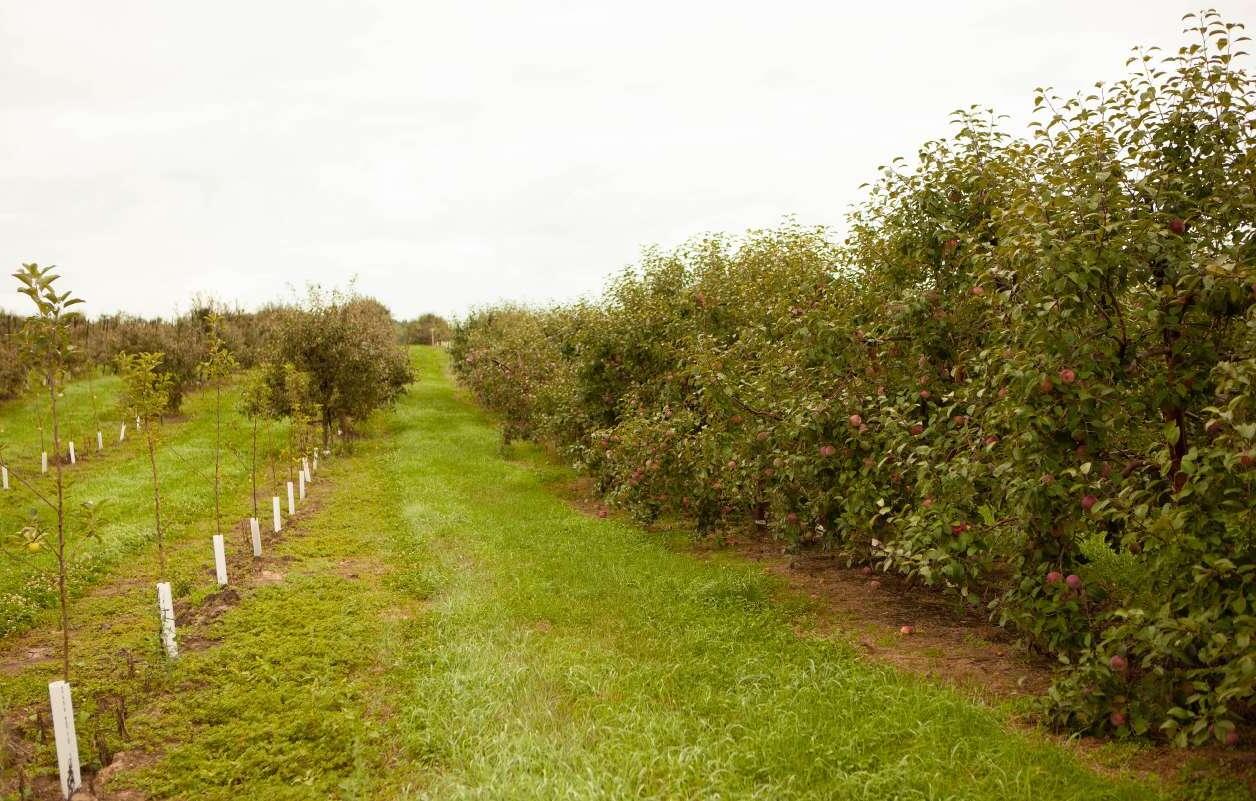
Five A pple Orchards to Visit This Fall
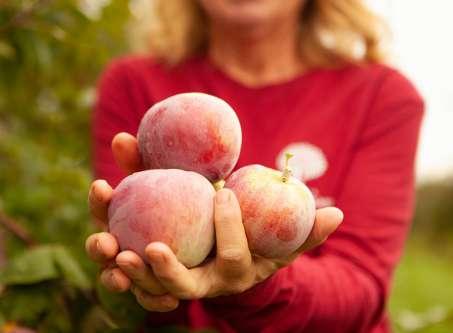
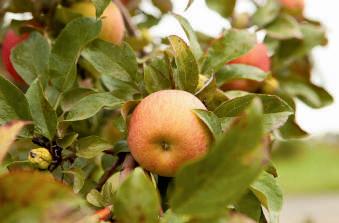
Apple season is just around the corner and orchards across Wisconsin are opening their gates for one of fall’s most anticipated harvests. From Honeycrisp to McIntosh, these orchards provide fresh, locally grown apples while also supporting Wisconsin’s strong tradition of family farming. Here are some of our top picks to explore this season.
Erikson Orchards, Bayfield
Erikson Orchards is a family-owned orchard offering 17 varieties of apples. Explore the country store and U-pick apple orchard and enjoy bakery items and carefully crafted apple cider.
Leffel Roots Apple Orchard, Eau Claire
Leffel Roots Apple Orchard offers a wide variety of apples, a 10-acre corn maze, pick-your-own pumpkins, maple syrup, honey, pies, caramel apples, cider donuts and apple ale. They proudly support veteran organizations and donate fresh produce to local organizations.
Door Creek Orchard, Cottage Grove
Door Creek Orchard offers wonderful fall fruit and cider. They
are proud to provide customers with a quiet place to enjoy nature, a harvest experience and an escape from the pressure of fast-paced urban life.
Jacobson’s Orchards, Waterford
Jacobson’s Orchards is home to over 3,000 apple trees and more than 50 varieties. Their bakery features fresh pies, apple cider donuts, caramel apples and more. Pick-your-own is available on the weekends.
Hillside Apples, Casco
Hillside Apples grows 30 different varieties of apples, pears, pumpkins and squash. You can walk or drive your car into the orchard with your family. Bring a picnic and enjoy the farmland and the beautiful orchard.
This list was informally curated by Gather Wisconsin’s e-newsletter subscribers. Visit GatherWisconsin.com for more Wisconsin apple orchard inspiration!
Wisconsin
The Great The Great Ice Cream Trail Ice Cream Trail
“Milk is Magical” The Award-Winning Phenomenon of Marieke Gouda
By Katie Cink
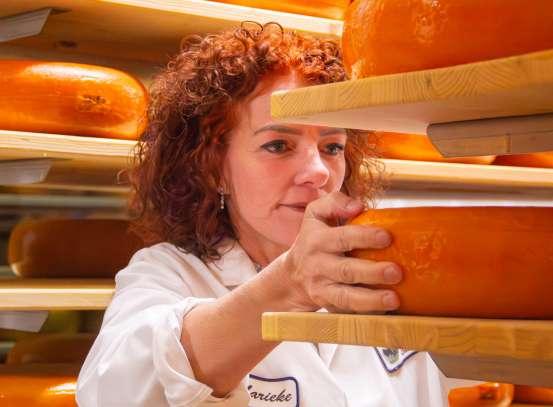
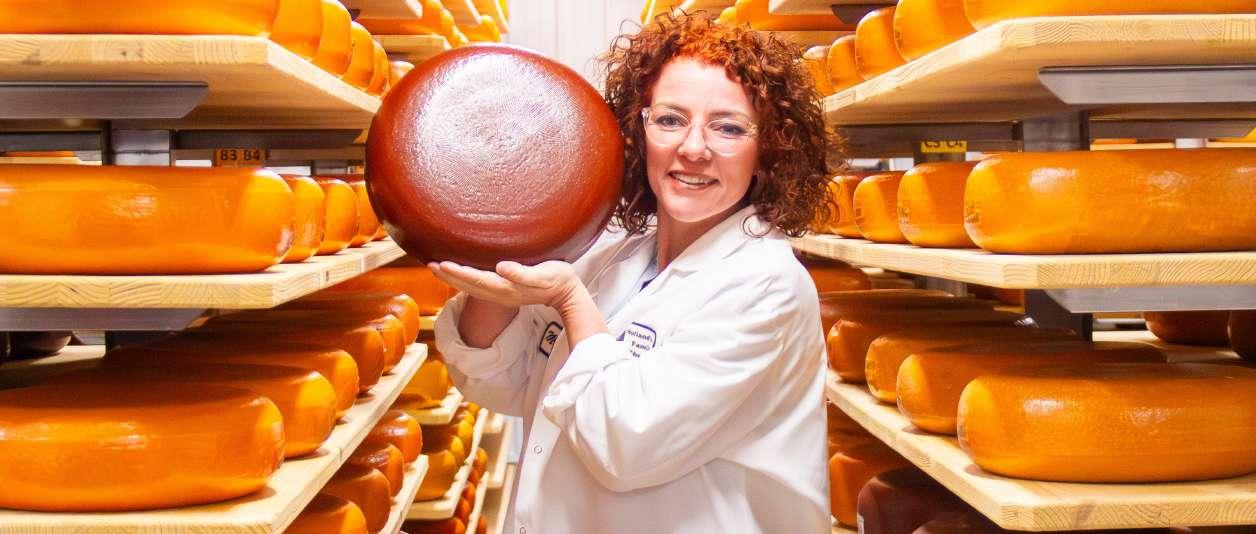
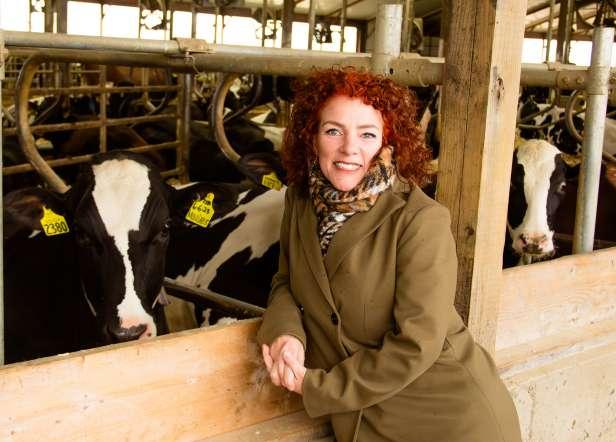
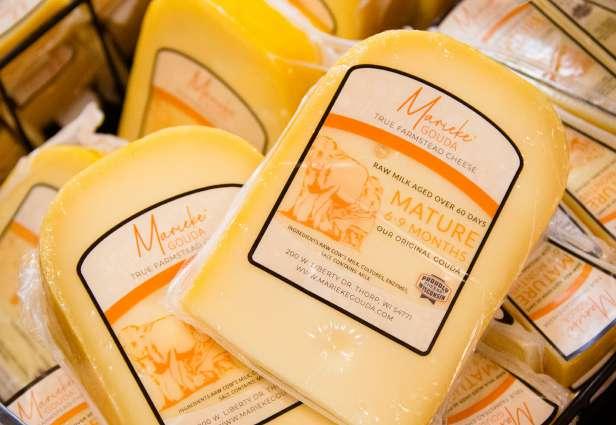
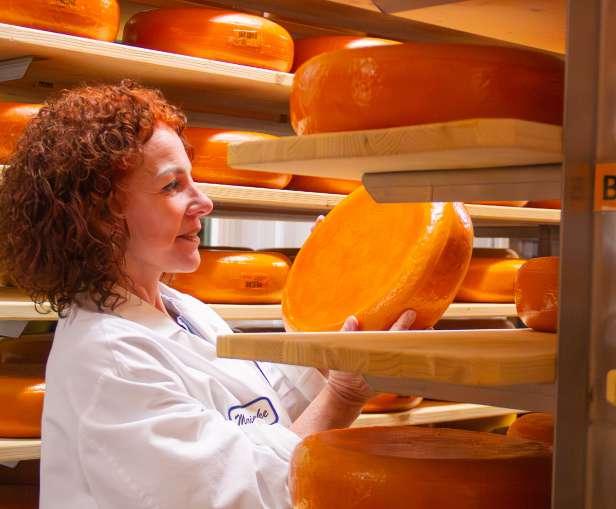
Not only can milk provide the magical makings of cheese, ice cream and our favorite dairy products, but it can also help dreams come true. Meet Marieke Penterman, a born and raised native of the Netherlands turned a world champion cheesemaker.
Marieke grew up on her family’s 60-cow dairy farm in Holland with generations of farmers in her bloodline. As a young girl, she spent her time in the milking parlor with her family, fostering a love for cows. It would almost seem as if it were destiny that Marieke would end up in the dairy industry.
The American Dream
Marieke moved to Canada to work on a dairy farm in 1998, where she met her now-husband, Rolf. They then purchased a 350-cow dairy farm located in Thorp, Wis. in May 2002. Marieke is often asked why she chose Wisconsin.
“America is the land of opportunities… if you love cows, where else could you go?” she said.
But there was still something missing for Marieke; she was missing her beloved Gouda cheese from home.
The idea of Marieke Gouda was born late one night.
“I had one of those nights where you just toss and turn and cannot fall asleep,” Marieke said.
Marieke could not figure out what she wanted to do. She had dreams of having her own business before turning 30. Then inspiration struck.
“I heard a cow calving and I’m like that’s it! We are going to make Gouda.”
The idea was now set in motion. There was just one problem: Marieke had never made cheese before.
Wisconsin is also the only state in the nation that requires cheesemakers to have a license. Marieke had to start from scratch in her cheese education and find a way to finance her dreams.
“What really kept me going was my mentality of not giving up,” Marieke said. “You have to make it work. There is always a solution for any problem.”
She went back to school to take cheesemaking courses and obtain her license. To get her authentic touch, Marieke traveled back to the Netherlands to learn the art of Gouda cheese. Then on December 18, 2006, Marieke Gouda opened their doors for business just ten days before her 30th birthday.
Skyrocketing to Success
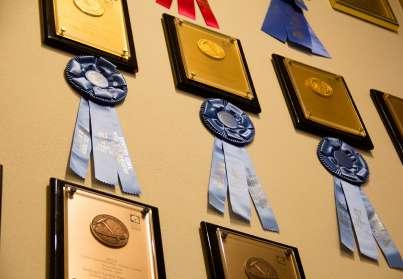
Just four months after making her first batch of cheese, Marieke Gouda started collecting awards.
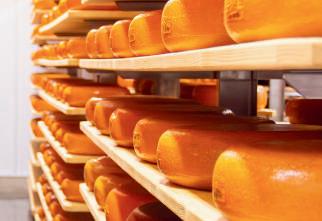
In 2007, Marieke won the United States Champion Cheese Contest, an outstanding accomplishment for a newly skilled cheesemaker. Her honors continued as the years went on, eventually leading to her biggest award to date. In 2013, Marieke won the Best Cheese award, crowning her the United States Grand Champion.
Not only did she have the title of the best cheese in America, but she also acquired something just as rewarding: a green card. Marieke now qualified for a special way to get a green card: the extraordinary ability route. Known as an EB-1A card, Marieke could now get a visa for employment in America. This high acclaim is granted to individuals of extraordinary ability in their field. Examples include Olympians and Nobel Peace Prize recipients. Marieke was now the very first cheesemaker to acquire a green card this way.
Blazing the Trail
Marieke was the first woman to win the Wisconsin State Fair Cheese Competition in 2011 and the first woman to win the Outstanding Young Farmer Award in 2015. Marieke is one of 60 female licensed cheesemakers in the country and the first to earn Master Cheesemaker status in Gouda. These accomplishments only highlight her career as she now has 316 awards and counting.
“I’m just very proud. Sometimes you don’t even realize it in the moment, just how big the moment is,” Marieke said. “It’s so exciting to see that it doesn’t matter what your gender is. It’s your drive, passion and interests that get you in that position.”
Passion for the Industry
While Marieke’s journey had many challenges, it also had many victories. Her love and dedication to the craft keep her going.
“I find it such an innovative industry. There are always ways of improving and making things better,” Marieke said. “The passion dairy farmers have for their cows and the land is very inspiring. I saw it with my parents and my grandparents.”
In addition to her love for the industry, her admiration for her cows continues to grow.
“This magical, nutritious product called milk can turn into cheese, yogurt, butter, ice cream, you name it,” Marieke said. “You cannot replace that. Milk is magical.”
Marieke takes her passion very seriously, especially when it comes to inviting people to her farm.
“The educational side is very important; growing up on a dairy farm, you don’t always look through the eyes of the consumer,” Marieke said. “It’s fun to have the opportunity to learn from them.”
For Marieke, opening the farmstead to over 150,000 visitors a year is part of giving back to the community and the dairy industry.“I have the responsibility to make sure when they leave our farm that they still want to continue drinking milk.”
The phenomenon surrounding Marieke Penterman keeps growing to this day. She continues to forge her own path and set the bar even higher. The dedication to preserving, promoting and educating will always be at the forefront of her mission. From a Dutch immigrant with a dream to a world-renowned cheesemaker, Marieke shows that milk truly is magical.
In November 2013, Marieke opened a cutting-edge facility along Highway 29 in Thorp, a café, storefront and viewing windows to see the farm and cheesemaking process.
More Than Just a Board:
Sharing the Traditions of Wisconsin Agriculture Through Carefully Curated Charcuterie
By Sarah Hagenow
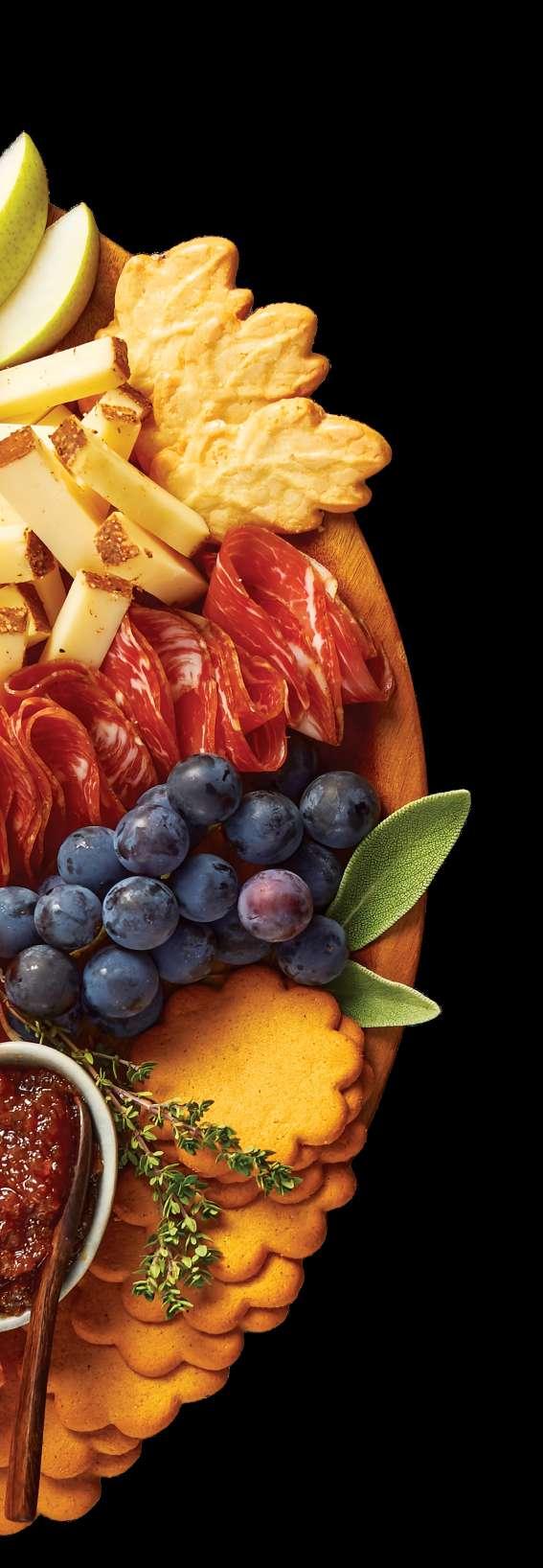
There’s something truly special about gathering around a beautifully crafted charcuterie board, especially when it’s built with the local flavors and traditions of Wisconsin-made products. Whether you’re hosting a holiday gathering, planning cozy night in or celebrating with friends, building a charcuterie board with locally produced items is a delicious way to share the heart of our state.
Start with a Good Base: A Handsome Platter
Just like a house needs a strong foundation, so does a charcuterie board.
In order to craft a stunning masterpiece, or perhaps a centerpiece, find a board that will anchor your curation. Thick wooden boards, sturdy cutting boards or large wooden platters work well to add a rustic yet sophisticated look.
Wisconsin Cheese
Being known as America’s Dairyland, you know that Wisconsin cheese will add unbeatable quality and taste to every board it touches.
Four to six cheeses are generally a good rule of thumb. A hard or aged cheese like cheddar or parmesan is ideal for bold, nutty notes. Add a semi-firm option, such as Havarti or provolone, for a classic and approachable flavor. Soft and creamy cheeses, like Brie or burrata, bring a smooth, buttery bite. Include an adventurous flavor as well, such as gorgonzola, smoked gouda or BellaVitano® to spark conversation across the table.
Once you have your cheeses selected, lay them around your board to determine their position. The rest of the board can be built around these shining stars!
Add a Crunch with Bread and Crackers
Crackers, breadsticks or a sliced baguette can serve as a vehicle for the perfect cheese bite. Choose a mix of options to complement the variety of cheeses on your
board, from neutral wheat crackers to seeded and flavored varieties. The goal is to give your guests the freedom to mix and match, creating their own perfect combinations of sweet, savory and oh-so-special.
Don’t Miss Out on the Meats
Next, bring in savory elements that pair beautifully with your cheeses. Thinly sliced cured meats like salami, prosciutto, pepperoni, smoked ham and dry-cured chorizo add richness and depth while also balancing the creaminess of the cheese. Place three or four meats around your board and play with shapes when arranging them. Try rolling slices, loosely bunching them together, or laying them out in a “fan” effect to add visual interest.
Sweeten the Experience
A little sweetness goes a long way in elevating your charcuterie board. Wisconsin-made jams, honey or fruit preserves are perfect for pairing with cheese. These can especially bring out the flavors of sharper or more aged varieties. Browse the Something Special from WisconsinTM website at www.somethingspecialwi.com to find orchards, farm stands and fruit processors that can add extra sweetness to any board.
Build with Beauty in Mind
You’ve started your board with meticulously sliced and arranged cheese. Then you’ve placed your crackers and meats strategically to help guests find complementary combinations. Now, it’s time to fill in the gaps with small piles of fruits, nuts and other accompaniments, thinking about color and balance as you go. Use small bowls for jams or honey to keep things tidy, and don’t be afraid to let the board feel abundant.
A Celebration of Wisconsin Craftsmanship
Once you finish your show-stopping charcuterie arrangement, it’s time to take a step back and admire both your craftsmanship and the mastery of all those who contributed an item to your board. It goes deeper than just looks and taste; a Wisconsin-curated charcuterie board is about the people, the products and the traditions behind it. From the dairy farmers who care for their herds to the cheesemakers who craft each wheel with pride, to the local honey producers who ensure pollinator health and the meat processors with a passion for providing a quality cut, these products represent generations of dedication.
As you gather around to enjoy every morsel, take a moment to slow down and savor the work that went into each flavor. Try new pairings, share your favorites and enjoy the simple joy of good food and good company. When you build your magnificent board with Wisconsin-made ingredients, you can take pride in our state’s rich agricultural heritage. With each and every bite, you’re helping share the story of hard work, innovation, and community behind the fabric of Wisconsin’s agriculture industry.
Give the Gif t of Something Special from WisconsinTM
When it comes to meaningful gifts, few things compare to items made close to home. Across Wisconsin, artisans, farmers, processors and small businesses create products that capture the heartfelt stories of our state. Many makers are part of the Something Special from WisconsinTM (SSfW) program, a statewide program that has helped consumers identify authentic Wisconsin-made products since 1983.
Products from the SSfW program stand out above the rest since these members certify that at least 50% of the value of the product or service can be attributed to Wisconsin ingredients, production or processing activities. With nearly 500 members, the perfect Wisconsin gift is waiting and ready for you to select.
For the Romantic Romantic celebrations often call for gifts that feel indulgent and personal, and Wisconsin’s confectioners, candle makers and flower growers offer just the thing. If you prefer to celebrate the season with your friends, these gifts remain perfect for any gals or pals, too!
In northern Wisconsin, Jack and Lori Britz own Jackson and Louie’s Sweet Shop, a company providing intricately crafted toffees, truffles, barks and more since 2008. Vande Walle’s Candies of Appleton has a legacy of crafting premium candies, small-batch caramels, chocolates and confections for 75 years.
For the Adventurer
There are many SSfW associations that help you explore the wonder of Wisconsin through fun recreation, exploration and tasting. White Winter Winery, Inc. of Iron River uses locally grown ingredients to craft award winning meads, ciders, spirits and sparkling fruit drinks. Drumlin Ridge Winery in Waunakee welcomes volunteers every year to get hands-on experience with the wine-making process.
Another adventure to gift a special someone is an experience with Silent Wake. This kayak outfitter and educator offers a safe and delightful experience for everyone, for beginners to experts alike.
Self-Care Specialties
Many SSfW members offer products that can help anyone rest and recharge between engagements and celebrations. Pamper your friends and family with items from Purple Thumb Lavender in Lomira, who grow lavender on their family farm. Choose from lip balm, linen spray, handmade soap, candles and more, or combine them all in a lovely self-care basket for your special someone!
You can stock up on bath and body goods from SSfW members that include bath bombs, salts, skin care, lotions, oils and more! Quatrefoil, based out of Madison, formulates natural and organic skincare products, some of which contain Wisconsin ginseng, which is a unique branch between beauty and agriculture.
Shop Local for Every Celebration
Whether celebrating new or old traditions, you know you’re getting a wonderful Wisconsin-made product whenever you see the signature SSfW logo. By purchasing SSfW products, you are supporting Wisconsin producers, processors, businesses and the local economy. Find your perfect gift and browse the 500 member companies at SomethingSpecialWI.com.
Scan for even more Something Special from WisconsinTM gift ideas from Alice in Dairyland!
Sarah Hagenow, 78th Alice in Dairyland
Alice in Dairyland is a one-year, full-time public relations professional employed by the Wisconsin Department of Agriculture, Trade and Consumer Protection (DATCP). Each year, Alice in Dairyland travels more than 40,000 miles, promoting Wisconsin agriculture, as authorized by Wis. Stat. § § 93.07(3), 93.40(1)(e), and 93.44(1)). Alice in Dairyland conducts hundreds of media interviews, speeches, and school presentations in her position.
Sarah Hagenow served as Wisconsin’s 78th Alice in Dairyland from July of 2025 to July of 2026. Hagenow authored this article during her active year of service to Wisconsin’s agriculture industry and has since passed the reigns to the 79th Alice in Dairyland.
M ore W isconsin - M adeT han Y ouT hink
How Your Grocery Cart Supports Wisconsin Agriculture
By Kylie Ver Kuilen
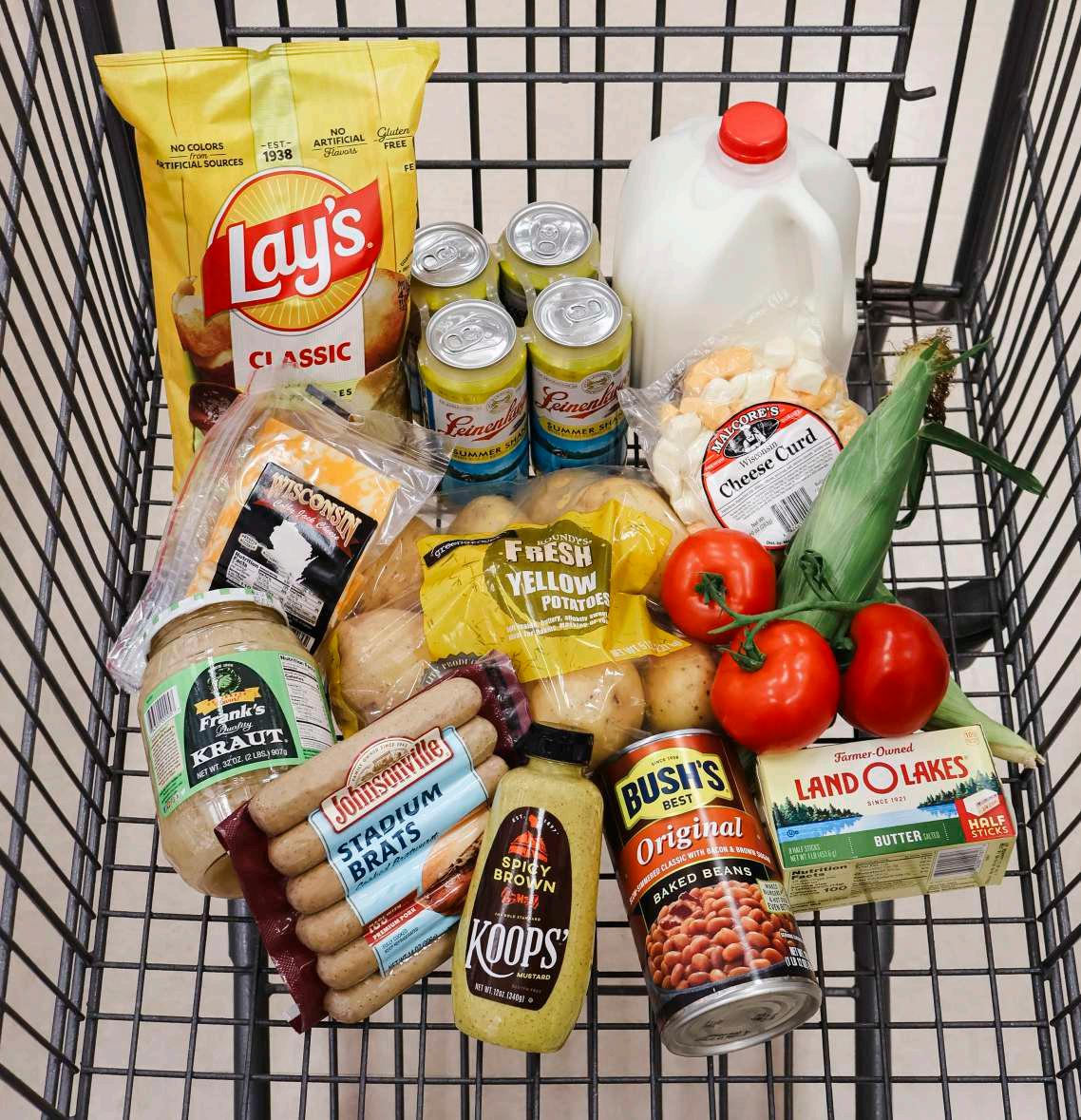
We all love supporting local agriculture at the farmers market or picking up our favorite locally made products at the store. But did you know you can still support Wisconsin agriculture even when you don’t have time to stop at the market or your favorite local bakery item isn’t on the shelf? Chances are, you probably already are without even realizing it! Here are a few products that likely make a regular appearance at your summer BBQs and have Wisconsin agricultural roots.
Milk: Wisconsin is called America’s Dairyland for a reason. The gallon of milk you grabbed from the fridge was likely produced nearby. Every gallon of milk has a plant code printed on the jug. If the state number starts with 55, you know it was produced here in Wisconsin.
Wisconsin Cheese: You know what would taste great on that locally sourced, perfectly seared burger? A slice of Wisconsin cheese. Wisconsin is the top cheese-producing state in the country, but I didn’t need to tell you that.
Local Produce: From potatoes to tomatoes, corn and more, your grocery store is bound to have an abundance of local, fresh produce coming from Wisconsin farms. Many stores will highlight this with “Locally Grown” signs, so keep a lookout!
Lay’s Potato Chips: Lay’s partners with family-owned and operated farms in Wisconsin’s Central Sands region, which yields a significant portion of the country’s potato crop.
Bush’s Baked Beans: Did you know this backyard BBQ classic was developed at their Augusta, Wisconsin plant in 1969? The dry beans canned at the Wisconsin plant are primarily sourced from Midwestern family farms.
Frank’s Kraut: Cabbage grown on Wisconsin farms are sold to GLK Foods, which owns Frank’s Kraut, where it is then made into sauerkraut for customers across the country. The factory in Bear Creek, Wisconsin is the largest producer of sauerkraut in the world.
Johnsonville Brats: Founded in 1945, Johnsonville is a massive supporter of local agricultural ingredients, from pork to spices and dairy products used in their cheddar brats.
Koops’ Mustard: In Wisconsin, we take our brats very seriously. Though we won’t get into the mustard versus ketchup debate here, we do know that Koops’ Mustard has been crafted in Wisconsin for over 120 years.
Did you love this publication?
GATHER WISCONSIN IS PROUDLY SUPPORTED BY THE WISCONSIN FARM BUREAU FOUNDATION.
You can support Gather Wisconsin with a tax-deductible gift to the Wisconsin Farm Bureau Foundation. Donations support education and leadership programs through the Wisconsin Farm Bureau Foundation, including the Gather Wisconsin website and this publication.
Donate during Wisconsin Farm Bureau’s GIVING DAY Wednesday, August 5
Learn more by visiting:
wfbf.com/foundation/foundation-giving-day/
PROTECT WHAT MAKES YOU SMILE
The moments worth capturing are the ones worth protecting—family, laughter, and the people who make every day a little brighter. For over a century, we’ve helped safeguard the futures and livelihoods of Wisconsin families just like yours. WE’RE HERE WHEN IT MATTERS MOST. TALK TO YOUR LOCAL AGENT TODAY.